 Box With T buckle
 700ml Square Lunch Box
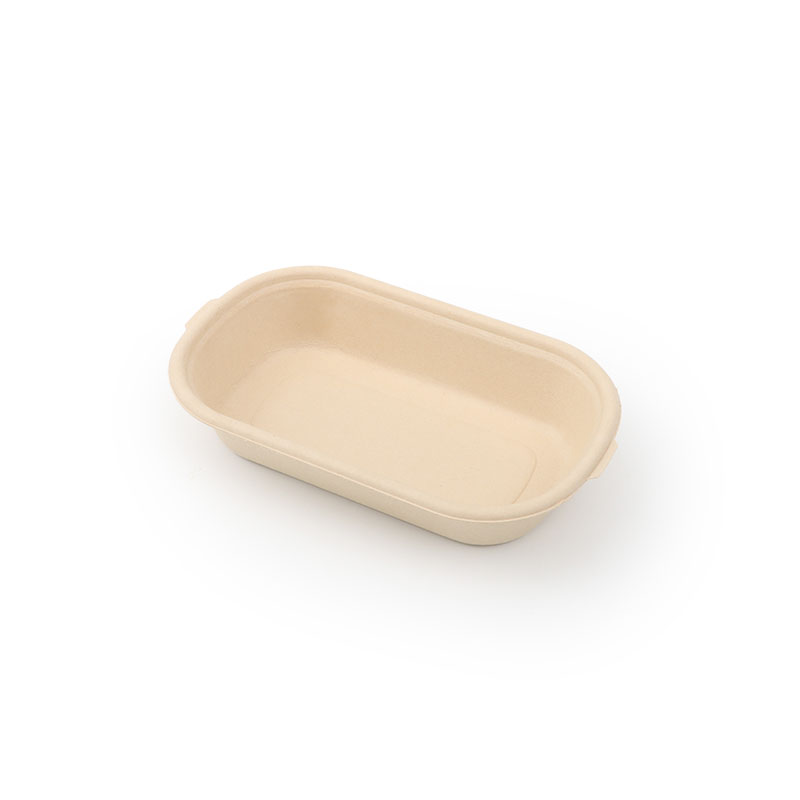 500ml
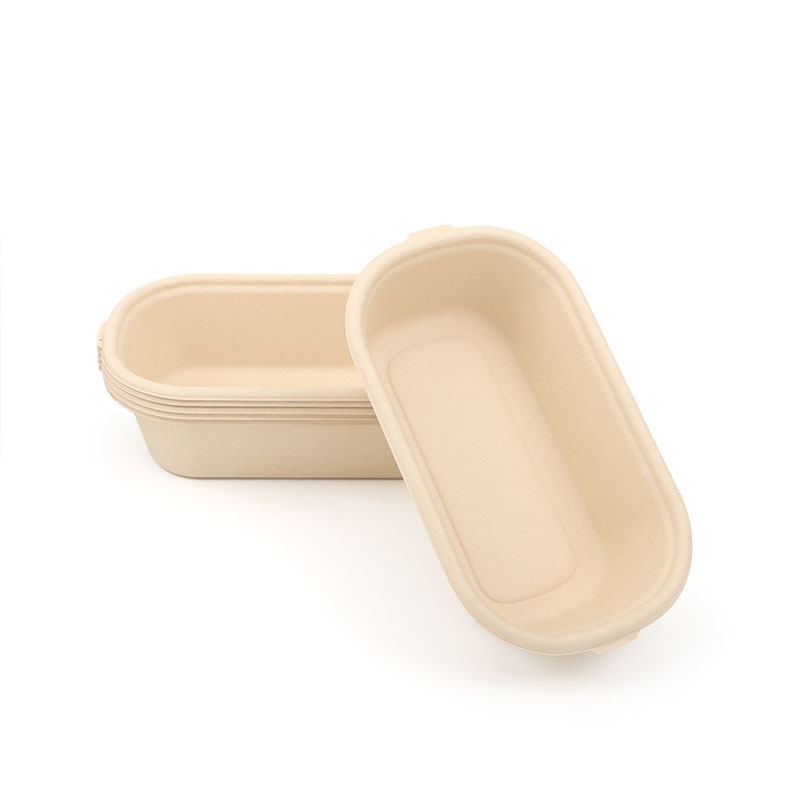 700ml
 850ml
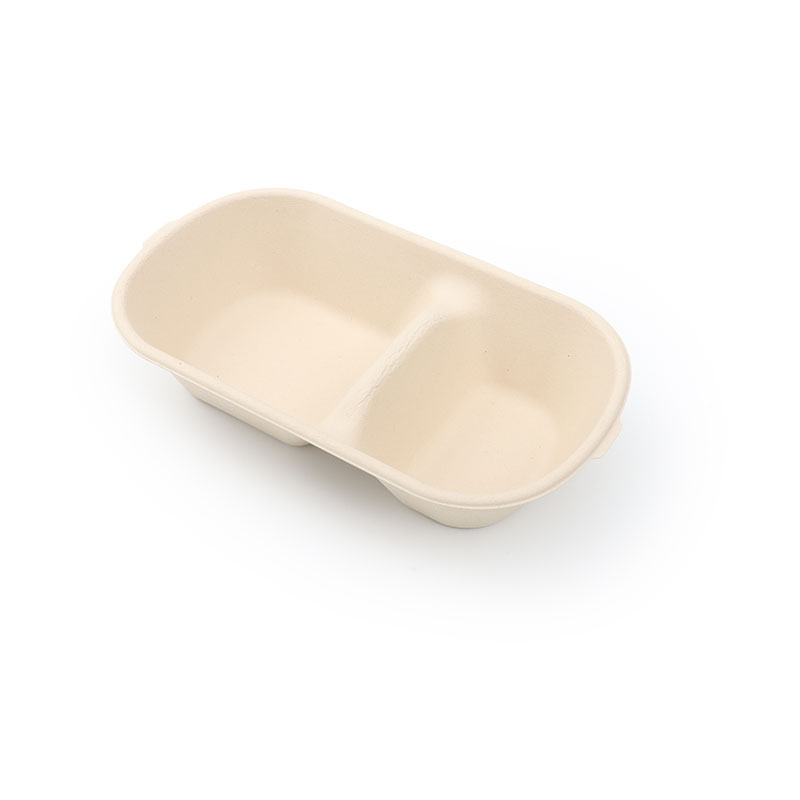 800ml 2 Compartments
 1000ml 2 Compartments
 1100ml
 1000ml Square Lunch Box
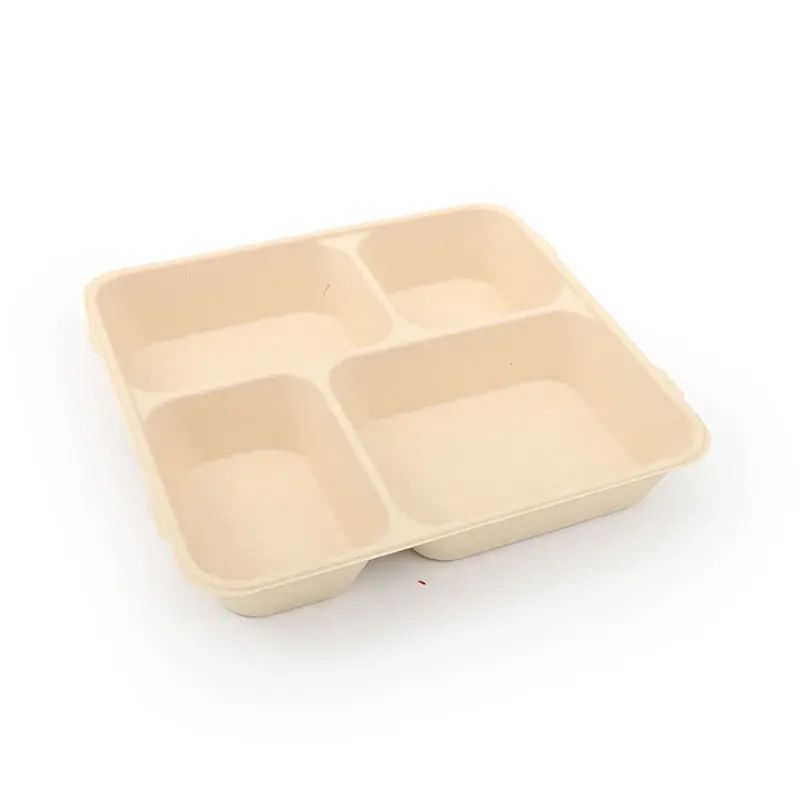 1340ml 4 Compartments
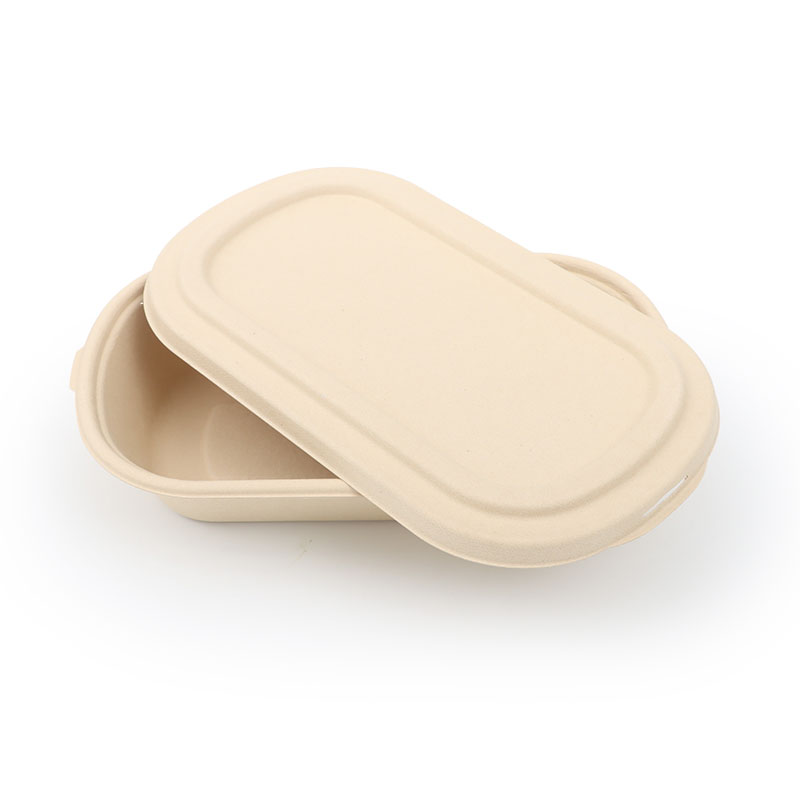
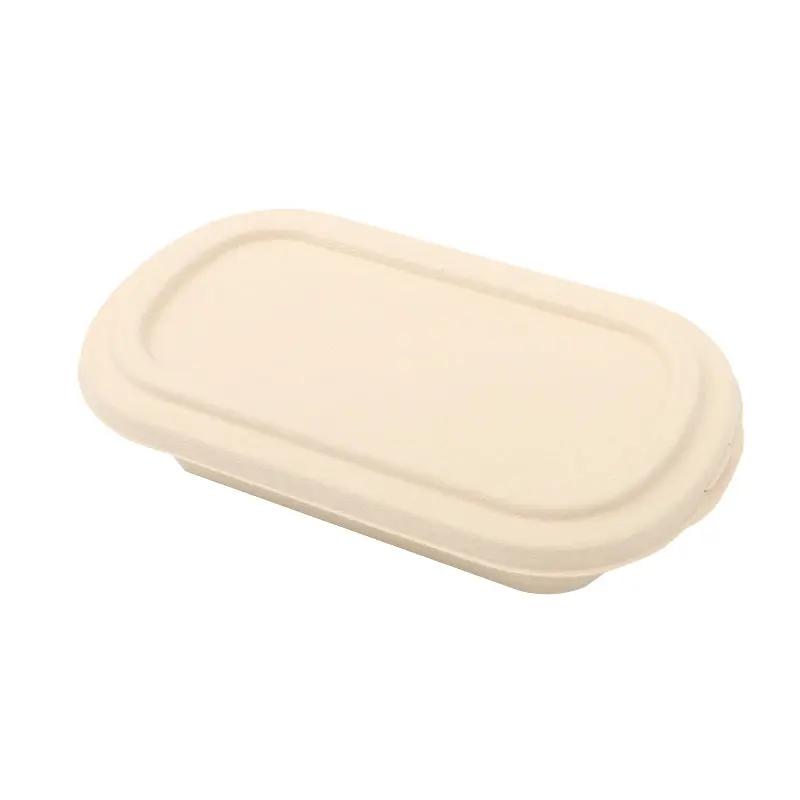 Lunch Box Lid
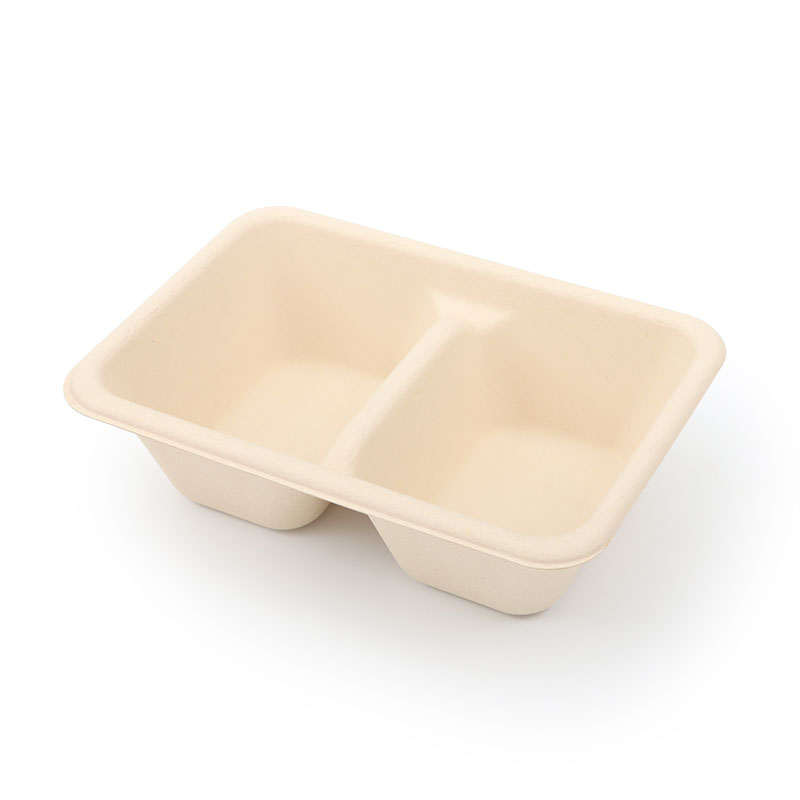 650ml
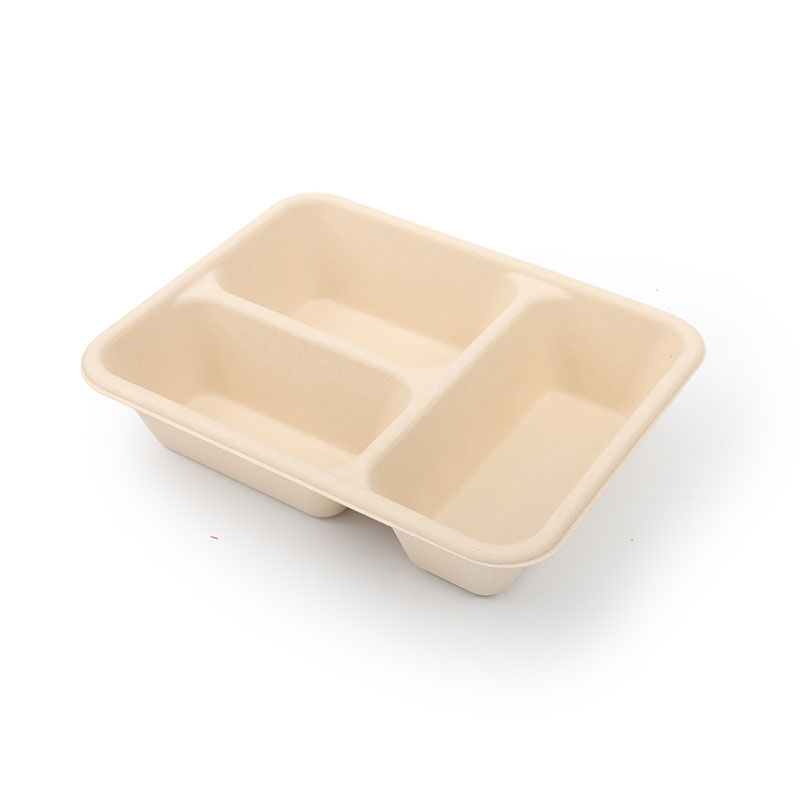 1000ml 3 Compartments
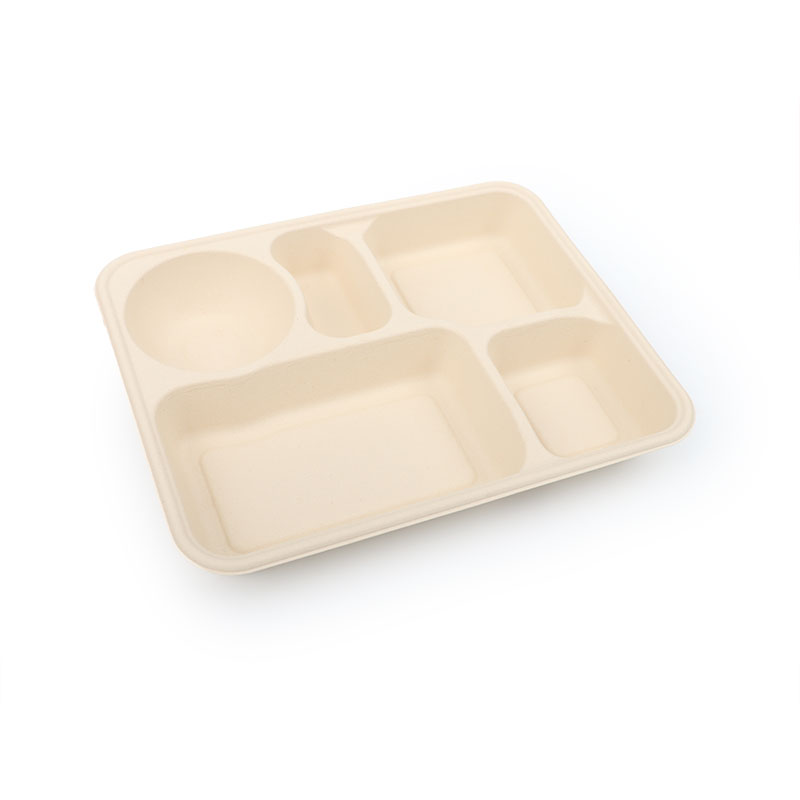 1250ml 5 Compartments
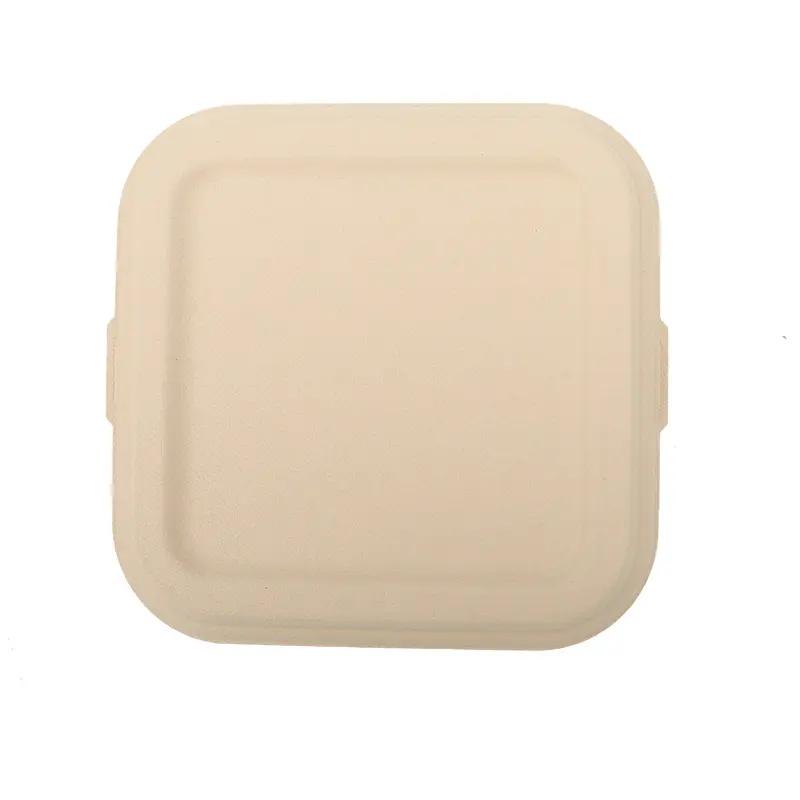 Square Lunch Box Lid
 Box Without T buckle
 850ml Salad Box
 700ml
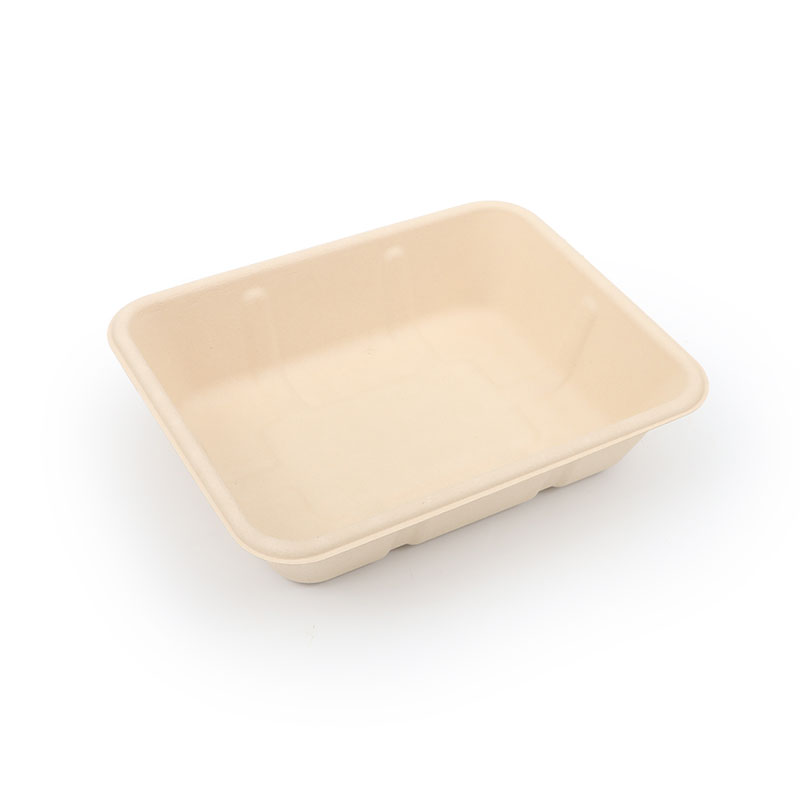 1350ml
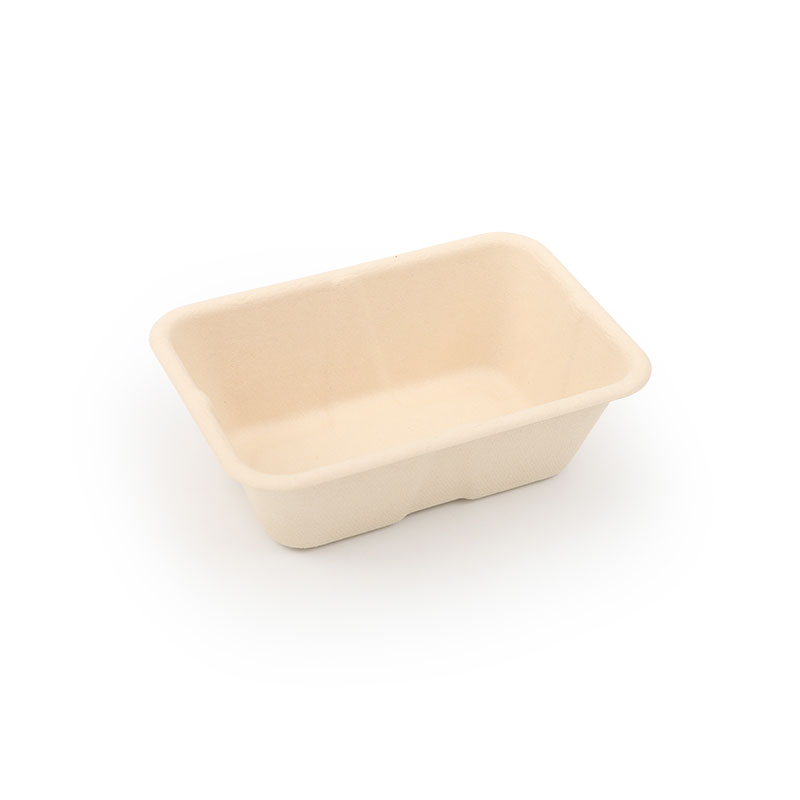 470ml
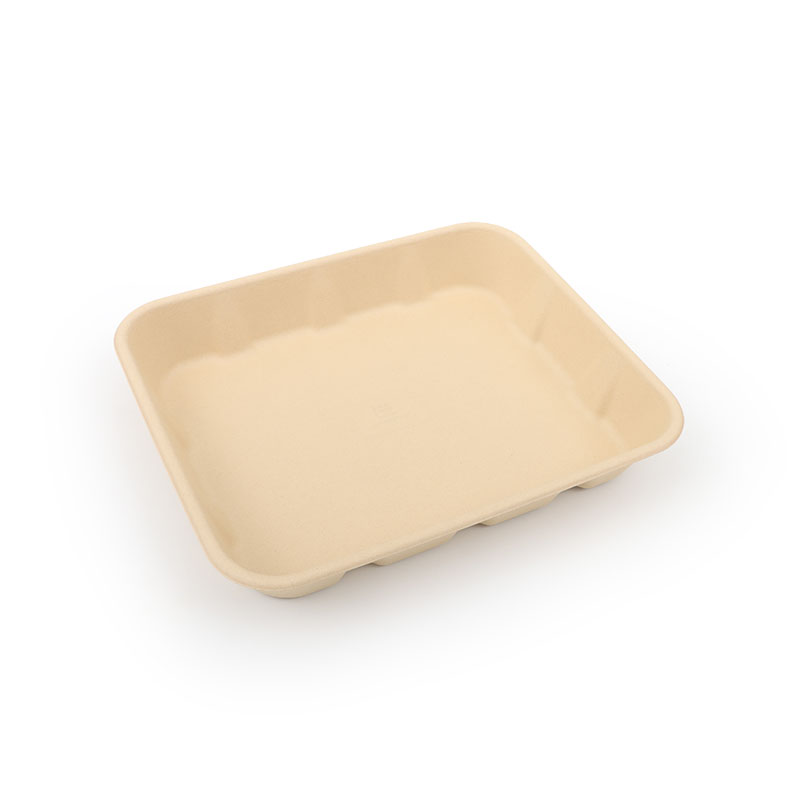 2183ml Tray Box
 11" * 9"
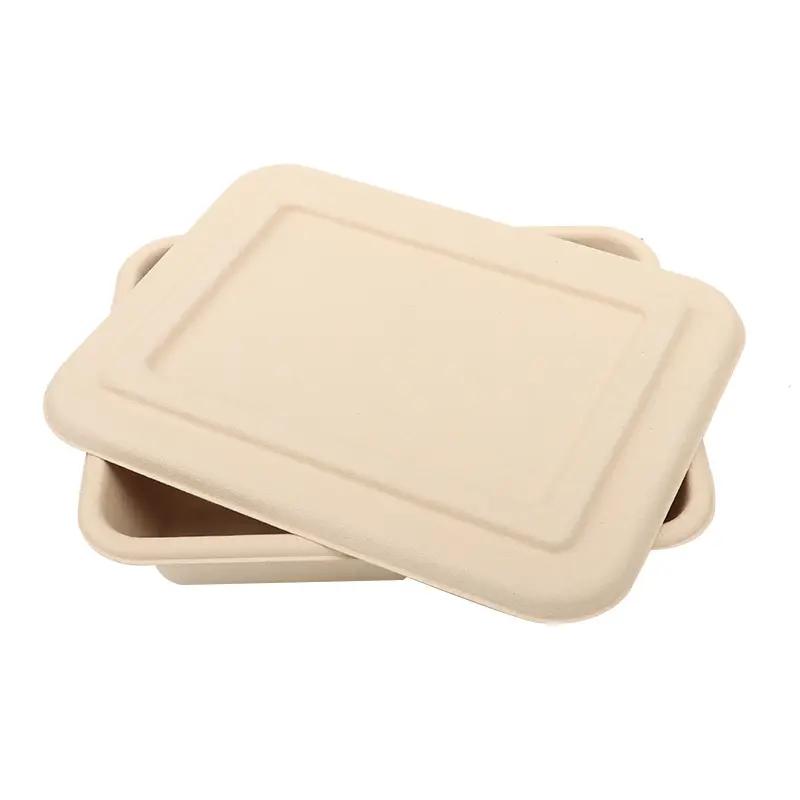 800ml
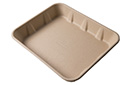 One Part Box
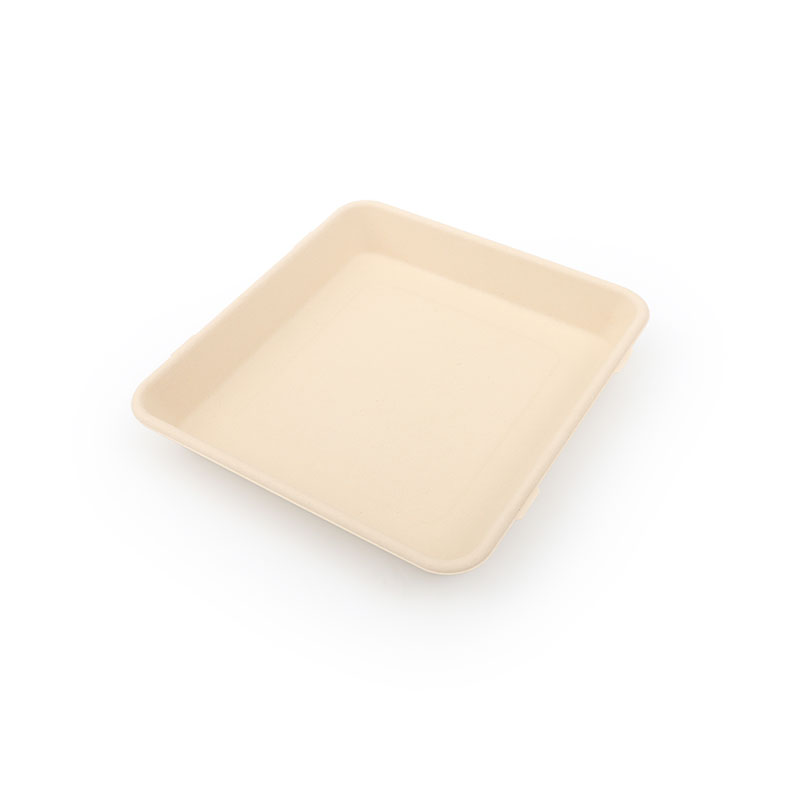 1443ml Tray Box
 Cake Bread Snack Tray Series
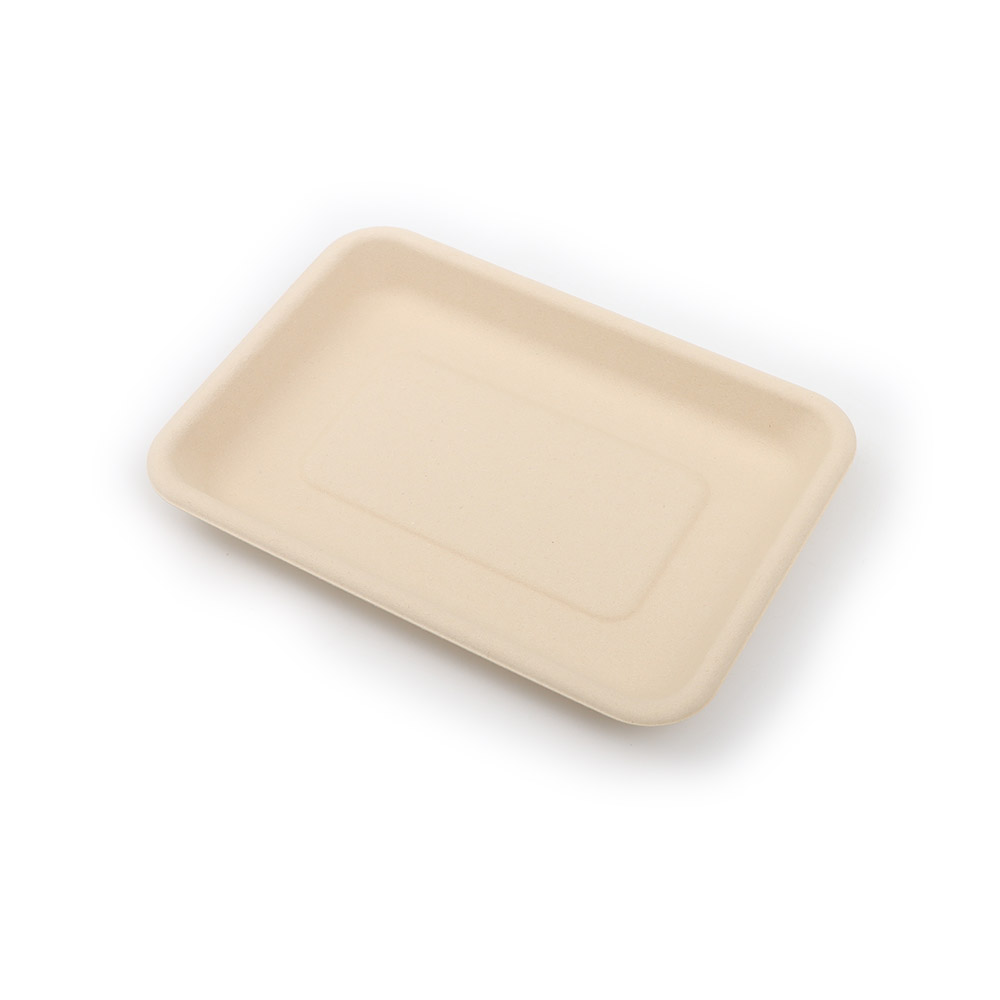 5" * 7" natural color
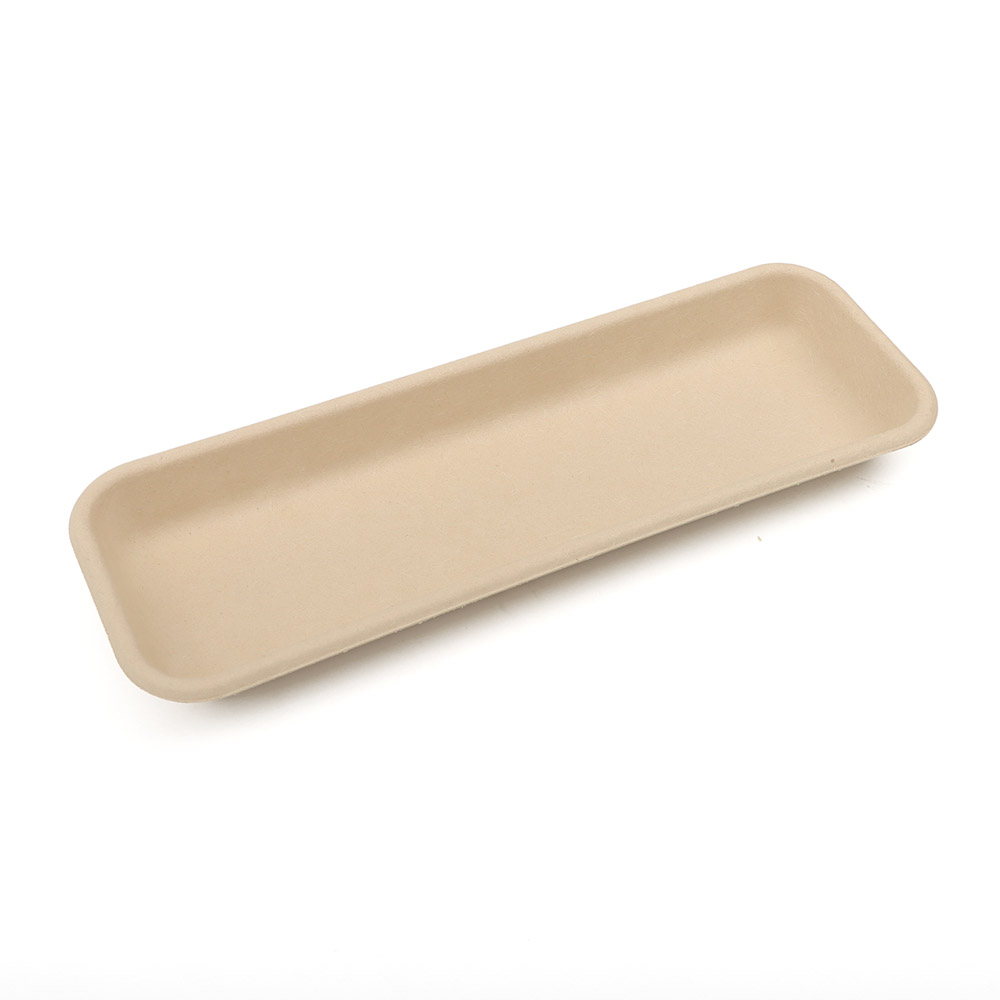 11.4" * 3.9"
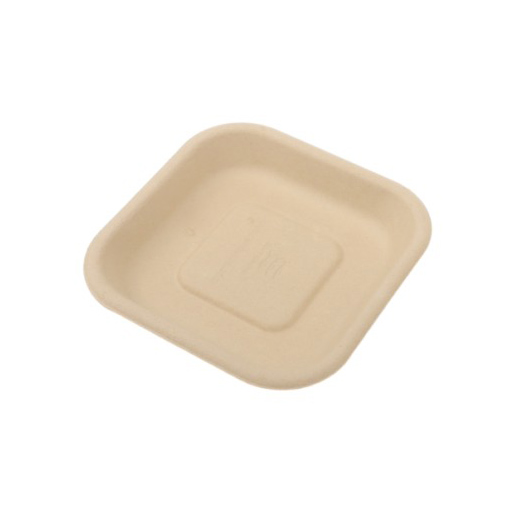 5.3" * 5.3"
 Fruit And Vegetable Tray Series
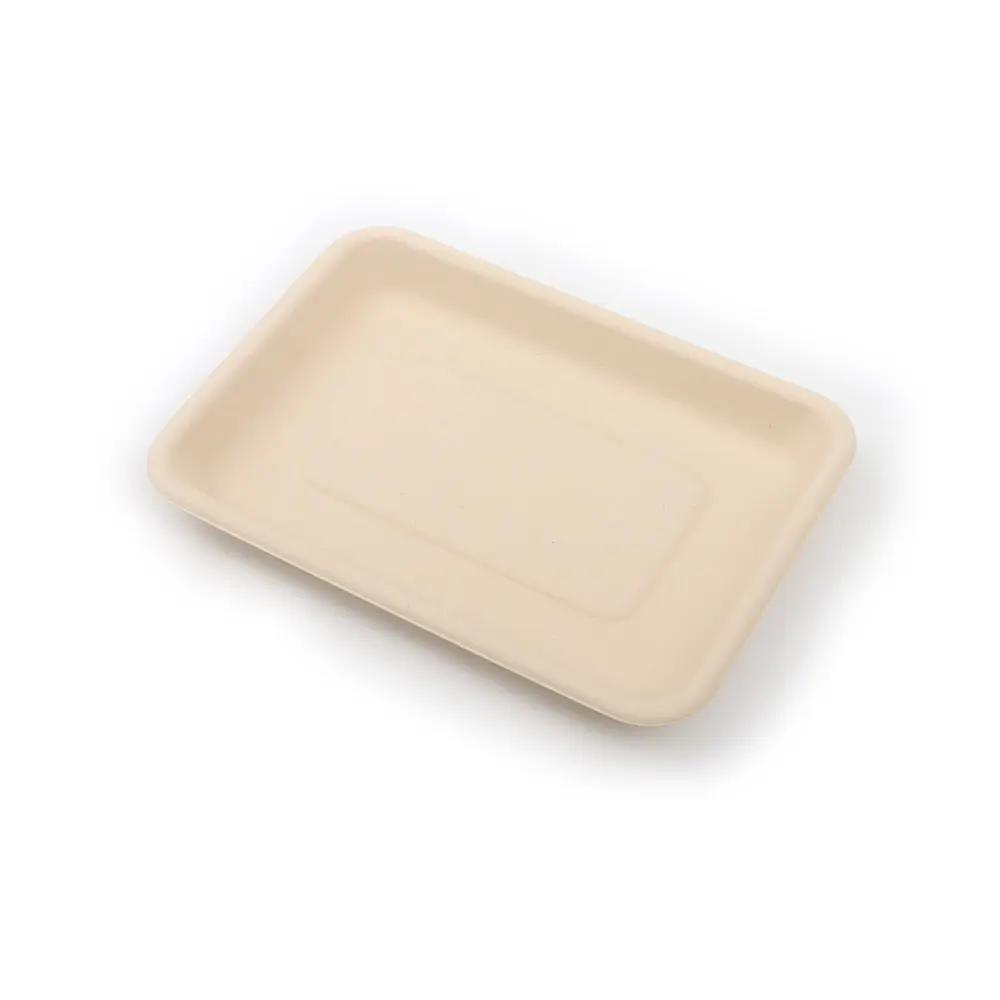 8.6" * 5.3"
 Sushi Tray Series
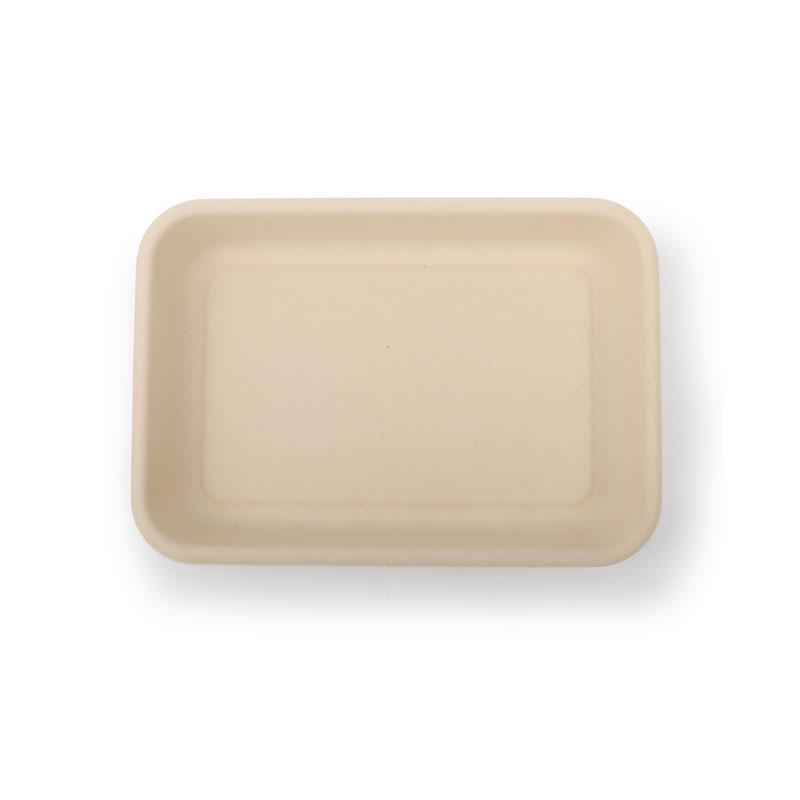 200" * 140"
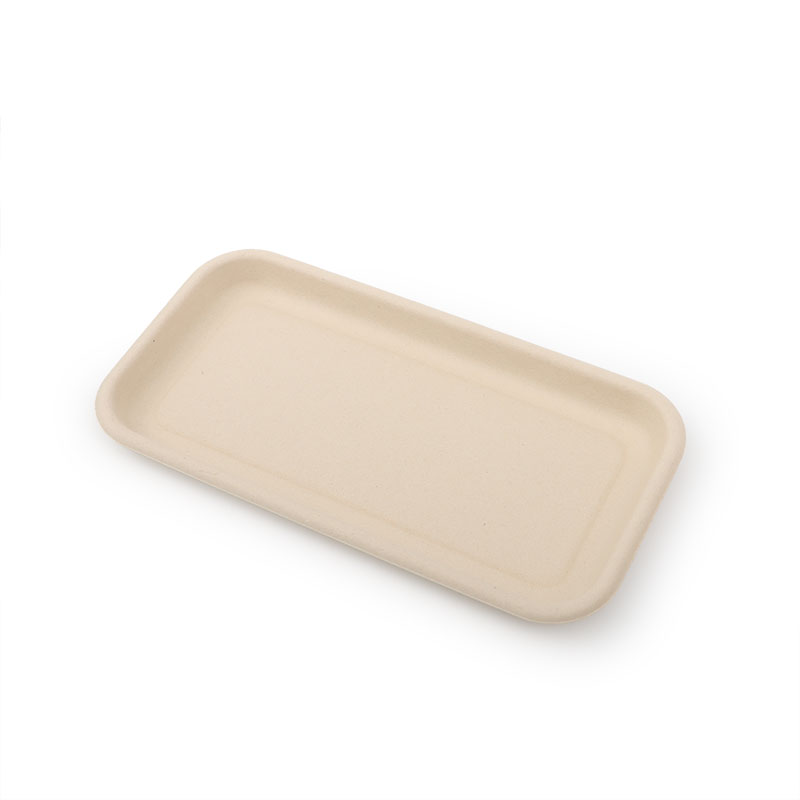 210" * 110"
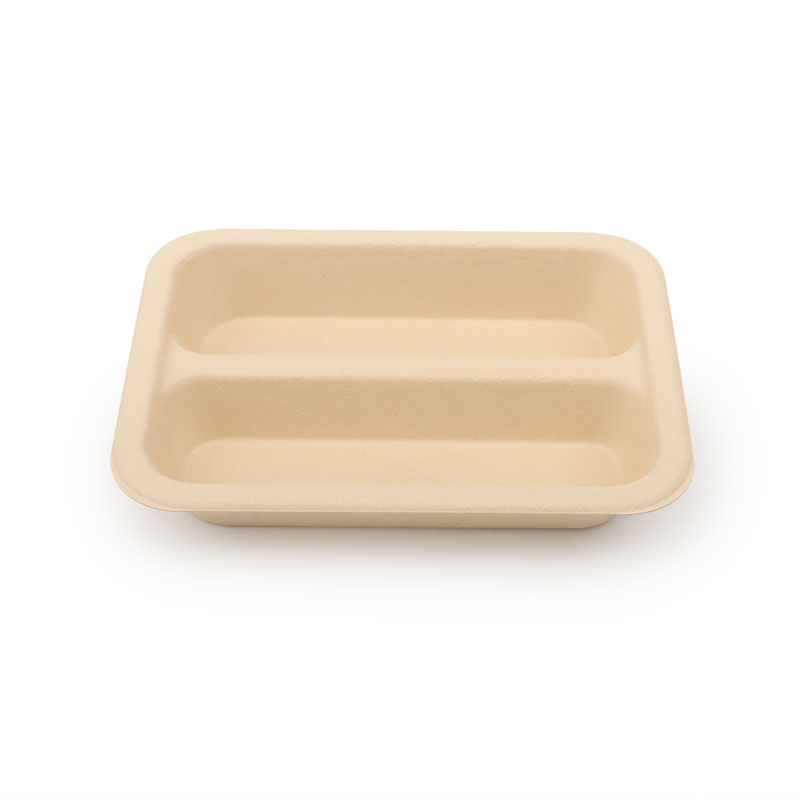 2 Compartments
 Small Round Plate Series
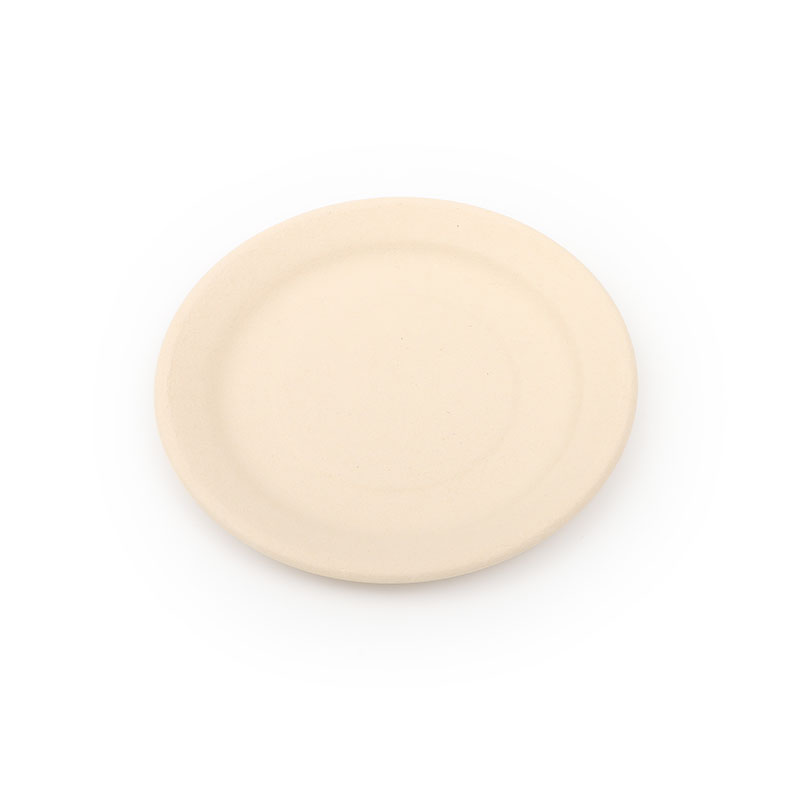 7 inch
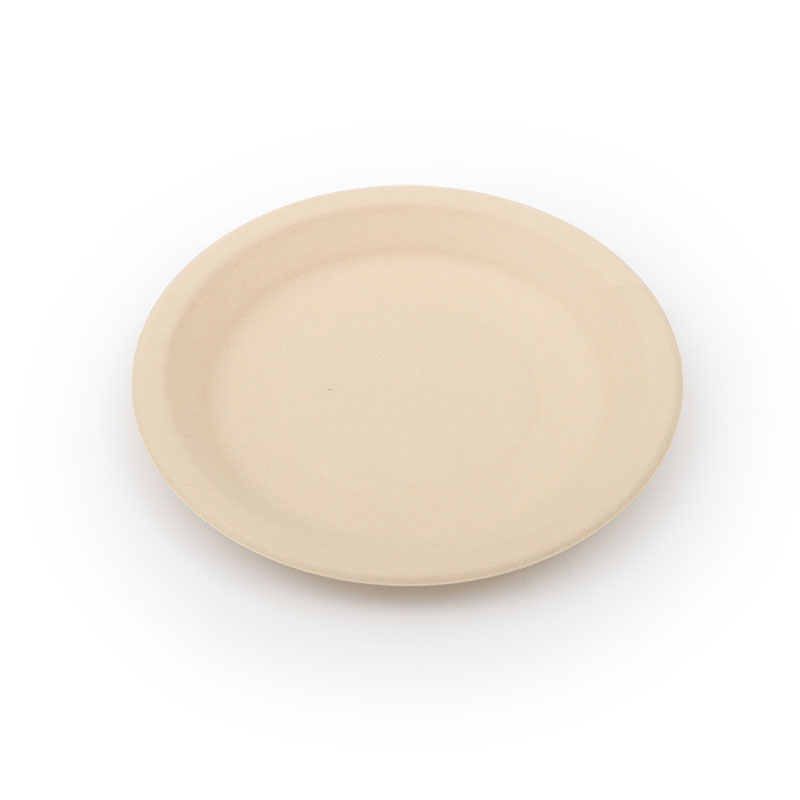 6 inch
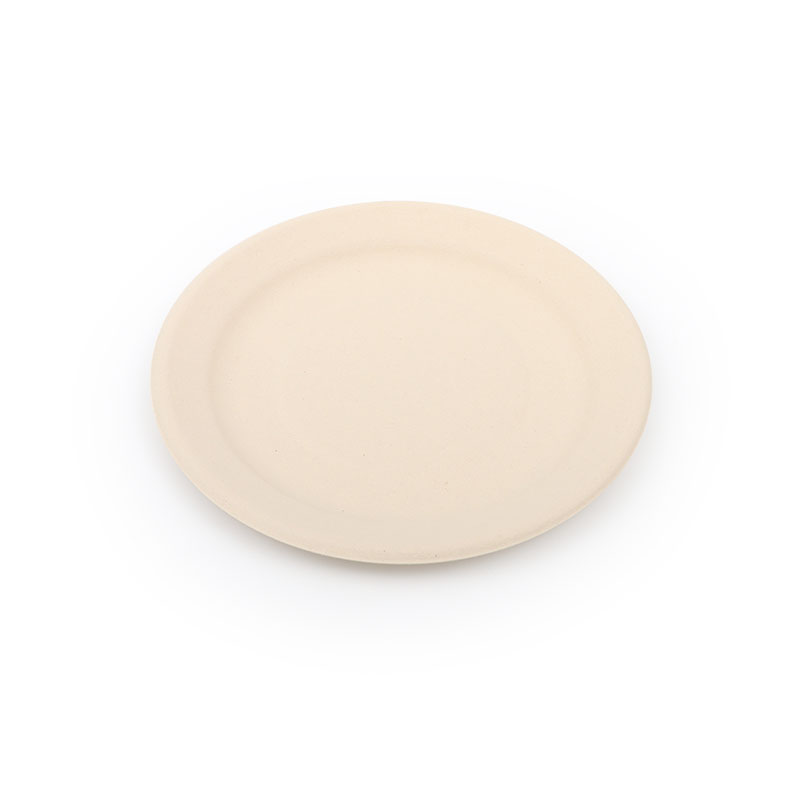 8 inch
 Middle Round Plate Series
 9 Inch 3 Compartments
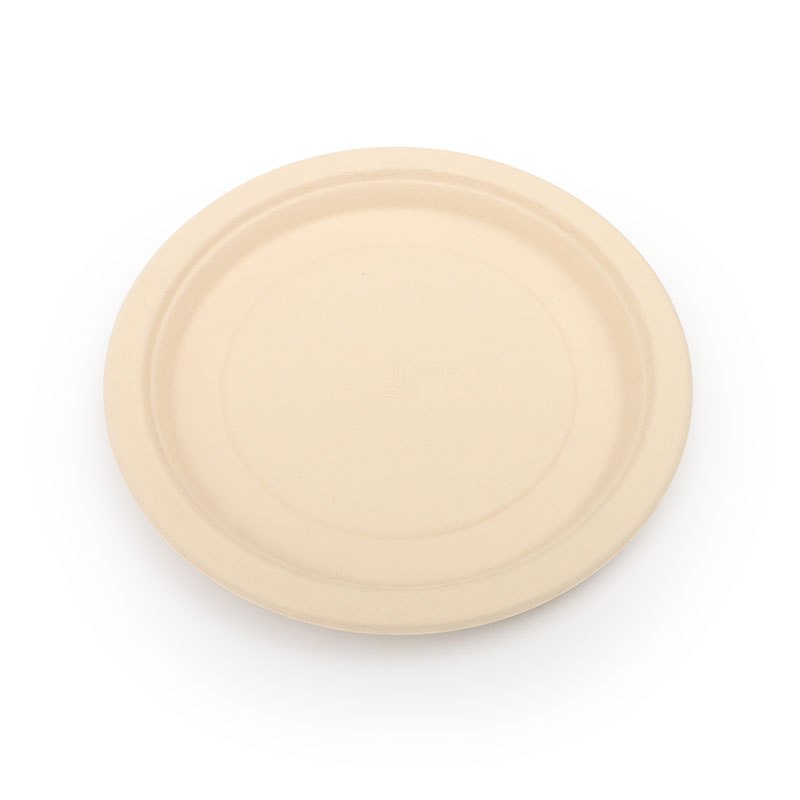 9 inch
 Big Round Plate Series
 12.7 Inch Pizza Plate
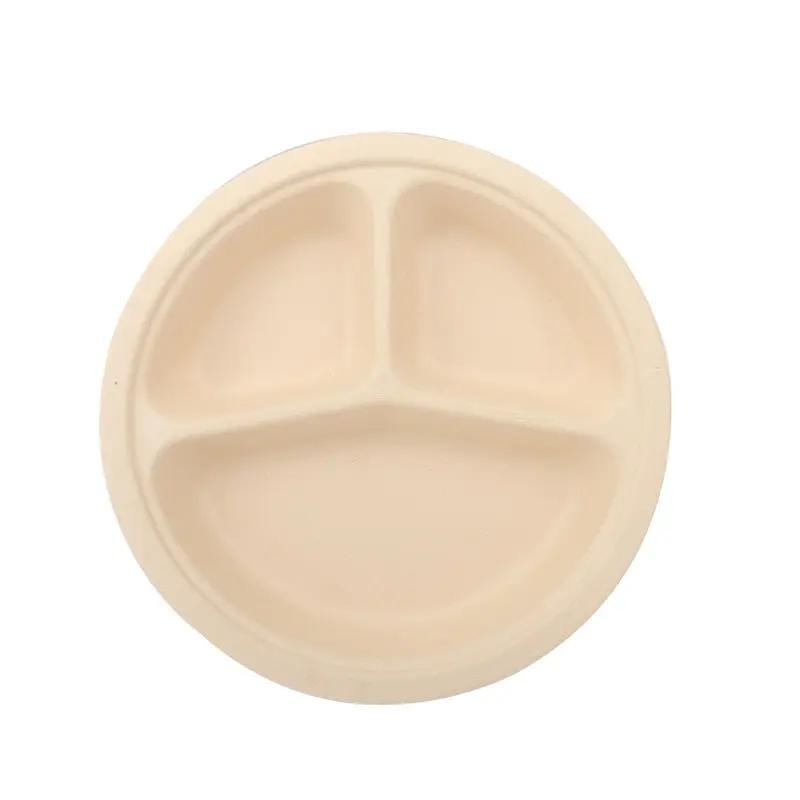 10.25 inch 3 Compartments
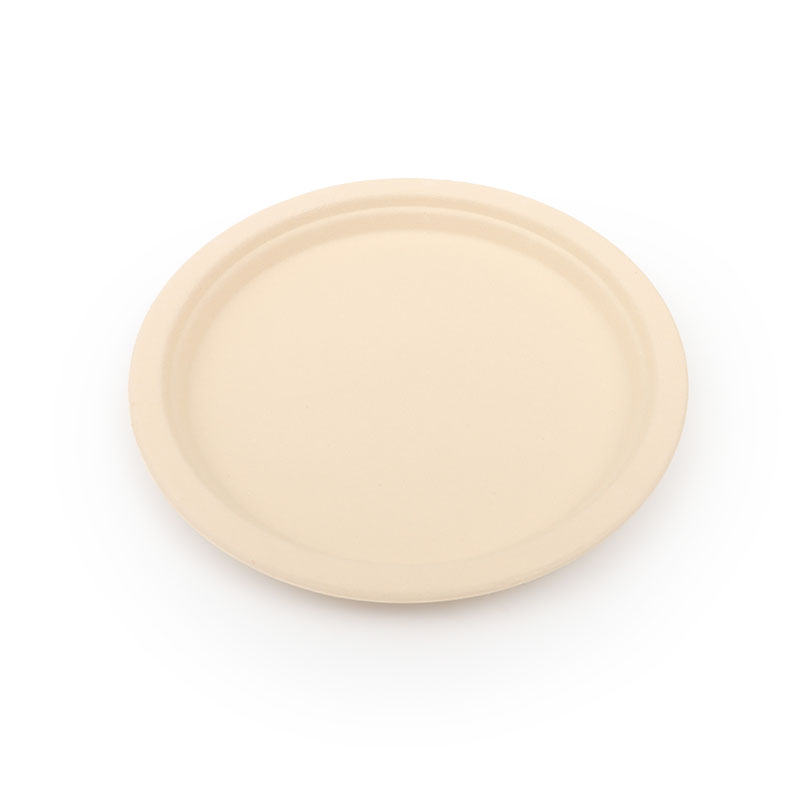 10 inch
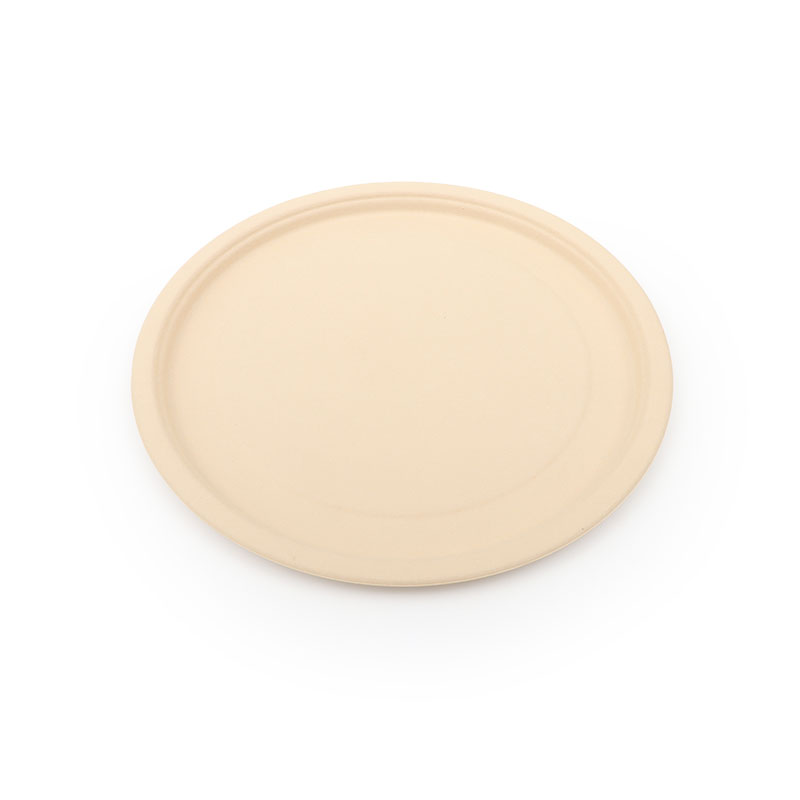 12 inch
 Bigger Bowl
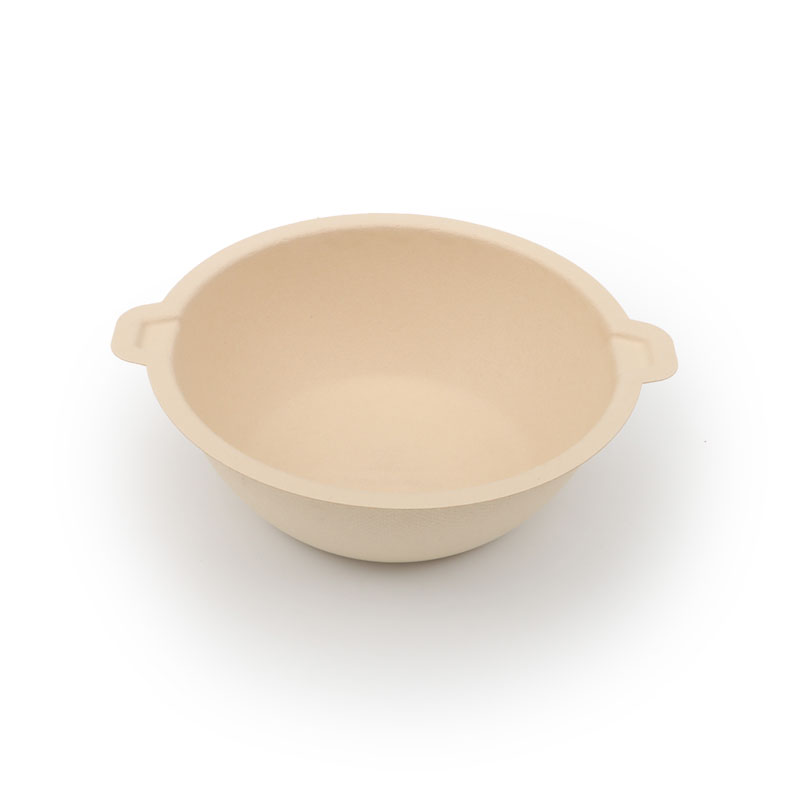 48oz(1420ml)
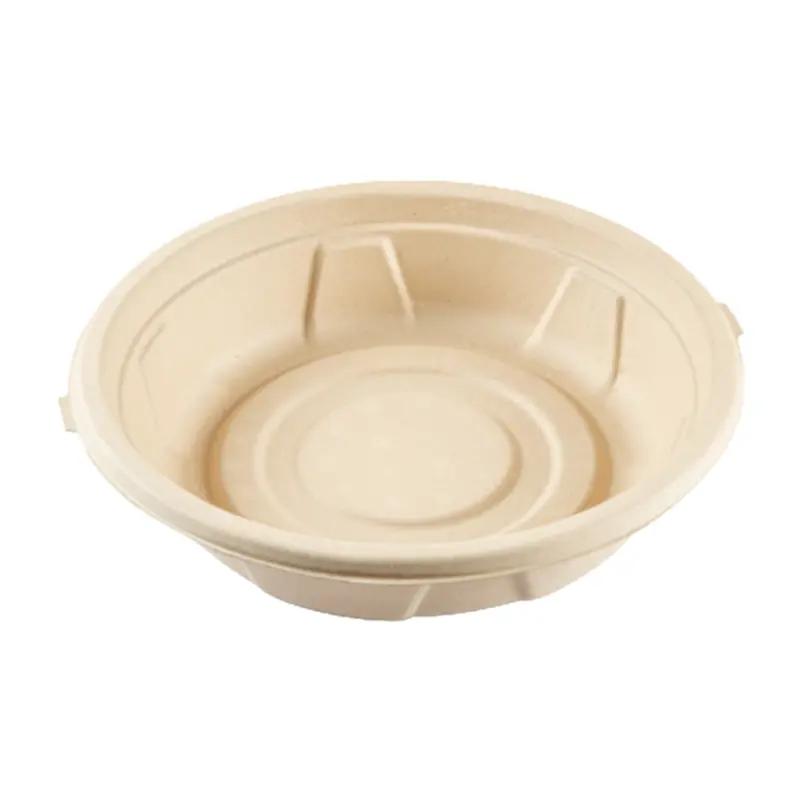 56oz(1650ml)
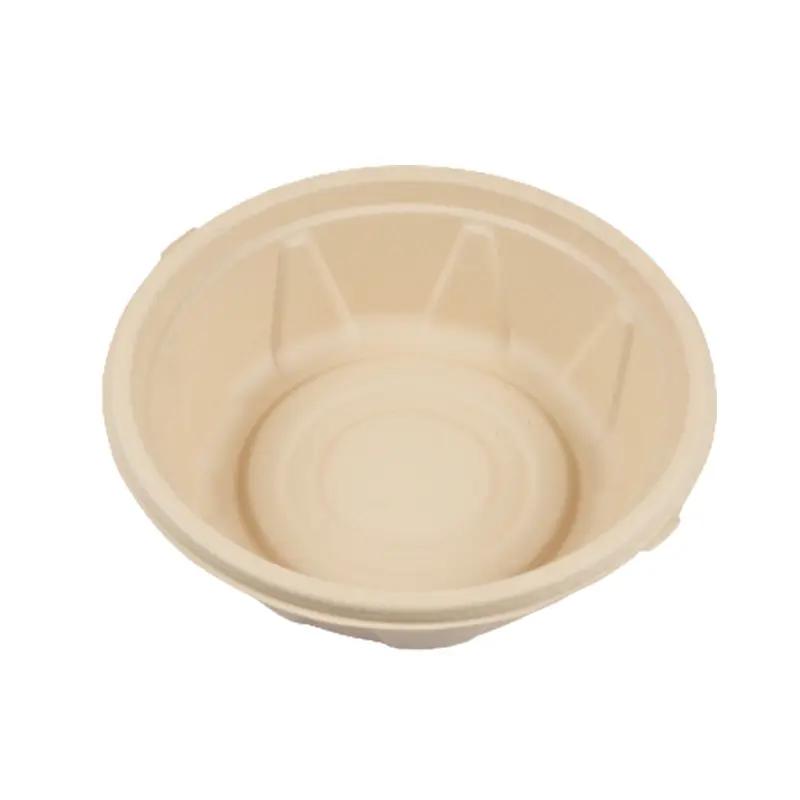 100oz(2950ml)
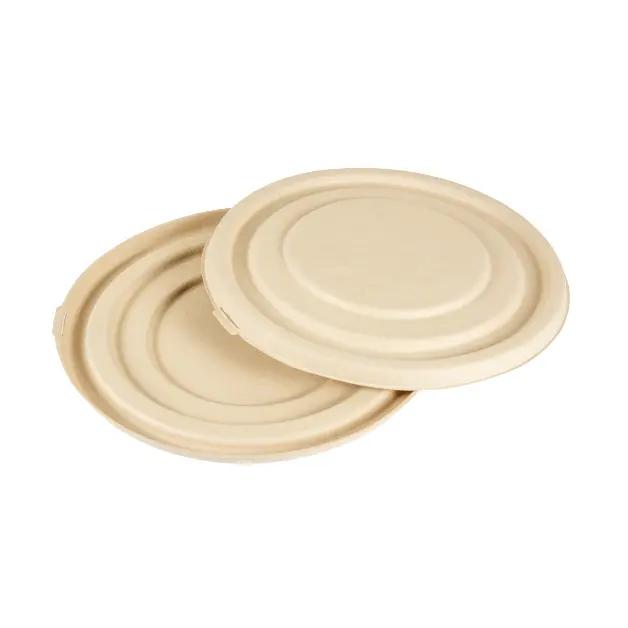 100oz(2950ml) With Lid
 Middle Bowl
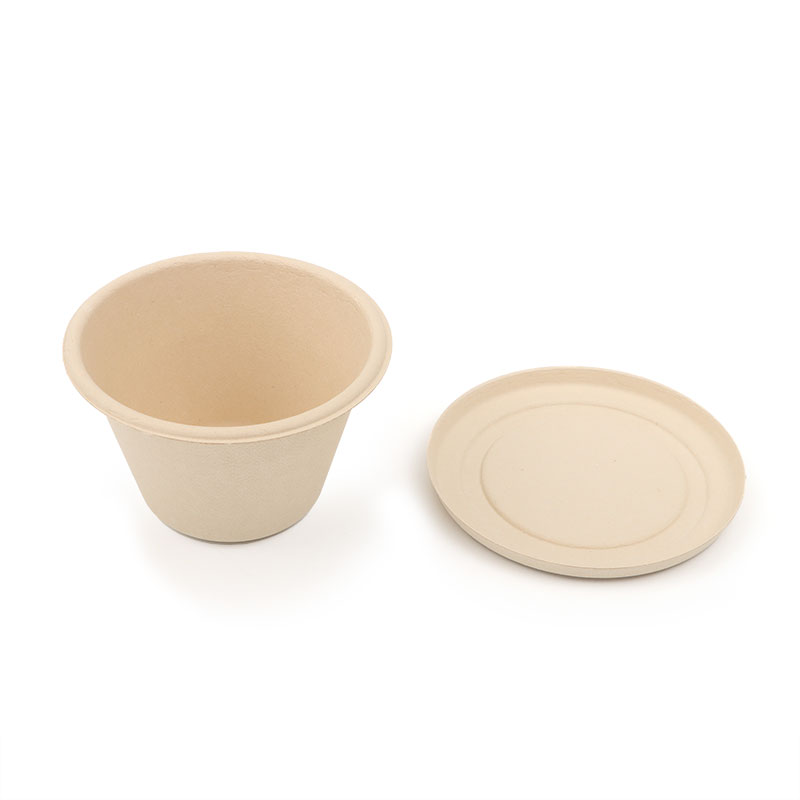 17oz(500ml)
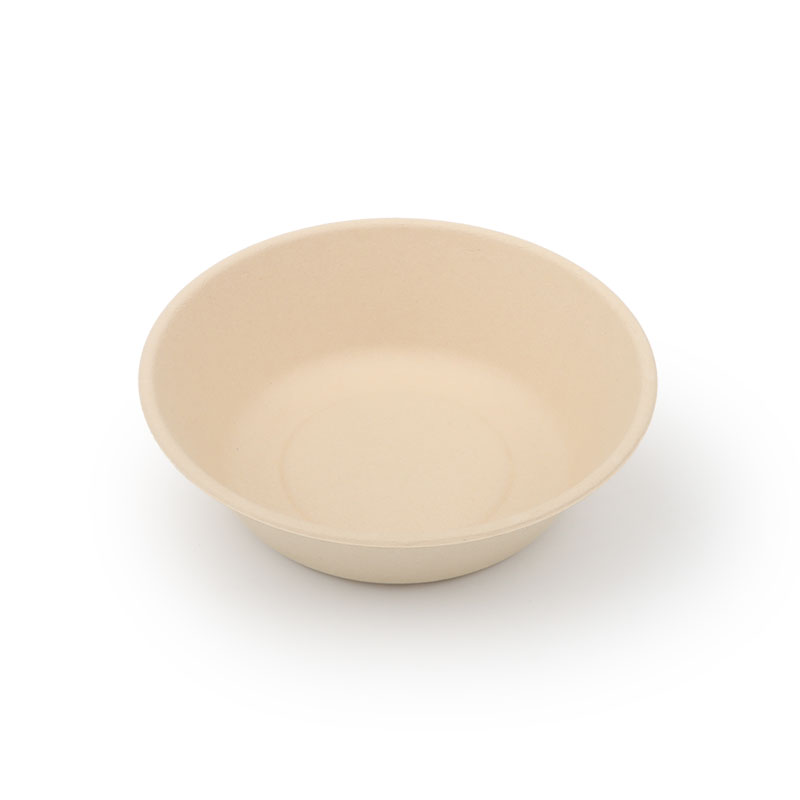 27oz(800ml)
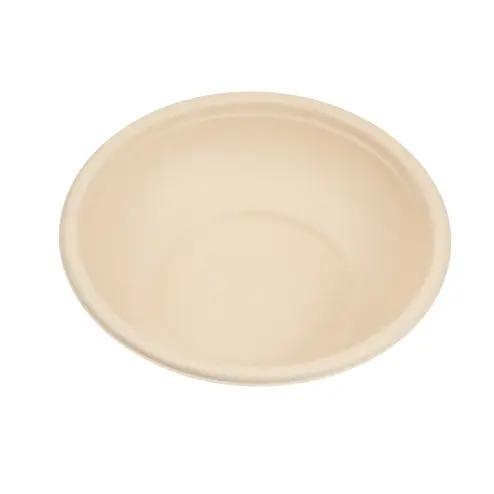 20oz(600ml)
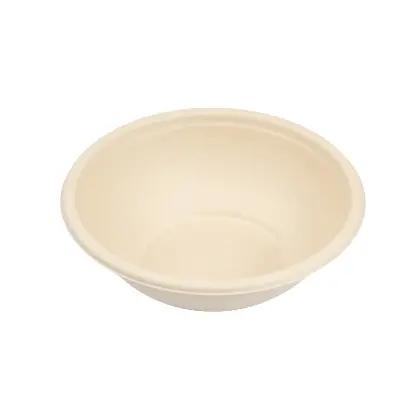 29oz(850ml)
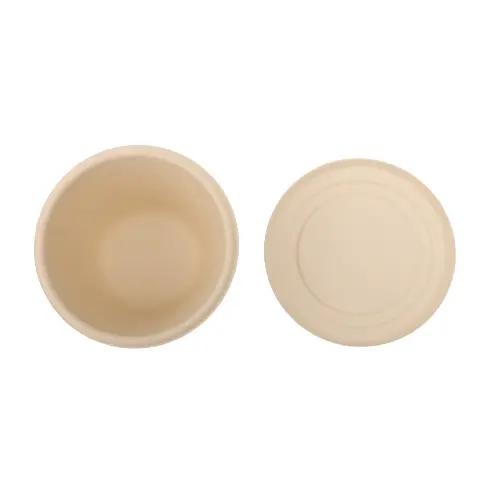 17oz(500ml) With Lid
 17oz(500ml) PET Lid
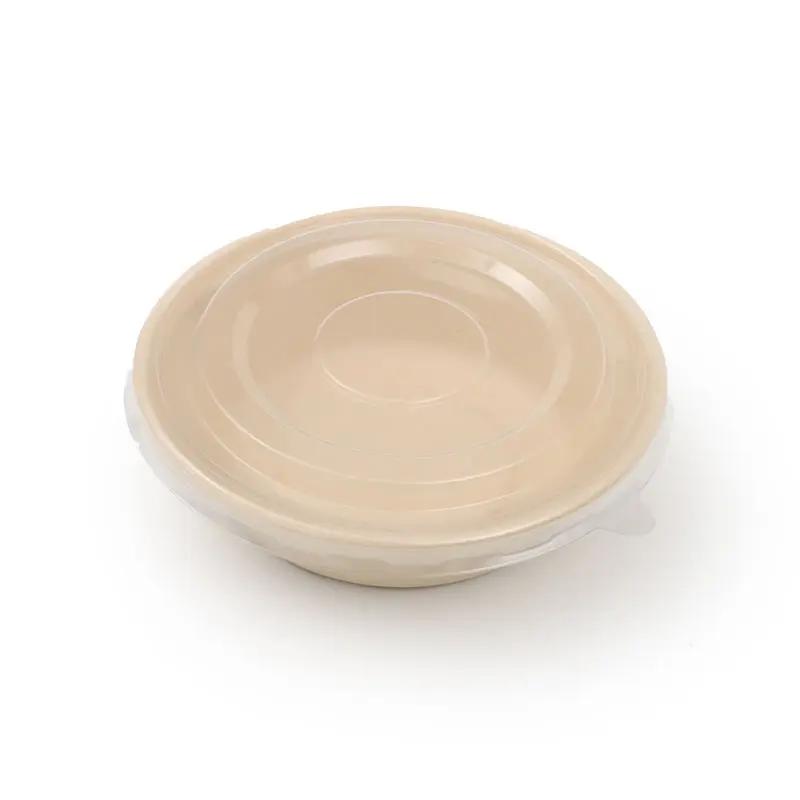 28oz(830ml) PET Lid
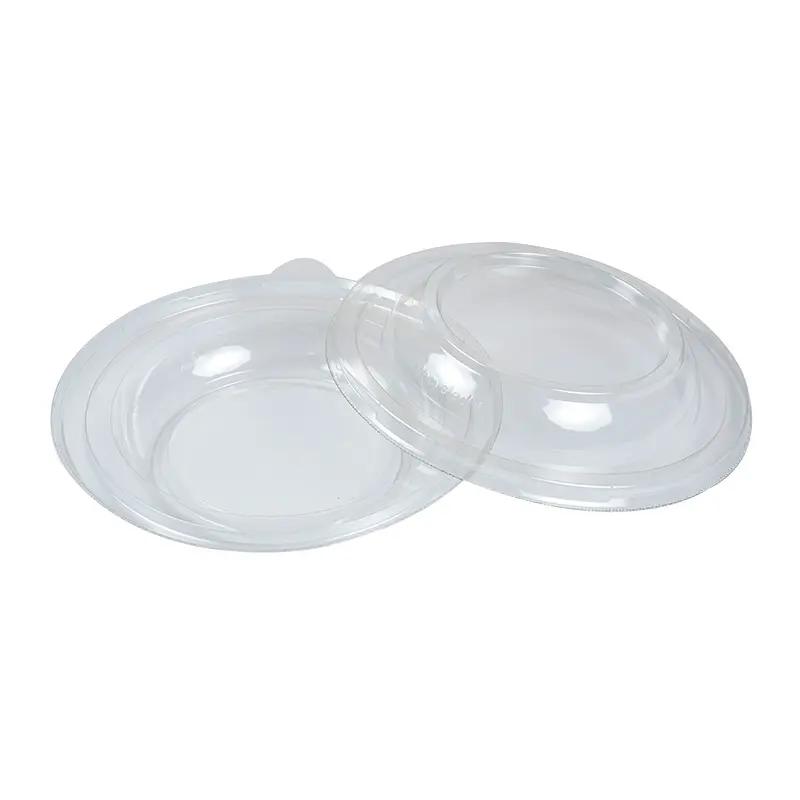 Round Bowl PET
 Small Bowl
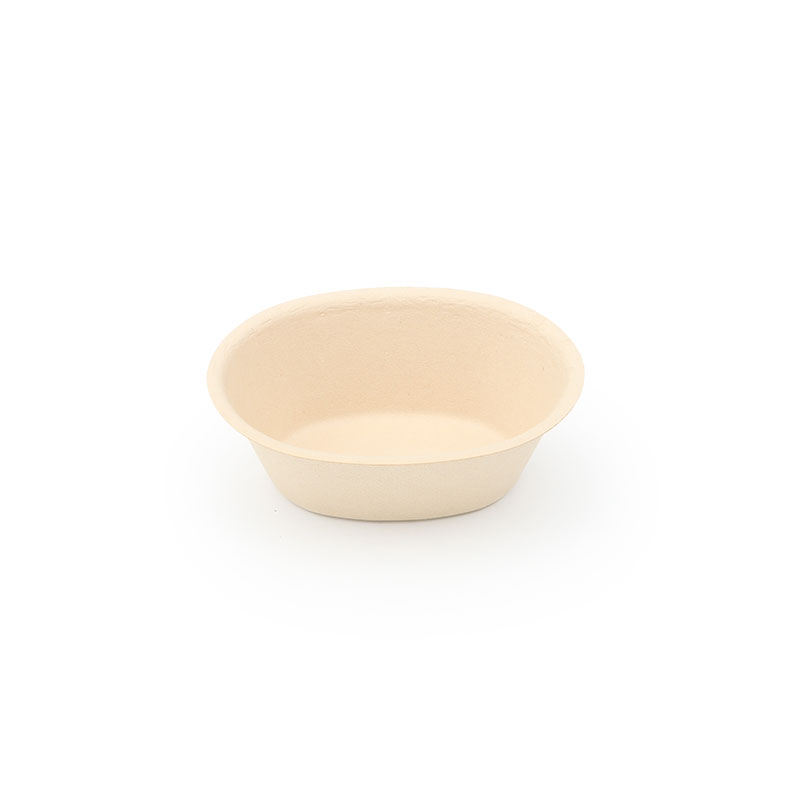 Snack Bowl
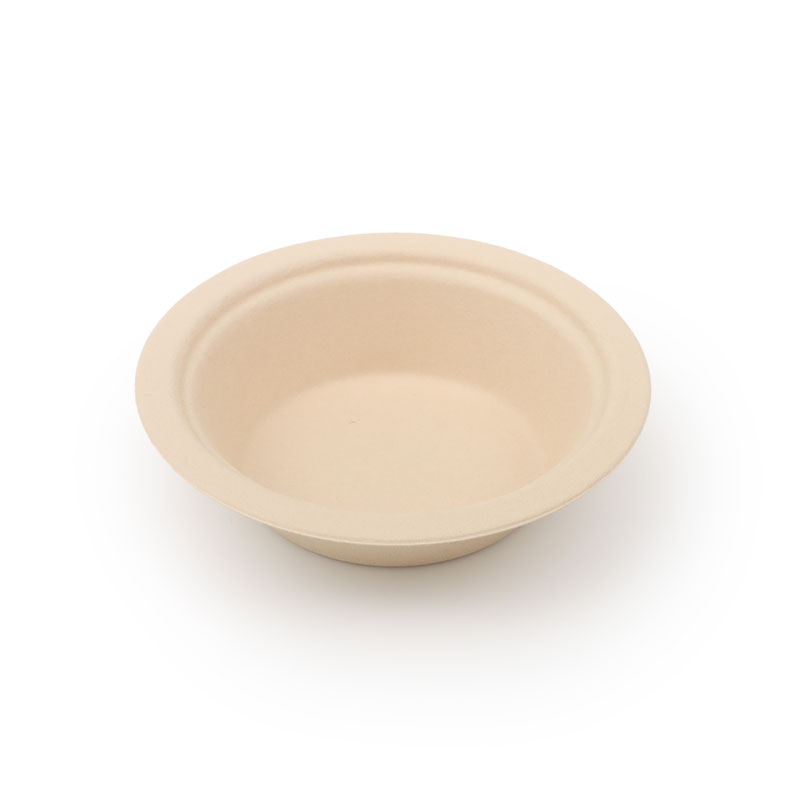 11.5oz(340ml) Bowl
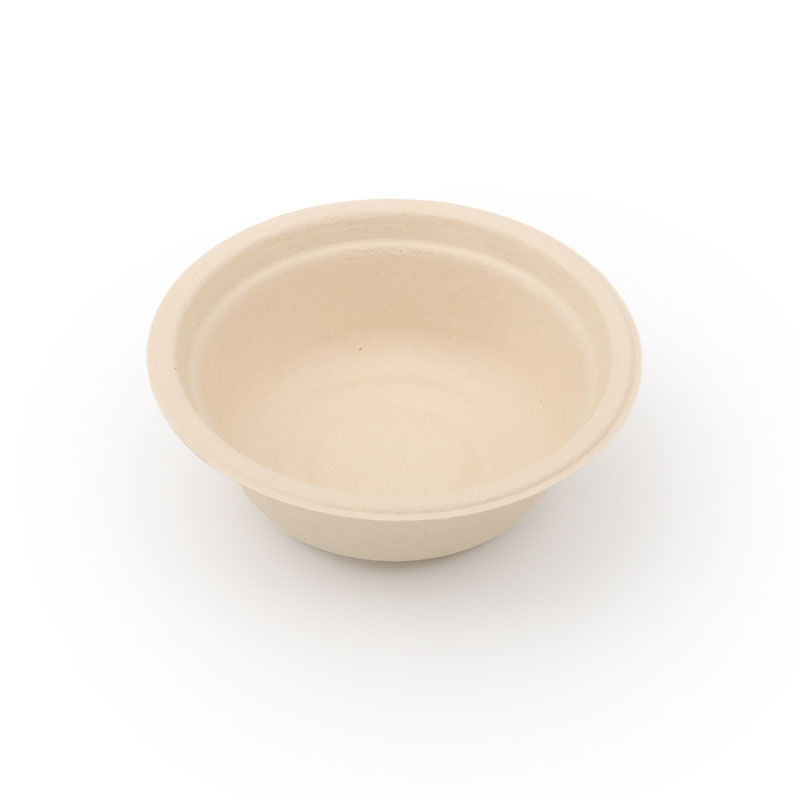 6.7oz(200ml) Bowl
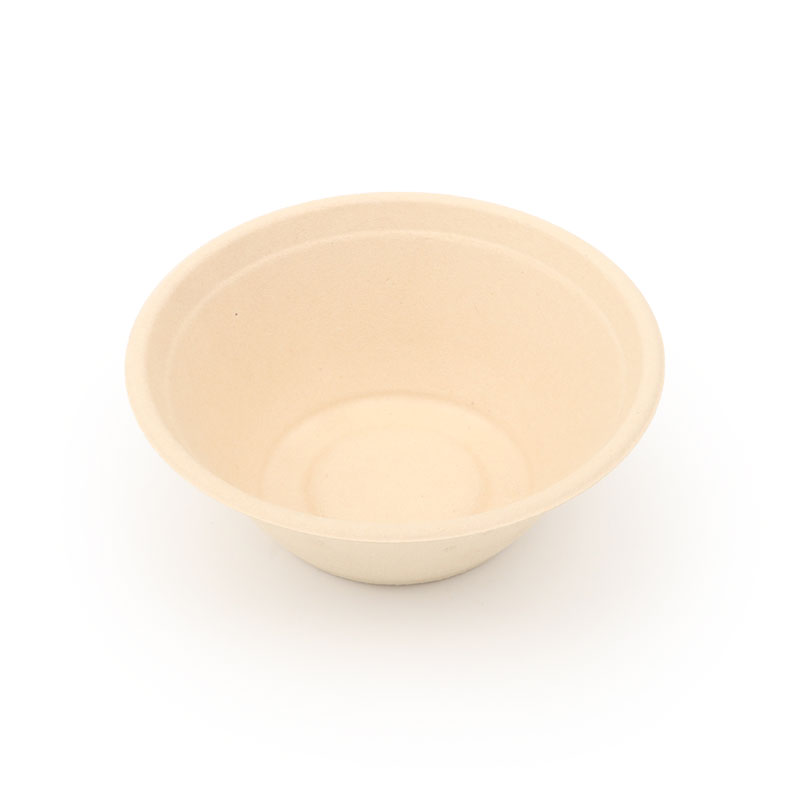 12oz(350ml) Bowl
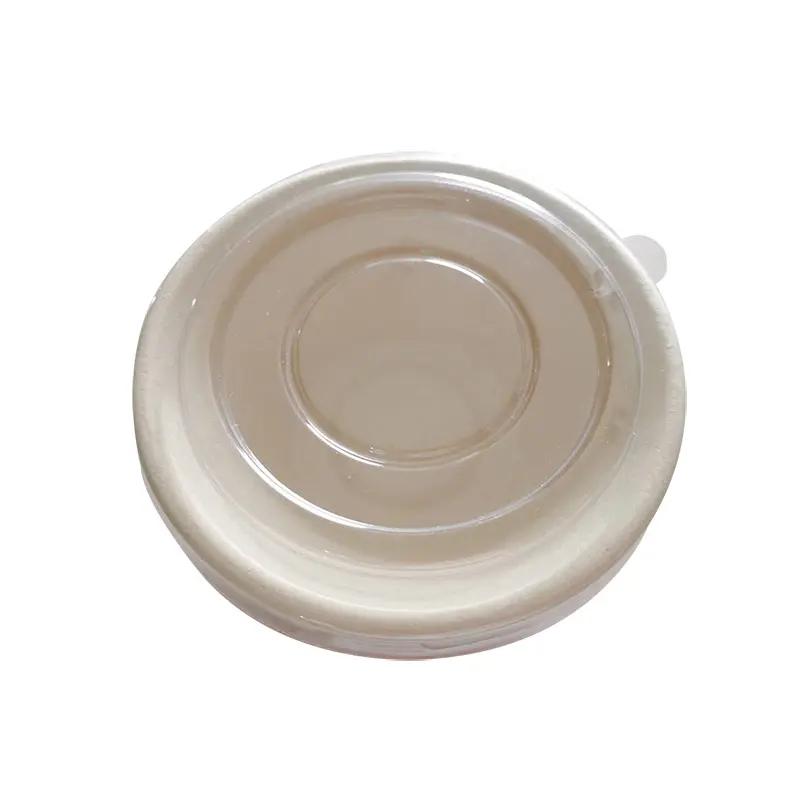 12oz(350ml) Bowl PET
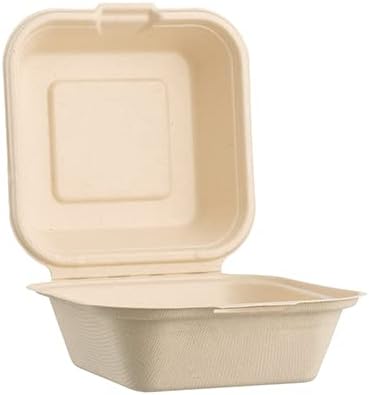
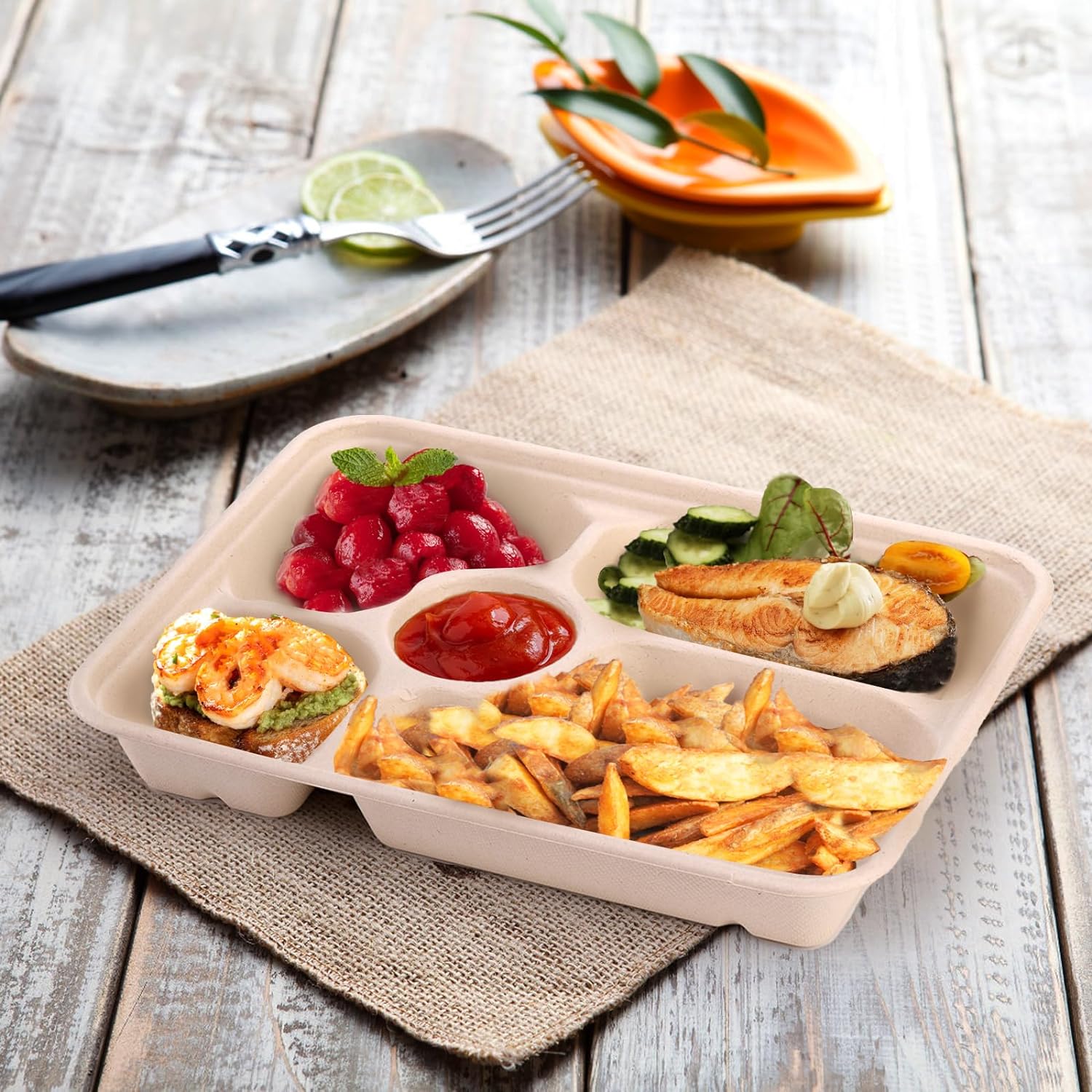 Bagasse Lunch Boxes
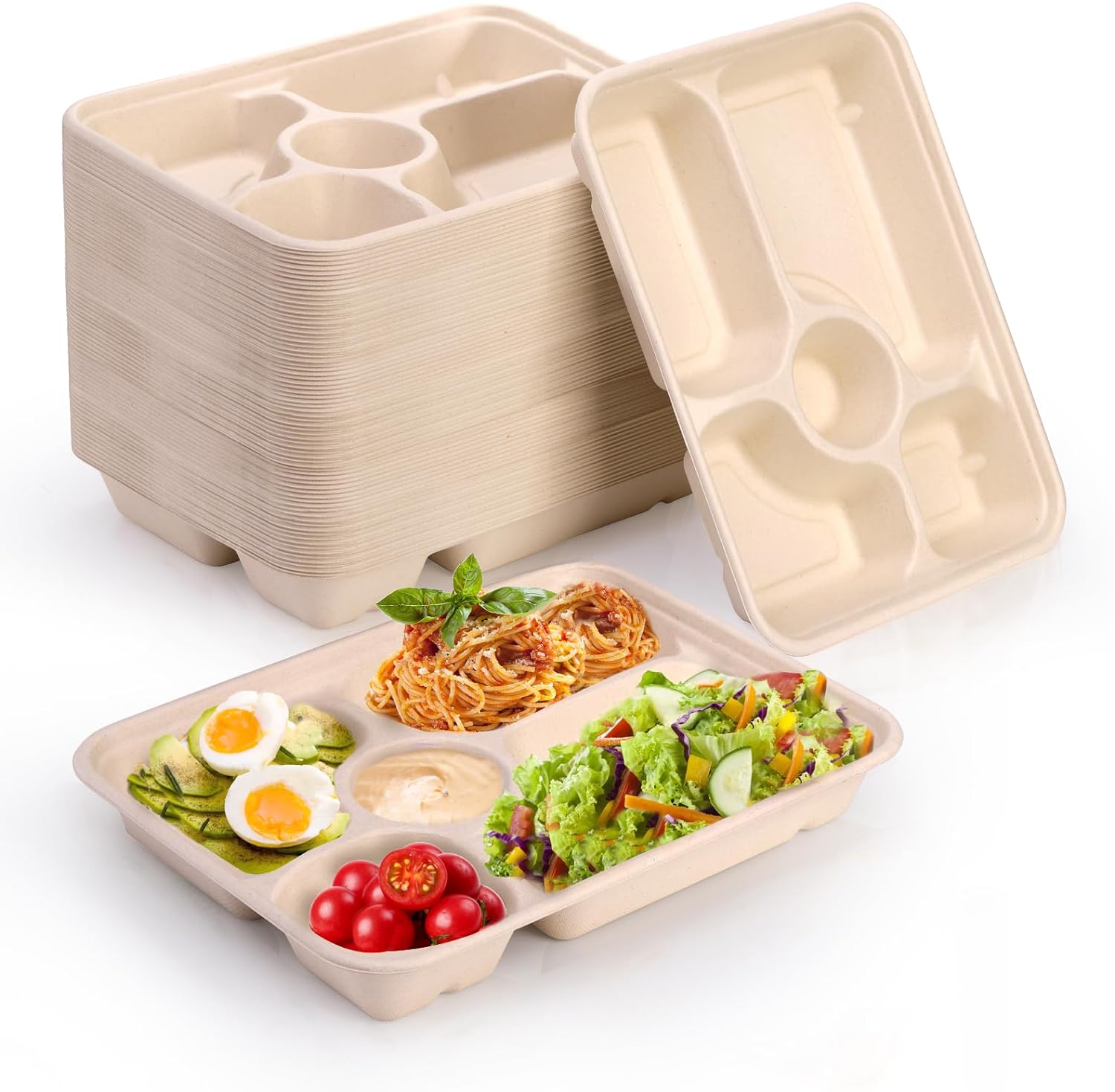 5CP
 6 inch
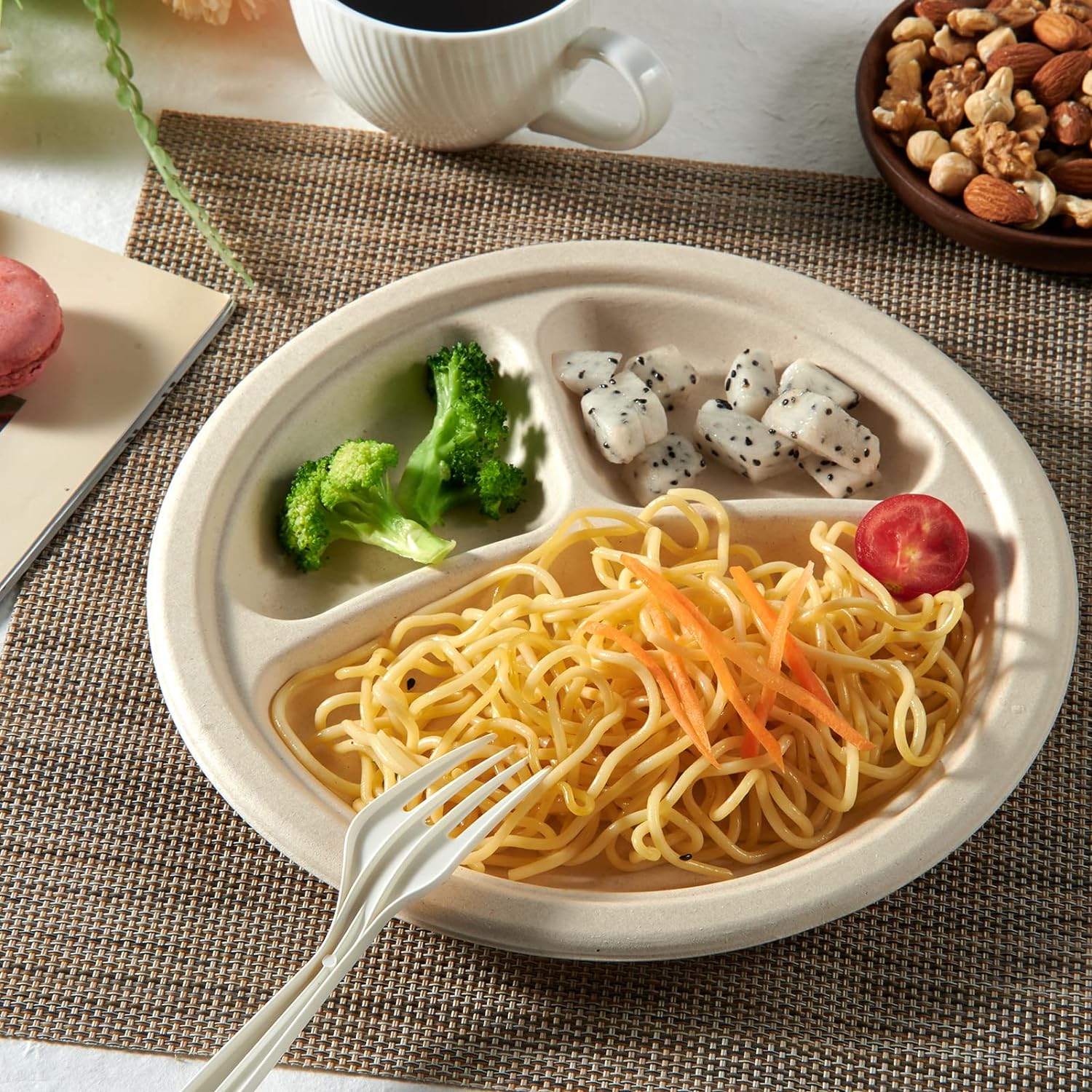 Bagasse Food Plates
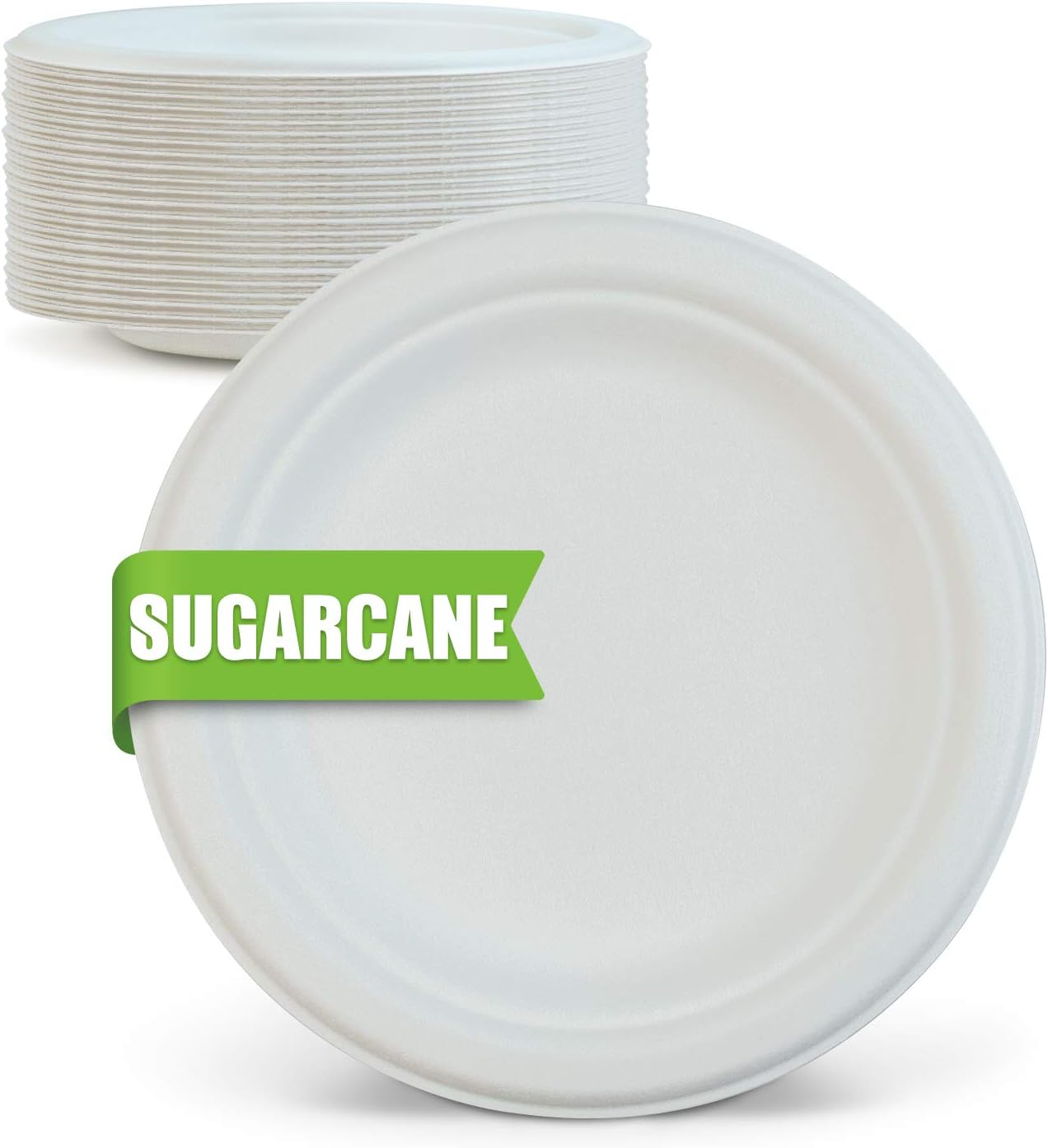 7 inch
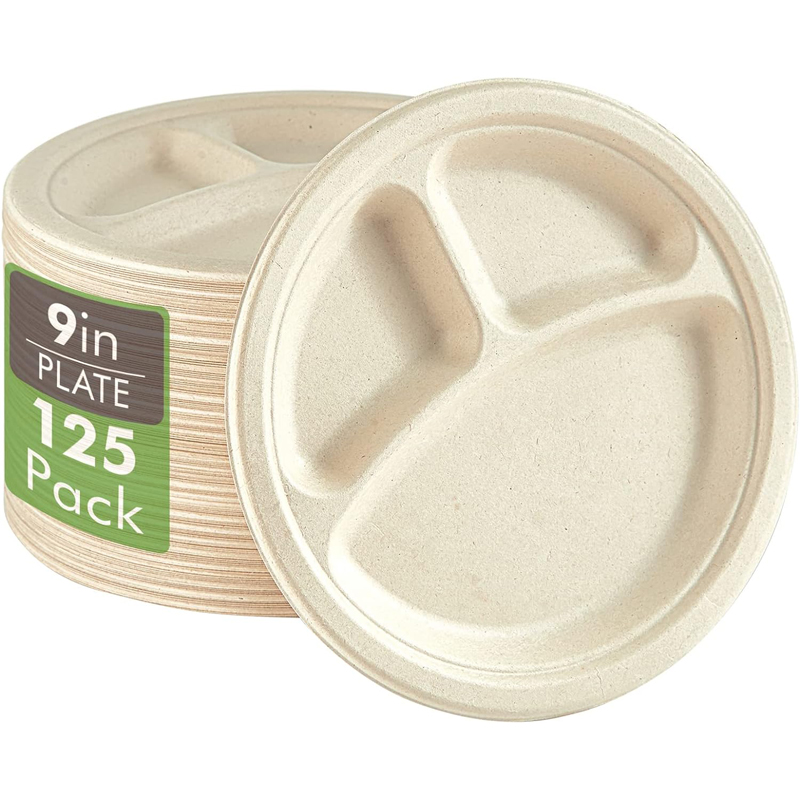 3CP
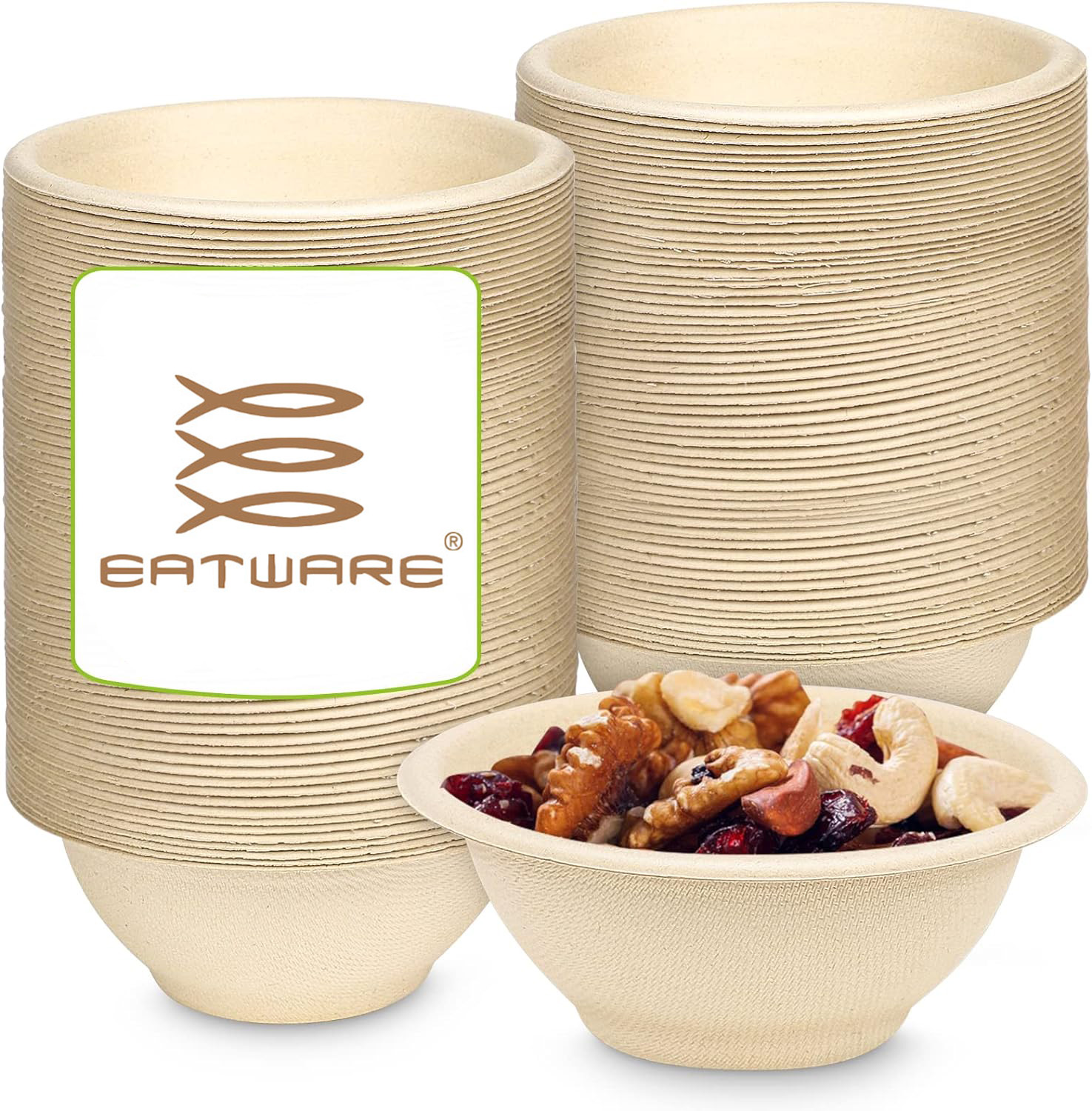 Bagasse Bowls
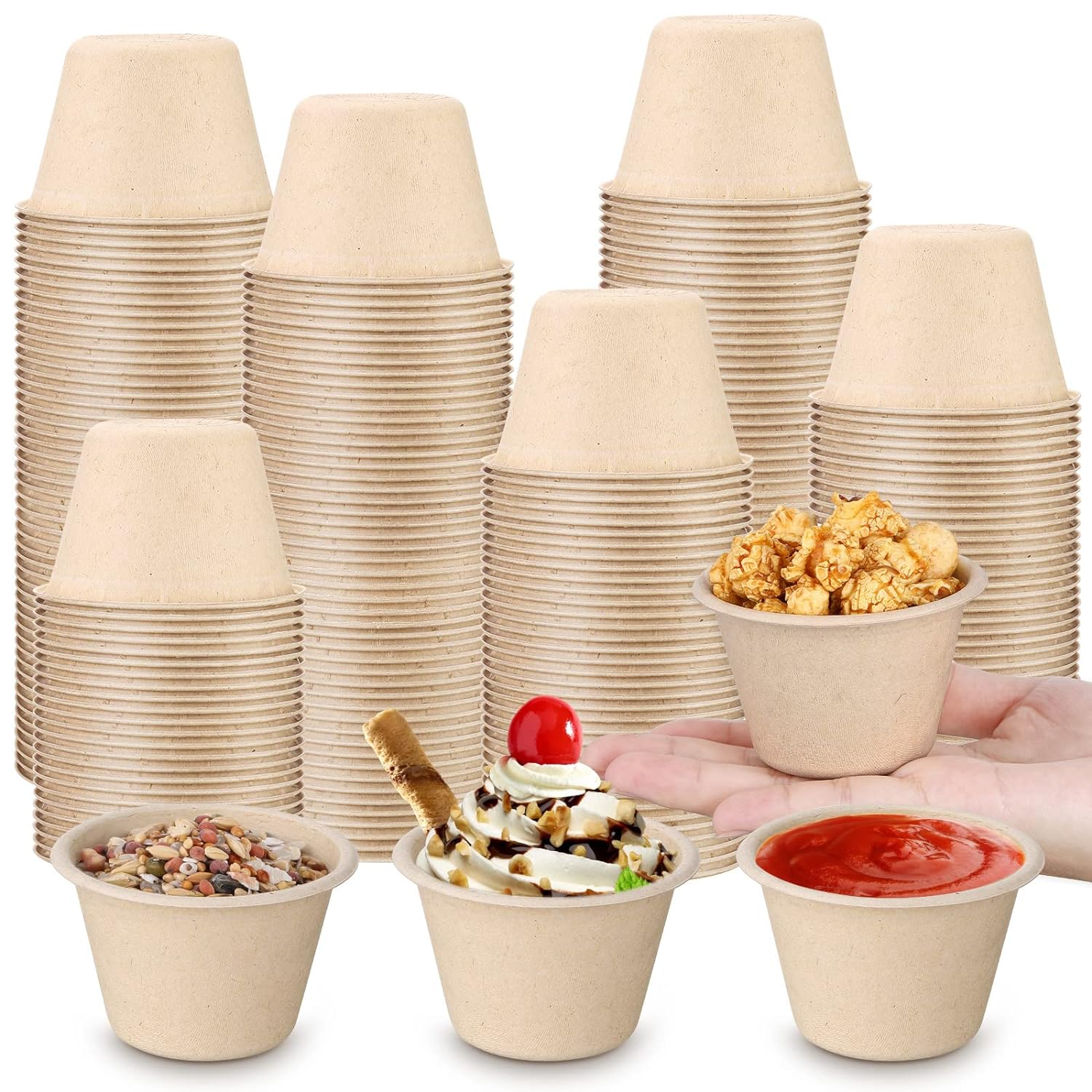 4oz
 Bagasse Cups And Cutlery
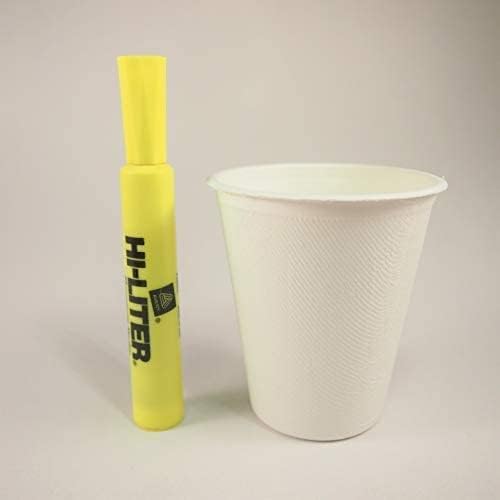
 8oz
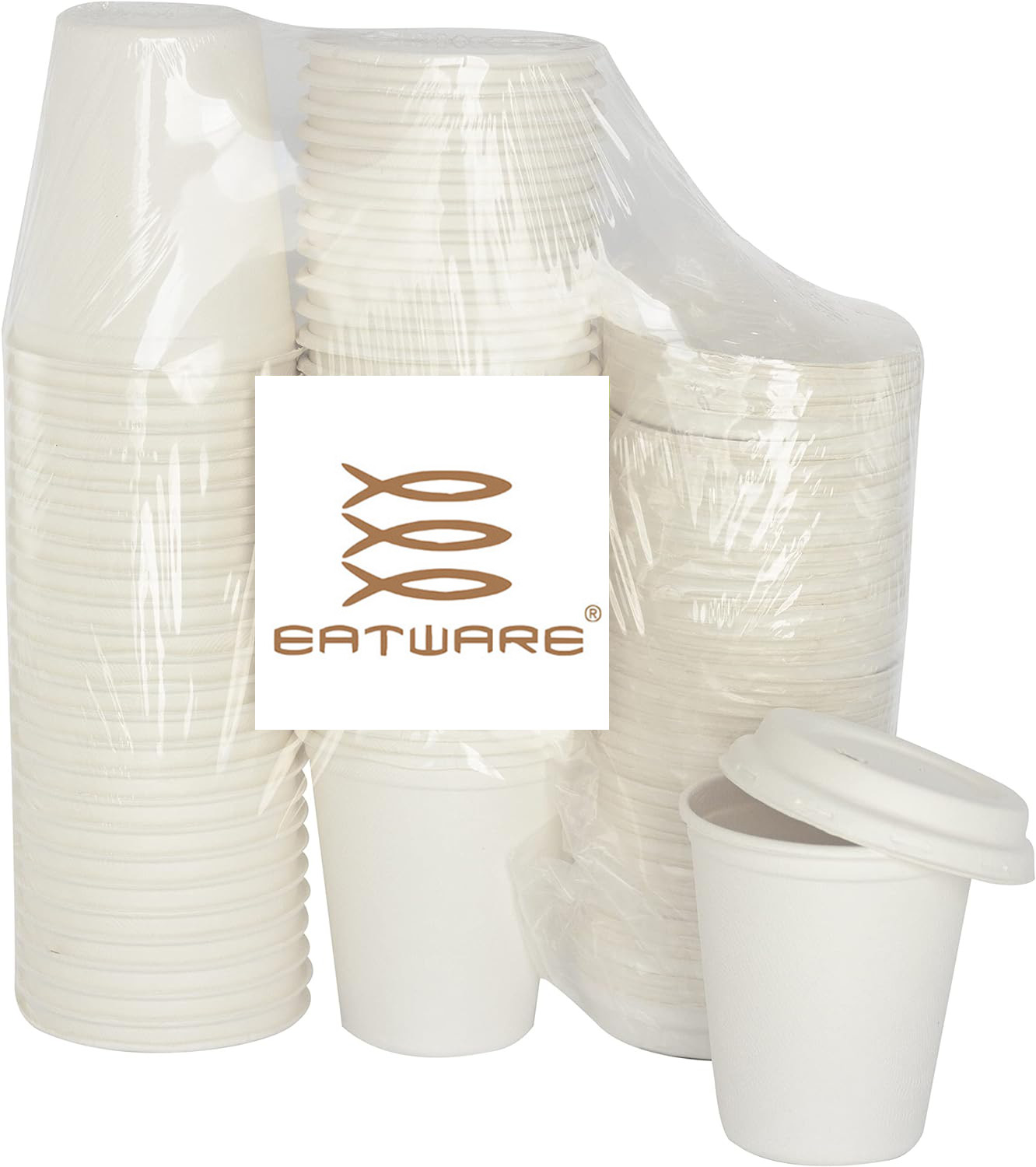 12oz
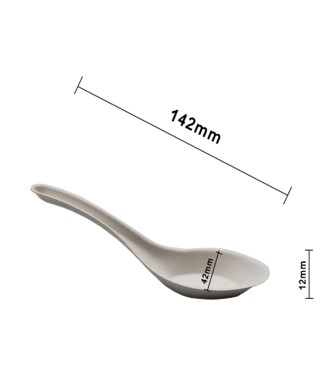 Cutlery


Leave Your Message
Decentralizing precision atmospheric food preservation from industrial supply chains to sustainable, intelligent domestic kitchens.
Precision-engineered biodegradable barrier trays & natural plant-fiber atmosphere containment vessels
In the field of environmentally friendly packaging for 18 years,Has established cooperation with 500+ brands.
Through our research and development, there are more than 60 products can product, we also support OEM ODM customized services.
Exported to the United States, Europe, Australia, Canada and other countries, right now we have exported more than 30 countries.
10000+ square meters factory area, more than 30 patent certificates, 10 foreign authoritative certification, 55 automatic forming machines...
EATware is committed to sustainable development, using all natural plant fibers to produce safe, healthy and environmentally friendly tableware. Adhering to the concept of "take nature, serve humanity, return to nature", we focus on the development of safe, high quality and environmental standards.
EATware emphasizes environmental protection and sustainable development, explores the balance between enterprise survival and environmental protection, and uses all-natural and pollution-free bamboo fiber as the main material of tableware to ensure that its products meet the high technical level and are superior to developed countries.
Mitigating White Pollution, Protecting the Ocean, and Protecting the Forest through high-barrier circular pulp engineering and non-fossil biopolymers.
For decades, Modified Atmosphere Packaging (MAP) remained the exclusive domain of centralized industrial food processing facilities, hyper-scale cold chains, and automated meat-packing plants. Industrial MAP involves altering the ambient headspace composition within a sealed container—typically substituting natural tropospheric air (approx. 78% Nitrogen, 21% Oxygen, 0.04% Carbon Dioxide) with precisely engineered gas mixtures enriched with carbon dioxide ($CO_2$) to inhibit aerobic bacterial growth, nitrogen ($N_2$) as an inert filler to prevent package collapse, and regulated low oxygen ($O_2$) concentrations to preserve cellular respiration without inducing anaerobic rot.
However, modern domestic consumption patterns have sparked a paradigm revolution. The intersection of high-frequency consumer meal-prepping, farm-to-table direct subscriptions, sous-vide precision cooking, and zero-waste kitchen initiatives has rapidly pulled MAP out of the factory and pushed it squarely into residential pantries and home refrigerators. Active Modified Atmosphere Packaging for Daily Home Use transcends traditional passive food storage (such as regular cling films, snap-lock polyethylene containers, and standard zip bags) by integrating dynamic gas-scavenging chemistry, nano-permeable responsive membranes, and plant-fiber bio-substrates directly into household-scale containers.
Globally, residential food waste accounts for more than 570 million tonnes of discarded produce annually, costing the average household over $1,500 each year. Conventional domestic solutions—such as standard vacuum sealers—frequently cause cellular damage to delicate leafy greens, berries, soft cheeses, and baked pastries due to mechanical negative-pressure compression. Domestic Active MAP bypasses this limitation entirely. Instead of crushing delicate cellular structures through aggressive vacuuming, domestic Active MAP systems exchange the internal micro-environment or utilize active internal scavengers that steadily equilibrate the headspace gas ratio at atmospheric equilibrium.
The industrial-to-home crossover market for active packaging solutions is experiencing a compound annual growth rate (CAGR) exceeding 6.8%, transitioning from non-recyclable multi-layered fossil plastics (PET/EVOH/PE laminates) to molded bamboo fiber and sugarcane bagasse compostable trays engineered with micro-thin, biodegradable moisture and gas barrier coatings.
Household containers embedded with food-contact potassium permanganate substitutes or nano-porous zeolites that irreversibly capture phytohormonal ethylene gas ($C_2H_4$), preventing premature over-ripening in domestic crisper drawers.
Bio-based hydrophilic internal layers that sequester excess condensation without dehydrating produce, directly curtailing fungal germination (Botrytis cinerea) and surface slime formation.
Micro-encapsulated food-grade citric acid and sodium bicarbonate inserts that dynamically release bacteriostatic $CO_2$ gas upon moisture activation, retarding pseudomonas contamination on domestic poultry and fish.
A critical historical barrier to domestic MAP was environmental guilt: traditional MAP trays relied upon heavy multi-layered non-recyclable plastics to maintain strict oxygen transmission rates (OTR) and water vapor transmission rates (WVTR). EATware and Kangxin Environmental Technology have disrupted this limitation by fusing 100% natural, unbleached bamboo pulp fibers with sustainable aqueous barrier coatings, creating fully home-compostable modified atmosphere food vessels.
Bamboo fiber exhibits natural antimicrobial tensile properties and high structural rigidity under thermal stress. When engineered into precision-molded MAP bowls and lamination-ready food trays, these vessels withstand continuous exposure from sub-zero deep freezer conditions (-20°C) up to microwave and oven reheating temperatures (over 100°C), all while maintaining the seal integrity essential for modified atmosphere retention.
1. Precision Weekly Batch Meal Prepping: Modern urban households batch-prepare 5 to 7 days of customized nutritional meals. Standard containers permit enzymatic browning and lipid oxidation by Day 3. Active MAP bamboo trays enriched with 30-40% $CO_2$ and 60-70% $N_2$ gas balance preserve taste profile, vitamin C retention, and crispness up to 14 days without synthetic chemical preservatives.
2. Post-Harvest Organic Microgreens & Berries: Strawberries, raspberries, baby spinach, and sprouts represent the highest-frequency domestic waste items due to rapid respiration and mold susceptibility. Active MAP containers featuring Equilibrium Modified Atmosphere Packaging (EMAP) micro-perforations harmonize internal respiration with ambient gas exchange, extending delicate fruit freshness from 3 days to over 12 days.
3. Fresh Seafood & Premium Wagyu Home Portions: Fresh fish and high-grade beef spoil rapidly through aerobic oxidation and enzymatic degradation. Active $O_2$-scavenging plant-fiber MAP bowls maintain myoglobin stability without surface discoloration or off-odor development, providing restaurant-grade preservation on residential refrigerator shelves.
4. Artisan Cheese & Charcuterie Curing Maintenance: Sliced aged cheeses and cured meats dry out or suffer surface mold under conventional plastic wraps. Active MAP containers regulate relative humidity (RH 85-90%) and carbon dioxide saturation, stopping mold growth while preventing oil sweating.
Looking toward the 2026-2035 horizon, the convergence of Internet of Things (IoT) refrigeration, artificial intelligence, and active MAP will redefine domestic kitchen management:
Industry technical breakthroughs, food safety testing methodologies, and international market trends
The most reliable way to test disposable food containers is to combine leakage testing with structural testing under conditions that reproduce the intended food application. A container should not be approved simply because it holds water for several minutes or survives an empty compression tes...
For foodservice operators, replacing conventional plastic packaging is not simply a matter of changing materials. Disposable biodegradable tableware must still withstand hot food, sauces, oils, condensation, stacking, transport, and commercial handling without losing structural integrity. Poorl...
With growing global demand for takeaway meals and eco-friendly packaging, China’s manufacturing sector has become a major hub for disposable food containers. Today’s food businesses - from fast-food chains and meal-delivery services to supermarkets and catering companies - are looki...
Kangxin (HaiMen) Environmental Technology Co., Ltd. is a technology innovation oriented enterprise that focuses on disposable environmentally friendly tableware and food packaging.
We have advanced production processes and equipment, and continue to attract senior talents, focusing on environmental protection,emphasizing safety, and ensuring quality.
READ MOREGlobal conformance, food-contact compliance, and automated precision forming patents
Trusted by premier international retailers, airlines, hospitality leaders, and consumer food brands
Explore our complete spectrum of plant-fiber modified atmosphere containers and eco-packaging systems
Protecting the ocean • Protecting the Forest • Sustaining Future Generations through Renewable Fiber Engineering