 Box With T buckle
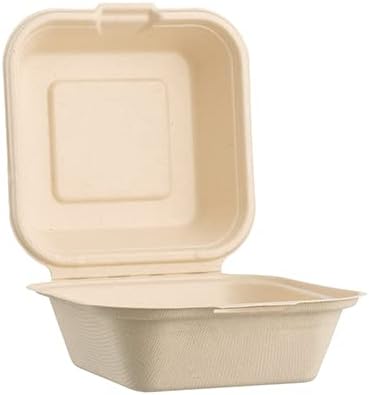
 700ml Square Lunch Box
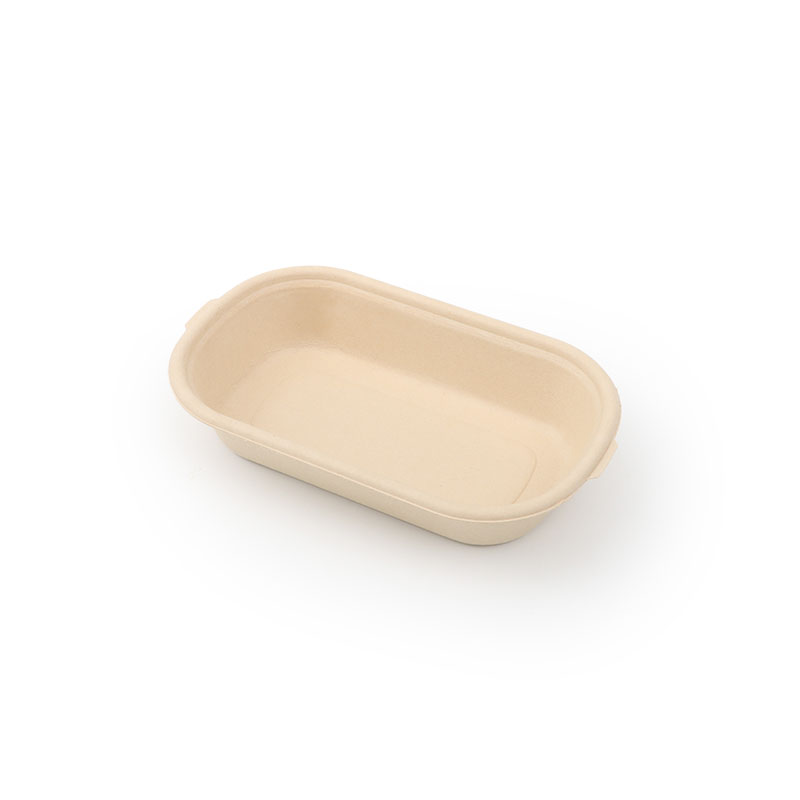 500ml
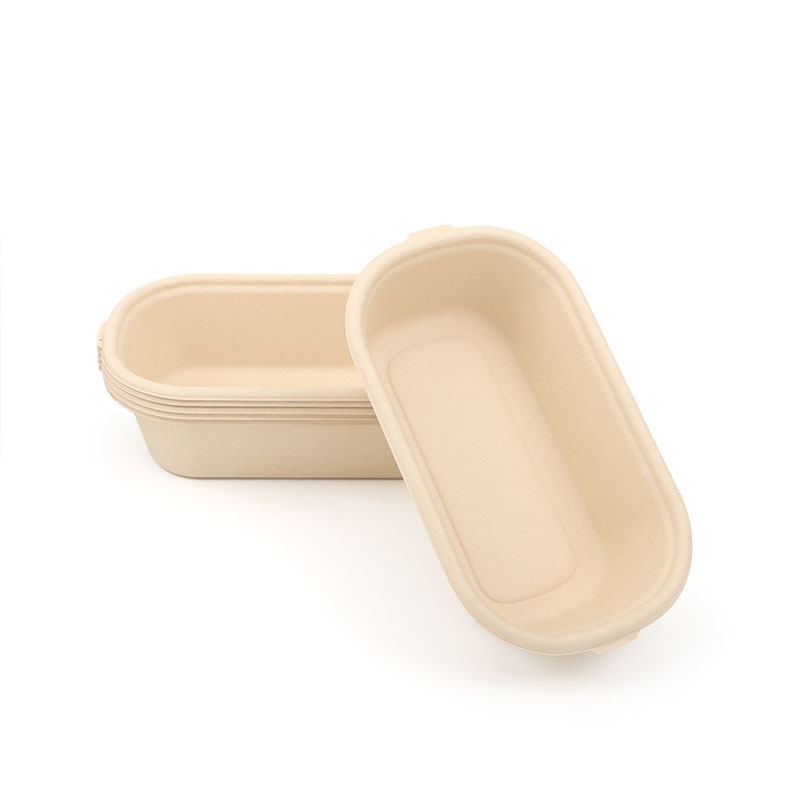 700ml
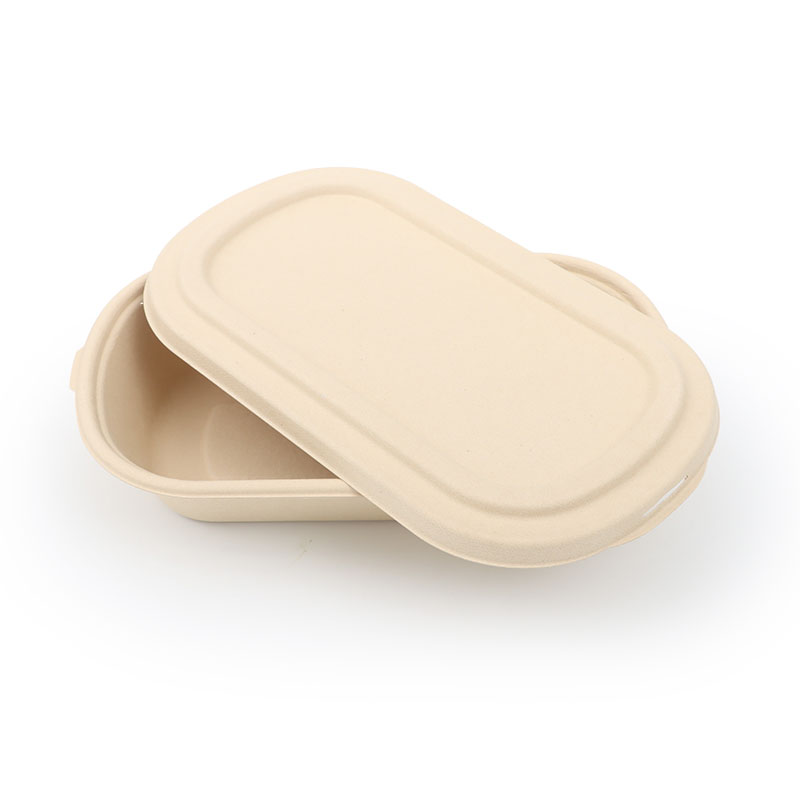 850ml
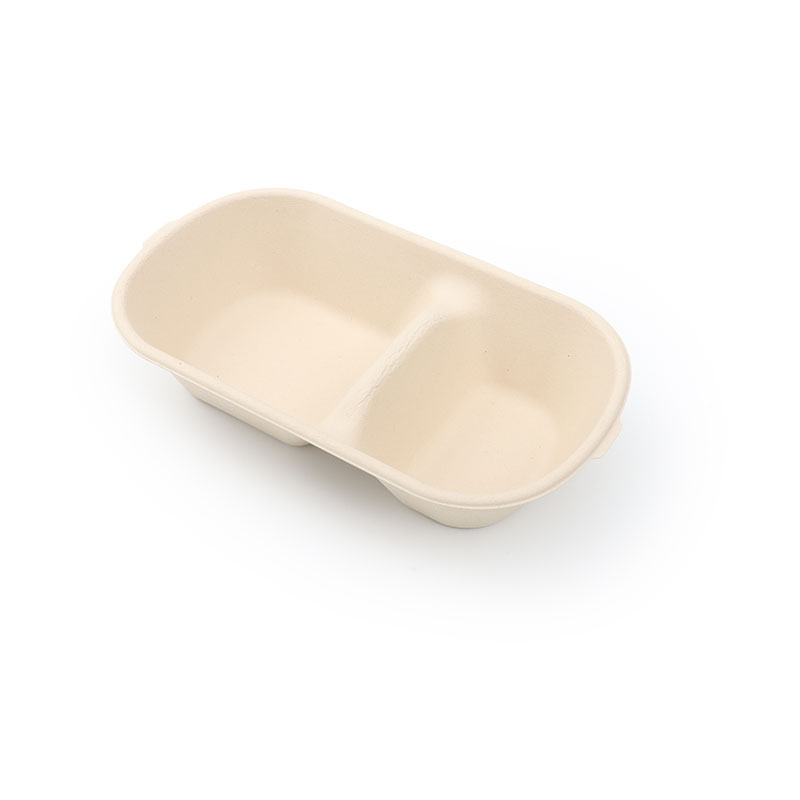 800ml 2 Compartments
 1000ml 2 Compartments
 1100ml
 1000ml Square Lunch Box
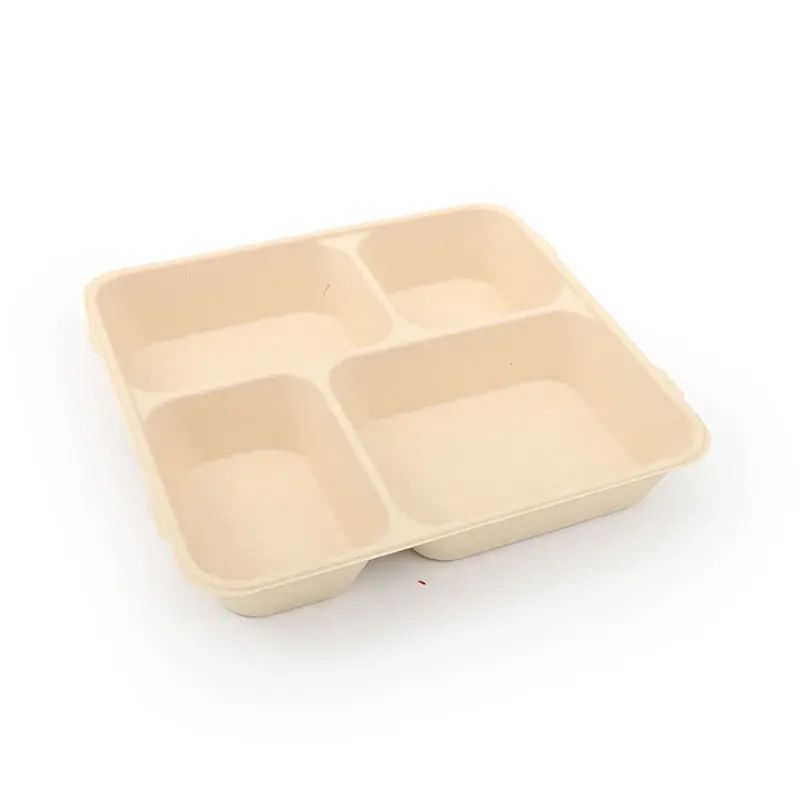 1340ml 4 Compartments
 Lunch Box Lid
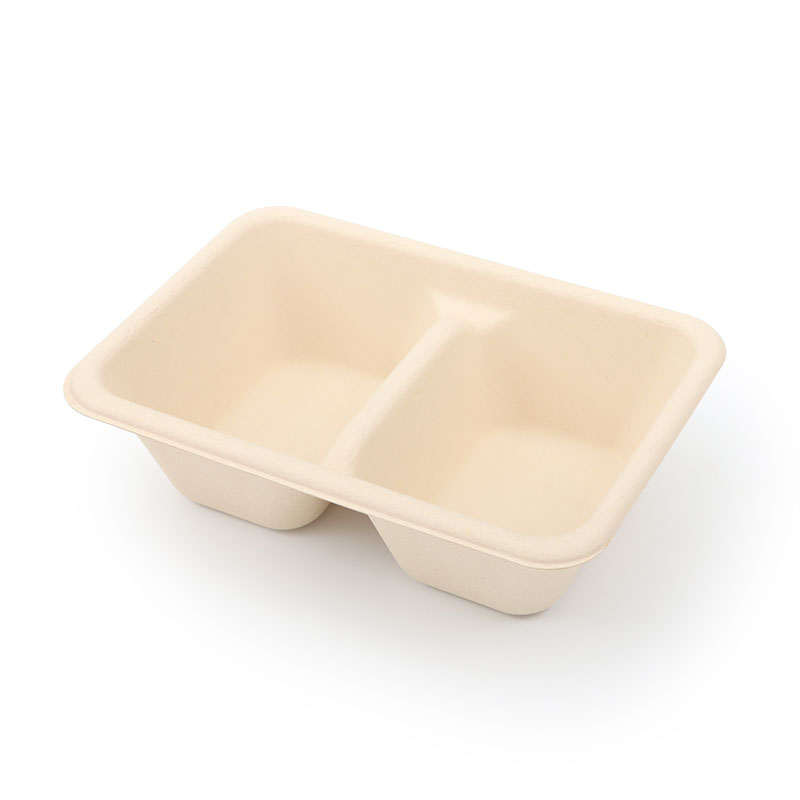 650ml
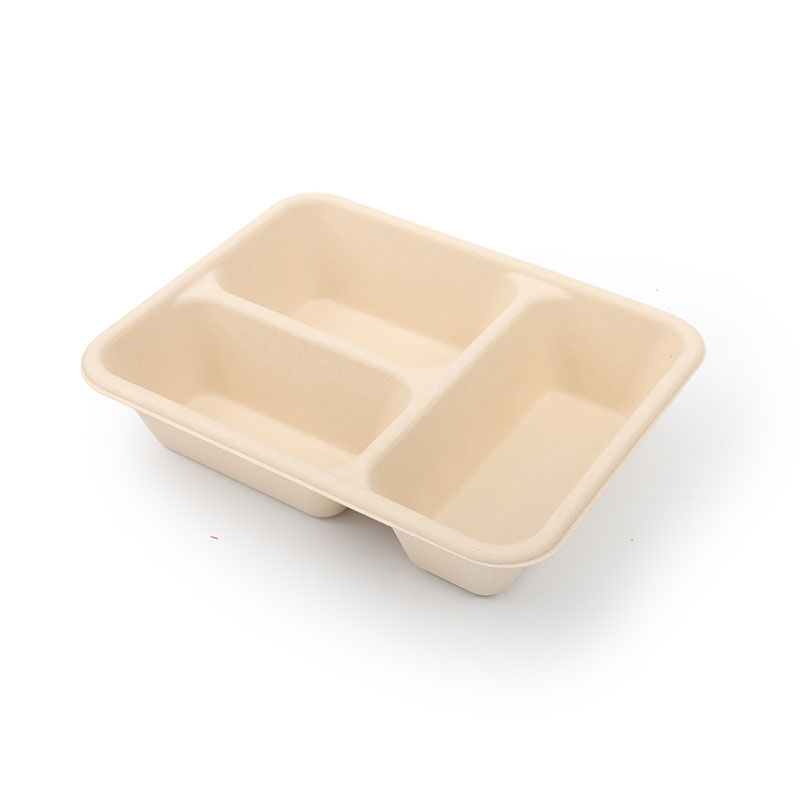 1000ml 3 Compartments
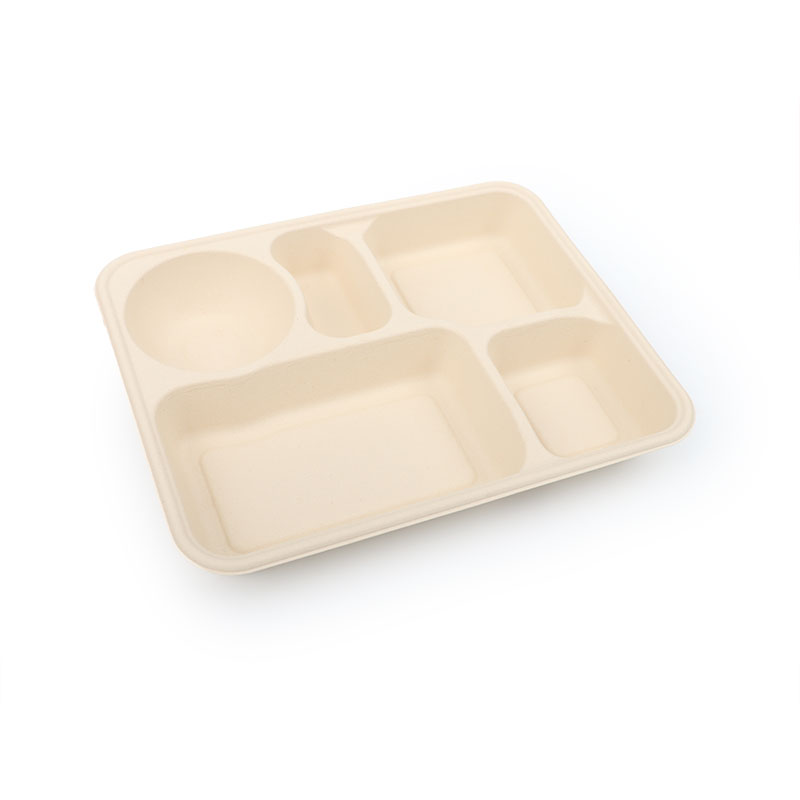 1250ml 5 Compartments
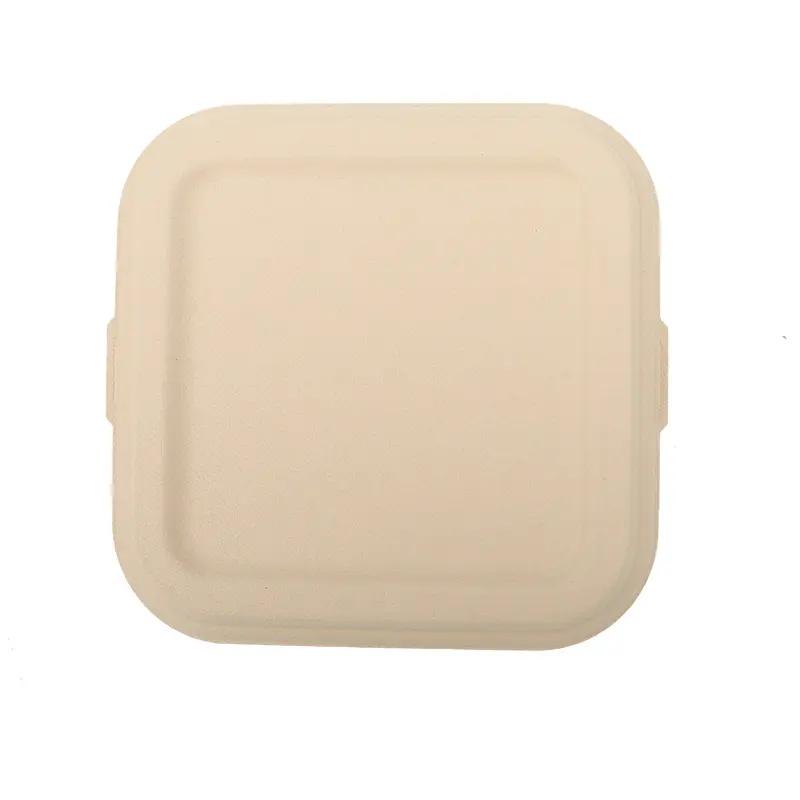 Square Lunch Box Lid
 Box Without T buckle
 850ml Salad Box
 700ml
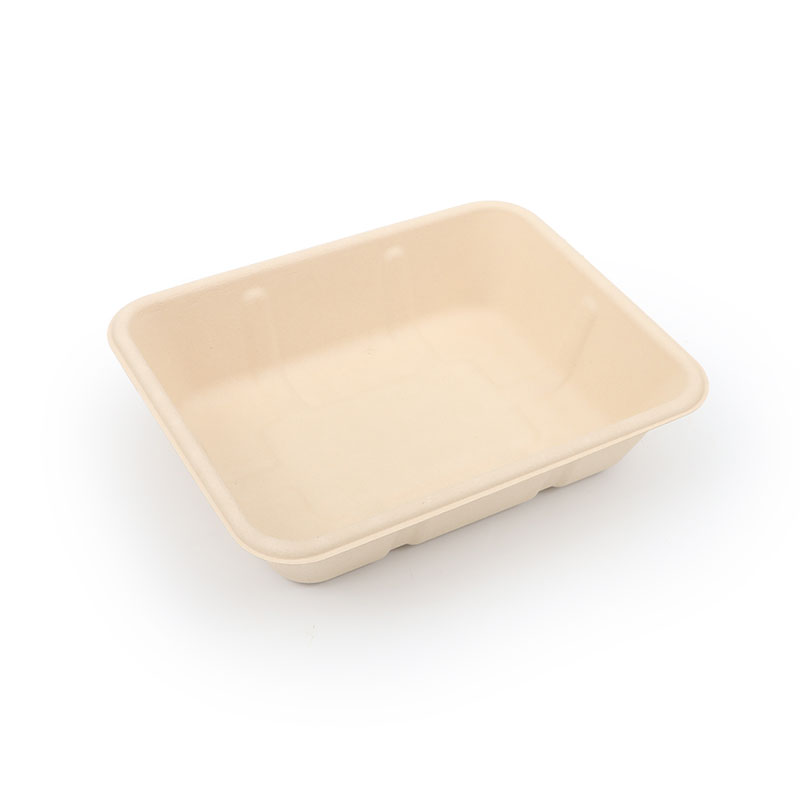 1350ml
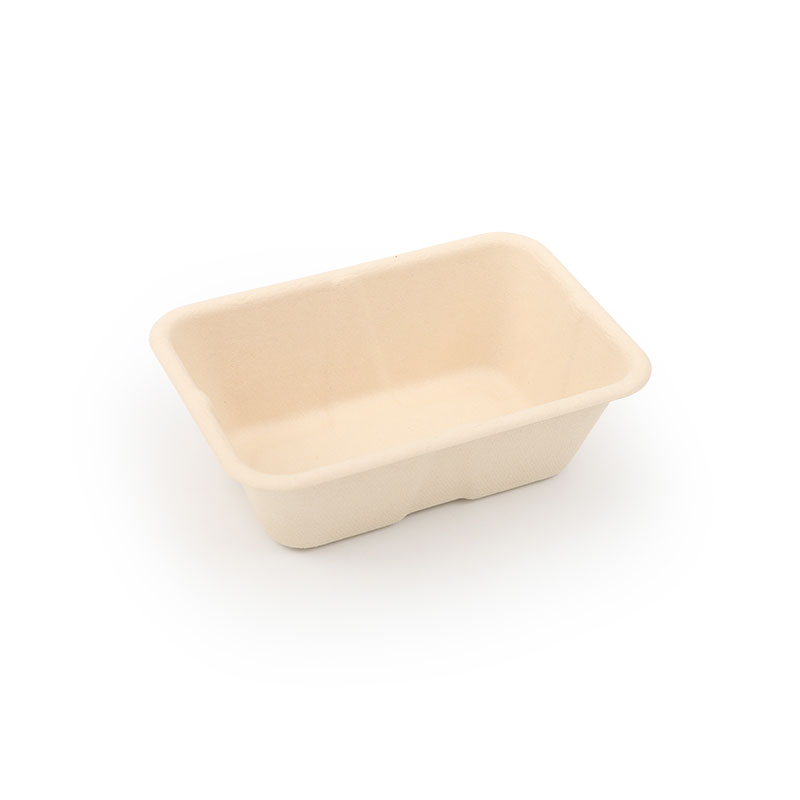 470ml
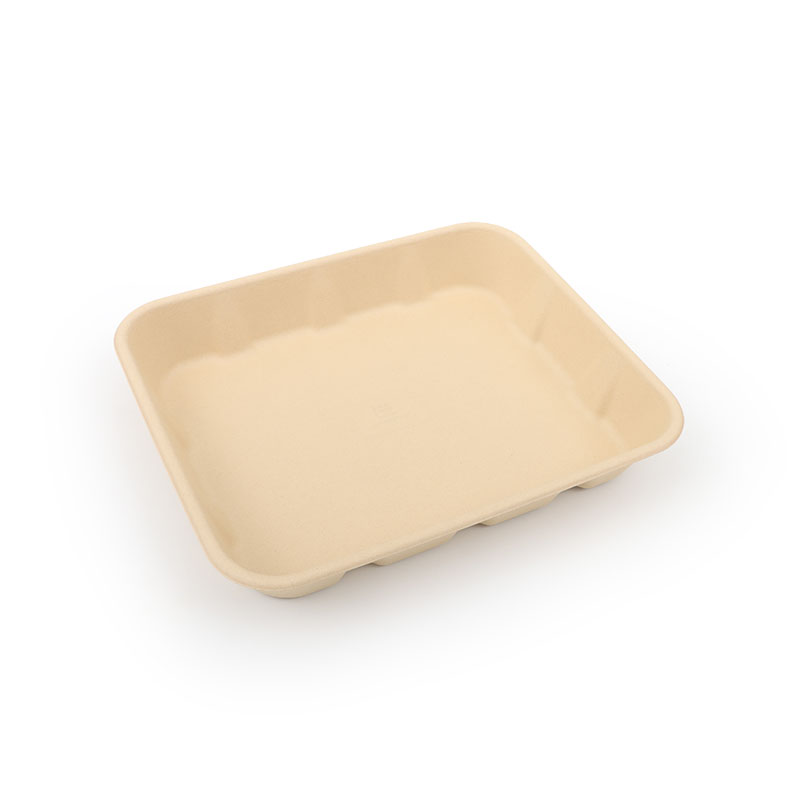 2183ml Tray Box
 11" * 9"
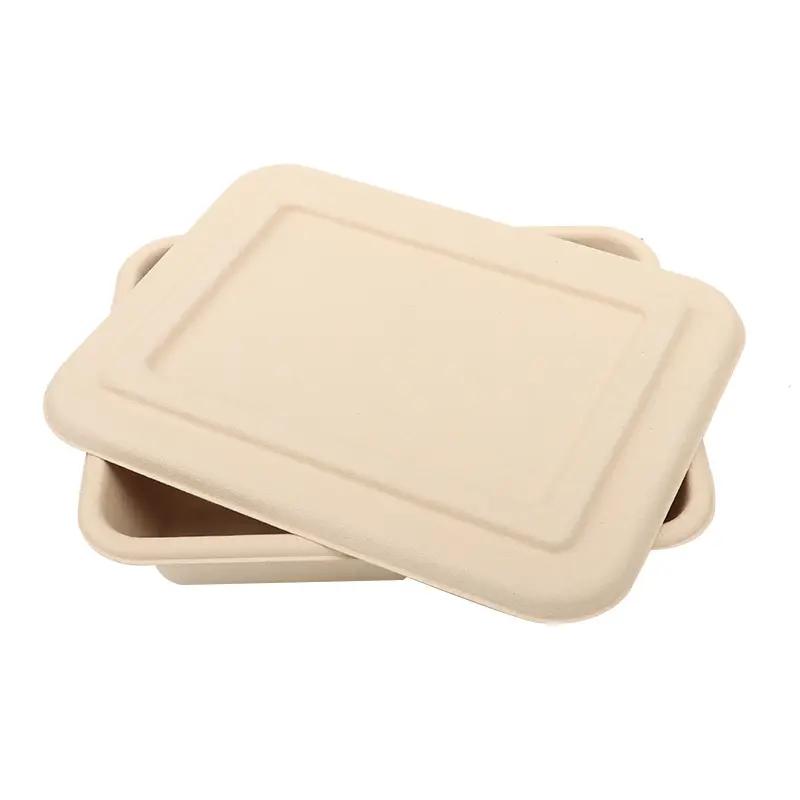 800ml
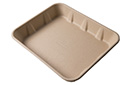 One Part Box
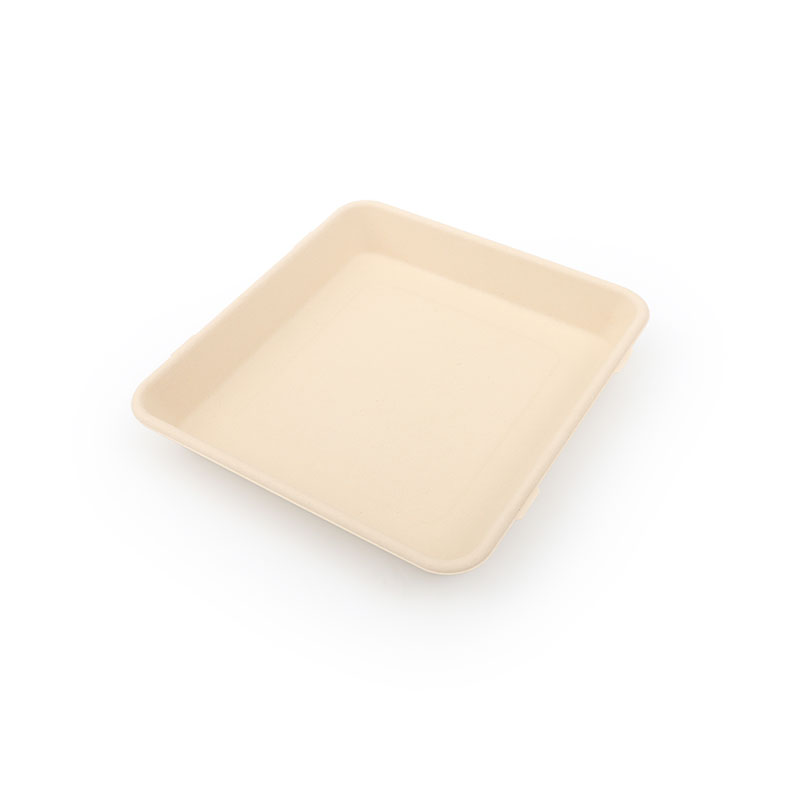 1443ml Tray Box
 Cake Bread Snack Tray Series
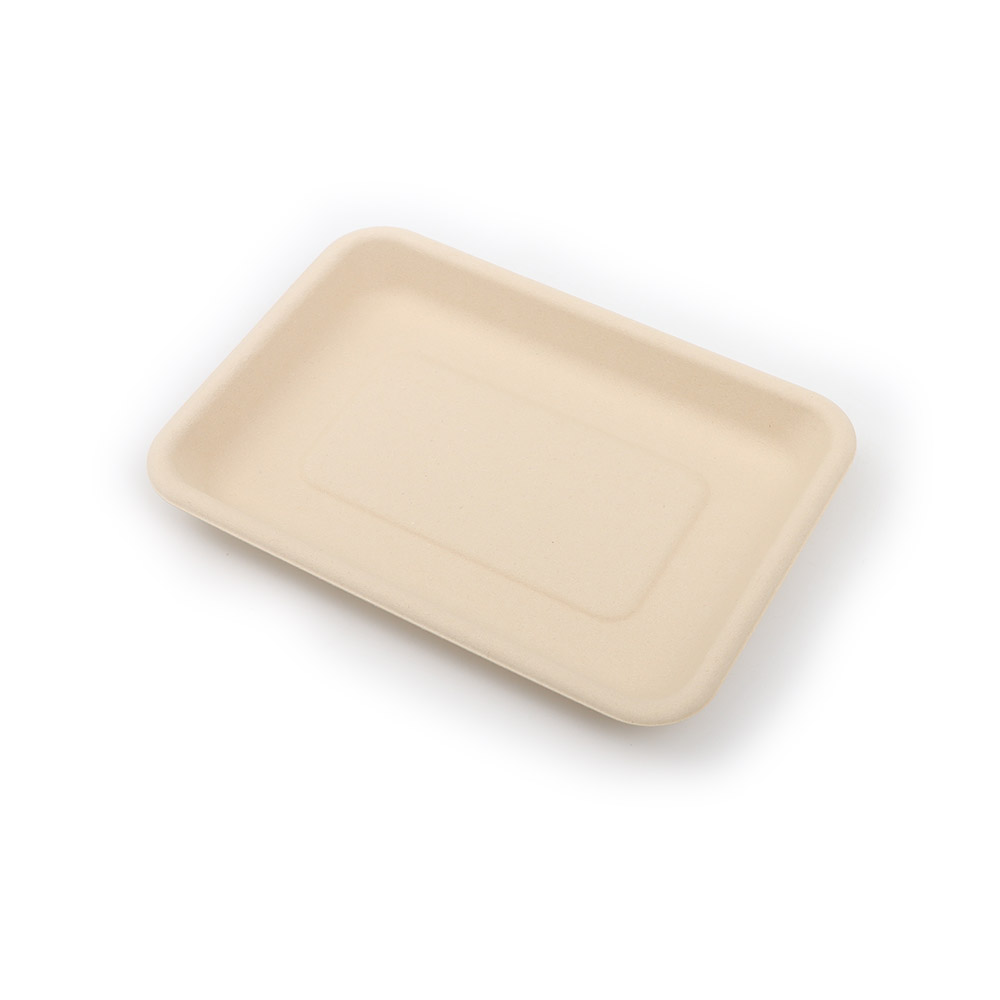 5" * 7" natural color
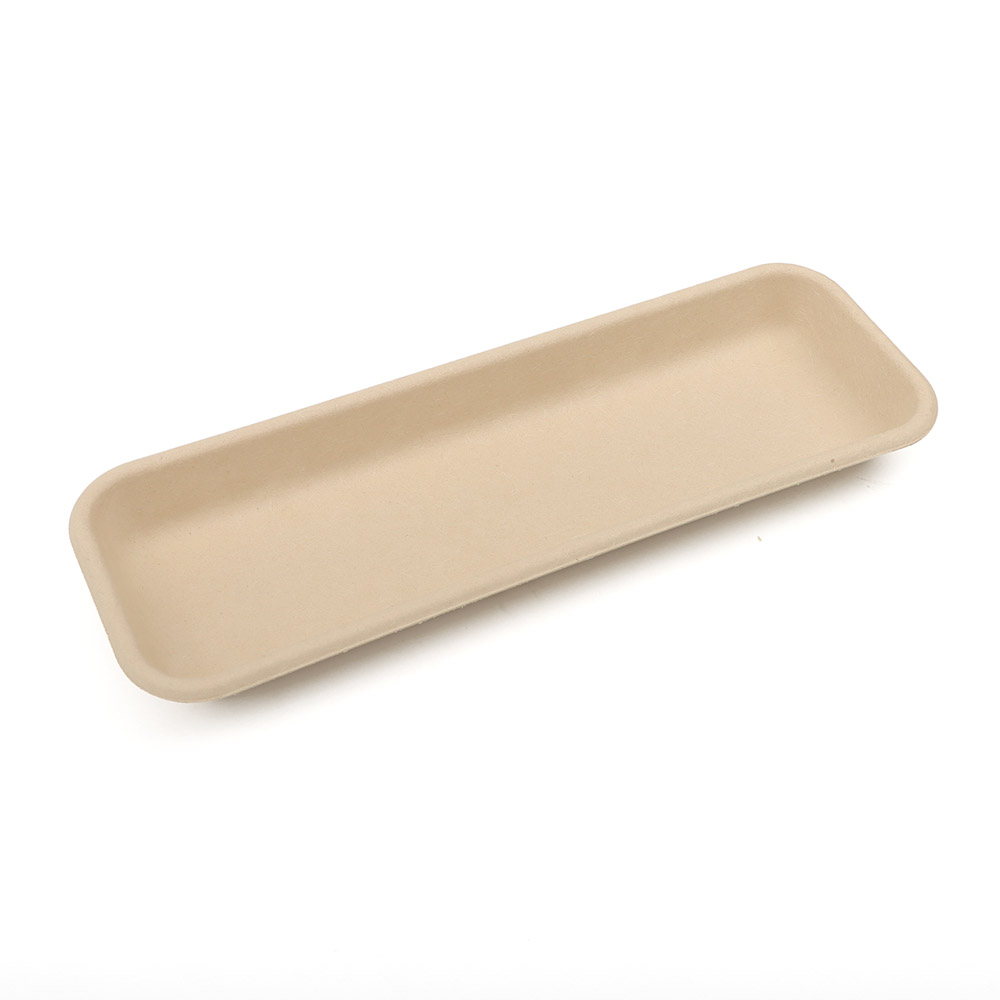 11.4" * 3.9"
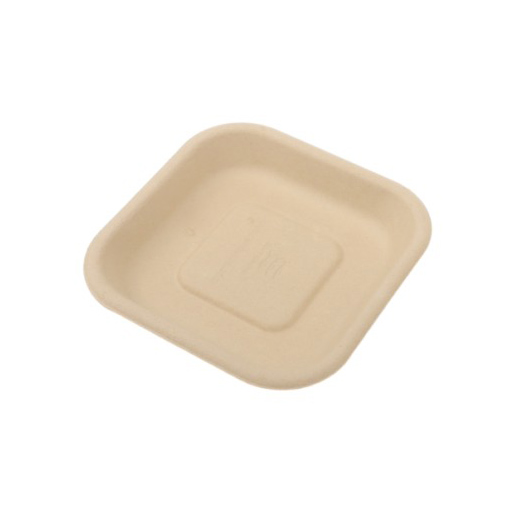 5.3" * 5.3"
 Fruit And Vegetable Tray Series
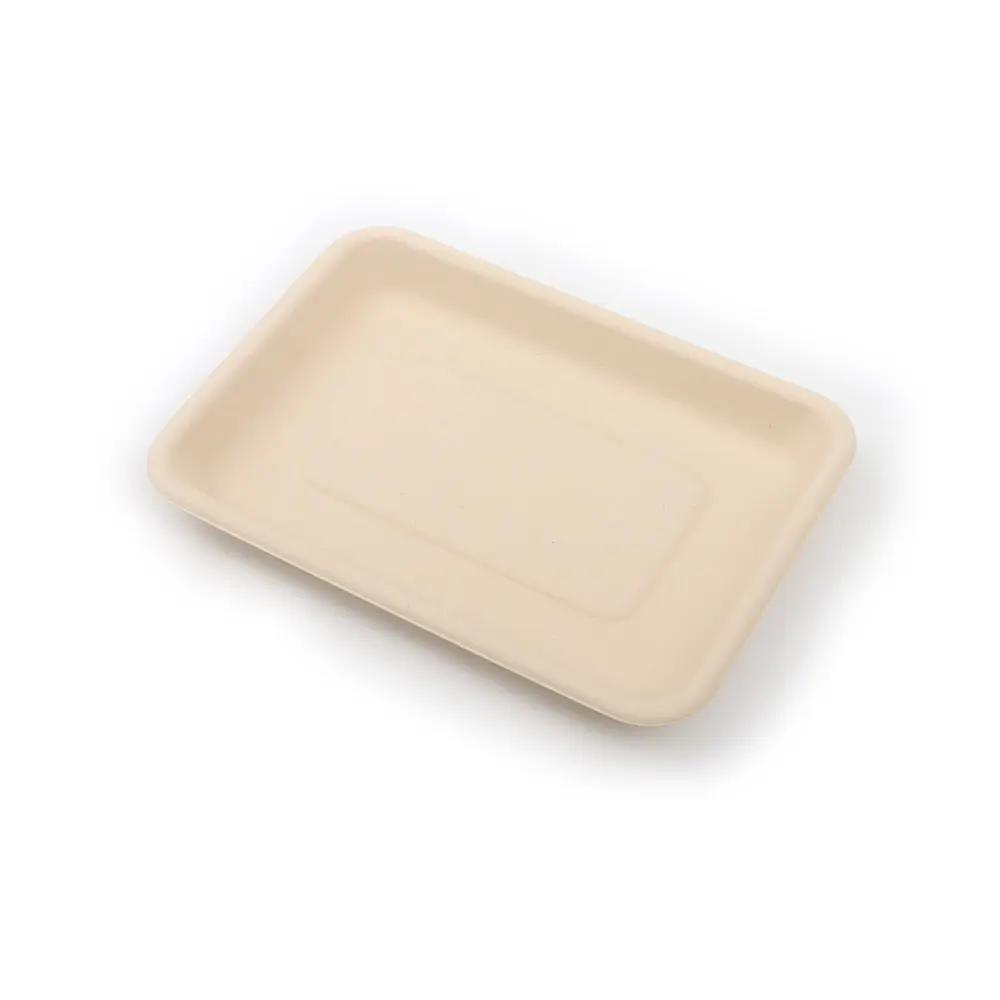 8.6" * 5.3"
 Sushi Tray Series
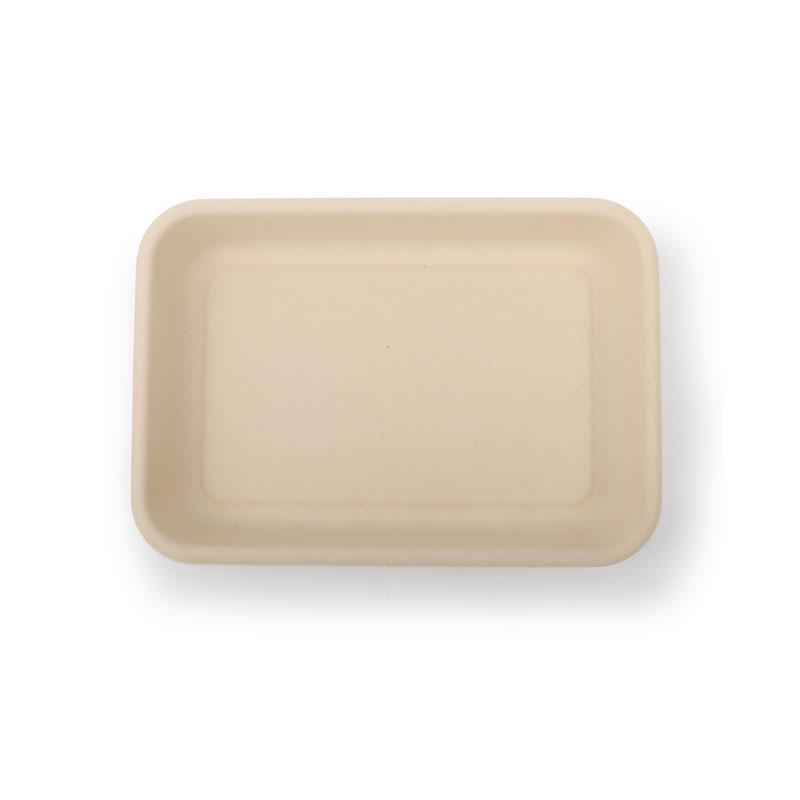 200" * 140"
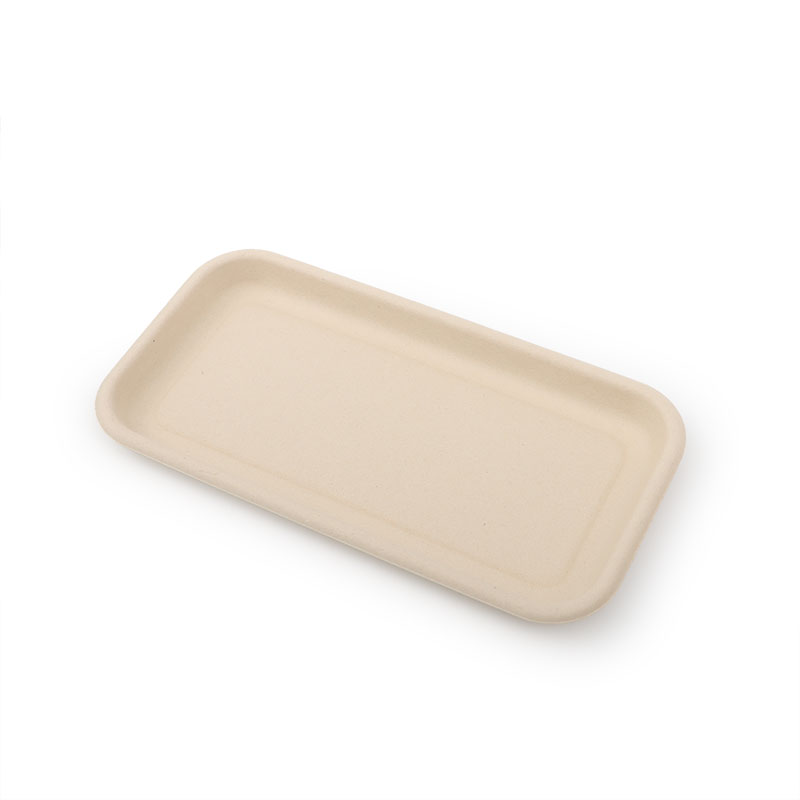 210" * 110"
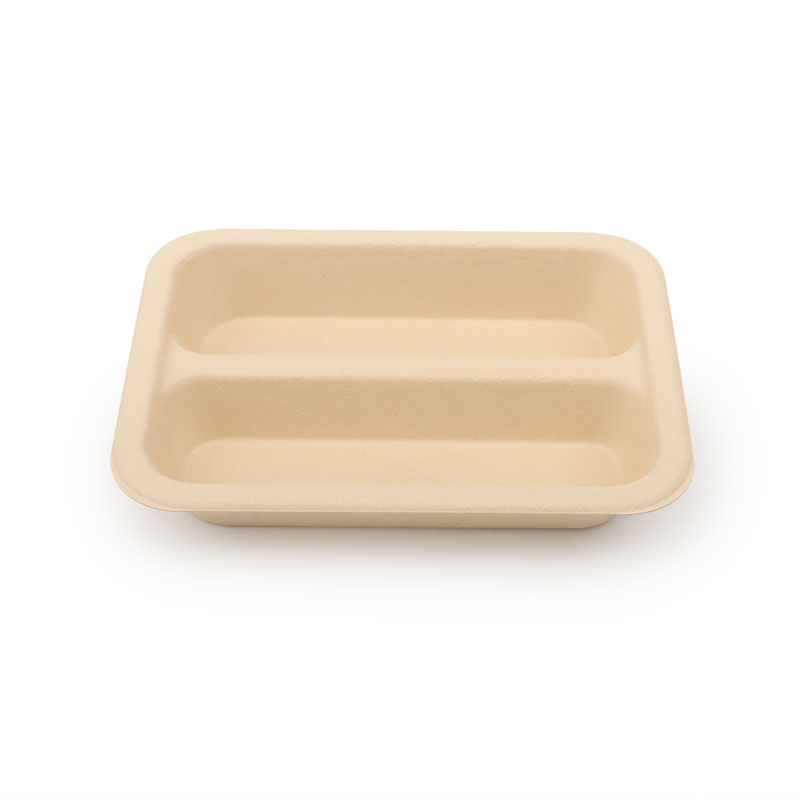 2 Compartments
 Small Round Plate Series
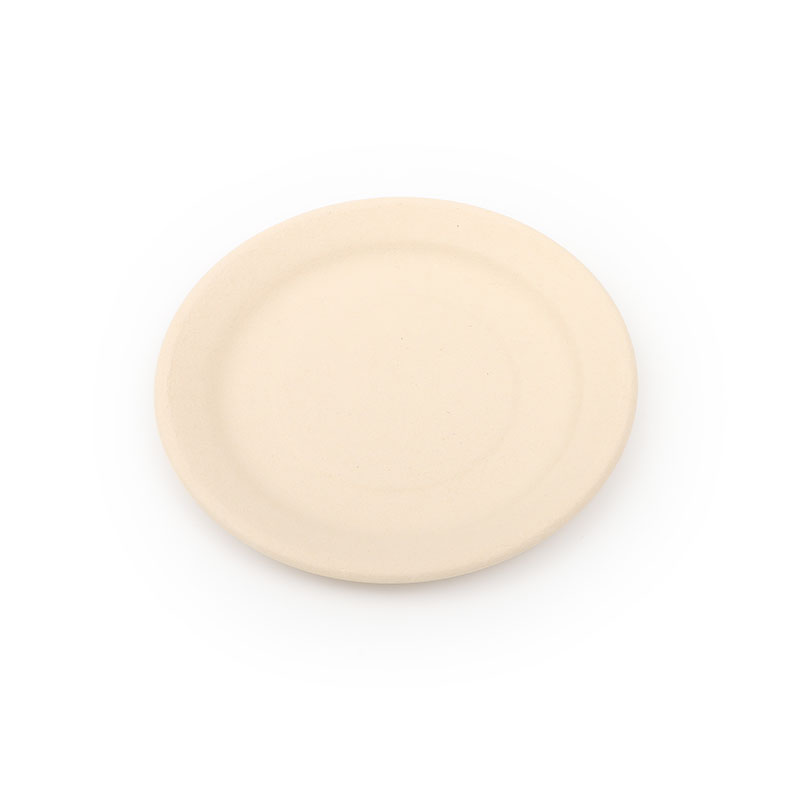 7 inch
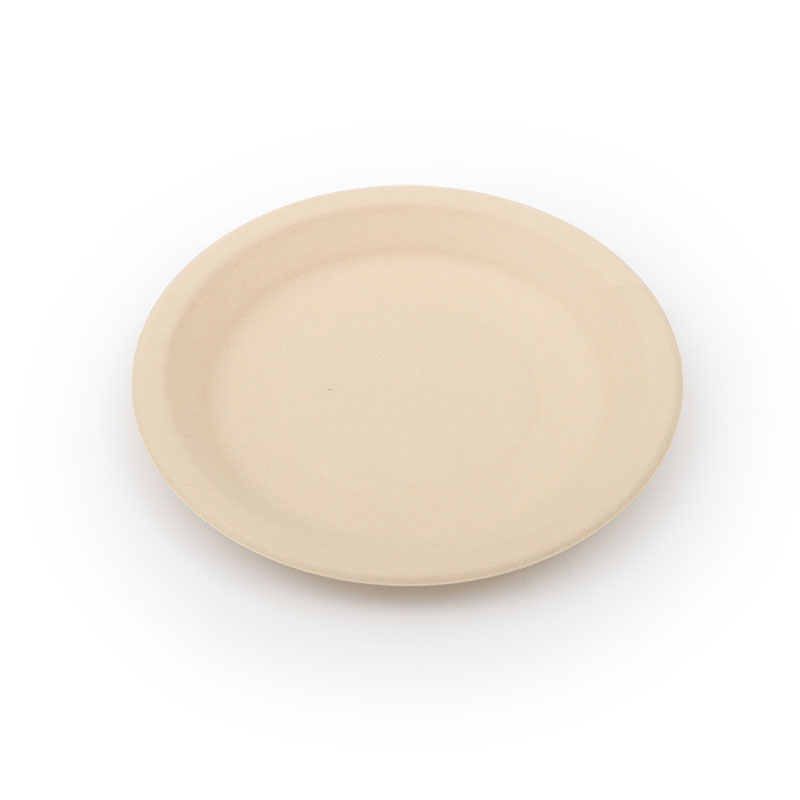 6 inch
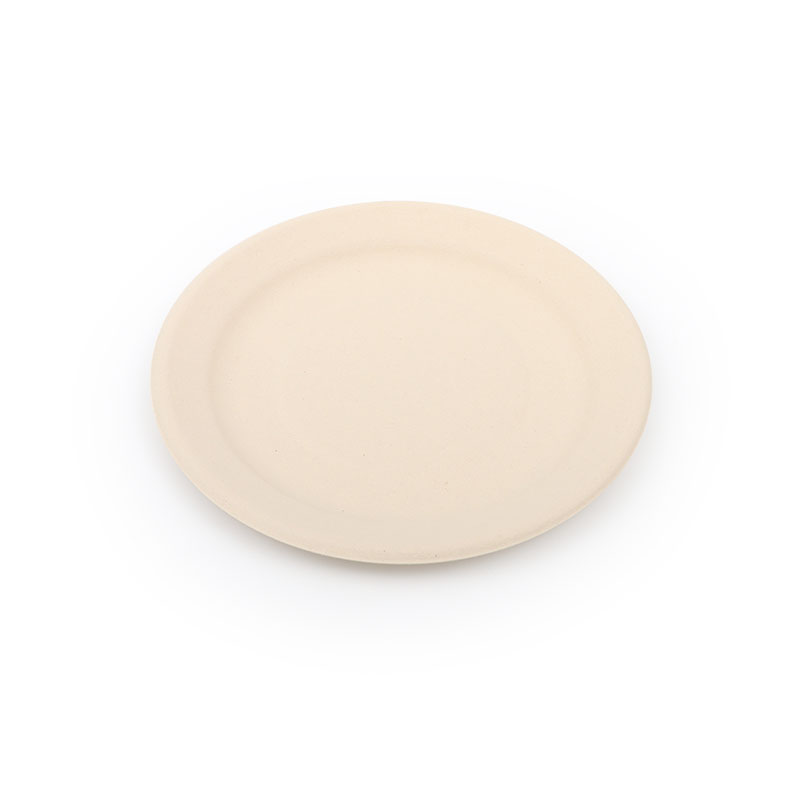 8 inch
 Middle Round Plate Series
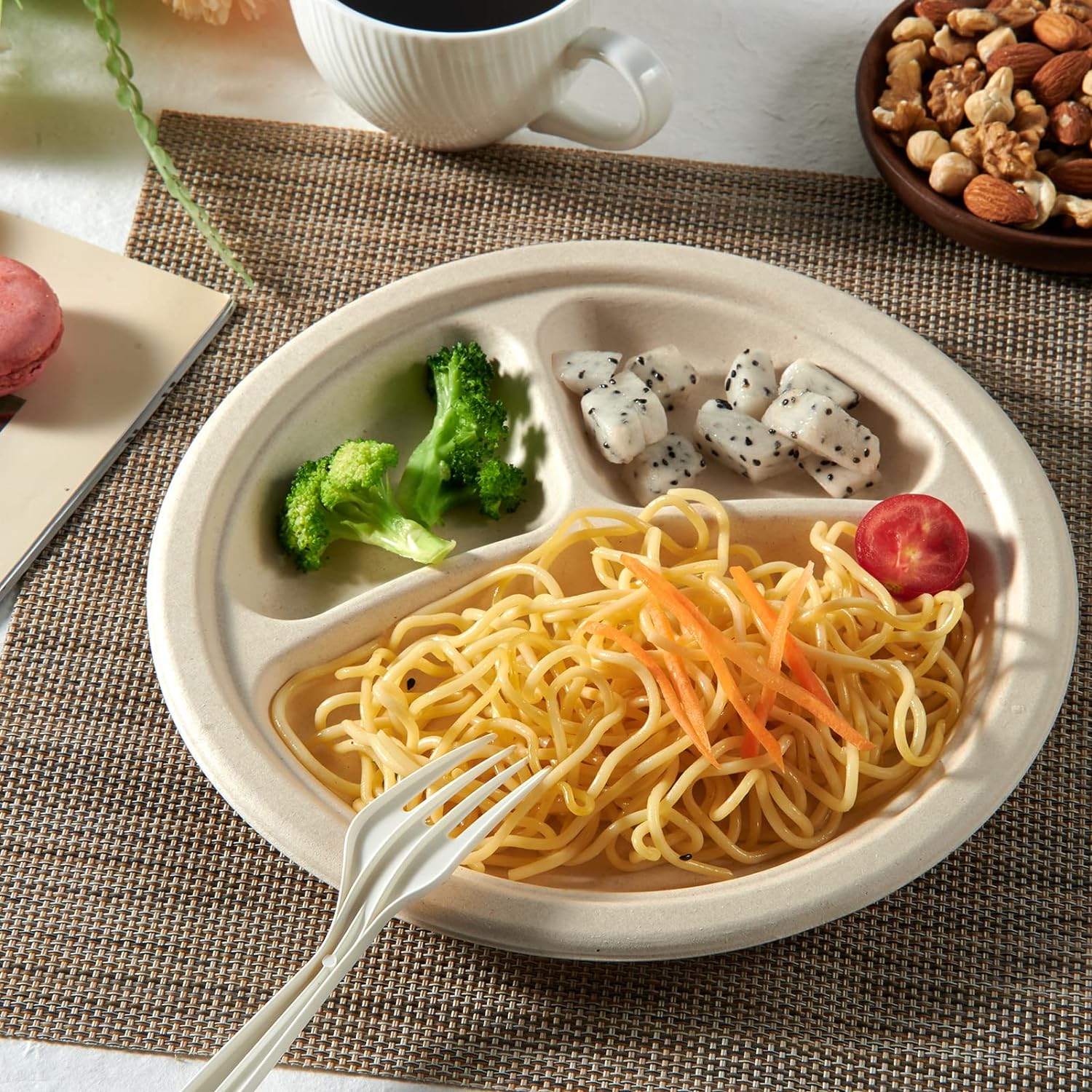
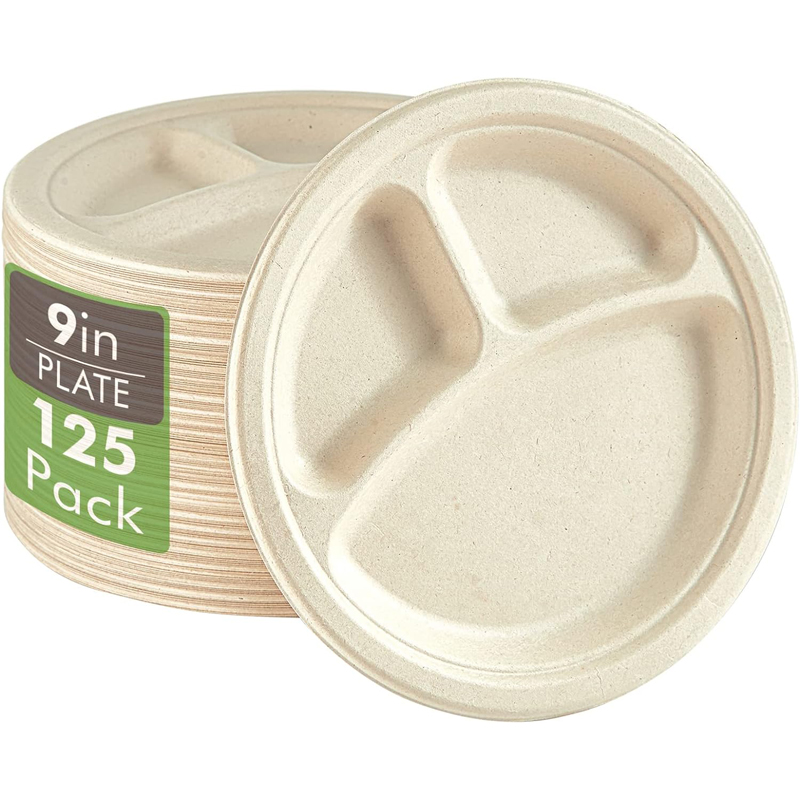
 9 Inch 3 Compartments
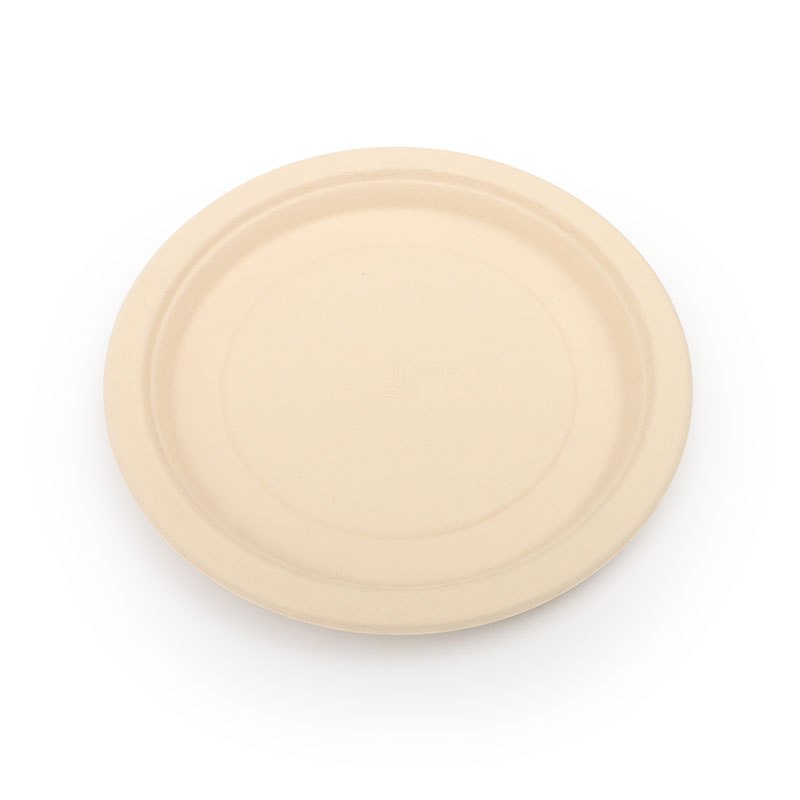 9 inch
 Big Round Plate Series
 12.7 Inch Pizza Plate
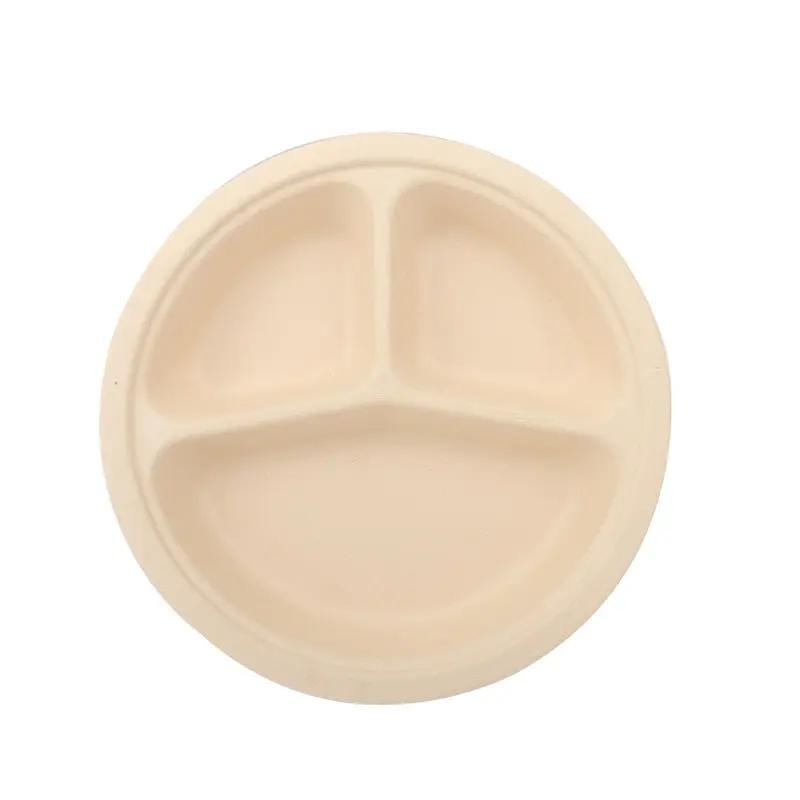 10.25 inch 3 Compartments
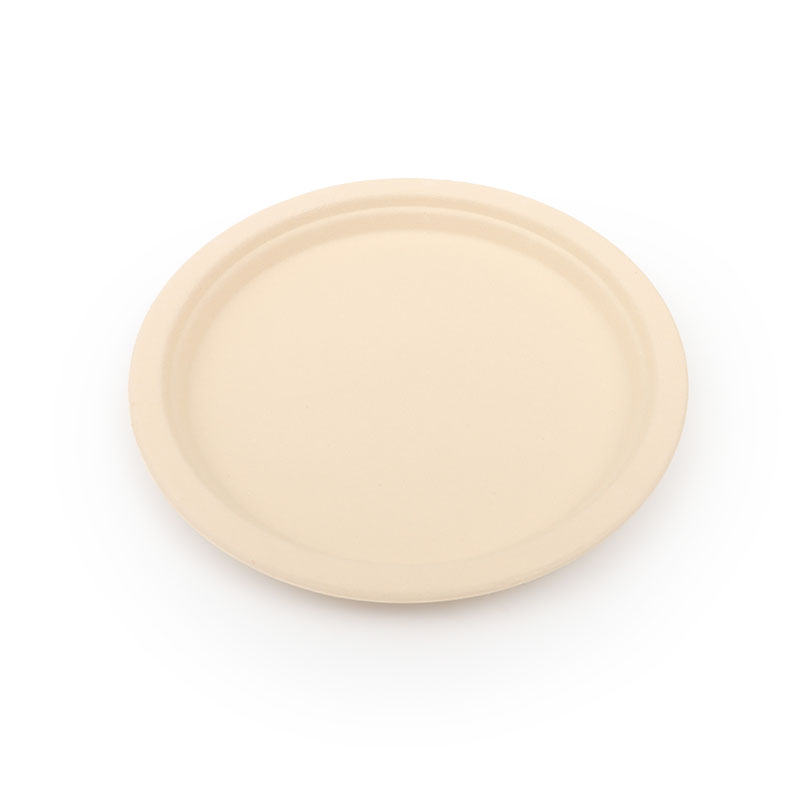 10 inch
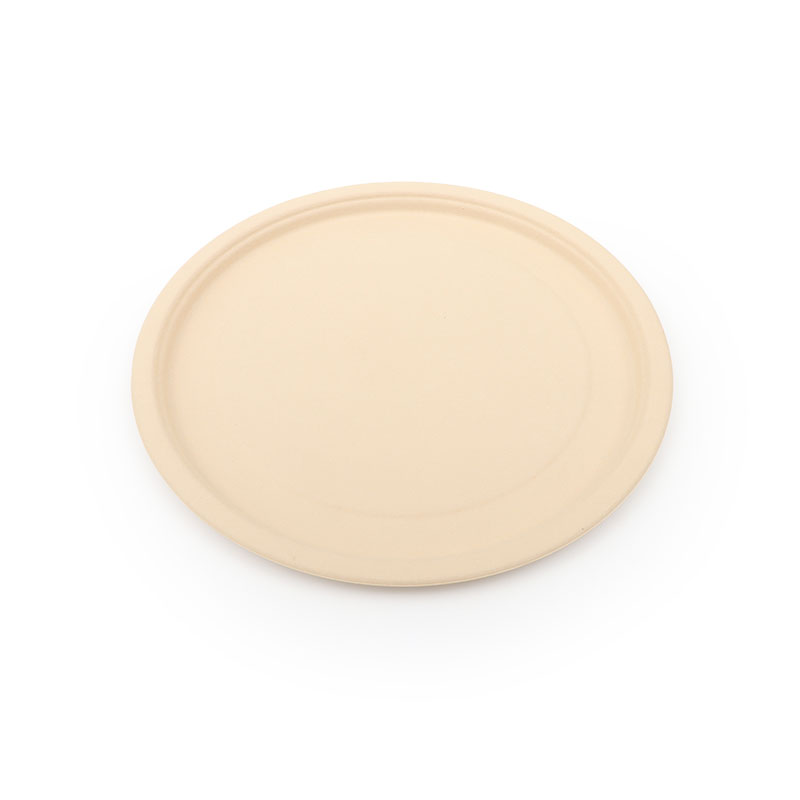 12 inch
 Bigger Bowl
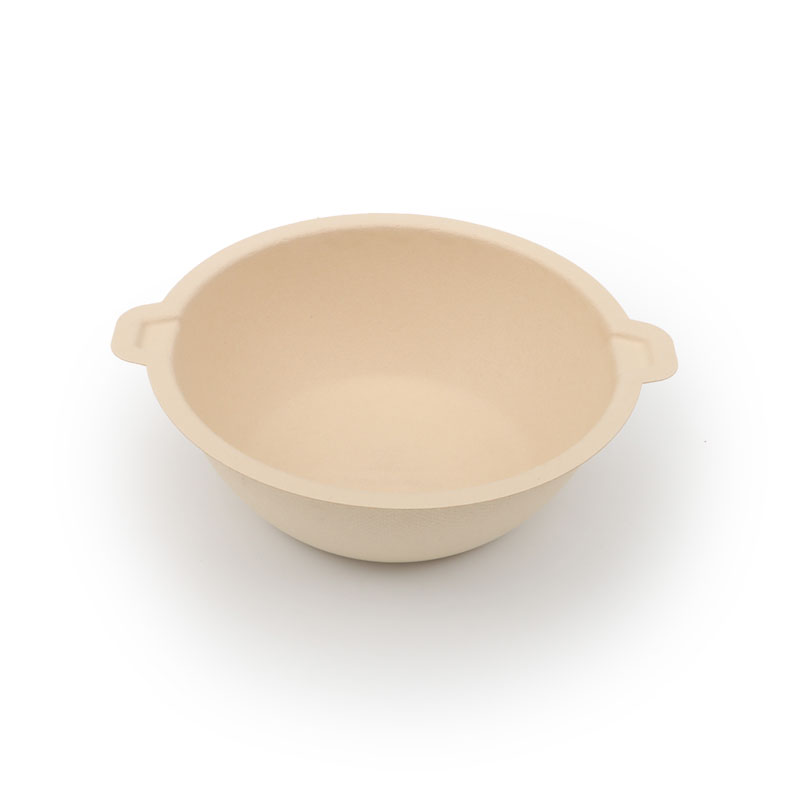 48oz(1420ml)
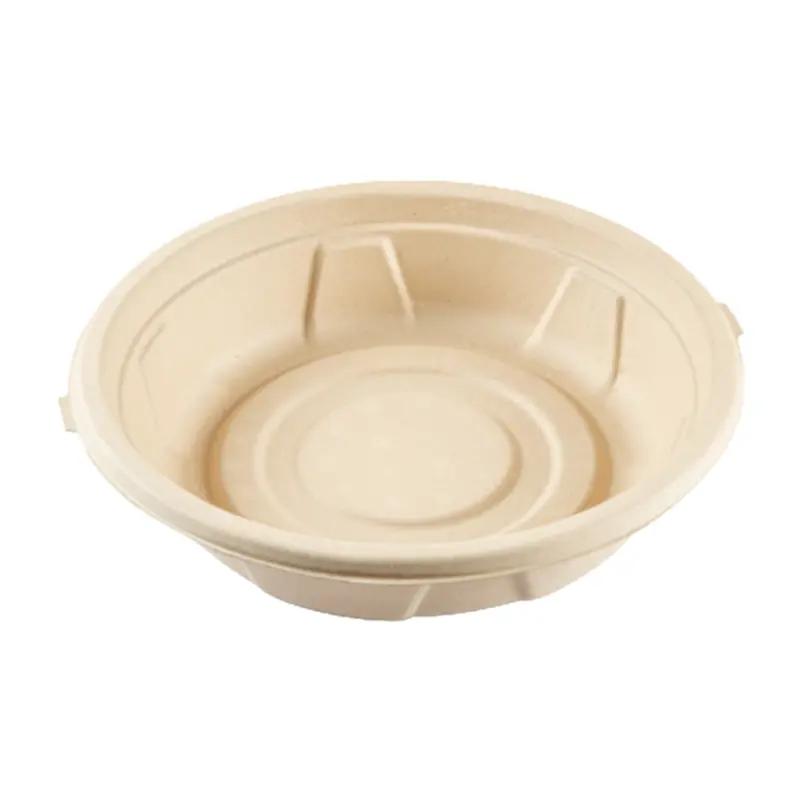 56oz(1650ml)
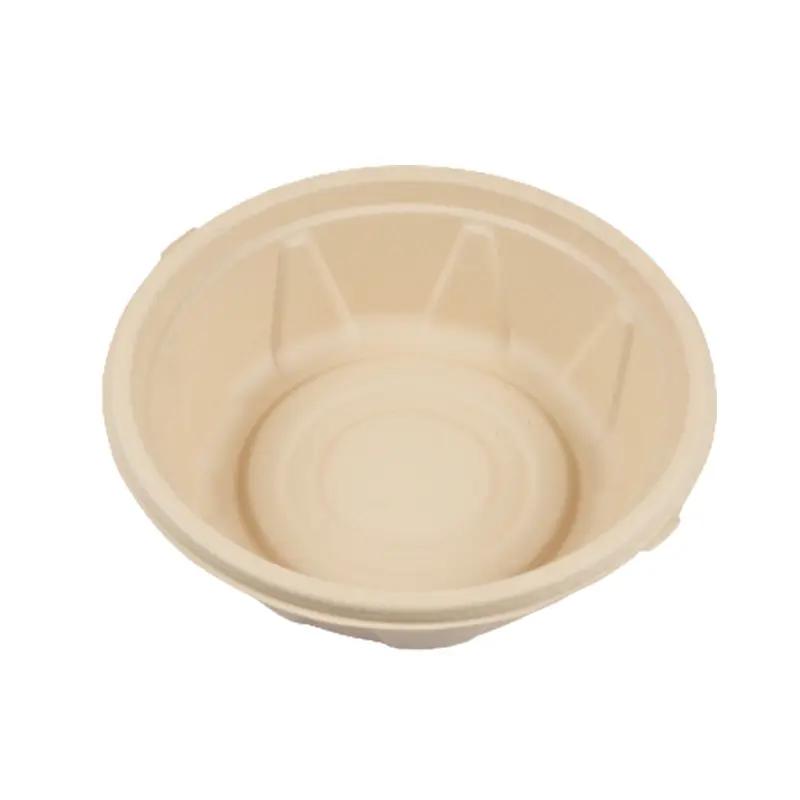 100oz(2950ml)
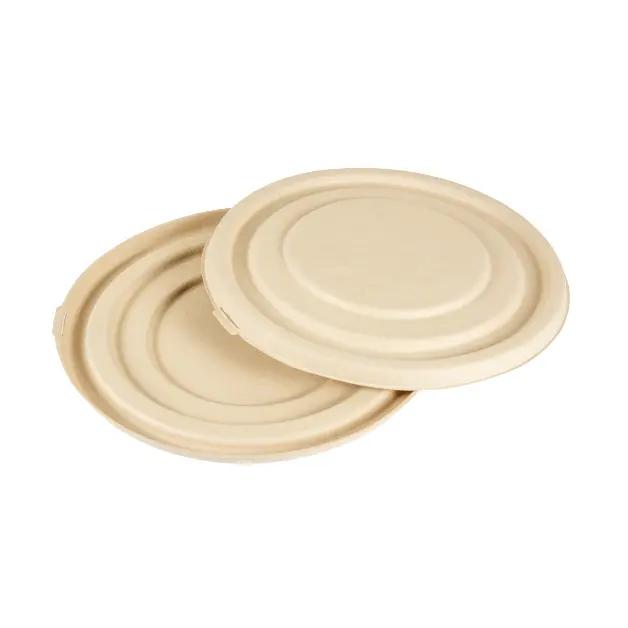 100oz(2950ml) With Lid
 Middle Bowl
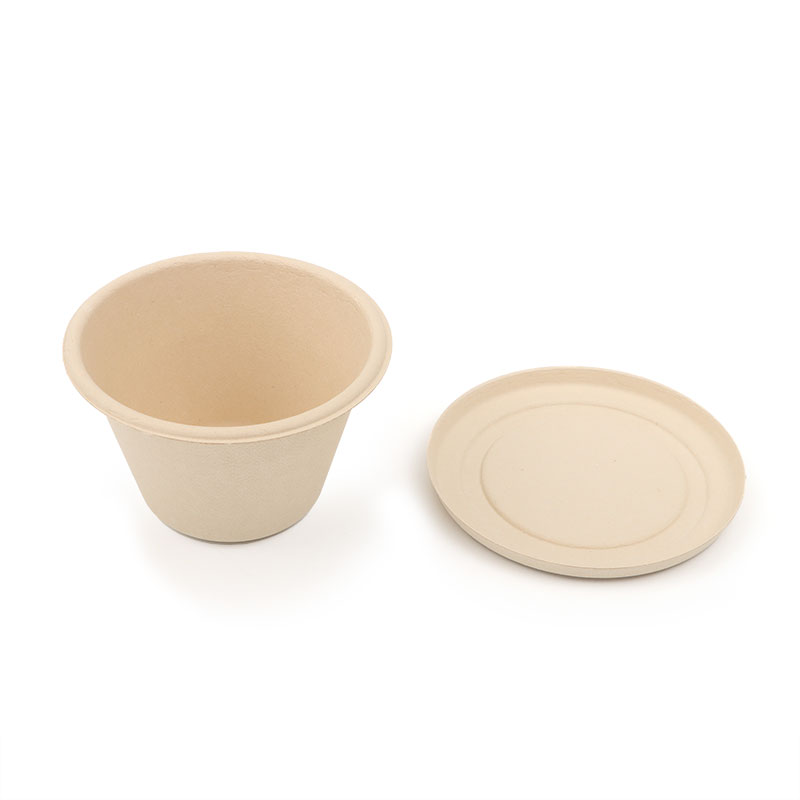 17oz(500ml)
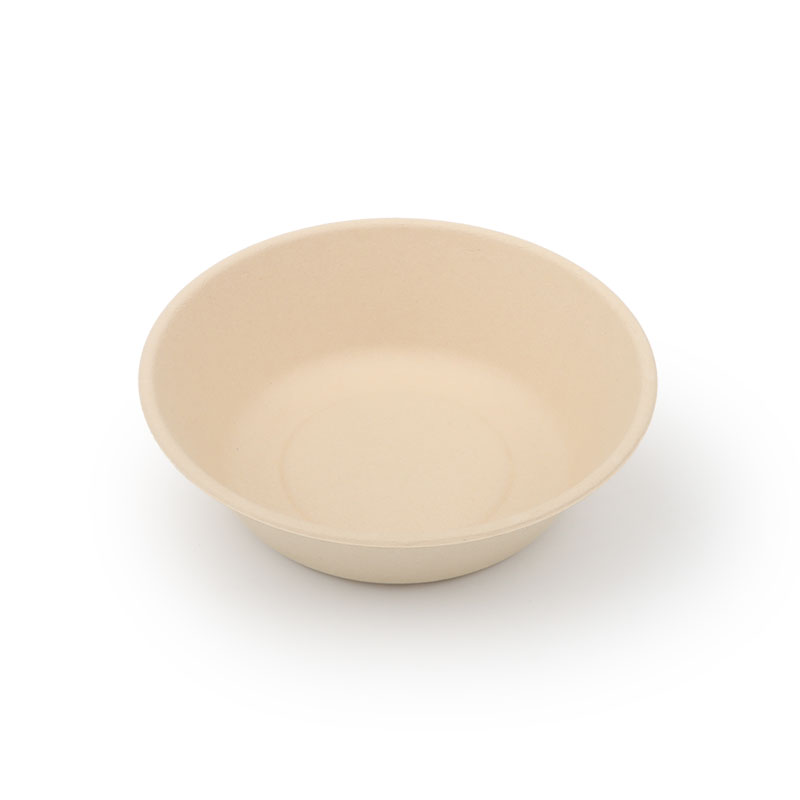 27oz(800ml)
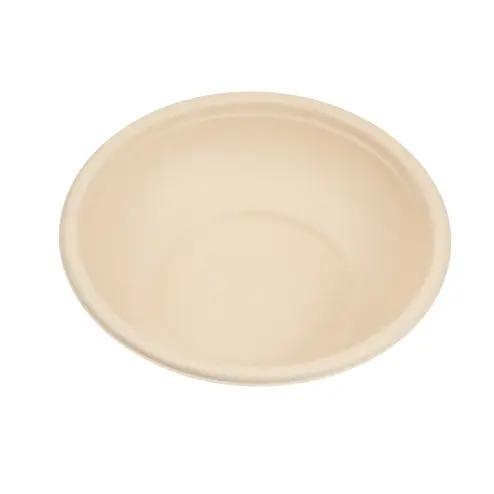 20oz(600ml)
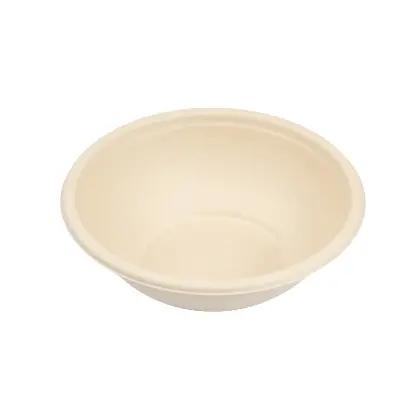 29oz(850ml)
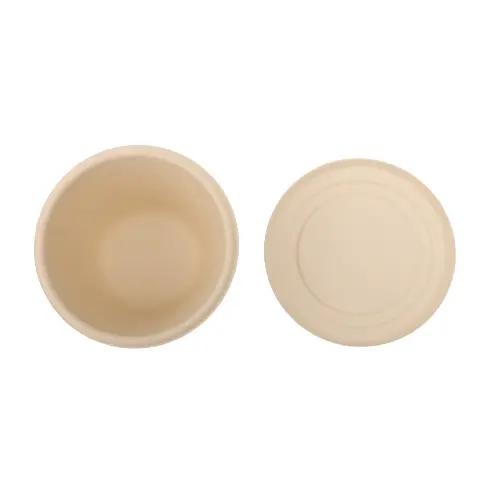 17oz(500ml) With Lid
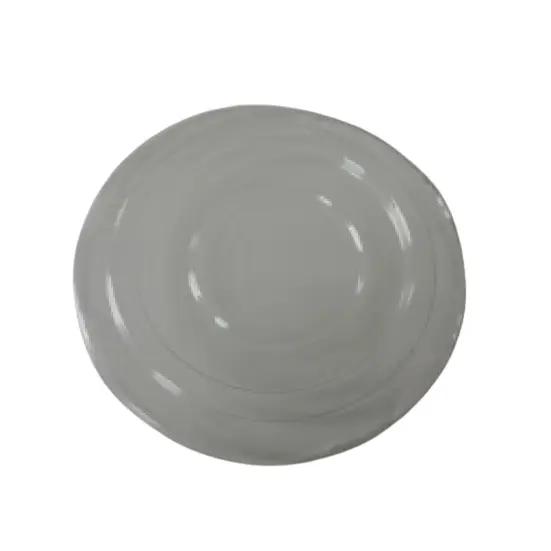 17oz(500ml) PET Lid
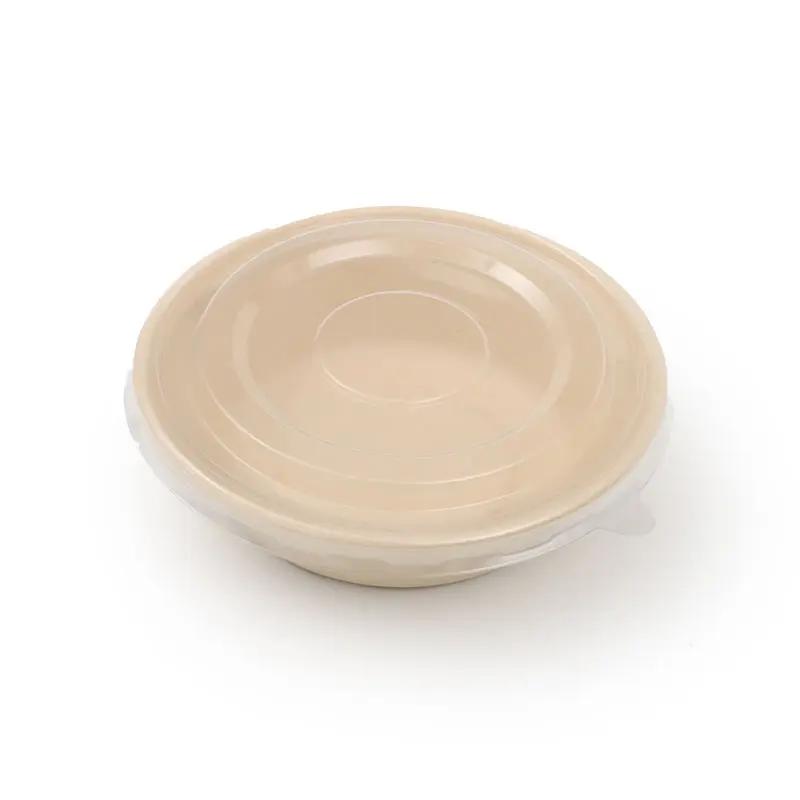 28oz(830ml) PET Lid
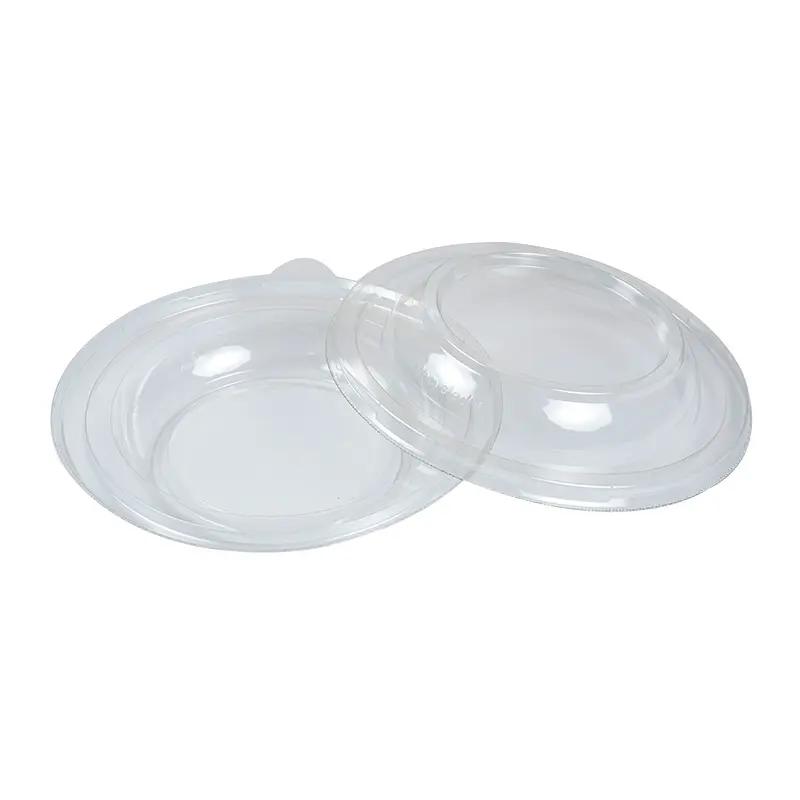 Round Bowl PET
 Small Bowl
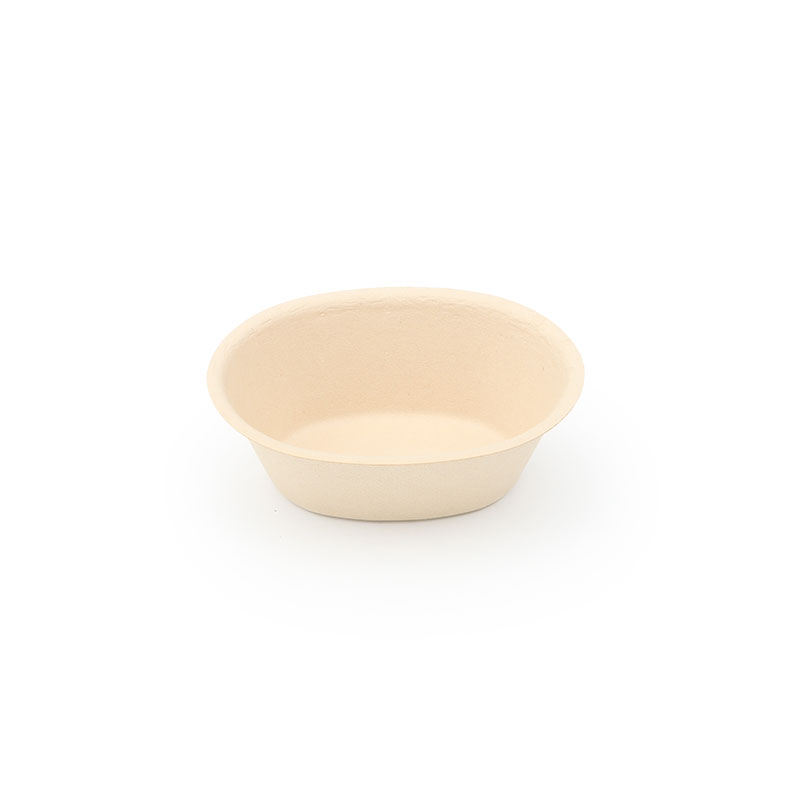 Snack Bowl
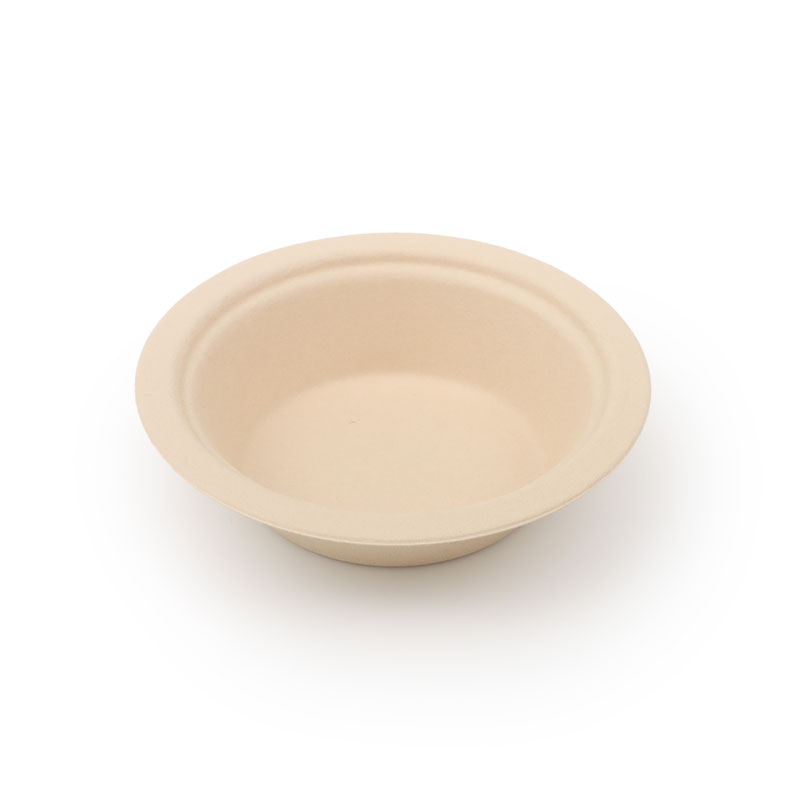 11.5oz(340ml) Bowl
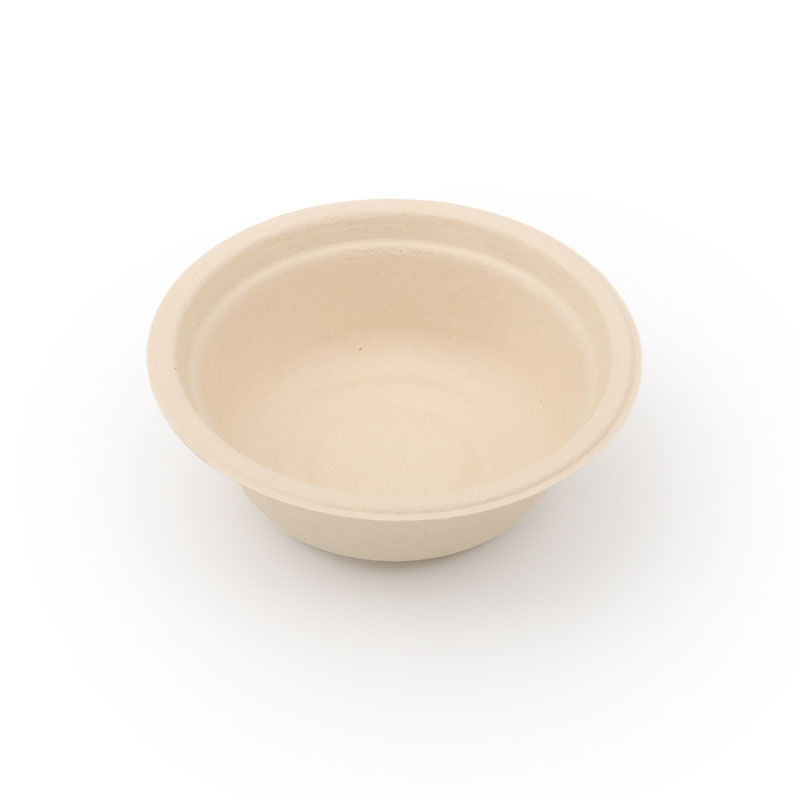 6.7oz(200ml) Bowl
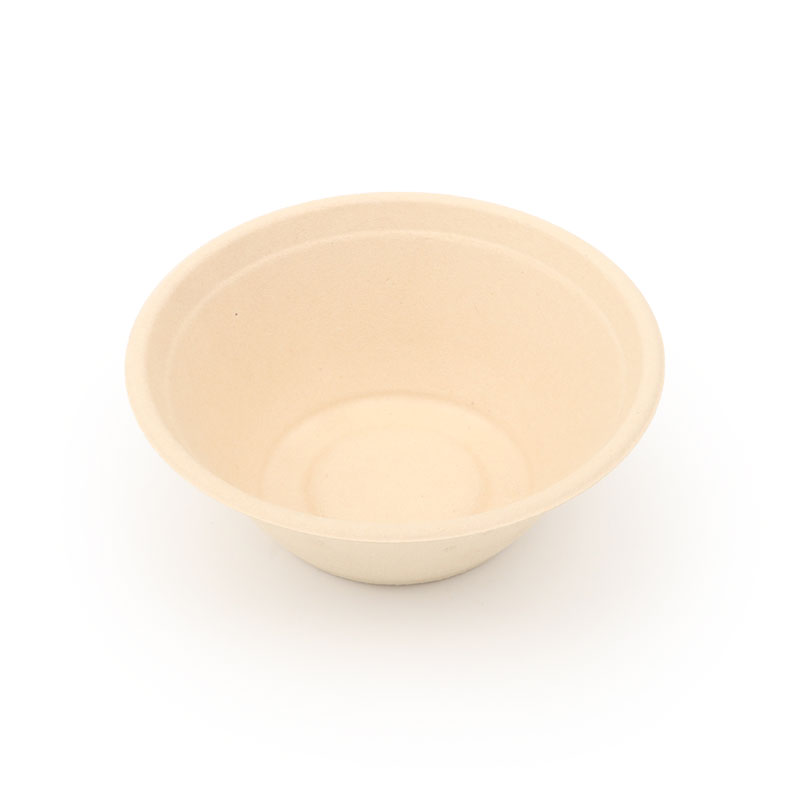 12oz(350ml) Bowl
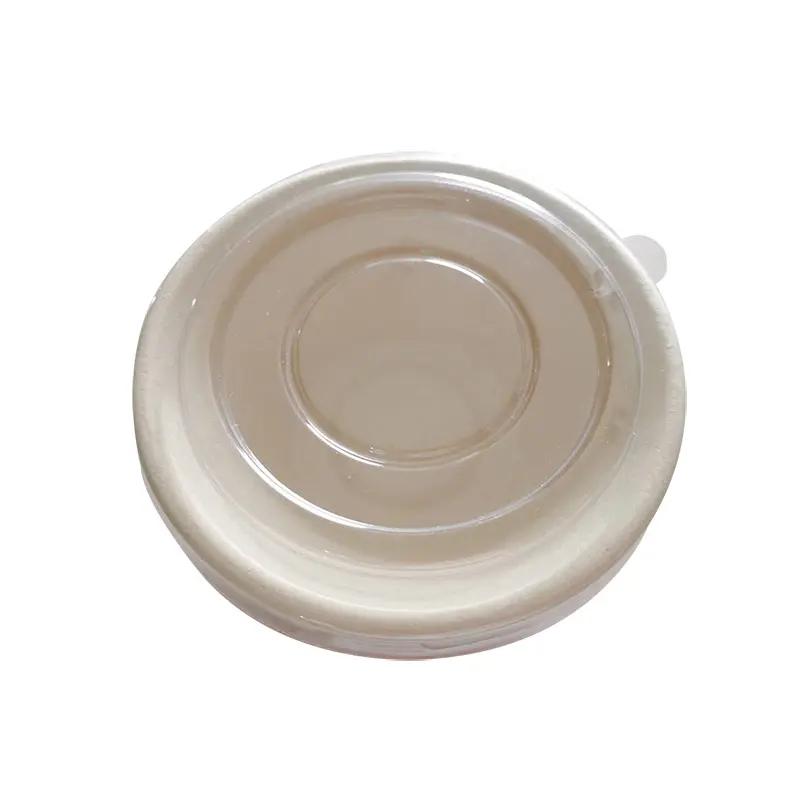 12oz(350ml) Bowl PET
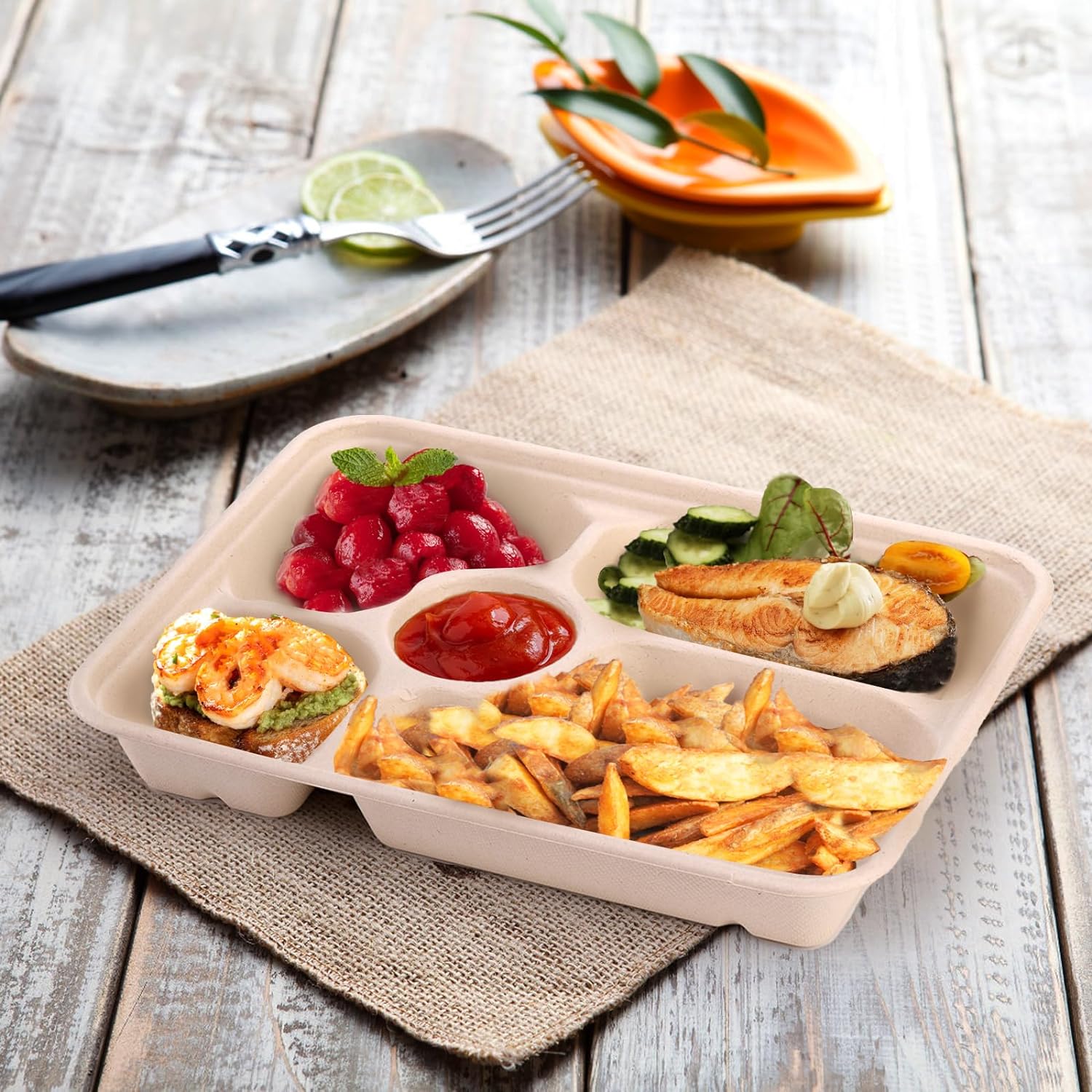 Bagasse Lunch Boxes
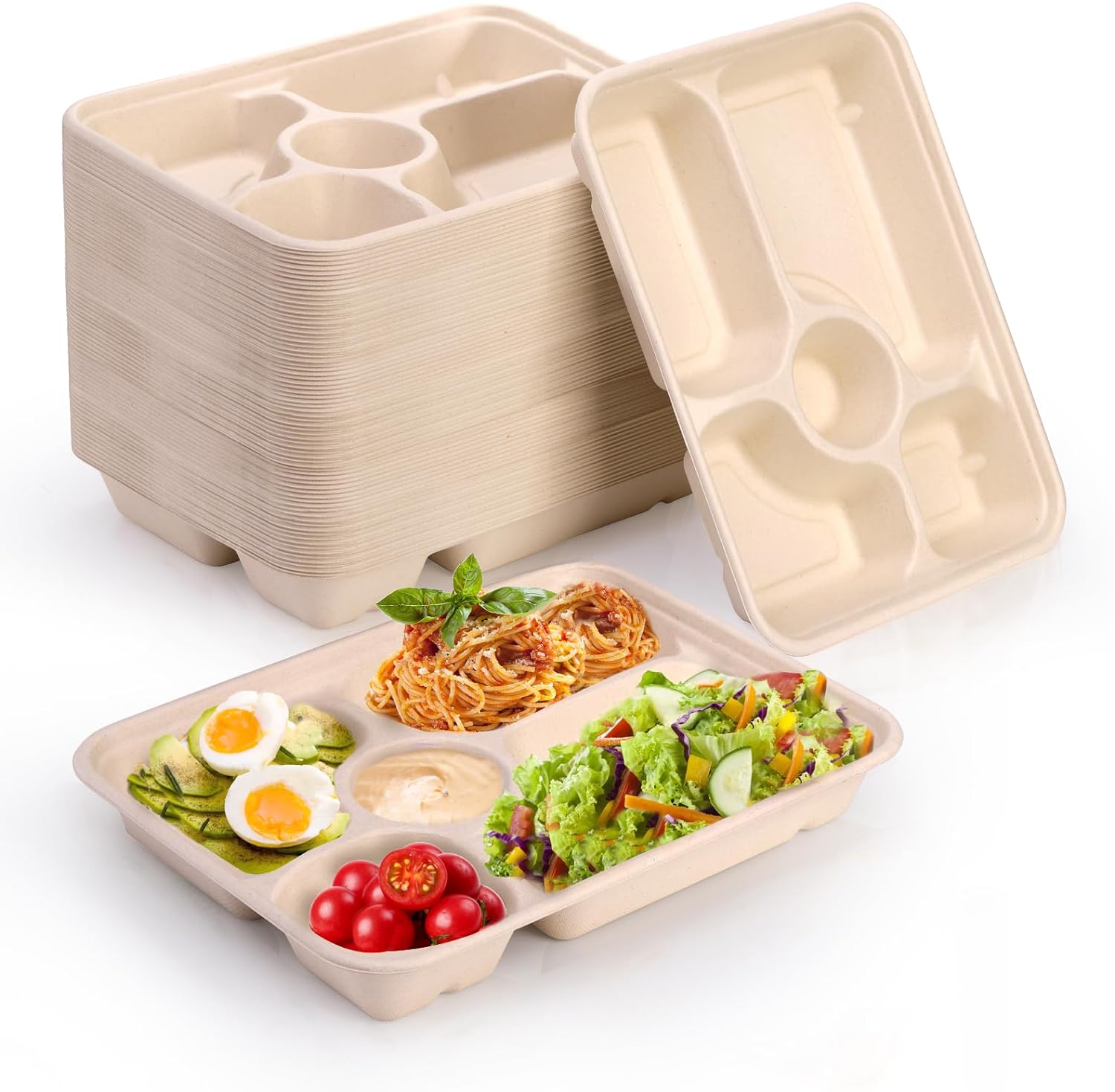 5CP
 6 inch
 Bagasse Food Plates
 7 inch
 3CP
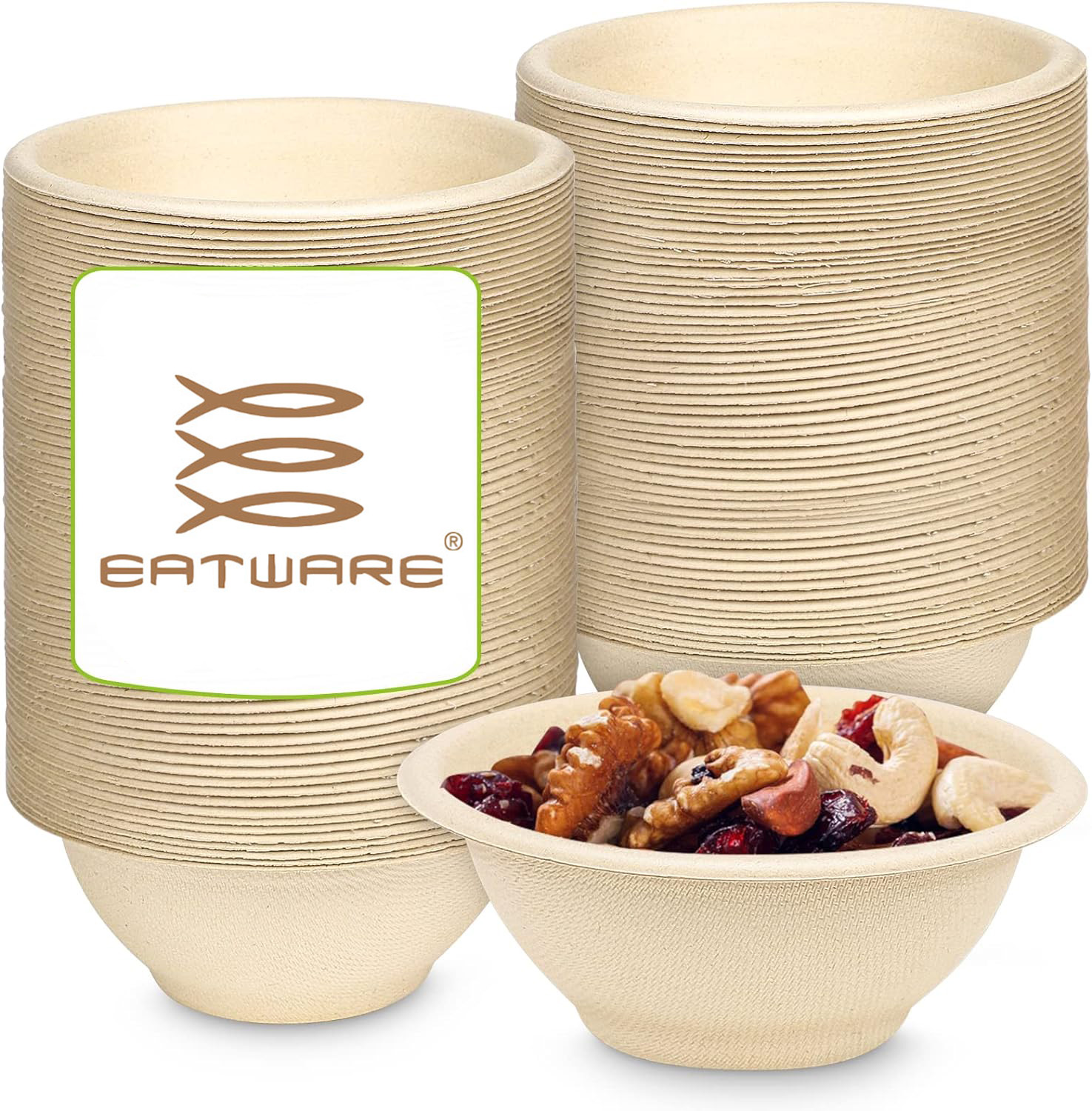 Bagasse Bowls
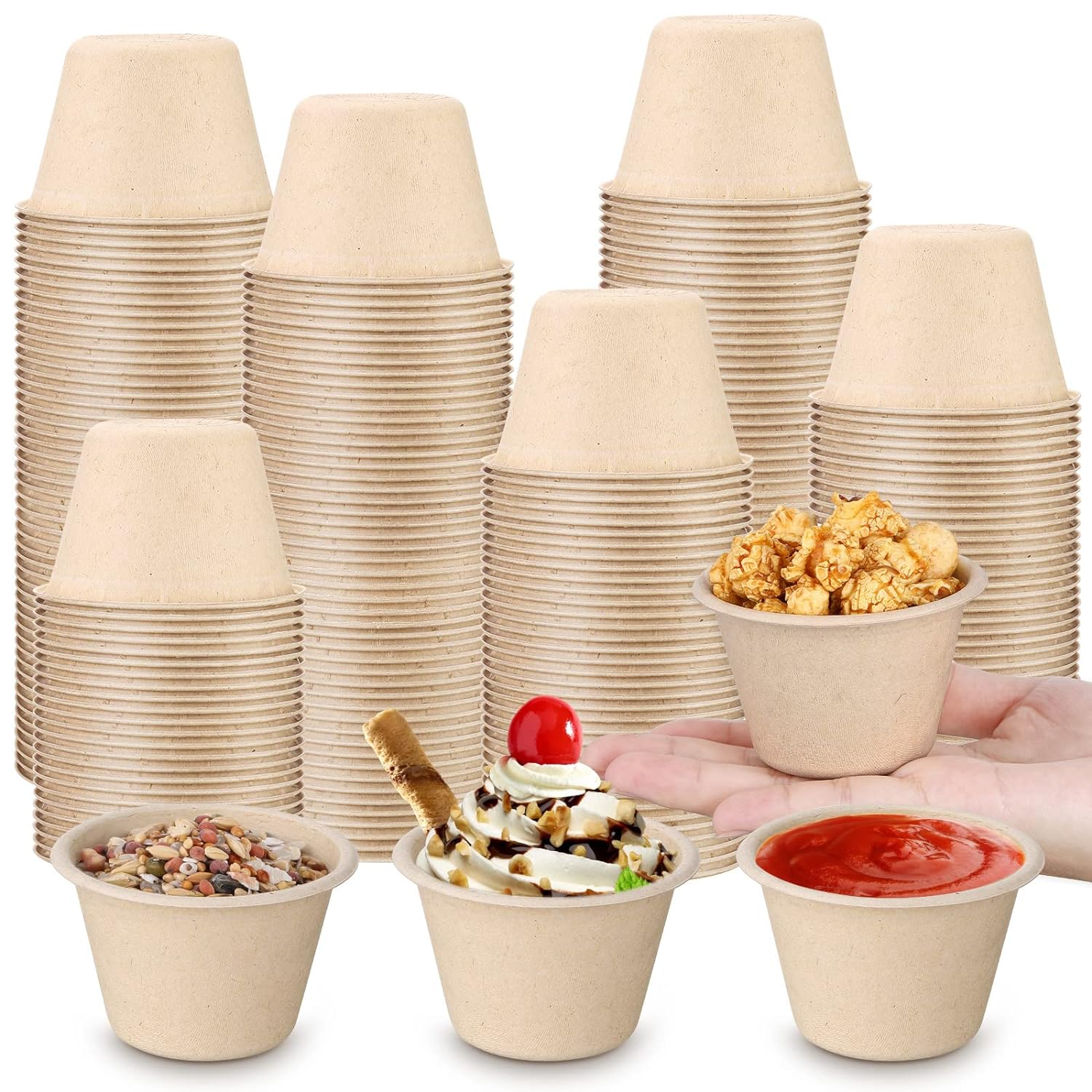 4oz
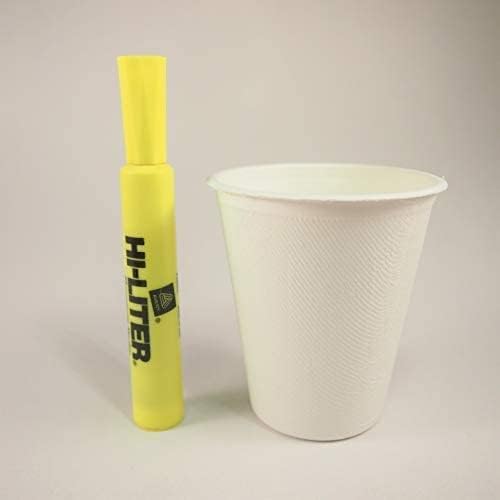 Bagasse Cups And Cutlery
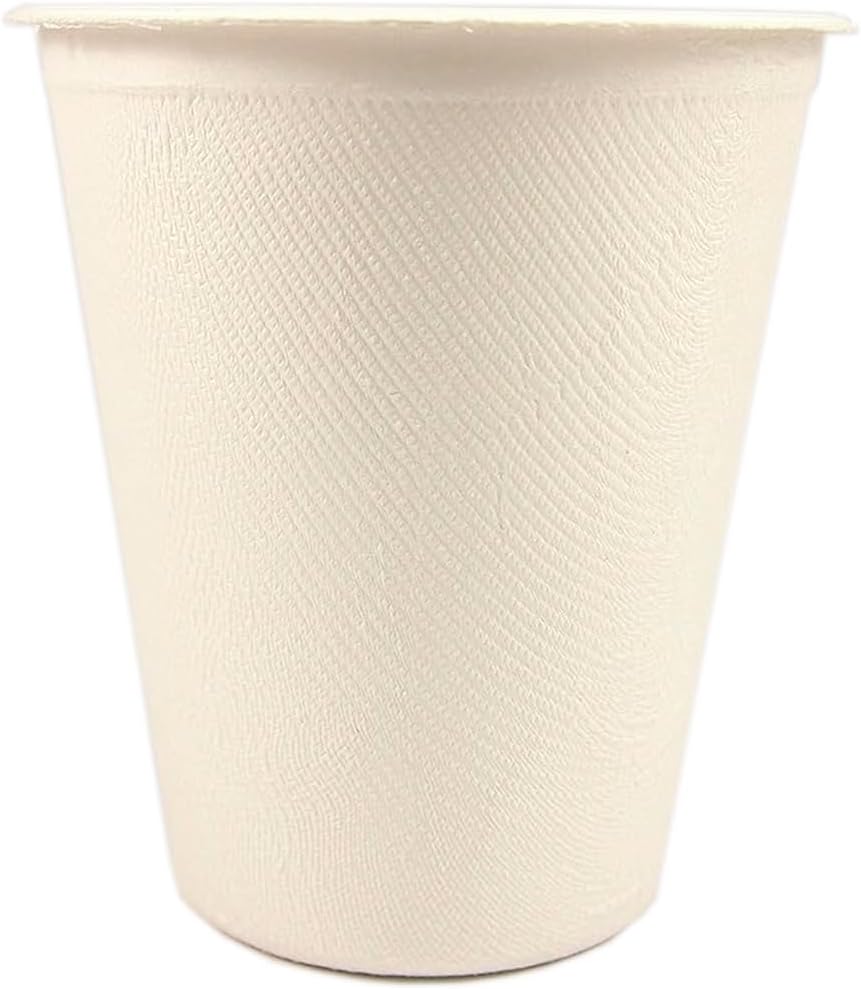 8oz
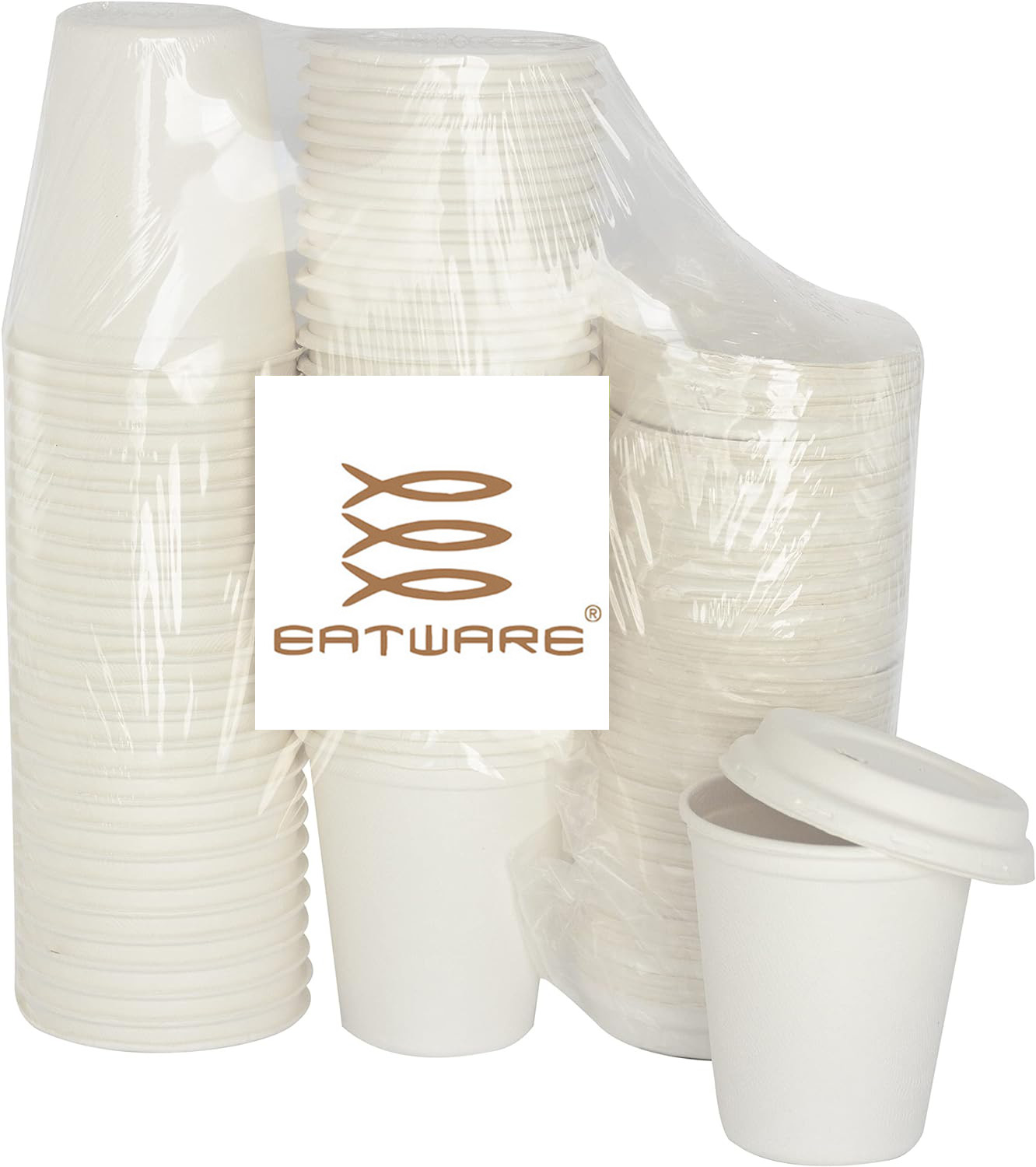 12oz
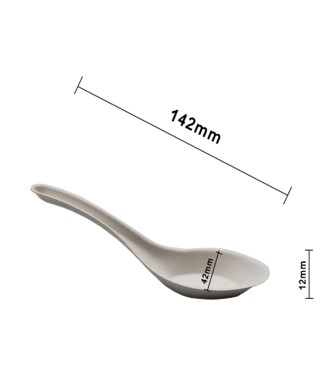 Cutlery
Leave Your Message
High-performance lamination and precision gas sealing custom-engineered for district central kitchens, hot-line retherm, and fresh student lunch distributions.

School district foodservice operations around the world are undergoing an unprecedented structural transition. Rising labor costs, heightened nutritional regulations under programs like the National School Lunch Program (NSLP) and EU Sustainable Food Directives, and stringent allergen mandates have prompted district administrators to move away from chaotic onsite kitchen cooking toward high-efficiency Centralized Commissary Kitchens.
In a central commissary model, thousands of balanced meals are prepared under strictly controlled industrial standards, packaged, and transported daily across dozens of satellite elementary, middle, and high schools. However, this model faces a critical bottleneck: how to preserve peak nutrient bioavailability, prevent microbial growth, maintain sensory freshness, and stop sauce leakage without relying on petrochemical single-use plastics or synthetic chemical preservatives.
The Active MAP Breakthrough: By combining active scavenging technologies (oxygen absorbers, moisture control matrices) with biodegradable bamboo-pulp thermoformed barriers, institutional cafeterias achieve 7 to 14 days of cold-chain shelf life while maintaining zero microplastic migration into children's food.
Unlike conventional passive sealing, Active MAP dynamically manipulates the internal headspace atmosphere (optimizing ratios of CO₂, N₂, and trace O₂) while integrating bio-based active scavengers directly into the tray substrate to inhibit aerobic oxidation and enzymatic browning of cut fruits and proteins.
EATware laminating food trays leverage raw virgin bamboo fibers that break down cleanly in commercial composting within 90 days, solving the massive waste problem created by standard polypropylene (PP) school trays.
A comparative analysis of gas transmission rates, shelf-life extension, and food safety stabilization for high-volume school meal distribution.
Passive packaging traps residual oxygen (typically 0.5%–2.0%) inside the container, which accelerates lipid rancidity in school meats and premature spoilage of sliced fruits. Active MAP embeds active scavenger patches or reactive lamination layers that continuously draw residual O₂ below 0.05% and sequester ethylene gas released by fresh apples, pears, and carrots.
School meal trays must endure radical thermal fluctuations: blast freezing at -18°C, refrigerated transit at 2°C–4°C, and steam or microwave regeneration up to 120°C prior to service. EATware laminated bowls and trays feature high dimensional stability without de-lamination, warpage, or toxic chemical leaching.
School cafeteria trays are handled aggressively in transport carts. Our patented automated edge-crimping and heat-seal flange geometry guarantee 100% burst-proof hermetic seals capable of withstanding heavy vibration and altitude pressure shifts across regional district delivery routes.
From early childhood centers to expansive university multi-dining facilities, Active MAP delivers tailored operational solutions.
Large school districts prepare tens of thousands of entrée trays on Tuesday that are consumed across 40 different schools through Friday. Active MAP stabilizes hot entrées (pasta bakes, roast chicken, steamed vegetables) under modified CO₂/N₂ atmospheres, stopping sauce separation, crust drying, and bacterial propagation without freezing.
University and high school students demand flexible dining hours. Active MAP salad and fruit bowls remain crisp, vibrant, and condenseless in refrigerated smart lockers for up to 10 days, allowing dining directors to restock machines twice weekly instead of every morning.
Cross-contact prevention for gluten-free, peanut-free, or halal/kosher students is a primary liability for schools. Hermetically sealed Active MAP containers create an impenetrable physical and biological barrier that remains intact from the certified central prep kitchen directly to the student’s desk.
Field excursions and weekend school sporting events require ambient and chilled stability without bulky ice chests. Active MAP lunch packs retain fresh taste, moisture balance, and structural stiffness under rugged transit conditions while maintaining 100% eco-friendly compostability.
Empowering global educational institutions and commercial caterers with massive manufacturing capacity and zero-defect quality control.
In the field of environmentally friendly packaging for 18 years, Has established cooperation with 500+ brands.
Through our research and development, there are more than 60 products can product, we also support OEM ODM customized services.
Exported to the United States, Europe, Australia, Canada and other countries, right now we have exported more than 30 countries.
10000+ square meters factory area, more than 30 patent certificates, 10 foreign authoritative certification, 55 automatic forming machines...
Kangxin (HaiMen) Environmental Technology Co., Ltd. is a technology innovation oriented enterprise that focuses on disposable environmentally friendly tableware and food packaging.
We have advanced production processes and equipment, and continue to attract senior talents, focusing on environmental protection, emphasizing safety, and ensuring quality.
Core Value: EATware is committed to sustainable development, using all natural plant fibers to produce safe, healthy and environmentally friendly tableware. Adhering to the concept of "take nature, serve humanity, return to nature", we focus on the development of safe, high quality and environmental standards.
Brand Culture: EATware emphasizes environmental protection and sustainable development, explores the balance between enterprise survival and environmental protection, and uses all-natural and pollution-free bamboo fiber as the main material of tableware to ensure that its products meet the high technical level and are superior to developed countries.
Step inside our state-of-the-art smart factory equipped with 55 high-precision automatic forming machines, dust-free food-grade packaging workshops, and inline AI optical vision defect inspection systems.
Meeting the strictest institutional food contact standards across the US, Europe, and Asia-Pacific.
Expert research articles highlighting standard testing protocols, container structural durability, and sustainable factory ecosystems.
The most reliable way to test disposable food containers is to combine leakage testing with structural testing under conditions that reproduce the intended food application. A container should not be approved simply because it holds water for several minutes or survives an empty compression test...
For foodservice operators, replacing conventional plastic packaging is not simply a matter of changing materials. Disposable biodegradable tableware must still withstand hot food, sauces, oils, condensation, stacking, transport, and commercial handling without losing structural integrity. Poorl...
With growing global demand for takeaway meals and eco-friendly packaging, China’s manufacturing sector has become a major hub for disposable food containers. Today’s food businesses - from fast-food chains and meal-delivery services to supermarkets and catering companies - are looki...
Eliminating single-use school plastic waste through completely natural and rapidly renewable bamboo resources.
Replacing non-degradable petrochemical plastics with clean bamboo fibers to eliminate landfill accumulation and toxic incinerator emissions around school districts.
Preventing persistent microplastic breakdown in marine watersheds, preserving aquatic wildlife, and keeping toxic additives out of our global food chain.
Utilizing fast-growing, annually renewable bamboo without cutting down virgin old-growth timber, maintaining biodiversity and stabilizing global carbon capture.
Cooperating with over 500 leading foodservice operators, airlines, retail supermarket chains, and school catering consortia.
Engineered to accommodate hot entrees, cold salads, fresh snacks, and bulk retherm for district-wide food service operations.
