
 Box With T buckle
 700ml Square Lunch Box
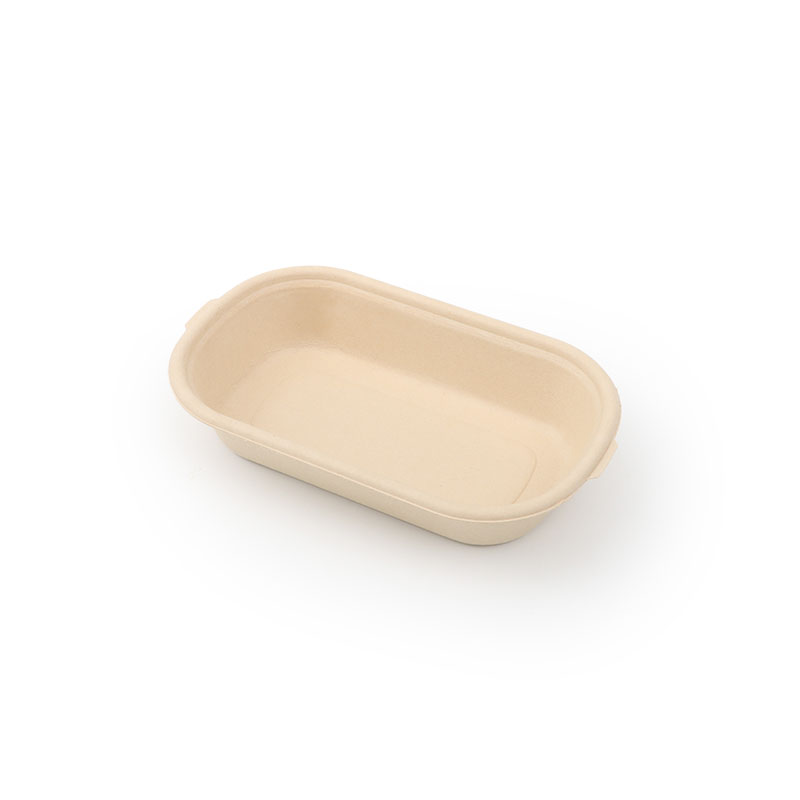 500ml
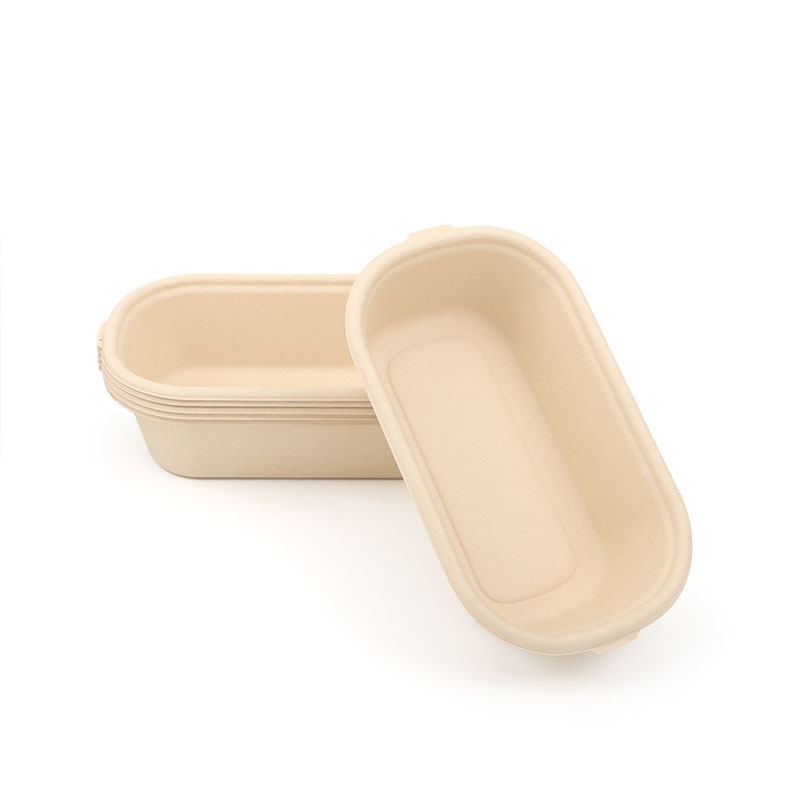 700ml
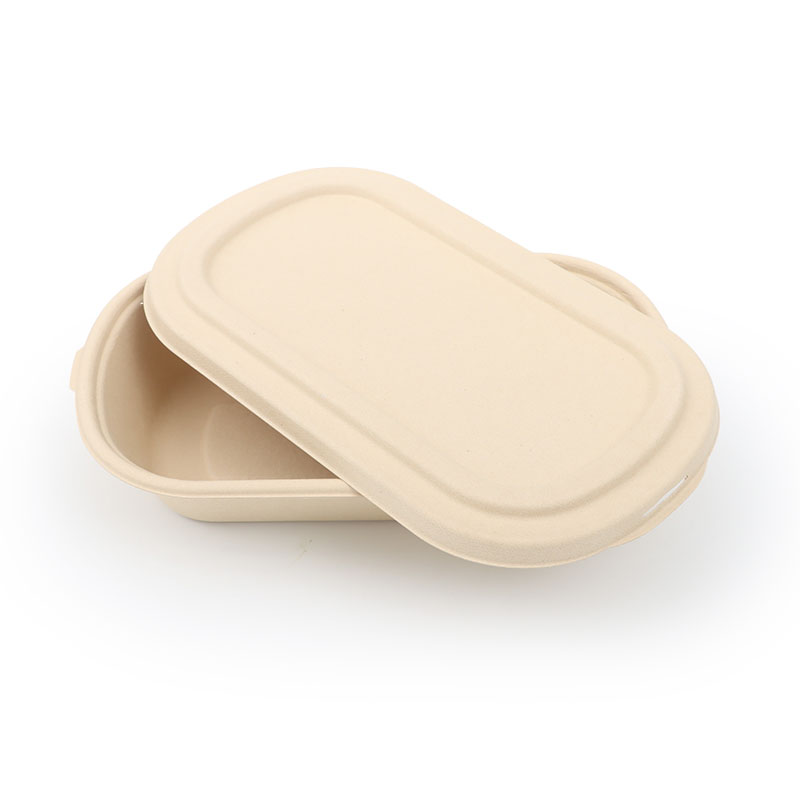 850ml
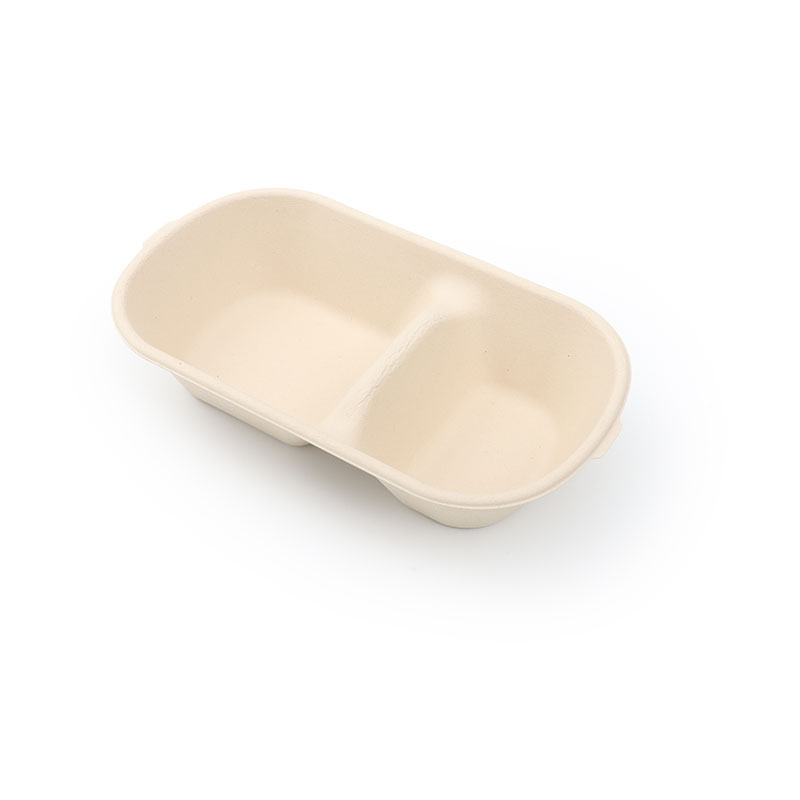 800ml 2 Compartments
 1000ml 2 Compartments
 1100ml
 1000ml Square Lunch Box
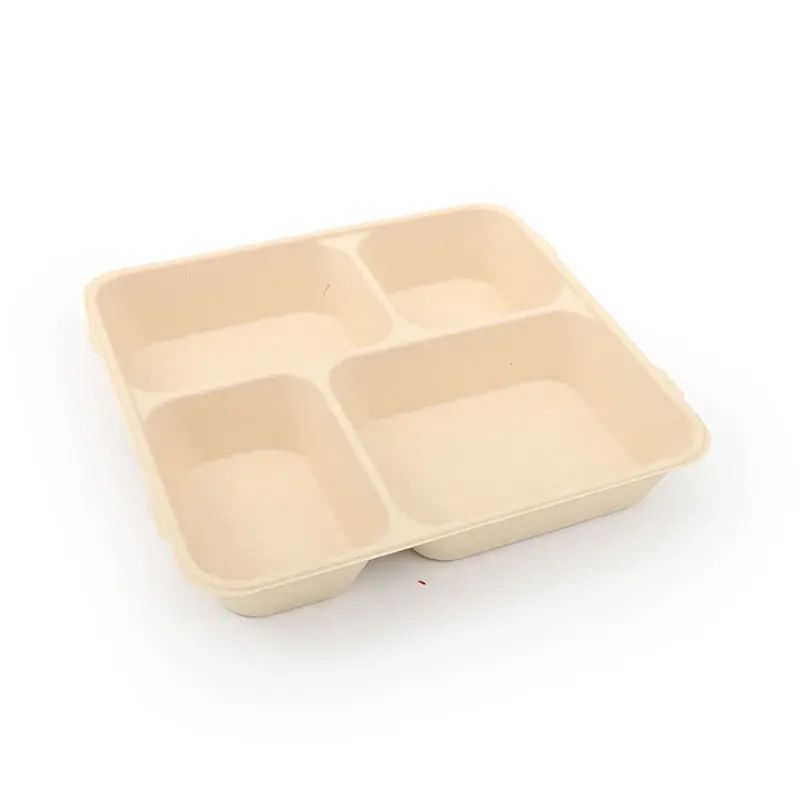 1340ml 4 Compartments
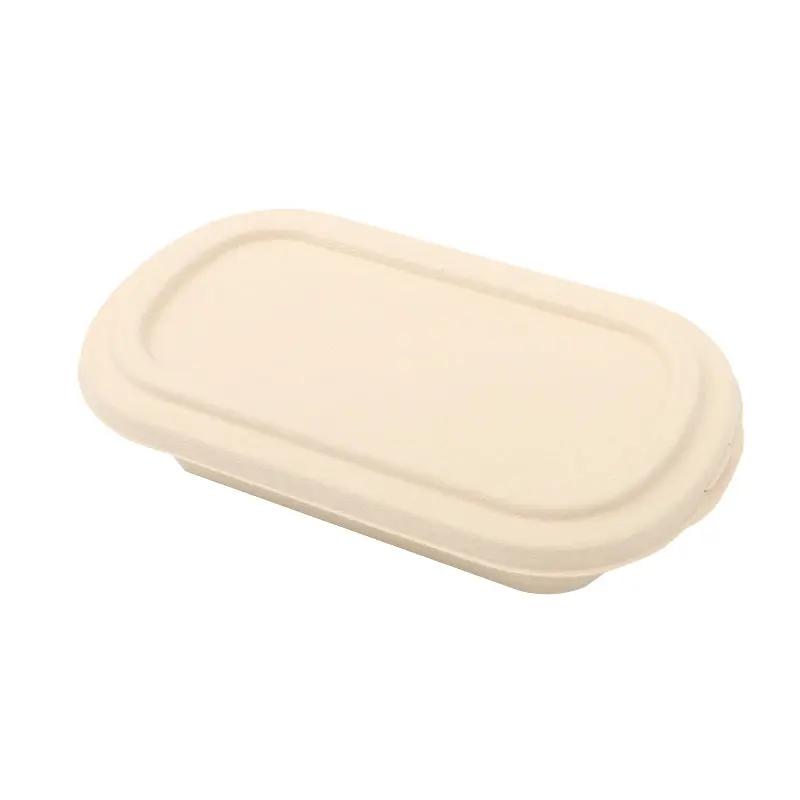 Lunch Box Lid
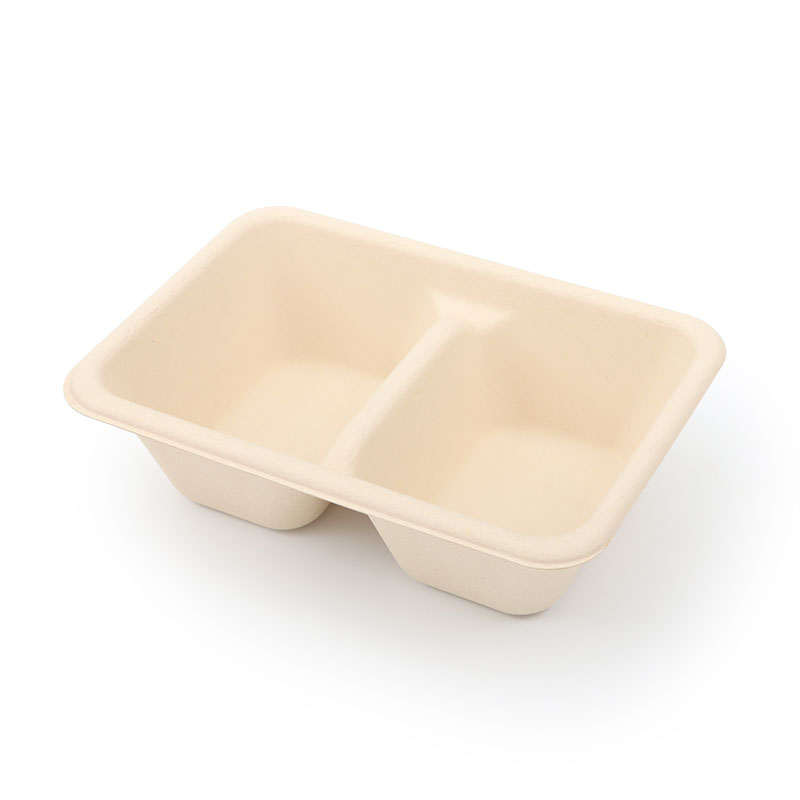 650ml
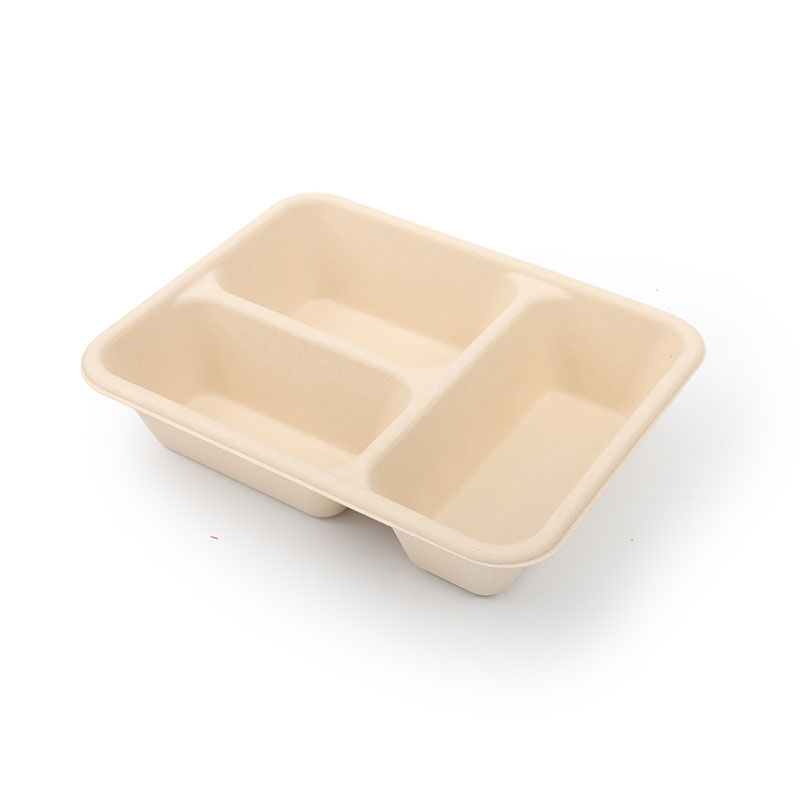 1000ml 3 Compartments
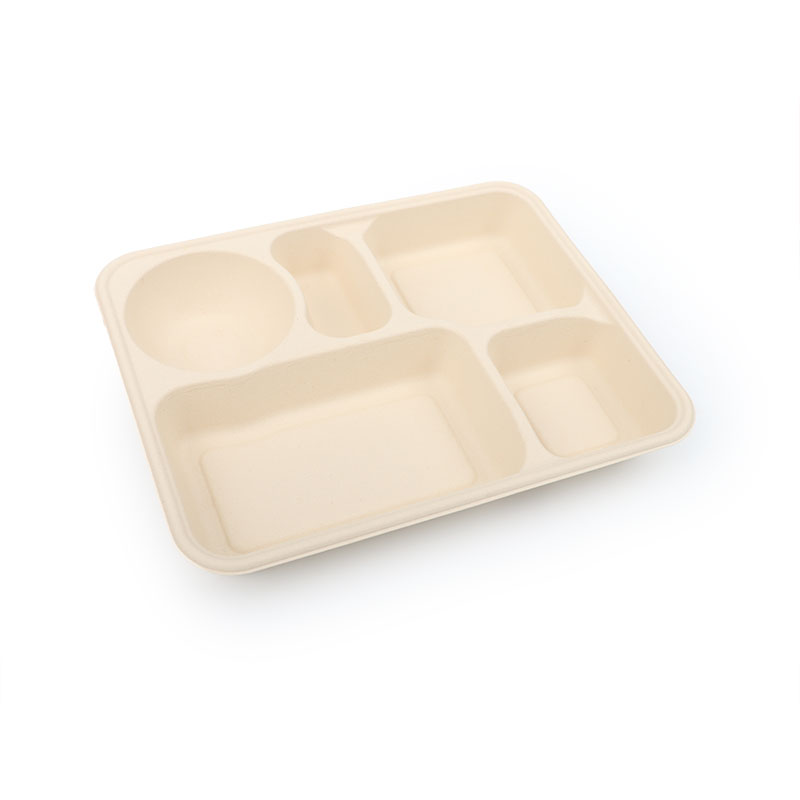 1250ml 5 Compartments
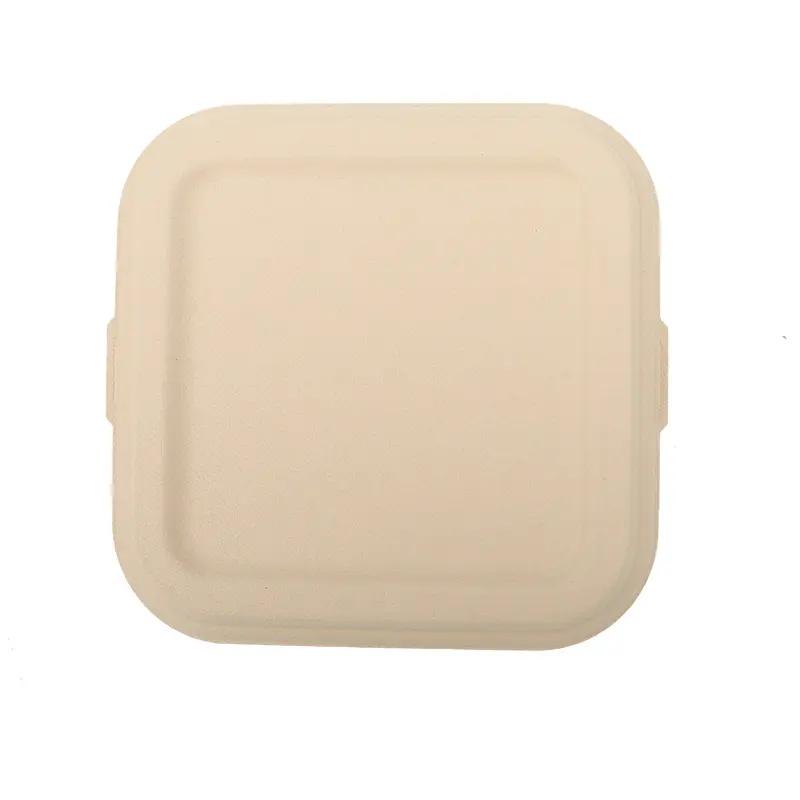 Square Lunch Box Lid
 Box Without T buckle
 850ml Salad Box
 700ml
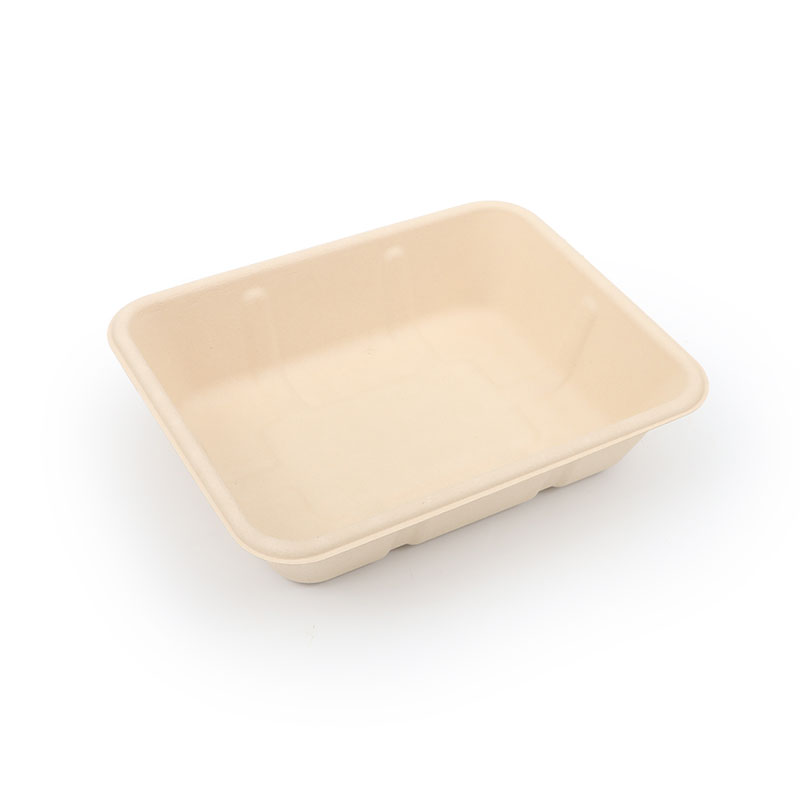 1350ml
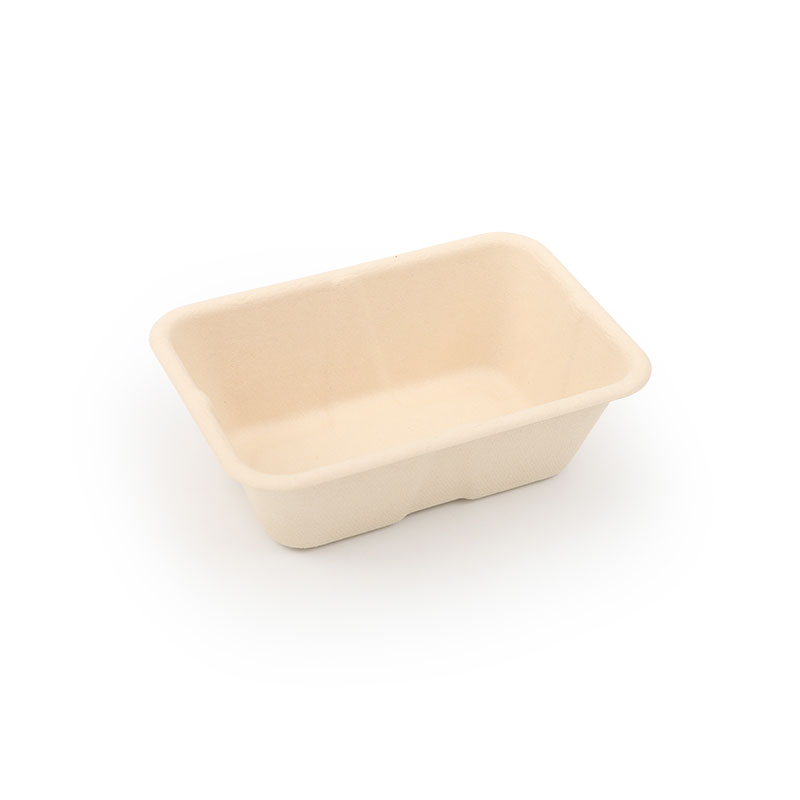 470ml
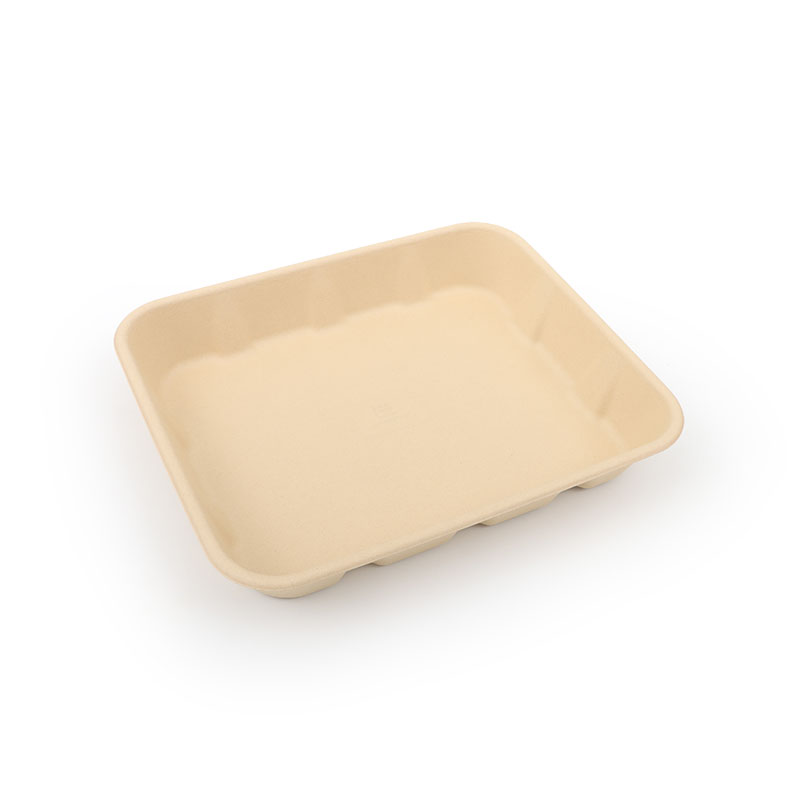 2183ml Tray Box
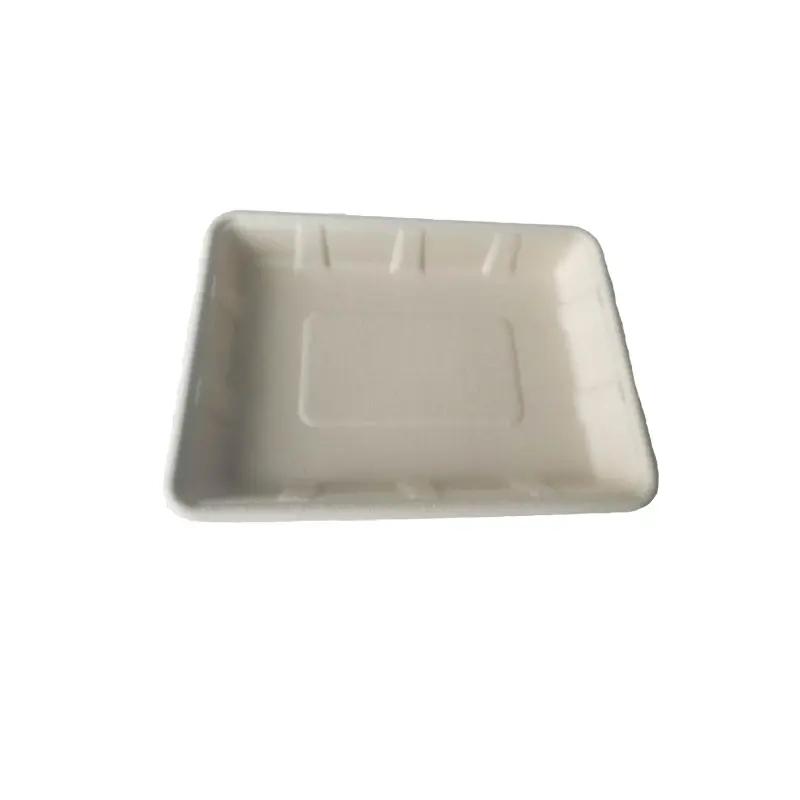 11" * 9"
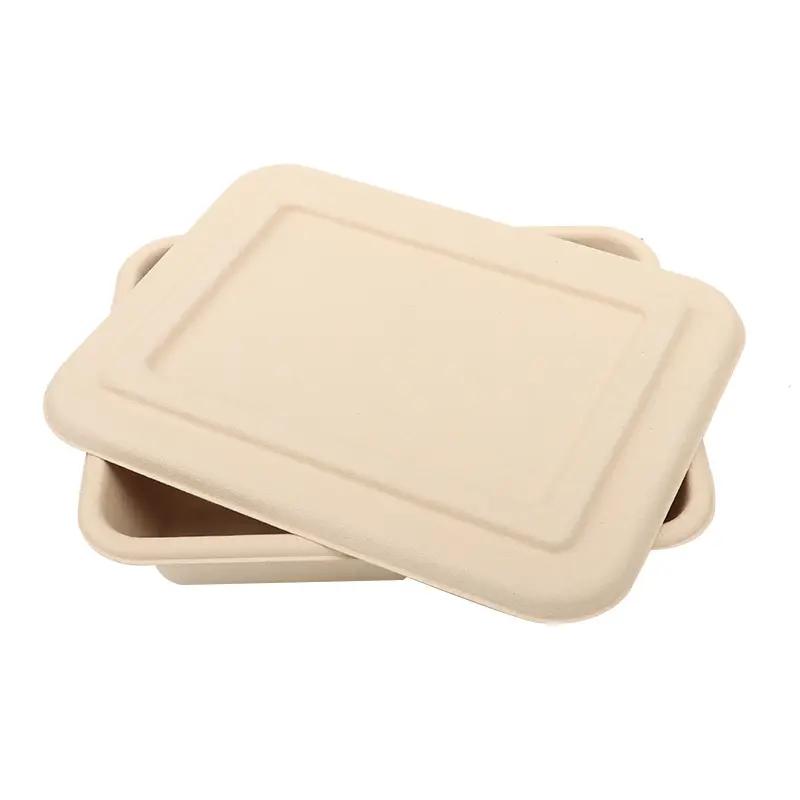 800ml
 One Part Box
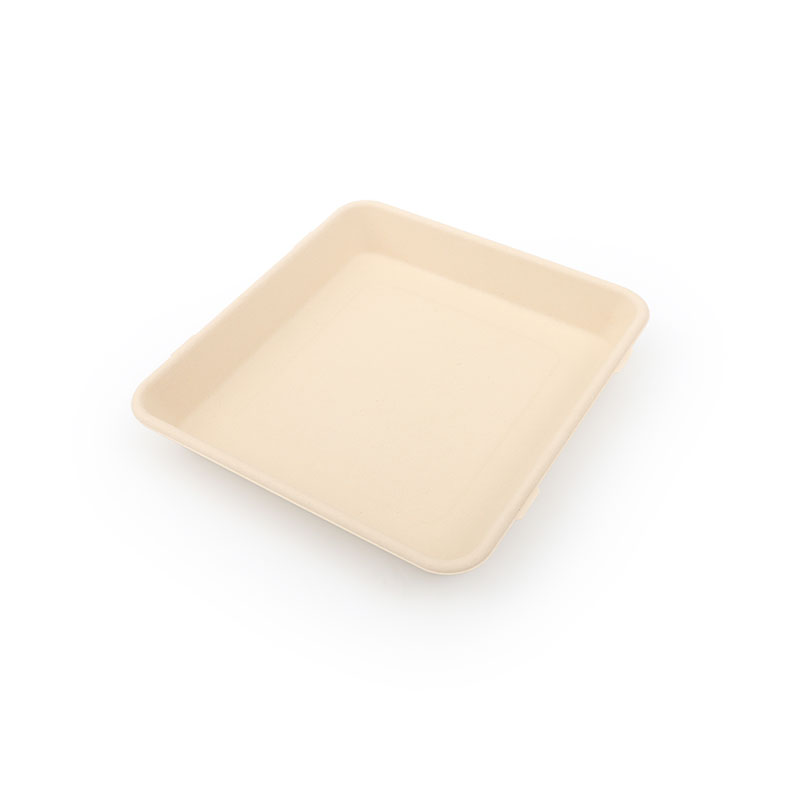 1443ml Tray Box
 Cake Bread Snack Tray Series
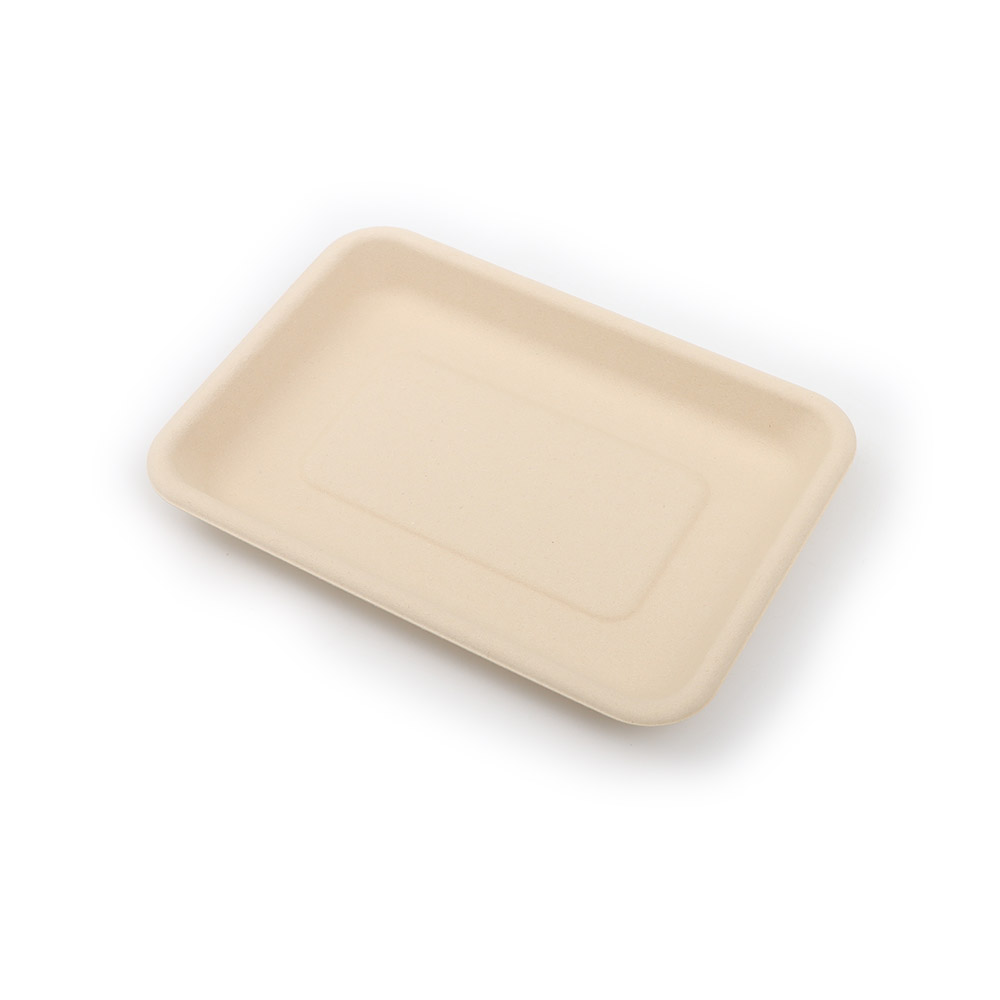 5" * 7" natural color
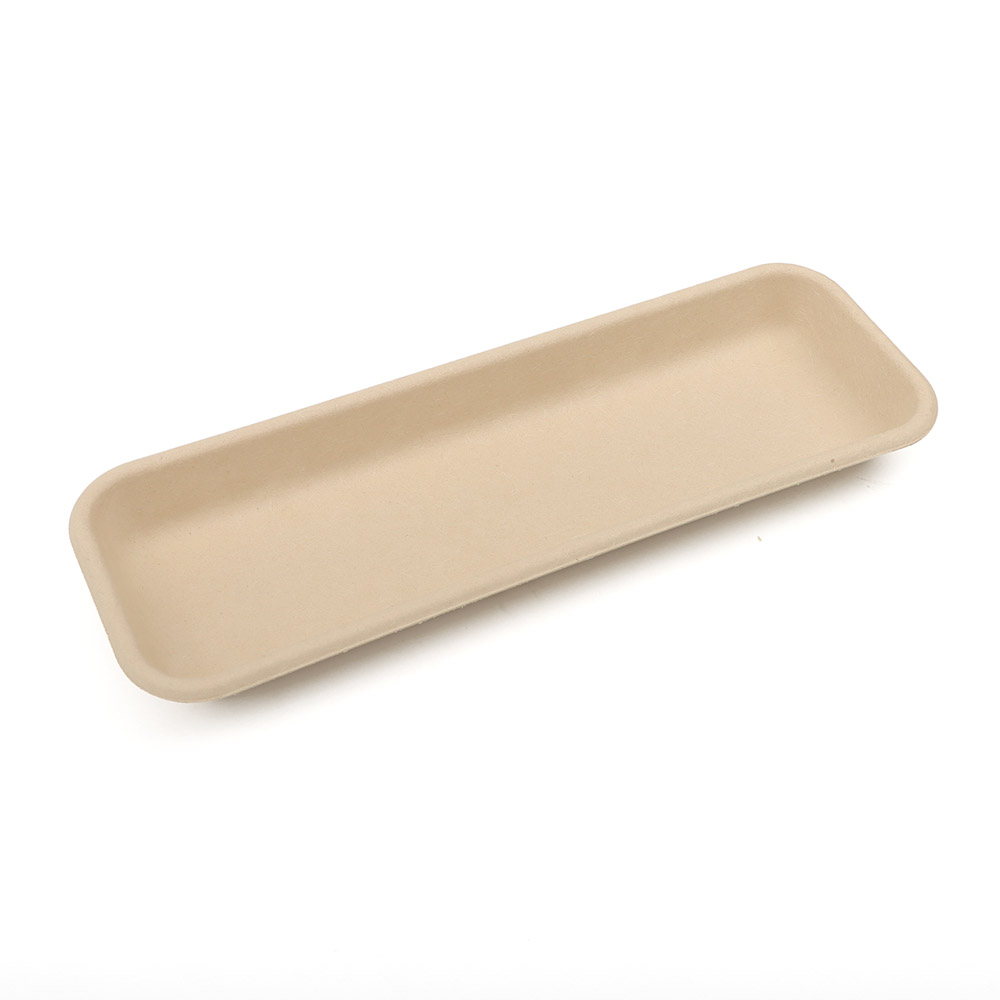 11.4" * 3.9"
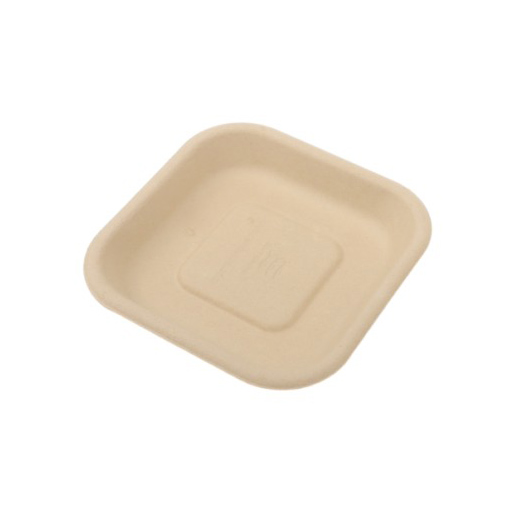 5.3" * 5.3"
 Fruit And Vegetable Tray Series
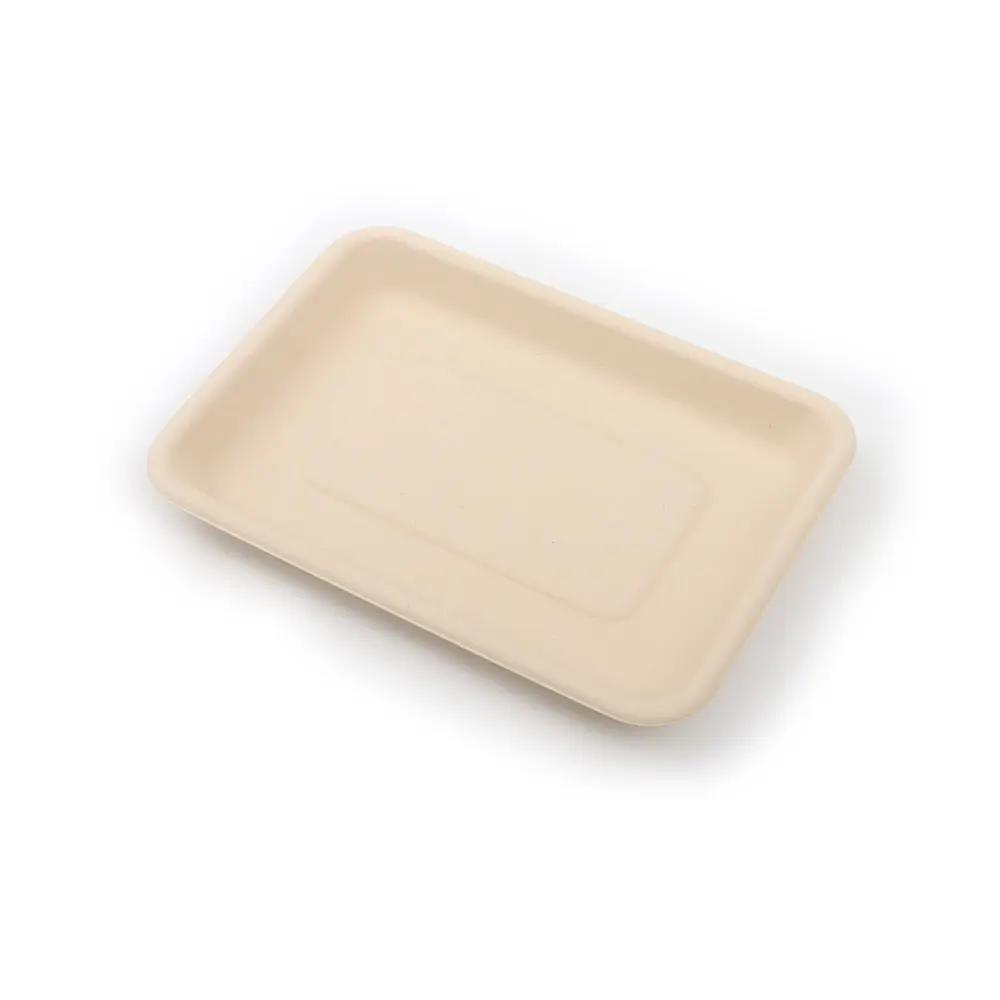 8.6" * 5.3"
 Sushi Tray Series
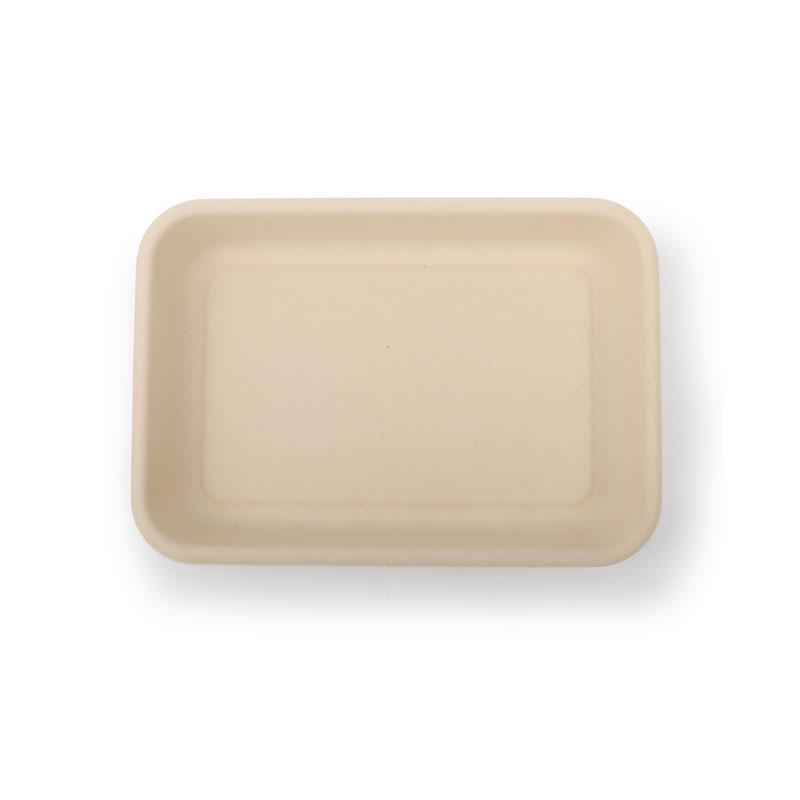 200" * 140"
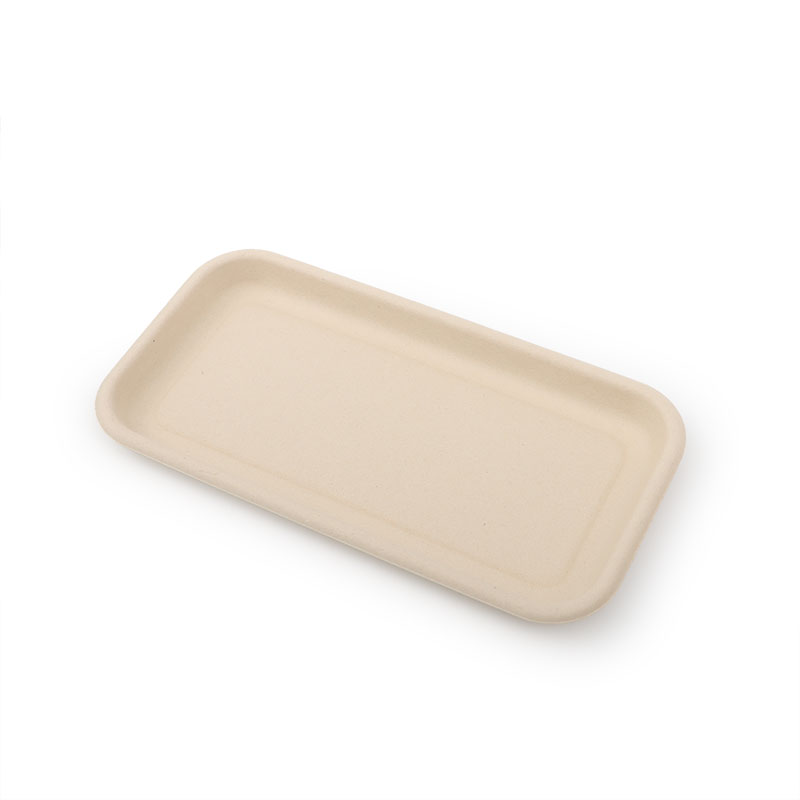 210" * 110"
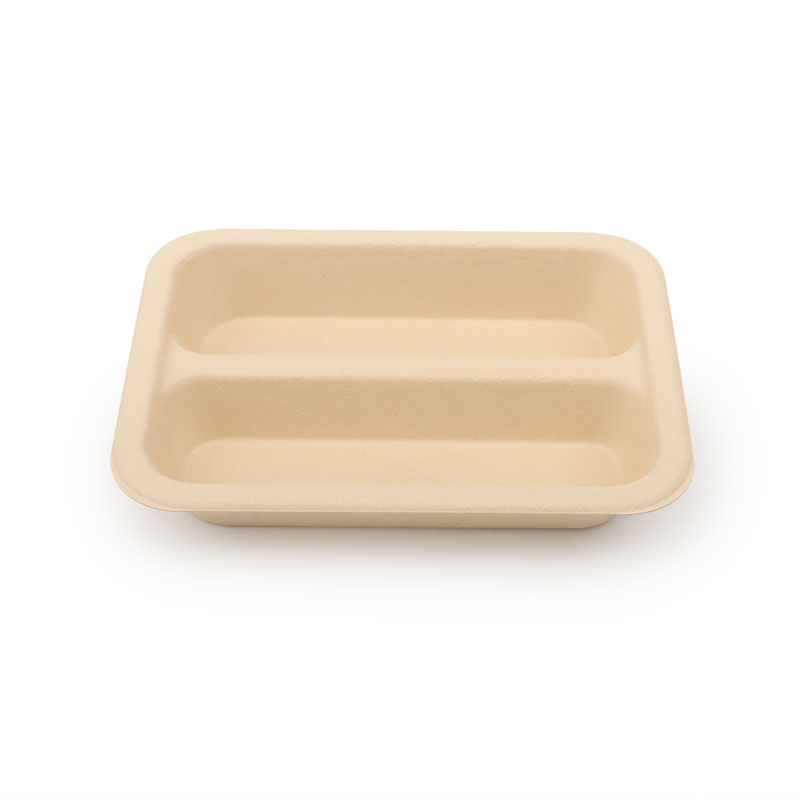 2 Compartments
 Small Round Plate Series
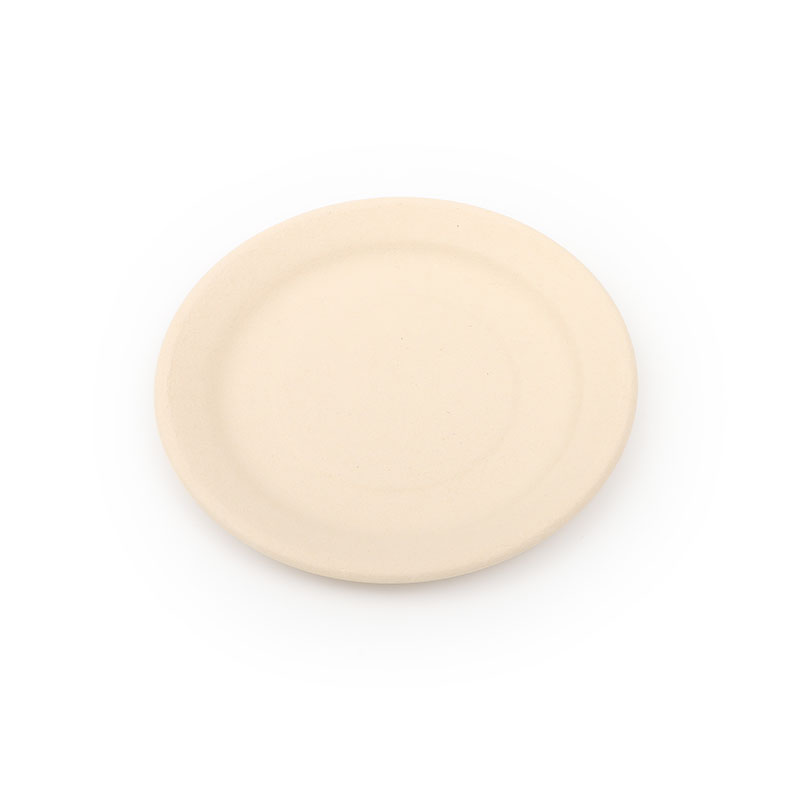 7 inch
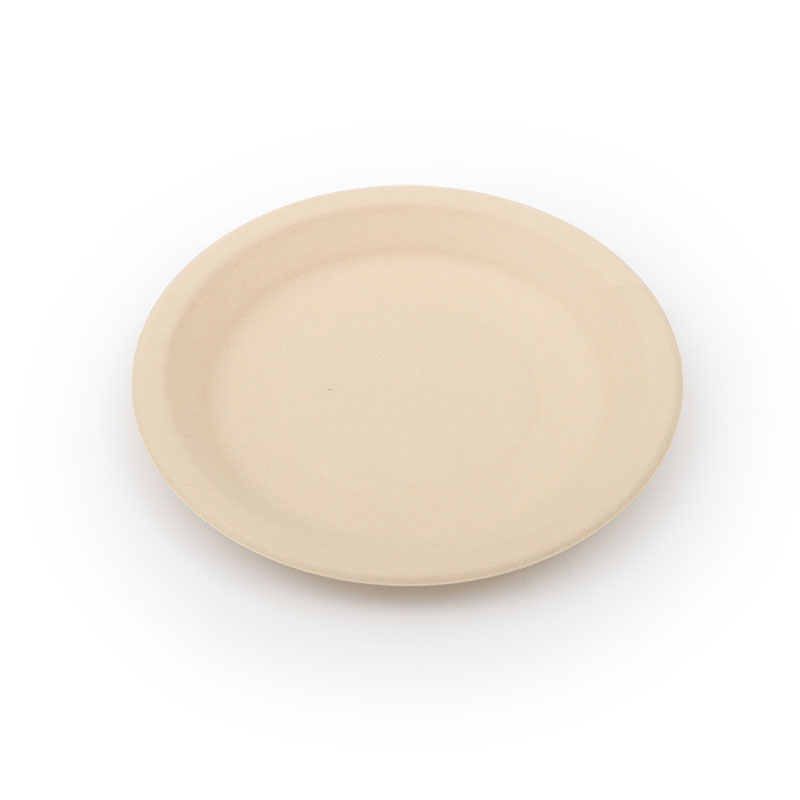 6 inch
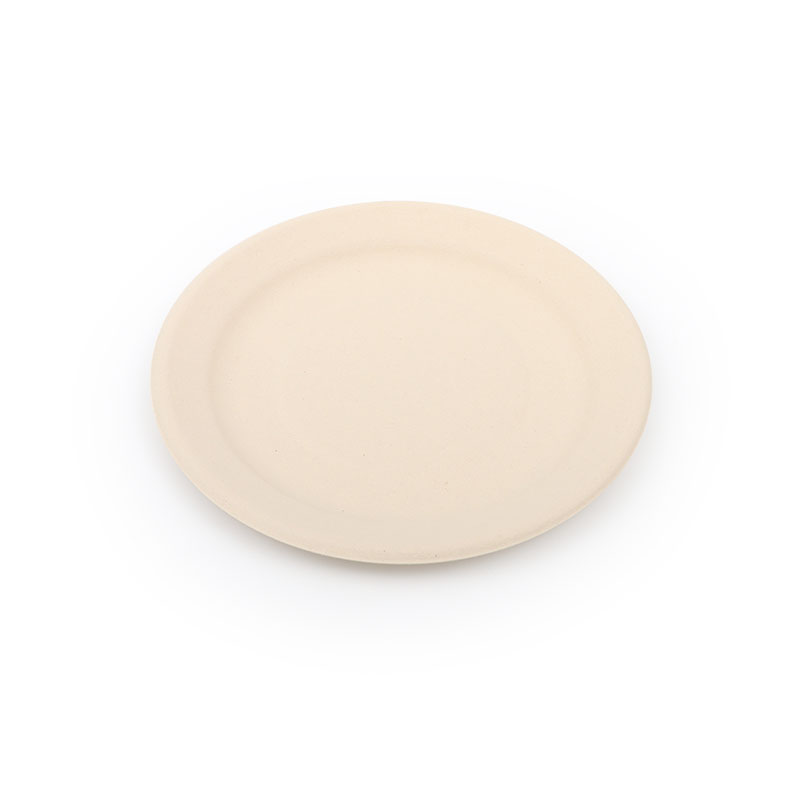 8 inch
 Middle Round Plate Series
 9 Inch 3 Compartments
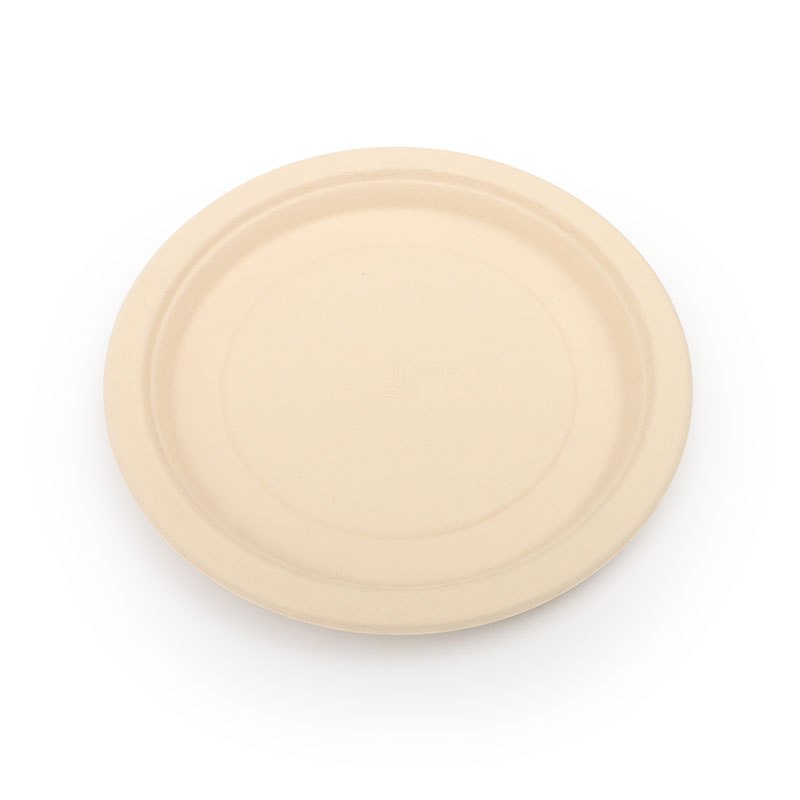 9 inch
 Big Round Plate Series
 12.7 Inch Pizza Plate
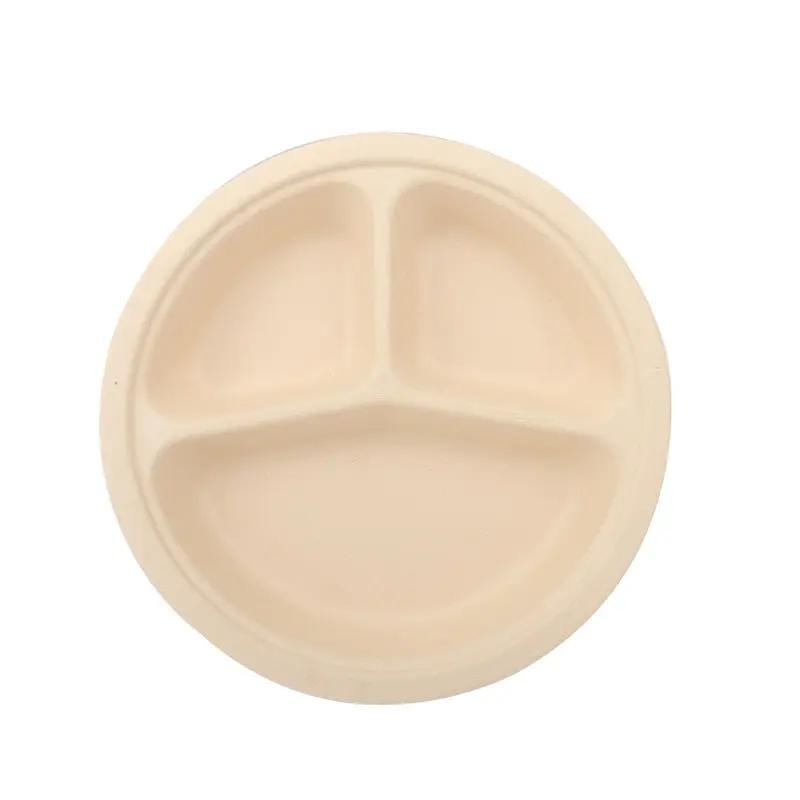 10.25 inch 3 Compartments
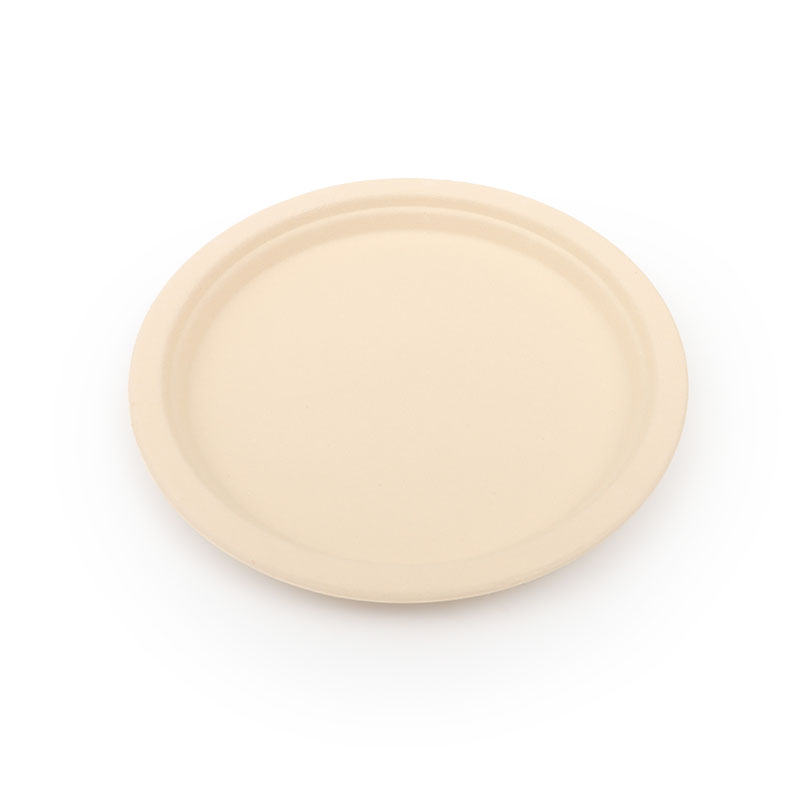 10 inch
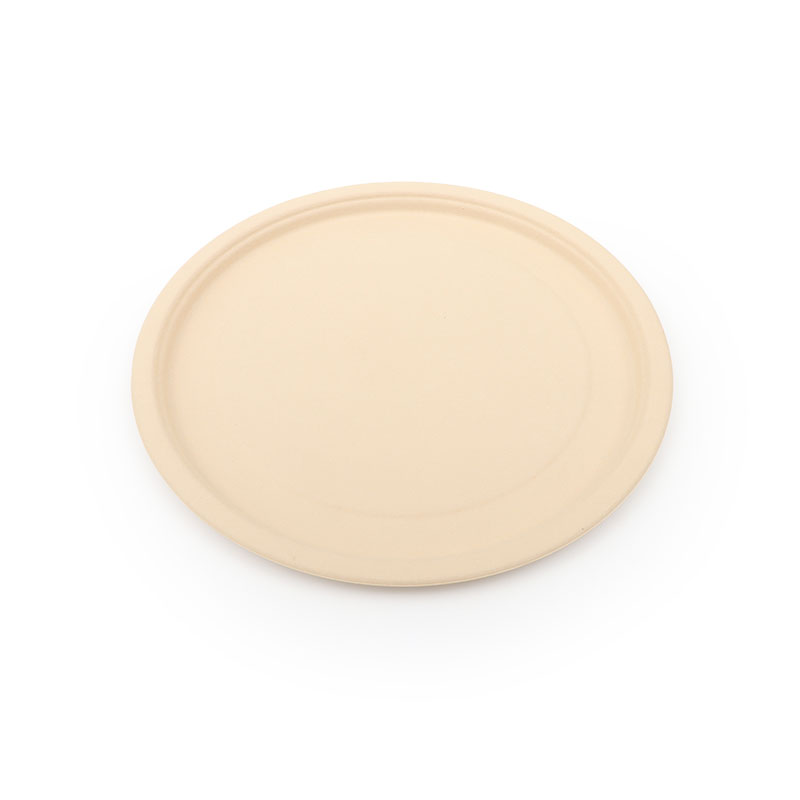 12 inch
 Bigger Bowl
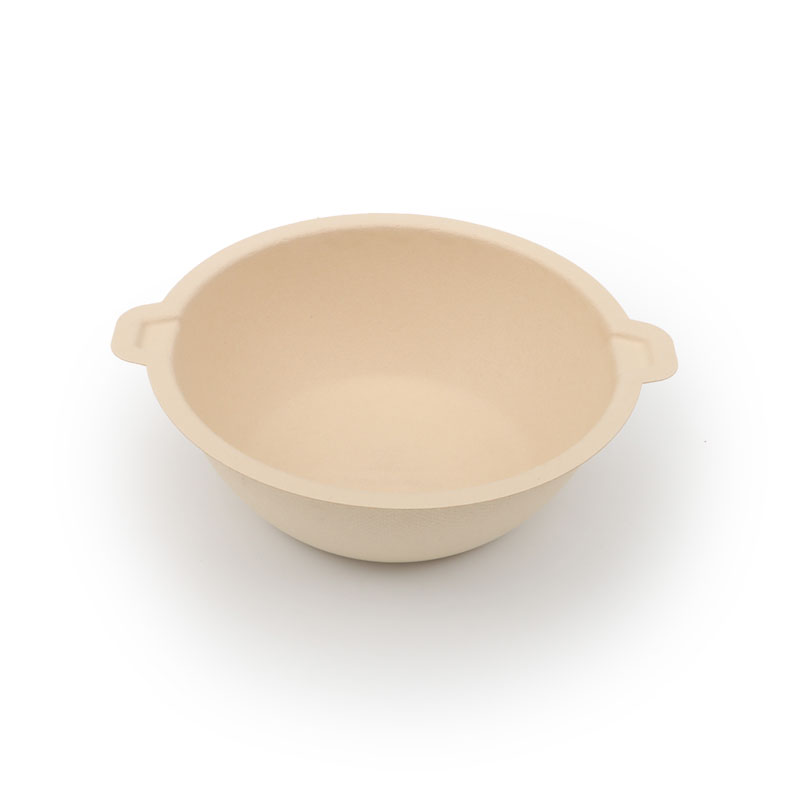 48oz(1420ml)
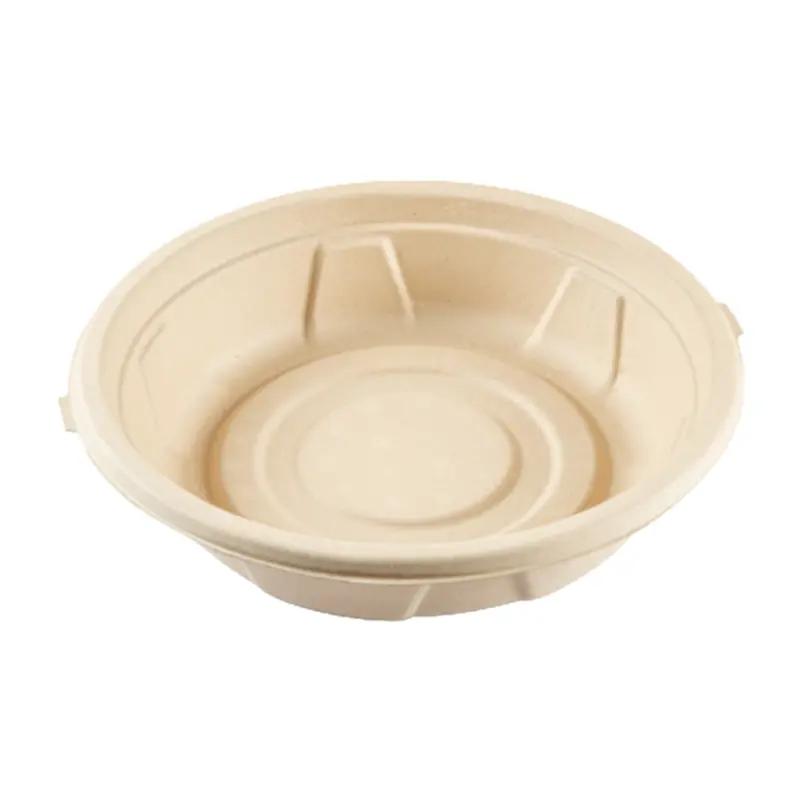 56oz(1650ml)
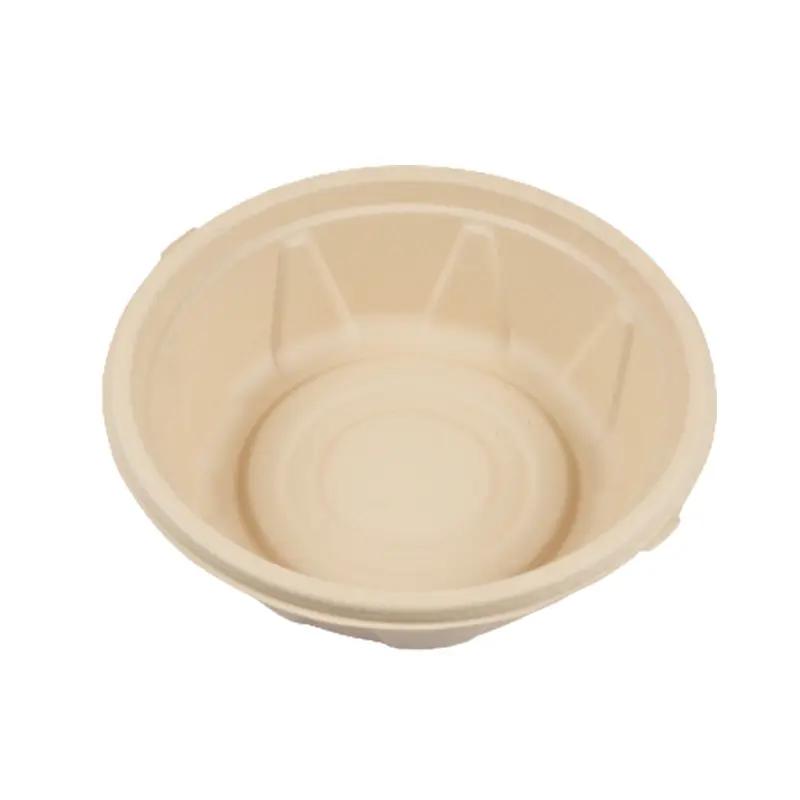 100oz(2950ml)
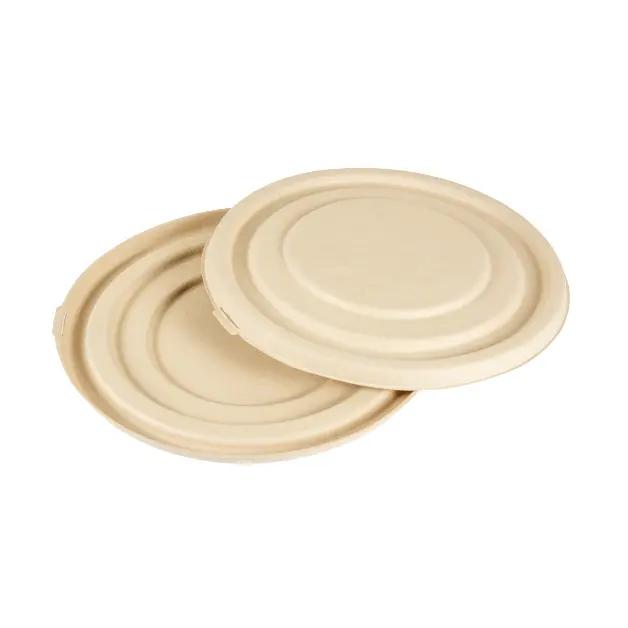 100oz(2950ml) With Lid
 Middle Bowl
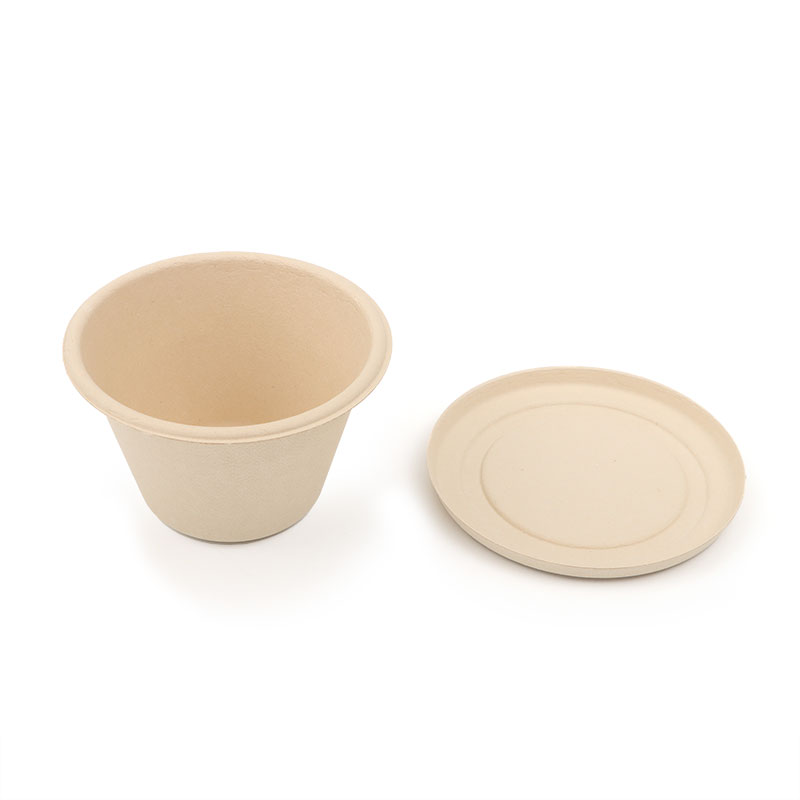 17oz(500ml)
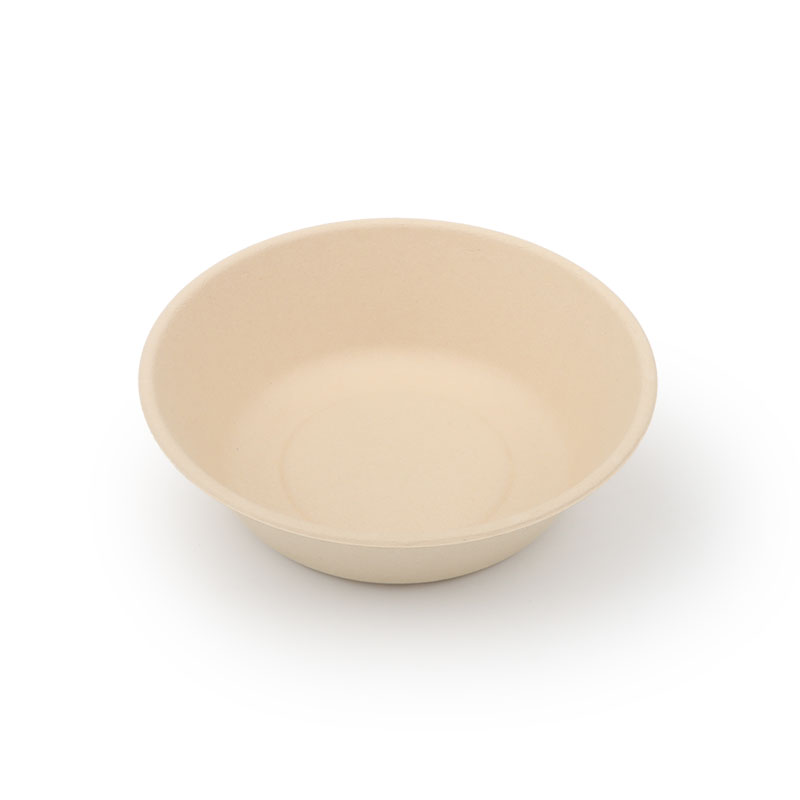 27oz(800ml)
 20oz(600ml)
 29oz(850ml)
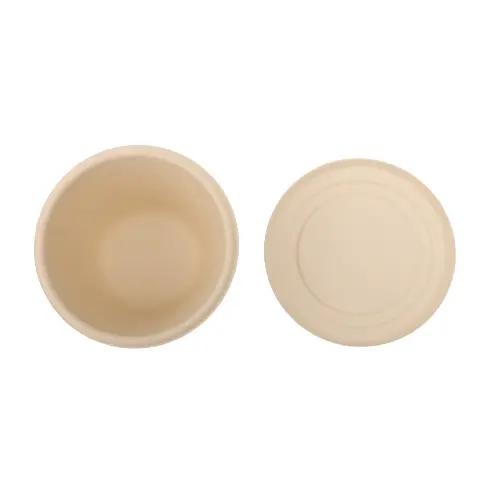 17oz(500ml) With Lid
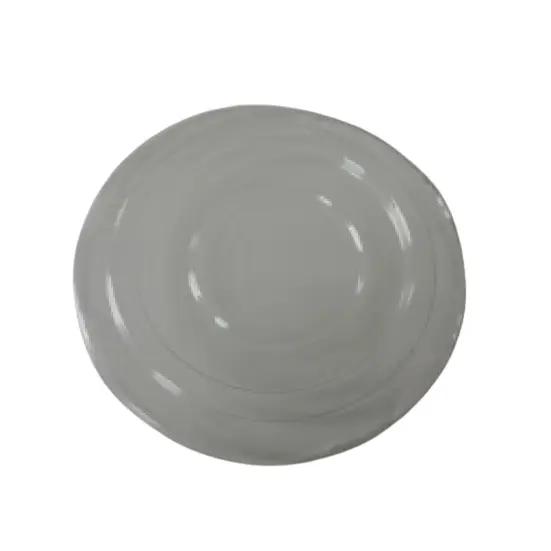 17oz(500ml) PET Lid
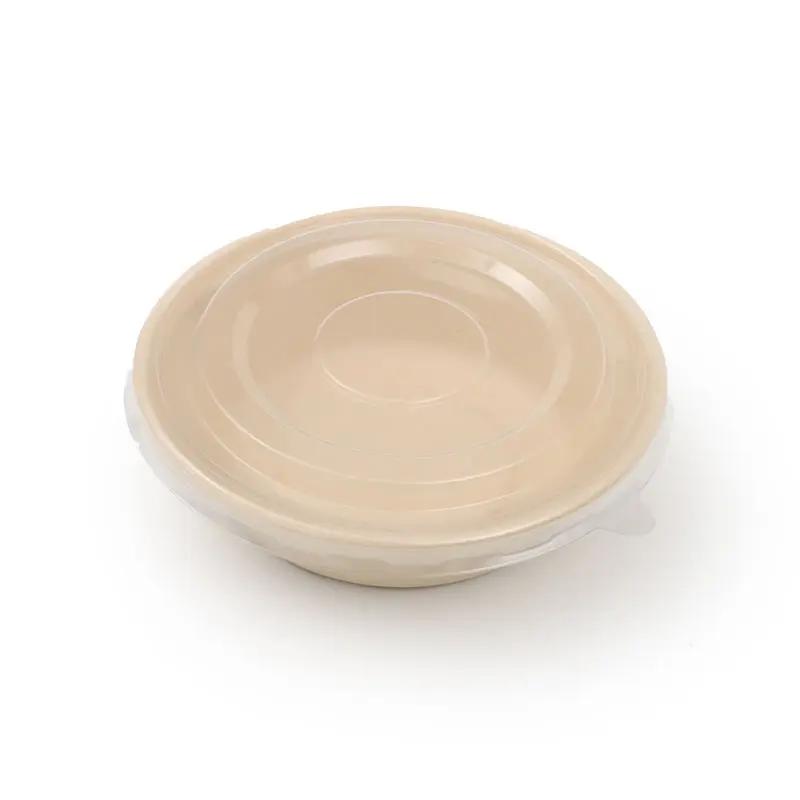 28oz(830ml) PET Lid
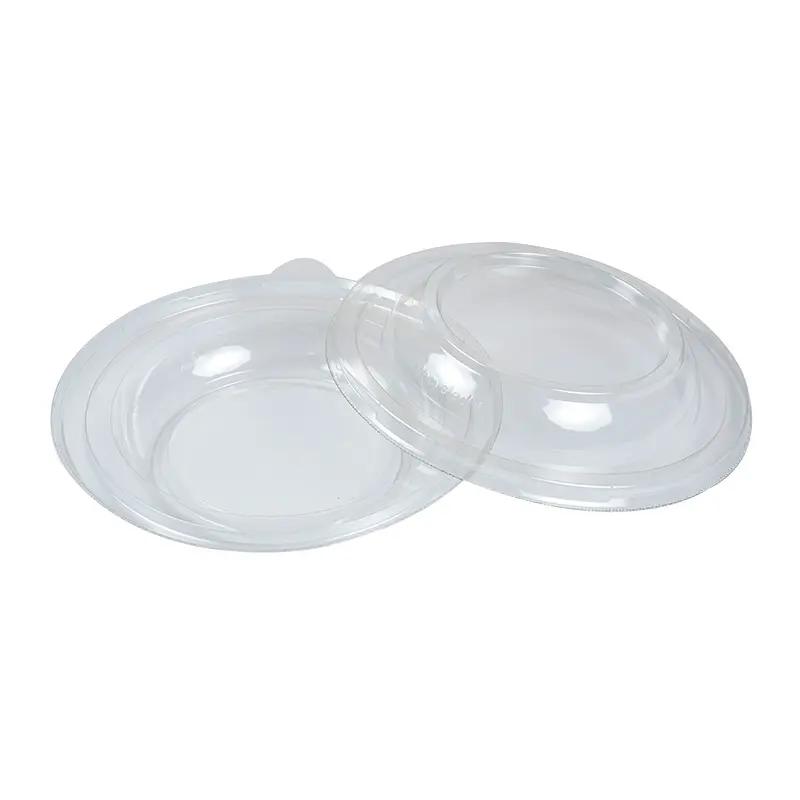 Round Bowl PET
 Small Bowl
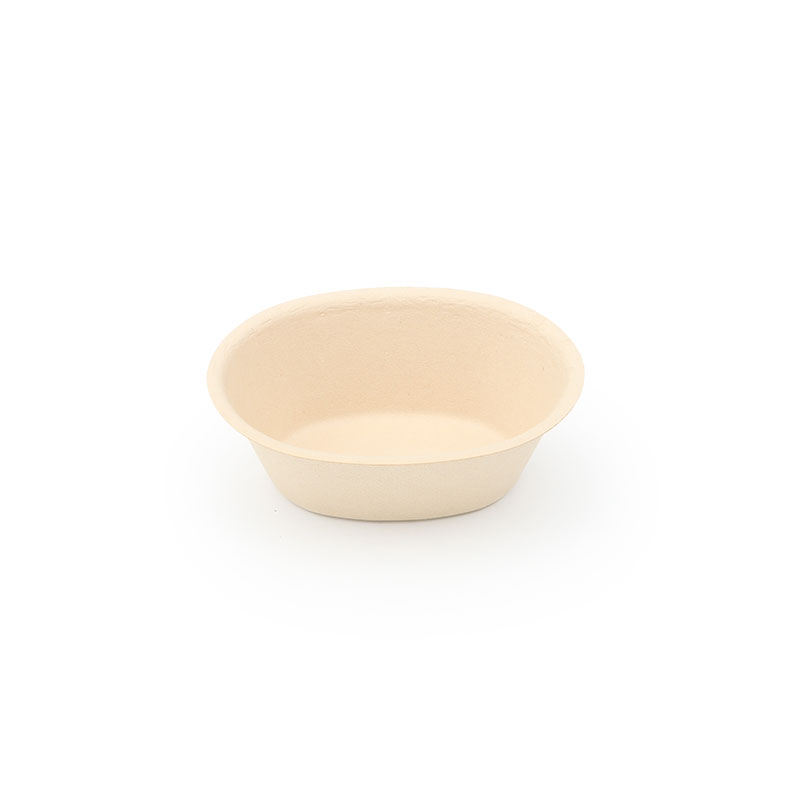 Snack Bowl
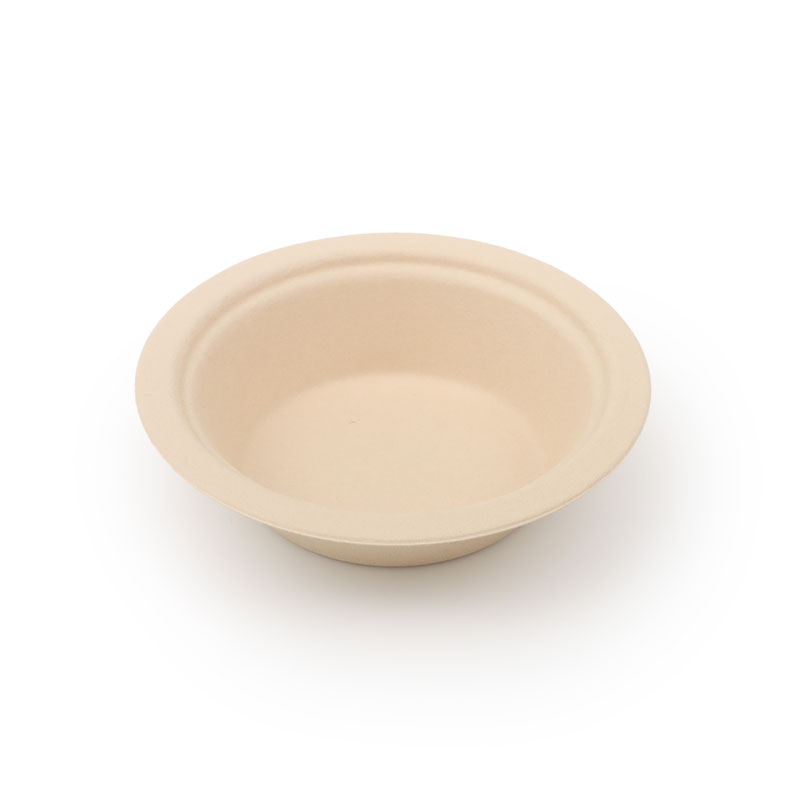 11.5oz(340ml) Bowl
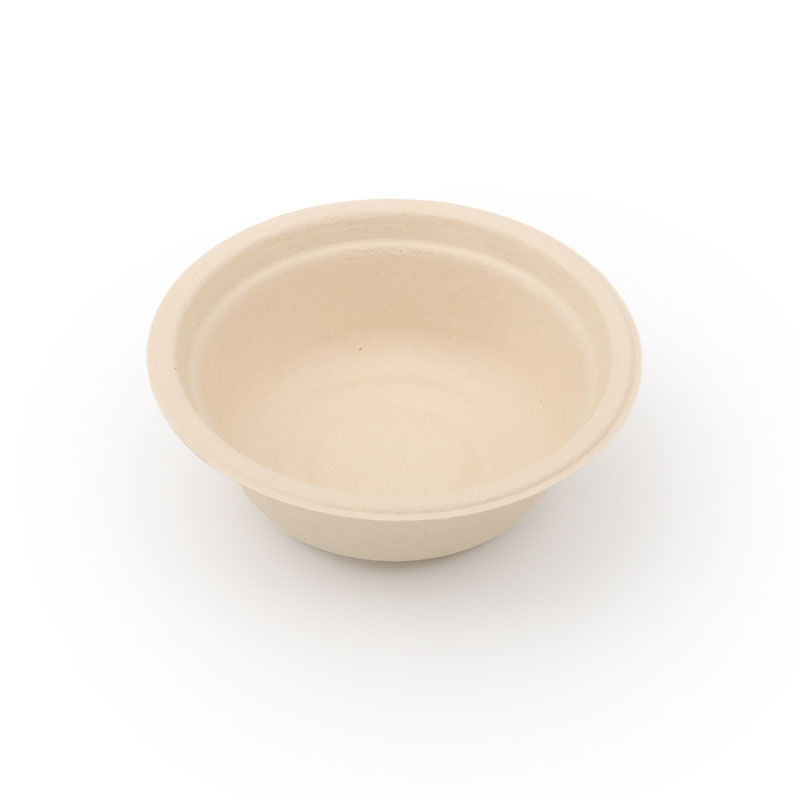 6.7oz(200ml) Bowl
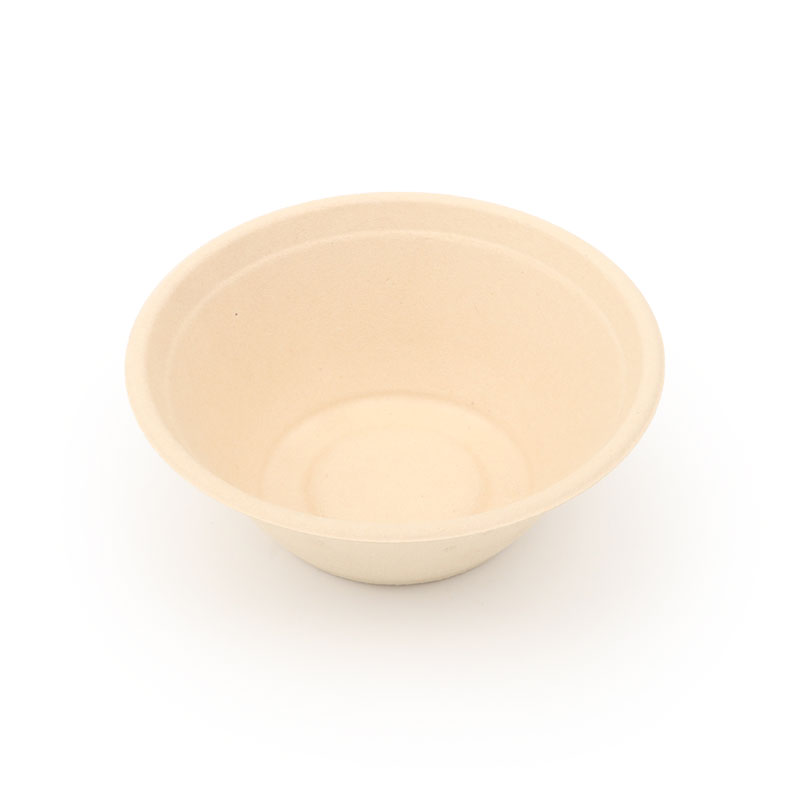 12oz(350ml) Bowl
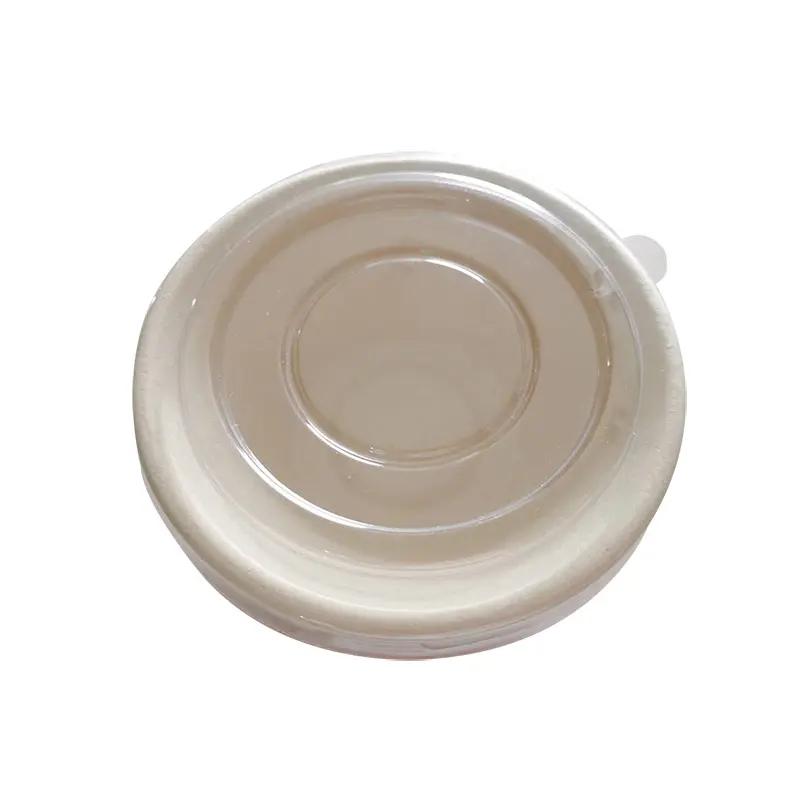 12oz(350ml) Bowl PET
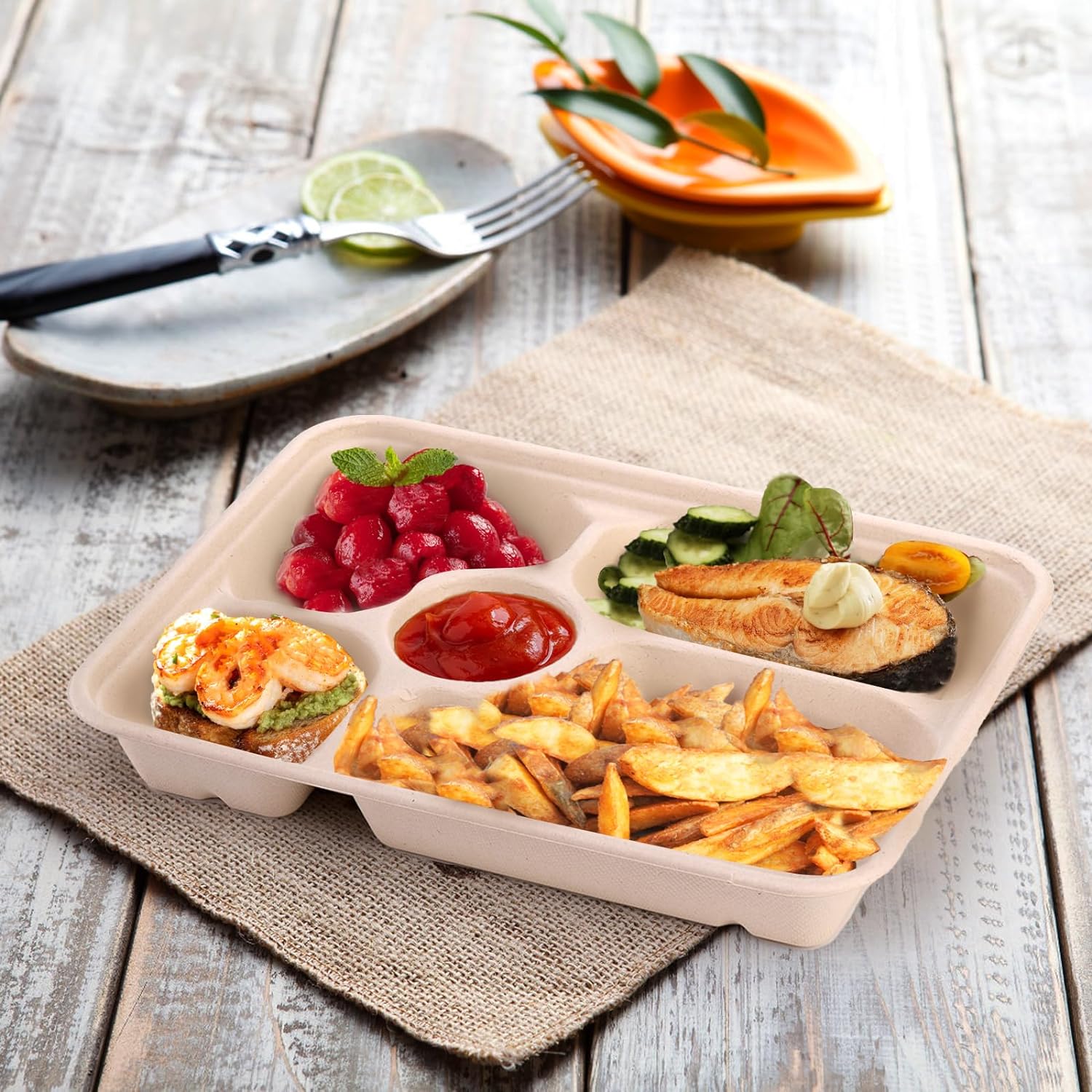 Bagasse Lunch Boxes
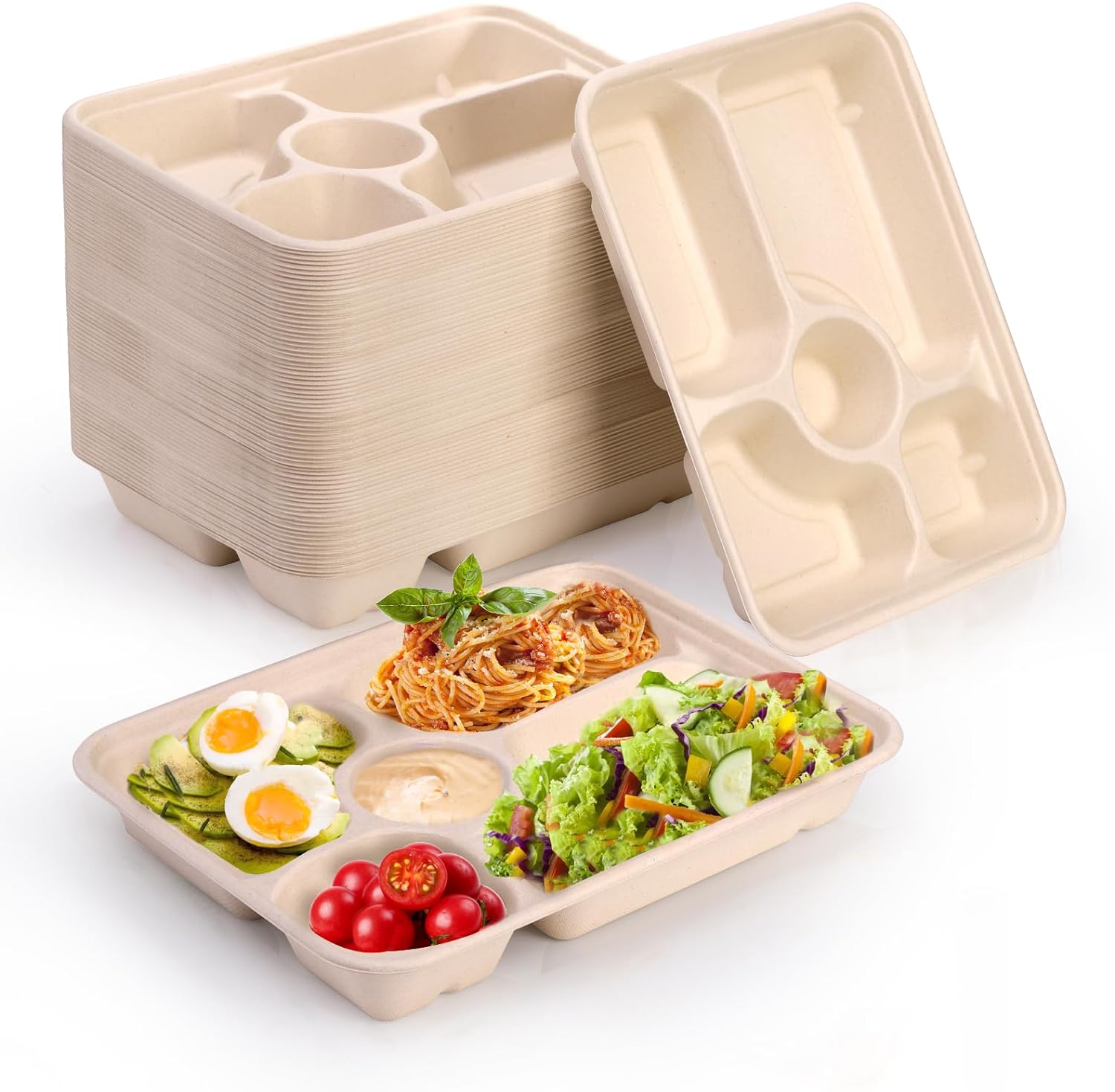 5CP
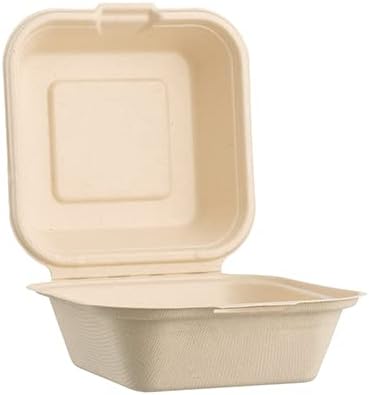 6 inch
 Bagasse Food Plates
 7 inch
 3CP
 Bagasse Bowls
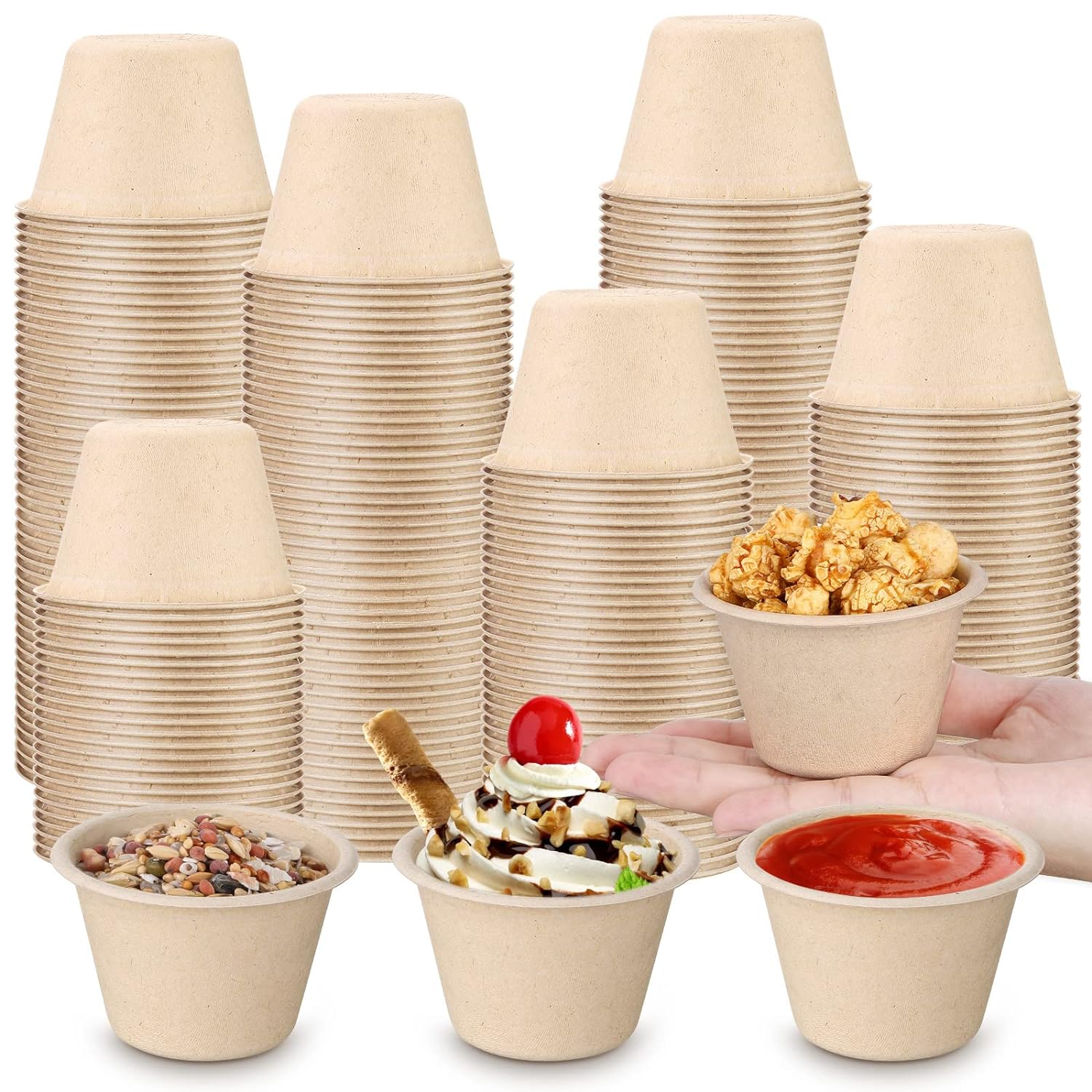 4oz
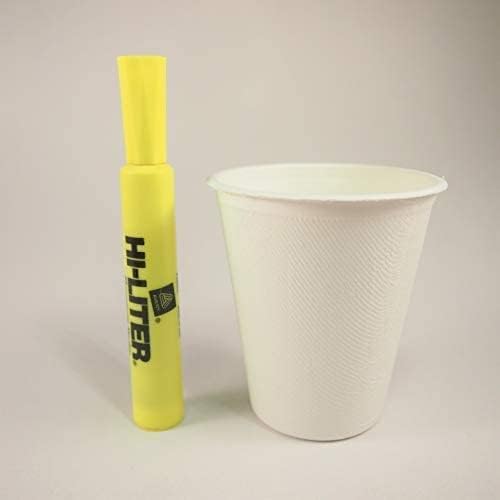 Bagasse Cups And Cutlery
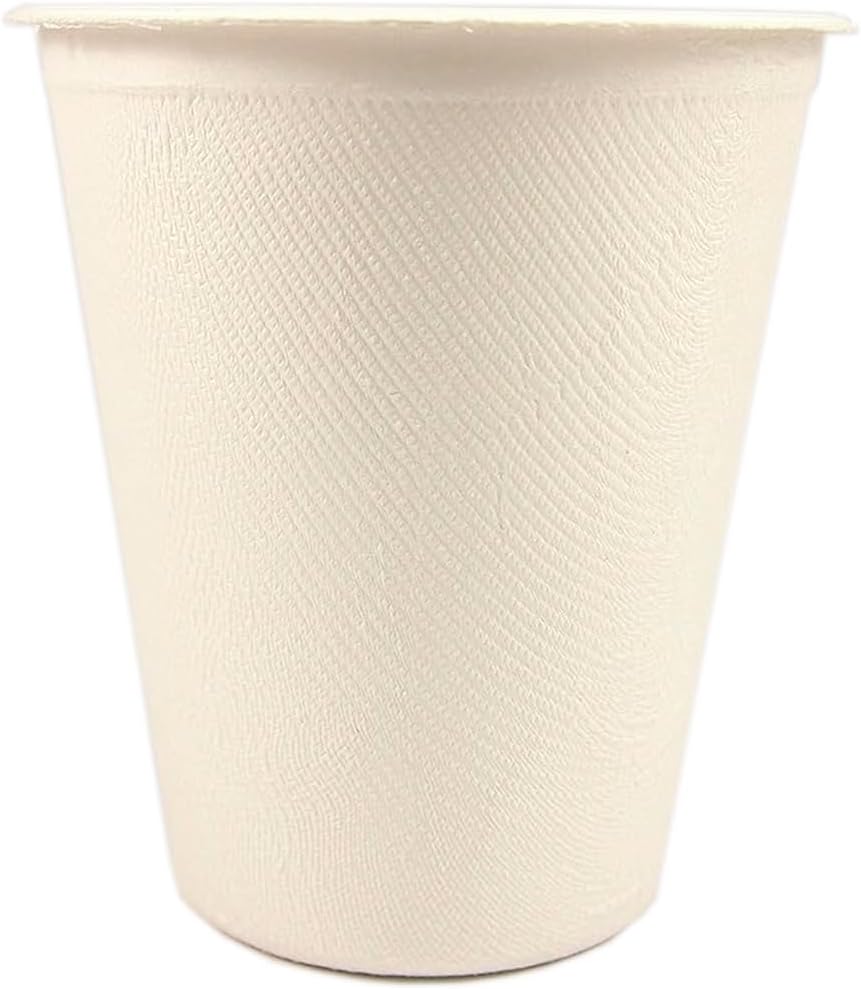 8oz
 12oz
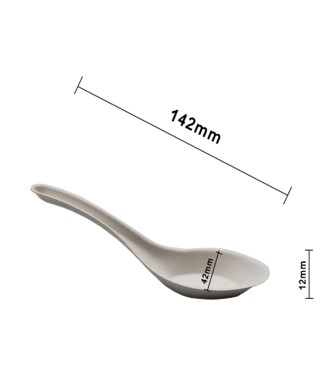 Cutlery
Leave Your Message
Explore our most popular compostable molded pulp dinnerware and food containers designed specifically for daily domestic dining convenience and uncompromising strength.
The global consumer paradigm is undergoing a fundamental transformation. For decades, single-use plastic and wax-coated paper plates dominated the domestic disposable market. However, growing awareness of microplastic contamination, petroleum depletion, and environmental toxicity has propelled bio disposable plates for daily home use to the forefront of modern home economics.
Modern consumers no longer view disposable dinnerware merely as a tool for spontaneous outdoor parties. Instead, active family routines, dual-income households, and meal-prepping habits have established compostable plant-fiber plates as regular, healthy daily kitchen staples. Through precise thermoforming techniques utilizing virgin bamboo fiber and sugarcane bagasse, bio-based plates now match and exceed the structural strength of legacy plastics without leaving persistent chemical footprints.
Stricter international policies such as the European Single-Use Plastics Directive (SUPD), North American municipal landfill bans, and global PFAS restrictions have catalyzed substantial manufacturing investments. Plant pulp molding is no longer an artisanal alternative; it has developed into a fully automated, high-precision industrial standard capable of producing millions of food-grade containers daily with rigorous quality tolerances.
Every single-use product introduced into a home ecosystem either adds to municipal waste burdens or integrates seamlessly into natural regenerative cycles. Plant fiber tableware decomposes naturally in home or industrial composting conditions within 60 to 90 days.
By adopting pure agricultural by-products such as sugarcane residue and rapidly renewable bamboo crops, households actively reduce domestic carbon footprints by up to 72% compared to polystyrene (PS) alternatives.
From busy morning breakfast rushes to hearty weekend family barbecues, bio disposable plates deliver clean, grease-resistant, heavy-duty utility across diverse home scenarios.
Mornings are often hectic for modern working families. Bio pulp plates and bowls easily hold hot toast, eggs, sizzling bacon, and buttery pastries without softening or leaking oils, allowing family members to enjoy healthy nutrition and eliminate morning dishwashing routines effortlessly.
Unlike traditional plasticware that leaches plasticizers and bisphenols under heat, bamboo pulp structures withstand temperatures up to 120°C (248°F). Leftover pastas, stews, and roasted meats can be reheated safely in the microwave without warping or bubbling.
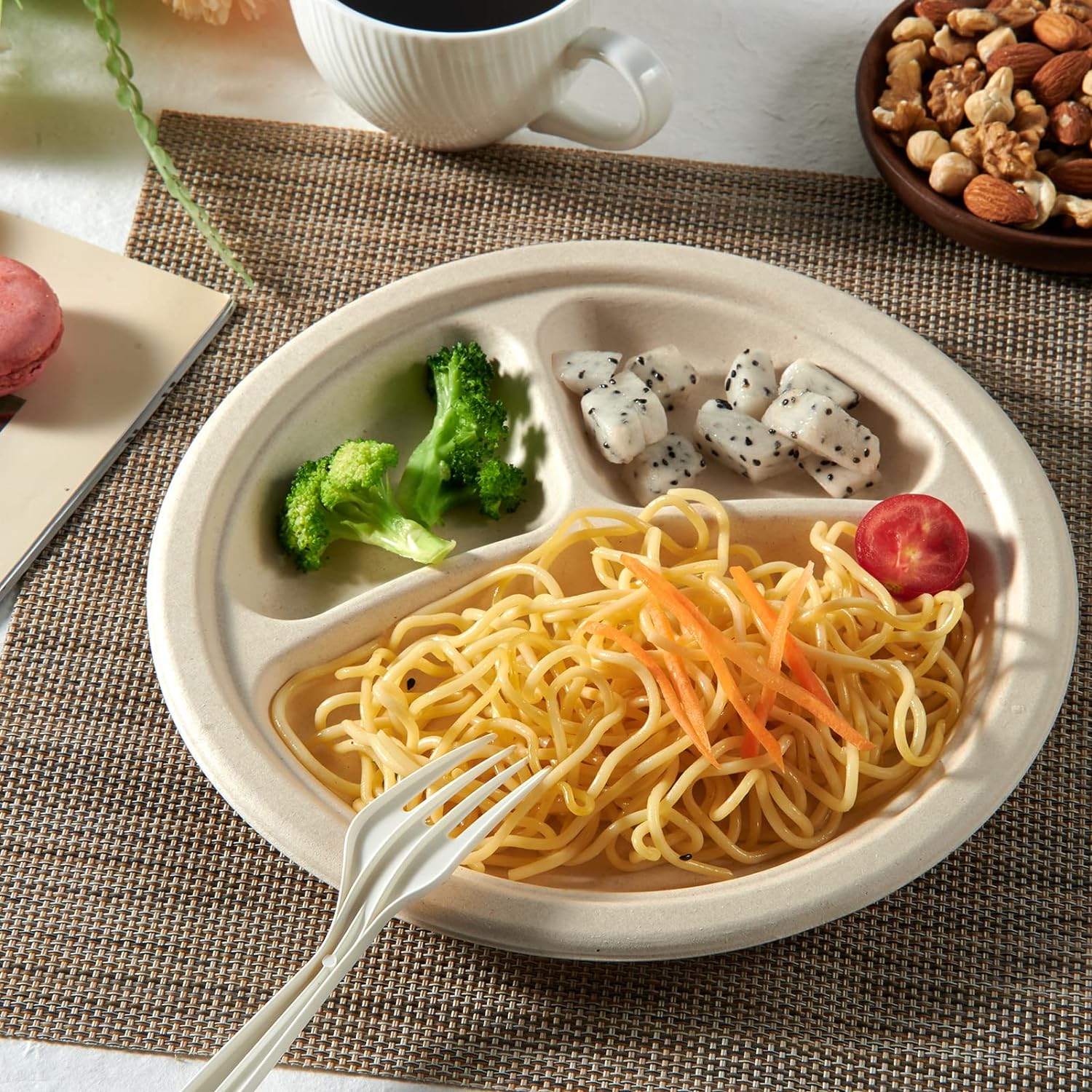
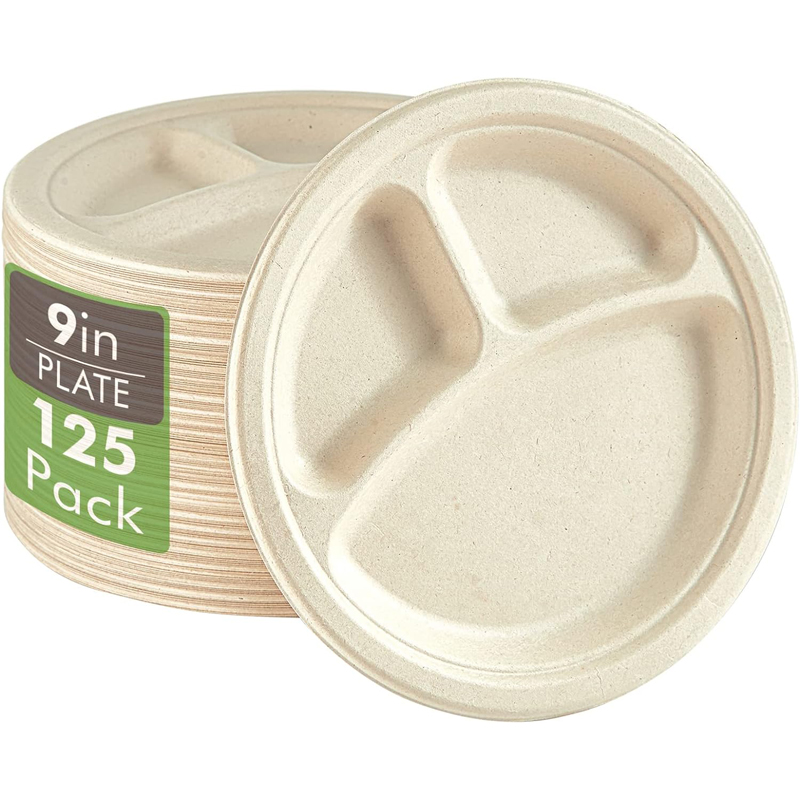
Serving juicy steaks, grilled corn, and heavy marinades requires uncompromising mechanical rigidity. 3-compartment bio plates maintain their geometric load-bearing integrity even when heavily loaded with barbecue sauces and moisture-rich salads.
Ceramic plates carry breakage risks for small children and elderly family members. Bio plates are feather-light, shatterproof, non-slip, and free from toxic synthetic coatings, providing a safe, tactile dining surface that prevents domestic kitchen accidents.
Post-meal disposal becomes a valuable gardening asset. After scraping away non-compostable bones, used plant-fiber plates can be torn and mixed directly into residential compost bins, transforming dinnerware directly into nitrogen- and carbon-rich soil conditioner.
When enjoying takeaway meals, transferring greasy foods into clean bio disposable bowls provides an elevated dining experience while eliminating oily cleanups before bedtime.
Why bamboo pulp and sugarcane bagasse outperform conventional paper, plastic, and expanded polystyrene tableware in residential applications.
The secret behind the exceptional rigidity of high-grade bio disposable plates lies in the intrinsic botanical structure of bamboo fibers. Bamboo contains long, dense lignocellulosic microfibers that naturally interlock under high hydraulic pressure and thermal curing. This yields a dense, non-porous surface that resists fork puncture and knife cutting far better than standard wood pulp paper plates.
Historically, disposable packaging relied on fluorochemicals (PFAS) to achieve grease resistance. Modern bio tableware employs cutting-edge organic barrier agents and nano-fibrillated cellulose networks. These deliver continuous 95°C water and 120°C oil resistance while passing international food-contact safety tests without harmful fluorinated additives.
The result is an odorless, unbleached, natural tactile surface that preserves the genuine flavor and aroma of hot foods.
Kangxin (HaiMen) Environmental Technology Co., Ltd. is a technology innovation oriented enterprise that focuses on disposable environmentally friendly tableware and food packaging.
We have advanced production processes and equipment, and continue to attract senior talents, focusing on environmental protection, emphasizing safety, and ensuring quality.
By integrating automated pulp screening, precision hydraulic thermoforming, contactless robotic trimming, and cleanroom sterilization, Kangxin delivers consistent global standard dinnerware for residential and commercial foodservice applications worldwide.
EATware is committed to sustainable development, using all natural plant fibers to produce safe, healthy and environmentally friendly tableware. Adhering to the concept of "take nature, serve humanity, return to nature", we focus on the development of safe, high quality and environmental standards.
EATware emphasizes environmental protection and sustainable development, explores the balance between enterprise survival and environmental protection, and uses all-natural and pollution-free bamboo fiber as the main material of tableware to ensure that its products meet the high technical level and are superior to developed countries.
In the field of environmentally friendly packaging for 18 years, Has established cooperation with 500+ brands.
Through our research and development, there are more than 60 products can product, we also support OEM ODM customized services.
Exported to the United States, Europe, Australia, Canada and other countries, right now we have exported more than 30 countries.
10000+ square meters factory area, more than 30 patent certificates, 10 foreign authoritative certification, 55 automatic forming machines...
Certified by premier global food safety and environmental authorities. Supporting virtual factory inspection via 360 VR interactive walkthroughs.
Stay updated on the newest testing methodologies, material advancements, and sustainable packaging market intelligence.
The most reliable way to test disposable food containers is to combine leakage testing with structural testing under conditions that reproduce the intended food application. A container should not be approved simply because it holds water for several minutes or survives an empty compression tes...
read more →For foodservice operators, replacing conventional plastic packaging is not simply a matter of changing materials. Disposable biodegradable tableware must still withstand hot food, sauces, oils, condensation, stacking, transport, and commercial handling without losing structural integrity. Poorl...
read more →With growing global demand for takeaway meals and eco-friendly packaging, China’s manufacturing sector has become a major hub for disposable food containers. Today’s food businesses - from fast-food chains and meal-delivery services to supermarkets and catering companies - are looki...
read more →Trusted by major international supermarket chains, airlines, institutional caterers, and food service pioneers.
Browse our complete collection of OEM/ODM compostable lunch boxes, divided dinner plates, salad bowls, and airtight lids engineered for modern sustainable living.


