
 Box With T buckle
 700ml Square Lunch Box
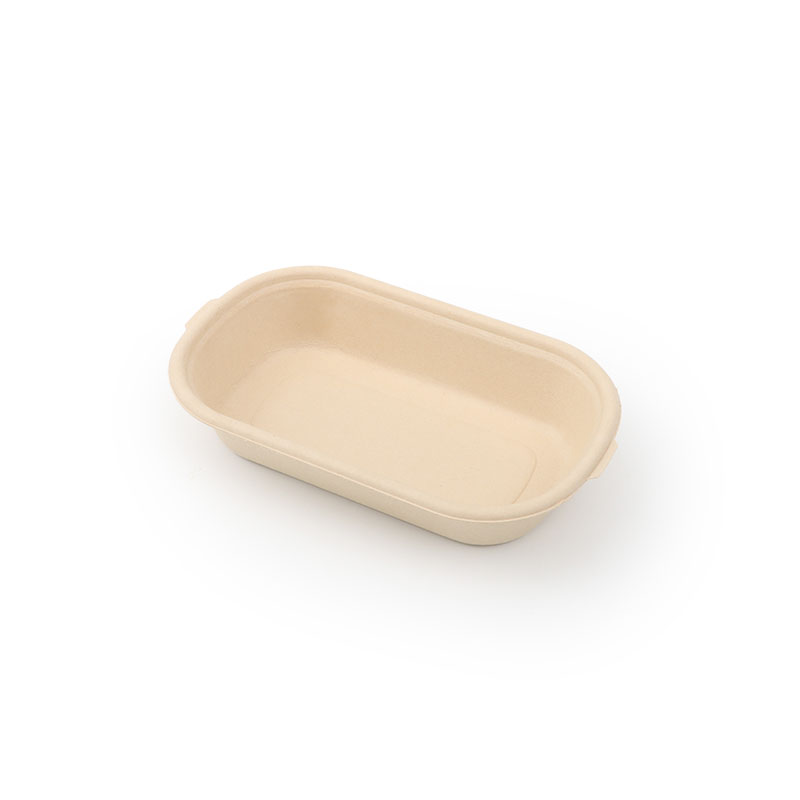 500ml
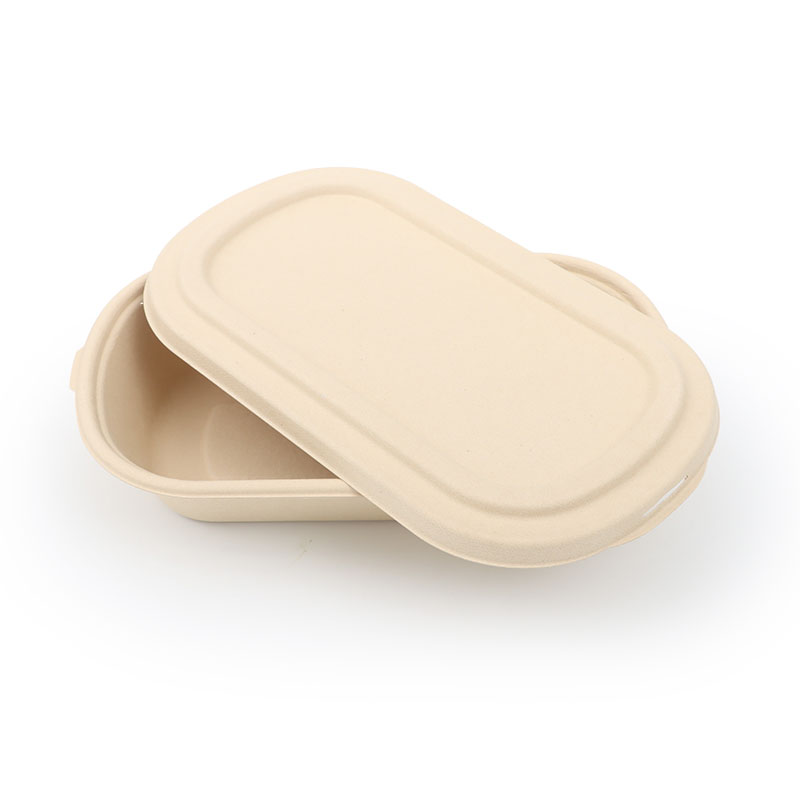 850ml
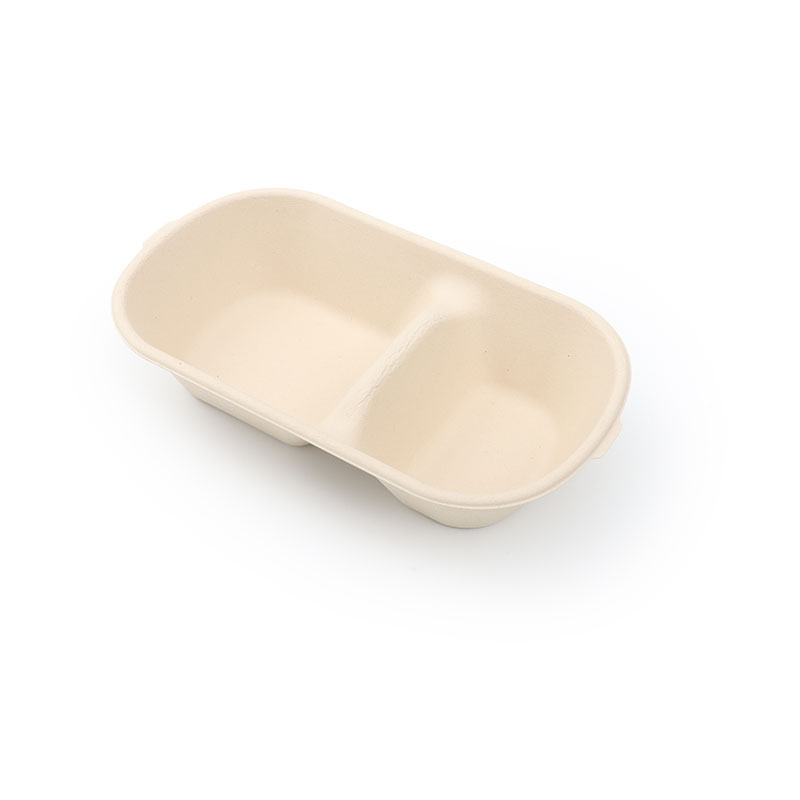 800ml 2 Compartments
 1000ml 2 Compartments
 1100ml
 1000ml Square Lunch Box
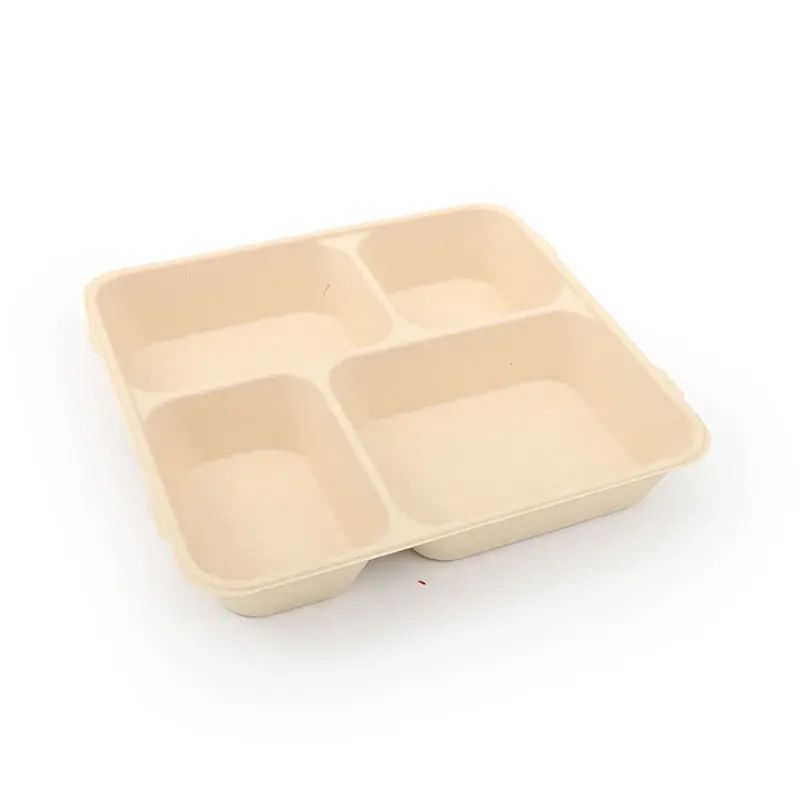 1340ml 4 Compartments
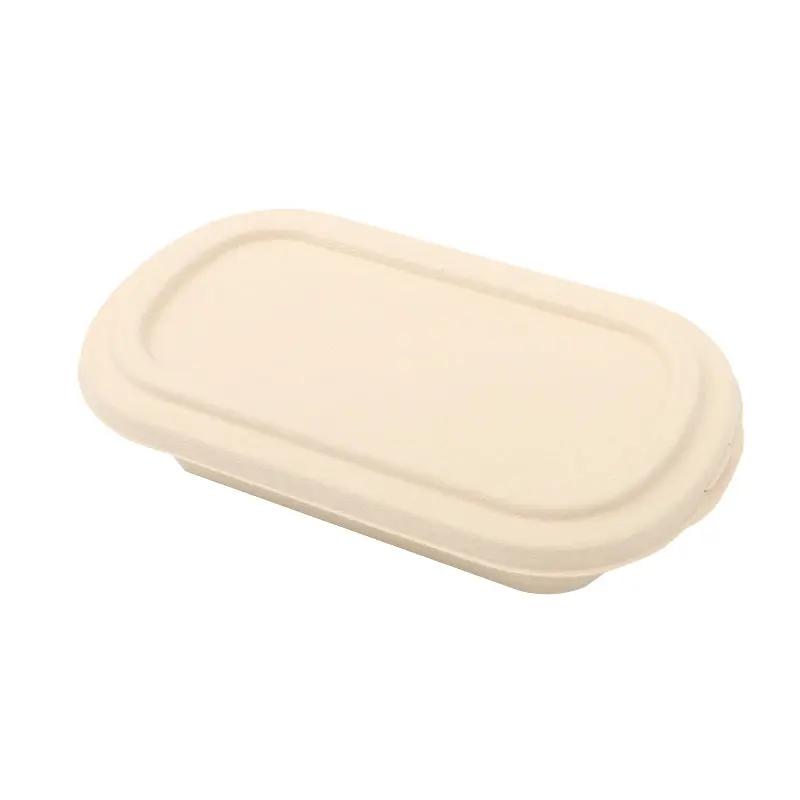 Lunch Box Lid
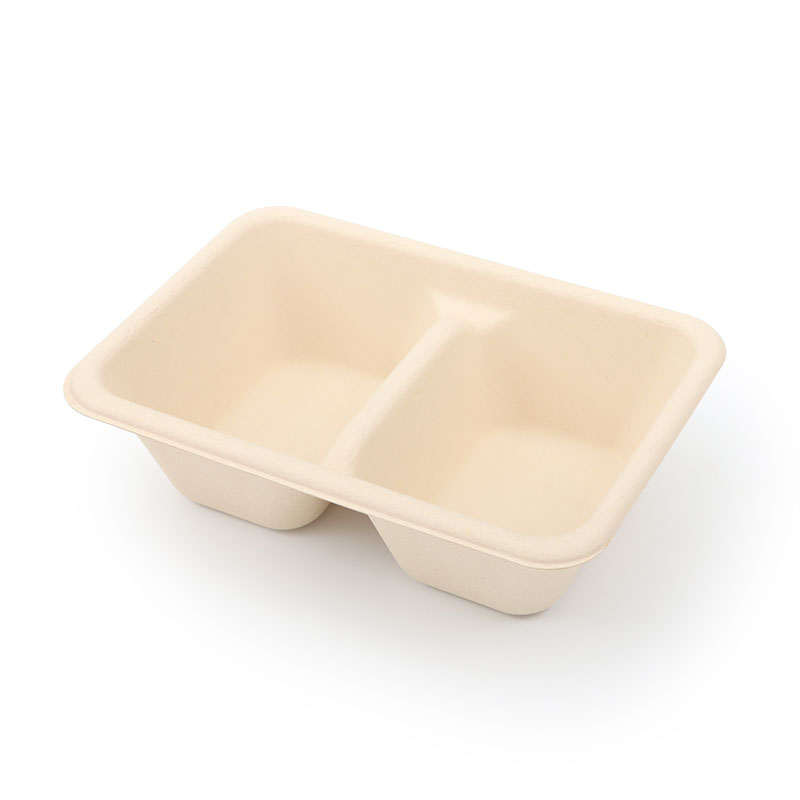 650ml
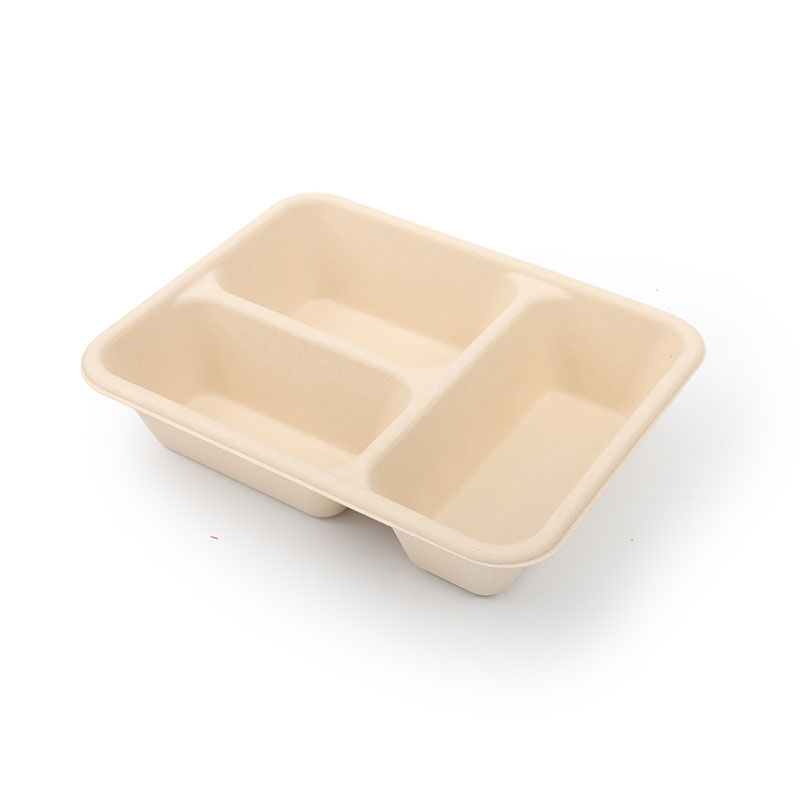 1000ml 3 Compartments
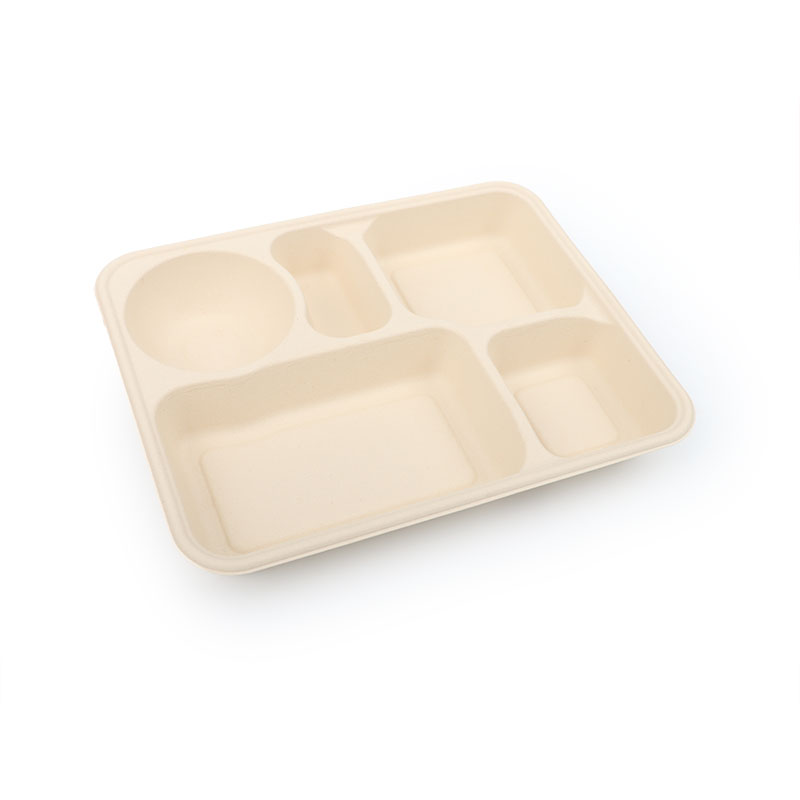 1250ml 5 Compartments
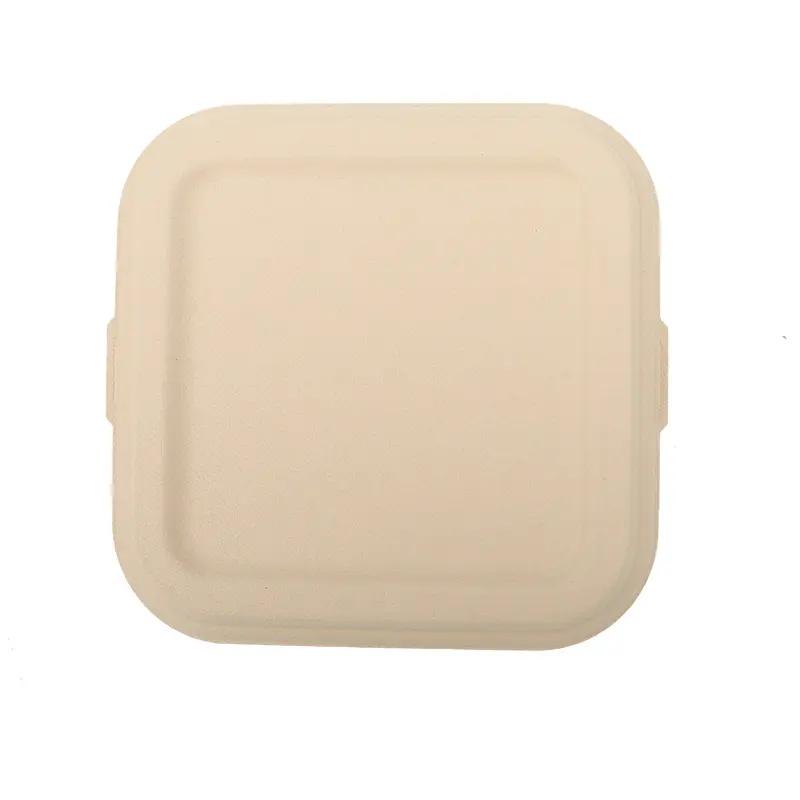 Square Lunch Box Lid
 Box Without T buckle
 850ml Salad Box
 700ml
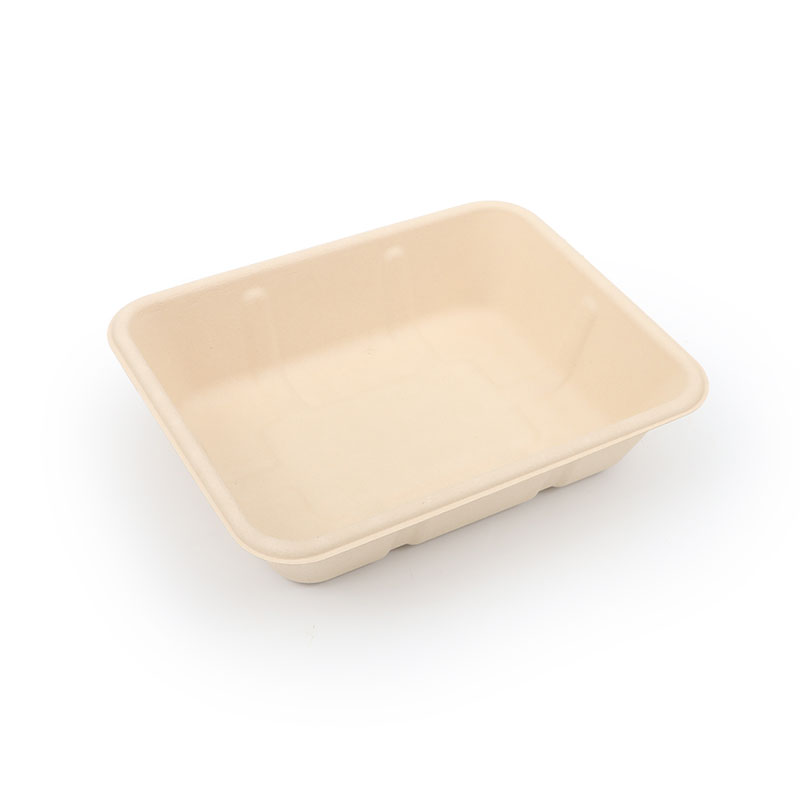 1350ml
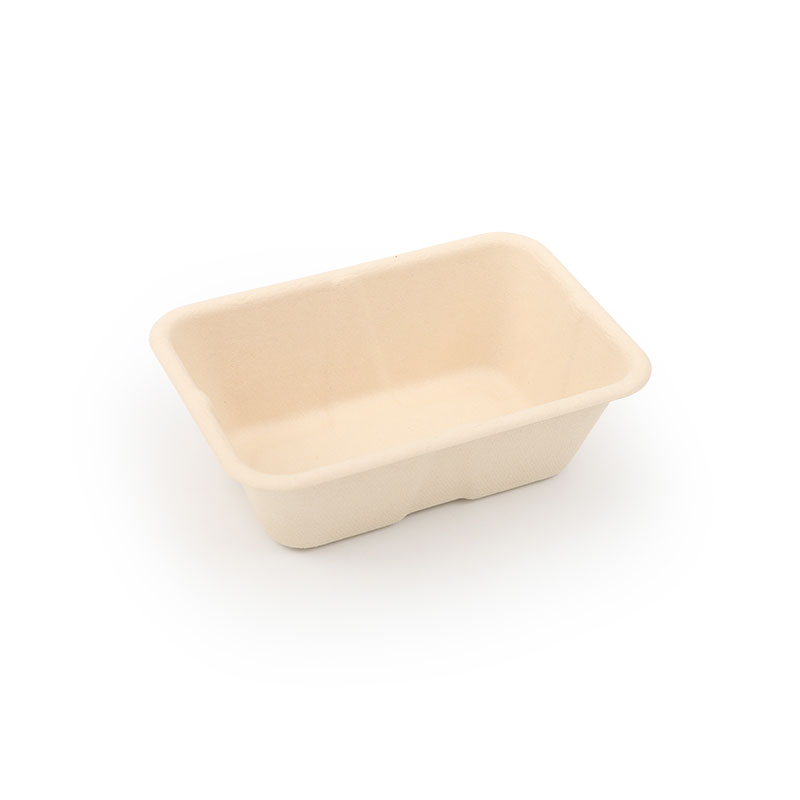 470ml
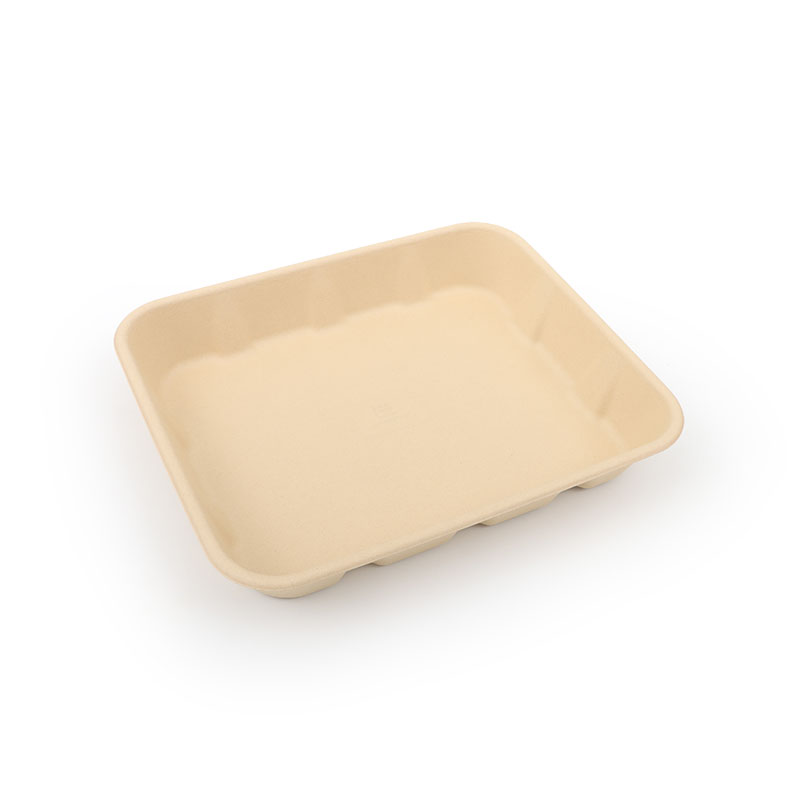 2183ml Tray Box
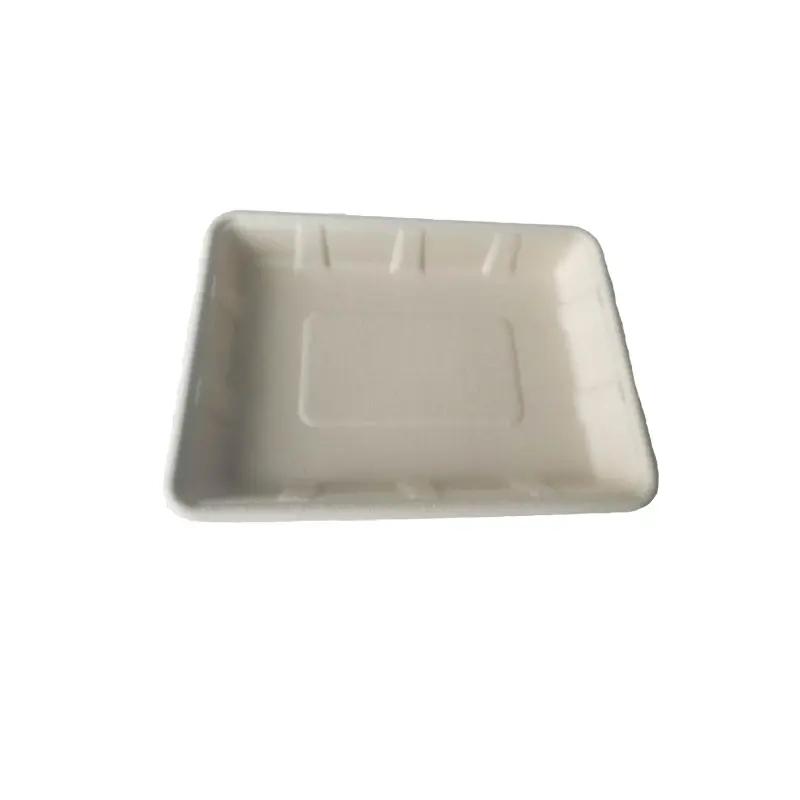 11" * 9"
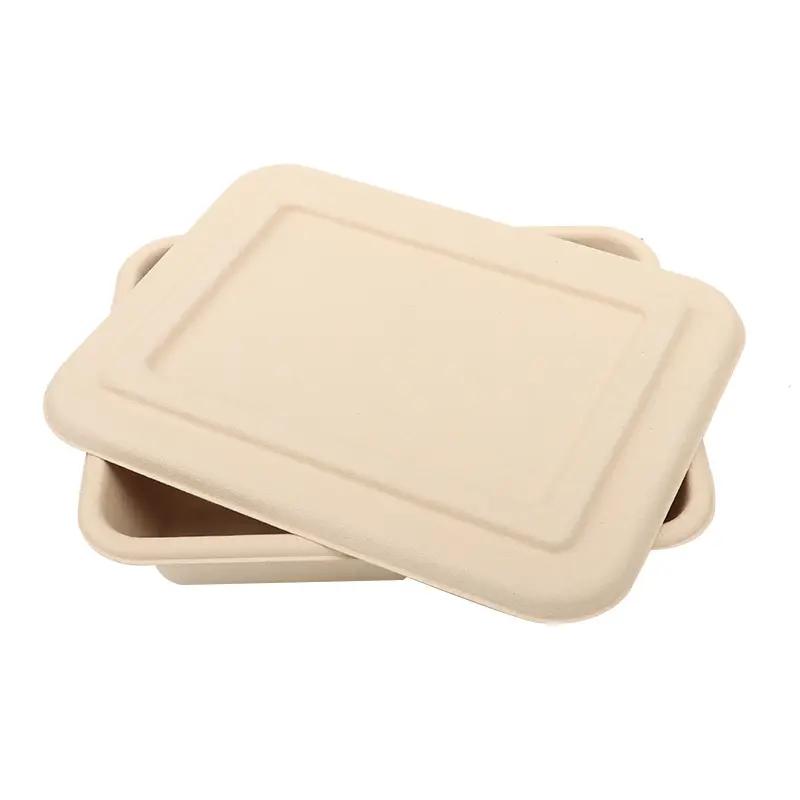 800ml
 One Part Box
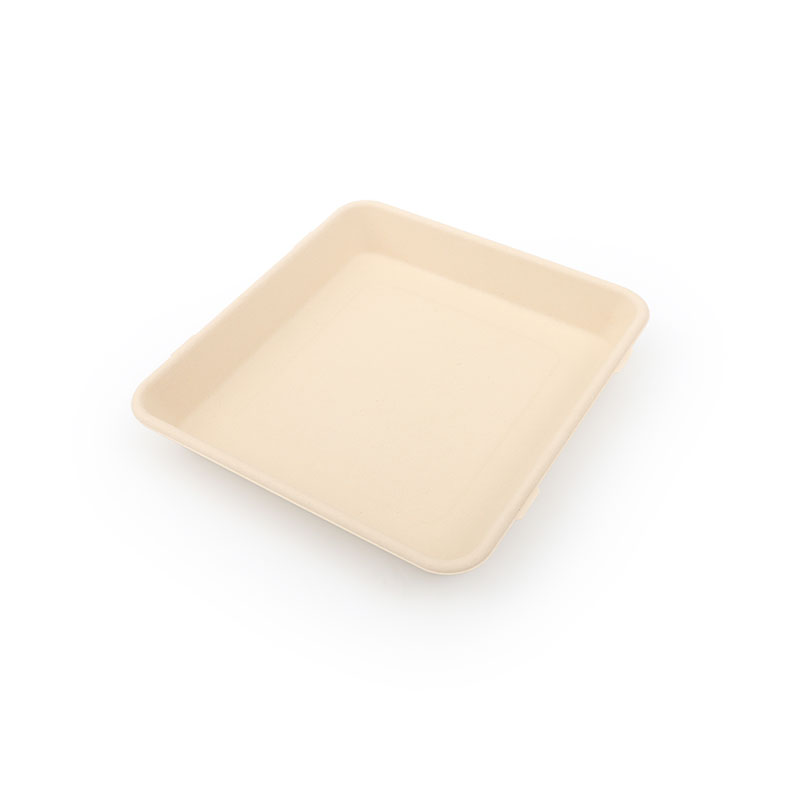 1443ml Tray Box
 Cake Bread Snack Tray Series
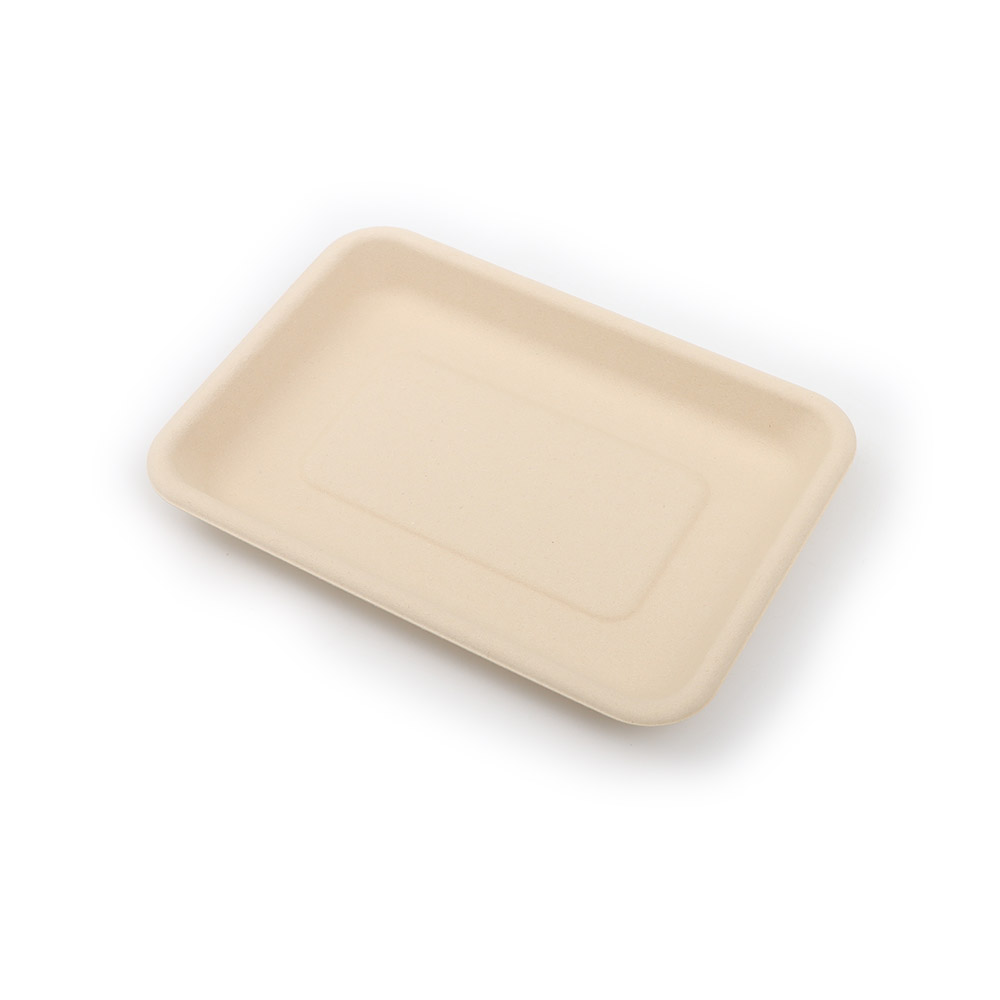 5" * 7" natural color
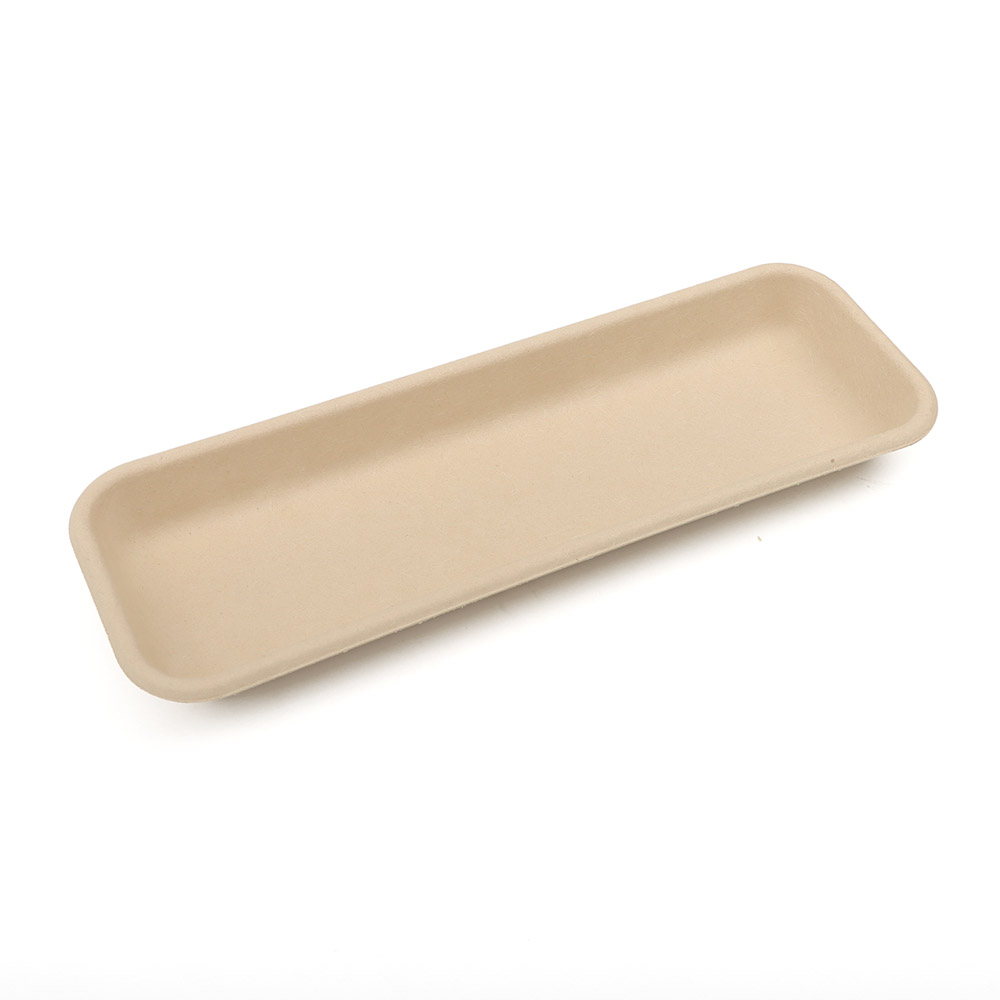 11.4" * 3.9"
 5.3" * 5.3"
 Fruit And Vegetable Tray Series
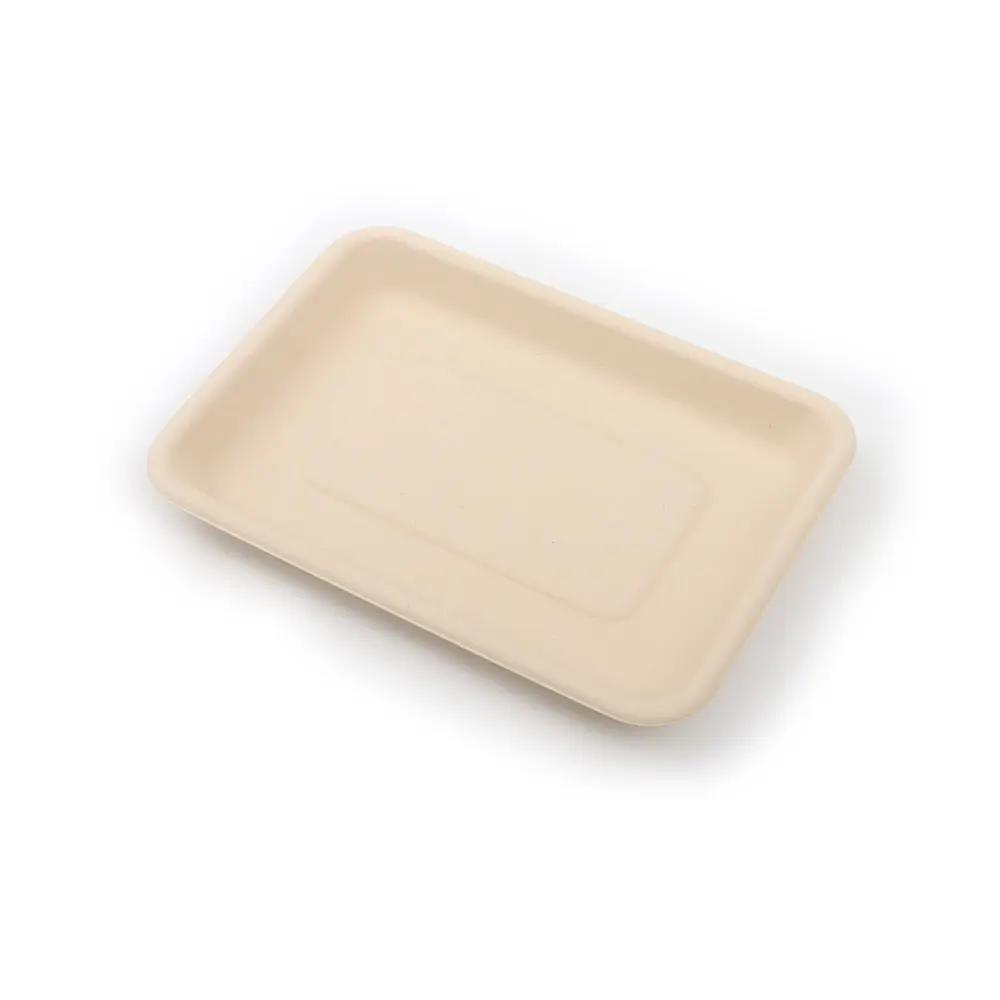 8.6" * 5.3"
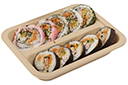 Sushi Tray Series
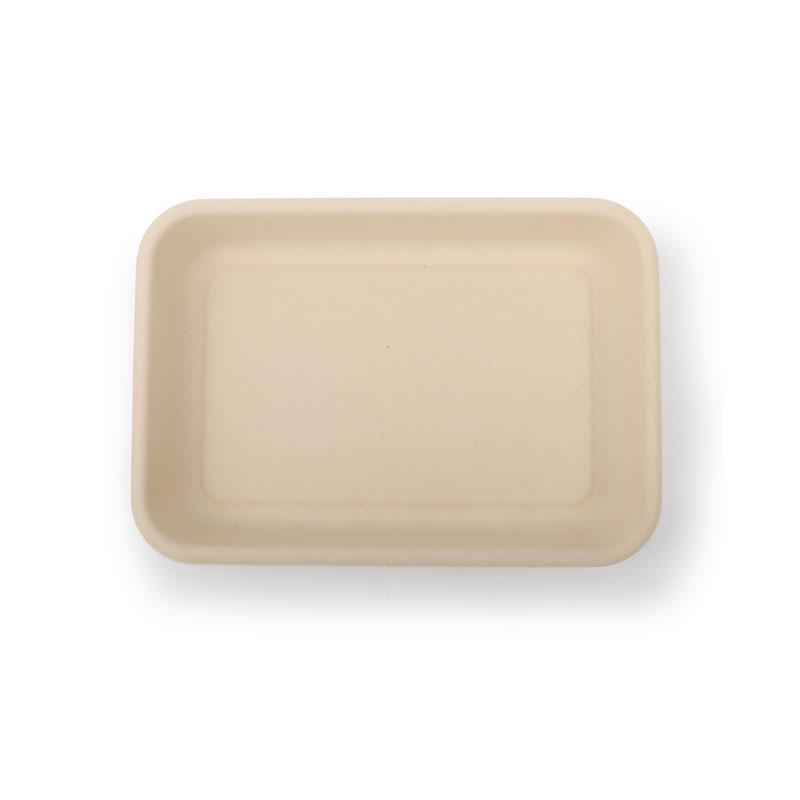 200" * 140"
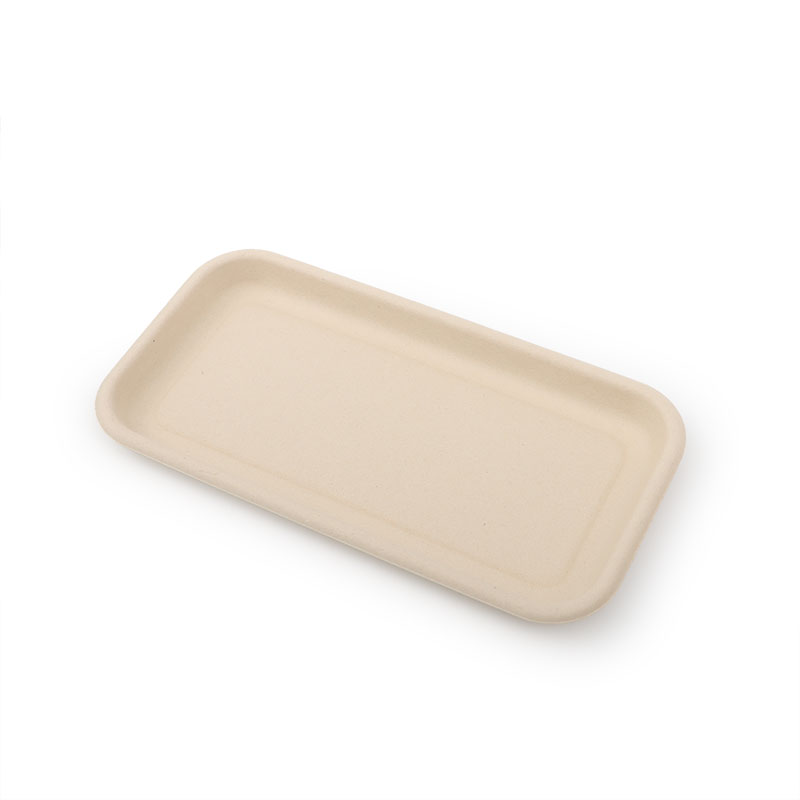 210" * 110"
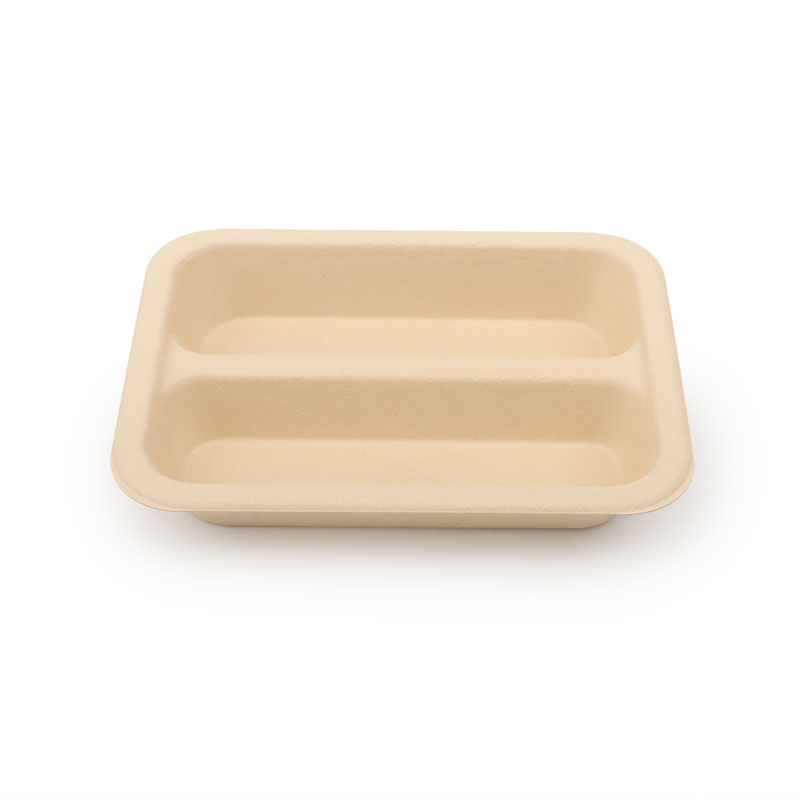 2 Compartments
 Small Round Plate Series
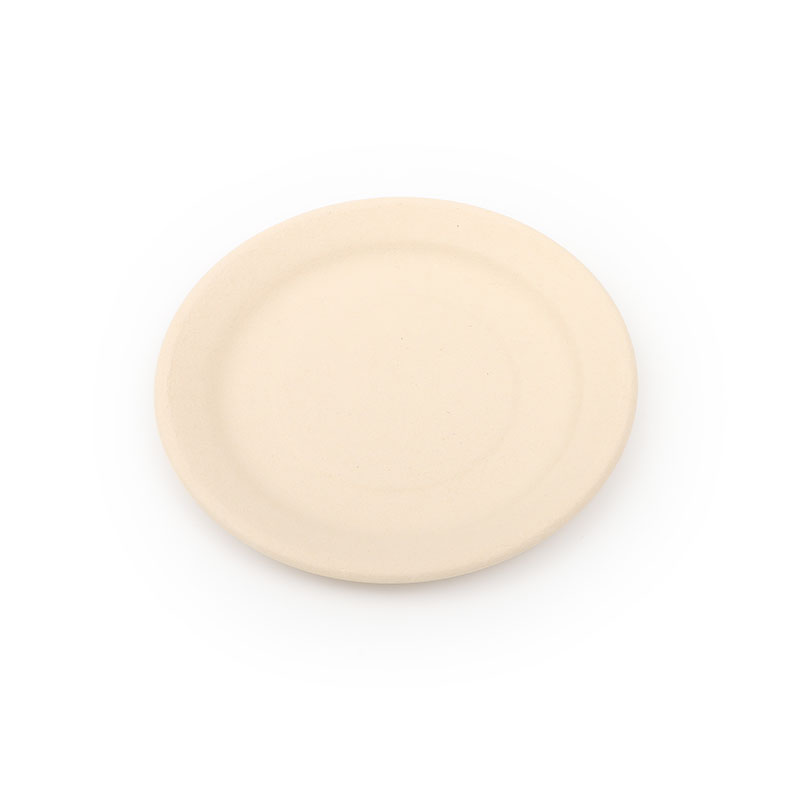 7 inch
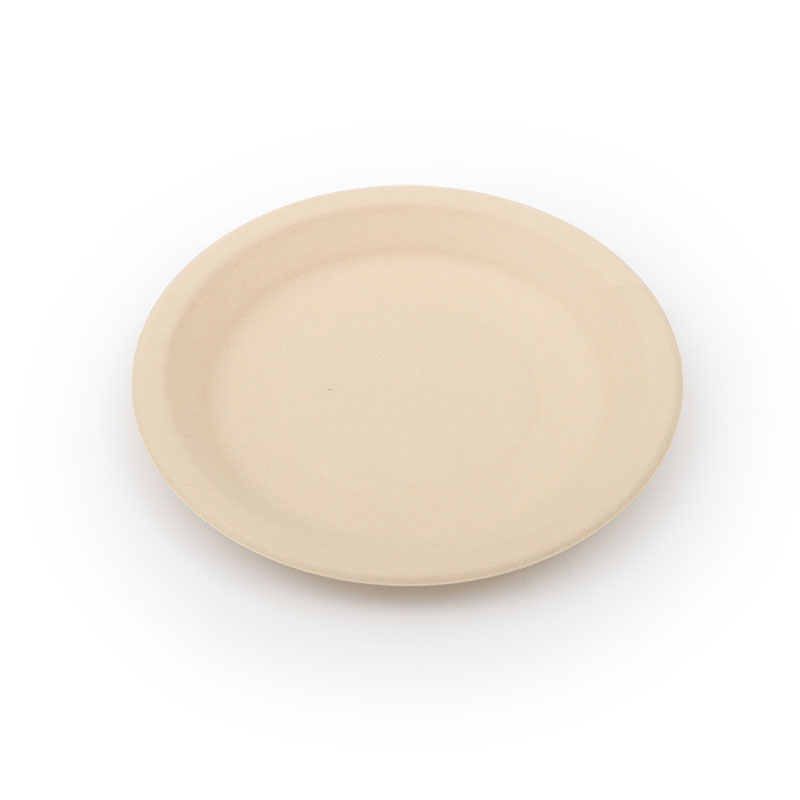 6 inch
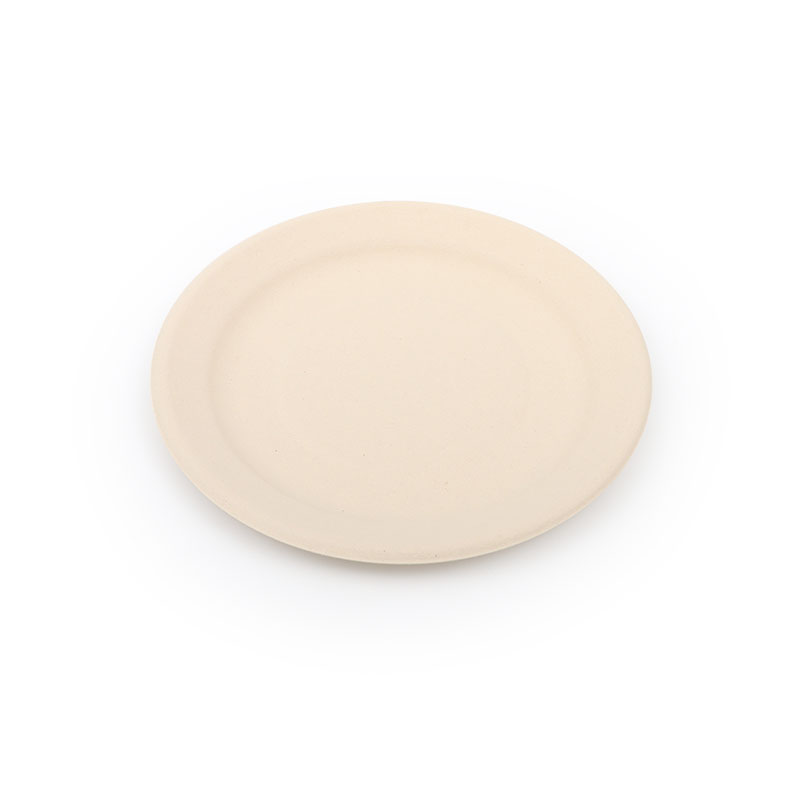 8 inch
 Middle Round Plate Series
 9 Inch 3 Compartments
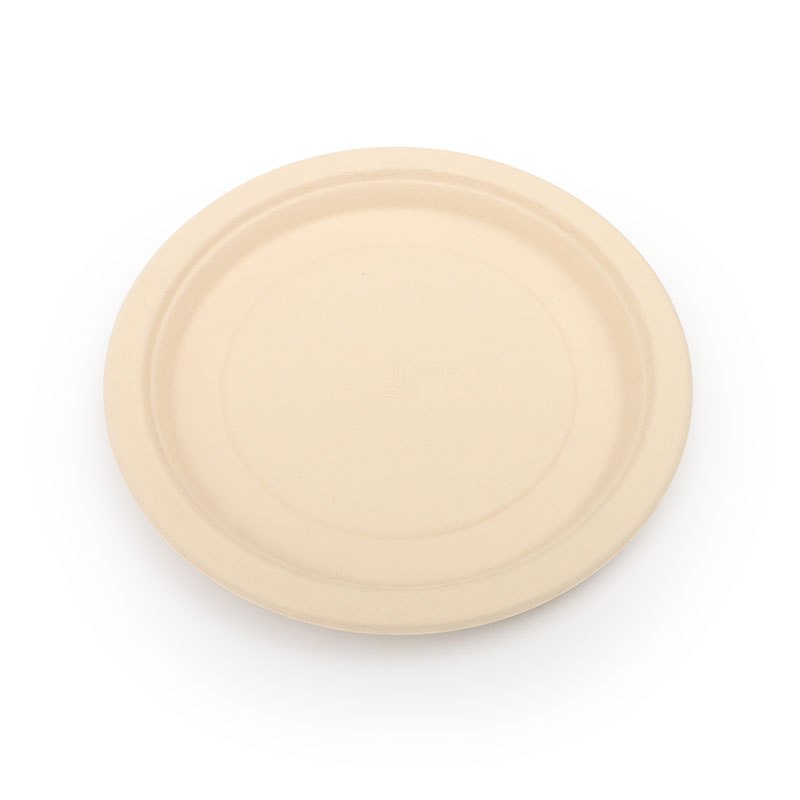 9 inch
 Big Round Plate Series
 12.7 Inch Pizza Plate
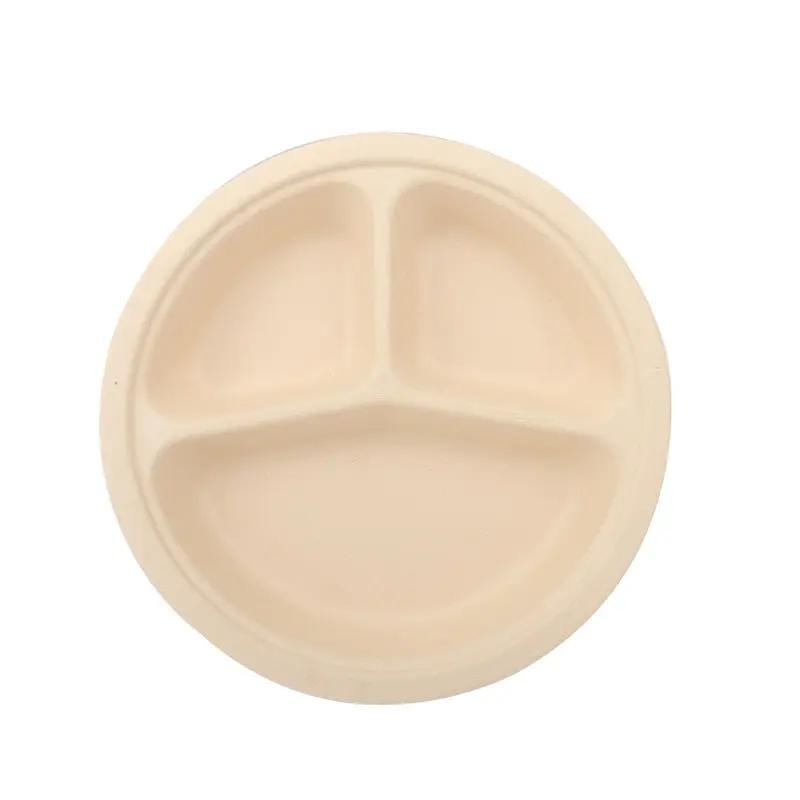 10.25 inch 3 Compartments
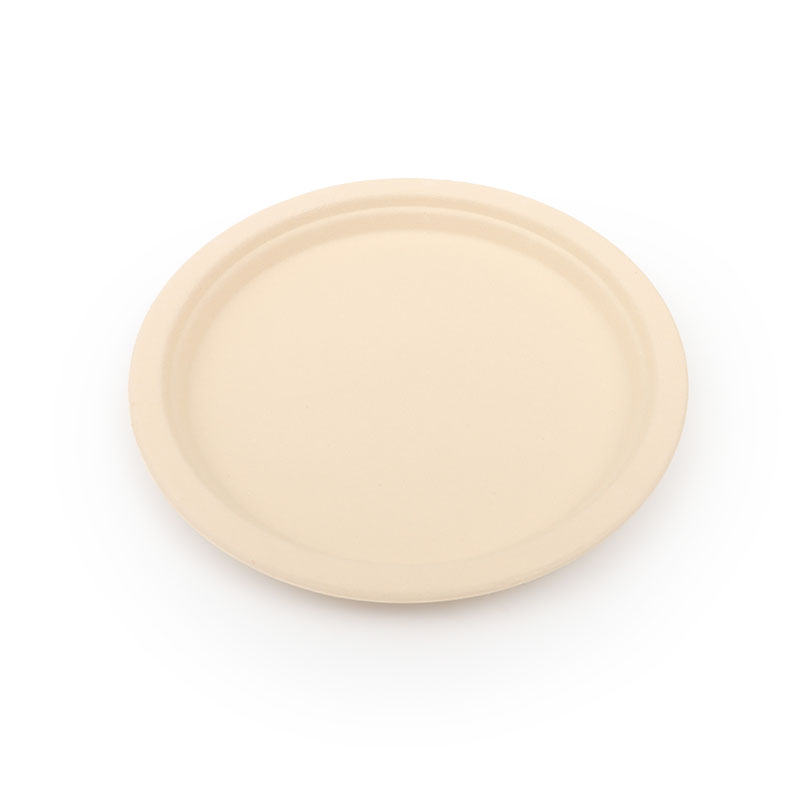 10 inch
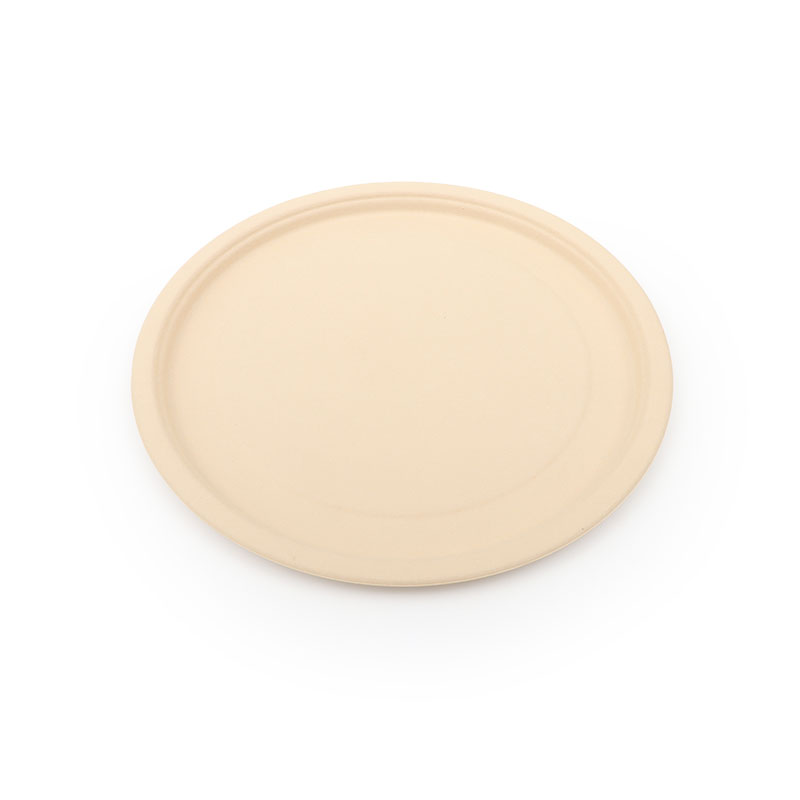 12 inch
 Bigger Bowl
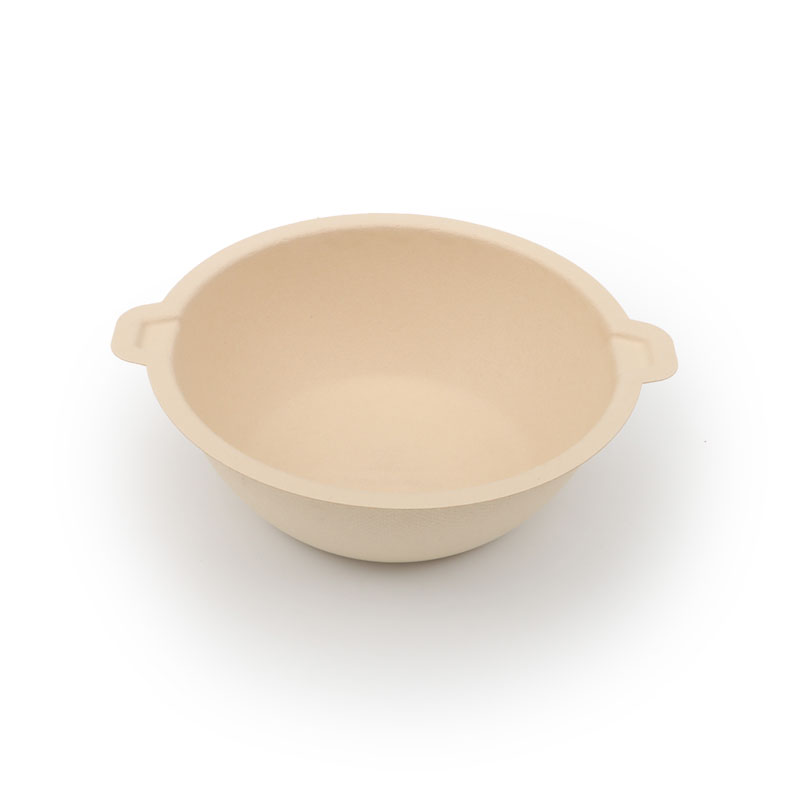 48oz(1420ml)
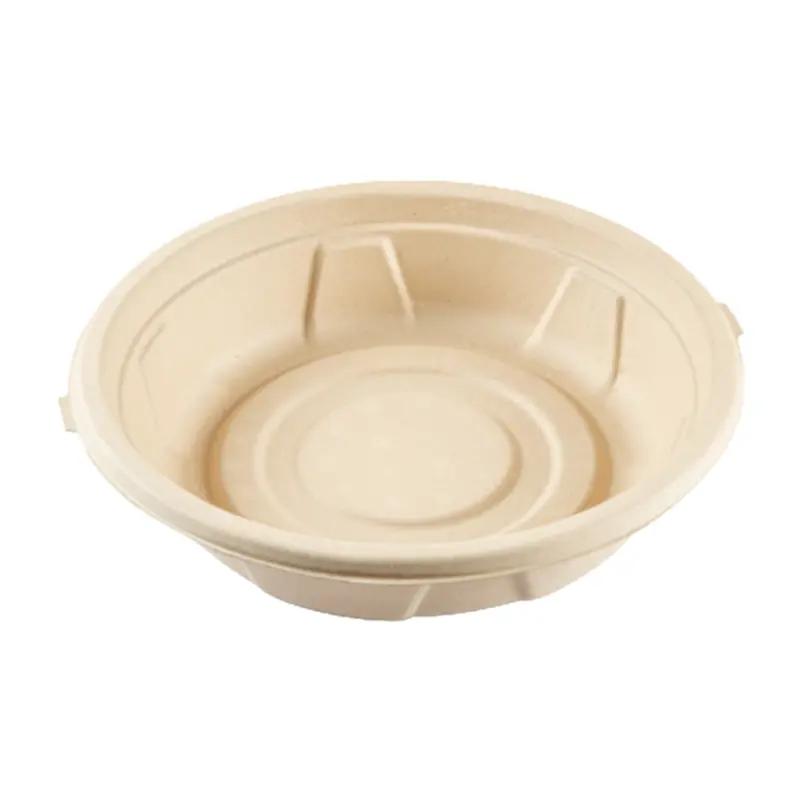 56oz(1650ml)
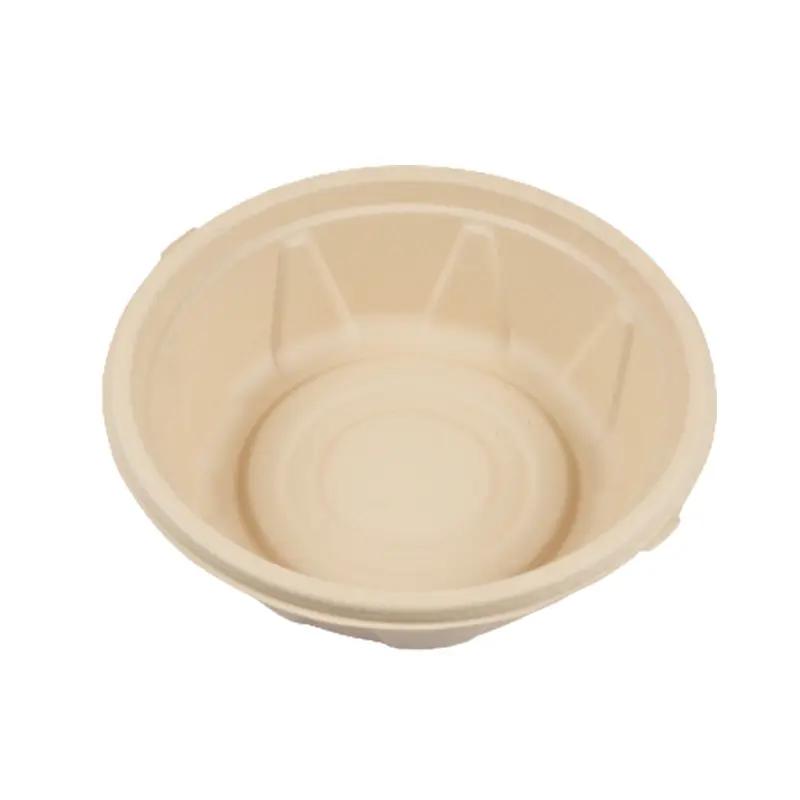 100oz(2950ml)
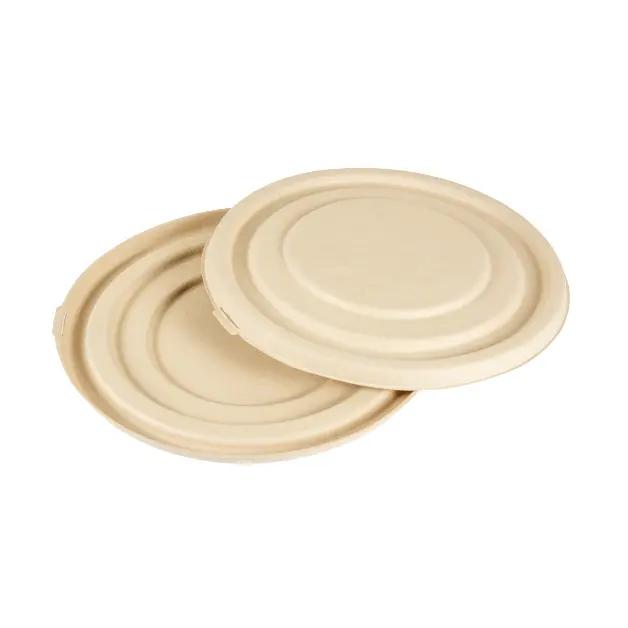 100oz(2950ml) With Lid
 Middle Bowl
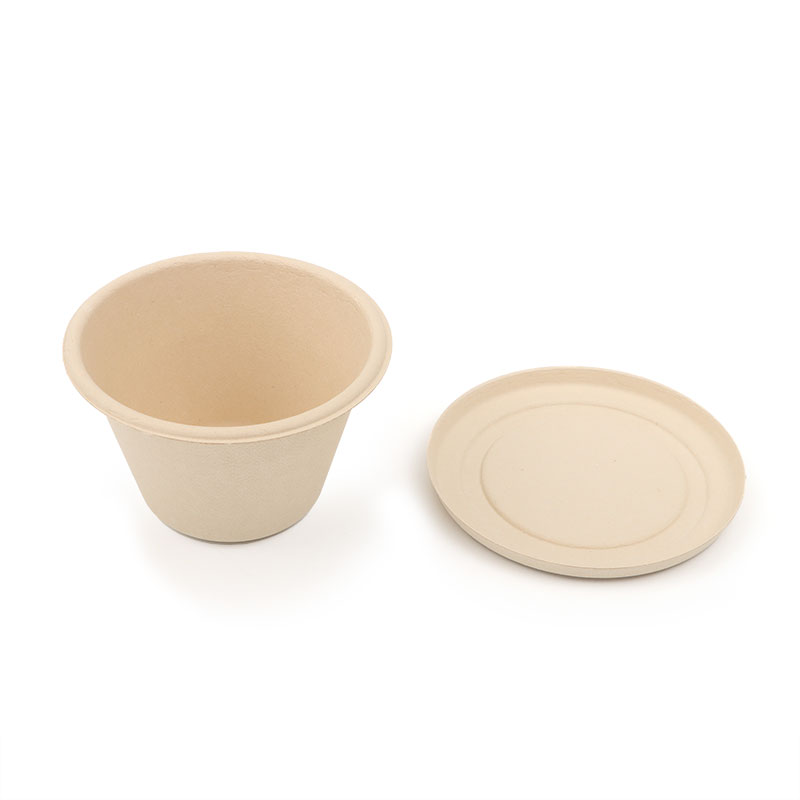 17oz(500ml)
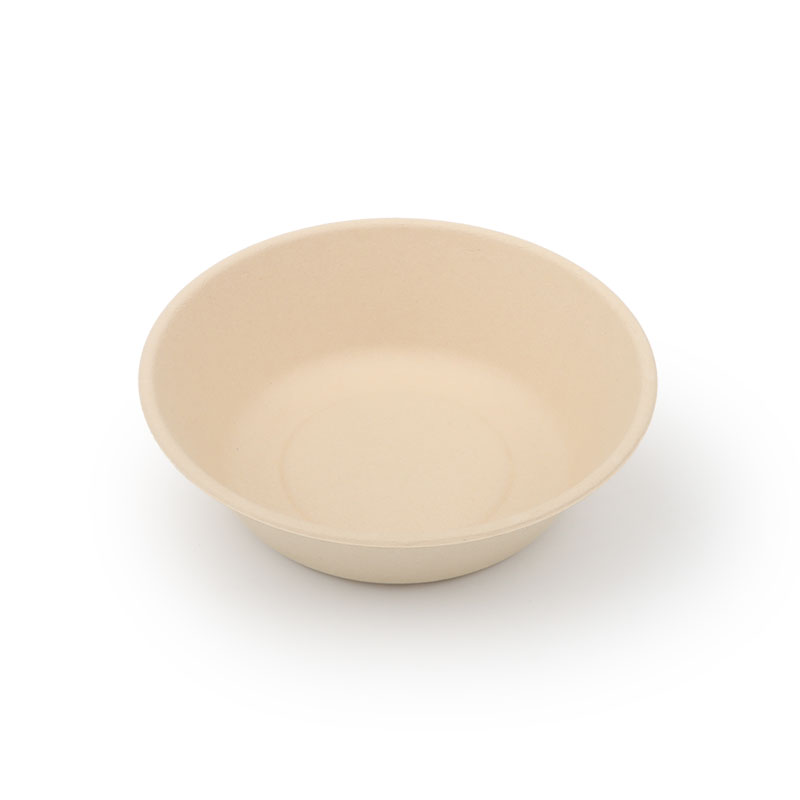 27oz(800ml)
 20oz(600ml)
 29oz(850ml)
 17oz(500ml) With Lid
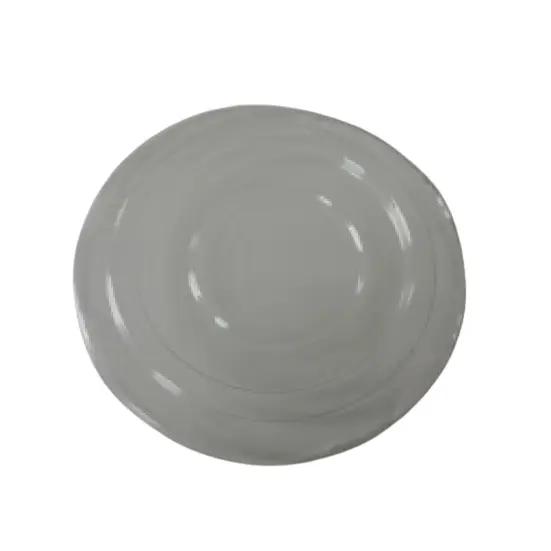 17oz(500ml) PET Lid
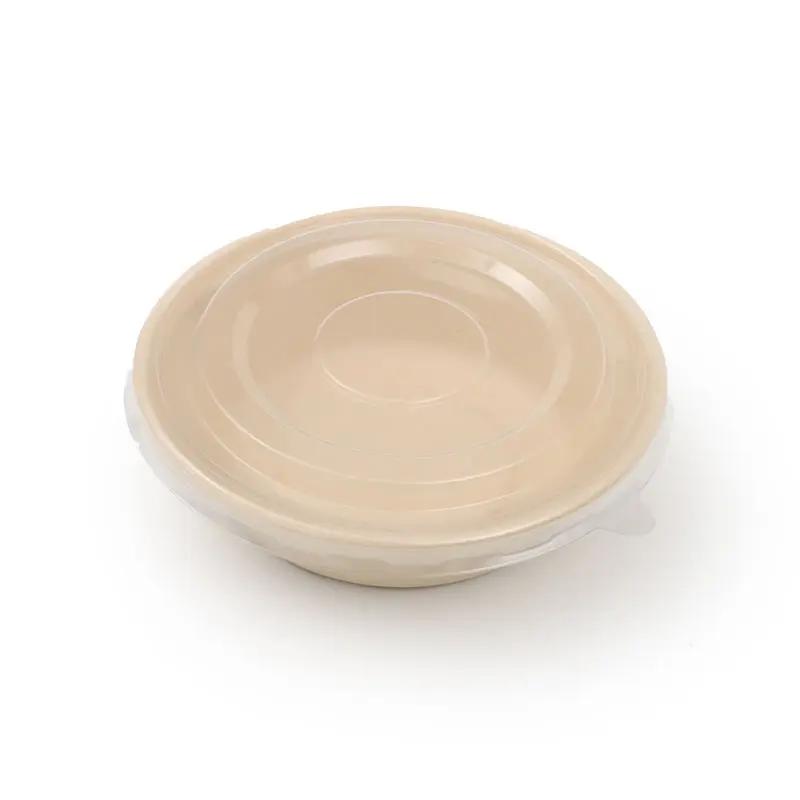 28oz(830ml) PET Lid
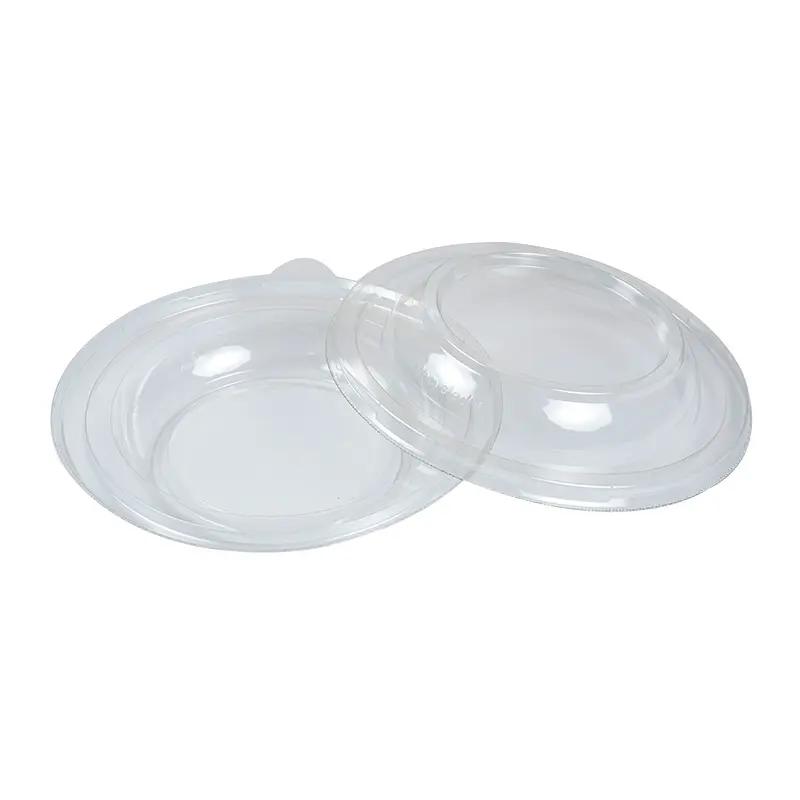 Round Bowl PET
 Small Bowl
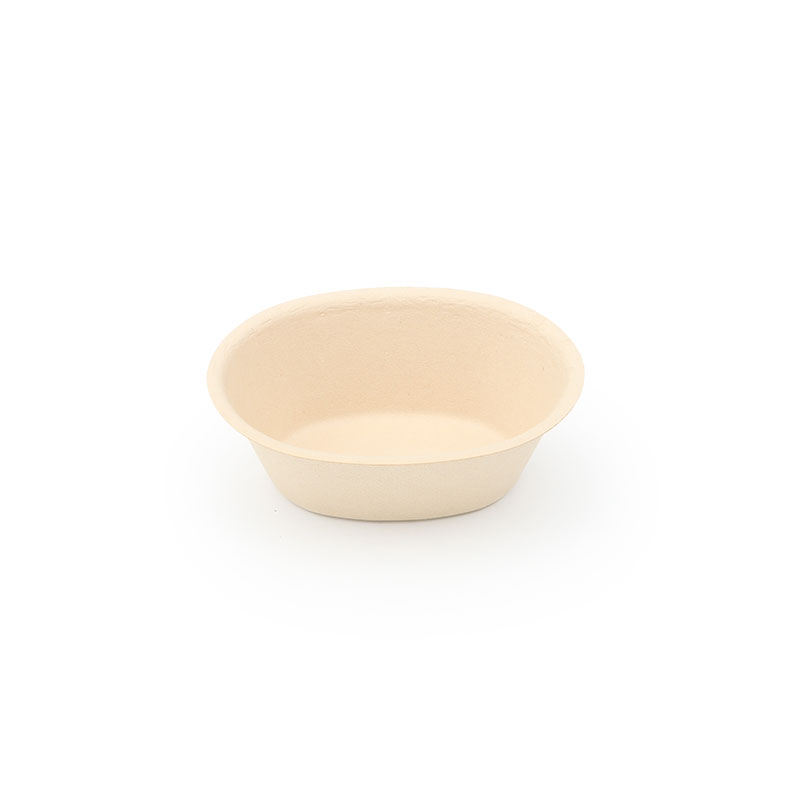 Snack Bowl
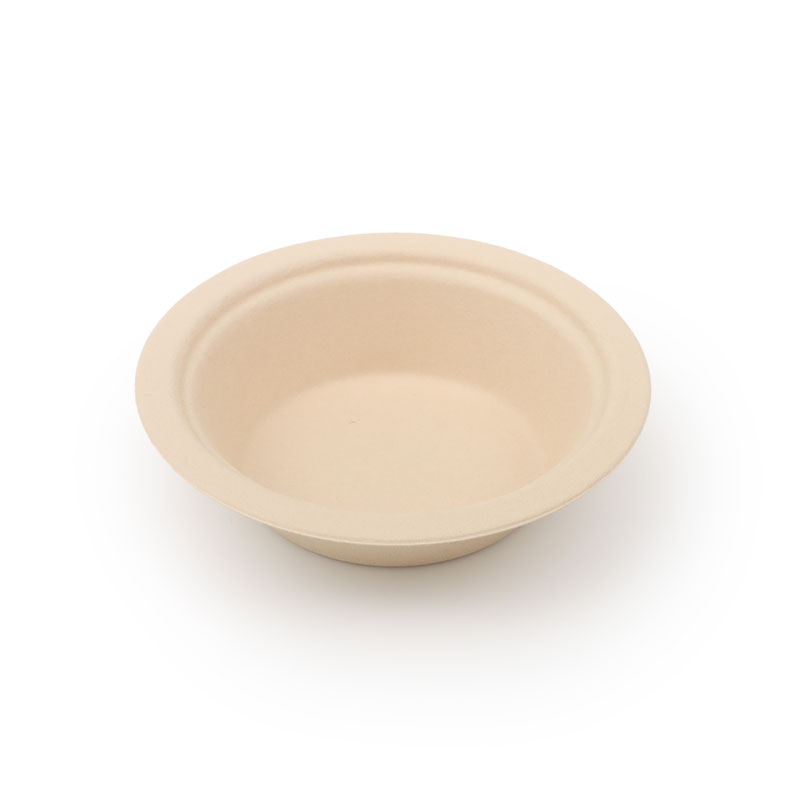 11.5oz(340ml) Bowl
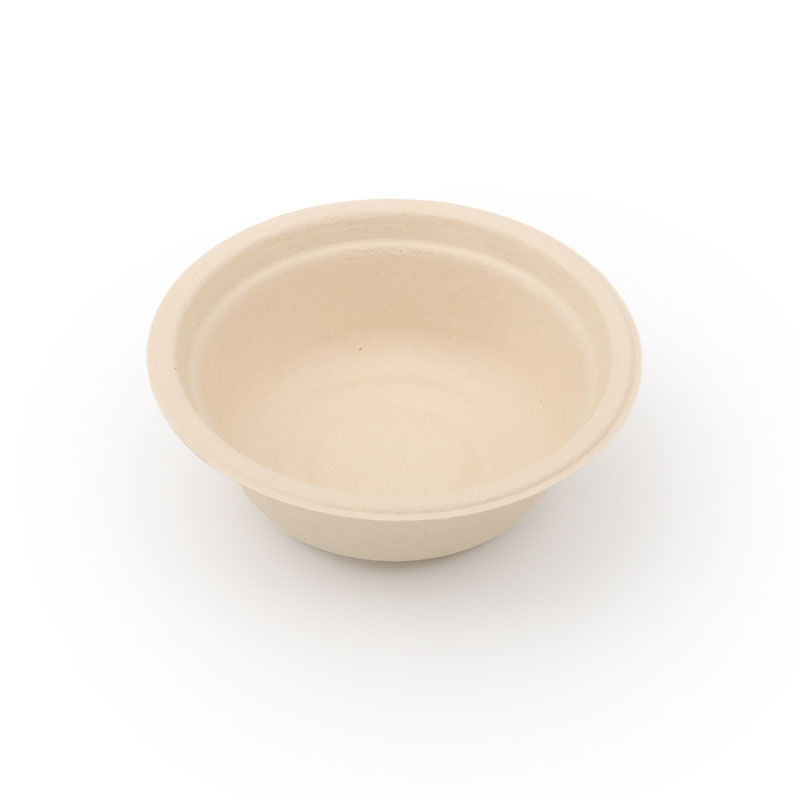 6.7oz(200ml) Bowl
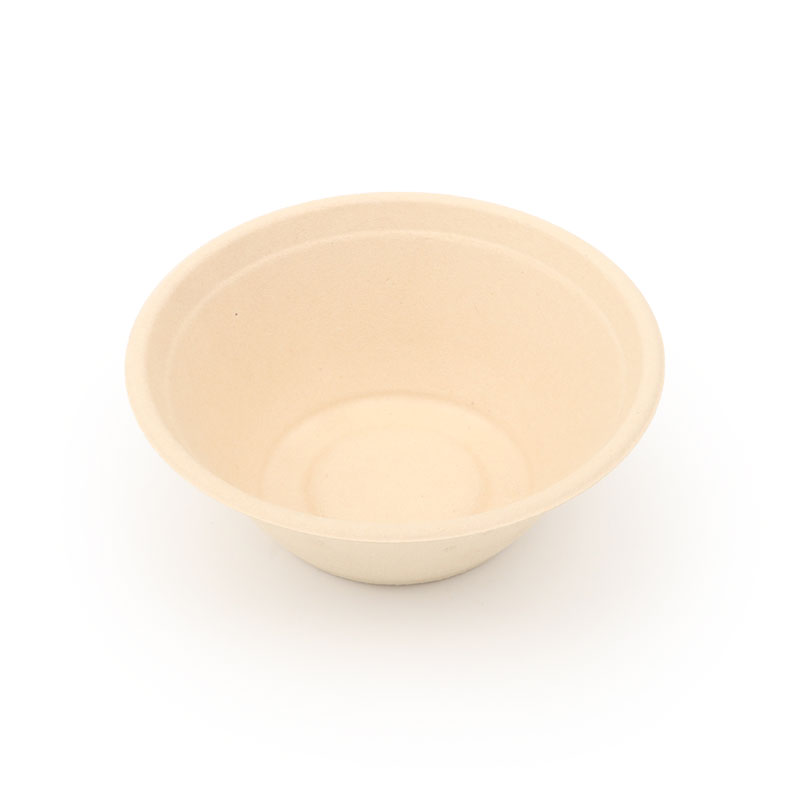 12oz(350ml) Bowl
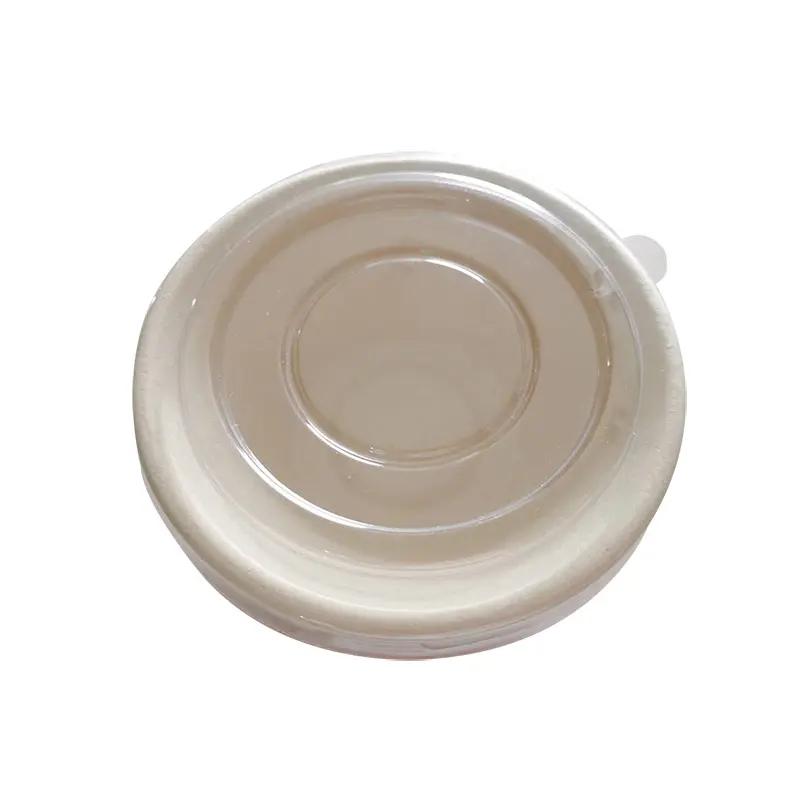 12oz(350ml) Bowl PET
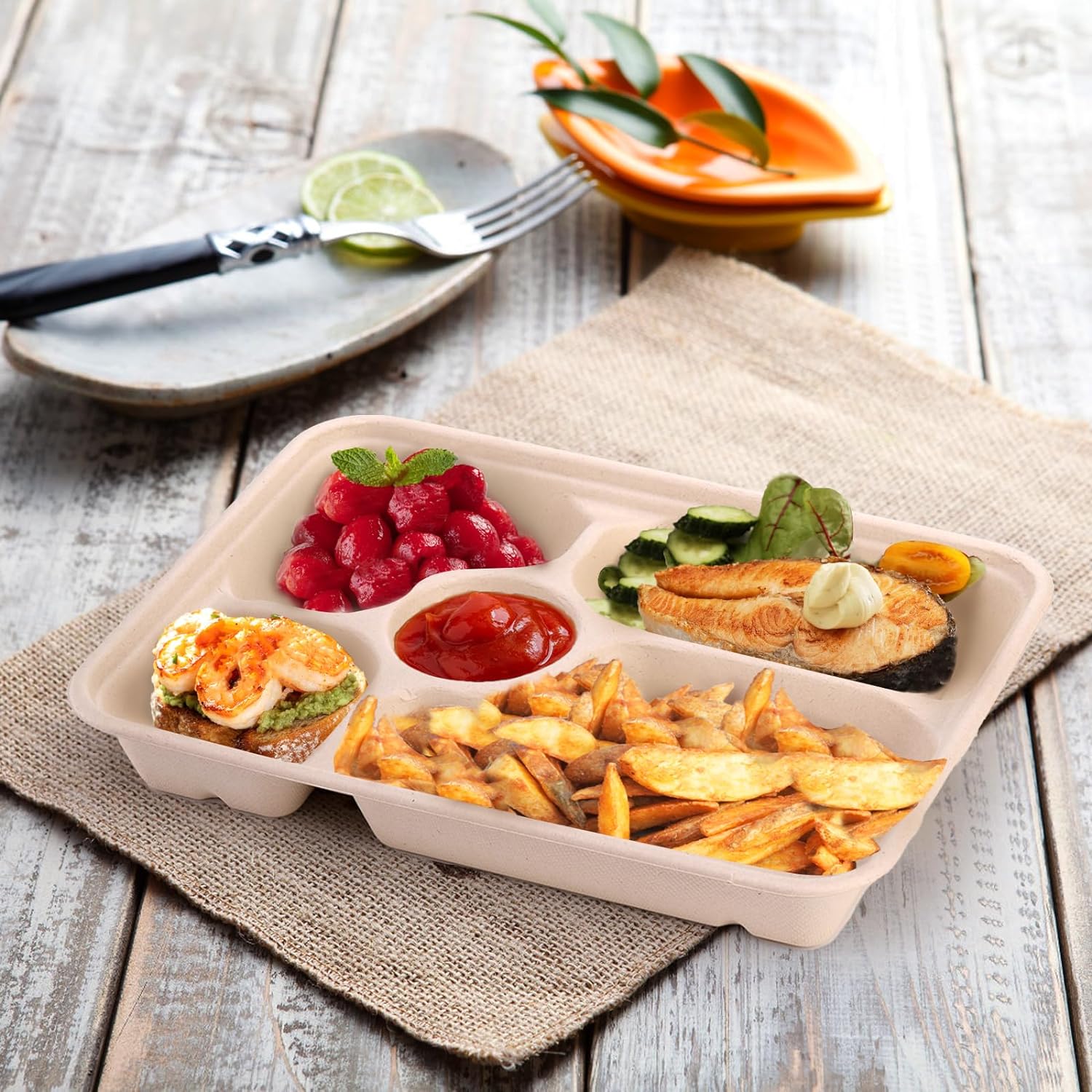 Bagasse Lunch Boxes
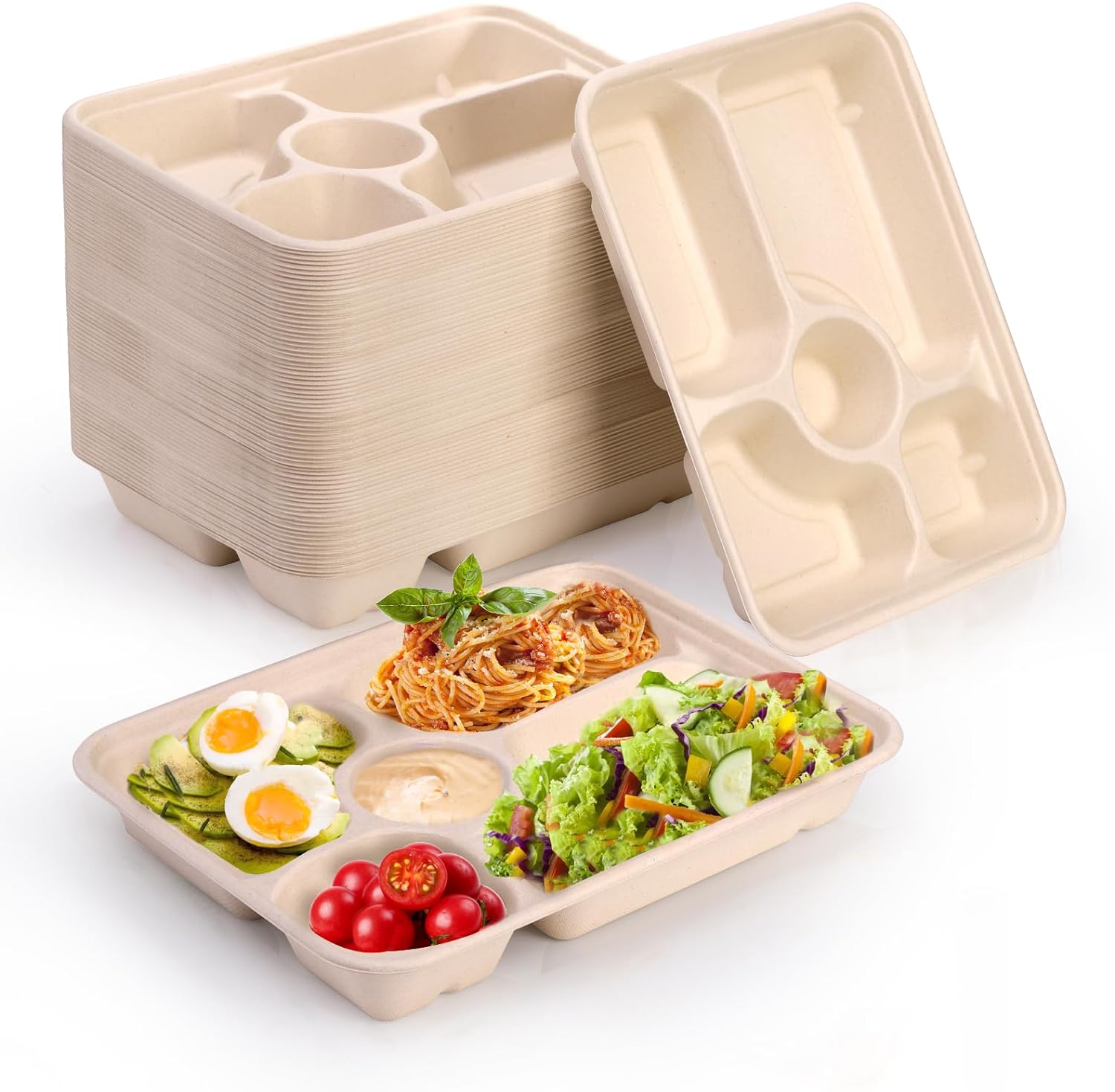 5CP
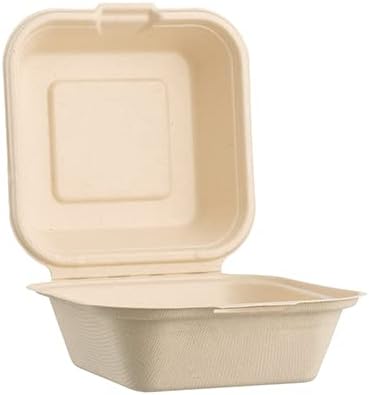 6 inch
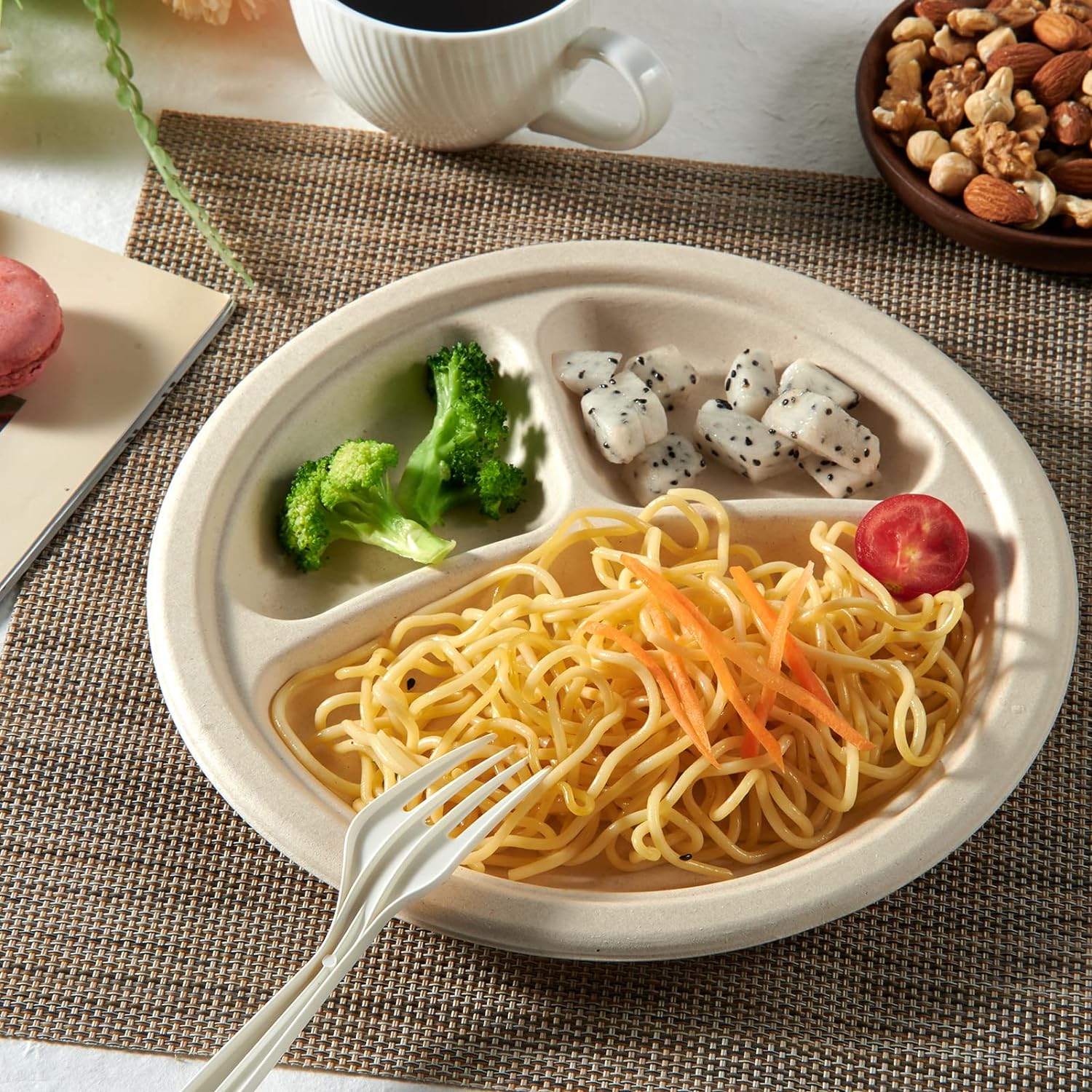 Bagasse Food Plates
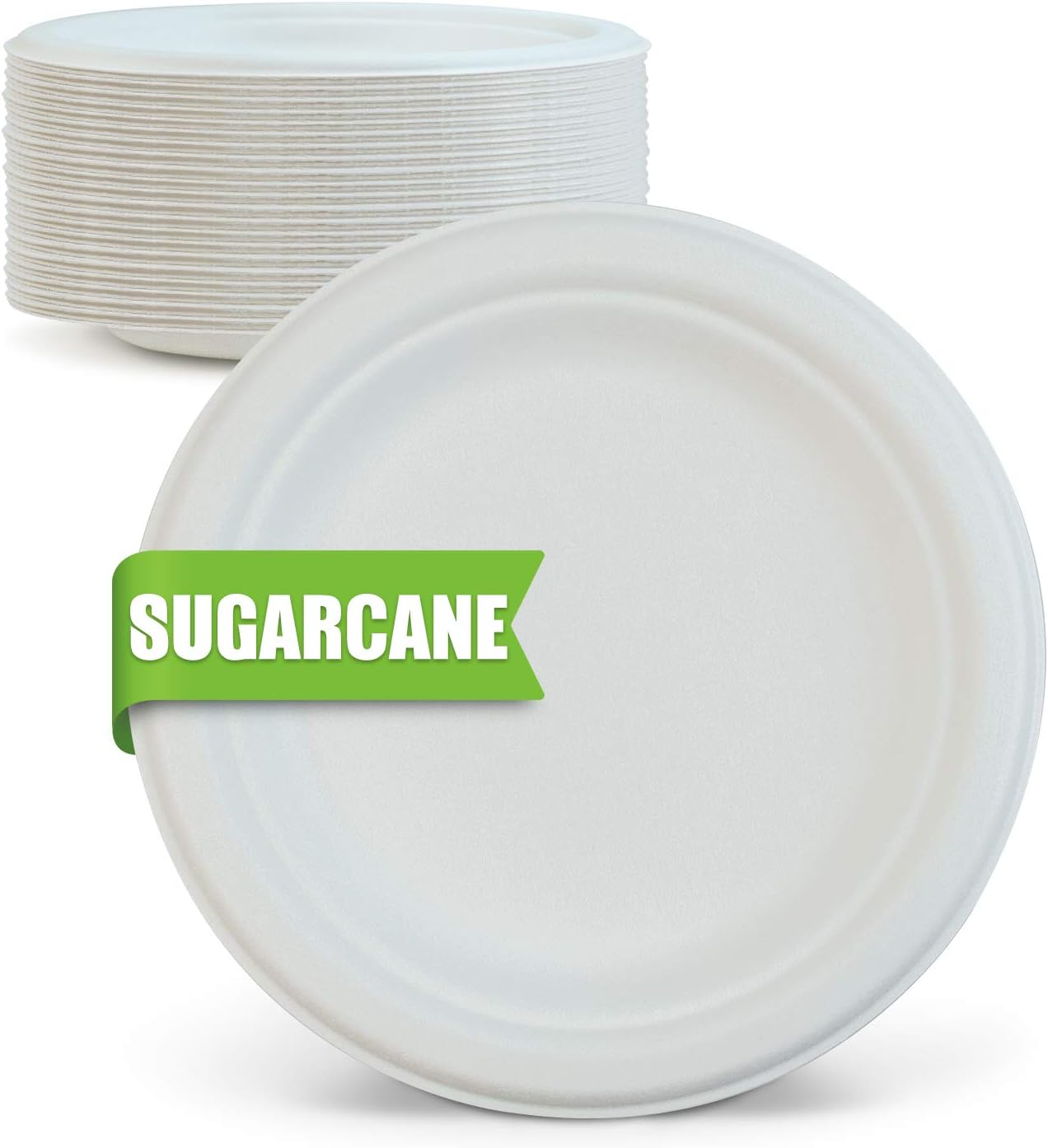 7 inch
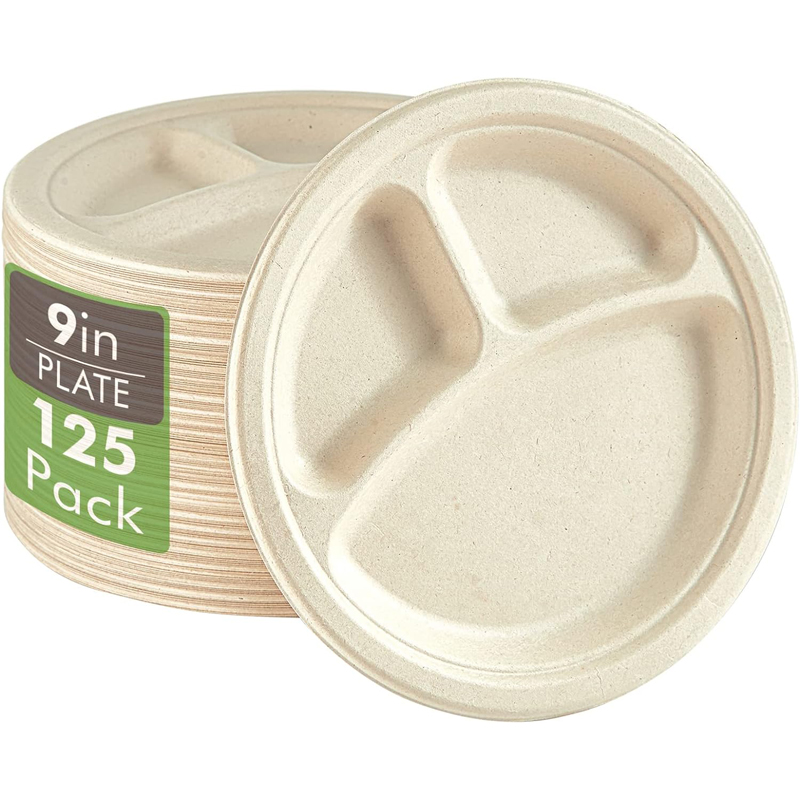 3CP
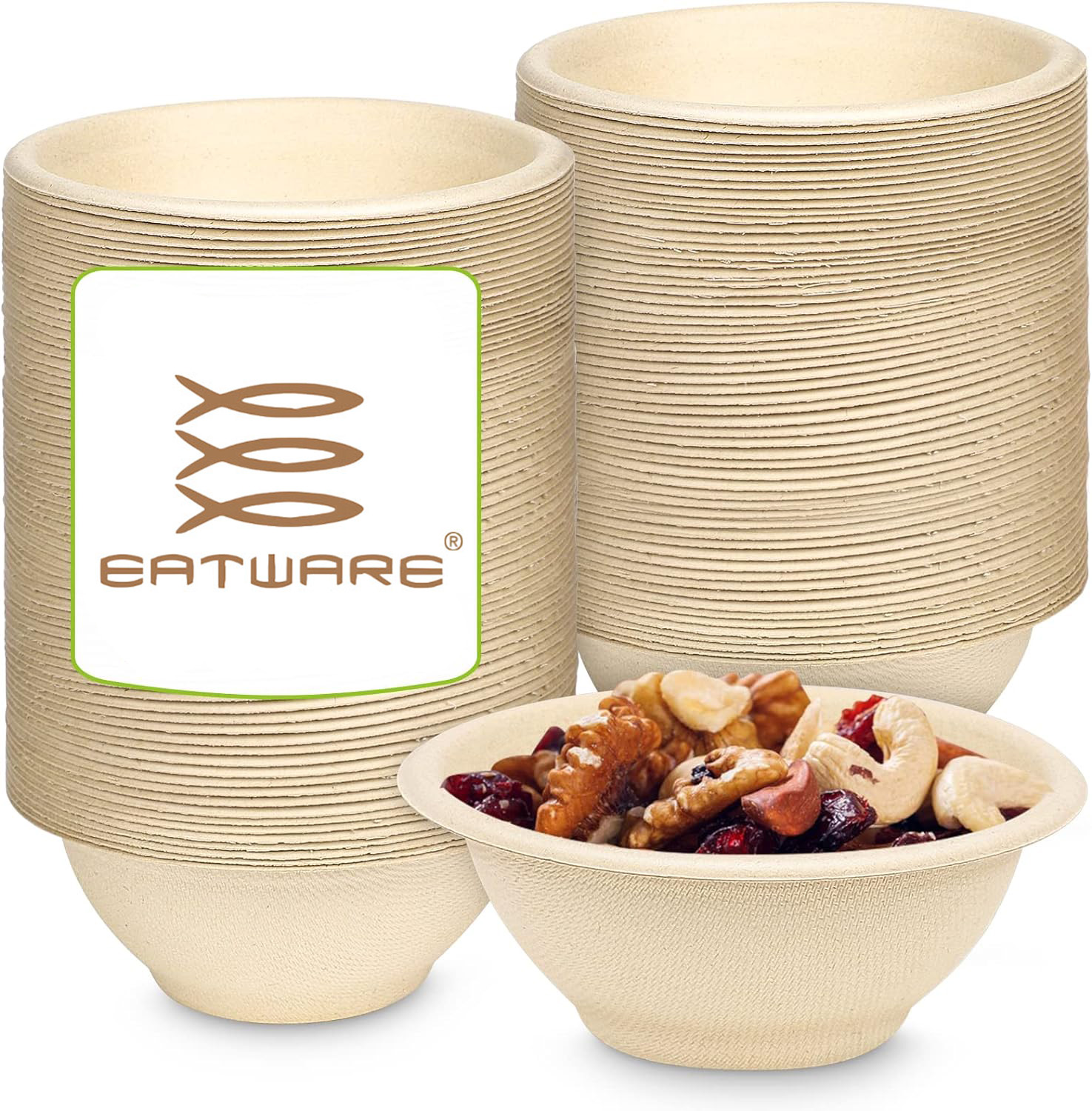 Bagasse Bowls
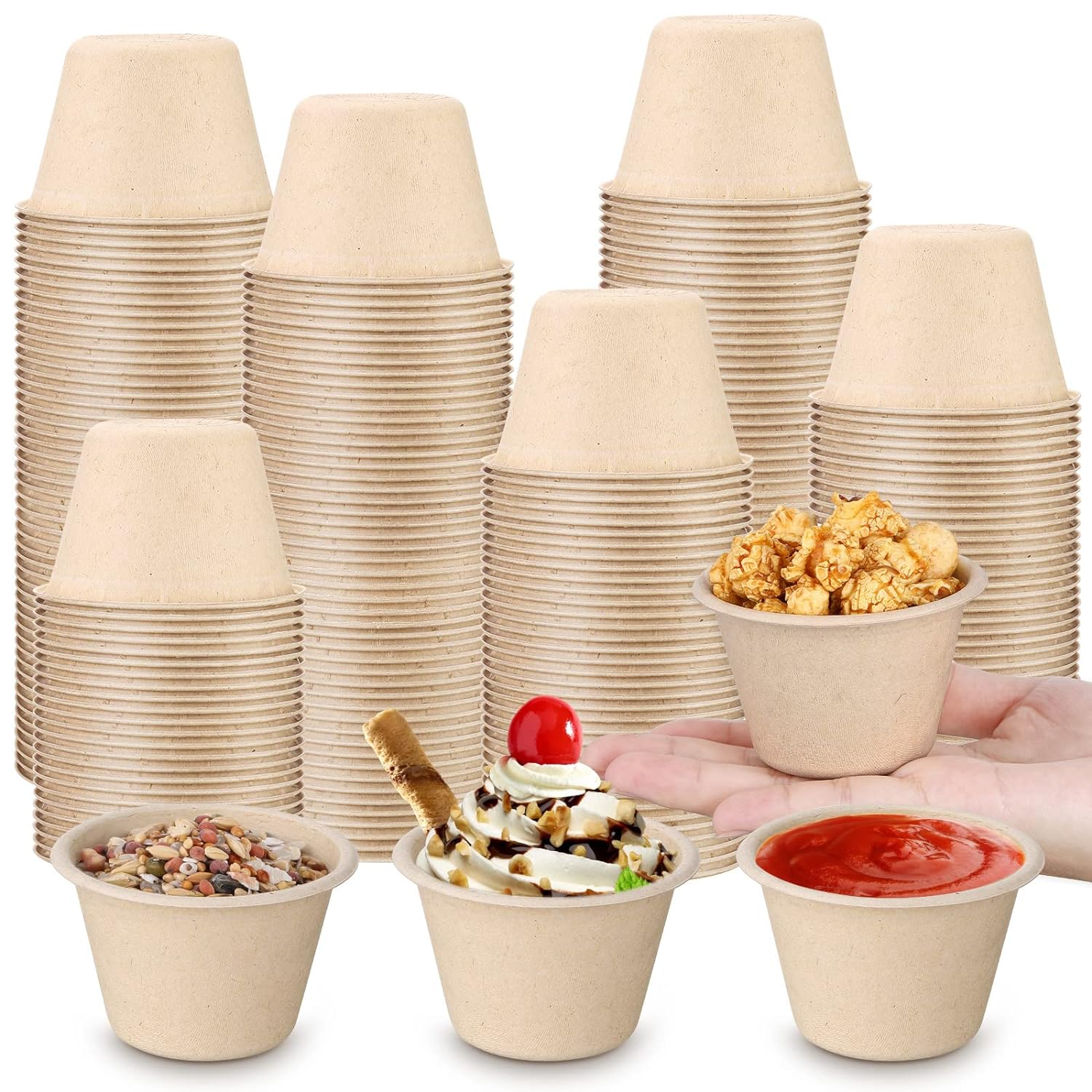 4oz
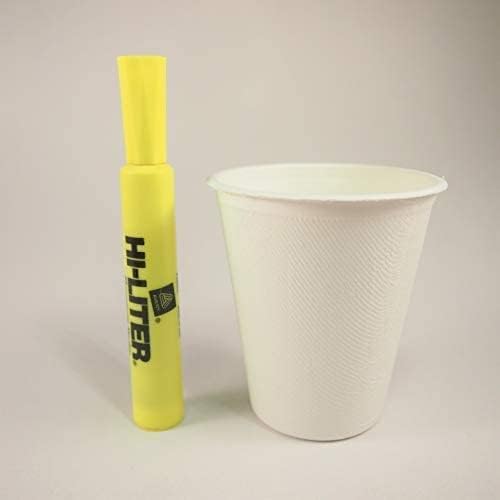 Bagasse Cups And Cutlery
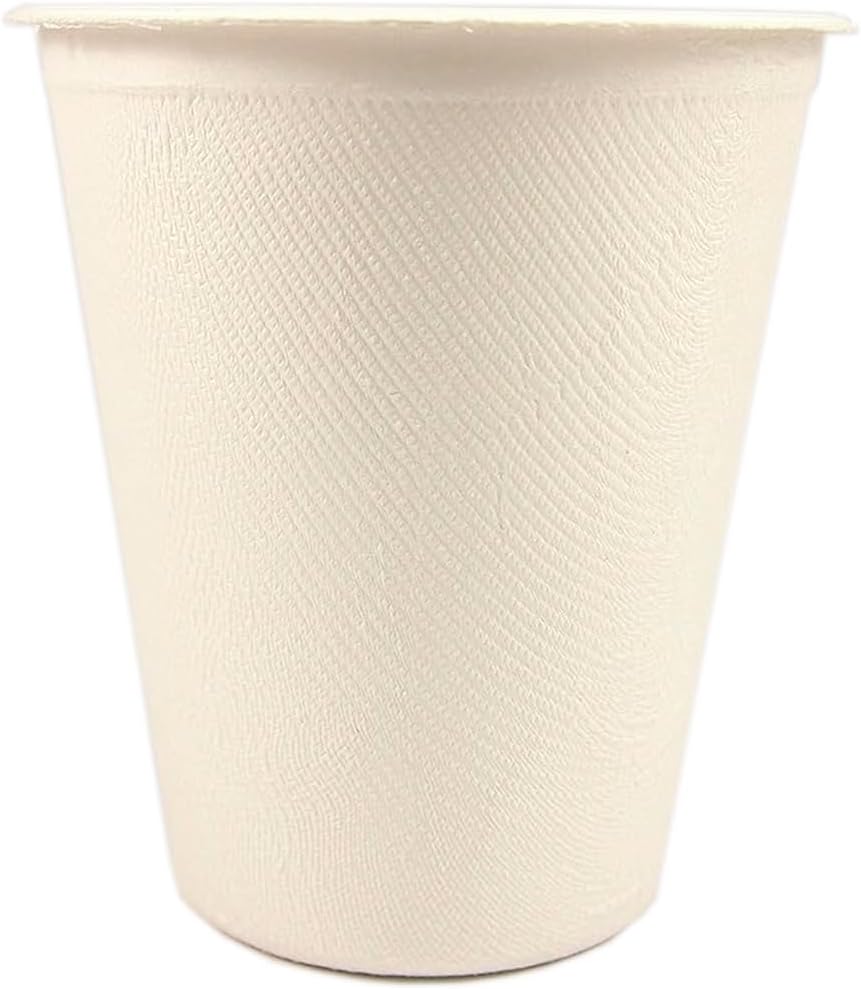 8oz
 12oz
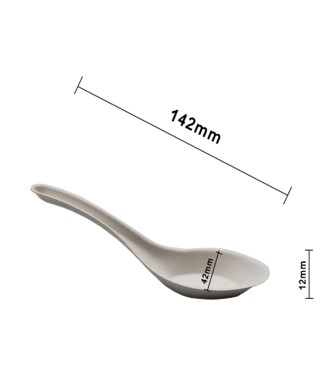 Cutlery
Leave Your Message
Engineered for structural rigidity, thermal stability, and seamless presentation across luxury hotel food stations.


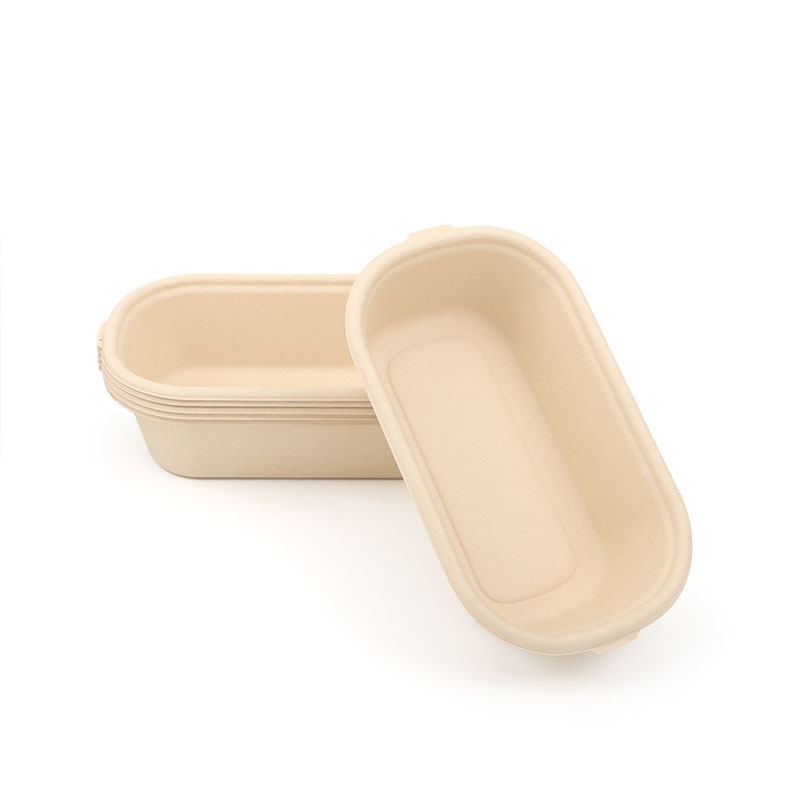
How global hotel chains, luxury resorts, and high-volume catering facilities are restructuring their operations through advanced natural fiber technologies.
The modern hospitality sector is experiencing a monumental transformation. For decades, luxury hotel buffets and convention catering operations relied heavily on a binary choice: either heavy, labor-intensive porcelain dinnerware requiring millions of gallons of water and detergent annually, or cheap single-use plastic and expanded polystyrene (EPS) products that inflicted severe environmental degradation. Today, the commercial convergence of stringent ESG (Environmental, Social, and Governance) mandates, global zero-plastic directives, and high guest eco-consciousness has propelled biodegradable dinnerware for hotel buffets from a niche luxury to an operational imperative.
Engineered structural interlocking molds withstand intense buffet serving environments, offering oil and hot liquid resistance from -20°C up to 120°C without mechanical degradation.
Utilizing rapidly renewable bamboo pulp harvested from sustainable forests. Delivers a silky, organic texture and premium visual aesthetic that matches 5-star hospitality standards.
Certified commercial compostability under ASTM D6400 and EN 13432, enabling large hotel banquets to divert metric tons of food-contaminated dinnerware directly into organic waste cycles.
Hotel buffets operate under extreme operational pressures. Unlike a traditional à la carte restaurant, a high-volume hotel breakfast or event buffet accommodates hundreds or thousands of diners in compressed time windows. Tableware must endure aggressive food service conditions: piping hot savory gravies, boiling soups, acidic dressings, and dynamic physical carrying loads. Low-grade paper plates or traditional bio-plastics frequently soften, buckle, or transmit uncomfortable surface heat to guests' hands.
Molded bamboo fiber engineering solves these fundamental thermodynamic and structural challenges. Bamboo fiber exhibits naturally dense, long-chain plant cellulose fibers compared to generic wood or sugarcane bagasse. During high-tonnage precision thermoforming, these fibers interlock into a crystalline-like micro-matrix. This gives the resulting tableware exceptional tensile strength, zero chemical odor migration, and natural hydrophobic/oleophobic resistance without requiring hazardous fluorochemicals (PFAS).
Modern full-service hospitality properties utilize biodegradable molded dinnerware across multiple operational zones:
Empowering global hotel brands and packaging distributors with high-throughput automated manufacturing.
In the field of environmentally friendly packaging for 18 years,Has established cooperation with 500+ brands.
Through our research and development, there are more than 60 products can product, we also support OEM ODM customized services.
Exported to the United States, Europe, Australia, Canada and other countries, right now we have exported more than 30 countries.
10000+ square meters factory area, more than 30 patent certificates, 10 foreign authoritative certification, 55 automatic forming machines...
EATware is committed to sustainable development, using all natural plant fibers to produce safe, healthy and environmentally friendly tableware. Adhering to the concept of "take nature, serve humanity, return to nature", we focus on the development of safe, high quality and environmental standards.
EATware emphasizes environmental protection and sustainable development, explores the balance between enterprise survival and environmental protection, and uses all-natural and pollution-free bamboo fiber as the main material of tableware to ensure that its products meet the high technical level and are superior to developed countries.
Kangxin (HaiMen) Environmental Technology Co., Ltd. is a technology innovation oriented enterprise that focuses on disposable environmentally friendly tableware and food packaging.
We have advanced production processes and equipment, and continue to attract senior talents, focusing on environmental protection,emphasizing safety, and ensuring quality.
Strictly compliant with international food hygiene, consumer safety, and compostability benchmarks.
Technical whitepapers, quality standards, and market intelligence for food service decision makers.
The most reliable way to test disposable food containers is to combine leakage testing with structural testing under conditions that reproduce the intended food application. A container should not be approved simply because it holds water for several minutes or survives an empty compression tes...
For foodservice operators, replacing conventional plastic packaging is not simply a matter of changing materials. Disposable biodegradable tableware must still withstand hot food, sauces, oils, condensation, stacking, transport, and commercial handling without losing structural integrity. Poorl...
With growing global demand for takeaway meals and eco-friendly packaging, China’s manufacturing sector has become a major hub for disposable food containers. Today’s food businesses - from fast-food chains and meal-delivery services to supermarkets and catering companies - are looki...
Collaborating with tier-one airlines, hospitality groups, retail giants, and dining chains worldwide.
Explore our complete catalog of certified bamboo molded pulp dinnerware, compartment trays, and MAP storage solutions.


