Leave Your Message
0%

As more folks become concerned about the environment, there's definitely a growing buzz around sustainable products. One thing that's been catching people's attention lately is the Biodegradable Disposable Bowl. Honestly, lots of consumers are on the lookout for greener options that help cut down plastic waste and make a real difference for our planet. Companies are jumping in too, experimenting with materials like cornstarch and sugarcane to create bowls that are better for the Earth.

And it's not just about being eco-friendly—these bowls are becoming pretty attractive in terms of design and function. They're lightweight and sturdy enough to handle different kinds of events or meals. Still, there are some hiccups—like moisture resistance—that some products haven't quite nailed yet. This kind of puts a bit of pressure on manufacturers to improve quality without compromising on sustainability.

The market for biodegradable disposable bowls is definitely changing and expanding. Businesses need to keep up with these new trends to meet what consumers are really looking for. It’s pretty important to understand where the materials come from and how these products are made. As more people push for eco-friendly options, companies might need to rethink their practices to stay competitive. All in all, this ongoing shift is shaping what Disposable Tableware will look like in the future.

2026 Top Biodegradable Disposable Bowl Trends for Global Buyers?

2026 Overview of Biodegradable Disposable Bowls Market Trends

2026 Top Biodegradable Disposable Bowl Trends for Global Buyers?

The biodegradable disposable bowls market is on the rise as sustainability becomes essential. A recent report predicts that the global market for biodegradable Bowls will reach approximately $3.5 billion by 2026. Key drivers include increased environmental awareness and stricter regulations on single-use plastics. As consumers become more conscious about their choices, the demand for eco-friendly products continues to grow.

In 2025, it is estimated that biodegradable bowls could account for over 25% of the total disposable bowl market. This shift reflects the changing values of consumers, particularly millennials and Gen Z. They prioritize sustainable solutions and seek alternatives that minimize plastic pollution. One area to watch is the use of plant-based materials, such as corn starch and bamboo, which are gaining traction within this sector.

However, challenges remain. The cost of biodegradable materials can be higher than traditional plastics. This could deter some manufacturers from making the switch. Education about proper disposal methods is also crucial. Many consumers still lack understanding of composting and recycling of biodegradable items. Thus, continued efforts in consumer education and innovation in production are key for the market's future.

Key Materials Used in Biodegradable Disposable Bowls for 2026

The shift towards biodegradable disposable bowls is gaining momentum in 2026. A variety of materials are being used to create eco-friendly options. Three key materials stand out: cornstarch, bamboo, and sugarcane.

Cornstarch is a renewable resource. It breaks down faster than traditional plastic. In many cases, it utilizes agricultural byproducts, which minimizes waste. However, sourcing cornstarch can strain food supplies. This poses a challenge that requires careful consideration.

Bamboo offers a sturdy alternative. It's lightweight and grows quickly, making it sustainable. The natural texture and strength of bamboo bowls attract many consumers. Still, mass production could lead to habitat destruction. Sustainable harvesting is crucial.

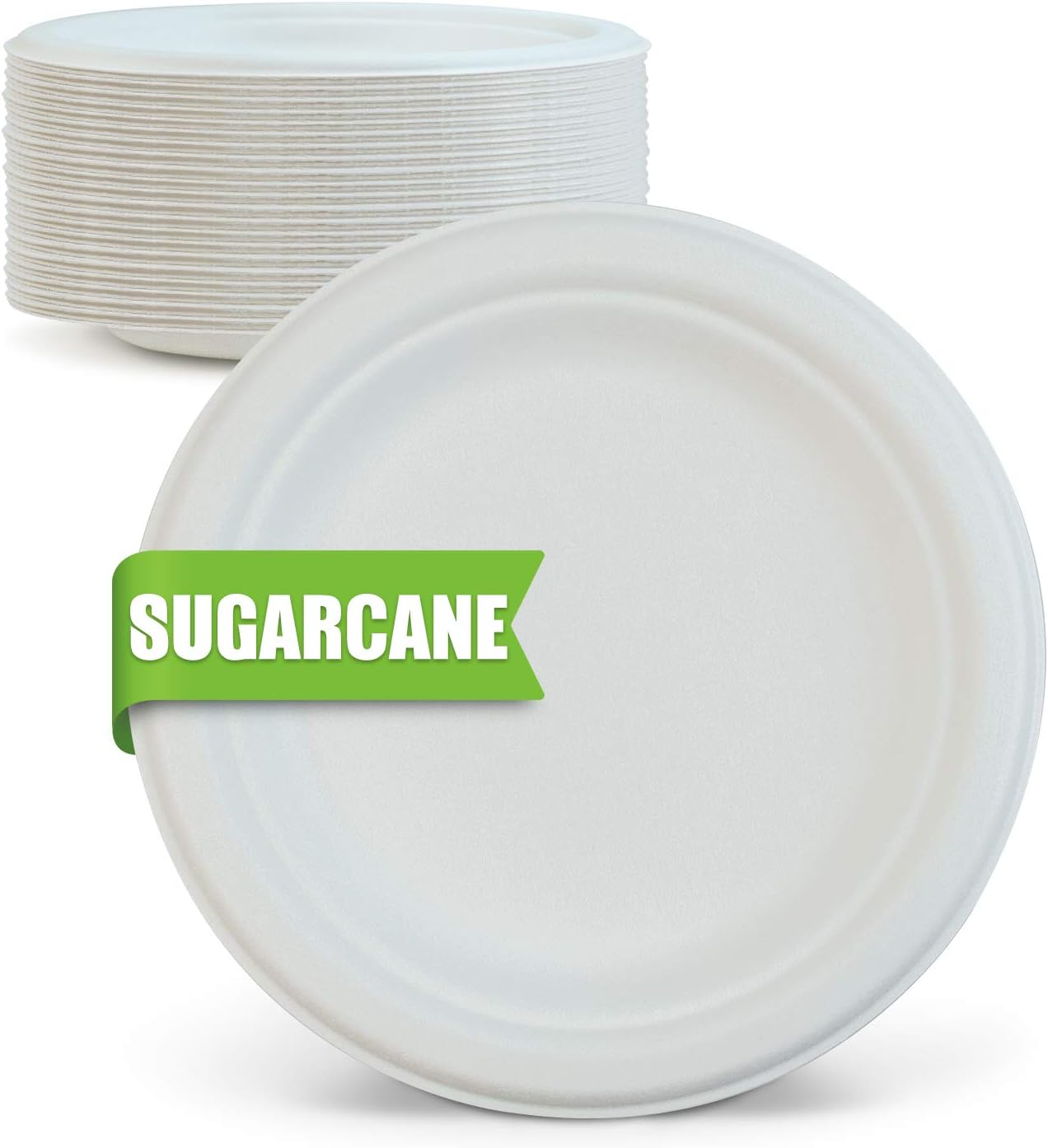
Sugarcane, specifically bagasse, is another innovative option. It uses leftover fiber from sugar production. This minimizes waste and supports the circular economy. Nevertheless, scaling production sustainably remains complex. These materials highlight the progress and challenges in the industry.

Consumer Preferences: Eco-Friendly Features in Disposable Bowls

2026 Top Biodegradable Disposable Bowl Trends for Global Buyers?

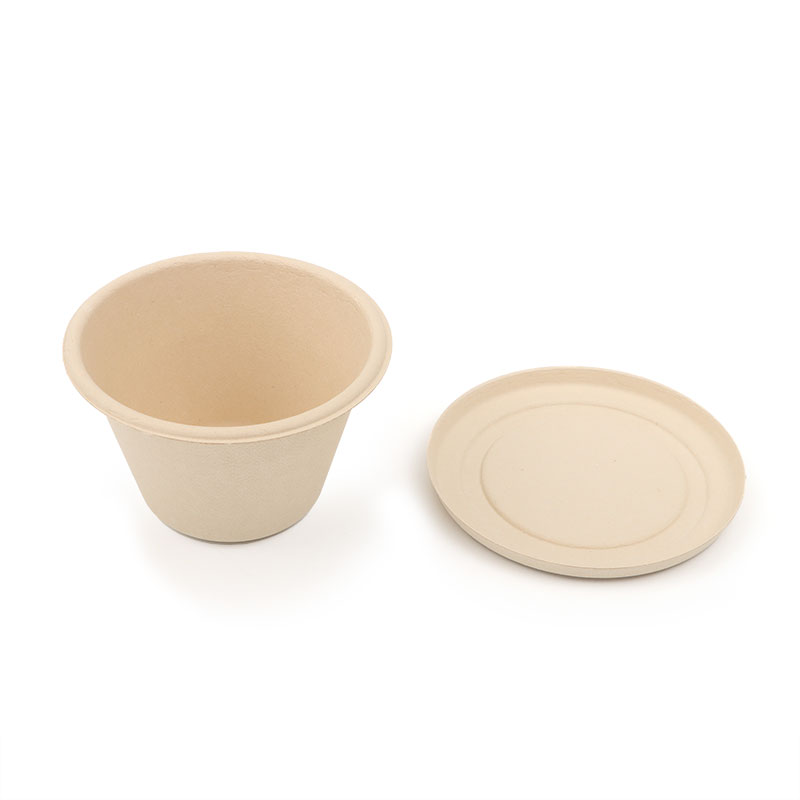
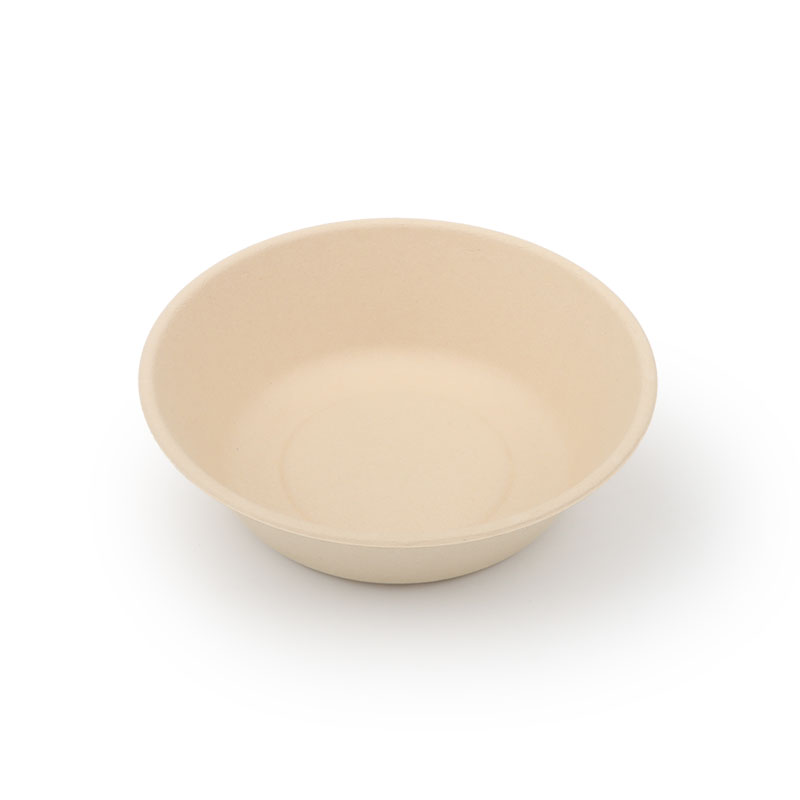
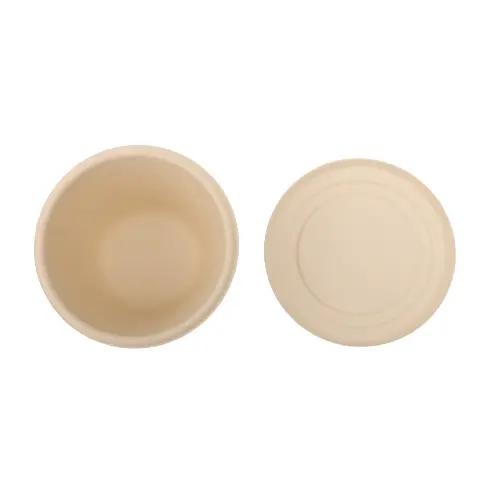
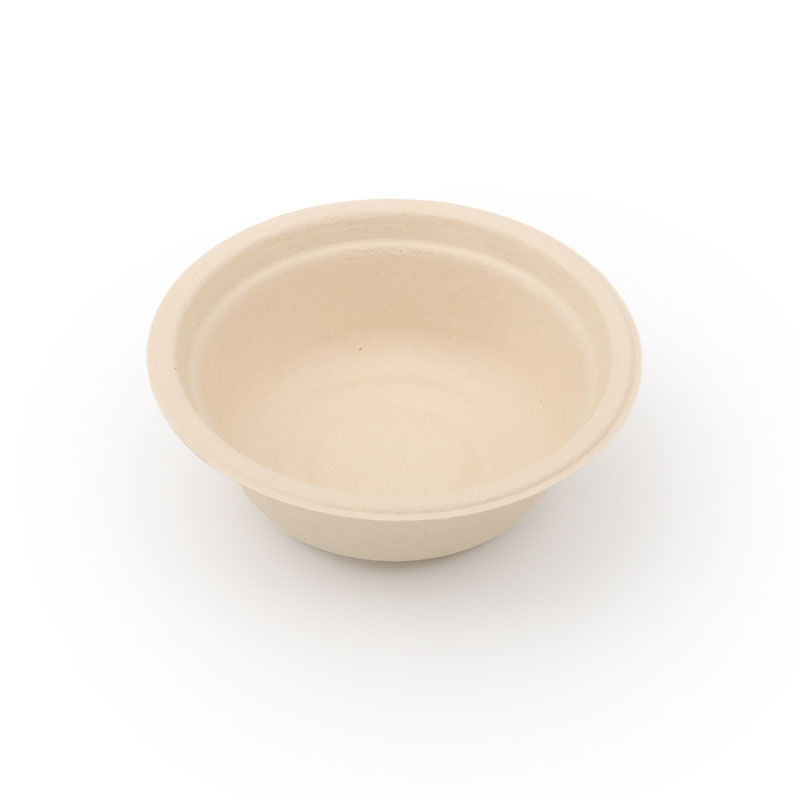
The rise in environmental awareness significantly influences consumers' choices in disposable tableware. Biodegradable products, particularly the Biodegradable Disposable Round Bowl, capture interest due to their eco-friendly properties. Shoppers are increasingly seeking alternatives that reduce plastic waste. They prefer bowls made from natural materials, such as plant fibers and cornstarch. These options decompose naturally, minimizing their impact on landfills.

Innovative designs are essential. A trendy disposable bowl must not only serve its purpose but also offer an appealing aesthetic. Many buyers appreciate vibrant colors and unique shapes. Yet, challenges exist. Some biodegradable bowls may not withstand hot foods effectively. Consumers find themselves wondering if they should sacrifice function for sustainability. Careful testing and selection can help mitigate this concern.

Ultimately, the market must adapt to consumer needs. Features like compostability and sustainable sourcing impact buying decisions. As the world shifts toward greener practices, understanding these preferences becomes key. Distributors should prioritize high-quality, reliable products that embody these values. The future of disposable bowls lies in balancing sustainability with practicality.

Innovative Designs: A Look at 2026's Biodegradable Bowl Styles

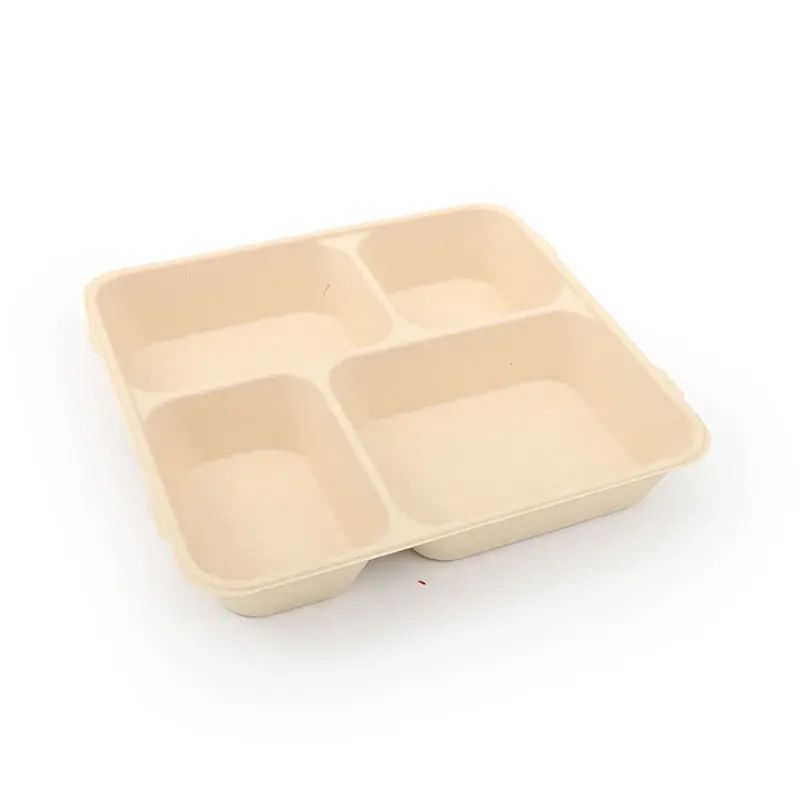
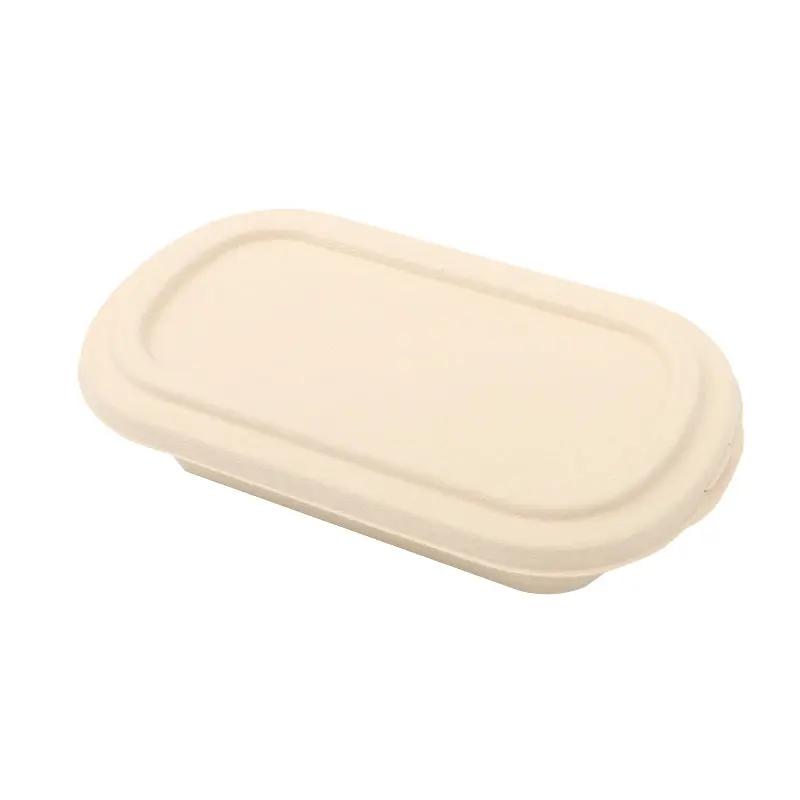
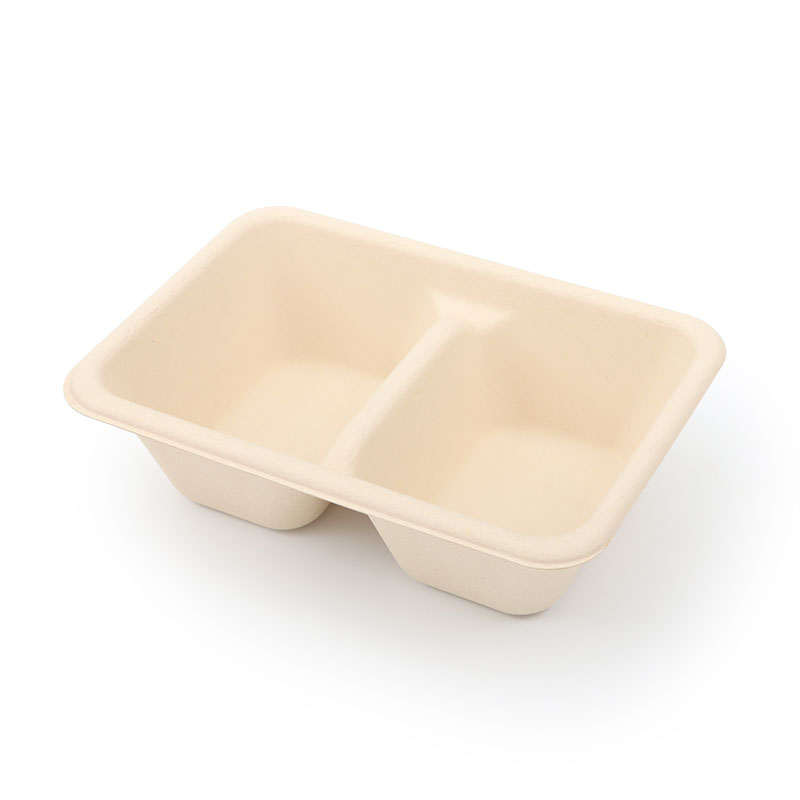
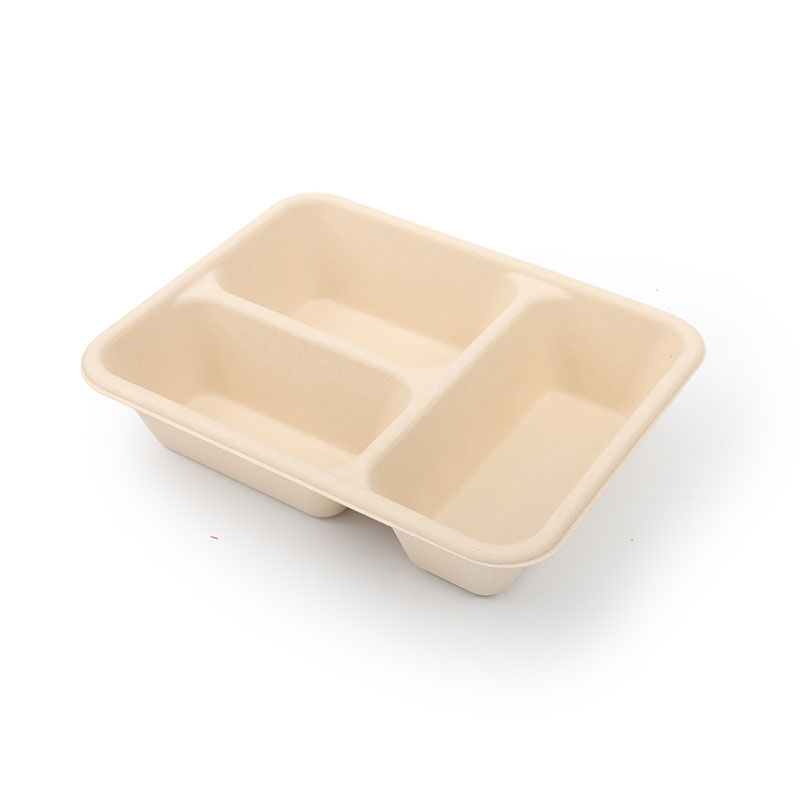
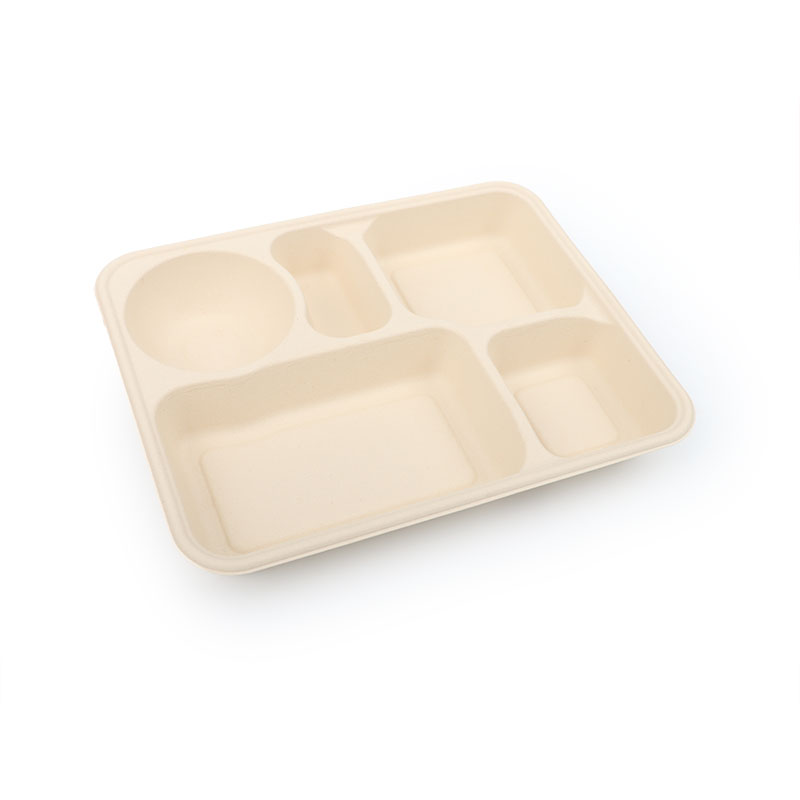
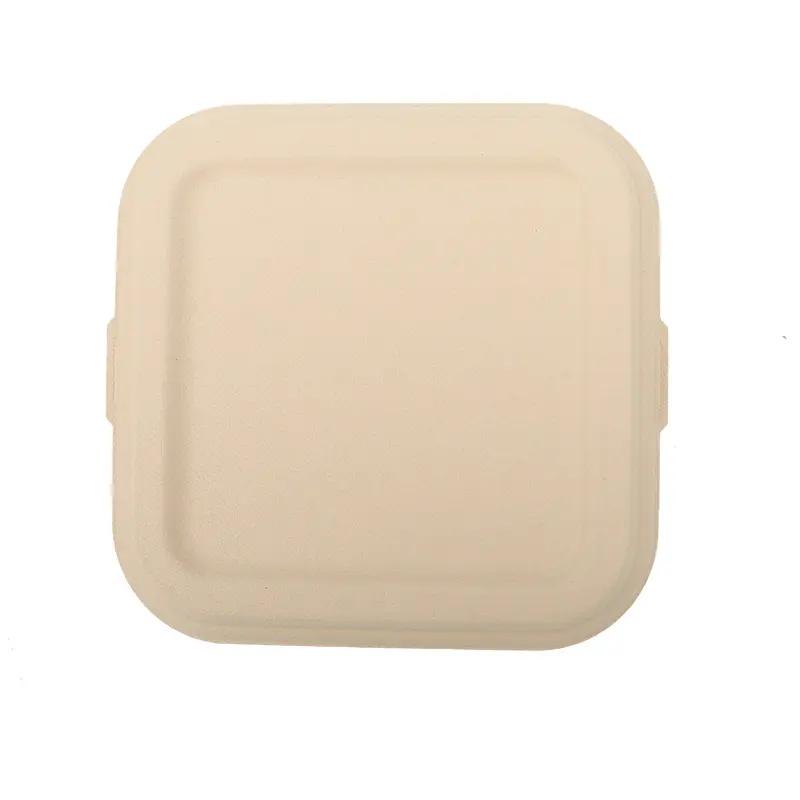
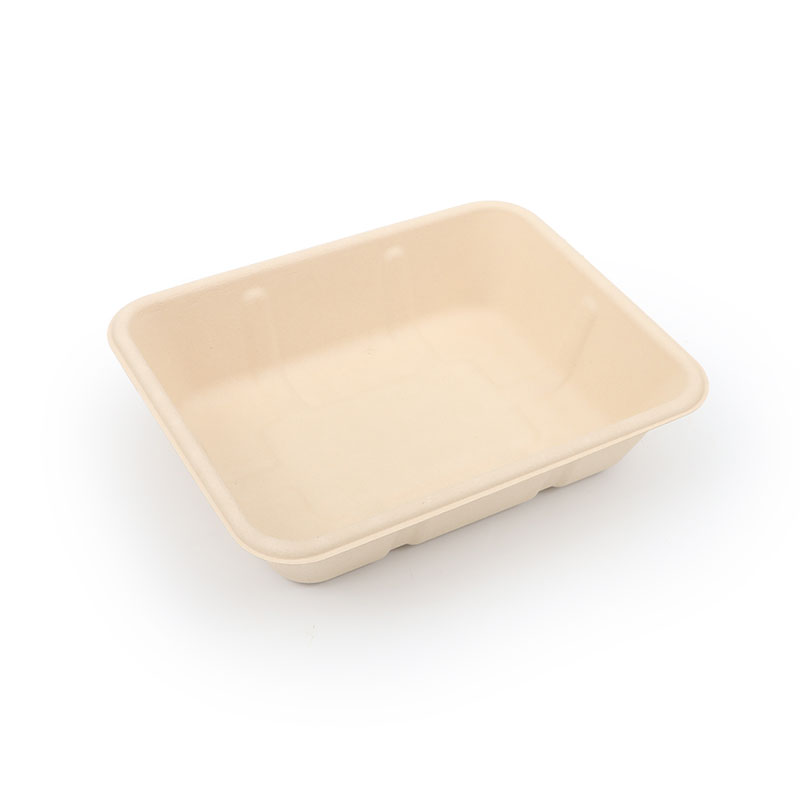
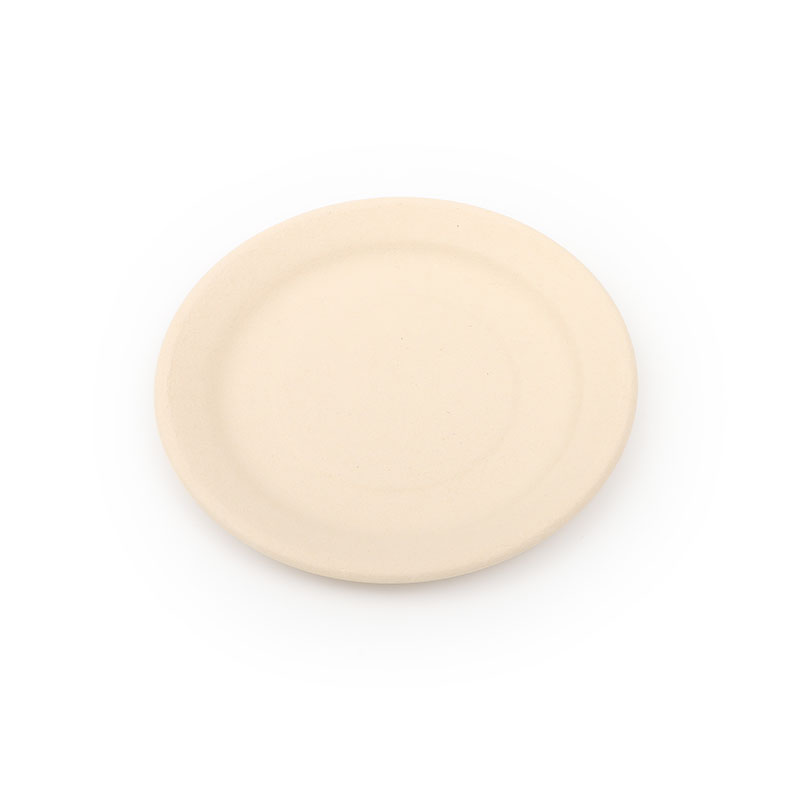
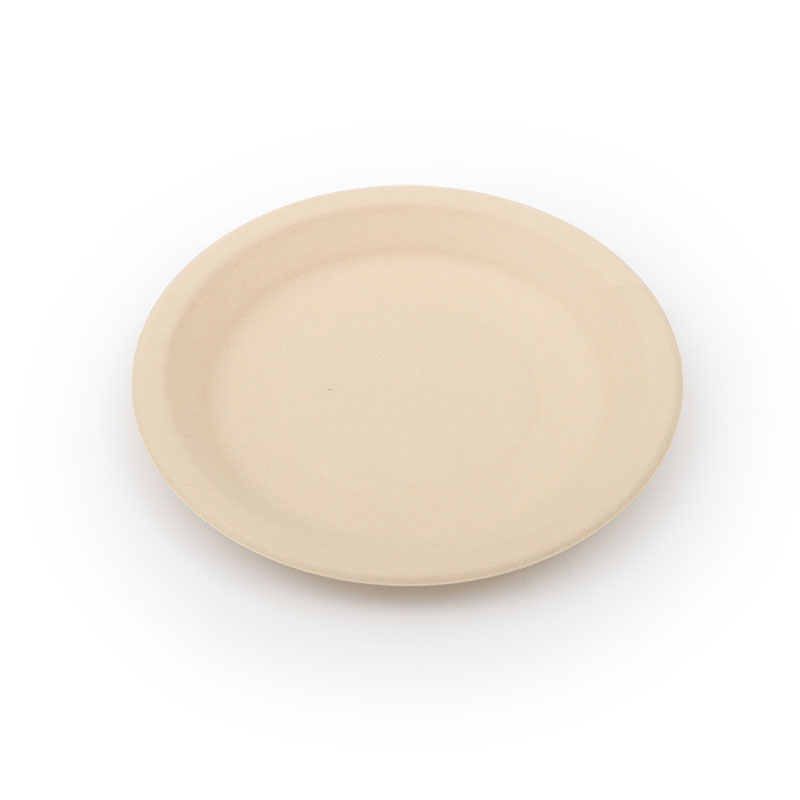
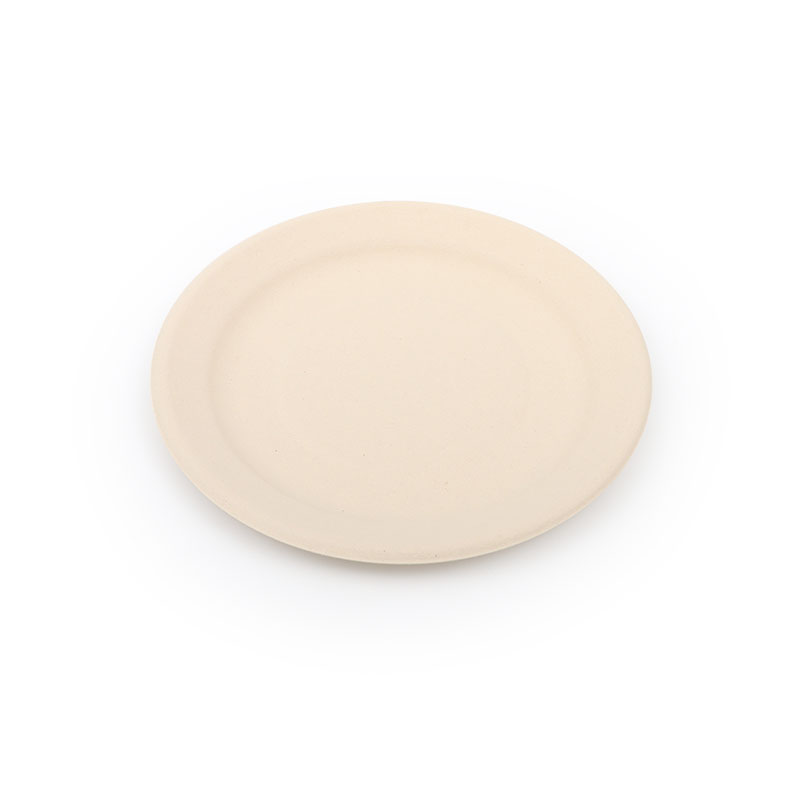
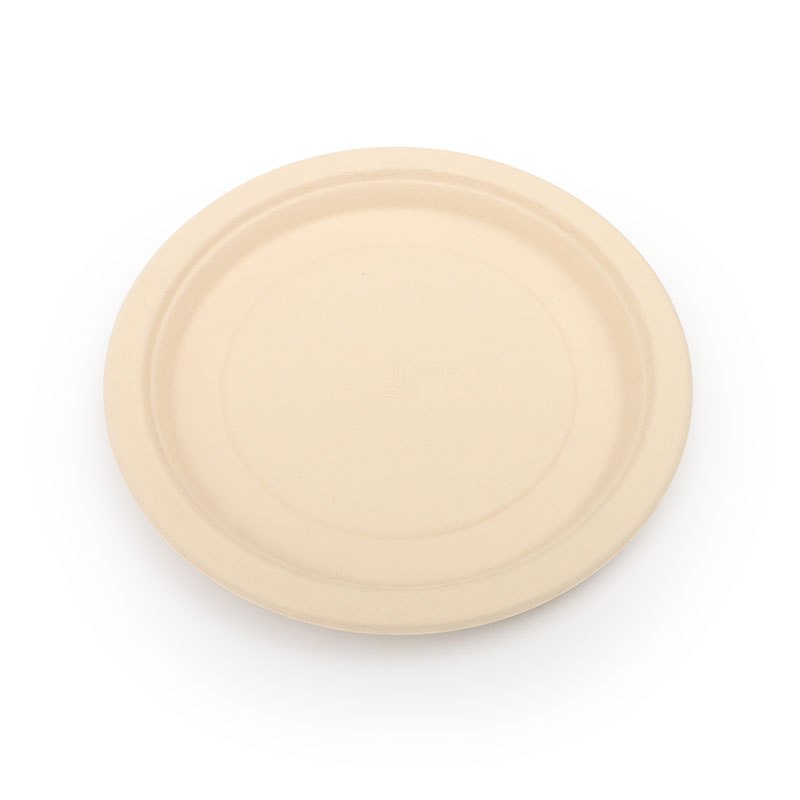
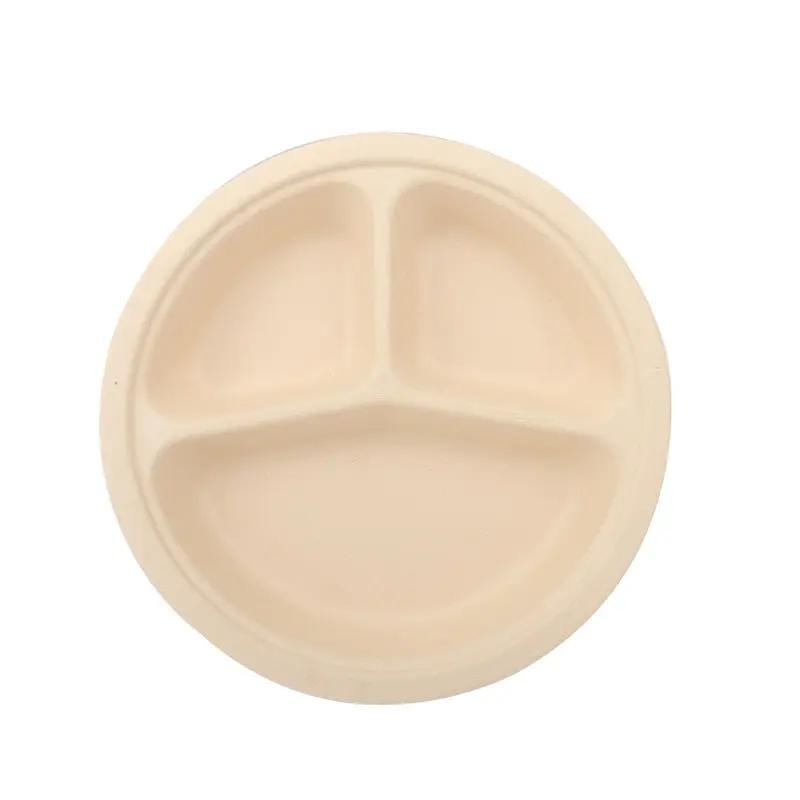
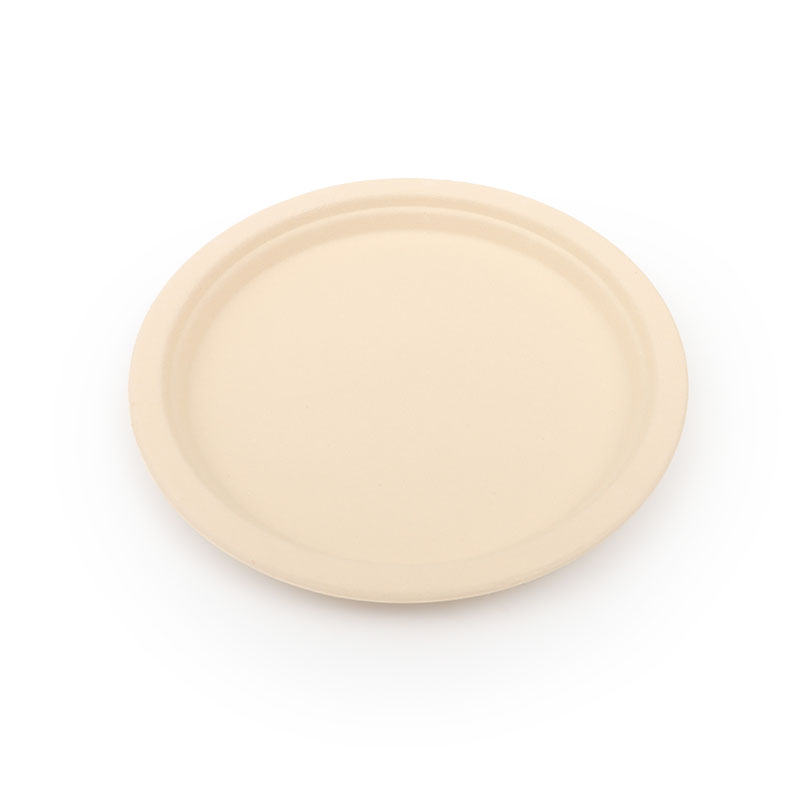
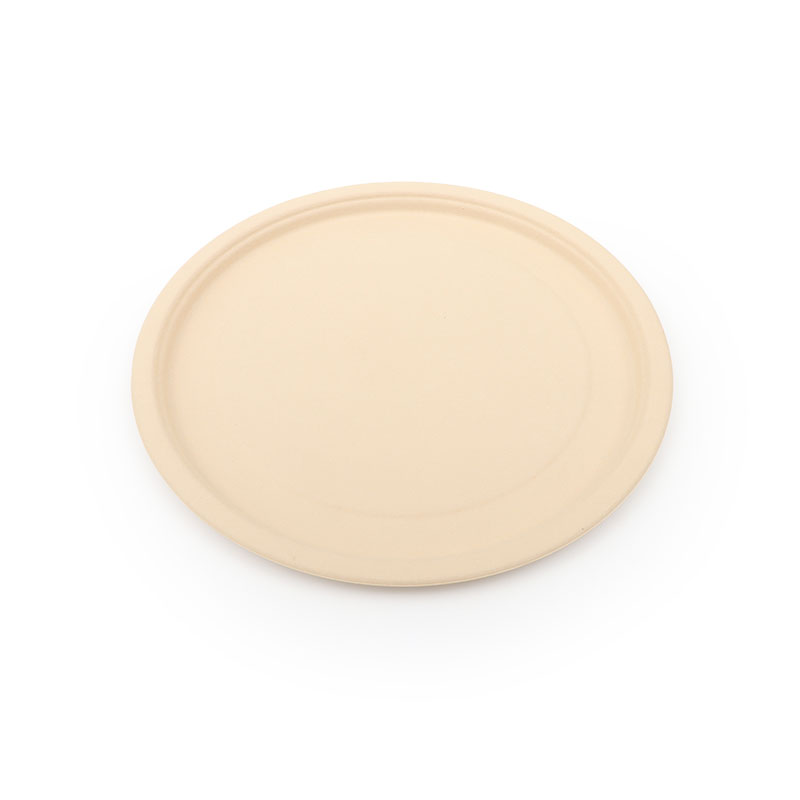
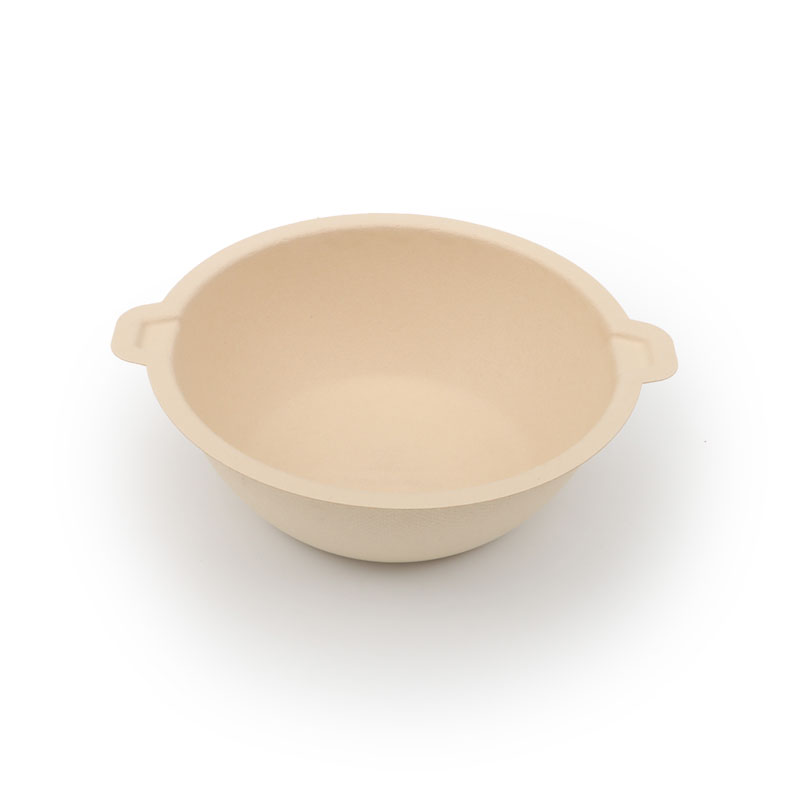
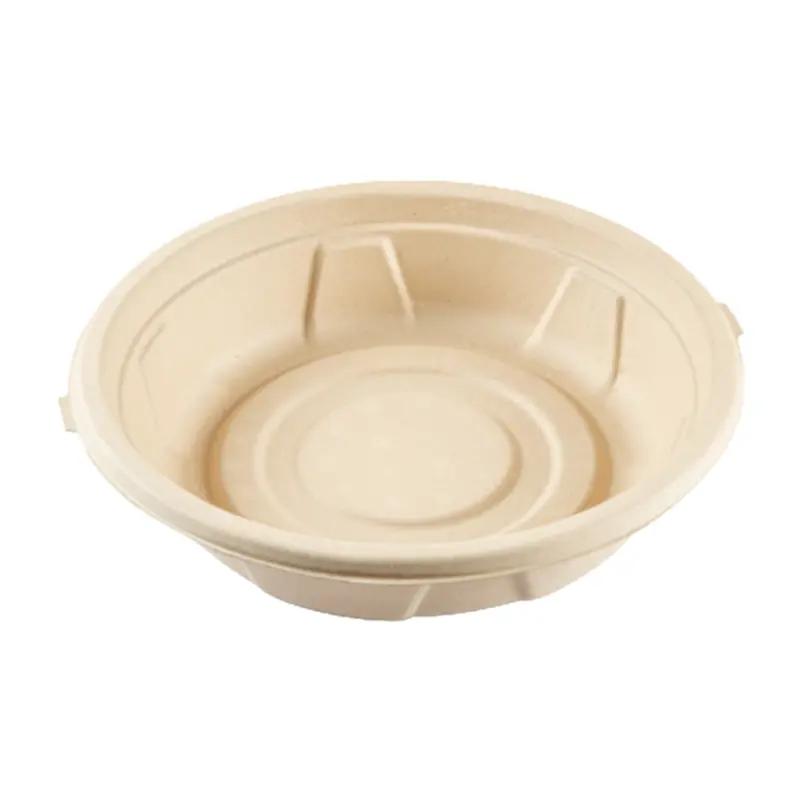
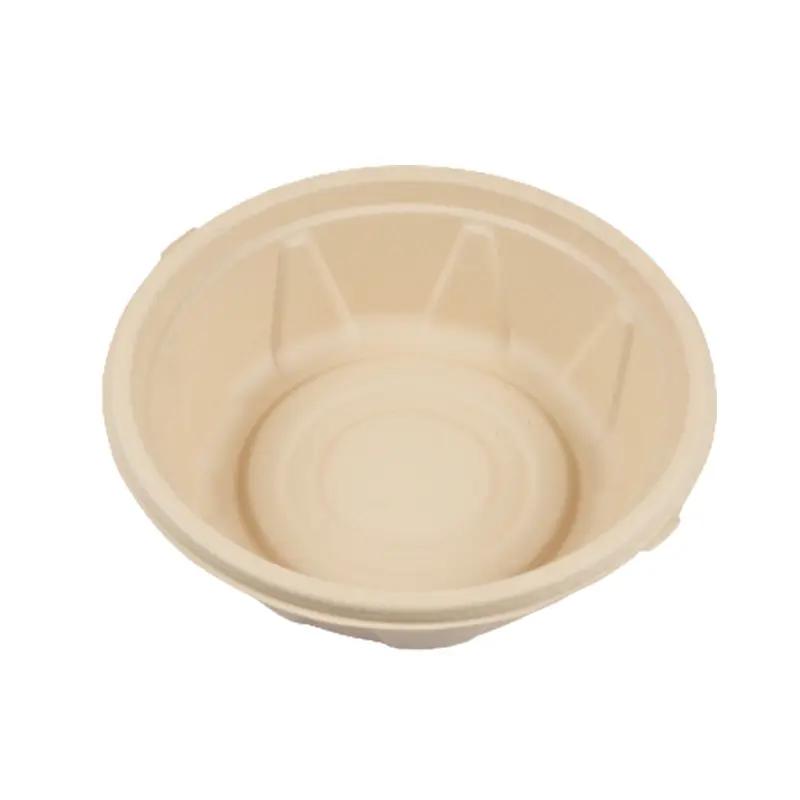
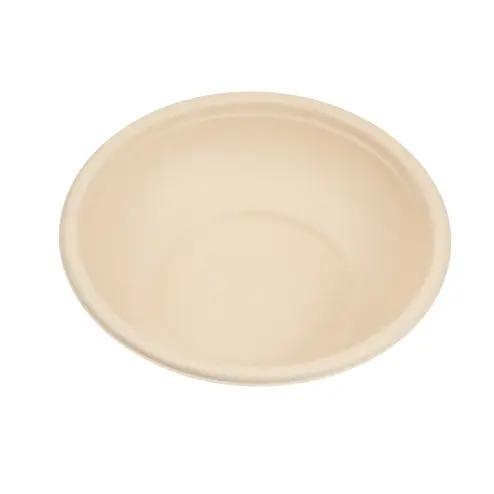
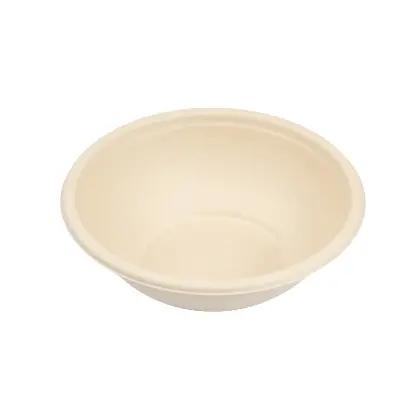
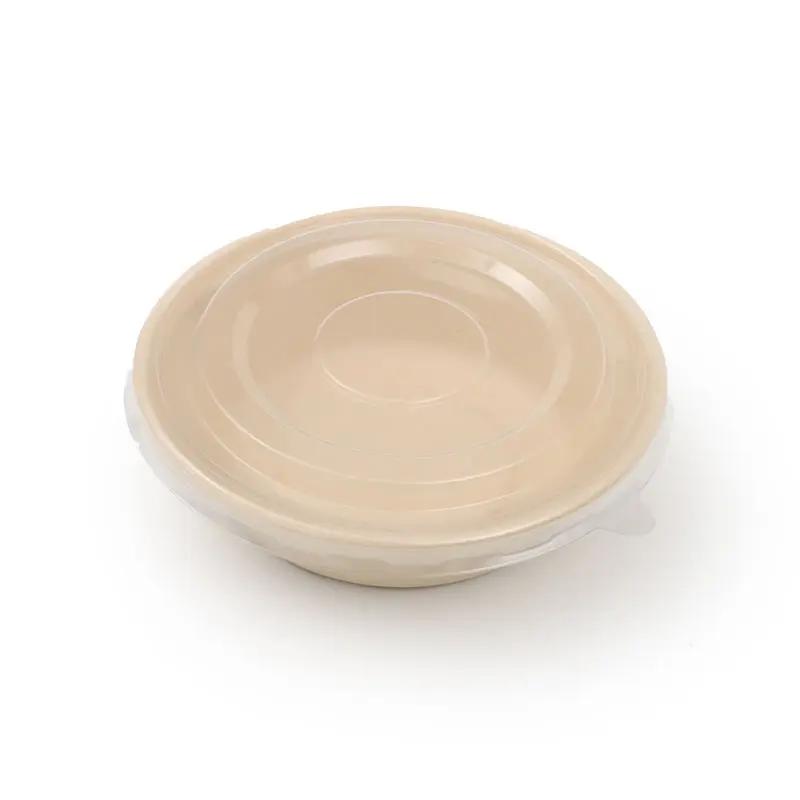
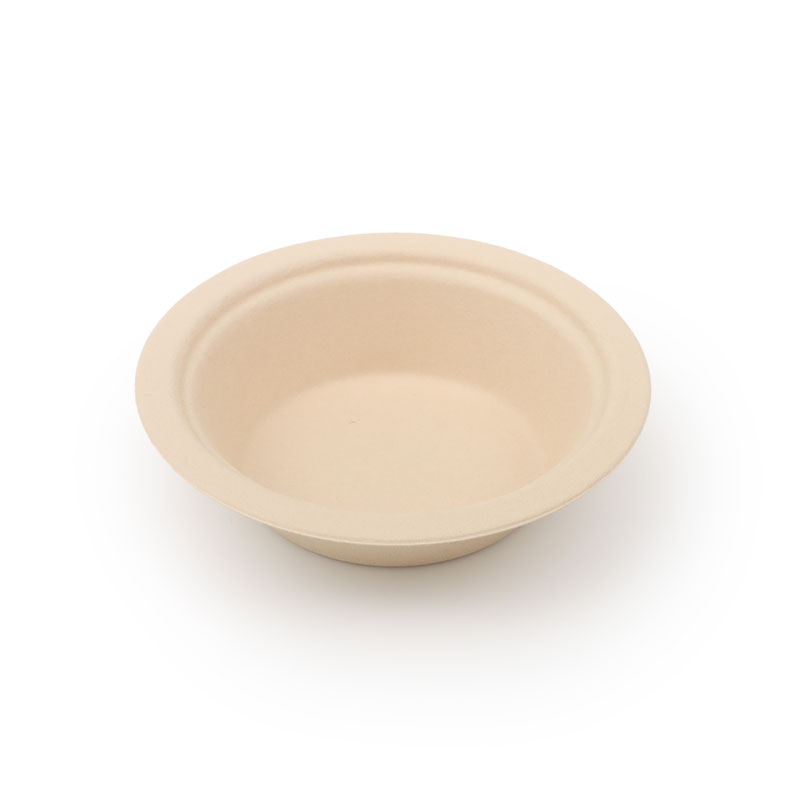
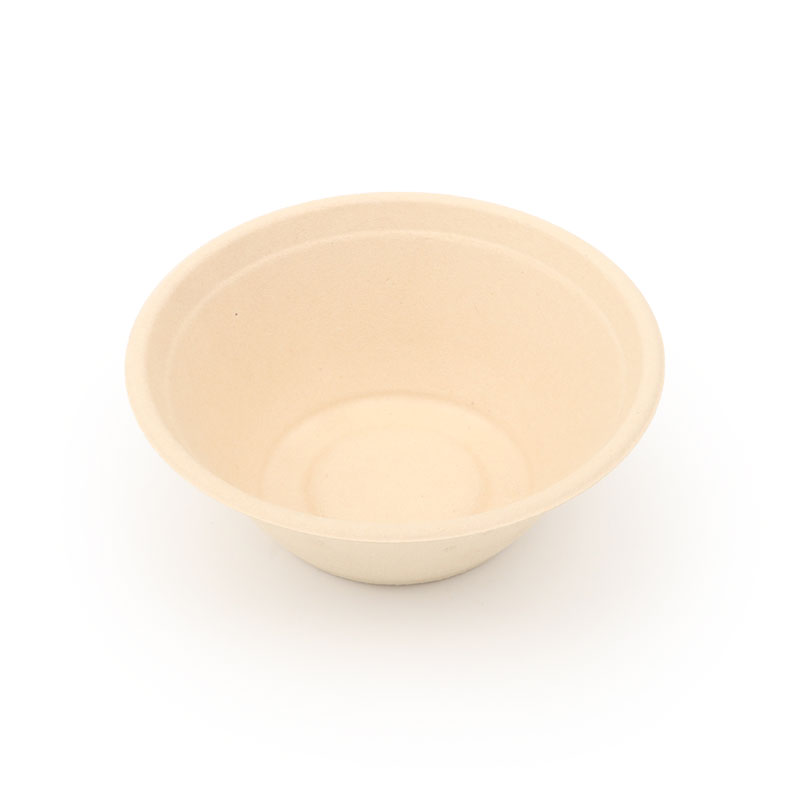
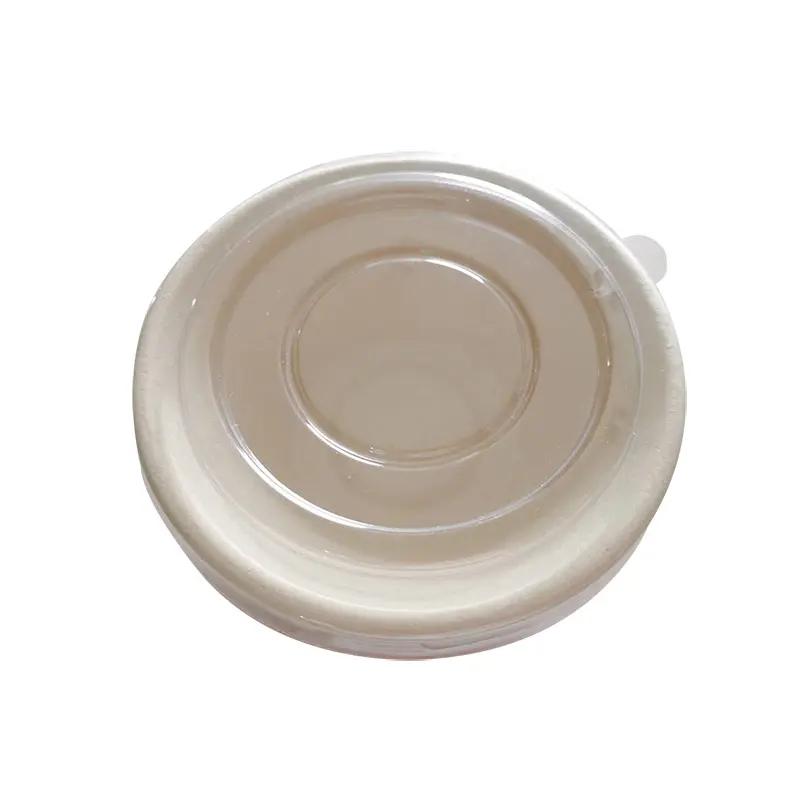
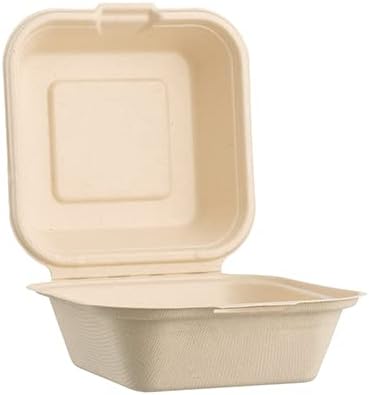
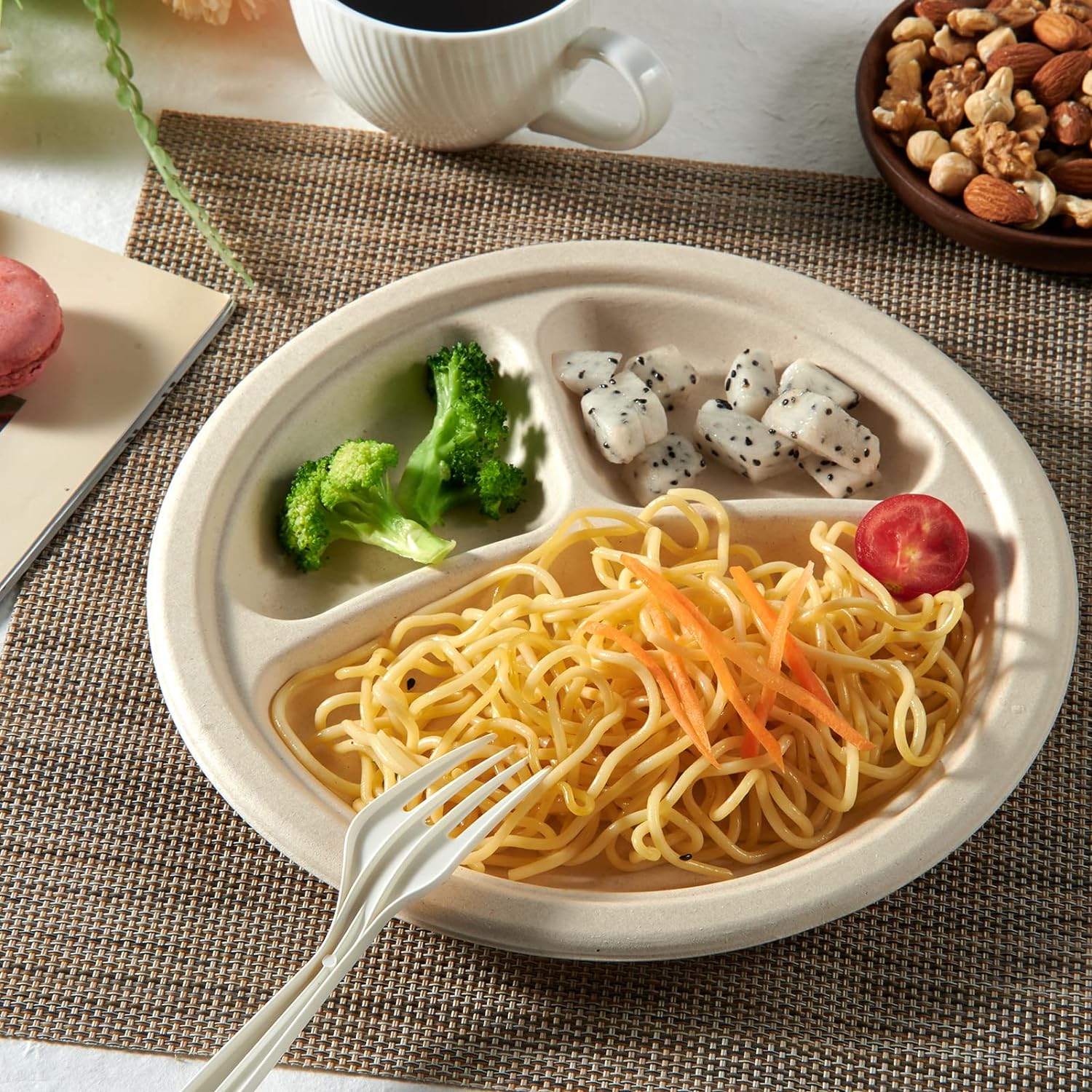
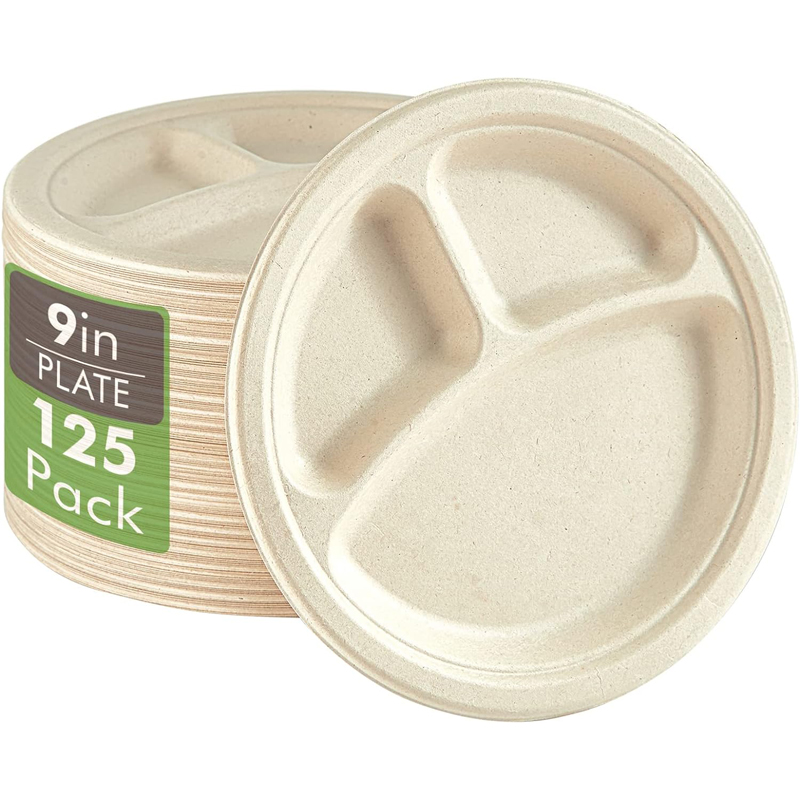
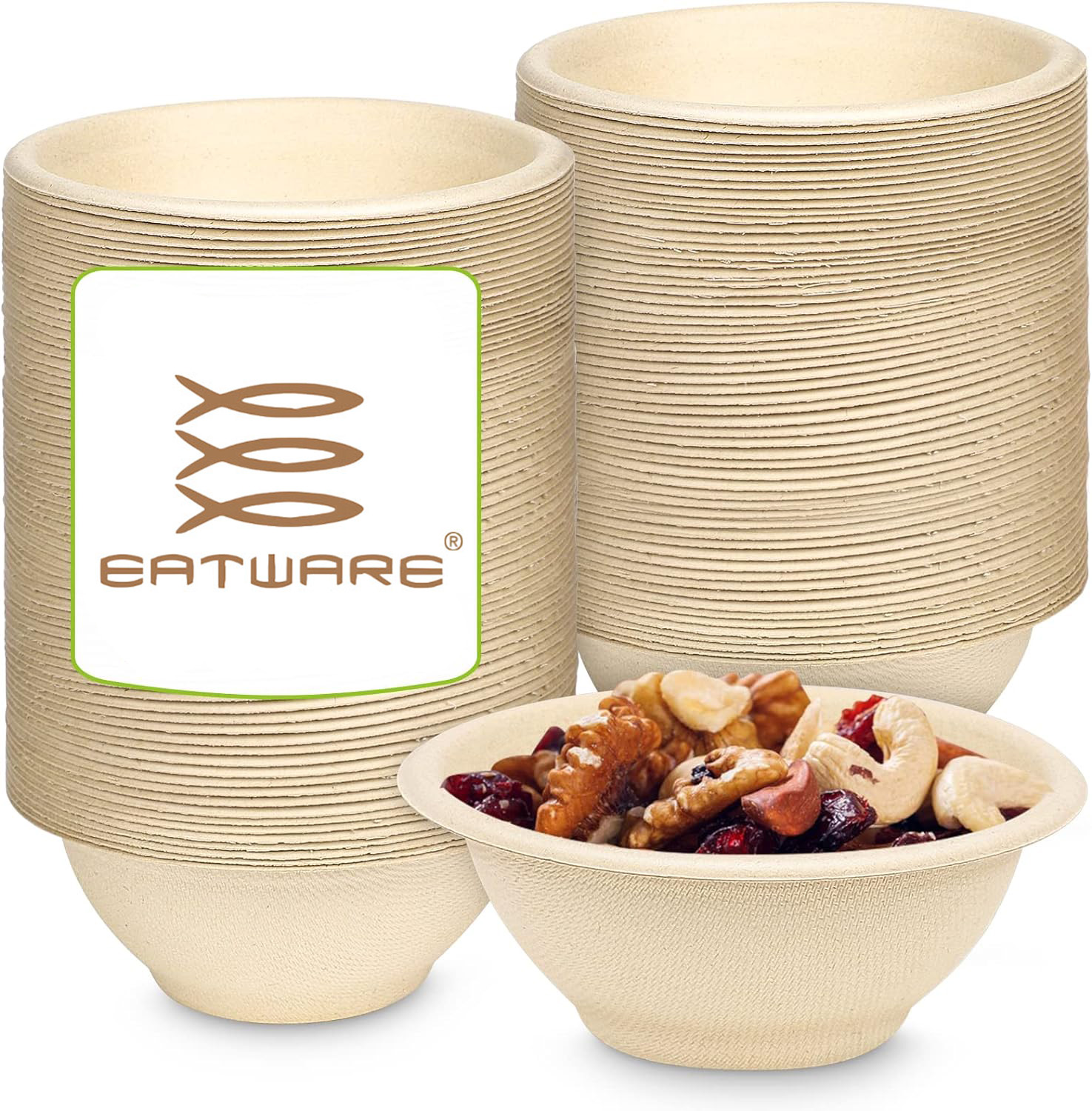
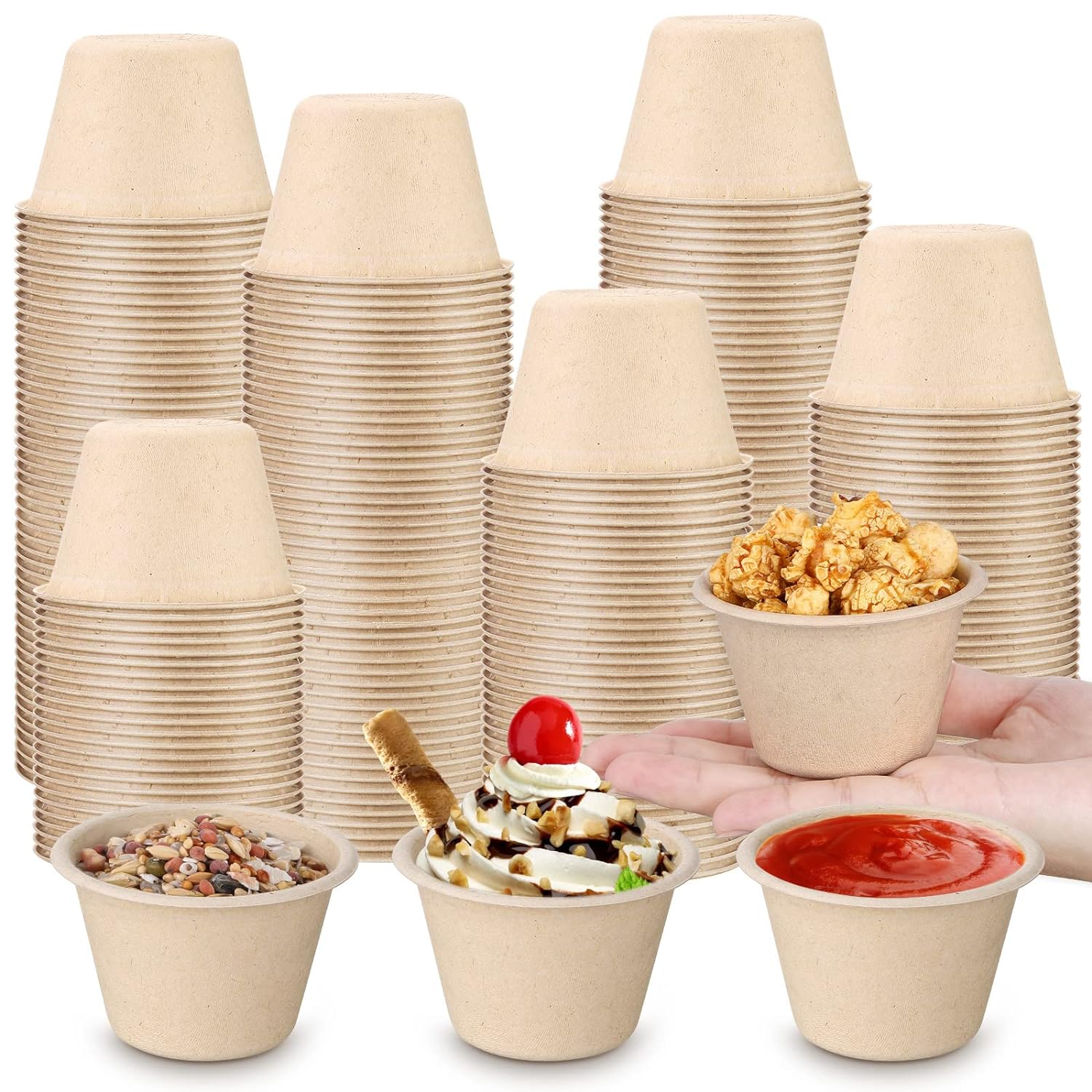
The trend for biodegradable disposable bowls in 2026 showcases innovative designs shaped by environmental awareness. Designers are focusing on creating bowls that combine functionality with aesthetics. Natural Color Biodegradable Disposable Bowls are at the forefront of this movement. Their earthy tones appeal to eco-conscious consumers. These bowls not only look good but also break down easily in composting environments.

Materials play a crucial role in these designs. Many manufacturers are experimenting with plant-based materials. This includes options like cornstarch and sugarcane. These biomaterials vary in texture and color. Some bowls offer a rustic, handmade feel, while others mimic traditional disposable options. This variety allows for creative presentation at events.

Tips for choosing the right biodegradable bowl include considering the occasion. Look for bowls that fit your event's theme. Ensure the bowls are sturdy enough for your intended use. Remember, not all biodegradable products break down similarly. Some may require specific conditions to decompose effectively. Make your selection wisely to promote sustainability while ensuring functionality.

Sustainability Certifications: Ensuring Quality in Biodegradable Bowls

As the demand for sustainable products grows, the importance of sustainability certifications cannot be overlooked. These certifications ensure that biodegradable bowls meet specific environmental standards. A report by the Biodegradable Products Institute notes that consumers are increasingly concerned about the sustainability of their purchases. In fact, over 70% of buyers consider certifications before making a decision.

Sustainability certifications often focus on the material sourcing and production methods used in items like the Natural Brown Biodegradable Disposable Bowl. These bowls are typically made from plant-based materials, contributing to less plastic waste in landfills. However, not all biodegradable products are created equal. Some lack proper certification, leading to skepticism around their true environmental impact. It's essential for buyers to understand which certifications hold weight.

Moreover, not all sustainability claims are transparent. A survey indicated that 30% of consumers found it challenging to differentiate between certified and non-certified products. This ambiguity highlights the need for greater industry standards and consumer education. As buyers, embracing transparency in biodegradable options will ensure we support genuinely sustainable choices.

Market Drivers: Factors Influencing the Adoption of Biodegradable Bowls

The rise of biodegradable disposable bowls is shaping the future of our dining experiences. Consumers are increasingly aware of environmental issues. This awareness drives the market. Biodegradable options provide a sustainable alternative to traditional plastics. They break down naturally, reducing landfill waste. This aspect appeals to eco-conscious buyers.

The demand for these bowls is also influenced by regulations. Many regions are imposing stricter plastic bans. These laws encourage restaurants and food services to explore biodegradable materials. Additionally, businesses recognize the marketing potential of sustainability. Offering eco-friendly products enhances brand image and attracts more customers.

Tip: When choosing biodegradable bowls, consider the materials. Options like PLA (polylactic acid) or sugarcane are popular. They cater to different food types and temperatures. Reflect on the impact of your choices. Every small step contributes to a larger change. Be aware that not all biodegradable products perform equally. Research is essential for finding reliable options.

2026 Top Biodegradable Disposable Bowl Trends for Global Buyers

Trend Market Driver Impact Level (5 Scale) Projected Growth Rate (%) Region
Increased Eco-Consciousness Consumer Demand 5 15 North America
Regulatory Support Government Initiatives 4 12 Europe
Technological Advancements Innovation in Materials 4 10 Asia-Pacific
Health and Safety Concerns Preference for Safe Alternatives 5 18 Latin America
Cost Competitiveness Economies of Scale 3 8 Middle East & Africa

Global Distribution: Key Markets and Trends for Biodegradable Bowls in 2026

As environmental awareness rises, biodegradable products are gaining traction in global markets. In 2026, biodegradable bowls are expected to dominate the party supplies market. These bowls offer a sustainable alternative to traditional plastic options, appealing to eco-conscious consumers. Various materials such as plant starch and recycled paper are used. This innovation marks a significant shift towards more responsible consumption.

Key markets for biodegradable disposable bowls include Europe and North America. Both regions prioritize sustainability in foodservice. However, challenges remain. Consumers often seek affordable options, which can pressure manufacturers. The balance between cost and quality is crucial. Education on the benefits of biodegradable materials is necessary to drive widespread adoption.

Emerging markets in Asia and South America show a growing interest too. These regions may struggle with supply chain issues. Some businesses face difficulties meeting consumer demand. The market still needs robust infrastructure for production and distribution. Innovators are exploring partnerships to address these gaps. Overall, the outlook for biodegradable disposable bowls is promising, yet complex.

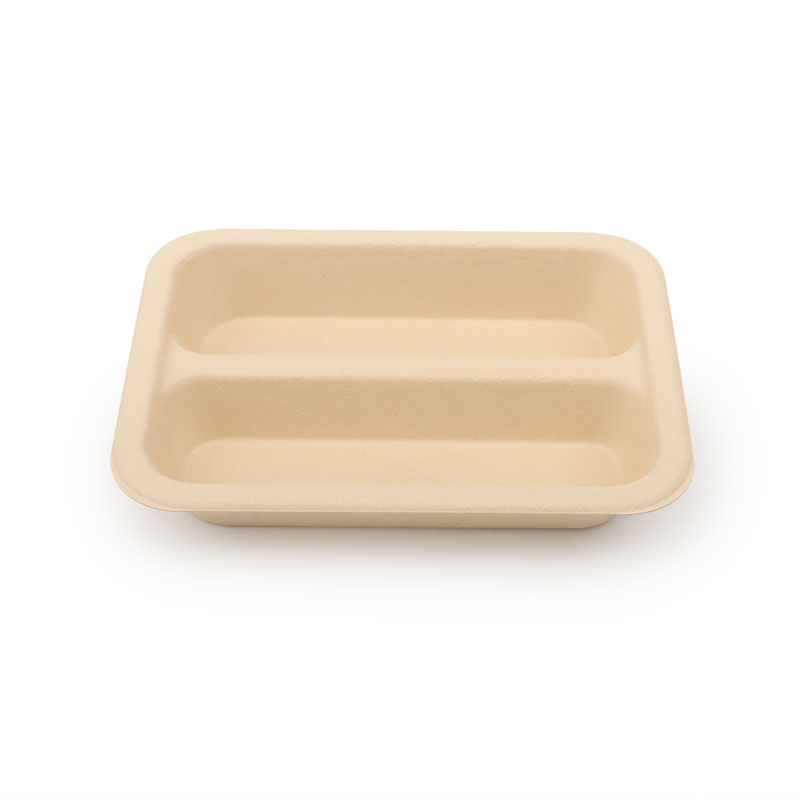
Exploring the Benefits and Applications of Disposable Molded Pulp Tray 210x110 mm No Bleach in Sustainable Packaging Solutions

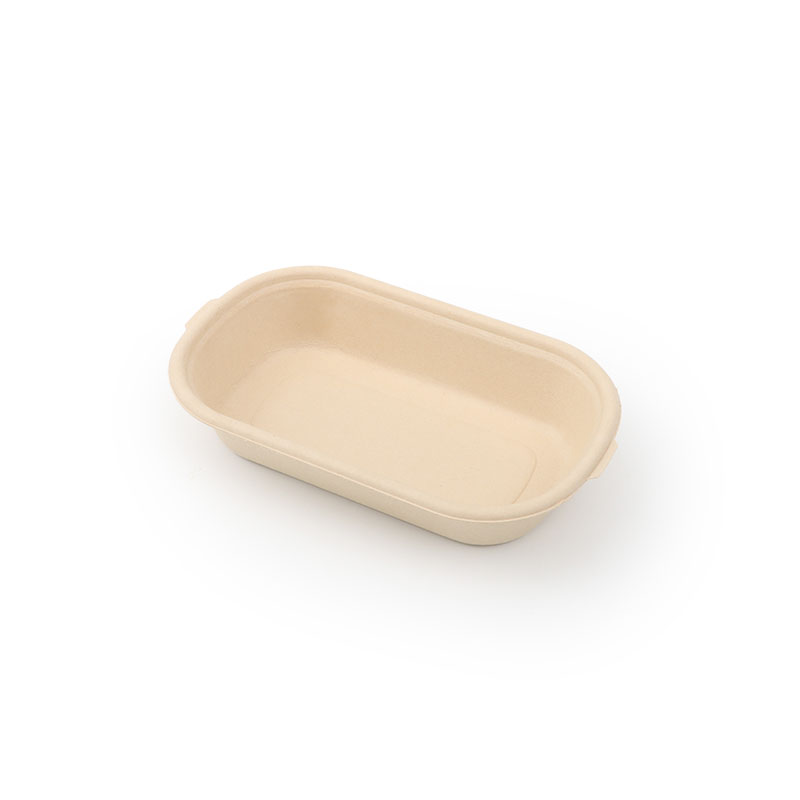
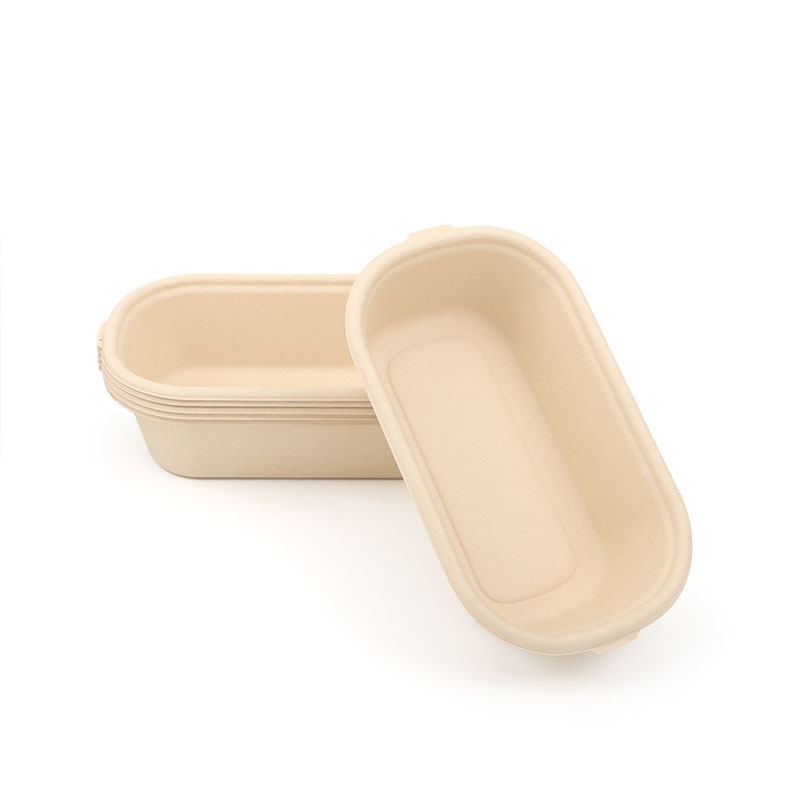
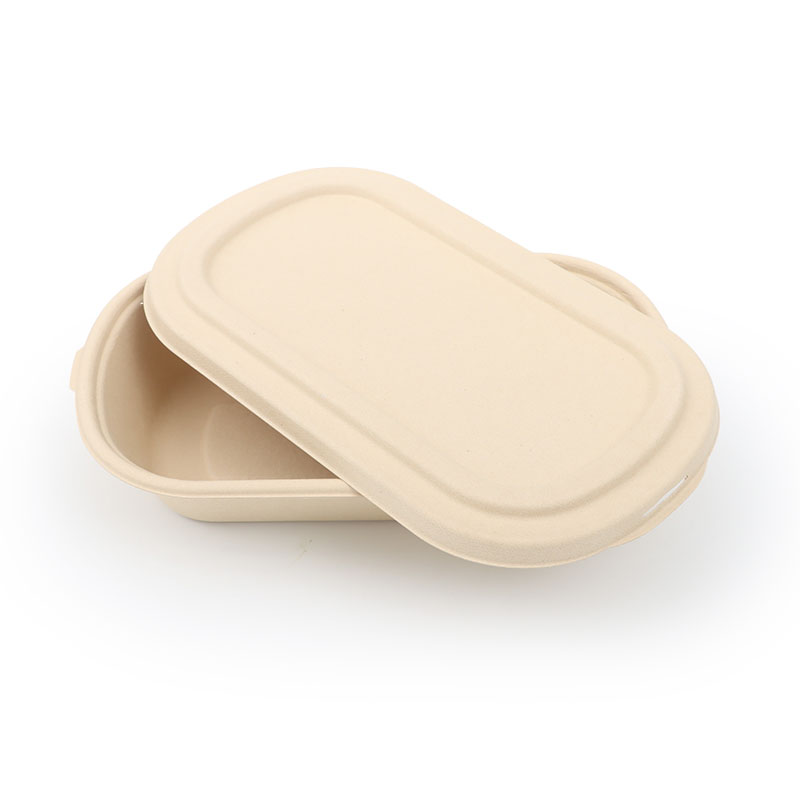
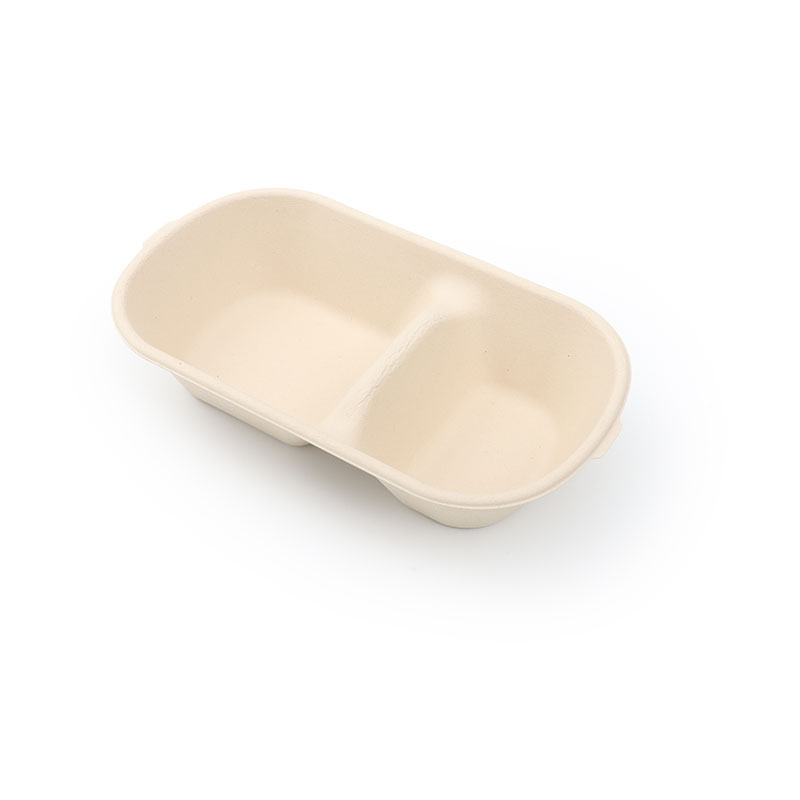
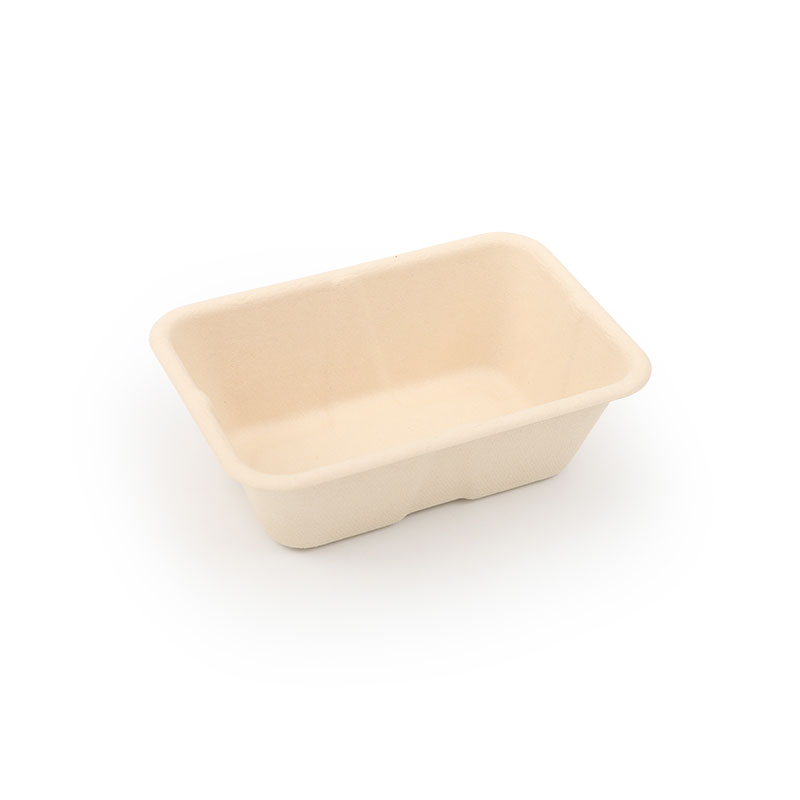
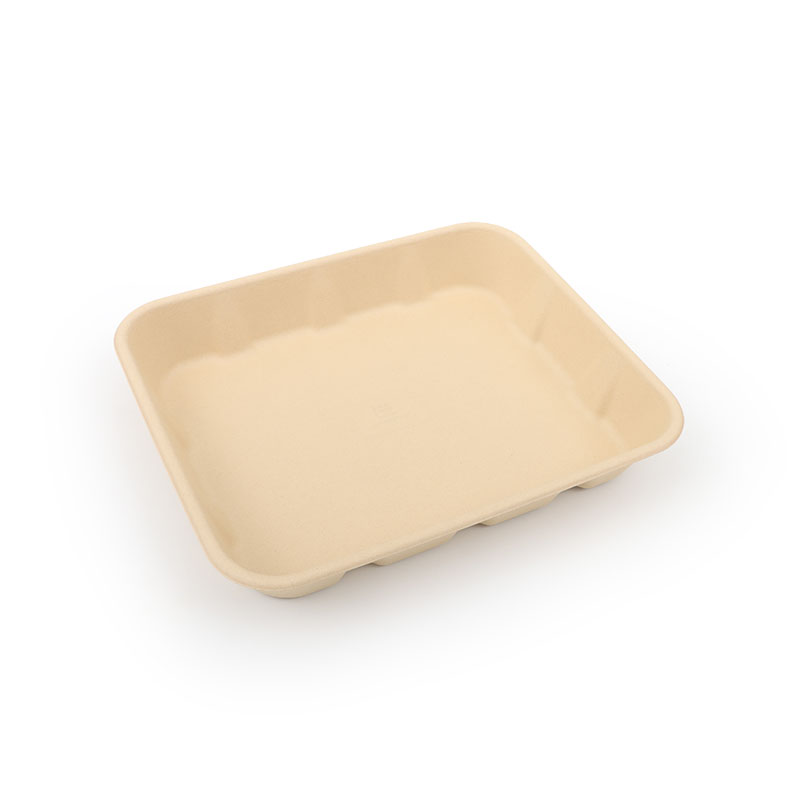
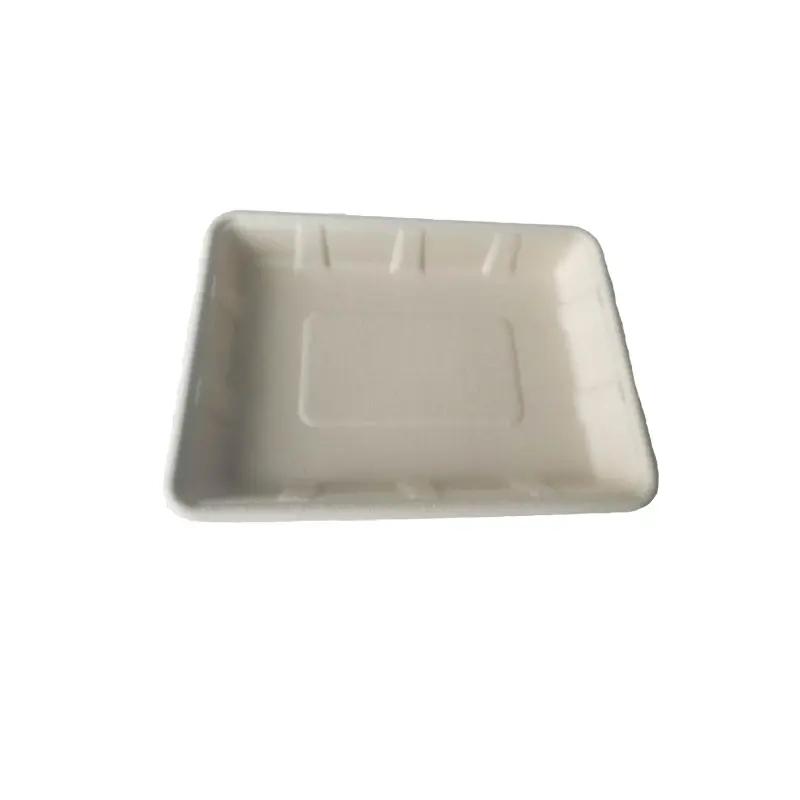
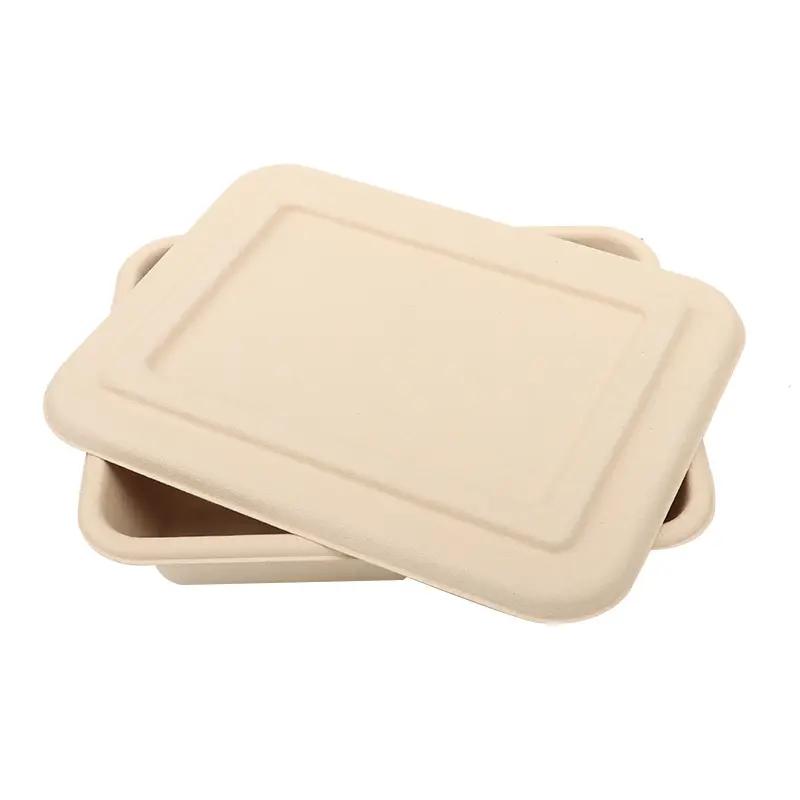
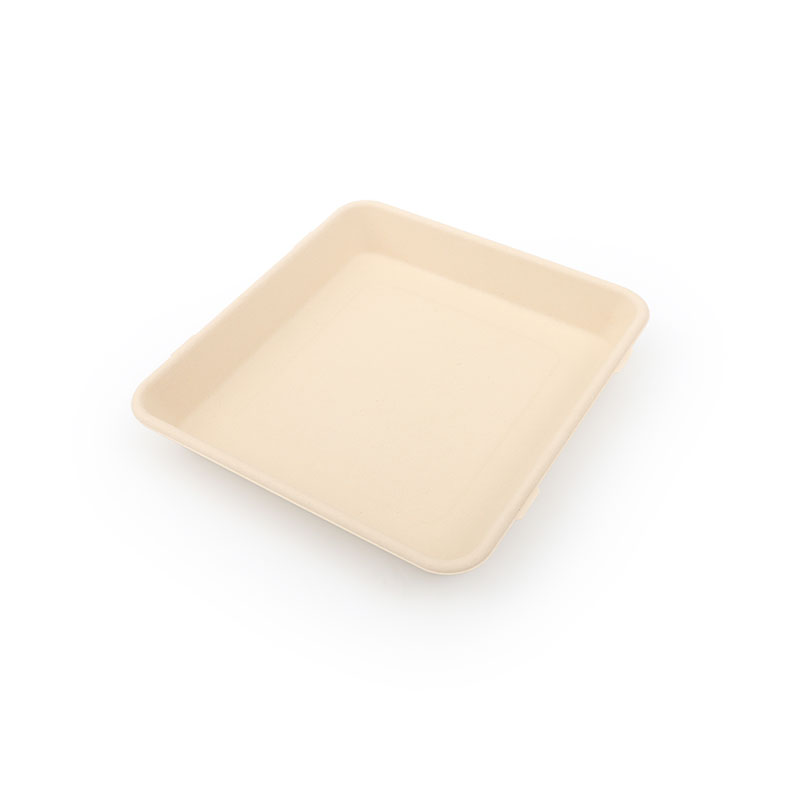
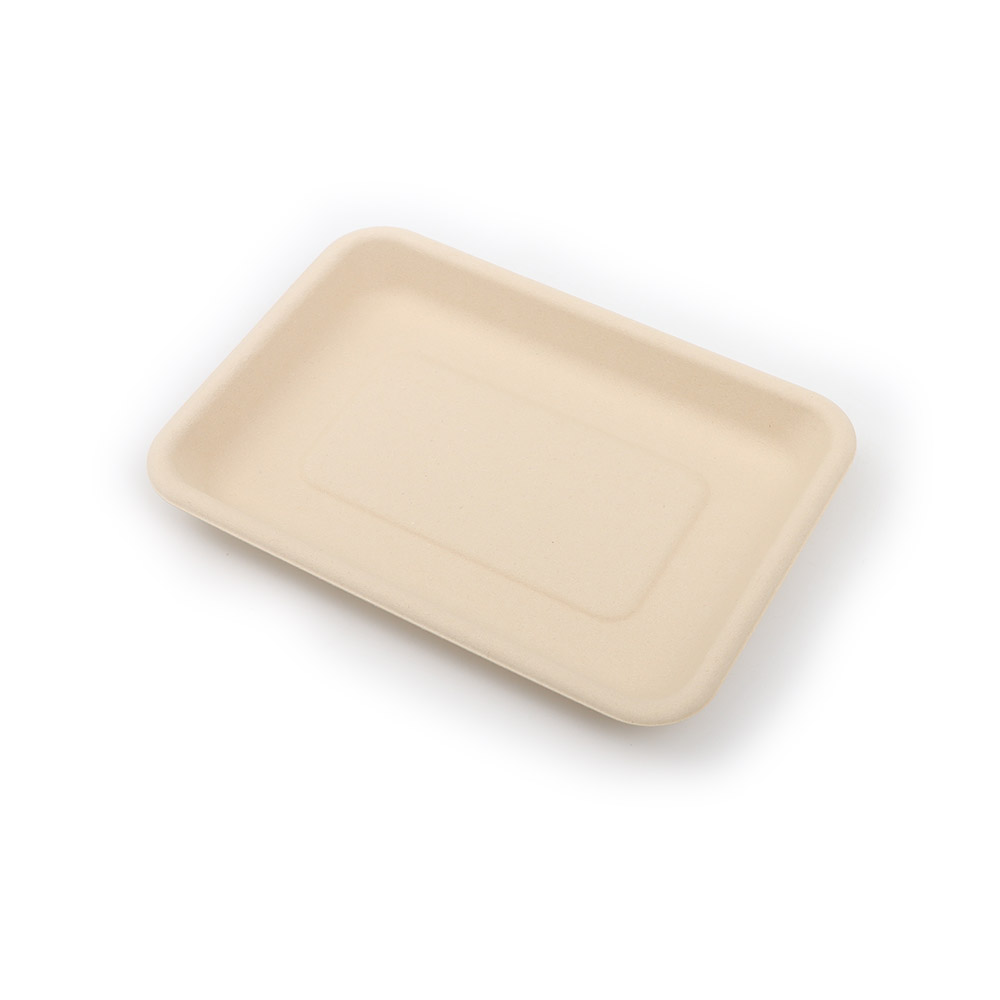
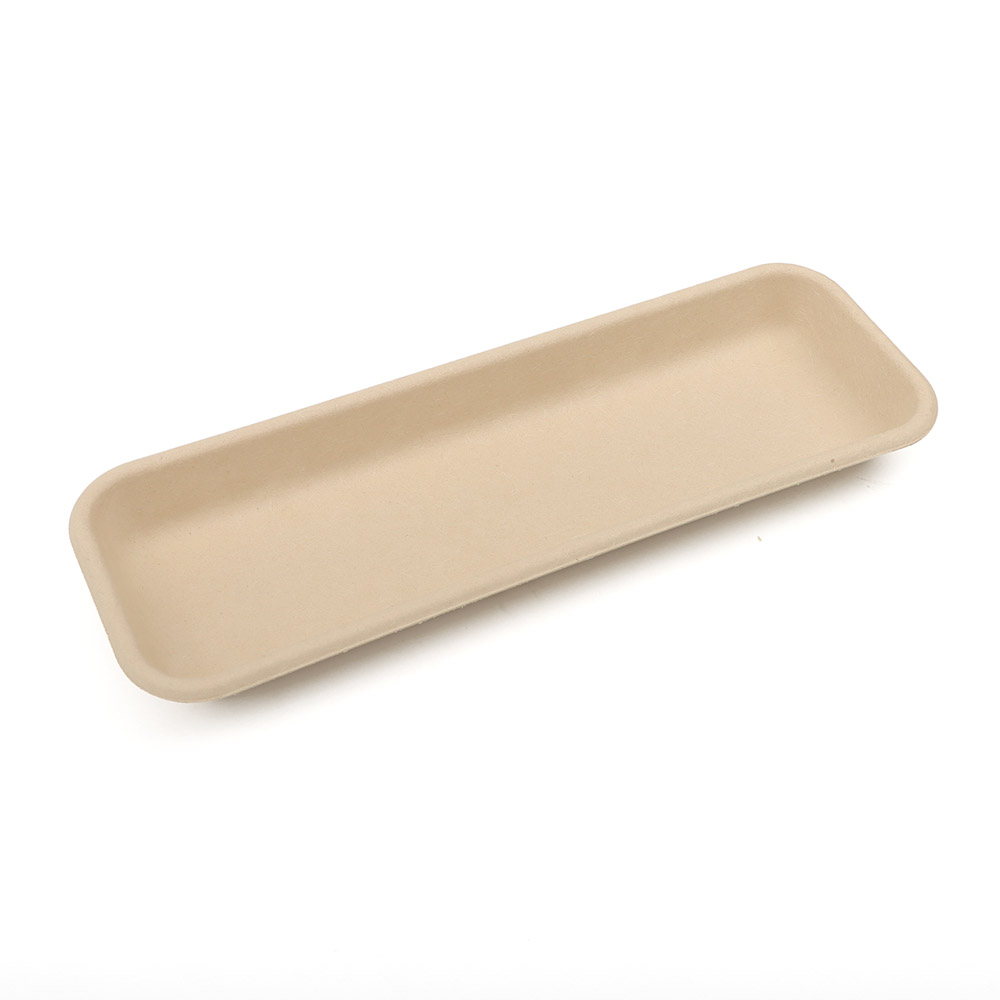
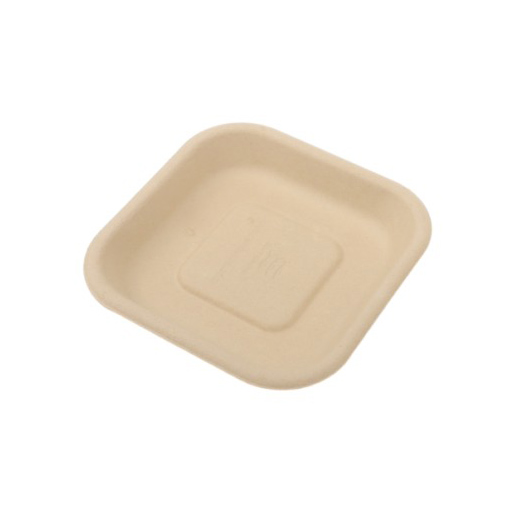
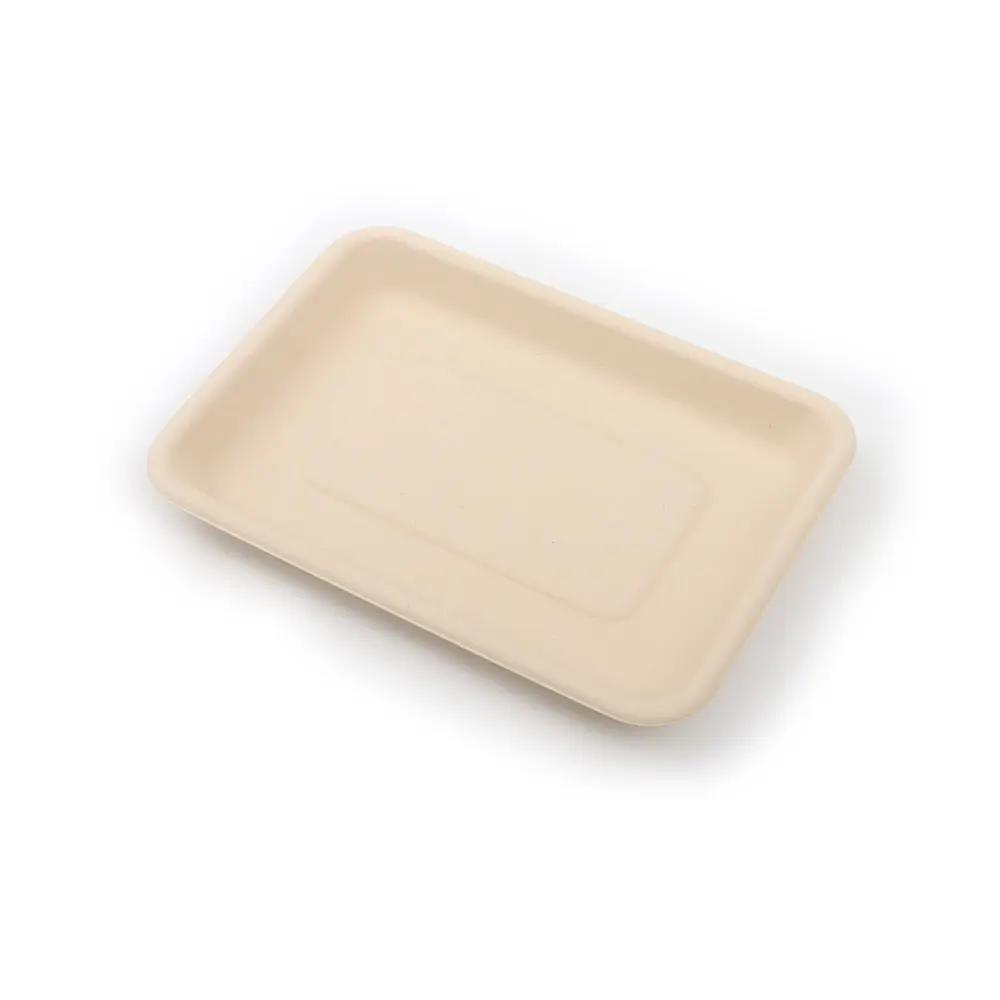
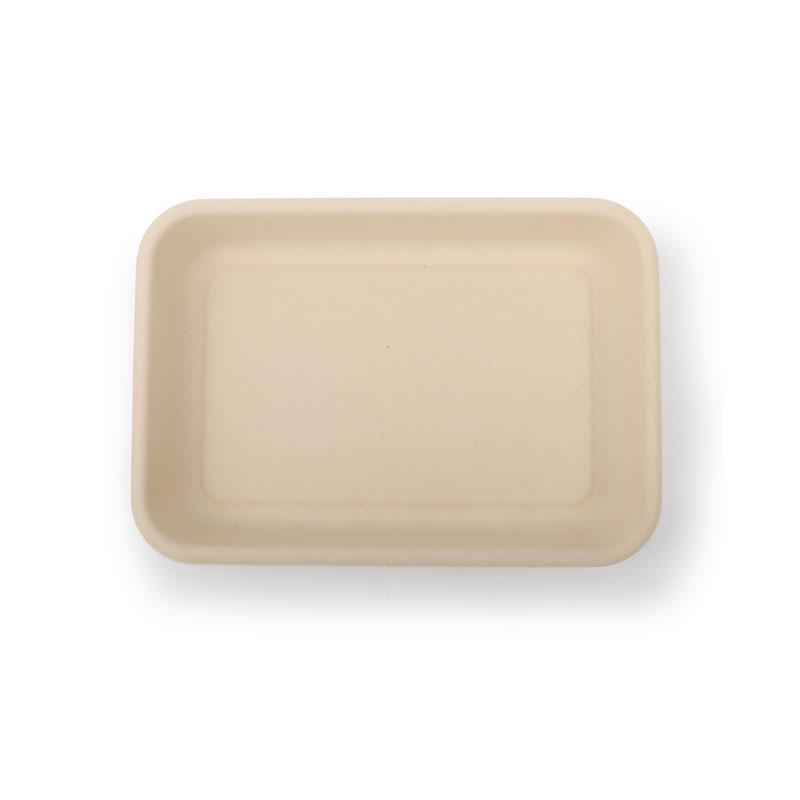
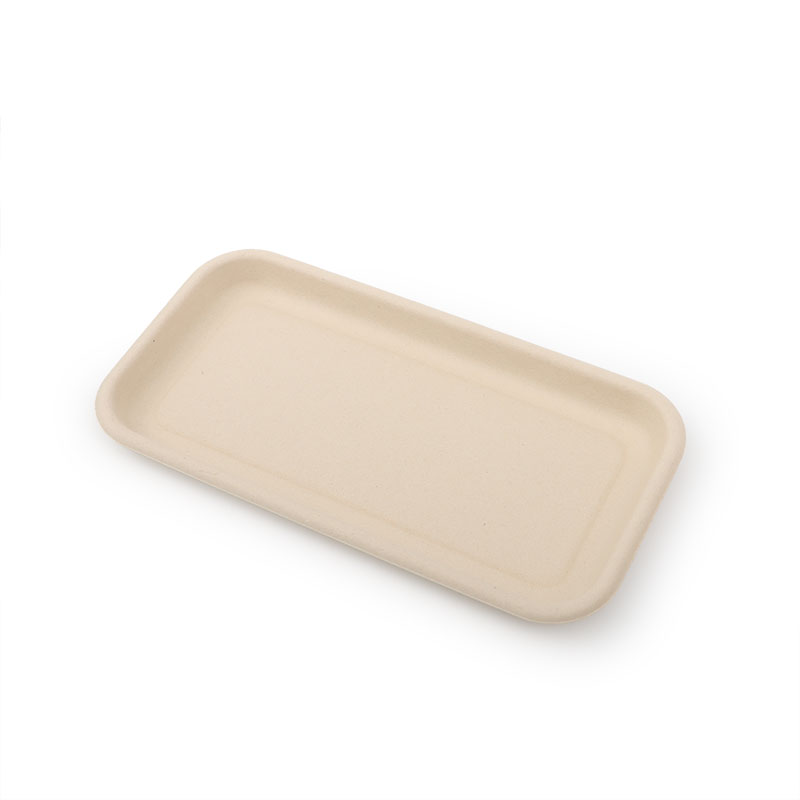
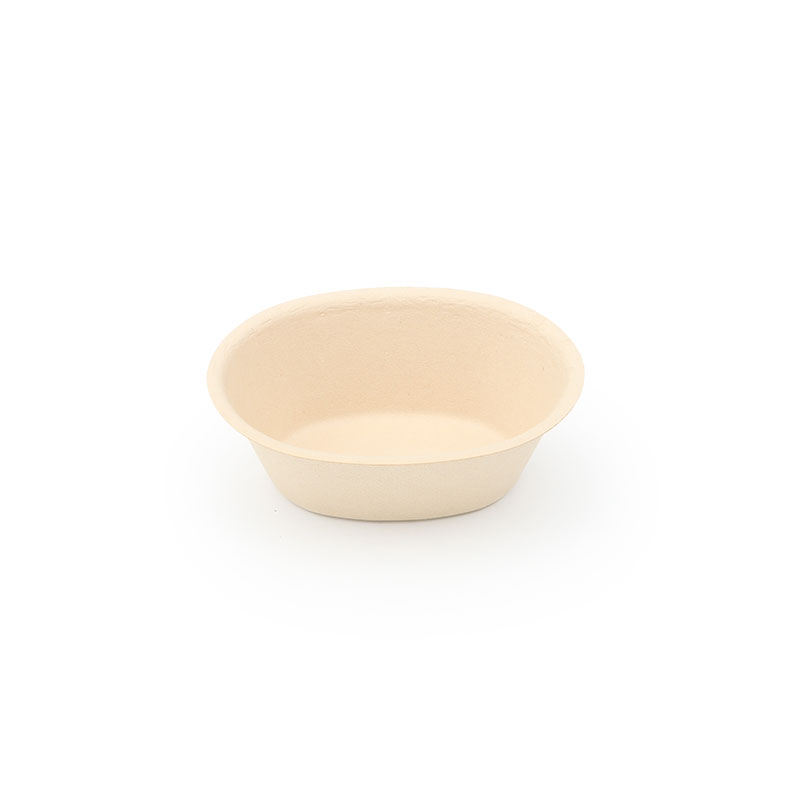
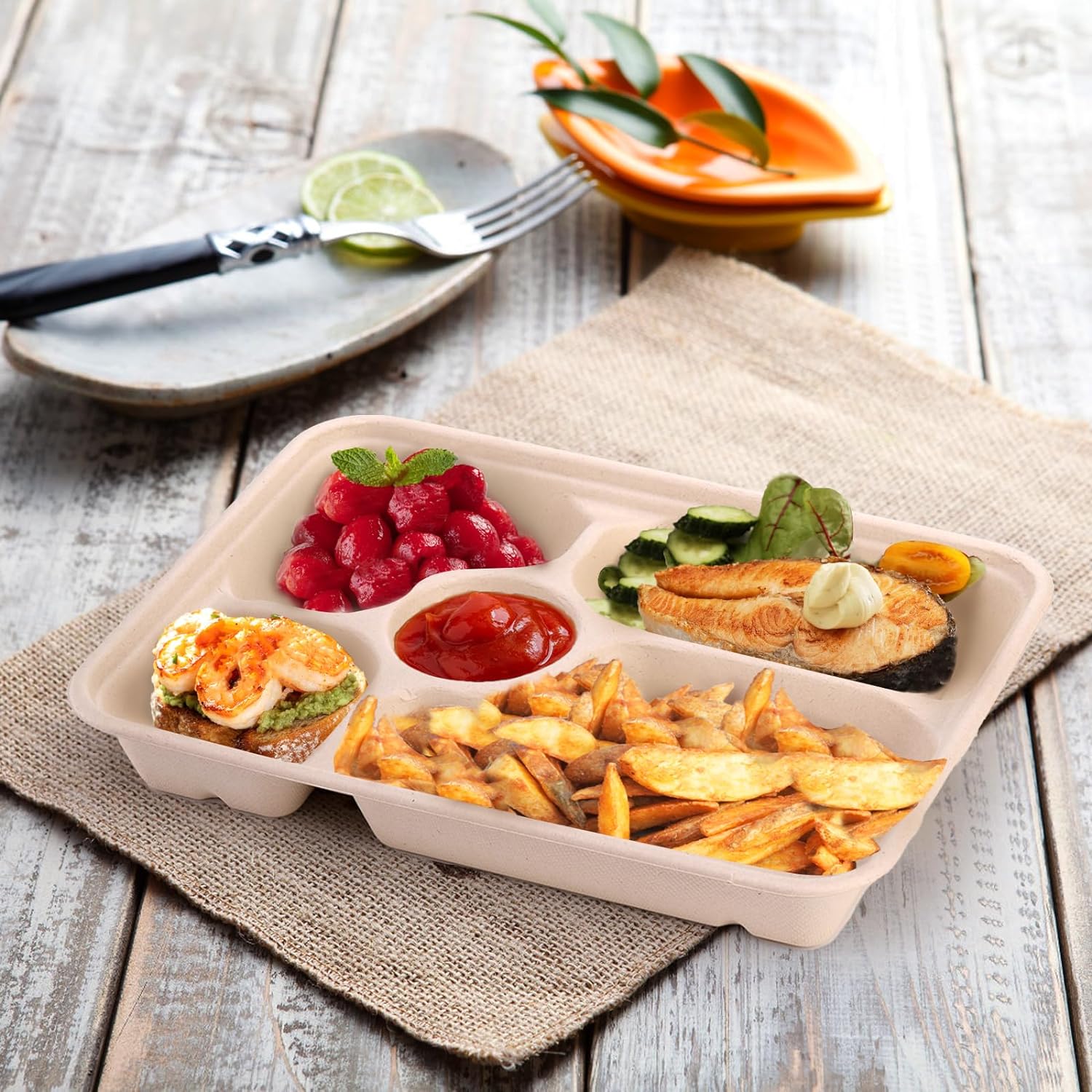
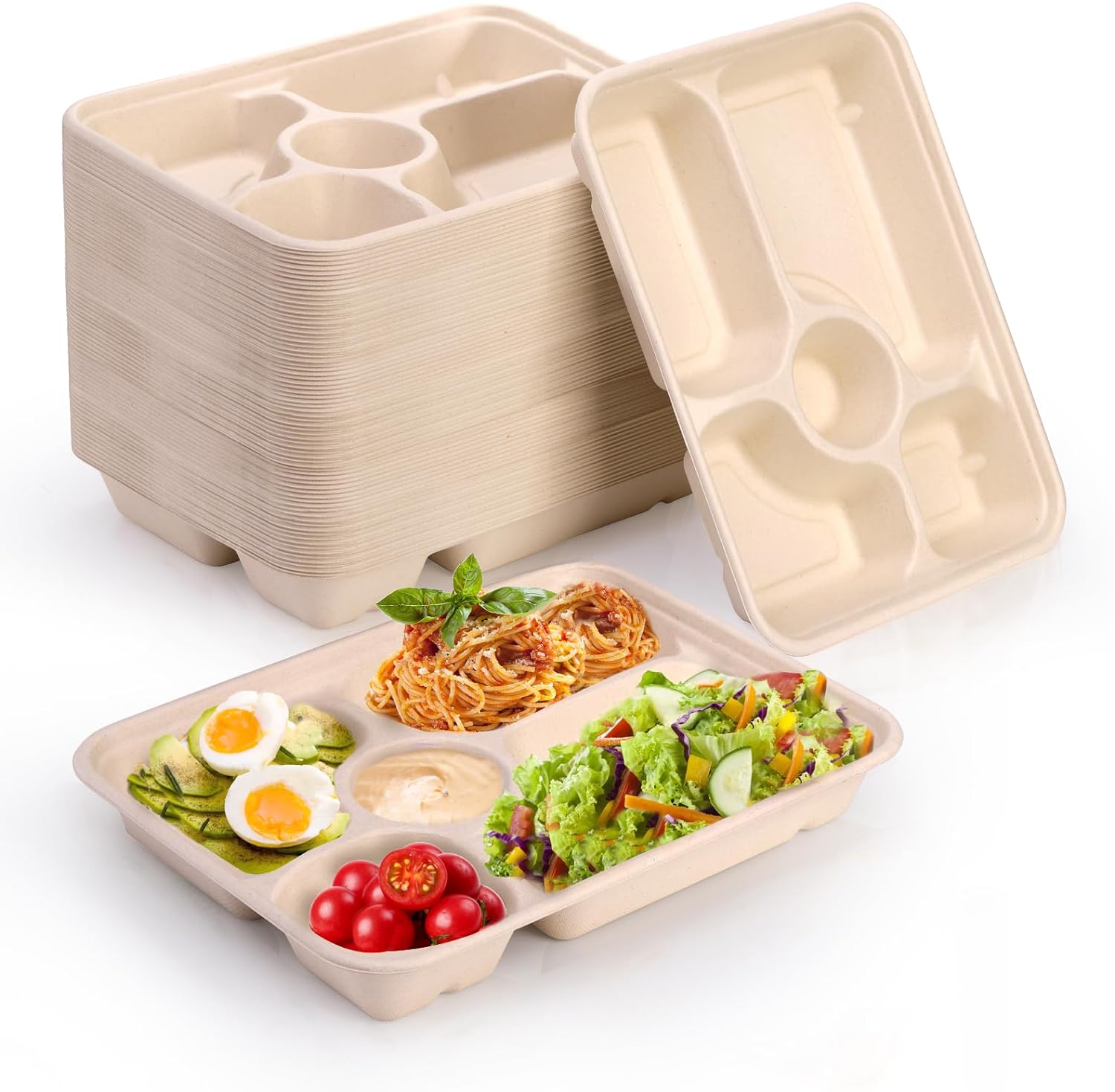
The shift towards sustainable packaging solutions is gaining momentum as businesses increasingly seek to minimize their environmental impact. One innovative product in this realm is the disposable molded pulp tray, specifically the 210x110 mm no-bleach variant made from bamboo pulp fiber. This eco-friendly tray not only meets the growing demand for sustainable materials but also offers numerous functional benefits that make it a versatile choice for various applications.

With its dimensions of L210xW110xH15 mm, this tray is designed to cater to a variety of needs, from food service to retail packaging. The beige color provides an appealing aesthetic, while the waterproof, oilproof, and high-temperature resistant properties enhance its usability. Capable of withstanding heat up to 220°C for 3-5 minutes, it is suitable for use in microwaves and ovens, and it can be stored in freezers at temperatures as low as minus 18°C for up to three months. These features ensure that the tray maintains its integrity and performance, making it an excellent choice for various culinary applications.

Moreover, the tray holds numerous certifications, including BPI, FDA, and FSC, which reflect its commitment to sustainability and safety. Its ability to offer a practical, biodegradable alternative to conventional packaging options aligns perfectly with the rising consumer preference for products that promote environmental responsibility. By choosing such sustainable packaging solutions, businesses can not only enhance their brand image but also contribute to a greener future.

FAQS

: What is driving the growth of the biodegradable bowls market?

: Increased environmental awareness and stricter regulations on single-use plastics are major drivers.

How much of the disposable bowl market could biodegradable options account for by 2025?

Biodegradable bowls may account for over 25% of the total disposable bowl market.

What materials are commonly used in biodegradable bowls?

Key materials include cornstarch, bamboo, and sugarcane.

Why is cornstarch considered a renewable resource?

Cornstarch breaks down faster than traditional plastics and uses agricultural byproducts.

What is a potential issue with sourcing cornstarch?

Sourcing cornstarch can strain food supplies, posing challenges for sustainability.

How does bamboo contribute to sustainability?

Bamboo is lightweight, grows quickly, and presents natural strength, but mass production could harm habitats.

What are the benefits of sugarcane (bagasse) in biodegradable bowls?

It minimizes waste and supports the circular economy, but scaling production poses challenges.

Why are sustainability certifications important?

They ensure that biodegradable bowls meet specific environmental standards and help consumers make informed choices.

What percentage of consumers consider sustainability certifications before buying?

Over 70% of buyers consider these certifications in their purchasing decisions.

What challenges do consumers face regarding sustainability claims?

Many find it difficult to differentiate between certified and non-certified products, leading to confusion.

Conclusion

The 2026 overview of the biodegradable disposable bowl market highlights significant trends that are transforming consumer preferences towards eco-friendly products. Key materials used in these bowls are evolving, emphasizing sustainability and compostability, which are critical for environmentally conscious buyers. Innovative designs are emerging, showcasing aesthetic and functional versatility that appeals to a wider audience.

Market drivers such as increased environmental awareness and regulatory support are fueling the adoption of biodegradable disposable bowls. Additionally, sustainability certifications play a vital role in ensuring the quality and reliability of these products. As global markets expand, understanding distribution trends will be essential for stakeholders looking to capitalize on the growing demand for biodegradable solutions in disposable tableware.

Amelia

Amelia

Amelia is a dedicated marketing professional at Kangxin (Haimen) Environmental Technology Development Co., Ltd., where she leverages her extensive knowledge of the company’s innovative products to drive awareness and engagement. With a deep understanding of environmental technologies, Amelia......
Previous China Best Active Modified Atmosphere Packaging Solutions Available?