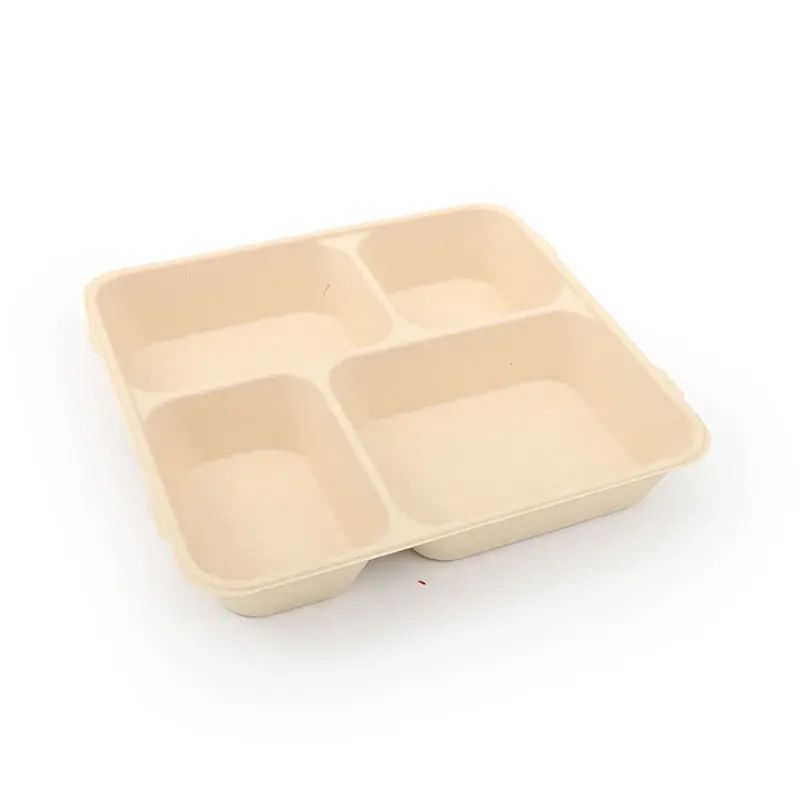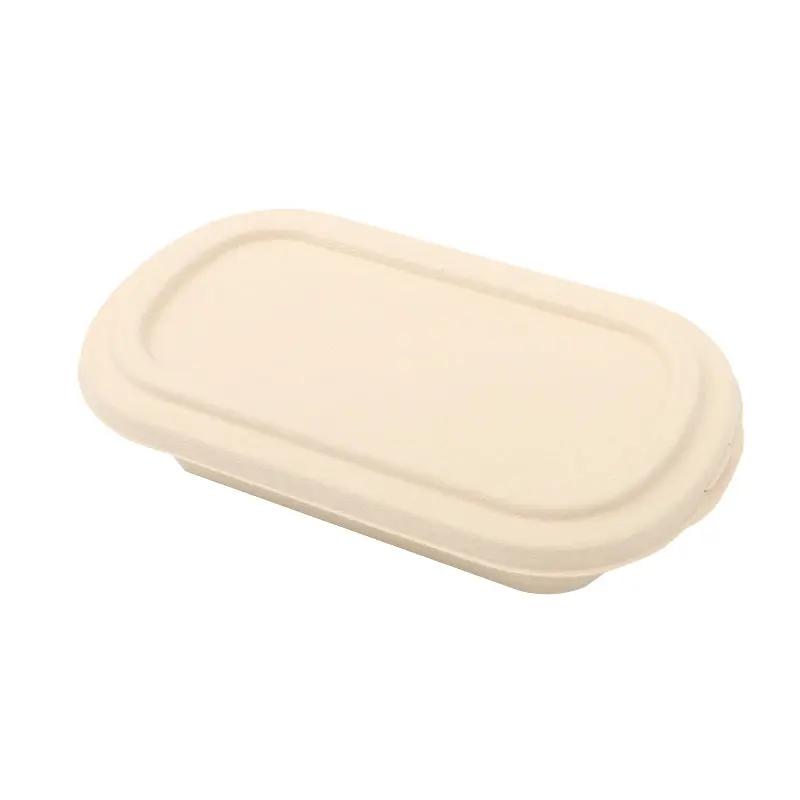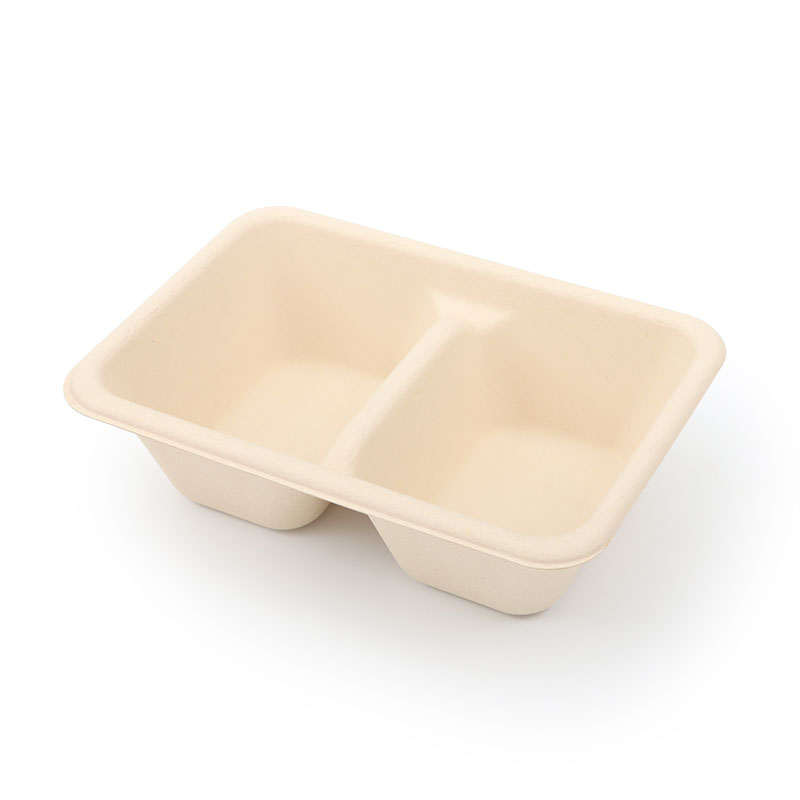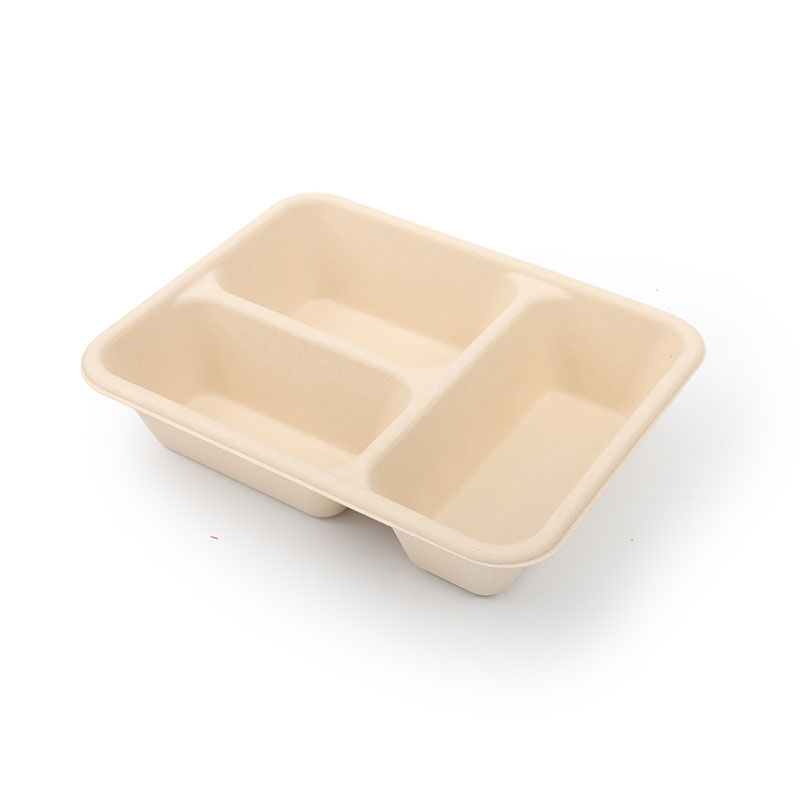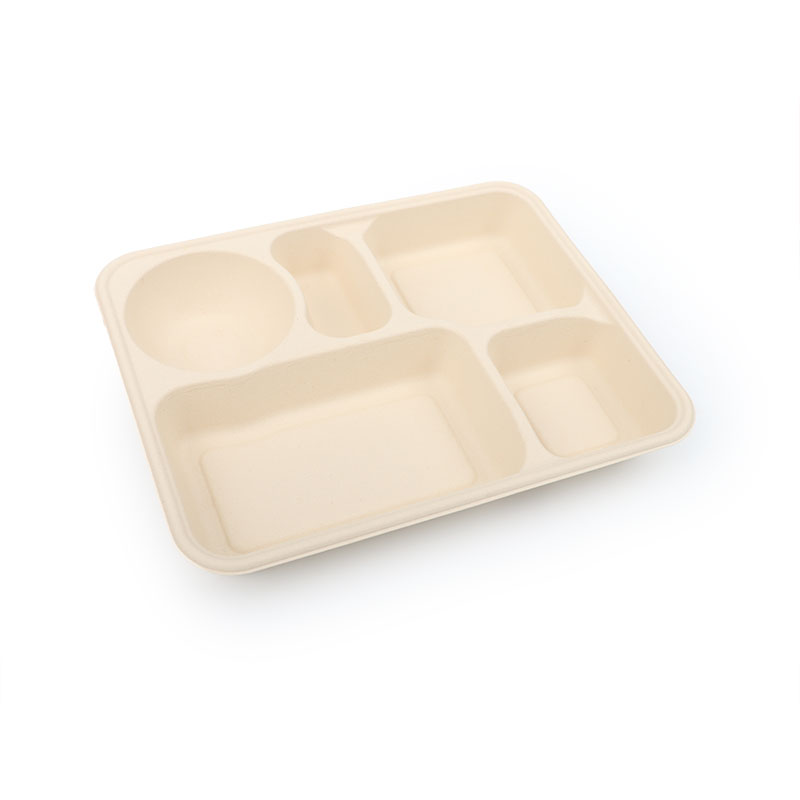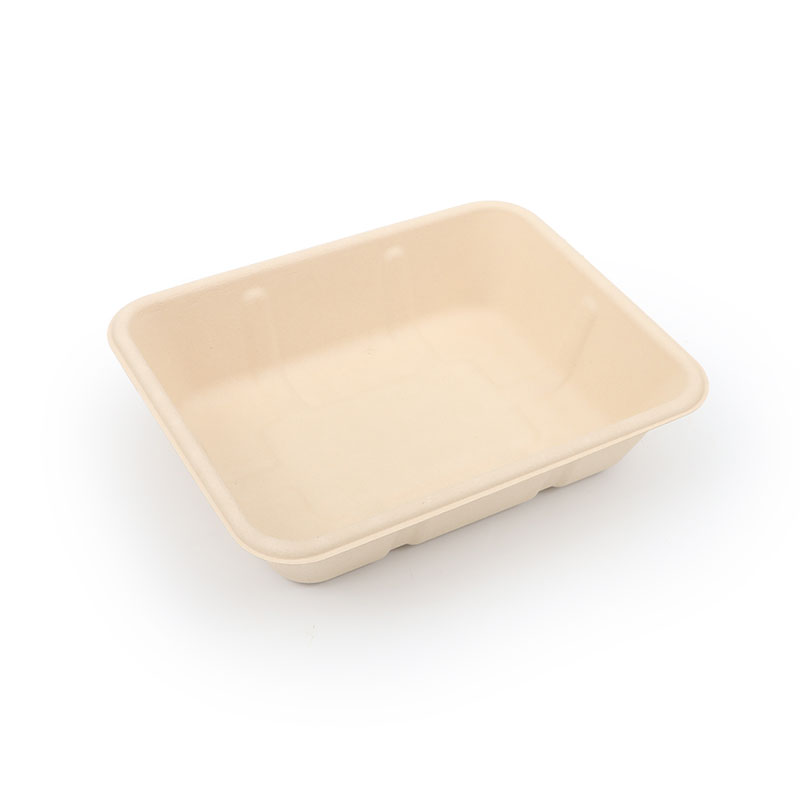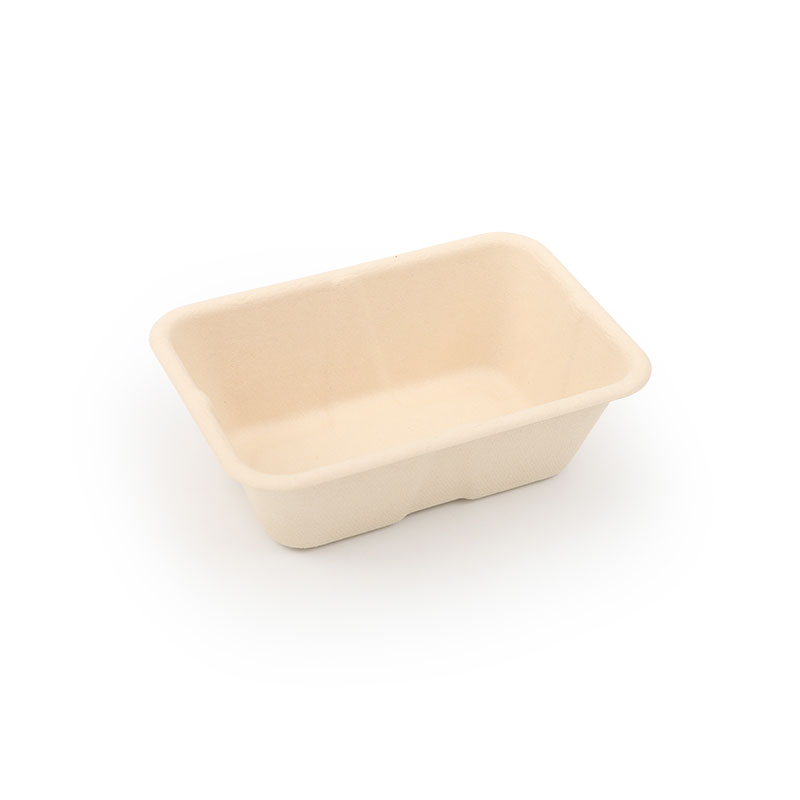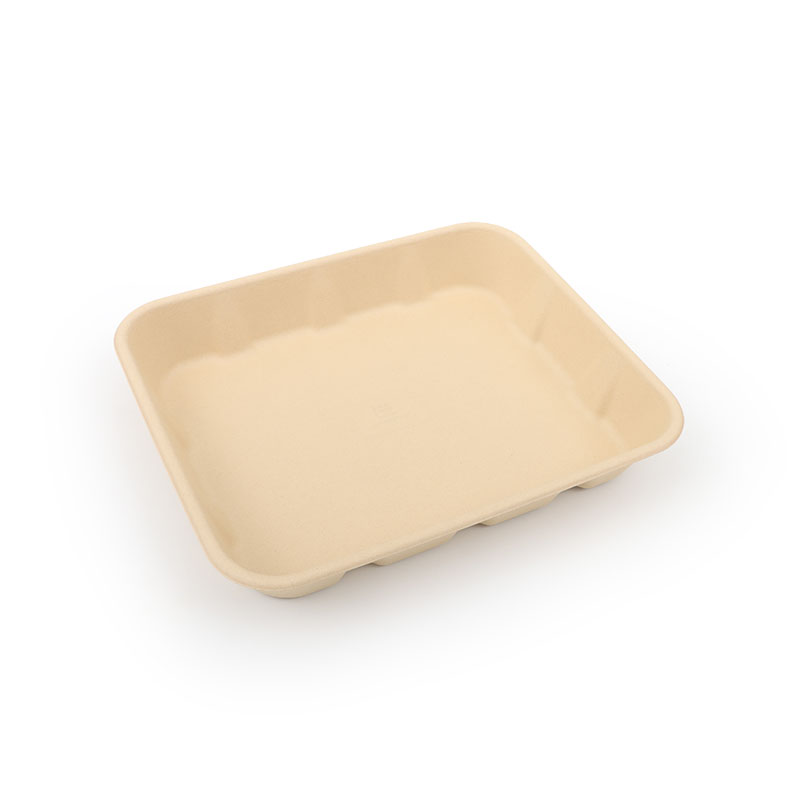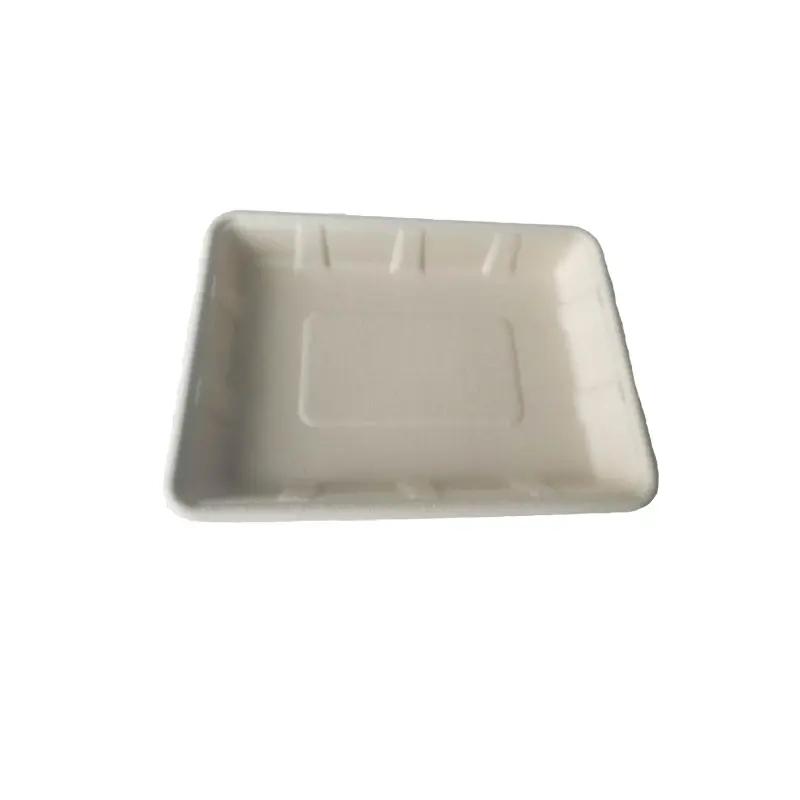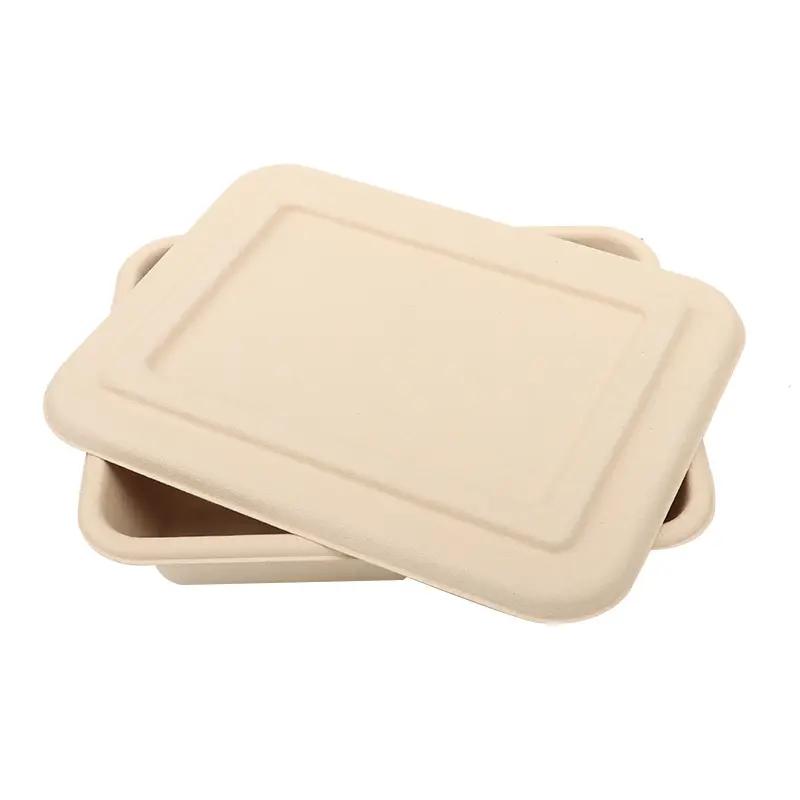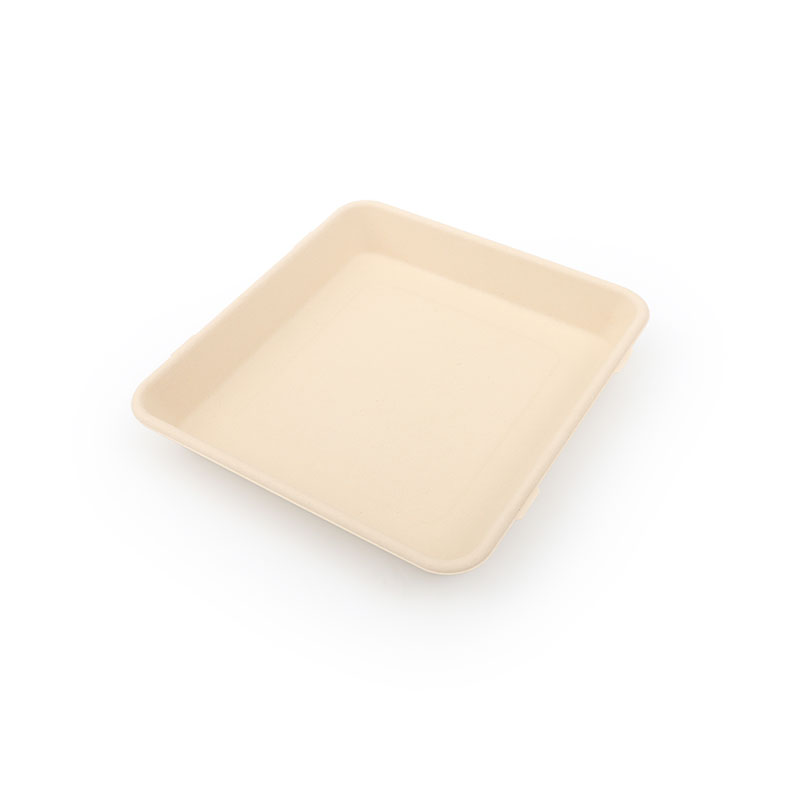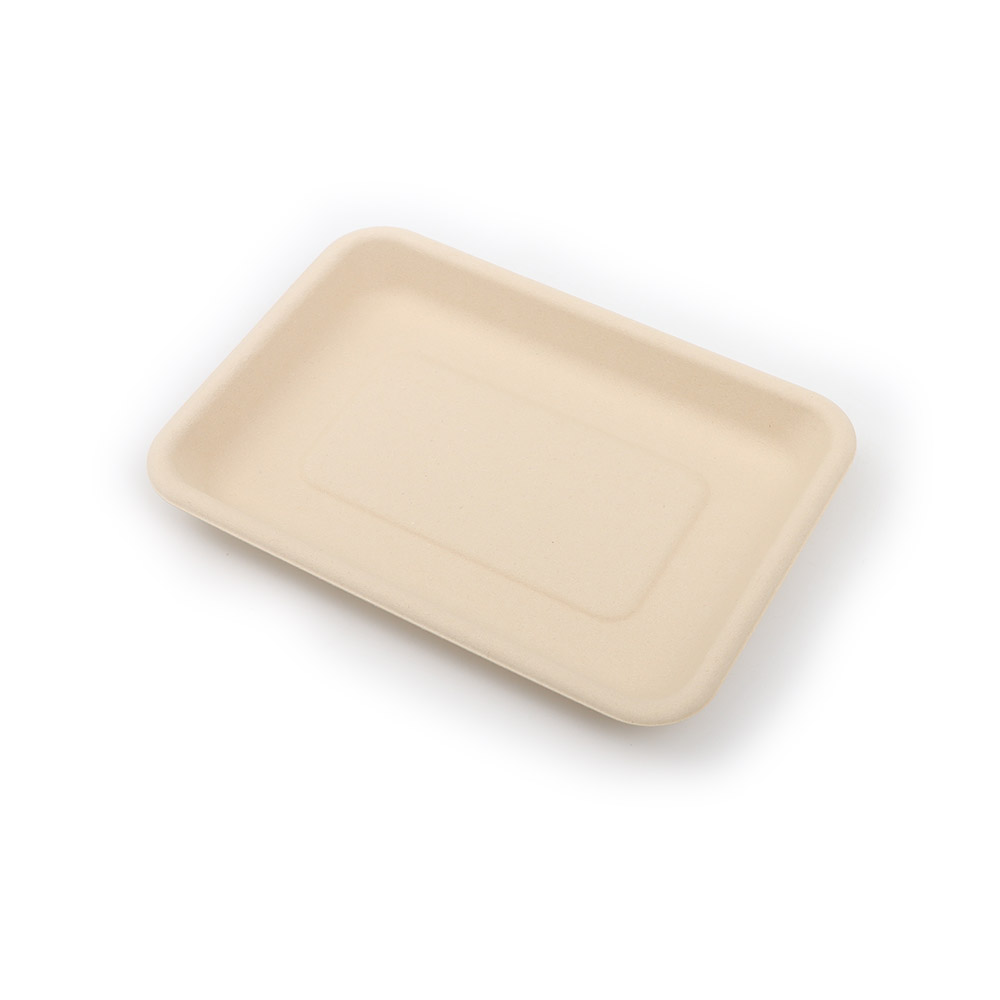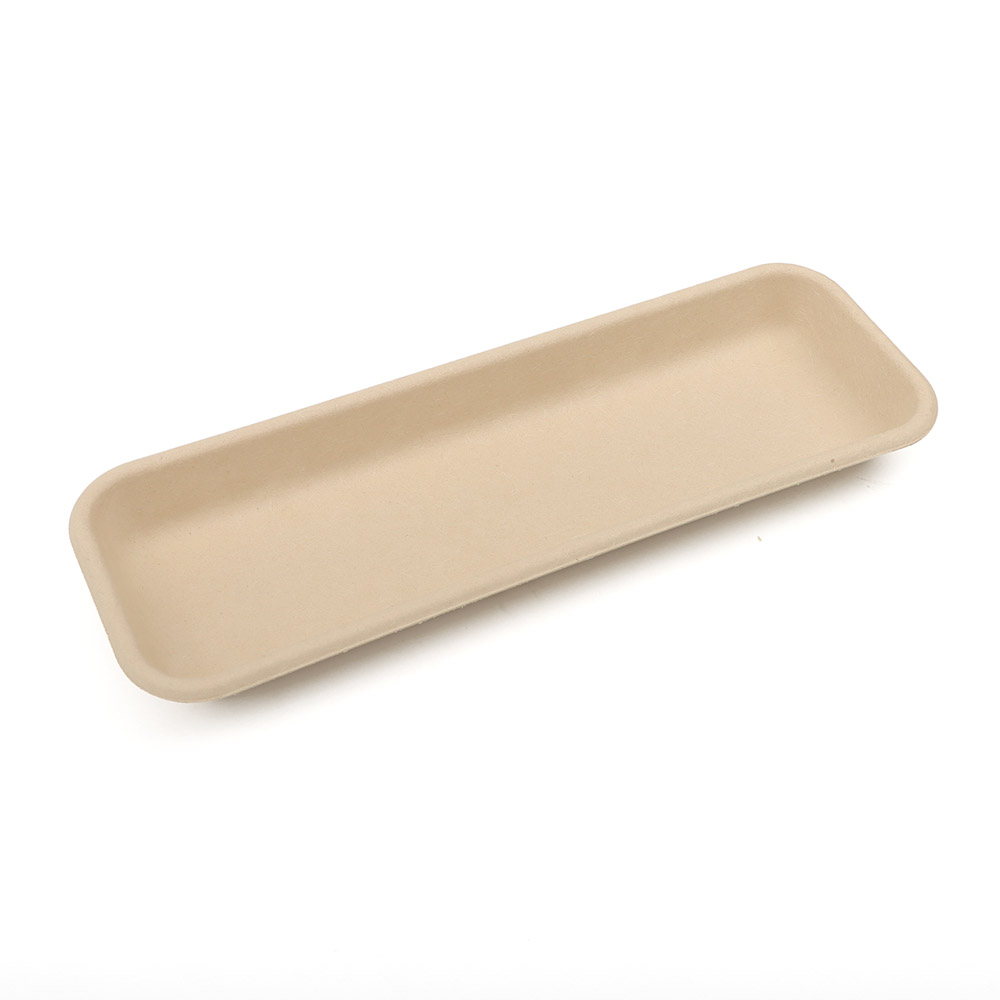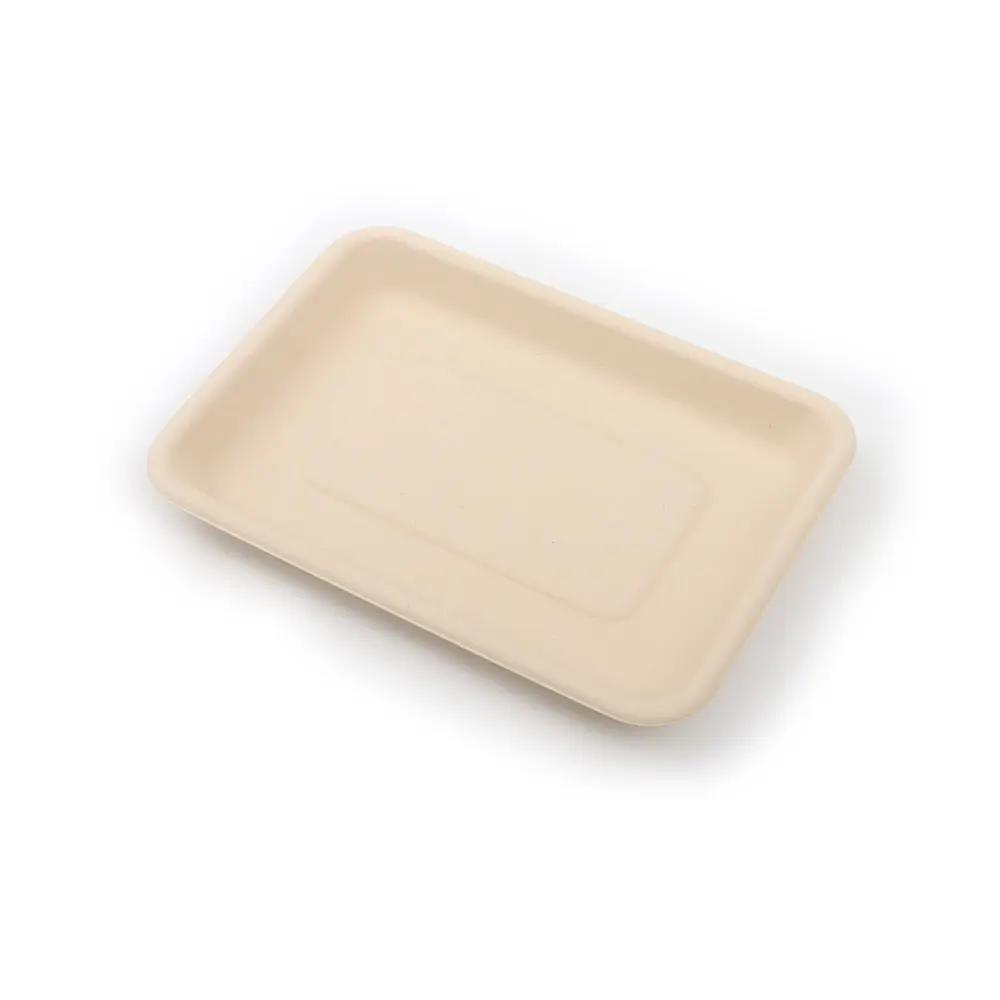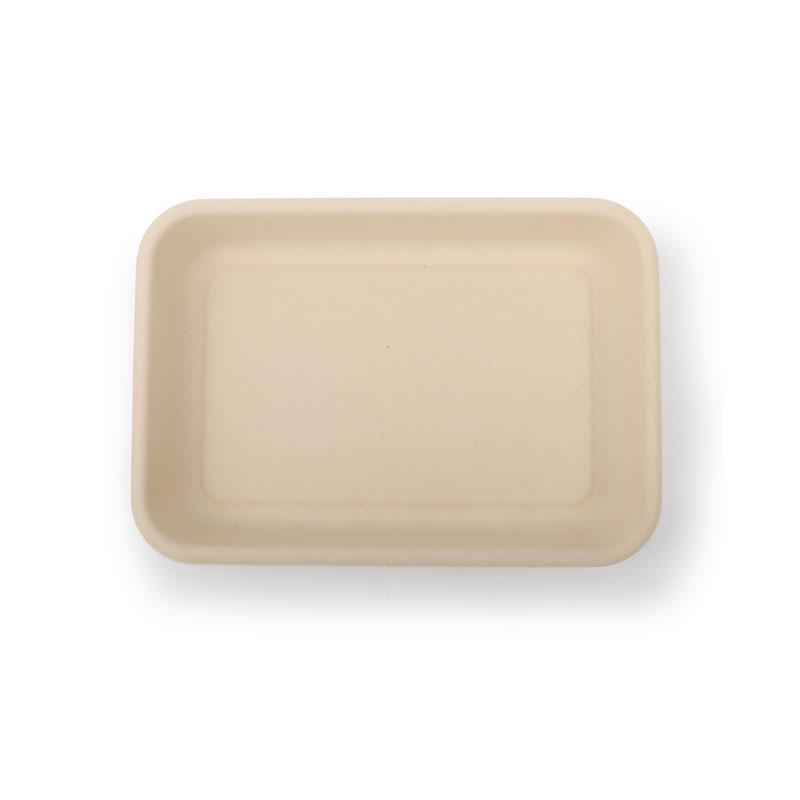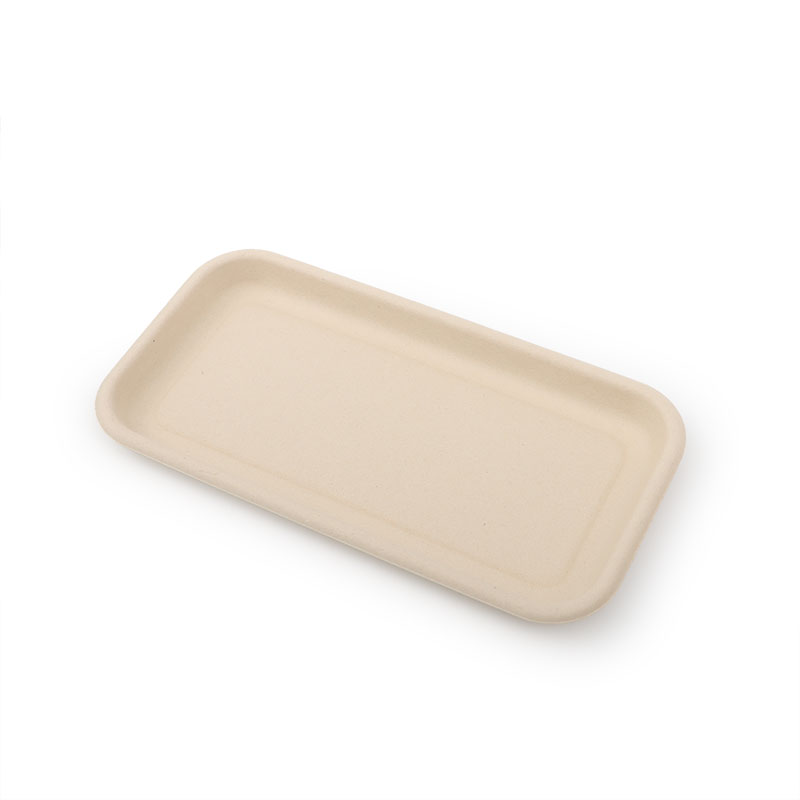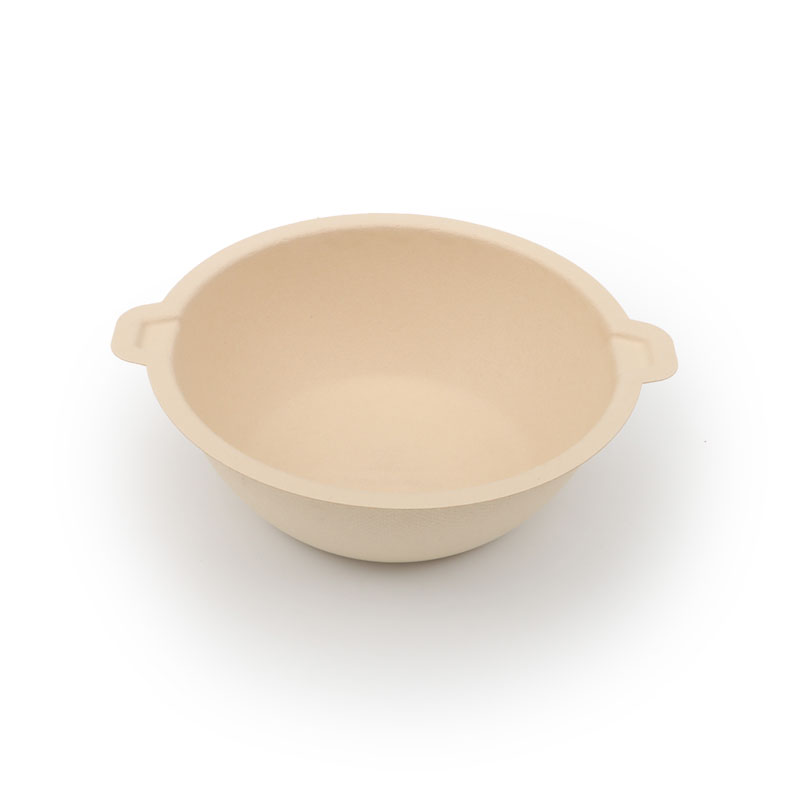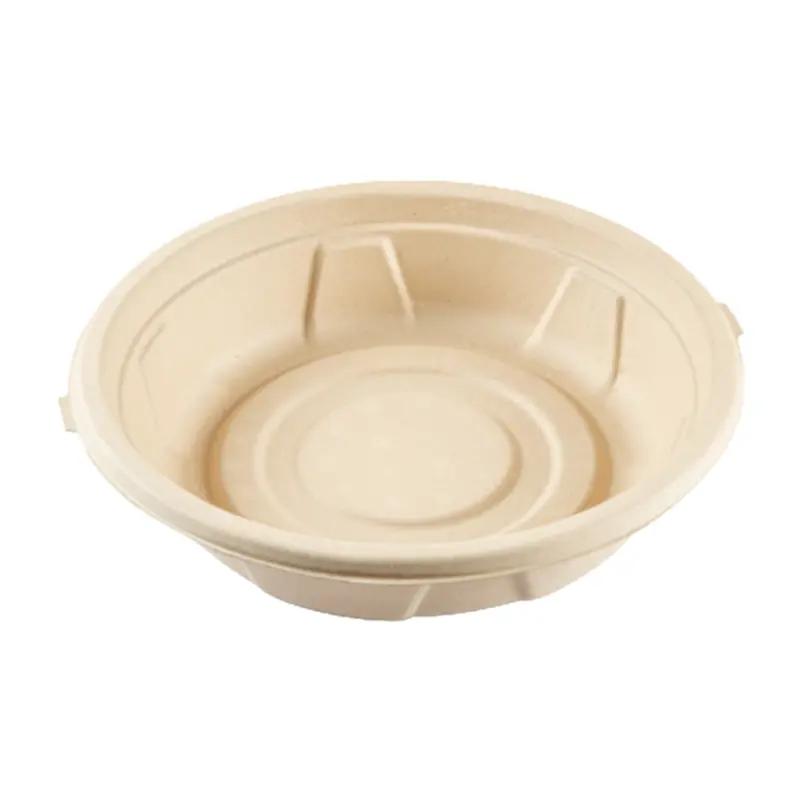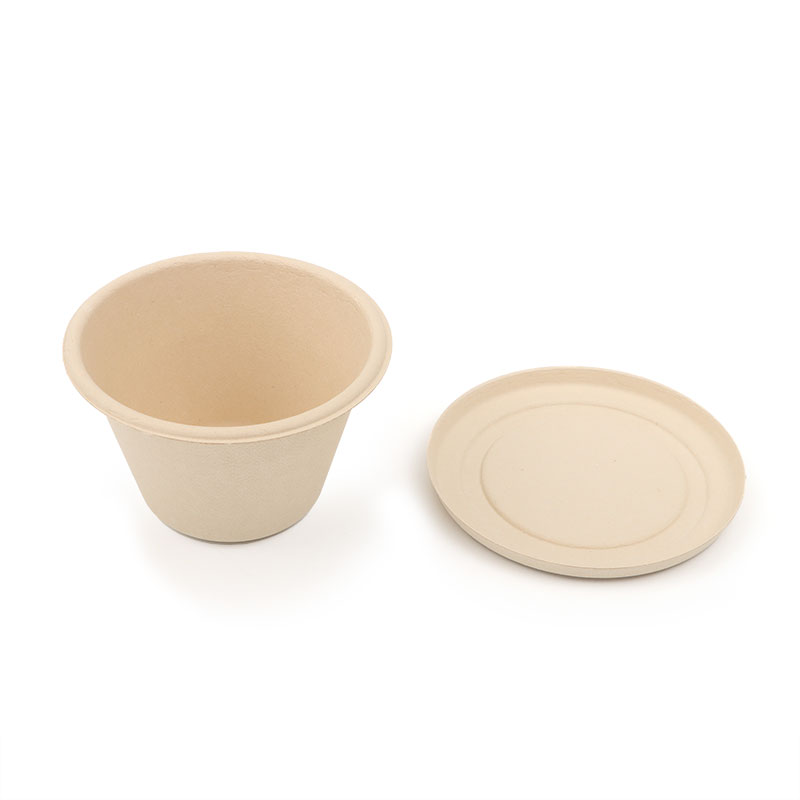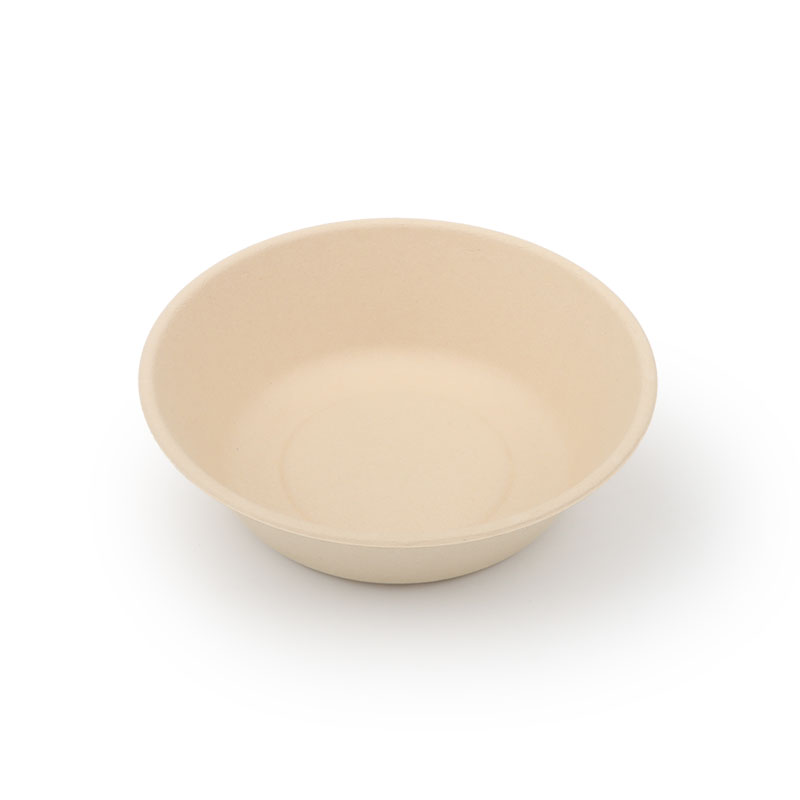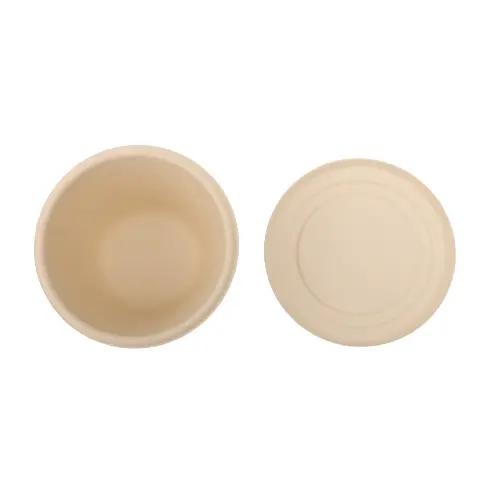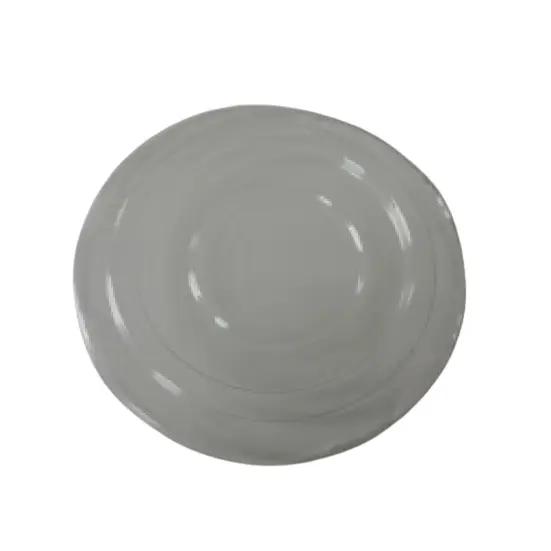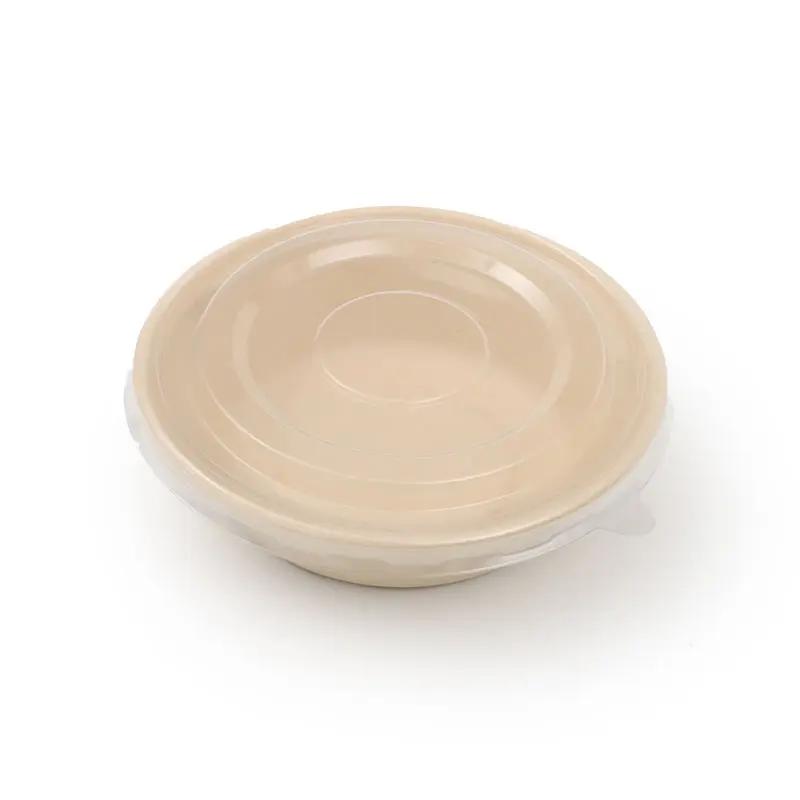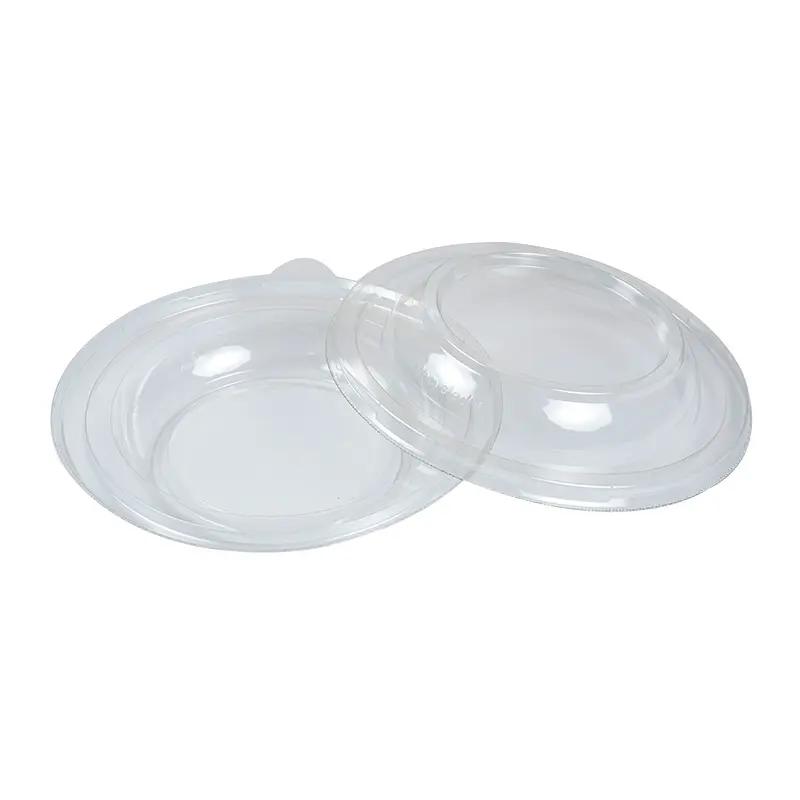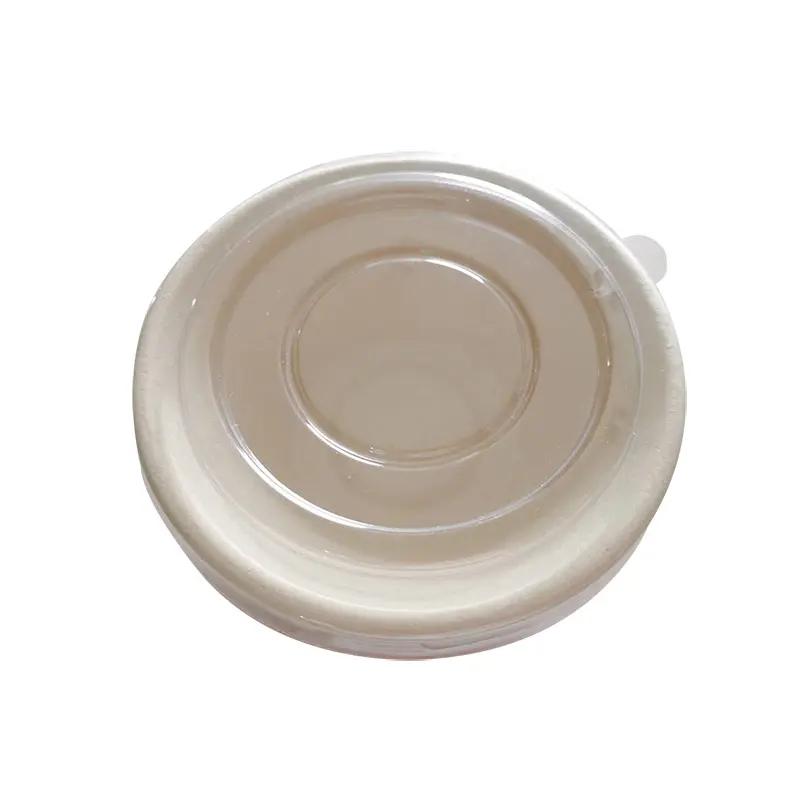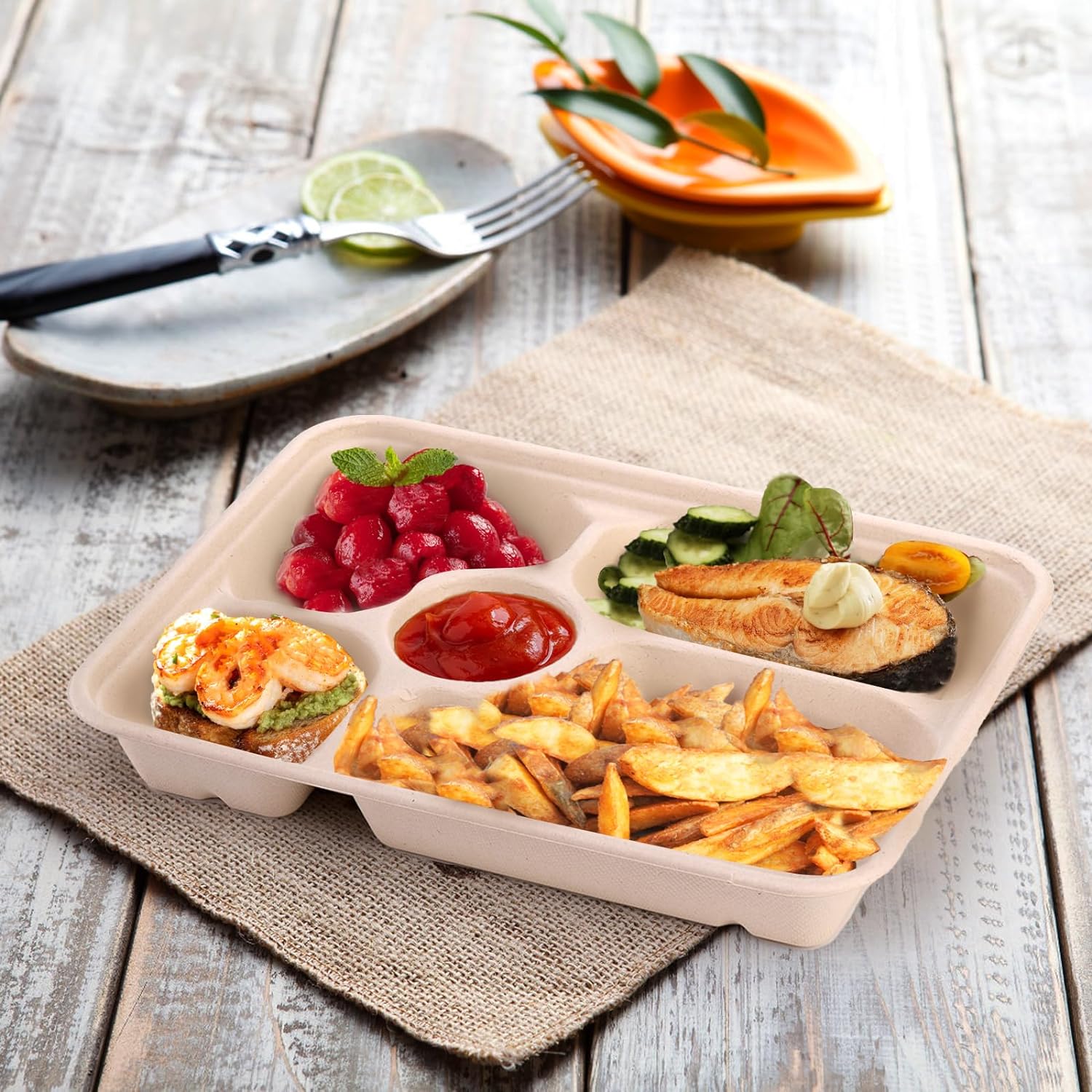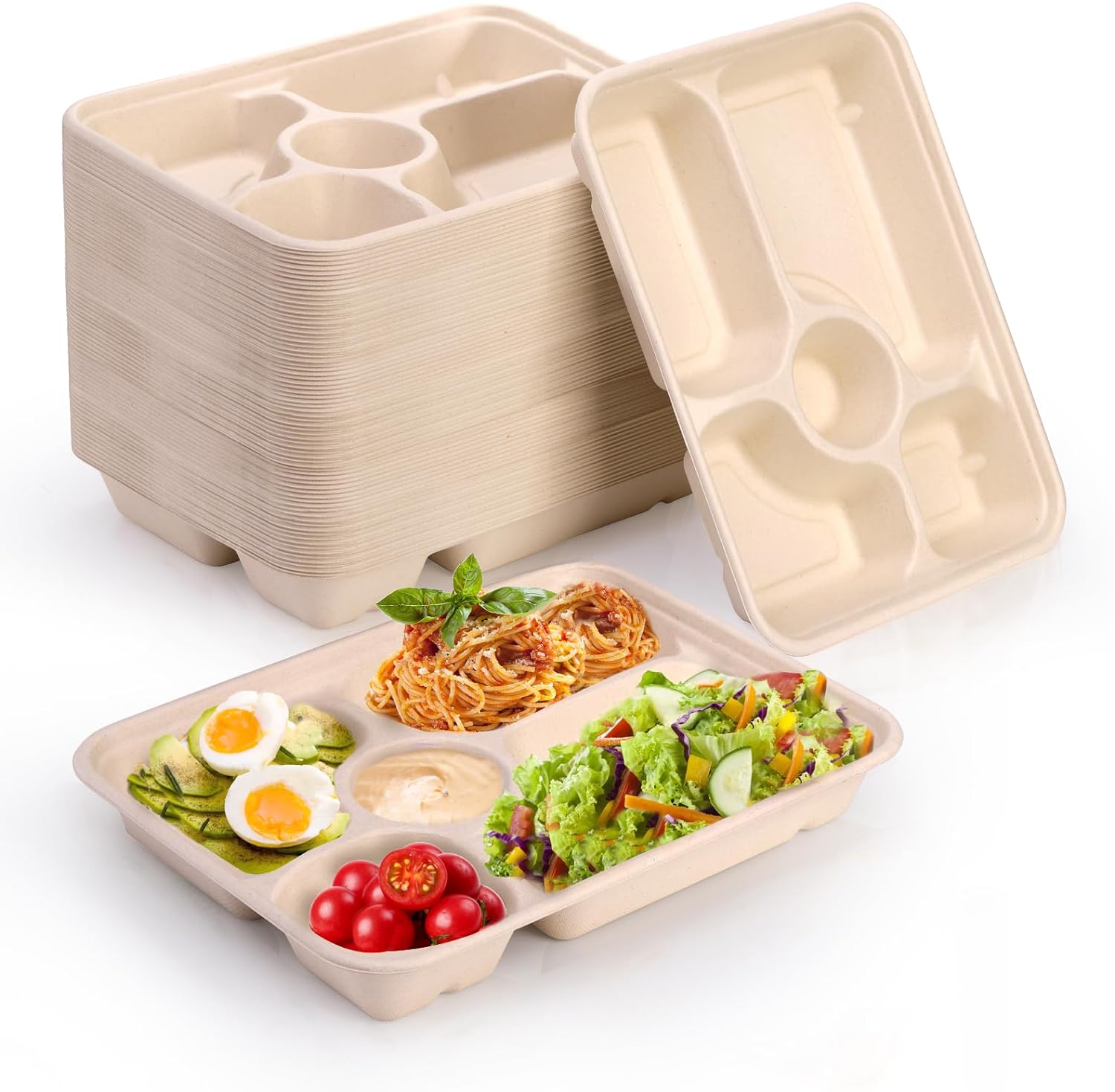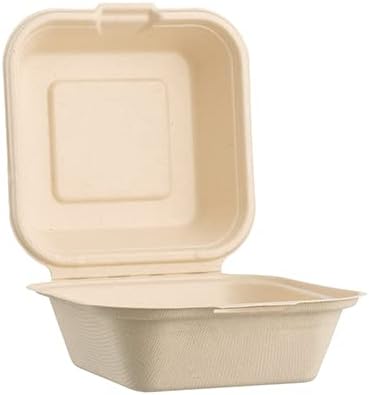
When it comes to seafood buyers around the world, just having eye-catching packaging isn’t enough. What they really need are trays that do more than look good—they need something that keeps the product fresh, handles the cold chain without a hitch, and performs consistently, even after long trips. A dependable laminated seafood tray supplier should really show they have control over materials, precise sealing, high-quality printing, and proof of food-contact safety. These little details matter a lot—think about salmon fillets getting jostled around with condensation, ice, vibrations, or being moved through warehouses over and over again.
Dr. Elena Marlowe, an independent seafood packaging engineer with tons of experience in chilled and frozen food systems, puts it simply: “A seafood tray works best when its barrier properties, sealing, and handling features all come together as a unified system.” And she’s onto something there. Sure, a strong laminate can help cut down on oxygen and moisture getting in, but if the seal isn’t done right, you can still end up with leaks or compromised quality way before the seafood’s time.
When you're shopping around for suppliers, especially looking toward 2026 and beyond, you’ll find a mix of big, established manufacturers and smaller, regional players who can respond quickly. Honestly, size isn’t everything. Some smaller outfits are super agile—they can get samples ready quickly and offer flexible tool options—while bigger companies usually have more capacity and rigorous quality control systems. Both types of suppliers should be put through thorough testing. A good comparison involves trying out samples, digging into technical details, checking minimum order requirements, lead times, and what kind of after-sales support they provide.
Now, let’s be real—there’s no such thing as a perfect supplier. Just like seafood, packaging performance can depend on things like the type of fish, the filling temperature, how long it’s stored, and how it’s transported. So, rather than relying solely on slick marketing pitches, it’s best to evaluate based on actual evidence. This means looking for manufacturers who seem capable of handling global demands but also recognizing that independent testing is key. An effective Laminated Seafood Tray should look clean, stack nicely, seal tightly, and hold up during real-world handling. Sometimes, the simplest test is the most revealing.
The FAO reported 185.4 million tonnes of aquatic animals from global fisheries and aquaculture in 2022. This figure shows the scale of today’s seafood supply chain. It also highlights a practical challenge: products must travel farther while preserving freshness, safety, and appearance.
For global buyers, a Laminating Seafood Tray can support chilled, frozen, and ready-to-cook seafood formats. Its layered structure may improve resistance to moisture, oil, odors, and handling pressure.
Suppliers should provide food-contact documentation, migration test results, and clear production traceability. These details matter more than attractive samples.
Look closely at the sealing area. A weak seal can allow liquid leakage during transport. Check tray performance with real fish portions, shell-on products, and icy storage conditions. Ask for compression tests and temperature data, not only photographs. In procurement work, small differences in rim design can affect packing speed and rejected cartons. This is easy to underestimate.
Reliability needs evidence.
Some suppliers may offer impressive laboratory results but limited export experience. Buyers should review production capacity, inspection procedures, and corrective-action records.
A supplier’s location is less important than consistent quality and responsive communication. Even good packaging can fail when stacking patterns, film settings, or cold-chain practices are poorly controlled. That part deserves honest review.
For global seafood buyers, a Laminated Tray is not merely a shaped container. Its performance depends on the barrier film, seal layer, and forming accuracy. In plant trials, we inspect oxygen transmission, moisture resistance, and film adhesion before discussing price. A tray that looks rigid may still allow odor loss or liquid migration. Small details matter. Film selection should match chilled, frozen, or modified-atmosphere-packed products. High-barrier structures often use multiple layers, each serving a defined function. Yet thicker is not automatically better. It can increase material use and create sealing problems. That assumption deserves review.
The seal layer controls how reliably the lidding film bonds to the rim. Clean rims, steady temperature, and correct pressure are essential. Saltwater, fish oil, or tiny skin fragments can weaken the seal. We recommend testing real product residue, not only empty trays. Peel strength, leak checks, and burst tests reveal different failures. A seal may pass a quick visual check and fail after transport vibration. That is where supplier experience becomes measurable. Still, laboratory data cannot replace production-floor observation.
MAP compatibility requires balanced gas exchange, headspace, and sealing performance. The selected film should support the intended oxygen and carbon-dioxide mix without excessive pack collapse. Tray dimensions also affect gas distribution around fillets and shellfish. Buyers should request migration documentation, food-contact declarations, and traceable batch records from suppliers. Specifications can be incomplete. We have seen promising samples perform poorly after cold-chain handling, so validation should include temperature cycling and storage time. Honest review of such results often improves the final tray design.
EVOH- and metallized-film laminates generally provide the strongest oxygen barrier for modified-atmosphere packaging (MAP), while PE or sealant-rich layers support reliable heat sealing to rigid trays. The values shown are representative technical benchmarks for commonly used film structures; actual performance varies with film gauge, humidity, coating quality, seal temperature, and tray design. Lower oxygen transmission rate (OTR) indicates stronger barrier performance.
For global seafood buyers, a Laminated Tray is more than a container. It is a controlled food-contact system. FAO’s State of World Fisheries and Aquaculture 2024 reported 185 million tonnes of aquatic animals produced in 2022. About 89% went to human consumption. That volume raises the cost of small compliance errors.
Suppliers should verify every layer, adhesive, ink, and coating. EU Regulation 1935/2004 requires materials to avoid harmful migration and preserve food quality. FDA 21 CFR requirements also demand suitable substances, conditions of use, and supporting migration evidence. BRCGS Packaging Materials certification adds risk assessment, hygiene controls, traceability, and documented corrective actions. A certificate alone is not enough. Test reports must match the actual seafood, temperature, storage time, and tray structure. This detail is often missed.
Tips: Request a current declaration of compliance, migration test reports, lot traceability, and change-control records. Check sealing performance with oily fish and frozen products, not only water. Ask for samples from regular production. Laboratory results can look perfect, while factory variation remains. UNEP’s Food Waste Index 2024 estimated 1.05 billion tonnes of food waste in 2022, so better packaging decisions matter, but stronger packaging is not automatically better. Recyclability, barrier performance, and food safety must be reviewed together.
For 2026 global seafood buyers, supplier selection increasingly depends on measurable sustainability data. EU Regulation (EU) 2025/40 requires packaging placed on the European market to move toward recyclability by 2030. Recyclability at scale becomes the stronger benchmark from 2038. A Laminated Beef Tray may protect food well, but its mixed polymer layers can complicate sorting and recycling.
Ask suppliers for material specifications, layer composition, and independent recyclability evidence. Request test results from relevant sorting and recycling systems. Do not accept vague claims such as “eco-friendly.” A practical scorecard can track recyclable material percentage, recycled content, tray weight, and recovery yield. It should also record coating types and adhesive compatibility. Small details matter.
For seafood applications, suppliers should explain how oxygen barriers affect recycling performance. They should provide samples, not only brochures. Buyers can compare seal strength, leakage rates, shelf-life results, and packaging reduction together. Under the regulation, technical criteria may develop through later guidance. That creates uncertainty. It also demands careful review. A tray labeled recyclable may still lack effective collection or processing access in a specific market. Procurement teams should update supplier audits annually and preserve test records for compliance checks.
2026 Top Laminated Seafood Tray Suppliers for Global Buyers
Supplier Evaluation: MOQ, Lead Time, Capacity, Certifications, and Export Coverage
Choosing a laminated seafood tray supplier in 2026 requires more than comparing unit prices. Start with the MOQ. Ask whether it applies per size, print design, or production run. A practical trial order should match your cold-chain needs. Some suppliers accept mixed dimensions; others do not. Confirm tooling charges, sample fees, and pallet quantities in writing. Keep records.
Lead time should include film sourcing, lamination, forming, inspection, and export booking. Request normal and peak-season schedules, not one optimistic date. Capacity claims need evidence, including monthly output, machine count, shift patterns, and backup lines. A factory may quote five million trays monthly, yet food-grade capacity could be lower. Request recent production data and a live video audit. This is imperfect, but useful.
For certifications, verify current certificates, scope, site address, and expiry dates. Food-contact declarations, migration testing, HACCP-based controls, and recognized management systems may matter to your market. Do not treat a certificate logo as proof. Export coverage includes destination experience, customs documents, temperature requirements, and damage-resistant loading. Ask for references from comparable regions. A supplier serving nearby markets may struggle with distant ports. Check insurance, claims handling, and document accuracy before signing. Small errors become expensive.
| Supplier Profile | Primary Production Region | Tray Construction | Typical MOQ | Standard Lead Time | Estimated Monthly Capacity | Food-Safety Certifications Commonly Available | Export Coverage | Customization Capability | Buyer-Side Evaluation |
|---|---|---|---|---|---|---|---|---|---|
| Supplier Profile A | Eastern China | PP or CPET tray with PET/PE or EVOH-based lidding structure; suitable for chilled and frozen seafood. | 50,000 pieces per size and design | 25–35 days after artwork and specifications are approved | 8–12 million trays | ISO 9001; HACCP-based food-safety system; BRCGS or equivalent available upon qualification | Europe, North America, Southeast Asia, Middle East | Custom dimensions, barrier levels, printed sleeves, embossing, and die-cut lids | Best for scale Competitive for recurring container-volume programs. |
| Supplier Profile B | South China | Mono-PP or PP/EVOH/PE multilayer tray; recyclable mono-material options available for selected applications. | 30,000 pieces per SKU | 20–30 days for repeat orders; 35–45 days for new tooling | 4–7 million trays | ISO 22000 or FSSC 22000; HACCP; migration testing to applicable food-contact requirements | East Asia, Australia, Europe, North America | High-barrier structures, modified-atmosphere packaging compatibility, custom color matching | Best for material flexibility Useful where recyclability and barrier performance must be balanced. |
| Supplier Profile C | Central Europe | Recyclable PP and PET trays with peelable or weldable lidding films for retail seafood packs. | 20,000 pieces per format | 30–45 days, depending on tooling and film availability | 2–4 million trays | BRCGS Packaging Materials; ISO 14001; HACCP-based controls; EU food-contact documentation | European Union, United Kingdom, Scandinavia, selected Middle Eastern markets | Retail-ready formats, shallow-skin packaging, premium finishes, and small-format trials | Best for EU compliance Strong option for buyers requiring regional documentation and shorter intra-European logistics. |
| Supplier Profile D | South Korea | High-barrier PP and PET trays designed for chilled fish, shellfish, ready-to-cook, and export retail products. | 40,000 pieces per size | 30–40 days after technical approval | 3–5 million trays | FSSC 22000; HACCP; ISO 9001; food-contact compliance files for major export markets | Japan, Southeast Asia, North America, Australia, Middle East | Precise forming, premium clarity, anti-fog lid compatibility, and tight dimensional tolerances | Best for premium retail Appropriate for appearance-sensitive seafood and controlled sealing processes. |
| Supplier Profile E | Vietnam | PP, PET, and CPET trays with lidding-film options for frozen seafood, marinated products, and foodservice packs. | 25,000 pieces per SKU | 25–40 days; tooling may add 10–20 days | 2–5 million trays | ISO 22000; HACCP; BRCGS or customer-specific audit programs available | ASEAN, Japan, Australia, Europe, North America | Standard and custom sizes, stackability improvements, private-label printing, and carton optimization | Best for diversified sourcing A practical alternative for buyers seeking Southeast Asian production capacity. |
| Supplier Profile F | Turkey | PP and PET trays with peelable lidding systems for chilled seafood and supermarket distribution. | 35,000 pieces per design | 25–35 days for standard formats | 2–4 million trays | BRCGS Packaging Materials; ISO 9001; HACCP; EU food-contact declarations | European Union, United Kingdom, Balkans, North Africa, Middle East | Retail formats, short-to-medium production runs, custom color and label coordination | Best for near-market supply Can reduce transit time for European and Mediterranean buyers. |
| Supplier Profile G | North America | Recyclable PET and PP trays with lidding-film compatibility for domestic and export seafood programs. | 50,000 pieces per format | 35–50 days, excluding tooling and qualification | 1–3 million trays | SQF or BRCGS; HACCP; FDA food-contact compliance documentation; ISO 9001 commonly available | United States, Canada, Mexico, Caribbean, selected Asia-Pacific markets | High-volume standard formats, automated-line compatibility, and customer-specific validation support | Best for North American compliance Suitable when local regulatory documentation and technical support are priorities. |
| Supplier Profile H | India | PP and PET trays for frozen seafood, export cartons, foodservice packs, and selected chilled applications. | 20,000 pieces per size | 30–45 days after approval; export consolidation may affect schedule | 1–3 million trays | ISO 22000; HACCP; BRCGS or customer audit qualification; food-contact migration reports | Middle East, Southeast Asia, Europe, Africa, North America | Cost-focused formats, custom tooling, printed cartons, and mixed-SKU export orders | Best for cost control Worth evaluating for price-sensitive programs with realistic production planning. |
| Evaluation note: MOQ, lead time, capacity, certification status, and export coverage are indicative 2026 market benchmarks for anonymized supplier profiles rather than company-specific claims. Buyers should verify current certificates, food-contact declarations, audited production capacity, tooling ownership, Incoterms, shipping records, and sample performance before issuing a purchase order. | |||||||||
A reliable laminated seafood tray supplier should explain its material structure clearly. Common options include PET, PP, PE, and aluminum laminate layers. Each affects sealing, stiffness, oxygen resistance, and recycling considerations. Food-contact documentation matters. So does production consistency. In supplier audits, I check layer thickness, seal strength, odor transfer, and batch records. A polished brochure is not enough.
Sizes should match the product, filling line, and transport method. Small trays suit single portions, while wider formats support fillets, shellfish, and family packs. Typical capacities range from 250 grams to over one kilogram. Suppliers should provide drawings, tolerances, and sample trays before mass production. Tiny dimensional errors can cause sealing leaks. This happens more often than buyers expect.
Applications also reveal a supplier’s real capability. Chilled seafood needs clean presentation and dependable sealing. Frozen products need materials that resist cracking during low-temperature handling. Modified-atmosphere packaging demands stable gas-barrier performance. Regional strengths differ. European suppliers often emphasize traceability and automated quality systems. Asian suppliers may offer flexible customization and competitive tooling support. North American suppliers commonly understand retail-ready formats and cold-chain demands. These patterns are useful, but not universal. A regional assumption can mislead procurement decisions. Ask for test data, export experience, production capacity, and corrective-action records. Samples should be tested on the buyer’s actual filling and sealing equipment. Suppliers sometimes perform well in demonstrations, yet struggle with real line speed.
A reliable buyer matrix should compare more than the quoted unit price. Cost includes freight, minimum order quantities, tooling, storage, and waste from damaged trays. A low price can become expensive after transport. I have seen this happen during seasonal seafood shipments.
Shelf life depends on film structure, seal quality, cold-chain stability, and moisture resistance. Ask suppliers for migration tests, seal-strength data, and storage results. A Laminated Paper Plate may appear suitable, yet seafood oils can weaken poor coatings. Request samples with fatty fish, sauces, and ice exposure. Test them for seven to fourteen days under realistic conditions.
Barrier performance needs separate scoring. Review oxygen, water vapor, grease, and odor resistance. Strong barriers help preserve texture and reduce freezer burn. However, thicker layers may increase cost and complicate recycling requirements. Total value balances product protection, labor efficiency, complaint rates, and disposal expectations. The calculation is rarely perfect. Leave room for uncertainty.
Tips: Use a weighted matrix with clear scores. Give shelf life and barrier protection higher weight for export seafood. Compare identical tray sizes and pack counts. Check production consistency across multiple batches. Ask for corrective-action records, not only polished certificates. A supplier that explains weaknesses may deserve more trust than one promising flawless results.
: Global seafood production reached 185.4 million tonnes in 2022. Products often travel long distances. Laminated trays can help protect freshness, appearance, and food safety during transport. They may resist moisture, oil, odors, and handling pressure.
These trays can support chilled, frozen, and ready-to-cook seafood. They may hold fish portions, fillets, shellfish, or family-sized packs. Frozen applications need materials that resist cracking at low temperatures. Test the tray with real products.
Check the rim, sealing surface, and tray dimensions carefully. A weak seal may cause liquid leakage during transport. Use fish portions, shell-on products, and icy storage conditions during testing. Test the seal.
Request food-contact declarations, migration test results, and production traceability records. Verify certificate scope, site details, and expiry dates. Ask for inspection procedures and corrective-action records. A logo is not proof.
Confirm whether the MOQ applies to each size, design, or production run. Ask about mixed dimensions, tooling charges, sample fees, and pallet quantities. Record every condition in writing. Small details become costly.
Request monthly output, machine counts, shift patterns, and backup-line information. Recent production data is more useful than a large capacity claim. A live factory audit can reveal practical limitations. Capacity claims are imperfect.
Lead time should cover film sourcing, lamination, forming, inspection, and export booking. Request both normal and peak-season schedules. Do not rely on one attractive delivery date. Plan for delays.
PET, PP, PE, and aluminum laminate layers affect stiffness, sealing, barrier performance, and recycling considerations. The tray should match the seafood portion, filling line, and transport method. Typical capacities range from 250 grams to more than one kilogram. Measure carefully.
A tray may perform well during a supplier demonstration but fail at real line speed. Test dimensions, seal strength, odor transfer, and low-temperature performance. Check packing speed and rejected cartons. Samples can mislead.
This guide presents the 2026 global market for Laminated Seafood Tray solutions, beginning with the FAO-reported seafood supply of 185.4 million tonnes in 2022. It explains how barrier films, seal layers, and modified-atmosphere packaging compatibility help protect seafood quality, extend shelf life, and support efficient distribution. The article also reviews key food-contact requirements, including EU 1935/2004, FDA 21 CFR, and BRCGS standards, while highlighting recyclability targets connected with EU Packaging Regulation 2025/40.
For global buyers, the guide provides a practical framework for evaluating suppliers by MOQ, lead time, production capacity, certifications, export coverage, materials, sizes, applications, and regional strengths. A final selection matrix compares cost, shelf-life performance, barrier protection, sustainability considerations, and total value. This approach helps buyers identify packaging partners that balance product safety, operational reliability, regulatory readiness, and long-term environmental goals.