When it comes to choosing the top suppliers for 2026 for modified atmosphere packaging in meat, you really shouldn’t just go by who’s cheapest. These packaging solutions actually use carefully controlled levels of oxygen, carbon dioxide, and nitrogen. That’s what helps slow down oxidation, keeps microbial growth in check, and makes the meat look appetizing for longer. But getting the right mix isn’t one-size-fits-all — it depends on the type of meat, the cut size, how much fat is in there, and the storage temperatures.
Did you know that, according to the Food and Agriculture Organization, about 13.2% of globally produced food was lost after harvest and before reaching stores in 2022? Packaging alone can’t fix every point of spoilage, but a good seal and stable gas control definitely help cut down on preventable waste. The UN also estimated that 1.05 billion tonnes of food were wasted that year. So, investing in shelf-life engineering isn’t just about making things look pretty — it’s actually a big deal commercially. That said, packaging materials bring their own challenges, especially around materials and recycling.
In this guide, I’ll take a close look at major players like Multivac, Sealed Air, Amcor, Mondi, and Air Products. We’ll compare their tray systems, barrier films, gas mixing tech, leak detection, automation, and support services. I’ve based this on supplier specs, safety certifications, and independent industry reports — the kind of stuff that really helps you judge quality. Things like ISO 22000 systems, hygienic machine design, and proven cold-chain performance matter way more than flashy claims. No supplier is perfect, though, and it’s good to keep that in mind. Different reports might not always line up, and what they say about shelf life sometimes doesn’t hold up in real-life distribution. For example, a chilled tray shipped at 2°C can still face temperature swings that ruin its quality. So, the best suppliers are usually those who combine solid equipment experience, scientific understanding of packaging, measurable quality controls, and reliable after-sales support.

What Is Modified Atmosphere Packaging for Meat?
What Is Modified Atmosphere Packaging for Meat?
Modified atmosphere packaging, or MAP, replaces ordinary air around meat with selected gases. The package usually contains oxygen, carbon dioxide, and nitrogen in controlled proportions. Each gas serves a different purpose. Oxygen can help maintain the bright red appearance of some beef cuts. Carbon dioxide can slow microbial growth. Nitrogen supports package shape and reduces collapse.
The process begins with chilled meat, clean equipment, and a suitable barrier film. Air is removed or displaced before the tray is sealed. A strong seal matters. Small leaks matter. Even a tiny channel can change the internal atmosphere. Cold storage remains essential because MAP does not sterilize meat or stop all bacteria. It only manages the package environment.
Appearance can still mislead. Bright color does not prove freshness, and darker meat is not automatically unsafe. Gas ratios must match the species, cut, fat level, storage period, and distribution conditions. A supplier should verify oxygen transmission, seal strength, gas composition, and temperature records. Practical checks often reveal weak corners, such as condensation near the seal or trays stacked too tightly. The method is highly useful, but it is not magic. Good results require testing, trained operators, traceability, and honest shelf-life validation.
How Modified Atmosphere Packaging Preserves Meat Quality
How modified atmosphere packaging Preserves Meat Quality
Modified atmosphere packaging slows meat deterioration by replacing ordinary air with controlled gases. Oxygen, carbon dioxide, and nitrogen each serve different purposes. Oxygen can protect the bright red color of beef. Carbon dioxide suppresses many spoilage bacteria. Nitrogen fills space and reduces package collapse. The balance matters.
A chilled beef tray may look fresh under supermarket lights, yet color alone proves little. A trained operator checks gas ratios, seal strength, product temperature, and purge inside the pack. Modified atmosphere packaging cannot repair poor hygiene or warm storage. It only manages conditions already controlled by the processor.
The FAO’s State of Food and Agriculture 2019 estimated that 14% of food is lost between harvest and retail. Meat losses are especially costly because production requires substantial feed, water, and energy. The UNEP Food Waste Index Report 2024 reported 1.05 billion tonnes of food waste in 2022. Better packaging can reduce avoidable waste, but it is not a complete answer.
Practical trials often reveal uncomfortable details. A small leak can destroy shelf-life performance before anyone notices. Excess carbon dioxide may cause drip, sour odors, or package deformation. Product temperature still wins. One missed refrigeration check can outweigh sophisticated gas control. Suppliers should validate each meat type, film structure, filling speed, and distribution route with documented shelf-life testing. Even then, results may vary. That uncertainty deserves attention.
Key Materials and Technologies Used in Meat Packaging
Meat packaging in 2026 depends on material selection, gas control, and disciplined production checks. Fresh beef, poultry, and pork need different oxygen levels, moisture barriers, and seal strengths. A high-barrier tray film can reduce oxygen transfer during refrigerated storage. However, thicker film does not always create better protection. It may increase waste, sealing pressure, and material costs.
Common structures include PET or PP trays with polyethylene sealing layers. Polyamide can improve puncture resistance when sharp bone edges create risks. EVOH provides strong oxygen protection, but its performance can decline in humid conditions. Carbon dioxide helps slow microbial growth, while nitrogen supports pack shape. Oxygen may preserve the bright color of some red meats, but excessive oxygen can accelerate oxidation.
Small leaks matter. One weak corner can spoil an otherwise well-designed pack.
Modern suppliers should offer thermoforming, vacuum skin packaging, and modified atmosphere equipment with accurate gas dosing. Inline leak testing, seal inspection, and oxygen analysis provide practical evidence of pack quality. Sensors can record temperature changes during distribution, exposing failures that laboratory tests may miss.
In production audits, I would examine film compatibility, sealing windows, puncture results, and shelf-life data from real cold-chain conditions. Data beats guesswork. Still, test results may vary between factories, operators, and cutting styles. A package that performs well with smooth portions may fail around bone-in cuts. Supplier reliability therefore depends on repeatable trials, traceable materials, and clear corrective procedures.
How to Evaluate Modified Atmosphere Packaging Suppliers
For 2026, evaluating modified atmosphere packaging suppliers requires more than comparing prices. Meat processors should examine gas-control accuracy, sealing consistency, material performance, and technical support. The right supplier should explain oxygen and carbon dioxide targets for each product, pack size, and storage temperature. Ask for documented shelf-life trials, migration testing, and seal-integrity results.
Reliable evidence matters. The FAO’s State of Food and Agriculture 2022 reported that 13.2% of food was lost between harvest and retail during 2016–2020. The UNEP Food Waste Index Report 2024 estimated 1.05 billion tonnes of food waste in 2022. These figures do not prove packaging solves waste, but they show why stable modified atmosphere food packaging deserves careful validation. A supplier should provide test conditions, sampling methods, and failure limits. Vague claims are warning signs.
Tips: Request a pilot run using your actual tray, film, gas mixture, and cold-chain route. Check oxygen levels after sealing and during storage. Review batch traceability, complaint response time, and contingency plans. Ask whether production can handle seasonal volume changes. A lower quote may hide weaker films or limited laboratory support. I would not trust impressive shelf-life numbers without raw test records.
Sustainability also needs scrutiny. Compare recycled content, downgauging claims, barrier performance, and disposal instructions. Some lighter materials fail during transport, creating leaks and avoidable waste. Supplier evaluation is never perfectly clean; your own process data should challenge every promise.
Top Modified Atmosphere Packaging Suppliers for Meat in 2026
In 2026, reliable modified atmosphere packaging suppliers for meat must offer more than attractive equipment prices. They should understand beef, poultry, pork, and processed meat separately. Each product releases moisture and consumes oxygen differently. A suitable supplier tests gas ratios, tray materials, sealing temperatures, and storage conditions before production begins. Small details matter. A weak seal can leave a visible air channel along the film.
Experienced suppliers usually provide pilot trials with real meat, not only empty trays. These trials should measure color stability, purge, odor, microbial growth, and seal strength throughout the intended shelf life. When suppliers map modified atmosphere packaging to a specific product, they can recommend oxygen, carbon dioxide, and nitrogen levels with better accuracy. They should also explain how filling speed, room temperature, and cold-chain breaks affect results. Vague promises deserve questions.
Professional documentation is equally important. Ask for material specifications, validation reports, calibration records, and food-contact compliance evidence. Independent testing can strengthen reliability, especially when a supplier makes extended shelf-life claims. However, laboratory data may not match a busy packing line. That gap is easy to underestimate. On-site commissioning, operator training, and periodic gas analysis help reduce surprises. A supplier should respond clearly when packaging fails, even if the mistake involves process settings rather than its machine. The cheapest proposal may become expensive after repeated film waste, product returns, or unstable sealing.
Industry Standards, Safety Requirements, and Sustainability Trends
2026 Top Modified Atmosphere Packaging For Meat Suppliers
To define modified atmosphere packaging, it is a controlled method that replaces ordinary air around meat with selected food-grade gases. Oxygen, carbon dioxide, and nitrogen may be balanced for product type, freshness, and shelf-life goals. The mixture must support appearance without weakening microbial safety. A bright red surface can look appealing, yet color alone cannot prove freshness.
Reliable suppliers should follow HACCP principles and maintain documented food-contact compliance for each market. Their process should verify gas purity, sealing temperature, leak rates, and storage conditions. A loose seal near the tray corner can allow oxygen to enter quietly. That small failure matters. Testing should include microbiological checks, package integrity tests, and traceable batch records. Local regulations still control final requirements, so one formula cannot suit every destination.
Sustainability is changing the design conversation. Thinner films, recyclable structures, and lower gas use can reduce material and transport impacts. However, lightweight packaging may tear during stacking or fail under cold-chain pressure. That trade-off needs real testing, not optimistic claims. Suppliers should measure food waste, energy consumption, recycled content, and packaging weight together. The most sustainable pack is not always the thinnest one. Sometimes, a stronger seal prevents more waste than it creates. Teams should also review refrigeration performance, because extended shelf life cannot compensate for poor temperature control.
2026 Top Modified Atmosphere Packaging for Meat Suppliers
Industry standards, safety requirements, and sustainability trends
The chart shows representative midpoint gas targets commonly used in meat MAP applications. Fresh red meat generally uses oxygen-rich atmospheres to preserve color, while poultry and processed meat commonly use carbon dioxide with nitrogen as the balance gas. Actual gas ratios must be validated for product type, package volume, film permeability, storage temperature, shelf-life targets, and microbial risk.
Safety and compliance programs typically incorporate HACCP principles, Codex General Principles of Food Hygiene (CXC 1-1969), ISO 11607 packaging validation practices, and applicable microbiological criteria such as EU Regulation 2073/2005. Sustainability priorities include lightweight high-barrier films, recyclable material structures, reduced food waste, and lower packaging-to-product ratios.
Conclusion
Modified Atmosphere Packaging For Meat is a food-packaging method that replaces the air inside a sealed package with a carefully controlled gas mixture, helping slow oxidation, microbial growth, moisture loss, and color deterioration. By selecting suitable gas ratios for different meat products, this technology can support freshness, appearance, texture, and shelf life while reducing the need for unnecessary preservatives. Common solutions combine barrier films, rigid or flexible trays, reliable sealing systems, oxygen-control features, and temperature-managed distribution.
When evaluating suppliers, buyers should consider packaging performance, sealing consistency, material compatibility, customization capabilities, quality-control procedures, technical support, production capacity, and supply reliability. Suppliers should also demonstrate compliance with applicable food-contact, hygiene, labeling, and traceability requirements. In 2026, important industry trends include recyclable or reduced-material structures, improved oxygen and moisture barriers, lower-energy production, and packaging designs that minimize food waste. A dependable supplier should balance product protection, operational efficiency, consumer safety, environmental responsibility, and total cost throughout the meat supply chain.

 Box With T buckle
 700ml Square Lunch Box
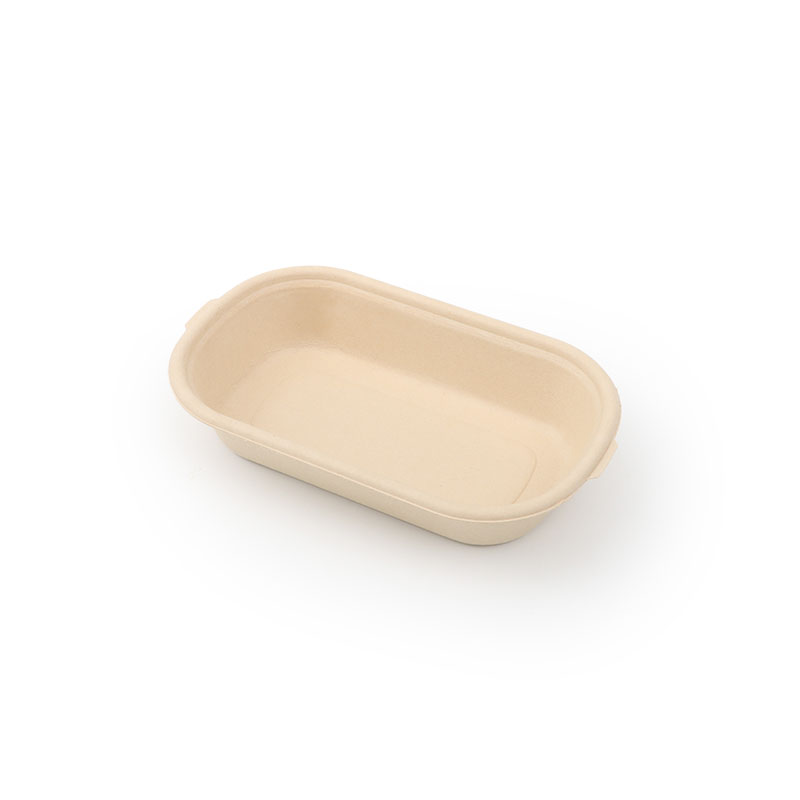 500ml
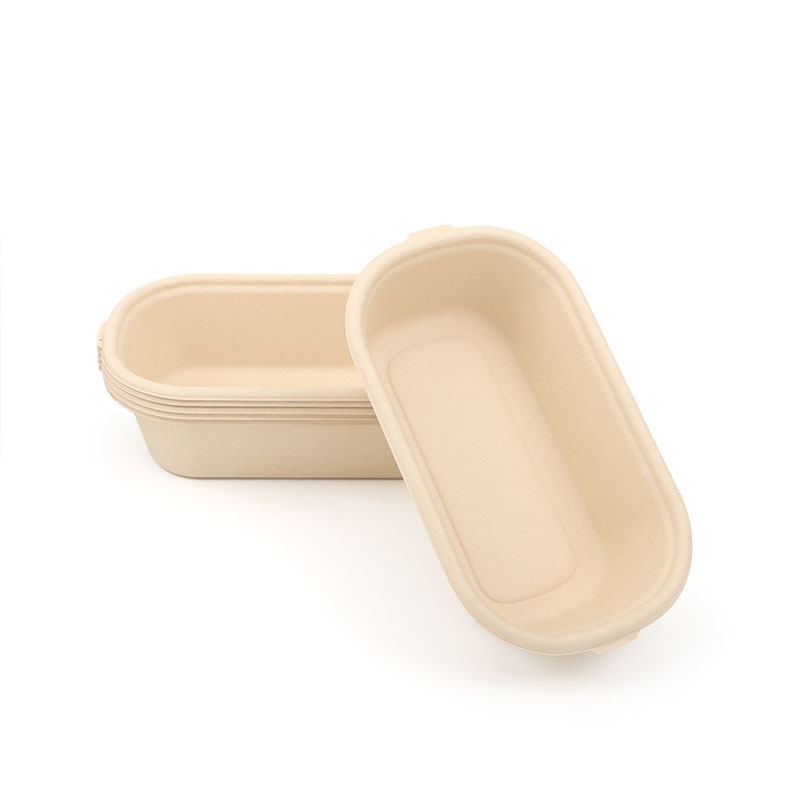 700ml
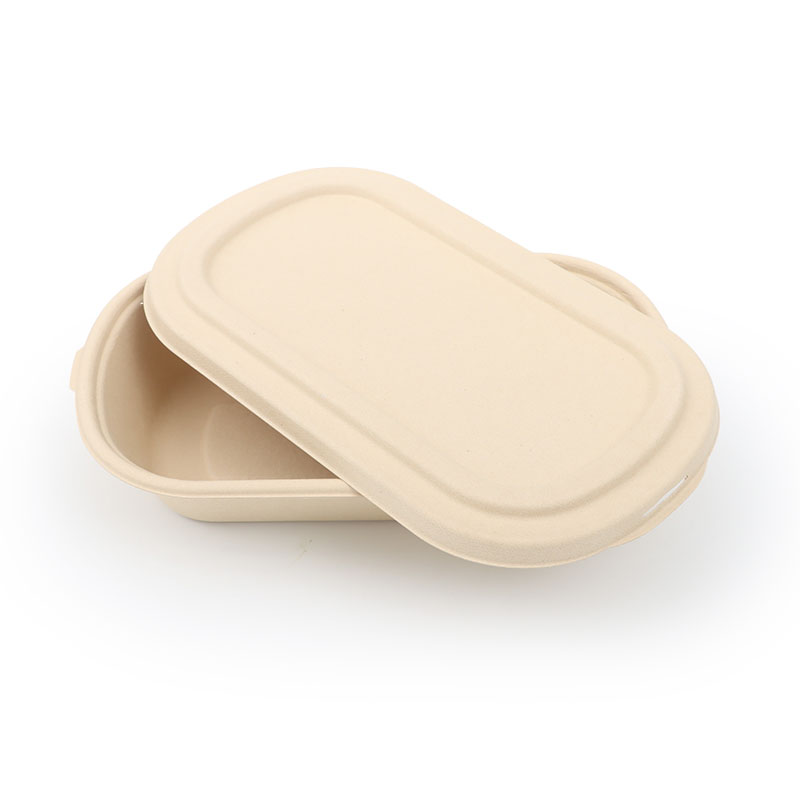 850ml
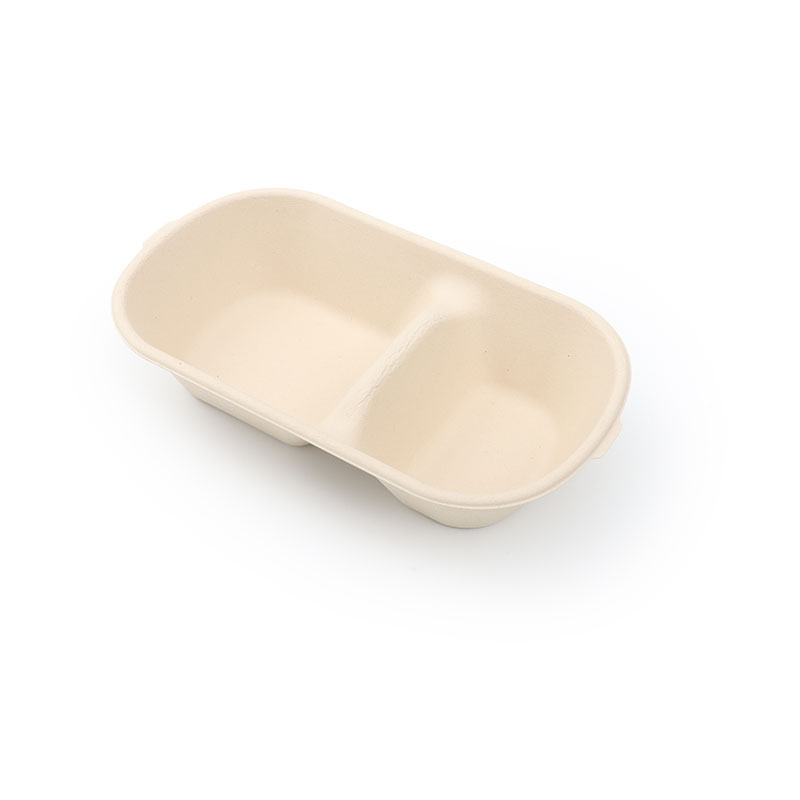 800ml 2 Compartments
 1000ml 2 Compartments
 1100ml
 1000ml Square Lunch Box
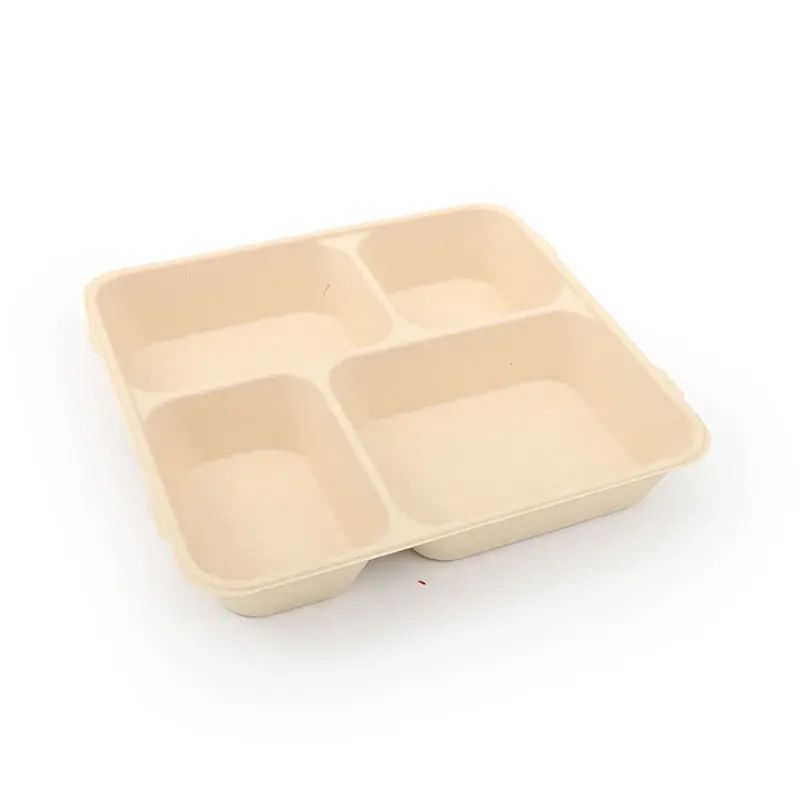 1340ml 4 Compartments
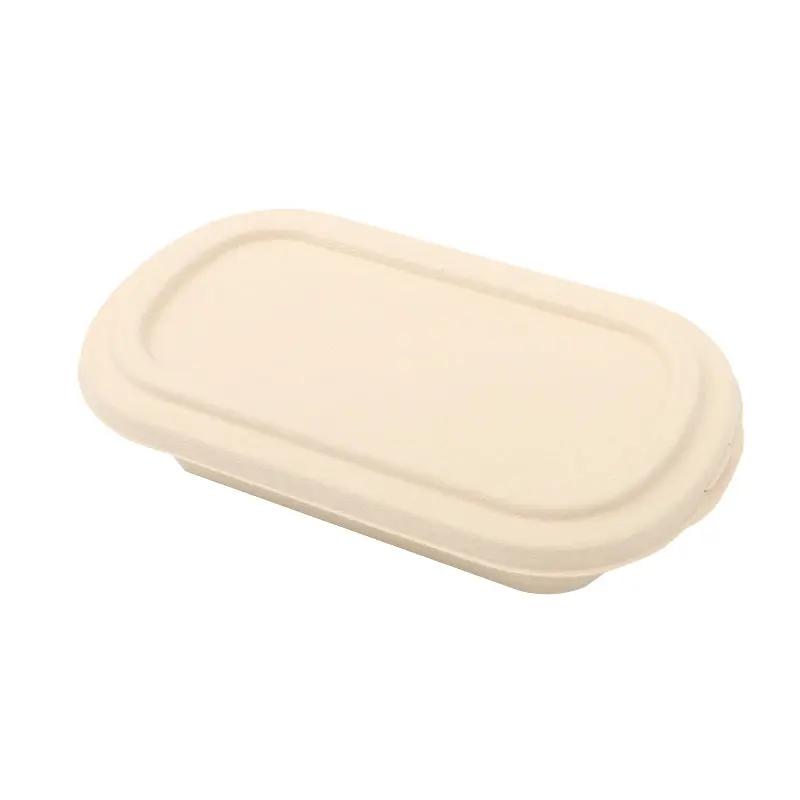 Lunch Box Lid
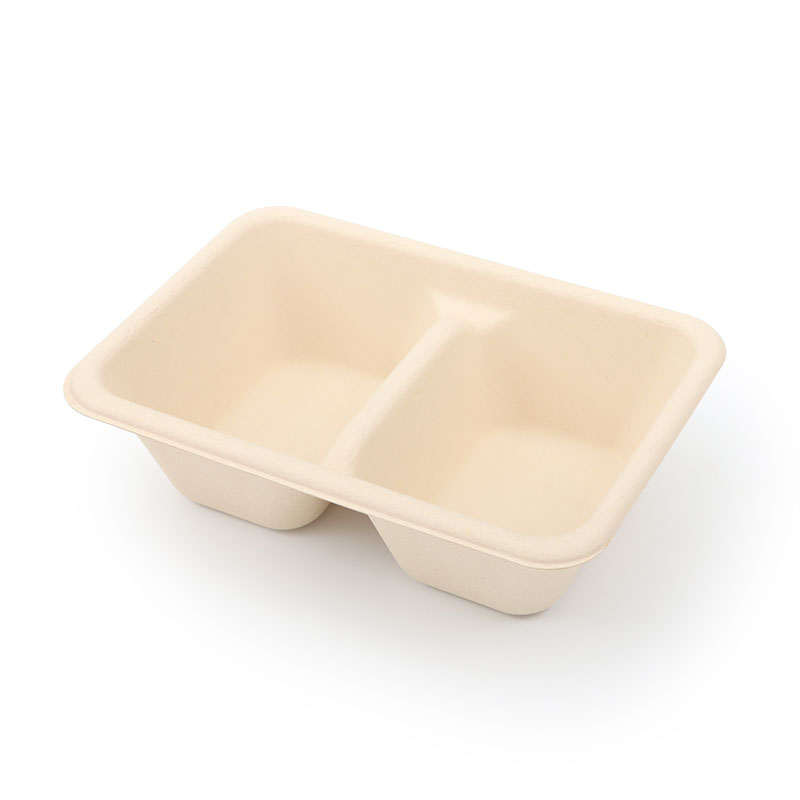 650ml
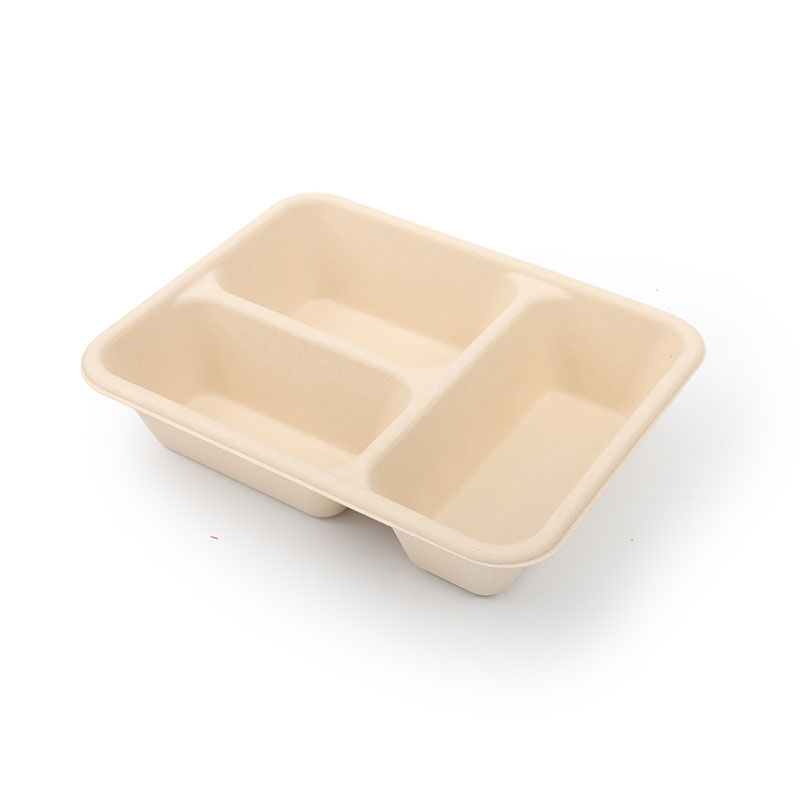 1000ml 3 Compartments
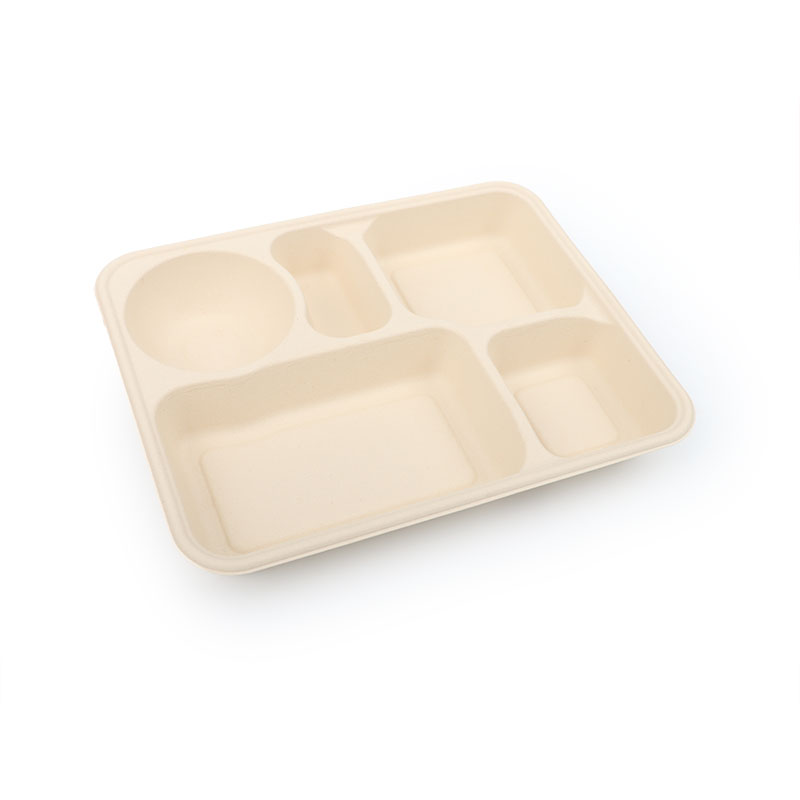 1250ml 5 Compartments
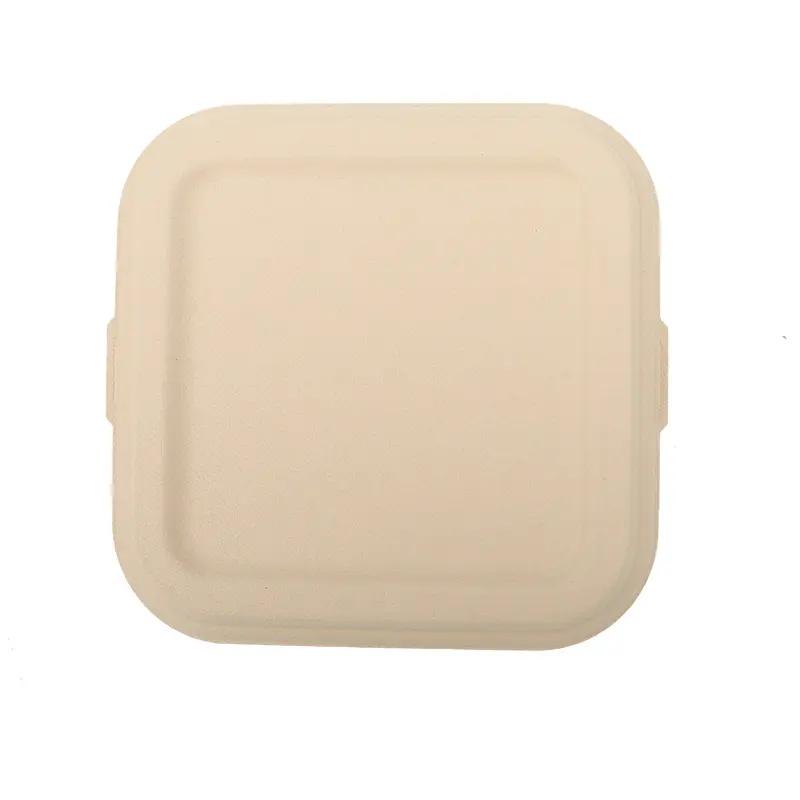 Square Lunch Box Lid
 Box Without T buckle
 850ml Salad Box
 700ml
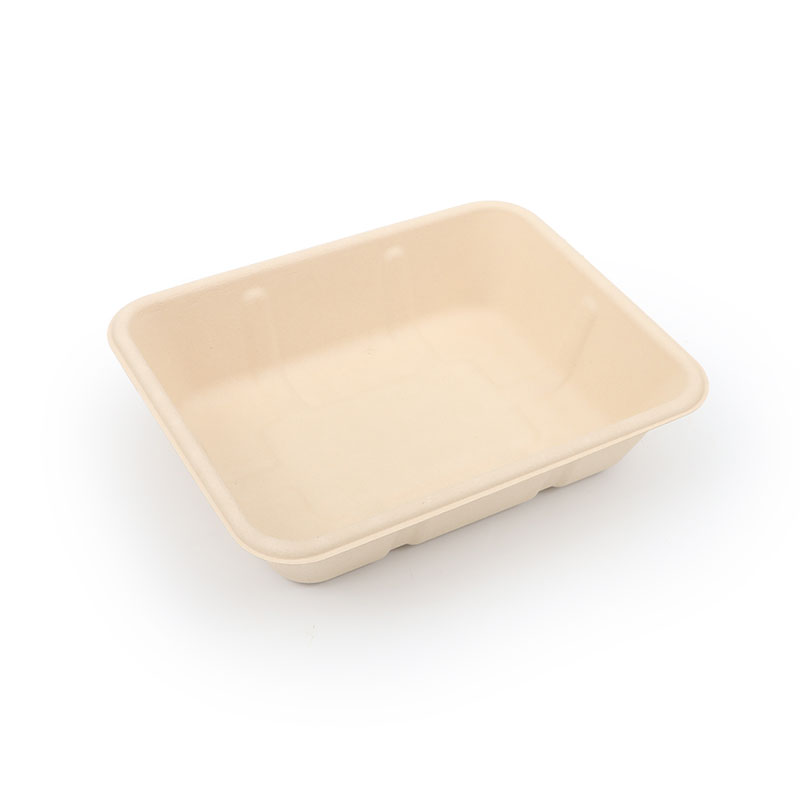 1350ml
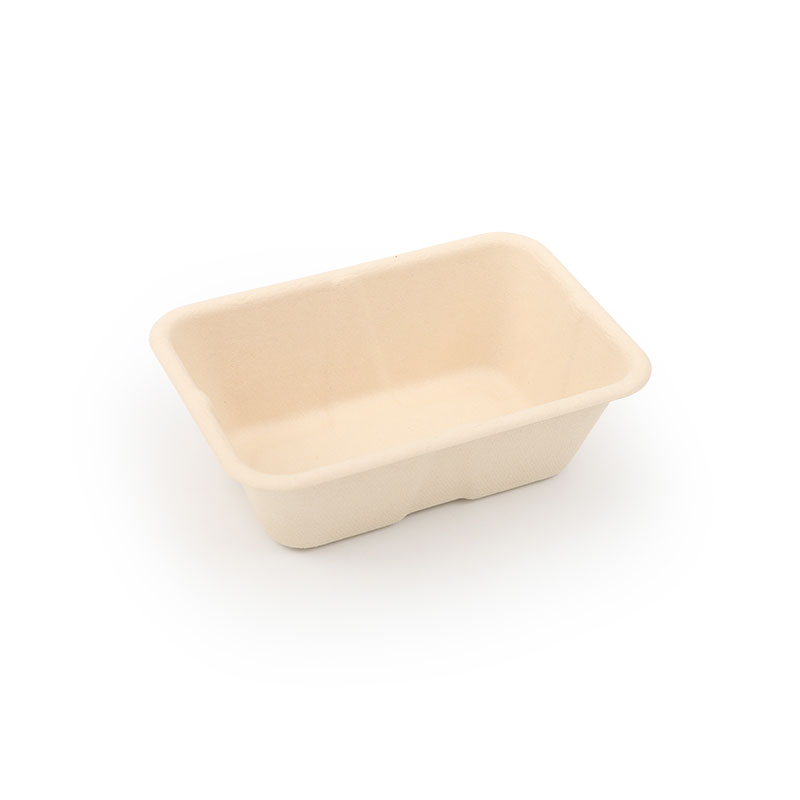 470ml
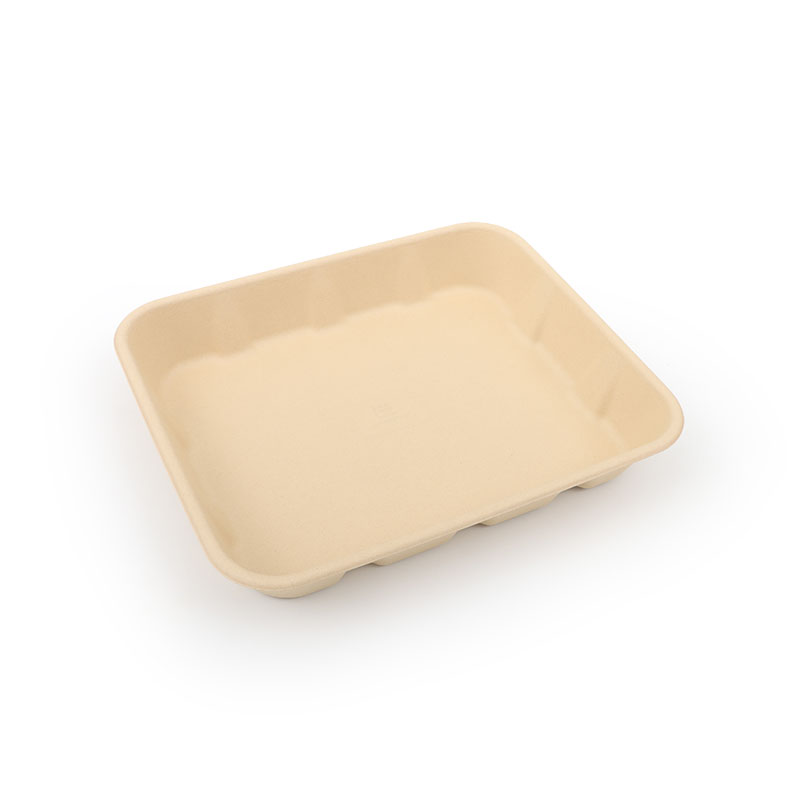 2183ml Tray Box
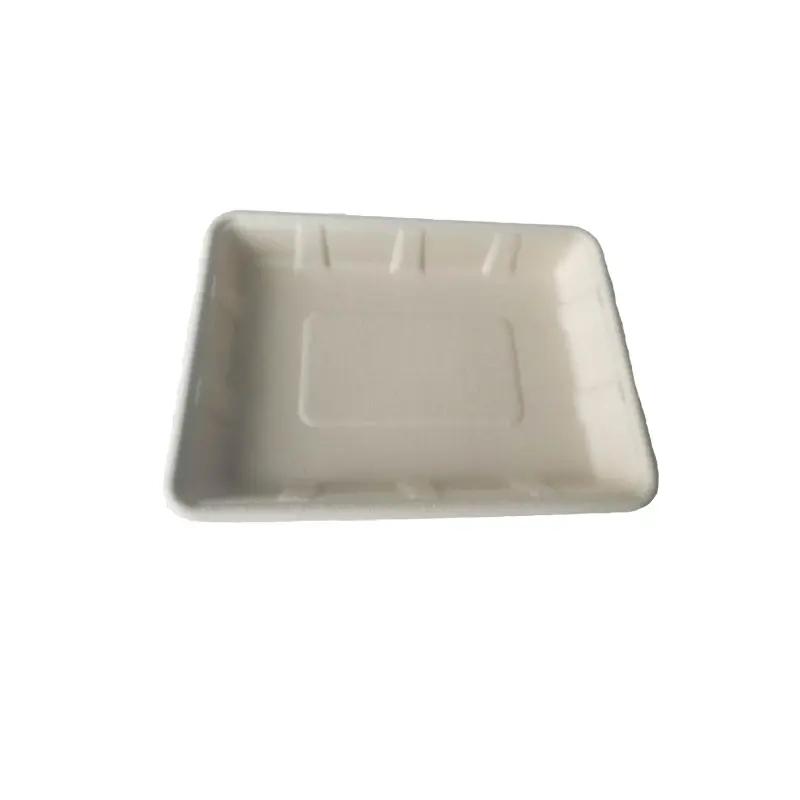 11" * 9"
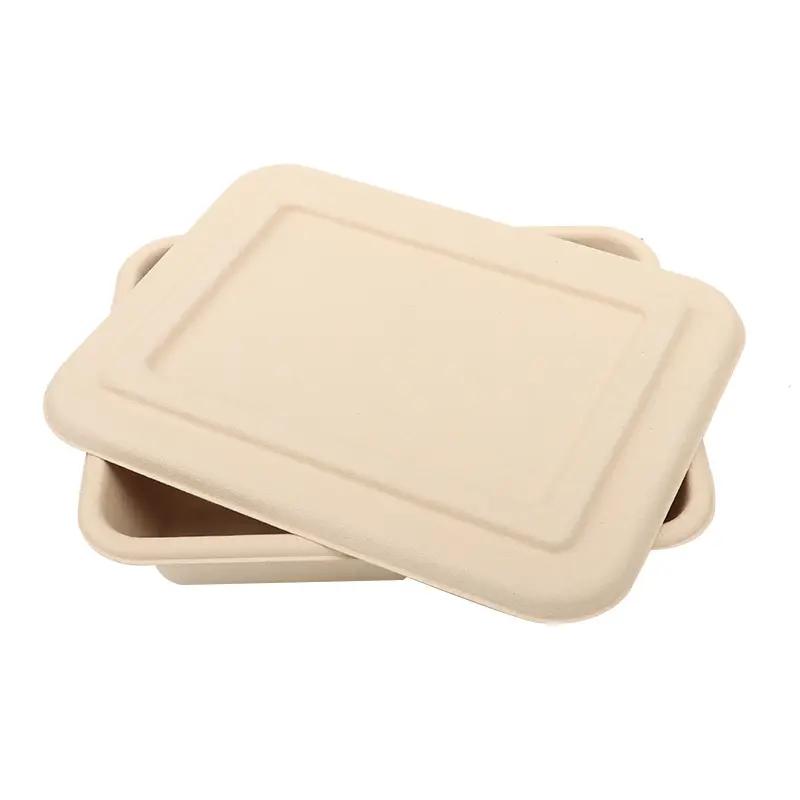 800ml
 One Part Box
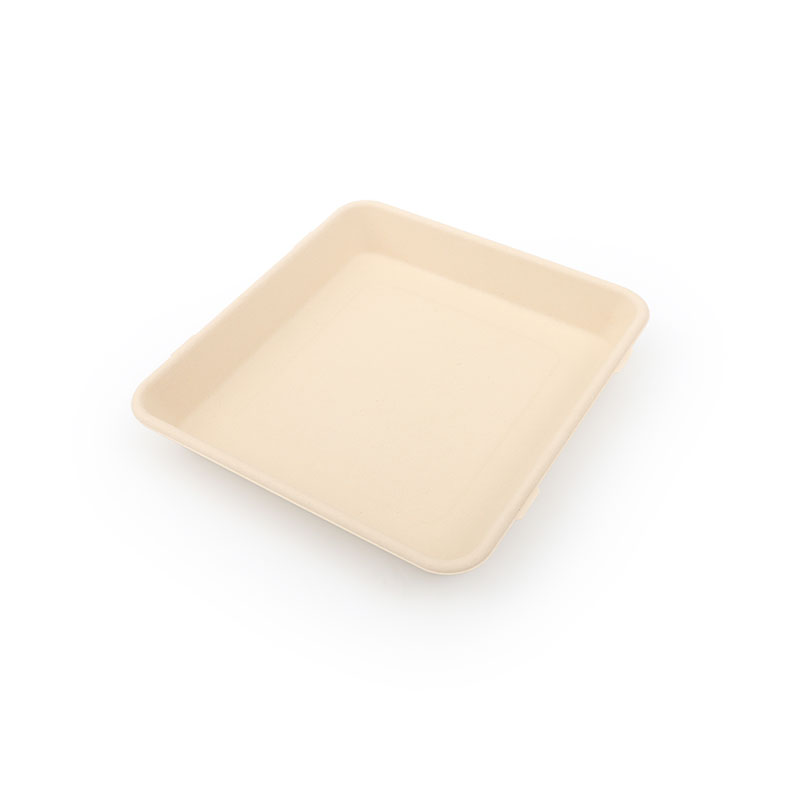 1443ml Tray Box
 Cake Bread Snack Tray Series
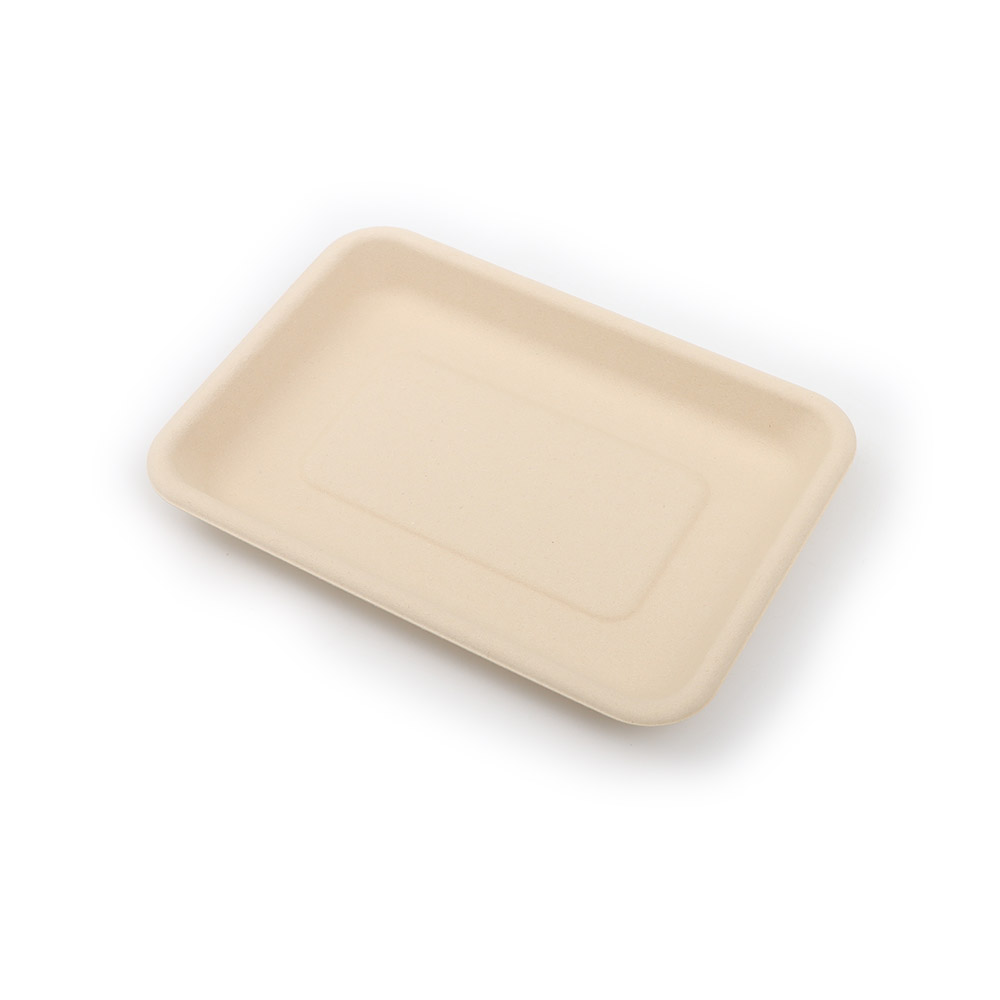 5" * 7" natural color
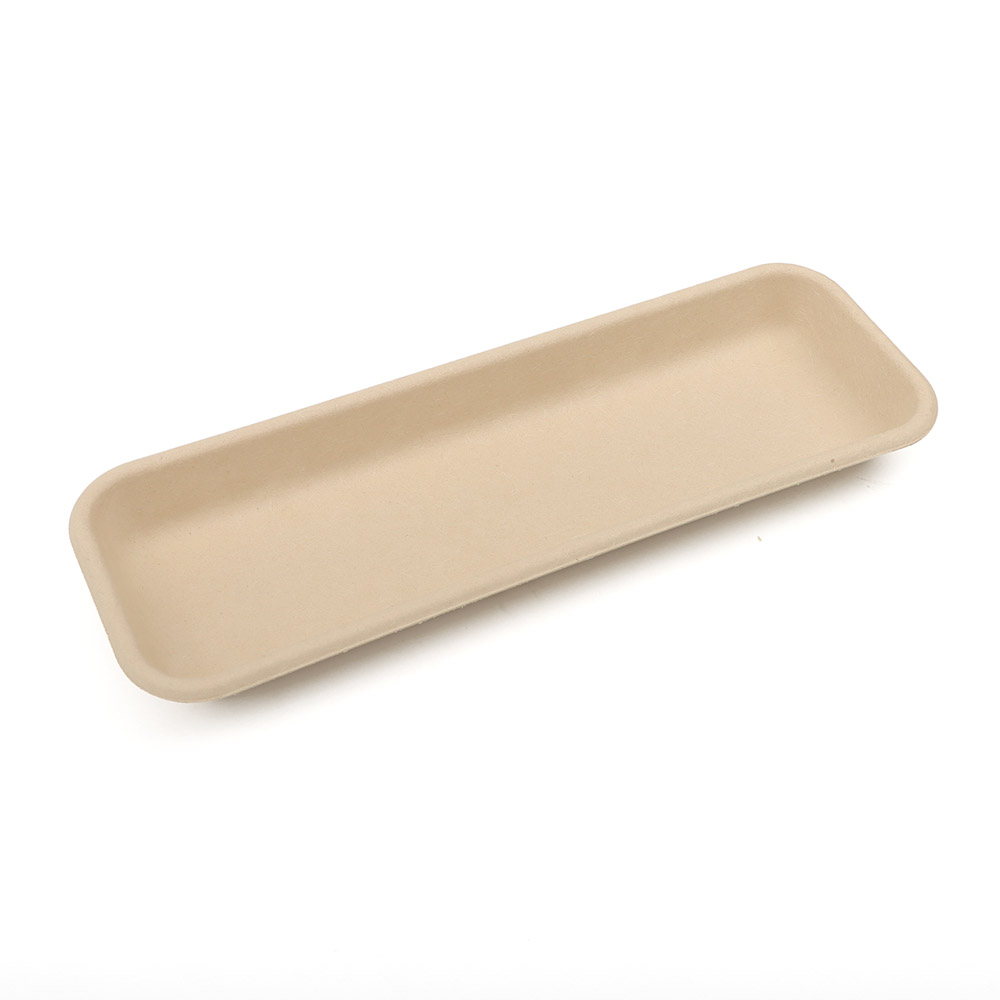 11.4" * 3.9"
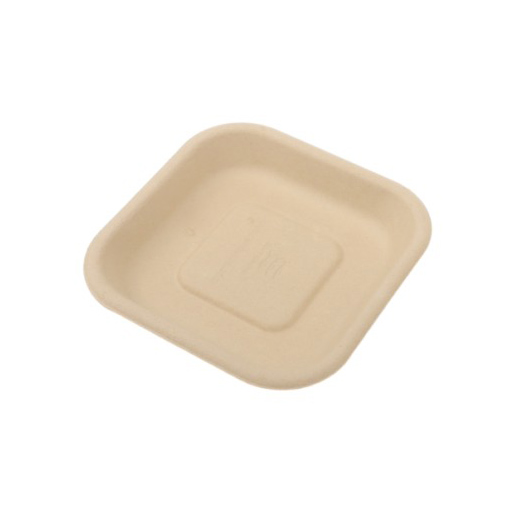 5.3" * 5.3"
 Fruit And Vegetable Tray Series
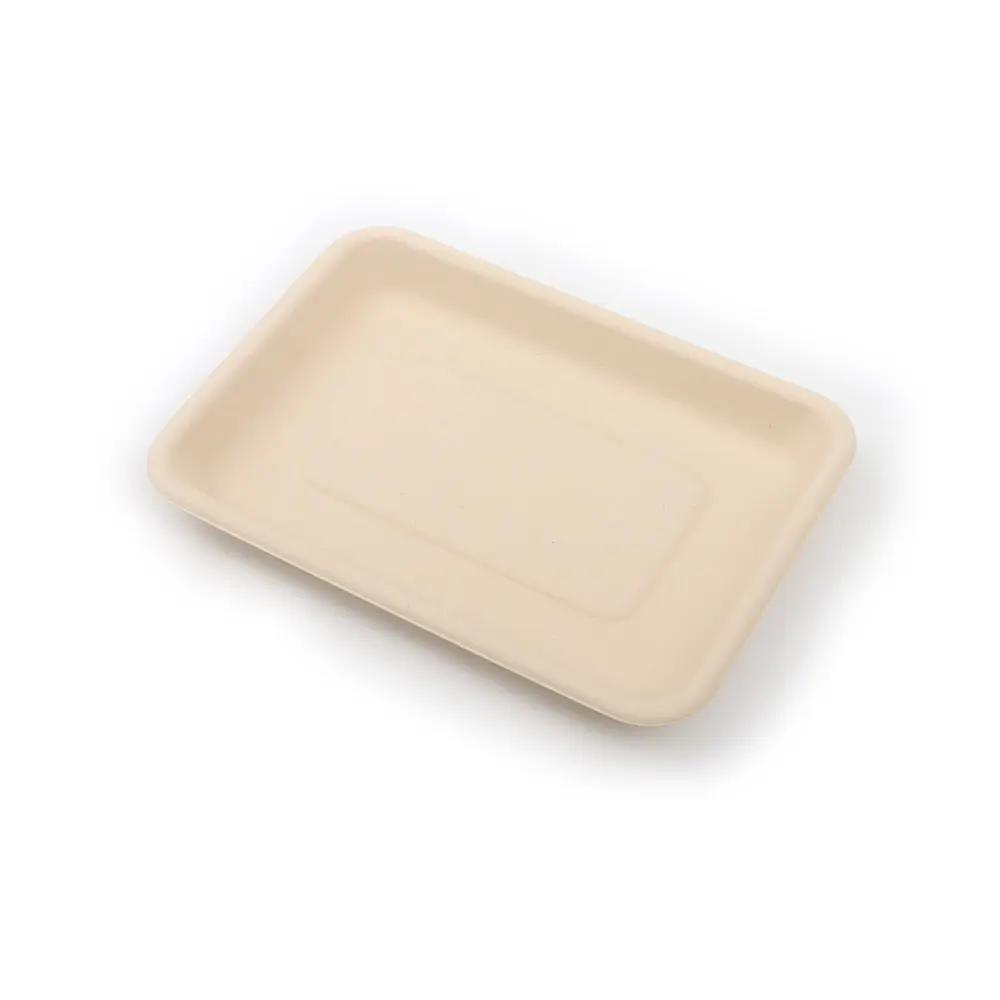 8.6" * 5.3"
 Sushi Tray Series
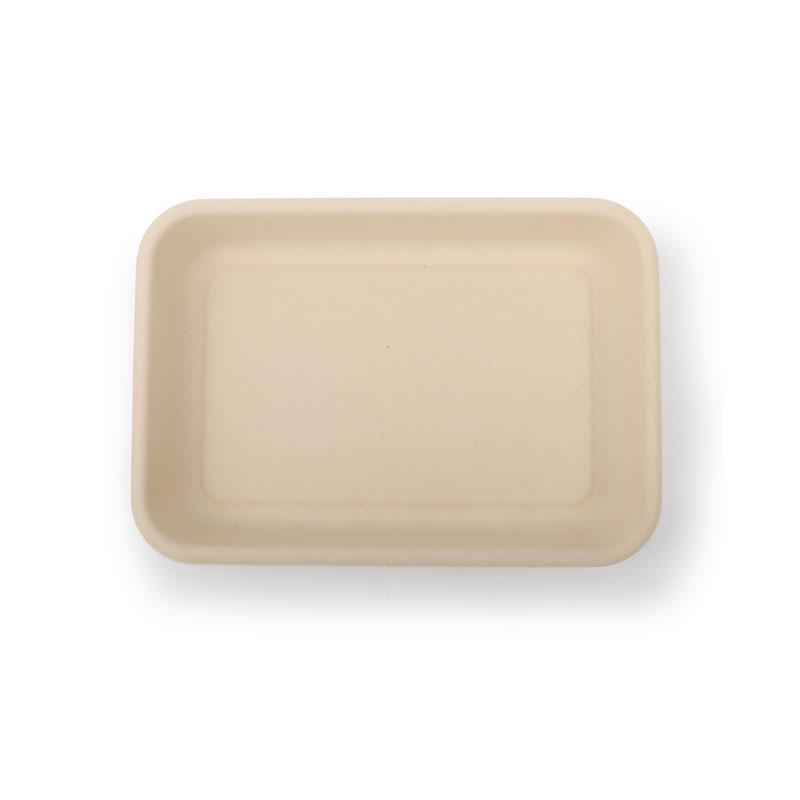 200" * 140"
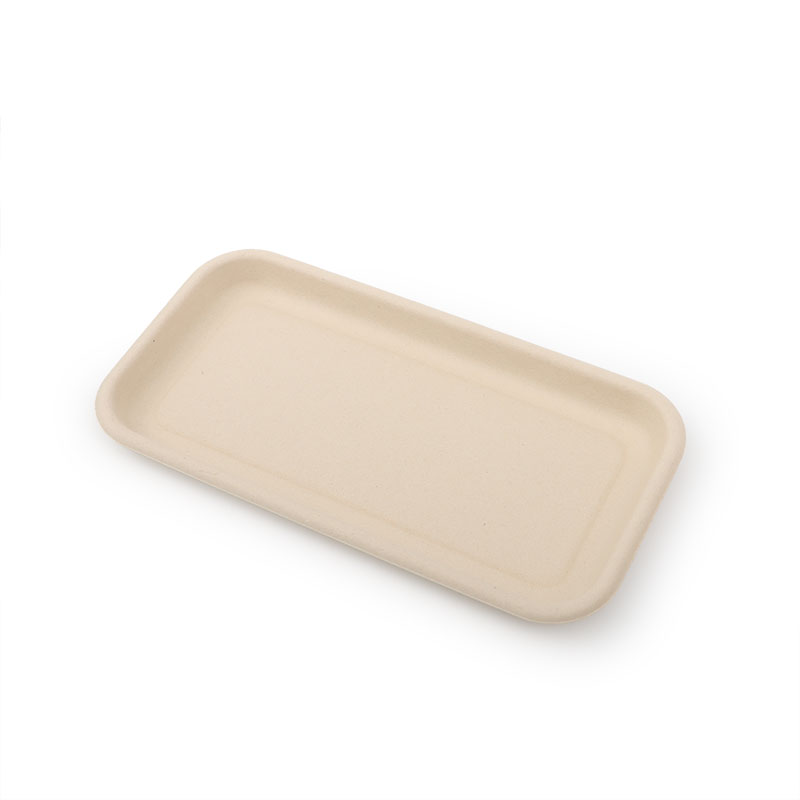 210" * 110"
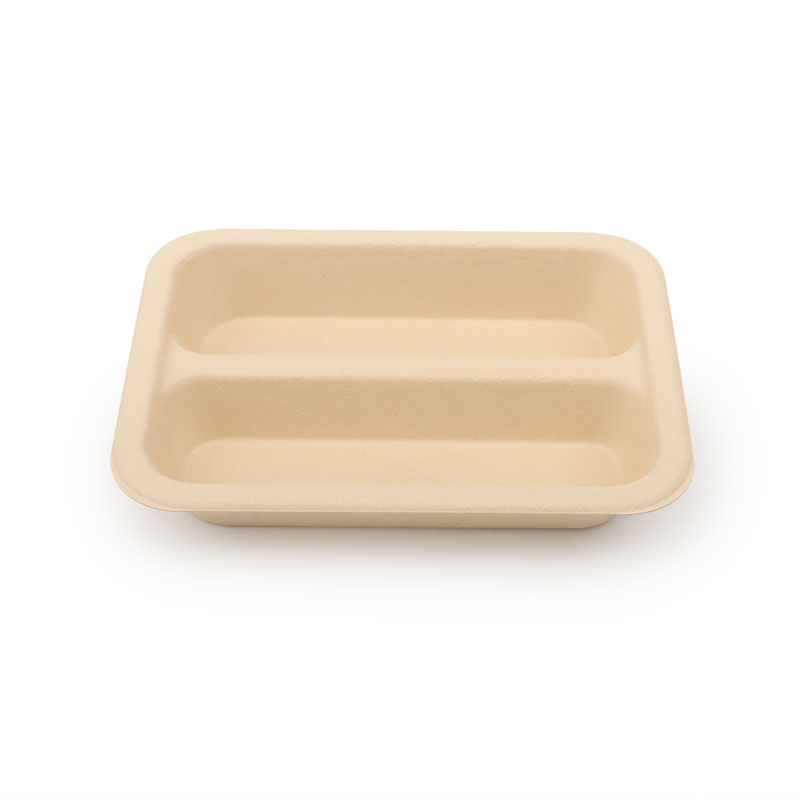 2 Compartments
 Small Round Plate Series
 7 inch
 6 inch
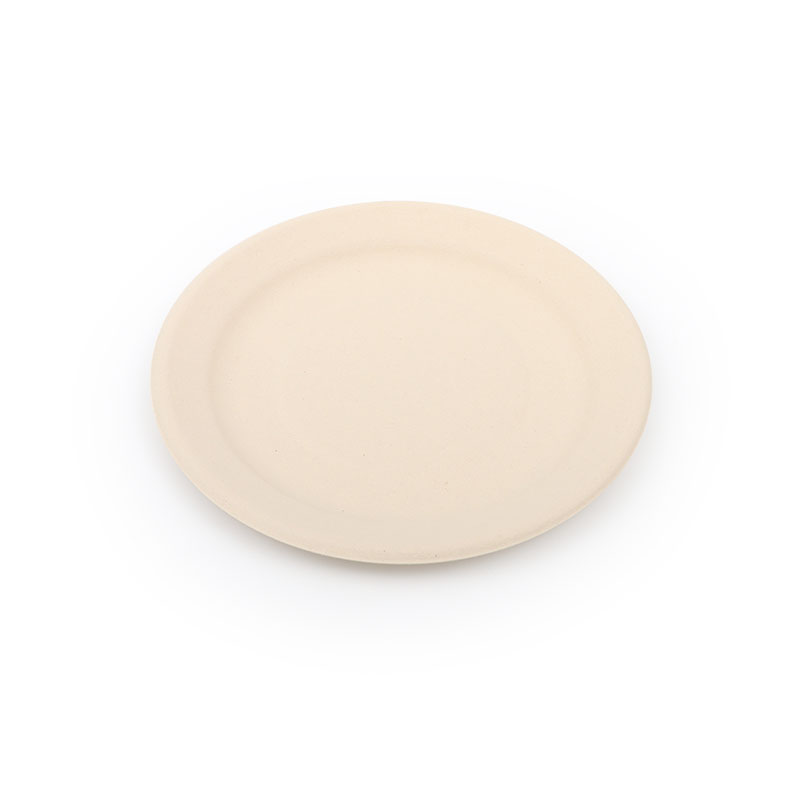 8 inch
 Middle Round Plate Series
 9 Inch 3 Compartments
 9 inch
 Big Round Plate Series
 12.7 Inch Pizza Plate
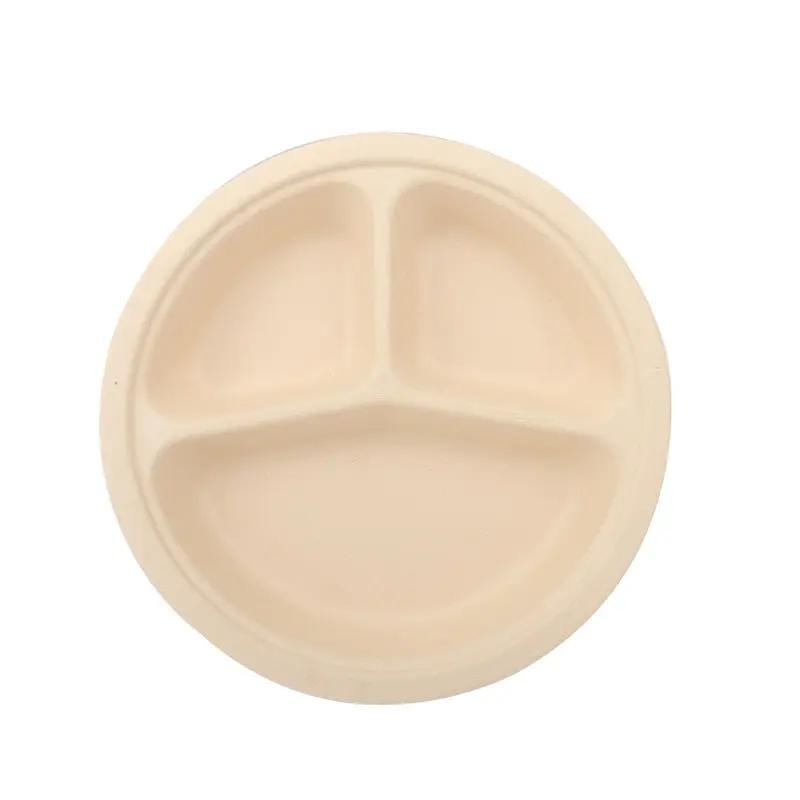 10.25 inch 3 Compartments
 10 inch
 12 inch
 Bigger Bowl
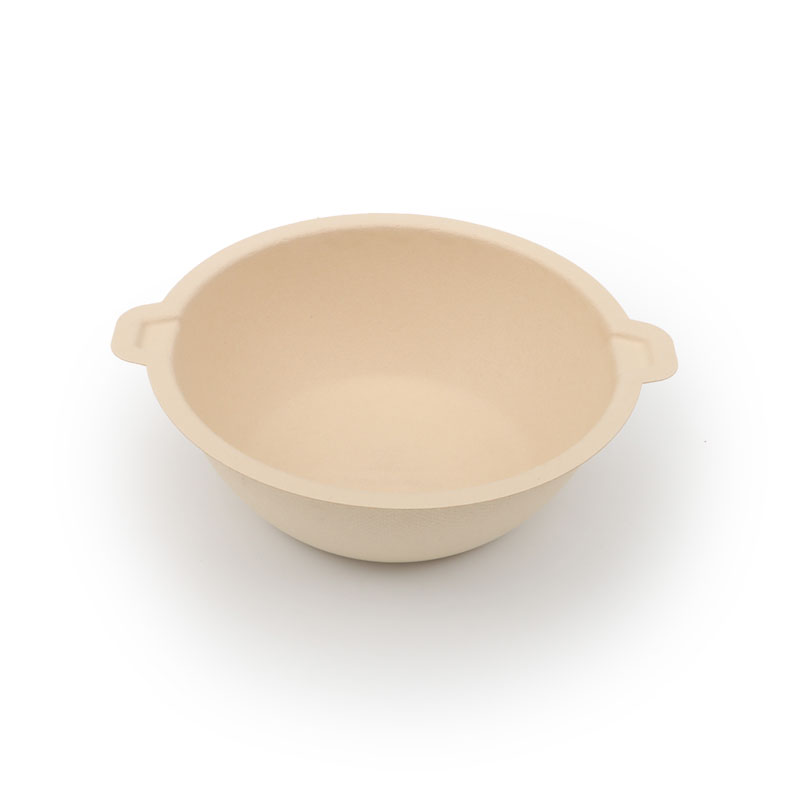 48oz(1420ml)
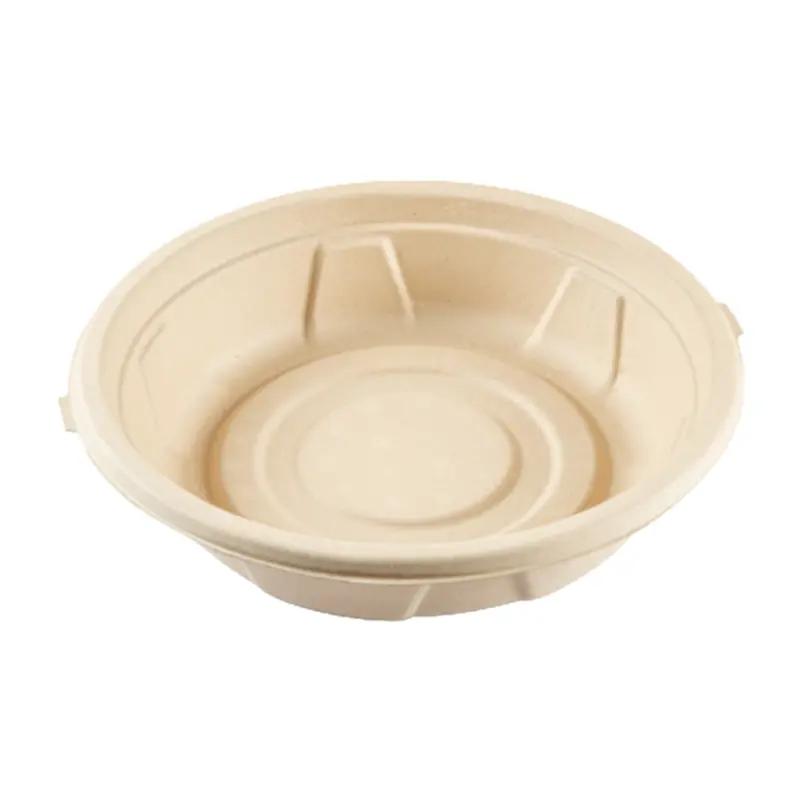 56oz(1650ml)
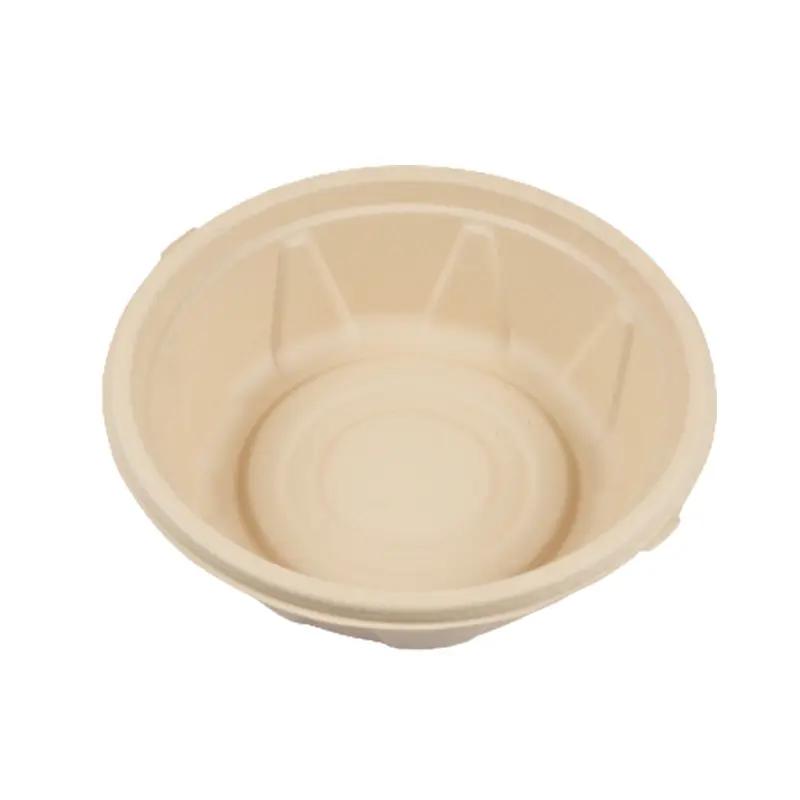 100oz(2950ml)
 100oz(2950ml) With Lid
 Middle Bowl
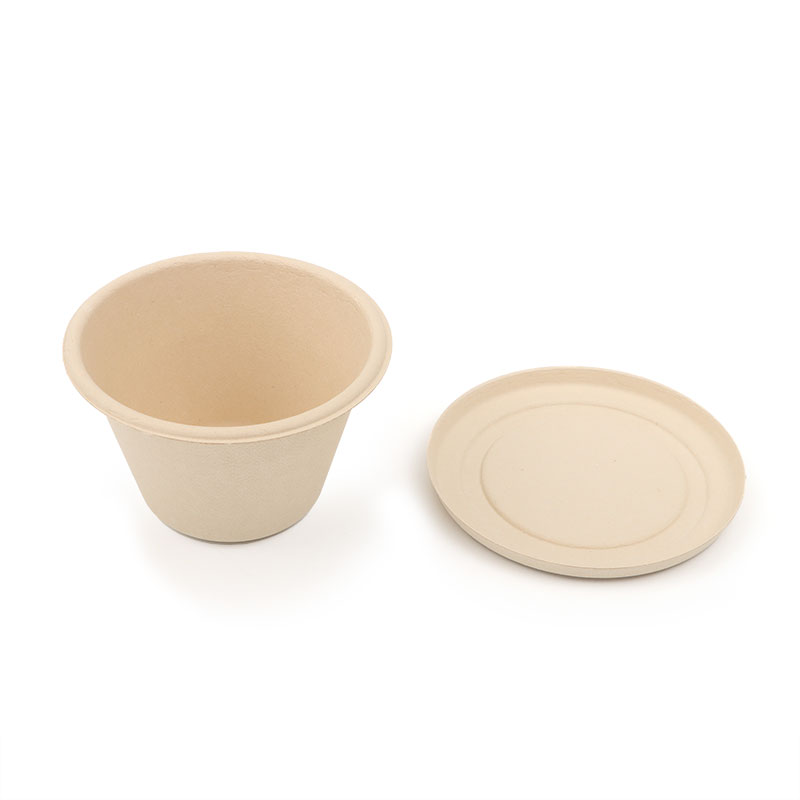 17oz(500ml)
 27oz(800ml)
 20oz(600ml)
 29oz(850ml)
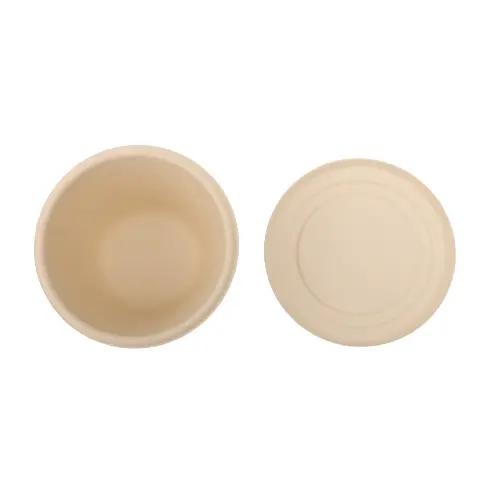 17oz(500ml) With Lid
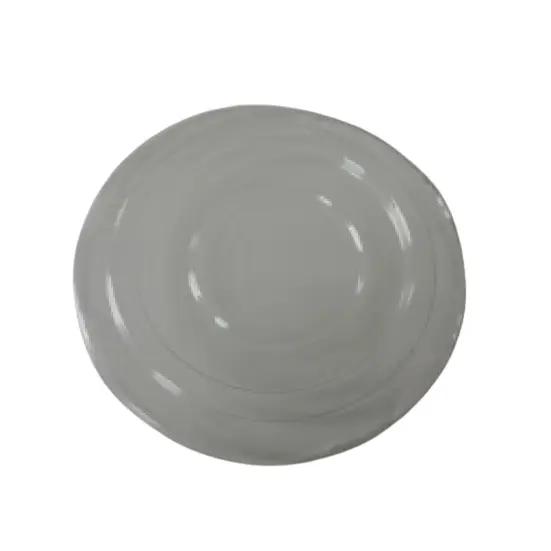 17oz(500ml) PET Lid
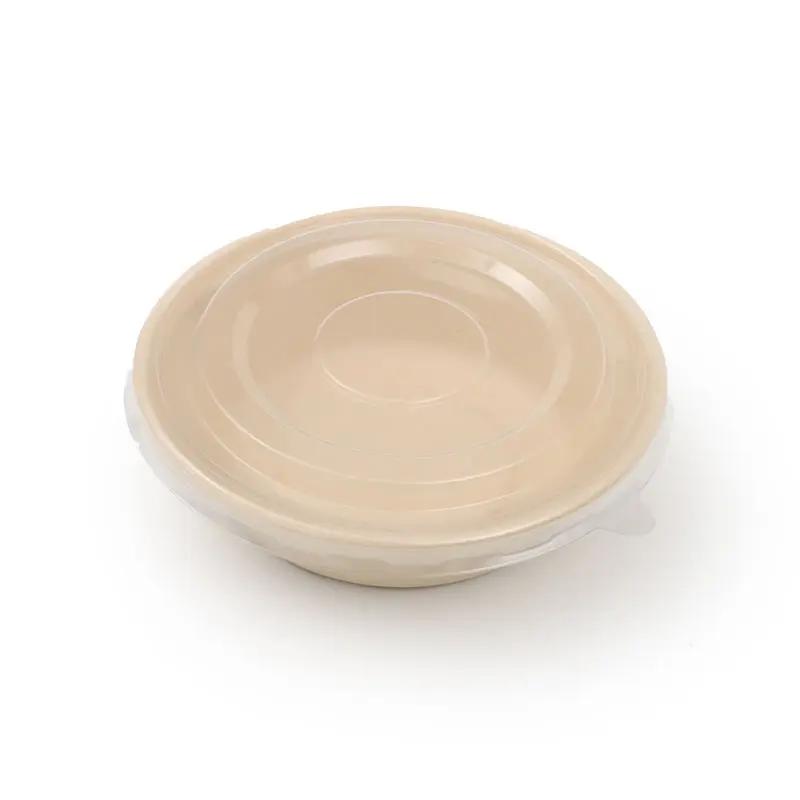 28oz(830ml) PET Lid
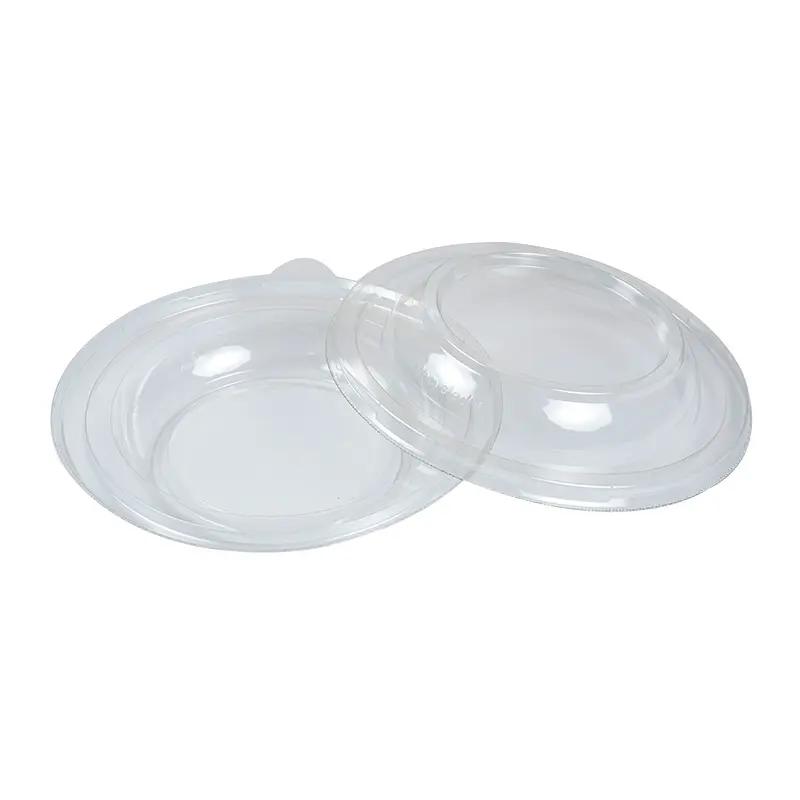 Round Bowl PET
 Small Bowl
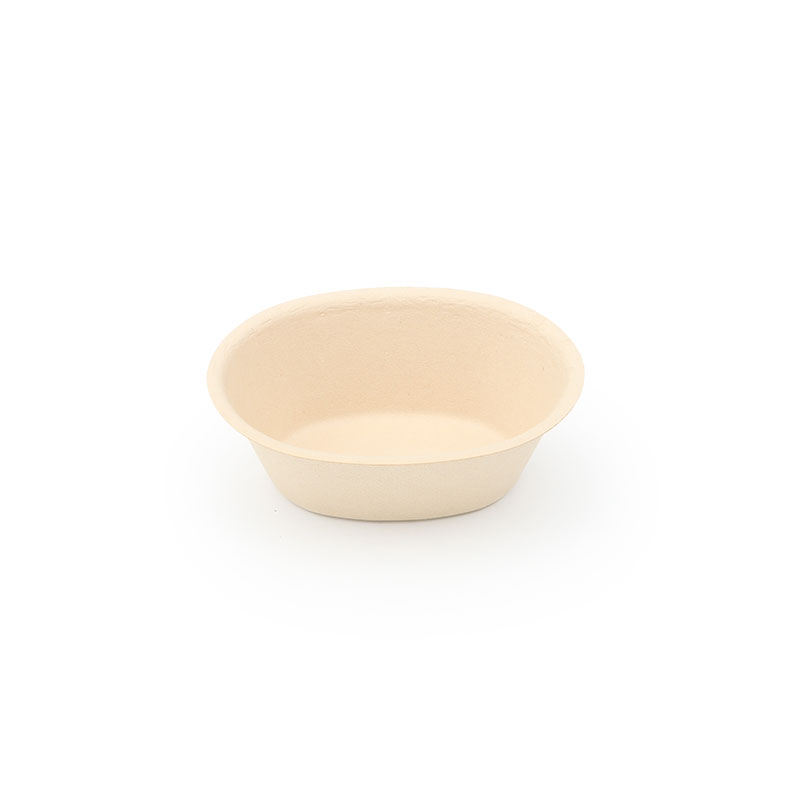 Snack Bowl
 11.5oz(340ml) Bowl
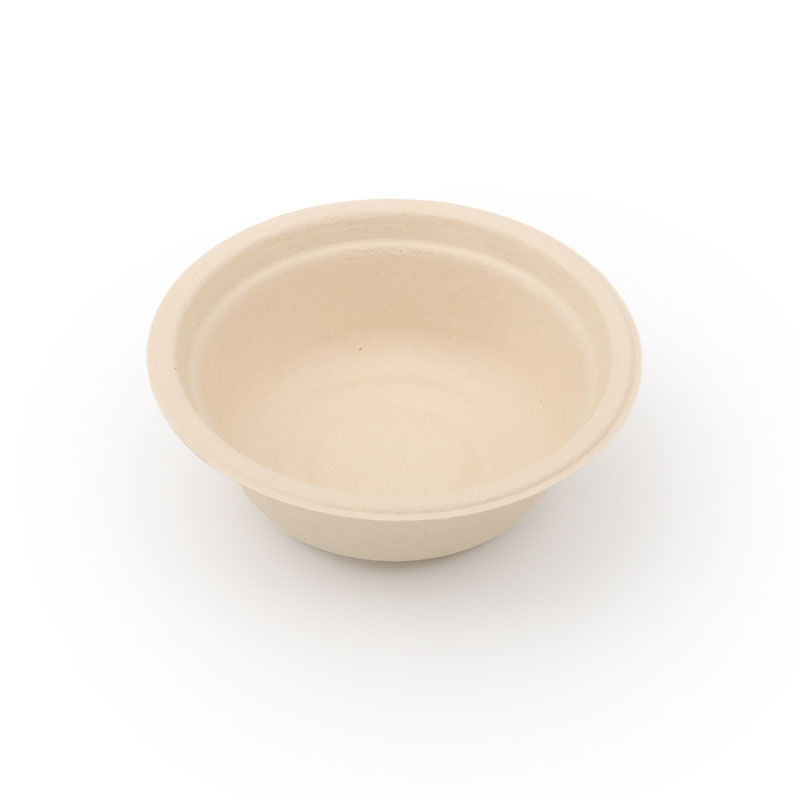 6.7oz(200ml) Bowl
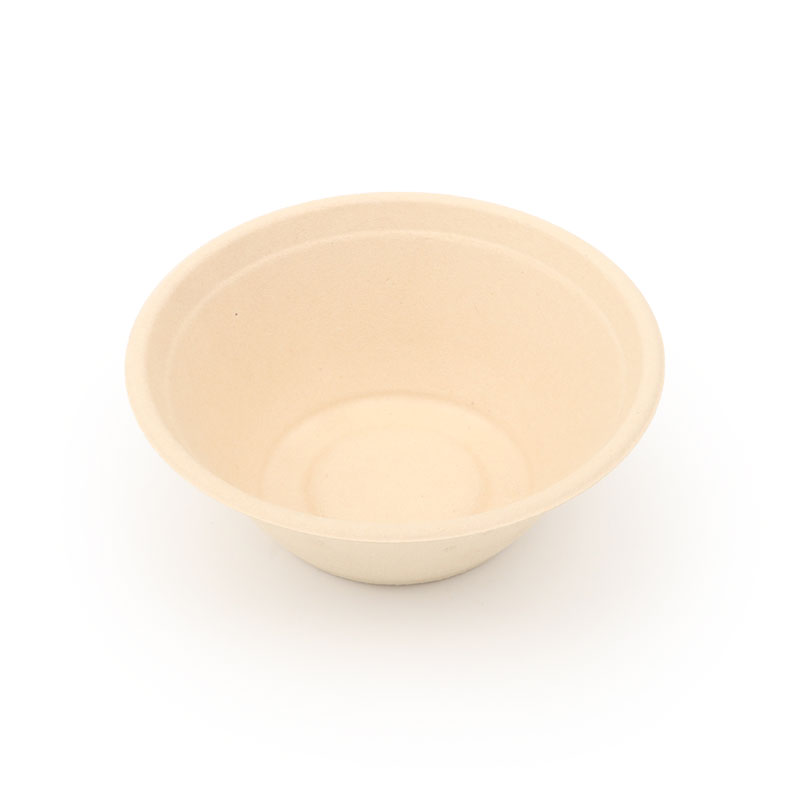 12oz(350ml) Bowl
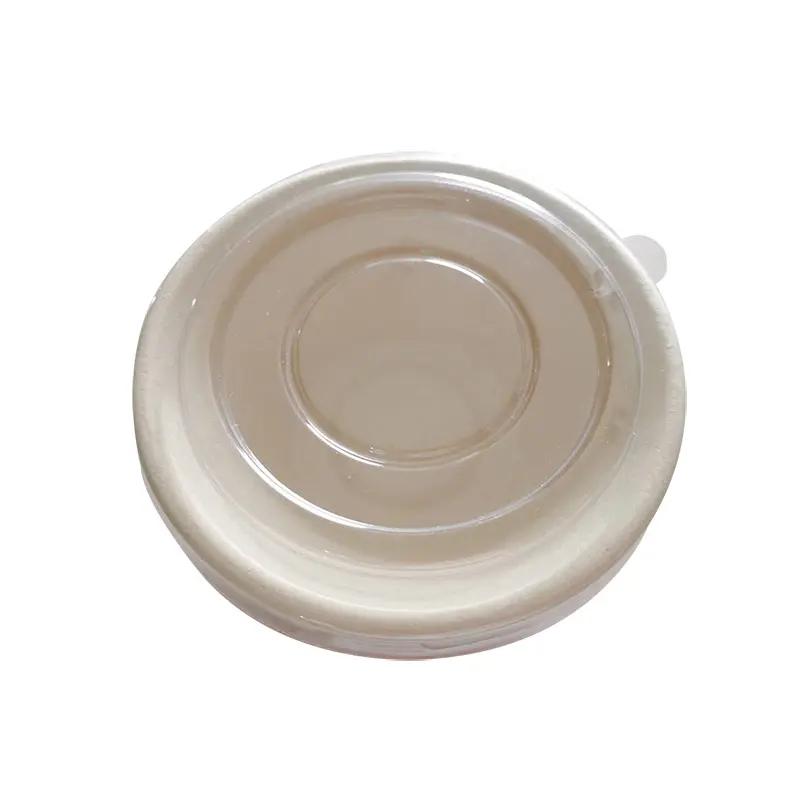 12oz(350ml) Bowl PET
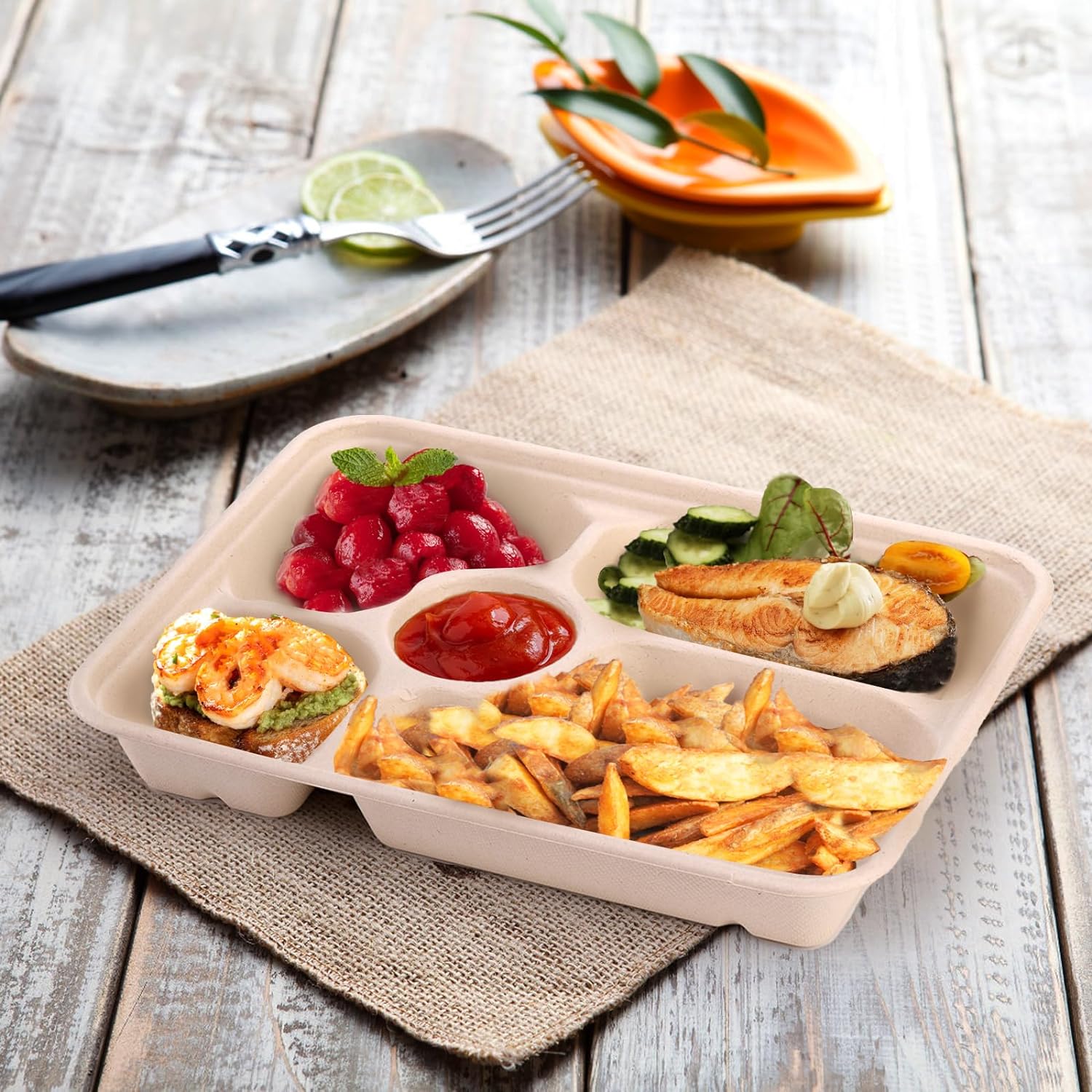 Bagasse Lunch Boxes
 5CP
 6 inch
 Bagasse Food Plates
 7 inch
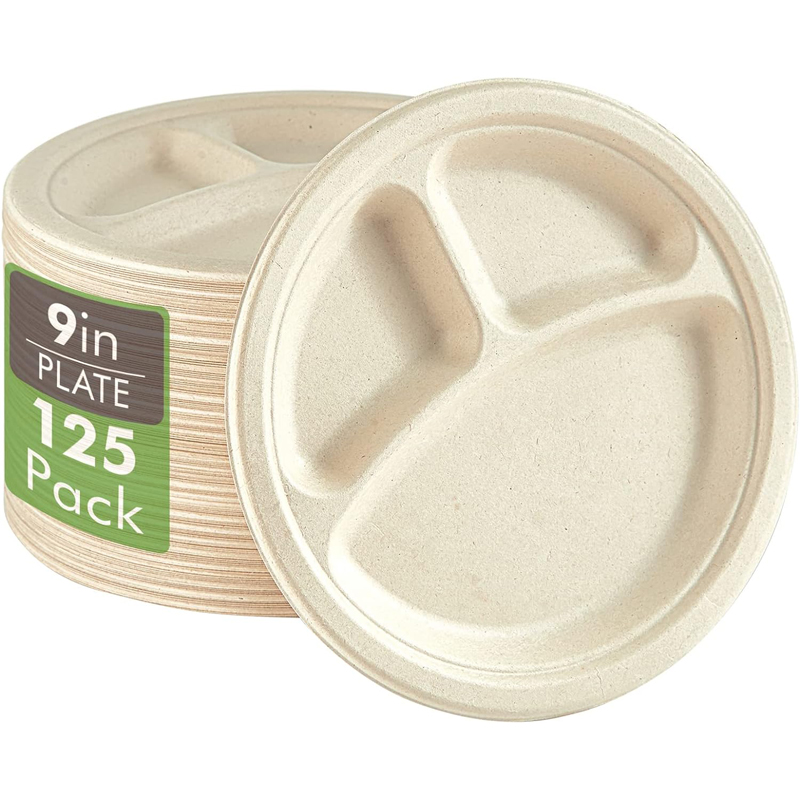 3CP
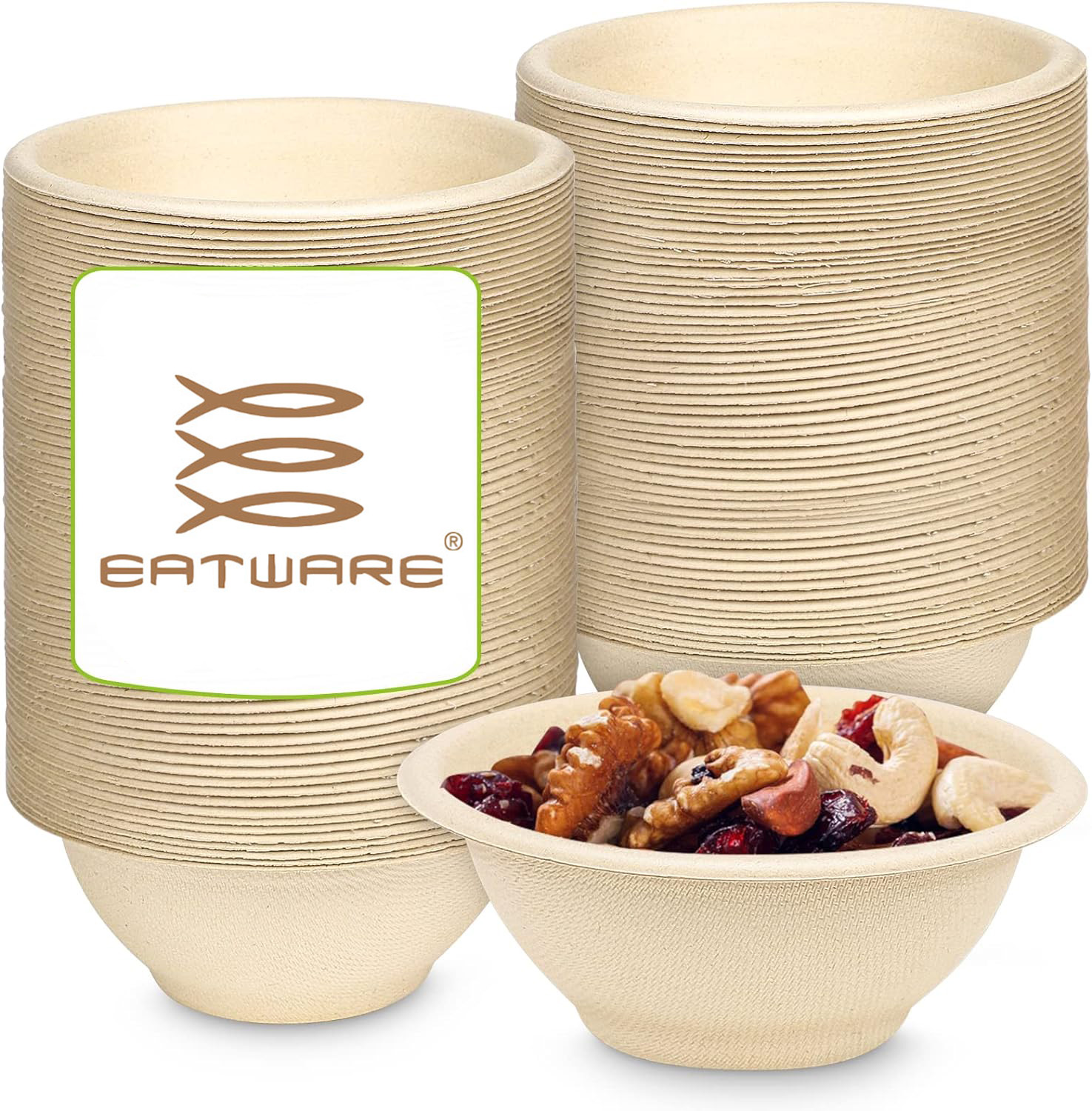 Bagasse Bowls
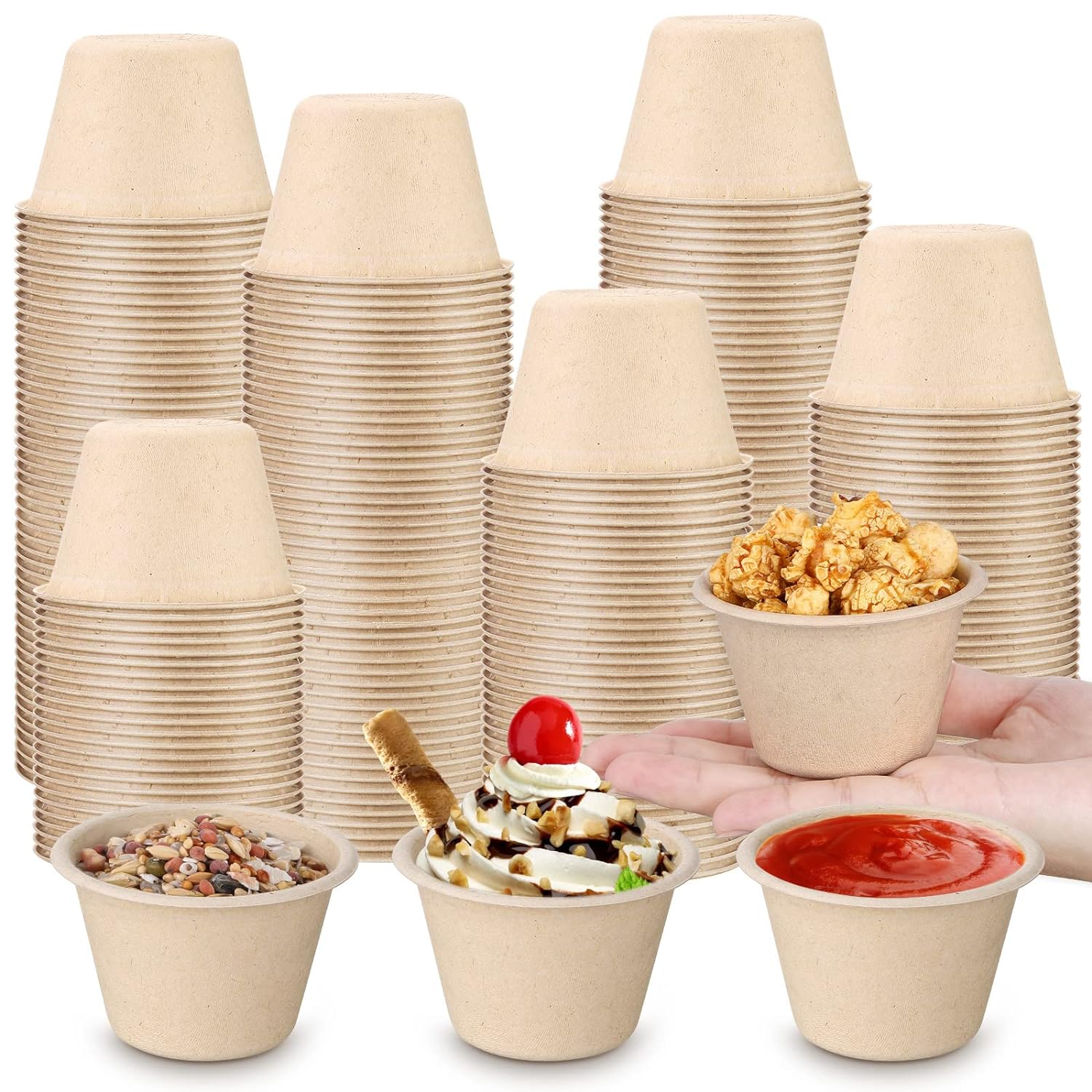 4oz
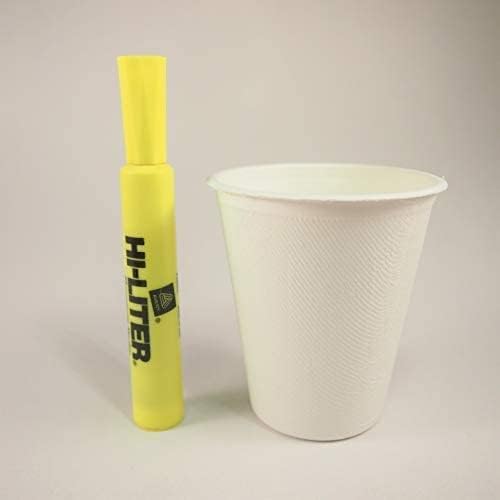 Bagasse Cups And Cutlery
 8oz
 12oz
 Cutlery


