Hey, these days, more and more folks are really becoming conscious about the environment, right? It’s no wonder that the demand for sustainable products is booming. Take the Biodegradable Disposable Food Box as an example. These containers are pretty cool—they’re designed to break down naturally, which helps cut down on tons of waste piling up in landfills. Honestly, lots of people are into them because they feel good about choosing an eco-friendly option for their takeout or food storage—no guilt attached!
But it’s not just about being green. These boxes also keep your food safe and fresh because they’re made from natural stuff that doesn’t seep harmful chemicals into your food. That’s a huge plus for anyone who’s a bit health-conscious. That said, it’s worth remembering that not all biodegradable products are created equal. Some don’t actually decompose quickly or effectively in your typical environment, so it’s worth doing a little research.
Choosing a Biodegradable Disposable Food Box kind of shows you’re committed to doing your part for the planet. They might cost a tad more than your standard options, but in the long run, the benefits for the earth are pretty significant. It’s all about weighing the costs and benefits and making smart, informed decisions. Doing so can really help push us toward a cleaner, healthier environment. And don’t forget—there’s always room for the biodegradable packaging industry to get better. Finding trustworthy vendors like EcoBox Solutions can definitely help you make better choices suited to your needs.

Benefits of Biodegradable Disposable Food Boxes for Eco-Conscious Consumers
Biodegradable disposable food boxes are gaining popularity among eco-conscious consumers. These products minimize waste and offer a sustainable alternative to traditional plastic containers. The market for biodegradable packaging is expected to reach $400 billion by 2025, driven by increasing environmental awareness.
The use of Natural Color Biodegradable Disposable Food Boxes provides several benefits. They decompose over time, reducing landfill waste significantly. According to the World Economic Forum, only 9% of plastic is ever recycled. This shift to biodegradable materials can help alleviate environmental burdens. Consumers report a strong preference for eco-friendly packaging. A Nielsen study found that 66% of global consumers are willing to pay more for sustainable goods.
However, challenges exist. The cost of biodegradable products is often higher than conventional options. Some consumers may be hesitant to switch due to price concerns. Additionally, proper disposal methods are vital for maximizing the environmental benefits. Without proper composting, biodegradable items may still contribute to pollution. The struggle for universal acceptance continues, as education on these products remains essential for wider adoption.
Cost-Effectiveness of Biodegradable Options for Food Packaging
Biodegradable disposable food boxes represent a significant shift in food packaging. Buyers increasingly value sustainability alongside cost. The long-term financial benefits of these products often outweigh their initial price. Biodegradable options may have a slightly higher purchase price, but they offer savings through reduced waste disposal costs.
The efficiency of these food boxes often surprises many. They break down naturally, minimizing landfill impact. This can lead to lower waste management fees for businesses. Additionally, consumers are becoming more environmentally conscious. They prefer brands that showcase eco-friendly practices, which can enhance customer loyalty.
Yet, buyers must consider that not all biodegradable materials perform equally. Some may decompose faster or worse than others. It’s essential to research and select reliable products. Furthermore, the transition to biodegradable packaging requires adjustments. Businesses might face challenges in sourcing and inventory management. Each choice has its complexities, but the promise of a greener future makes it a worthwhile endeavor for many.
Comparison of Biodegradable Boxes and Traditional Disposable Alternatives
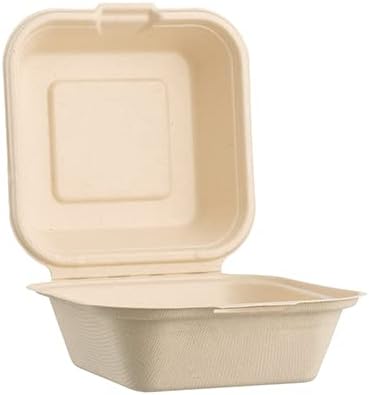
Biodegradable disposable food boxes offer advantages that traditional disposable options cannot match. According to the Biodegradable Products Institute, these boxes can decompose within 90 to 180 days in a composting environment. In contrast, traditional plastic boxes may take hundreds of years to break down, contributing to long-term environmental pollution. The Natural Brown Biodegradable Disposable Food Box utilizes renewable materials, reducing reliance on fossil fuels. This shift not only decreases waste but also lowers greenhouse gas emissions.
Research indicates that over 50% of consumers are willing to pay more for environmentally-friendly packaging. This trend is supported by data from the Paper and Packaging Board, which shows that sustainable packaging influences purchasing decisions. Additionally, biodegradable options can enhance a brand's image. Companies that adopt sustainable practices often attract eco-conscious customers. However, challenges remain. Some biodegradable products require industrial composting facilities to break down effectively. This limitation may hinder their effectiveness in areas with insufficient composting infrastructure.
Despite these hurdles, the benefits of biodegradable food boxes are compelling. They provide consumers with a guilt-free way to enjoy takeout food. Choosing theNatural Brown Biodegradable Disposable Food Box not only supports sustainable practices but encourages a shift towards responsible consumption. The journey to eco-friendly packaging continues, and every step counts.
Impact on the Environment and Waste Reduction
Biodegradable disposable food boxes play a crucial role in reducing environmental waste. Traditional plastic containers can take hundreds of years to decompose. According to a 2021 report by the Environmental Protection Agency, food packaging accounts for over 23% of the total municipal solid waste in the U.S. This statistic highlights the need for sustainable alternatives.
These biodegradable options decompose within months under the right conditions. A study published in the Journal of Cleaner Production found that using biodegradable materials could reduce landfill waste by up to 30%. Moreover, these food boxes are often made from renewable resources like plant starches, making them a better choice for the earth.
However, while biodegradable food boxes offer great benefits, there are challenges. They require specific conditions to break down properly and may not degrade well in landfills. Educating consumers about proper disposal methods is essential. Without this knowledge, the positive impact on waste reduction may diminish. In the quest for a sustainable future, understanding these nuances is vital.
Health and Safety Benefits of Using Biodegradable Materials
Using biodegradable materials for food containers offers substantial health and safety benefits for consumers. Biodegradable food boxes reduce the risk of harmful chemicals leaching into food. Traditional plastic containers, often made with toxins and additives, can contaminate meals. In comparison, biodegradable options use natural materials that are safer for human consumption.
When selecting Party Supplies Biodegradable Disposable Food Box, check for certifications indicating eco-friendliness. Look for products made from renewable resources like sugarcane or cornstarch. These materials break down naturally, posing minimal environmental risk. The reduction of plastics in landfills is crucial now more than ever.
Families can feel secure knowing their meals are served in safe, sustainable containers. This consciousness helps promote a healthier lifestyle and supports local eco-friendly initiatives. While biodegradable options may sometimes cost slightly more, you are investing in health and safety. Prioritize products that meet both your needs and the well-being of the environment.
Health and Safety Benefits of Using Biodegradable Disposable Food Boxes
Consumer Preferences and Market Trends in Food Packaging
Consumer preferences in food packaging have shifted significantly in recent years. Many buyers now prioritize sustainability. This trend is evident in the increasing demand for biodegradable disposable food boxes. These products align with eco-conscious values, reducing environmental impact. Customers appreciate packaging that decomposes naturally, reflecting their commitment to a greener planet.
When choosing biodegradable options, buyers often ask about materials. Many disposable food boxes use plant-based substances. These materials can offer similar durability to traditional options while remaining environmentally friendly. Education on specific features is crucial. Understanding the benefits of Biodegradable fast food boxes helps customers make informed decisions.
For those looking to switch to biodegradable packaging, consider these tips. Select products certified for compostability. Research local facilities that accept biodegradable materials for disposal. Also, engage with suppliers who prioritize sustainability in their production processes. This engagement can foster a shift in market dynamics, encouraging more businesses to adopt eco-friendly practices. Embracing these choices reflects a shared responsibility for the planet.
Innovations in Biodegradable Materials and Future Developments
The shift towards biodegradable disposable food boxes is largely driven by innovations in sustainable materials. Scientists are developing alternatives to traditional plastics, focusing on plant-based substances. For instance, research shows that polylactic acid, derived from corn starch, degrades in months instead of years. A report by the Biodegradable Products Institute indicates that using these materials could reduce landfill waste by approximately 30%.
Future developments center on enhancing the properties of biodegradable materials. New composites are being explored that can resist moisture and heat, making them suitable for hot food items. Industry studies suggest that the market for biodegradable packaging is expected to grow by 15% annually. However, challenges remain. The production cost of biodegradable options often exceeds that of conventional plastics. This can deter buyers looking for cost-effective solutions.
Consumer awareness is rising, leading to increased demand for sustainable options. Yet, there is a gap in understanding how these products work. Education on proper disposal and benefits remains essential. The journey to fully embrace biodegradable food boxes is complex but necessary for reducing environmental impact. With continuous innovation, we are closer to a sustainable future.
Sustainable Dining: The Benefits of Biodegradable Molded Pulp 470ml Takeaway Lunch Boxes
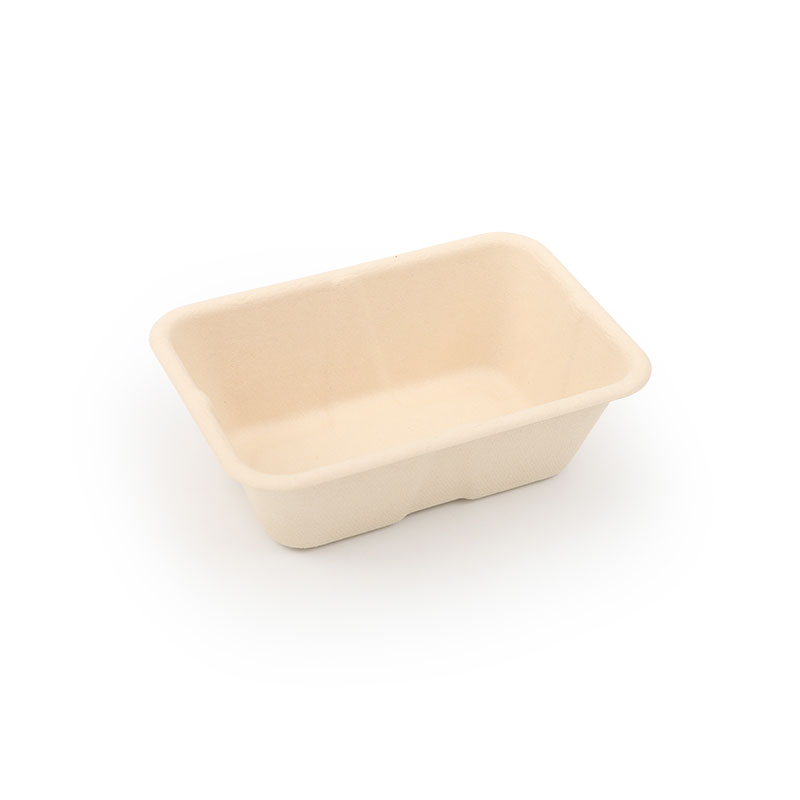
Sustainable dining has gained significant attention as consumers become increasingly aware of their environmental impact. Biodegradable molded pulp takeout lunch boxes, with a 470ml capacity, stand out as a compelling solution for eco-conscious dining. These lunch boxes not only provide a sustainable alternative to traditional packaging, but they also boast versatility in their design. The compatibility of the lunch box bottom with both bamboo pulp and PET lids allows users to tailor their packaging according to their specific needs and preferences.
Moreover, the custom services available for these lunch boxes further enhance their appeal. Customers can personalize their orders, ensuring that their packaging reflects their brand or individual style. The option for modified atmosphere packaging (MAP) further enriches the user experience, allowing for greater flexibility in food preservation and presentation. This feature enables a wide range of applications, making these lunch boxes suitable for diverse culinary offerings while aligning with sustainability goals. As the demand for eco-friendly solutions grows, the adaptability of biodegradable molded pulp lunch boxes positions them as a practical choice in the food service industry.
FAQS
: They are often made from renewable resources like plant starches, offering an eco-friendly alternative.
Under the right conditions, they can decompose within months, unlike traditional plastics that take centuries.
Food packaging accounts for over 23% of total municipal solid waste, highlighting the need for sustainable choices.
They require specific conditions to break down and may not degrade well in landfills without proper disposal methods.
Educating themselves on local disposal facilities and certified compostability is essential for maximizing waste reduction.
Without understanding the benefits and disposal methods, the positive impact on waste reduction might diminish.
The production cost of biodegradable options often exceeds that of conventional plastics, which may deter consumers.
It is projected to grow by around 15% annually as consumer demand for sustainable options increases.
They are developing new composites that can resist moisture and heat, making them suitable for hot foods.
Many people do not fully understand how biodegradable products work or the importance of proper disposal.
Conclusion
Biodegradable Disposable Food Boxes offer numerous benefits to eco-conscious consumers seeking sustainable packaging solutions. These boxes are not only cost-effective compared to traditional disposable alternatives, but they also contribute to significant waste reduction and have a positive impact on the environment. As concerns about pollution and plastic waste grow, the shift towards biodegradable options aligns with consumer preferences and market trends that favor environmentally friendly practices.
In addition to their environmental advantages, Biodegradable Disposable Food Boxes provide health and safety benefits, as they are made from natural materials that are less harmful compared to conventional plastics. Innovations in biodegradable materials are paving the way for future developments, further enhancing their appeal. Overall, the adoption of these eco-friendly food packaging solutions represents a proactive step towards reducing our ecological footprint while meeting consumer demands for sustainability.
 Box With T buckle
 700ml Square Lunch Box
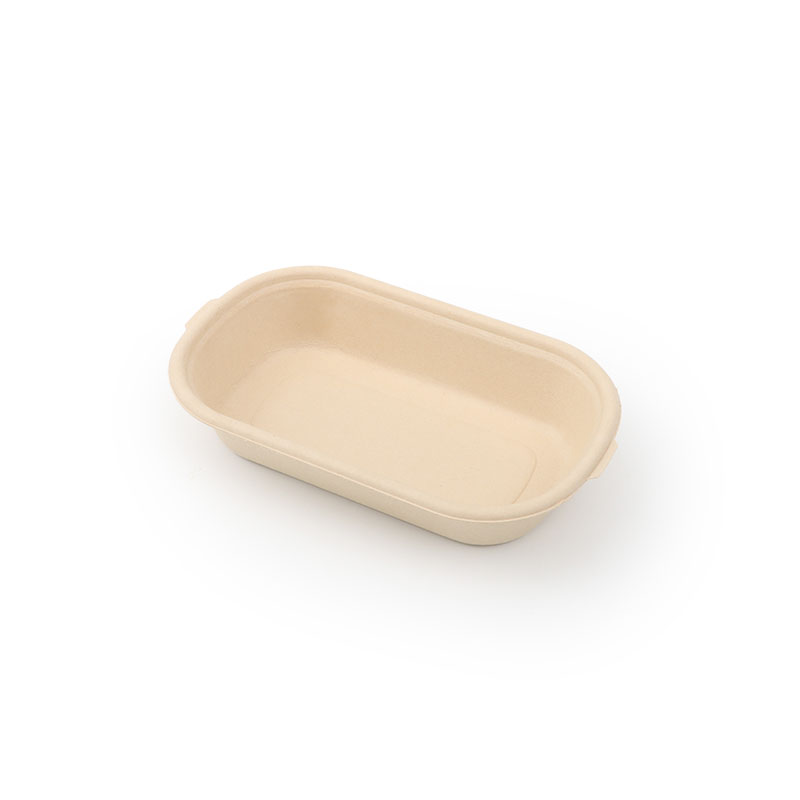 500ml
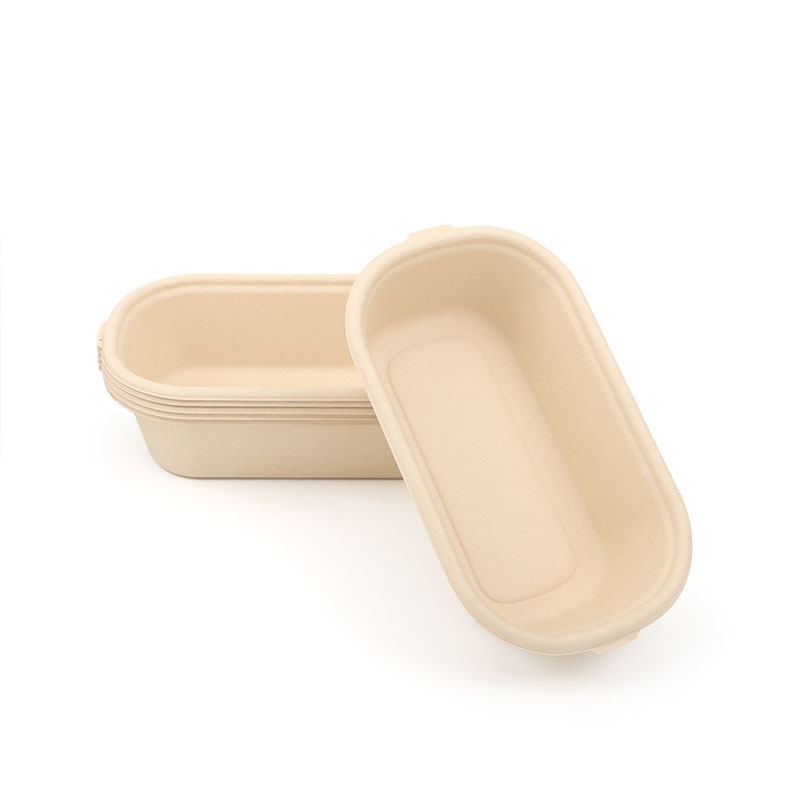 700ml
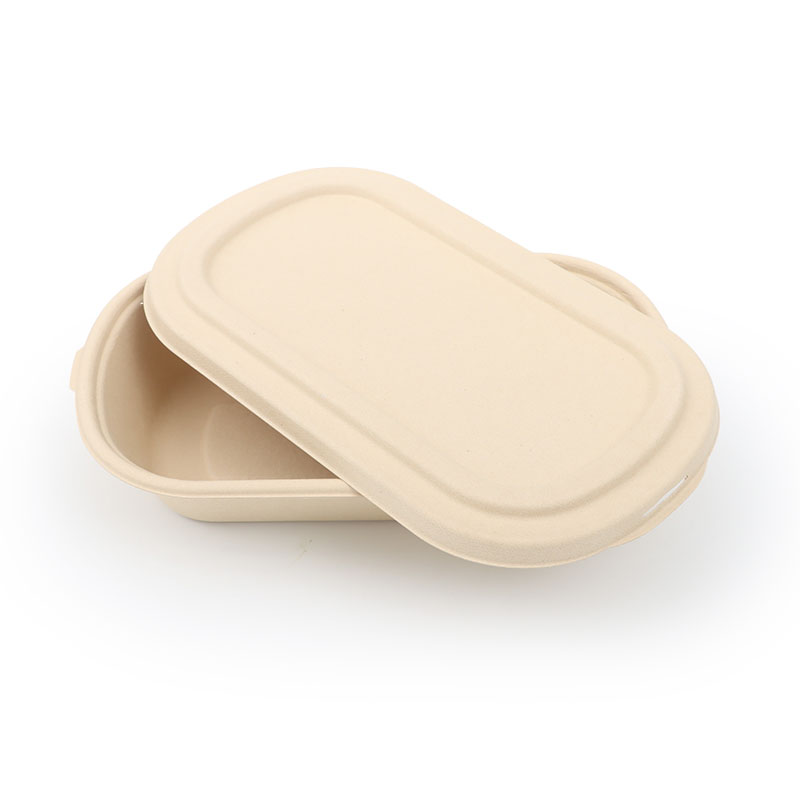 850ml
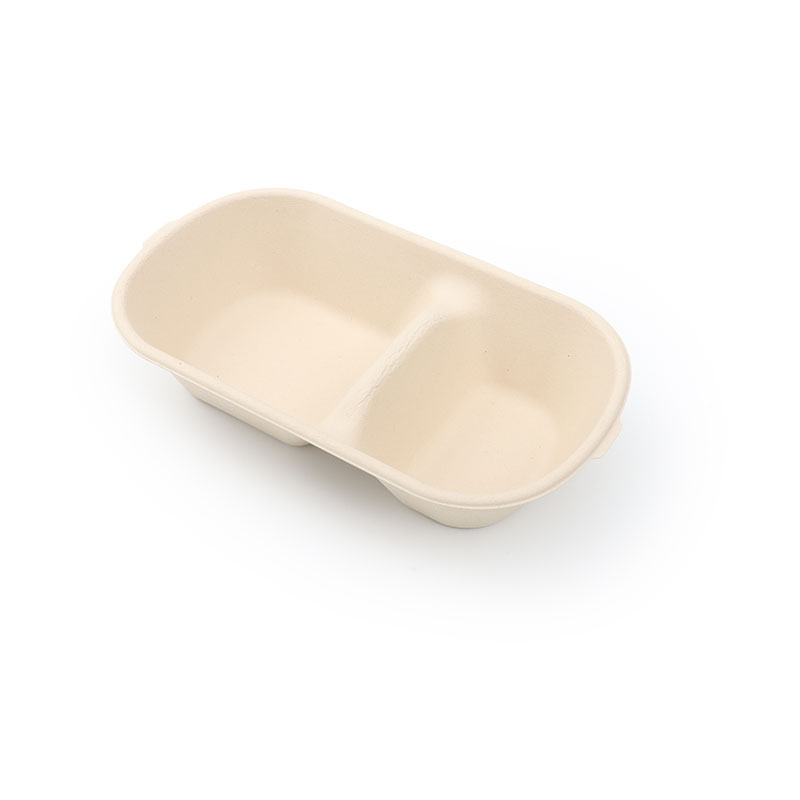 800ml 2 Compartments
 1000ml 2 Compartments
 1100ml
 1000ml Square Lunch Box
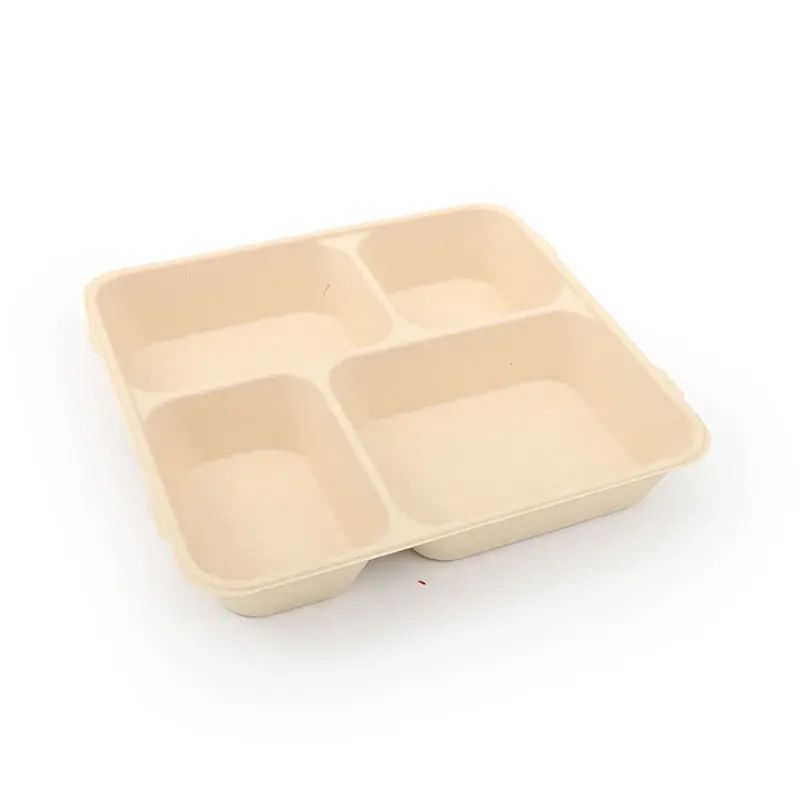 1340ml 4 Compartments
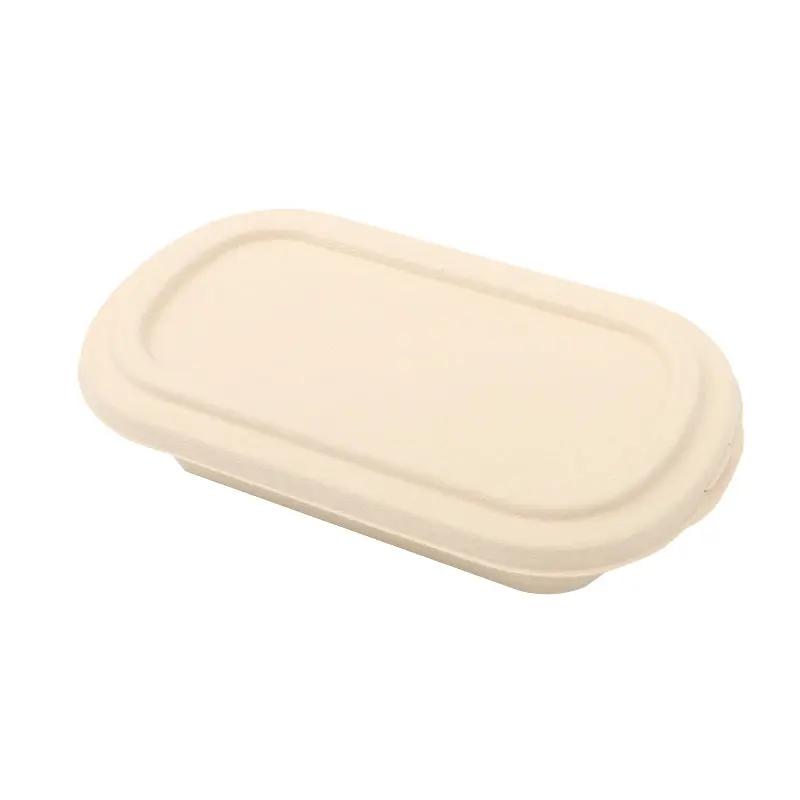 Lunch Box Lid
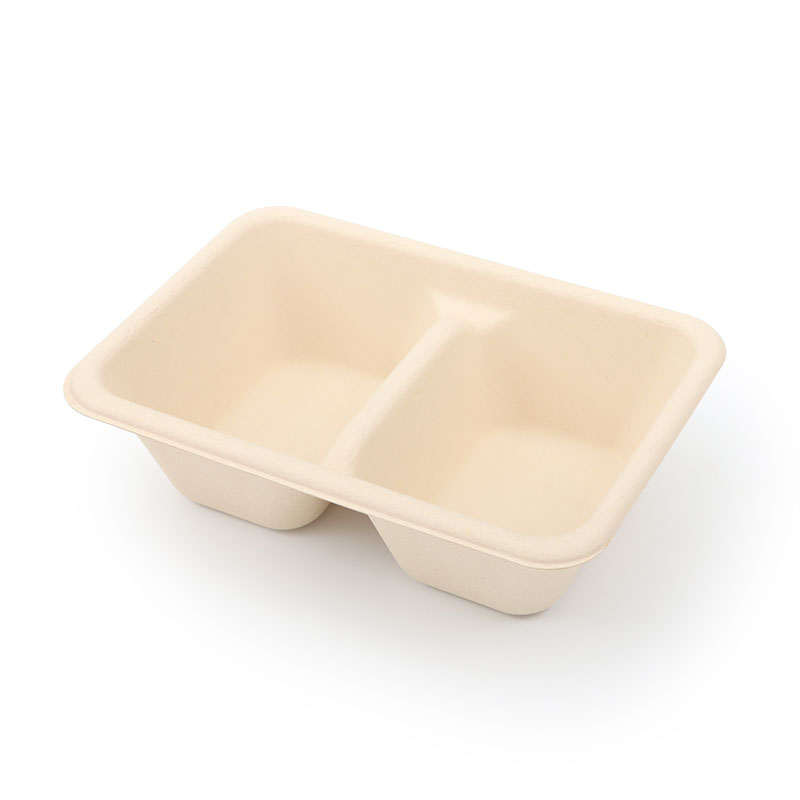 650ml
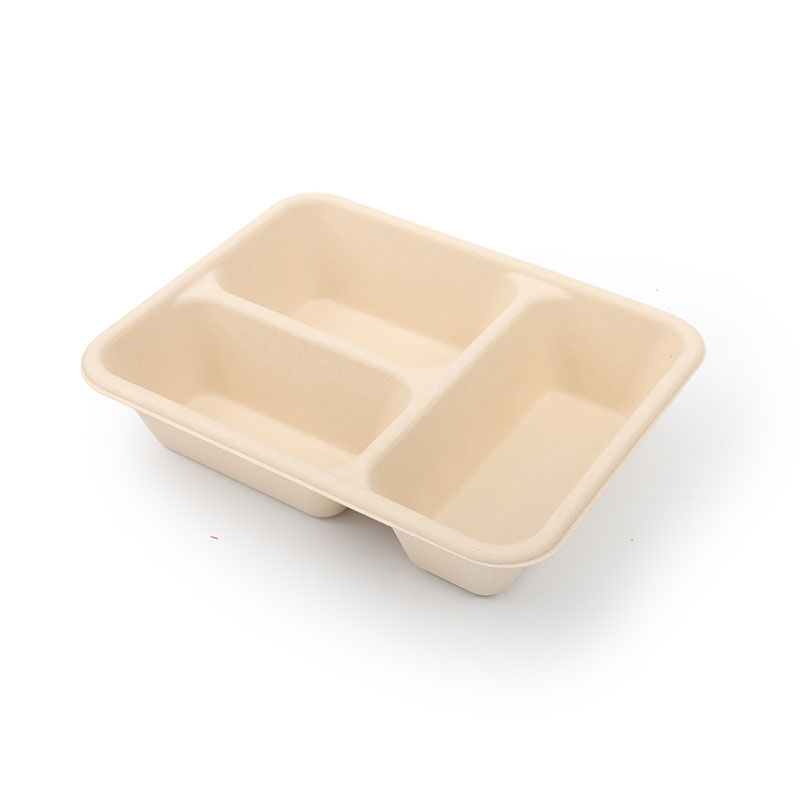 1000ml 3 Compartments
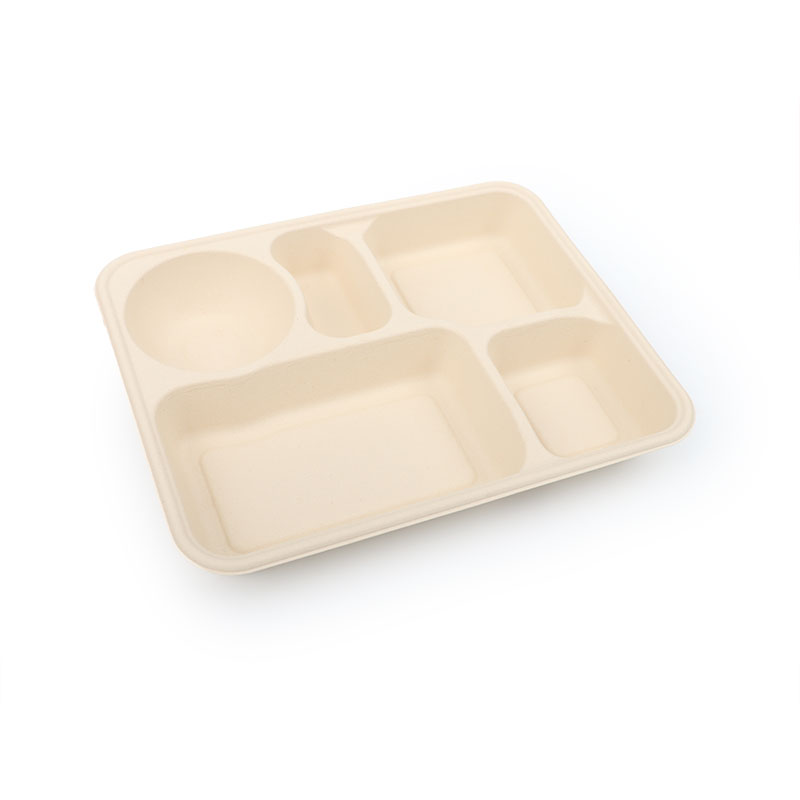 1250ml 5 Compartments
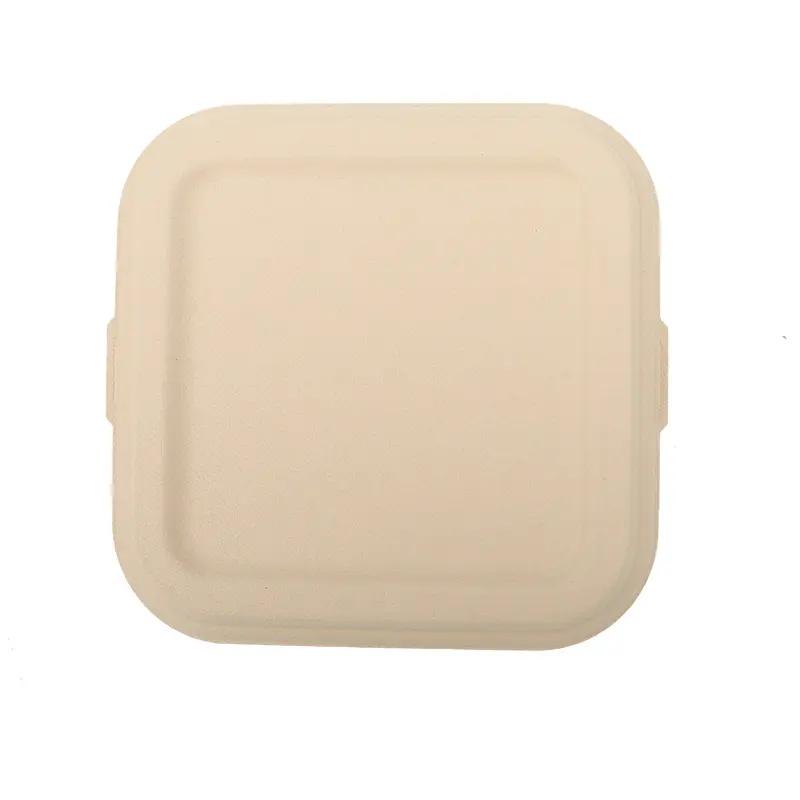 Square Lunch Box Lid
 Box Without T buckle
 850ml Salad Box
 700ml
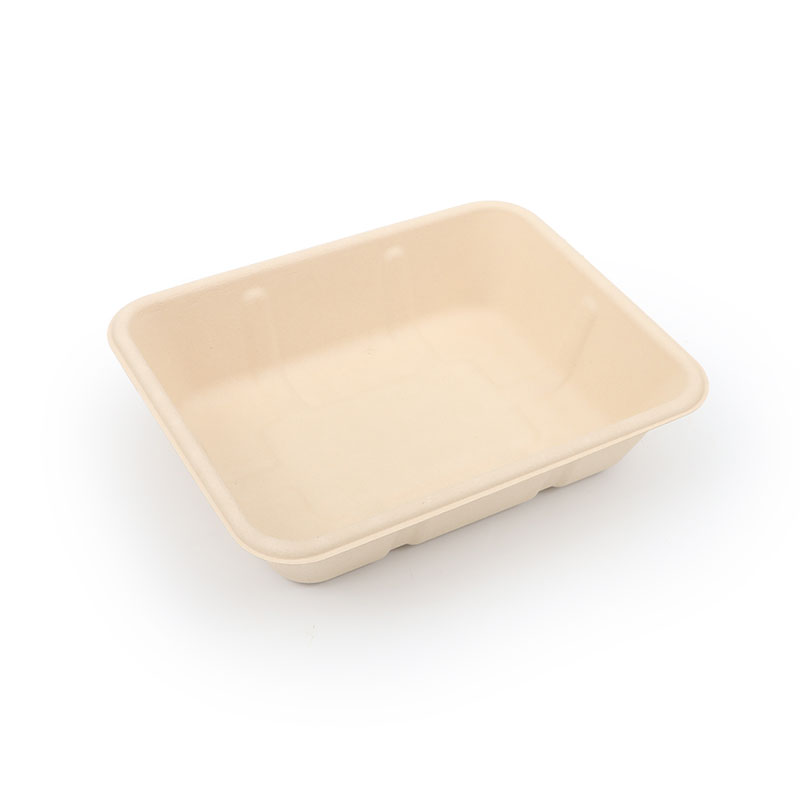 1350ml
 470ml
 2183ml Tray Box
 11" * 9"
 800ml
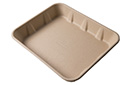 One Part Box
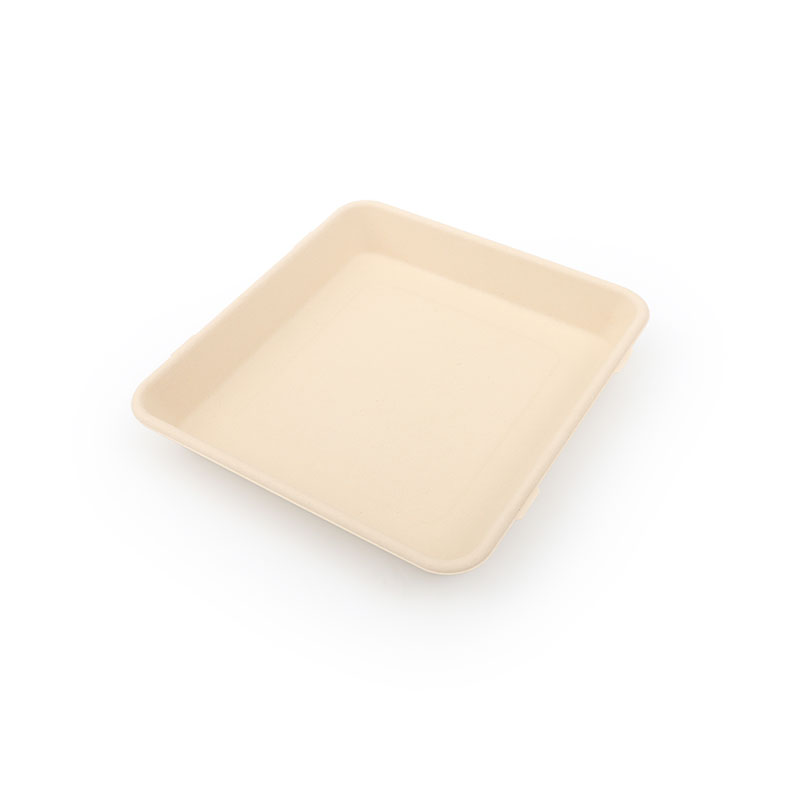 1443ml Tray Box
 Cake Bread Snack Tray Series
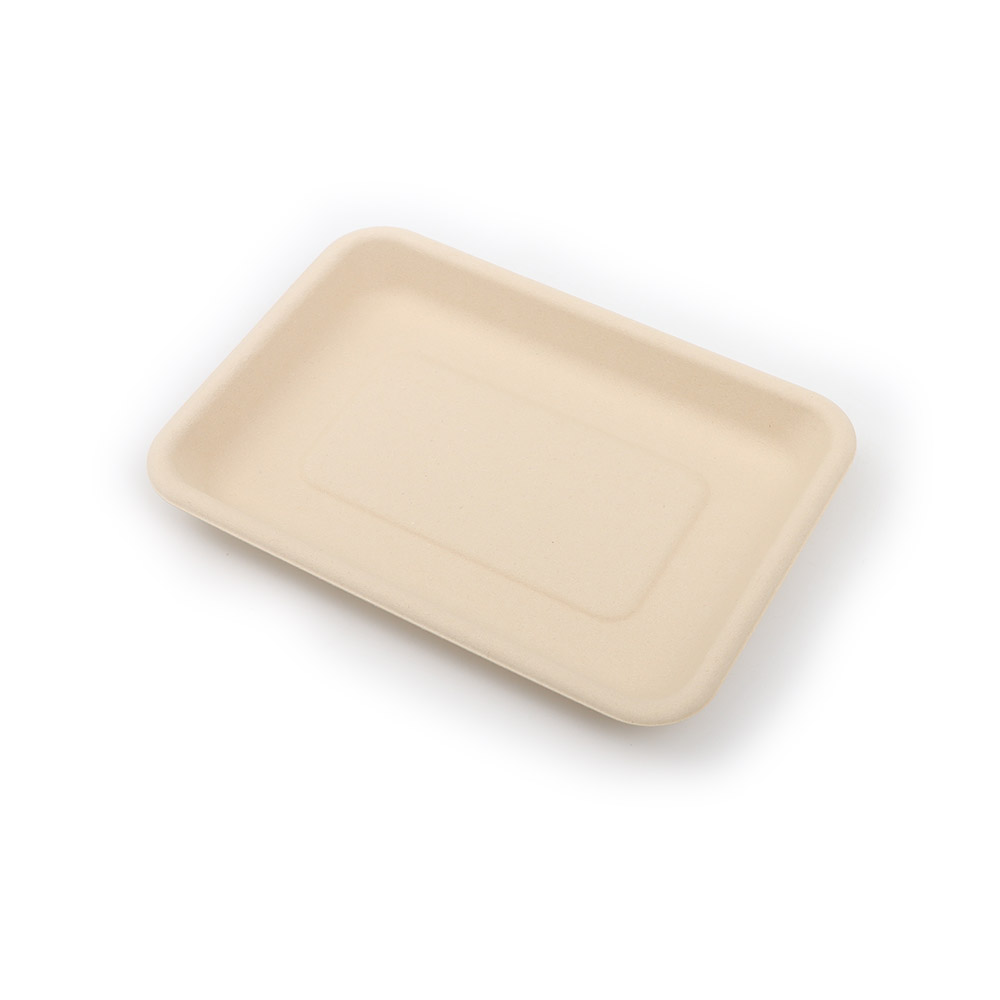 5" * 7" natural color
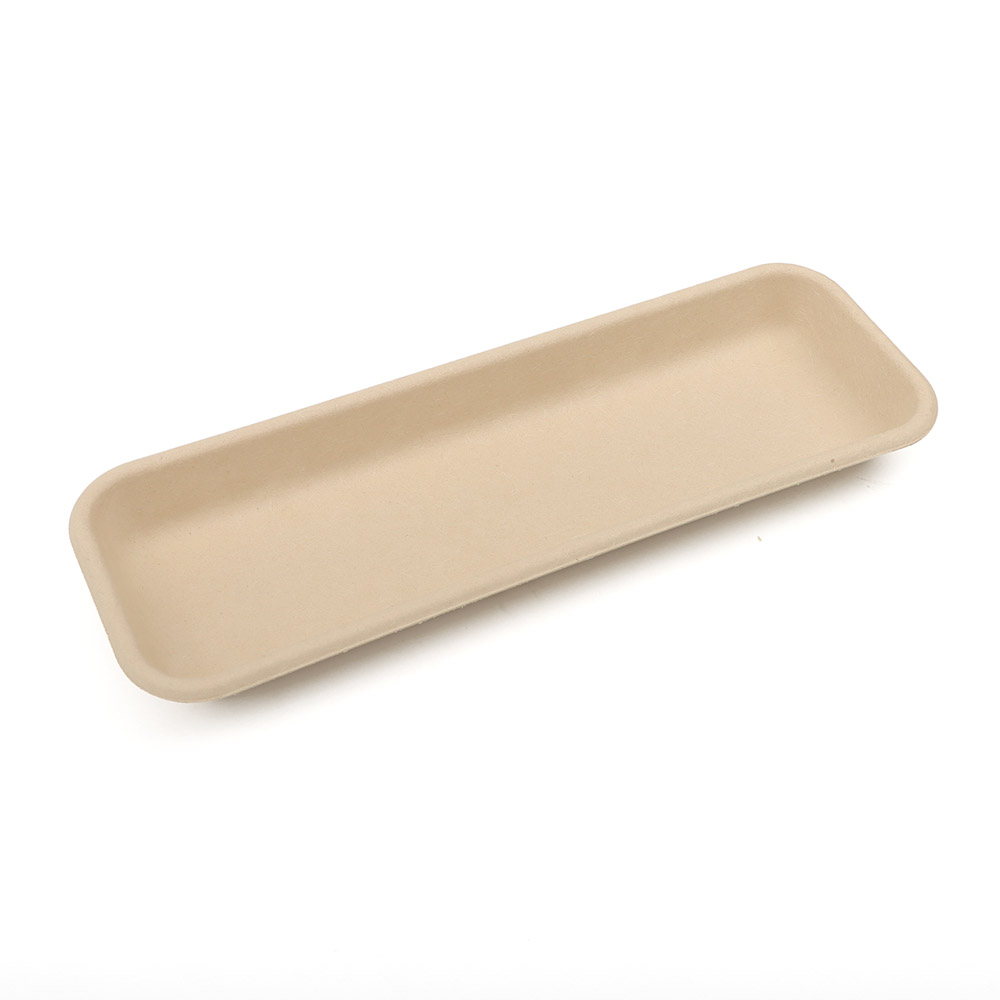 11.4" * 3.9"
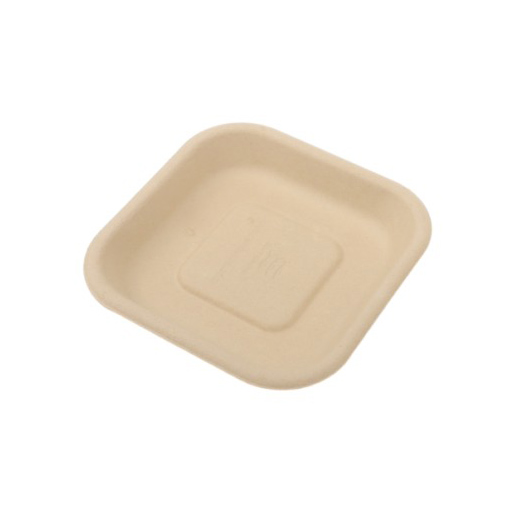 5.3" * 5.3"
 Fruit And Vegetable Tray Series
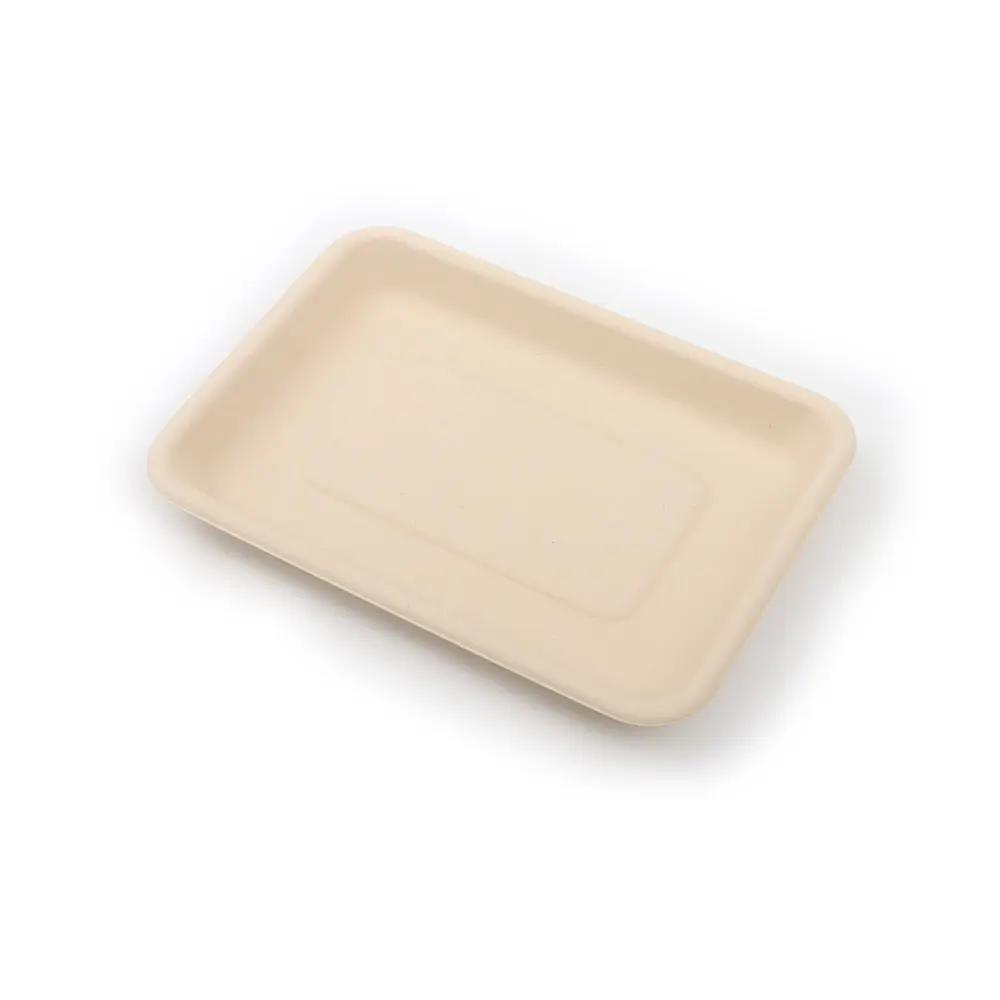 8.6" * 5.3"
 Sushi Tray Series
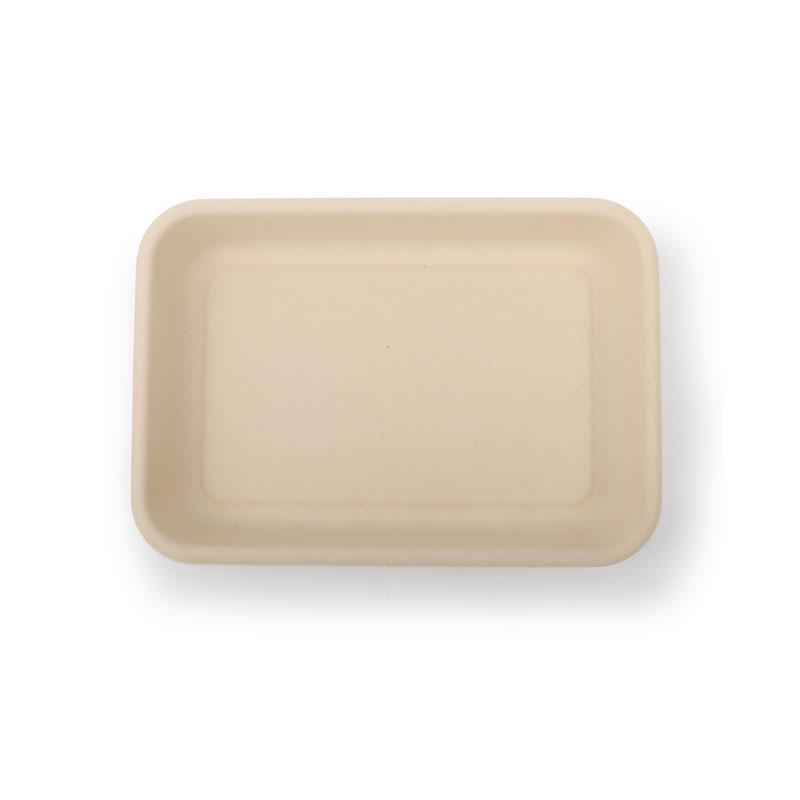 200" * 140"
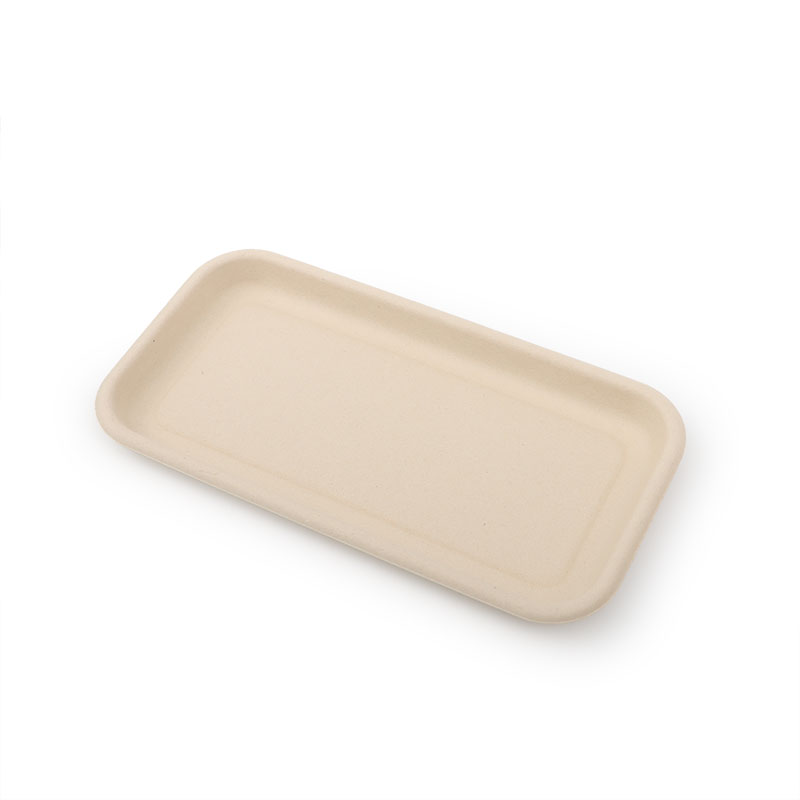 210" * 110"
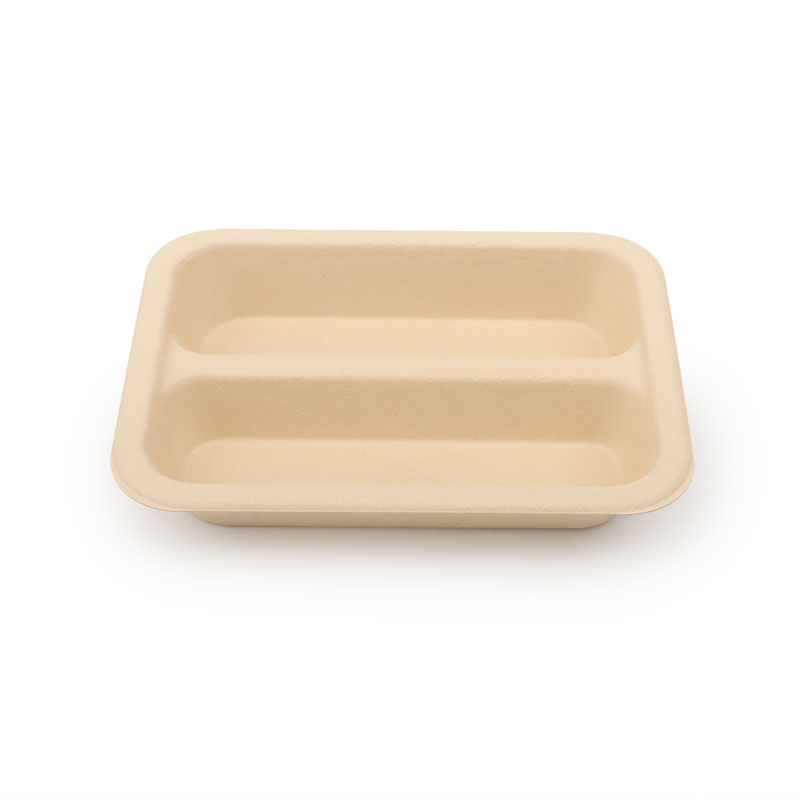 2 Compartments
 Small Round Plate Series
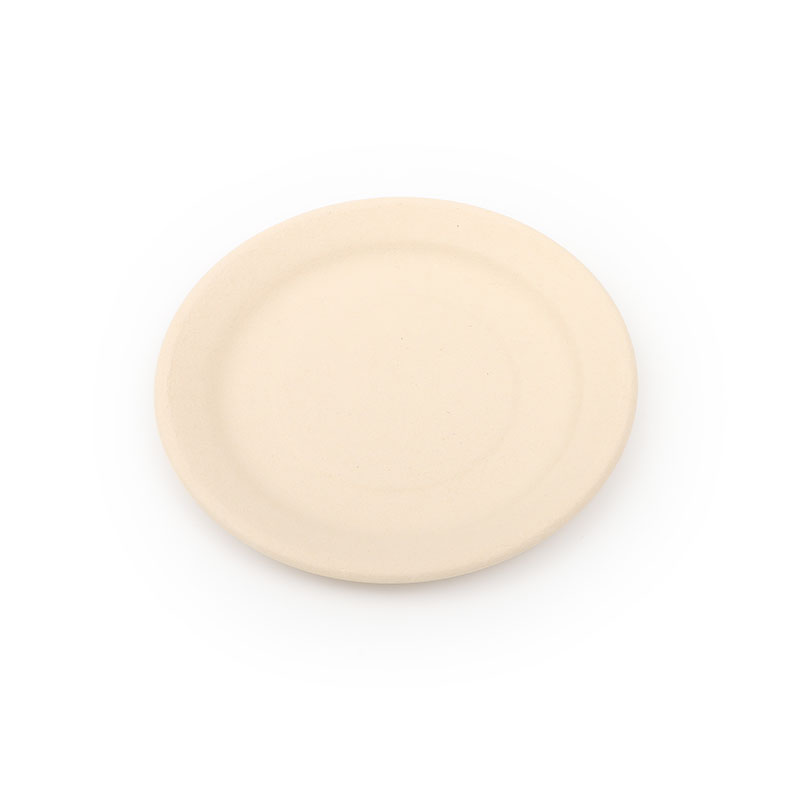 7 inch
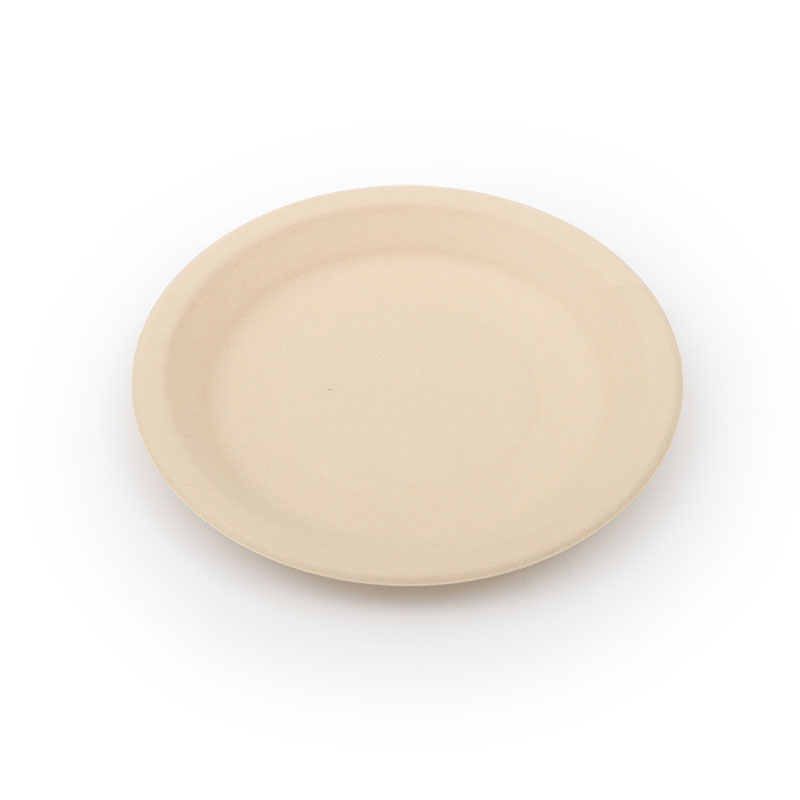 6 inch
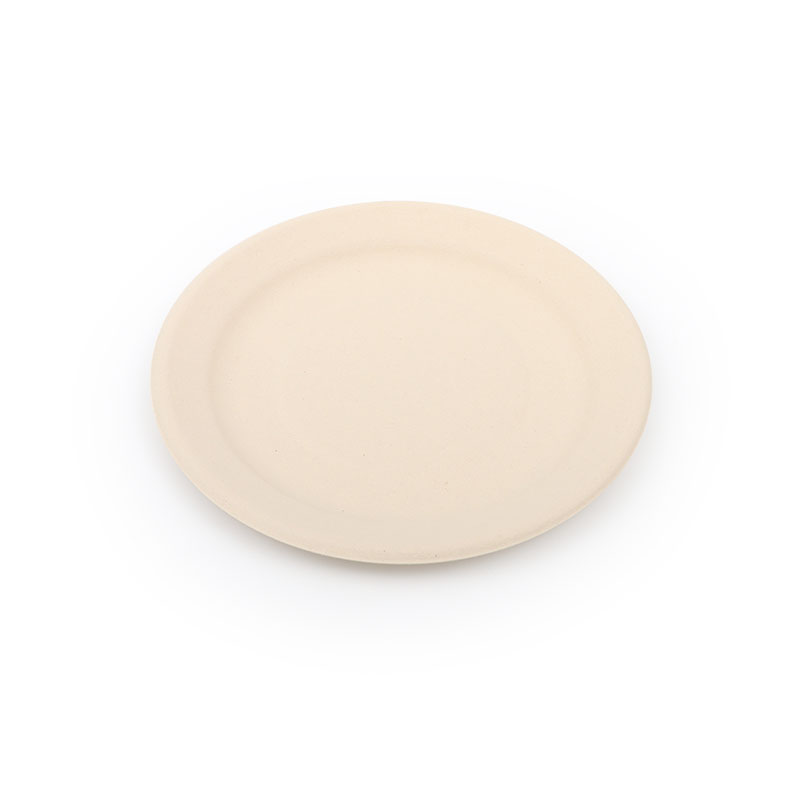 8 inch
 Middle Round Plate Series
 9 Inch 3 Compartments
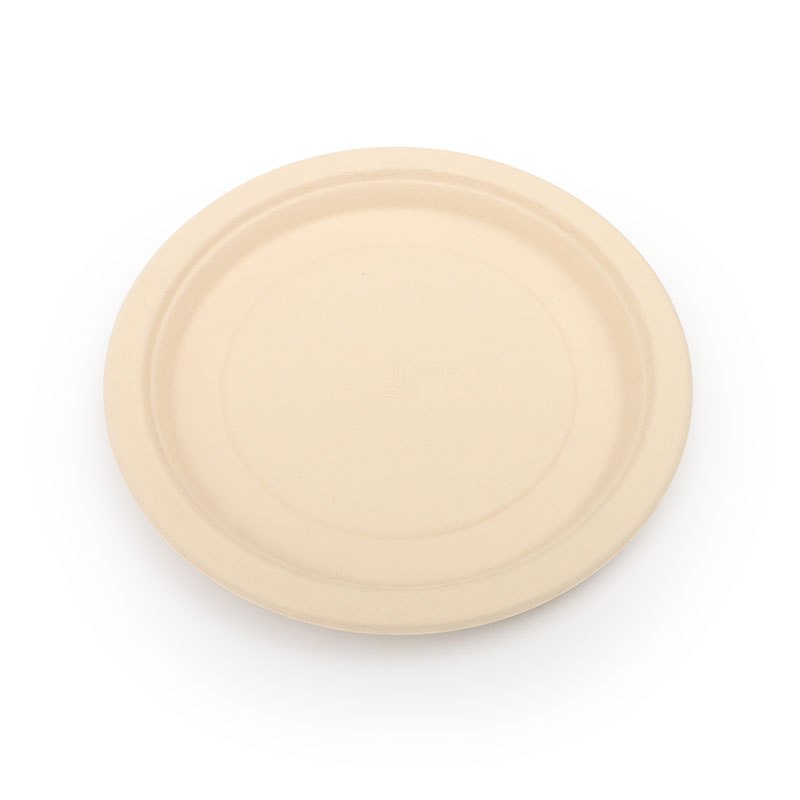 9 inch
 Big Round Plate Series
 12.7 Inch Pizza Plate
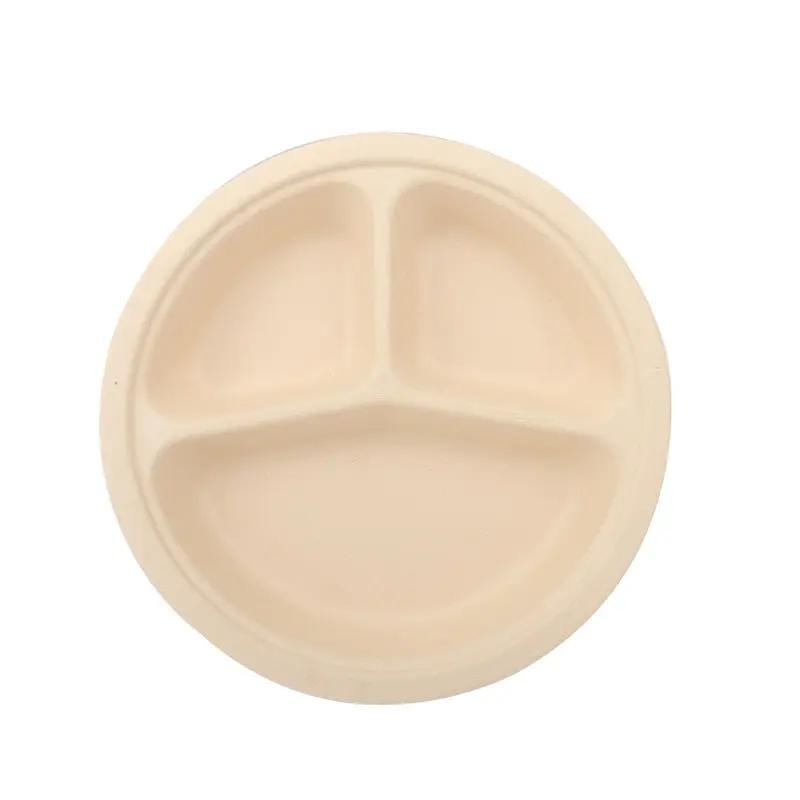 10.25 inch 3 Compartments
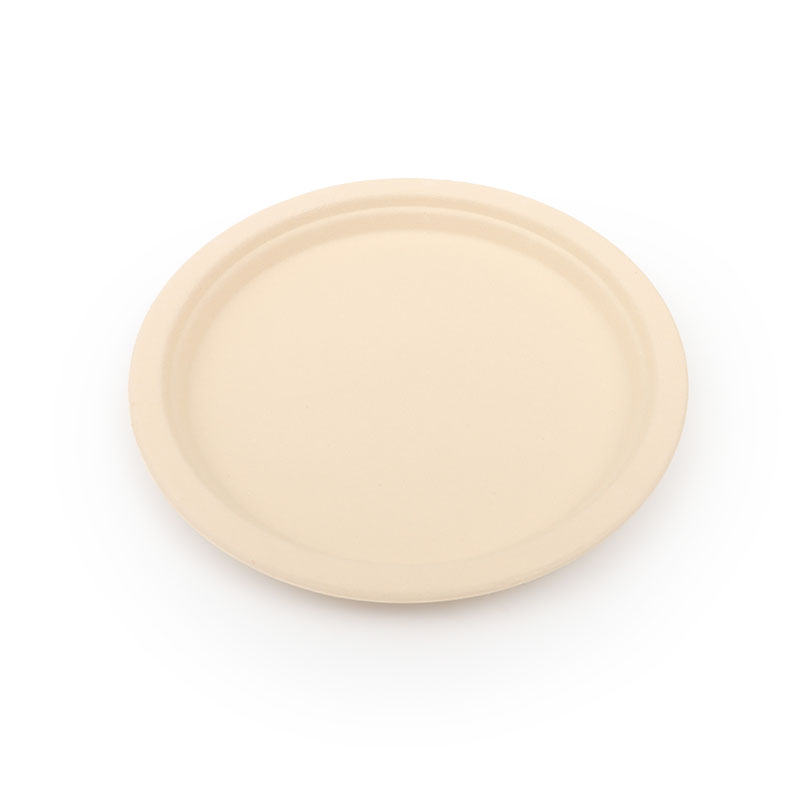 10 inch
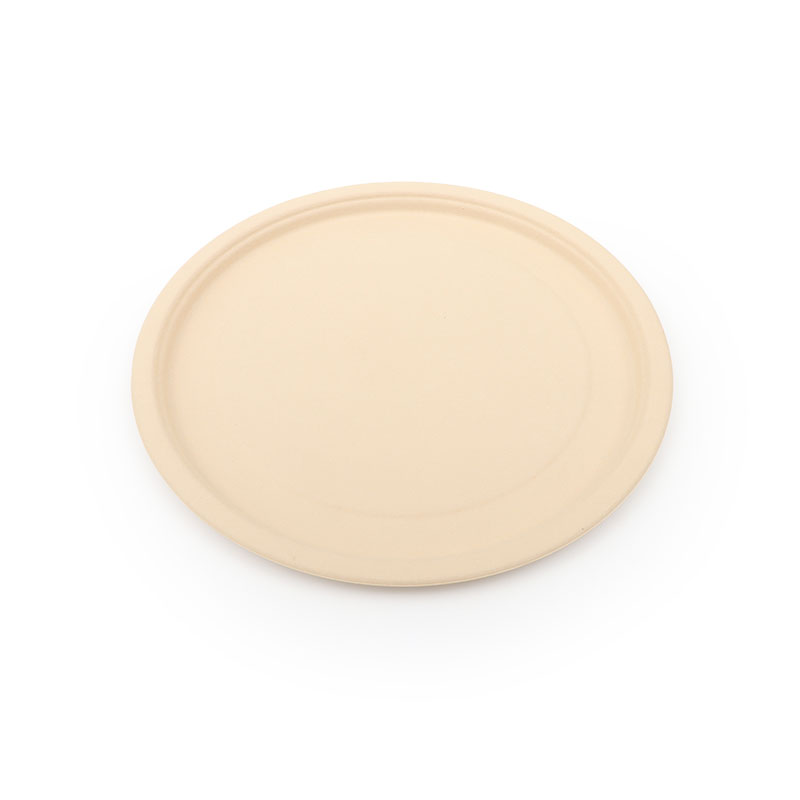 12 inch
 Bigger Bowl
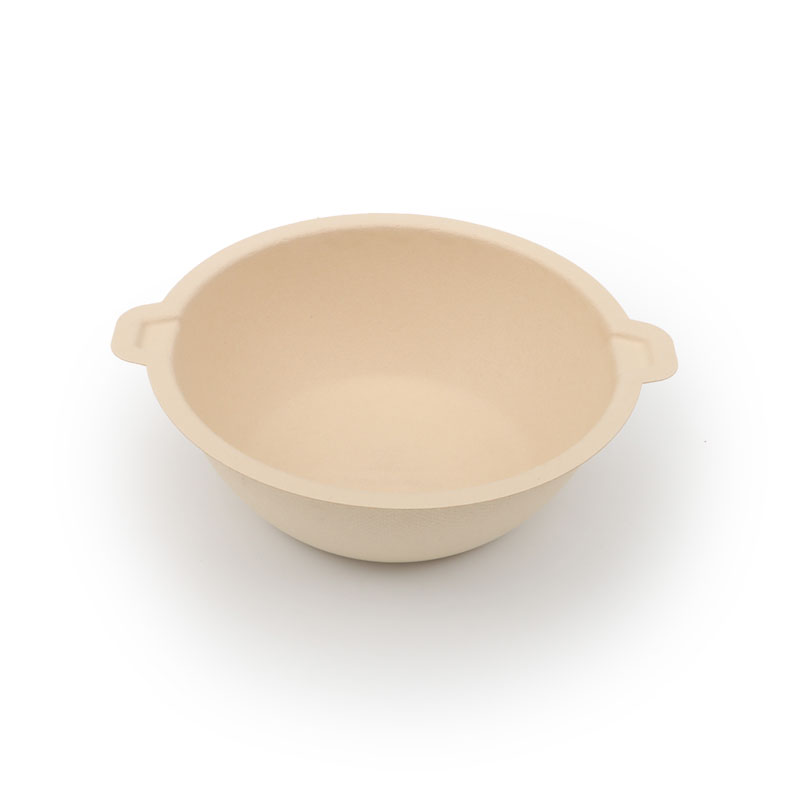 48oz(1420ml)
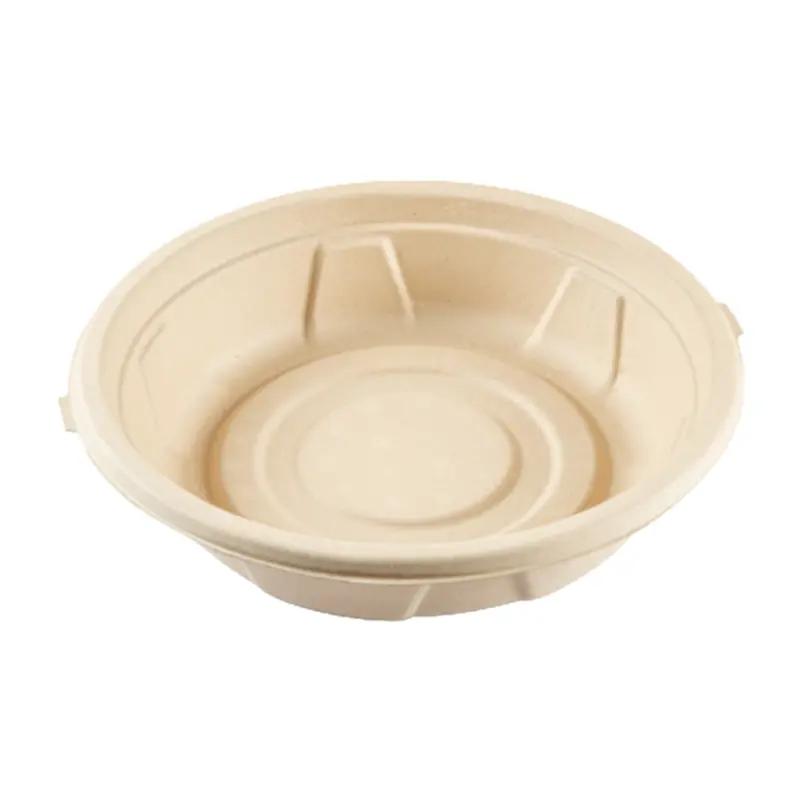 56oz(1650ml)
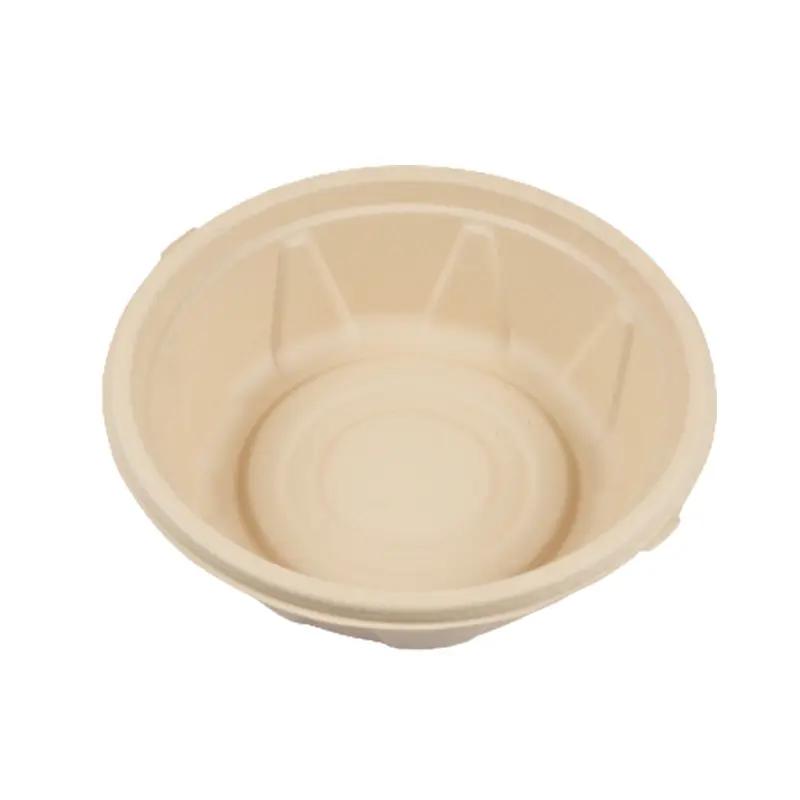 100oz(2950ml)
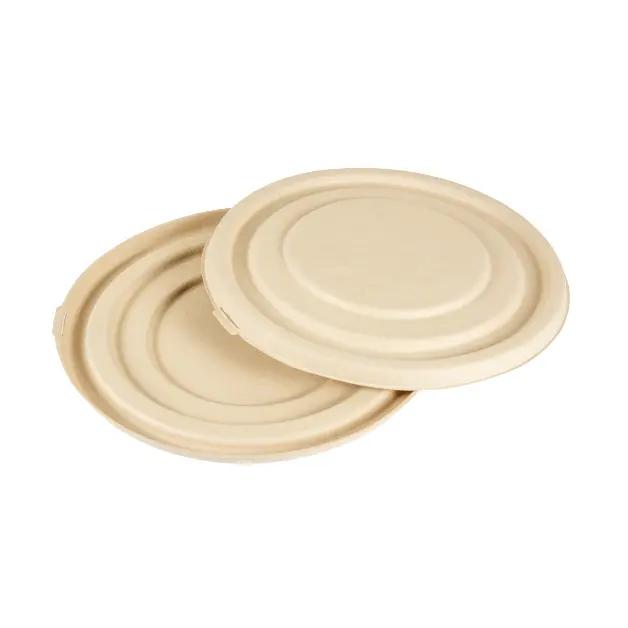 100oz(2950ml) With Lid
 Middle Bowl
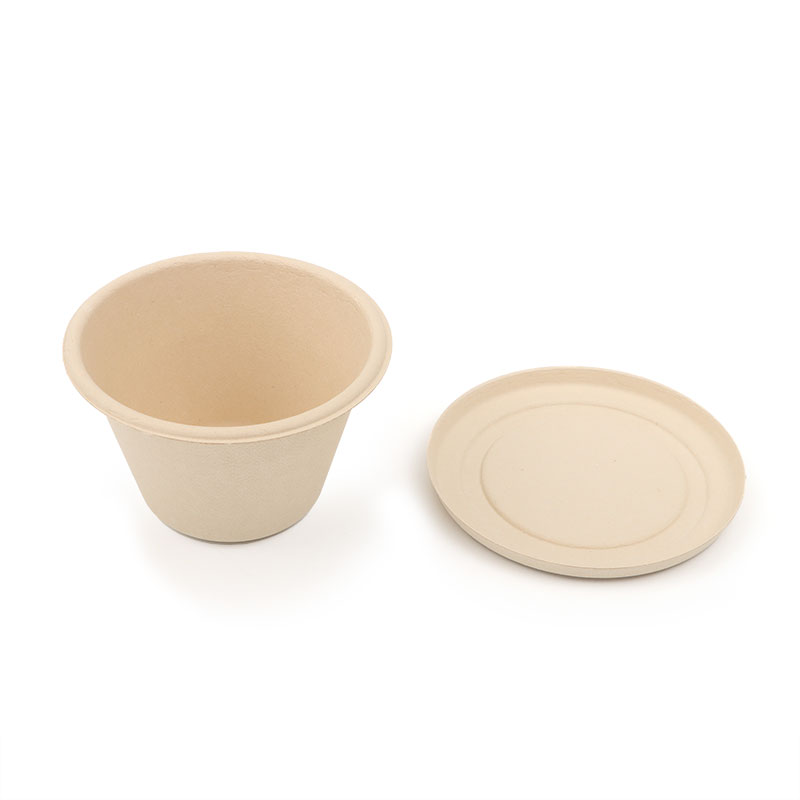 17oz(500ml)
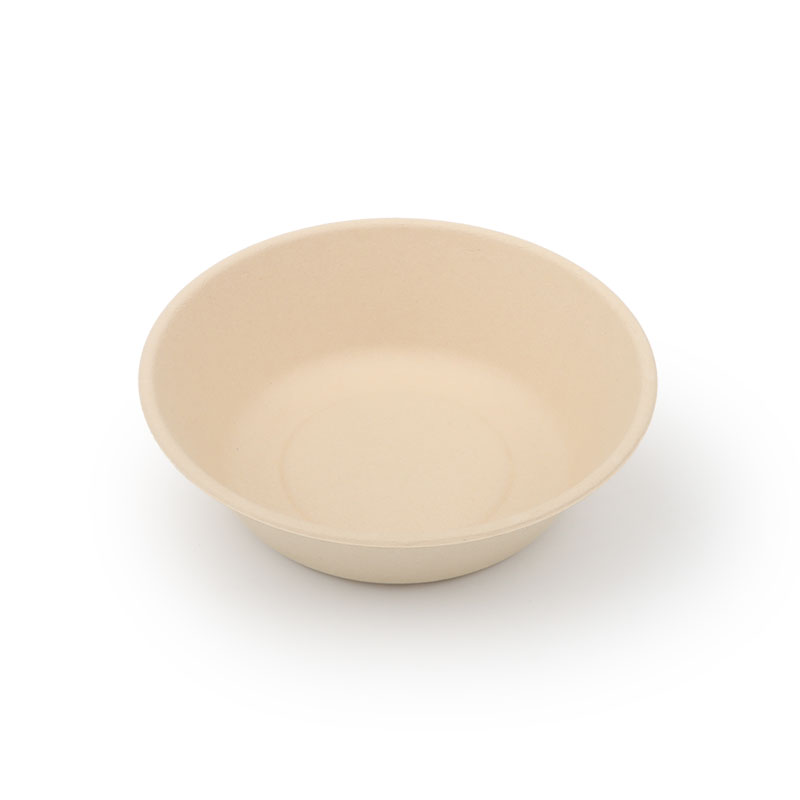 27oz(800ml)
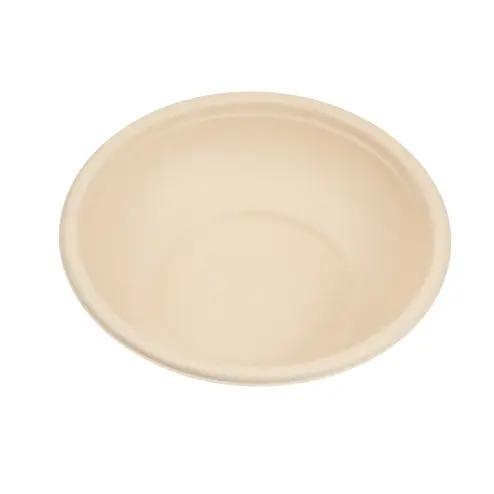 20oz(600ml)
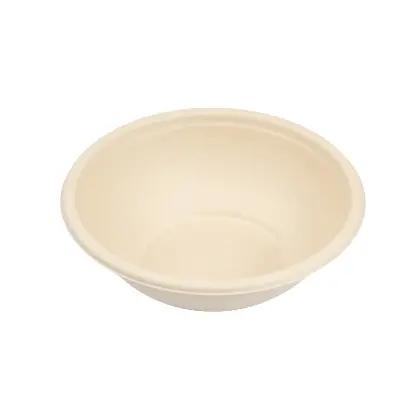 29oz(850ml)
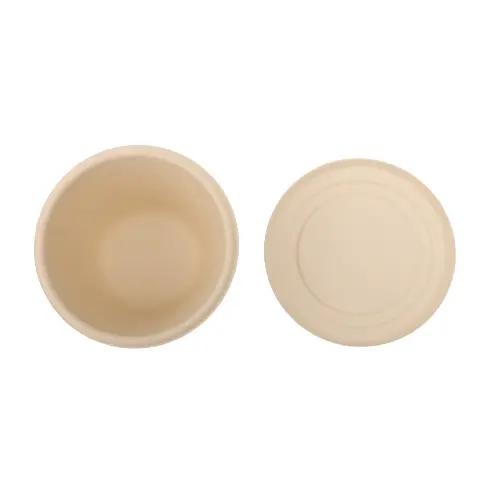 17oz(500ml) With Lid
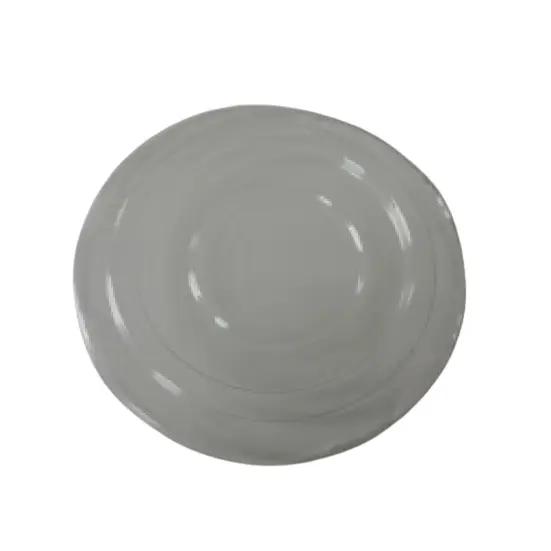 17oz(500ml) PET Lid
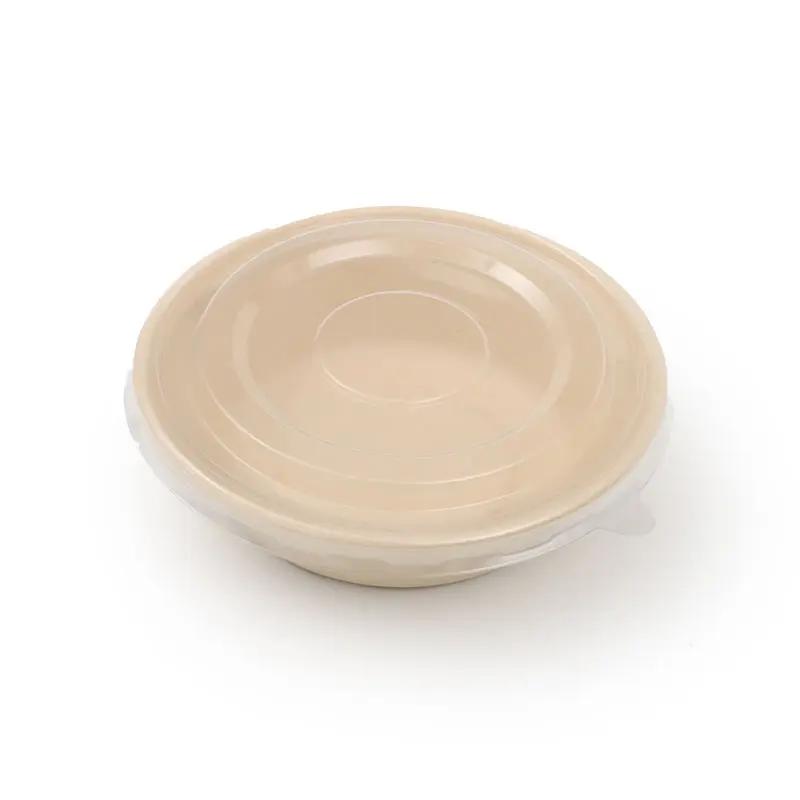 28oz(830ml) PET Lid
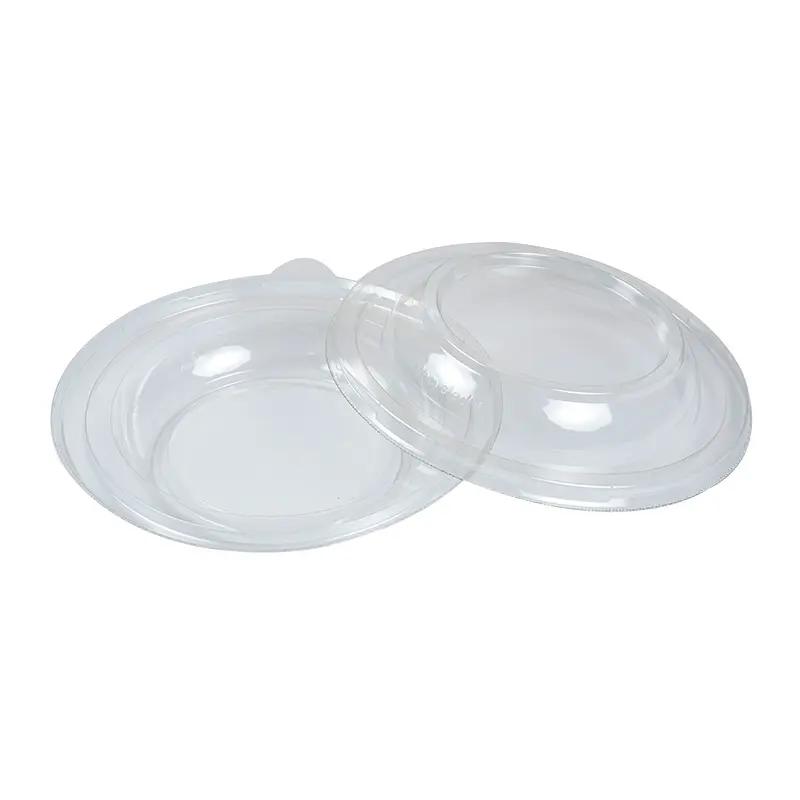 Round Bowl PET
 Small Bowl
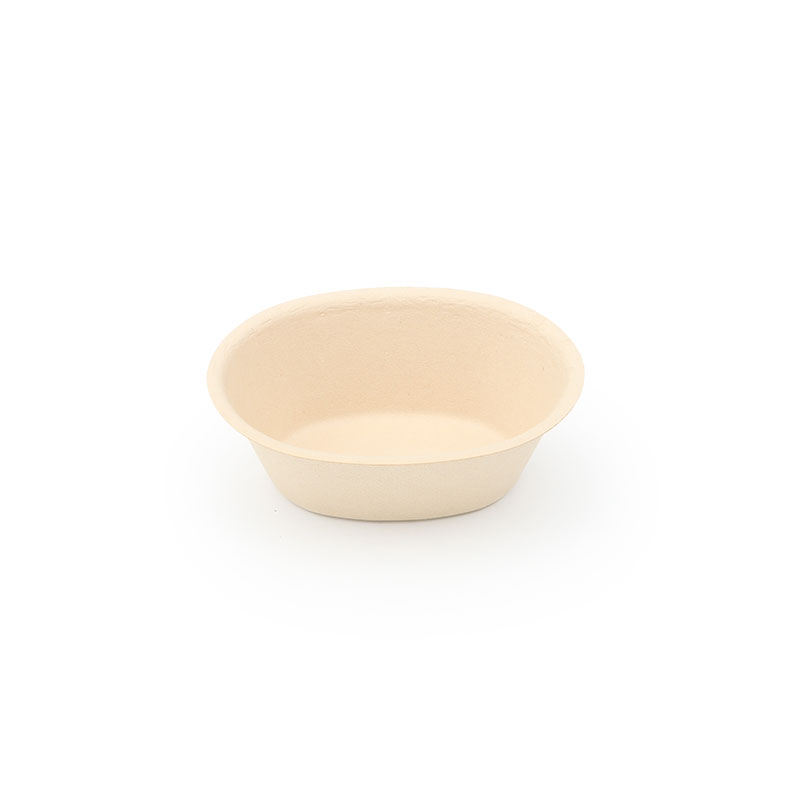 Snack Bowl
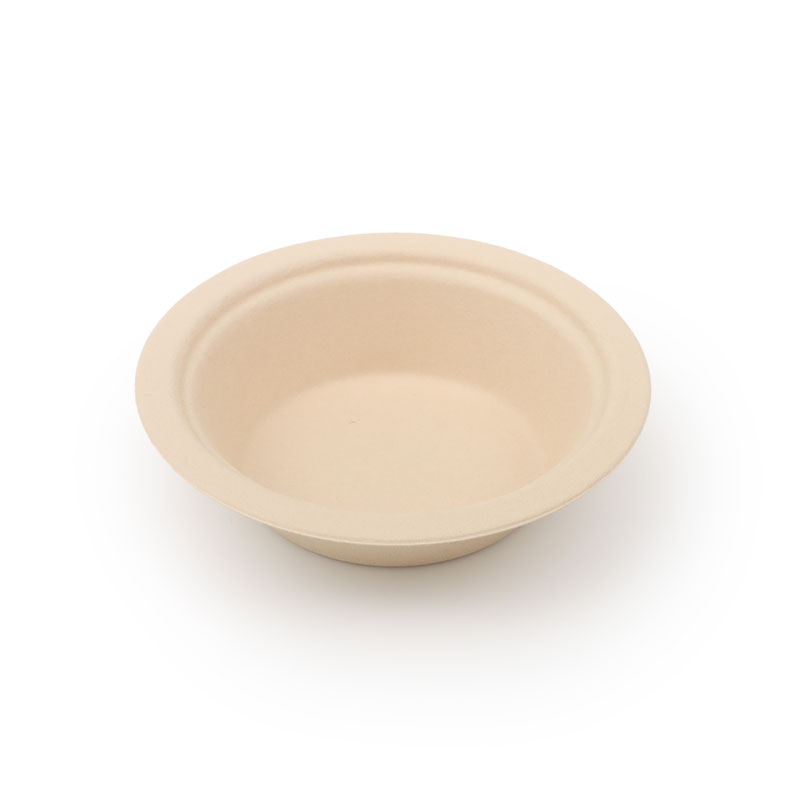 11.5oz(340ml) Bowl
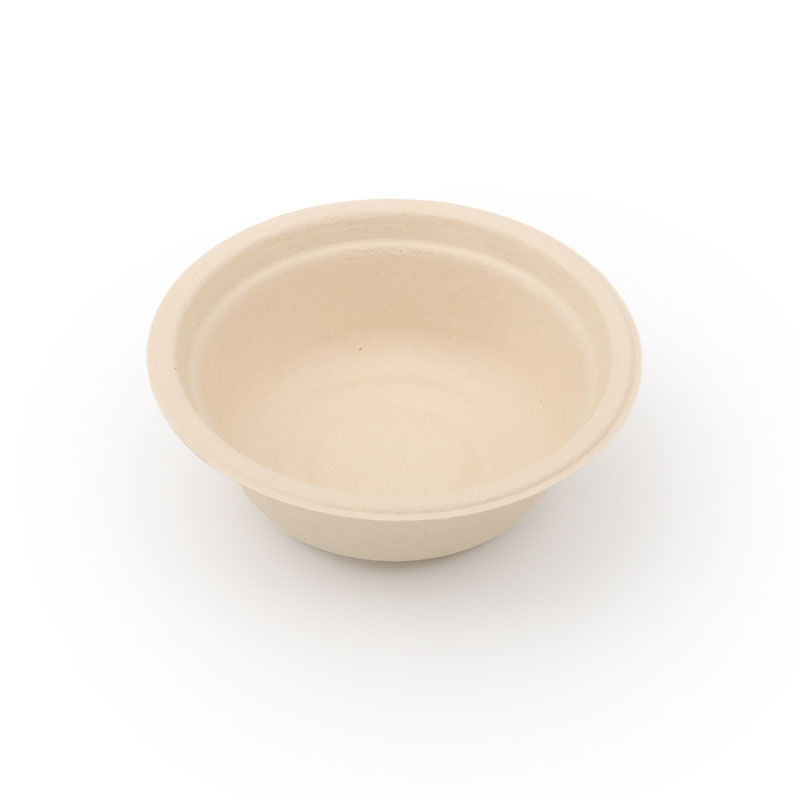 6.7oz(200ml) Bowl
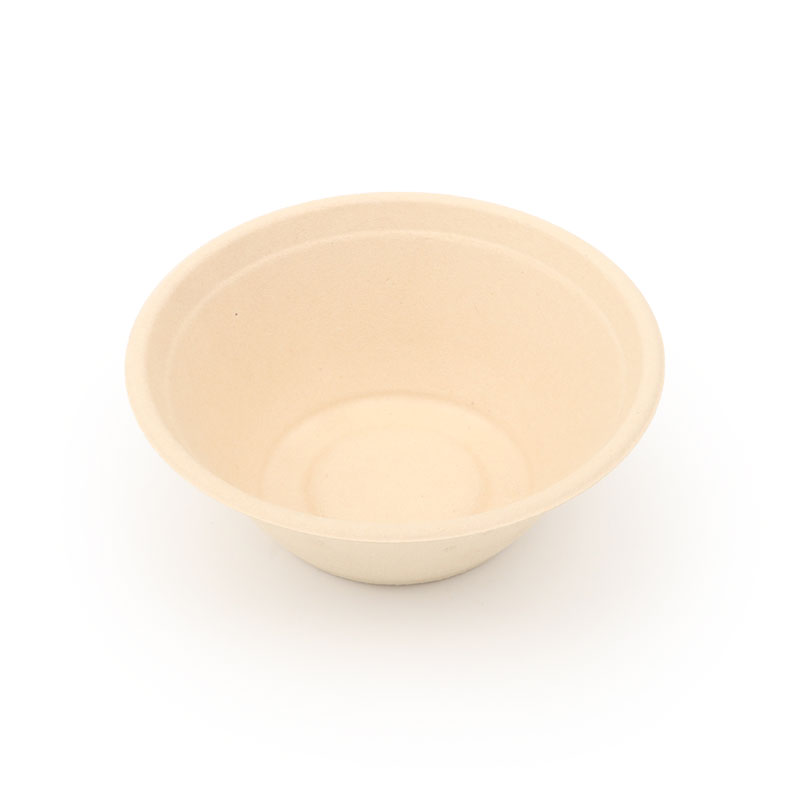 12oz(350ml) Bowl
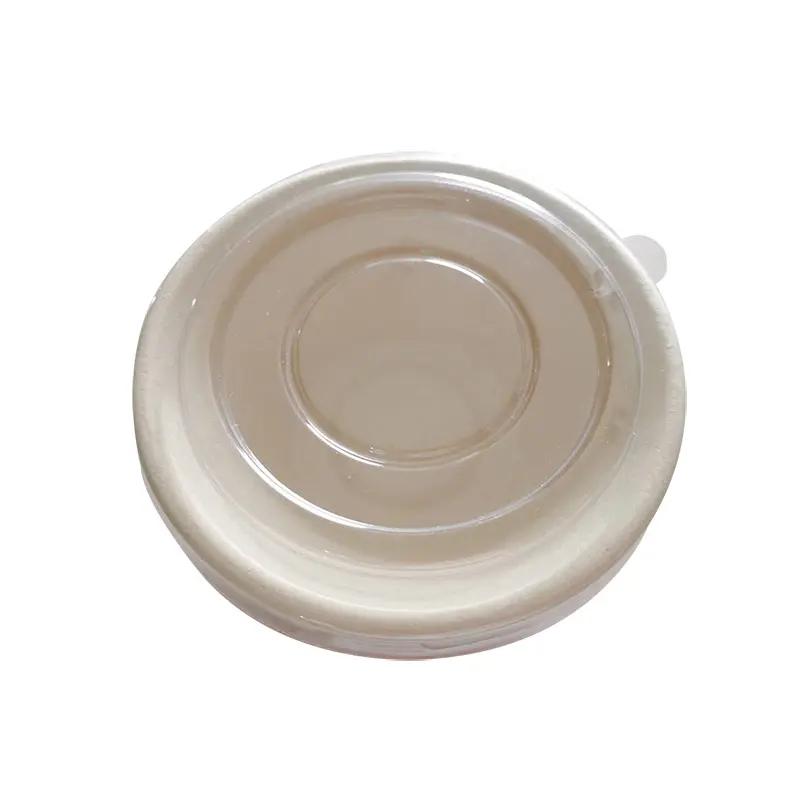 12oz(350ml) Bowl PET
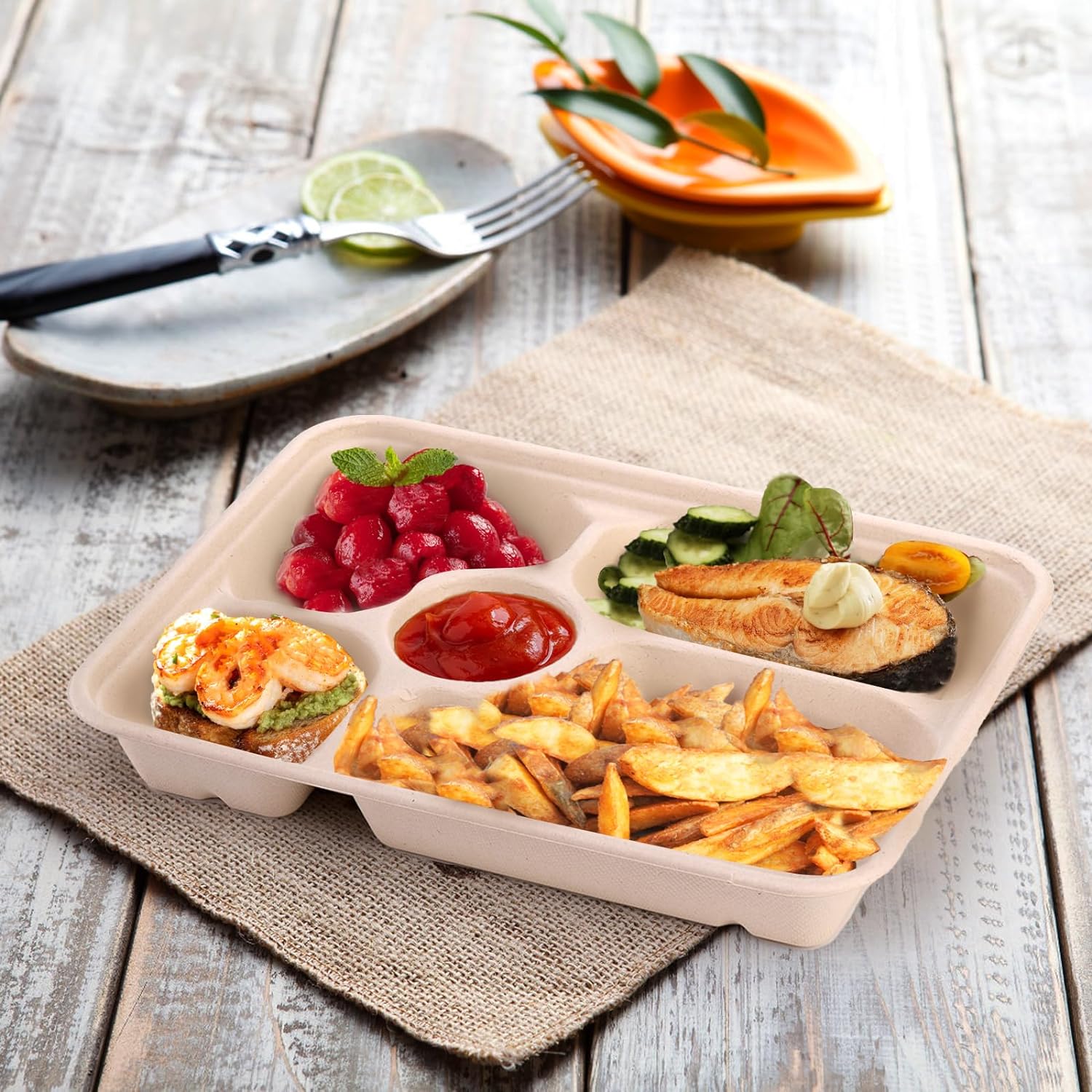 Bagasse Lunch Boxes
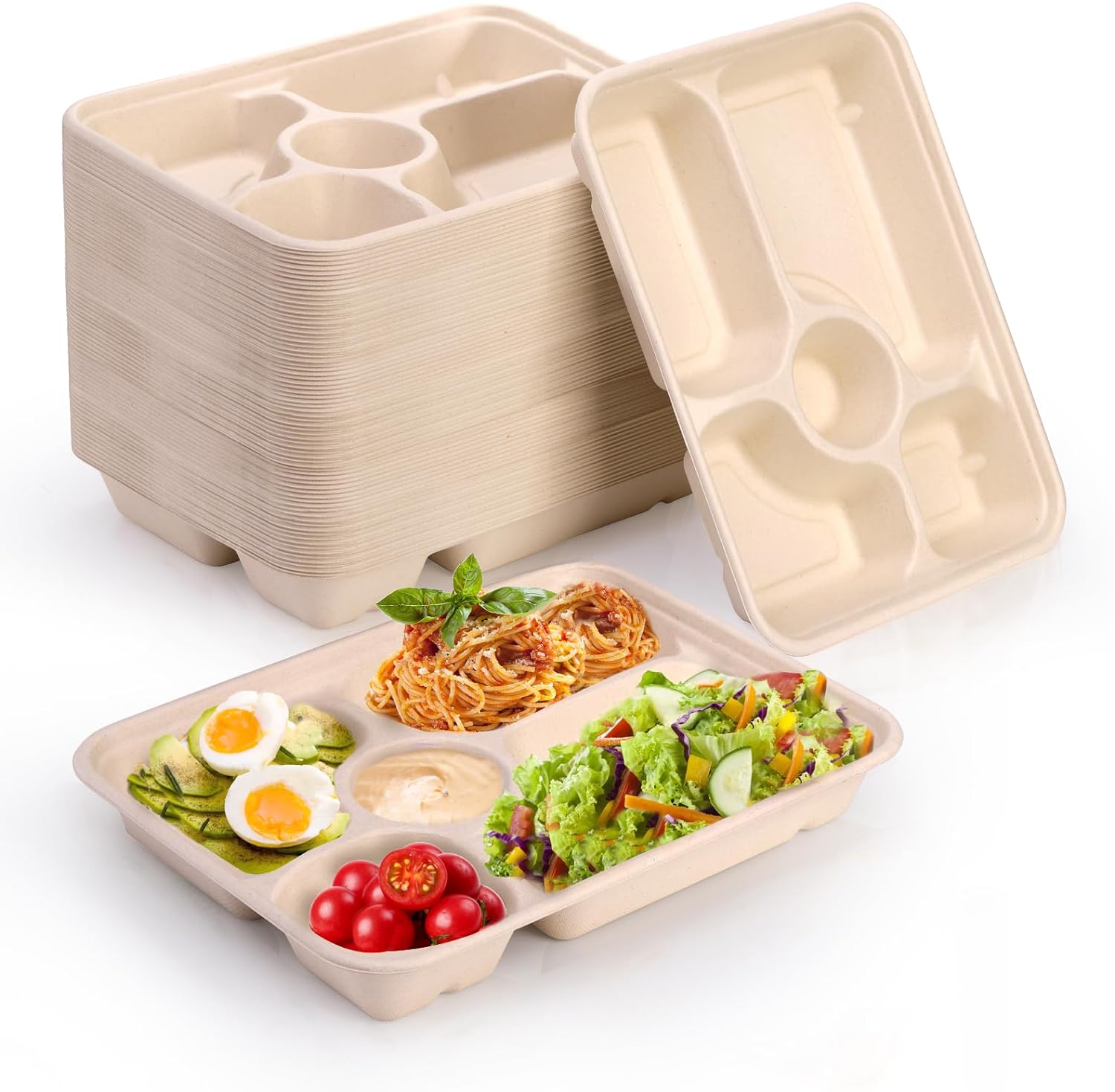 5CP
 6 inch
 Bagasse Food Plates
 7 inch
 3CP
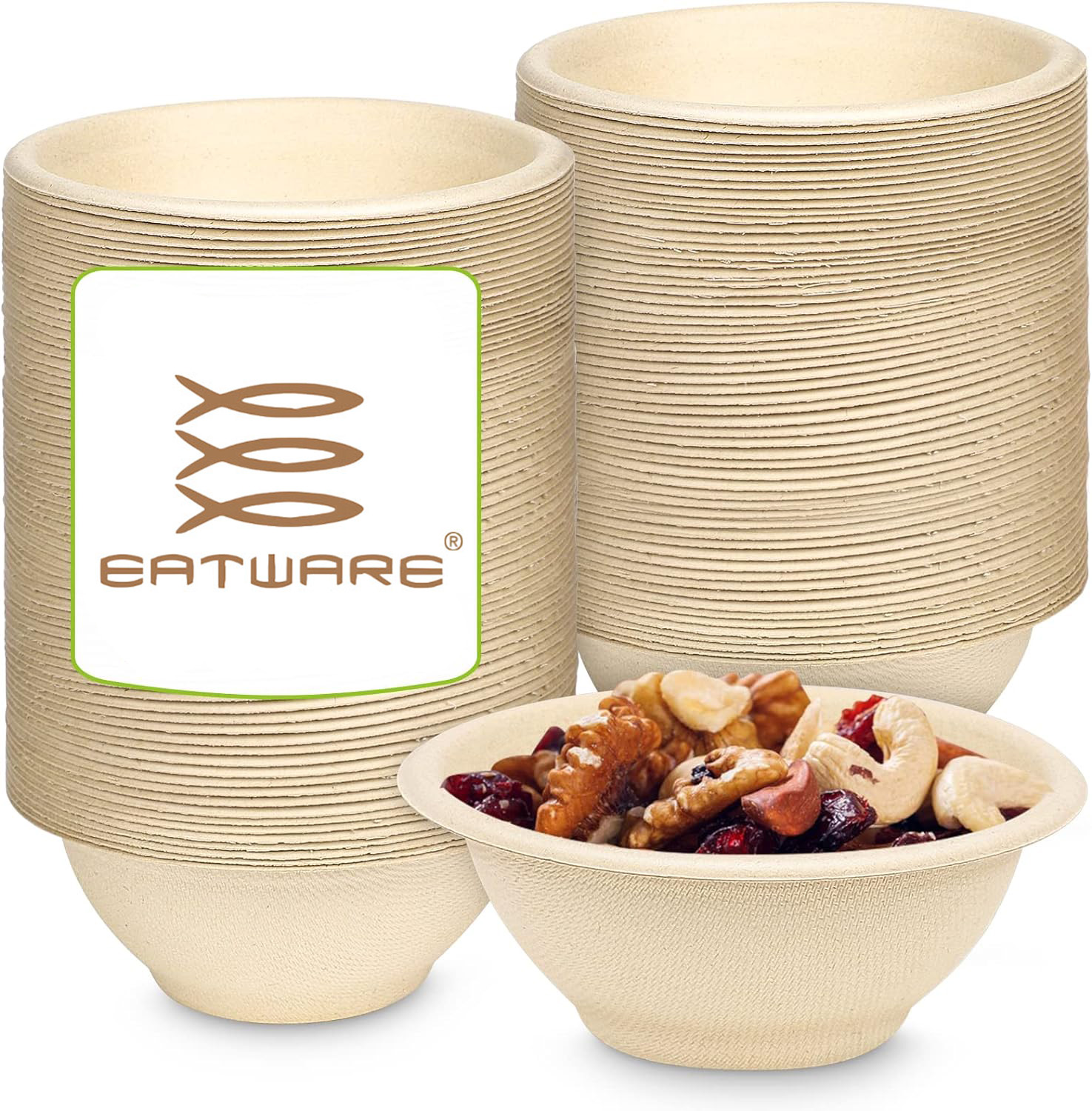 Bagasse Bowls
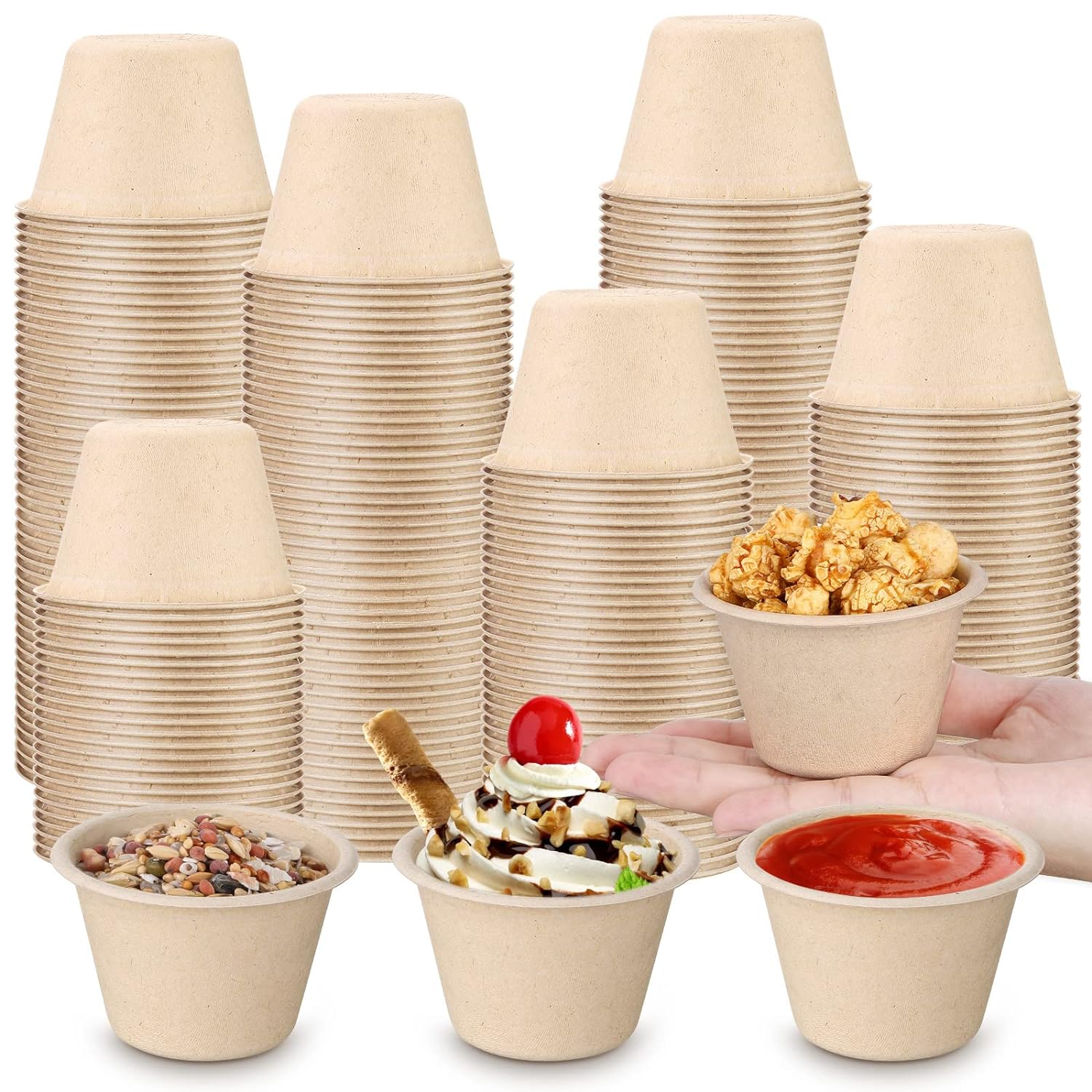 4oz
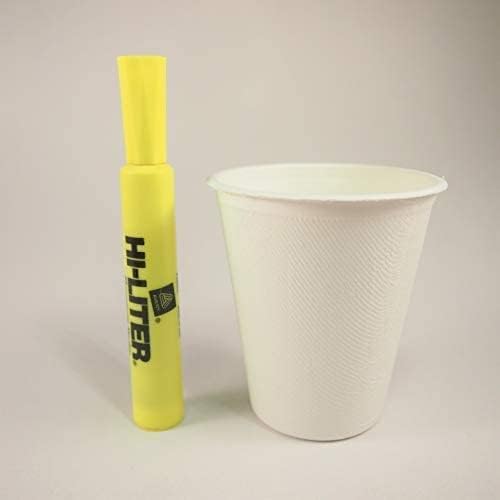 Bagasse Cups And Cutlery
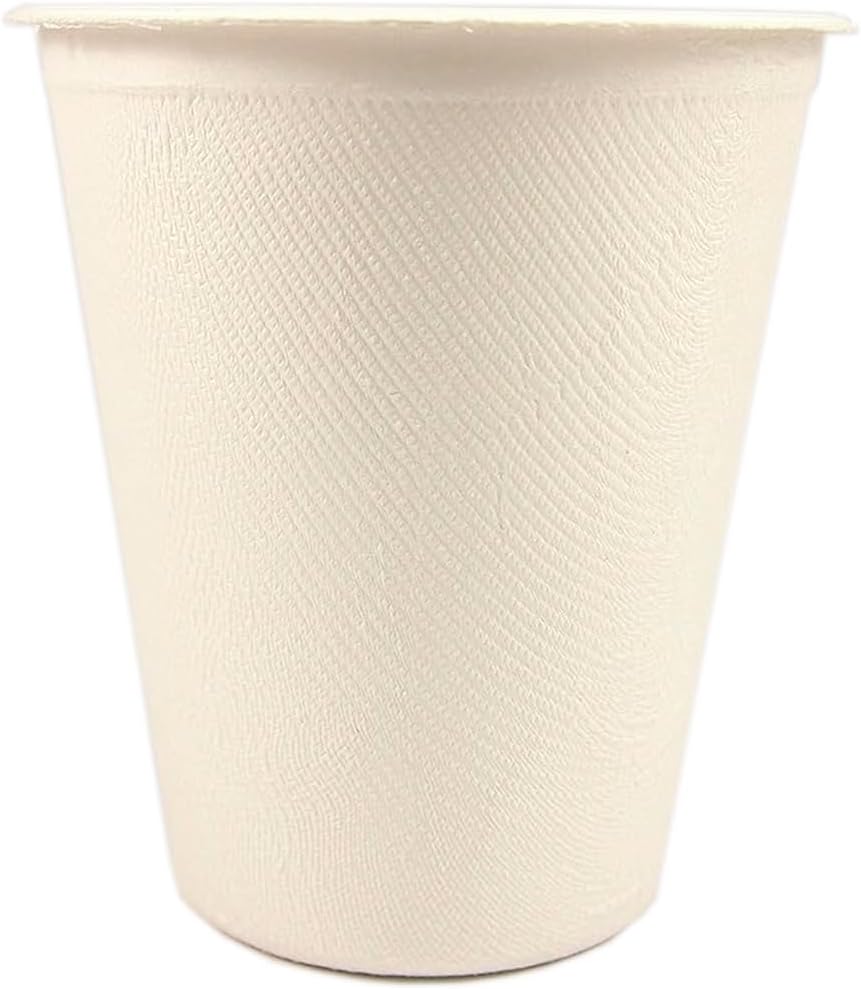 8oz
 12oz
 Cutlery


