Lately, there’s been a real surge in interest around Active Modified Atmosphere Packaging (AMAP). You see it popping up across all sorts of industries. Big names like Ametek, Sealed Air, and RAVEN are definitely leading the way, but honestly, the tech behind AMAP can be pretty complex and still a bit mysterious. If you're in the game, figuring out how to make the most of these advanced packaging options is pretty much essential if you want to give your products a longer shelf life and keep quality top-notch.
AMAP isn’t just about keeping stuff fresh longer; it also offers customizable solutions to fight spoilage. That said, not all packaging options are one-size-fits-all. Some manufacturers struggle to pick the right materials for their specific products, and that can sometimes lead to compromised freshness or resources wasted. Nobody wants that.
And with sustainability becoming more and more of a priority, everyone’s really hunting for the best AMAP solutions. Companies have to stay on top of changing regulations and what consumers expect. Sure, it’s a competitive field, but there are tons of opportunities out there. Looking to industry leaders’ insights and experiences can really help you figure out which Active Modified Atmosphere Packaging strategies actually work best.

Overview of Active Modified Atmosphere Packaging (AMAP) in China
Active Modified Atmosphere Packaging (AMAP) is gaining traction in China's food industry. This innovative technology helps extend the shelf life of products. By altering the composition of gases around the food, AMAP can slow down spoilage. It maintains quality and freshness, which is crucial in today's market.
Many companies in China are exploring AMAP options. They aim to meet consumer demand for fresh and healthy food. However, the transition to AMAP is not without challenges. There are concerns regarding the initial investment and technical expertise. Experts suggest that education and training are vital for effective implementation.
As the market evolves, there's room for improvement in AMAP solutions. Research shows inconsistency in consumer awareness about AMAP benefits. This gap presents opportunities for better communication strategies. Future advancements may enhance effectiveness and reliability in packaging. The road ahead is promising, but it requires thoughtful navigation.
Key Technologies Used in Active Modified Atmosphere Packaging
Active modified atmosphere packaging (AMAP) is transforming how we store and transport food. This technology extends the shelf-life of products by controlling the atmosphere inside the package. Key technologies used in AMAP include oxygen scavengers, carbon dioxide emitters, and moisture control systems. These elements work together to maintain optimal gas compositions.
Oxygen scavengers capture excess oxygen, reducing spoilage caused by aerobic bacteria. They enhance food freshness, making it ideal for perishables. Carbon dioxide emitters help inhibit microbial growth, further extending shelf life. Tiny moisture control packets can absorb humidity, preventing mold and degradation. This combination of technologies offers a comprehensive solution for food preservation.
While AMAP presents numerous benefits, challenges remain. Not all products respond equally to modified atmosphere packaging. Some might react unpredictably, leading to unexpected flavors. Additionally, the materials used in AMAP must be reliable to ensure package integrity. As the demand for fresher food grows, producers must carefully select appropriate technologies for their specific needs.
Benefits of Using Active Modified Atmosphere Packaging Solutions
Active Modified Atmosphere Packaging (MAP) solutions offer numerous benefits for food preservation. By altering the composition of gases surrounding the product, MAP helps extend shelf life. According to a report by the Food and Agriculture Organization, using modified atmosphere food packaging can reduce spoilage rates by up to 40%. This significantly impacts inventory management and reduces waste for businesses.
One major advantage is enhanced freshness. The right gas mixture slows down respiration rates in produce, keeping them vibrant and appealing longer. Meat products also retain color and texture, which can influence consumer preferences. It’s noteworthy that improper packaging can lead to anaerobic bacteria growth, compromising safety and quality.
Tips: Always assess the specific needs of your product before choosing a MAP solution. Regular evaluations of the packaging process are critical for maintaining quality. Consider investing in sensors or monitoring systems to track gas levels and detect any potential issues early on.
Top Companies Offering AMAP Solutions in China
In recent years, the demand for active modified atmosphere packaging (AMAP) solutions has surged in China, driven by the growing need for food preservation and safety. Industry reports indicate that the MAP market in China is expected to grow at a CAGR of approximately 5.6% from 2021-2026. This growth reflects an increasing consumer preference for fresher, longer-lasting food products. Top companies in China are innovating to create solutions that extend shelf life while maintaining product quality.
One notable trend in the AMAP sector is the focus on sustainability. Many companies are adopting eco-friendly materials for their packaging. This shift not only meets regulatory requirements but also caters to environmentally conscious consumers. However, challenges remain. Some packaging solutions may not be universally compatible with all types of food products. Consideration of the balance between protection and cost is crucial in selecting the right packaging solution.
Tips: Always evaluate the specific requirements of your products before choosing a packaging method. Conduct tests to ensure the selected map modified atmosphere packaging meets your needs effectively. Regularly review market trends to stay ahead of the competition and be prepared to adapt your strategies accordingly.
Regulatory Standards and Compliance for AMAP in the Chinese Market
The regulatory landscape for Active Modified Atmosphere Packaging (AMAP) in China is complex and ever-evolving. Compliance is paramount for businesses looking to enter this segment. Chinese regulations focus on food safety, consumer protection, and environmental impact. Understanding these rules is vital for success.
Before using AMAP, companies must define modified atmosphere packaging clearly. This involves understanding its benefits and limitations. For instance, while AMAP can extend shelf life, improper use can lead to spoilage. Firms must be aware of local regulations governing gas mixtures and materials used in packaging. Regular checks and documentation are necessary to maintain compliance.
Training staff on these regulations is also crucial. An informed team can help mitigate risks and enhance quality. However, challenges exist in keeping pace with regulatory updates. Businesses must stay vigilant and adaptable. Balancing innovation with compliance is a continuous process requiring reflection and adjustment. Investing in knowledge and resources can create a robust AMAP strategy in the competitive Chinese market.
Emerging Trends in Active Modified Atmosphere Packaging Innovations
Active Modified Atmosphere Packaging (MAP) is witnessing rapid innovations in China. This technology aims to extend the shelf life of products by altering the composition of the internal atmosphere. According to recent industry reports, the MAP market is expected to grow at a CAGR of 6.5% between 2021 and 2026. This growth reflects a strong demand for fresh produce, meat, and dairy products.
Recent trends indicate a shift towards intelligent packaging solutions. These innovations incorporate sensors that monitor freshness and quality in real-time. Research highlights that 34% of businesses are adopting such advanced features. The integration of bio-based materials is also on the rise. Eco-friendly materials can reduce environmental impact, yet sourcing them remains a challenge. Experts note that only 15% of companies have successfully transitioned to these sustainable alternatives.
Consumer awareness of food safety and quality influences MAP development. This growing awareness drives innovation but poses challenges for manufacturers. Balancing cost and quality remains a critical issue. Many producers are hesitant to invest in new technologies without clear ROI. Industry leaders emphasize the need for collaboration to tackle these hurdles effectively.
Case Studies: Successful Applications of AMAP in Various Industries
Active Modified Atmosphere Packaging (AMAP) has proven transformative across numerous industries. In the food sector, for instance, it extends shelf life by altering the gas composition inside packaging. A recent report highlighted that replacing oxygen with nitrogen can reduce spoilage by up to 30%. This innovation not only improves product quality but also decreases food waste, which is a crucial issue globally.
In the pharmaceutical industry, AMAP enhances the stability of sensitive drugs. By maintaining optimal humidity and reducing light exposure, AMAP prolongs the efficacy of active ingredients. Studies indicate that packaging medicines in controlled atmospheres can increase their shelf life by 50%. However, the adoption of such technology is not without its challenges. Some manufacturers still struggle with the initial costs and the complexity of the systems required for AMAP.
The logistics sector benefits as well. Transporting perishables becomes more feasible with AMAP, maintaining freshness during long journeys. Reports show that about 35% of fruits and vegetables are lost during transit, often due to inadequate packaging. By utilizing AMAP, companies can minimize these losses, but it's vital to continuously assess the technology. The reliance on AMAP demands a commitment to understanding its limitations and ensuring it is not applied inappropriately.
China Best Active Modified Atmosphere Packaging Solutions Available
| Industry | Application | Benefits | Results |
| Food & Beverage | Fresh Produce Packaging | Extended Shelf Life | 30% reduction in spoilage |
| Dairy | Cheese Preservation | Retention of Flavor and Texture | Increased product satisfaction |
| Pharmaceutical | Medicinal Product Packaging | Enhanced Stability | Improved shelf-life by 60% |
| Bakery | Bread and Pastry Packaging | Prevention of Staling | Extended freshness for 10 additional days |
| Meat | Meat Product Packaging | Color Preservation | Reduction in discounting by 25% |
FAQS
ctive Modified Atmosphere Packaging (AMAP)?
Oxygen scavengers capture excess oxygen, reducing spoilage caused by aerobic bacteria and enhancing food freshness.
Carbon dioxide emitters inhibit microbial growth, contributing to extended shelf life for packaged products.
No, not all products respond well. Some may have unpredictable reactions, potentially affecting flavors.
Yes, there is a rise in using bio-based materials, but sourcing them remains a challenge for many companies.
Growing consumer awareness drives innovation in MAP but complicates the balance between cost and quality for manufacturers.
AMAP enhances drug stability by reducing light exposure and maintaining humidity, potentially increasing shelf life by 50%.
Initial costs and complexity can deter manufacturers from fully transitioning to AMAP systems.
AMAP helps maintain freshness in perishables during transportation, reducing losses often caused by inadequate packaging.
Companies need to understand AMAP's limitations and ensure it is applied appropriately to avoid potential negative effects.
Conclusion
Active Modified Atmosphere Packaging (AMAP) has emerged as a significant technological advancement in China, enhancing the preservation and shelf life of perishable goods. This packaging solution utilizes key technologies that control the atmosphere within the packaging, effectively slowing down spoilage and maintaining product quality. The benefits of AMAP are numerous, including extended freshness, reduced food waste, and improved supply chain efficiency.
As the demand for AMAP solutions grows, various companies in China are innovating and offering effective packaging options across different industries. Regulatory standards play a crucial role in ensuring compliance and safety within the market. Additionally, emerging trends in AMAP indicate a shift towards more sustainable and eco-friendly practices, driving further innovation. Case studies highlight the successful application of AMAP in sectors such as food and pharmaceuticals, showcasing its transformative potential in enhancing product longevity and quality.
 Box With T buckle
 700ml Square Lunch Box
 500ml
 700ml
 850ml
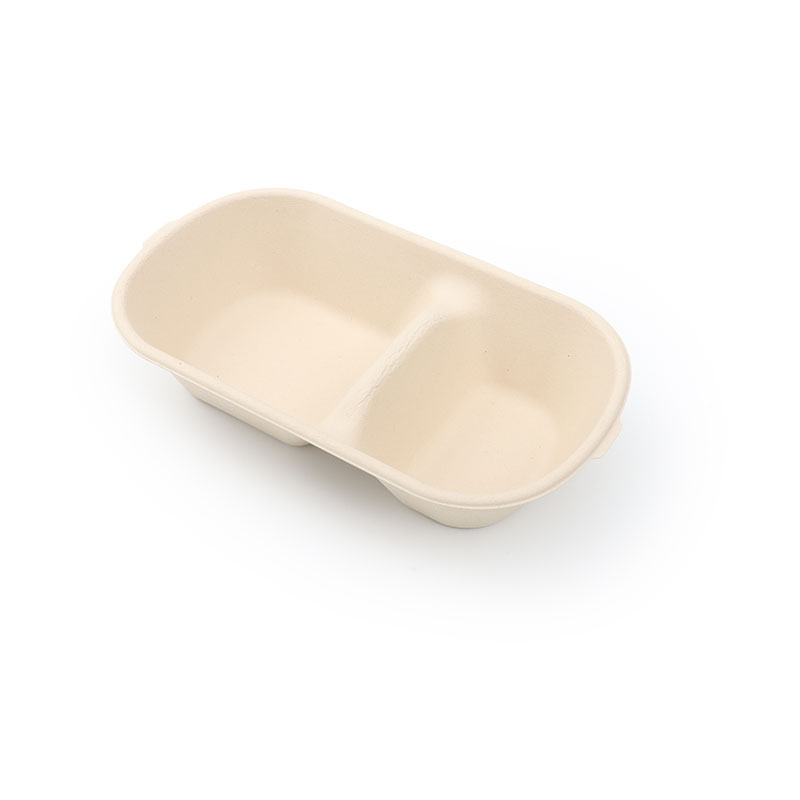 800ml 2 Compartments
 1000ml 2 Compartments
 1100ml
 1000ml Square Lunch Box
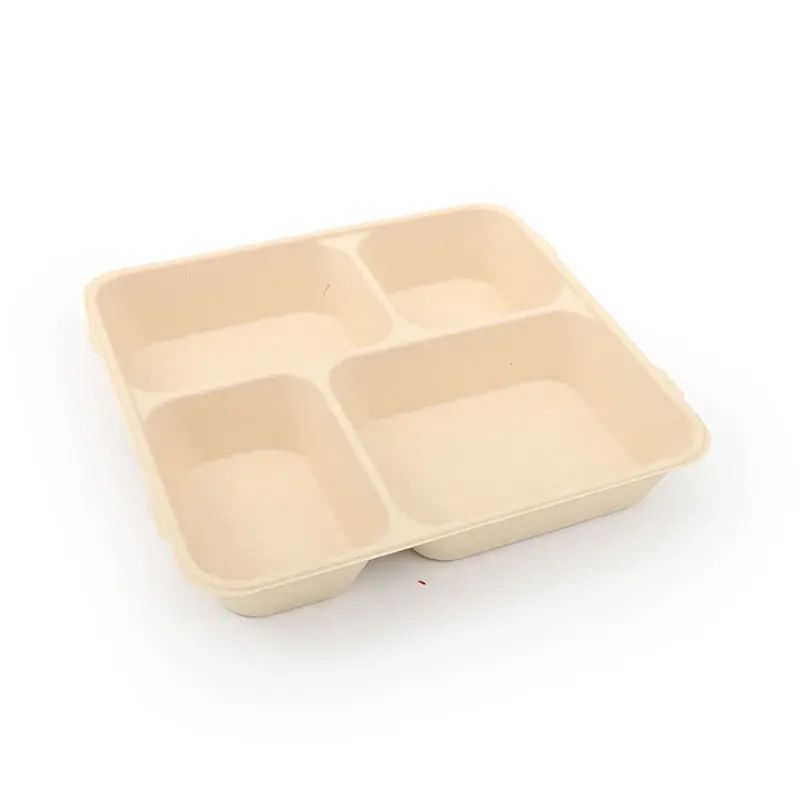 1340ml 4 Compartments
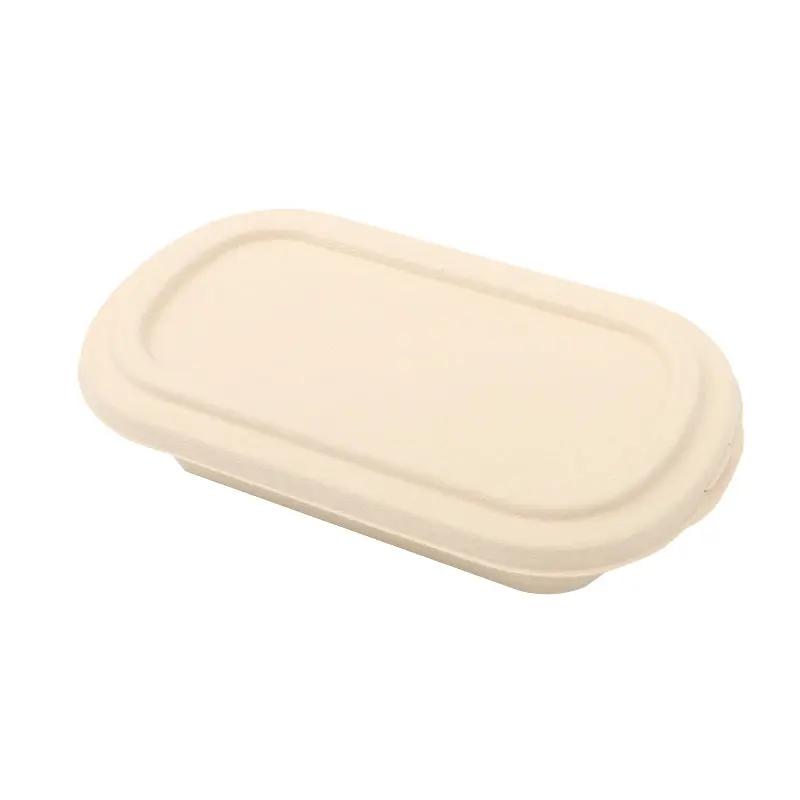 Lunch Box Lid
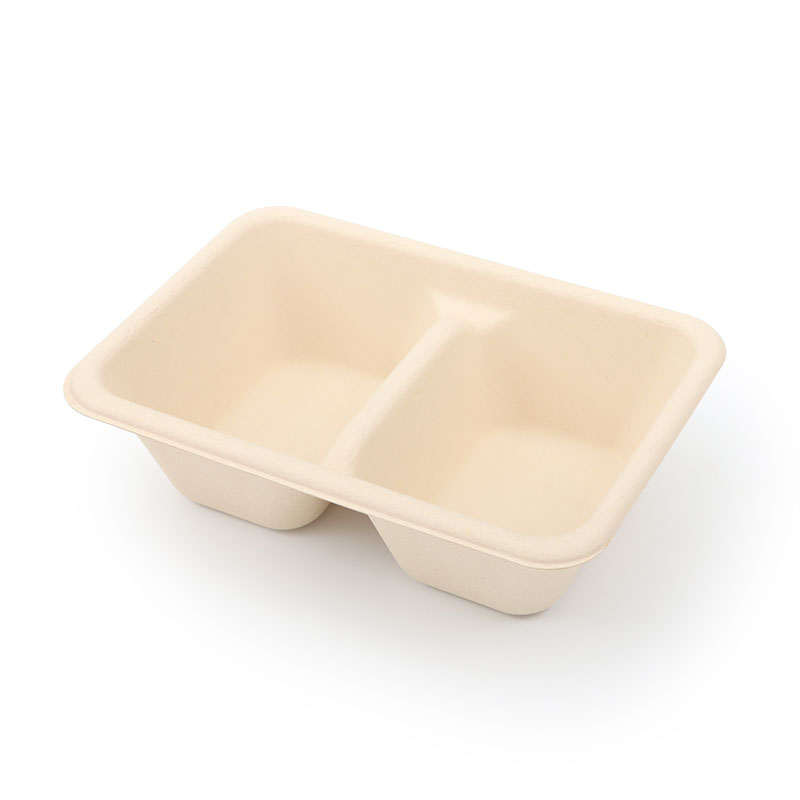 650ml
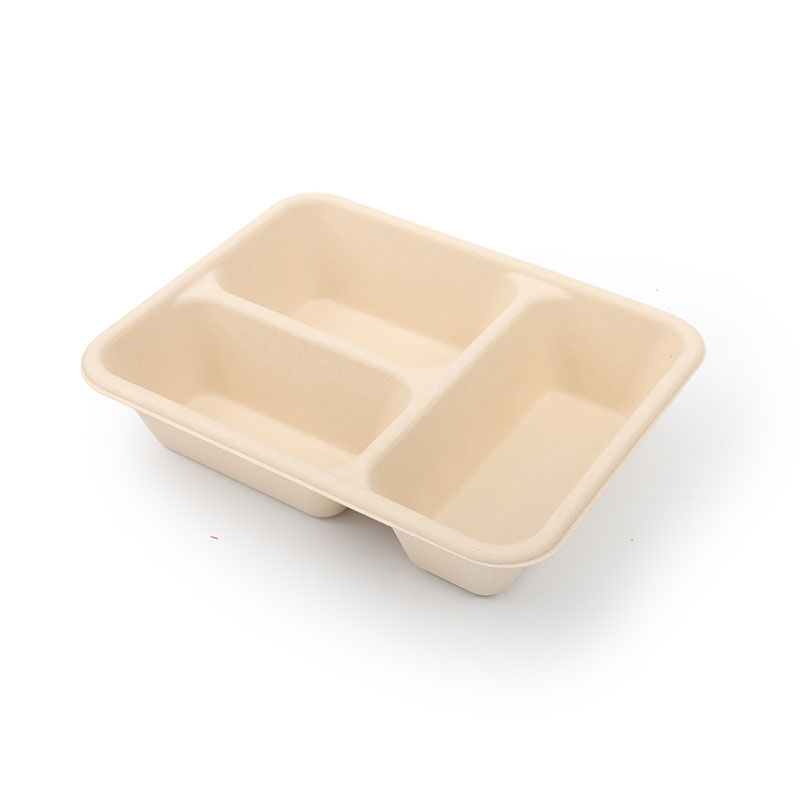 1000ml 3 Compartments
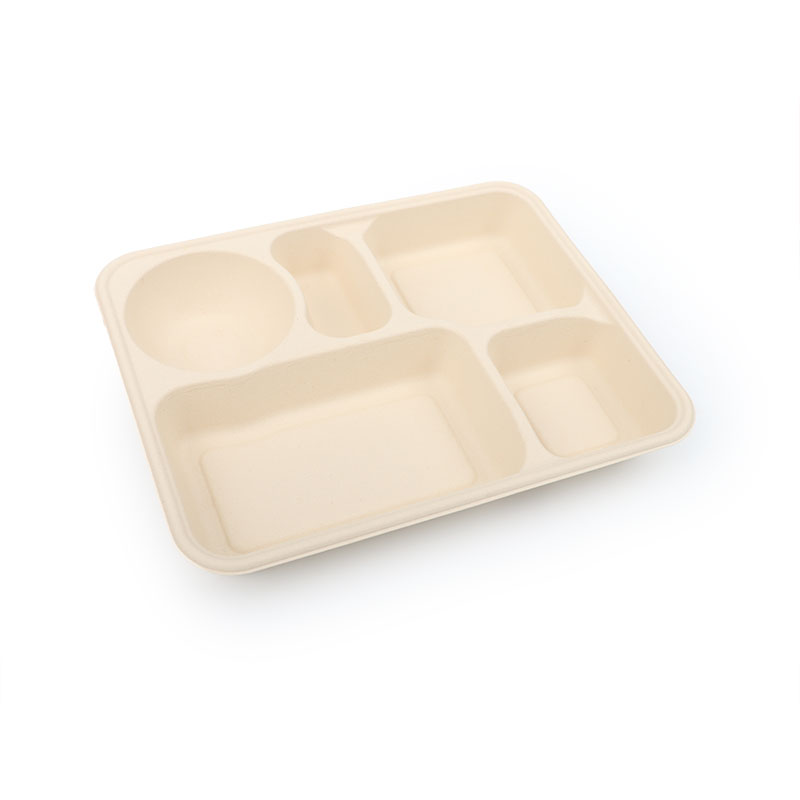 1250ml 5 Compartments
 Square Lunch Box Lid
 Box Without T buckle
 850ml Salad Box
 700ml
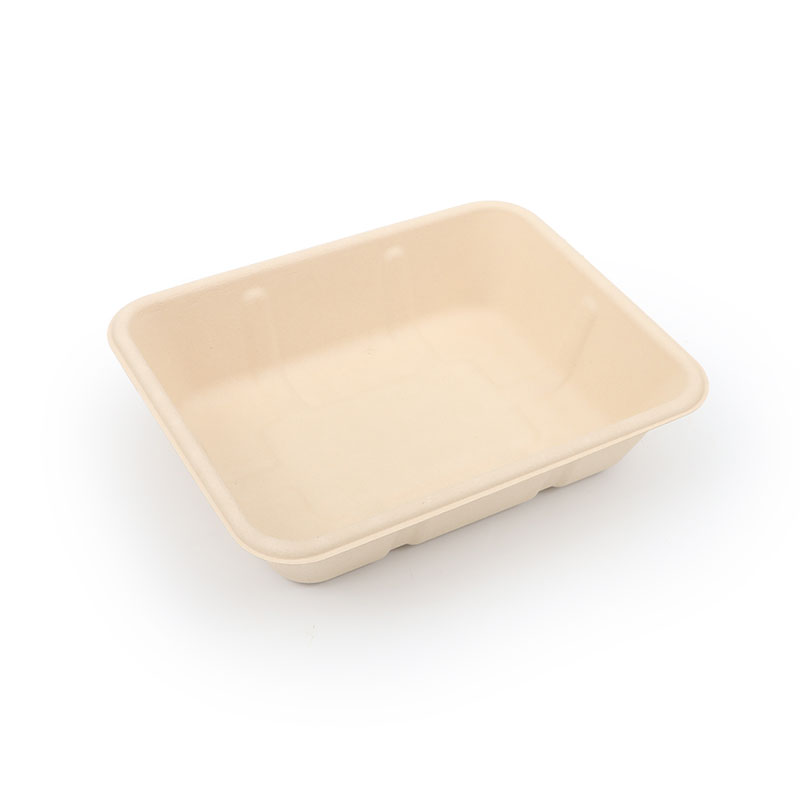 1350ml
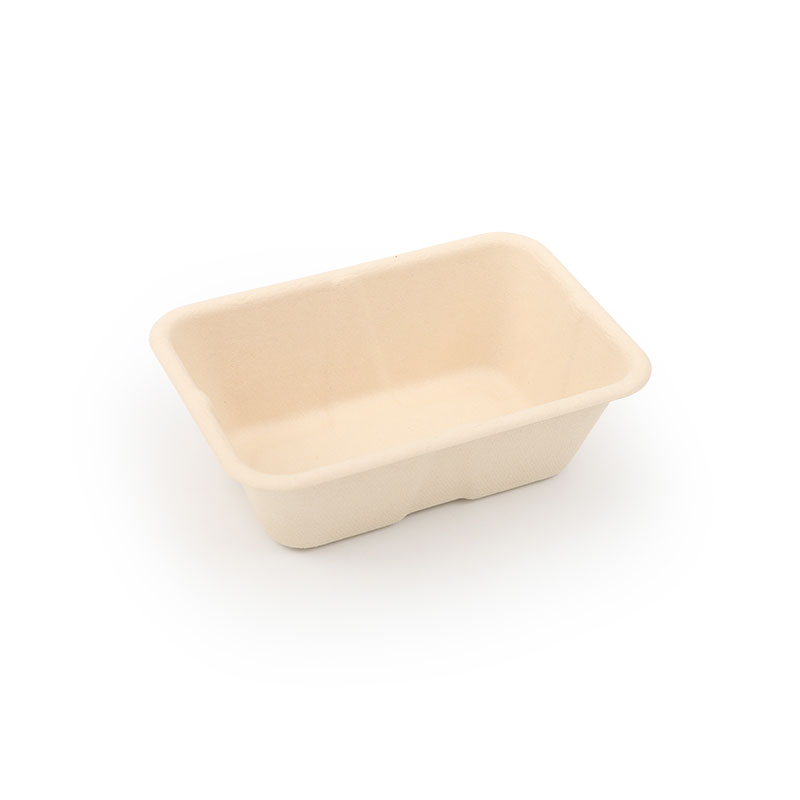 470ml
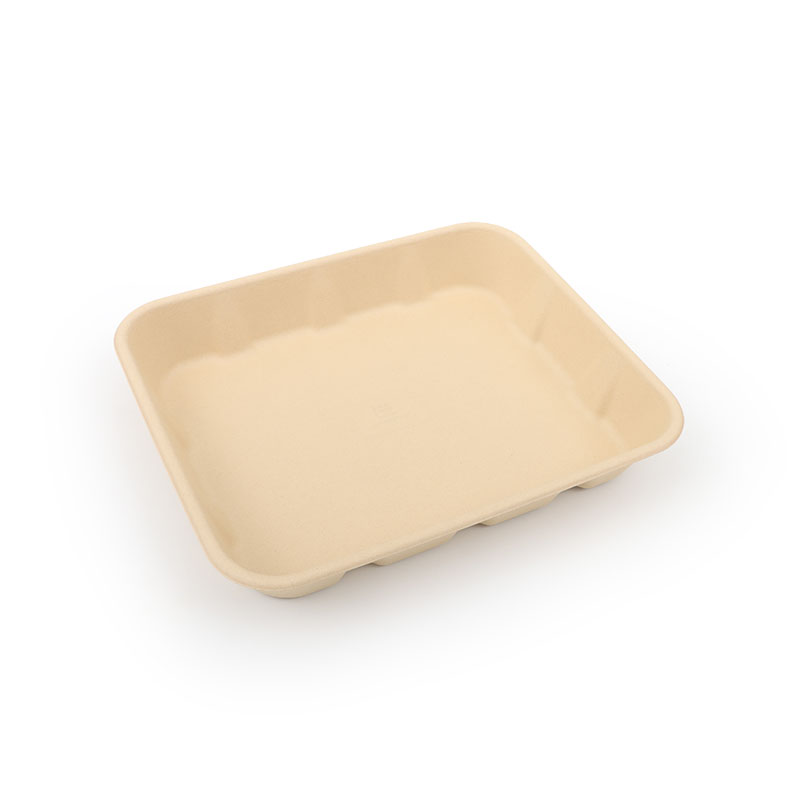 2183ml Tray Box
 11" * 9"
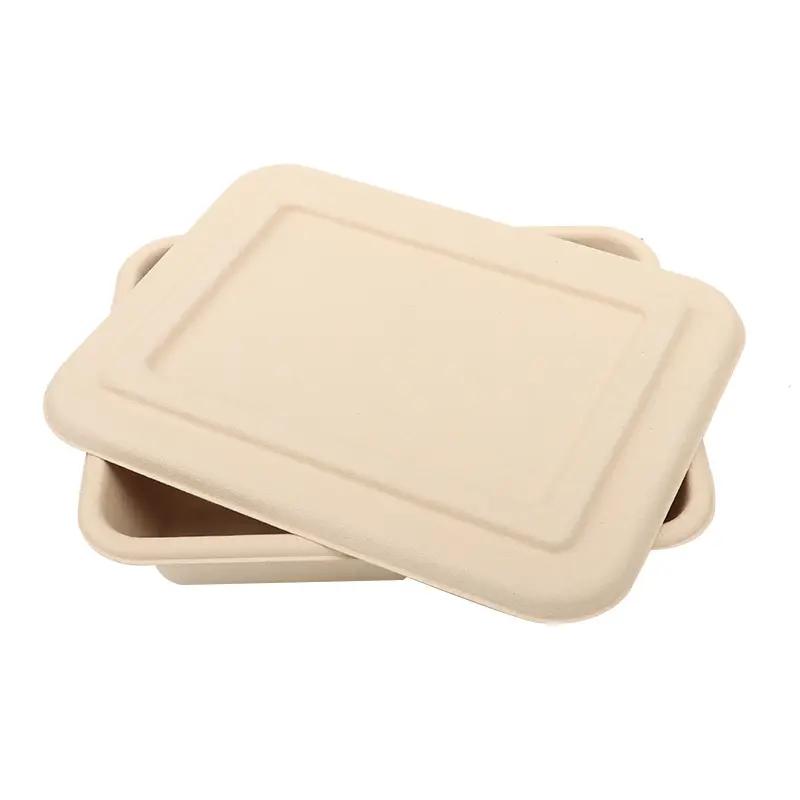 800ml
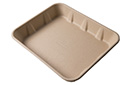 One Part Box
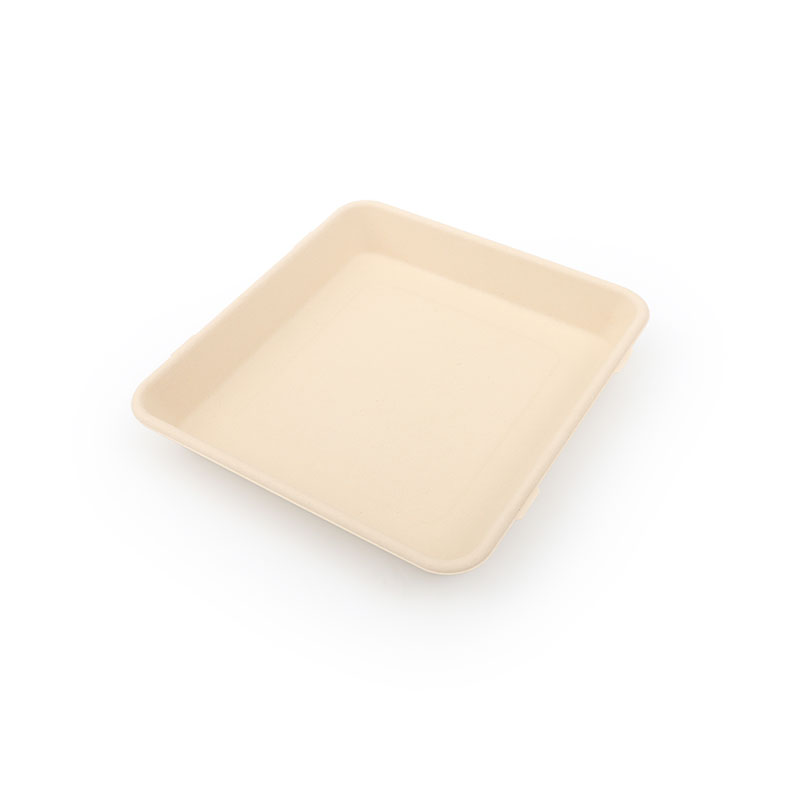 1443ml Tray Box
 Cake Bread Snack Tray Series
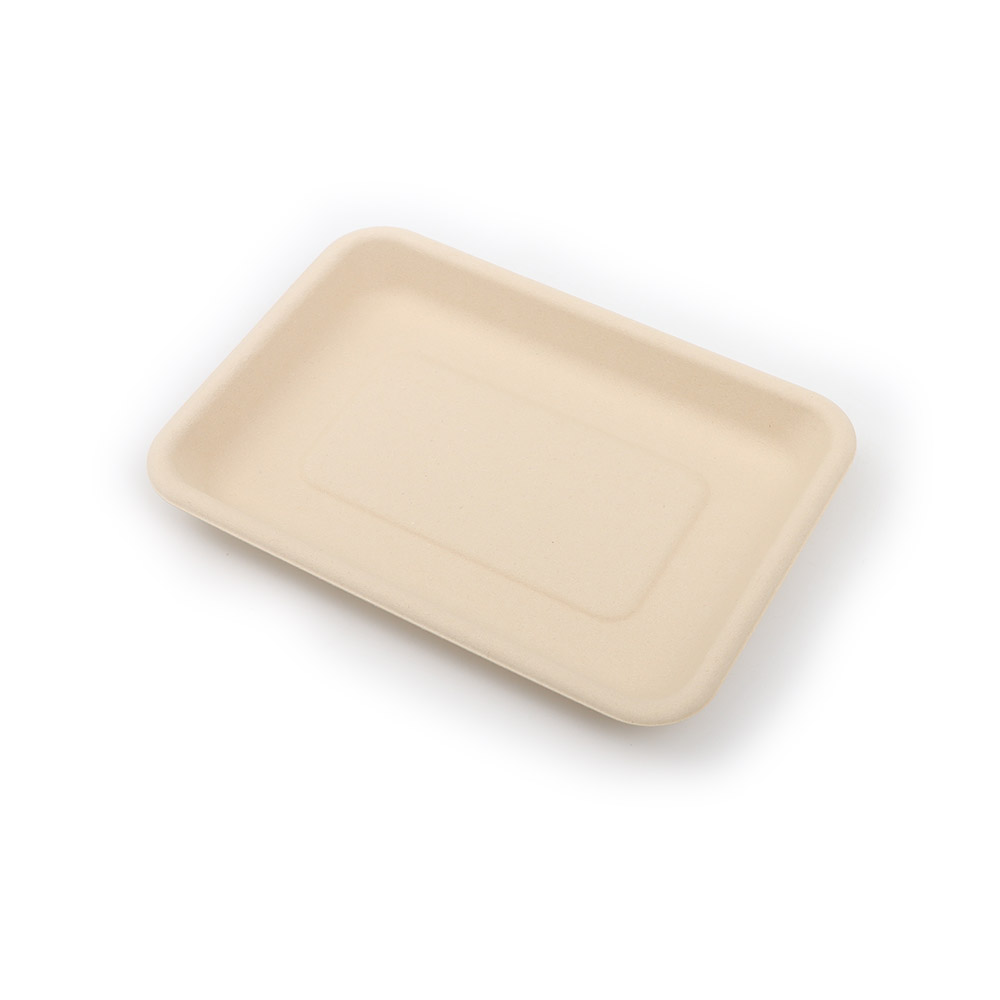 5" * 7" natural color
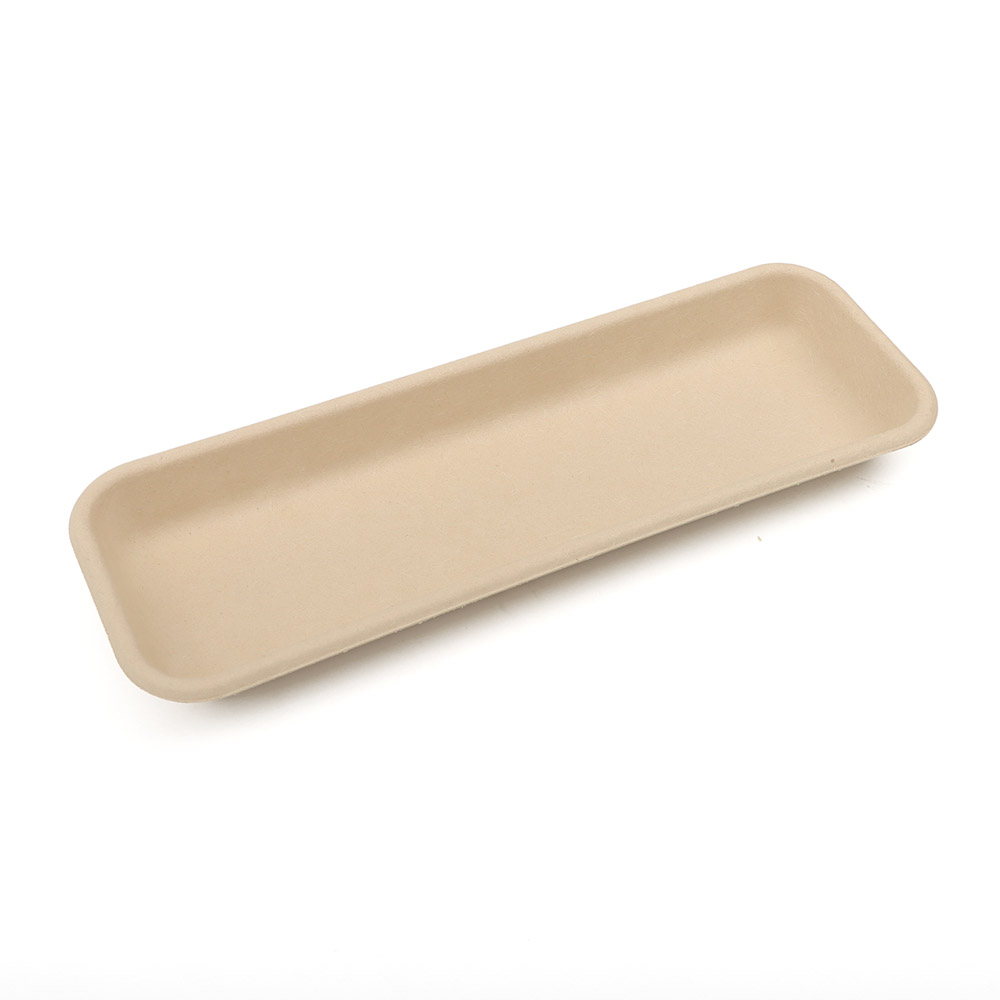 11.4" * 3.9"
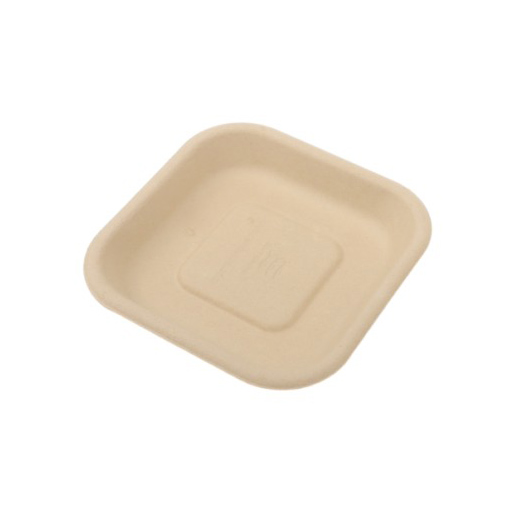 5.3" * 5.3"
 Fruit And Vegetable Tray Series
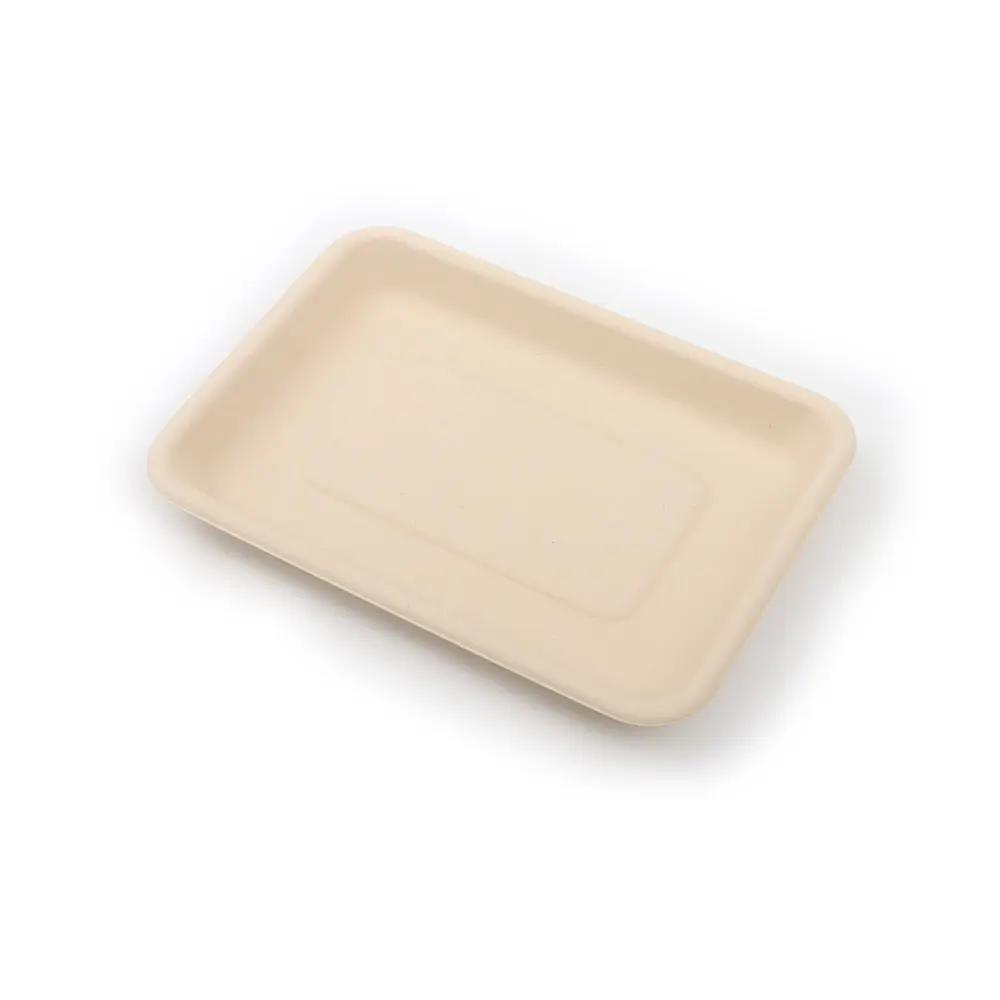 8.6" * 5.3"
 Sushi Tray Series
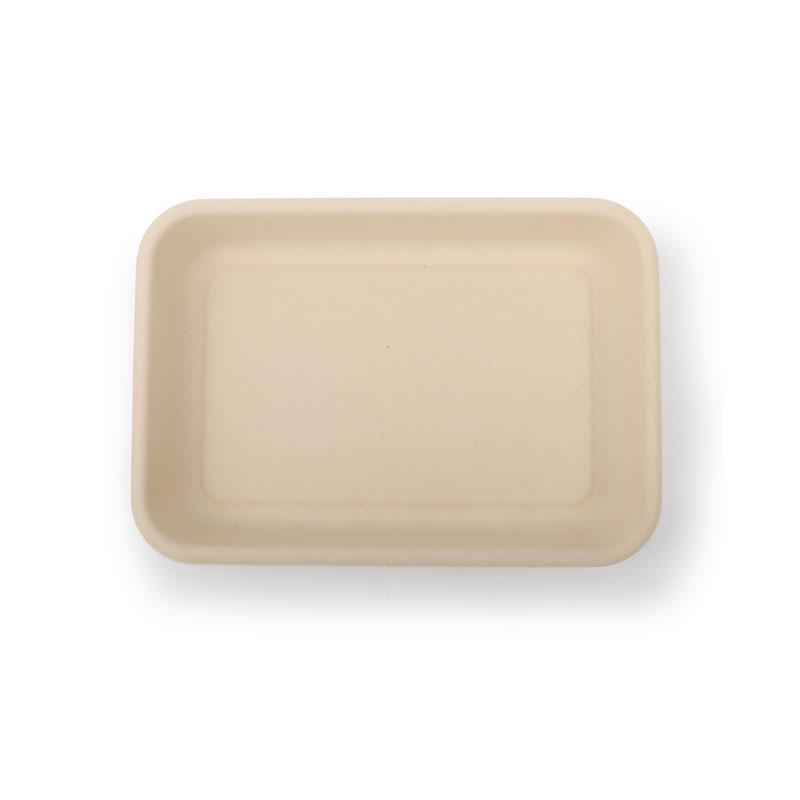 200" * 140"
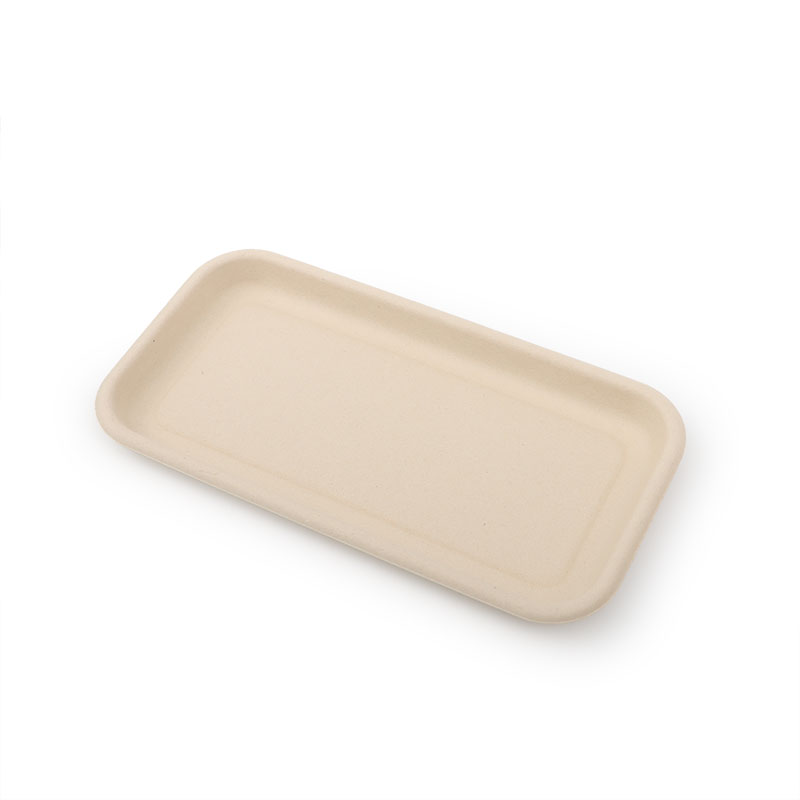 210" * 110"
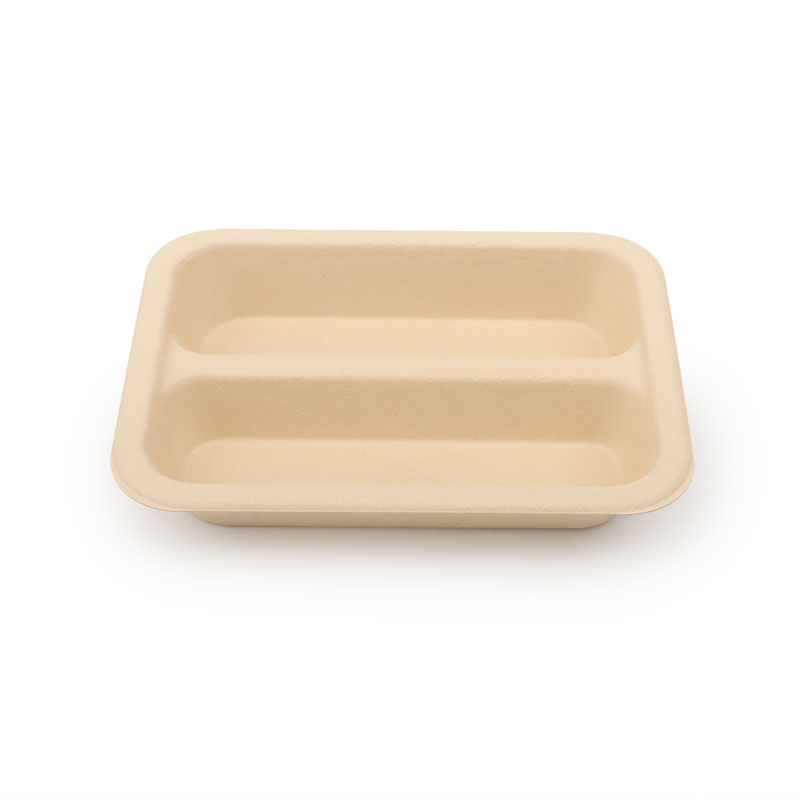 2 Compartments
 Small Round Plate Series
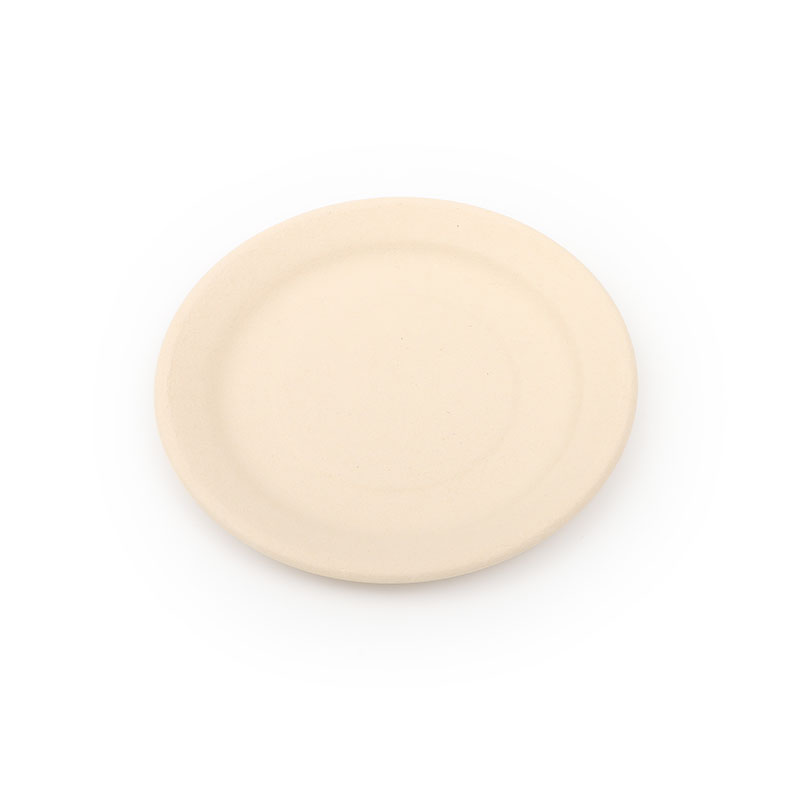 7 inch
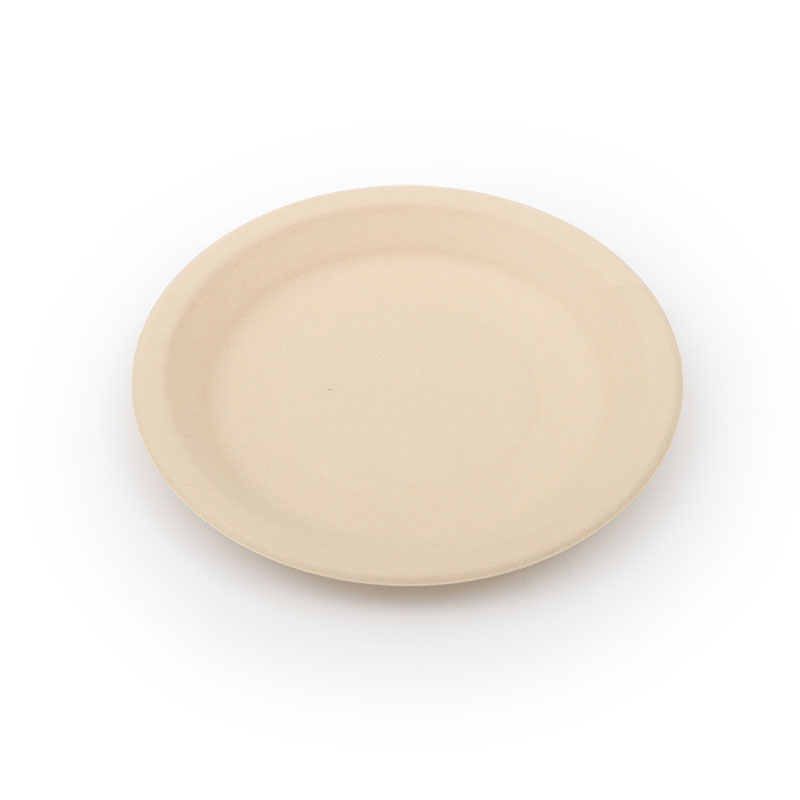 6 inch
 8 inch
 Middle Round Plate Series
 9 Inch 3 Compartments
 9 inch
 Big Round Plate Series
 12.7 Inch Pizza Plate
 10.25 inch 3 Compartments
 10 inch
 12 inch
 Bigger Bowl
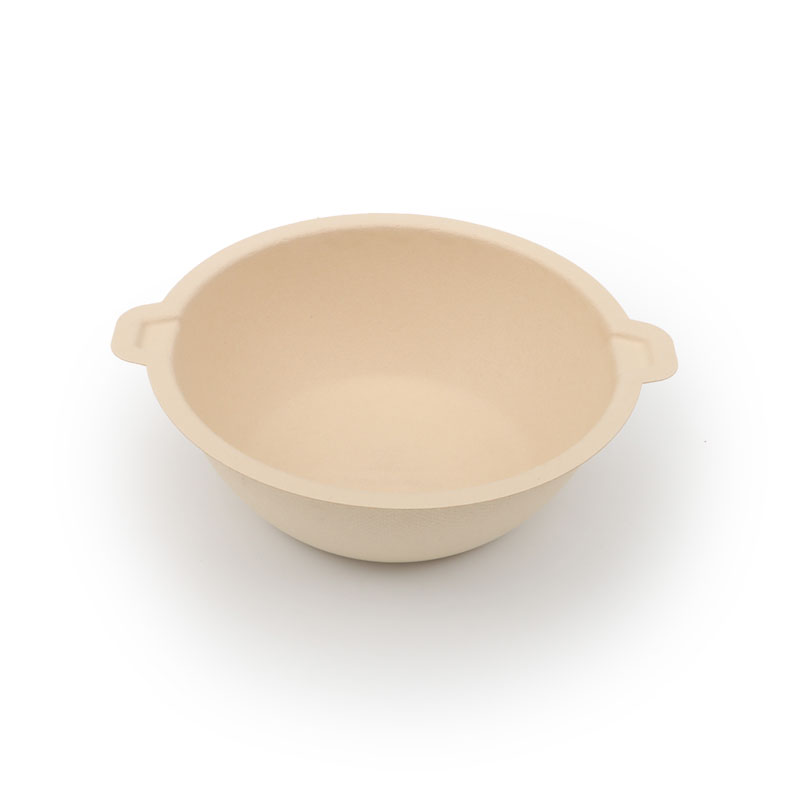 48oz(1420ml)
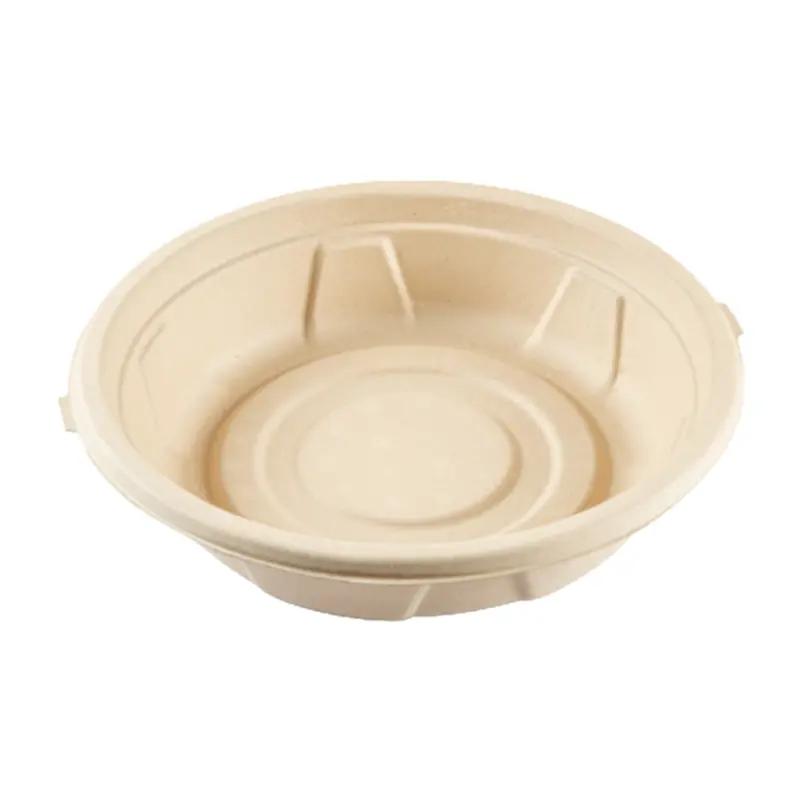 56oz(1650ml)
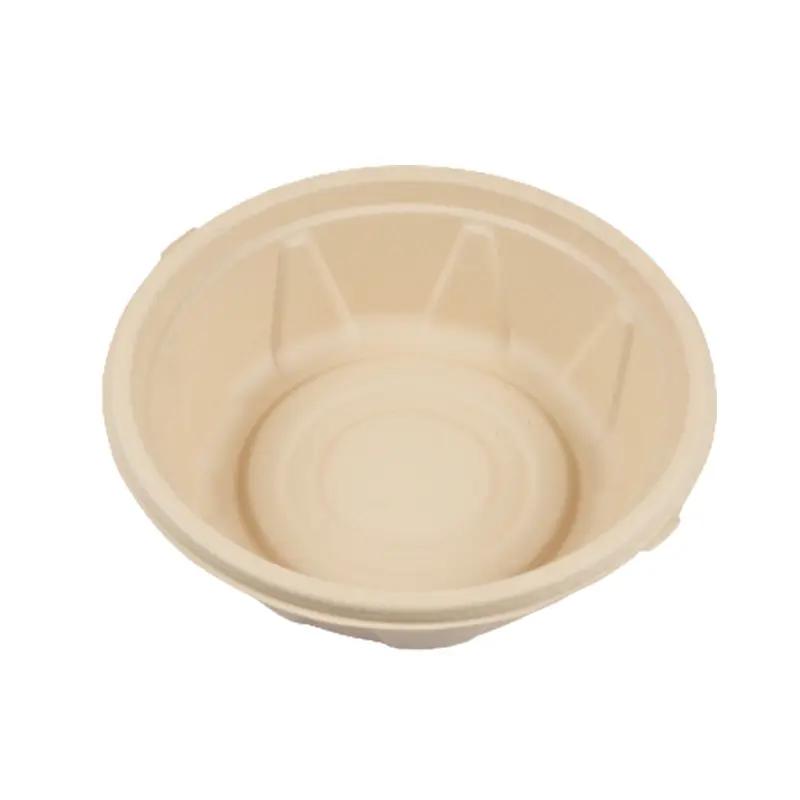 100oz(2950ml)
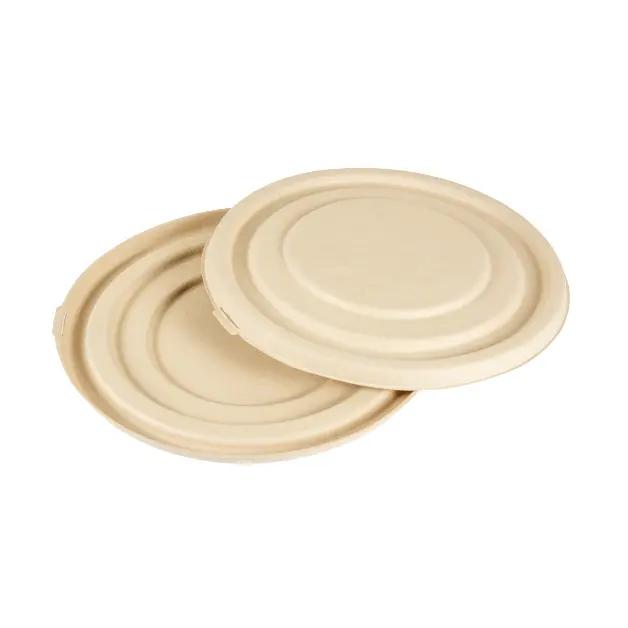 100oz(2950ml) With Lid
 Middle Bowl
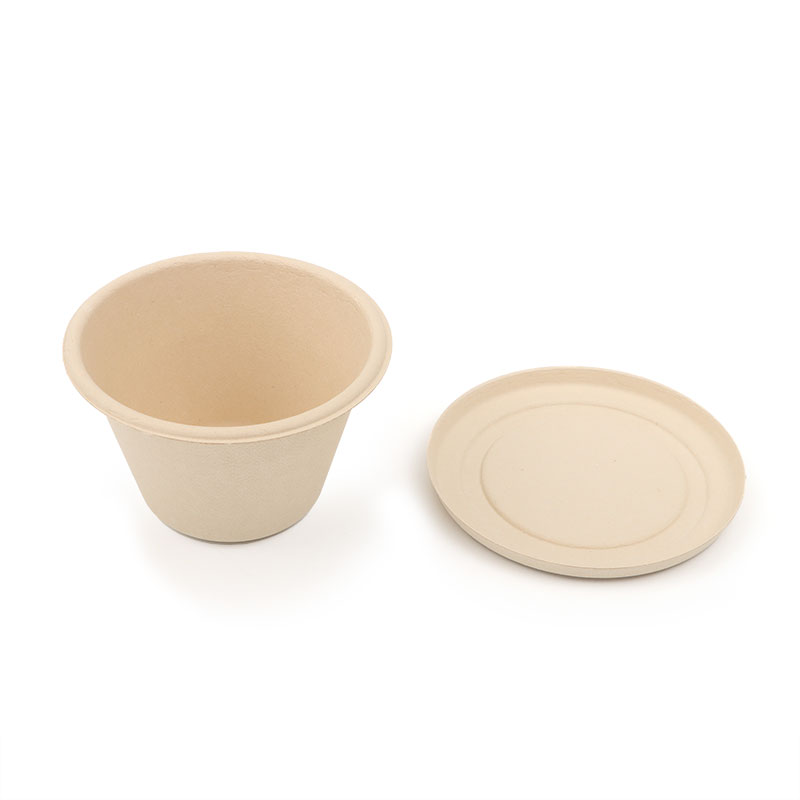 17oz(500ml)
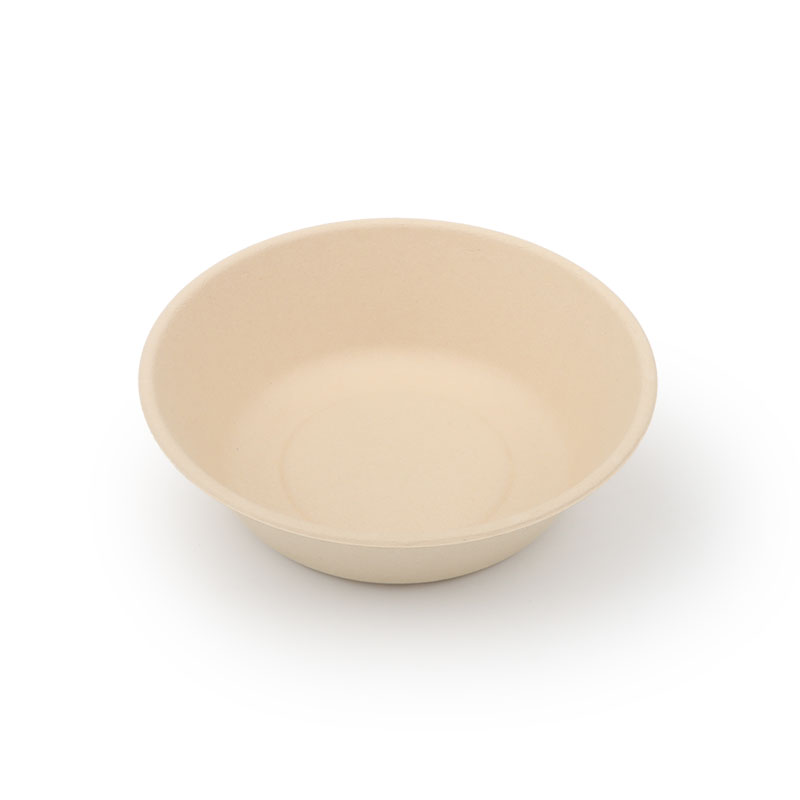 27oz(800ml)
 20oz(600ml)
 29oz(850ml)
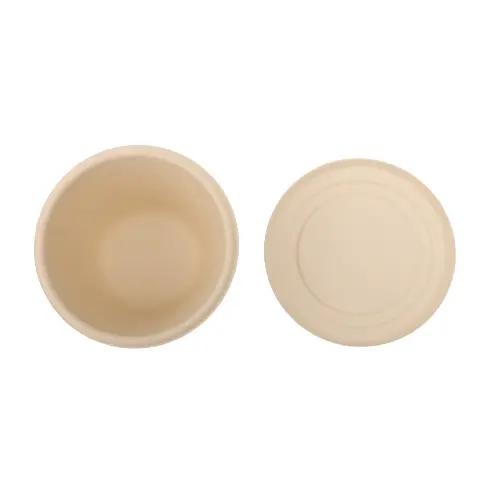 17oz(500ml) With Lid
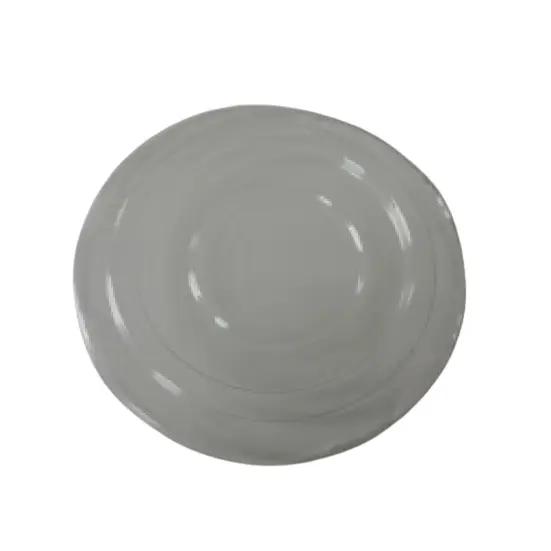 17oz(500ml) PET Lid
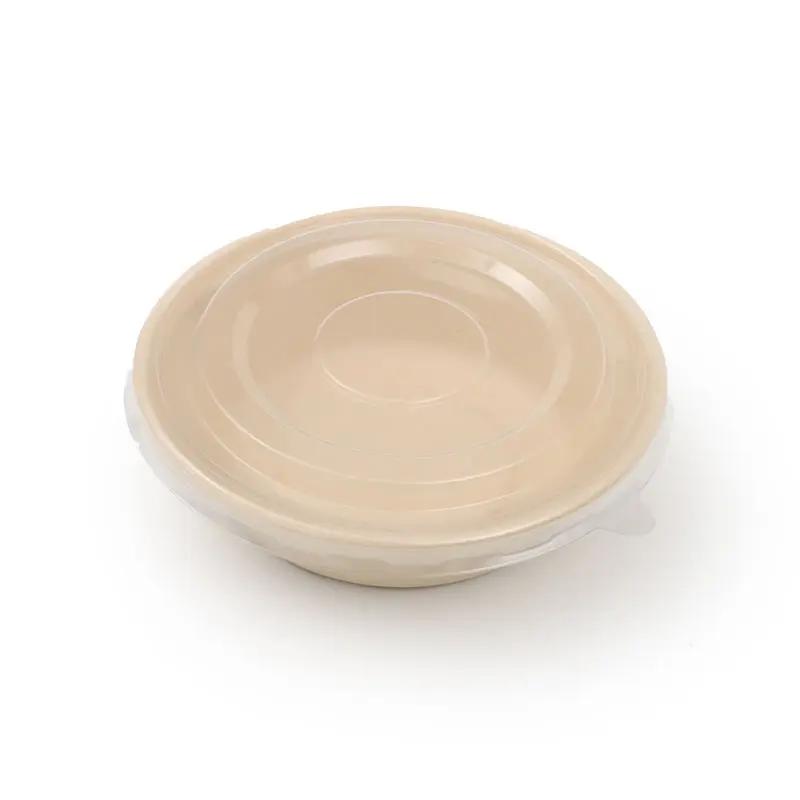 28oz(830ml) PET Lid
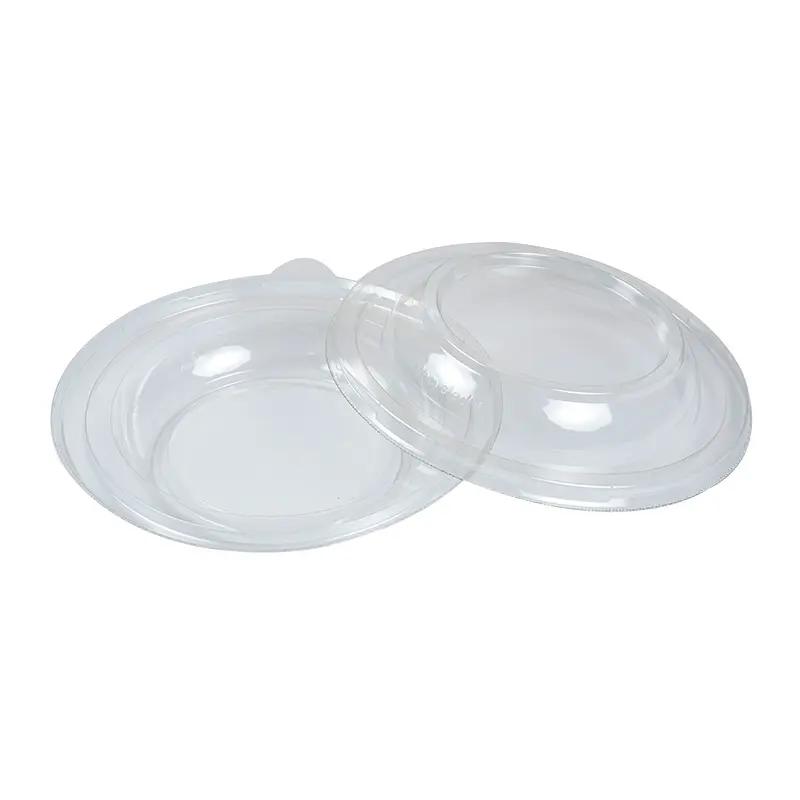 Round Bowl PET
 Small Bowl
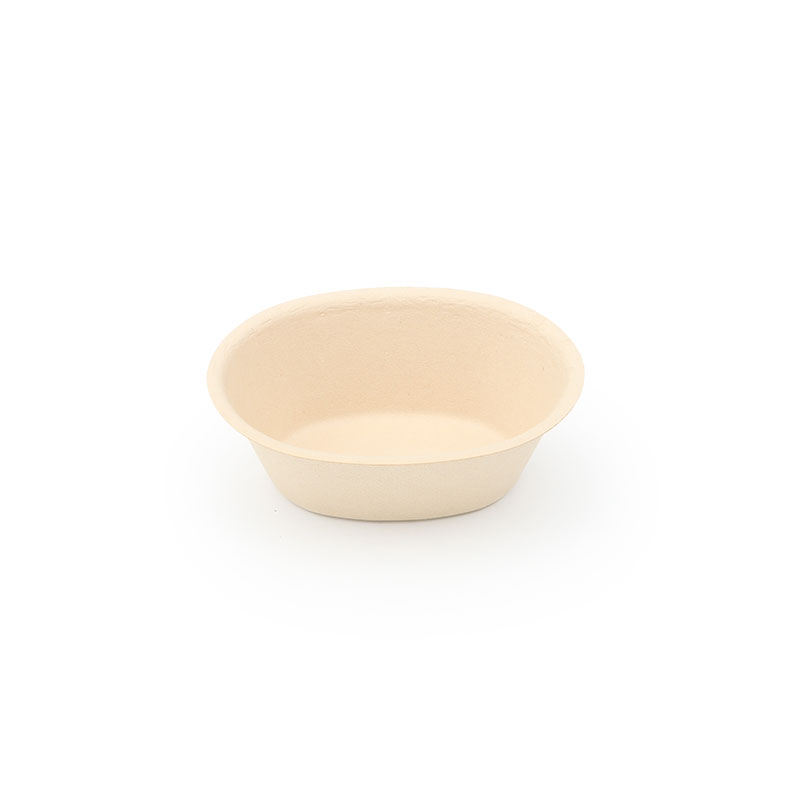 Snack Bowl
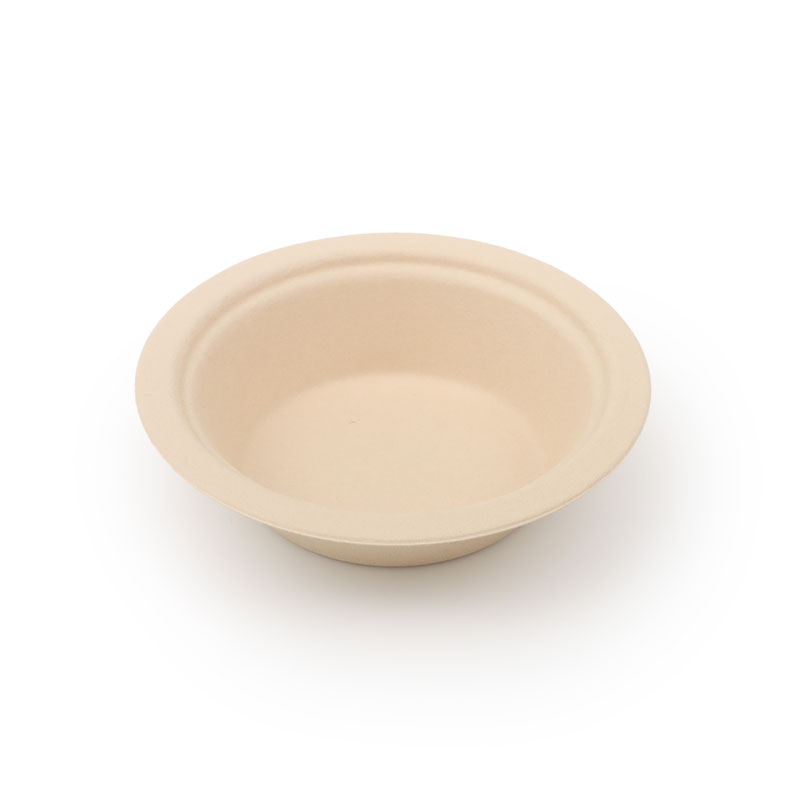 11.5oz(340ml) Bowl
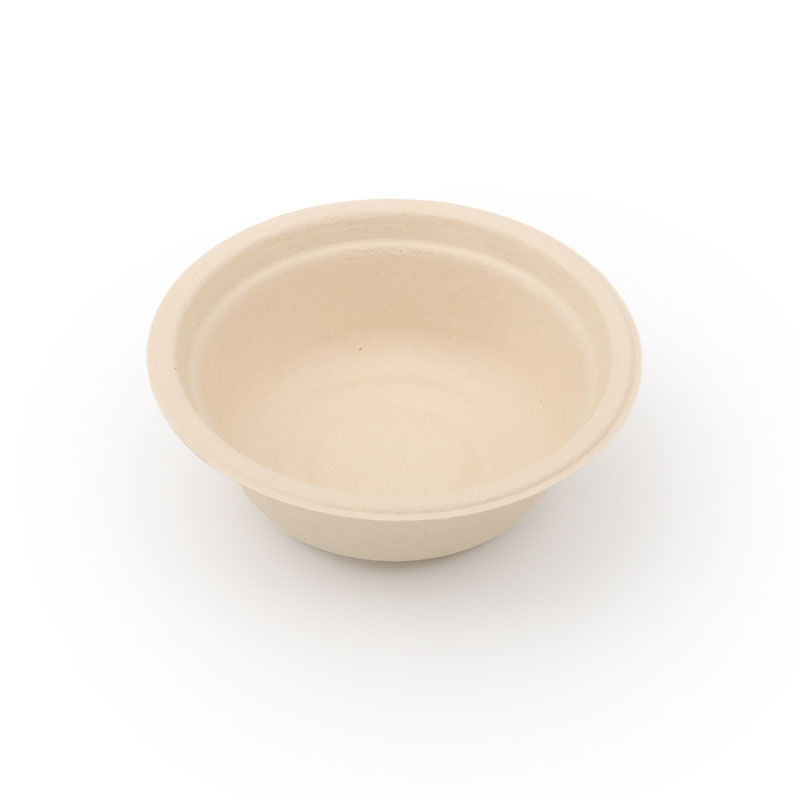 6.7oz(200ml) Bowl
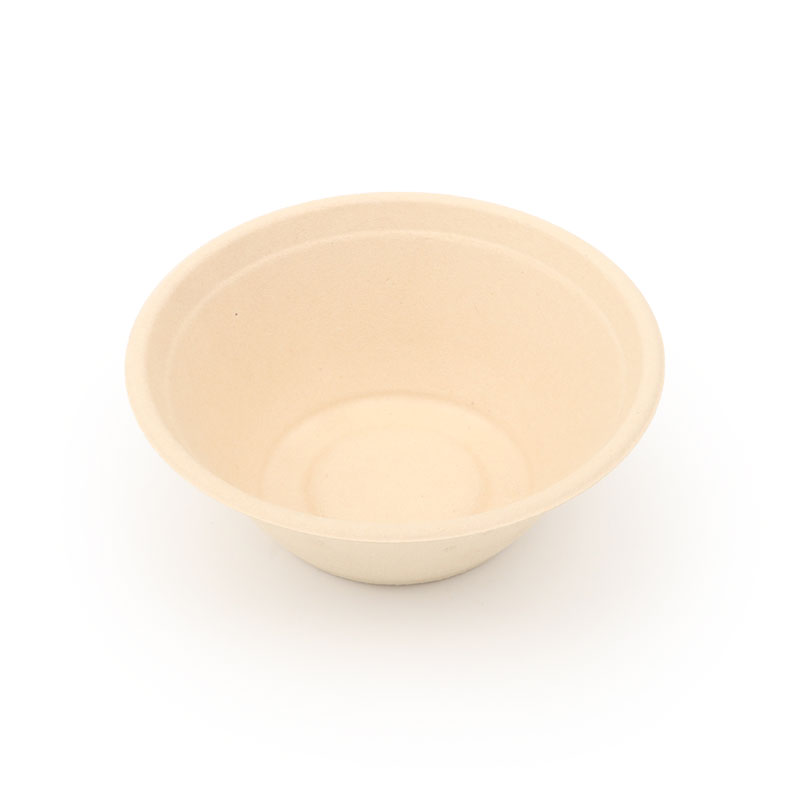 12oz(350ml) Bowl
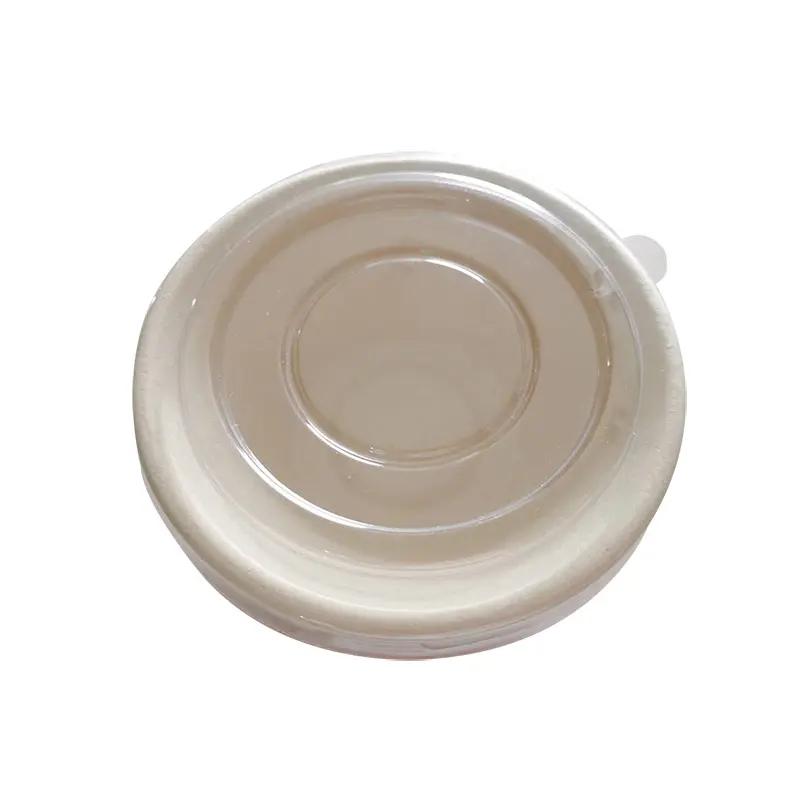 12oz(350ml) Bowl PET
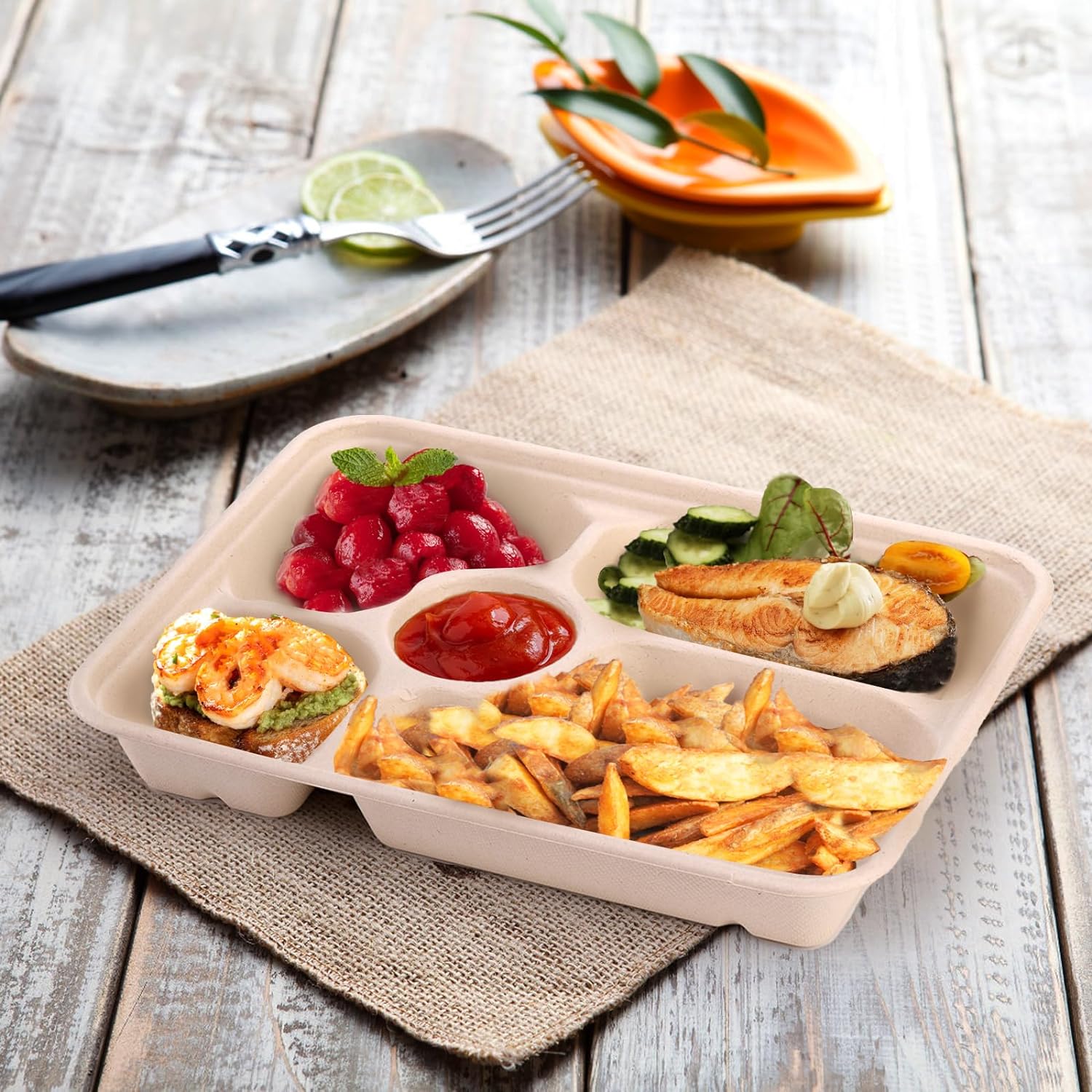 Bagasse Lunch Boxes
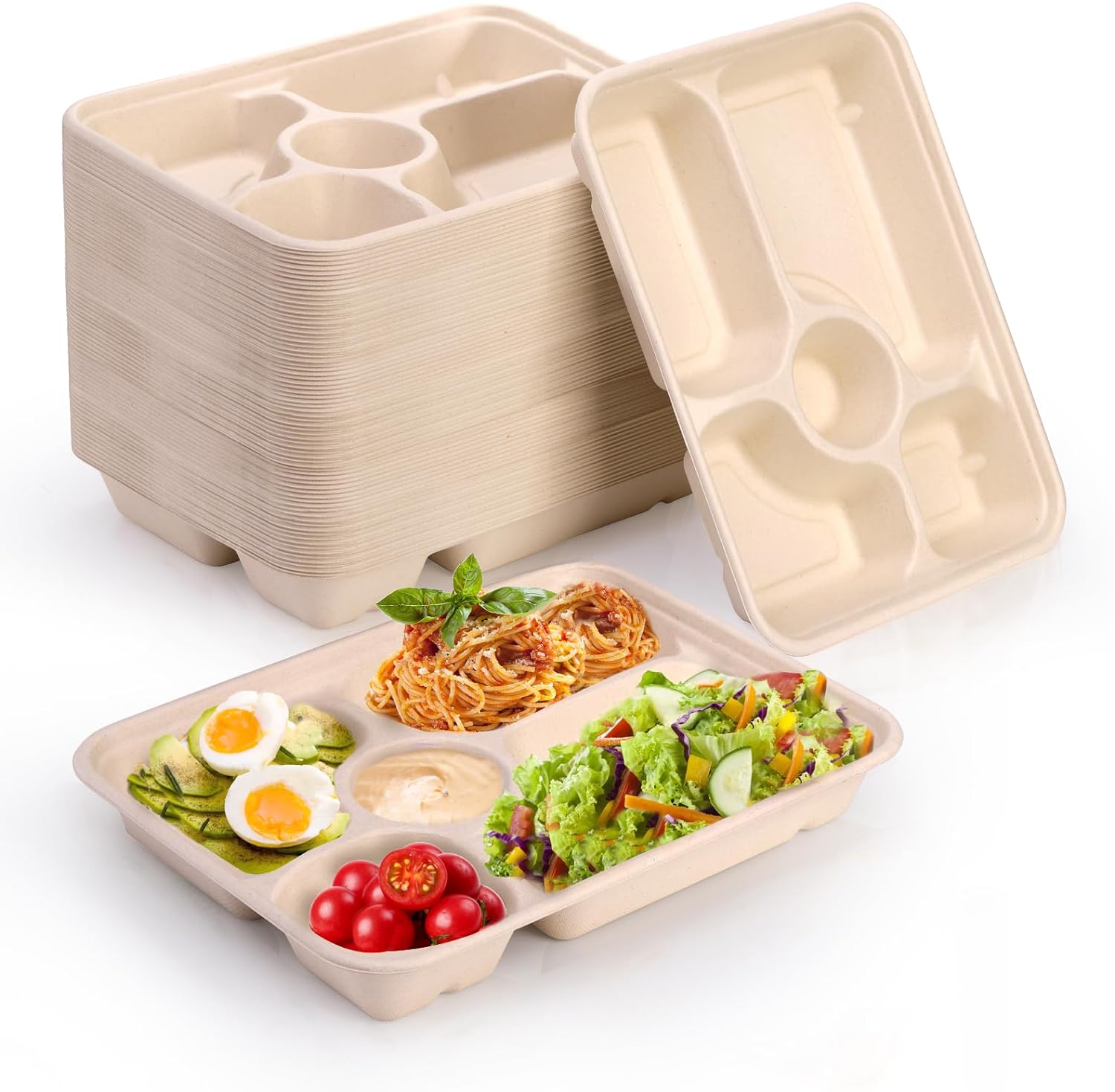 5CP
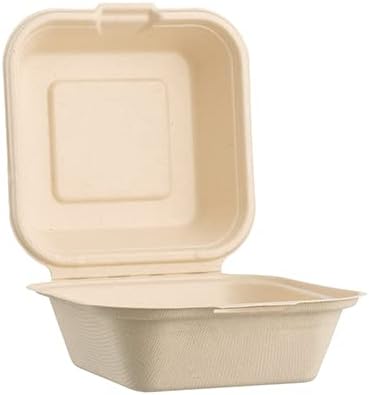 6 inch
 Bagasse Food Plates
 7 inch
 3CP
 Bagasse Bowls
 4oz
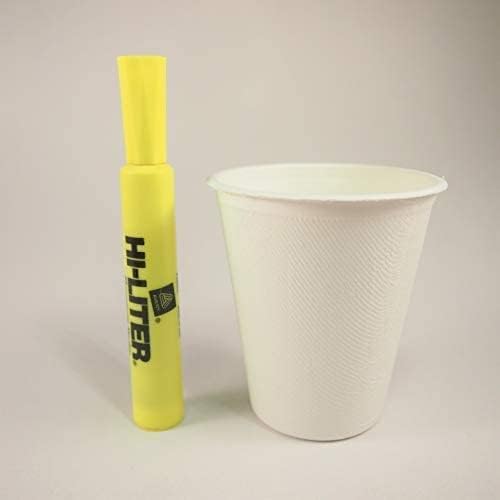 Bagasse Cups And Cutlery
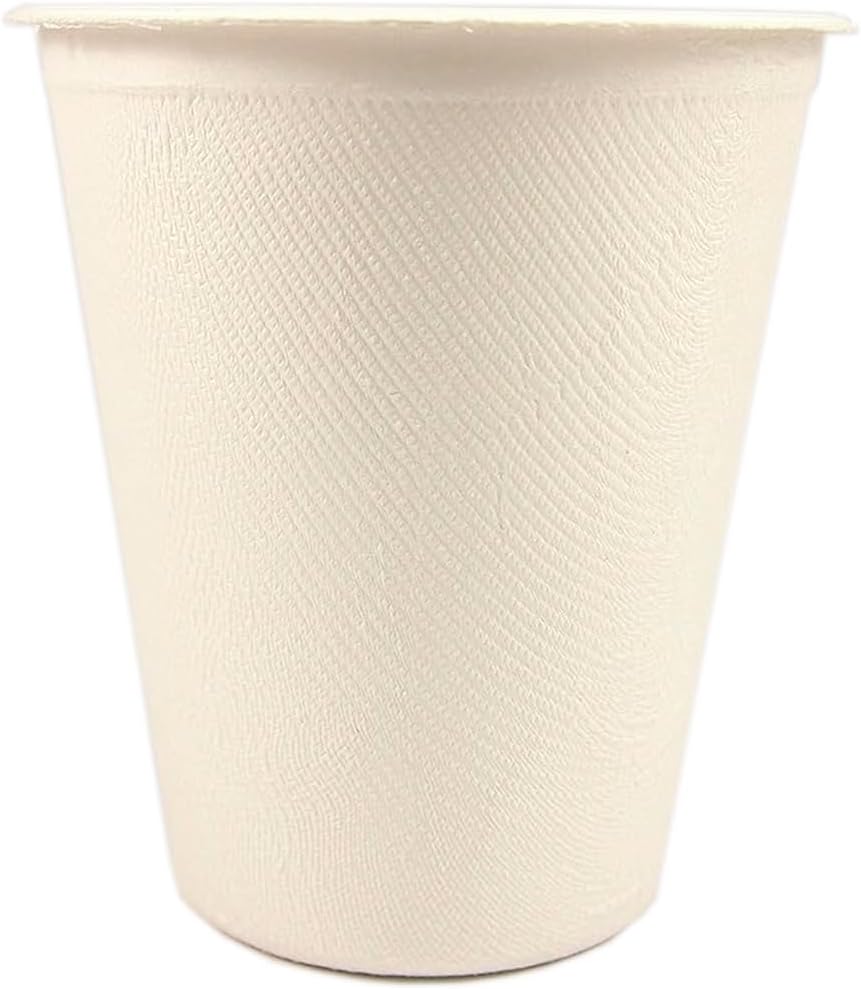 8oz
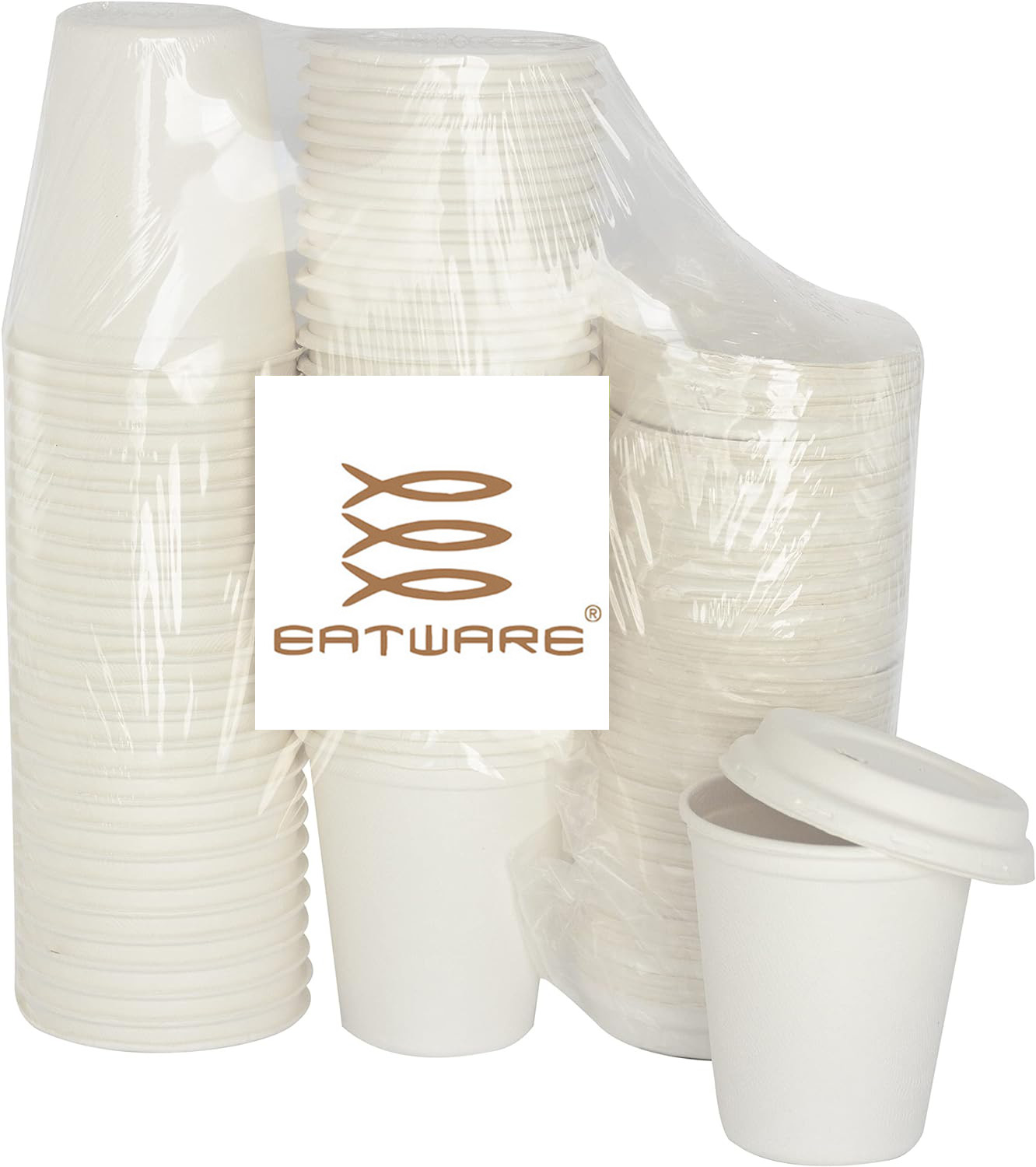 12oz
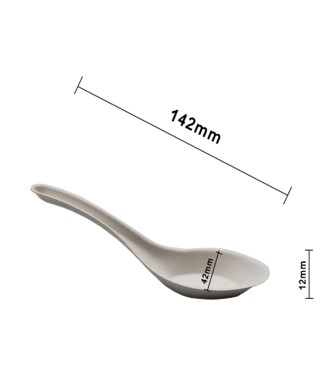 Cutlery


