In today’s super fast-paced world, using eco-friendly packaging is more important than ever. Take the Biodegradable Burger Box for example — it’s a great illustration of how things are shifting. Industry experts keep stressing the importance of coming up with sustainable solutions; for instance, Dr. Emily Green from EcoPack Solutions pointed out, “Switching to biodegradable packaging isn’t just a passing trend — it’s a responsibility we all share for the planet.”
Lots of companies are now exploring options like this box. Unlike the old-school packaging, these boxes actually break down naturally, helping reduce environmental harm. But, of course, there are still some hurdles to overcome. Not all biodegradable materials are created equal — some still fall short in performance or effectiveness.
As more folks become aware and conscious about the environment, the demand for eco-friendly stuff keeps climbing. That said, questions about where materials are sourced from and how products are made are more relevant than ever. The Biodegradable Burger Box is definitely a positive step forward, but the road to true sustainability is a long one. Still, even small changes can make a pretty big difference for the environment — it’s all about that first step, right?

Overview of Biodegradable Packaging in the Food Industry
Biodegradable packaging is transforming the food industry. With growing environmental concerns, many businesses are seeking eco-friendly options. Traditional plastic containers take centuries to decompose. In contrast, biodegradable burger boxes offer a sustainable choice. These products break down naturally, minimizing their impact on the planet.
One popular option is the Disposable Bagasse Burger Box. Made from sugarcane pulp, it is compostable and sturdy. This material provides a leak-resistant solution for wet foods. However, challenges still exist. Some consumers may not fully understand how to properly dispose of these items. Proper education is essential to maximize their benefits.
Tips for choosing biodegradable packaging include looking for certification labels. Ensure that products meet industry standards. Additionally, consider the lifespan of the packaging. Some materials may not degrade as quickly in certain environments. It's vital to reflect on these aspects when selecting eco-friendly solutions. Choose wisely to support a sustainable future.
Biodegradable Packaging Usage in the Food Industry (2023)
Importance of Eco-Friendly Packaging for Burgers
Eco-friendly packaging is not just a trend; it’s a necessity. The fast-food industry contributes significantly to plastic waste. Using biodegradable burger boxes helps reduce this environmental footprint. These boxes decompose naturally, benefiting our planet. Moreover, customers increasingly prefer sustainable options. They want to feel good about their choices.
When selecting biodegradable packaging, consider the materials. Look for options made from plants or recycled paper. Ensure the boxes can hold hot, greasy burgers without leaking. Checking the certifications is crucial; they validate a product’s compostability.
Tips: Always ask suppliers about production processes. Ensure that the boxes are sourced responsibly. Understanding the life cycle of the packaging can reveal areas for improvement. Take time to educate staff about the benefits of eco-friendly choices. This can create stronger customer loyalty and boost your brand image.
Key Materials Used in Biodegradable Burger Boxes
Biodegradable burger boxes are becoming essential in the food industry. The materials used greatly influence their eco-friendliness. Common materials include plant-based fibers, recycled paper, and compostable plastics. According to a report from the Biodegradable Products Institute, products made from these materials reduce landfill waste significantly.
Plant-based fibers, such as sugarcane and bamboo, offer robustness. They decompose naturally within a few months in proper conditions. However, sourcing these materials sustainably can be challenging. Not all fibers come from responsible plantations. The carbon footprint during production must also be considered.
Recycled paper is another viable option. It is recyclable and biodegradable but may not withstand wet conditions. A study by the Ellen MacArthur Foundation highlights that while recycled materials are beneficial, the industry requires strict guidelines for quality. Compostable plastics are innovative, yet their breakdown depends on industrial composting facilities. Not all locations have access to such systems. Thus, the effectiveness varies widely.
Comparative Analysis: Biodegradable vs. Traditional Burger Boxes
The environmental impact of packaging is significant. A recent study shows that 30% of global waste comes from packaging materials. Many food providers are now shifting to biodegradable alternatives. These options, like biodegradable Burger Boxes, break down naturally. They reduce landfill waste and decrease plastic pollution in oceans.
Traditional burger boxes made of Styrofoam or plastic create long-lasting waste. A 2021 report indicated that plastic can take over 400 years to decompose. In contrast, biodegradable materials typically degrade within three to six months. This quick breakdown makes them a more sustainable choice. Furthermore, about 90% of consumers prefer eco-friendly packaging. This shift is vital as we seek to combat climate change and promote sustainability.
However, switching to biodegradable options can be challenging. Some businesses worry about cost and performance. These new materials may not always provide the same structural integrity as plastic. This can lead to concerns about leaks or spoilage. Yet, investing in biodegradable burger boxes can enhance brand image. It shows a commitment to environmental responsibilities. Brands must weigh the pros and cons carefully and consider consumer preferences as they evolve.
Top Brands Offering Biodegradable Burger Boxes
When it comes to eco-friendly packaging, choosing the right products is essential. Many brands are now offering biodegradable burger boxes. These options reduce plastic waste and promote sustainability. Additionally, they provide a way for restaurants to enhance their green initiatives. The market is rapidly evolving with innovative solutions.
Some brands focus on materials that break down naturally. A Compostable Burger Box can decompose in a matter of weeks. This system not only helps the environment but also adds value to a brand's image. However, not all options perform equally. Some biodegradable products may not hold up well in wet conditions. This leads to a need for better research and understanding of materials.
In this crowded market, it's crucial to know what works best. Look for certifications that verify the product's compostability. Many options might look similar but vary significantly in quality. Being eco-friendly shouldn't compromise food safety or customer experience. It's vital to balance both, ensuring a reliable product while supporting the environment.
Features to Consider When Choosing a Burger Box
When considering eco-friendly packaging, the choice of biodegradable burger boxes is crucial. These boxes not only reduce waste but also appeal to environmentally conscious consumers. Recent reports indicate that the global biodegradable packaging market is expected to grow at a rate of over 14% annually. This reflects a clear shift towards sustainable packaging solutions.
Key features to consider include material type and durability. Many biodegradable burger boxes are made from plant-based materials like PLA or bagasse. These materials can decompose within a few months under proper conditions. However, some products may require industrial composting facilities to break down efficiently. It's essential to check if the packaging aligns with local waste disposal systems to ensure proper degradation.
Another factor is the box's insulation properties. A quality biodegradable Box should retain heat while preventing leaks. This ensures the burger remains fresh and delicious for customers. Yet, not allEco Friendly Burger Boxes maintain this balance between performance and sustainability. Testing different options may be necessary to find the right fit. Making informed decisions will ultimately enhance the appeal of your packaging while supporting environmental initiatives.
Consumer Awareness and Trends in Sustainable Packaging
Consumer awareness around sustainable packaging has surged in recent years. A recent study indicates that 74% of consumers feel that packaging affects their purchasing decisions. With the increase in knowledge about environmental impacts, more people are opting for eco-friendly products. This shift reflects a broader trend toward sustainability in the food service industry.
Biodegradable burger boxes have emerged as a popular choice for restaurants. These boxes, made from plant-based materials, decompose within a short period. According to a recent report, the global biodegradable packaging market is projected to reach $38 billion by 2027. Despite this, many companies still struggle with sourcing the right materials. The challenge lies in balancing cost-effectiveness and sustainability.
Moreover, consumer expectations continue to rise. They seek transparency in packaging practices. An overwhelming 82% of consumers want brands to provide information on packaging materials. Yet, many brands do not clearly communicate their packaging choices. This gap between consumer demand and brand responsibility creates an opportunity for improvement. Brands must rethink their packaging strategies to align with eco-conscious values.
Best Biodegradable Burger Box for Eco Friendly Packaging
| Feature | Description | Material | Compostability | Price Range |
| Durability | Resistant to grease and moisture | PLA (Polylactic Acid) | Yes, within 90-180 days in industrial composting | $0.10 - $0.25 per unit |
| Heat Resistance | Can withstand high temperatures | Bagasse (Sugarcane Pulp) | Yes, biodegradable in 90-120 days | $0.15 - $0.30 per unit |
| Design Flexibility | Available in various designs and sizes | Recycled Paperboard | Yes, biodegradable in 30-60 days | $0.05 - $0.20 per unit |
| Sustainability | Produced from renewable resources | Bamboo Fiber | Yes, degrades within 180 days | $0.20 - $0.35 per unit |
Innovative and Sustainable Disposable Molded Square 9" Lunch Box Lids for Takeaway Solutions
The innovation in sustainable packaging solutions has taken a significant leap with the introduction of disposable molded lunch box lids, particularly the 9-inch square design. These lids, crafted from bamboo pulp and combined with PET materials, not only ensure durability but also align with eco-friendly objectives. The growing demand for takeaway options has led to an increase in the use of sustainable materials; recent reports indicate that the global market for biodegradable packaging is projected to reach USD 400 billion by 2025, highlighting a shift toward environmentally responsible choices.
One key aspect of these lunch box lids is the ability to provide customized services, including modifications for modified atmosphere packaging (MAP). This feature is critical in extending the shelf life of food products, thereby minimizing waste and promoting sustainable practices in the food service industry. According to industry studies, products packaged using MAP can maintain freshness for up to five times longer than traditional methods, making them essential for restaurants and catering services that prioritize quality and sustainability.
The integration of bamboo pulp not only complies with the growing sustainability trends but also capitalizes on the increasing consumer preference for eco-friendly products. As environmental concerns climb the consumer agenda, adopting these innovative lunch box lids can significantly enhance a brand's image while contributing to a larger commitment to sustainability. In an era where 70% of consumers are more likely to purchase from brands that are environmentally conscious, the use of these innovative, sustainable disposable lids is not just a trend—it's a necessity for future-focused businesses.
FAQS
: Eco-friendly packaging is essential as it reduces plastic waste and promotes sustainability in the fast-food industry.
Consider materials made from plants or recycled paper. Ensure they can withstand hot, greasy burgers without leaking.
Check for certifications that validate the product’s compostability. This confirms it can break down naturally in the environment.
Common materials include PLA and bagasse, which can decompose in a few months under correct conditions.
Not all options perform well in wet conditions. Research is needed to find durable options.
Provide information on the benefits of sustainable choices. This can build stronger customer loyalty and enhance brand image.
Key factors include durability, material type, insulation properties, and compatibility with local waste disposal systems.
Yes, the market is quickly evolving, offering innovative solutions to enhance sustainability and reduce plastic use.
A quality box should retain heat and prevent leaks while being eco-friendly, balancing customer experience with sustainability.
No, not all biodegradable products maintain quality. Careful selection and testing are necessary to ensure reliability.
Conclusion
The article titled "Best Biodegradable Burger Box for Eco Friendly Packaging?" provides a comprehensive overview of the role of biodegradable packaging within the food industry, particularly emphasizing its significance for burgers. It highlights the pressing need for eco-friendly alternatives that reduce environmental impact. Key materials such as plant-based plastics and recycled paper are discussed as essential components of biodegradable burger boxes, offering an eco-conscious packaging solution compared to traditional options.
Furthermore, the piece conducts a comparative analysis between biodegradable and conventional burger boxes, showcasing the benefits of sustainability. It also identifies critical features consumers should consider when selecting a burger box, including durability, moisture resistance, and biodegradability. Lastly, the article touches on consumer awareness and emerging trends in sustainable packaging, reflecting a growing demand for biodegradable burger boxes as more individuals seek environmentally responsible choices in their dining experiences.

 Box With T buckle
 700ml Square Lunch Box
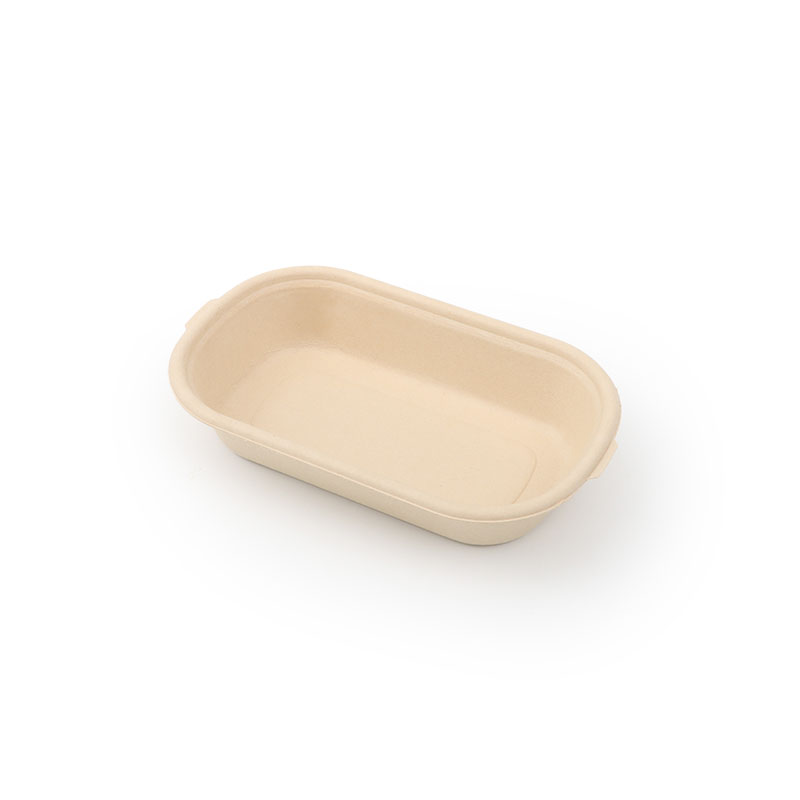 500ml
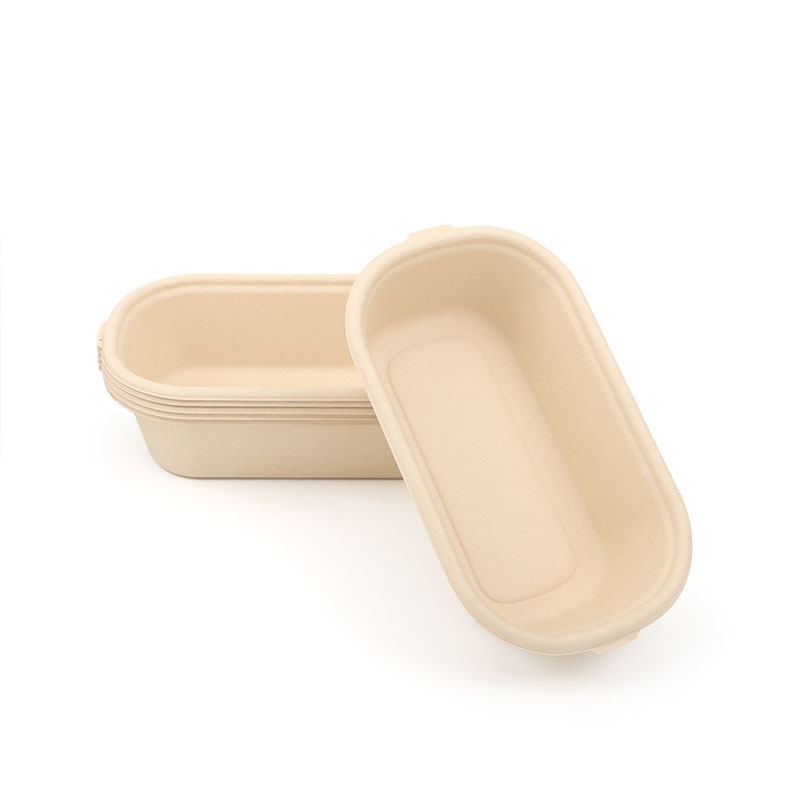 700ml
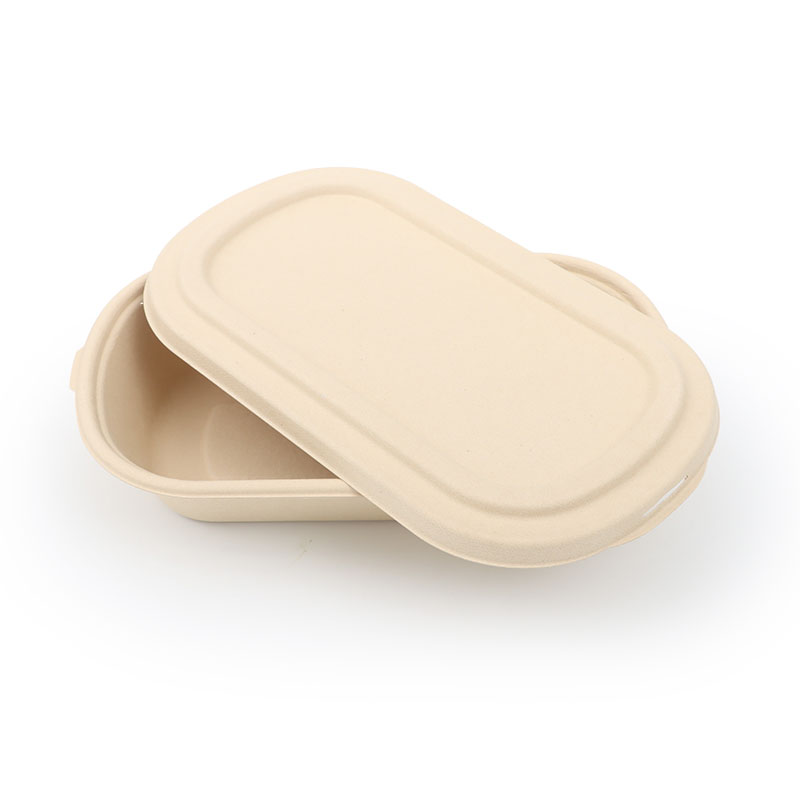 850ml
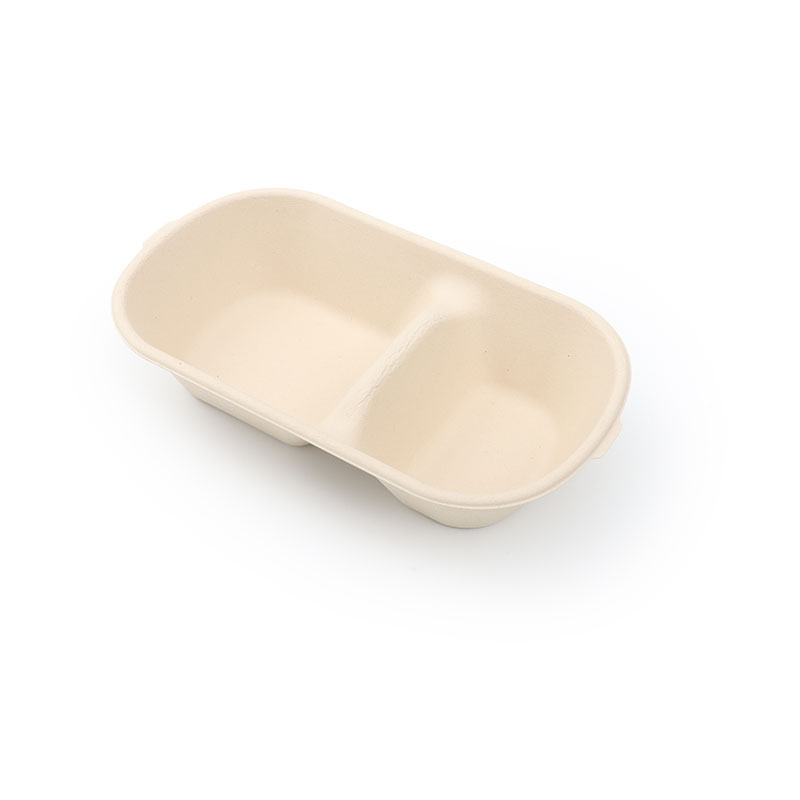 800ml 2 Compartments
 1000ml 2 Compartments
 1100ml
 1000ml Square Lunch Box
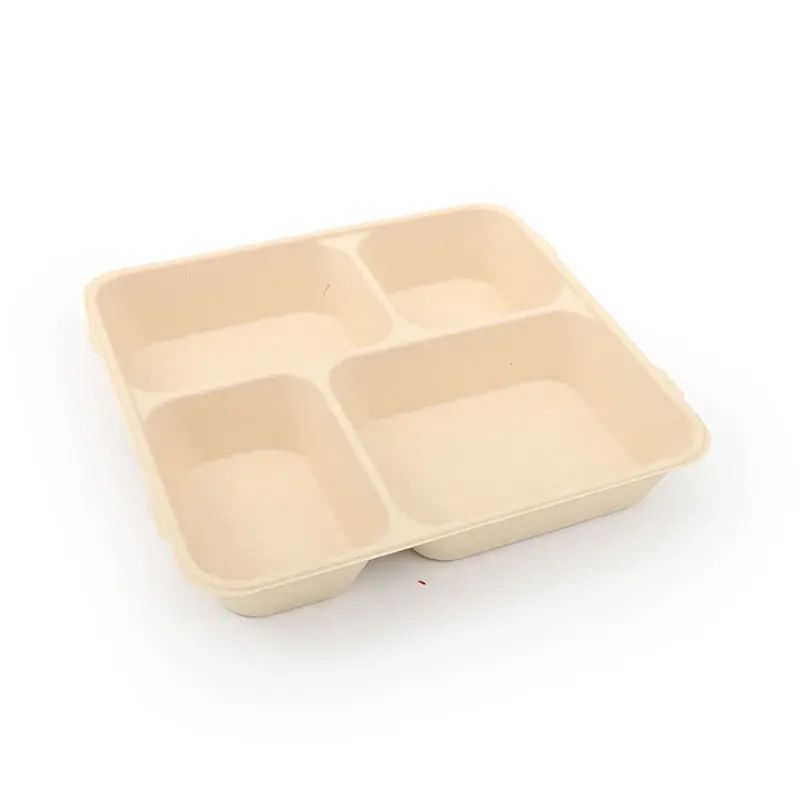 1340ml 4 Compartments
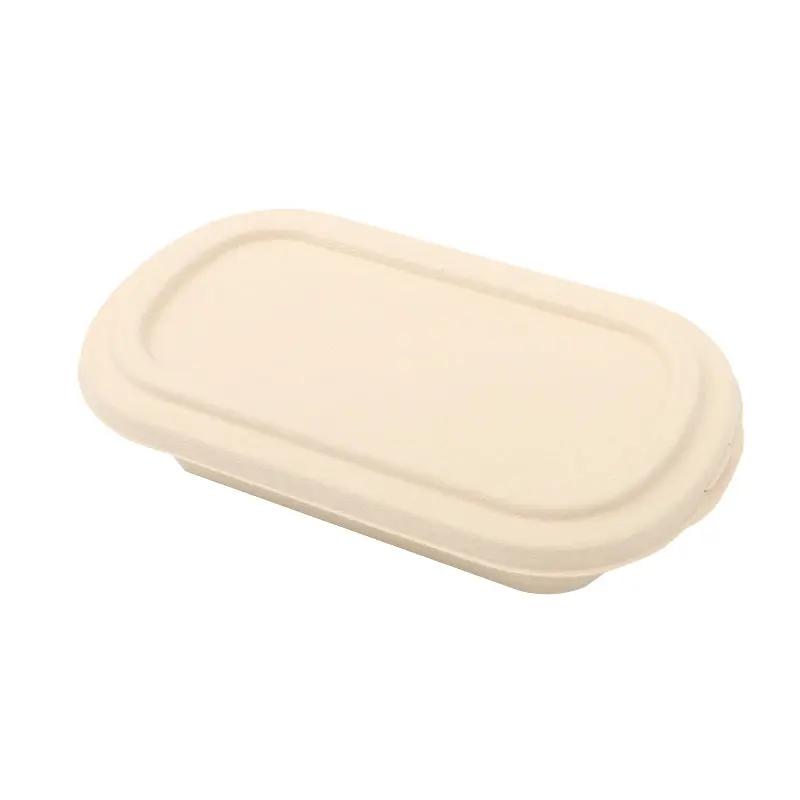 Lunch Box Lid
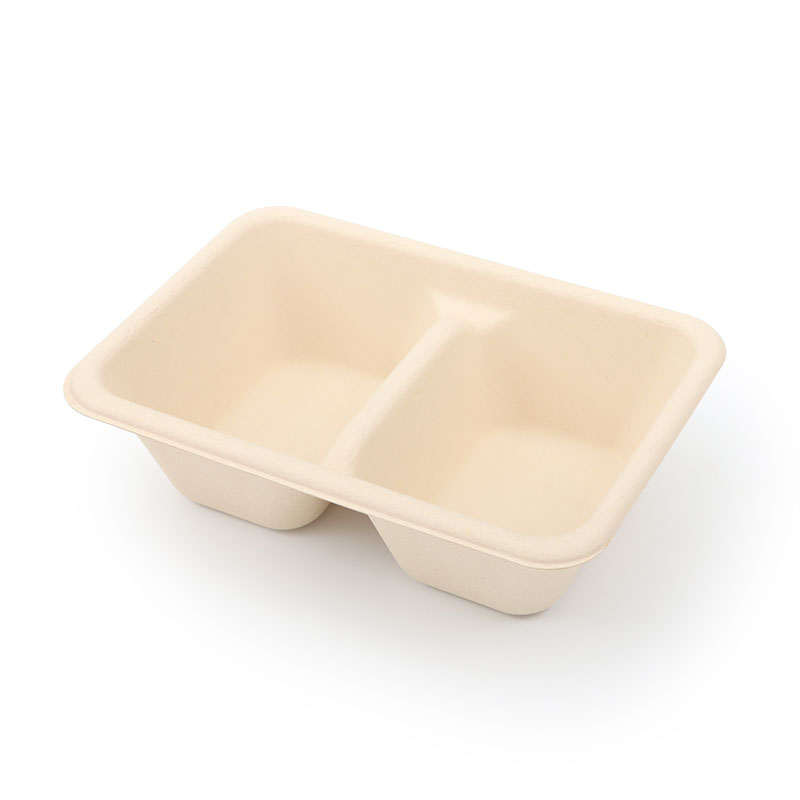 650ml
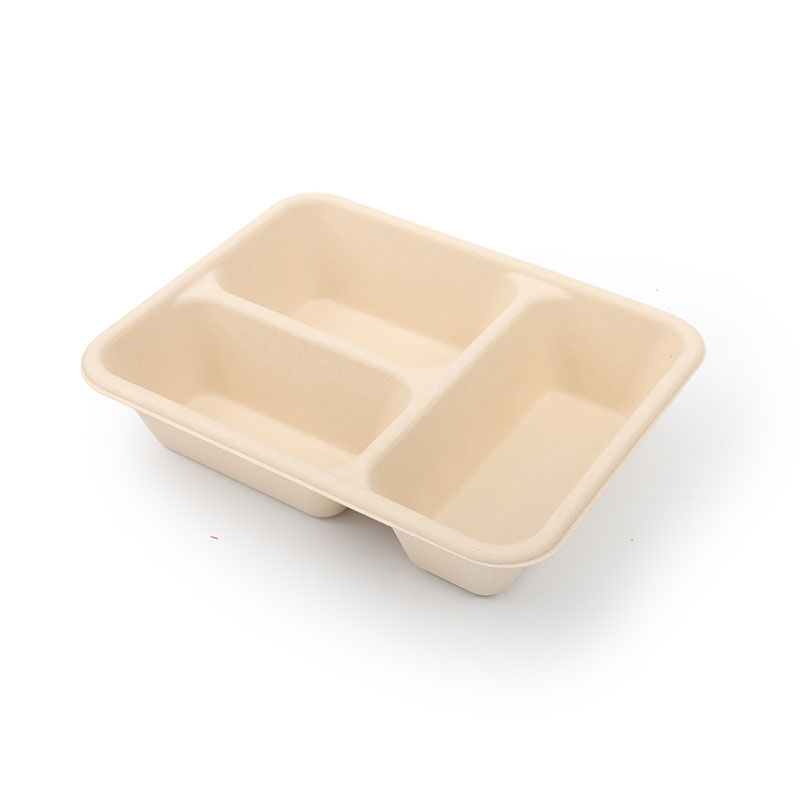 1000ml 3 Compartments
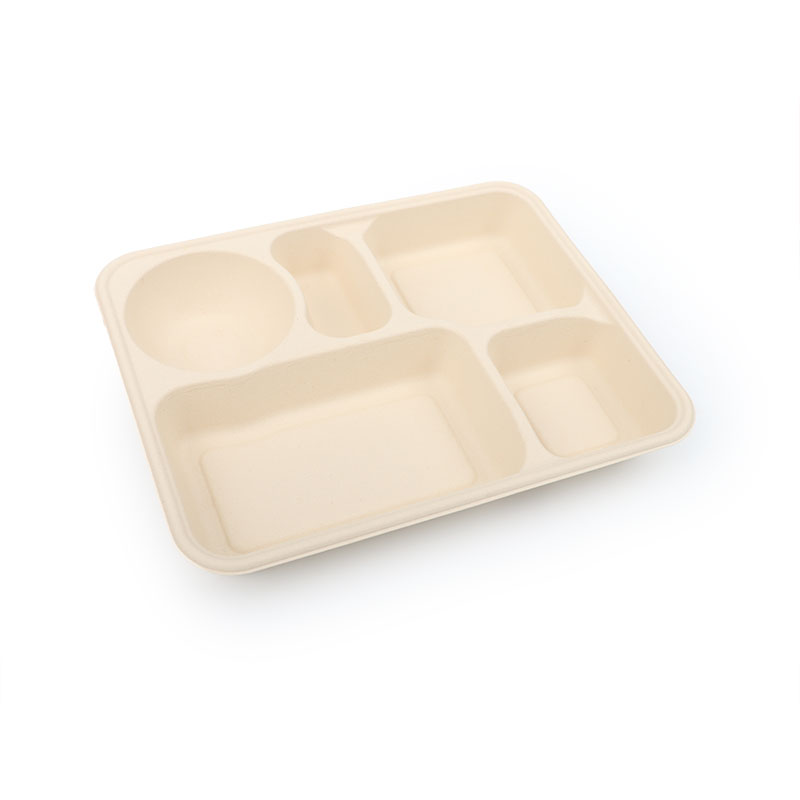 1250ml 5 Compartments
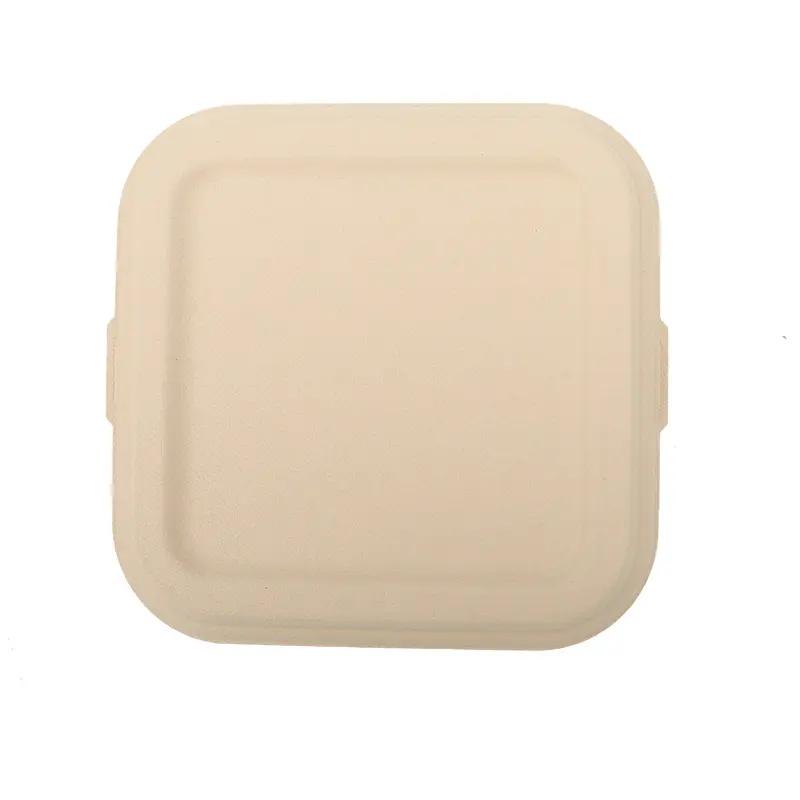 Square Lunch Box Lid
 Box Without T buckle
 850ml Salad Box
 700ml
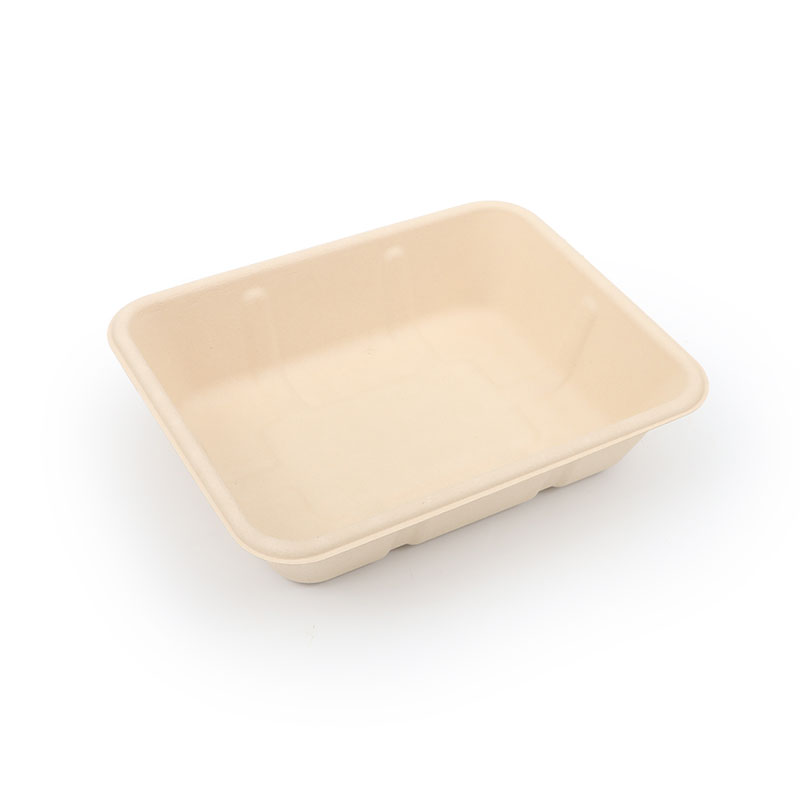 1350ml
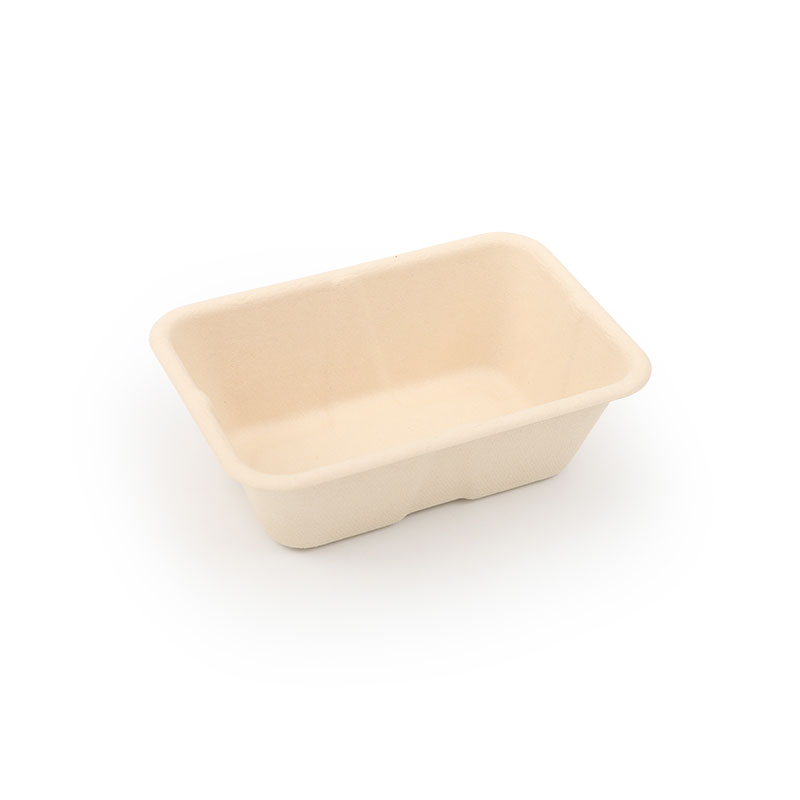 470ml
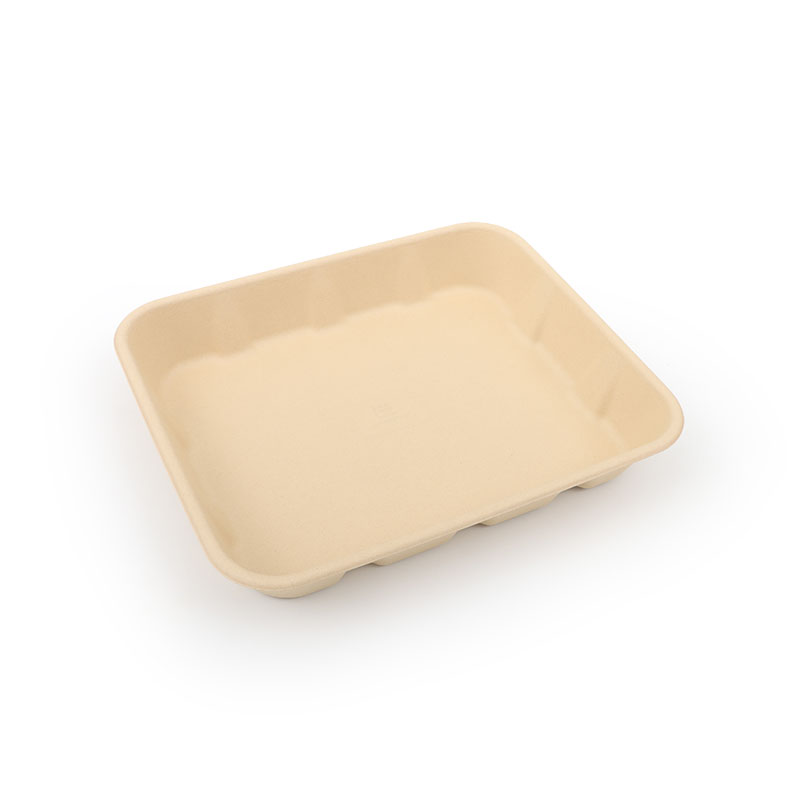 2183ml Tray Box
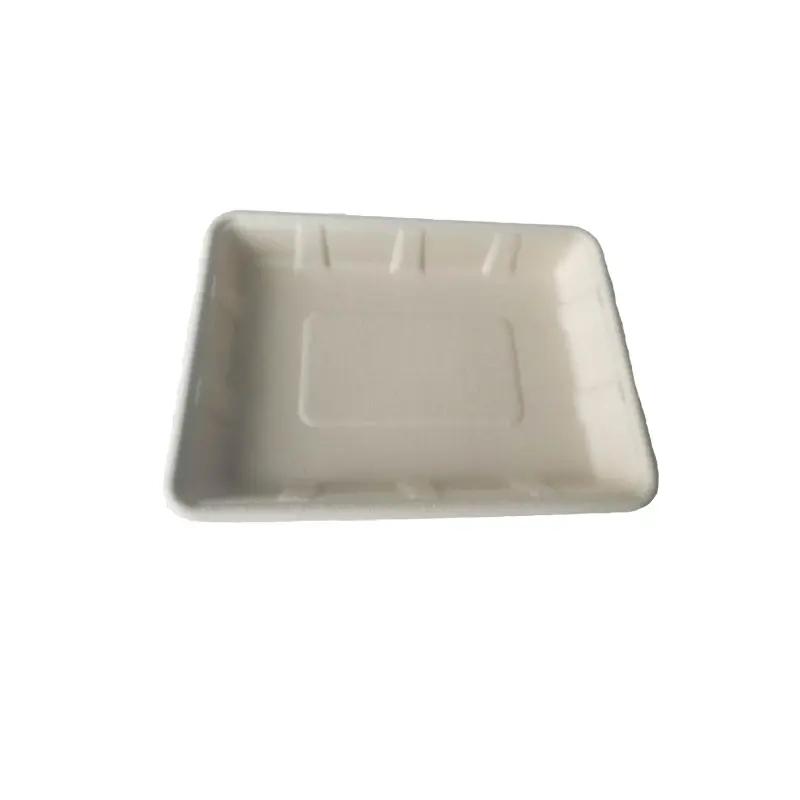 11" * 9"
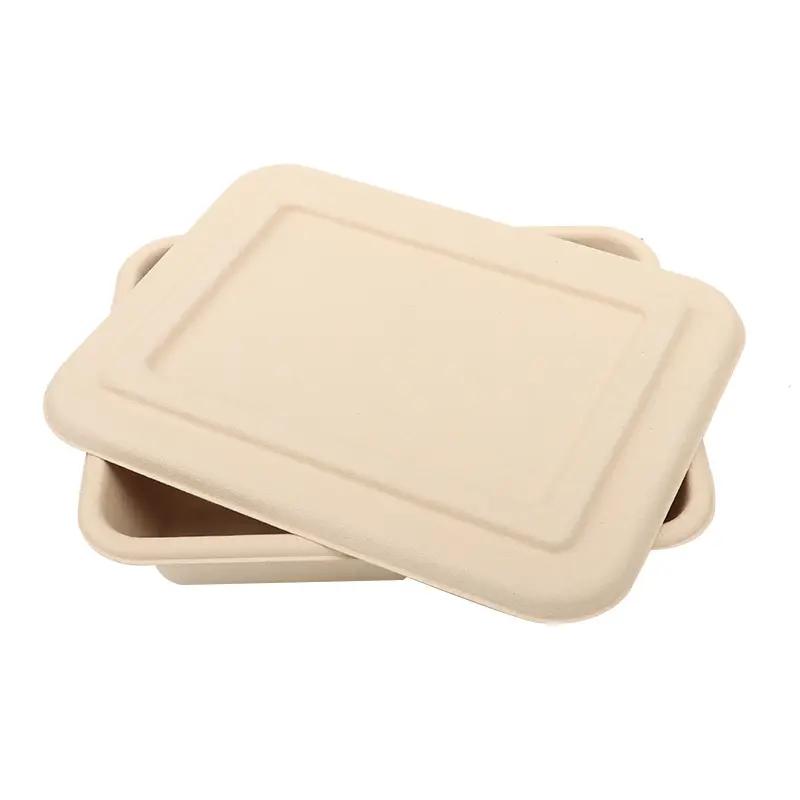 800ml
 One Part Box
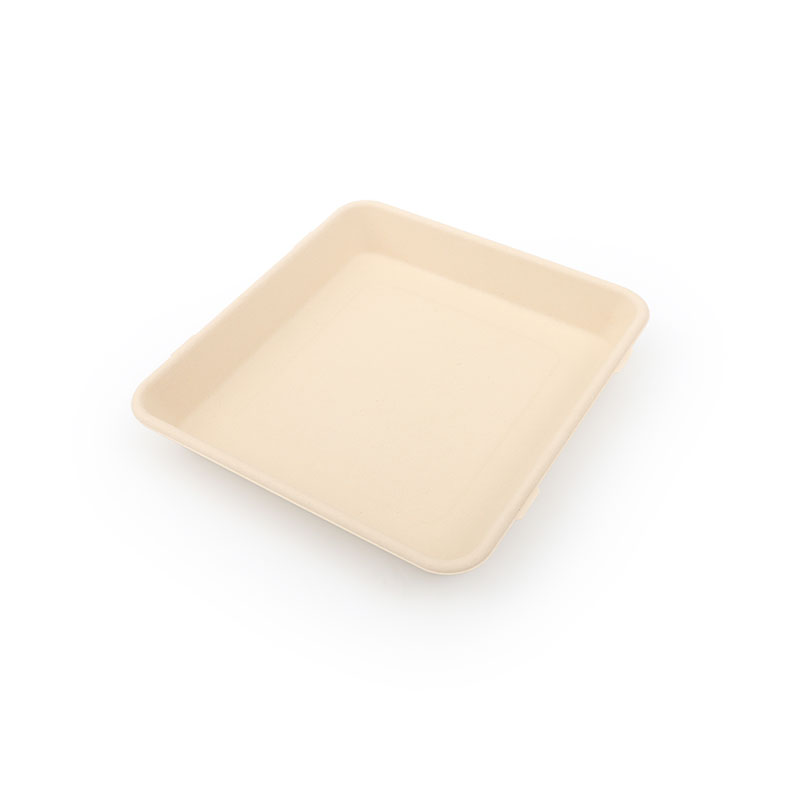 1443ml Tray Box
 Cake Bread Snack Tray Series
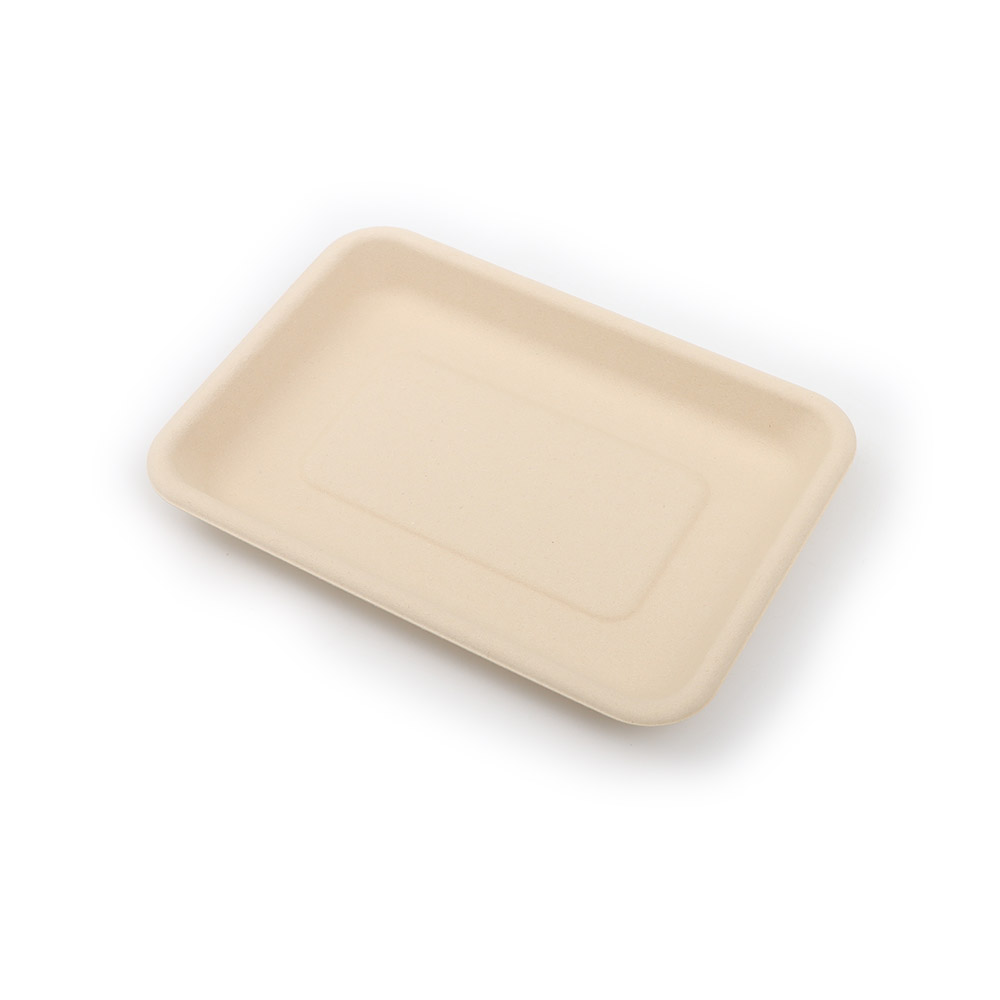 5" * 7" natural color
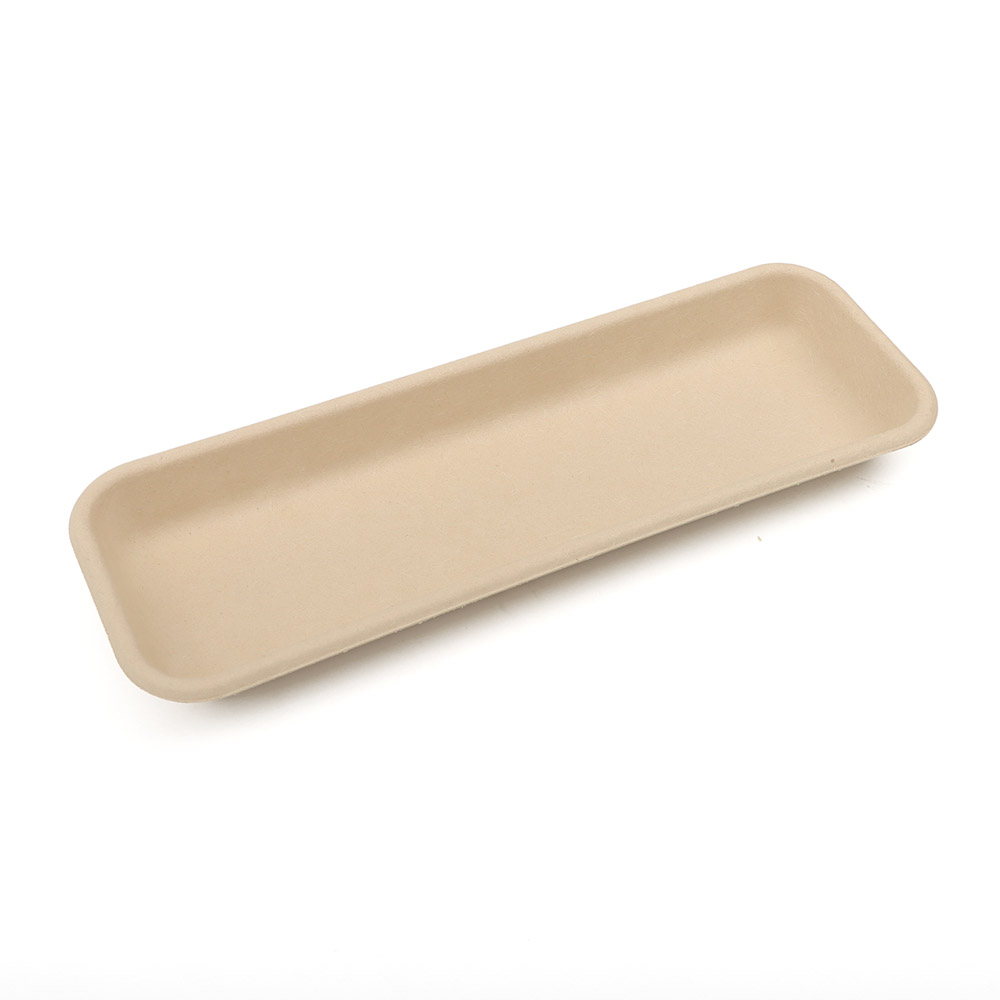 11.4" * 3.9"
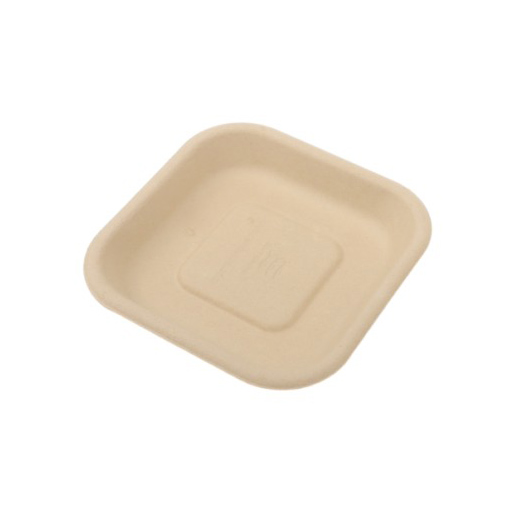 5.3" * 5.3"
 Fruit And Vegetable Tray Series
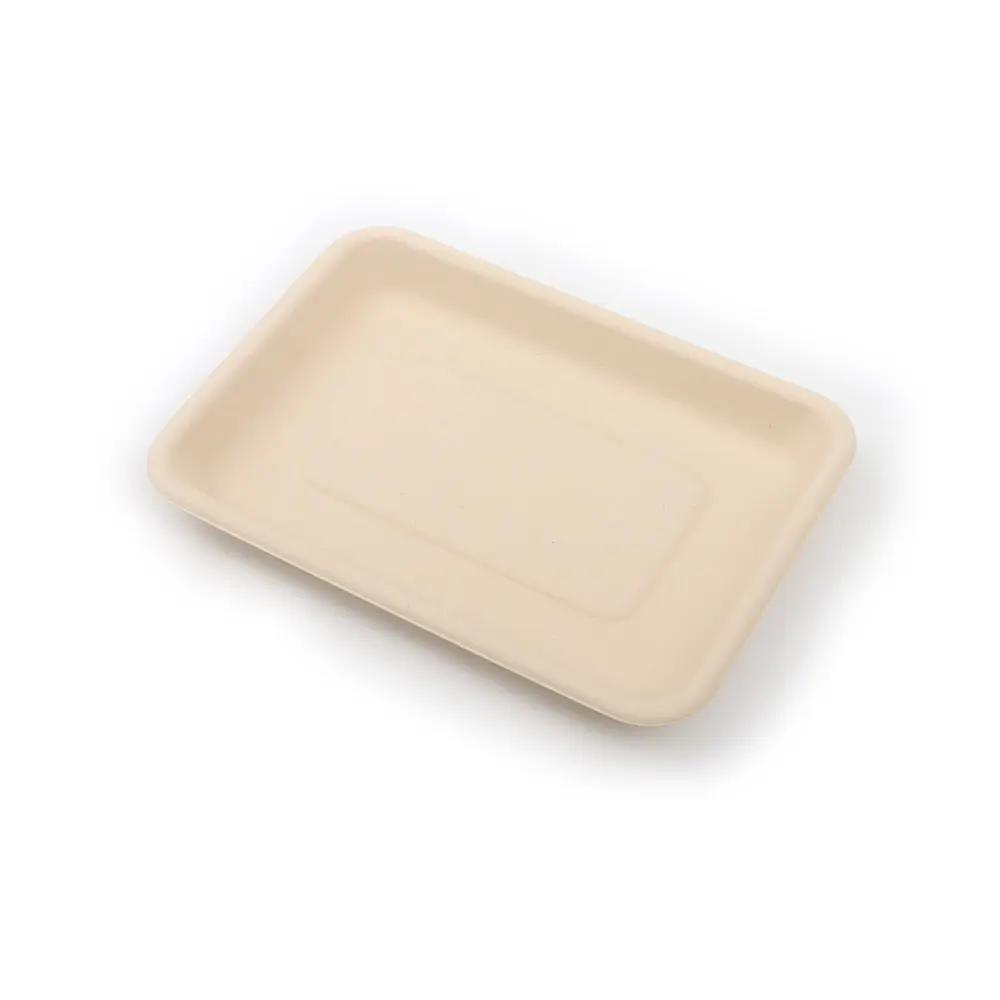 8.6" * 5.3"
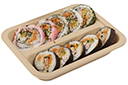 Sushi Tray Series
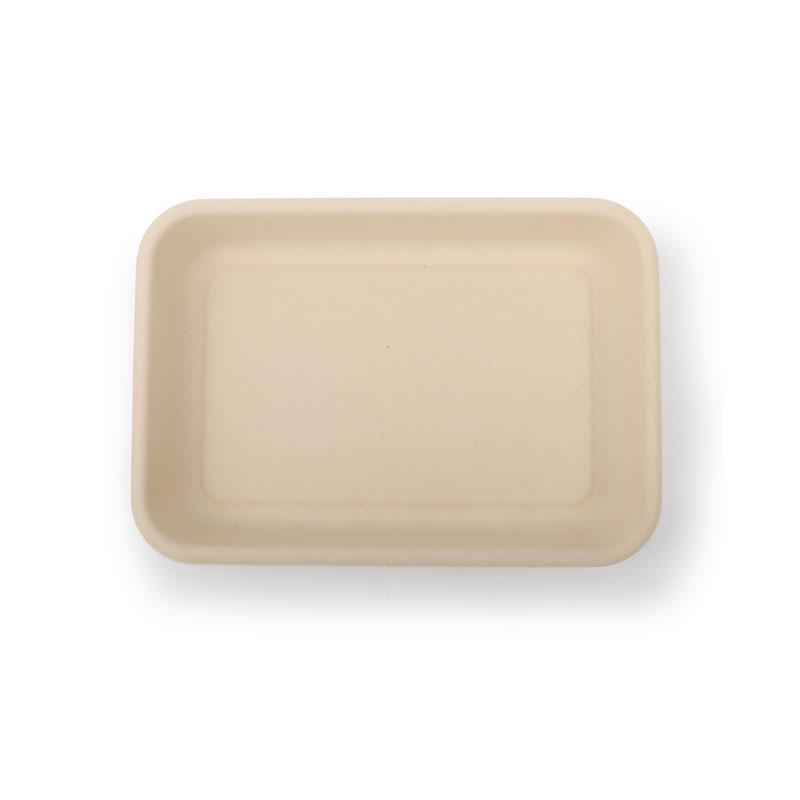 200" * 140"
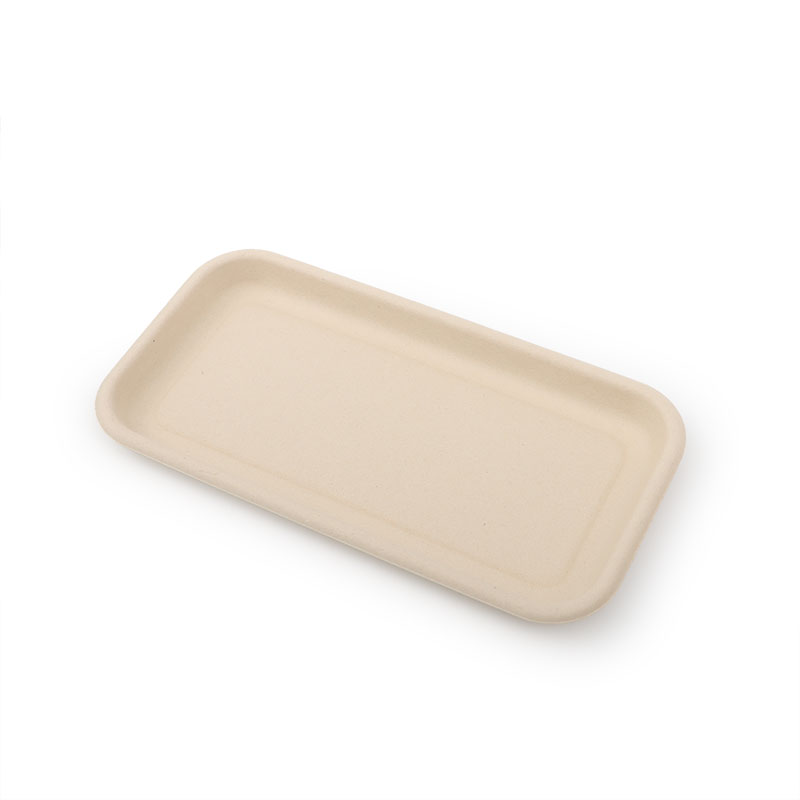 210" * 110"
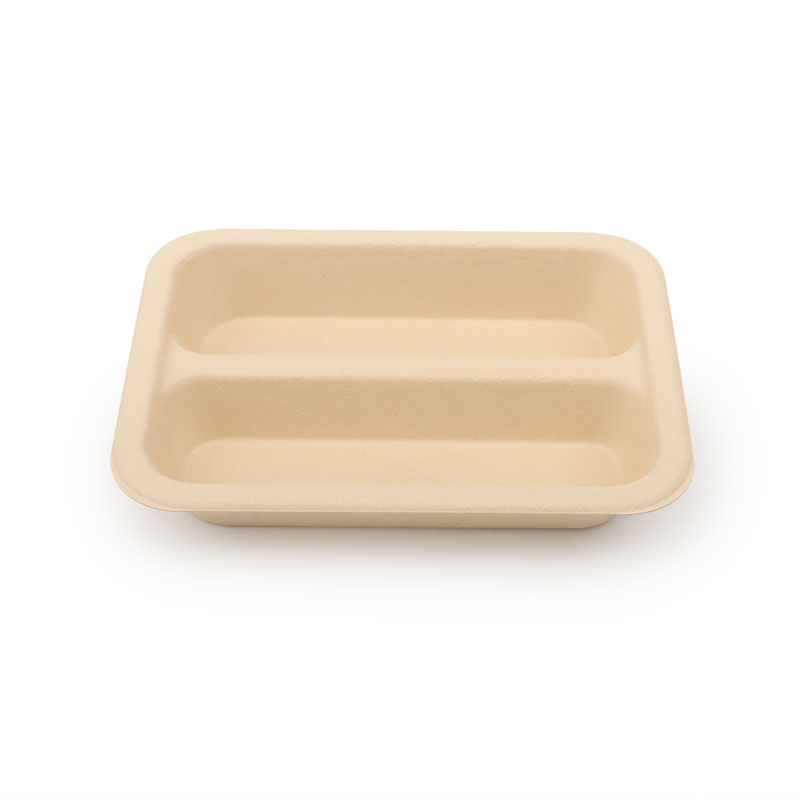 2 Compartments
 Small Round Plate Series
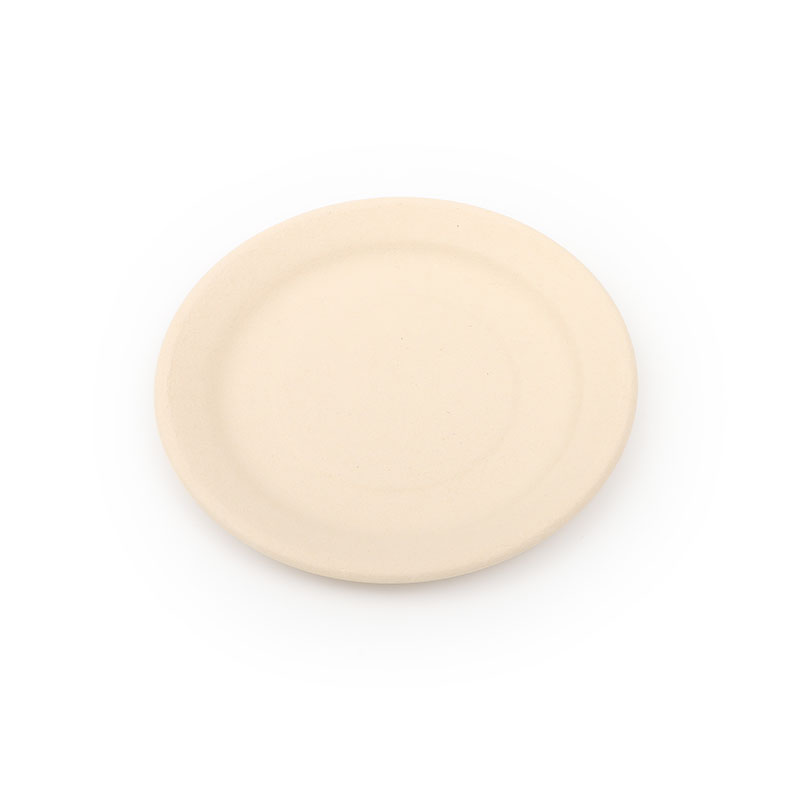 7 inch
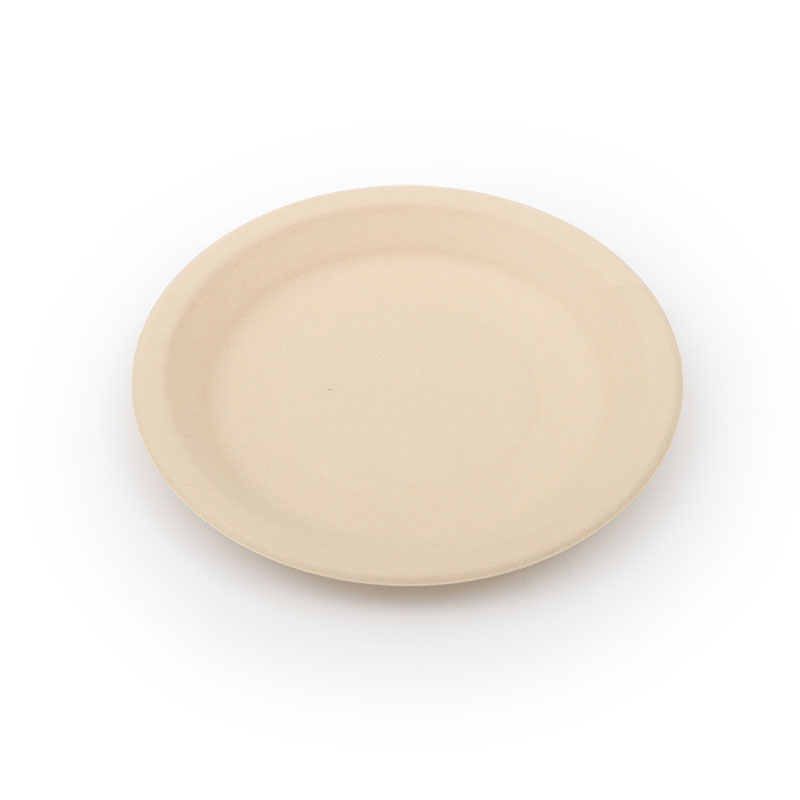 6 inch
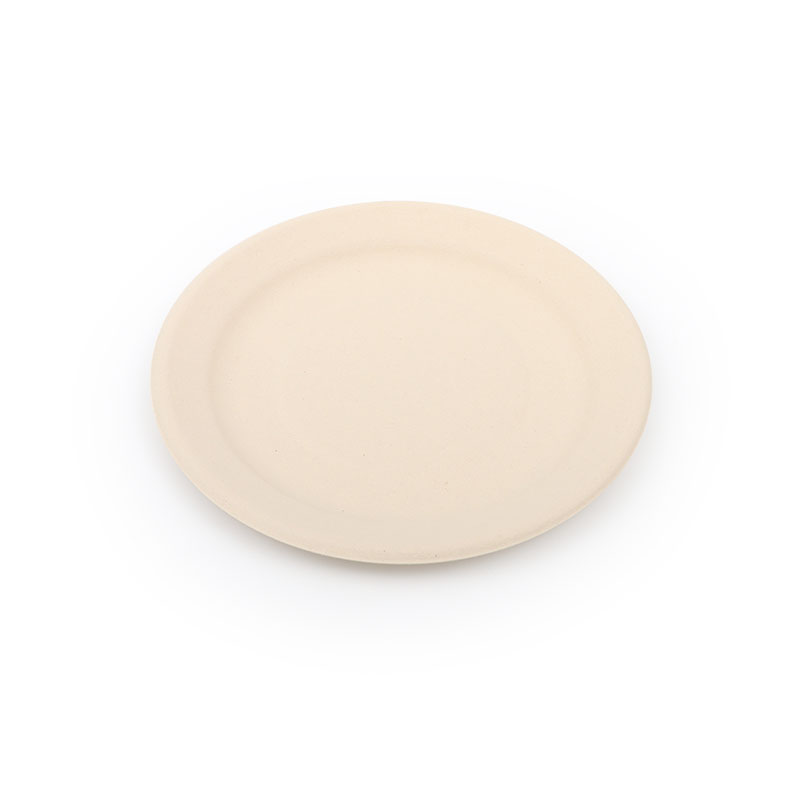 8 inch
 Middle Round Plate Series
 9 Inch 3 Compartments
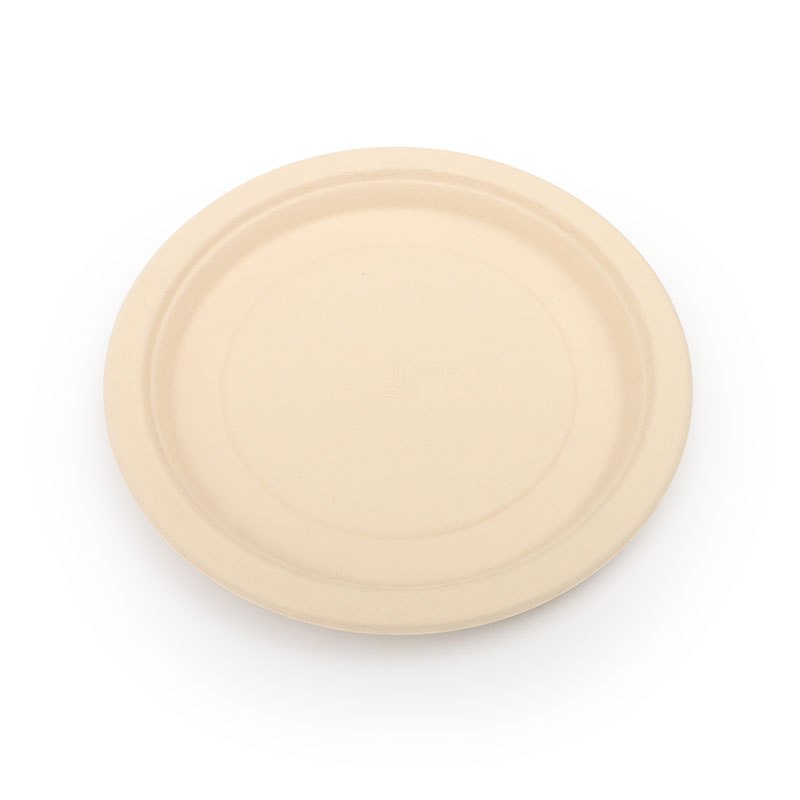 9 inch
 Big Round Plate Series
 12.7 Inch Pizza Plate
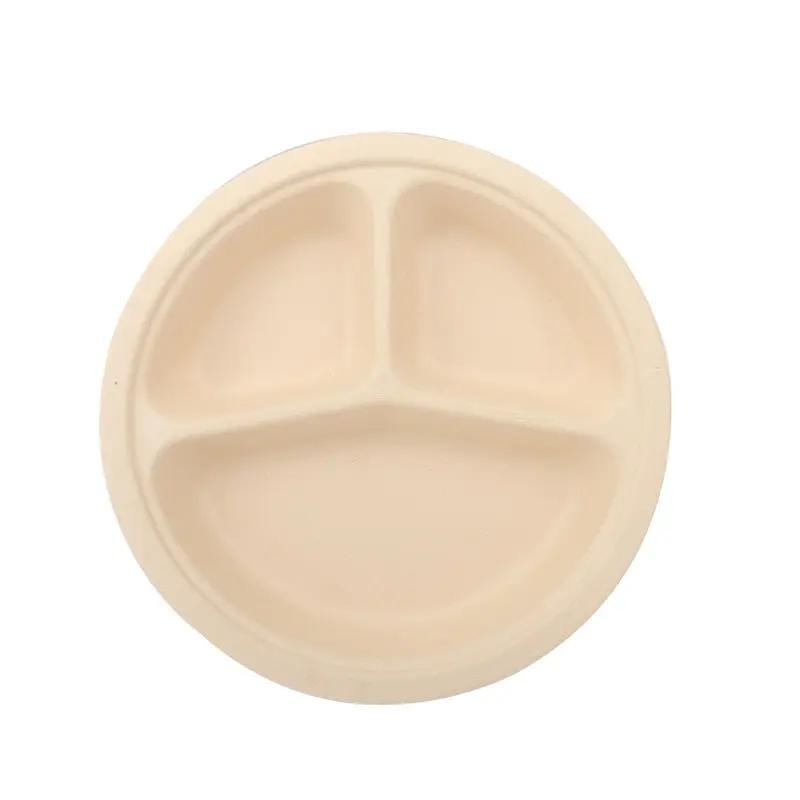 10.25 inch 3 Compartments
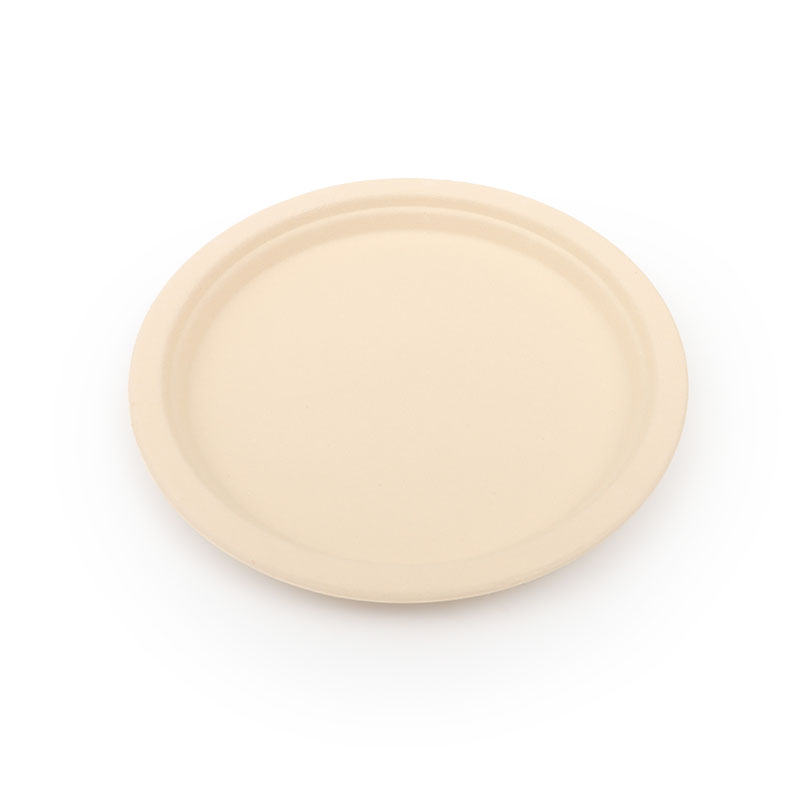 10 inch
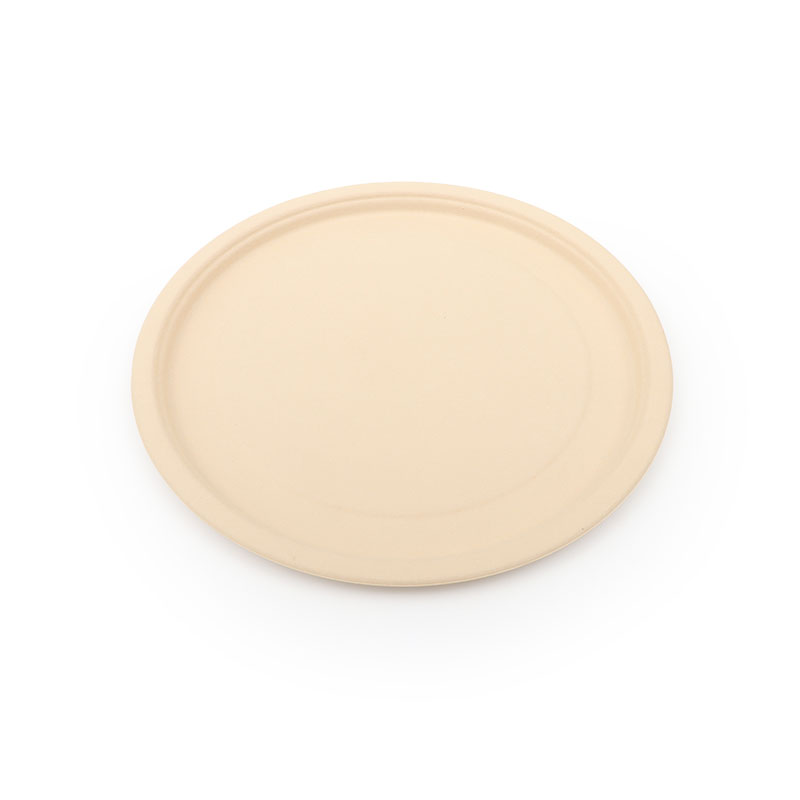 12 inch
 Bigger Bowl
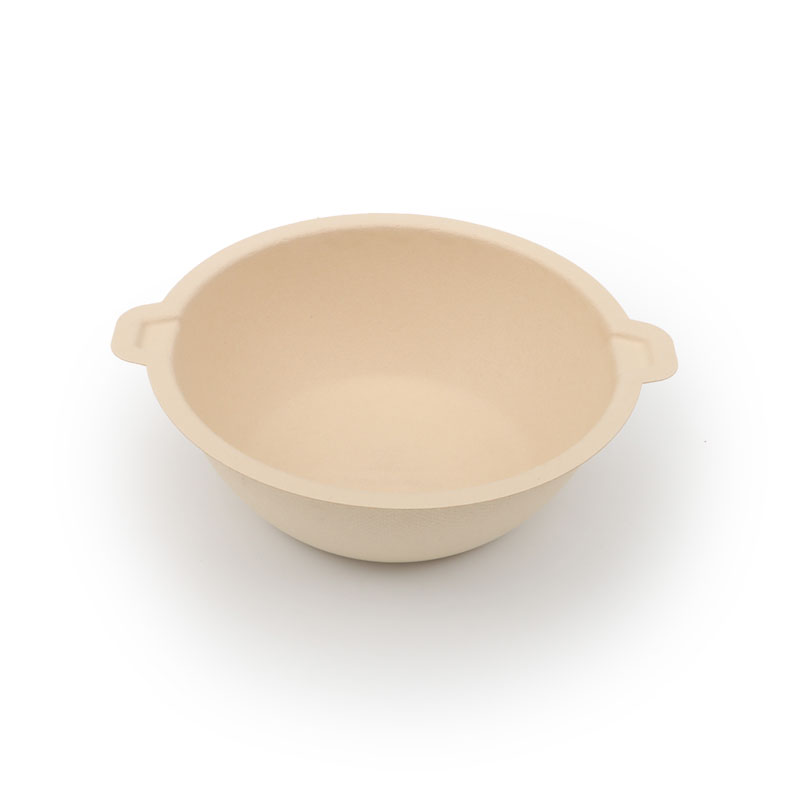 48oz(1420ml)
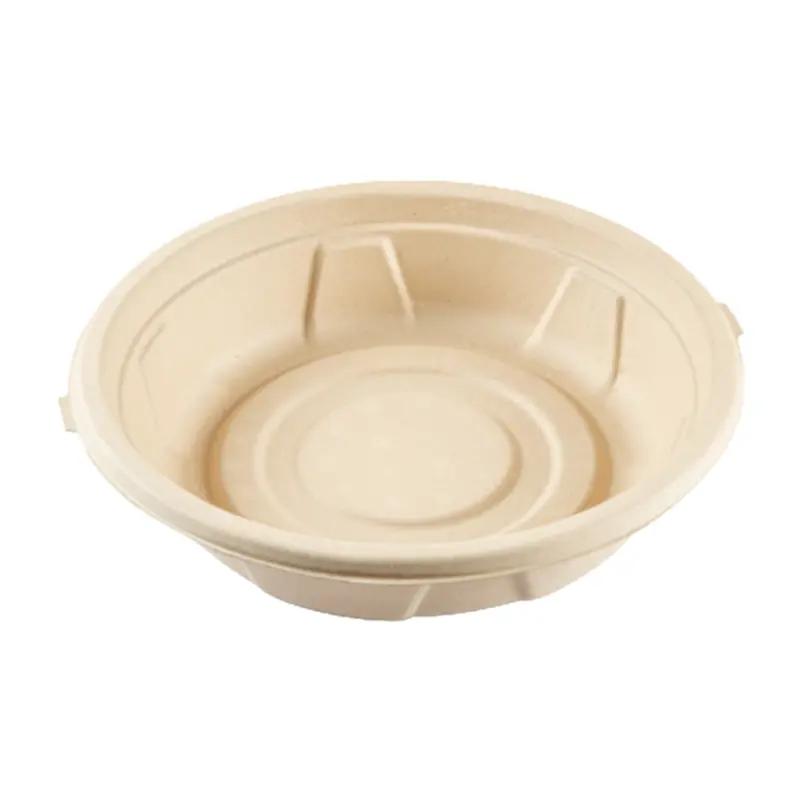 56oz(1650ml)
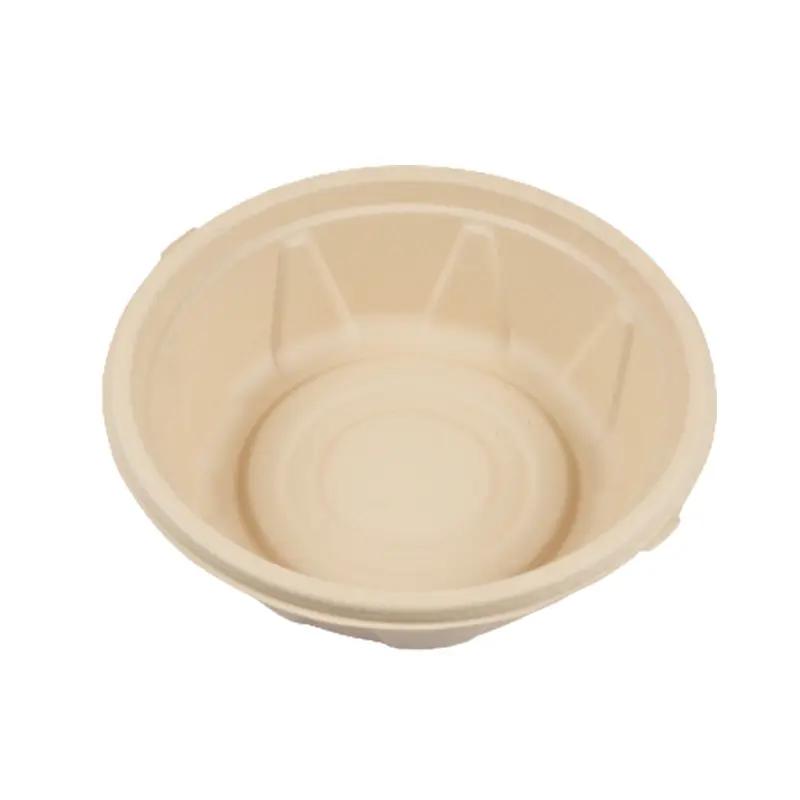 100oz(2950ml)
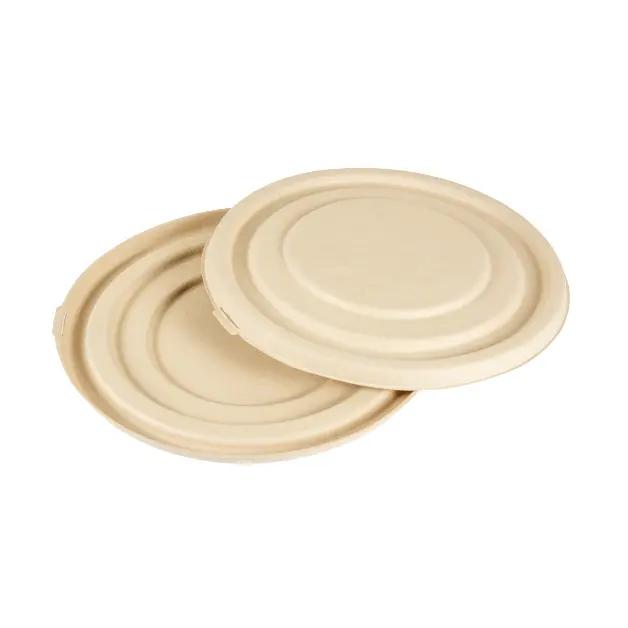 100oz(2950ml) With Lid
 Middle Bowl
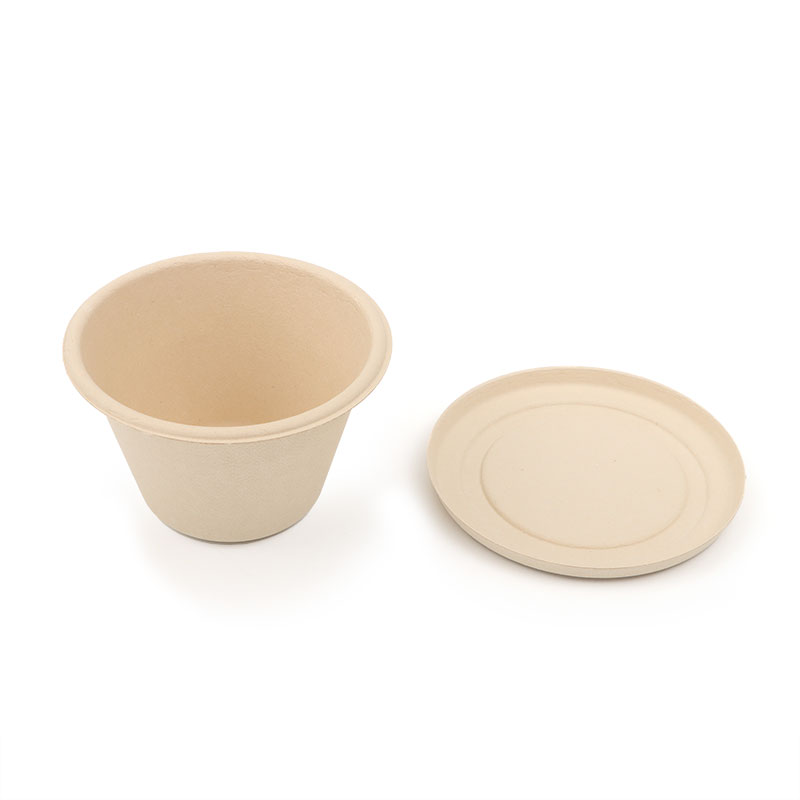 17oz(500ml)
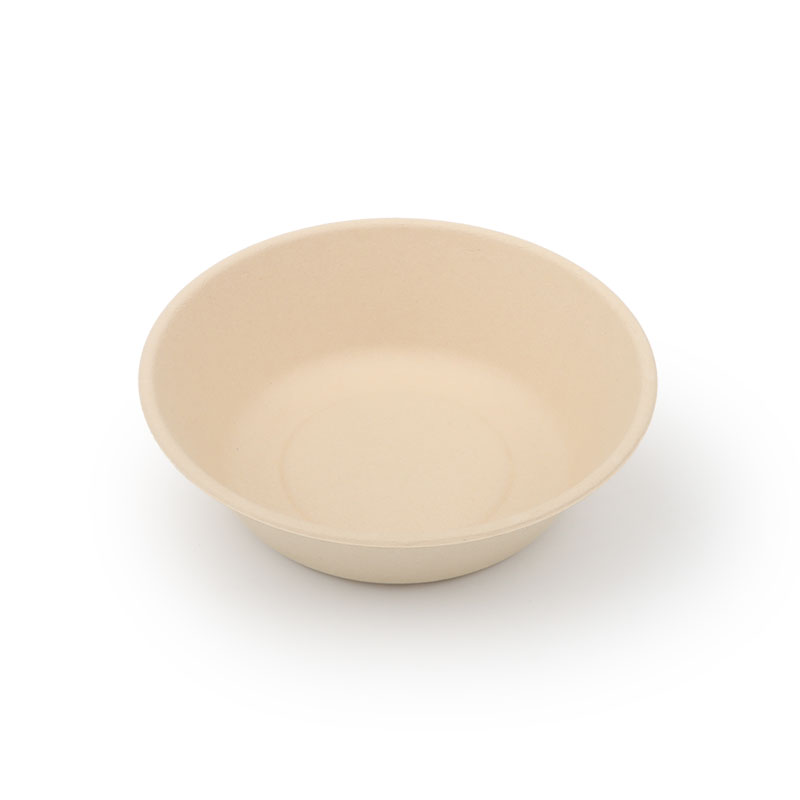 27oz(800ml)
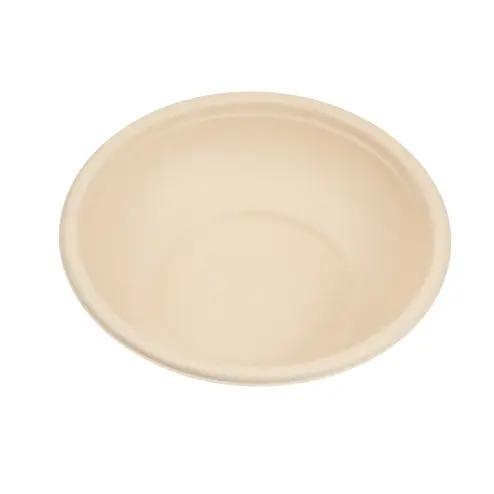 20oz(600ml)
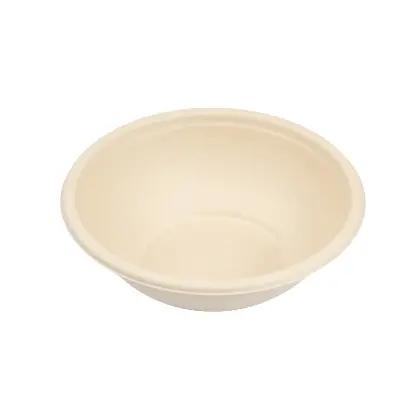 29oz(850ml)
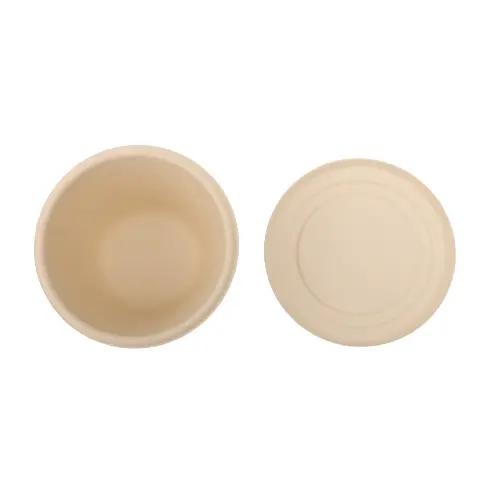 17oz(500ml) With Lid
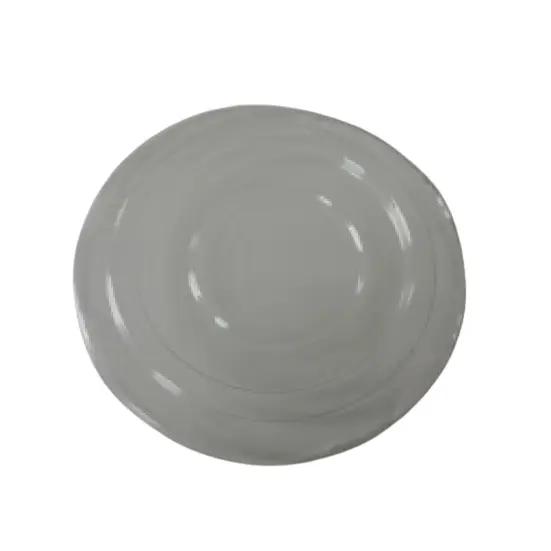 17oz(500ml) PET Lid
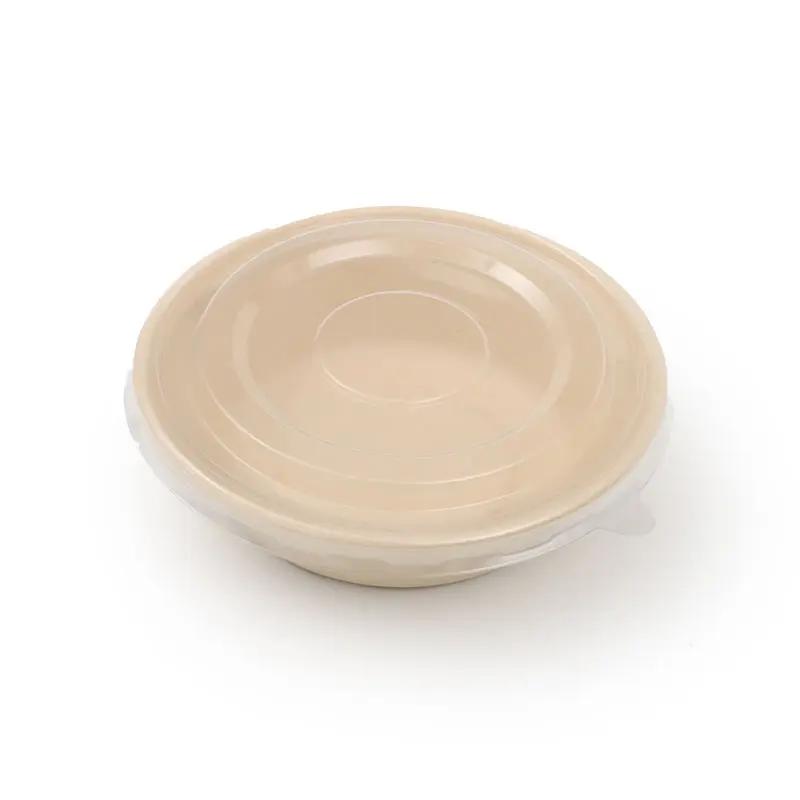 28oz(830ml) PET Lid
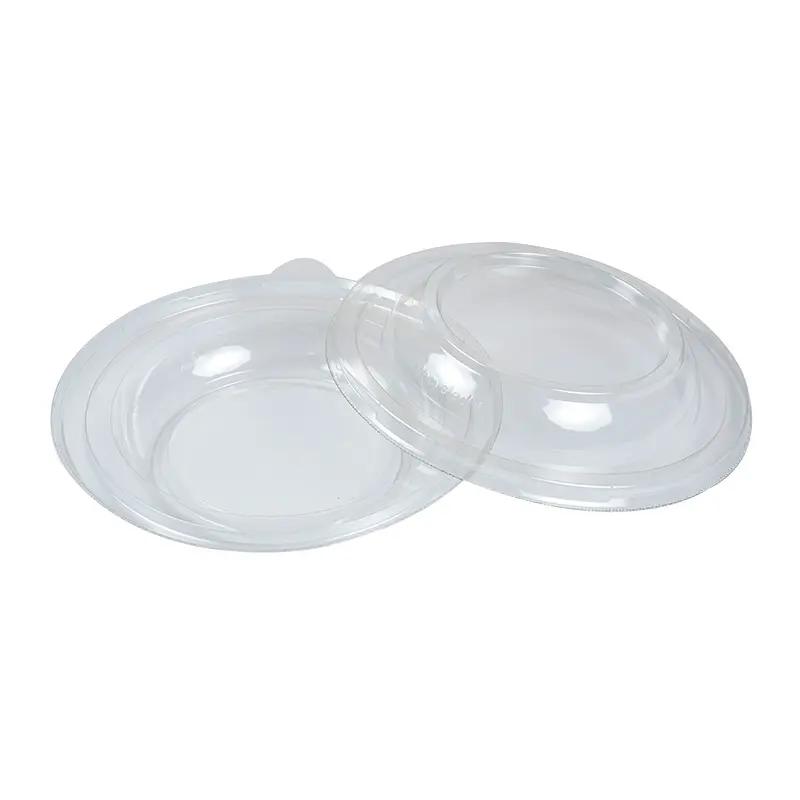 Round Bowl PET
 Small Bowl
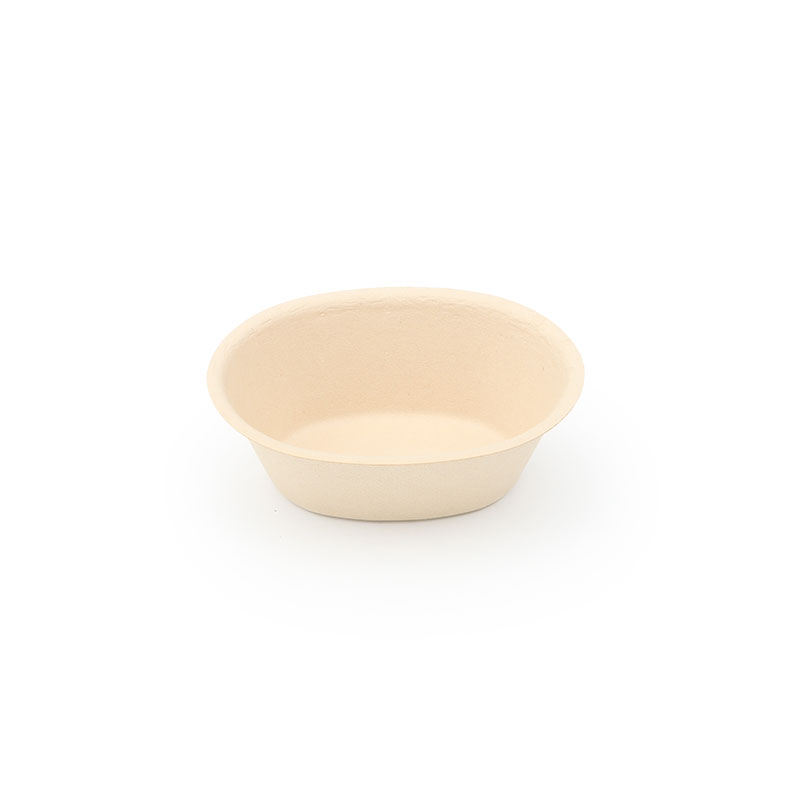 Snack Bowl
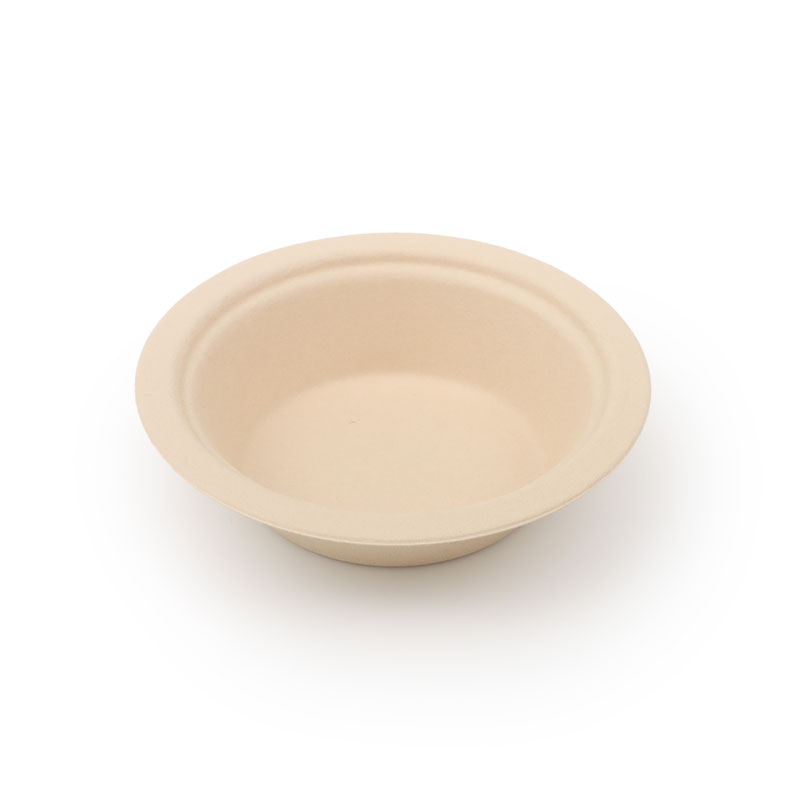 11.5oz(340ml) Bowl
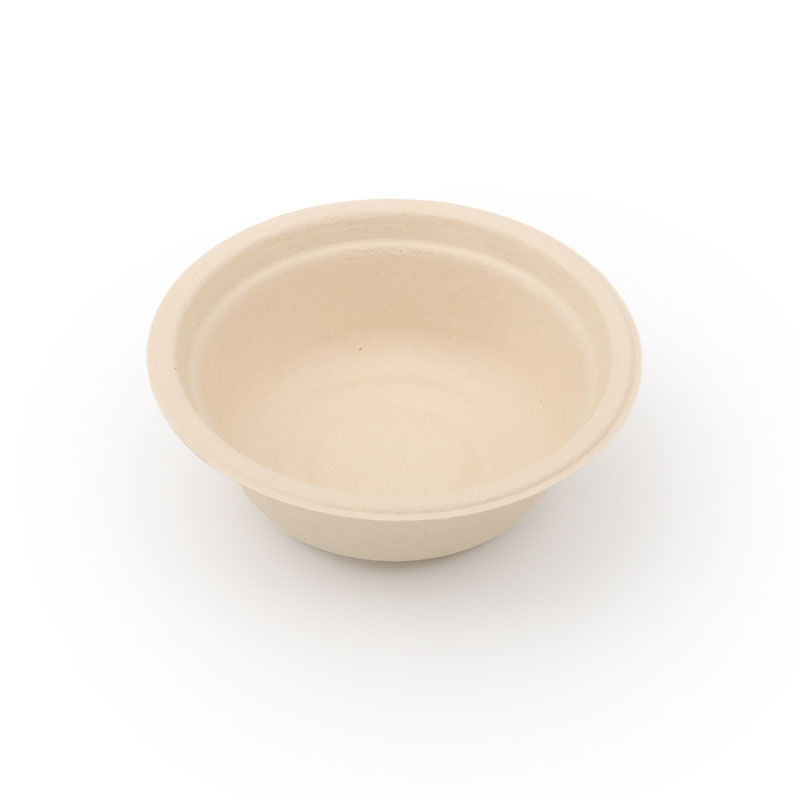 6.7oz(200ml) Bowl
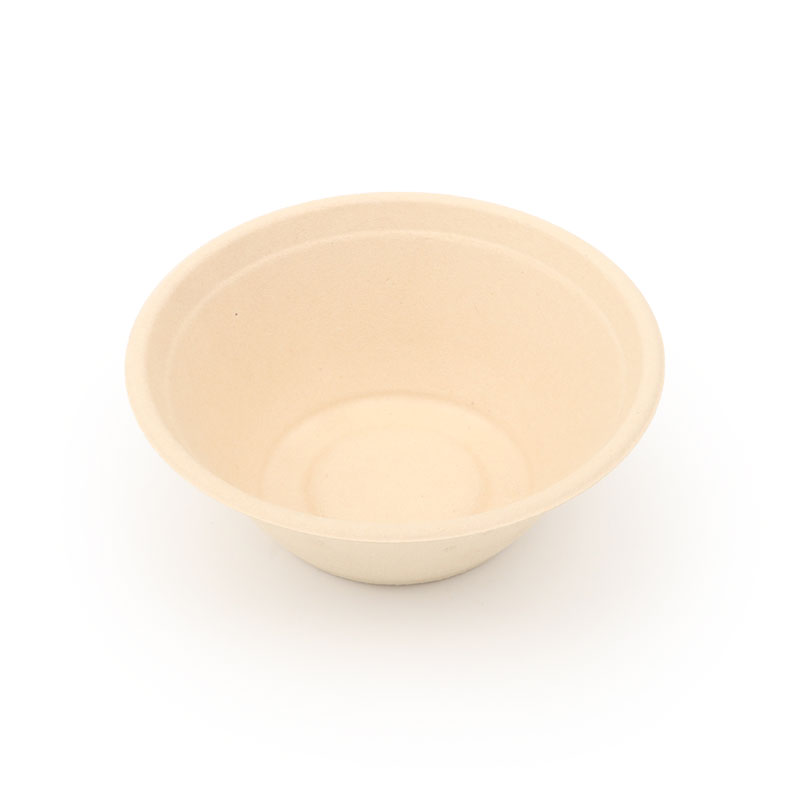 12oz(350ml) Bowl
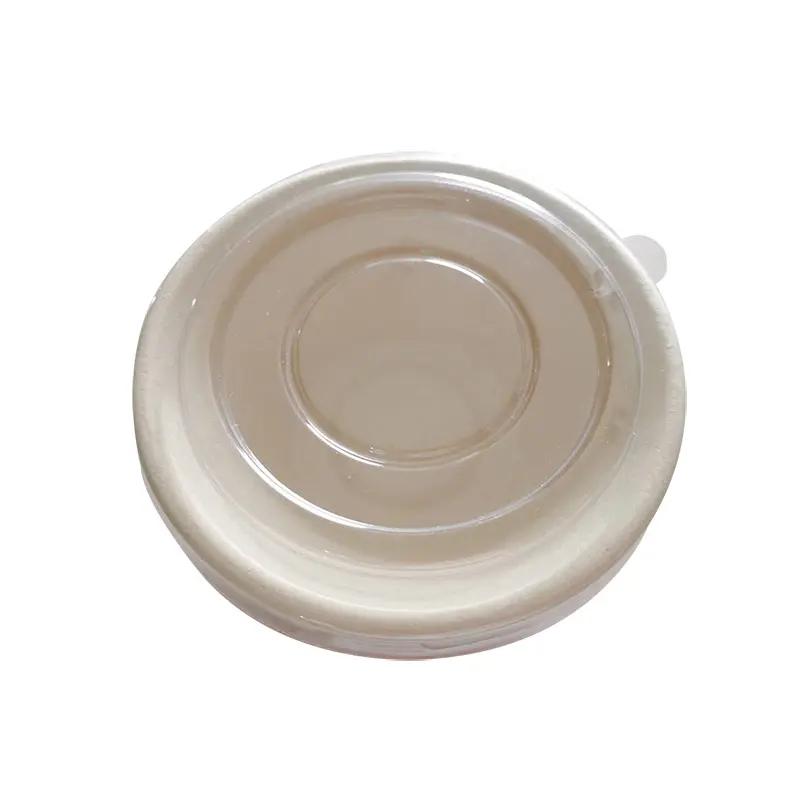 12oz(350ml) Bowl PET
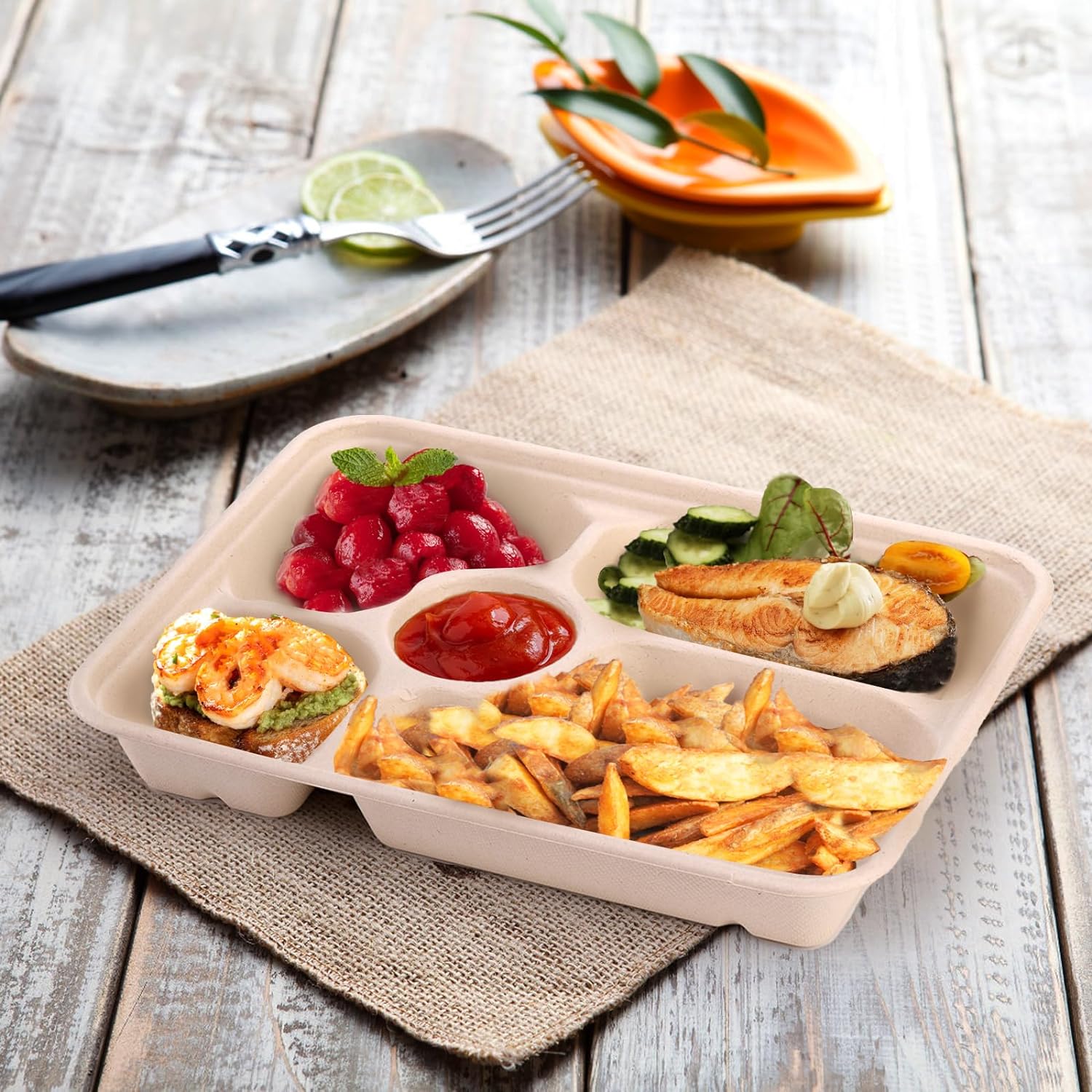 Bagasse Lunch Boxes
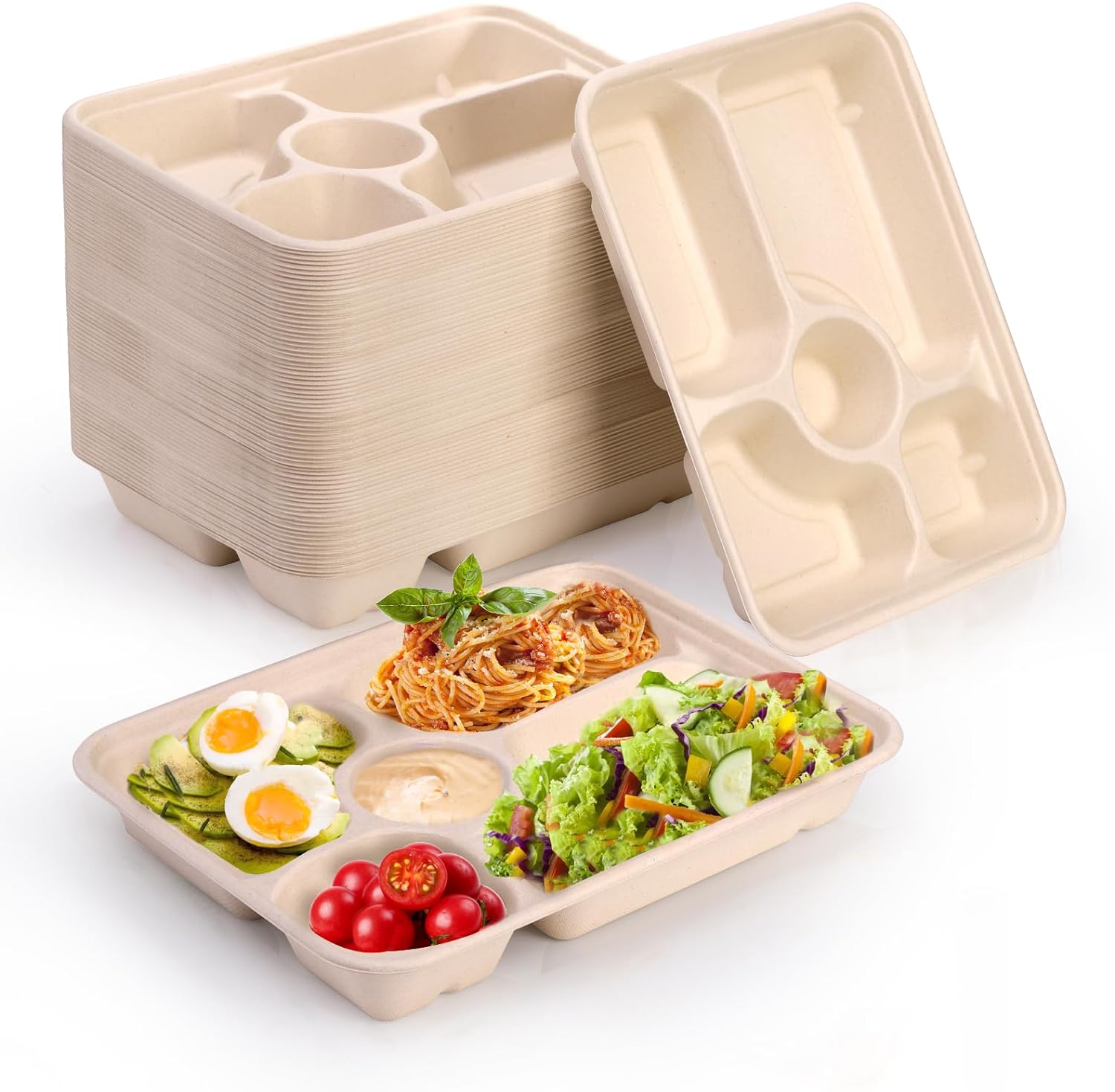 5CP
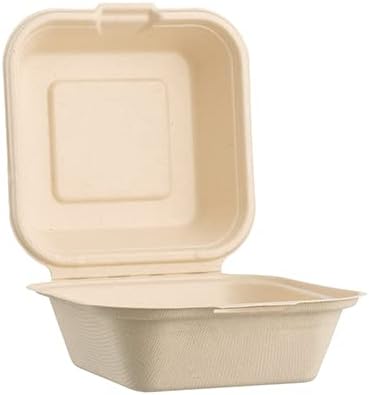 6 inch
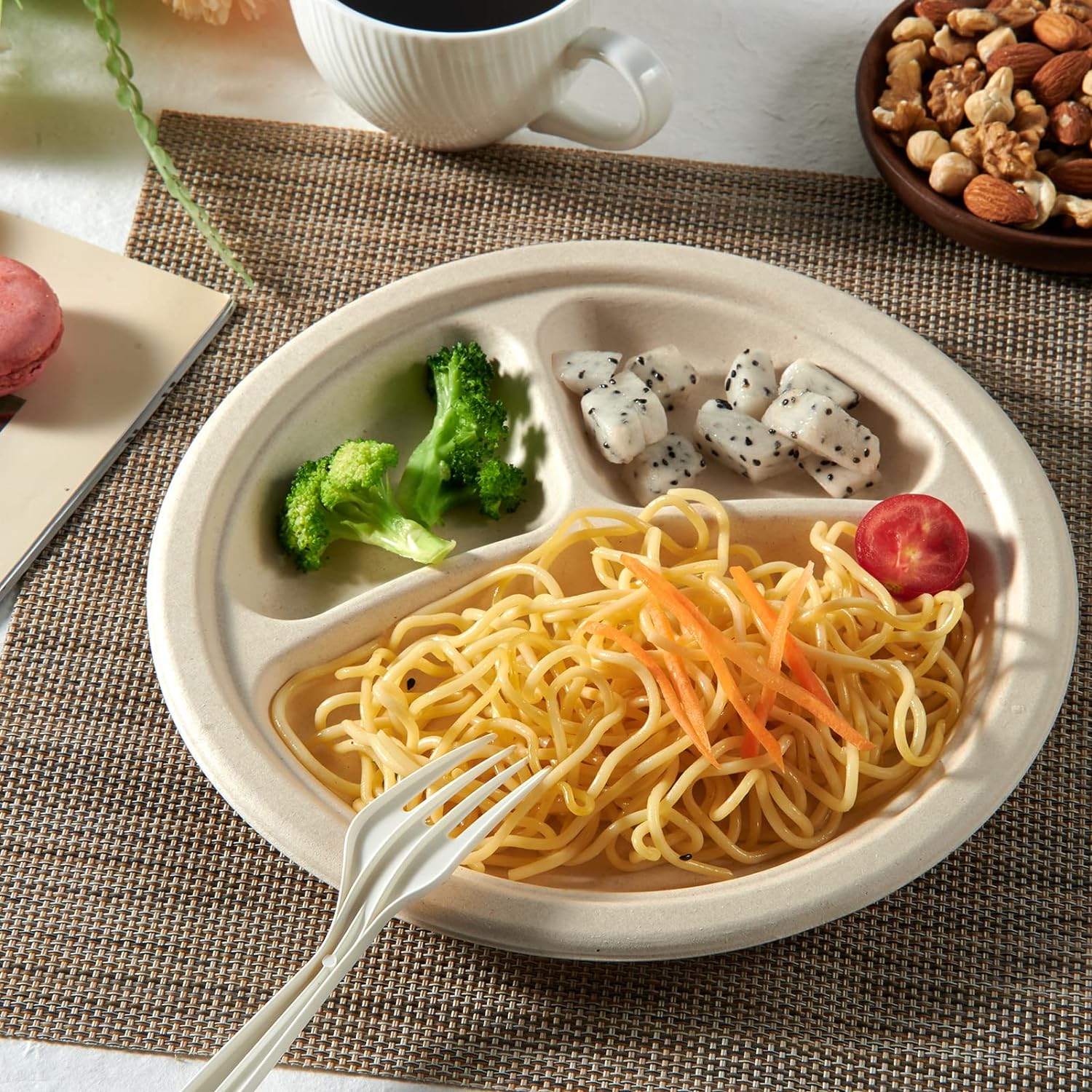 Bagasse Food Plates
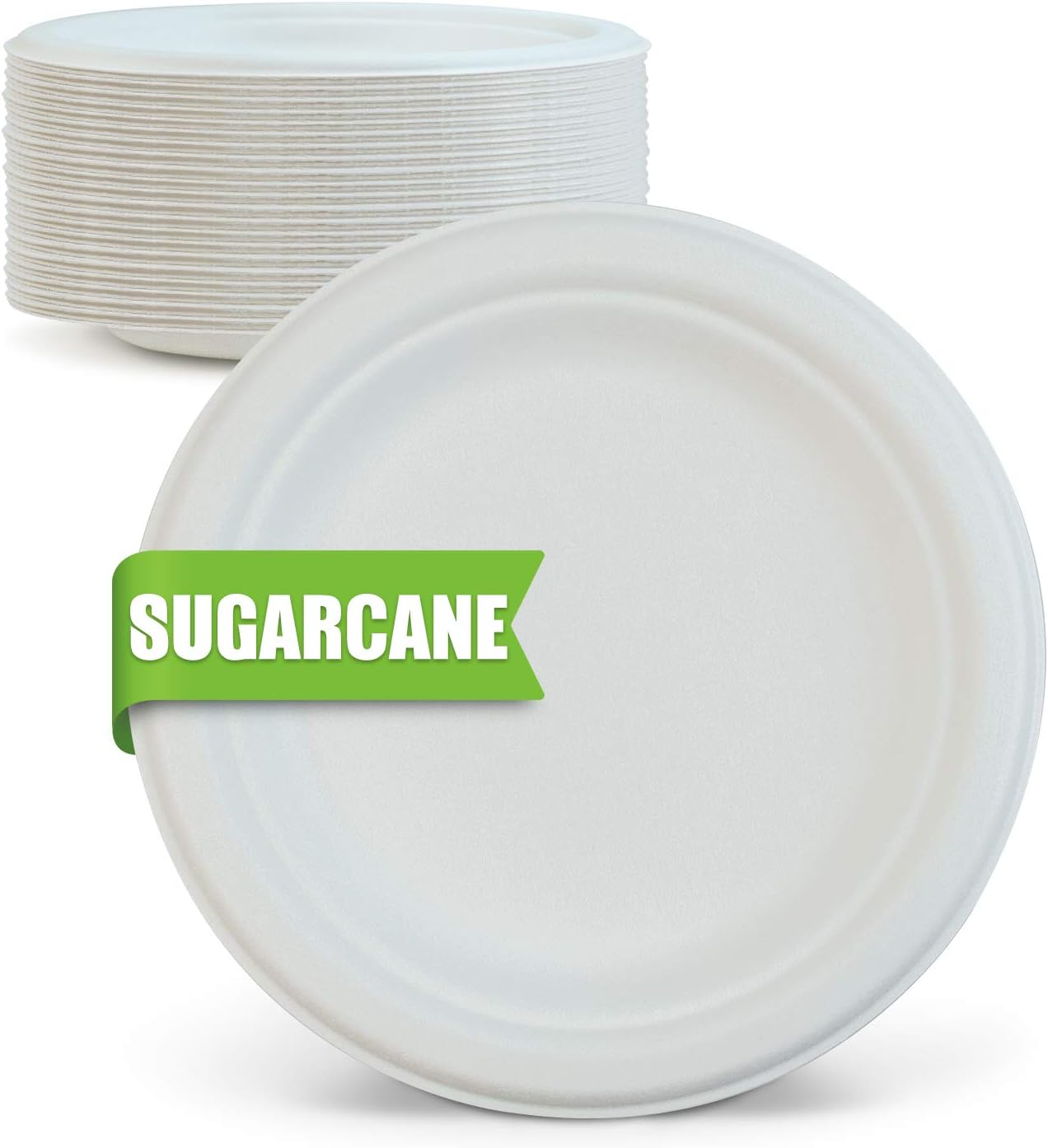 7 inch
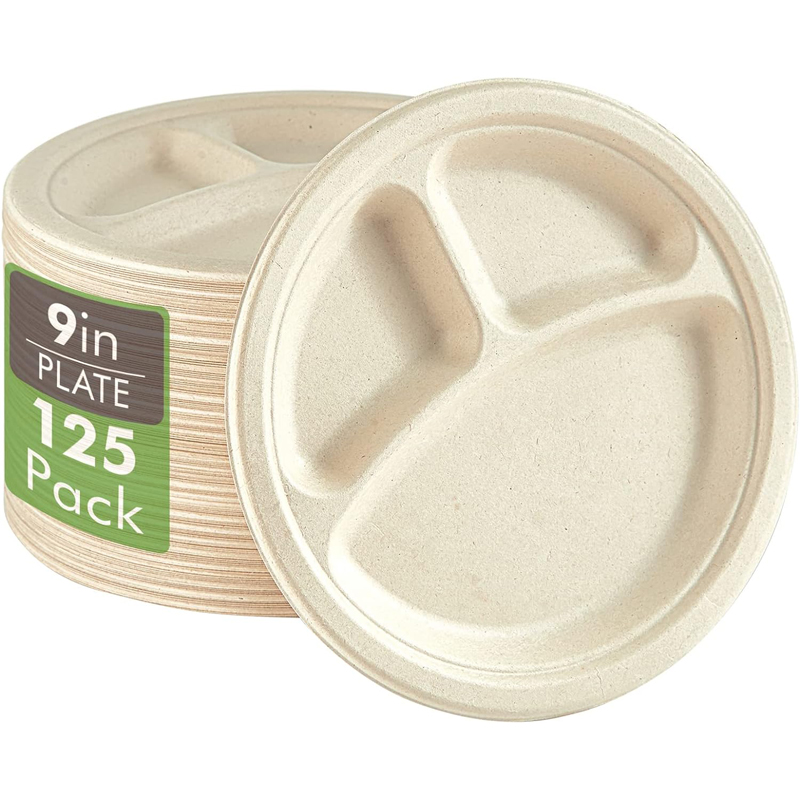 3CP
 Bagasse Bowls
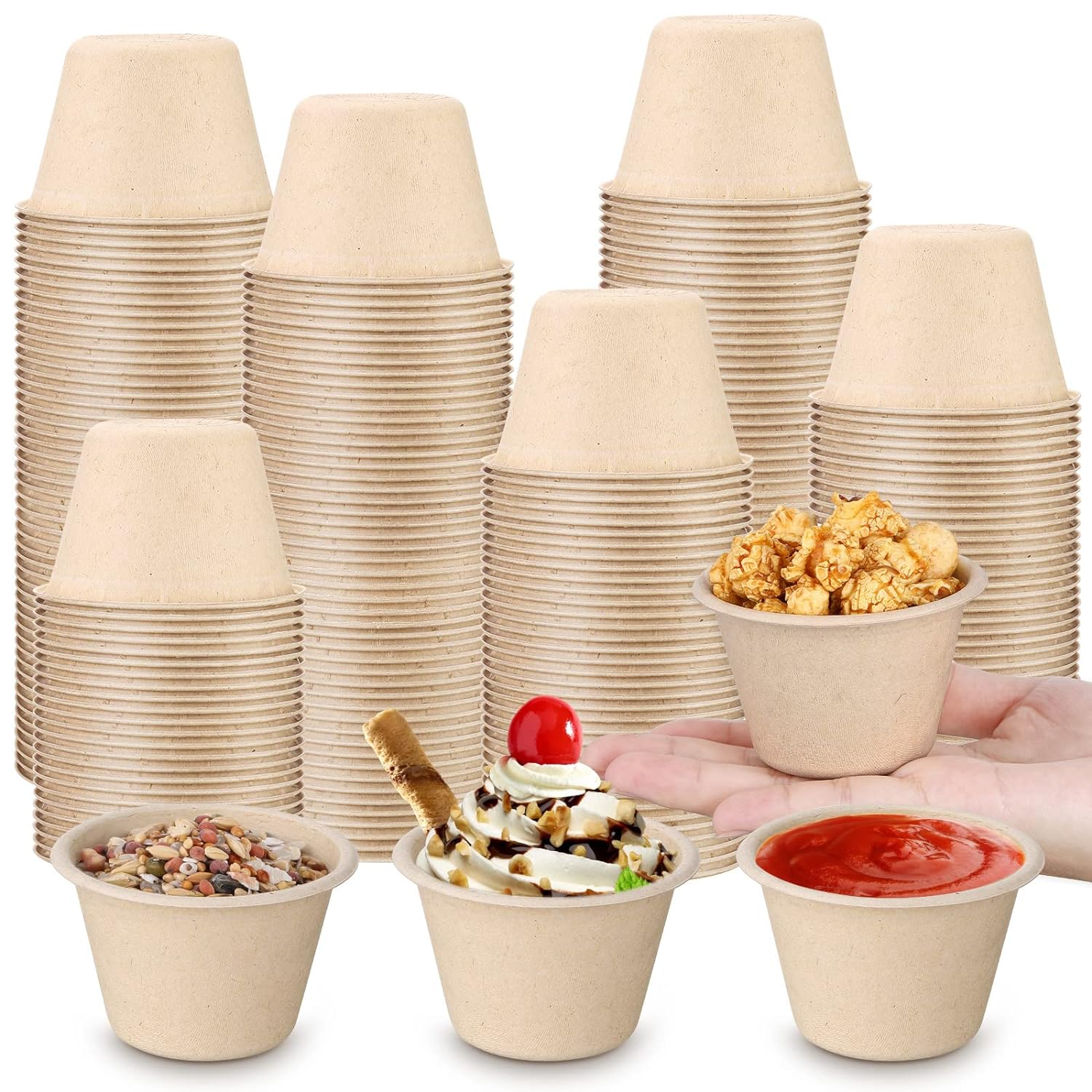 4oz
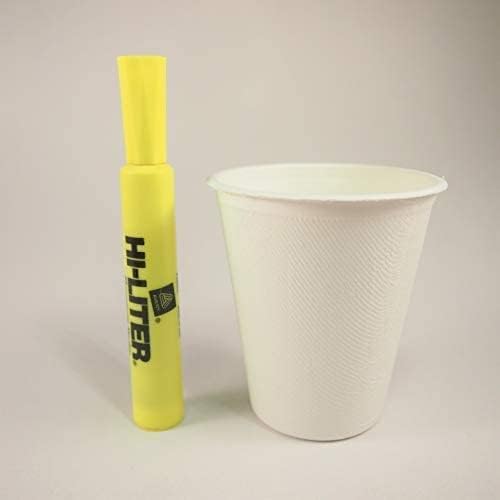 Bagasse Cups And Cutlery
 8oz
 12oz
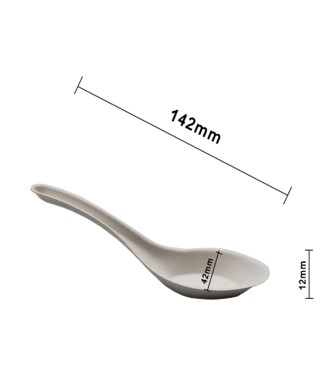 Cutlery


