
 Box With T buckle
 700ml Square Lunch Box
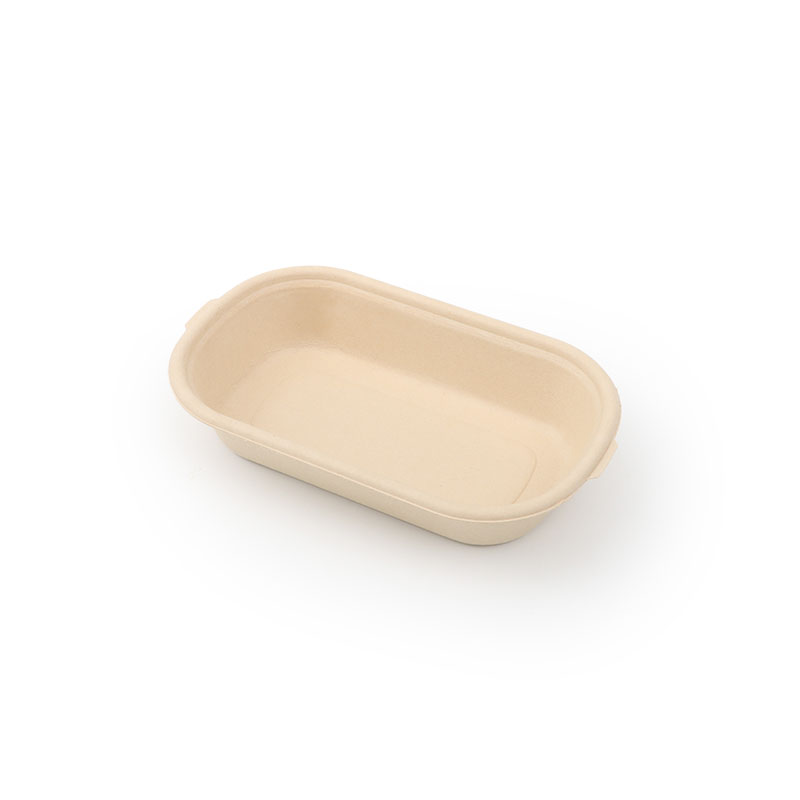 500ml
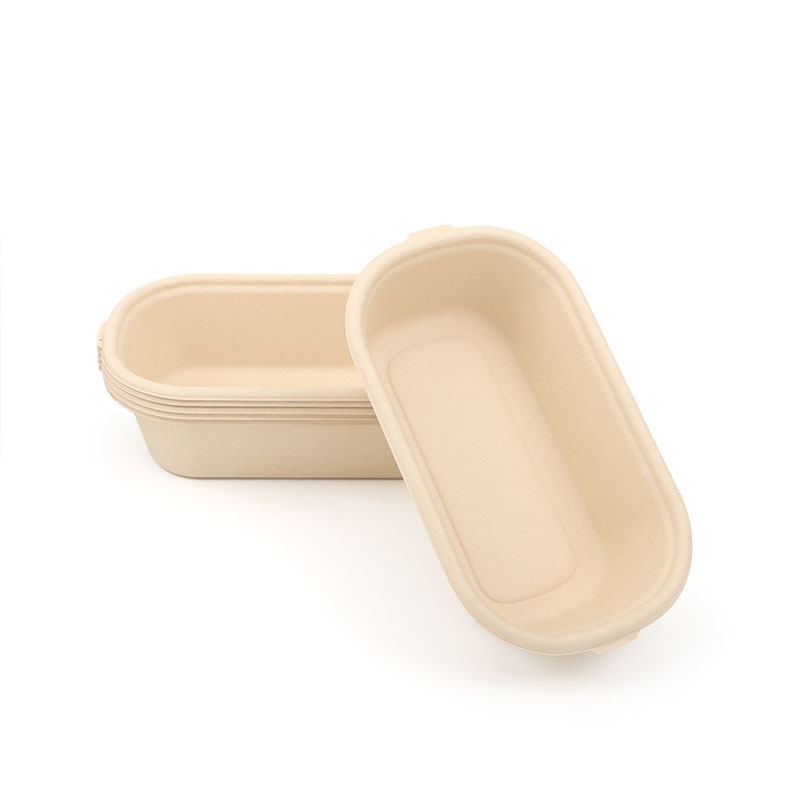 700ml
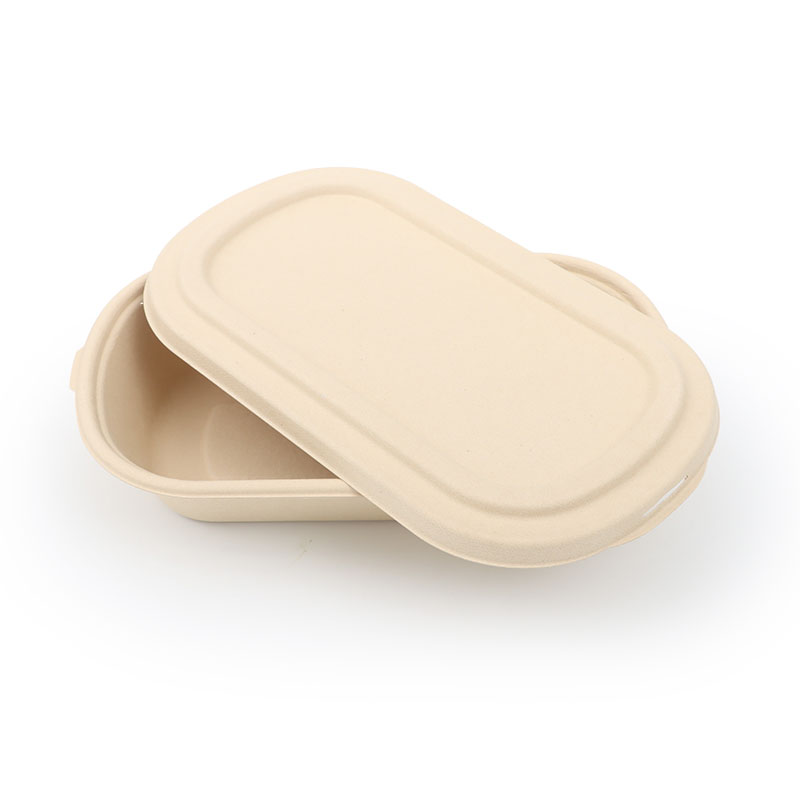 850ml
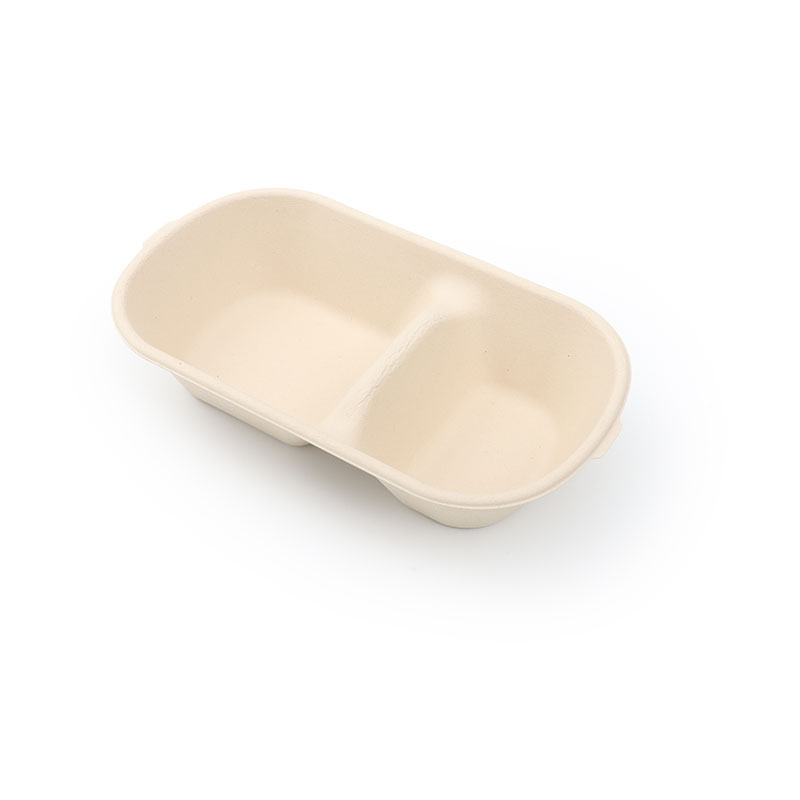 800ml 2 Compartments
 1000ml 2 Compartments
 1100ml
 1000ml Square Lunch Box
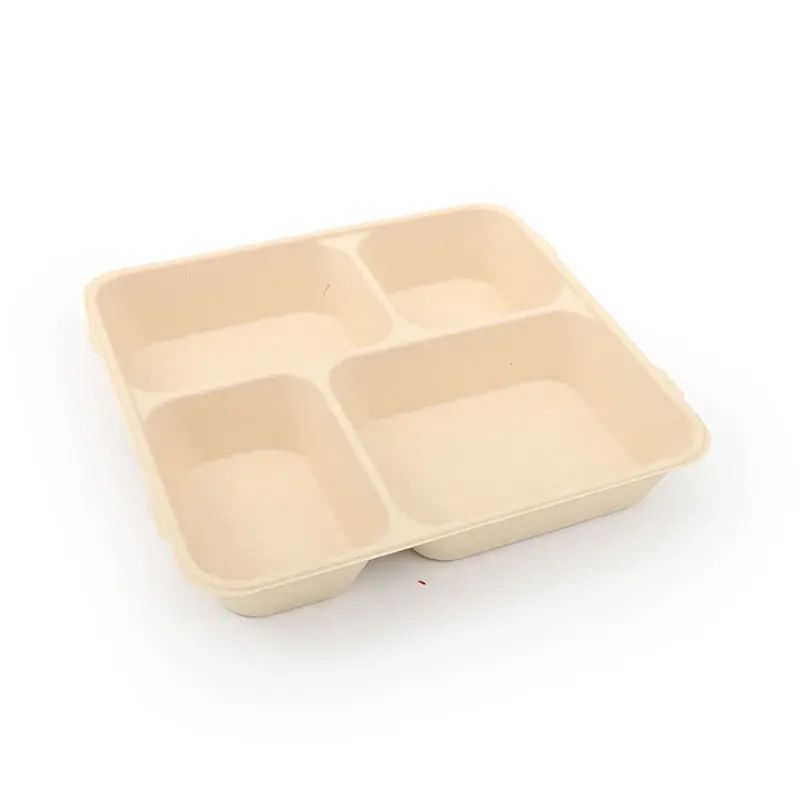 1340ml 4 Compartments
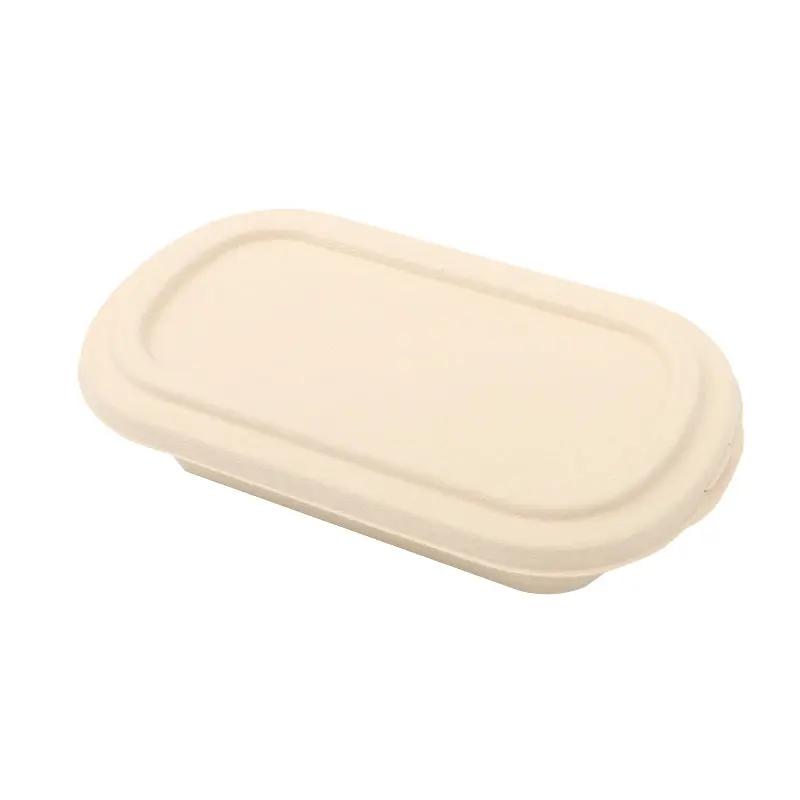 Lunch Box Lid
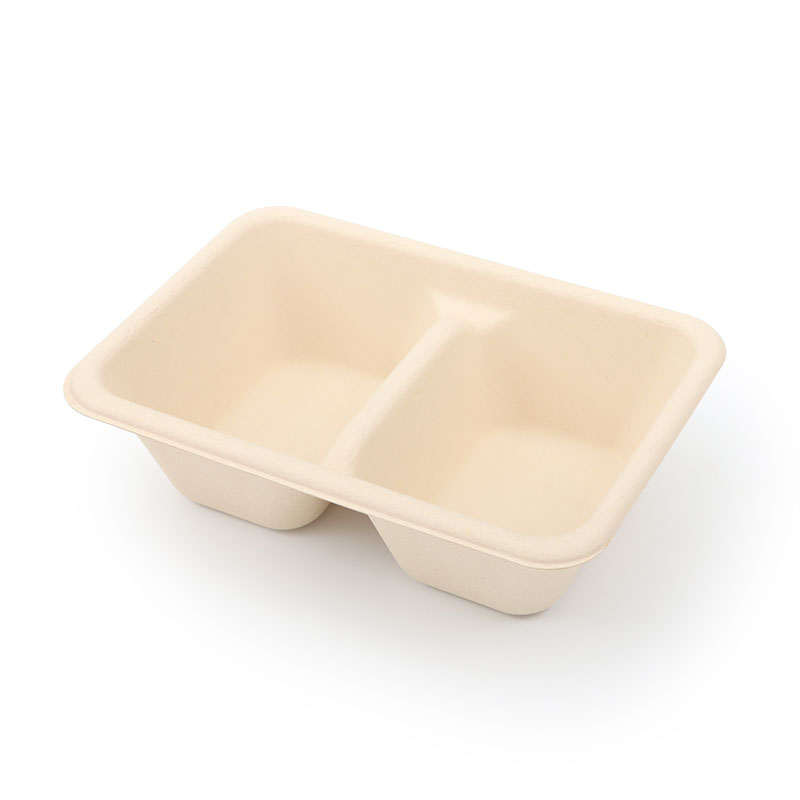 650ml
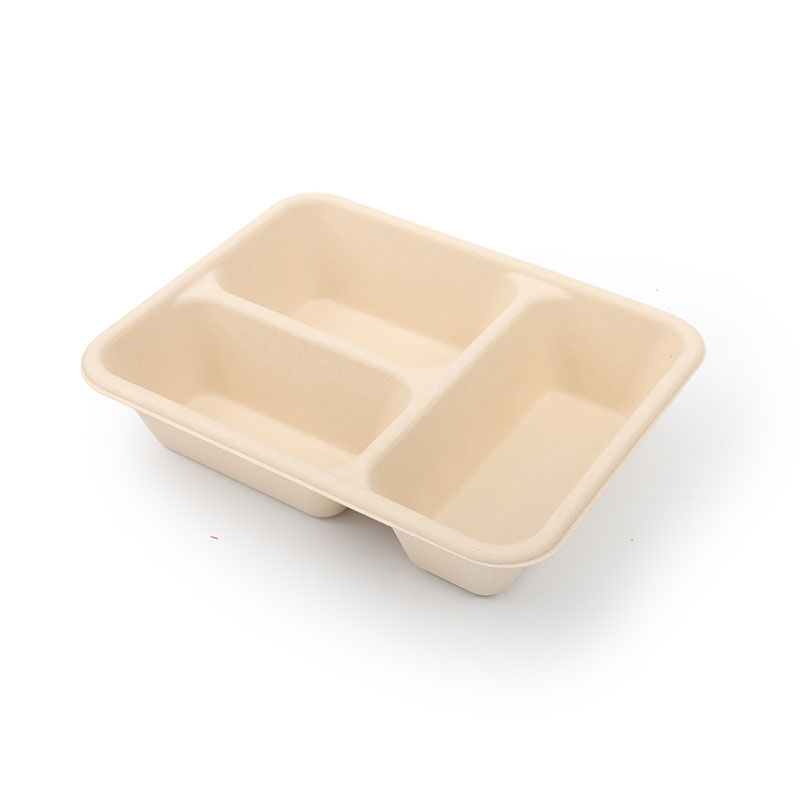 1000ml 3 Compartments
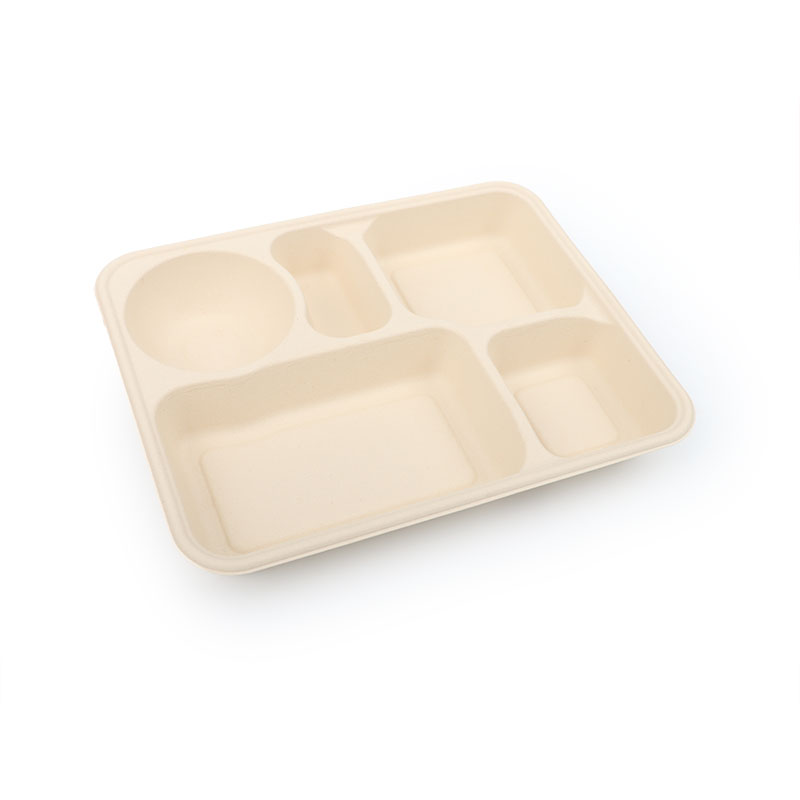 1250ml 5 Compartments
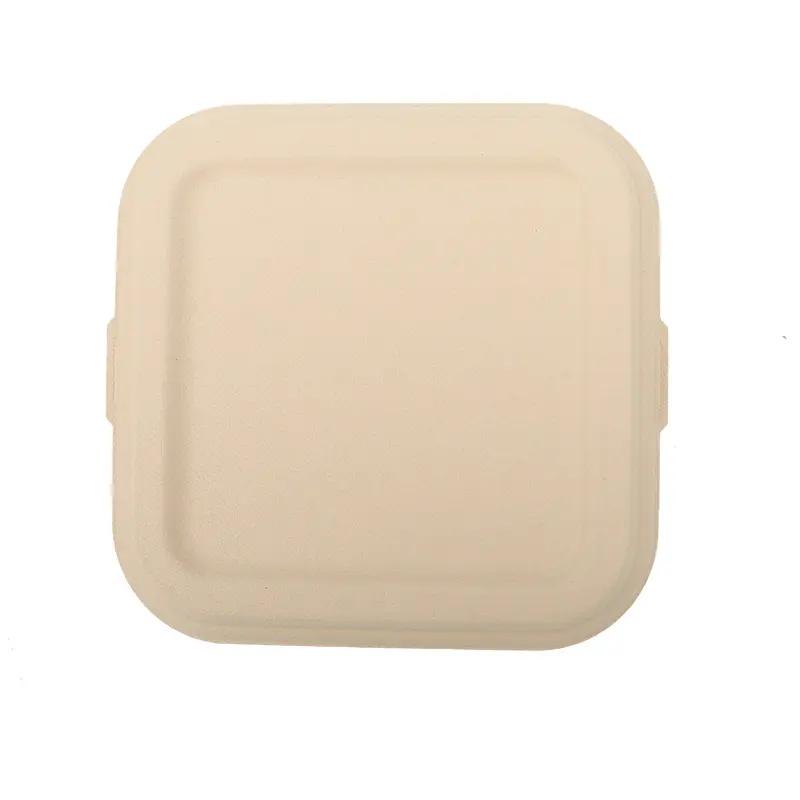 Square Lunch Box Lid
 Box Without T buckle
 850ml Salad Box
 700ml
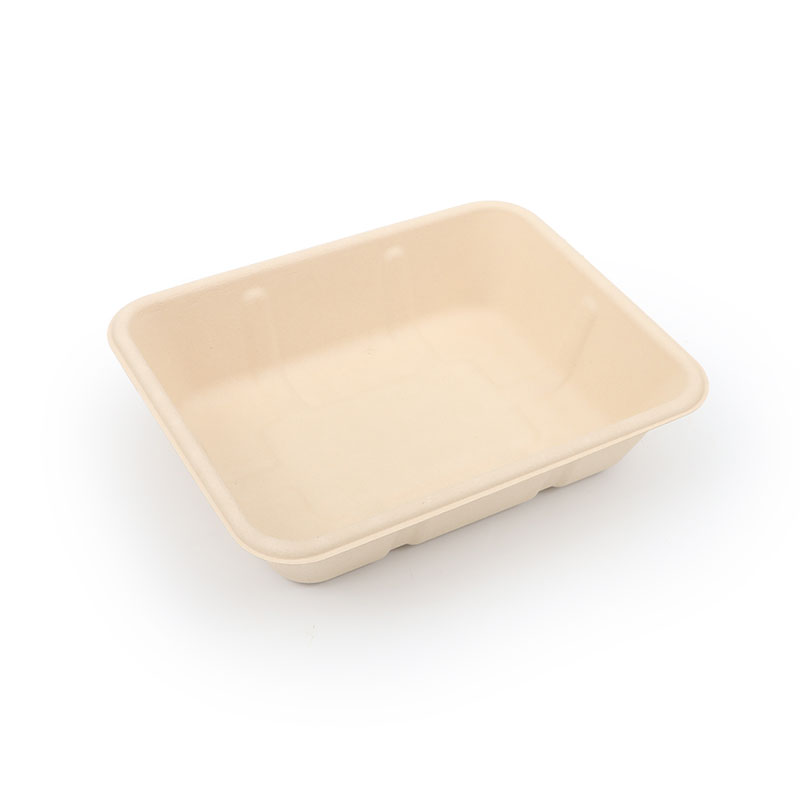 1350ml
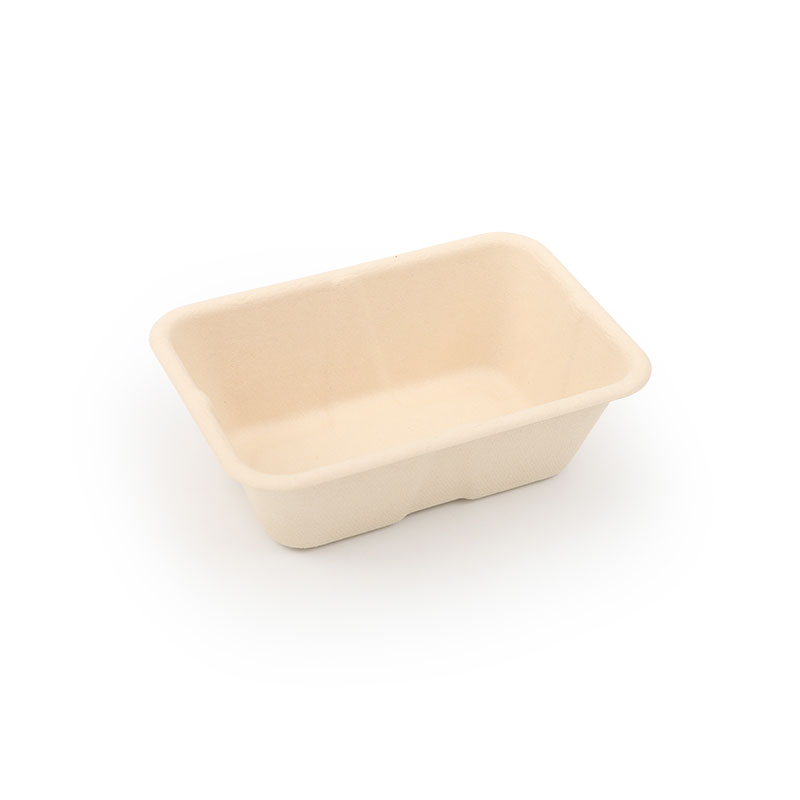 470ml
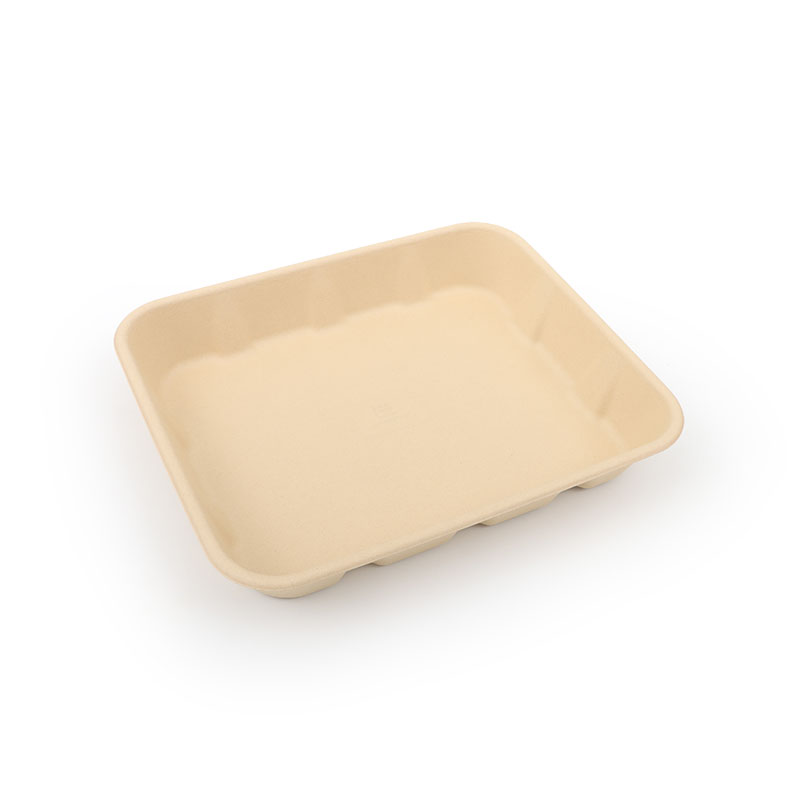 2183ml Tray Box
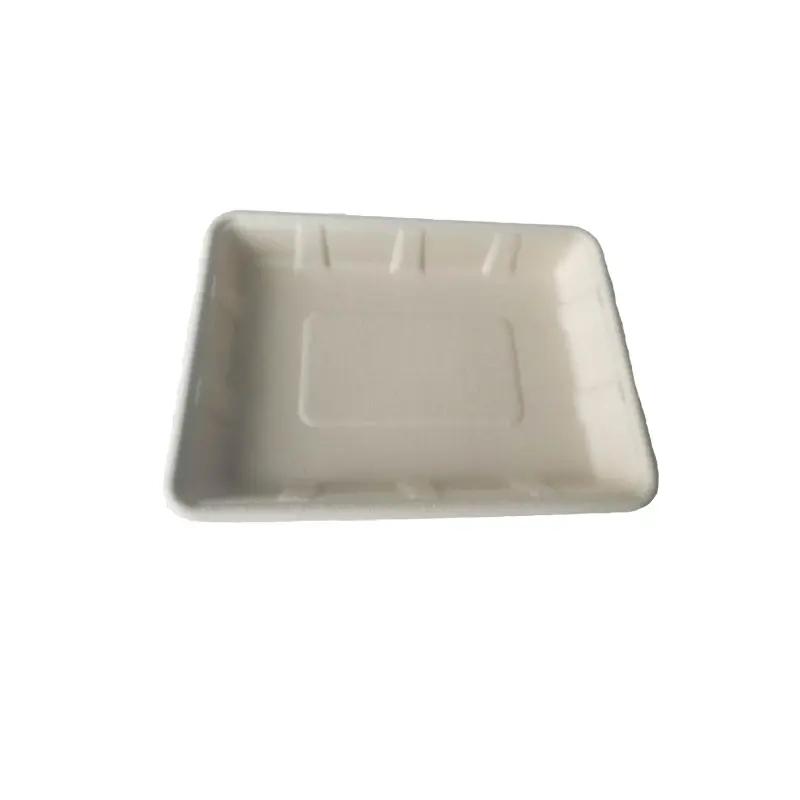 11" * 9"
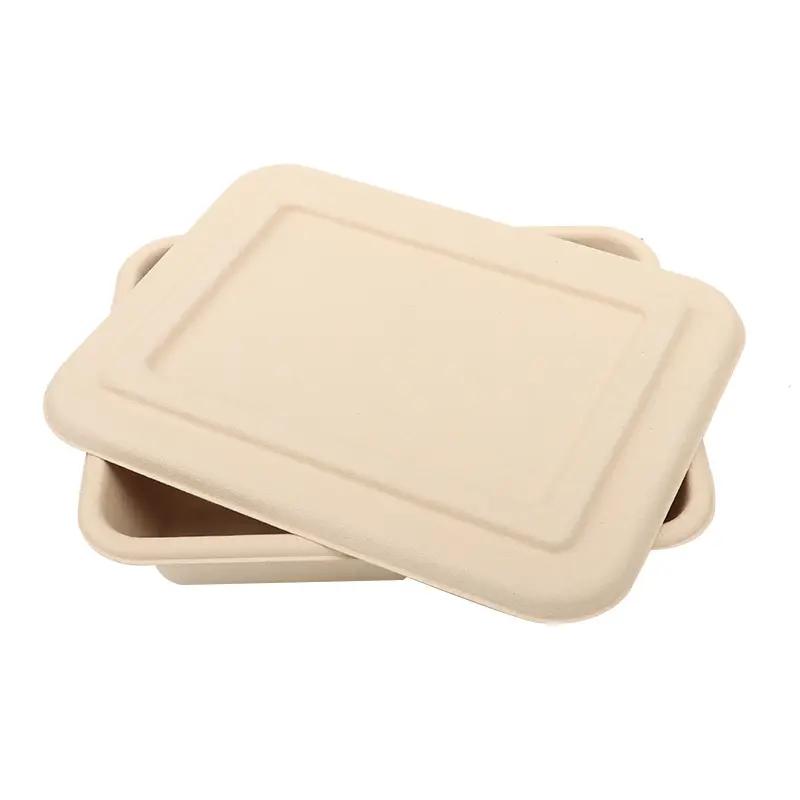 800ml
 One Part Box
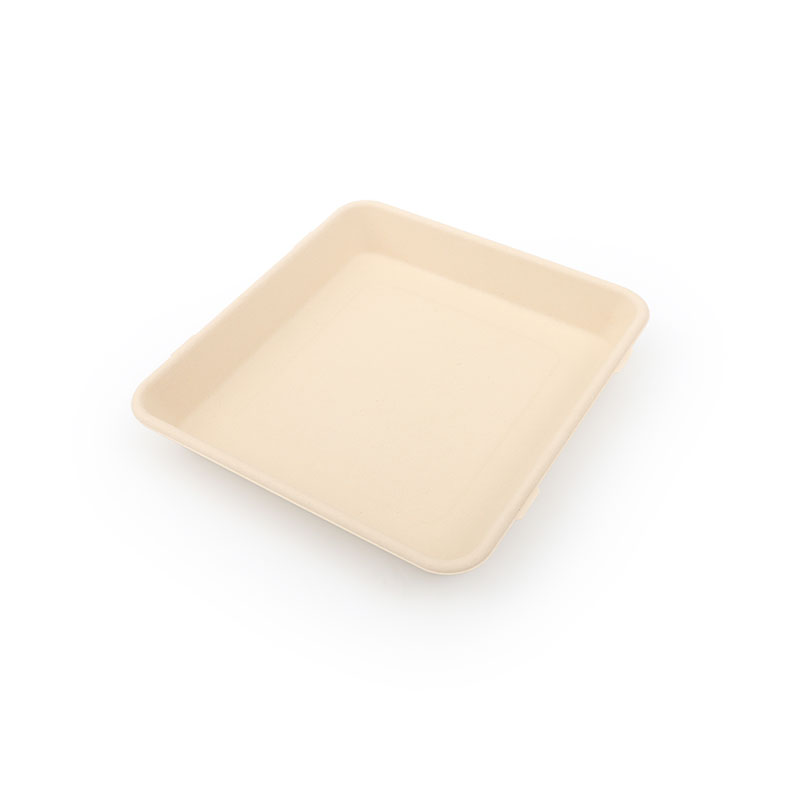 1443ml Tray Box
 Cake Bread Snack Tray Series
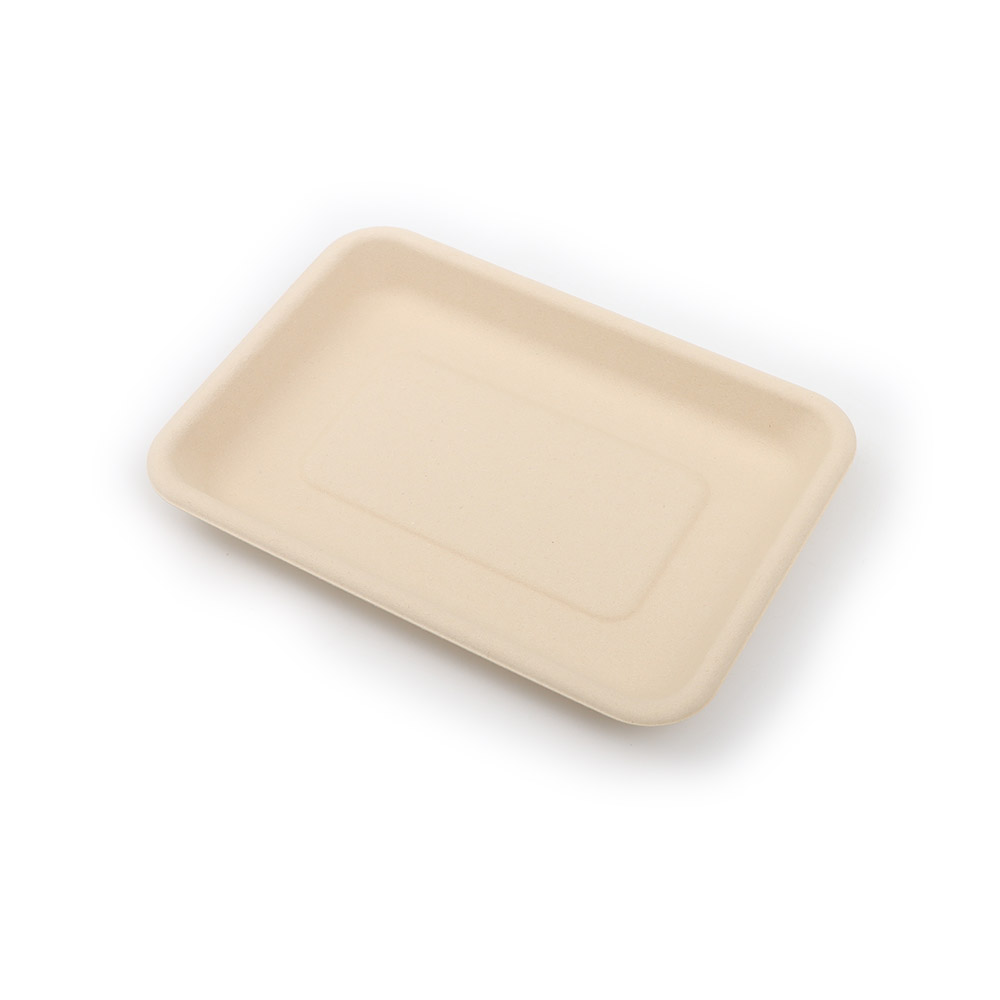 5" * 7" natural color
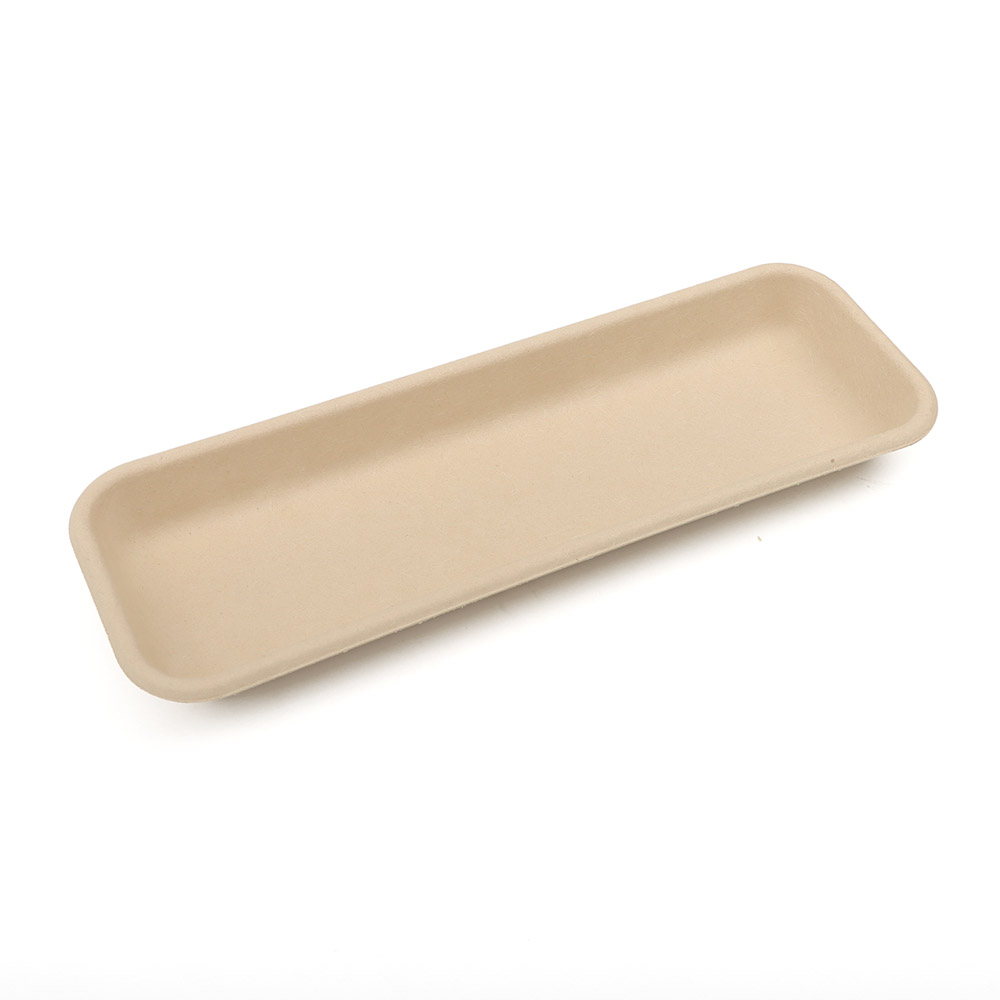 11.4" * 3.9"
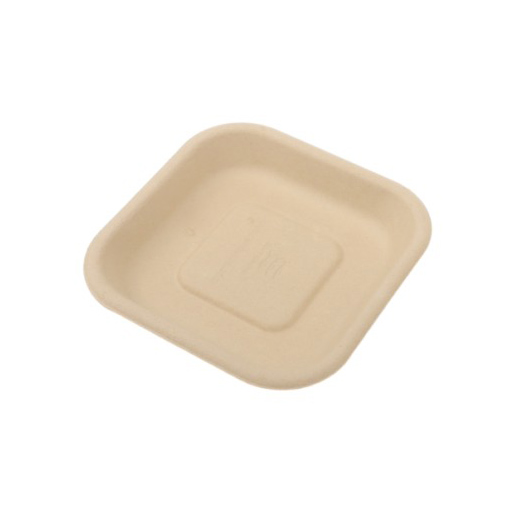 5.3" * 5.3"
 Fruit And Vegetable Tray Series
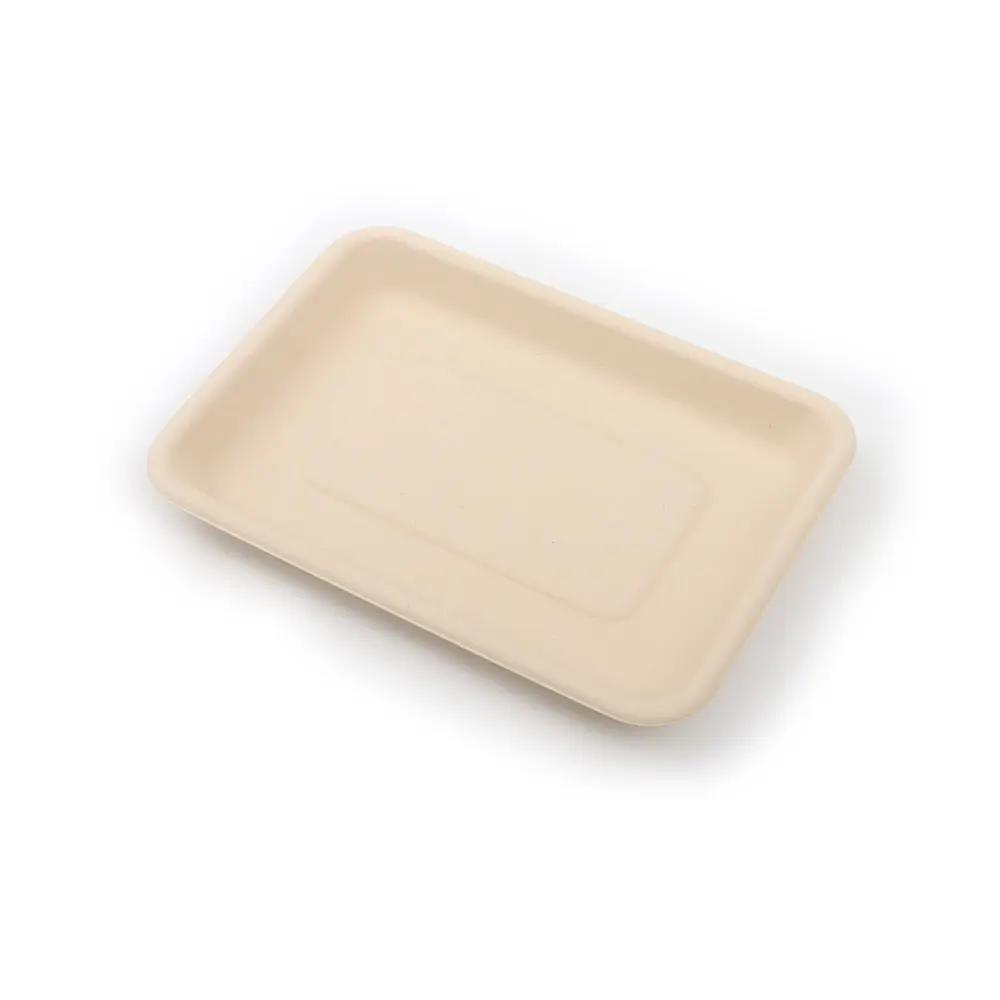 8.6" * 5.3"
 Sushi Tray Series
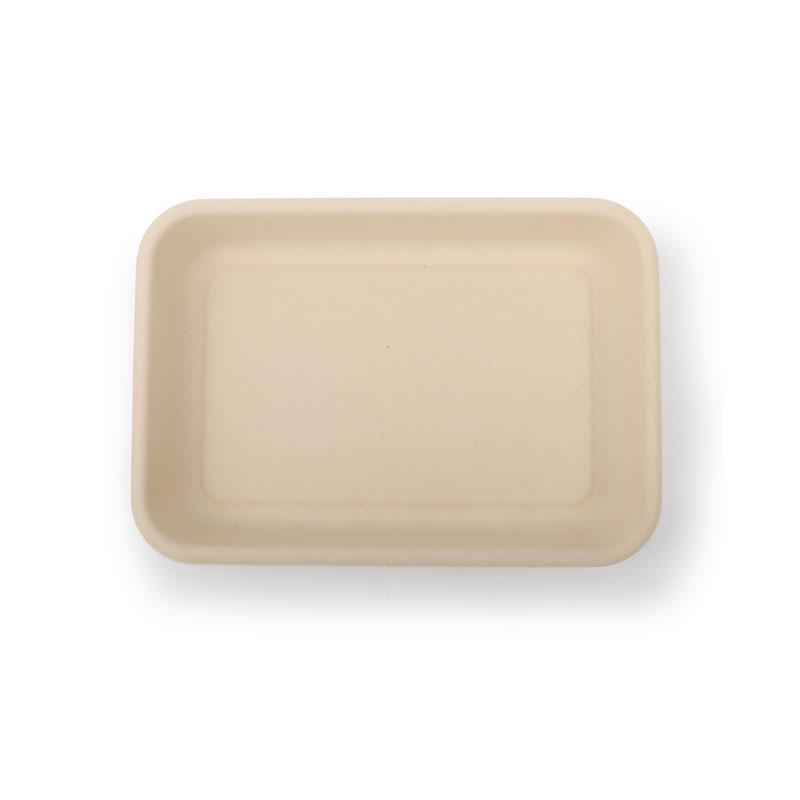 200" * 140"
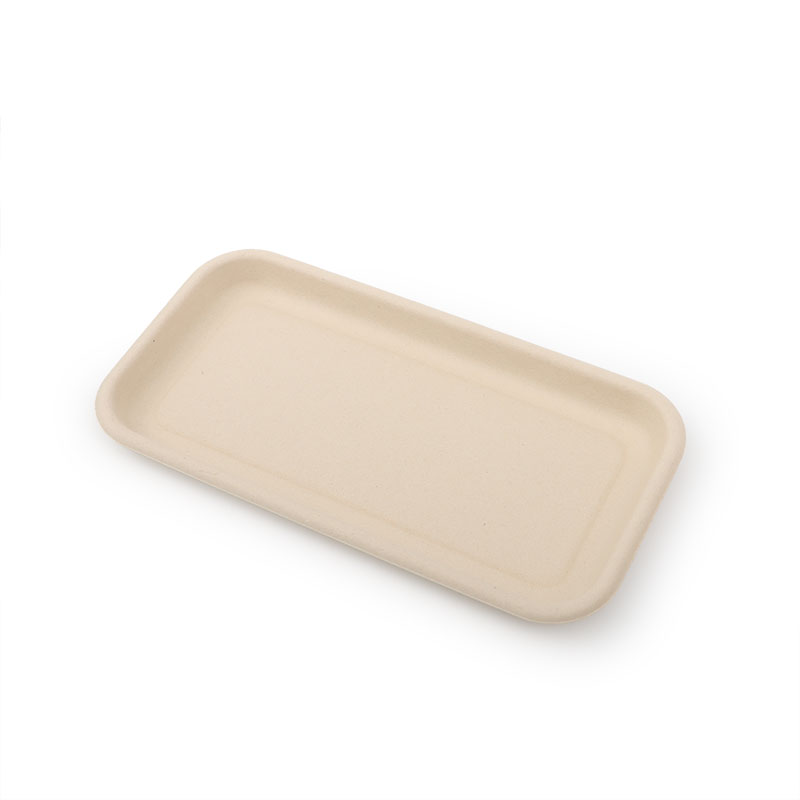 210" * 110"
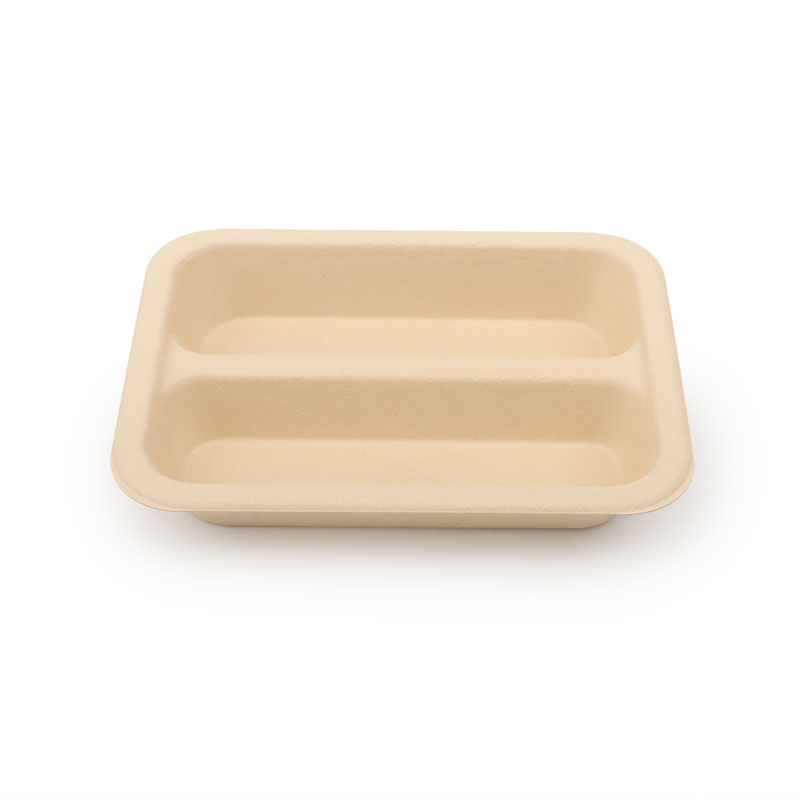 2 Compartments
 Small Round Plate Series
 7 inch
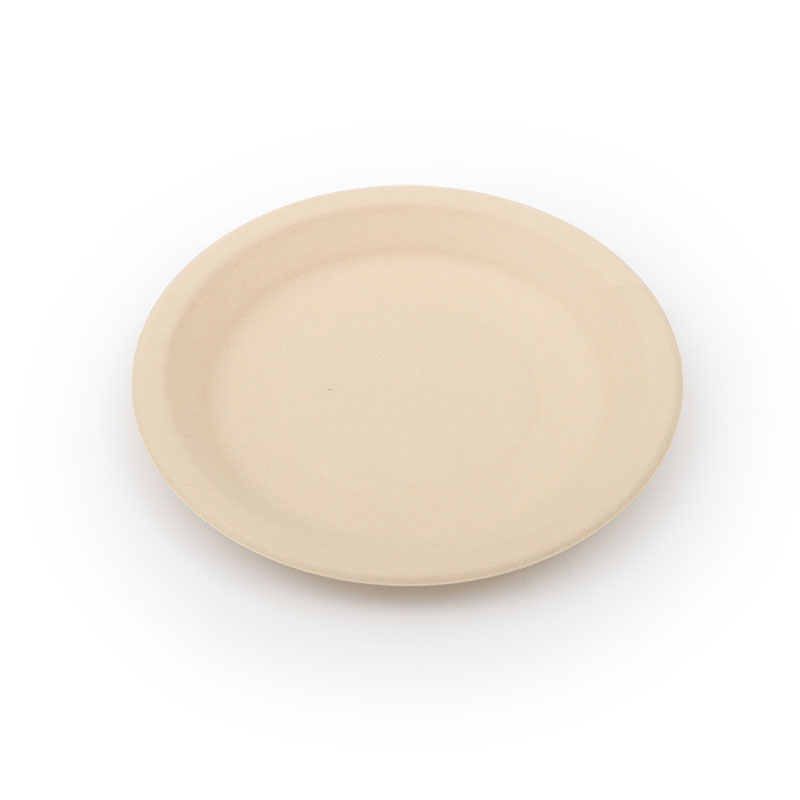 6 inch
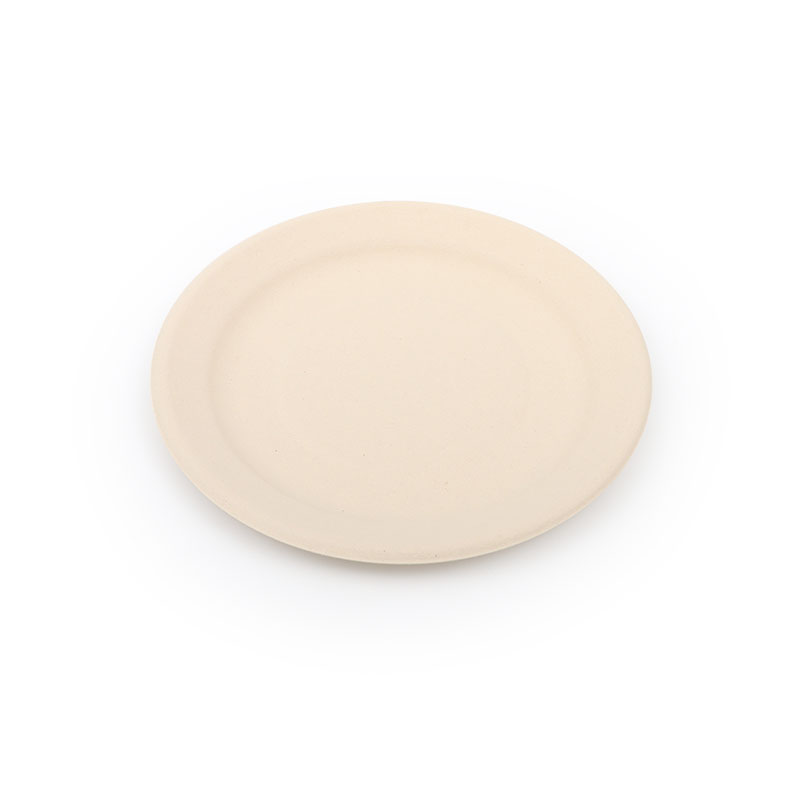 8 inch
 Middle Round Plate Series
 9 Inch 3 Compartments
 9 inch
 Big Round Plate Series
 12.7 Inch Pizza Plate
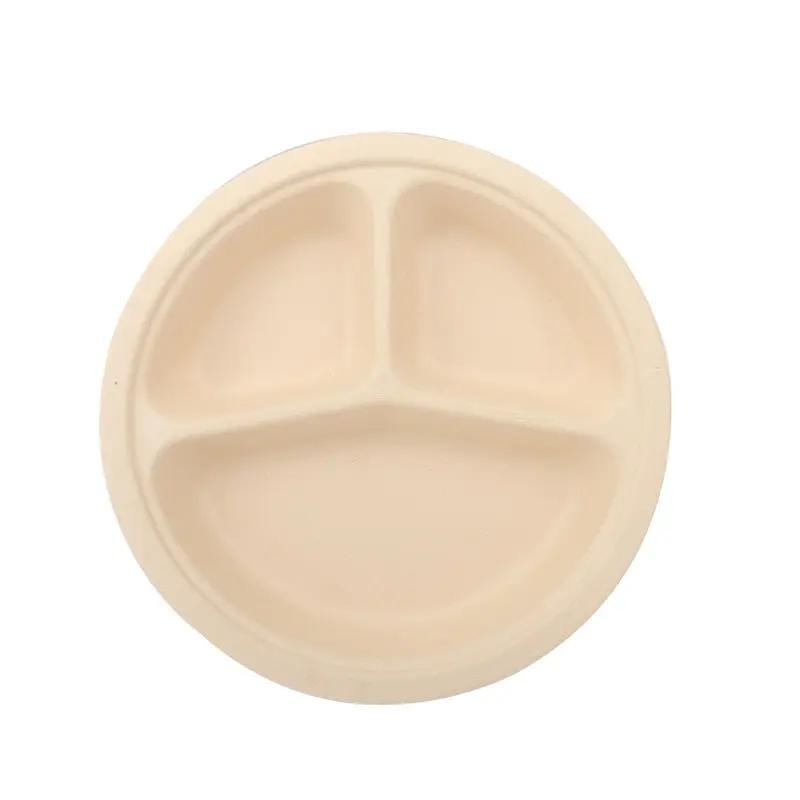 10.25 inch 3 Compartments
 10 inch
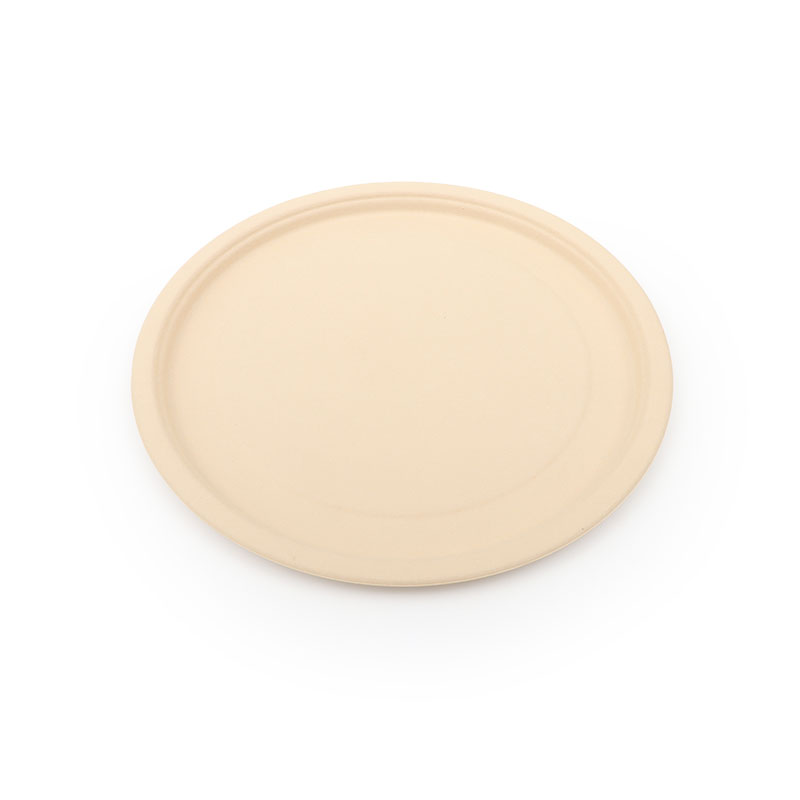 12 inch
 Bigger Bowl
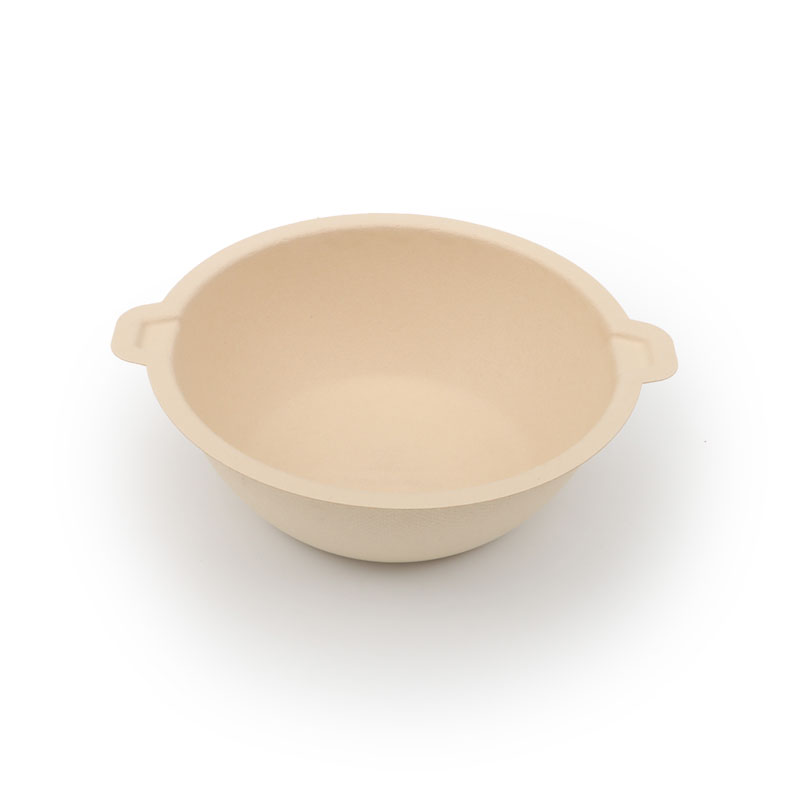 48oz(1420ml)
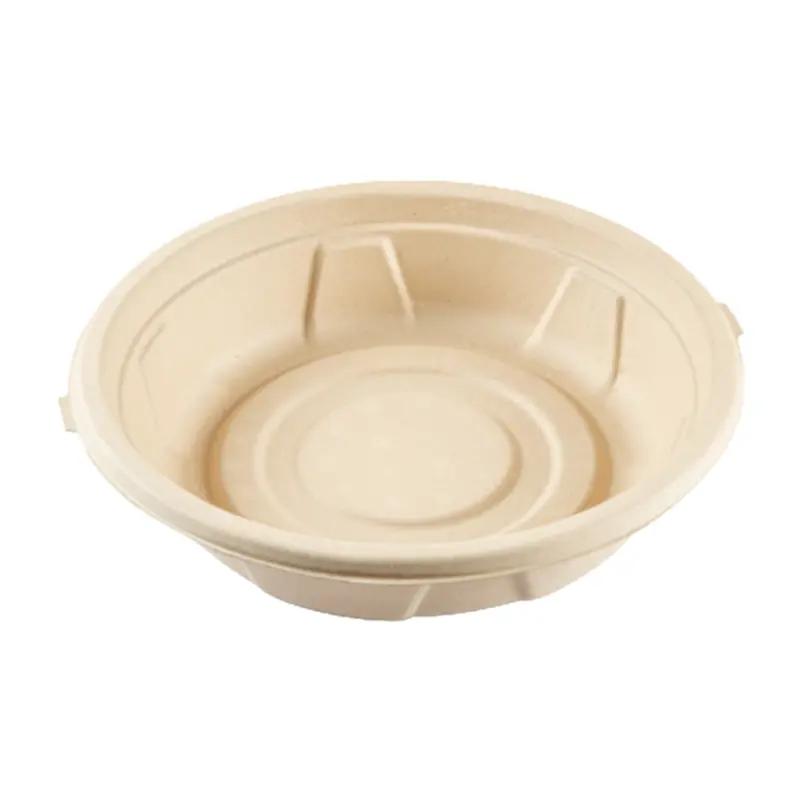 56oz(1650ml)
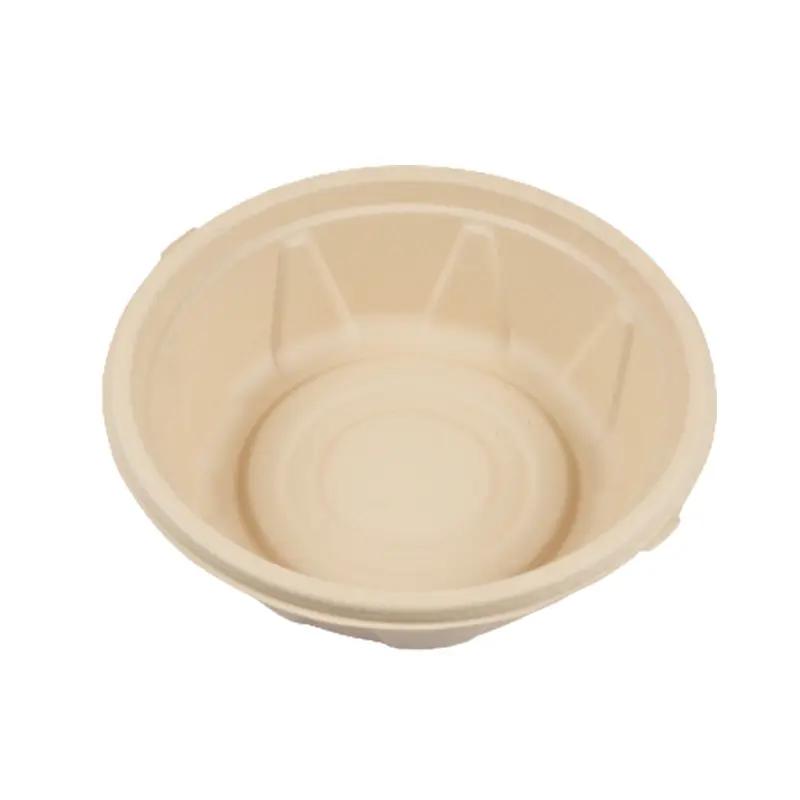 100oz(2950ml)
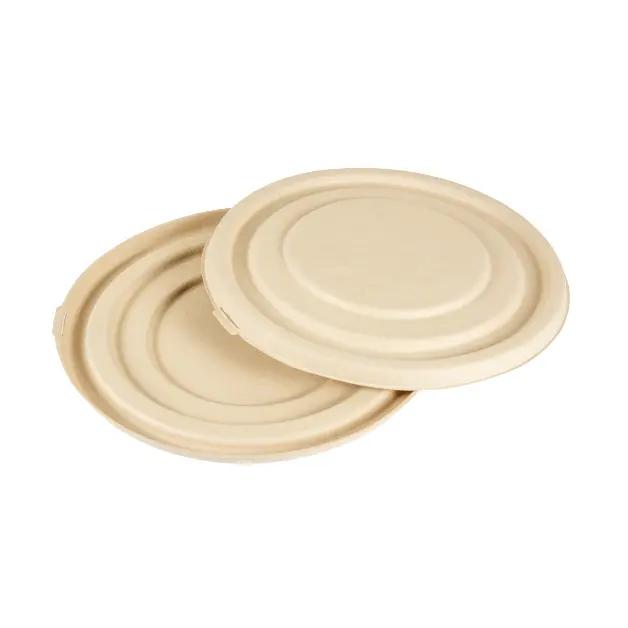 100oz(2950ml) With Lid
 Middle Bowl
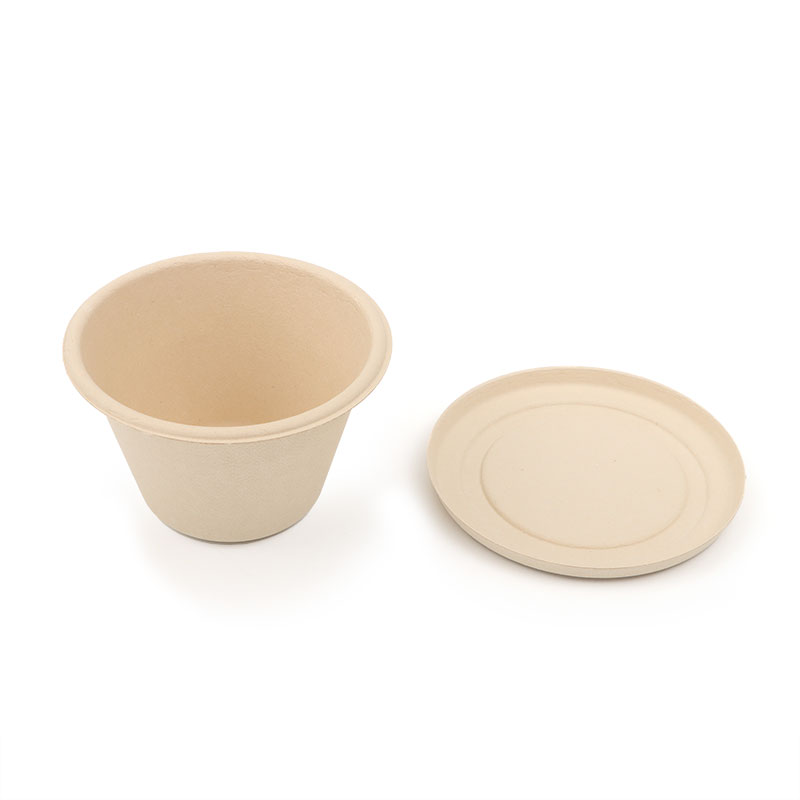 17oz(500ml)
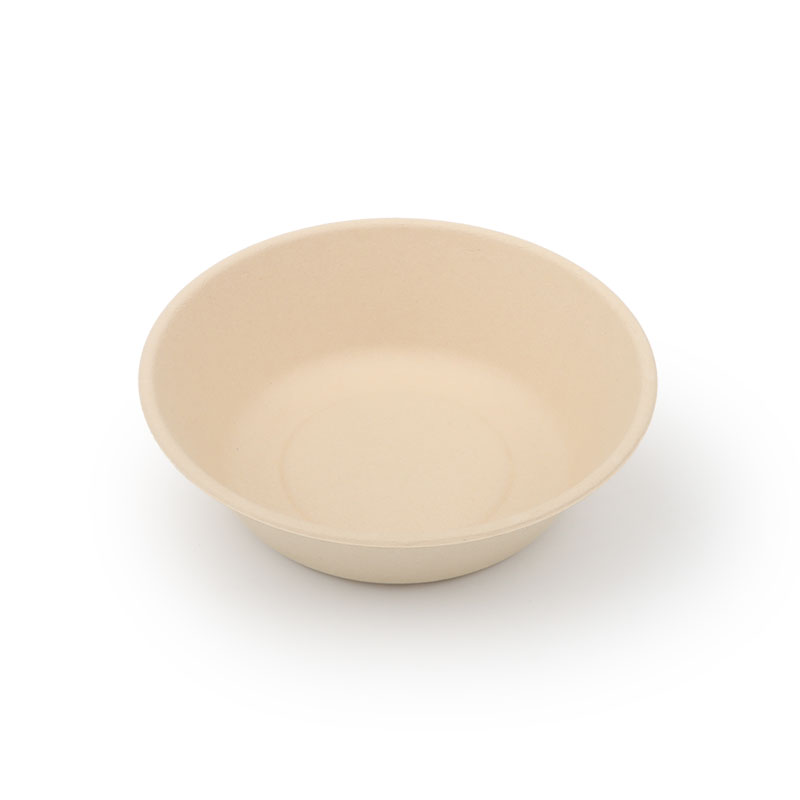 27oz(800ml)
 20oz(600ml)
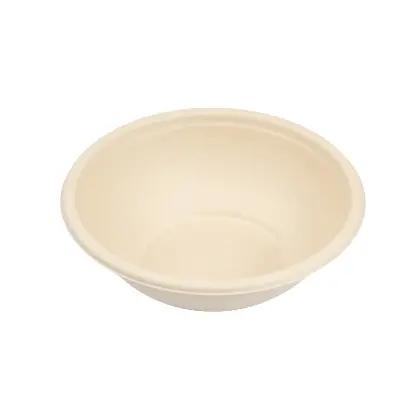 29oz(850ml)
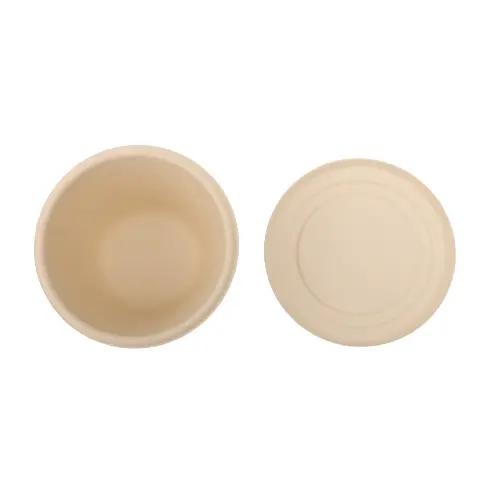 17oz(500ml) With Lid
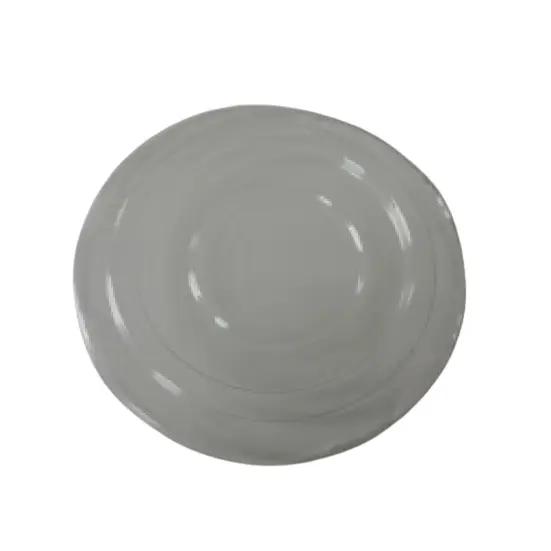 17oz(500ml) PET Lid
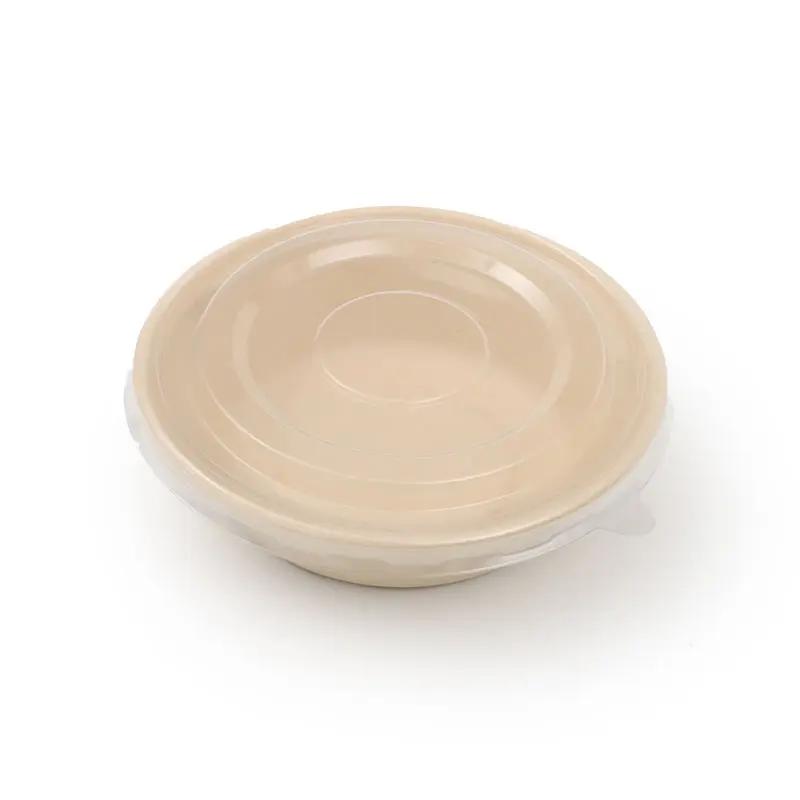 28oz(830ml) PET Lid
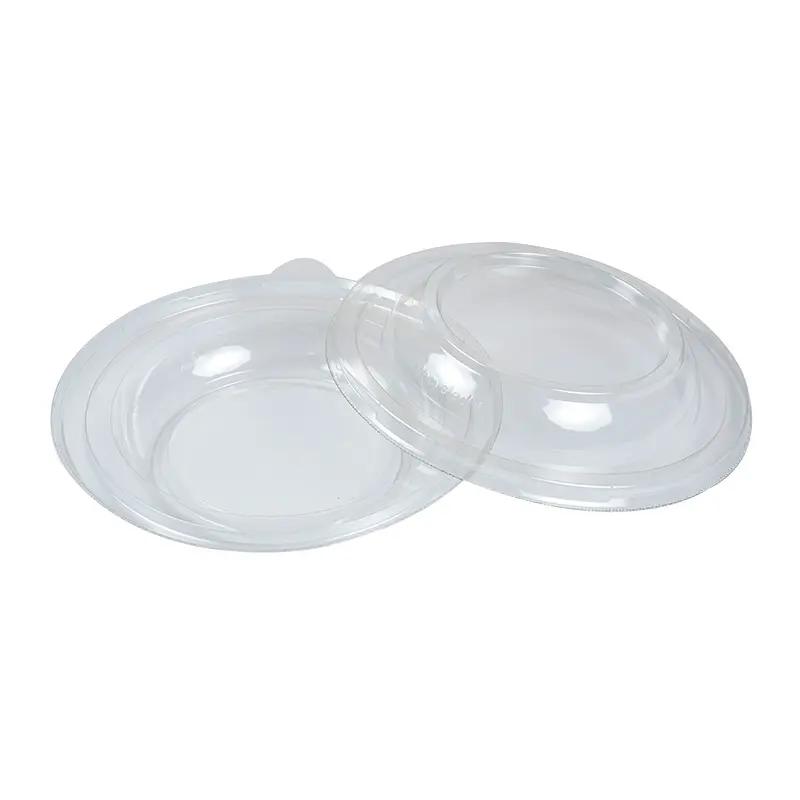 Round Bowl PET
 Small Bowl
 Snack Bowl
 11.5oz(340ml) Bowl
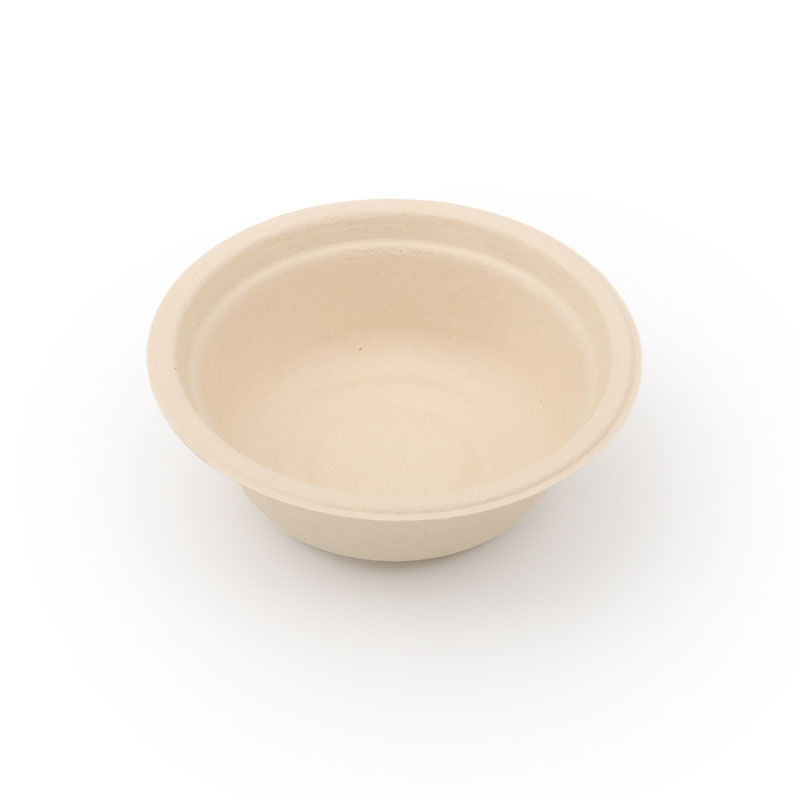 6.7oz(200ml) Bowl
 12oz(350ml) Bowl
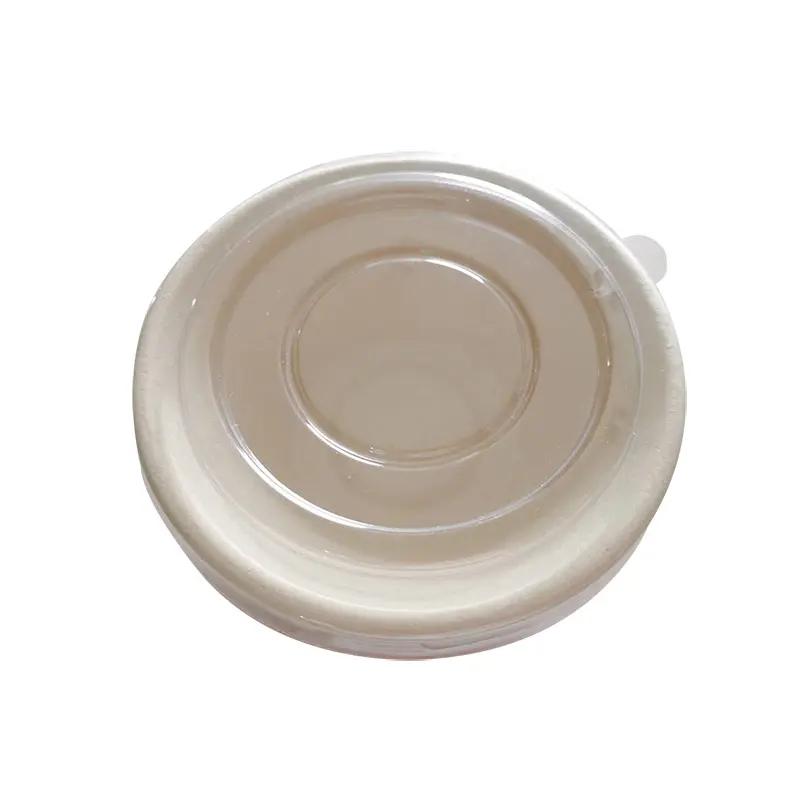 12oz(350ml) Bowl PET
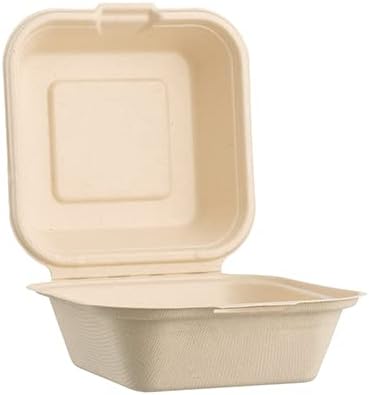
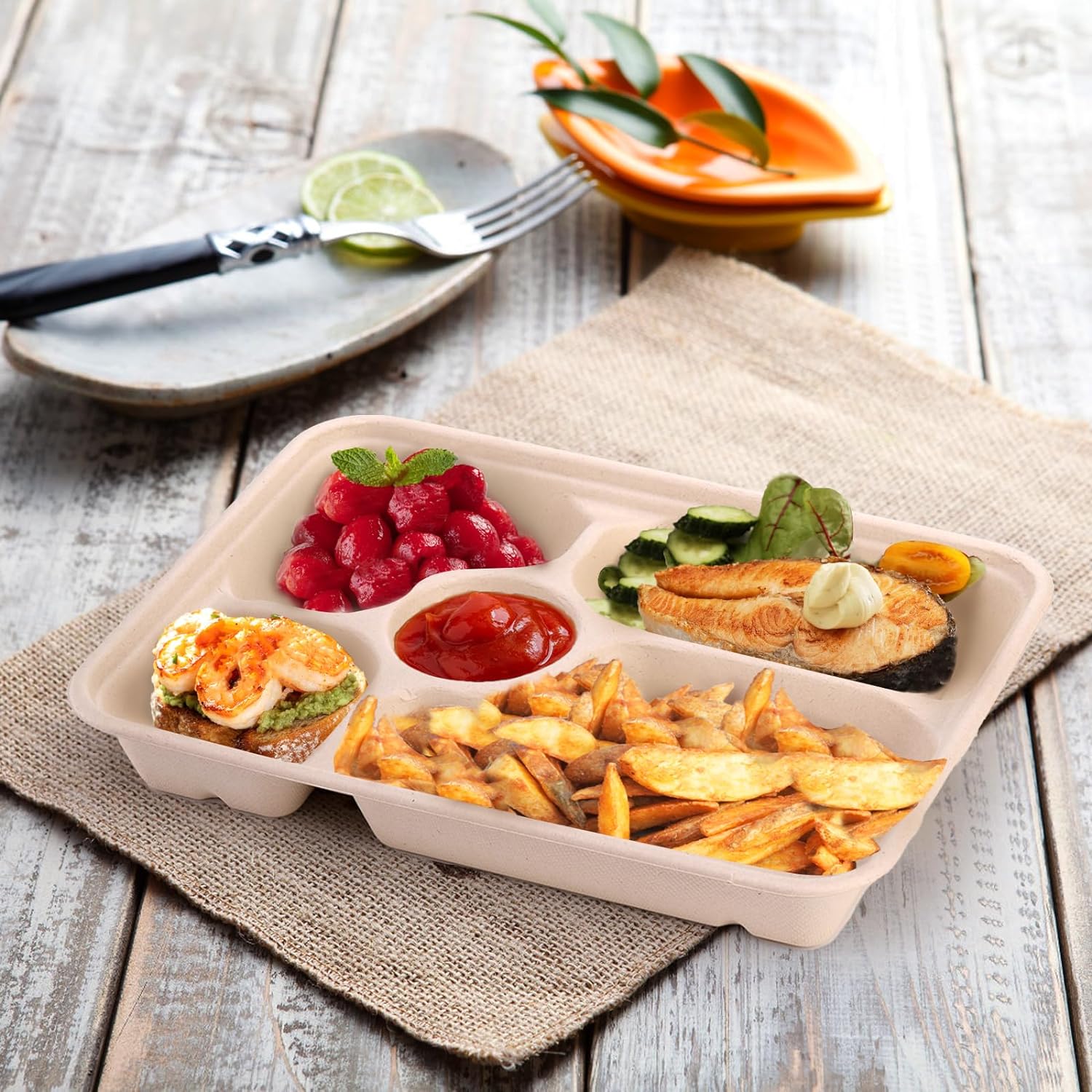 Bagasse Lunch Boxes
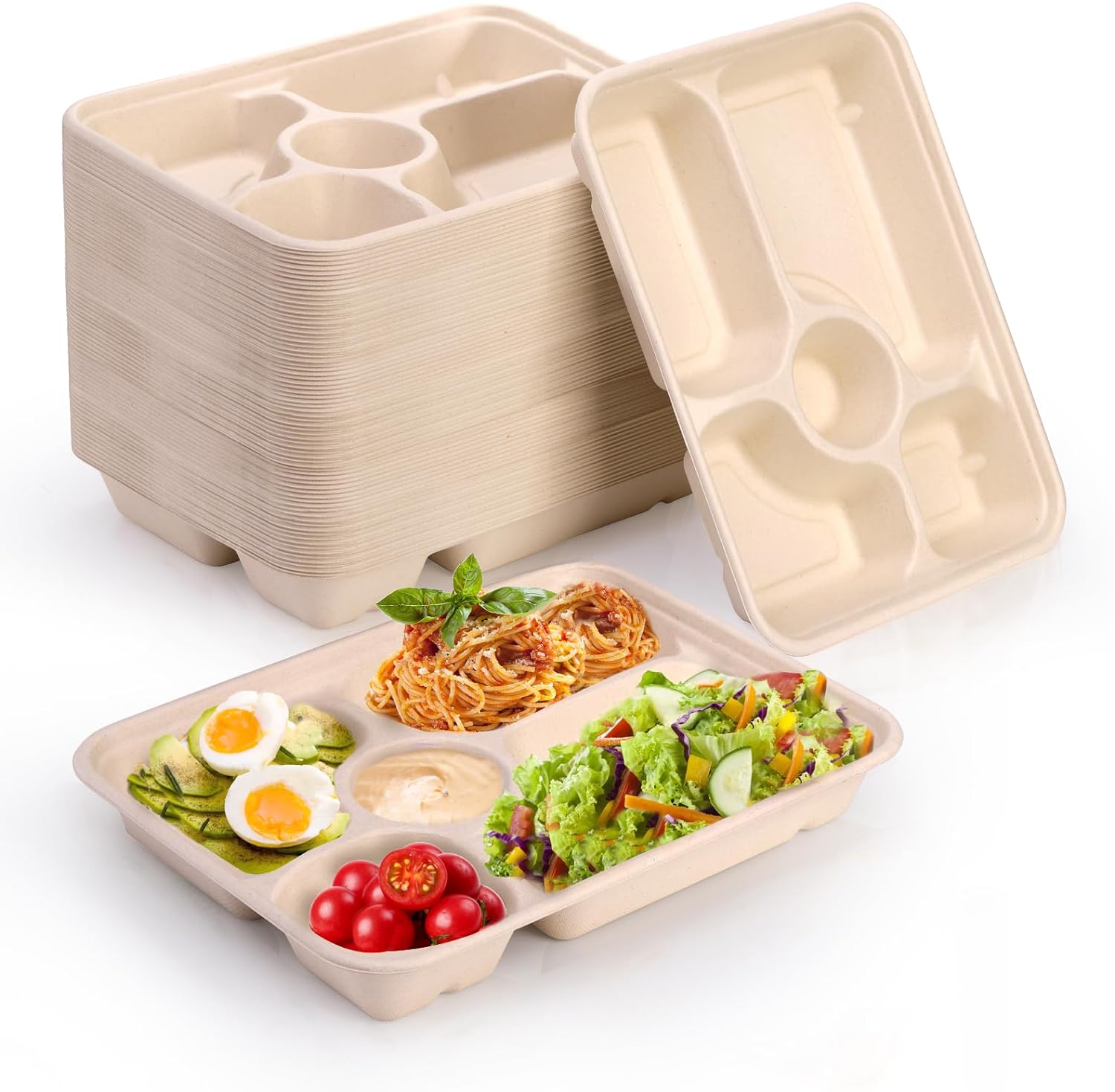 5CP
 6 inch
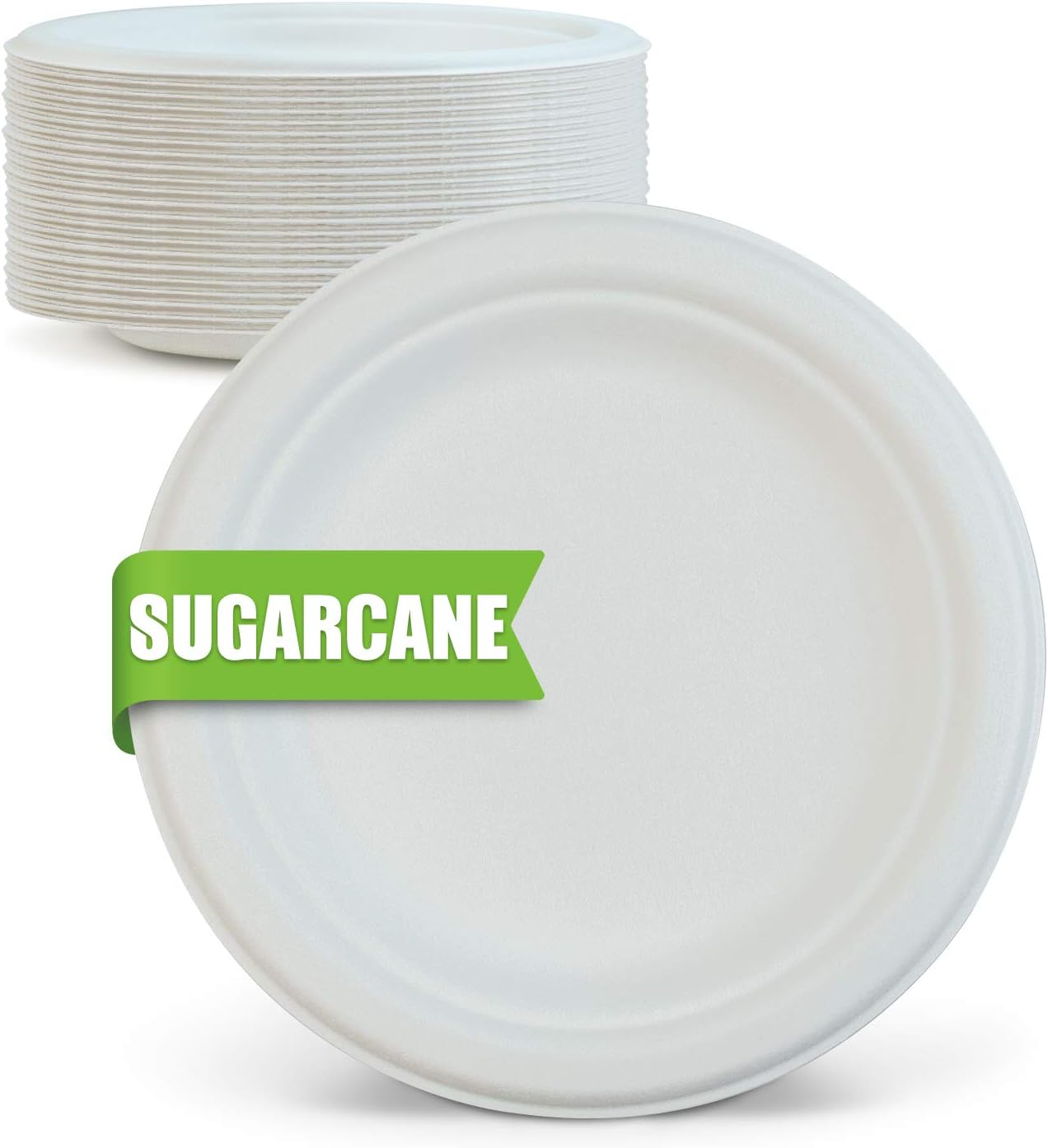
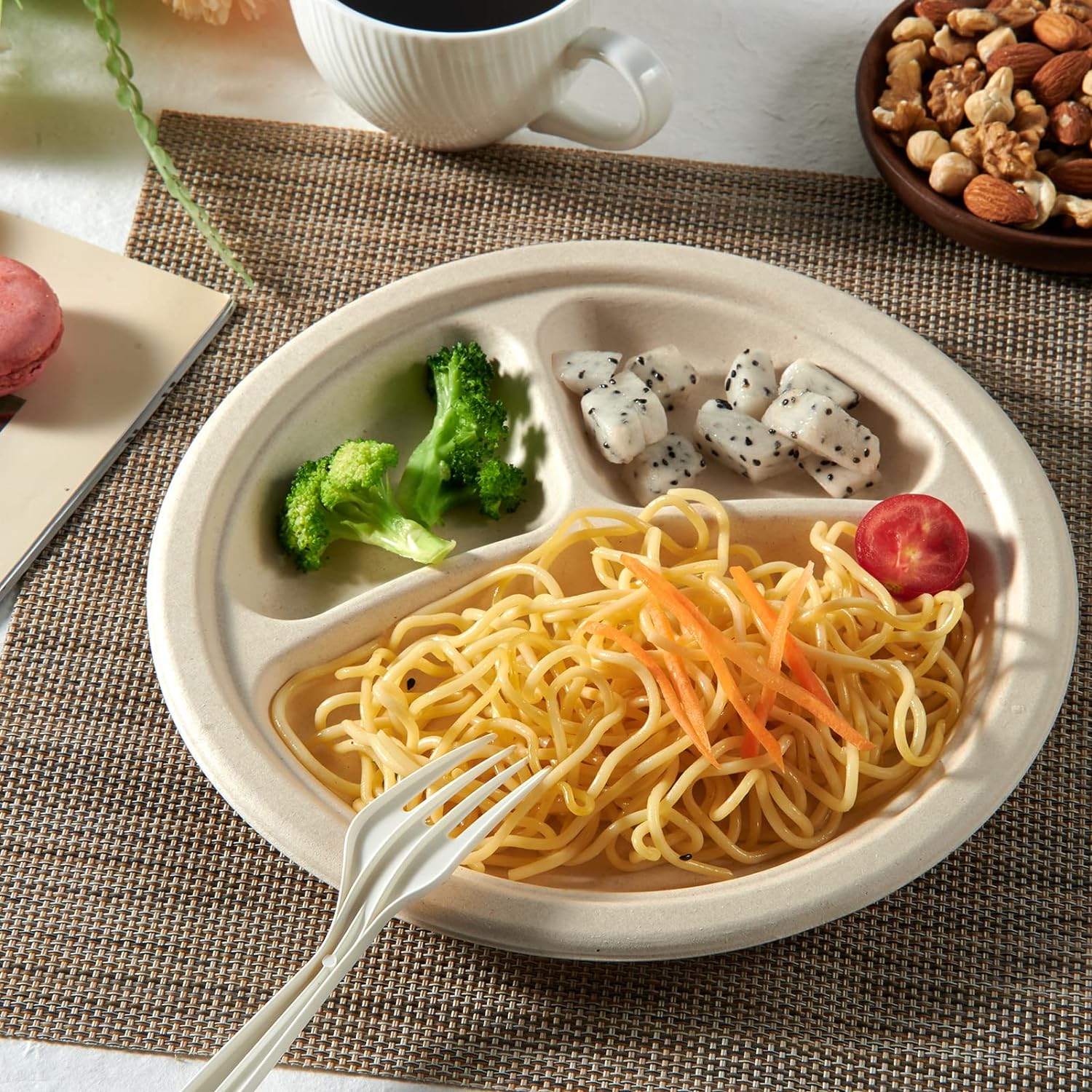 Bagasse Food Plates
 7 inch
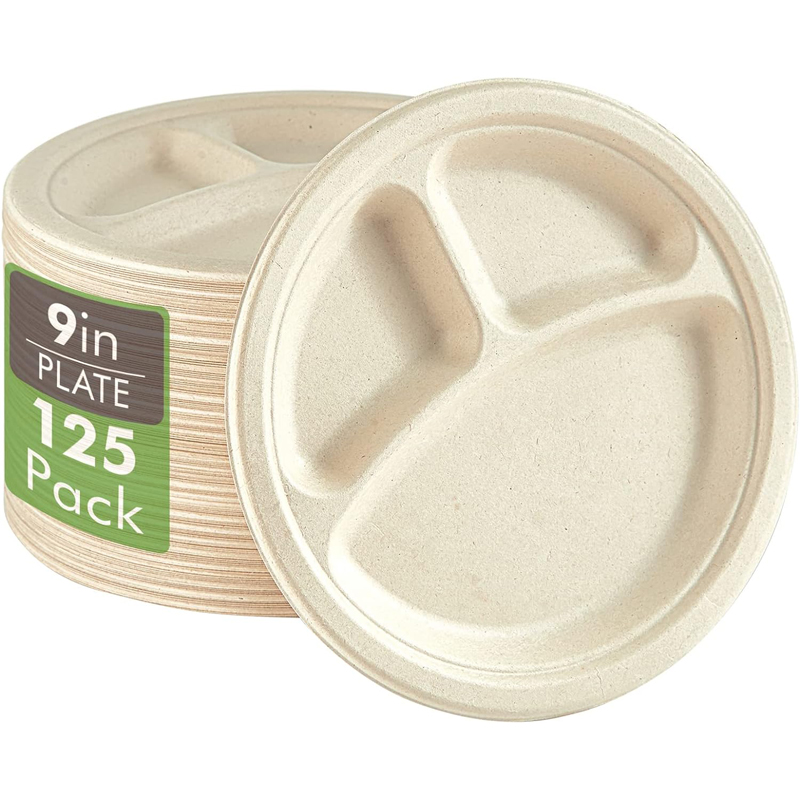 3CP
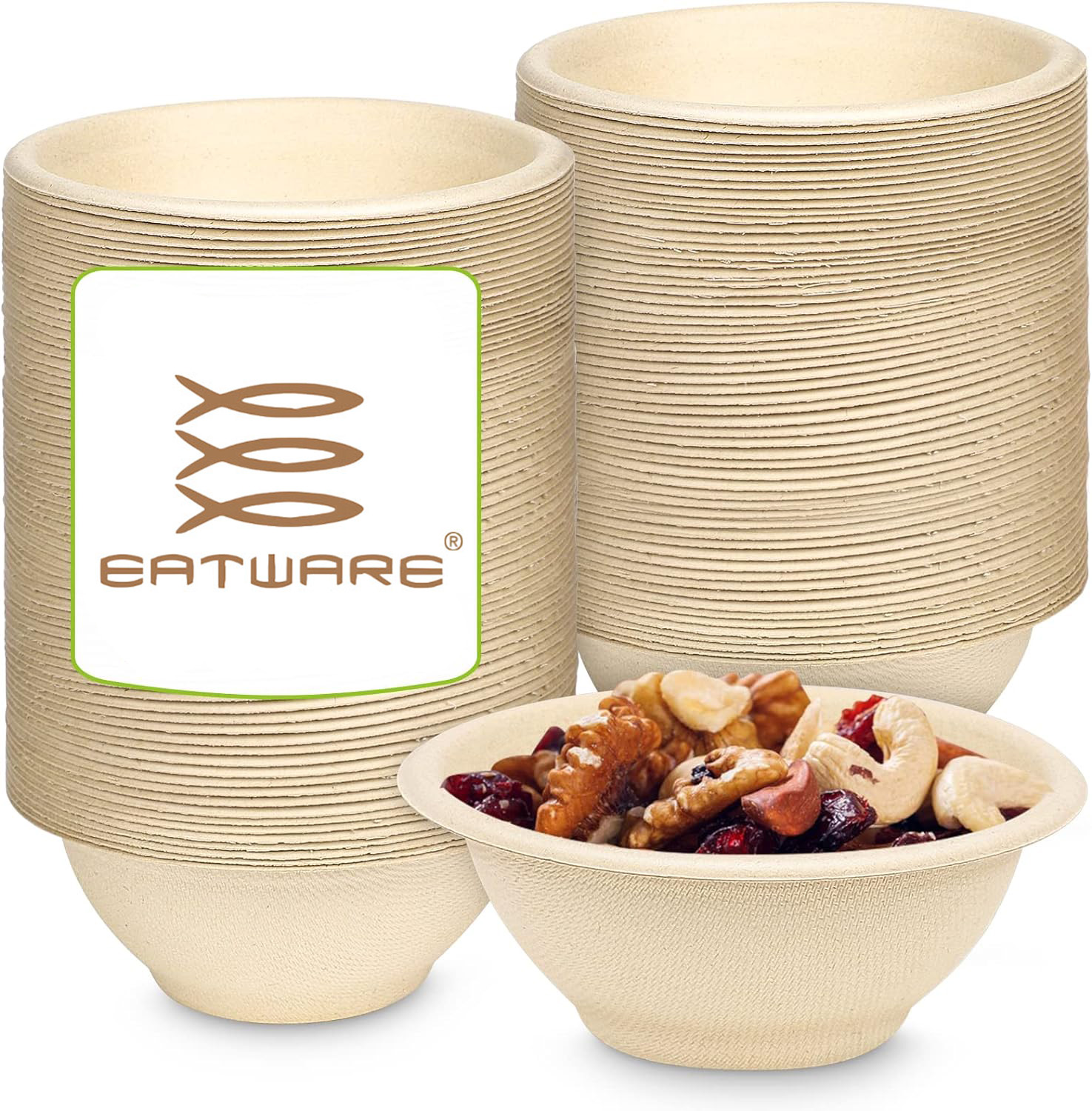 Bagasse Bowls
 4oz
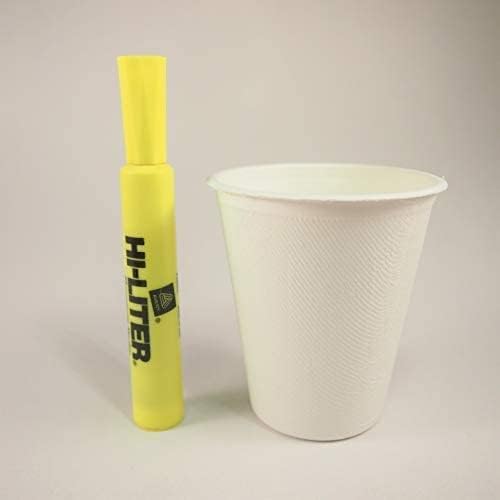 Bagasse Cups And Cutlery
 8oz
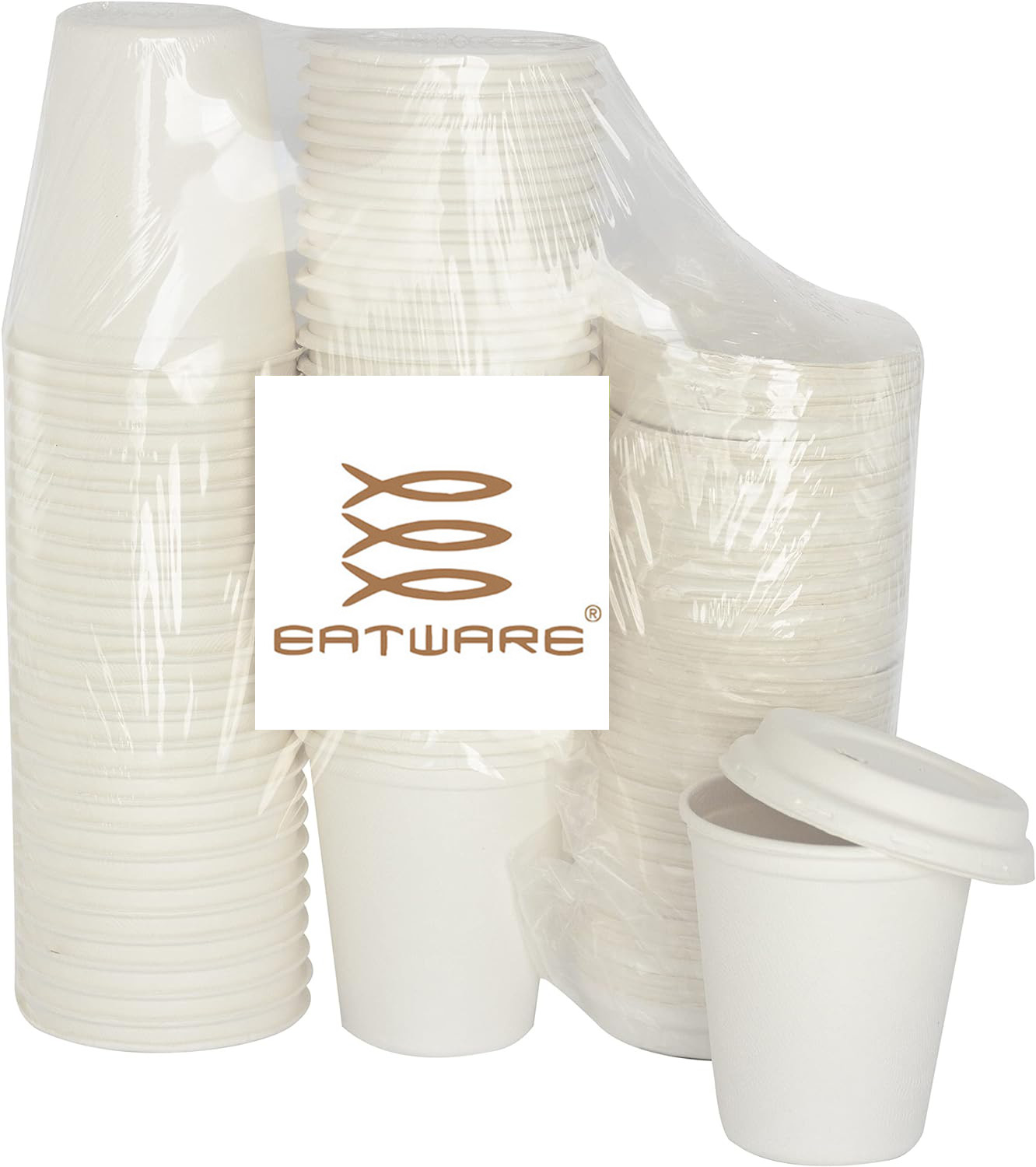 12oz
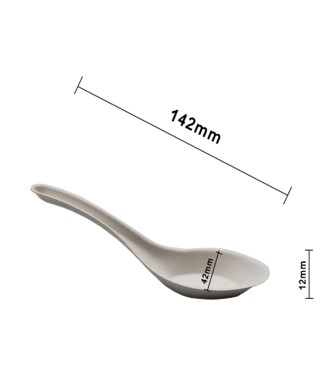 Cutlery
Leave Your Message
When you're trying to find a reliable Laminated Beef Tray supplier, it’s not just about comparing prices per unit. Honestly, there’s a lot more to consider. You should look into the tray’s size, how the laminate is structured, how well it seals, and whether it works smoothly with your filling and packing lines. Don’t hesitate to ask for up-to-date technical details and some sample trays — seeing is believing, right? Keep in mind, a tray that seems tough on your desk might behave quite differently under real conditions—like during freezing, storage, or shipping.
This guide takes a look at seven different suppliers around the globe, weighing things like the variety of products they offer, customization options, production capacity, paperwork, and how they communicate. Packaging pro Jordan Lee shares a good piece of advice: “A tray really earns your trust when it performs well—not just in the showroom but all the way through production and delivery.” Just a heads up, that’s an illustrative quote, not something from a published source, but it’s a handy question you should keep in mind: Can they explain how their design holds up in your actual working environment?
Pay attention to the details—things like sealing consistency, how nice the rims look, whether the trays stack easily, how long it takes to get samples, and whether they make it clear how they handle requests for changes. Always ask for proof of their claims and double-check what options are available for your specific market. It’s important to compare apples to apples across all quotes; otherwise, a lower price might be hiding some significant differences. Sometimes it’s only when you test samples that you’ll truly see what you’re getting. That’s something to keep in mind, not ignore. The right partner will be straightforward with answers and reliable when it comes to follow-up questions. These tips should give you a solid starting point to narrow down your choices thoughtfully.

Laminated Beef Trays combine a shaped paperboard base with thin functional coatings. The board gives the tray stiffness, while the inner polymer layer helps resist meat juices and fat. Some constructions add an outer coating for moisture protection or easier handling. The layers are bonded during converting, then formed into a tray with a defined rim and corners. The rim matters. It gives lidding film a surface to seal against.
No single structure suits every beef cut. A lean steak pack may need different barrier performance from minced beef with more purge. During practical checks, look for pinholes and coating cracks around the corners. Check for leaks after chilled storage, too. A tray can look sound and still fail. The laminate must match the sealing temperature and line speed used by the packer. Ask suppliers for layer specifications, seal-window data, and food-contact documentation for the destination market. More layers do not automatically mean better performance. That detail is easy to overlook.
Grand View Research’s molded pulp packaging market analysis estimated the global market at about US$5.2 billion in 2023 and projected a compound annual growth rate of 6.8% from 2024 to 2030. This growth reflects rising interest in fiber-based packaging designed to reduce reliance on conventional materials. For food service and takeaway applications, two-compartment molded pulp trays offer a practical format: separate sections help keep different foods apart, while a beige finish gives the tray a natural, understated appearance.
Made from bamboo pulp fiber, this tray measures 195 × 146 × 32 mm. Its waterproof and oil-resistant performance is specified for contact with water or oil at up to 95°C for 30 minutes without penetration. It is also designed for use in a microwave, oven, or refrigerator, with stated heat resistance of 220°C for 3–5 minutes and cold storage at −18°C for up to three months. These characteristics make it suitable for a range of serving and storage needs.
OEM and ODM customization is available. The listed certification options include BPI, BRC, OK Compost, OWS, FDA, FSC, Green Seal, and fluorine-related documentation; buyers should confirm the applicable certification and testing scope for their intended use. As demand for molded fiber formats expands, products that combine divided compartments with resistance to heat, moisture, and oil can address functional packaging requirements alongside material preferences.
PET/PE laminates provide a clear, rigid base with a sealable inner layer. PP-based structures may suit different heat requirements. EVOH layers can support longer oxygen-barrier needs. Ask for every layer specification. Details matter.
Match the tray to the filling line, film, and storage conditions. Check internal dimensions, flange width, corner radius, and stacking fit using real product samples. A few millimetres can affect sealing.
Request data on seal integrity, leaks, puncture strength, and barrier performance under intended chilled conditions. Ask how each result was measured. Figures without test conditions are hard to compare.
Confirm that the tray and lidding film work together. Run line trials with cold, wet trays. Beef juices near the seal can cause trouble. Check absorbent-pad placement, too.
Use the same tray dimensions, film, sealing temperature, and cold-storage duration for each supplier. Inspect corners, seal edges, and stacking behavior. A polished sample is not enough.
Request material specifications, food-contact information, and lot-level traceability. Check production-batch samples, references, and defect-handling procedures. A video call can help, but it cannot prove everything.
Confirm carton counts, pallet patterns, gross weight, and loading photos. Agree on quantity differences and visible-damage procedures. Inspect several cartons after arrival. Schedules can slip.
Not immediately. Samples cannot fully predict production variation or long-distance handling. Run a line trial and consider a pilot shipment first. I would be cautious about unusually broad performance claims.
This guide explains what a Laminated Beef Tray is and how its layered construction can help protect fresh meat during handling, storage, and transport. It reviews common material choices, tray formats, and performance specifications, including the properties buyers may consider when balancing durability, product presentation, and packaging needs. It also outlines practical ways to assess suppliers, from food-safety procedures and production consistency to quality controls and the ability to meet order requirements.
Profiles of seven supplier types offer a framework for comparing production capacity, customization options, and service across different markets, without treating any one provider as a universal fit. The guide also covers sourcing and shipping considerations, supplier verification, and the questions buyers can ask before placing an order. Together, these topics help global buyers make more informed comparisons and plan a reliable procurement process for laminated beef packaging.


