As more and more people are craving protein-packed foods, the importance of modified atmosphere packaging for meat keeps growing. A recent report from Mordor Intelligence suggests that this technology’s global market is expected to expand by over 5% CAGR from 2021 to 2026. Basically, this shows how the industry is moving toward better ways to keep meat fresh and safe longer, without sacrificing quality.
Dr. Emily Hargrove, an industry expert at FreshPack Innovations, stresses, “modified atmosphere packaging for Meat isn’t just about promising freshness — it’s science.” That really captures the innovative spirit behind these solutions, which aim to extend shelf life and preserve flavor and texture — all while making sure the meat stays safe.
Of course, it’s not all smooth sailing. Not every packaging solution performs equally well, and consumer tastes are changing faster than ever. The industry needs to keep evolving, carefully balancing cutting-edge tech with sustainable practices. As the landscape of meat packaging continues to shift, experts and companies are always reevaluating and pushing for better, more effective options.

Overview of Modified Atmosphere Packaging (MAP) for Meat Products
Modified Atmosphere Packaging (MAP) is gaining traction in the meat industry. This approach extends shelf life and preserves quality by altering the atmosphere around the product. According to industry reports, MAP can reduce spoilage by up to 50% compared to traditional packaging. Typically, this method employs a mixture of gases like nitrogen, carbon dioxide, and oxygen.
Research shows that consumers are increasingly valuing the freshness of meat. In a recent survey, about 70% of respondents indicated they prefer meat products with longer shelf life without sacrificing quality. While MAP is efficient, it is essential to recognize its limitations. The effectiveness of the packaging can vary based on meat type and storage conditions. Improper sealing can lead to contamination and spoilage, challenging manufacturers.
Tip: Regularly monitor gas concentrations in MAP to ensure optimal quality. Doing so can prevent unforeseen spoilage and maintain the product's integrity. Meat processors should also invest in training staff on best practices for using MAP systems. Adopting these measures helps enhance consumer confidence in meat products.
Key Benefits of Using MAP for Meat Preservation
modified atmosphere packaging (MAP) is transforming the meat preservation industry. This innovative packaging method enhances the shelf life of meat while maintaining its quality. A recent report from the Food Packaging Institute highlights that MAP can extend the freshness of meat products by 30-50%. This extension is crucial for retailers and consumers alike.
One major benefit of MAP is its ability to reduce spoilage. Traditional methods often lead to the growth of harmful bacteria. However, by modifying the atmosphere inside the package, MAP inhibits this growth. Research indicates that meats packaged under controlled atmospheres show significantly lower levels of microbial contamination. The balance of gases like oxygen and carbon dioxide prevents decay, ensuring safer products.
Despite these advantages, challenges exist. Not all meats respond equally well to MAP. The effectiveness can vary based on the type of meat, packaging material, and storage conditions. Some food safety experts express concerns over long-term effects. It’s essential to continually assess the impacts of modified atmosphere packaging on meat quality. Understanding these nuances helps in optimizing this solution while ensuring safety and quality for consumers.
Types of Gases Used in MAP for Meat Packaging
Modified atmosphere packaging (MAP) is becoming essential for meat preservation. It helps extend shelf life and maintains quality. Understanding the types of gases used can enhance your packaging strategy. Common gases include carbon dioxide, nitrogen, and oxygen. Each gas plays a unique role.
Carbon dioxide slows down bacterial growth. It works as a natural preservative. Nitrogen acts as an inert filler, displacing oxygen. This helps reduce spoilage. Oxygen, depending on the level, can be beneficial for certain meats to maintain color.
Tips: Always test gas mixtures before full-scale production. Adjust gas levels based on the type of meat being packaged. Regularly check the integrity of packaging seals to ensure effectiveness. Sometimes, even small changes in gas composition can influence meat quality significantly. So, be mindful of how different environments affect modified atmosphere food packaging. A careful balance leads to better results.
Impact of MAP on Meat Shelf Life and Quality
Modified Atmosphere Packaging (MAP) has revolutionized the meat industry, enhancing shelf life and quality significantly. This method reduces oxygen levels and replaces it with gases like carbon dioxide and nitrogen. According to a report from the Food and Agriculture Organization, MAP can extend the shelf life of vacuum-packed meats by up to 40%. This is essential in meeting consumer demand for freshness while minimizing waste.
Keeping meat fresh can be challenging. As meat spoils quickly due to microbial growth, the role of MAP becomes increasingly vital. Studies suggest that using MAP can reduce spoilage bacteria by nearly 50%, making it an excellent choice for retailers. However, some drawbacks exist. Improperly configured MAP can lead to undesirable gas compositions, affecting meat flavor and texture. Moreover, transparency in packaging materials is crucial. Consumers should be able to see the product’s quality before purchasing.
Efficiently implementing MAP requires stringent controls in processing and distribution. While the technology shows great promise, a lack of standardization can lead to variability in results. Investing in better monitoring and packaging innovations is necessary to address these issues. Effective use of map modified atmosphere packaging can ultimately improve product quality and safety, but careful consideration is essential at every stage.
Impact of Modified Atmosphere Packaging on Meat Shelf Life and Quality
This chart illustrates the effects of different modified atmosphere compositions on the shelf life and quality of meat products. The key focus is on the preservation capabilities of MAP in extending meat freshness.
Innovations in MAP Technology for Meat Industry
The meat industry faces significant challenges in preserving quality and extending shelf life. One solution that has gained traction is modified atmosphere packaging (MAP). This technology helps in reducing spoilage, improving color retention, and enhancing flavor. According to a recent industry report, MAP can reduce microbial growth by up to 50%. This is crucial for maintaining freshness in meat products.
Innovations in MAP technology include the use of advanced gas mixtures and smart packaging materials. These innovations allow for a more precise control of oxygen and carbon dioxide levels. By defining modified atmosphere packaging, we can understand its key role in creating an ideal barrier against spoilage. As the market evolves, there is increasing demand for sustainable solutions. Smart sensors and eco-friendly materials are on the rise, yet challenges remain in their implementation.
Despite these advancements, the cost of new materials may still be a barrier for some producers. Small to medium-sized enterprises could find it difficult to invest in the latest technologies. Hence, while MAP showcases promise, the industry must reflect on balancing cost and innovation. This consideration is essential to ensure that all producers can benefit from cutting-edge packaging solutions.
Challenges and Limitations of MAP in Meat Packaging
Modified Atmosphere Packaging (MAP) offers a promising solution for meat preservation. However, it is not without its challenges. One significant limitation is the formation of anaerobic conditions, which can promote the growth of harmful bacteria. This poses a serious risk if the packaging is not designed properly. Additionally, achieving the right gas composition is complex. If the levels of oxygen and carbon dioxide fluctuate too much, it can compromise the meat's freshness.
Another issue involves the environmental impact of MAP materials. Many packaging films are single-use. This contributes to plastic waste, raising sustainability concerns in the meat industry. Consumers are increasingly aware of these environmental issues. They seek products with eco-friendly packaging solutions. Moreover, balancing cost and effectiveness remains a significant hurdle. High-quality MAP systems can be expensive, making it difficult for smaller businesses to adopt this technology.
The technology behind MAP requires continuous innovation. It may not always meet the desired shelf life for all types of meats. The variability in meat products complicates standardization efforts. As the market evolves, it is crucial to address these limitations to enhance meat safety and quality. Regular evaluations and adjustments must be made to improve MAP systems. This ongoing development is essential for the future of meat packaging solutions.
2026 Best Modified Atmosphere Packaging for Meat Solutions
| Packaging Type | Gas Composition | Shelf Life (Days) | Advantages | Challenges |
| Vacuum Packaging | Low O2, High CO2 | 21-30 | Extended shelf life; Reduced spoilage | Requires proper sealing; potential for anaerobic bacteria growth |
| Modified Atmosphere Packaging (MAP) | Altered O2, CO2 levels | 10-15 | Improved color; Prevention of oxidation | Higher cost; Complicated gas control |
| Skin Packaging | Low O2, High CO2 | 14-21 | Enhanced product visibility; Fresh appearance | Requires specialized materials; Waste management concerns |
| Active Packaging | Varied gas mixtures; Absorbers | 12-20 | Improved quality; Odor control | Costly materials; Consumer acceptance |
Future Trends in MAP Solutions for Meat Products
Modified Atmosphere Packaging (MAP) is evolving rapidly, particularly in the meat industry. According to recent studies, the global MAP market for meat products is projected to reach $10 billion by 2026. This signifies a growing recognition of MAP's role in extending shelf life and maintaining freshness. The technology allows meat to retain its color and texture, crucial for consumer appeal.
Future trends highlight innovations like adjustable gas compositions. Studies indicate that altering the levels of oxygen, carbon dioxide, and nitrogen can significantly impact the quality of packaged meat. Optimal gas mixtures can enhance the sensory attributes, making products more appealing. However, challenges remain, such as the potential for anaerobic bacteria growth in certain conditions.
Moreover, sustainability is becoming increasingly important. A report from the Food Packaging Association indicates that over 25% of consumers prefer sustainable packaging. This shift urges producers to consider eco-friendly materials and processes. Balancing freshness and environmental impact will be essential for future MAP solutions. Insights show that the industry must continuously adapt to meet both consumer demands and safety standards.
Innovative Biodegradable Packaging Solutions: Enhancing Food Safety with Modified Atmosphere Bowls and Trays
With the increasing importance of sustainability in packaging solutions, the innovative biodegradable packaging made from bamboo pulp fiber presents a compelling alternative for enhancing food safety. The use of modified atmosphere bowls and trays significantly extends the shelf-life of perishable goods, as these products not only offer superior performance in temperature resistance but also in maintaining food quality. According to recent industry reports, the global biodegradable packaging market is projected to reach $20 billion by 2025, driven largely by consumer demand for eco-friendly options.
The features of bamboo pulp fiber packaging include waterproofing and oilproofing, withstanding high temperatures of up to 220°C for short intervals while remaining impenetrable to water or oil at 95°C. This resilience allows for versatile applications, including usage in microwave ovens and refrigerators, thus meeting the varying demands of modern food storage and preparation. The ability to customize sizes and shapes — such as the 400ml bowl and the larger 950ml box — further enhances their appeal for businesses looking to differentiate their product offerings in the market.
Moreover, these biodegradable solutions are certified with multiple industry standards such as BPI and FDA, ensuring that they meet stringent safety requirements. As manufacturers increasingly prioritize sustainable practices, utilizing materials like bamboo pulp fiber can significantly reduce environmental impact while promoting food safety and hygiene. With ongoing advancements in packaging technology, adopting these innovative solutions is a vital step towards a more sustainable future in the food industry.
FAQS
tmosphere Packaging (MAP)?
MAP can extend the shelf life of vacuum-packed meats by up to 40%, reducing spoilage.
Meat spoils quickly due to bacteria. MAP helps reduce spoilage bacteria by nearly 50%.
Improper gas configurations can change meat flavor and texture. Transparency in packaging is also vital for consumer trust.
Better monitoring and packaging innovations are needed. Standardization of processes can reduce variability and enhance results.
Adjustable gas compositions are being explored to optimize meat quality through tailored gas mixtures.
Over 25% of consumers prefer eco-friendly packaging. Sustainability is becoming a significant consideration for producers.
Yes, under certain conditions, MAP can promote anaerobic bacteria growth, which poses quality challenges.
The global MAP market for meat products is expected to reach $10 billion by 2026, indicating increased demand.
Efficient monitoring ensures the right gas compositions, maintaining quality and safety throughout processing and distribution.
Conclusion
Modified Atmosphere Packaging (MAP) for meat products has revolutionized the way meat preservation and storage are approached in the food industry. This technique involves altering the composition of gases in the packaging atmosphere to enhance meat shelf life and maintain quality. The primary benefits of MAP include prolonged freshness, reduced spoilage, and preservation of sensory attributes, making it an attractive option for meat processors and retailers.
Various gases, such as carbon dioxide, nitrogen, and oxygen, are utilized in MAP to inhibit microbial growth and oxidation. Despite its advantages, challenges such as cost, varying regulations, and potential consumer perceptions need to be addressed. Innovations in MAP technology continue to emerge, aiming to refine the effectiveness and sustainability of this packaging solution. Looking ahead, the future trends of Modified Atmosphere Packaging for meat indicate a shift towards smarter, more adaptable solutions that cater to evolving consumer demands and sustainability practices.
 Box With T buckle
 700ml Square Lunch Box
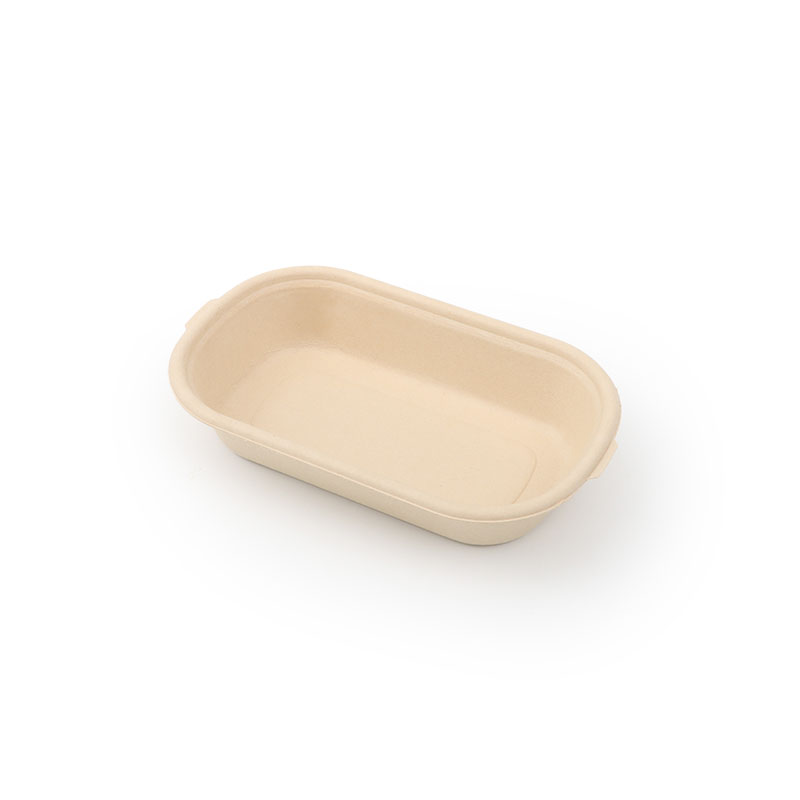 500ml
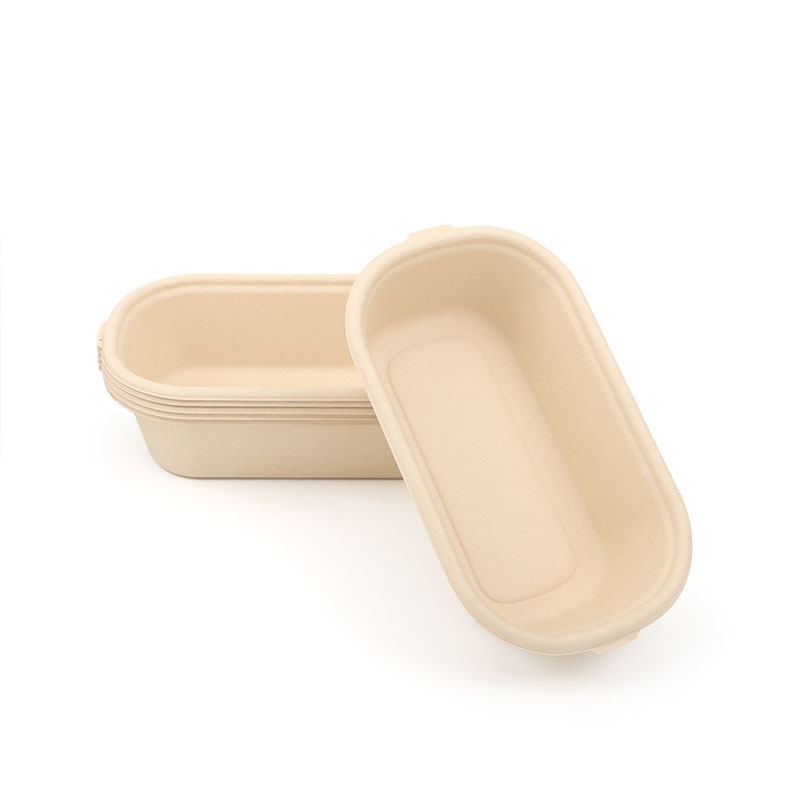 700ml
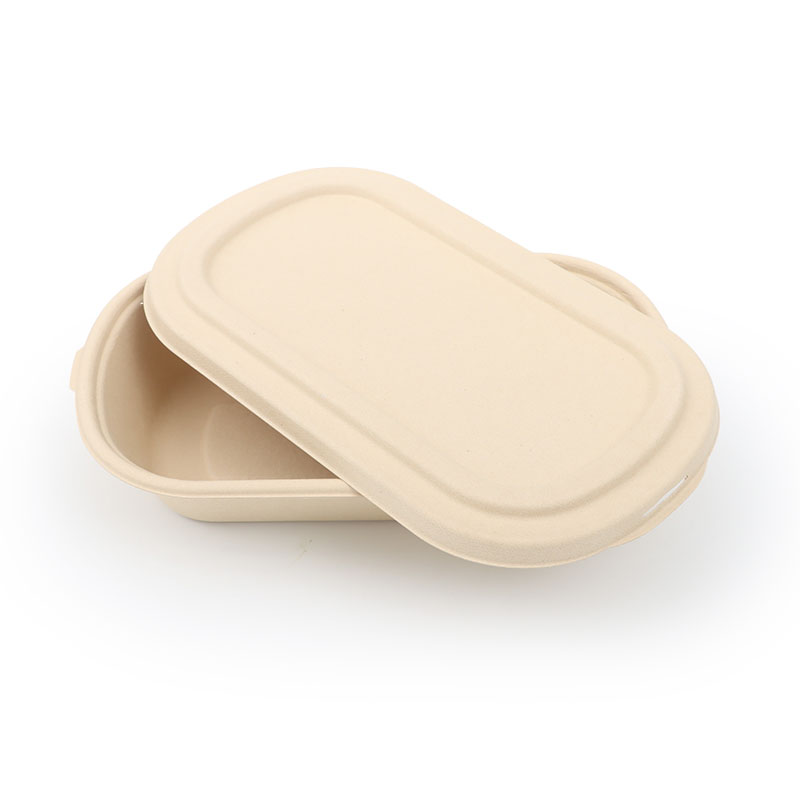 850ml
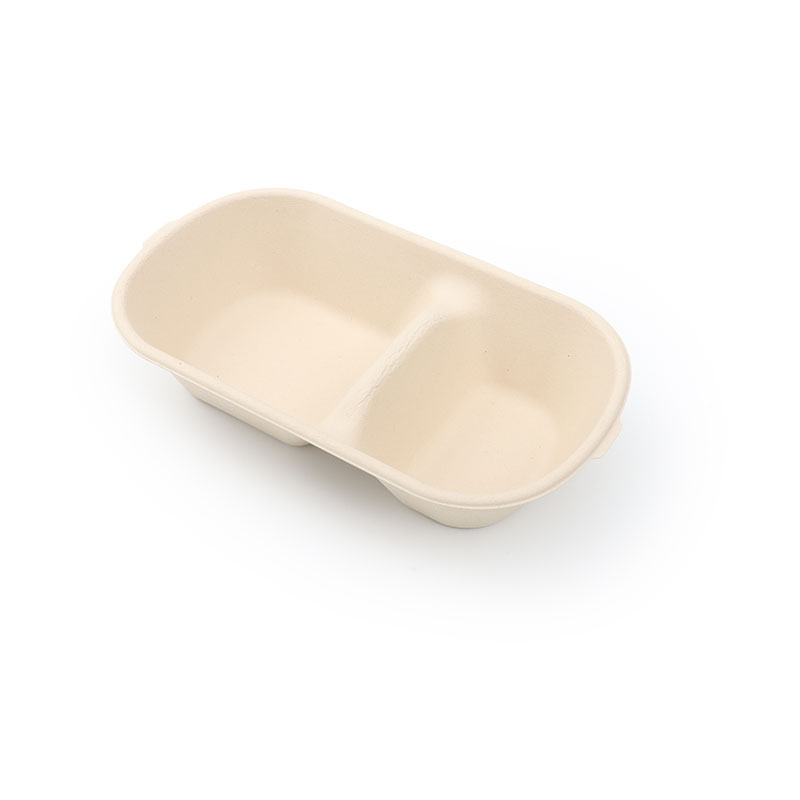 800ml 2 Compartments
 1000ml 2 Compartments
 1100ml
 1000ml Square Lunch Box
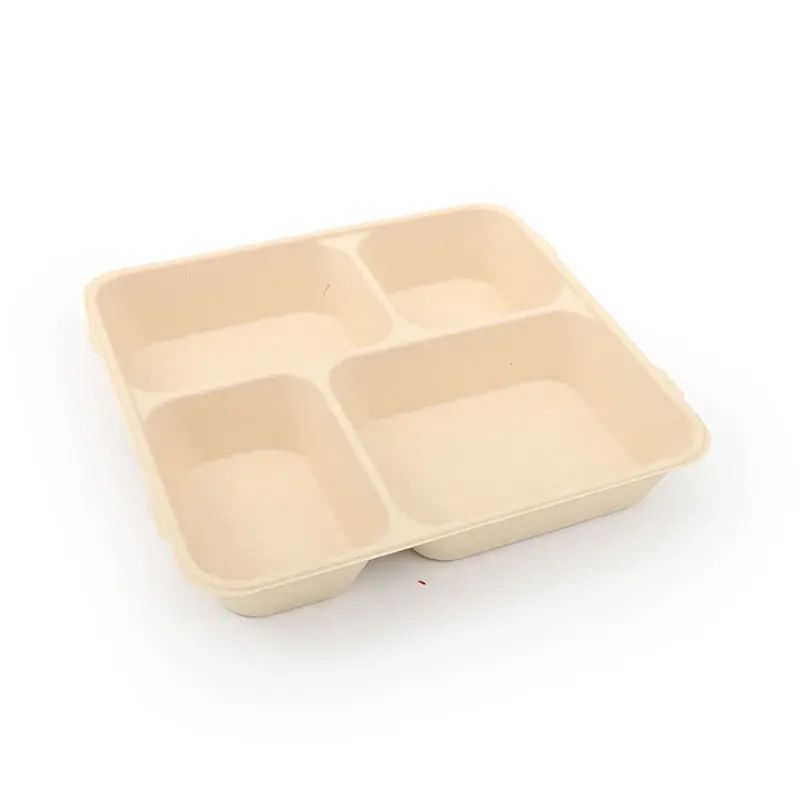 1340ml 4 Compartments
 Lunch Box Lid
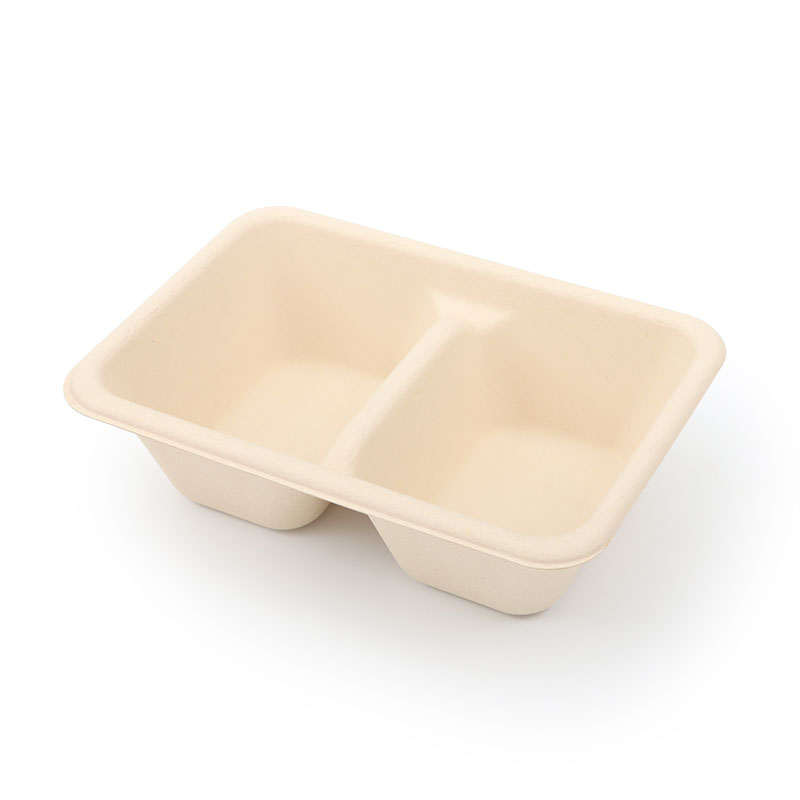 650ml
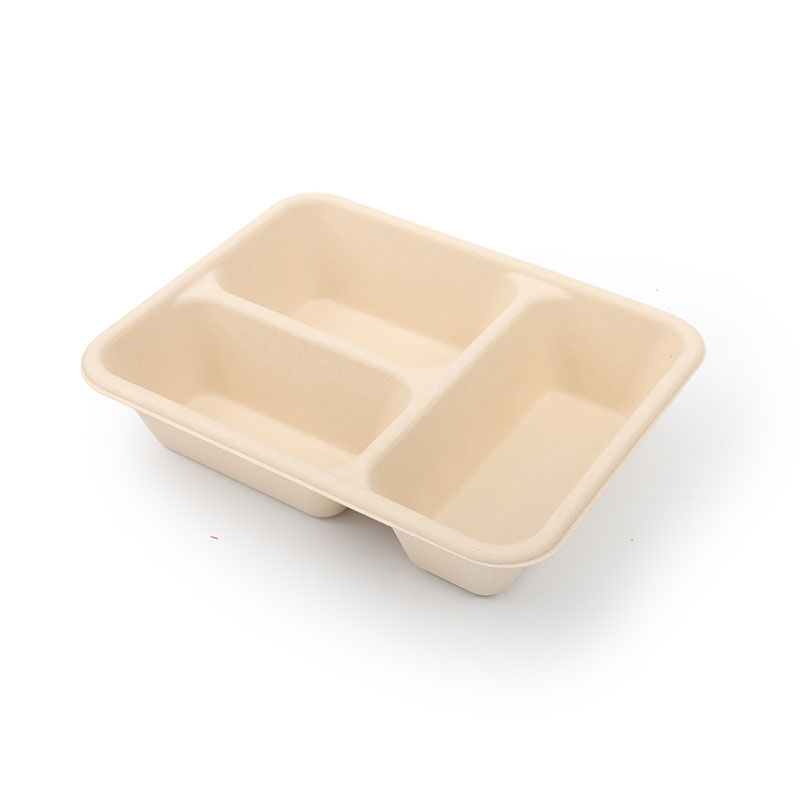 1000ml 3 Compartments
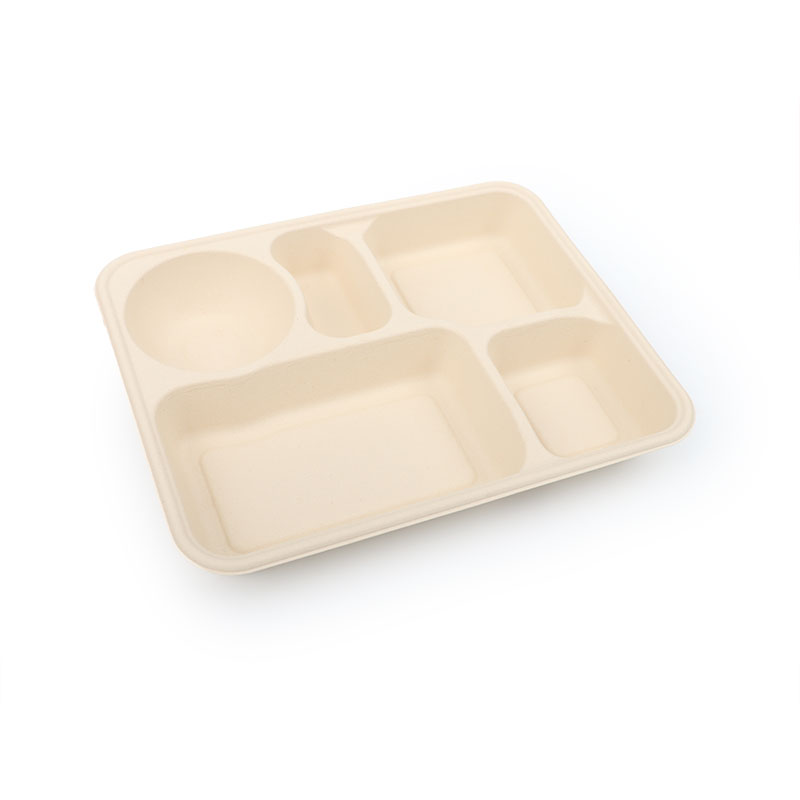 1250ml 5 Compartments
 Square Lunch Box Lid
 Box Without T buckle
 850ml Salad Box
 700ml
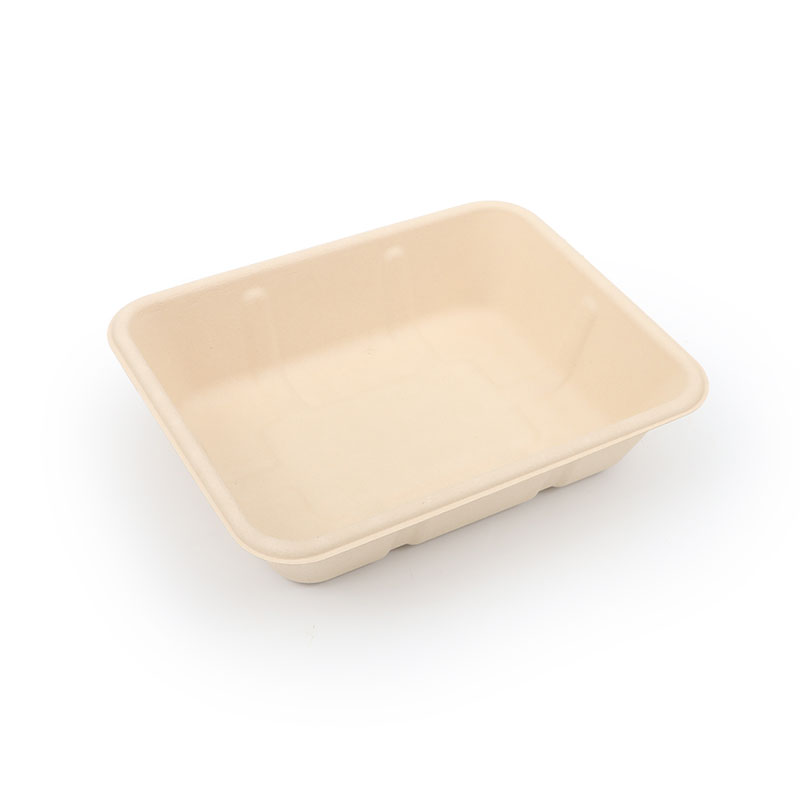 1350ml
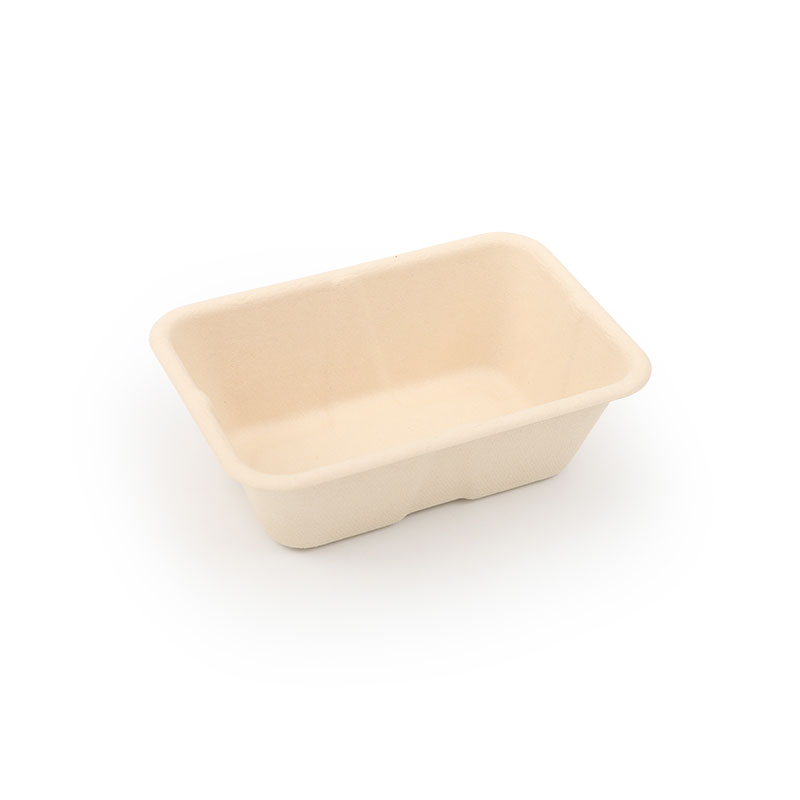 470ml
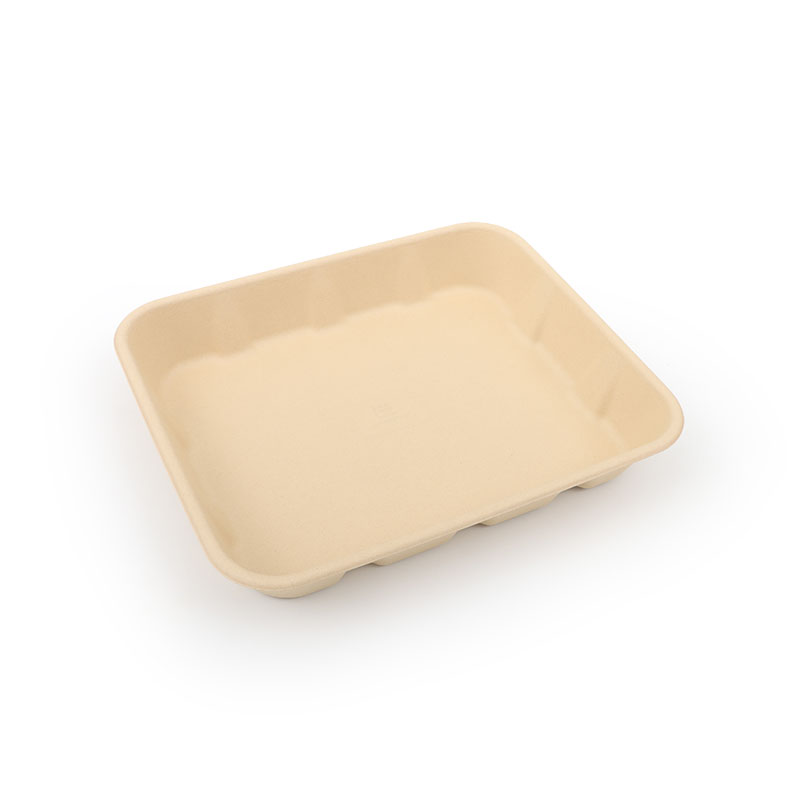 2183ml Tray Box
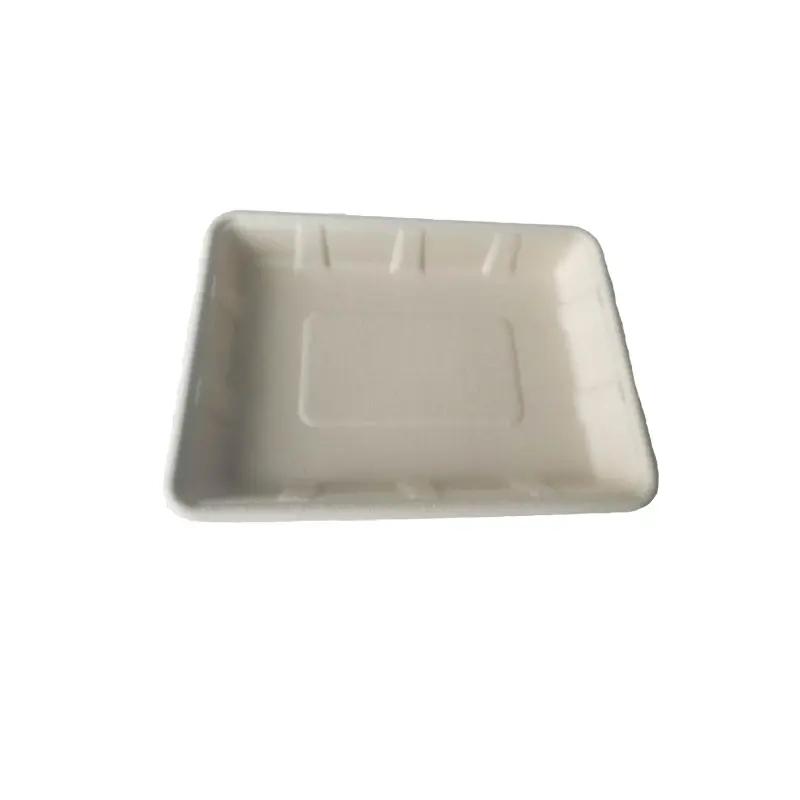 11" * 9"
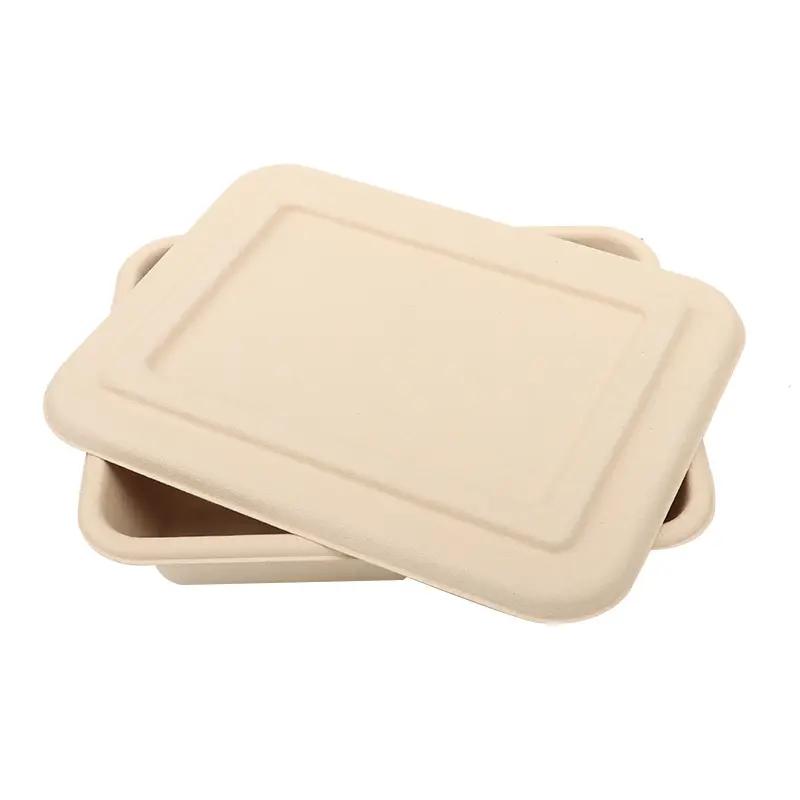 800ml
 One Part Box
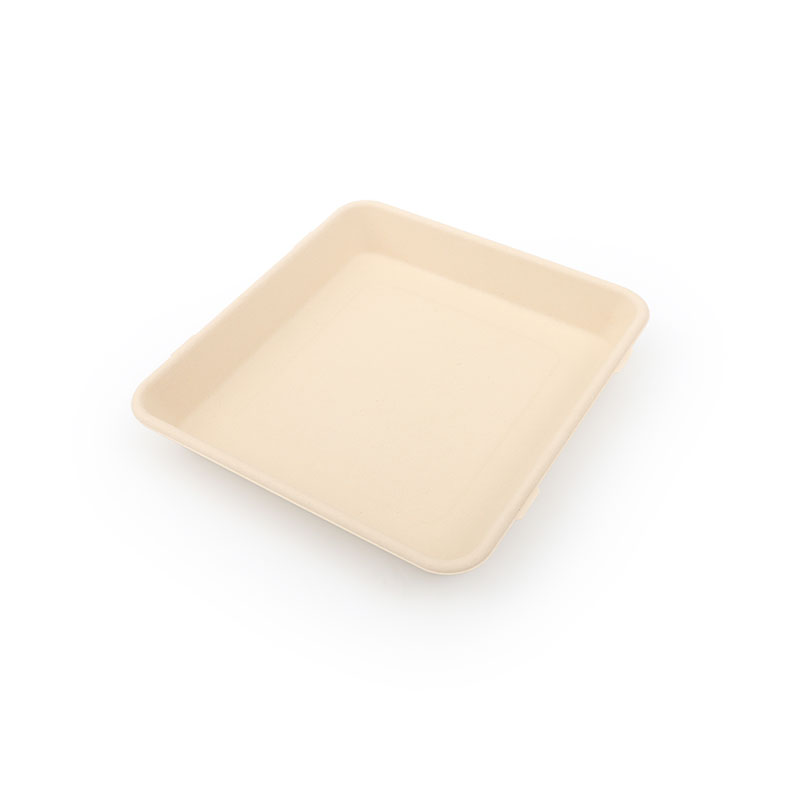 1443ml Tray Box
 Cake Bread Snack Tray Series
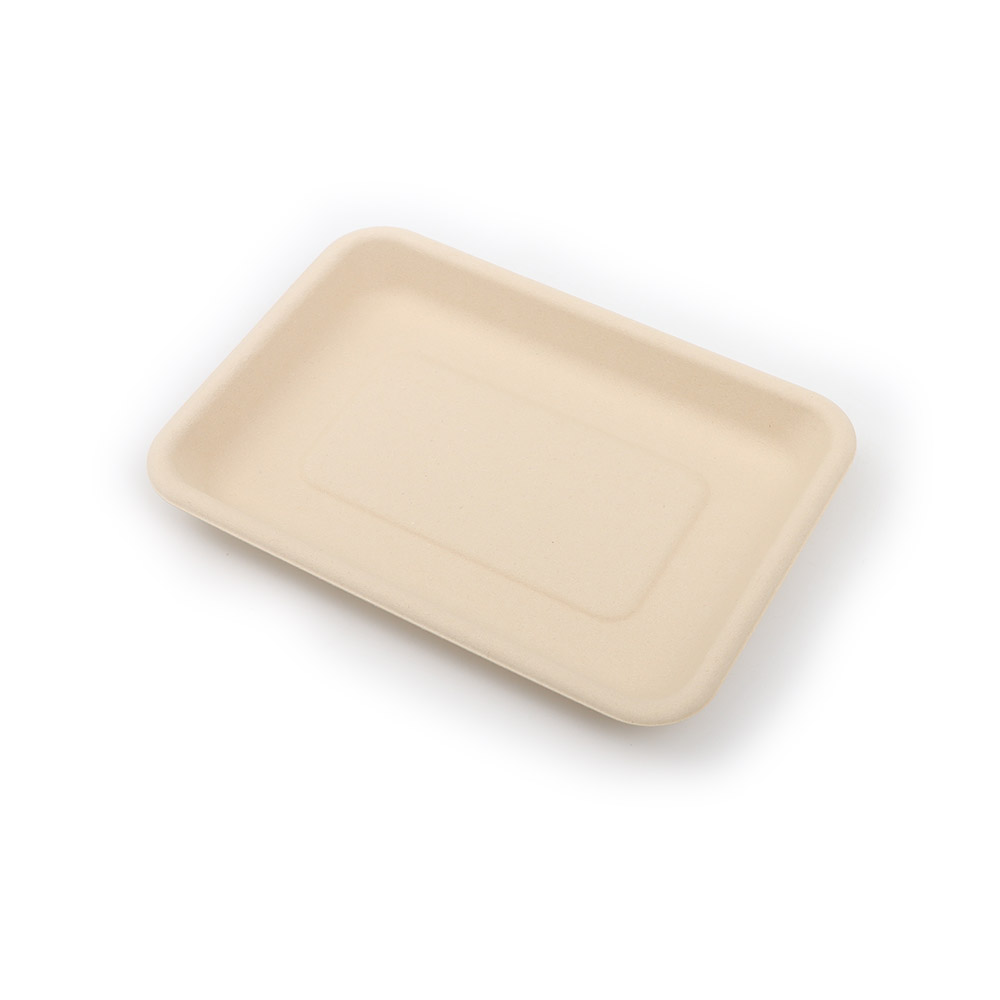 5" * 7" natural color
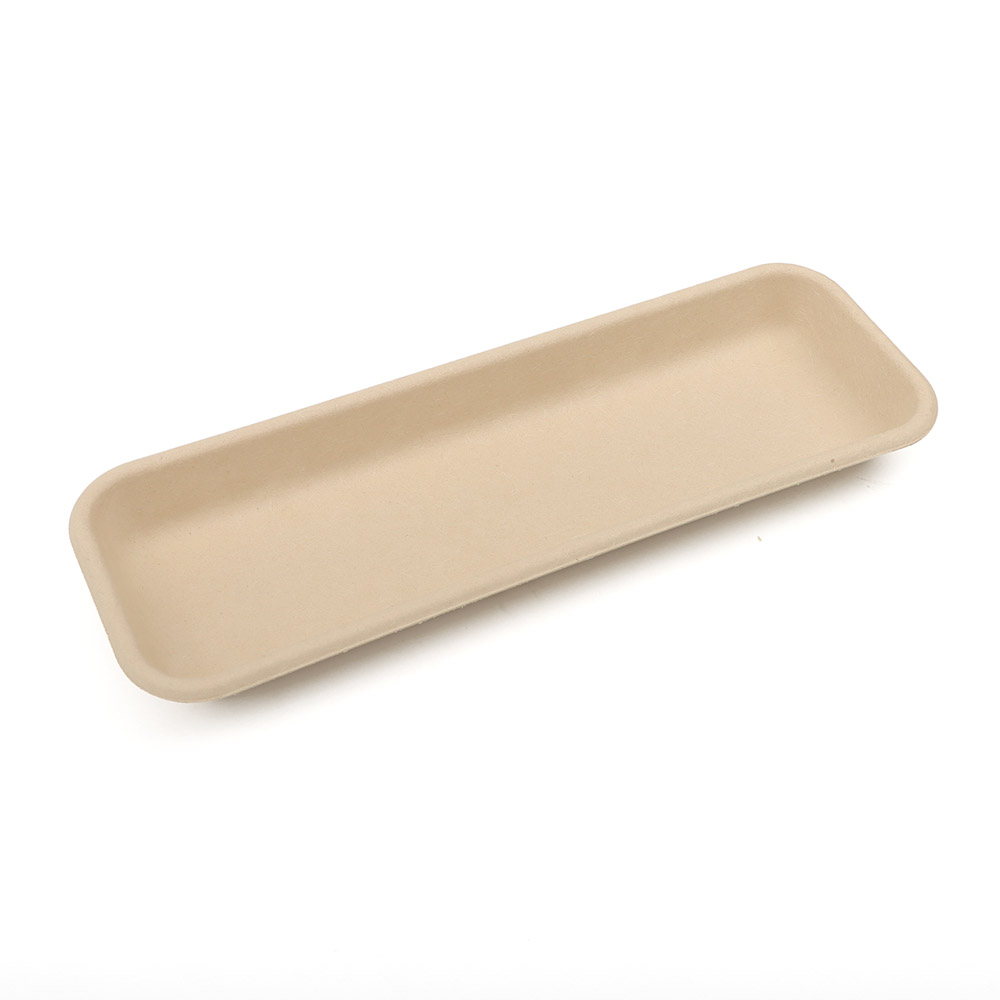 11.4" * 3.9"
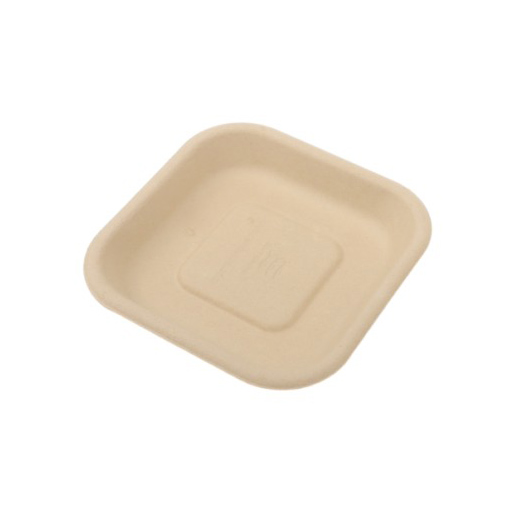 5.3" * 5.3"
 Fruit And Vegetable Tray Series
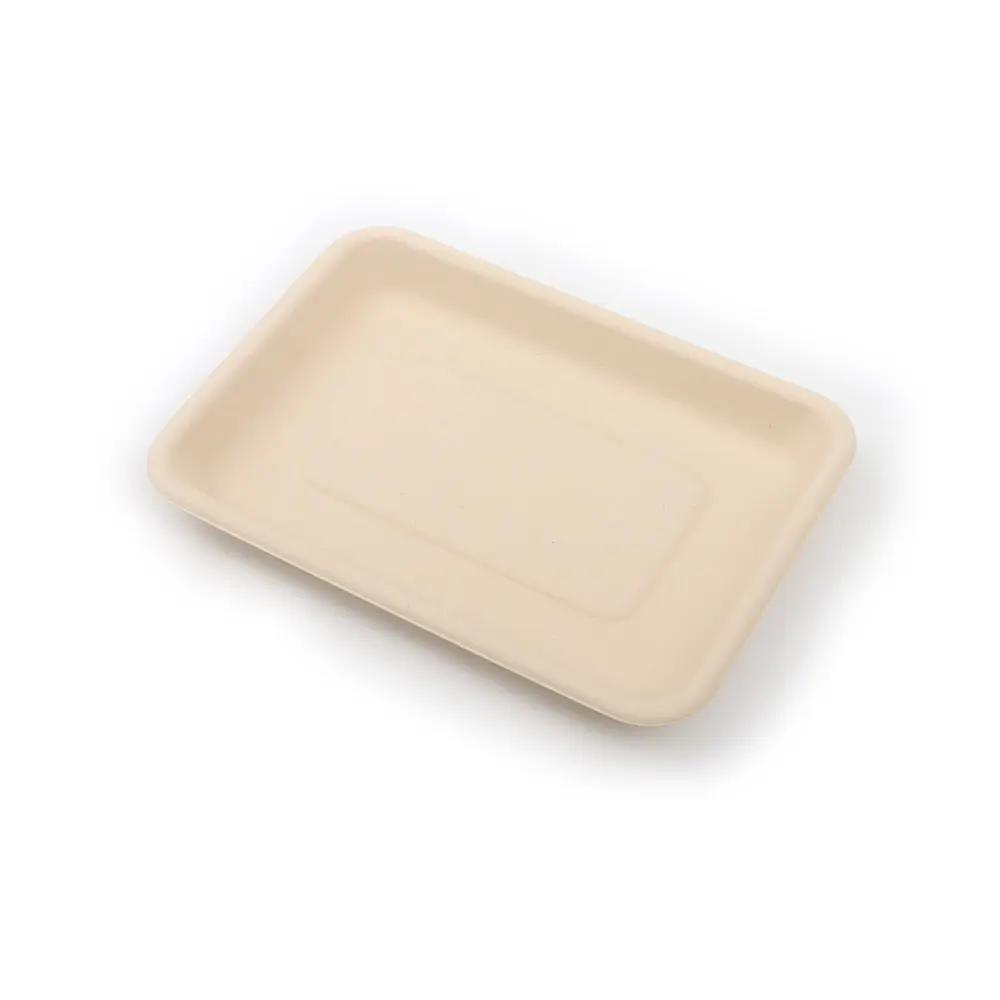 8.6" * 5.3"
 Sushi Tray Series
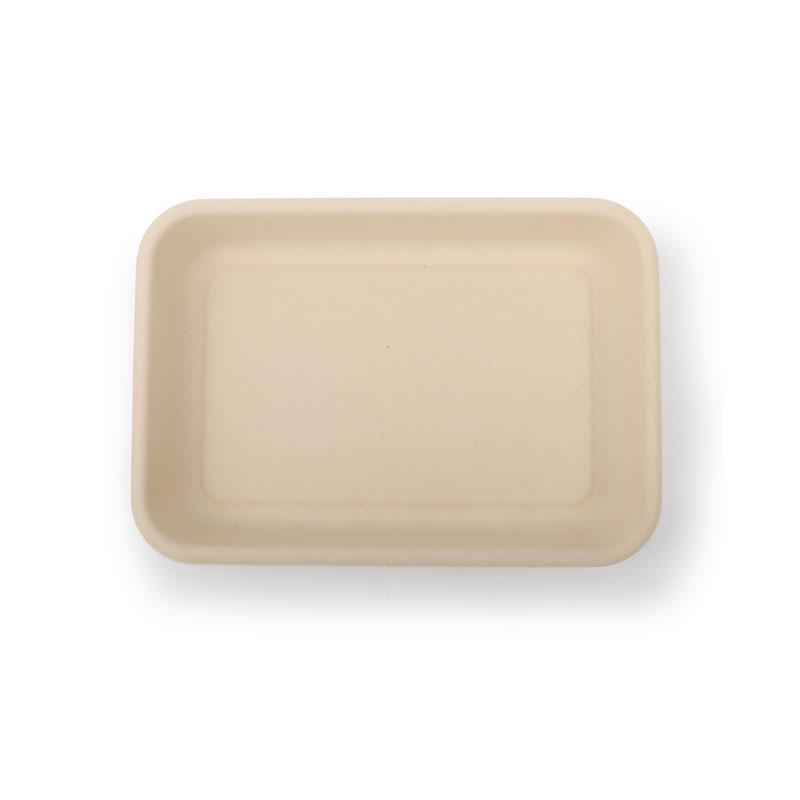 200" * 140"
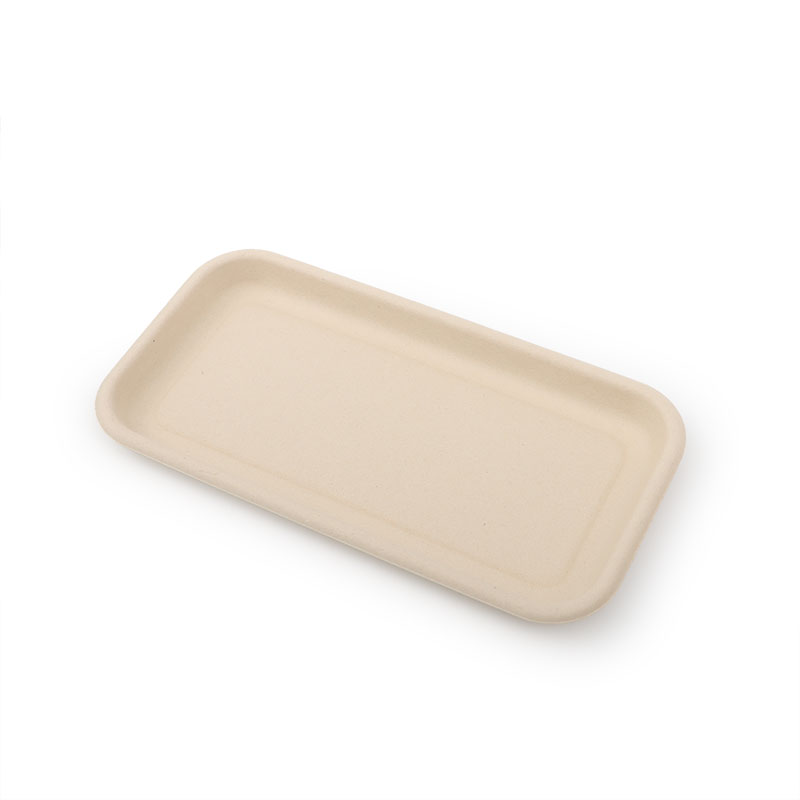 210" * 110"
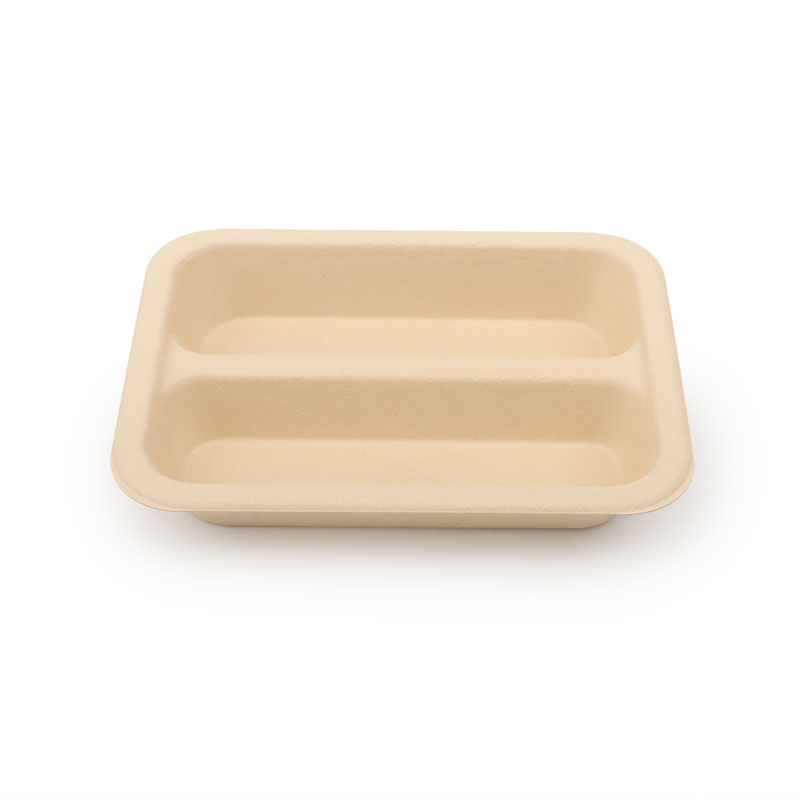 2 Compartments
 Small Round Plate Series
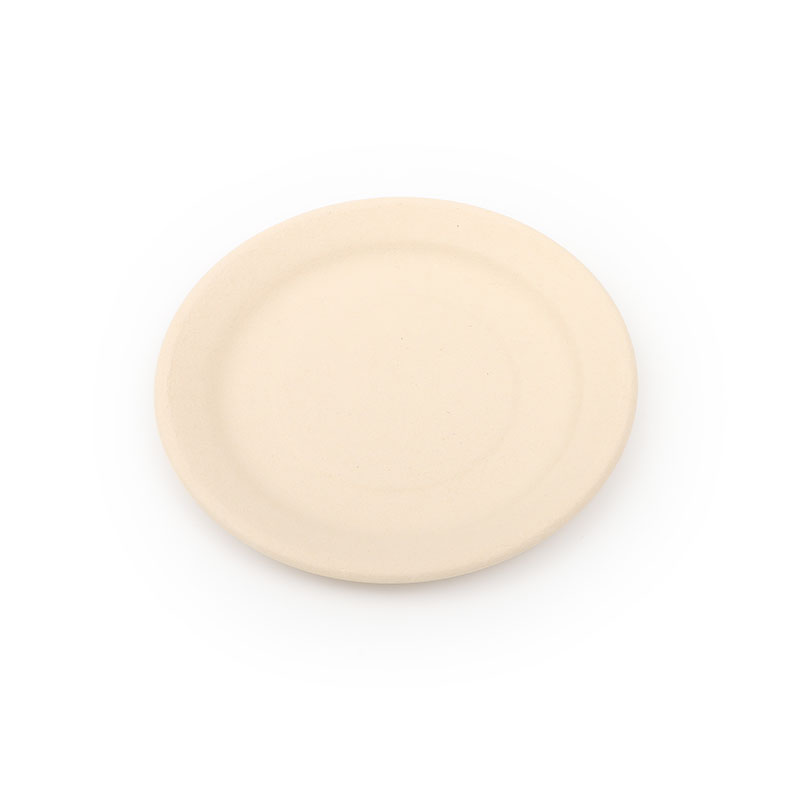 7 inch
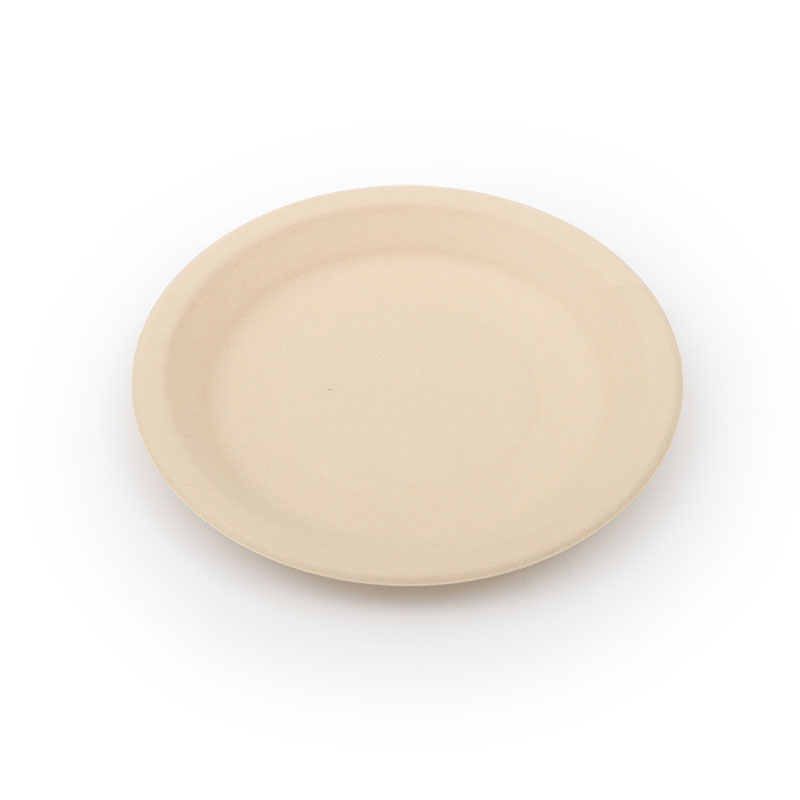 6 inch
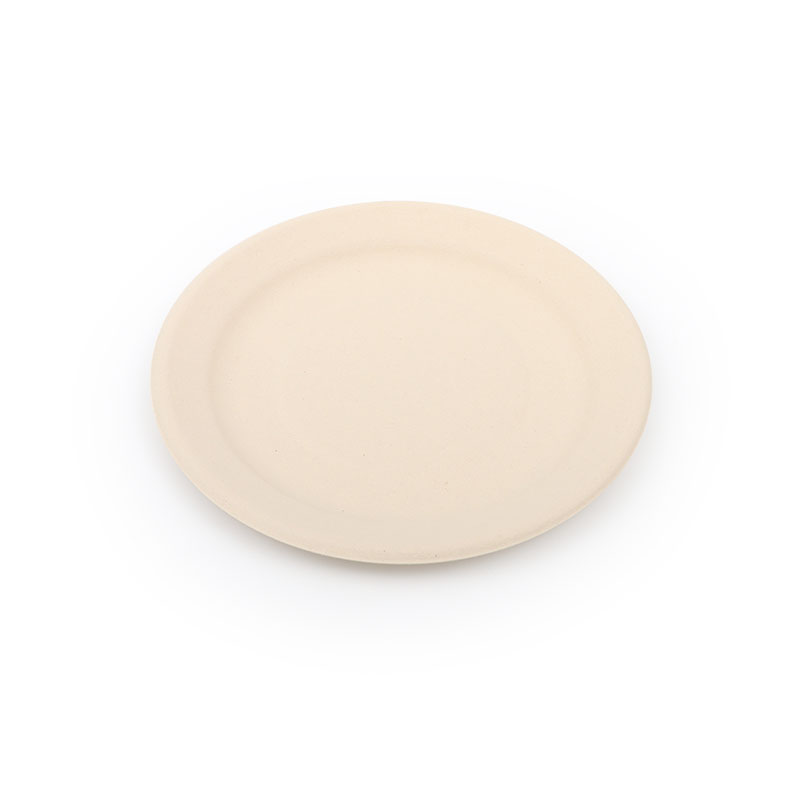 8 inch
 Middle Round Plate Series
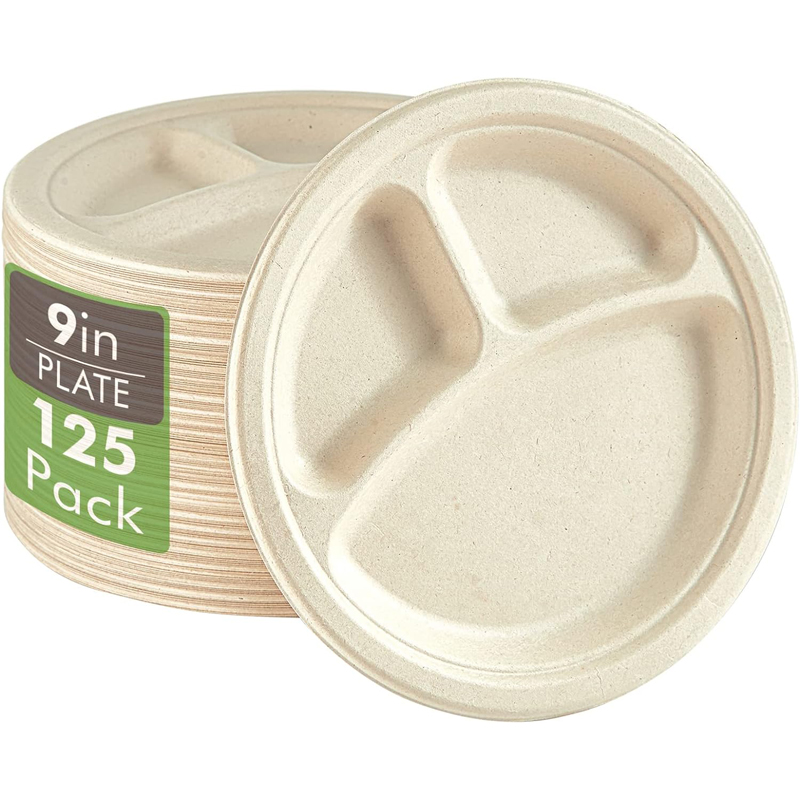
 9 Inch 3 Compartments
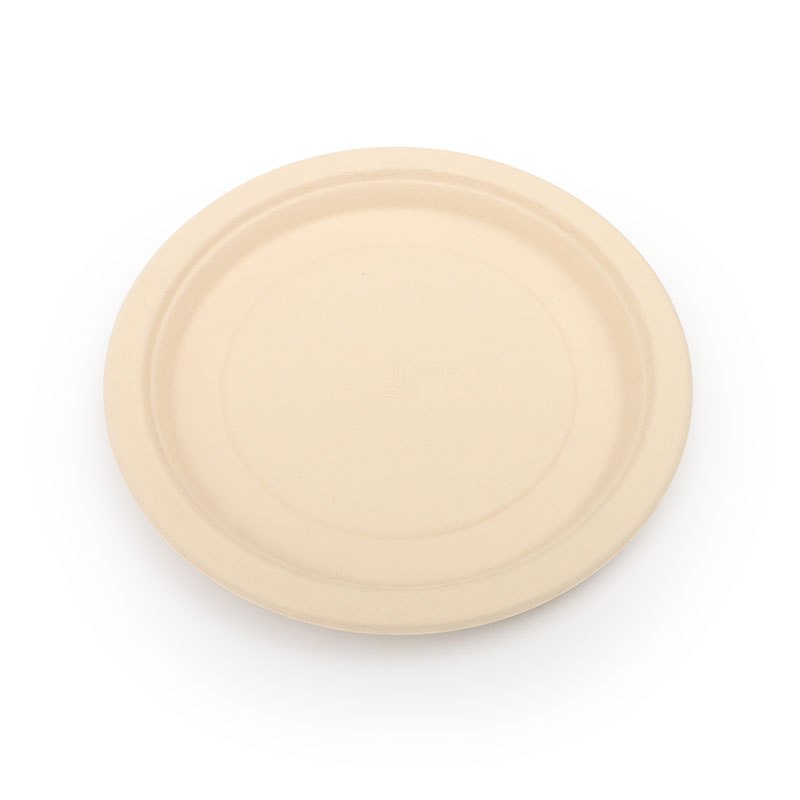 9 inch
 Big Round Plate Series
 12.7 Inch Pizza Plate
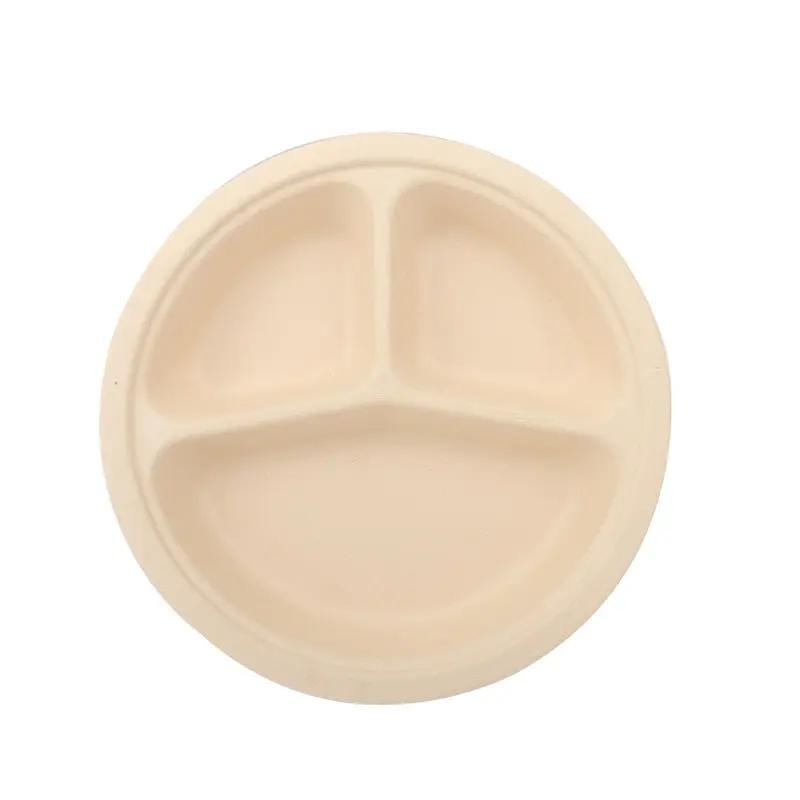 10.25 inch 3 Compartments
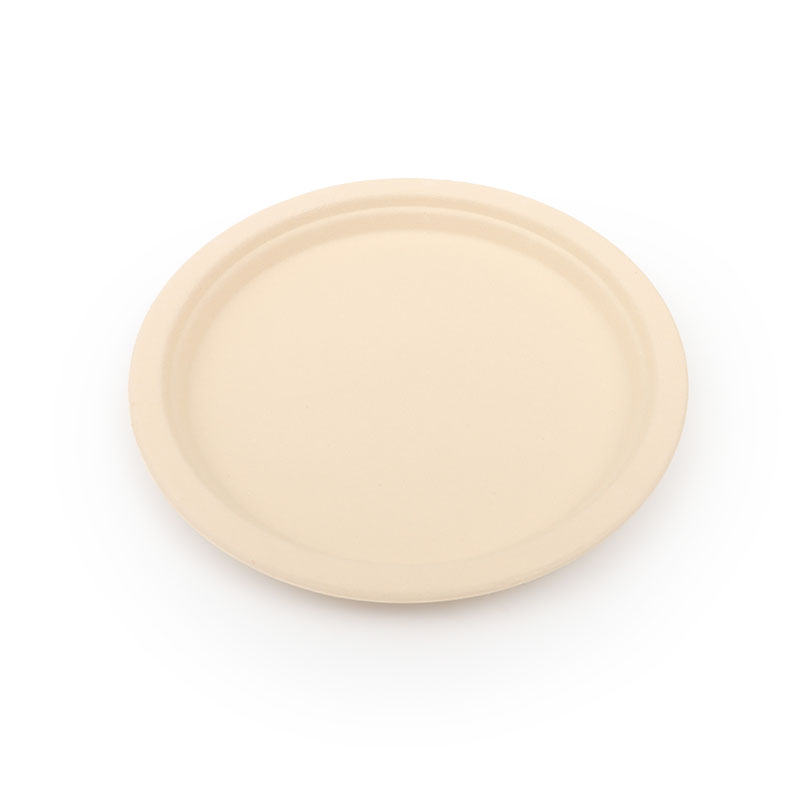 10 inch
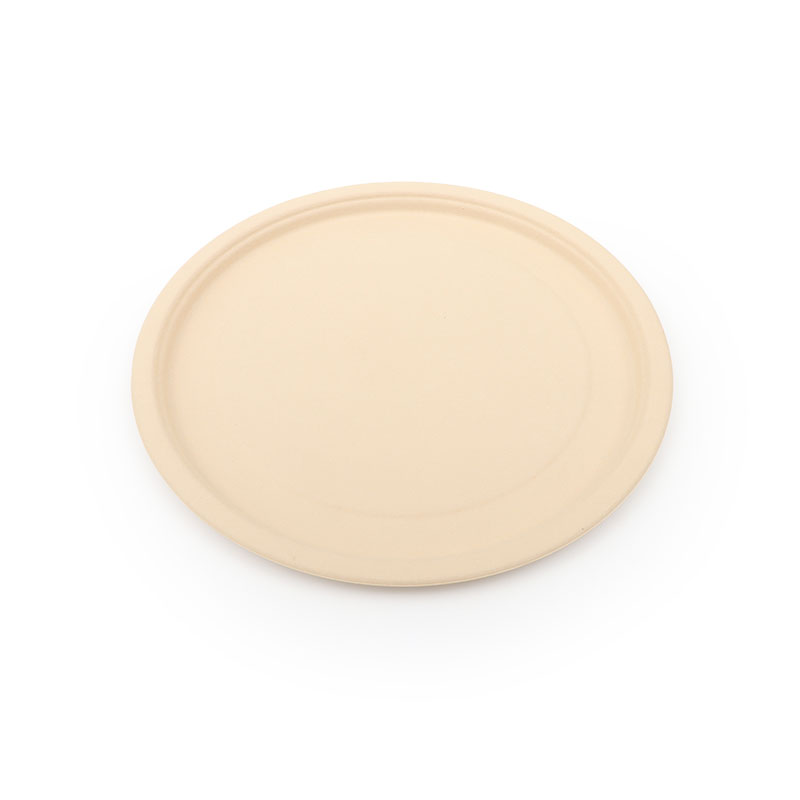 12 inch
 Bigger Bowl
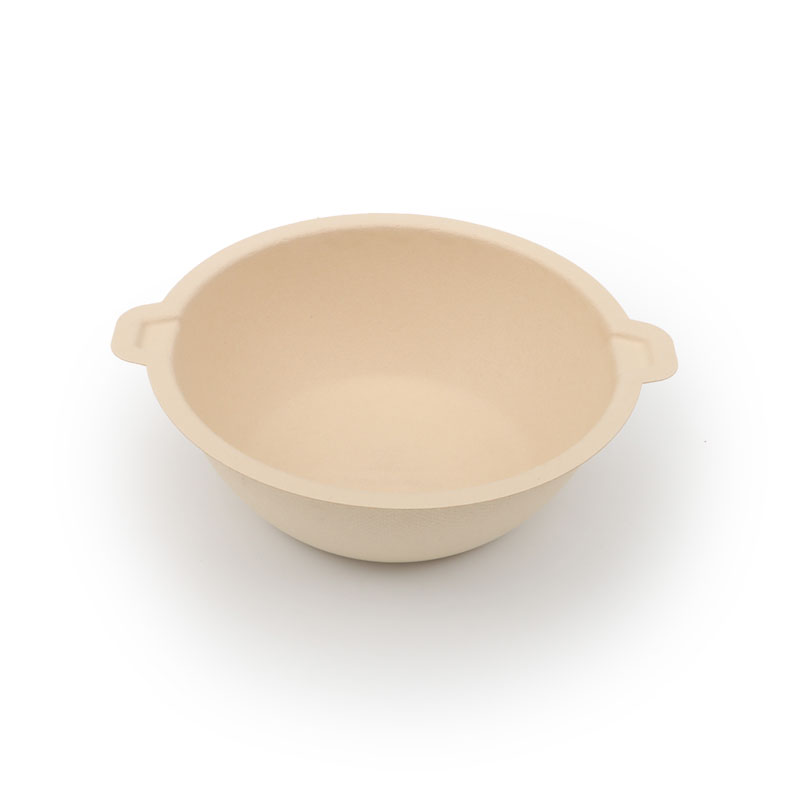 48oz(1420ml)
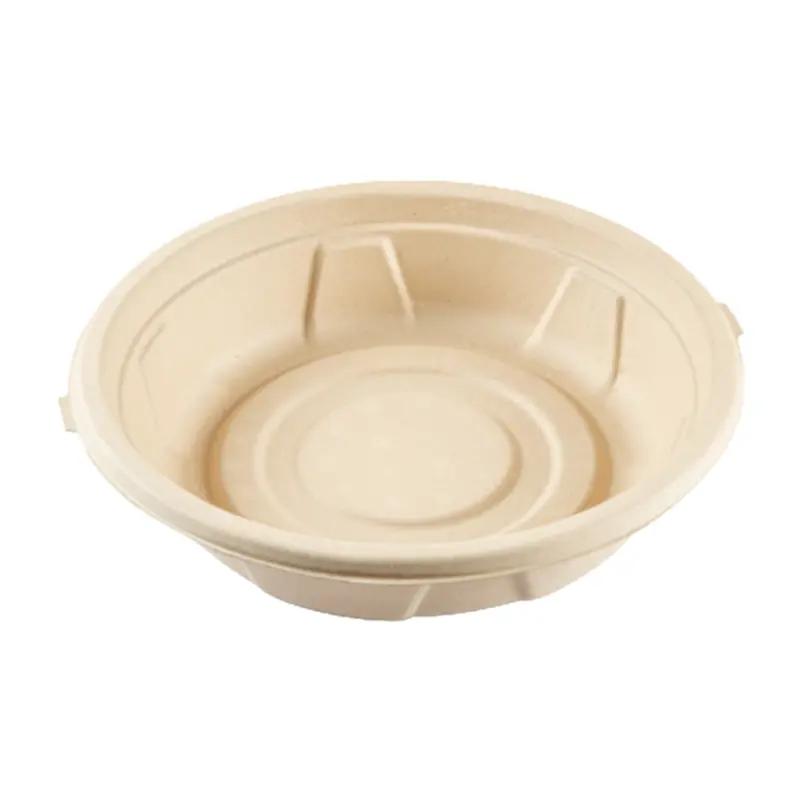 56oz(1650ml)
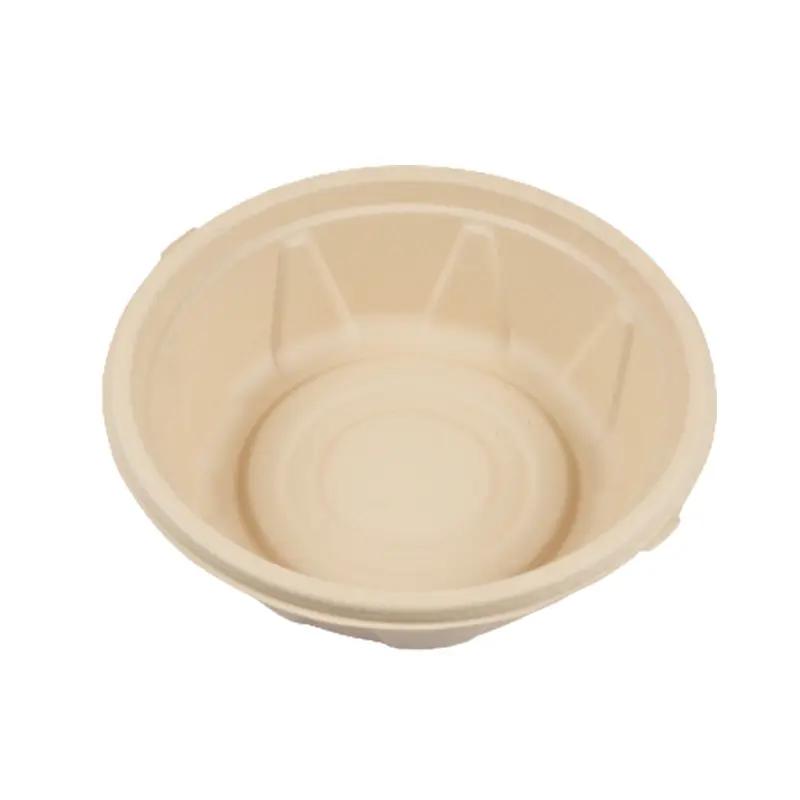 100oz(2950ml)
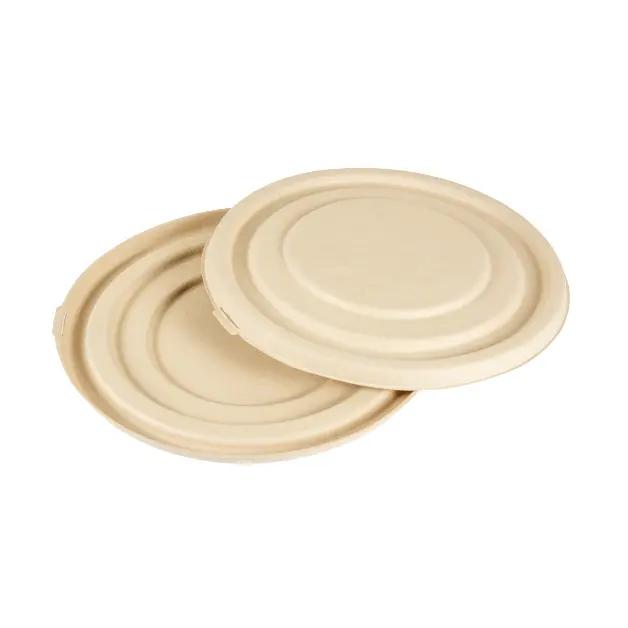 100oz(2950ml) With Lid
 Middle Bowl
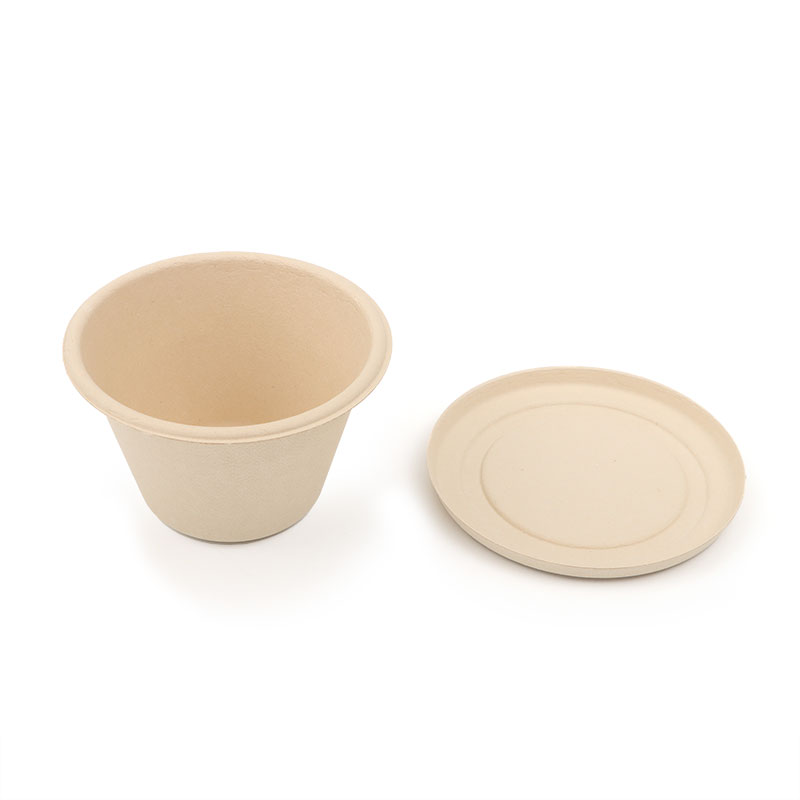 17oz(500ml)
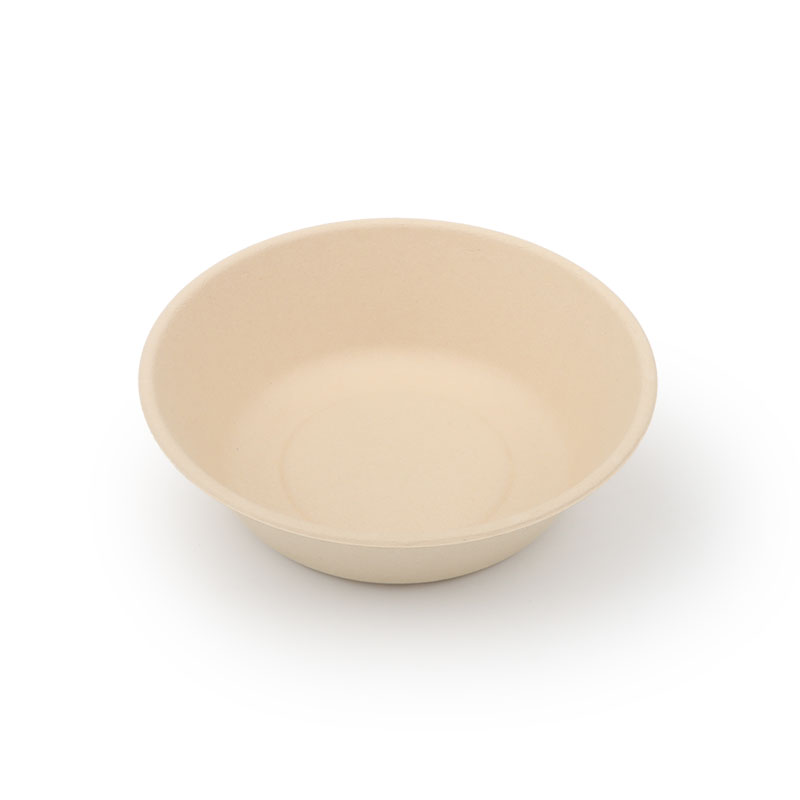 27oz(800ml)
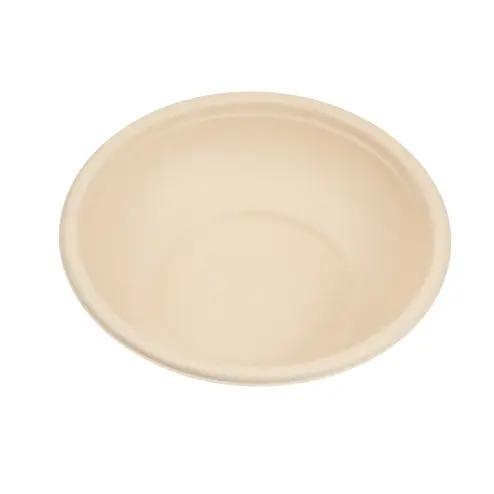 20oz(600ml)
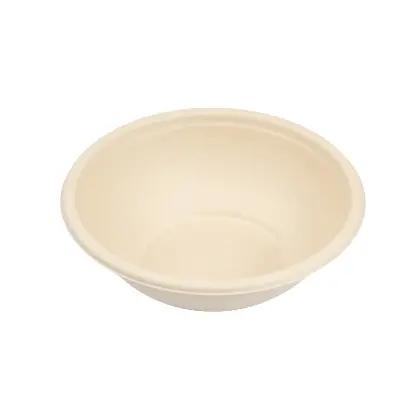 29oz(850ml)
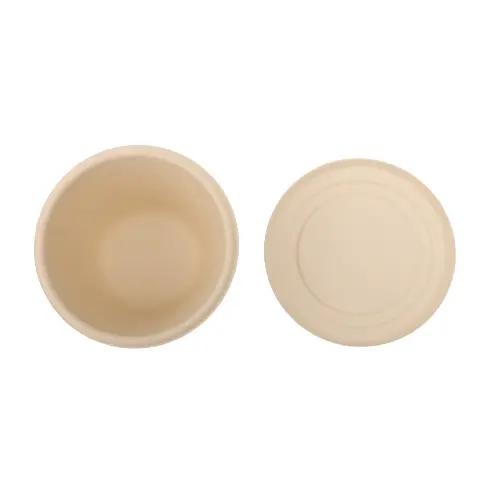 17oz(500ml) With Lid
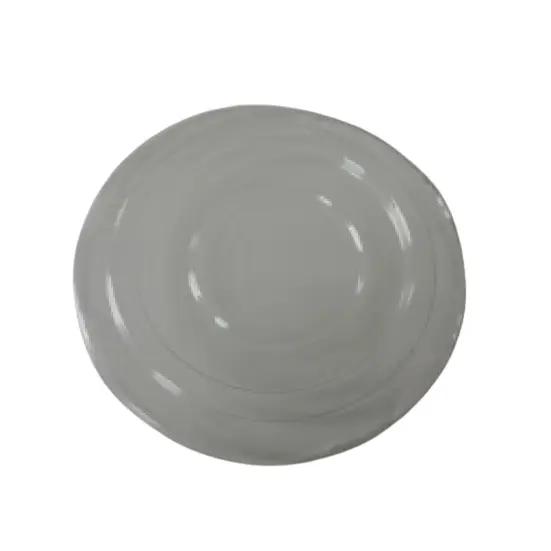 17oz(500ml) PET Lid
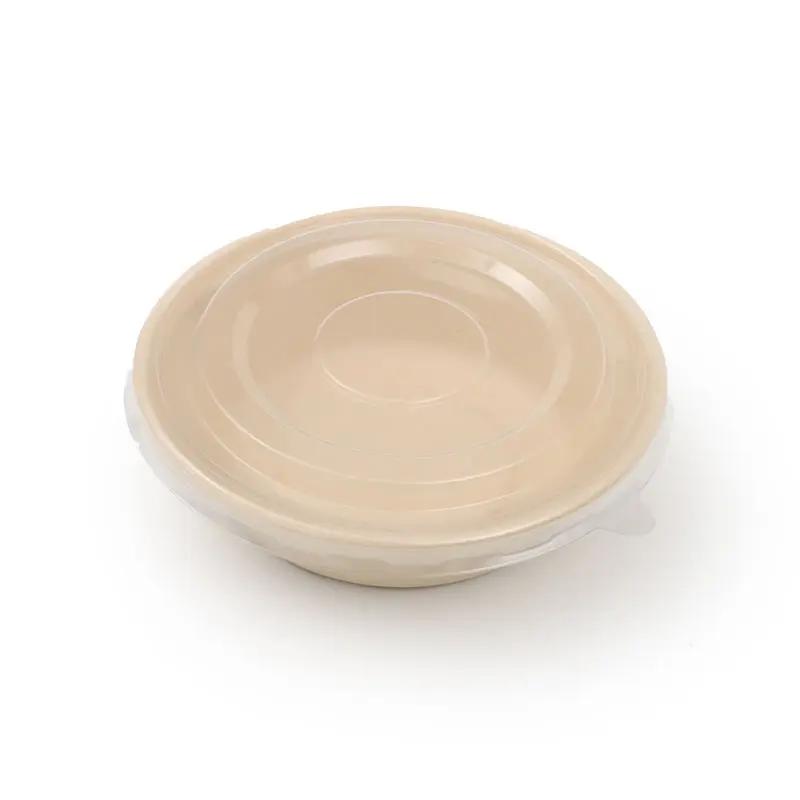 28oz(830ml) PET Lid
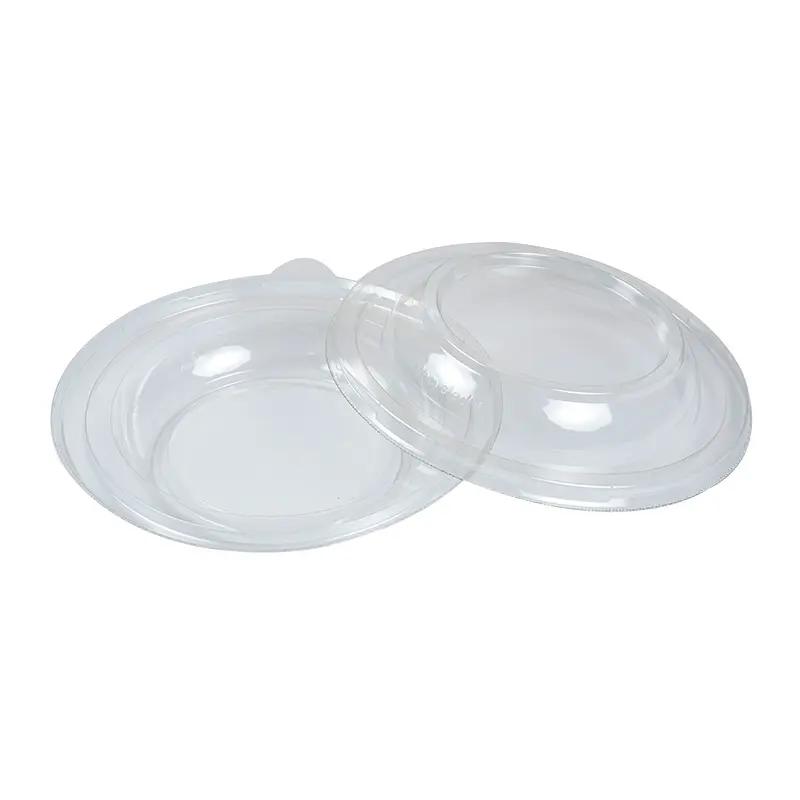 Round Bowl PET
 Small Bowl
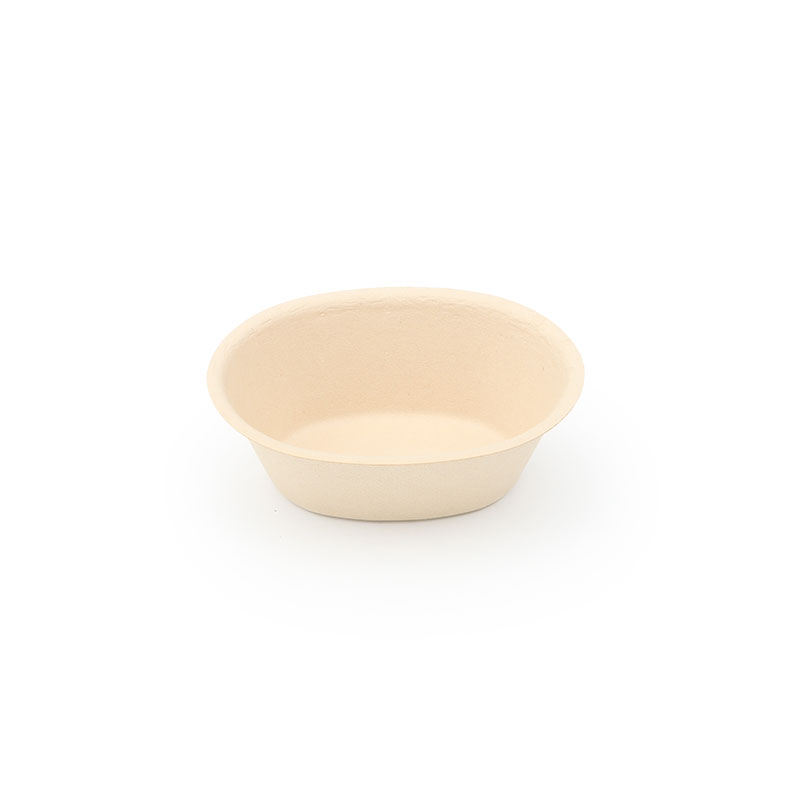 Snack Bowl
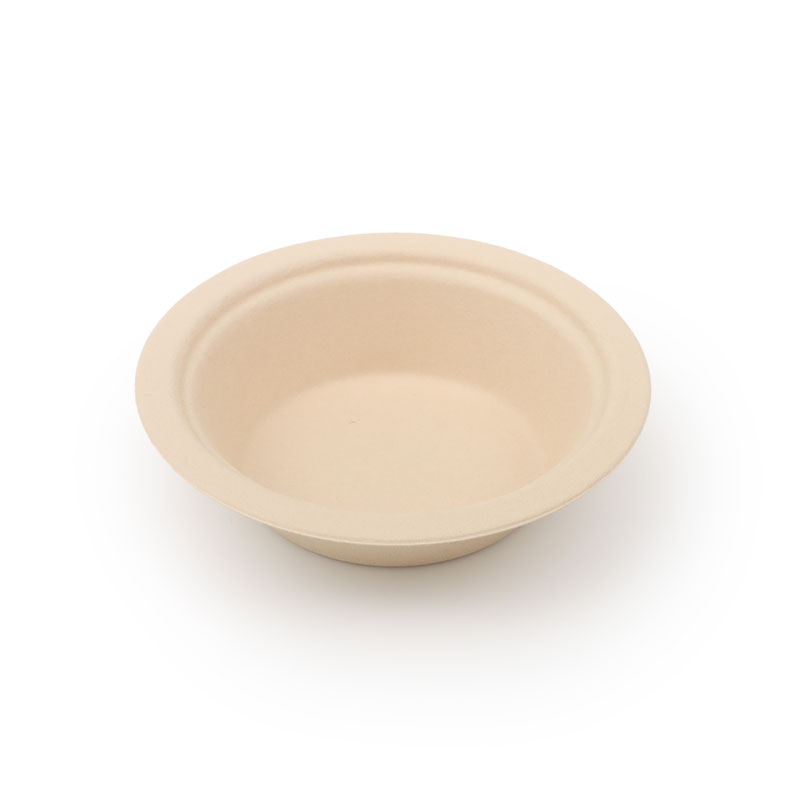 11.5oz(340ml) Bowl
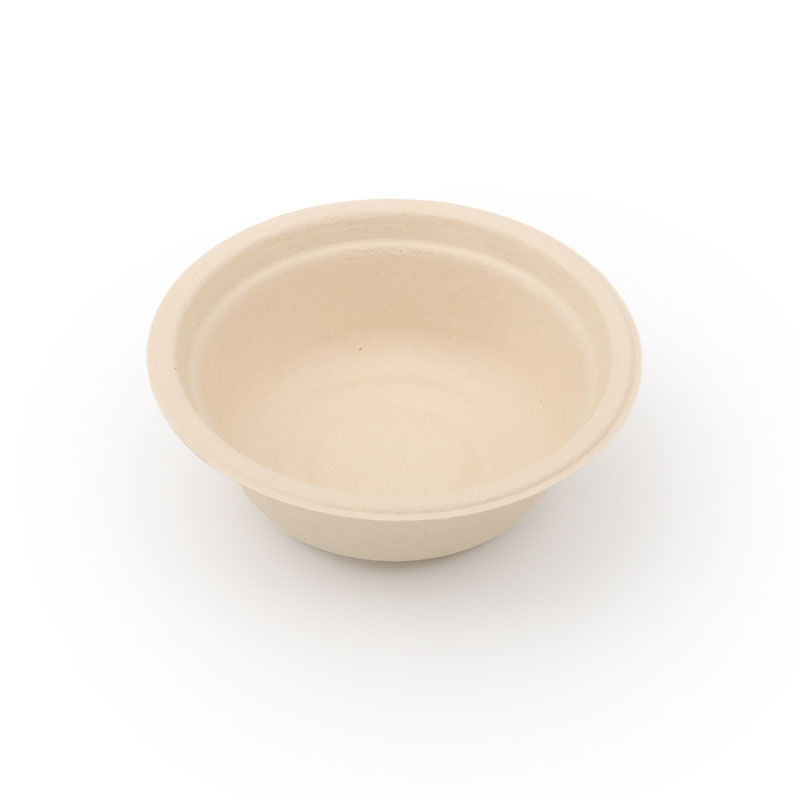 6.7oz(200ml) Bowl
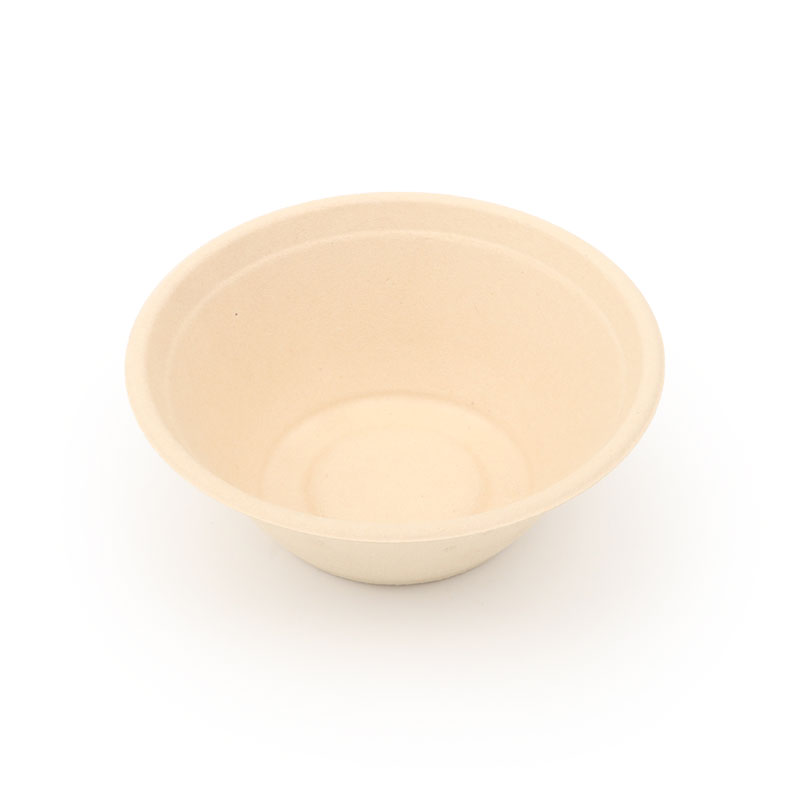 12oz(350ml) Bowl
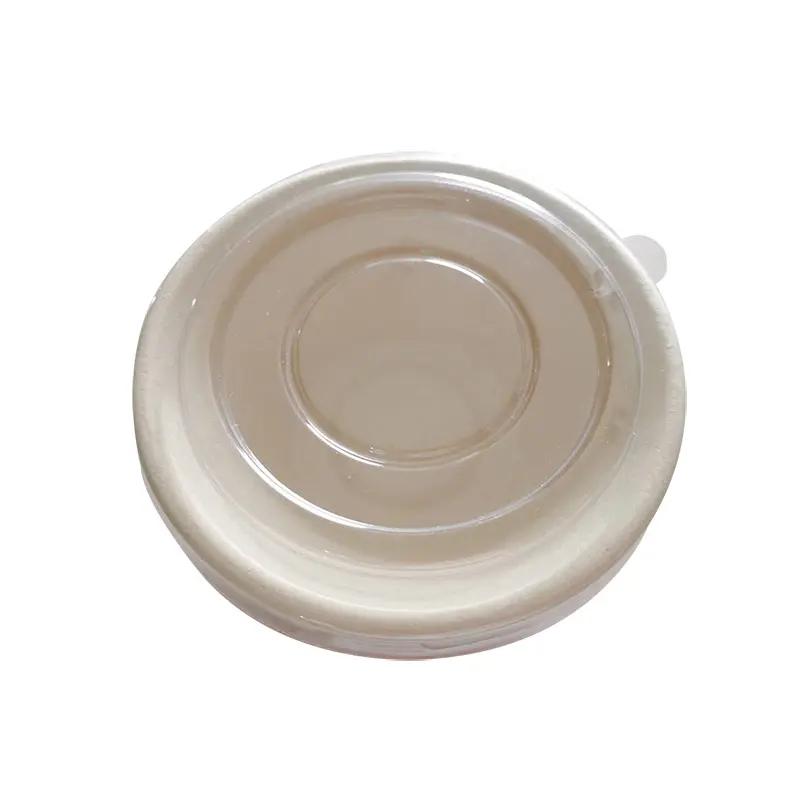 12oz(350ml) Bowl PET
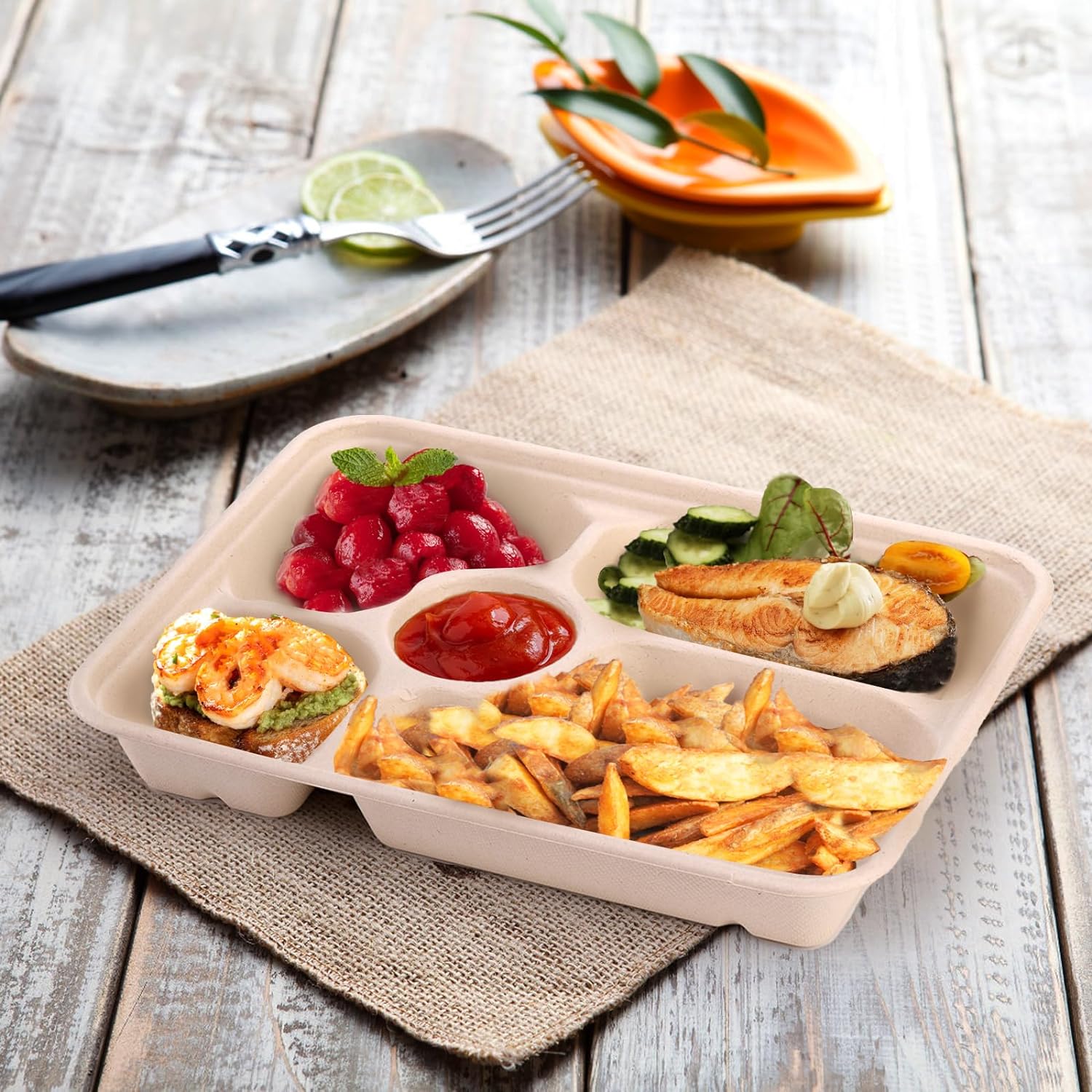 Bagasse Lunch Boxes
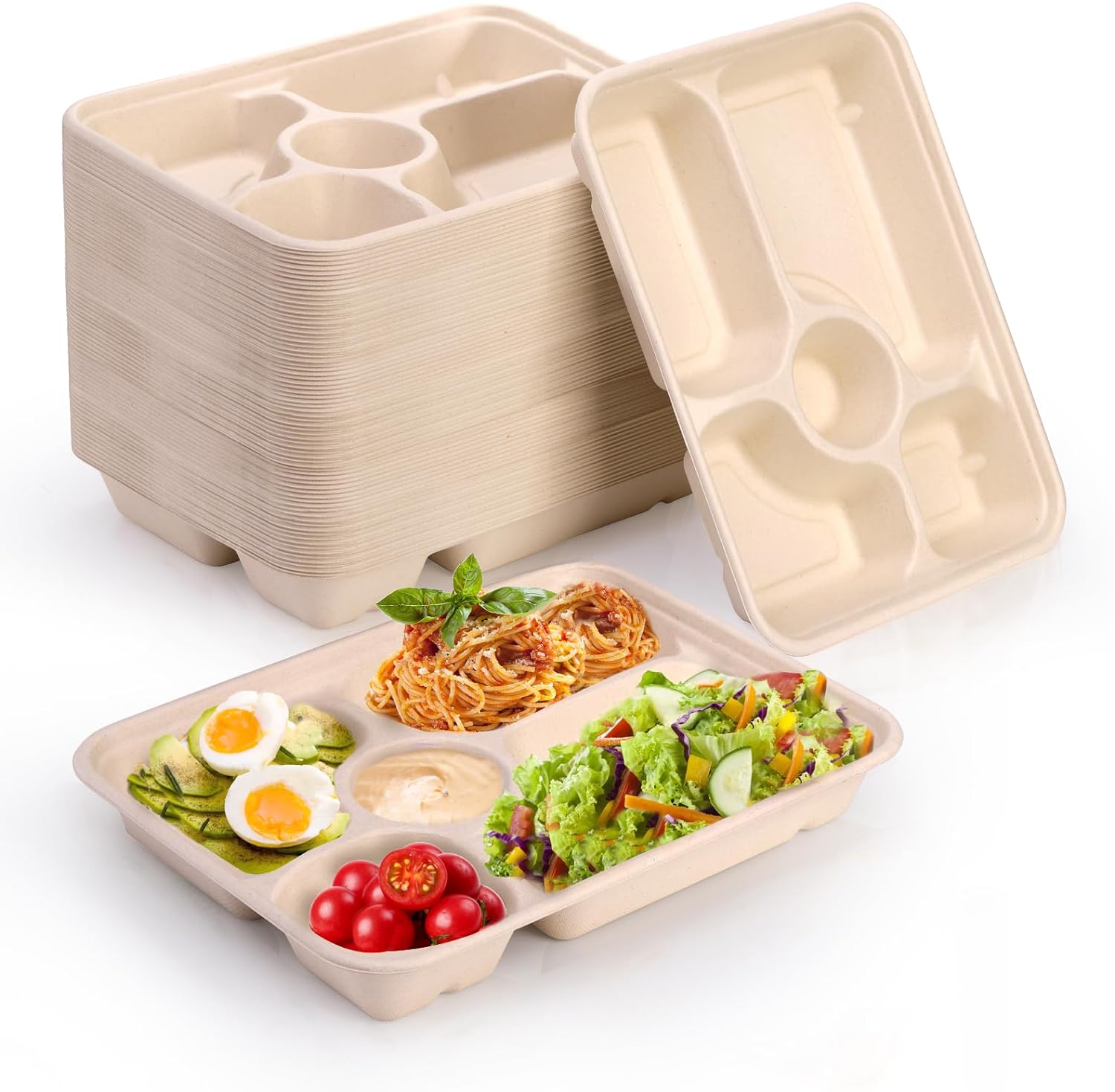 5CP
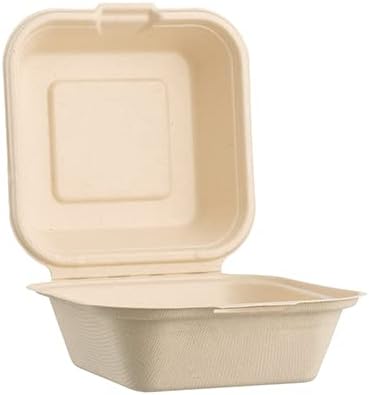 6 inch
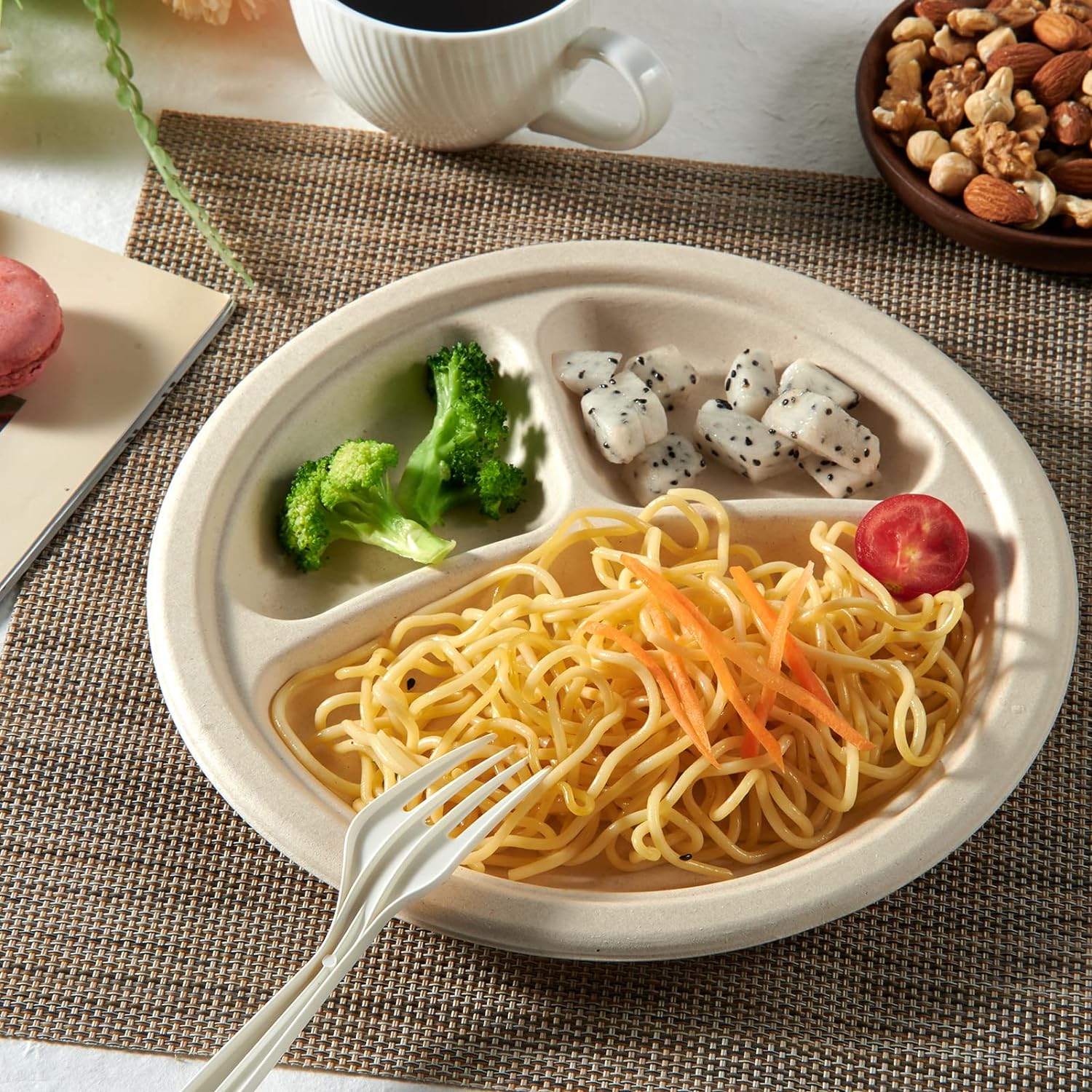 Bagasse Food Plates
 7 inch
 3CP
 Bagasse Bowls
 4oz
 Bagasse Cups And Cutlery
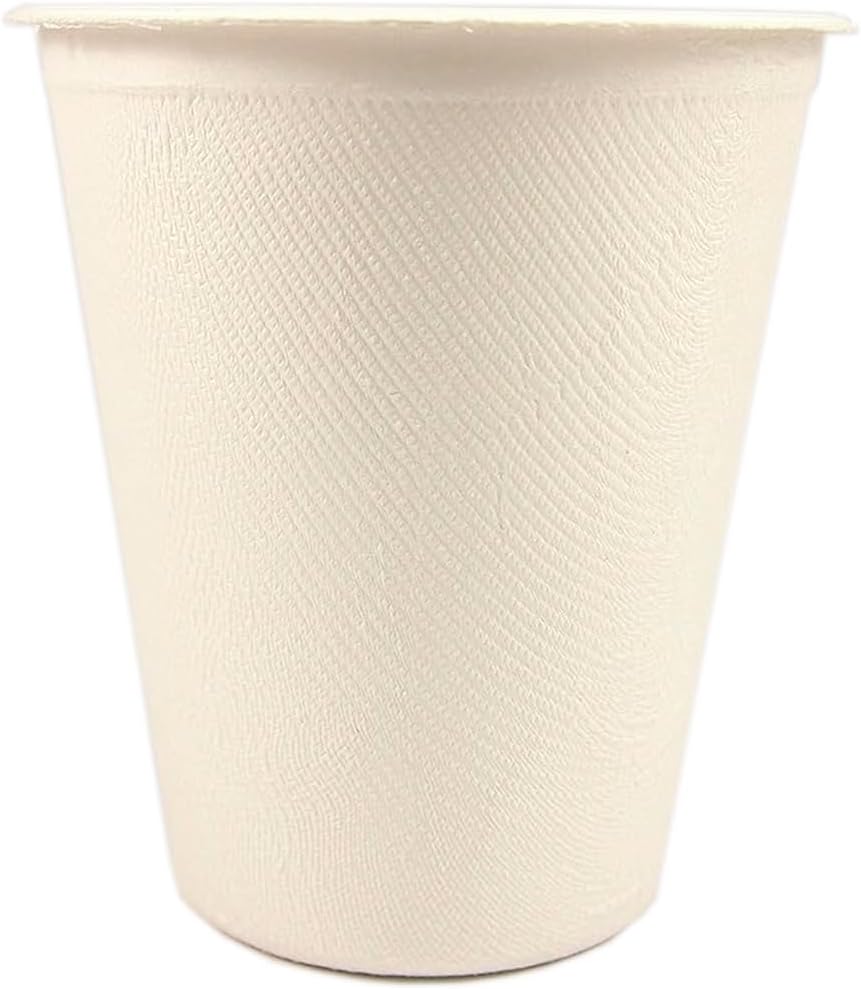 8oz
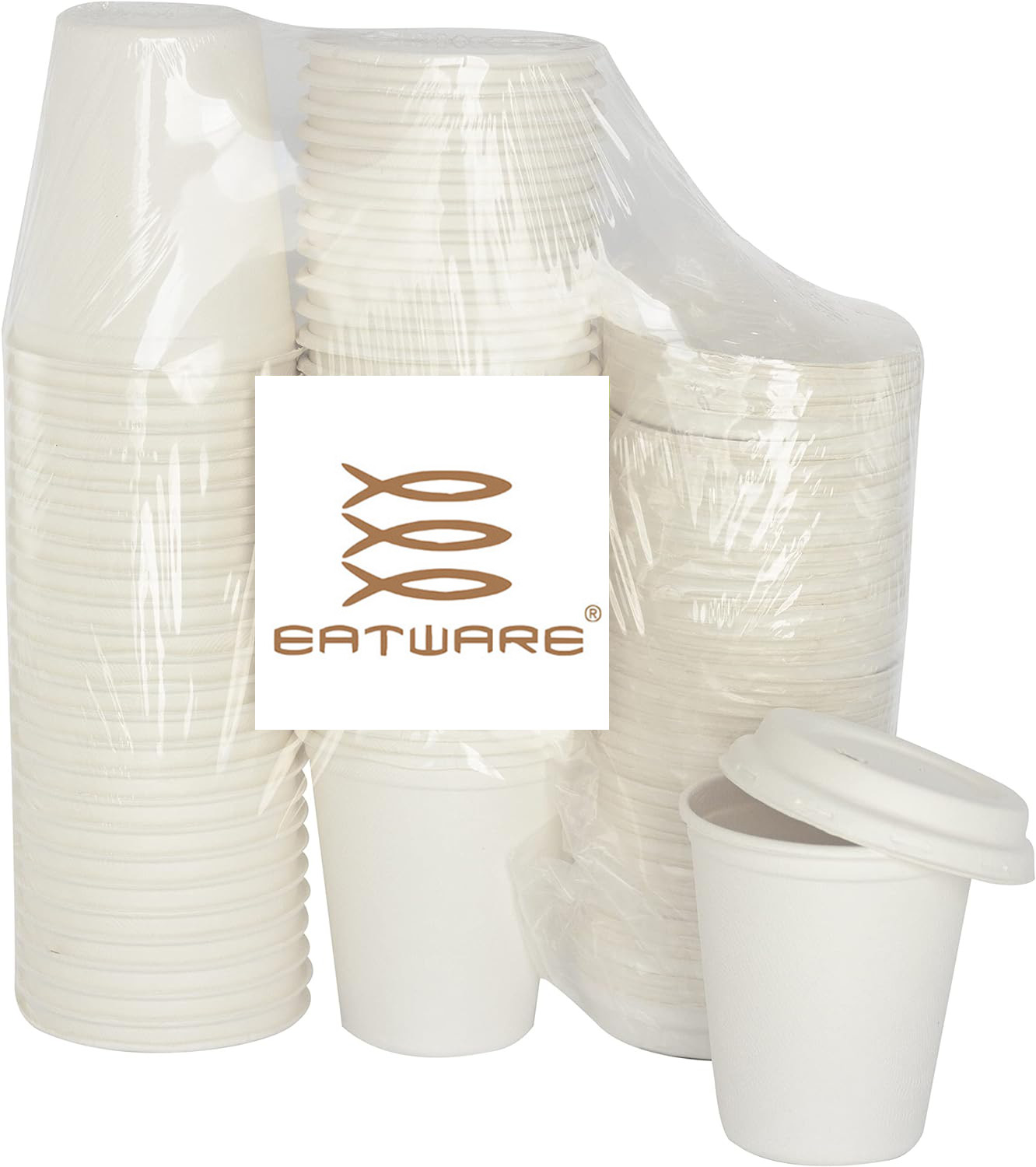 12oz
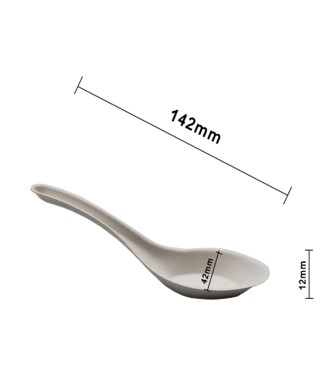 Cutlery


