These days, with everyone racing to stay ahead in the market, there's been a real surge in demand for products that are packaged in a protective atmosphere. I mean, according to a report by Grand View Research, the global market for protective packaging is expected to hit around USD 55 billion by 2025. That’s mainly because companies are super focused on keeping their products fresh and safe, reducing waste along the way. It just highlights how important innovative packaging solutions have become—to help extend shelf life and cut down on waste.
You’ve got players like modified atmosphere packaging (MAP) and A B C Packaging Machine Corporation leading the charge here. They’re really pushing the envelope with new tech to make sure products stay fresh and secure. But honestly, it’s not all smooth sailing. Smaller manufacturers often find these protective atmosphere options pretty pricey, which makes balancing quality and cost a real challenge.
And let’s not forget, consumers are becoming way more eco-conscious nowadays. There’s a real push to shift toward sustainable packaging. While some of these solutions do a great job protecting products, not all of them are the best for the environment. That raises legit questions about how sustainable certain materials really are in the long run. So, for companies wanting to keep up—thinking both about customer demands and the planet—it’s clear that constant innovation and flexibility in packaging are essential. The game’s always changing, and staying ahead means adapting as you go.

China's Current Market Landscape for Modified Atmosphere Packaging
China's market for modified atmosphere packaging (MAP) is evolving rapidly. With an increasing demand for fresh produce and longer shelf life, many businesses are turning to MAP solutions. This technology helps maintain quality, flavor, and nutritional value by altering the atmosphere around packaged foods.
The current landscape shows diverse applications in the food sector, from fruits to ready-to-eat meals. However, challenges remain. Not all consumers understand the benefits of MAP. Education is key to increasing acceptance in the market. Packaging technology must also adapt to local environments to be effective, which can sometimes be an obstacle.
Regulatory hurdles add further complexity to the MAP sector. Compliance with safety standards is essential yet can be difficult. This creates a gap for smaller businesses that may lack resources. As China continues to grow economically, the potential for MAP solutions will expand. Ensuring reliable quality and safety will define the market's future.
Technological Innovations in Protective Atmosphere Solutions in China
The demand for protective atmosphere solutions in China is rapidly increasing. Recent reports indicate that the protective packaging market is projected to grow at a compound annual growth rate (CAGR) of over 7% through 2027. This growth is driven by innovations in technology and an emphasis on food safety.
Innovative techniques such as modified atmosphere packaging (MAP) are becoming more popular. MAP involves altering the composition of gases in the packaging to extend shelf life. Reports show that products packaged using MAP can last up to three times longer than those using traditional methods. However, the technology is still in its infancy, leading to varying effectiveness across different industries. Some manufacturers struggle to find the right balance between cost and quality.
Additionally, knowledge gaps persist in the workforce. Many companies lack the expertise needed to implement these advanced solutions effectively. This often leads to wasted resources and unsatisfactory results. While China is on the cutting edge of technological innovation, continuous improvement is essential. The focus should remain on refining these solutions and training skilled professionals. Embracing a culture of learning can bridge the gap and enhance the sector's overall effectiveness.
Key Players Dominating the Protective Atmosphere Packaging Industry
The protective atmosphere packaging industry is witnessing significant growth. This growth is driven by innovations that enhance product shelf life. Various key players are shaping this market with their expertise and technology. These companies focus on minimizing oxygen exposure and controlling moisture within packaging. As a result, food products maintain freshness longer, leading to reduced waste.
To choose the right protective atmosphere packaging solution, consider the type of product being packaged. Different products have different needs regarding gas composition. For instance, perishable items might require higher nitrogen levels. Understanding these requirements is crucial for effective packaging strategies.
Adopting advanced technologies can elevate packaging efficiency. However, not all solutions are without drawbacks. High costs and technological complexities can be barriers for some businesses. It's essential to evaluate if the benefits outweigh these challenges in the long run. Careful consideration can lead to better decision-making in this evolving industry.
Market Trends and Consumer Preferences in China's Packaging Sector
The packaging sector in China is experiencing notable shifts. Consumer preferences are leaning towards sustainability and fresh produce longevity. modified atmosphere packaging is a solution catering to these demands. This technology reduces oxygen levels, slowing down spoilage and extending product freshness. More brands are exploring these options, but challenges remain.
Market trends show a growing preference for eco-friendly materials. Consumers are increasingly concerned about environmental impacts. They favor packaging that minimizes waste. However, education on the benefits of modified atmosphere packaging is still lacking among many consumers. Some believe it complicates recycling efforts. Bridging this gap is essential for market growth.
Moreover, there is a need for innovation in design and functionality. Packaging must not only protect products but also engage consumers. Designers are experimenting with visuals and textures. Yet, many solutions still feel generic and uninspiring. Balancing creativity with functionality is a critical challenge that requires ongoing reflection. The future of packaging in China hinges on finding this equilibrium.
Packaging Solutions in China: Market Trends and Consumer Preferences
Impact of Regulatory Standards on China's Protective Packaging Solutions
China's protective packaging solutions are shaping the food industry. The impact of regulatory standards cannot be overstated. These standards ensure that products maintain freshness and safety during transport. China's evolving regulations aim to enhance the effectiveness of protective packaging. As companies strive to meet these standards, creativity and innovation are required.
modified atmosphere food packaging plays a crucial role here. This technique allows food to stay fresh longer by altering the atmosphere within the packaging. Adjusting gas levels can slow down spoilage, benefiting both producers and consumers. However, not all companies have mastered this approach. Many struggle with the delicate balance of gas composition. This can lead to compromised quality if not correctly executed.
Tips: Always test your packaging strategies. Investing in research helps refine methods. Stay informed on regulatory changes regularly. Engage with industry experts to gain deeper insights. Remember, effective solutions also require a willingness to adapt and learn from mistakes.
Statistical Analysis of Growth in China's Packaged Food Market
The growth of China's packaged food market highlights a significant trend toward enhanced food preservation methods. According to recent industry reports, the market for packaged food in China is projected to reach USD 314 billion by 2024. This growth reflects consumers' increasing demand for convenience and safety in their food choices.
A crucial factor driving this change is the adoption of map modified atmosphere packaging. This technology helps extend the shelf life of products, maintaining freshness while minimizing waste. For example, studies indicate that using modified atmosphere packaging can increase the shelf life of perishable items by up to 50%. However, there are challenges. Not all consumers are aware of these methods, and trust in packaging technology varies.
Moreover, the gap in consumer education is a hurdle. Many people remain skeptical about the safety of packaged foods despite detailed labeling and certification. Addressing this issue is essential, as it impacts the overall market growth. The focus should be on enhancing transparency in the packaging process and ensuring that consumers understand the benefits of modern preservation techniques. As the market continues to evolve, clear communication will be vital for sustaining trust and driving further growth.
Sustainability Challenges and Advances in Packaging Technologies in China
Sustainability is a pressing issue in China's packaging industry. The rise of modified atmosphere packaging (MAP) has introduced innovative solutions, but challenges remain. MAP extends the shelf life of products by altering the gas composition within packaging. This technology minimizes food waste but also raises questions about its environmental impact.
In recent years, advancements in eco-friendly materials have emerged. Biodegradable plastics are gaining traction, offering an alternative to traditional single-use materials. However, their production often requires significant resources, challenging the sustainability narrative. The industry must reflect on balancing efficiency with ecological responsibility.
Education and regulation play critical roles in shaping future developments. Manufacturers must understand the lifecycle of packaging materials. Collaborations between governments and enterprises can lead to better practices. By focusing on sustainable innovations, the goal is to create a packaging ecosystem that supports both the environment and the market.
Enhancing Sustainability in Food Packaging: Insights from Industry Reports on Biodegradable Materials and Their Market Impact
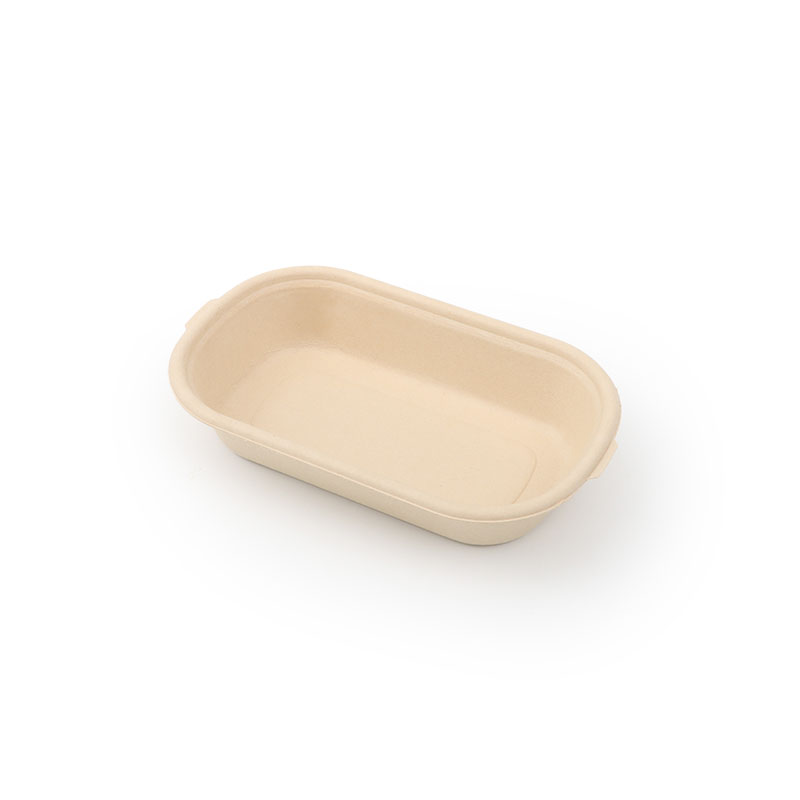
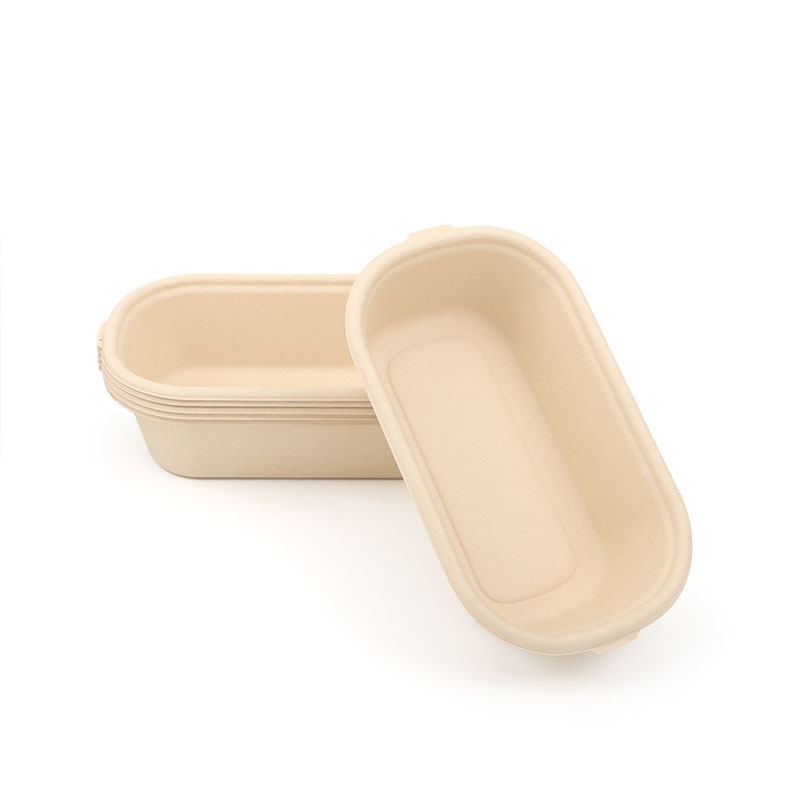
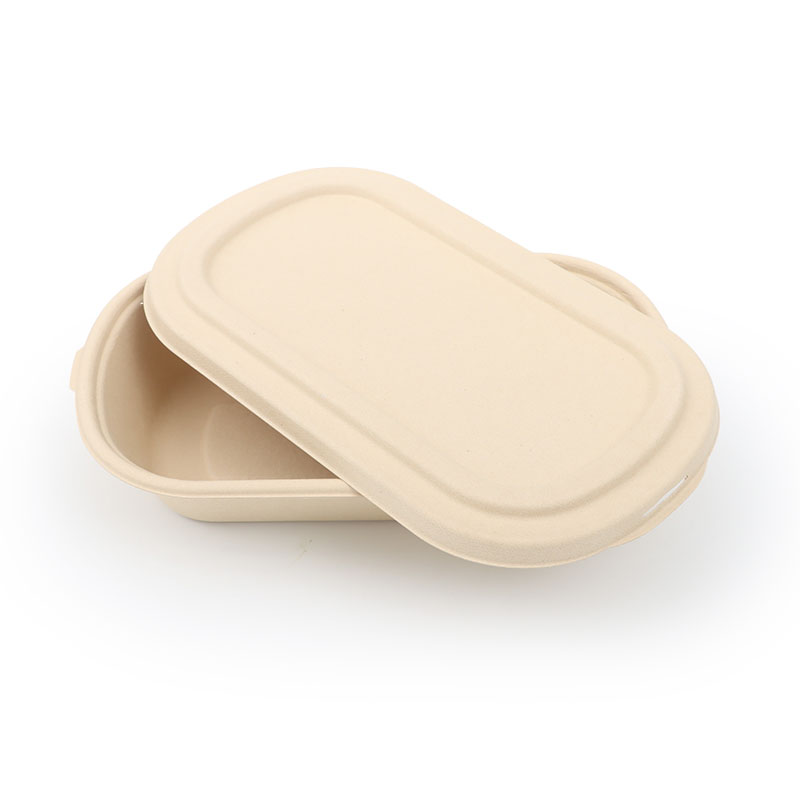
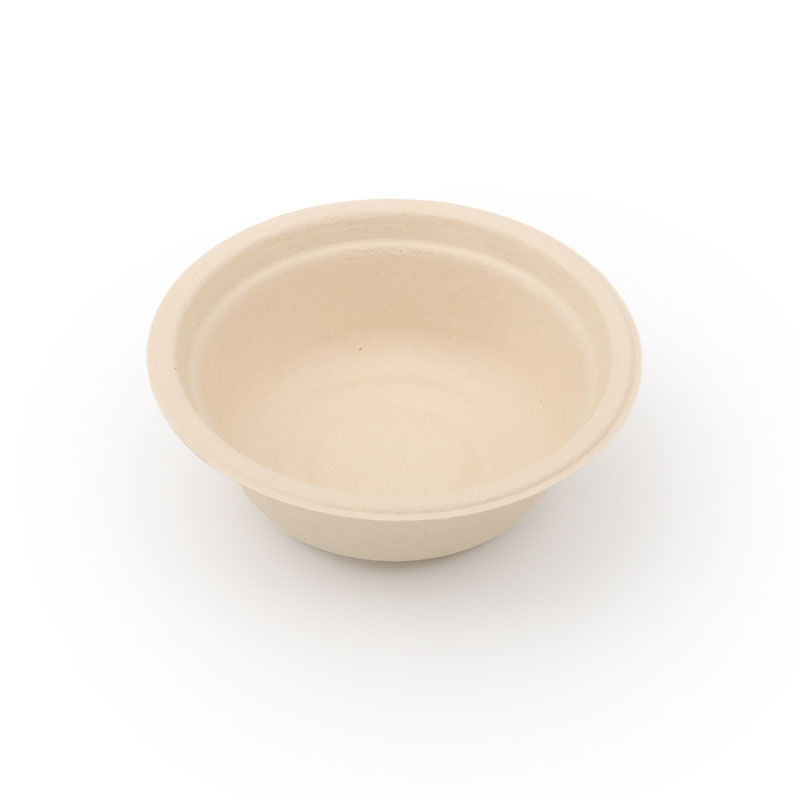
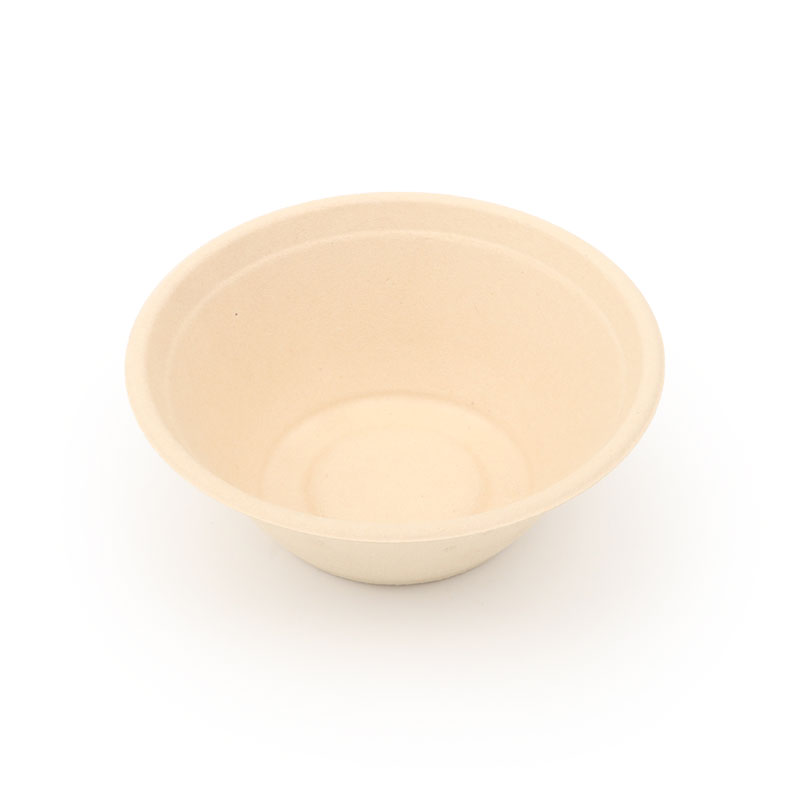
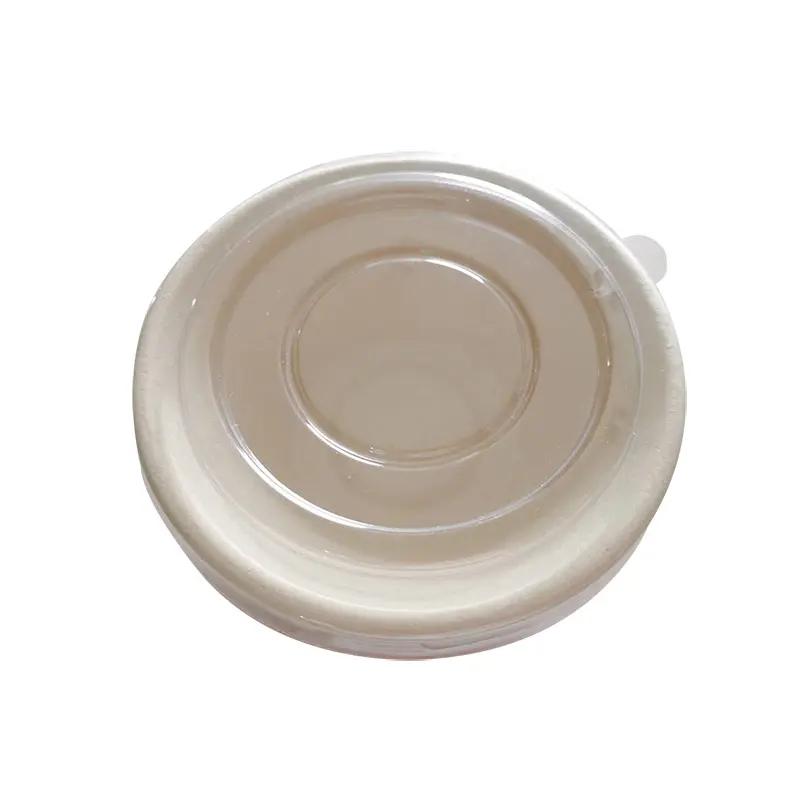
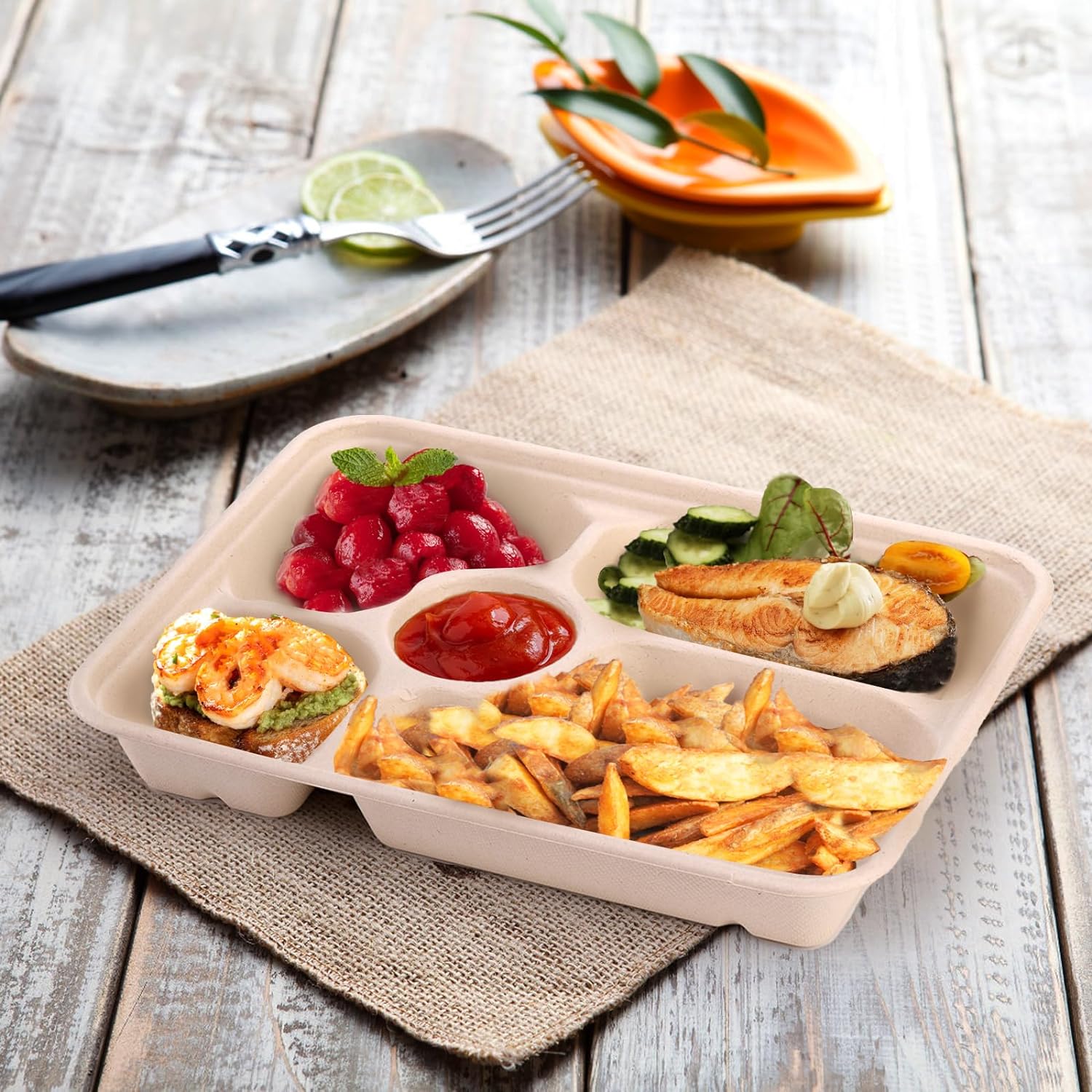
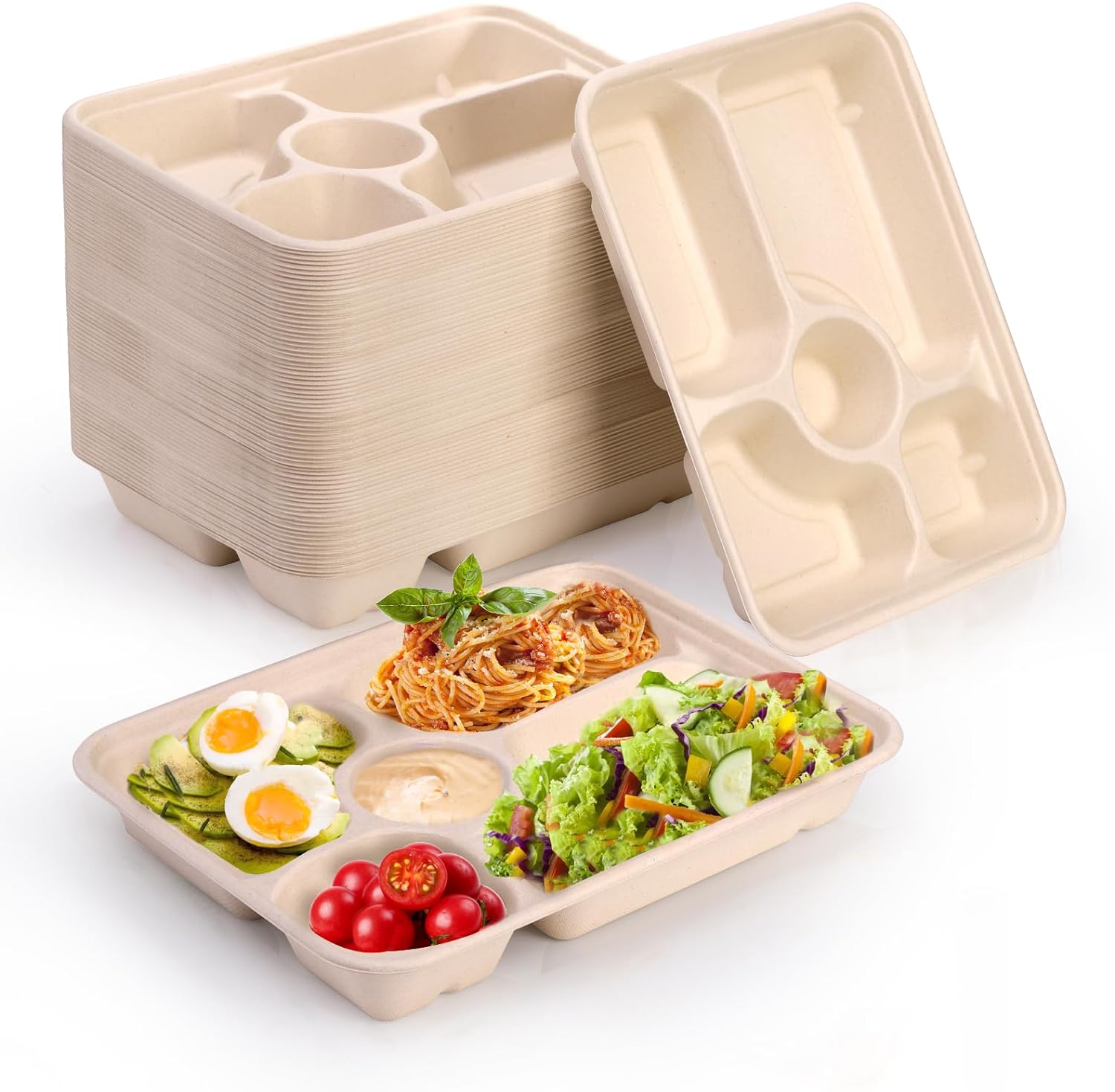
The focus on enhancing sustainability in food packaging has gained significant momentum in recent years, particularly with the rise of biodegradable materials in the market. One promising material is bamboo pulp fiber, which has been recognized for its eco-friendly properties and versatility. This material is tailored for various packaging sizes, including a 400ml bowl, a 950ml box, and a tray, each designed to meet diverse consumer needs while reducing environmental impact.
Bamboo pulp fiber packaging not only offers a biodegradable solution but also boasts impressive performance features. It is waterproof and oilproof, ensuring durability even at high temperatures of up to 95°C for 30 minutes. This capability allows these containers to be used in microwaves, ovens, and refrigerators safely, withstanding heat up to 220°C for cooking and maintaining quality even when frozen. These functionalities make bamboo pulp fiber an excellent choice for both consumers and food service providers looking to embrace sustainable practices without compromising on quality.
Furthermore, the aesthetic appeal of bamboo pulp fiber packaging, typically in beige, adds a natural touch to food presentation. The ability to customize sizes and shapes through OEM and ODM services ensures that brands can create packaging solutions that align with their identity while adhering to sustainability goals. With certifications such as BPI, FDA, and Green Seal, users can trust that these products meet stringent environmental standards, making them an ideal choice for businesses committed to enhancing sustainability in their packaging solutions.
FAQS
Demand for fresh produce and longer shelf life is driving businesses to adopt MAP solutions.
Consumer understanding is limited, and adapting technology to local environments can be difficult.
Compliance with safety standards is complex, especially for smaller businesses with fewer resources.
They need to understand the gas composition requirements of different products for effective packaging.
High costs and technological complexities can be barriers, making careful evaluation essential.
MAP extends shelf life, which helps in reducing food waste significantly.
While MAP minimizes waste, it also raises questions about environmental impacts.
Biodegradable plastics are emerging, but their production often requires significant resources.
Partnerships between governments and businesses can lead to better education and sustainable innovations.
Conclusion
The article explores the evolving landscape of modified atmosphere packaging in China, highlighting its significant role in the packaged food market. With recent technological innovations, the solutions for packaging in a protective atmosphere have advanced, offering enhanced shelf life and product quality. As key players dominate this industry, consumer preferences are increasingly leaning towards sustainable and efficient packaging options.
Additionally, the impact of regulatory standards is shaping the development of protective packaging solutions, driving the need for compliance while addressing sustainability challenges. A statistical analysis reveals a robust growth trajectory in China's packaged food market, underscoring the importance of innovative packaging strategies. Overall, the advancements in technology and shifts in consumer demands are contributing to the dynamic nature of packaging in a protective atmosphere within China.
 Box With T buckle
 700ml Square Lunch Box
 500ml
 700ml
 850ml
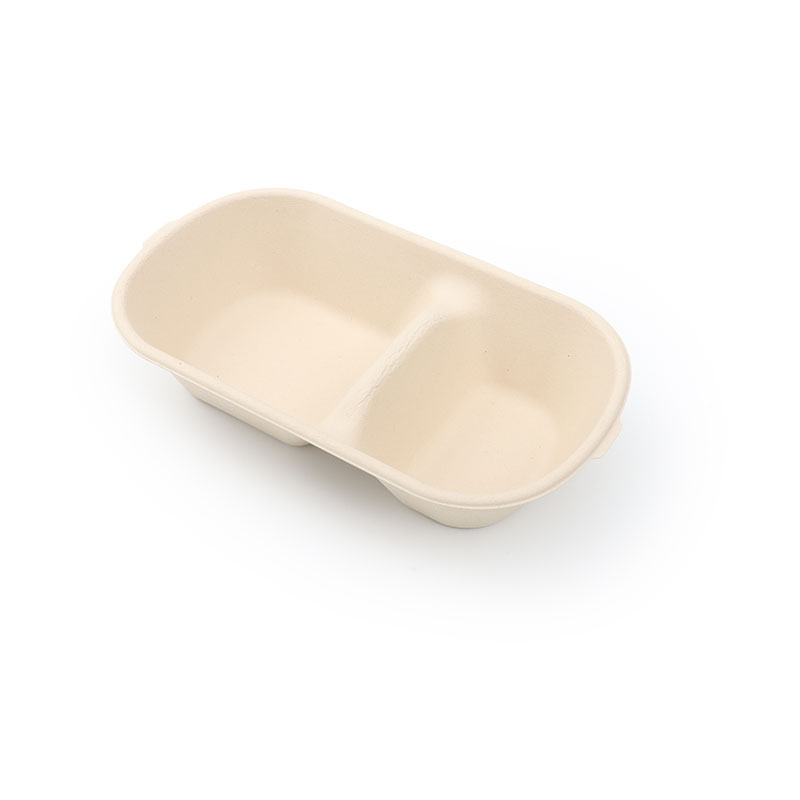 800ml 2 Compartments
 1000ml 2 Compartments
 1100ml
 1000ml Square Lunch Box
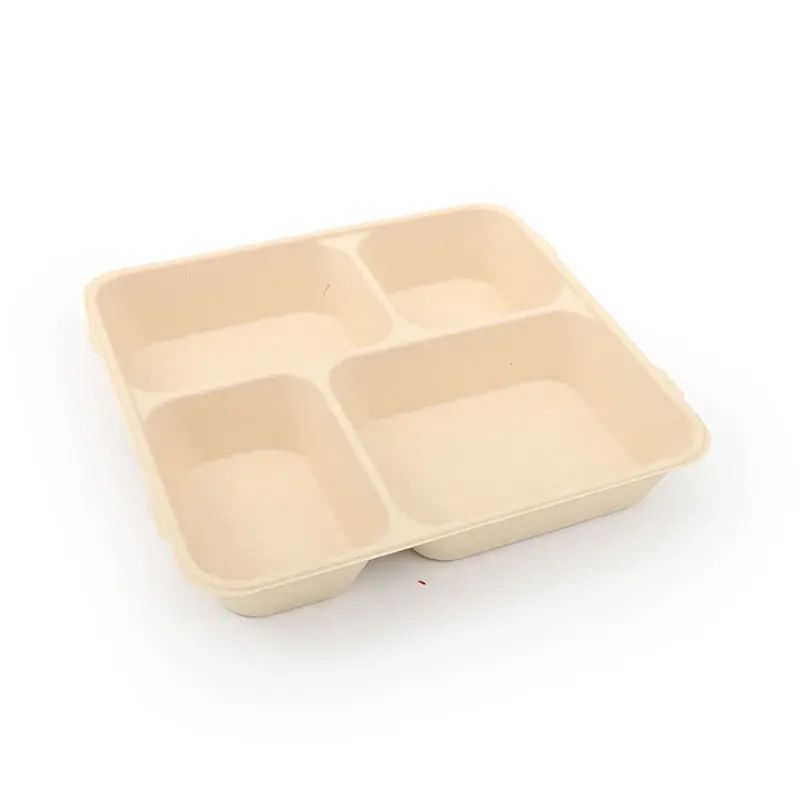 1340ml 4 Compartments
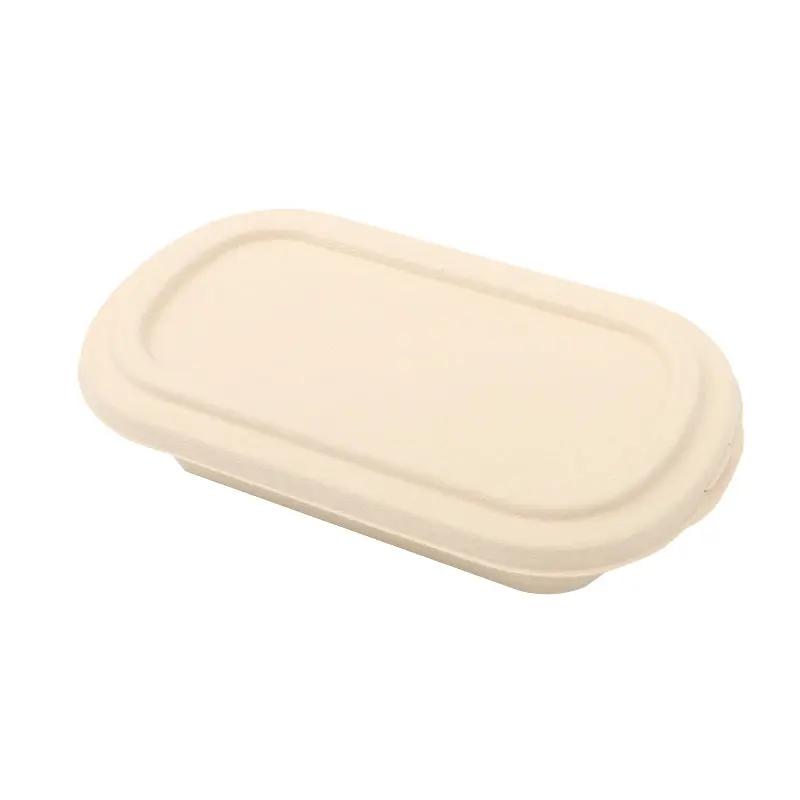 Lunch Box Lid
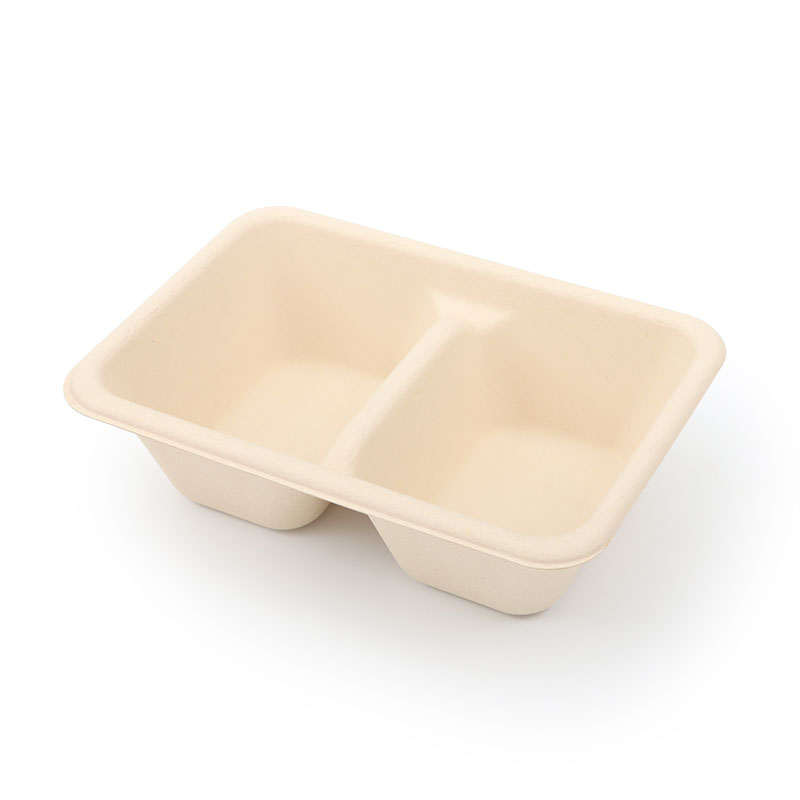 650ml
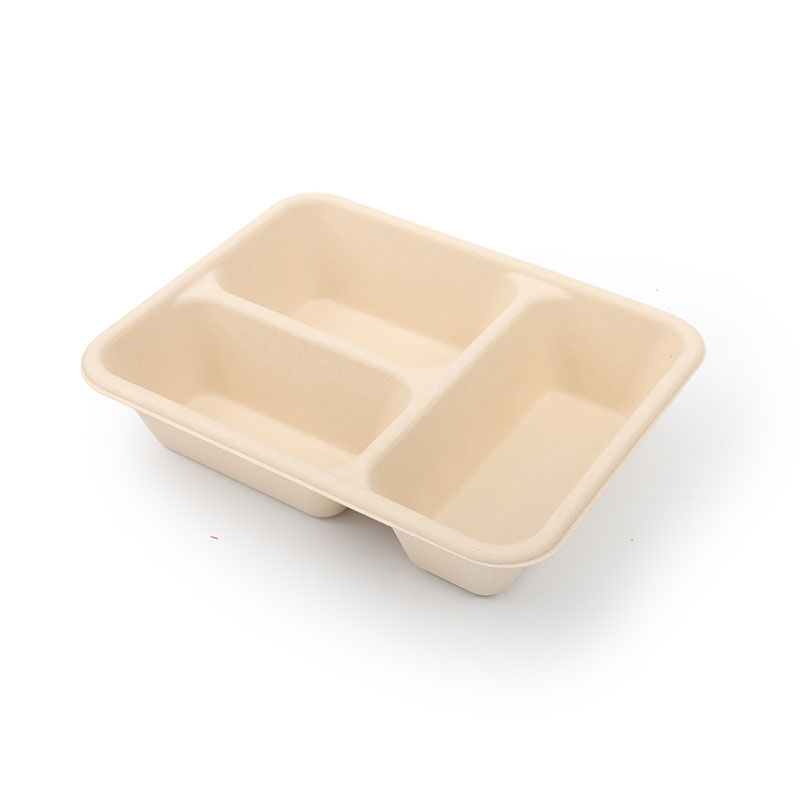 1000ml 3 Compartments
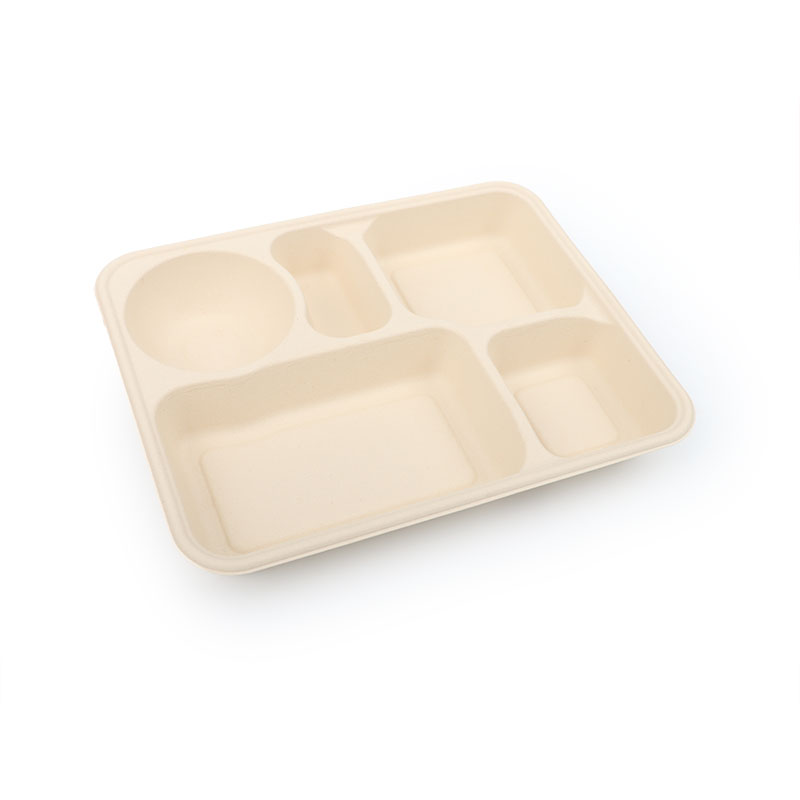 1250ml 5 Compartments
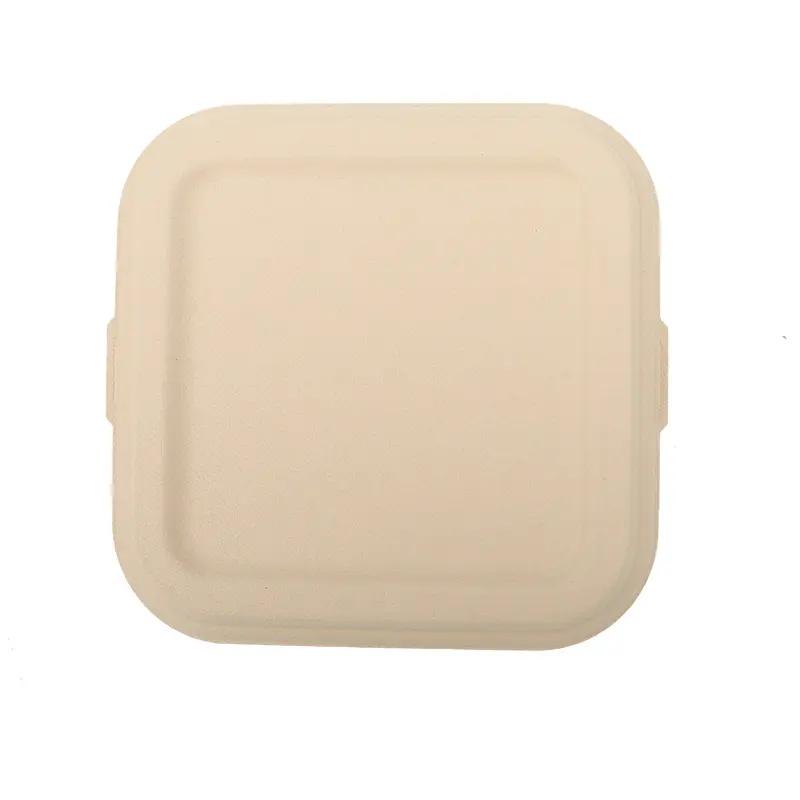 Square Lunch Box Lid
 Box Without T buckle
 850ml Salad Box
 700ml
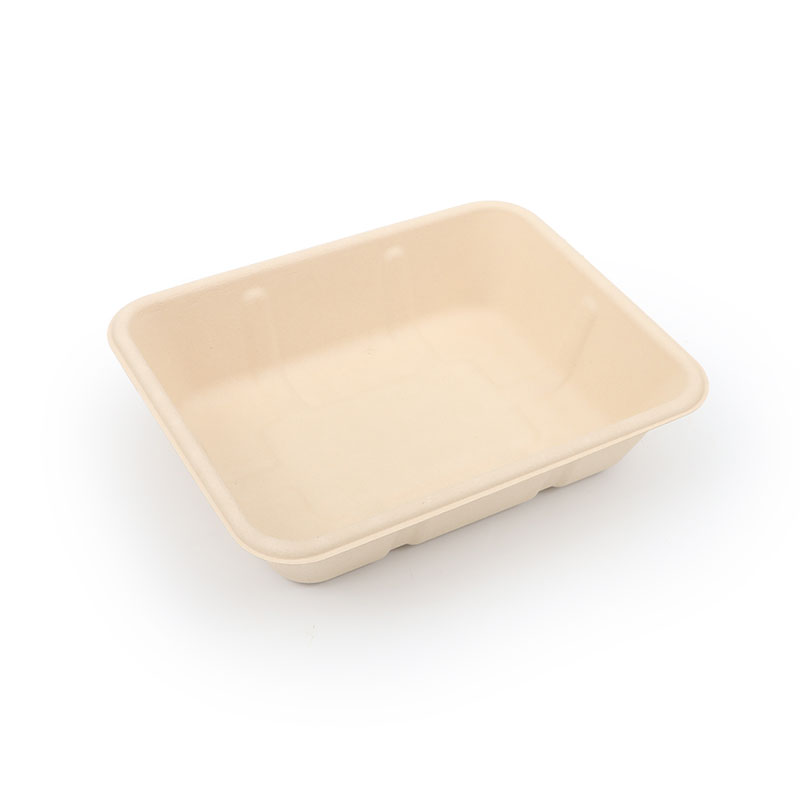 1350ml
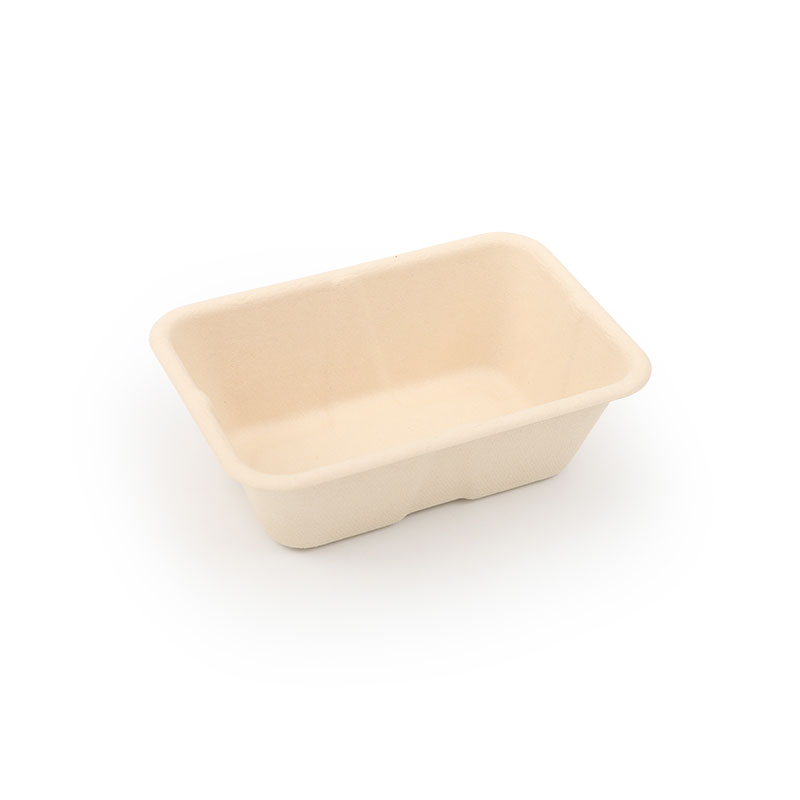 470ml
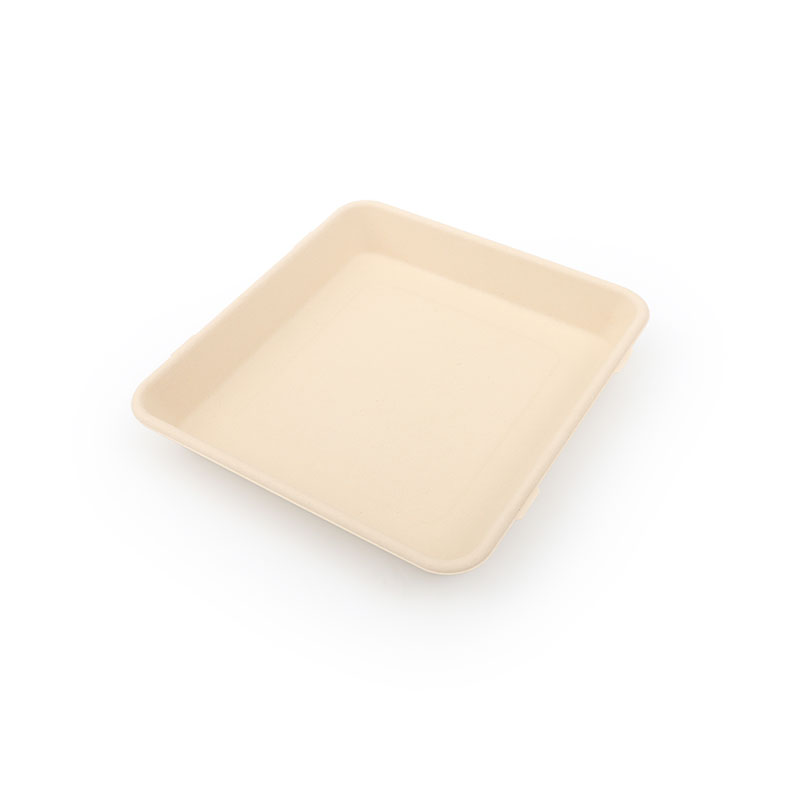
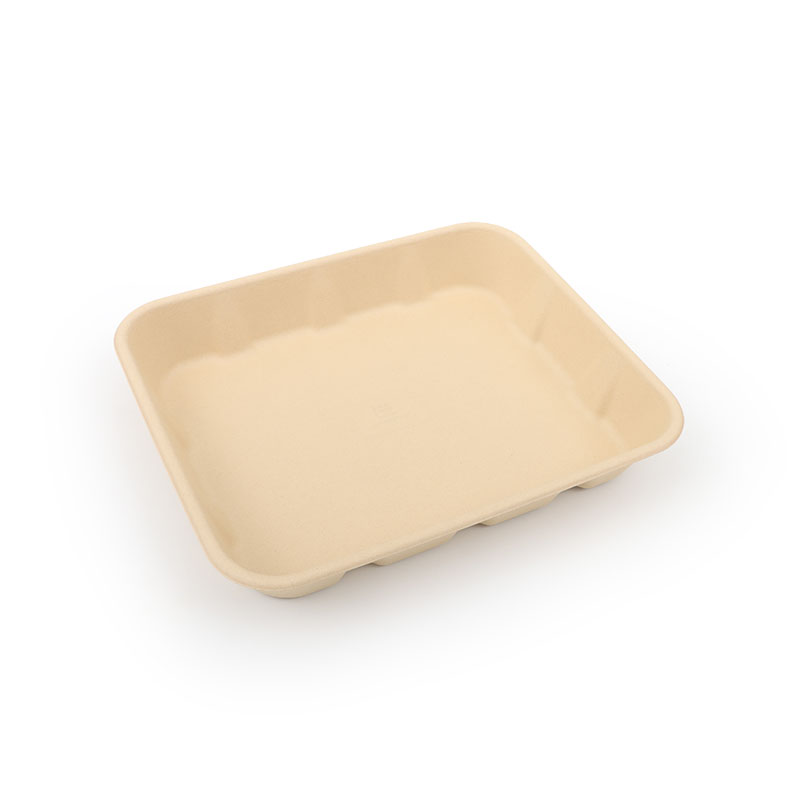 2183ml Tray Box
 11" * 9"
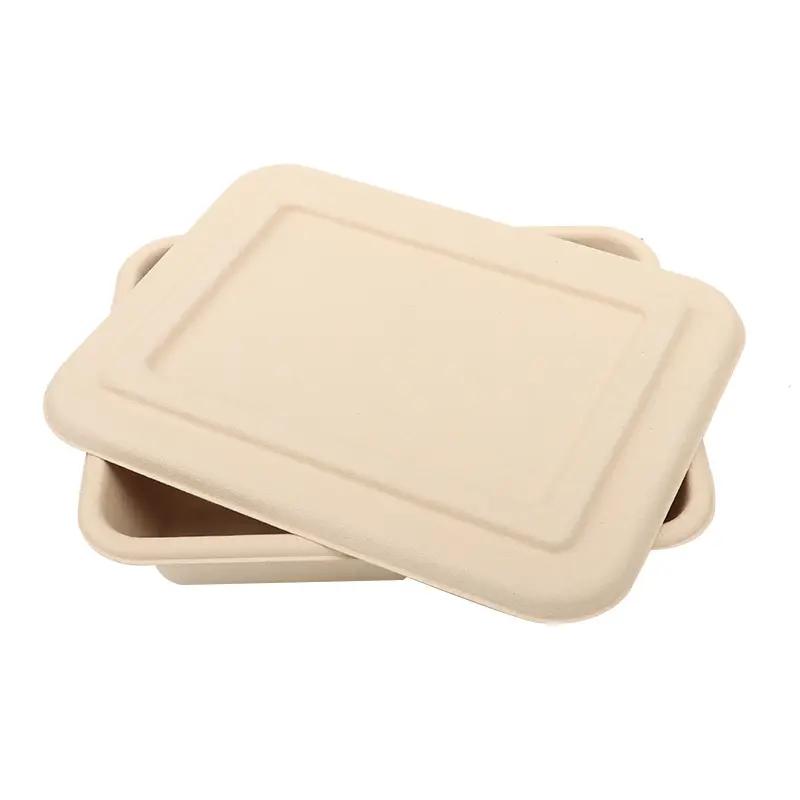 800ml
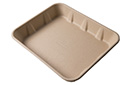 One Part Box
 1443ml Tray Box
 Cake Bread Snack Tray Series
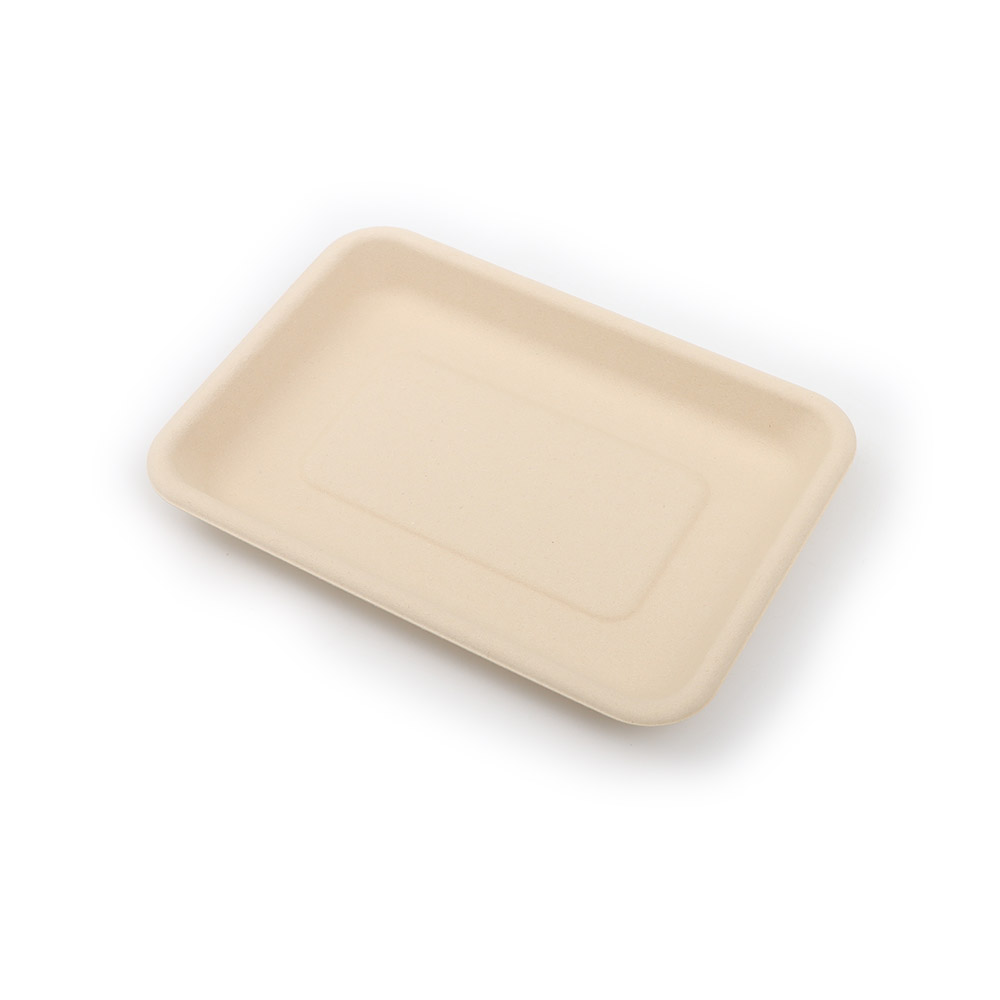 5" * 7" natural color
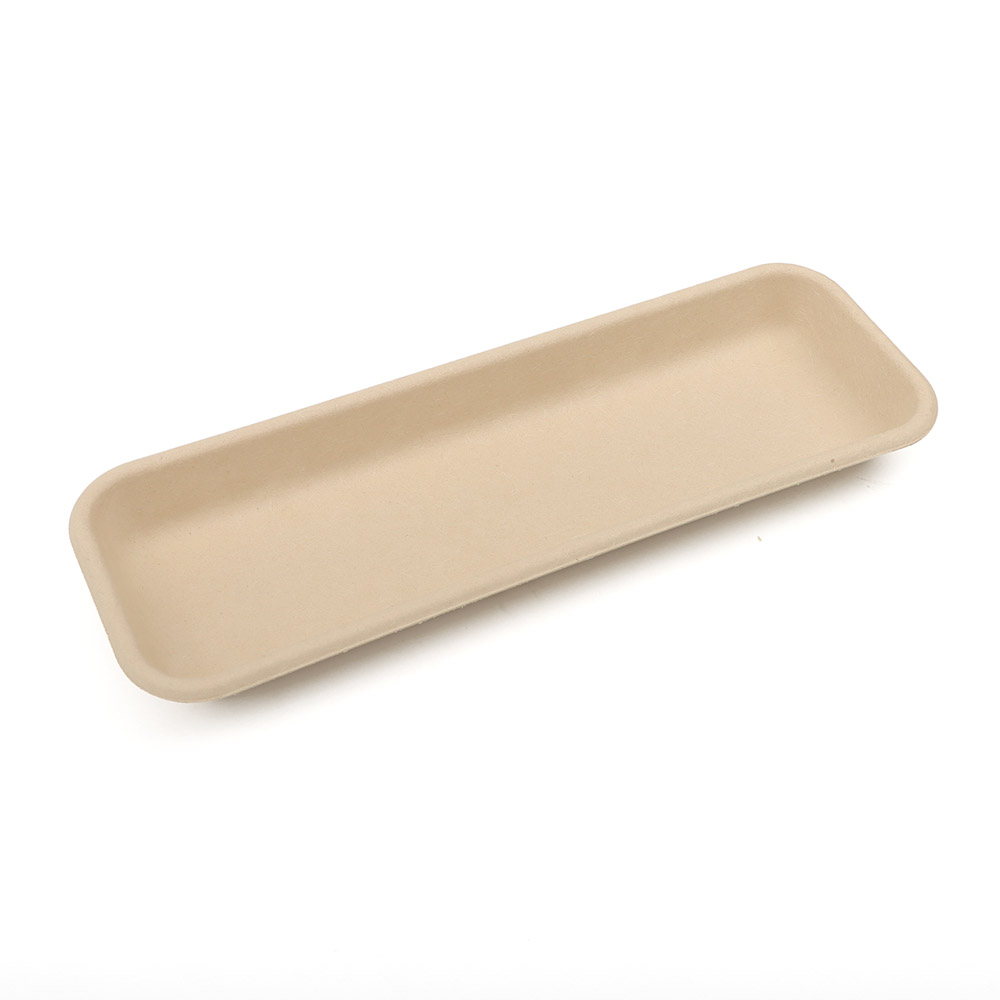 11.4" * 3.9"
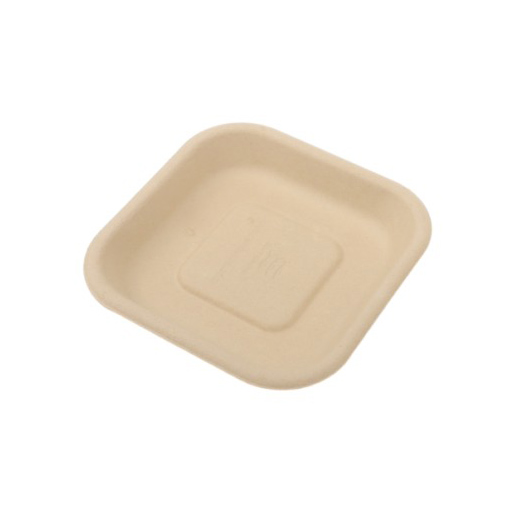 5.3" * 5.3"
 Fruit And Vegetable Tray Series
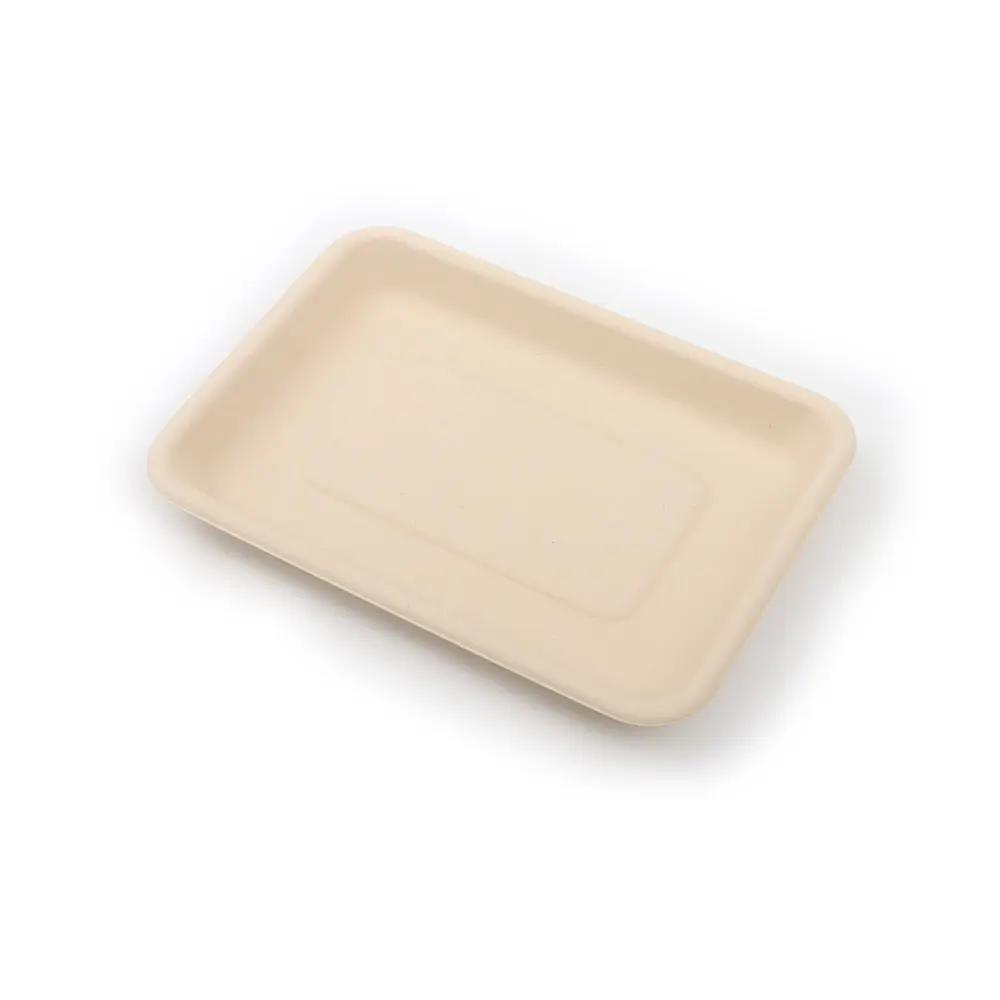 8.6" * 5.3"
 Sushi Tray Series
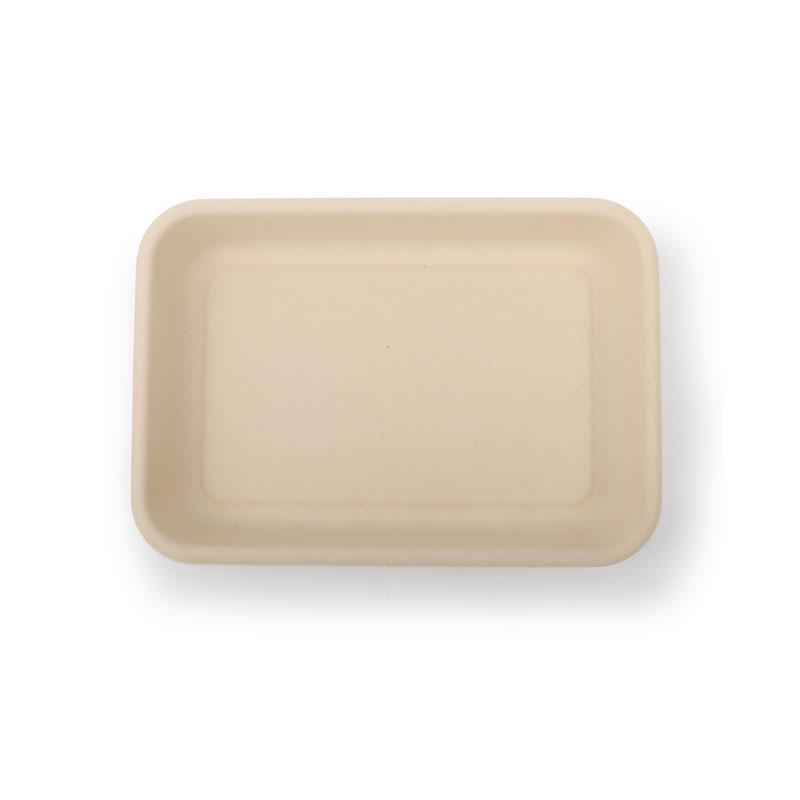 200" * 140"
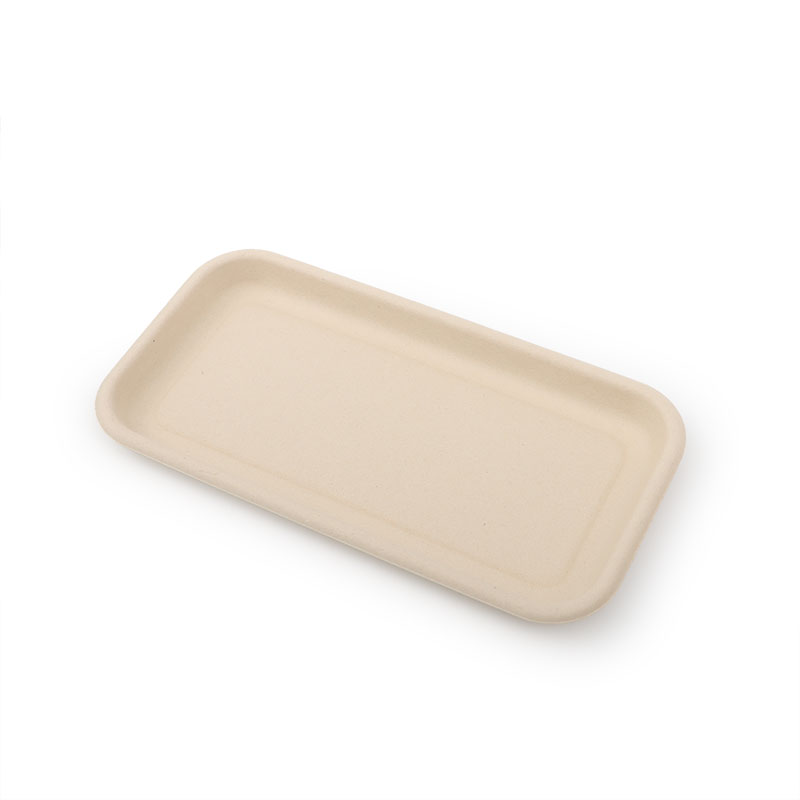 210" * 110"
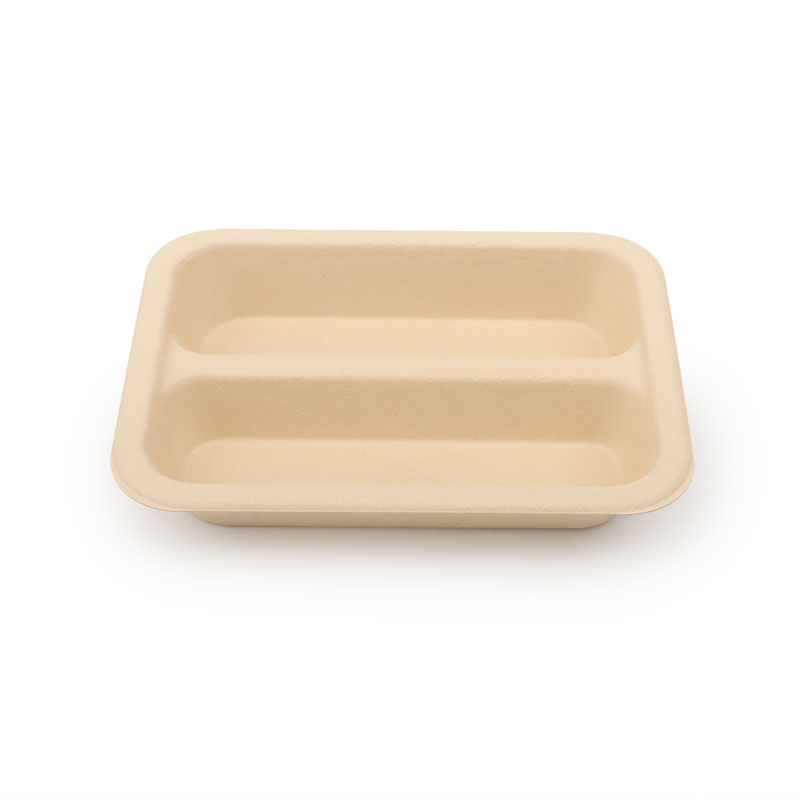 2 Compartments
 Small Round Plate Series
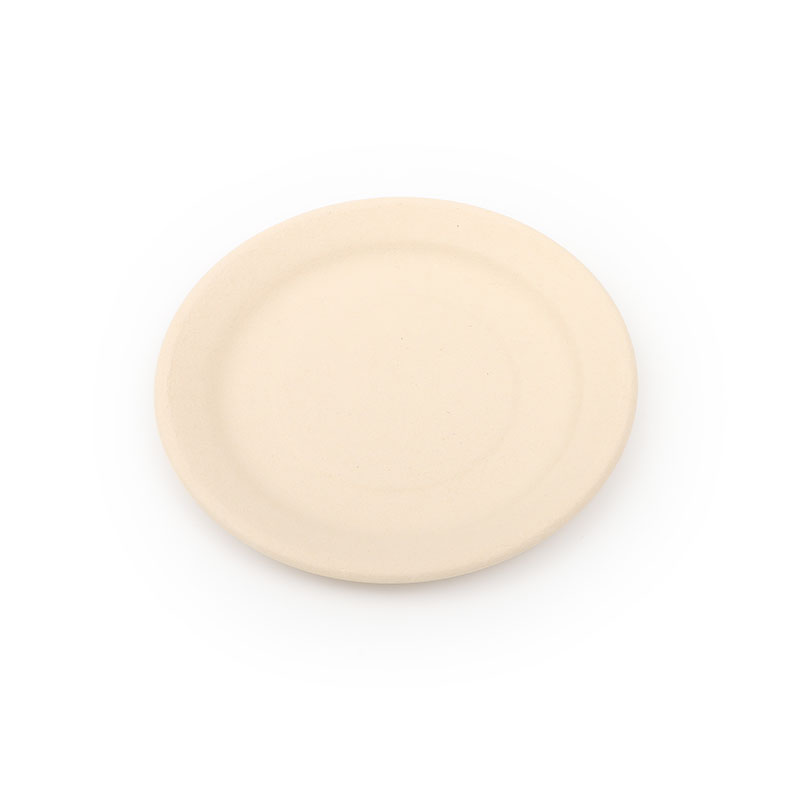 7 inch
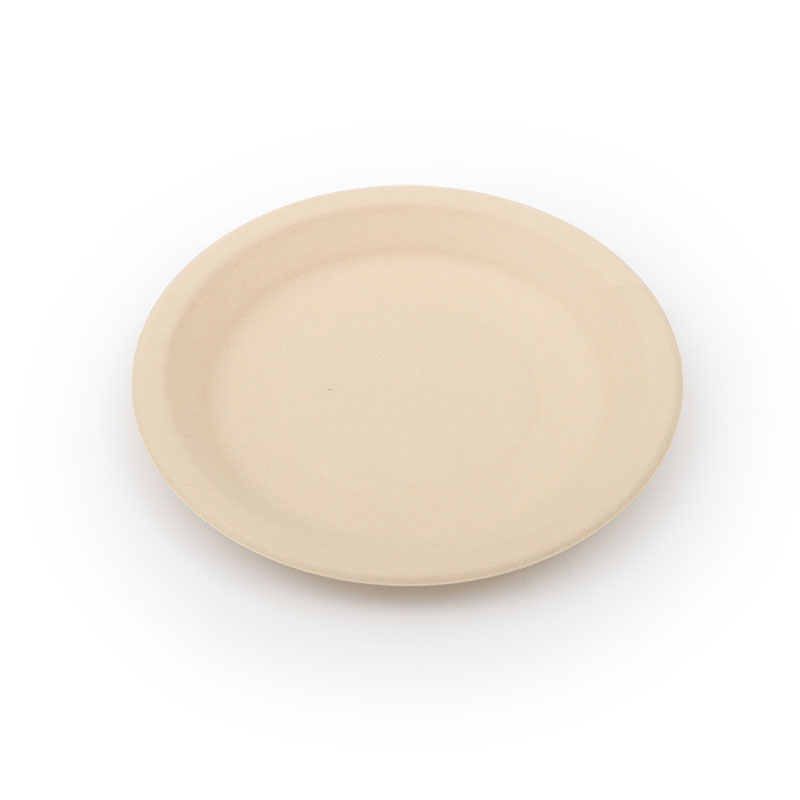 6 inch
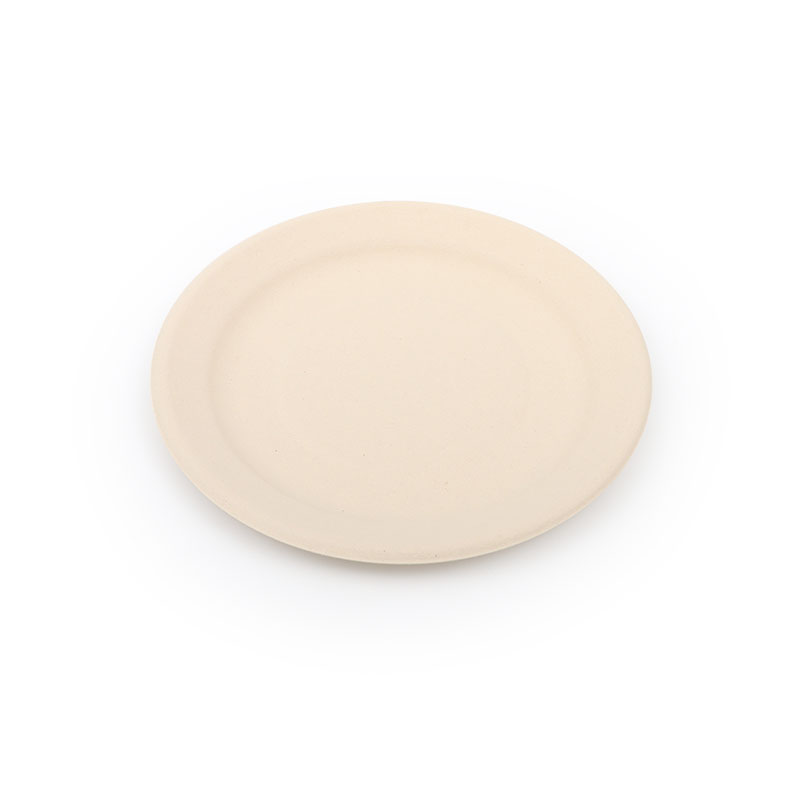 8 inch
 Middle Round Plate Series
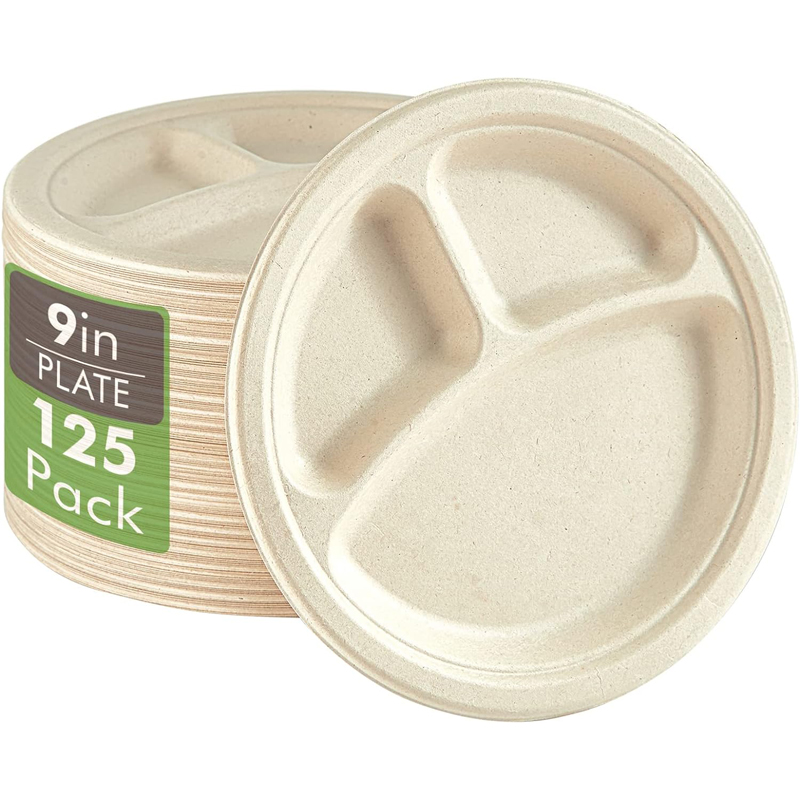
 9 Inch 3 Compartments
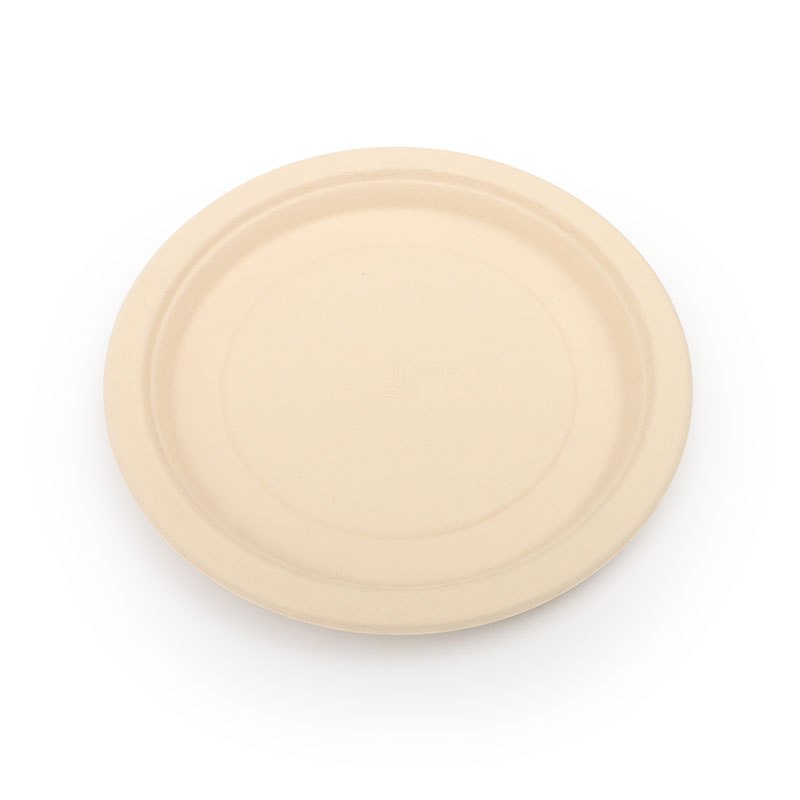 9 inch
 Big Round Plate Series
 12.7 Inch Pizza Plate
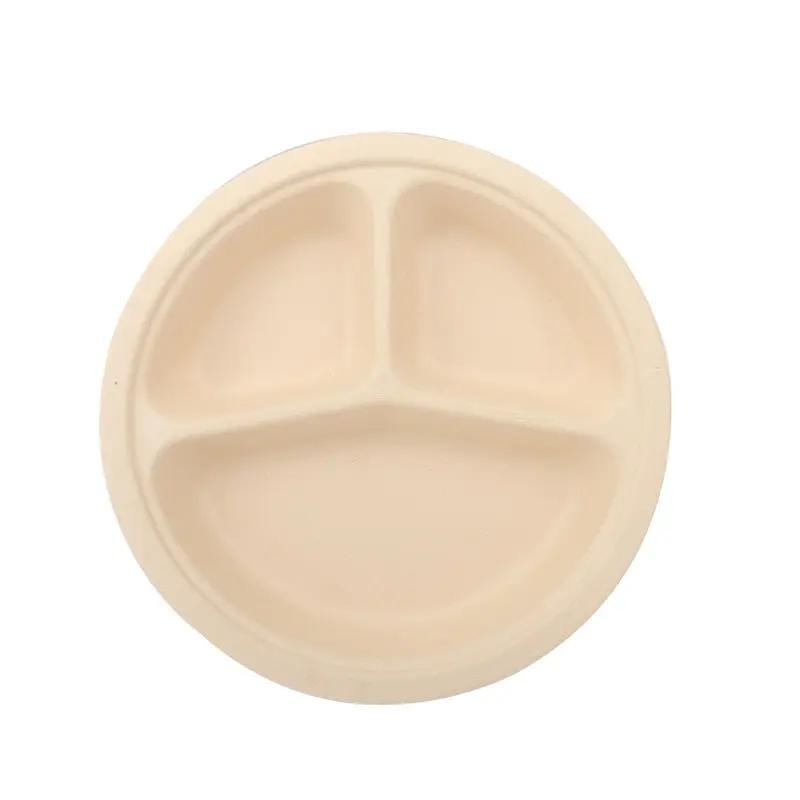 10.25 inch 3 Compartments
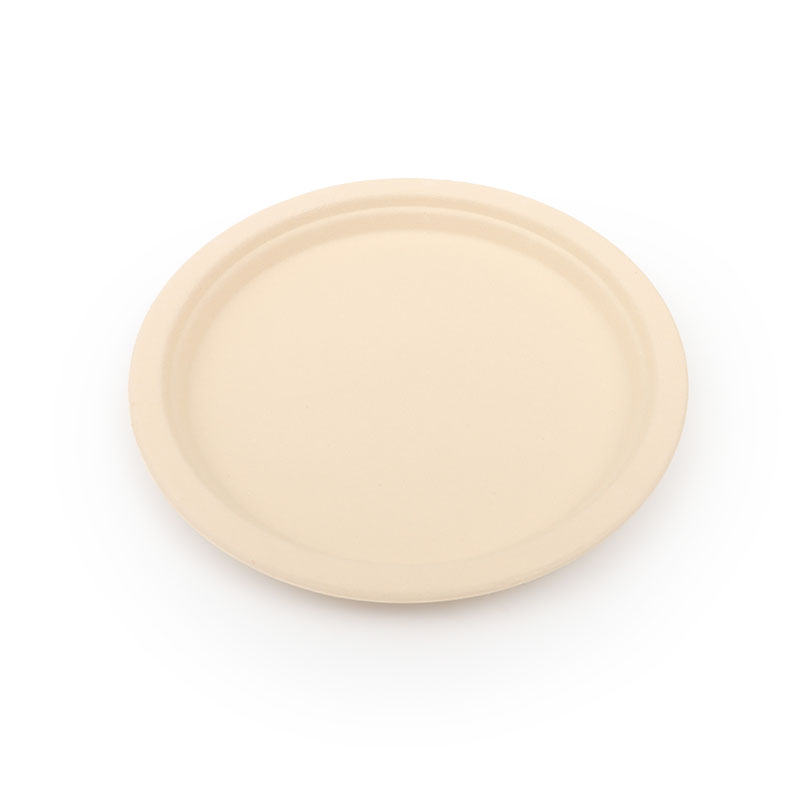 10 inch
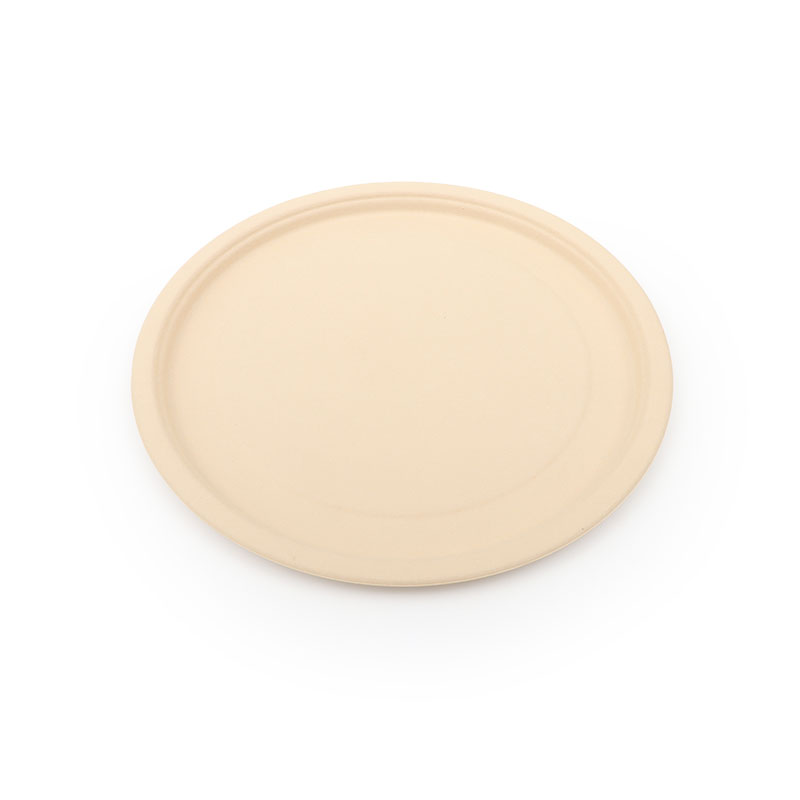 12 inch
 Bigger Bowl
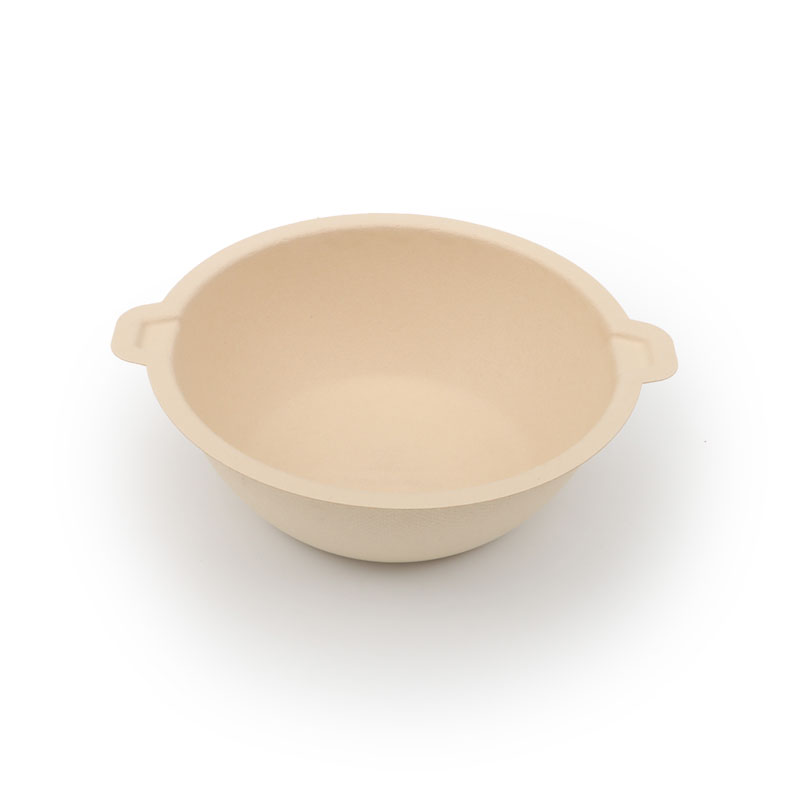 48oz(1420ml)
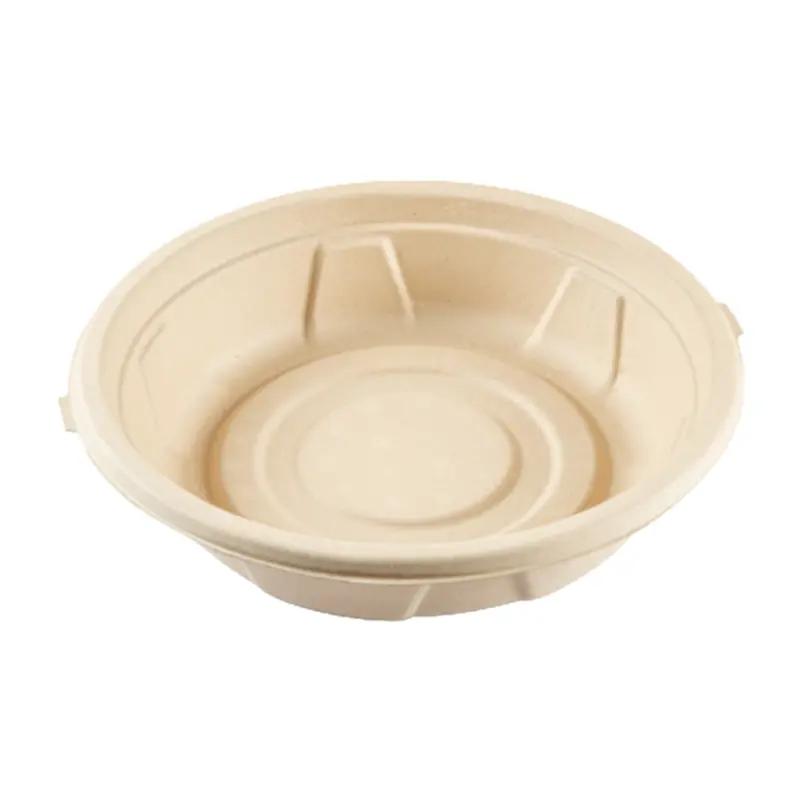 56oz(1650ml)
 100oz(2950ml)
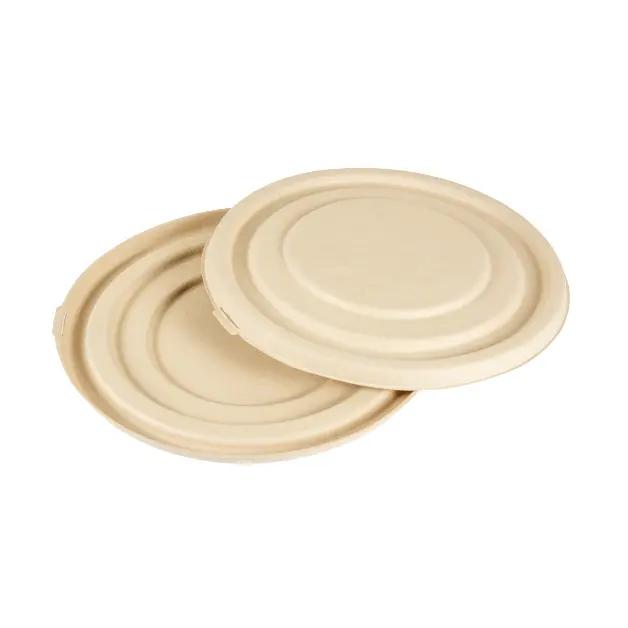 100oz(2950ml) With Lid
 Middle Bowl
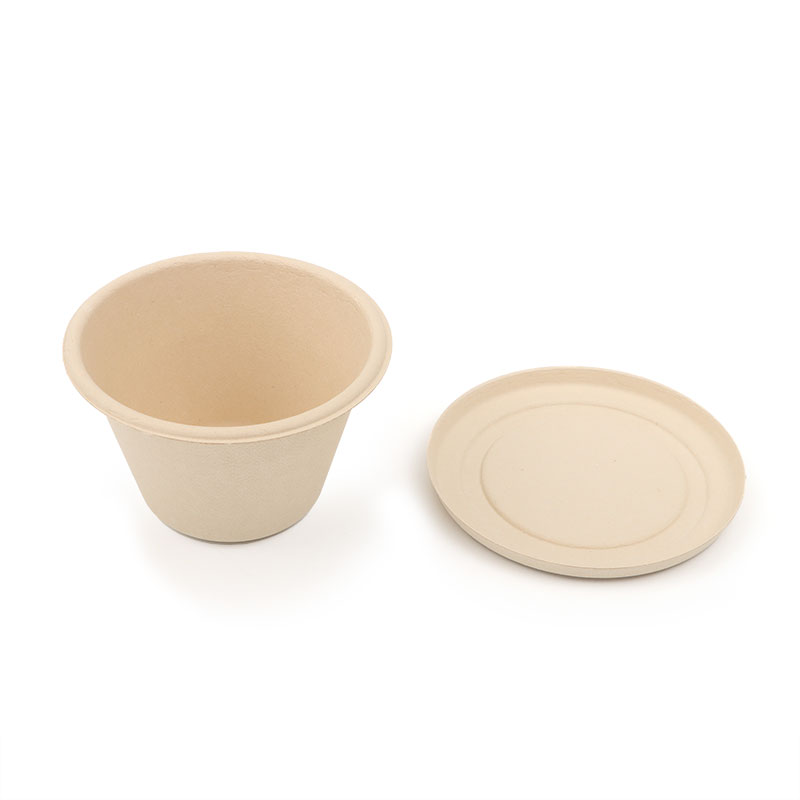 17oz(500ml)
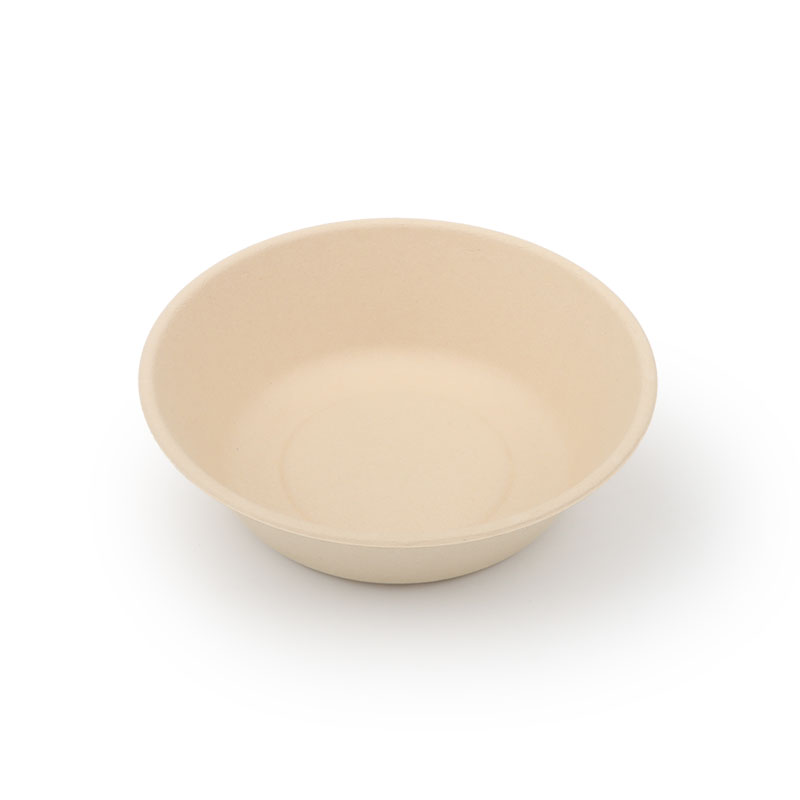 27oz(800ml)
 20oz(600ml)
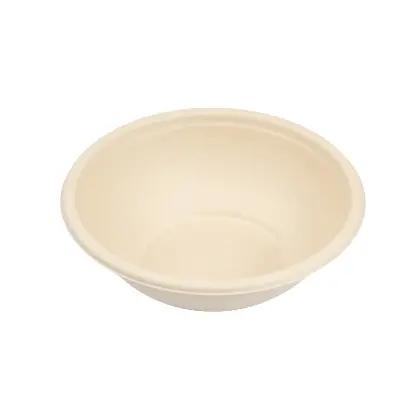 29oz(850ml)
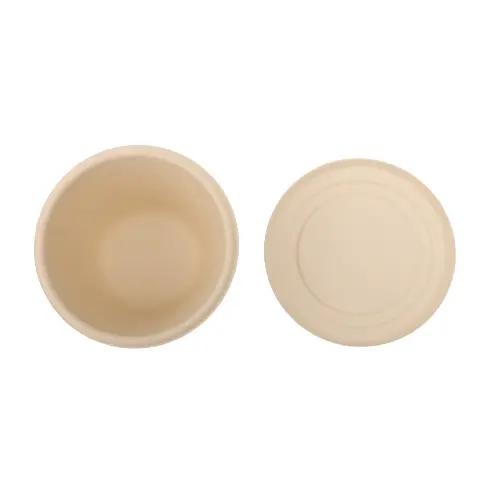 17oz(500ml) With Lid
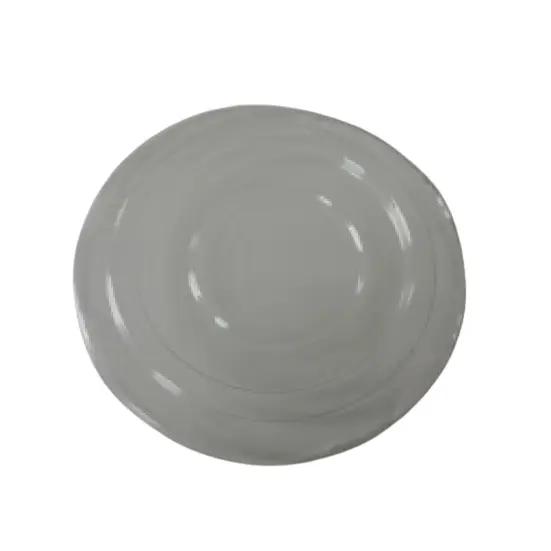 17oz(500ml) PET Lid
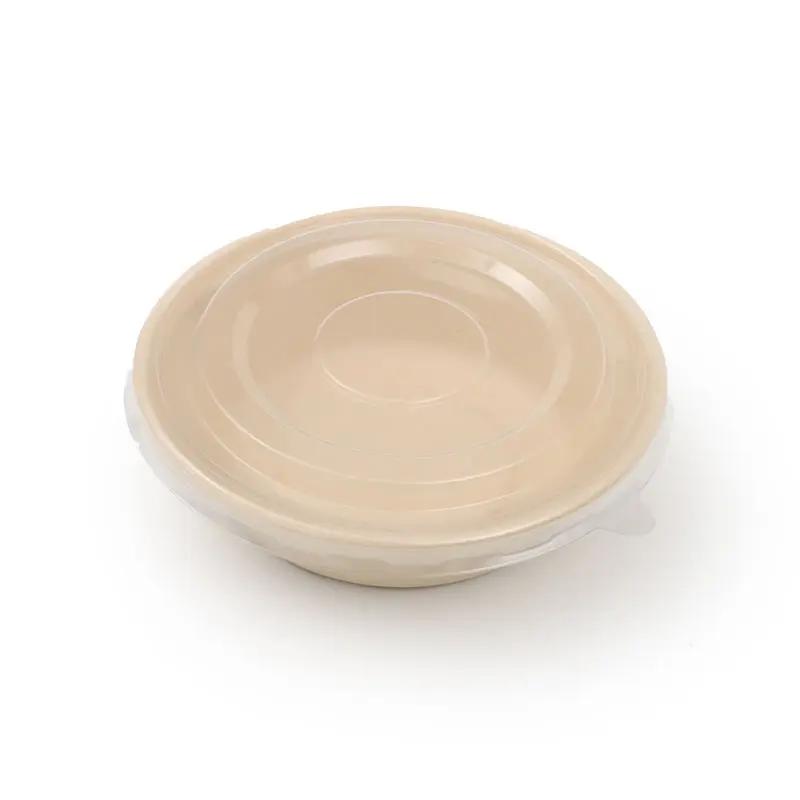 28oz(830ml) PET Lid
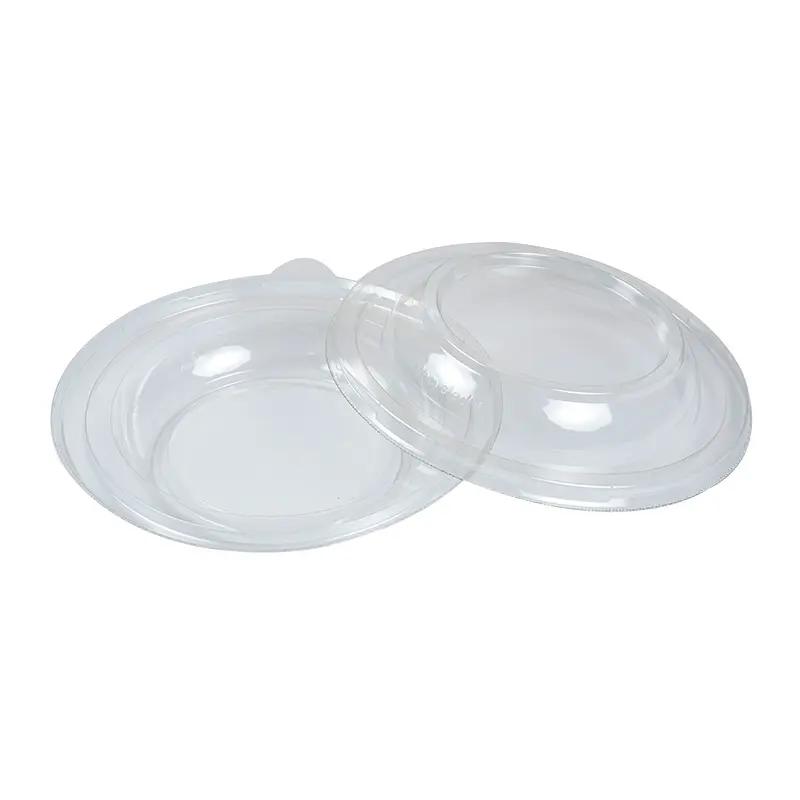 Round Bowl PET
 Small Bowl
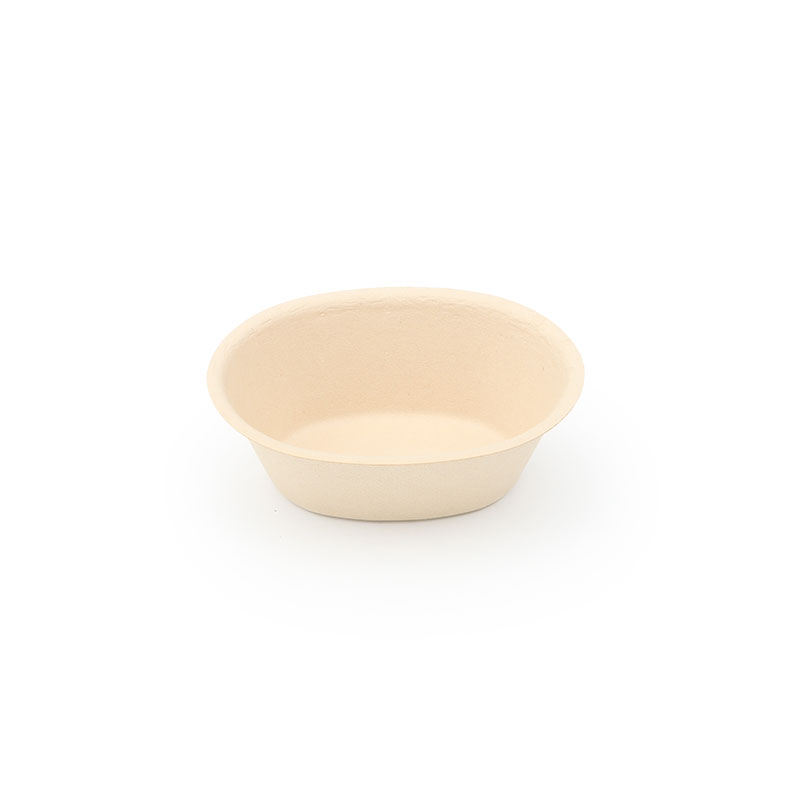 Snack Bowl
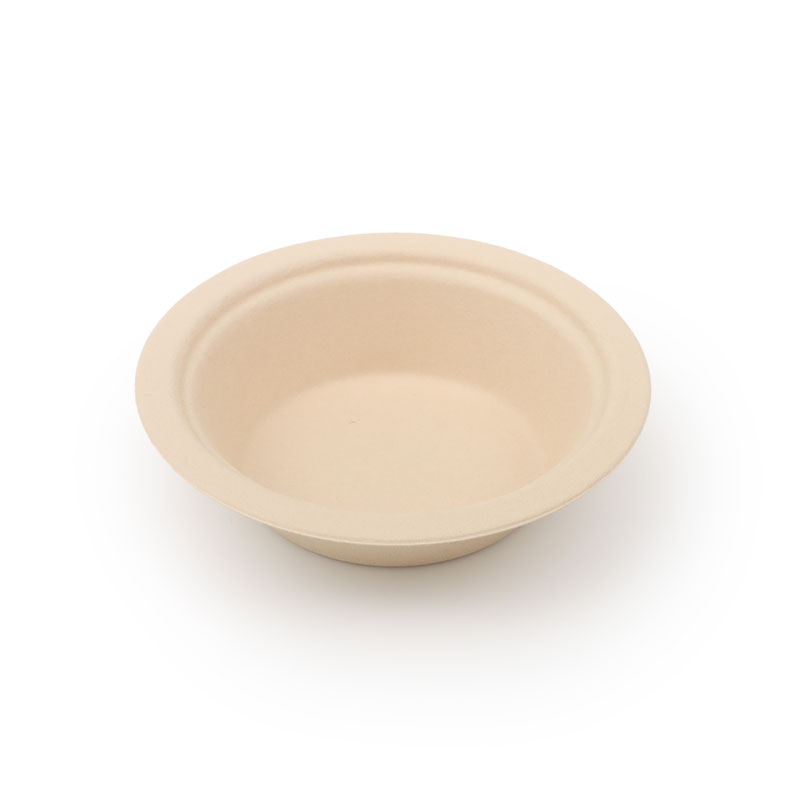 11.5oz(340ml) Bowl
 6.7oz(200ml) Bowl
 12oz(350ml) Bowl
 12oz(350ml) Bowl PET
 Bagasse Lunch Boxes
 5CP
 6 inch
 Bagasse Food Plates
 7 inch
 3CP
 Bagasse Bowls
 4oz
 Bagasse Cups And Cutlery
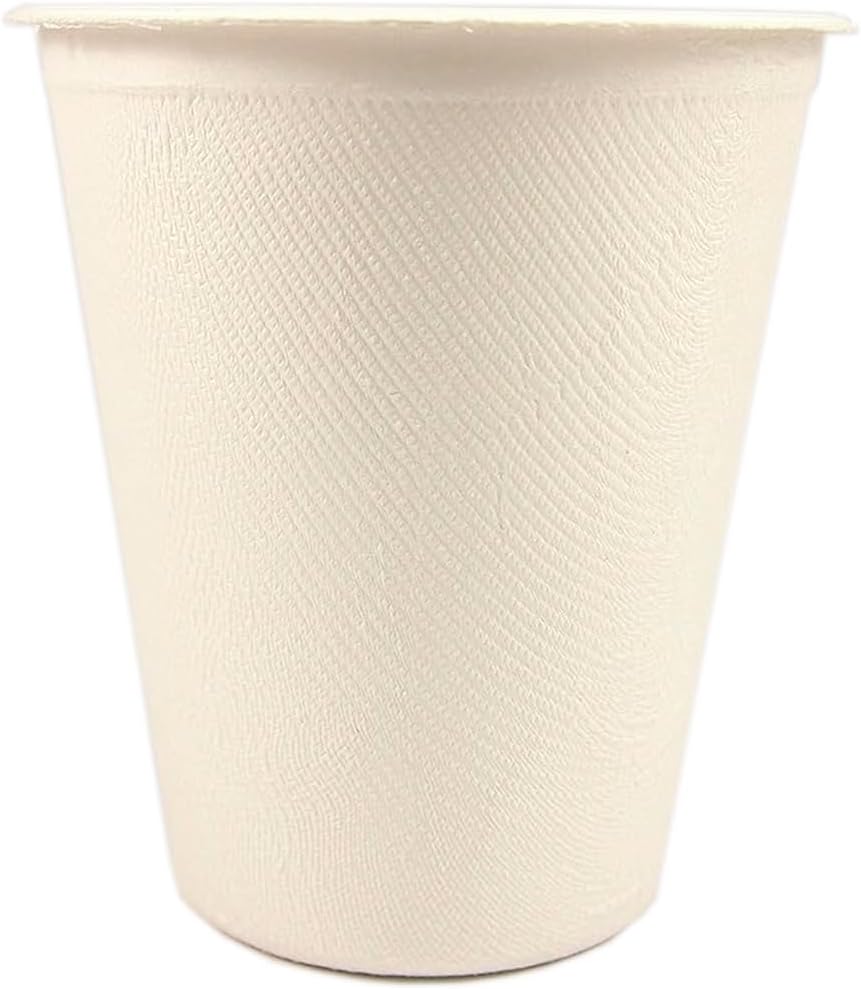 8oz
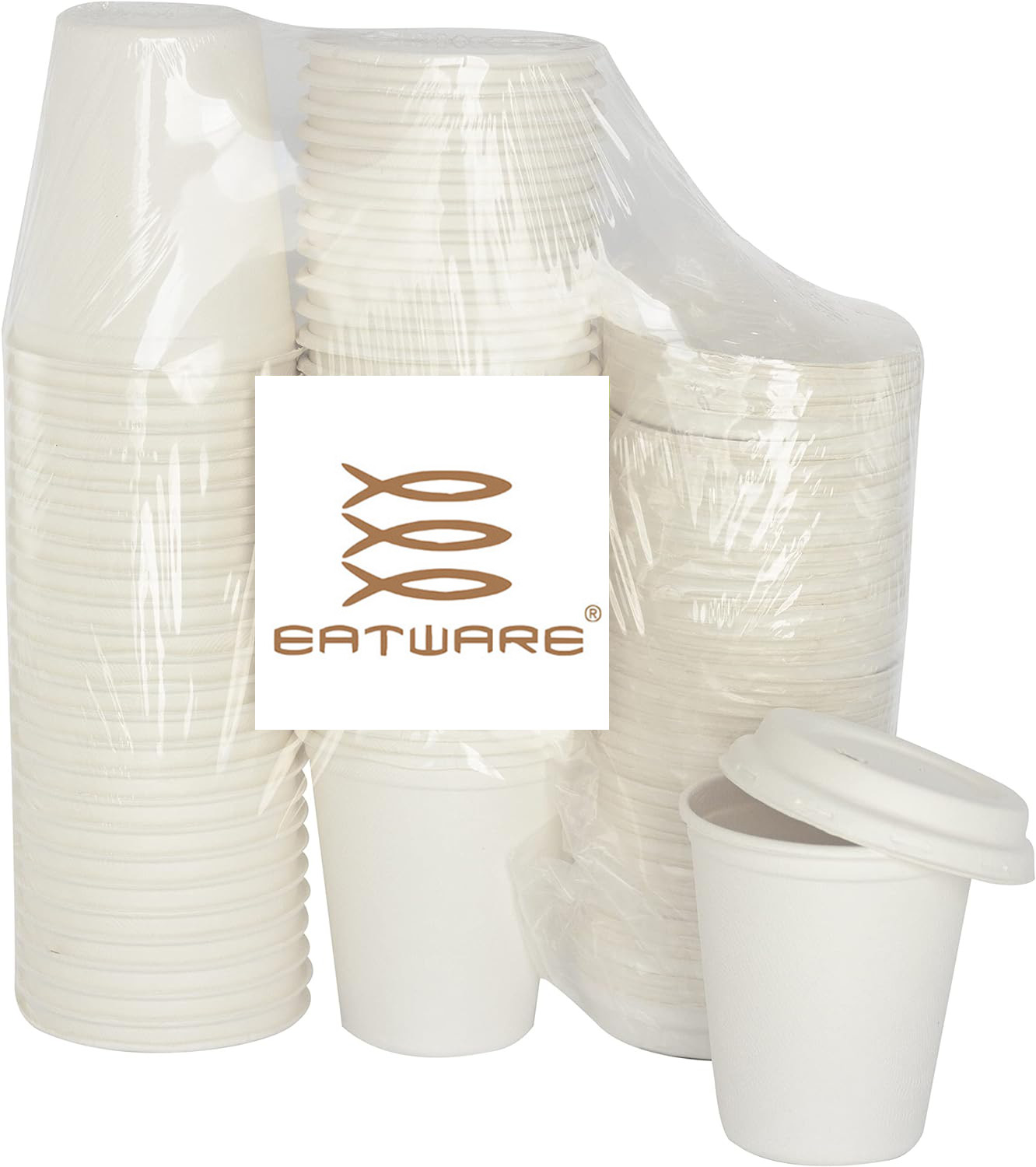 12oz
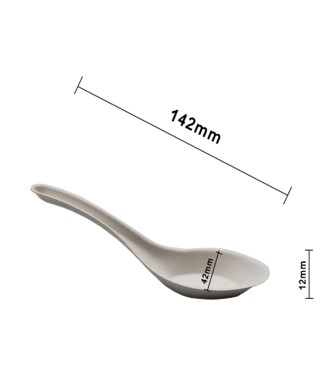 Cutlery


