In today's world, where pretty much everyone’s thinking about being eco-friendly, businesses are really feeling the push to go green. A report from Smithers back in 2022 actually predicts that the global market for biodegradable materials could hit around $21.4 billion by 2026. That’s a pretty big deal! It kind of shows how much people are looking for products like Bio Degradable Plates. Not only do these plates help cut down on environmental damage, but they also tick the box on consumers’ ethical preferences—people are more conscious than ever about where their stuff comes from and how it impacts the planet.
If you're a business thinking about jumping on the biodegradable bandwagon, picking the right plates is super important. Good quality, plant-based plates that decompose within about 90 days in commercial composting facilities can really boost your brand image and appeal to eco-minded customers. But, heads up— not all biodegradable options are created equal. Some might still leave behind microplastics or depend on industrial processes that kind of cancel out the whole eco-friendly thing.
It’s not just about slapping on a ‘biodegradable’ label either. Honestly, if you really want to make a difference, you gotta look at your whole supply chain— from where you source your materials, to how everything is made, and finally, how it gets disposed of. Being truly eco-friendly isn't just a quick fix; it’s a balancing act between sustainability, costs, and quality. Yeah, it’s a bit complex, but totally worth it if you ask me.

Factors to Consider When Selecting Biodegradable Plates for Business
When selecting biodegradable plates for your business, various factors warrant careful consideration. Material composition is crucial. Plates made from plant starch, sugarcane, or bamboo often offer good performance. However, the rate at which they degrade varies significantly. For instance, a study by the Biodegradable Products Institute (BPI) indicates that Compostable Plates may take between 90 to 180 days to decompose under optimal conditions. This timeframe can affect how businesses plan their waste management.
Another important aspect is the certifications of the plates. Look for industry-recognized certifications such as ASTM D6400 or EN 13432. These certifications ensure that the products meet specific standards for biodegradability and compostability. Without these certifications, claims may be dubious. Not all Biodegradable Plates are created equal, and some may leave behind microplastics, which can negate their environmental benefits.
Cost is also a significant consideration. Biodegradable plates often come at a higher price point than traditional options. Some reports suggest that businesses may see a price increase of up to 30% when opting for eco-friendly products. Balancing quality and cost is essential. Sometimes businesses rush to make sustainable choices without thoroughly analyzing their needs or the environmental impact of their decisions. It's imperative to continuously evaluate and adapt as needed to ensure that your business is making genuinely eco-friendly choices.
Best Tips for Choosing Bio Degradable Plates for Your Business
| Factor | Consideration | Benefits |
| Material Composition | Look for plates made from plant-based materials such as sugarcane, bamboo, or wheat straw. | Compostable and environmentally friendly disposal. |
| Durability | Ensure the plates can hold wet and hot foods without leaking or breaking. | Customer satisfaction and reduced waste due to plate breakage. |
| Size Variety | Choose plates in various sizes to accommodate different food items and portion sizes. | Flexibility for different menu offerings. |
| Supplier Reliability | Research suppliers to ensure consistent quality and availability. | Avoid interruptions in supply and maintain customer trust. |
| Cost-Effectiveness | Compare prices from different suppliers to find the best value. | Maximize profitability while supporting sustainability. |
Types of Biodegradable Materials Used in Plates
When selecting biodegradable plates for your business, understanding the materials is crucial. Various types of biodegradable materials are used in these plates, each with unique properties. One common option is PLA (polylactic acid), derived from corn starch. It’s compostable, breaking down in industrial facilities within 60 to 90 days. However, it may not be suitable for hot foods.
Another material is sugarcane pulp, known for its durability and resistance to leakage. This type is versatile and can handle both hot and cold items. Some businesses opt for palm leaf plates, made from fallen palm leaves. They offer a rustic look and can be composted after use. Yet, sourcing can be inconsistent, impacting availability.
It's essential to consider the end-of-life path for your plates. Not all biodegradable materials break down in every environment. For instance, standard landfill conditions might not favor decomposition. Being aware of these factors can help your business make informed decisions. The choice of materials can reflect your commitment to sustainability. Bio Disposable Plates should align with your brand values and customer expectations. Balancing functionality, sustainability, and cost can be challenging but rewarding.
Understanding Certification and Standards for Biodegradable Products
When selecting biodegradable plates for your business, understanding certifications and standards is crucial. Various organizations establish benchmarks for biodegradable products. Look for certifications like ASTM D biodegradable or the European EN 13432 standard. These labels indicate products that meet specific environmental criteria, ensuring they break down under natural conditions.
Additionally, consider the material composition. Some biodegradable plates are made from plant-based substances, while others may include additives. Not all biodegradable materials break down at the same rates. Always check if the product has been tested in real conditions. It's important to know how long the items take to degrade fully. Some may require industrial composting facilities; this may limit your options.
Be aware of potential greenwashing. Some products misrepresent their environmental benefits. Always seek third-party verification of claims. Engage with suppliers who provide transparent information. This approach builds trust and ensures you make informed choices for your business. Due diligence is necessary; not all biodegradable products deliver on their promises.
Cost Analysis: Budgeting for Biodegradable Plates
When budgeting for biodegradable plates, understanding costs is crucial. Different types of biodegradable materials can vary significantly. Some options might seem affordable initially, but hidden costs could arise later. For instance, if you choose lower-quality materials, they may not hold up during service, leading to wasted product and unhappy customers.
Consider the volume of plates you’ll need. Buying in bulk can reduce costs per unit, but large upfront investments might strain your cash flow. Compare various suppliers before making a decision. Some might offer attractive discounts that can help your budget. However, verify their materials and certifications; low prices sometimes reflect low quality.
It’s important to reflect on the long-term benefits of investing in Bio Disposable Food Containers. These products cater to eco-conscious consumers, attracting new clientele. A higher initial cost can translate into improved brand image and customer loyalty. Yet, do not overlook the importance of evaluating the actual sustainability of the product. Some biodegradable plates may not break down as promised. Always seek reliable suppliers who provide transparency in their materials and processes.
Cost Analysis of Biodegradable Plates for Businesses
Assessing Durability and Performance of Biodegradable Plates
When selecting biodegradable plates for your business, durability and performance are critical. According to the Biodegradable Products Institute, plates should withstand temperatures up to 200°F while maintaining structural integrity. Factors like material composition significantly affect this. For example, materials derived from plants often offer good heat resistance, but the thickness of the plate should also be considered.
Performance can vary widely between different biodegradable options. A recent study found that 40% of plates failed in tests that simulated wet conditions, highlighting potential flaws in some products. While a plate may claim to be biodegradable, the environmental conditions for breakdown can influence its lifespan. Businesses must conduct their own assessments to ensure the plates perform well in real-life scenarios.
Customer feedback also plays a vital role in evaluating these products. Some users report that certain biodegradable plates warp or leak when used for oily foods. These issues can lead to customer dissatisfaction. Continuous testing and sourcing from reputable suppliers can help align product durability with the expectations of your customers.
Sustainability and Environmental Impact of Using Biodegradable Plates
Using biodegradable plates can significantly reduce environmental impact. According to a report by the Ellen MacArthur Foundation, single-use plastics contribute to over 300 million tons of waste annually. Biodegradable plates break down naturally, minimizing landfill waste and pollution. For businesses, this choice reflects a commitment to sustainability that attracts eco-conscious customers.
Choosing the right biodegradable plates requires careful consideration. Look for materials certified by reputable organizations. PLA (polylactic acid) and bagasse are popular choices. These materials degrade within 90 to 180 days in composting conditions. However, remember that not all biodegradable products are equal. Some may require specific conditions to break down. Evaluate the product specifications and certification to ensure effectiveness.
When implementing biodegradable options, consider how they fit into your overall sustainability strategy. Ensure that your staff is trained on proper disposal of these items. Encourage customers to dispose of them responsibly. These steps can enhance the environmental benefits. Investing in biodegradable items like the degradable Box can bolster your brand image and reduce your carbon footprint. The transition isn’t without challenges, but the long-term benefits are substantial.
Supplier Selection: Finding Reliable Sources for Biodegradable Plates
When selecting suppliers for biodegradable plates, reliability is key. Look for partners with a proven history in eco-friendly products. Research suppliers that prioritize sustainability and ethical sourcing. Assess their materials to ensure they meet biodegradability standards. A degradable Tray should break down naturally, leaving no harmful residues.
Examine customer reviews and feedback on potential suppliers. This will give insights into their product quality and reliability. Consider asking for samples. A hands-on inspection helps determine if their degradable trays meet your expectations. Pay attention to packaging and certifications, as these can indicate a supplier’s commitment to the environment.
Being proactive in your supplier selection is essential. Local suppliers can foster quicker delivery times and better communication. However, don’t overlook international options—they may offer innovative products. Evaluate each supplier's practices critically. Is their production process transparent? Reflect on your choices to ensure you align with your business’s sustainability goals.
FAQS
: Look for plates made from plant starch, sugarcane, or bamboo. They often perform well in biodegradability.
Compostable plates typically take between 90 to 180 days to decompose under optimal conditions.
Certifications like ASTM D6400 or EN 13432 indicate that products meet specific standards for biodegradability.
Yes, not all biodegradable plates break down completely. Some may leave microplastics which diminish their benefits.
Yes, they can be up to 30% more expensive. Balancing quality and cost is crucial.
Seek third-party verification of claims and engage with suppliers who provide transparent information.
Look for suppliers with a proven history in eco-friendly products and assess their materials for standards compliance.
Local suppliers may offer quick delivery. However, international options might provide innovative products.
Check customer reviews, ask for samples, and evaluate transparent production practices.
This limitation can affect your options. Always check if the products can break down in local conditions.
Conclusion
When selecting bio degradable plates for your business, several factors must be considered to ensure both quality and sustainability. Understanding the various types of biodegradable materials, such as cornstarch, sugarcane, and bamboo, is crucial, as they each offer different benefits and applications. It's also important to familiarize yourself with certification and standards that verify the environmental claims of these products, ensuring compliance and quality.
Cost analysis is essential to budget effectively for bio degradable plates, which might have varying price points compared to conventional options. In addition, assessing the durability and performance of these plates is necessary to meet the demands of your business while minimizing environmental impact. Finally, selecting reliable suppliers who provide high-quality biodegradable plates will help ensure your commitment to sustainability is upheld throughout your operations.

 Box With T buckle
 700ml Square Lunch Box
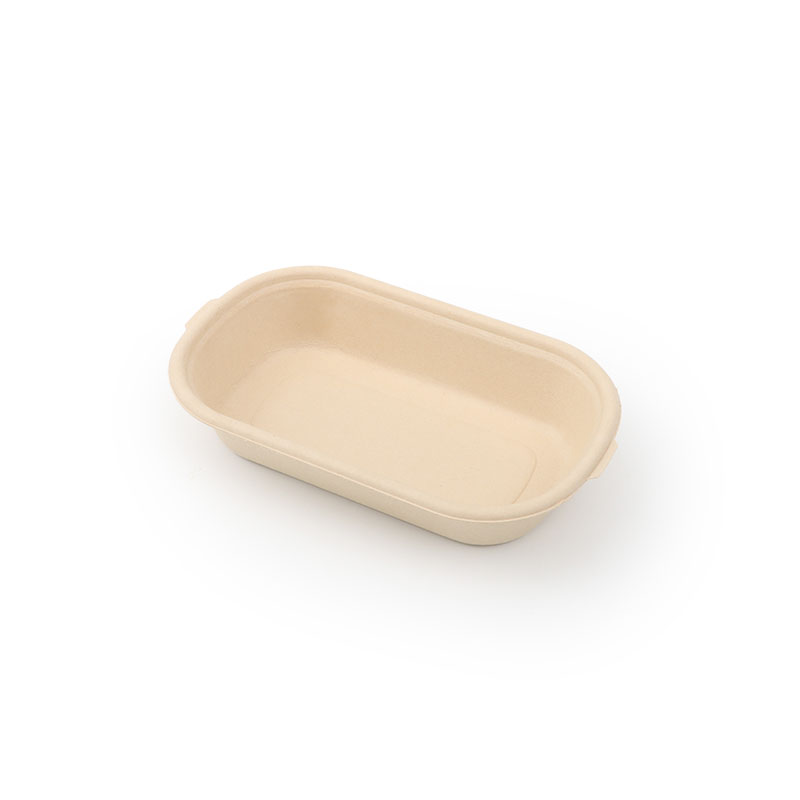 500ml
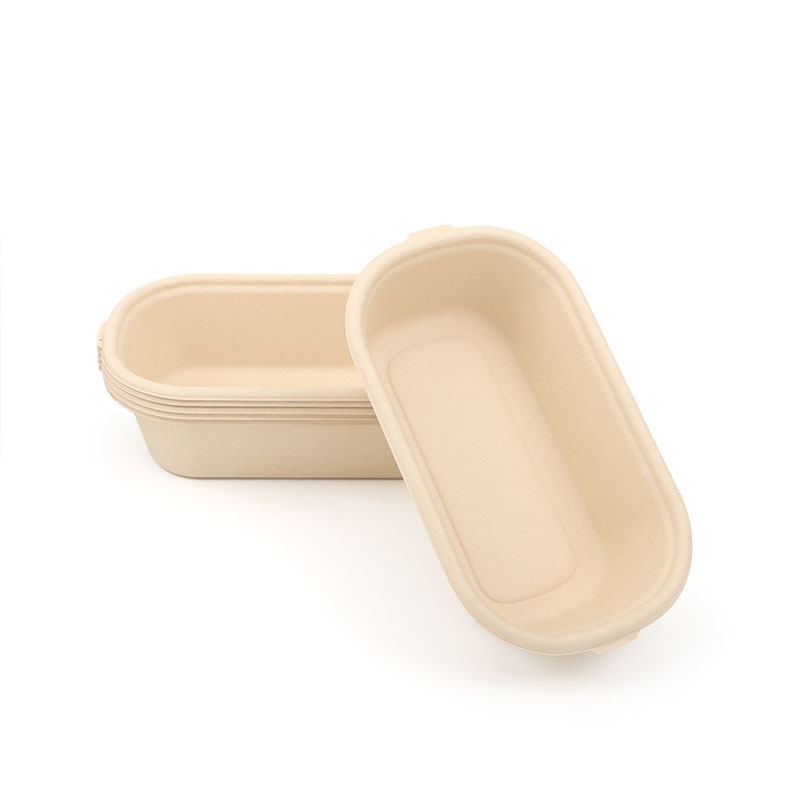 700ml
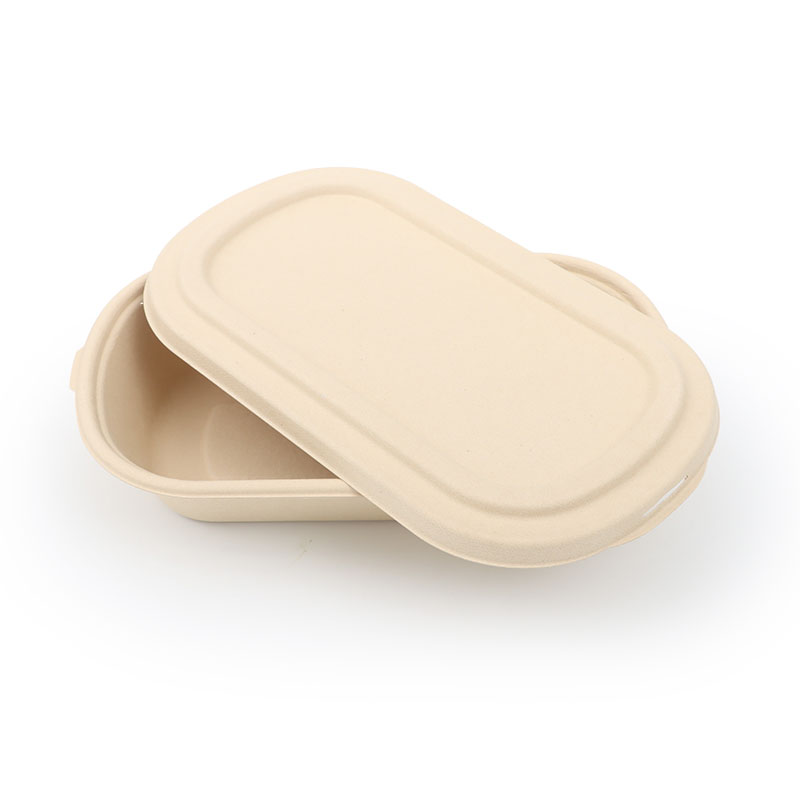 850ml
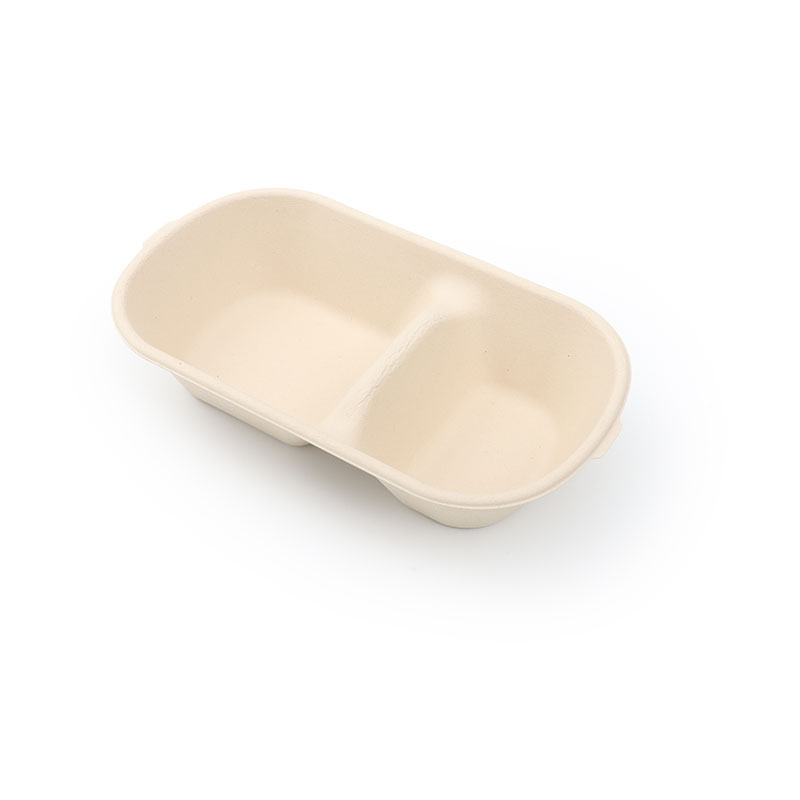 800ml 2 Compartments
 1000ml 2 Compartments
 1100ml
 1000ml Square Lunch Box
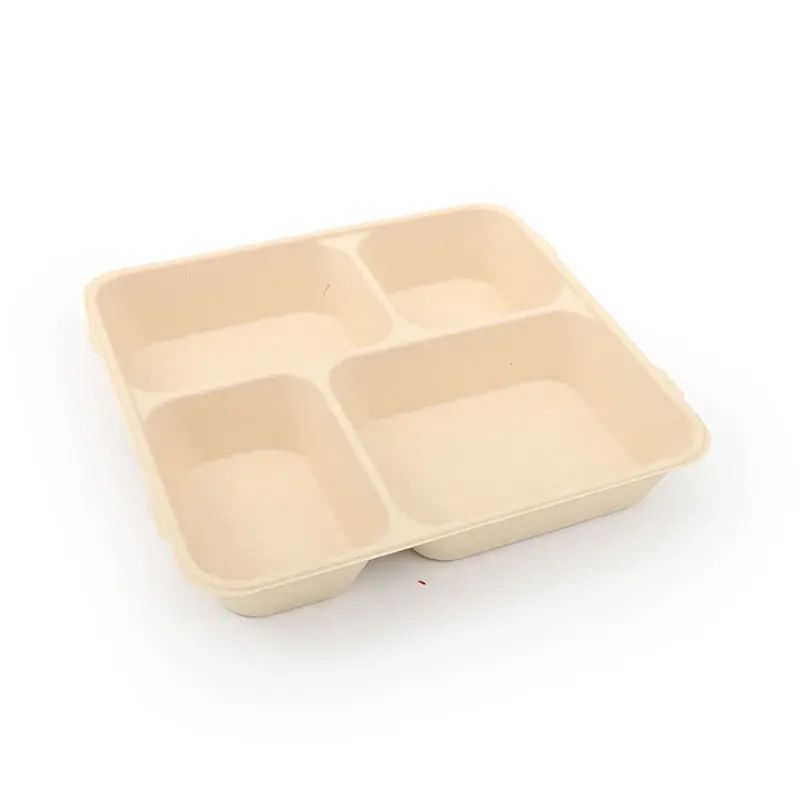 1340ml 4 Compartments
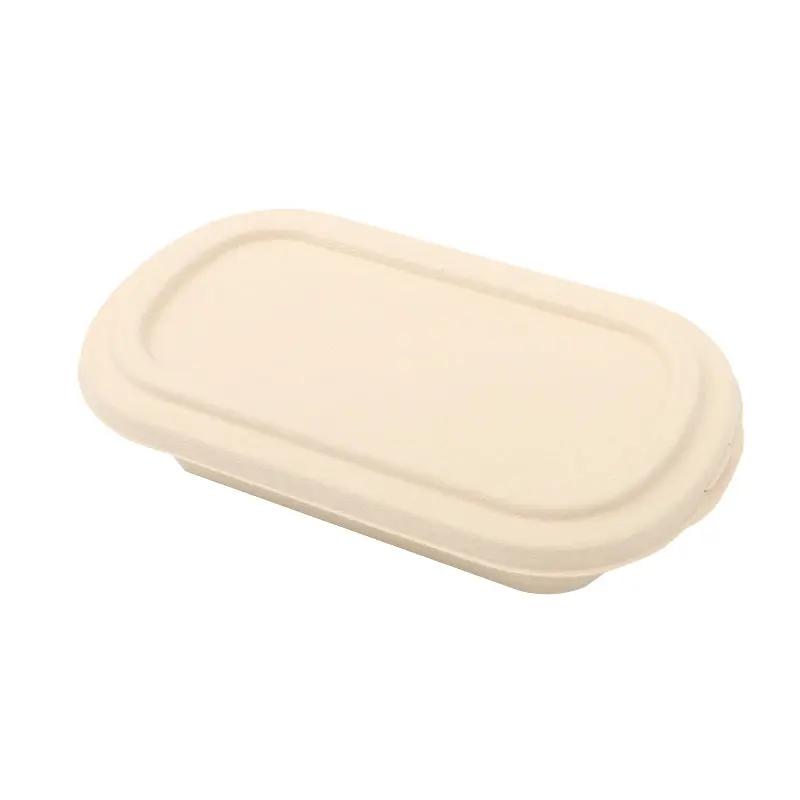 Lunch Box Lid
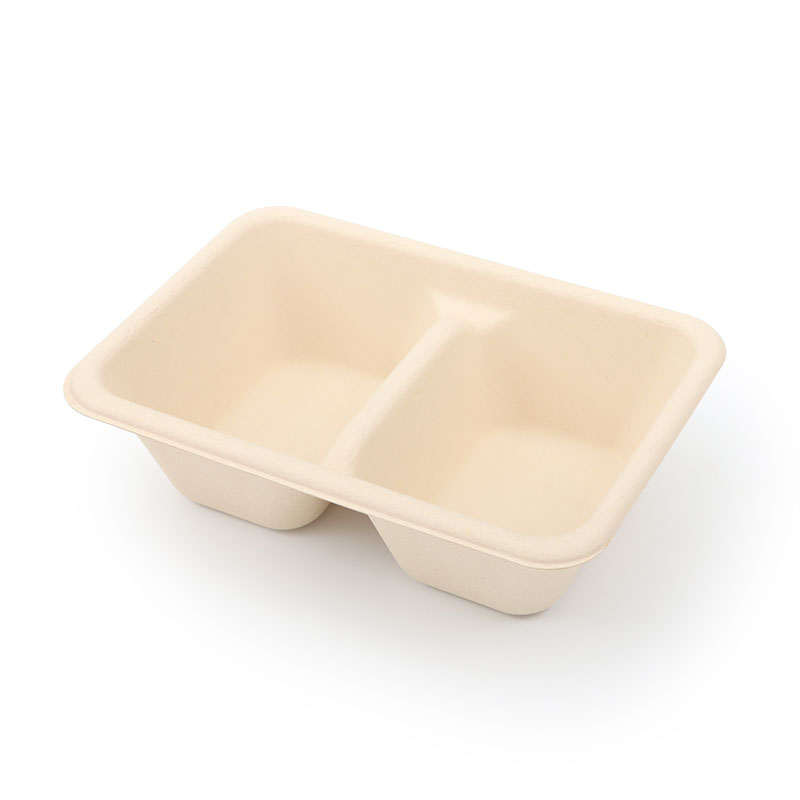 650ml
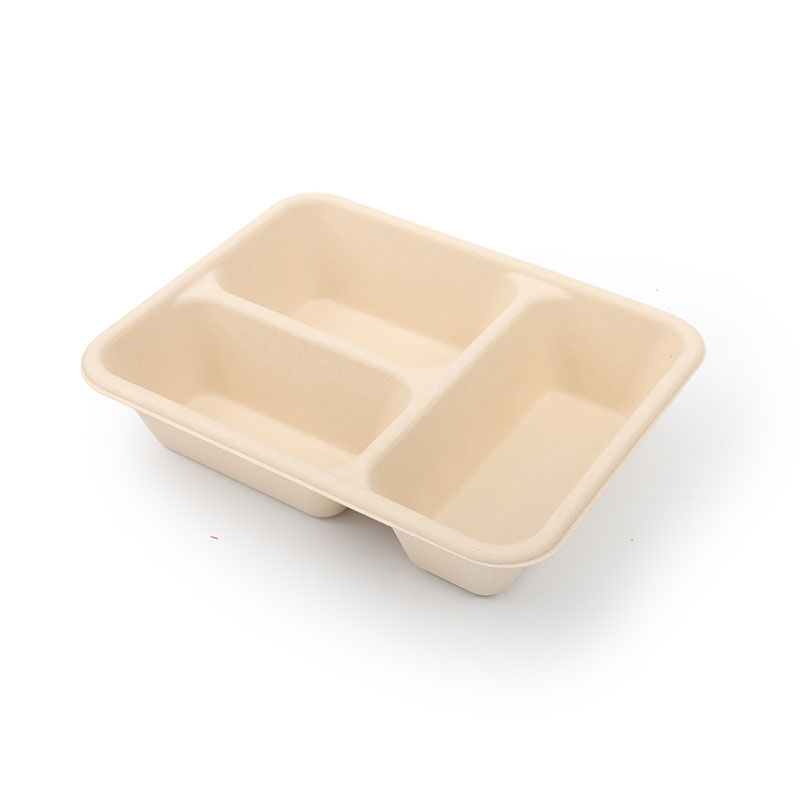 1000ml 3 Compartments
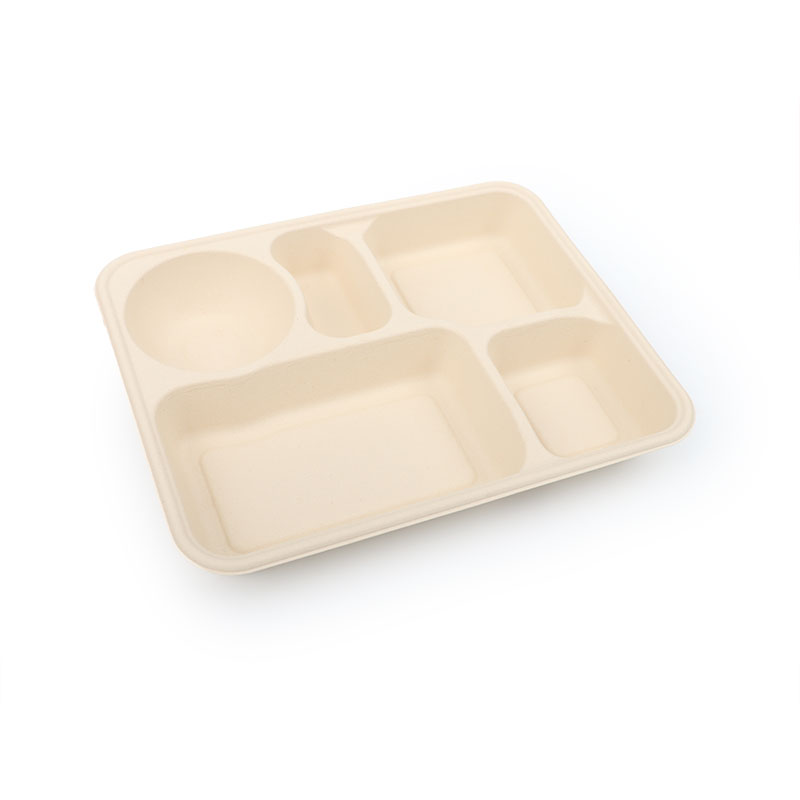 1250ml 5 Compartments
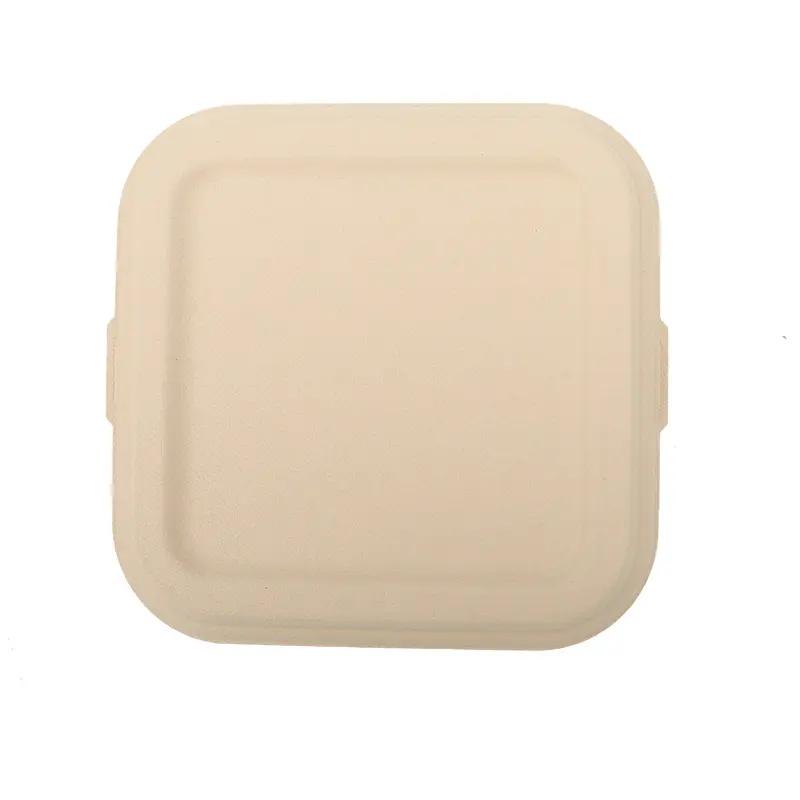 Square Lunch Box Lid
 Box Without T buckle
 850ml Salad Box
 700ml
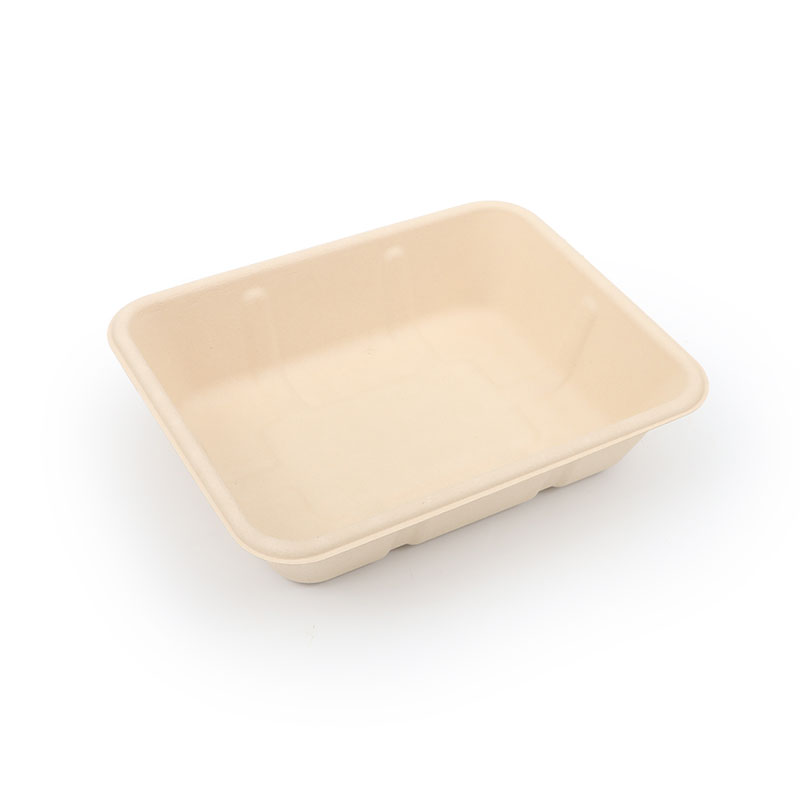 1350ml
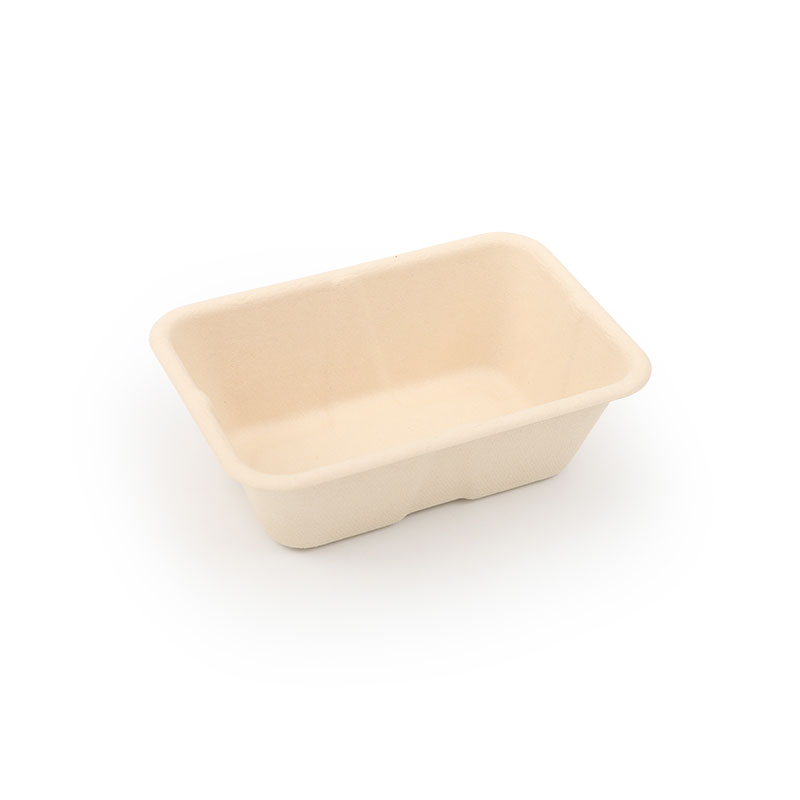 470ml
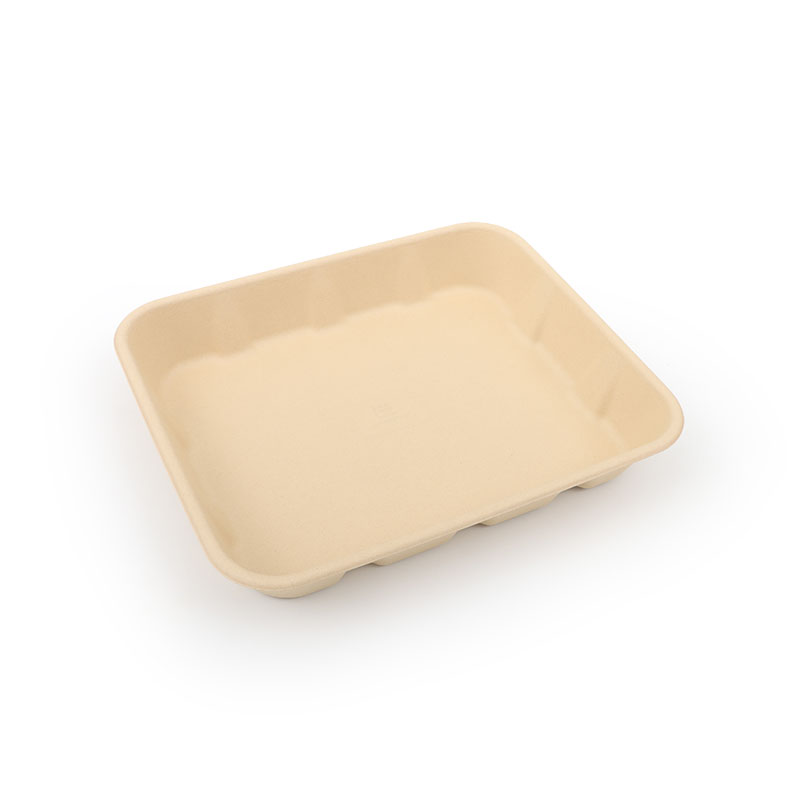 2183ml Tray Box
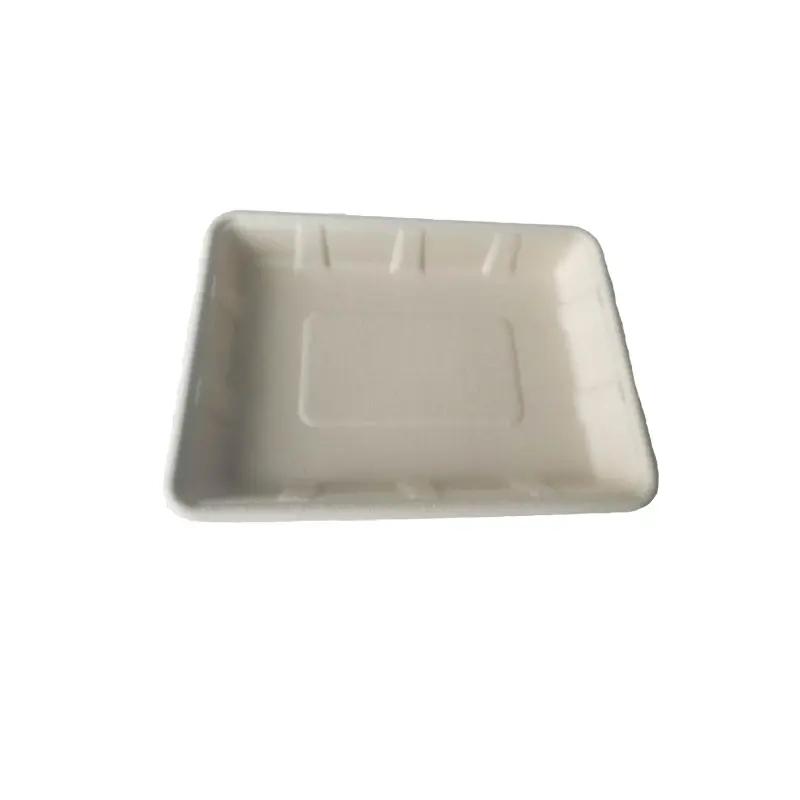 11" * 9"
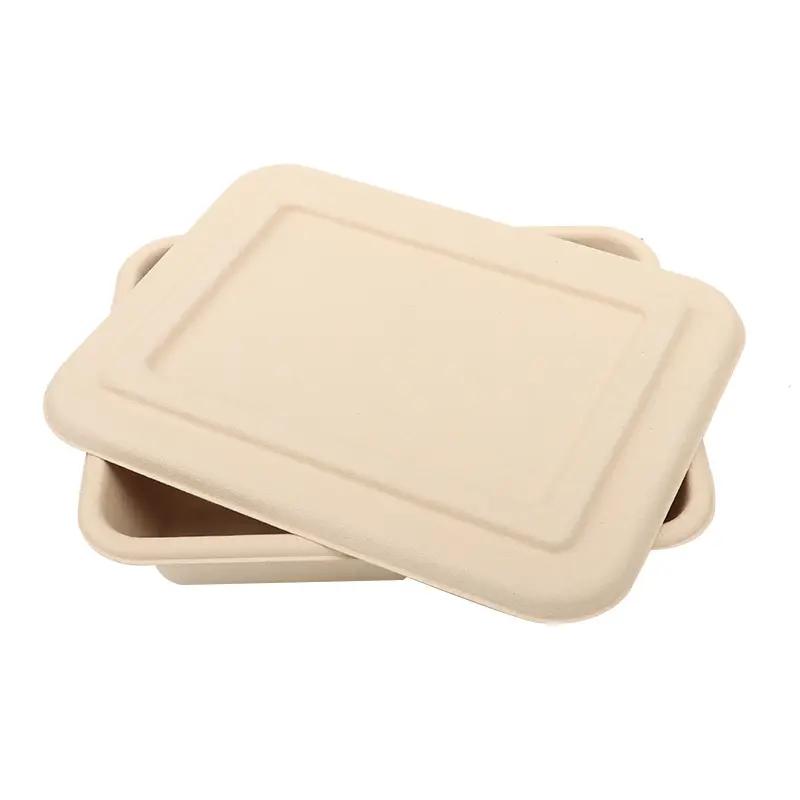 800ml
 One Part Box
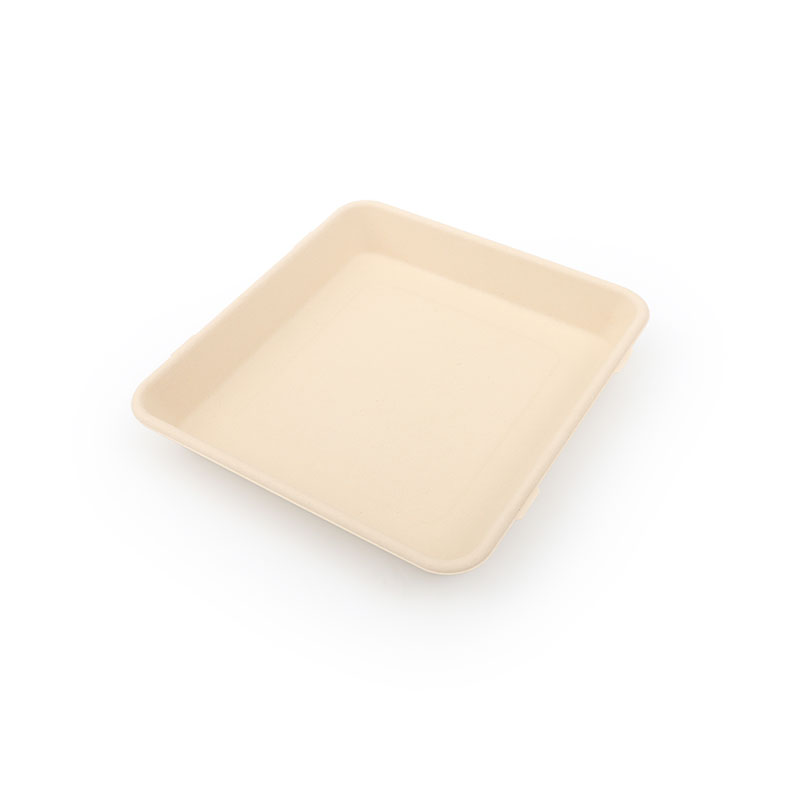 1443ml Tray Box
 Cake Bread Snack Tray Series
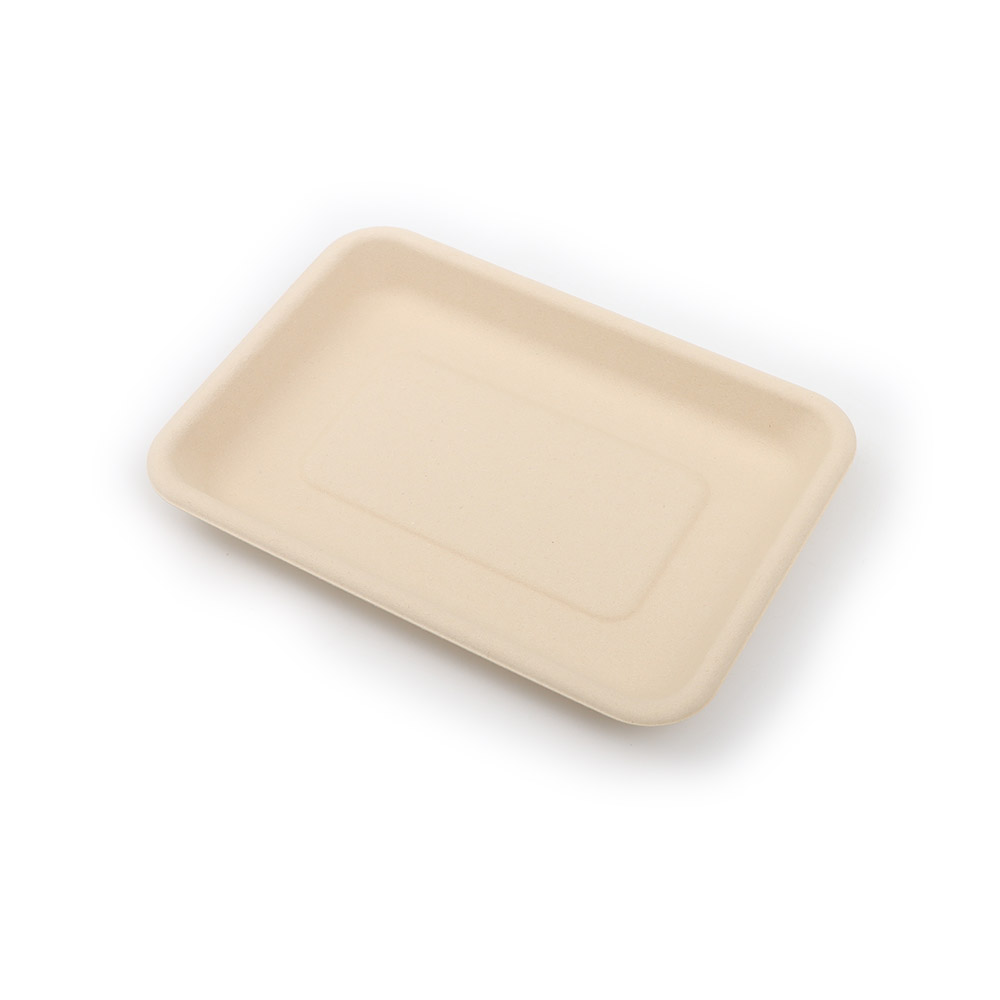 5" * 7" natural color
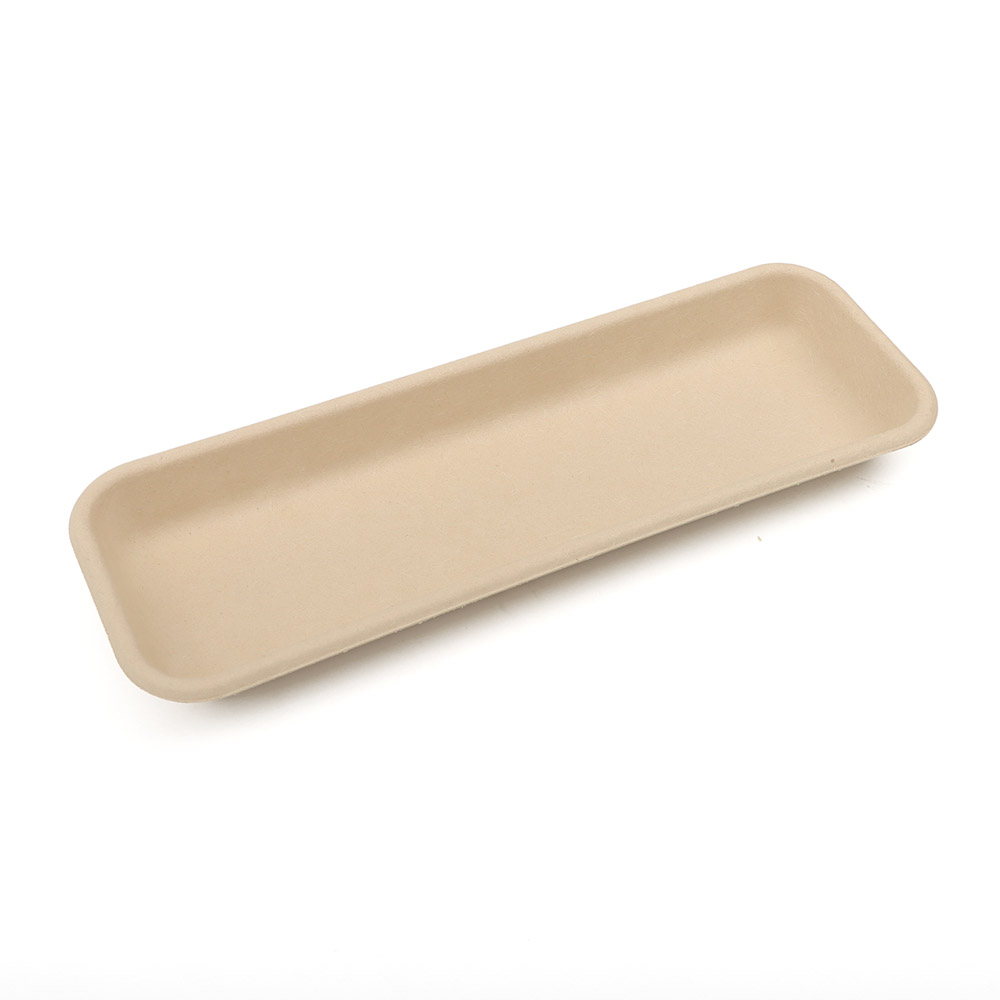 11.4" * 3.9"
 5.3" * 5.3"
 Fruit And Vegetable Tray Series
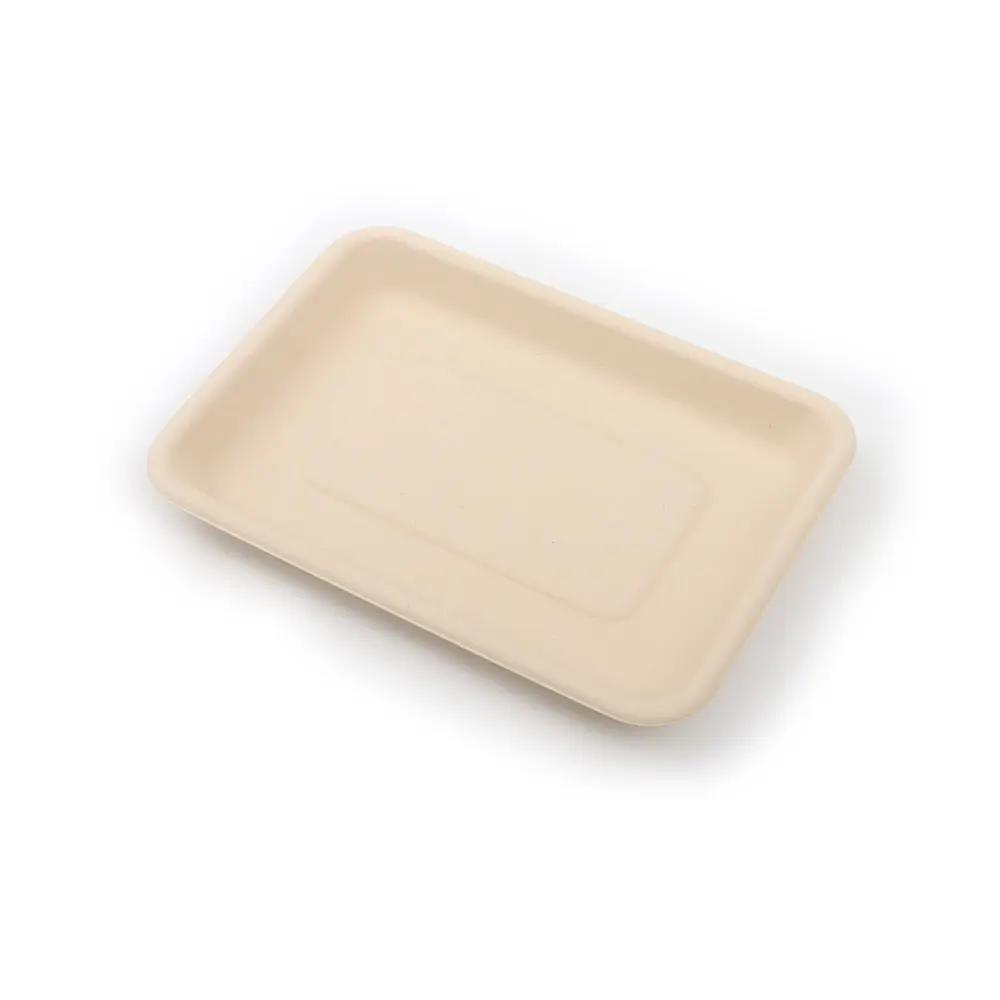 8.6" * 5.3"
 Sushi Tray Series
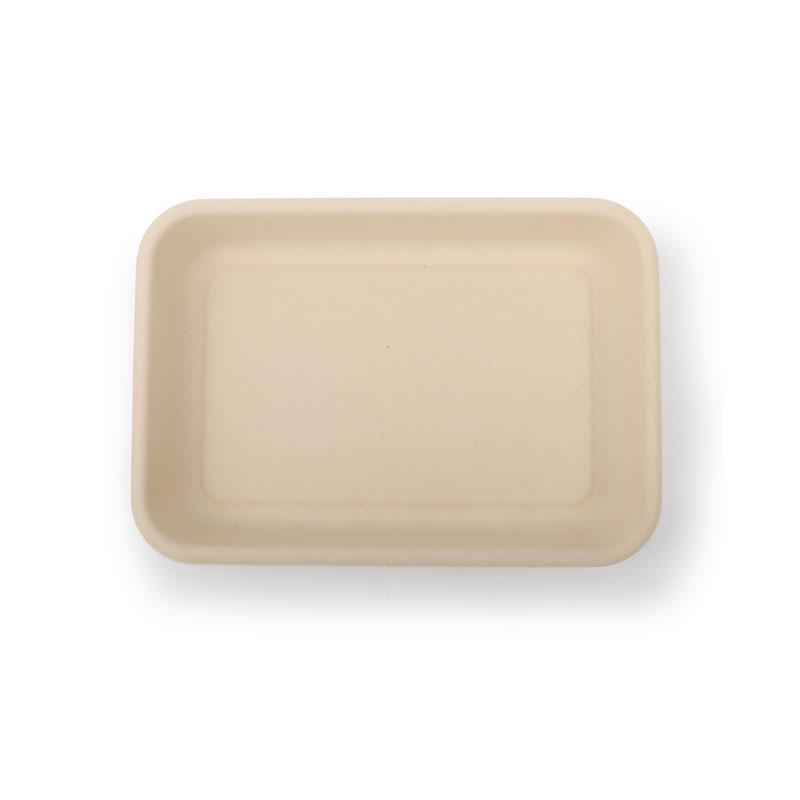 200" * 140"
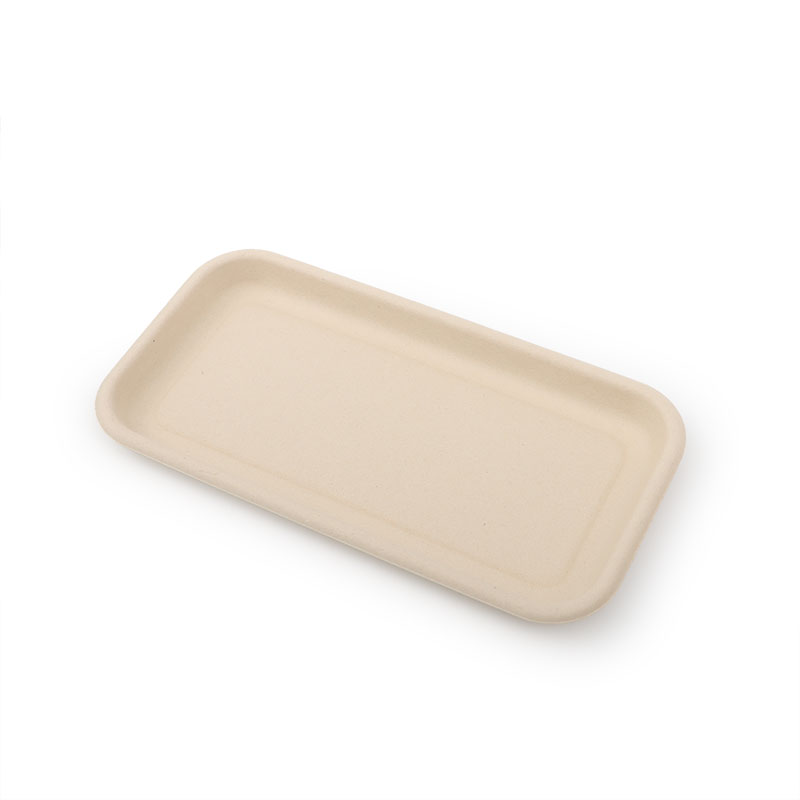 210" * 110"
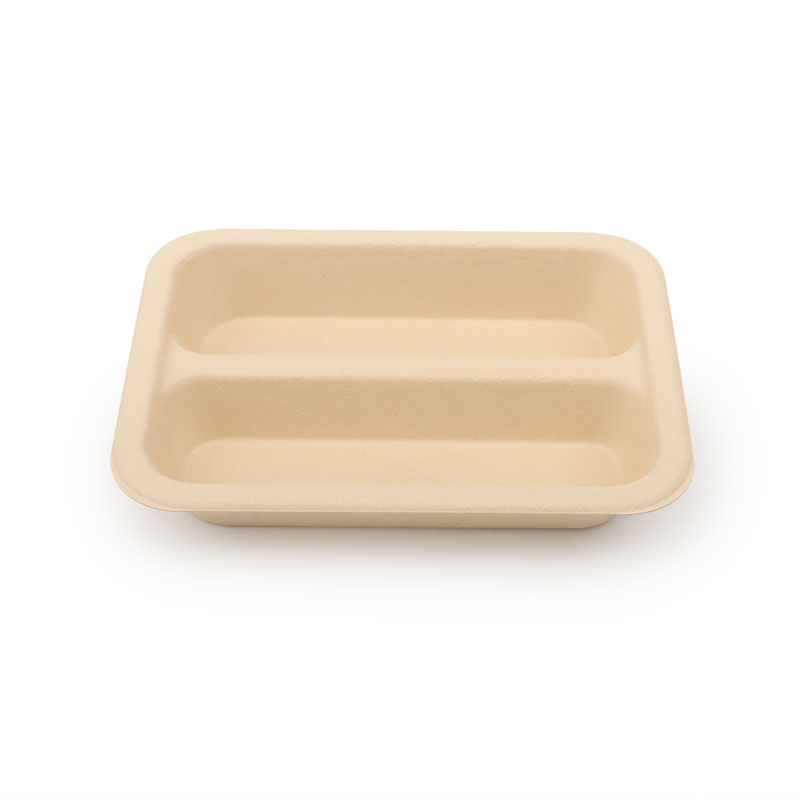 2 Compartments
 Small Round Plate Series
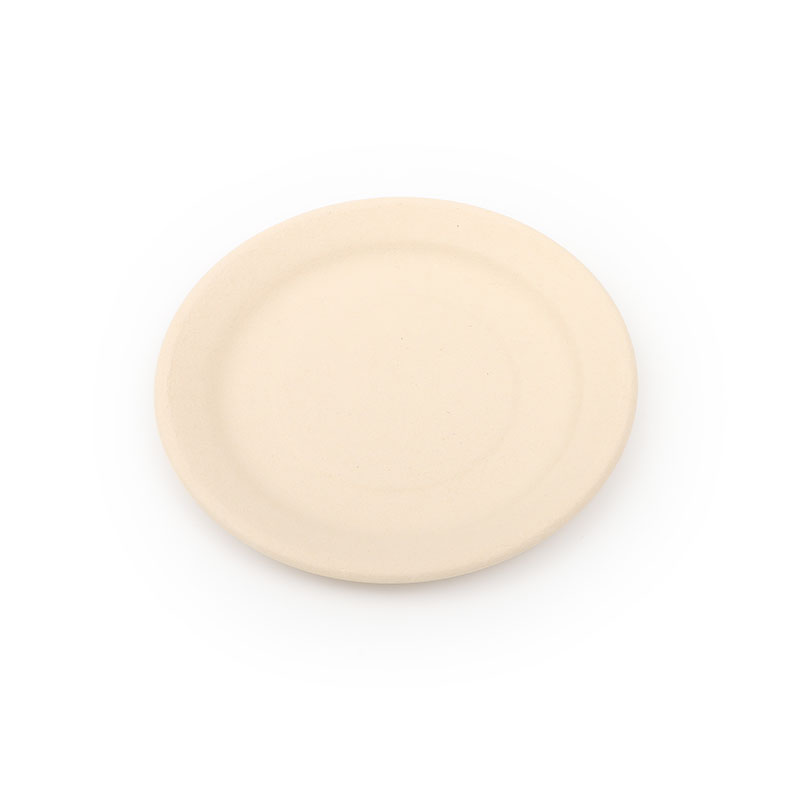 7 inch
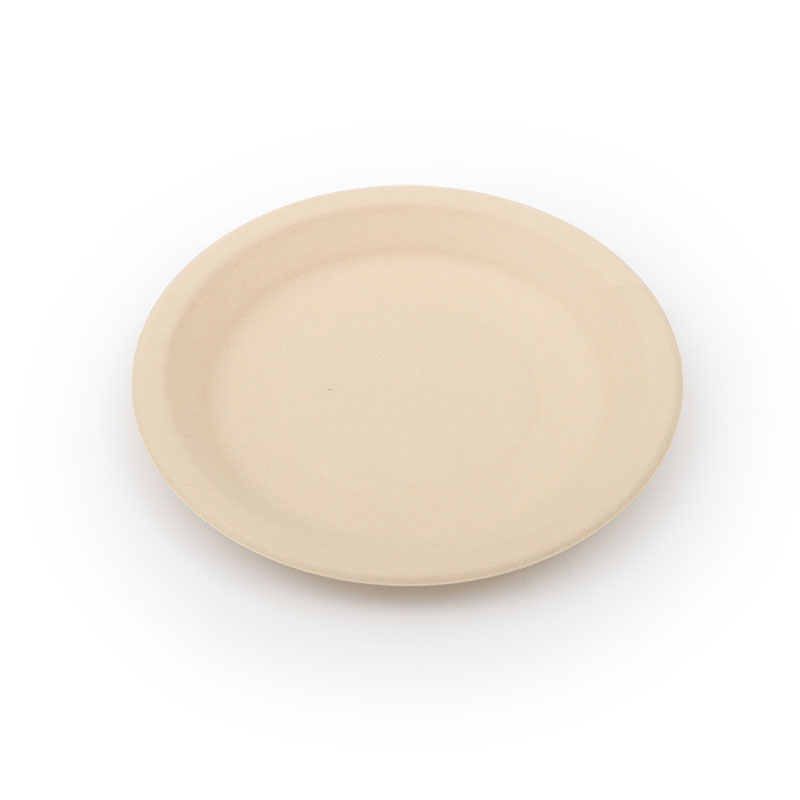 6 inch
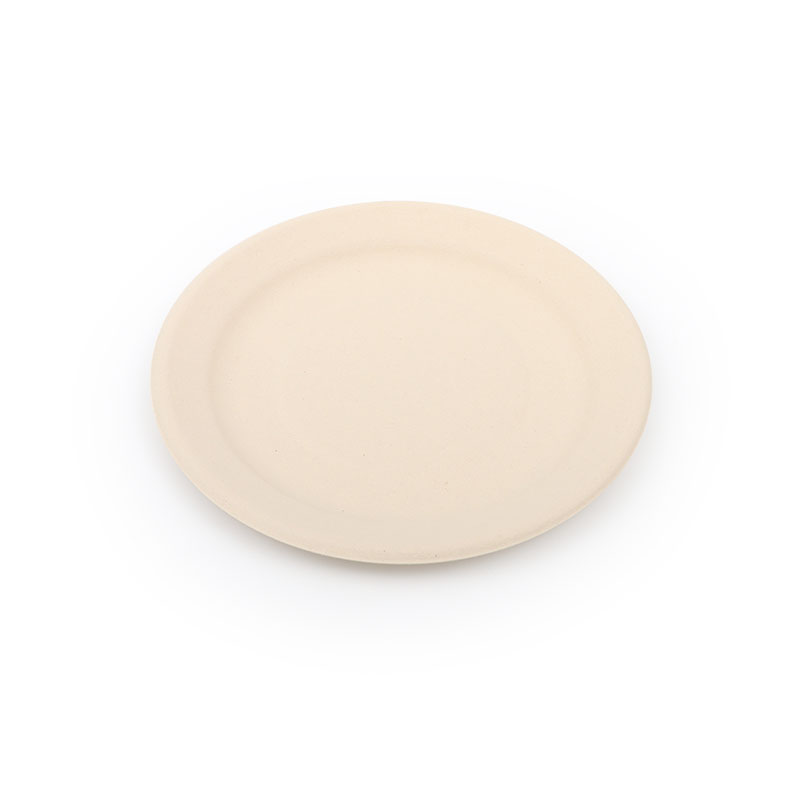 8 inch
 Middle Round Plate Series
 9 Inch 3 Compartments
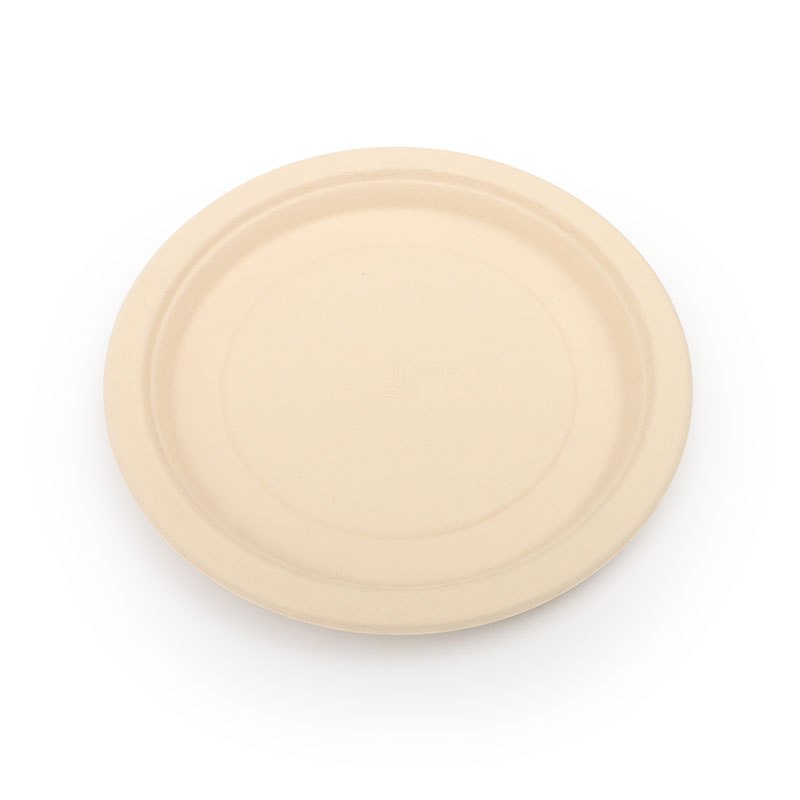 9 inch
 Big Round Plate Series
 12.7 Inch Pizza Plate
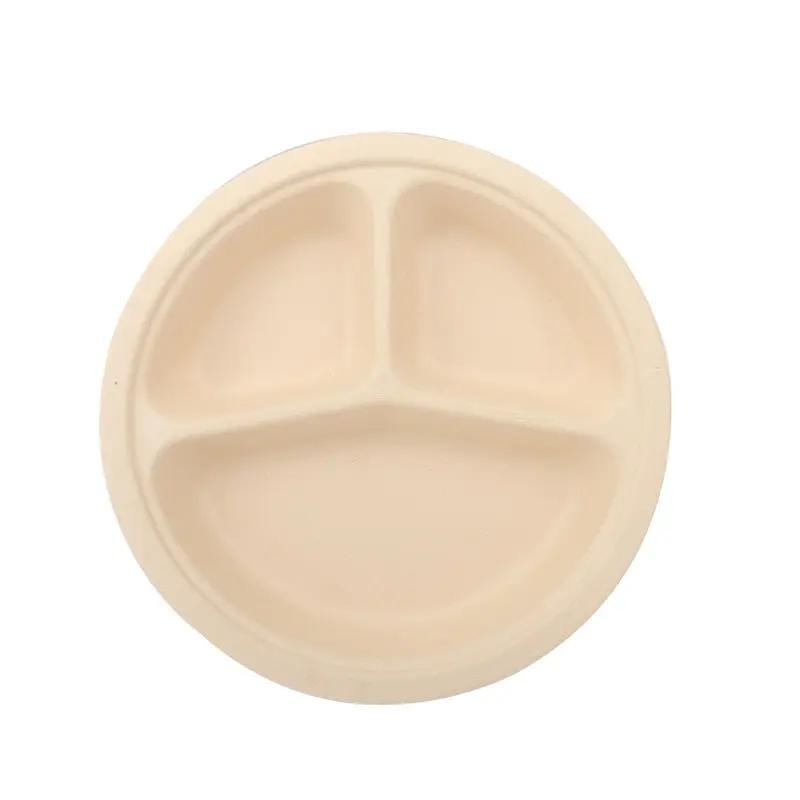 10.25 inch 3 Compartments
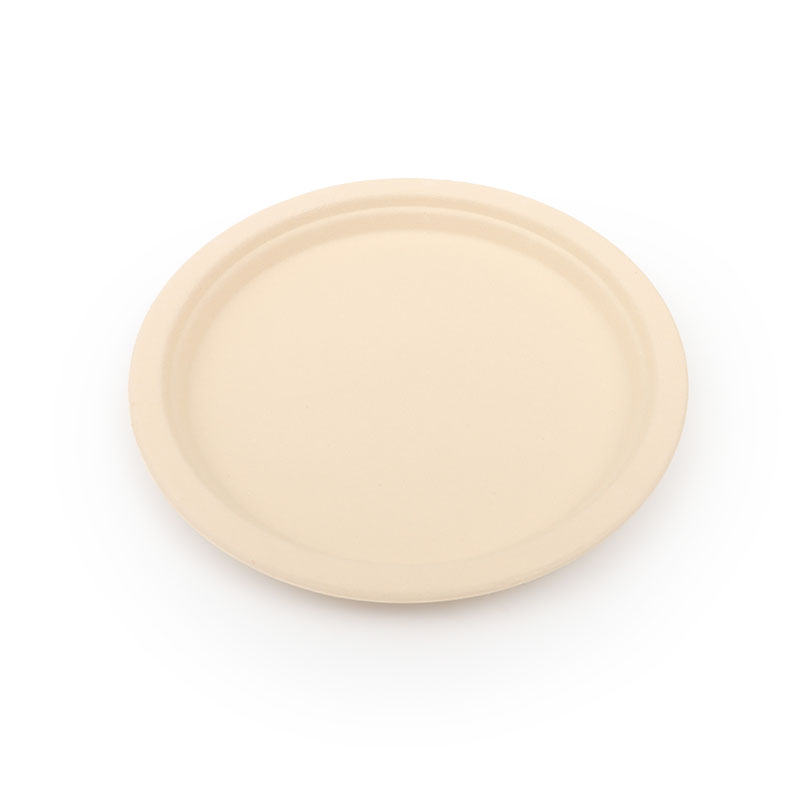 10 inch
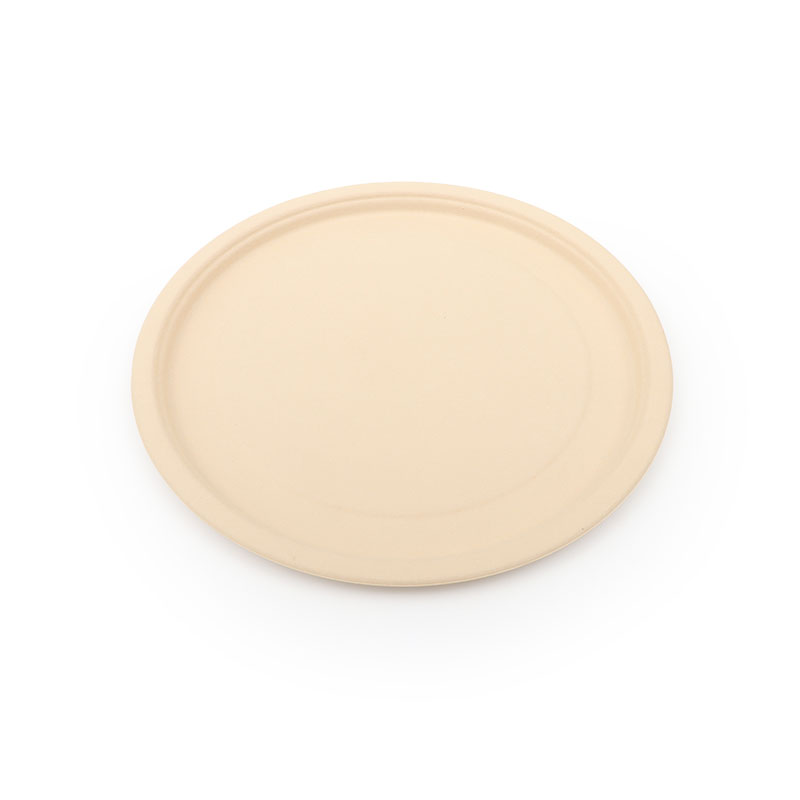 12 inch
 Bigger Bowl
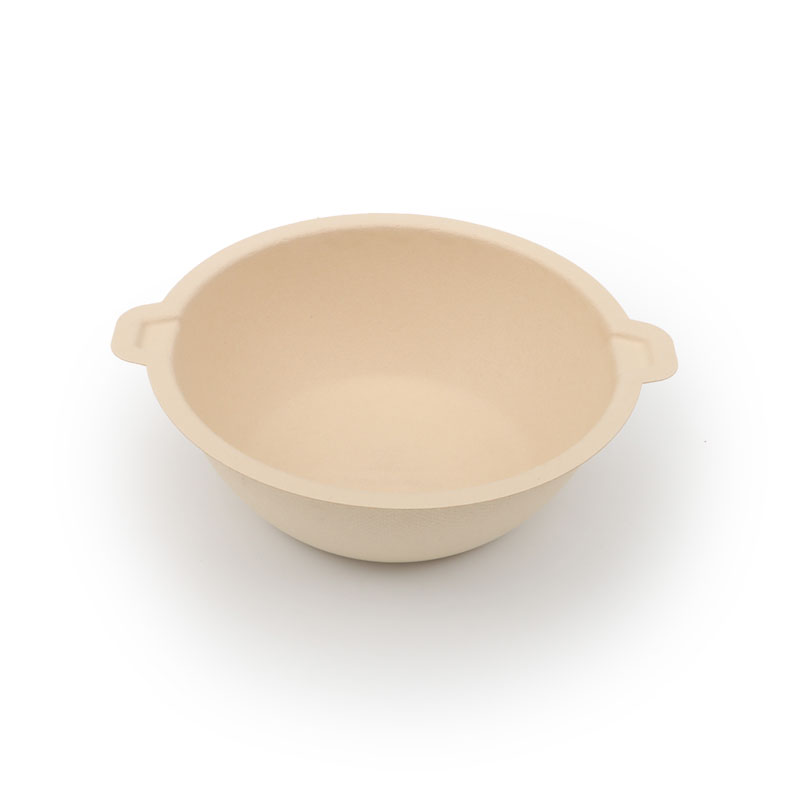 48oz(1420ml)
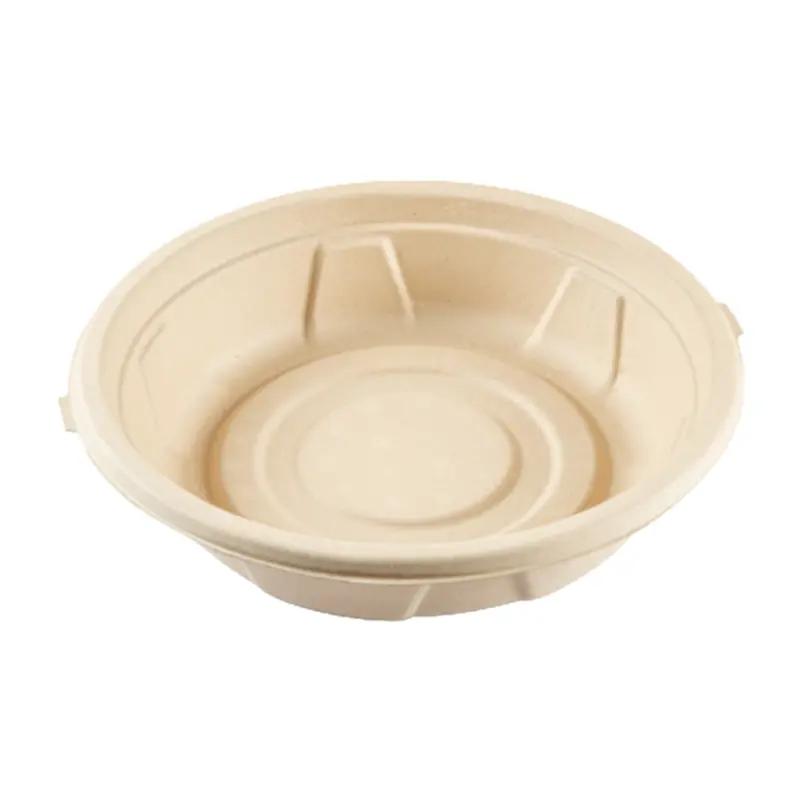 56oz(1650ml)
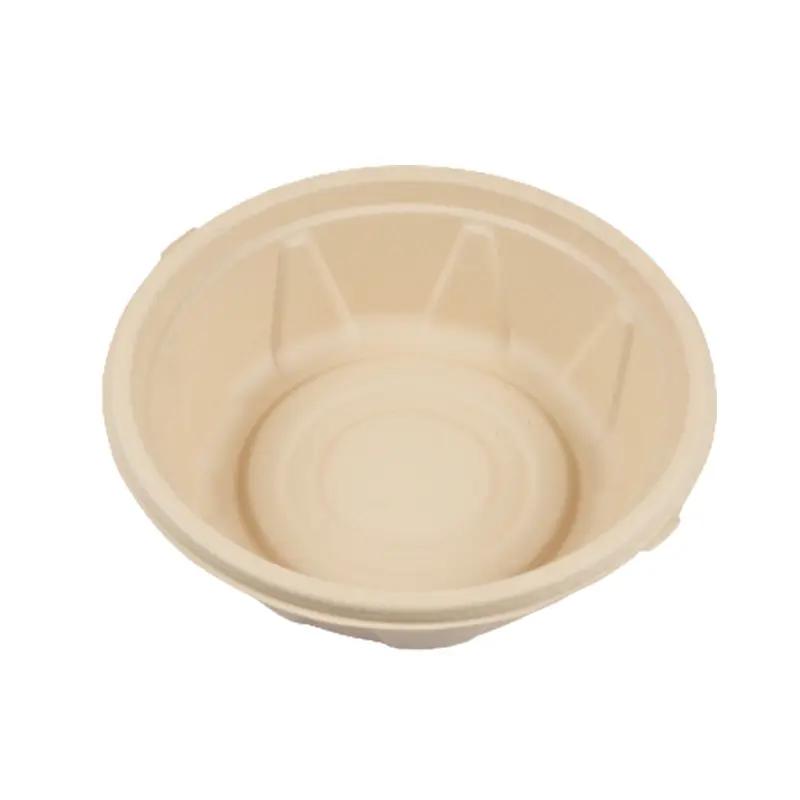 100oz(2950ml)
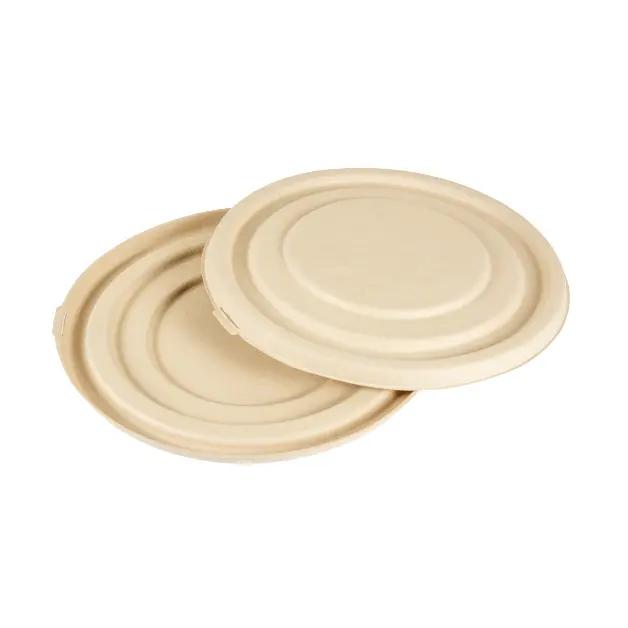 100oz(2950ml) With Lid
 Middle Bowl
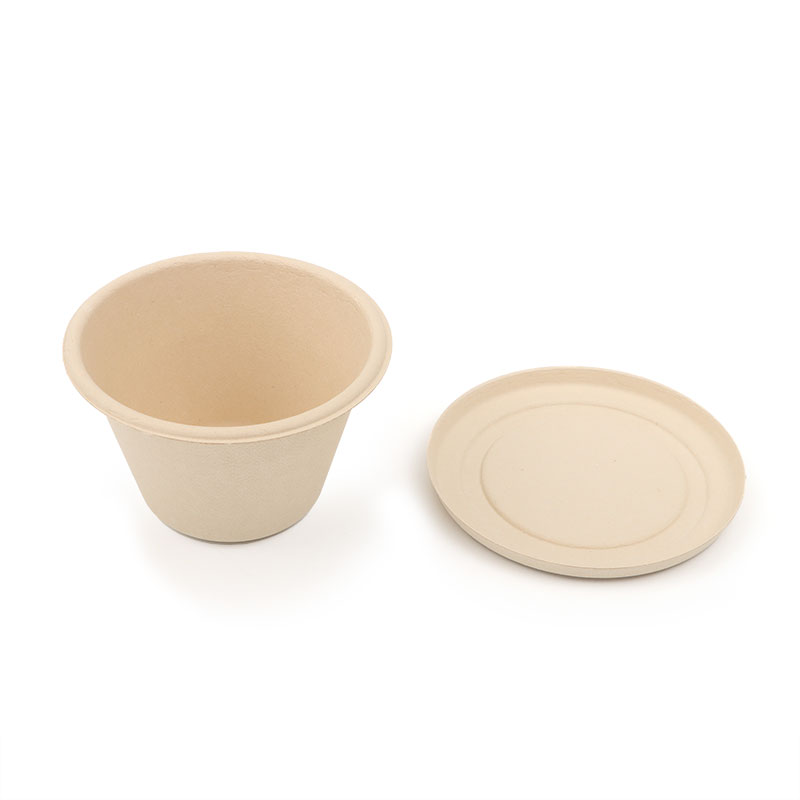 17oz(500ml)
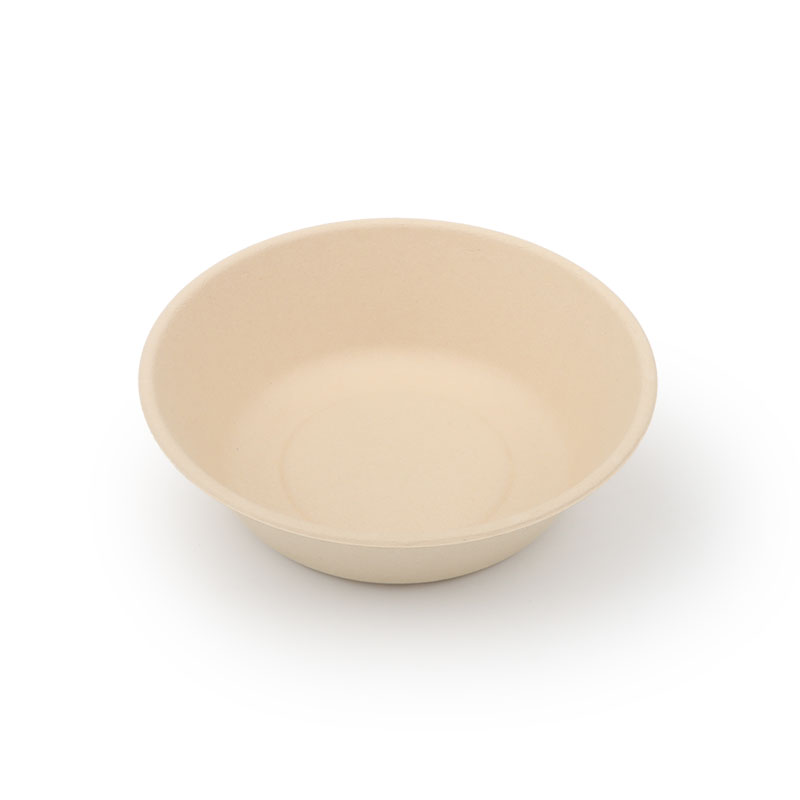 27oz(800ml)
 20oz(600ml)
 29oz(850ml)
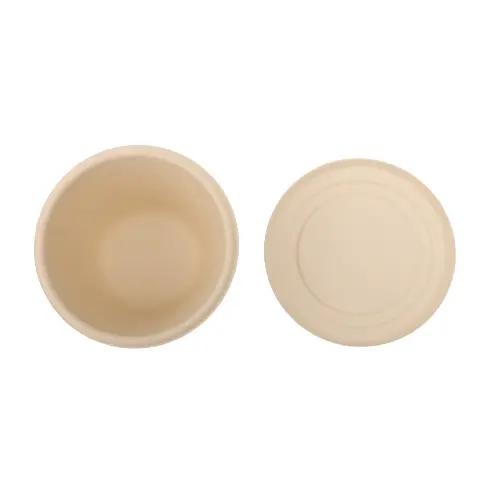 17oz(500ml) With Lid
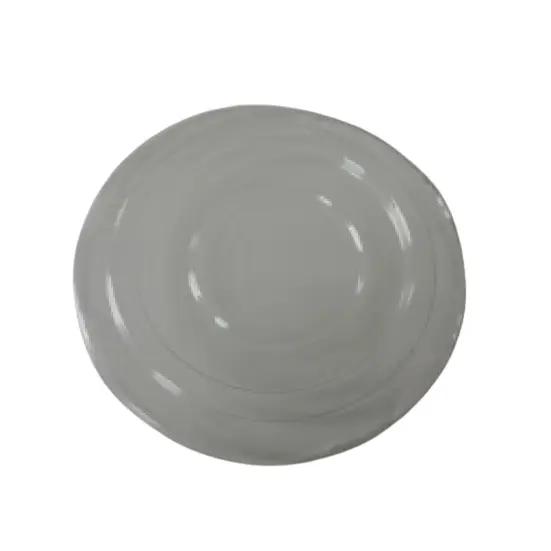 17oz(500ml) PET Lid
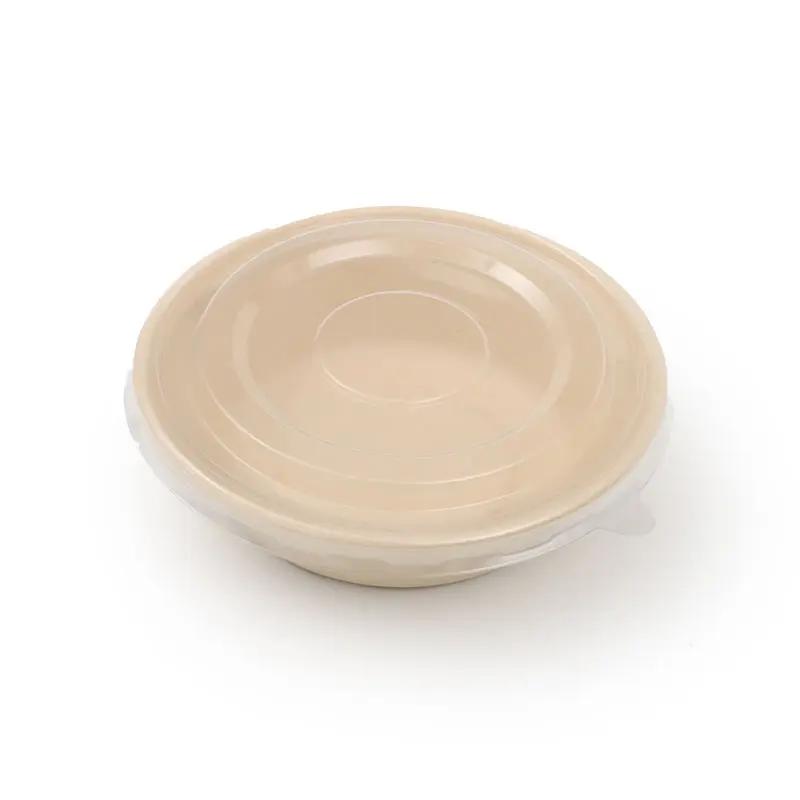 28oz(830ml) PET Lid
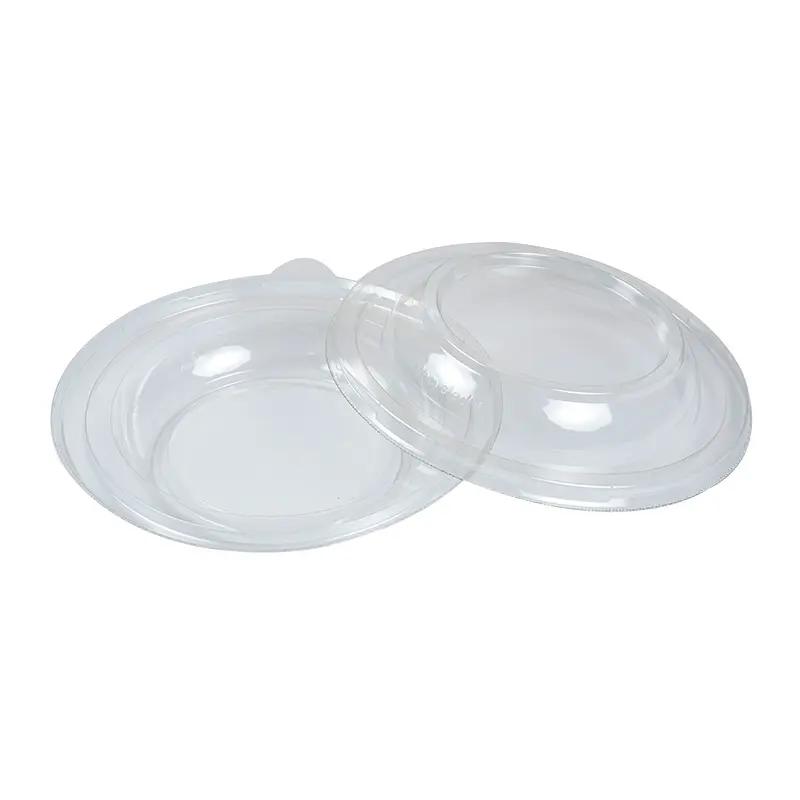 Round Bowl PET
 Small Bowl
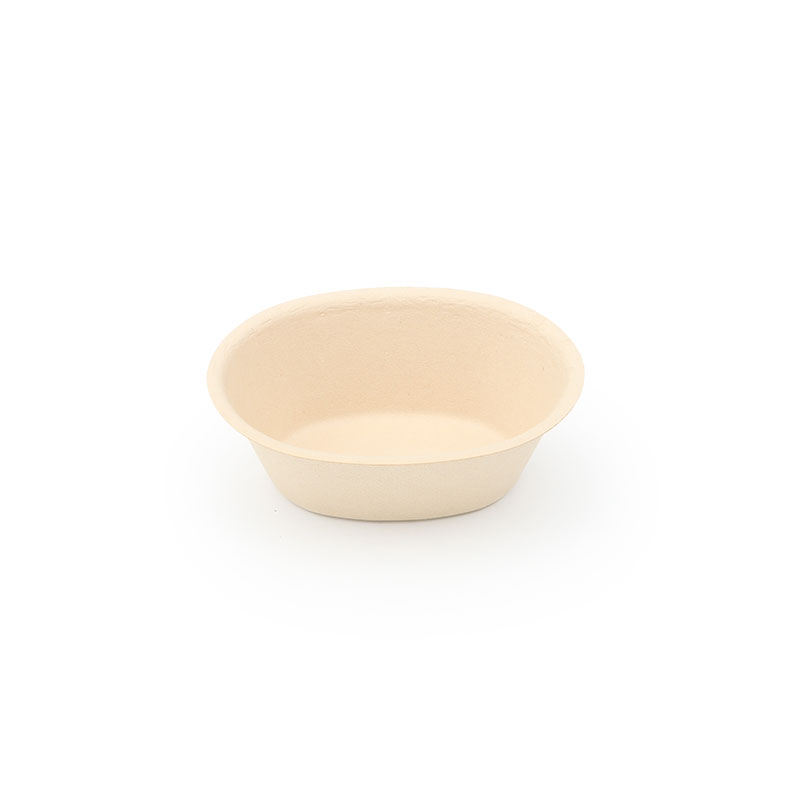 Snack Bowl
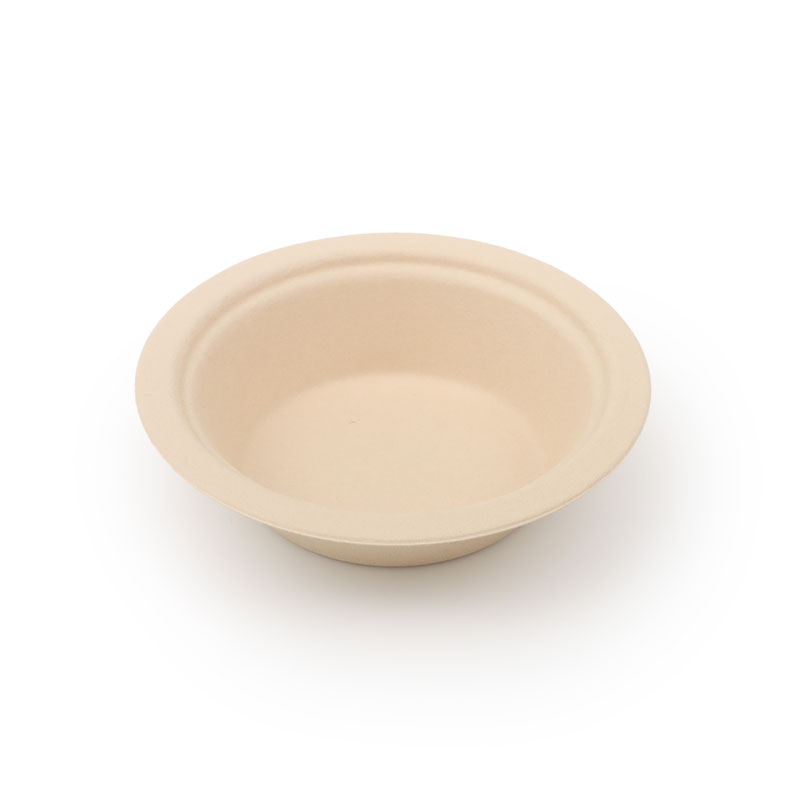 11.5oz(340ml) Bowl
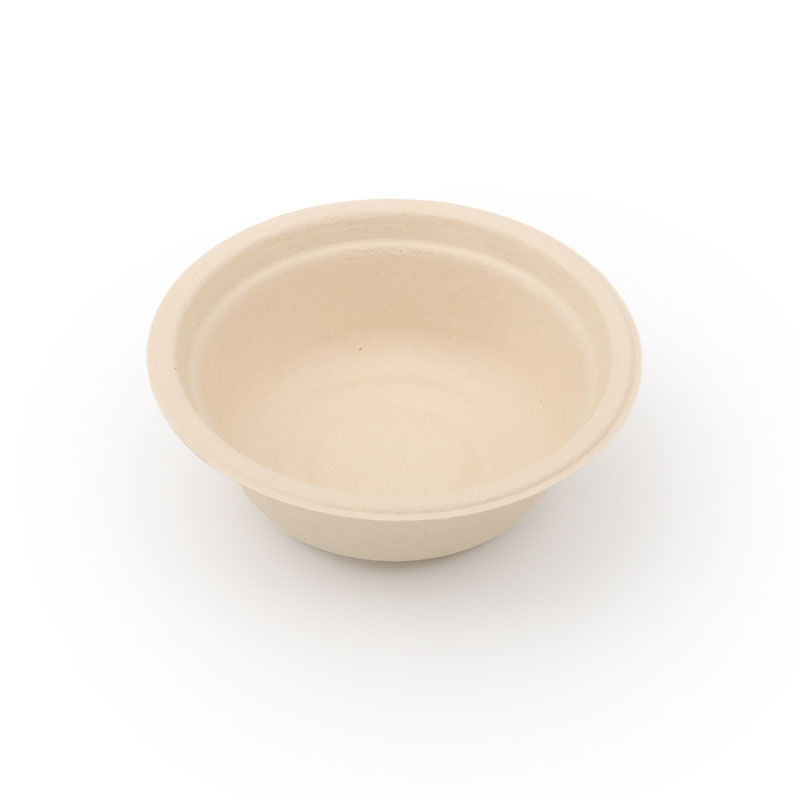 6.7oz(200ml) Bowl
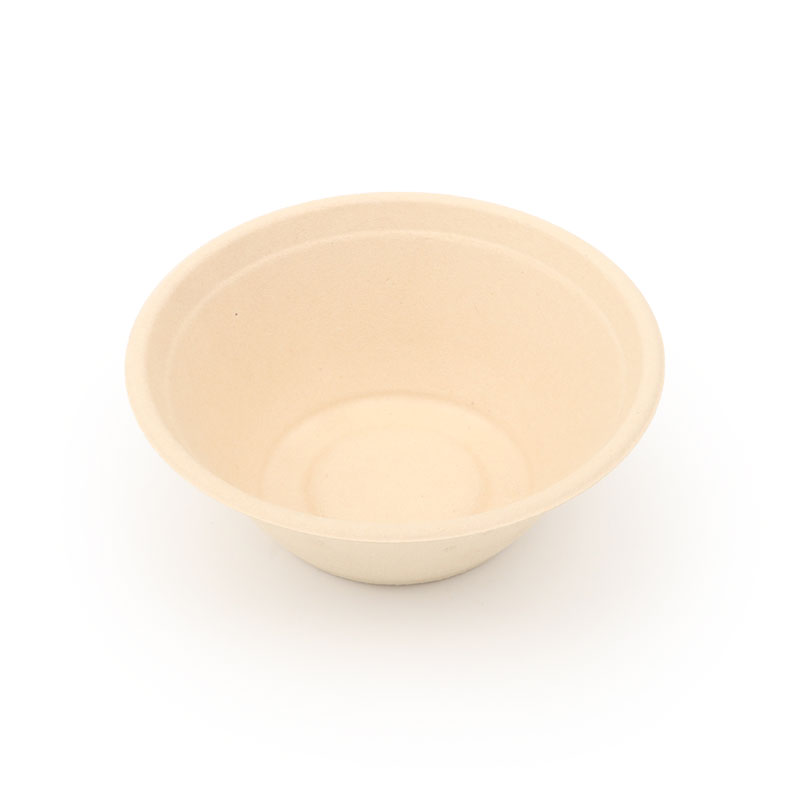 12oz(350ml) Bowl
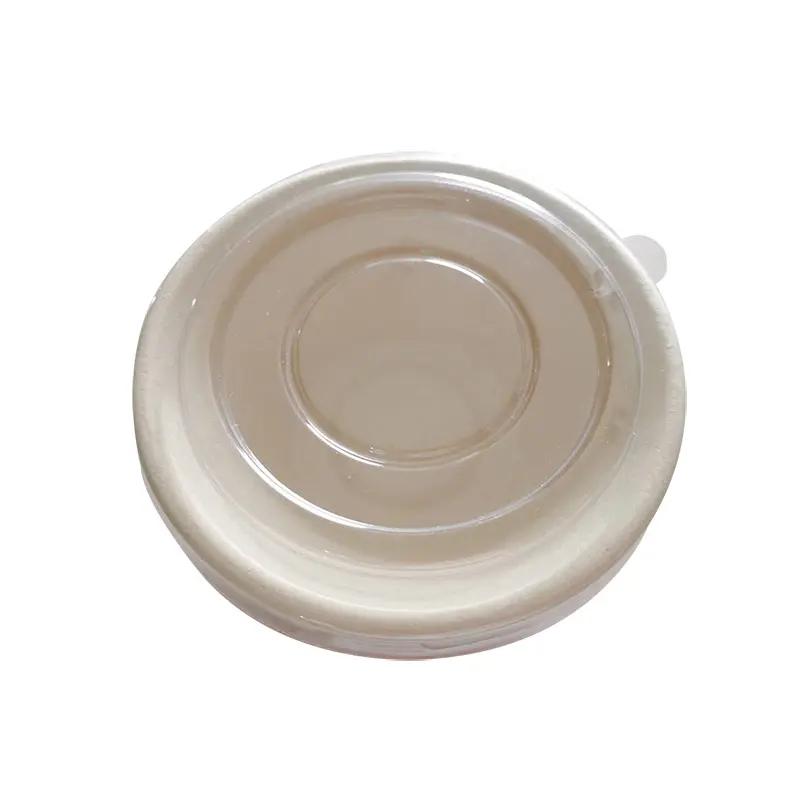 12oz(350ml) Bowl PET
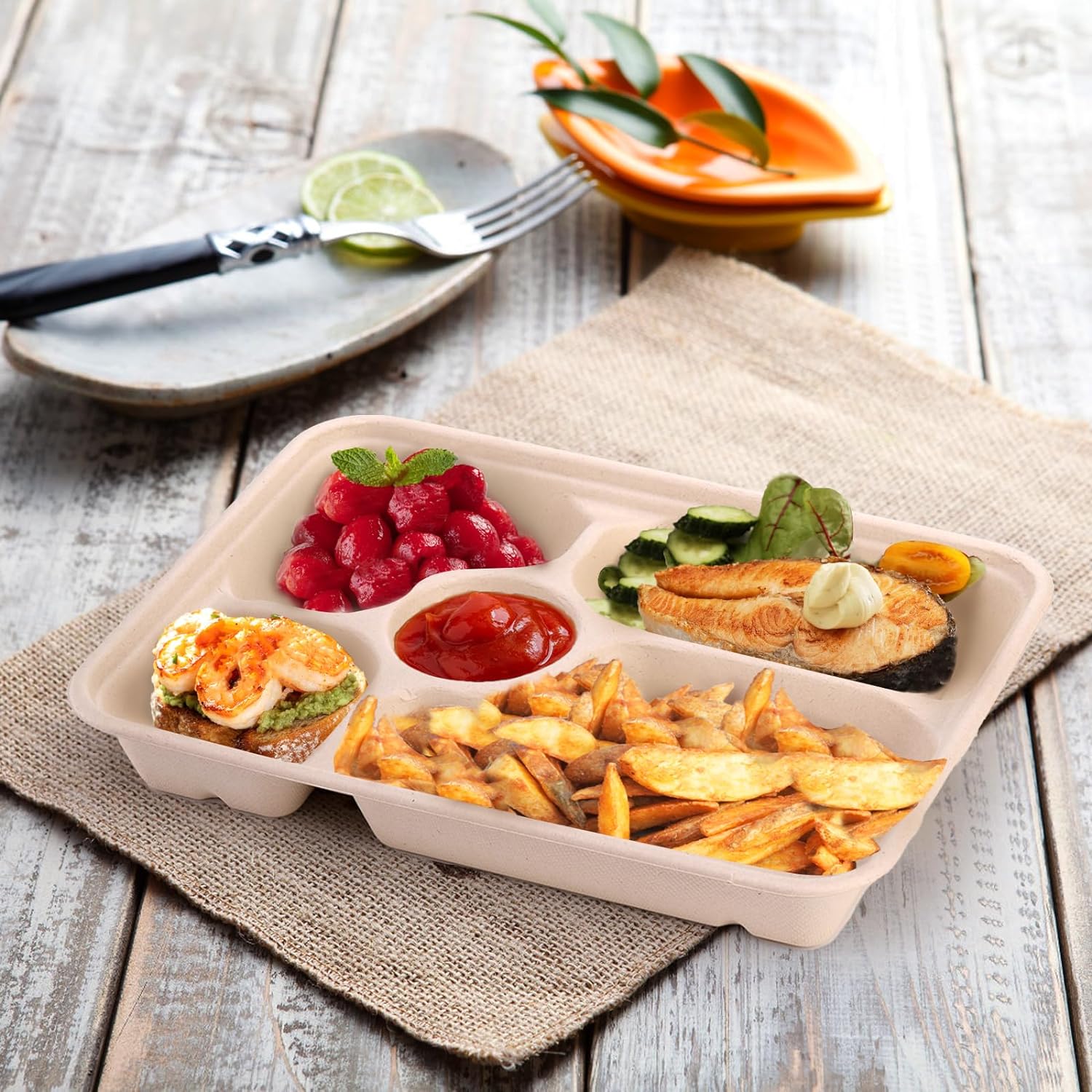 Bagasse Lunch Boxes
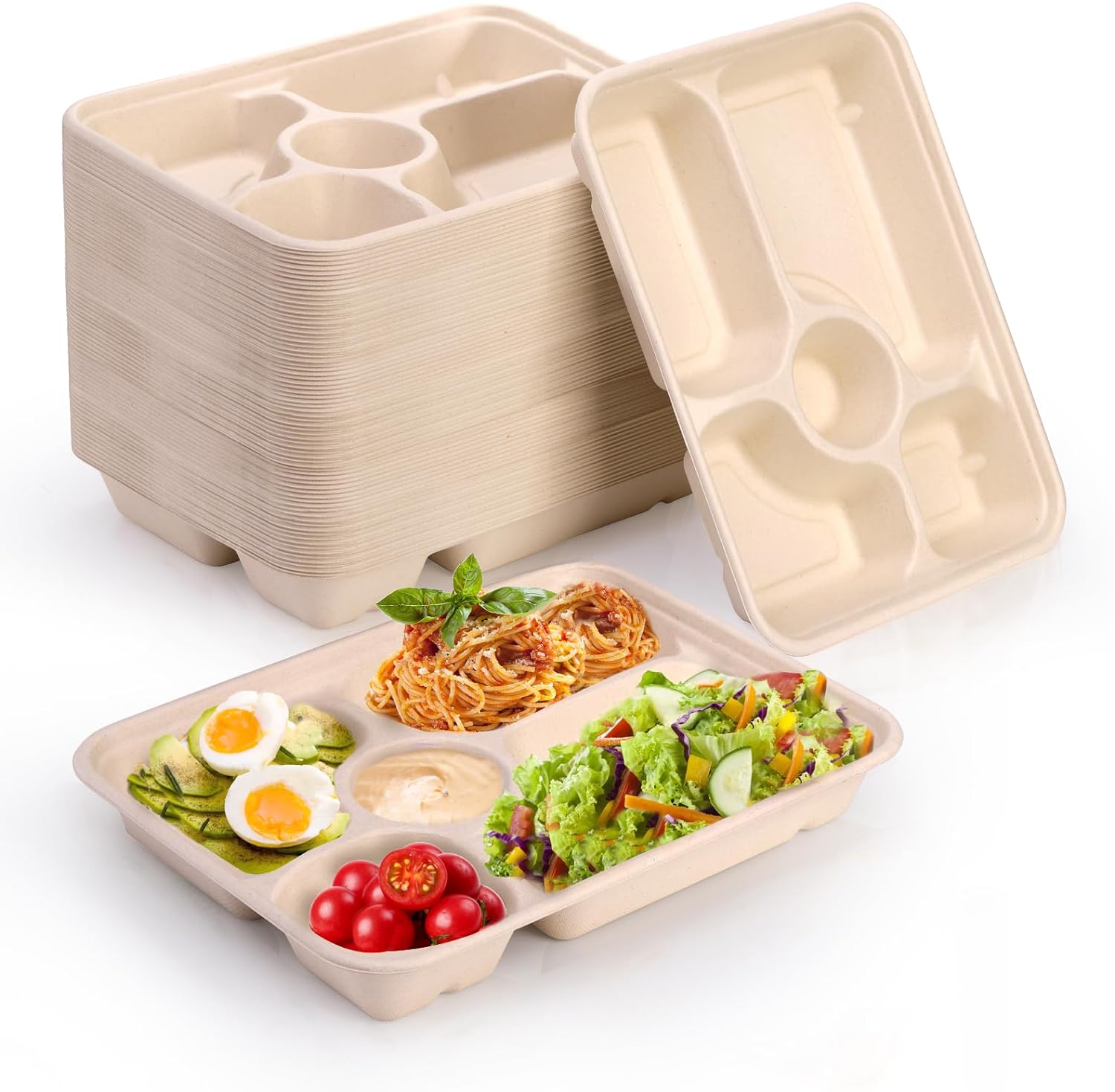 5CP
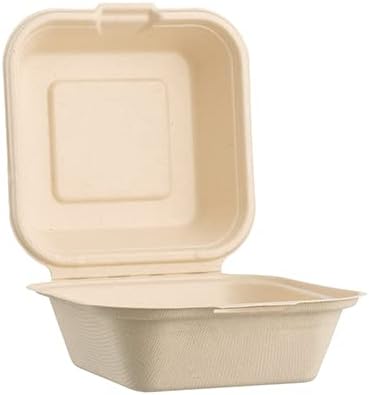 6 inch
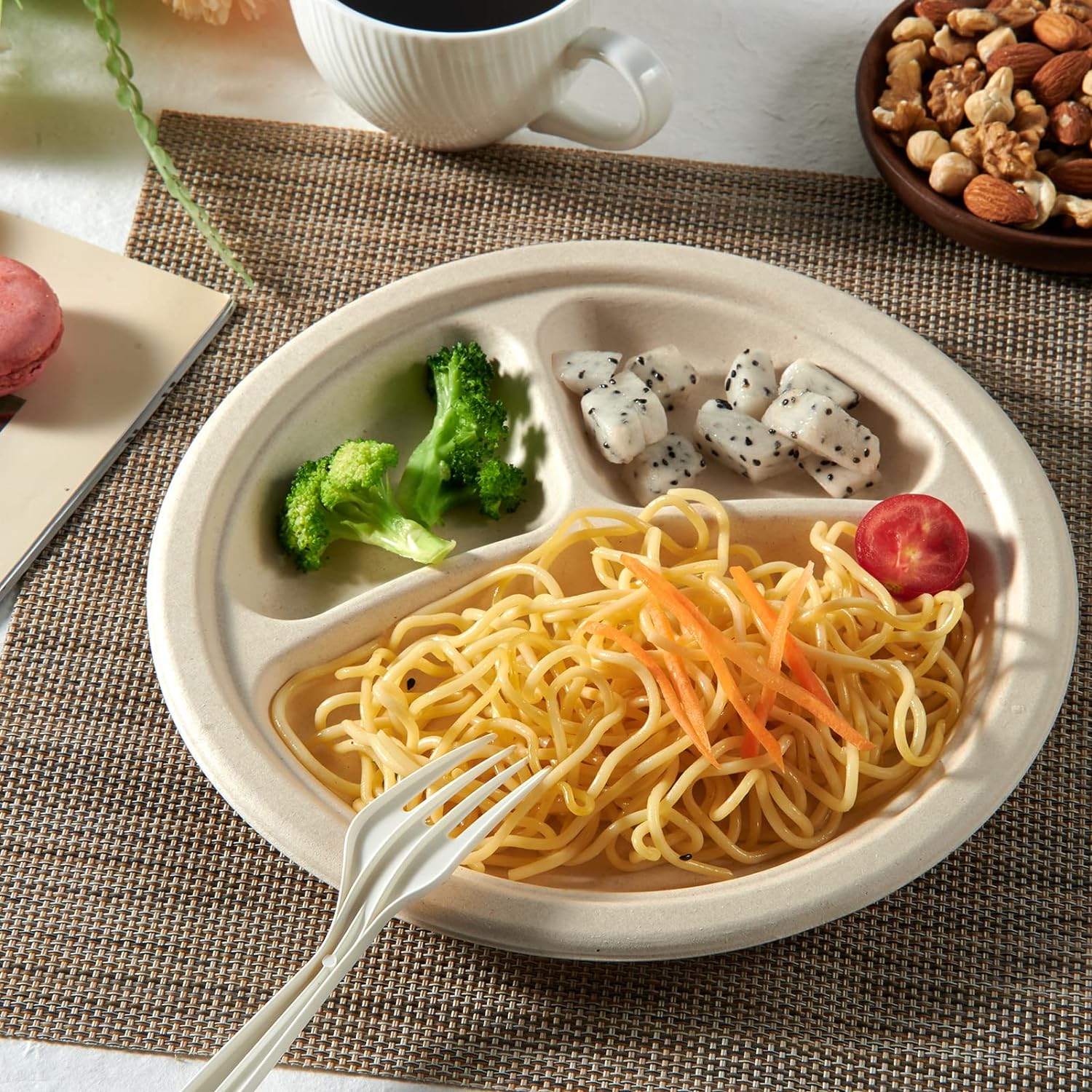 Bagasse Food Plates
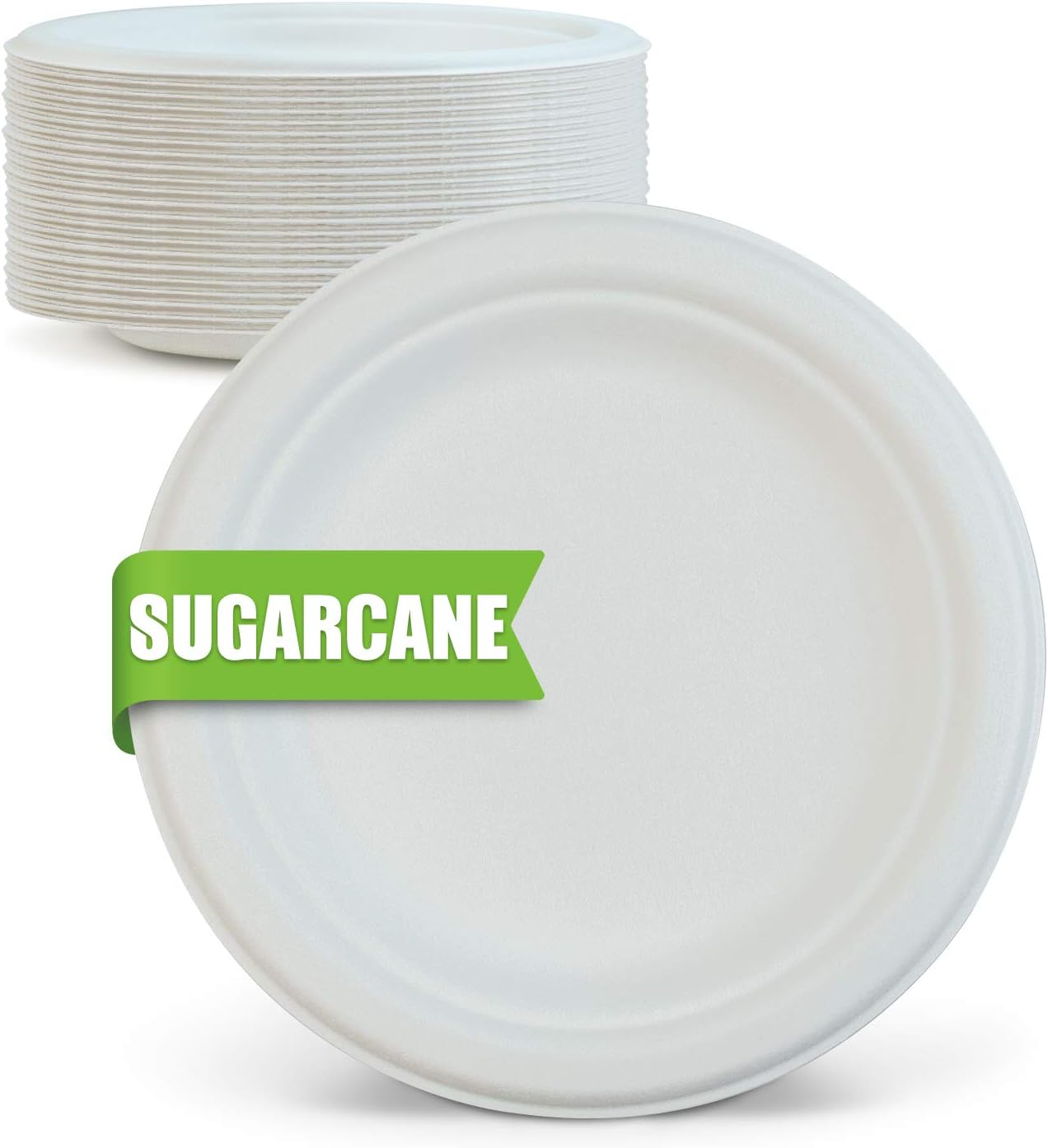 7 inch
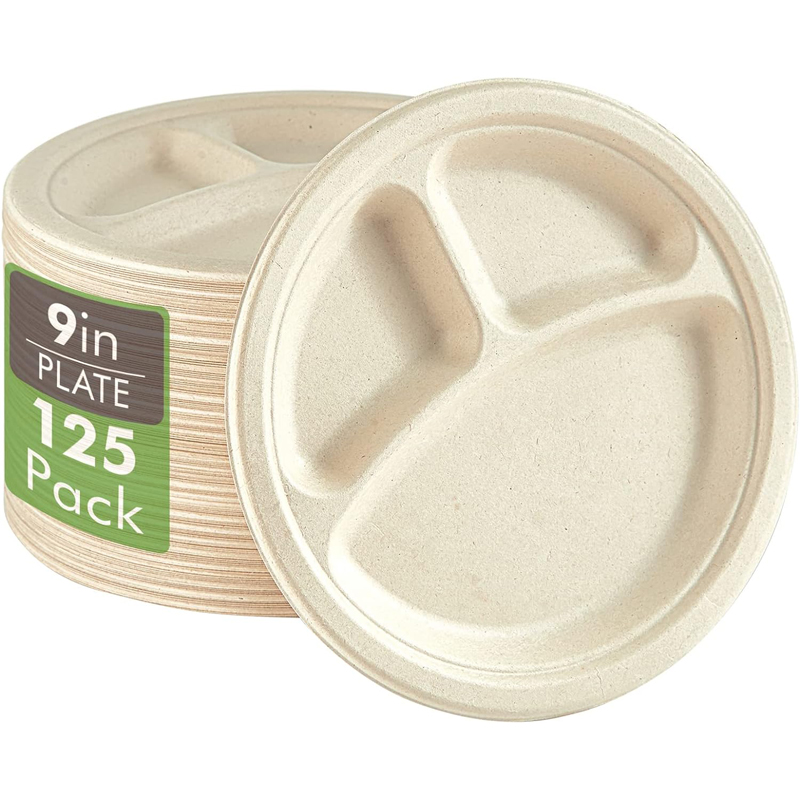 3CP
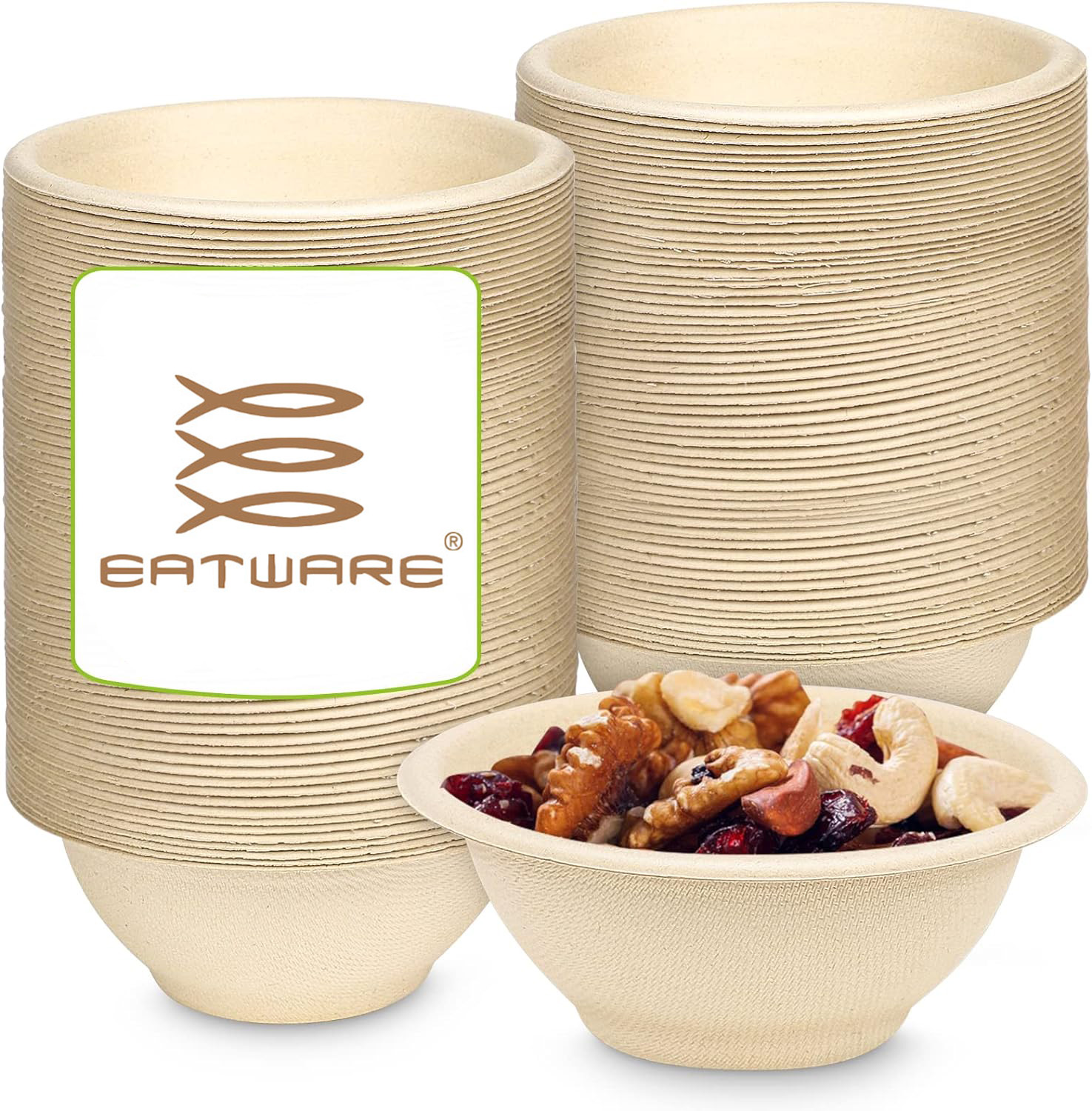 Bagasse Bowls
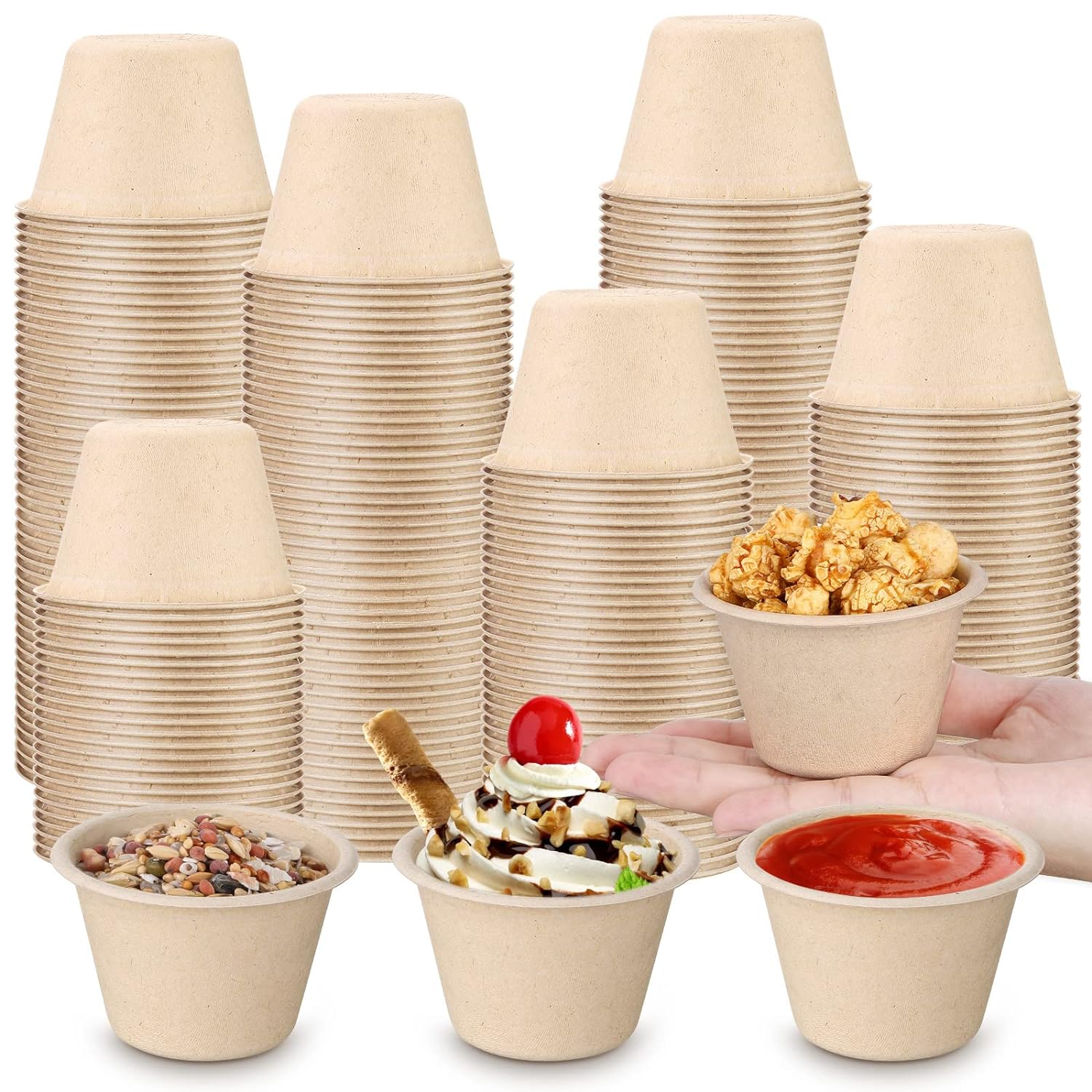 4oz
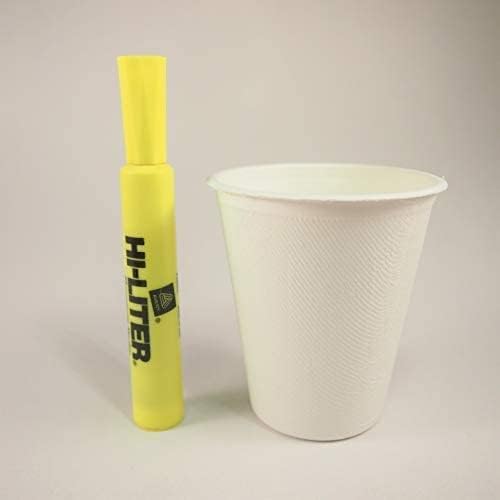 Bagasse Cups And Cutlery
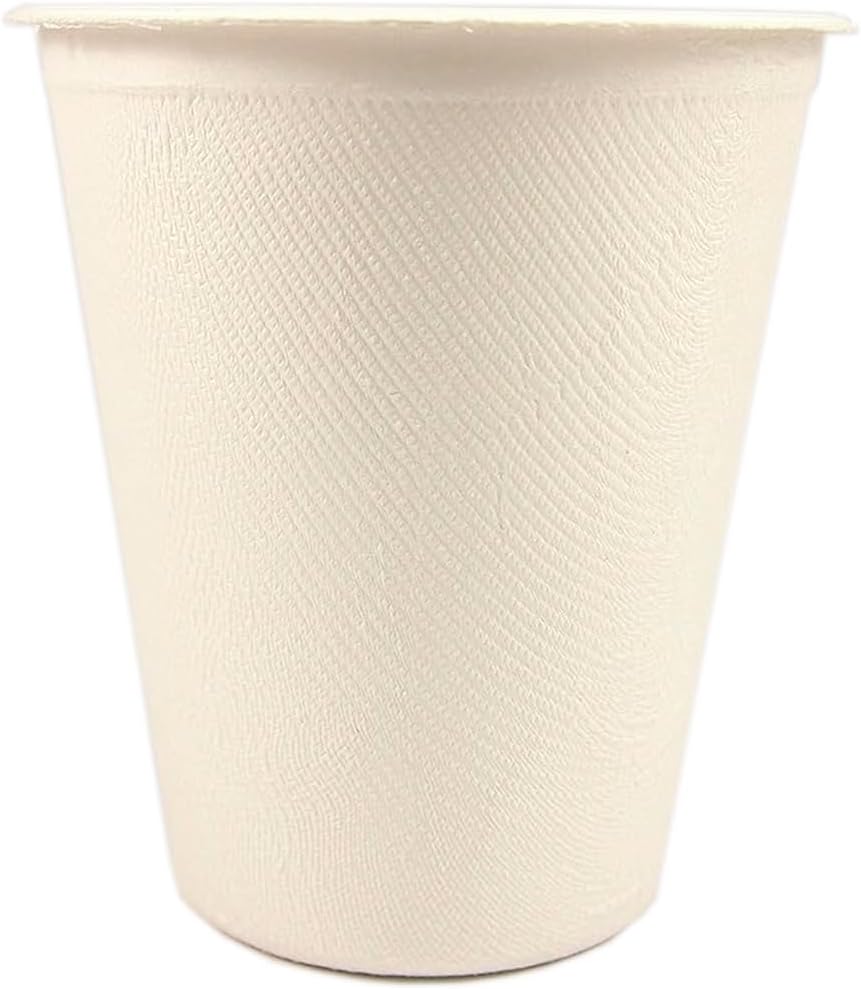 8oz
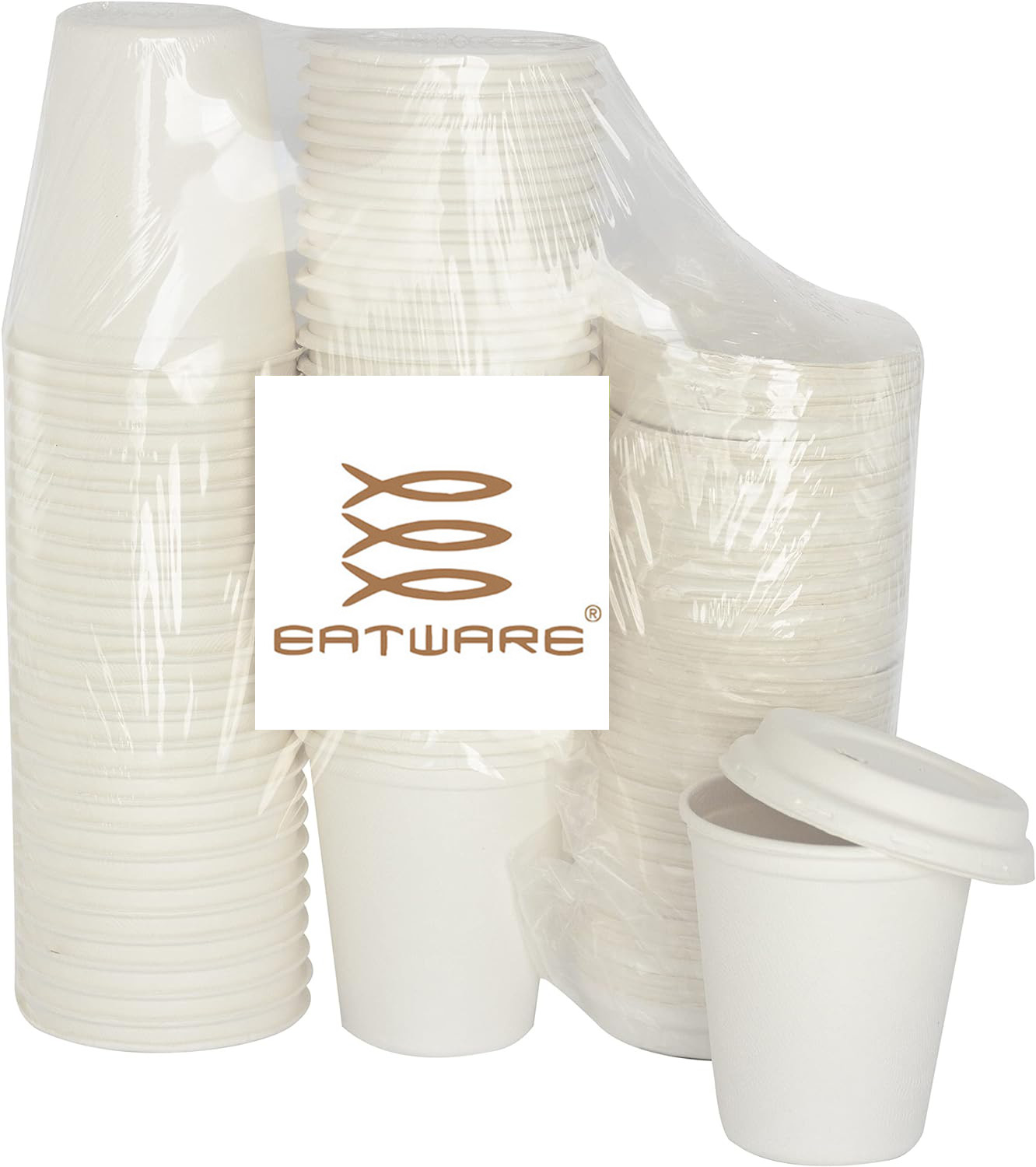 12oz
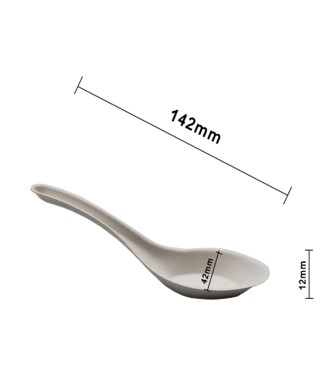 Cutlery


