China Best Laminating Seafood TrayManufacturer has put together a pretty handy guide to reliable seafood packaging from China. The main focus is on their Laminating Seafood Tray, which is designed for chilled fish, shrimp, scallops, and other prepared seafood products. When it comes to good packaging, it really all starts with understanding the product’s real conditions. It needs to handle moisture, cold storage, stacking pressure, and the constant movement during transport. No surprise there, right?
Dr. Steven M. Selke, a well-respected packaging educator, often reminds us that “Packaging is a system, not just a container.” And honestly, that’s super important here. It’s not just about how the tray looks; things like how well the film sticks, sealing strength, oxygen resistance, anti-fog capabilities, and size stability all play a big role in keeping seafood fresh and safe. Qingdao OceanGuard Packaging Co., Ltd. tests all these aspects through various techniques—material choice, sealing tests, drop tests, and even cold-chain simulations. Because even small failures can end up costing you a lot.
Let’s be real, no tray is perfect. A cheaper design might help keep costs down, but it can also make the seal less reliable or mess with how it looks. On the flip side, using a thicker laminate might boost protection but could complicate recycling efforts. It’s a classic trade-off, and honest reviews are important here. Good manufacturers should be transparent—sharing clear specs, food-contact certifications, production records, and practical samples before any big orders. They should also honestly explain what their products can and can’t do, instead of making wild promises about universal performance.
This guide dives into how Chinese manufacturers stack up, what buyers should check for, and which technical details *really* matter. Ultimately, the best choice depends on what kind of seafood you’re packaging, how long you want it to last, the filling equipment you have, transport routes, and local regulatory requirements. And trust me, thorough testing is a must—don’t just assume everything will work out. Question assumptions and be cautious—that’s what really counts.

What Defines a China Best Laminating Seafood Tray Manufacturer
What Defines a China Best Laminating Seafood Tray Manufacturer
A reliable Laminated Seafood Tray manufacturer combines material knowledge with practical seafood packaging experience. The tray should resist moisture, oil, cold temperatures, and pressure during transport. Its laminated layers must bond evenly, without bubbles, peeling, or weak corners. Small defects can cause leakage.
Experience appears in production details. Skilled engineers select suitable food-contact films, sealing layers, and tray structures for shrimp, fish, scallops, and other products. They also check sealing strength, oxygen resistance, dimensional stability, and performance after refrigeration. Samples should undergo realistic tests, not only visual inspection. A good manufacturer keeps clear batch records and provides traceable quality reports.
Consistency matters more than attractive samples. Inspectors should monitor raw materials, forming accuracy, printing adhesion, and final sealing. Machines need regular calibration. Workers need practical training. However, no factory gets every detail right every time. Even a successful trial may not represent long-term production. This is where honest communication becomes important. Manufacturers should explain limitations, accept reasonable corrections, and improve processes through documented feedback. They should also understand applicable food-contact requirements in the target market and maintain controlled testing procedures. Reliable support continues after delivery, especially when tray performance changes with filling speed, storage temperature, or seafood moisture.
Seafood Tray Materials and Protective Lamination Structures
Seafood Tray Materials and Protective Lamination Structures
A reliable seafood tray begins with the right base material. Common choices include PP, PET, and molded fiber with a moisture-resistant coating. PP handles freezing and heat sealing well. PET offers strong stiffness and a clean display surface. For wet products, the tray must resist leakage, punctures, and deformation during transport.
Protective lamination adds another layer of control. A PET/PE structure can provide strength, sealability, and good moisture resistance. For oxygen-sensitive seafood, a PA/PE or EVOH-based structure may improve barrier performance. The exact design depends on storage temperature, product weight, sealing equipment, and expected shelf life. In practice, seal strength often matters more than appearance. A beautiful tray fails if liquid reaches the seal. No structure is perfect. Material selection still requires testing.
Tips: Test the full tray system, not only the film. Check drop resistance, seal quality, cold storage performance, and odor retention. Use samples filled with real seafood, including shells or sharp edges. We have found that small corners can create large problems. Review the result after several storage cycles. A structure that performs well on day one may weaken later. That detail is easy to miss. Manufacturers should also confirm food-contact compliance, traceability, and consistent thickness before mass production.
Laminated Seafood Tray Manufacturing Process
Laminated Seafood Tray Manufacturing Process
A reliable laminated seafood tray begins with material selection. The structure usually combines a rigid food-grade base with a thin barrier film. This design supports strength, moisture control, and clean presentation. The FAO’s State of World Fisheries and Aquaculture 2024 reported 185.4 million tonnes of aquatic production in 2022. About 89% was used for direct human consumption. That scale increases demand for dependable packaging.
Manufacturing starts by cleaning and drying the base sheet. The film is then bonded through controlled heat, pressure, and line speed. Operators check bond strength, thickness, seal quality, and surface defects. A Laminating Beef Tray may require stronger stiffness, while seafood trays often need better resistance to brine and drip loss. Packaging teams should also conduct migration testing and cold-storage trials. Small temperature changes can affect sealing. This part is easy to underestimate.
Tips: Keep the laminate free from dust before sealing. Test trays with actual seafood, not only empty samples. Record every batch’s temperature, pressure, and dwell time. The process may look stable, but minor variation can create leaks. Reflective review is necessary, especially after changing film suppliers or tray dimensions.
Food Safety and Quality Standards for Seafood Trays
Seafood trays must protect food, not merely display it. Moisture, salt, oxygen, and temperature changes test every seal.
A reliable laminating seafood tray manufacturer should control resin identity, film thickness, adhesive curing, and production hygiene. Food-contact declarations must match the actual structure, not a similar material.
FAO’s State of World Fisheries and Aquaculture 2024 reports 185.4 million tonnes of aquatic animals produced in 2022. About 89% entered human food supplies. This scale makes packaging discipline essential.
The WHO estimates that contaminated food causes about 600 million illnesses annually. Tray testing should include seal strength, leak resistance, oxygen transmission, and cold-chain performance.
ASTM methods can support repeatable checks, while migration testing should reflect the intended food and storage conditions.
For markets using European rules, Regulation (EU) No 10/2011 sets an overall migration limit of 10 mg/dm² for plastic food-contact materials under specified conditions. Other markets require different documentation.
A practical factory check includes visual inspection under bright light, seal testing after refrigeration, and traceable batch records. The same controls matter for a Laminating Poultry Tray, but seafood often brings higher salt and moisture exposure.
No tray is perfect. A strong seal may still fail when the film is scratched, the rim is wet, or handling becomes rushed. That uncomfortable detail deserves more attention during supplier audits.
Customization Options for Laminated Seafood Packaging
Seafood packaging must protect freshness, presentation, and transport performance. The FAO’s The State of World Fisheries and Aquaculture 2024 reported 185.4 million tonnes of aquatic animal production in 2022. About 89% reached consumers as food. That scale increases demand for reliable Laminated Trays.
Customization can start with tray depth, flange width, cavity shape, and stacking height. A PET/PE structure may suit chilled products, while PP-based materials can support some heating applications. Barrier layers help reduce oxygen transfer and moisture loss. Anti-fog lidding improves visibility inside refrigerated displays. Peelable seals also support cleaner opening. However, one structure cannot fit every species. Salmon oils, shell fragments, brine, freezing, and modified-atmosphere packing can change seal performance. Trial testing with real seafood remains essential. A perfect specification rarely exists on the first attempt.
Tips: Test filled trays after vibration, freezing, and temperature cycling. Measure seal strength, leakage, oxygen transmission, and peel force. Request migration and food-contact documentation before production. Consider recyclable mono-material options, but verify local recycling infrastructure first. Decorative printing should not weaken the flange or hide important handling information. Small details matter.
How to Evaluate a Chinese Seafood Tray Manufacturer
China Best Laminating Seafood Tray Manufacturer
How to Evaluate a Chinese Seafood Tray Manufacturer
Choosing a Chinese seafood tray manufacturer requires more than comparing quotations. Start with working conditions: frozen storage, wet handling, stacking pressure, and transport vibration. Ask for material specifications, production records, and recent quality reports. A reliable supplier should explain resin type, barrier structure, sealing temperature, and tolerances clearly. Avoid vague claims like “premium quality.” Request samples from normal production, not showroom pieces. Small defects matter.
Test samples with real seafood, ice, and condensation. Check whether the lid seals evenly after repeated opening and closing. Measure warping after refrigeration, then inspect corners for cracks or leakage. If the tray uses laminating food packaging technology, verify layer bonding through heat, pressure, and cold-cycle tests. Ask how operators control dust, trimming waste, and foreign-material risks. Factory hygiene, calibration records, and batch traceability deserve direct attention. Photos help, but a live video audit offers stronger evidence.
Evaluate communication as part of reliability. Can the team confirm dimensions, carton counts, lead times, and corrective actions in writing? Ask who handles complaints and how quickly replacement samples are issued. Export experience is useful, but documents should support every claim. Review food-contact declarations and qualified laboratory testing. Not every detail is perfect. A common mistake is focusing too heavily on price while overlooking seal consistency, delivery control, or unclear specifications.
How to Evaluate a Chinese Seafood Tray Manufacturer
Use this practical scoring framework to compare manufacturers without relying on brand names. The criteria reflect common seafood packaging requirements, including food-contact compliance, barrier protection, sealing performance, cold-chain durability, and production traceability.
Illustrative evaluation weights: confirm each item with supplier documentation, laboratory test reports, production samples, and quality records before making a purchasing decision.
Biodegradable MAP Food Packaging: Sustainable Bowls, Trays, and Boxes for Modern Food Brands
Modified Atmosphere Packaging (MAP) is helping food brands extend freshness while reducing dependence on conventional plastics. The UNEP Food Waste Index 2024 reported approximately 1.05 billion tonnes of food waste in 2022, highlighting the need for packaging that supports better food protection and distribution. At the same time, the OECD’s Global Plastics Outlook found that global plastic waste reached 353 million tonnes in 2019, with packaging representing around 40% of total plastic use. Biodegradable MAP packaging offers a practical response for prepared meals, takeaway foods, bakery products, and fresh produce.
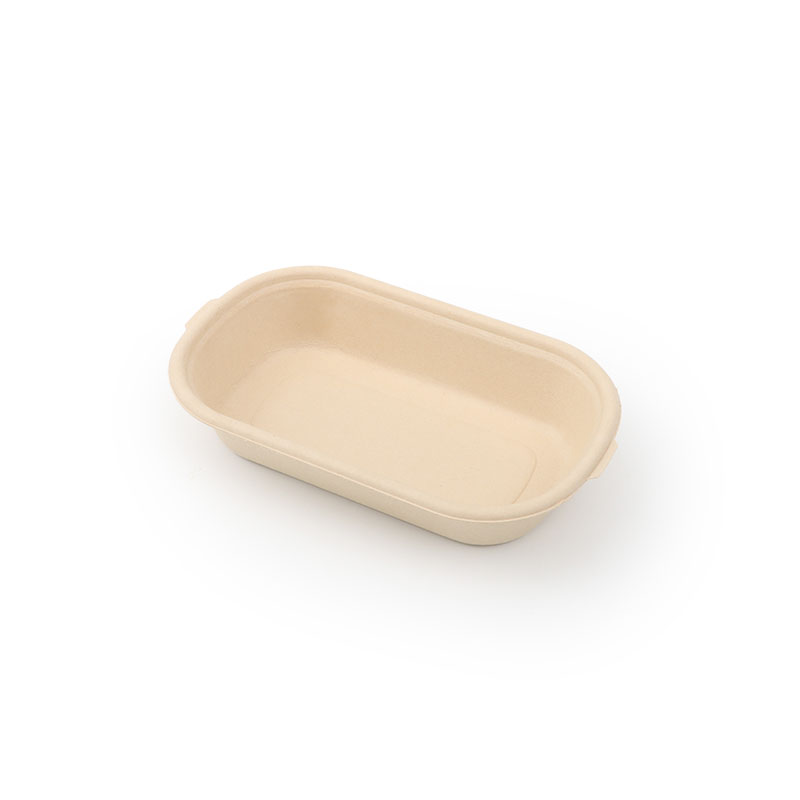
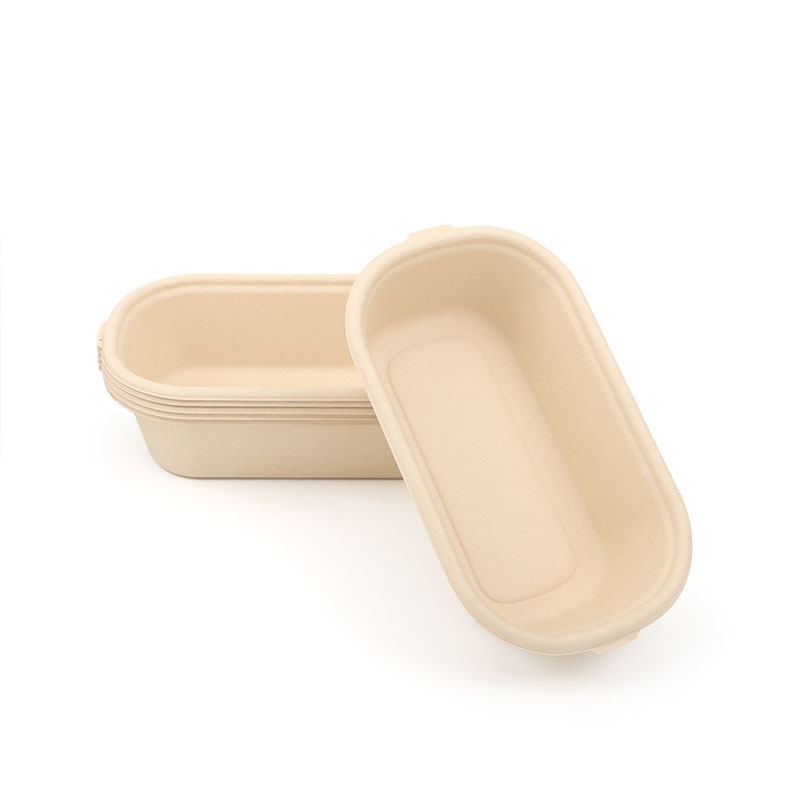
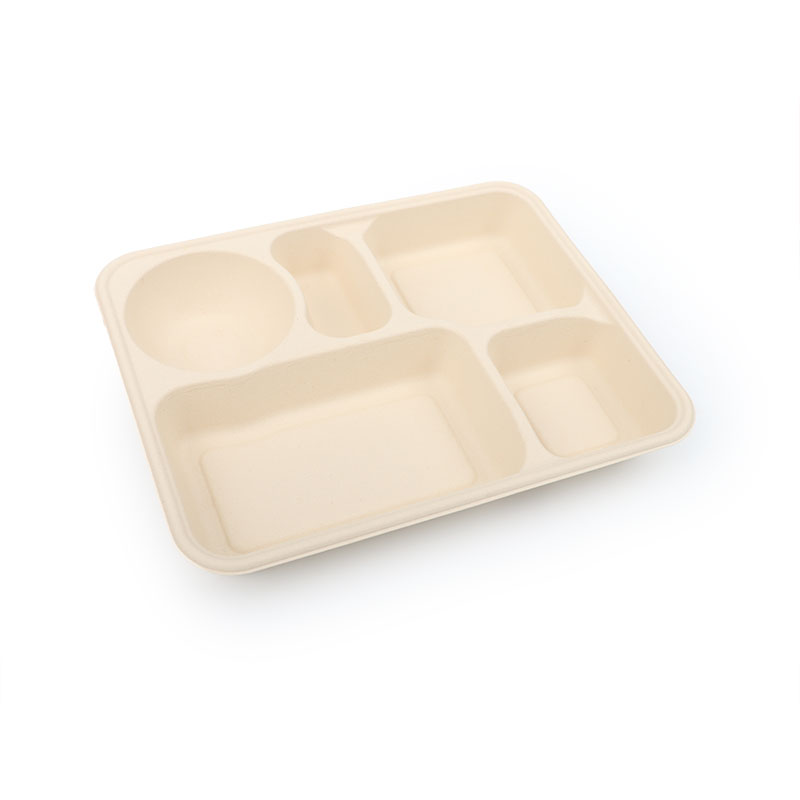
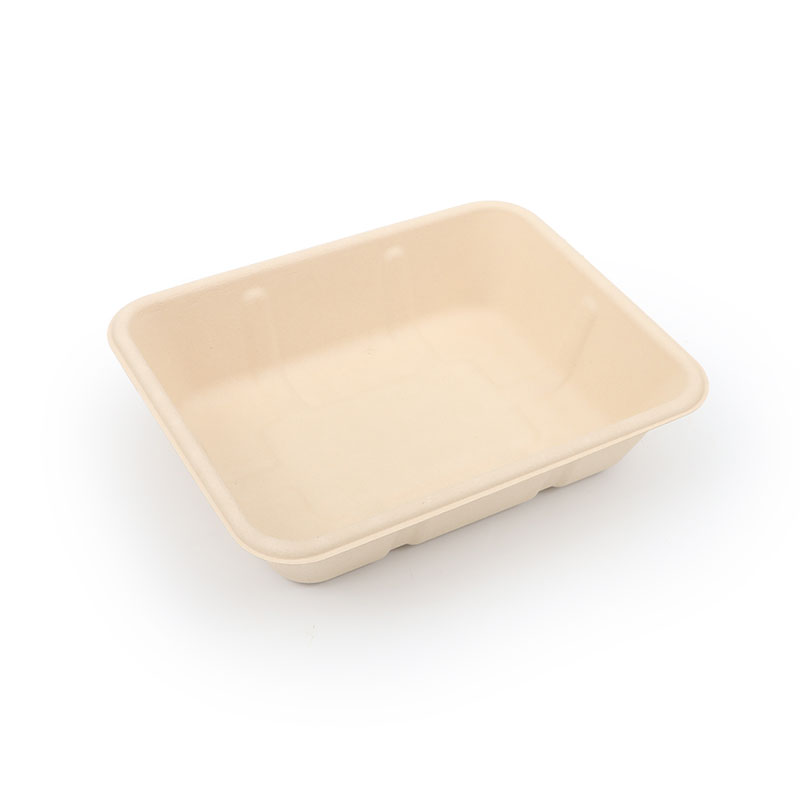
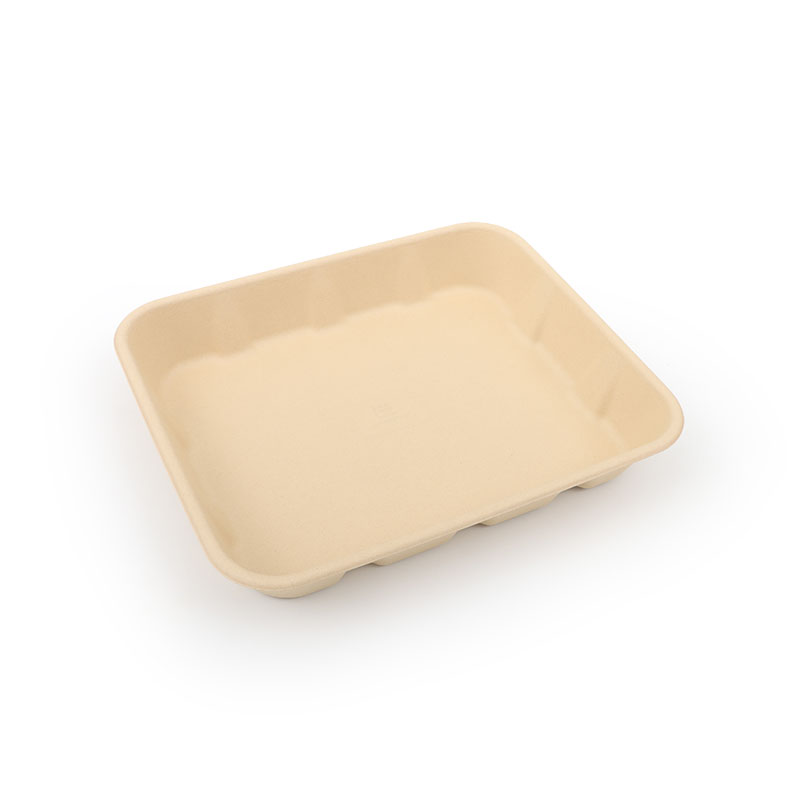
Made from bamboo pulp fiber, these beige bowls, trays, and boxes combine a natural appearance with commercial functionality. The 400 ml bowl measures D161 × H34 mm, the 950 ml box measures L223 × W170 × H37 mm, and the tray measures L273 × W211 × H43 mm. They can be customized through OEM and ODM services and are suitable for MAP systems when paired with compatible barrier films and sealing equipment. Water and oil remain contained for up to 30 minutes at 95°C, while the packaging can withstand microwave or oven heating at 220°C for 3–5 minutes and freezer storage at –18°C for up to three months.
Available certification support includes BPI, BRC, OK compost, OWS, FDA, FSC, Green Seal, and fluorine-related requirements, depending on the selected specification and market. Their stackable formats and customizable dimensions make them suitable for modern food-service operations seeking recyclable or compostable-oriented packaging solutions without sacrificing heat resistance, leak protection, or presentation.
FAQS
A rigid food-grade base is combined with a thin barrier film. The structure supports strength, moisture control, and clean presentation. PET/PE may suit chilled products, while PP-based materials can support some heating uses.
The base sheet is cleaned and dried before lamination. The film is bonded using controlled heat, pressure, and line speed. Operators then inspect thickness, sealing, bond strength, and surface defects.
Seafood can release brine, oils, and drip during storage. A suitable barrier helps reduce moisture loss and leakage. Small seal weaknesses can become serious problems.
Designs can vary in tray depth, flange width, cavity shape, and stacking height. Barrier layers can reduce oxygen transfer and moisture loss. Anti-fog lids improve visibility in refrigerated displays.
No single structure fits every species or storage condition. Salmon oils, shell fragments, freezing, and modified-atmosphere packing may affect sealing. The perfect specification rarely appears on the first attempt.
Test filled trays with real seafood, not only empty samples. Check seal strength, leakage, oxygen transmission, and peel force. Include vibration, freezing, and temperature-cycling trials.
Record each batch’s temperature, pressure, and dwell time. Minor changes can create leaks, even when the line appears stable. This detail is easy to underestimate.
Request migration results and food-contact documentation before production. Cold-storage trials should also confirm sealing performance. I would not rely on assumptions here.
Mono-material options may improve recyclability, but local facilities must be checked first. A recyclable design may fail in practice without suitable collection systems. The material choice needs another review.
Conclusion
A leading China Laminating Seafood Tray manufacturer combines material expertise, advanced production capabilities, strict quality control, and responsive customization services. Its seafood trays may use food-grade plastic, paper-based materials, or multilayer structures, with protective lamination designed to improve moisture resistance, oil resistance, sealing performance, appearance, and transport durability. A reliable manufacturer should maintain a well-controlled process covering material inspection, forming or molding, printing, lamination, trimming, sealing, and final testing.
Food safety is central to seafood packaging, so manufacturers should use approved food-contact materials, hygienic production environments, traceable procedures, and consistent quality inspections. Buyers can also request customized tray dimensions, colors, surface finishes, barrier properties, labeling areas, and packaging formats to suit different seafood products. When evaluating a supplier, consider production experience, equipment, sample quality, customization capacity, communication, delivery reliability, testing documentation, and after-sales support. These factors help buyers select a dependable partner for safe, attractive, and functional laminated seafood packaging.

 Box With T buckle
 700ml Square Lunch Box
 500ml
 700ml
 850ml
 800ml 2 Compartments
 1000ml 2 Compartments
 1100ml
 1000ml Square Lunch Box
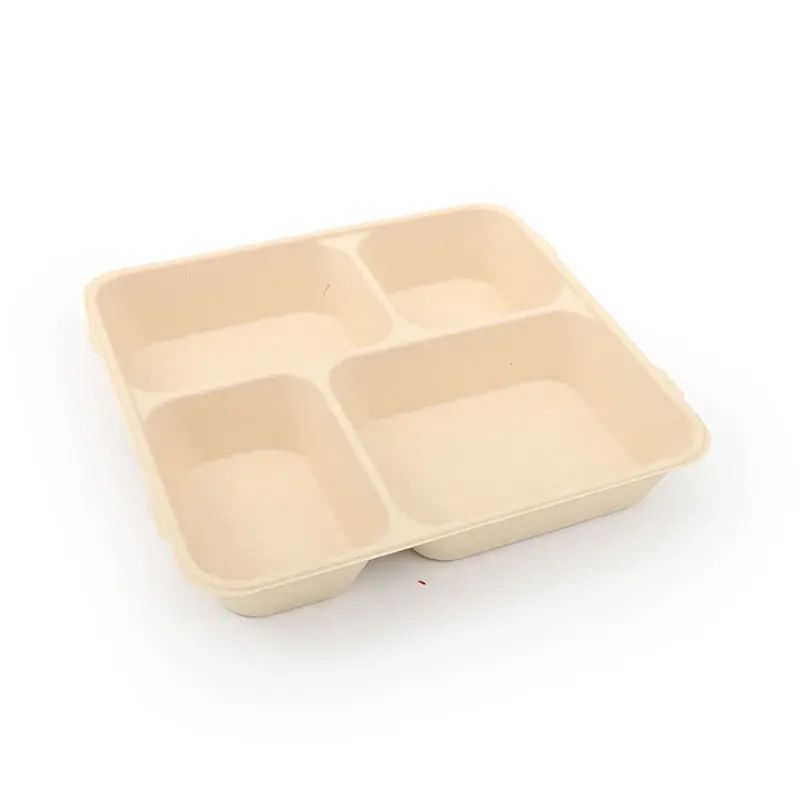 1340ml 4 Compartments
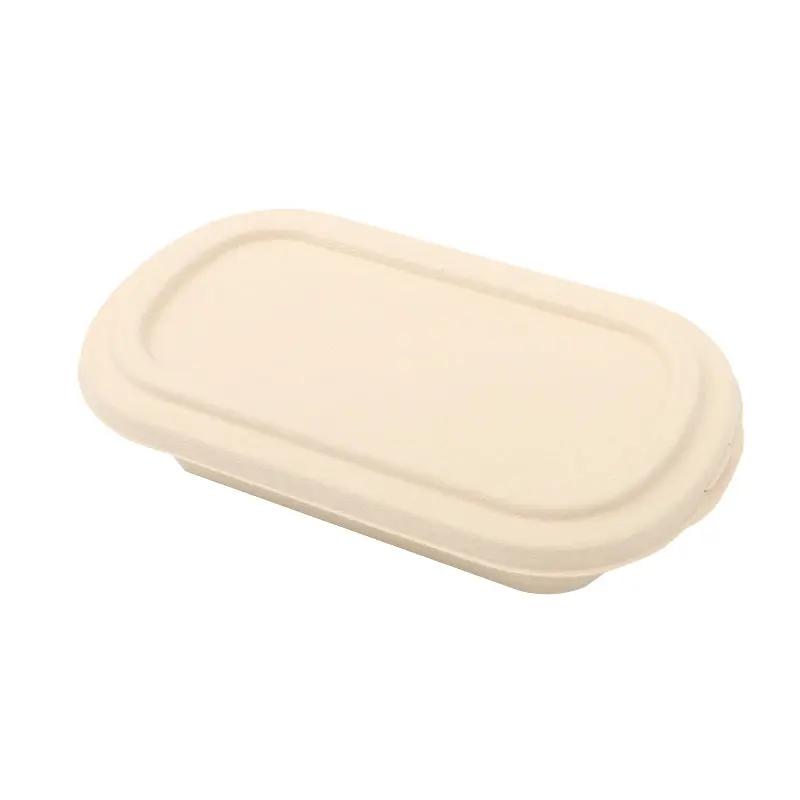 Lunch Box Lid
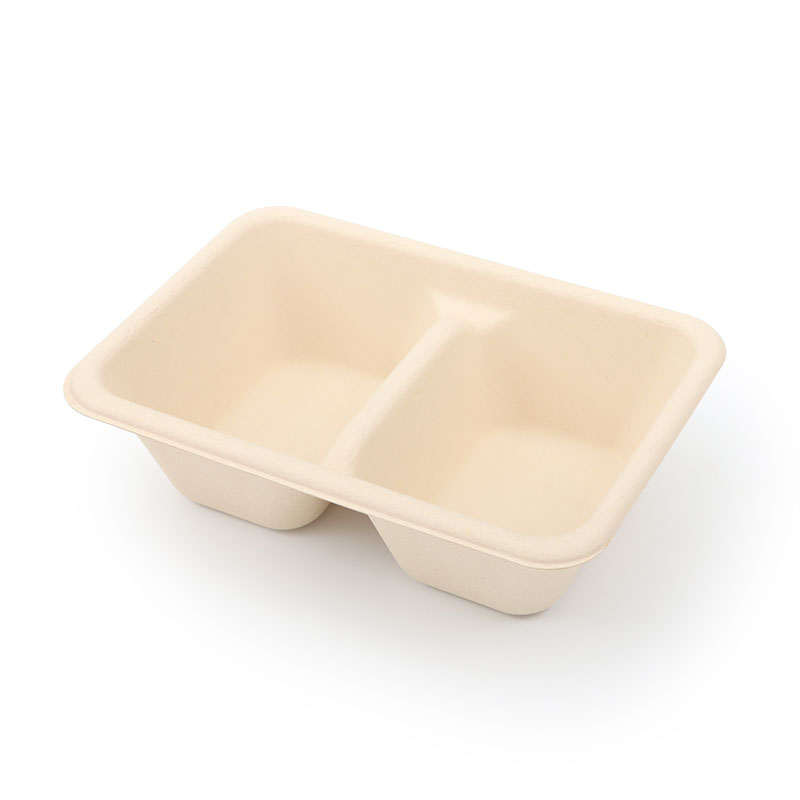 650ml
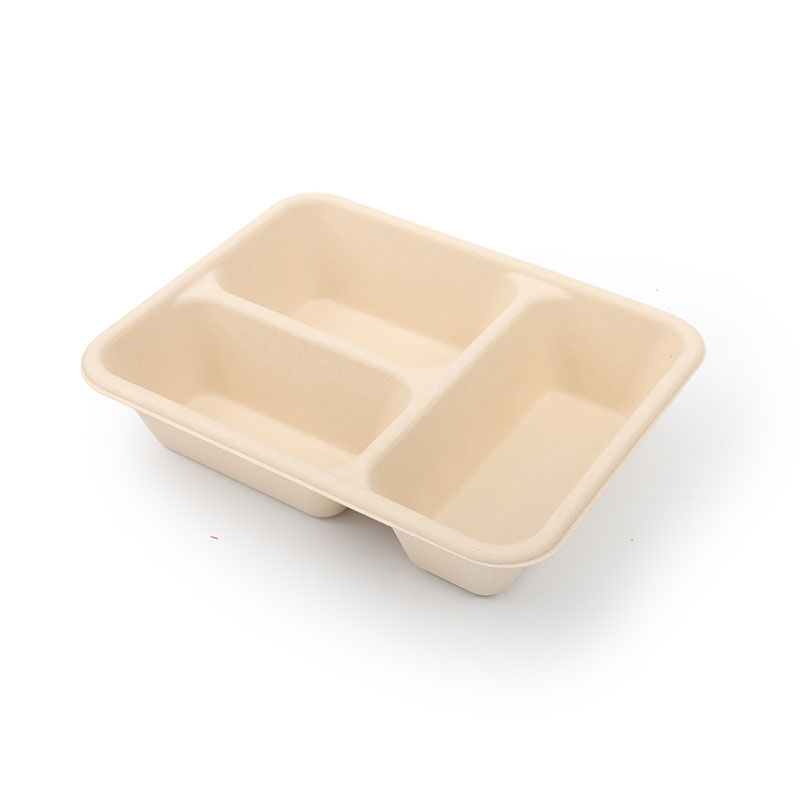 1000ml 3 Compartments
 1250ml 5 Compartments
 Square Lunch Box Lid
 Box Without T buckle
 850ml Salad Box
 700ml
 1350ml
 470ml
 2183ml Tray Box
 11" * 9"
 800ml
 One Part Box
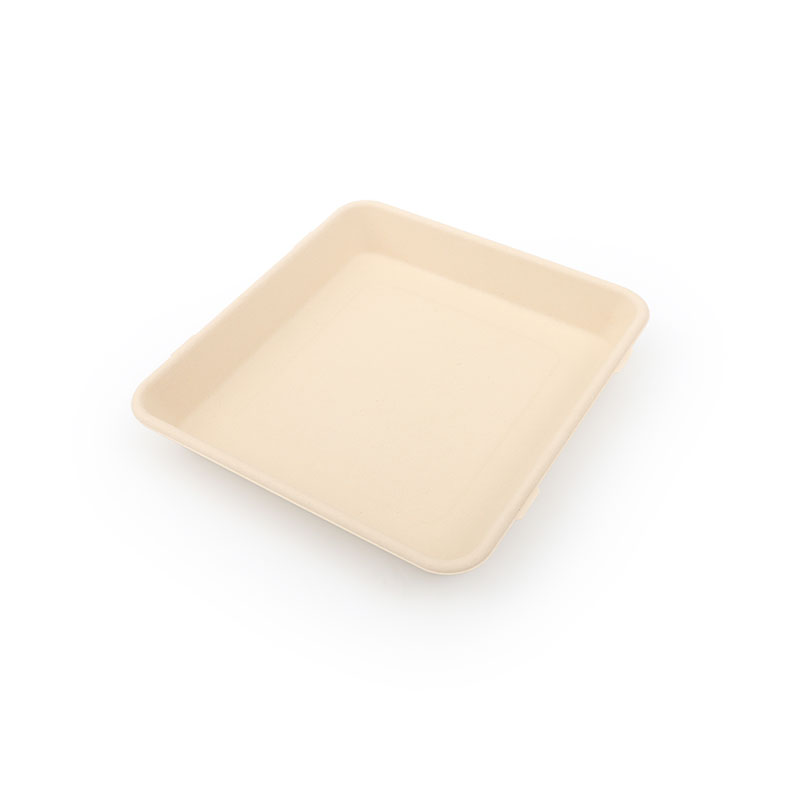 1443ml Tray Box
 Cake Bread Snack Tray Series
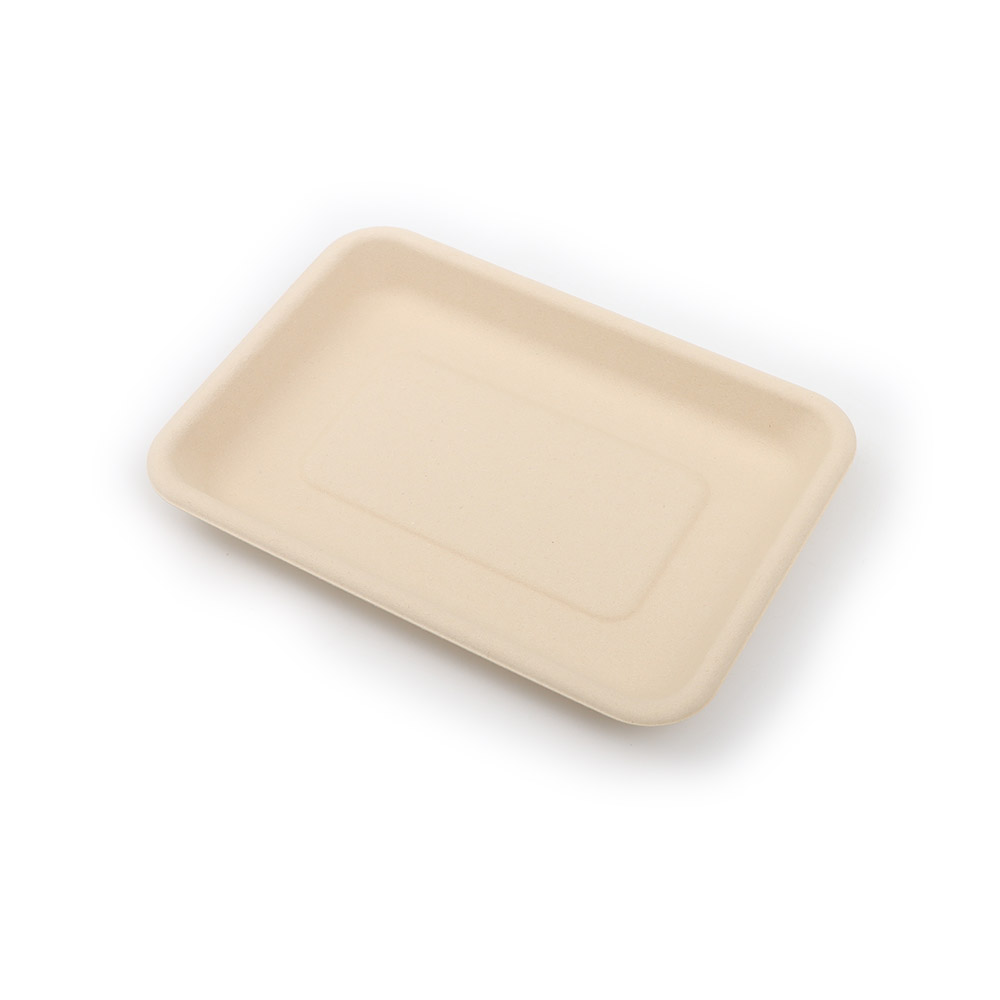 5" * 7" natural color
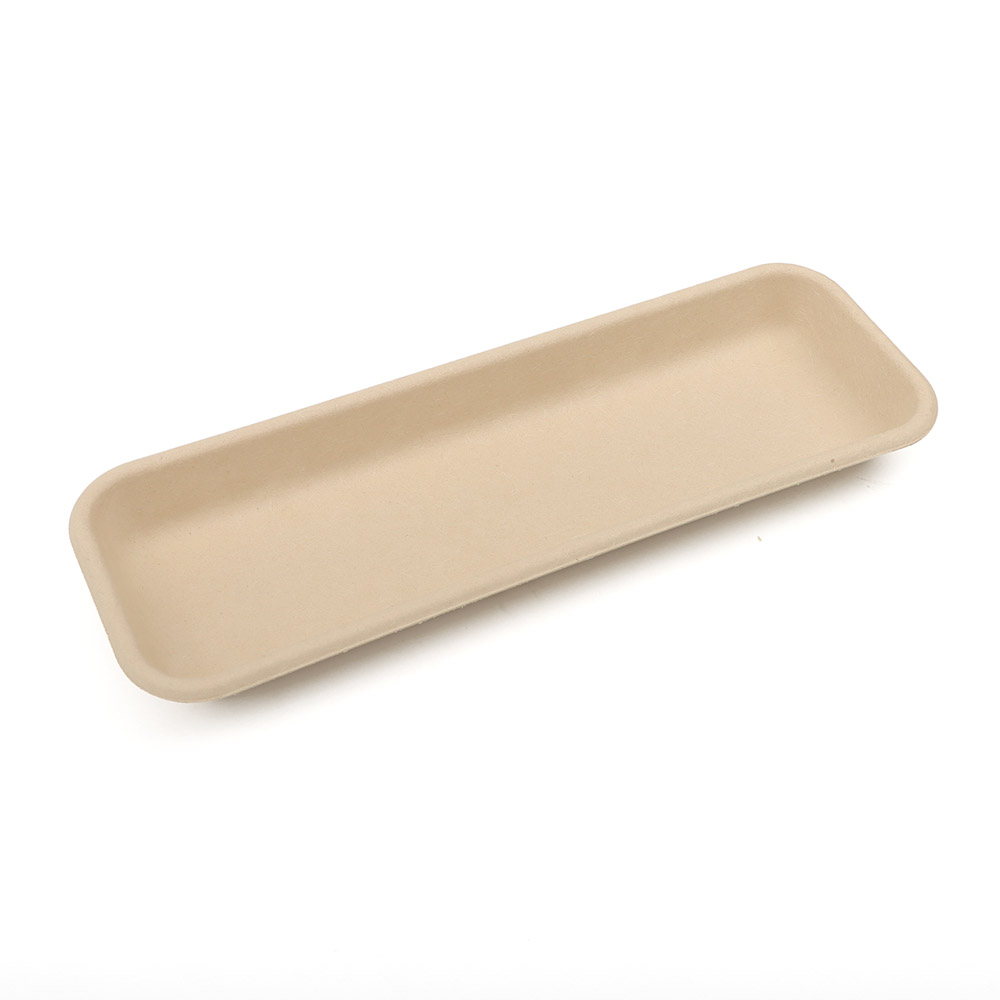 11.4" * 3.9"
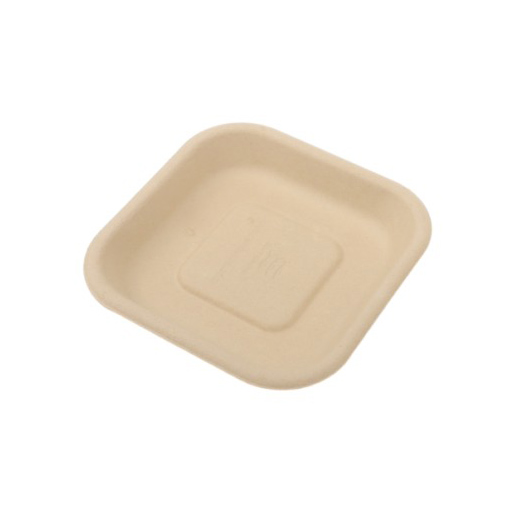 5.3" * 5.3"
 Fruit And Vegetable Tray Series
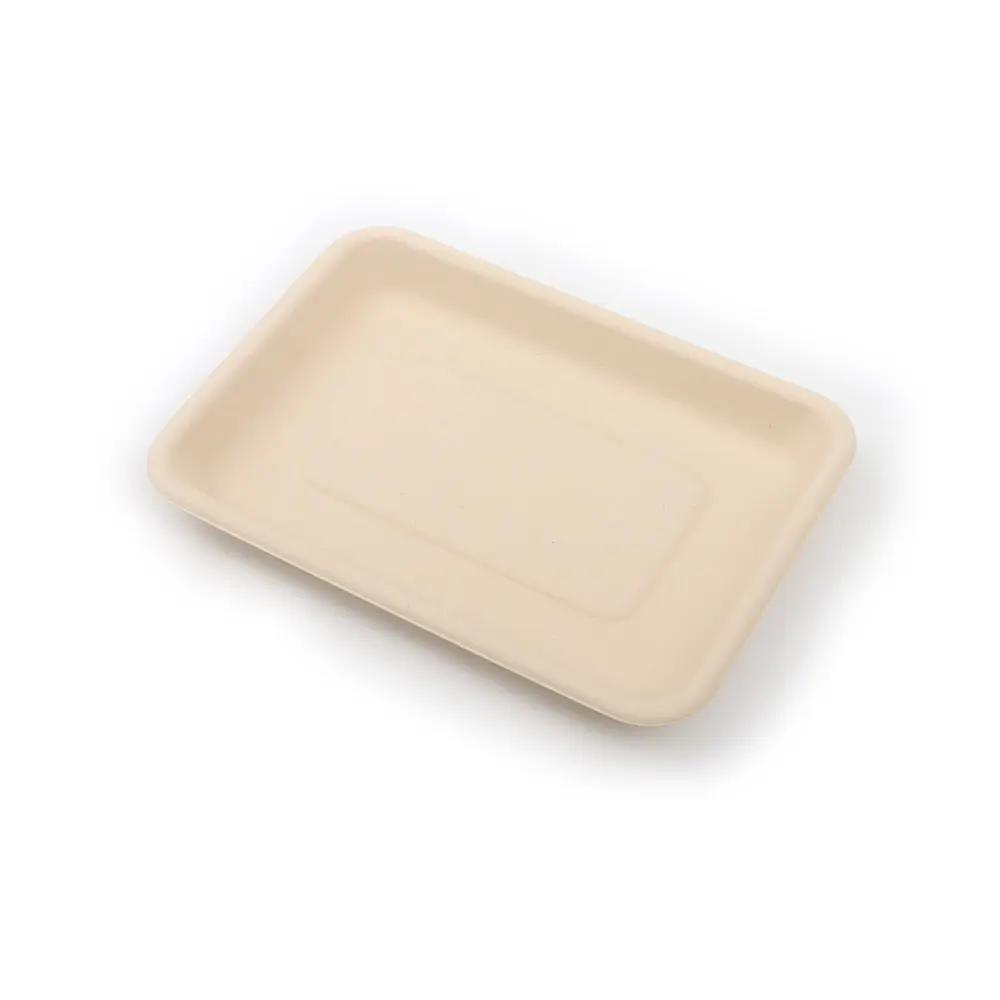 8.6" * 5.3"
 Sushi Tray Series
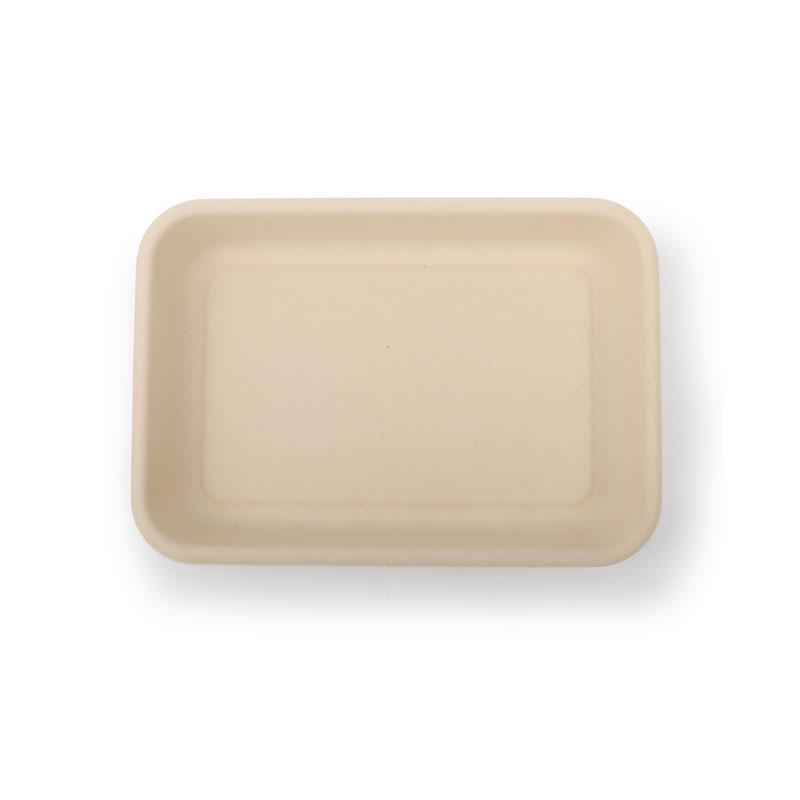 200" * 140"
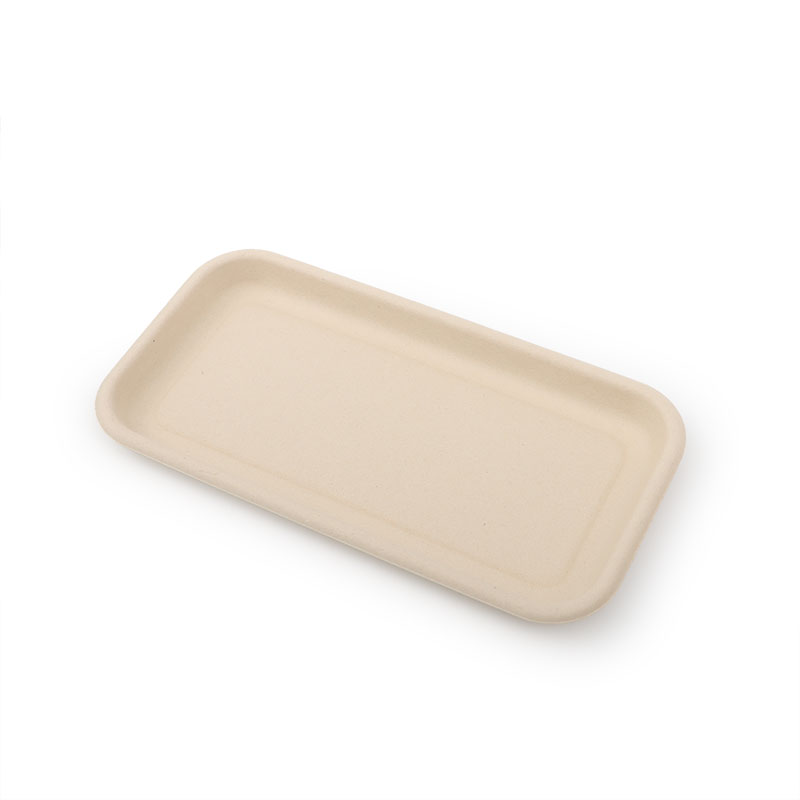 210" * 110"
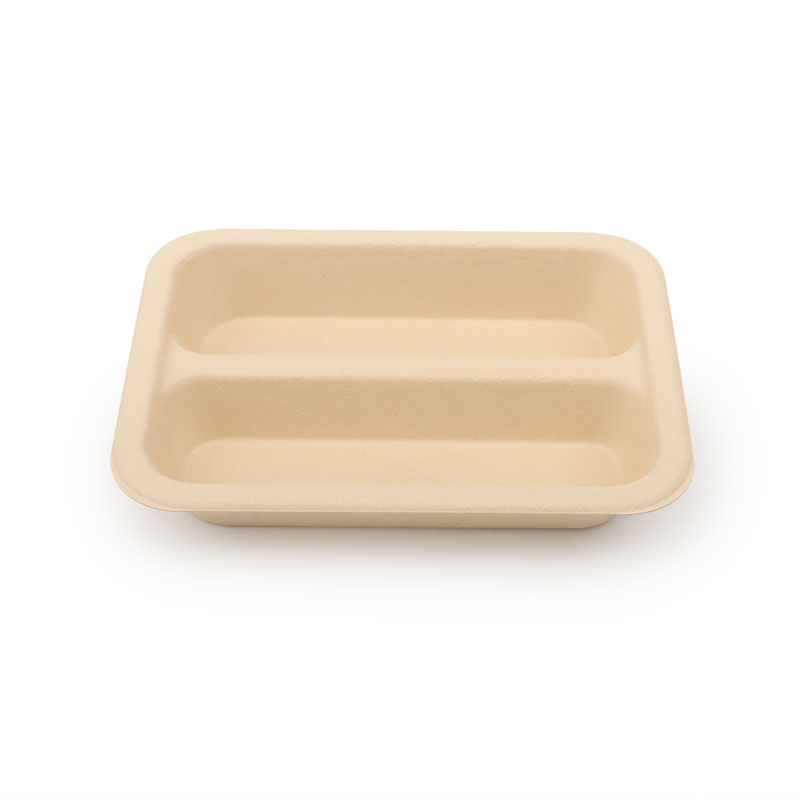 2 Compartments
 Small Round Plate Series
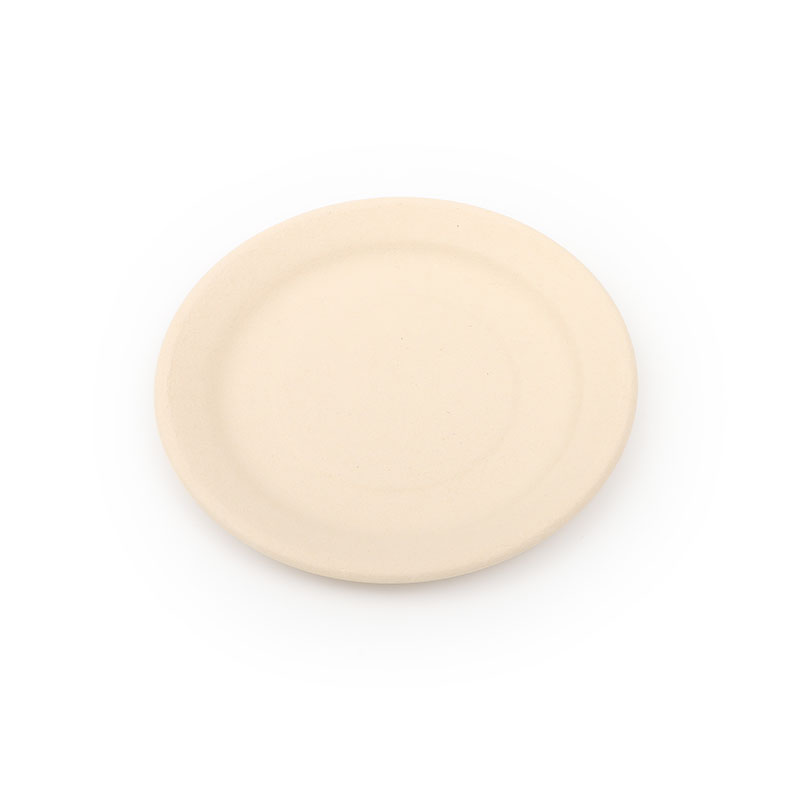 7 inch
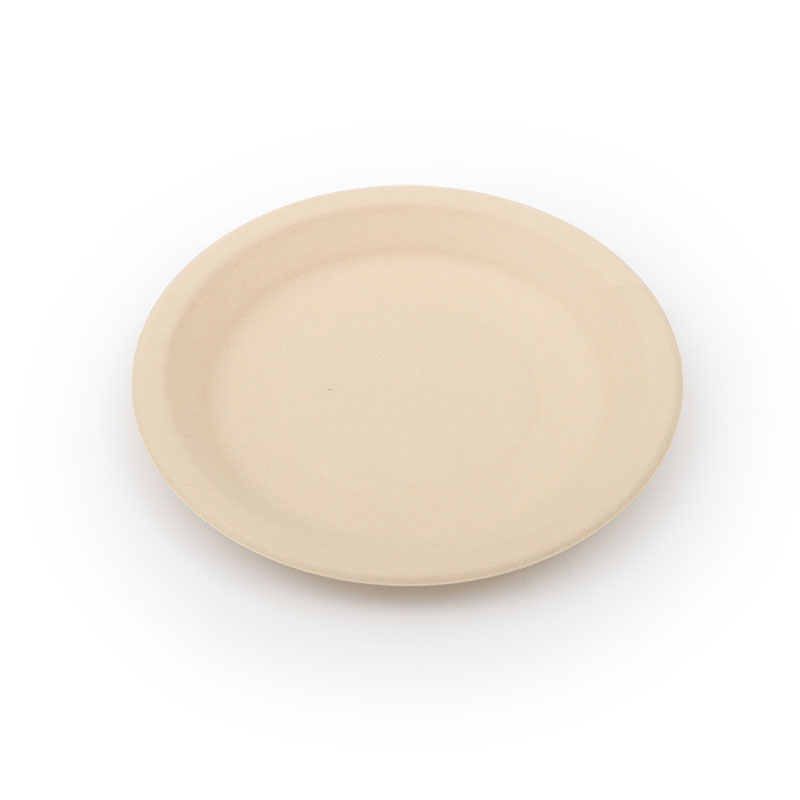 6 inch
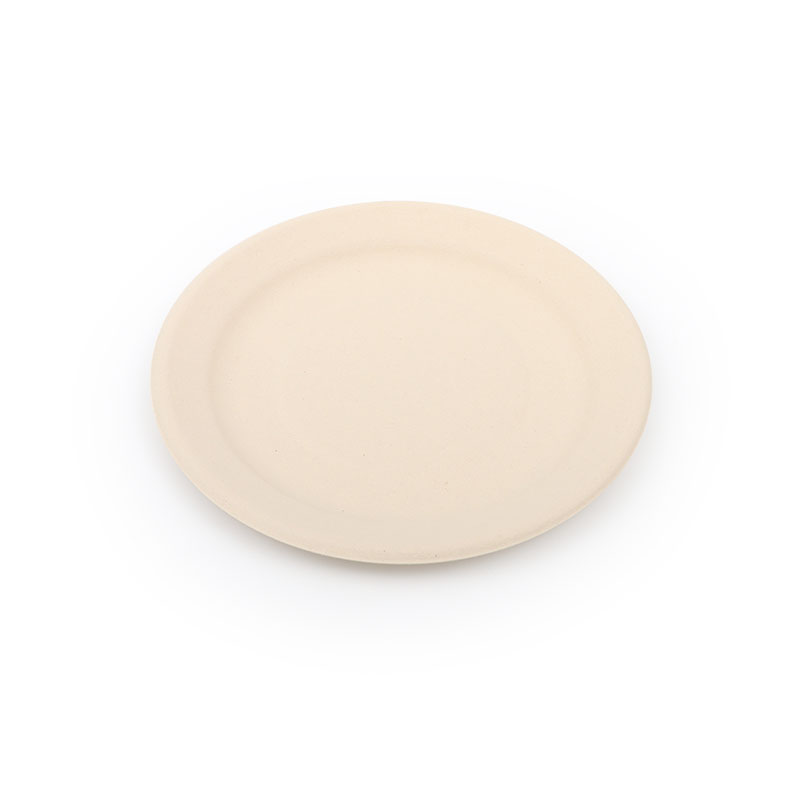 8 inch
 Middle Round Plate Series
 9 Inch 3 Compartments
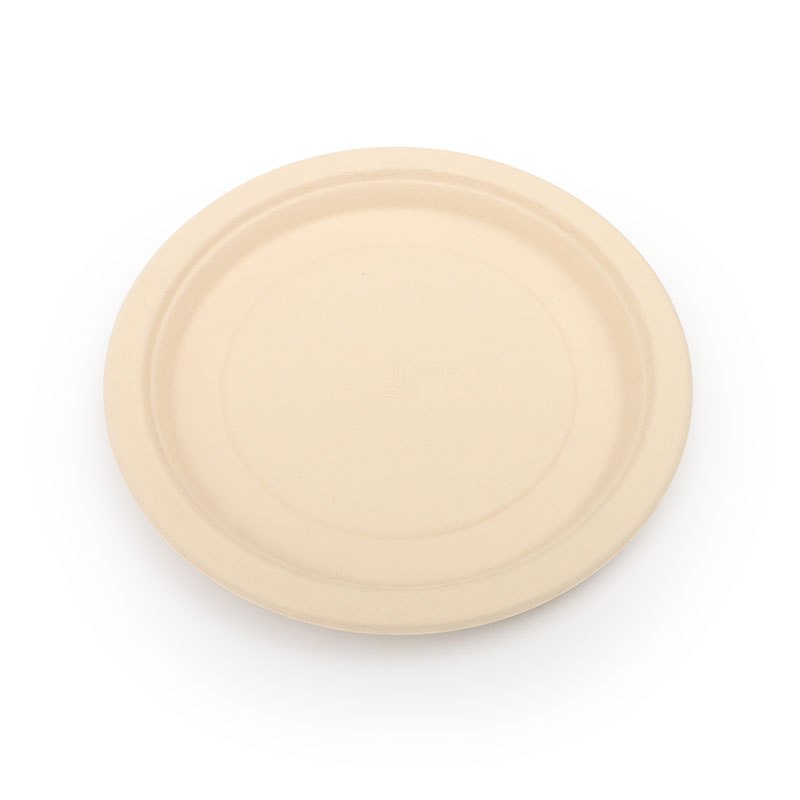 9 inch
 Big Round Plate Series
 12.7 Inch Pizza Plate
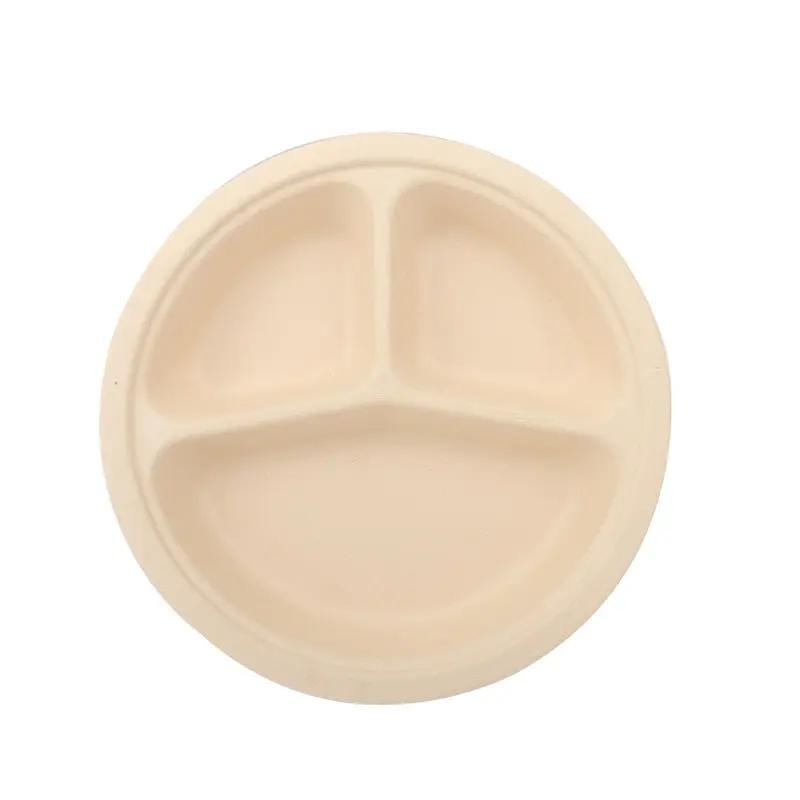 10.25 inch 3 Compartments
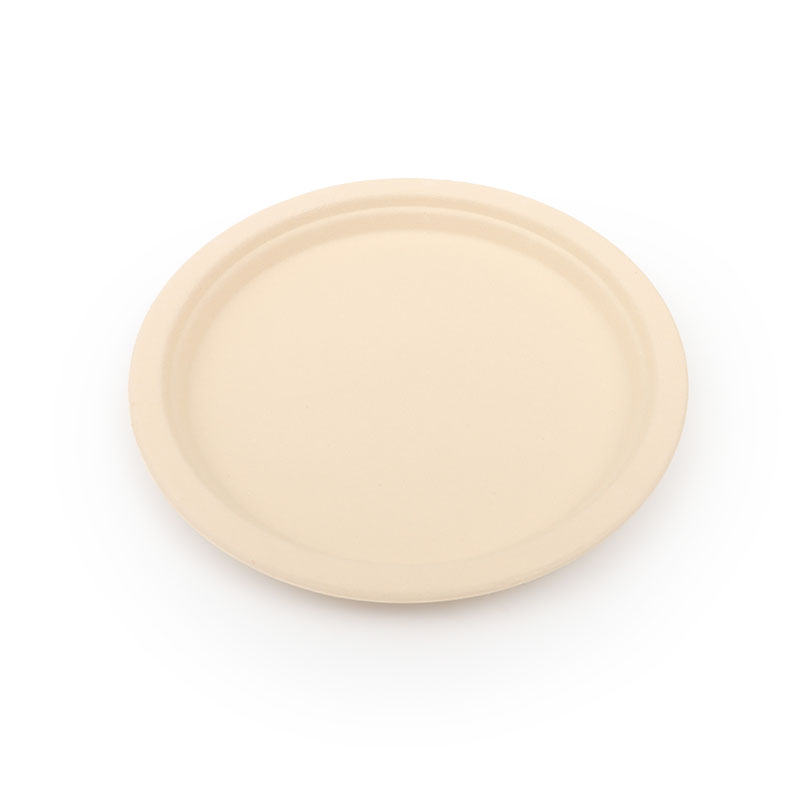 10 inch
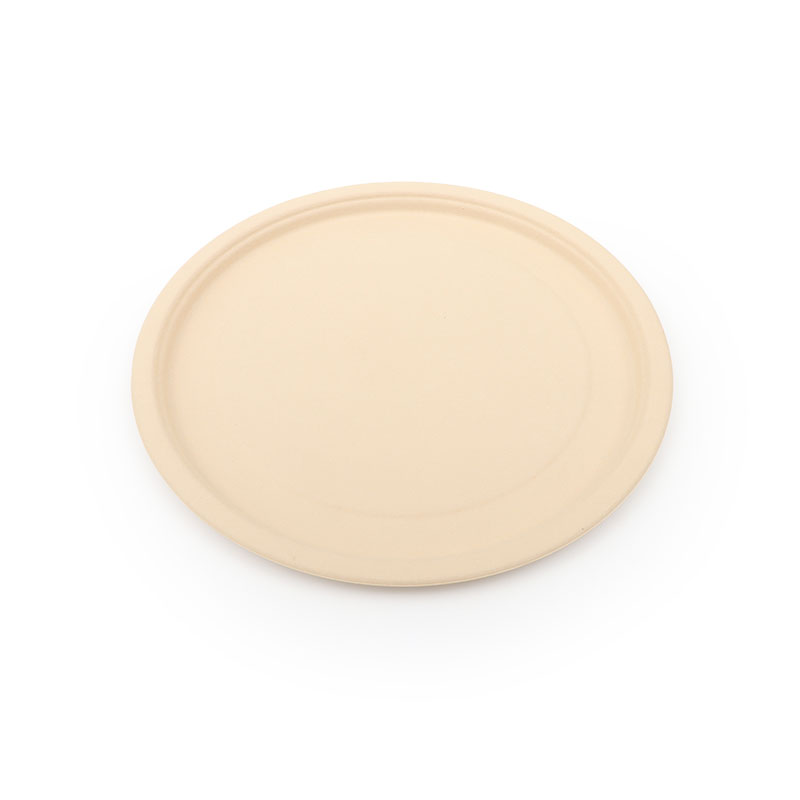 12 inch
 Bigger Bowl
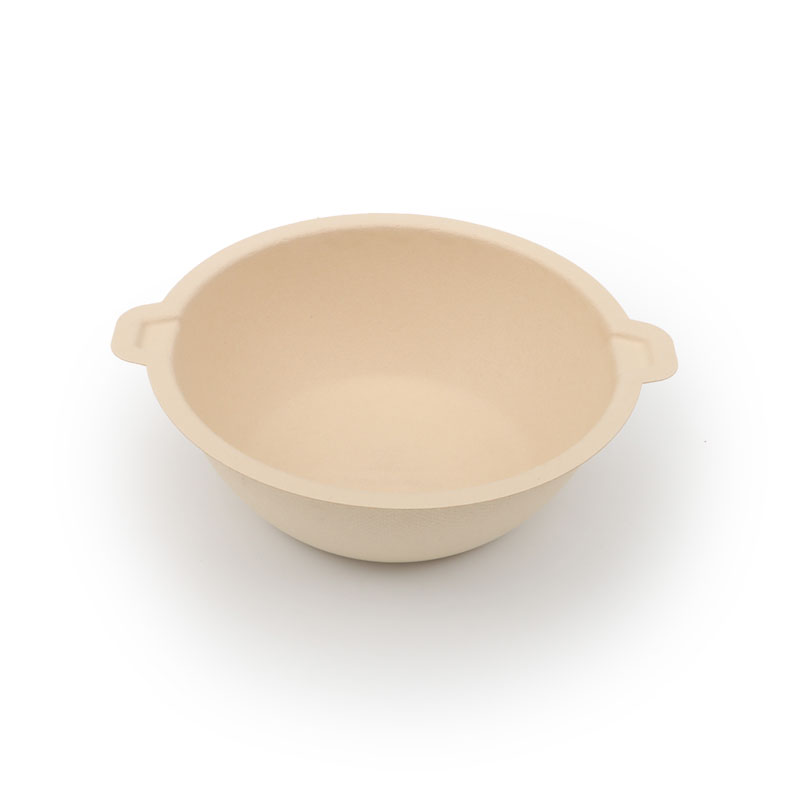 48oz(1420ml)
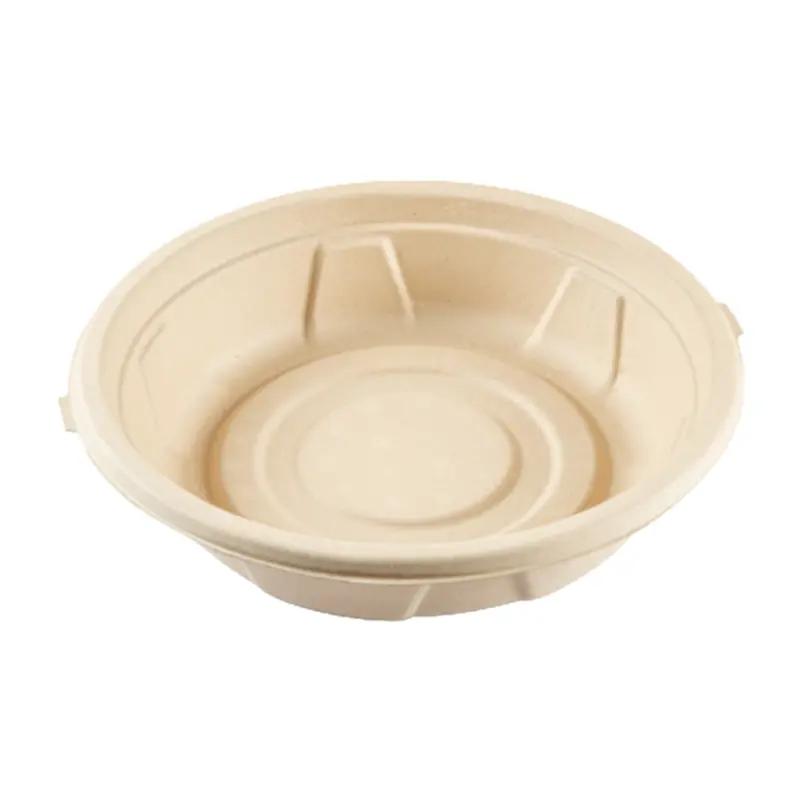 56oz(1650ml)
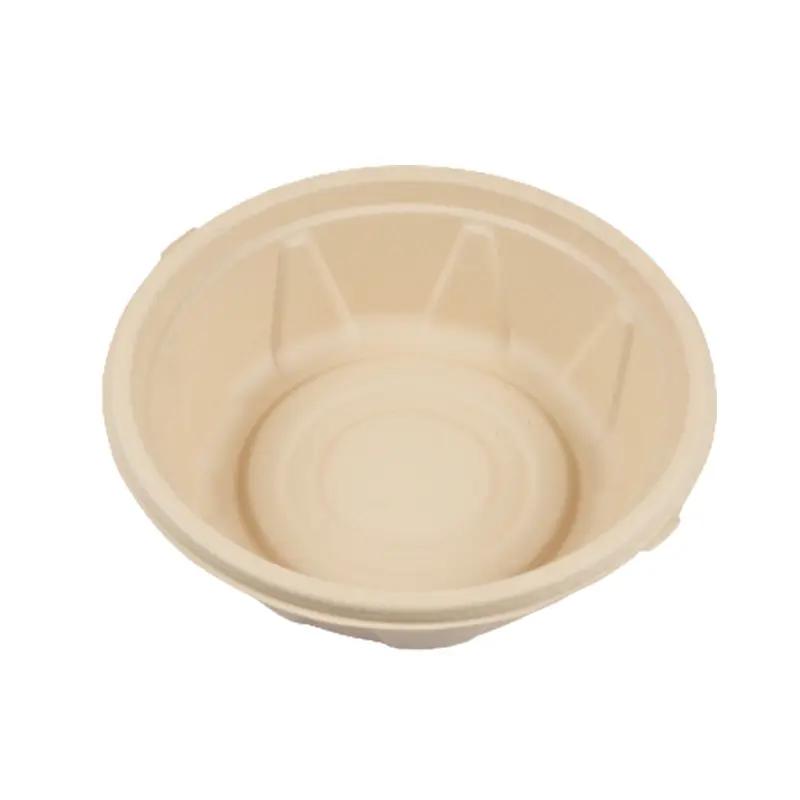 100oz(2950ml)
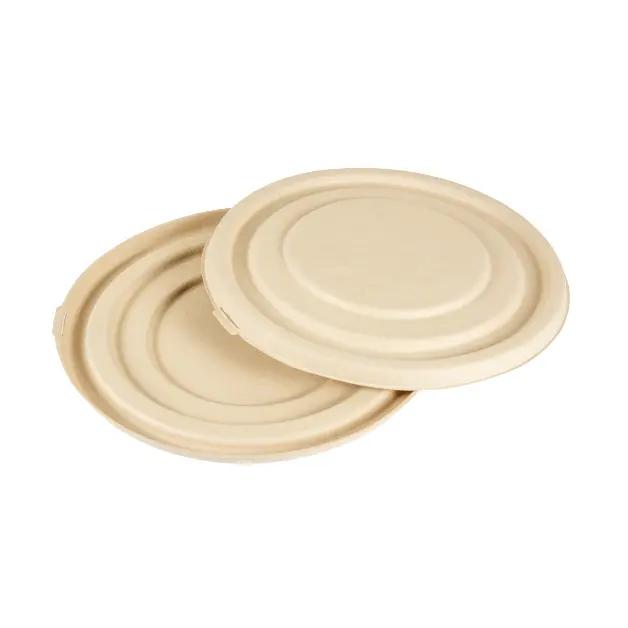 100oz(2950ml) With Lid
 Middle Bowl
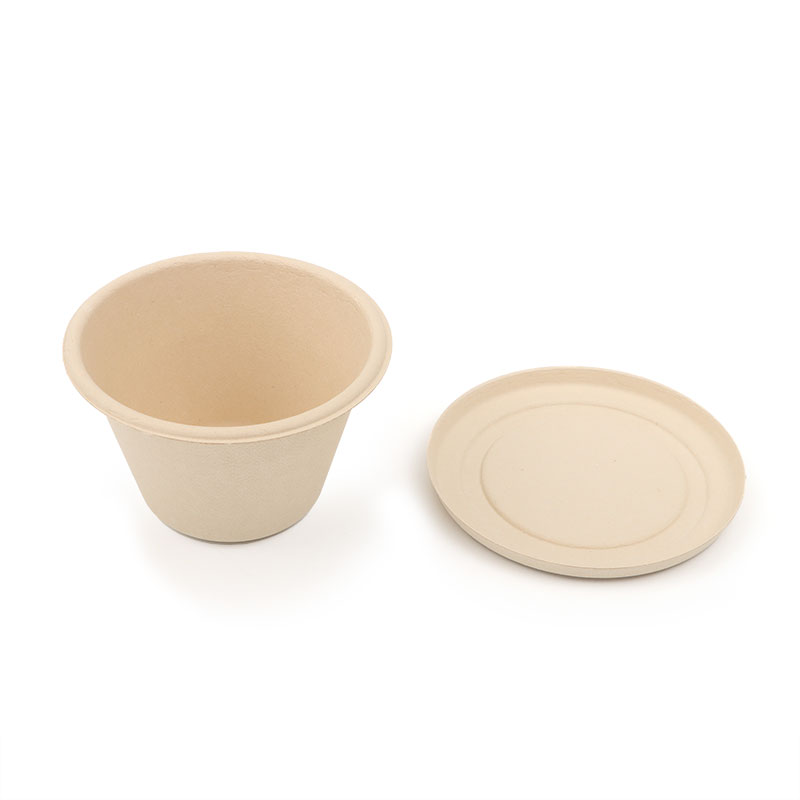 17oz(500ml)
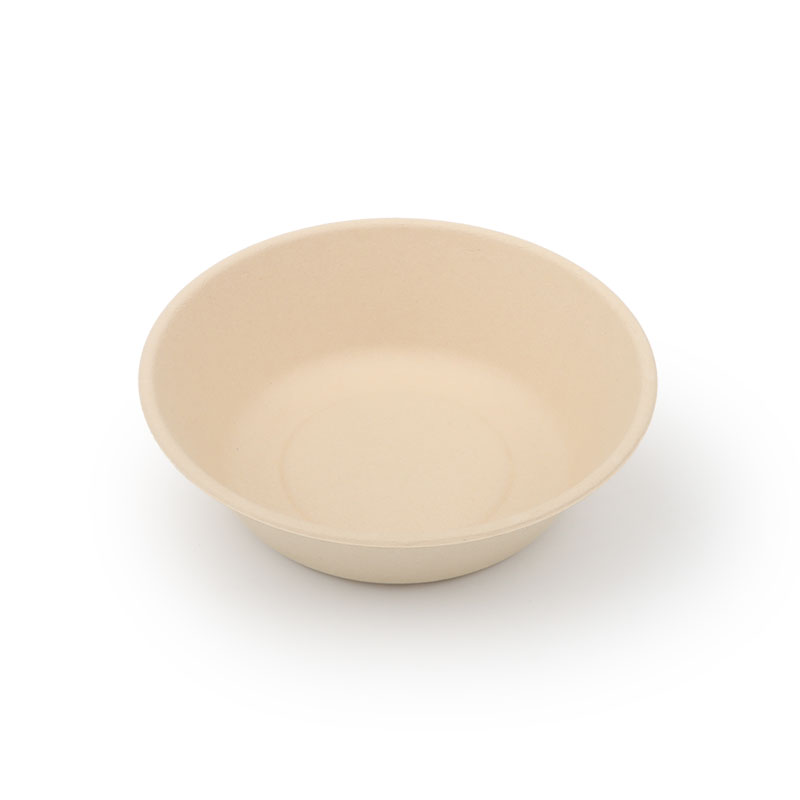 27oz(800ml)
 20oz(600ml)
 29oz(850ml)
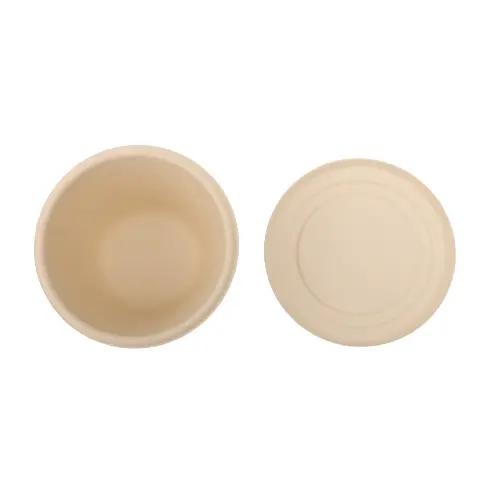 17oz(500ml) With Lid
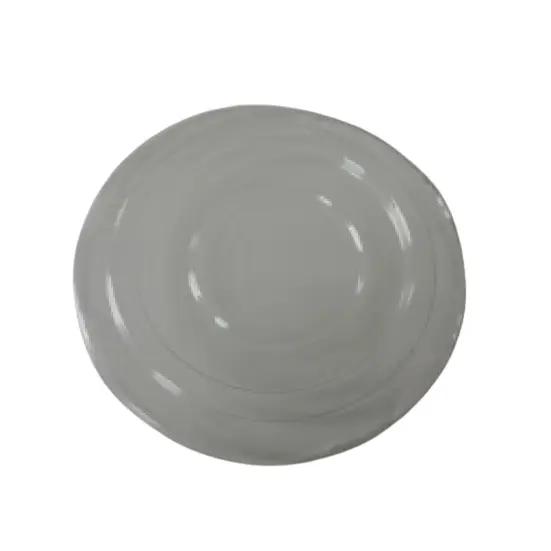 17oz(500ml) PET Lid
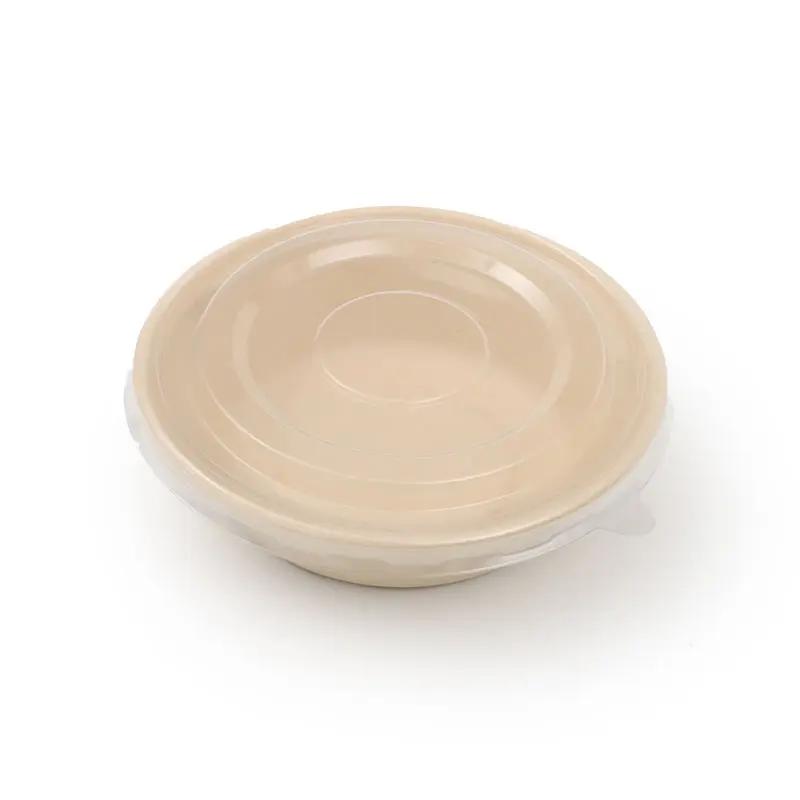 28oz(830ml) PET Lid
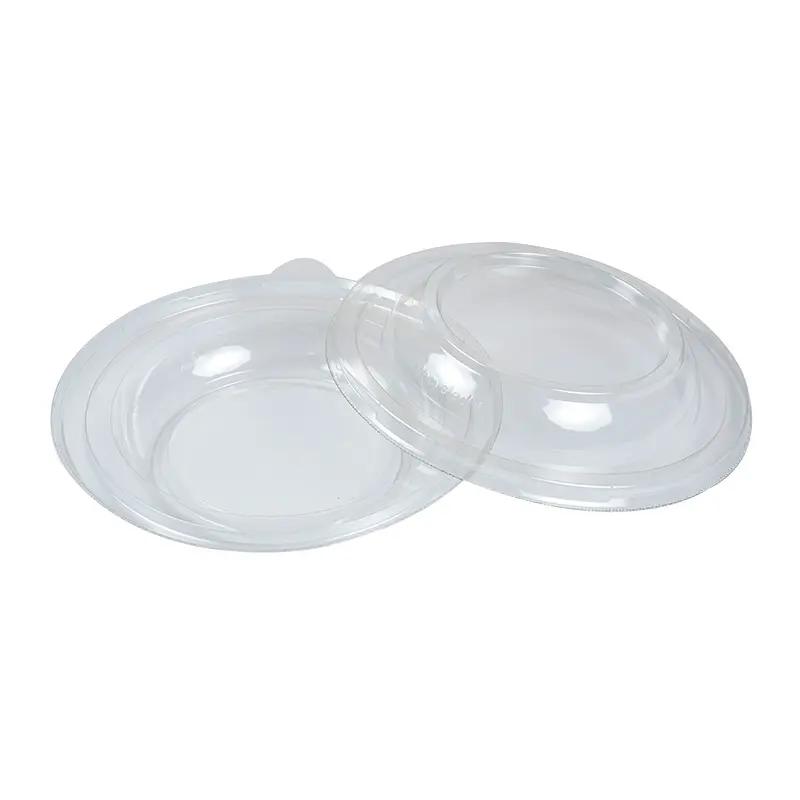 Round Bowl PET
 Small Bowl
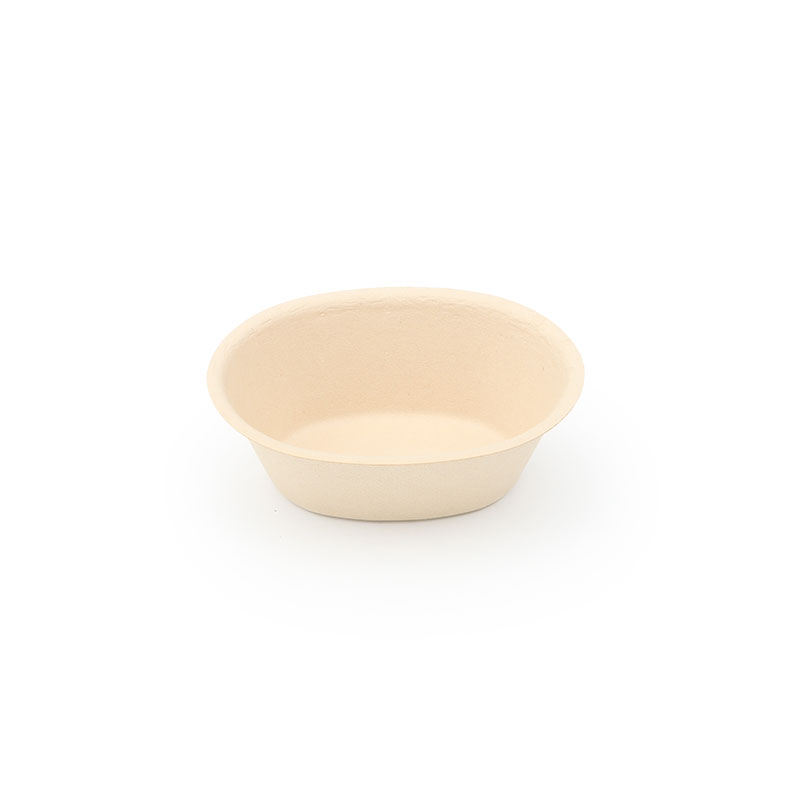 Snack Bowl
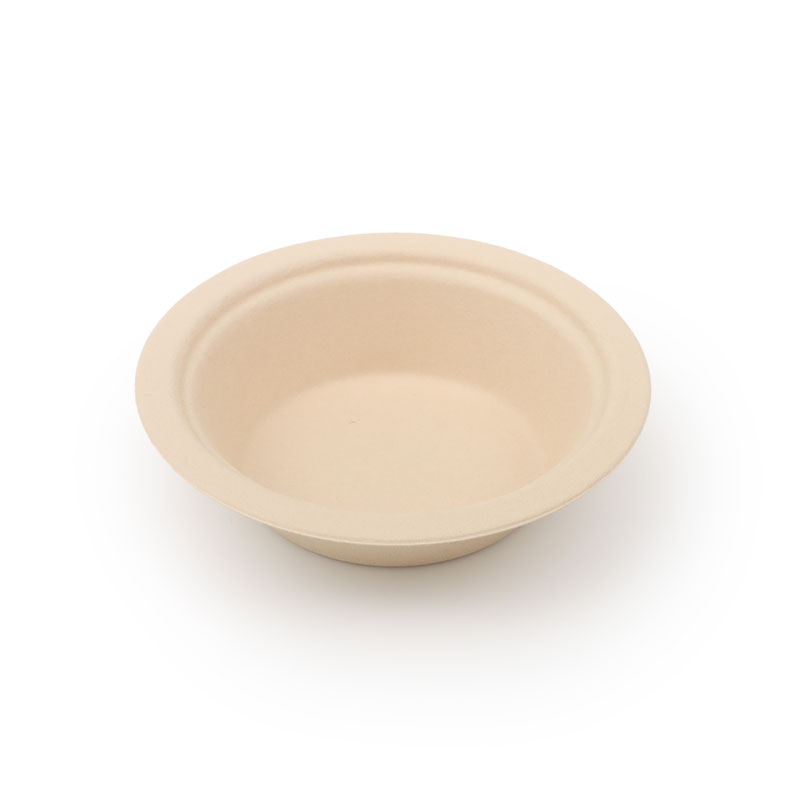 11.5oz(340ml) Bowl
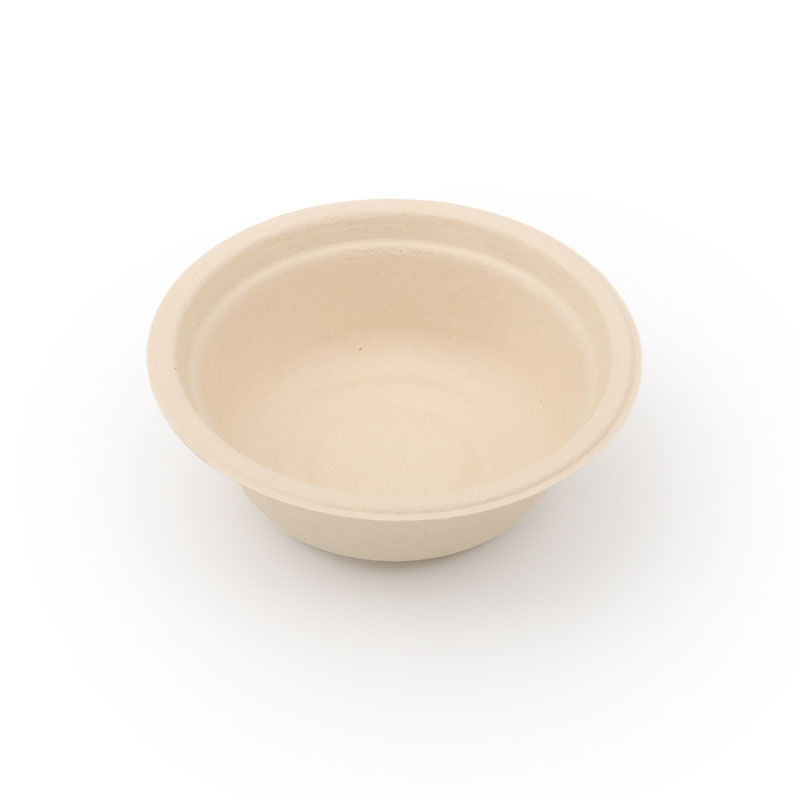 6.7oz(200ml) Bowl
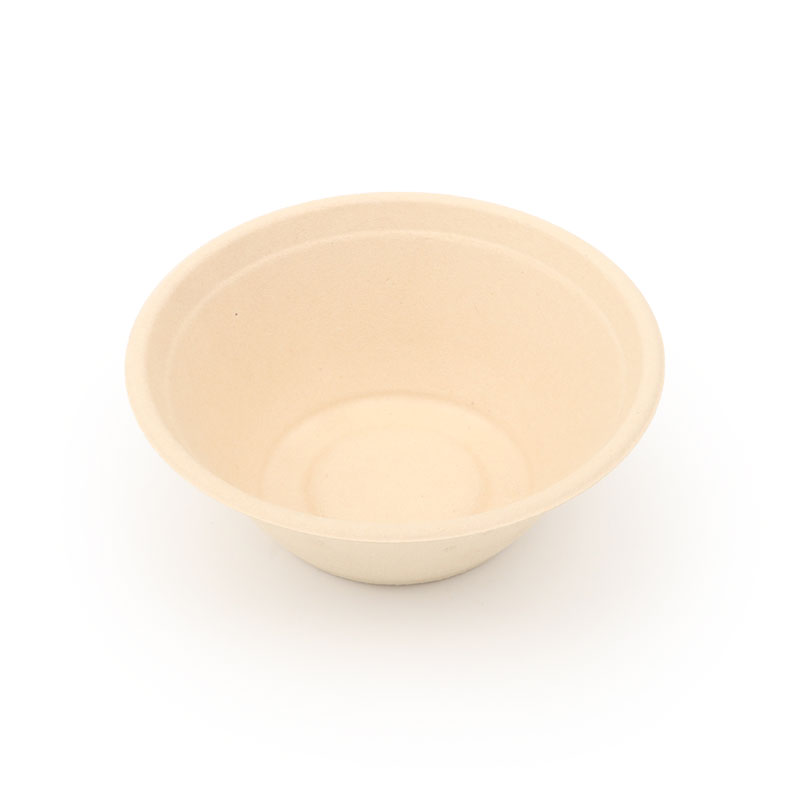 12oz(350ml) Bowl
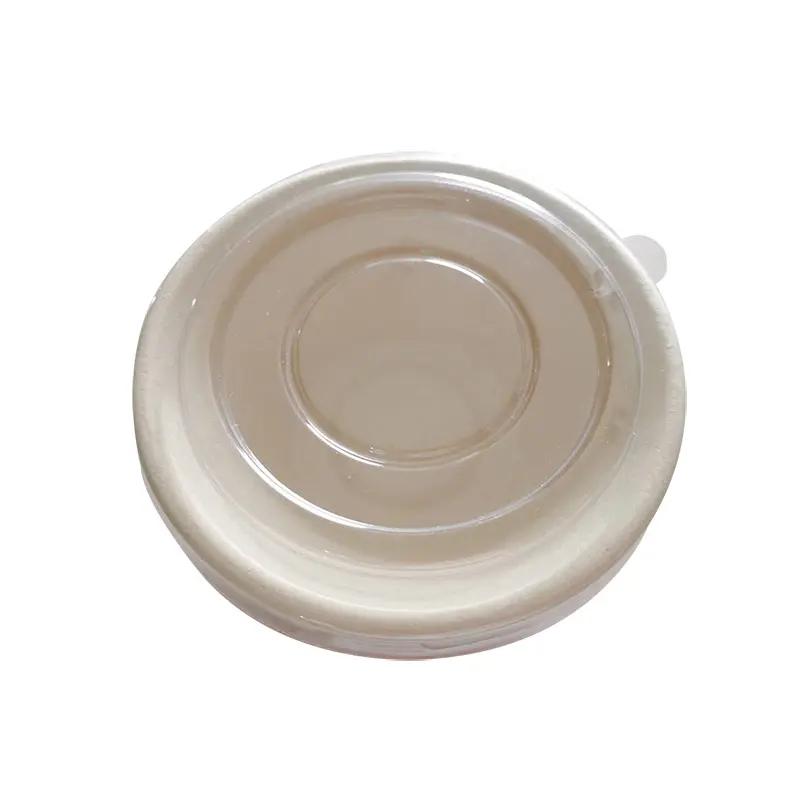 12oz(350ml) Bowl PET
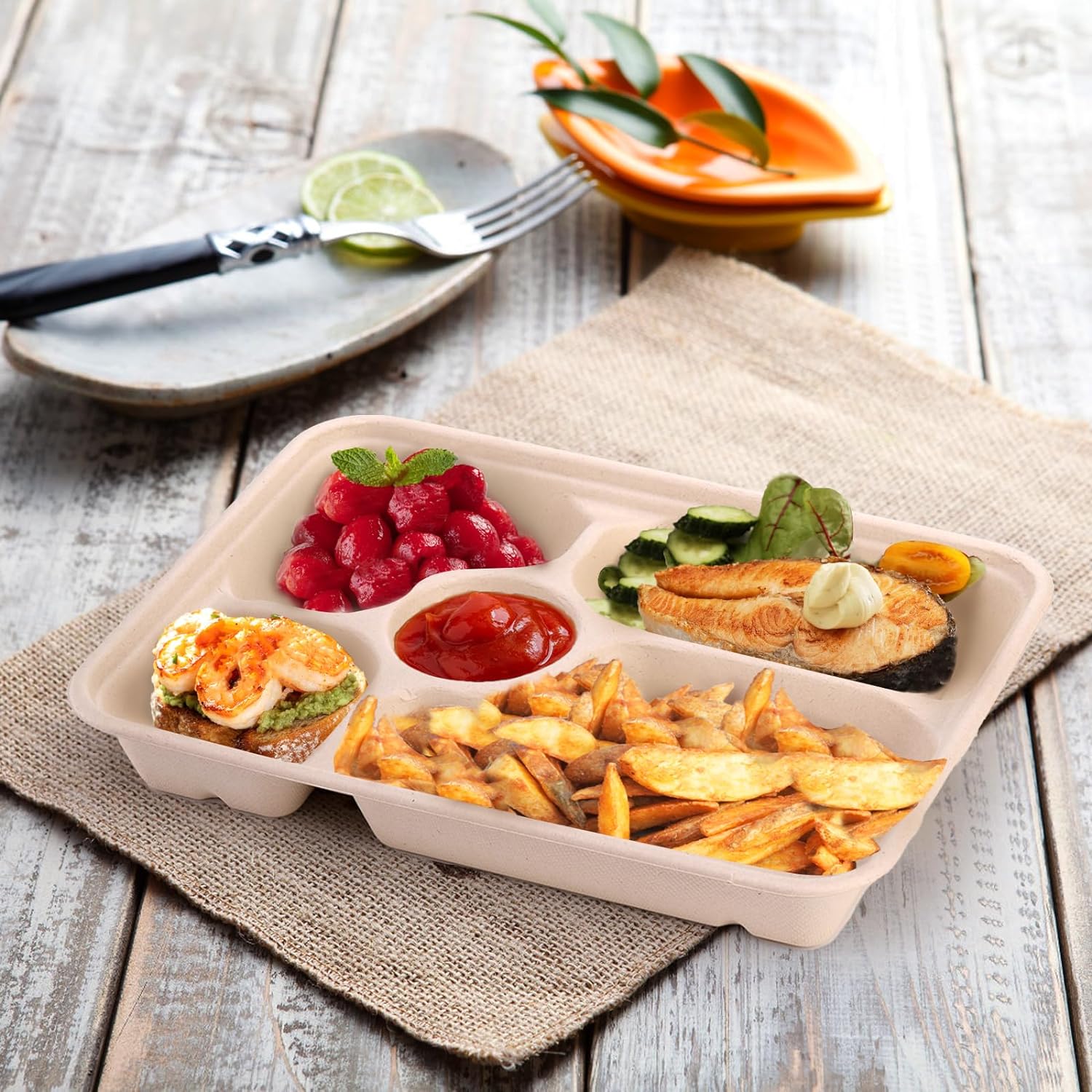 Bagasse Lunch Boxes
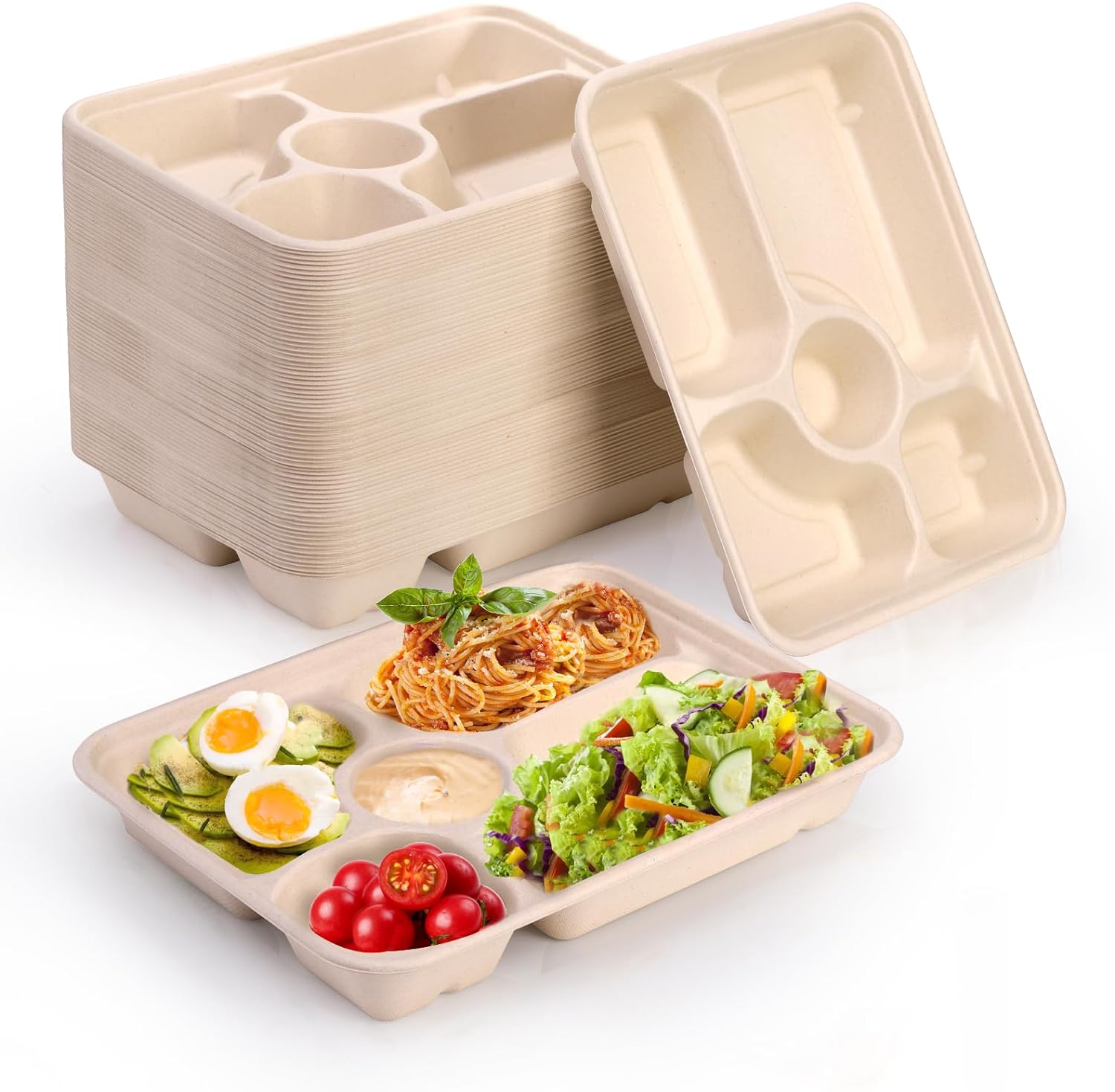 5CP
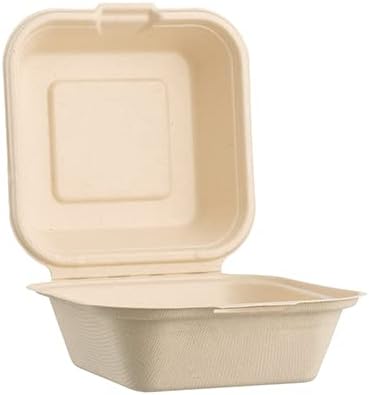 6 inch
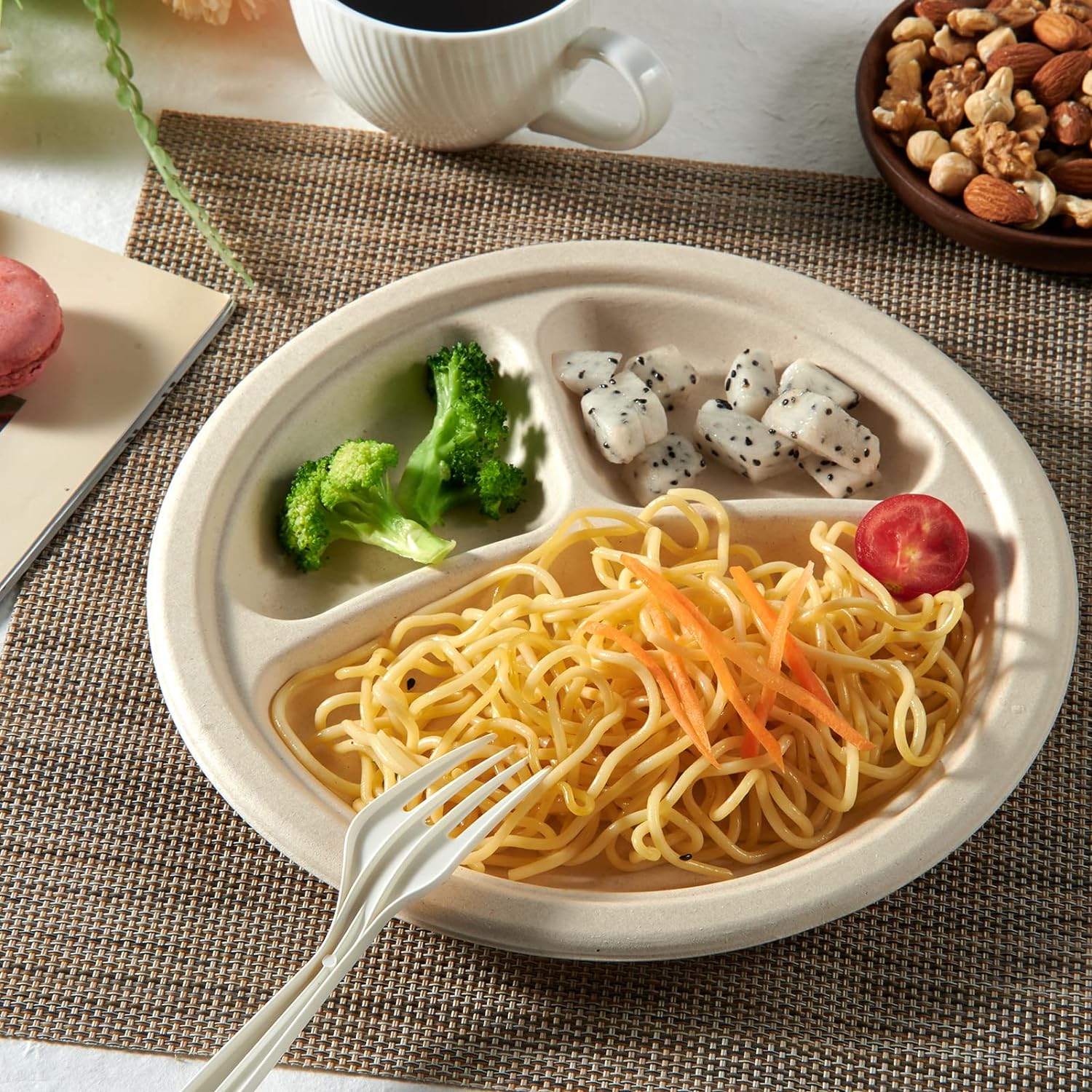 Bagasse Food Plates
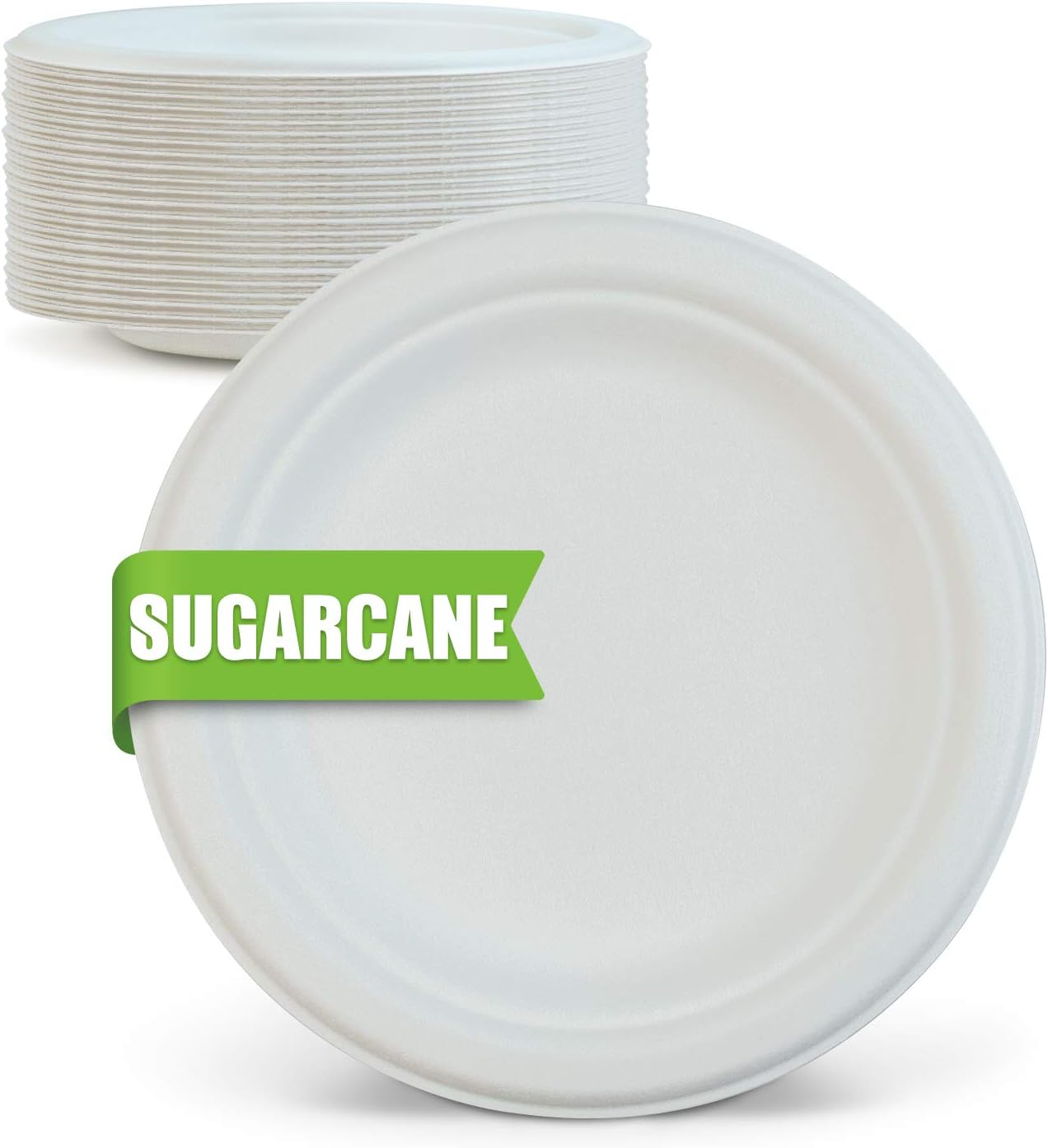 7 inch
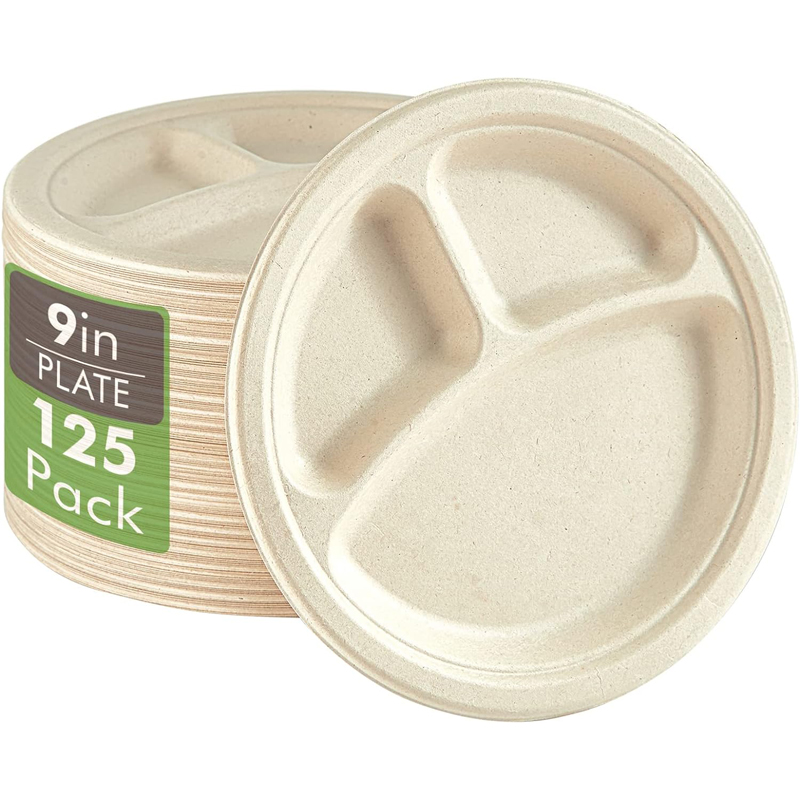 3CP
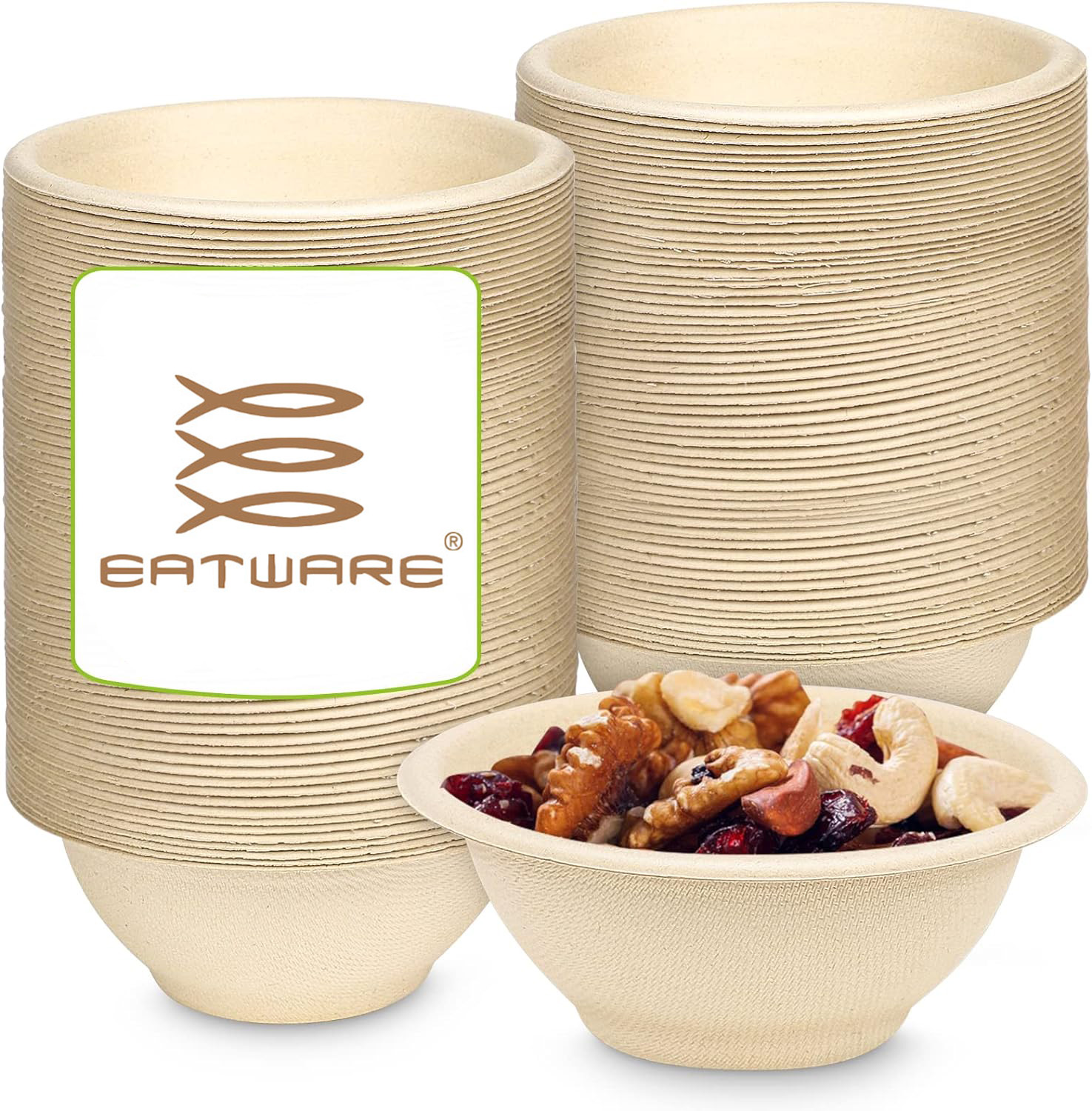 Bagasse Bowls
 4oz
 Bagasse Cups And Cutlery
 8oz
 12oz
 Cutlery


