Picking a reliable Bento Box manufacturer in China isn't just about comparing prices—there's more to it. If you're a global buyer, you really need to look into things like the quality of materials, how they control their production, their testing records, and whether they’ve got solid export experience. This guide, called “China Top 10 Bento Box Manufacturers for Global Buyers,” walks you through these suppliers using practical sourcing criteria. Things like food-safe contact materials, consistent sizing, leak-proof design, heat resistance, packaging quality, and how well they communicate are all key points.
Keep in mind, these manufacturers might serve different markets. Some are all about reusable lunch containers, while others might specialize in disposable molded bento boxes. Their capabilities can vary quite a bit. For example, a factory with fancy molding machines might still lag behind when it comes to solid quality documentation—that's a detail you don’t want to overlook.
It’s always a smart move to ask for samples before placing a big order. Check out how the lids fit, how deep the compartments are, the surface finish, any strange odors, and how they hold up after multiple uses. Doing a factory audit can also reveal important things—how they maintain equipment, how well-trained the workers are, and their inspection routines. And don’t forget to verify any certifications—they need to apply to your target market. One document alone isn’t enough to guarantee consistent quality.
This guide is meant to help you make thoughtful decisions, not to promise that one supplier is perfect or the absolute best. Keep in mind, a supplier’s strengths can shift over time, depending on their capacity, material sources, staffing levels, or order size. Always double-check current specs and commercial terms on your end. A small mistake, like a poor seal or packaging error, can turn into a costly headache after shipping. Having clear contracts, approved samples, and traceable inspection records will help cut down those risks. Remember, the cheapest option isn’t always the best. The real winner is the manufacturer who consistently meets your requirements and is honest when issues come up—that’s what makes a good partner.

Bento Boxes Defined: Materials, Designs, Functions, and Global Applications
Bento boxes are reusable meal containers designed for portion control, transport, and organized eating. Global buyers should compare materials carefully. Food-grade stainless steel offers durability and odor resistance. Glass supports clear visibility and easy cleaning. Lightweight polypropylene suits daily school and office use. Silicone often improves foldability and seal flexibility. Material choice affects weight, temperature tolerance, and long-term maintenance. Some inexpensive plastics may stain after repeated use. That detail matters.
Design should match real eating habits, not just appearance. A two-tier box can separate lunch from snacks. Removable dividers help users manage rice, vegetables, and sauces. Leak-resistant seals are valuable for soups and dressings. Microwave use requires clear material instructions. Yet no design prevents every spill. For office workers, compact shapes fit crowded bags. For children, rounded edges and simple closures improve handling. Travel users may prefer secure clips and lightweight construction. Applications vary across schools, workplaces, outdoor activities, and meal-preparation services. Testing should include warm food, repeated washing, and daily carrying. Real meals reveal weaknesses.
Tips: Ask suppliers for food-contact documentation and material specifications. Request samples before placing large orders. Check dimensions against common bags and storage shelves. Confirm whether seals, lids, and compartments can be replaced. Use sample units in different climates when possible. One weakness remains: attractive designs can hide poor usability. A beautiful lid is not enough.
Global Market Data: Trade Statistics, CAGR Forecasts, and Buyer Demand
Global buyers are watching food packaging demand closely. Grand View Research estimates the global Disposable Tableware market will grow at about 6.7% CAGR from 2024 to 2030. Its analysis links growth to takeaway meals, delivery services, and stricter waste policies. Demand is visible in practical details: secure lids, stackable shapes, and microwave compatibility.
Trade statistics require careful reading. UN Comtrade separates plastic tableware and paper products under different HS codes, including 392410 and 482369. These categories do not perfectly identify bento boxes. However, they help buyers compare export volume, customs value, and supplier concentration across manufacturing countries. Freight rates still distort comparisons. A lower factory price may hide expensive ocean transport, inspection costs, or high minimum order quantities.
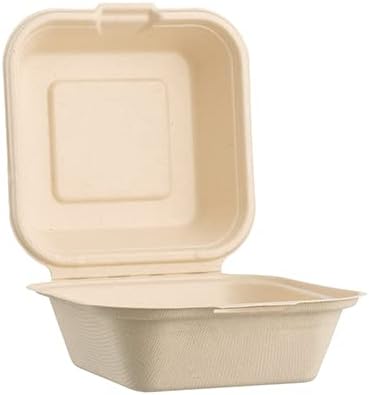
Buyer behavior is shifting toward fiber-based formats. An IMARC Group report identifies sustainability and food-delivery expansion as major packaging market drivers. A Disposable Pulp Bento Box can meet this demand when its molded fiber resists oil, moisture, and heat. Buyers should request test records for leakage, compression, and temperature performance. Check whether coatings affect recyclability. Do not trust vague “eco-friendly” claims. Ask for material composition, food-contact documentation, factory audit evidence, and recent production samples. Some forecasts appear optimistic, because market definitions differ. That uncertainty deserves attention.
China’s Manufacturing Landscape: Production Clusters, Capacity, and Exports
China’s bento box manufacturing landscape is concentrated in several practical production clusters. Zhejiang and Guangdong offer dense supplier networks for plastic, stainless steel, silicone, and packaging components. Jiangsu and Shandong also support food-container production, especially for molded products and metal fabrication.
Factories in these regions often operate multi-cavity injection machines, automated sealing lines, and stainless-steel stamping equipment. Medium-sized facilities may produce tens of thousands of units daily, while larger plants can manage container sets, lids, inserts, and packaging together. Export capacity depends on quality systems, port access, material sourcing, and production planning. Ningbo, Shenzhen, Shanghai, and nearby logistics hubs help shorten shipment preparation. However, stated capacity is not always real capacity. Buyers should check recent production records, not only factory presentations.
Tips: Request samples from different production batches. Inspect lid fit, hinge strength, odor, surface marks, and leak resistance. Ask for food-contact test reports and confirm the applicable destination-market requirements. A useful factory audit should review raw-material storage, mold maintenance, inspection records, and carton stacking. Do not rely on one inspection photo.
For global buyers comparing the top ten candidates, export experience matters as much as equipment. A supplier may produce attractive samples but struggle with seasonal demand or mixed-color orders. This is where practical communication becomes important. Confirm lead times, minimum order quantities, packaging details, and corrective-action procedures in writing. Some manufacturers still depend heavily on manual inspection, which can create uneven results. That weakness deserves attention, not polite assumptions.
Ranking the Top 10 Manufacturers by MOQ, Lead Time, OEM Scale, and Quality
China Top 10 Bento Box Manufacturers for Global Buyers
Our review ranks ten Chinese bento box manufacturers by MOQ, lead time, OEM scale, and quality control. The strongest suppliers accept pilot orders from 5,000 units, while larger factories may require 30,000 units or more. MOQ matters when testing a new market. It also affects unit pricing, tooling fees, and inventory pressure.
Lead times range from 15 to 45 days after artwork approval. Suppliers with in-house molding and printing usually respond faster. Buyers should request a dated production schedule, not a vague promise. For OEM projects, the top-ranked manufacturers support custom sizes, compartments, lids, colors, and packaging. Their teams can manage simple logos or complex retail programs. One factory may handle 100,000 units monthly, but its sample department could still be slow.
Quality separates reliable production from attractive quotations. We inspect wall thickness, lid fit, odor, surface finish, and carton strength. For a Disposable Bamboo Pulp Bento Box, moisture resistance and edge consistency deserve extra attention. Production records, batch samples, and third-party testing improve confidence. Still, no ranking stays perfect. Materials change, seasonal demand causes delays, and a low MOQ may signal limited capacity. Buyers should compare three samples and review recent shipment evidence before placing a large order. Small details matter.
China Top 10 Bento Box Manufacturers for Global Buyers - Ranking the Top 10 Manufacturers by MOQ, Lead Time, OEM Scale, and Quality
Anonymous supplier comparison based on typical China export-market capabilities for reusable bento boxes and lunch containers
MOQ and lead-time figures are typical commercial ranges for China-made bento boxes and may vary according to material, mold requirements, decoration method, packaging, order quantity, testing scope, and production season. Buyers should confirm current specifications, certificates, samples, and inspection terms before placing an order.
Food-Contact Compliance: FDA, EU 1935/2004, LFGB, and GB 4806 Standards
For global buyers comparing China’s top 10 bento box manufacturers, food-contact compliance should guide every shortlist. A glossy sample proves little. Request the material specification, intended-use statement, and recent migration test report. Testing should match the actual product, including temperature, contact time, and food type.
FDA requirements commonly support food-contact safety for the United States. In Europe, Regulation (EC) No 1935/2004 requires materials to avoid harmful transfer and preserve food quality. LFGB testing is often requested for the German market, especially with plastics, coatings, and silicone parts. China’s GB 4806 standards cover food-contact materials and related articles. Requirements can vary by resin, colorant, adhesive, and printing ink.
Look closely at the lid seal. Smell it after heating. Check whether the ink touches rice, sauce, or oily food. A Disposable custom Bento Box may need separate tests for its base, lid, coating, and decoration. Ask suppliers for batch traceability and a signed declaration of compliance. During supplier reviews, I have found certificates with unclear product descriptions. That weakens their value. A report from one material cannot automatically cover a redesigned box. This is easy to miss. Buyers should also confirm test laboratories, report dates, sample photos, and the exact food-contact surfaces. Compliance is not a one-time label; it depends on controlled production and honest documentation.
Cost and Performance Metrics: Unit Price, Defect Rate, Durability, and TCO
China’s Top 10 Bento Box Manufacturers for Global Buyers
Unit price rarely predicts the real cost of a bento box. In practical sourcing audits, a low quote can hide weak hinges, uneven seals, or expensive replacement parts. Compare landed price, packaging, inspection, freight, and expected service life. A useful supplier scorecard should track defects under ISO 2859-1 sampling, not rely on visual checks alone. For early screening, many buyers set an AQL target near 1.5 for critical sealing defects, although product risk should determine the final level.
Durability needs physical evidence. Request results from repeated opening cycles, leak testing, dishwasher exposure, and drop testing based on ASTM D4169 distribution conditions. A box surviving 500 lid cycles may still fail after thermal shock. That detail matters. Material choice also changes TCO. UNEP’s 2023 Turning off the Tap report states that global plastic pollution could be reduced by 80% by 2040 through reuse, recycling, and redesign. Reusable products support that direction only when users keep them in service.
Defect rate should be measured after production, not only before shipment. Record warped lids, odor, staining, seal compression, and latch fatigue by batch. Then calculate TCO over 24 or 36 months: purchase price plus freight, inspections, returns, replacements, and disposal. I would not trust a claimed ten-year lifespan without test records. That judgment can be imperfect. Real household use is messier than laboratory testing, especially with frozen meals, hot soup, and overloaded bags.
Global Buyer Due Diligence: Factory Audits, Samples, Certifications, and Contracts
When comparing China’s top ten bento box manufacturers, global buyers should begin with evidence, not catalog photos. A factory audit should verify production lines, worker training, material storage, and final inspection records. Ask to see recent batch data, not prepared samples alone. During one procurement review, carton labels differed from the approved specification. That small mismatch revealed weak document control. Audits can miss things. Repeat checks matter.
Request samples from the intended production line, using the final food-contact material and decoration process. Test lid fit, leakage, odor, hinge fatigue, microwave suitability, and stain resistance under documented conditions. For a Biodegradable Molded Bento Box, confirm the actual fiber source, additives, compostability claims, and disposal guidance. Certifications should match the model, color, and material. Check issuing bodies, test dates, laboratory scope, and certificate numbers independently. A certificate alone proves little.
Contracts should define drawings, tolerances, packaging, inspection standards, defect handling, tooling ownership, delivery terms, and change-approval procedures. Include a retained sample and a written rule for material substitutions. Payment milestones should reflect inspection results, not promises. Keep communication traceable through signed specifications and revision histories. I would still allow a controlled pilot order. Production reality can expose assumptions that audits never find. Leave room to revise the checklist after field feedback.
China Bento Box Supplier Due Diligence Checklist
Evidence items a global buyer should verify before placing a production order.
The figures represent the number of distinct evidence items in a practical buyer verification checklist, not supplier rankings or company performance. Key areas include factory identity, production capability, product samples, food-contact compliance, contract controls, and shipment documentation.
FAQS
: Pilot orders may start around 5,000 units. Larger factories may require 30,000 units or more.
MOQ influences unit pricing, tooling fees, and inventory pressure. A smaller order can reduce market-testing risk.
Lead times commonly range from 15 to 45 days after artwork approval. Request a dated schedule.
Many support custom sizes, compartments, lids, colors, logos, and retail packaging. Complex projects need early planning.
No. A factory may produce 100,000 units monthly while its sample team remains slow.
Check wall thickness, lid fit, odor, surface finish, and carton strength. Small defects can create large complaints.
Inspect moisture resistance and edge consistency carefully. Wet food can expose weak edges quickly.
Request material specifications, intended-use statements, migration reports, and signed compliance declarations. Verify product descriptions carefully.
No. A report for one material may not cover a redesigned box. Reconfirm the base, lid, coating, and decoration.
Match testing with temperature, contact time, and food type. Check report dates, laboratories, sample photos, and contact surfaces.
Check the seal, smell after heating, and ink contact with rice, sauce, or oily food. This detail is easy to miss.
No ranking stays perfect. Compare three samples and review recent shipment evidence before placing a large order.
Conclusion
This guide provides global buyers with a practical overview of the China Bento Box manufacturing sector, covering product materials, designs, functions, and applications across different markets. It explains how production clusters, manufacturing capacity, export experience, and supplier specialization influence purchasing decisions. The article also presents a structured comparison of leading manufacturers based on minimum order quantities, lead times, OEM capabilities, quality management, and customization support.
Special attention is given to food-contact compliance, including FDA, EU 1935/2004, LFGB, and GB 4806 requirements. Buyers will also learn how to evaluate unit pricing, defect rates, durability, and total cost of ownership rather than focusing only on the lowest quotation. Finally, the guide outlines an effective due diligence process involving factory audits, sample testing, certification reviews, production agreements, and clear contract terms, helping international purchasers select reliable suppliers and reduce quality, compliance, and delivery risks.

 Box With T buckle
 700ml Square Lunch Box
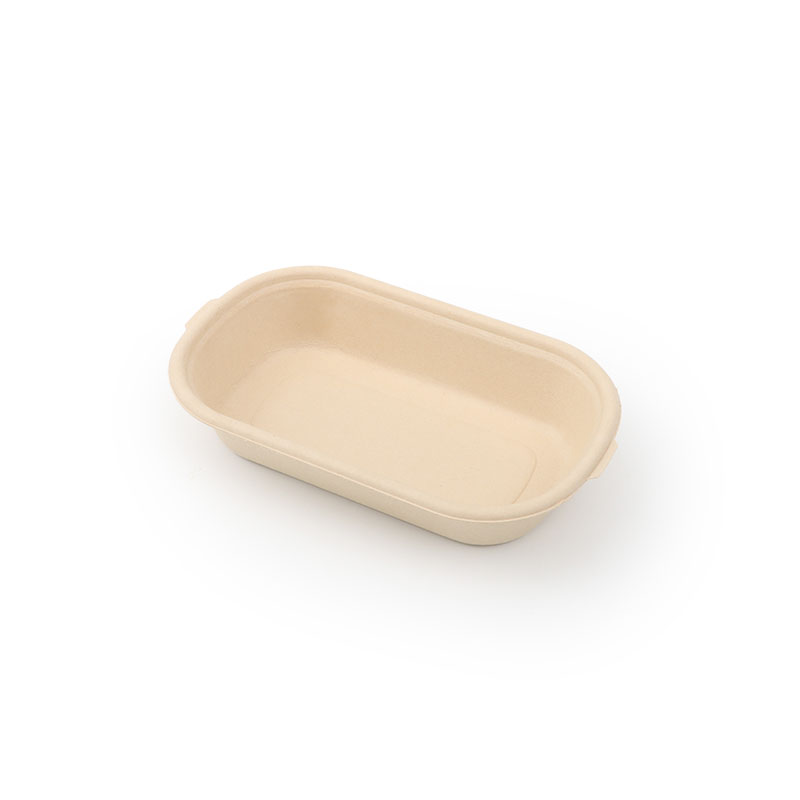 500ml
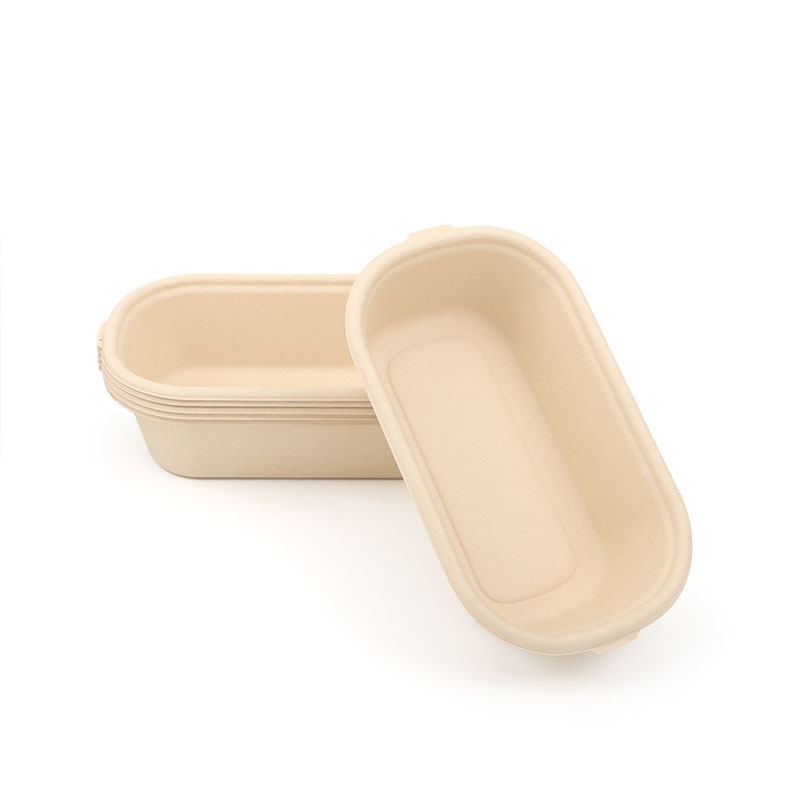 700ml
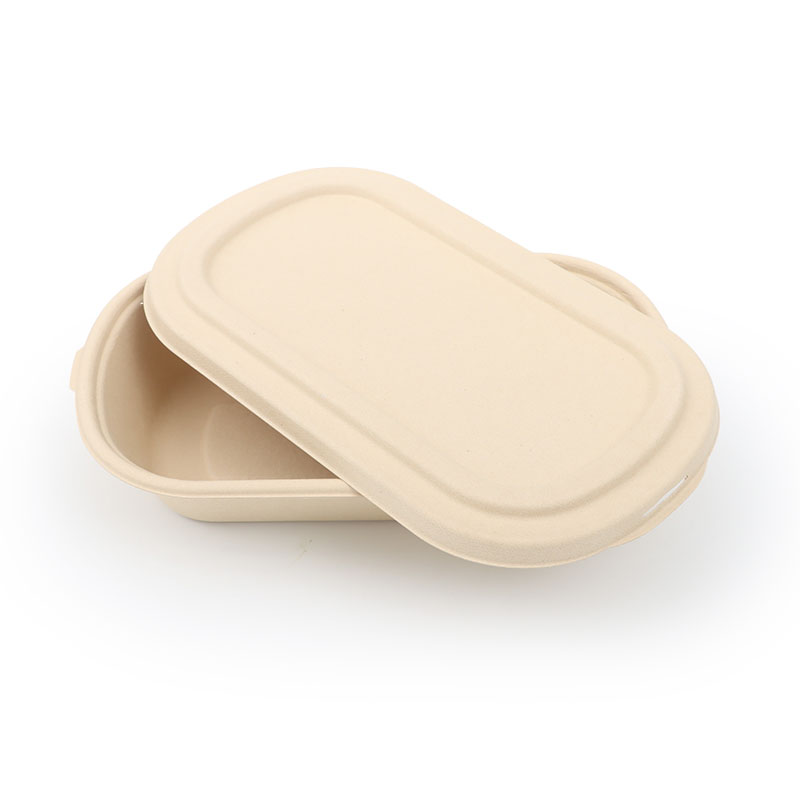 850ml
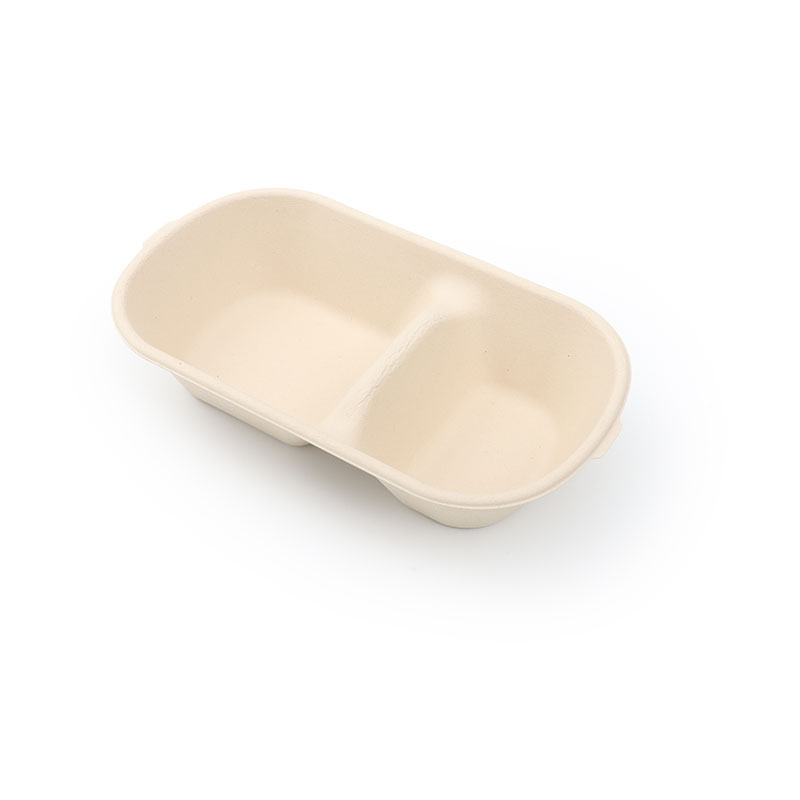 800ml 2 Compartments
 1000ml 2 Compartments
 1100ml
 1000ml Square Lunch Box
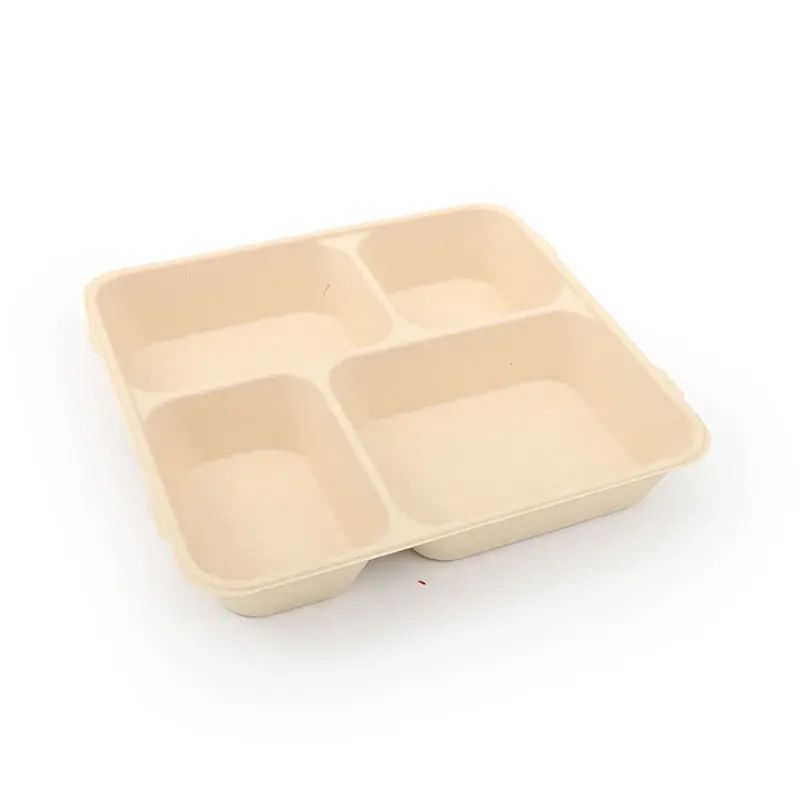 1340ml 4 Compartments
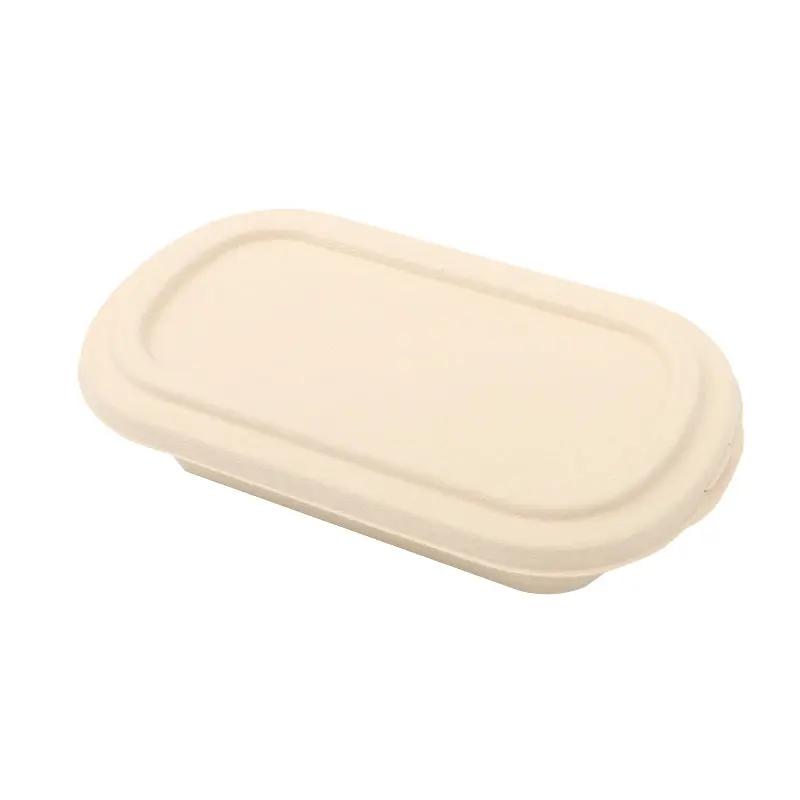 Lunch Box Lid
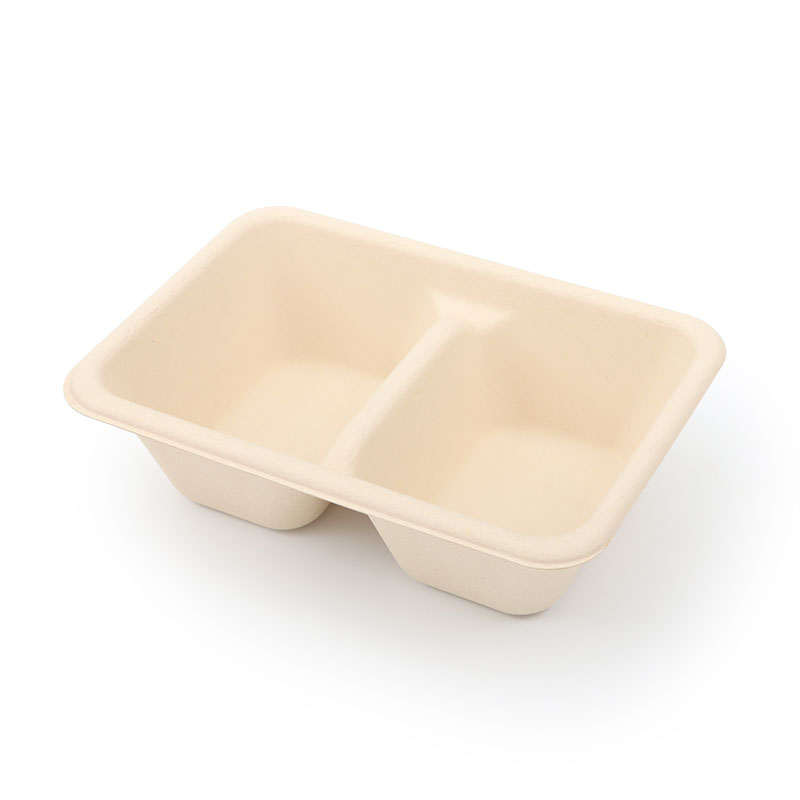 650ml
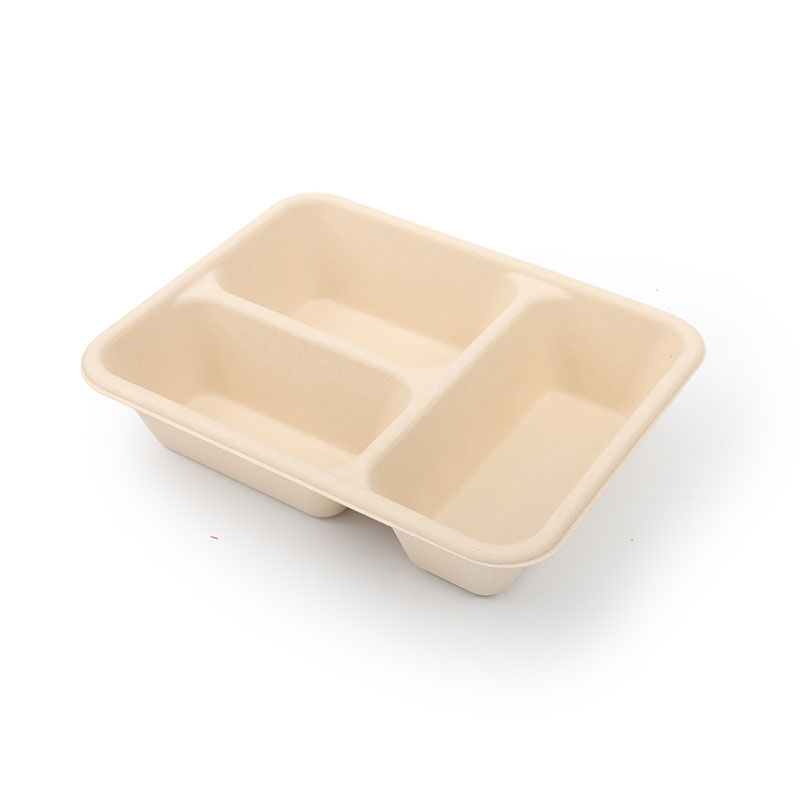 1000ml 3 Compartments
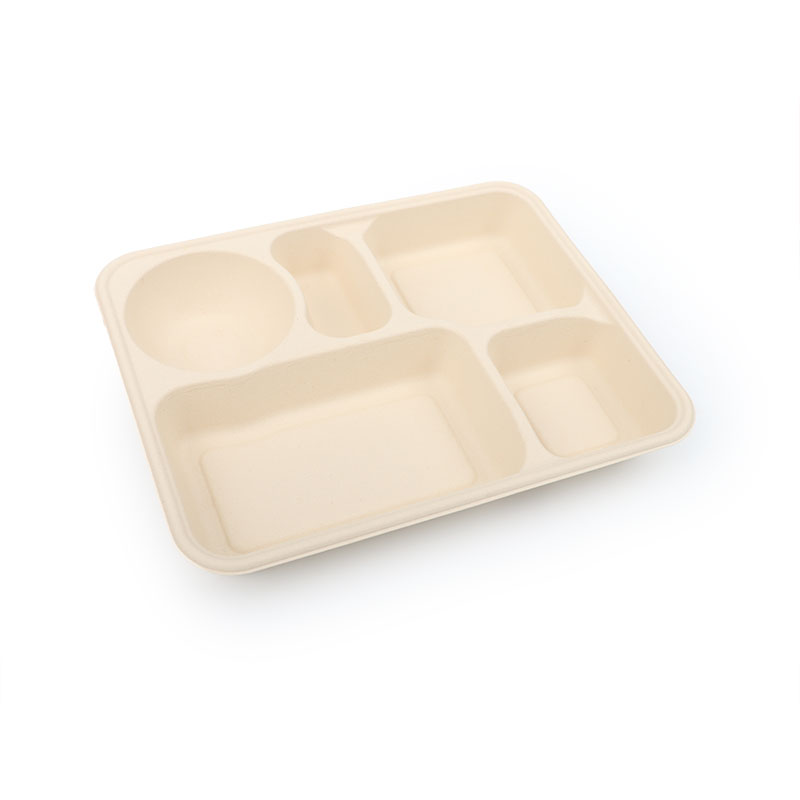 1250ml 5 Compartments
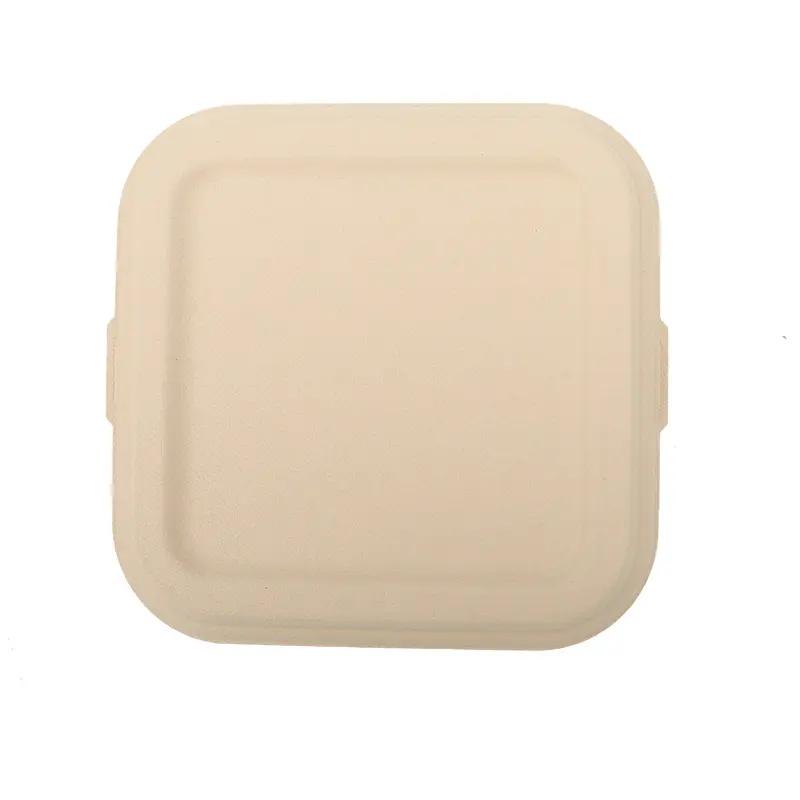 Square Lunch Box Lid
 Box Without T buckle
 850ml Salad Box
 700ml
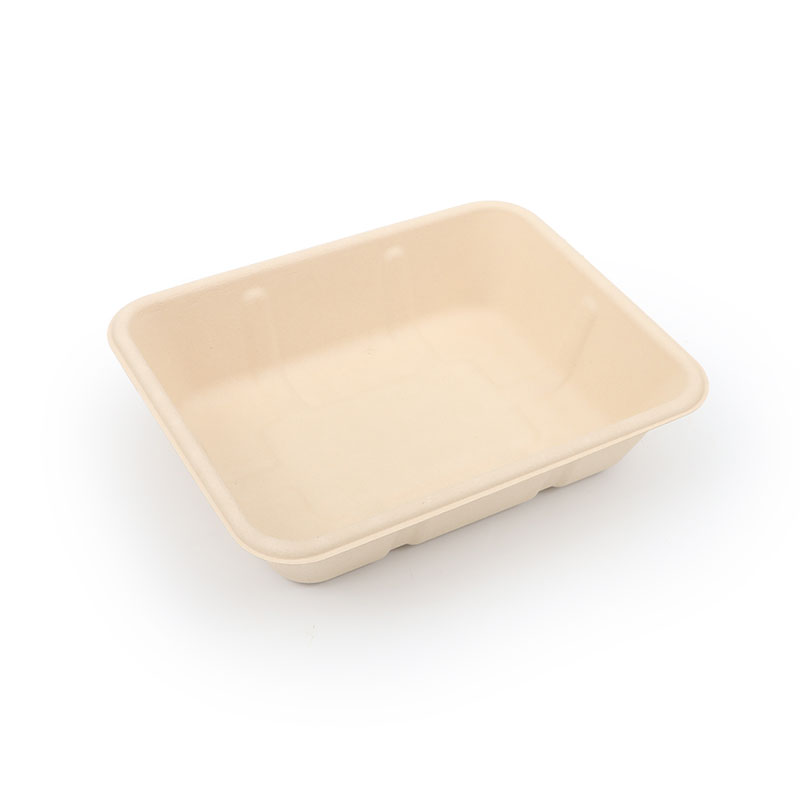 1350ml
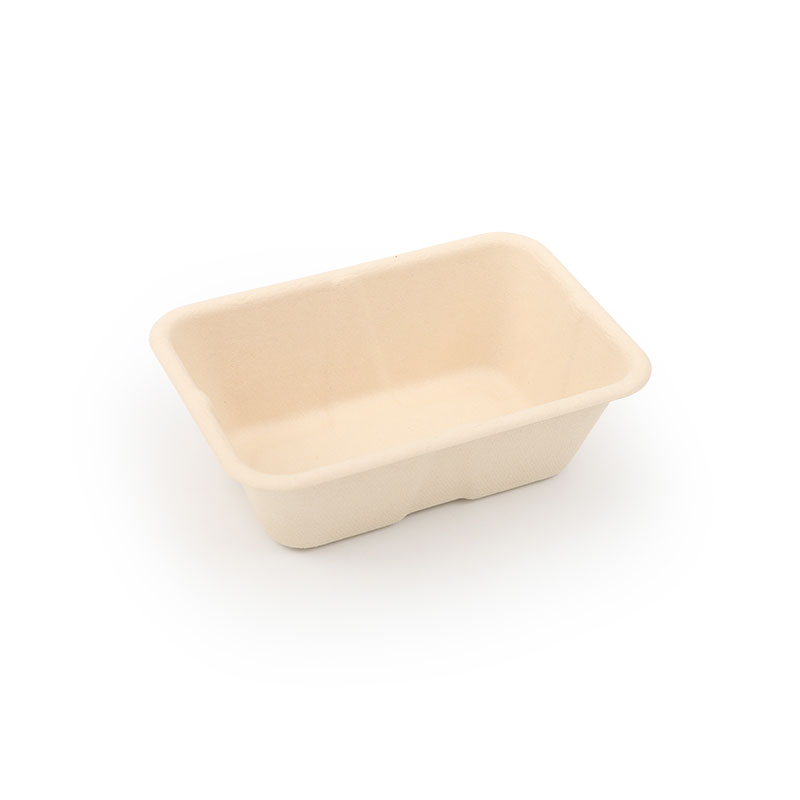 470ml
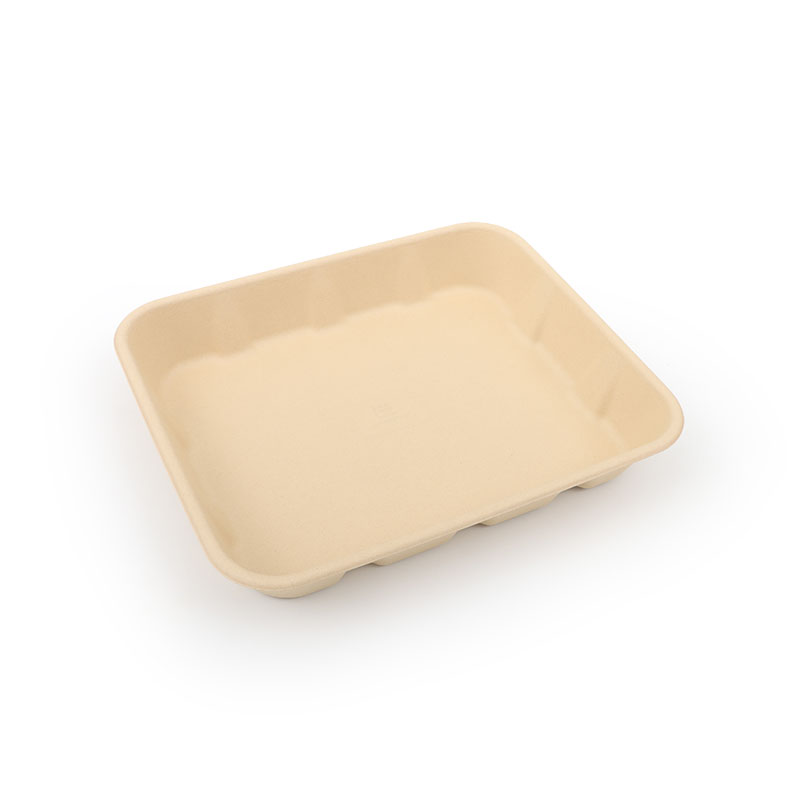 2183ml Tray Box
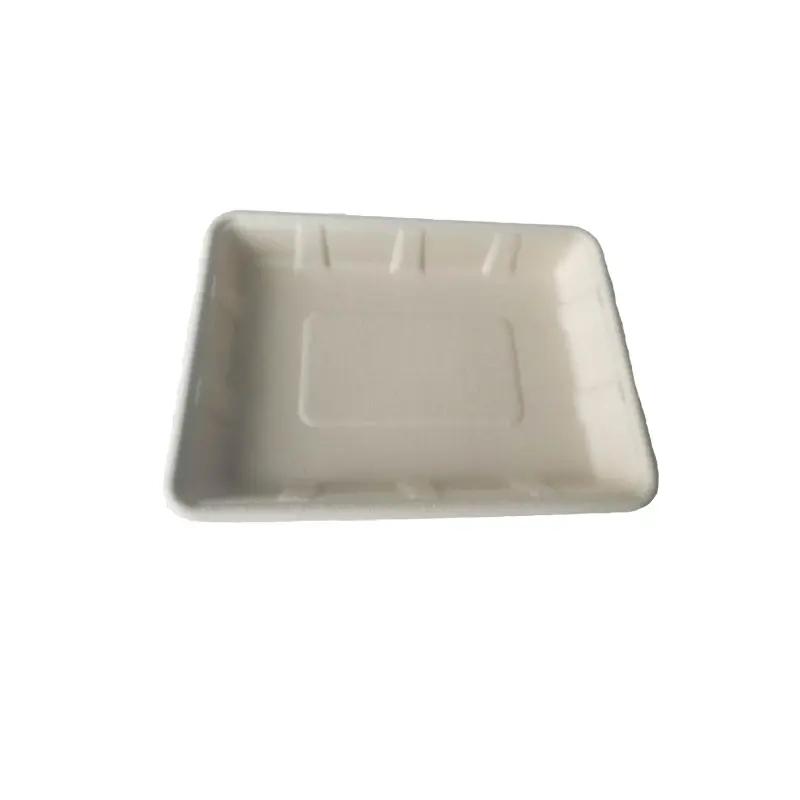 11" * 9"
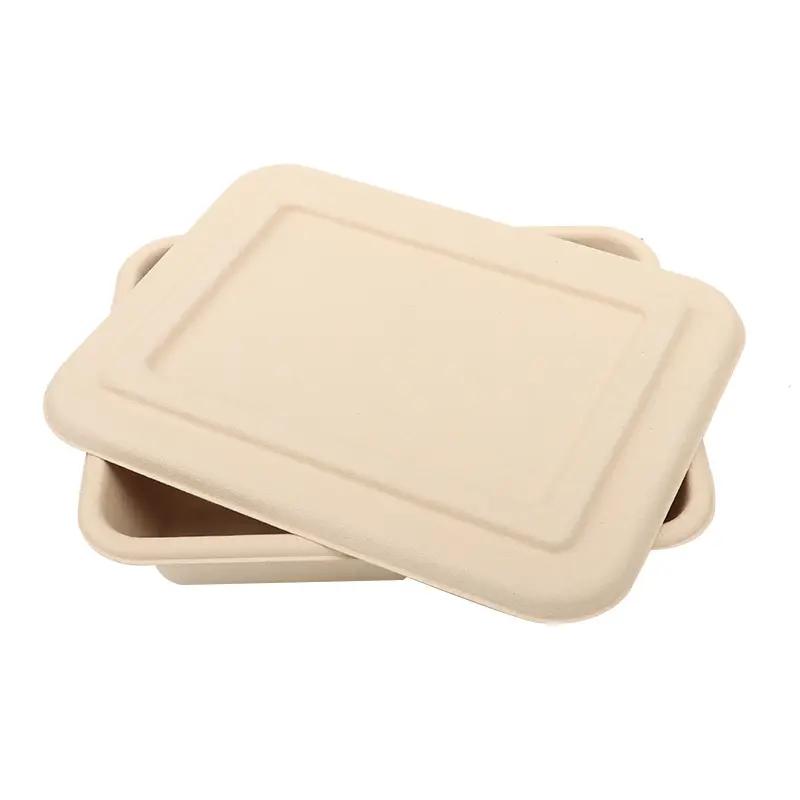 800ml
 One Part Box
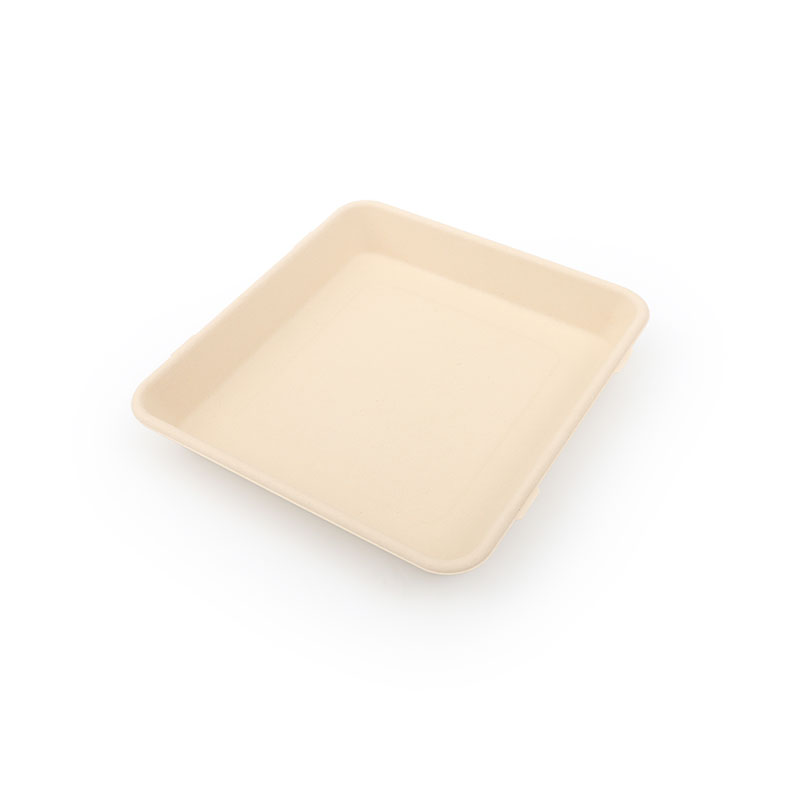 1443ml Tray Box
 Cake Bread Snack Tray Series
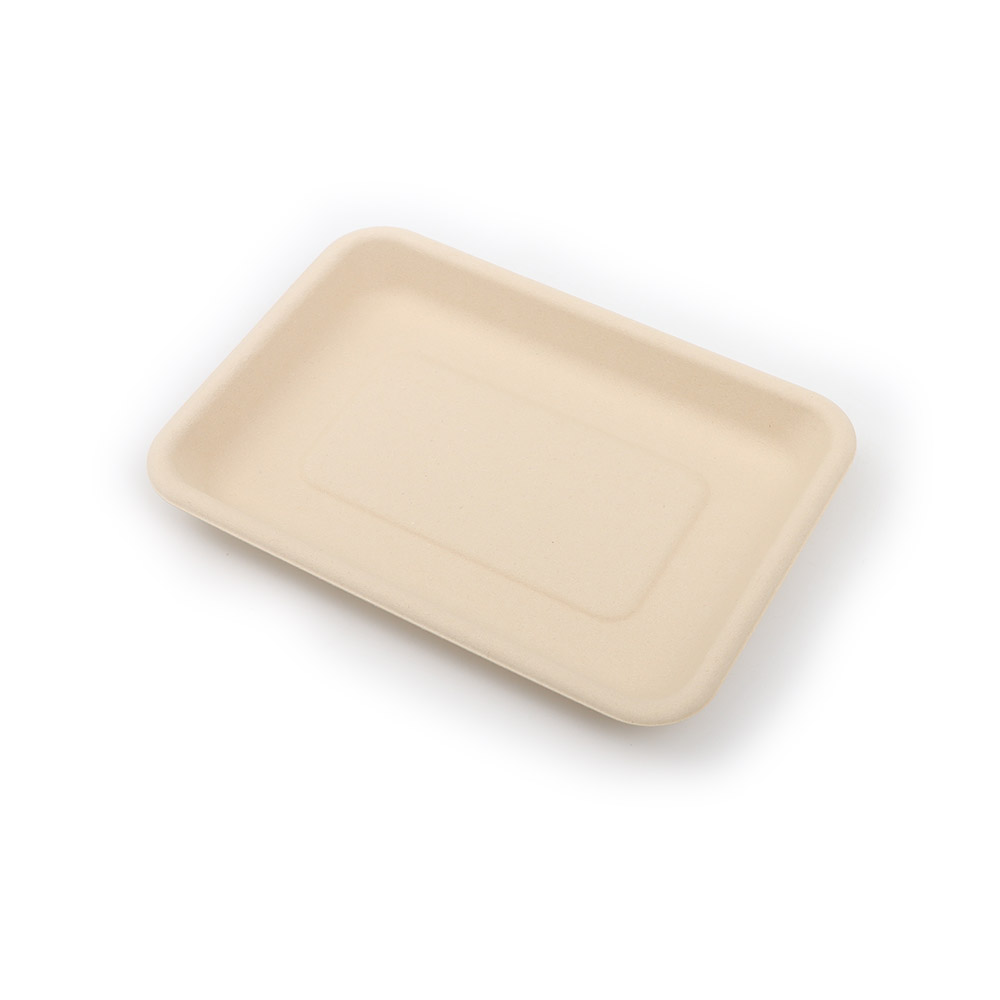 5" * 7" natural color
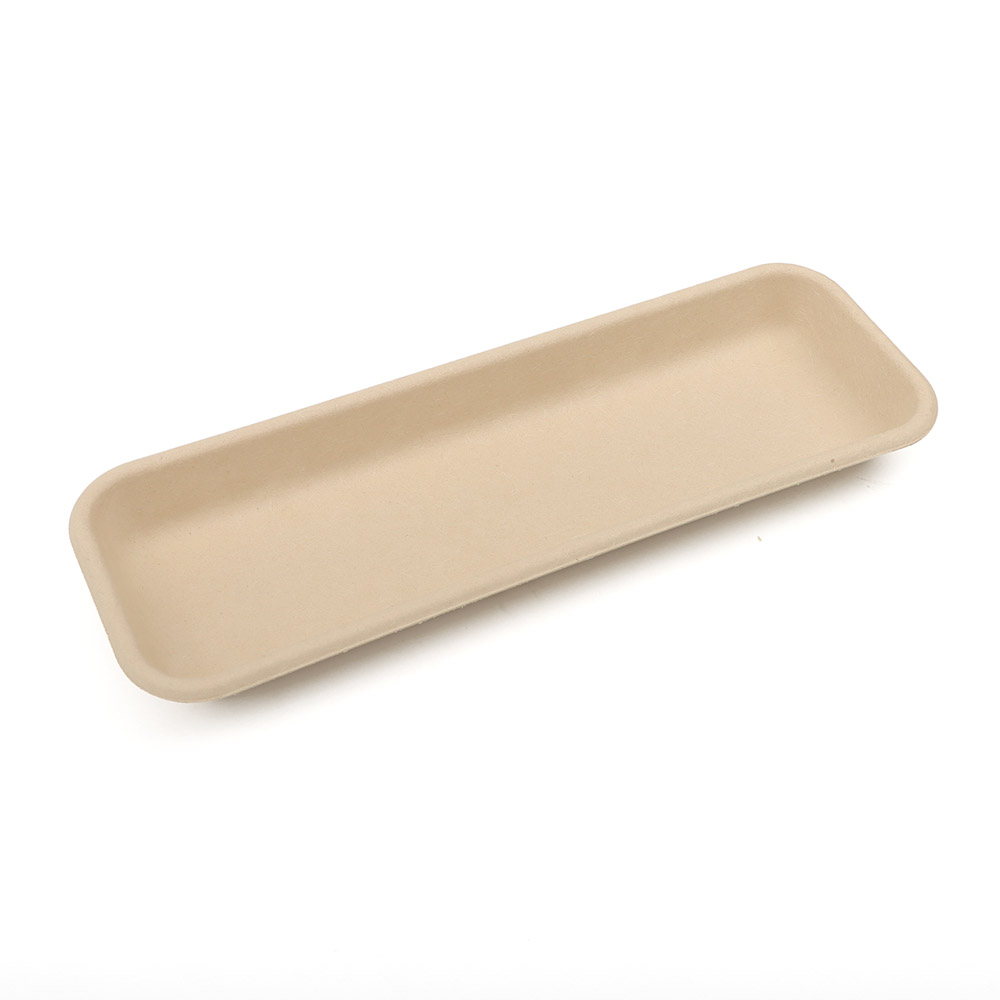 11.4" * 3.9"
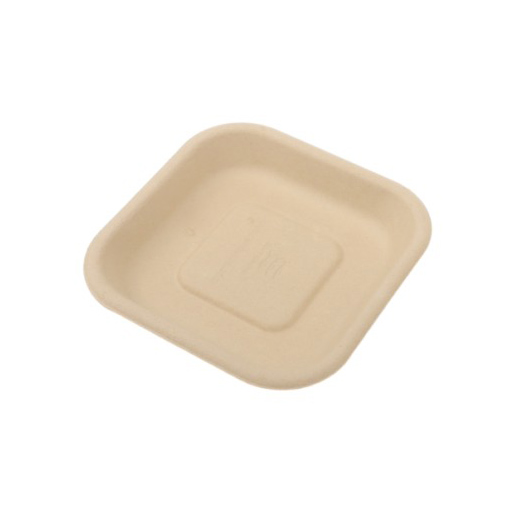 5.3" * 5.3"
 Fruit And Vegetable Tray Series
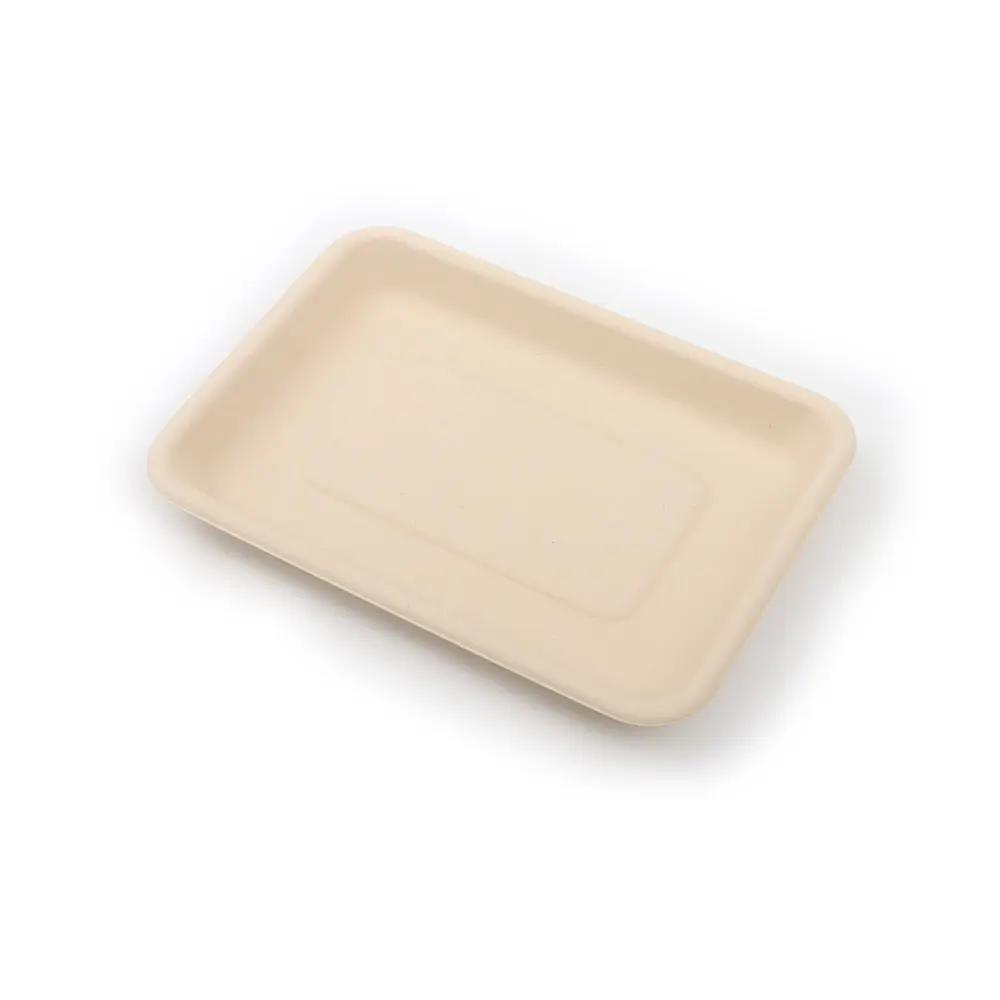 8.6" * 5.3"
 Sushi Tray Series
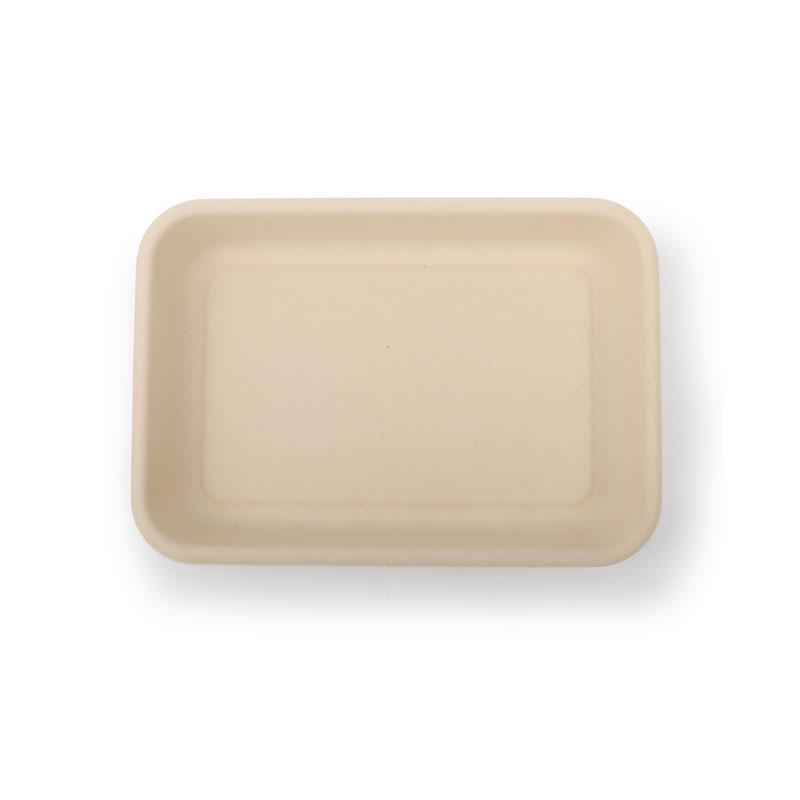 200" * 140"
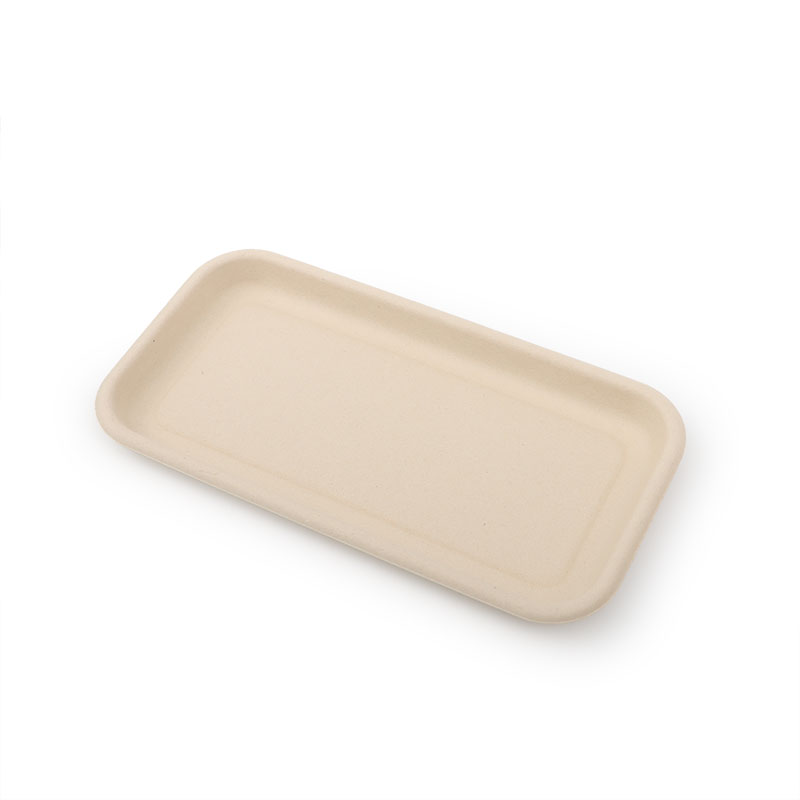 210" * 110"
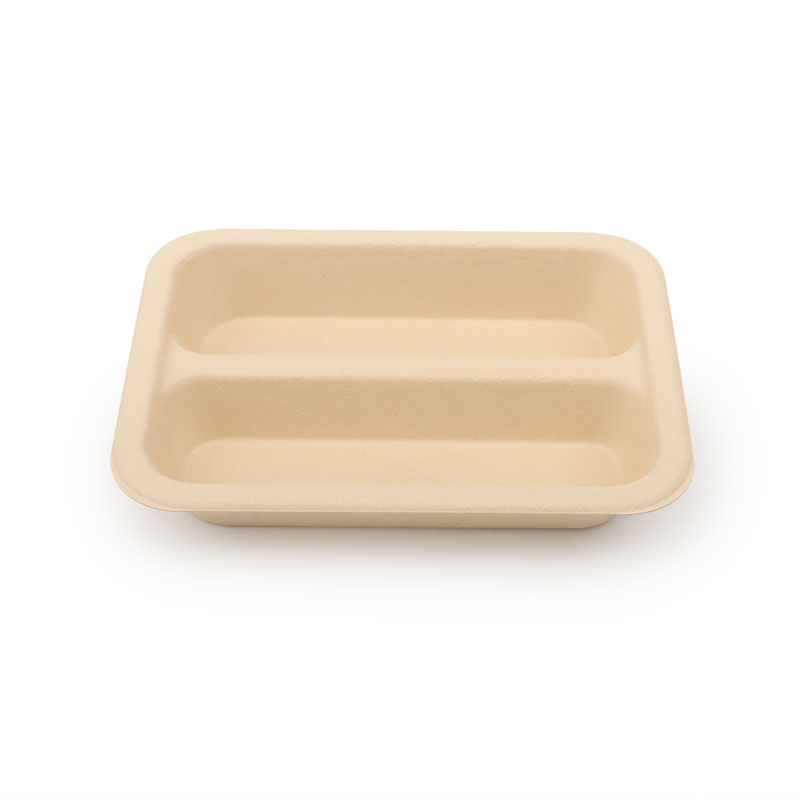 2 Compartments
 Small Round Plate Series
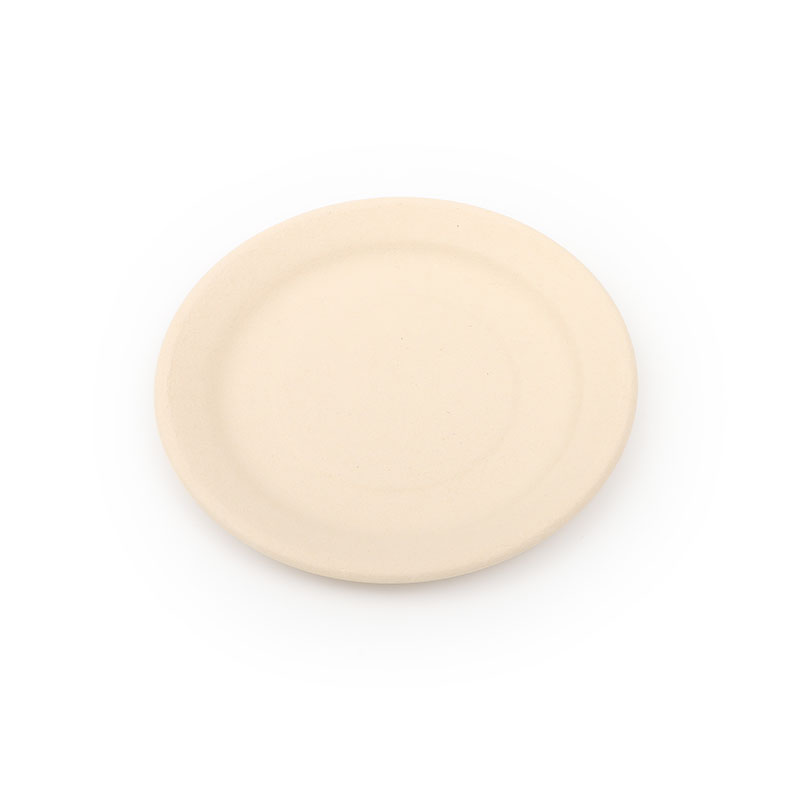 7 inch
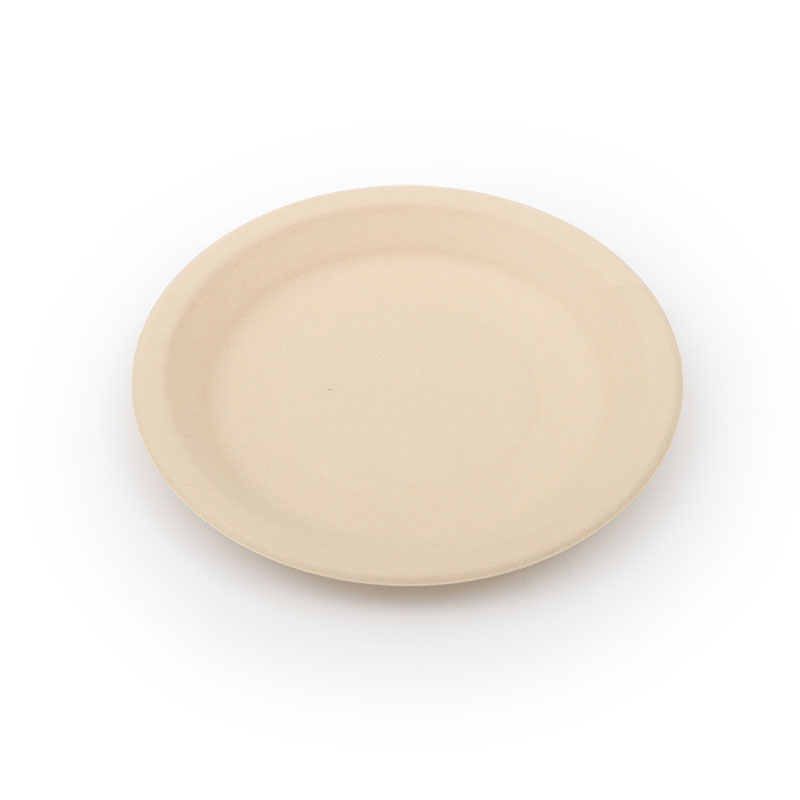 6 inch
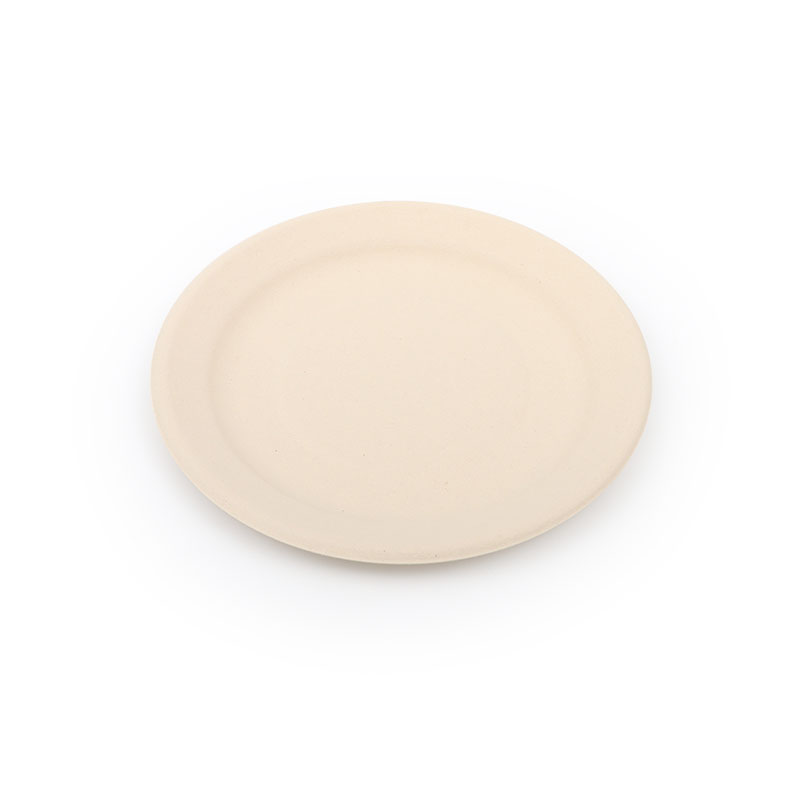 8 inch
 Middle Round Plate Series
 9 Inch 3 Compartments
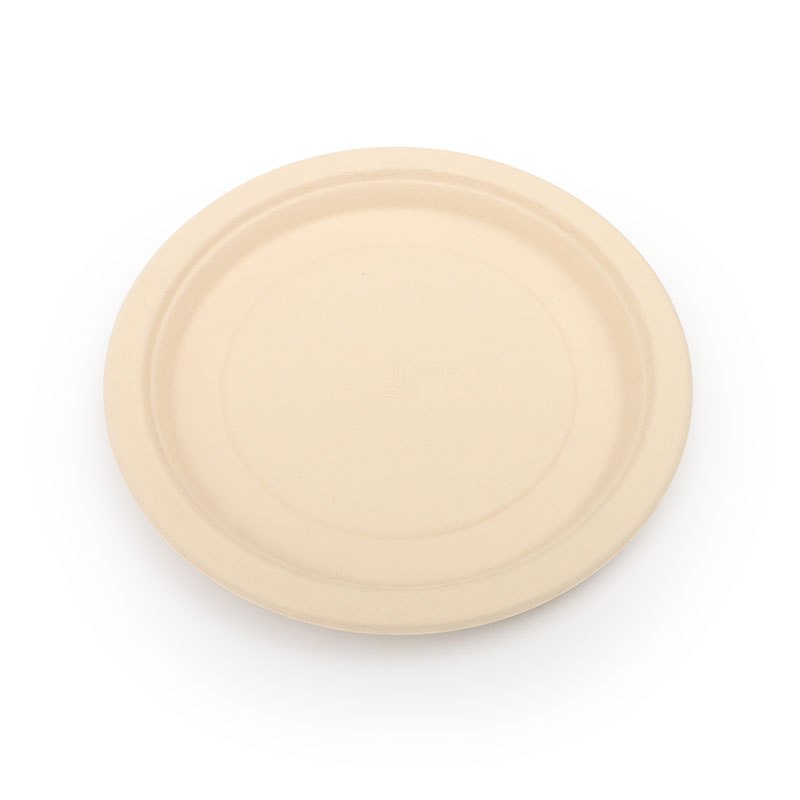 9 inch
 Big Round Plate Series
 12.7 Inch Pizza Plate
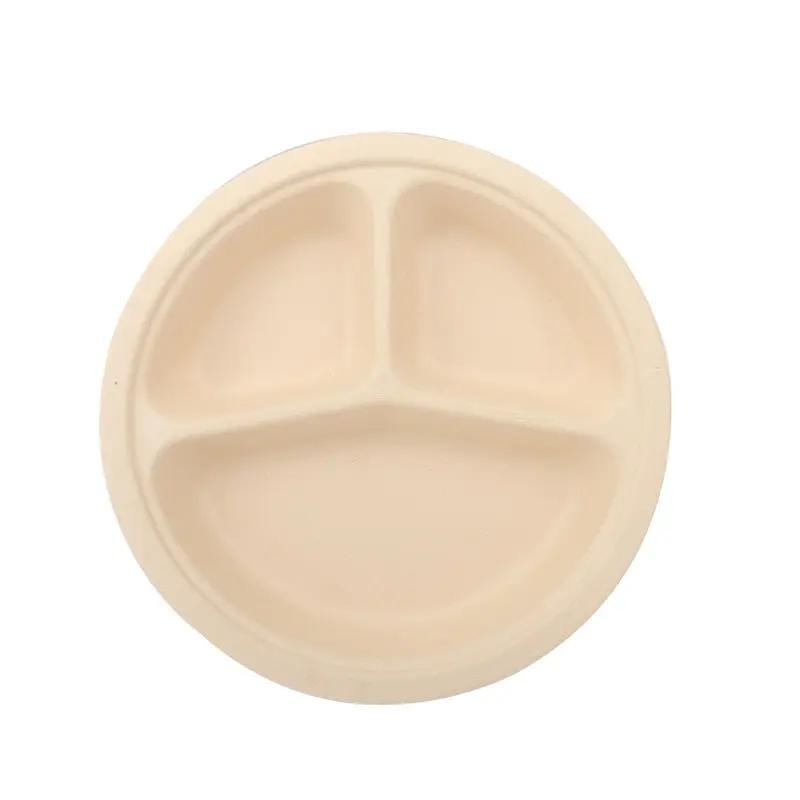 10.25 inch 3 Compartments
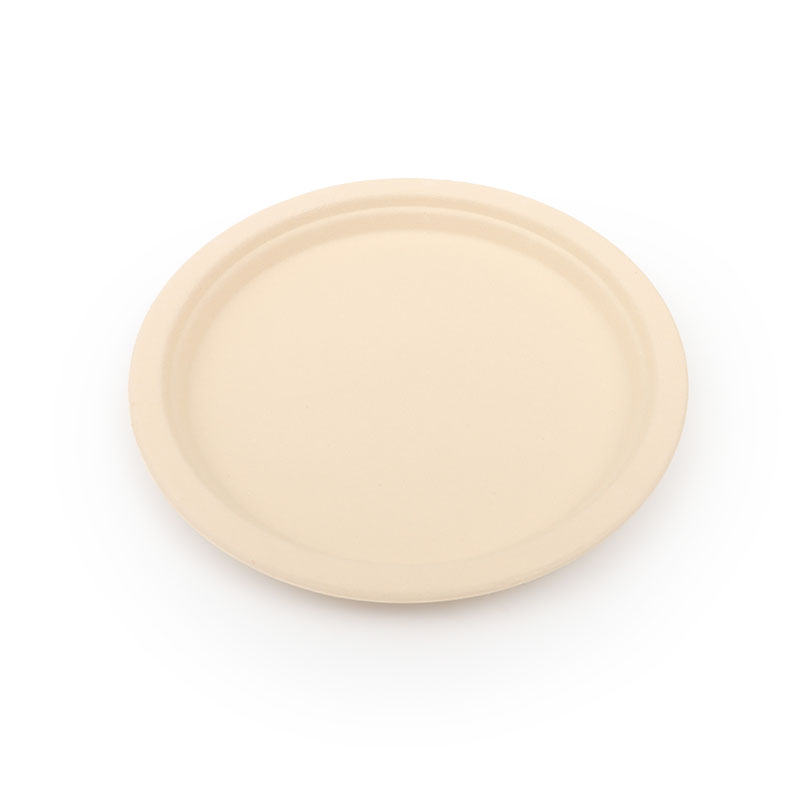 10 inch
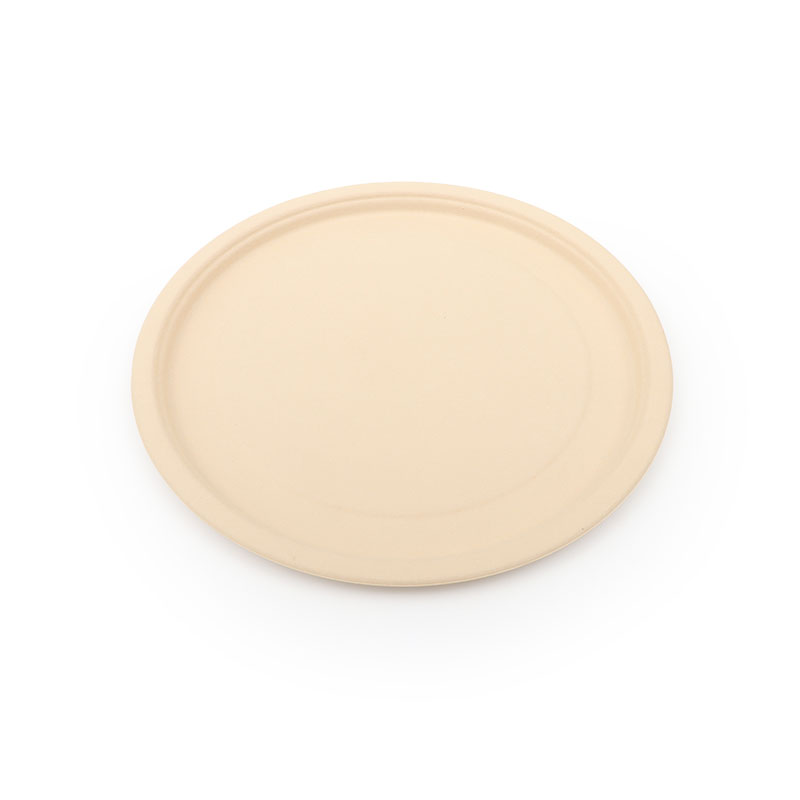 12 inch
 Bigger Bowl
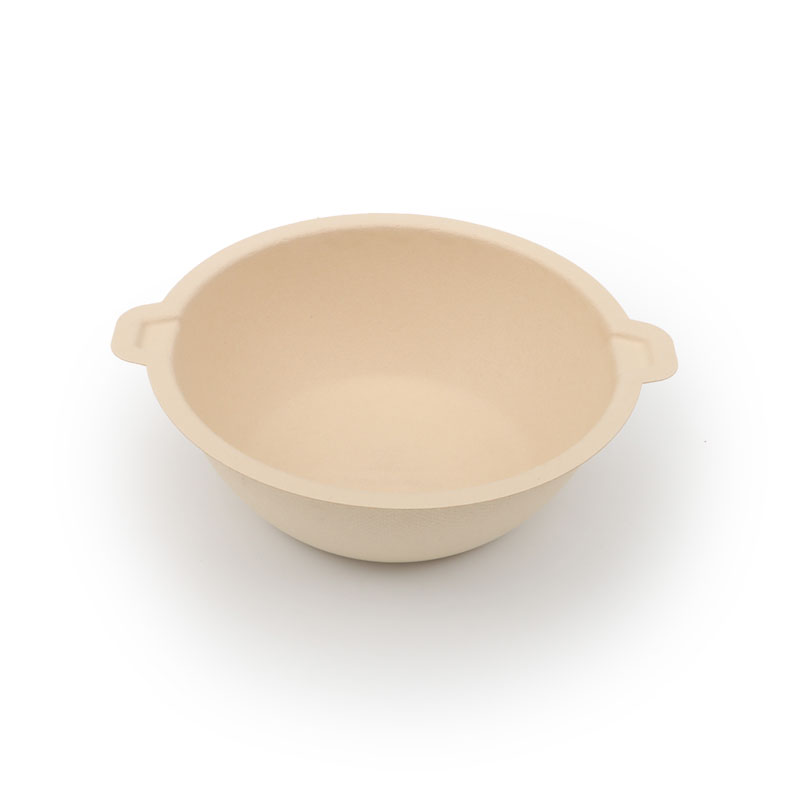 48oz(1420ml)
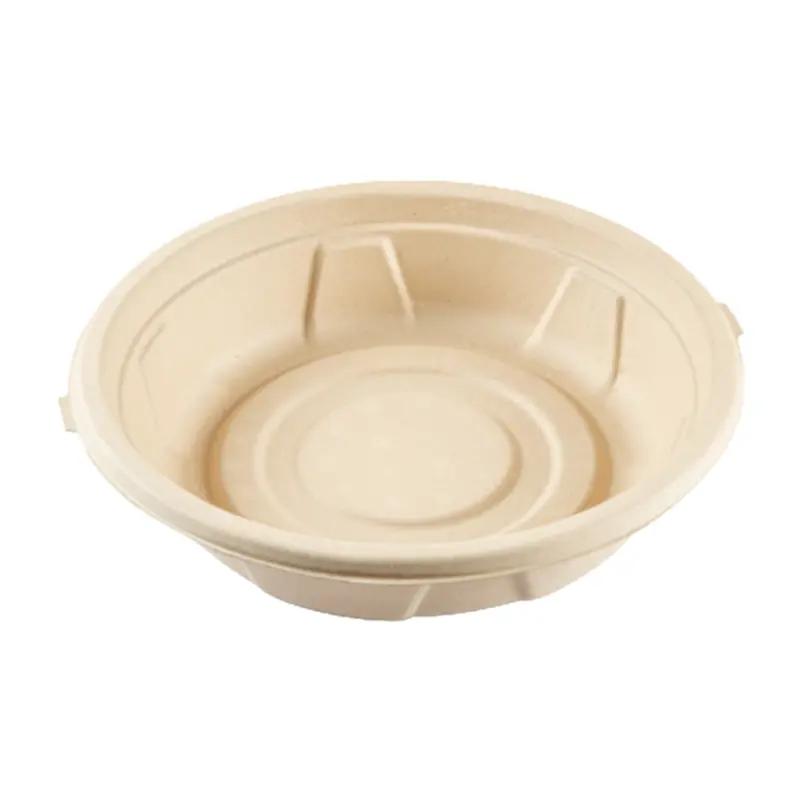 56oz(1650ml)
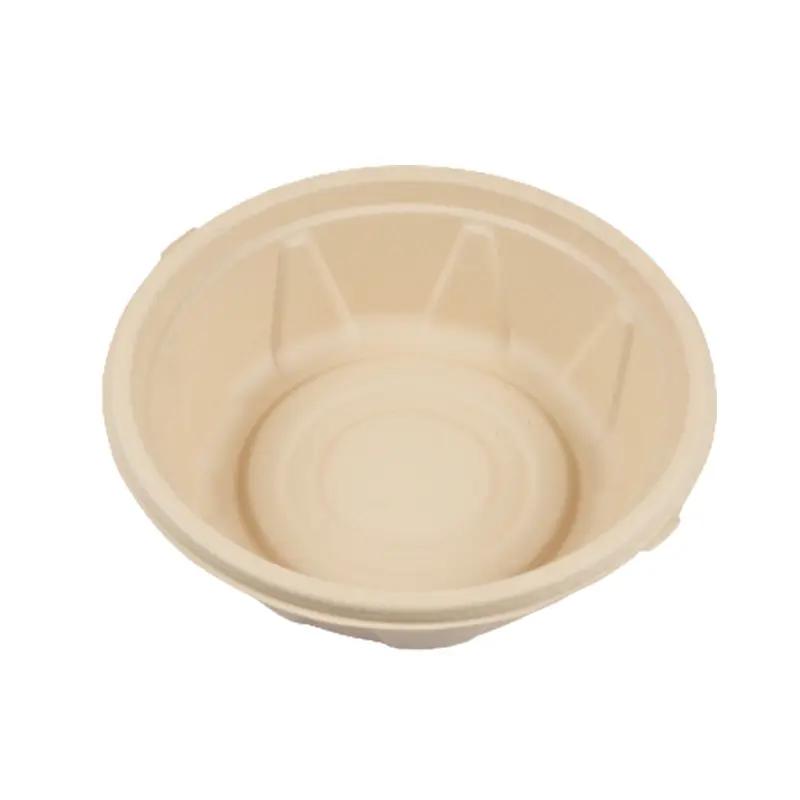 100oz(2950ml)
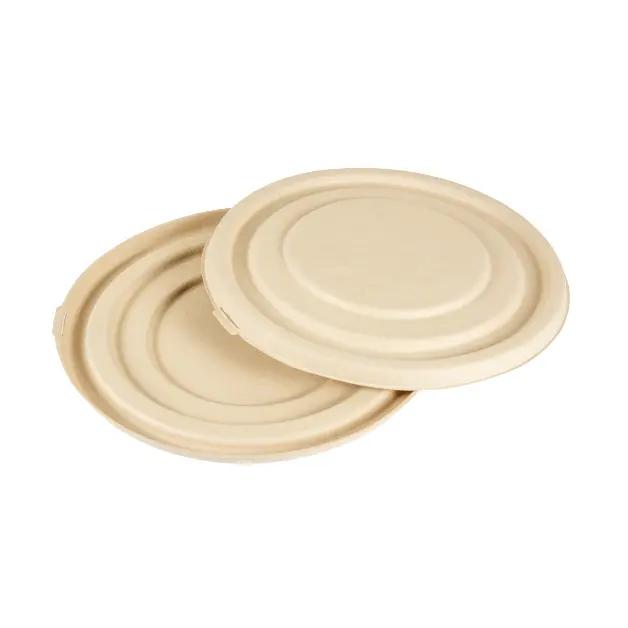 100oz(2950ml) With Lid
 Middle Bowl
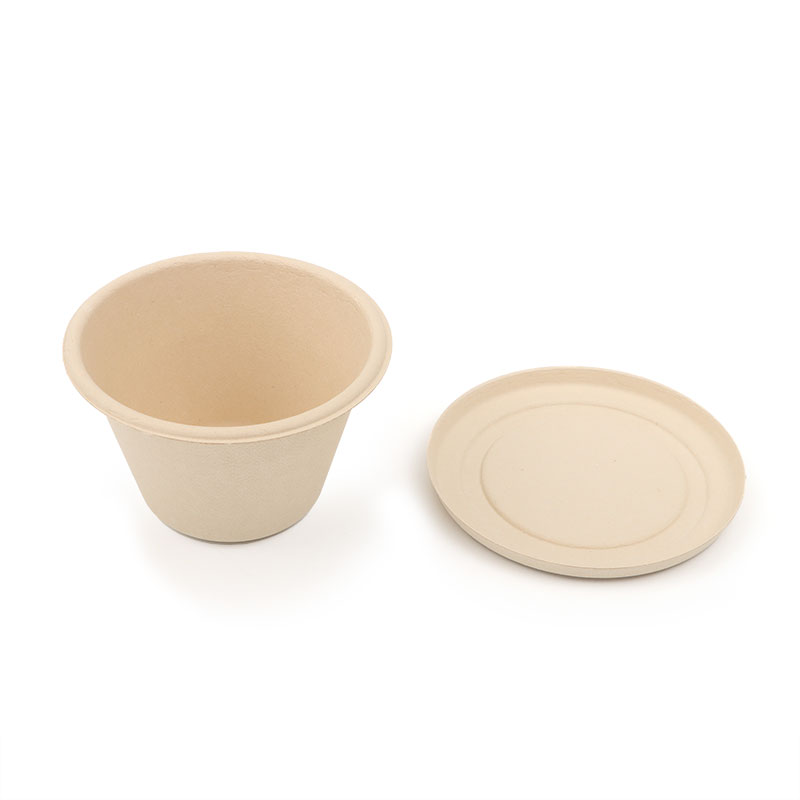 17oz(500ml)
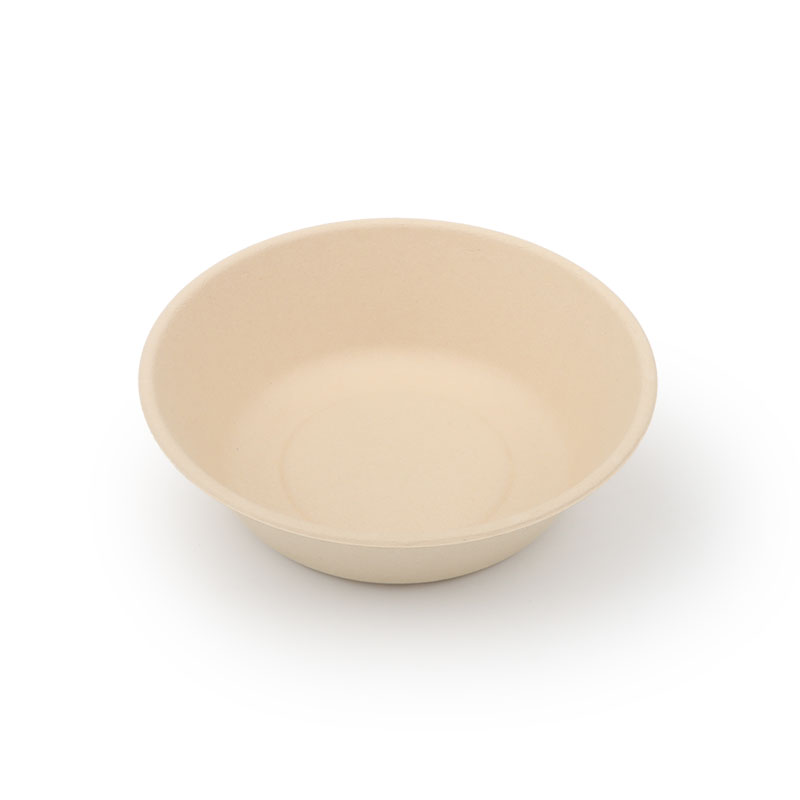 27oz(800ml)
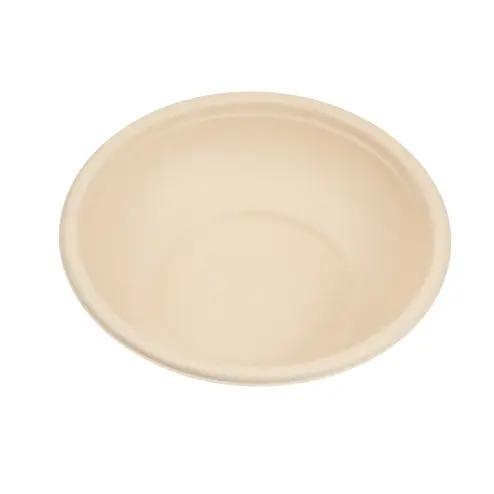 20oz(600ml)
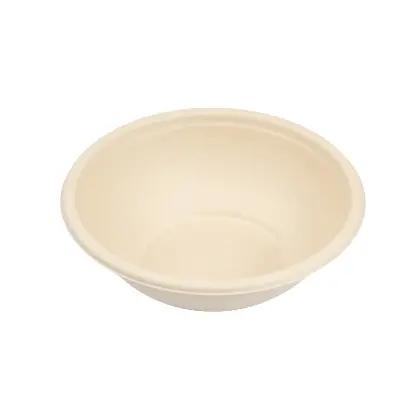 29oz(850ml)
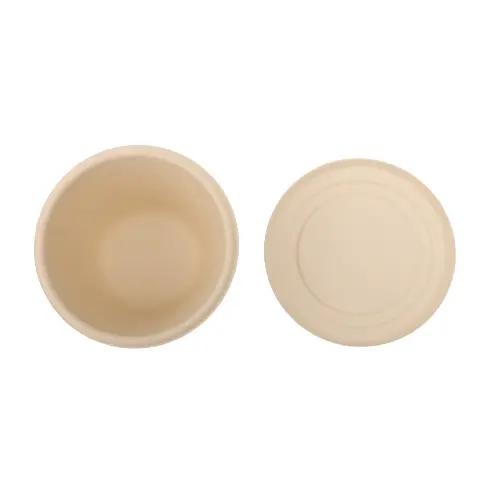 17oz(500ml) With Lid
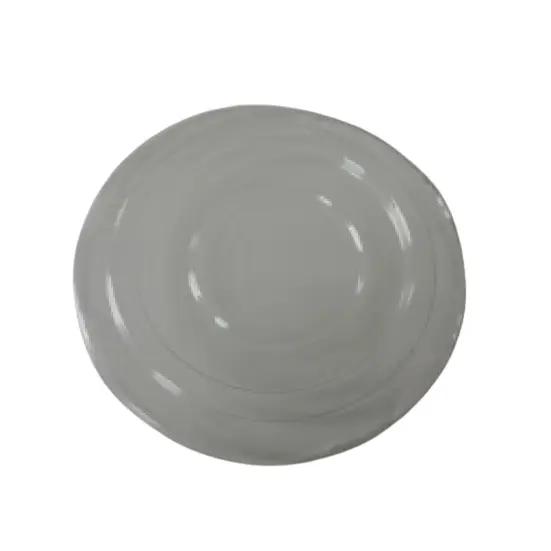 17oz(500ml) PET Lid
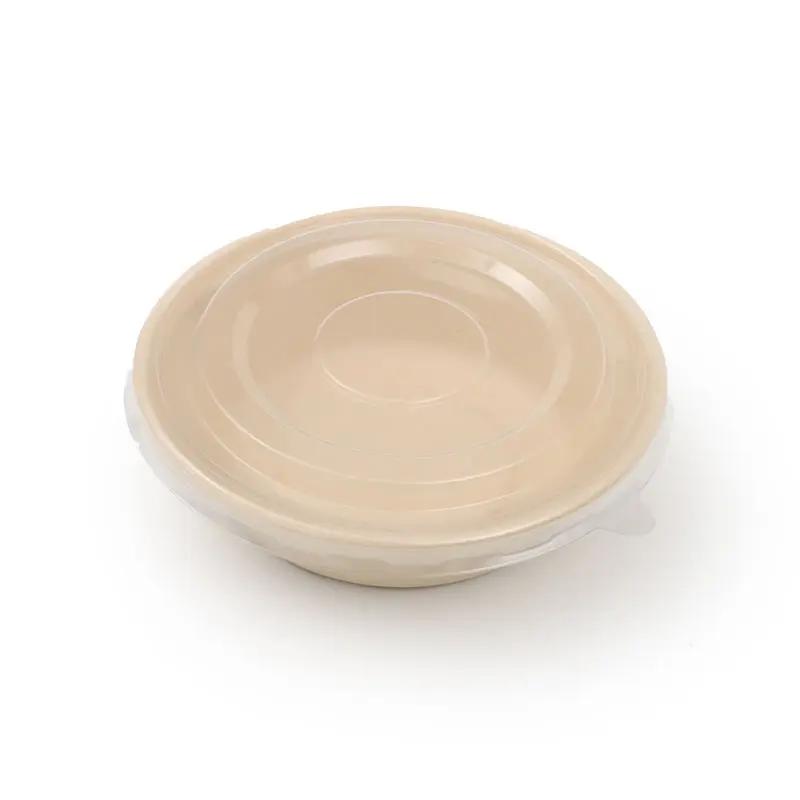 28oz(830ml) PET Lid
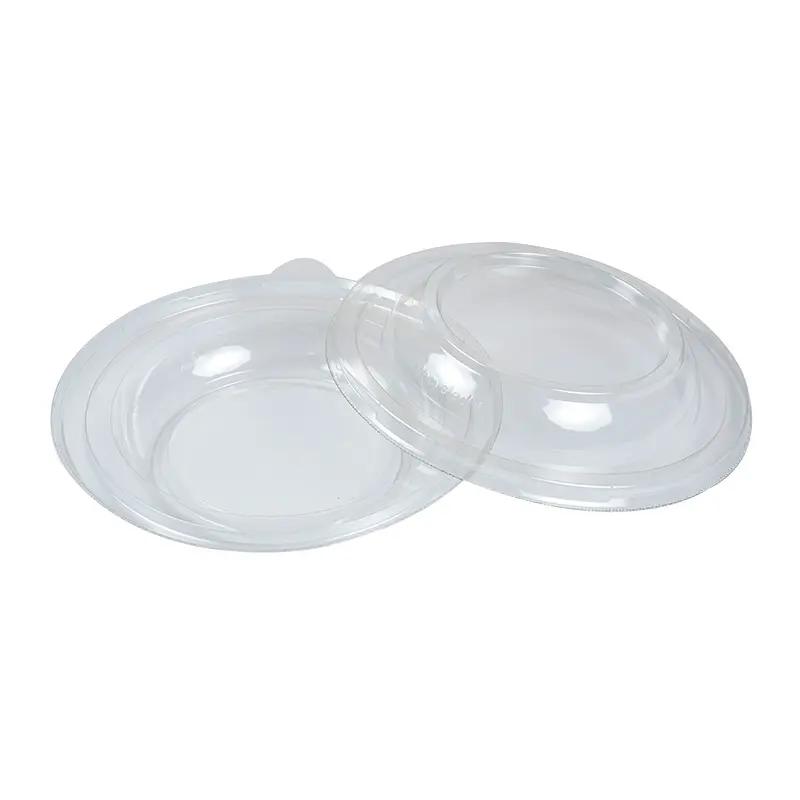 Round Bowl PET
 Small Bowl
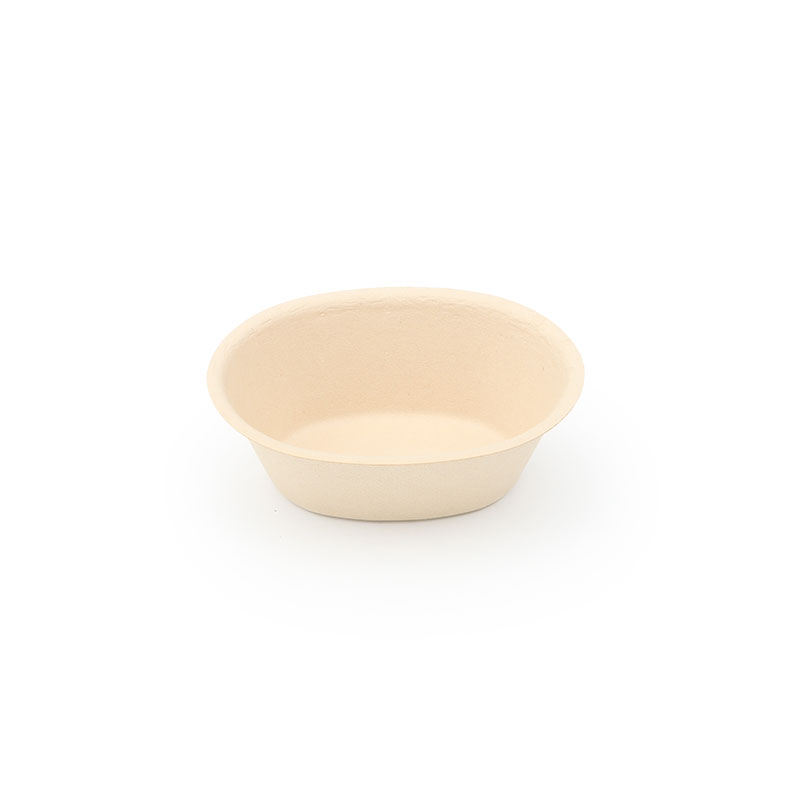 Snack Bowl
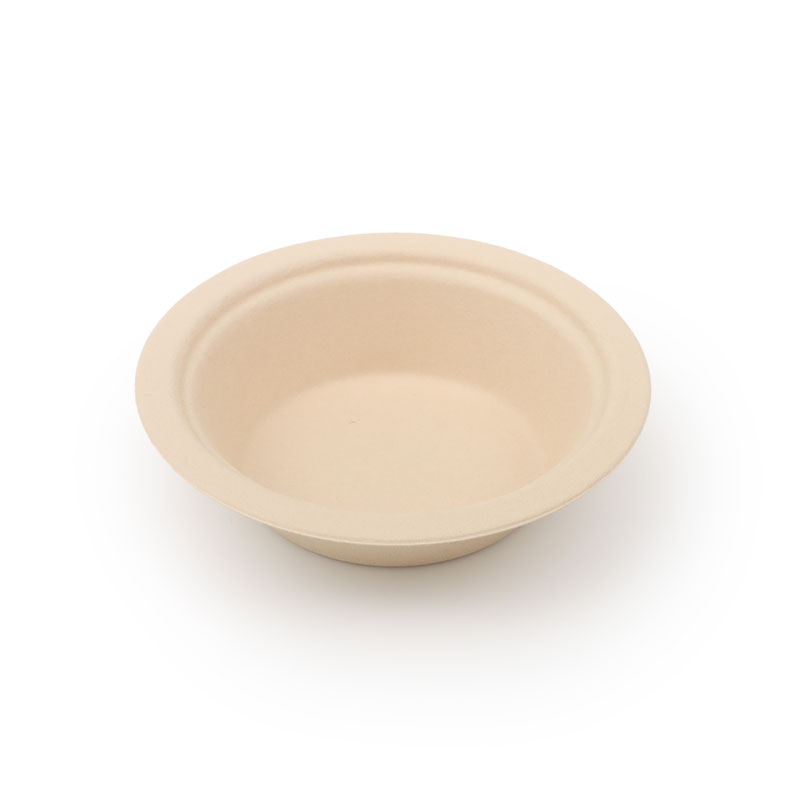 11.5oz(340ml) Bowl
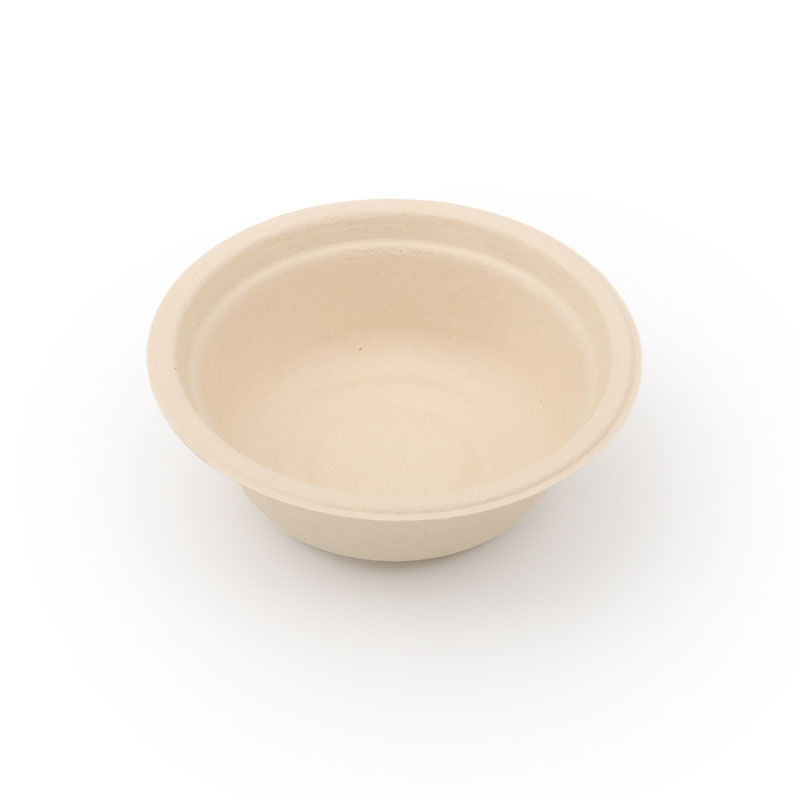 6.7oz(200ml) Bowl
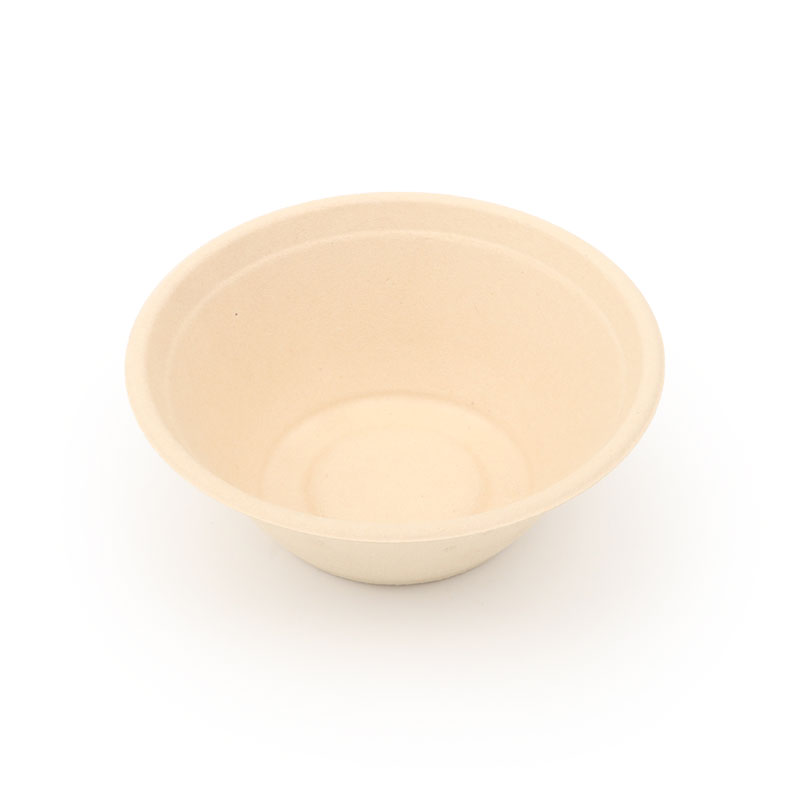 12oz(350ml) Bowl
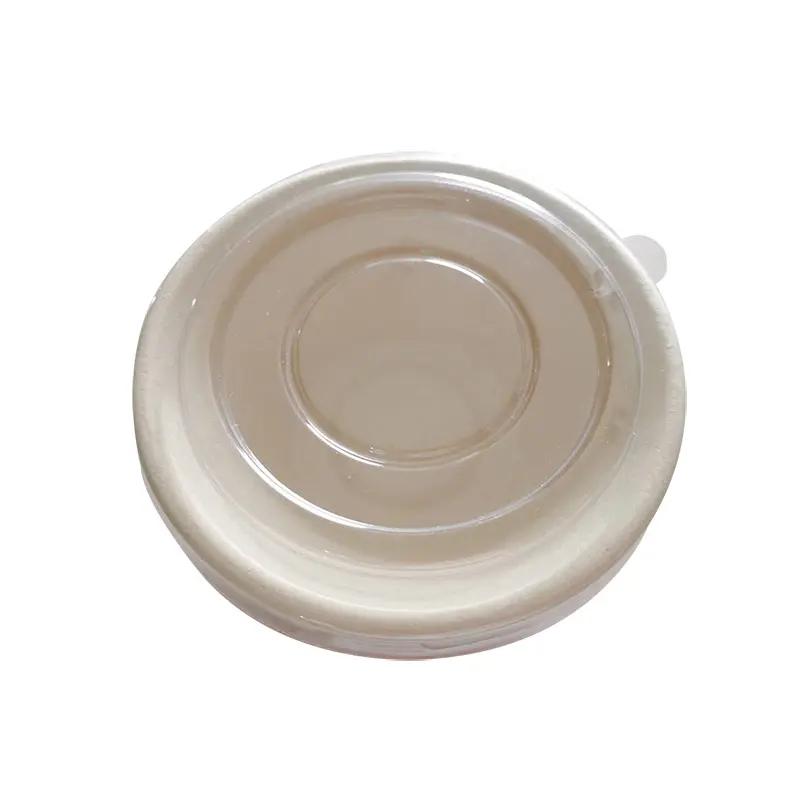 12oz(350ml) Bowl PET
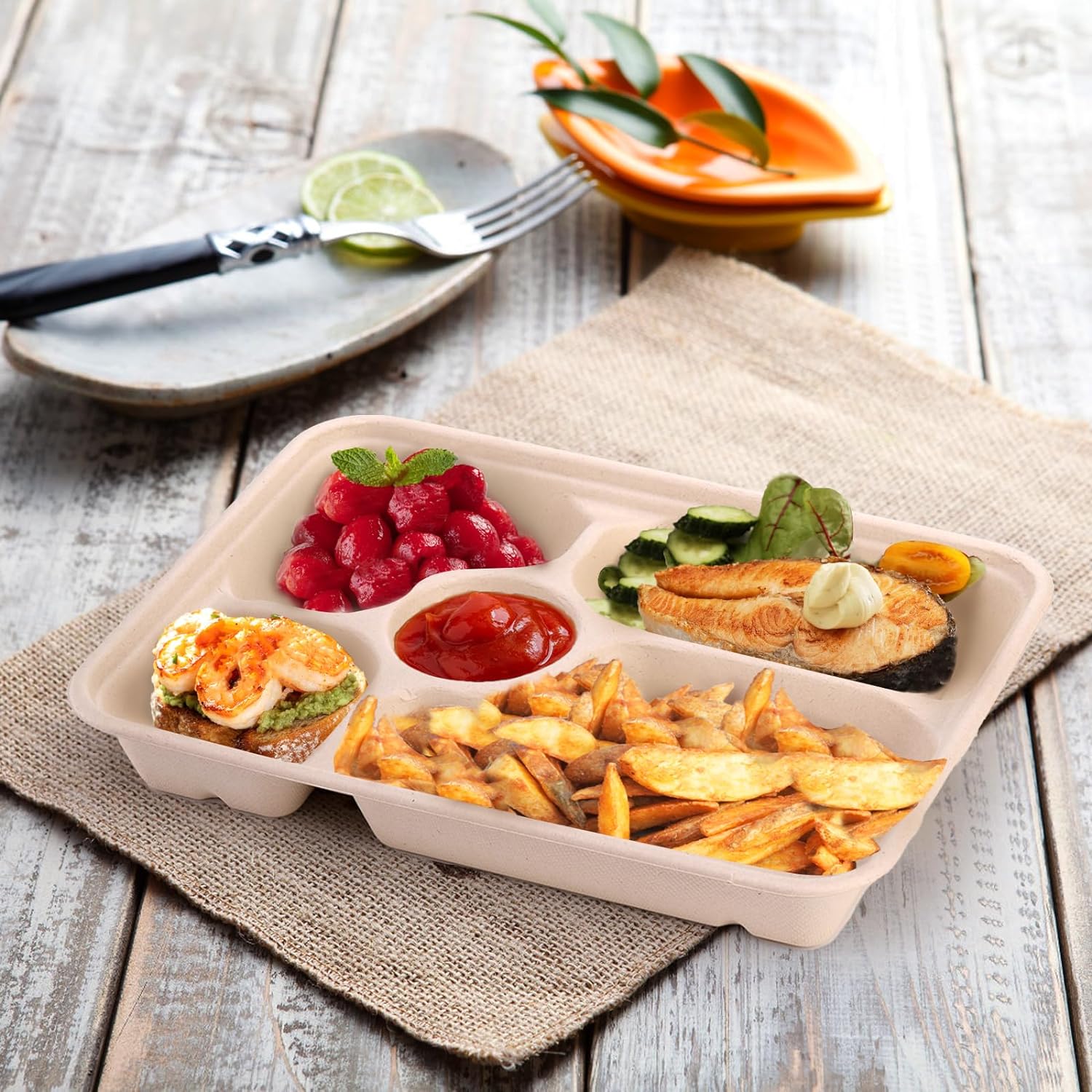 Bagasse Lunch Boxes
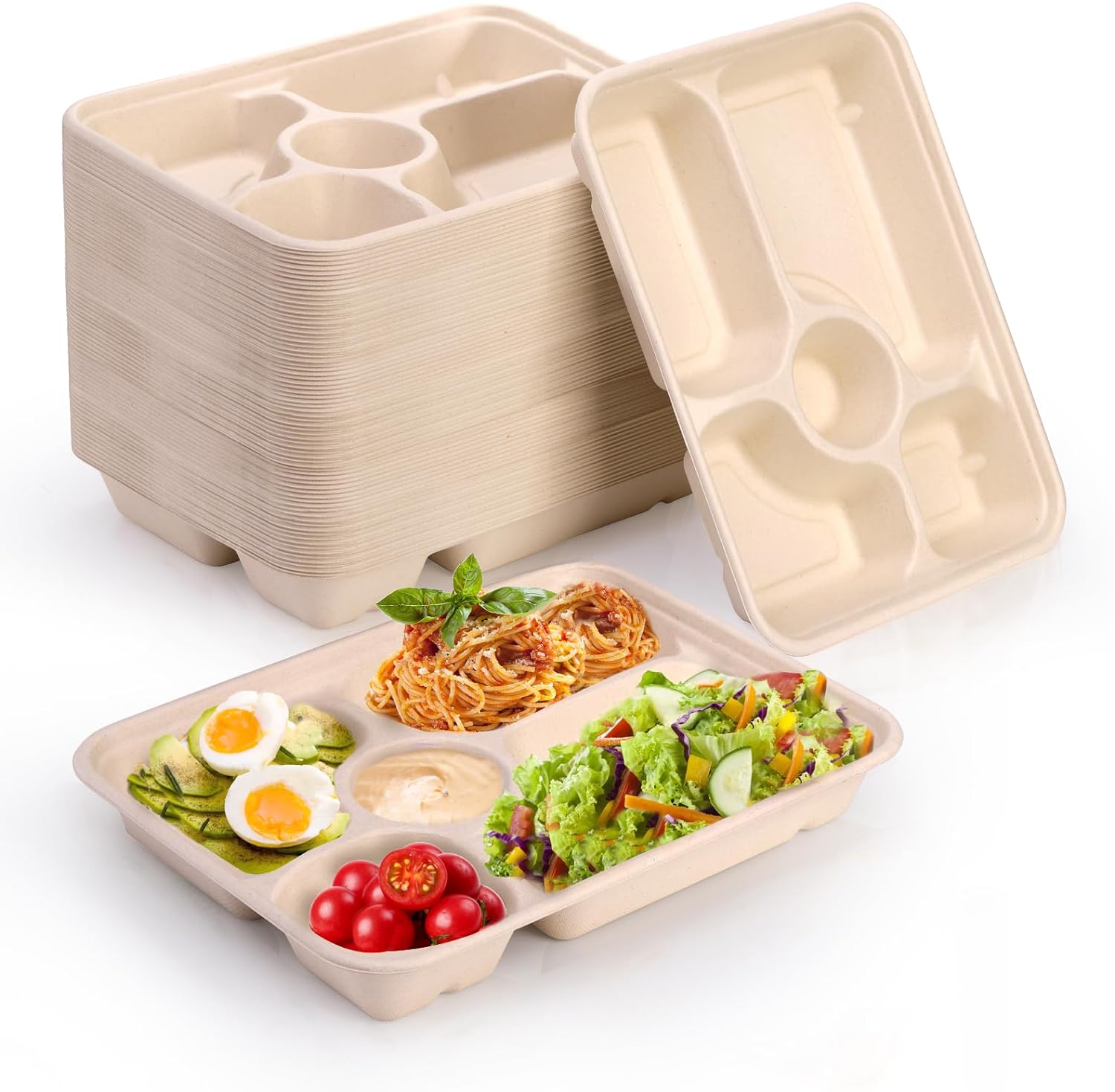 5CP
 6 inch
 Bagasse Food Plates
 7 inch
 3CP
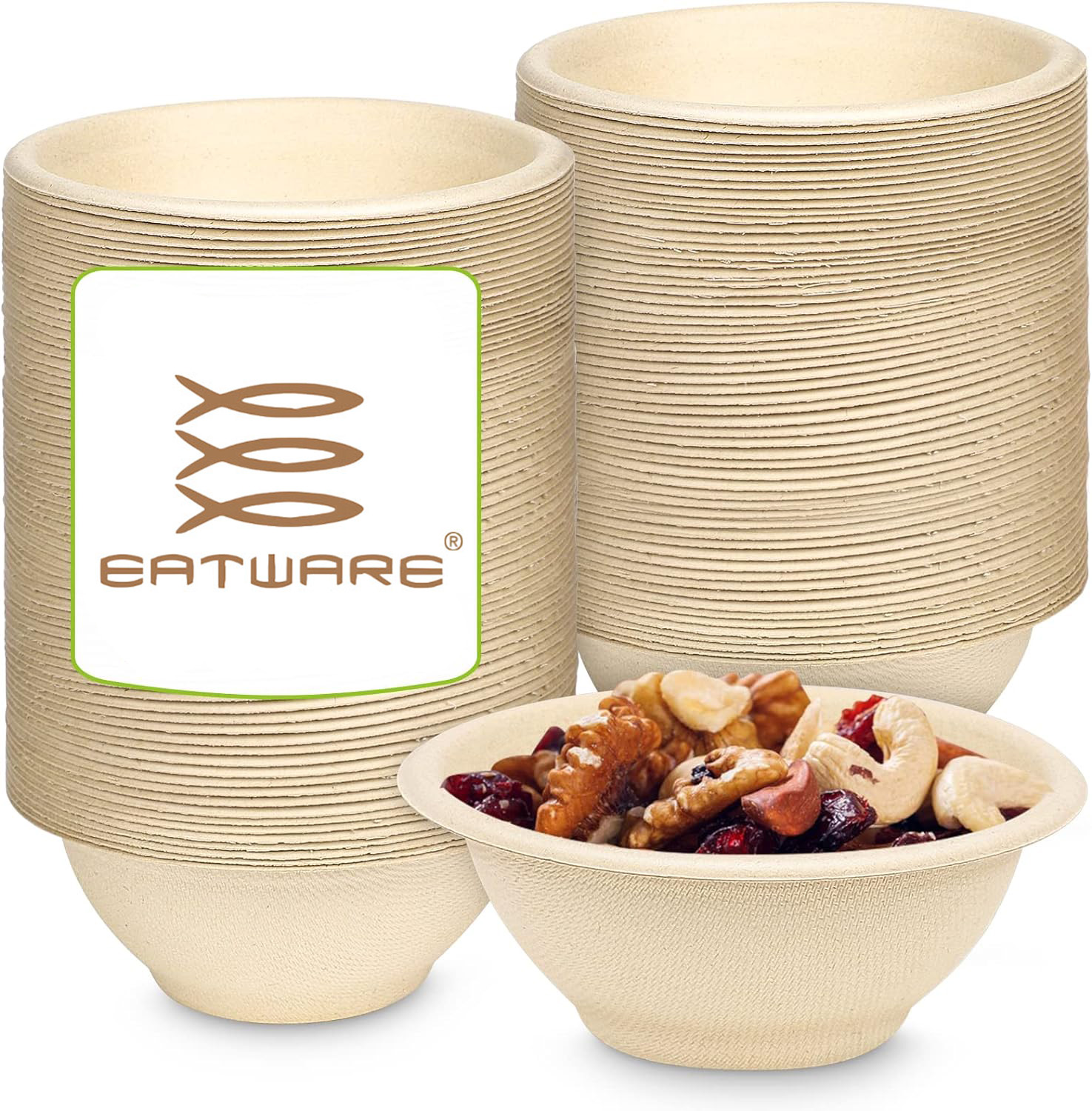 Bagasse Bowls
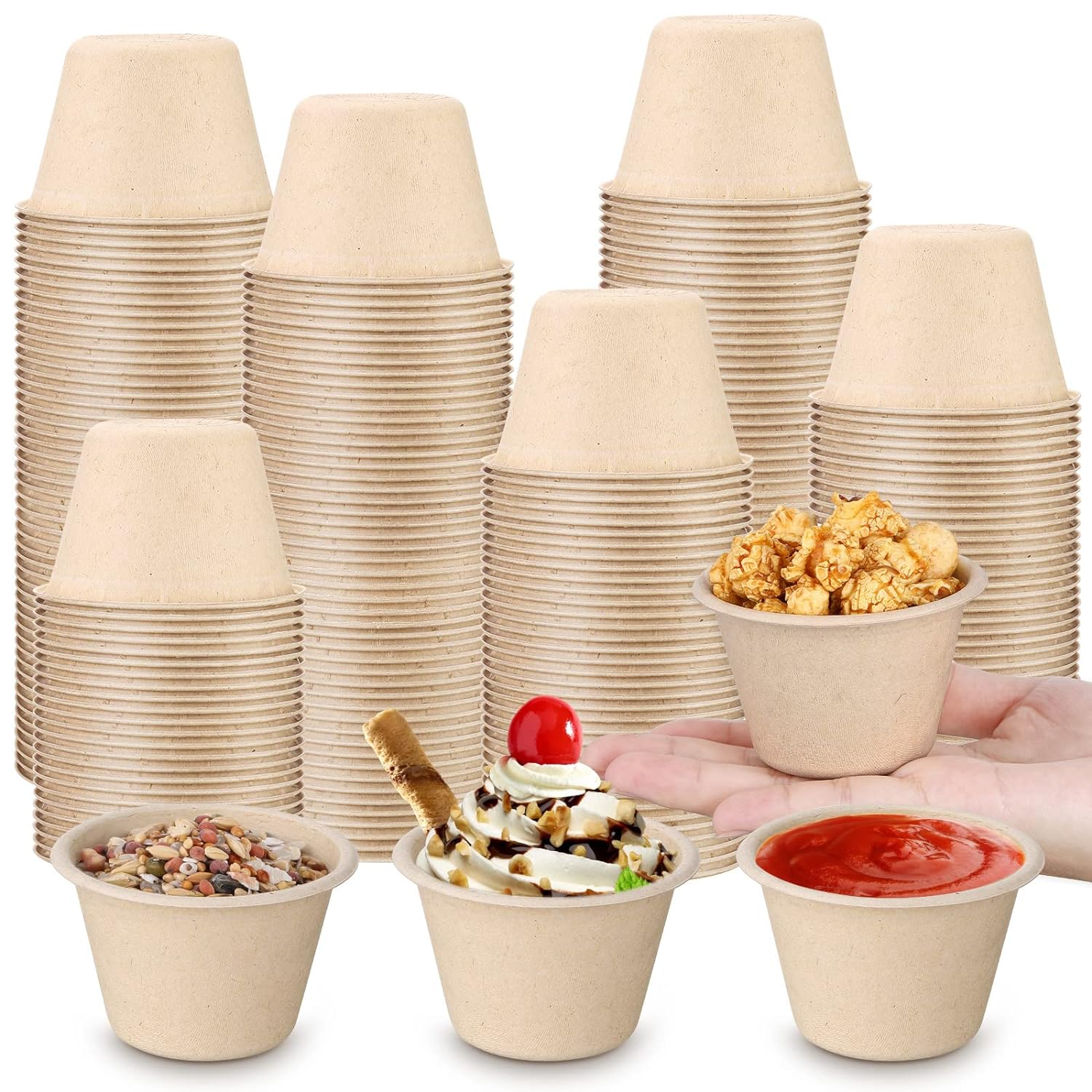 4oz
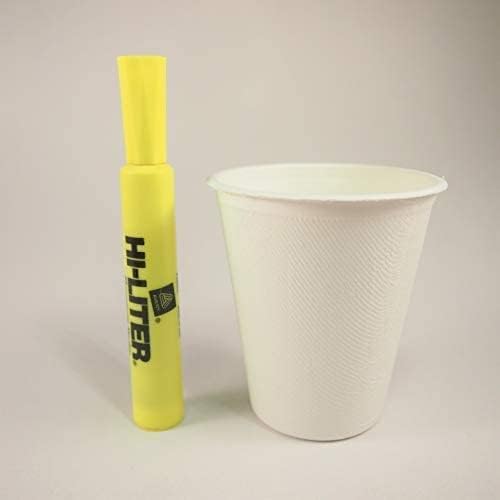 Bagasse Cups And Cutlery
 8oz
 12oz
 Cutlery


