You know, the Bento Box has really become a go-to choice when it comes to food packaging — and honestly, it’s no surprise! They’re practical, efficient, and just pretty handy to have around. I came across a report from Technavio that estimates the global food packaging market is actually growing at about 4.8% each year. That pretty much shows how much folks are loving versatile, eco-friendly packaging options these days. And among those options, the Disposable Molded Bento Box stands out — it’s a sustainable pick for both consumers and companies alike. People are really leaning towards materials that are kinder to the planet.
Big brands like Tupperware are jumping on the biodegradable bandwagon too, investing in greener options just to keep up with what consumers want. The new Bistro Box isn’t just about convenience — it actually looks pretty good too, which is a bonus. But, of course, it’s super important to make sure those materials are genuinely sustainable. Sometimes, companies make false claims, and that can seriously hurt their reputation. Getting proper certifications and being transparent is key if you want to build trust with environmentally conscious folks.
That said, while Bento Boxes are generally reliable, they’re not perfect — there are some hurdles to watch out for. For example, keeping food fresh and maintaining quality can be tricky sometimes. As this industry keeps evolving, ongoing innovation and honest communication will be critical to tackle these issues. Overall, the market’s looking pretty bright for Bento Boxes, but staying on top of standards is a must if they want to keep earning consumers’ trust.

Benefits of Bento Box Packaging in the Food Industry
Bento box packaging is becoming increasingly popular in the food industry. It offers unique advantages that benefit both businesses and consumers. With compartments designed for different food items, it keeps meals organized and visually appealing. This design enhances customer experience, encouraging repeat purchases.
One significant benefit is the preservation of food quality. Bento boxes help maintain freshness, reducing food waste. The airtight seals prevent leakage and mess, making them ideal for delivery services. Moreover, they are often made from environmentally friendly materials, appealing to eco-conscious consumers. However, not all bento boxes are durable; some may wear out quickly with frequent use.
Bento boxes cater to diverse dietary preferences, attracting a wider customer base. Restaurants can easily customize offerings, from sushi to salads. This flexibility is both an asset and a challenge. It requires careful attention to food pairings and presentation. Balancing creativity with practicality is crucial, as poor choices may diminish the overall experience.
Market Trends: The Growing Popularity of Bento Boxes
The bento box is experiencing a surge in popularity, especially in the food packaging market. This trend reflects a growing appreciation for sustainability and convenience. Bento boxes appeal to eco-conscious consumers. Their design promotes portion control, making meals more balanced and aesthetically pleasing. This is important as people become more health-aware.
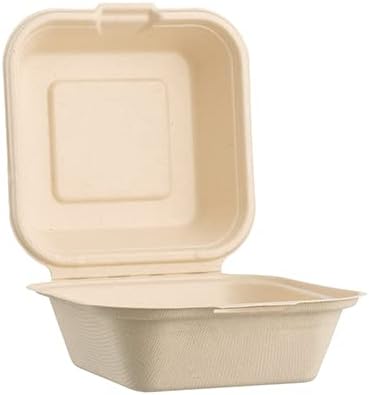
Tips for choosing the right bento box include considering materials. Opt for options like the Disposable Pulp Bento Box for its eco-friendly benefits. It’s biodegradable and reduces plastic waste. Also, think about size. Smaller boxes can help with portion management. Larger options are great for communal meals.
The versatility of bento boxes is noteworthy. They cater to various cuisines and dietary preferences. Yet, not every bento box suits every food type. Greasy or liquid-rich meals may pose challenges. It’s essential to balance function and aesthetics. Experimenting with different designs can help identify what truly works.
Sustainability Factors: Eco-friendly Aspects of Bento Boxes
Bento boxes emerge as a sustainable choice in food packaging. Made from eco-friendly materials, they are designed to reduce waste. Many are crafted from renewable resources, such as bamboo pulp. According to the Environmental Protection Agency, packaging waste accounts for about 30% of total waste in the United States. This statistic underscores the need for sustainable options.
The Disposable Bamboo Pulp Bento Box stands out for its biodegradability. These boxes can decompose in composting environments, minimizing landfill impact. A report by the World Wildlife Fund indicates that bamboo grows up to three feet a day. This rapid growth rate makes bamboo a highly sustainable resource compared to traditional wood products. However, not all bamboo products are created equal. Sourcing practices and transportation can affect the overall sustainability.
Though the benefits are clear, challenges exist. The production process may involve chemical treatments that compromise eco-friendliness. Additionally, the public’s awareness of these products is still growing. A survey by the Green Packaging Association found that only 40% of consumers prioritize sustainability in their packaging choices. Overall, while Disposable Bamboo Pulp Bento Boxes offer an eco-friendly option, ongoing efforts are needed to educate consumers and improve sourcing practices.
Cost Efficiency: Comparing Bento Boxes to Traditional Packaging
The rise of Bento boxes has transformed food packaging, especially when considering cost efficiency. These containers are not only affordable but also practical for various culinary applications. They can hold multiple food items securely, reducing the need for additional packaging materials. This aspect decreases overall costs for businesses looking to streamline their operations.
When comparing Bento boxes to traditional packaging, several factors come into play. Traditional options often require additional wraps or separators, driving up expenses. In contrast, the Disposable custom Bento Box provides a seamless solution. It eliminates the need for extra materials, saving both time and money. This efficiency allows businesses to focus on their main goal: delivering quality meals.
While Bento boxes have numerous advantages, they are not without their challenges. The environmental impact of disposable packaging can't be overlooked. As food service providers embrace Bentos for their cost savings, it’s crucial to reflect on sustainability. Finding the right balance between affordability and ecological responsibility is essential for long-term success.
Design Flexibility: Customization Options for Bento Boxes
Bento boxes have gained popularity due to their design flexibility and customization options. Many food businesses seek packaging that reflects their brand identity. Customizing your bento box means you can choose your colors, logos, and designs. This is particularly useful for catering services and food trucks that want to stand out.
Tips for customization: Consider the size and compartments of your bento box. Ensure it accommodates various food items without compromising freshness. You can even use Biodegradable Molded Bento Boxes. These options support sustainability while enhancing your brand image.
People sometimes overlook the impact of packaging design on customer perception. A well-designed bento box can create excitement and anticipation. However, it’s vital to balance aesthetics with functionality. Take time to test different designs before committing. Remember, an appealing exterior should match the quality of the food inside.
Consumer Preferences: The Appeal of Bento Box Convenience
When it comes to food packaging, convenience is key. Bento boxes have gained popularity for their practicality. Consumers appreciate the compartments that keep food separate. This design prevents flavors from mixing and maintains freshness. Many find it easy to pack meals for work or school.
Tips for using bento boxes: First, choose a variety of colors and textures. This can make meals visually appealing. Second, consider portion sizes. Overpacking can lead to waste. Also, think about using seasonal ingredients for freshness.
People love the bento box for its organized layout. However, some struggle with balance. It can be hard to get the right mix of protein, carbs, and vegetables. Experiment with different combinations. Reflect on which flavors complement each other best. Adopting this method can simplify meal prep, reducing stress during busy weeks.
Regulatory Compliance: Meeting Food Safety Standards with Bento Boxes
When it comes to food packaging, regulatory compliance is paramount. Bento boxes are increasingly favored for their ability to meet stringent food safety standards. According to the Food and Drug Administration (FDA), materials used in food packaging must undergo rigorous testing to ensure they do not leach harmful substances into food. This is where the materials used in bento boxes shine. Many are crafted from BPA-free plastics, which significantly reduce health risks.
In a recent industry report by the Food Packaging Institute, over 75% of food businesses highlighted the importance of compliant packaging solutions. Bento boxes not only adhere to these regulations but also promote sustainability. Biodegradable options are becoming more popular, reducing the impact on the environment. However, not all bento boxes are created equal. Some may not fully disclose the materials used, leading to potential compliance issues.
Monitoring supplier certifications can mitigate risks. Many food businesses find it challenging to verify if their packaging meets safety standards. Awareness of regulatory guidelines is essential. This constant evolution in food safety requirements makes it vital for companies to stay informed. Regular training and updates for packaging teams can bridge these gaps. Embracing a culture of compliance is key. Bento boxes offer a reliable solution, yet attention to detail is necessary.
Why Choose Bento Box for Your Food Packaging Needs?
Emerging Trends in Eco-Friendly Packaging: A Focus on Disposable Molded Pulp Takeaway Lunch Box Lids with T-Buckles
The rising demand for sustainable packaging solutions has led to innovative designs in the eco-friendly sector, notably in disposable molded pulp takeaway lunch box lids with T-buckles. These lids are specifically engineered to complement bamboo pulp and PET lids, providing a versatile and effective packaging option. One of the standout features of these lids is their ability to facilitate modified atmosphere packaging (MAP), a crucial aspect for preserving food freshness during transit. This not only enhances the overall dining experience but also aligns with contemporary consumer preferences for sustainable practices.
In addition to their functionality, these lunch box lids prioritize safety and environmental responsibility. They are oil-repellent, fluoride-free, and PFAS-free, ensuring that no harmful chemicals can leach into food. This commitment to health-conscious materials means that users can enjoy their meals without concern about contaminants. Furthermore, the compatibility of these lids with various food containers supports an eco-friendly approach while minimizing environmental impact, as businesses and consumers alike seek ways to reduce waste and support sustainable practices. By choosing these lids, you are making an informed decision that benefits both your health and the planet.
FAQS
: Bento box packaging keeps meals organized and visually appealing. It enhances customer experience and encourages repeat purchases.
They maintain freshness by preventing leaks and mess. Airtight seals reduce food waste, making them ideal for deliveries.
Opt for eco-friendly materials like biodegradable options. This choice supports sustainability and reduces plastic waste.
No, they may struggle with greasy or liquid-rich meals. Balance between function and aesthetics is crucial.
Bento boxes are cost-efficient. They reduce the need for additional wraps, saving money for businesses.
Consider size for portion management and material for sustainability. Different designs may work better for various foods.
Yes, they can easily accommodate diverse diets. Customization is key, but it requires thoughtful food pairing.
Durability is a concern; not all are built to last. Additionally, sustainability needs reflection despite cost benefits.
Their design promotes portion control, leading to more balanced meals. This aligns with growing health awareness.
No, larger bento boxes can serve communal meals. They offer flexibility in size and design for various dining scenarios.
Conclusion
Bento boxes have emerged as a favored choice for food packaging in the industry, driven by several key benefits. Their unique design provides excellent portion control and meal presentation, appealing to consumer preferences for convenience and aesthetic value. As market trends reflect a growing popularity, these eco-friendly packaging options align with sustainability goals, utilizing materials that minimize environmental impact.
Moreover, the cost efficiency of bento boxes compared to traditional packaging makes them an attractive option for businesses. With their versatility in design, customization options allow brands to create distinct packaging that enhances their product appeal. Importantly, bento boxes comply with stringent food safety standards, ensuring that they meet regulatory requirements while offering a functional solution for modern dining needs. This comprehensive approach showcases why bento boxes are a smart choice for food packaging.

 Box With T buckle
 700ml Square Lunch Box
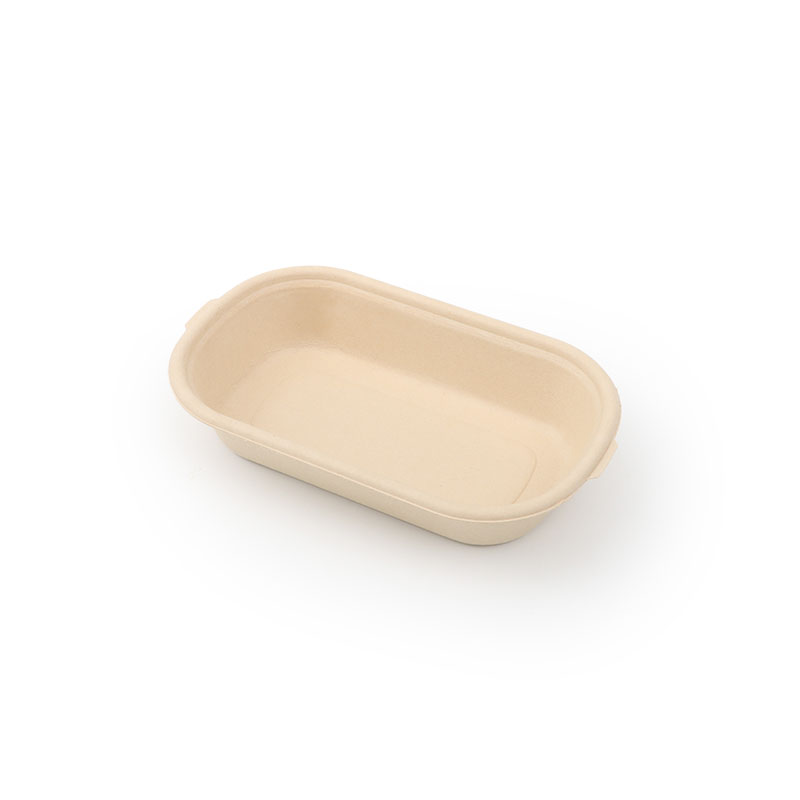 500ml
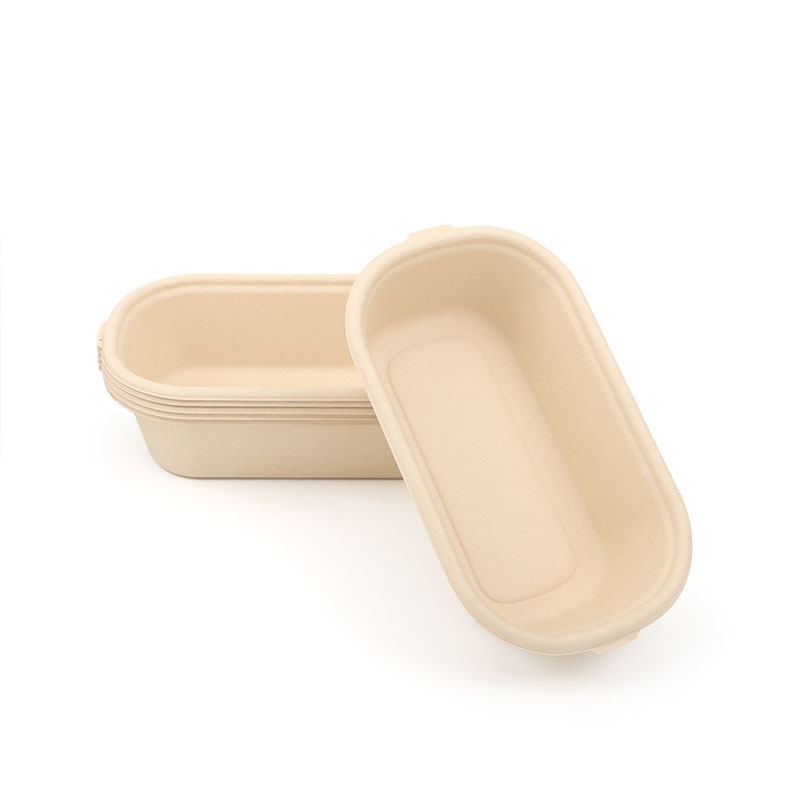 700ml
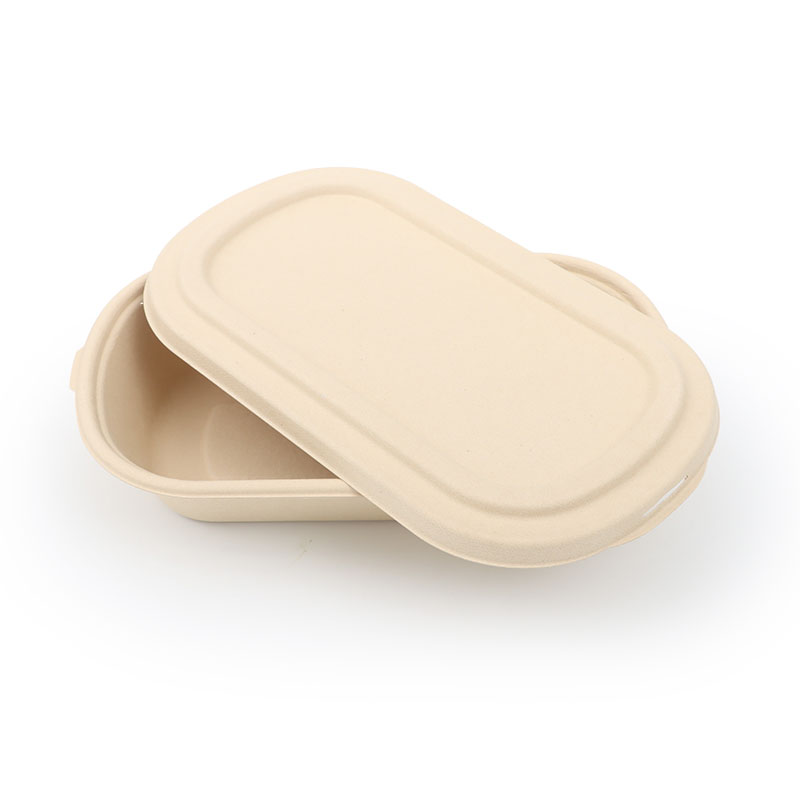 850ml
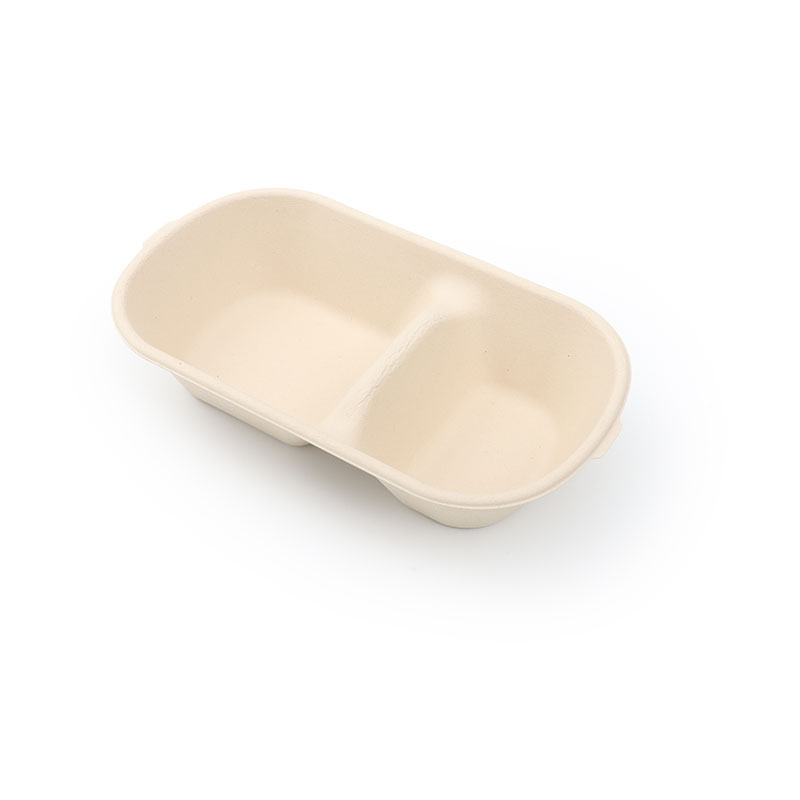 800ml 2 Compartments
 1000ml 2 Compartments
 1100ml
 1000ml Square Lunch Box
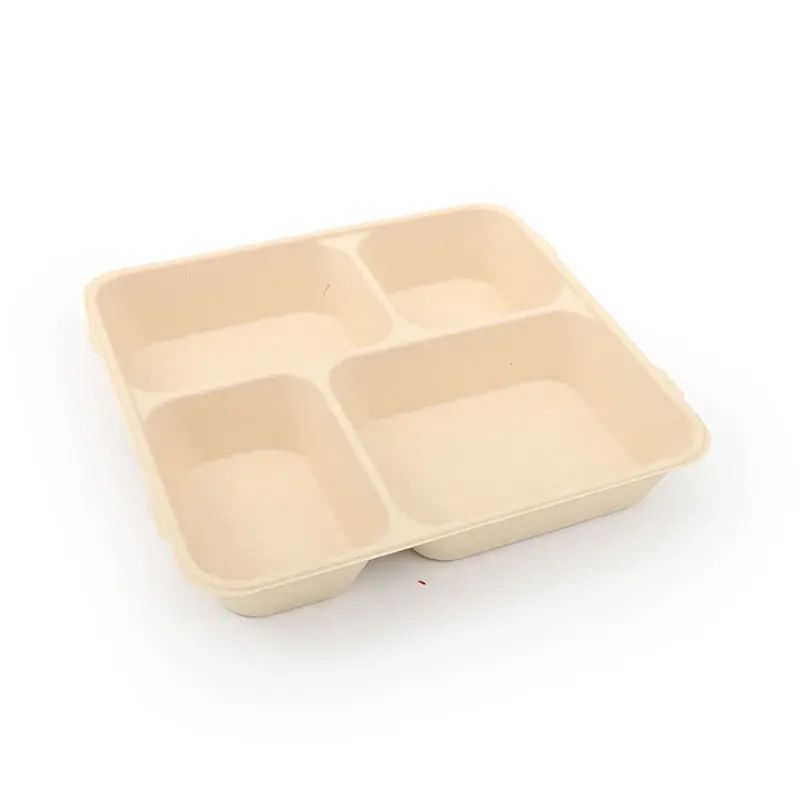 1340ml 4 Compartments
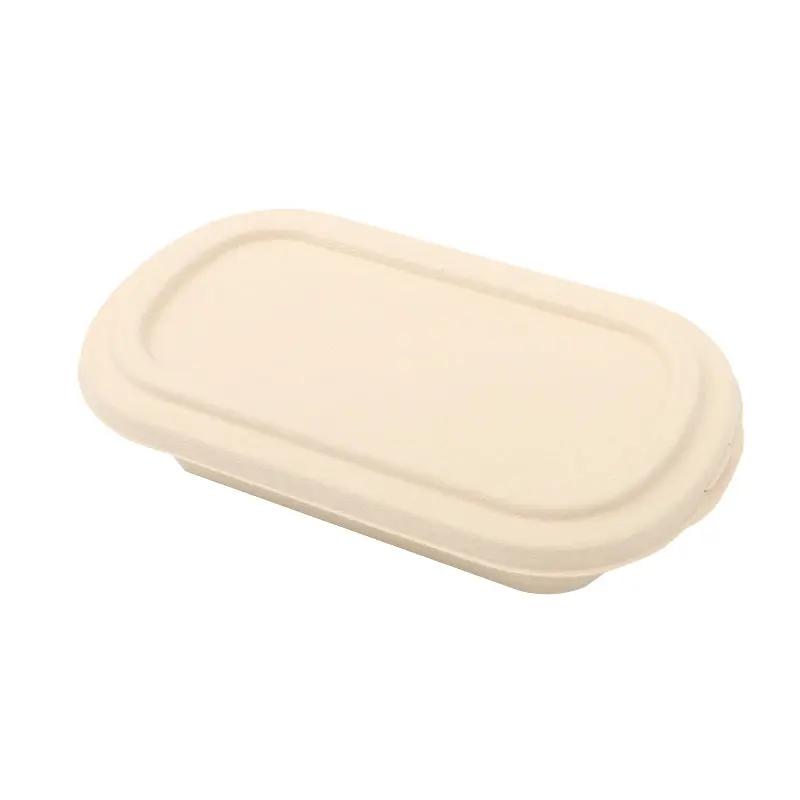 Lunch Box Lid
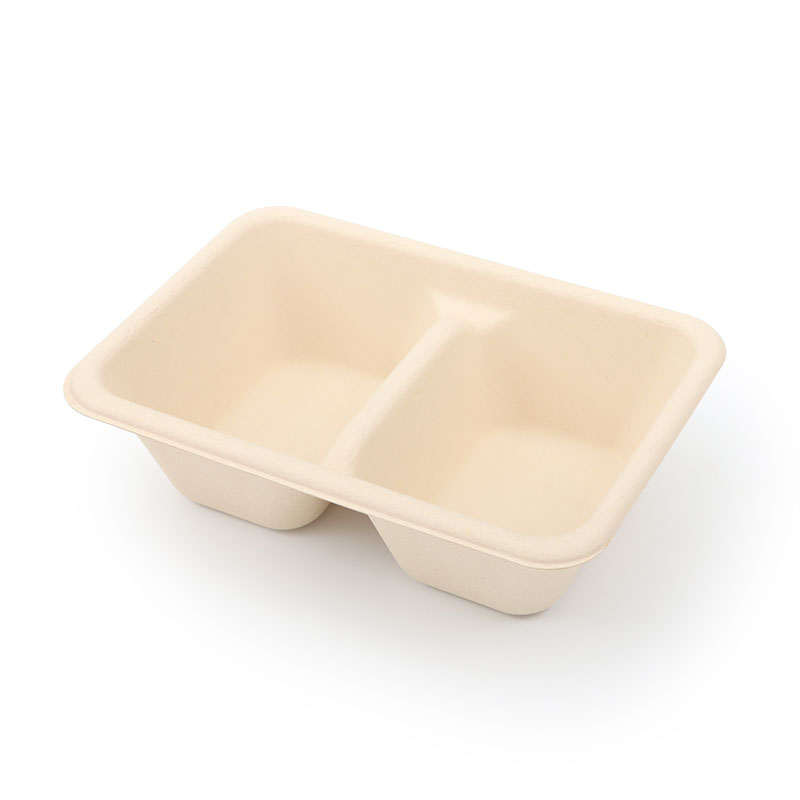 650ml
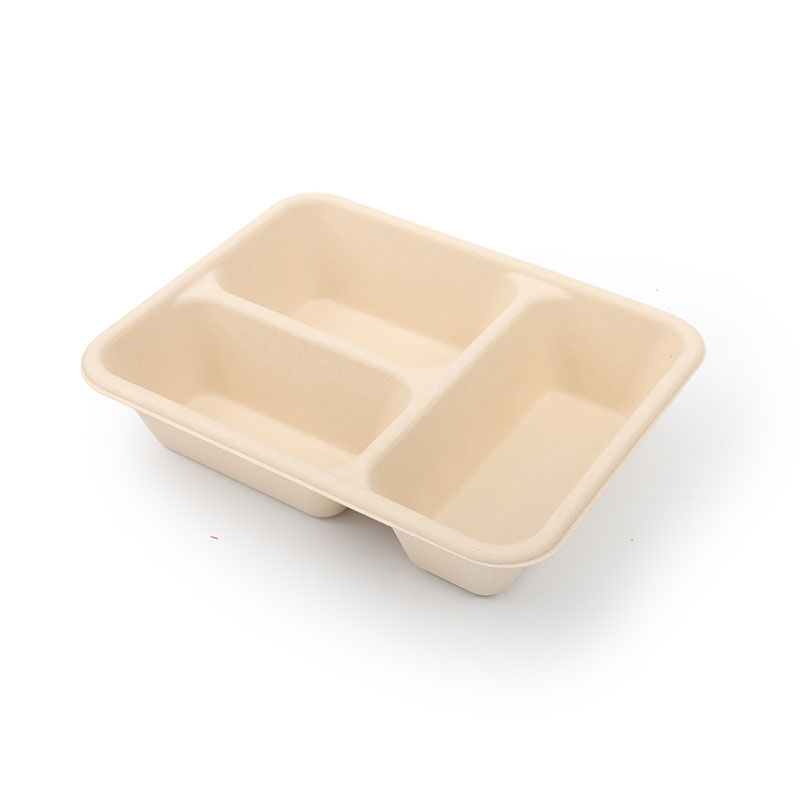 1000ml 3 Compartments
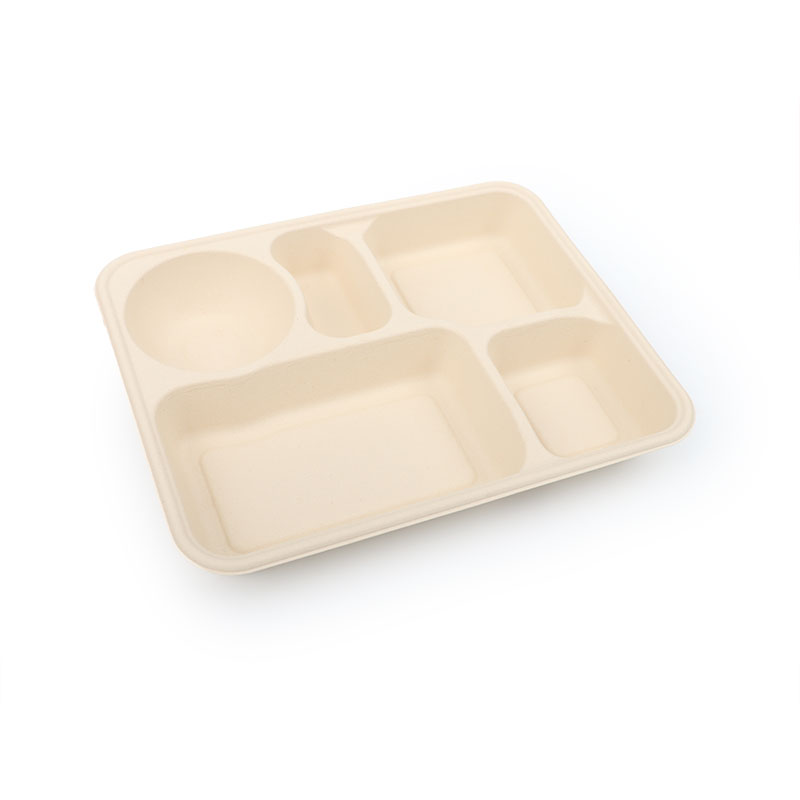 1250ml 5 Compartments
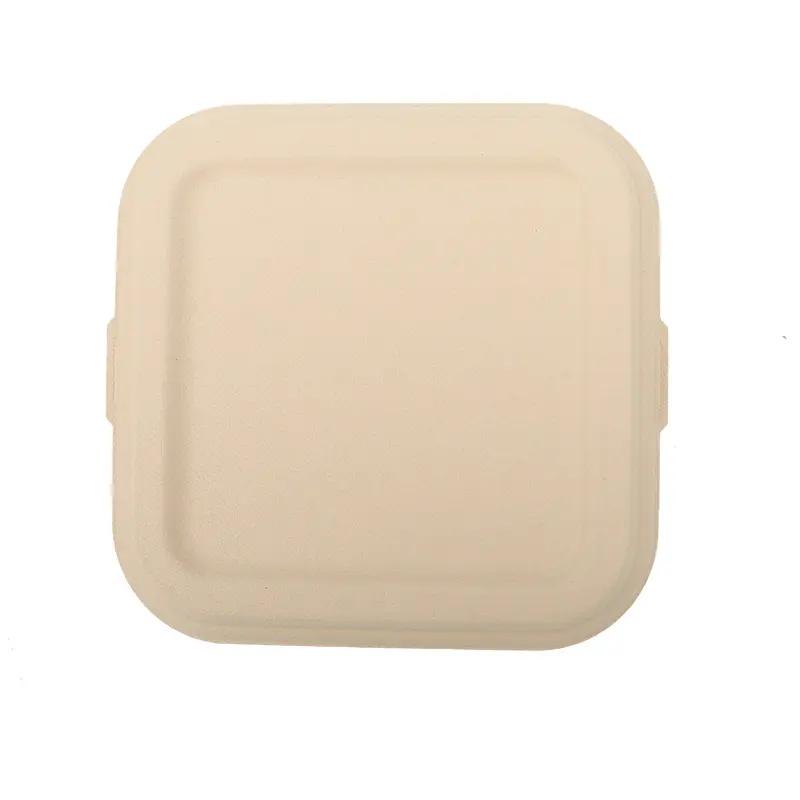 Square Lunch Box Lid
 Box Without T buckle
 850ml Salad Box
 700ml
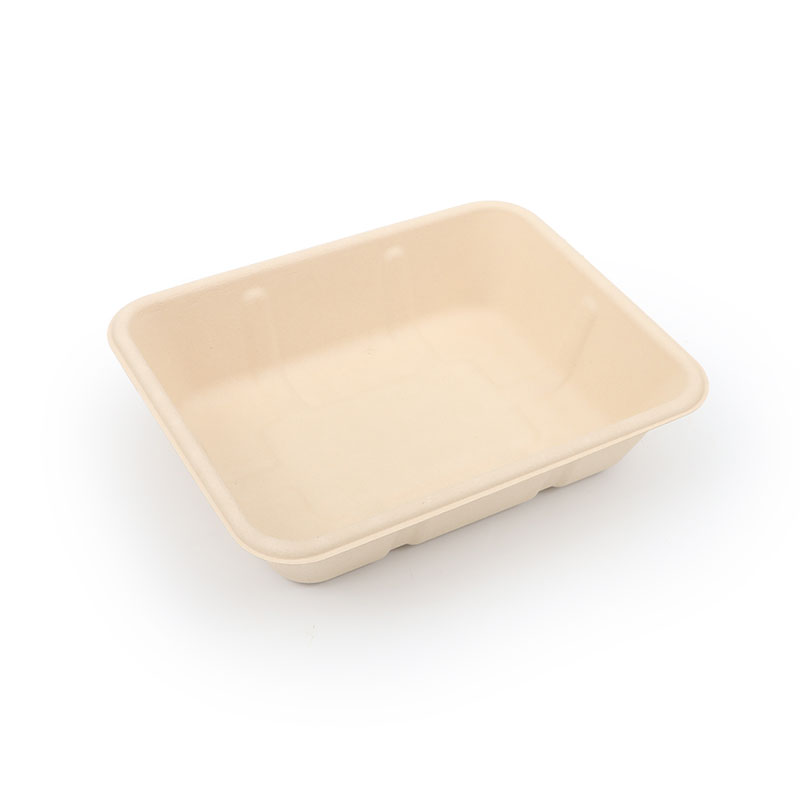 1350ml
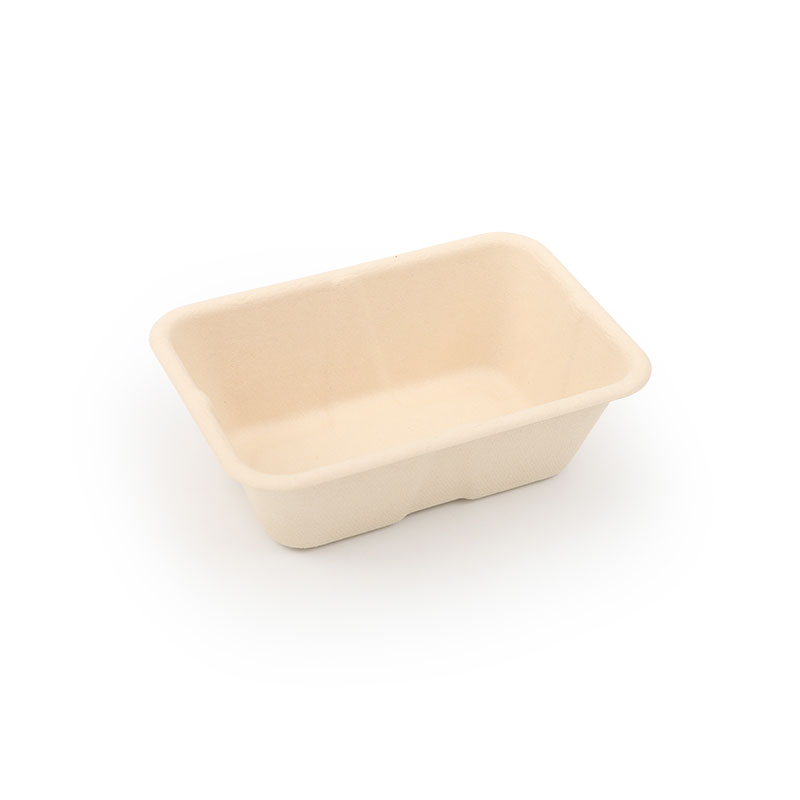 470ml
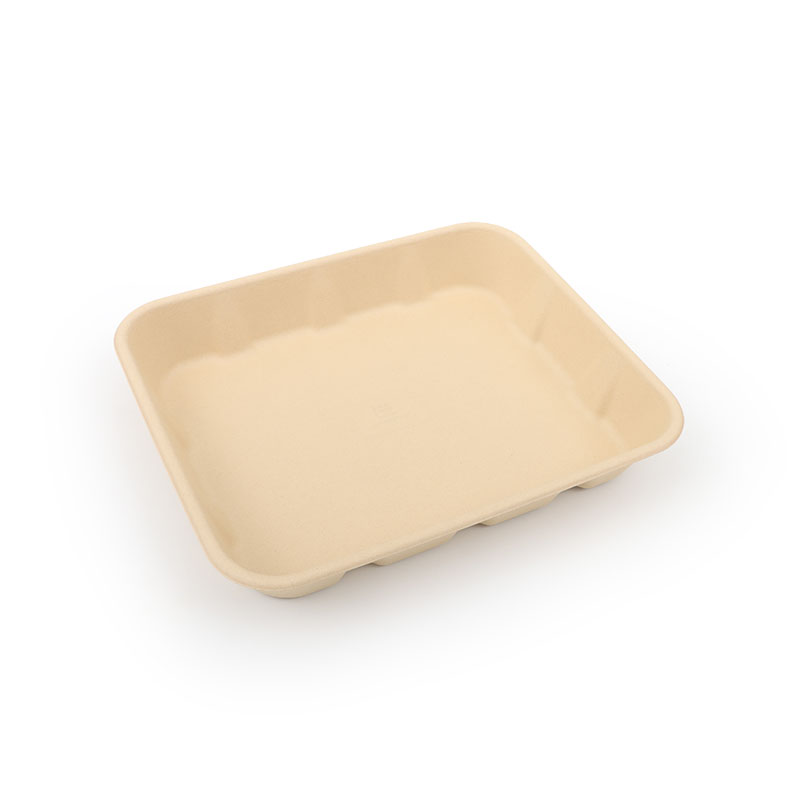 2183ml Tray Box
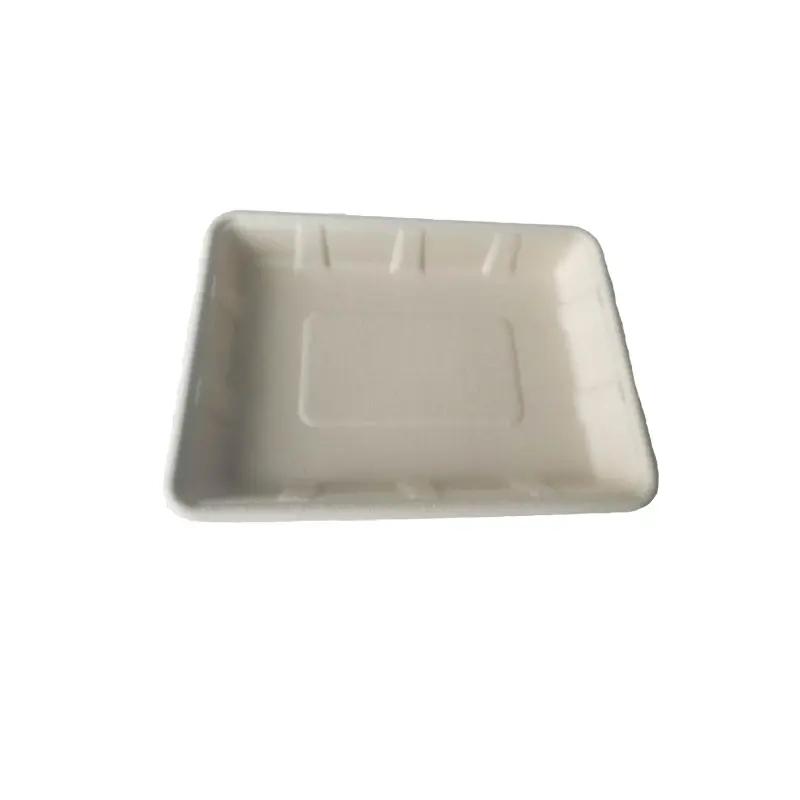 11" * 9"
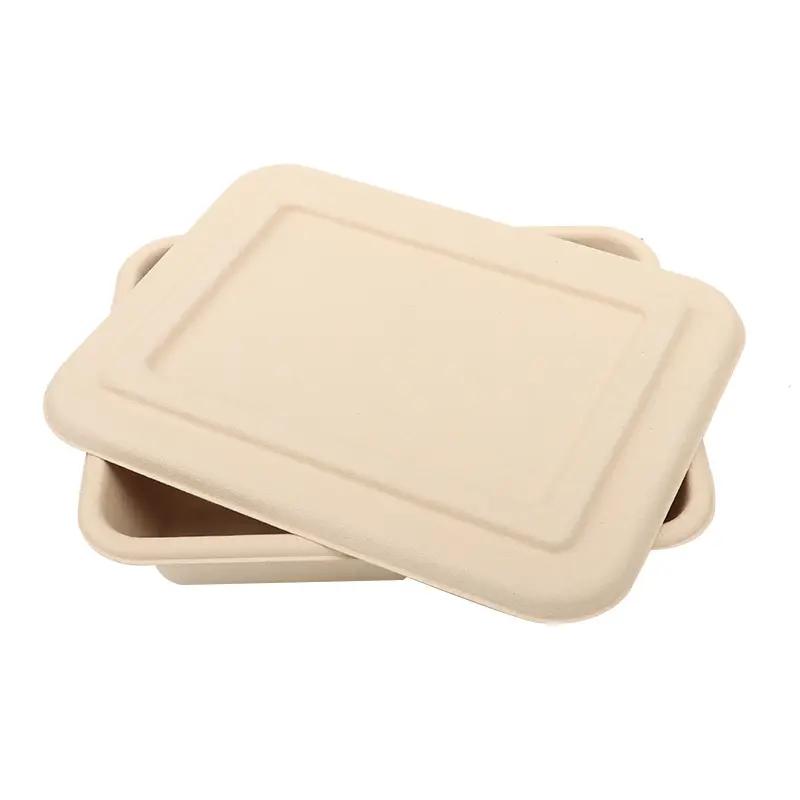 800ml
 One Part Box
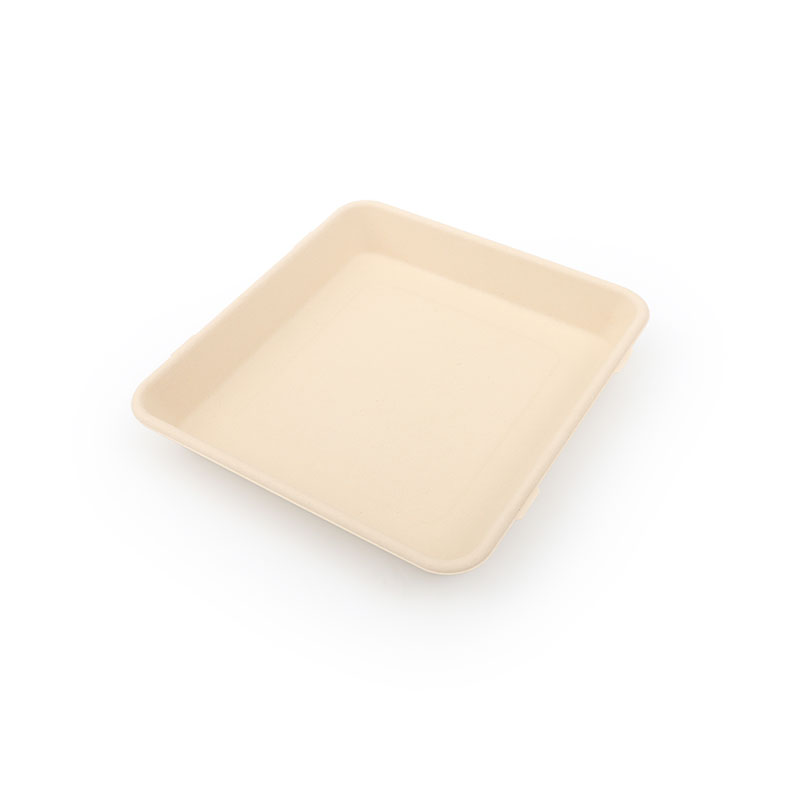 1443ml Tray Box
 Cake Bread Snack Tray Series
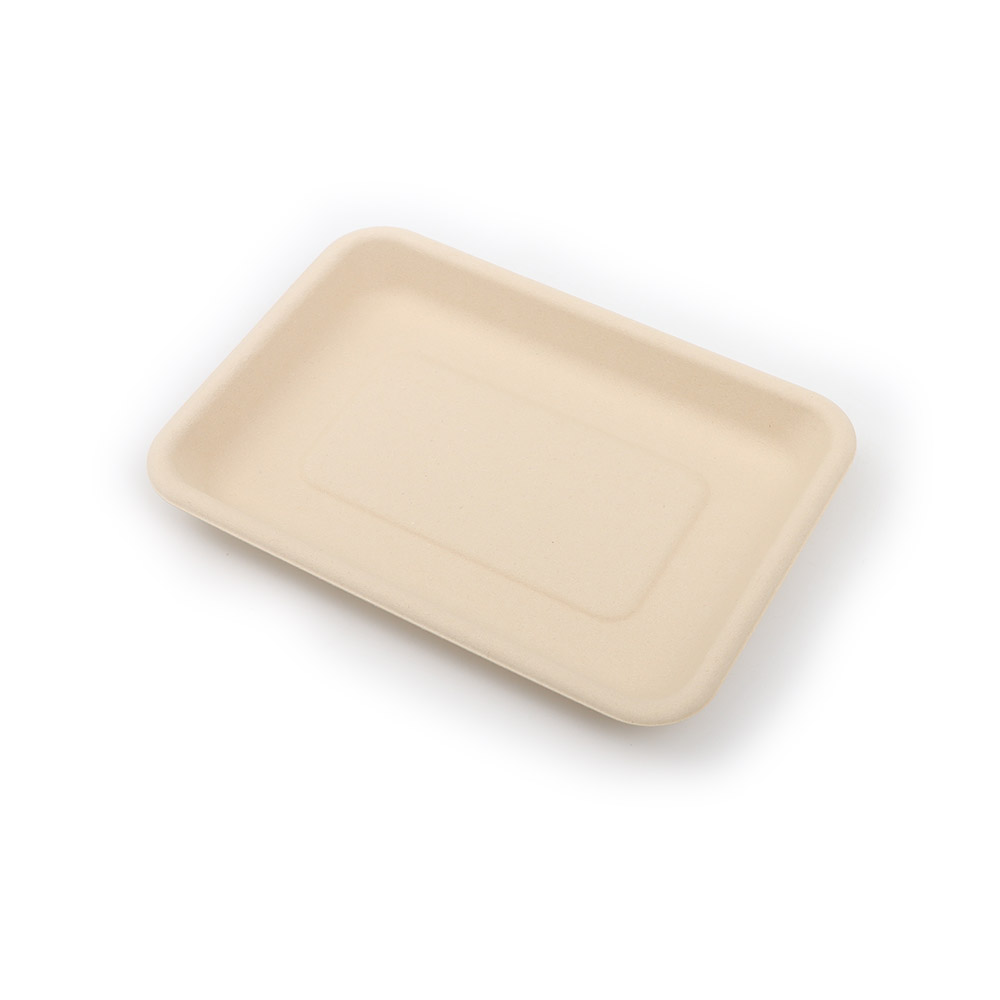 5" * 7" natural color
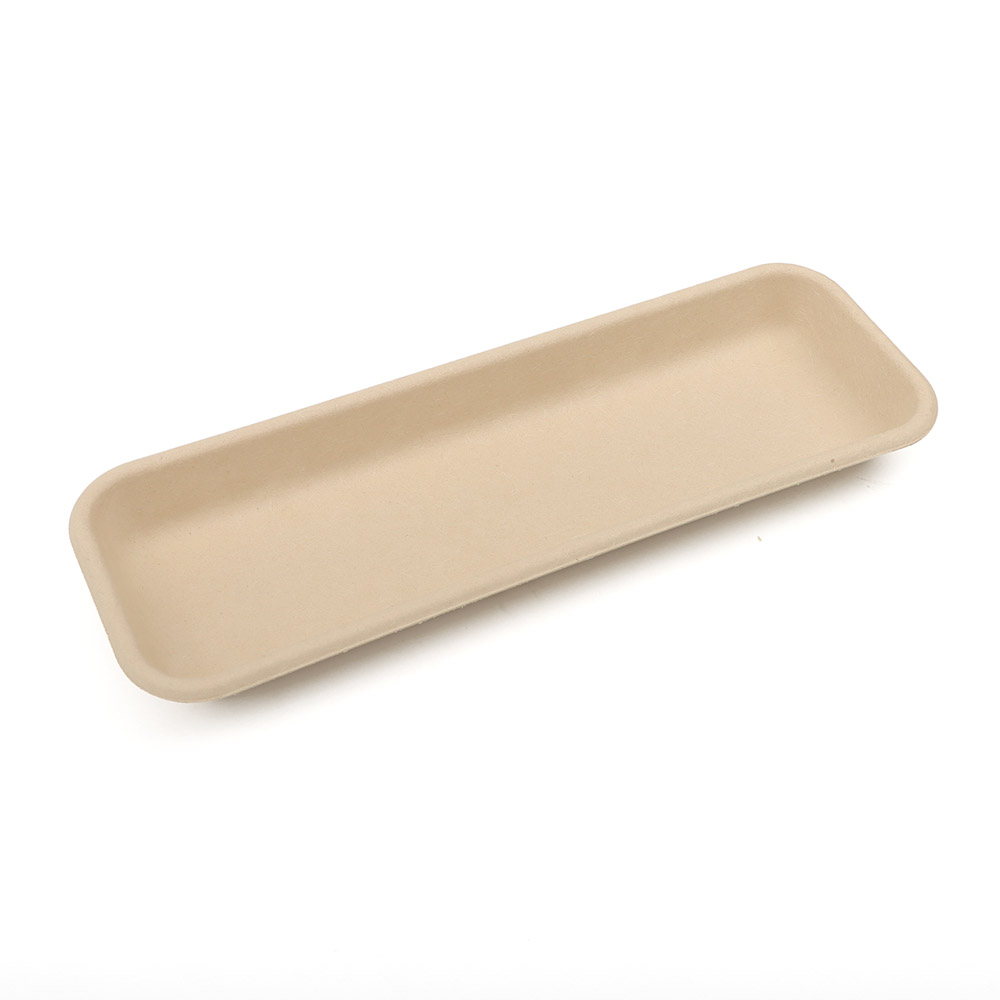 11.4" * 3.9"
 5.3" * 5.3"
 Fruit And Vegetable Tray Series
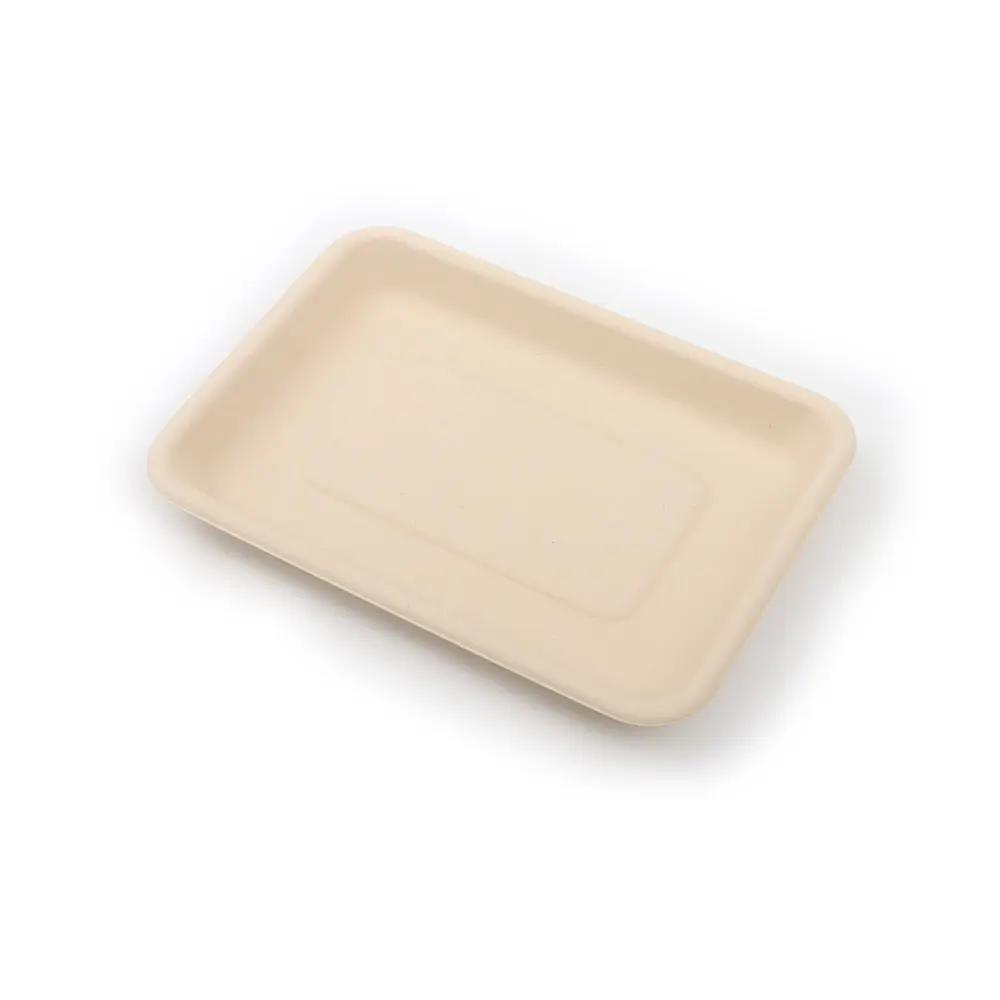 8.6" * 5.3"
 Sushi Tray Series
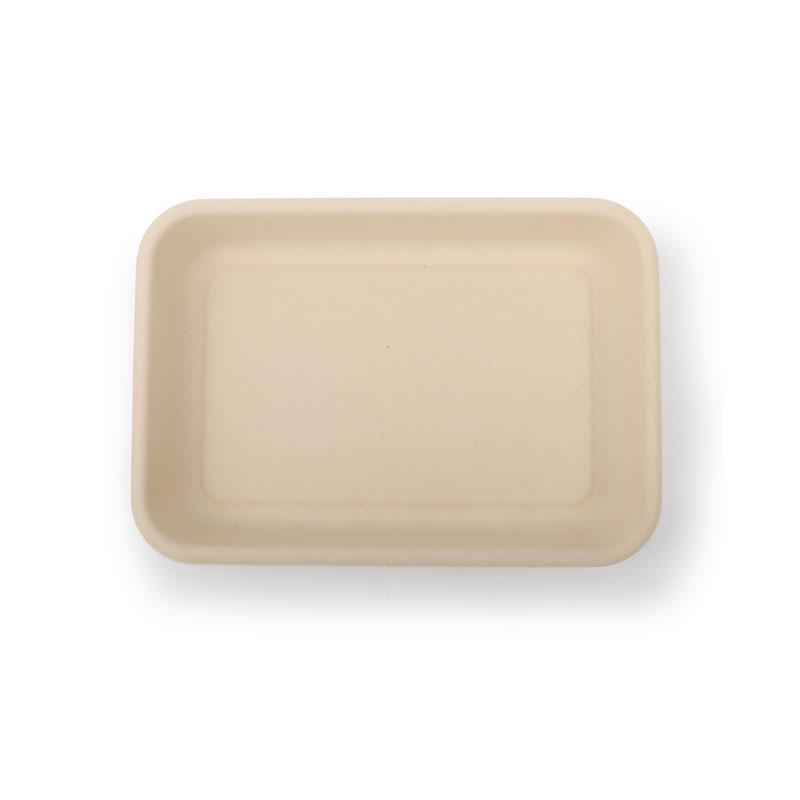 200" * 140"
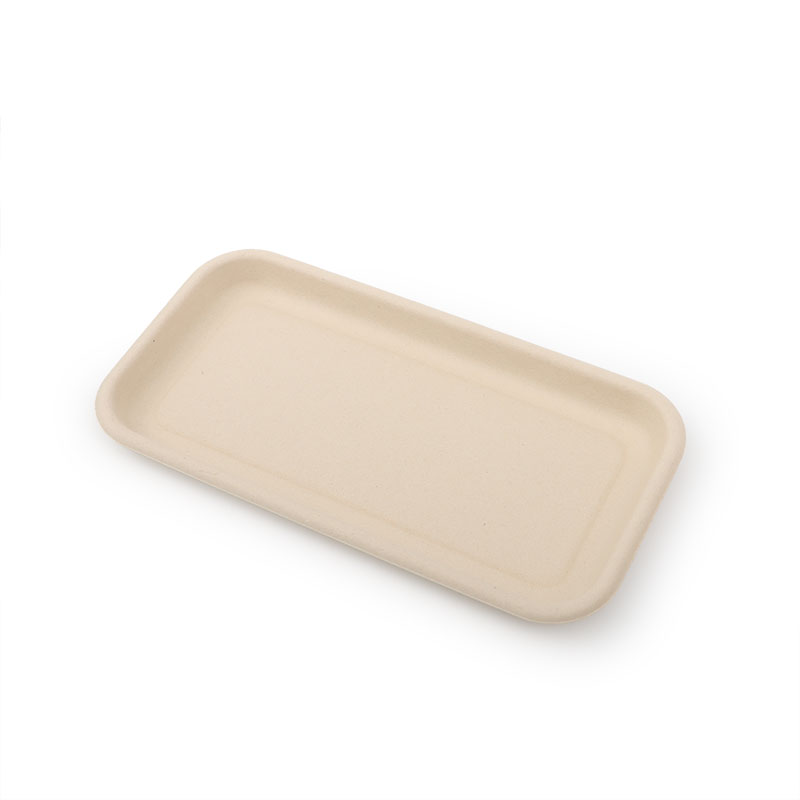 210" * 110"
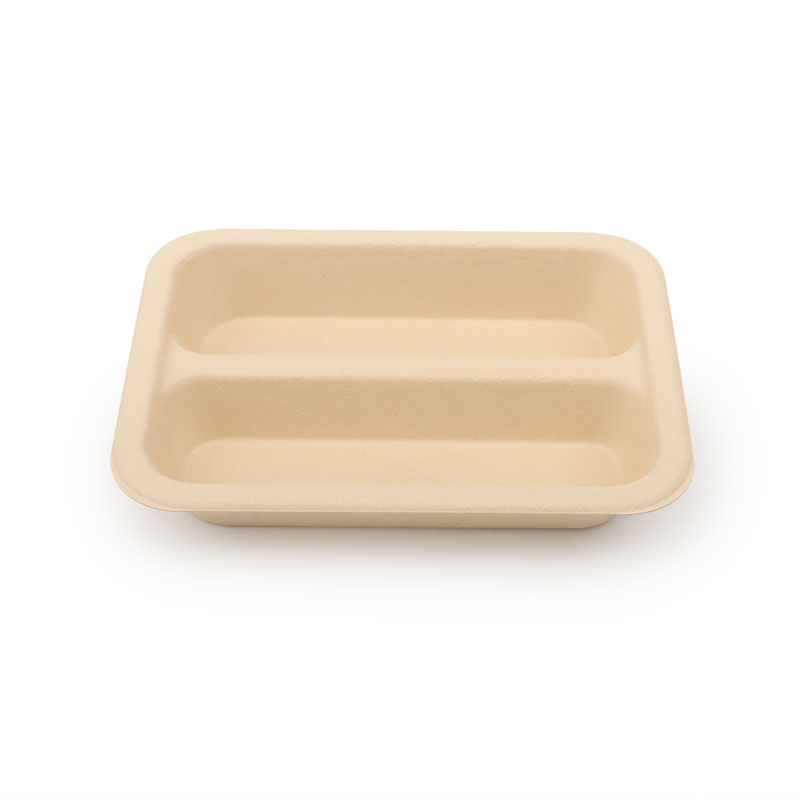 2 Compartments
 Small Round Plate Series
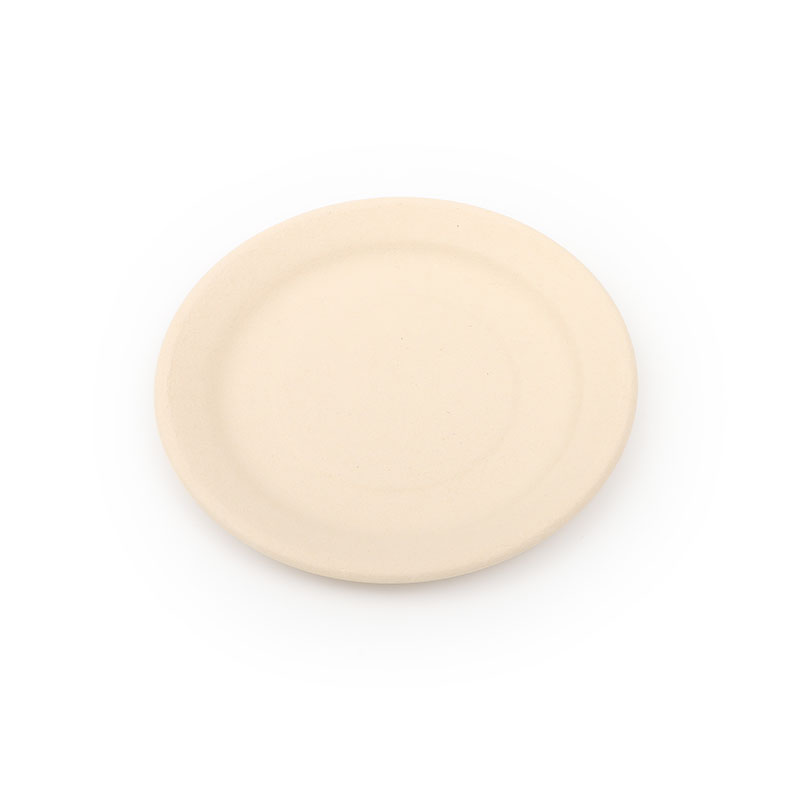 7 inch
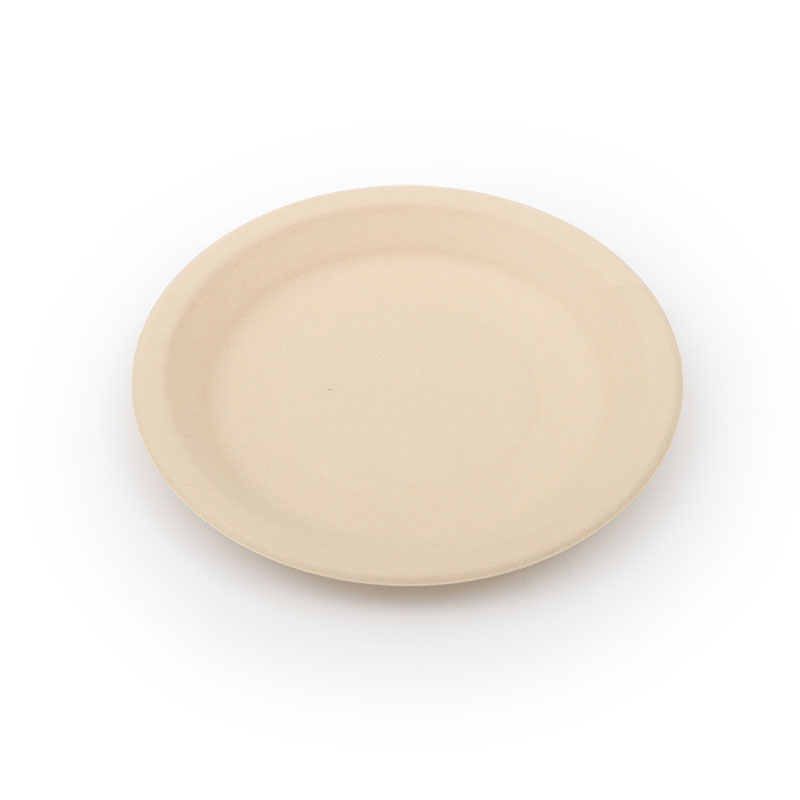 6 inch
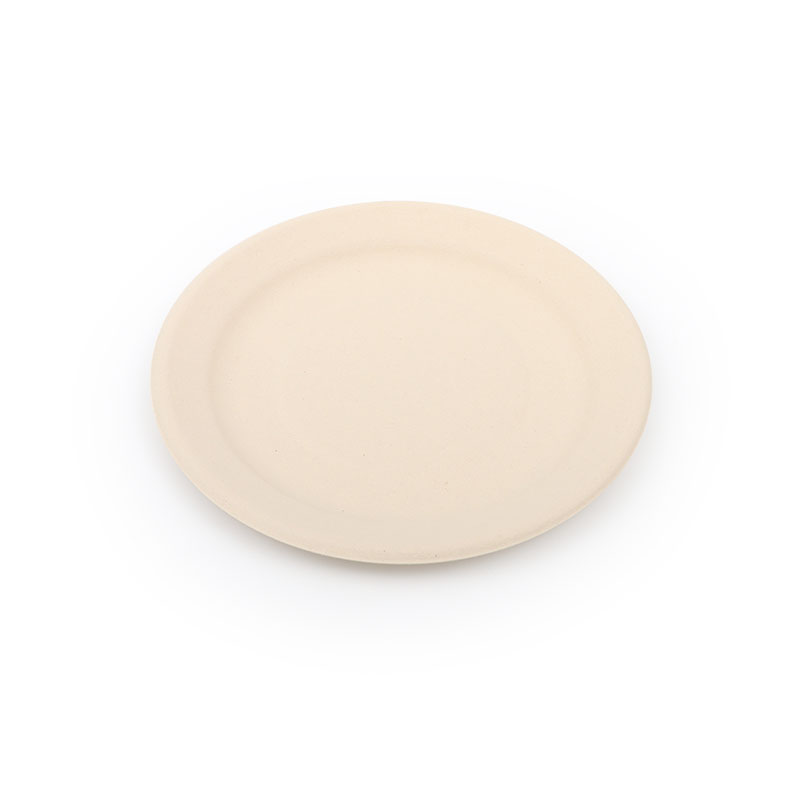 8 inch
 Middle Round Plate Series
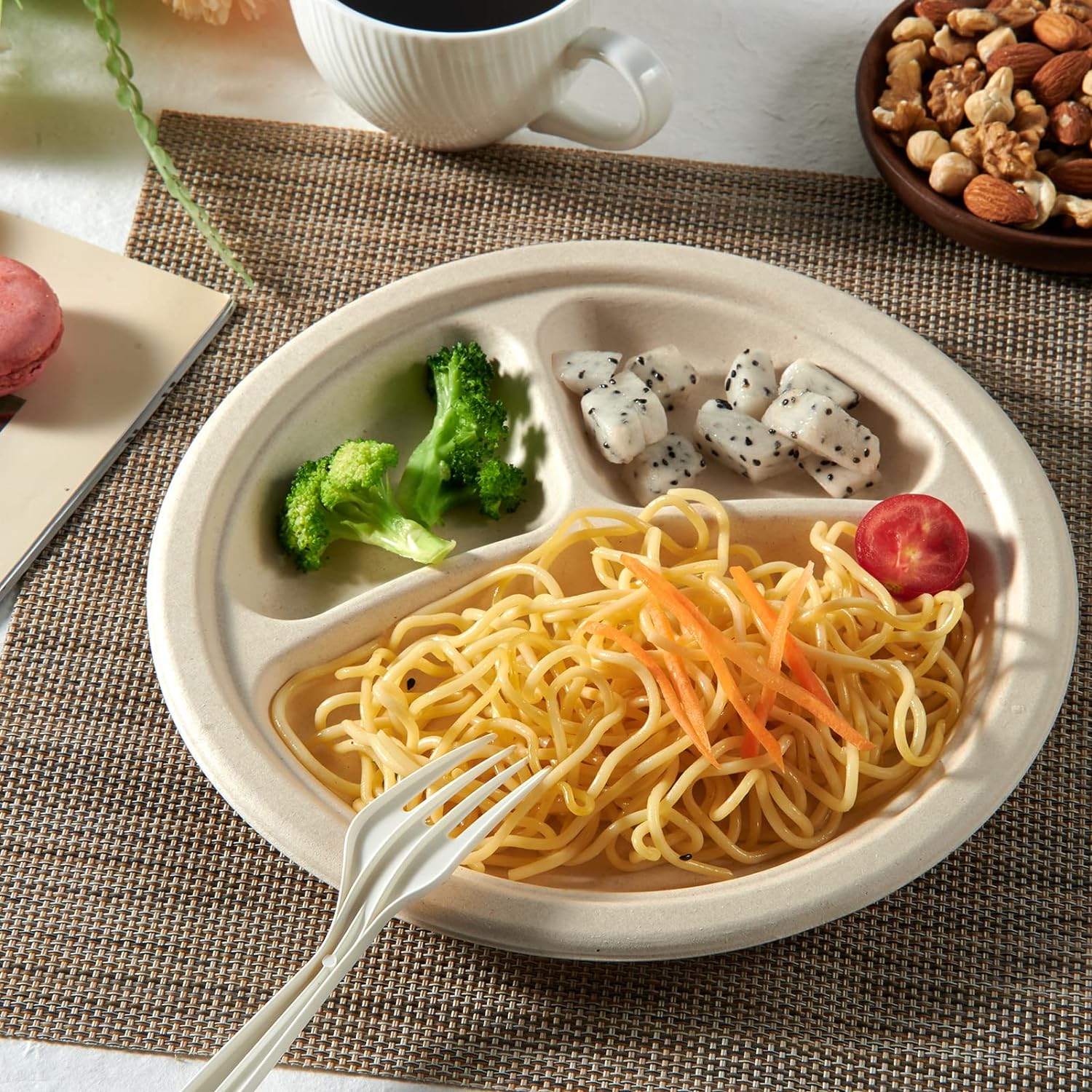
 9 Inch 3 Compartments
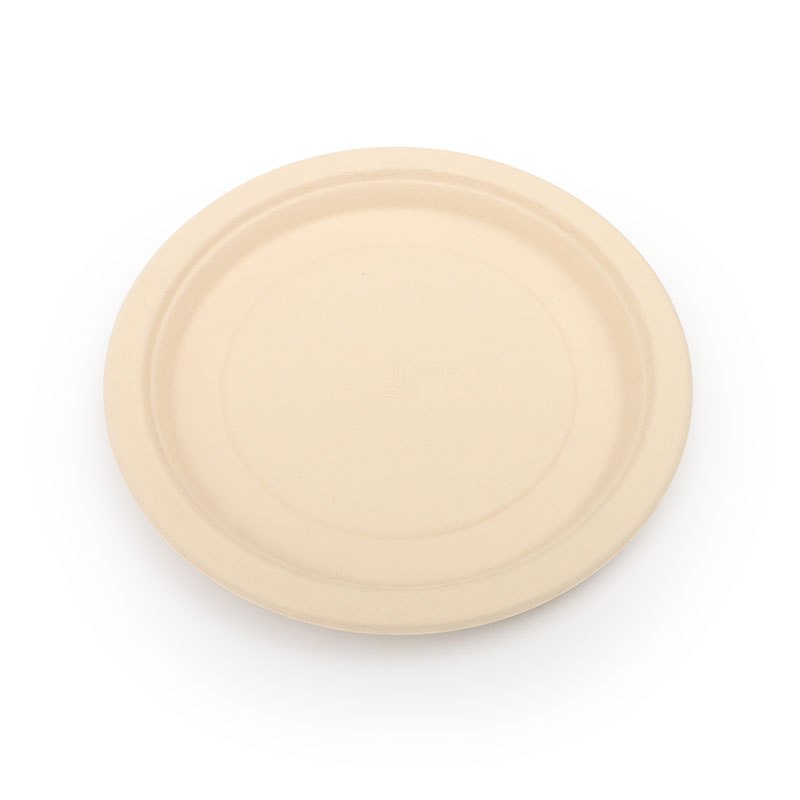 9 inch
 Big Round Plate Series
 12.7 Inch Pizza Plate
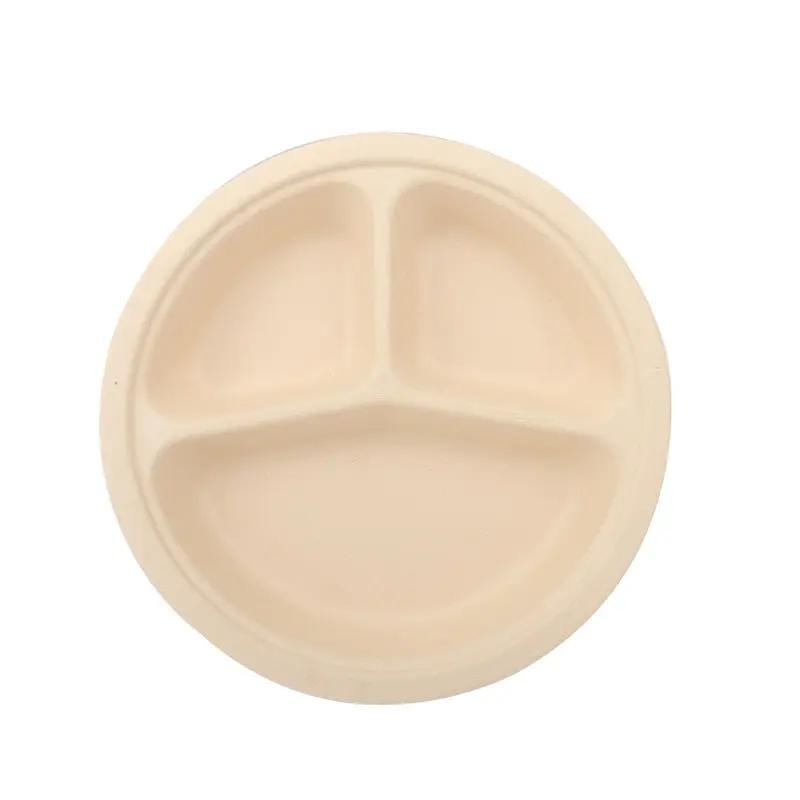 10.25 inch 3 Compartments
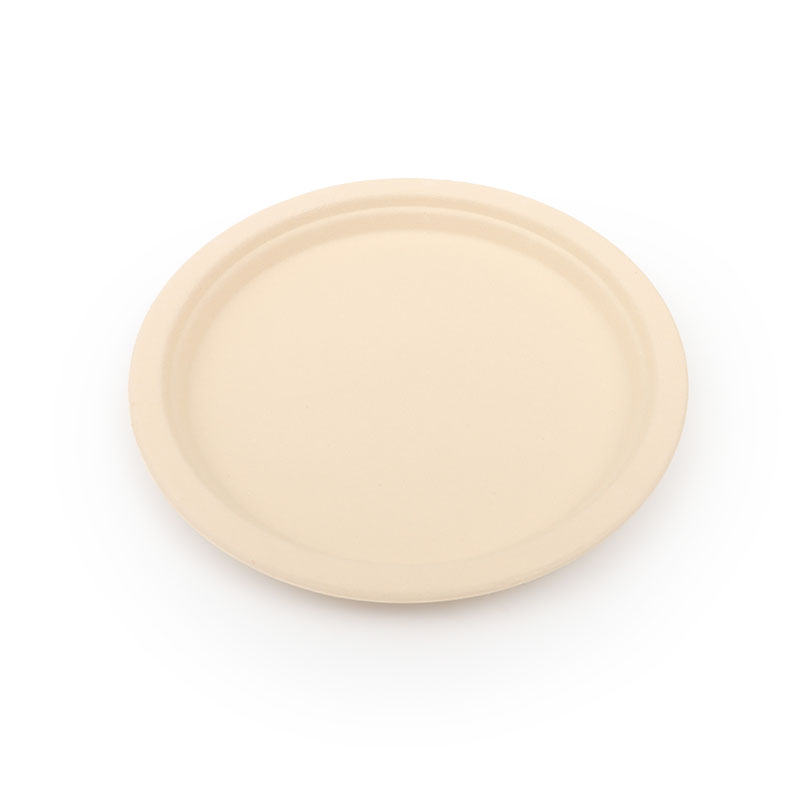 10 inch
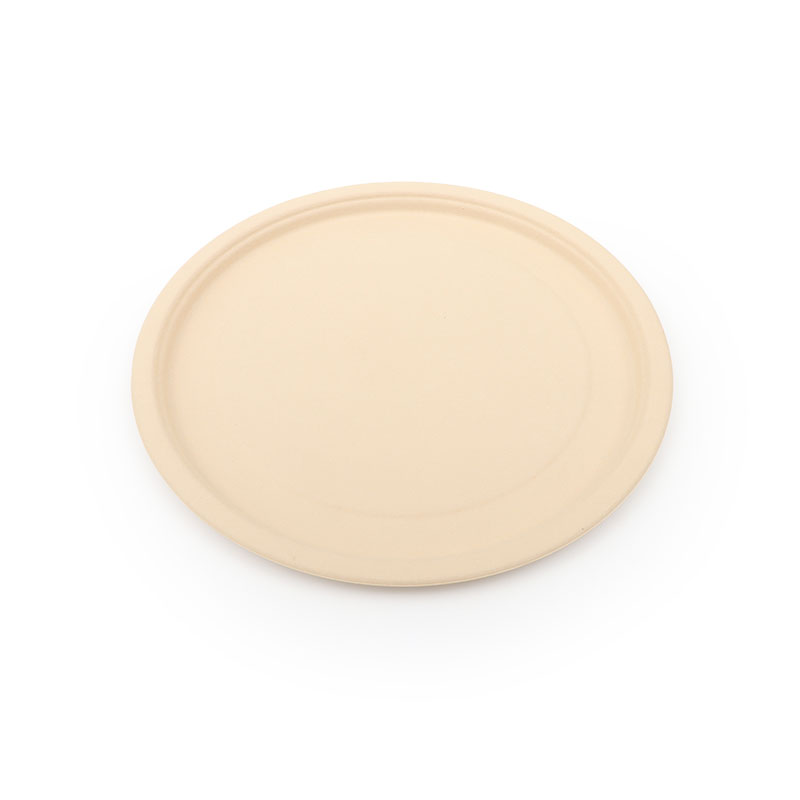 12 inch
 Bigger Bowl
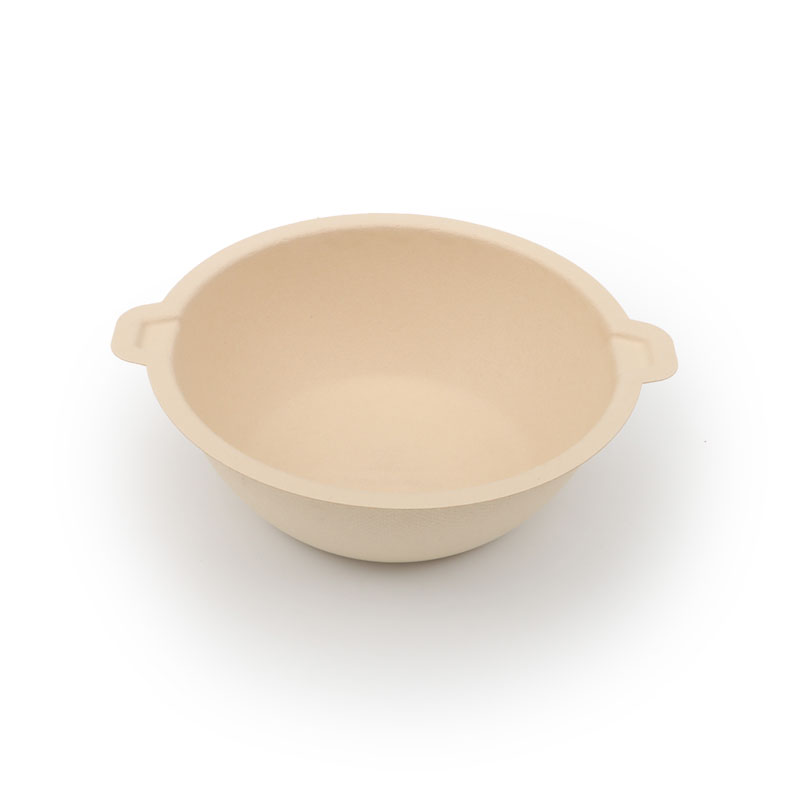 48oz(1420ml)
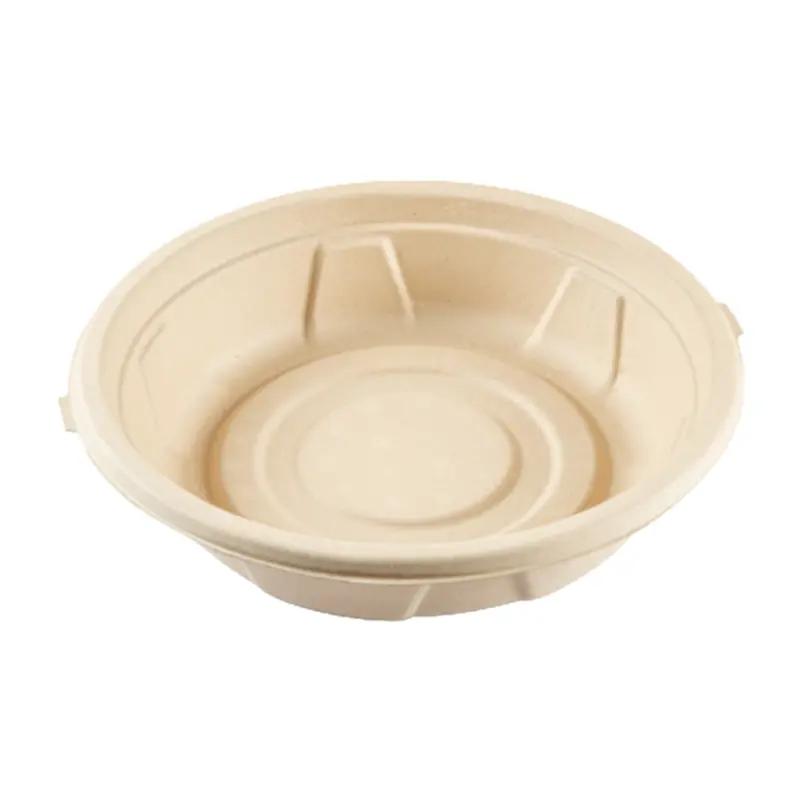 56oz(1650ml)
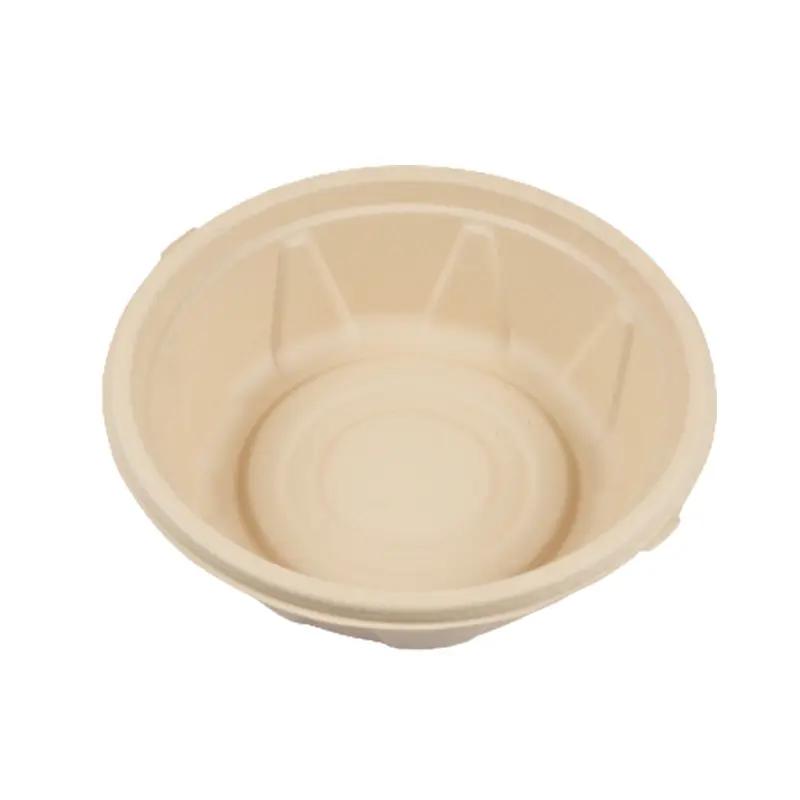 100oz(2950ml)
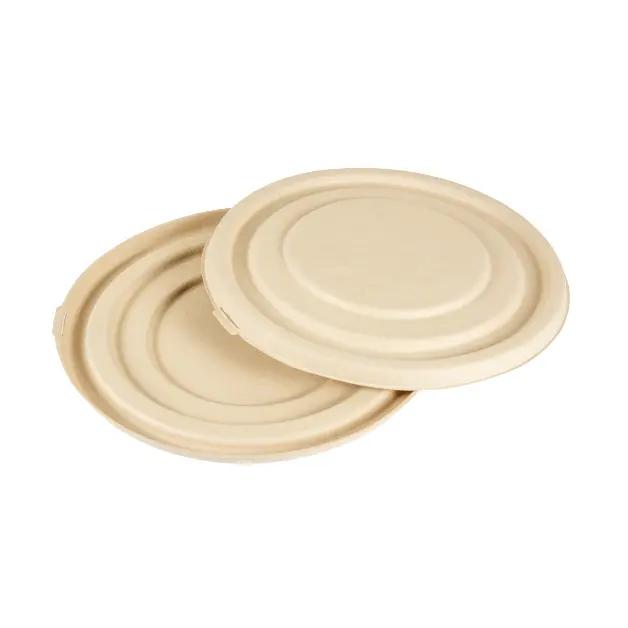 100oz(2950ml) With Lid
 Middle Bowl
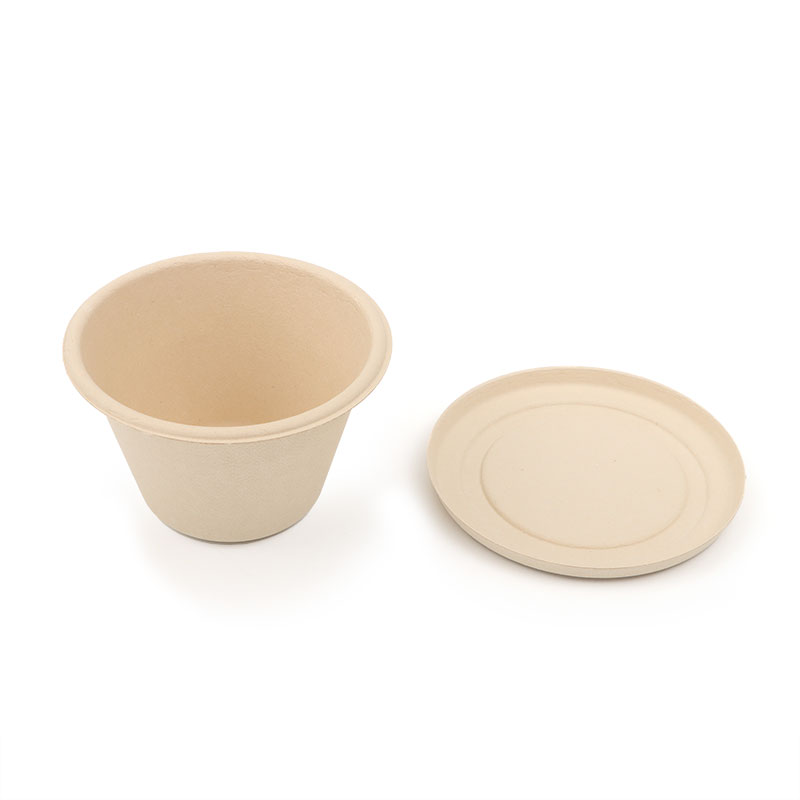 17oz(500ml)
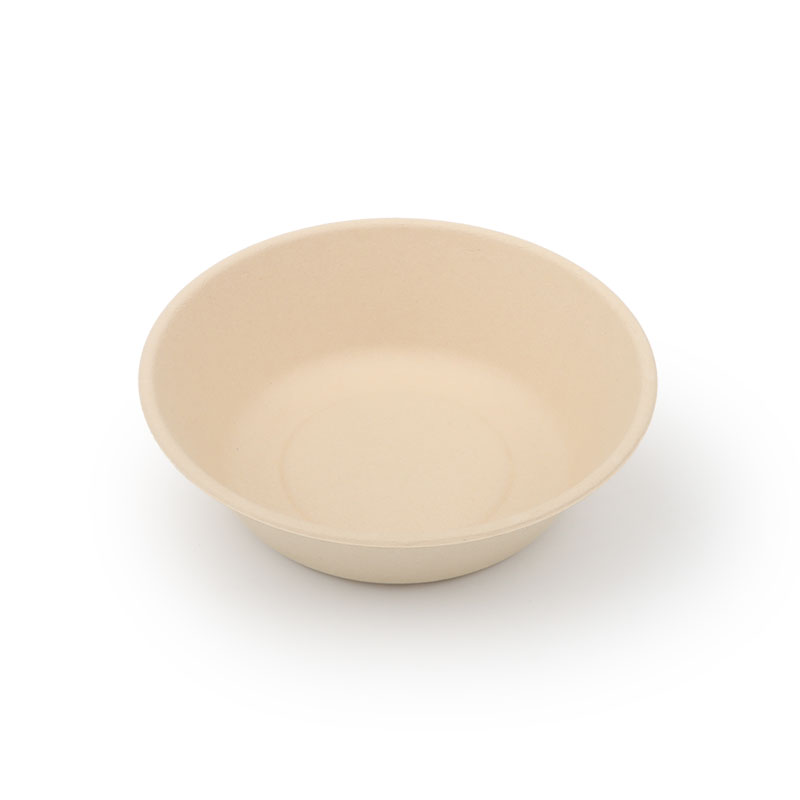 27oz(800ml)
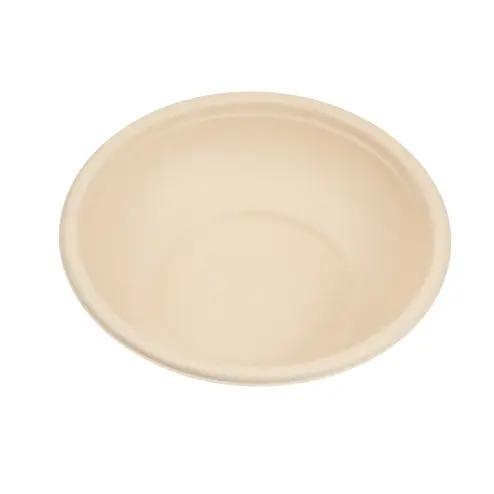 20oz(600ml)
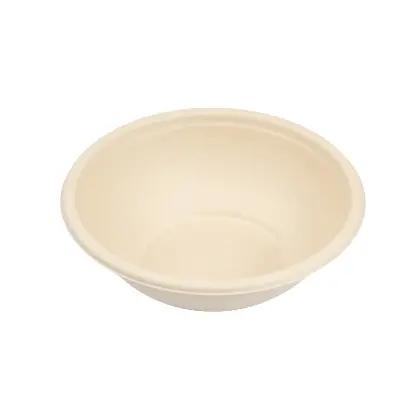 29oz(850ml)
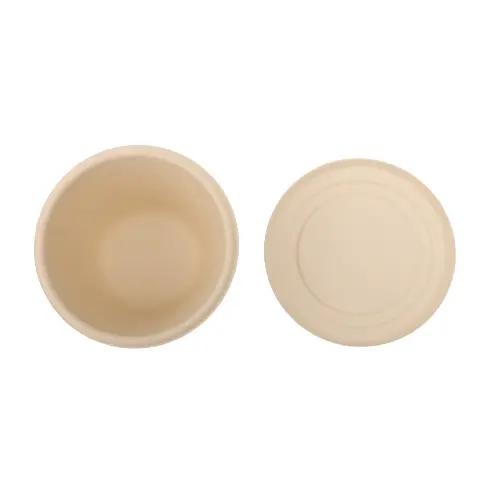 17oz(500ml) With Lid
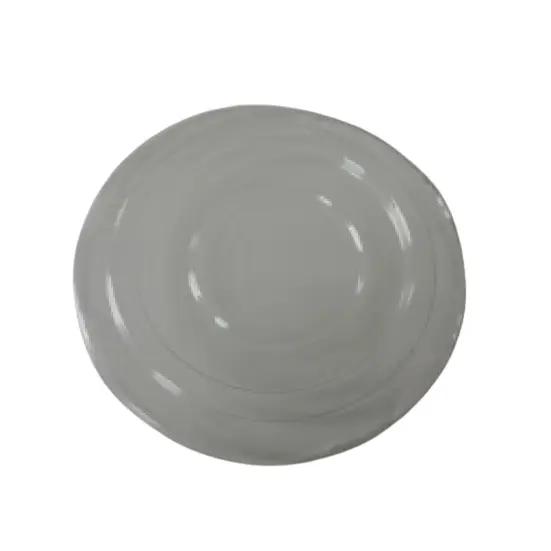 17oz(500ml) PET Lid
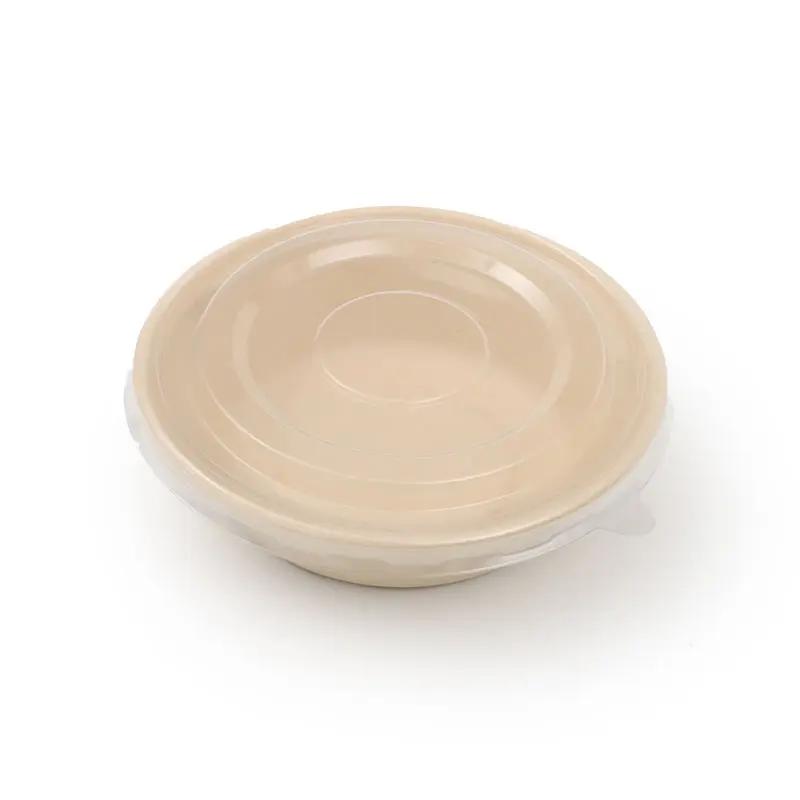 28oz(830ml) PET Lid
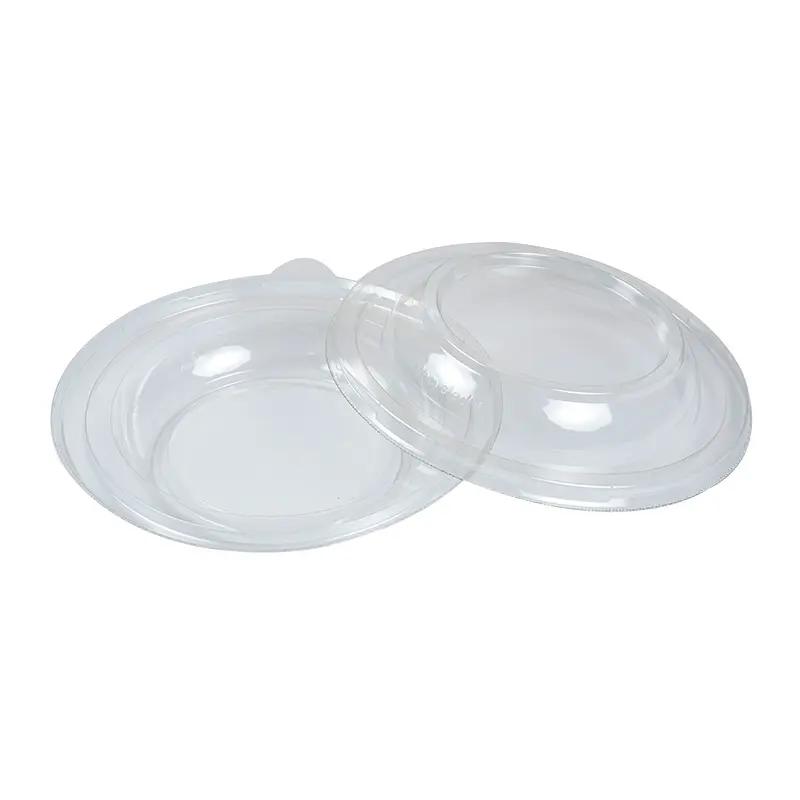 Round Bowl PET
 Small Bowl
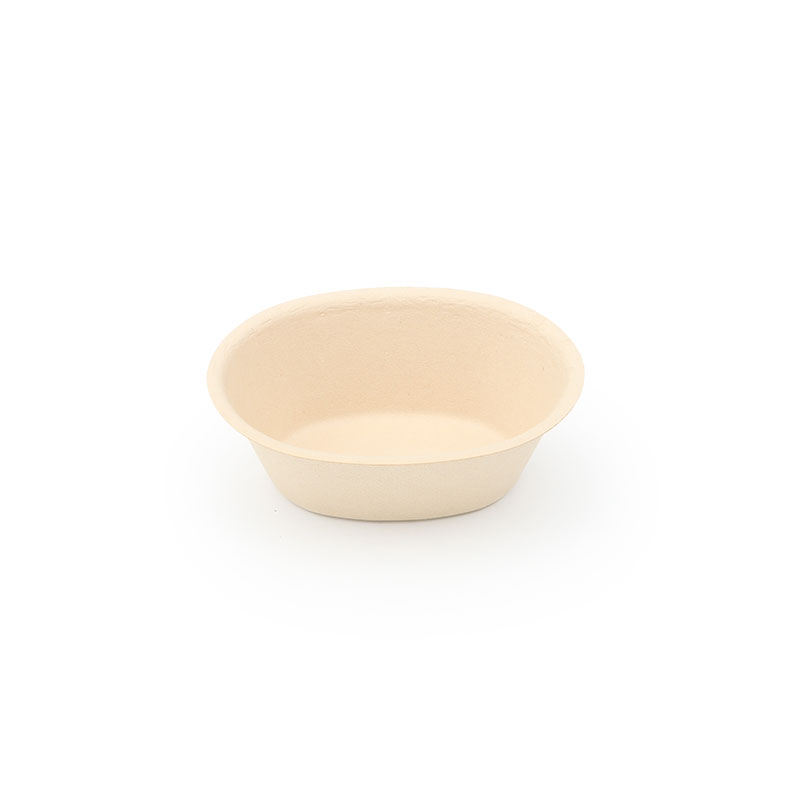 Snack Bowl
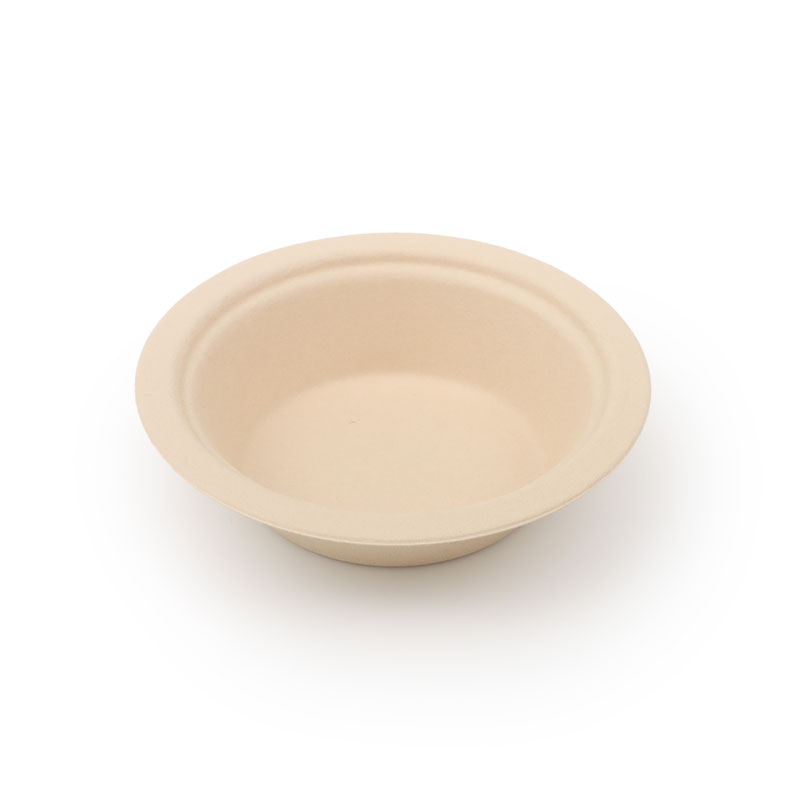 11.5oz(340ml) Bowl
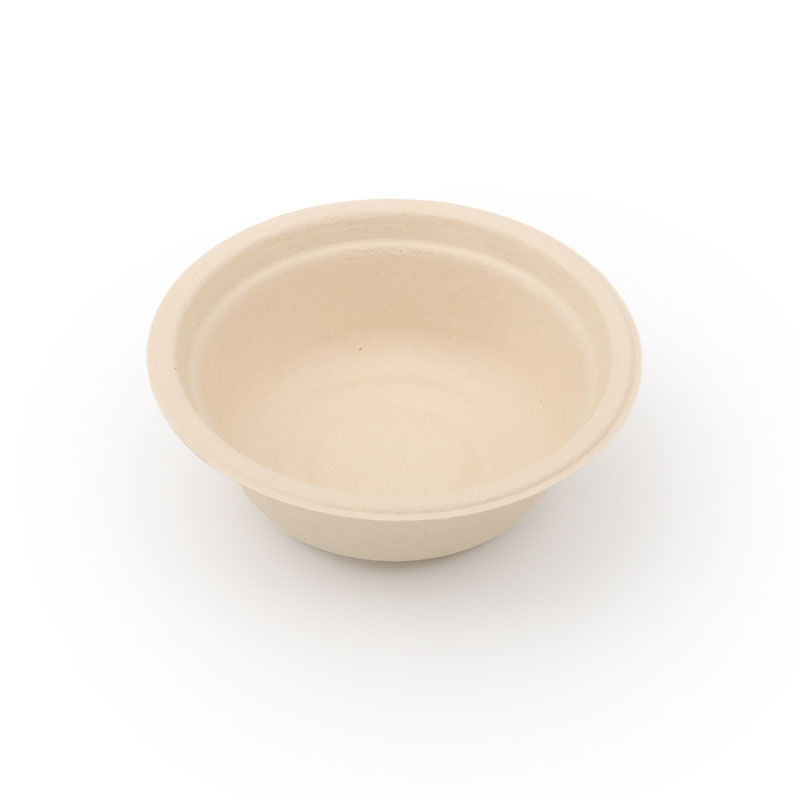 6.7oz(200ml) Bowl
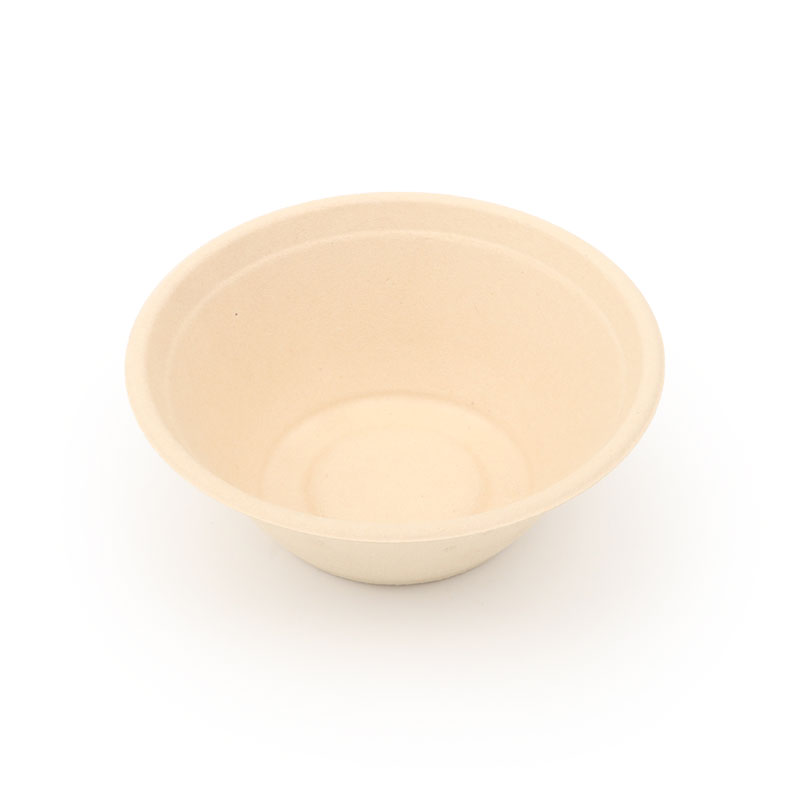 12oz(350ml) Bowl
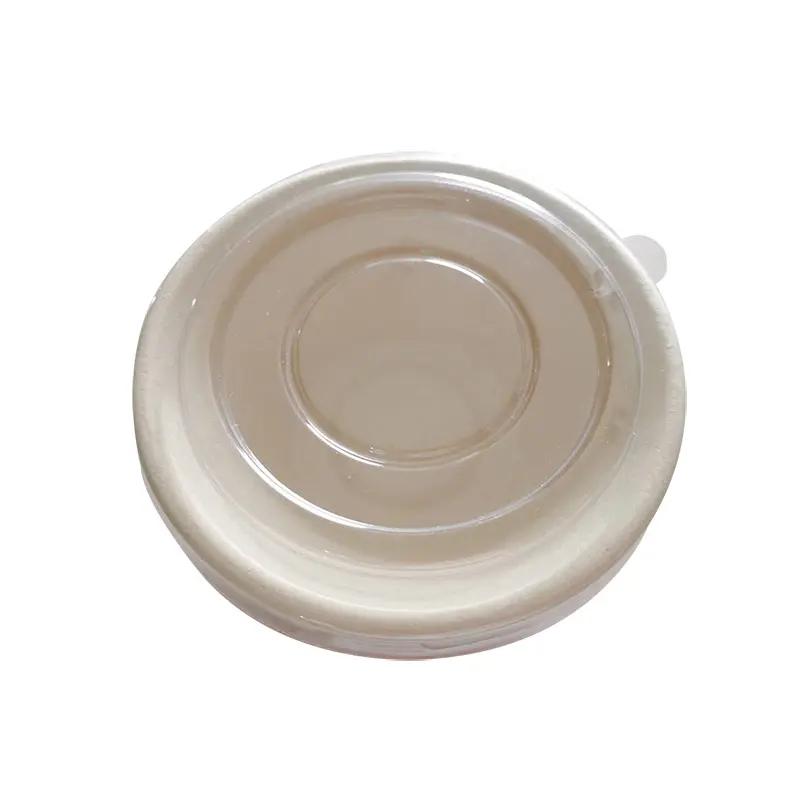 12oz(350ml) Bowl PET
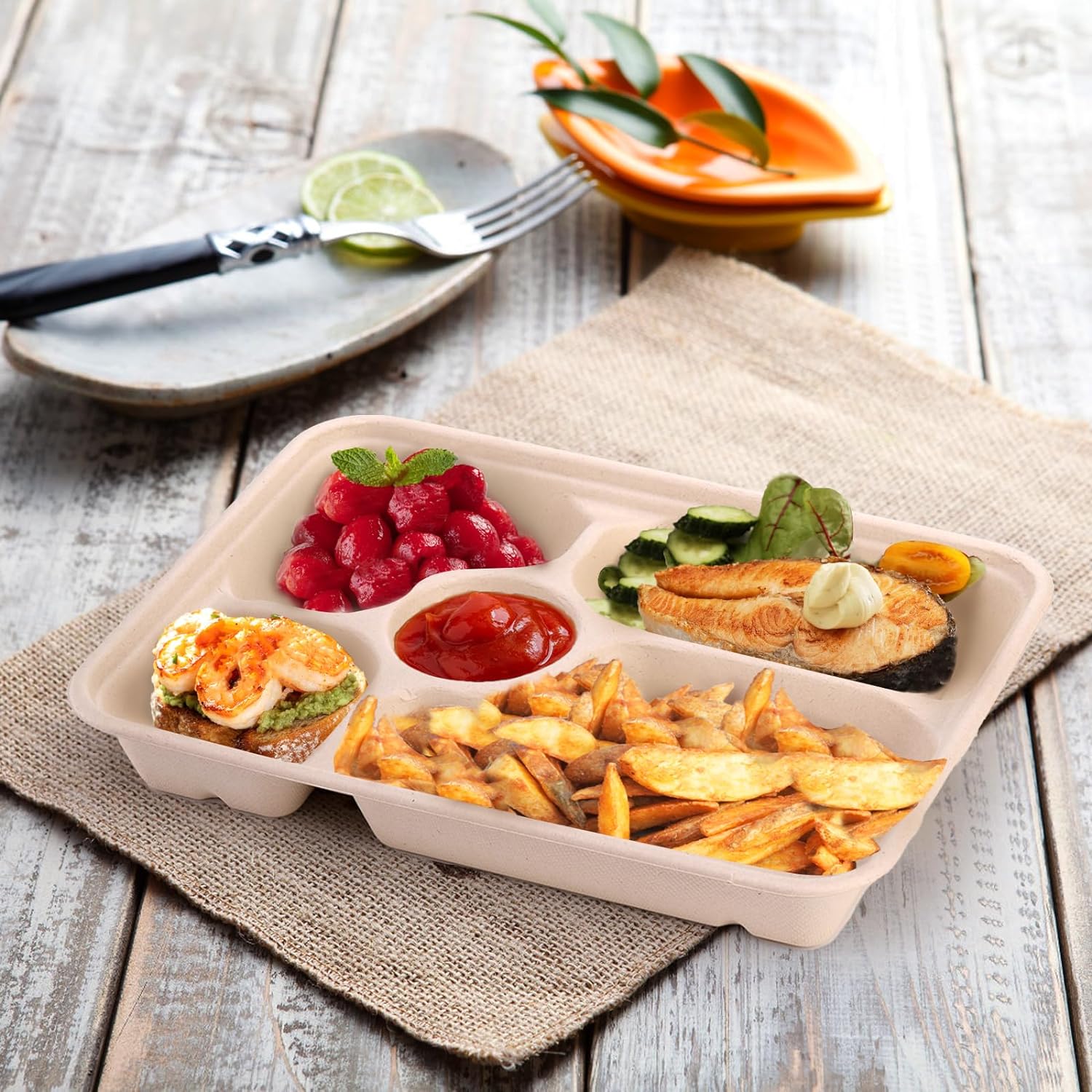 Bagasse Lunch Boxes
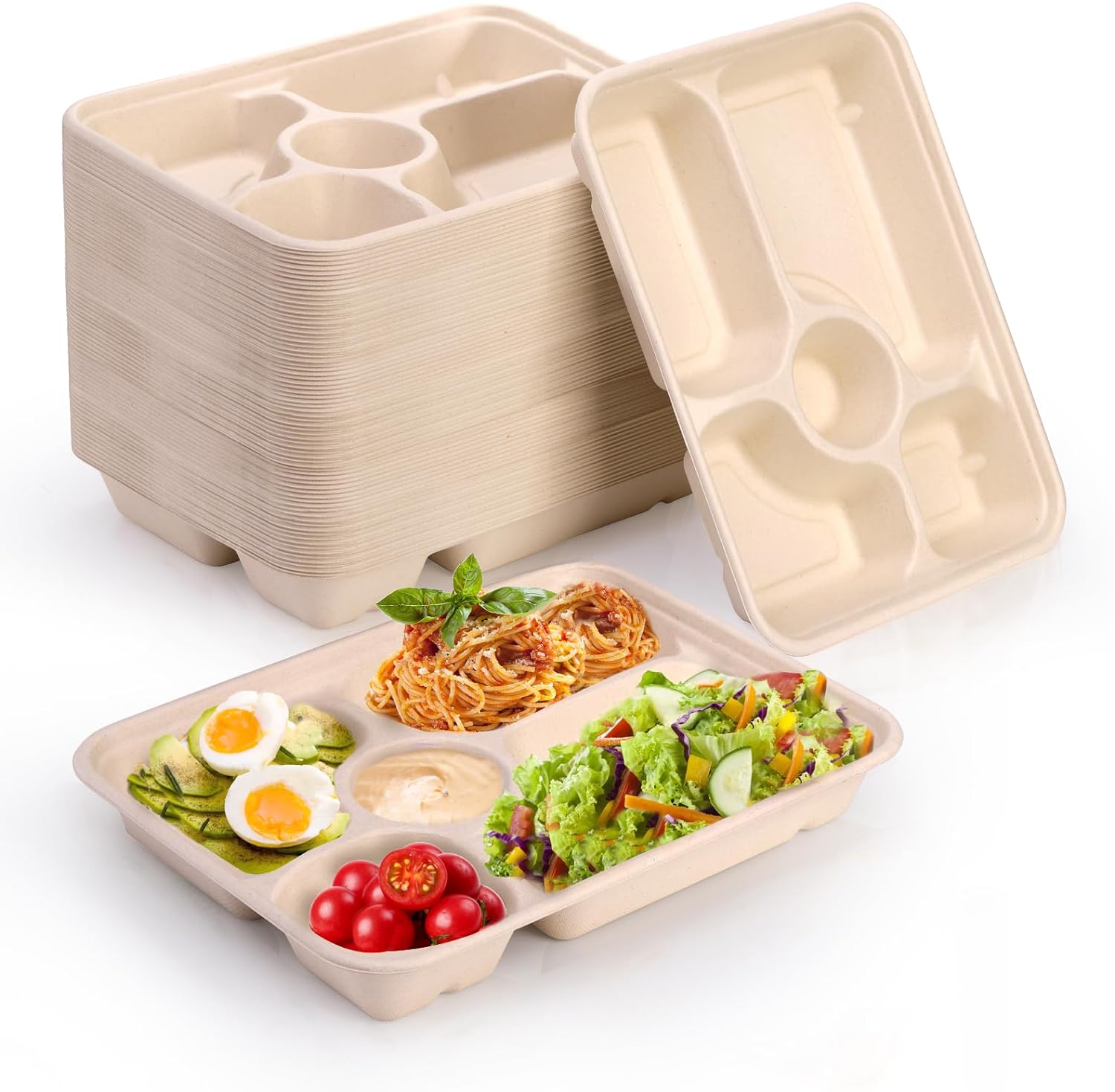 5CP
 6 inch
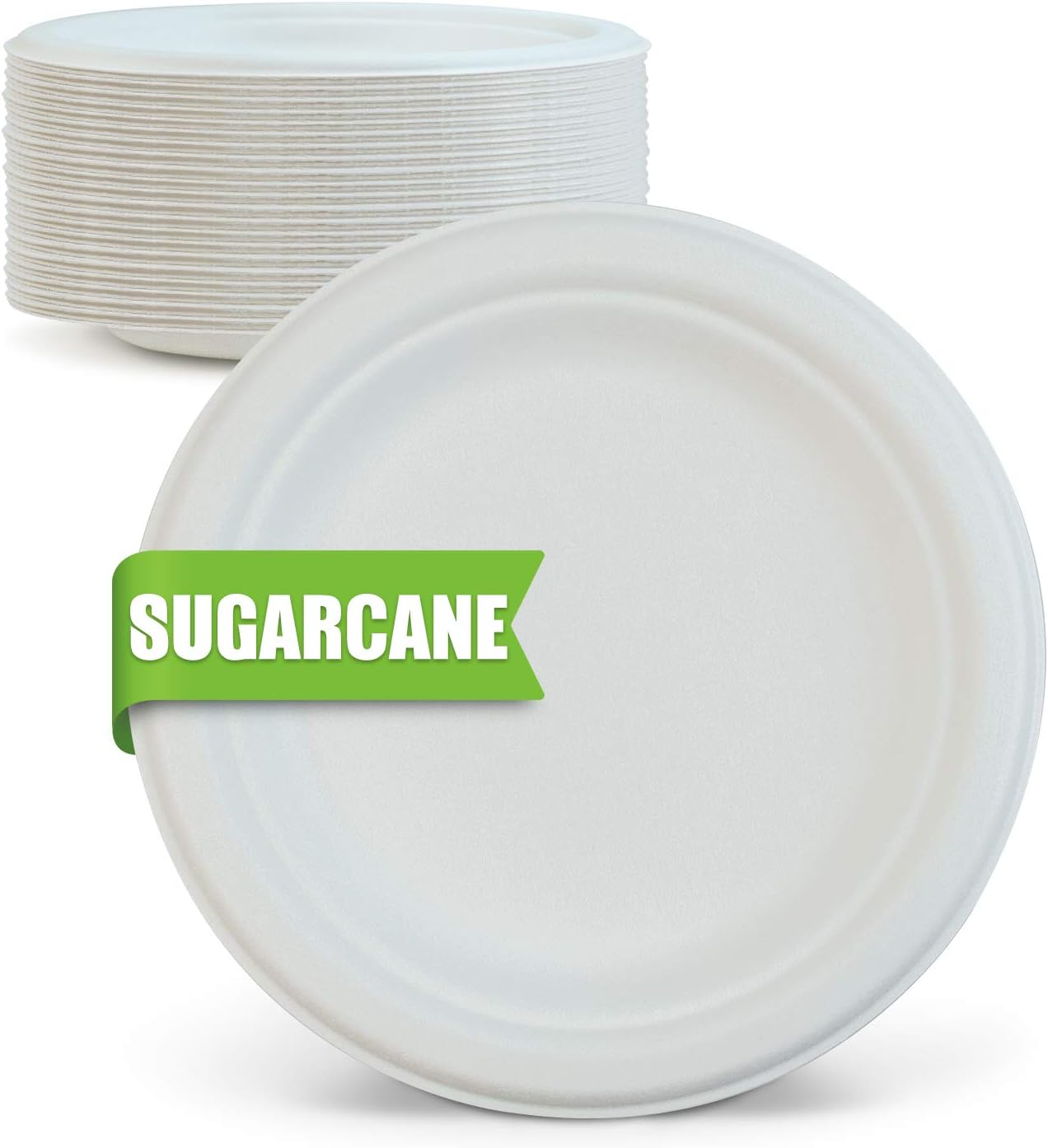
 Bagasse Food Plates
 7 inch
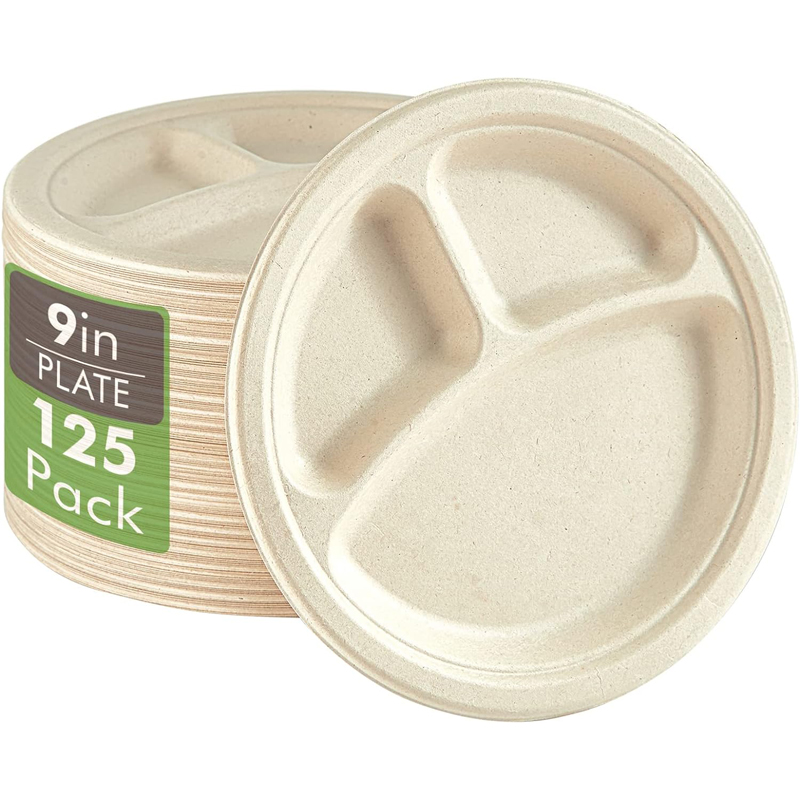 3CP
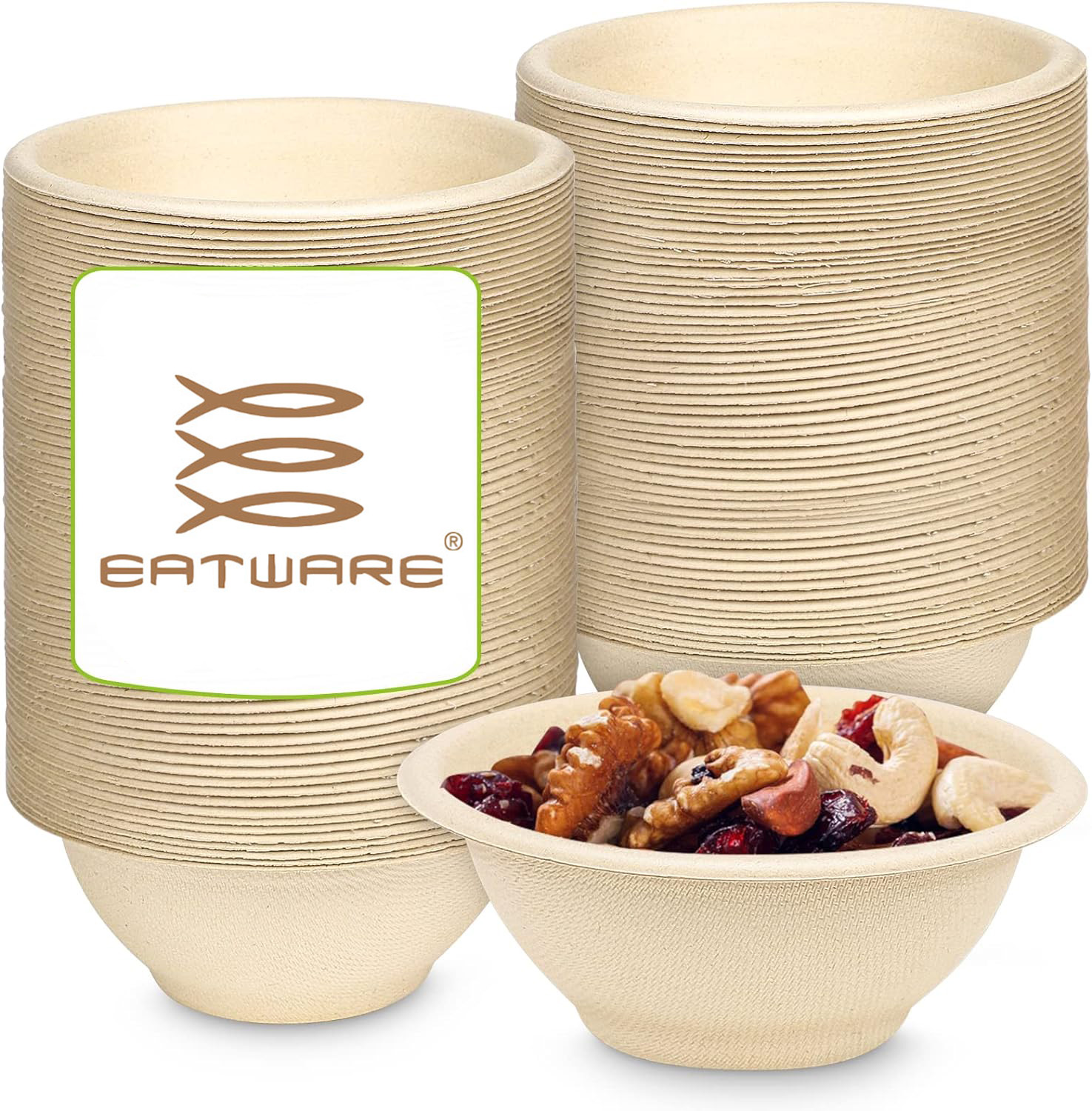 Bagasse Bowls
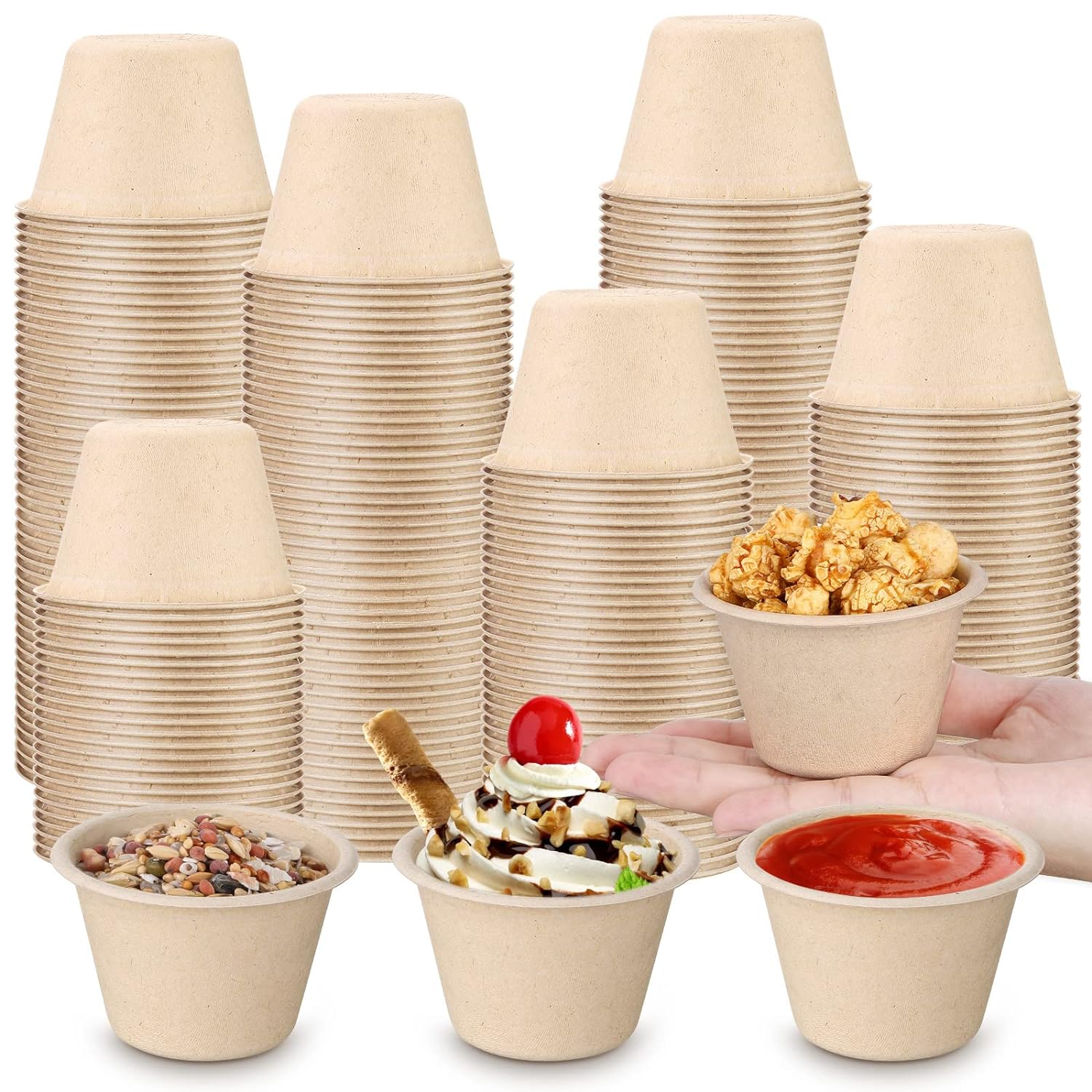 4oz
 Bagasse Cups And Cutlery
 8oz
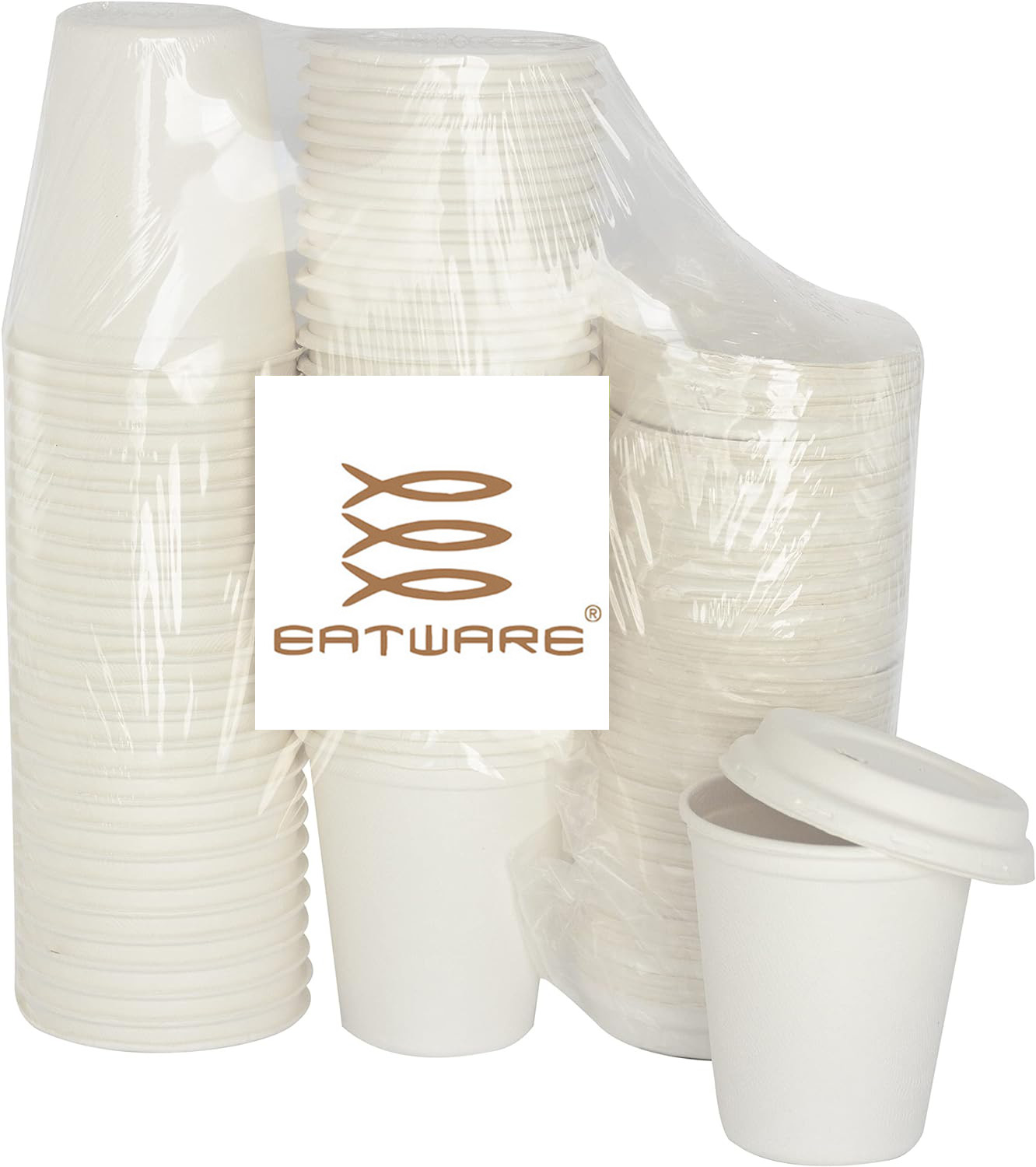 12oz
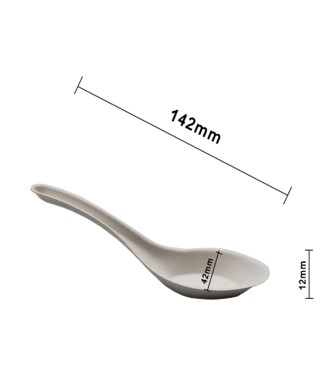 Cutlery


