You know, with the boom of online shopping, packaging needs have really shifted. I came across a recent report from Smithers Pira that says the global packaging market could hit a whopping $1 trillion by 2025. Crazy, right? But it’s not just about the numbers — everyone’s also buzzing about sustainability these days, so picking the right materials is more important than ever. That’s where something like the Laminated Tray comes into play. It’s honestly pretty versatile.
Laminated Trays do a great job at protecting products while still looking good. They’re built with multiple layers, so they’re pretty tough and durable. One study from Market Research Future even showed that using laminated packaging can cut down product damage by up to 30%. That’s a big deal because it really helps keep your products in top shape when they’re shipped around.
That said, not all laminated options are created equal. You’ve gotta think about the environmental side of things too. Some laminated materials aren’t very recyclable, which isn’t ideal. So, doing some proper research and really thinking things through when picking your Laminated Tray is key. Making smart choices here not only protects your brand but also checks the box for consumers who care about eco-friendliness.

Benefits of Laminated Trays in Food Packaging Industry
Laminated trays are becoming increasingly popular in the food packaging industry. These trays offer a variety of benefits that enhance food safety and presentation. Laminated trays can provide excellent barrier protection against moisture, oxygen, and light. This is crucial for maintaining the freshness of products like meat and vegetables. They are particularly effective when used for items such as a Laminated Beef Tray, ensuring that meats remain safe for consumption.
For best practices, consider the material thickness when selecting laminated trays. Thicker trays may provide better structural integrity and insulation, while thinner trays can be more cost-effective and lightweight for shipping. It's also essential to ensure the trays are suitable for specific cooking methods, such as microwaving or oven-safe use.
Make sure to evaluate the sustainability of your packaging choices. Some laminated trays can be challenging to recycle, which may impact your company's environmental footprint. Staying informed about current recycling options is beneficial. When you choose laminated trays, you're not just improving your product's shelf life; you are also considering your brand's responsibility toward the environment.
Durability and Protection: How Laminated Trays Outperform Other Options
Laminated trays offer remarkable durability and protection, making them ideal for packaging. Their robust construction can withstand various conditions, ensuring that the contents remain intact. Unlike traditional trays, laminated trays resist moisture and contaminants. This quality is vital in food packaging, particularly for seafood. A Laminated Seafood Tray keeps fish and shellfish fresh longer, reducing spoilage and waste.
The layered design provides additional strength. This means that even with heavy items, the tray won’t easily bend or break. Customers appreciate knowing their products are safe during transport. However, there can be challenges. Sometimes, the construction process may lead to inconsistencies. These flaws can affect performance. It's essential to choose manufacturers who prioritize quality control.
Sustainability is another area needing attention. While laminated trays are beneficial, their recyclability is often in question. Consumers are increasingly concerned about the environmental impact. Finding a balance between durability and eco-friendliness is vital. Businesses must reflect on their choices. Using materials that offer both protection and sustainability will become crucial in the packaging industry.
Why Choose Laminated Tray for Your Packaging Needs? - Durability and Protection: How Laminated Trays Outperform Other Options
| Feature | Laminated Trays | Other Packaging Options |
| Durability | High resistance to impact and moisture | May be prone to damage under stress |
| Weight | Lightweight for easy handling | Can be heavier, increasing shipping costs |
| Recyclability | Made from recyclable materials | Recyclability varies by material type |
| Customization | Easily customizable design and sizes | Limited customization options |
| Protection | Excellent protection against contaminants | May not protect adequately against external factors |
Sustainability Practices: Eco-Friendly Aspects of Laminated Trays
Laminated trays have emerged as a popular choice for packaging, especially due to their eco-friendly attributes. According to a report by the Sustainable Packaging Coalition, over 60% of consumers prefer packaging that is recyclable or made from recycled materials. Laminated trays fit this criteria well. They can reduce waste by utilizing recyclable layers, and brands adopting these trays are perceived as more environmentally responsible.
Using laminated trays can significantly affect sustainability efforts. For instance, these trays often utilize less material than traditional packaging. This results in lower carbon emissions during production. A study from the Ellen MacArthur Foundation shows that switching to more sustainable packaging could potentially reduce global greenhouse gas emissions by 30%. Companies should consider this potential when deciding on packaging solutions.
Tips: Opt for manufacturers who prioritize sustainability in their materials, ensuring your trays are made from responsibly sourced resources. Keep in mind that while laminated trays are eco-friendly, they still need to be recycled properly to minimize environmental impact. Always educate your customers about how to dispose of these trays correctly.
Cost Efficiency Analysis: Laminated Trays vs. Traditional Packaging
In recent years, laminated trays have gained popularity in the packaging industry for their cost efficiency. Compared to traditional packaging options, laminated trays often require less material. This reduction in material not only decreases production costs but also lessens the environmental impact. Businesses can save money while also making sustainable choices.
When analyzing the cost efficiency of laminated trays, it's essential to consider their durability. These trays tend to withstand moisture better than traditional packaging. This resilience means products have a longer shelf life and fewer returns due to damage. However, some companies may worry about the initial investment in new machinery for laminated trays. Transitioning to this innovative packaging could pose a financial risk.
Yet, many companies ignore the long-term savings. Laminated trays might require a larger upfront cost, but they reduce waste and shipping expenses over time. It's crucial to weigh these factors. Companies need to reflect on their packaging needs and the potential shift toward Laminated Paper Plates. This choice could streamline operations while enhancing product presentation. The future of packaging is here, but it requires thoughtful consideration.
Consumer Preferences: Why Laminated Packaging Resonates with Buyers
Consumers today favor laminated packaging for various reasons. Research by Smithers Pira shows that 62% of buyers consider packaging aesthetics crucial. Laminated trays offer visually appealing designs that attract attention. Additionally, these trays provide excellent moisture barriers, preserving product freshness. This advantage is particularly relevant for perishable goods, where shelf life is a pivotal factor.
Another reason for the rising popularity of laminated packaging lies in sustainability. A study by the Flexible Packaging Association indicated that 70% of consumers prefer eco-friendly packaging. Laminated trays can be made from recyclable materials, aligning with this consumer preference. However, it's essential to reflect on the potential trade-offs. While laminated packaging has many strengths, the environmental impact of production remains a concern. Balancing visual appeal and sustainability requires ongoing industry improvements.
Moreover, Laminated Plates can enhance user experience. Their sturdiness and lightweight nature contribute to ease of handling. Many consumers appreciate the convenience these trays offer. Yet, engagement with customers is vital to understand their evolving desires. As buyer preferences shift, packaging solutions must adapt. Industry stakeholders must be attentive to feedback and continually innovate to meet buyer expectations.
Industry Standards and Regulations for Laminated Tray Materials
Laminated trays have gained popularity due to their robust properties and compliance with industry standards. According to a recent report by Smithers Pira, the global packaging industry values safe and sustainable materials. Laminated trays, often made from a blend of paper and plastic, meet these expectations. These materials need to comply with regulations from organizations such as the FDA and EU standards. This ensures they are safe for food and other sensitive applications.
In terms of environmental impact, laminated trays are recyclable. However, only 30% of companies have recycling programs in place, according to a study by the Environmental Packaging Coalition. This statistic underscores a significant gap in industry practices. Adopting laminated trays can align businesses with sustainability goals while meeting regulatory demands. Yet, it is important to evaluate sourcing practices to ensure compliance with environmental standards.
Moreover, laminated trays must endure rigorous testing for safety and durability. The ASTM International standards focus on various mechanical properties relevant to packaging. This includes moisture resistance and temperature tolerance. Compliance with such standards not only enhances quality but builds consumer trust. However, ongoing challenges exist in achieving consistent manufacturing processes. Continuous improvement is necessary to navigate these complexities effectively.
Trends in Laminated Packaging: Innovations and Market Growth Statistics
The laminated packaging market is experiencing notable growth, driven by innovations and evolving consumer preferences. Recent industry reports indicate that the market is projected to reach approximately $200 billion by 2025, with a compound annual growth rate (CAGR) of 4.5%. This growth can be attributed to the rising demand for sustainable and durable packaging solutions.
One major trend in laminated packaging is the shift towards eco-friendly materials. Consumers are increasingly conscious of the environmental impact of their choices. In fact, studies show that over 70% of consumers prefer brands that use sustainable packaging. Manufacturers are responding by developing biodegradable laminates and recyclable options. This not only meets consumer demand but also improves brand loyalty.
However, challenges remain in balancing cost and sustainability. While eco-friendly materials can be more expensive, some manufacturers are hesitant to raise prices. The need for innovation is clear. Companies must invest in research to create cost-effective alternatives that do not compromise quality. As the market grows, identifying effective solutions will be crucial for long-term success.
Emerging Trends in Sustainable Packaging: The Market Potential of Disposable Molded Pulp Trays for Eco-Conscious Consumers
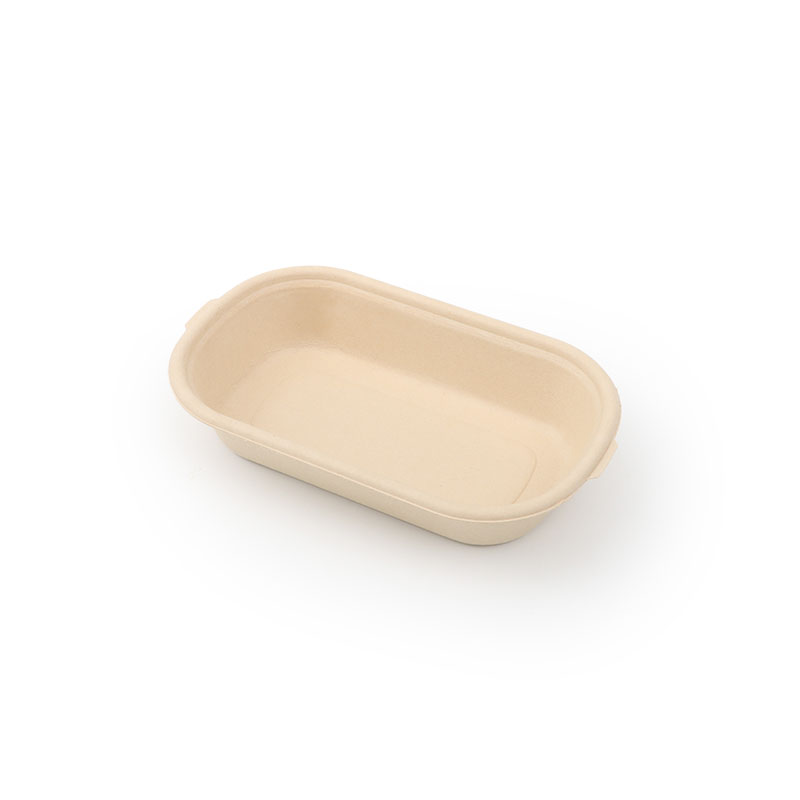
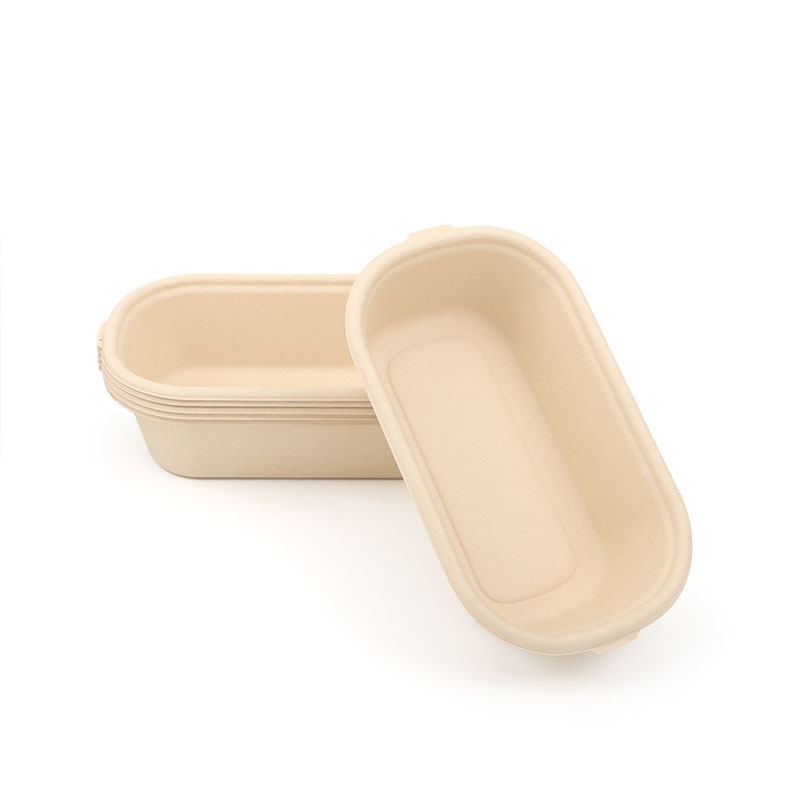
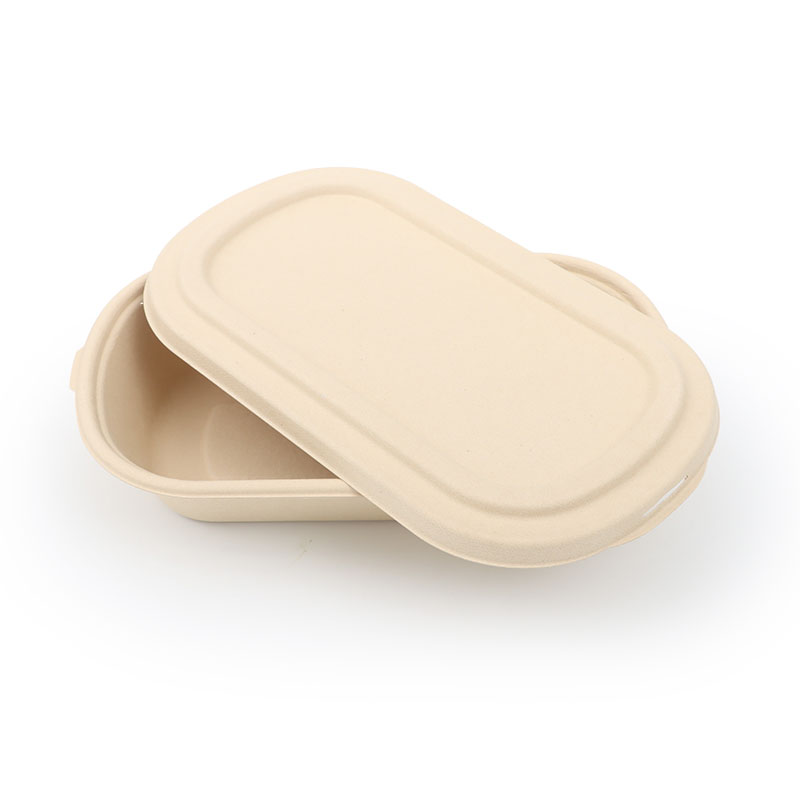
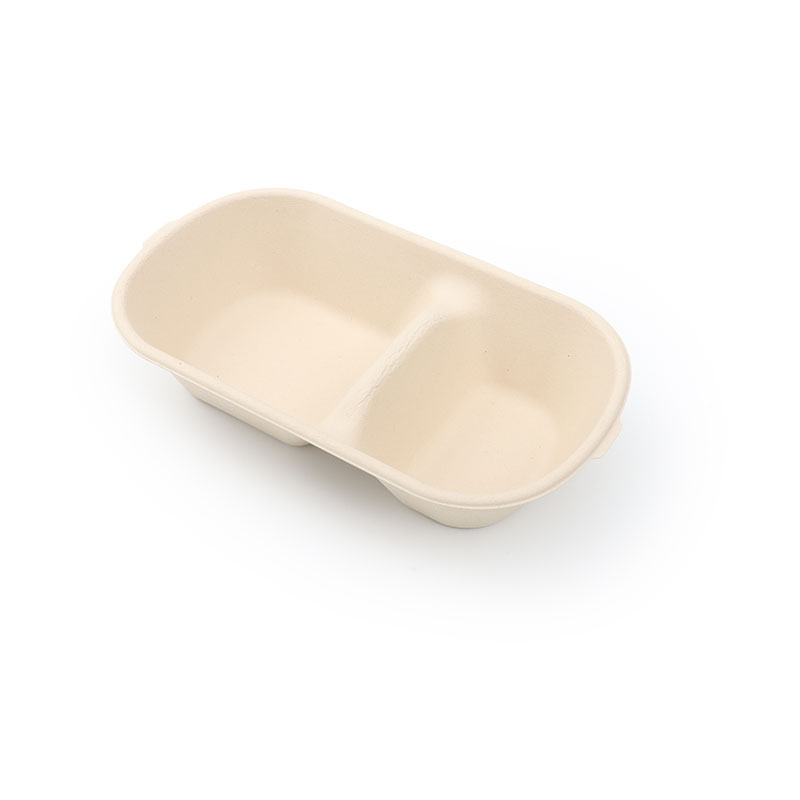
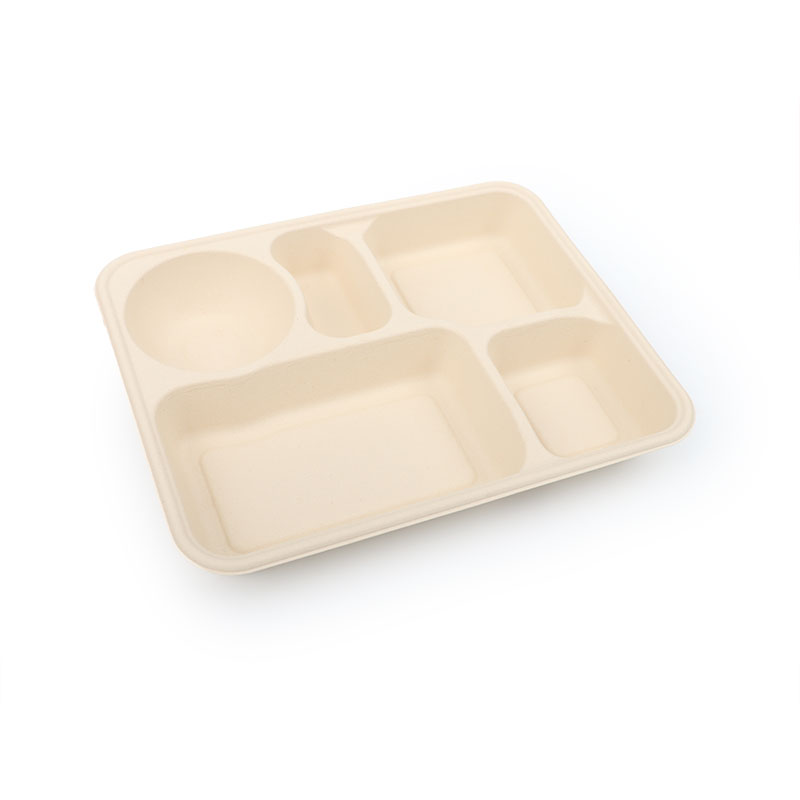
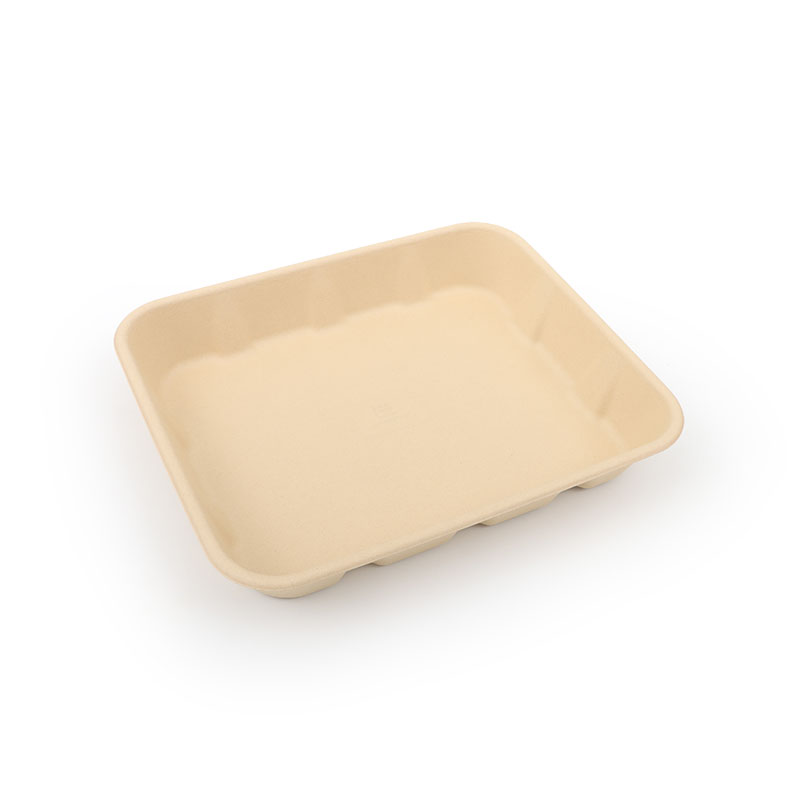
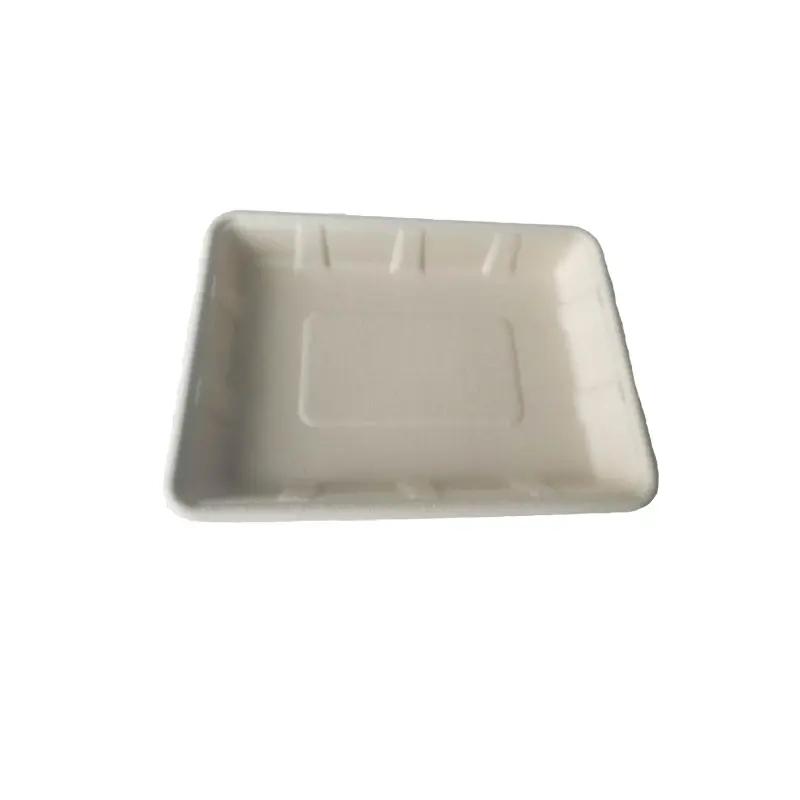
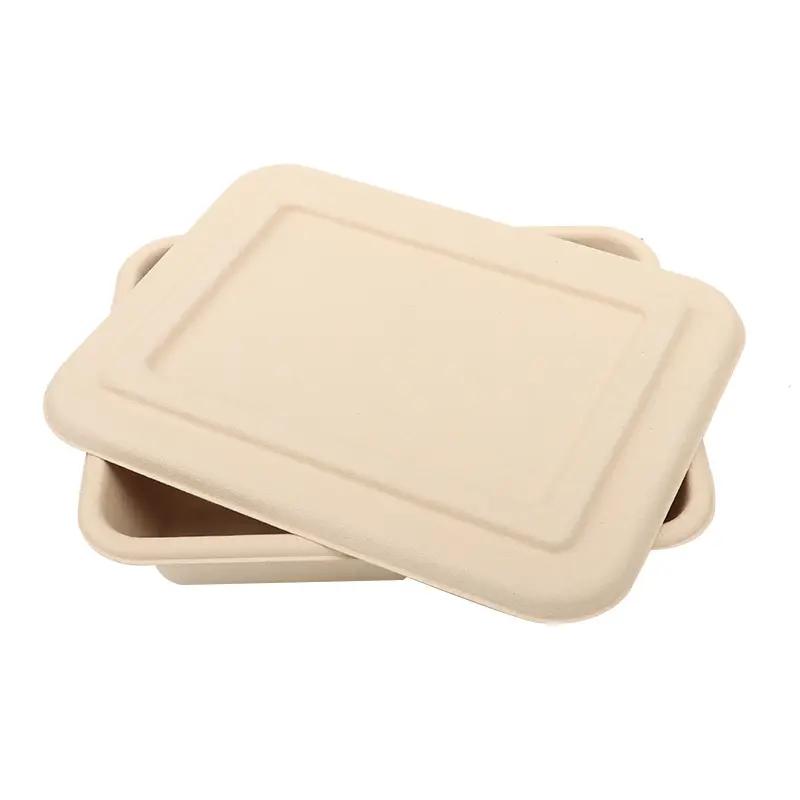
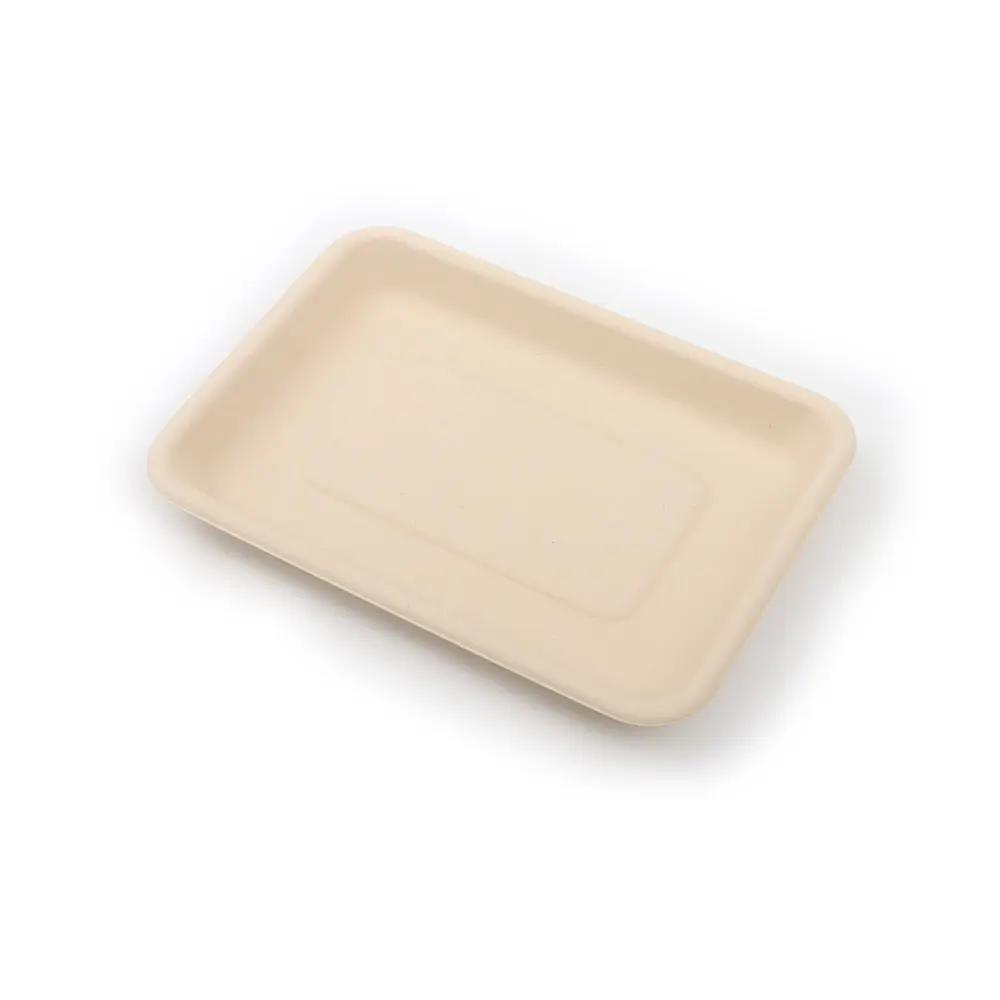
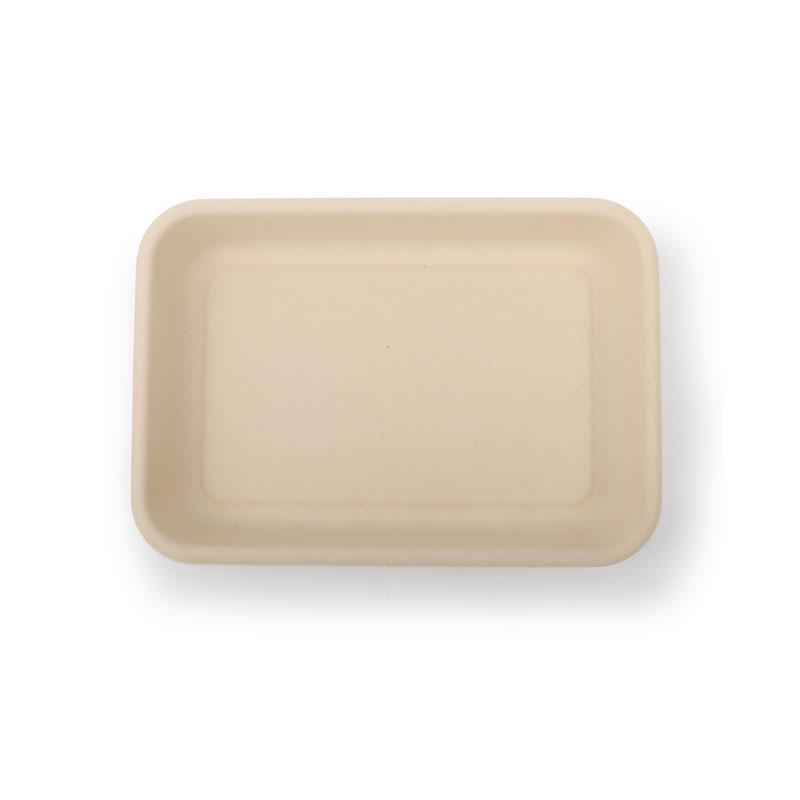
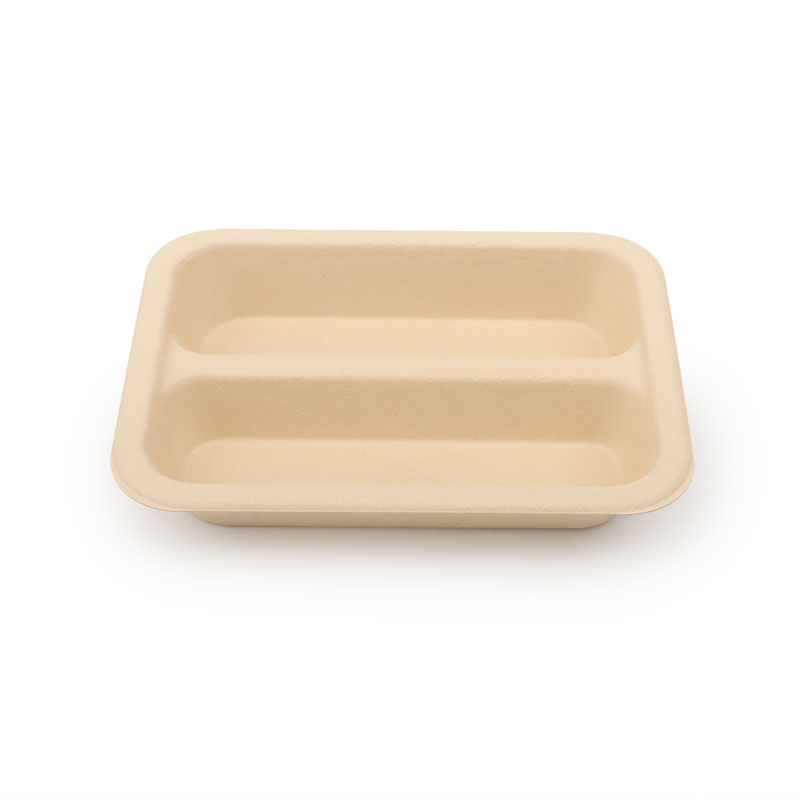
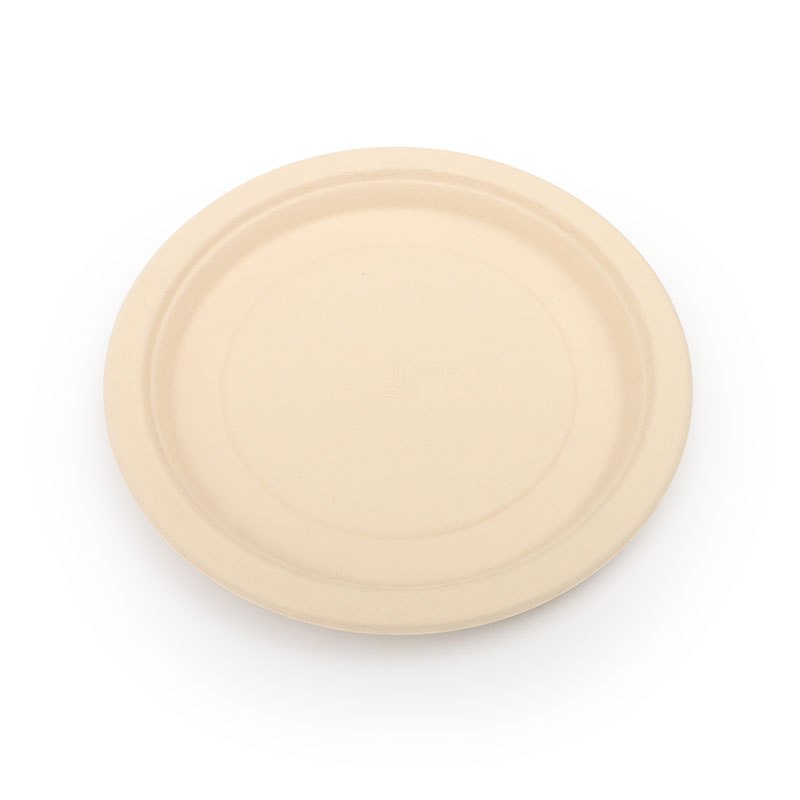
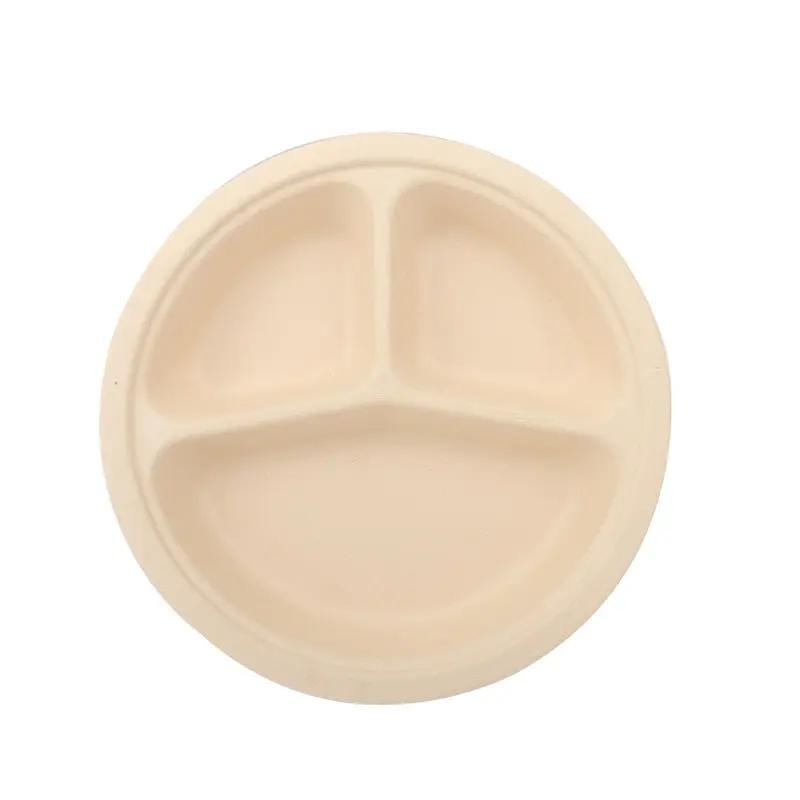
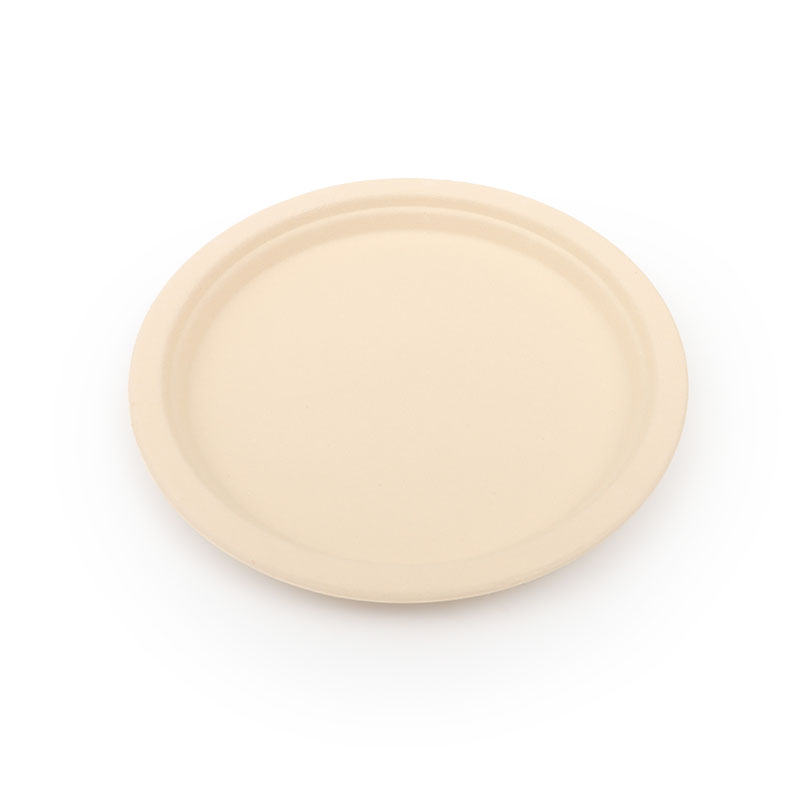
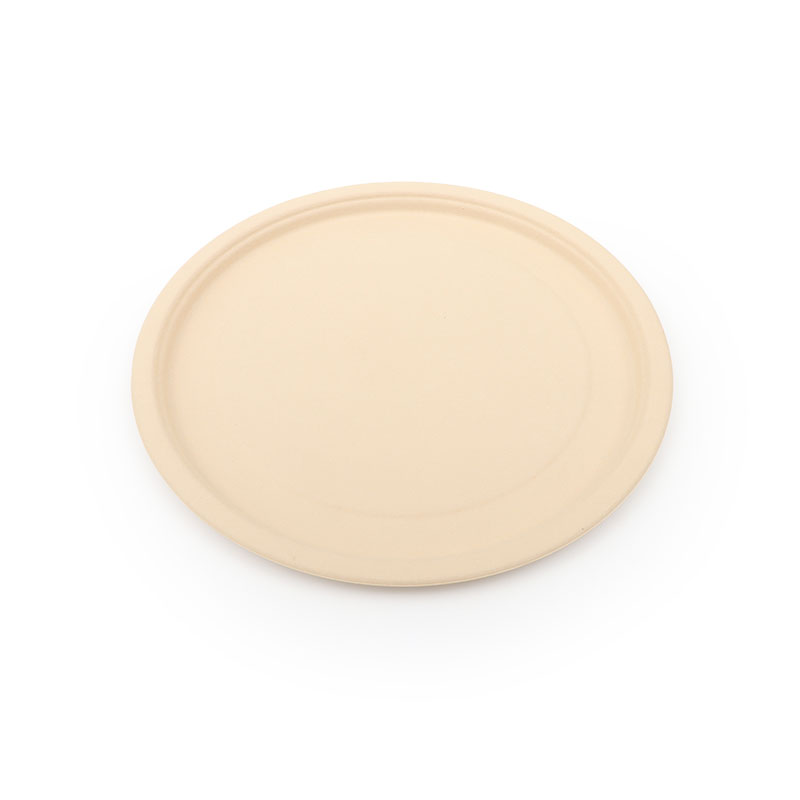
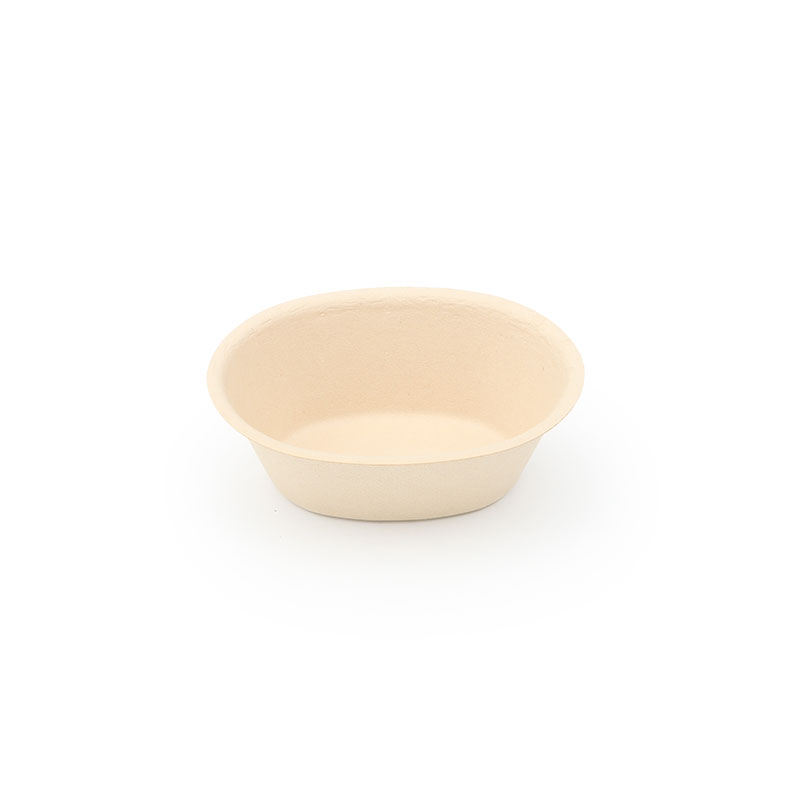
The demand for sustainable packaging solutions is on the rise, particularly among eco-conscious consumers who prioritize environmentally friendly products. Among the emerging trends in this field, disposable molded pulp trays made from bamboo pulp fiber stand out due to their versatility and eco-friendliness. With a size of 181x127x18mm, these trays are not only aesthetically appealing with their beige color but also cater to the growing market of environmentally responsible consumers.
One of the most compelling features of these molded pulp trays is their impressive durability. They are waterproof, oilproof, and resistant to high temperatures, making them suitable for various culinary uses. These trays can withstand temperatures of up to 220°C, allowing them to be safely used in microwaves and ovens for short cooking durations. Additionally, they can be stored in freezers at temperatures as low as minus 18°C for up to three months, proving their practicality for both everyday cooking and food storage. With certifications from esteemed organizations, these trays not only support the sustainability movement but also ensure consumer safety and product reliability.
FAQS
: Laminated trays enhance food safety, maintain freshness, and improve presentation. They protect against moisture, oxygen, and light.
Thicker trays offer better insulation and structural integrity, while thinner ones are lightweight and cost-effective for shipping.
Yes, they can be made from recyclable materials, reducing waste, and making brands seem more environmentally responsible.
Laminated trays typically require less material, decreasing production costs and lessening overall environmental impact.
Some laminated trays are difficult to recycle. Proper recycling procedures are essential to reduce environmental impact.
Businesses should reflect on initial investment costs, long-term savings on waste, and potential improvements in product presentation.
Conclusion
The article "Why Choose Laminated Tray for Your Packaging Needs?" highlights the numerous advantages that laminated trays offer in the food packaging industry. These trays stand out for their exceptional durability and protective qualities, outperforming traditional packaging options. Additionally, laminated trays embody sustainable practices, making them an eco-friendly choice that aligns with growing consumer awareness towards environmental impacts.
The cost efficiency of laminated trays is also explored, demonstrating how they offer more value compared to conventional packaging solutions. Consumer preferences are shifting towards laminated packaging due to its appealing design and functionality, further supported by industry standards and regulations. Finally, the article discusses current trends in laminated packaging, showcasing innovations and market growth statistics that indicate a rising demand for this versatile packaging solution. Overall, laminated trays represent a compelling choice for modern packaging needs, balancing durability, sustainability, and consumer appeal effectively.

 Box With T buckle
 700ml Square Lunch Box
 500ml
 700ml
 850ml
 800ml 2 Compartments
 1000ml 2 Compartments
 1100ml
 1000ml Square Lunch Box
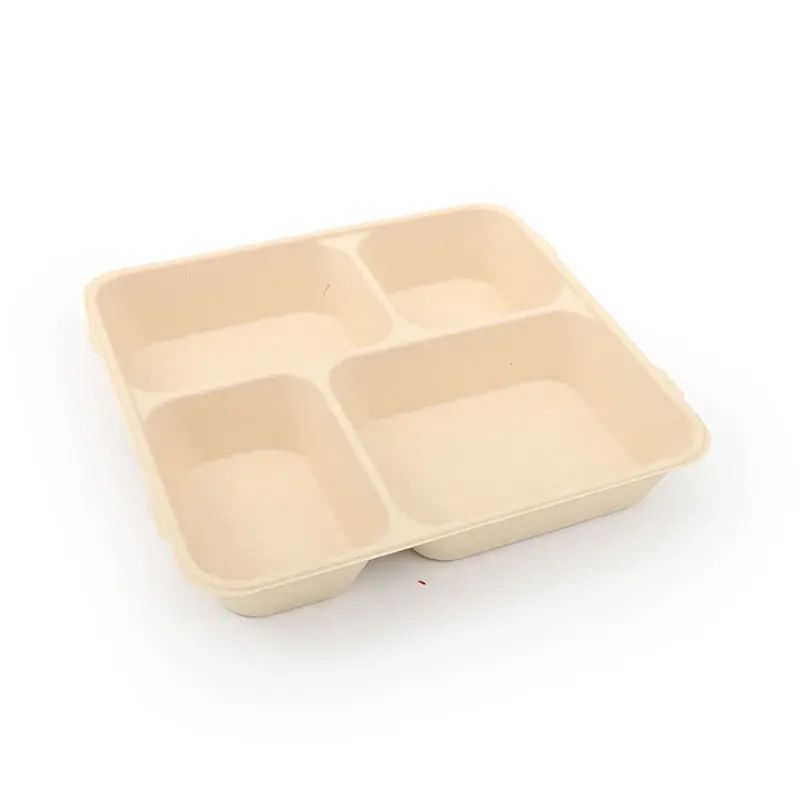 1340ml 4 Compartments
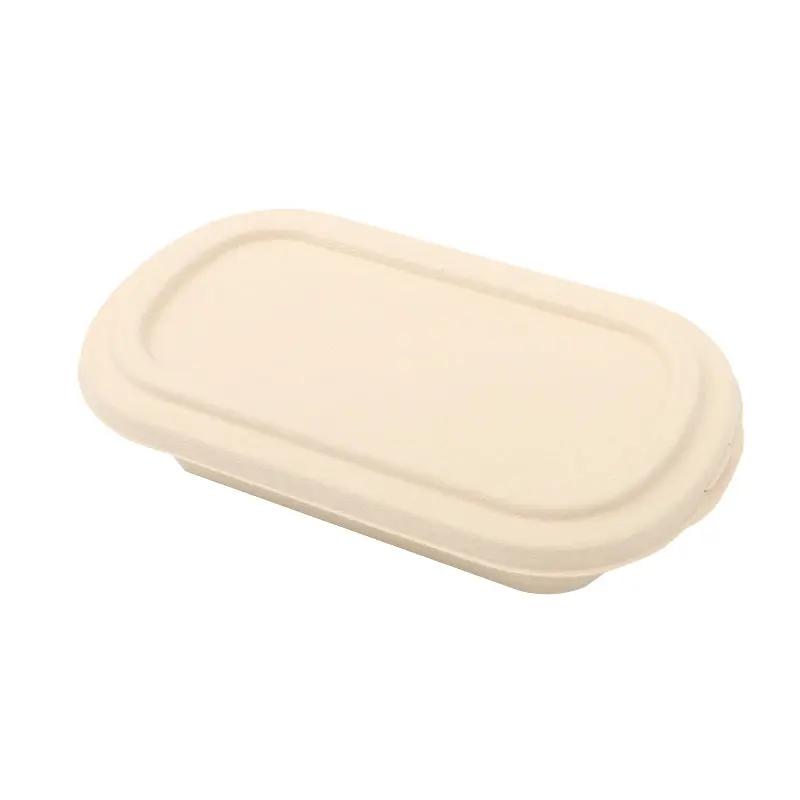 Lunch Box Lid
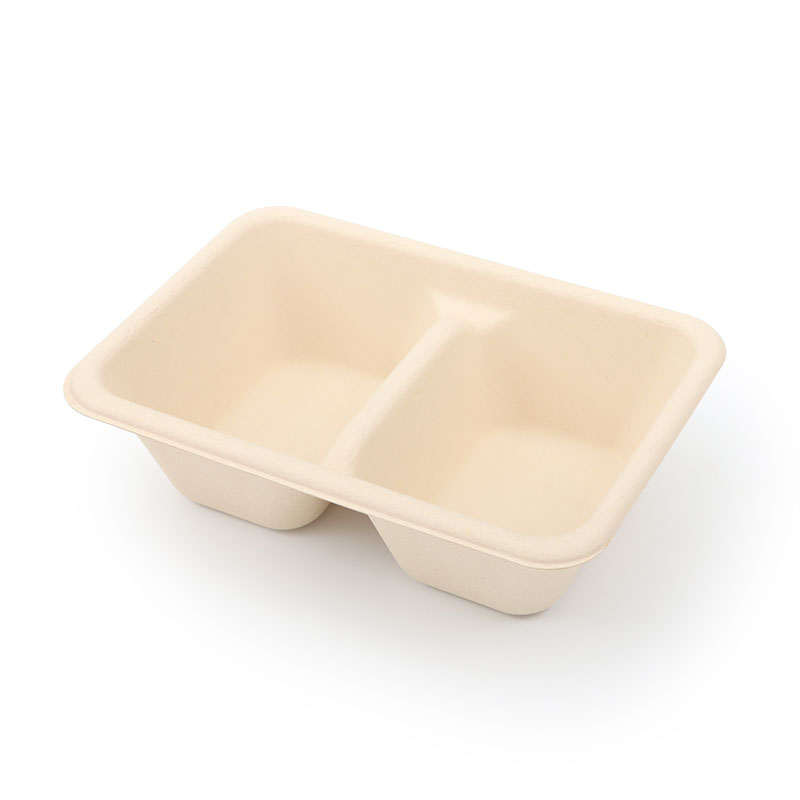 650ml
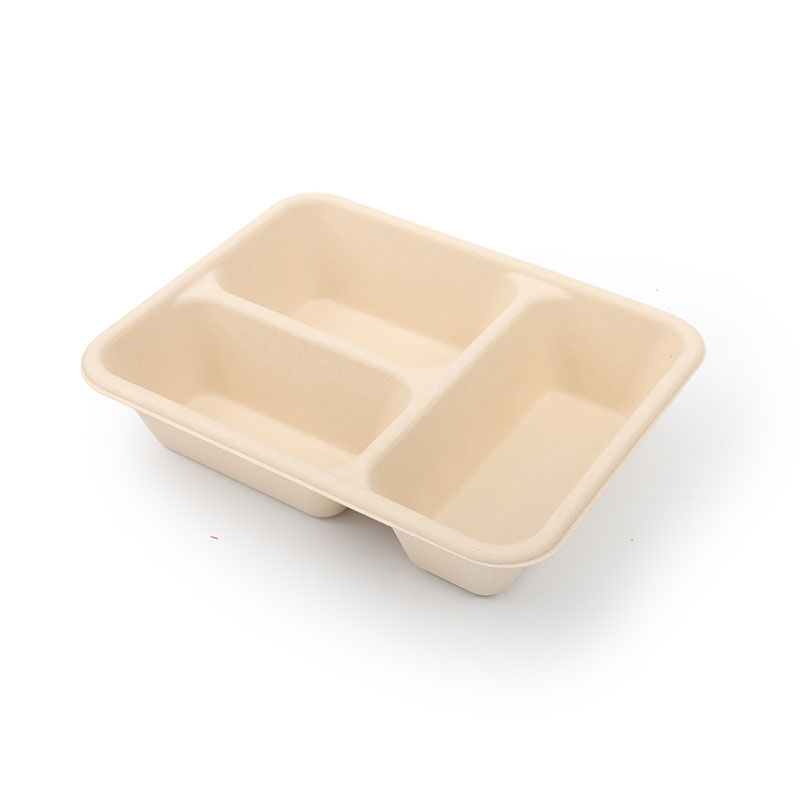 1000ml 3 Compartments
 1250ml 5 Compartments
 Square Lunch Box Lid
 Box Without T buckle
 850ml Salad Box
 700ml
 1350ml
 470ml
 2183ml Tray Box
 11" * 9"
 800ml
 One Part Box
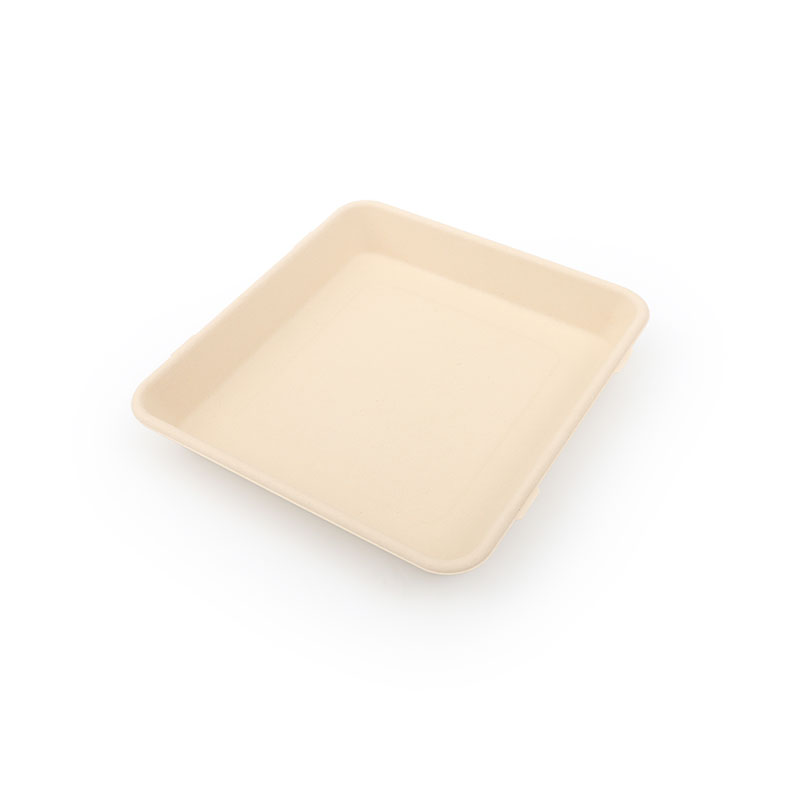 1443ml Tray Box
 Cake Bread Snack Tray Series
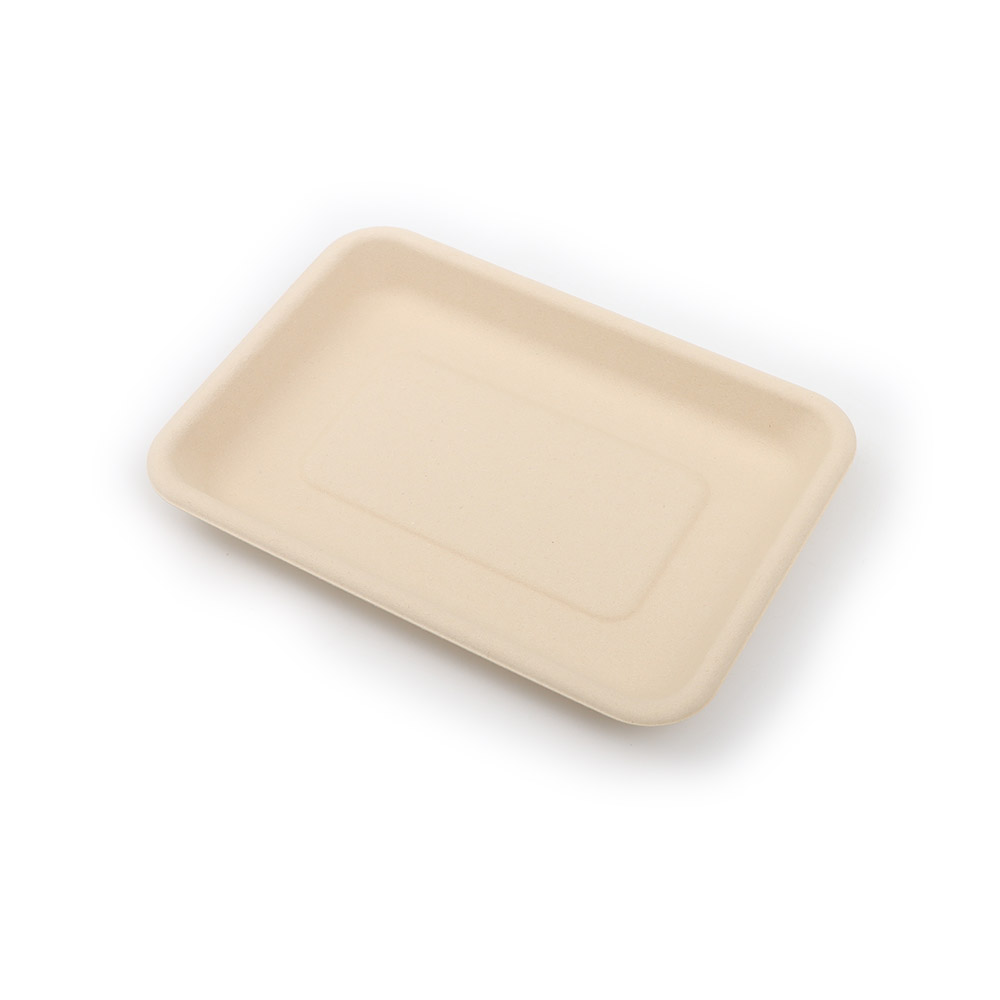 5" * 7" natural color
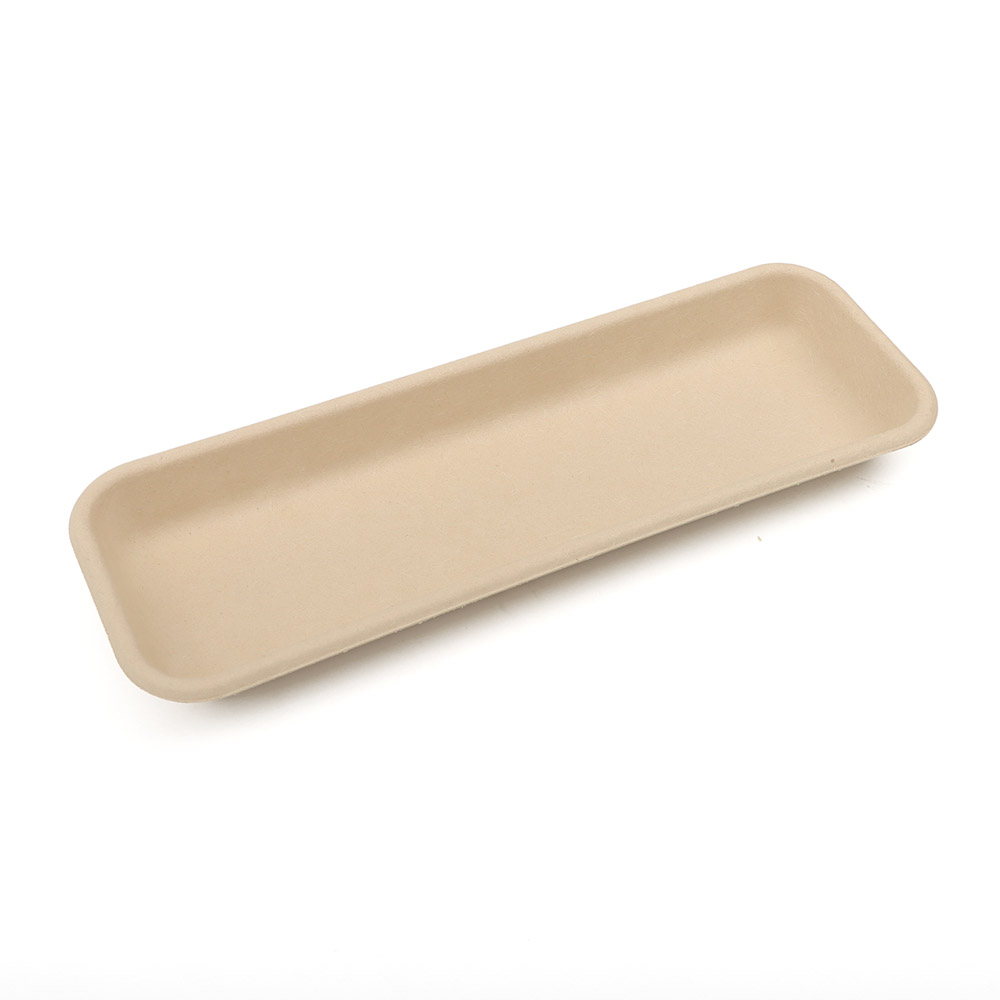 11.4" * 3.9"
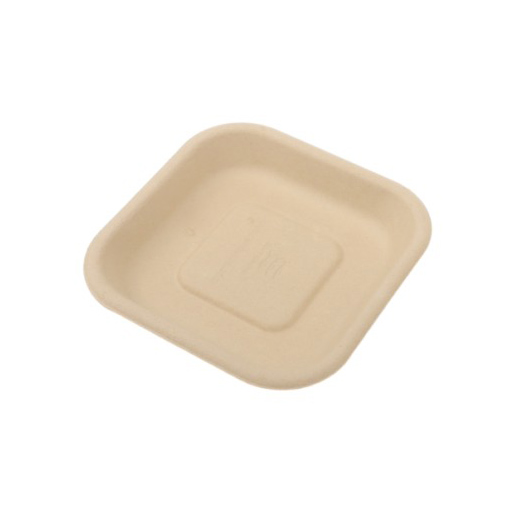 5.3" * 5.3"
 Fruit And Vegetable Tray Series
 8.6" * 5.3"
 Sushi Tray Series
 200" * 140"
 210" * 110"
 2 Compartments
 Small Round Plate Series
 7 inch
 6 inch
 8 inch
 Middle Round Plate Series
 9 Inch 3 Compartments
 9 inch
 Big Round Plate Series
 12.7 Inch Pizza Plate
 10.25 inch 3 Compartments
 10 inch
 12 inch
 Bigger Bowl
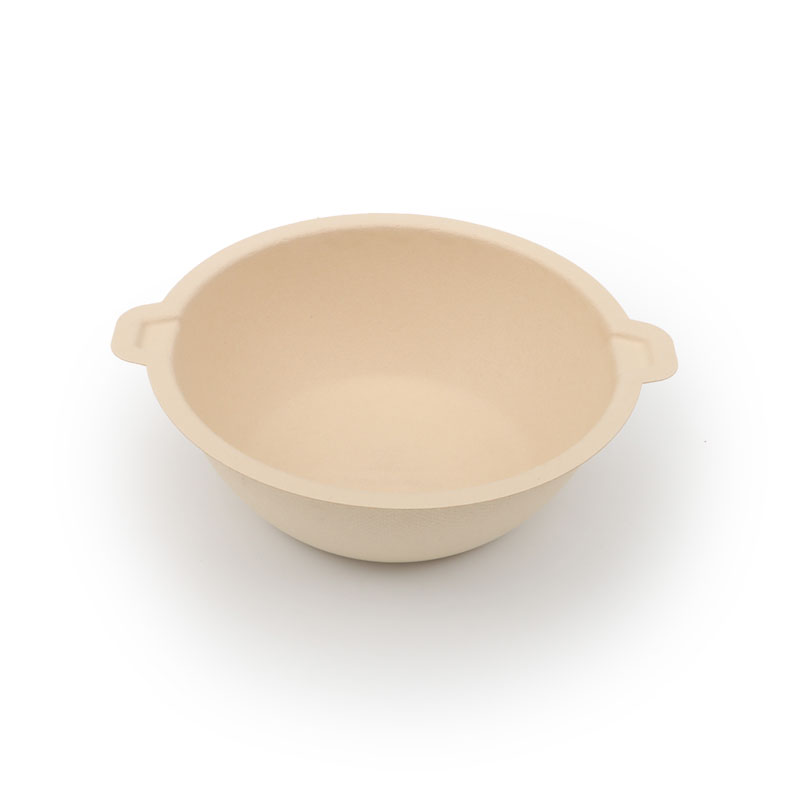 48oz(1420ml)
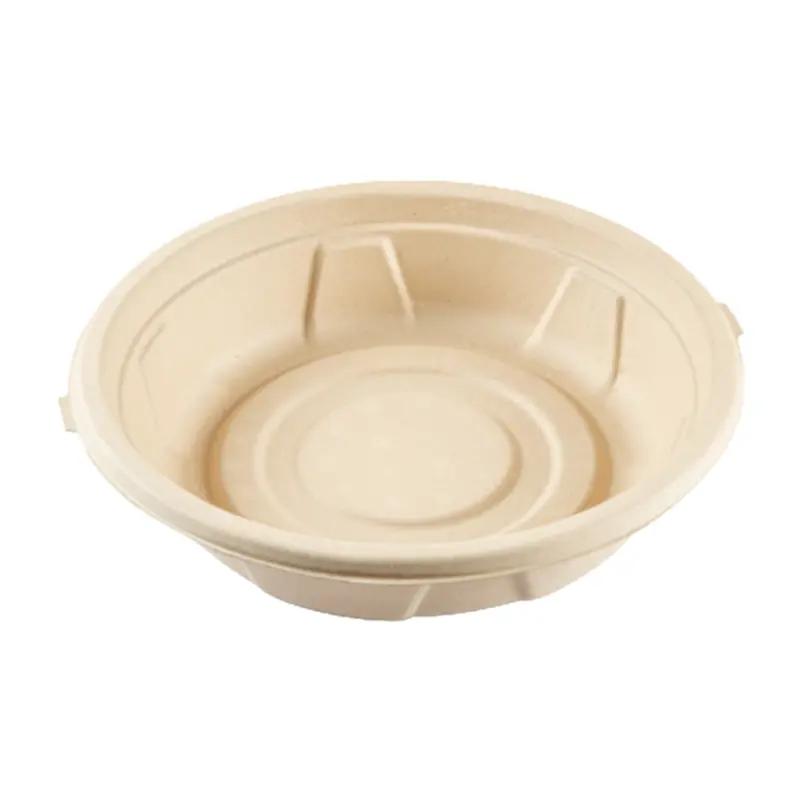 56oz(1650ml)
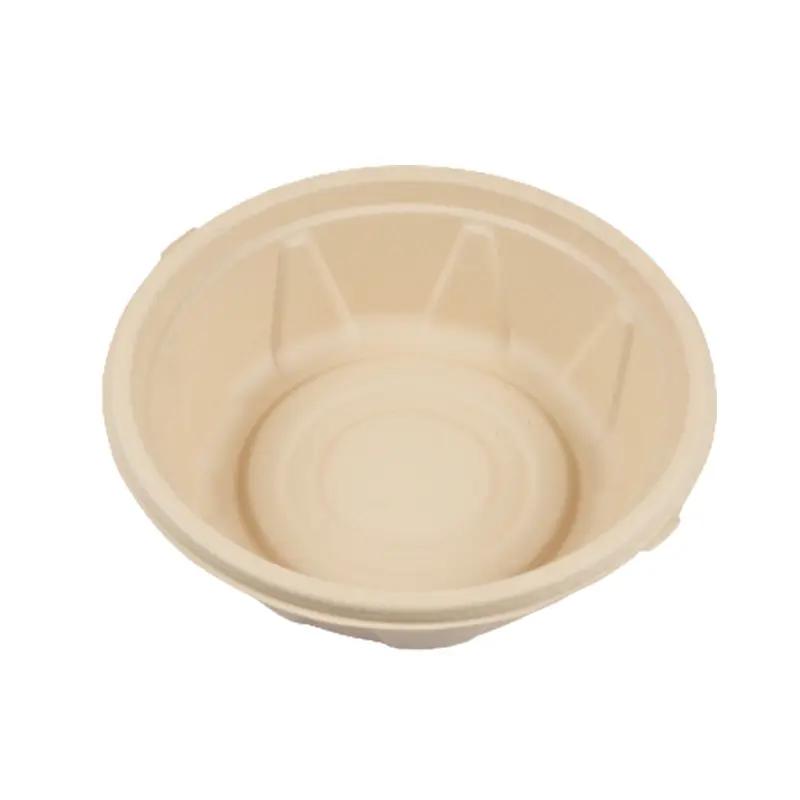 100oz(2950ml)
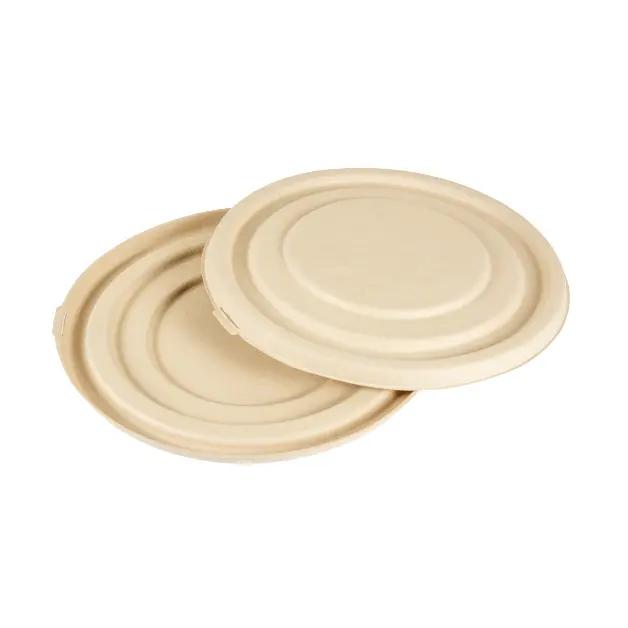 100oz(2950ml) With Lid
 Middle Bowl
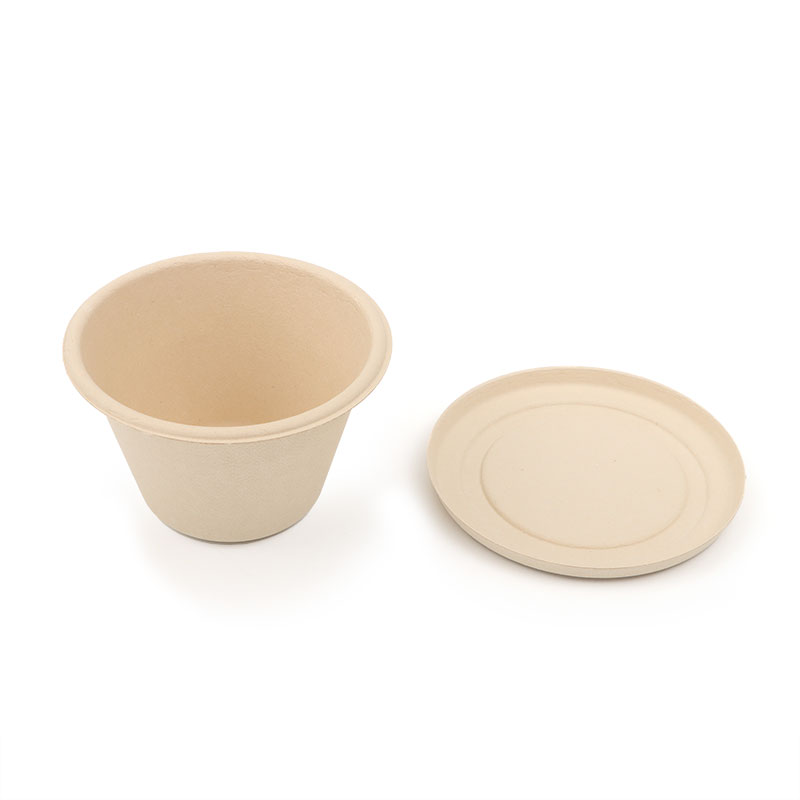 17oz(500ml)
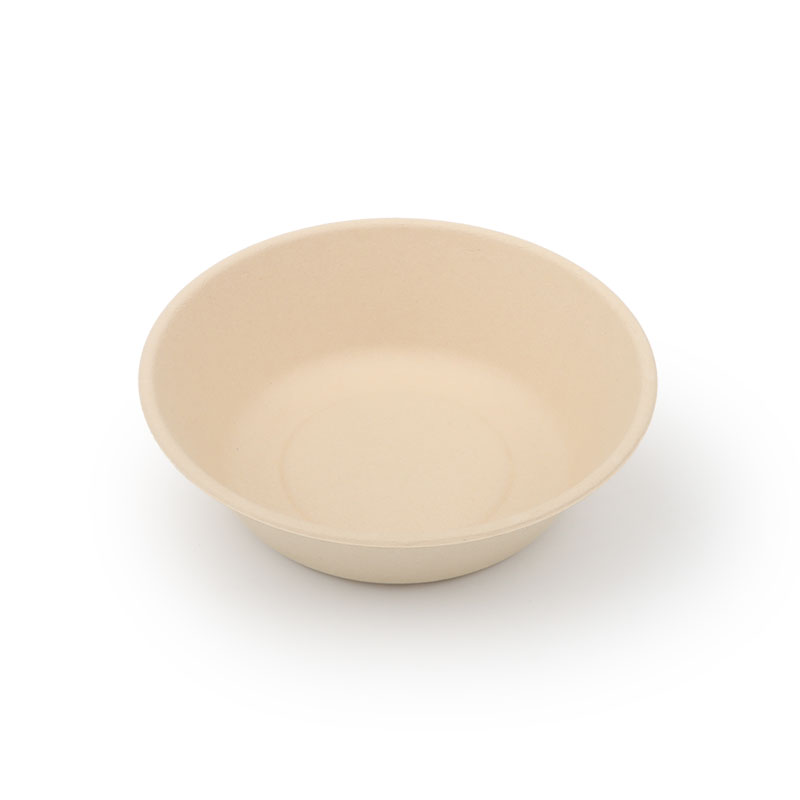 27oz(800ml)
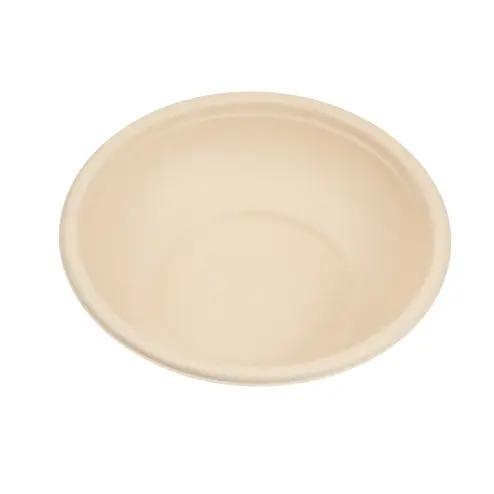 20oz(600ml)
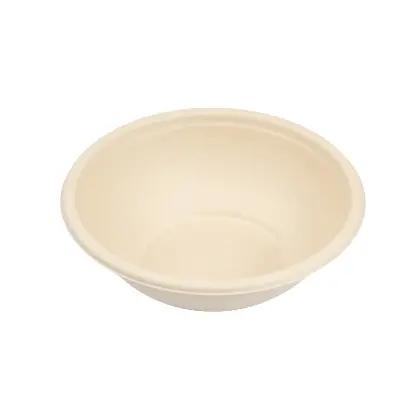 29oz(850ml)
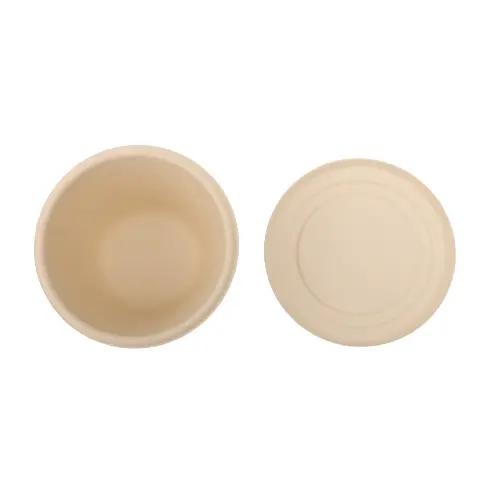 17oz(500ml) With Lid
 17oz(500ml) PET Lid
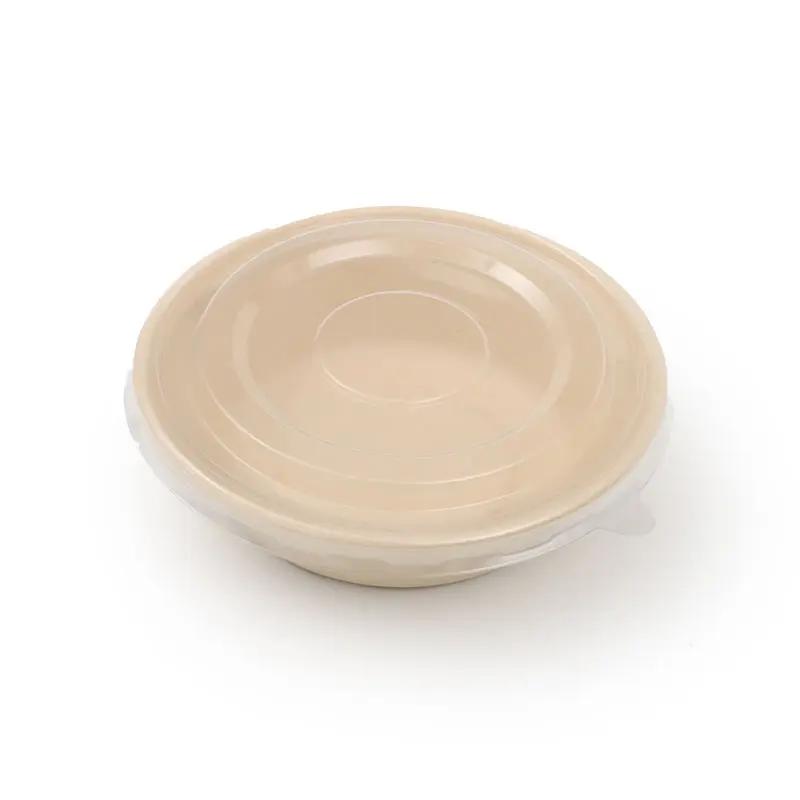 28oz(830ml) PET Lid
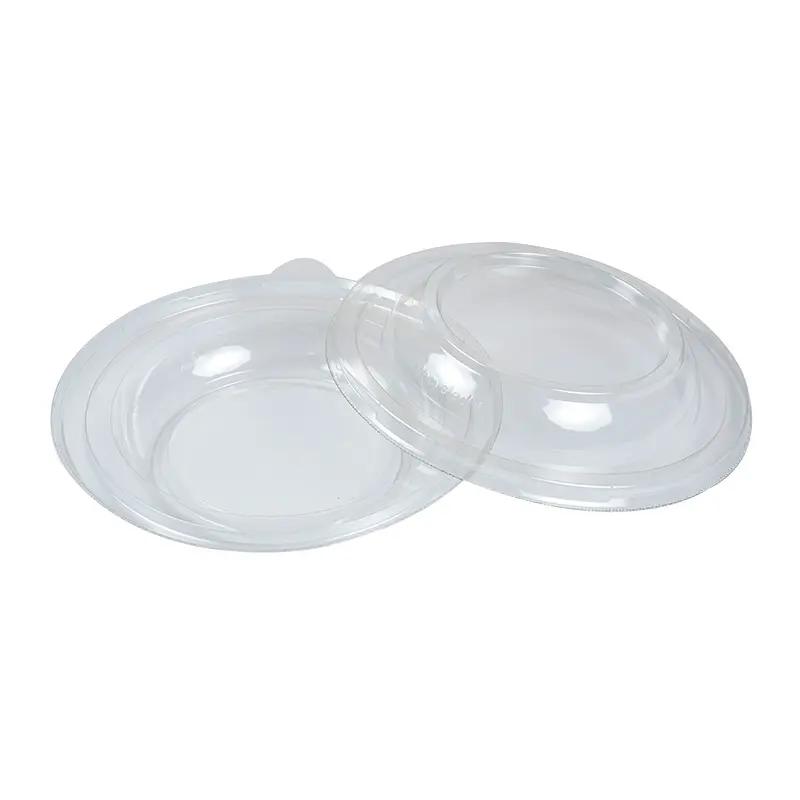 Round Bowl PET
 Small Bowl
 Snack Bowl
 11.5oz(340ml) Bowl
 6.7oz(200ml) Bowl
 12oz(350ml) Bowl
 12oz(350ml) Bowl PET
 Bagasse Lunch Boxes
 5CP
 6 inch
 Bagasse Food Plates
 7 inch
 3CP
 Bagasse Bowls
 4oz
 Bagasse Cups And Cutlery
 8oz
 12oz
 Cutlery


