Leave Your Message
0%

In the ever-changing world of food, one innovation that's really making waves is modified atmosphere food packaging(or MAFP for short). Experts totally agree on how important it is. Dr. Jonathan Green, who's a real expert in packaging tech at FreshPack Solutions, points out, "modified atmosphere food packaging helps keep food fresher and safer for longer this way." Basically, it tweaks the natural air around the food to help it stay good longer.

Honestly, the value of MAFP can't be overstated. By lowering oxygen levels and tweaking the gases involved, it slows down spoilage — which means less waste and more savings, whether you're a big company or just someone shopping at the store. That said, not every product is a perfect fit for this kind of packaging. Picking the right materials and techniques can get pretty complicated and definitely needs some expertise.

Of course, it’s not all smooth sailing. Implementing MAFP comes with its own set of challenges. For example, costs can add up, and there are environmental concerns to think about. Some folks might see it as a bit of a hurdle compared to sticking with traditional methods. Bottom line? The food industry has to weigh all these factors carefully if it wants to truly benefit from modified atmosphere packaging. Every packaging choice impacts quality, so taking the time to think things through really matters.

Why Choose Modified Atmosphere Food Packaging for Your Products?

Understanding Modified Atmosphere Packaging (MAP) Technology

Why Choose Modified Atmosphere Food Packaging for Your Products?

Modified Atmosphere Packaging (MAP) technology is revolutionizing food preservation. This innovative method replaces the air inside packaging with a mix of gases. Typically, nitrogen and carbon dioxide are used to slow down spoilage. This environmental control effectively extends shelf life while maintaining food quality.

The process starts by sealing food products in a vacuum. As the air is removed, it creates an anaerobic environment. This limits the growth of aerobic bacteria. Fruits, vegetables, and meats benefit significantly from MAP. For instance, fresh strawberries remain visually appealing for longer periods. However, it’s important to consider that not all foods respond equally well to this technology. Some may still require additional preservation methods.

Despite its advantages, MAP is not without challenges. Improper gas ratios can lead to food deterioration. Moreover, not all packaging materials are compatible with MAP. Companies must stay informed about best practices. Balancing technology and packaging materials requires careful planning. The learning curve can be steep, but the benefits of MAP often outweigh the risks.

The Benefits of Modified Atmosphere Packaging for Food Products

modified atmosphere packaging (MAP) is a game-changer for food preservation. This innovative technique replaces the air inside the packaging with a blend of gases. By doing so, it slows down spoilage, enhances freshness, and extends shelf life. Foods like fruits and vegetables remain crisp, while meats maintain their flavor without harmful preservatives.

The benefits of modified atmosphere packaging extend beyond preservation. It also minimizes food waste, a significant concern in today’s society. By keeping products fresh for longer, MAP helps retailers and consumers alike. This, however, requires careful consideration of the packaging material and gas composition. Not all products benefit equally from MAP. Some may react negatively, affecting taste and texture.

Companies must balance the advantages of modified atmosphere packaging with potential downsides. Understanding how different foods react is crucial. Continuous research and testing improve the effectiveness of MAP. Consumers deserve high-quality products that look appealing and taste great. Achieving this goal often involves trial and error, emphasizing the need for expert knowledge in food packaging technologies.

Comparative Analysis: MAP vs. Traditional Packaging Methods

Why Choose Modified Atmosphere Food Packaging for Your Products?

Modified Atmosphere Packaging (MAP) is gaining attention for its ability to extend the shelf life of food products. Unlike traditional packaging, which often relies on oxygen-rich environments, MAP replaces air with a controlled mixture of gases. Studies have shown that this can improve freshness and reduce spoilage rates by up to 50%.

In a comparative analysis, traditional packaging methods often lead to rapid degradation of sensitive items, such as fruits and vegetables. In contrast, MAP significantly slows down oxidative reactions. A report from the Food Packaging Association highlighted that over 70% of retailers noted a marked improvement in product quality with MAP. Additionally, the impermeability of MAP films can enhance barrier properties, safeguarding against moisture and contaminants.

However, challenges do exist. The initial investment for MAP systems can be high. Not all food products respond well to modified atmospheres, which can lead to unforeseen spoilage or off-flavors. Therefore, understanding the specific needs of each product is crucial. In some cases, traditional methods may still outperform MAP for certain applications. It’s essential for businesses to carefully evaluate the trade-offs when considering the advantages of map modified atmosphere packaging.

Applications of Modified Atmosphere Packaging in Different Food Industries

Modified Atmosphere Packaging (MAP) is transforming food preservation across various industries. This innovative method reduces spoilage by altering the gas composition in packaging. It is widely used in fresh produce, meat, dairy, and convenience foods. For instance, fruits and vegetables packaged in MAP can stay fresh longer, preserving quality and reducing waste. This is crucial for retailers aiming to maintain appealing displays without frequent restocking.

Additionally, in the meat industry, MAP helps to keep products safe and enhance shelf life. By using a mixture of gases, MAP can inhibit the growth of spoilage organisms and pathogens. It also helps maintain the color and texture of the meat, creating a more appealing product for consumers. The dairy sector benefits similarly; cheese wrapped in MAP can retain its moisture and flavor, extending its usability.

Reflecting on MAP, it is essential to define modified atmosphere packaging clearly. This not only underscores its importance but also highlights areas needing improvement. While many industries are adapting, challenges in sustainability and proper gas mixtures remain. Striking a balance between extending shelf life and maintaining environmental responsibility will be critical as the market evolves.

Challenges and Solutions in Implementing MAP

Implementing modified atmosphere packaging for meat presents unique challenges. One significant hurdle is selecting the right gas mixture. Different types of meat require specific levels of oxygen and carbon dioxide. Incorrect ratios can lead to spoilage or undesirable flavors. It’s essential to conduct thorough research and testing before settling on a formula.

Another obstacle is ensuring that the sealing process is flawless. Leaks can compromise the packaging's protective atmosphere. This may result in reduced shelf life and food waste. Investing in advanced sealing technology can help mitigate this issue. Regular maintenance of packaging equipment is crucial to maintain consistent quality.

Training staff is also an important aspect. Workers need to be educated on the intricacies of modified atmosphere packaging for meat. Proper technique in handling and sealing ensures that standards are upheld. Regular training sessions can help reinforce best practices, which ultimately contribute to the overall success of the packaging strategy. Addressing these challenges with knowledge and investment in technology is vital for effective implementation.

Future Trends in Modified Atmosphere Food Packaging

As consumer preferences shift towards fresh and minimally processed foods, the demand for modified atmosphere food packaging (MAP) continues to grow. This innovative packaging utilizes specific gas compositions to extend shelf life and maintain food quality. Recent studies estimate that the global MAP market could reach $16 billion by 2026, reflecting its critical role in the food industry.

Emerging trends indicate a strong focus on sustainability within MAP. More companies are exploring biodegradable materials to align with environmental goals. Reports suggest that around 38% of consumers are willing to pay more for sustainable packaging. While the benefits of profile modifications are clear, the shift poses challenges. Some biodegradable options may not provide the same barrier properties as traditional plastics. This raises questions about balancing sustainability with functionality.

Moreover, advancements in technology are enhancing MAP efficacy. Innovations like intelligent packaging devices offer real-time data on food freshness. These devices could lead to reduced food waste and better quality control. However, the integration of such technologies into packaging systems raises potential concerns about cost and complexity. Manufacturers must navigate these complexities while meeting market demands. The future is promising yet requires thoughtful progress in the MAP sector.

Regulatory Considerations for Modified Atmosphere Packaging

Modified atmosphere packaging (MAP) is vital in maintaining food quality. However, manufacturers must address regulatory considerations. Various countries have specific guidelines governing its use. Knowledge of these regulations is crucial for compliance and product success.

Tips: Always review local regulations. Stay updated on changes that may affect packaging methods.

Understanding gas mixtures is essential. The composition can vary based on the food type. For instance, high oxygen content may be ideal for fresh meats but detrimental to packaged salads. Brands need to experiment and evaluate gas combinations carefully.

Tip: Conduct small-scale tests to assess packaging effectiveness. Monitor product quality throughout the shelf life.

Documentation is often required. Companies must provide evidence that their MAP processes meet safety standards. This can be tedious but mitigates risks. Non-compliance with regulations can lead to product recalls.

Tip: Implement a tracking system for compliance records. Regular audits can ensure adherence to regulations.

Modified Atmosphere Packaging Benefits

The bar chart illustrates the key benefits of Modified Atmosphere Packaging (MAP). It significantly extends the shelf life of products while reducing waste. Additionally, MAP enhances product quality, is cost-effective, and is preferred by consumers.

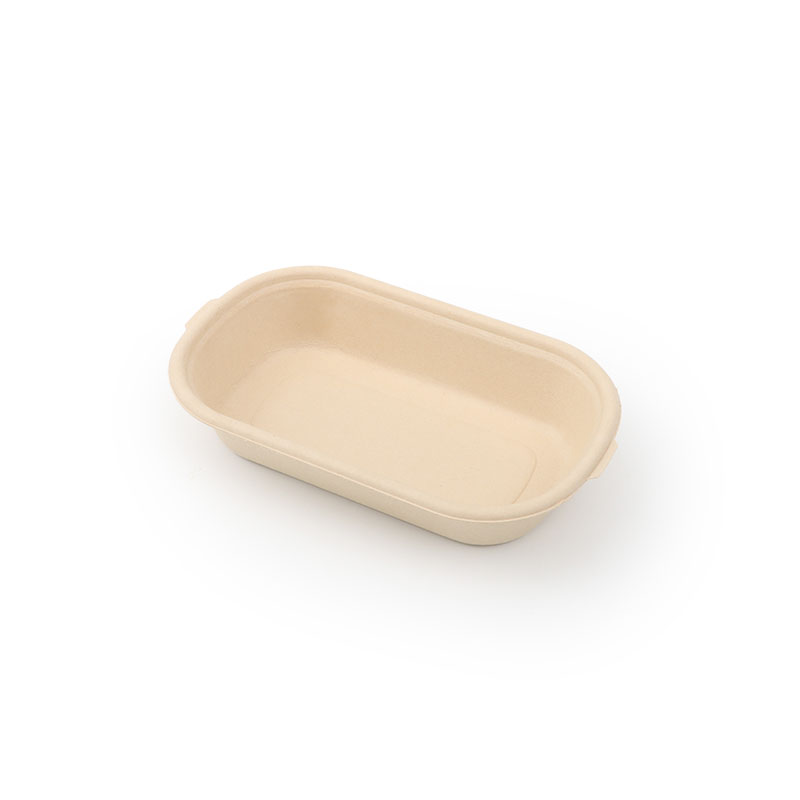
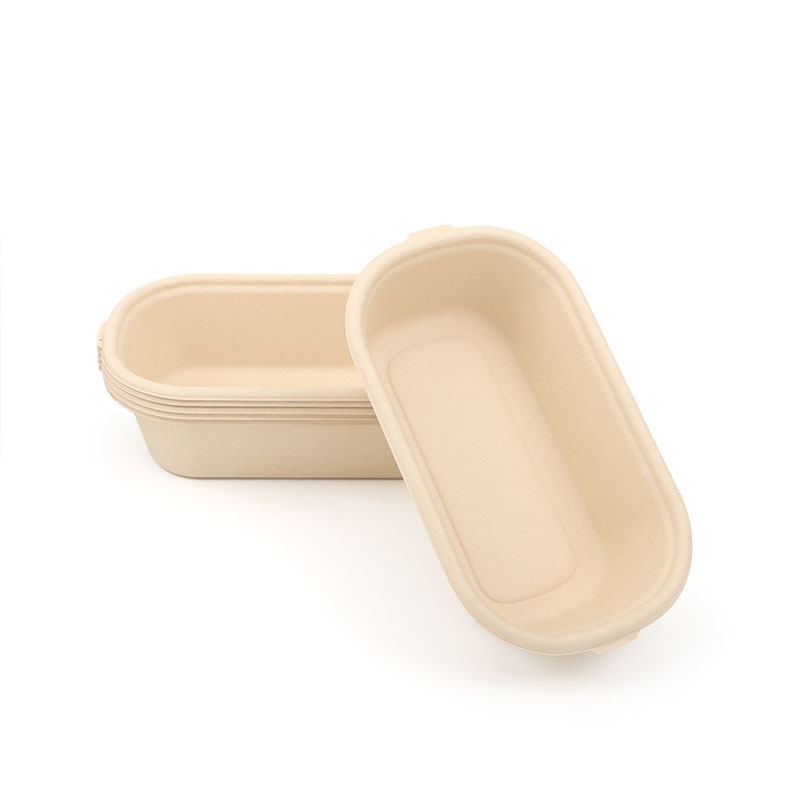
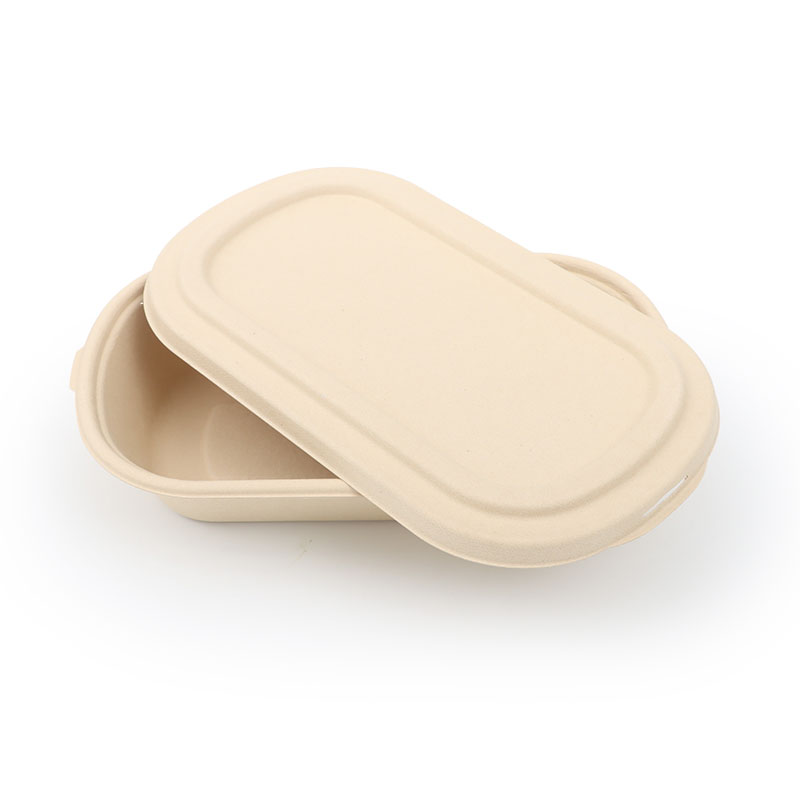
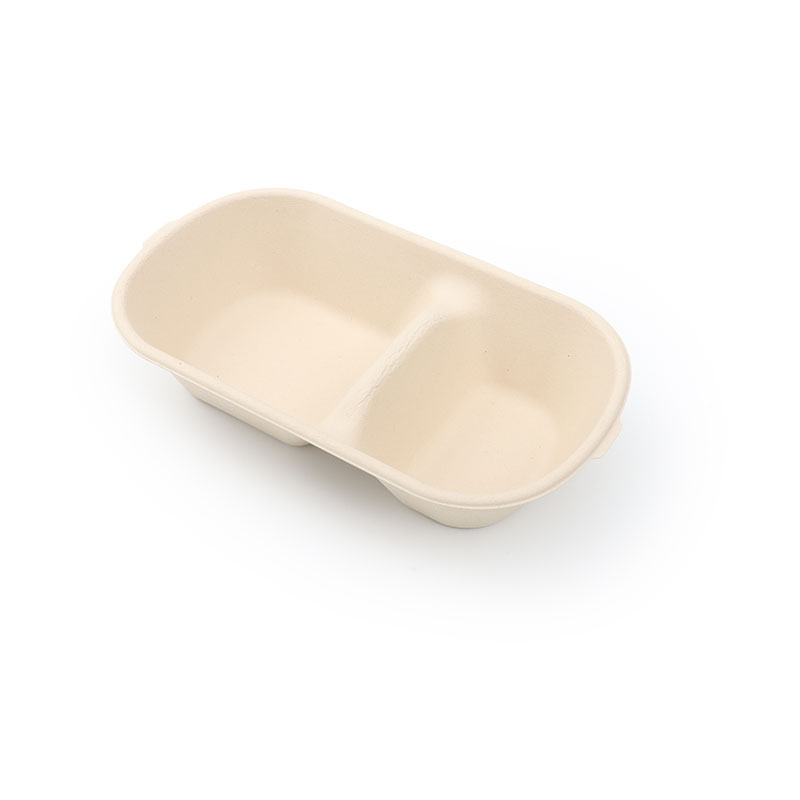
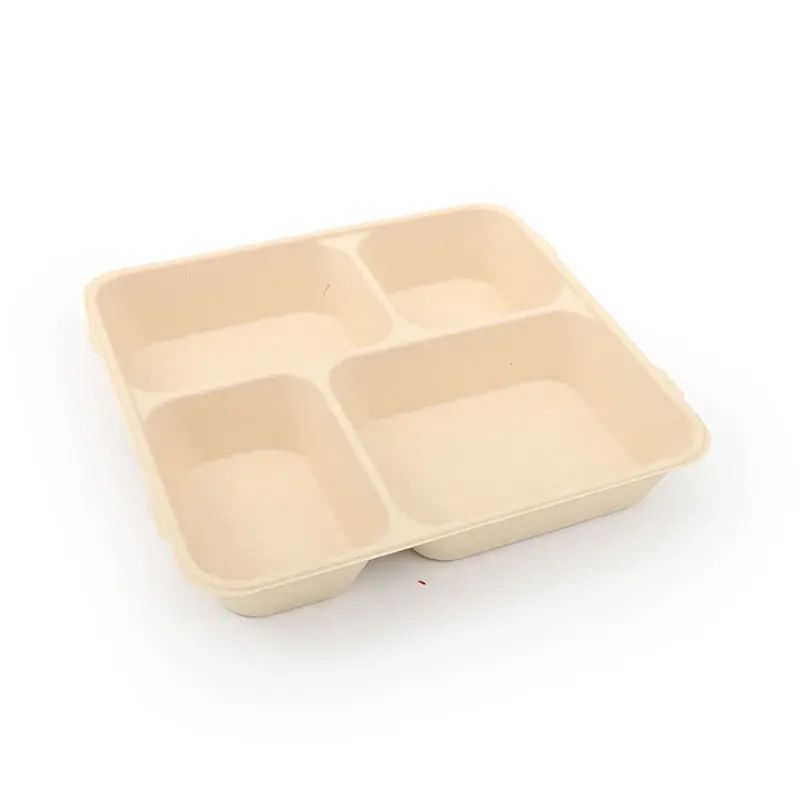
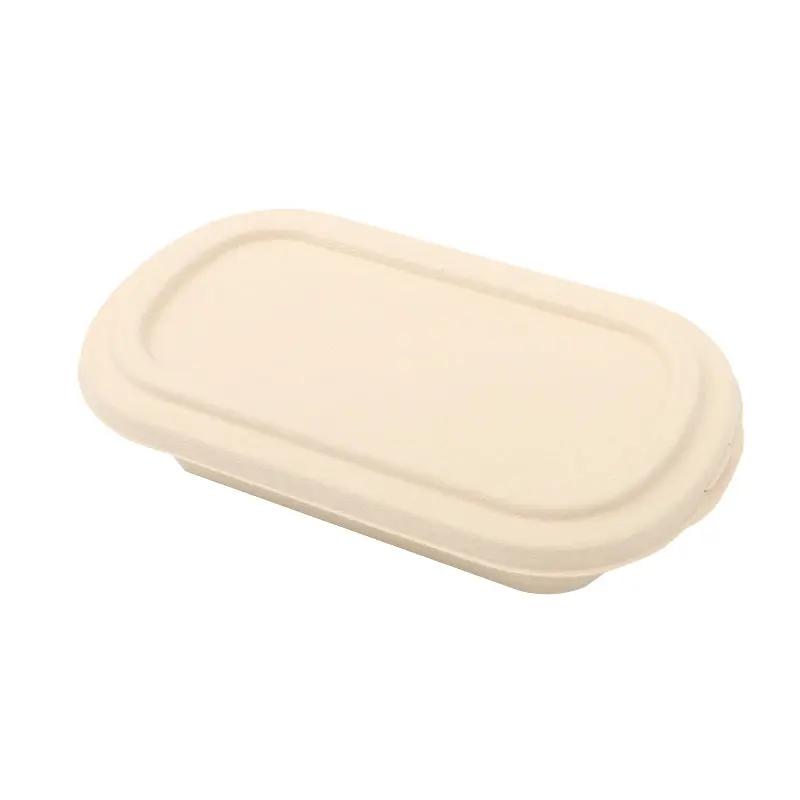
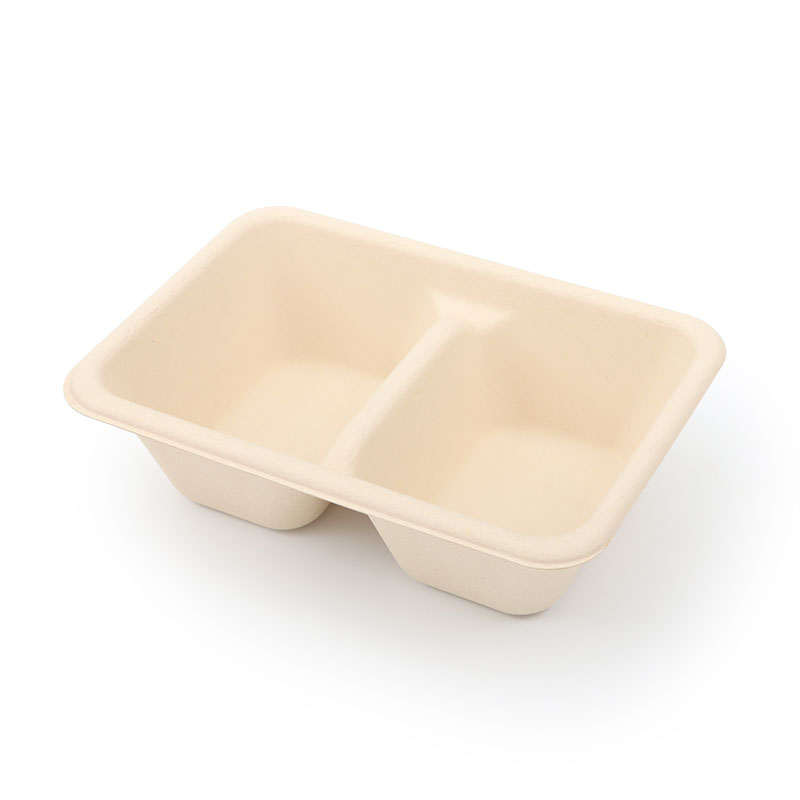
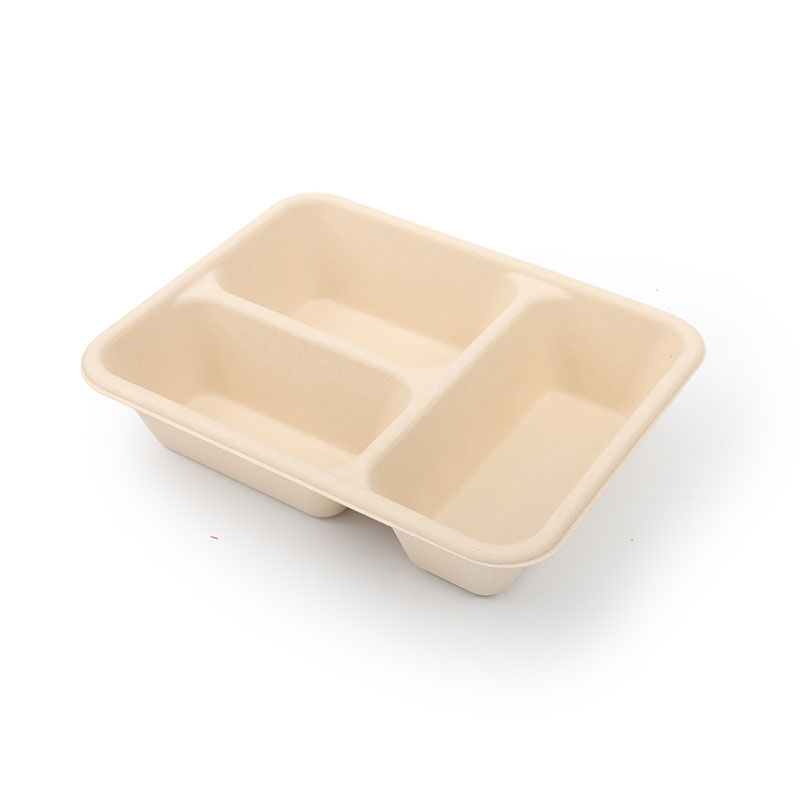
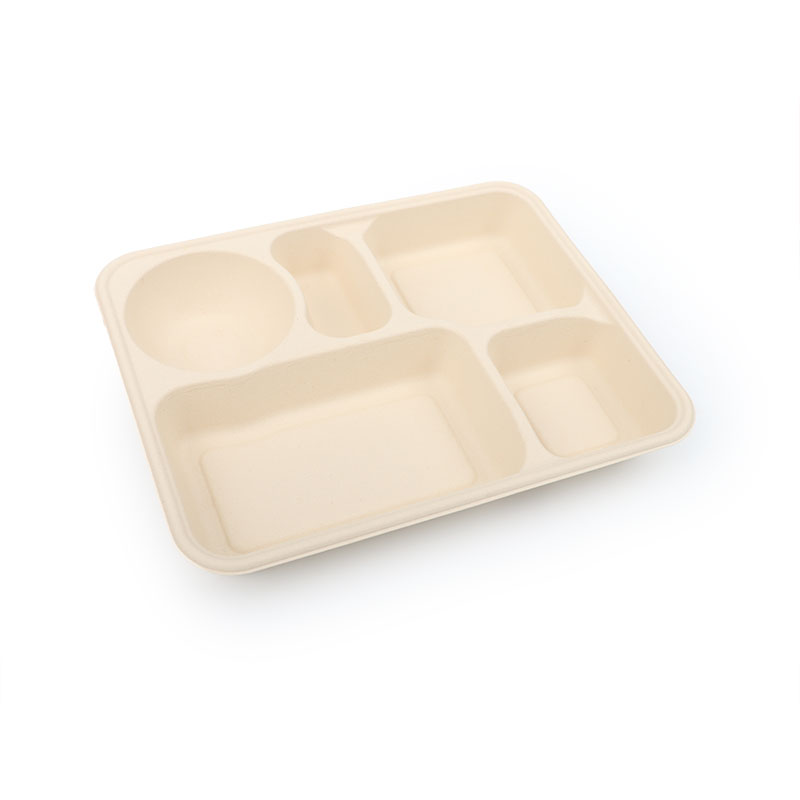
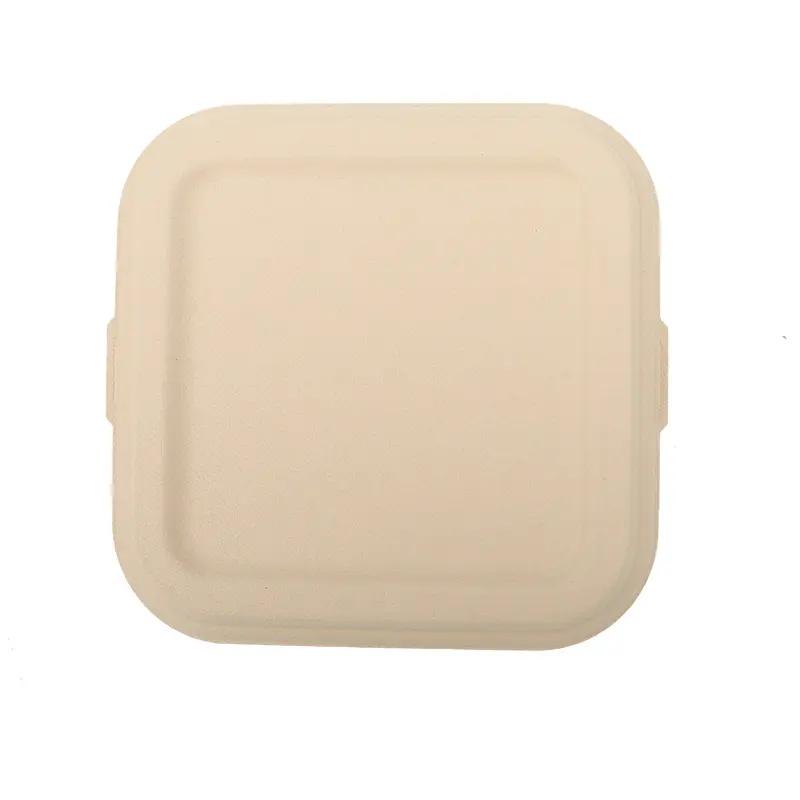
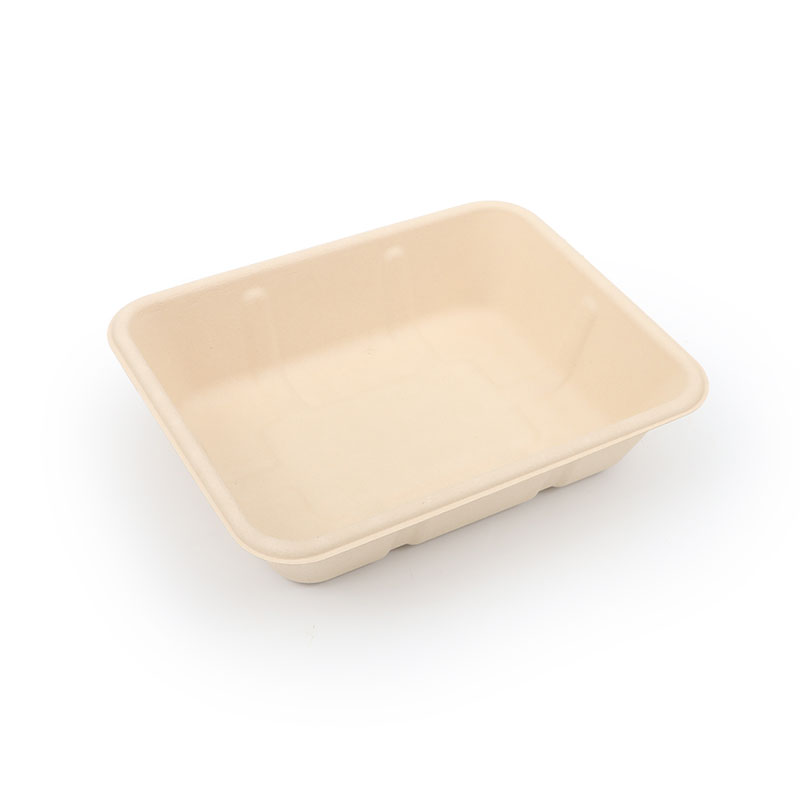
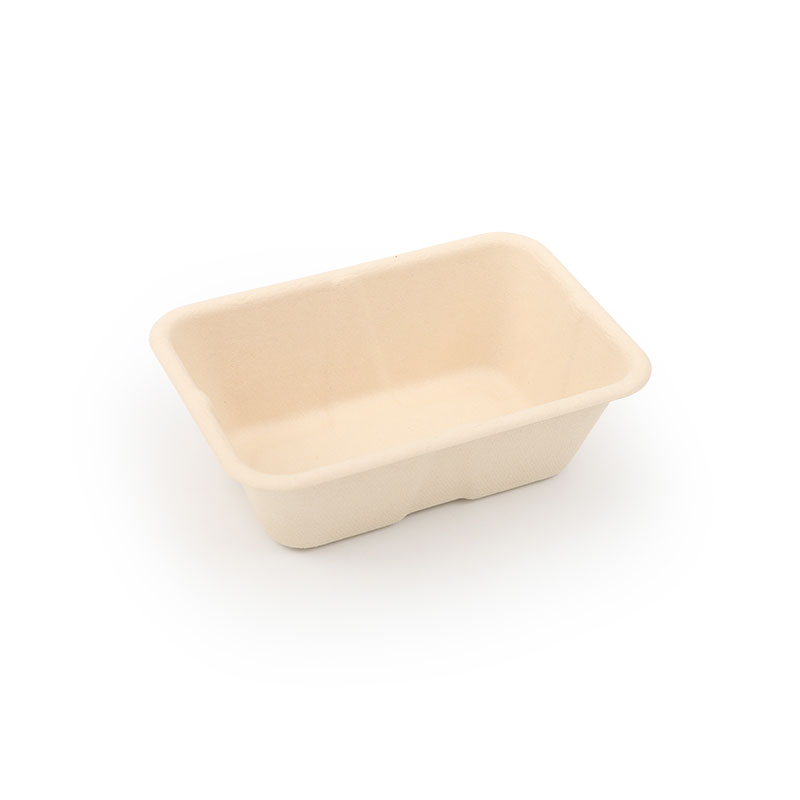
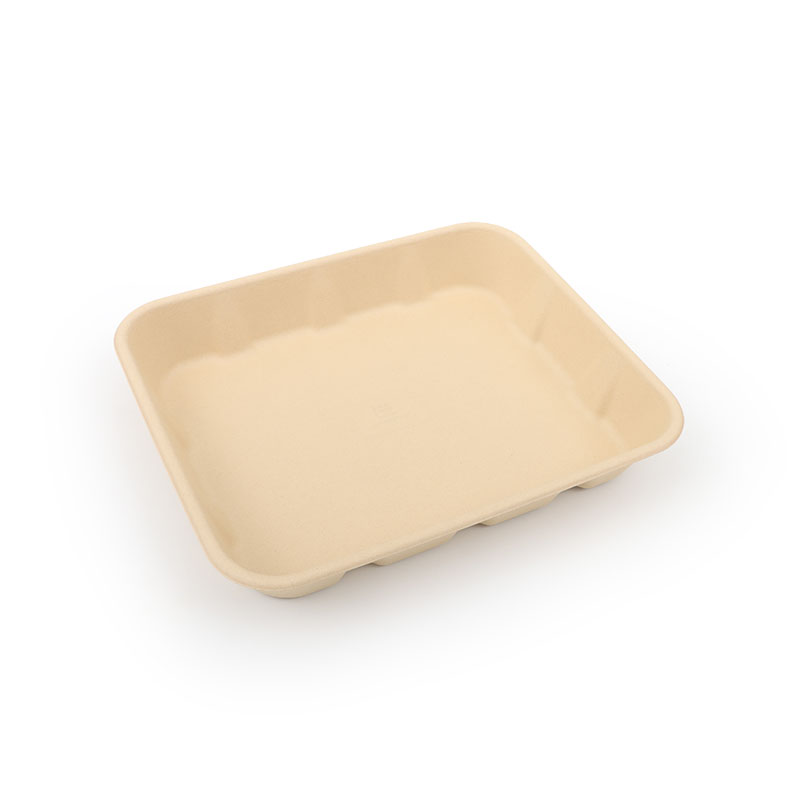
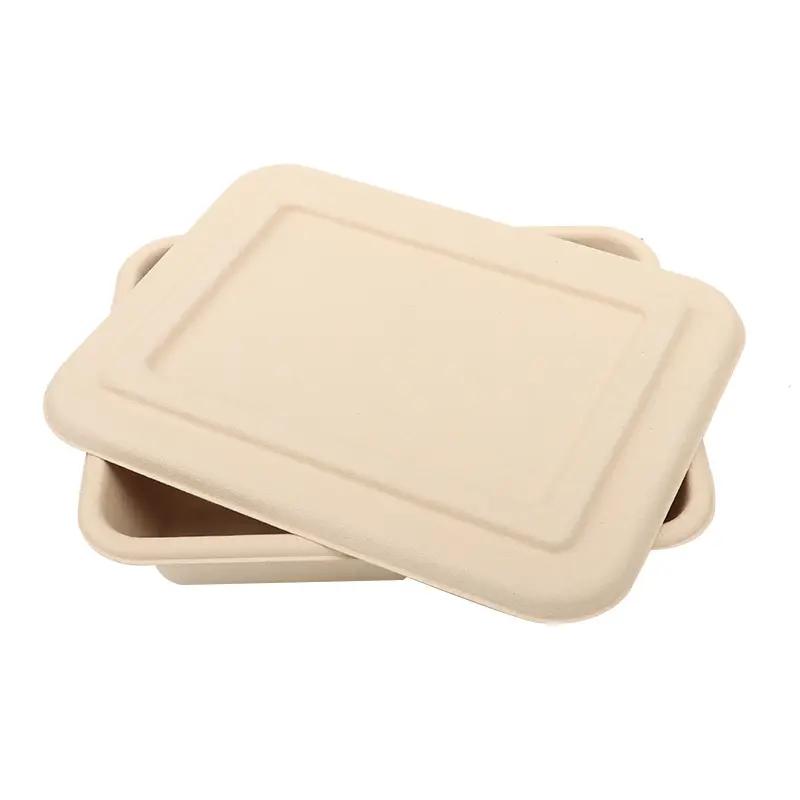
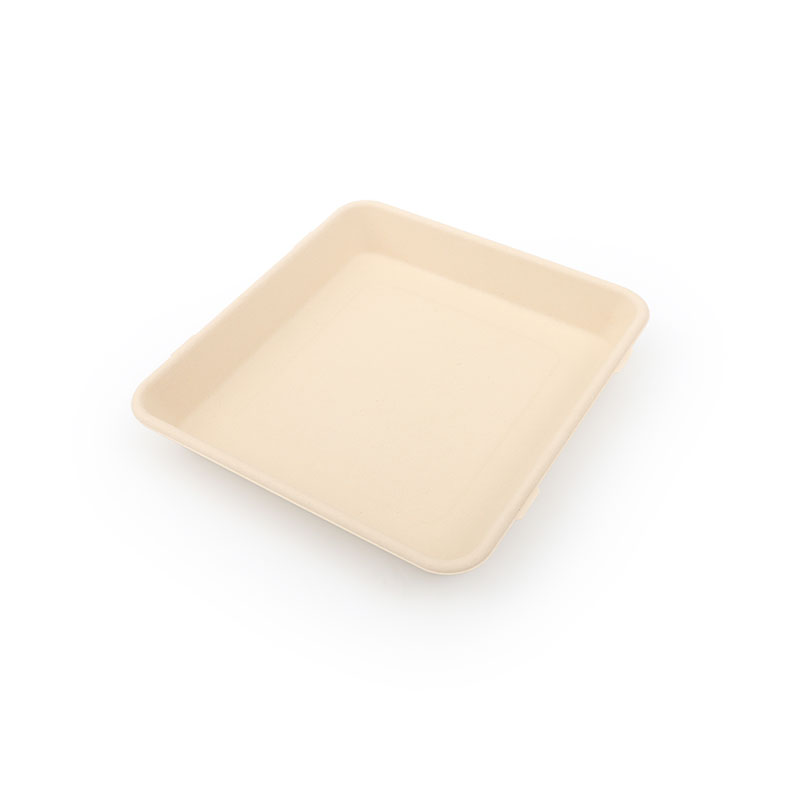
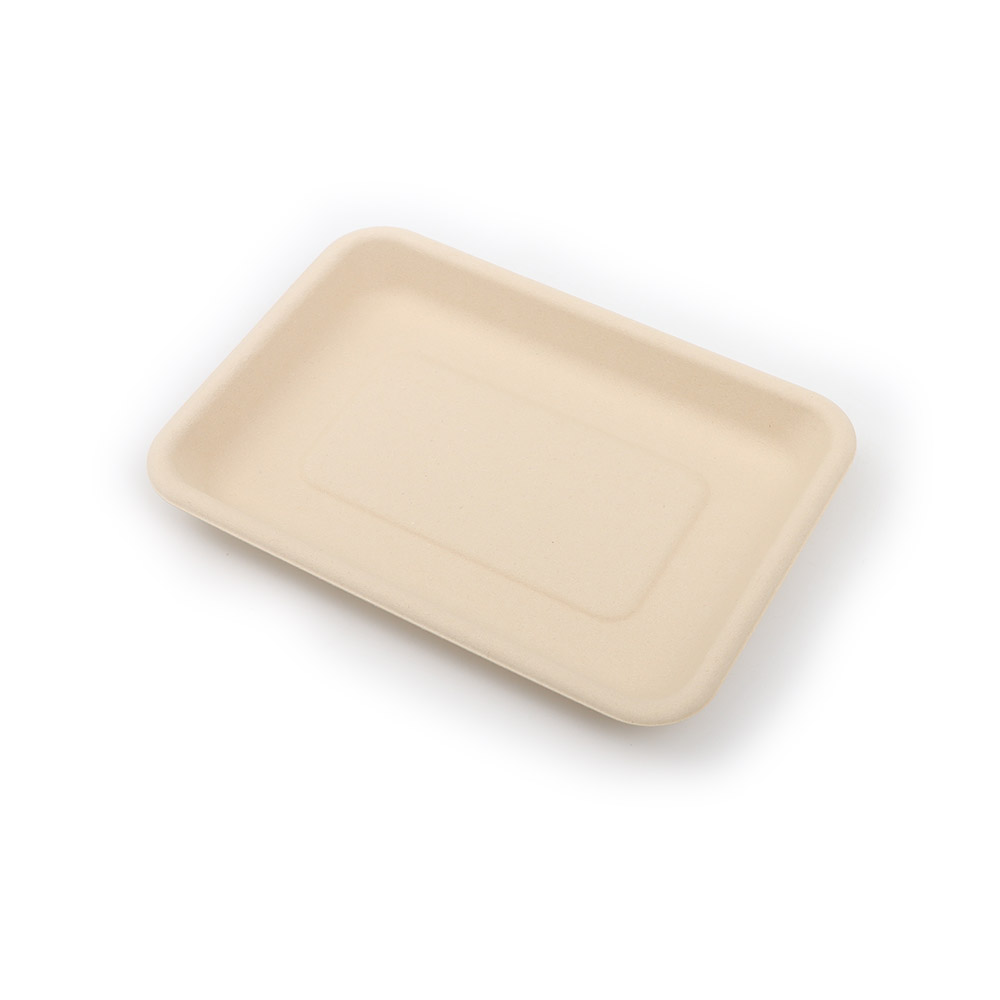
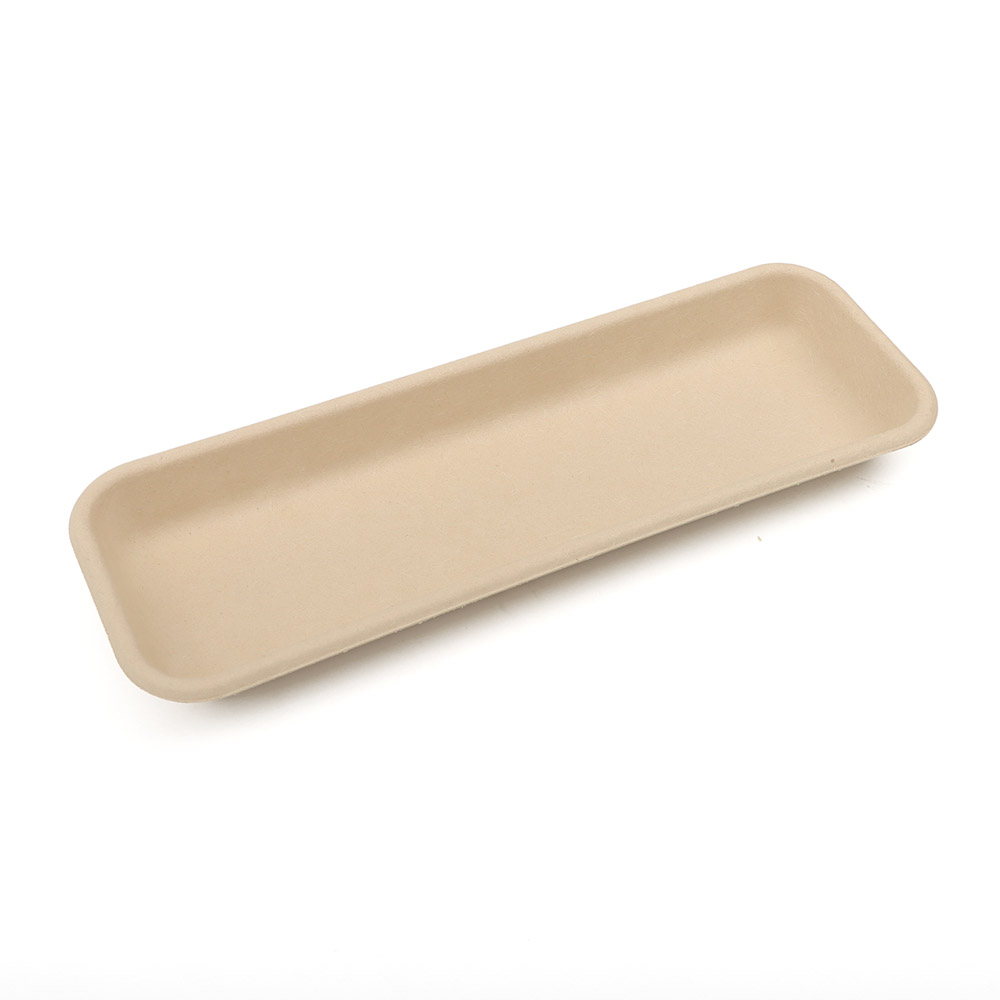
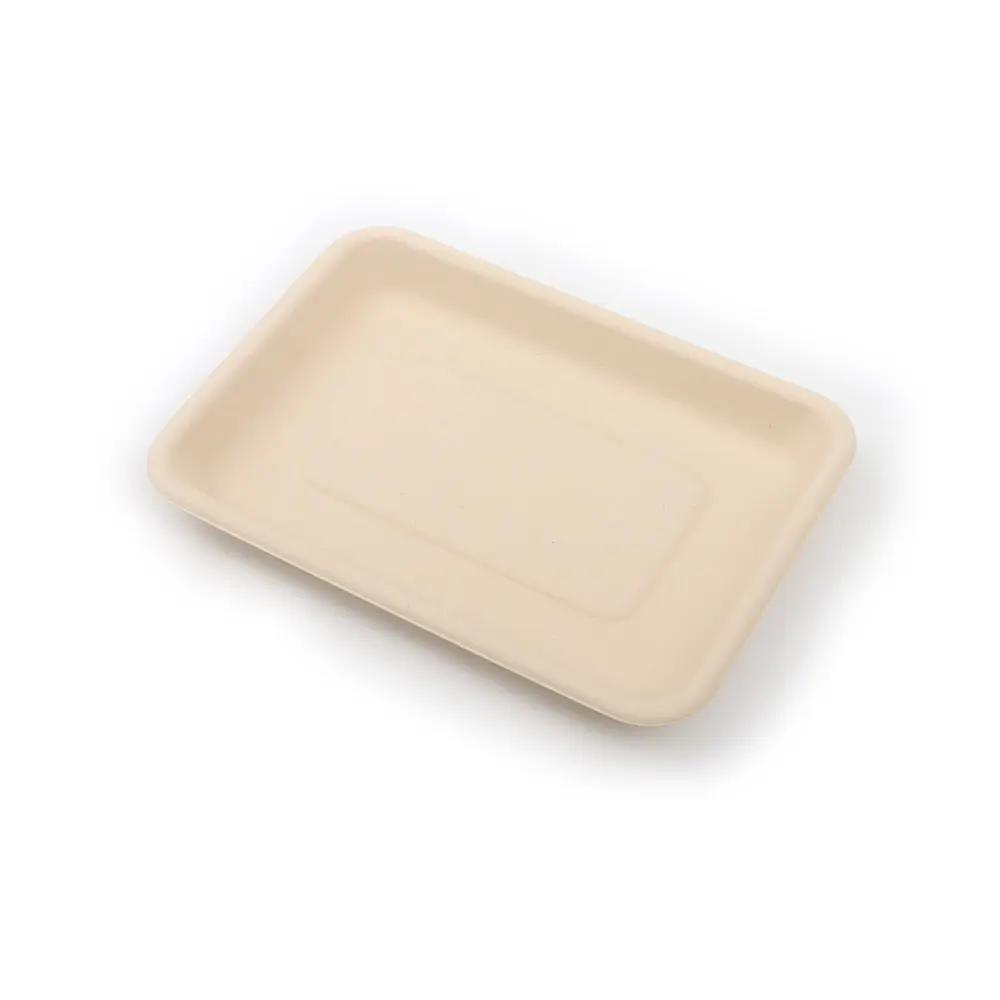
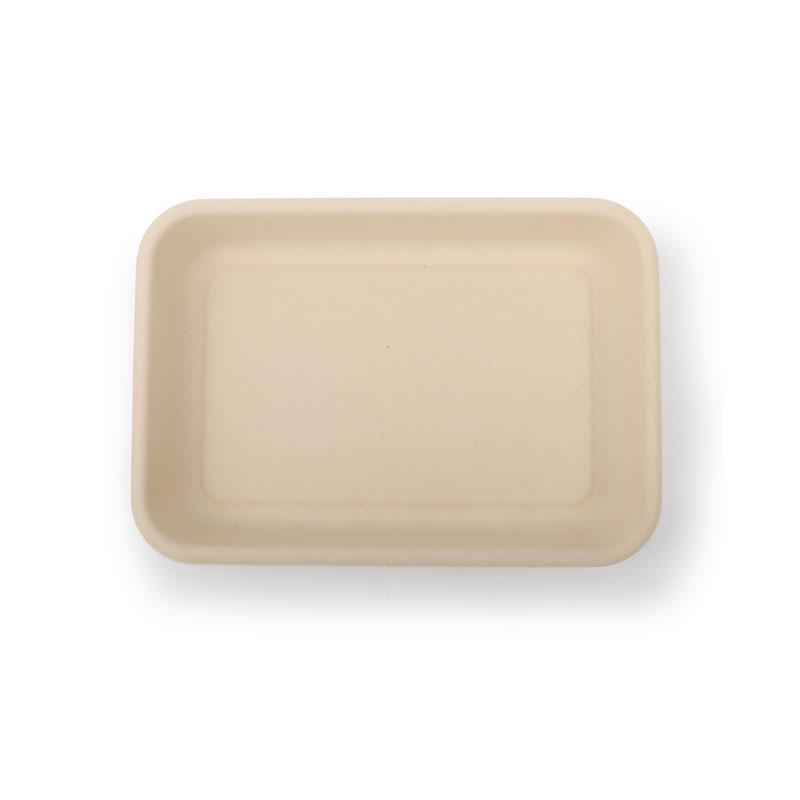
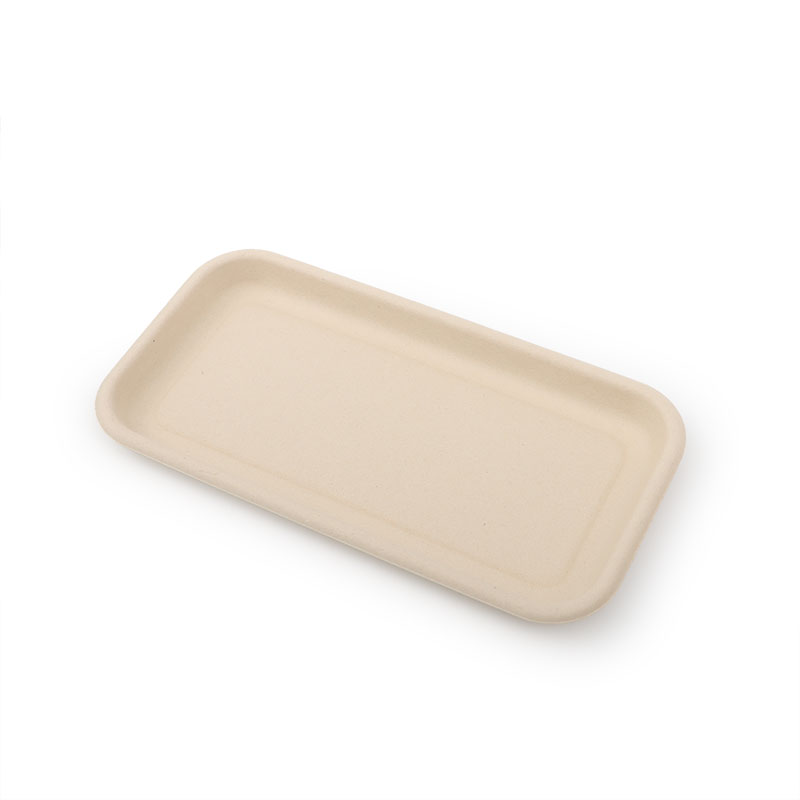
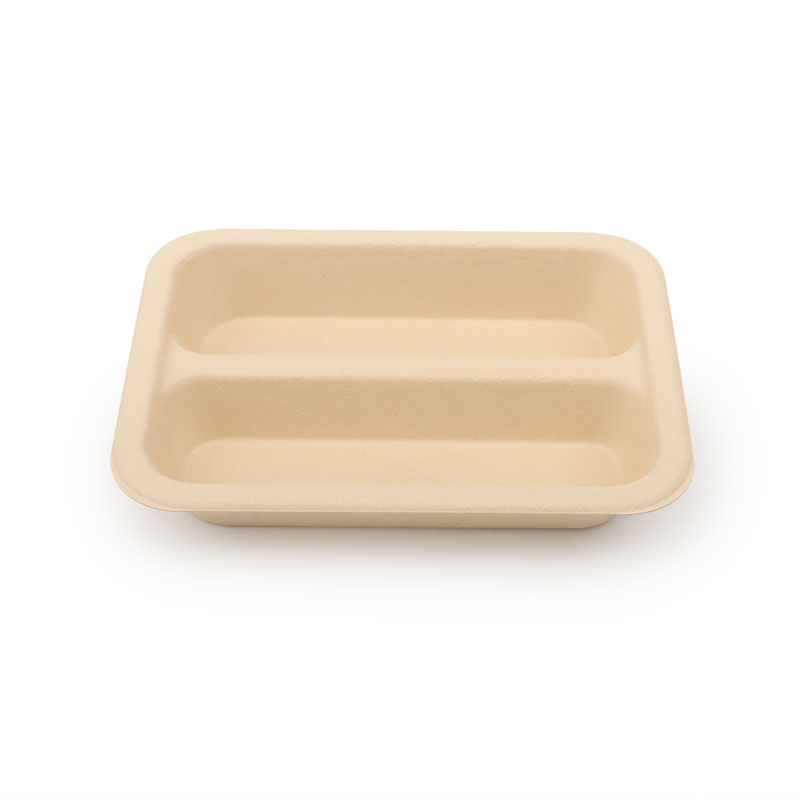
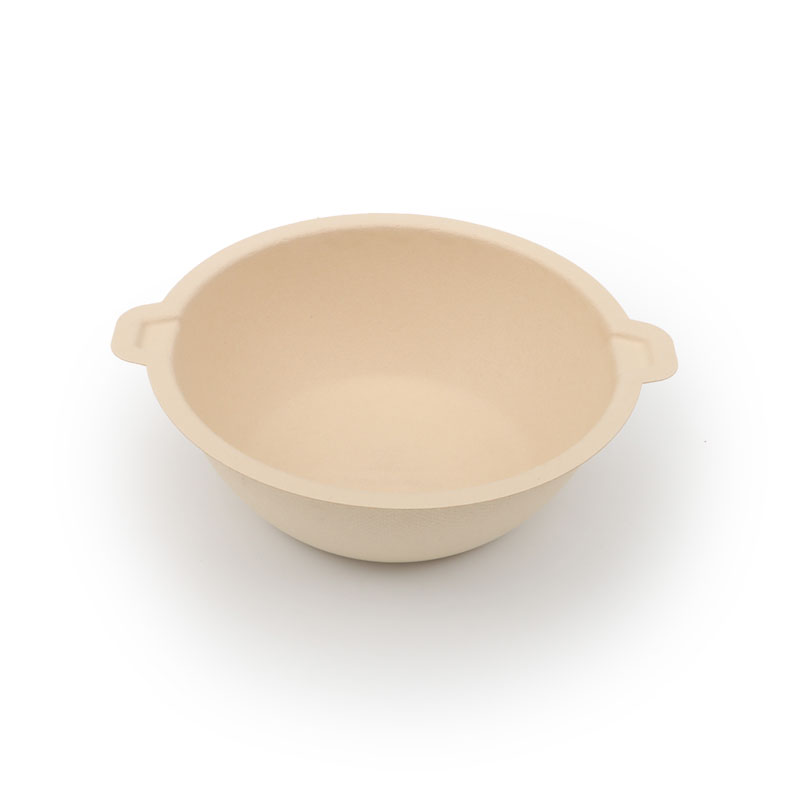
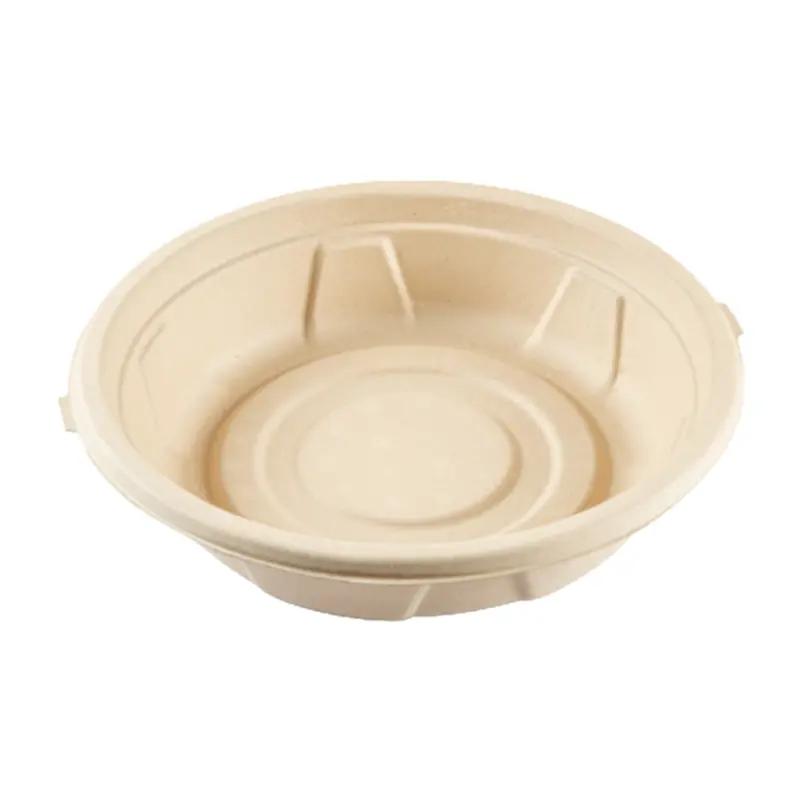
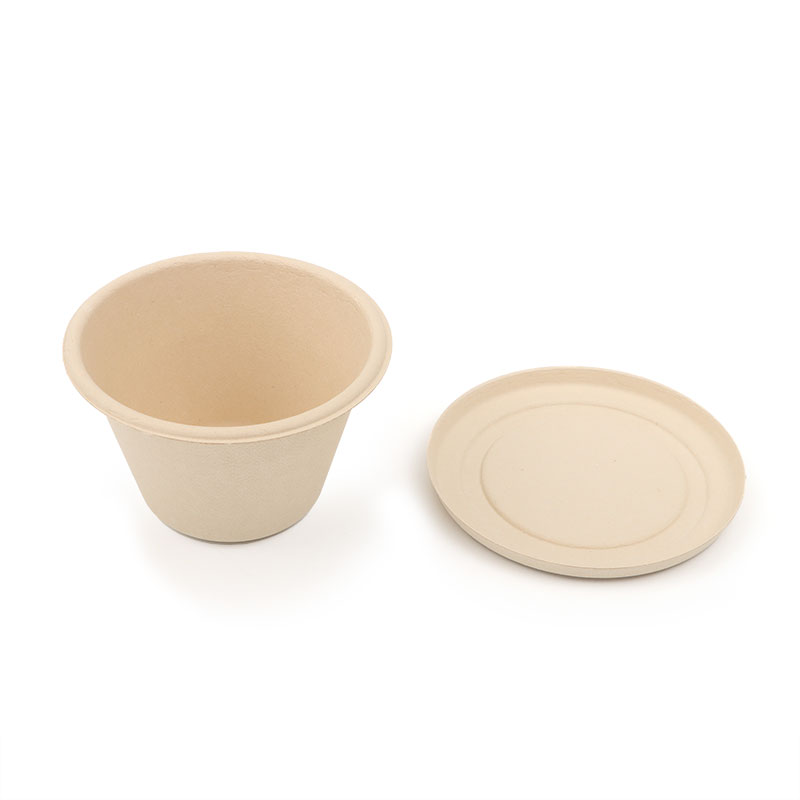
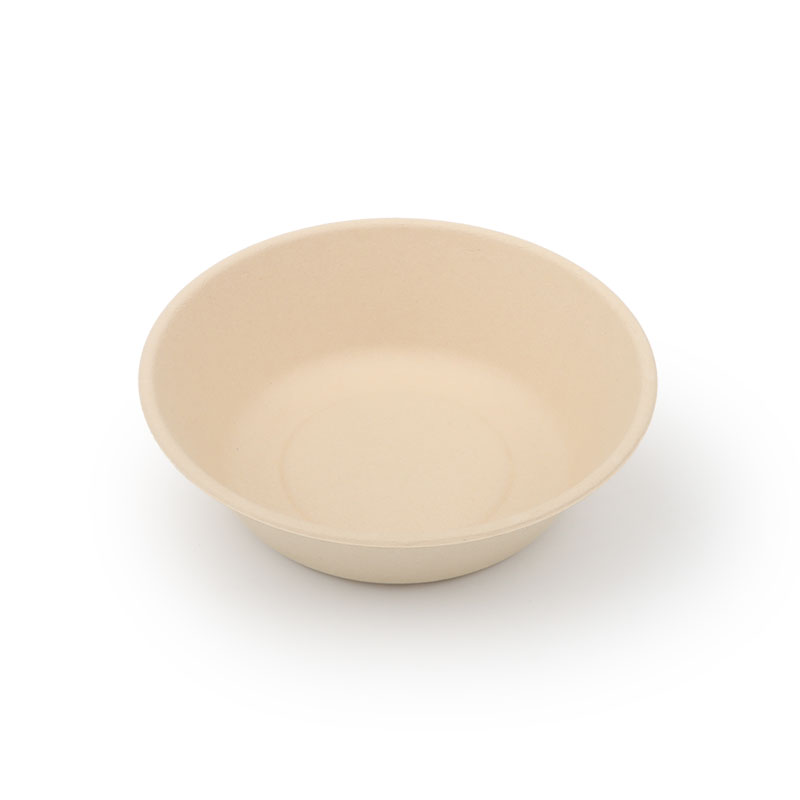
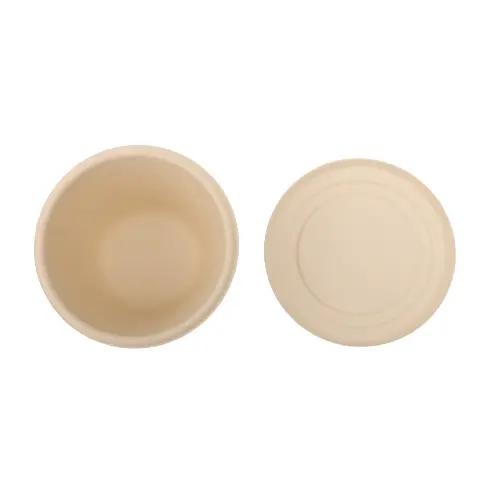
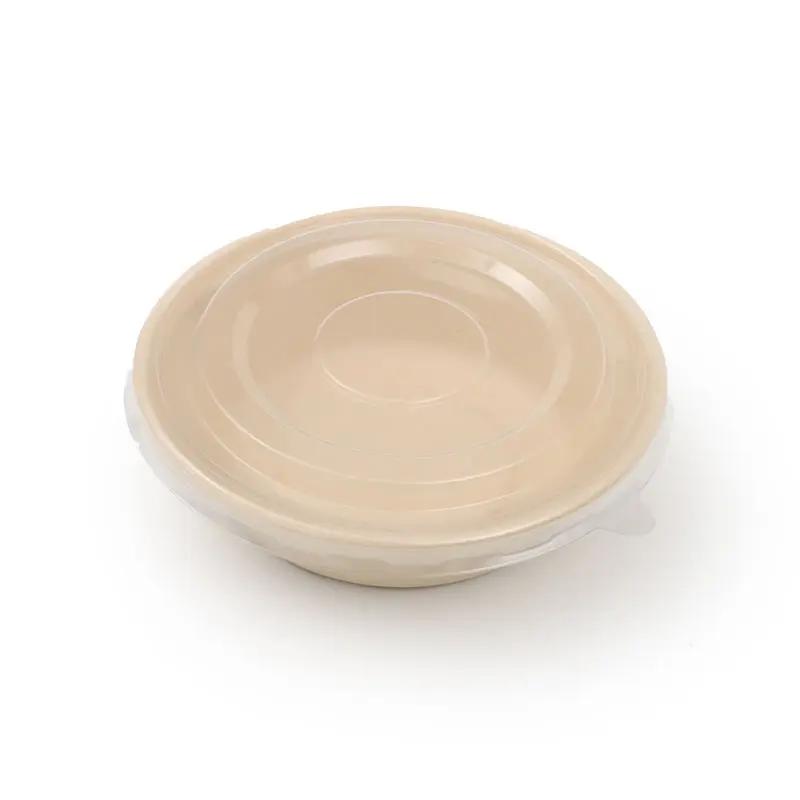
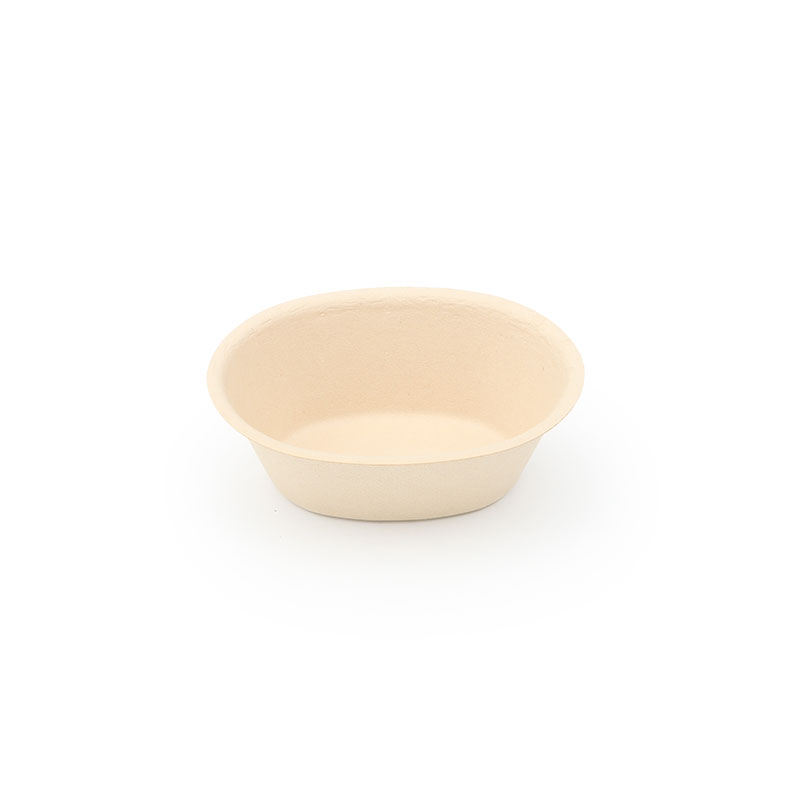
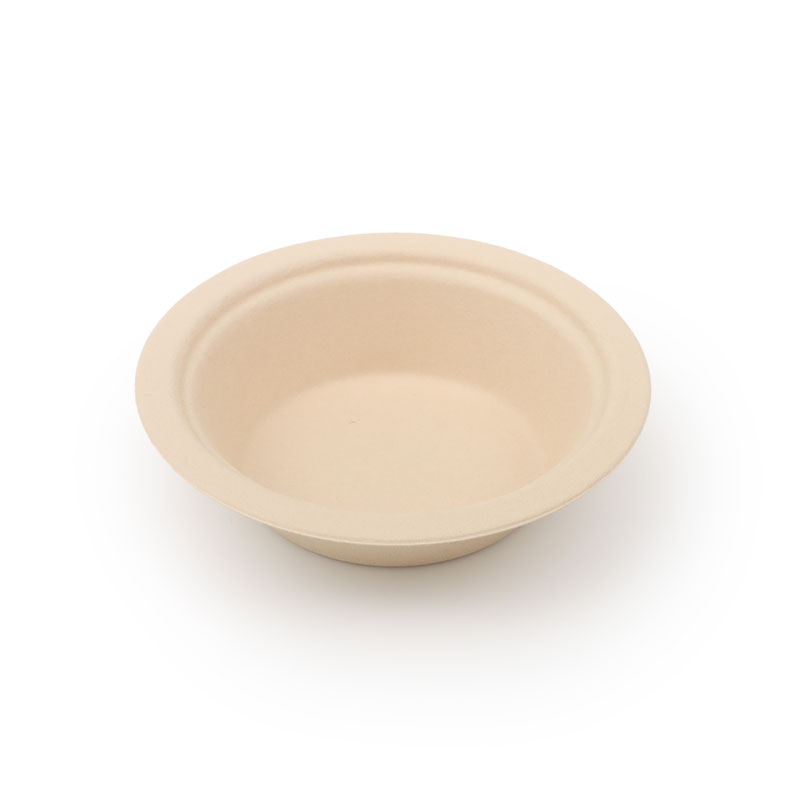
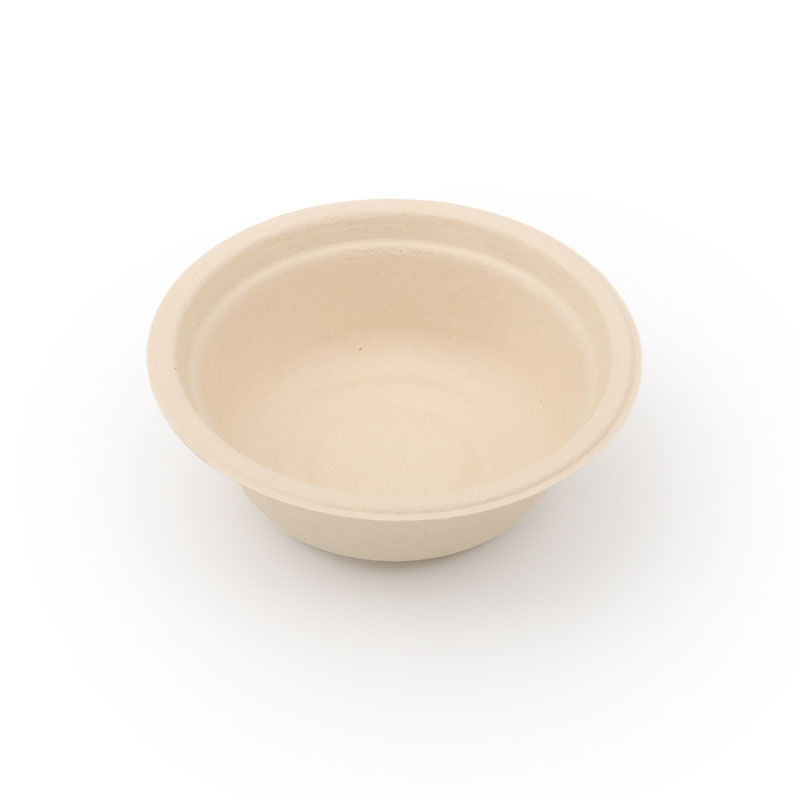
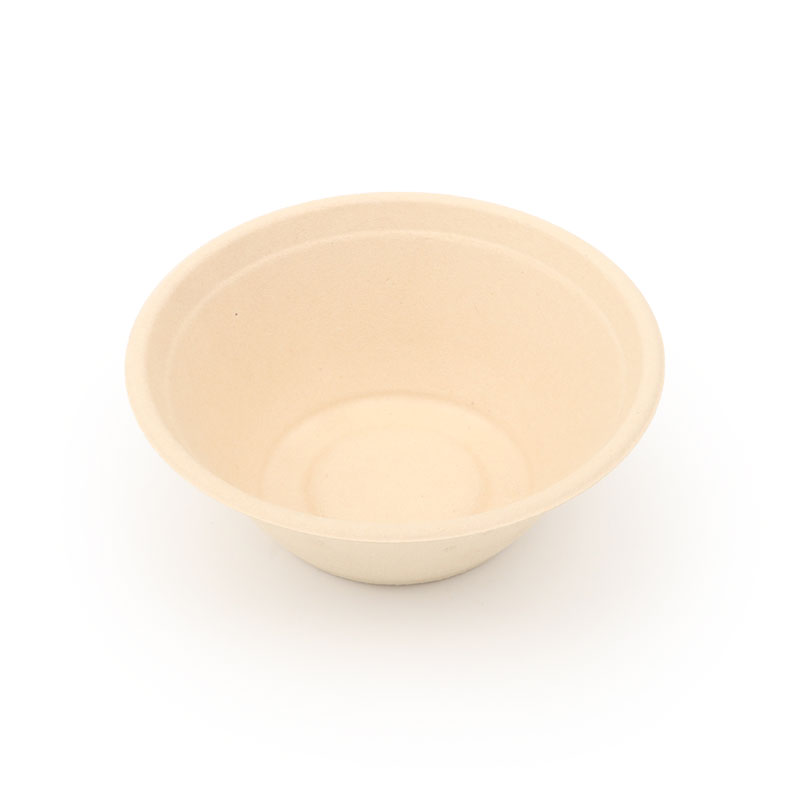
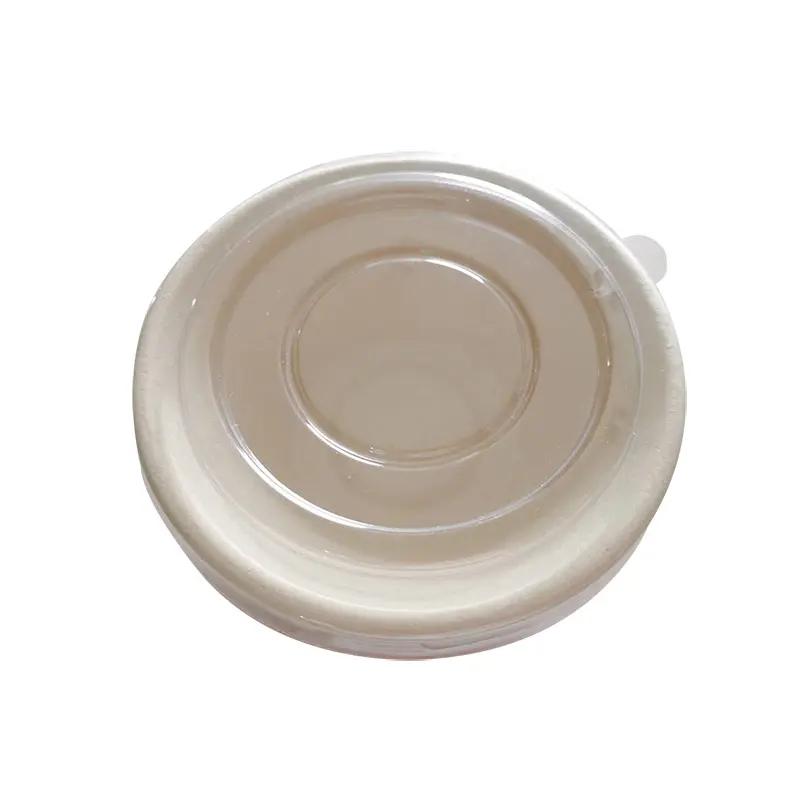
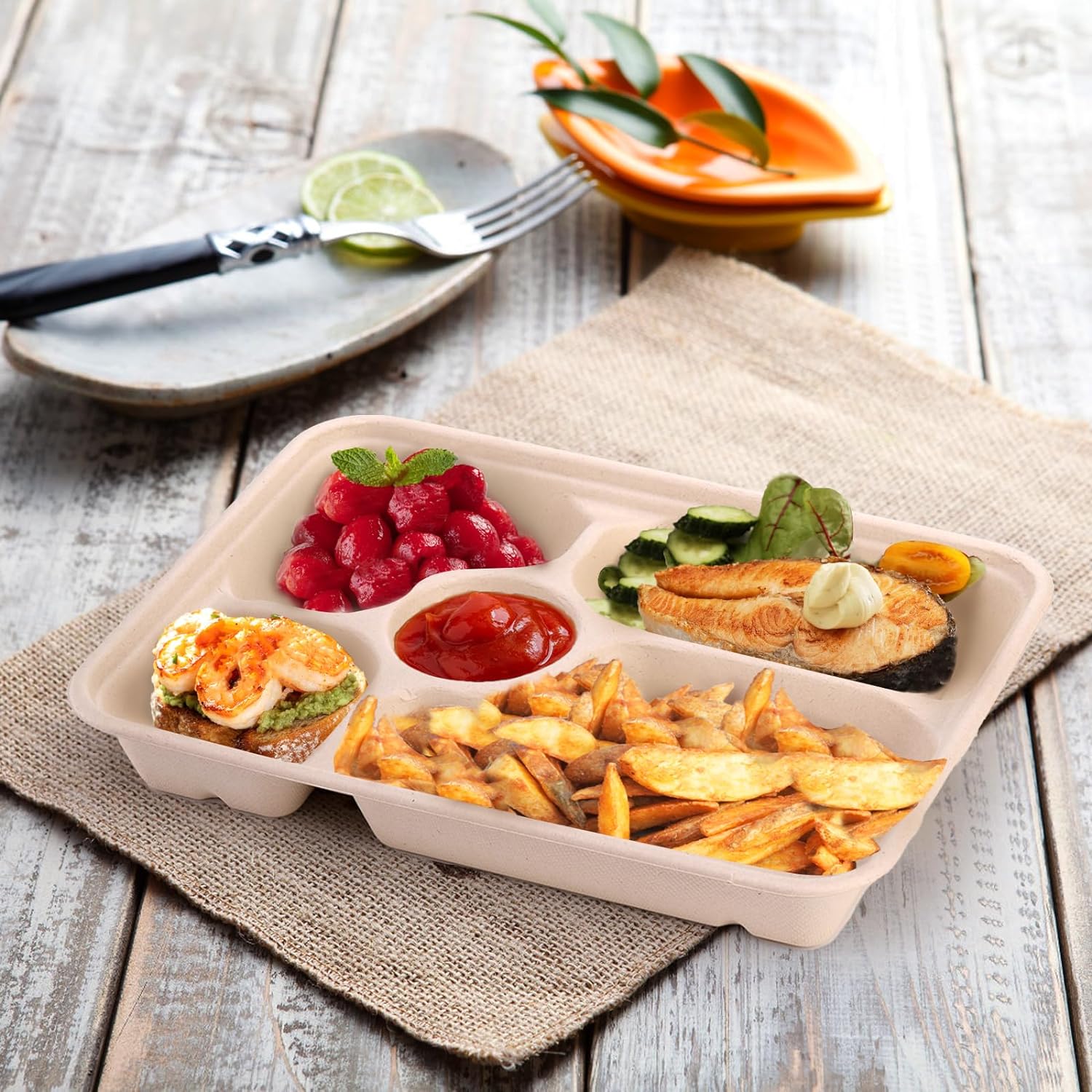
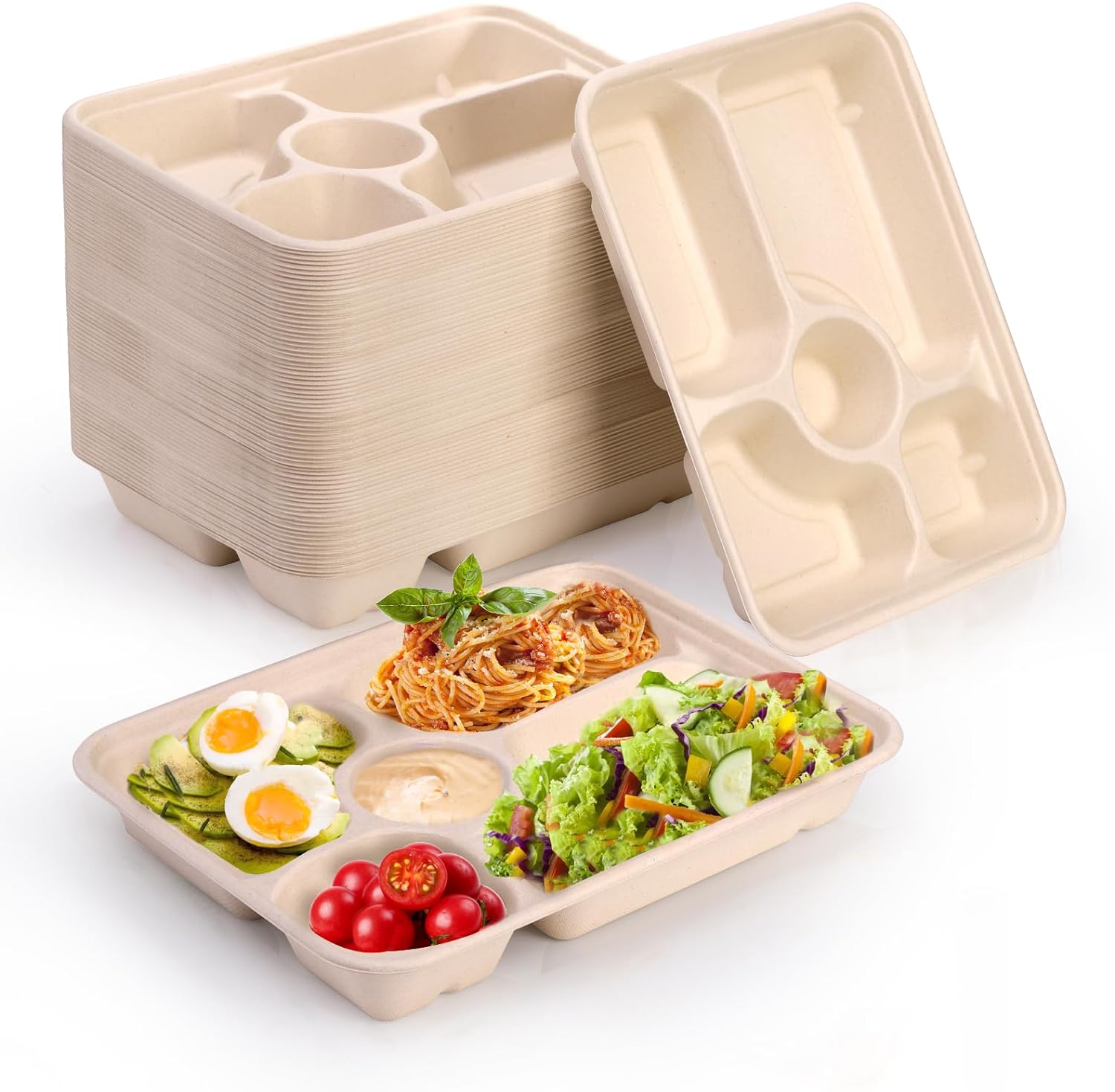
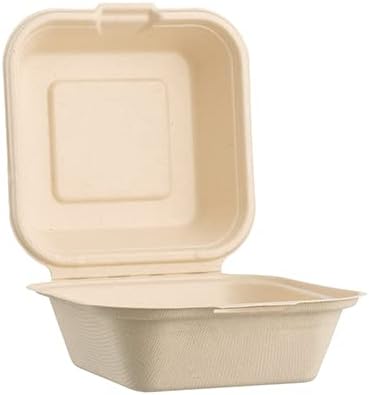
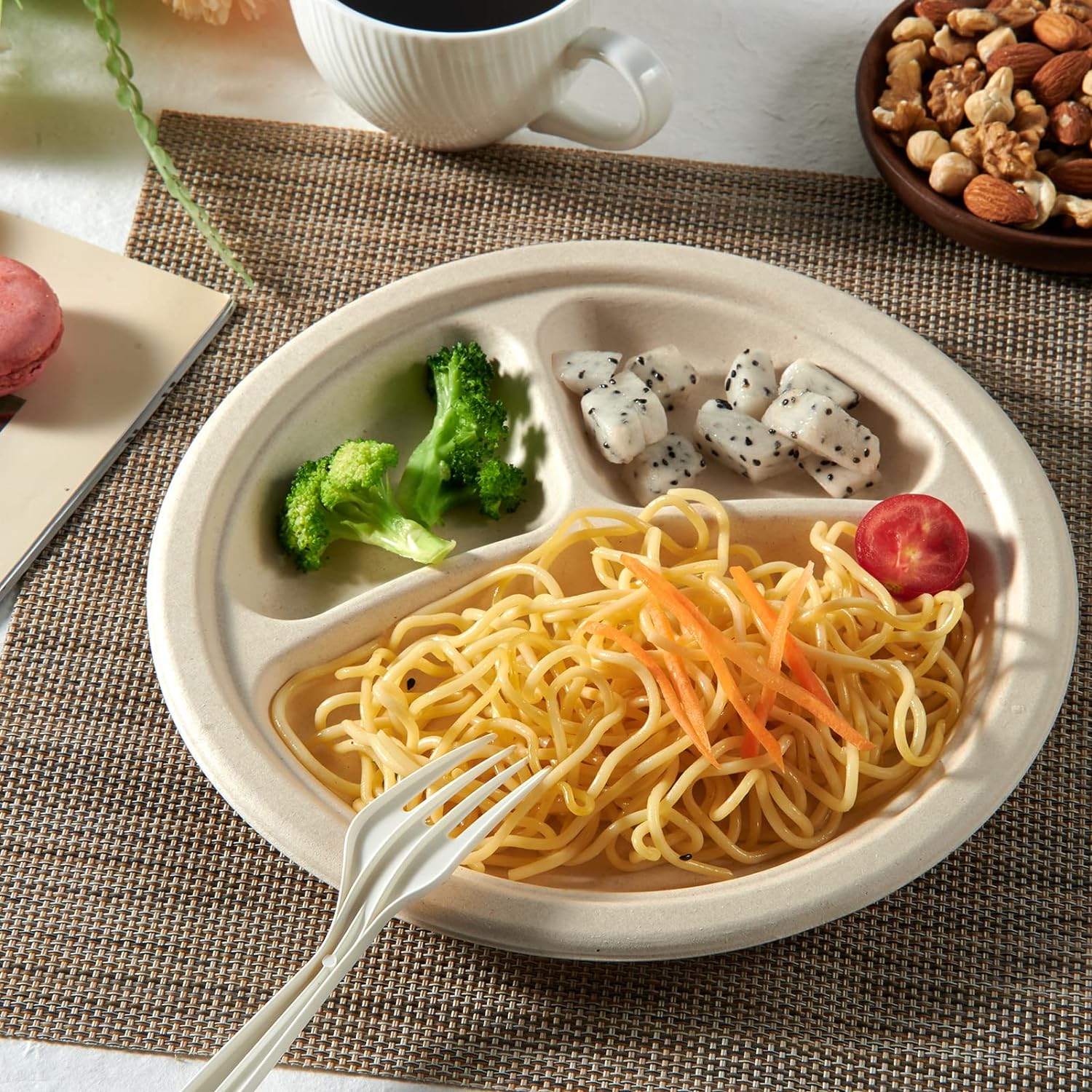
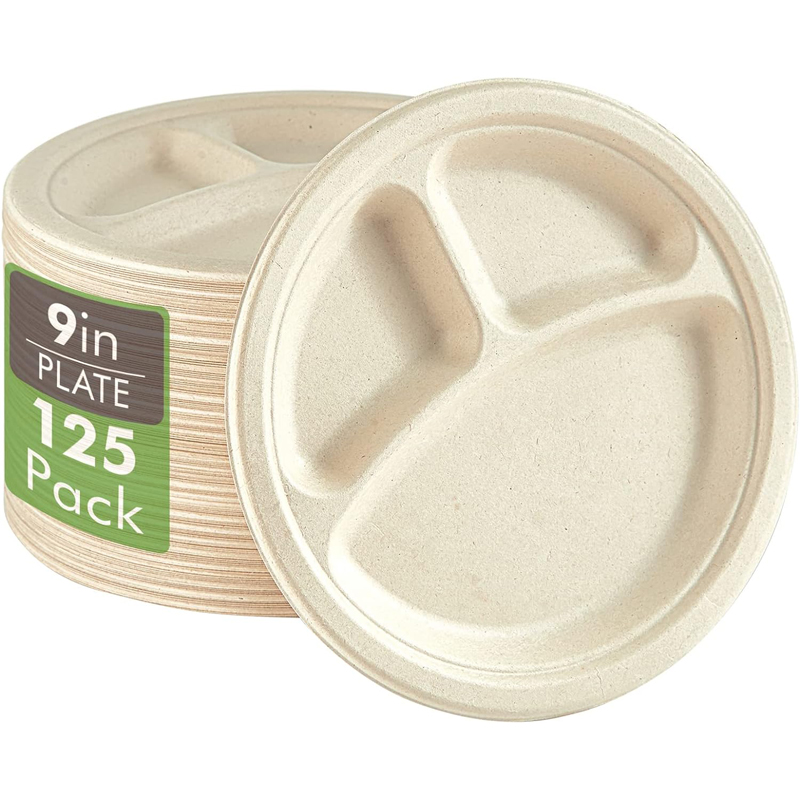
Sustainable Dining: Exploring the Benefits of Biodegradable Molded Bamboo 800ml 2-Compartment Takeaway Food Boxes

Sustainable dining has become a pivotal aspect of modern food consumption, especially in takeaway services where convenience often comes at an environmental cost. Biodegradable molded bamboo food boxes, like the 800ml 2-compartment containers, are designed to mitigate this issue by offering an eco-friendly alternative to traditional plastic packaging. The demand for sustainable packaging solutions is on the rise, with the global biodegradable packaging market expected to reach $21.6 billion by 2026, suggesting that consumers are increasingly aware of their environmental footprint.

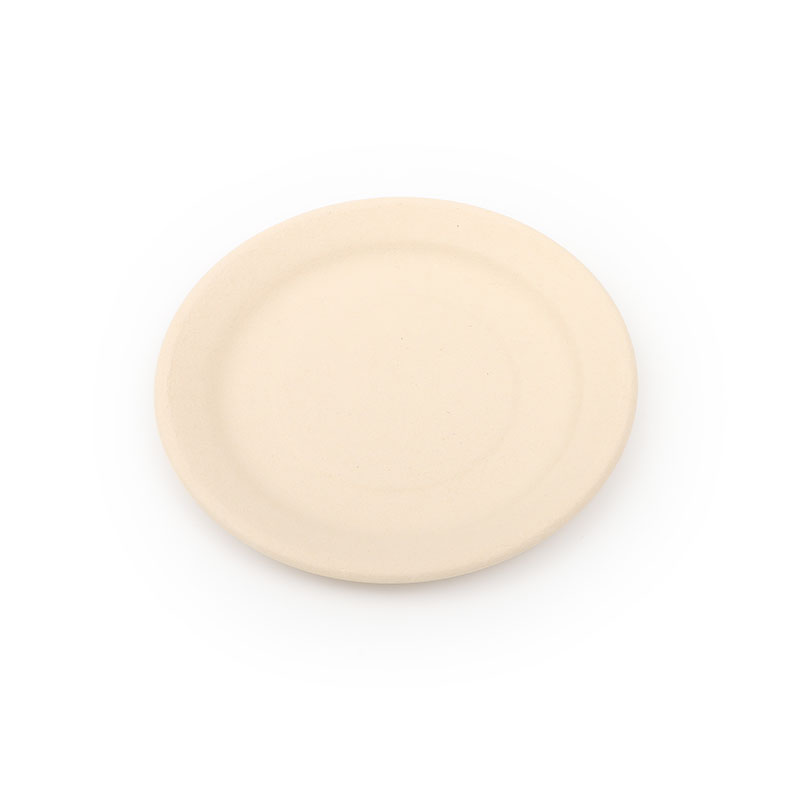
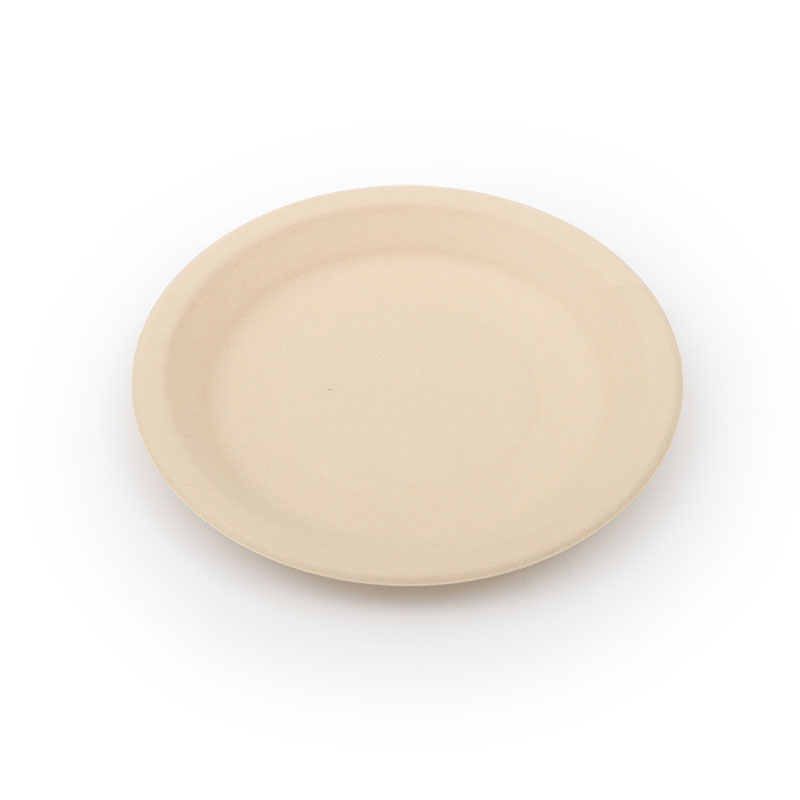
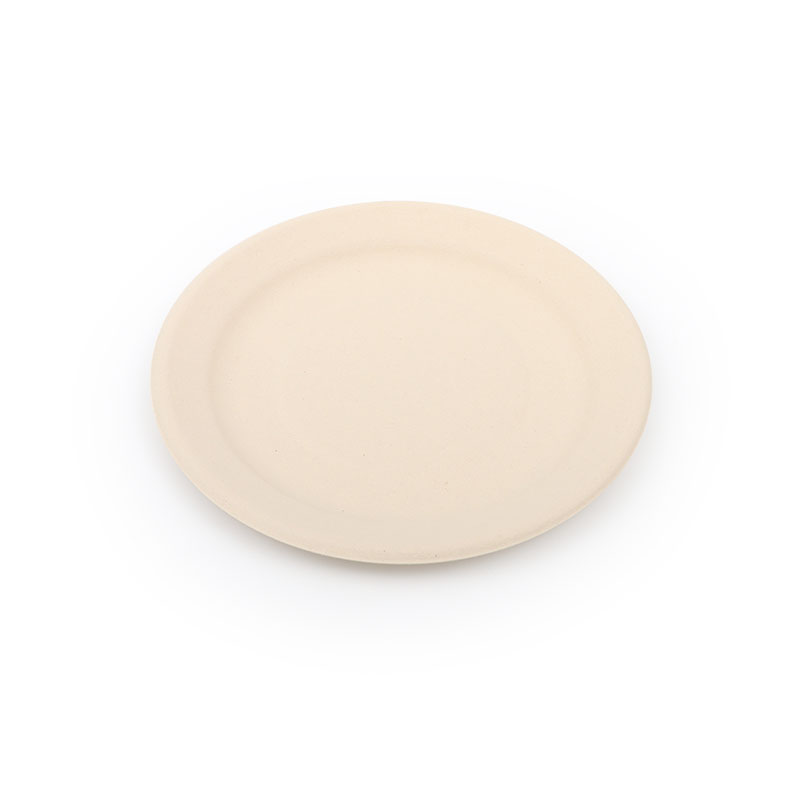
Made from rapidly renewable bamboo pulp, these takeaway food boxes are completely free from harmful chemicals, bleaches, and laminates, making them a safe choice for food storage. Notably, these containers are 100% compostable in managed landfills, contributing to a circular economy by returning nutrients to the soil. Their natural, organic appearance adds an aesthetic touch to food presentations, appealing to eco-conscious consumers while helping to curb the plastic crisis gripping the takeaway food industry.

Additionally, the functionality of bamboo pulp containers cannot be understated. With features such as oil and water resistance, along with the ability to withstand high temperatures up to 220°C, they not only ensure the food's safety during heating but also allow for versatile use in the kitchen. This innovative product range exemplifies the shift towards sustainable dining practices, promoting a healthier planet while satisfying the growing consumer preference for environmentally responsible packaging solutions.

FAQS

: What is modified atmosphere packaging (M

P)?

How does MAP help reduce food waste?

By keeping food fresh longer, MAP minimizes spoilage for both retailers and consumers.

What foods benefit most from MAP?

Fruits and vegetables stay crisp, while meats retain flavor without harmful preservatives.

Are there any downsides to using MAP?

Some foods may react negatively, potentially affecting taste, texture, and overall quality.

How important is research in MAP development?

Continuous research helps improve MAP effectiveness, ensuring high-quality products for consumers.

What trends are emerging in MAP?

There is a growing focus on sustainability, with many companies exploring biodegradable packaging materials.

Can biodegradable options compete with traditional plastics?

Some biodegradable materials may not offer the same protection, posing challenges for food safety.

What role does technology play in MAP?

Innovations like intelligent packaging provide real-time freshness data, improving quality control.

What concerns accompany the integration of new technologies in MAP?

Cost and complexity may hinder the adoption of advanced packaging systems in the market.

Why is it essential to balance sustainability and functionality in MAP?

Consumers desire environmentally friendly options, but effectiveness and safety must not be compromised.

Conclusion

Modified Atmosphere Food Packaging (MAP) is an innovative technology that alters the composition of gases surrounding food products to extend their shelf life and maintain freshness. This method offers several benefits over traditional packaging, including reduced spoilage and enhanced nutritional quality, making it increasingly popular across various food industries. The article highlights the applications of MAP, showcasing its effectiveness in perishable items like fruits, vegetables, meats, and dairy products.

Despite its advantages, implementing Modified Atmosphere Food Packaging poses challenges such as equipment costs and the need for specialized training. However, ongoing advancements and a growing awareness of food preservation techniques suggest a promising future for MAP. Regulatory considerations are essential to ensure safety and compliance in the market. Overall, Modified Atmosphere Food Packaging stands out as a vital solution for modern food preservation, addressing consumer demands for quality and sustainability.

Amelia

Amelia

Amelia is a dedicated marketing professional at Kangxin (Haimen) Environmental Technology Development Co., Ltd., where she leverages her extensive knowledge of the company’s innovative products to drive awareness and engagement. With a deep understanding of environmental technologies, Amelia......
Previous Top 5 Tips for Choosing Laminated Paper Plates for Events?