
 Box With T buckle
 700ml Square Lunch Box
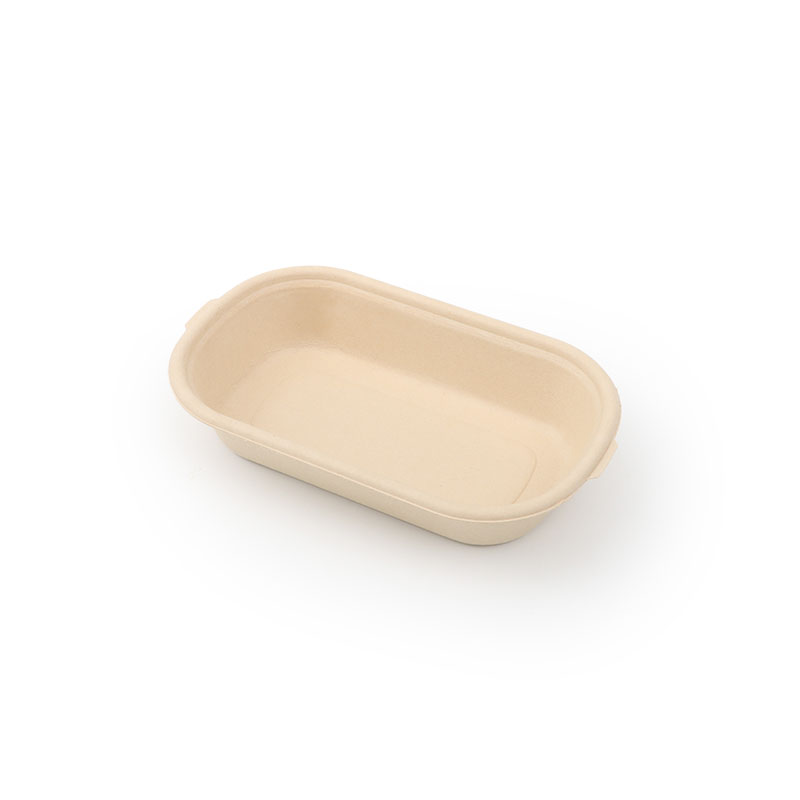 500ml
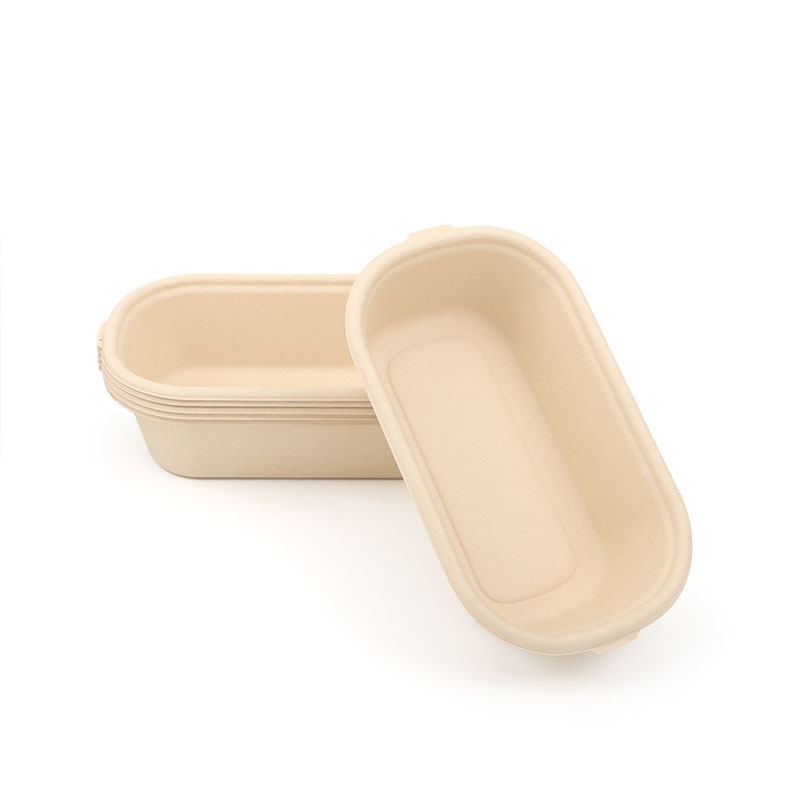 700ml
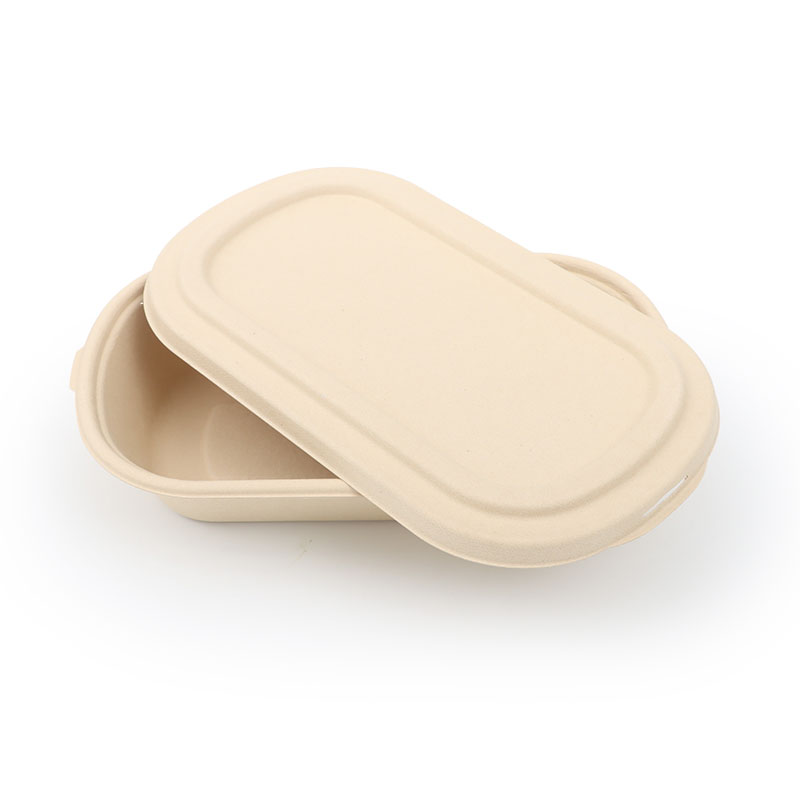 850ml
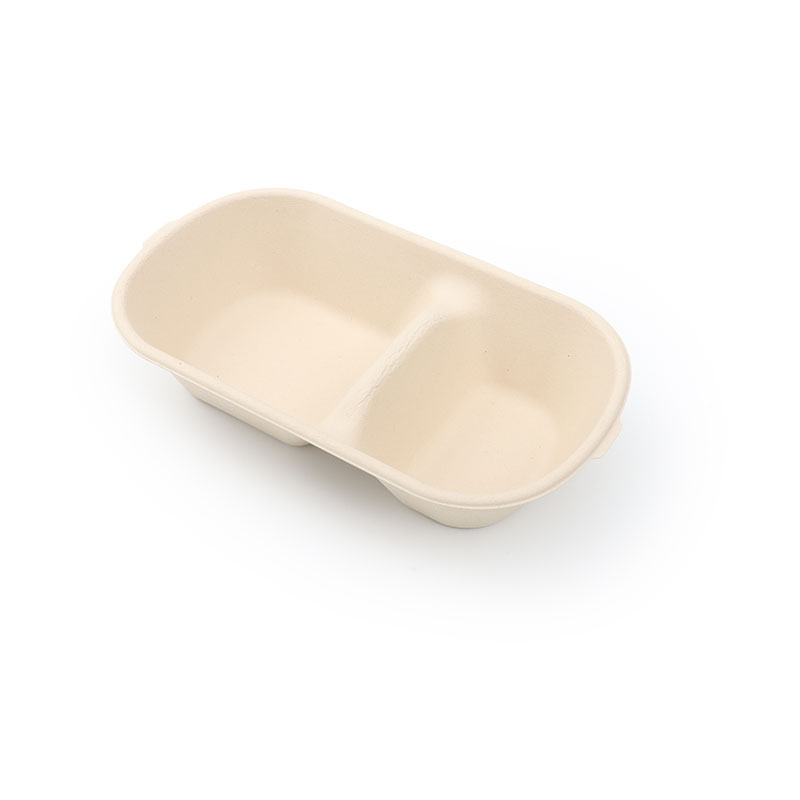 800ml 2 Compartments
 1000ml 2 Compartments
 1100ml
 1000ml Square Lunch Box
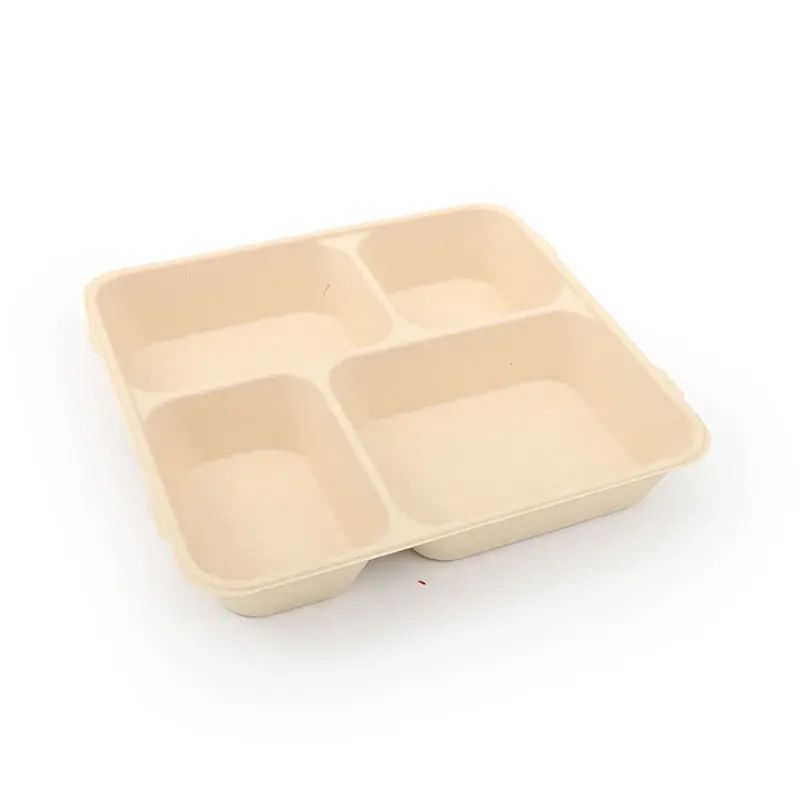 1340ml 4 Compartments
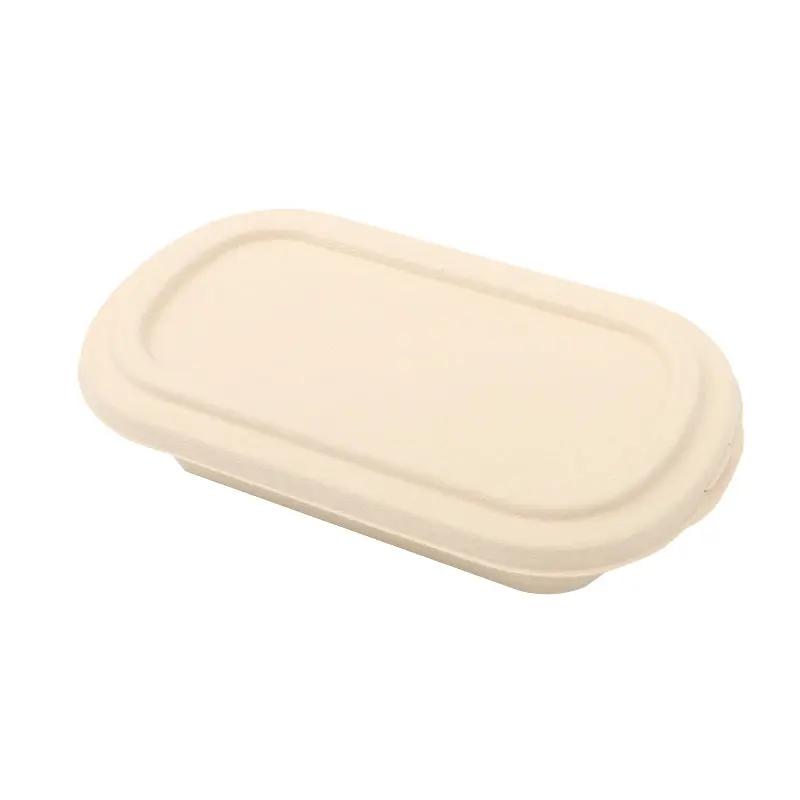 Lunch Box Lid
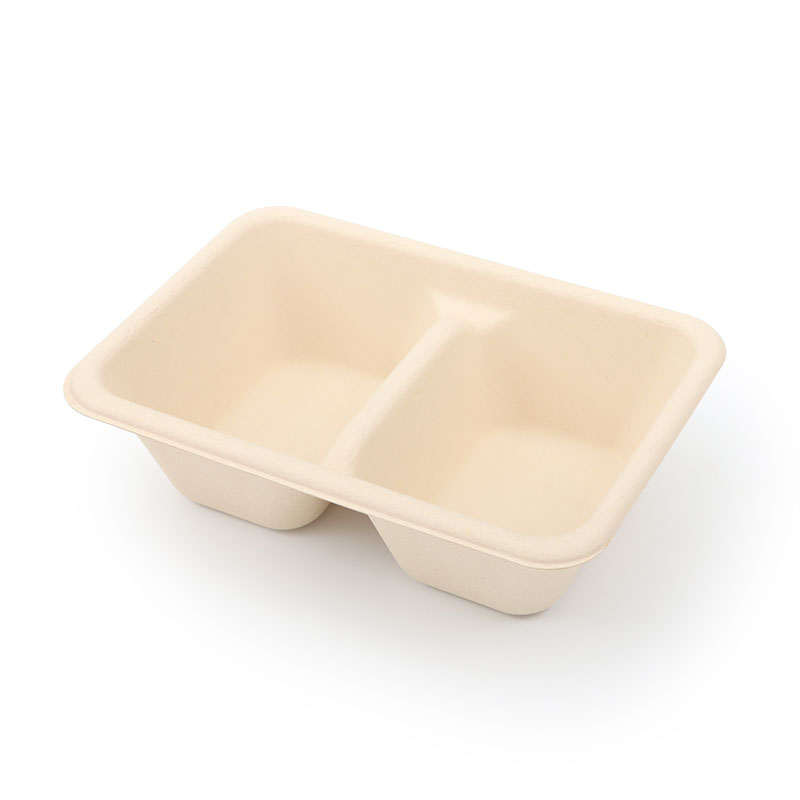 650ml
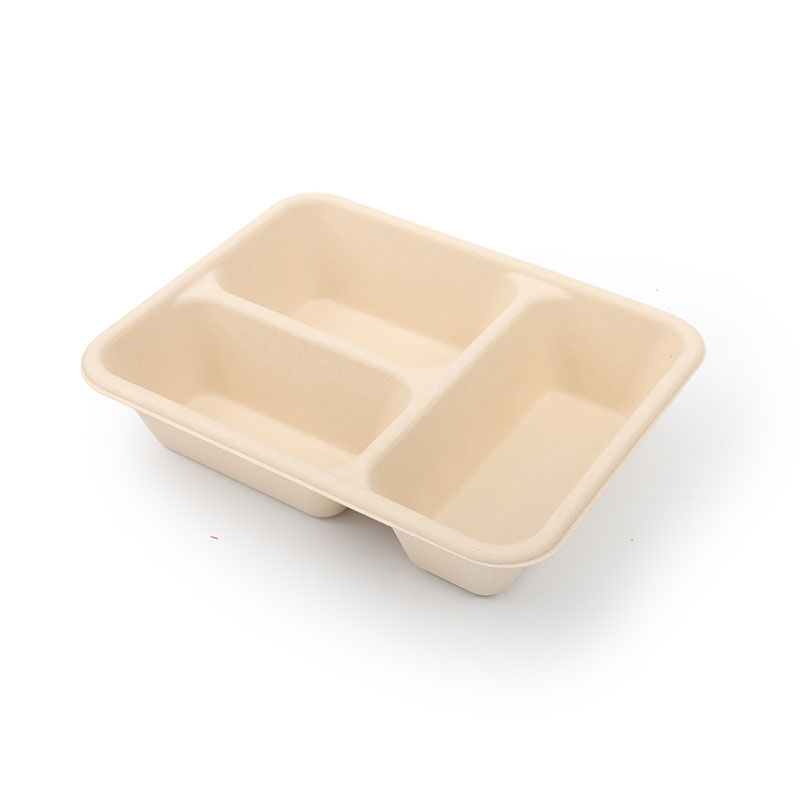 1000ml 3 Compartments
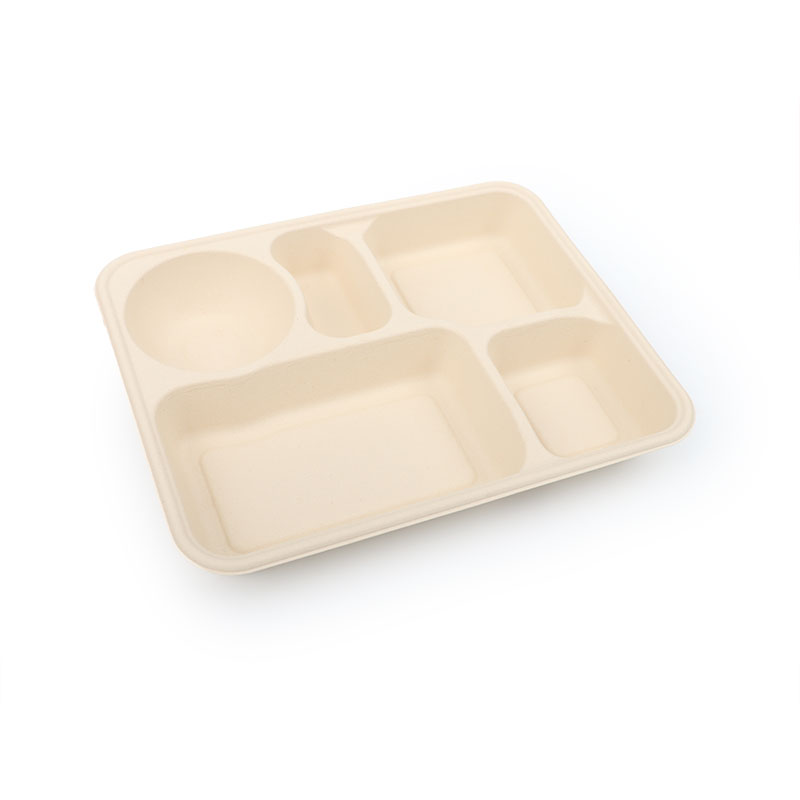 1250ml 5 Compartments
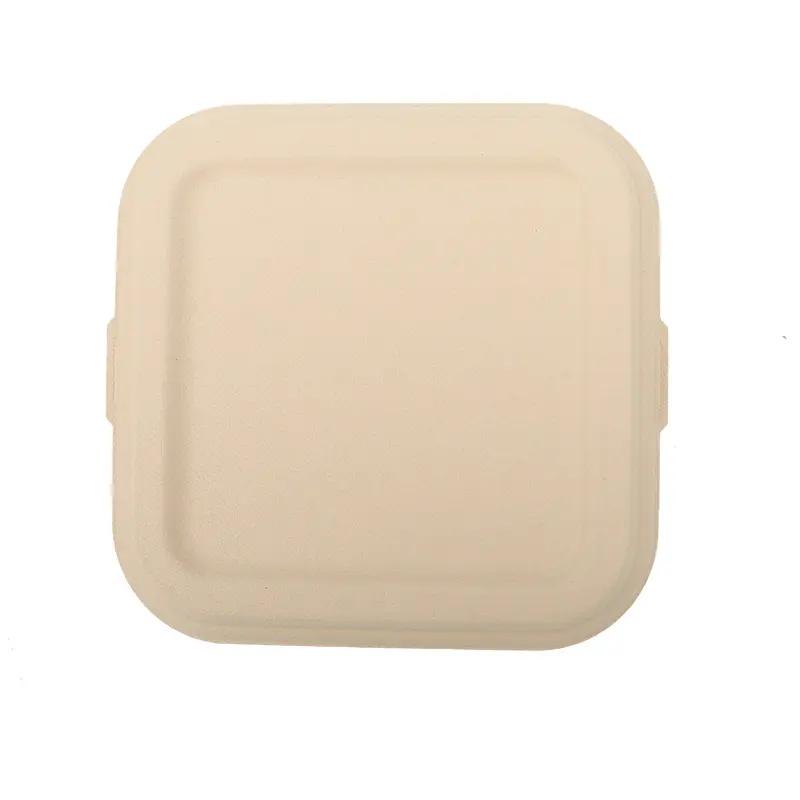 Square Lunch Box Lid
 Box Without T buckle
 850ml Salad Box
 700ml
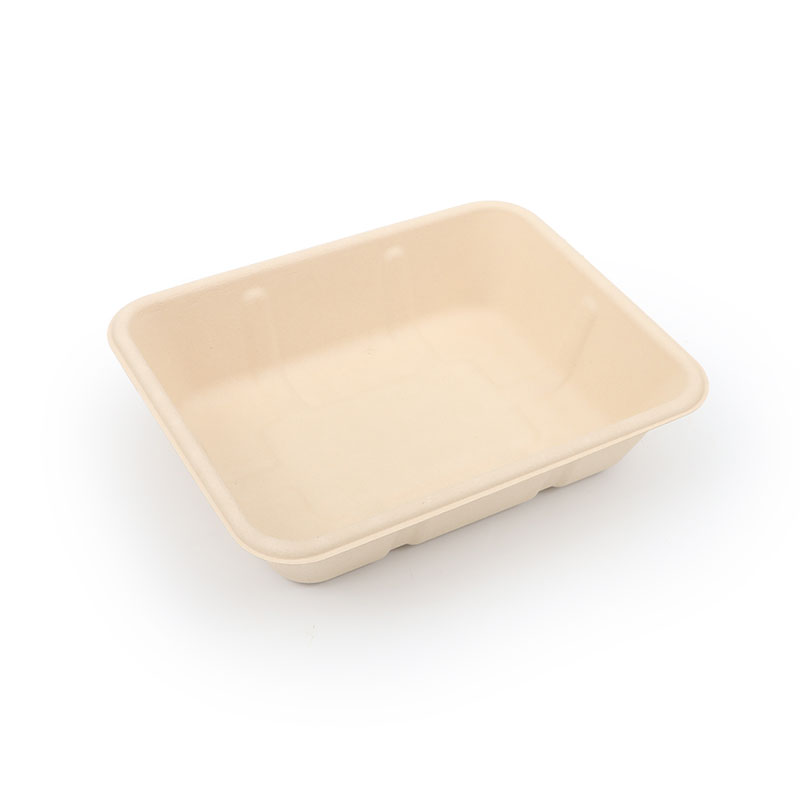 1350ml
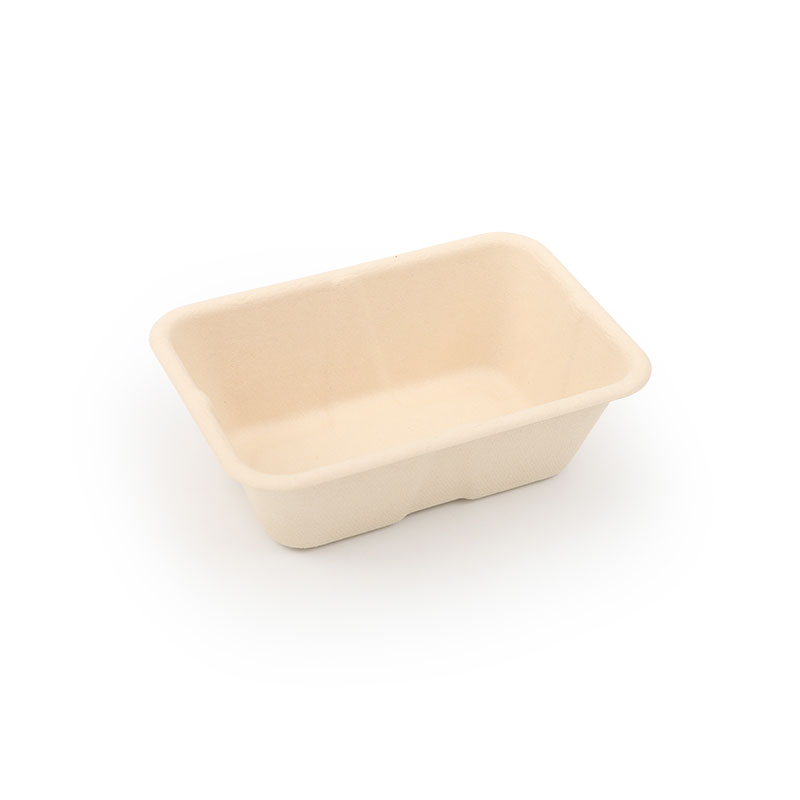 470ml
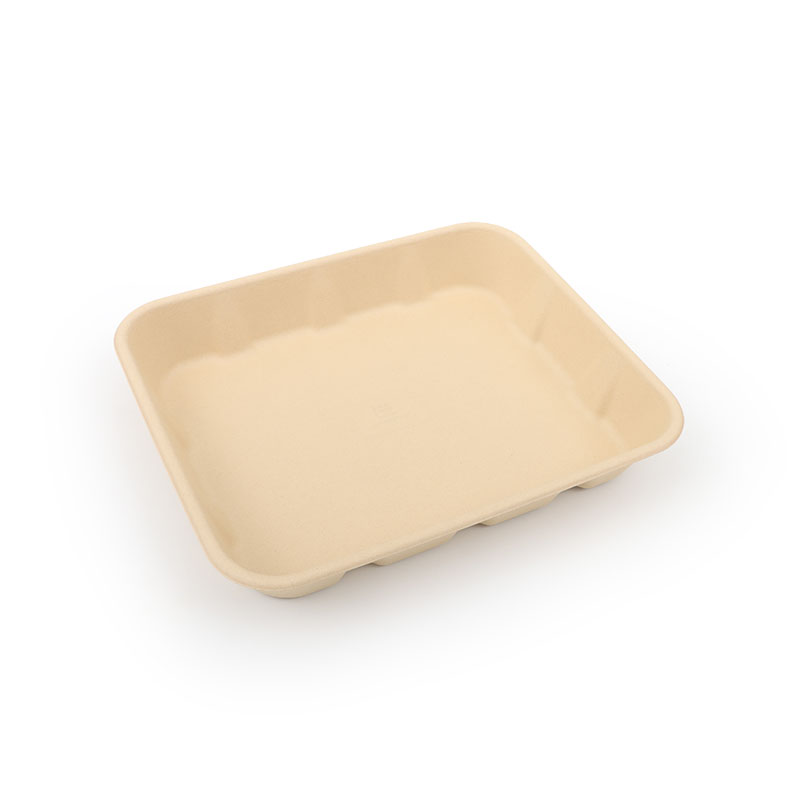 2183ml Tray Box
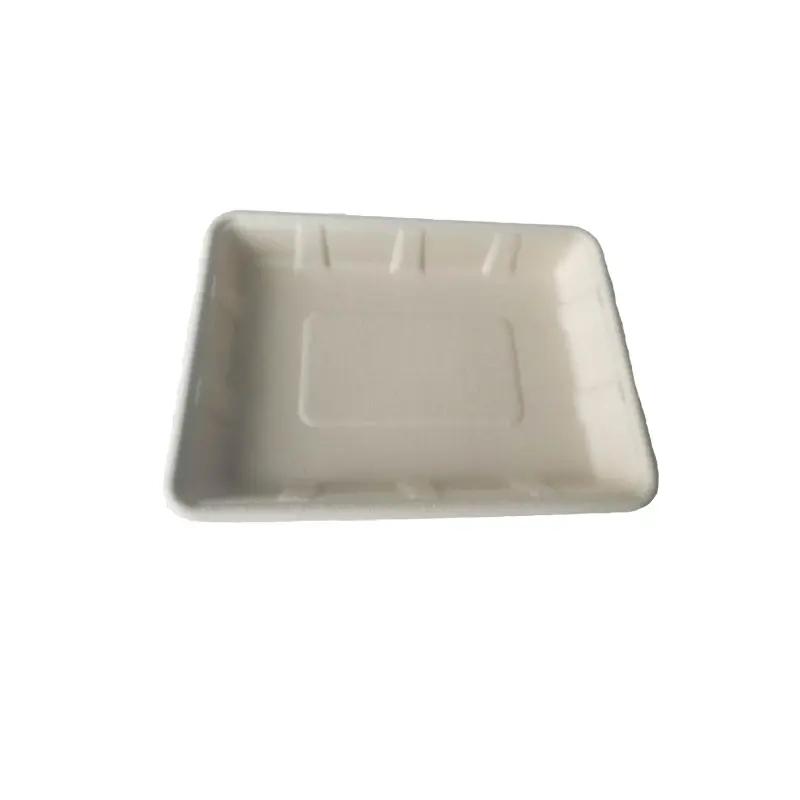 11" * 9"
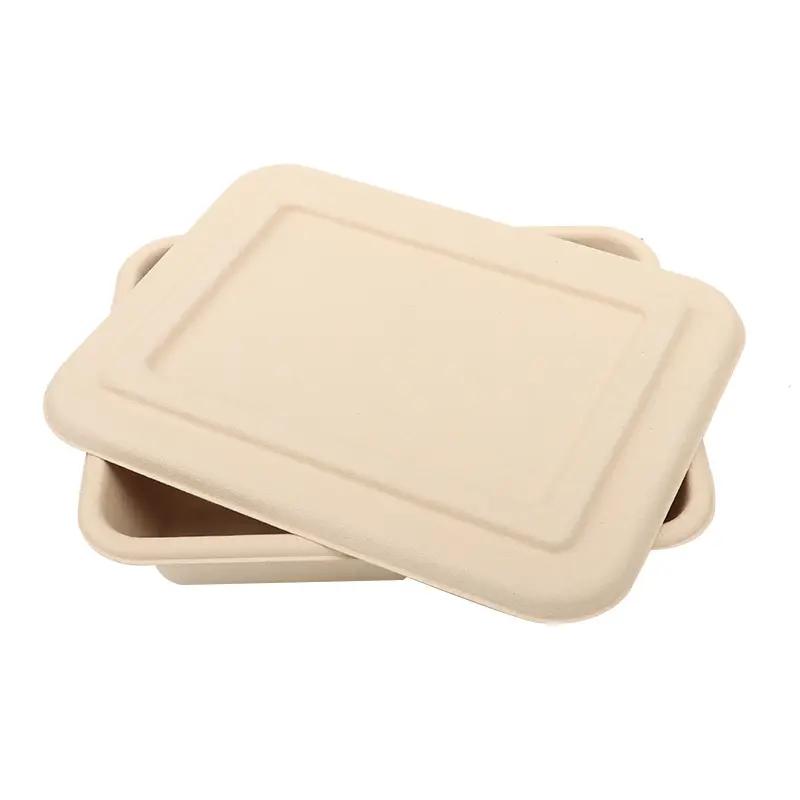 800ml
 One Part Box
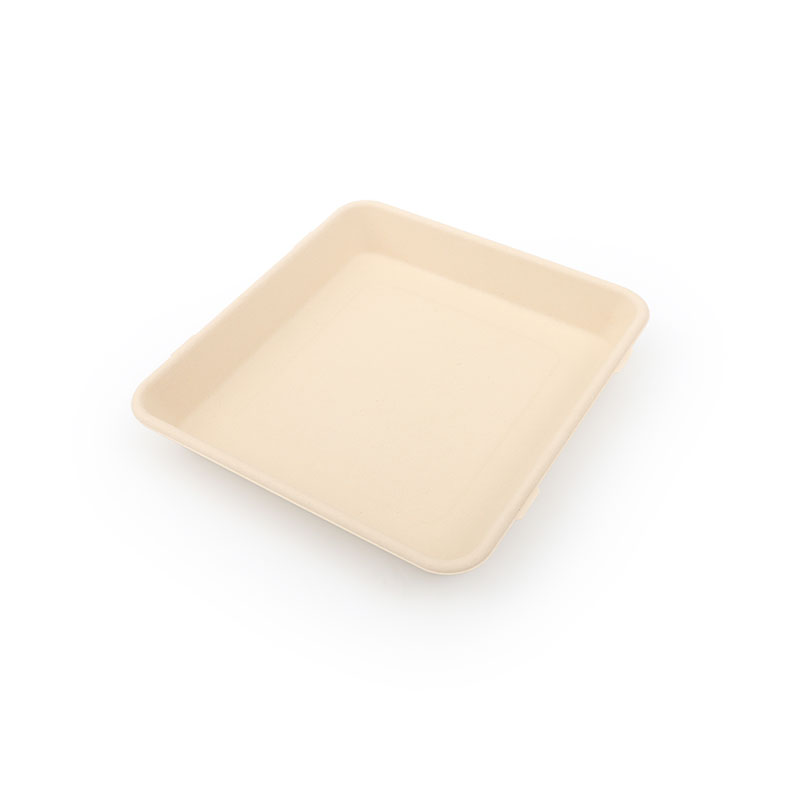 1443ml Tray Box
 Cake Bread Snack Tray Series
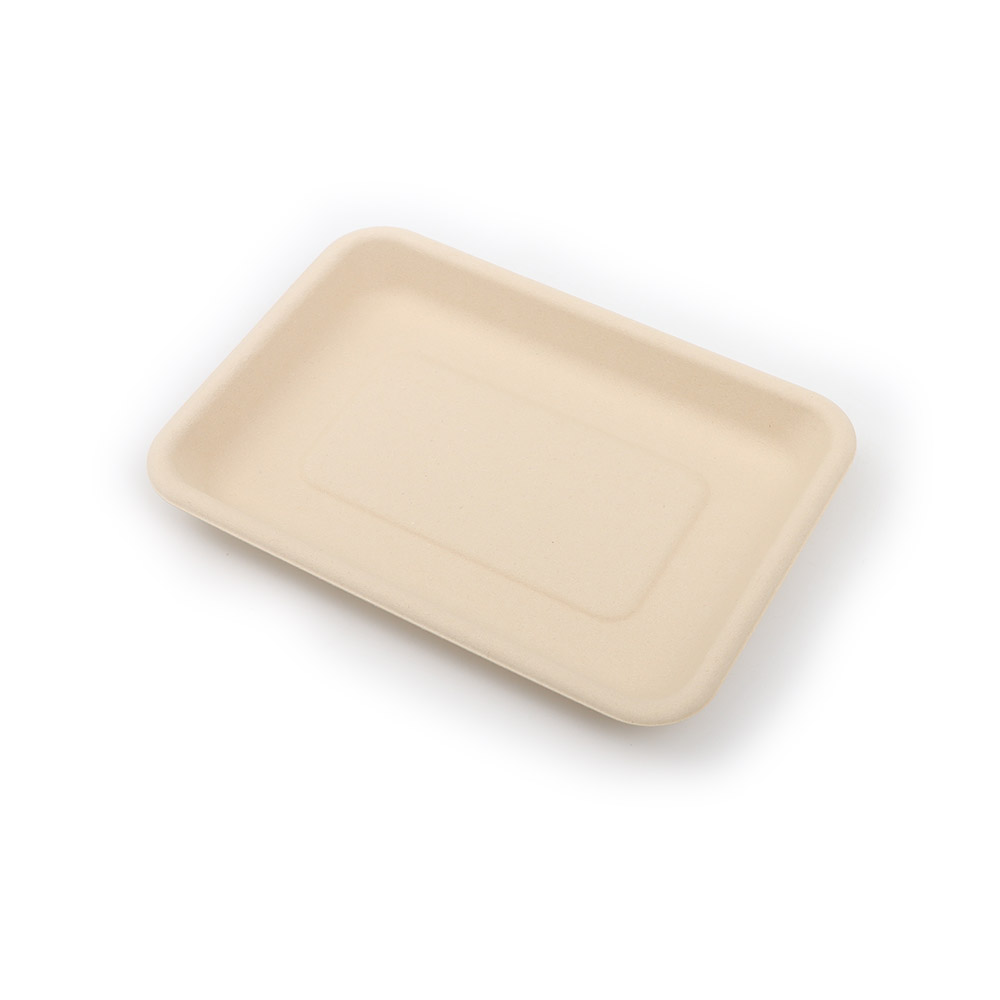 5" * 7" natural color
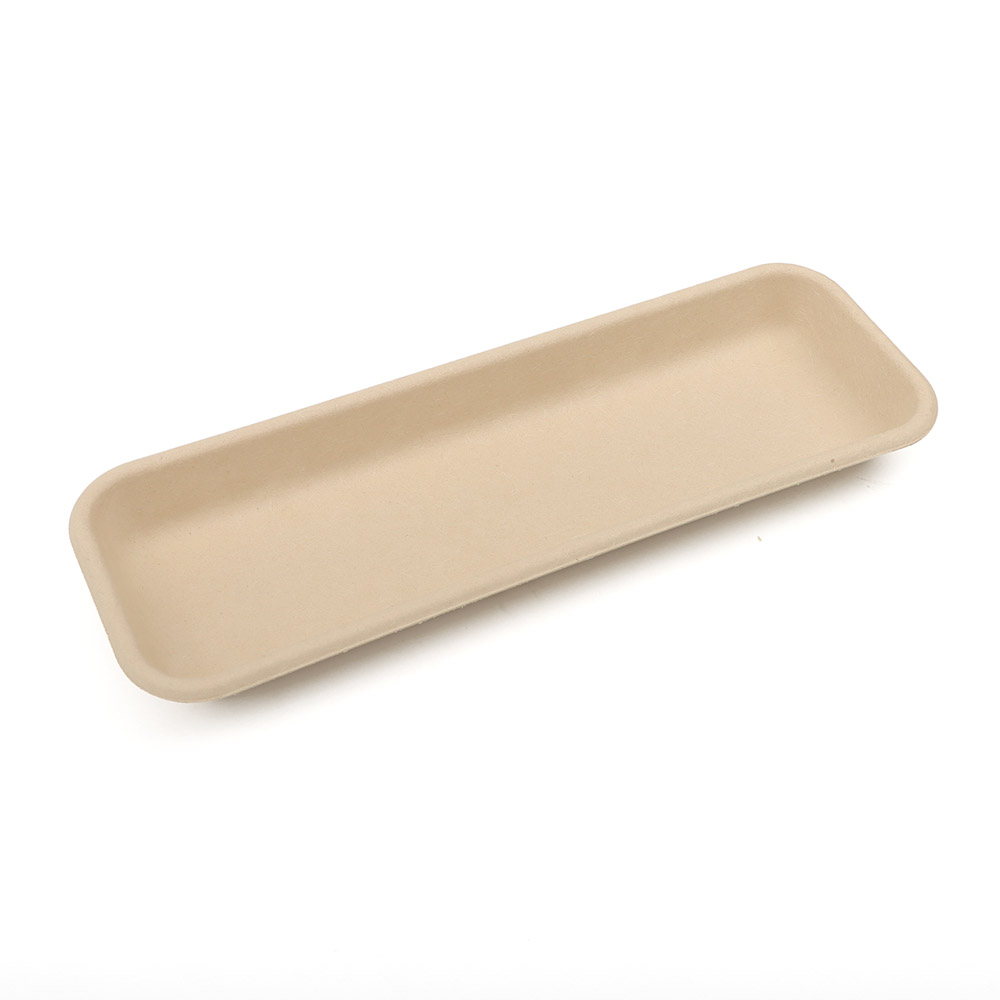 11.4" * 3.9"
 5.3" * 5.3"
 Fruit And Vegetable Tray Series
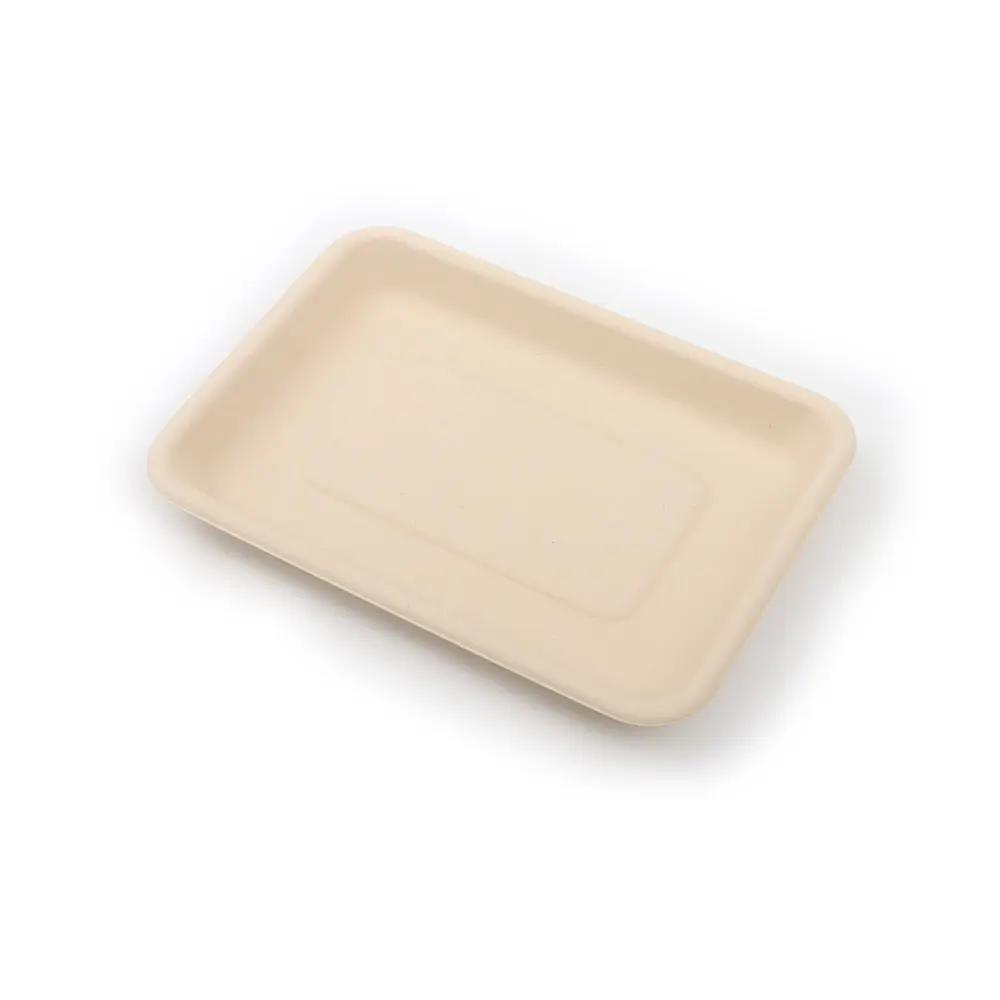 8.6" * 5.3"
 Sushi Tray Series
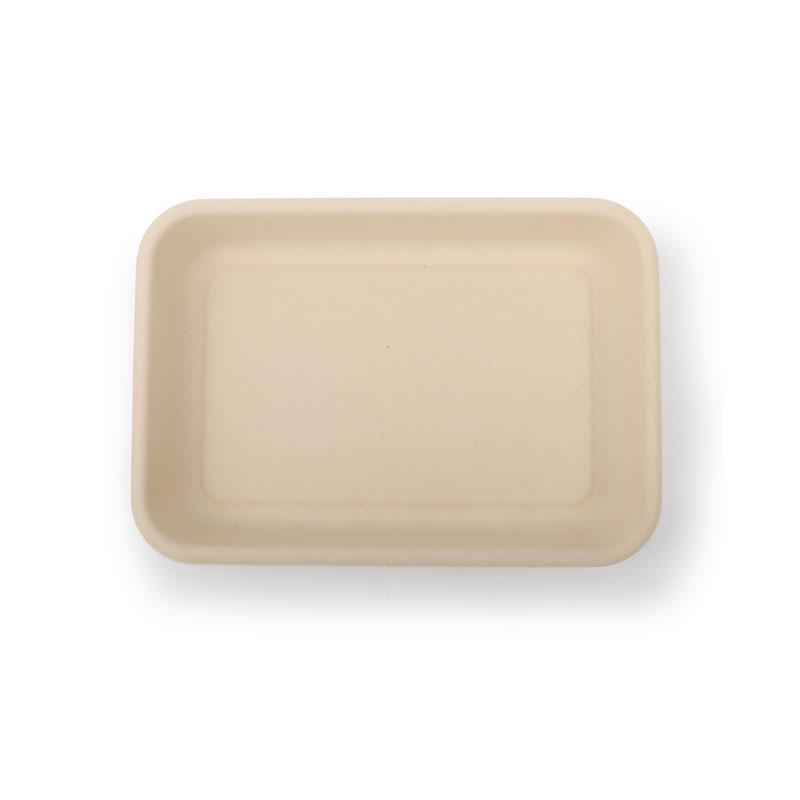 200" * 140"
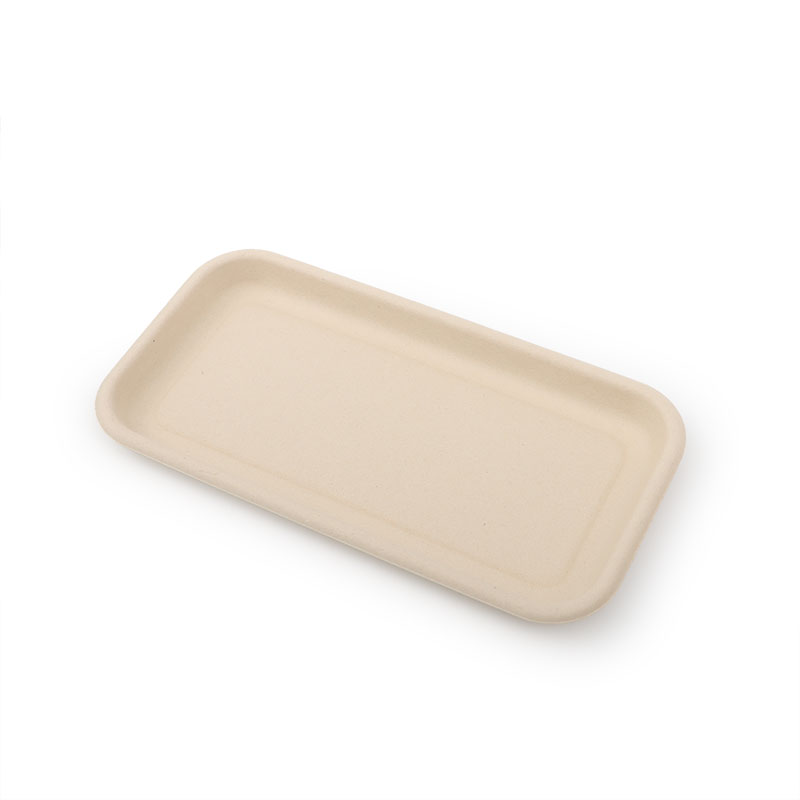 210" * 110"
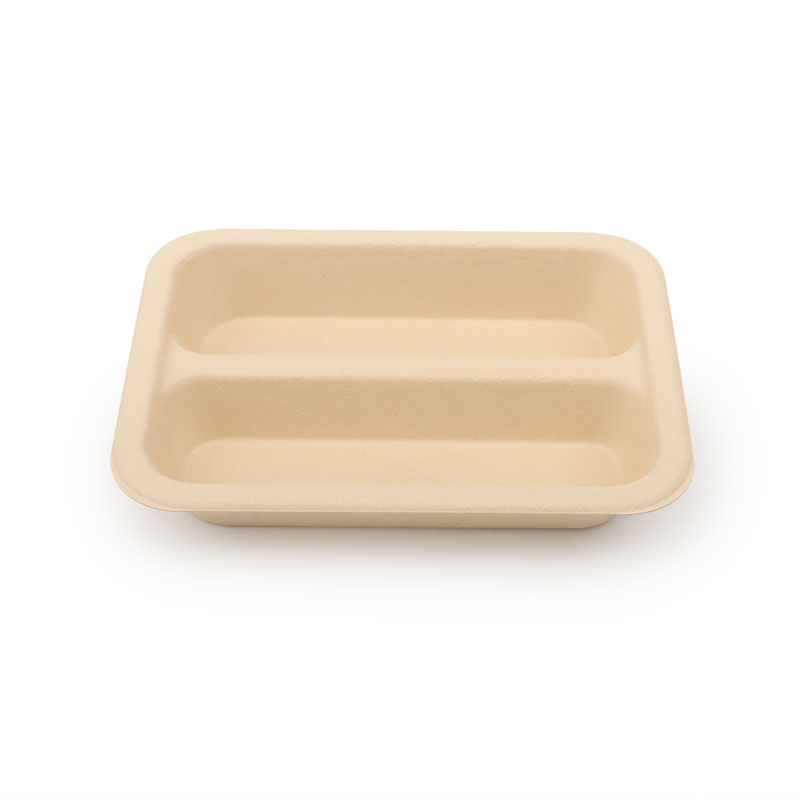 2 Compartments
 Small Round Plate Series
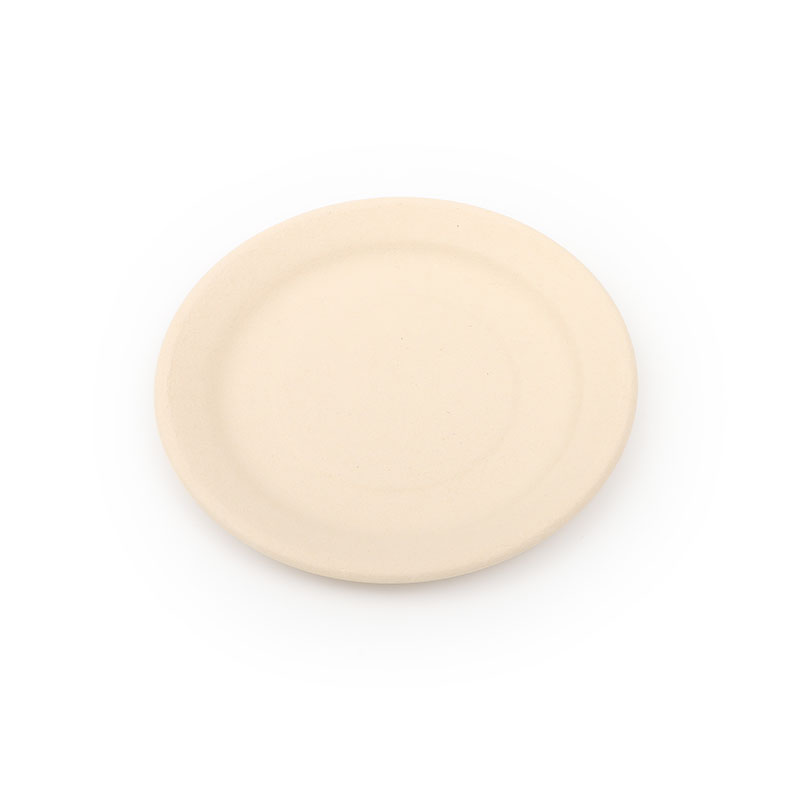 7 inch
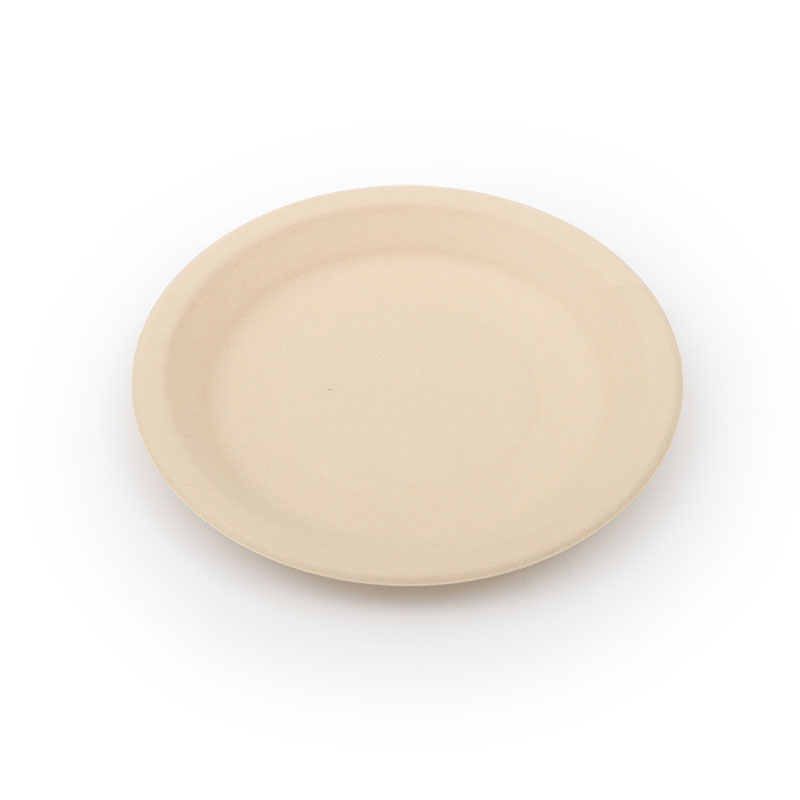 6 inch
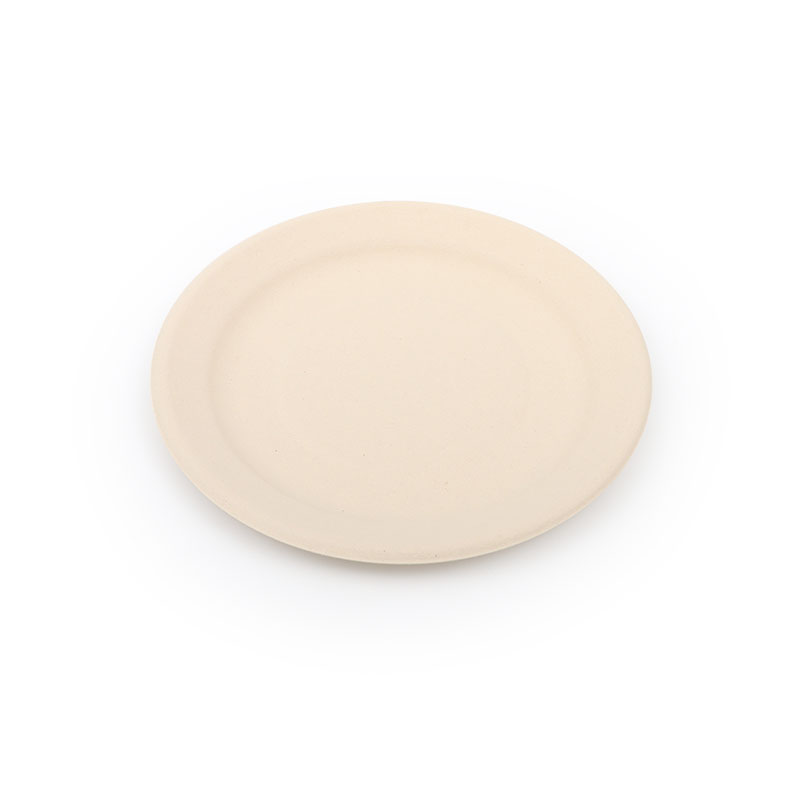 8 inch
 Middle Round Plate Series
 9 Inch 3 Compartments
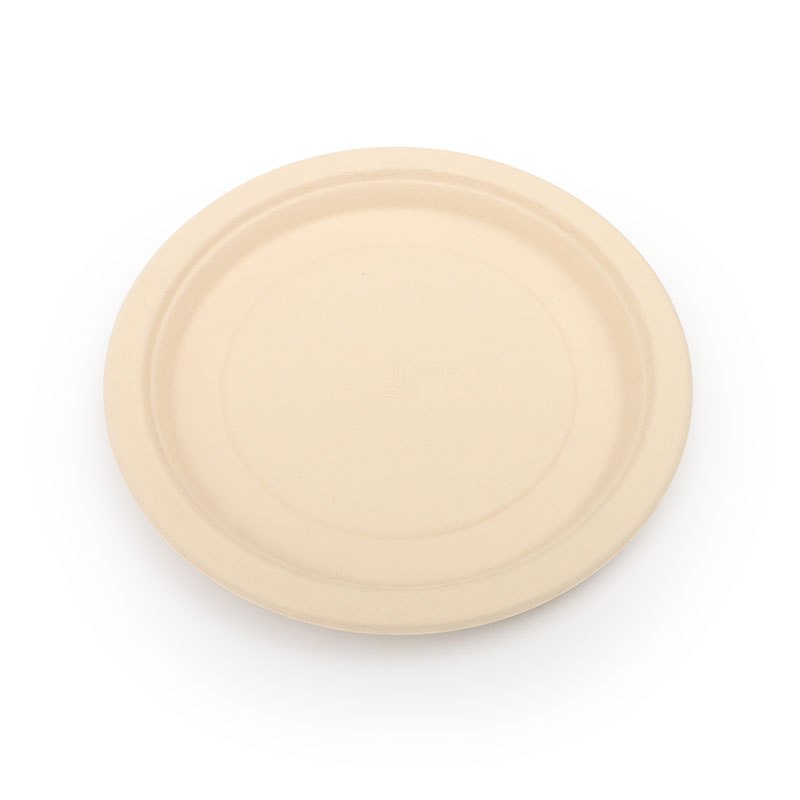 9 inch
 Big Round Plate Series
 12.7 Inch Pizza Plate
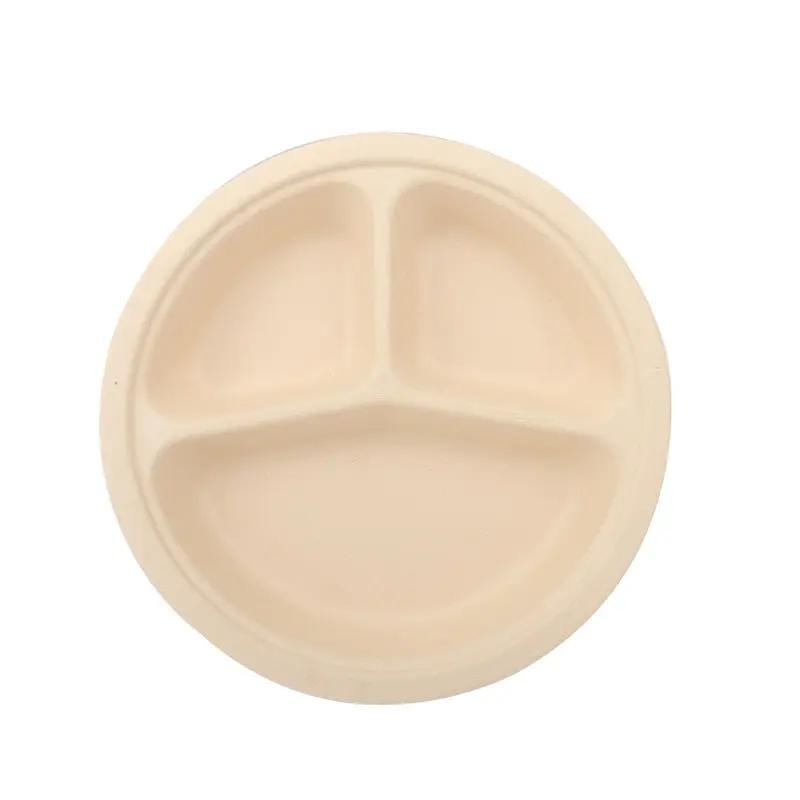 10.25 inch 3 Compartments
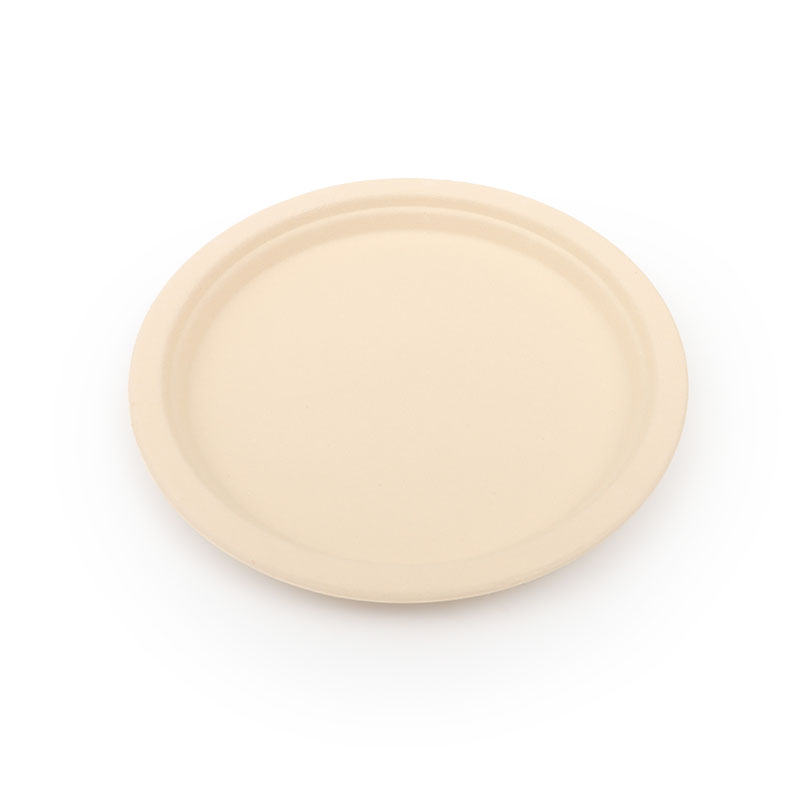 10 inch
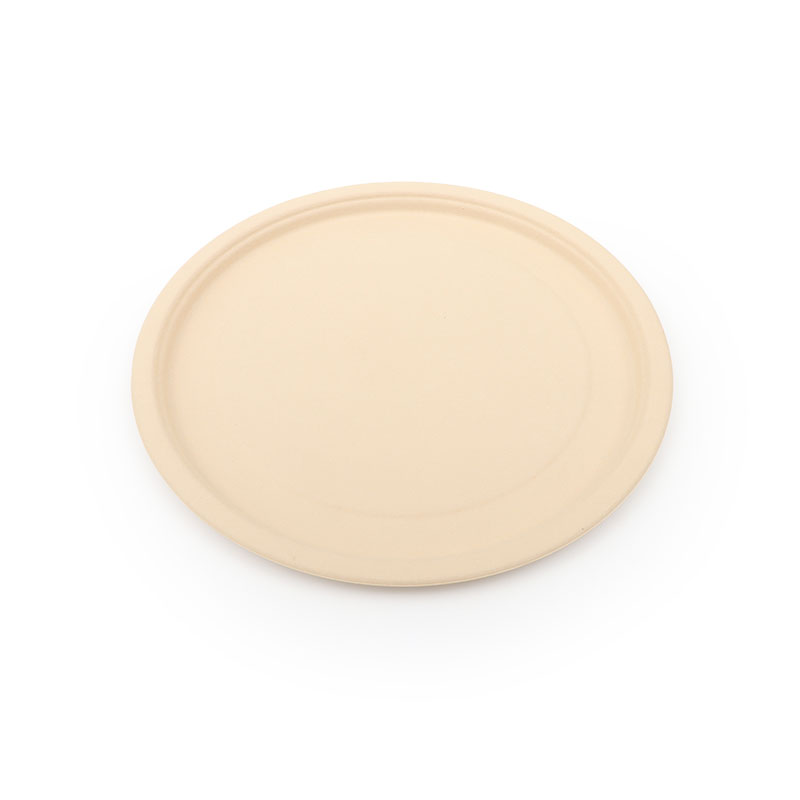 12 inch
 Bigger Bowl
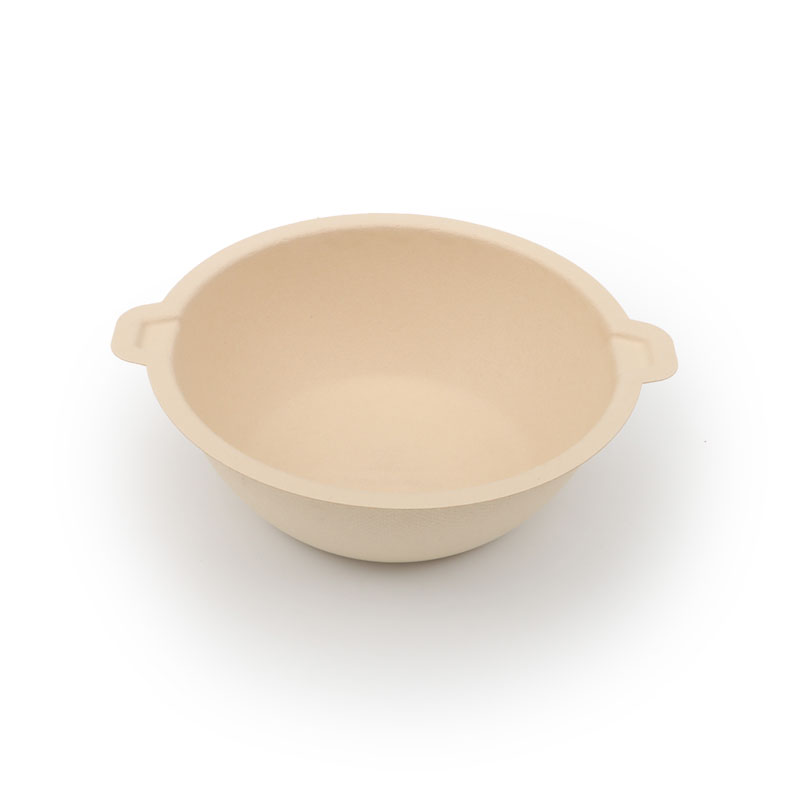 48oz(1420ml)
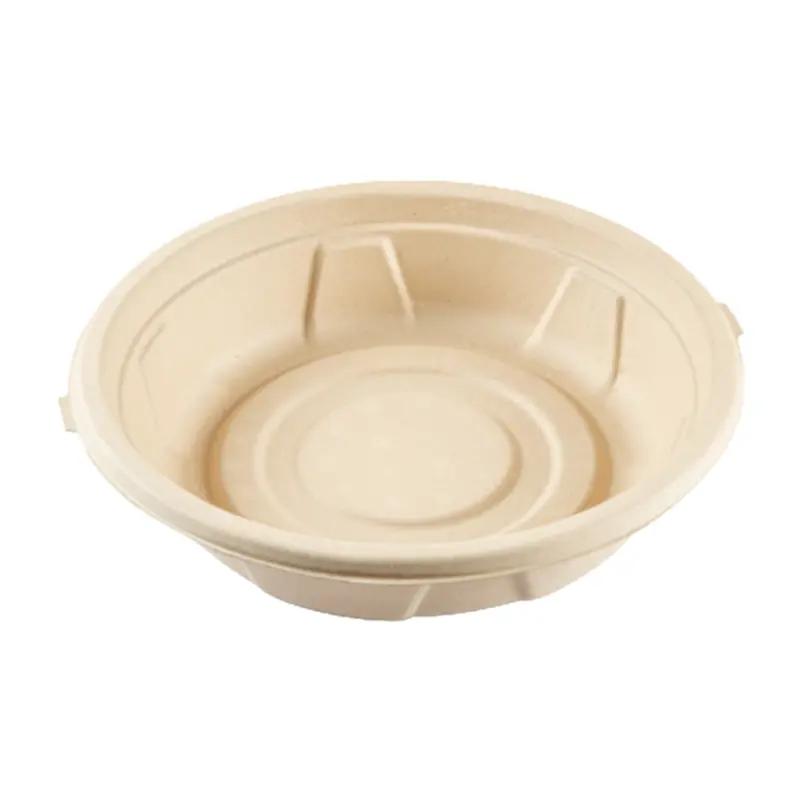 56oz(1650ml)
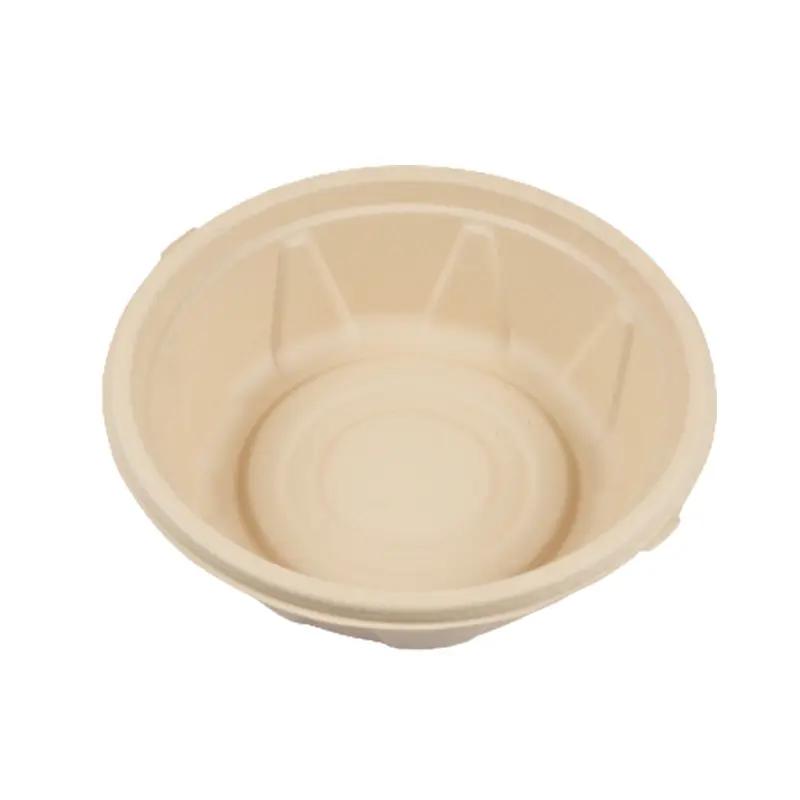 100oz(2950ml)
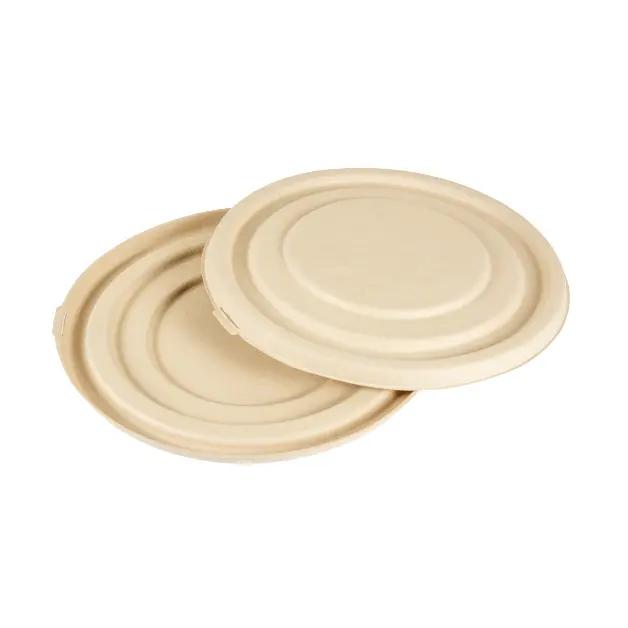 100oz(2950ml) With Lid
 Middle Bowl
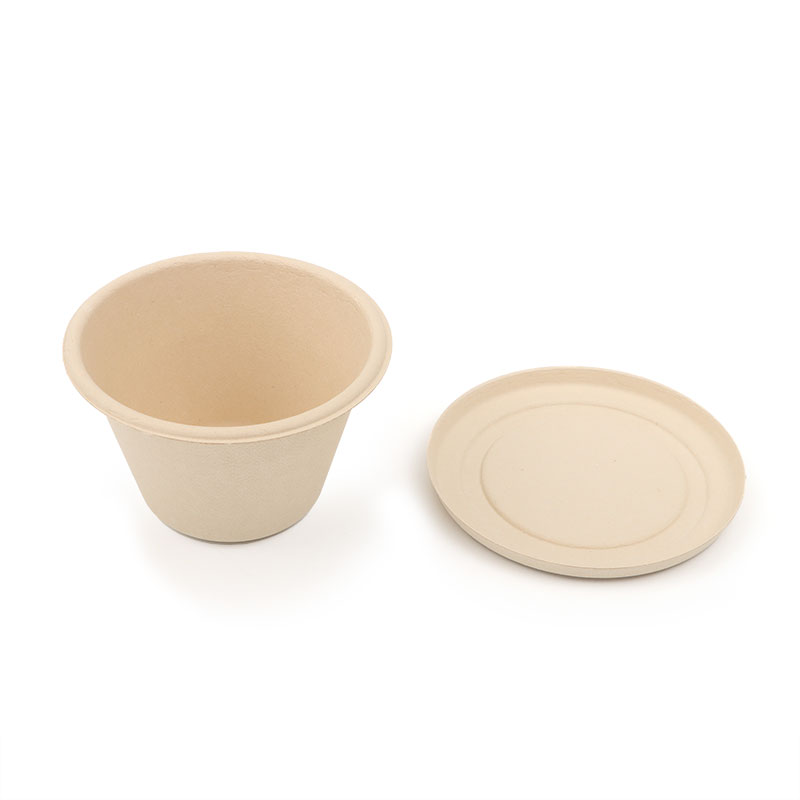 17oz(500ml)
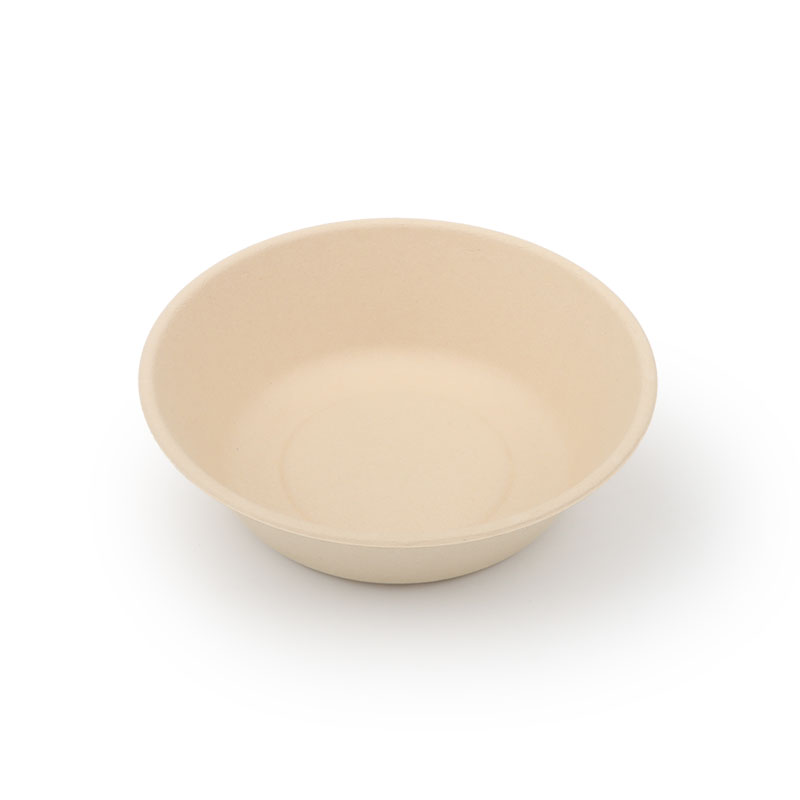 27oz(800ml)
 20oz(600ml)
 29oz(850ml)
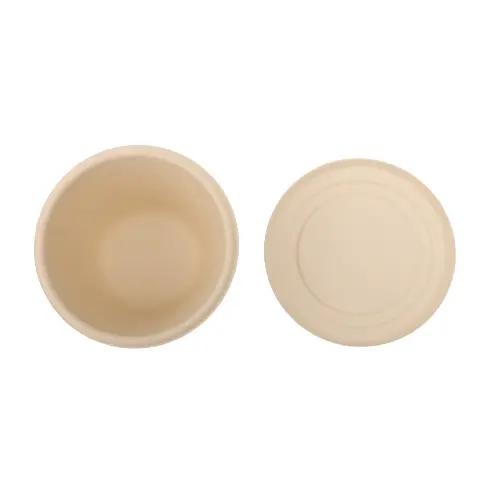 17oz(500ml) With Lid
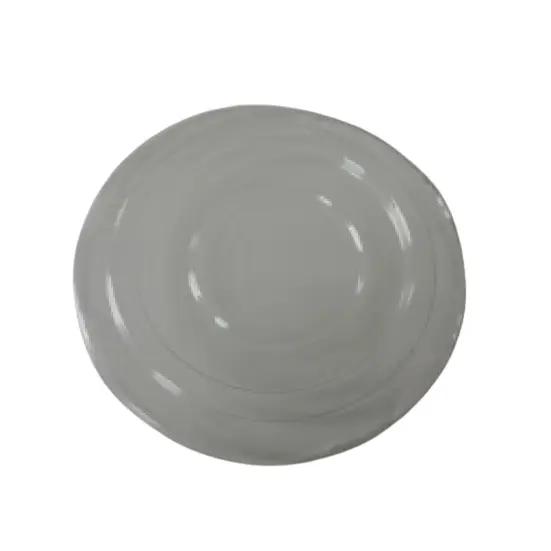 17oz(500ml) PET Lid
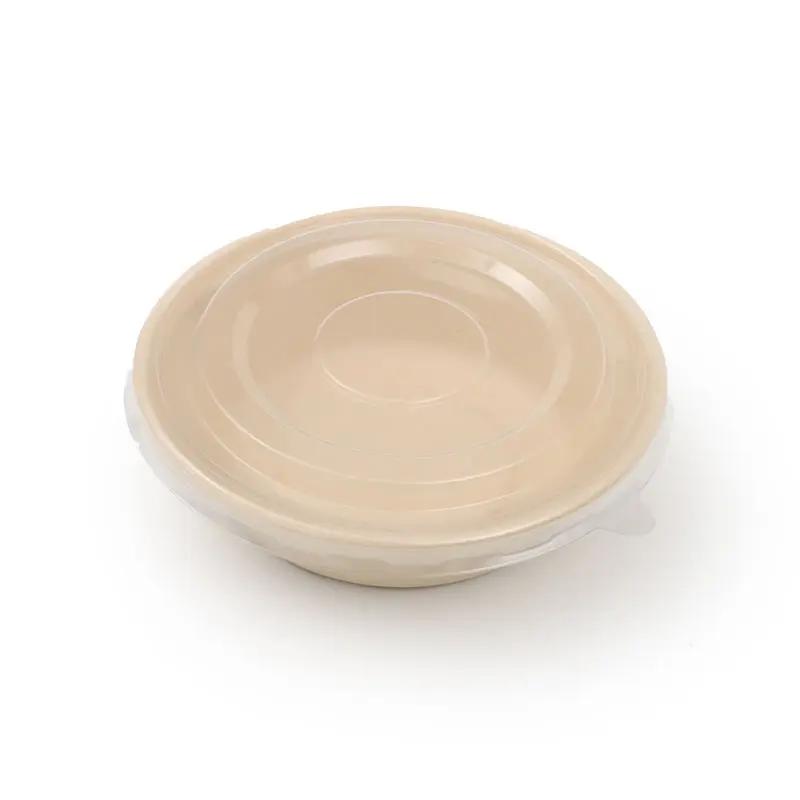 28oz(830ml) PET Lid
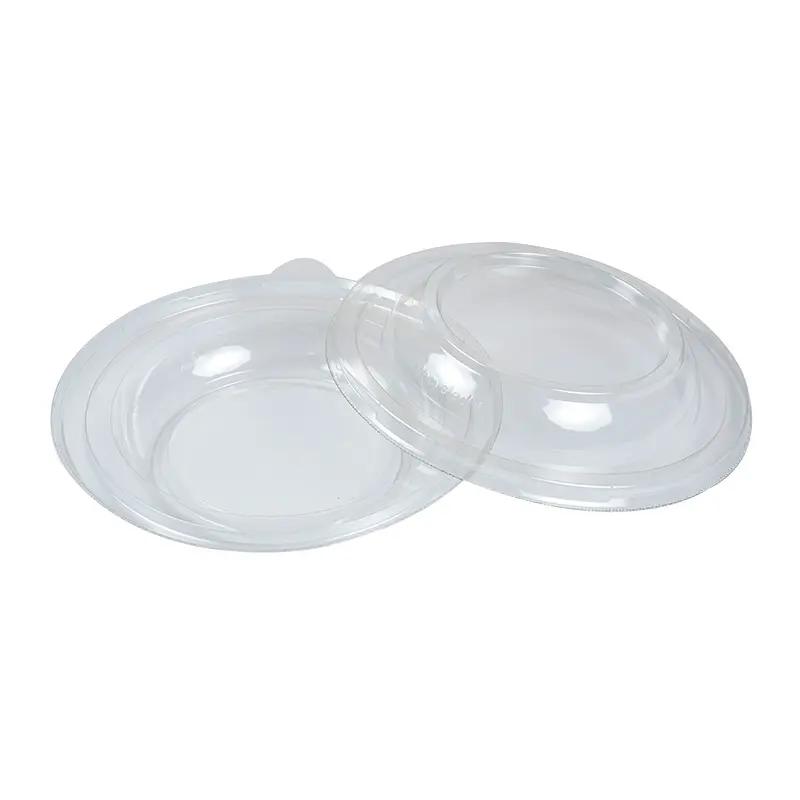 Round Bowl PET
 Small Bowl
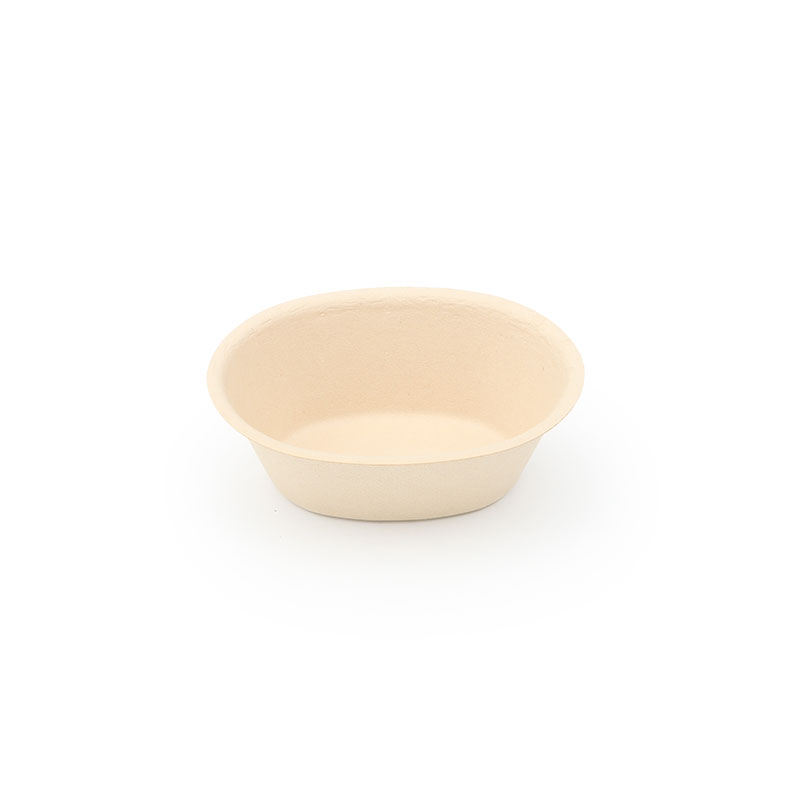 Snack Bowl
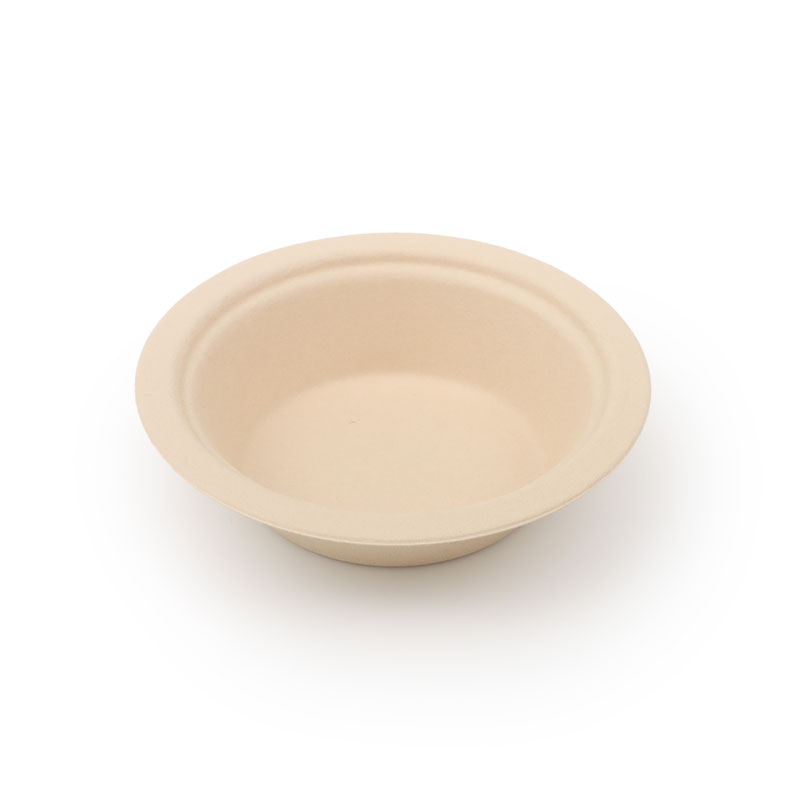 11.5oz(340ml) Bowl
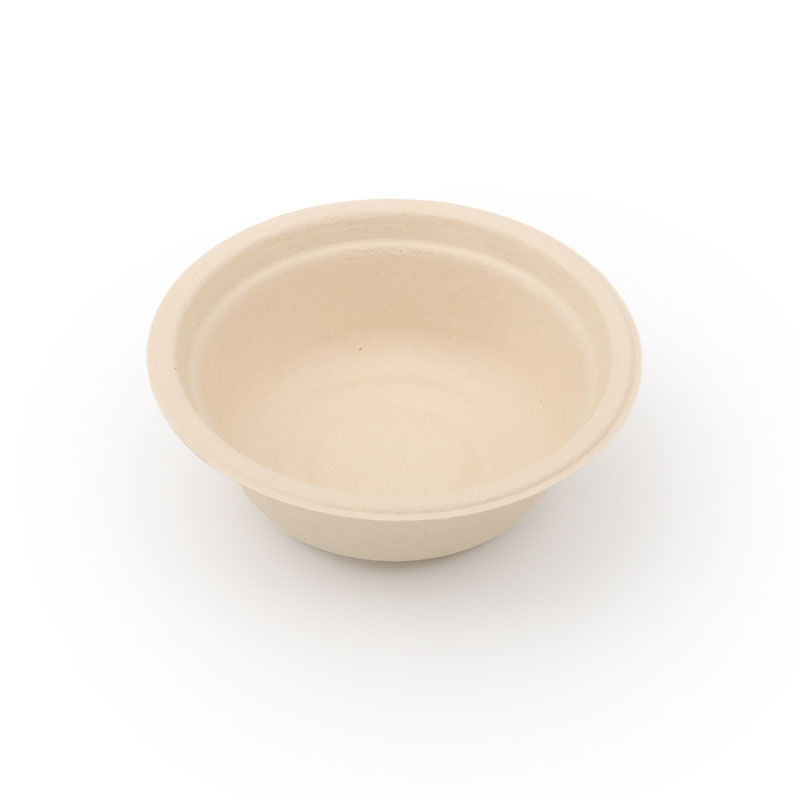 6.7oz(200ml) Bowl
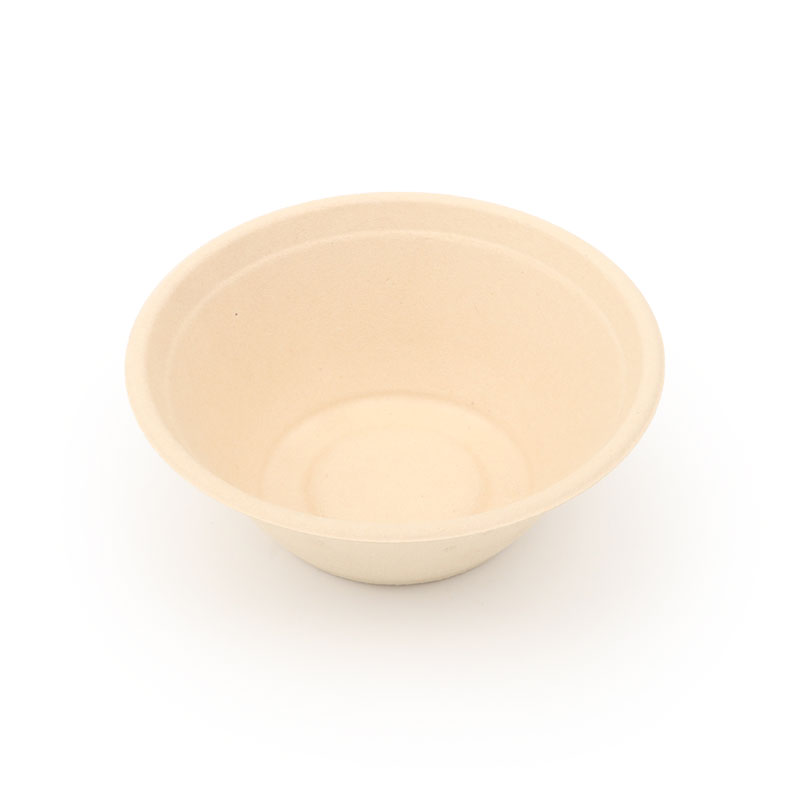 12oz(350ml) Bowl
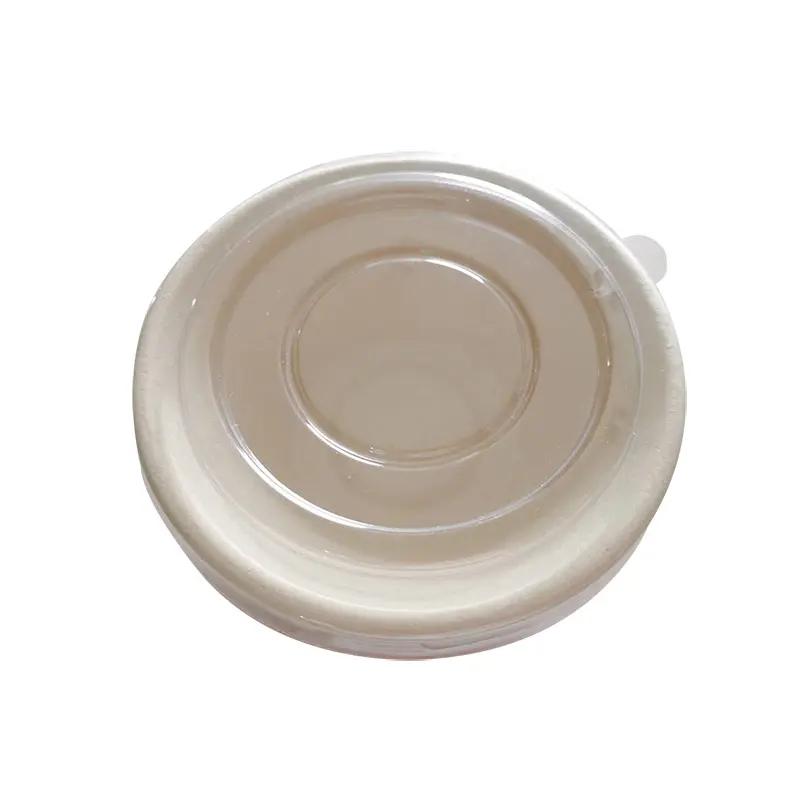 12oz(350ml) Bowl PET
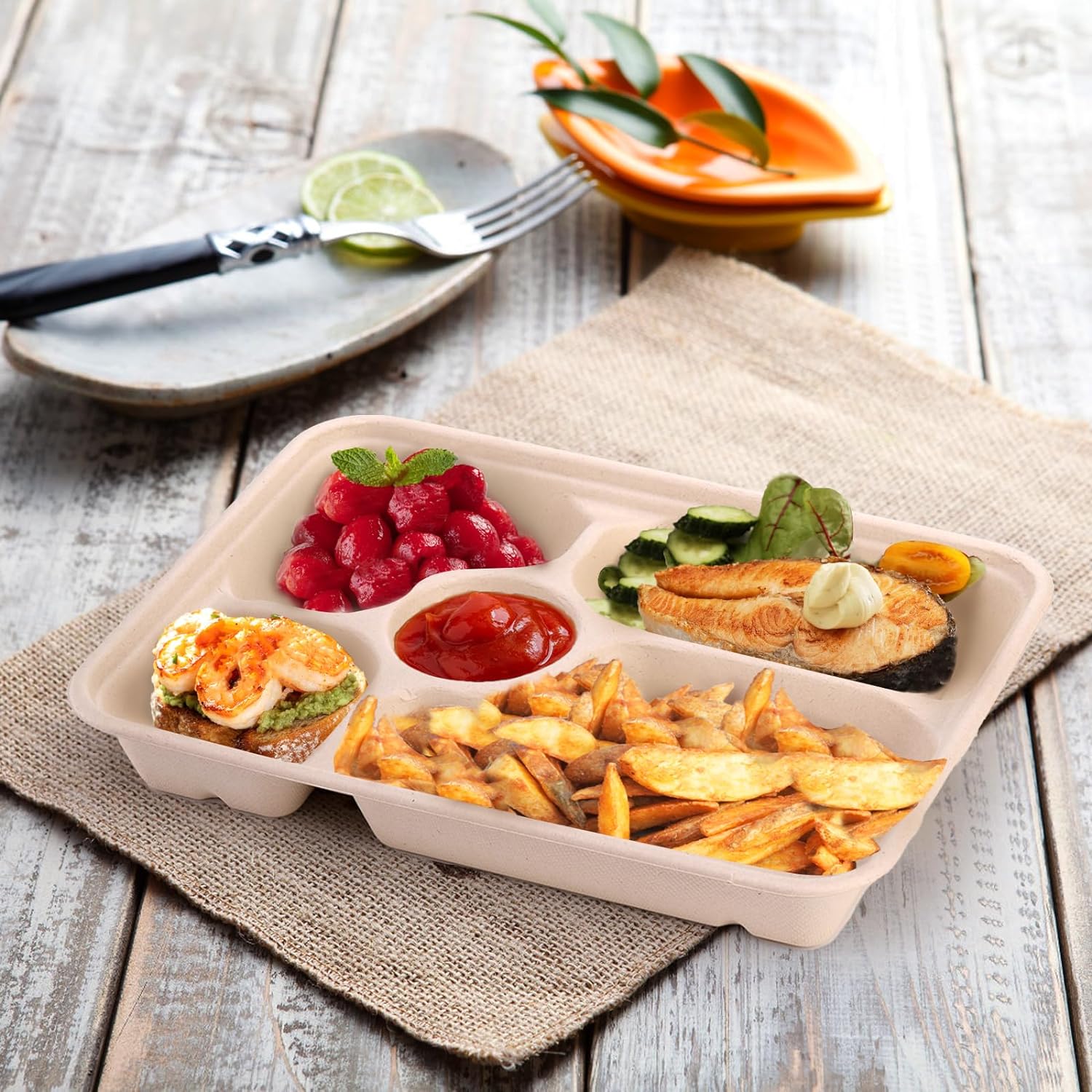 Bagasse Lunch Boxes
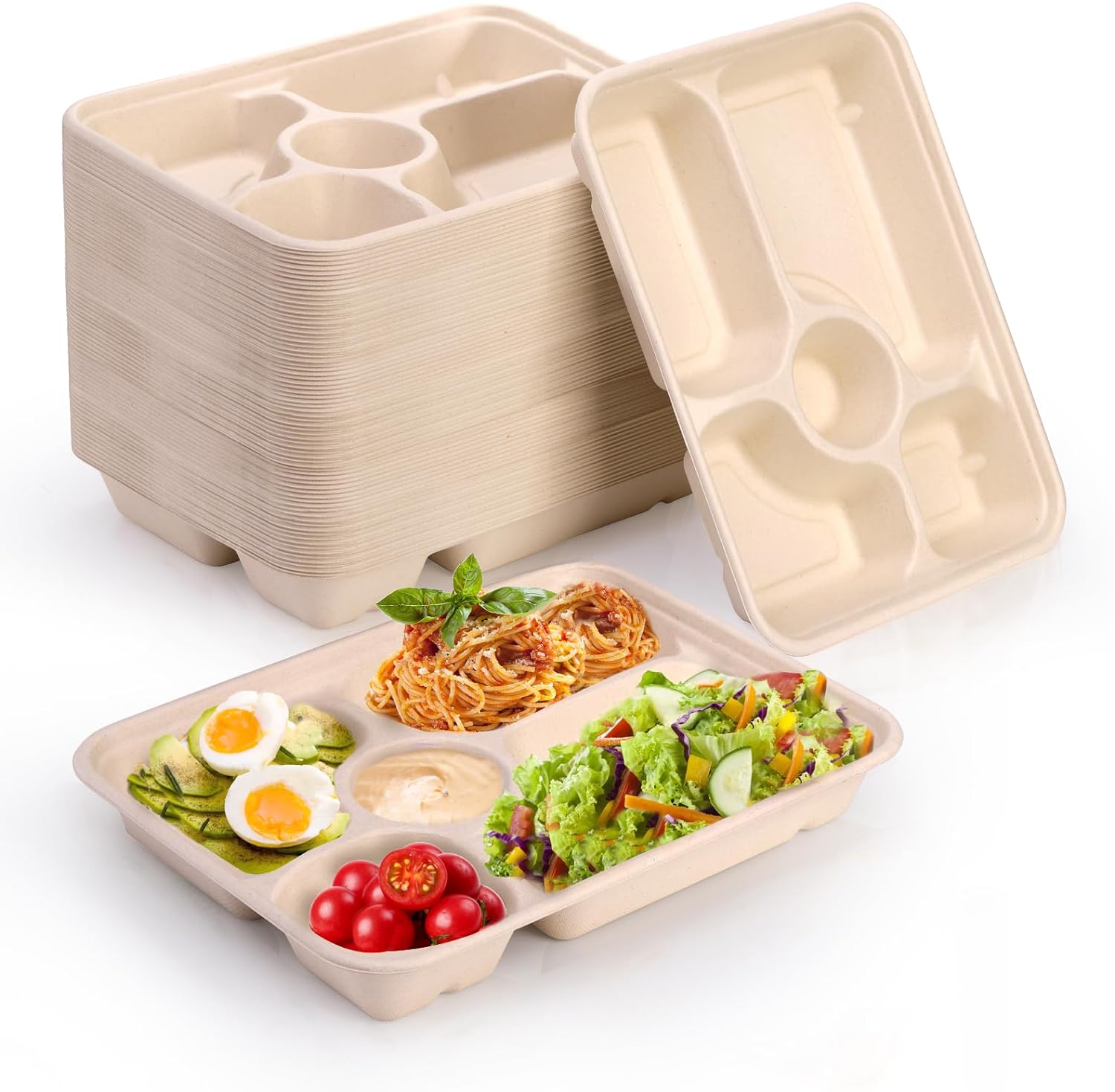 5CP
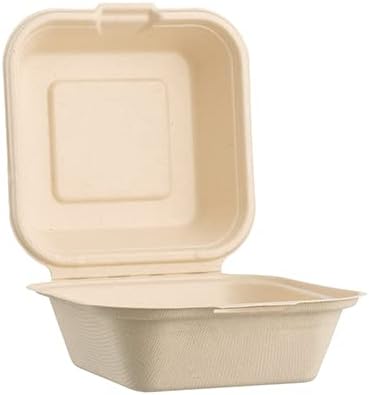 6 inch
 Bagasse Food Plates
 7 inch
 3CP
 Bagasse Bowls
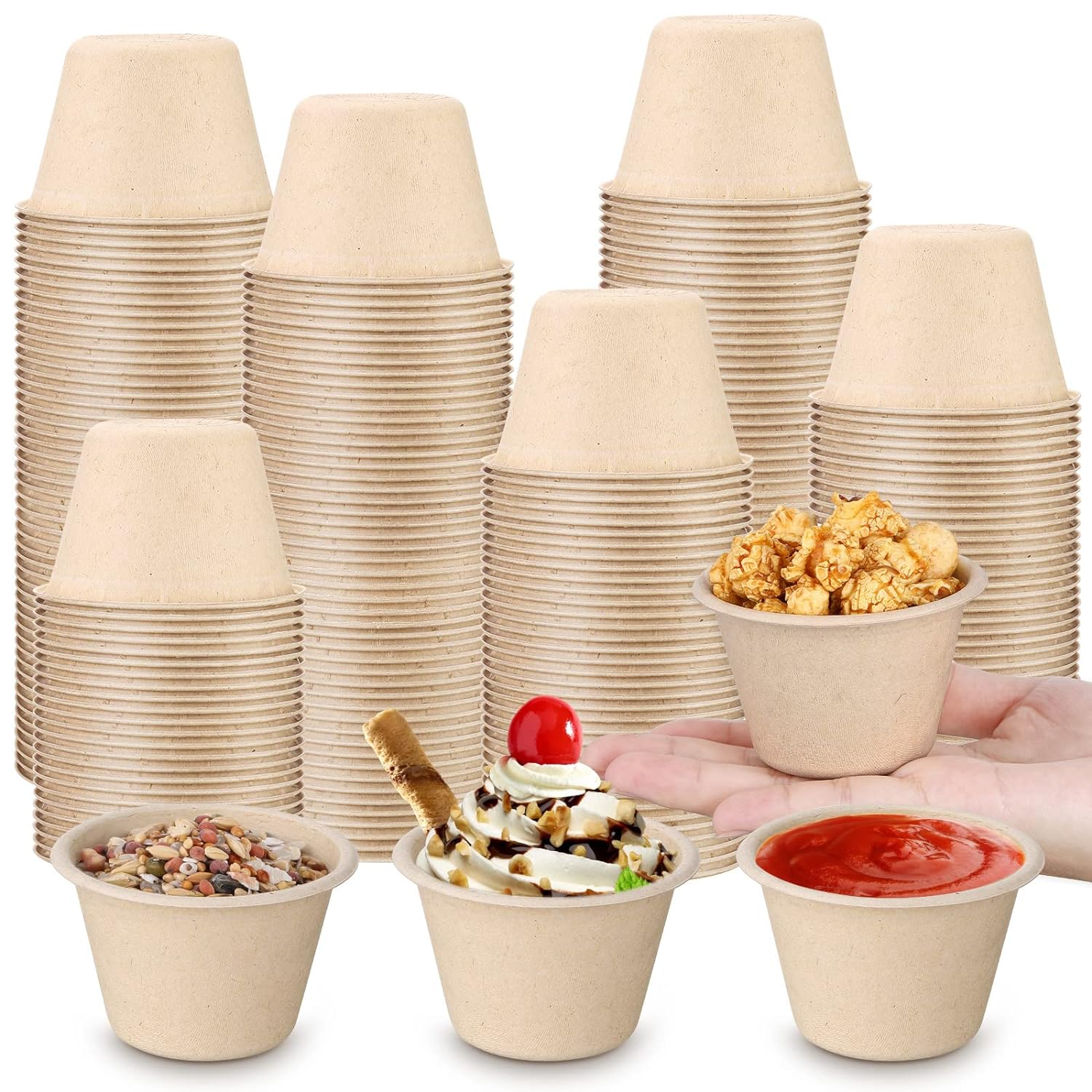 4oz
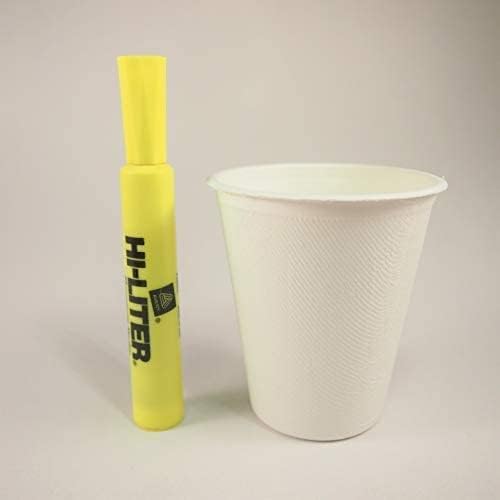 Bagasse Cups And Cutlery
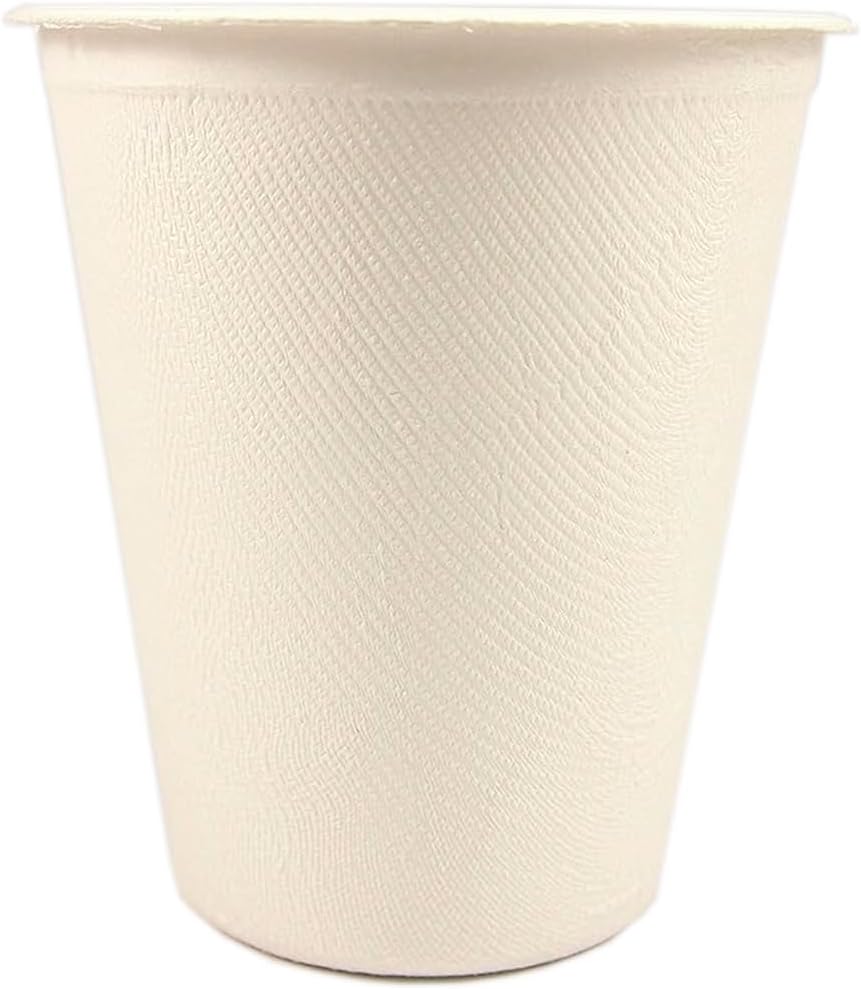 8oz
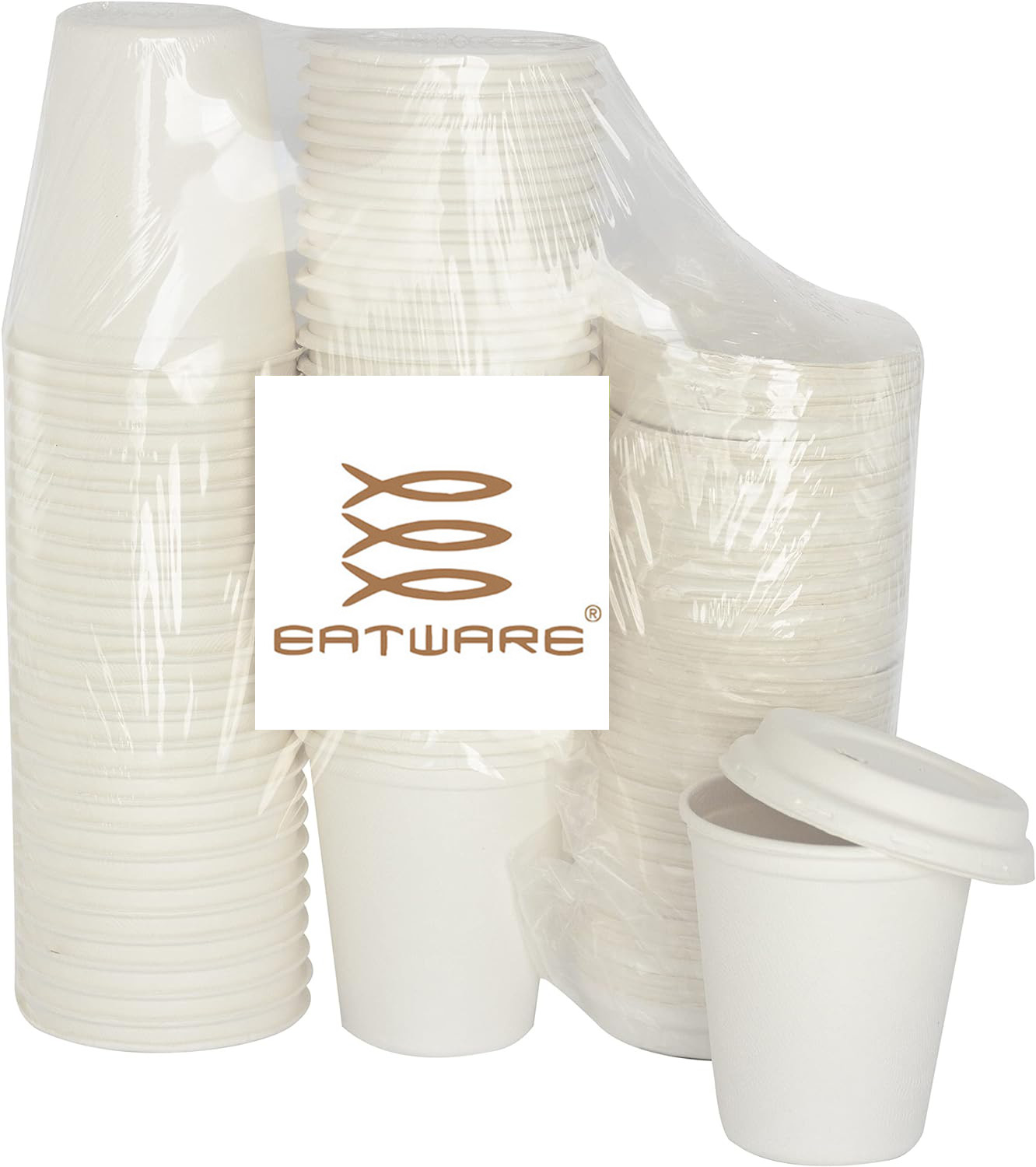 12oz
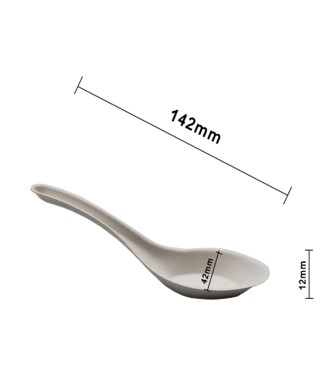 Cutlery
Leave Your Message
In today's world where being eco-friendly is pretty much everywhere in business, picking the right packaging really matters. Lots of companies are now going for Bio Degradable Plates because it's a smart, sustainable choice. These plates not only help cut down on waste, but they also match what customers want — environmentally conscious products. That said, it can get pretty tricky trying to choose the best one.
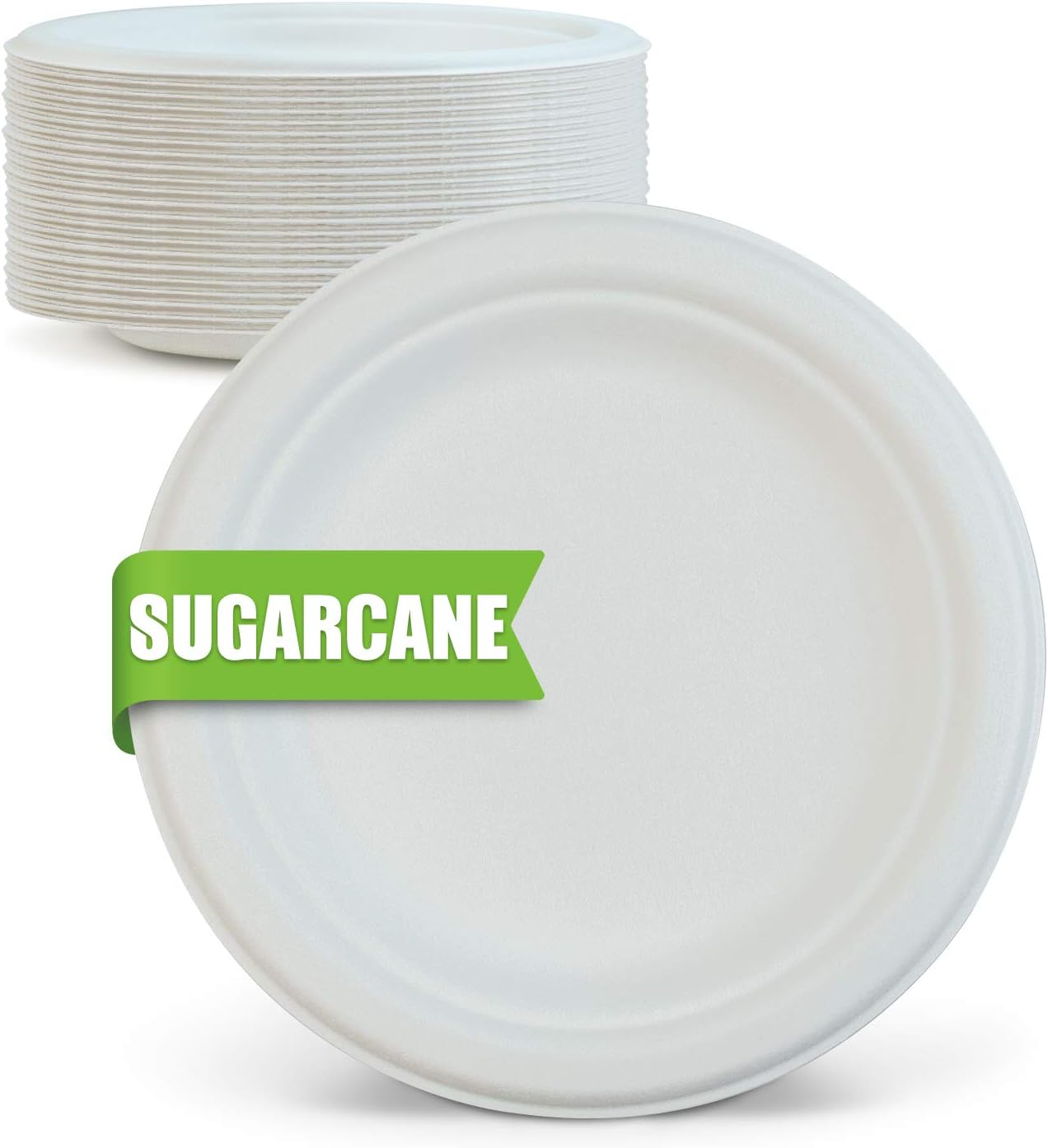
Getting a handle on the different materials out there is super important. Some bio plates are made from plant fibers, while others come from sugarcane or bamboo. Each type has its own pros and cons. For example, sugarcane plates tend to be quite sturdy, but they might not work well with everything you serve.
A lot of folks overlook how crucial certifications are. Always look for plates that are officially certified compostable—that way, you’re showing your genuine commitment to sustainability. Finding the right bio plates is really about balancing your budget, what works practically, and the environmental impact. Be ready to compare several suppliers and options before you settle on the best fit. And most importantly, think about your company's core values and how these plates fit into that whole picture.

Biodegradable Plates are a sustainable choice for modern businesses. These plates decompose naturally, reducing the environmental impact of disposable products. Understanding the types available helps you make informed decisions.
There are several types of biodegradable plates. Some are made from plant materials like sugarcane or bamboo. These plates are compostable and suitable for hot or cold foods. Others use materials like palm leaves, which offer unique aesthetics. They are sturdy, making them great for catering services. However, not all biodegradable options perform the same. Some may break down too slowly in specific environments, leading to concerns about waste management.
Using Bio Disposable Plates benefits your brand's image. Consumers value sustainability and often choose eco-friendly options. Nonetheless, it is essential to research the certifications of these products. Transparency in sourcing and manufacturing processes boosts credibility. Always consider your business needs and your customers' preferences. Not all biodegradable plates will suit every occasion, so knowing your options is crucial.
| Type of Biodegradable Plate | Material | Composting Time | Weight Capacity | Eco-Friendly Certification |
|---|---|---|---|---|
| Bagasse Plates | Sugarcane Fiber | 60-90 days | Up to 10 lbs | ASTM D6400 |
| PLA Plates | Polylactic Acid | 90-180 days | Up to 5 lbs | BPI Certified |
| Palm Leaf Plates | Leaves of Areca Palm | 2-6 months | Up to 15 lbs | No Certification Required |
| Starch-based Plates | Corn Starch | 90-180 days | Up to 8 lbs | ASTM D6400 |
The growing demand for sustainable food service practices is influencing the way consumers and businesses approach food packaging and presentation. With increasing awareness of environmental issues, more consumers are seeking eco-friendly options in their dining experiences. A recent market report indicated that the global sustainable food packaging market is expected to grow significantly, driven by heightened consumer interest in reducing plastic waste and supporting sustainable practices.
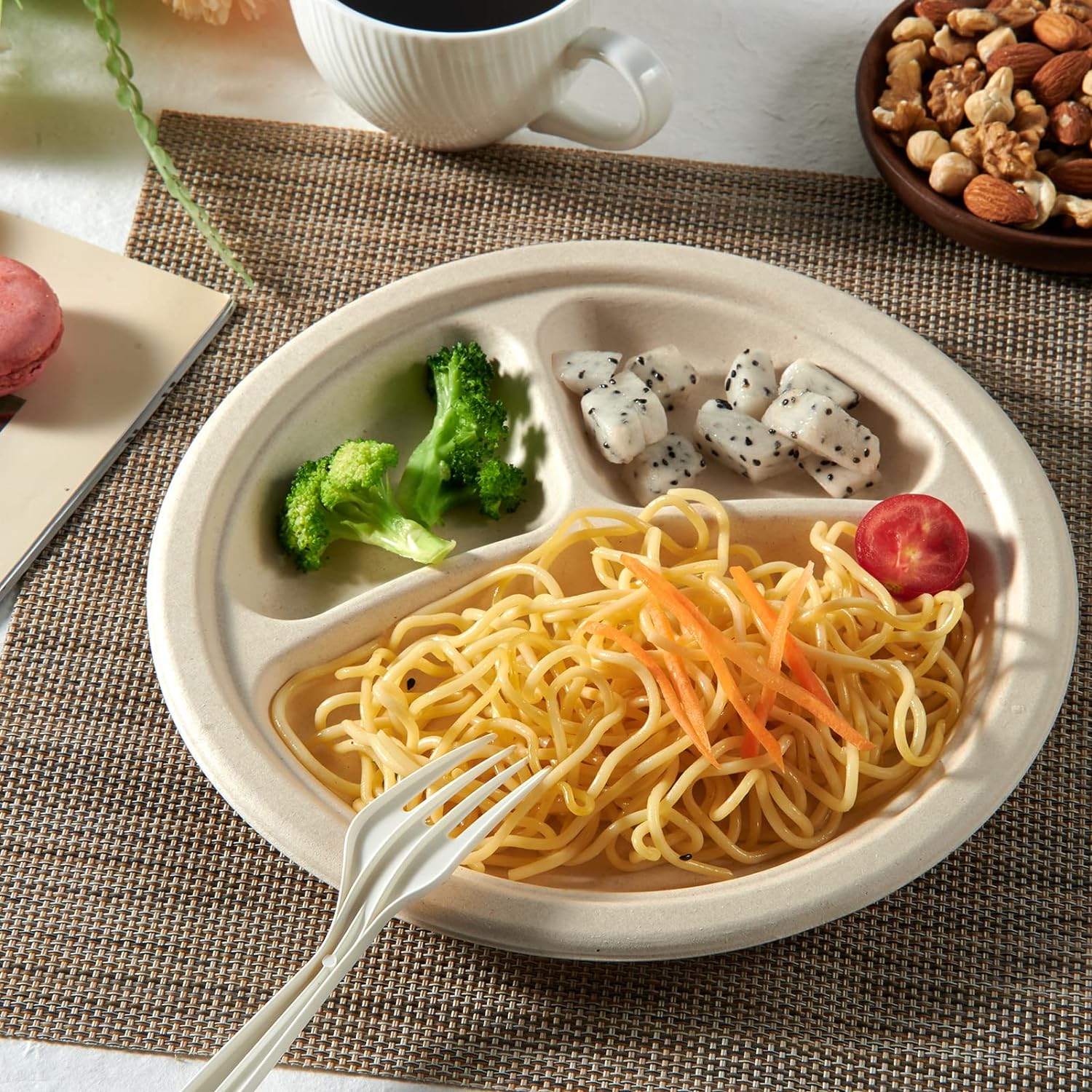
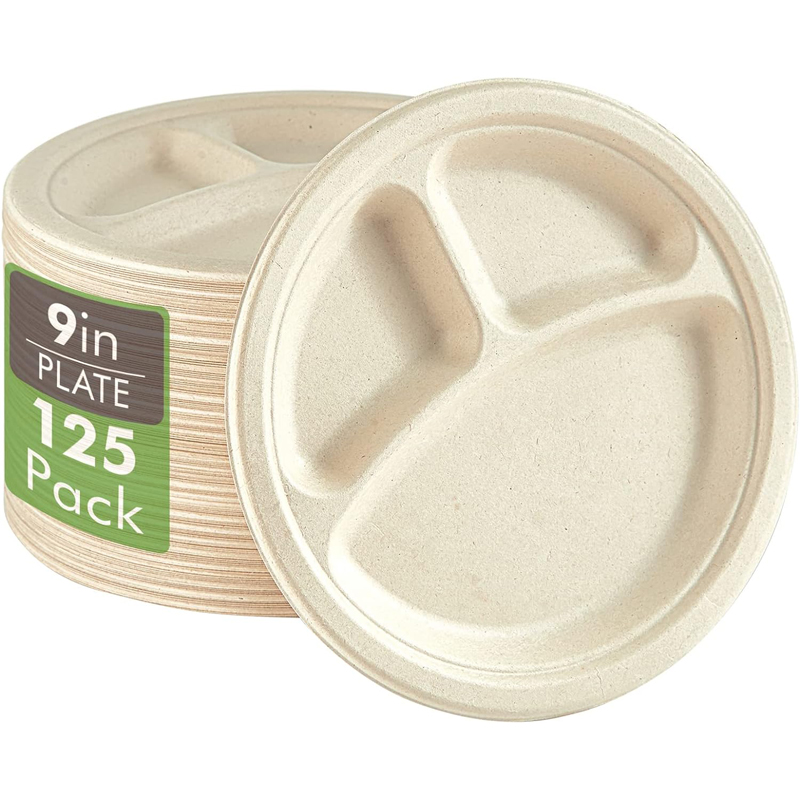
Amidst this trend, 3-compartment eco-friendly molded plates have emerged as a practical choice for both food service providers and environmentally conscious consumers. These versatile plates serve multiple purposes, making them an excellent solution for take-out meals, food storage, or snack and fruit presentations. The innovative design not only facilitates organized food storage but also aligns with sustainability goals by reducing reliance on single-use plastics. Industry insights reveal that products made from sustainably sourced materials are gaining traction, with a growing inclination towards compostable and biodegradable alternatives.
As outdoor dining and on-the-go meals continue to trend, the practicality of the 9" 3-compartment round plate becomes increasingly evident. Its ability to accommodate various food items, from complete meals to assortments of snacks, highlights its role in enhancing the dining experience while minimizing environmental impact. With research showing that consumers are willing to pay a premium for sustainable options, incorporating such eco-friendly solutions can help food service businesses meet customer expectations while contributing to a healthier planet.
: Biodegradable plates decompose naturally, reducing environmental impact from disposable products.
Common materials include sugarcane, bamboo, and palm leaves. Each offers unique benefits.
Conventional plastics can take centuries to decompose. Biodegradable plates typically break down within 90 to 180 days.
Some biodegradable plates may not withstand hot foods well. Always check material specs before use.
Assess the materials, certifications, and your business needs. Not all options suit every occasion.
Yes, certifications like ASTM D6400 and EN 13432 indicate proper composting capabilities in commercial facilities.
Yes, coatings on paper plates may affect biodegradability. Ensure coatings meet environmental standards.
Some biodegradable options break down too slowly in certain conditions, complicating waste management.
Research suppliers and their sourcing practices. Avoid greenwashing claims that are misleading.
Understanding the life cycle ensures that eco-friendly promotions are genuinely beneficial and impactful.
When selecting the best Bio Degradable Plates for your business, it is essential to first understand the various types and definitions available. Evaluating material options such as palm leaf, sugarcane, and cornstarch will help you identify which aligns best with your business's sustainability goals. Additionally, considering the environmental impact of different plate materials will ensure you make an eco-friendly choice that preserves the planet.
Durability and performance during use are crucial factors, as customers expect reliability from disposable products. Conducting a thorough cost analysis will aid in budgeting for these plates while also identifying suppliers who can provide quality biodegradable products. Finally, ensuring compliance and certification is important for maintaining quality standards, so your business can confidently offer sustainable solutions. By following these guidelines, you can make an informed decision on the right Bio Degradable Plates for your needs.


