You know, as people become more conscious about the environment, many of us are now looking for sustainable options—like those Biodegradable Disposable Plates we see online. I read somewhere that, according to Smithers Pira, the market for biodegradable products could hit around $24.9 billion by 2026. That’s pretty crazy, right? It really shows how much the foodservice industry is shifting towards eco-friendly solutions these days.
When you're out shopping for the best biodegradable disposable plates, it’s actually worth thinking about a few things. Not all biodegradable materials break down at the same pace—some, like plates made from sugarcane or palm leaves, tend to be more eco-friendly than traditional plastic options. Also, keep an eye out for certifications like ASTM D6400 or EN 13432; they can really help you trust that the product will do what it promises.
That said, with so many options popping up, it can get pretty confusing. Some items might be marketed as biodegradable but don’t really meet strict environmental standards. So, it pays to be a bit skeptical—look for brands that are transparent about how they source and produce their products. Not only does this help reduce environmental impact, but it also supports companies that are genuinely committed to sustainability. Ultimately, a little extra research can go a long way in making eco-friendly choices that truly make a difference.

Understanding Biodegradable Materials in Disposable Plates
Biodegradable materials are gaining traction in the disposable plate industry. They are made from resources like corn starch, sugarcane, and palm leaves. These materials break down naturally over time, reducing landfill waste. According to a 2022 report by the Environmental Protection Agency, single-use plastics contribute to over 30 million tons of waste annually in the U.S. This statistic underscores the importance of looking for alternatives like biodegradable disposable plates.
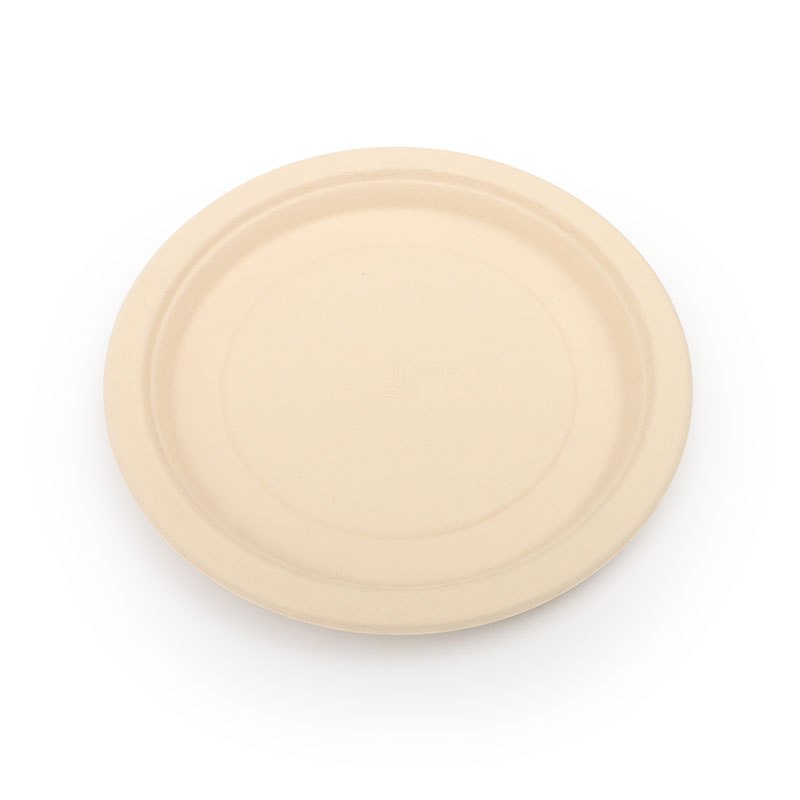
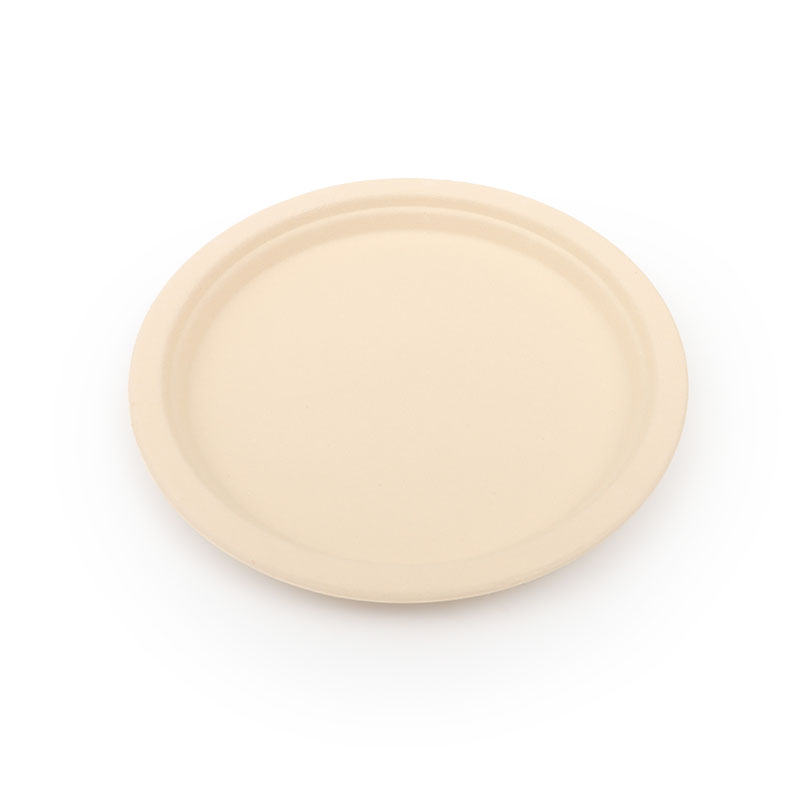
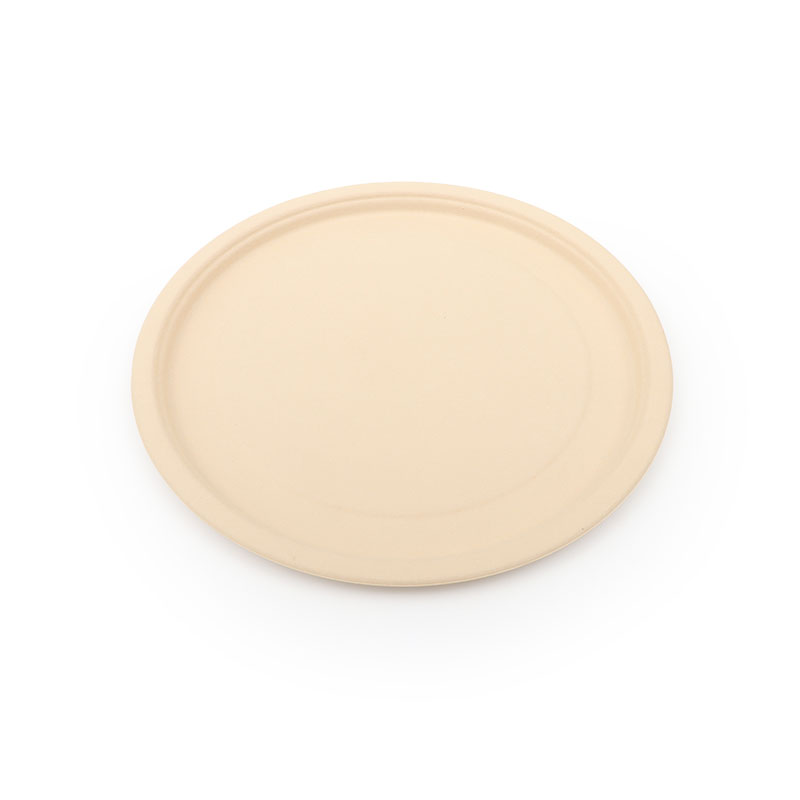
When selecting these plates, understand the composition. Look for certifications that indicate the product meets specific standards. For example, the ASTM D6400 ensures the plate will degrade in composting environments. Not all biodegradable options are equal; some may take years to decompose. The Natural Color Biodegradable Disposable Plate stands out due to its eco-friendly pigments and quick breakdown time.
Tip: Check the product labels for certifications and decomposition timelines. Notably, some products may mislead consumers with “compostable” claims but lack proper certification. Always verify with credible sources. Prioritizing genuine biodegradable products leads to a healthier planet. Remember, not every biodegradable option meets expectations for sustainability.
Types of Biodegradable Disposable Plates Available on the Market
When selecting biodegradable disposable plates, understanding the types available is crucial. The market offers various options made from materials like sugarcane bagasse, bamboo, and palm leaves. Each type has unique benefits and environmental impacts. For instance, sugarcane plates are sturdy and suitable for wet foods. Bamboo plates provide an elegant touch but may not hold up as well with heavy items.
Natural Brown Biodegradable Disposable Plate is an excellent example of eco-friendly choices. These plates blend seamlessly into natural settings upon disposal. They are appealing for events that prioritize sustainability. However, one drawback is their limited availability compared to traditional plastic plates. It can be a challenge to find enough supply, especially for large gatherings.
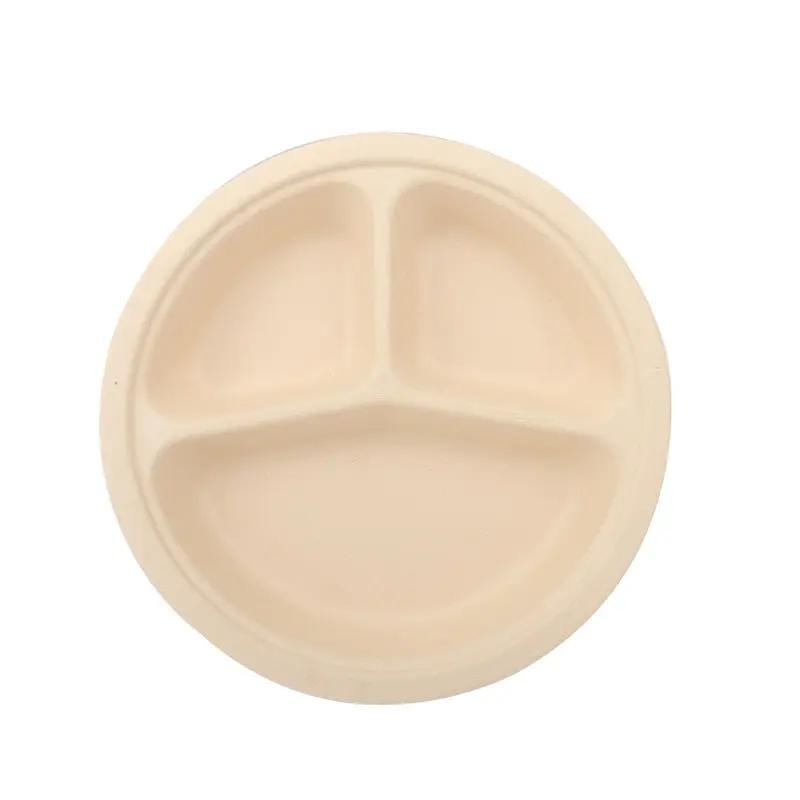
In assessing biodegradable Plates, consideryour specific needs. Size and shape can affect usability. Some designs work better for certain foods. While these plates are better for the environment, they are not flawless. For instance, some may still leave a small carbon footprint. A careful choice balances environmental benefits with practical usage.
Key Factors to Consider When Choosing Biodegradable Plates
When choosing biodegradable disposable plates, several key factors need consideration. Material type is crucial. Popular options include plants, paper, and bamboo. Each material has varying biodegradability rates. For example, plates made from sugarcane can decompose within 30 to 90 days in proper conditions. However, many still end up in landfills, where degradation is slower.
Next, check for certification. Look for labels from recognized organizations. Certifications like ASTM D6400 provide assurance that the product meets compostability standards. Research shows that only 15% of consumers understand these certifications. This gap can lead to confusion about what “biodegradable” truly means.
Furthermore, consider the intended use of the plates. Are they for hot foods or cold salads? Some materials might not withstand high temperatures, leading to leaks or breaks. Studies suggest that 25% of biodegradable products fail during serving. This can tarnish dining experiences. Understanding your needs can help avoid these issues. Remember, not all biodegradable options are equal.
Environmental Impact of Biodegradable vs. Traditional Plates
When comparing biodegradable disposable plates to traditional ones, the environmental impact is striking. Biodegradable plates are made from materials like sugarcane or bamboo. These materials can decompose within a few months when disposed of properly. In contrast, traditional plastic plates can take hundreds of years to break down. According to the Environmental Protection Agency (EPA), around 40% of plastic waste ends up in landfills, contributing to long-lasting pollution.
In a recent study, scientists found that biodegradable plates resulted in 50% fewer greenhouse gas emissions compared to their plastic counterparts. The production of traditional plates involves significant carbon output. Furthermore, biodegradable options do not release harmful toxins when they decompose. However, the effectiveness of biodegradability often depends on disposal methods. Many consumers are unaware that some biodegradable products need specific conditions to break down efficiently.
Critics of biodegradable plates argue that not all options deliver on their eco-friendly promises. Some products labeled as biodegradable may still have detrimental effects when littered. There's also a misconception that compostable plates can decompose in home compost bins, which is often untrue. Addressing these concerns is essential for making informed choices related to disposable dinnerware.
How to Choose the Best Biodegradable Disposable Plates? - Environmental Impact of Biodegradable vs. Traditional Plates
| Plate Type | Material | Biodegradation Time | Environmental Impact | Cost Range (per unit) |
| Bioplastic | PLA (Polylactic Acid) | 90-180 days | Low impact if composted; emits less CO2 | $0.15 - $0.30 |
| Palm Leaf | Areca Palm Leaves | 2-4 months | Minimal waste; biodegradable without chemicals | $0.30 - $0.50 |
| Sugarcane | Bagasse | 60-90 days | Recyclable and compostable, low carbon footprint | $0.20 - $0.40 |
| Starch-based | Corn Starch | 90-180 days | Less plastic, may require industrial composting | $0.10 - $0.25 |
| Traditional Plastic | Polypropylene | 200+ years | High long-term pollution, non-biodegradable | $0.05 - $0.10 |
Cost Comparison of Biodegradable Disposable Plates
Choosing biodegradable disposable plates can be challenging, especially when comparing costs. Prices vary based on materials, manufacturing processes, and local availability. Many options are available, from sugarcane to palm leaf plates. These choices may significantly affect overall spending.
In general, sugarcane plates are often more affordable than those made from palm leaves. However, the difference in durability can influence your choice. Softer plates may not hold heavy foods well, leading to waste and increased costs. Moreover, purchasing in bulk can reduce expenses, but it might require upfront investment.
Some people may overlook the environmental impact in their cost analysis. While traditional plates are cheap, they contribute to pollution. In contrast, investing in biodegradable options benefits the planet. It's essential to balance immediate costs with long-term environmental benefits. Reflecting on this can guide your purchasing decisions better.
Sourcing and Quality Assurance for Biodegradable Plates
When sourcing biodegradable disposable plates, quality assurance is critical. Not only do these plates need to meet environmental standards, but they should also be sturdy enough for various uses. Research indicates that about 60% of consumers are concerned about the durability of biodegradable products. Hence, it's vital for manufacturers to conduct rigorous testing. Plates should maintain structural integrity under varying temperatures and humidity levels.
Proper sourcing of materials can impact the overall quality. Sustainable raw materials, like sugarcane bagasse and bamboo, are popular choices. However, not all suppliers maintain eco-friendly practices. According to industry reports, only 30% of suppliers comply fully with sustainability certifications. Buyers should scrutinize suppliers' credentials. Assessing their compliance with environmental regulations can help ensure reliability.
While many biodegradable options look similar, subtle differences in quality exist. Some plates may barely decompose, contributing to landfill issues. An effective way to gauge quality is through third-party testing certification. This can reveal important details about the degradation timeline. Consumers should demand transparency and seek out suppliers committed to ethical practices. Investing time in sourcing Party Supplies Biodegradable Disposable Plates will yield not only reliable products but also support a greener planet.
Consumer Reviews and Recommendations for Biodegradable Plates
When selecting Biodegradable Plates, consumer reviews become vital. Many buyers emphasize the need for durability and eco-friendliness. Research indicates that biodegradable materials can break down in as little as 90 days. However, not all products deliver on this promise. Some plates labeled "biodegradable" still take significantly longer to decompose.
A survey by the Environmental Protection Agency revealed that 54% of consumers choose biodegradable options to reduce plastic waste. Yet, many remain unsure of the true impact. Several reviews highlight the inconsistency in quality among different brands. Some users report that their biodegradable plates warp or leak, especially under heat. This inconsistency raises questions. Are consumers just as eco-conscious if the products fail to meet expectations?
Additionally, while many biodegradable options are marketed as sustainable, they may still contain harmful additives. It's crucial to read labels carefully. Reviews have shown that some plates do not compost effectively, leading to skepticism among environmentalists. As consumers strive to make informed choices, transparency from manufacturers is essential. This can build trust in biodegradable plates and empower better decision-making.
FAQS
: Biodegradable plates are typically made from materials like corn starch, sugarcane, and palm leaves.
Decomposition can vary. Some may take just 30 days; others might take years.
Check for material type and certifications. Certifications ensure they meet compostability standards.
Certifications, like ASTM D6400, confirm that plates can degrade in composting environments effectively.
Some materials can’t withstand high temperatures, causing leaks or breaks. Consider your food type carefully.
Research suppliers and check for third-party testing certifications to ensure durability and sustainability.
No, the effectiveness varies based on materials and sourcing practices, leading to potential landfill issues.
Many consumers misunderstand "biodegradable," assuming all options decompose equally, which isn't true.
Always check product labels for certifications and look for credible sources for verification.
They can reduce landfill waste but may still contribute to issues if they don’t decompose properly.
Conclusion
In today's environmentally conscious world, choosing the best biodegradable disposable plate is essential for minimizing our ecological footprint. Understanding the various biodegradable materials used in these plates helps consumers make informed choices. With a range of options available on the market, it is crucial to consider key factors such as durability, compostability, and safety for food use.
The environmental impact of biodegradable disposable plates significantly contrasts with that of traditional plastic alternatives, as they break down more naturally and reduce landfill waste. While the cost of biodegradable options may vary, many consumers find value in their sustainable benefits. By sourcing from reputable suppliers and considering consumer reviews, individuals can ensure they select high-quality biodegradable disposable plates that align with their environmental values and needs.

 Box With T buckle
 700ml Square Lunch Box
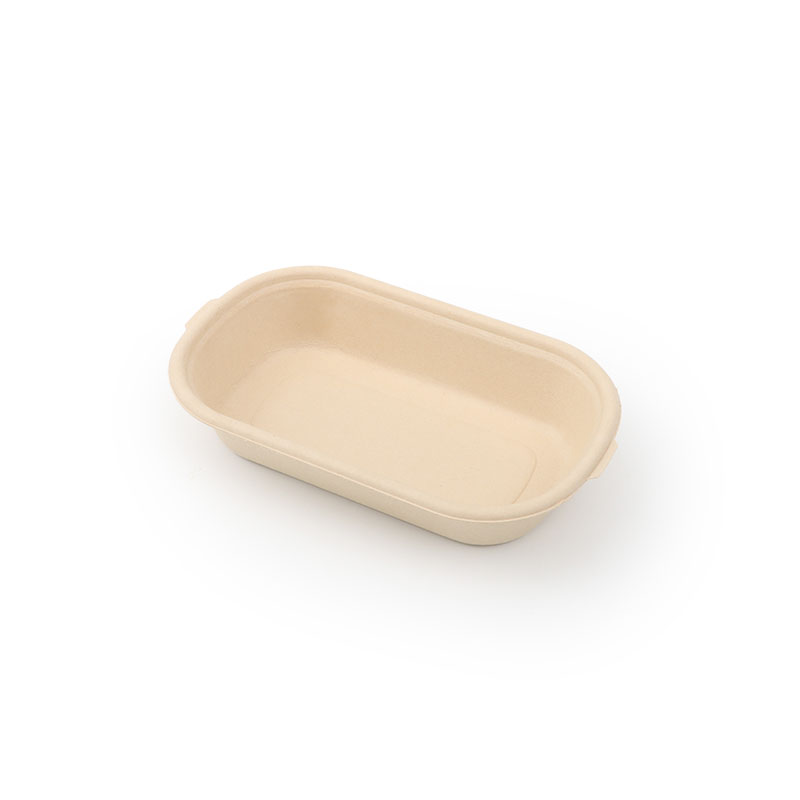 500ml
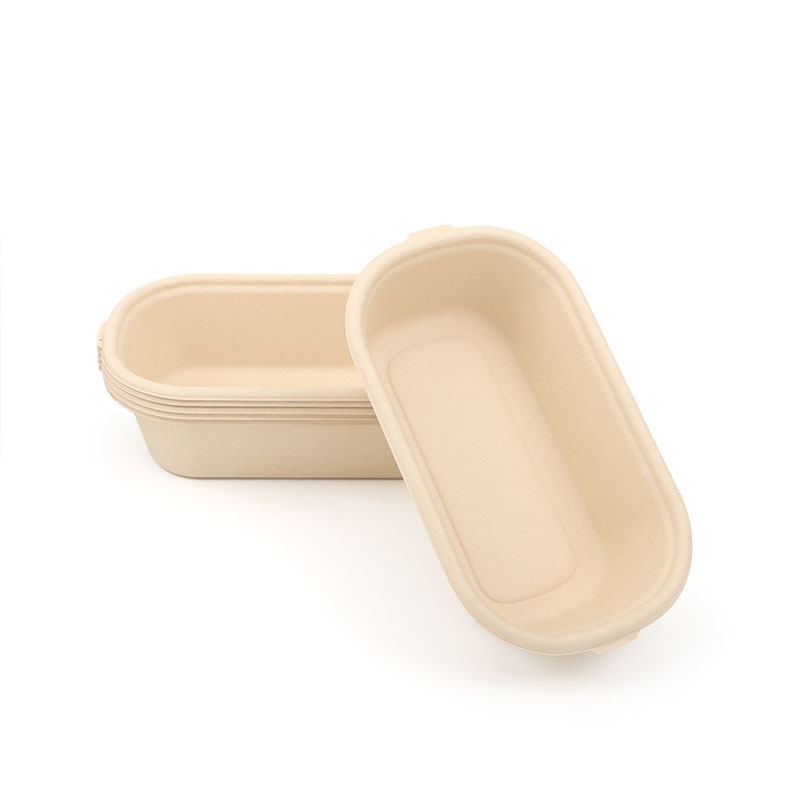 700ml
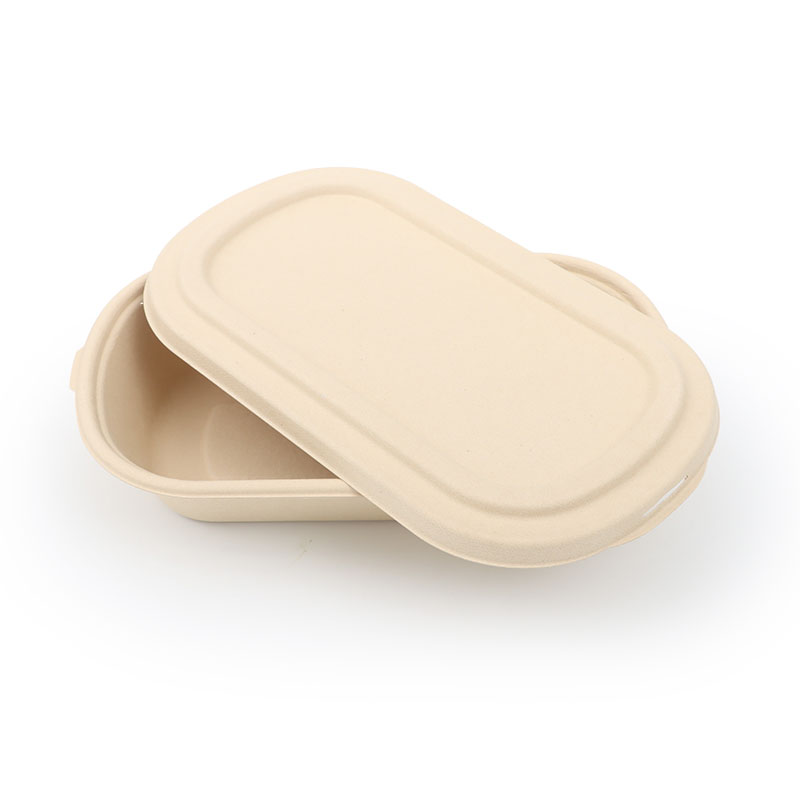 850ml
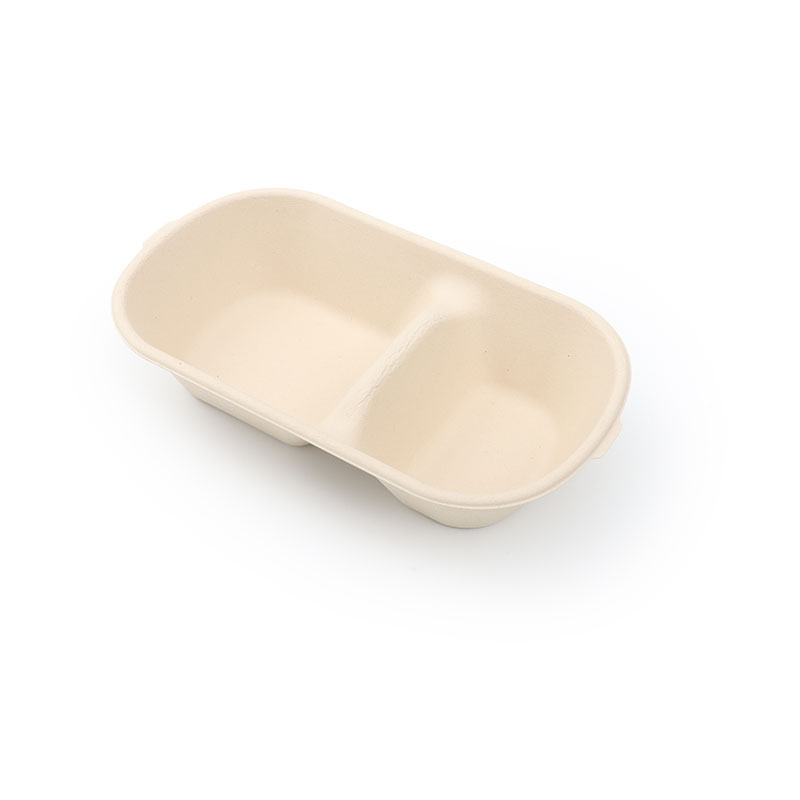 800ml 2 Compartments
 1000ml 2 Compartments
 1100ml
 1000ml Square Lunch Box
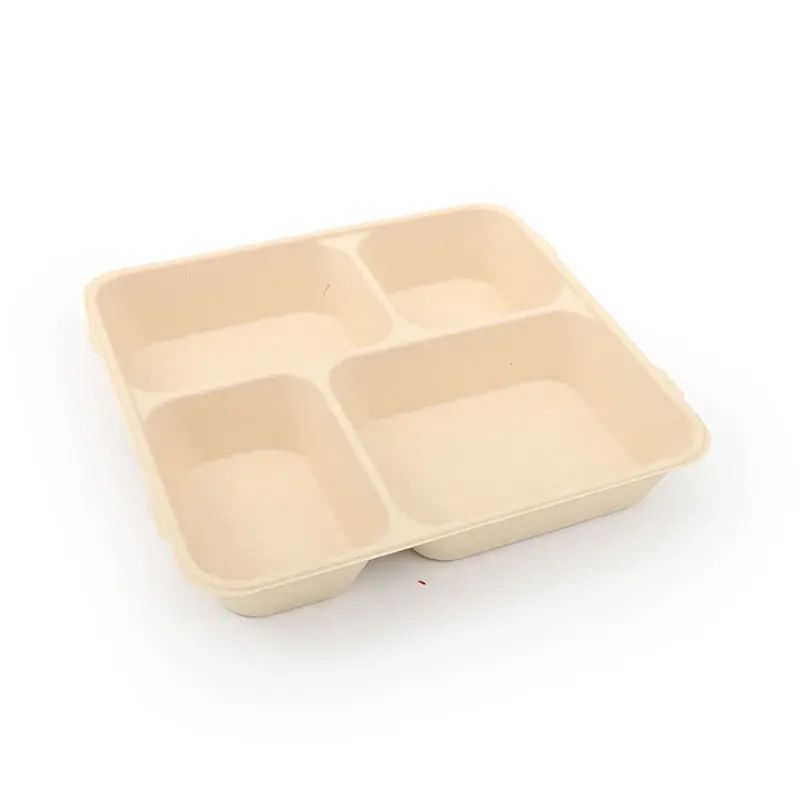 1340ml 4 Compartments
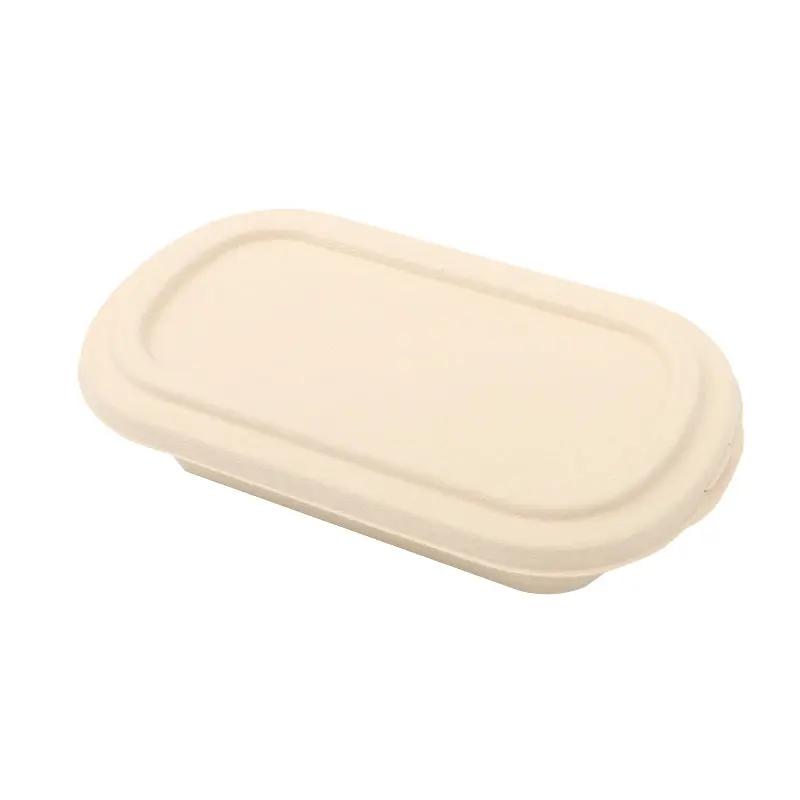 Lunch Box Lid
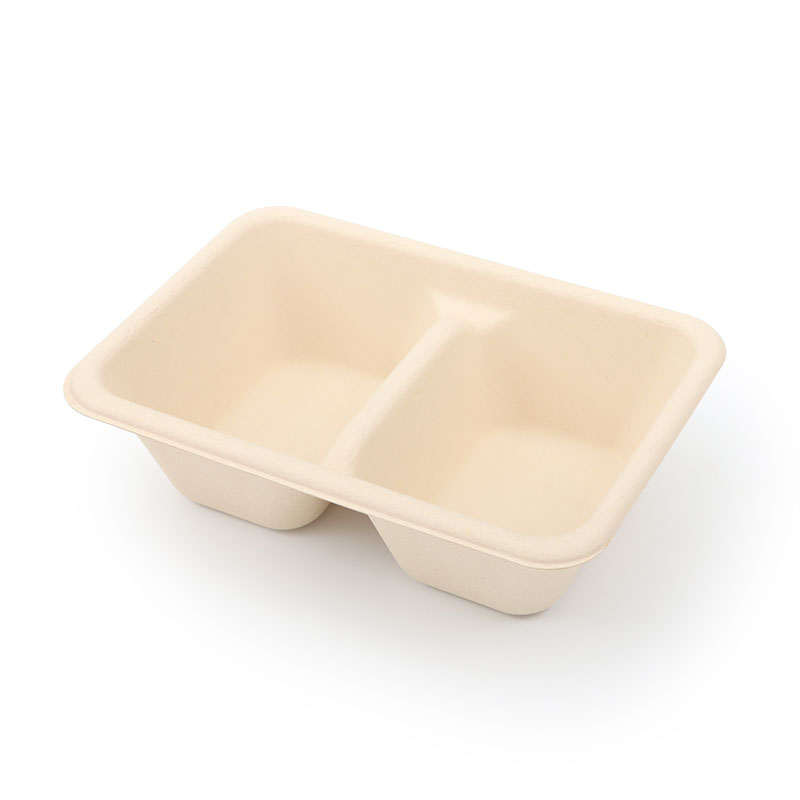 650ml
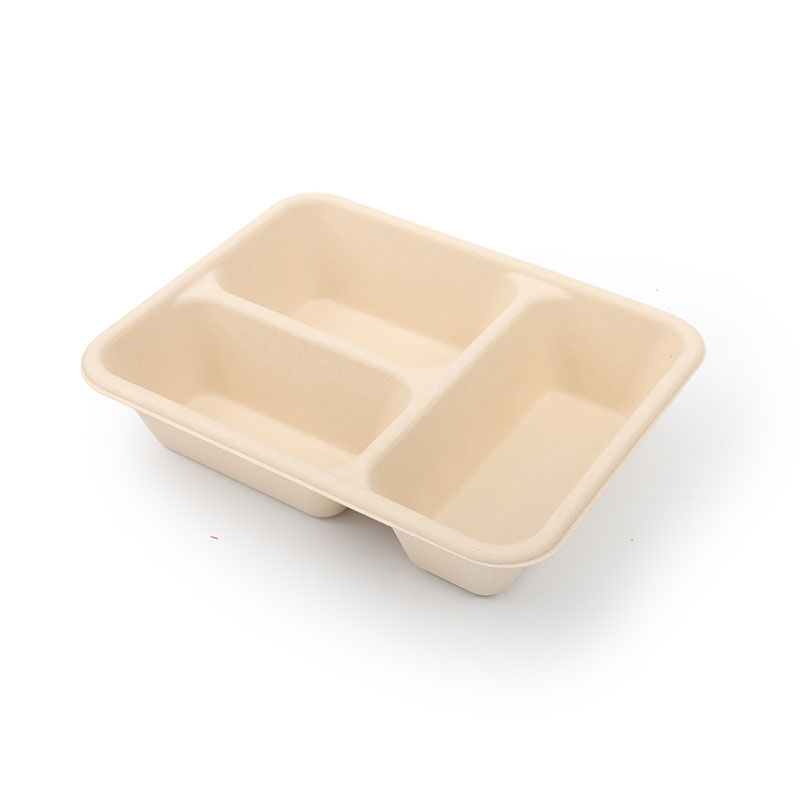 1000ml 3 Compartments
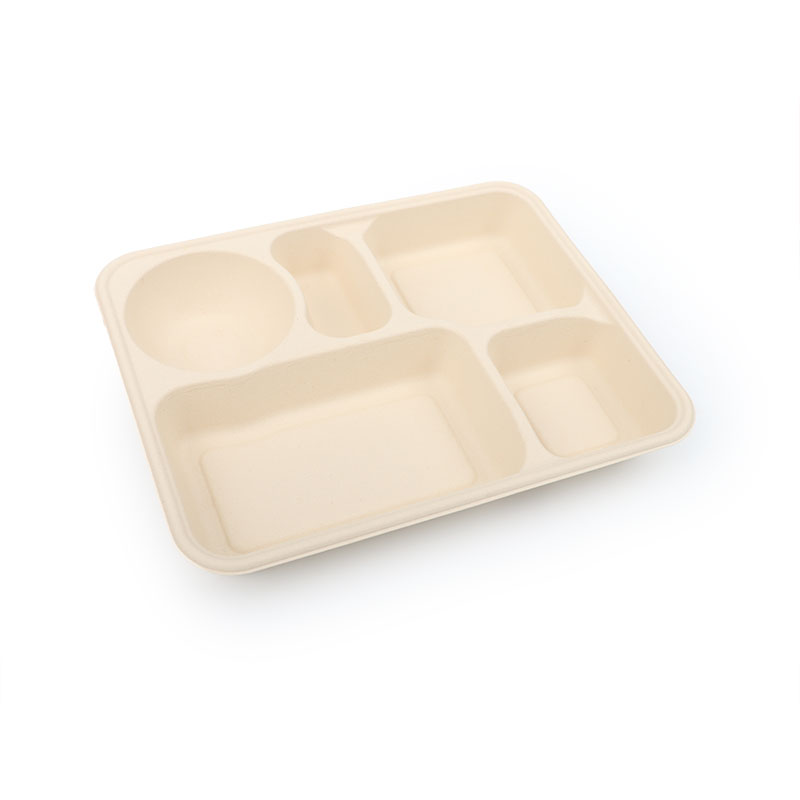 1250ml 5 Compartments
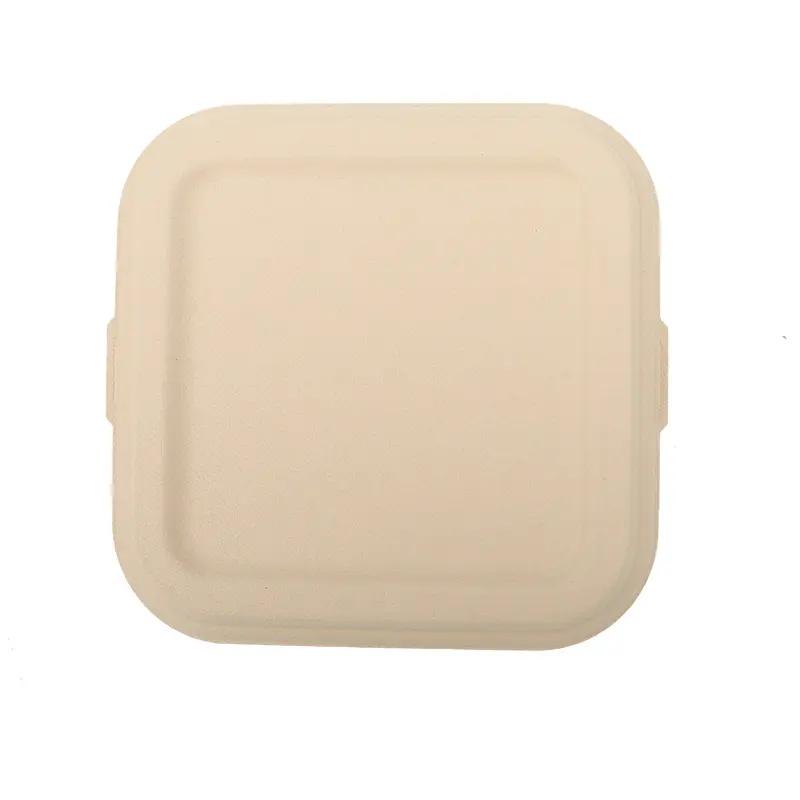 Square Lunch Box Lid
 Box Without T buckle
 850ml Salad Box
 700ml
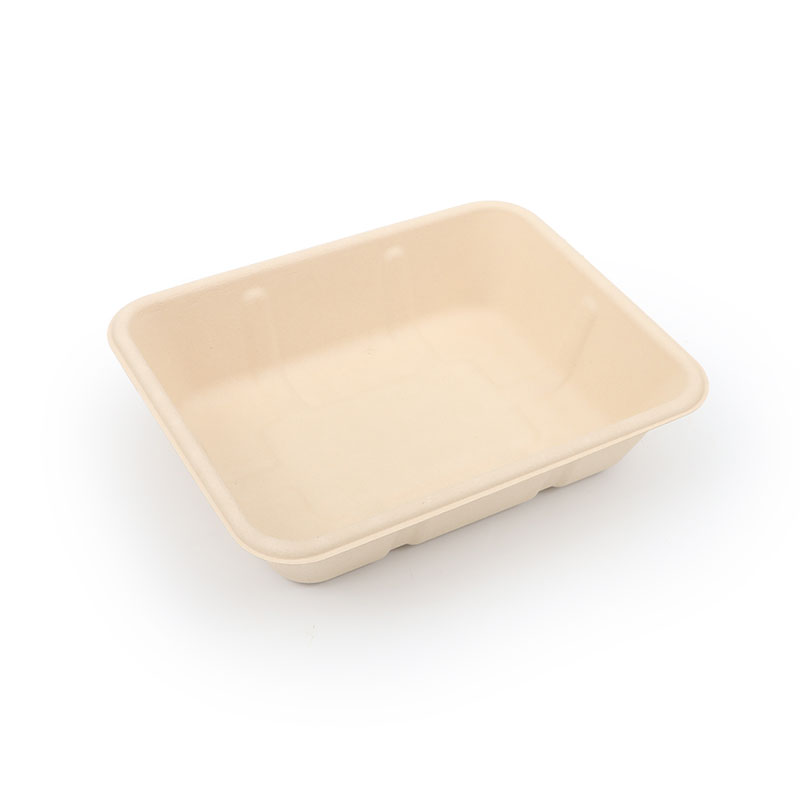 1350ml
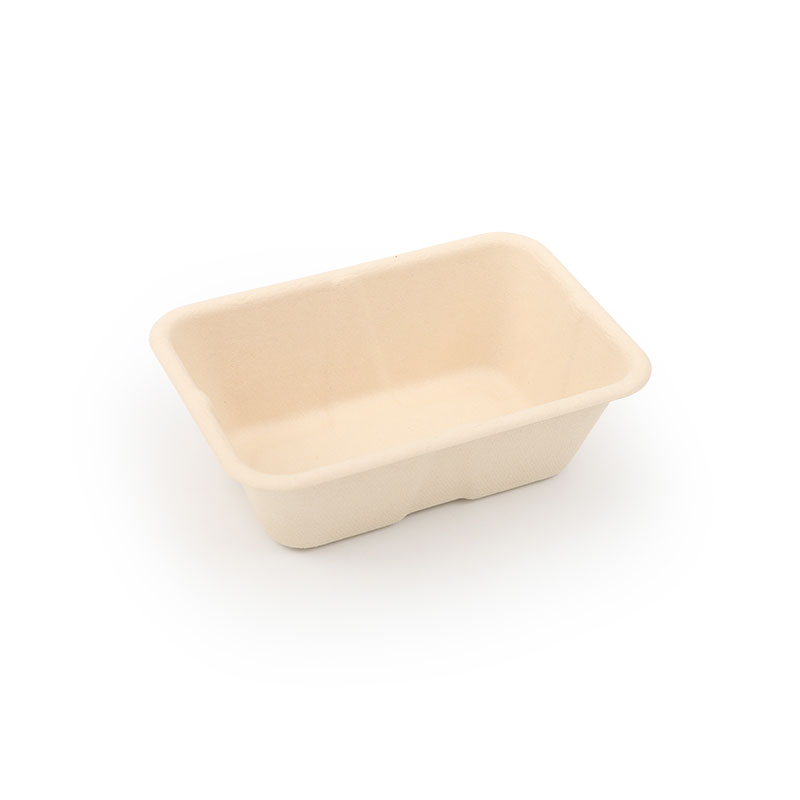 470ml
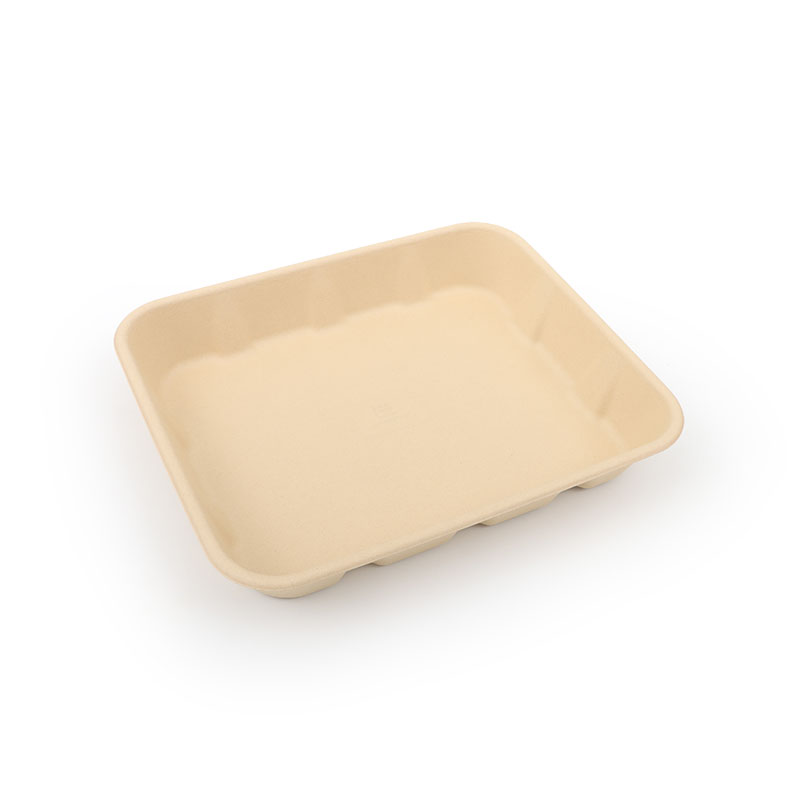 2183ml Tray Box
 11" * 9"
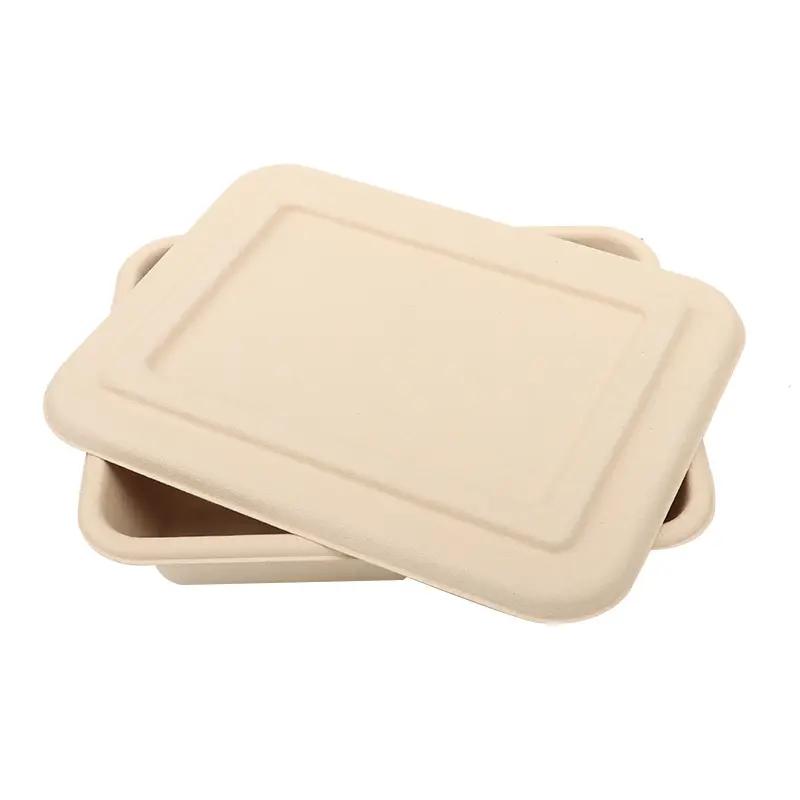 800ml
 One Part Box
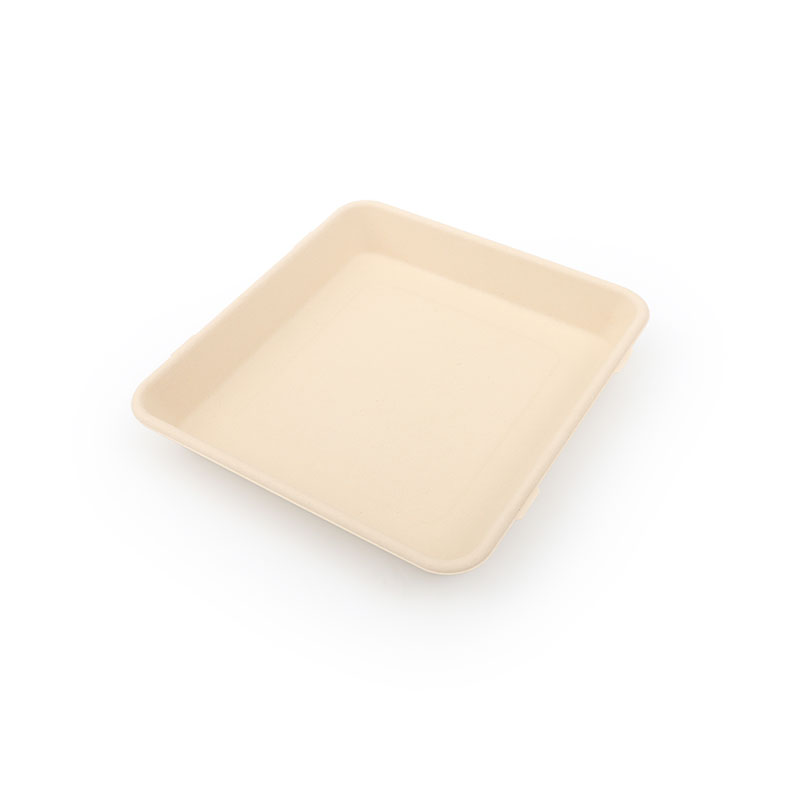 1443ml Tray Box
 Cake Bread Snack Tray Series
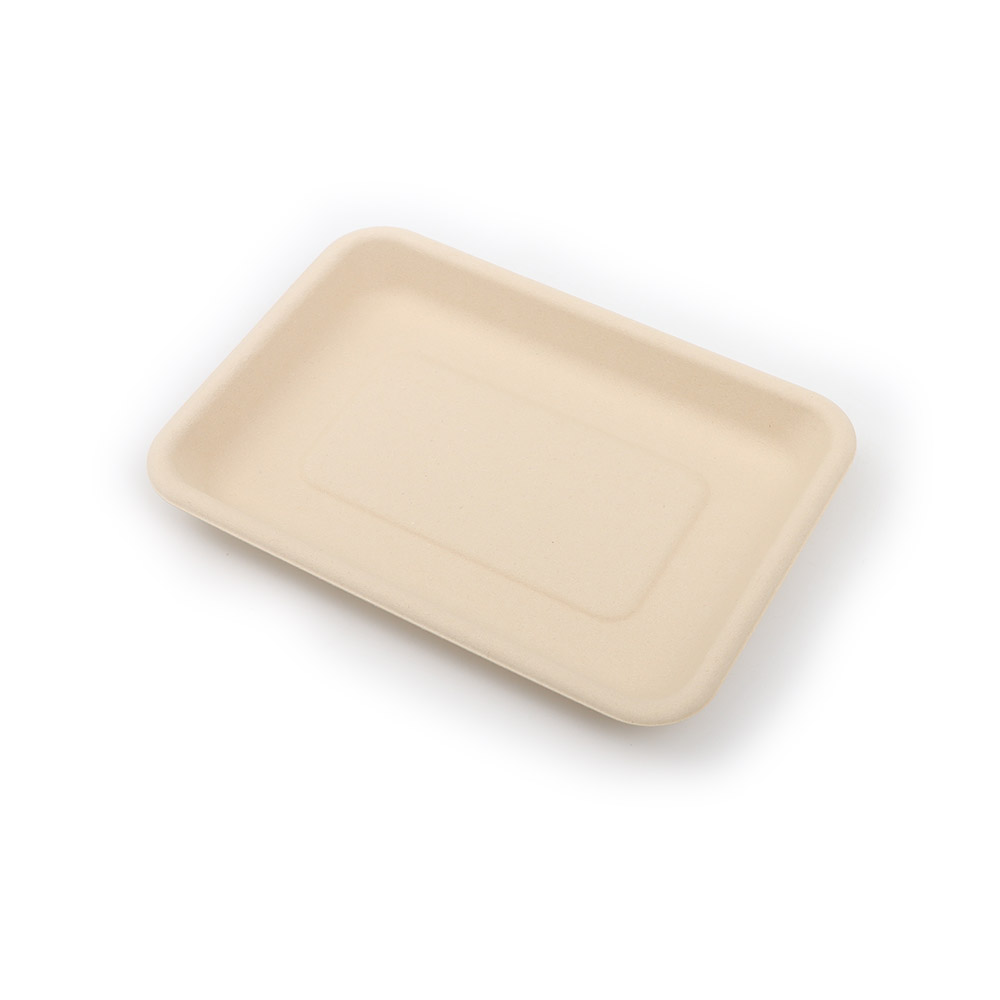 5" * 7" natural color
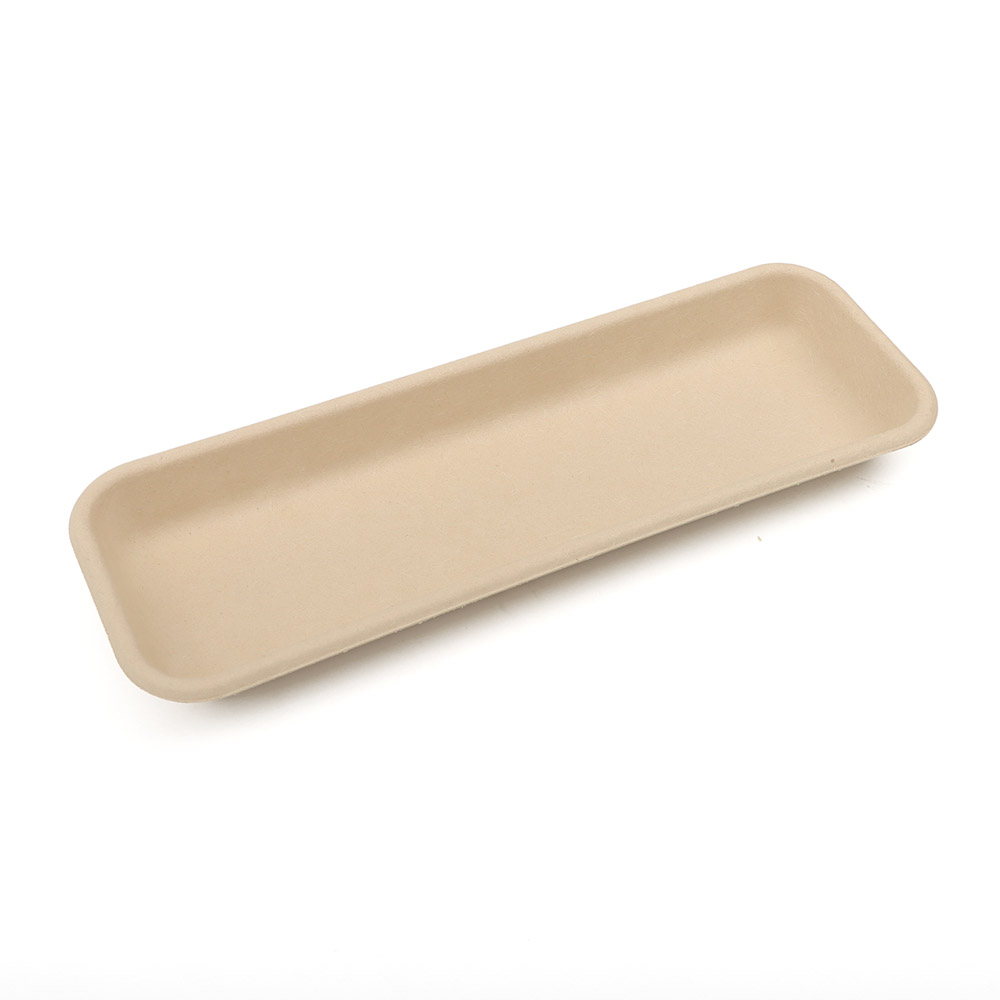 11.4" * 3.9"
 5.3" * 5.3"
 Fruit And Vegetable Tray Series
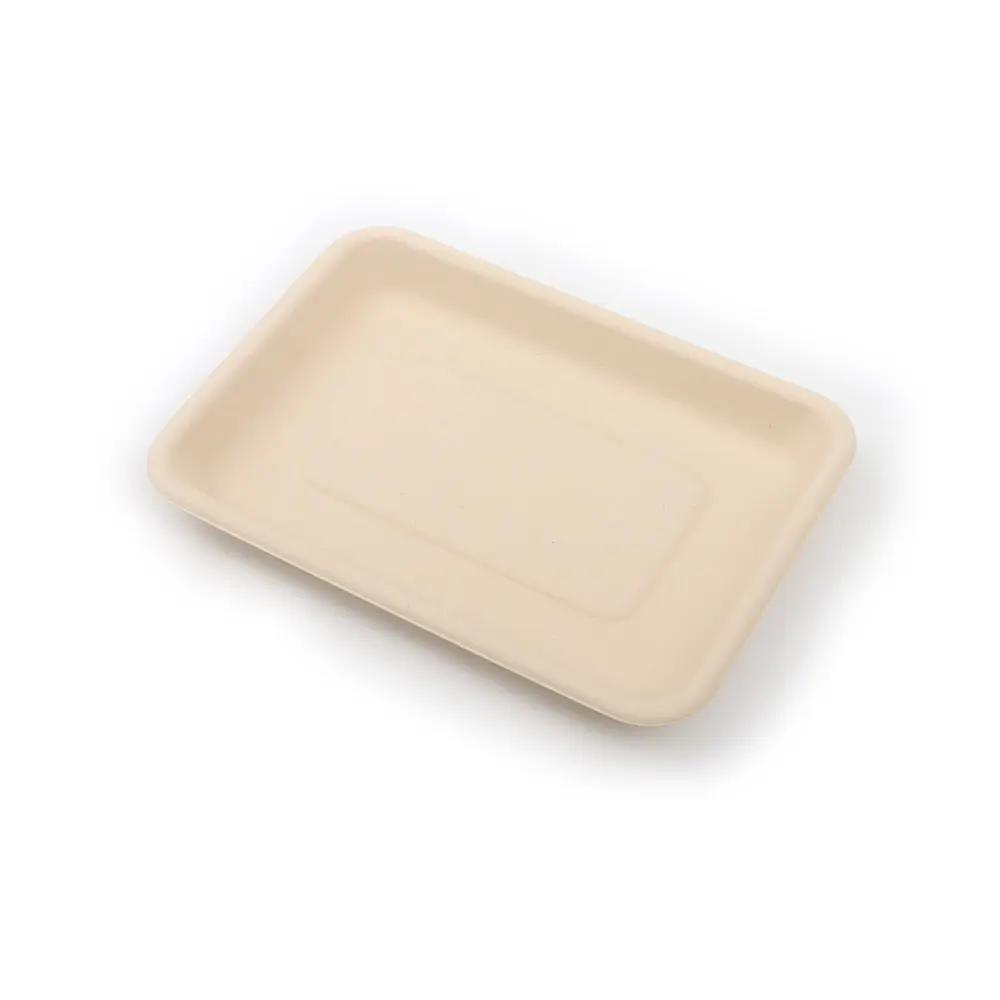 8.6" * 5.3"
 Sushi Tray Series
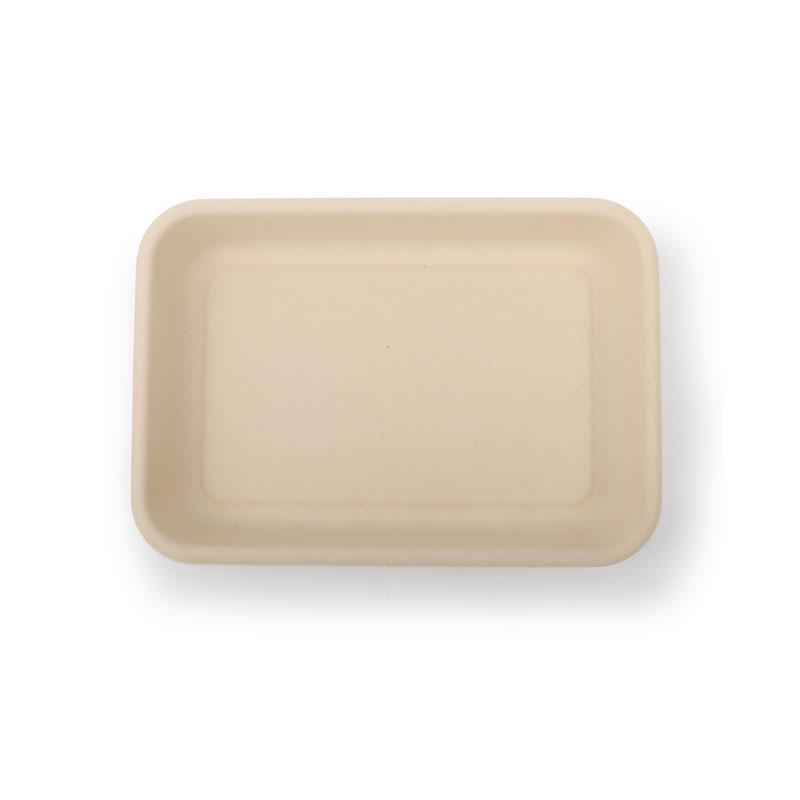 200" * 140"
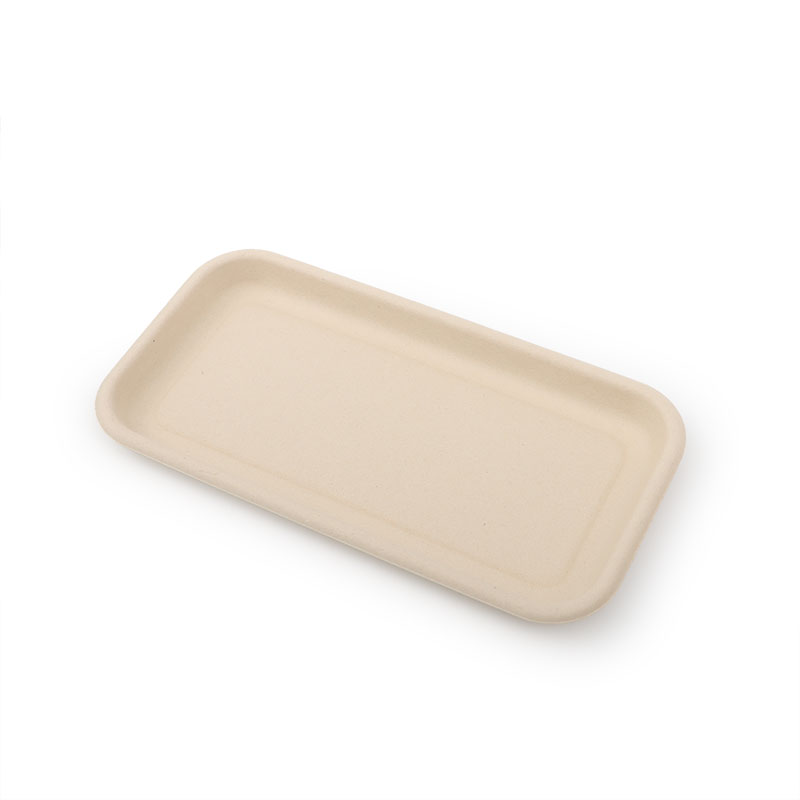 210" * 110"
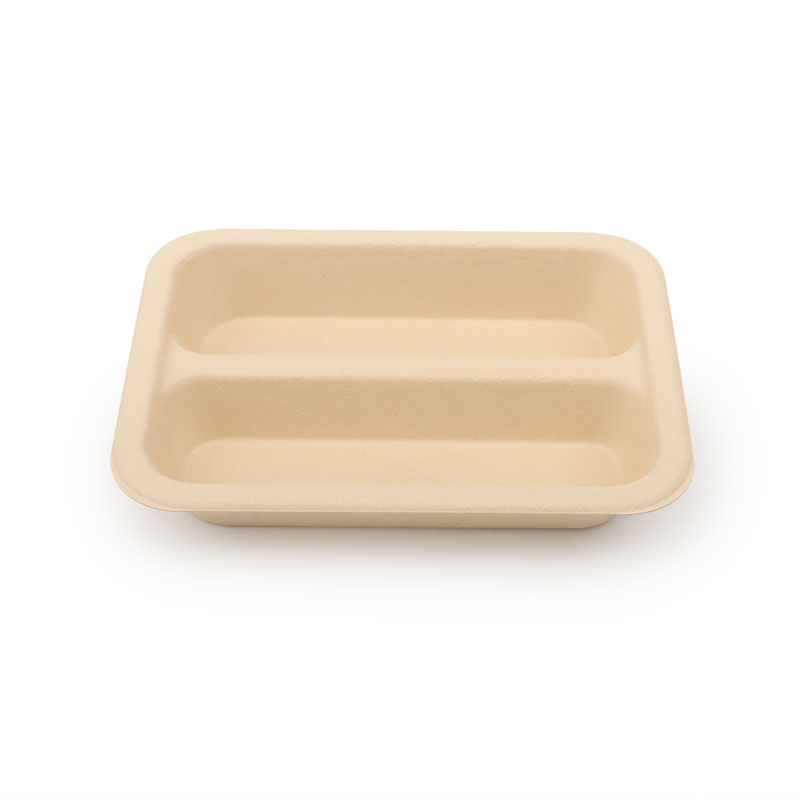 2 Compartments
 Small Round Plate Series
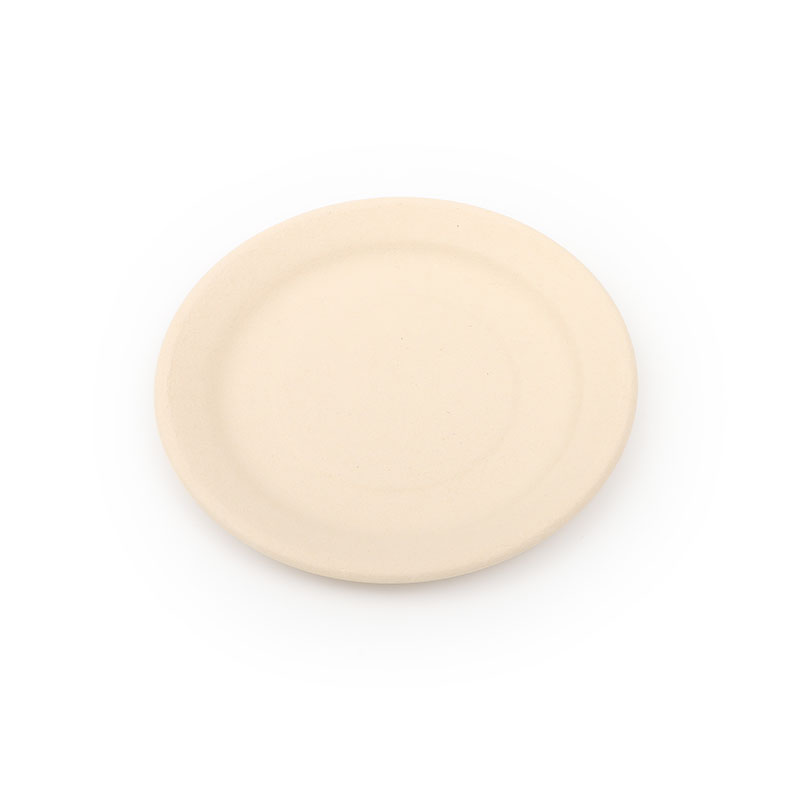 7 inch
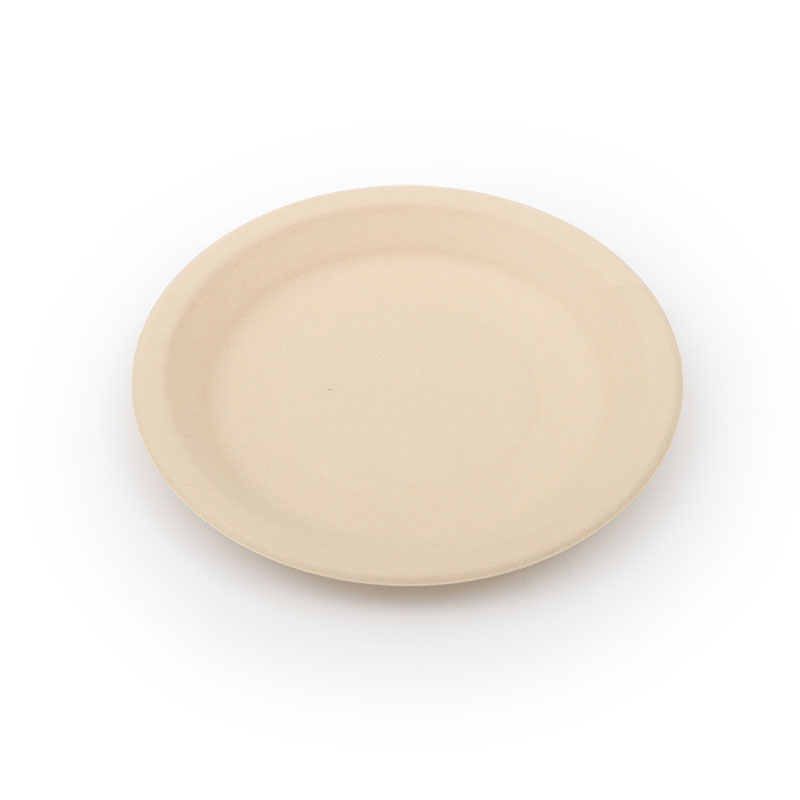 6 inch
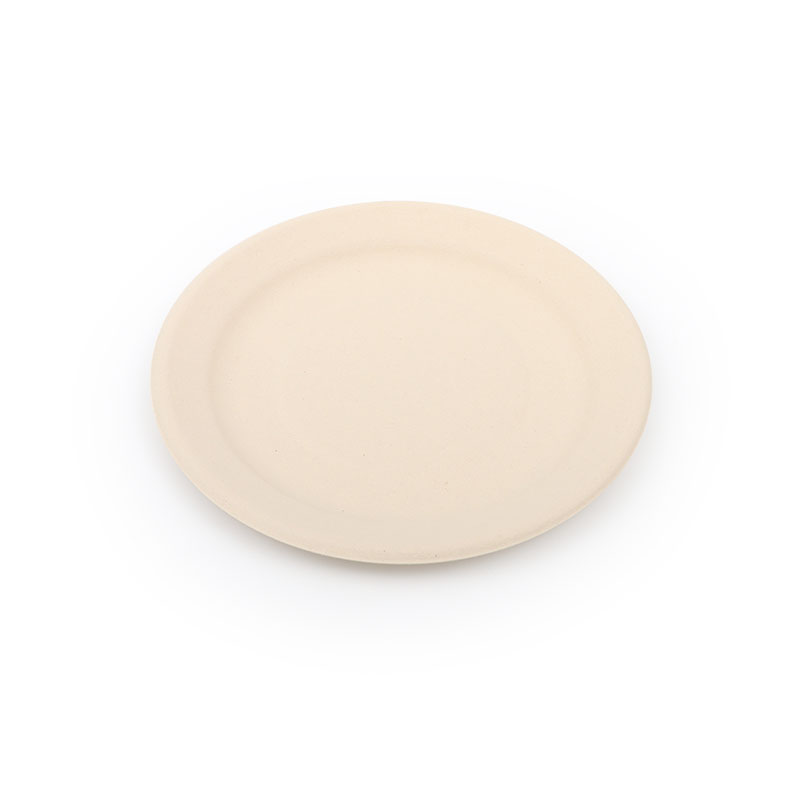 8 inch
 Middle Round Plate Series
 9 Inch 3 Compartments
 9 inch
 Big Round Plate Series
 12.7 Inch Pizza Plate
 10.25 inch 3 Compartments
 10 inch
 12 inch
 Bigger Bowl
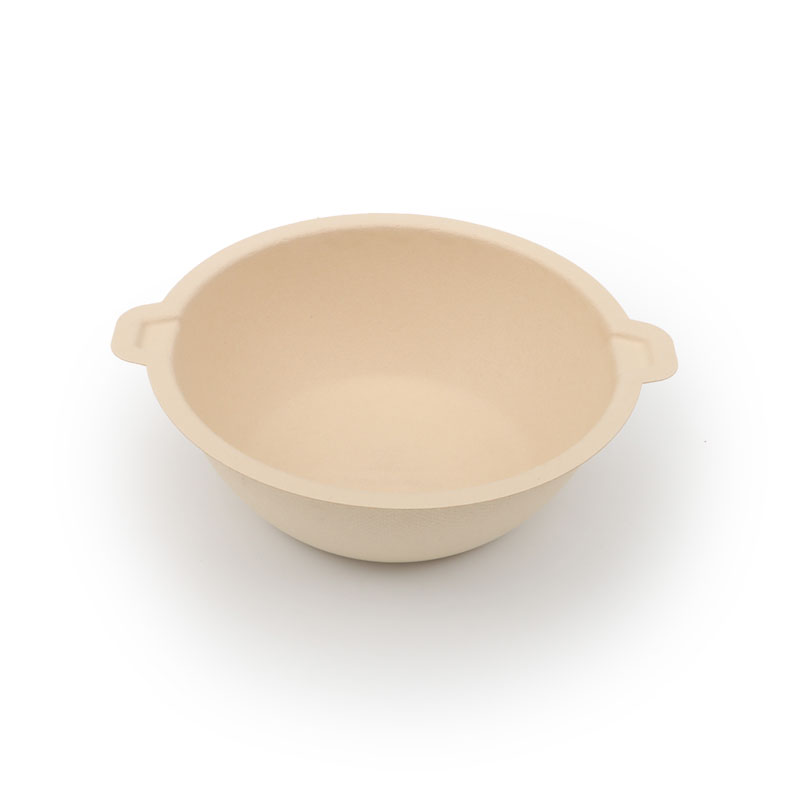 48oz(1420ml)
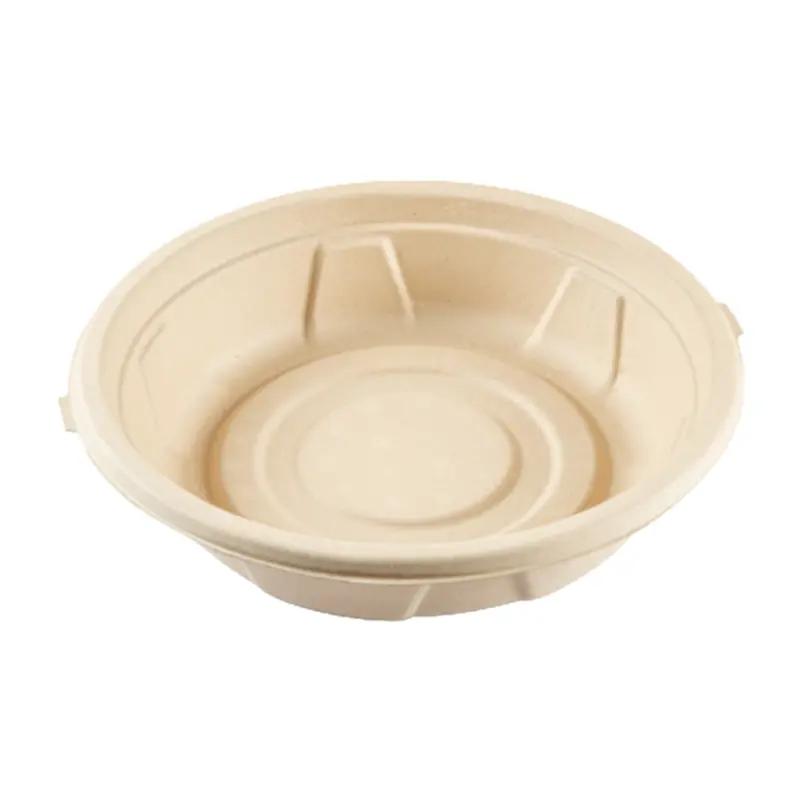 56oz(1650ml)
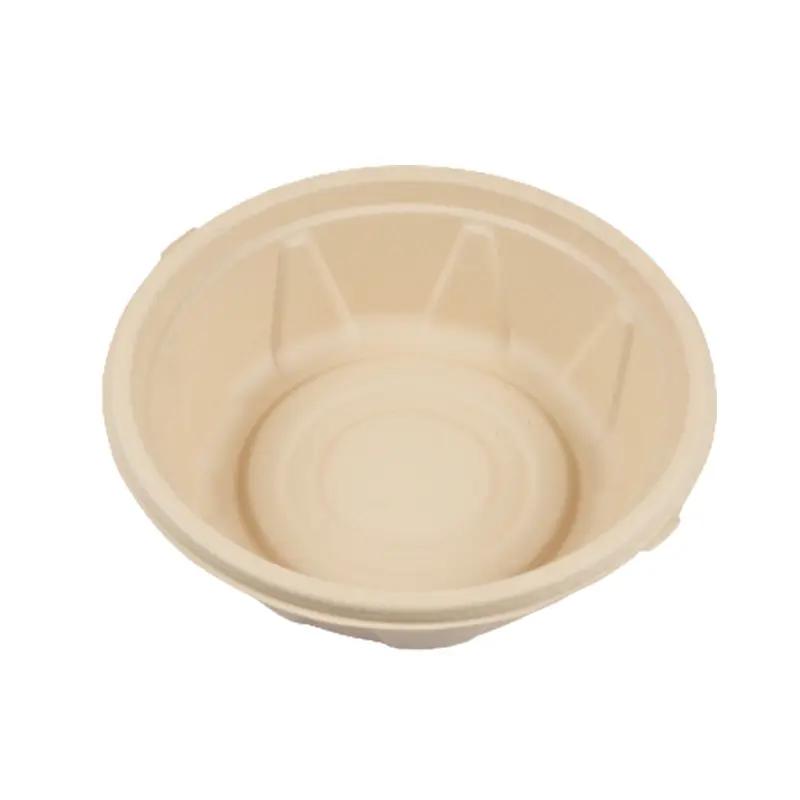 100oz(2950ml)
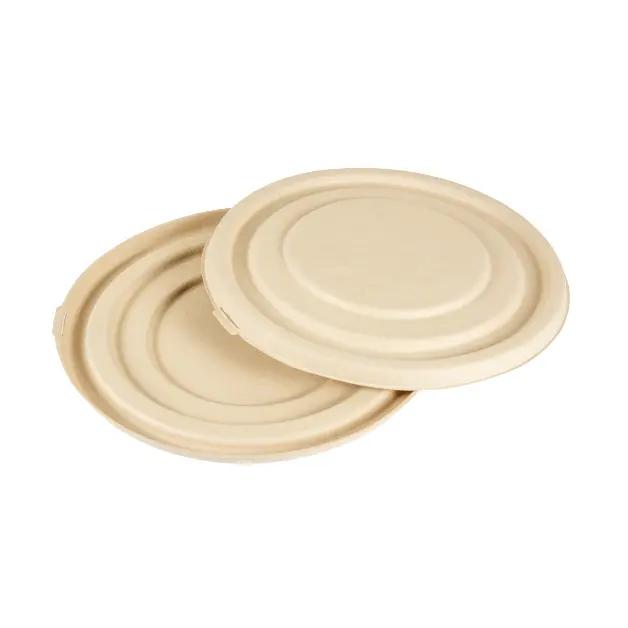 100oz(2950ml) With Lid
 Middle Bowl
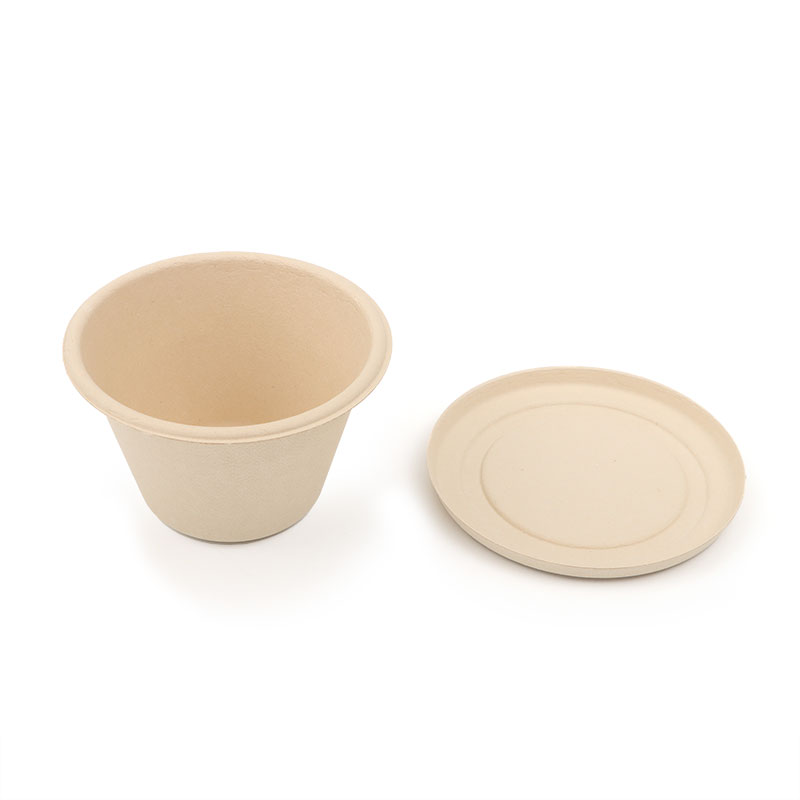 17oz(500ml)
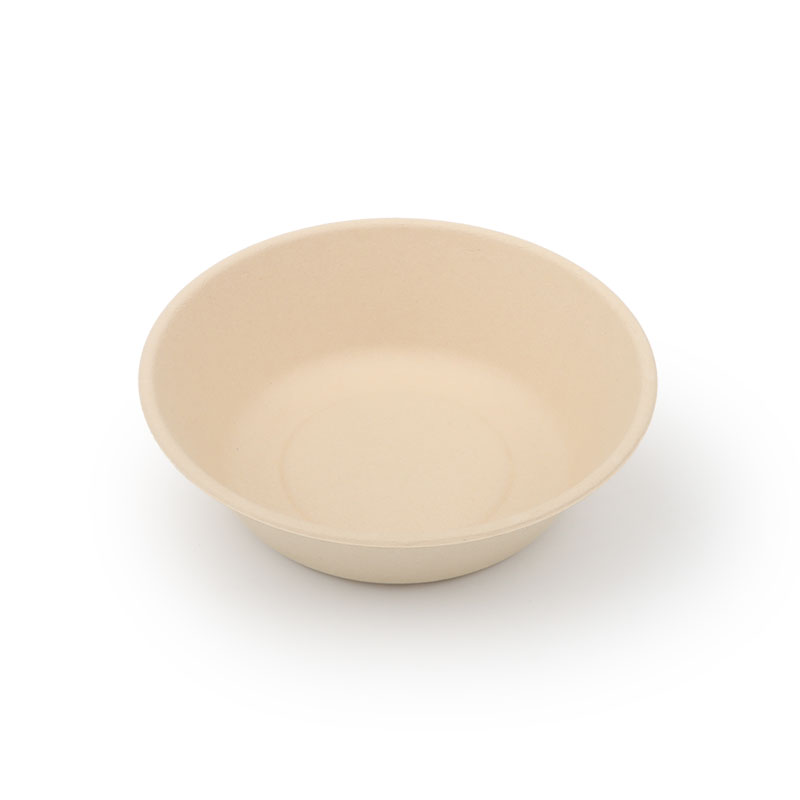 27oz(800ml)
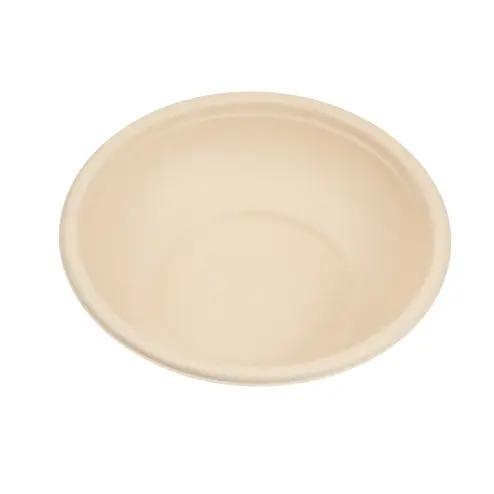 20oz(600ml)
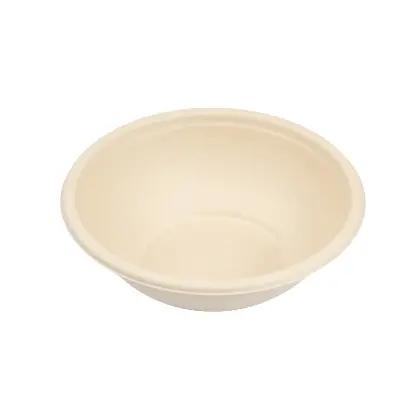 29oz(850ml)
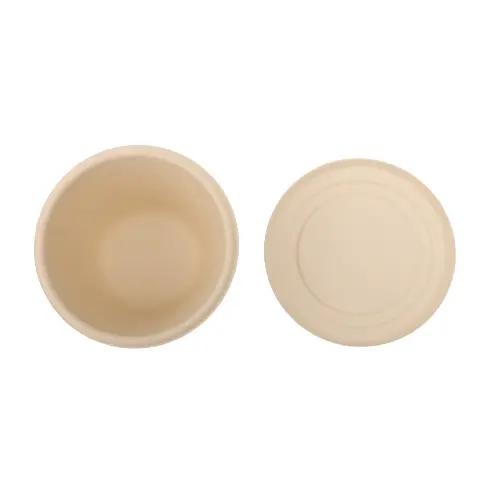 17oz(500ml) With Lid
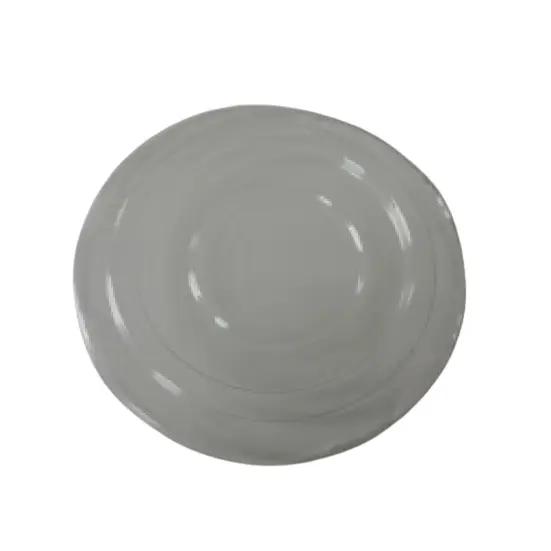 17oz(500ml) PET Lid
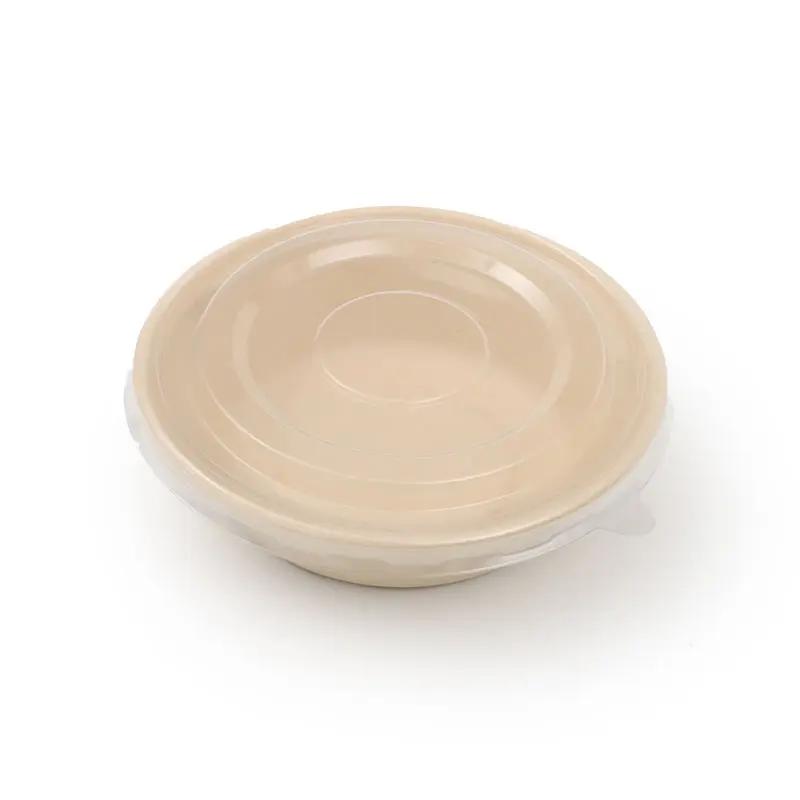 28oz(830ml) PET Lid
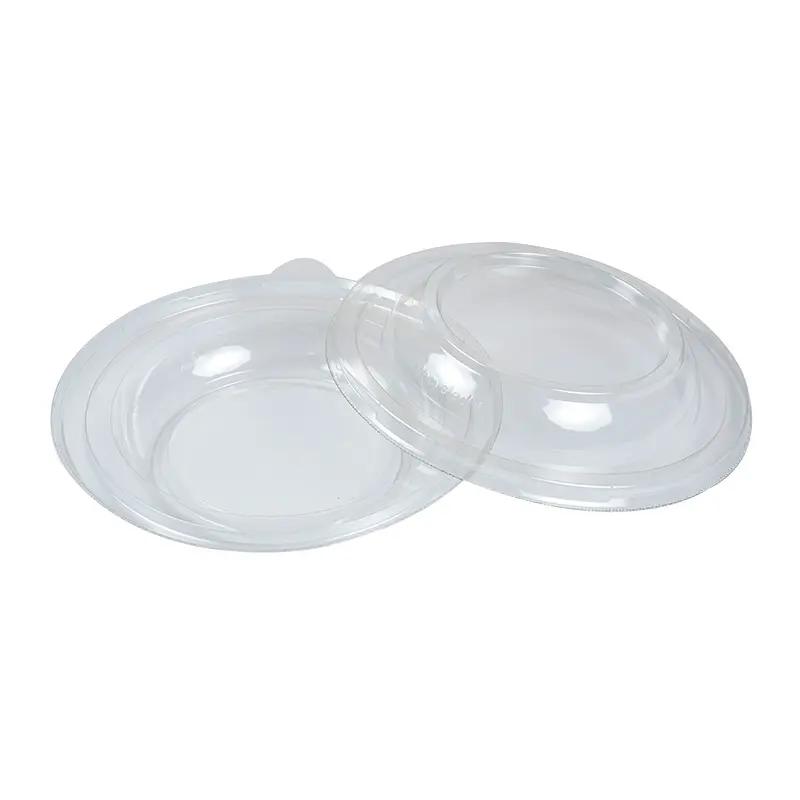 Round Bowl PET
 Small Bowl
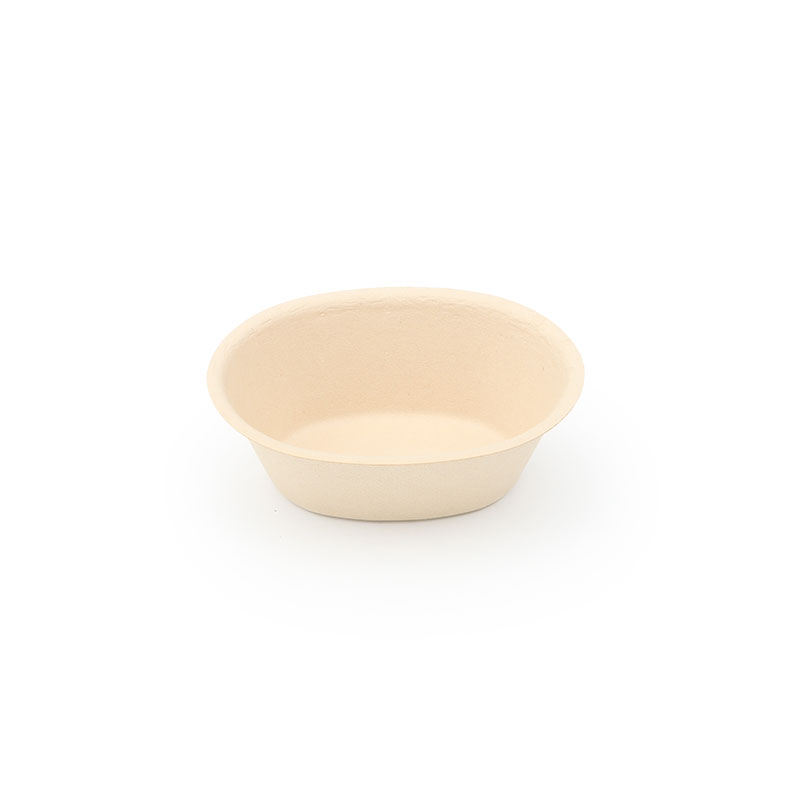 Snack Bowl
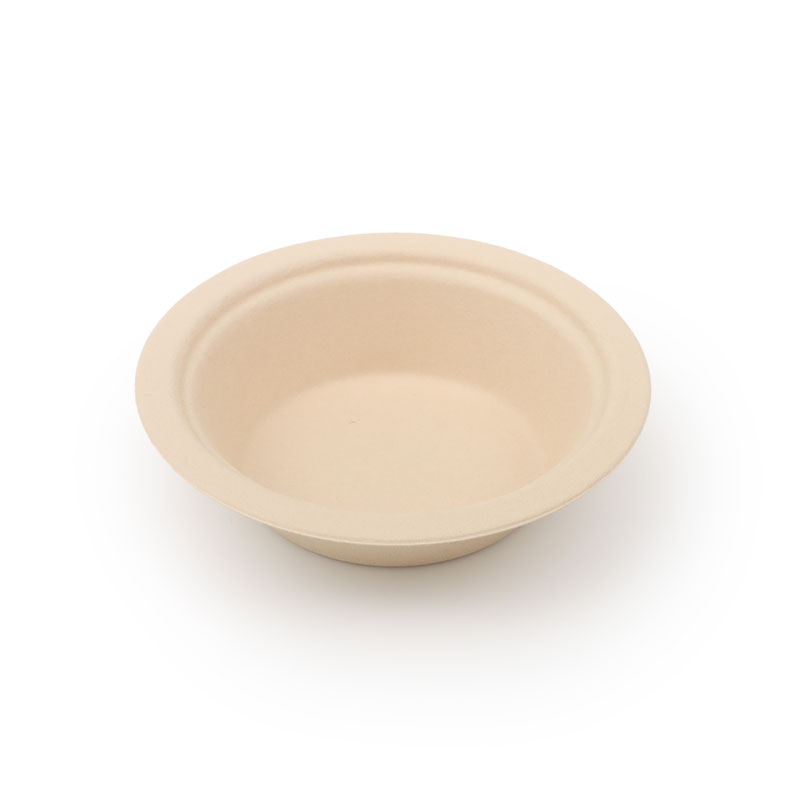 11.5oz(340ml) Bowl
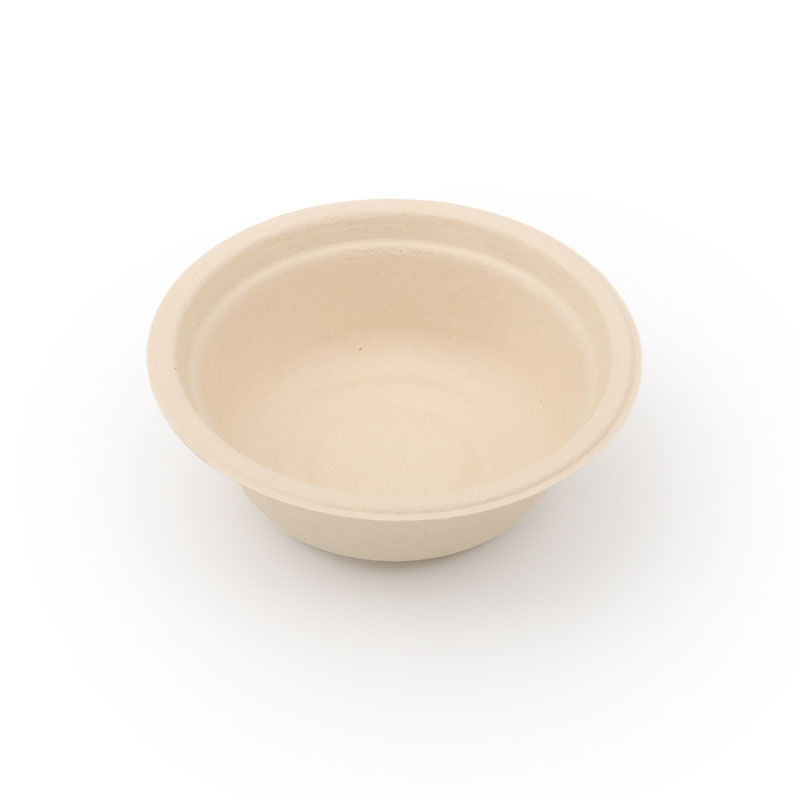 6.7oz(200ml) Bowl
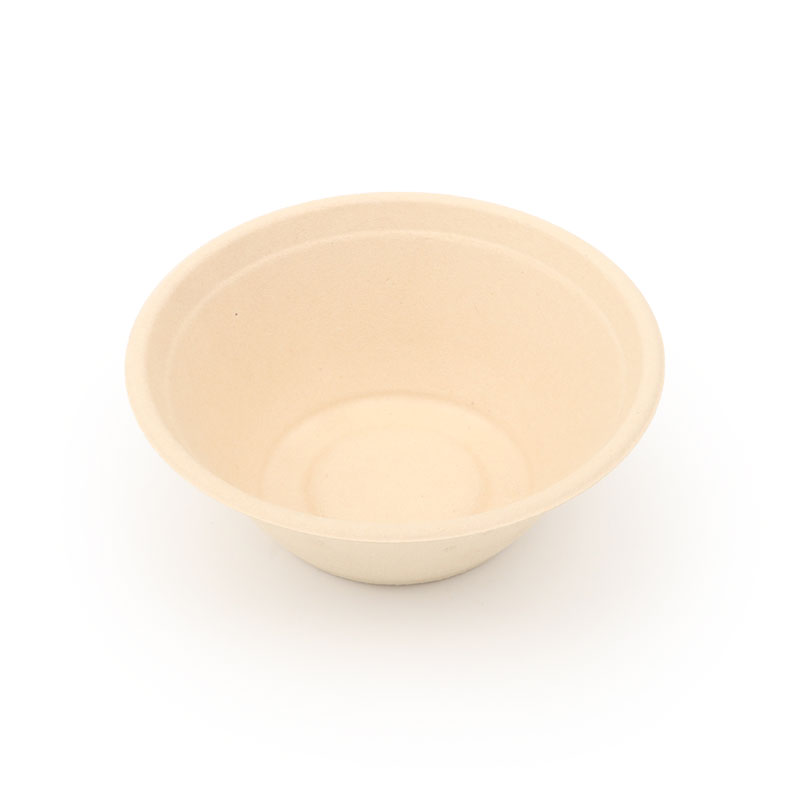 12oz(350ml) Bowl
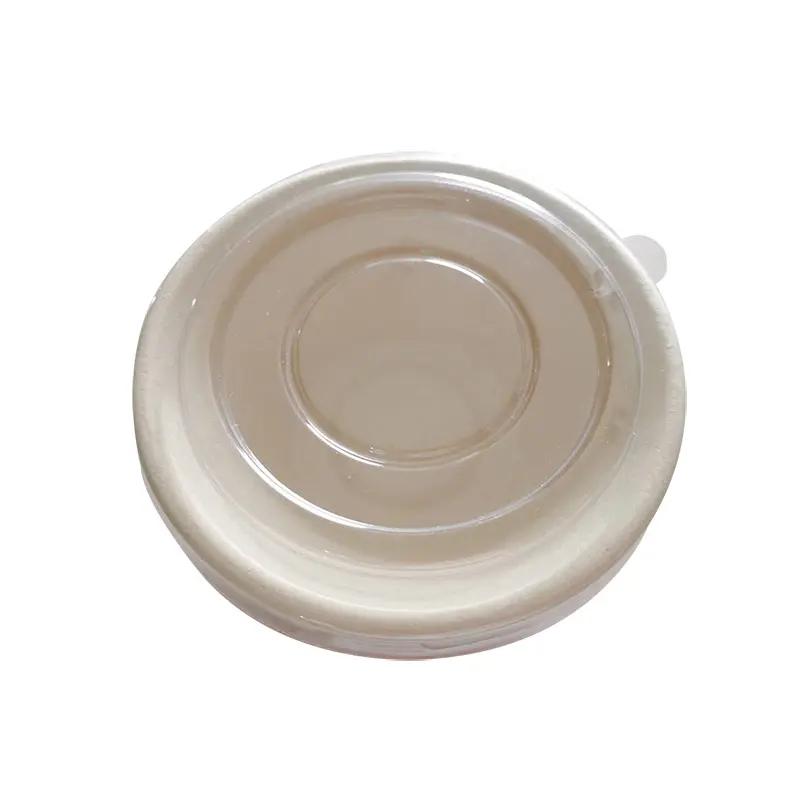 12oz(350ml) Bowl PET
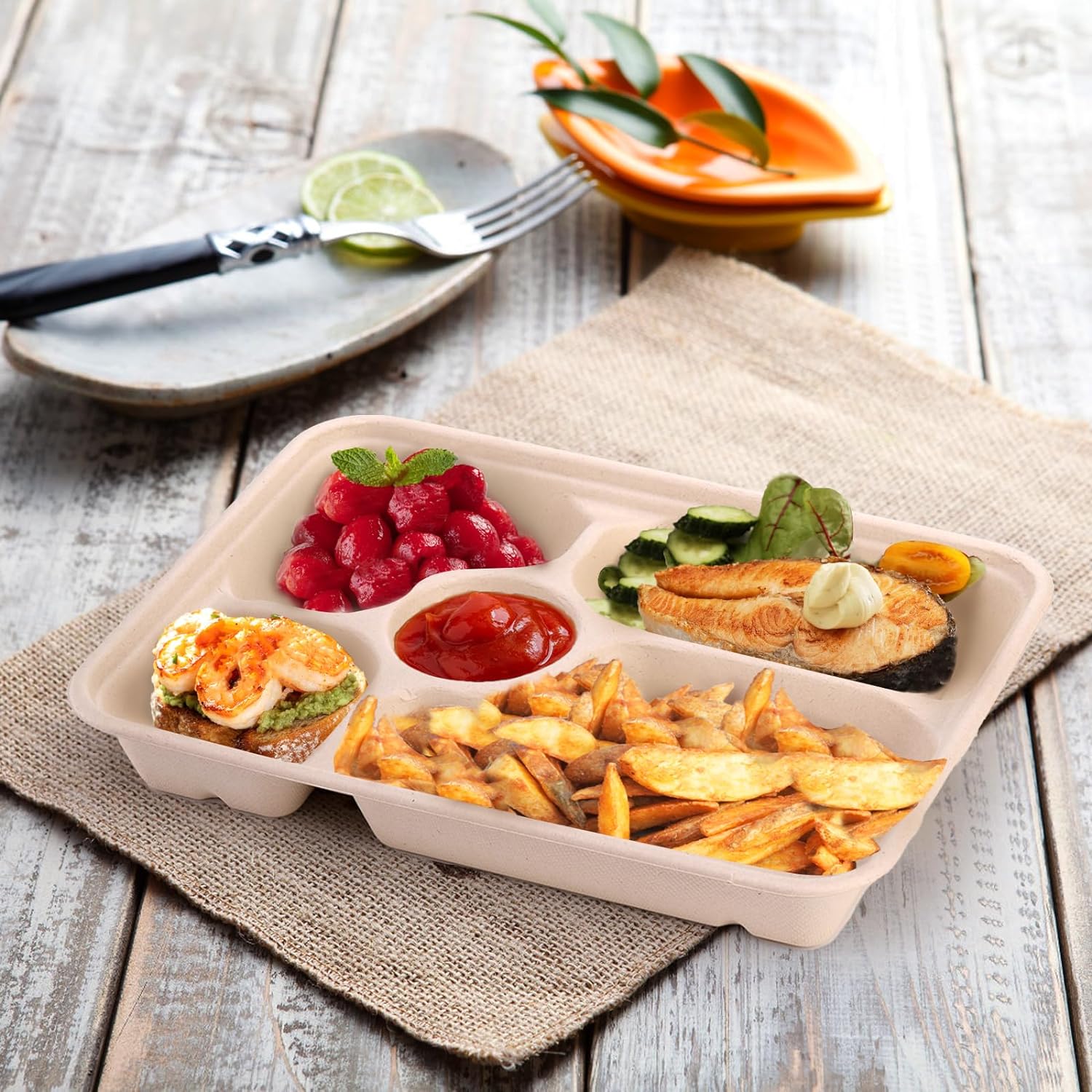 Bagasse Lunch Boxes
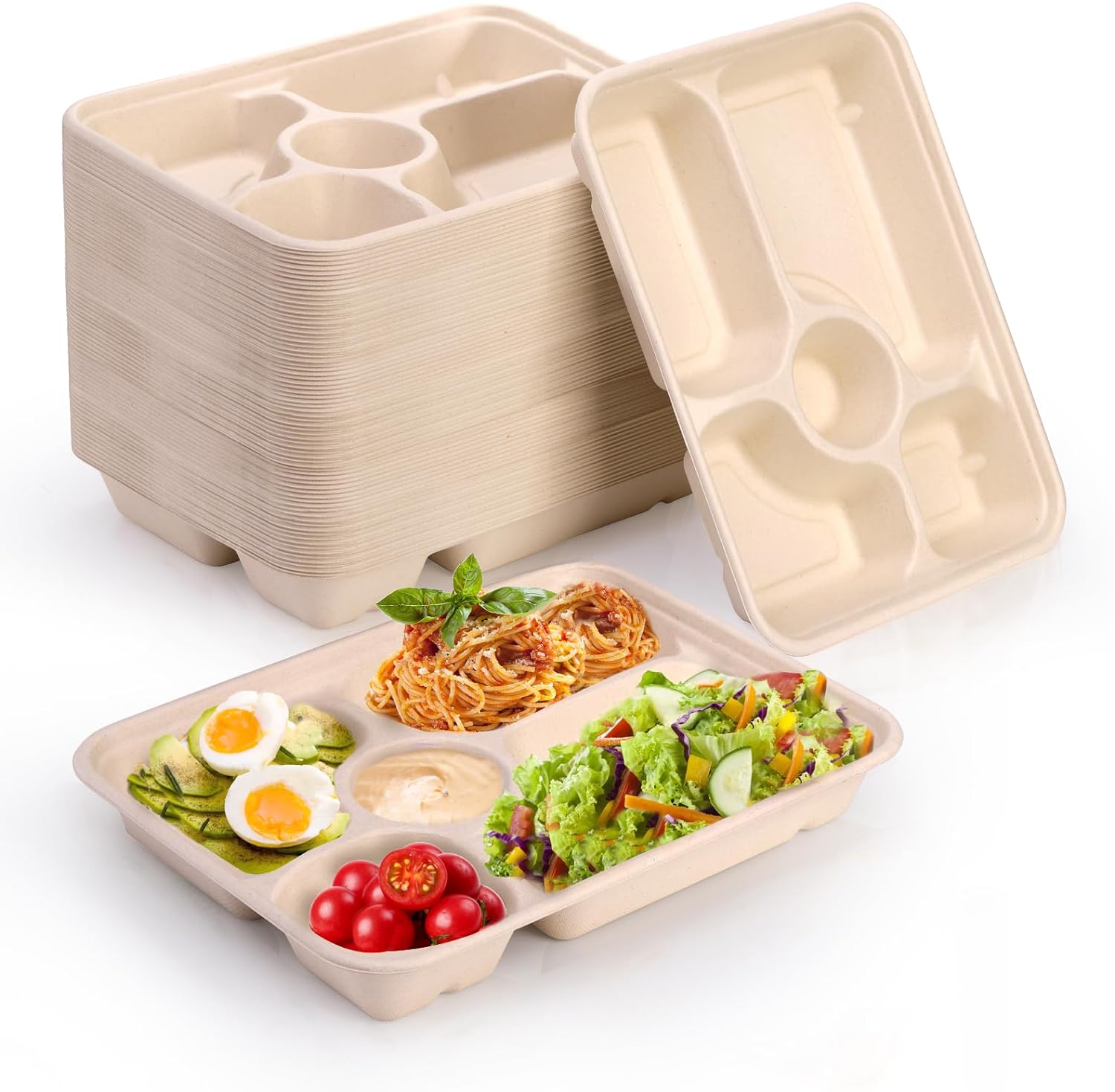 5CP
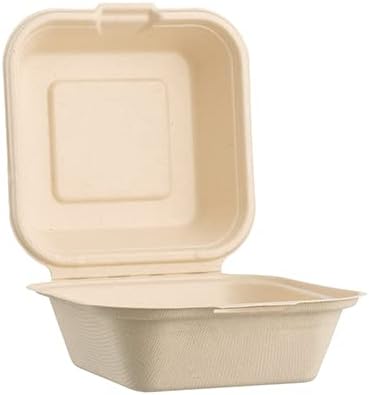 6 inch
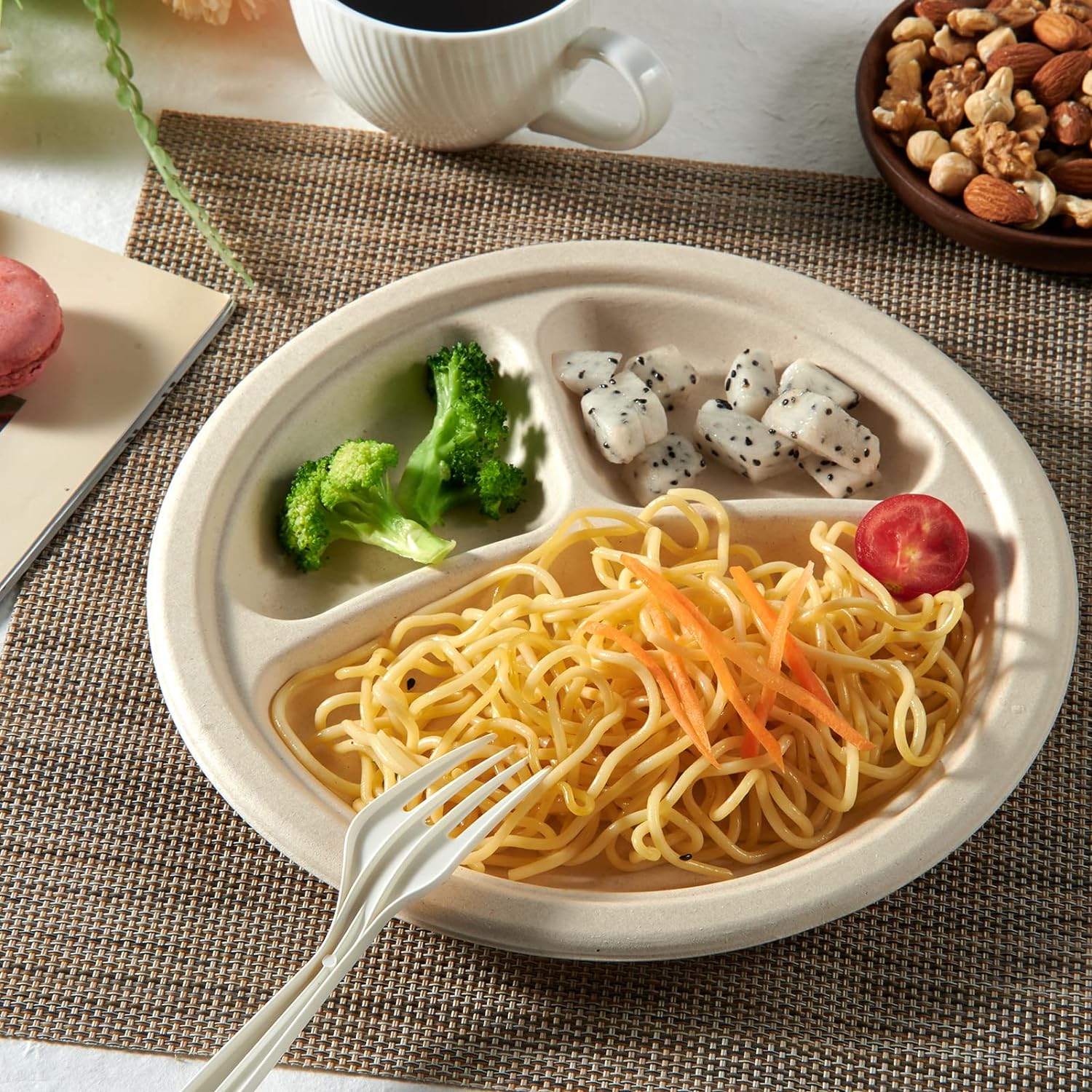 Bagasse Food Plates
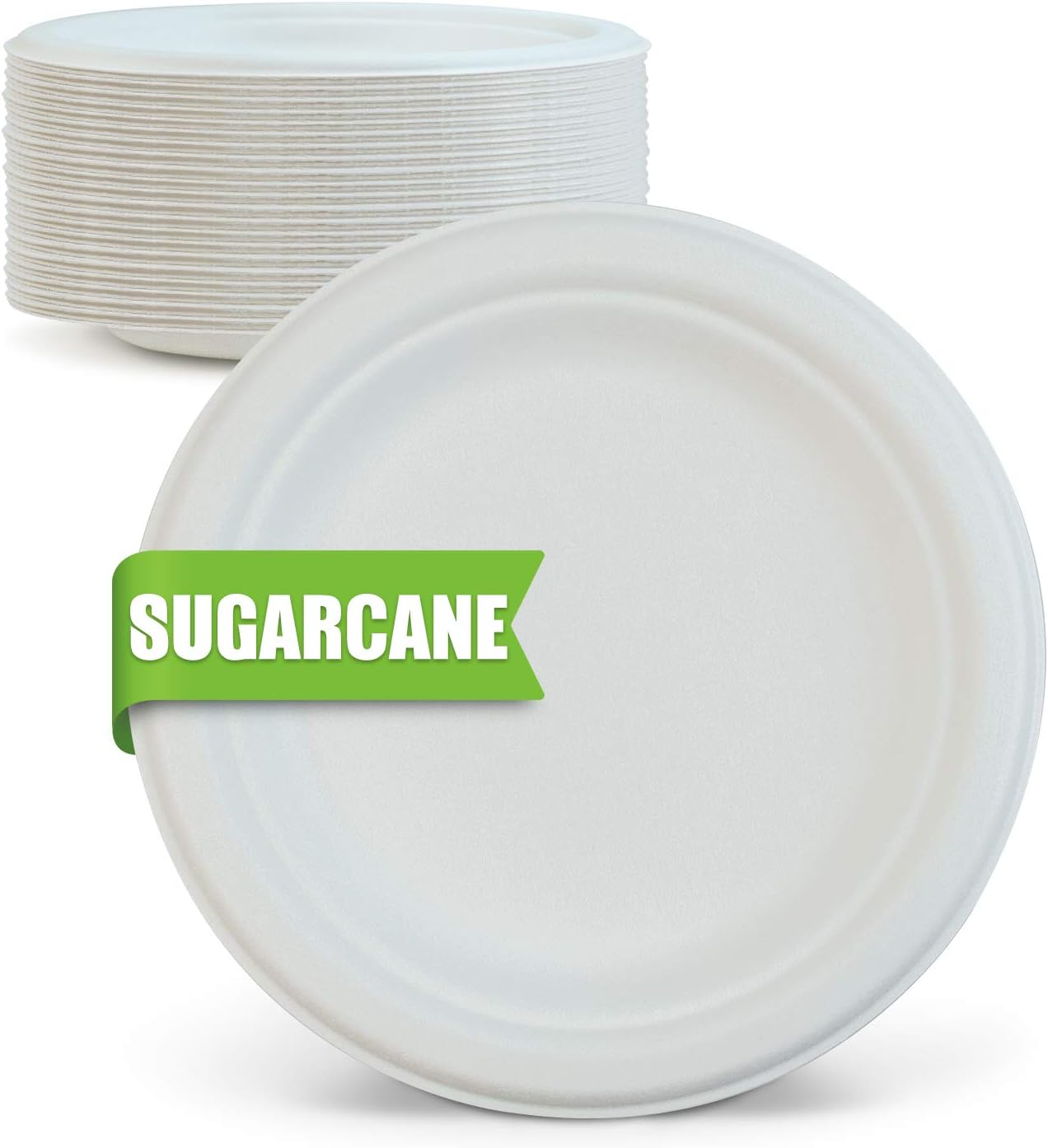 7 inch
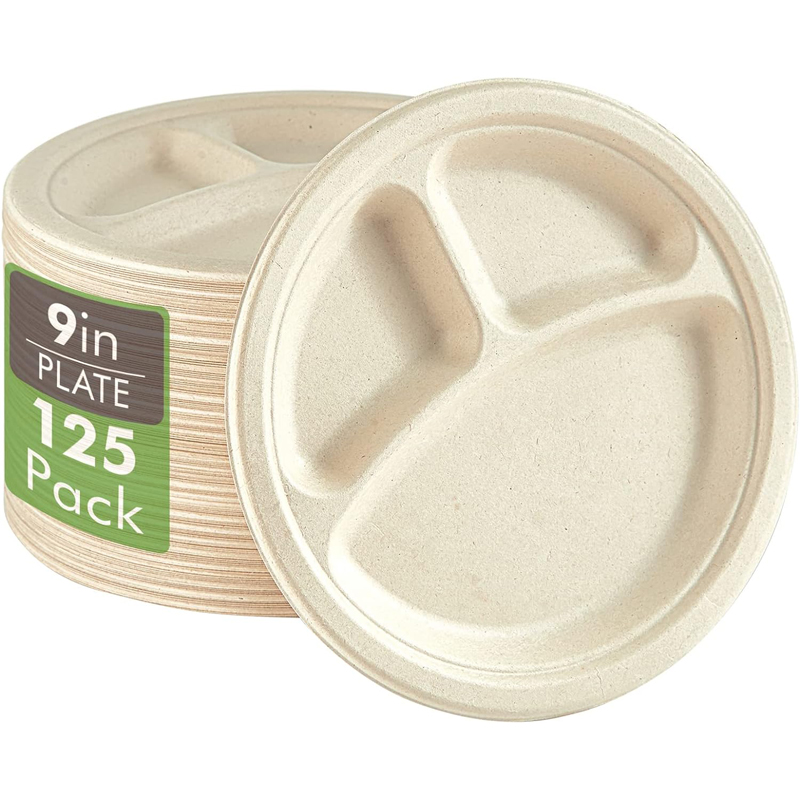 3CP
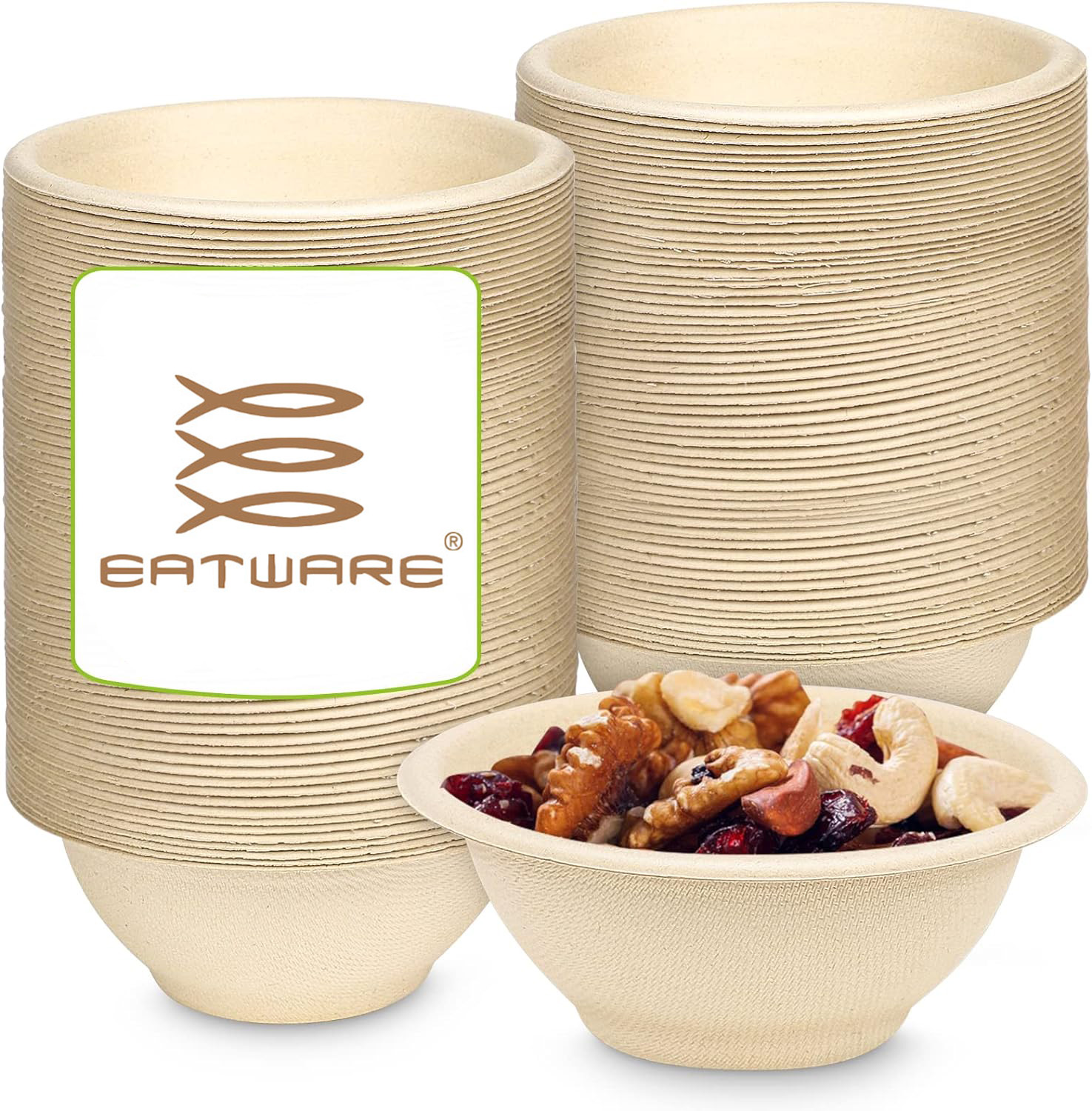 Bagasse Bowls
 4oz
 Bagasse Cups And Cutlery
 8oz
 12oz
 Cutlery


