Picking out the right Laminated Seafood Tray can really make a difference, whether you're trying to elevate your dining setup or impress your customers. When you're hunting for one, it’s worth thinking about the materials and the design — a sturdy, well-made tray will help keep your seafood fresh and looking tempting.
Having some know-how about seafood presentation really pays off here. A good Laminated Seafood Tray not only does the job of protecting your food but also helps show it off in the best light. Don’t forget to check if it’s durable and waterproof — those features are super important for keeping everything hygienic and in top shape.
Also, think about what you actually need it for. Are you shopping for a catering gig, your restaurant, or just for personal use? Different situations call for different styles. Each choice kind of says something about your attention to detail. All in all, choosing the right laminated seafood tray isn’t just a tiny detail — it’s a key part of making your service look professional and polished.

Understanding Laminated Seafood Trays: Types and Applications
When selecting a Laminating Seafood Tray, understanding the types available is crucial. These trays often vary in material, design, and application. For example, some trays are made from biodegradable materials, while others utilize foamed polystyrene, which is lightweight yet sturdy. According to a 2022 report by the Food Packaging Institute, the use of sustainable materials in seafood trays is increasing, with a shift towards eco-friendly options that account for 30% of market demand.
Different types of Laminating Seafood Trays cater to specific needs. For instance, vacuum-sealed trays are popular for preserving freshness. They reduce exposure to air, extending the product's shelf life. An industry survey indicated that about 40% of seafood businesses prefer this type for its effectiveness in minimizing spoilage. However, not all trays are suitable for every type of seafood; delicate items like shrimp may require more cushioning to prevent damage.
In choosing a tray, consider application and user feedback. Some customers report dissatisfaction with trays that don’t hold up under refrigeration. It's important to assess whether the chosen tray will meet your requirements over time. User reviews often indicate a need for improvement in durability and insulation. By focusing on these factors, one can select a Laminating Seafood Tray that fits specific needs while minimizing waste.
Key Factors in Selecting the Right Size for Your Seafood Tray
Choosing the right size for your laminated seafood tray can be a pivotal decision. First, you should consider the portion size you plan to serve. If you cater for large gatherings, a bigger tray makes sense. However, for intimate dinners, a smaller option might be sufficient. This balance is essential to ensure food looks appealing without overwhelming your guests. Think about how much seafood and accompanying items you’ll present.
Another critical aspect is the variety of seafood. A Laminated Tray allows for different types of seafood, like shrimp, crab legs, or assorted fish. Ensure the size accommodates all these options while maintaining a neat presentation. Overcrowding the tray can lead to a messy appearance, which might detract from the meal's allure. It's important not to neglect the visual aspect.
Don’t forget about storage and serving. A larger Laminated Tray might not fit well in your fridge or on your dining table. It's worth measuring your space beforehand. Reflect on your typical serving scenarios; they can guide you in making the right choice. Ultimately, the aim is to create an inviting dining experience that caters to your needs without compromising on quality or aesthetics.
Material Composition and Its Impact on Seafood Preservation
When selecting a laminated seafood tray, the material composition plays a critical role in seafood preservation. Typically, these trays are made from various plastics or biodegradable materials. Each type has specific qualities that affect how well seafood stays fresh. For instance, high-density polyethylene (HDPE) offers durability and moisture resistance. It is lightweight, making it convenient for transport. However, it may not provide the best oxygen barrier, potentially affecting freshness.
On the other hand, trays made with materials that possess better oxygen barriers can help slow down spoilage. These can retain moisture more effectively, which is vital for maintaining the quality of seafood. Nevertheless, it's essential to consider the environmental impact as well. Biodegradable options are increasingly popular. Although they may not seal in freshness as tightly, they reduce harm to our planet. The trade-off between convenience and sustainability risks leaving consumers confused.
Additionally, consider how the shape and design of the tray affect seafood presentation. A shallow, wide tray may display shellfish attractively but may not be as efficient for fish fillets. It's a delicate balance between functionality and aesthetics. Ultimately, choosing the right laminated seafood tray requires thoughtful consideration of material, purpose, and ecological impact. Making informed choices enhances both food quality and environmental responsibility.
Assessing the Durability and Insulation Features of Trays
When choosing a laminated seafood tray, durability and insulation features are crucial. The seafood industry reports that over 30% of seafood spoilage is due to improper handling and packaging. A robust, insulated tray can significantly reduce spoilage. It’s essential to look for trays made from high-density polyethylene or similar materials, which are known for their strength and resistance to temperature fluctuation.
Recent studies indicate that trays with thicker walls maintain temperature better, keeping seafood fresh for longer periods. For instance, trays with an insulation thickness of 0.5 inches can reduce thermal conductivity by up to 50%. This means your seafood stays at optimal temperatures, preventing bacterial growth. However, not all trays are created equal. Some may lack adequate seals, leading to potential leaks that compromise quality.
Choosing the right tray can be tricky. Consider the specific needs of your seafood. Different types may require different insulation levels. Smaller, delicate items like sushi may need extra protection from temperature changes. Larger items may require sturdier construction to support their weight without bending. Evaluate the insulation’s effectiveness, but remember that no tray is perfect. Reflect on the balance between cost and performance before making your selection.
Comparative Analysis of Cost-Effective vs. High-End Options
When choosing between cost-effective and high-end laminated seafood trays, understanding the differences can be key. Cost-effective options may offer basic functionality, but they often lack durability. Industry reports indicate that lower-priced trays can warp at higher temperatures, causing seafood to spoil quicker. On the other hand, high-end trays tend to use advanced materials. These trays maintain their shape and integrity, ensuring that seafood remains fresh longer.
Consider how often you will use the tray. If it's for occasional family gatherings, a budget-friendly laminated seafood tray might suffice. For frequent events or commercial use, investing in a high-end option can provide better value over time. High-end trays often feature leak-proof seals and are safer for food storage.
Laminated Beef Trays also come with their own unique benefits. They are designed to resist moisture, reducing the likelihood of bacterial growth. However, it's essential to read reviews or request samples to assess their performance. Not all options are created equal. Each option has its own strengths and weaknesses that may affect your purchasing decision. Reflecting on your needs and usage will help ensure a satisfactory choice.
How to Choose the Best Laminated Seafood Tray for Your Needs? - Comparative Analysis of Cost-Effective vs. High-End Options
| Feature | Cost-Effective Options | High-End Options |
| Material Quality | Basic laminated plastic | Premium laminated materials with additional coatings |
| Durability | Moderate, suitable for light use | High, suitable for heavy use |
| Price Range | $5 - $15 | $25 - $50 |
| Eco-Friendliness | Limited options for recycling | Options available made from biodegradable materials |
| Design Variety | Basic designs, limited colors | Wide variety of designs and custom printing options |
| Insulation Properties | Basic insulation | Advanced insulation, keeps seafood fresh longer |
Sustainability Considerations: Eco-Friendly Choices in Seafood Trays
When selecting a seafood tray, sustainability is key. Eco-friendly materials help reduce environmental impact. Many consumers now prioritize trays made from biodegradable substances. Look for options like recycled paper or plant-based materials. These choices can significantly decrease plastic waste in our oceans.
Recyclability should also be a consideration. A tray that can be easily recycled after use is more beneficial than traditional plastic options. Not all materials are equal, so research local recycling guidelines. It's essential to understand that not all biodegradable options break down effectively in every environment.
Some consumers might overlook these factors, focusing solely on price or appearance. However, choosing the right tray can reflect personal values and commitment to sustainability. Being more mindful of our choices encourages better practices in the seafood industry. Individuals can drive change, one tray at a time.
Comparison of Seafood Tray Materials: Sustainability and Eco-Friendliness
Importance of Aesthetic Design in Food Presentation and Branding
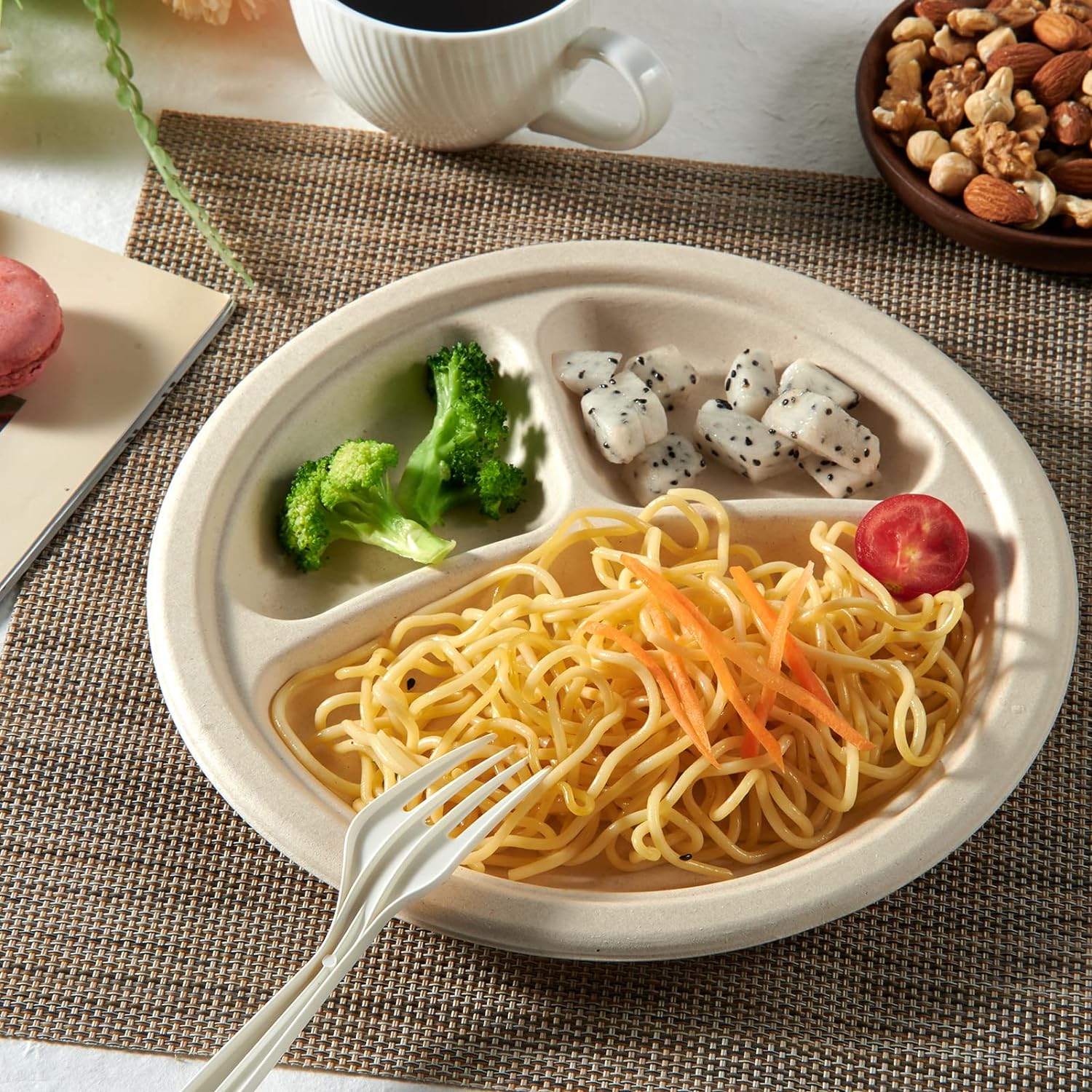
Aesthetic design plays a vital role in food presentation. A well-designed seafood tray not only enhances the meal's appeal but also reinforces branding. When presenting food, the visual impact can often be the deciding factor for customers. A beautifully arranged meal on a Laminated Paper Plate can catch the eye, prompting diners to take that first bite. Colors, shapes, and textures should complement the seafood being served.
Investing in a quality laminated seafood tray goes beyond mere functionality. It reflects a commitment to quality and attention to detail. However, perfection should not overshadow creativity. Sometimes, a slight imperfection can add character and authenticity to the presentation. Customers appreciate a touch of human error in an otherwise polished setup. It makes the dining experience feel more personal and genuine.
In a competitive market, every detail counts. An attractive seafood tray can set a business apart. However, overemphasis on aesthetics may lead to a lack of practical functionality. Balancing looks with usability is crucial. Laminated Paper Plates should be sturdy enough to hold fresh seafood while also being visually appealing. Finding that perfect mix is where true artistry lies.
Exploring the Eco-Friendly Market: Insights and Trends in Disposable Molded Pulp Tray Usage Based on Recent Industry Reports
The eco-friendly market is witnessing a remarkable shift towards sustainable packaging solutions, particularly in the food and beverage sector. Recent industry reports highlight a substantial increase in the adoption of disposable molded pulp trays, estimated to grow at a CAGR of over 6.5% through 2027. This growth is primarily driven by consumers' heightened awareness of environmental impacts and a growing demand for biodegradable packaging alternatives. Molded pulp trays made from renewable resources, such as bamboo pulp fiber, exemplify this trend, offering an eco-conscious choice for both manufacturers and consumers.
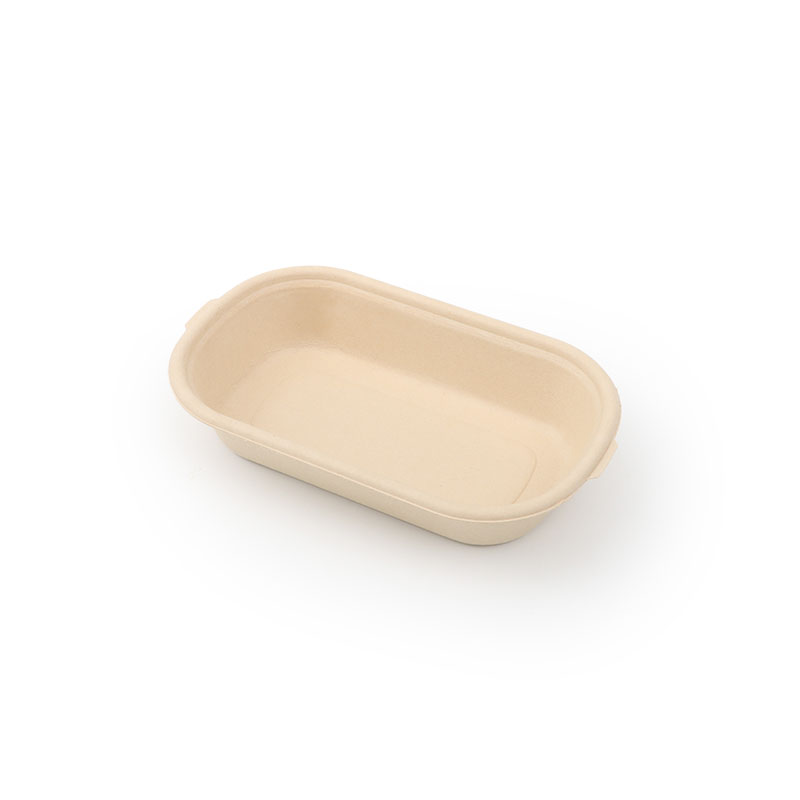
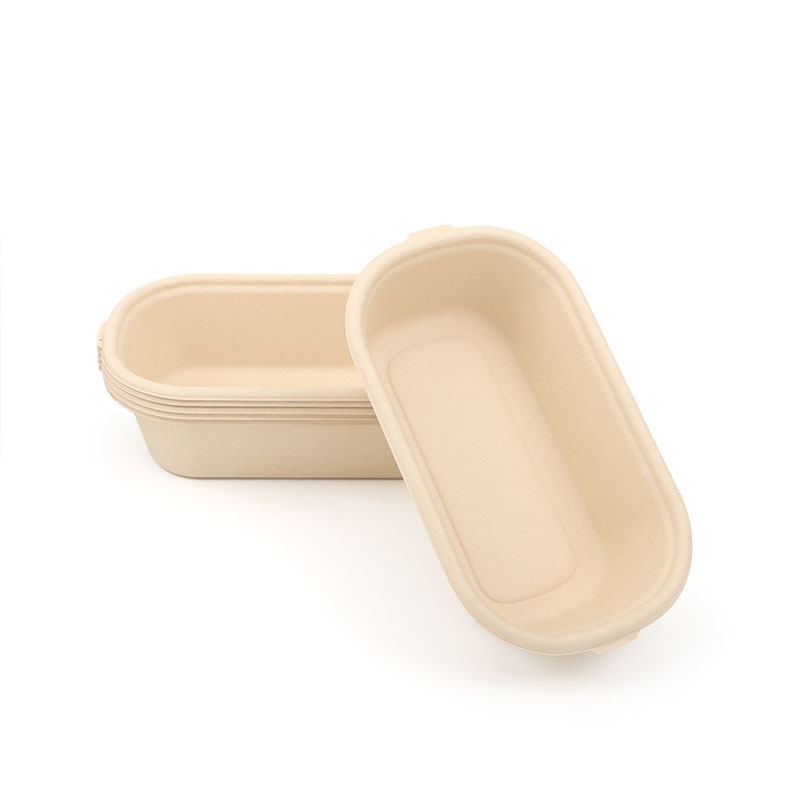
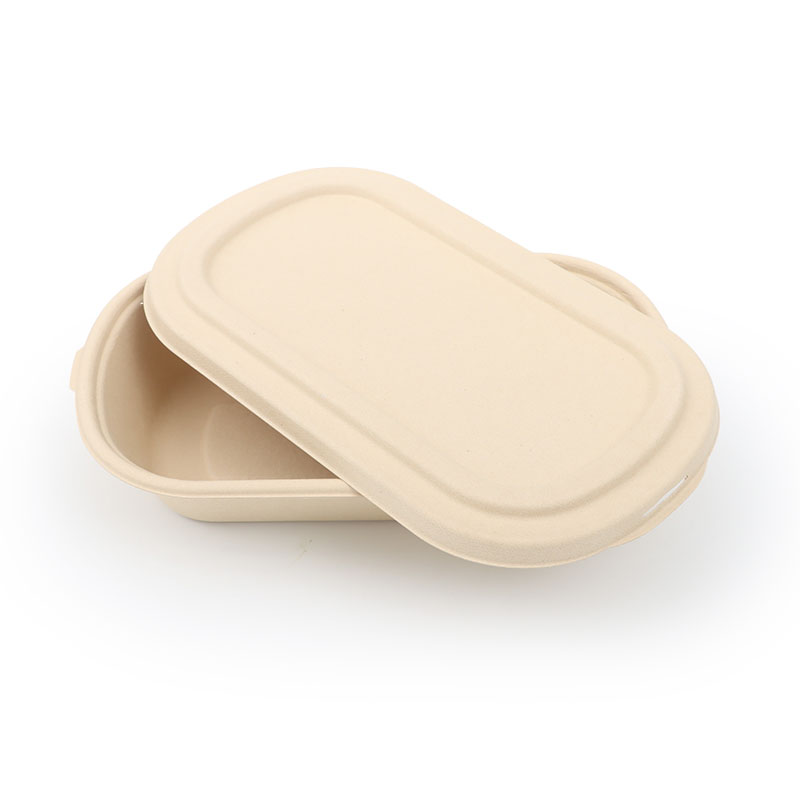
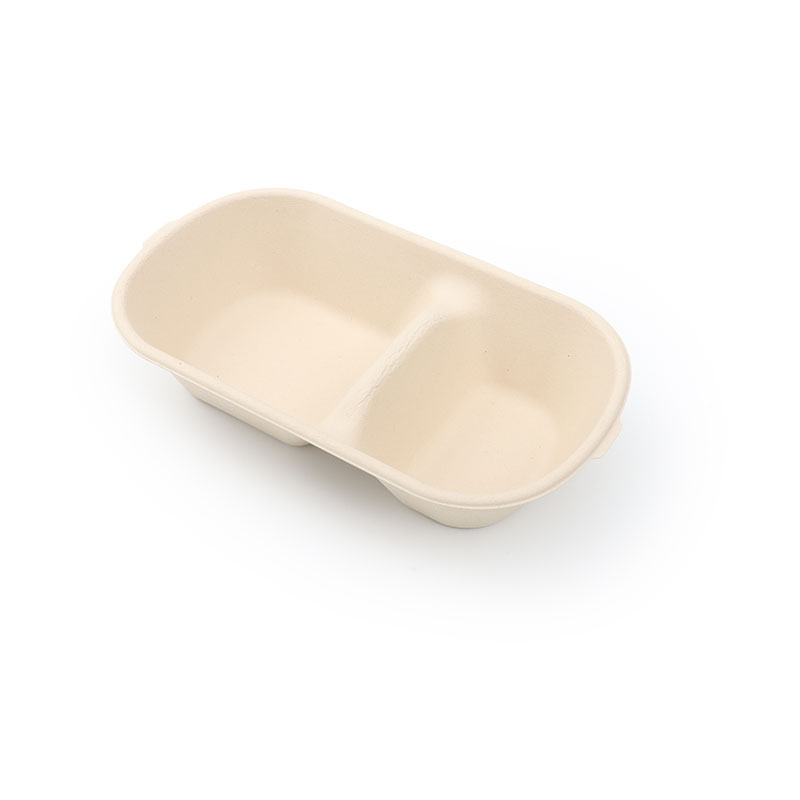
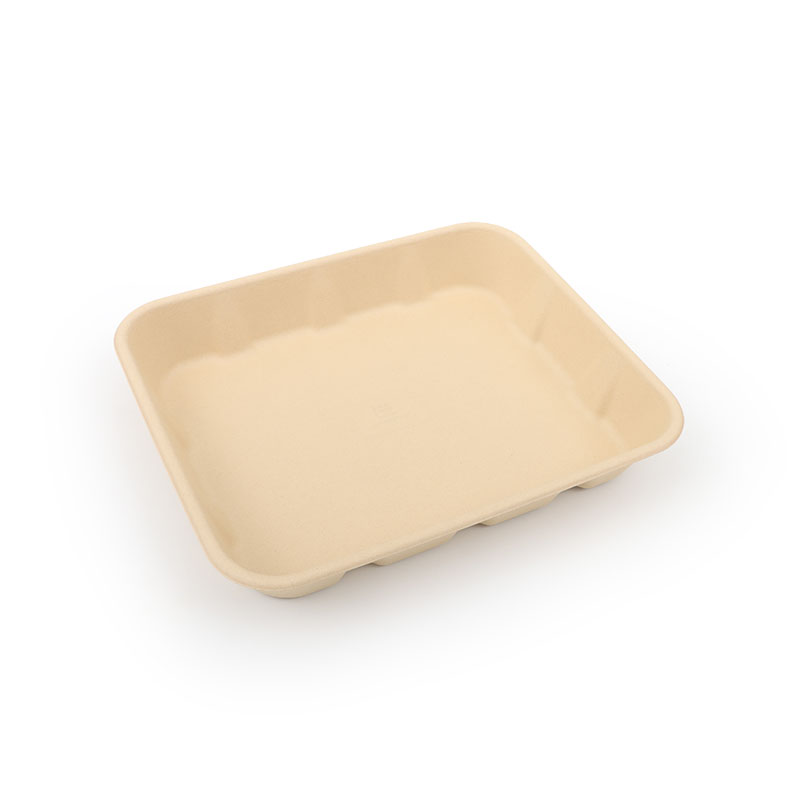
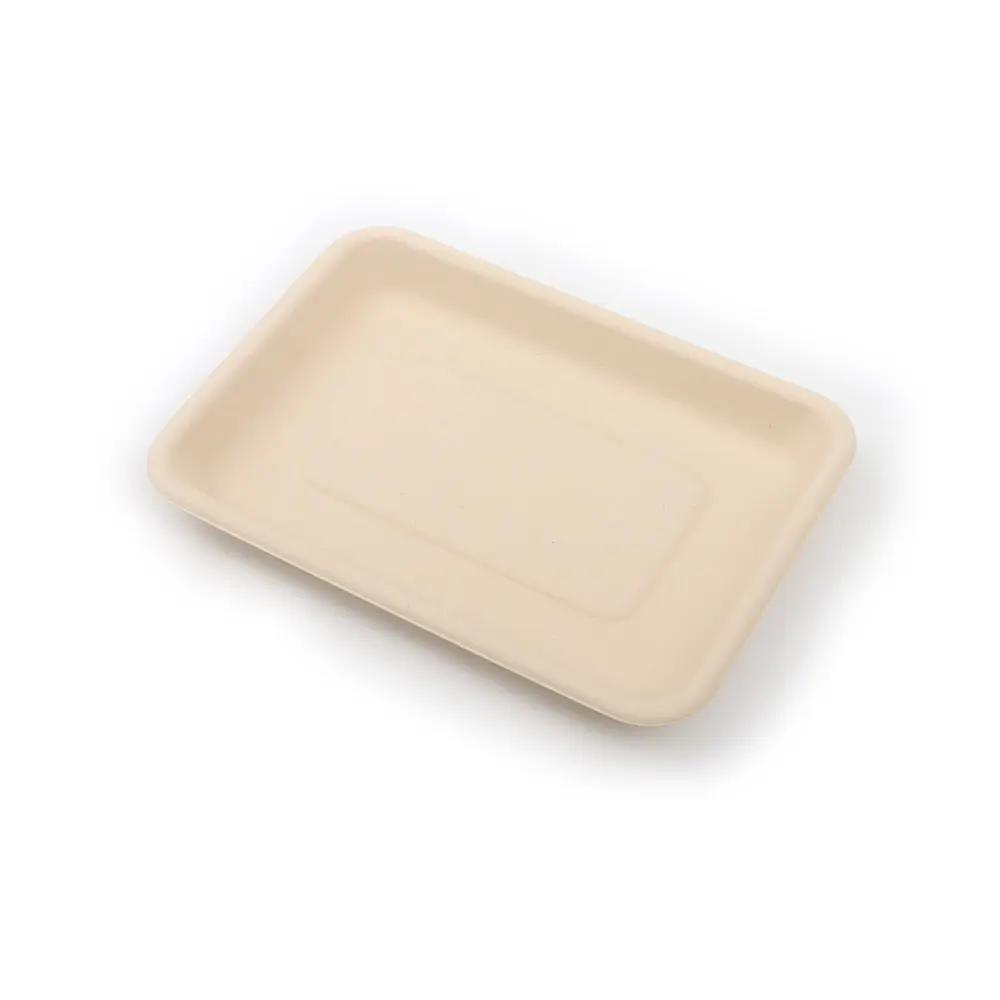
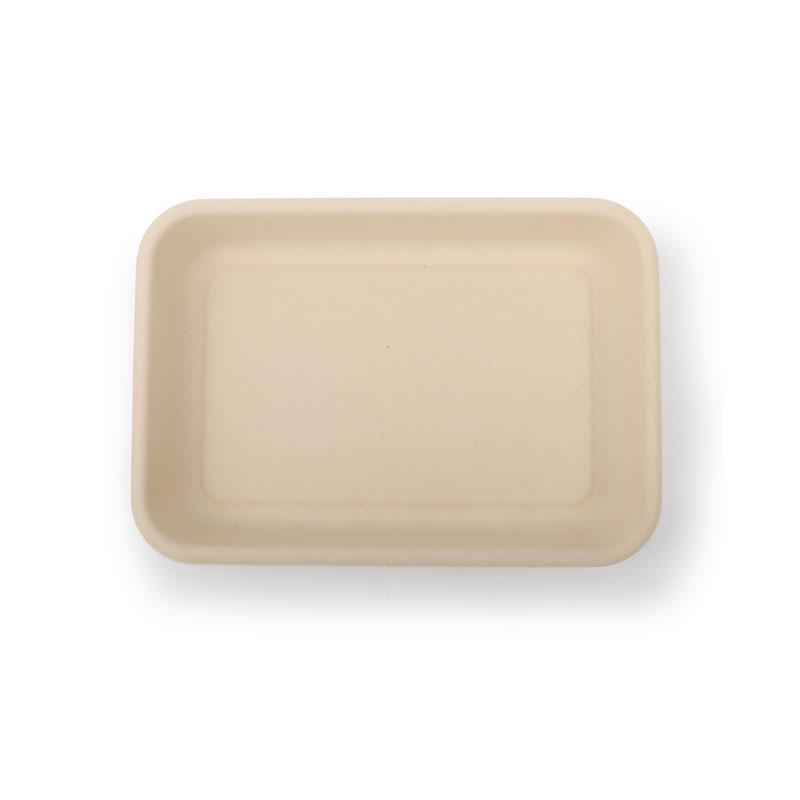
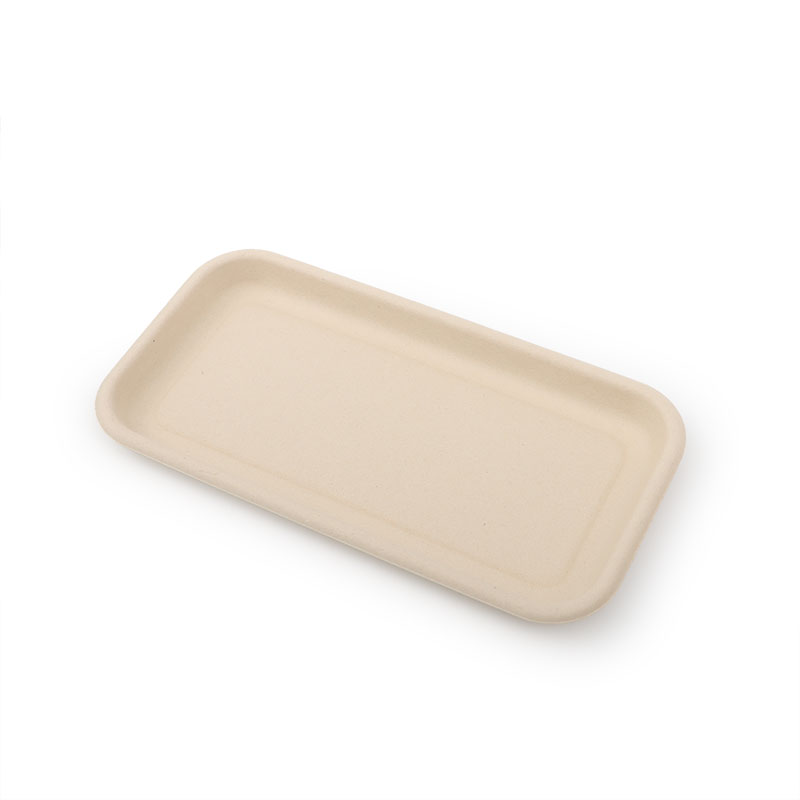
One of the standout features of these trays is their impressive resilience and versatility. With a size of 290mm in length, 100mm in width, and 25mm in height, they effectively accommodate various food items. Importantly, these trays are waterproof and oilproof, remaining impenetrable under conditions involving water or oil at temperatures up to 95°C for at least 30 minutes. Additionally, they are designed to withstand extreme temperatures, making them suitable for use in microwaves, ovens, and refrigerators—capable of handling heat up to 220°C for several minutes, and efficiently storing products at -18°C for three months.
Furthermore, the certification from organizations such as BPI, BRC, and FDA reinforces the safety and sustainability of these products, aligning with the increasing regulatory push for eco-friendly solutions. As businesses look to reduce their carbon footprints, adopting disposable molded pulp trays represents a strategic approach to meeting consumer expectations while committing to environmentally responsible practices.
FAQS
: Cost-effective options lack durability and can warp at high temperatures. High-end trays maintain shape and keep seafood fresh.
If you use the tray occasionally, a budget-friendly option might suffice for family gatherings or small events.
High-end trays often have leak-proof seals and are safer for food storage, making them suitable for frequent use.
Eco-friendly materials reduce environmental impact and help decrease plastic waste in oceans, aligning with personal values.
Look for trays made from biodegradable or recycled materials, which are better choices for the environment.
Check reviews and request samples to assess performance. Not all trays are created equal; each has its strengths and weaknesses.
No, not all biodegradable options break down effectively in every environment. Research local recycling guidelines for better choices.
Frequent use justifies investing in high-end trays for durability, while occasional use may be fine with inexpensive ones.
Yes, trays that are easily recyclable after use are better for the environment than traditional plastic options.
Mindful selection can drive change in the seafood industry, promoting better sustainability practices, one tray at a time.
Conclusion
When choosing the best Laminated Seafood Tray for your needs, it’s important to understand the various types and applications available. Consider key factors such as sizing, as the right dimensions ensure proper presentation and safety for your seafood. The material composition plays a significant role in preservation, impacting freshness and shelf life. Additionally, durability and insulation features are crucial for maintaining optimal temperature and protecting food quality.
Cost-effective options may serve well for casual events, while high-end trays provide enhanced aesthetics and branding opportunities. Sustainability is also a growing concern; opting for eco-friendly choices can meet consumer demand for greener products. Ultimately, the aesthetic design of your Laminated Seafood Tray can elevate food presentation, making it an essential aspect of your seafood offerings. Choosing wisely will enhance both the visual appeal and functionality of your seafood display.

 Box With T buckle
 700ml Square Lunch Box
 500ml
 700ml
 850ml
 800ml 2 Compartments
 1000ml 2 Compartments
 1100ml
 1000ml Square Lunch Box
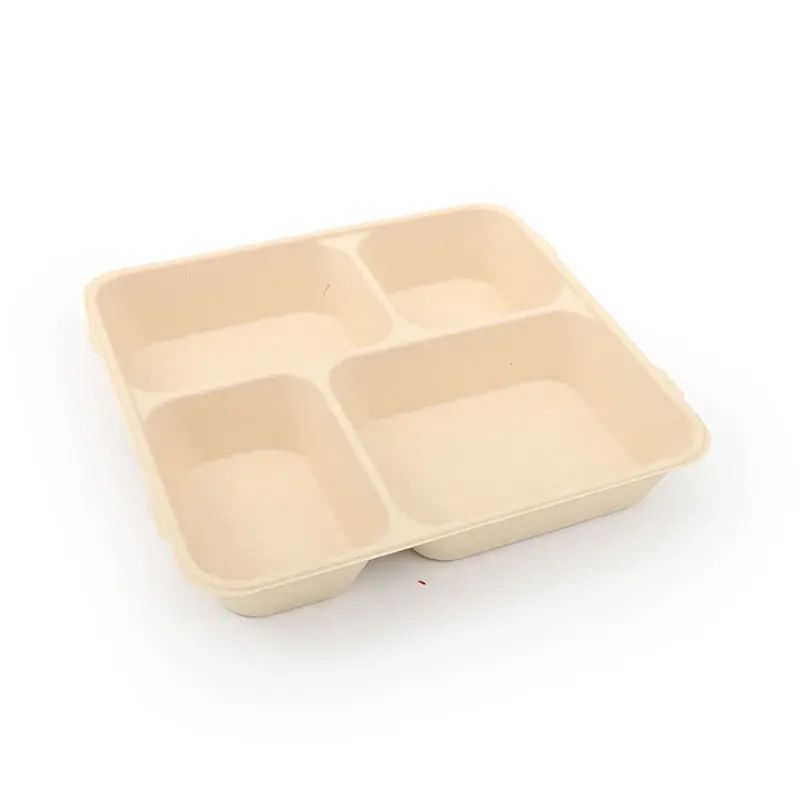 1340ml 4 Compartments
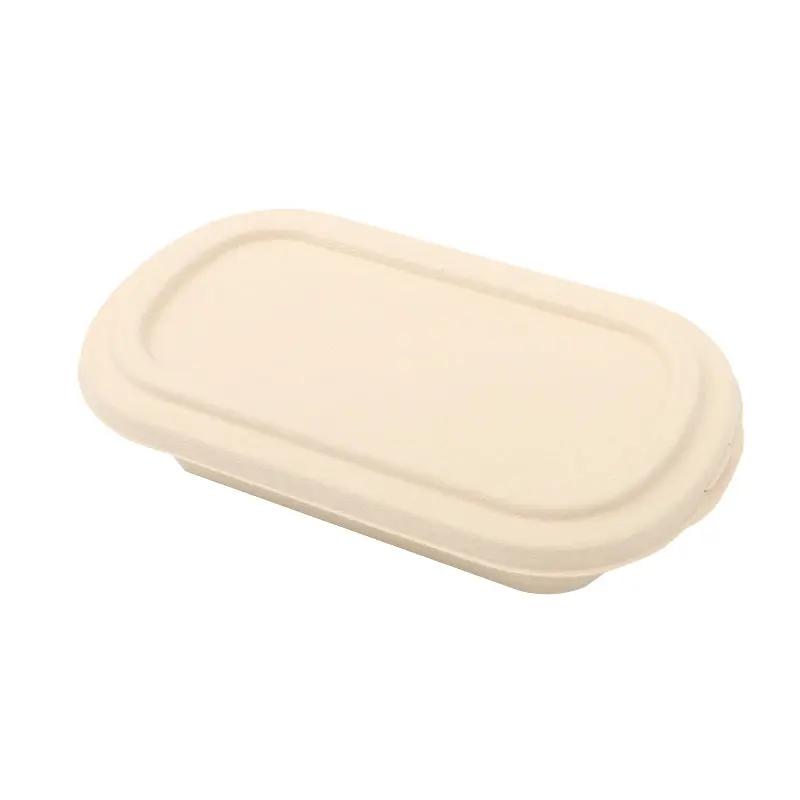 Lunch Box Lid
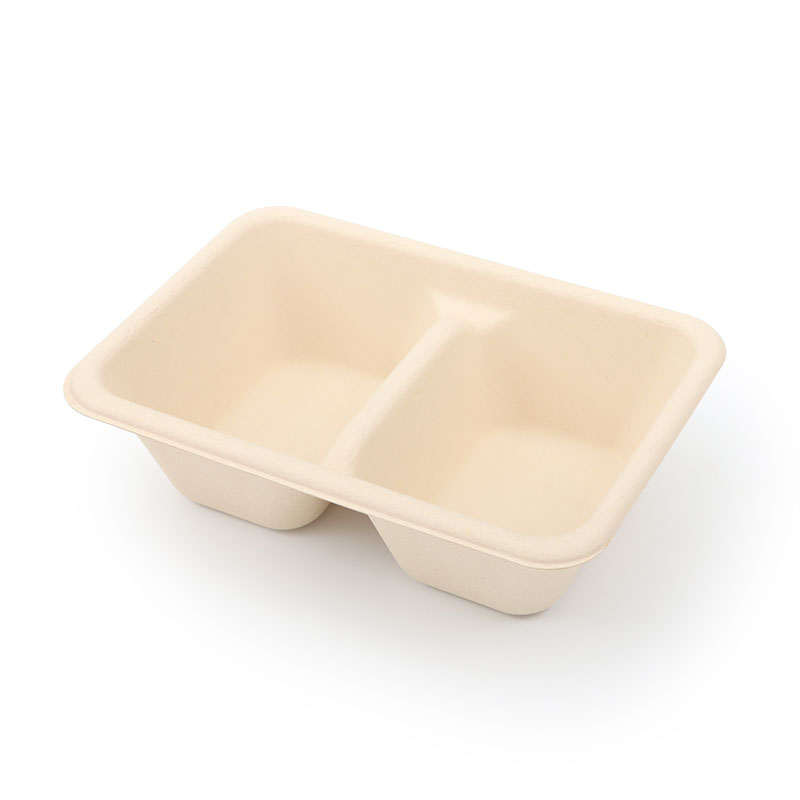 650ml
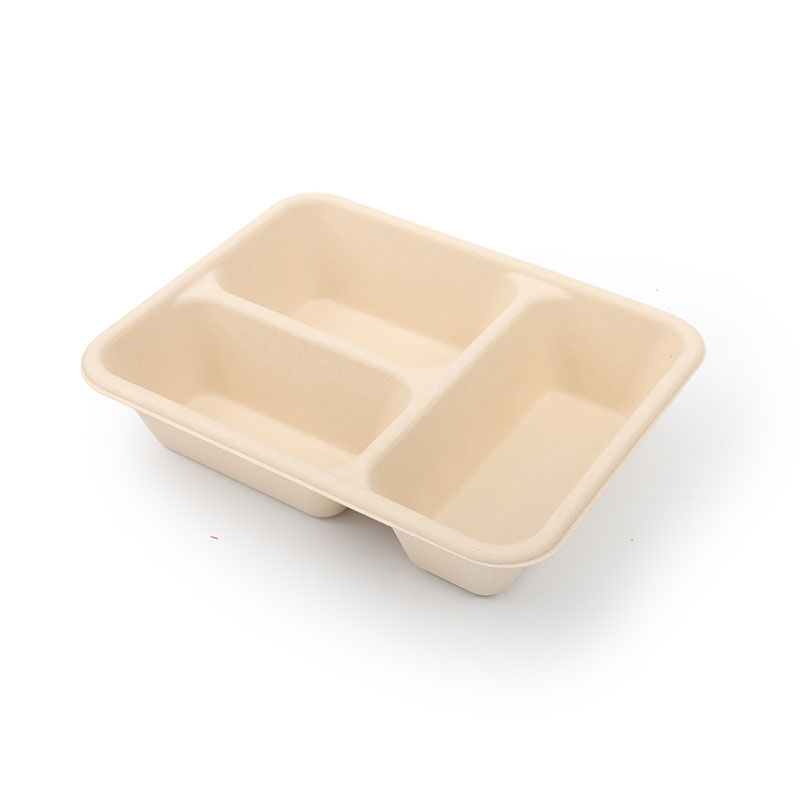 1000ml 3 Compartments
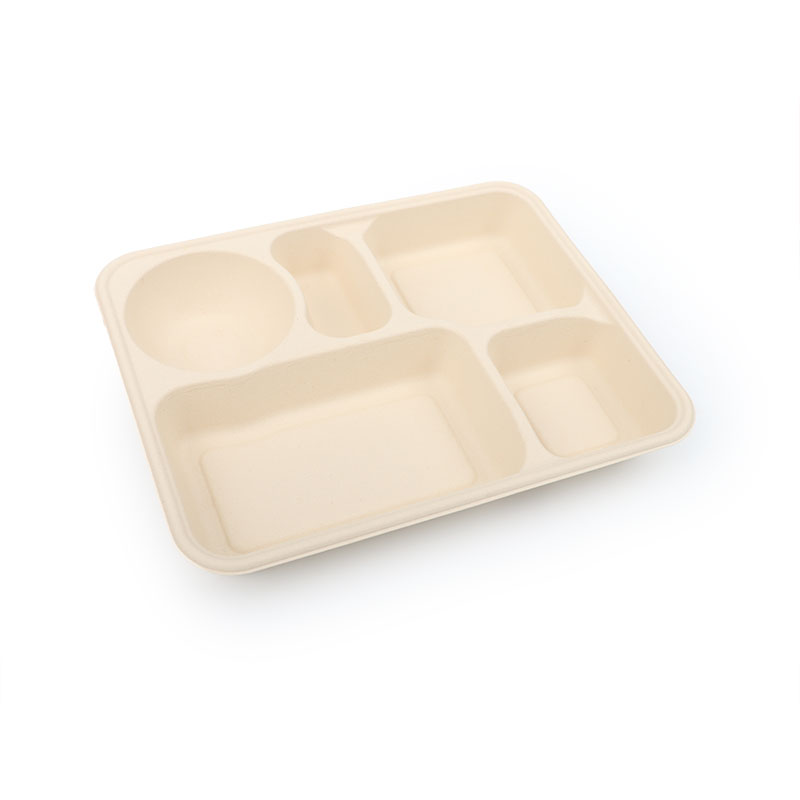 1250ml 5 Compartments
 Square Lunch Box Lid
 Box Without T buckle
 850ml Salad Box
 700ml
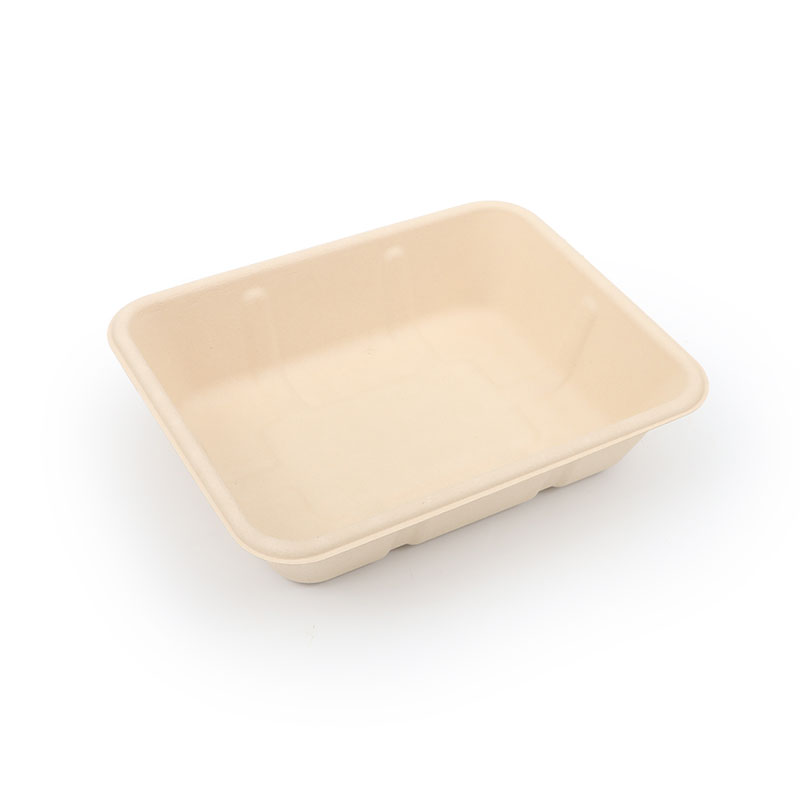 1350ml
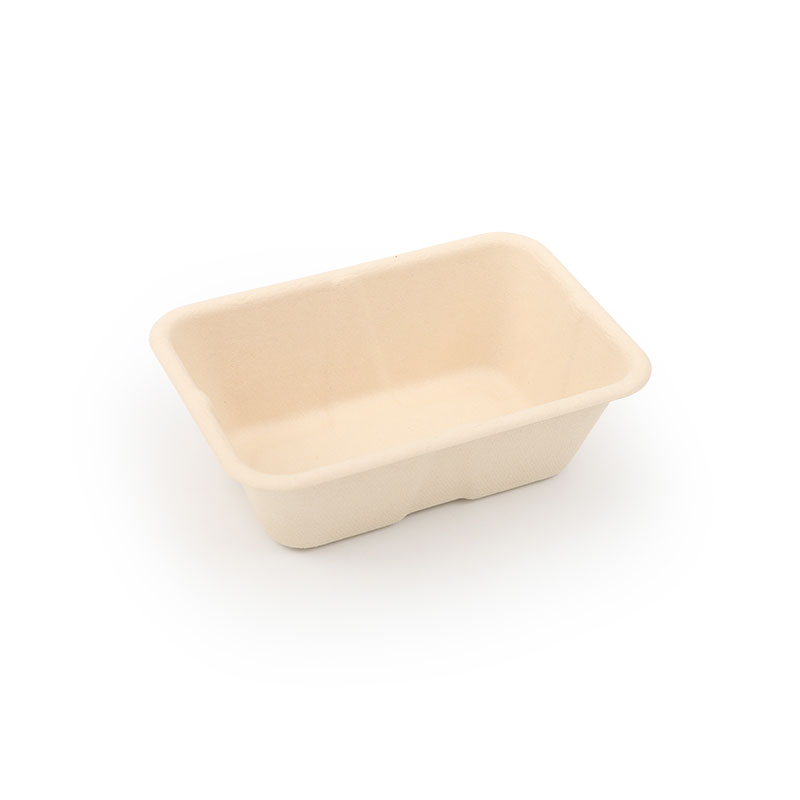 470ml
 2183ml Tray Box
 11" * 9"
 800ml
 One Part Box
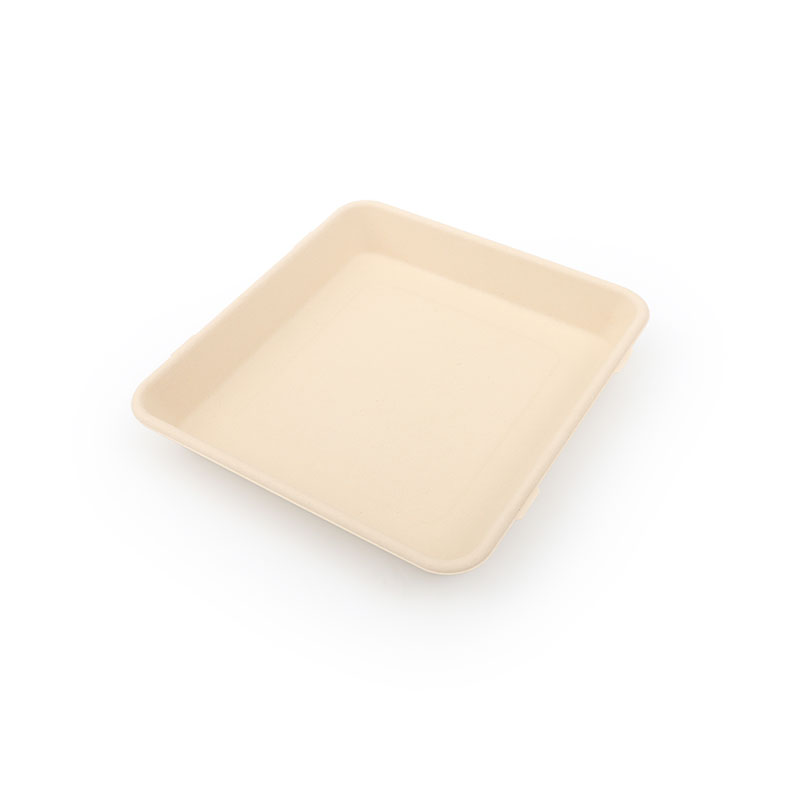 1443ml Tray Box
 Cake Bread Snack Tray Series
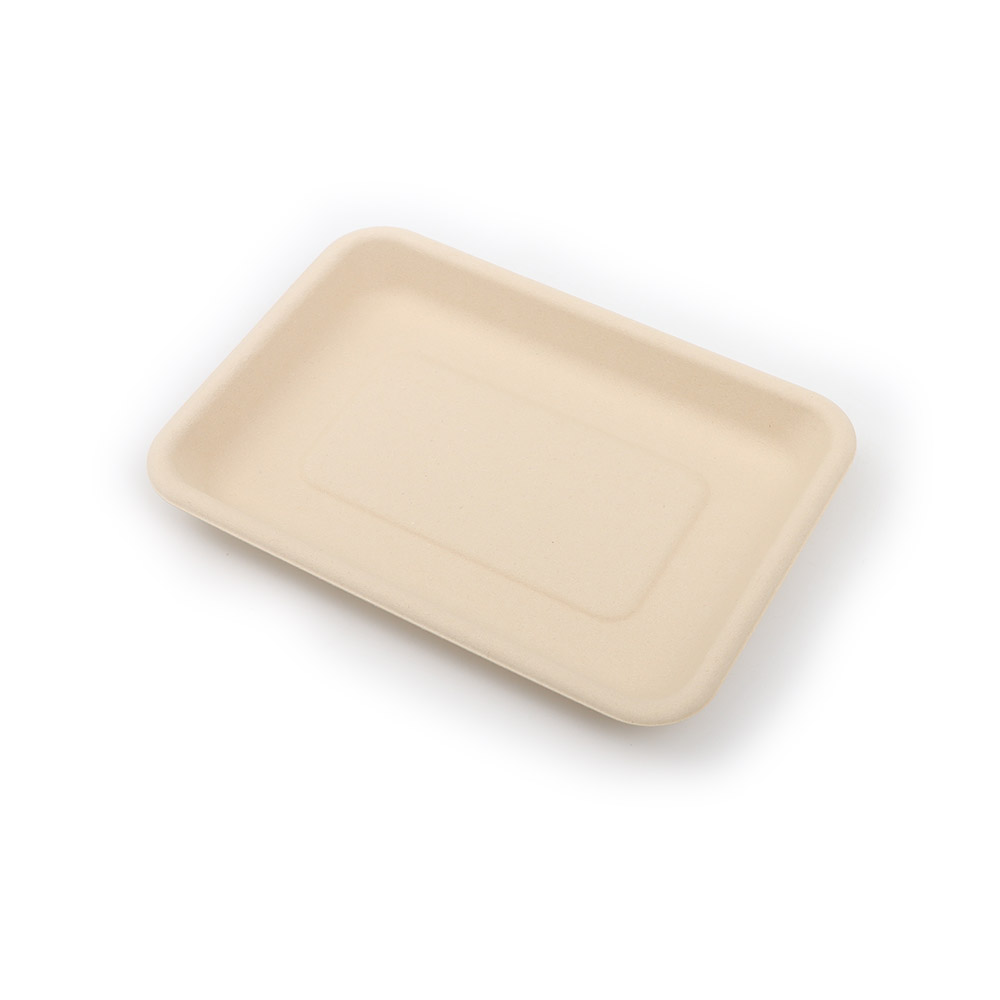 5" * 7" natural color
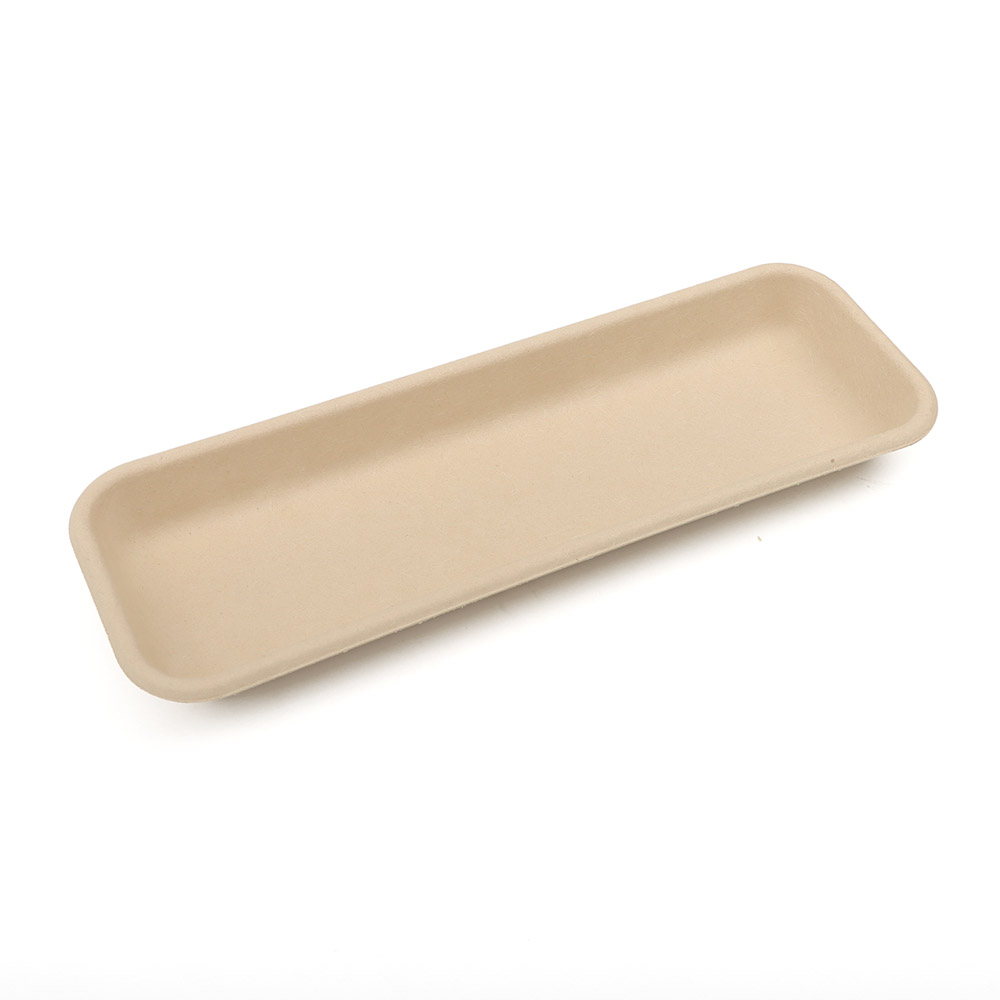 11.4" * 3.9"
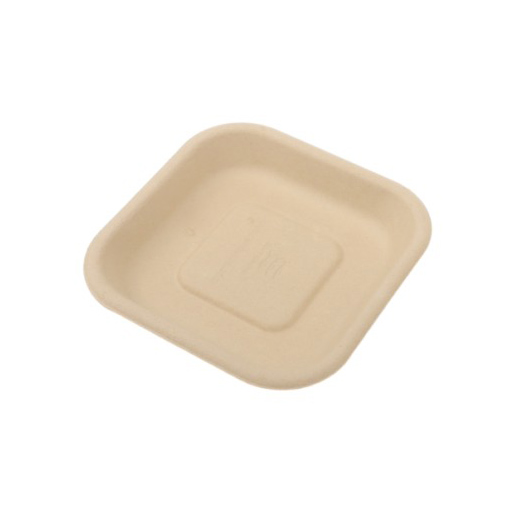 5.3" * 5.3"
 Fruit And Vegetable Tray Series
 8.6" * 5.3"
 Sushi Tray Series
 200" * 140"
 210" * 110"
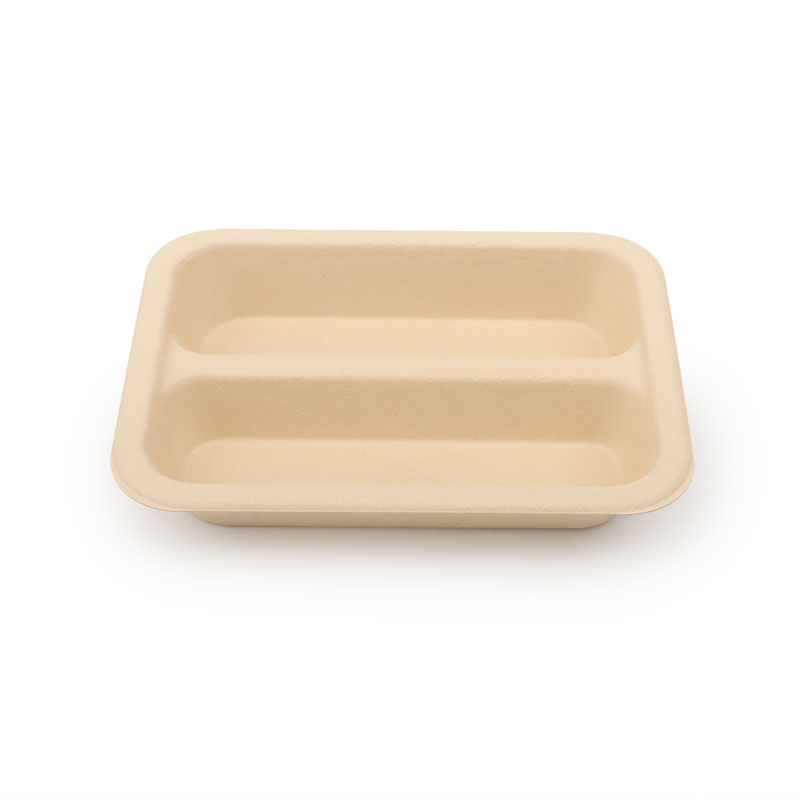 2 Compartments
 Small Round Plate Series
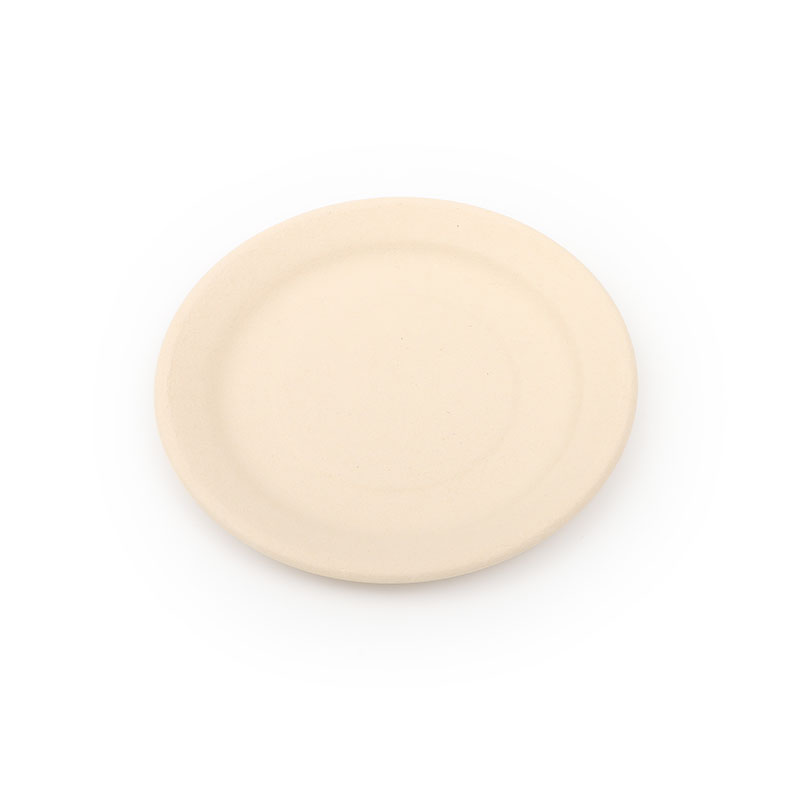 7 inch
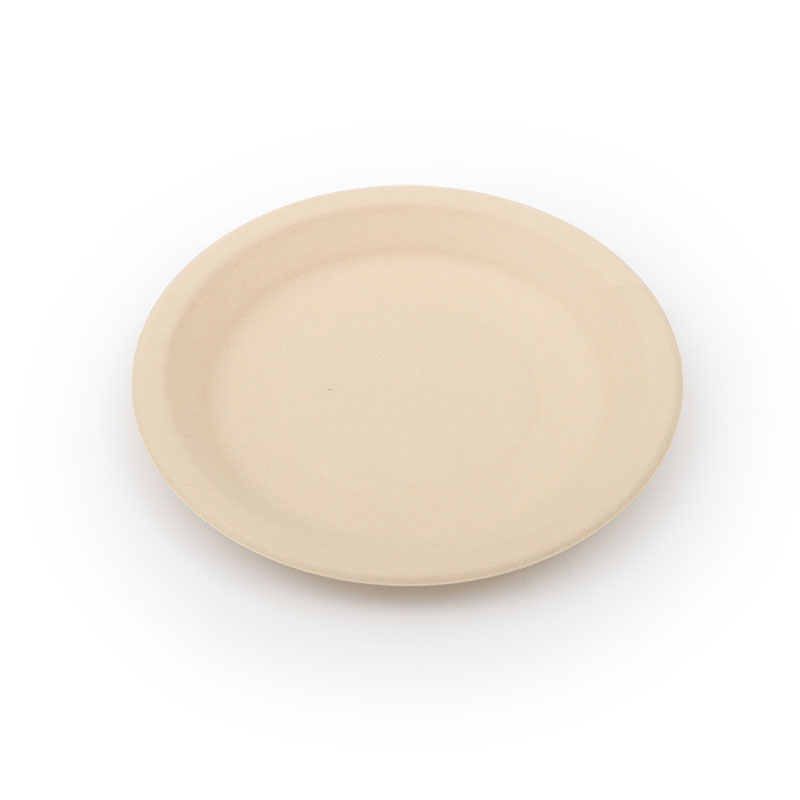 6 inch
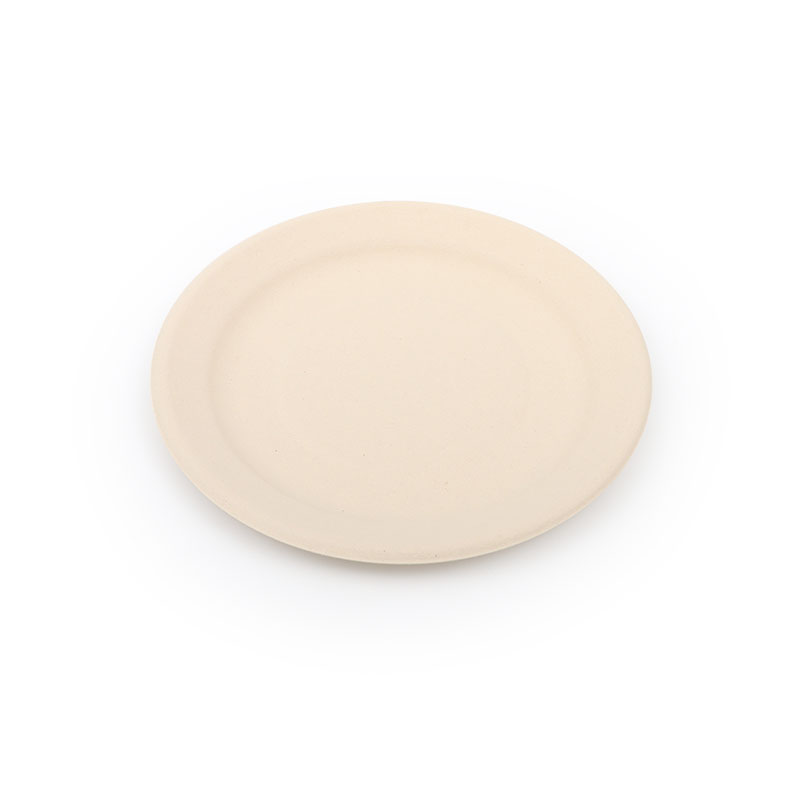 8 inch
 Middle Round Plate Series
 9 Inch 3 Compartments
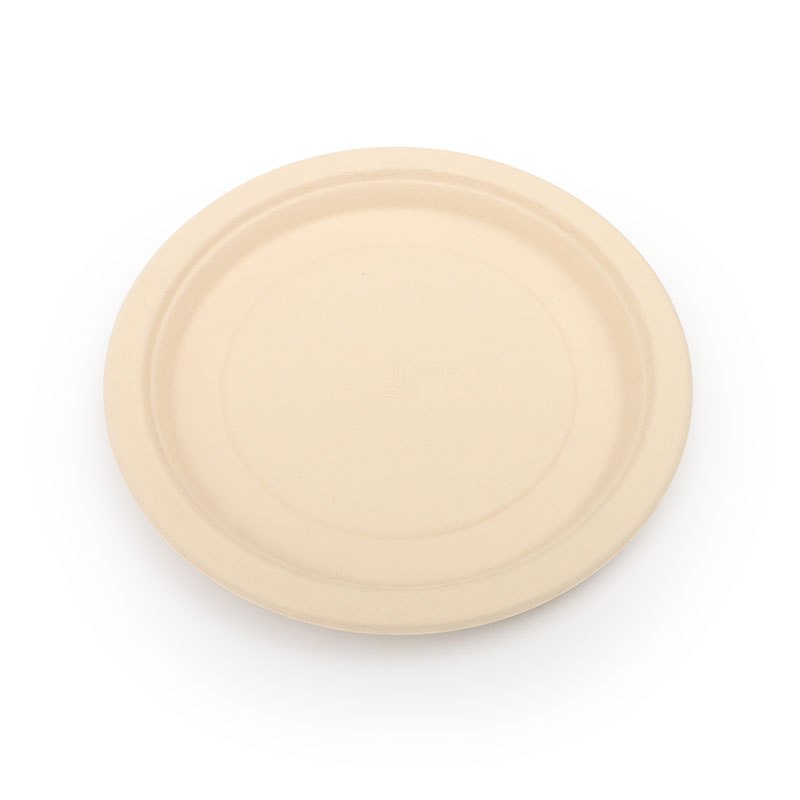 9 inch
 Big Round Plate Series
 12.7 Inch Pizza Plate
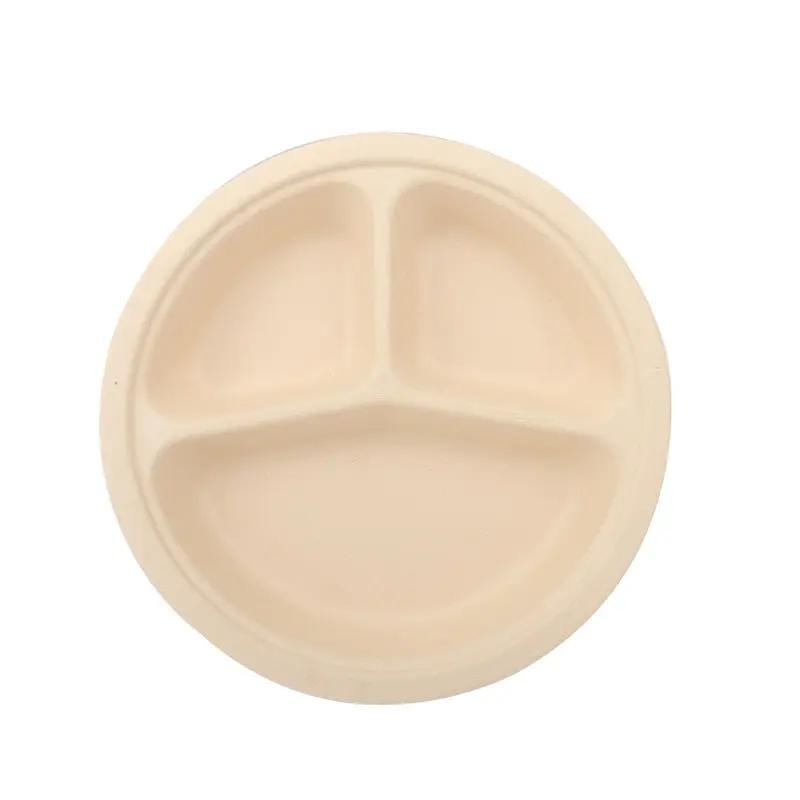 10.25 inch 3 Compartments
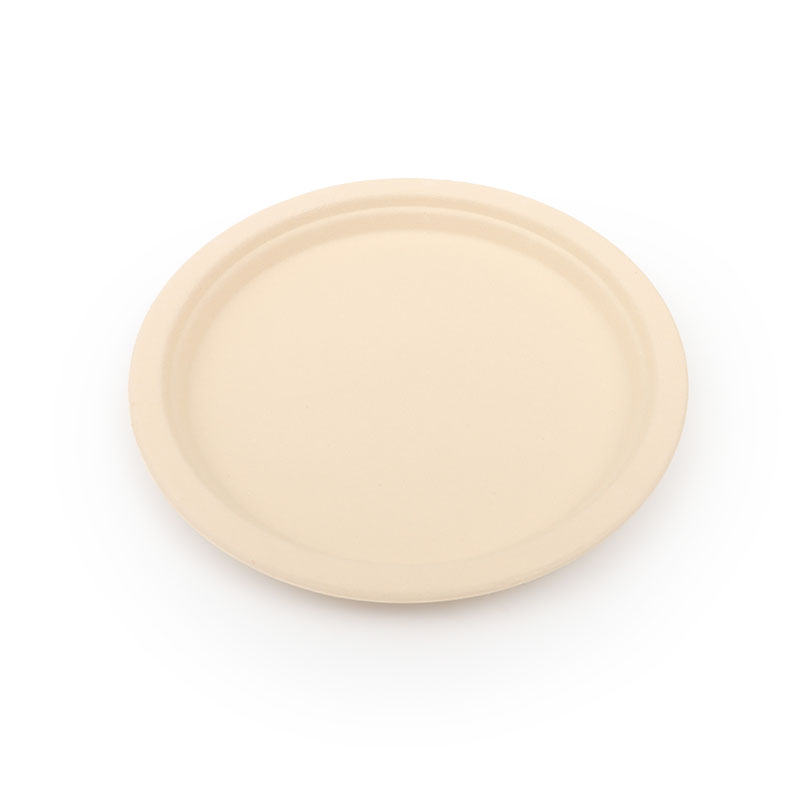 10 inch
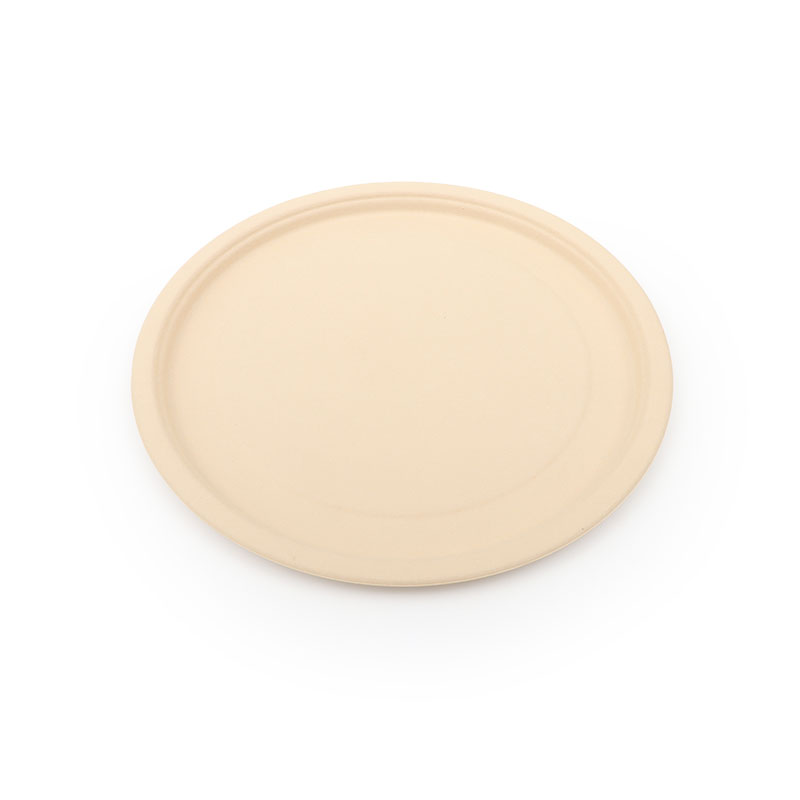 12 inch
 Bigger Bowl
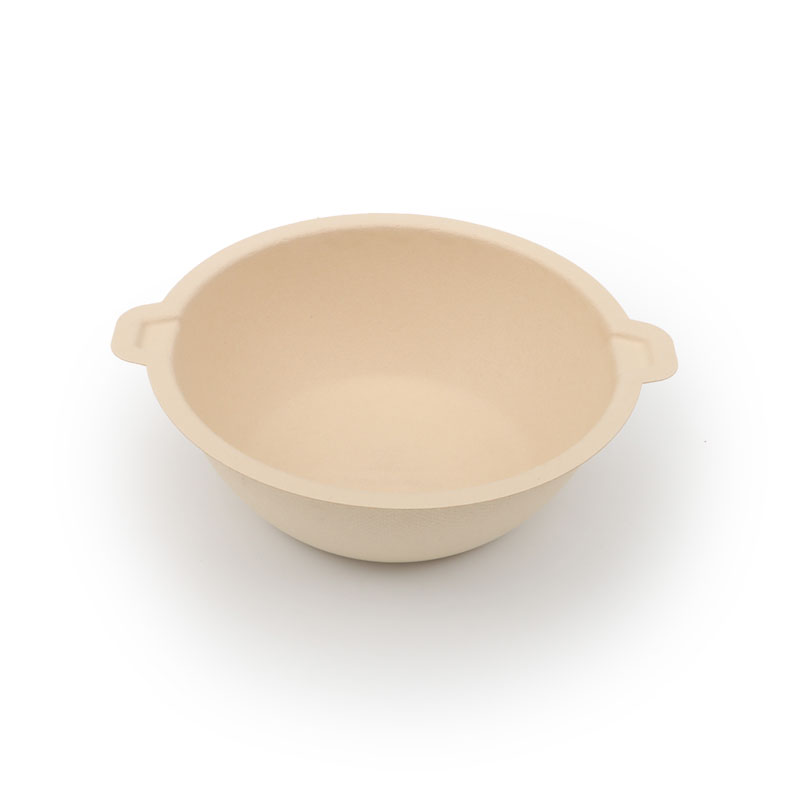 48oz(1420ml)
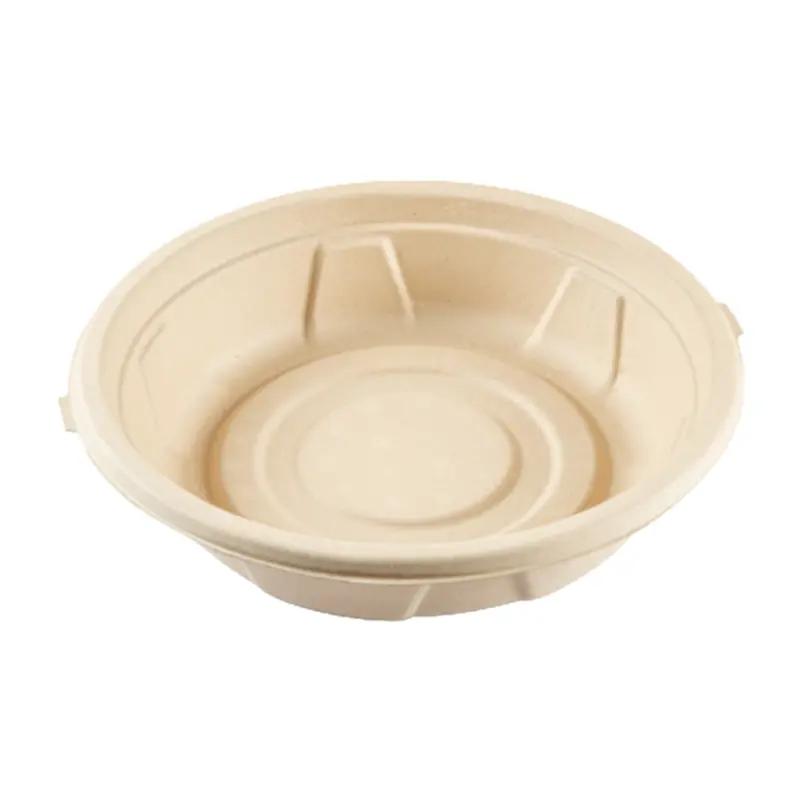 56oz(1650ml)
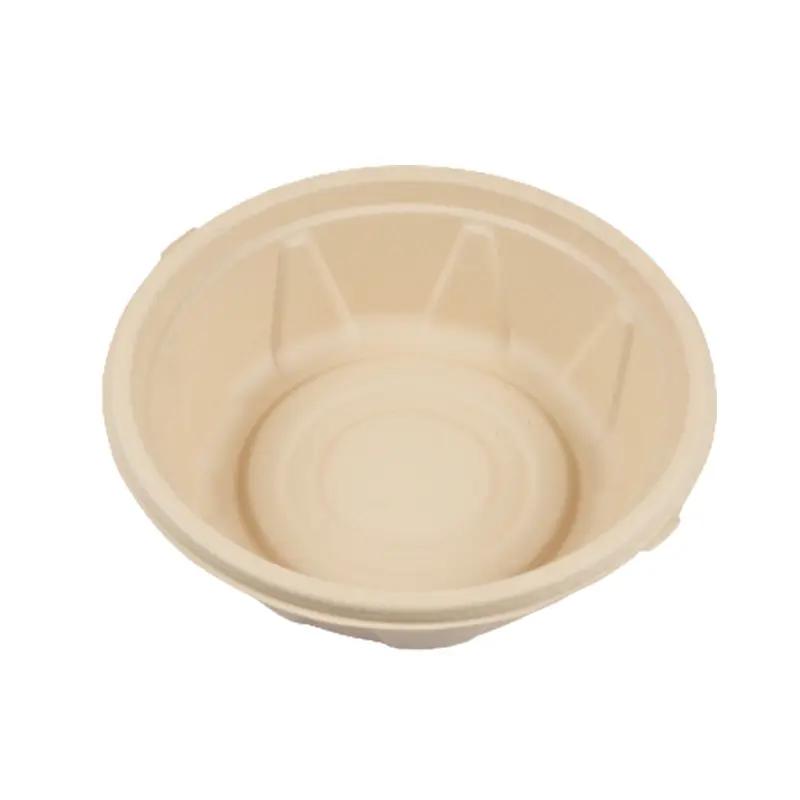 100oz(2950ml)
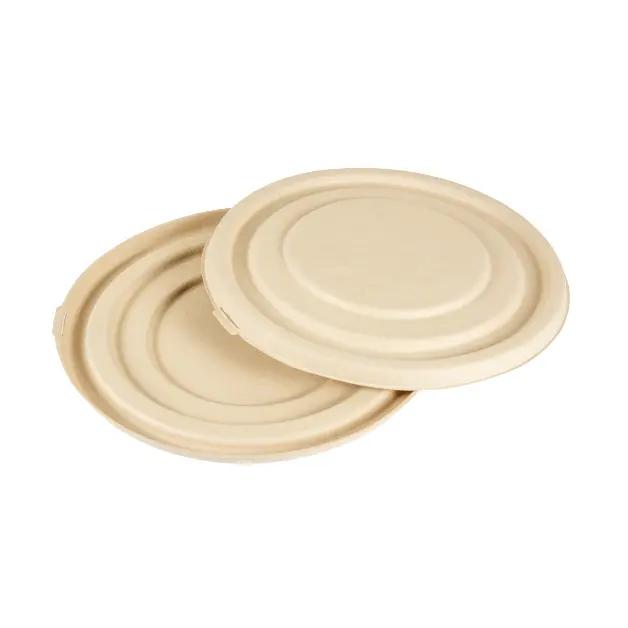 100oz(2950ml) With Lid
 Middle Bowl
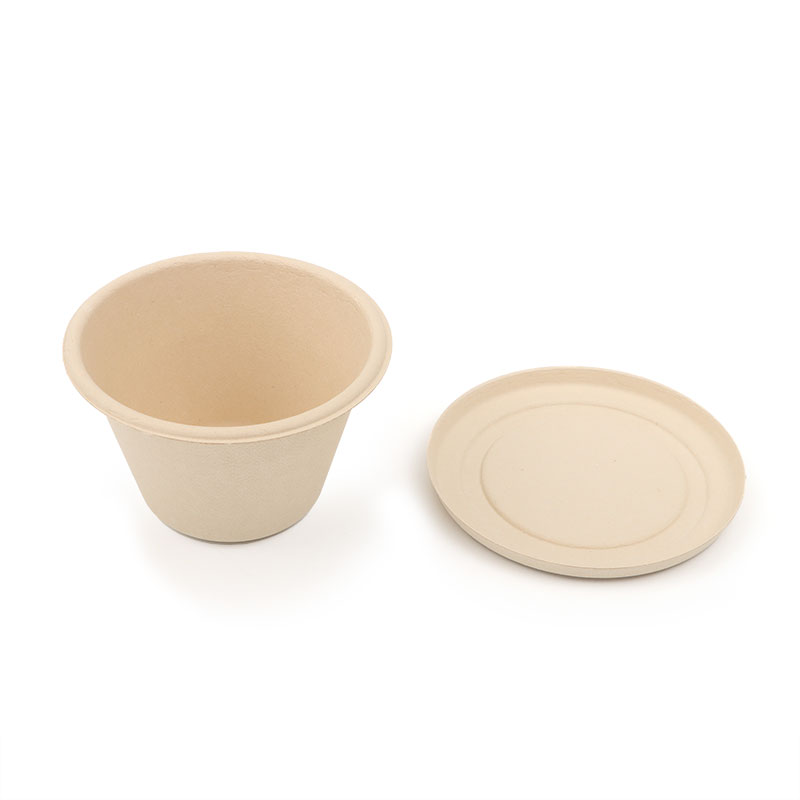 17oz(500ml)
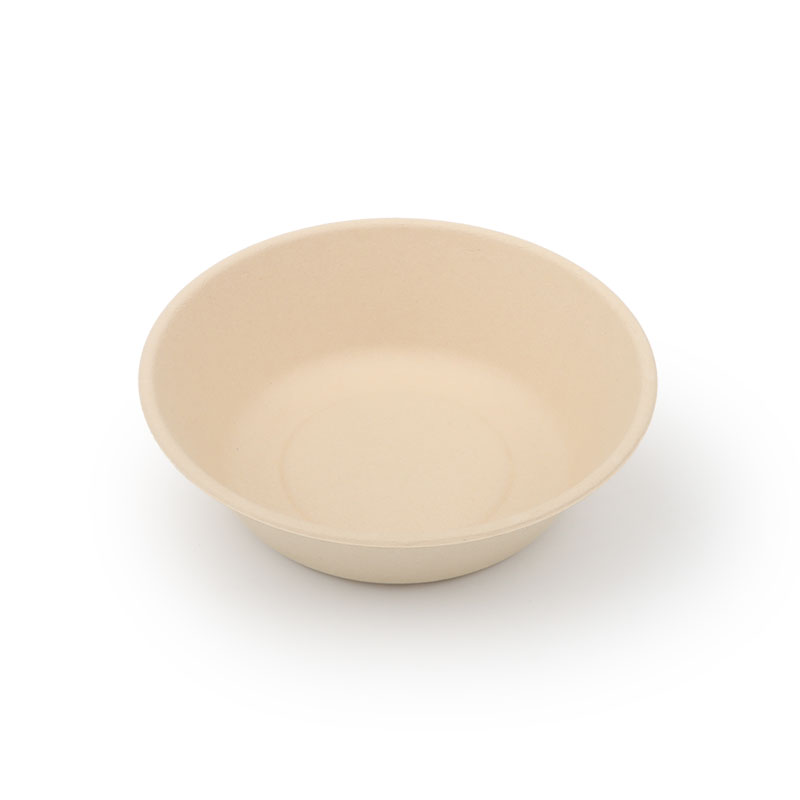 27oz(800ml)
 20oz(600ml)
 29oz(850ml)
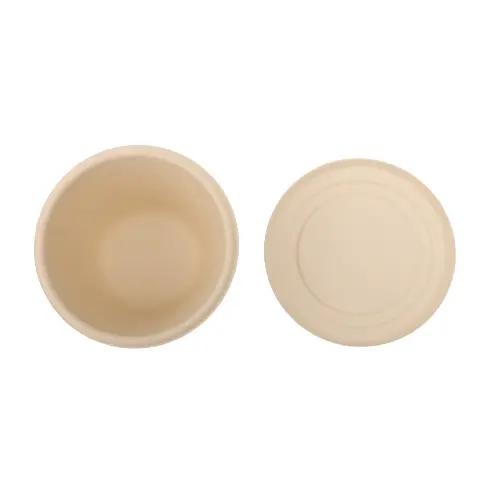 17oz(500ml) With Lid
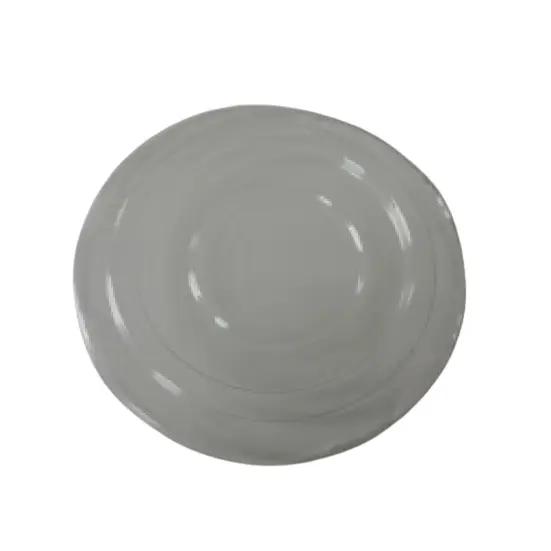 17oz(500ml) PET Lid
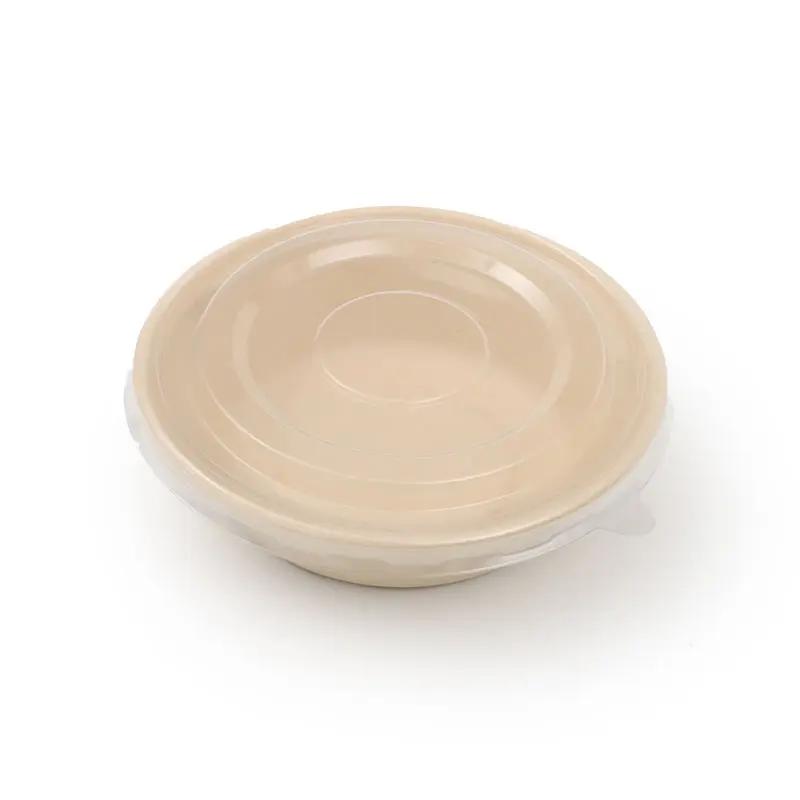 28oz(830ml) PET Lid
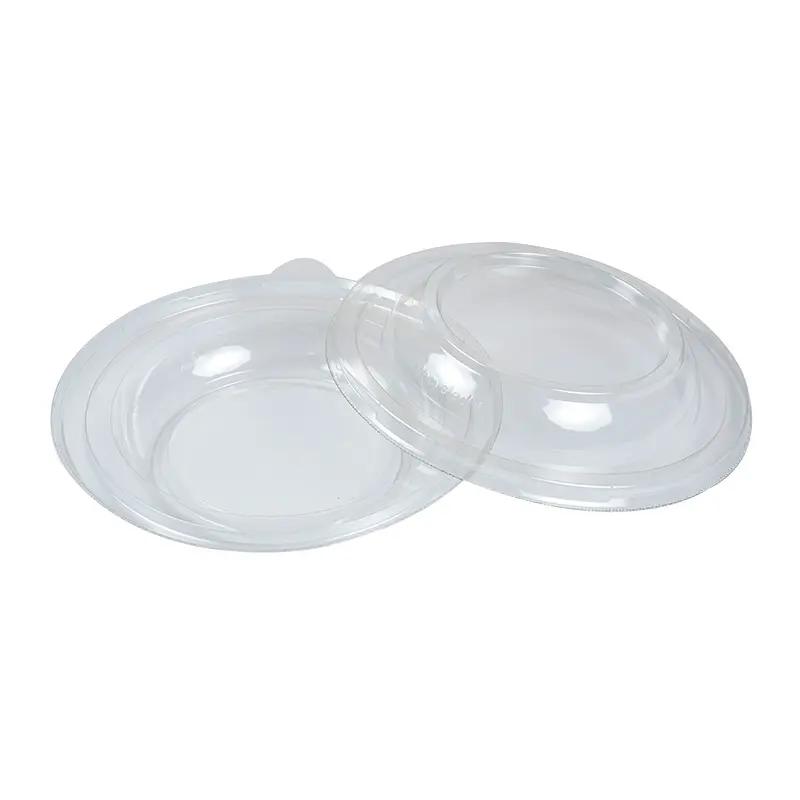 Round Bowl PET
 Small Bowl
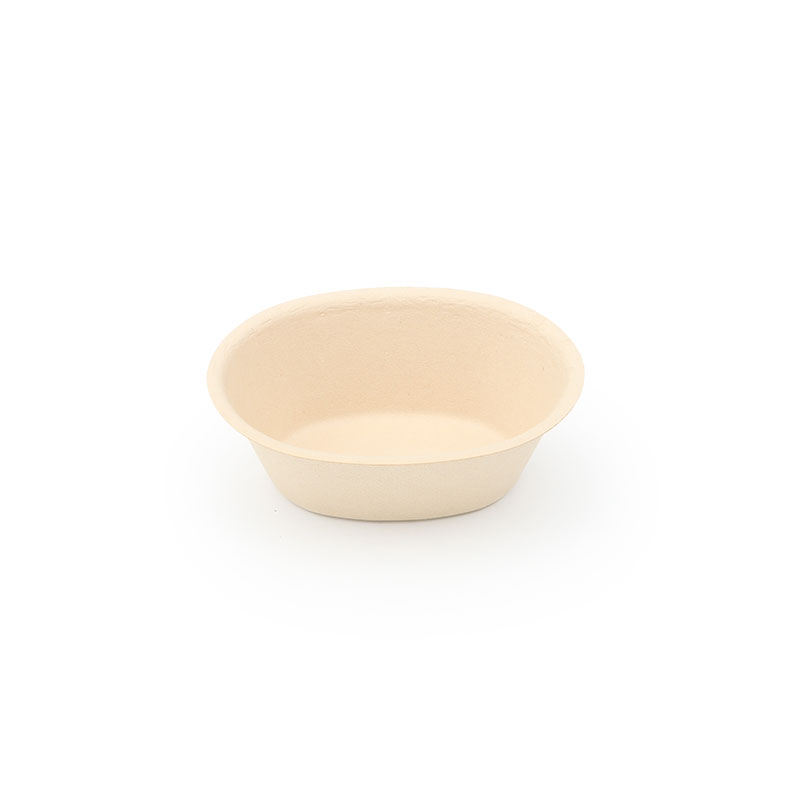 Snack Bowl
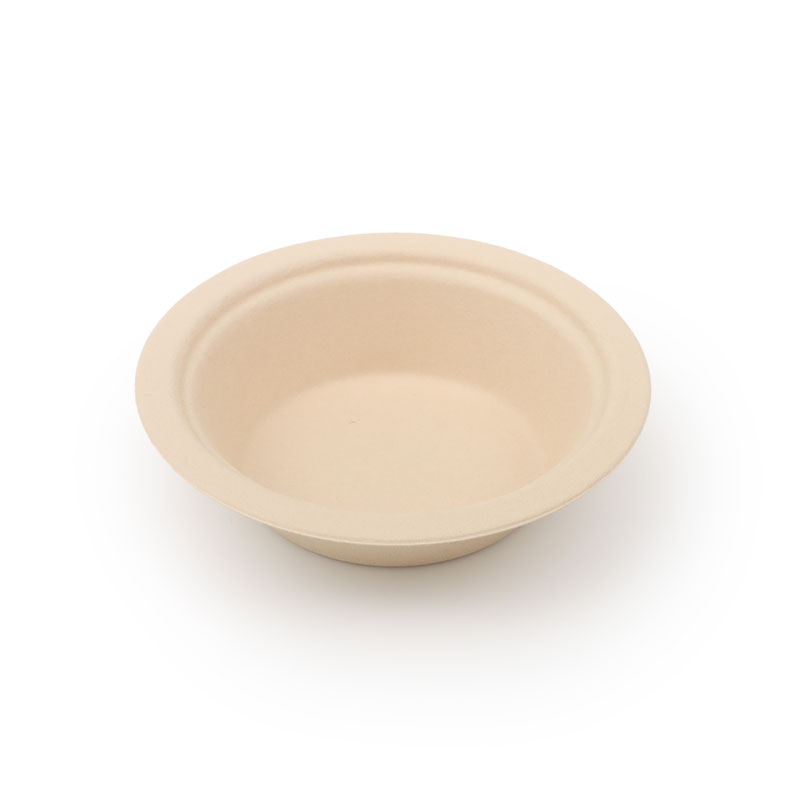 11.5oz(340ml) Bowl
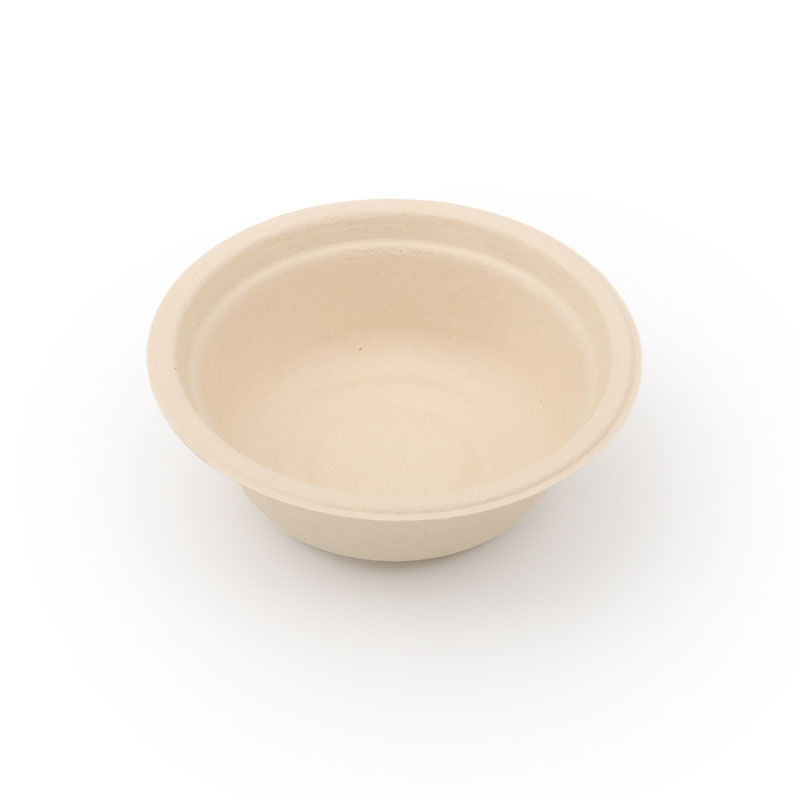 6.7oz(200ml) Bowl
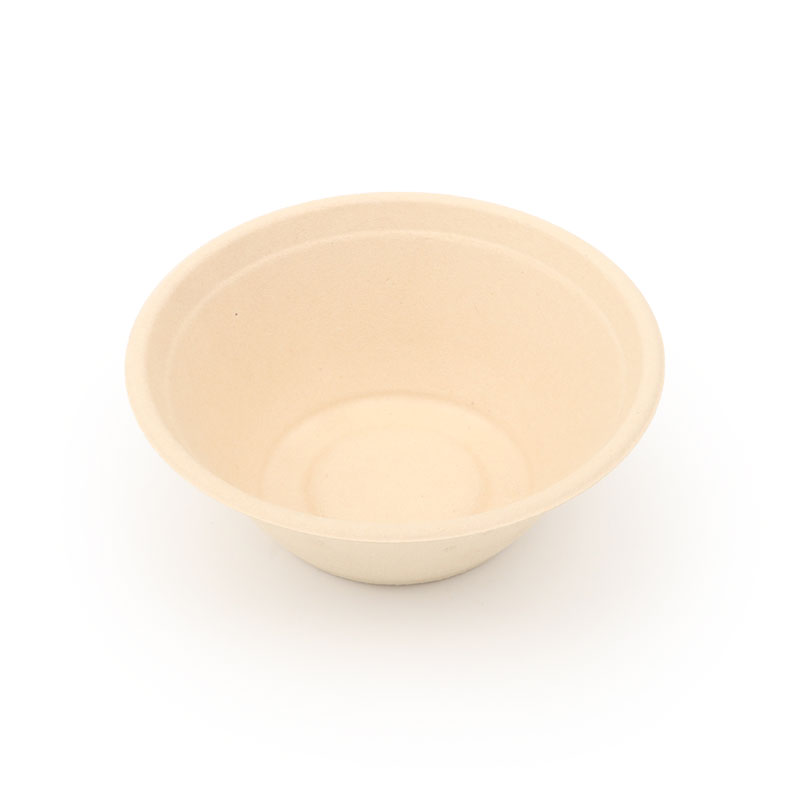 12oz(350ml) Bowl
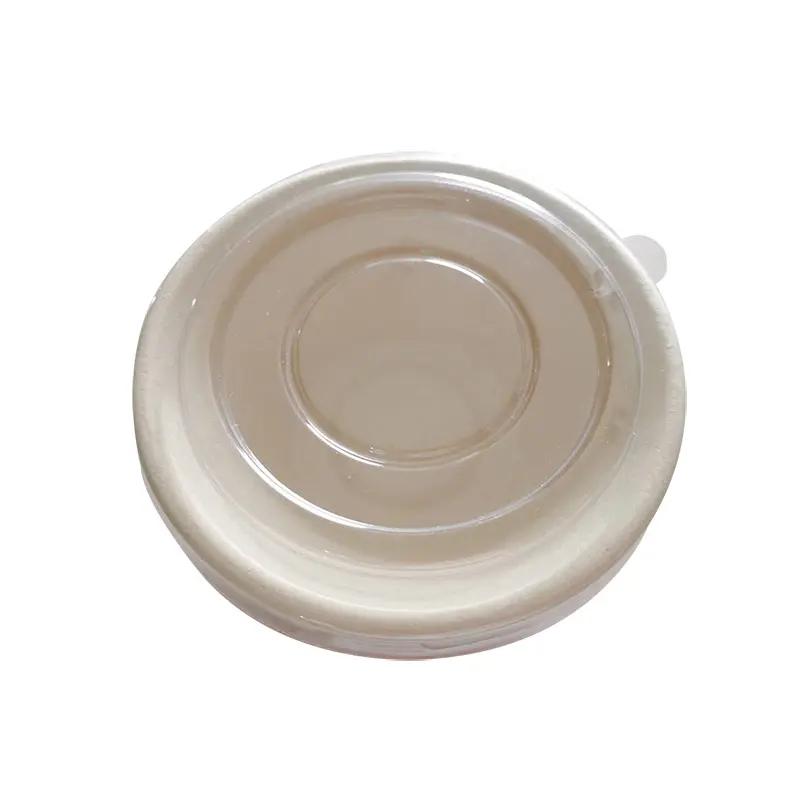 12oz(350ml) Bowl PET
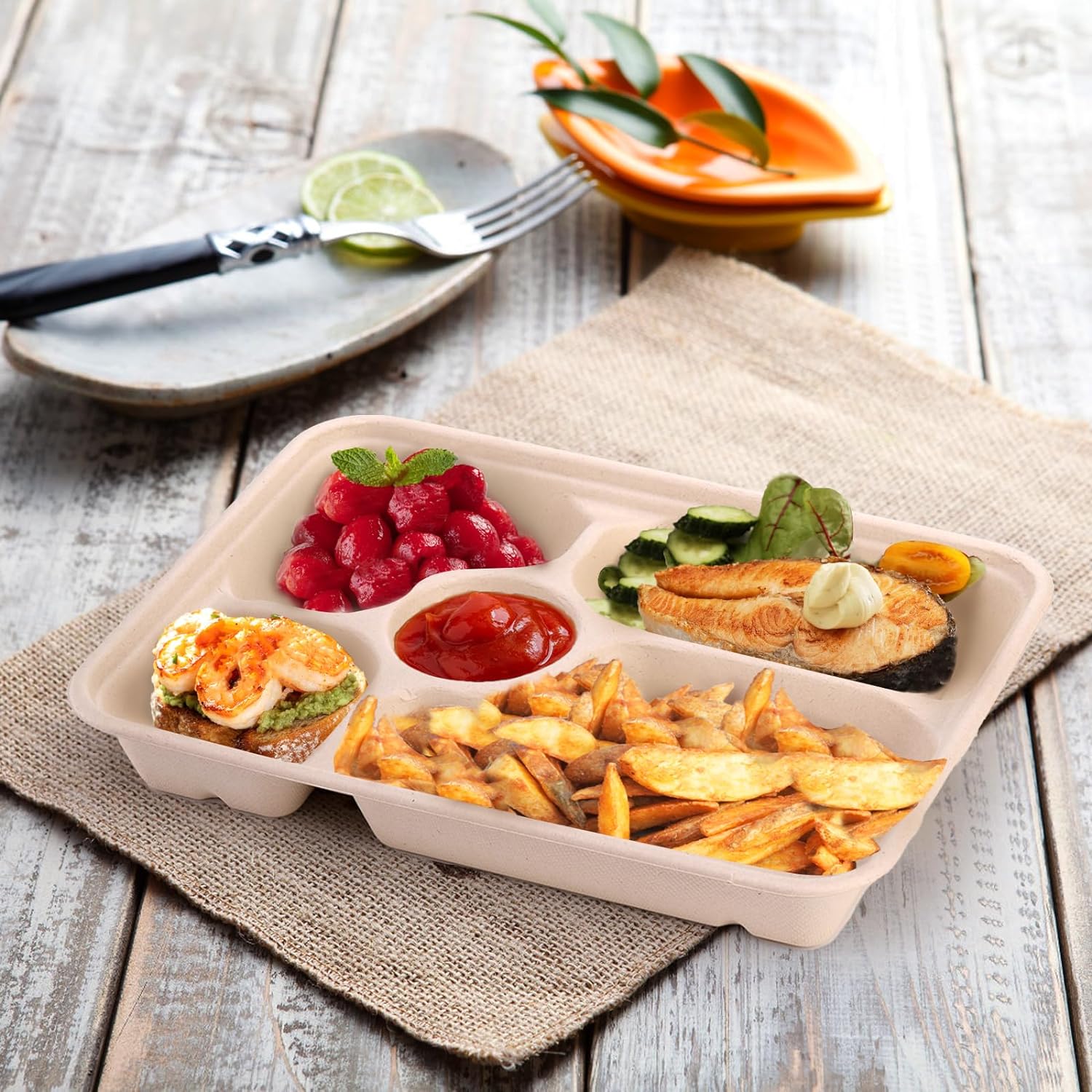 Bagasse Lunch Boxes
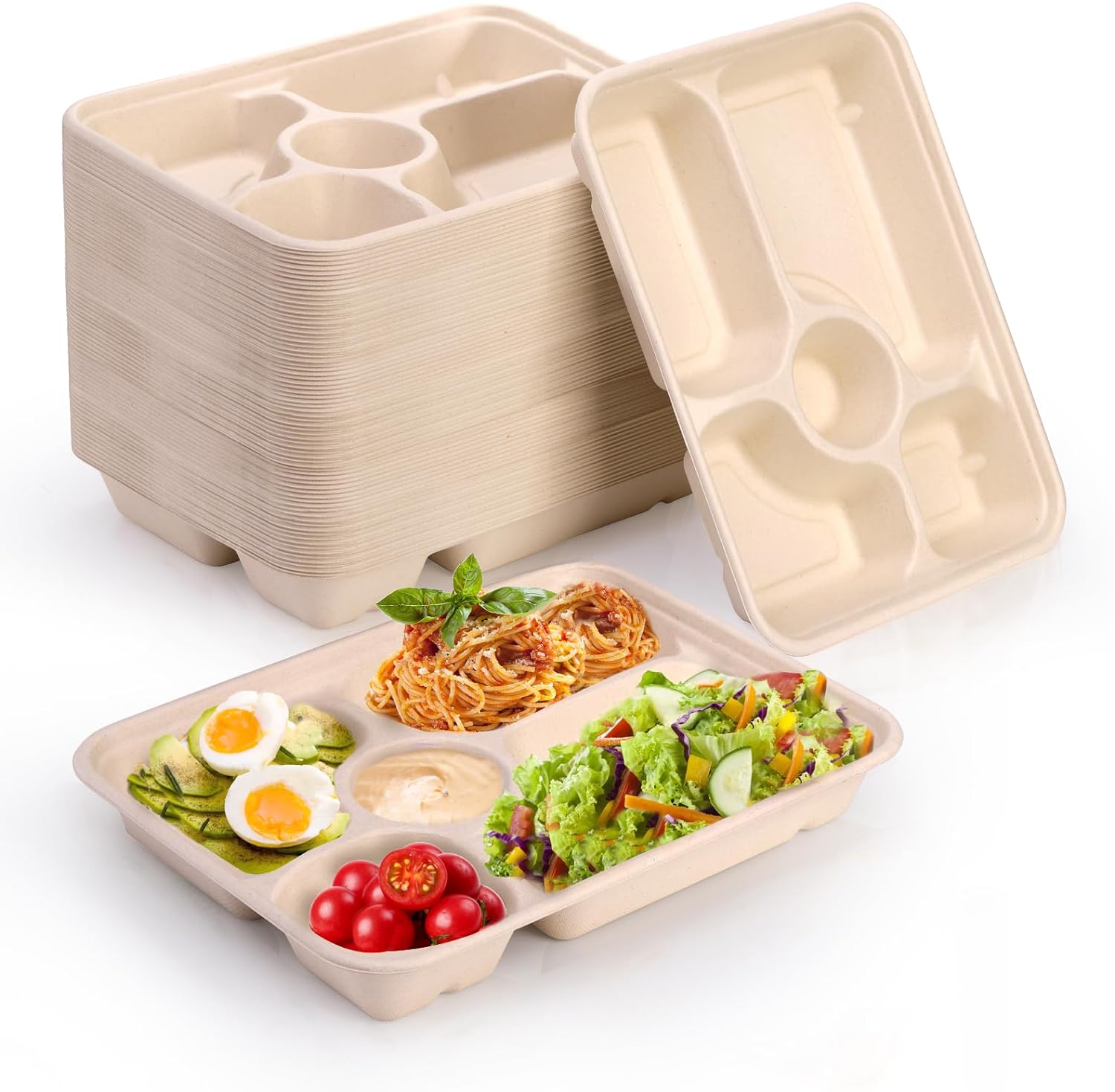 5CP
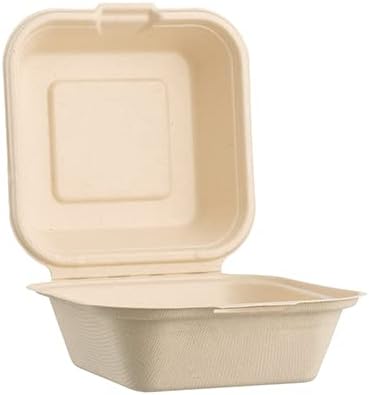 6 inch
 Bagasse Food Plates
 7 inch
 3CP
 Bagasse Bowls
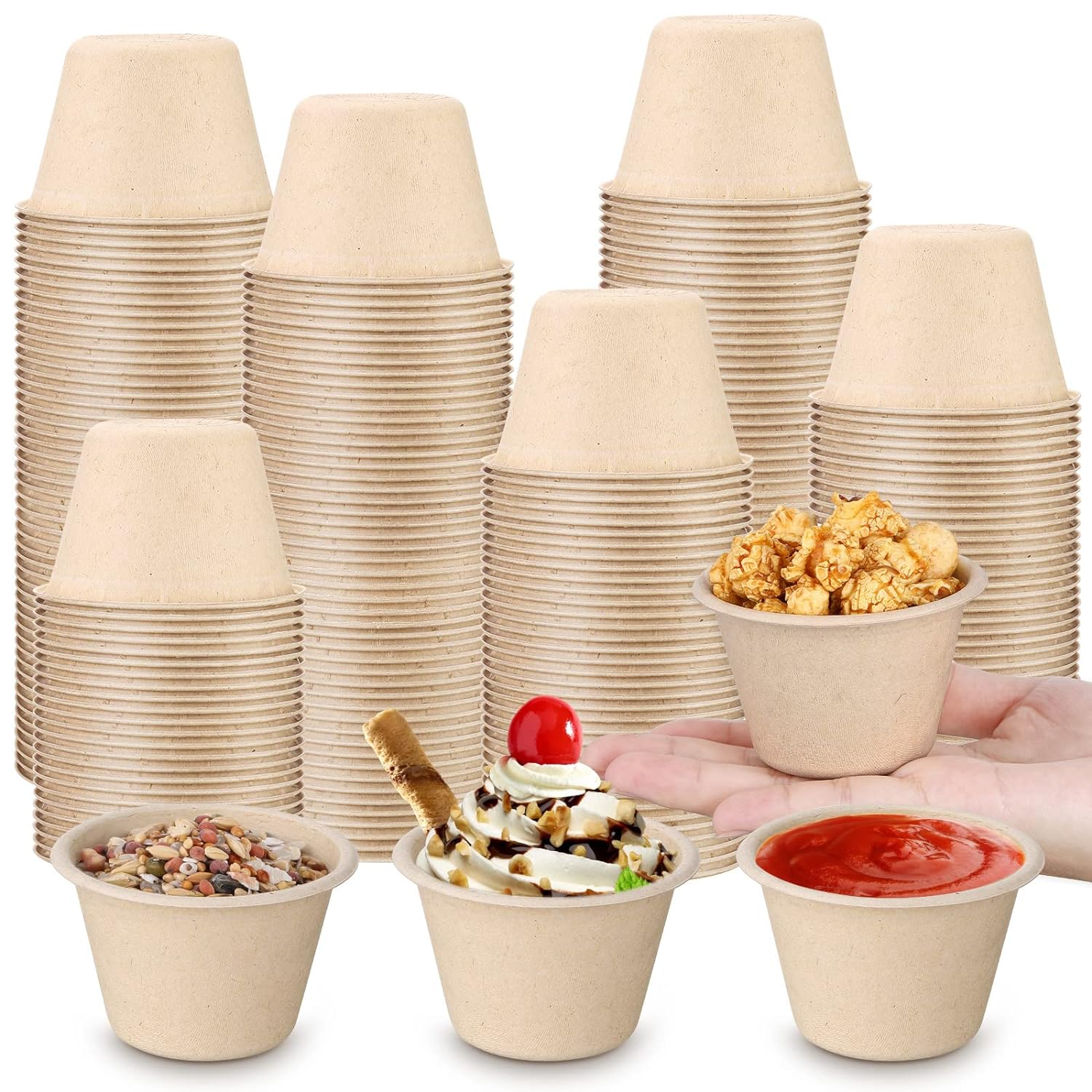 4oz
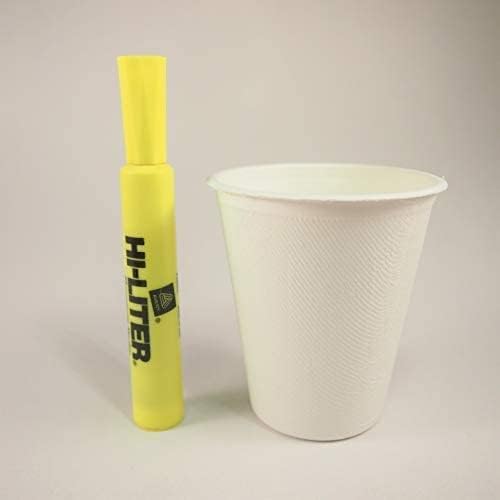 Bagasse Cups And Cutlery
 8oz
 12oz
 Cutlery


