
 Box With T buckle
 700ml Square Lunch Box
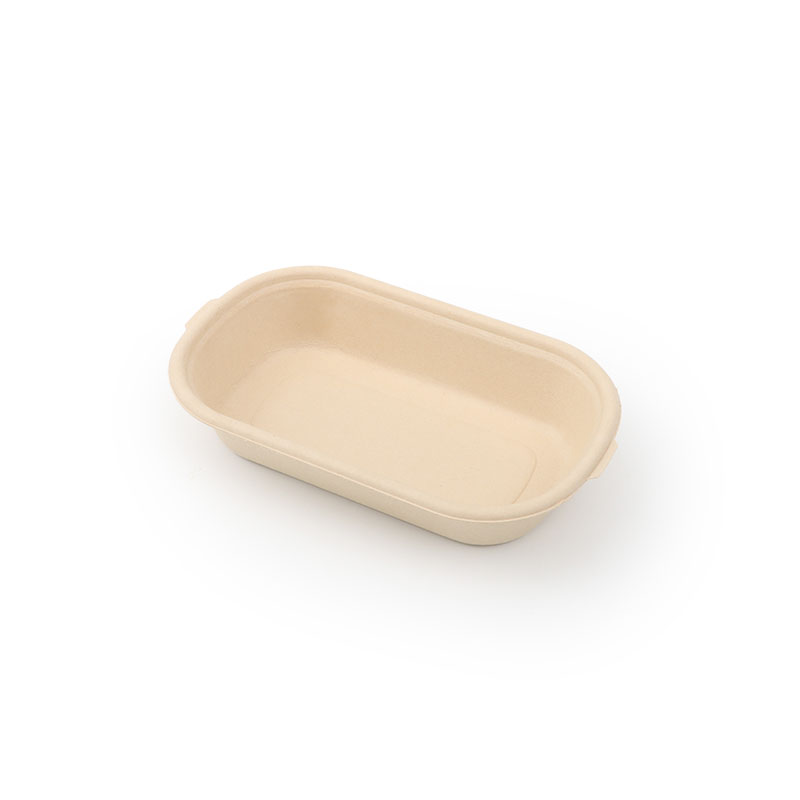 500ml
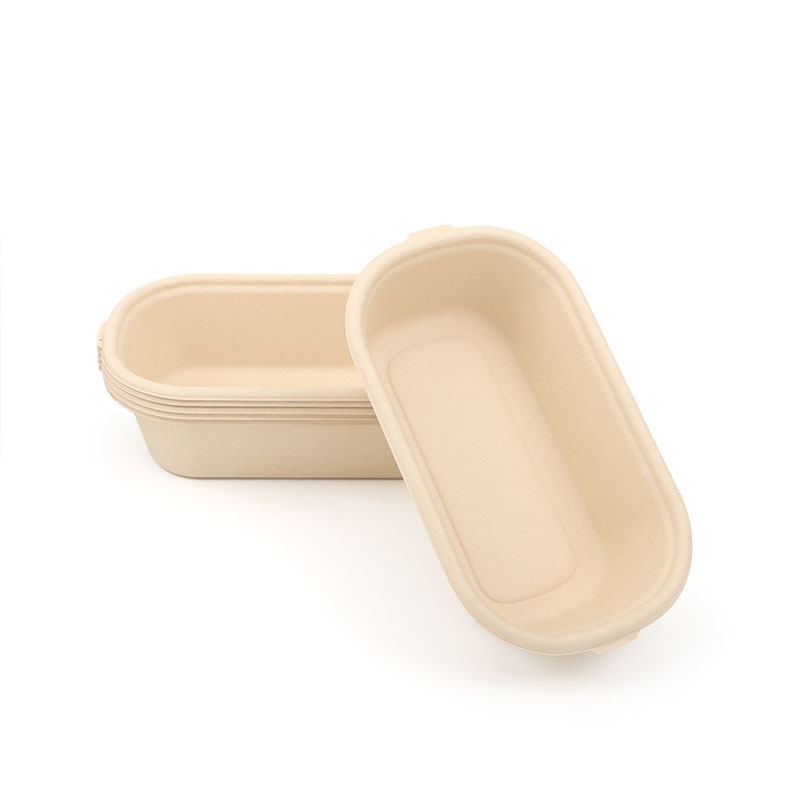 700ml
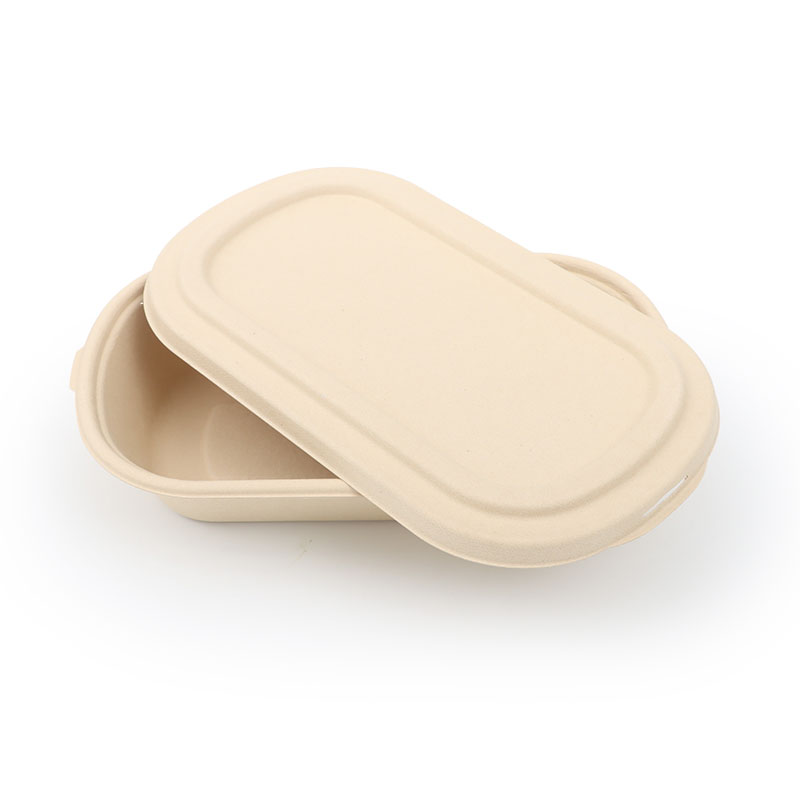 850ml
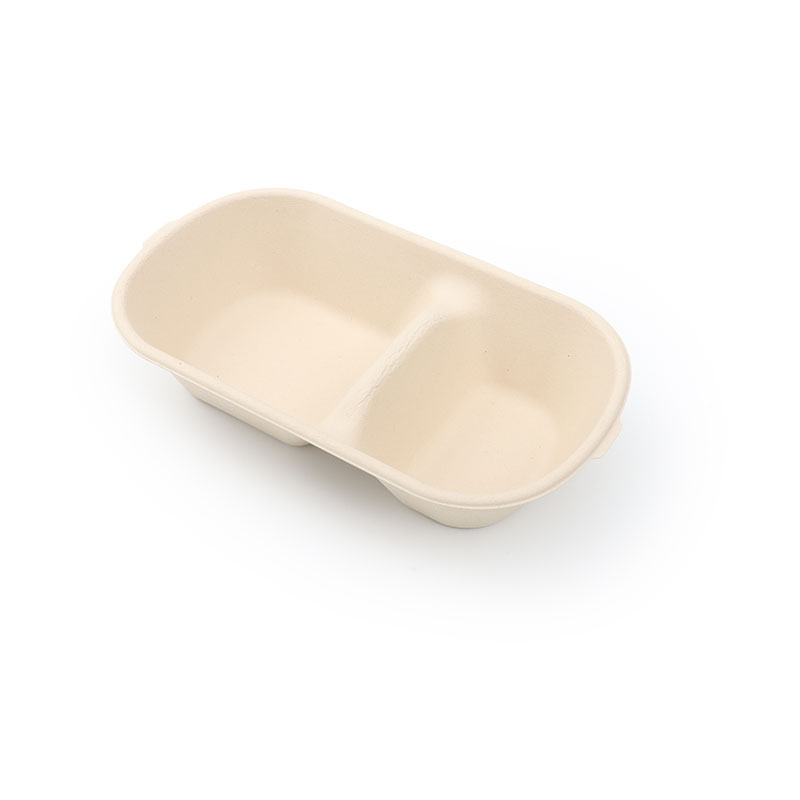 800ml 2 Compartments
 1000ml 2 Compartments
 1100ml
 1000ml Square Lunch Box
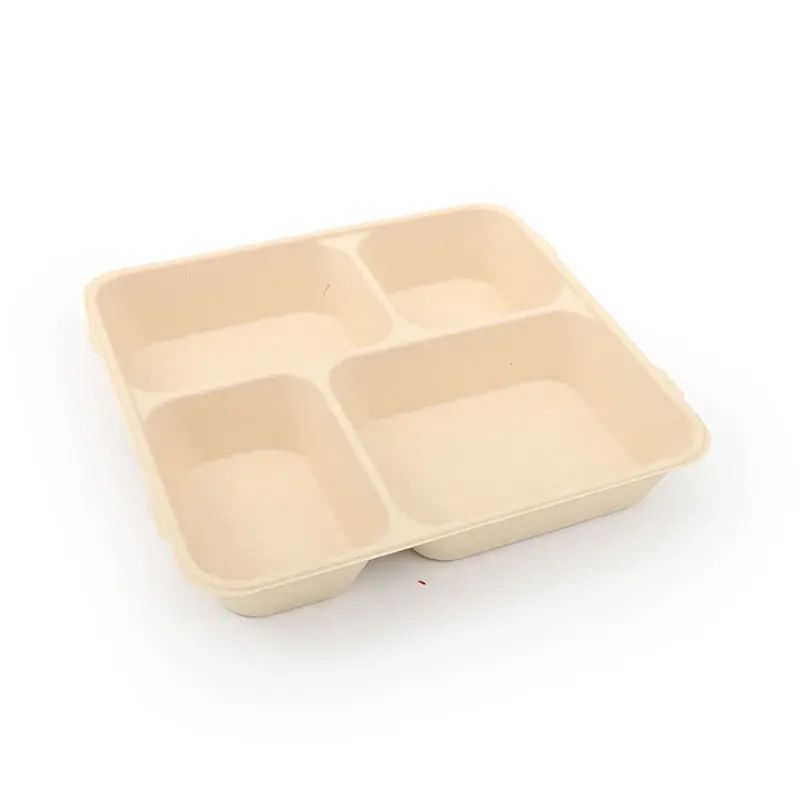 1340ml 4 Compartments
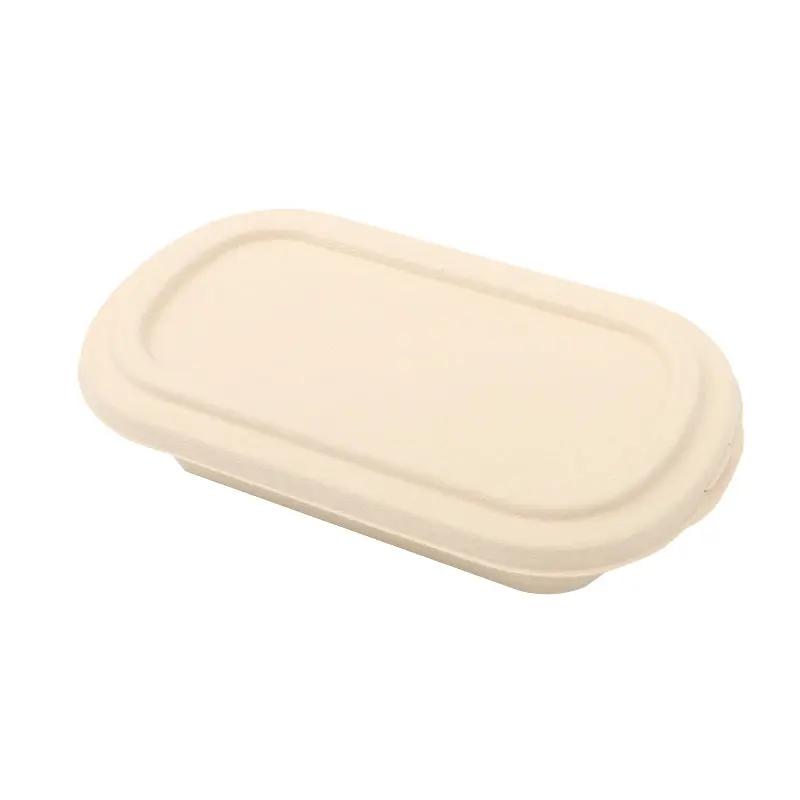 Lunch Box Lid
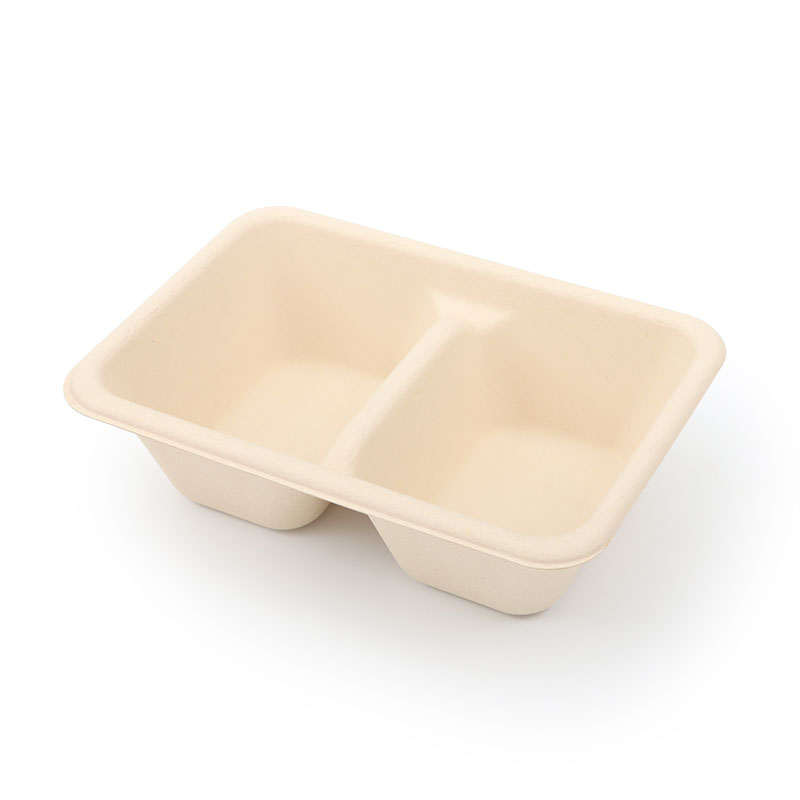 650ml
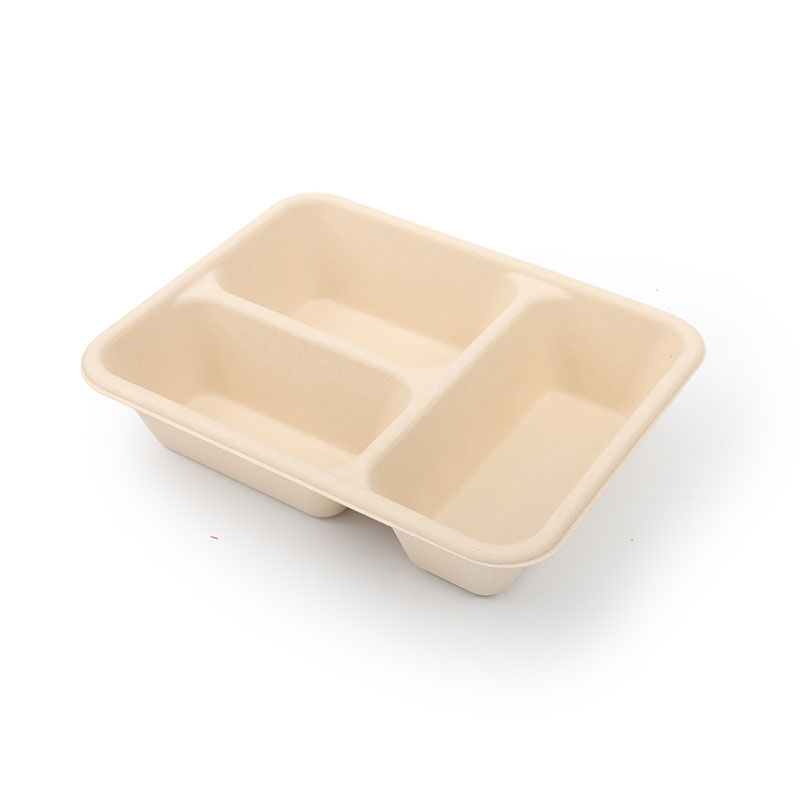 1000ml 3 Compartments
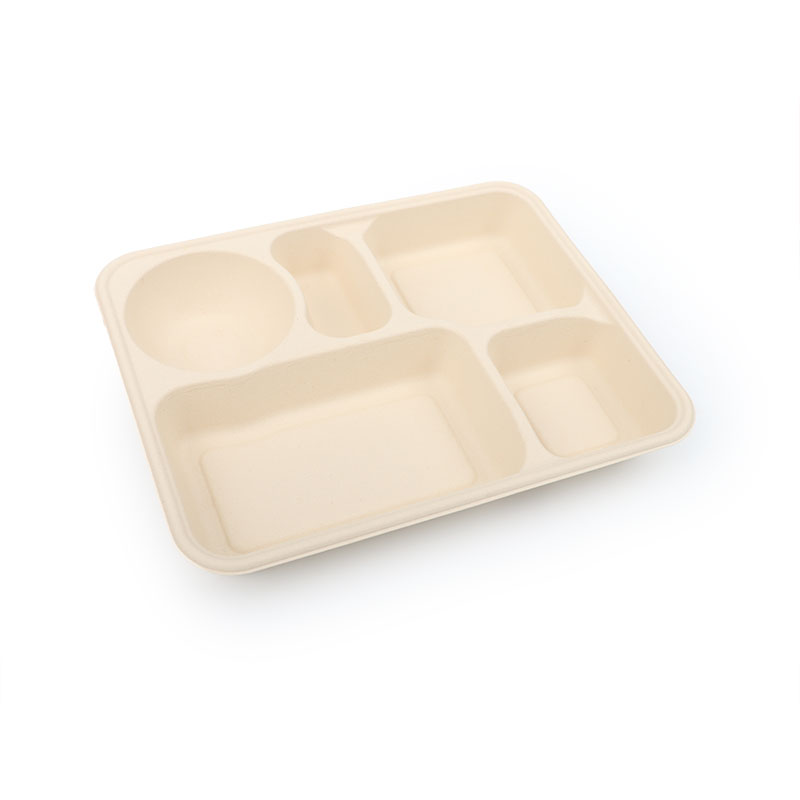 1250ml 5 Compartments
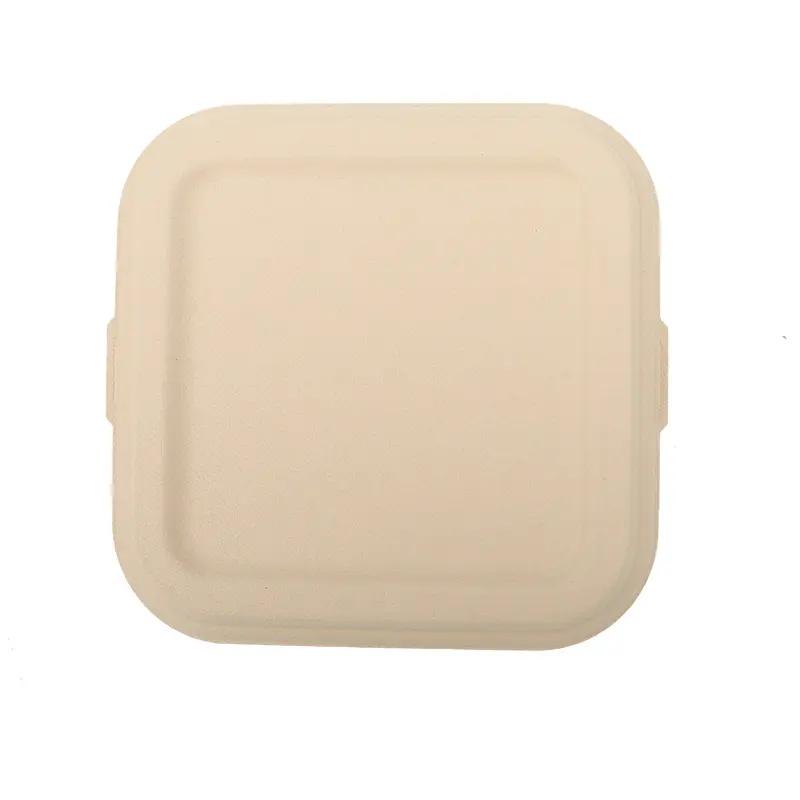 Square Lunch Box Lid
 Box Without T buckle
 850ml Salad Box
 700ml
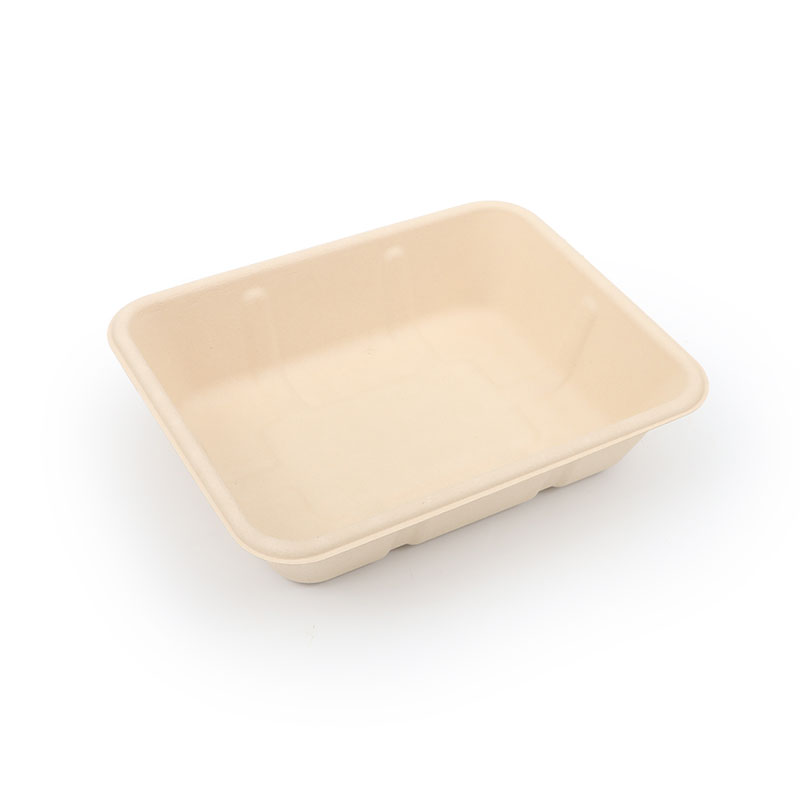 1350ml
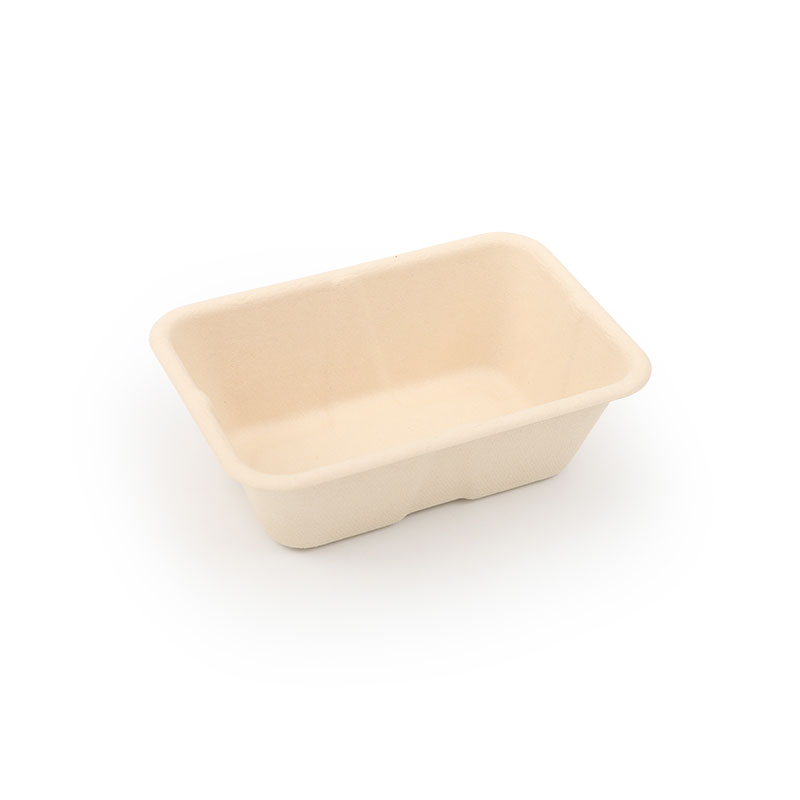 470ml
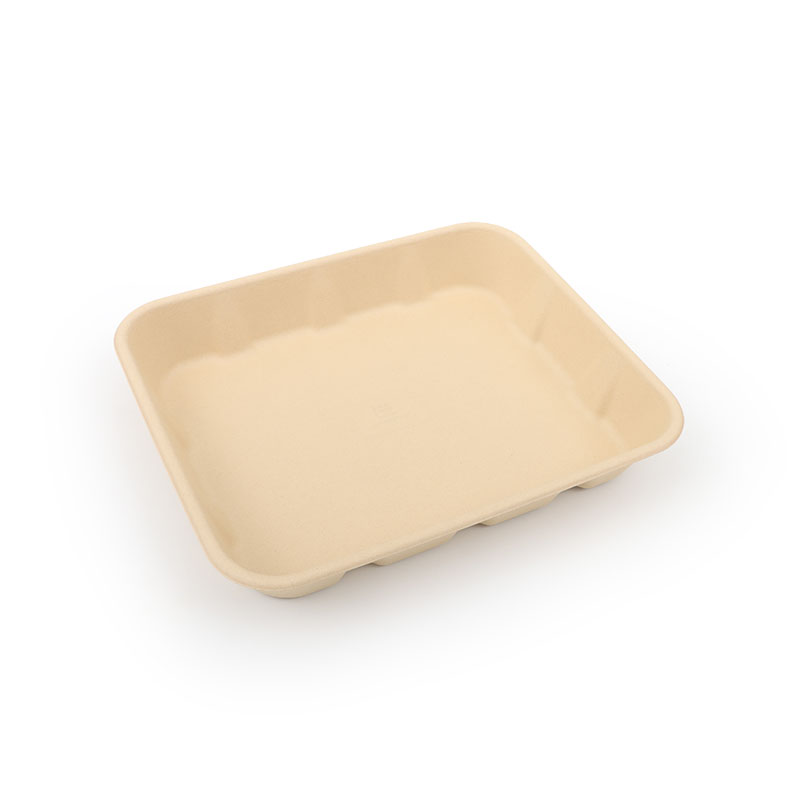 2183ml Tray Box
 11" * 9"
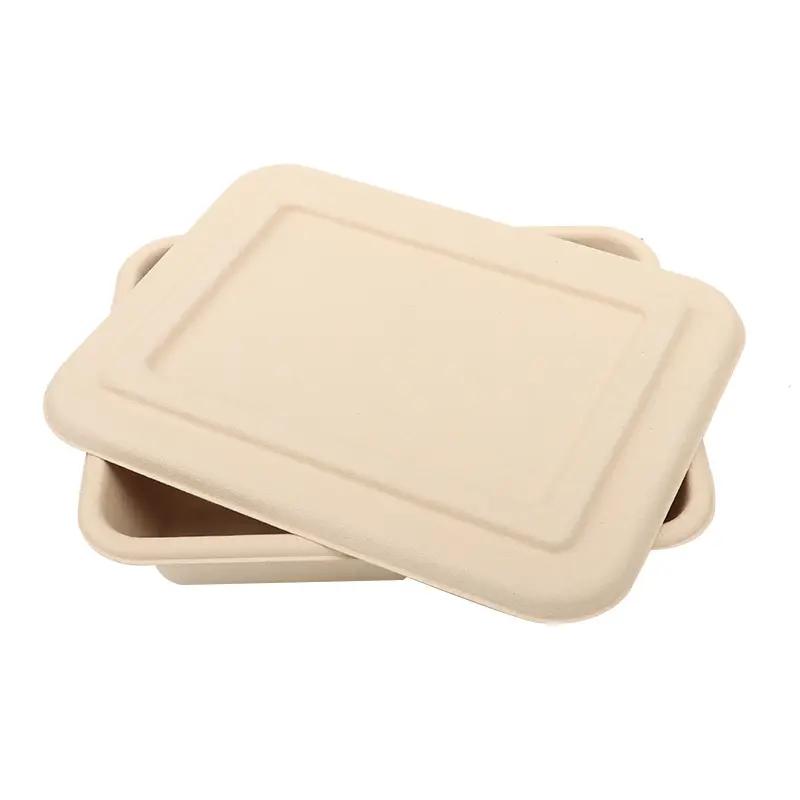 800ml
 One Part Box
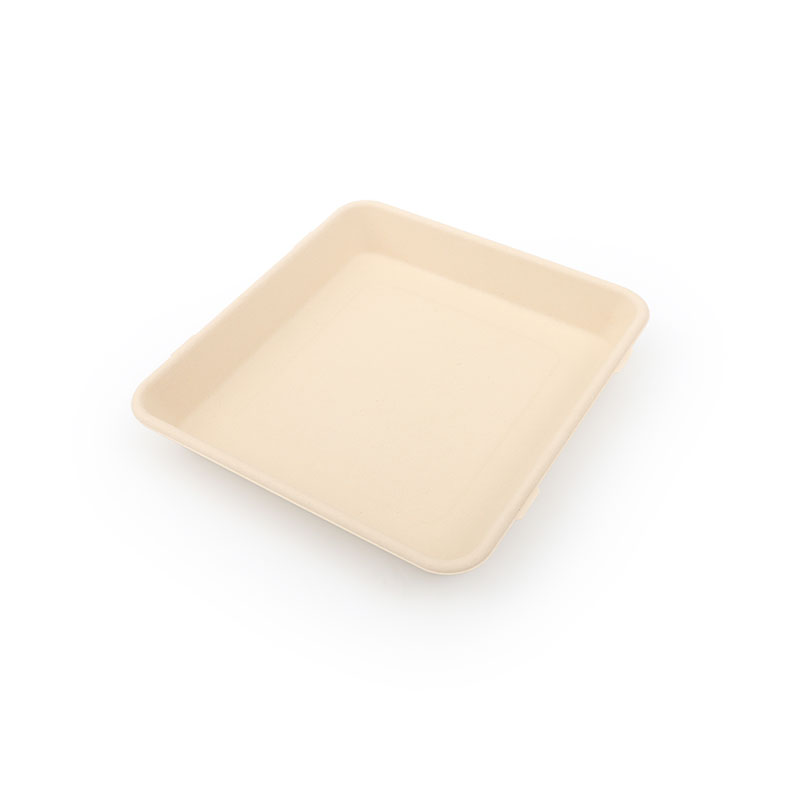 1443ml Tray Box
 Cake Bread Snack Tray Series
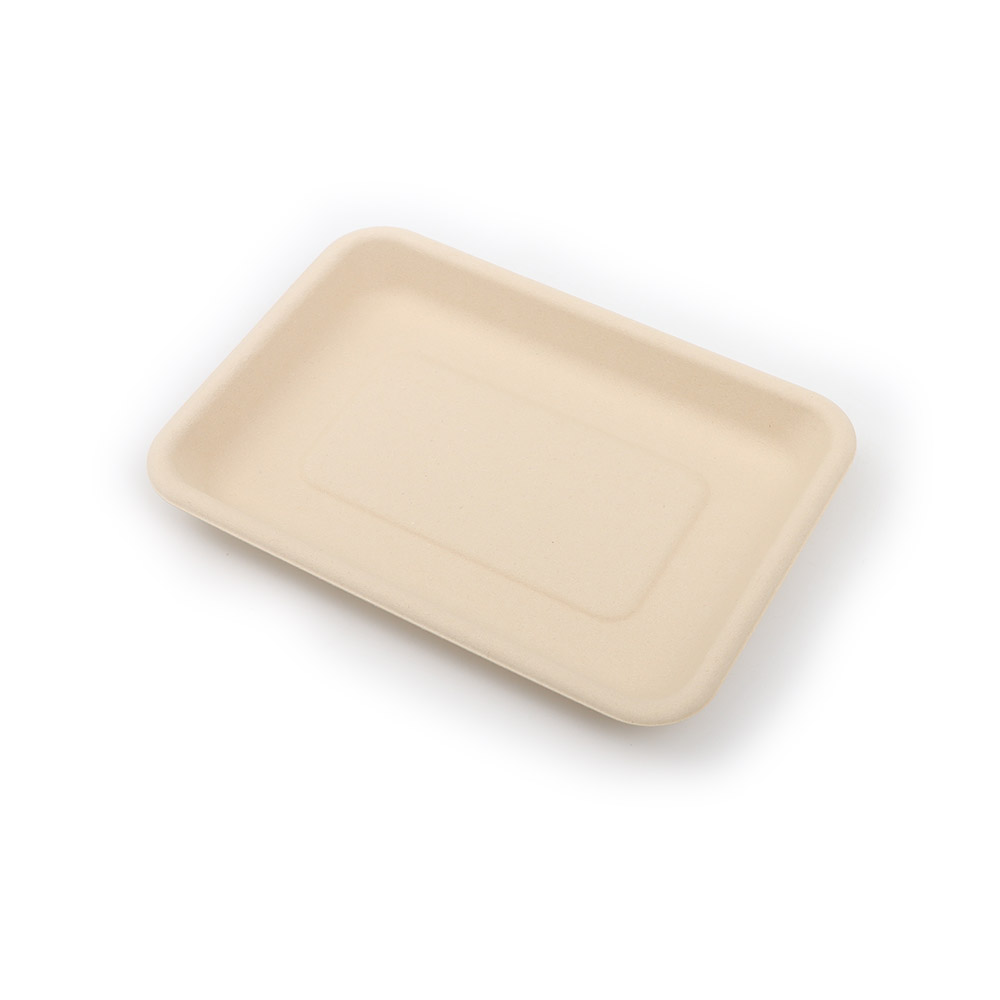 5" * 7" natural color
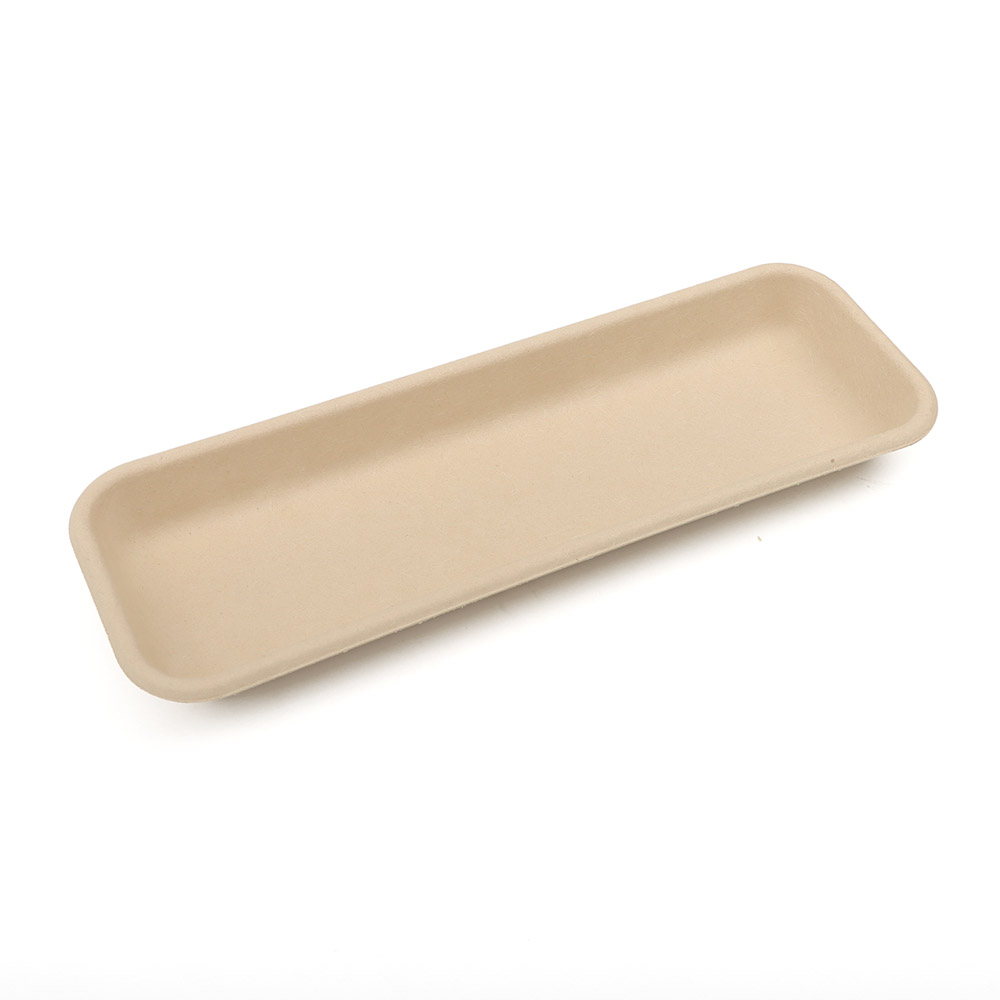 11.4" * 3.9"
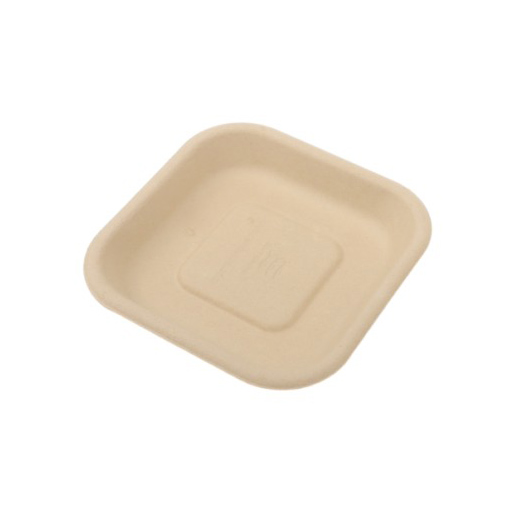 5.3" * 5.3"
 Fruit And Vegetable Tray Series
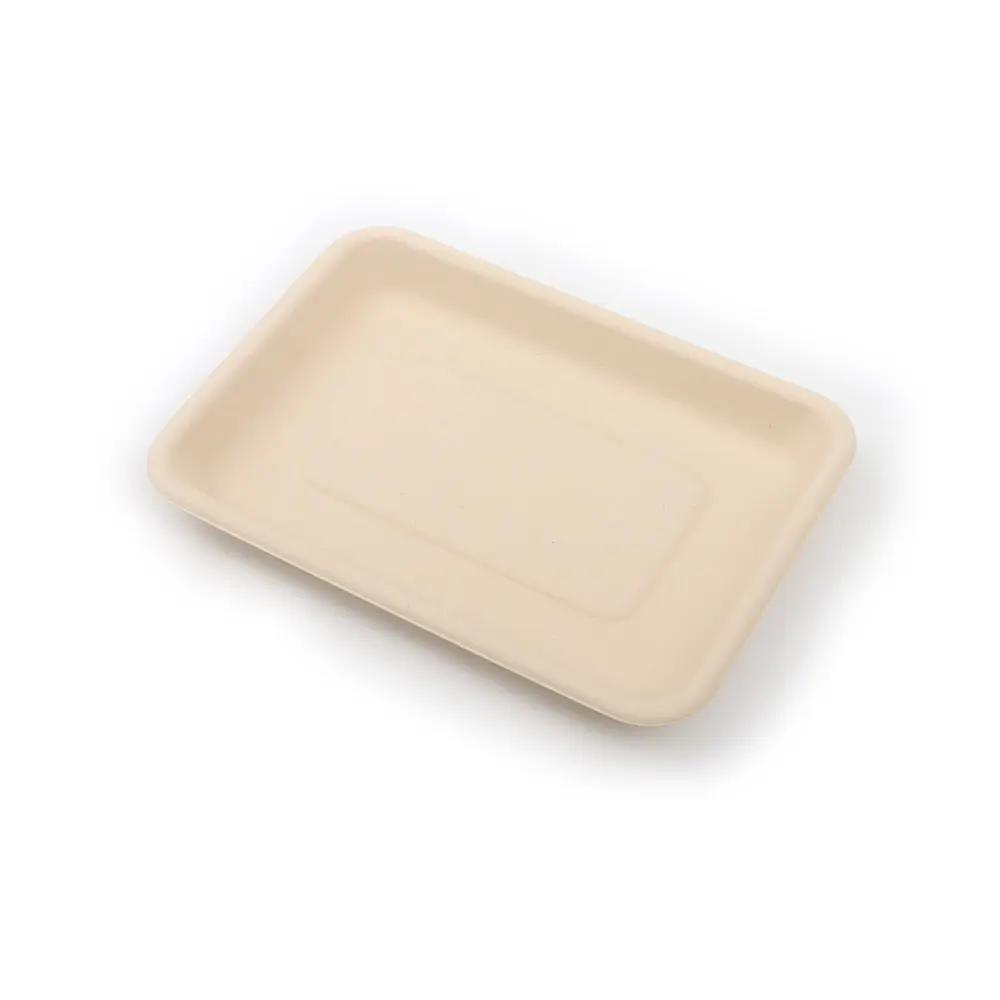 8.6" * 5.3"
 Sushi Tray Series
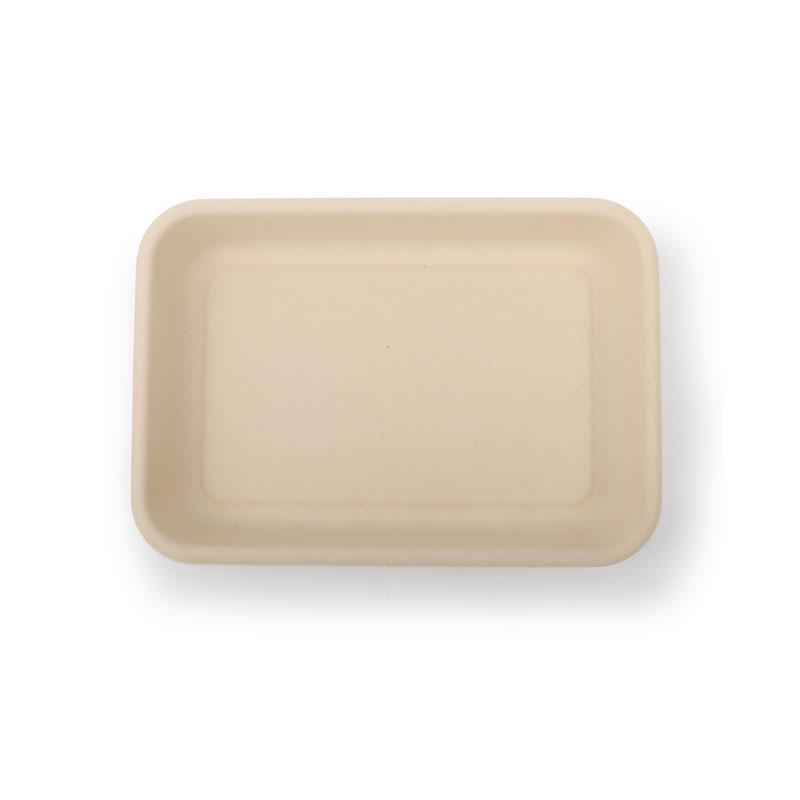 200" * 140"
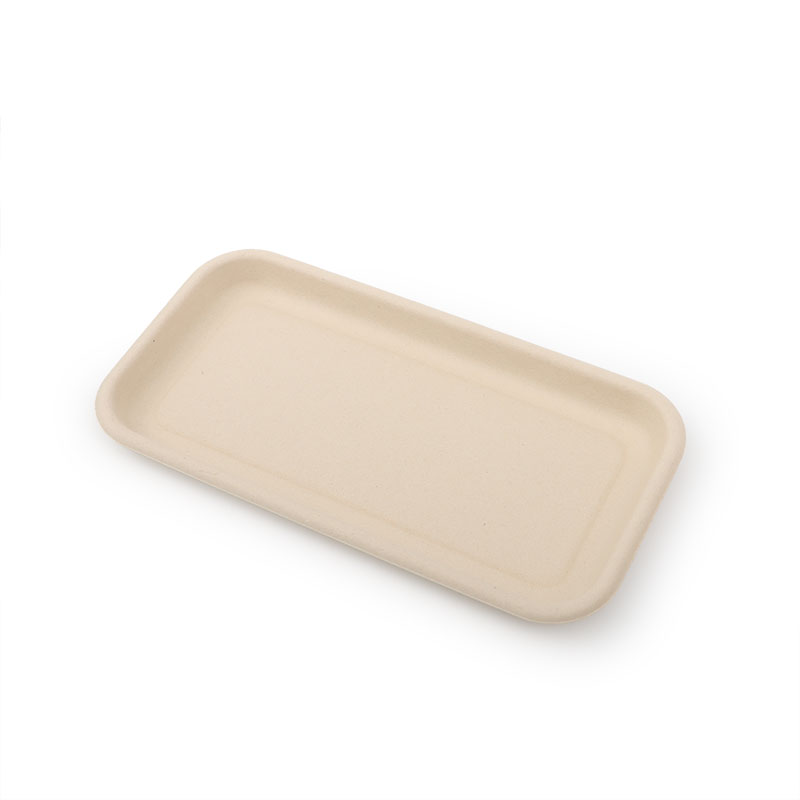 210" * 110"
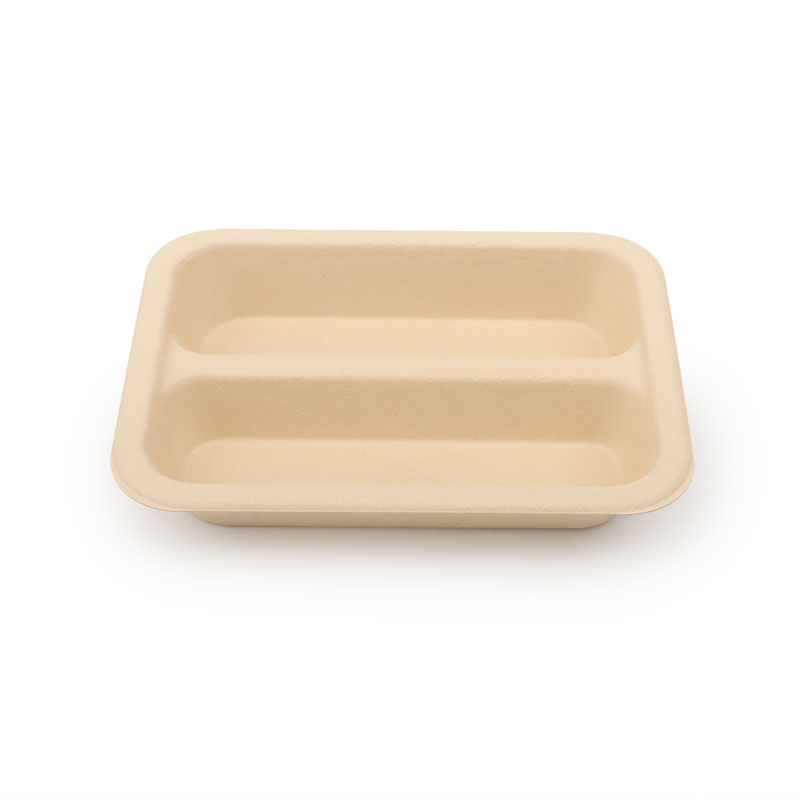 2 Compartments
 Small Round Plate Series
 7 inch
 6 inch
 8 inch
 Middle Round Plate Series
 9 Inch 3 Compartments
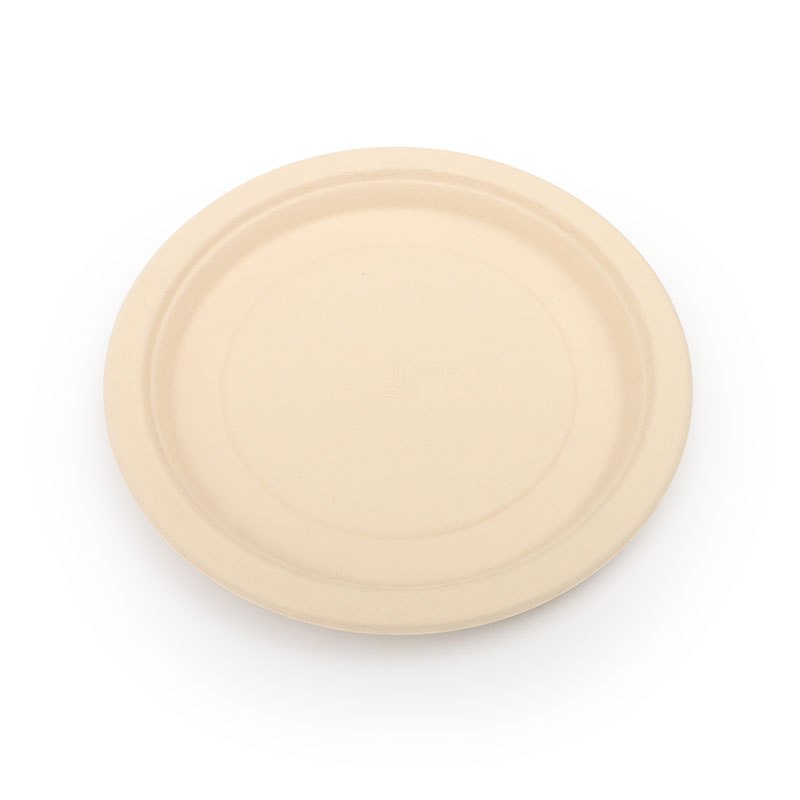 9 inch
 Big Round Plate Series
 12.7 Inch Pizza Plate
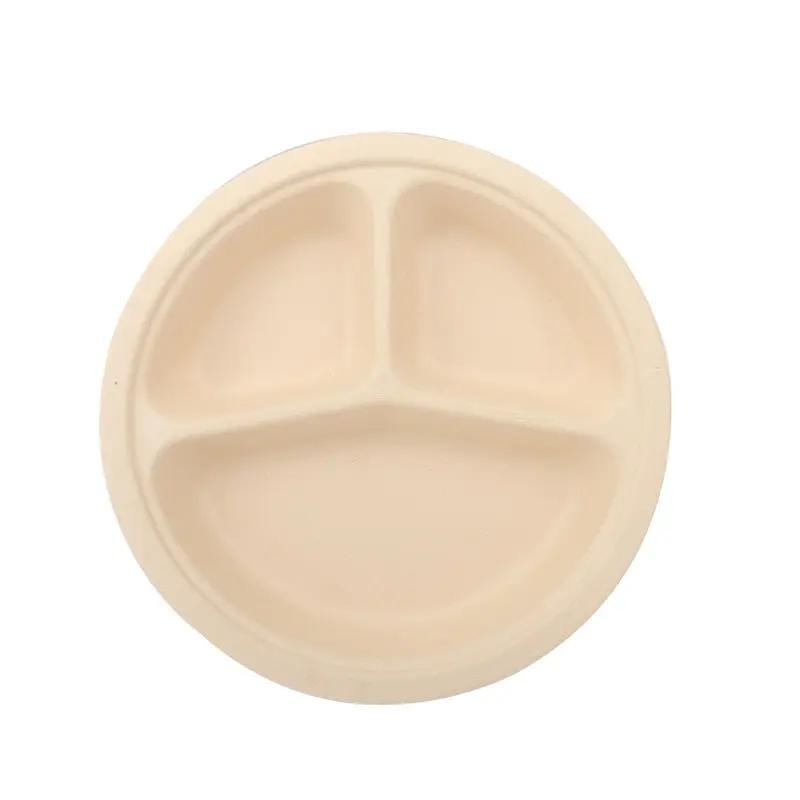 10.25 inch 3 Compartments
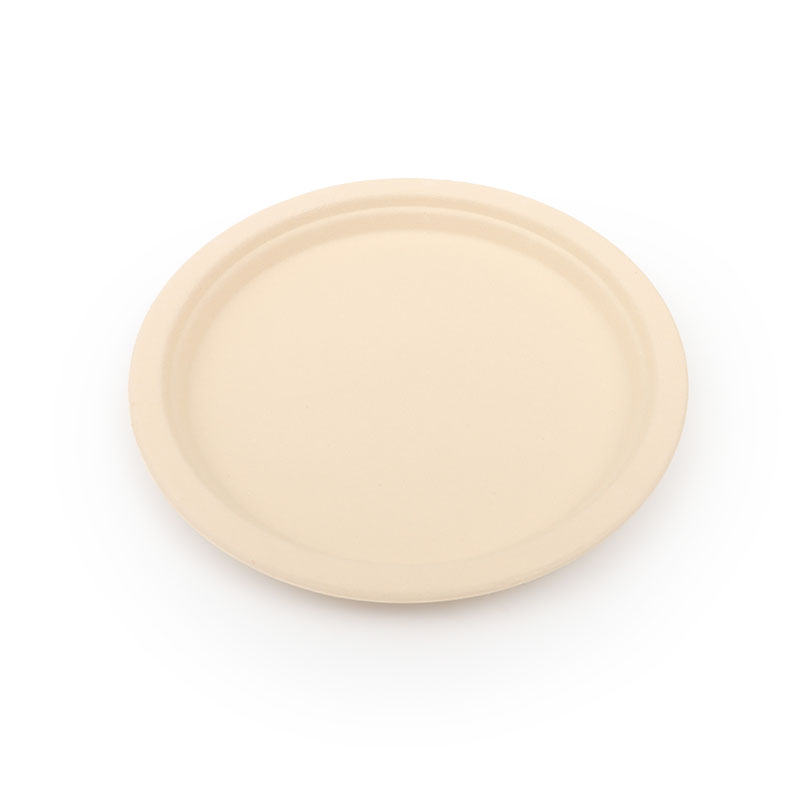 10 inch
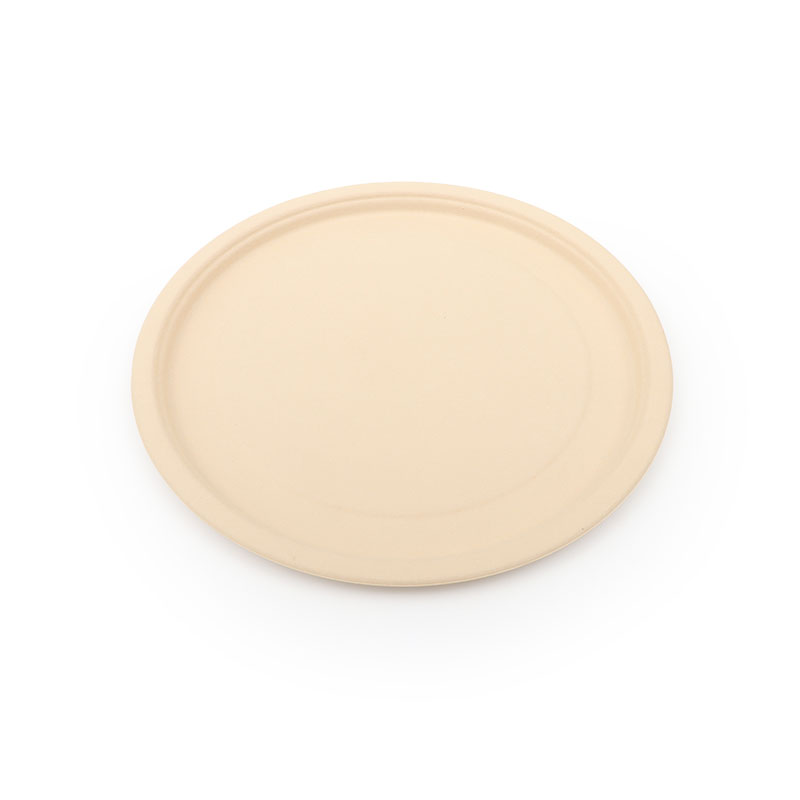 12 inch
 Bigger Bowl
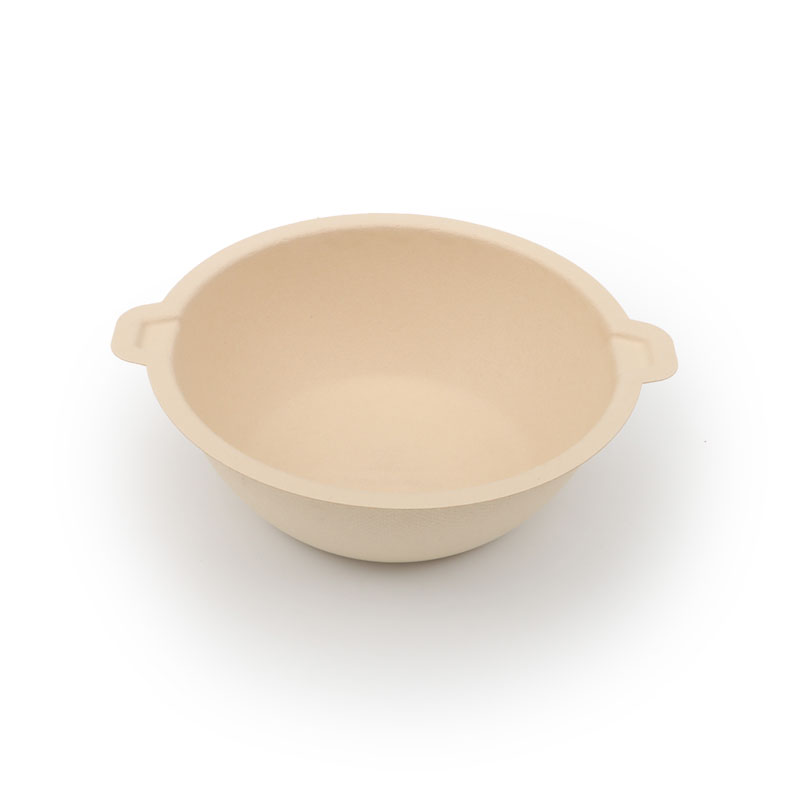 48oz(1420ml)
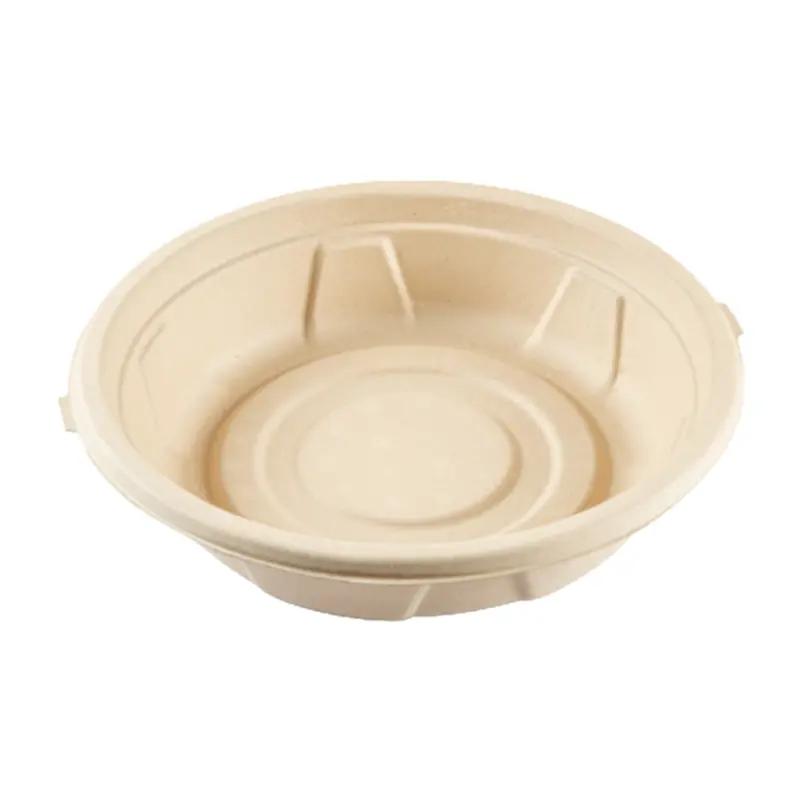 56oz(1650ml)
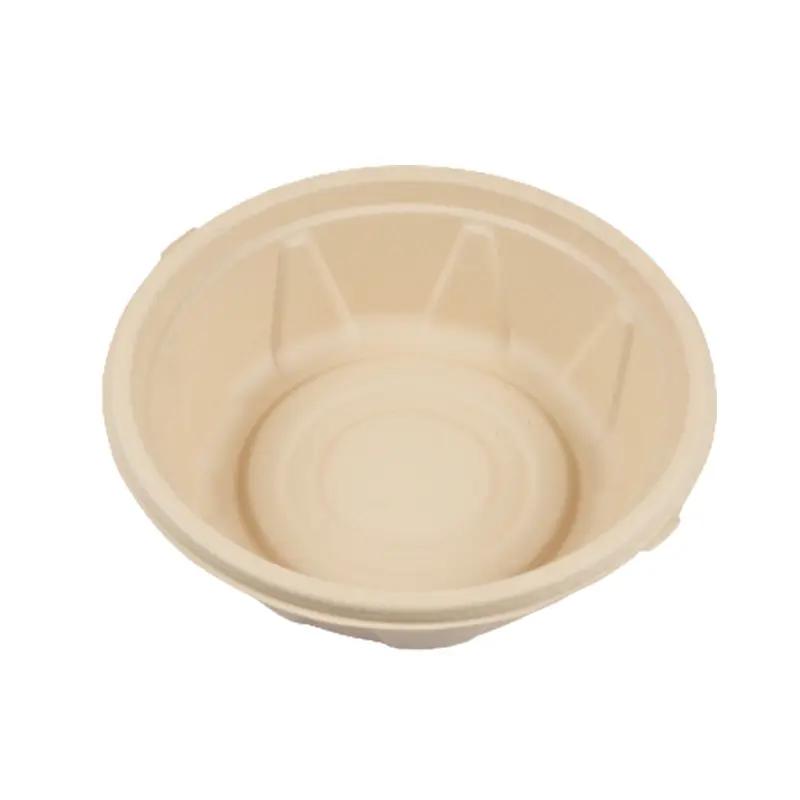 100oz(2950ml)
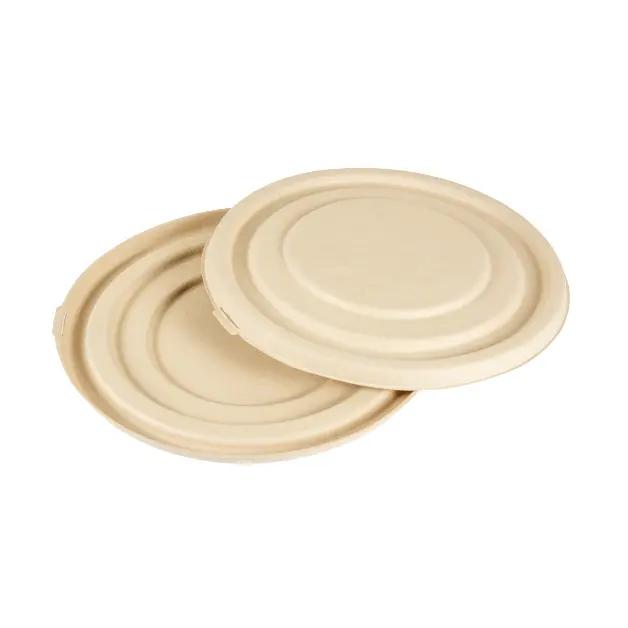 100oz(2950ml) With Lid
 Middle Bowl
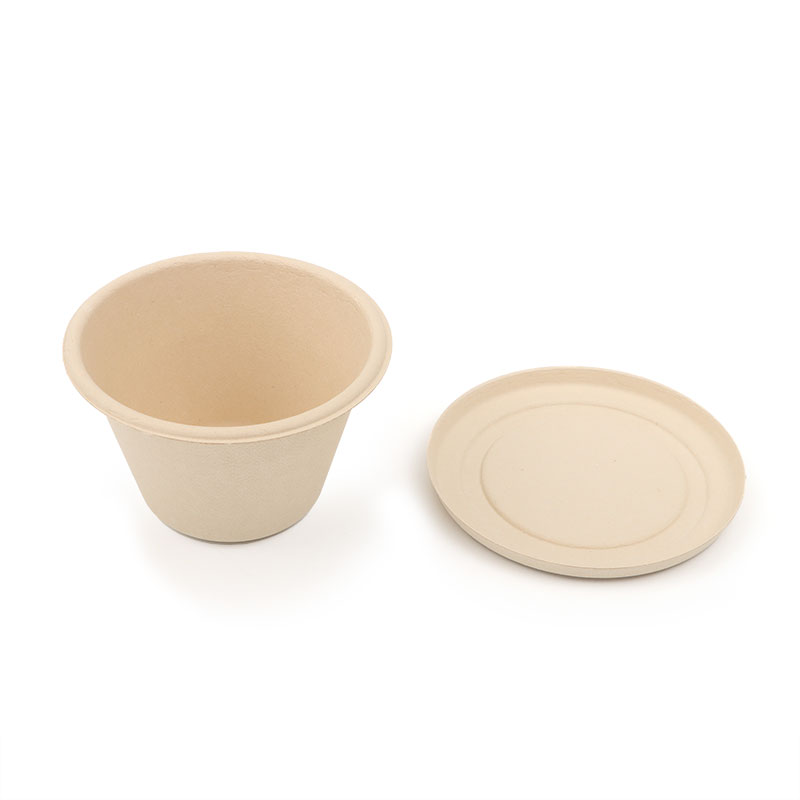 17oz(500ml)
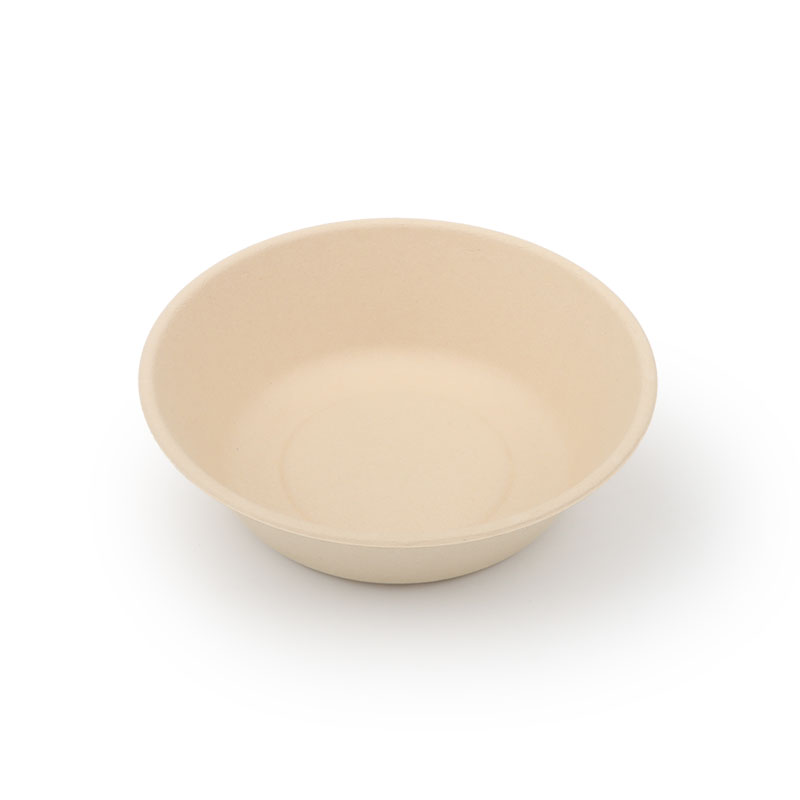 27oz(800ml)
 20oz(600ml)
 29oz(850ml)
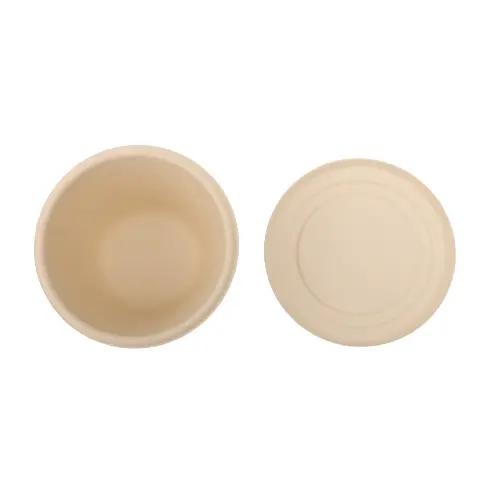 17oz(500ml) With Lid
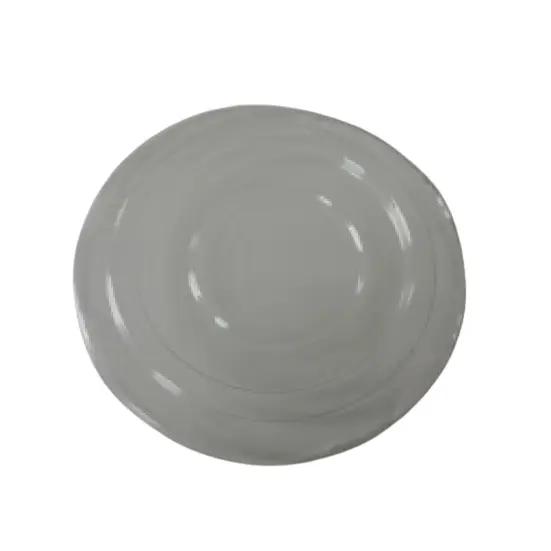 17oz(500ml) PET Lid
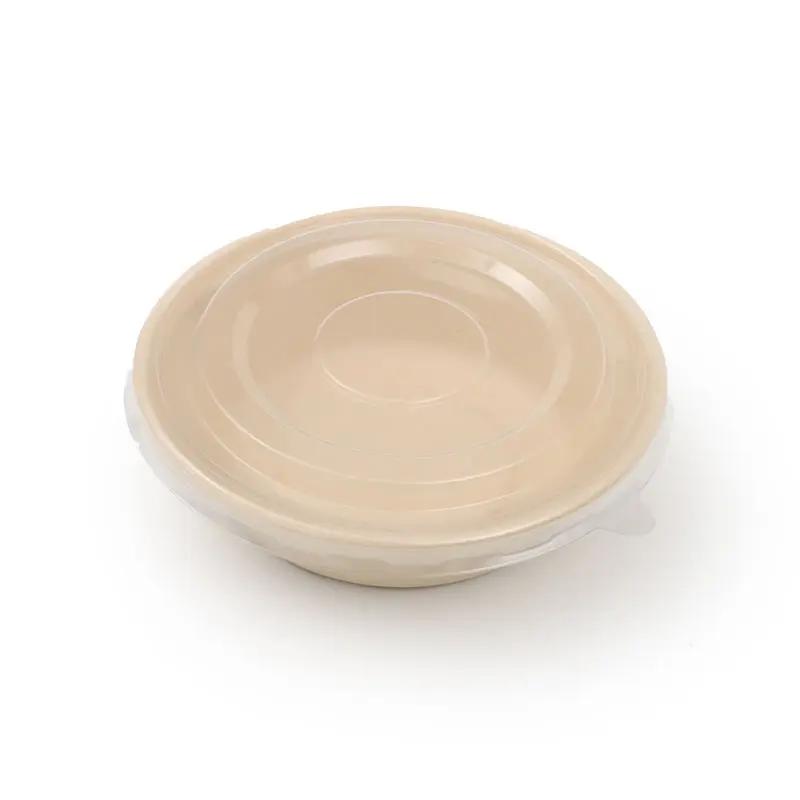 28oz(830ml) PET Lid
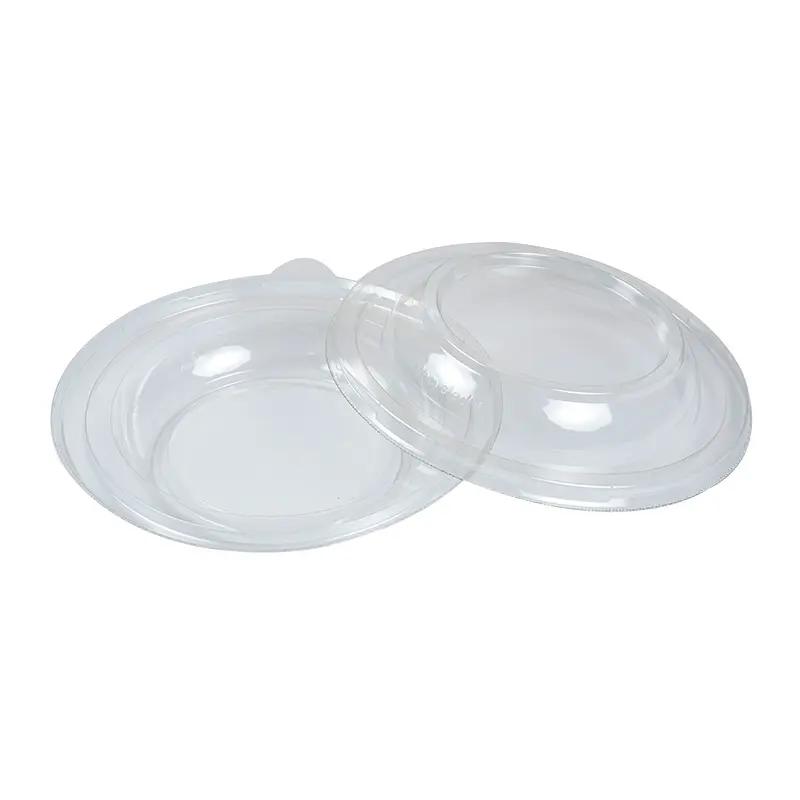 Round Bowl PET
 Small Bowl
 Snack Bowl
 11.5oz(340ml) Bowl
 6.7oz(200ml) Bowl
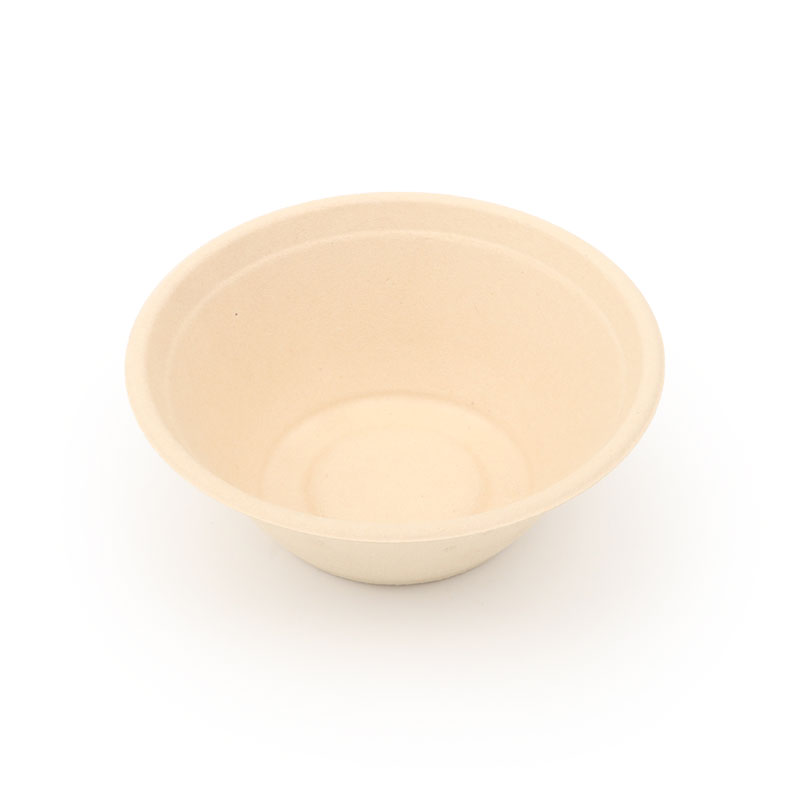 12oz(350ml) Bowl
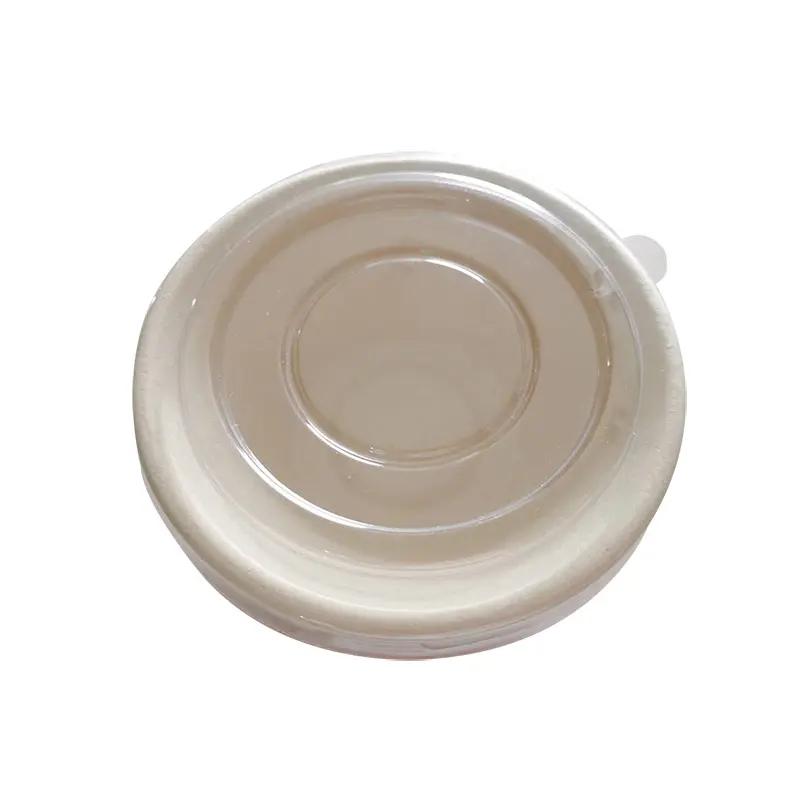 12oz(350ml) Bowl PET
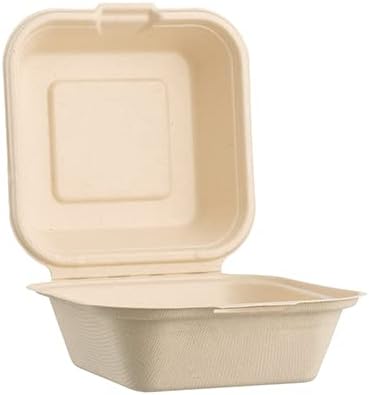
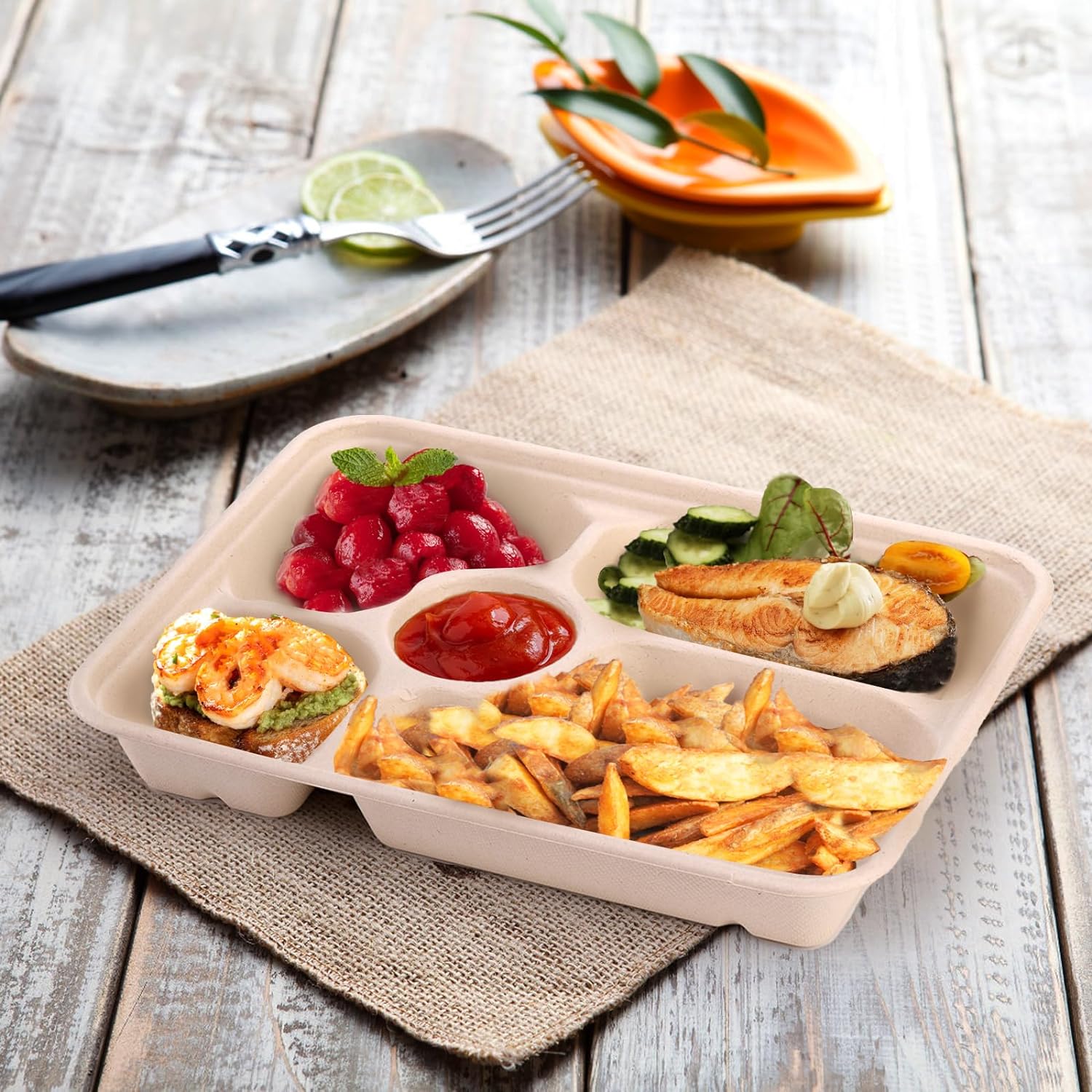 Bagasse Lunch Boxes
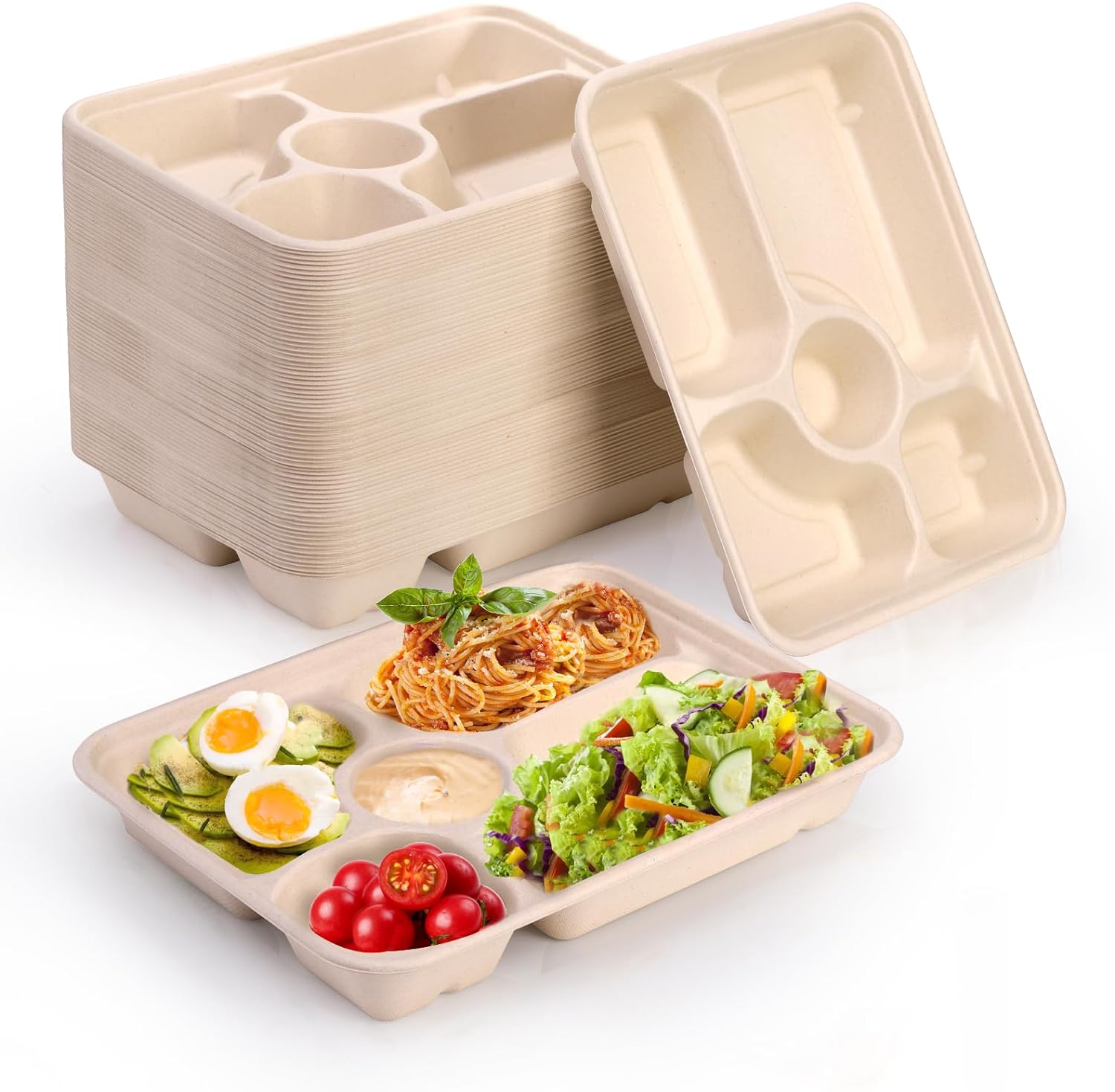 5CP
 6 inch
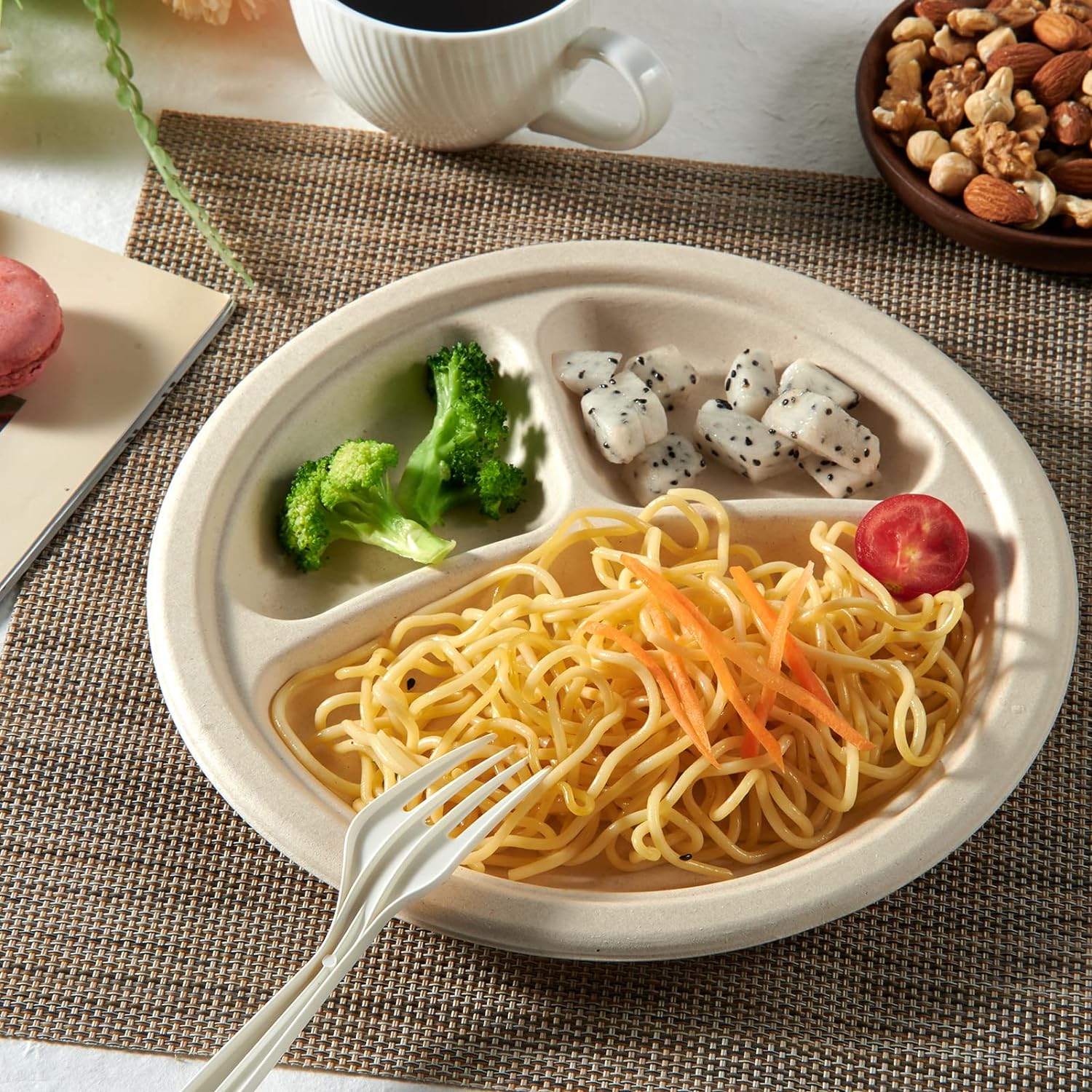 Bagasse Food Plates
 7 inch
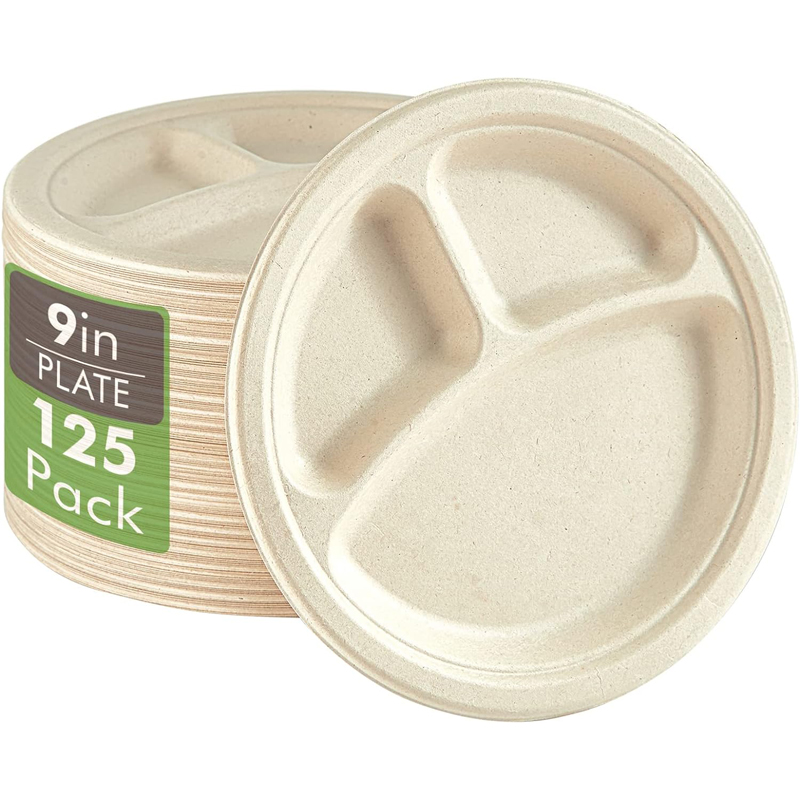 3CP
 Bagasse Bowls
 4oz
 Bagasse Cups And Cutlery
 8oz
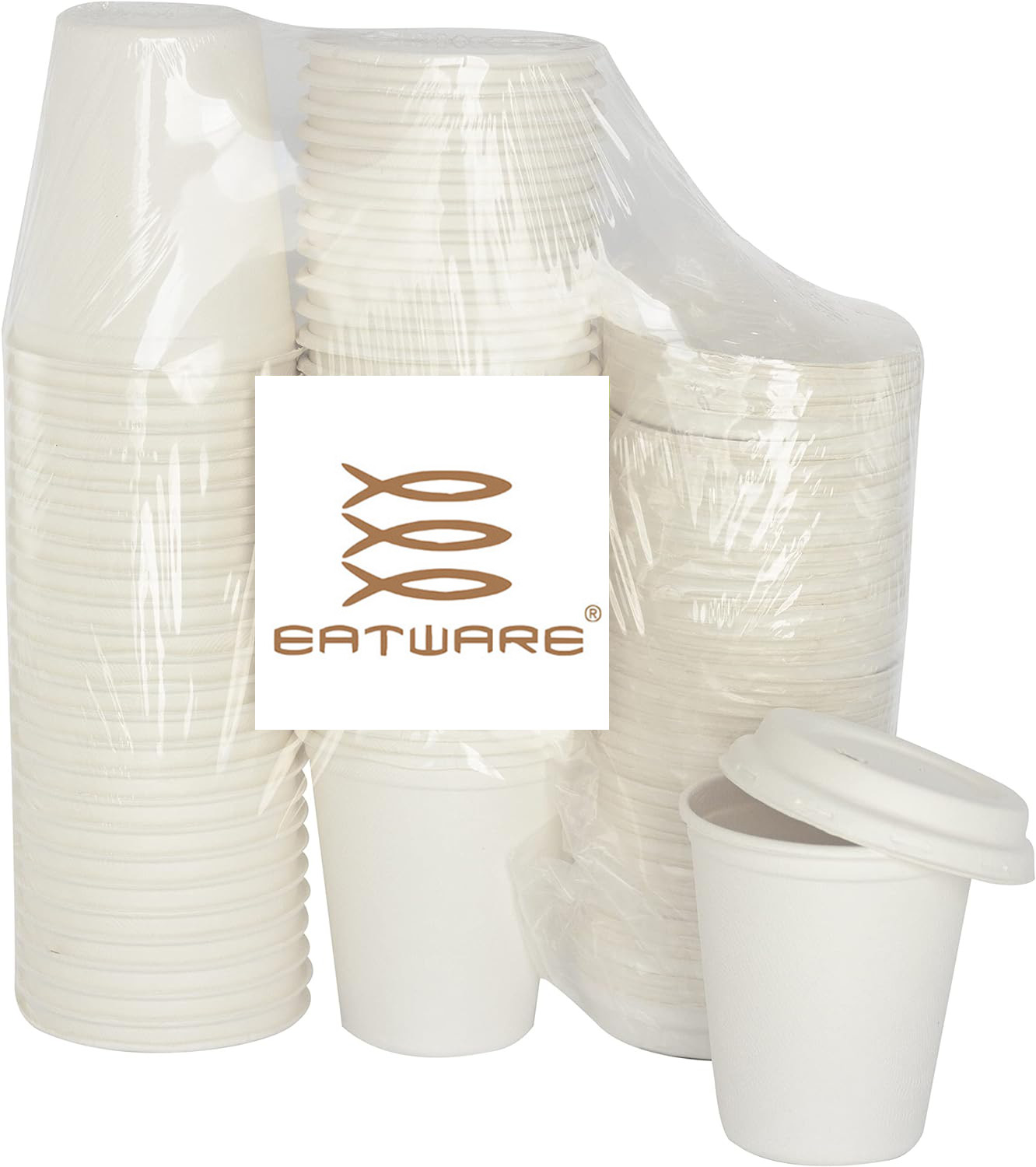 12oz
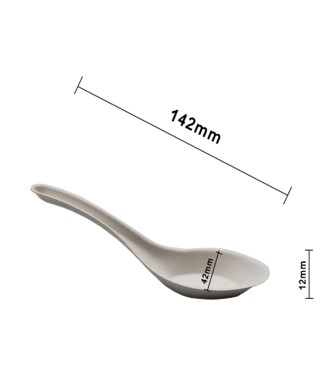 Cutlery
Leave Your Message
Picking the right Disposable Bento Box isn't just about comparing prices or counting those compartments. You want a box that really protects the food, controls portion sizes, and makes serving easier. It should also fit your menu style, storage space, and how you plan to deliver. No point in choosing something that’s technically fine but doesn’t really suit your needs, right?
In this guide, we're going to walk through some of those little details many folks tend to overlook. Things like how strong the material is, how well the lid stays put, how deep those compartments are, whether they stack easily, and if they resist grease and moisture. For example, a Disposable Molded Bento Box might be perfect if you're dealing with saucy dishes, rice, veggies, or sides. But don’t just assume—they can vary a lot in how sturdy they feel and how tight their seals are. Something that looks tough on the outside might still bend or leak when hot food is inside.
A quick test can tell you a lot. Fill each compartment with warm food, snap on the lid, then gently tilt the box—see if any leaks out after about ten minutes. Also, try stacking a few full boxes to check how they handle pressure. And hey, always follow the manufacturer’s instructions for microwave safety, temperature limits, and whether the material is food-safe. Better safe than sorry.
Anyway, don’t judge a book just by its cover. It's crucial to dig into supplier info, see how consistent their production is, and check if they offer good customer support. Trusted manufacturers should give you clear details about their materials and proper compliance for your market. But don’t forget—actual handling and everyday use can sometimes reveal weak spots the specs don’t show.
Now, let’s be real: there probably isn’t a perfect box out there. Your ideal choice depends on factors like how much food you’re packing, how hot it needs to stay, how far you're delivering, and of course, your budget. This guide is here to help you weigh those things better and make smarter calls. Also, it’s good to revisit your assumptions—because sometimes, convenience ends up hiding waste or underperforming in the long run. The best box should just do its job quietly, day after day.

How to Choose the Best Disposable Bento Boxes?
Understanding Disposable Bento Box Types and Uses
Disposable bento boxes come in several practical designs. Single-compartment trays suit sandwiches, salads, and larger meals. Divided boxes keep rice, vegetables, fruit, and sauces separated. I have found that three compartments work well for lunch portions without making the box feel crowded. Small sauce cups help prevent soggy food. They also reduce spills during delivery.
Material affects both performance and food quality. Paper-based boxes feel natural and suit dry or lightly moist foods. Plastic containers usually offer stronger leak resistance and clearer visibility. Some versions tolerate reheating, but users should always check the printed instructions. A box that looks sturdy may still warp near hot soup. That mistake is easy to make.
Size should match the meal, not just the menu photo. A 500-milliliter box may fit a light lunch, while a 1,000-milliliter box handles fuller meals. Test the lid before service. It should close evenly and stay secure when carried. I once chose deep compartments for noodles, but the food shifted during transport. Shallower sections would have worked better. Environmental claims also need careful checking, because recycling access differs by location. Choose clear labeling, safe food-contact materials, and a design that fits your actual serving routine.
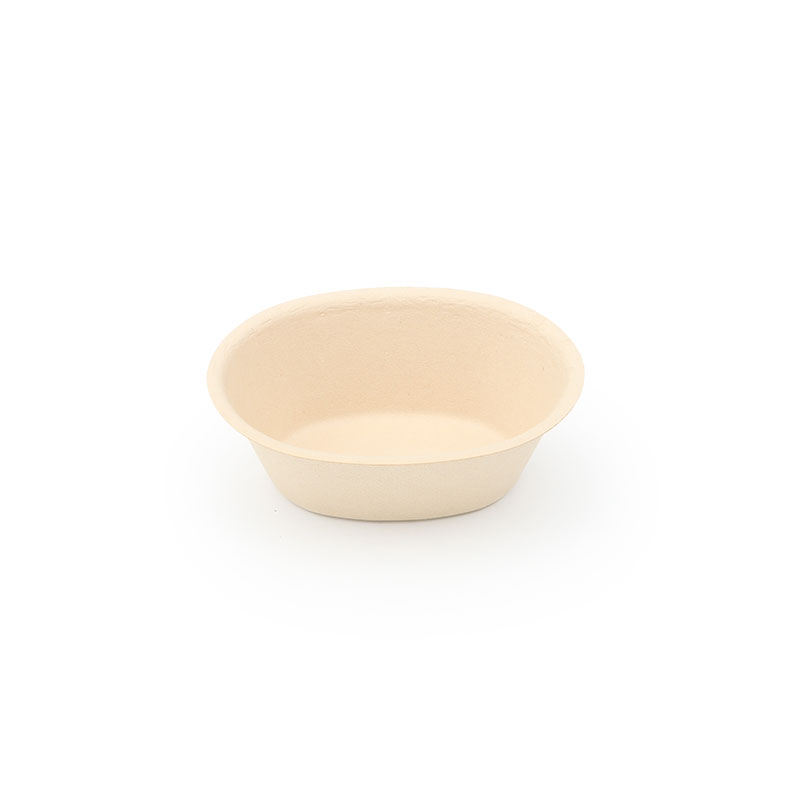
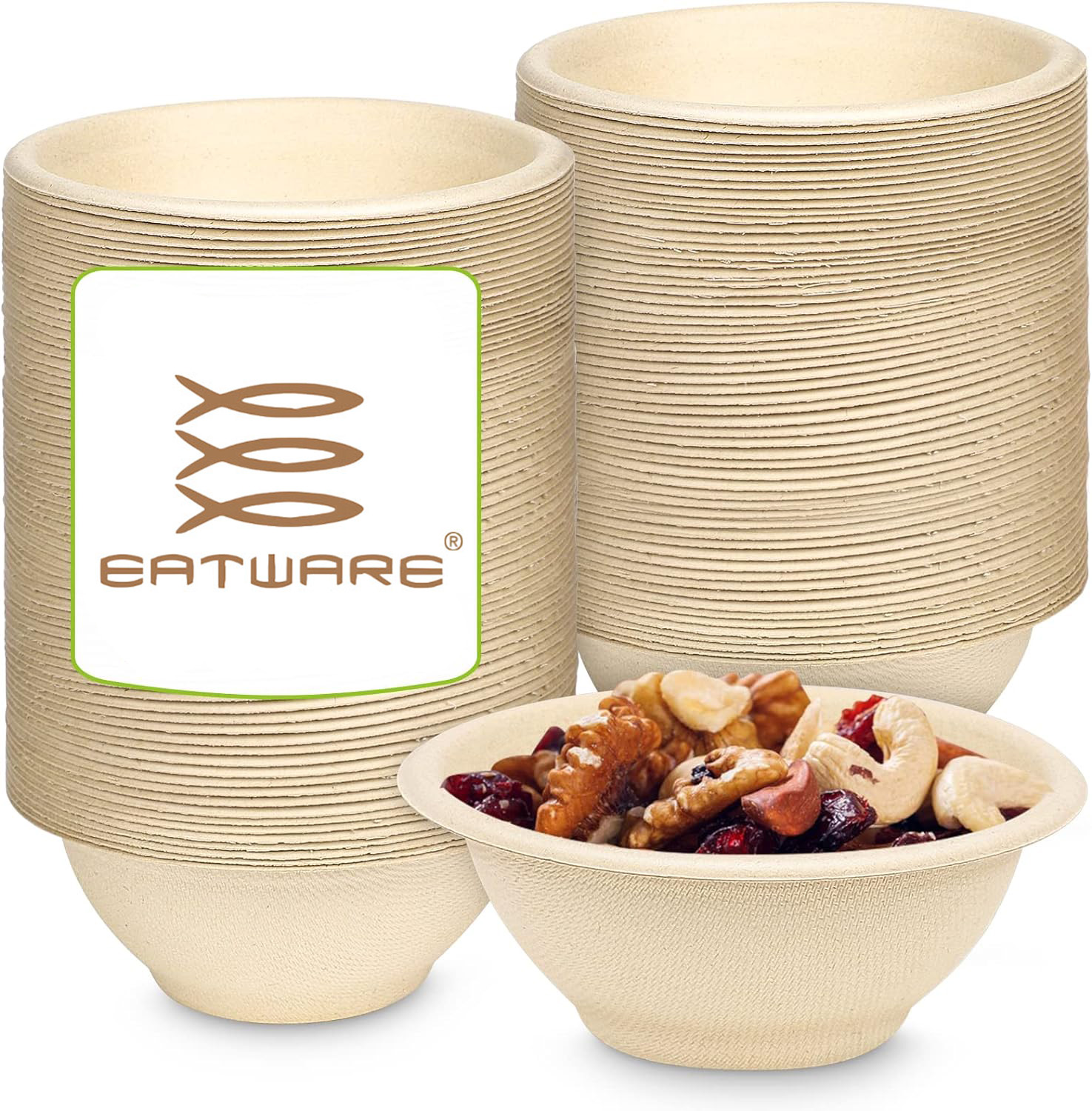
Disposable molded compostable bamboo pulp oval snack bowls offer a practical alternative to conventional plastic foodware. Made from renewable bamboo pulp fiber, these beige bowls measure 121 × 92 × 41.3 mm, making them suitable for snacks, desserts, side dishes, and takeaway portions. The material is waterproof and oilproof, remaining impenetrable for up to 30 minutes when exposed to water or oil at 95°C. They can also be heated at 220°C for 3–5 minutes and stored at –18°C for up to three months, supporting use across catering, retail, and food-service operations.
The environmental value is particularly relevant as packaging remains a major source of plastic consumption. The United Nations Environment Programme reported in *From Pollution to Solution* (2021) that around 400 million tonnes of plastic are produced globally each year, with packaging representing a significant share. Compostable fiber foodware can help reduce reliance on fossil-based single-use materials when managed through suitable composting systems. Certification options including BPI, OK Compost, FSC, Green Seal, FDA, BRC, and fluorine-free documentation can support responsible sourcing, food-contact applications, and sustainability claims. OEM and ODM customization also enables businesses to adapt bowl dimensions, appearance, and packaging for different serving formats.
A continuous sealing rim matters more than decorative closures. Check the center and corners for movement. Alignment matters.
Hinged lids open easily, but weak hinges may distort over time. Repeated opening can expose this weakness. Test them repeatedly.
Fill the compartments, close every tab, and turn the box upside down. Shake it gently for several minutes. Inspect the bag, lid edge, and compartment walls.
Request water and oil leak tests, not only visual samples. Vacuum-decay testing can find hidden leaks. It cannot replace transport testing.
Look for deep lid channels, reinforced corners, and raised compartment walls. These features help separate liquids. Small details matter.
A tiny vent may release pressure from hot food. It may also release sauce. Test the box with both hot and cold meals.
Include unit price, shipping, storage, and damaged boxes. A box costing $0.18 may reach $0.20 after a 10% damage rate. Cheap is not always cheaper.
Measure weekly demand and add a modest busy-day buffer. Large cartons help only when storage is dry and corners stay intact. I once ordered too much.
Use rice, vegetables, and sauce in separate sections. Carry the filled box for fifteen minutes. Check leaks, stacking, capacity, and opening comfort with wet hands.
Ask for food-contact documentation and temperature guidance. Compare usable capacity, not advertised dimensions. Record complaints and rethink the choice when problems repeat.
Choosing the best Bento Box Disposable begins with understanding how different types suit various occasions, from packed lunches and takeout meals to parties and food-service operations. Consider the material carefully, balancing food safety, durability, appearance, and environmental impact. A suitable box should be strong enough for its contents while aligning with your preferences for recyclability or reduced waste. Size, shape, and compartment design are also important, especially when separating main dishes, side items, sauces, or desserts.
Next, examine the lid and sealing system to reduce spills during transport. Match the container to the food you plan to store, including meals that require refrigeration, reheating, or resistance to moisture and heat. Finally, compare price, pack quantity, performance, and convenience rather than focusing only on the lowest cost. The best choice offers reliable protection, practical storage, and good overall value for its intended use.


