Leave Your Message
0%

You know, when it comes to packaging seafood, it's not just about keeping things fresh – you've also got to stop leaks and make sure people can handle it safely. The FAO's latest report on world fisheries says we produced about 185 million tonnes of aquatic animals back in 2022. And get this – nearly 89% of that actually ended up on someone's plate. So with numbers like that, the way those trays perform isn't just some nice-to-have design detail; it's a real business concern.

So, a laminated seafood tray is basically about getting the best of both worlds – you've got that sturdy structure, but there's also a sealed layer that acts like a barrier. Now, whether it actually performs well kind of depends on a few things, like the film you pick, how tight the seal is, how well it handles moisture, and whether it plays nice with freezing or that modified-atmosphere packaging stuff. Oh, and of course, we can't forget about what's happening in the U.S. market on top of all that. You know, the FDA's guidance on fish and fishery products really hammers home two things: keeping the temperature right and preventing contamination. I mean, those are the big ones. And then there's this guy, Dr. Steven Otwell from the University of Florida—he's a real seafood safety guru—and he put it perfectly when he said, “Packaging must protect product quality, but it cannot replace temperature control.” That's a line we should all remember, don't you think? It's like, sure, good packaging matters, but it's not a magic solution for bad temperature management. So that distinction is something worth chewing on.

Okay, so real selection actually starts with the product itself. Take a salmon fillet, for instance—you know, during transport it can release some oil, which is a pain. And shrimp? They can be tricky too, they might create sharp edges and heavy condensation, which messes with the packaging. Then you've got the tray issue: a tray that works fine in a chilled display might crack after you freeze it a few times. So buyers really need to dig into the details—like seal strength, oxygen and water-vapor barriers, stack stability, recyclability, and also check the supplier's testing records. It's not just about looks. Look, companies like Sealed Air and Amcor show us just how much material engineering matters when it comes to keeping seafood fresh and safe. But let's be real—no single package works for every single supply chain out there.

There's no perfect tray. You might go with a cheaper option, but then you risk more waste or damage claims. Or you spring for a premium laminate, but that can make recycling a real headache. So what do you do? This guide lays out all those trade-offs using solid criteria, real-world handling experience, and the latest industry evidence. And hey, we'll admit some of the assumptions we make might need tweaking down the line. That's just part of being honest—and it's actually useful.

How to Choose the Best Laminated Seafood Tray?

Define the Purpose and Requirements of the Laminated Seafood Tray

How to Choose the Best Laminated Seafood Tray?
Define the Purpose and Requirements of the Laminated Seafood Tray

Begin with the seafood, not the tray. Fresh salmon releases liquid, while frozen shrimp faces ice crystals and impact. The Laminating Seafood Tray must match the product’s temperature, weight, shelf life, and display position. FAO’s The State of World Fisheries and Aquaculture 2024 reported approximately 185 million tonnes of aquatic animals produced in 2022. That scale increases pressure on packaging performance, consistency, and material efficiency.

Specify the barrier requirements before comparing suppliers. A high-moisture product may need strong seal integrity and resistance to grease. A longer distribution route may require better oxygen and water-vapor protection. Check the tray at filling, sealing, stacking, chilling, and opening stages. Small leaks can damage labels and create unpleasant liquid beneath the pack. They are easy to miss.

Packaging must also support practical handling. The tray should remain rigid during transport and fit existing sealing equipment. The laminate structure should be reviewed for puncture resistance, food-contact suitability, and end-of-life options. The European Commission’s Packaging and Packaging Waste data shows packaging waste remains a major waste stream in Europe. Less material is helpful, but thinner is not always better. A weak corner can create more waste through damaged seafood.

TEST IN REAL CONDITIONS Do not judge performance from an empty sample. Test real portions, real temperatures, and realistic stacking pressure. Results may surprise you. A glossy surface can look excellent and still seal poorly. Record failures honestly, then adjust the tray structure, barrier level, or sealing settings.

Compare Tray Materials, Layers, and Barrier Performance

Choosing a laminated seafood tray starts with the product, not the package appearance. In practical tray evaluations, material selection depends on moisture, oil, temperature, and handling conditions. A PET outer layer can provide stiffness and print clarity, while PE often supports reliable heat sealing. PP may suit higher-temperature processing, but its sealing behavior requires careful testing. No single structure wins.

Layer count alone does not prove performance. A typical laminate may combine a rigid structural layer, an adhesive layer, and a sealing film. For oxygen-sensitive fillets, an EVOH or foil barrier can reduce oxygen transfer and help protect color and aroma. However, barrier layers may weaken when trays are flexed, pierced, or poorly sealed. That detail is often missed.

In one production trial, a strong-looking tray leaked after corner compression. The problem involved seal pressure and contamination, not only the film.

Compare oxygen transmission rate, water vapor transmission rate, puncture resistance, and seal strength under realistic conditions. Ask for test conditions, because laboratory results can change with temperature and humidity. For chilled seafood, low oxygen transmission helps slow discoloration and odor development, but it cannot replace cold-chain control. Check puncture resistance using bones, sharp edges, and stacked transport loads. Practical evidence matters more. Also test opening force and seal consistency during real packing shifts. A tray that seals tightly but tears unpredictably may frustrate workers and consumers. Food-contact documentation and migration testing should match the destination market. Some assumptions will still need revisiting.

Evaluate Freshness Protection and Seafood Shelf Life

How to Choose the Best Laminated Seafood Tray?

A Laminated Tray should protect seafood from oxygen, moisture, light, and handling damage. These factors directly affect freshness and shelf life. Select a structure that matches the seafood’s fat content, moisture level, and storage temperature. Fatty fish can develop odors when oxygen enters through weak packaging materials. High-moisture products also need reliable moisture resistance.

Seal quality matters. During practical packing checks, inspect the entire seal for wrinkles, channels, and small leaks. A strong laminate cannot compensate for poor sealing equipment or contaminated seal areas. The tray should also resist punctures from shells, bones, and sharp edges. Clear visibility helps staff identify discoloration, excess liquid, or damaged portions before shipment.

Cold storage still matters. Packaging only slows quality loss; it does not replace stable refrigeration or careful handling. Modified-atmosphere packaging may support a longer shelf life, but results depend on gas balance, seafood type, and hygiene controls. Test the complete package through transportation and storage trials. Small failures often appear after vibration or temperature changes. I have seen attractive trays perform poorly because their corners cracked during stacking. That experience is easy to overlook. Review actual leakage, odor, texture, and seal results rather than relying on appearance alone. A well-chosen tray supports freshness, but the whole packaging process determines performance.

Choose the Right Tray Size, Shape, and Load Capacity

Choosing the right laminated seafood tray starts with the product’s actual dimensions, not the catalogue photo. A tray should hold the fillet without forcing corners upward or leaving excessive empty space. FAO’s 2024 State of World Fisheries and Aquaculture reported approximately 185 million tonnes of aquatic animals produced in 2022, with most intended for human consumption. That scale makes efficient packing important, but seafood still needs careful protection.

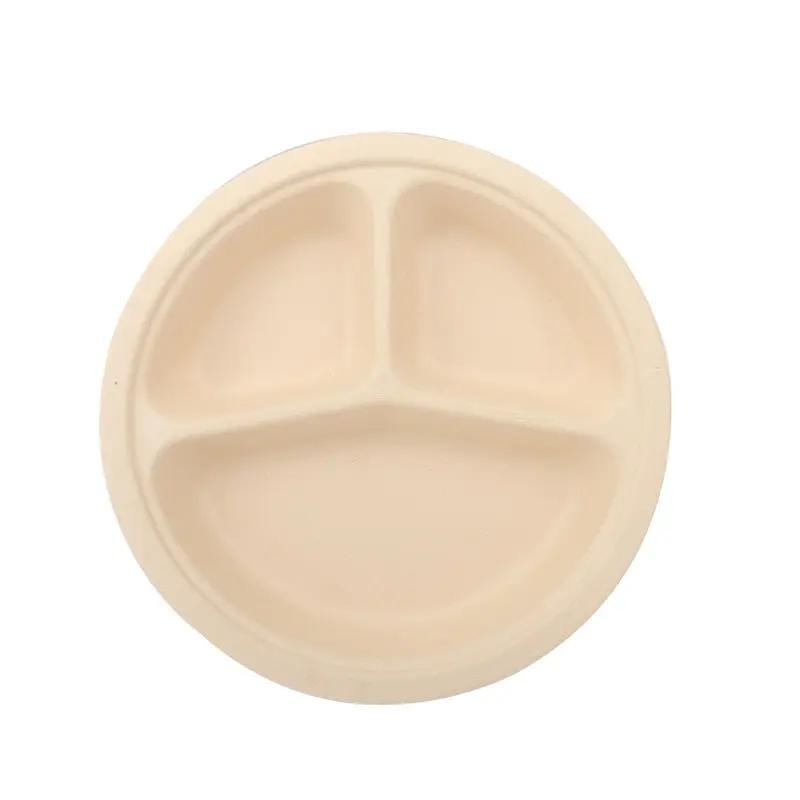
Measure length, width, height, and sauce volume before selecting a size. A shallow rectangular tray suits flat fillets and supports consistent sealing. A deeper tray works better for prawns, mixed portions, or products with drip loss. Round shapes may reduce corner damage, although they often waste outer-carton space. Test the fit with real product, including ice, absorbent pads, and headspace.

Load capacity should include the seafood, liquid, stacking pressure, and transport movement. The International Safe Transit Association recommends performance testing that reflects real distribution conditions, including vibration and compression. A tray that survives the packing line may still deform during cold storage. I have seen this overlooked. It is an expensive assumption. For heavier portions, compare rim strength, base stiffness, and seal-area stability. The same logic applies when adapting a Laminated Beef Tray, but beef cuts may need greater structural support. Choose cautiously, then test filled trays under chilled conditions before approving the final size.

How to Choose the Best Laminated Seafood Tray?

Select a tray by matching its internal footprint to the seafood portion, then confirm that the recommended load capacity supports the product weight without deformation during handling and transport.

Reference: Tray dimensions and load capacities represent typical food-packaging specifications for laminated seafood trays. Actual performance depends on board grade, laminate structure, moisture exposure, stacking height, and temperature.

Check Sealing, Labeling, and Packaging Compatibility

How to Choose the Best Laminated Seafood Tray?

Choosing a laminated seafood tray starts with the seal, not its appearance. A tray may look rigid yet fail after freezing, stacking, or transport. Check whether the lidding film matches the tray’s sealing layer, temperature range, and surface cleanliness. Saltwater, oil, and condensation can weaken the seal. ASTM F88/F88M peel testing helps measure opening force and seal consistency. ASTM F2096 bubble testing can reveal hidden leaks. A clean peel matters. It should open without tearing the film or scattering seafood liquid.

Labeling must remain readable on cold, wet packaging. Select adhesives that tolerate condensation, ice, and refrigerated storage. Printing should resist rubbing during carton handling. Include product identity, net weight, lot code, storage instructions, and traceability details. The FDA Food Traceability Rule highlights critical tracking events and key data elements across the supply chain. GS1 traceability guidance also supports consistent identification. These details become valuable when one tray is separated from its outer case. Small labels fail quickly.

Packaging compatibility deserves a practical trial. Test the filled tray, film, label, and sealing machine together. Use real portions, including sharp shell edges or bones. FAO’s The State of World Fisheries and Aquaculture 2024 reported 185.4 million tonnes of global fisheries and aquaculture production in 2022, so minor packaging failures can scale rapidly. The OECD Global Plastics Outlook found packaging created about 40% of plastic waste in 2019. I would question any design judged only by appearance. Laboratory results help, but imperfect handling trials often reveal the truth.

How to Choose the Best Laminated Seafood Tray? - Check Sealing, Labeling, and Packaging Compatibility
Evaluation Dimension Recommended Check or Benchmark Verification Method Packaging Compatibility Consideration Common Warning Sign
Sealant Layer Use a sealant layer such as PE or PP that is compatible with the tray material and lidding film. The sealant should maintain a continuous seal after exposure to fish oils, moisture, and processing temperatures. Review the film and tray technical data sheets, then conduct seal-strength and leak testing using the actual seafood product. A PE-based lidding sealant generally requires a compatible PE sealing surface; a PP-based tray may require a PP-compatible sealant or a suitable tie layer. Peeling, channels, fish-oil contamination, or seal separation during handling.
Seal Temperature Window Define a validated sealing range rather than relying on a nominal machine setting. Many thermoplastic sealant systems operate roughly within 120–180°C, but the exact range depends on the resin, coating, dwell time, and pressure. Run a process window study varying temperature, pressure, and dwell time. Select settings that provide consistent seals without tray deformation. The tray must tolerate the sealing temperature without warping, shrinking, or losing dimensional stability. Weak seals at the low end, film distortion at the high end, or inconsistent peel force across the tray.
Seal Strength Set an internal minimum seal-strength specification appropriate for the product, pack size, distribution hazards, and opening method. A peelable pack should open consistently without tearing the tray or leaving excessive residue. Measure seal strength on representative samples after filling, sealing, chilling or freezing, and transport simulation. High-strength seals are useful for liquid-rich seafood, while controlled peel seals may be preferable for consumer convenience. Seal opens during compression or requires excessive force to open.
Leak and Package Integrity The finished pack should remain leak-free after filling, sealing, stacking, vibration, and temperature exposure. Vacuum or modified-atmosphere packs require especially careful integrity control. Use dye penetration, bubble emission, vacuum decay, pressure decay, or other validated leak-detection methods. Tray corners, flange geometry, lidding wrinkles, and product trapped in the seal area can affect performance. Dripping purge, loss of vacuum, gas leakage, or visible channels in the seal.
Oxygen and Moisture Barrier Select barrier performance according to shelf-life, seafood fat content, storage temperature, and whether oxygen-sensitive quality attributes must be protected. EVOH or foil-containing structures can provide higher oxygen barrier than basic polyolefin films. Review oxygen transmission rate and water-vapor transmission rate at relevant test conditions, then verify shelf-life with the actual product. Barrier performance can change with humidity, temperature, forming, creasing, and the presence of pinholes or damaged layers. Premature oxidation, color change, freezer burn, excessive purge, or shortened shelf life.
Temperature Resistance Confirm the complete temperature profile, including filling, sealing, chilling, freezing, storage, distribution, and any reheating step. Frozen seafood packaging must remain flexible and intact at the specified storage temperature. Perform conditioning and drop or compression tests at the lowest and highest expected temperatures. PET, PP, PE, EVOH, adhesive layers, and coatings can respond differently to thermal cycling. Brittleness, cracking, delamination, tray warping, or seal failure after freezing.
Tray Rigidity and Stackability Choose sufficient stiffness to support the product, resist compression, and maintain flange flatness during stacking and transport. Conduct top-load, stacking, handling, and distribution simulation tests with filled trays. Tray dimensions must match the sealing-tool cavity, conveyor guides, case packs, and pallet pattern. Flange deformation, unstable stacks, crushed corners, or misalignment in the sealing machine.
Food Contact Suitability Use materials and adhesives supported by applicable food-contact compliance documentation for the intended food type, temperature, and duration of contact. Obtain supplier declarations, migration documentation, and test reports relevant to the destination market. Seafood may be fatty, salty, acidic, or high in moisture, so the intended food-contact category must be checked carefully. Missing compliance documents, odor transfer, ink migration risk, or unexplained material changes.
Label Adhesion Labels should adhere to clean, dry surfaces and remain readable after condensation, refrigeration, freezing, and normal handling. Test peel adhesion and print durability after cold storage, moisture exposure, abrasion, and oil contamination. Low-temperature adhesives may be needed for chilled or frozen packs. Textured, wet, or low-energy surfaces can reduce adhesion. Lifted corners, bubbling, smearing, illegible text, or labels falling off in cold storage.
Label Information Provide legally required information for the destination market, such as product name, species or common name, net quantity, ingredients, allergens, lot or batch code, date marking, storage conditions, and responsible operator details where required. Review artwork against current local labeling regulations and verify variable data using barcode and vision-system checks. Leave clear zones for barcodes, lot codes, date codes, recycling marks, and mandatory statements. Obscured barcode, incorrect species declaration, missing allergen statement, or unreadable date code.
Printing and Coding Surface The selected surface should accept the intended ink, thermal-transfer ribbon, laser mark, or adhesive label without loss of contrast. Check print contrast, rub resistance, condensation resistance, and scanner readability after storage testing. Glossy films and moisture can reduce ink adhesion or barcode contrast; coding equipment must match the surface. Faded codes, ink transfer, poor barcode scans, or coding positioned on a seal area.
Modified-Atmosphere Compatibility For gas-flushed packs, use a tray and lidding film with suitable gas-barrier properties and a seal that remains stable under the selected gas mixture. Measure residual oxygen, headspace composition, gas retention, and package integrity throughout the intended shelf life. Tray geometry, headspace volume, product respiration, and film permeability all affect gas stability. Rapid gas loss, collapsed packs, swollen packs, or inconsistent headspace readings.
Equipment and Line Compatibility Confirm tray dimensions, flange width, web or film width, sealing-tool geometry, line speed, and coding position before production approval. Run a production trial using normal line settings and measure downtime, reject rate, seal quality, and changeover requirements. A tray that performs well in the laboratory may fail if it does not feed, index, or release correctly on the existing equipment. Frequent jams, film tracking problems, incomplete seals, or excessive trim waste.
Sustainability and End-of-Life Prefer a structure that meets the required barrier and sealing performance while minimizing unnecessary material layers and avoiding incompatible combinations where recycling infrastructure is limited. Review material composition, recycled-content suitability, recyclability guidance, and local collection requirements. Multilayer structures can improve barrier performance but may be more difficult to recycle than compatible mono-material designs. Unclear material identification, incompatible layers, or environmental claims without supporting evidence.

Assess Food Safety, Sustainability, and Total Cost

How to Choose the Best Laminated Seafood Tray?

Food safety should guide every tray decision. Check whether the laminate suits oily, salty, acidic, and hot seafood. Request food-contact test reports, migration data, and batch traceability from the supplier. A tray that resists leaks protects seafood quality and reduces handling risks. Examine the seal around corners and edges. Small gaps can collect liquid and create unpleasant odors. Test it warm.

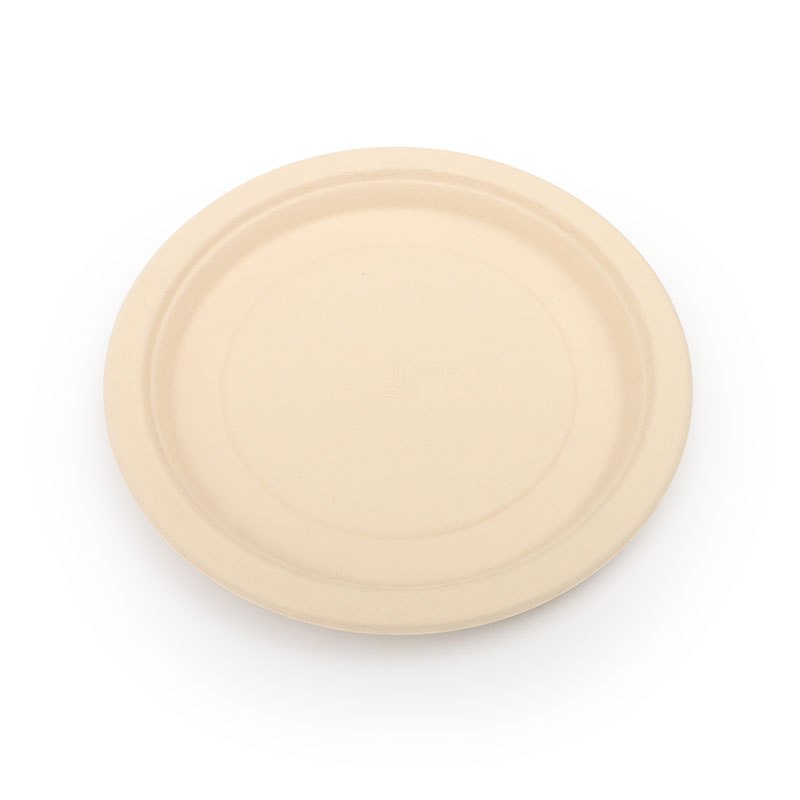
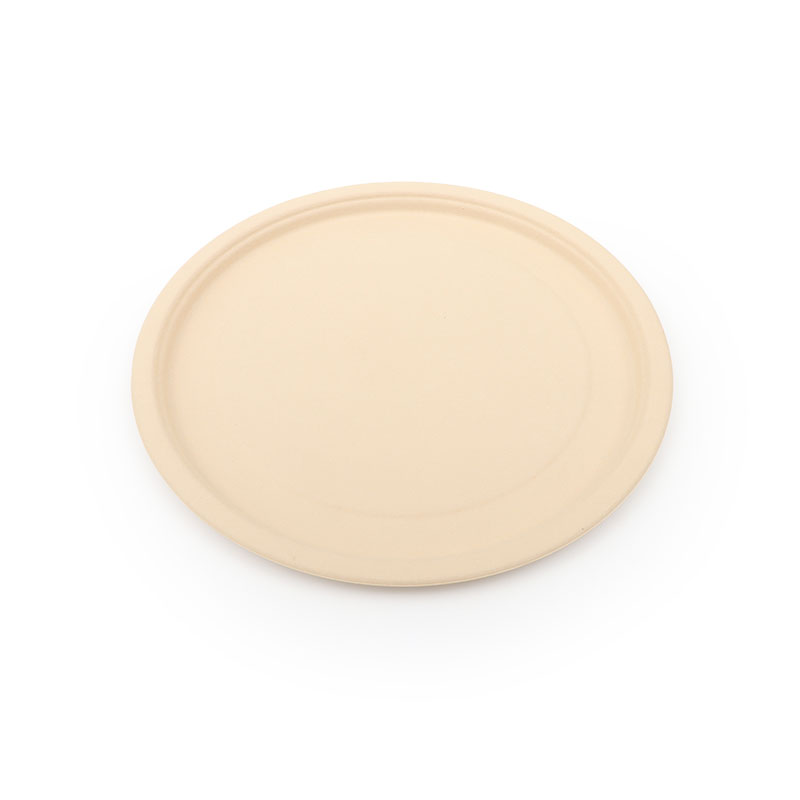
Sustainability requires more than choosing paper. A Laminated Paper Plate or seafood tray may use fewer plastic materials, yet its coating can affect recycling. Ask whether local facilities accept that structure. Review fiber sources, recycled content, and manufacturing emissions. Lightweight designs can reduce transport impacts, but they may bend under ice or wet products. This trade-off deserves a real handling test, not a brochure claim. Looks can mislead.

Total cost includes more than the purchase price. Compare unit cost, packing speed, storage space, leakage losses, and disposal fees. A slightly higher-priced tray may reduce damaged orders and cleanup labor. Measure performance with actual portions, crushed ice, and refrigerated storage. Keep records across several deliveries. One overlooked cost is inconsistency between batches. A tray that performs well in a sample may weaken during production changes. Recheck evidence before committing to large volumes.

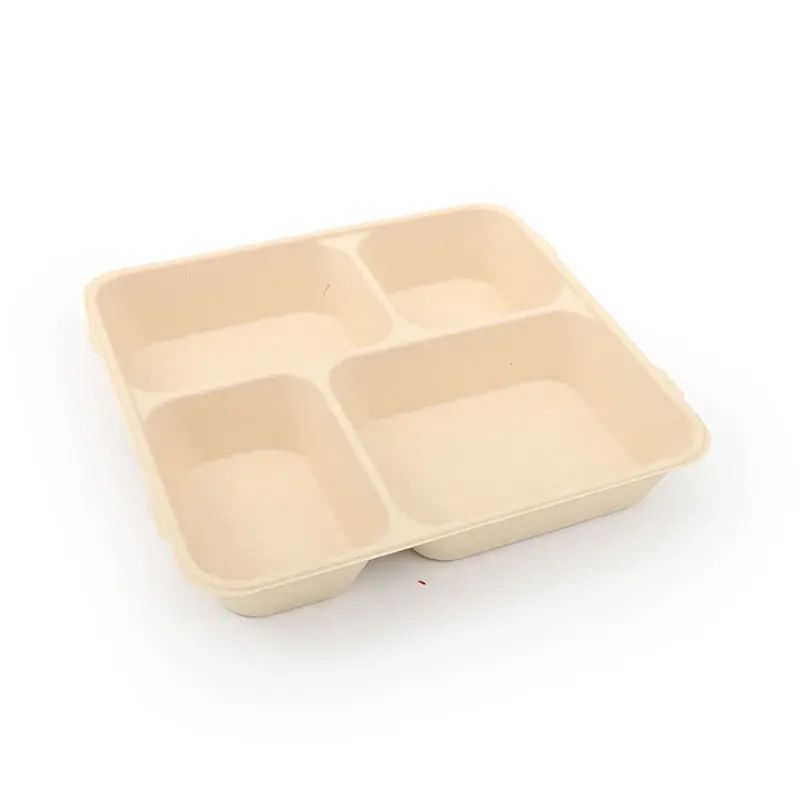
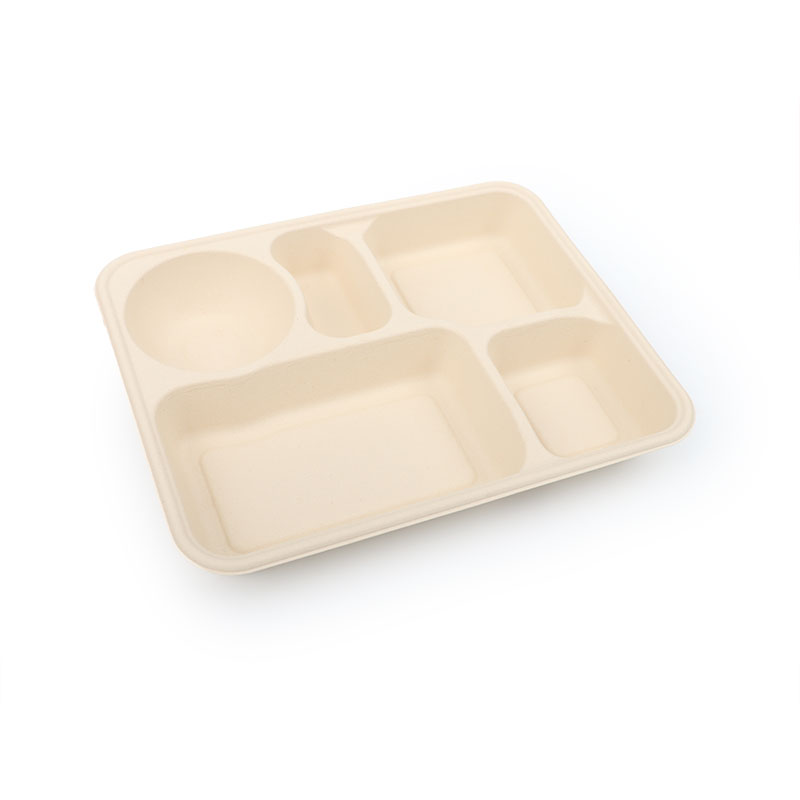
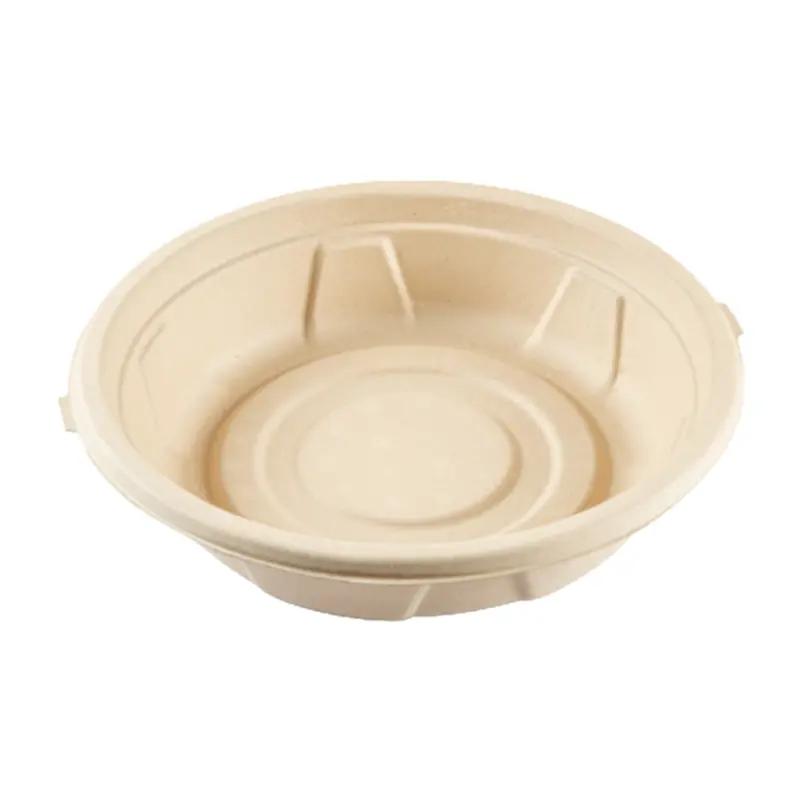
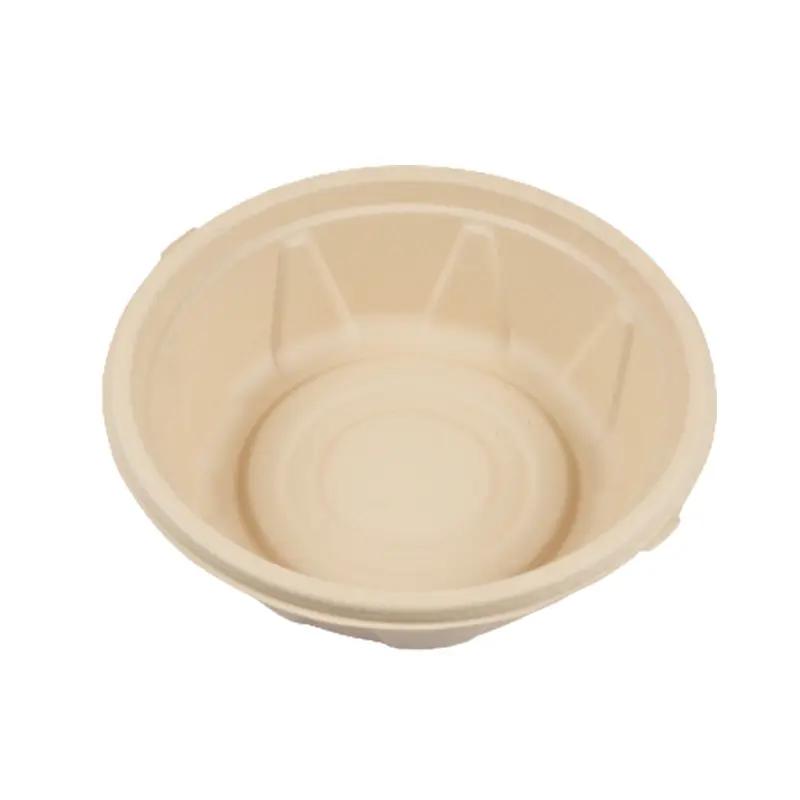
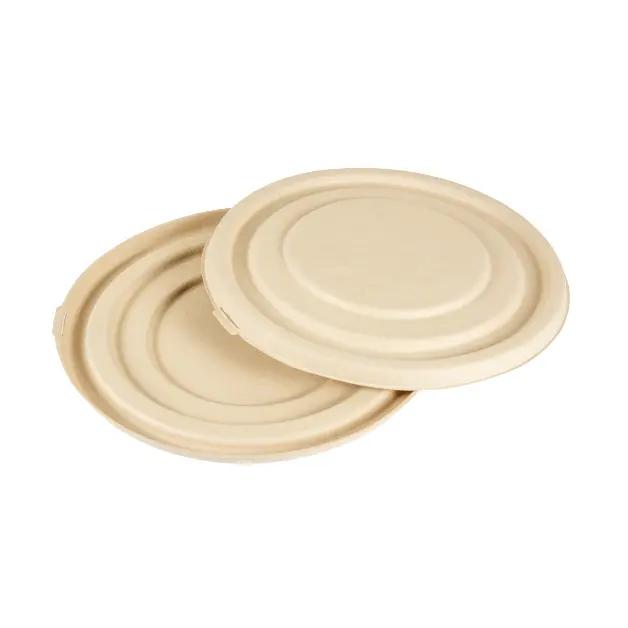
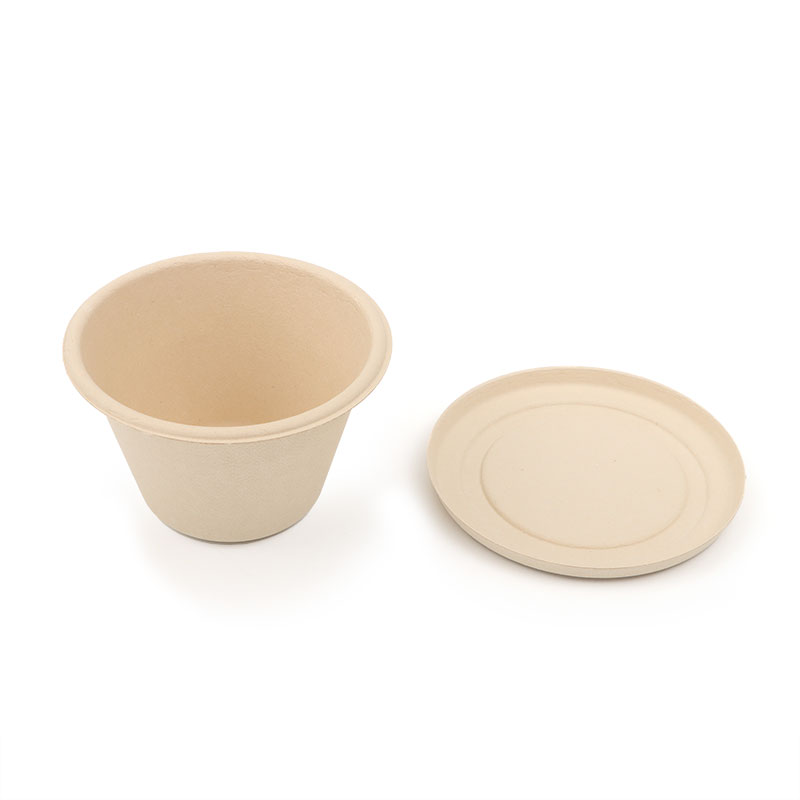
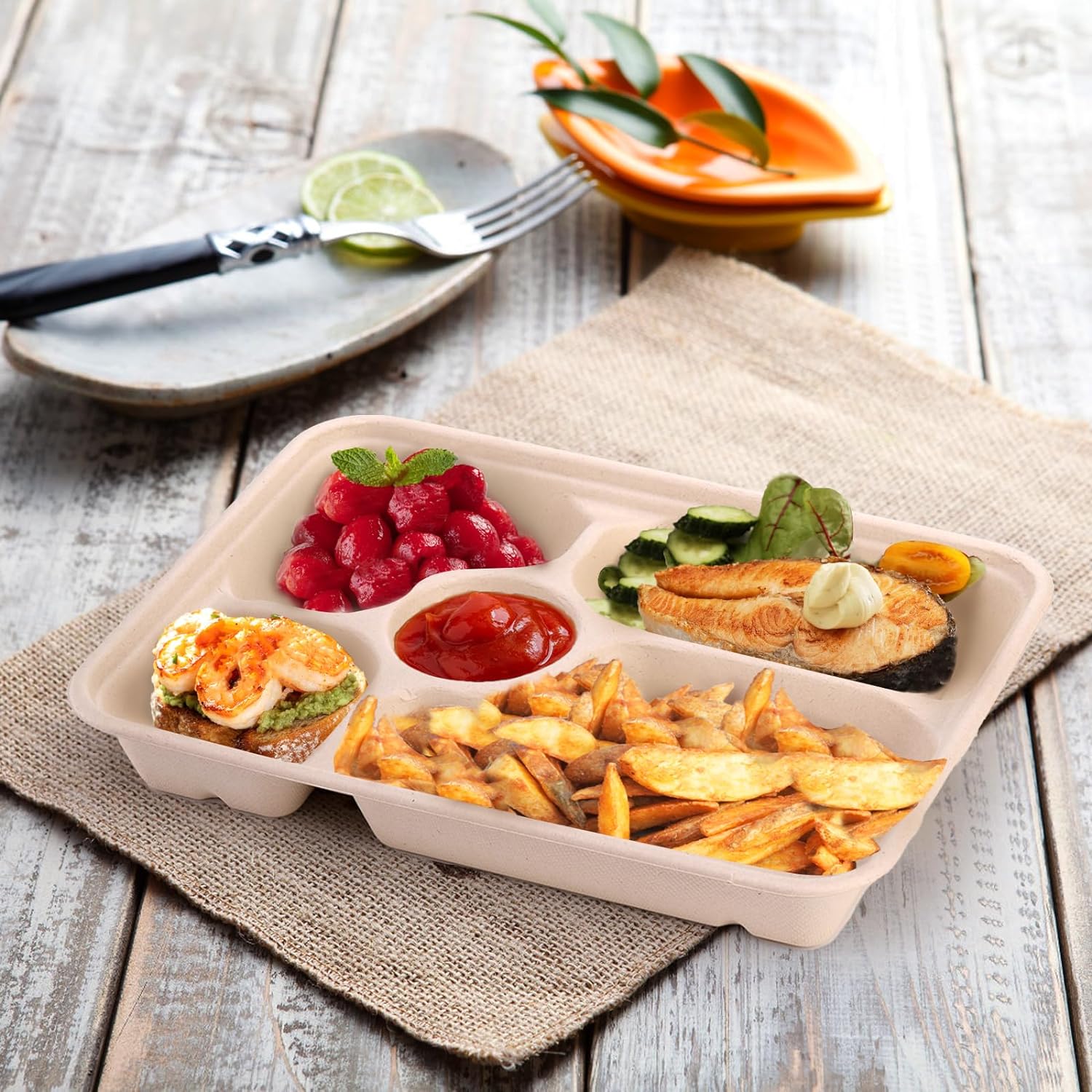
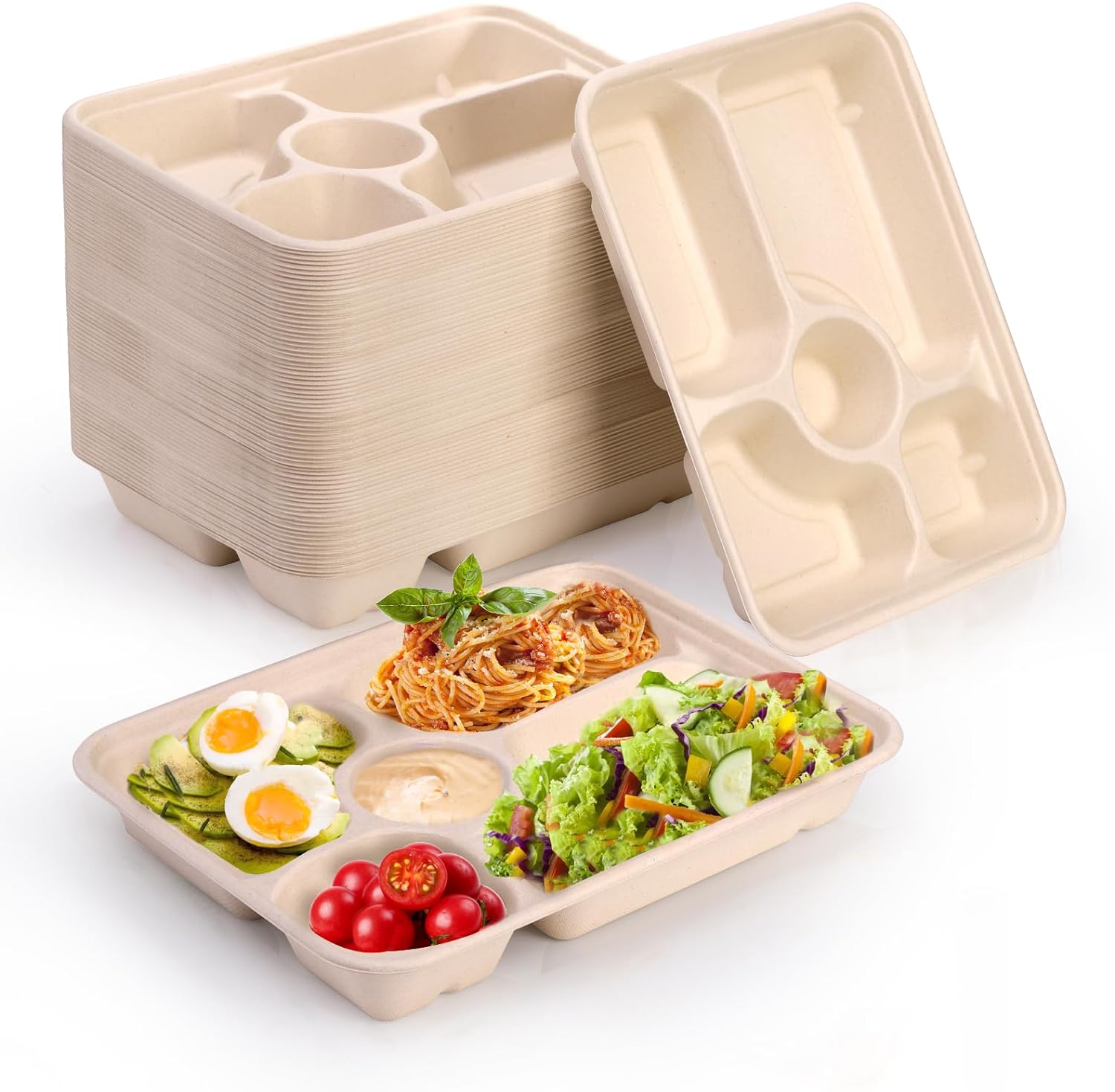
Biodegradable OEM/ODM Bamboo Pulp 4-Compartment Tray Lids: Insights from Smithers and Grand View Research Reports

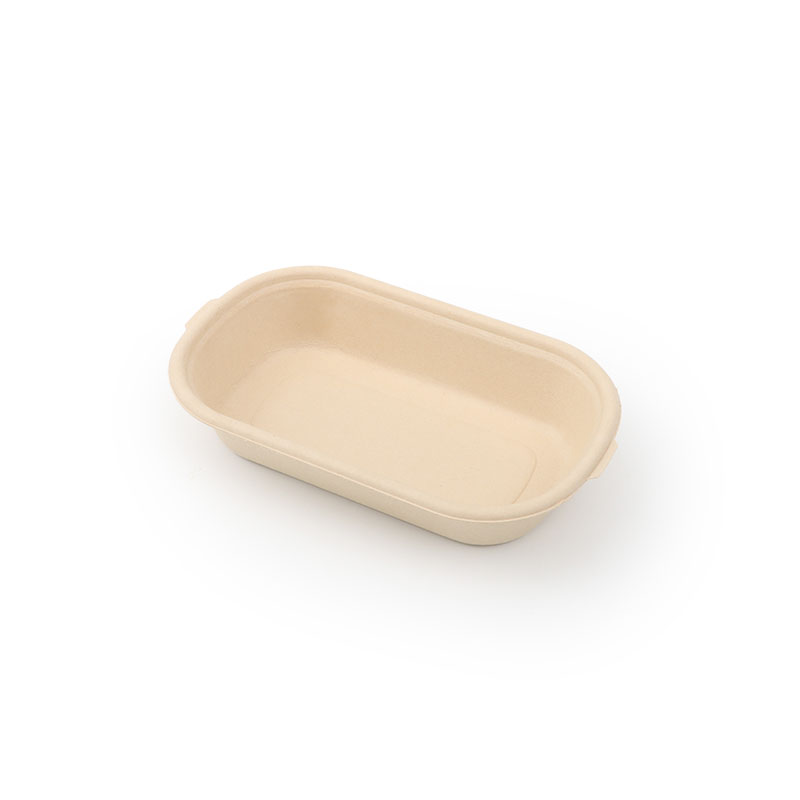
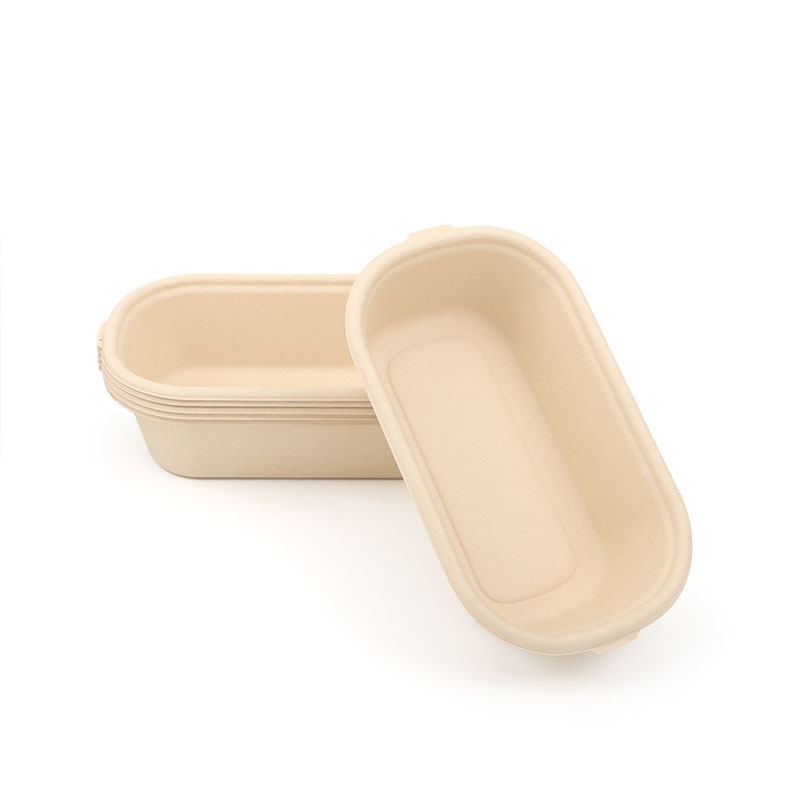
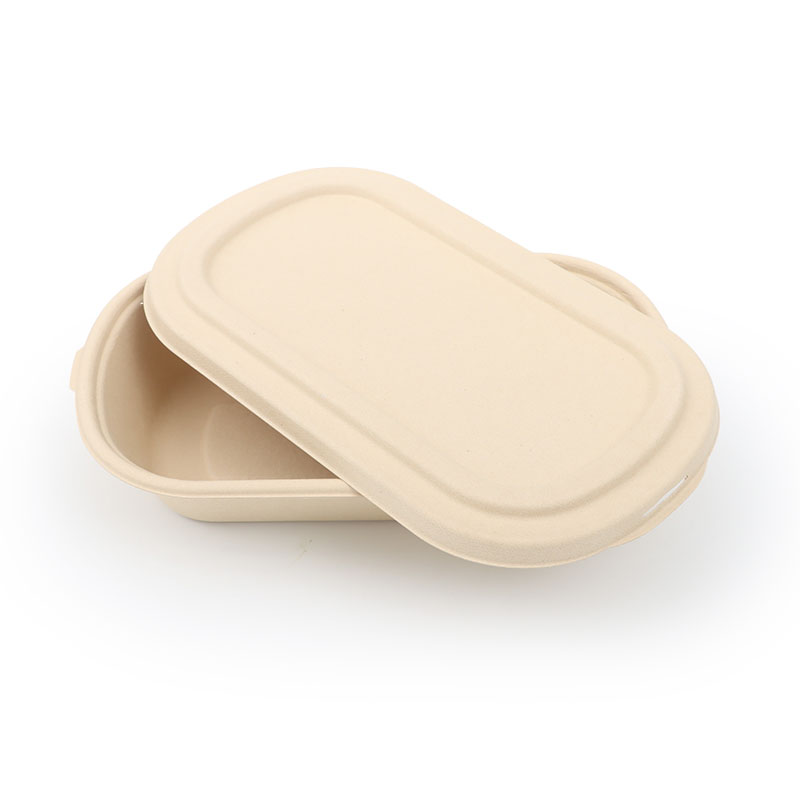
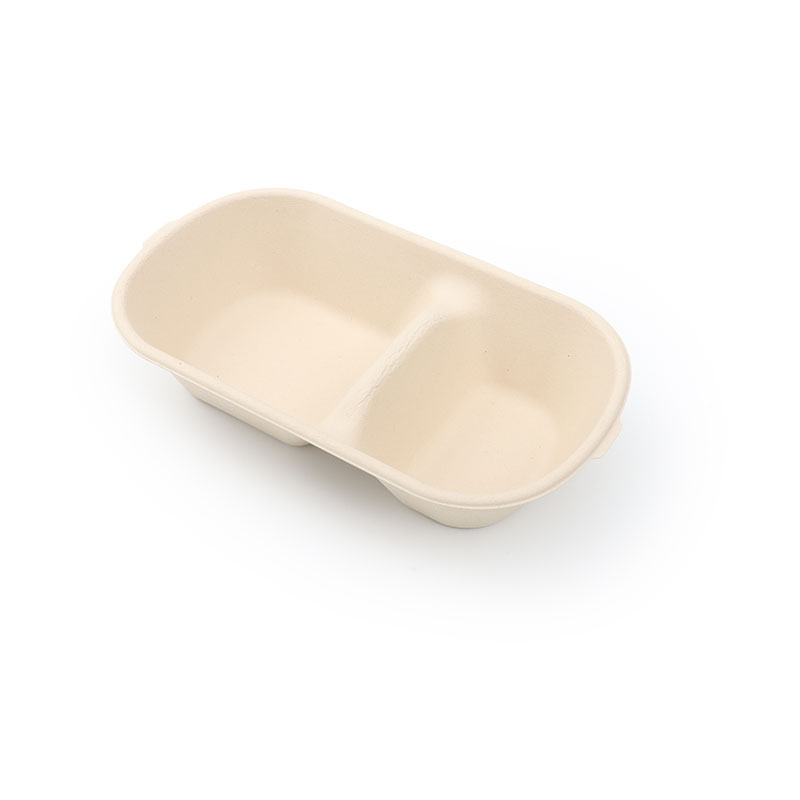
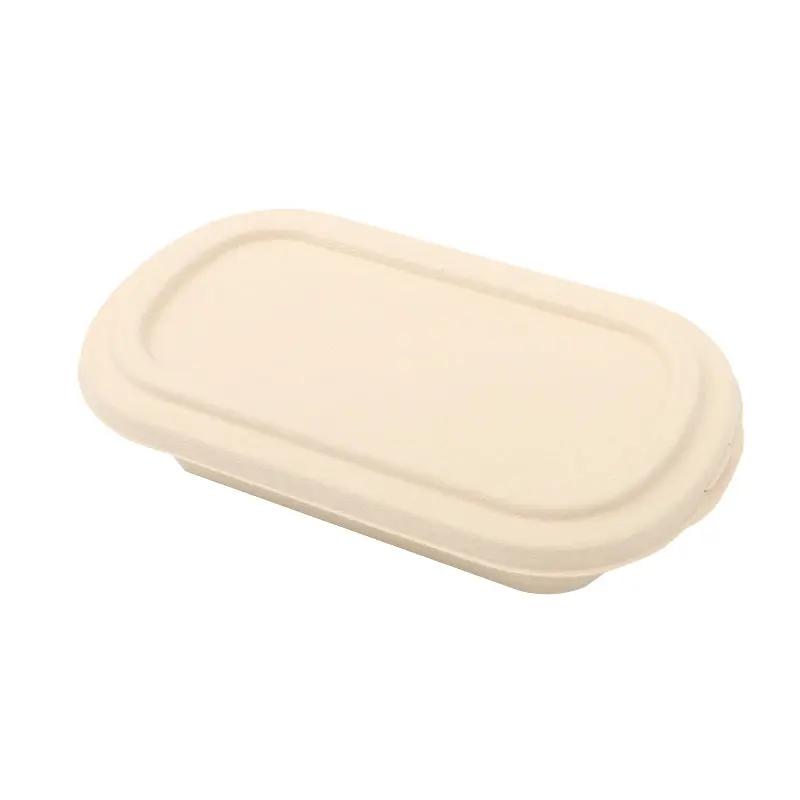
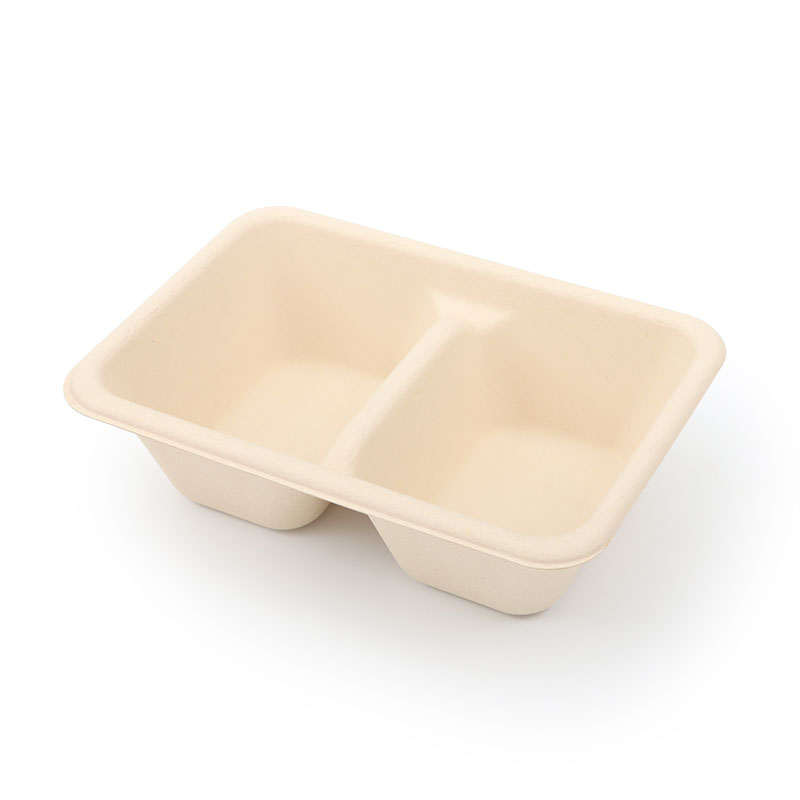
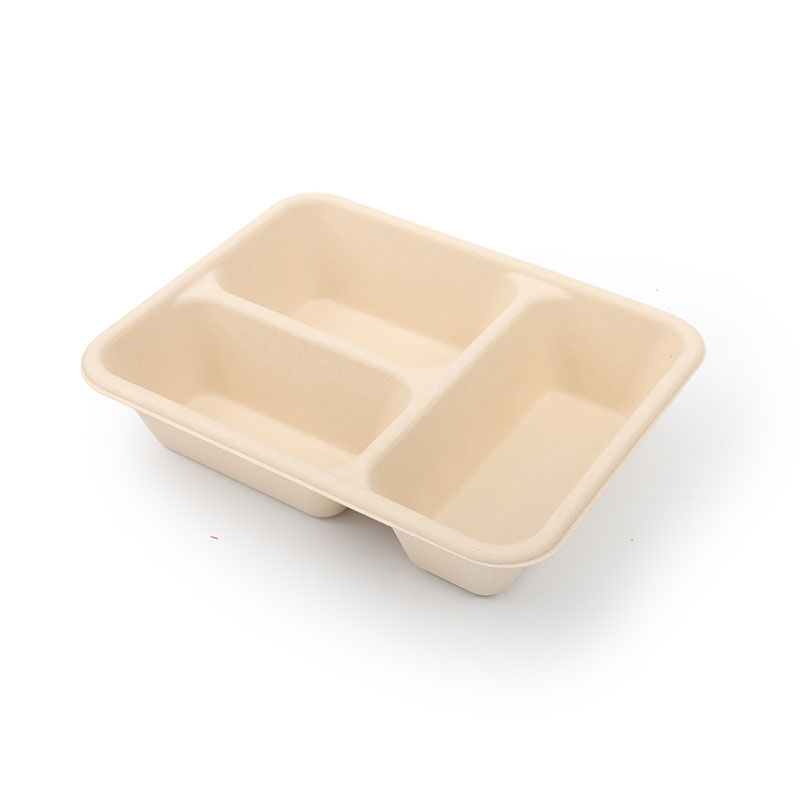
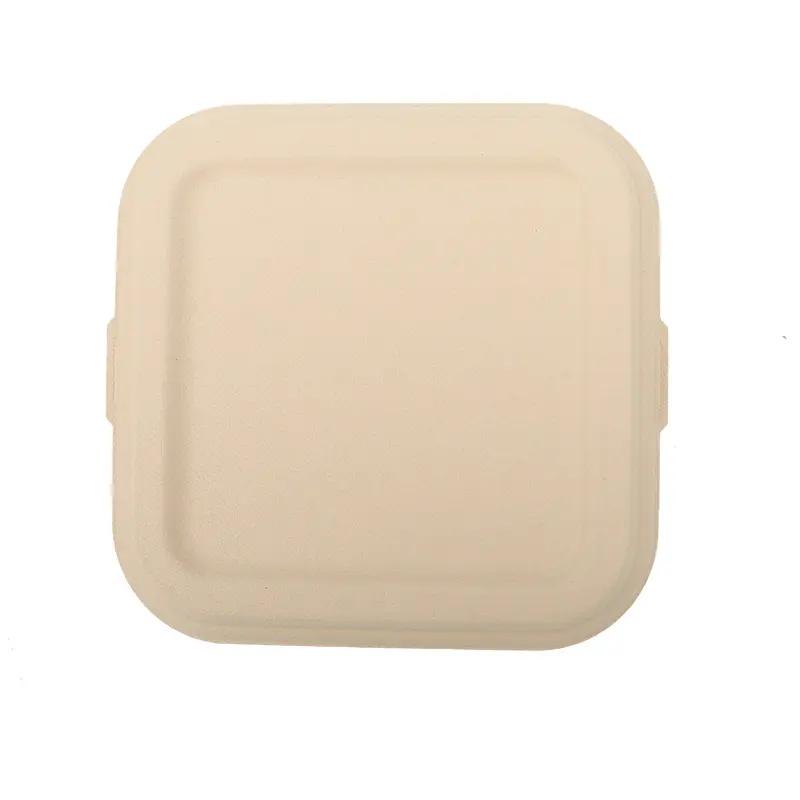
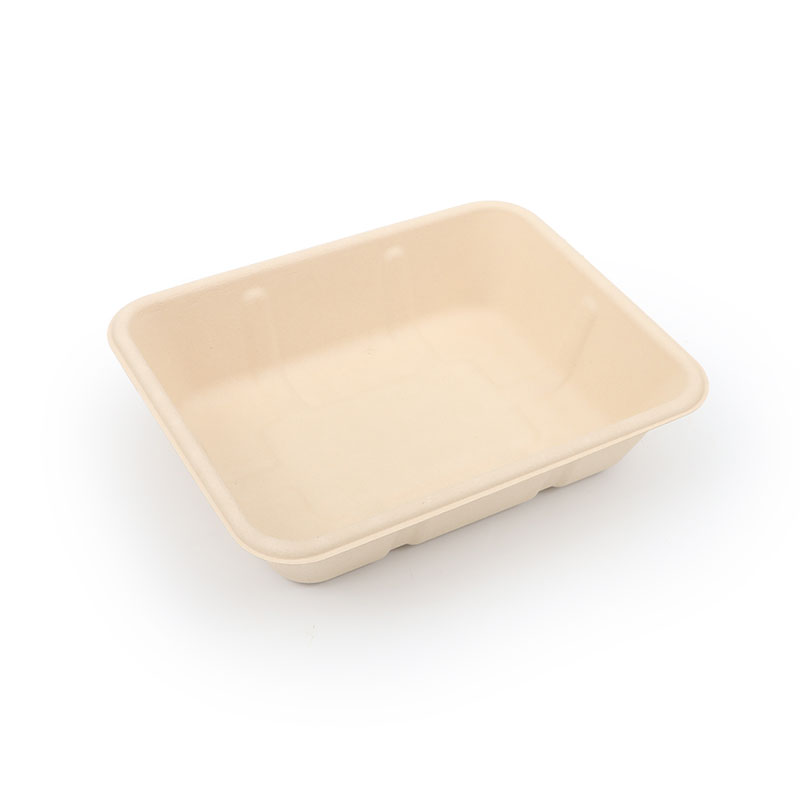
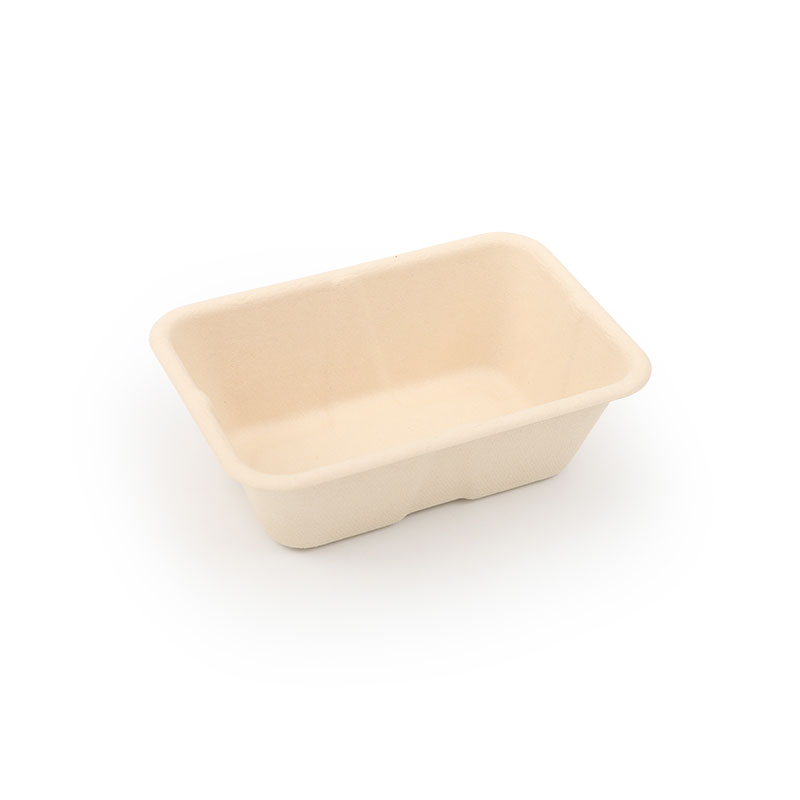
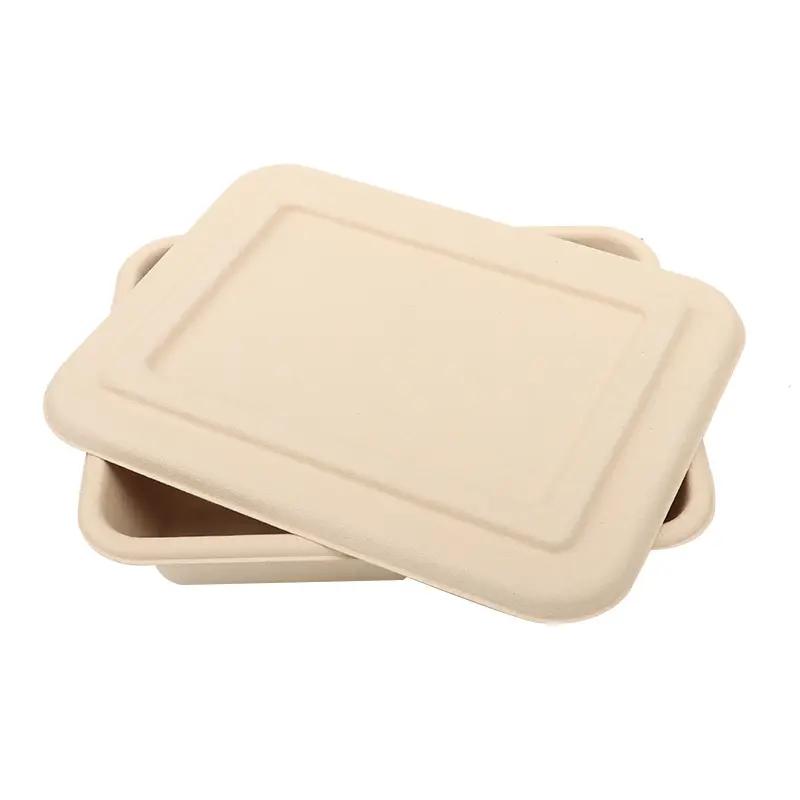
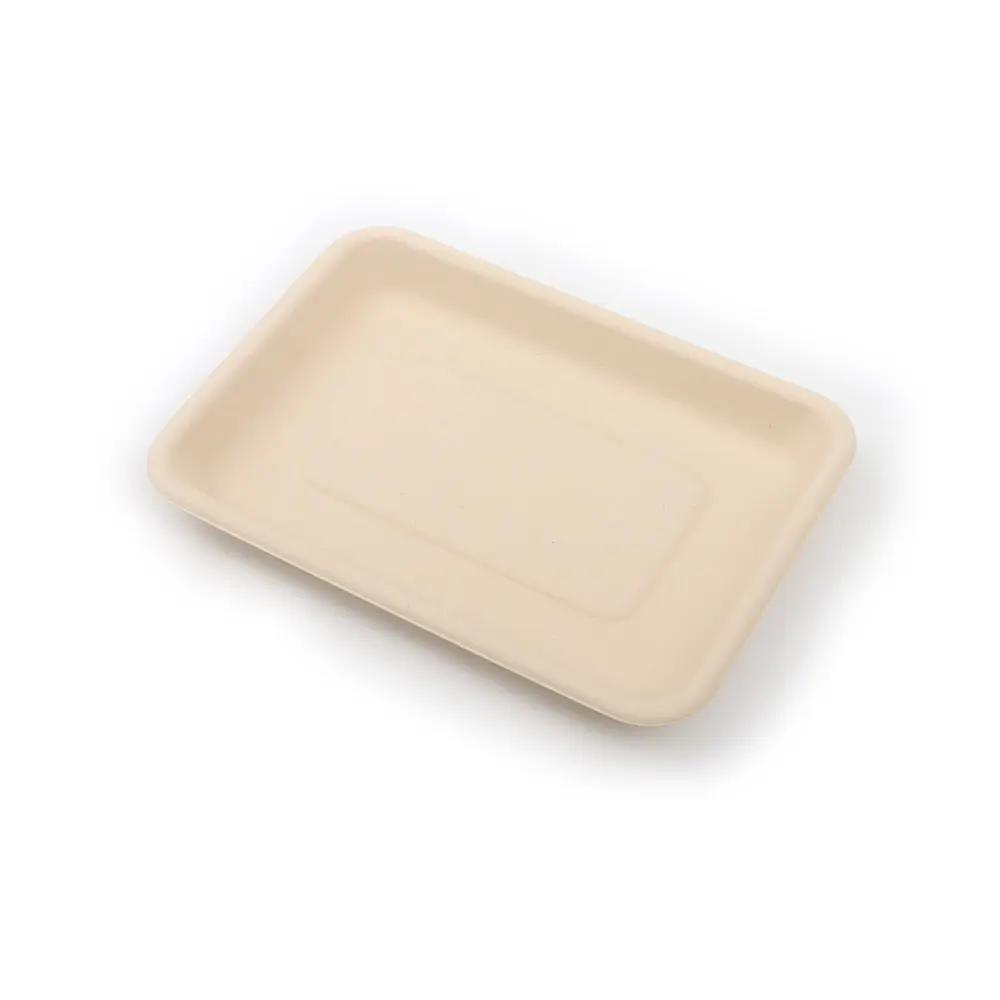
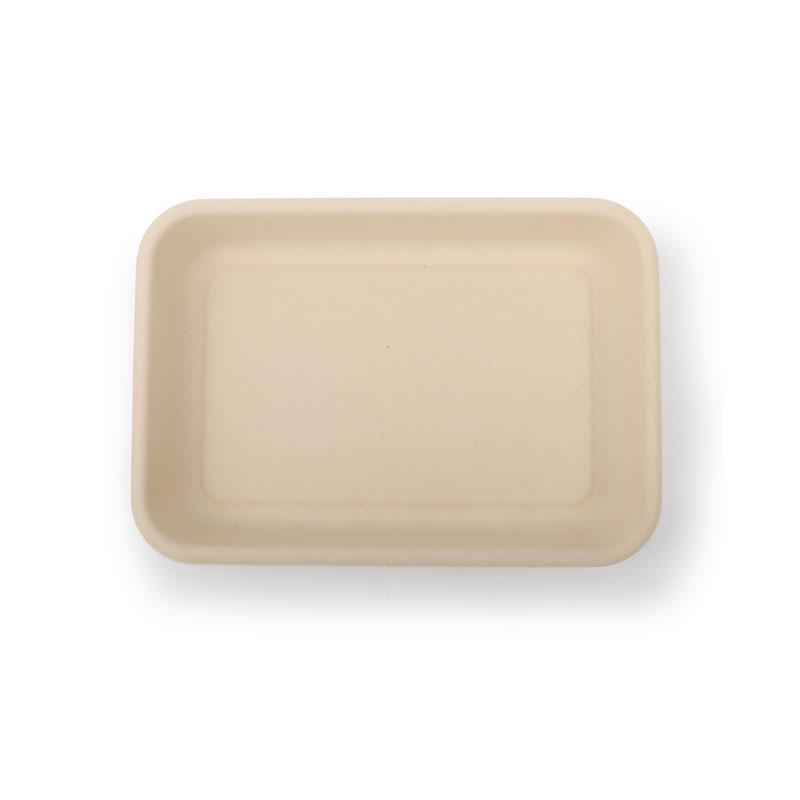
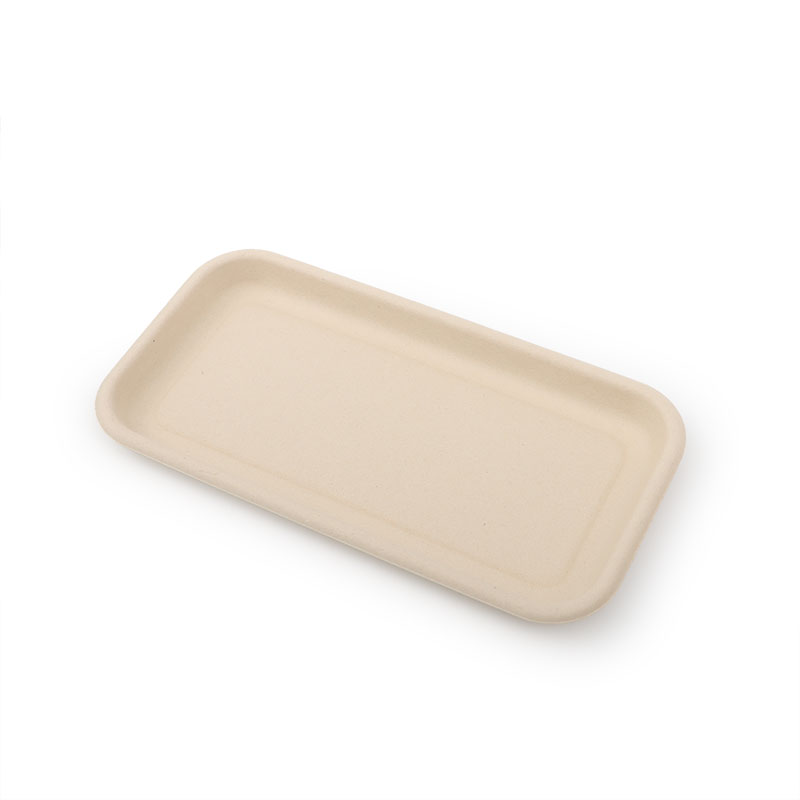
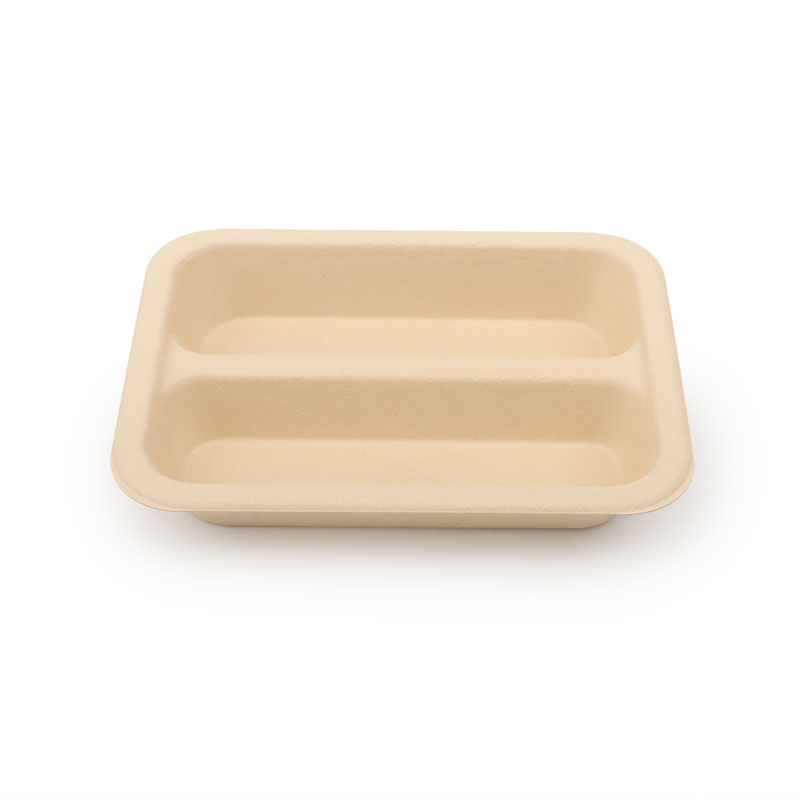
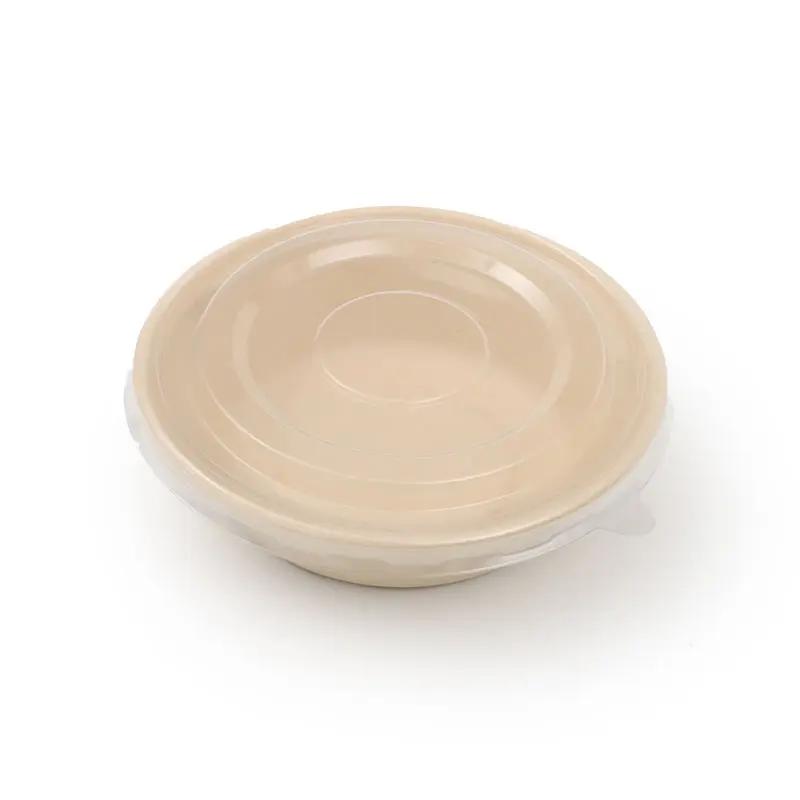
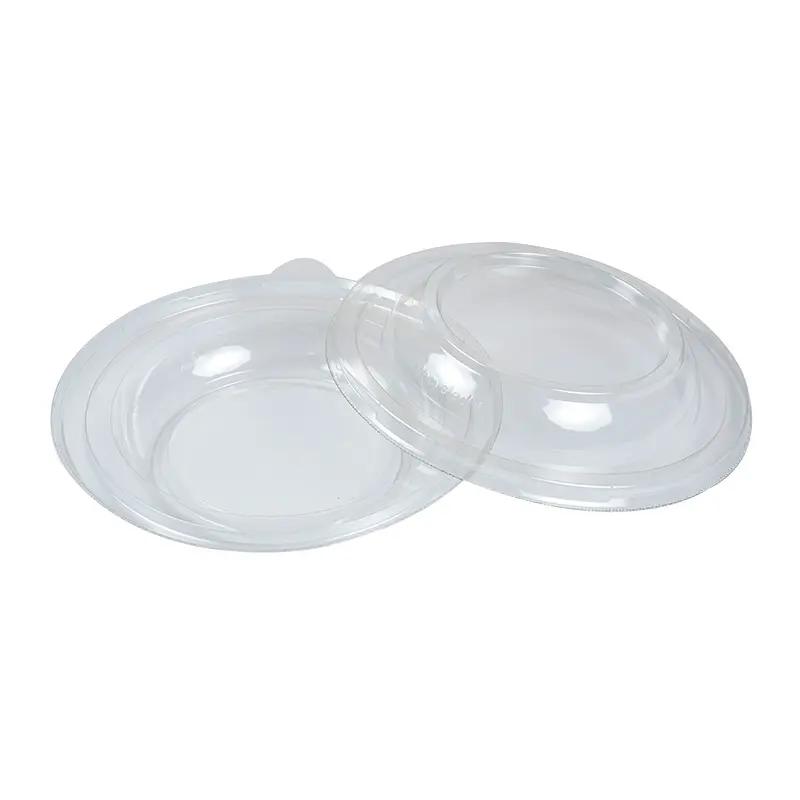
Recent market research highlights growing demand for practical, fiber-based food packaging that supports convenience, sustainability, and efficient supply chains. Biodegradable bamboo pulp 4-compartment tray lids are designed to match prepared-meal and fresh-food trays, helping separate different ingredients while maintaining a neat presentation. Their molded structure can provide dependable coverage, smooth stacking, and a natural appearance suited to takeaway meals, catering, and retail food applications.

For businesses seeking a tailored packaging solution, OEM and ODM services allow adjustments to lid dimensions, compartment layouts, surface finishes, color, embossing, and printing. The lids can be developed to mate with bamboo pulp trays or compatible PET trays, giving manufacturers greater flexibility across product lines. Material selection and structural design may also be optimized according to food type, filling weight, transport conditions, and sealing requirements.

For products requiring extended freshness, selected configurations can support modified atmosphere packaging (MAP) when matched with suitable trays, films, and sealing equipment. This approach helps create a controlled package environment for appropriate food applications while preserving presentation and reducing unnecessary packaging complexity. With customized tooling and coordinated testing, the 4-compartment format can be adapted for ready-to-eat meals, produce assortments, bakery selections, and other portioned foods.

FAQS

How should a laminated seafood tray match the product?

Start with the seafood, not the tray. Fresh salmon releases liquid, while frozen shrimp may create ice crystals. Match the tray to temperature, weight, shelf life, and display position.

What barrier properties should a seafood tray provide?

Moist products need reliable seals and grease resistance. Longer distribution may require stronger oxygen and water-vapor protection. Check corners carefully. Small leaks cause odors, stains, and wasted seafood.

How can tray performance be tested realistically?

Use real seafood portions, actual temperatures, and realistic stacking pressure. Test filling, sealing, chilling, transport, and opening. An empty sample proves very little.

What makes a reliable seal?

The lidding film must match the tray’s sealing layer and temperature range. Saltwater, oil, dirt, and condensation can weaken the seal. A clean peel should open without scattering liquid.

How should labels perform on cold seafood packaging?

Labels must remain readable on wet, chilled surfaces. Choose adhesives that tolerate condensation and storage. Printing should resist rubbing during carton handling. Include identity, weight, lot details, storage instructions, and traceability information.

Why should the filled tray and sealing machine be tested together?

Equipment settings can change sealing results. Test the complete system with film, labels, seafood portions, shell edges, and bones. Packaging failures often appear during ordinary handling.

How can food-contact safety and sustainability be reviewed?

Request food-contact reports, migration information, and batch traceability. Review recycled content, fiber sources, coatings, and local recycling acceptance. Less material is not always better. A thin corner may collapse under ice.

What should total tray cost include?

Compare purchase price, packing speed, storage space, leakage losses, cleanup labor, and disposal costs. Check several deliveries, not one sample. I would not trust appearance alone. A modestly expensive tray may prevent larger losses.

Conclusion

Choosing the best Laminated Seafood Tray begins with understanding the product, distribution conditions, and packaging goals. Consider whether the tray is intended for fresh, frozen, or ready-to-cook seafood, then compare materials, layer structures, and barrier performance against moisture, oxygen, odors, and temperature changes. A suitable tray should help maintain appearance, texture, and freshness throughout the expected shelf life while providing enough strength for stacking, transport, and retail display.

Size, shape, load capacity, and sealing performance should match the seafood portion and packaging equipment. The tray should also support clear labeling, reliable closure, and compatibility with films or secondary packaging. Finally, evaluate food-contact safety, recyclability or material efficiency, production waste, transportation costs, and overall value rather than focusing only on the initial price. A well-balanced choice can protect seafood quality, improve handling efficiency, and support practical sustainability objectives.

Amelia

Amelia

Amelia is a dedicated marketing professional at Kangxin (Haimen) Environmental Technology Development Co., Ltd., where she leverages her extensive knowledge of the company’s innovative products to drive awareness and engagement. With a deep understanding of environmental technologies, Amelia......
Previous Top Biodegradable Disposable Food Box Suppliers Worldwide