
 Box With T buckle
 700ml Square Lunch Box
 500ml
 700ml
 850ml
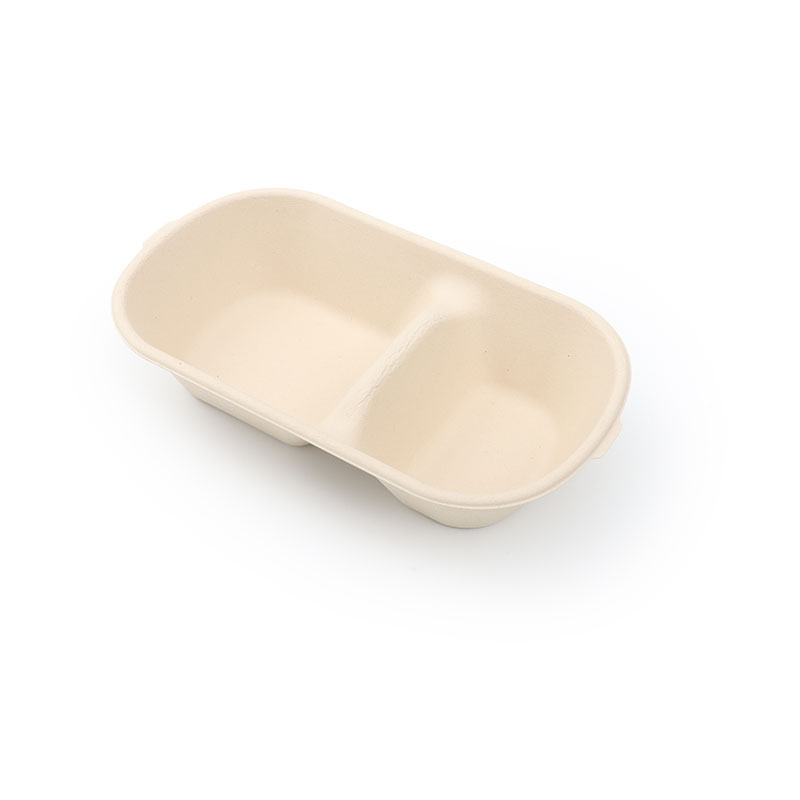 800ml 2 Compartments
 1000ml 2 Compartments
 1100ml
 1000ml Square Lunch Box
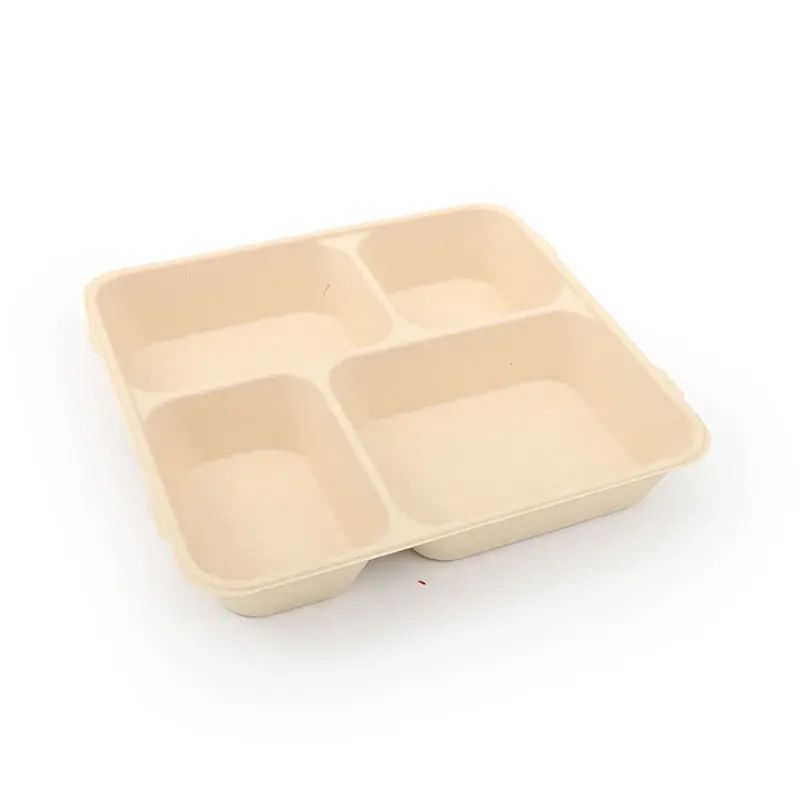 1340ml 4 Compartments
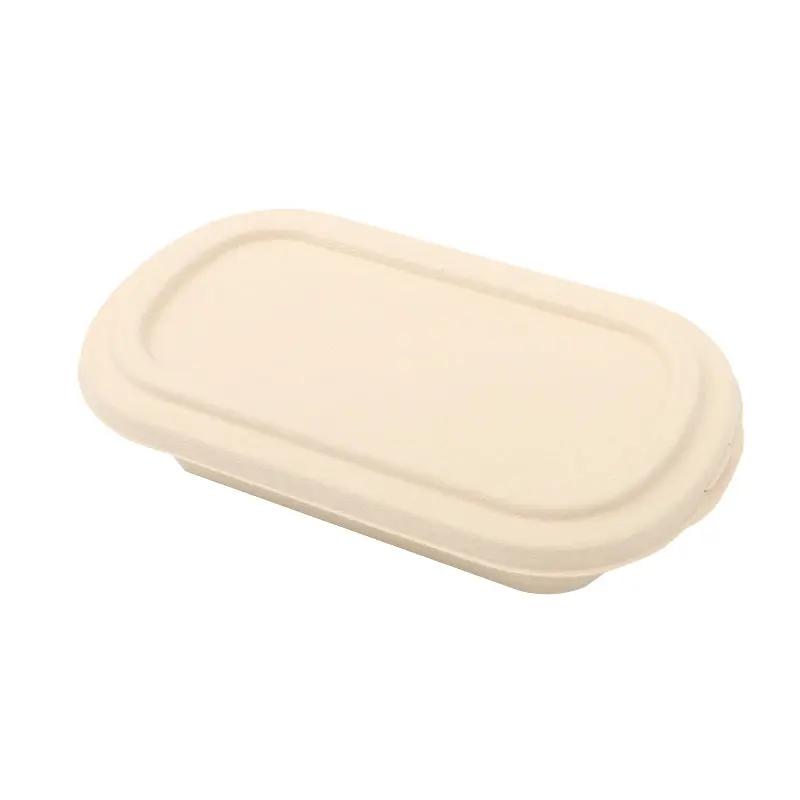 Lunch Box Lid
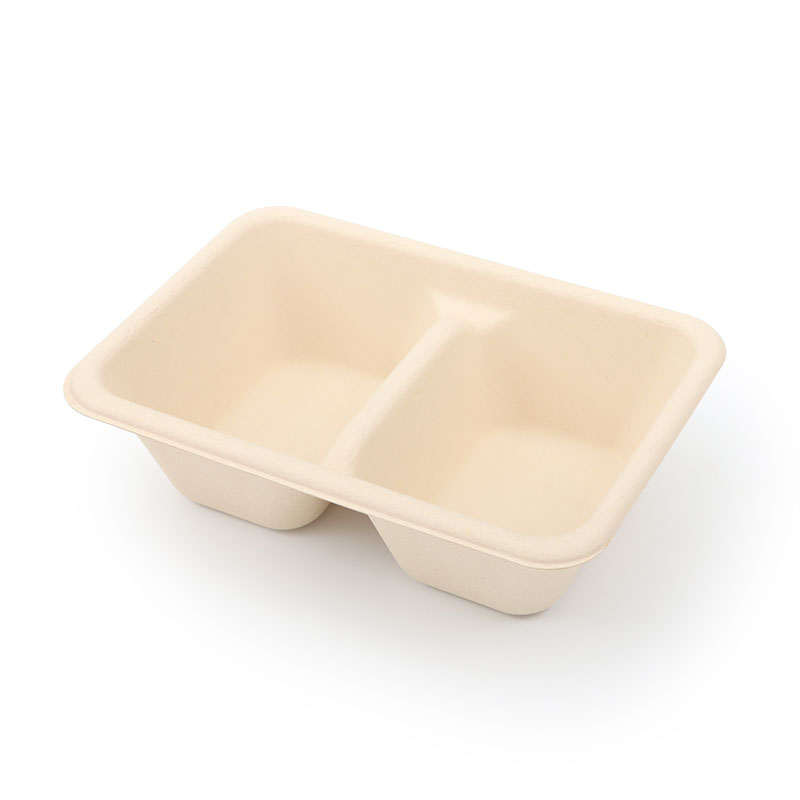 650ml
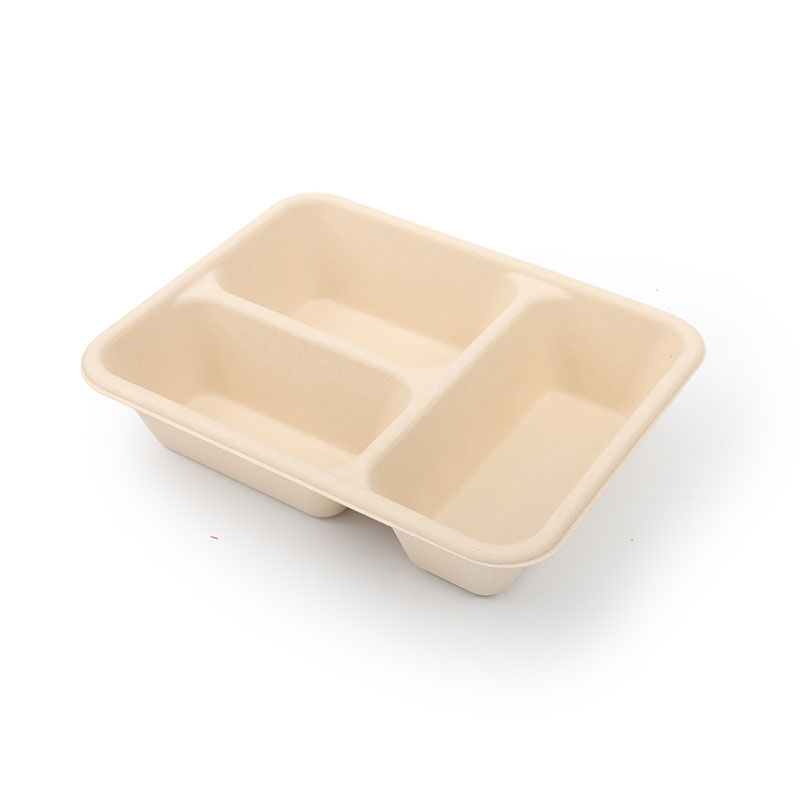 1000ml 3 Compartments
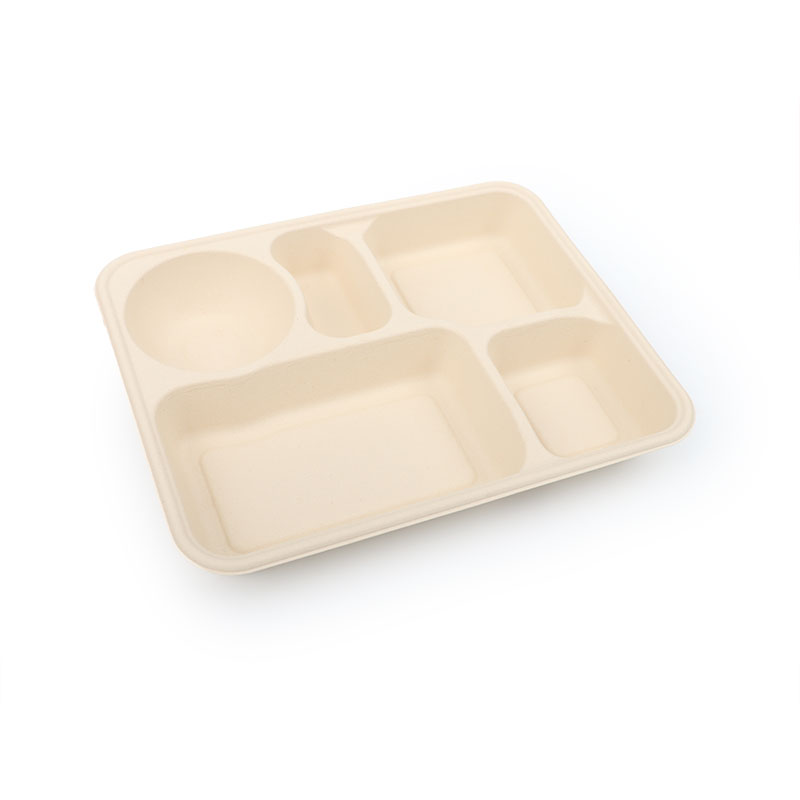 1250ml 5 Compartments
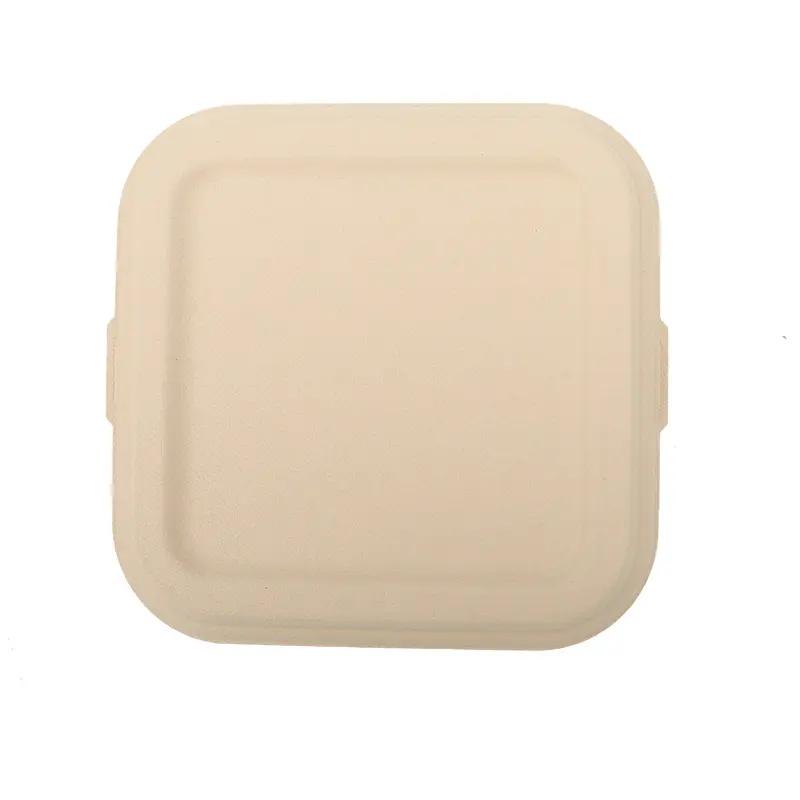 Square Lunch Box Lid
 Box Without T buckle
 850ml Salad Box
 700ml
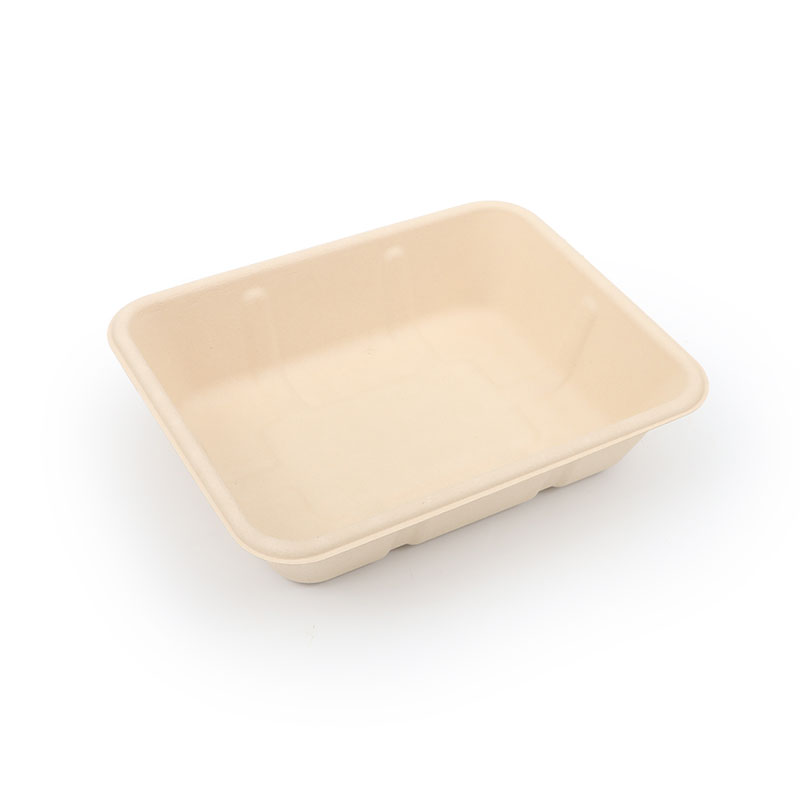 1350ml
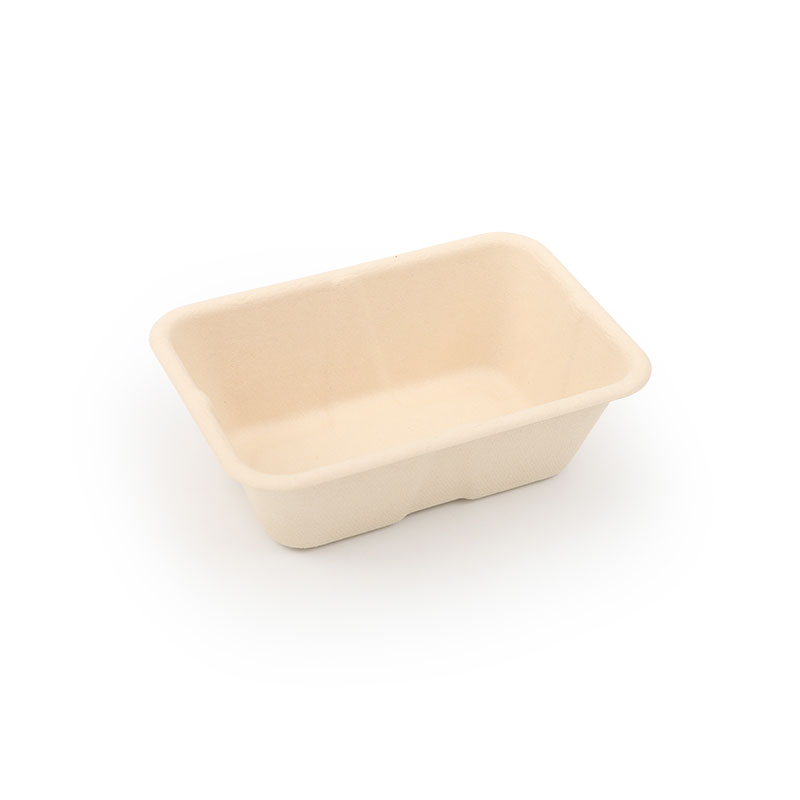 470ml
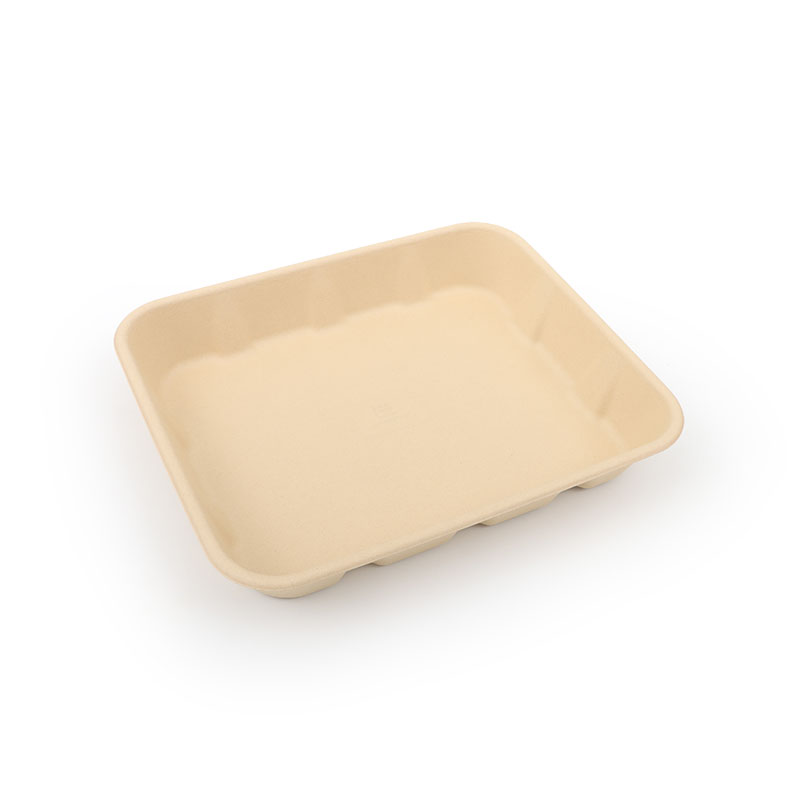 2183ml Tray Box
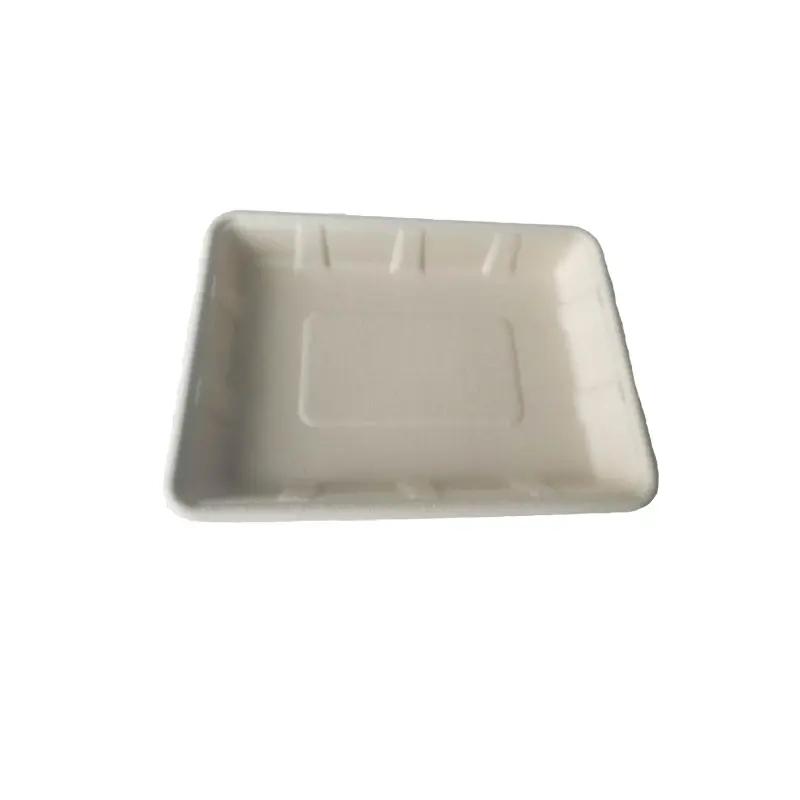 11" * 9"
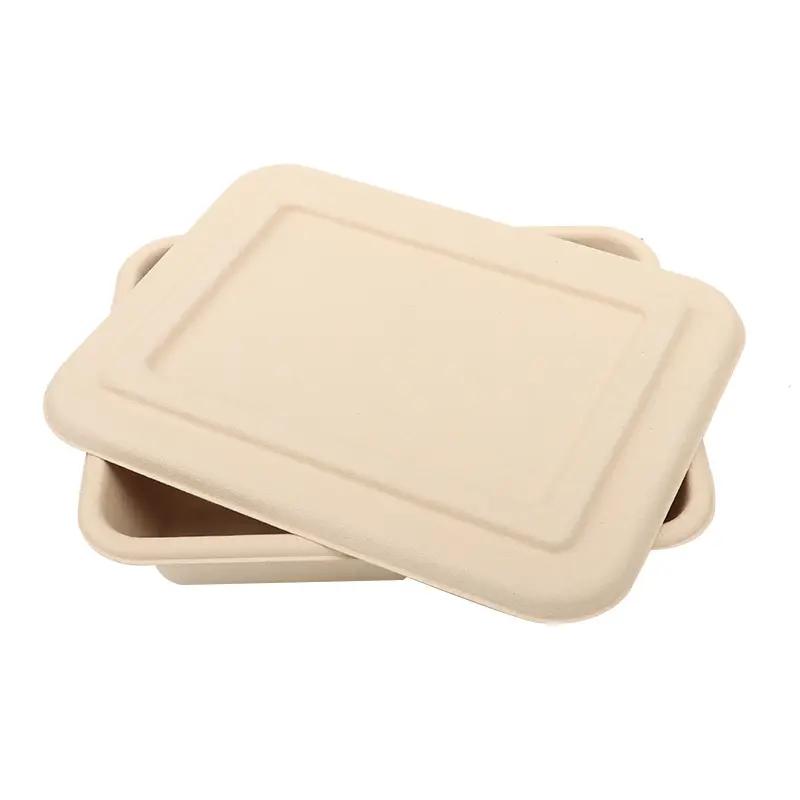 800ml
 One Part Box
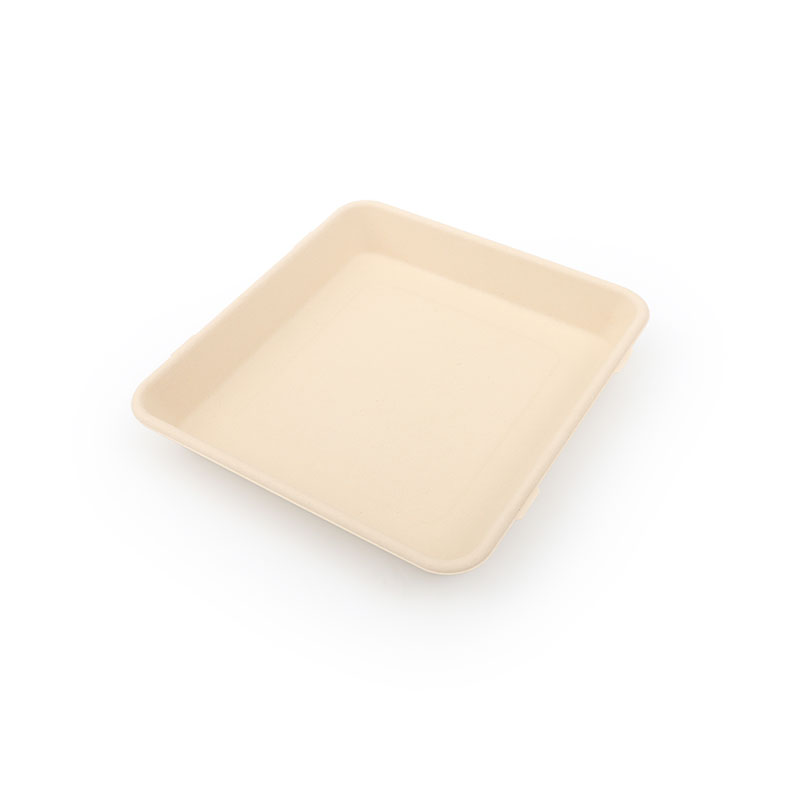 1443ml Tray Box
 Cake Bread Snack Tray Series
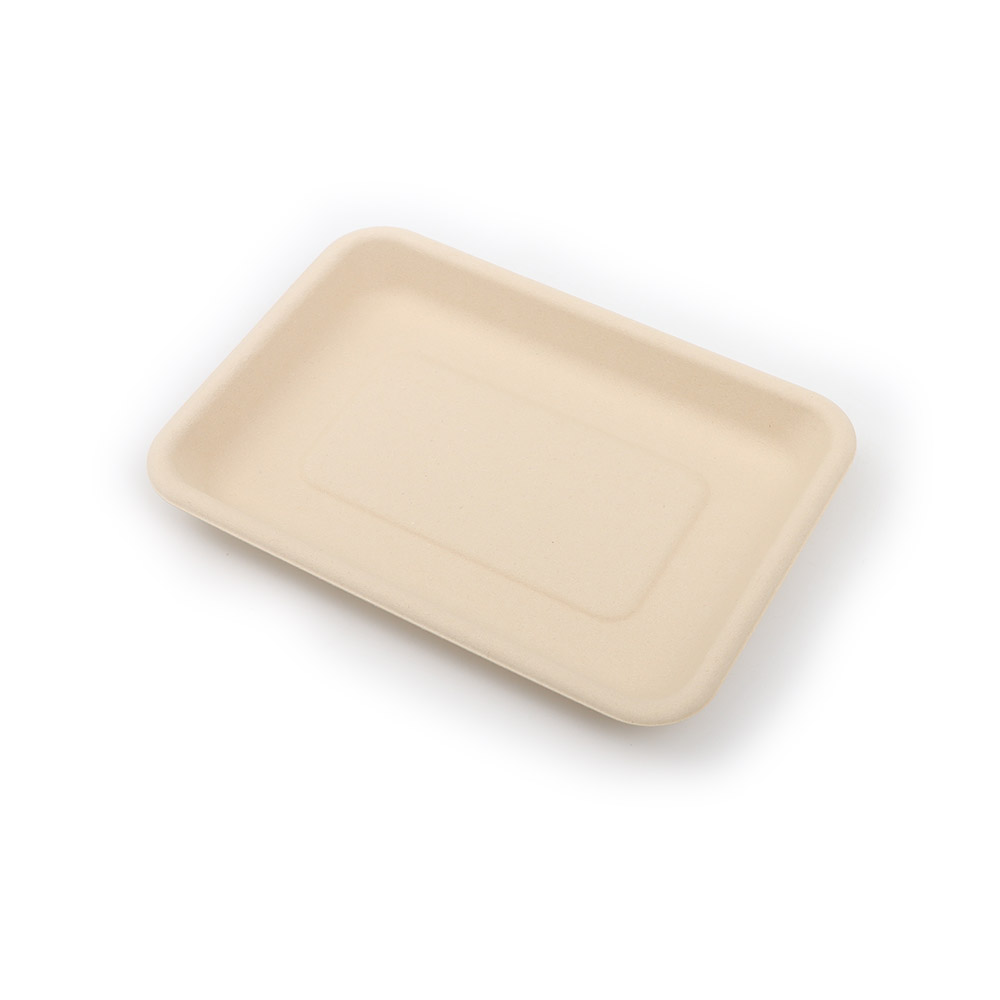 5" * 7" natural color
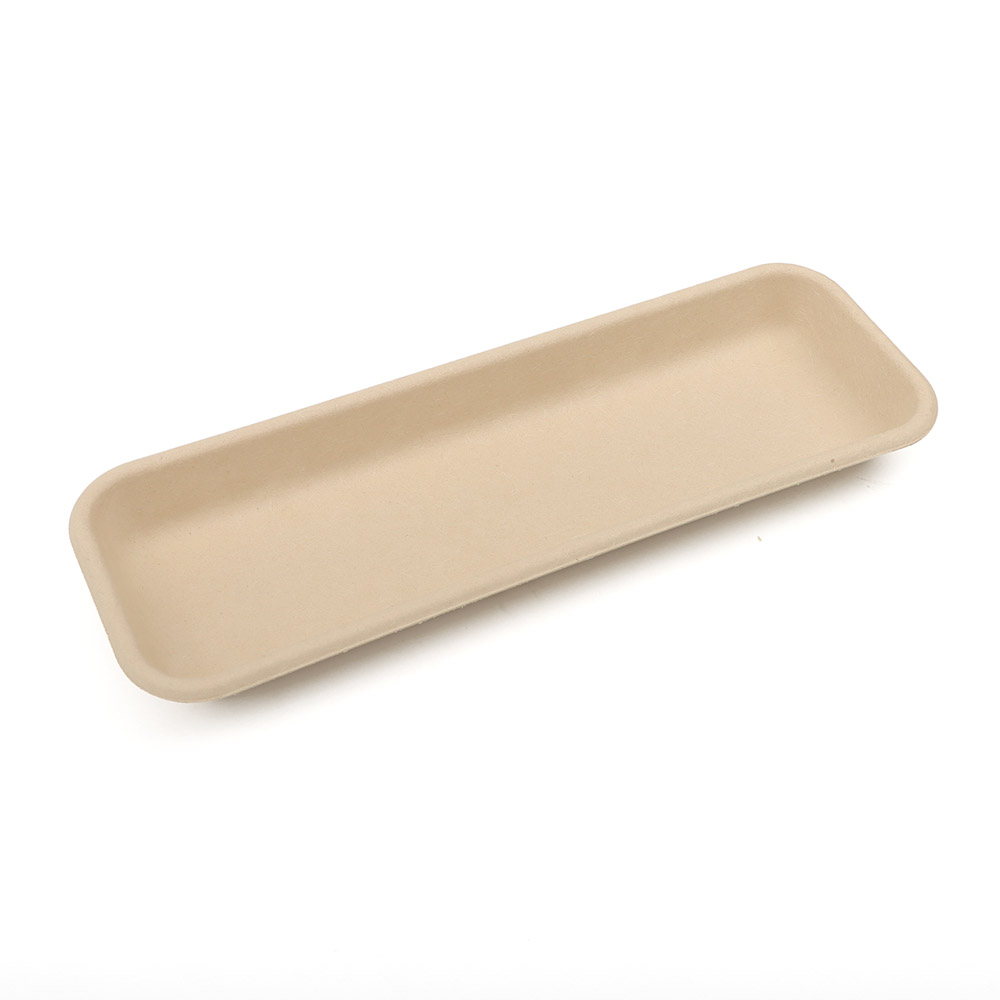 11.4" * 3.9"
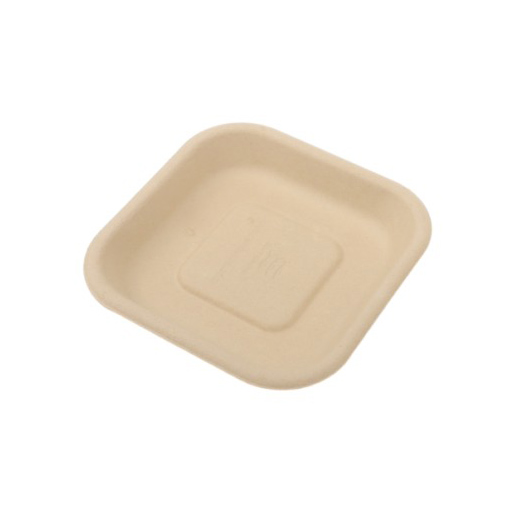 5.3" * 5.3"
 Fruit And Vegetable Tray Series
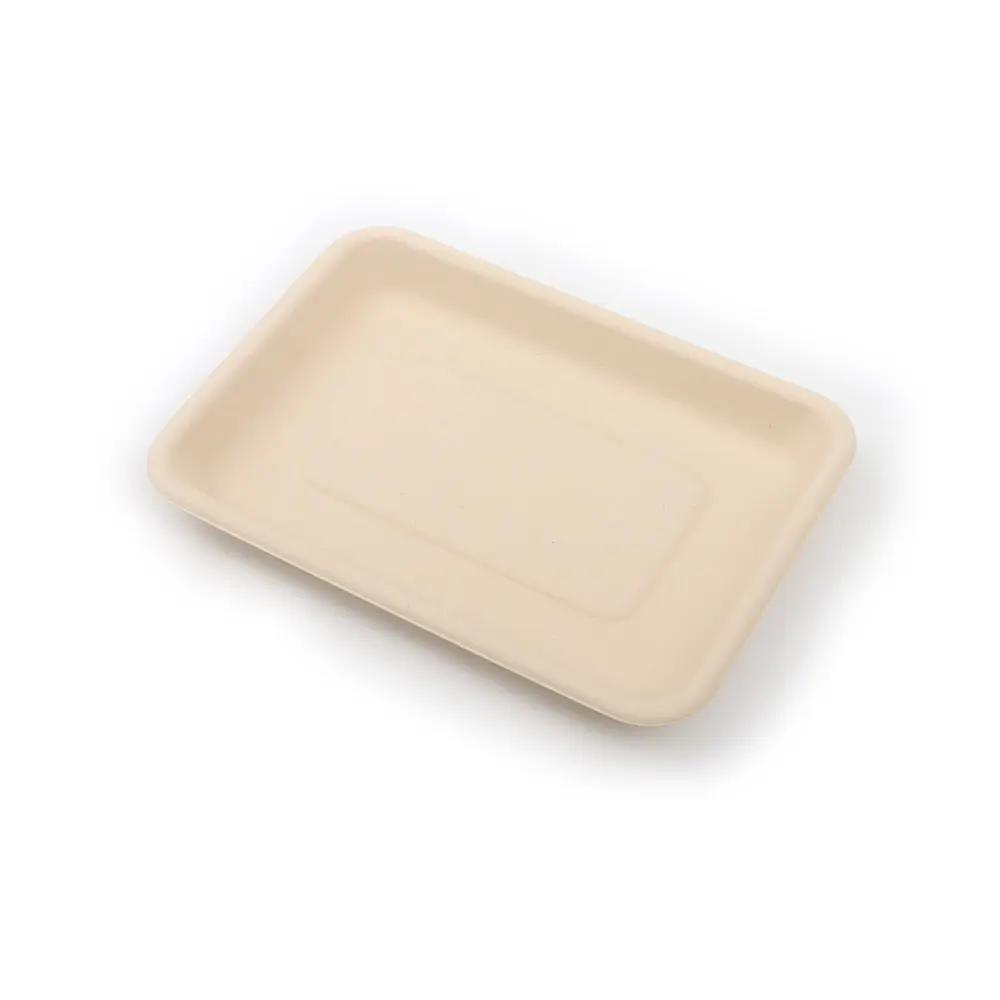 8.6" * 5.3"
 Sushi Tray Series
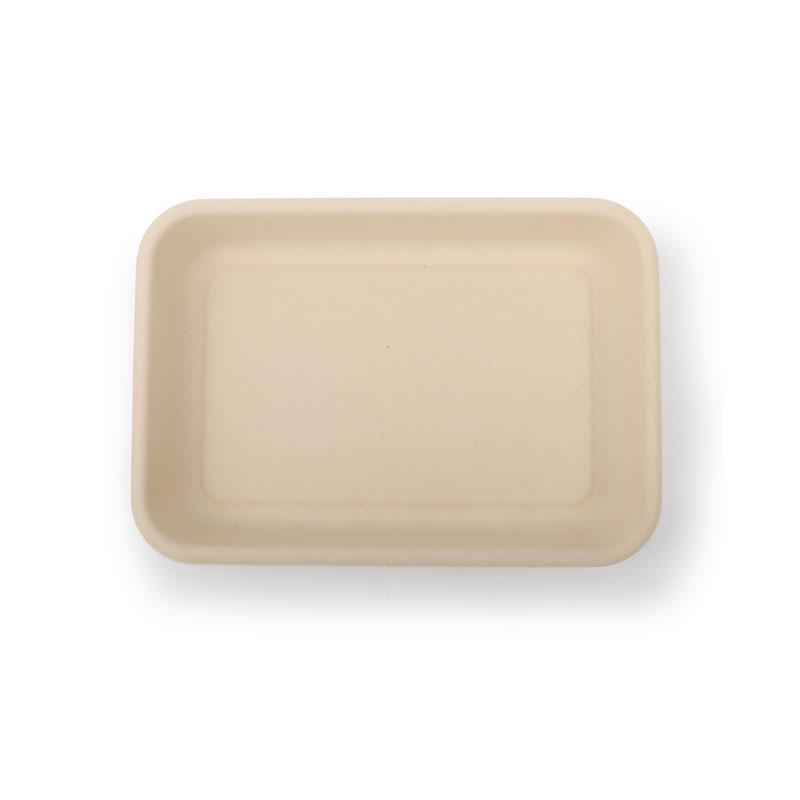 200" * 140"
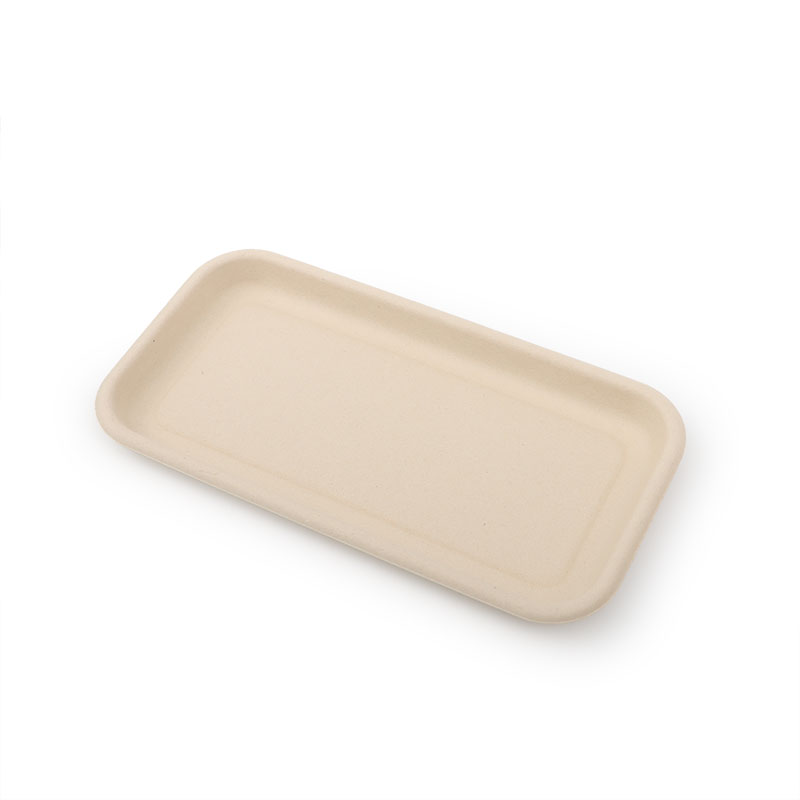 210" * 110"
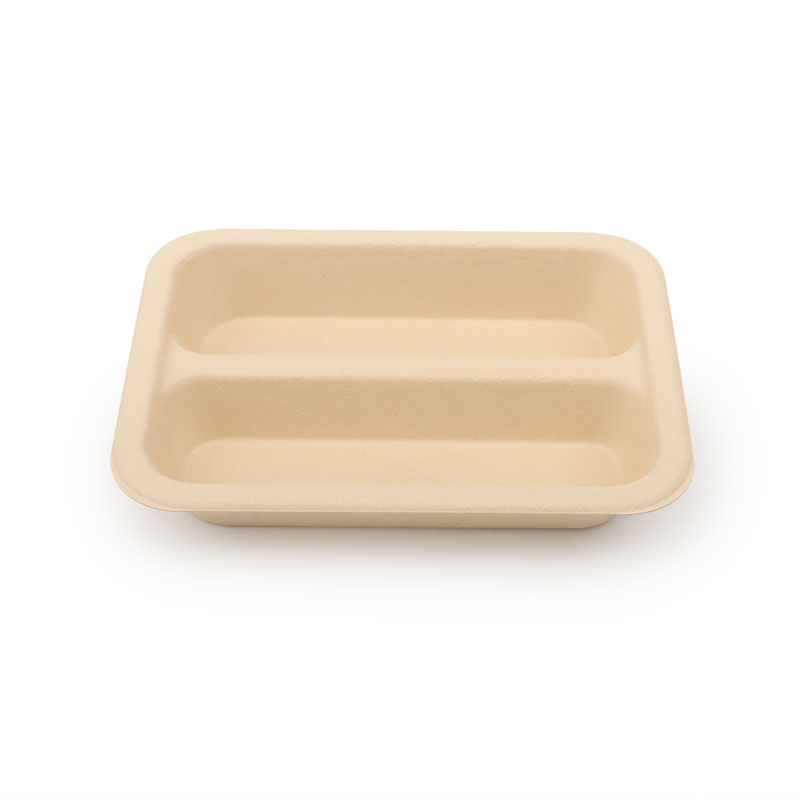 2 Compartments
 Small Round Plate Series
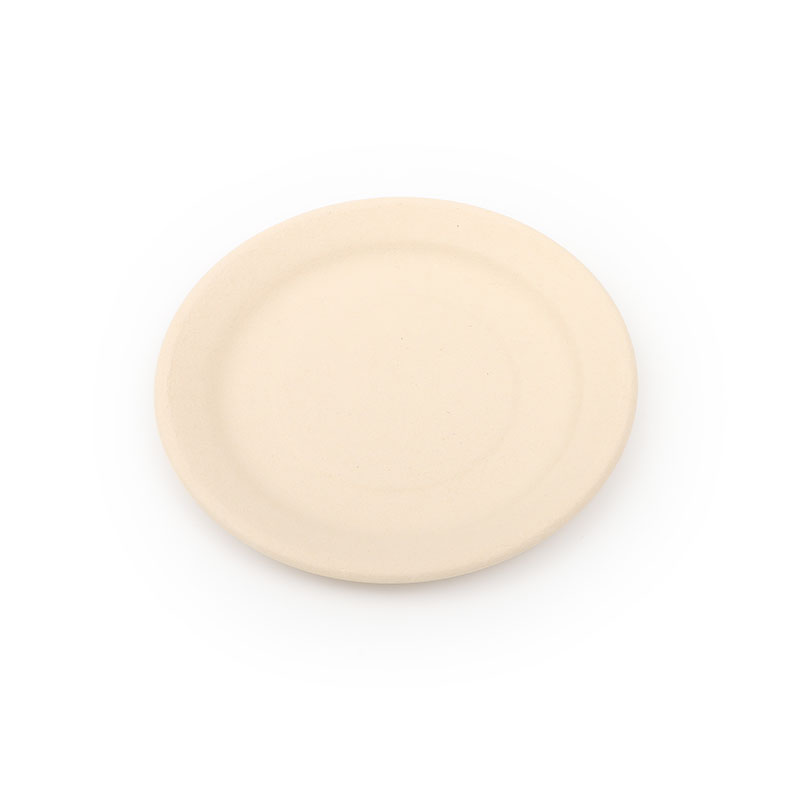 7 inch
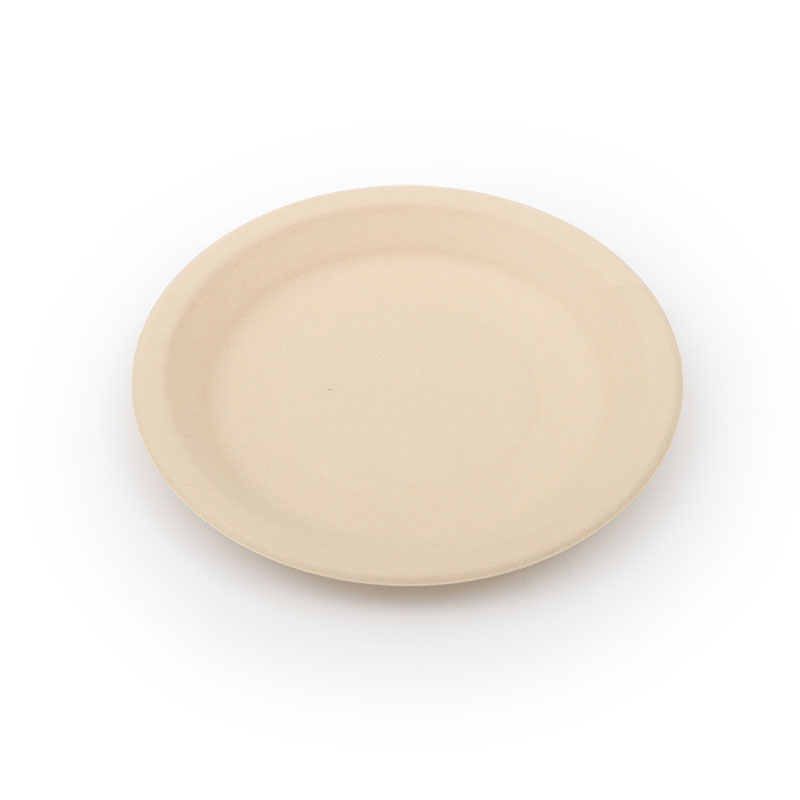 6 inch
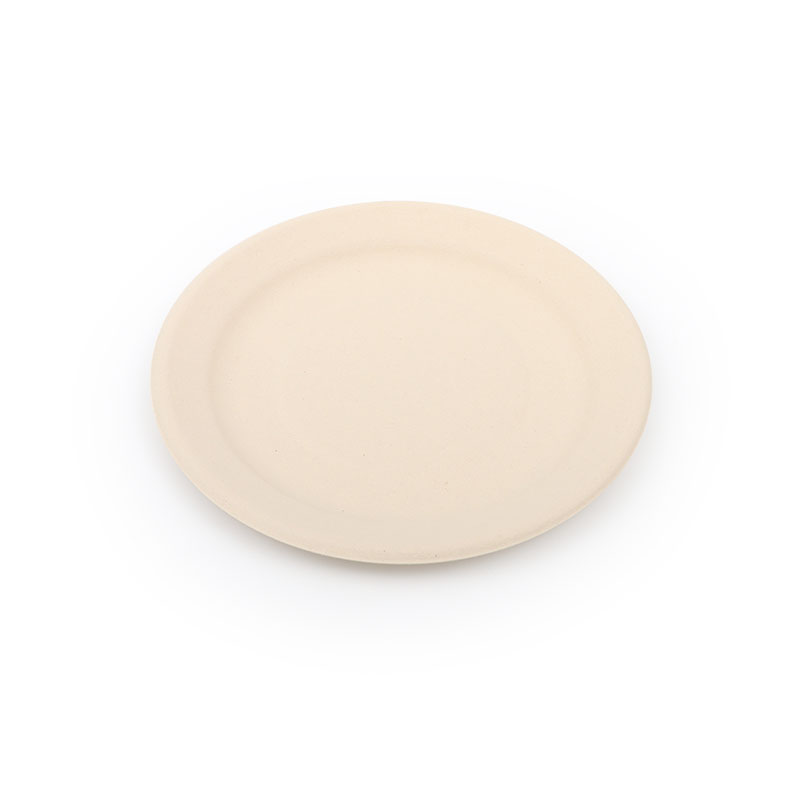 8 inch
 Middle Round Plate Series
 9 Inch 3 Compartments
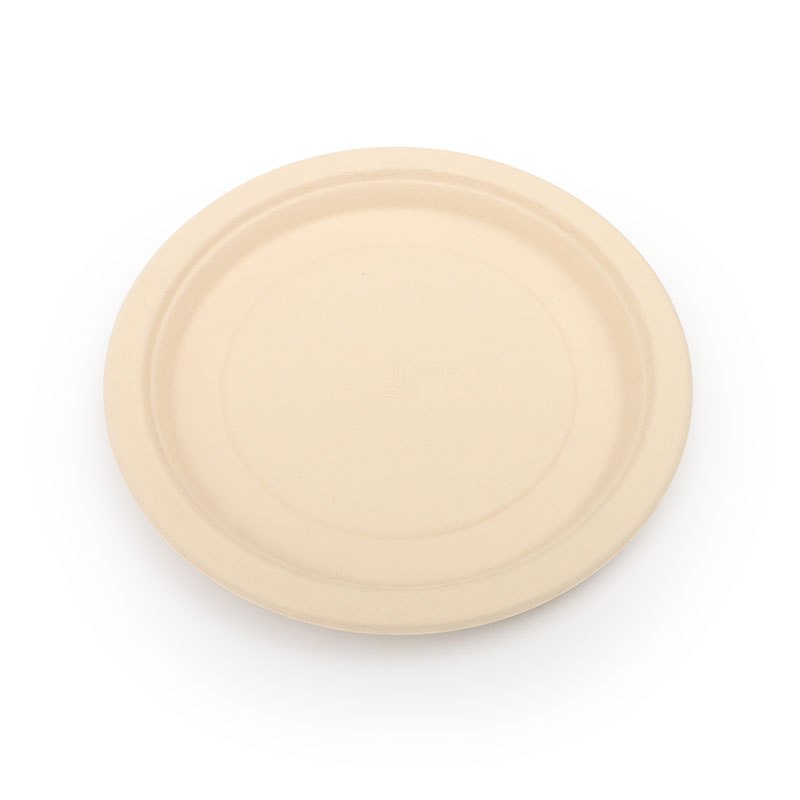 9 inch
 Big Round Plate Series
 12.7 Inch Pizza Plate
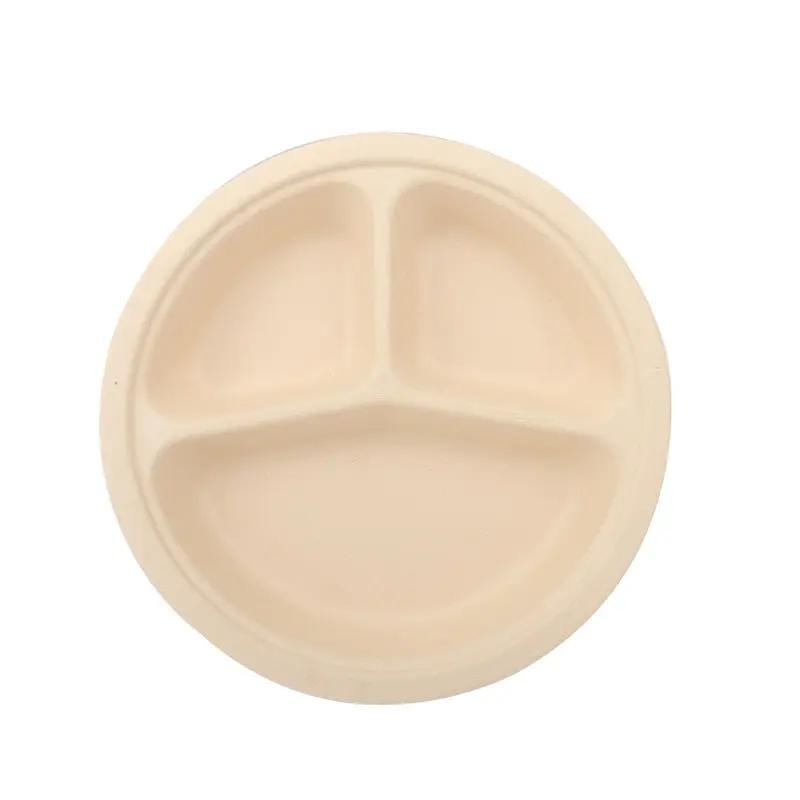 10.25 inch 3 Compartments
 10 inch
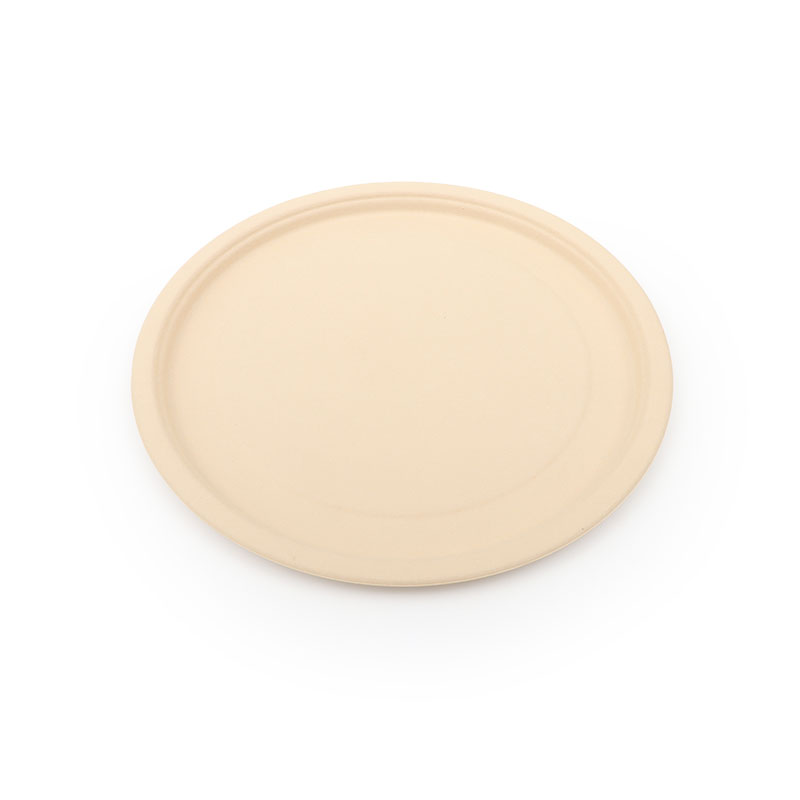 12 inch
 Bigger Bowl
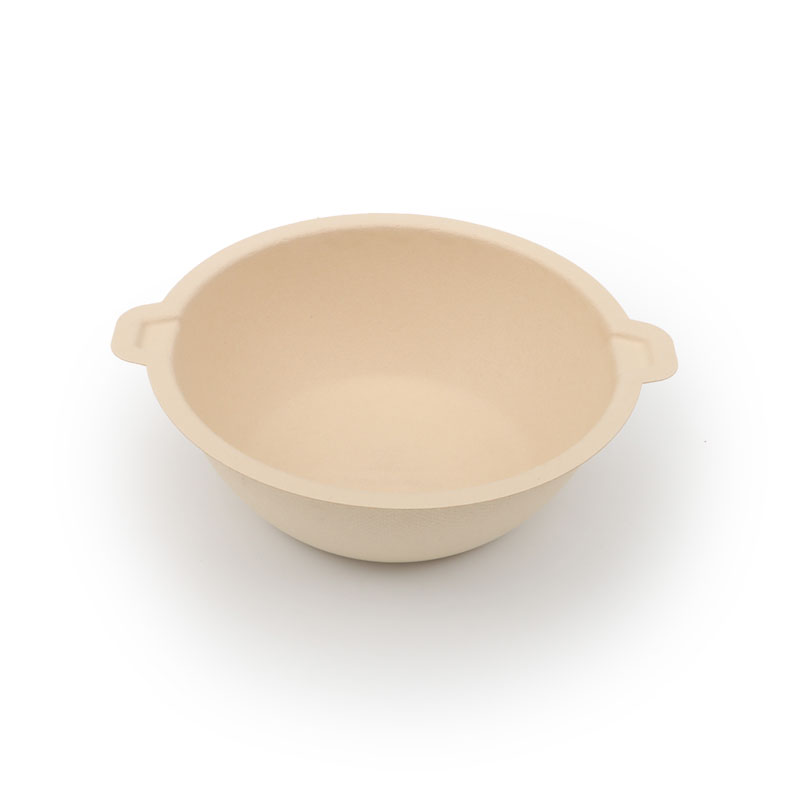 48oz(1420ml)
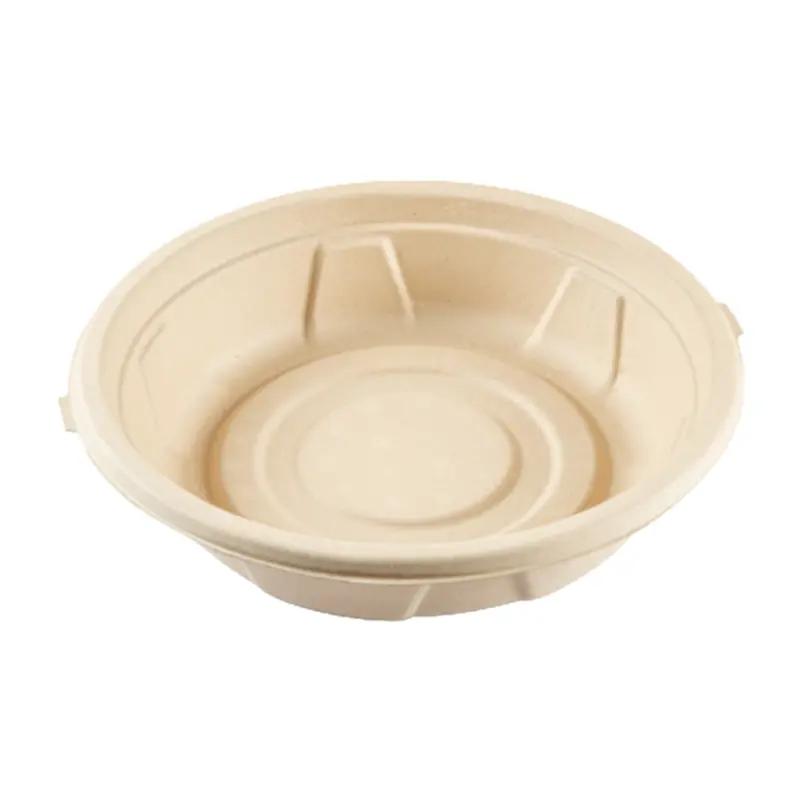 56oz(1650ml)
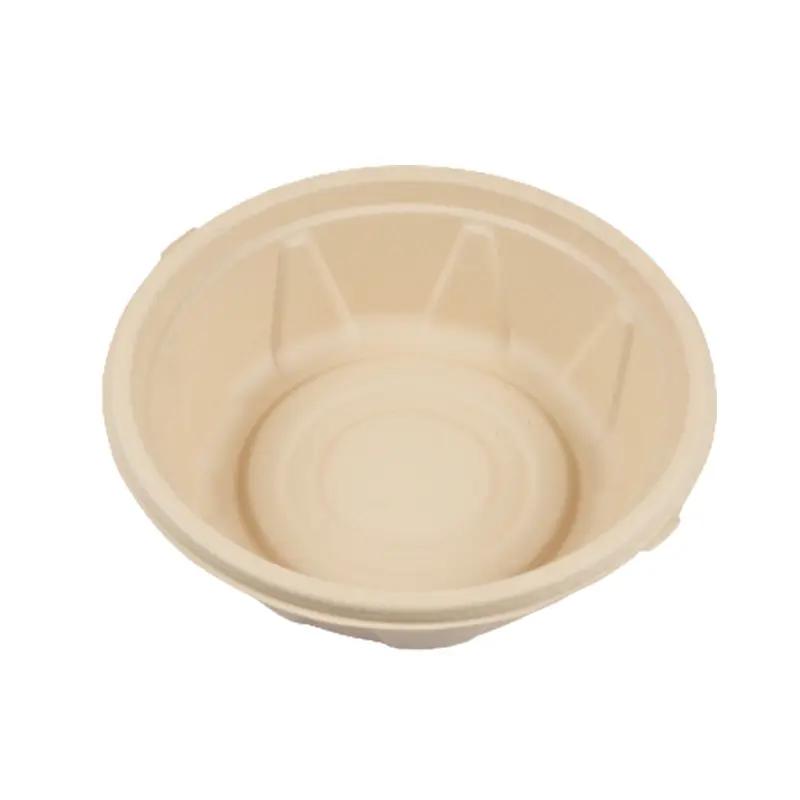 100oz(2950ml)
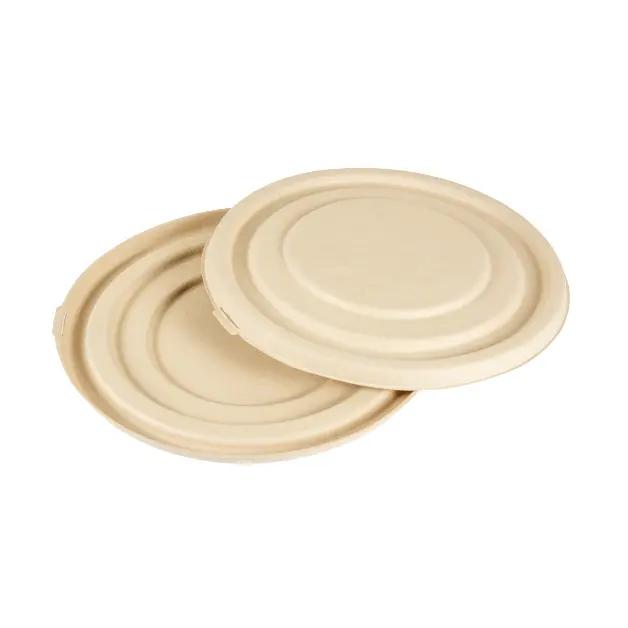 100oz(2950ml) With Lid
 Middle Bowl
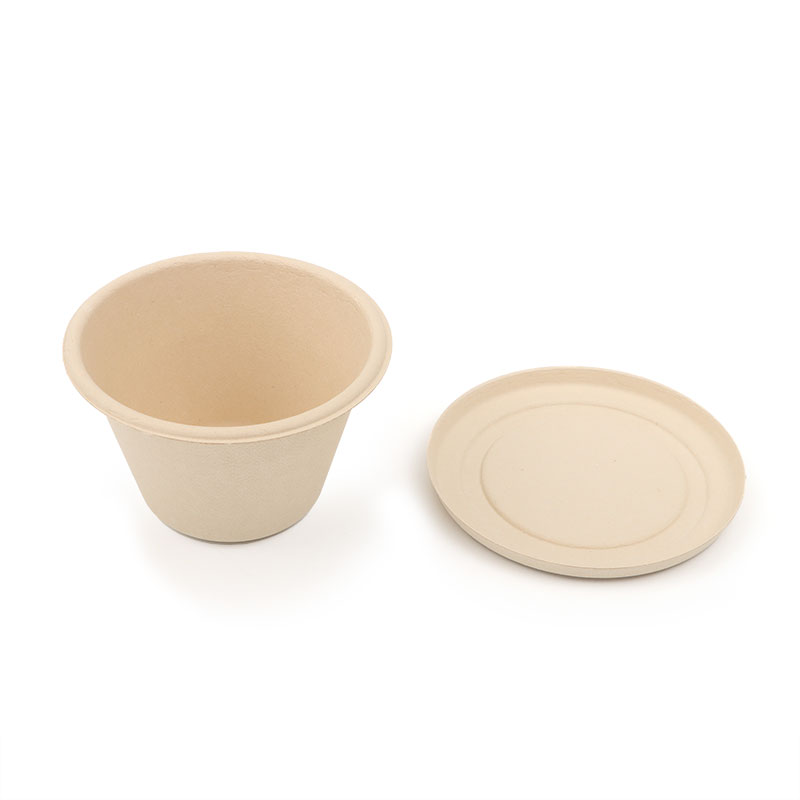 17oz(500ml)
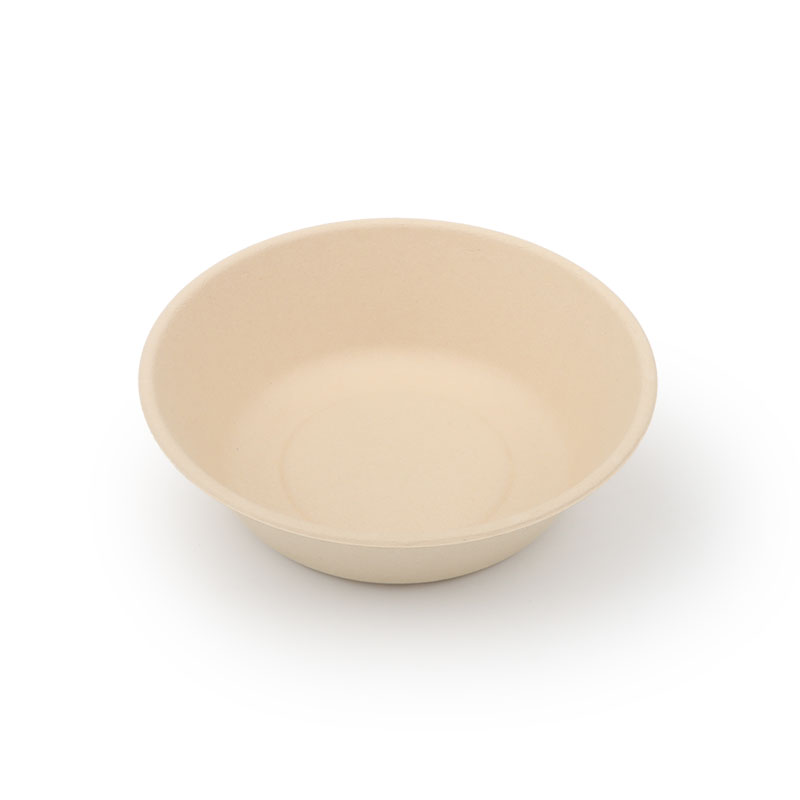 27oz(800ml)
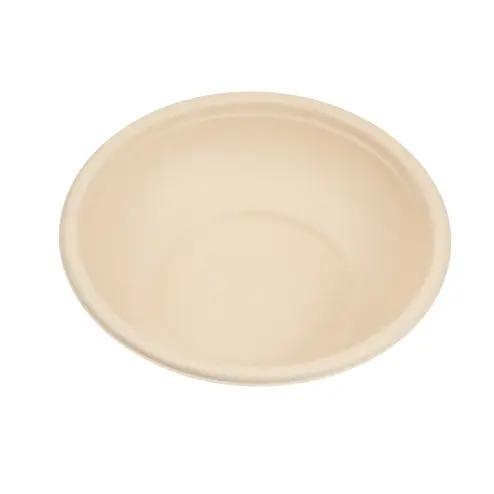 20oz(600ml)
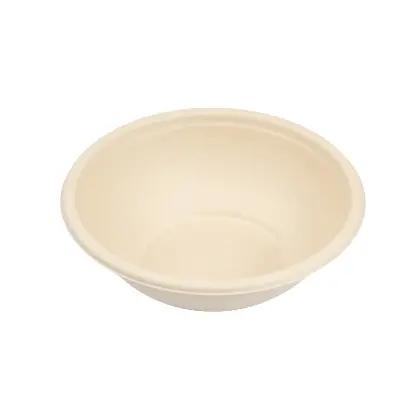 29oz(850ml)
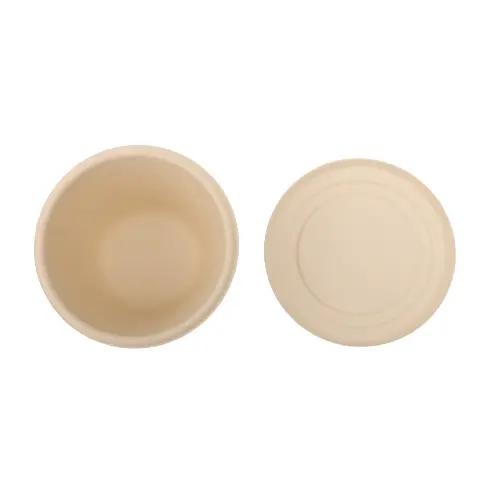 17oz(500ml) With Lid
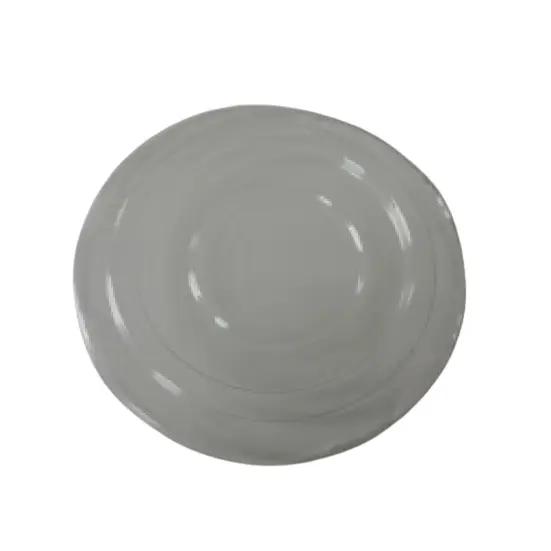 17oz(500ml) PET Lid
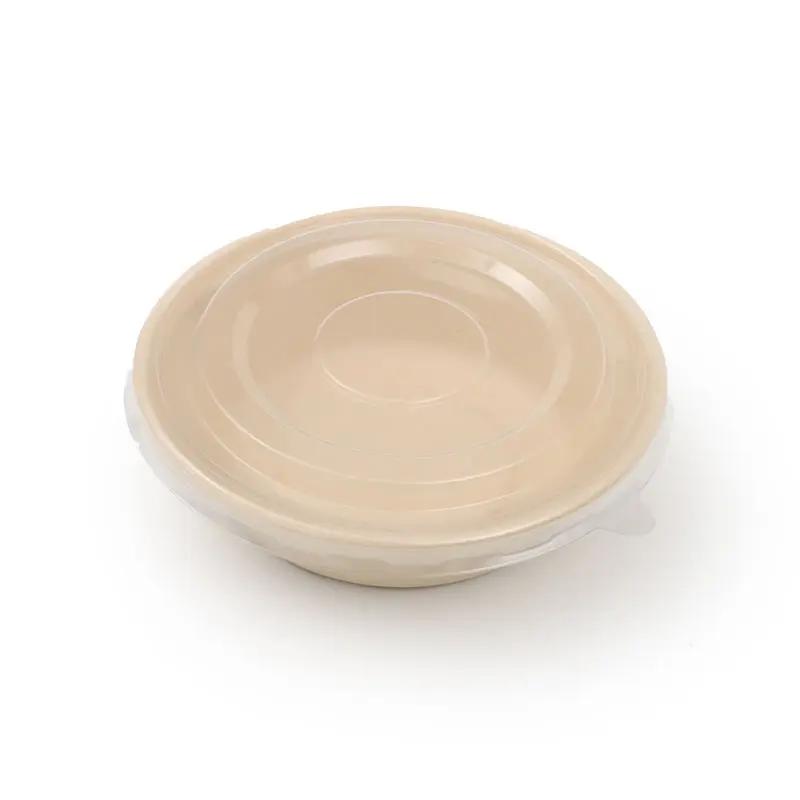 28oz(830ml) PET Lid
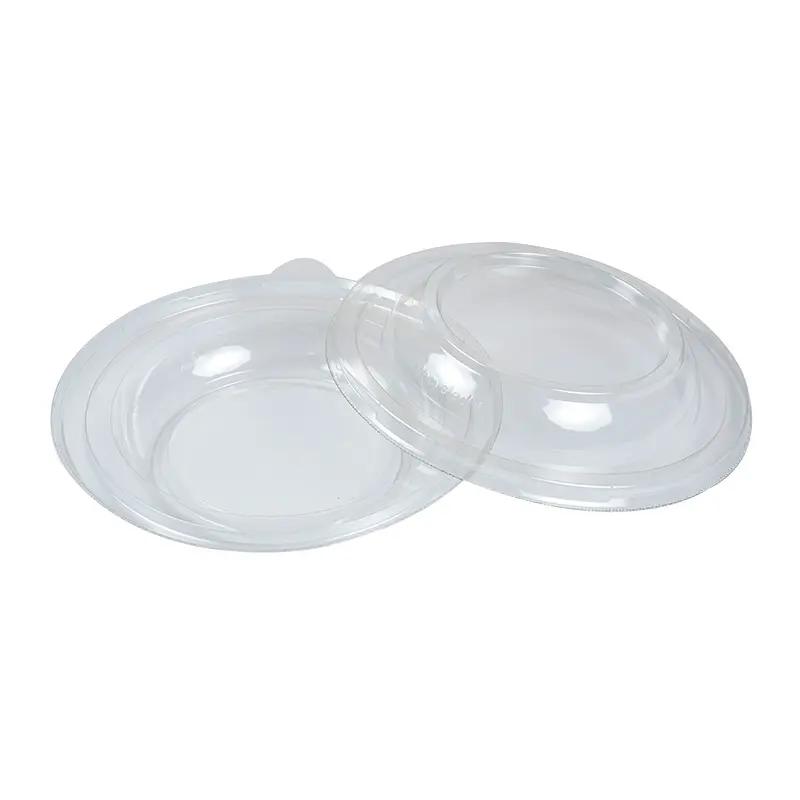 Round Bowl PET
 Small Bowl
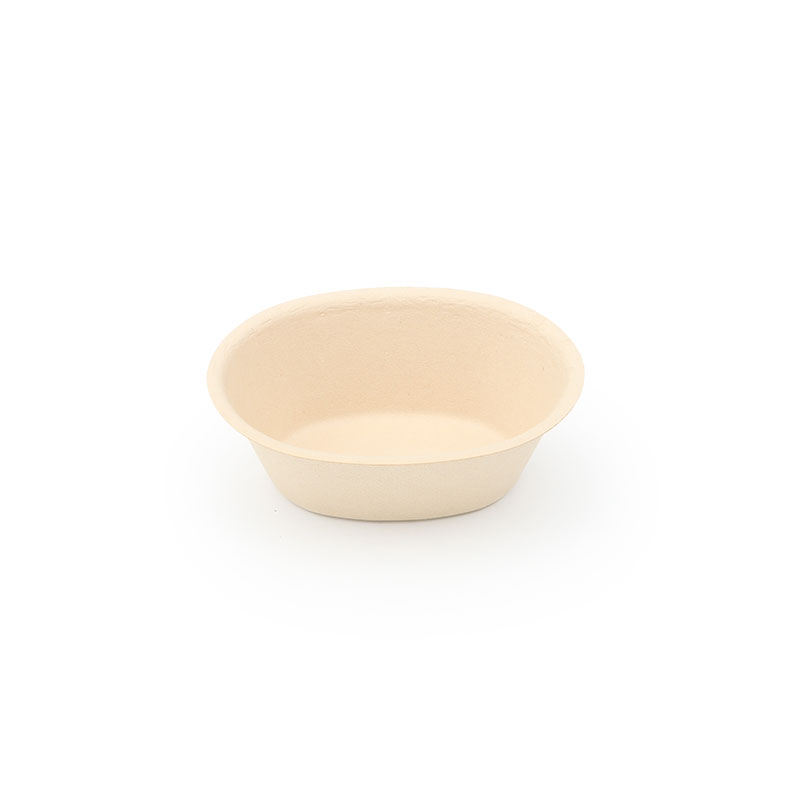 Snack Bowl
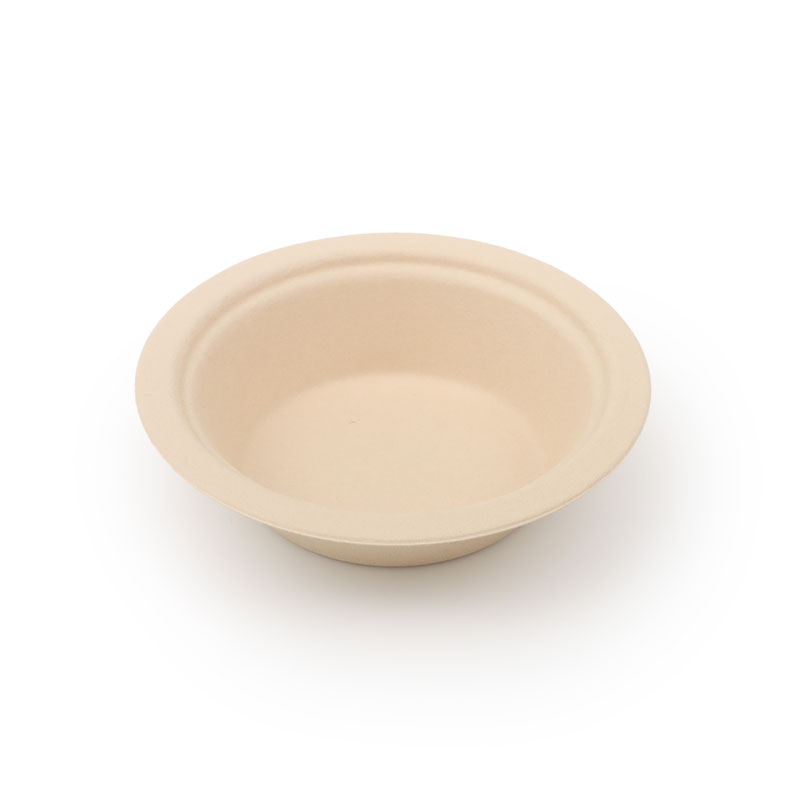 11.5oz(340ml) Bowl
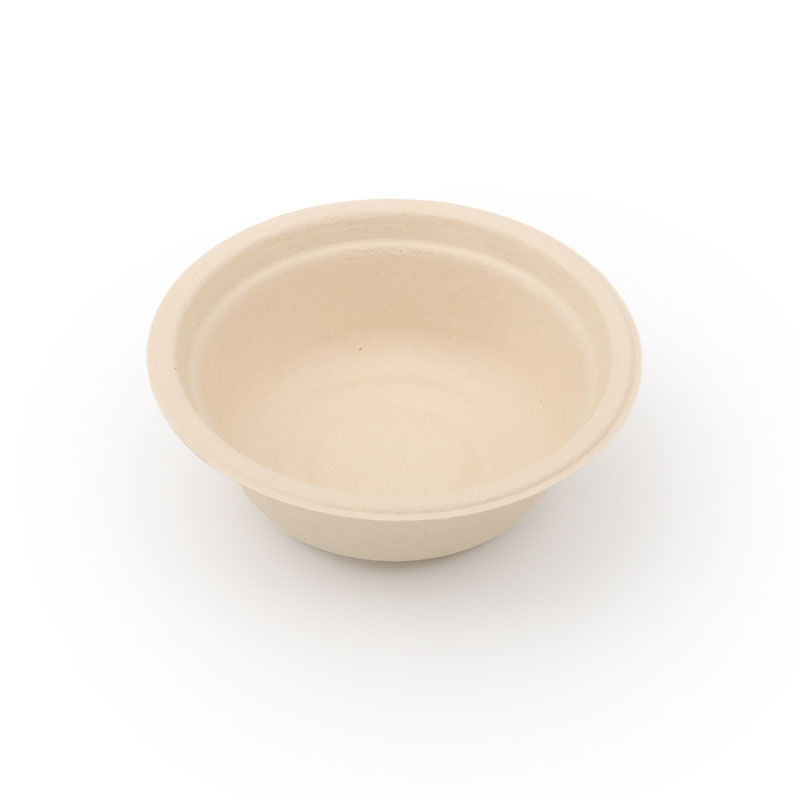 6.7oz(200ml) Bowl
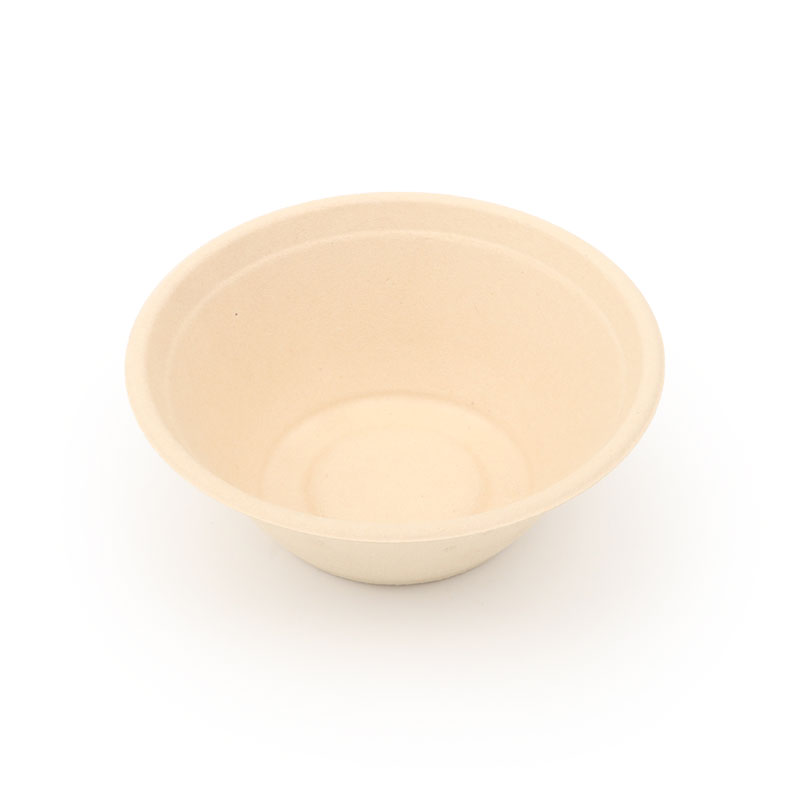 12oz(350ml) Bowl
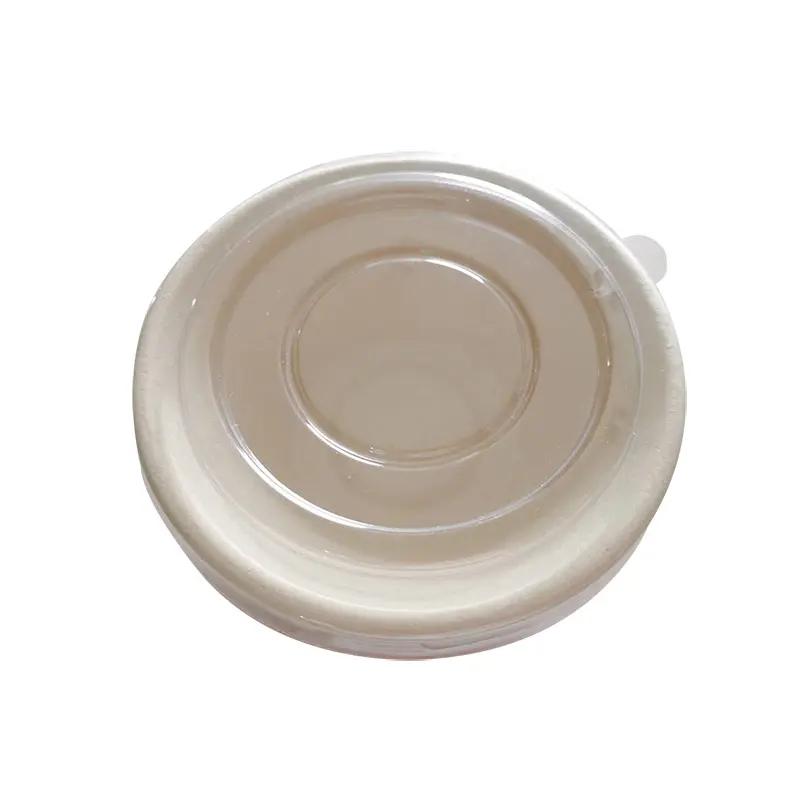 12oz(350ml) Bowl PET
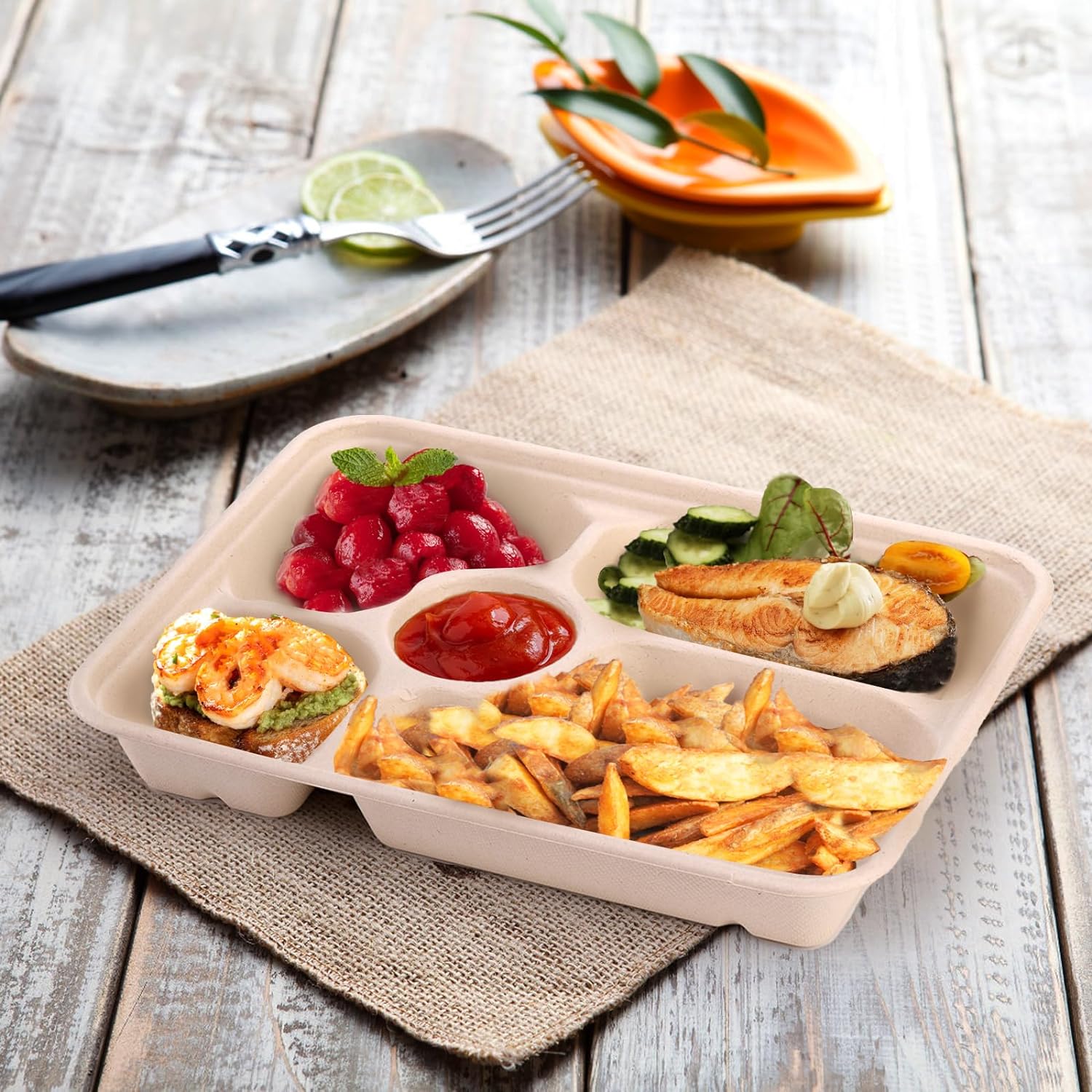 Bagasse Lunch Boxes
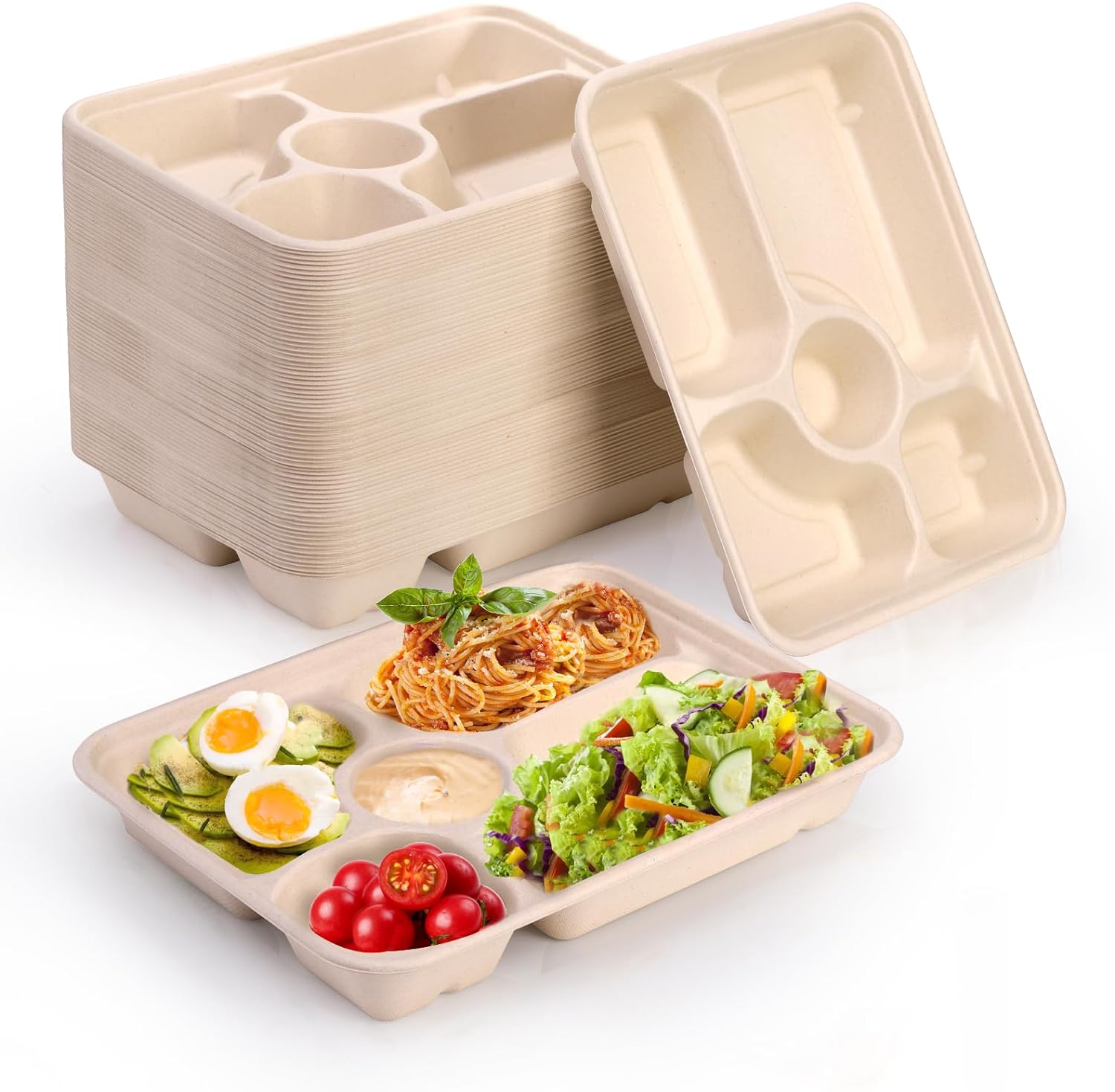 5CP
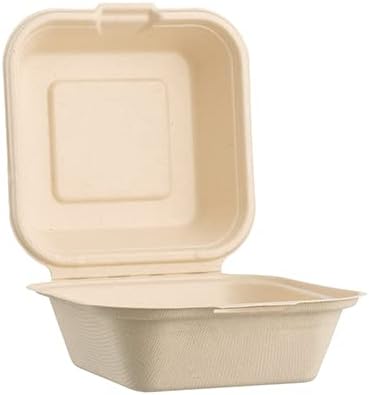 6 inch
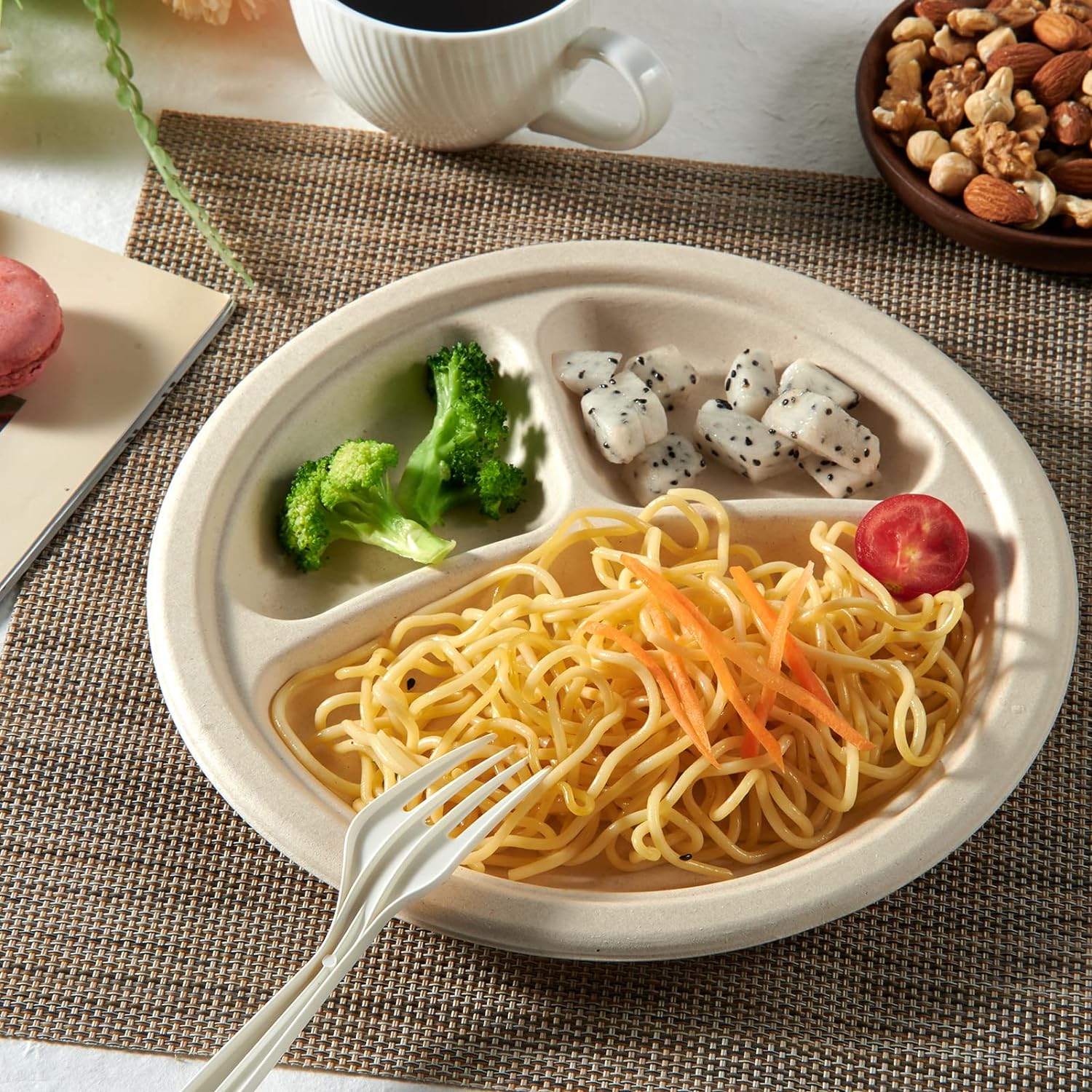 Bagasse Food Plates
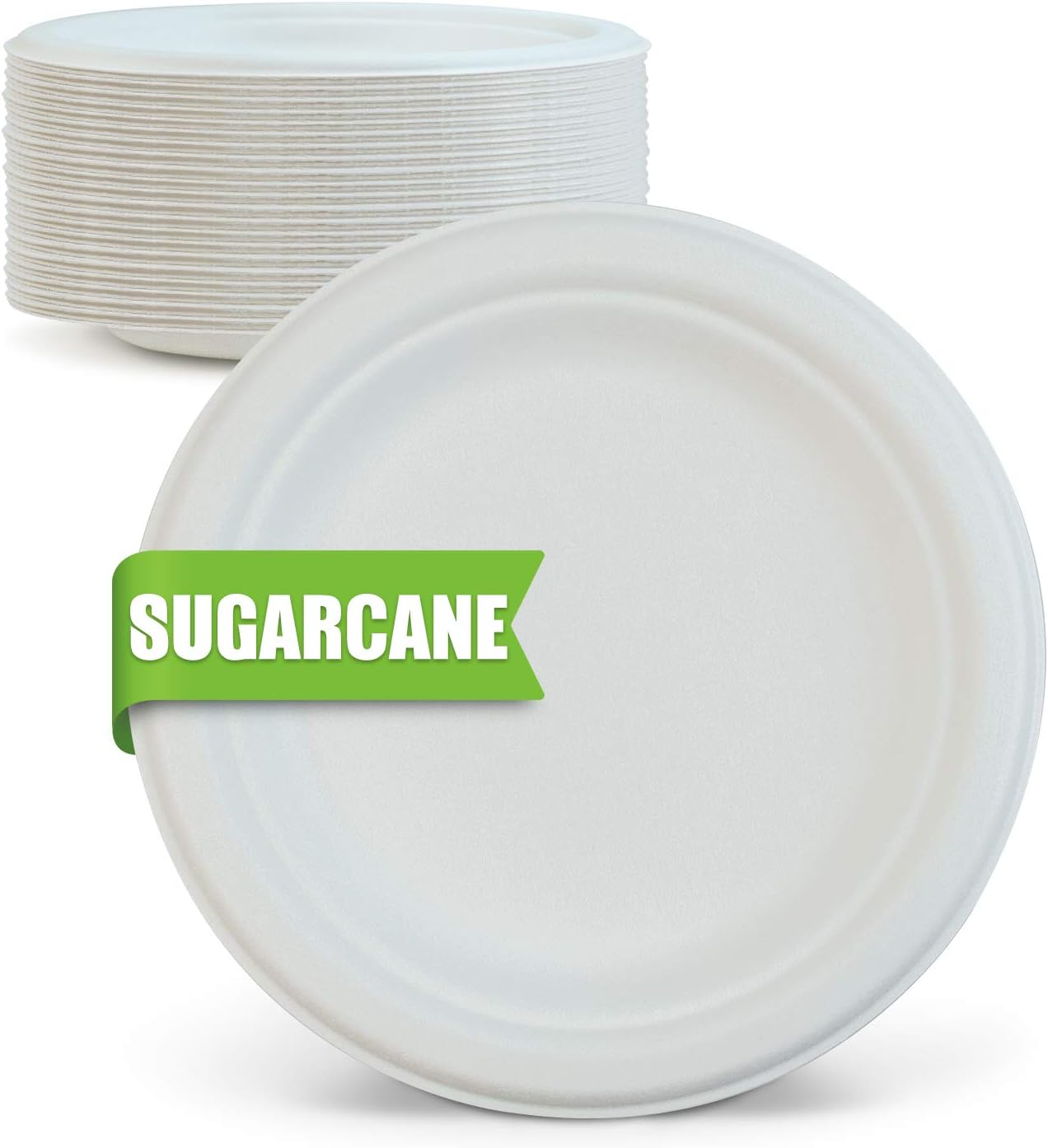 7 inch
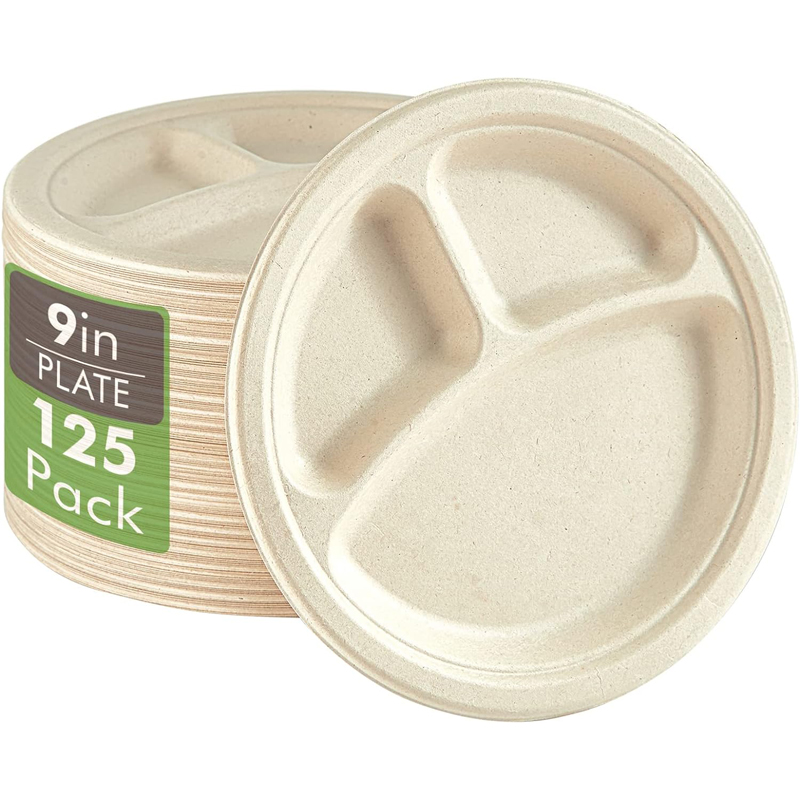 3CP
 Bagasse Bowls
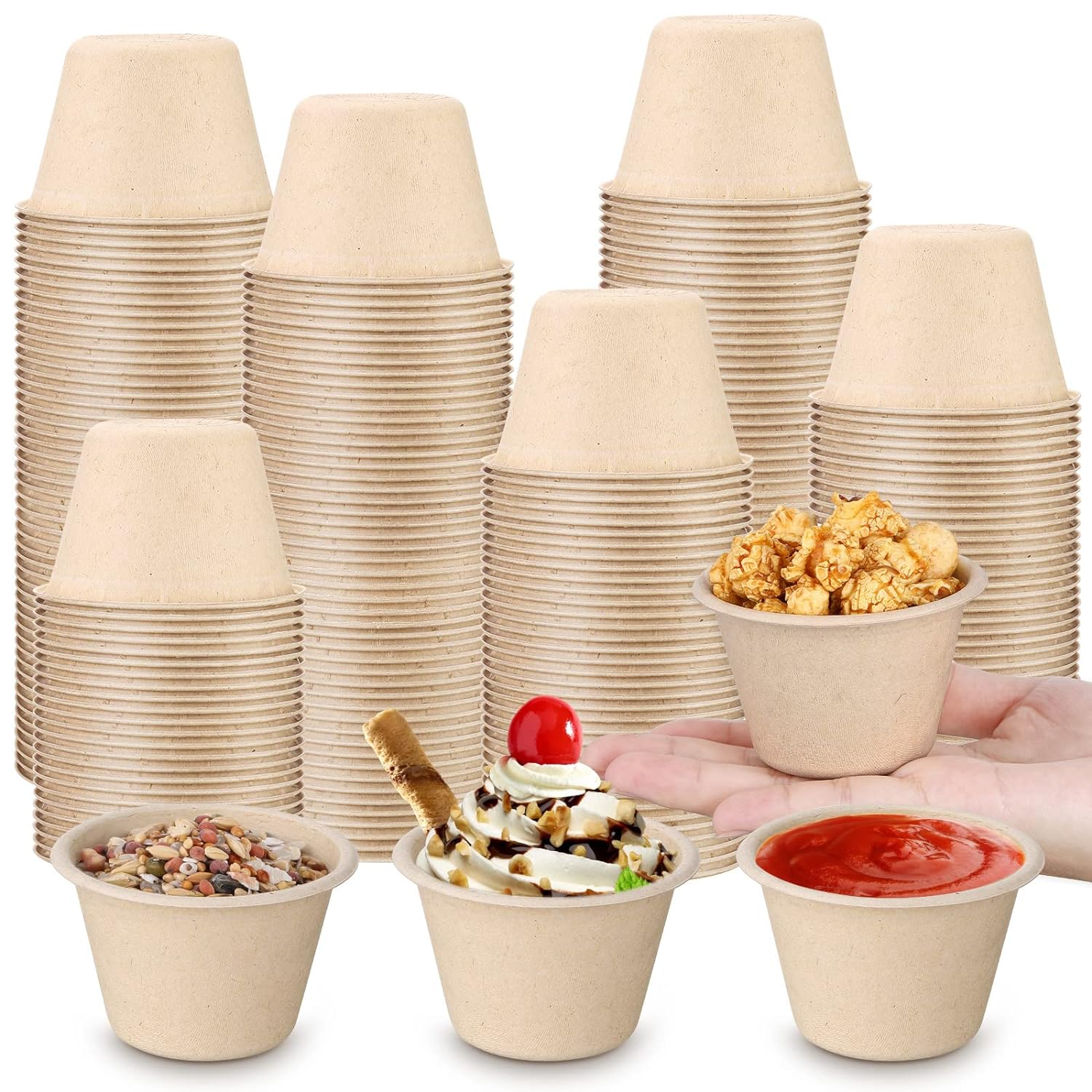 4oz
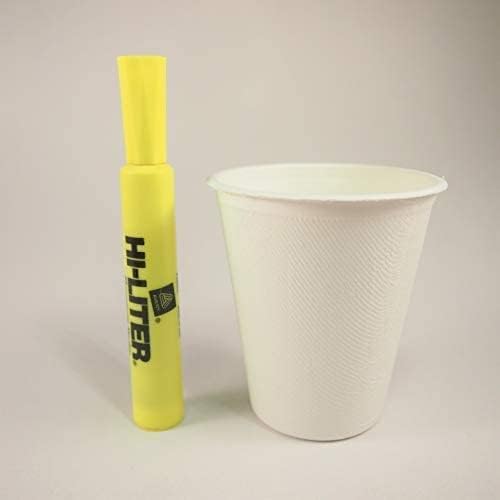 Bagasse Cups And Cutlery
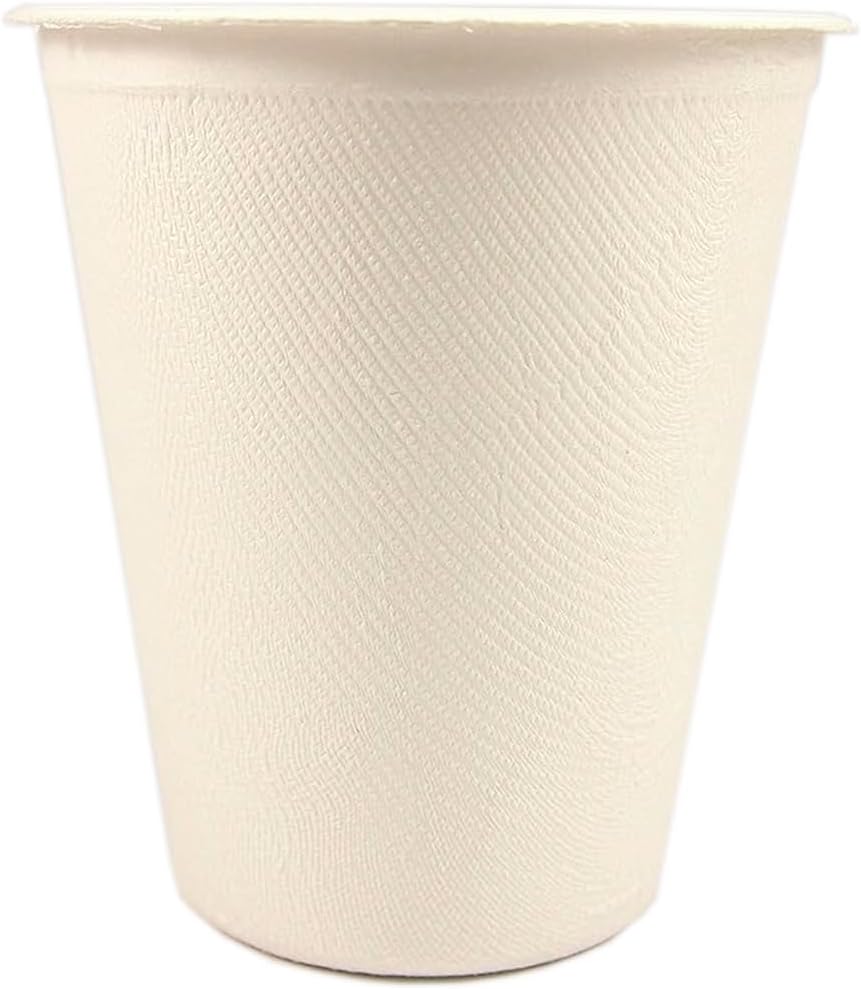 8oz
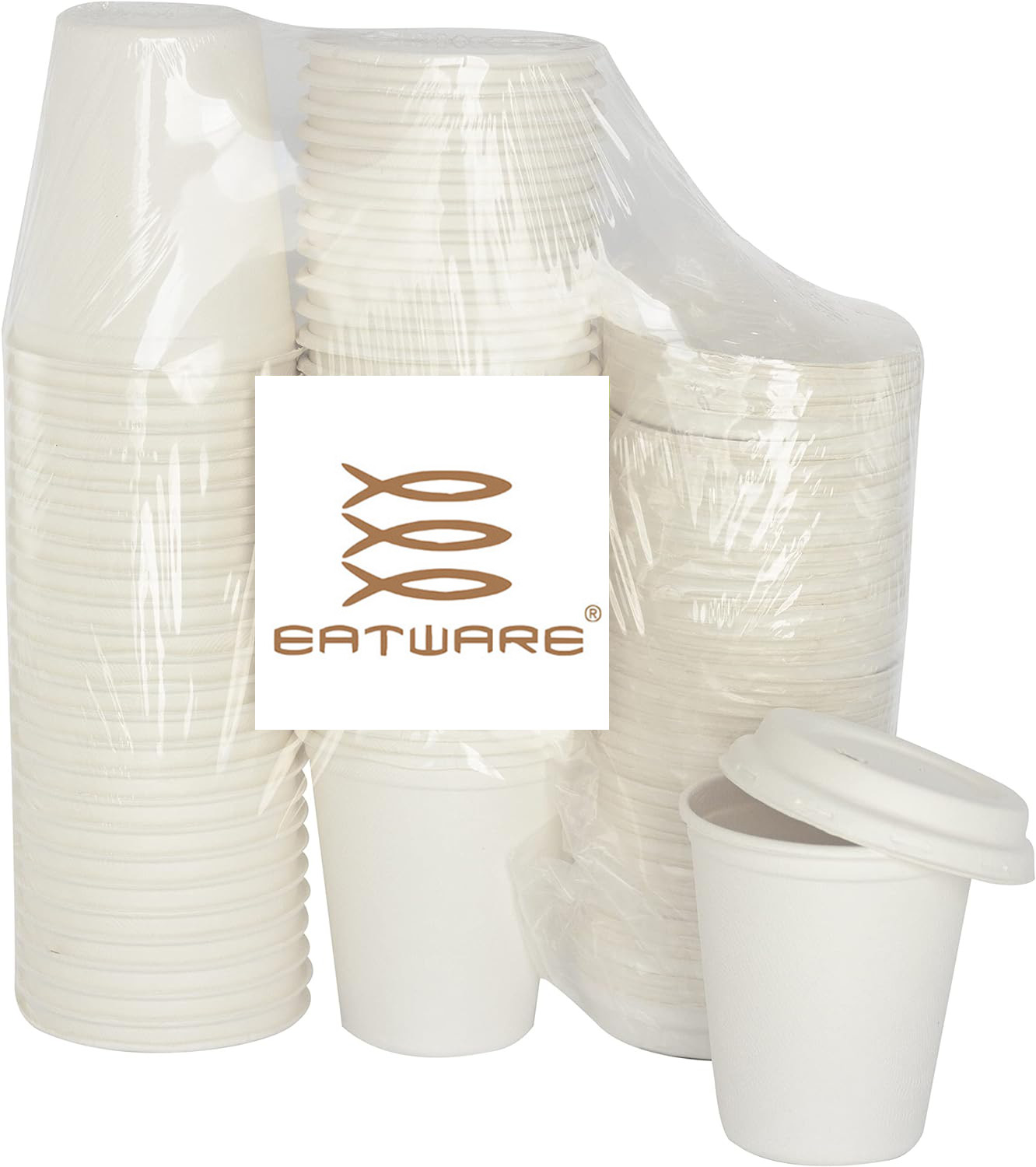 12oz
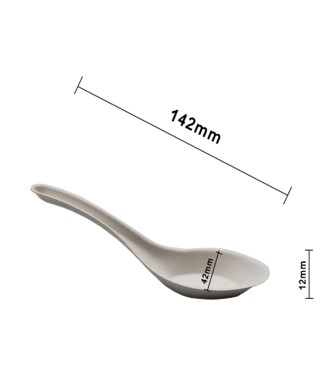 Cutlery
Leave Your Message
You’d think modified atmosphere packaging is a one-size-fits-all thing, but honestly, it’s not. It can do wonders for keeping food fresh—color, texture, all that—but the right gas mix really depends on what you’re packing. I mean, a tray of sliced beef, a bag of salad leaves, and a loaf of bread? They’re totally different worlds when it comes to what they need. Product respiration, moisture, temperature, even how long it’ll sit in distribution—every one of those factors plays a part. And the little details? Yeah, they matter more than you’d expect.
Food-packaging expert Dr. Gordon L. Robertson has spent a lot of time writing about packaging principles. So when you boil it down, his advice goes something like this (and I'm paraphrasing, not quoting him directly): 'Choose the atmosphere that suits your food, then prove it actually protects quality.' That, honestly, is the real crux of the decision. A packaging supplier’s suggestion can point you in the right direction, but it shouldn't ever replace testing with your own product.
So you’ve got this guide to help you sort through gas blends, barrier films, sealing performance, equipment, and supplier support—no small task, right? We’ll also dig into how to check shelf-life results under real-world storage conditions, not just ideal ones. And here’s the thing: details matter. A weak seal, a hot loading dock, or a film that just doesn’t work with your setup can totally wreck a carefully chosen gas mixture. A tidy sample on a lab bench? That’s only part of the story. At the end of the day, modified atmosphere packaging isn’t really plug-and-play, no matter how much we’d like it to be. Sure, it might buy you a bit more shelf life, but no amount of clever tech can fix sloppy handling or poor ingredients. At the end of the day, the right call comes down to clear specs, tests you can actually repeat, and being honest about what it just can’t do.

Before selecting a gas mix, define the food, pack size, storage temperature, and required shelf life. A 250-gram tray of sliced mushrooms has different needs from a family-sized pack of cooked meat. Record the product’s moisture, fat content, respiration rate, and likely handling conditions. Small details matter. FAO’s 2019 report, The State of Food and Agriculture, estimated that 14% of food is lost between harvest and retail. That figure is not a promise MAP can solve; it shows why reducing avoidable spoilage deserves careful planning.
Set a measurable target, such as days of acceptable quality at a stated temperature, then test the product in its actual package. Check color, odor, texture, microbial safety, seal integrity, and gas levels at intervals. Test the real pack. UNEP’s 2024 Food Waste Index estimated 1.05 billion tonnes of food waste in 2022 across households, food service, and retail. Shelf life is only useful when the product remains safe as well as saleable. For chilled, ready-to-eat foods, a low-oxygen atmosphere needs a validated safety plan; appearance alone is not evidence of safety. A target chosen from a competitor’s label may look convenient, but it may not fit your recipe, temperature swings, or distribution delays. That assumption deserves a second look.
The 800ml two-compartment bamboo box with a T buckle offers a practical way to package takeaway meals while reducing reliance on conventional plastic containers. Made from rapidly renewable bamboo pulp fiber, it has a natural beige finish and an organic shape. The material is produced without bleach, added chemicals, or laminates, and the container is designed to be fully compostable in a managed landfill. Its two sections keep different foods separate, while the T buckle helps hold the box closed for carrying and delivery.
Measuring 232 × 133 × 51 mm, the box is designed for everyday food-service use as well as convenient reheating and storage. It resists water and oil at temperatures up to 95°C for 30 minutes, and can be heated in a microwave or oven at 220°C for 3–5 minutes. It is also suitable for refrigerator storage down to −18°C for up to three months. Custom OEM and ODM options are available, with certifications including BPI, BRC, OK Compost, OWS, FDA, FSC, Green Seal, and Fluorine.
CO₂ can slow many spoilage microbes. N₂ is largely inert and helps support the package.
No. It does not sterilize food or replace sanitation and refrigeration. A pack can look fresh while still presenting a safety risk.
It may dissolve into moist foods, collapse the pack, or create acidic notes. A firm-looking tray is not guaranteed.
No universal recipe. Produce respiration varies with crop, cut size, and temperature, while meat, greens, and fruit respond differently to gas levels.
Measure headspace gases at sealing and during storage. Check color, liquid purge, swelling, and microbial results.
Film permeability affects how gases move through the package. Residual oxygen matters too, so the blend and film should be tested together.
UK guidance calls for extra controls when chilled vacuum- or modified-atmosphere-packed foods have an intended shelf life over 10 days. A validated safety hurdle may be needed.
Include realistic storage and distribution changes, and measure actual fridge temperatures. I would recheck small process changes; they are easy to overlook.
Choosing Modified Atmosphere Food Packaging starts with defining the product’s characteristics, intended storage conditions, and required shelf life. Gas mixtures should be tailored to the food: fresh produce often needs low oxygen levels of around 2–5%, while red meat may require approximately 70–80% oxygen to help maintain its appearance. Carbon dioxide can support microbial control, while nitrogen can balance the mixture and reduce package collapse. The right proportions depend on the product’s respiration, color, and quality needs.
Packaging materials must also match the chosen gas targets. Select films with suitable oxygen transmission and water-vapor transmission rates, and use a gas-to-food ratio of about 2:1 as an initial guide, adjusting it through testing. For chilled foods, consider applicable safety guidance; in the UK, products stored for more than 10 days require additional controls. Before production, validate residual gas levels, seal integrity, and shelf life under the intended storage conditions.


