 Box With T buckle
 700ml Square Lunch Box
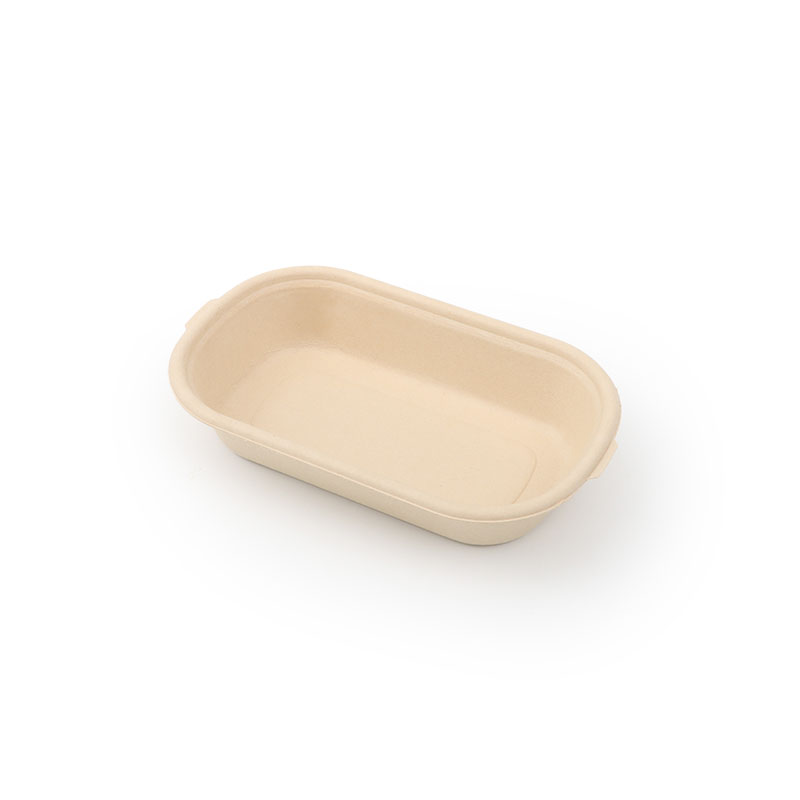 500ml
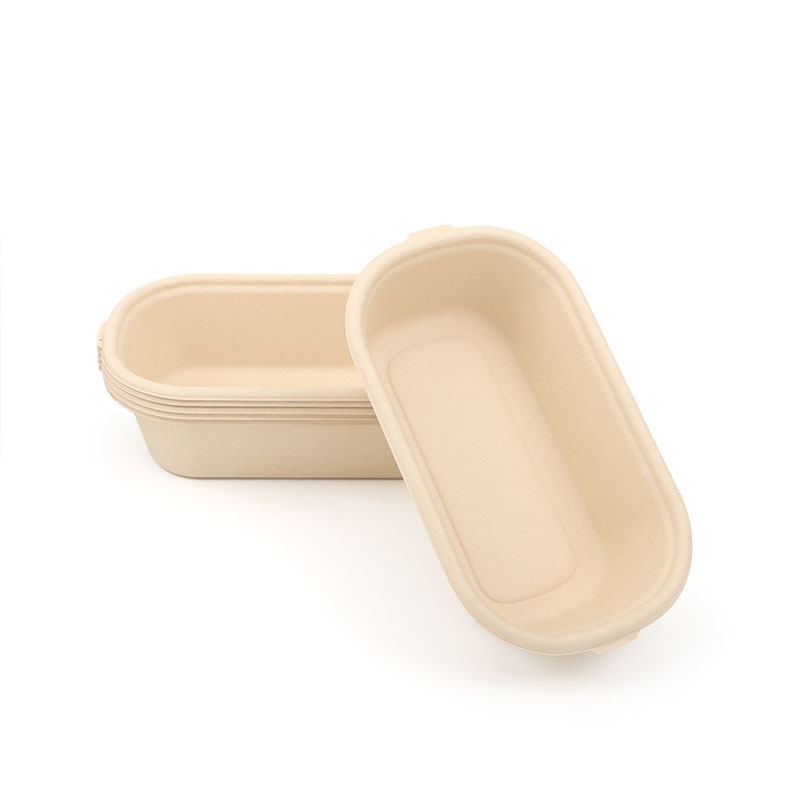 700ml
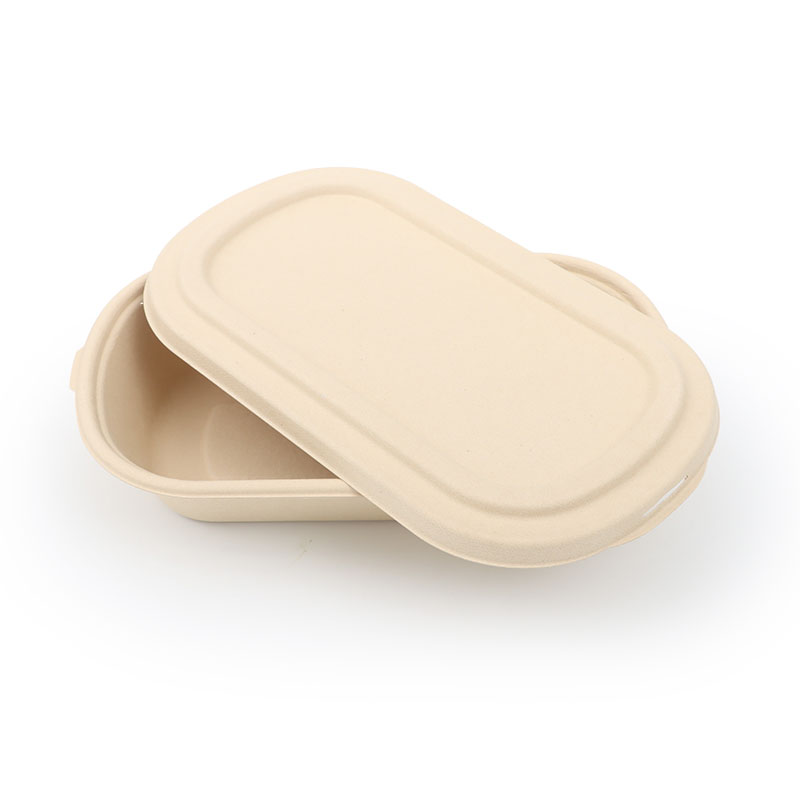 850ml
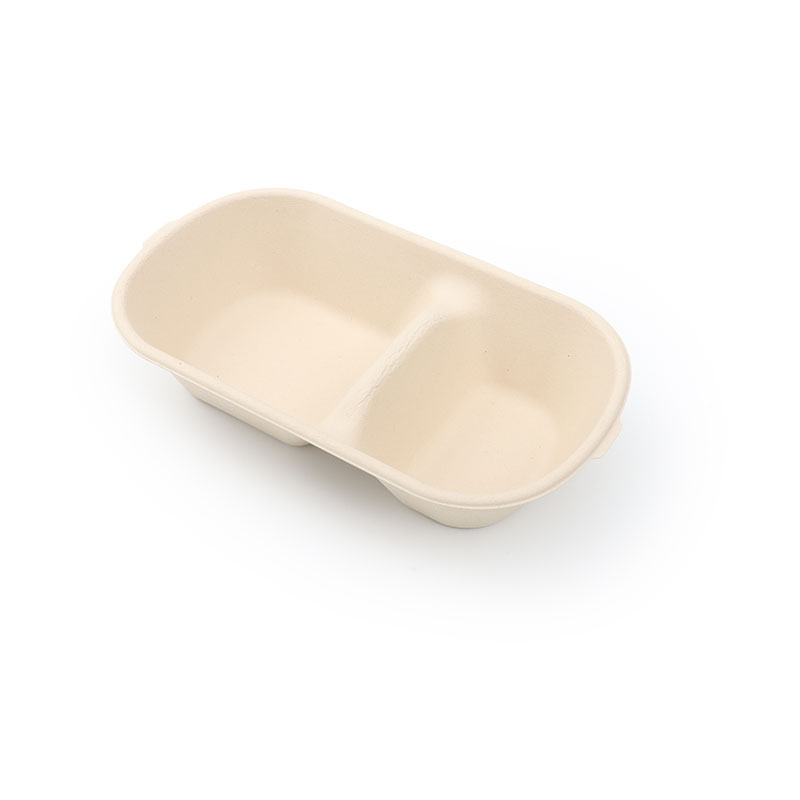 800ml 2 Compartments
 1000ml 2 Compartments
 1100ml
 1000ml Square Lunch Box
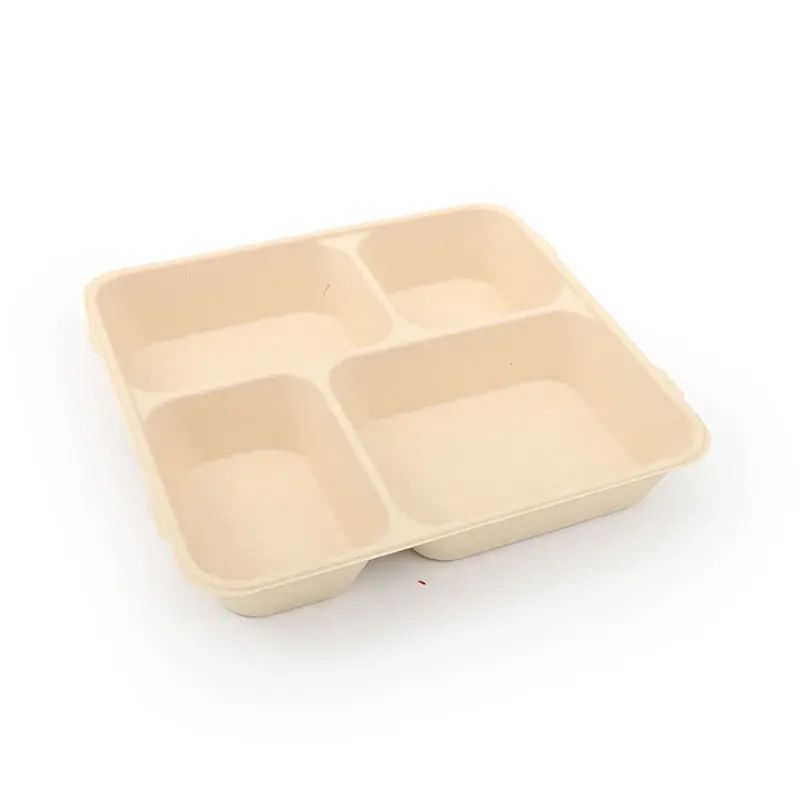 1340ml 4 Compartments
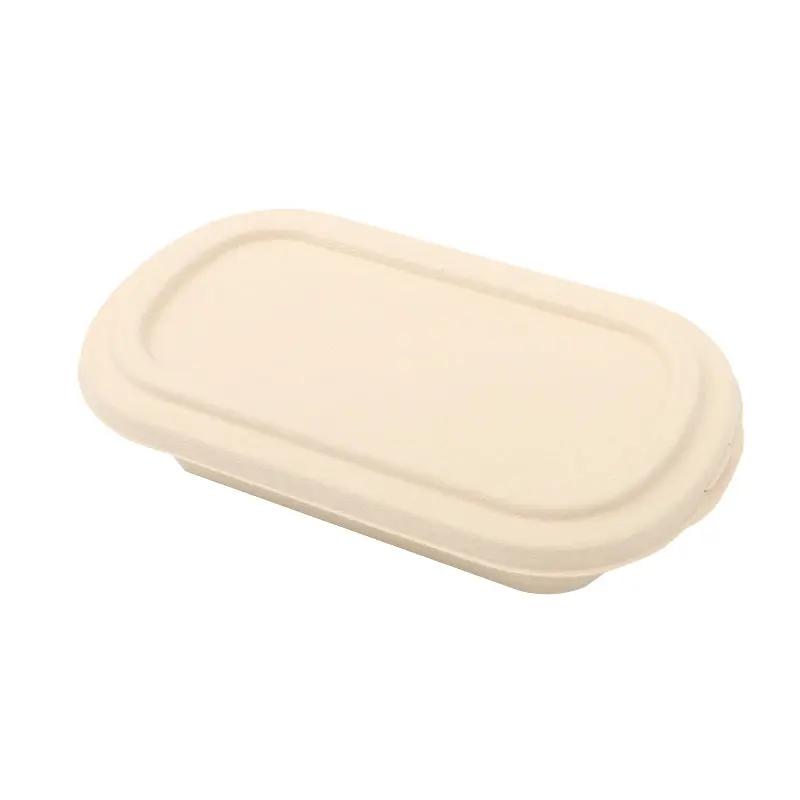 Lunch Box Lid
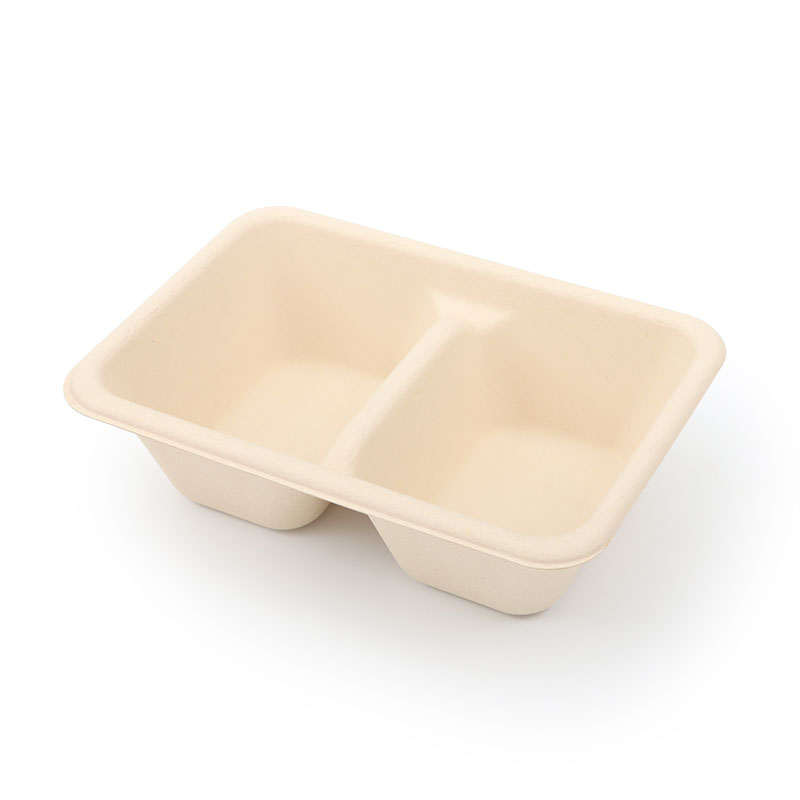 650ml
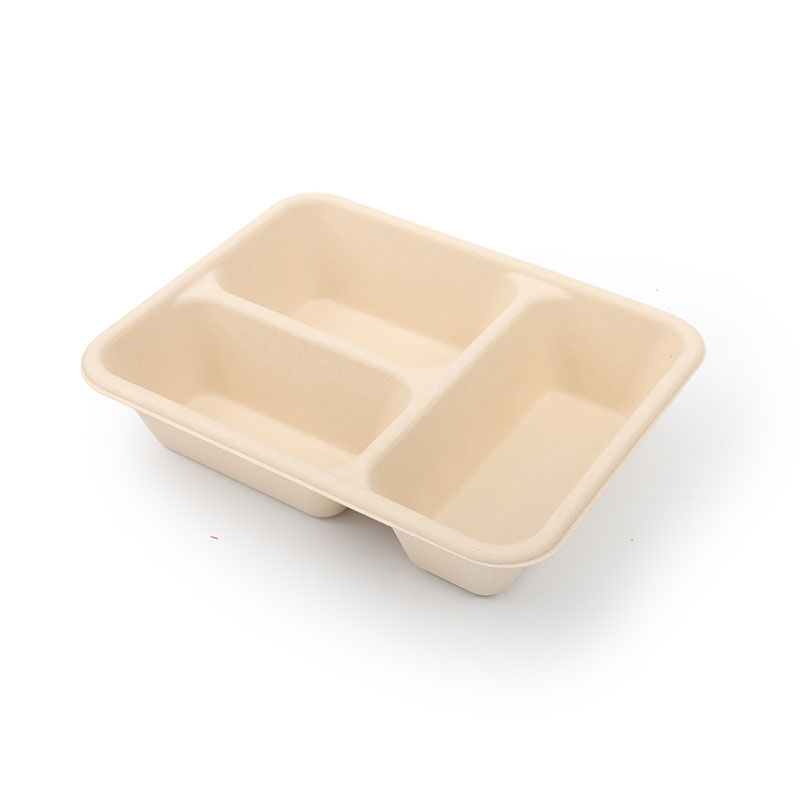 1000ml 3 Compartments
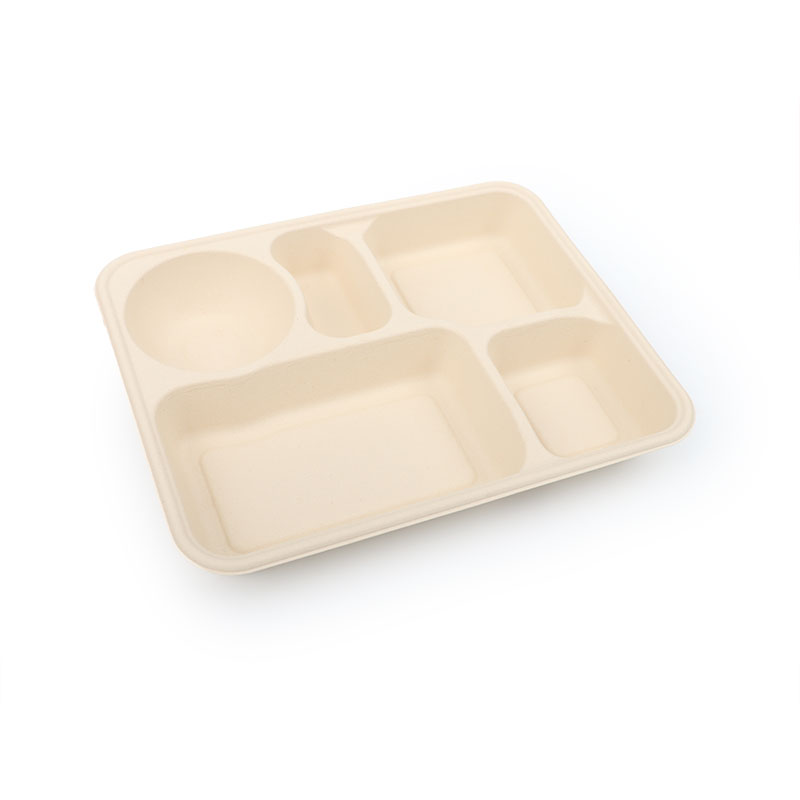 1250ml 5 Compartments
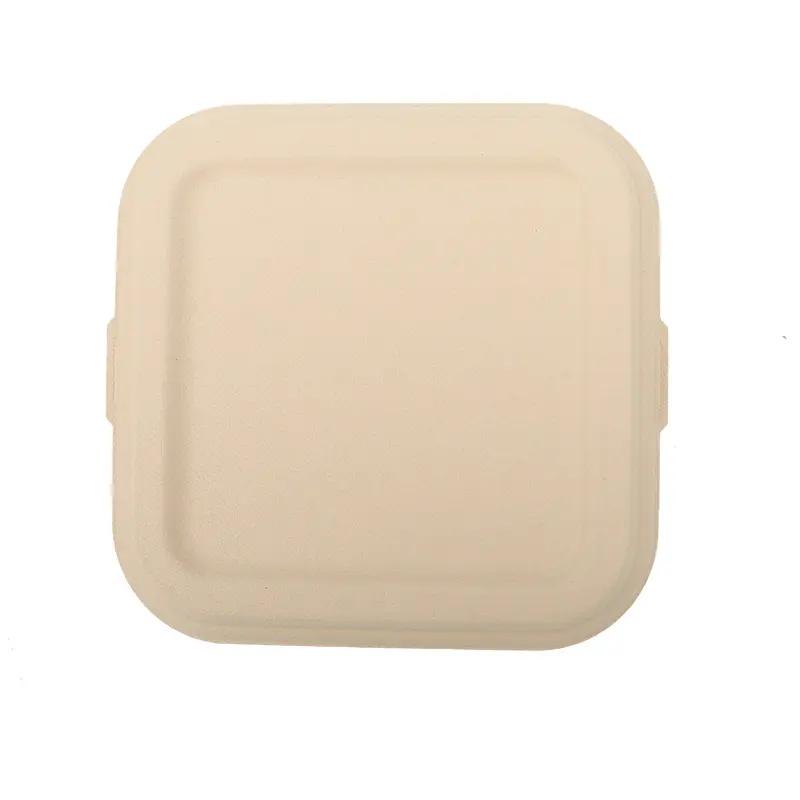 Square Lunch Box Lid
 Box Without T buckle
 850ml Salad Box
 700ml
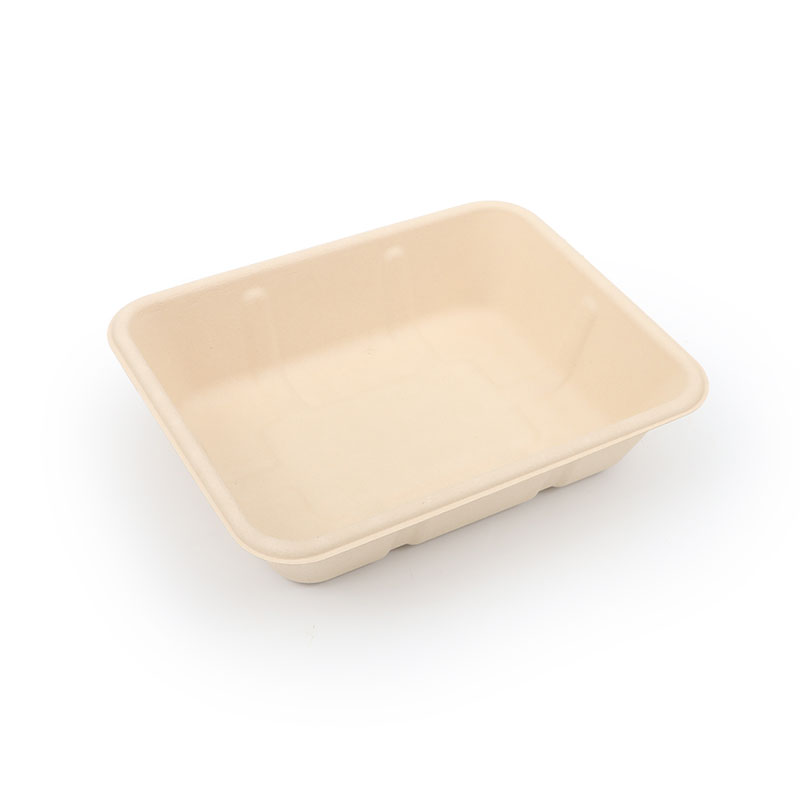 1350ml
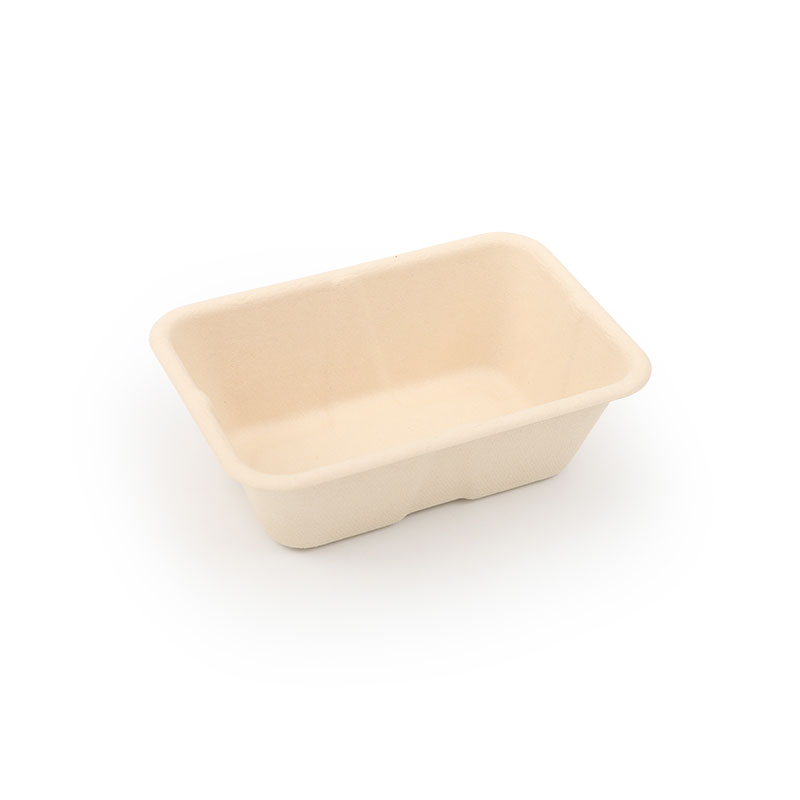 470ml
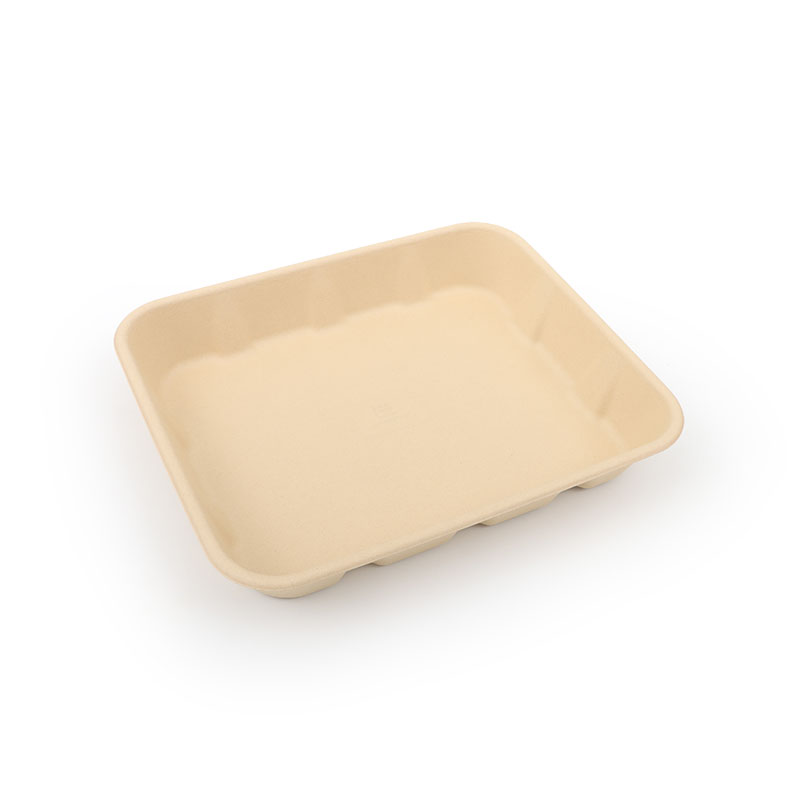 2183ml Tray Box
 11" * 9"
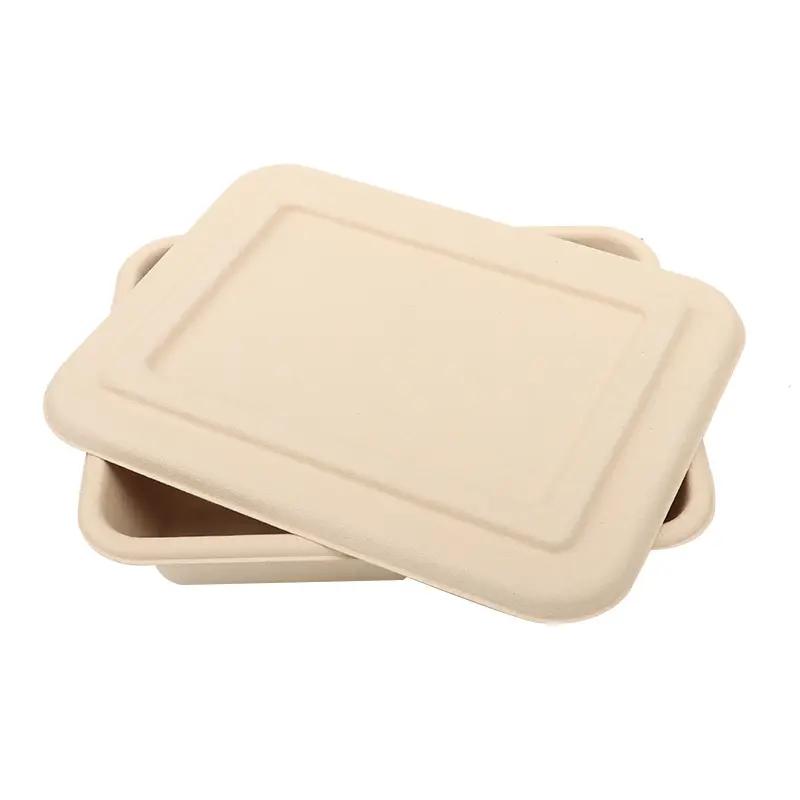 800ml
 One Part Box
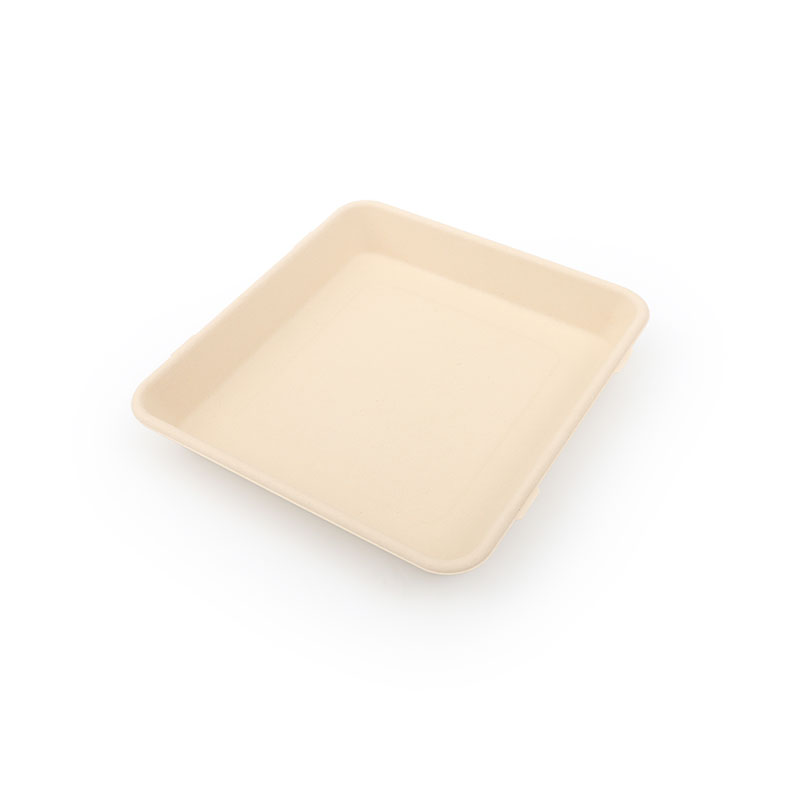 1443ml Tray Box
 Cake Bread Snack Tray Series
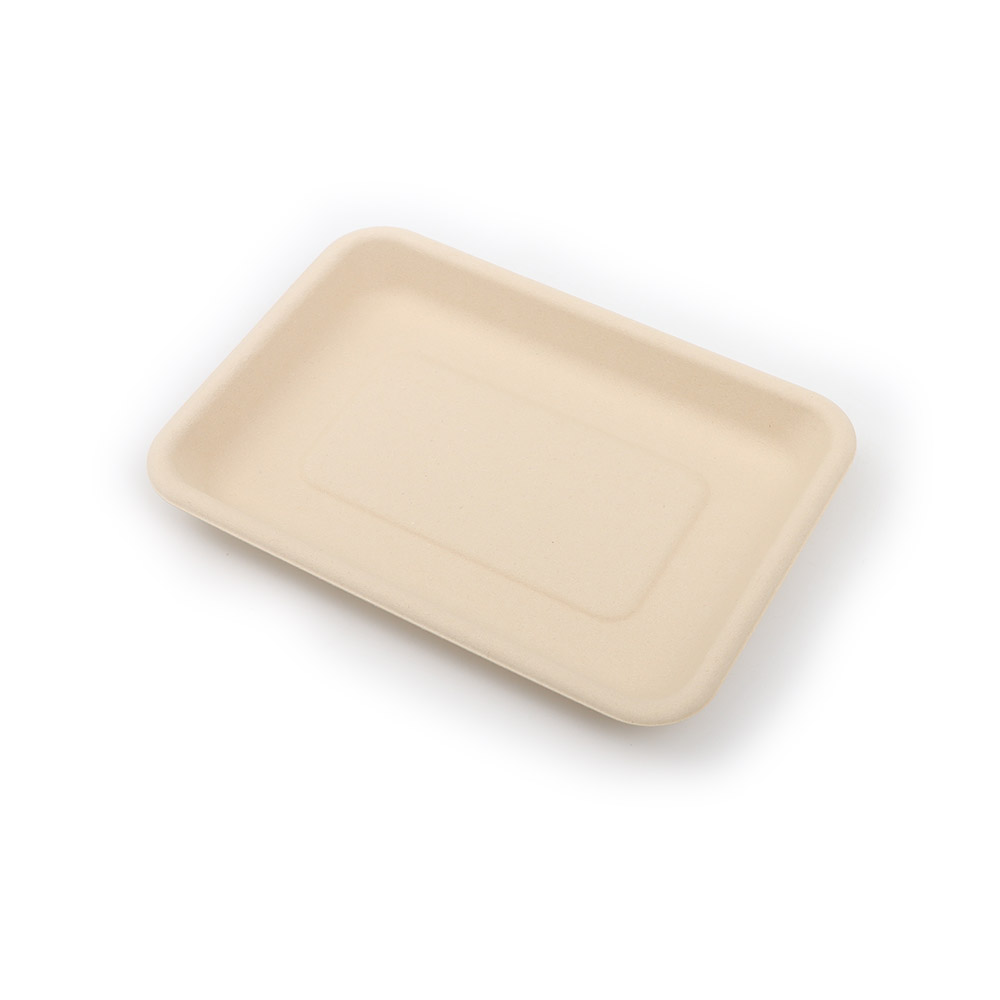 5" * 7" natural color
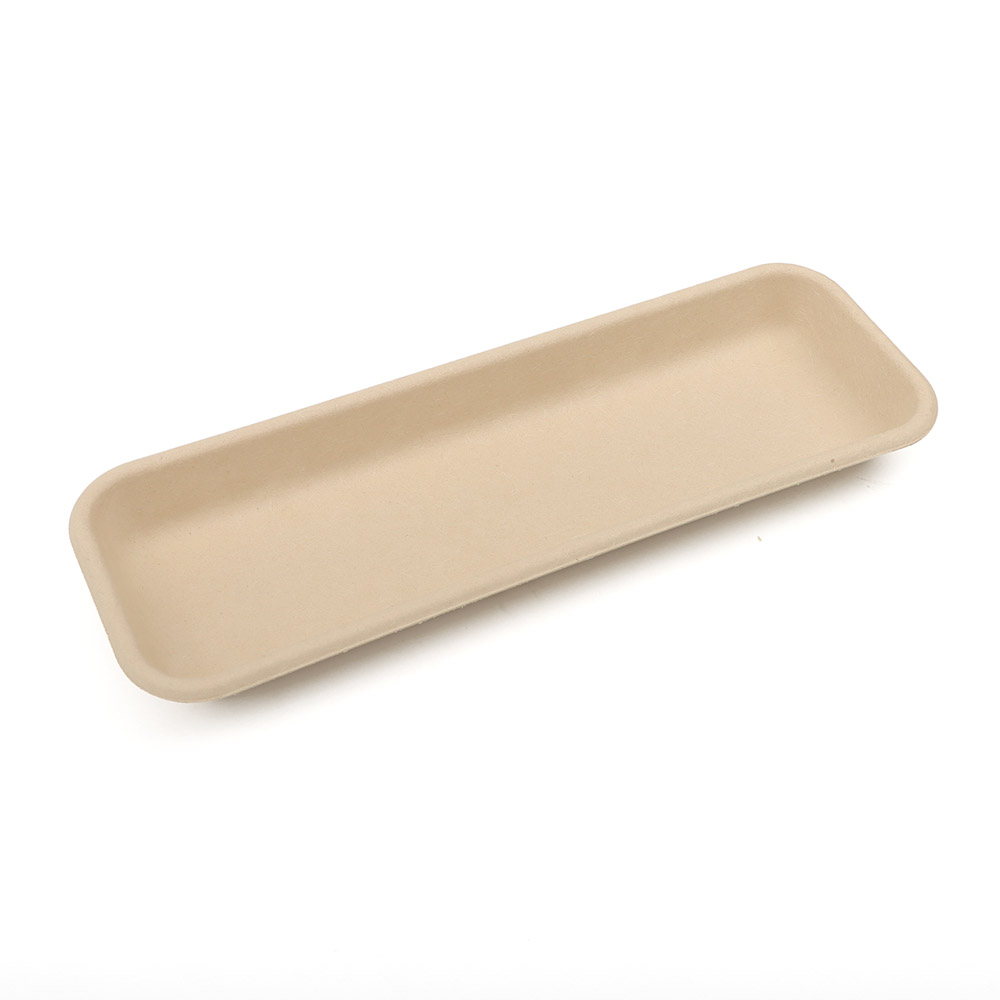 11.4" * 3.9"
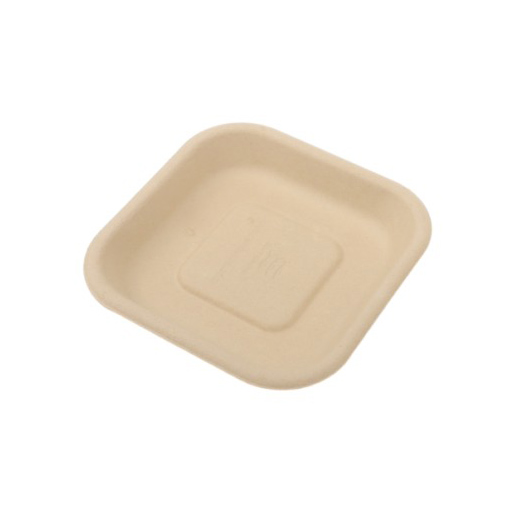 5.3" * 5.3"
 Fruit And Vegetable Tray Series
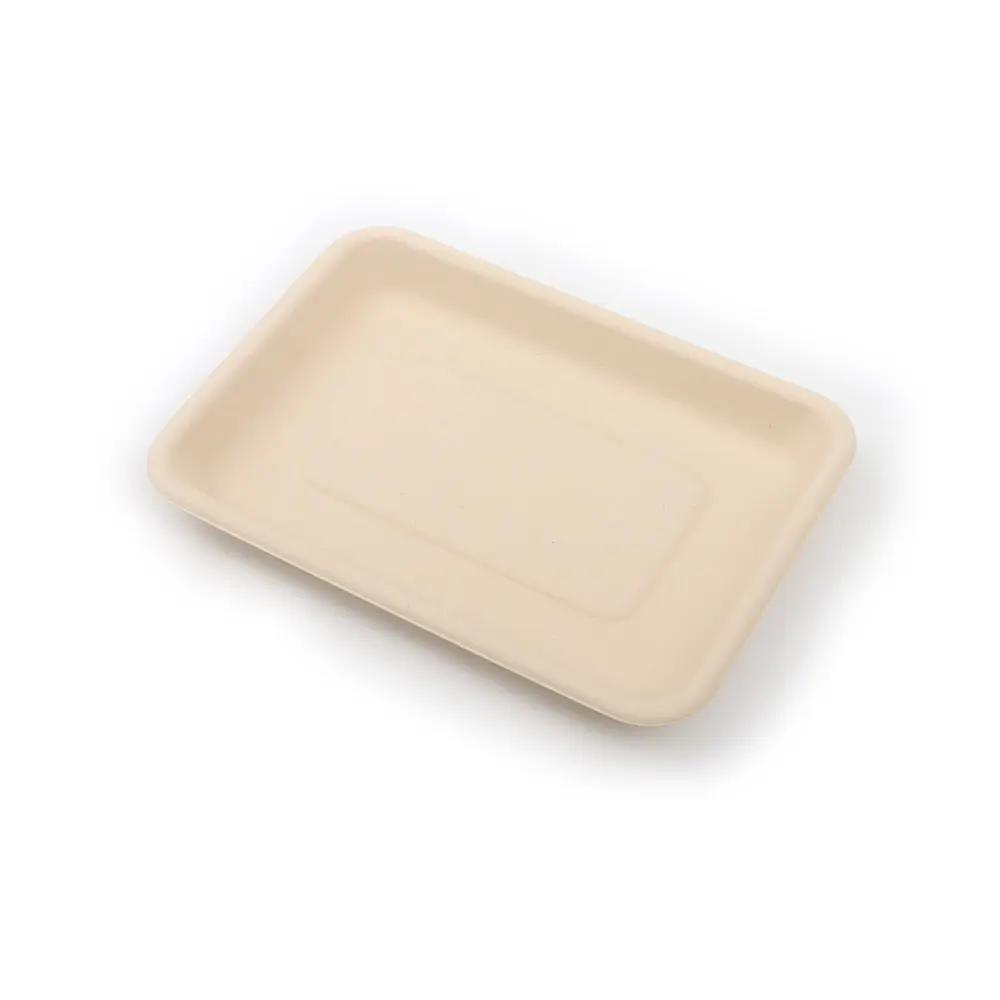 8.6" * 5.3"
 Sushi Tray Series
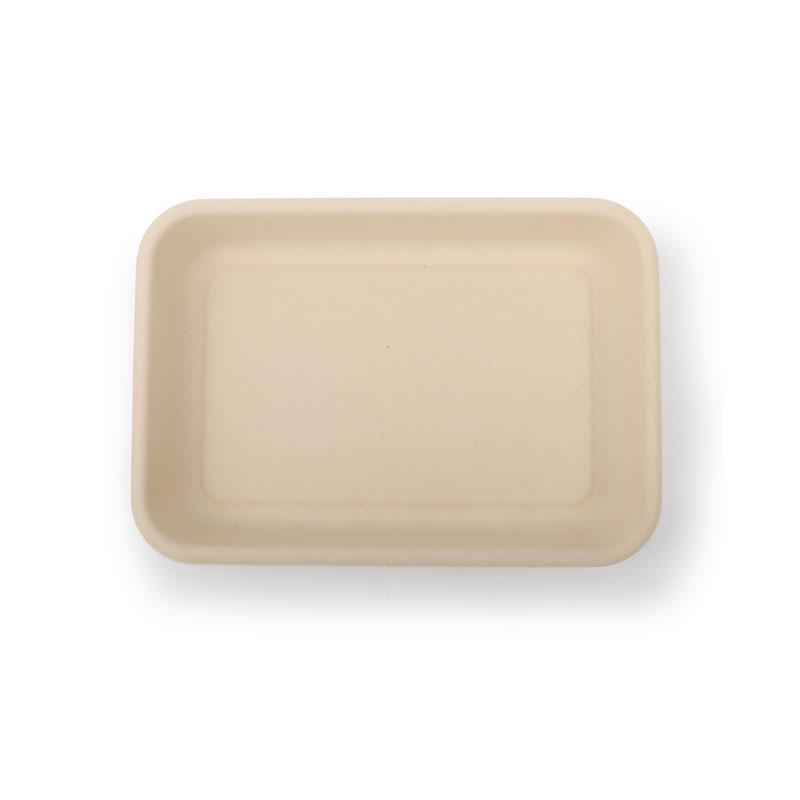 200" * 140"
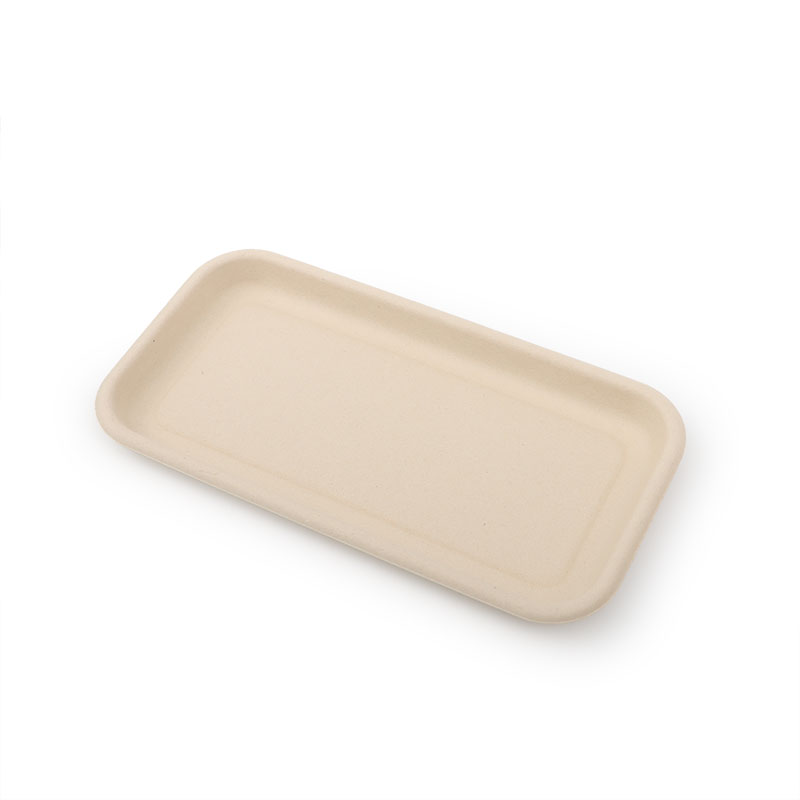 210" * 110"
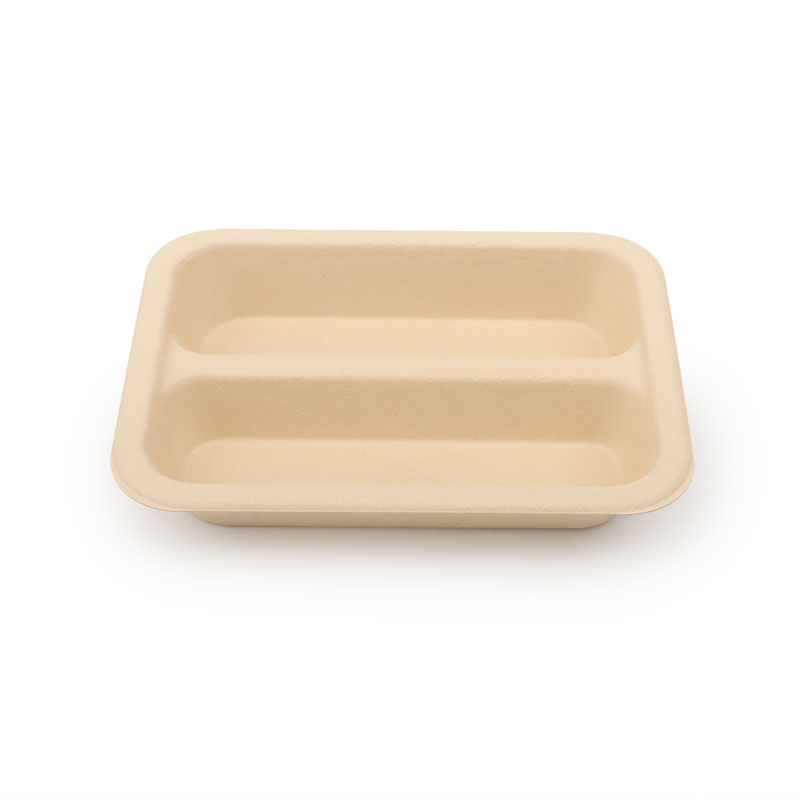 2 Compartments
 Small Round Plate Series
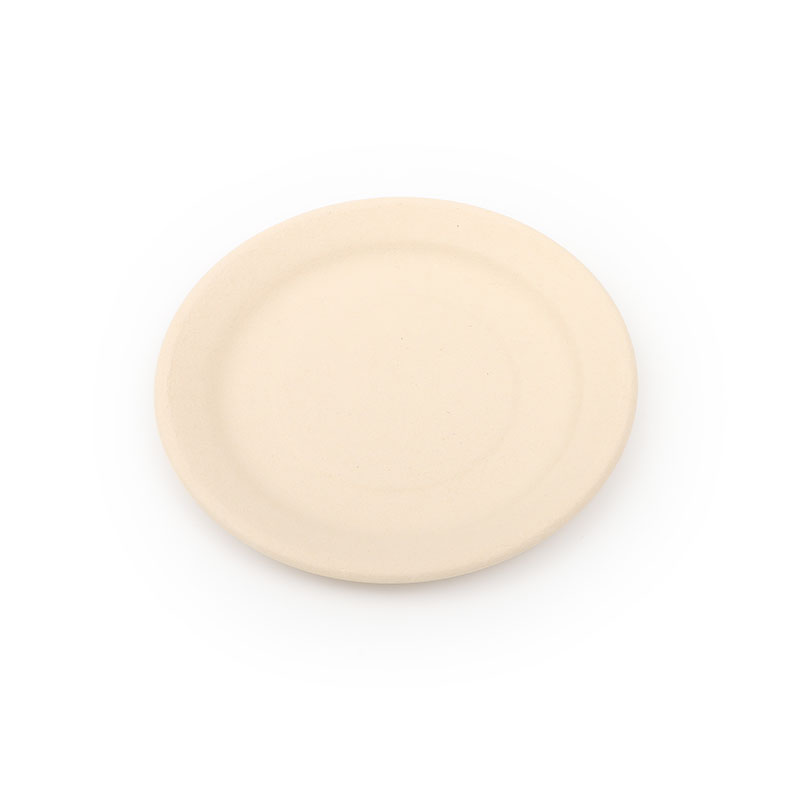 7 inch
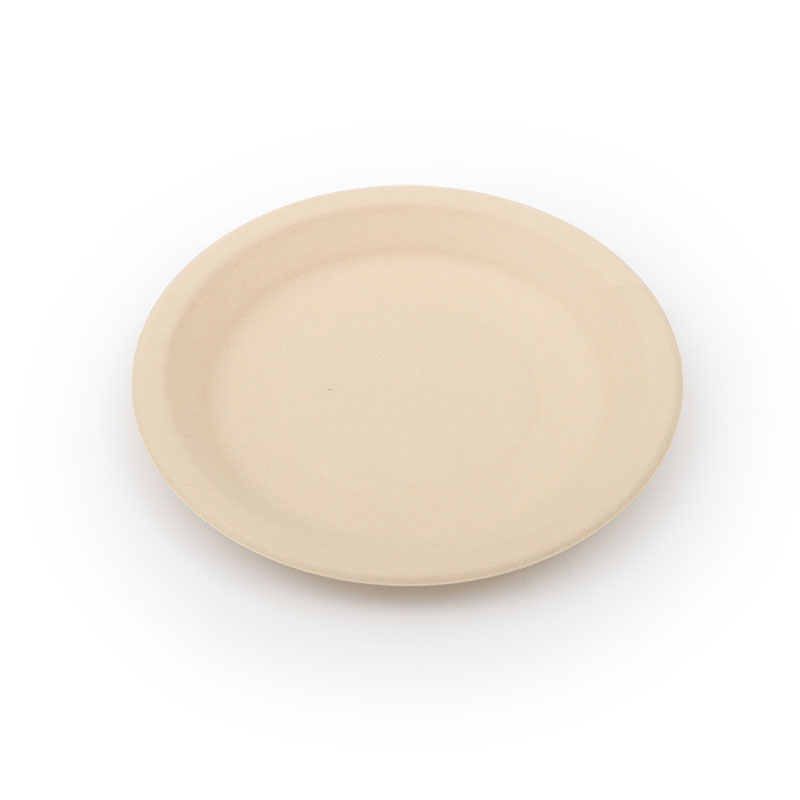 6 inch
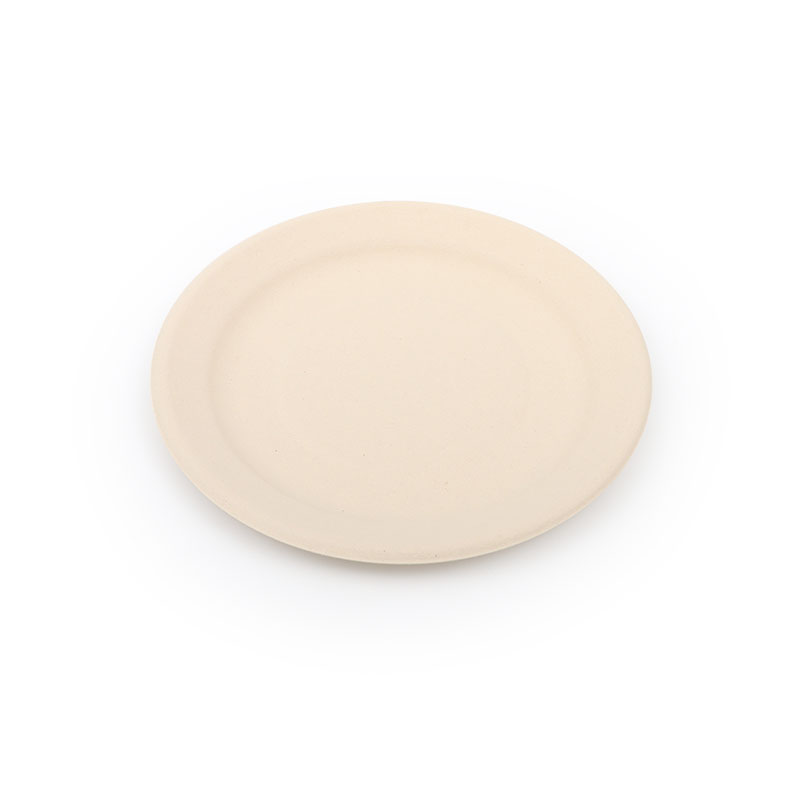 8 inch
 Middle Round Plate Series
 9 Inch 3 Compartments
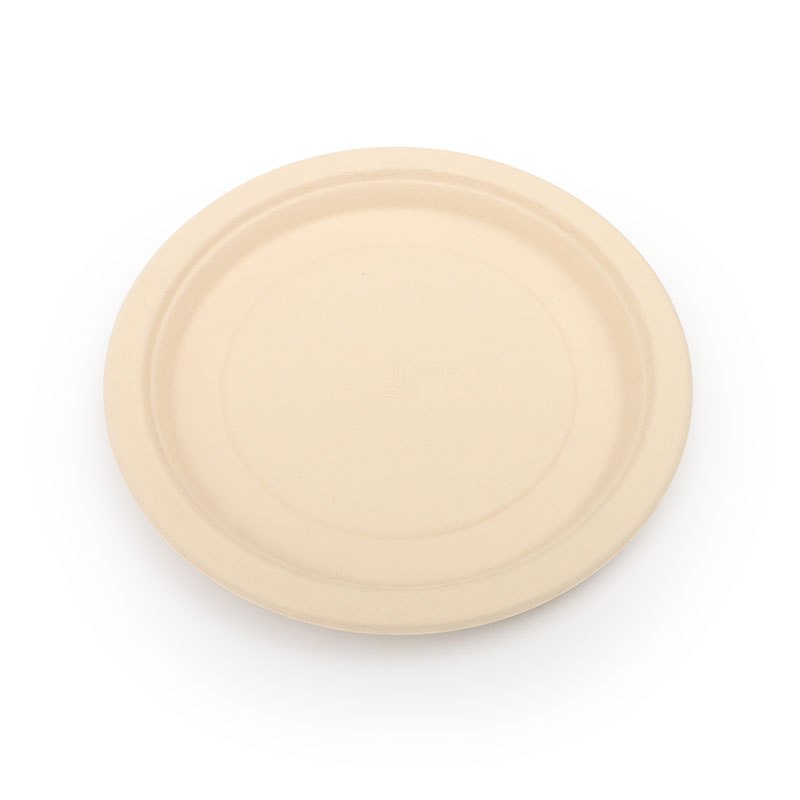 9 inch
 Big Round Plate Series
 12.7 Inch Pizza Plate
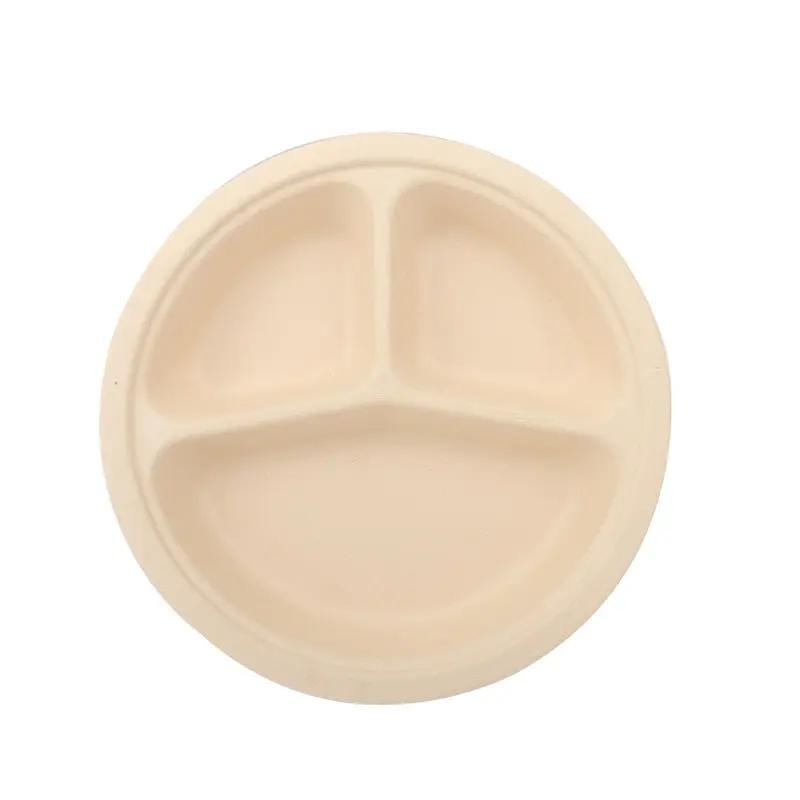 10.25 inch 3 Compartments
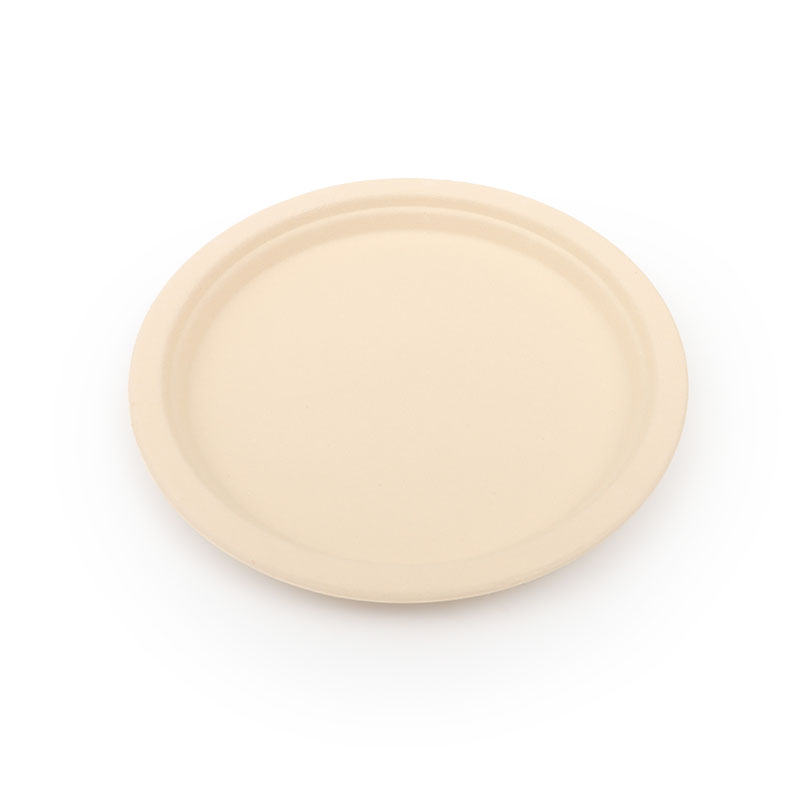 10 inch
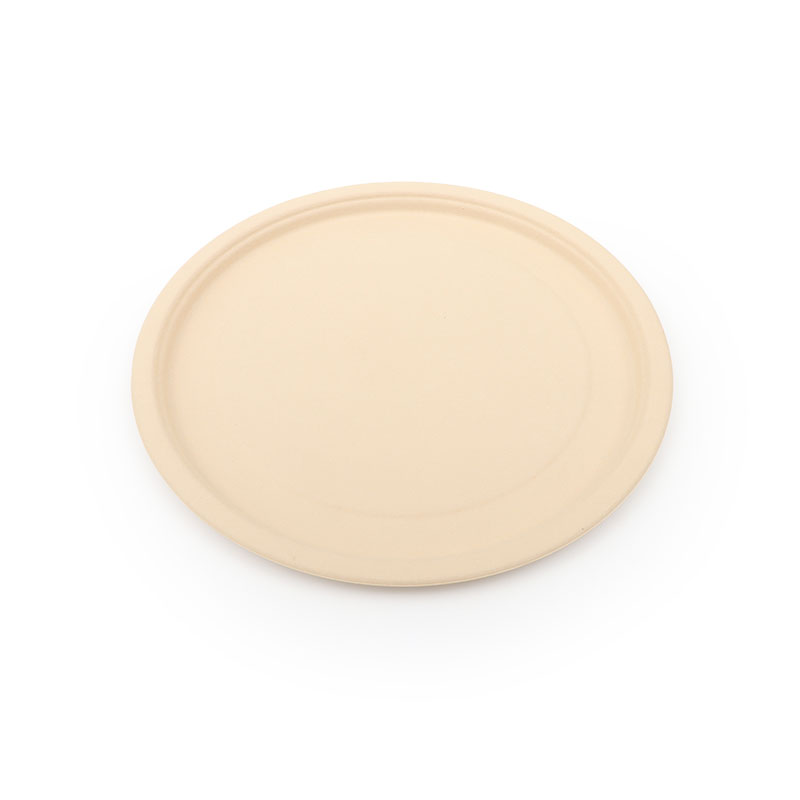 12 inch
 Bigger Bowl
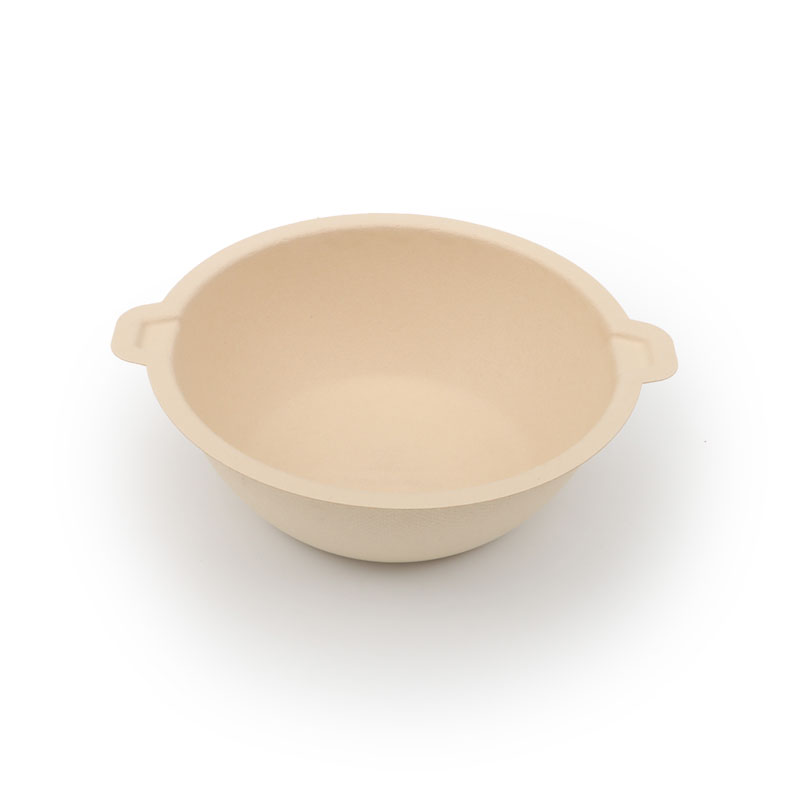 48oz(1420ml)
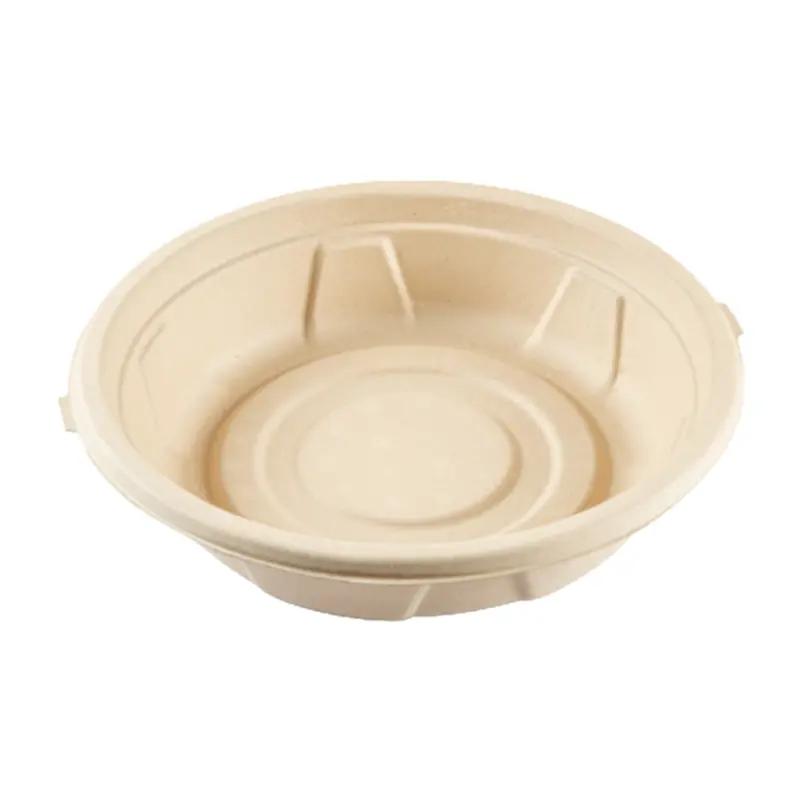 56oz(1650ml)
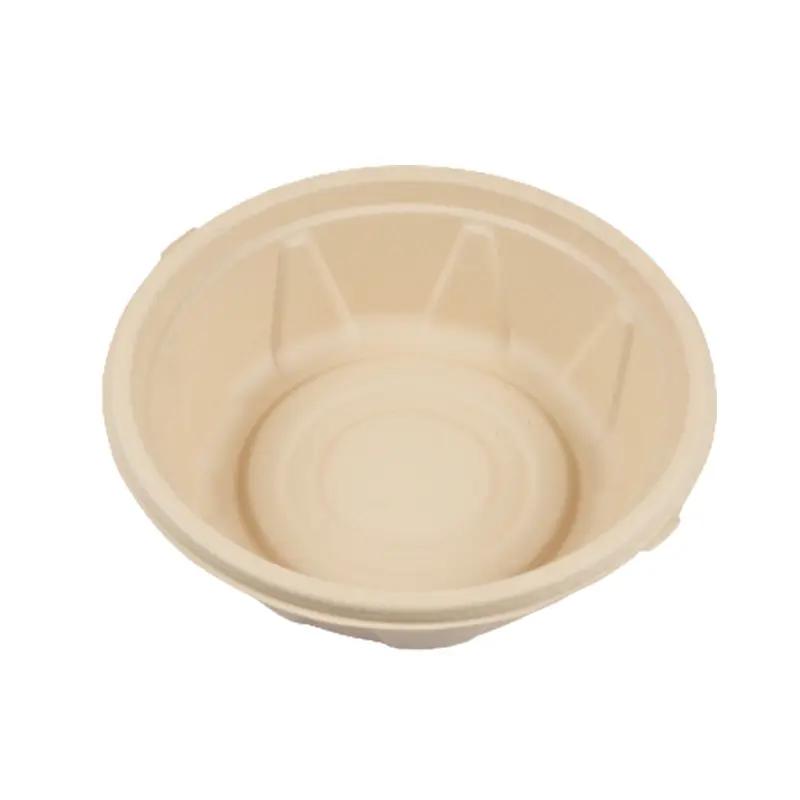 100oz(2950ml)
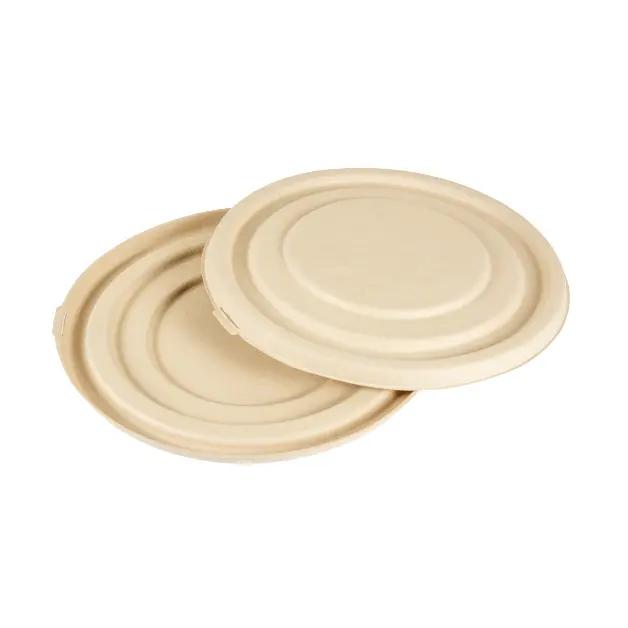 100oz(2950ml) With Lid
 Middle Bowl
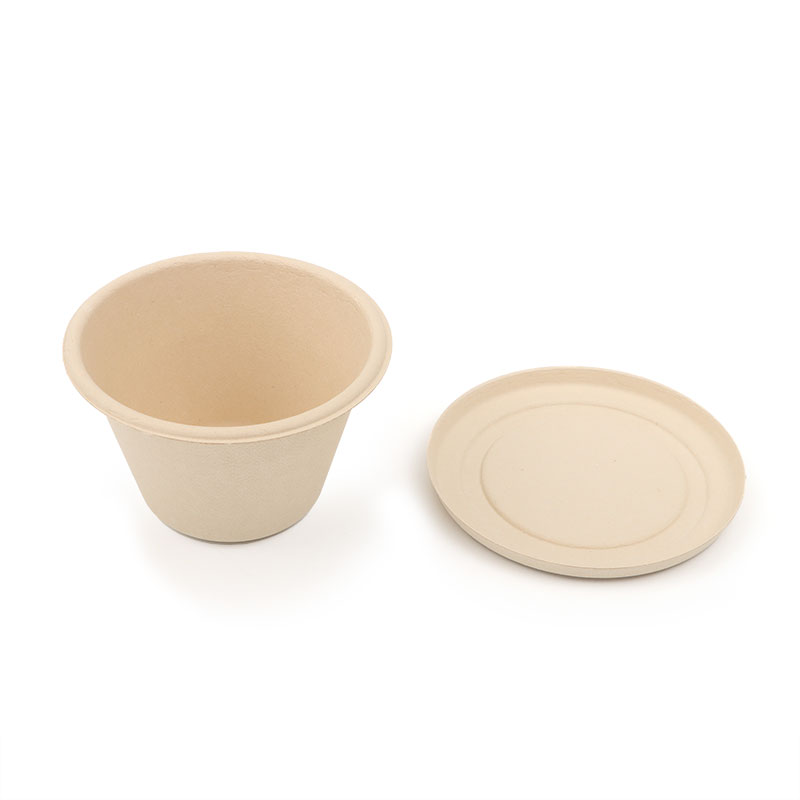 17oz(500ml)
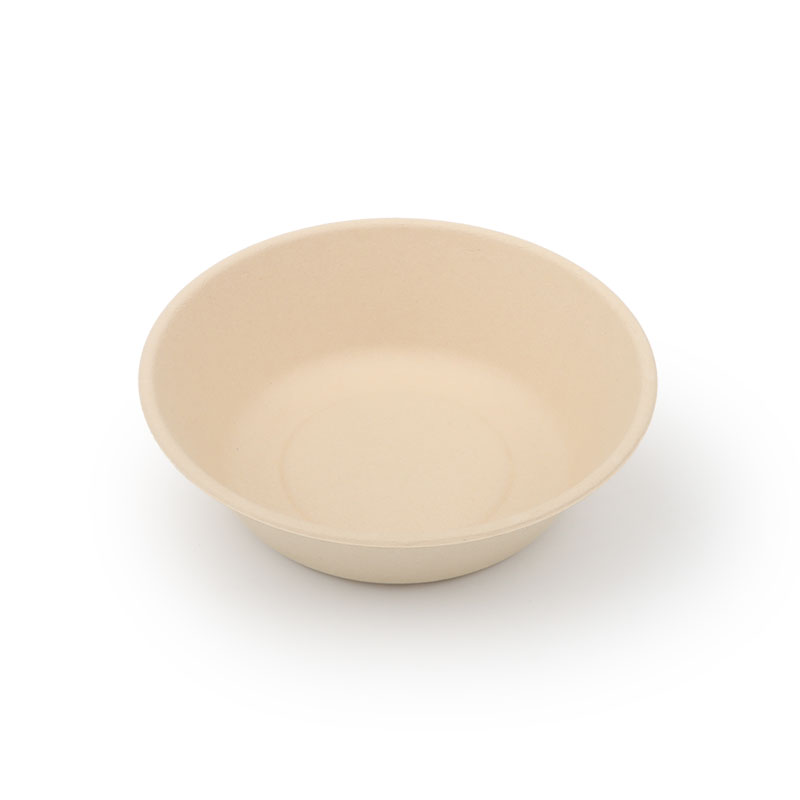 27oz(800ml)
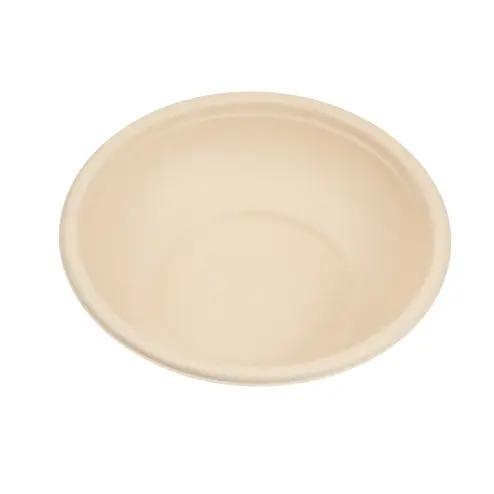 20oz(600ml)
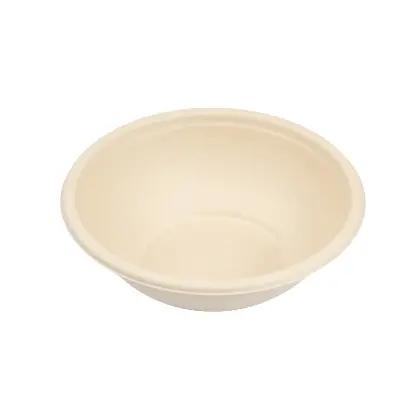 29oz(850ml)
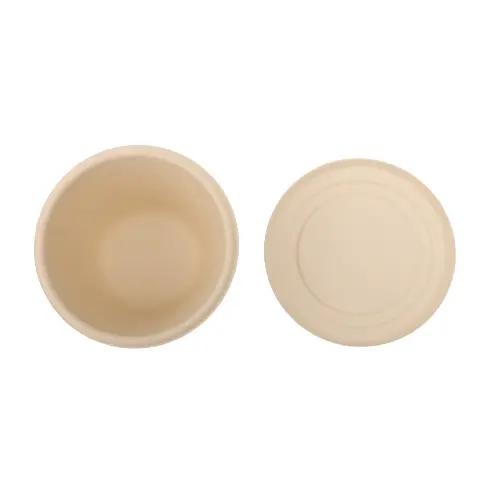 17oz(500ml) With Lid
 17oz(500ml) PET Lid
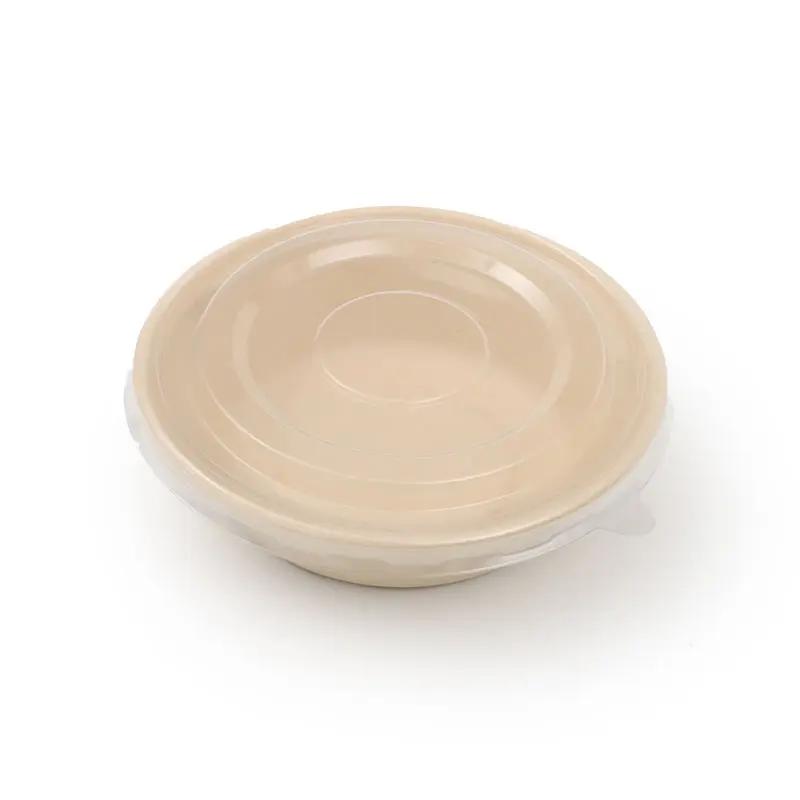 28oz(830ml) PET Lid
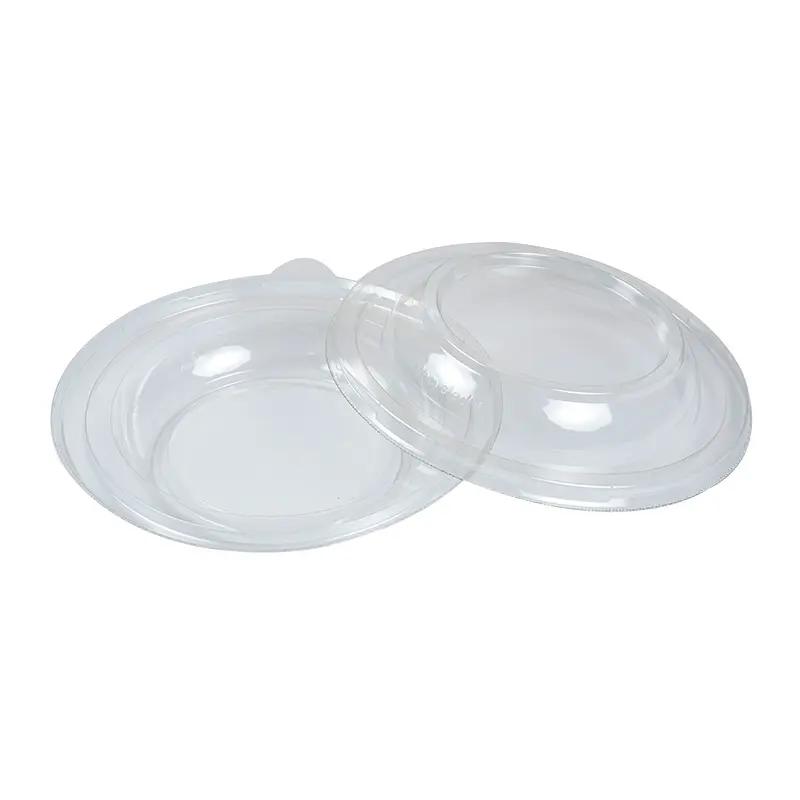 Round Bowl PET
 Small Bowl
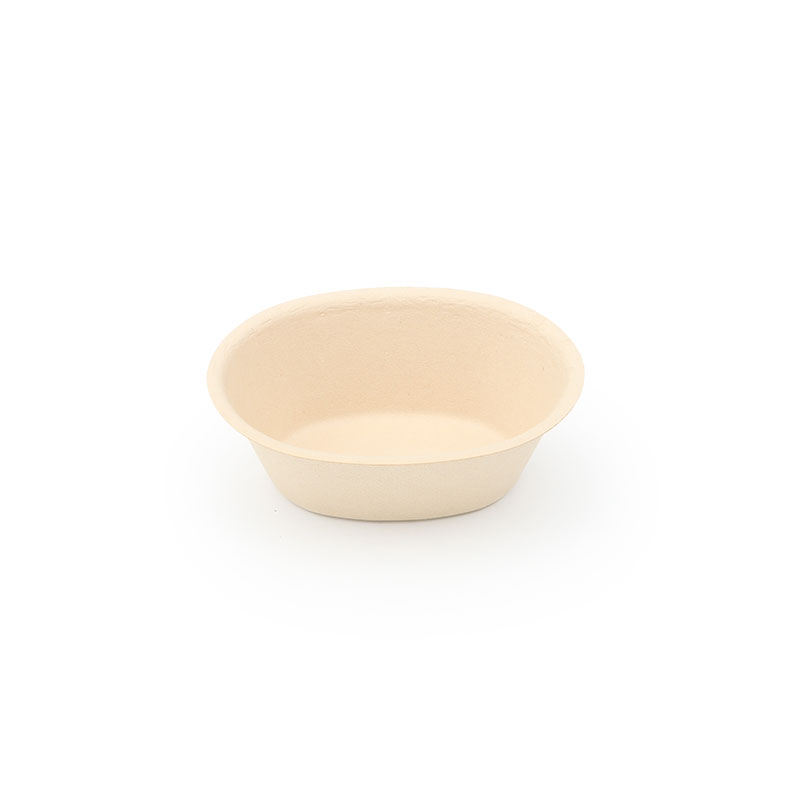 Snack Bowl
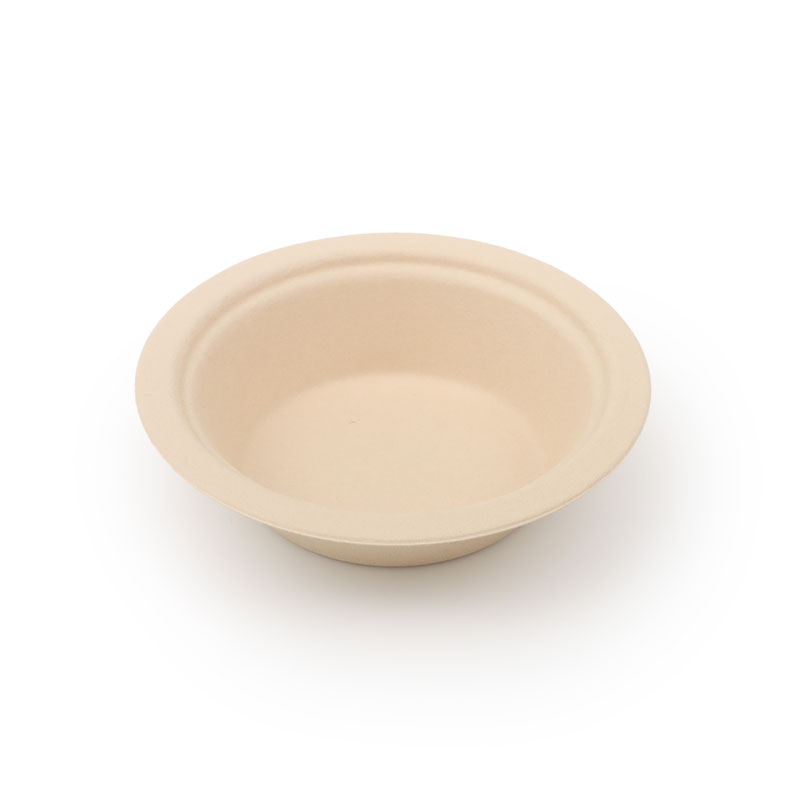 11.5oz(340ml) Bowl
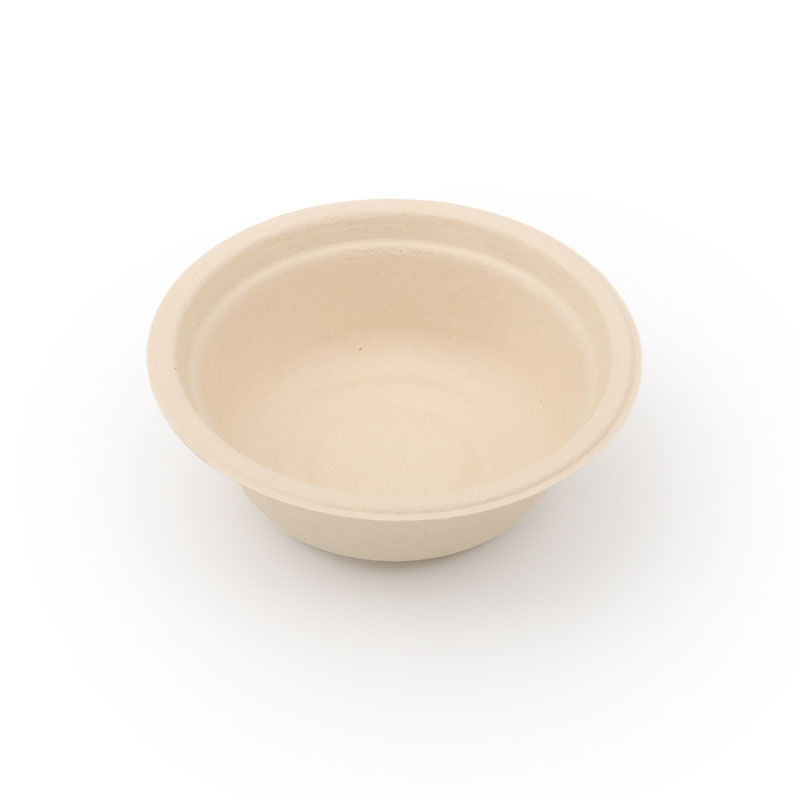 6.7oz(200ml) Bowl
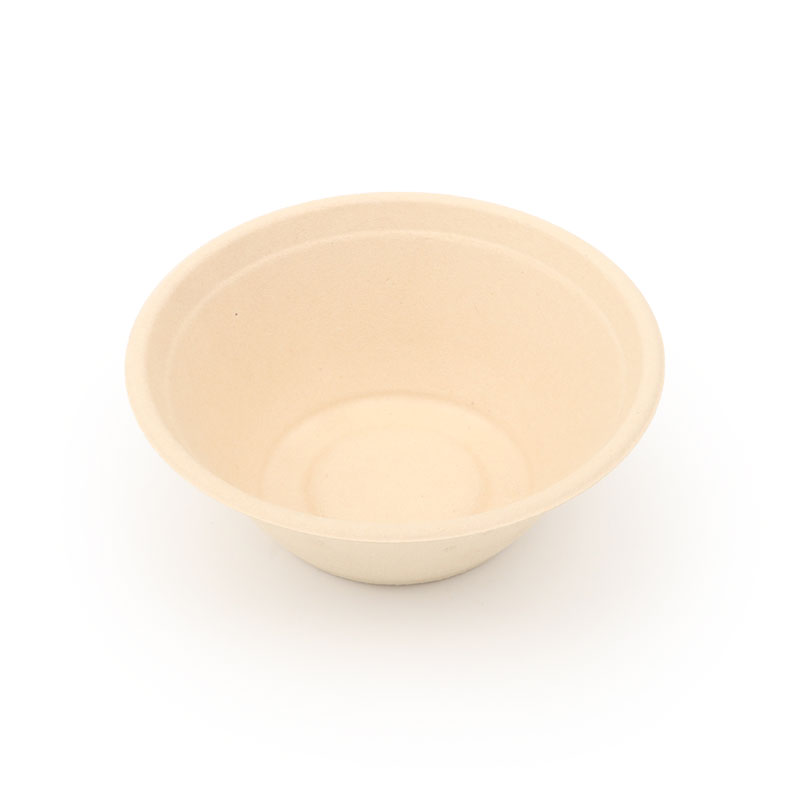 12oz(350ml) Bowl
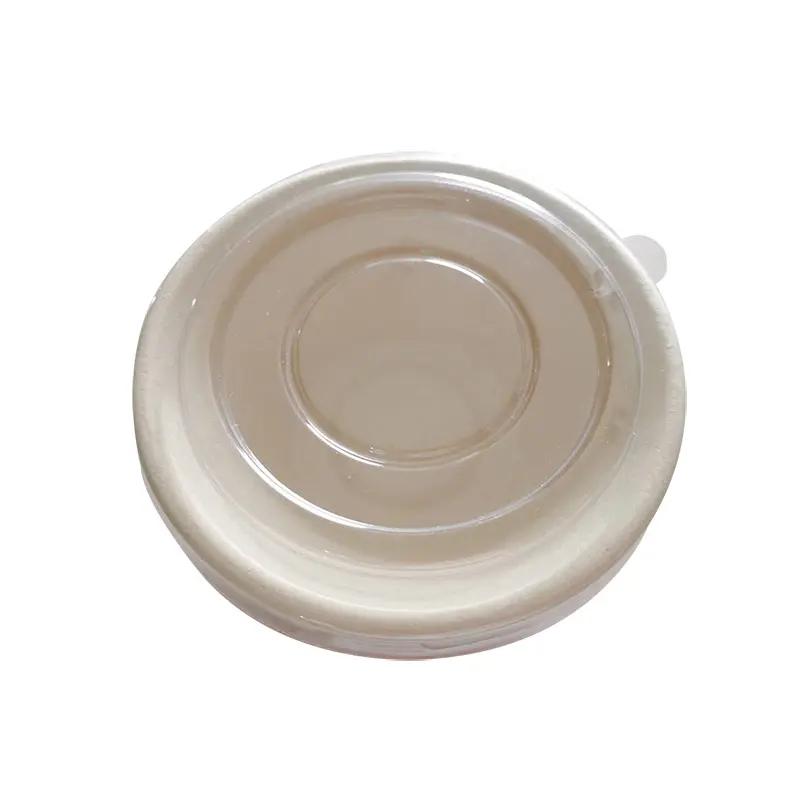 12oz(350ml) Bowl PET
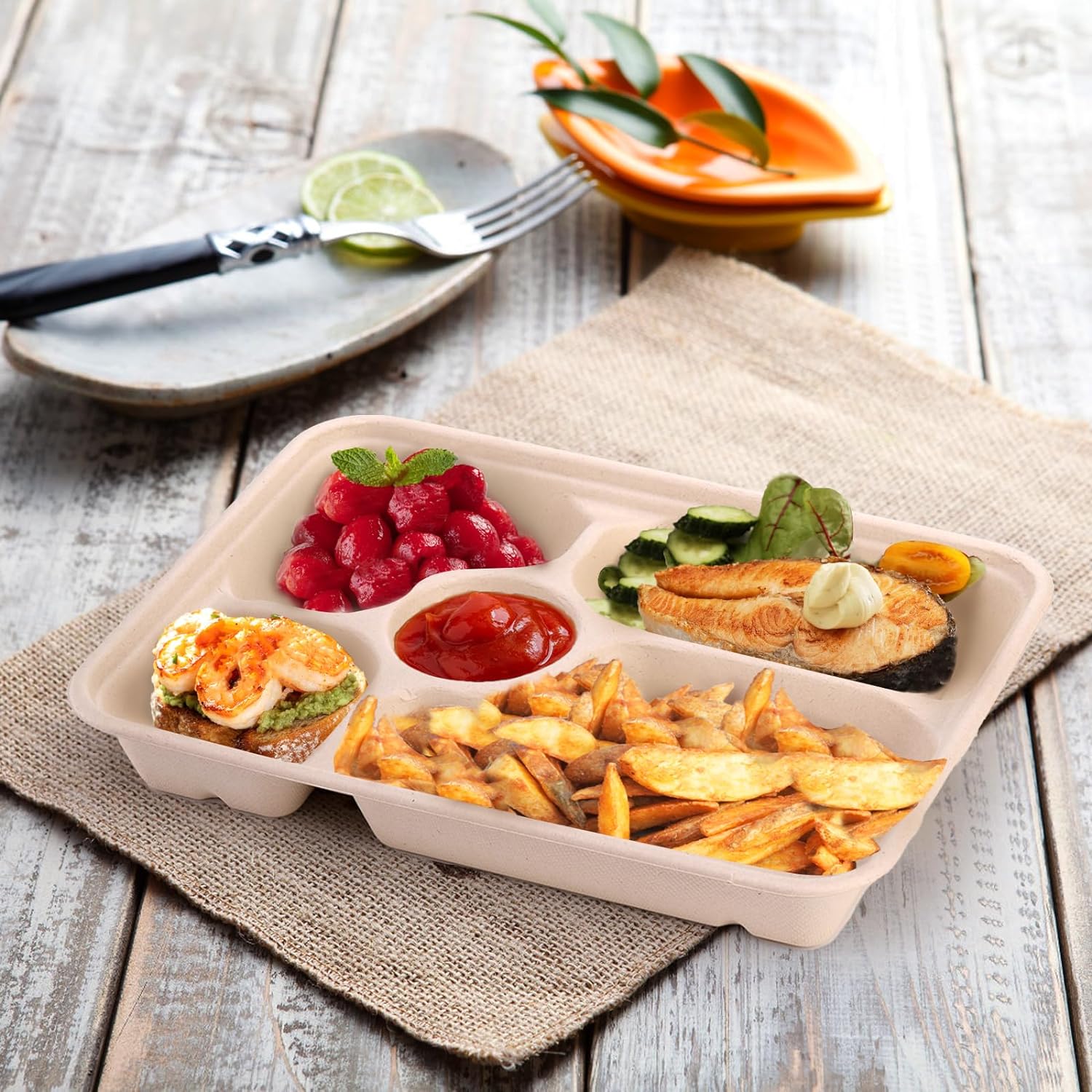 Bagasse Lunch Boxes
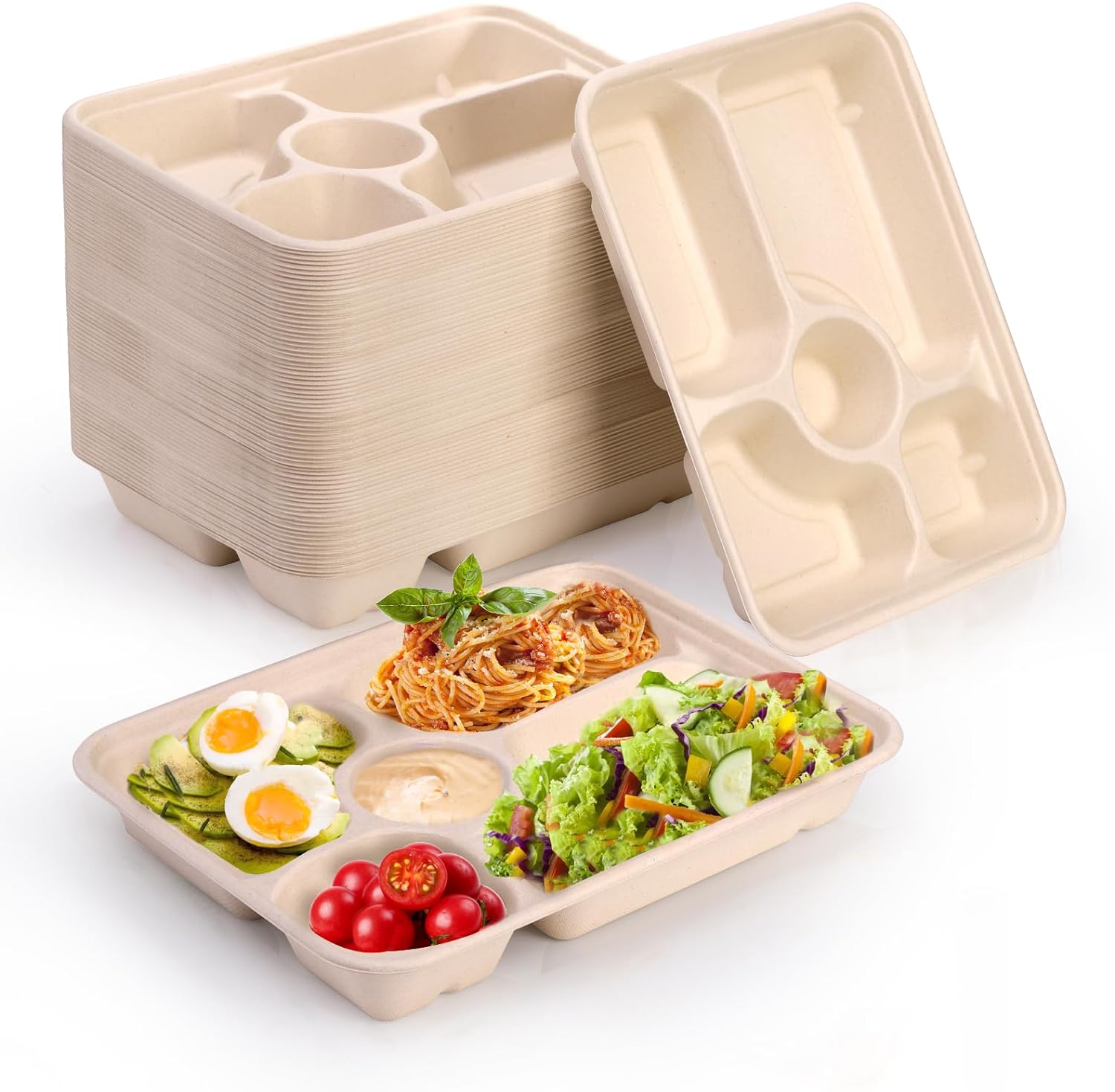 5CP
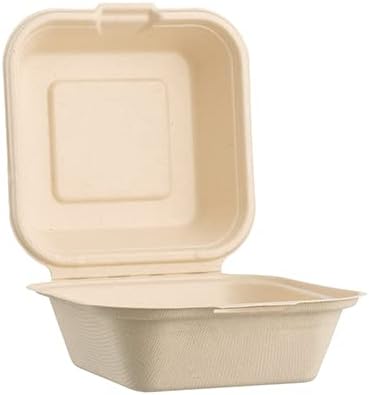 6 inch
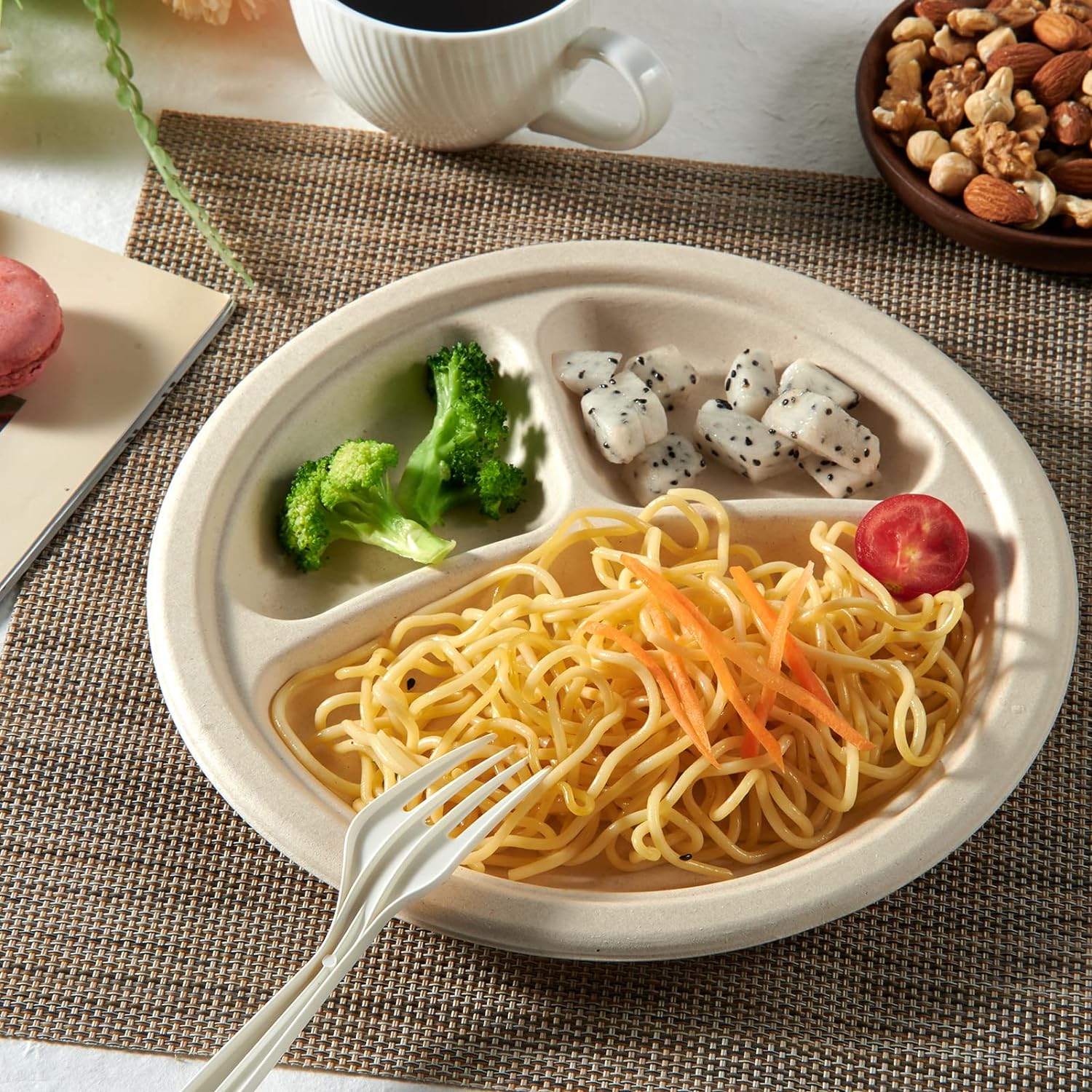 Bagasse Food Plates
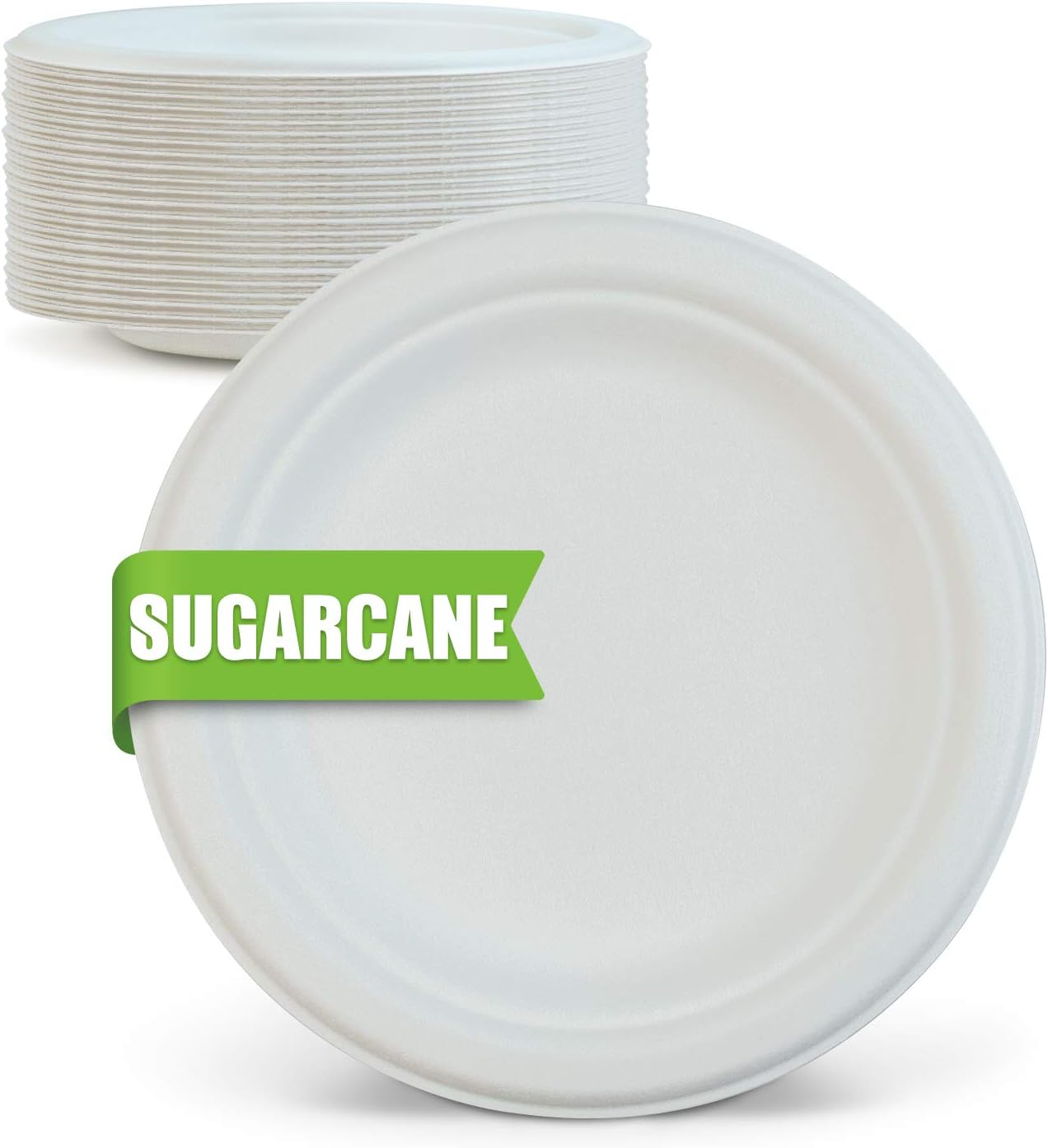 7 inch
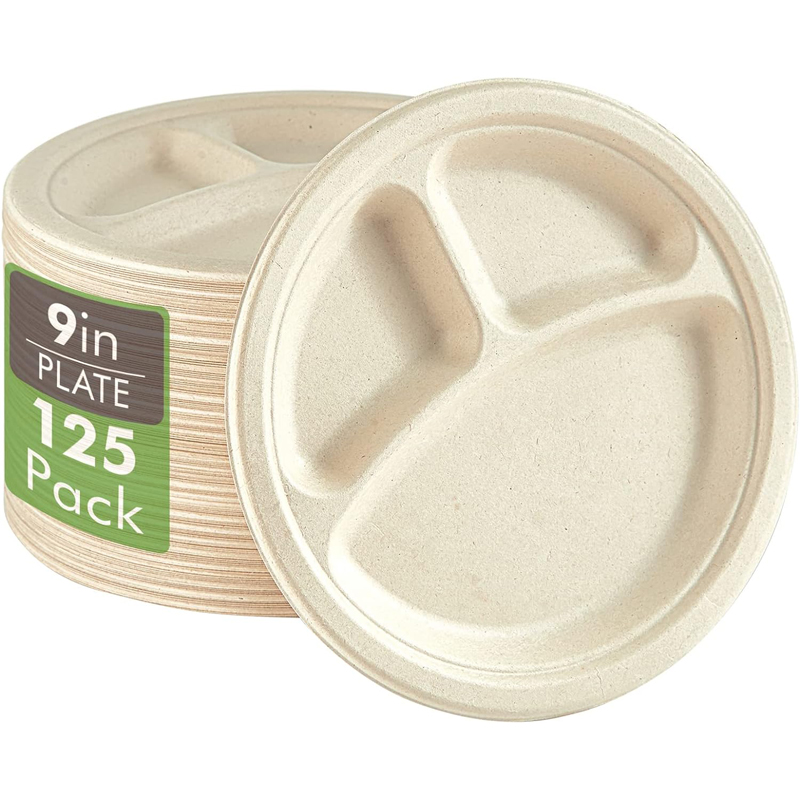 3CP
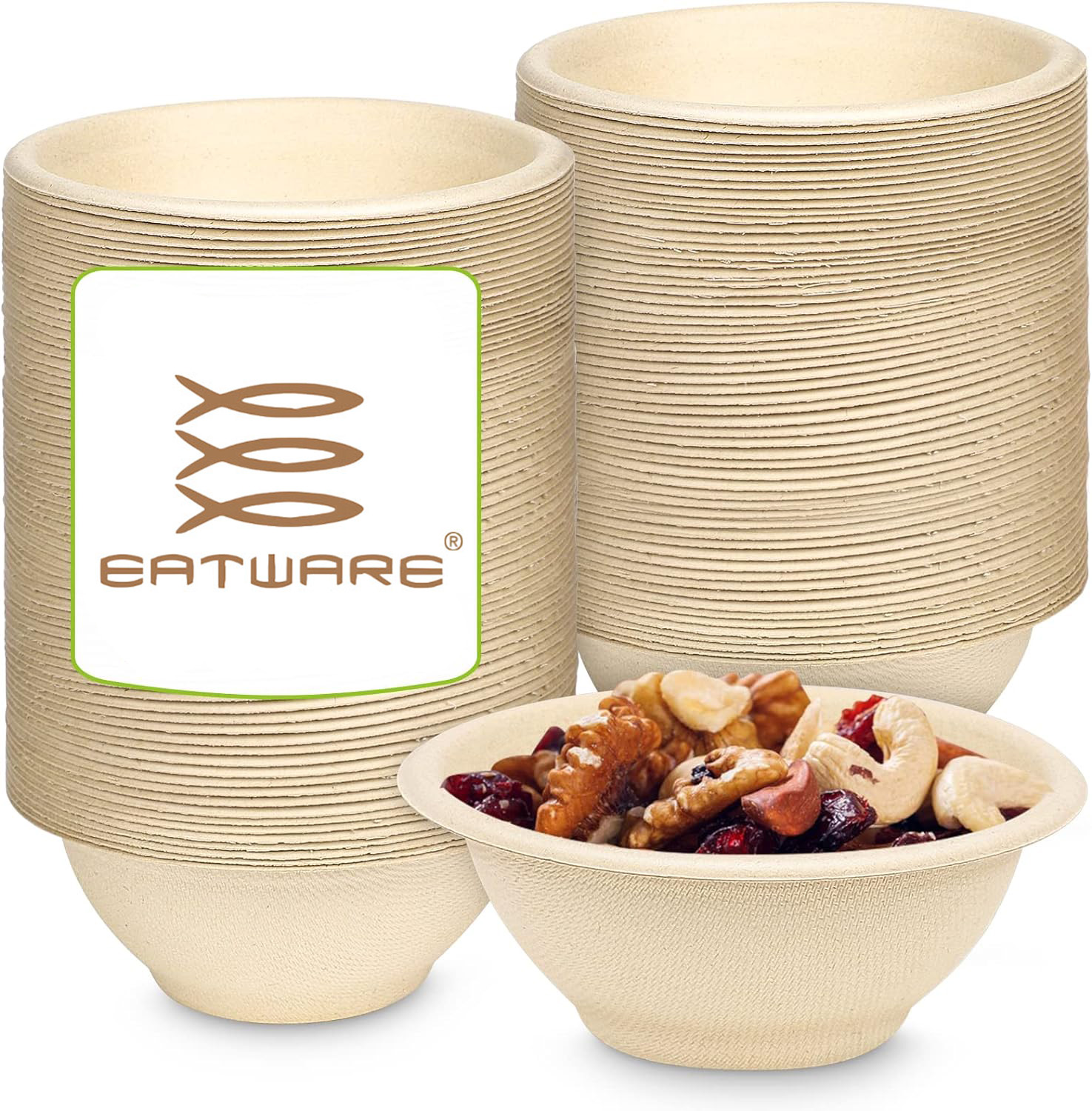 Bagasse Bowls
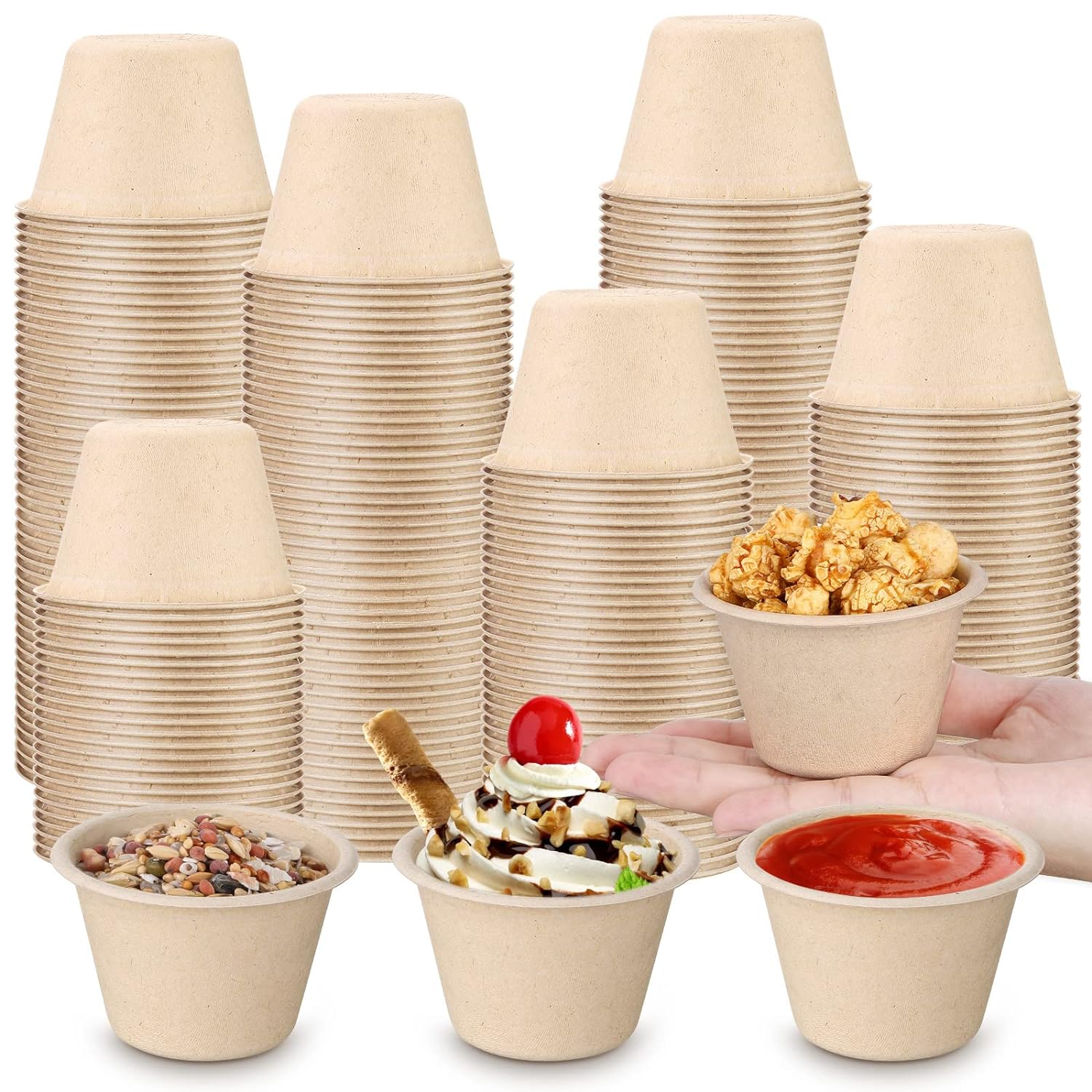 4oz
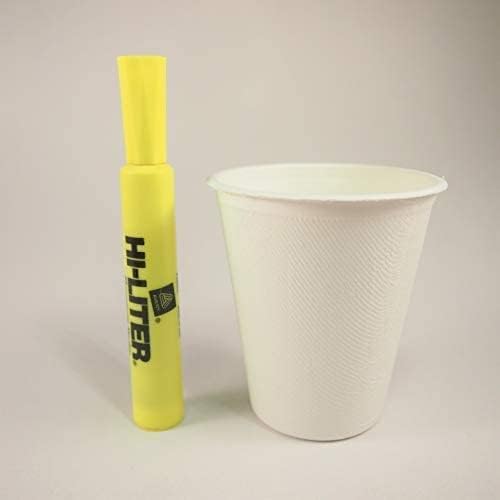 Bagasse Cups And Cutlery
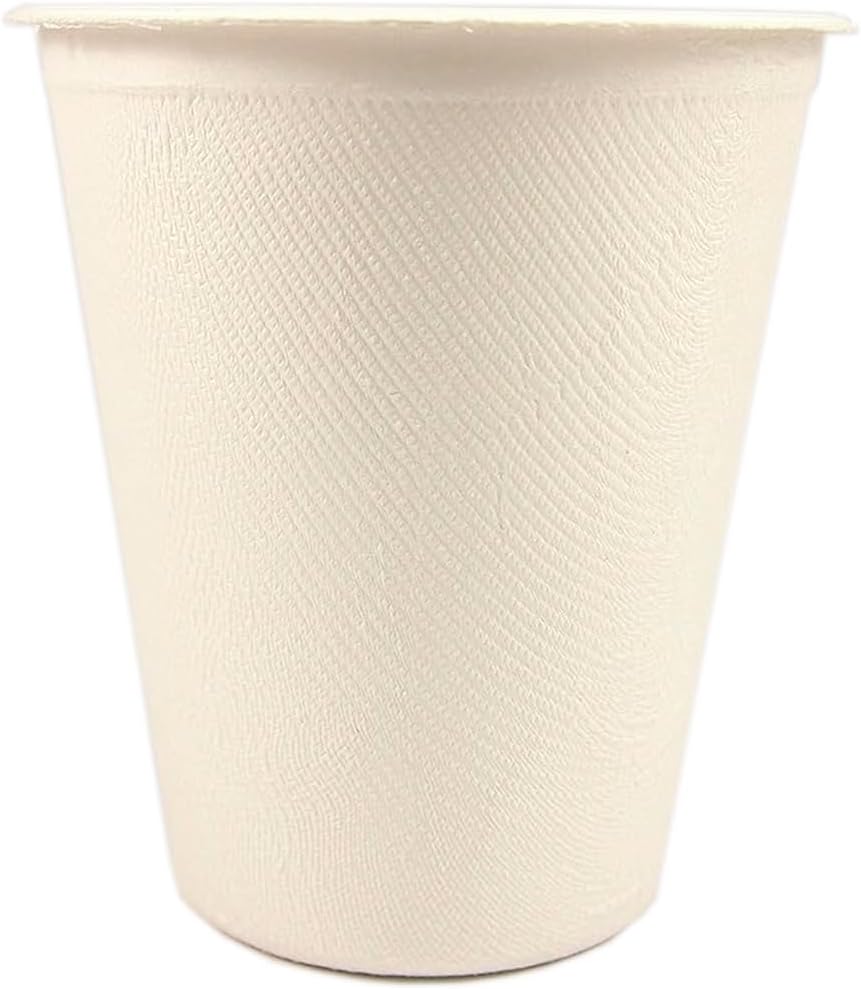 8oz
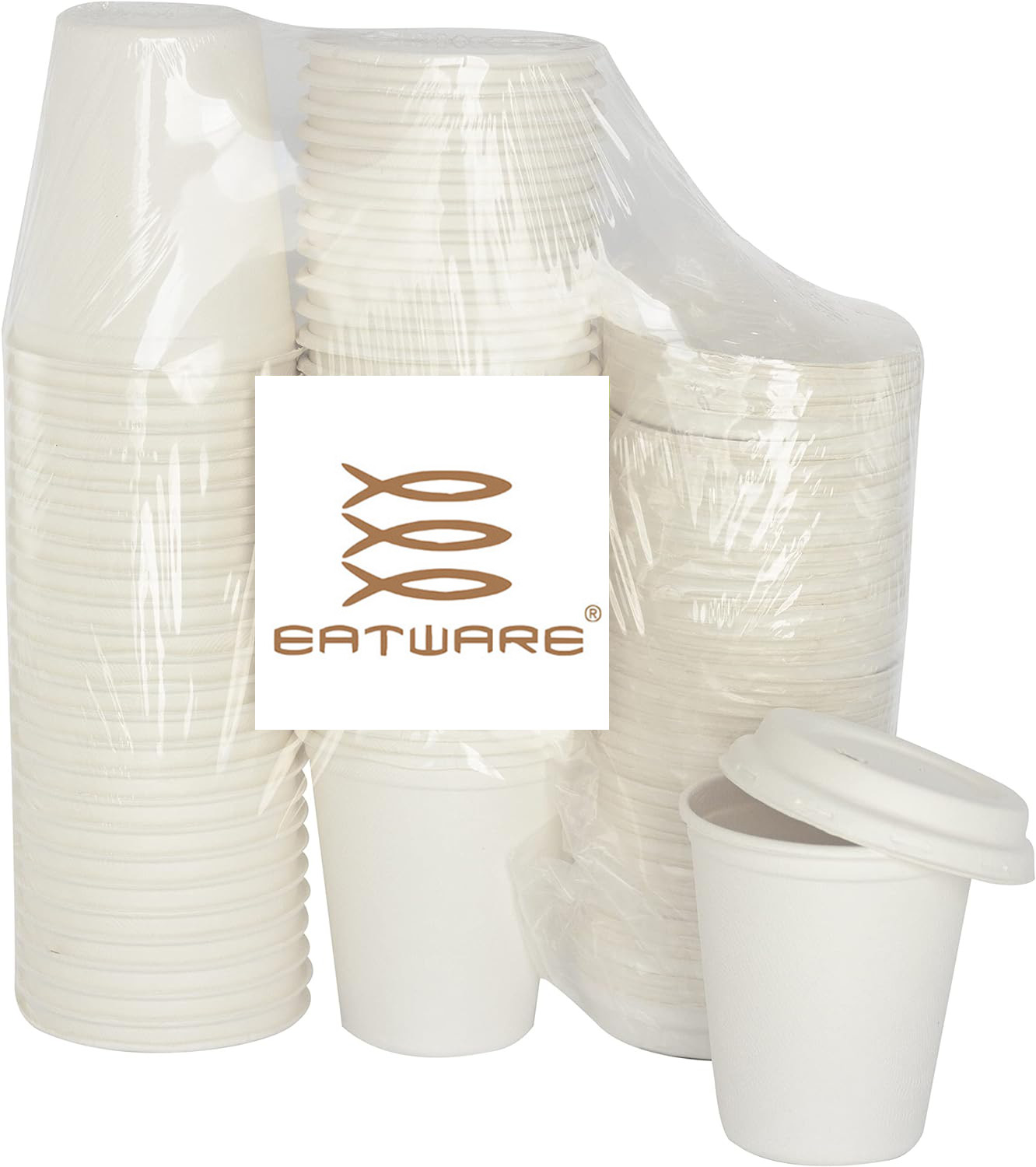 12oz
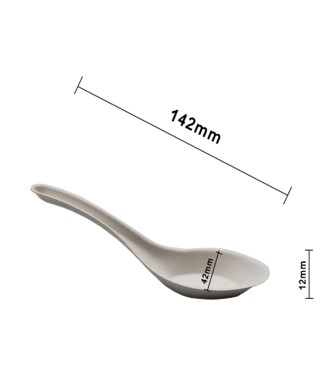 Cutlery
Leave Your Message
In today’s competitive food industry, really getting a grasp on what modified atmosphere packaging (or MAP for short) actually means is a must for businesses. Basically, it’s about tweaking the mix of gases around the food to keep it fresh longer. This tech is a game-changer because it helps extend shelf life and keeps the quality up.
But honestly, a lot of companies still struggle to get MAP right. They often overlook how critical it is to get the gas mixtures just right. Mess up the gas composition, and you’re risking spoilage or just wasting resources. The key thing is really understanding what your product needs—stuff like oxygen, carbon dioxide, and nitrogen levels.
It’s not just about having the fancy equipment; it’s about knowing what works through experience and proper research. Setting up a solid MAP plan means you’ve gotta spend some time testing and learning from feedback. And since markets and consumer preferences are always changing, you should be ready to tweak your approach along the way. Every little adjustment is a chance to learn something new and push your business forward. By paying close attention to these details, companies can actually stand out and succeed even as the food industry keeps evolving.


modified atmosphere packaging (MAP) is a technology designed to extend the shelf life of food products. It involves altering the composition of gases in the package. This method typically replaces oxygen with nitrogen or carbon dioxide. By doing so, the growth of spoilage-causing microorganisms can be significantly reduced.
Understanding the basics of MAP is essential for any business dealing with perishable goods. It can maintain product freshness and prevent waste. However, it is crucial to find the right gas mixtures for different products. Not all foods respond the same way to modified atmosphere packaging. In some cases, the wrong balance can lead to off-flavors or spoilage.
The effectiveness of MAP depends on several factors, including temperature and product type. Experimentation might be necessary to perfect the process. Businesses should remain aware that there is no one-size-fits-all solution. This packaging method can offer significant benefits, but it also requires careful consideration and adjustments. Over-reliance on MAP could lead to challenges. Regular monitoring and testing are vital to ensure the desired outcomes are achieved.
The demand for sustainable food packaging solutions has surged as consumers become more environmentally conscious. One innovative option making waves in this sector is biodegradable modified atmosphere packaging made from bamboo pulp fiber. This material is not only eco-friendly but also practical, allowing for varied applications in the food industry. The use of such sustainable materials aligns perfectly with market trends that increasingly favor products that mitigate environmental impact while maintaining functionality.
The bamboo pulp fiber packaging comes in various sizes, including a 400ml bowl and a 950ml box, making it versatile for different food types. It effectively maintains food freshness through modified atmosphere technology while being resistant to water and oil. These features ensure that food remains protected even under high-temperature conditions, as the packaging can withstand temperatures of up to 220°C. Furthermore, it can be safely used in a microwave, oven, or refrigerator, highlighting its convenience for consumers who prioritize both efficiency and sustainability in their food storage solutions.
Certifications such as BPI and FDA reinforce the credibility of this packaging option, making it a trustworthy choice for businesses seeking to enhance their sustainability efforts. By opting for customizable packaging solutions that are not only functional but also biodegradable, food businesses can contribute significantly to reducing plastic waste in the environment while meeting the increasing consumer demand for responsible packaging practices.
P and why is it important for food preservation?
Nitrogen and carbon dioxide are commonly used. They reduce oxidation and inhibit bacteria growth in food.
Compatibility of packaging materials can be a challenge. The right film is crucial to maintain gas barriers and moisture control.
Staff training is essential for successful MAP handling. Regular reviews of processes help maintain packaging effectiveness.
Respiration rates determine how products interact with gases. This knowledge helps in optimizing the MAP system.
Using sensors for real-time gas monitoring improves management. Automation can streamline packaging lines, benefiting operations.
The chosen film must maintain gas barrier properties. Additionally, it should allow for proper moisture control.
Incorrect application can lead to safety issues. It may also degrade food quality, impacting consumer trust.
Initial investments can be a concern. Yet, evaluating long-term benefits is necessary for informed decisions.
Ongoing training and process reviews are vital. Striking a balance may be tricky but is crucial for consumer trust.
Modified Atmosphere Packaging (MAP) is a technology that alters the composition of gases in the packaging environment to enhance food preservation and safety. This method plays a crucial role in prolonging shelf life by slowing down spoilage and maintaining product quality. Key components of MAP include the selection of appropriate gases, which are tailored to the specific needs of different food products.
When considering how to define modified atmosphere packaging for your business, it's essential to evaluate the right MAP systems that align with your product characteristics and cost considerations. Implementing MAP effectively requires knowledge of best practices and maintenance to ensure optimal performance. As the market evolves, staying informed about future trends in MAP will help businesses innovate and meet consumer demands for fresh and safe food products.


