Leave Your Message
0%

Picking a Biodegradable Disposable Food Box isn’t just about color or branding. At its core, it’s a materials decision.

Take UNEP’s 2023 report, Turning off the Tap. It says packaging eats up around 40% of global plastic production. And the OECD’s Global Plastics Outlook found that, globally, only about 9% of plastic waste was recycled in 2019. Those numbers make food-service packaging a pretty urgent purchasing issue. But here’s the catch: “biodegradable” doesn’t automatically mean harmless or right for every setting. A box might need industrial composting—controlled heat, moisture, and specific collection systems. It could also have coatings, inks, or additives that actually slow decomposition down.

Small details really do matter.

So when you’re evaluating suppliers, look at the fiber source, the tested composting conditions, food-contact documentation, leakage resistance, and where the thing will actually end up. A practical test? Try hot soup, oily noodles, refrigerated desserts, and a 30-minute delivery run. The weakest sample usually shows you the real problem. And that’s where a lot of product claims start to get fuzzy.

William McDonough, a leading circular-design expert, once said, “Waste equals food.” His point is simple: design packaging for a useful next life, not just a quick trip to the bin. Still, we have to be careful with that idea. A Biodegradable Disposable Food Box is only a responsible choice when its material, performance, certification, and local waste infrastructure all work together. The label alone? Not enough. It’s tempting to promise a perfect solution, but packaging choices involve trade-offs. This guide digs into those trade-offs with practical checks and evidence-based questions.

How to Choose Biodegradable Disposable Food Boxes?

Define the Purpose and Use of the Disposable Food Box

Before choosing a biodegradable disposable food box, define its exact purpose. A box for hot curry needs different protection than one for dry pastries. In a busy lunch kitchen, steam quickly softens weak fiber containers. Sauces may also seep through corners. Test the box with the real meal, not an empty sample.

Consider portion size, food temperature, grease, and travel time. A shallow box suits sandwiches and salads, while a deeper container protects rice or noodles. Vent holes can reduce condensation, but they may allow heat to escape. For oily meals, check whether the material resists grease without extra plastic lining.

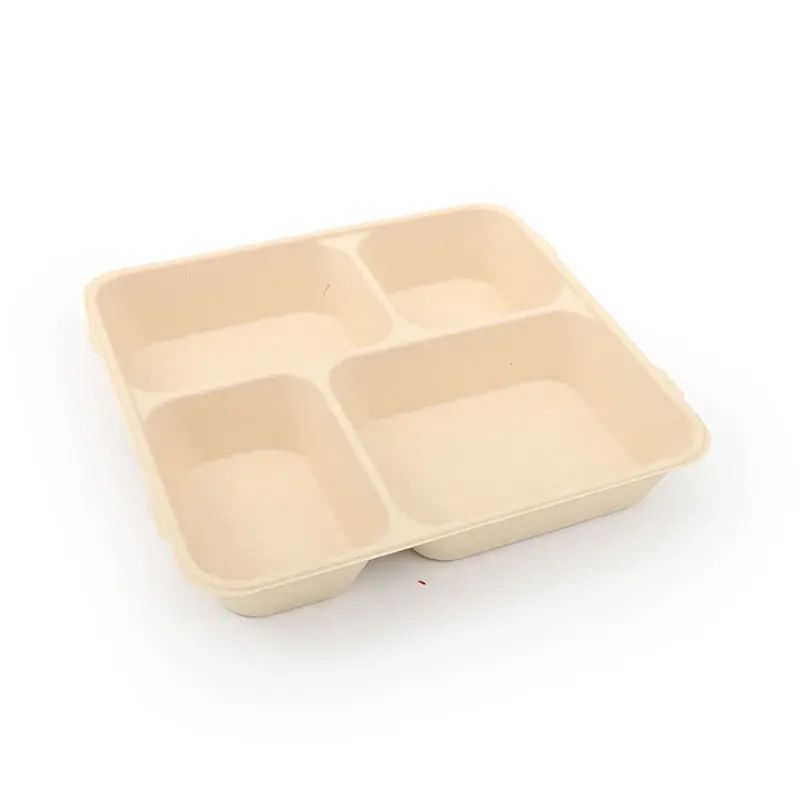
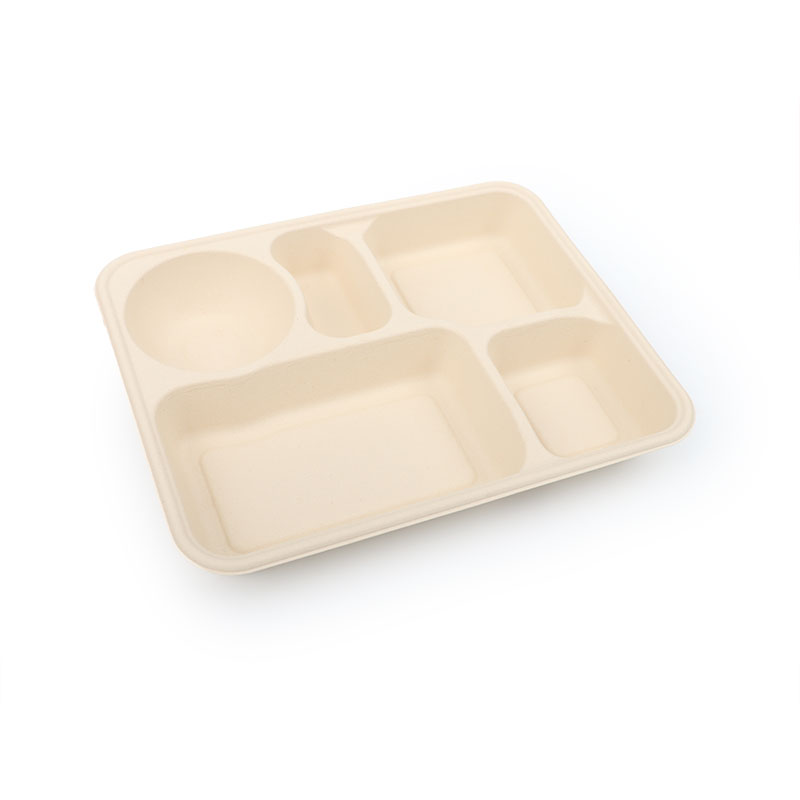
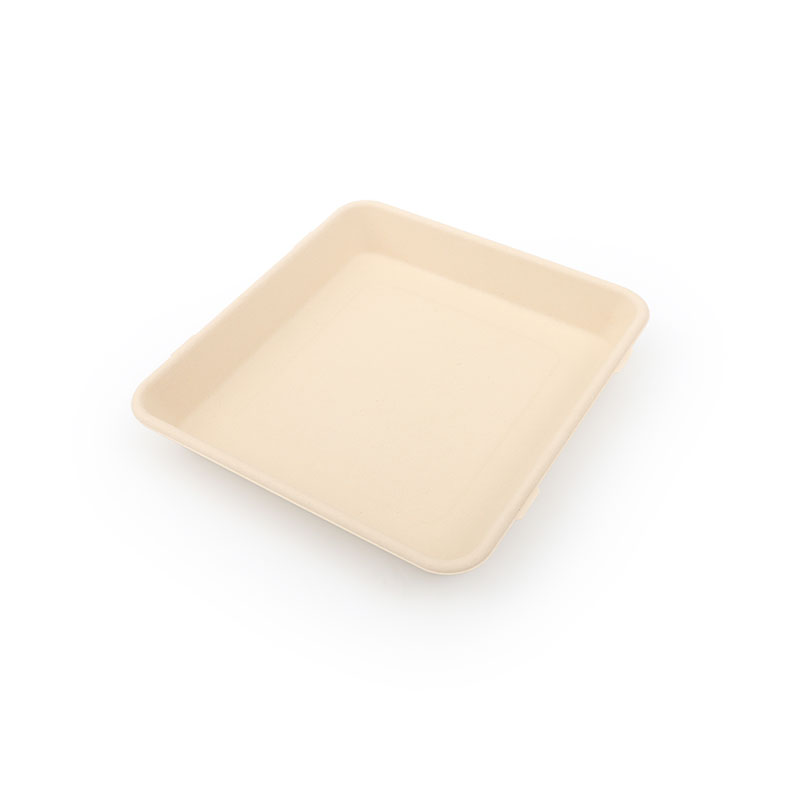
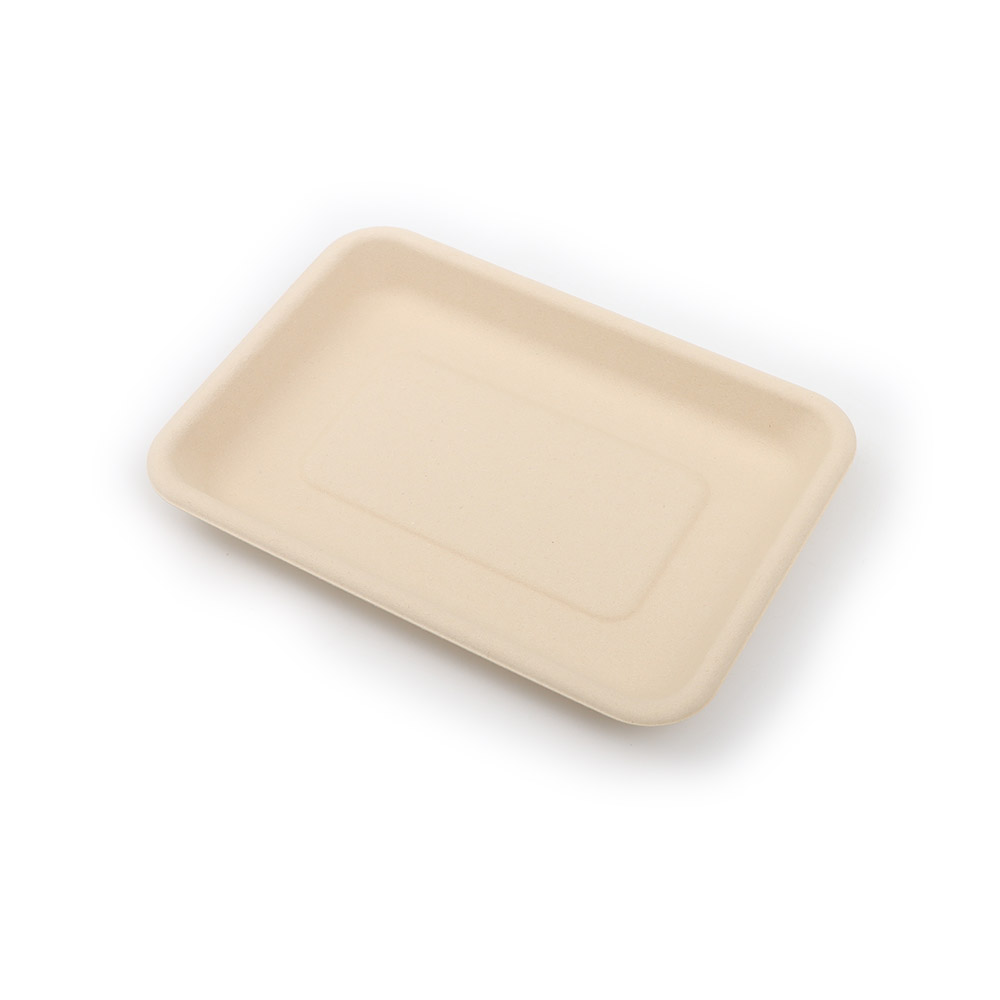
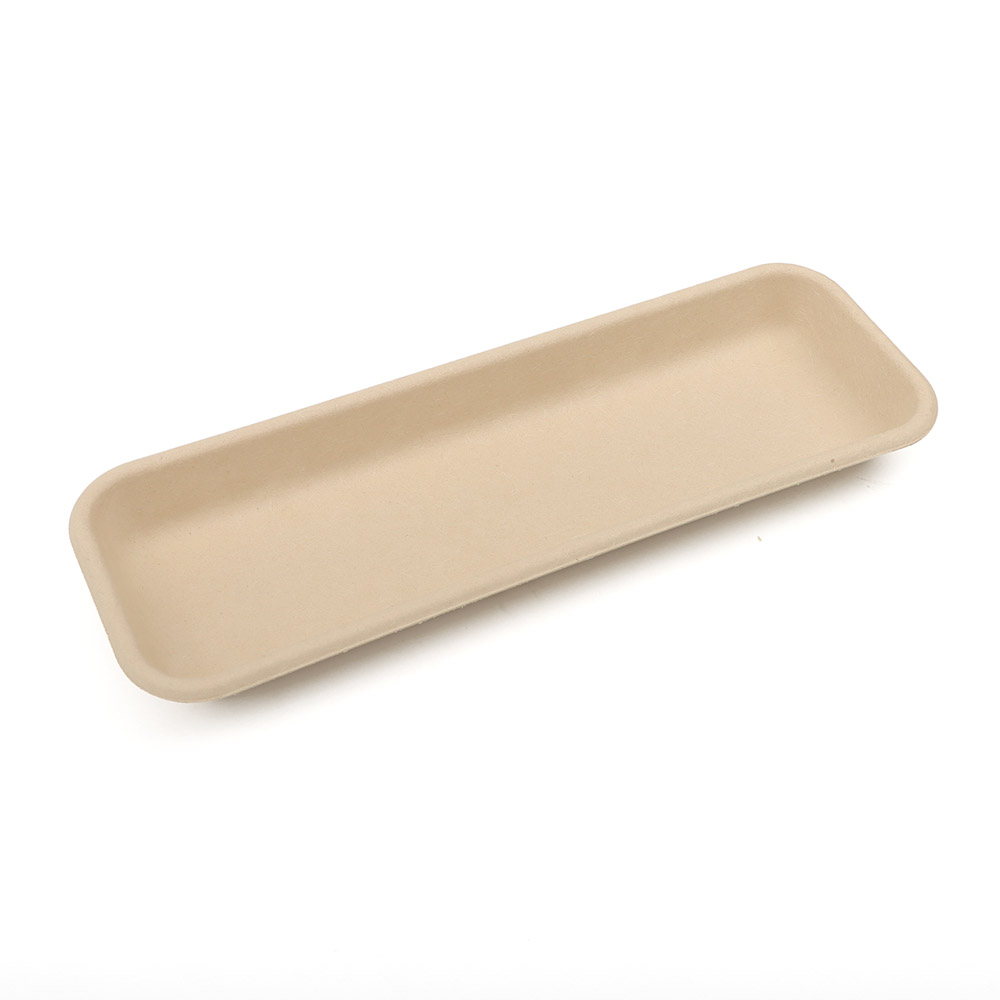
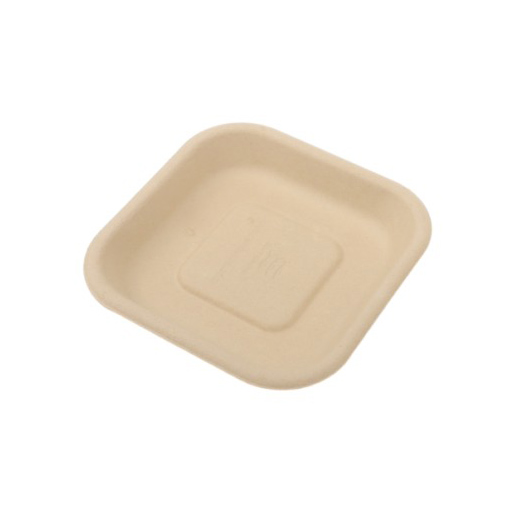
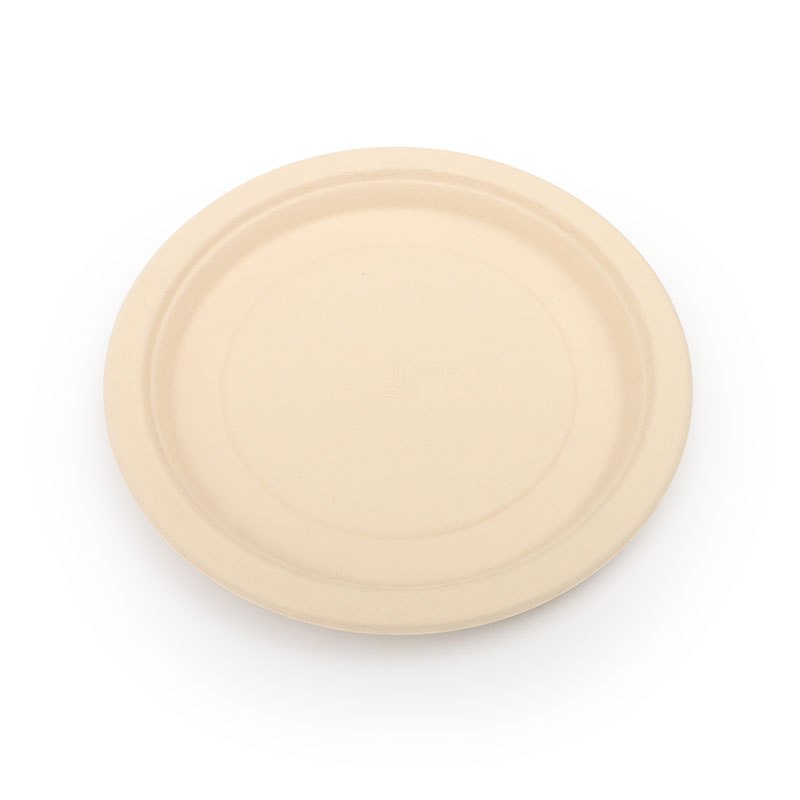
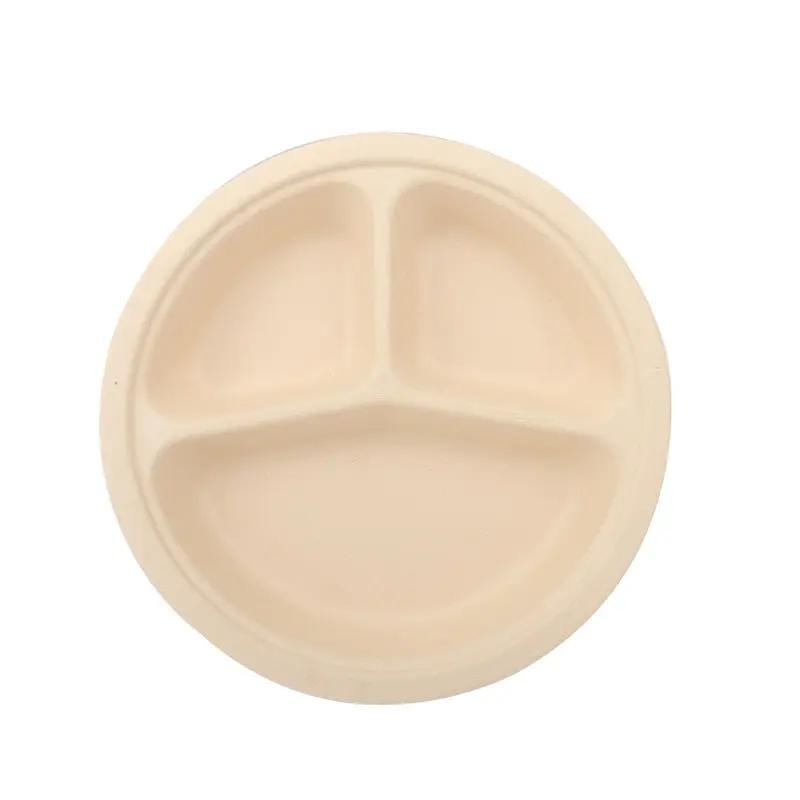
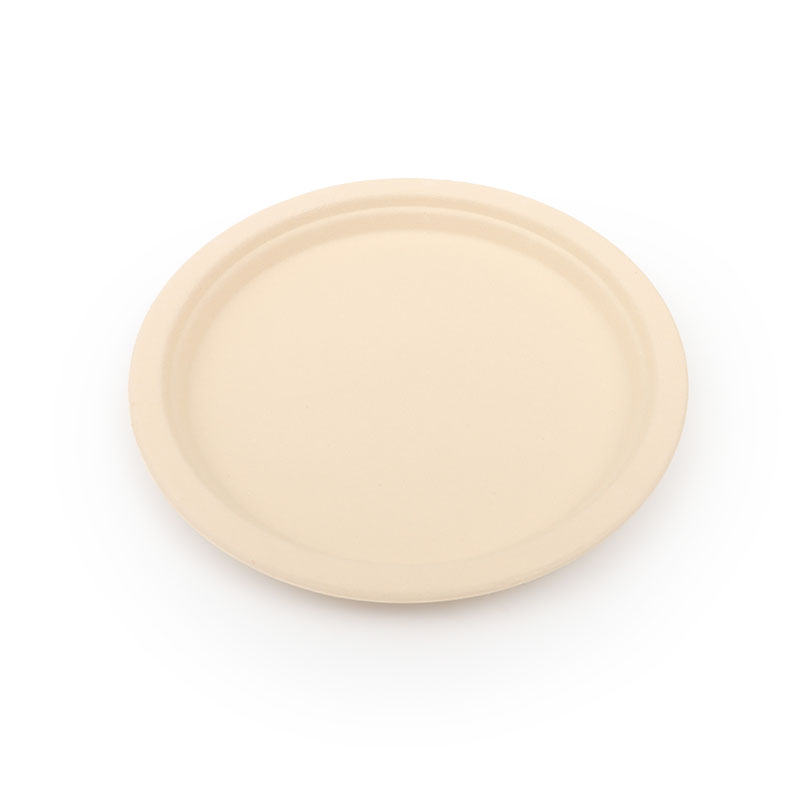
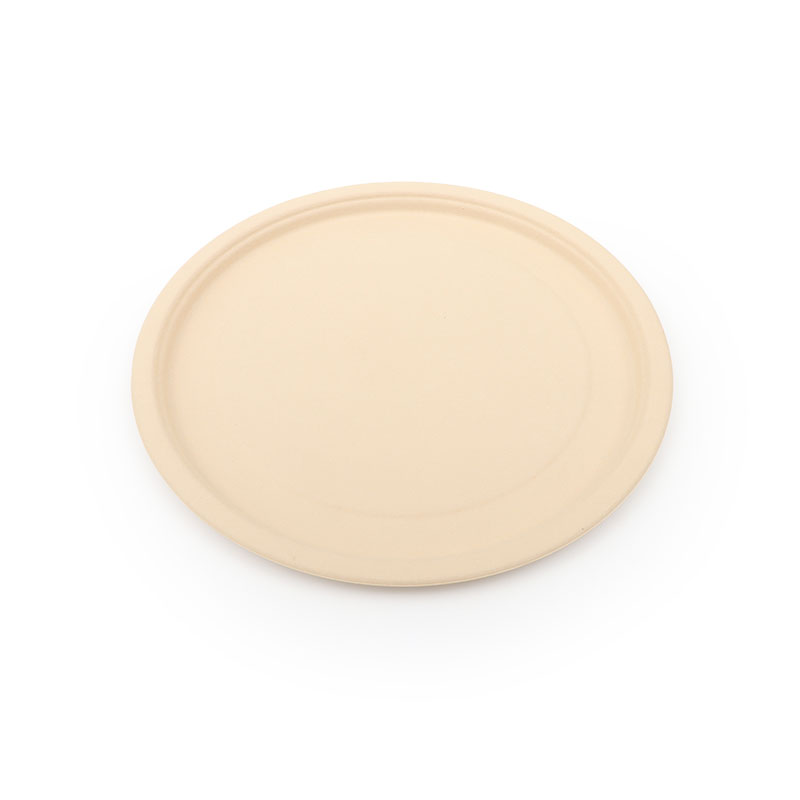
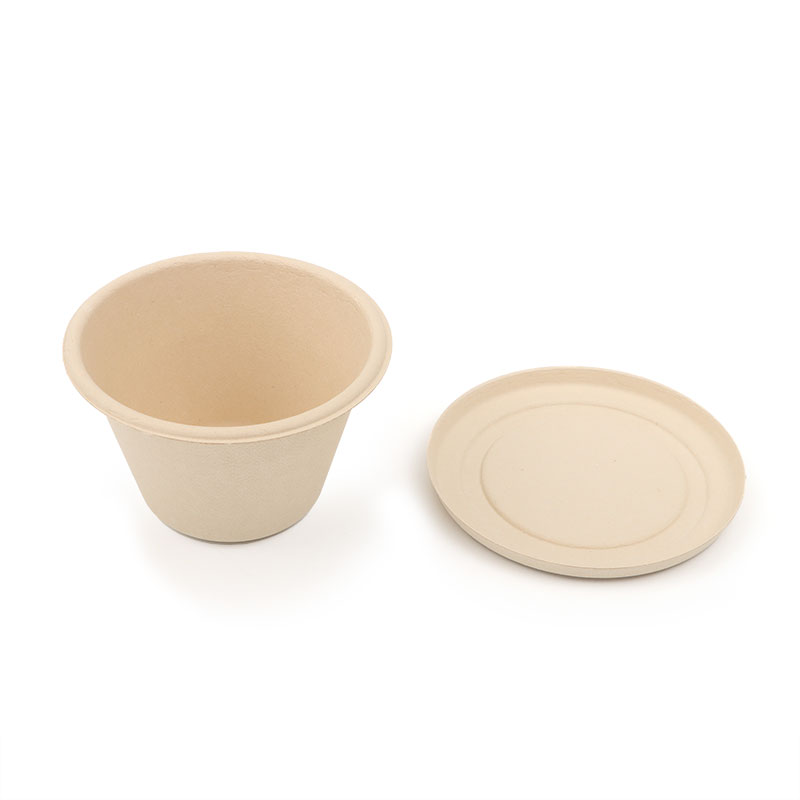
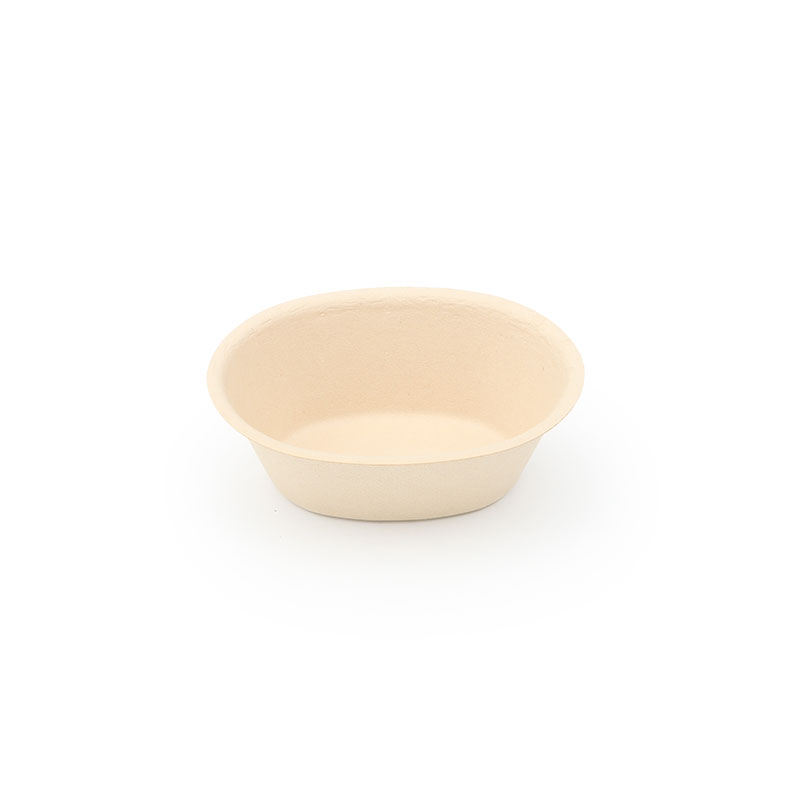
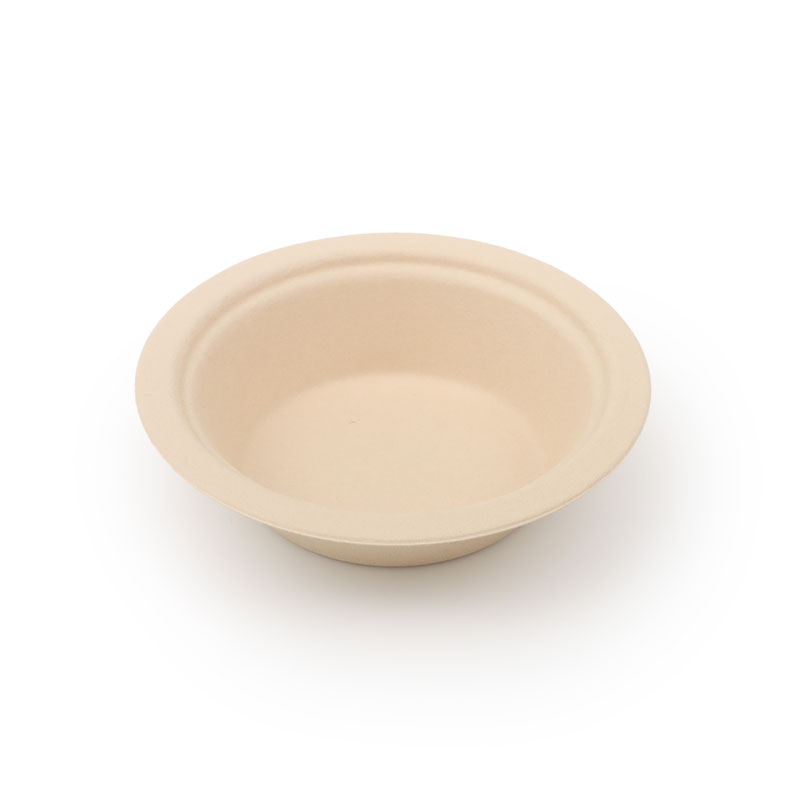
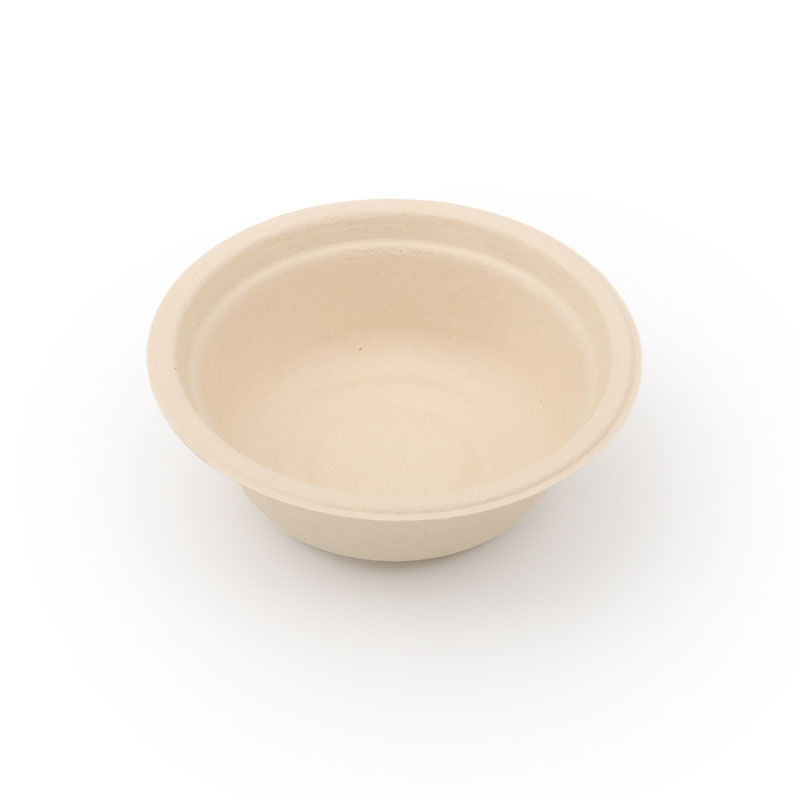
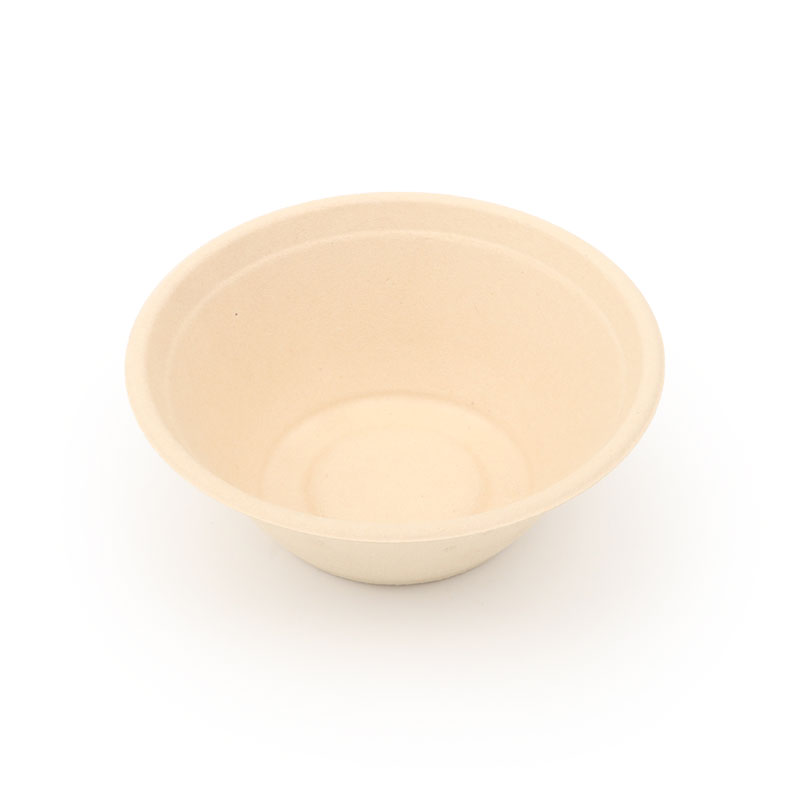
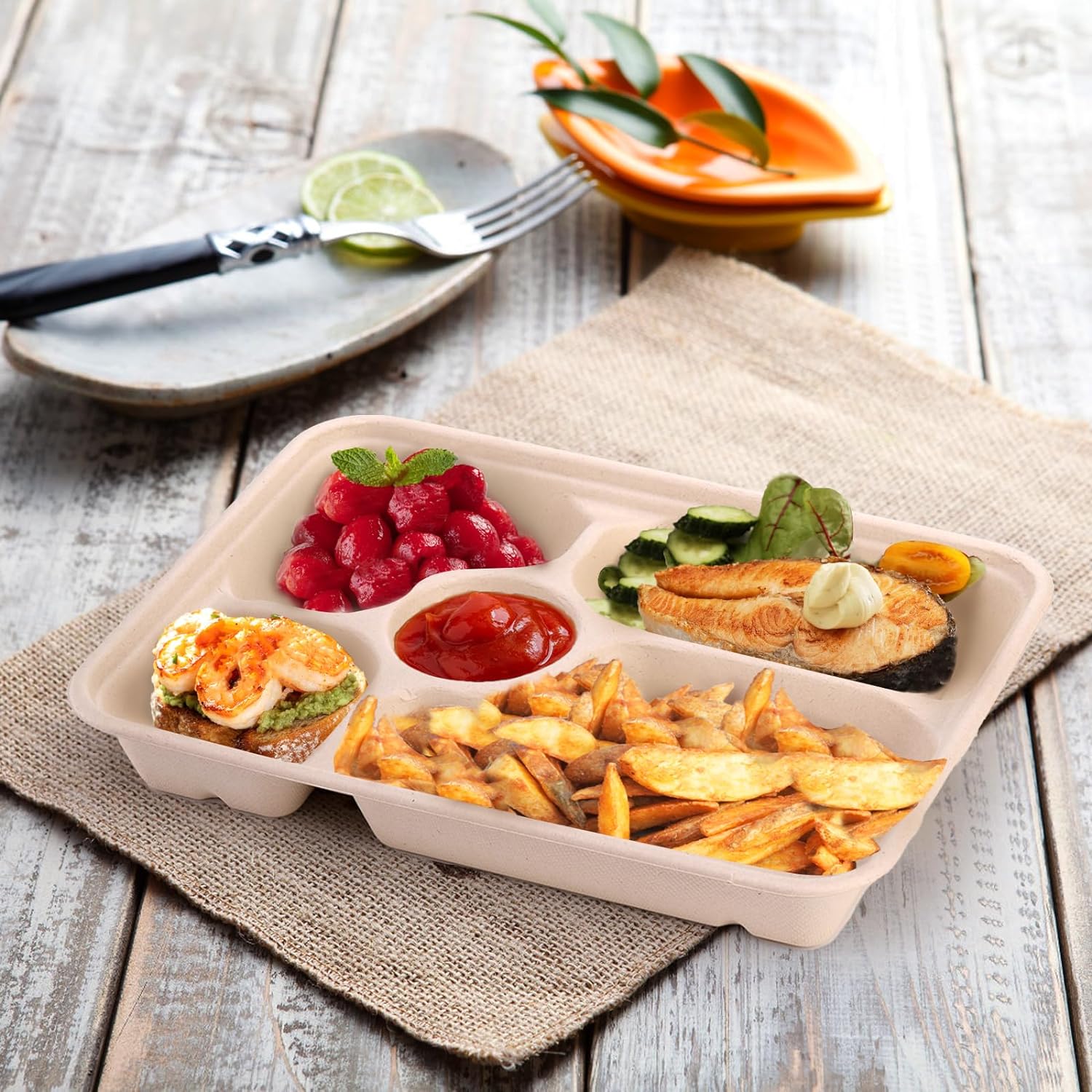
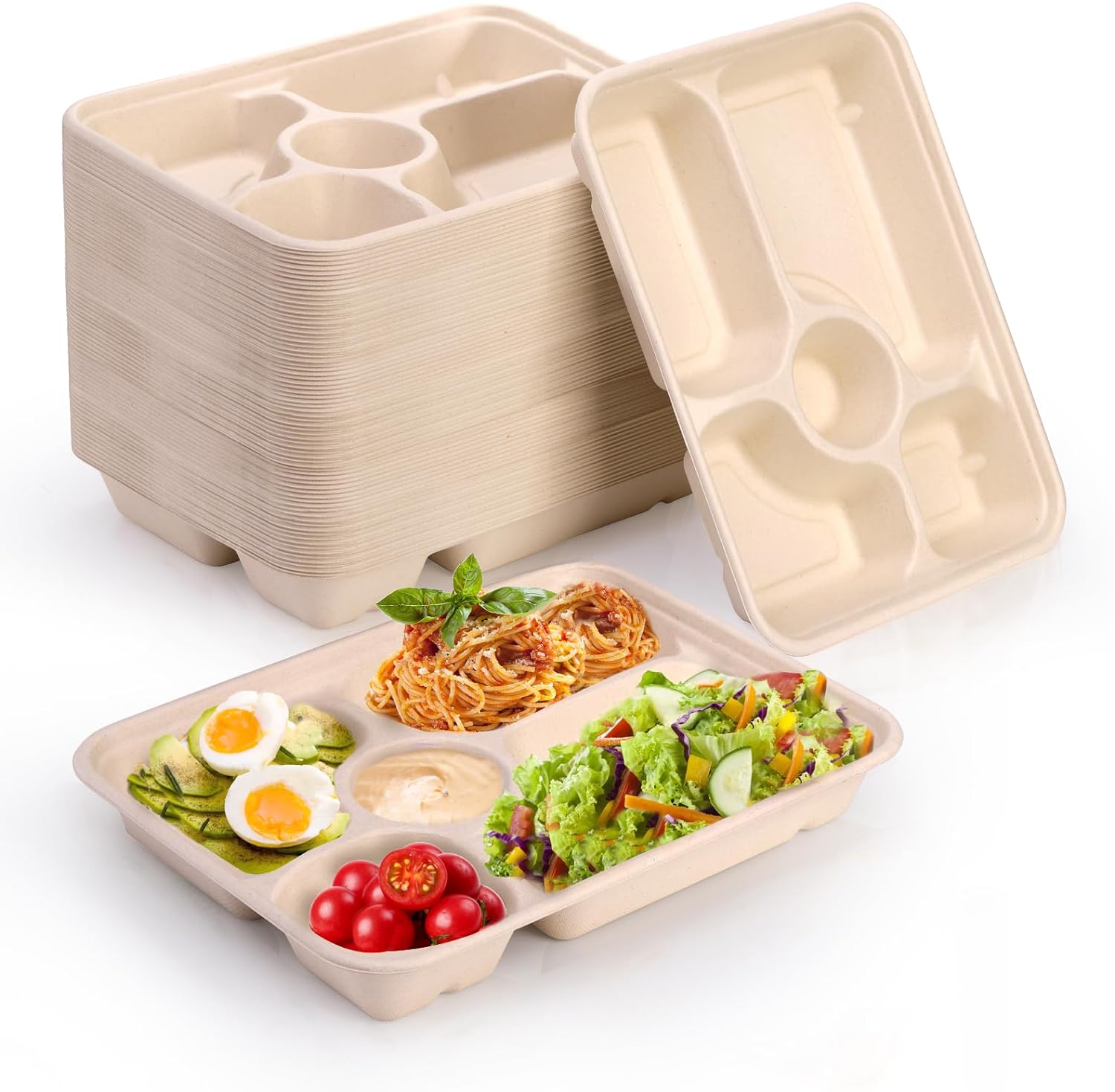
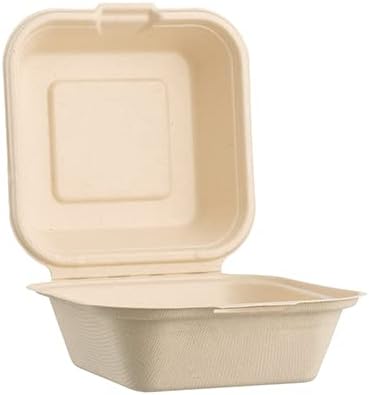
A Natural Color Biodegradable Disposable Food Box may suit a simple, earthy presentation, but its appearance does not prove compostability.

Check food-contact documentation and the disposal conditions in your service area. “Biodegradable” does not always mean the box breaks down in a household compost pile. Some materials require commercial composting facilities.

Ask how the box performs after thirty minutes of delivery. That detail matters. I once focused too much on appearance and overlooked lid security; a small soup spill created unnecessary waste.

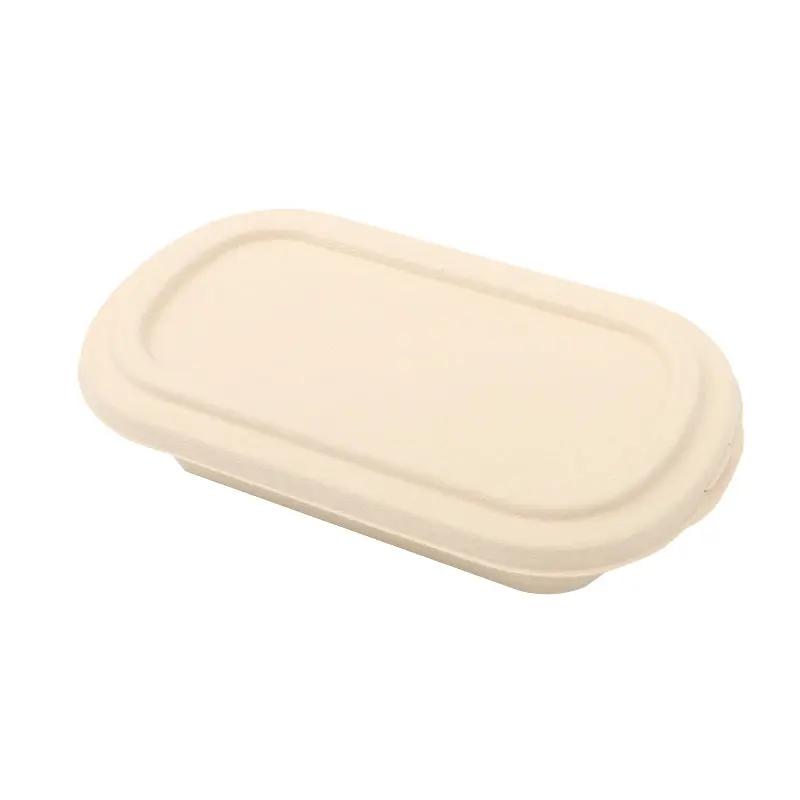
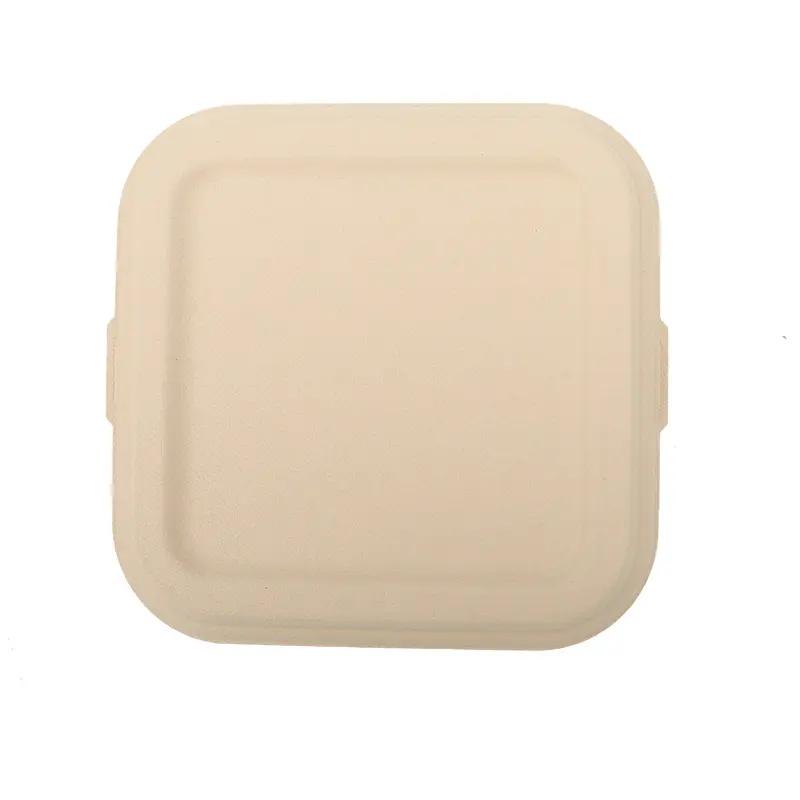
The box should close firmly, stack safely, and remain comfortable to hold. Measure the packed weight as well. An oversized container wastes space, while an undersized one crushes food and frustrates customers.

Compare Biodegradable Materials and Their Environmental Properties

Choosing a biodegradable disposable food box begins with its material, not the green label. Bagasse, made from sugarcane residue, uses an agricultural by-product. It usually has a firm, lightly fibrous texture. Molded paperboard can be recyclable when it stays clean and uncoated. Bamboo fiber is renewable, but processing and transport affect its environmental value. Performance matters too. A box leaking hot soup creates waste quickly.

PLA is plant-derived and commonly made from starch crops. It may reduce fossil material use, but it usually needs industrial composting facilities. In ordinary landfill conditions, degradation can remain slow. Coatings also complicate recycling and composting. Water-based coatings may improve moisture resistance, yet local systems handle them differently. “Biodegradable” does not always mean home compostable. This distinction should appear in clear technical documentation.

A responsible comparison should include energy, water, land use, transport distance, and disposal conditions. Ask suppliers for compostability testing, recycled content, and food-contact safety records. Check whether nearby facilities accept the exact box structure and coating. Match the material to the meal. Dry pastries need less protection than oily noodles or hot stew. My first choice was not always right. Real use changed that. A slightly heavier box might prevent leaks, but it can also increase transport emissions. Environmental decisions need evidence, not assumptions.

Check Food Safety, Durability, and Heat Resistance

How to Choose Biodegradable Disposable Food Boxes?

Food safety should guide every purchase. Choose boxes made for direct food contact, with clear material and safety documentation. Check for unusual odors, loose fibers, or color transfer after adding moist food. A reliable supplier should provide test information, not vague environmental claims. I once assumed “biodegradable” meant suitable for every meal. That assumption was wrong.

Durability matters during packing, delivery, and eating. Press the empty box gently. It should keep its shape without cracking or bending sharply. Add soup, rice, or oily food for a realistic trial. Watch the corners for leaks. Heat resistance also needs careful checking. Confirm the stated temperature range before adding hot noodles or baked dishes. Do not assume a box is microwave-safe unless its instructions clearly say so. Steam can soften weak fiber quickly.

Tips: Test samples with your actual menu for at least thirty minutes. Check the lid seal, base strength, and surface changes. Compare warm and cool foods. Record what fails. A box may look sturdy but collapse when carried with one hand. Small details matter. Availability and storage conditions also affect performance, so review them before placing a large order.

How to Choose Biodegradable Disposable Food Boxes? - Check Food Safety, Durability, and Heat Resistance

Evaluation Dimension Molded Fiber / Bagasse Paperboard with Aqueous Coating PLA-Coated Paper Palm Leaf
Typical food-contact status Suitable when manufactured from food-contact-grade pulp and tested for the intended use Suitable when the paper, coating, inks, and adhesives comply with applicable food-contact rules Suitable when the PLA coating and paperboard are certified for food contact Suitable when cleaned, heat-treated, and produced from food-contact-grade fallen leaves
Common temperature range for hot food Approximately 0–100°C, depending on the liner, molding process, and exposure time Approximately 0–100°C, depending on coating performance and structure Generally suitable for chilled and warm food; prolonged exposure above about 60°C may reduce coating performance Generally suitable for hot food up to approximately 100°C when properly processed
Microwave suitability Often suitable for short reheating cycles; verify supplier testing before use Often suitable if the coating, ink, adhesive, and closure contain no unsuitable metallic components Usually not recommended for high-temperature or extended microwave heating unless specifically tested Often suitable for short reheating cycles; verify the specific product and heating instructions
Oil and grease resistance Moderate to high with a certified barrier treatment; uncoated fiber may absorb oil Moderate; performance depends on the aqueous coating and food contact duration High for many oily foods while the PLA layer remains intact Moderate to high because of the dense leaf structure; seams may still allow leakage
Liquid leak resistance Good for short service periods when sealed or lined; may soften during extended contact Moderate to high with a continuous coating and correctly formed seams High for cold or warm liquids if the coating is continuous and undamaged Moderate; best for solid or semi-solid foods rather than long-term liquid storage
Stacking and crush resistance Good; molded ribs and sufficient wall thickness improve load-bearing performance Good when made with suitable paperboard grammage and reinforced corners Good for dry and moderately moist foods; moisture can weaken the paperboard core Moderate; natural variation in leaf thickness can affect dimensional consistency
Approximate service time with moist food Approximately 1–4 hours, depending on moisture, temperature, and barrier treatment Approximately 1–4 hours, depending on coating quality and food moisture Approximately 2–6 hours when the coating remains intact Approximately 1–3 hours for most moist foods; test before extended delivery use
Compostability consideration Often commercially compostable; certification depends on additives, coatings, and local facilities May be commercially compostable if the coating, inks, and adhesives meet the applicable standard Typically requires industrial composting conditions; not suitable for ordinary home compost unless certified Generally biodegradable and compostable when untreated or made without persistent additives
Recommended food applications Rice, noodles, fried food, salads, hot meals, and takeaway dishes Sandwiches, bakery products, snacks, dry meals, and short-duration takeaway foods Cold desserts, salads, bakery products, and foods requiring strong grease resistance Rice dishes, appetizers, dry foods, and solid hot meals with limited liquid content
Key documents to request Food-contact declaration, migration test report, compostability certificate, and heat-resistance test Food-contact declaration, coating specification, migration test report, and compostability documentation Food-contact declaration, PLA specification, migration test report, and industrial compostability certificate Food-contact declaration, sanitation process details, migration test report, and biodegradation documentation
Best choice when... You need a rigid, stackable box for hot and moderately moist meals You need a lightweight box for short-duration service and moderate moisture exposure You prioritize grease resistance and have access to industrial composting facilities You prefer a natural appearance and mainly serve solid or semi-solid foods

Note: Performance values are typical industry ranges and can vary with wall thickness, coating, sealing method, food composition, temperature, contact time, and manufacturing quality. Always confirm the intended application through product-specific food-contact, migration, leak, compression, and temperature testing.

Evaluate Size, Shape, Closure, and Storage Requirements

Choosing a biodegradable disposable food box starts with the meal, not the material label.

A 750 ml box suits rice bowls, while a shallow 500 ml box protects sandwiches from crushing. According to the UNEP Food Waste Index Report 2024, households and food-service operations wasted about 1.05 billion tonnes of food in 2022. Oversized packaging can worsen that problem by encouraging larger portions and leaving empty space.

Shape affects stacking, transport, and customer handling.
Rectangular boxes usually use shelf space efficiently. Round meals need wider corners or flexible internal space. I prefer a Natural Brown Biodegradable Disposable Food Box with a stable base and visible fill line. However, brown color alone proves nothing about compostability. Request product specifications, fiber composition, and testing evidence from the supplier.

Closure design deserves practical testing.
A tuck-top lid may work for dry noodles, but oily curry needs a tighter fit and stronger moisture resistance. Test the box after 30 minutes, not just when empty. The Food and Agriculture Organization reports that food loss remains significant across supply chains, making leakage and premature spoilage costly. Storage conditions matter too. Stack boxes below their compression limit, away from humidity, heat, and direct sunlight. I have misjudged this before. A lid that closes perfectly in a showroom may fail inside a warm delivery bag. Check ventilation, refrigerator compatibility, and the required storage period before approving a final size.

Verify Compostability Claims and Relevant Certifications

When choosing a Party Supplies Biodegradable Disposable Food Box, inspect the compostability claim carefully. “Biodegradable” does not automatically mean suitable for composting. The package should state whether it is certified for industrial composting or home composting.

Look for a verifiable certificate number, testing standard, and certification scope. ASTM D6400 and EN 13432 assess disintegration, biodegradation, ecotoxicity, and heavy-metal limits. ISO/IEC 17065-based certification also adds independent oversight. Check the entire box, including coatings, inks, adhesives, and lids. A certified paper base may not cover an attached plastic window.

European Bioplastics’ 2023 market data report estimated global bioplastics capacity at 2.18 million tonnes in 2023. It projected 7.43 million tonnes by 2028. However, those figures include bioplastics generally, not only Compostable food packaging. The difference matters. Ask suppliers for current laboratory reports, not only printed logos. The report should identify the exact material and thickness. It should also match the delivered product.

In practical purchasing checks, I would ask the local composting facility before ordering cartons. Some facilities reject certified items because their processing cycles differ. This step is easy to miss. I have seen claims look convincing until the lid and adhesive were examined separately. A clear certificate helps, but it is not the whole answer.

The chart summarizes two commonly specified performance benchmarks for industrially compostable plastics: at least 90% biodegradation within approximately 180 days and at least 90% disintegration within approximately 12 weeks. These benchmarks appear in widely used standards including EN 13432, ASTM D6400, ISO 17088, and AS 4736. Buyers should also verify ecotoxicity, heavy-metal limits, composting conditions, and certification documents rather than relying on the word “biodegradable” alone.

References: EN 13432, ASTM D6400, ISO 17088, and AS 4736 standard requirements. Values are simplified benchmark comparisons and should be confirmed against the current edition and the applicable certification scheme.

Balance Product Quality, Cost, and Supplier Reliability

When sourcing a Biodegradable fast food box, I examine more than its green appearance. A sturdy box should resist hot oil, steam, and sauces without collapsing. Looks can mislead. I test filled samples for thirty minutes before approving them. I also check whether the material softens during delivery or leaves a strange smell.

Cost matters, but the cheapest option may create higher waste. Thin walls can cause leaks, damaged meals, and customer complaints. Compare the full cost, including liners, storage space, replacement rates, and shipping. Ask suppliers for material specifications, food-contact test reports, and clear disposal guidance. Compostable performance depends on local facilities, not only on packaging claims.

Supplier reliability needs practical proof. Request several production samples, then compare them with later batches. Small differences in color or stiffness may reveal weak process control. Confirm minimum order quantities, lead times, backup capacity, and response times in writing. A factory visit or independent audit can add confidence. Still, no supplier is perfect. I once overlooked seasonal delays and had to adjust purchasing too late. Regular quality checks, traceable batch numbers, and honest communication help prevent that mistake. A dependable partner should explain problems early, not hide them behind polished promises.

Eco-Friendly Biodegradable Bamboo Pulp 850ml Salad Boxes: A Sustainable Food Packaging Guide

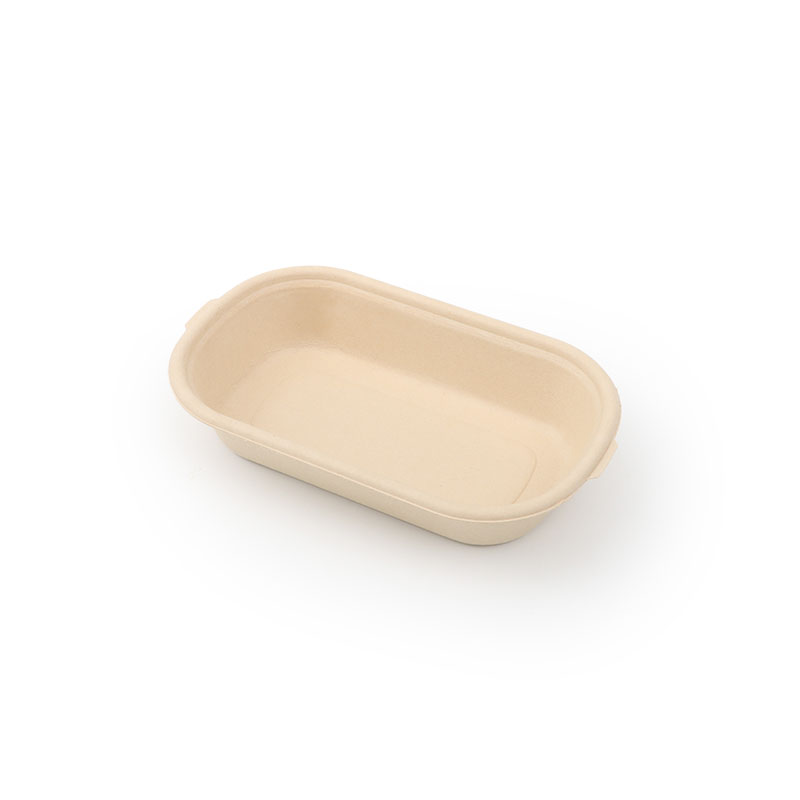
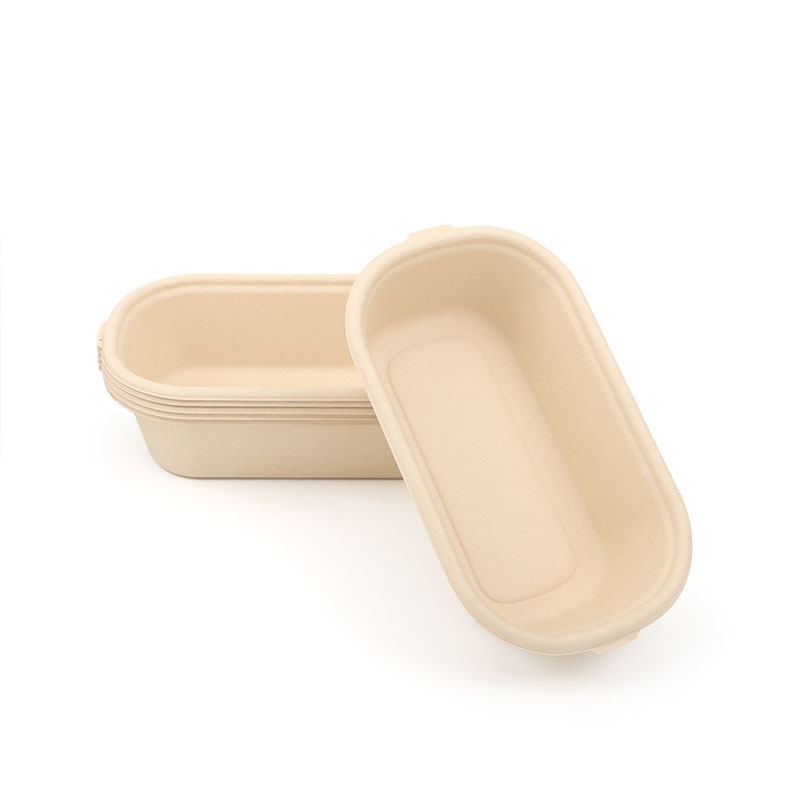
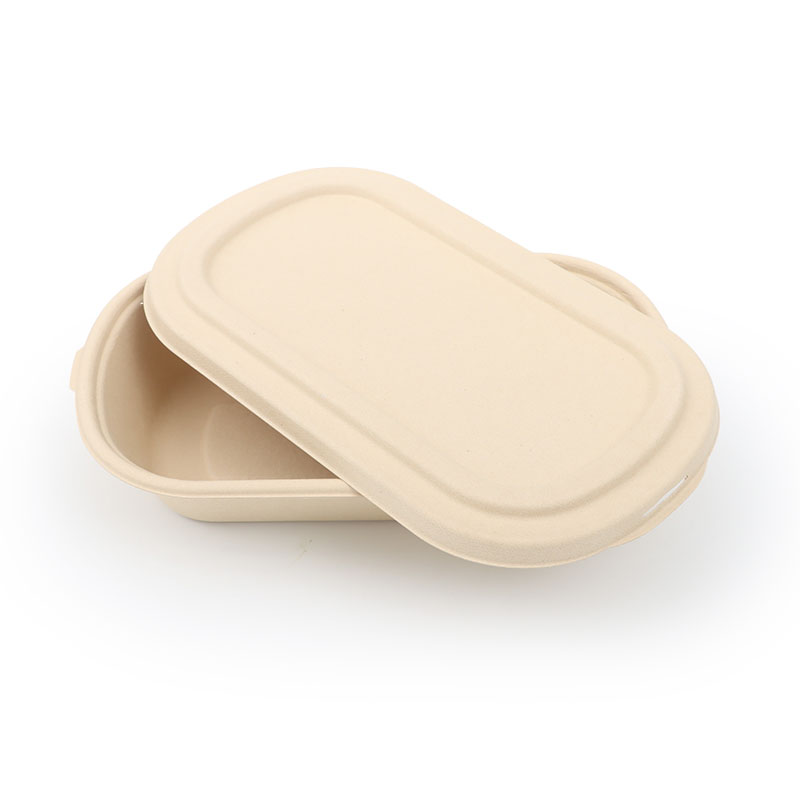
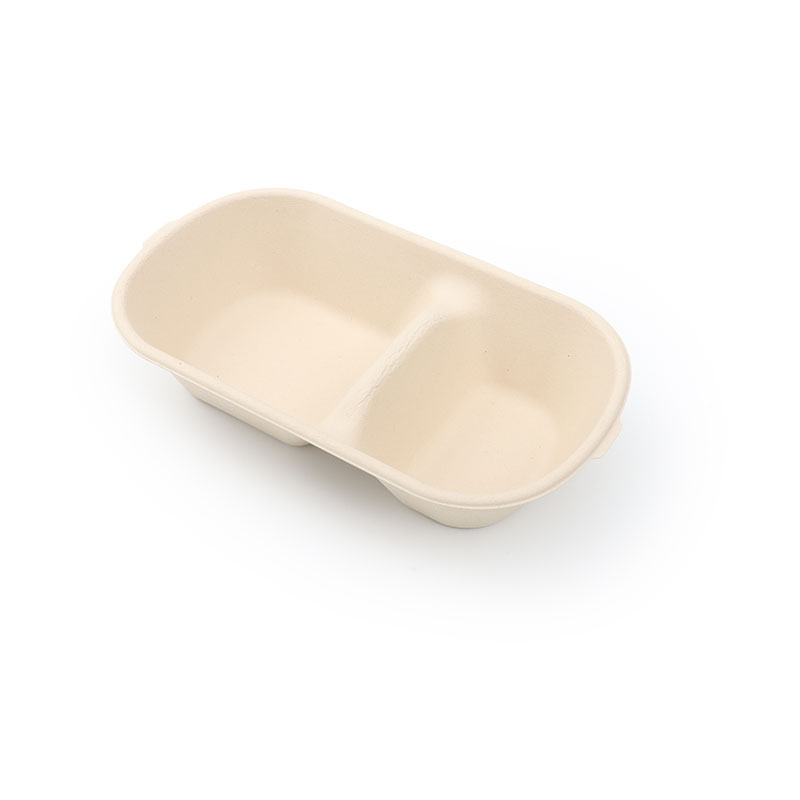
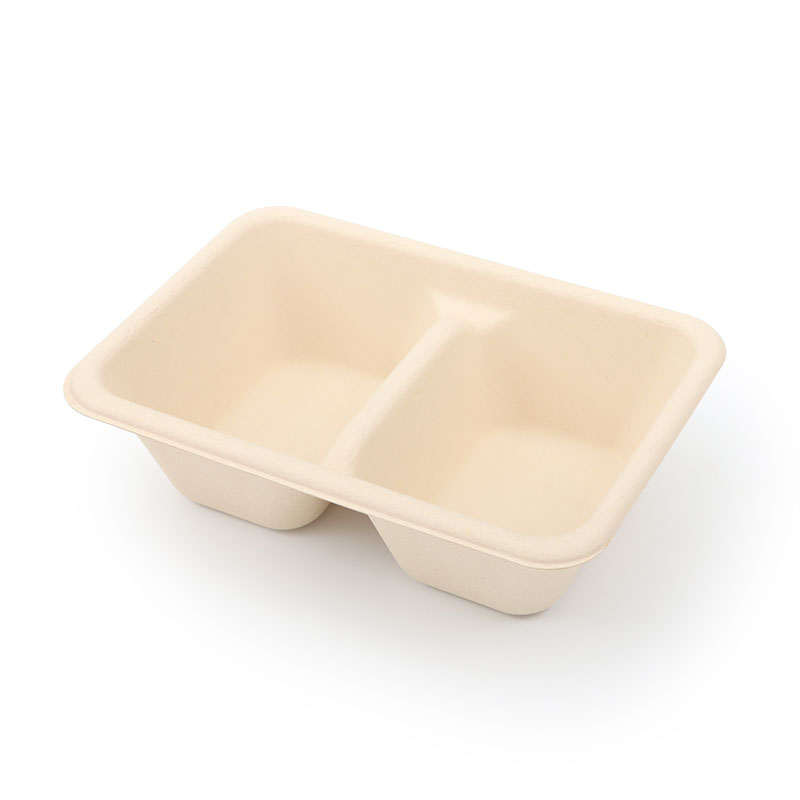
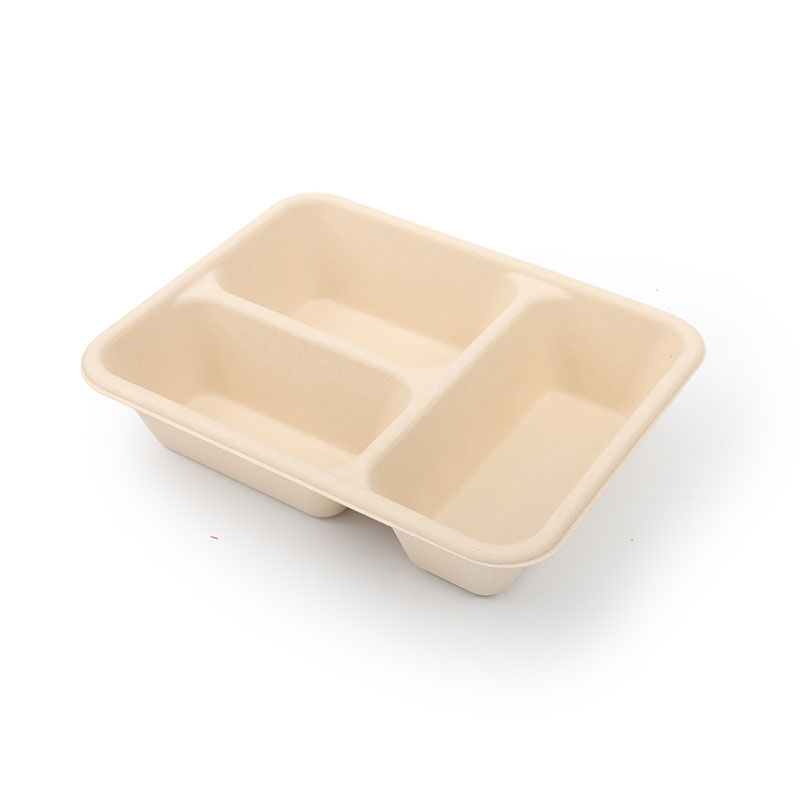
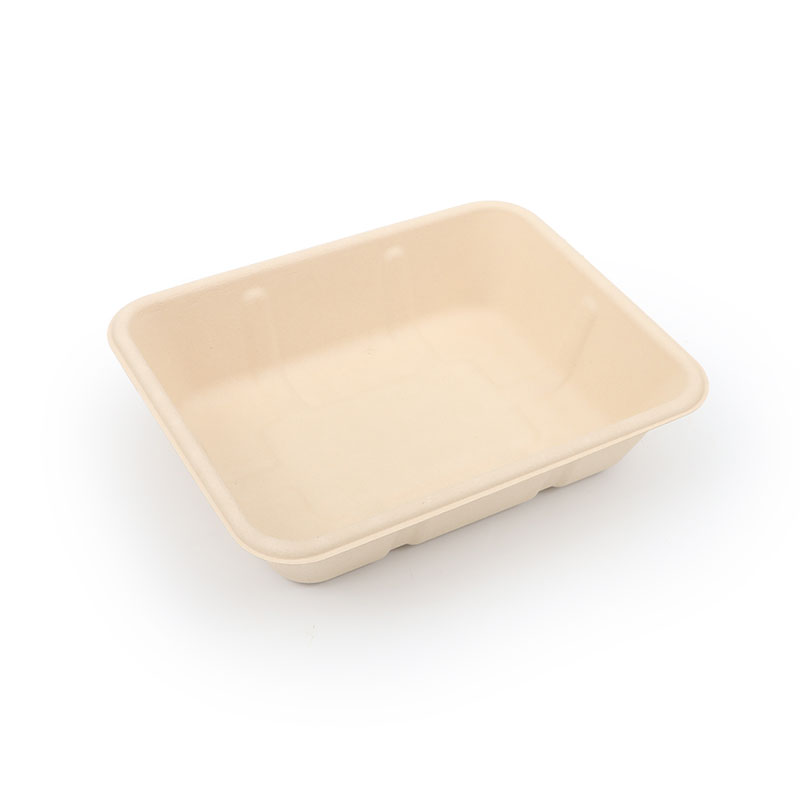
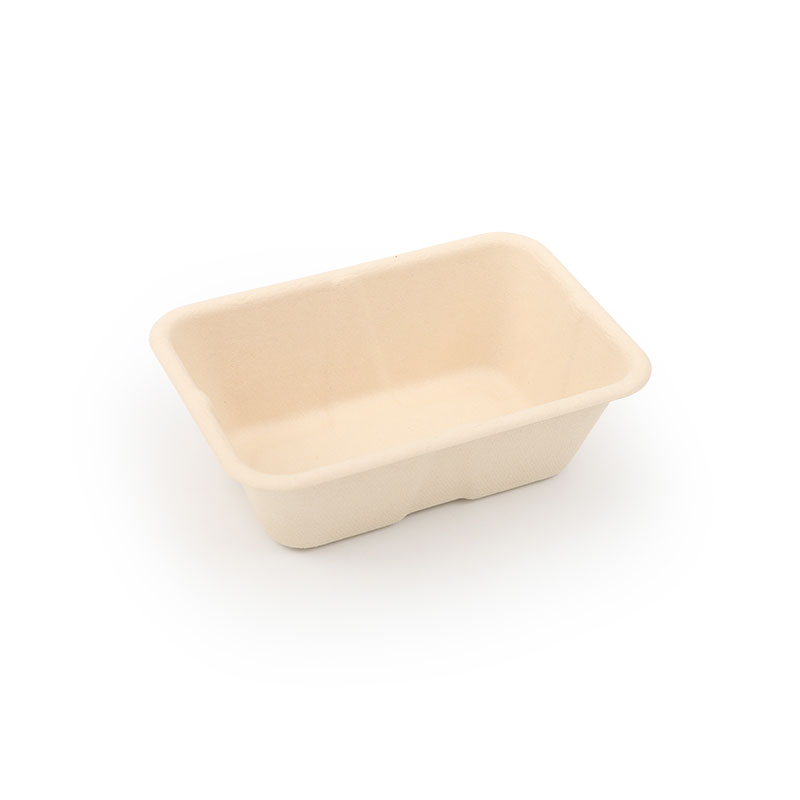
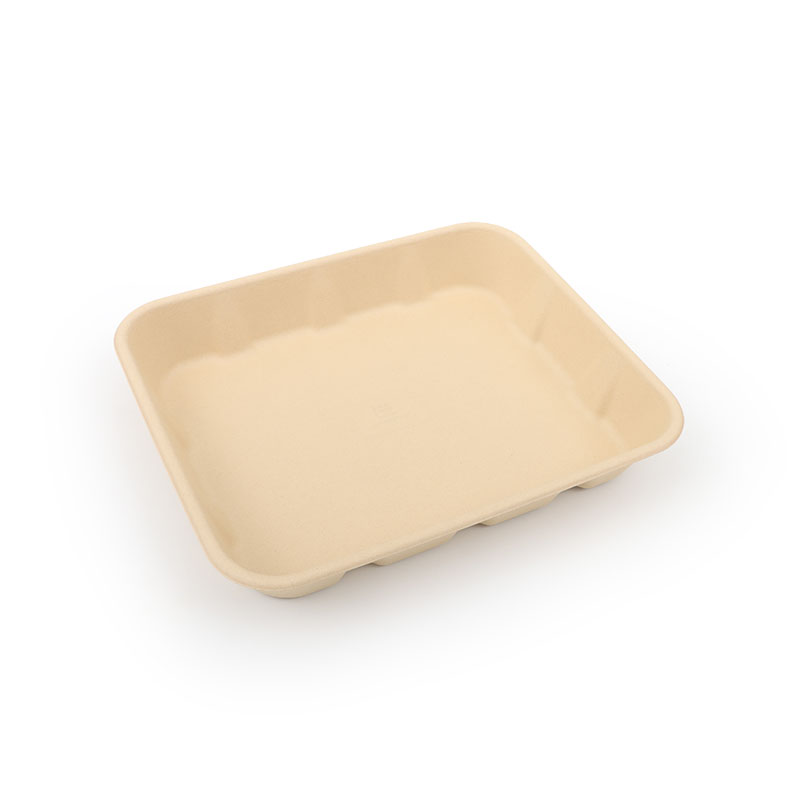
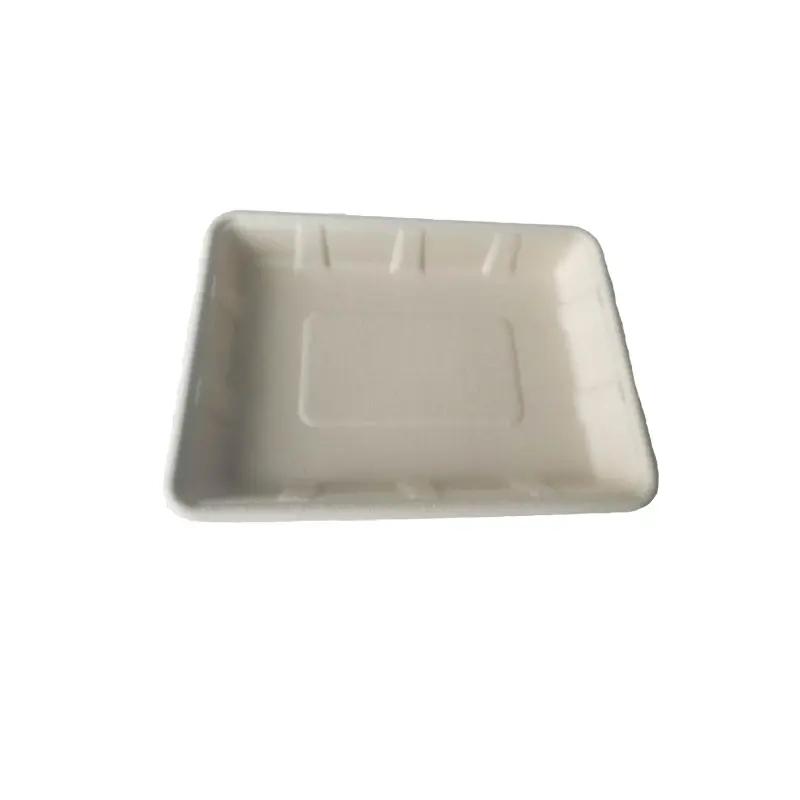
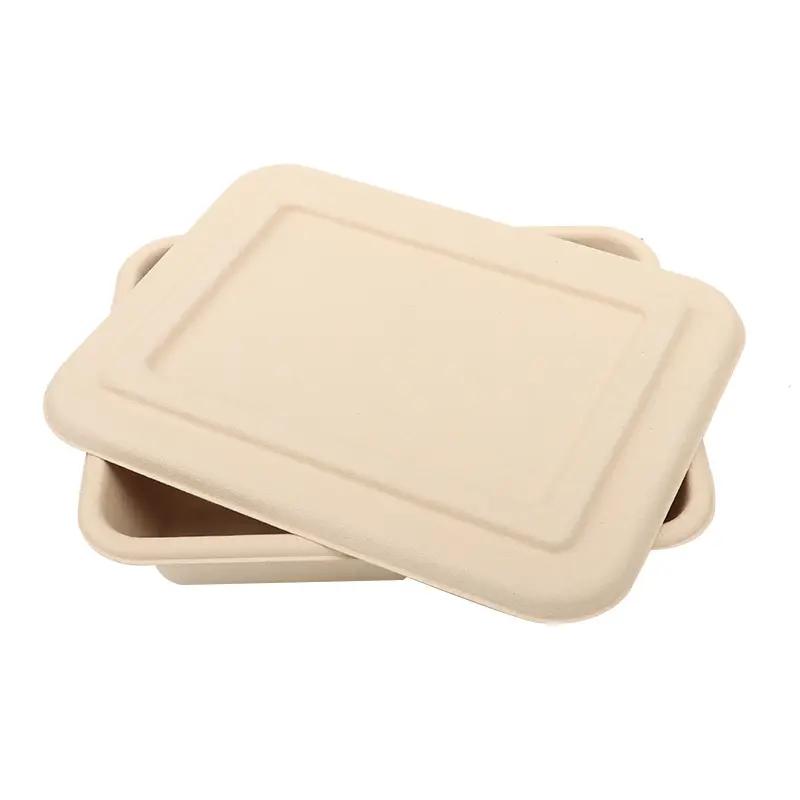
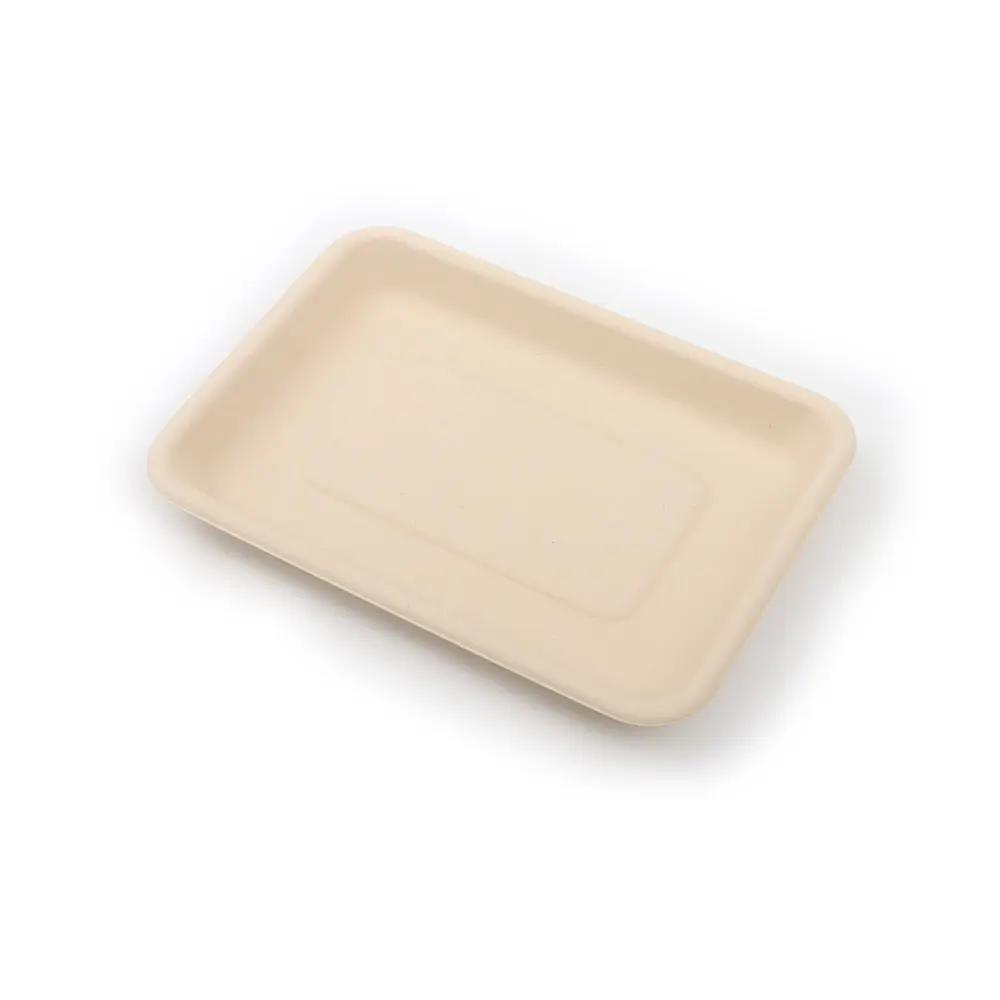
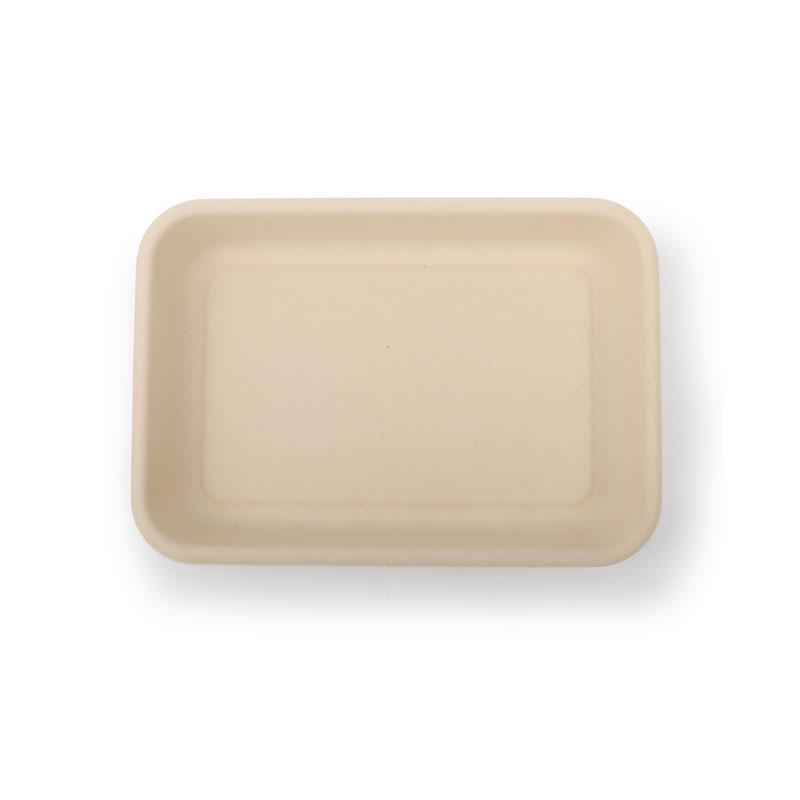
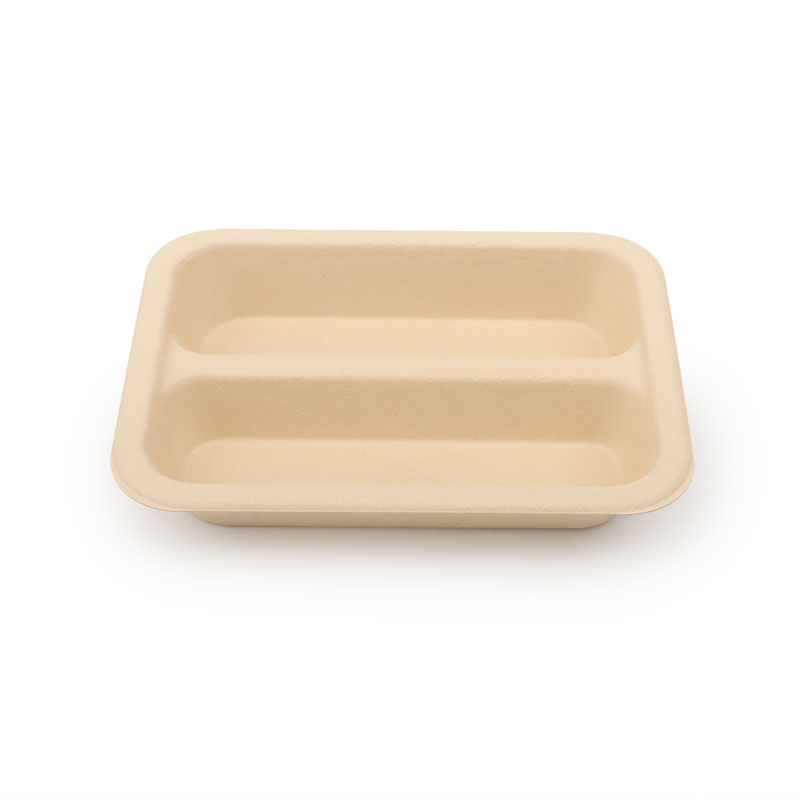
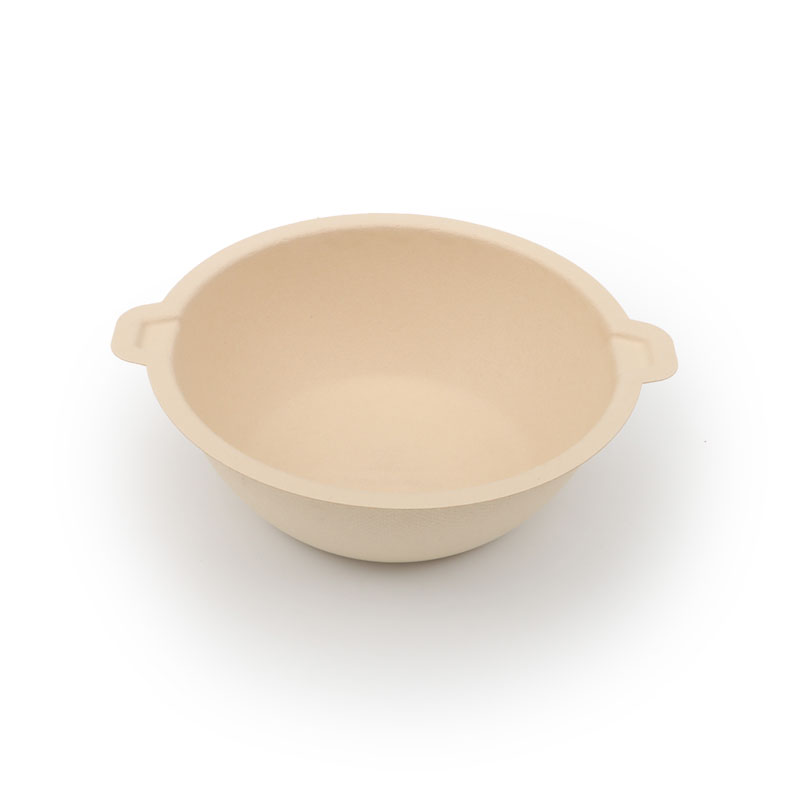
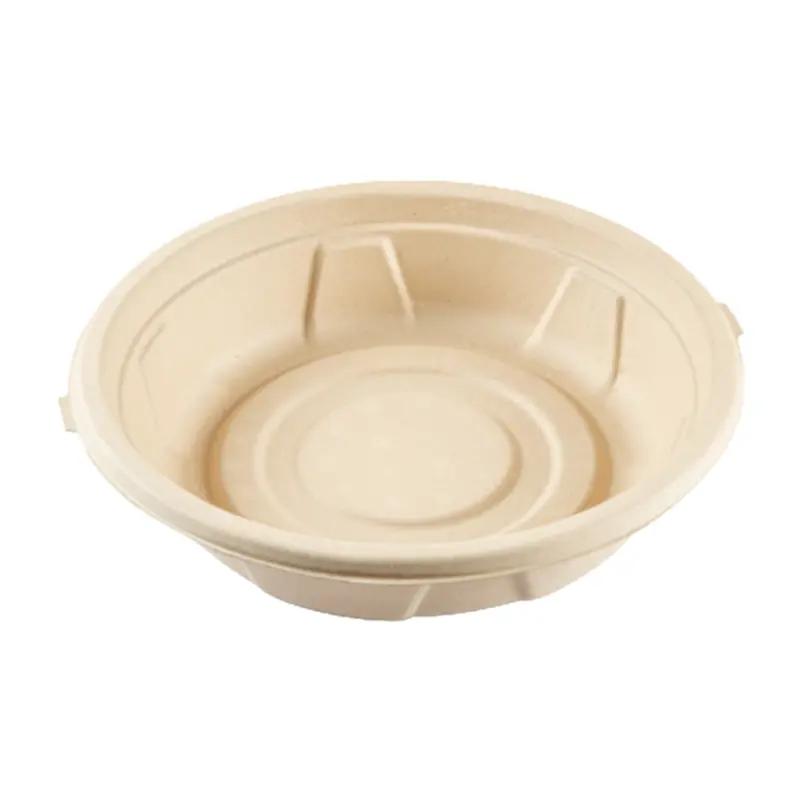
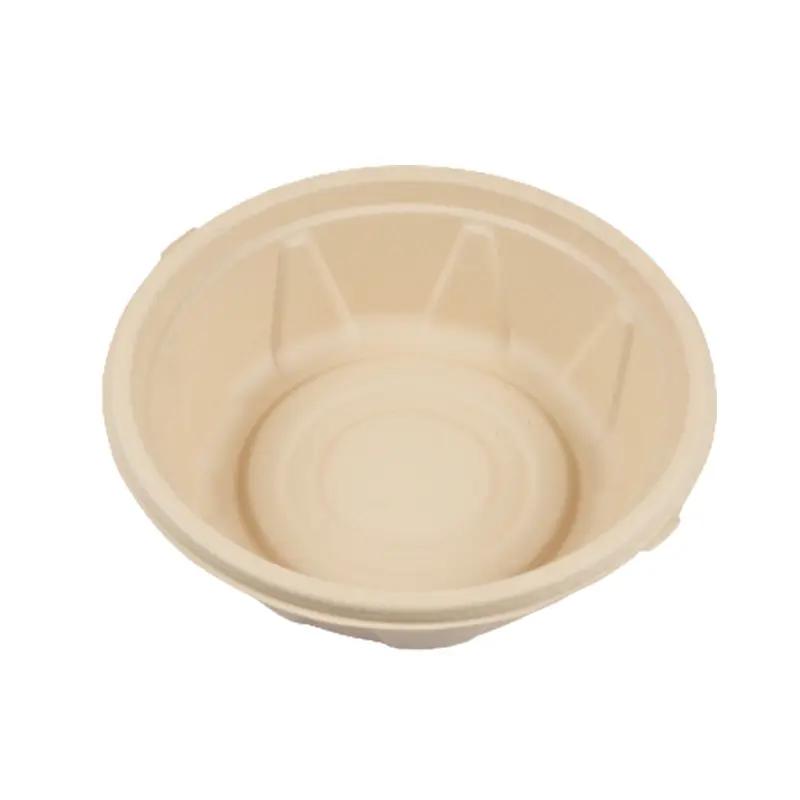
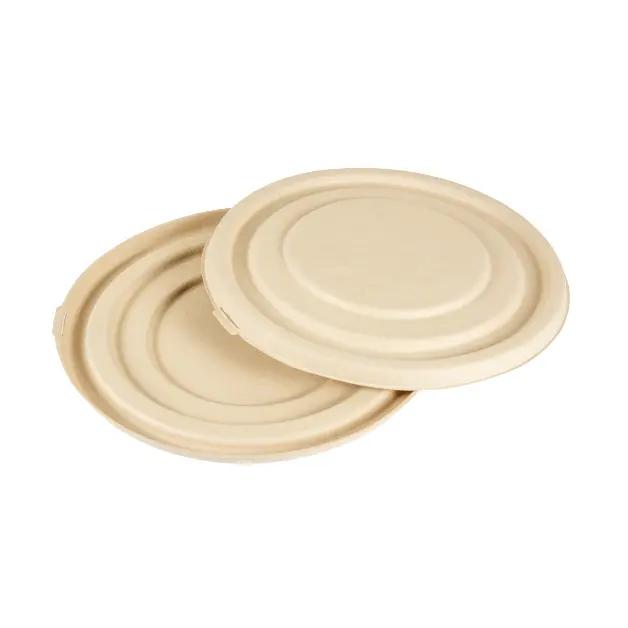
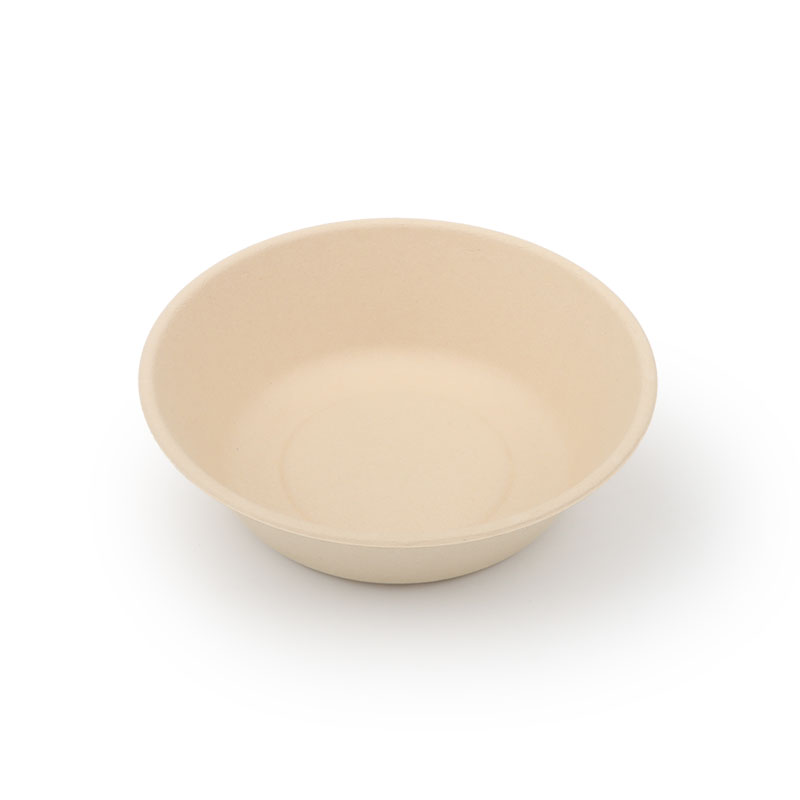
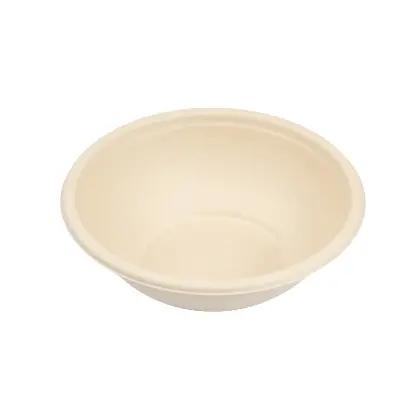
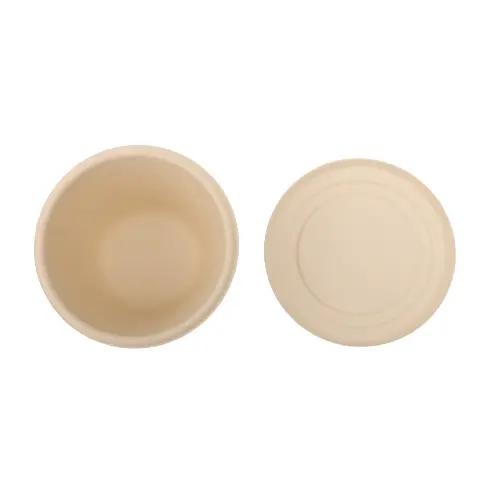
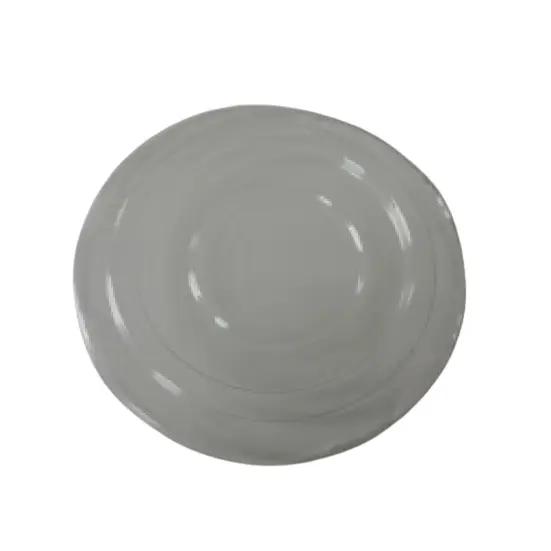
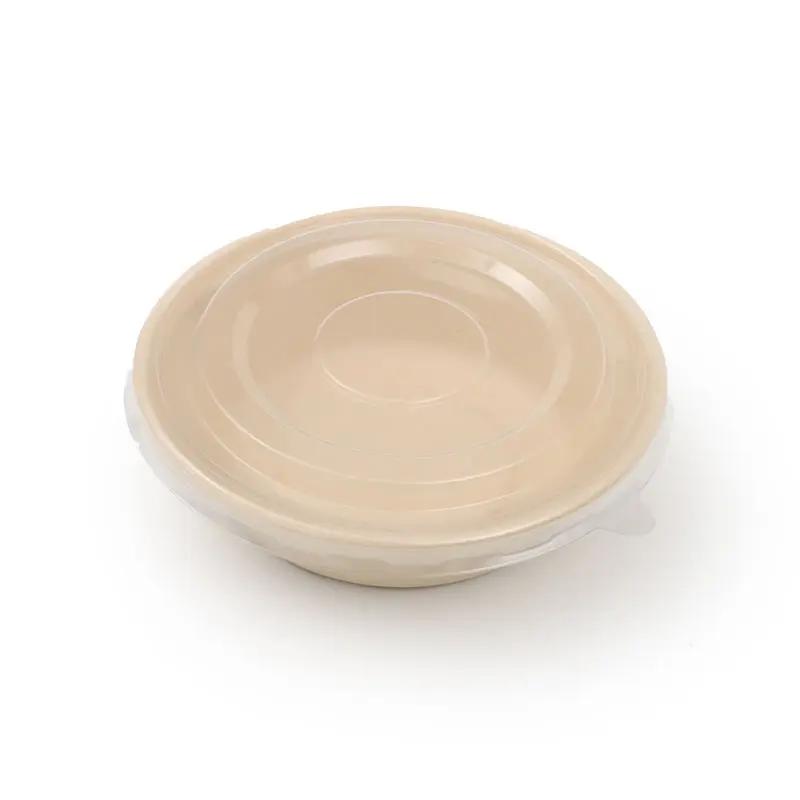
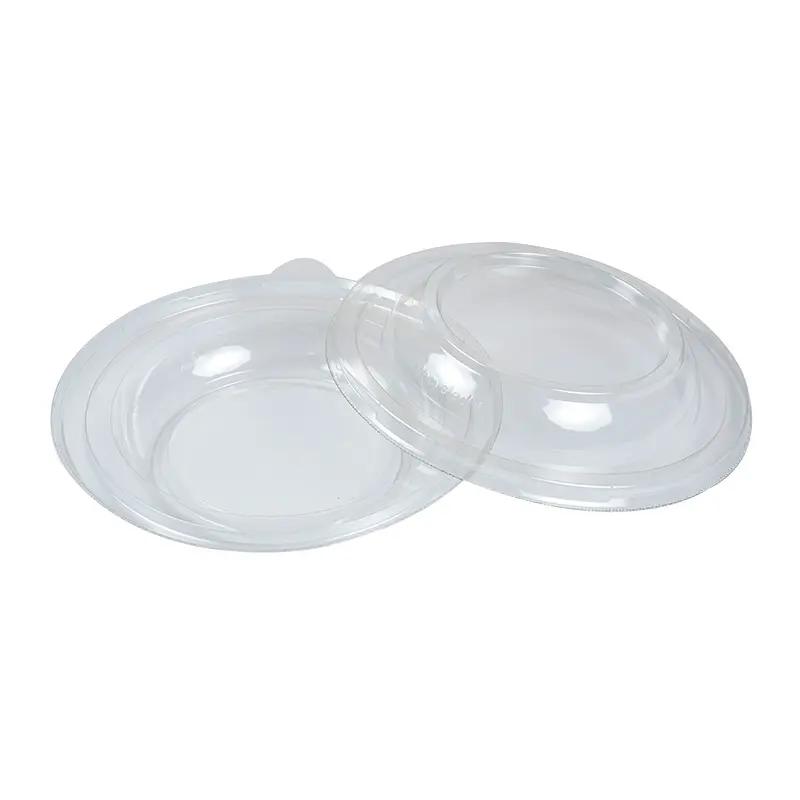
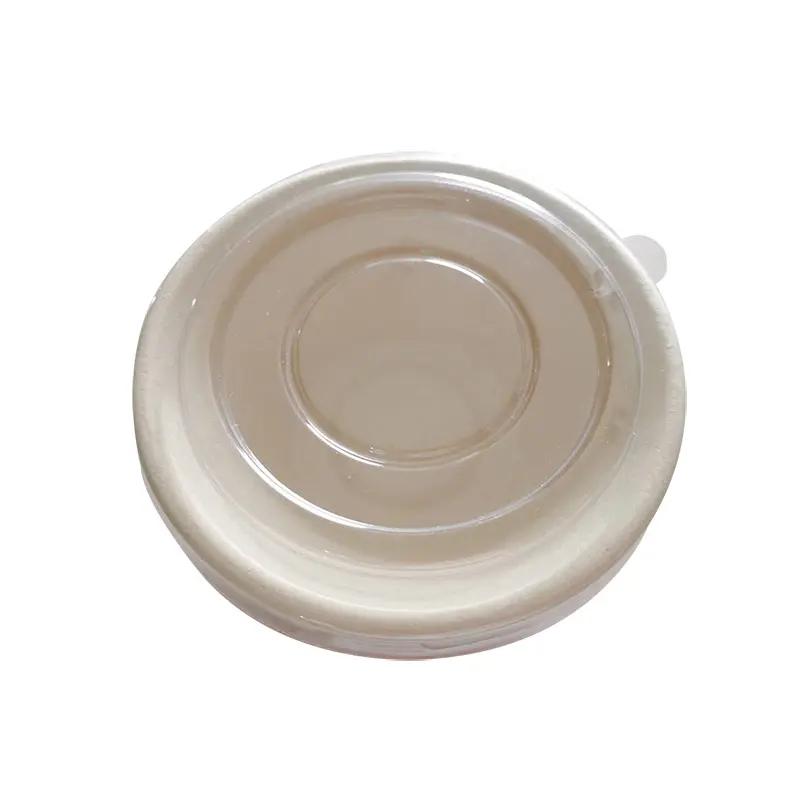
Eco-Friendly Biodegradable Bamboo Pulp 850ml Salad Boxes offer a practical alternative to conventional plastic food containers. Made from bamboo pulp fiber, these beige boxes are designed for salads, fresh meals, takeout dishes, and other food-service applications. With dimensions of L225 × W160 × H45mm, they provide a convenient 850ml capacity while maintaining a clean, natural appearance suitable for restaurants, catering services, cafés, and takeaway businesses.

The molded fiber structure is waterproof and oilproof, remaining impenetrable to water or oil at 95°C for up to 30 minutes. The boxes are also suitable for use in microwaves, ovens, and refrigerators. They can withstand heating at 220°C for 3–5 minutes and support frozen storage at -18°C for up to three months, making them suitable for a wide range of food preparation, storage, and serving needs.

For businesses seeking customized sustainable packaging, OEM and ODM orders are available. Depending on project requirements, related compliance and material documentation may include BPI, BRC, OK Compost, OWS, FDA, FSC, Green Seal, and fluorine-related testing or certification. Their biodegradable bamboo pulp construction helps reduce reliance on traditional petroleum-based packaging while providing the durability needed for everyday food-service operations.

FAQS

How should I choose a disposable food box for a specific meal?

Test the box with the actual meal. Hot curry, dry pastries, and oily noodles need different protection. Check temperature, grease, portion size, and travel time.

Why should I test the box during delivery?

Steam can soften weak fiber quickly. Sauces may seep through corners. Test the packed meal for at least thirty minutes.

Which box depth suits different foods?

Shallow boxes fit sandwiches and salads. Deeper boxes protect rice, noodles, and stews. An undersized box can crush food.

Do vent holes always improve food packaging?

Vent holes can reduce condensation. However, they may release heat. Use them when texture matters more than maximum warmth.

Does a biodegradable label prove compostability?

No. The box may need industrial composting. Household composting may not work. Check the exact disposal conditions nearby.

What materials should I compare when selecting a food box?

Compare bagasse, molded paperboard, bamboo fiber, and plant-based plastics. Consider strength, grease resistance, transport distance, water use, and disposal systems.

What certification details should I request from a supplier?

Ask for a certificate number, testing standard, and certification scope. Check the box, coating, ink, adhesive, and lid separately.

Can coatings and lids change a box’s environmental performance?

Yes. A paper base may be compostable, while its coating or lid is not. The complete product needs verification.

How can I avoid choosing packaging based only on appearance?

Measure packed weight and test lid security. A natural appearance proves little. I once overlooked the lid and caused a small soup spill.

Should I always choose the lightest food box?

Not necessarily. A heavier box may prevent leaks but increase transport emissions. The best choice depends on real performance. It is a judgment call.

Conclusion

Choosing the right Biodegradable Disposable Food Box requires more than selecting a product labeled “eco-friendly.” Start by identifying its purpose, the types of food it will hold, and whether it is intended for takeaway, delivery, storage, or serving. Compare materials according to their environmental properties, composting conditions, renewable content, and expected disposal methods. At the same time, confirm that the box is suitable for direct food contact and can withstand the required heat, moisture, oil, and handling without leaking or losing its shape.

Practical design also matters. Consider the ideal size, shape, lid closure, stacking ability, and storage space for your operation. Review compostability statements carefully and look for credible, relevant certifications rather than relying only on general marketing claims. Finally, balance product quality and environmental performance with cost, supply consistency, delivery capability, and supplier reliability. A thoughtful evaluation helps ensure the box meets both operational needs and responsible packaging goals.

Sophie

Sophie

Sophie is a dedicated marketing professional at Kangxin (Haimen) Environmental Technology Development Co., Ltd., where she leverages her extensive expertise in environmental technology to drive the company's marketing efforts. With a strong background in the industry, Sophie possesses an in-depth......
Previous How to Choose Film Covering for Food Packaging in 2026?