Picking the right Film Covering Food Packaging in 2026 isn't just about price, gloss, or thickness. The film has to actually do its job: protect the food, keep it fresh, run well on your packaging line, and help you make smarter material choices. A chilled salad might be dealing with condensation, while roasted coffee needs serious oxygen and aroma protection. Different foods? They need different barriers.
Dr. Susan Selke, a well-respected packaging scholar, puts it simply: “Packaging should protect the product while reducing its environmental cost.” That's still a great guiding idea, though it's not exactly a ready-made buying checklist. Real-world performance comes down to things like seal strength, puncture resistance, oxygen transmission, moisture control, and recycling infrastructure. The little stuff matters. A weak seal can let air reach sliced cheese in just a few hours. A brittle film can split during shipping.
This guide looks at how converters, food brands, and purchasing teams can evaluate Film Covering Food Packaging in 2026. We'll compare high-barrier films, recyclable structures, downgauged materials, and where each one fits. We'll also touch on machine compatibility, print quality, shelf-life goals, and supplier reliability. A pretty package isn't automatically a safe one. And a recyclable claim isn't automatically practical either.
Then there's the harder question people often skip: can that film perform consistently at commercial speed? Testing should use real products, realistic storage temperatures, transport vibration, and repeated sealing trials. No single film wins every application. Careful evaluation does.

Define Food Risks and Shelf Life Using OTR, WVTR, Light, and Seal Data
How to Choose Film Covering for Food Packaging in 2026?
Film selection should begin with the food’s real risks, not a fashionable material claim. Oxygen transmission rate, or OTR, matters for roasted nuts, oils, and oxygen-sensitive snacks. A high OTR may accelerate rancidity, color loss, or vitamin degradation. Water vapor transmission rate, or WVTR, controls moisture movement through the film. Crisps can lose their crunch when WVTR is too high. Dried foods may absorb moisture and become sticky. Fresh products create different challenges, including respiration and condensation. Define the target shelf life before comparing film structures. A six-month target needs stronger evidence than a two-week local sale.
Light transmission also deserves measurement. Clear film can expose oil-rich foods to ultraviolet and visible light. This may produce fading or unpleasant flavors. Use controlled light tests when the product is light-sensitive. Seal data is equally practical. Test seal strength, hot tack, leakage, and performance after filling. A film with excellent OTR can still fail through a weak seal. Small wrinkles near the seal often become large defects during transport. Test samples at expected temperatures, humidity levels, and handling conditions. Biodegradable food packaging may reduce environmental impact, but it still needs verified barrier and sealing performance. I have seen teams choose a promising film too early. The product later softened, despite acceptable laboratory data. That mistake is worth questioning. Retest after real storage, because packaging decisions rarely behave perfectly outside the test room.
How to Choose Film Covering for Food Packaging in 2026?
Define food risks and shelf life using OTR, WVTR, light transmission, and seal initiation temperature.
Lower OTR and WVTR provide stronger oxygen and moisture protection. Lower light transmission improves protection against oxidation and color loss, while a lower seal initiation temperature can support faster packaging-line sealing. The values below are representative engineering values for common film structures and can vary with thickness, humidity, test method, and sealing conditions.
| Film structure | OTR
cc/m²/day | WVTR
g/m²/day | Light transmission
% | Seal initiation
°C |
| LDPE film | 8,000 | 7.0 | 90 | 105 |
| BOPP/PE laminate | 1,500 | 1.5 | 85 | 105 |
| PET/PE laminate | 60 | 1.0 | 88 | 115 |
| EVOH/PE multilayer | 0.5 | 1.0 | 85 | 105 |
| Metallized PET/PE laminate | 0.5 | 0.3 | 0.5 | 115 |
| Aluminum foil laminate | 0.01 | 0.01 | 0.01 | 120 |
OTR and WVTR are shown as indicative values at approximately 23°C and 50% relative humidity; EVOH performance is humidity-sensitive. Seal initiation temperature depends mainly on the sealant layer, pressure, dwell time, and equipment settings. Final film selection should be validated with product-specific shelf-life and seal-integrity testing.
Set Oxygen Targets Below 1 cc/m²·day for Oxygen-Sensitive Foods
How to Choose Film Covering for Food Packaging in 2026?
Choosing film covering in 2026 starts with the food’s oxygen sensitivity, not appearance alone. For roasted nuts, powdered milk, coffee, and some snacks, set oxygen targets below 1 cc/m²·day. This low transmission rate can slow rancidity, flavor loss, and color changes when sealing remains consistent. In practical trials, compare film data at the expected temperature and humidity. Laboratory values can shift on a warm warehouse floor. Ask for independent test reports, seal-strength results, and migration compliance documents. Numbers matter.
A suitable structure may combine barrier layers with reliable heat sealing and puncture resistance. Yet a very high barrier film is not automatically the best choice. It may increase material use, complicate recycling, or perform poorly on fast filling lines. Eco Friendly food packaging should balance oxygen protection, shelf life, machine efficiency, and end-of-life options. Test filled packs, not flat film alone. I have seen tiny seal wrinkles defeat excellent barrier values. That lesson is easy to overlook.
Tips: Measure oxygen transmission after forming and sealing. Test at realistic humidity and temperature. Check headspace oxygen, seal width, and leak rates. Keep a safety margin below 1 cc/m²·day. Review results with packaging engineers and food scientists. Recheck after storage. Small defects matter.
Compare Moisture Barriers Below 1 g/m²·day WVTR for Dry Products
Choosing film covering for food packaging in 2026 requires more than comparing thickness and price. For dry products, moisture control often decides shelf life. A useful target is a water vapor transmission rate below 1 g/m²·day. This level can help protect powders, cereals, crackers, and dehydrated ingredients from softening or clumping.
Not every low-WVTR film performs equally. Metallized structures usually provide strong moisture resistance, but pinholes and flex cracking can reduce protection. High-barrier coated films may offer better transparency and easier inspection. Polyethylene layers can provide reliable sealing, yet they rarely achieve very low WVTR alone.
Barrier polymers can work well, although humidity and processing conditions may affect their performance. Check the test method carefully. A result measured at 38°C and 90% relative humidity is not directly comparable with one measured at 23°C and 50% humidity.
Seal quality matters as much as the film itself. A strong barrier can fail around weak seals, folds, or microscopic punctures. During packaging trials, inspect seal wrinkles, drop resistance, and repeated bending. Test the finished pouch, not only the flat film. Small details matter. Product dust can contaminate the seal area and create leakage paths.
A WVTR below 1 is a useful screening point, not a complete specification. Shelf-life testing should consider product sensitivity, package size, headspace, and storage climate. I would also question unusually attractive laboratory figures. Real distribution is rougher than a controlled test. A slightly thicker structure may perform better when handling becomes unpredictable.
Match Film Thickness, Typically 30–100 μm, to Strength and Yield Needs
How to Choose Film Covering for Food Packaging in 2026?
Film thickness directly affects strength, yield, sealing, and material use. The typical range is 30–100 μm. A 30–45 μm film may suit dry snacks, bakery items, and lightweight produce. It uses less material, but sharp edges can cause punctures. For chilled meals or oily foods, 50–70 μm often provides better handling and seal reliability. Heavy frozen products may need 80–100 μm, especially during drops and cold-chain transport.
Thickness alone does not guarantee protection. A thinner multilayer film can outperform a thicker single-layer structure when oxygen, moisture, and puncture resistance matter. The Flexible Packaging Association reported U.S. flexible packaging sales of about $40 billion in 2023, showing the scale of this efficiency challenge. Every extra micrometer increases material demand. Every reduction needs testing. Small changes matter.
Run trials on the real filling line. Check seal strength, leakage, stiffness, and roll yield. A 60 μm film may work well in the laboratory but fail around a greasy rim. Compostable food packaging also requires careful testing because humidity can affect stiffness and sealing. The 2024 Global Commitment progress report from the Ellen MacArthur Foundation noted that packaging redesign and material reduction remain important industry priorities. Still, thinner is not always better. That assumption deserves review.
Check Heat-Seal Windows of 120–180°C for Common PE Sealant Layers
When selecting film covering for food packaging, begin with the PE sealant layer, not the printed surface. Common PE sealants often show practical heat-seal windows between 120 and 180°C. The exact range depends on resin structure, film thickness, sealing pressure, and dwell time. A hotter jaw does not always create a stronger seal.
In production trials, I check seals at 120, 140, 160, and 180°C. I record opening force, seal width, wrinkles, and visible distortion. A clean seal should open consistently during testing, without tearing the package film. Small crumbs or oil at the seal edge can cause weak points. They are easy to miss. Calibrated temperature sensors matter because displayed machine temperatures may differ from the actual jaw surface.
A lower setting can protect sensitive food and reduce film shrinkage. A higher setting may help with thicker structures, but it can damage the package or narrow the operating window. For degradable food packaging, confirm the sealing layer separately; degradable claims do not guarantee easy sealing. I would also test after storage, refrigeration, and transport simulation. One imperfect trial should not be ignored. It may reveal poor tension control, uneven coating, or a sealant layer that needs redesign.
Verify OTR by ASTM D3985 and WVTR by ASTM F1249 Before Selection
How to Choose Film Covering for Food Packaging in 2026?
Film selection should begin with measured barrier performance, not thickness alone. Oxygen transmission rate, or OTR, predicts how quickly oxygen crosses the film. Test it under ASTM D3985 conditions. This method uses a coulometric sensor for oxygen transmission through plastic film. Water vapor transmission rate, or WVTR, requires ASTM F1249 testing. It measures moisture movement using a modulated infrared sensor. Always record temperature, humidity, film thickness, and test direction.
A low OTR helps protect roasted foods, oils, and oxygen-sensitive ingredients. A low WVTR helps maintain crispness and prevents moisture-driven spoilage. However, test conditions must match the real package. A film tested at 23°C and 50% relative humidity may perform differently in refrigerated storage. Tropical distribution requires harsher humidity testing. Never compare two barrier values from different laboratories without checking their conditions.
The need is substantial. FAO reported that 14% of food is lost between harvest and wholesale. UNEP’s Food Waste Index Report 2024 estimated 1.05 billion tonnes of food waste in 2022. Better packaging cannot solve every loss, but poor barrier selection can accelerate it. A practical mistake is choosing the lowest reported number without testing seals, folds, and printed areas. Those details often become the weak points. Pilot testing should include filled packs, temperature cycling, and real storage time. The result may challenge the initial specification. That is useful.
Conclusion
Choosing Film Covering Food Packaging in 2026 requires a balanced assessment of product sensitivity, shelf-life targets, material performance, and regulatory requirements. Start by evaluating oxygen, moisture, light, and sealing risks. Oxygen-sensitive foods may require an OTR below 1 cc/m²·day, while dry products often benefit from a WVTR below 1 g/m²·day. Film thickness, commonly between 30 and 100 μm, should match the package’s strength, flexibility, material efficiency, and yield requirements.
Heat-seal performance is equally important, especially when using common PE sealant layers with sealing windows around 120–180°C. Before final selection, verify OTR through ASTM D3985 and WVTR through ASTM F1249 under suitable test conditions. The film should also satisfy FDA 21 CFR and EU 10/2011 food-contact requirements, along with applicable 2026 recycling and sustainability rules. A data-driven comparison helps ensure reliable protection, efficient processing, and appropriate end-of-life performance.

 Box With T buckle
 700ml Square Lunch Box
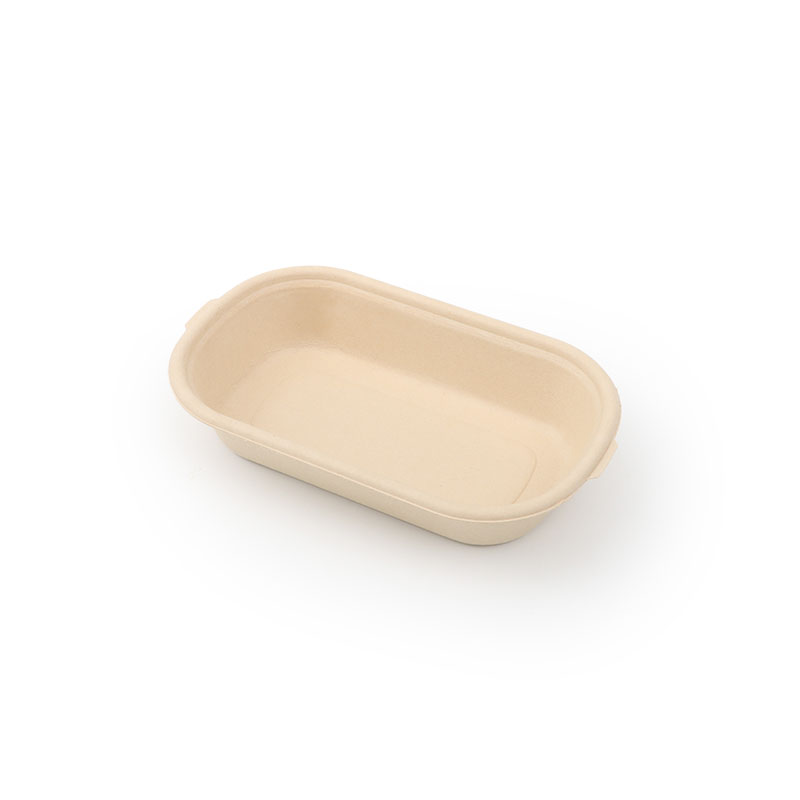 500ml
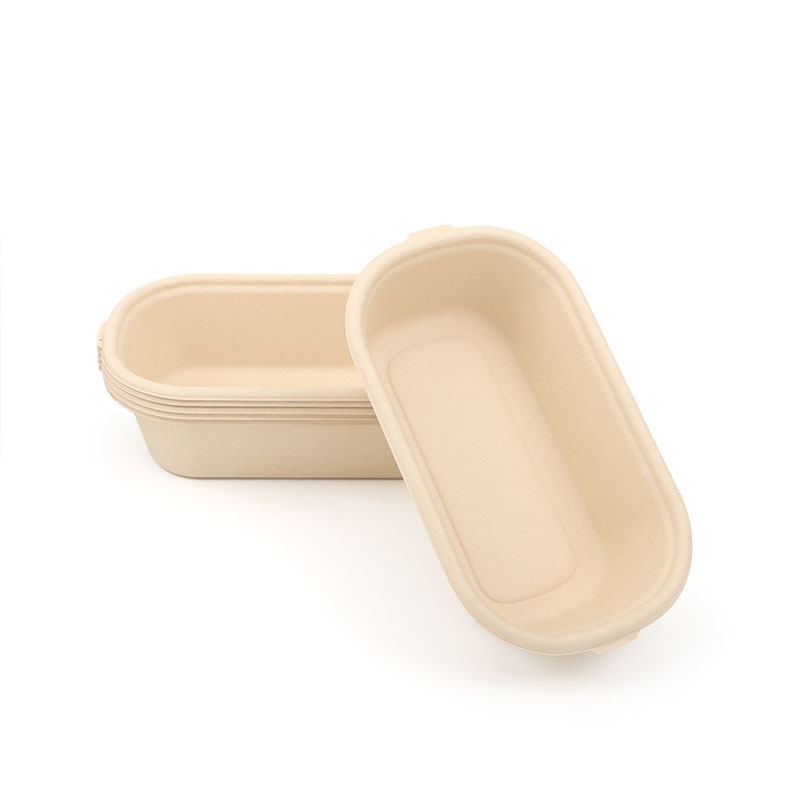 700ml
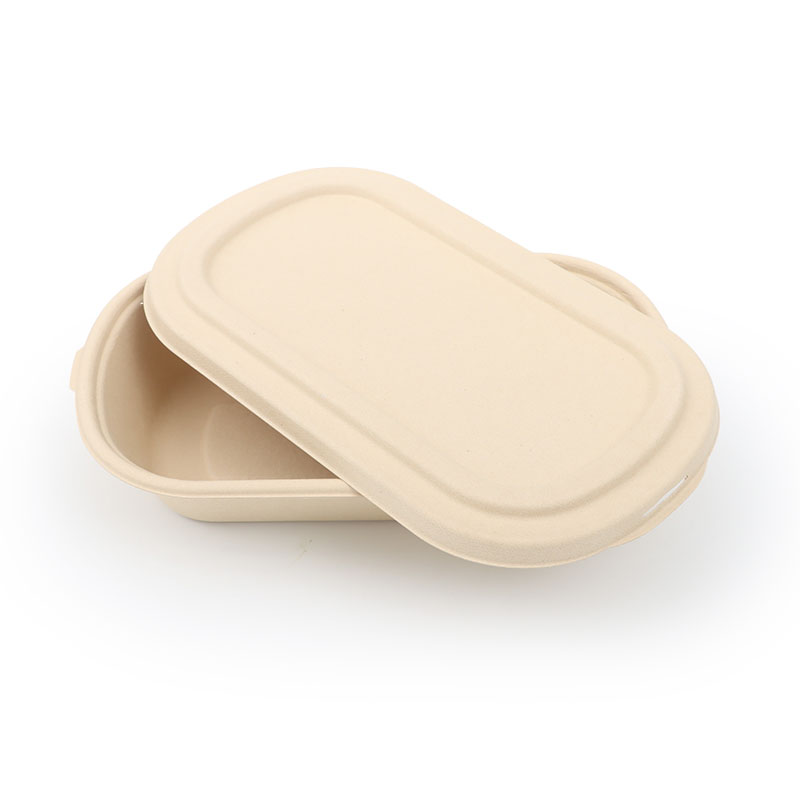 850ml
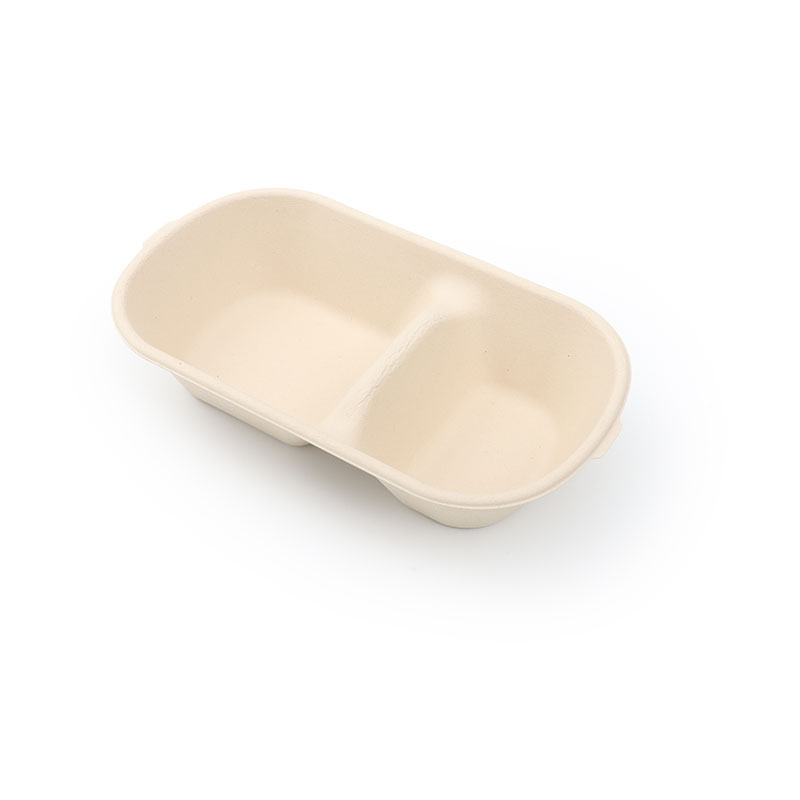 800ml 2 Compartments
 1000ml 2 Compartments
 1100ml
 1000ml Square Lunch Box
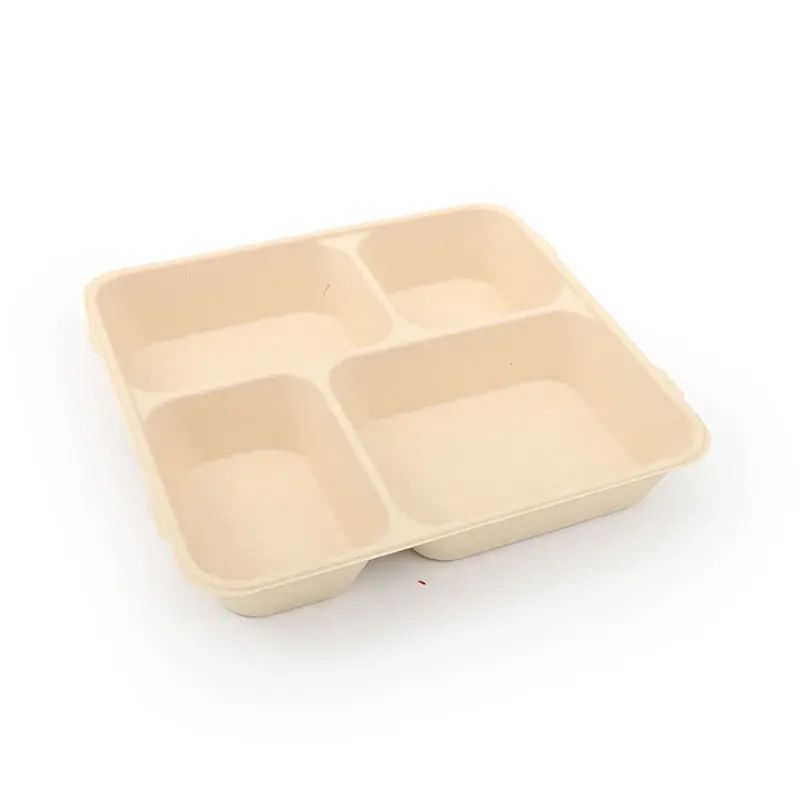 1340ml 4 Compartments
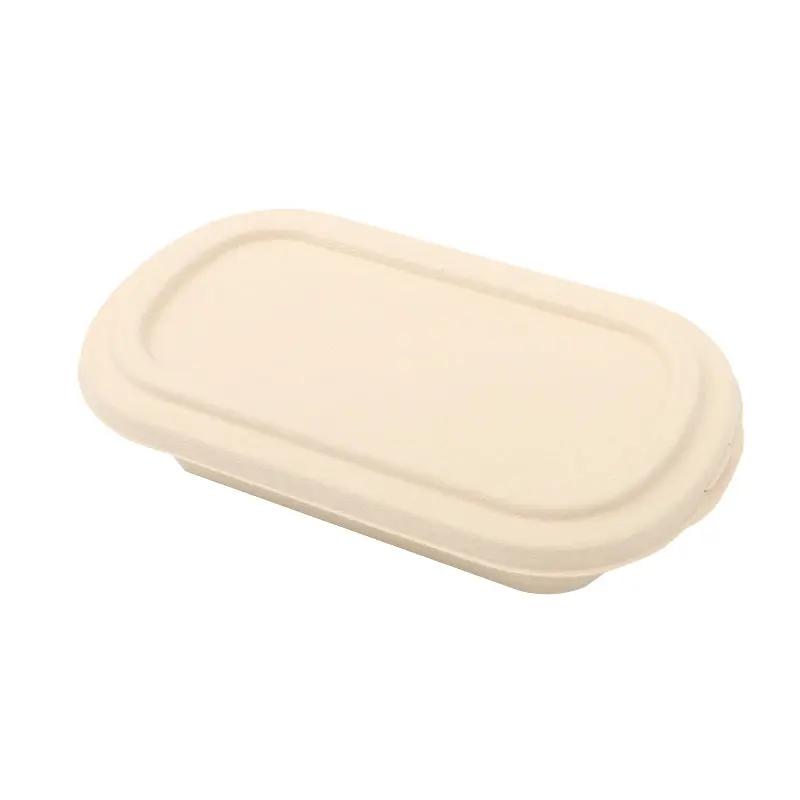 Lunch Box Lid
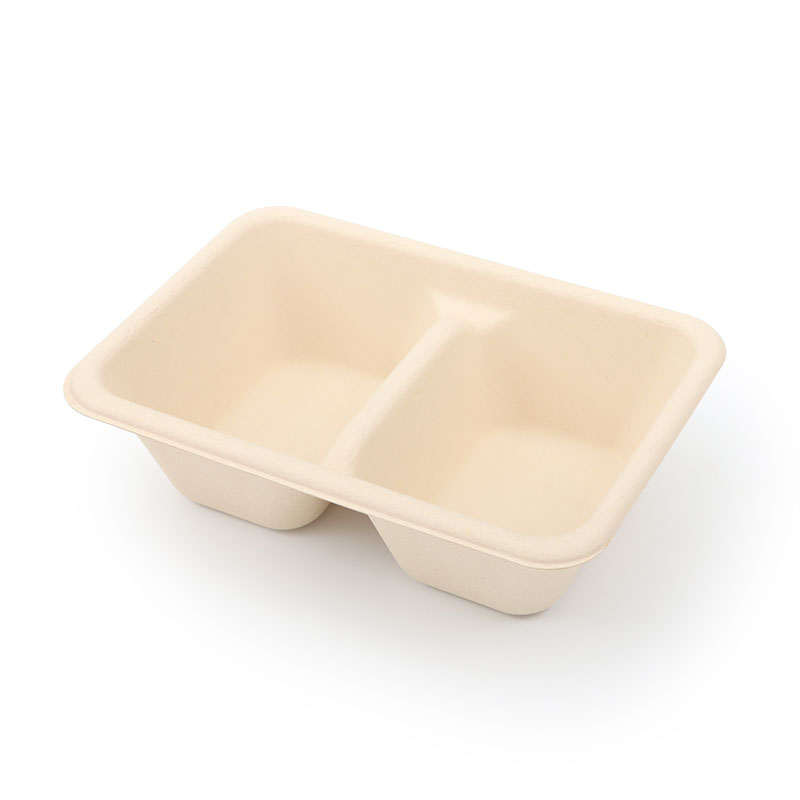 650ml
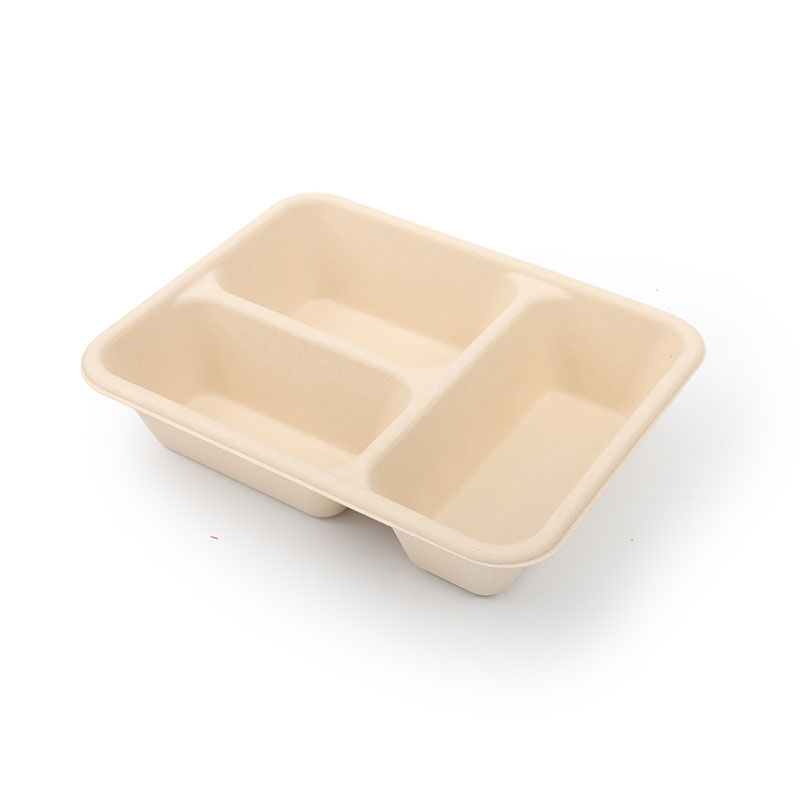 1000ml 3 Compartments
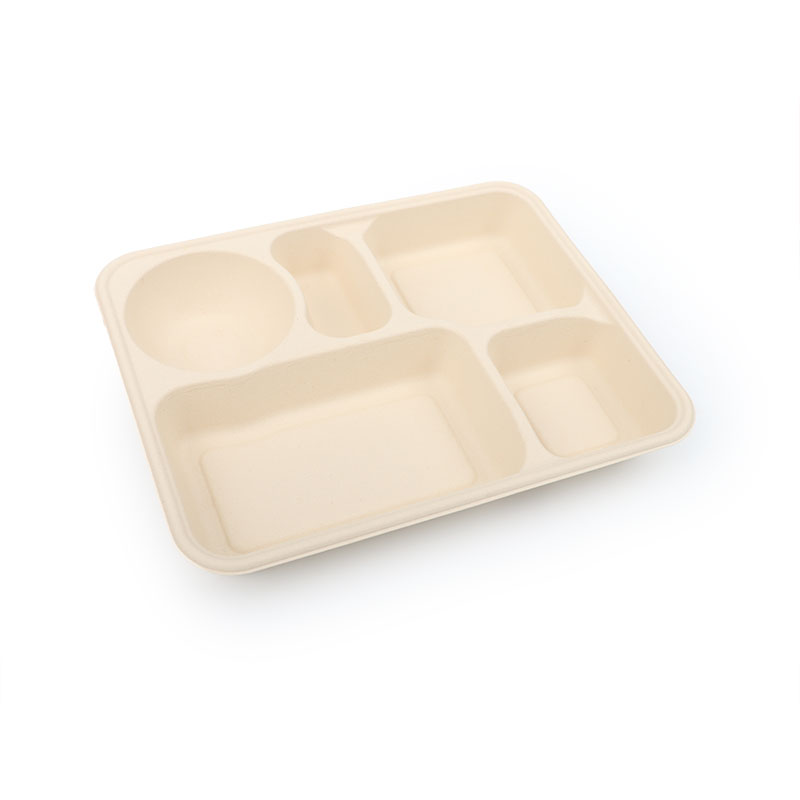 1250ml 5 Compartments
 Square Lunch Box Lid
 Box Without T buckle
 850ml Salad Box
 700ml
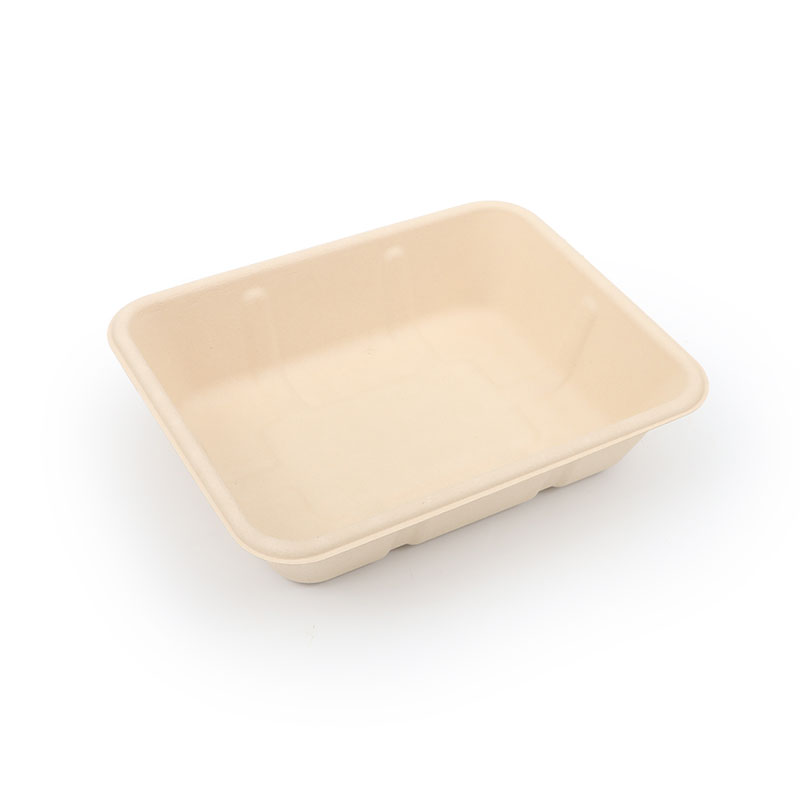 1350ml
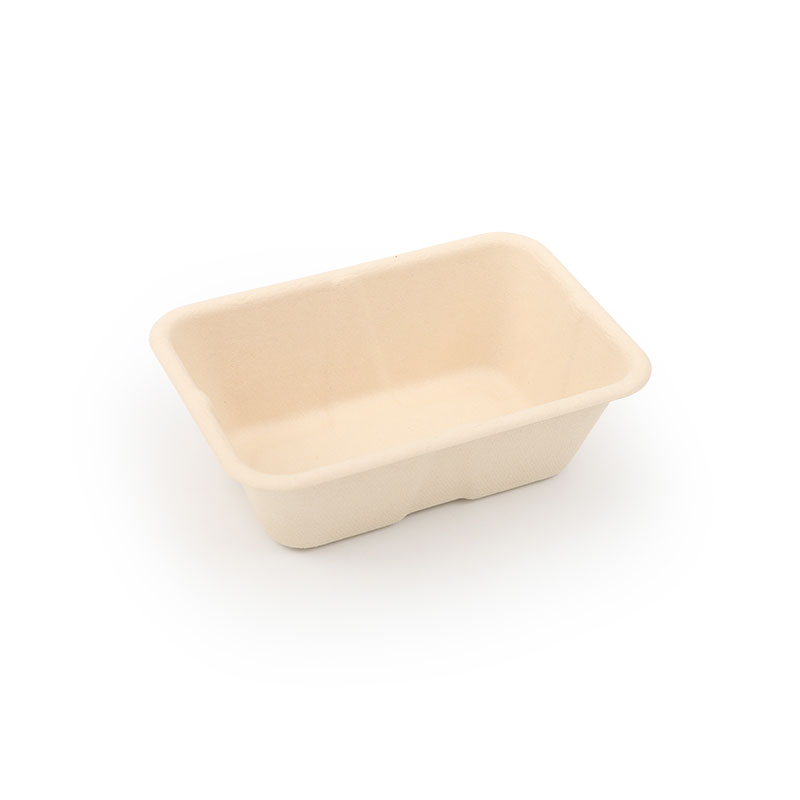 470ml
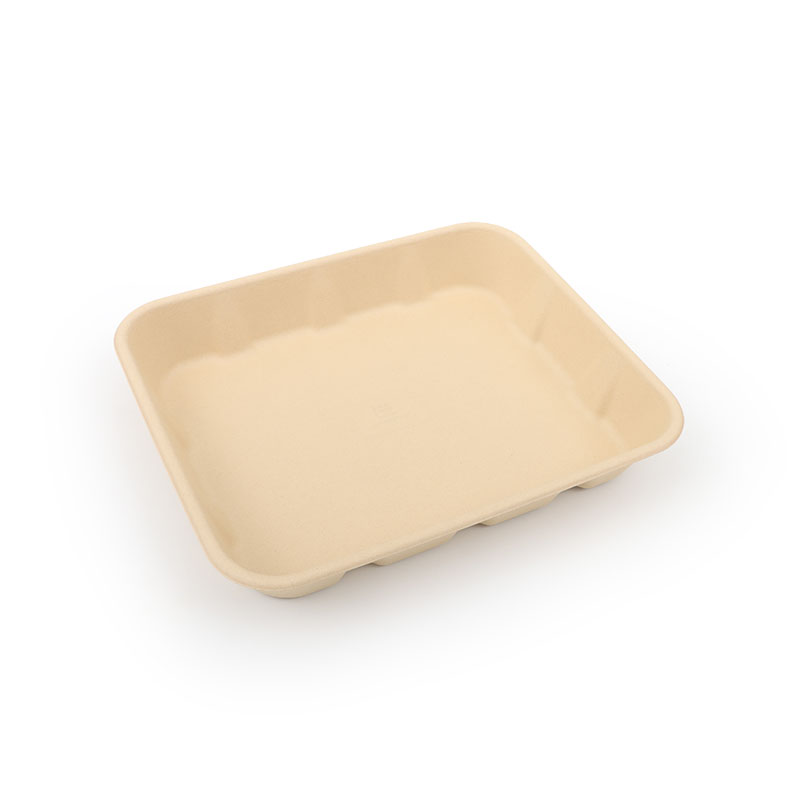 2183ml Tray Box
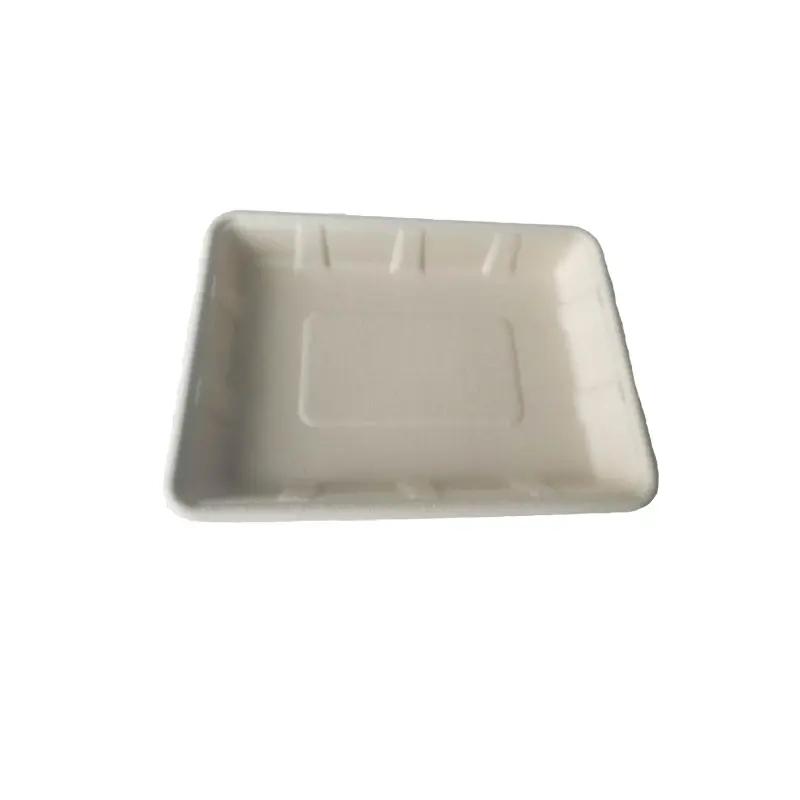 11" * 9"
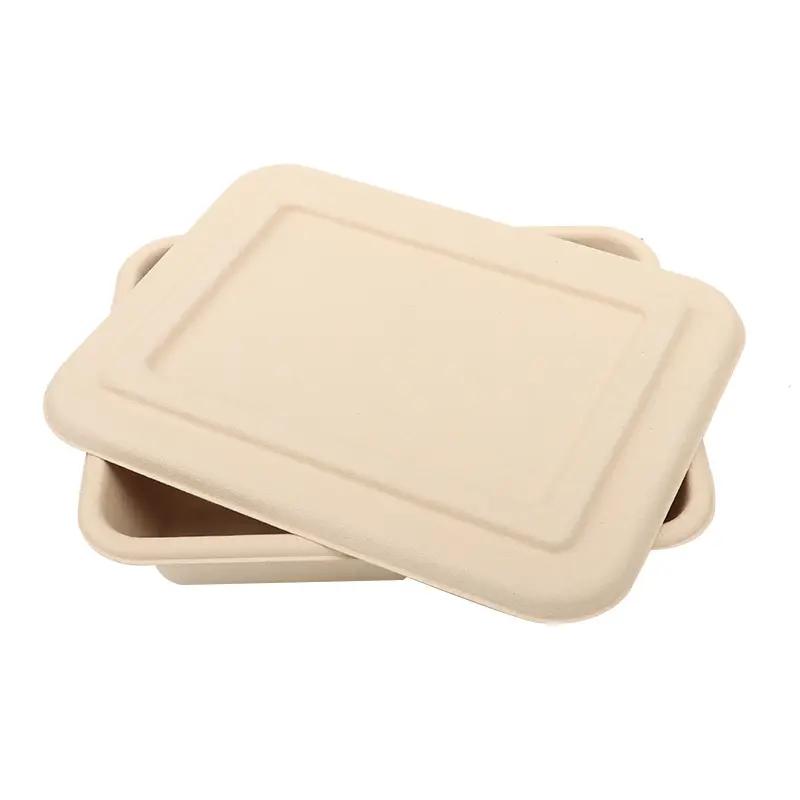 800ml
 One Part Box
 1443ml Tray Box
 Cake Bread Snack Tray Series
 5" * 7" natural color
 11.4" * 3.9"
 5.3" * 5.3"
 Fruit And Vegetable Tray Series
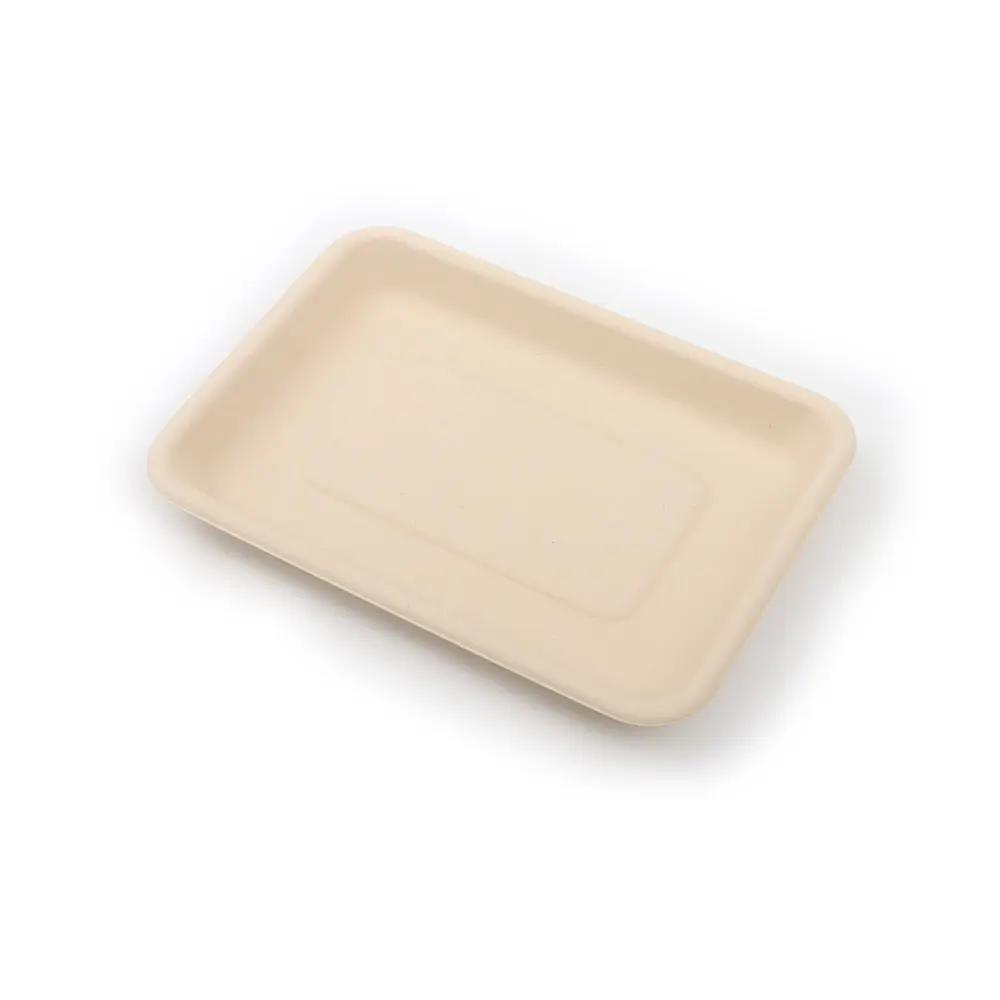 8.6" * 5.3"
 Sushi Tray Series
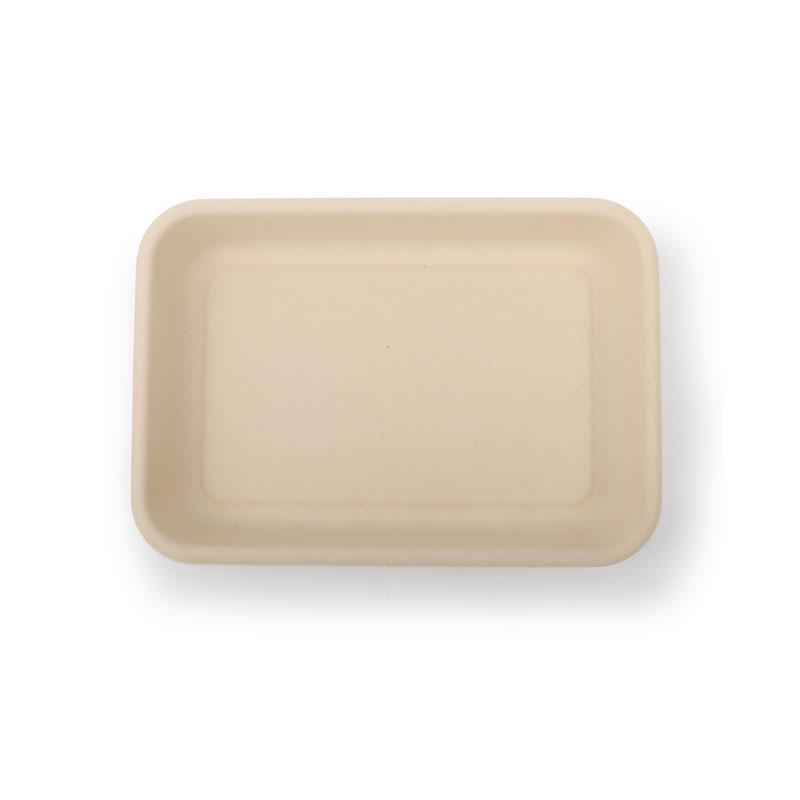 200" * 140"
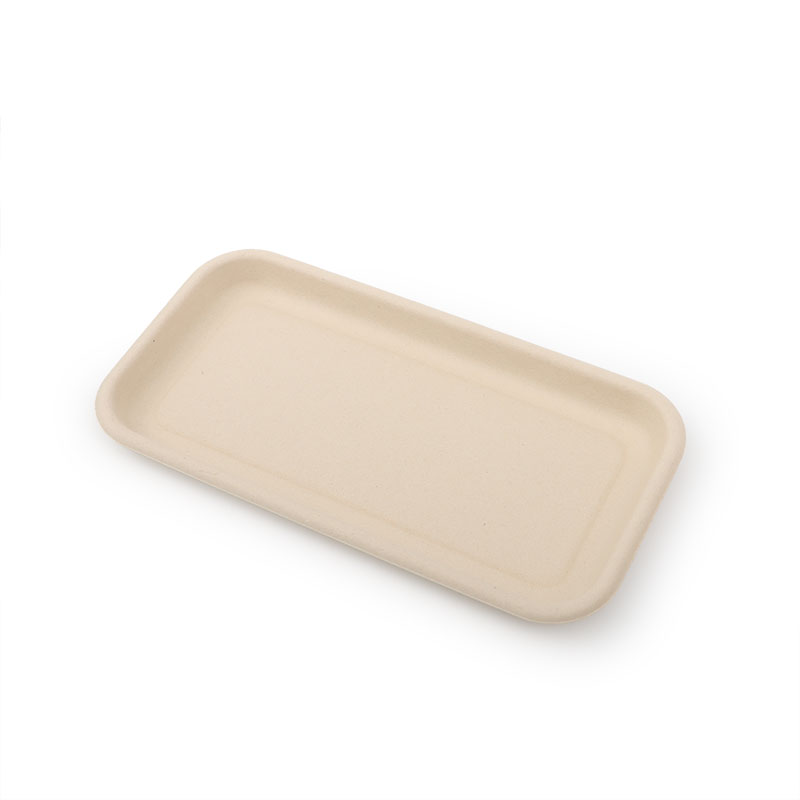 210" * 110"
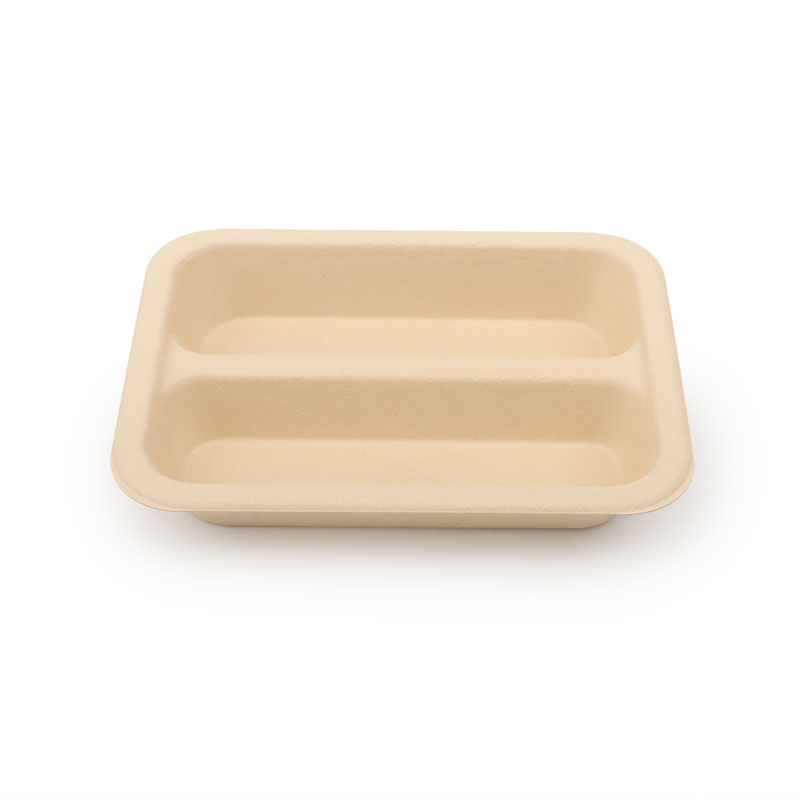 2 Compartments
 Small Round Plate Series
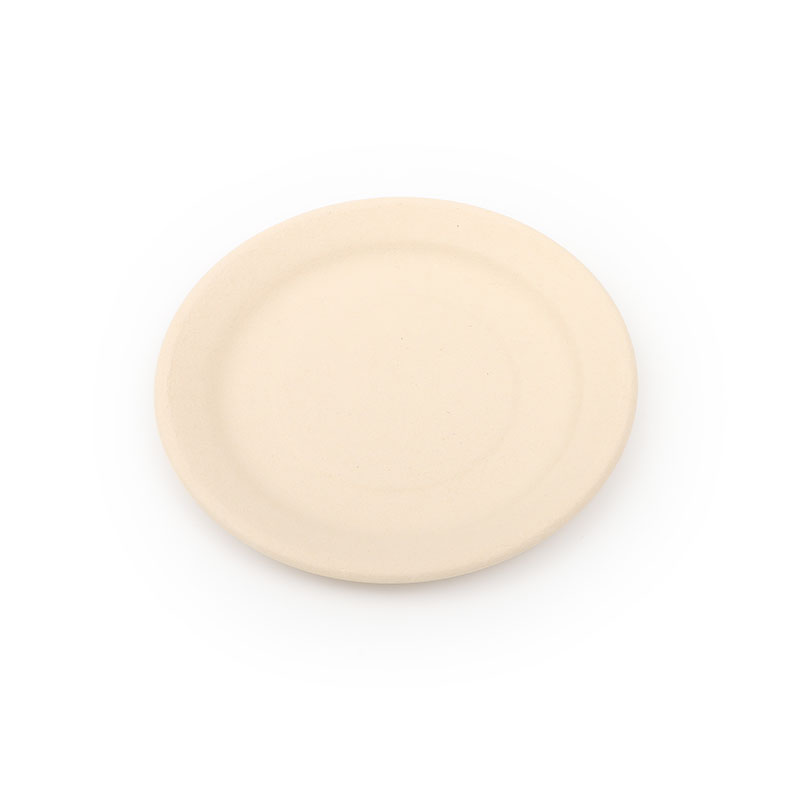 7 inch
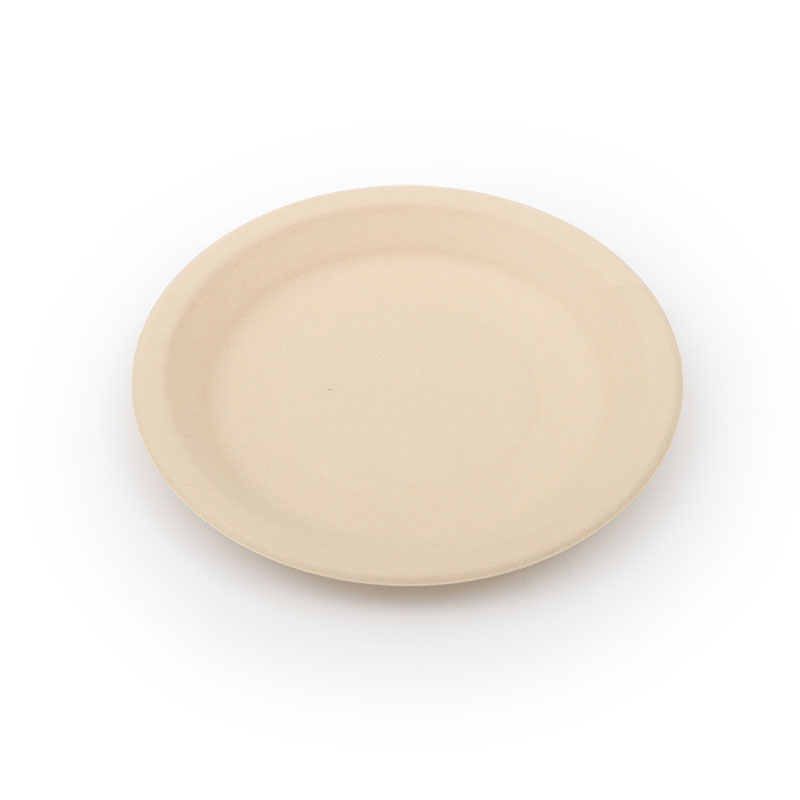 6 inch
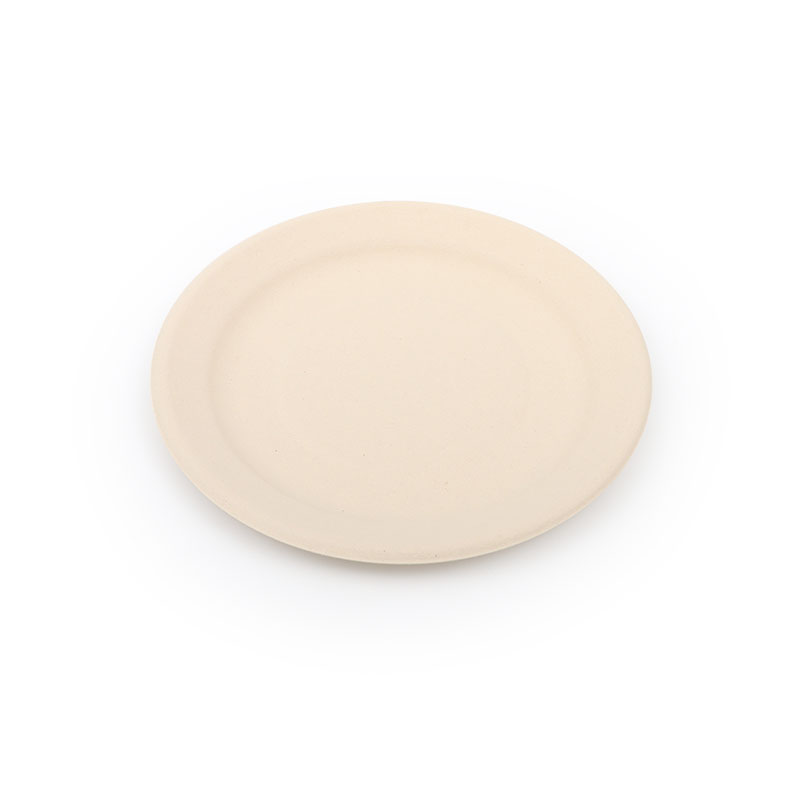 8 inch
 Middle Round Plate Series
 9 Inch 3 Compartments
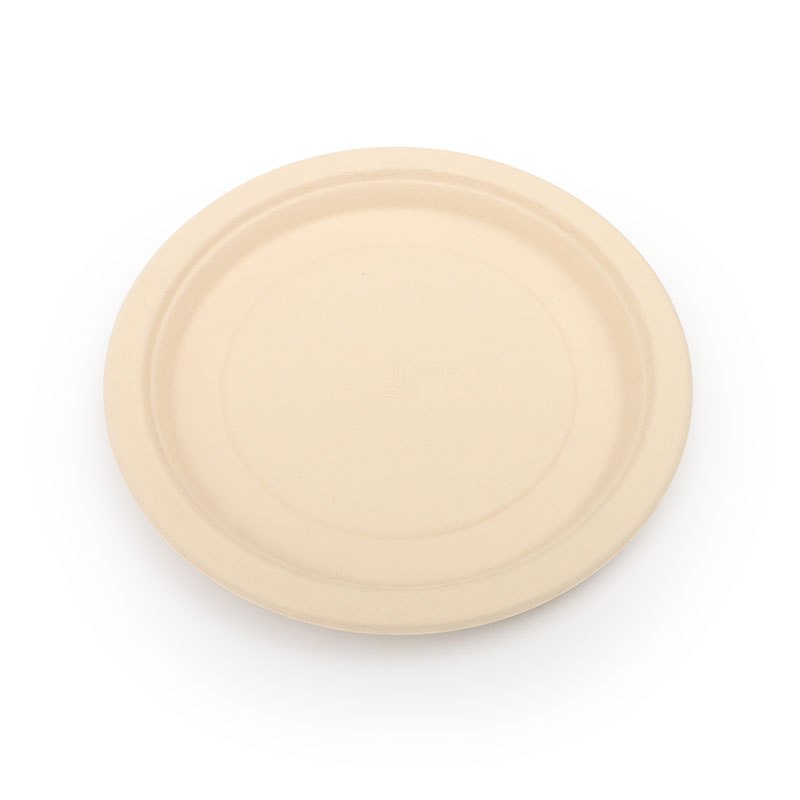 9 inch
 Big Round Plate Series
 12.7 Inch Pizza Plate
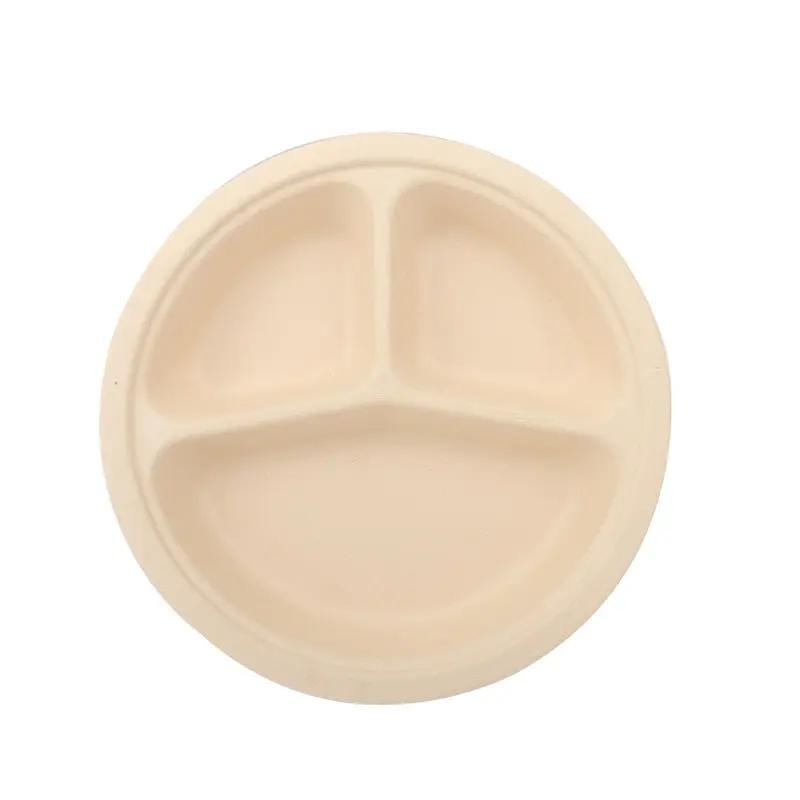 10.25 inch 3 Compartments
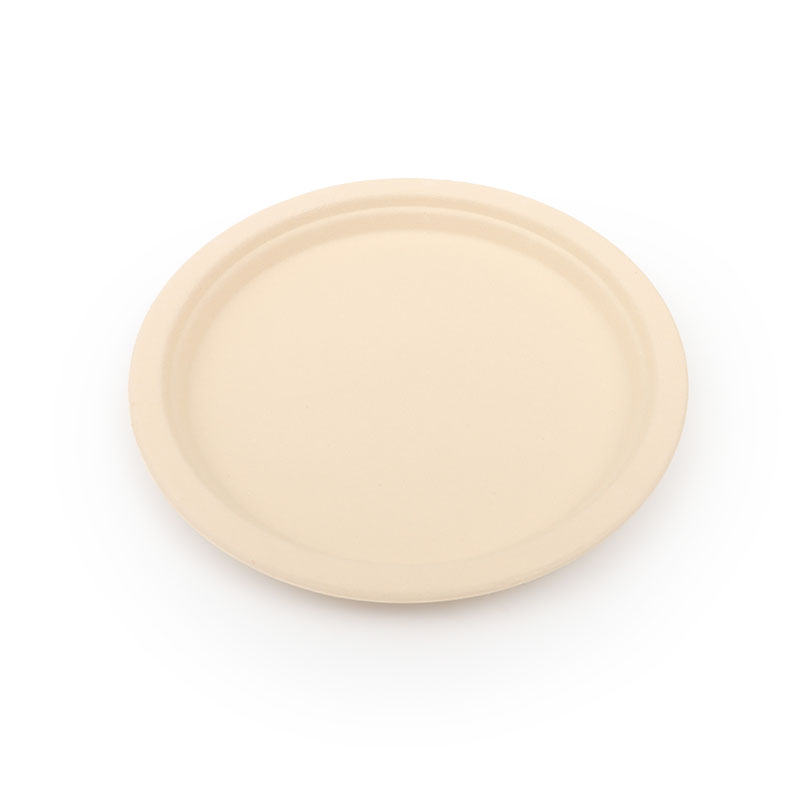 10 inch
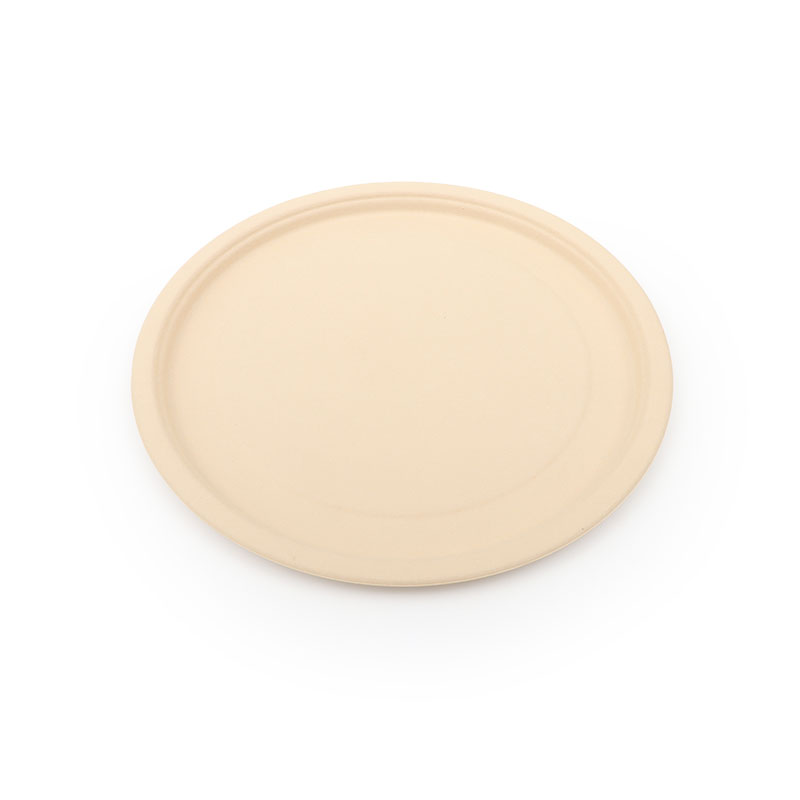 12 inch
 Bigger Bowl
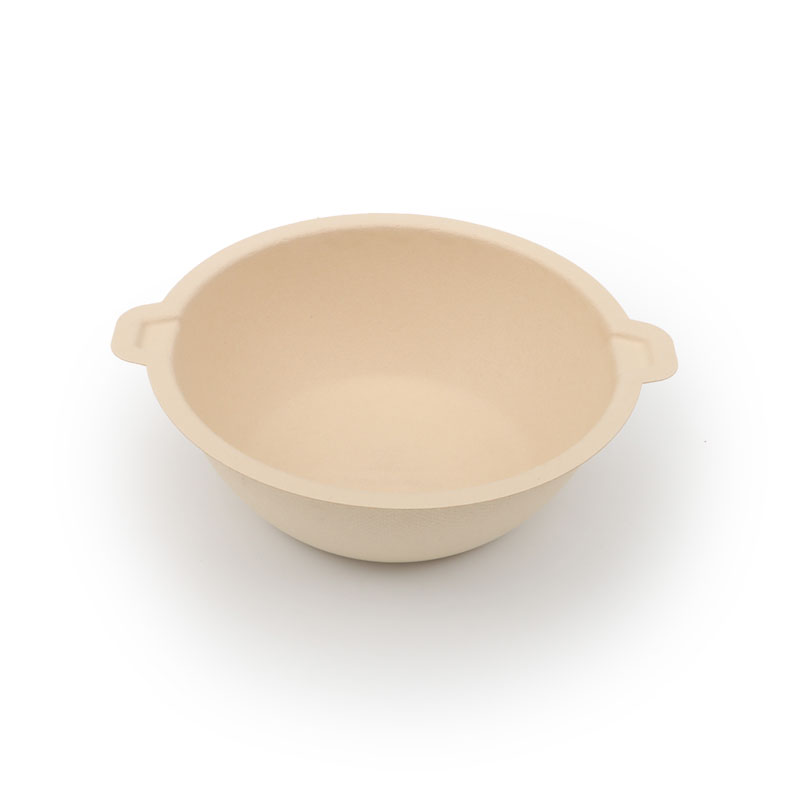 48oz(1420ml)
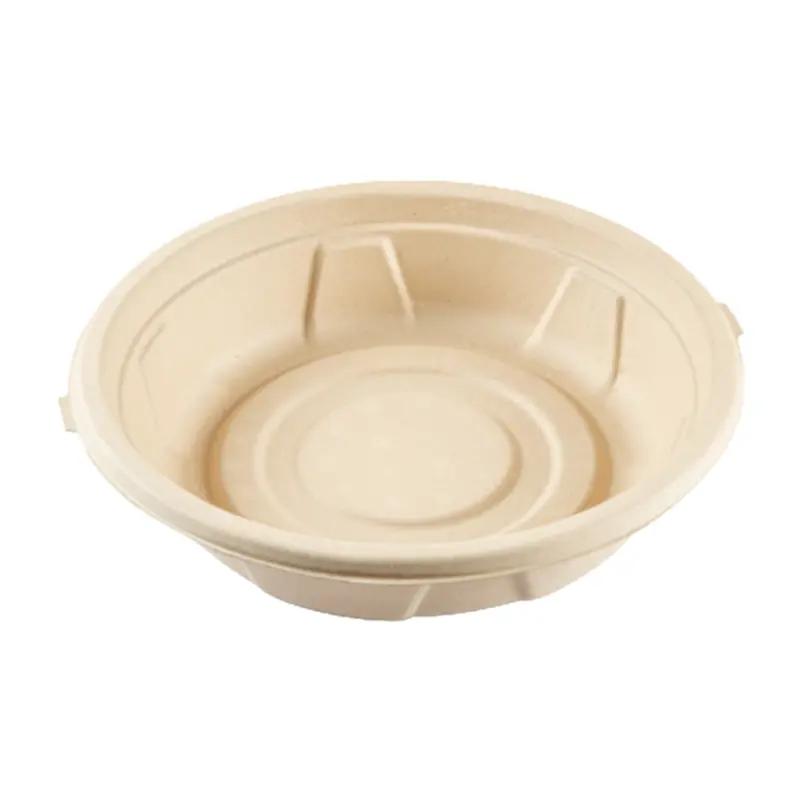 56oz(1650ml)
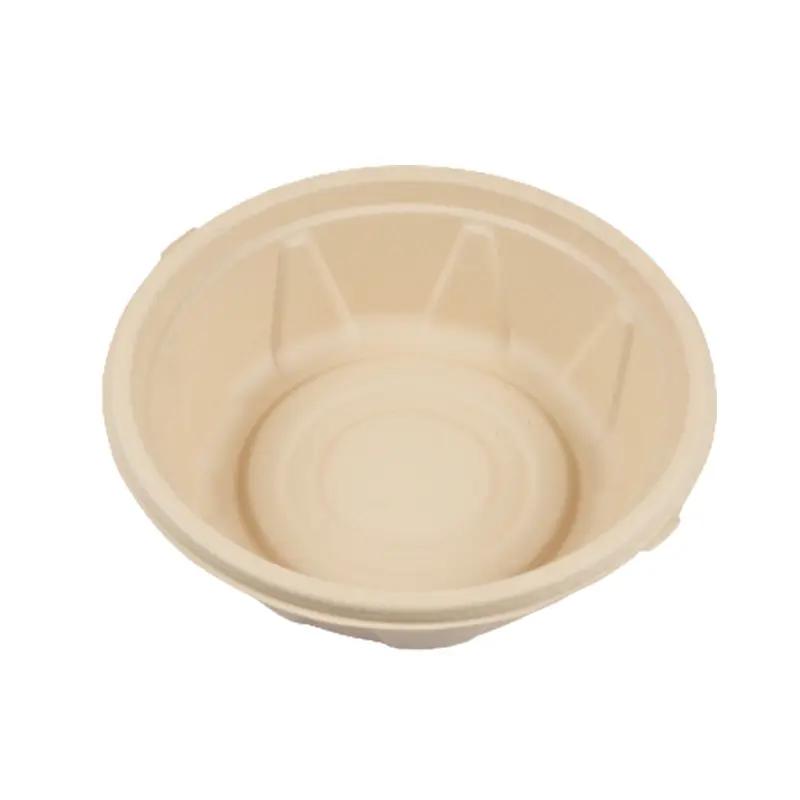 100oz(2950ml)
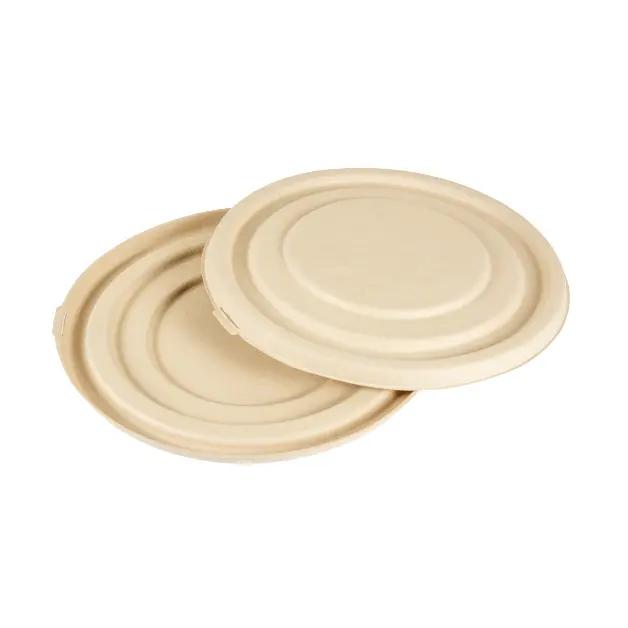 100oz(2950ml) With Lid
 Middle Bowl
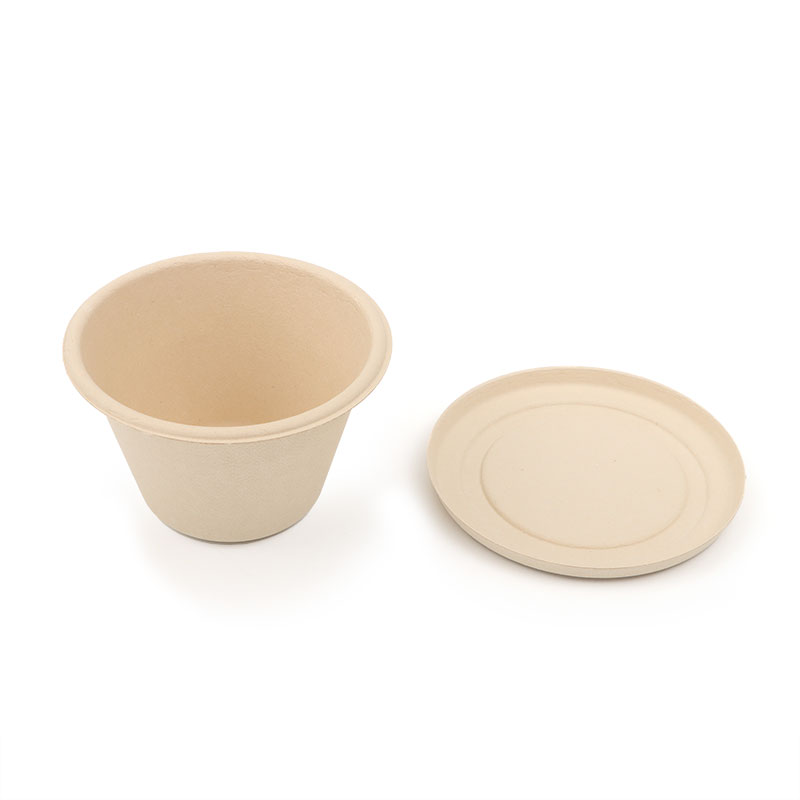 17oz(500ml)
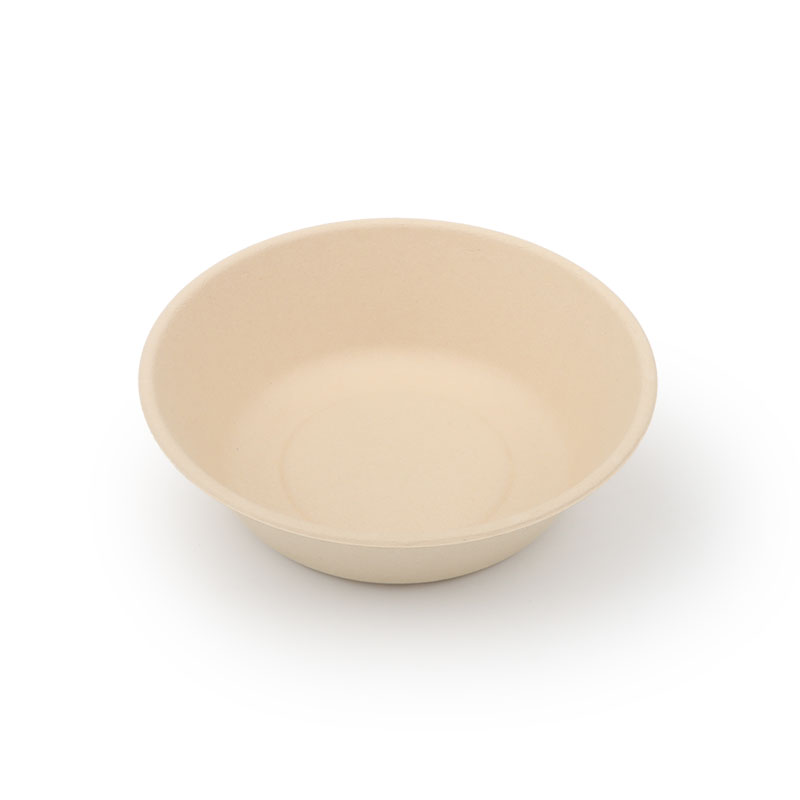 27oz(800ml)
 20oz(600ml)
 29oz(850ml)
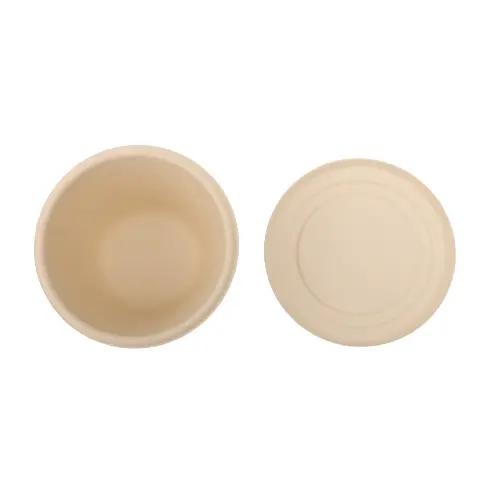 17oz(500ml) With Lid
 17oz(500ml) PET Lid
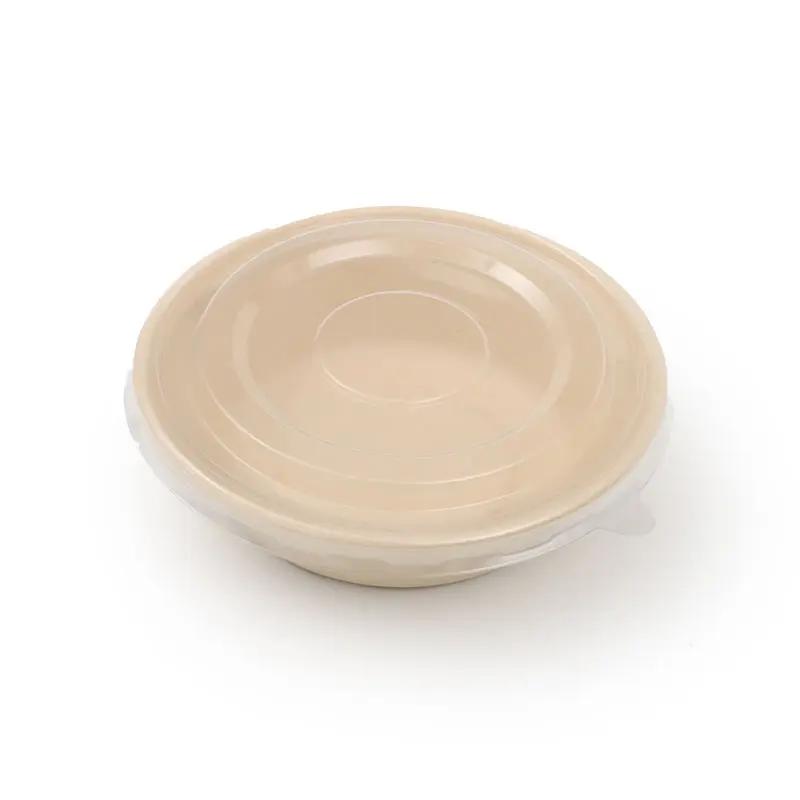 28oz(830ml) PET Lid
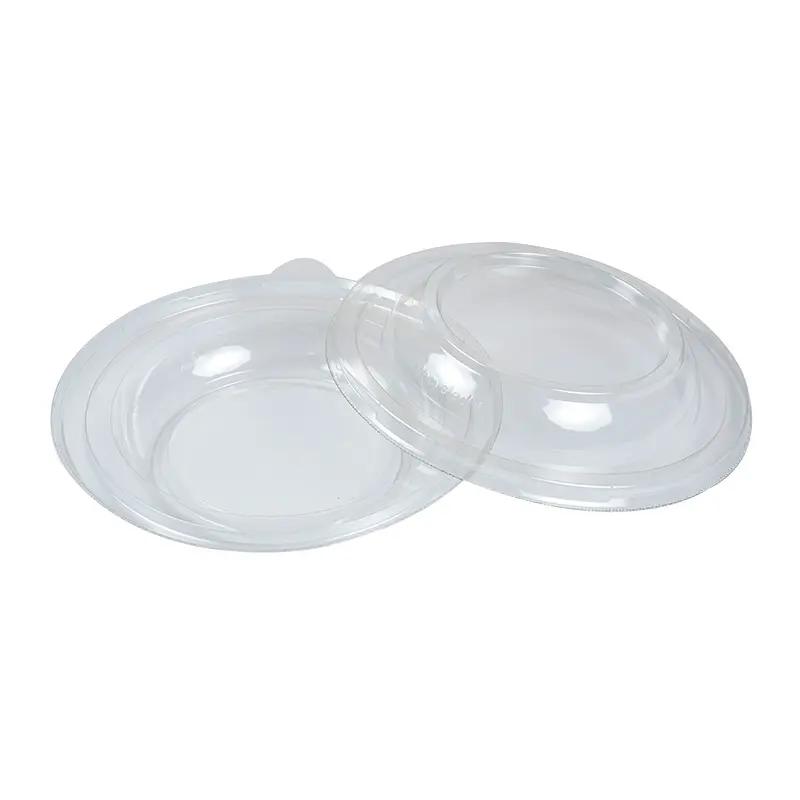 Round Bowl PET
 Small Bowl
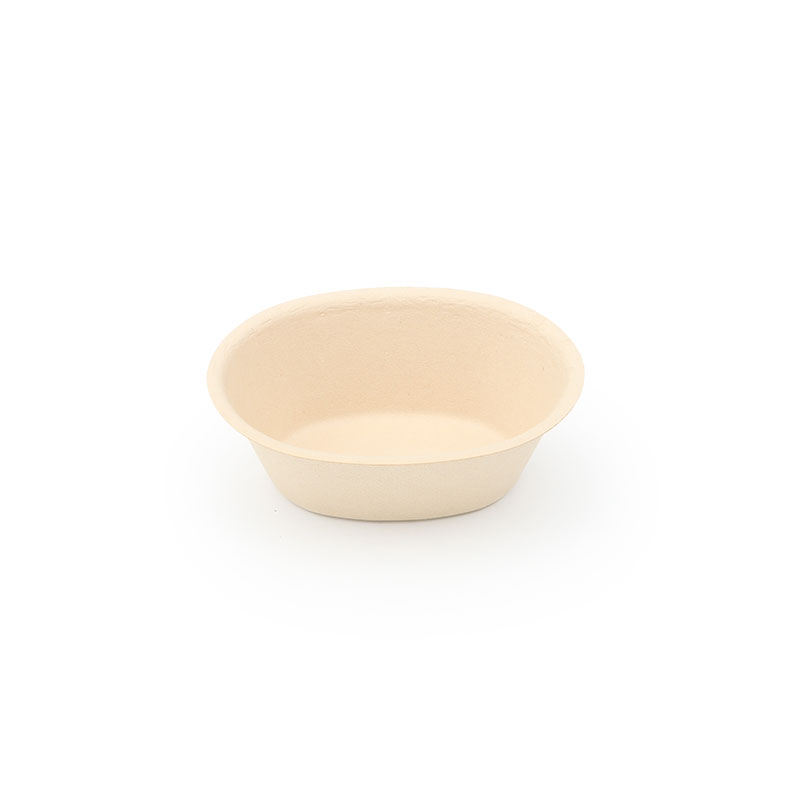 Snack Bowl
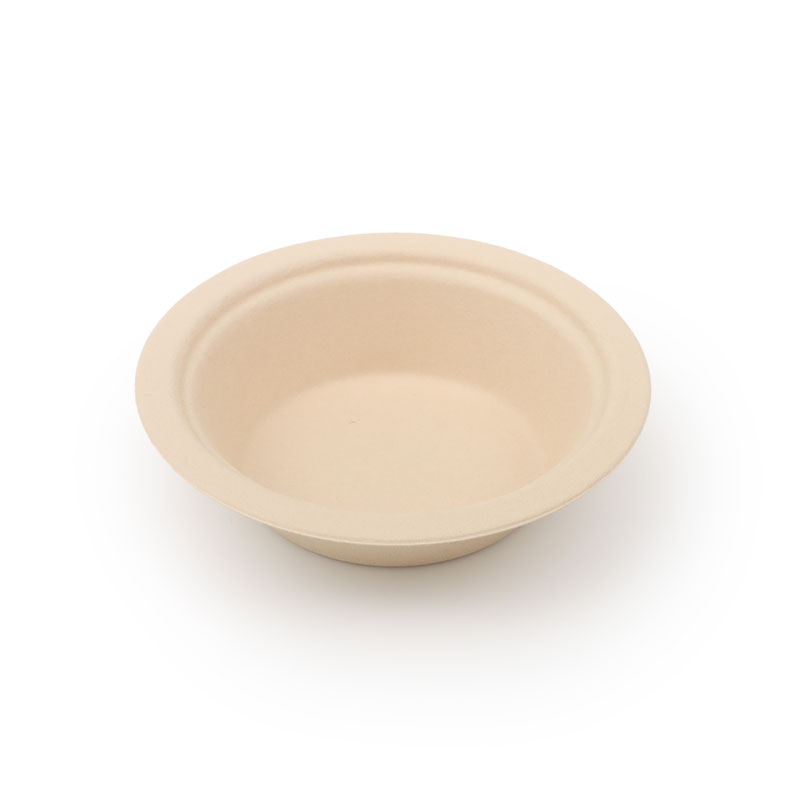 11.5oz(340ml) Bowl
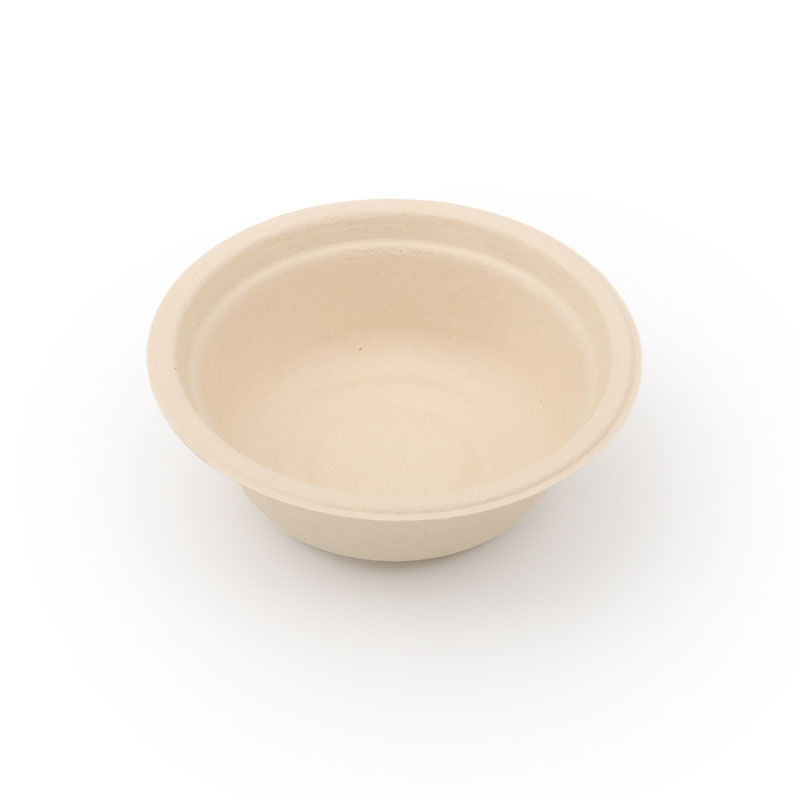 6.7oz(200ml) Bowl
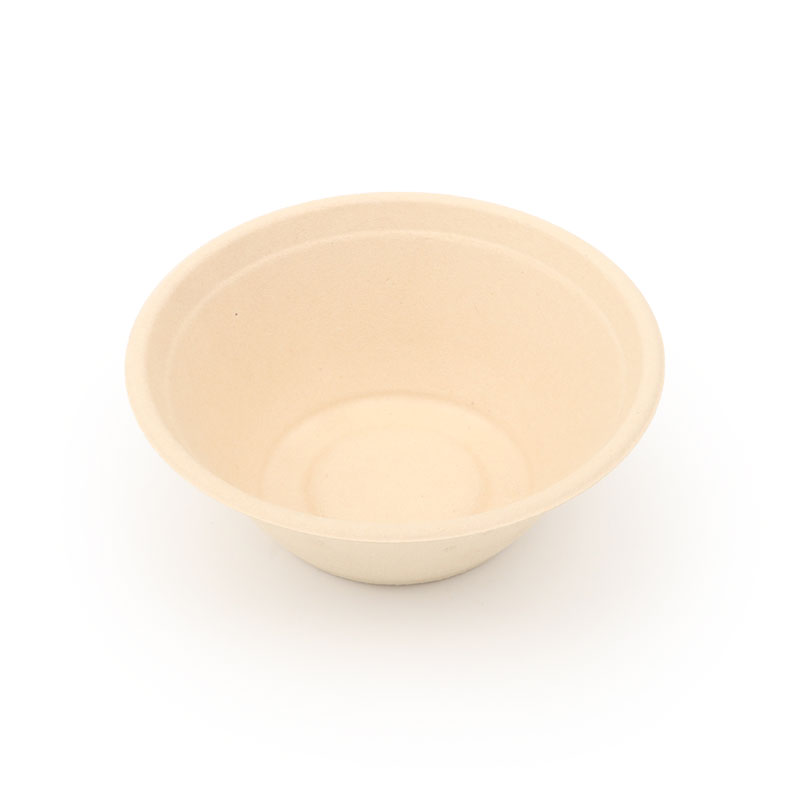 12oz(350ml) Bowl
 12oz(350ml) Bowl PET
 Bagasse Lunch Boxes
 5CP
 6 inch
 Bagasse Food Plates
 7 inch
 3CP
 Bagasse Bowls
 4oz
 Bagasse Cups And Cutlery
 8oz
 12oz
 Cutlery


