In today’s super competitive market, the quality of food and meds really depends a lot on good packaging solutions. I was reading what Dr. Emily Carter from Atmosphere Packaging Inc. said, and she mentioned that when something is packaged in a protective atmosphere, it helps keep it fresh longer and makes it last. It’s a pretty big deal because it shows how controlling the environment around a product can totally make a difference in keeping it good.
You see, many products tend to spoil or lose quality when they’re exposed to things like oxygen, moisture, or light. That’s where the whole “packaged in a protective atmosphere” idea comes in—using special packaging techniques to really extend how long stuff stays fresh. But, here’s the thing: not every product reacts the same way to this kind of packaging. Some might need particular conditions to get the best results.
The tricky part is how to get a good balance between cost and effectiveness. Protective packaging can totally be a game changer, but it can also get complicated and expensive to set up properly. Businesses need to carefully think about their specific needs and the kind of products they’re dealing with. One-size-fits-all probably isn’t the best approach here. Understanding these little details really helps in making smarter choices when it comes to packaging.

Importance of Protective Atmosphere in Food Packaging
Protective atmosphere in food packaging plays a crucial role in preserving quality. modified atmosphere packaging (MAP) creates an ideal environment. By adjusting the levels of oxygen, carbon dioxide, and nitrogen, MAP slows down spoilage. This technique minimizes oxidation and inhibits microbial growth. As a result, the food retains its texture, flavor, and nutritional value longer.
However, not all products benefit equally from MAP. Some foods may require specific gas compositions to maintain their freshness. Experimentation is often necessary to determine the right mix. This process can lead to inconsistencies. Over time, experts have gathered valuable insights, but challenges still exist. Understanding these nuances is essential for optimizing packaging strategies.
Innovations continue to evolve in the field. Researchers explore new materials and techniques to enhance MAP efficiency. The goal is to create packaging that is not only protective but also sustainable. Continuous improvement is necessary. A reflective approach to these advancements will promote higher quality in food packaging.
Chemical Reactions and Quality Degradation in Packaging
Chemical reactions often threaten the quality of food. Oxygen, moisture, and light can lead to spoilage. These factors cause oxidation and microbial growth, significantly affecting taste and texture. The use of modified atmosphere food packaging helps tackle these issues. It replaces air with gases like nitrogen or carbon dioxide, creating a protective barrier.
This method slows down the chemical reactions responsible for degradation. By minimizing exposure to oxygen, the shelf life of products extends. The flavor remains intact, and nutrients are preserved. Yet, this approach is not foolproof. Improper sealing can still allow air entry, risking contamination.
Another concern is the balance of gases used. Too much carbon dioxide can alter the product's flavor. Understanding the delicate dynamics of gas concentrations is vital for effective packaging. Expertise in materials and processesis essential to avoid these pitfalls. Properly executed, modified atmosphere food packaging can significantly enhance quality and prolong freshness.
Role of Oxygen in Spoilage and Shelf Life Reduction
Oxygen plays a crucial role in food spoilage. This reactive gas promotes oxidation, leading to rancidity in fats and vitamins. Data shows that products stored in normal air can lose nearly 30% of their quality within three months. This decline mainly comes from oxygen’s interaction with food compounds.
Packaging in a protective atmosphere can substantially slow down these reactions. Research indicates that altering the packaging atmosphere—by reducing oxygen levels—can extend shelf life by 50% or more. modified atmosphere packaging (MAP) techniques reduce oxygen to as low as 1-2%. This controlled environment markedly enhances the stability of perishables. Nevertheless, many companies overlook the importance of such technologies.
Consumers often take freshness for granted. However, many packaged products degrade faster than expected. Studies reveal that around 5% of packaged foods spoil due to inadequate atmospheric control. This oversight costs the industry billions annually. It urges businesses to reconsider their packaging strategies for quality retention.
Impact of Oxygen Levels on Food Spoilage
Benefits of Nitrogen and Carbon Dioxide in Preservation
In the food packaging industry, preserving product quality is vital. Using a protective atmosphere significantly helps in this regard. Nitrogen and carbon dioxide are two key gases utilized in this process. Their roles are crucial in extending shelf life and maintaining flavor integrity.
Nitrogen is an inert gas. It displaces oxygen, minimizing oxidation. This process helps protect sensitive items like snacks and fresh produce. A study from the Food Science Journal indicated that products stored in nitrogen-rich environments showed a 50% reduction in spoilage rates. Similarly, carbon dioxide plays a pivotal role. It slows down microbial growth, effectively extending the freshness of perishable items. Research published in the Journal of Food Protection highlighted that CO2 levels above 30% can inhibit bacteria like Listeria and Salmonella.
One often overlooked aspect of modified atmosphere packaging is the balance of these gases. Over-reliance on one gas can lead to product degradation. For instance, excessive CO2 can negatively affect the texture of certain fruits. This highlights the importance of proper gas composition based on specific food types. Understanding the nuances of map modified atmosphere packaging can lead to better preservation strategies in the food industry.
Impact of Protective Atmosphere on Nutritional Value
Protective atmosphere packaging plays a crucial role in preserving nutritional value. Studies show that oxygen levels and moisture control can significantly affect the shelf life of food products. For example, a report from the Food Packaging Association found that reducing oxygen levels can extend the freshness of fruits by up to 50%. This method prevents oxidative reactions, which can cause nutrient degradation.
Moreover, nitrogen flushing in packaging helps maintain quality. This technique displaces oxygen and slows down microbial growth, directly impacting nutritional preservation. According to research published in the Journal of Food Science, products stored in a nitrogen environment retain higher levels of vitamins and antioxidants compared to those in conventional packaging. For instance, vitamin C stability in packaged vegetables improved by approximately 30% under controlled atmospheres.
However, not all products respond similarly to protective packaging. Some items may require specific conditions, while others could suffer from altered textures or flavors. Industry reports suggest that consumer preferences are still evolving. As we explore more about protective atmospheres, attention must be given to ensuring that the solutions implemented align with the nature of the food. The complex interaction between packaging and food quality is an ongoing area of study.
Technological Advances in Protective Packaging Methods
Technological advances in protective packaging methods have transformed the way we preserve food and pharmaceuticals. Modified atmosphere packaging (MAP) is a prime example. This technique alters the gas composition inside a package, extending shelf life by reducing oxidation and microbial growth. Research by the Food and Agriculture Organization shows that MAP can decrease food spoilage by 60% compared to traditional packaging.
Recent innovations have made MAP more efficient. For instance, smart packaging now utilizes sensors to monitor gas levels. These sensors provide real-time feedback, ensuring optimal conditions are maintained throughout transportation. Industry statistics indicate that around 40% of packaged goods benefit from these advanced protective methods. Yet, challenges remain. Not all innovative solutions are scalable, leading to inconsistent quality across the industry.
Another breakthrough involves biodegradable materials for MAP. This development addresses environmental concerns while preserving product integrity. However, current biodegradable options may not always provide the same protection level, necessitating ongoing research. Balancing sustainability and effectiveness presents a significant challenge for manufacturers. Enhanced technologies can expand the possibilities, but scrutiny is essential to ensure they deliver on their promises.
Consumer Safety and Quality Assurance Through Atmosphere Control
Packaging in a protective atmosphere is vital for ensuring consumer safety and quality assurance. A controlled atmosphere can notably extend the shelf life of products. For instance, data shows that modified atmosphere packaging can increase freshness by 30%. This method limits oxygen and enhances nitrogen levels, which helps prevent spoilage and oxidation.
Moreover, the preservation of food quality directly impacts public health. Reports indicate that improper packaging contributes to nearly 20% of foodborne illnesses. When products are sealed in a protective atmosphere, microbial growth is significantly reduced. This process ensures that food retains its nutritional value and taste, which is crucial for consumers seeking quality products.
However, not all packaging solutions are perfect. There are challenges regarding material sustainability and the potential for chemical leaching. Continuous evaluation and innovation in packaging techniques are essential. The industry has to balance safety, quality, and environmental impact. Striving for improvement is important, as consumer trust hinges upon these efforts.
Emerging Trends in Sustainable Food Packaging: Insights from the Biodegradable Materials Market and Consumer Preferences
As consumers become increasingly aware of the environmental impact of their choices, the demand for sustainable food packaging has surged. Among the emerging trends, biodegradable materials are setting a new standard, particularly those derived from bamboo pulp fiber. This innovative material offers a combination of functionality and eco-friendliness, making it an attractive option for consumers seeking responsible packaging solutions.
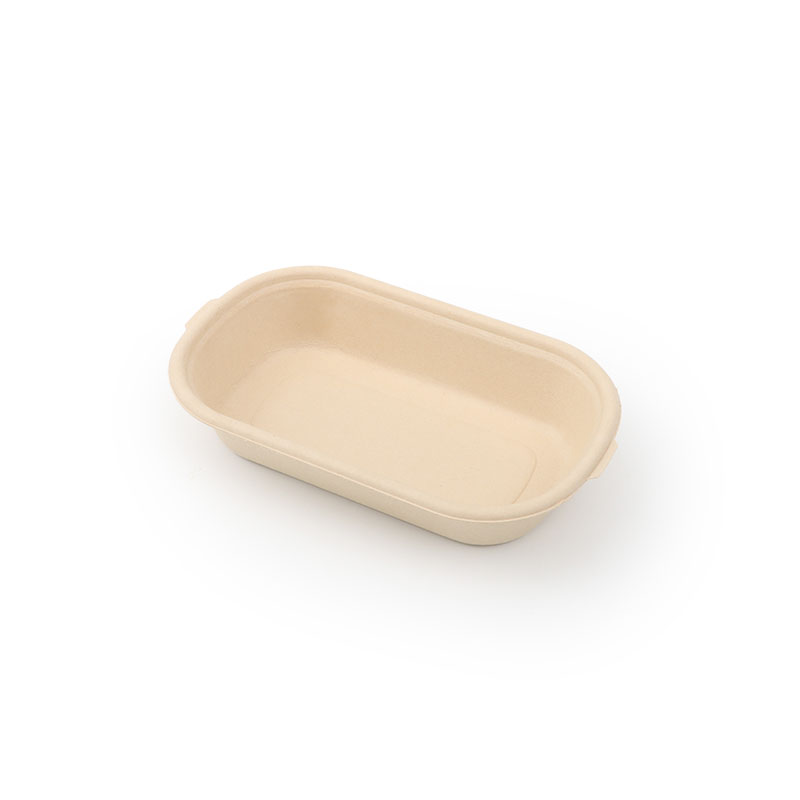
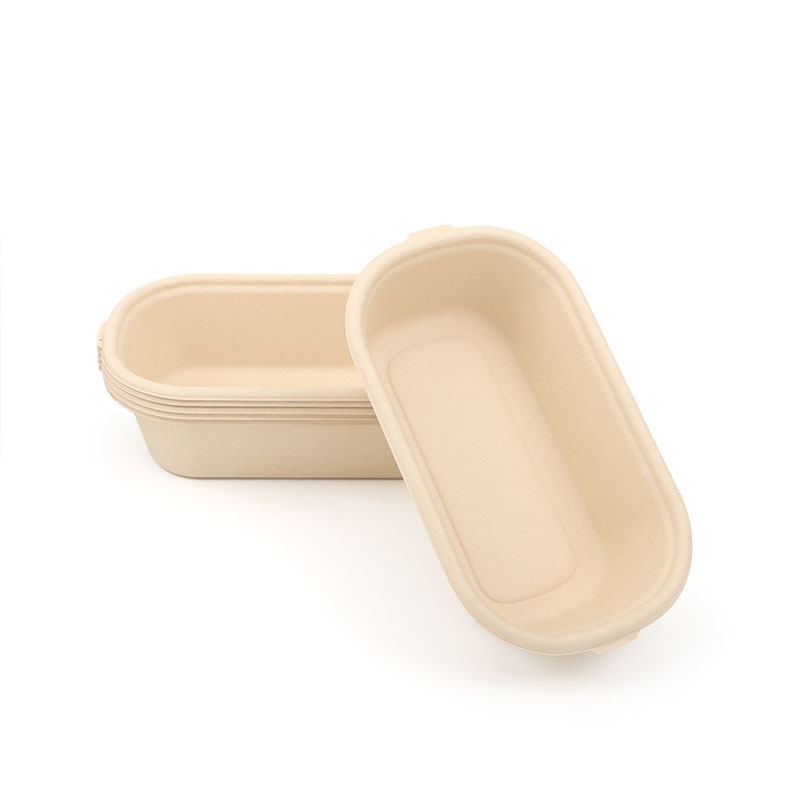
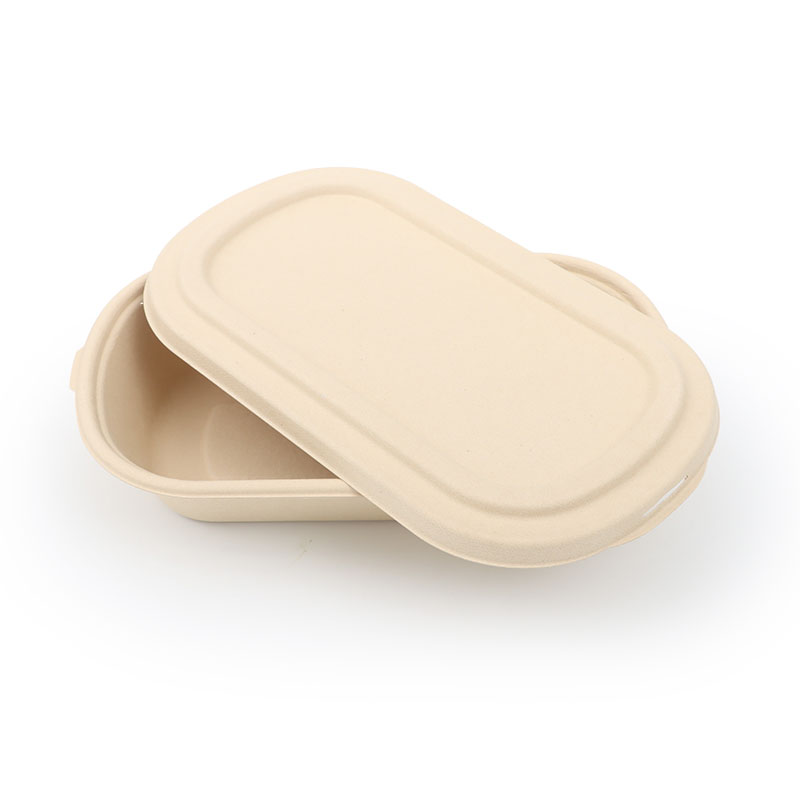
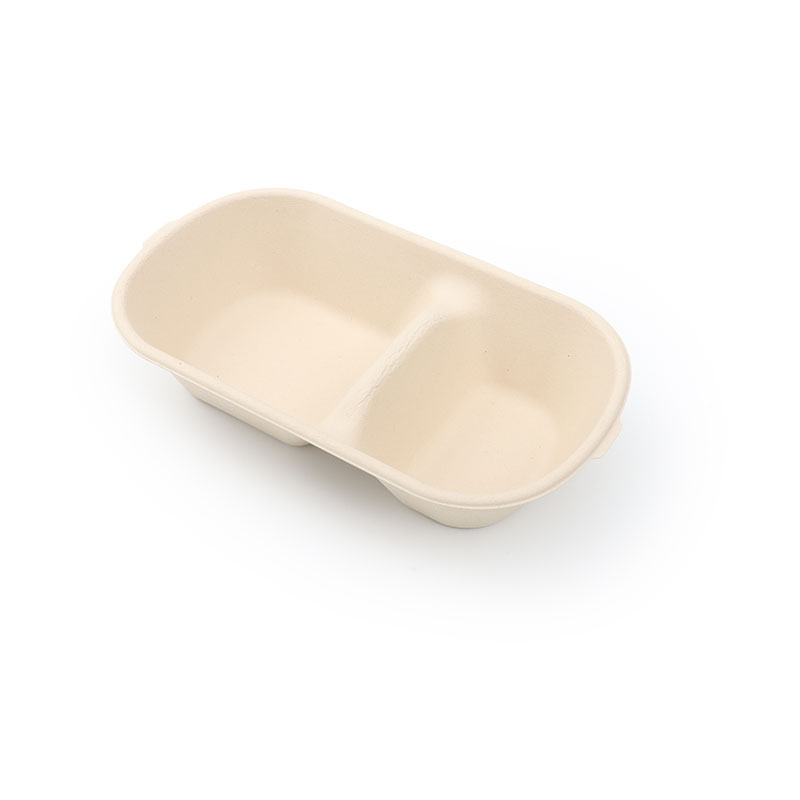
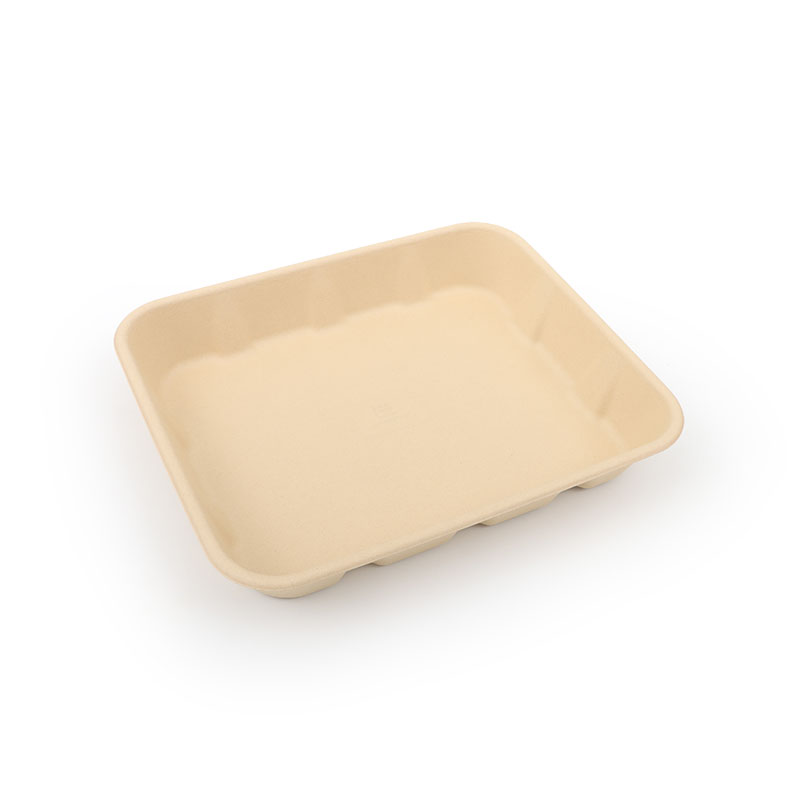
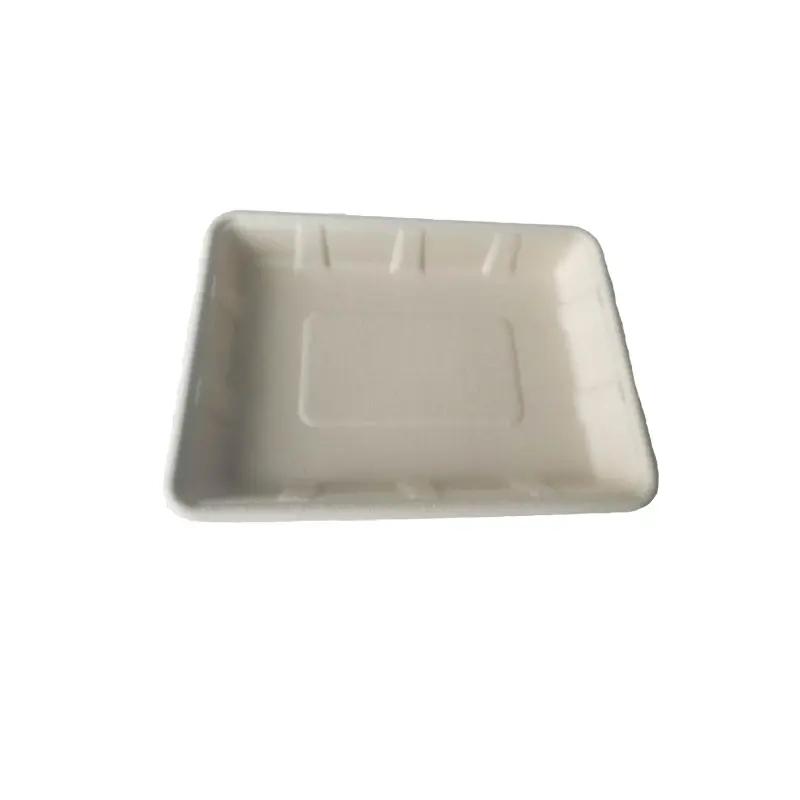
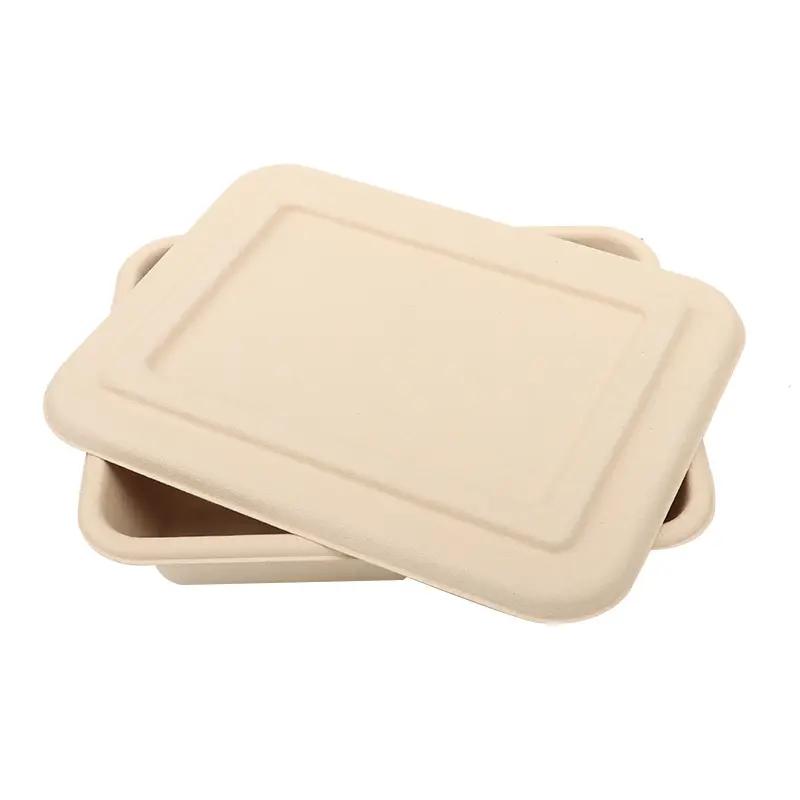
The bamboo pulp fiber packaging range includes versatile products such as a 400ml bowl, a 950ml box, and a spacious tray, all customizable to meet specific needs. These containers, in a subtle beige color, boast impressive characteristics: they are waterproof, oilproof, and can withstand high temperatures, making them suitable for various culinary applications. Notably, they can safely enter the microwave, oven, or refrigerator, allowing for convenient food storage and reheating at temperatures up to 220°C.
Additionally, the certifications received, including those from BPI, BRC, and FDA, assure consumers of their safety and environmental compliance. The increasing consumer preference for biodegradable packaging underscores a shift towards sustainability, indicating a growing market potential for products that align with these values. As brands prioritize eco-friendly solutions, the versatility and performance of bamboo pulp fiber packaging are likely to drive further innovation in the sector.
FAQS
: Nitrogen and carbon dioxide are primarily used to preserve food quality in packaging.
Nitrogen displaces oxygen, reducing oxidation and spoilage in sensitive items.
Carbon dioxide slows microbial growth, keeping perishable items fresh for longer.
Over-reliance on one gas can lead to product degradation and affect food quality.
Proper gas levels can extend shelf life and prevent nutrient degradation in food.
No, some items may need specific conditions, or their texture and flavor could change.
Smart packaging uses sensors for real-time monitoring of gas levels during transport.
Biodegradable options may not always offer the same protection, requiring further research.
Research shows it can decrease spoilage by up to 60% compared to traditional methods.
Exploring interactions between packaging and food quality is essential for improvement.
Conclusion
Packaging in a protective atmosphere is crucial for maintaining food quality and prolonging shelf life. By controlling the environment within packaging, companies can significantly reduce chemical reactions that lead to spoilage. Oxygen plays a pivotal role in accelerating these reactions; hence, eliminating or replacing it with inert gases like nitrogen and carbon dioxide can effectively inhibit microbial growth and oxidation.
Moreover, the use of a protective atmosphere not only preserves the sensory attributes of food but also protects its nutritional value. Recent technological advancements in protective packaging methods have enhanced the ability to ensure consumer safety and quality assurance. Therefore, products that are packaged in a protective atmosphere enjoy extended freshness and reliability, providing consumers with better options in their buying decisions.

 Box With T buckle
 700ml Square Lunch Box
 500ml
 700ml
 850ml
 800ml 2 Compartments
 1000ml 2 Compartments
 1100ml
 1000ml Square Lunch Box
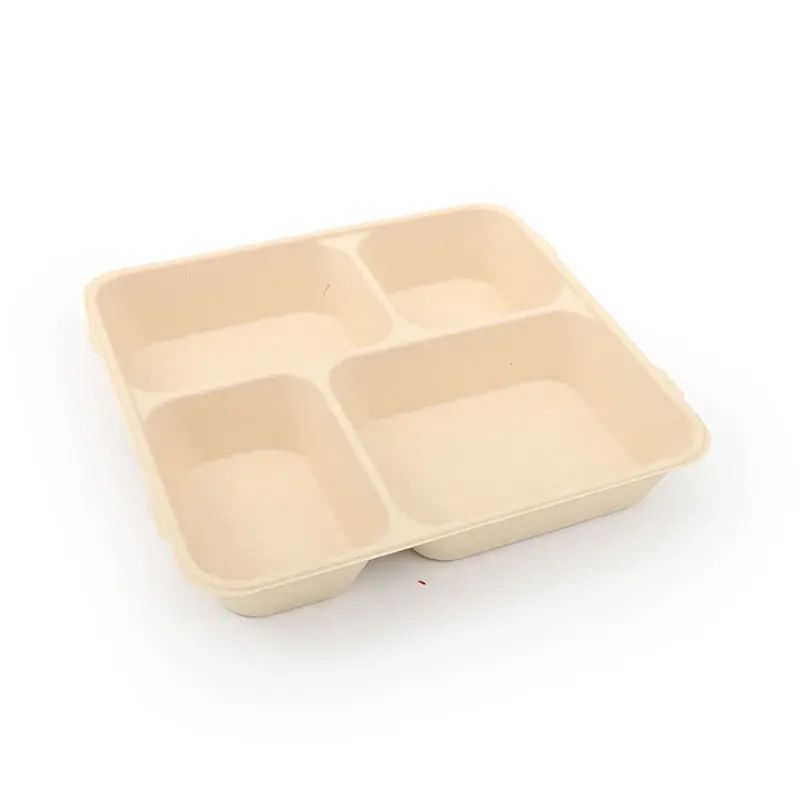 1340ml 4 Compartments
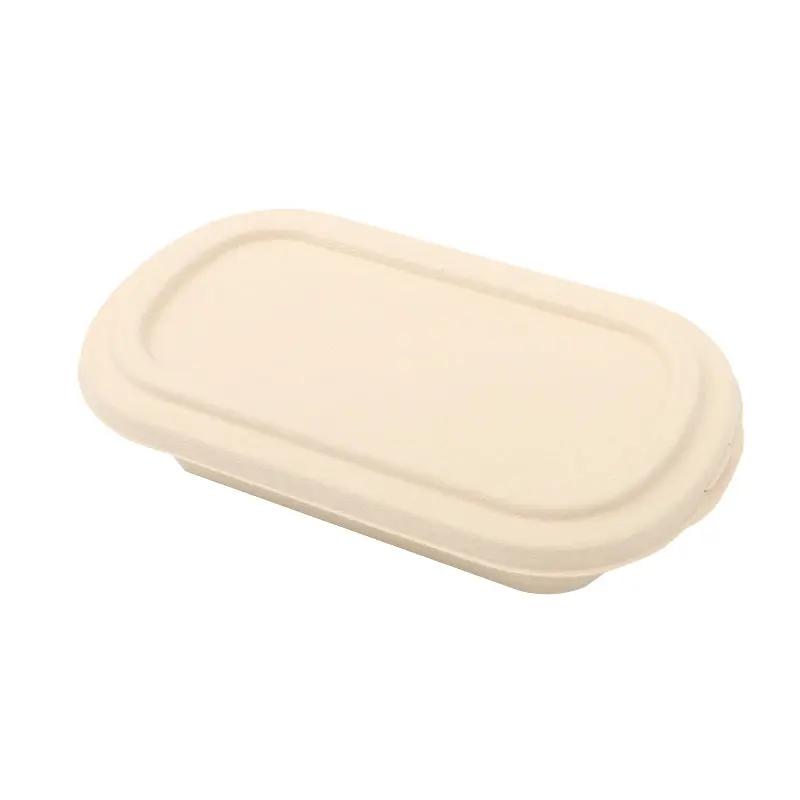 Lunch Box Lid
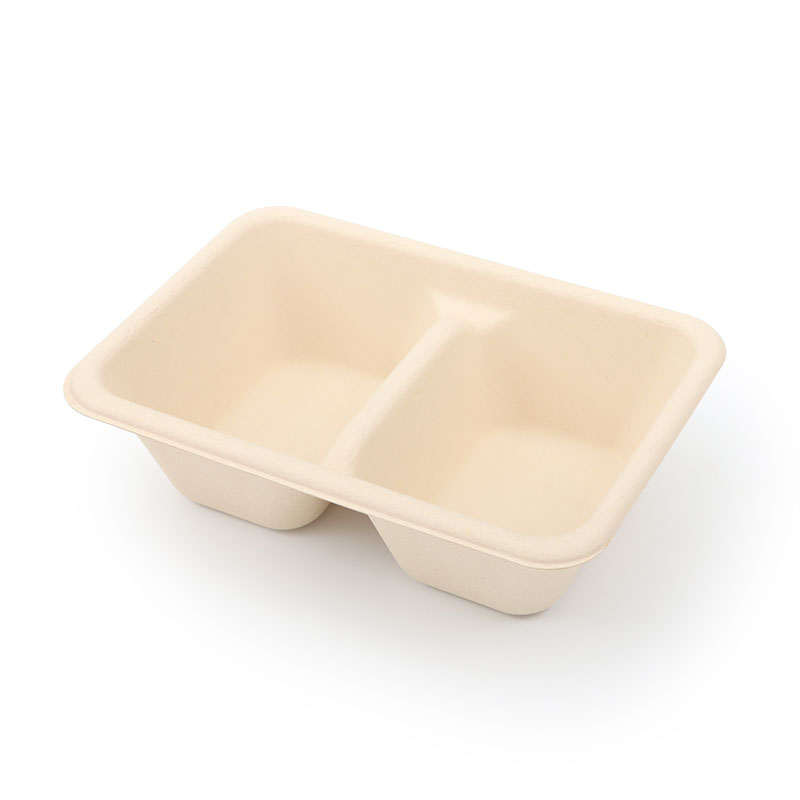 650ml
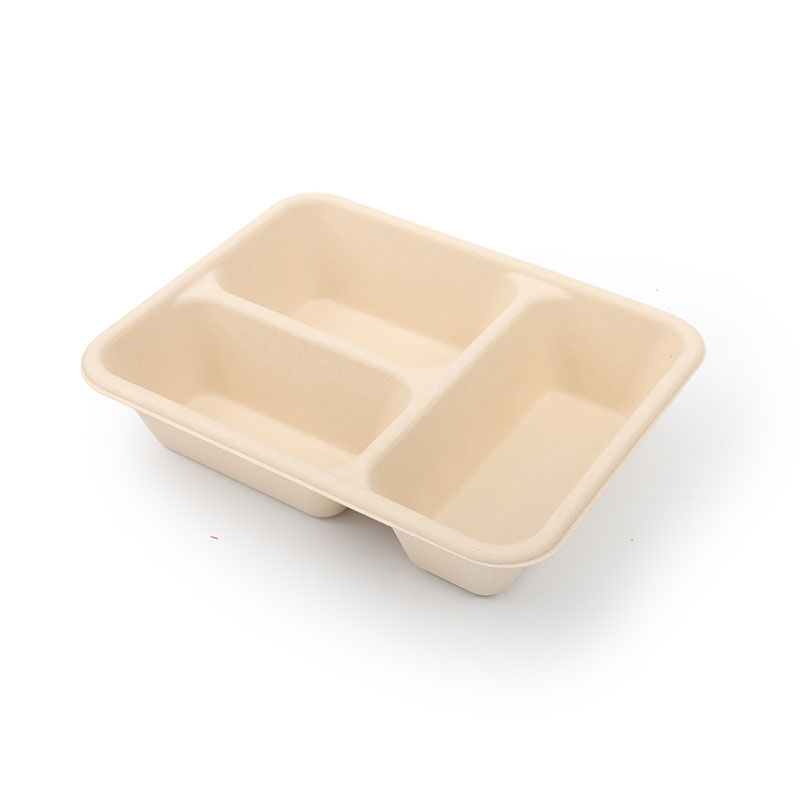 1000ml 3 Compartments
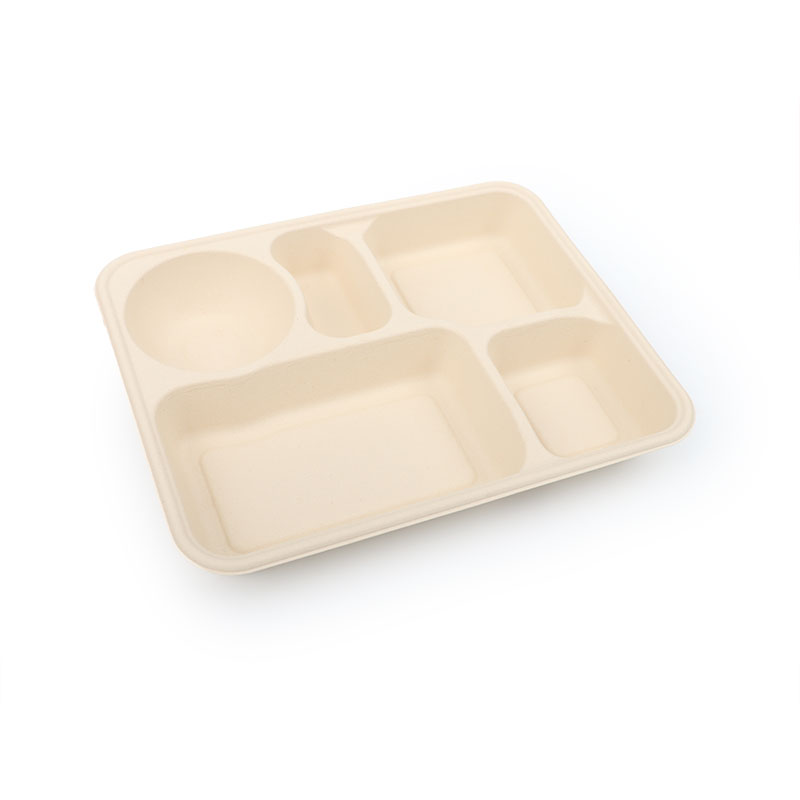 1250ml 5 Compartments
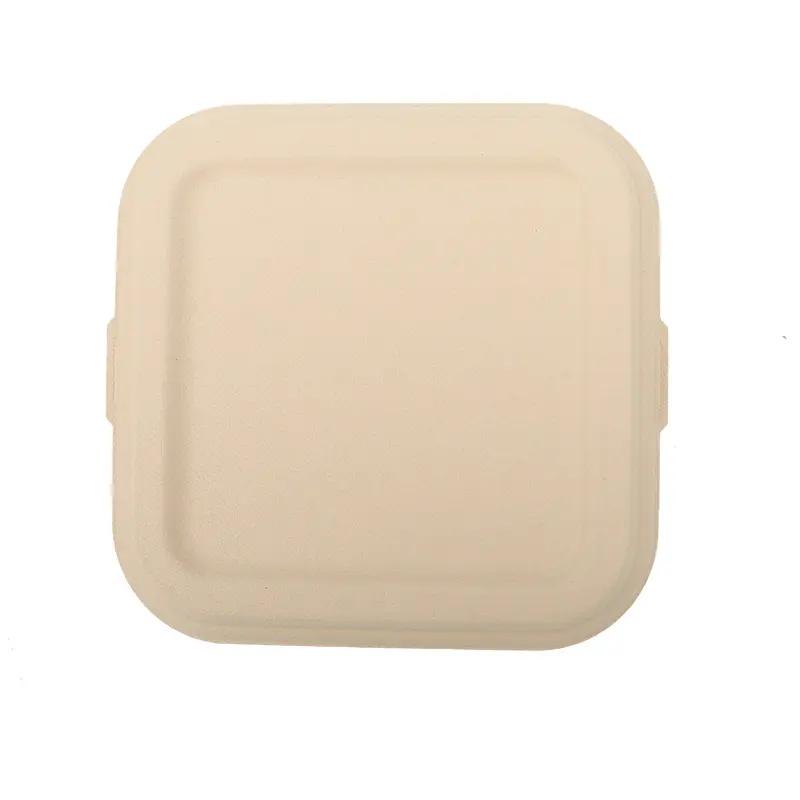 Square Lunch Box Lid
 Box Without T buckle
 850ml Salad Box
 700ml
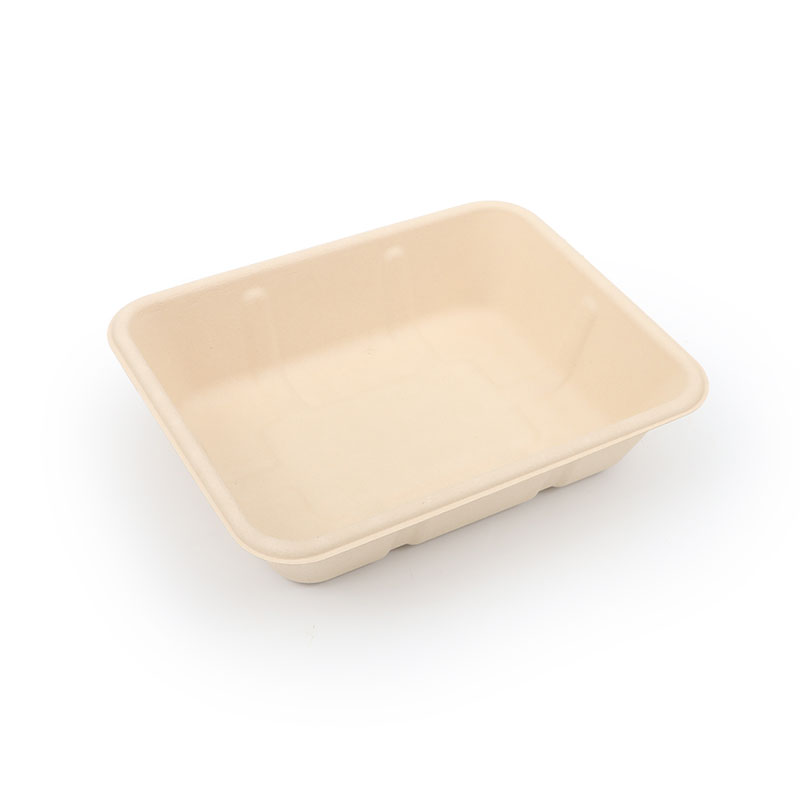 1350ml
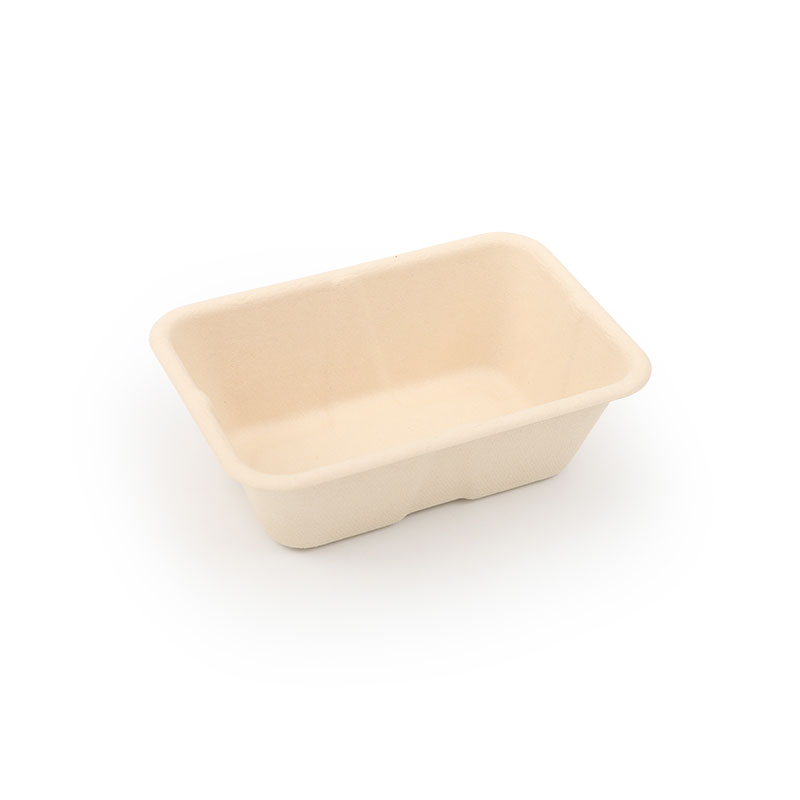 470ml
 2183ml Tray Box
 11" * 9"
 800ml
 One Part Box
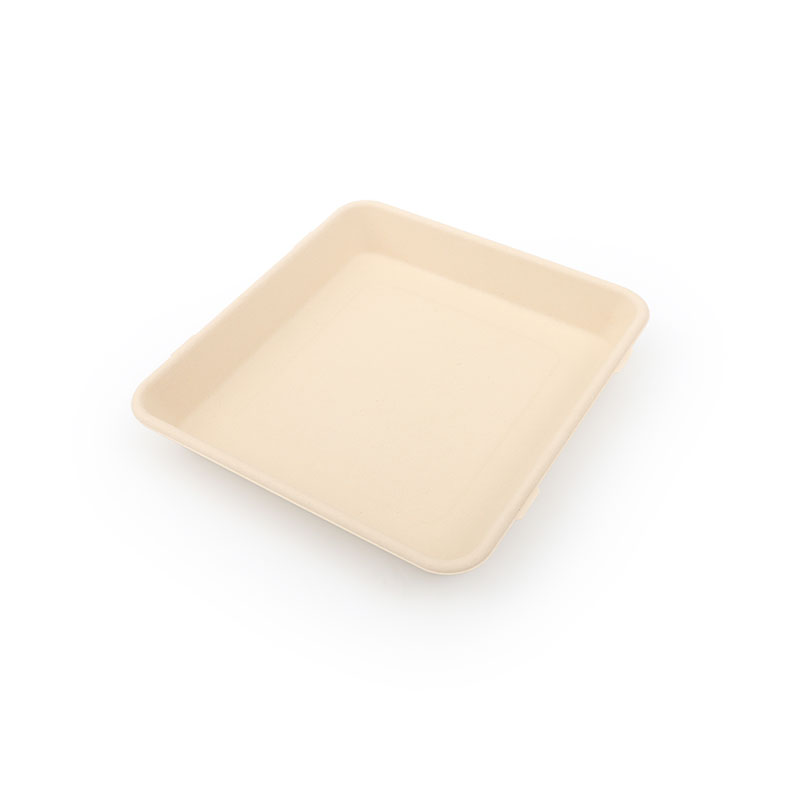 1443ml Tray Box
 Cake Bread Snack Tray Series
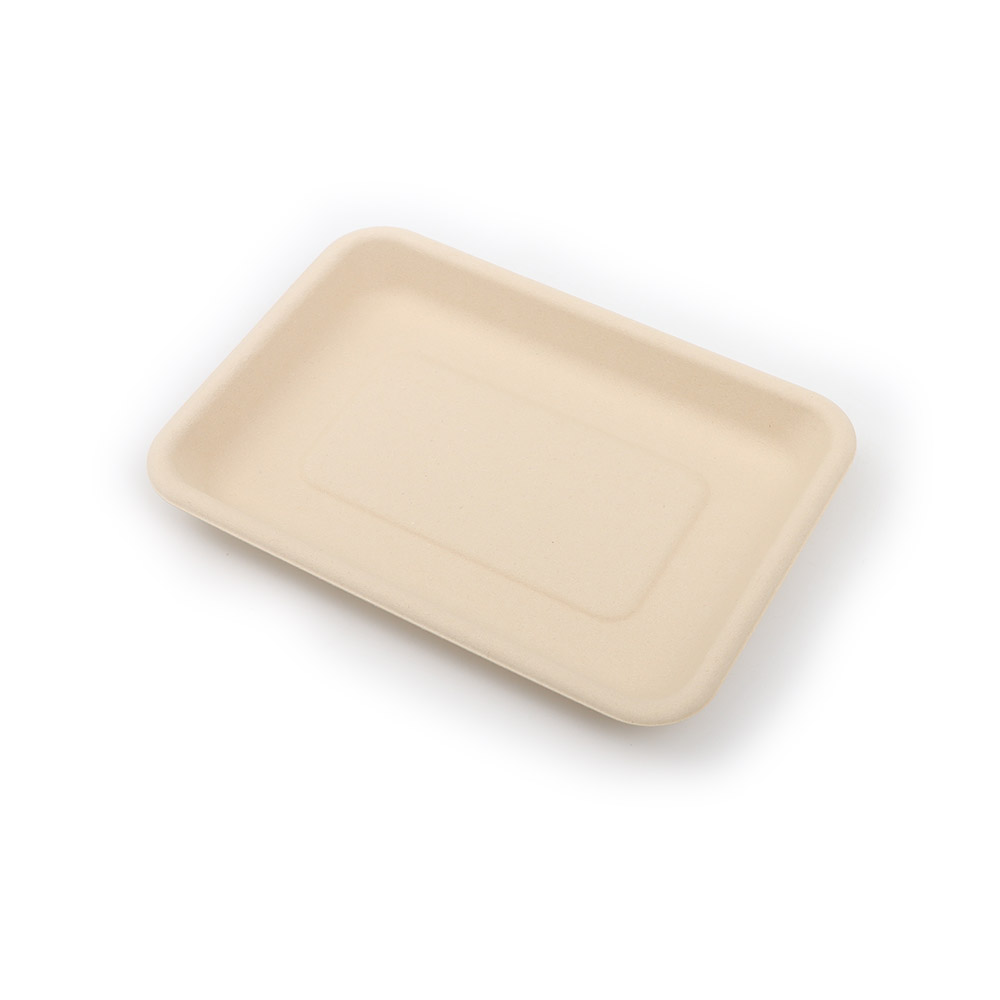 5" * 7" natural color
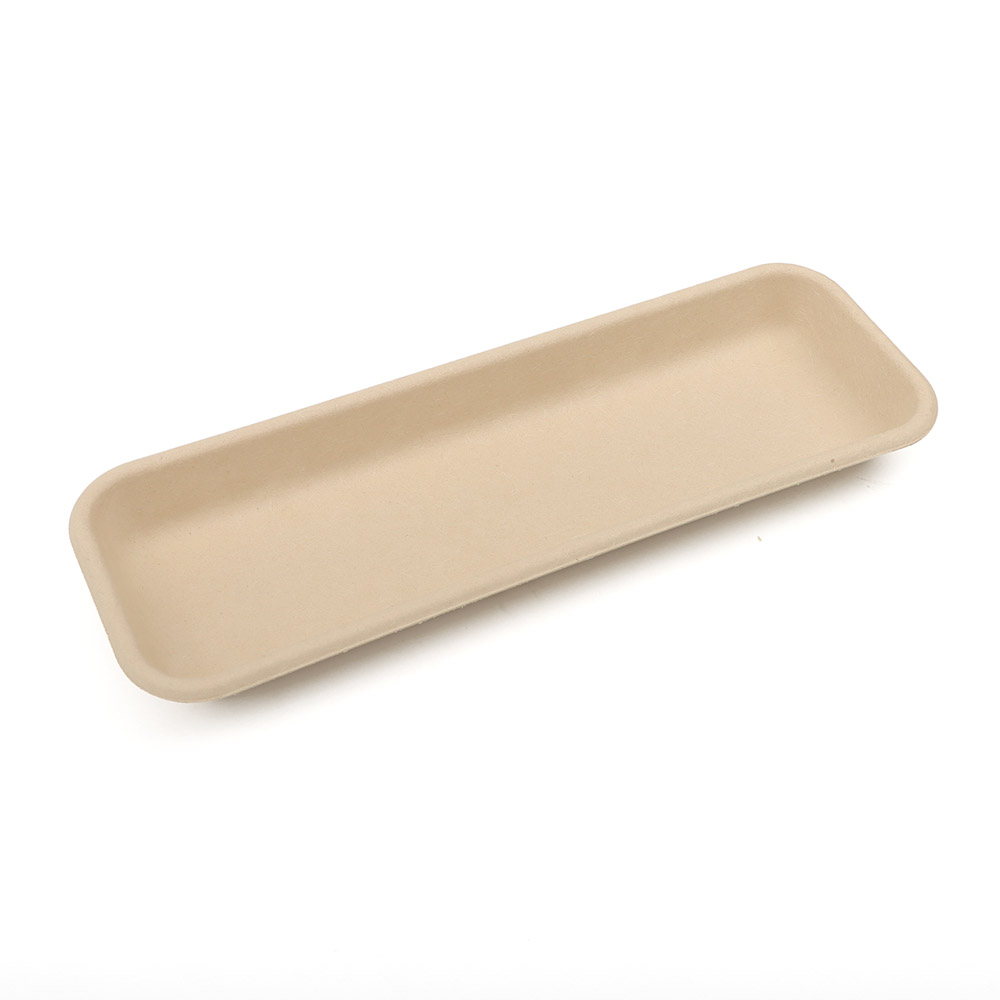 11.4" * 3.9"
 5.3" * 5.3"
 Fruit And Vegetable Tray Series
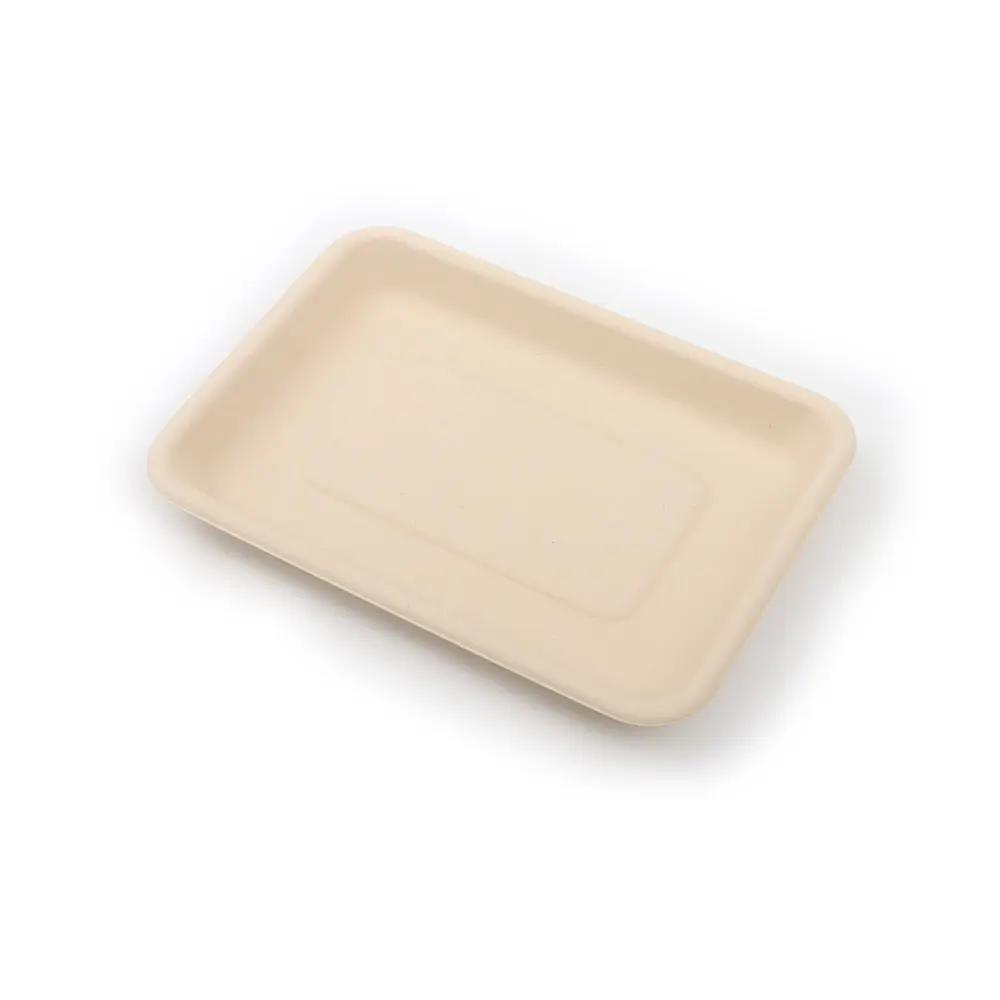 8.6" * 5.3"
 Sushi Tray Series
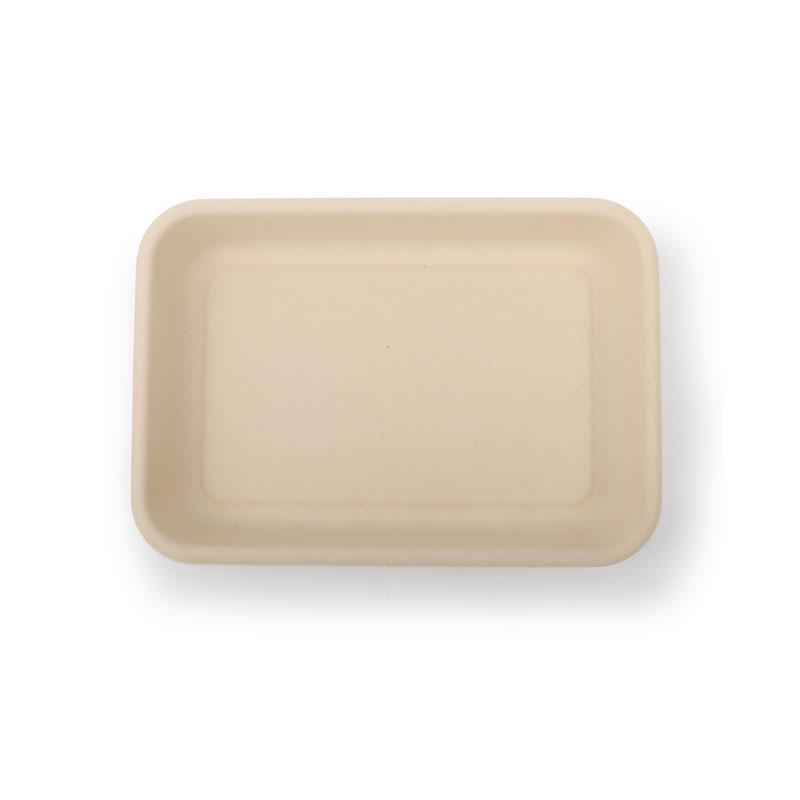 200" * 140"
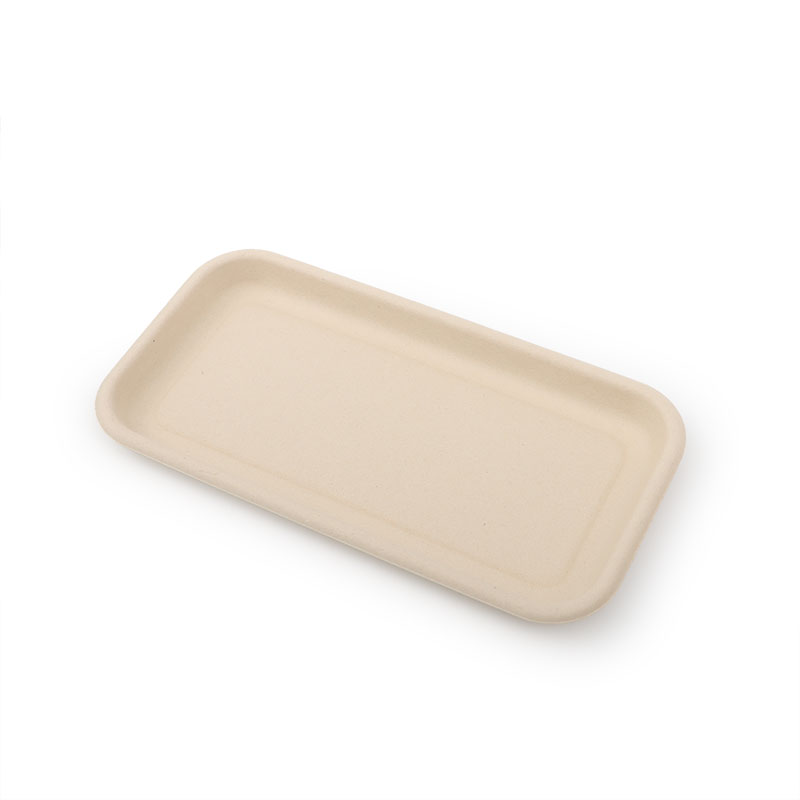 210" * 110"
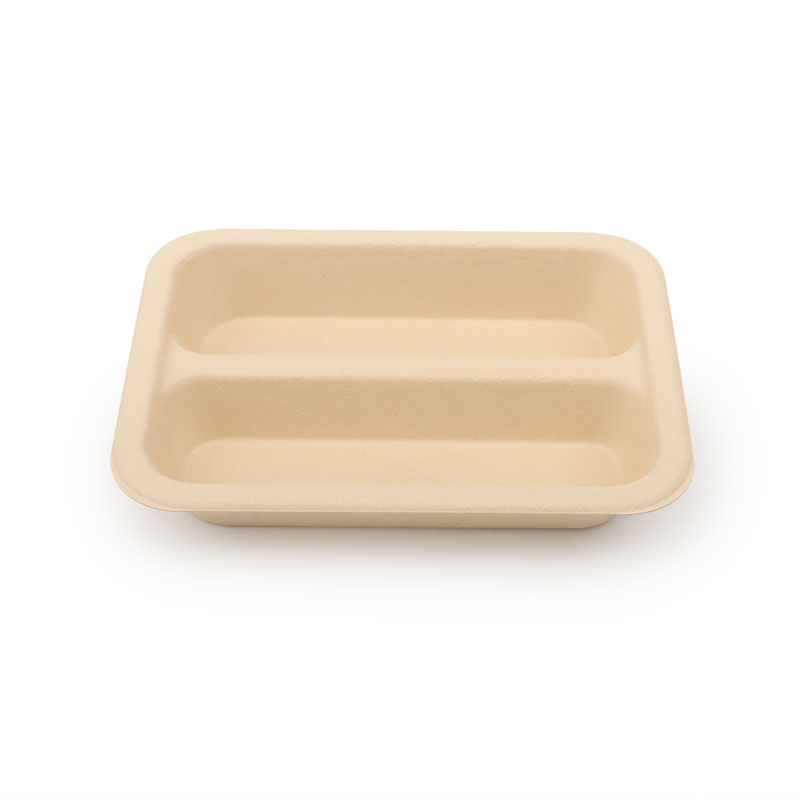 2 Compartments
 Small Round Plate Series
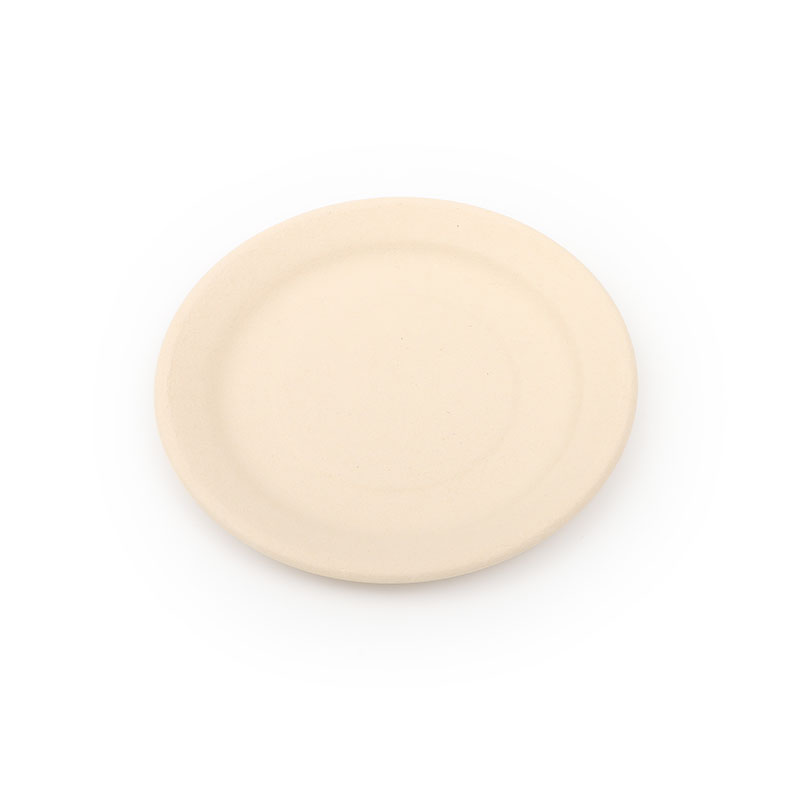 7 inch
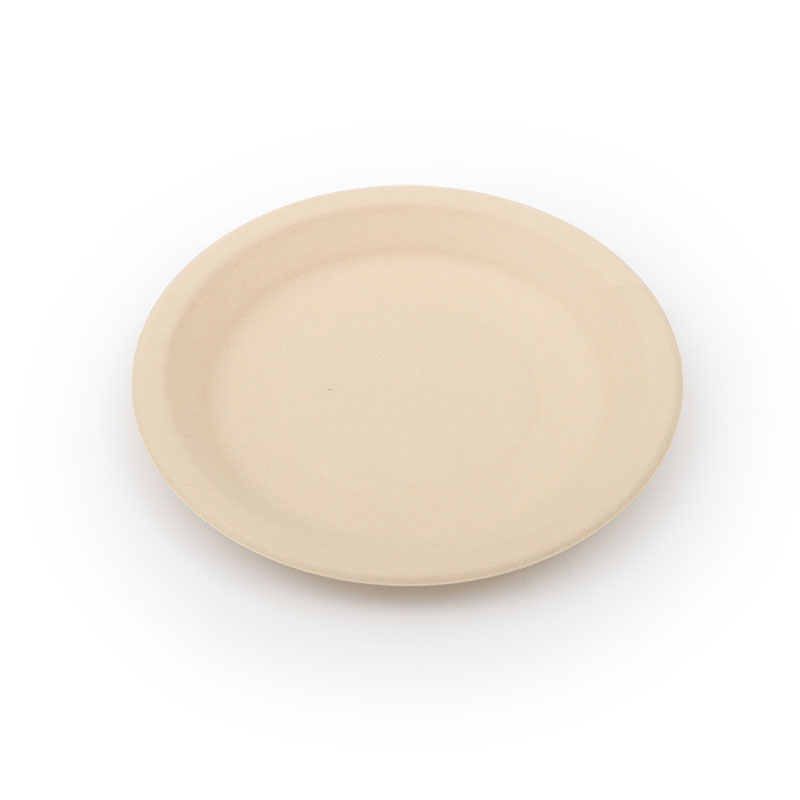 6 inch
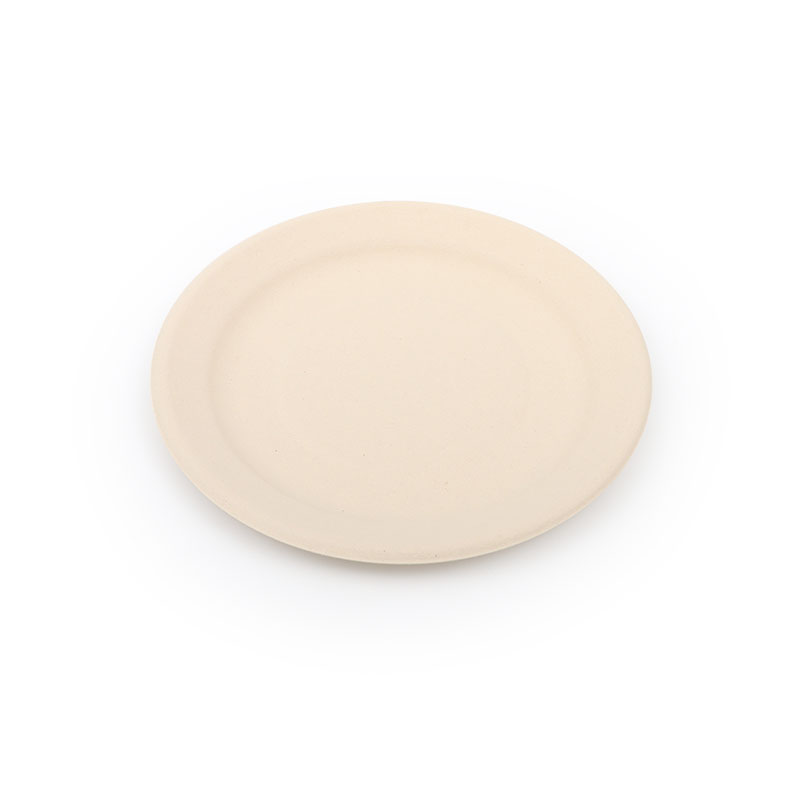 8 inch
 Middle Round Plate Series
 9 Inch 3 Compartments
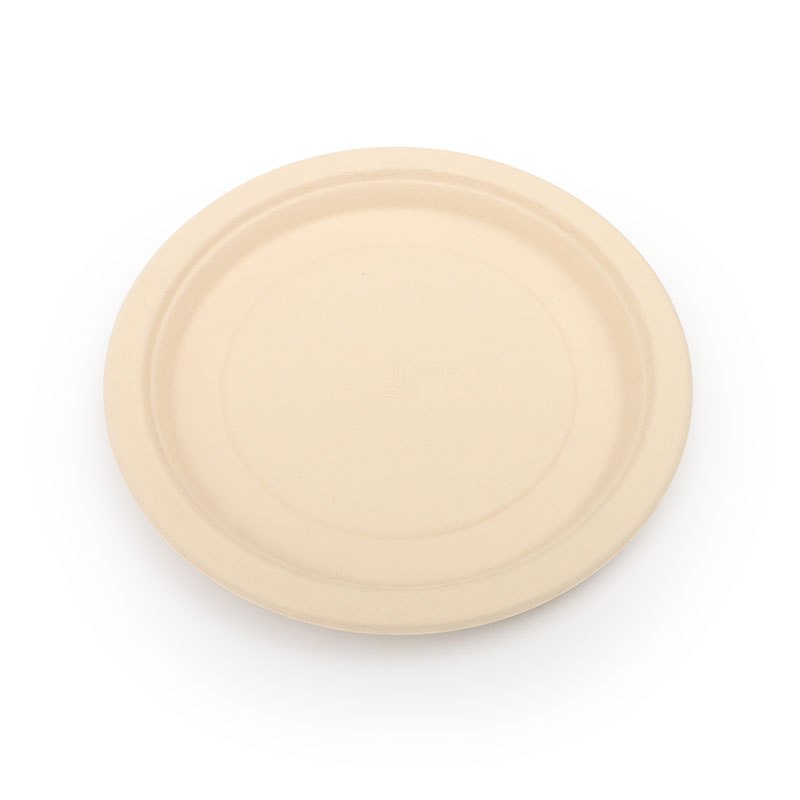 9 inch
 Big Round Plate Series
 12.7 Inch Pizza Plate
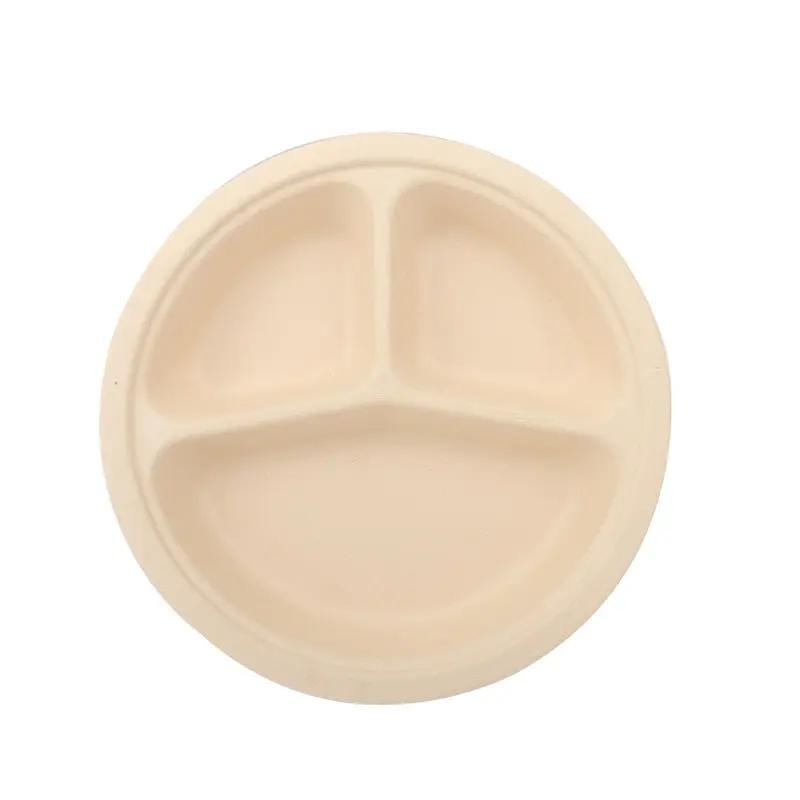 10.25 inch 3 Compartments
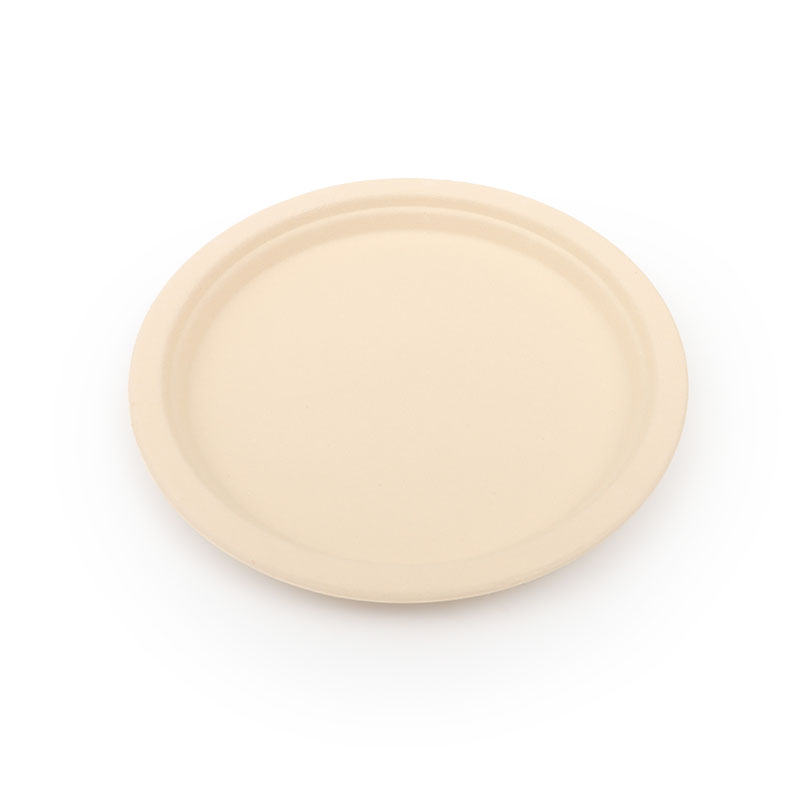 10 inch
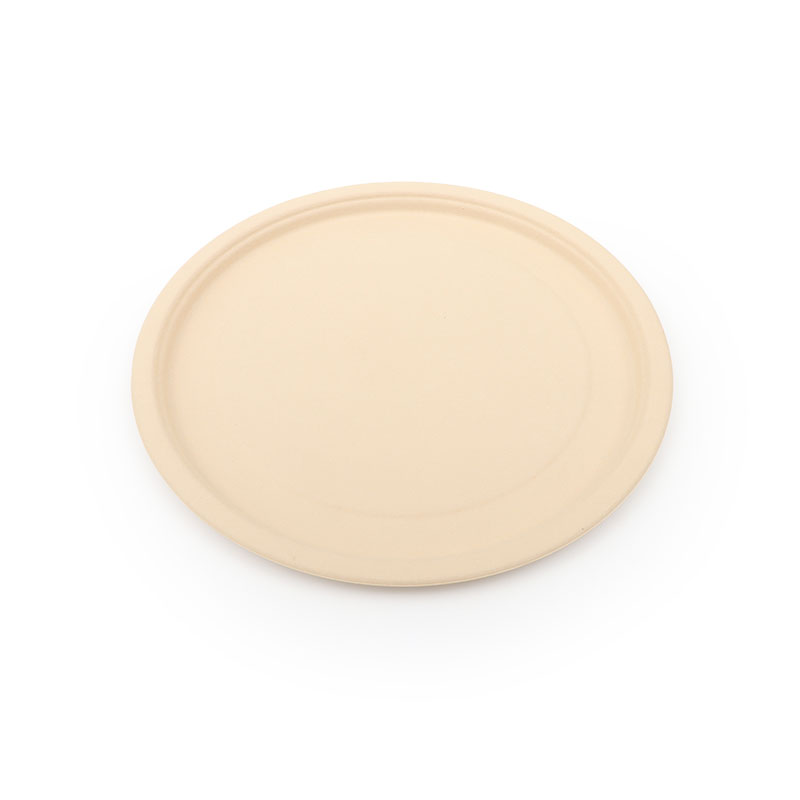 12 inch
 Bigger Bowl
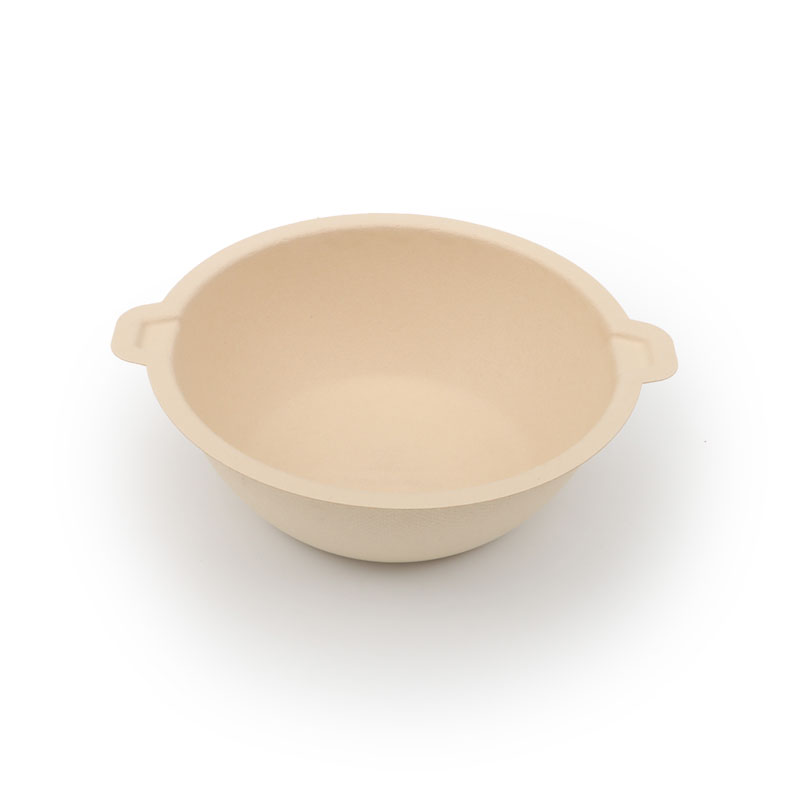 48oz(1420ml)
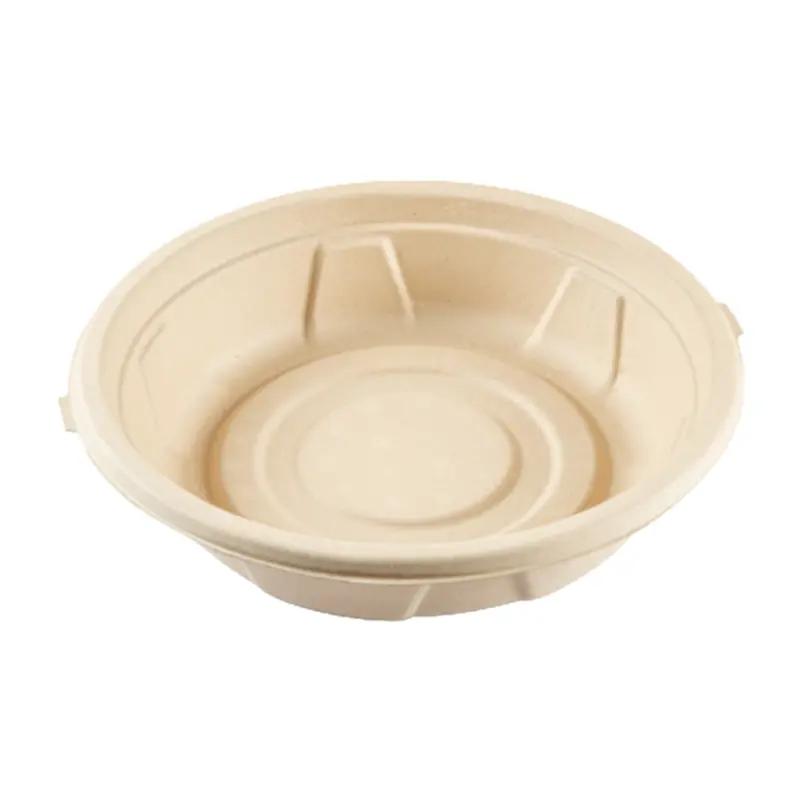 56oz(1650ml)
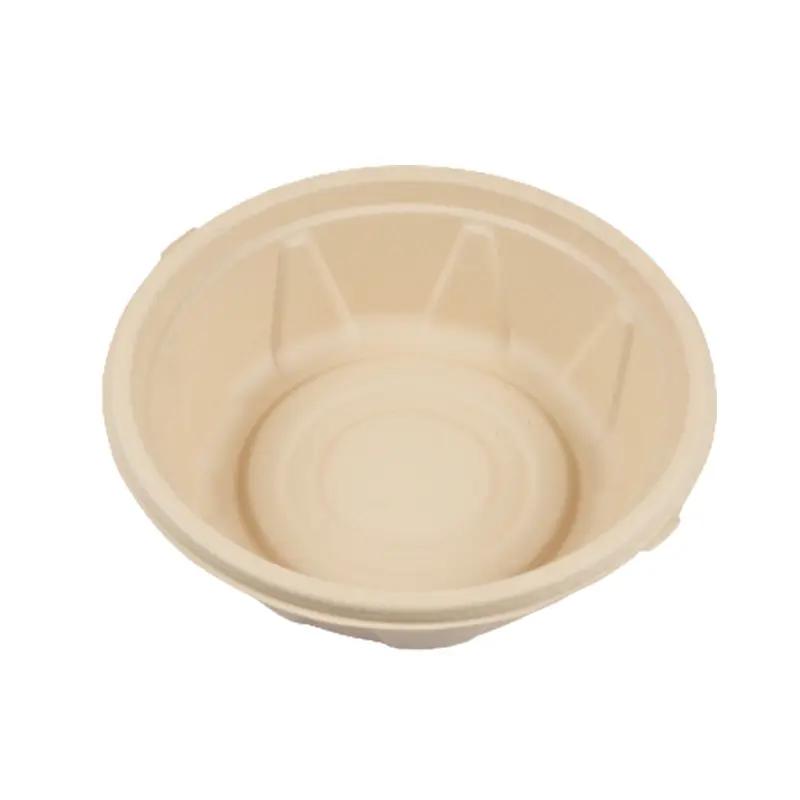 100oz(2950ml)
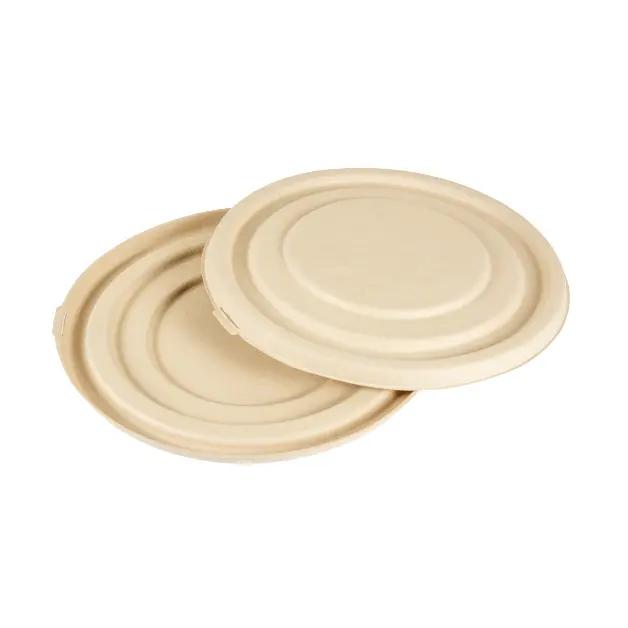 100oz(2950ml) With Lid
 Middle Bowl
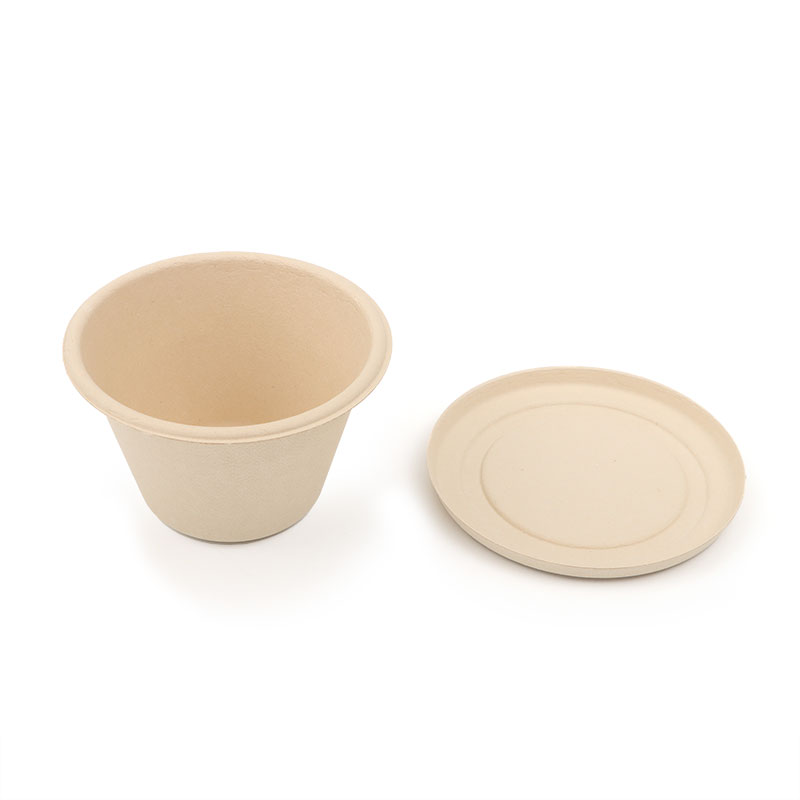 17oz(500ml)
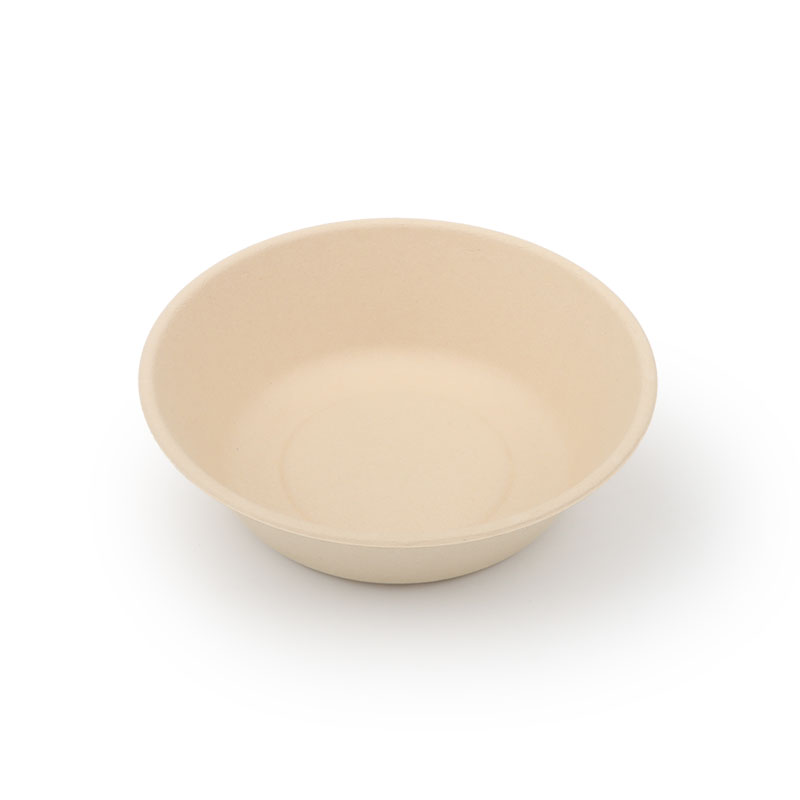 27oz(800ml)
 20oz(600ml)
 29oz(850ml)
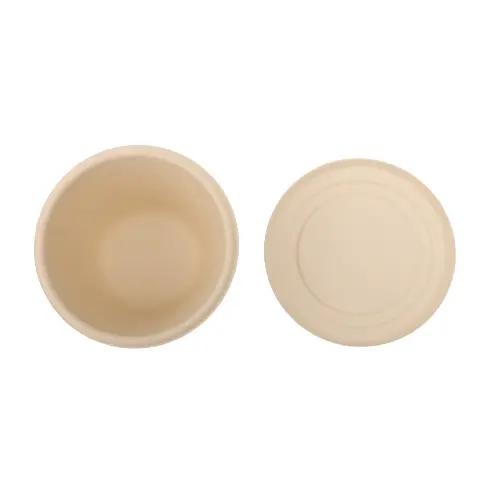 17oz(500ml) With Lid
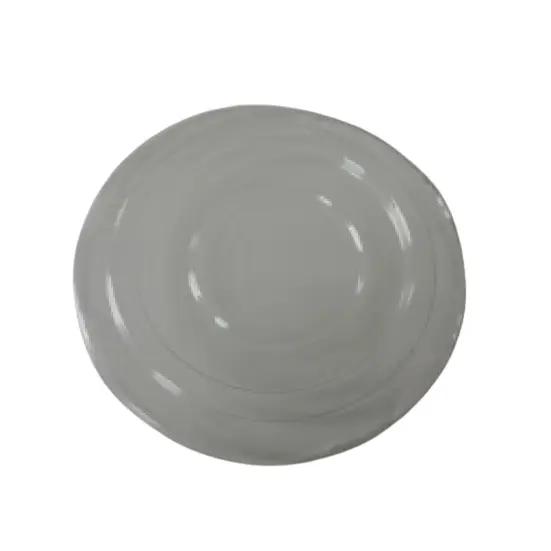 17oz(500ml) PET Lid
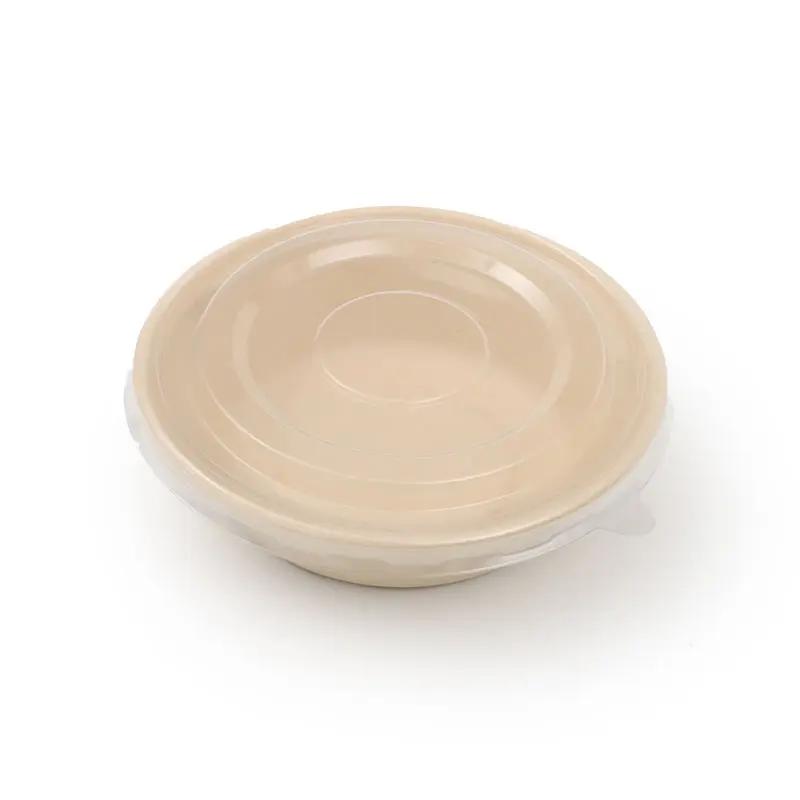 28oz(830ml) PET Lid
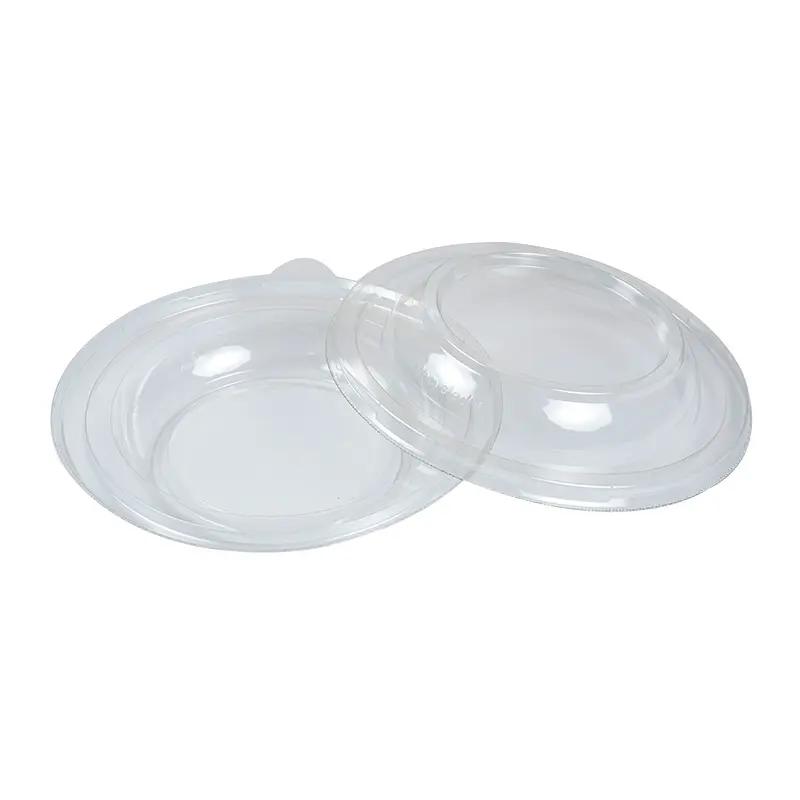 Round Bowl PET
 Small Bowl
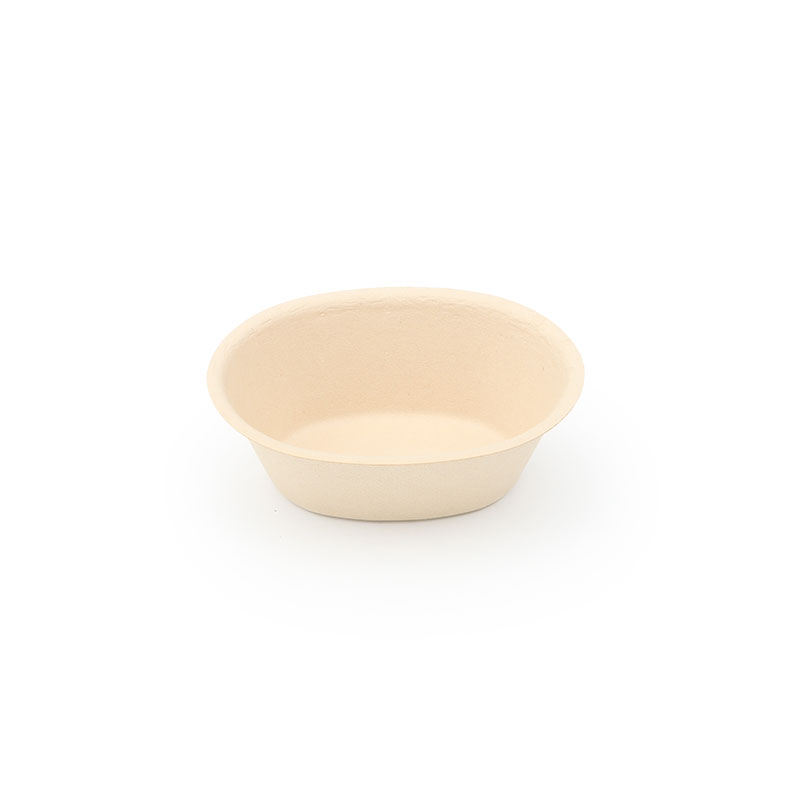 Snack Bowl
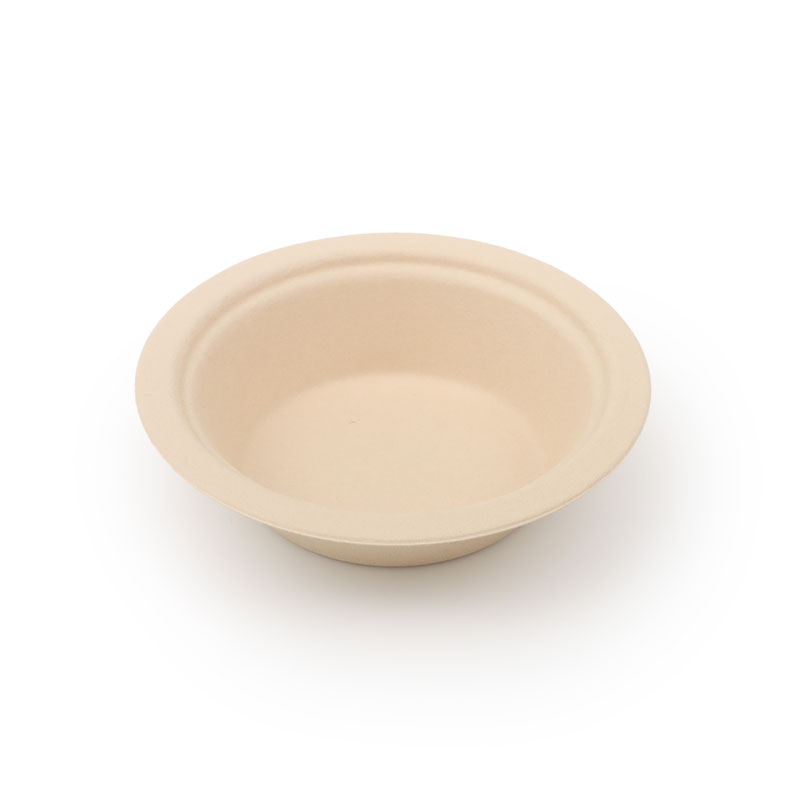 11.5oz(340ml) Bowl
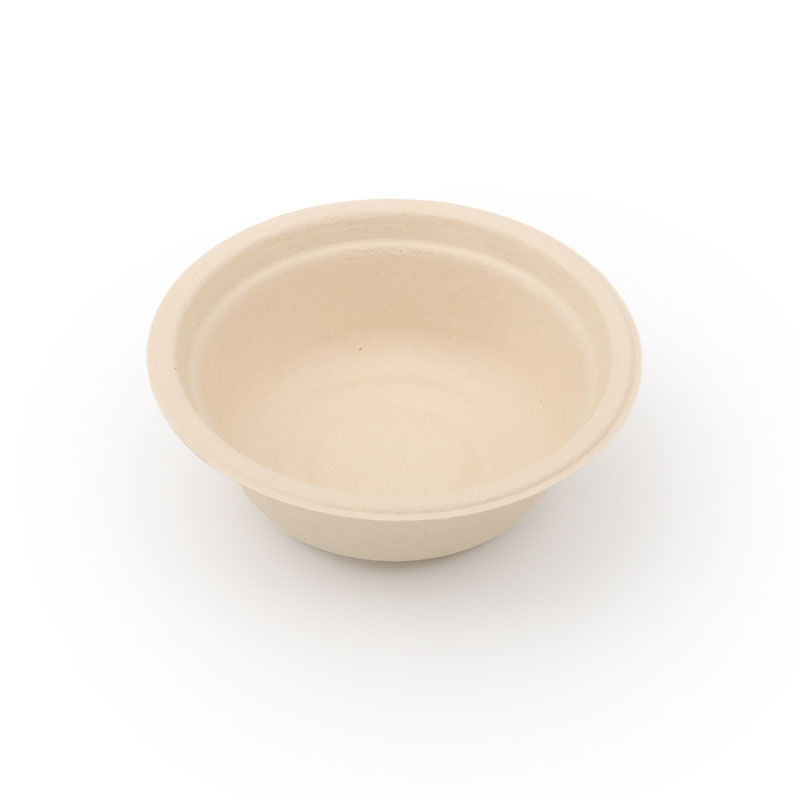 6.7oz(200ml) Bowl
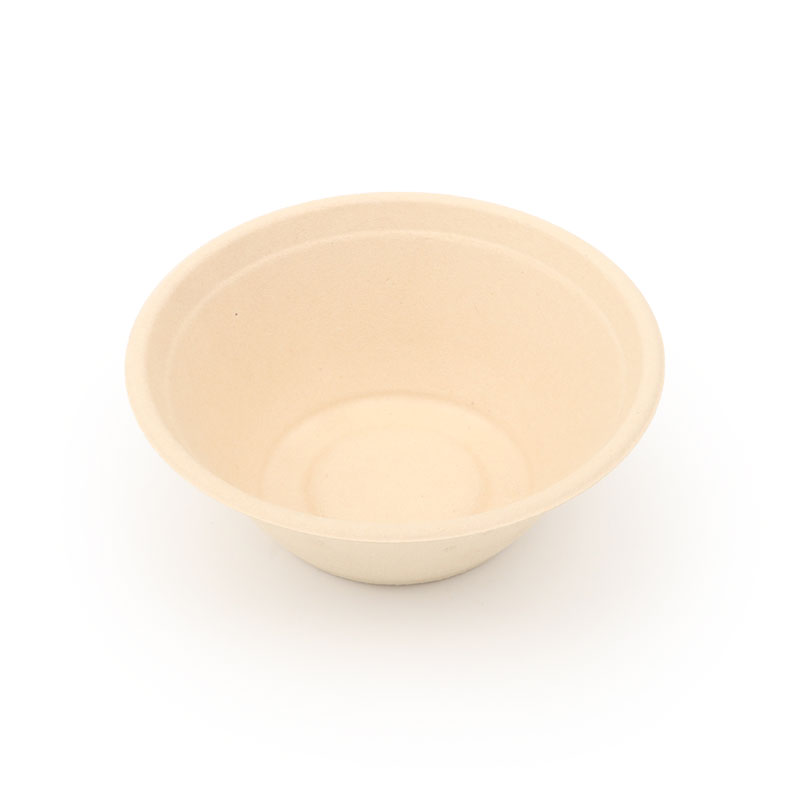 12oz(350ml) Bowl
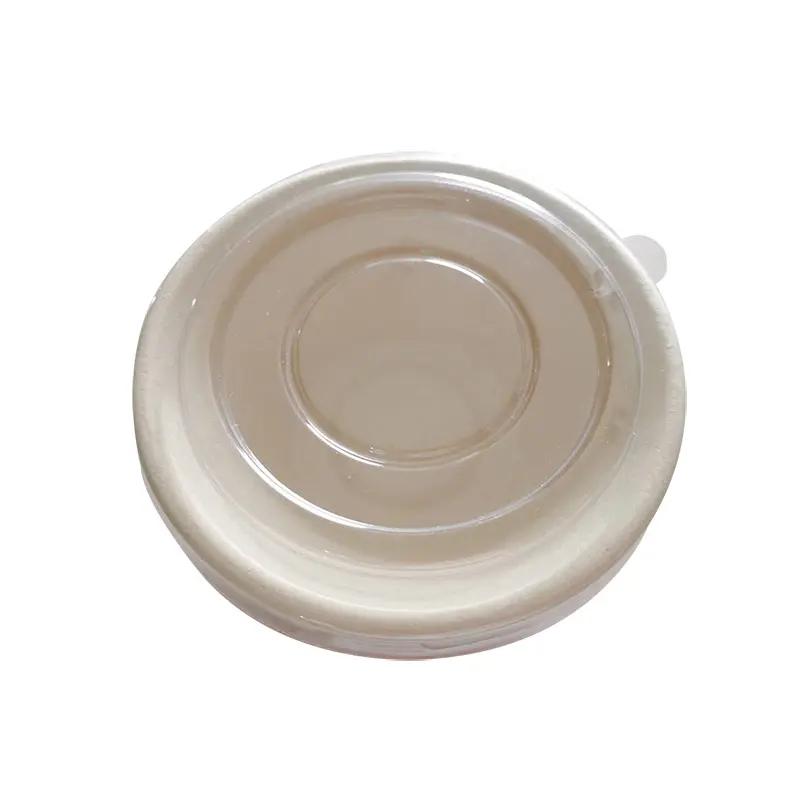 12oz(350ml) Bowl PET
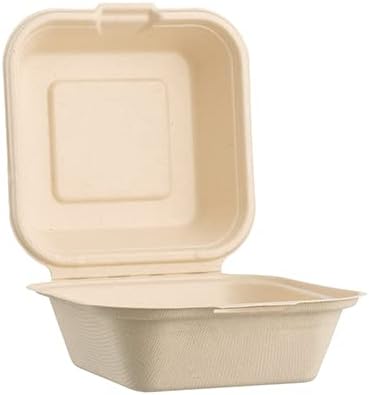
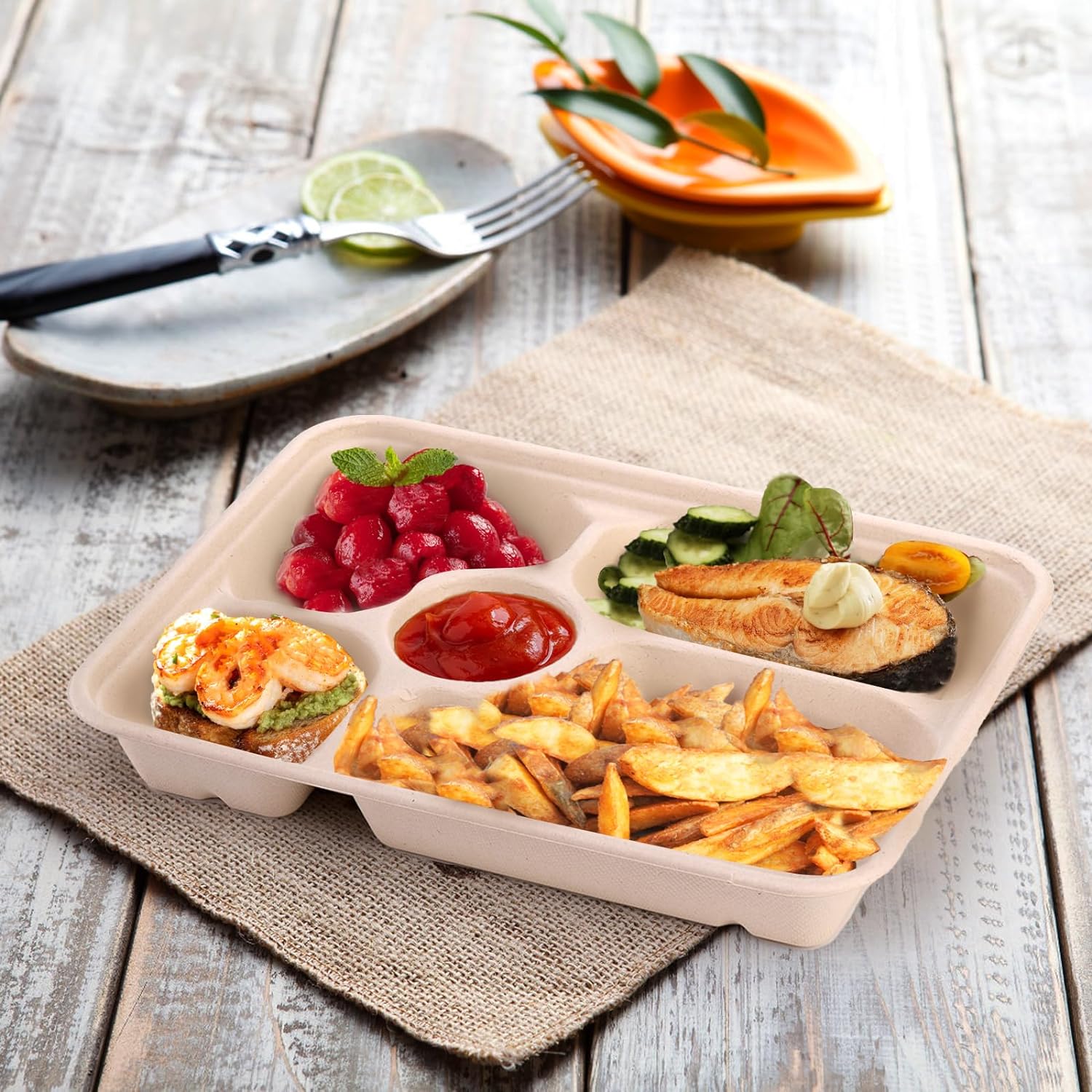 Bagasse Lunch Boxes
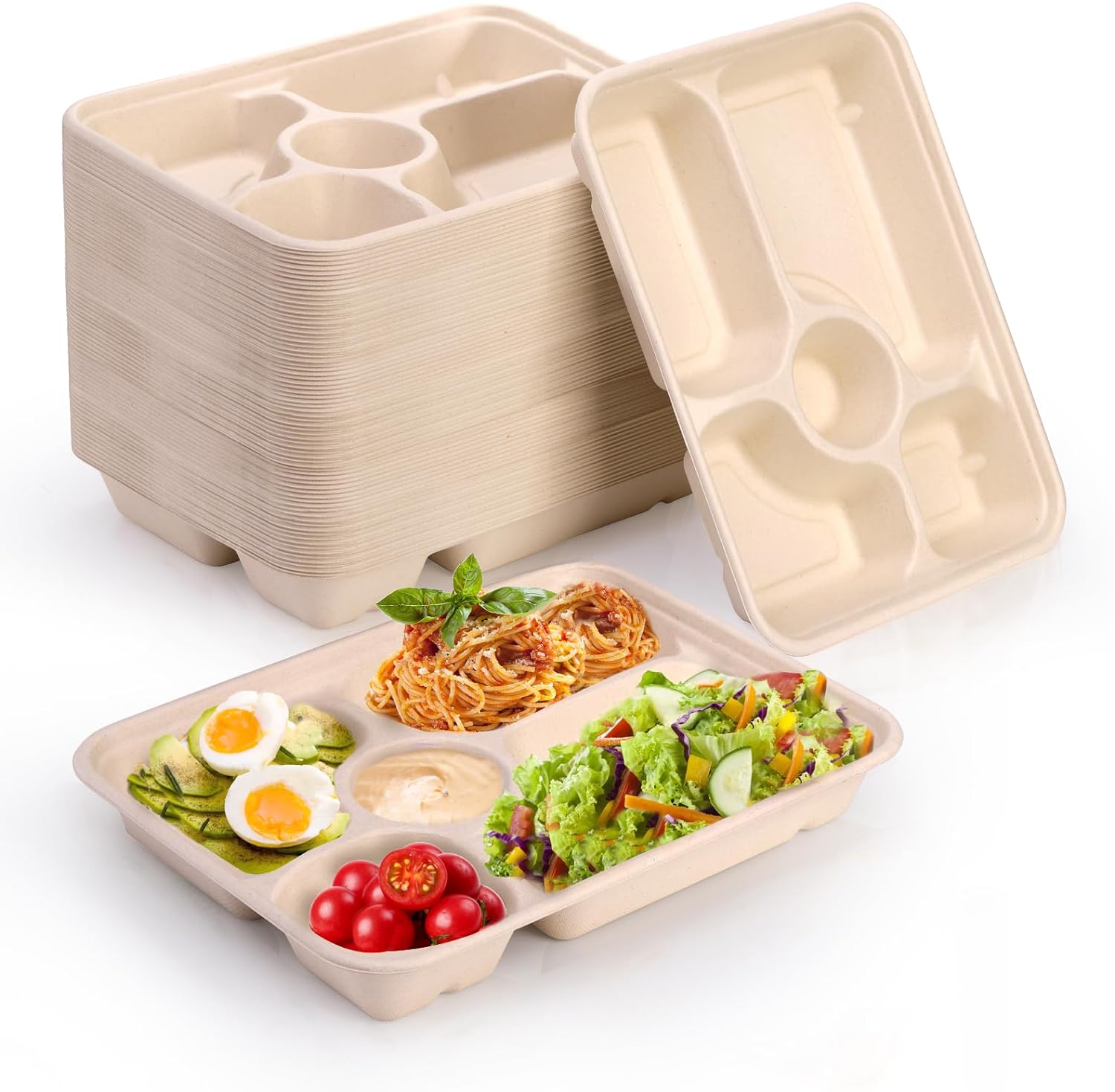 5CP
 6 inch
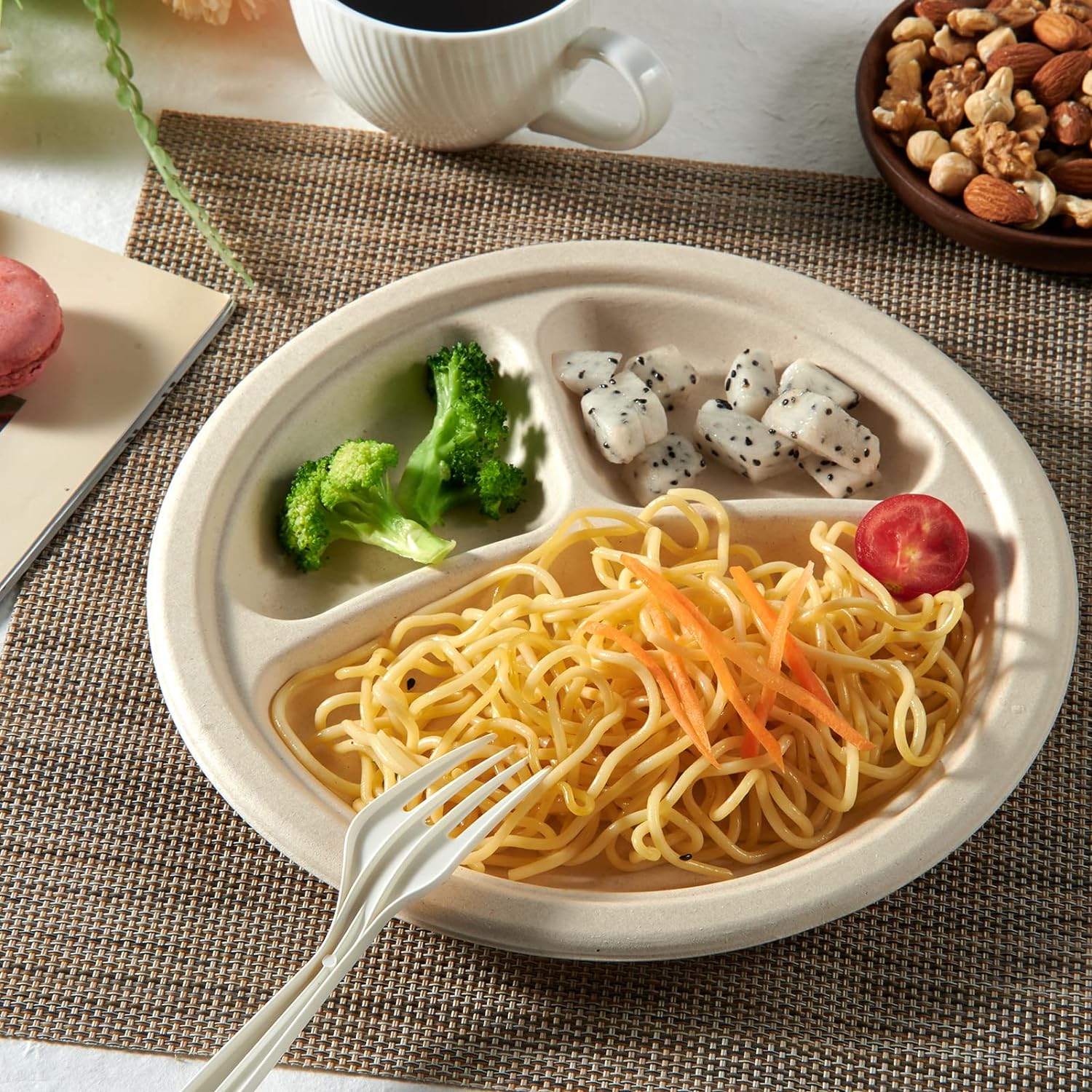 Bagasse Food Plates
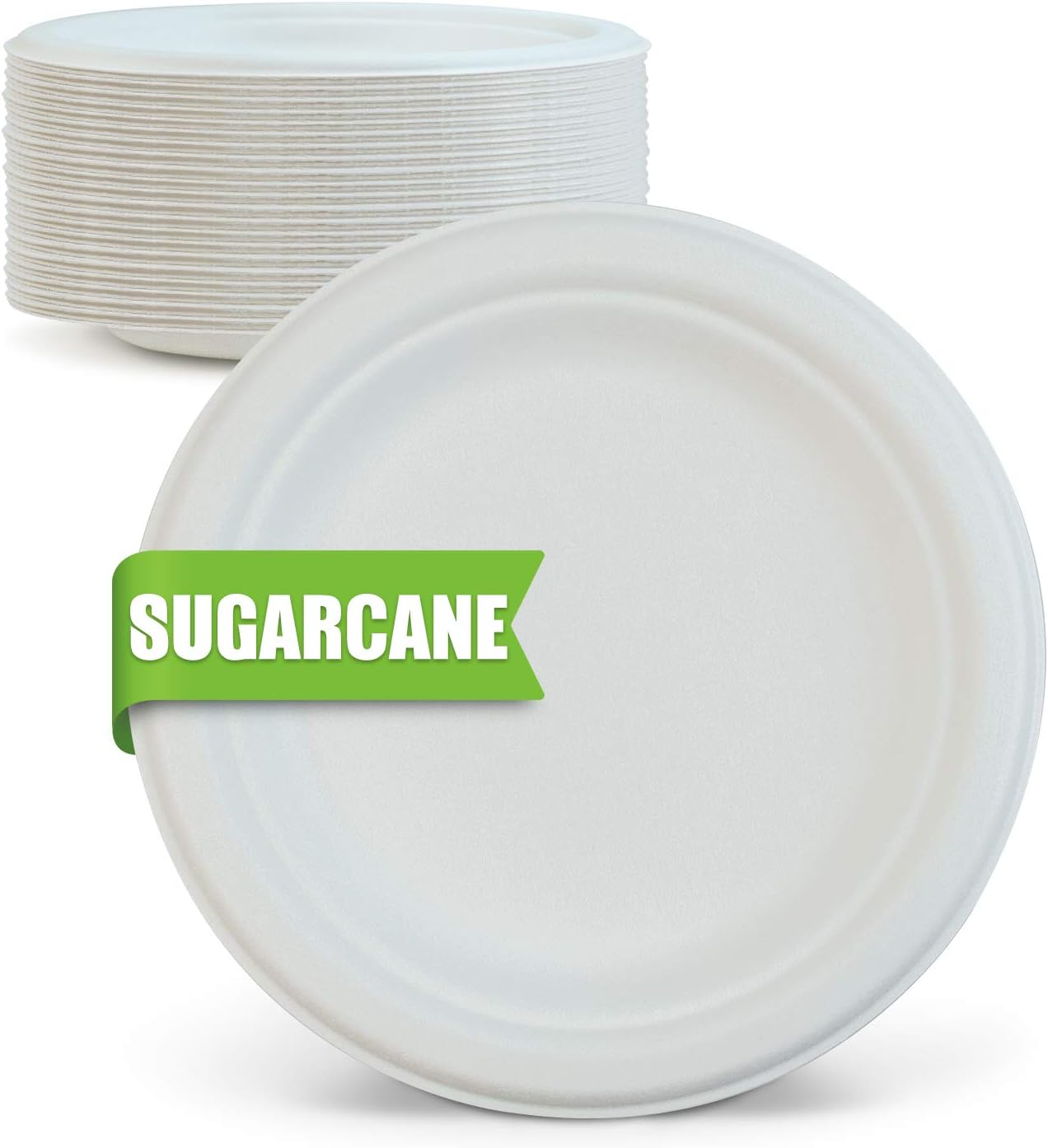 7 inch
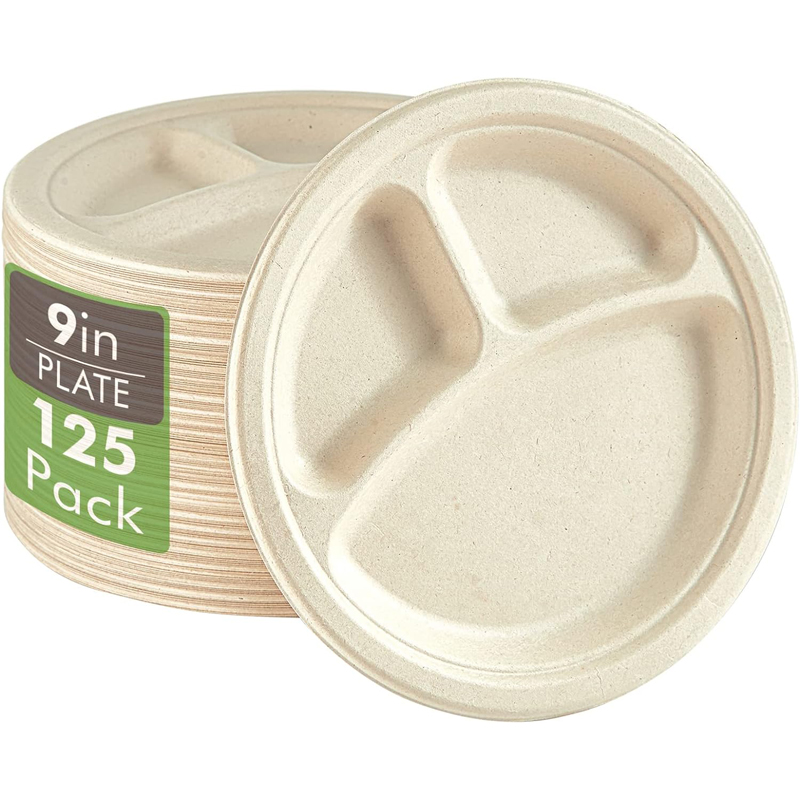 3CP
 Bagasse Bowls
 4oz
 Bagasse Cups And Cutlery
 8oz
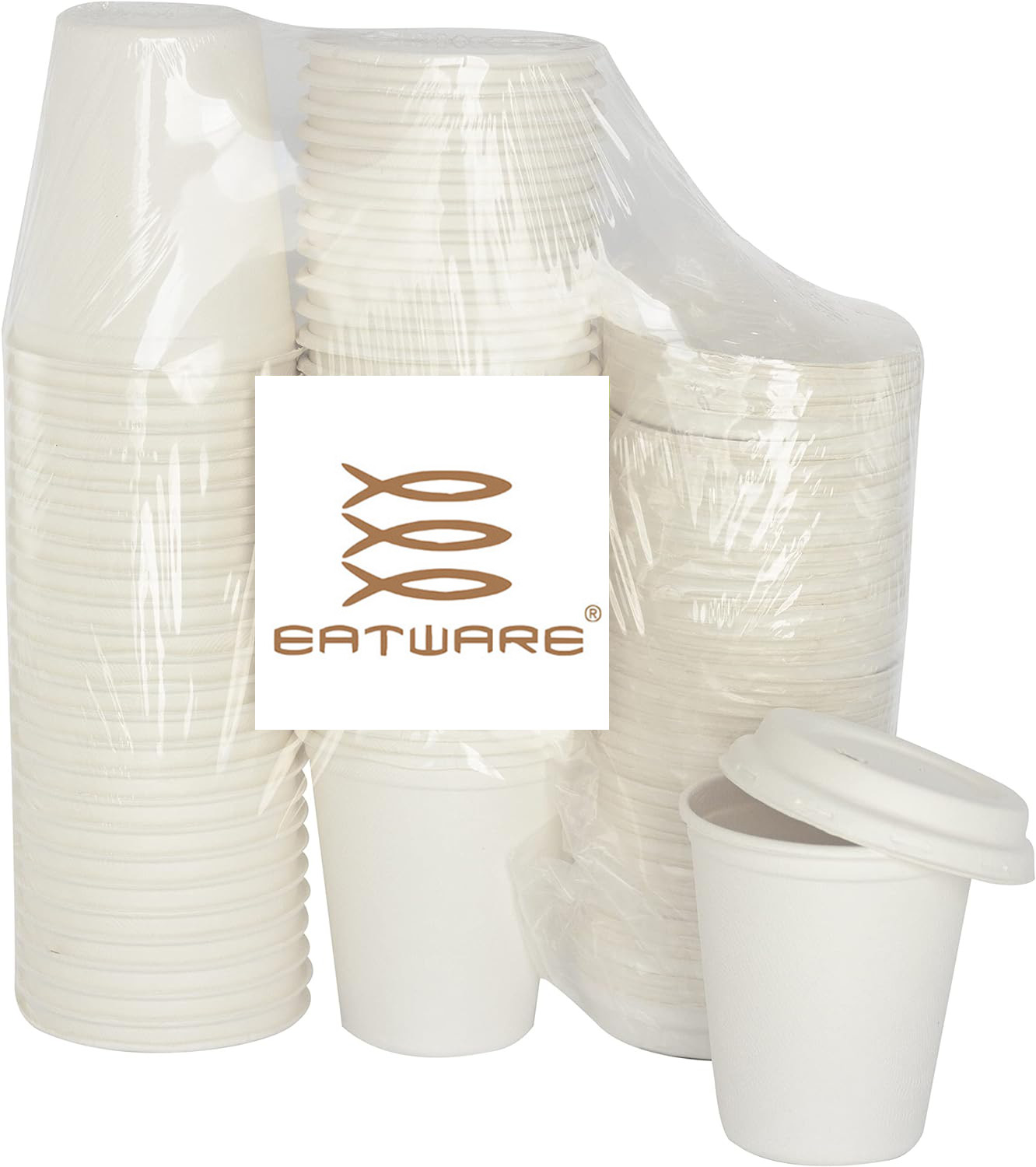 12oz
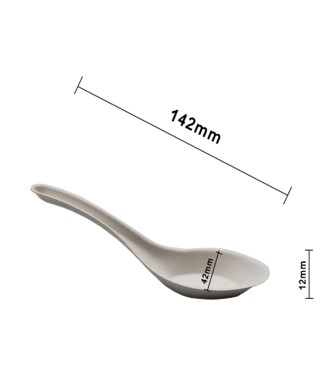 Cutlery


