In the world of food packaging, especially when it comes to sourcing a reliable supplier for Laminating Beef Tray, it really pays to do your homework. A solid tray isn’t just about looks—it’s key to keeping beef fresh and high quality during storage and transport. And let’s be honest, a lot of buyers out there are hunting for suppliers who not only deliver top-notch products but also seem to get what the market needs and what's trending.
Finding that perfect supplier isn’t always straightforward. You need to dig around a bit — consider things like the material quality, how they actually produce the trays, and whether they’re dependable. Not every company checks all the boxes when it comes to safety and quality standards. As a buyer, it’s smart to look at different manufacturers and make sure their Laminating Beef Trays match your specific needs. Having clear, honest communication and transparency about how they operate can help you spot who’s trustworthy and who’s not.
Let’s be real: mistakes happen. Sometimes, buyers find themselves stuck with inconsistent quality—that’s frustrating and can cost you time and money, not to mention leaving customers less than happy. It’s a good idea to learn from those past slip-ups and choose partners who genuinely care about quality and sustainability. Taking a thoughtful, informed approach when sourcing your trays can make all the difference, helping you make smarter decisions and building better relationships down the line.

Understanding Laminating Beef Trays and Their Uses
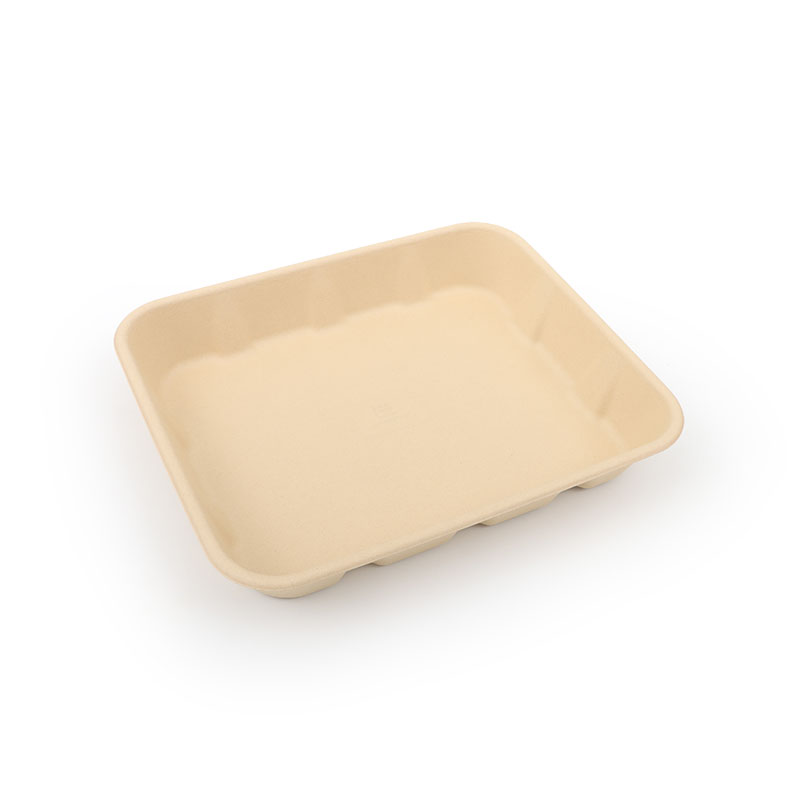
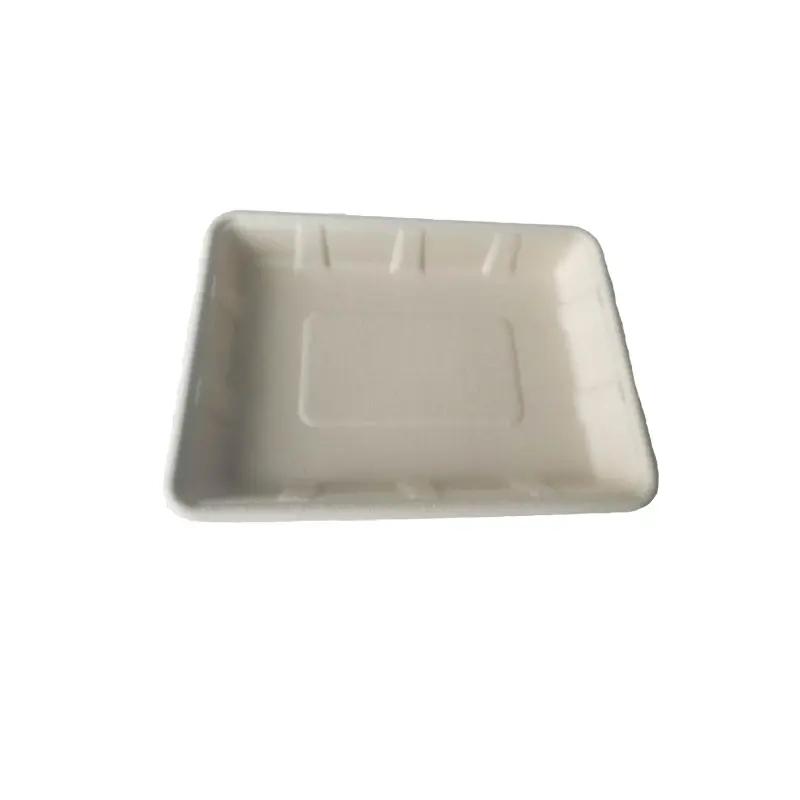
Laminated Beef Tray s have become essential in the food packaging industry. These trays are designed to securely hold fresh meat while prolonging its shelf life. With a special layered structure, they provide durability and moisture resistance, ensuring meat stays fresh during transportation and storage. Their lightweight nature makes them easy to handle, catering to both producers and retailers.
Understanding how Laminated Beef Trays function is crucial for global buyers. The lamination helps protect the product from external elements, such asbacteria and air. This is particularly important in regions with varying climates. However, there could be challenges in sourcing quality materials. Not all manufacturers follow strict guidelines, which can affect the final product's reliability.
When sourcing laminated beef trays, buyers should emphasize quality over quantity. It’s essential to ask for samples and verify the materials used. This scrutiny is necessary to ensure that the trays meet safety standards. Reflecting on past experiences, some buyers have found variability in quality among suppliers. By approaching sourcing with diligence, it is possible to find dependable options that align with market needs.
Identifying Quality Standards for Laminating Beef Trays
Identifying quality standards for laminating beef trays is crucial for global buyers. These standards ensure both safety and functionality. When sourcing, look for materials that comply with food safety regulations. The trays should be made from food-grade plastics. They must withstand moisture and maintain structural integrity during transport.
Inspect the manufacturing process. A reputable supplier should follow strict quality control measures. Look for certifications that reflect adherence to international standards. Also, consider the durability of the laminating process. Trays should be resistant to tearing and puncturing. Ask for samples to assess the quality directly.
Packaging and labeling are also important. Ensure that the trays are correctly labeled for hygiene and storage instructions. This helps in maintaining the freshness of the beef. Pay attention to feedback from previous buyers. Their experiences can guide you in understanding the supplier’s reliability. These details matter greatly in selecting the right product.
Researching Potential Suppliers for Beef Tray Sourcing
Finding the right suppliers for laminating beef trays requires thorough research. Start by identifying potential vendors. Use industry reports and online platforms to create a shortlist of prospects. Check their credentials and experience in the food packaging sector. Look for suppliers who specialize in beef tray production. This focus ensures they understand the necessary regulations and quality standards.
Next, assess each supplier’s production capabilities. Are they equipped to handle your volume needs? Investigate their quality control processes. Reliable suppliers maintain strict quality checks throughout production. Request samples to evaluate the materials and construction of their trays. This step can reveal a lot about their manufacturing practices.
Also, consider geographic factors. Location can impact shipping costs and delivery times. Suppliers closer to your market may offer better service. However, do not overlook international suppliers with a good reputation. Each potential partner should be evaluated on both their technical capabilities and their customer service. Building a strong supply chain is essential for sustained success.
Evaluating Supplier Certifications and Compliance
When sourcing laminating beef trays, supplier certifications and compliance can significantly influence purchase decisions. Various industry reports suggest that around 70% of global buyers prioritize certified suppliers. Certifications like ISO 9001 and HACCP indicate commitment to quality and safety. Buyers should carefully check these credentials to reduce risks.
The Tectorial Technology Beef Tray has risen in prominence, boasting durability and versatility. Yet, not all manufacturers meet stringent compliance guidelines. A study by the Global Food Safety Initiative indicates that non-compliant suppliers often face high rejection rates. This statistic highlights the importance of auditing suppliers before sealing any deal.
Buyer scrutiny is crucial in today’s market. Many suppliers present misleading information regarding their certifications. A report by the International Association of Food Protection reveals that up to 30% of companies fail to comply with local regulations. This situation emphasizes the need for buyers to conduct thorough due diligence. Understanding supplier certifications and compliance is imperative to ensure product safety and maintain a trustworthy supply chain.
Negotiating Terms and Pricing with Suppliers
Negotiating terms and pricing with suppliers requires careful consideration and strategy. Establish clear expectations right from the start. Discuss quality standards, such as those for Laminating Poultry Trays. Make sure the supplier understands your needs. This clarity can prevent misunderstandings later.
Pricing discussions should be transparent. Gather market data to understand fair pricing for Laminating Beef Trays. Being informed can strengthen your negotiating position. However, be prepared for challenges. Suppliers may initially quote high prices. Patience is key. Explore options, such as bulk purchasing discounts or long-term agreements. Don't rush the process; reflect on each offer carefully.
Building relationships is invaluable. Invest time in understanding your suppliers. Their capabilities and limitations can affect your supply chain. Weigh these factors against your needs. As negotiations progress, remain flexible. Some aspects can be adjusted without compromising essential quality. This adaptability can lead to mutually beneficial agreements.
Logistics and Shipping Considerations for Global Trade
When sourcing laminating beef trays for global buyers, logistics is a critical element. Understanding the complexities of international shipping can make or break a supply chain. Timing is vital, and any delay can lead to losses. Choose a reliable freight forwarder who knows the intricacies of your destination country's regulations. They can guide the necessary paperwork, ensuring compliance with customs requirements.
Tips: Always consider packaging options that enhance product safety during transit. Use strong materials to prevent damage. Efficient packaging can save costs and reduce wastage. Additionally, familiarize yourself with local tariffs and taxes that may apply to Laminating Seafood Trays. This knowledge can help you budget accurately and avoid surprises.
Moreover, maintaining communication with your suppliers is essential. Regular updates on production schedules can inform your shipping timelines. Any hiccups in production must be addressed promptly to avoid cascading delays. Be prepared to adapt your plans based on real-time information. This flexibility is key in today’s dynamic market.
Building Long-Term Relationships with Beef Tray Suppliers
Building strong relationships with suppliers is vital for sourcing laminated beef trays. Trust helps both parties navigate challenges together. A reliable supplier understands market trends and demands. Regular communication builds rapport. Frequent check-ins ensure that both sides are aligned on quality and delivery timelines.
Workshops and meetings can deepen understanding. Visiting suppliers can foster better connections. Seeing the production process in person provides invaluable insights. It also shows commitment to the partnership. These experiences can lead to fruitful collaboration. Reflecting on past interactions reveals areas for improvement. Openness to feedback is key in strengthening bonds.
Quality assurance is another aspect to consider. A supplier’s willingness to adapt and innovate often indicates reliability. Testing samples and setting clear standards builds mutual respect. Mistakes happen, but how they are handled matters more. A resilient relationship can survive setbacks. Fostering a spirit of cooperation will lead to long-term success for both parties involved.
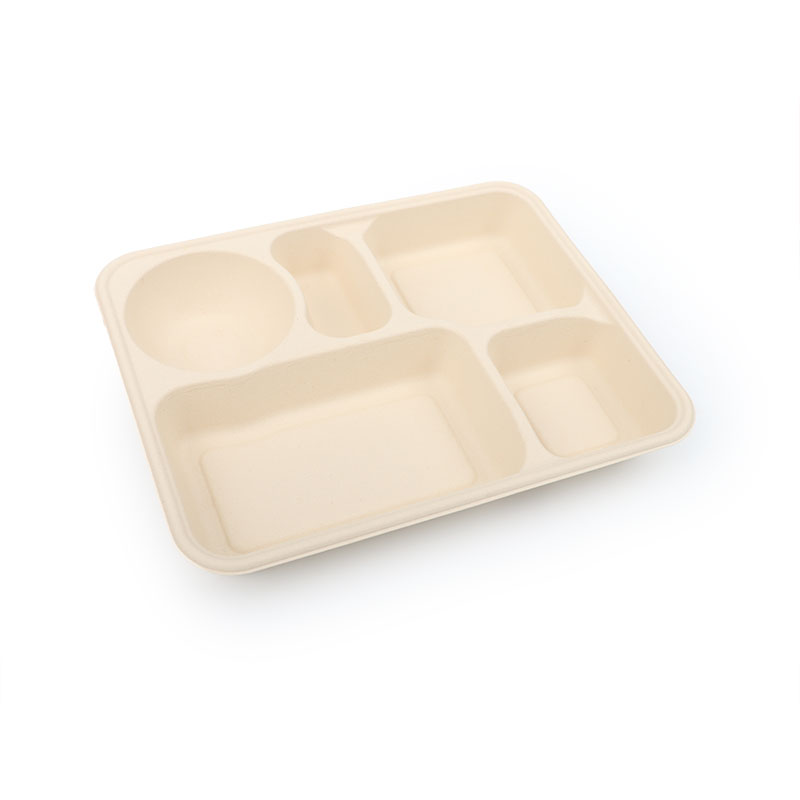
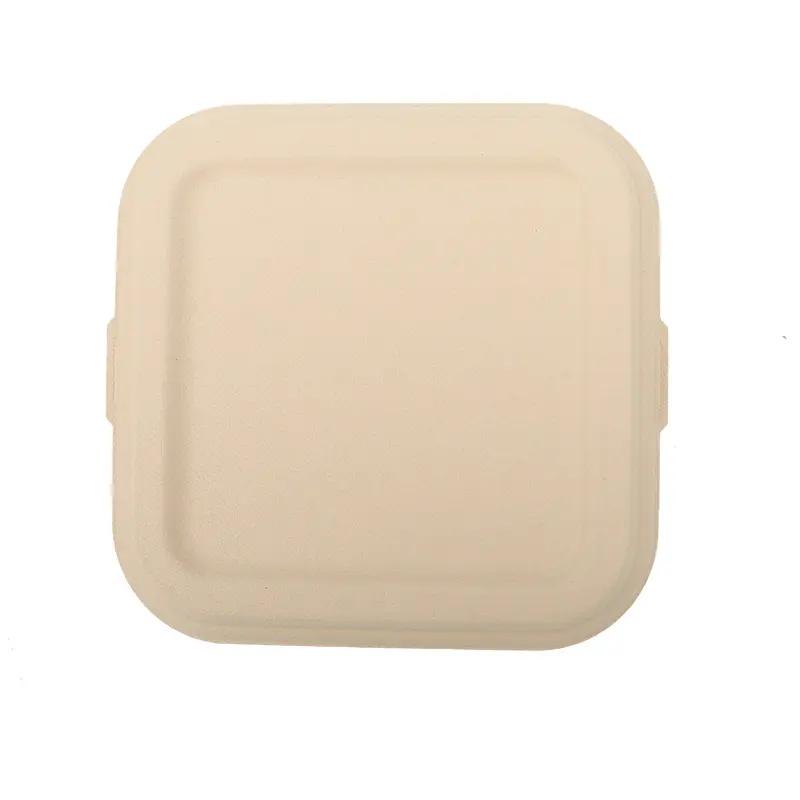
Exploring the Benefits and Applications of Compostable Molded Pulp 5-Compartment Tray Lid in Sustainable Packaging
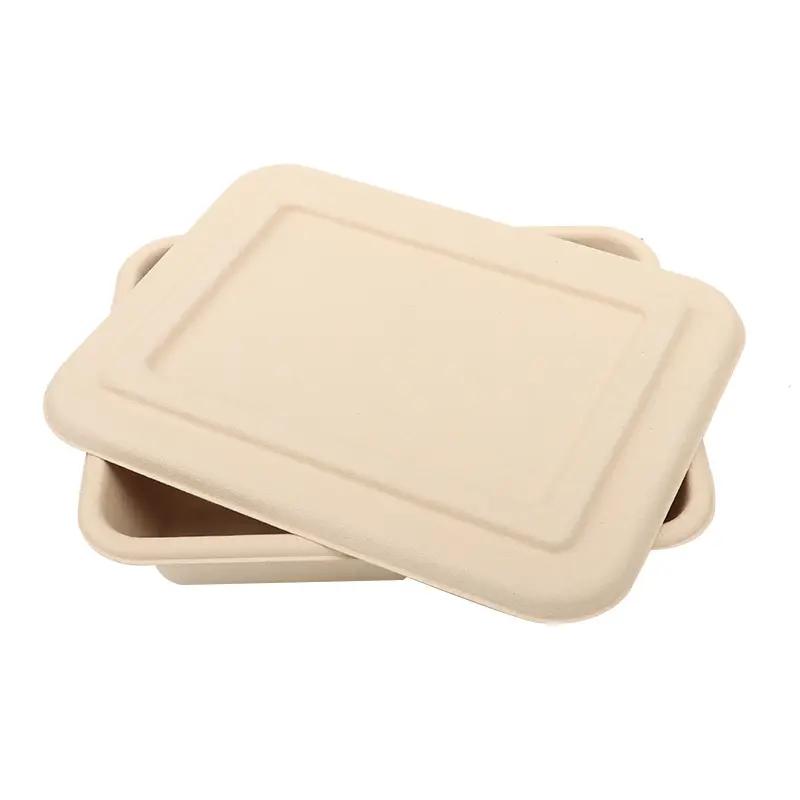
The shift towards sustainable packaging solutions has gained immense traction, with compostable molded pulp products emerging as a popular choice. The 5-compartment tray lid made from bamboo pulp fiber is a notable example, designed to cater to the needs of both food retailers and consumers seeking eco-friendly options. With dimensions of L280 x W219 x H40mm and a natural beige color, this tray lid seamlessly integrates with various styles of food presentation while reinforcing commitment to sustainability.
The advantages of this Compostable Tray lid are significant. It boasts waterproof and oilproof features, along with high-temperature resistance—capable of withstanding water or oil at 95°C for a full 30 minutes without compromise. This makes it suitable for various culinary applications, including microwave and oven use, where it can sustain temperatures of up to 220°C for brief periods. Additionally, its ability to endure storage at minus 18°C for up to three months adds to its versatility, ensuring that it meets the demands of food service and consumer convenience.
Beyond functionality, the product aligns with an array of certifications that underscore its environmental credentials, including BPI, BRC, OK COMPOST, and FSC. Such certifications not only enhance consumer confidence but also promote awareness of sustainable practices within the packaging industry. The introduction of the compostable molded pulp 5-compartment tray lid exemplifies a positive step towards reducing plastic waste, fostering a circular economy, and promoting greater responsibility in packaging choices.
FAQS
: Certifications indicate a commitment to quality and safety, reducing risks for buyers.
About 70% of global buyers prioritize certified suppliers according to various industry reports.
Buyers should conduct audits and check certifications to ensure suppliers meet compliance guidelines.
Suppliers may quote high prices initially. Being patient and informed helps in negotiations.
Strong relationships foster trust, helping both parties navigate challenges better over time.
Frequent check-ins ensure alignment on quality and delivery, building rapport between parties.
It indicates a supplier's reliability and commitment, establishing mutual respect through clear standards.
Personal visits provide insights into the production process and show commitment to the partnership.
Handling mistakes effectively and learning from them is crucial for maintaining a strong relationship.
Reflecting on past interactions helps identify areas for improvement, enhancing future collaborations.
Conclusion
The article titled "How to Source Laminating Beef Tray for Global Buyers?" provides a comprehensive guide for buyers interested in sourcing laminating beef trays. It begins by clarifying the purpose and applications of laminating beef trays, emphasizing their role in food safety and presentation. Buyers are encouraged to identify quality standards specific to laminating beef trays to ensure product reliability.
Further, the article outlines the steps for researching potential suppliers, highlighting the importance of evaluating certifications and compliance with food safety regulations. Key negotiation strategies for terms and pricing are discussed, along with logistics considerations essential for global trade. Lastly, the article stresses the value of building long-term relationships with suppliers, which can lead to sustained success in sourcing high-quality laminating beef trays.

 Box With T buckle
 700ml Square Lunch Box
 500ml
 700ml
 850ml
 800ml 2 Compartments
 1000ml 2 Compartments
 1100ml
 1000ml Square Lunch Box
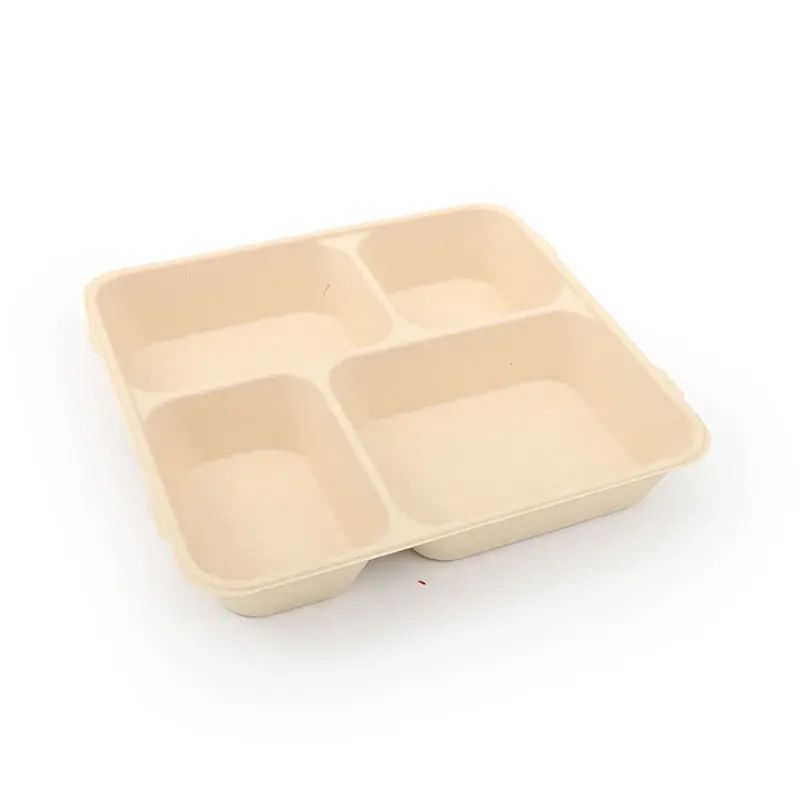 1340ml 4 Compartments
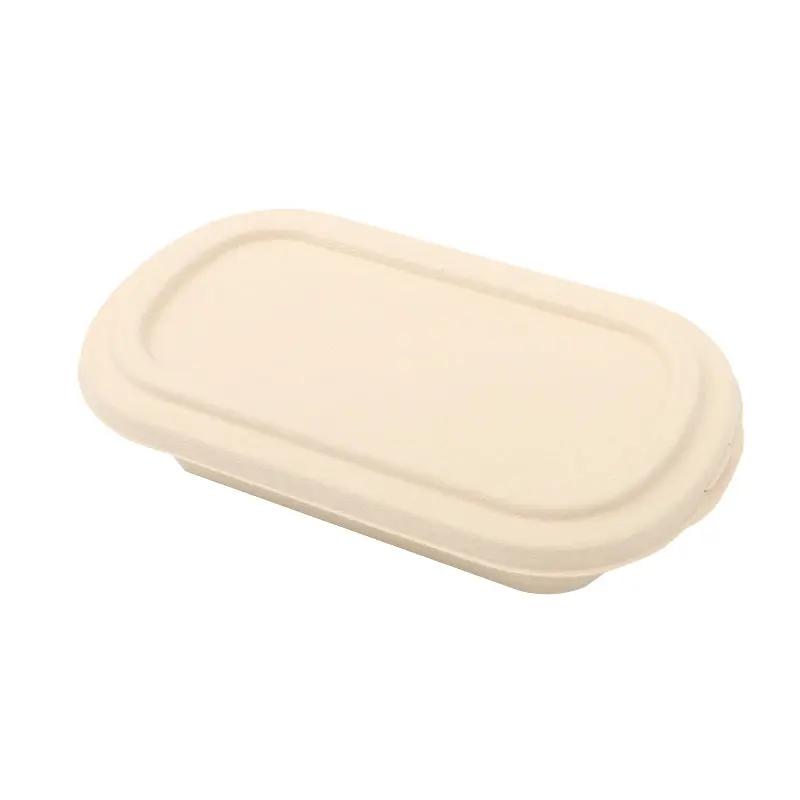 Lunch Box Lid
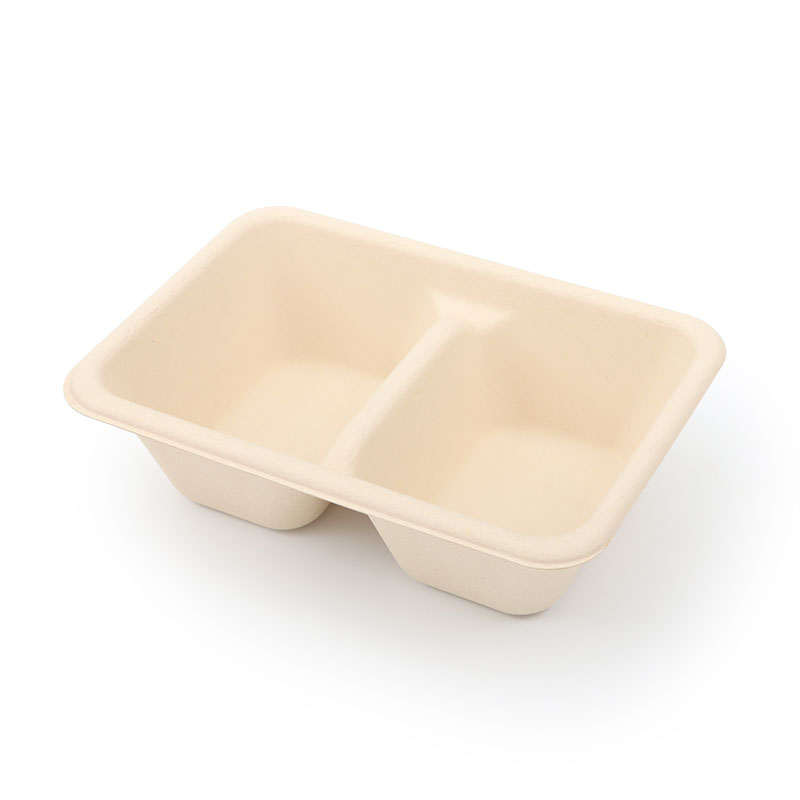 650ml
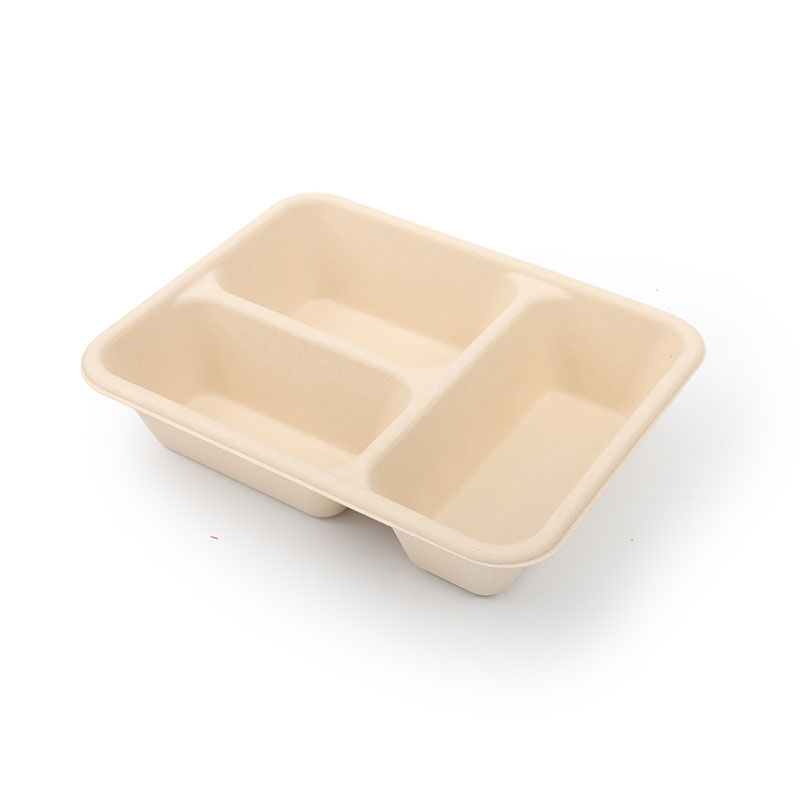 1000ml 3 Compartments
 1250ml 5 Compartments
 Square Lunch Box Lid
 Box Without T buckle
 850ml Salad Box
 700ml
 1350ml
 470ml
 2183ml Tray Box
 11" * 9"
 800ml
 One Part Box
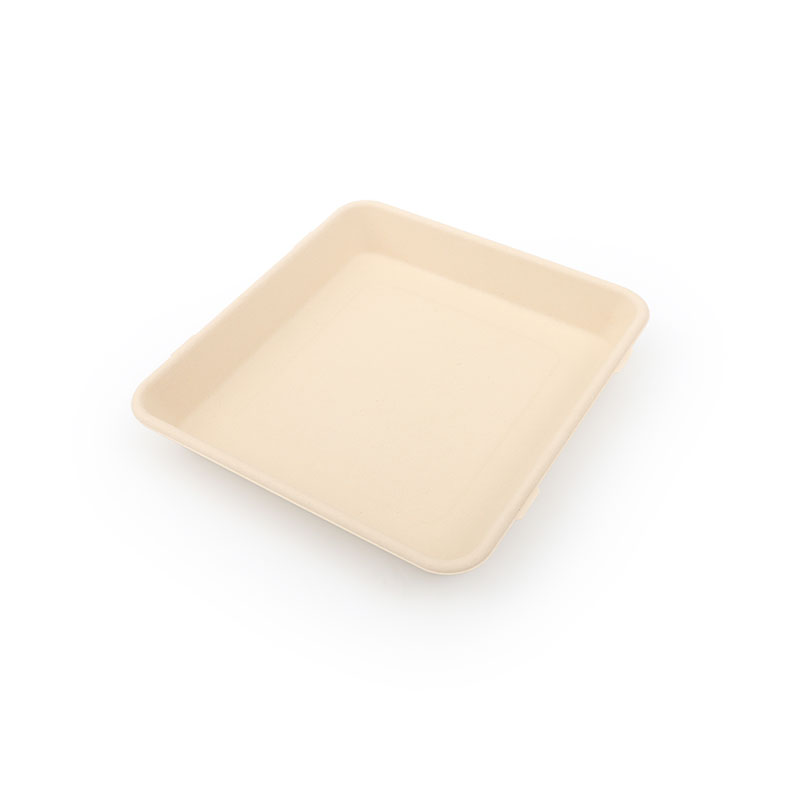 1443ml Tray Box
 Cake Bread Snack Tray Series
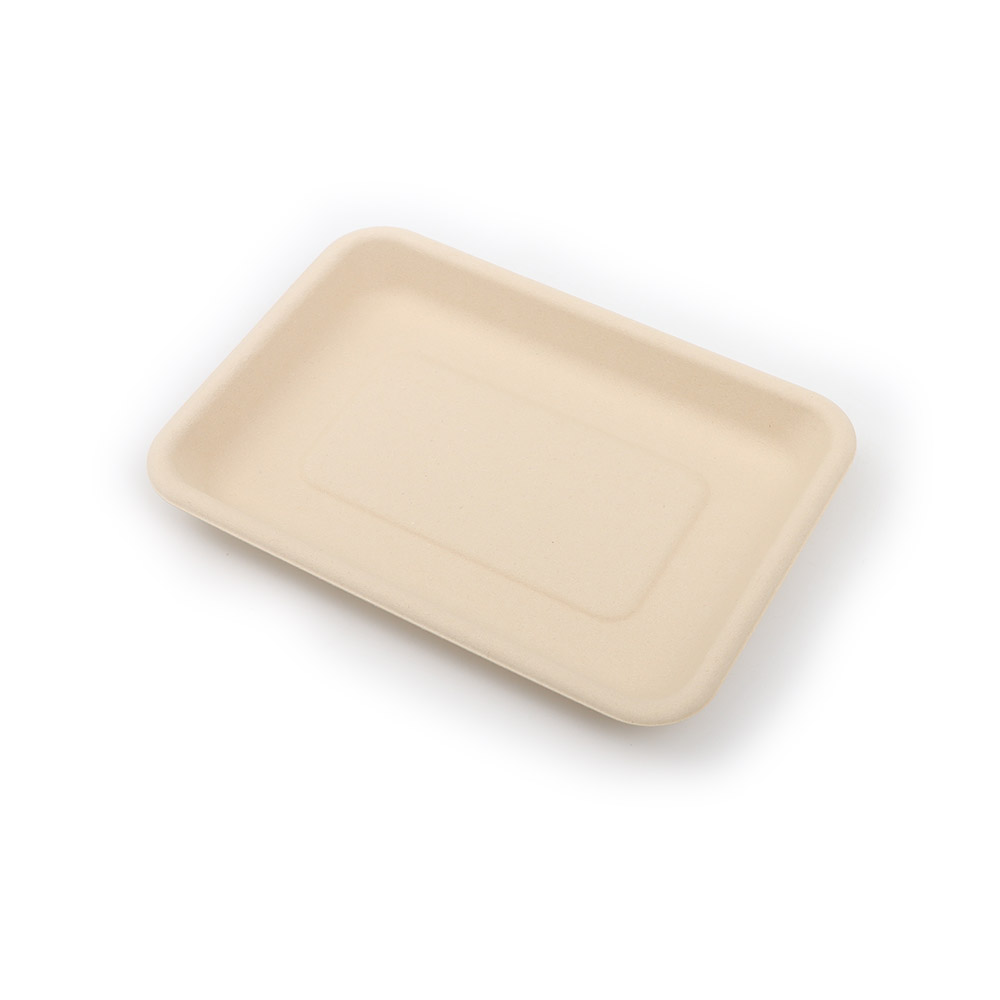 5" * 7" natural color
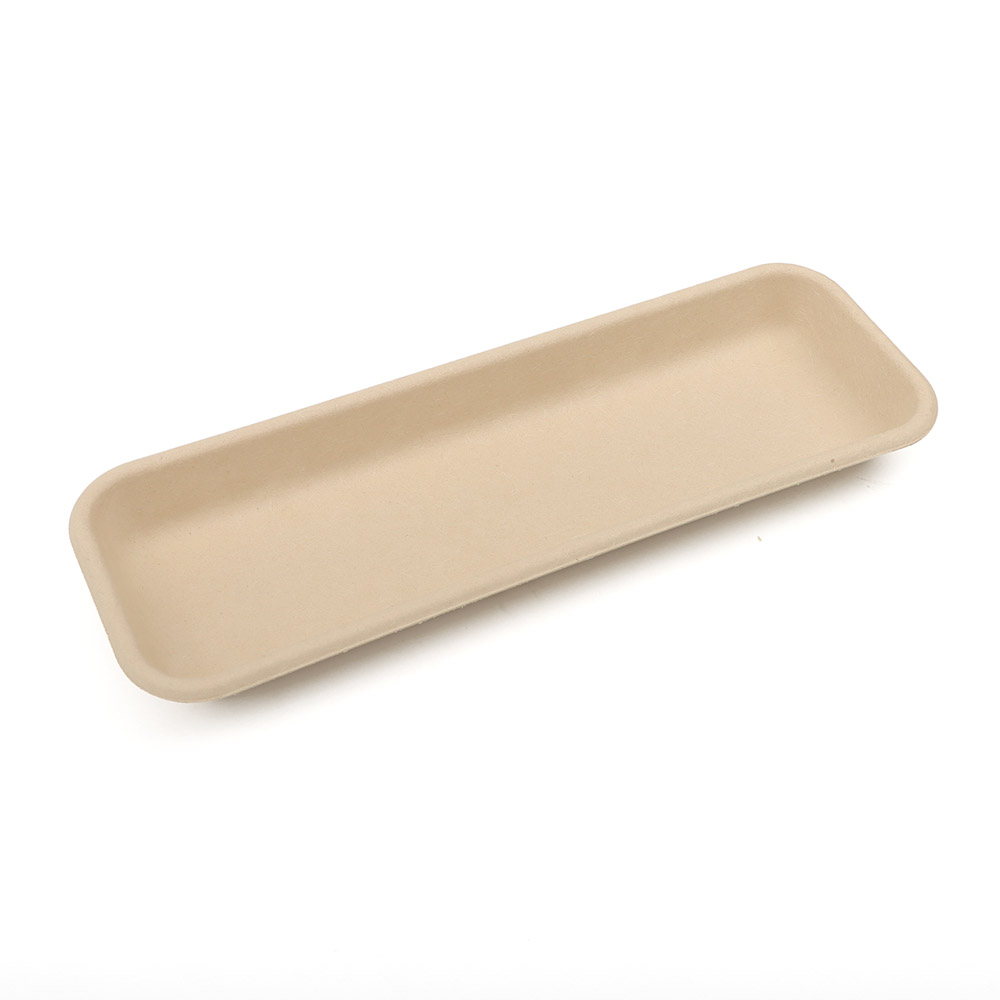 11.4" * 3.9"
 5.3" * 5.3"
 Fruit And Vegetable Tray Series
 8.6" * 5.3"
 Sushi Tray Series
 200" * 140"
 210" * 110"
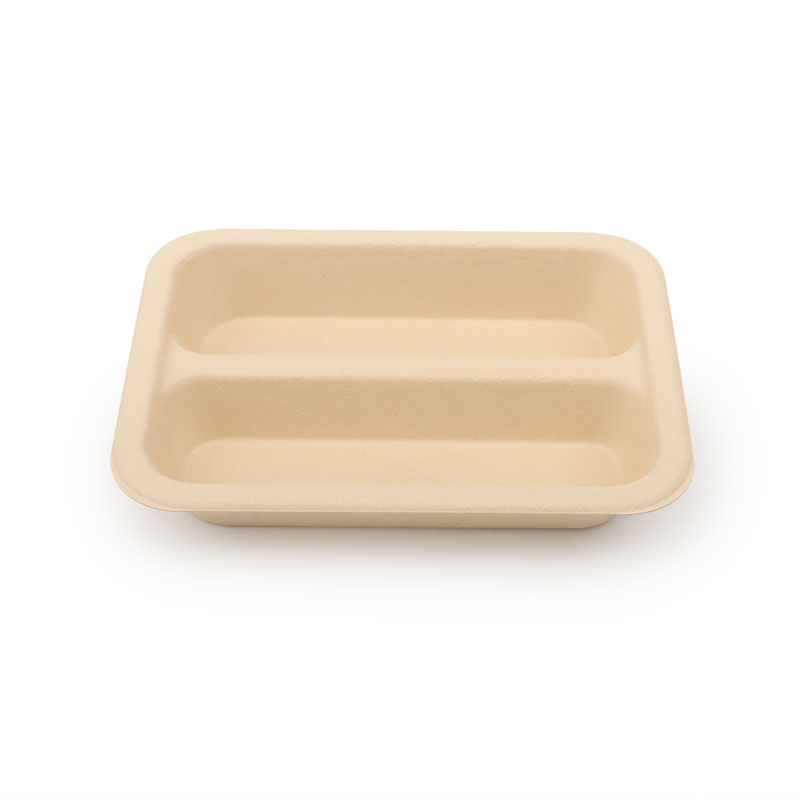 2 Compartments
 Small Round Plate Series
 7 inch
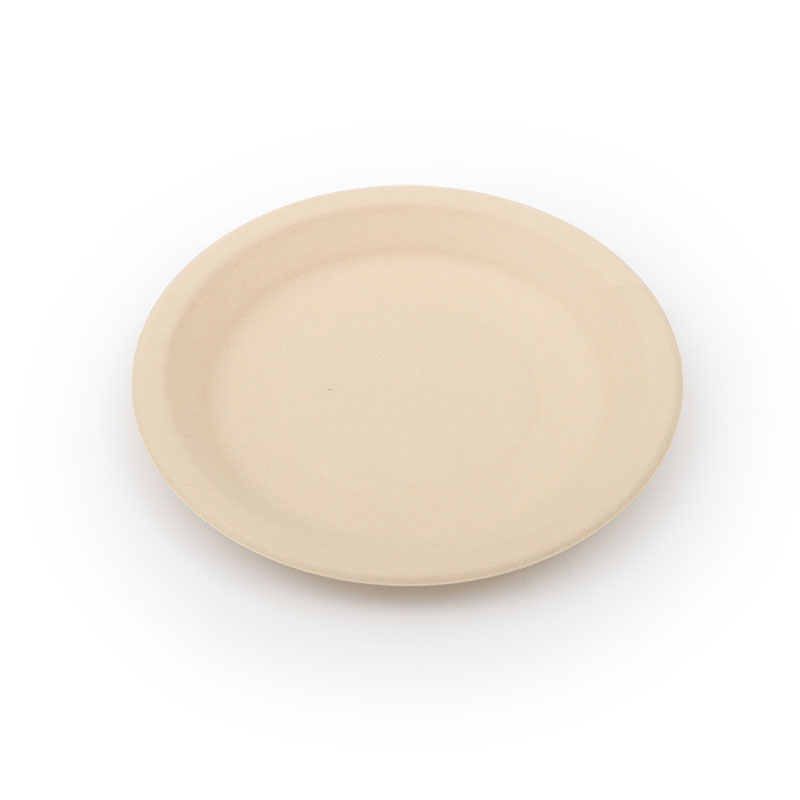 6 inch
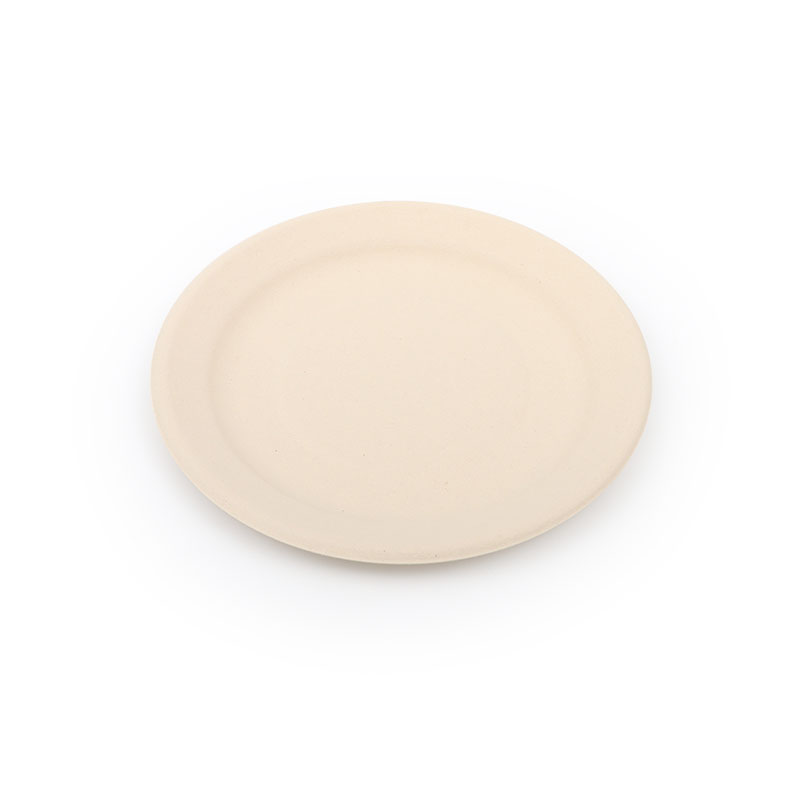 8 inch
 Middle Round Plate Series
 9 Inch 3 Compartments
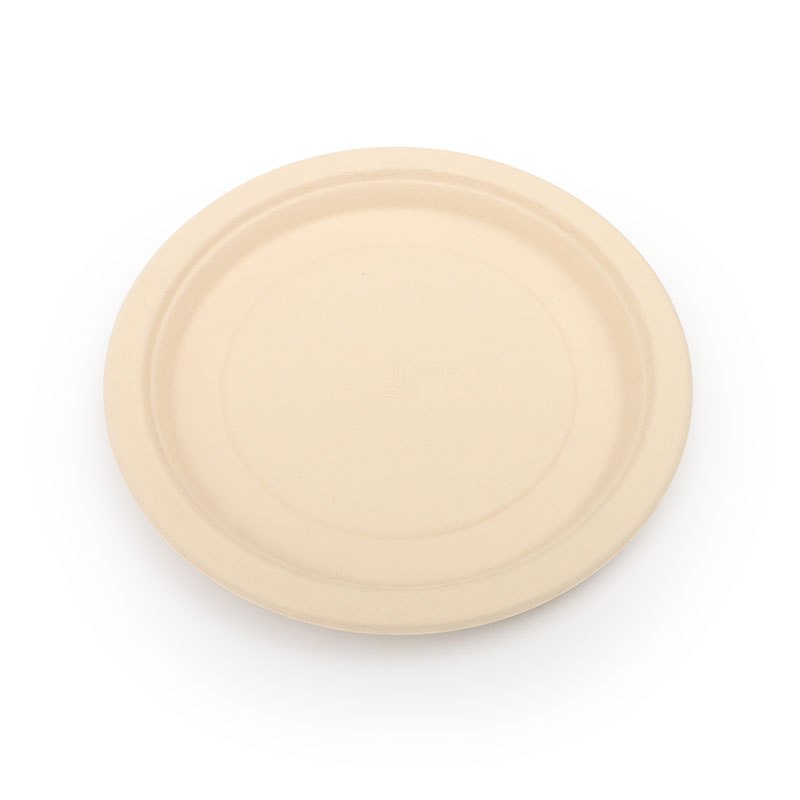 9 inch
 Big Round Plate Series
 12.7 Inch Pizza Plate
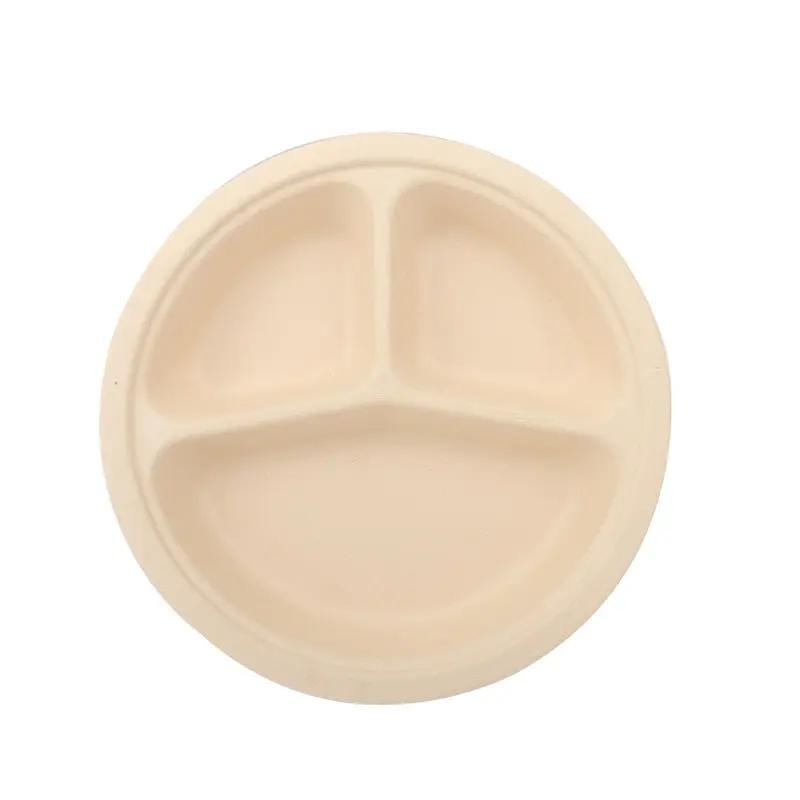 10.25 inch 3 Compartments
 10 inch
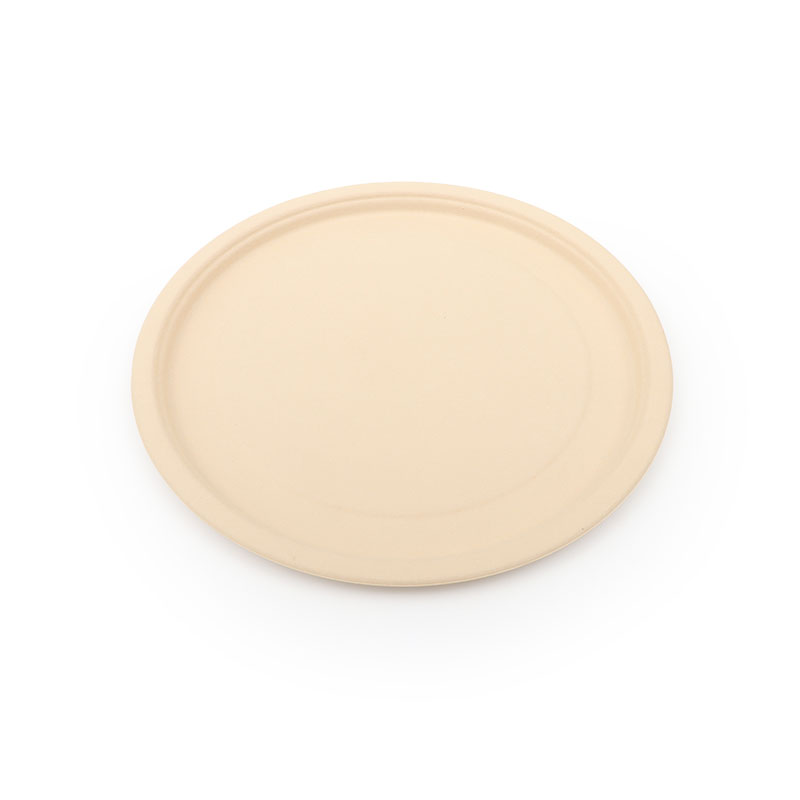 12 inch
 Bigger Bowl
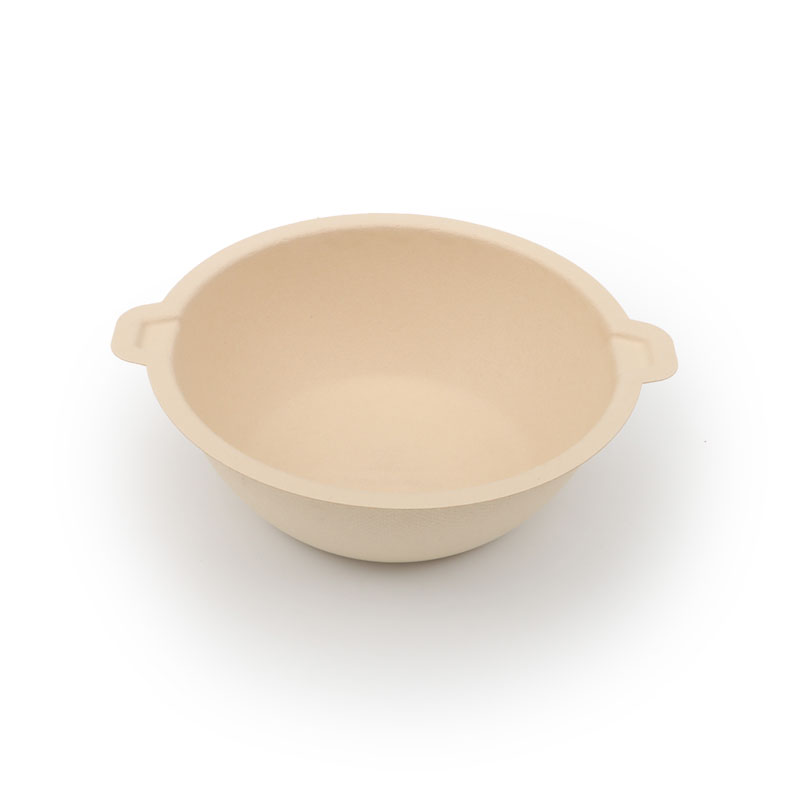 48oz(1420ml)
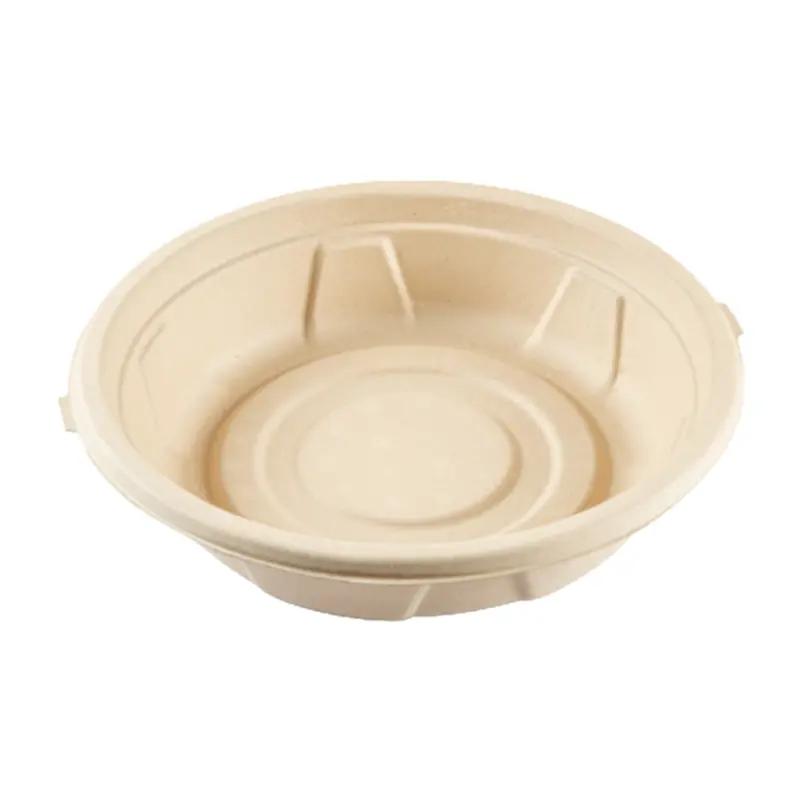 56oz(1650ml)
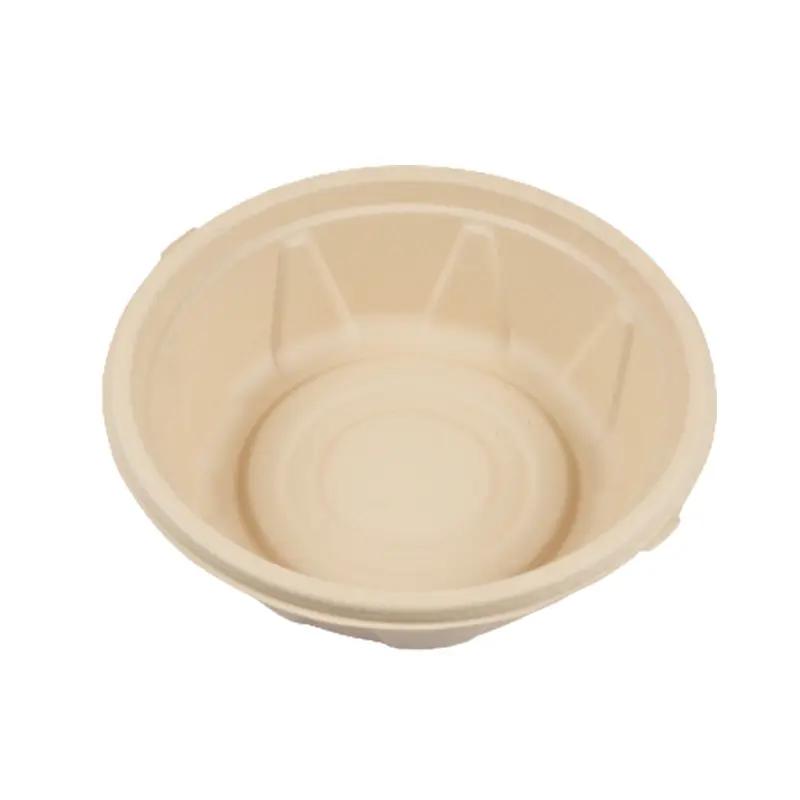 100oz(2950ml)
 100oz(2950ml) With Lid
 Middle Bowl
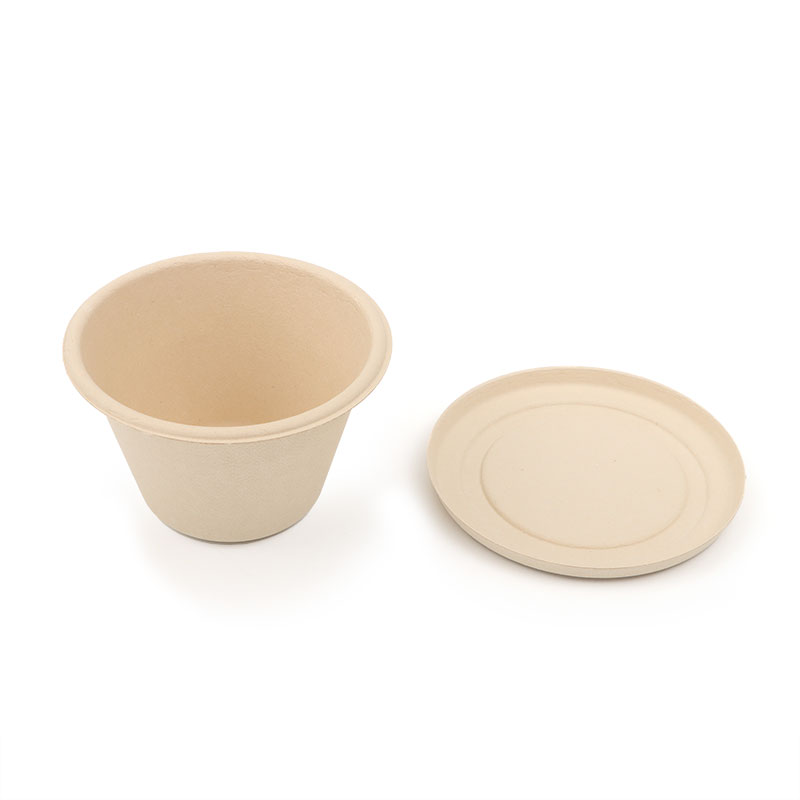 17oz(500ml)
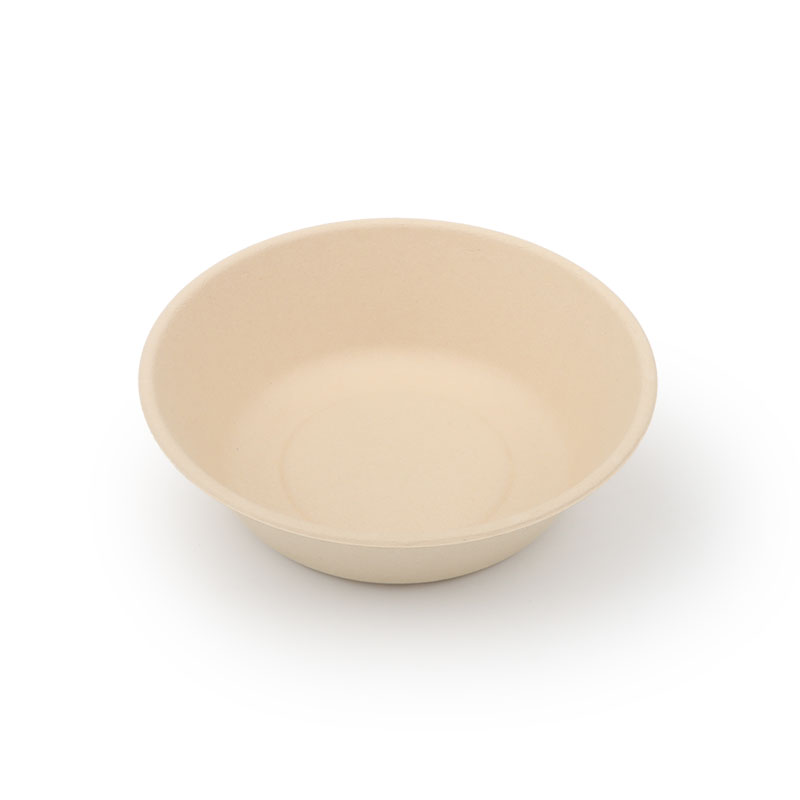 27oz(800ml)
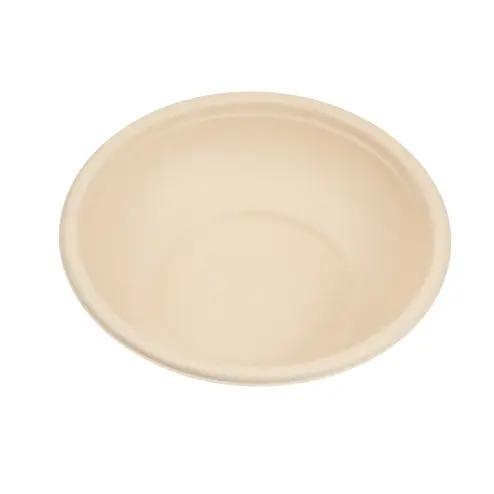 20oz(600ml)
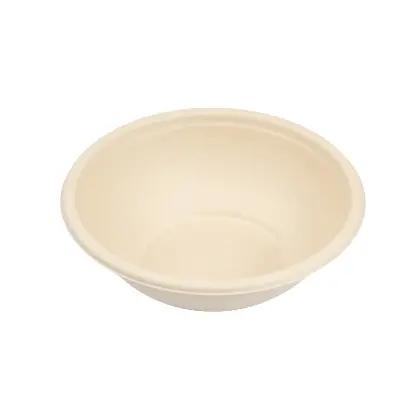 29oz(850ml)
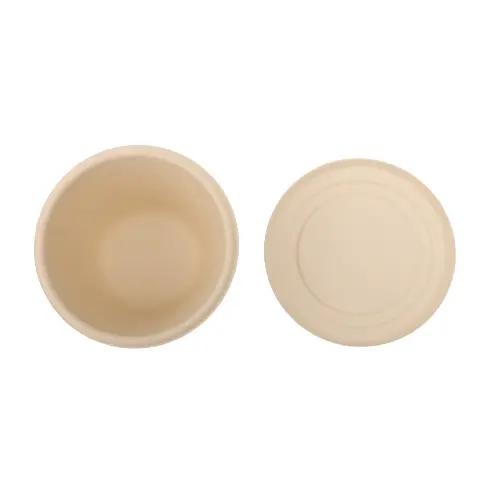 17oz(500ml) With Lid
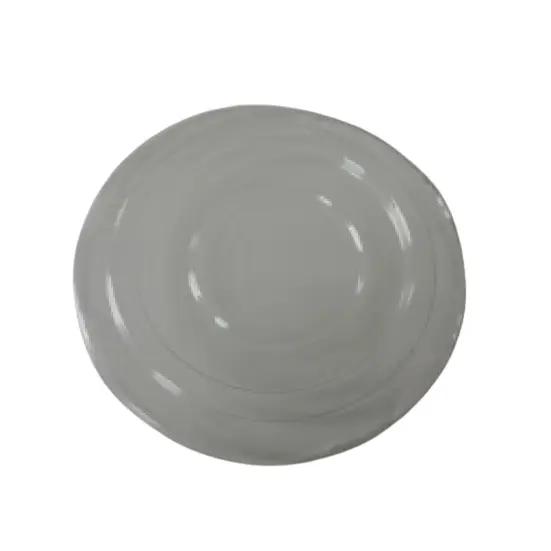 17oz(500ml) PET Lid
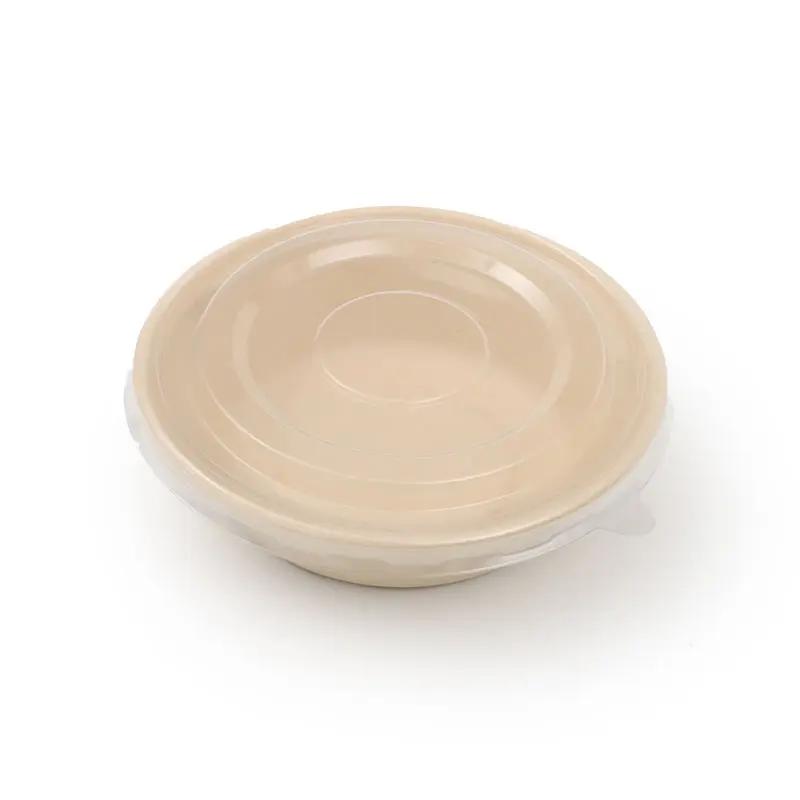 28oz(830ml) PET Lid
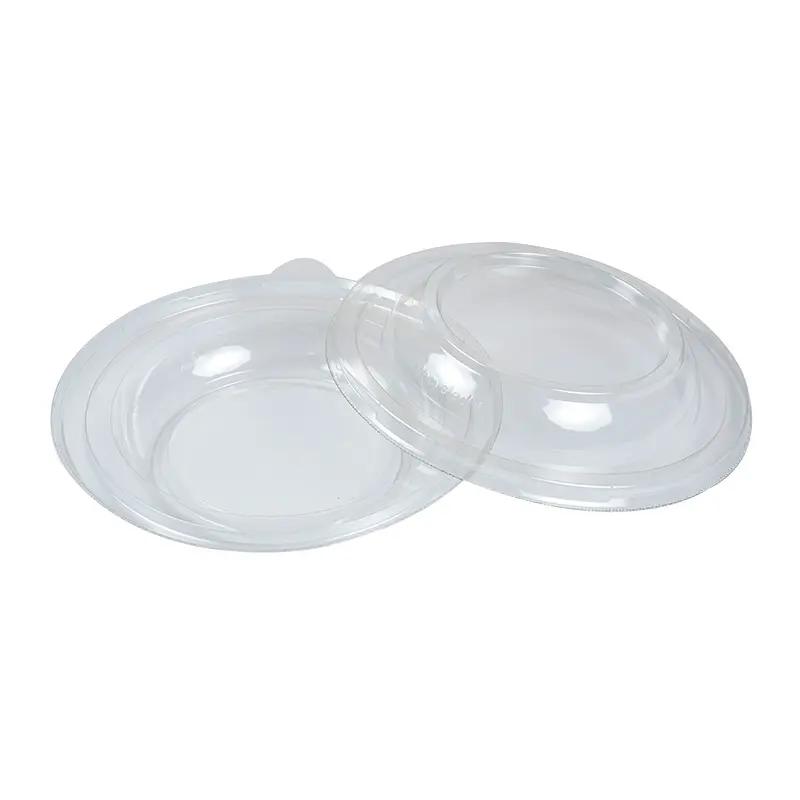 Round Bowl PET
 Small Bowl
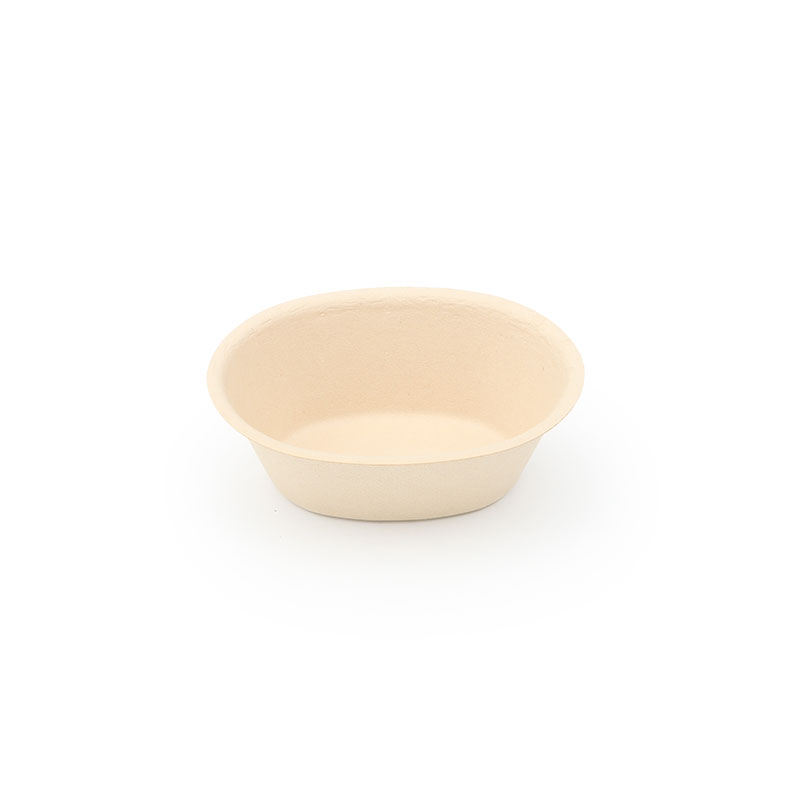 Snack Bowl
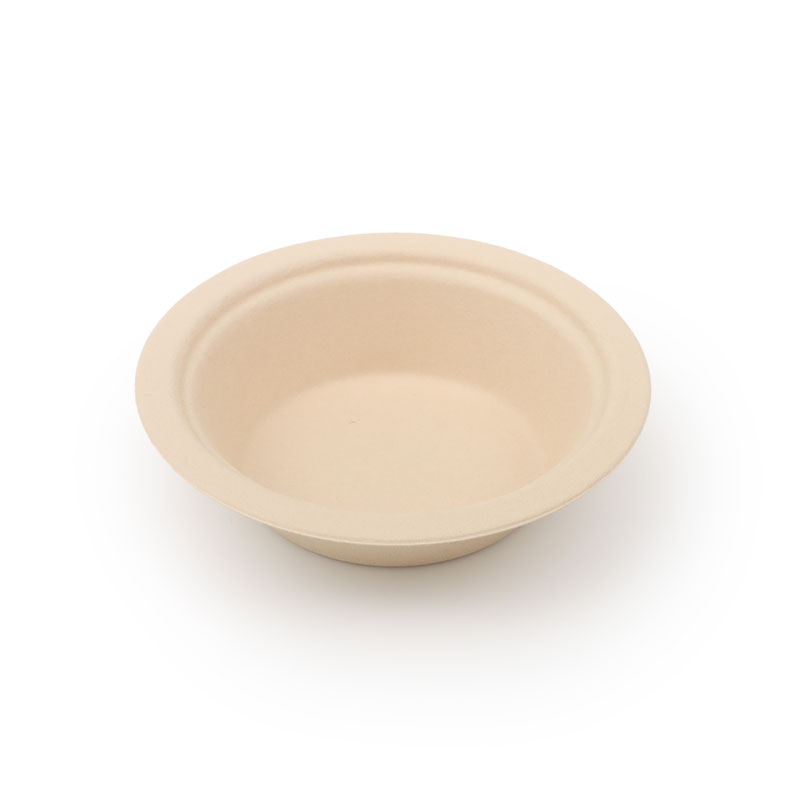 11.5oz(340ml) Bowl
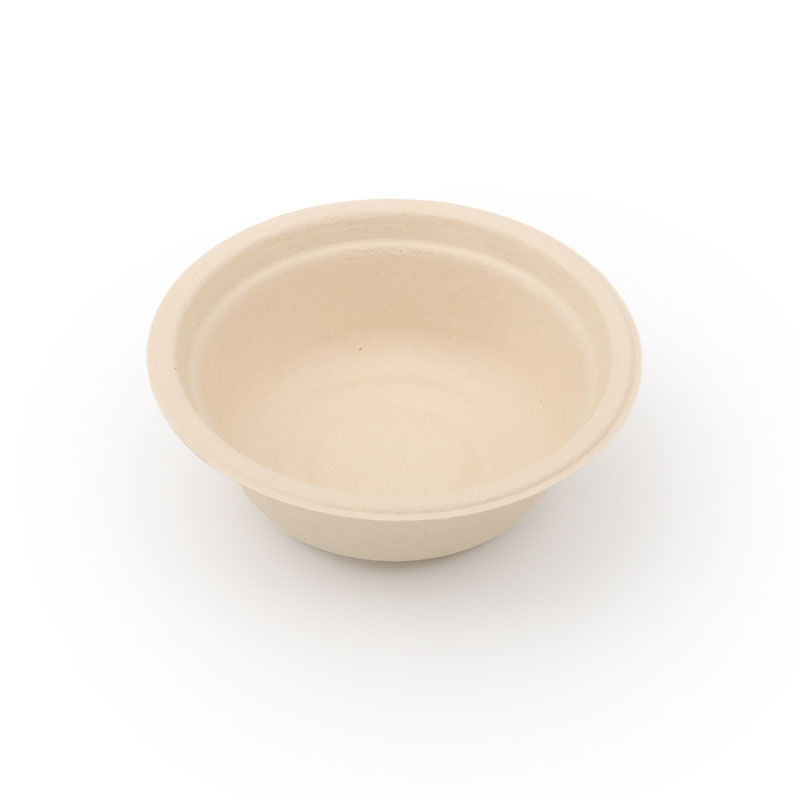 6.7oz(200ml) Bowl
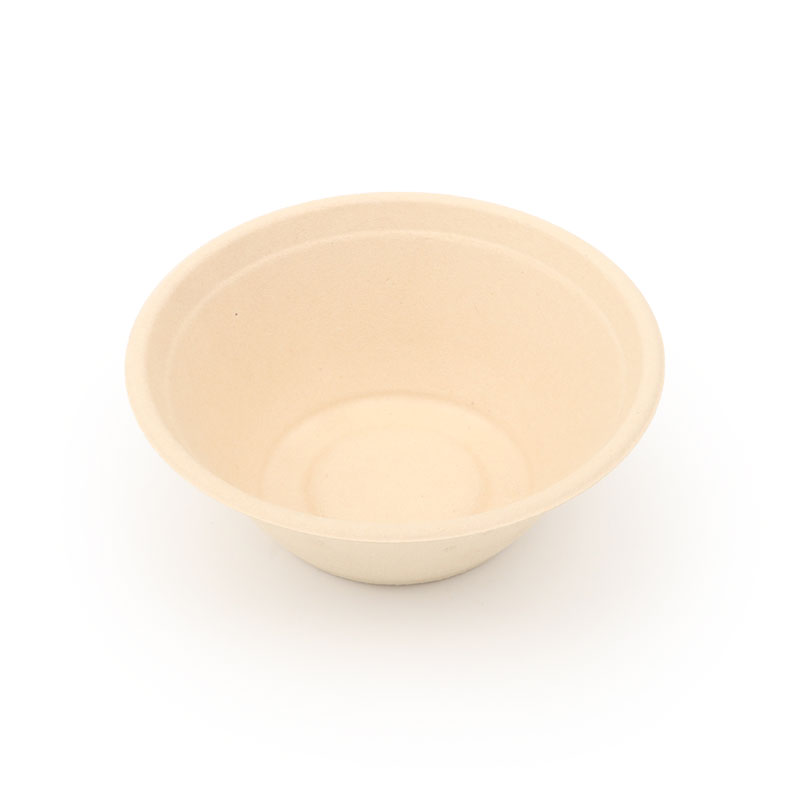 12oz(350ml) Bowl
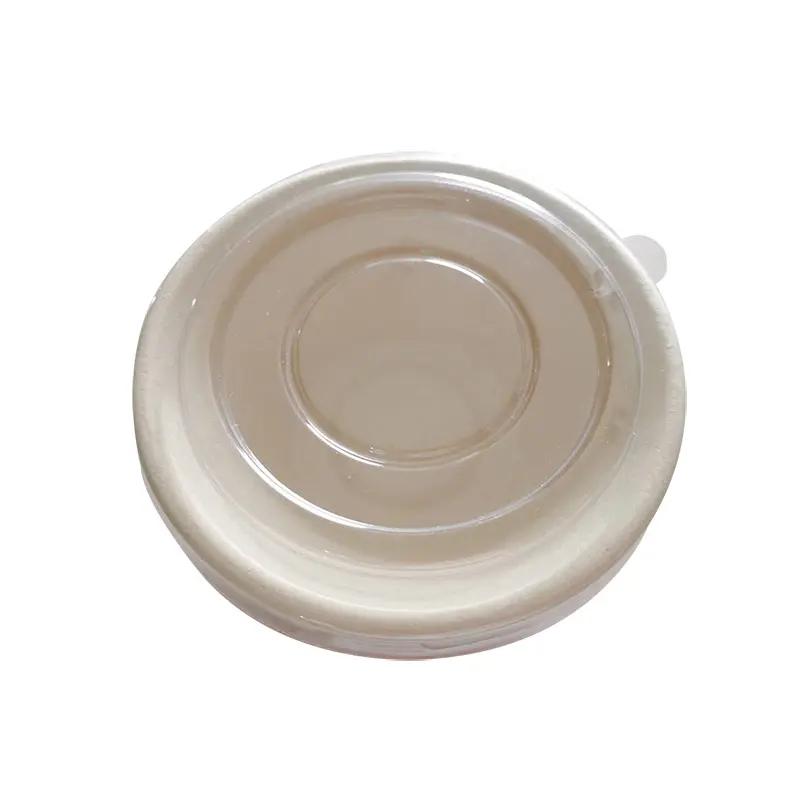 12oz(350ml) Bowl PET
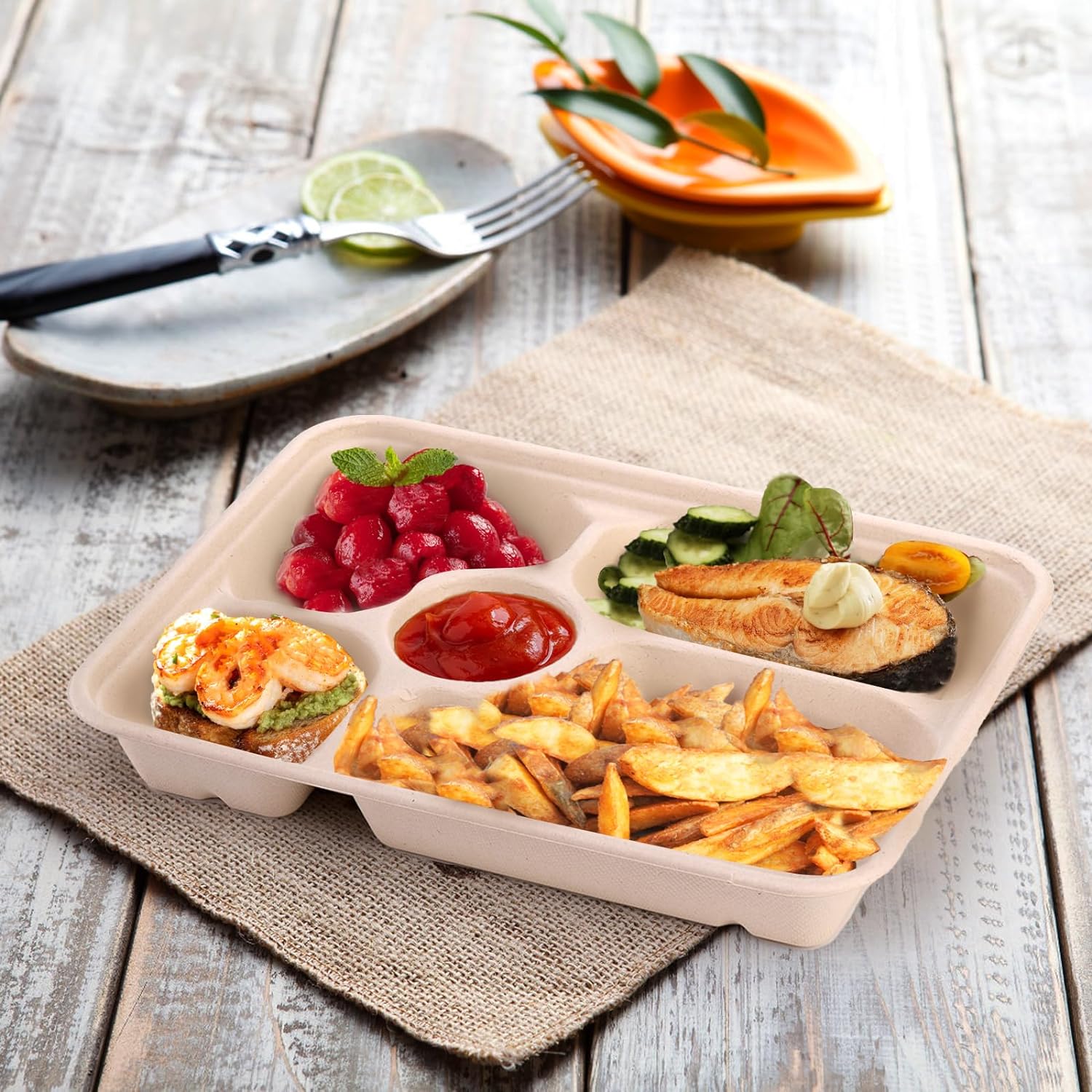 Bagasse Lunch Boxes
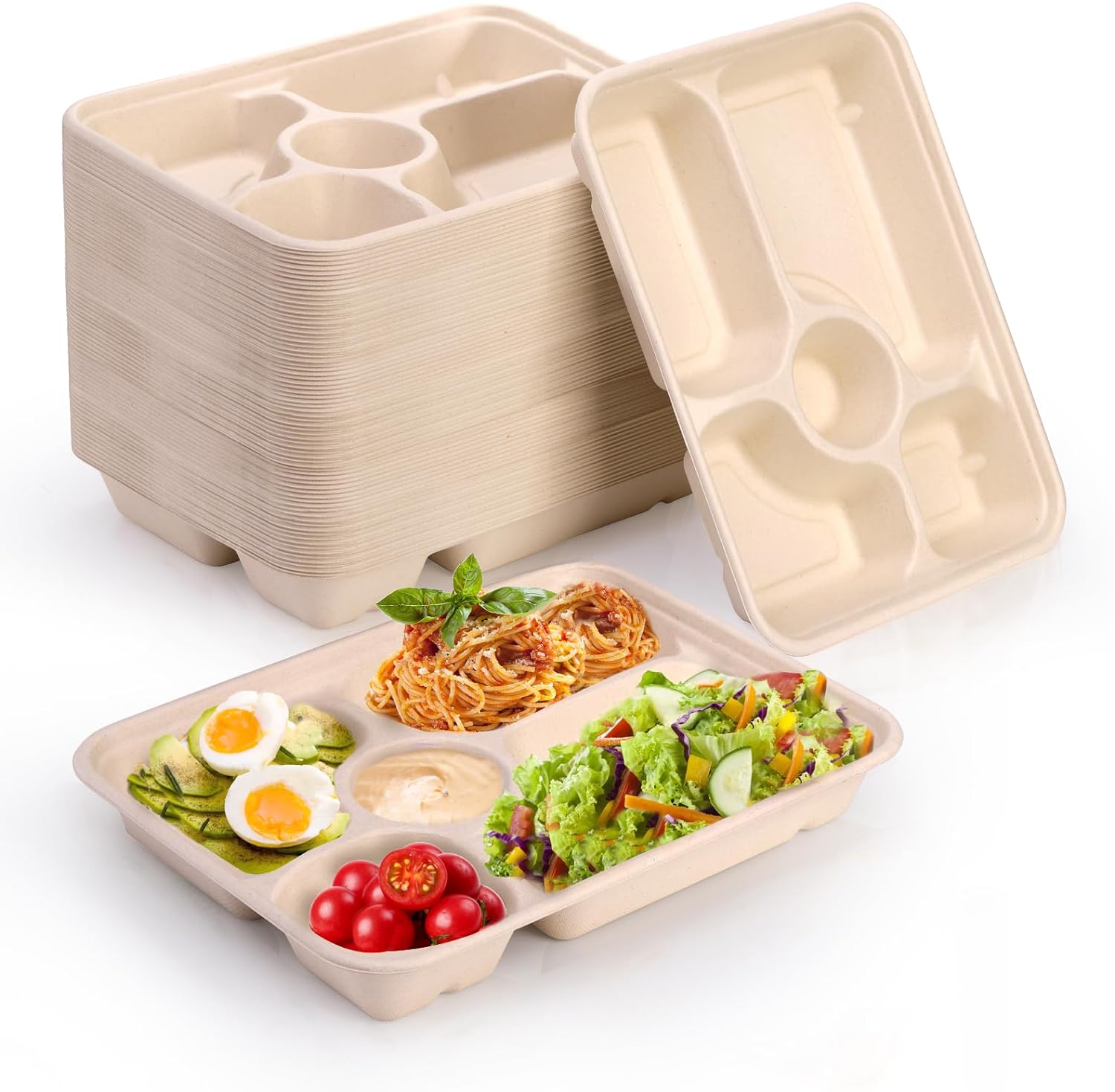 5CP
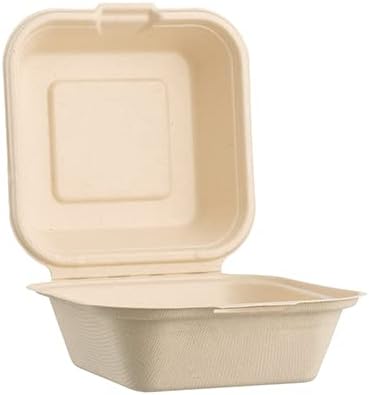 6 inch
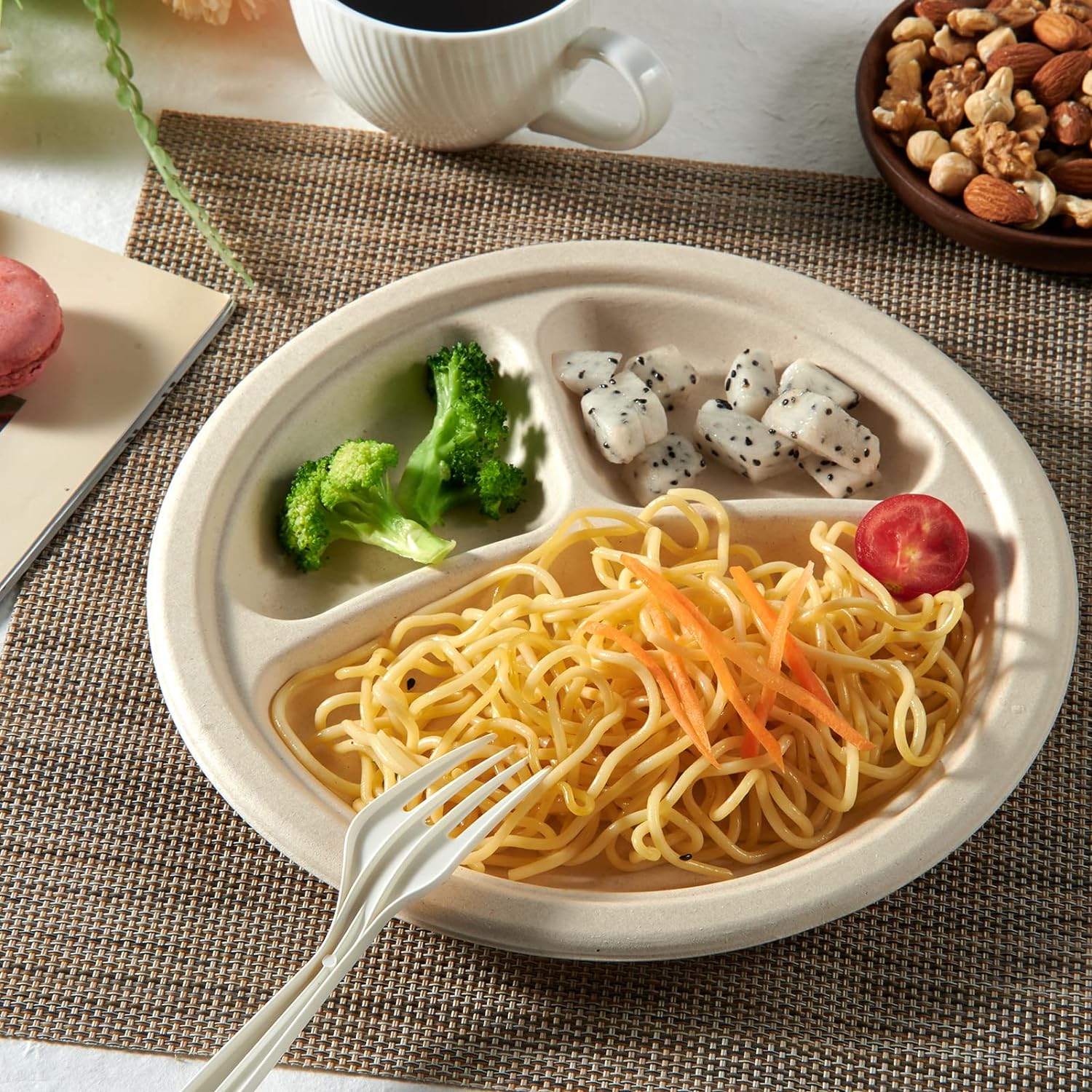 Bagasse Food Plates
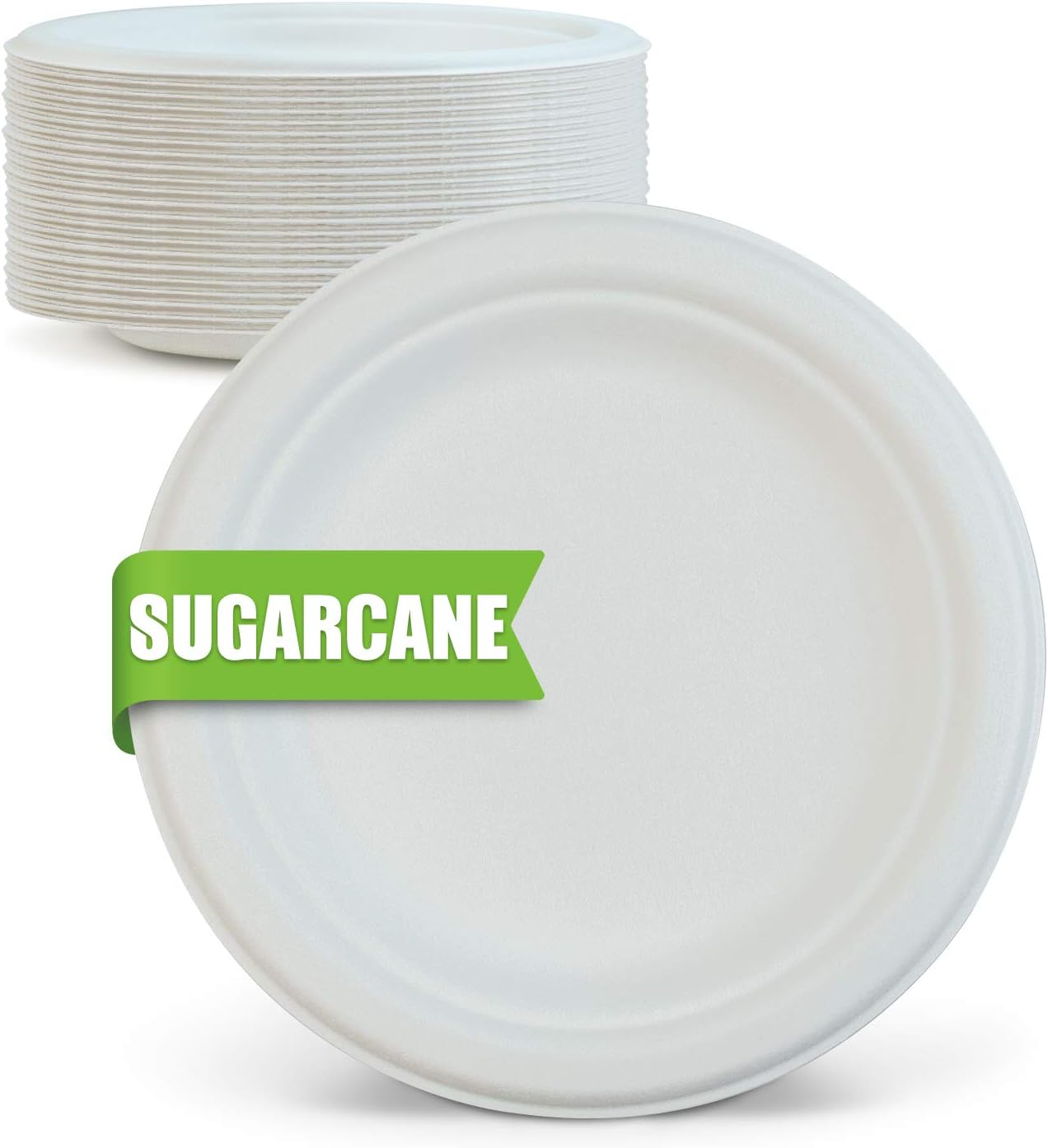 7 inch
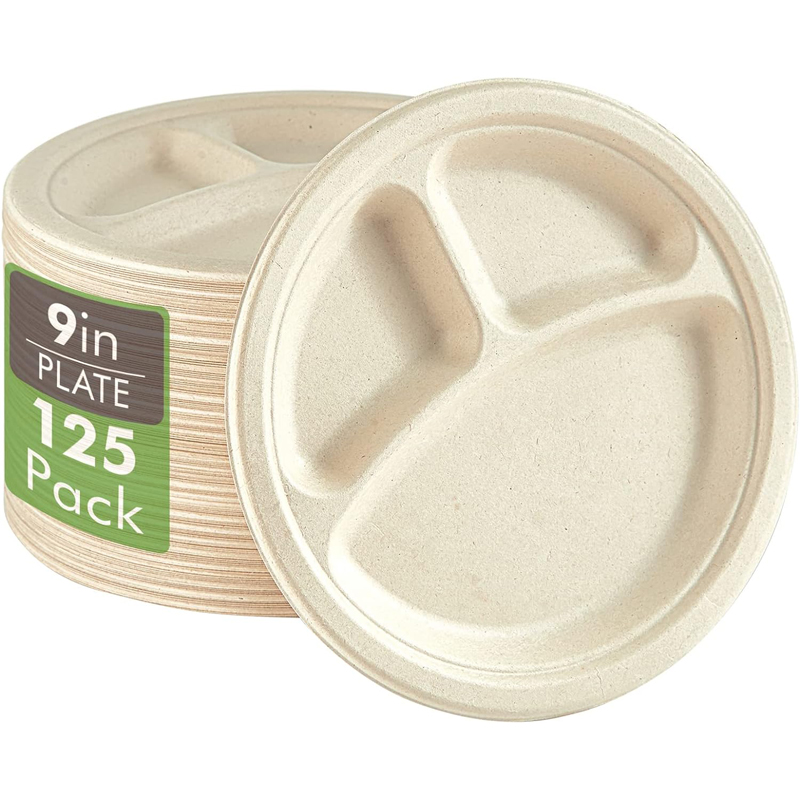 3CP
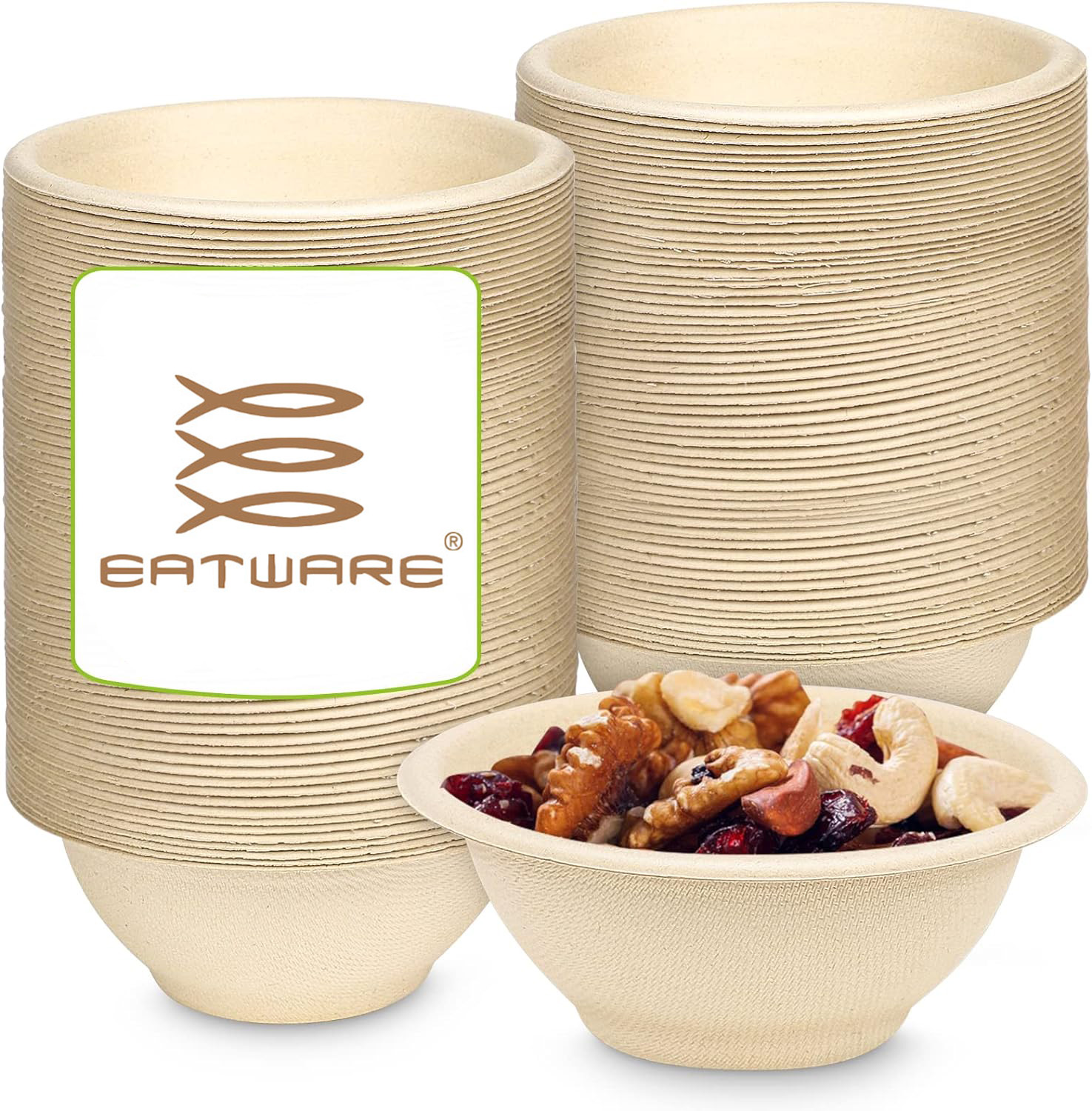 Bagasse Bowls
 4oz
 Bagasse Cups And Cutlery
 8oz
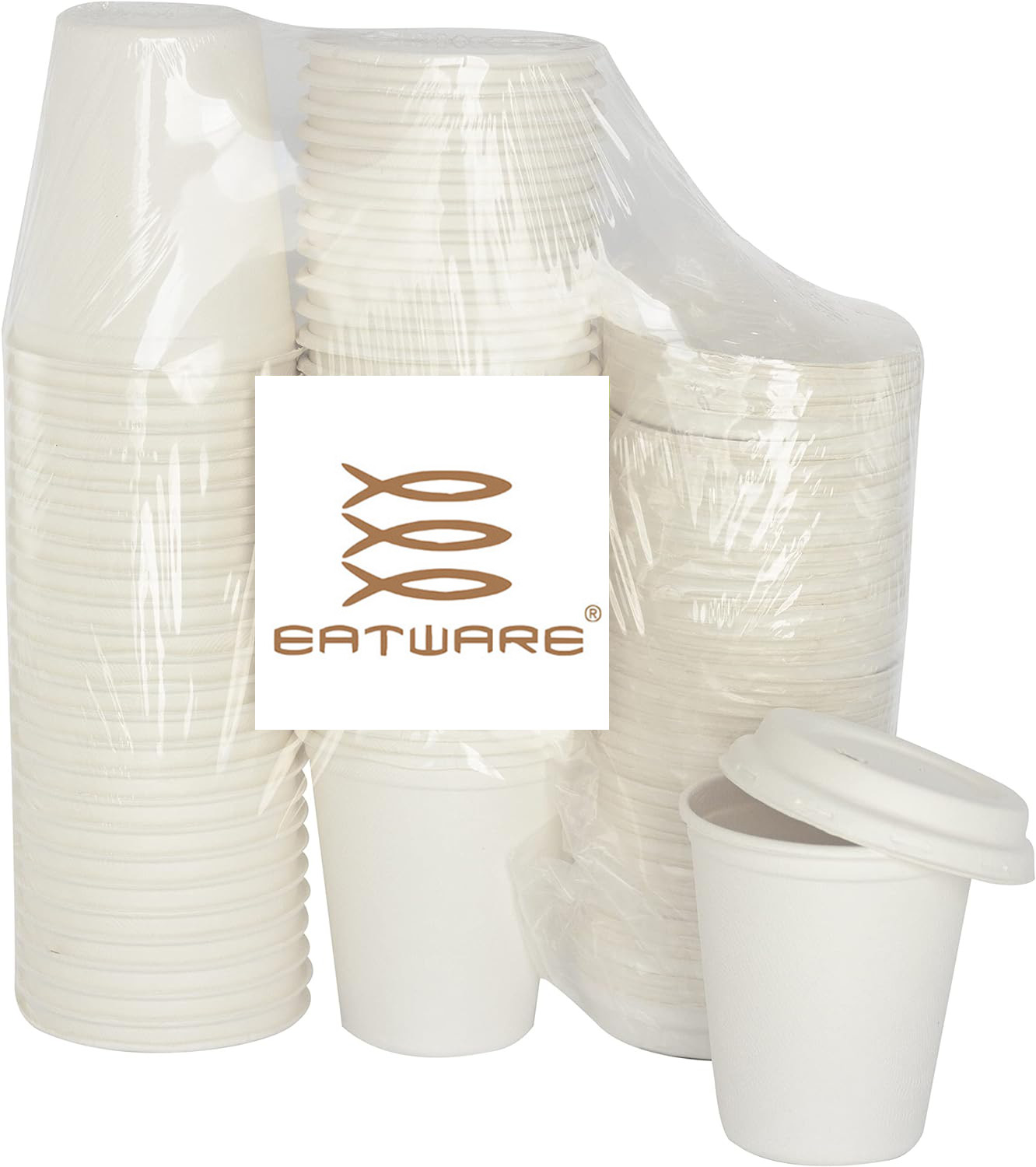 12oz
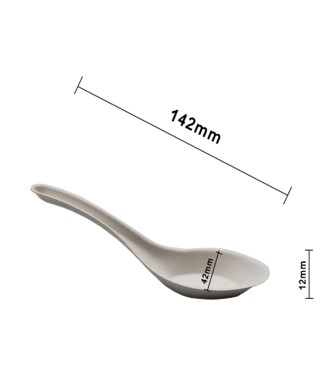 Cutlery


