In today’s ever-changing world of food preservation, map modified atmosphere packaging really stands out as a game-changer. It’s not just about making food last longer—although that’s a big plus—it’s also about keeping things fresher and tasting better. You know how nowadays everyone’s super picky about freshness? Well, companies like FreshPack Solutions are really leveraging this tech to meet those demands.
When you choose map modified atmosphere packaging, there are definitely some perks. First off, it helps cut down on food waste, which is pretty important these days. Plus, retailers love it because their products look appealing and stay fresh for longer on the shelves. But honestly, it’s not just plug-and-play—you gotta get it right. Mess up the sealing or mess with the gas mix, and all those benefits could vanish.
Getting trust in this kind of packaging comes down to understanding how it works. Companies really need to invest in learning about the science behind it and train their staff so everyone’s on the same page. Talking about this tech openly is crucial if we wanna keep improving quality and efficiency. That said, not everything is suitable for MAP—picking the right products and applying the technology thoughtfully is key if you want the best results. It’s definitely a bit of an art and science combined.
All in all, it’s an exciting tool in the food preservation toolkit—if used properly, it can make a real difference!

Benefits of Enhanced Shelf Life through MAP Technology
Enhanced shelf life is a significant benefit of modified atmosphere packaging (MAP) technology. Research indicates that MAP can extend the shelf life of perishable products by 2 to 5 times compared to traditional packaging. This is particularly crucial in the food industry, where freshness is vital. A study by the Food and Agriculture Organization estimated that 1.3 billion tons of food waste occur annually due to spoilage. Implementing MAP can drastically reduce this waste by keeping products fresher for longer.
Moreover, the use of MAP in packaging slows down microbial growth. By adjusting the levels of gases like oxygen and carbon dioxide, the growth of bacteria and mold is inhibited. For instance, a controlled atmosphere can reduce the need for preservatives in many products. However, the effectiveness of MAP depends on precise gas mixtures and product types. Not all products respond equally to modified atmosphere packaging, which is a consideration for manufacturers.
The shift towards MAP presents both opportunities and challenges. While it offers improved shelf life and reduced waste, not all companies adopt this technology. The initial investment and the need for specialized equipment can deter some businesses. Understanding the balance between these factors is essential for stakeholders in the food supply chain.
Top 10 Benefits of Map Modified Atmosphere Packaging for Buyers
Improved Food Safety Standards with MAP Packaging
Modified atmosphere packaging (MAP) has emerged as a game-changer in food safety. This technology modifies the composition of gases in packaging to extend shelf life. According to a report by MarketsandMarkets, the global MAP market is expected to reach over $20 billion by 2026. This growth underscores the increasing demand for effective food preservation methods.
One significant advantage of MAP is its role in reducing foodborne pathogens. Research shows that altering oxygen and carbon dioxide levels can inhibit the growth of harmful bacteria. For instance, a study indicated that MAP can decrease the risk of E. coli and Salmonella in packaged produce by up to 90%. These reductions enhance consumer trust and safety in food products.
However, challenges remain. While MAP improves food safety, not all food items respond equally to this method. Some foods may still spoil despite MAP, necessitating ongoing research. Additionally, the packaging materials must meet stringent regulatory standards. It's essential for suppliers to focus on both the technology and materials used in modified atmosphere food packaging. Collaboration with food safety experts can help navigate these complexities and address potential shortcomings in MAP applications.
Reduction of Food Waste via Modified Atmosphere Techniques
The reduction of food waste is a pressing issue globally. Modified atmosphere packaging (MAP) plays a vital role in addressing this challenge. By controlling the composition of gases surrounding food, MAP significantly extends shelf life. It slows down the growth of bacteria and mold, which are primary culprits in food spoilage. This technology can lead to fewer discarded products in stores and homes.
In practical terms, the benefits are clear. Fruits and vegetables maintain their freshness for a longer period, reducing the likelihood of waste. Consumers appreciate the longer-lasting quality, making it more feasible to buy in bulk. The nutritional value of packaged items remains intact, which is often lost in traditional packaging. However, it’s essential to be cognizant of over-reliance on technology. While MAP is effective, it does not eliminate the need for proper food storage practices at home.
Some critics raise concerns about transparency. There is a growing demand for information regarding the safety and environmental impact of MAP materials. This calls for continuous improvement and innovation in the field. Exploring sustainable practices should be a priority, balancing effective packaging with ecological responsibility. The conversation around MAP must evolve, ensuring that while we embrace technology, we also address these crucial concerns.
Cost-Effectiveness of MAP Solutions for Retailers and Consumers
Modified Atmosphere Packaging (MAP) brings significant cost advantages for retailers and consumers alike. By extending the shelf life of perishable products, MAP reduces waste. This is crucial in grocery stores where unsold food often ends up in landfills. With reduced spoilage, retailers can maintain lower inventory costs. They can offer fresher options without the fear of losses due to expired goods.
For consumers, map packaging meansmore savings. Products stay fresh longer, allowing families to buy in bulk. This reduces the frequency of shopping trips, saving both time and money. Fresh produce and meats packaged using MAP retain their quality and flavor. This gives consumers confidence in their purchases, ensuring they get value for their money.
However, it's important to consider potential drawbacks. Some customers may struggle to trust MAP-packaged items. They might question the safety of the modified atmosphere. Clear labeling and transparency can help in addressing these concerns. Engaging consumers through education about MAP’s benefits is essential. Effective communication will build trust and encourage broader acceptance.
Increased Freshness and Quality of Products in MAP
Map Modified Atmosphere Packaging (MAP) has revolutionized how products maintain their freshness and quality. One standout benefit is its ability to extend shelf life significantly. According to industry reports, fruits and vegetables packaged using MAP can remain fresh up to three times longer than those in traditional packaging. This technology slows down spoilage by creating an optimal gas composition inside the package, which inhibits the growth of microorganisms.
For consumers, the perception of freshness is vital. Studies show that 60% of customers consider product quality primarily based on freshness. MAP not only preserves the product’s appearance but also retains nutrients. For instance, vitamin C content in packaged fruits can remain stable for weeks, reflecting the effectiveness of this technology.
Tip: Always check the packaging date before purchasing. Look for indicators of freshness, such as a vibrant color and intact seals. Another essential point is that while MAP has numerous benefits, not all products are suitable for this packaging method. Some delicate items, like certain types of fish, may require more careful handling and alternative methods to preserve quality effectively. Keep this in mind when shopping.
Environmental Considerations of Using MAP in Packaging
Modified Atmosphere Packaging (MAP) has gained attention for its environmental considerations. This packaging method involves altering the composition of gases inside the packaging to extend shelf life. The process can reduce food spoilage and waste. However, it raises questions about its environmental impact.
Using MAP reduces the need for preservatives and often minimizes packaging waste. A thinner, lighter package can be more sustainable. Nevertheless, there are concerns regarding the types of materials used. Some plastics take hundreds of years to break down. It prompts a reflection on the balance between food safety and environmental harm. While MAP can limit waste in one area, it might create challenges in another.
Moreover, consumers must consider the lifecycle of the packaging materials. Recycling options are often limited, which can lead to increased landfill waste. It illustrates a paradox in sustainability. define modified atmosphere packaging as a method that can enhance food preservation but also complicate waste management. Consumers should weigh these factors when choosing MAP products. Such decisions impact both personal health and environmental wellbeing.
Consumer Expectations and Trends Influenced by MAP Benefits
Consumers are increasingly aware of packaging’s role in food preservation. modified atmosphere packaging for meat effectively extends shelf life while maintaining quality. As this technology becomes more common, buyer expectations evolve. Shoppers now prioritize freshness and safety in their purchasing decisions.
The appeal of MAP lies in its ability to reduce spoilage. Many consumers seek products that stay fresh longer, reducing food waste at home. Additionally, MAP allows for more vibrant colors and appealing presentations. This visual appeal can influence buying behavior significantly. However, some buyers may question the long-term effects of such packaging. Transparency regarding materials and processes is crucial for building trust.
Social media plays a vital role in shaping consumer perceptions. Feedback from fellow buyers often sways opinions on packaged products. This creates a need for brands to engage and communicate effectively. As the demand for sustainable practices grows, MAP’s environmental impact should not be overlooked. Balancing technology with eco-friendliness is essential. Ultimately, understanding consumer trends can refine how modified atmosphere packaging for meat is marketed and perceived.
FAQS
tmosphere Packaging (MAP)?
MAP can keep fruits and vegetables fresh up to three times longer than traditional packaging.
About 60% of consumers base product quality on freshness, making it a key purchasing factor.
No, some delicate items, like certain fish, may need different methods to preserve their quality.
While MAP reduces waste, it can also lead to increased landfill waste due to limited recycling options.
By extending shelf life, MAP reduces spoilage and waste, benefiting both consumers and the environment.
Look for packaging dates, vibrant colors, and intact seals to ensure product freshness.
Yes, nutrients, like vitamin C in fruits, can remain stable for weeks due to MAP.
They should consider the lifecycle of packaging materials and the trade-offs between safety and sustainability.
Feedback from other consumers on social media can significantly influence opinions and purchasing decisions about packaged products.
Conclusion
Map Modified Atmosphere Packaging offers numerous advantages that significantly benefit both consumers and retailers. One of the primary benefits is the enhanced shelf life of products, achieved through controlled atmospheres that slow down spoilage. This technology not only improves food safety standards by reducing the risk of contamination but also plays a crucial role in minimizing food waste, allowing consumers to enjoy fresher products for longer periods.
Additionally, MAP solutions are often cost-effective, providing savings for both retailers and consumers due to reduced spoilage and extended product viability. The freshness and quality of items packaged using MAP techniques meet consumer expectations and are increasingly becoming a standard in the food industry. Moreover, the environmental consideration inherent in using MAP can contribute to more sustainable packaging practices, reflecting current consumer trends towards eco-friendliness. Overall, Map Modified Atmosphere Packaging represents a significant innovation that addresses key issues in food preservation and sustainability.
 Box With T buckle
 700ml Square Lunch Box
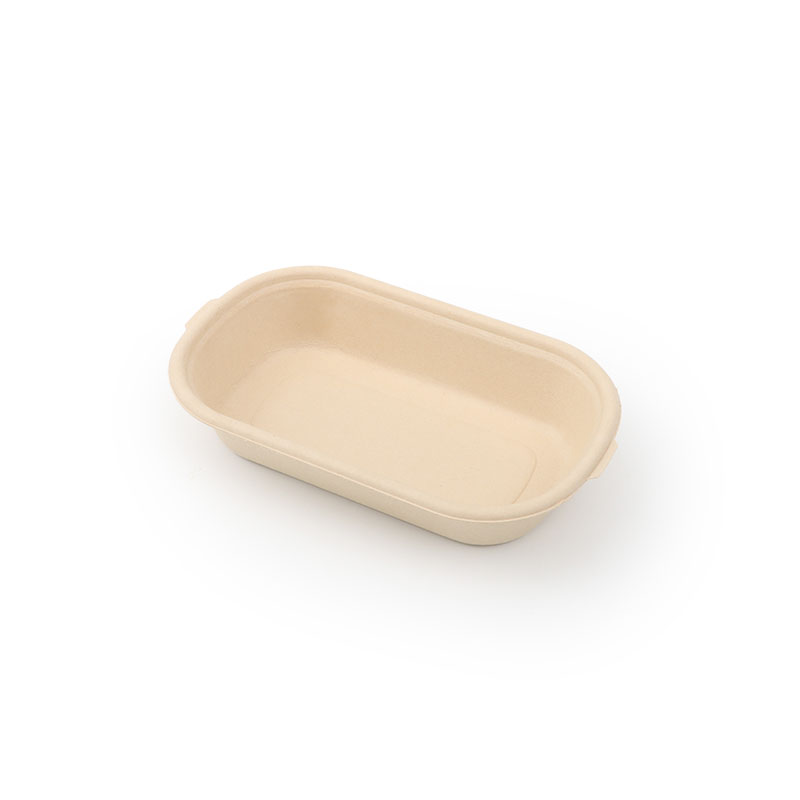 500ml
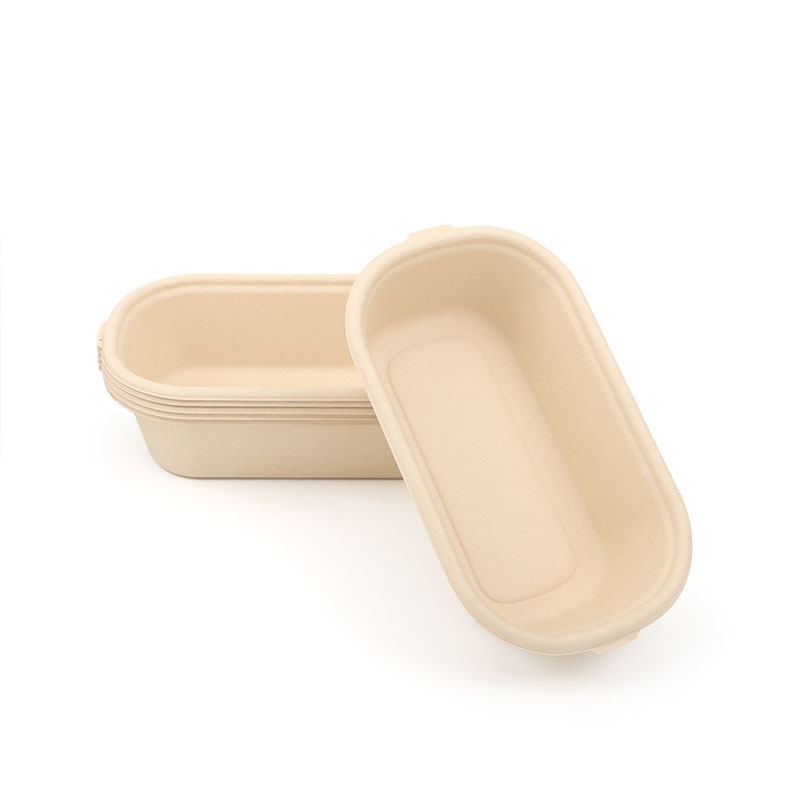 700ml
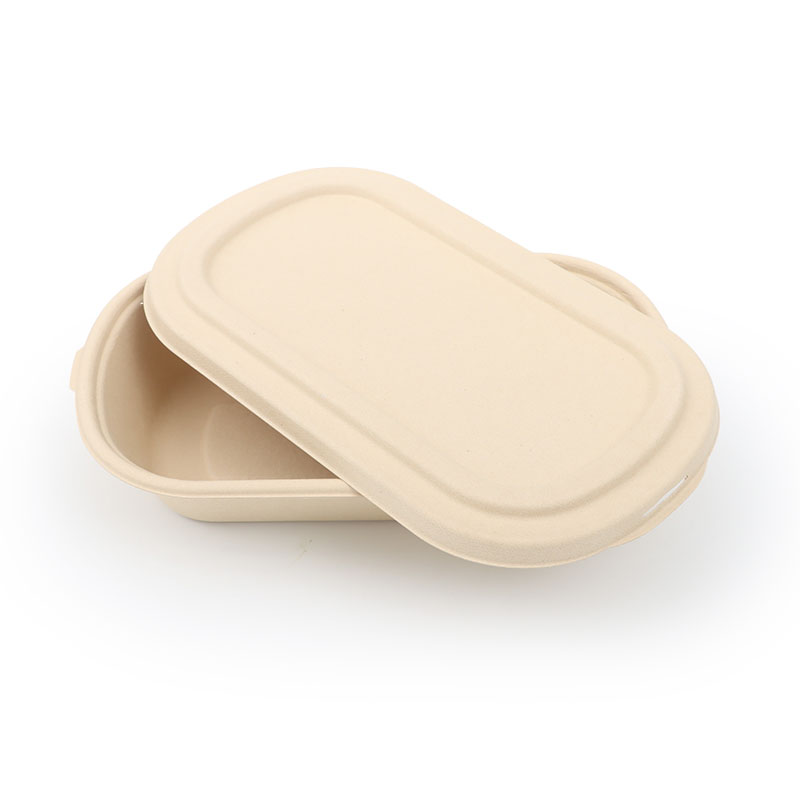 850ml
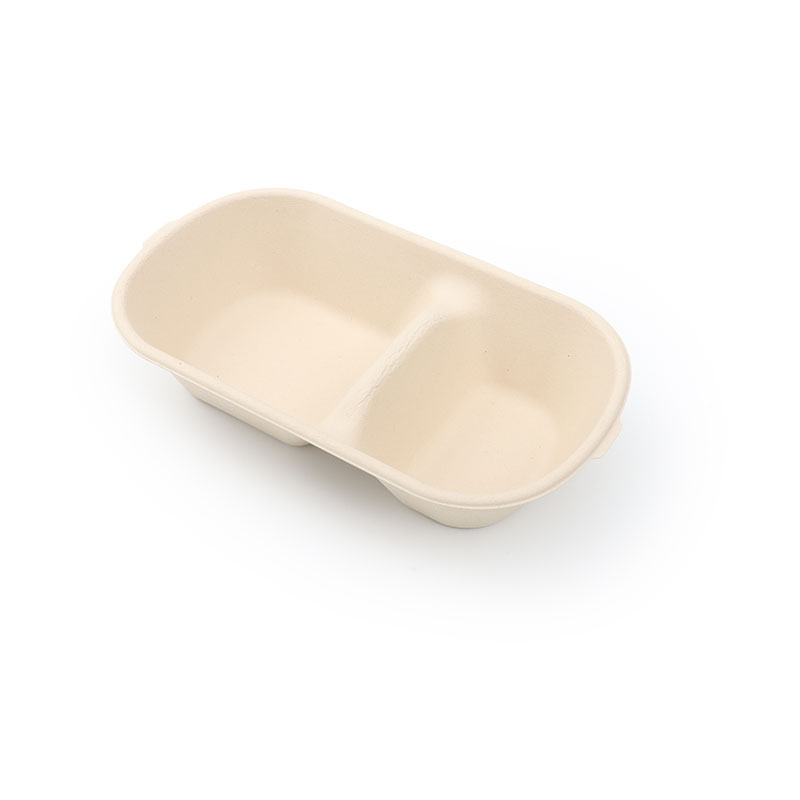 800ml 2 Compartments
 1000ml 2 Compartments
 1100ml
 1000ml Square Lunch Box
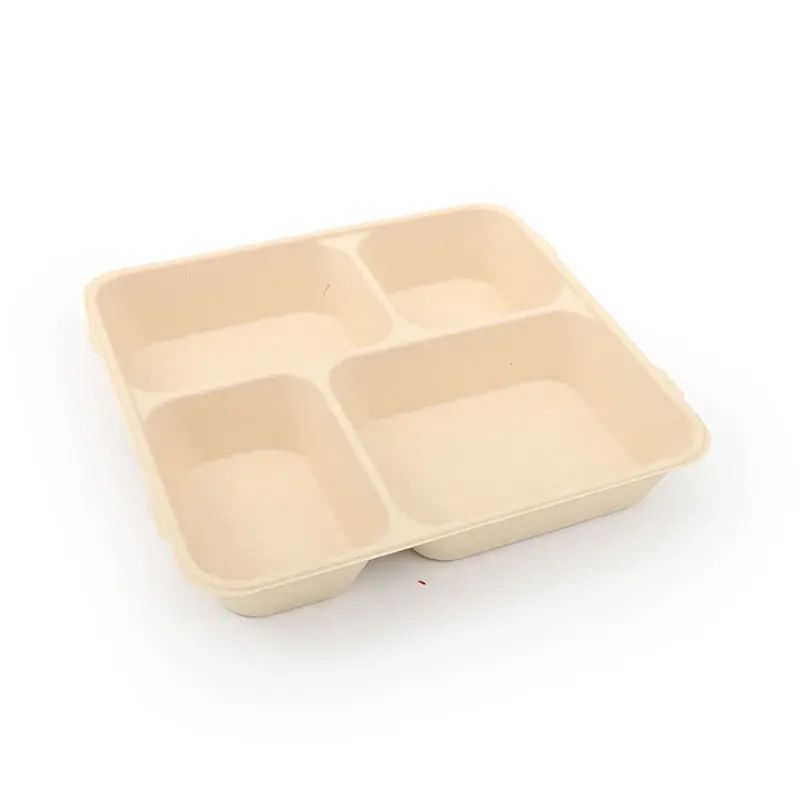 1340ml 4 Compartments
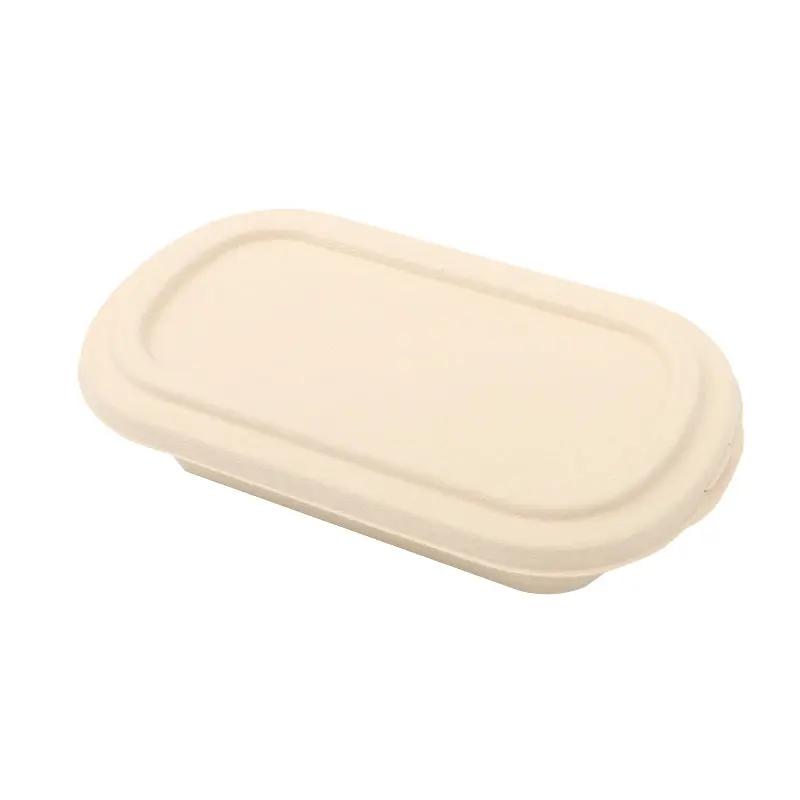 Lunch Box Lid
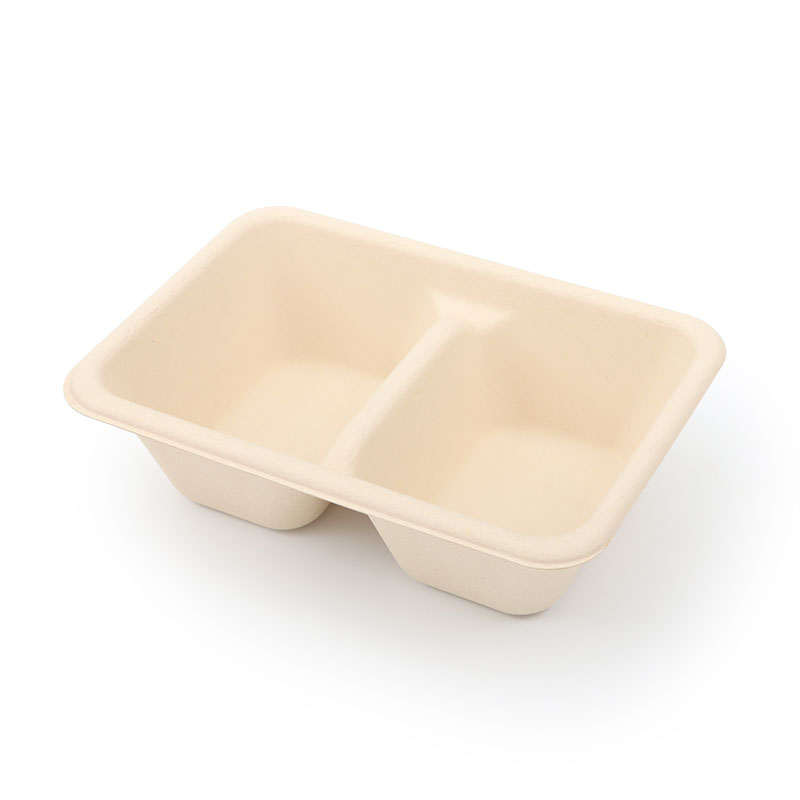 650ml
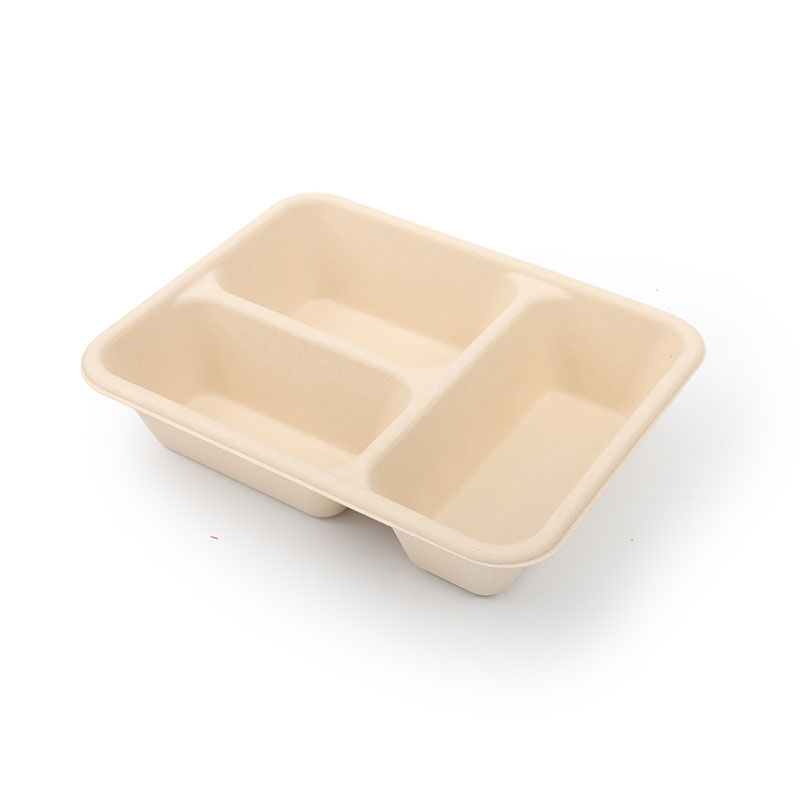 1000ml 3 Compartments
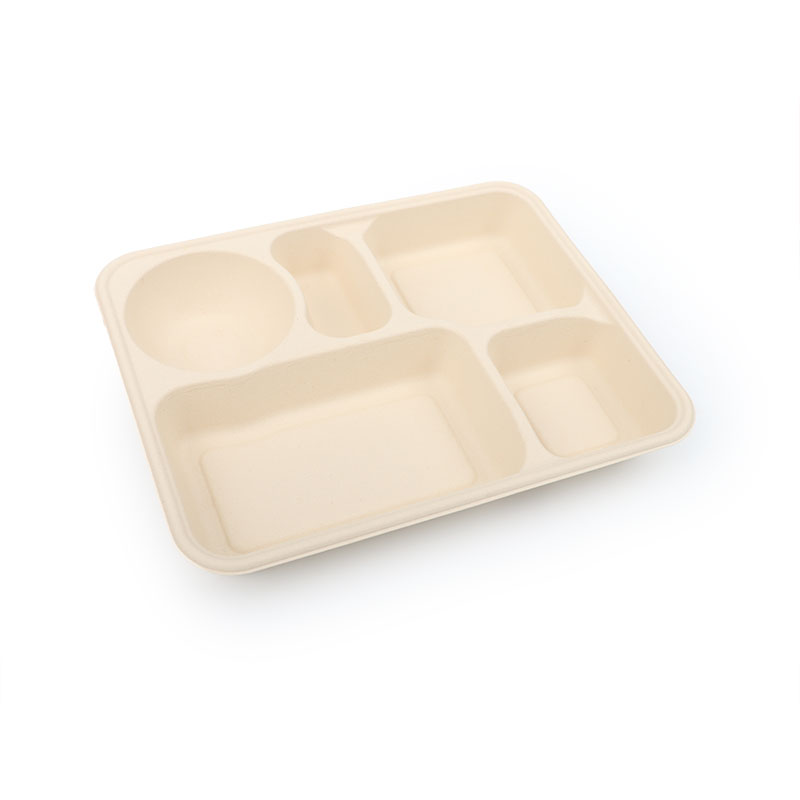 1250ml 5 Compartments
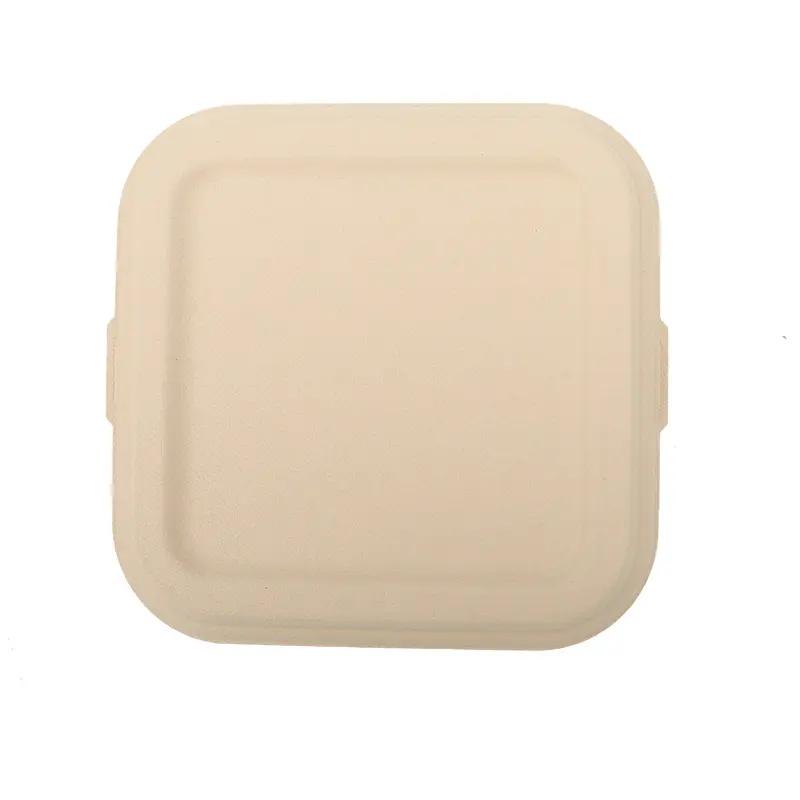 Square Lunch Box Lid
 Box Without T buckle
 850ml Salad Box
 700ml
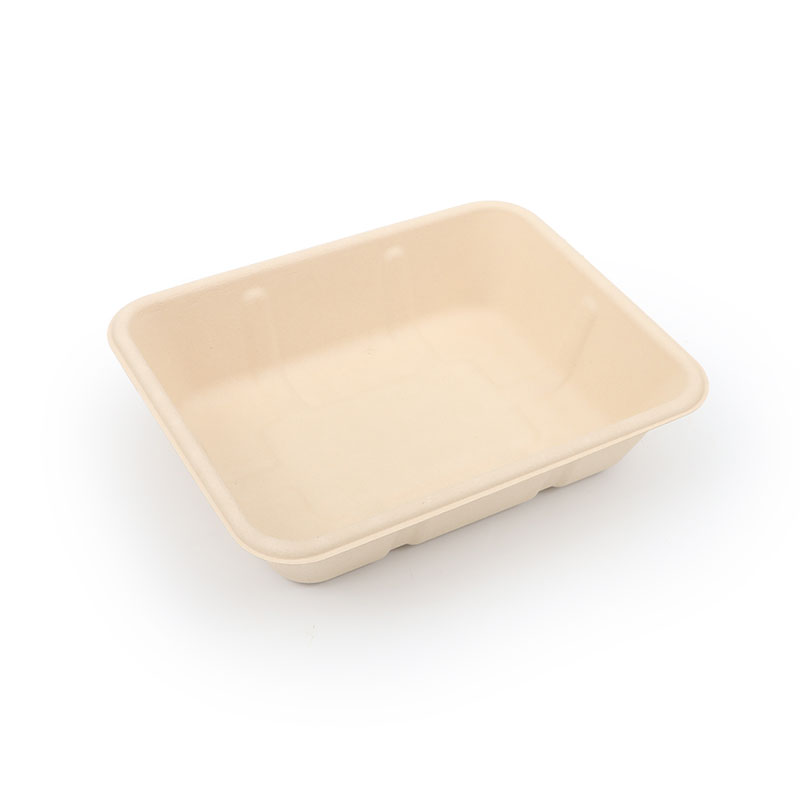 1350ml
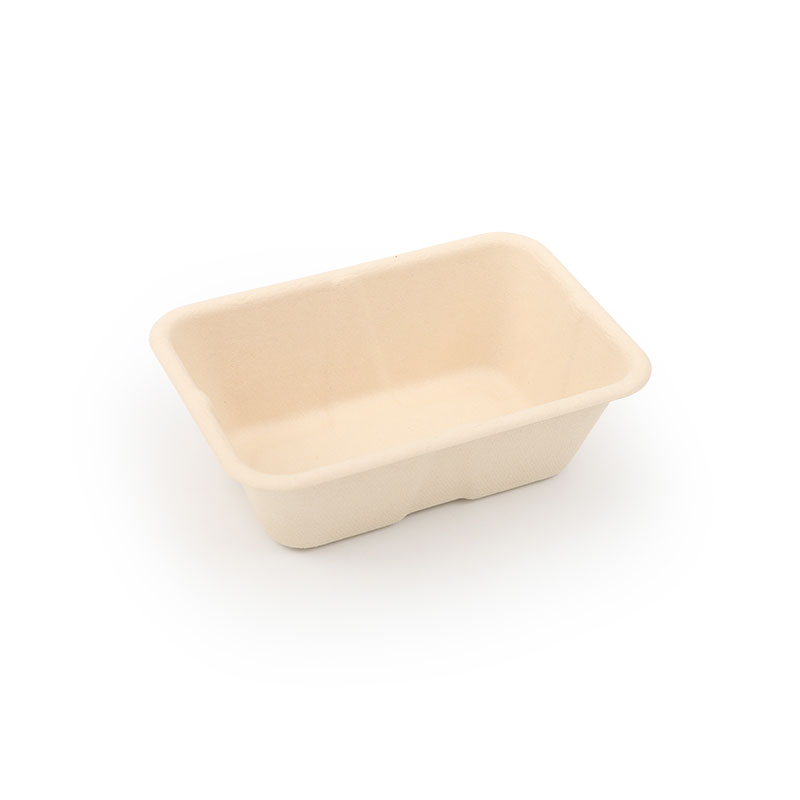 470ml
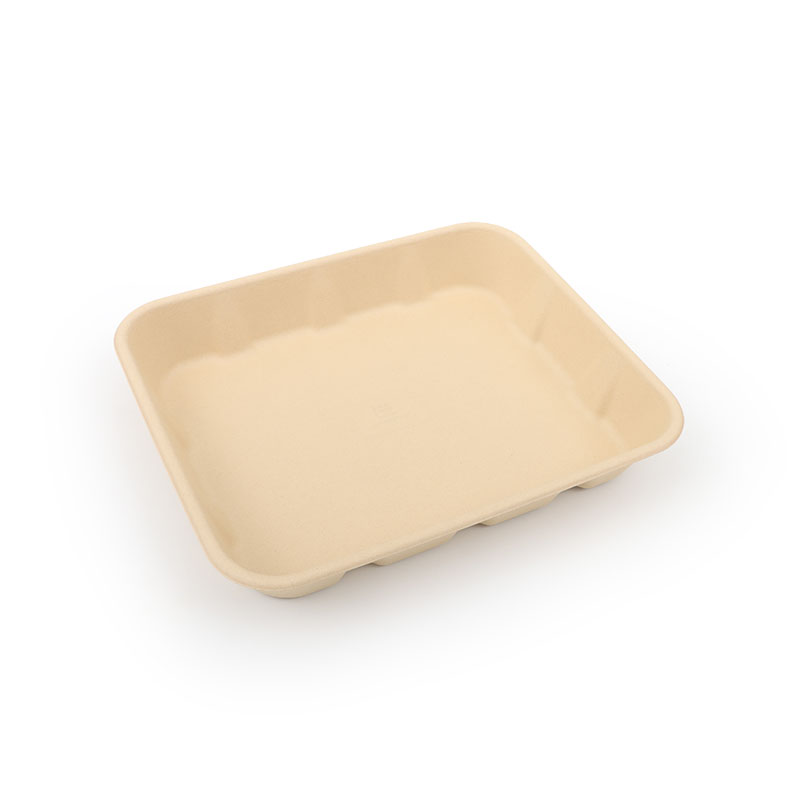 2183ml Tray Box
 11" * 9"
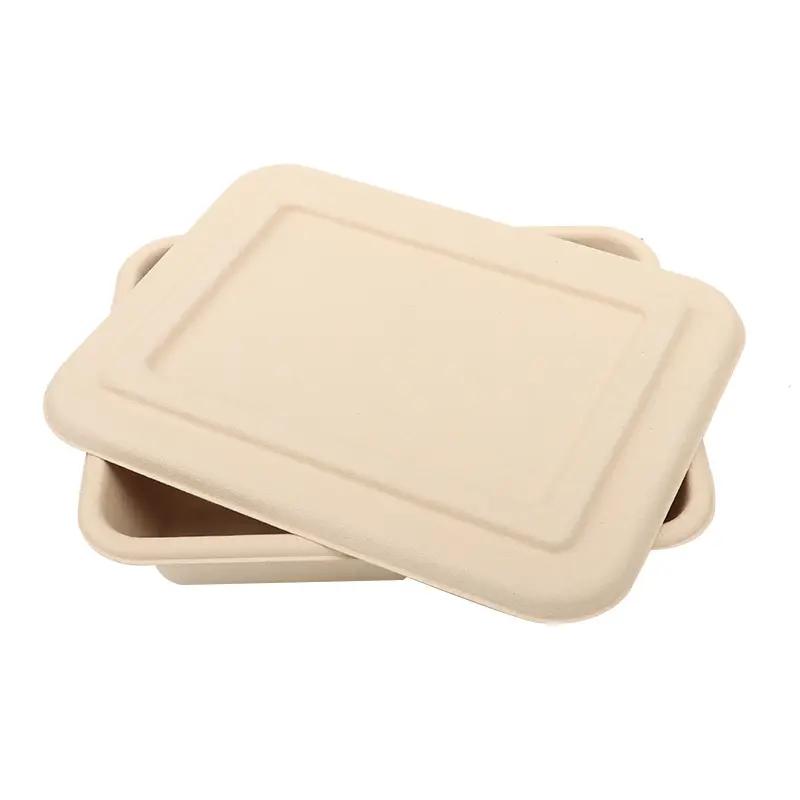 800ml
 One Part Box
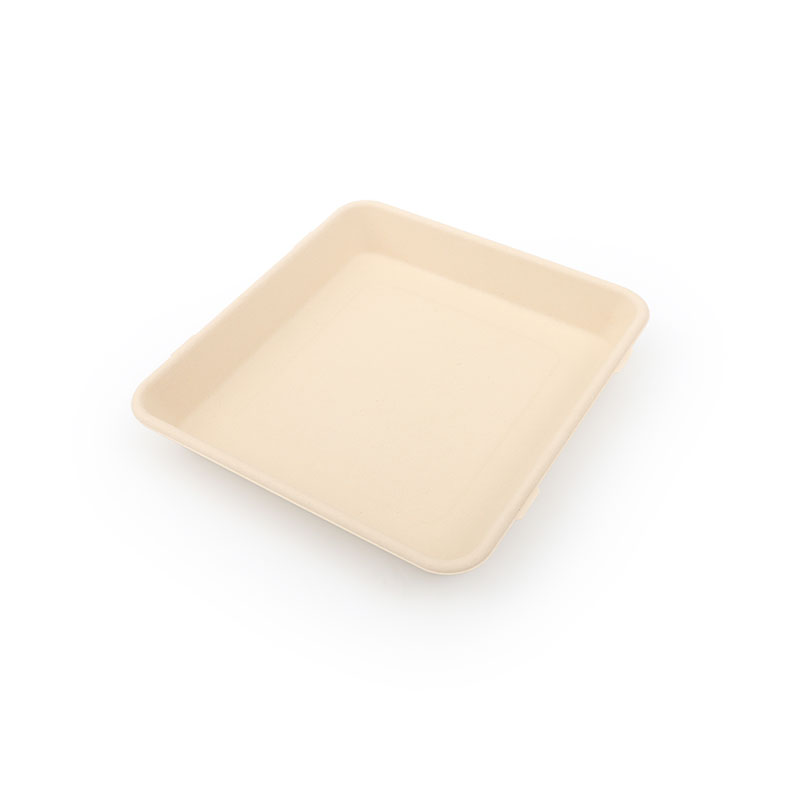 1443ml Tray Box
 Cake Bread Snack Tray Series
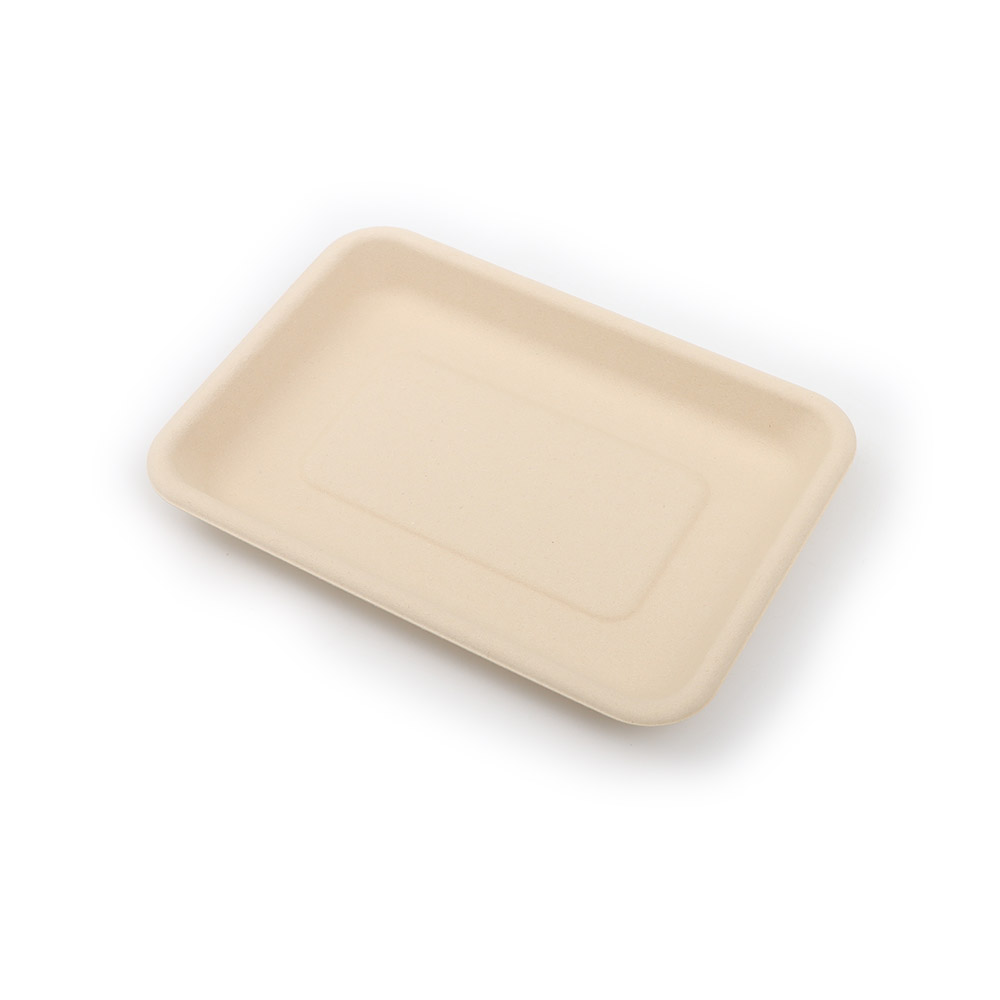 5" * 7" natural color
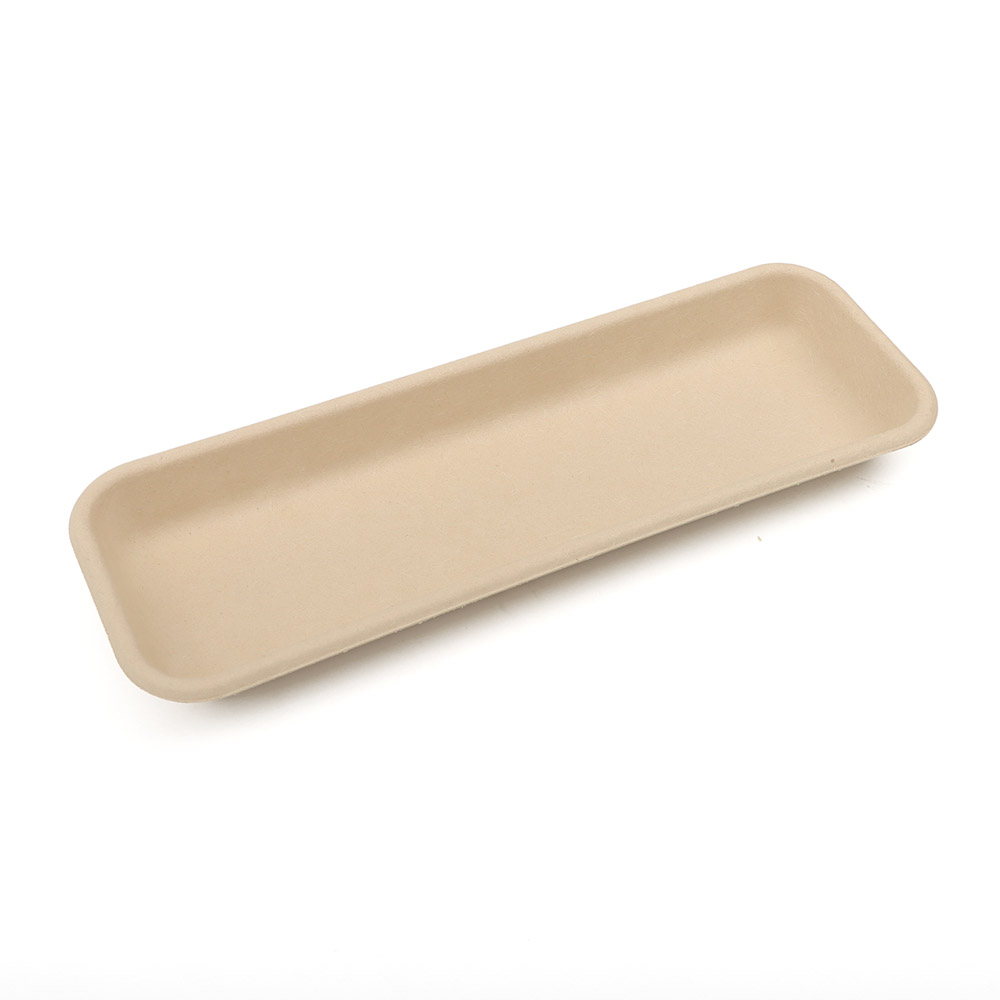 11.4" * 3.9"
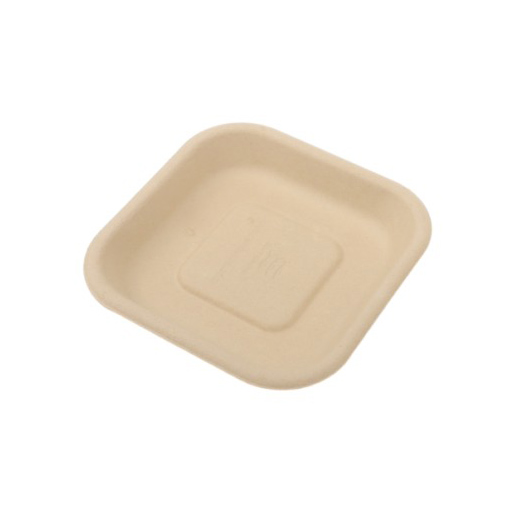 5.3" * 5.3"
 Fruit And Vegetable Tray Series
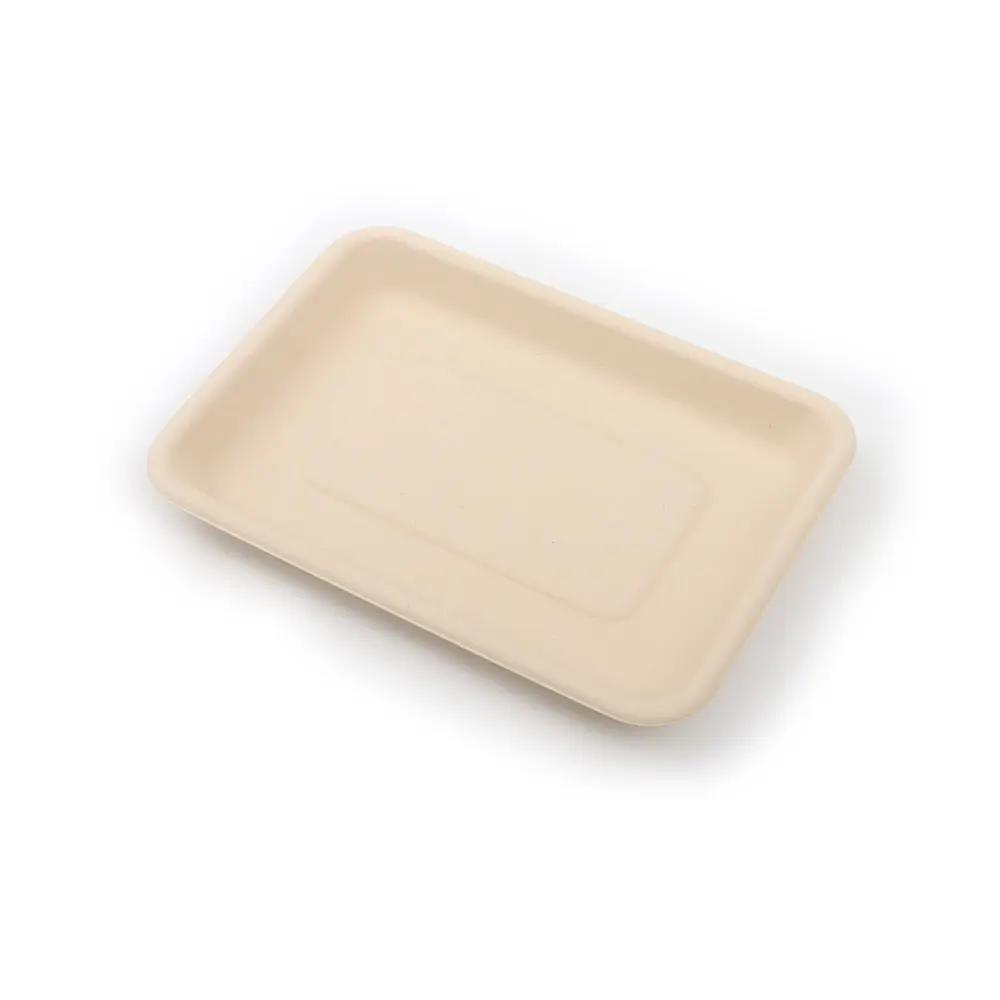 8.6" * 5.3"
 Sushi Tray Series
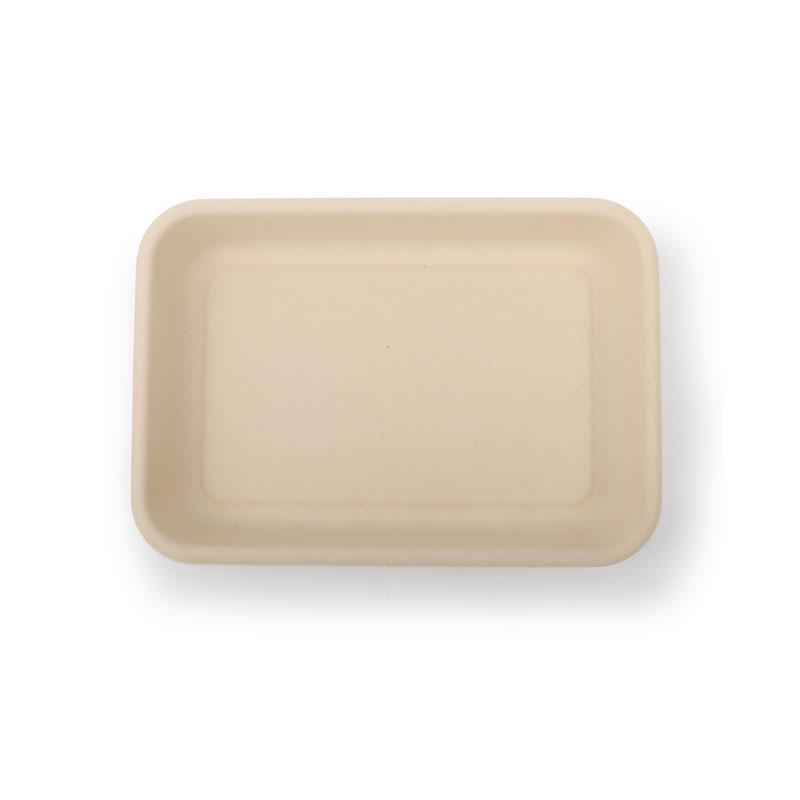 200" * 140"
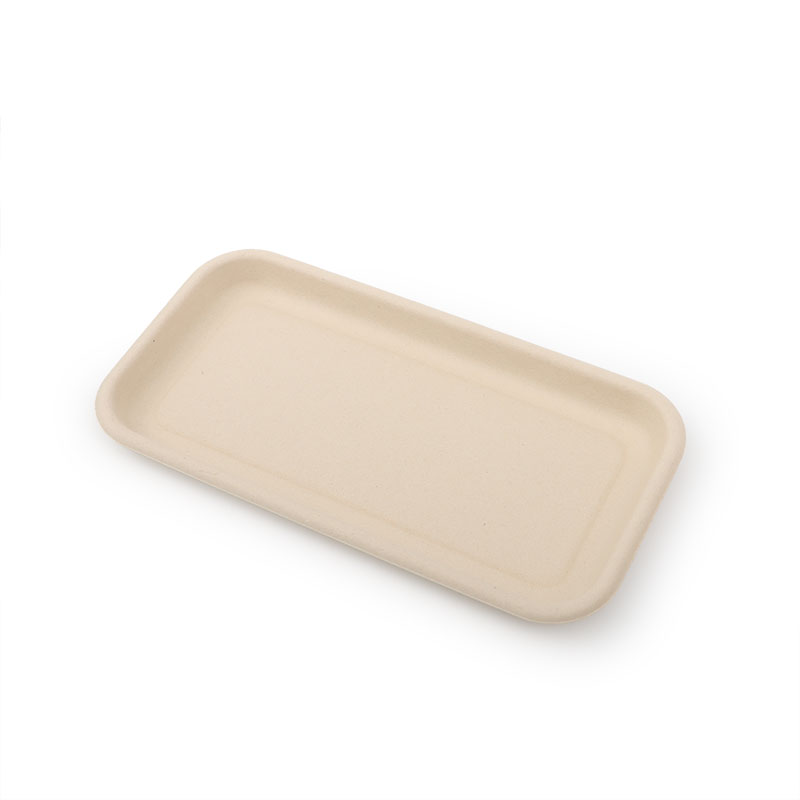 210" * 110"
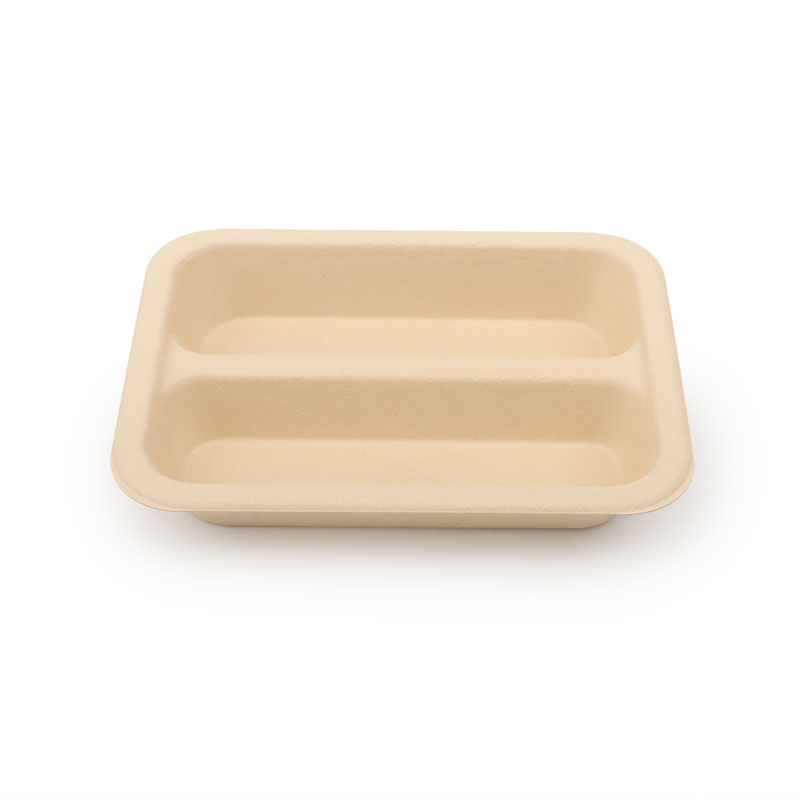 2 Compartments
 Small Round Plate Series
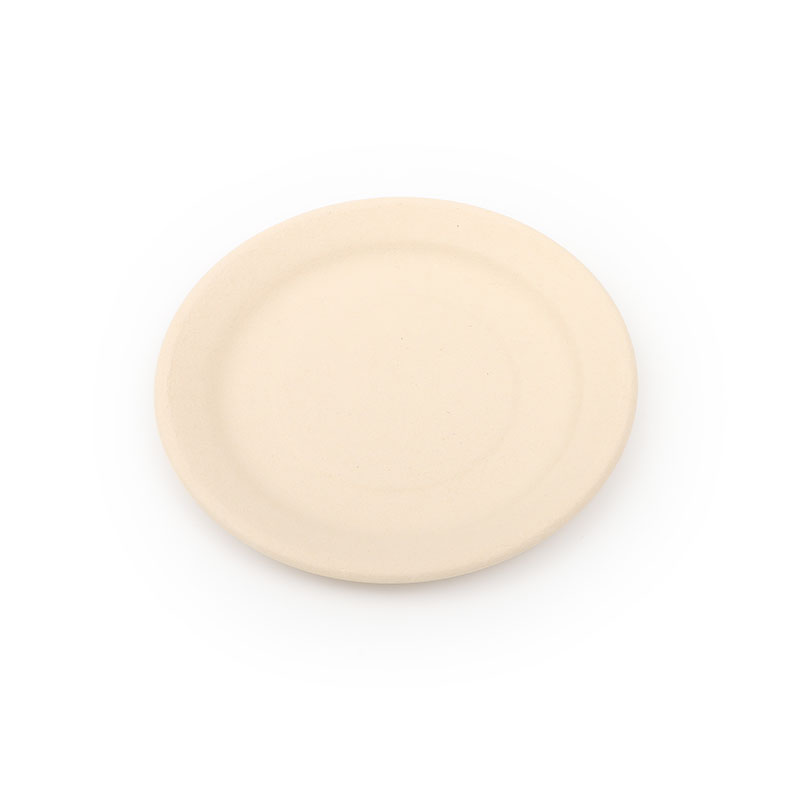 7 inch
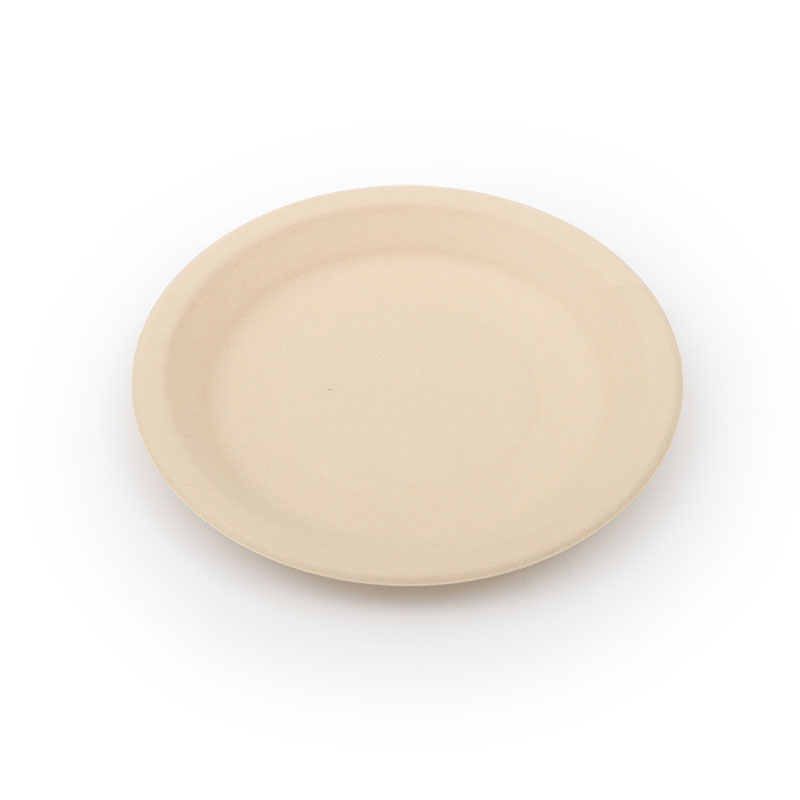 6 inch
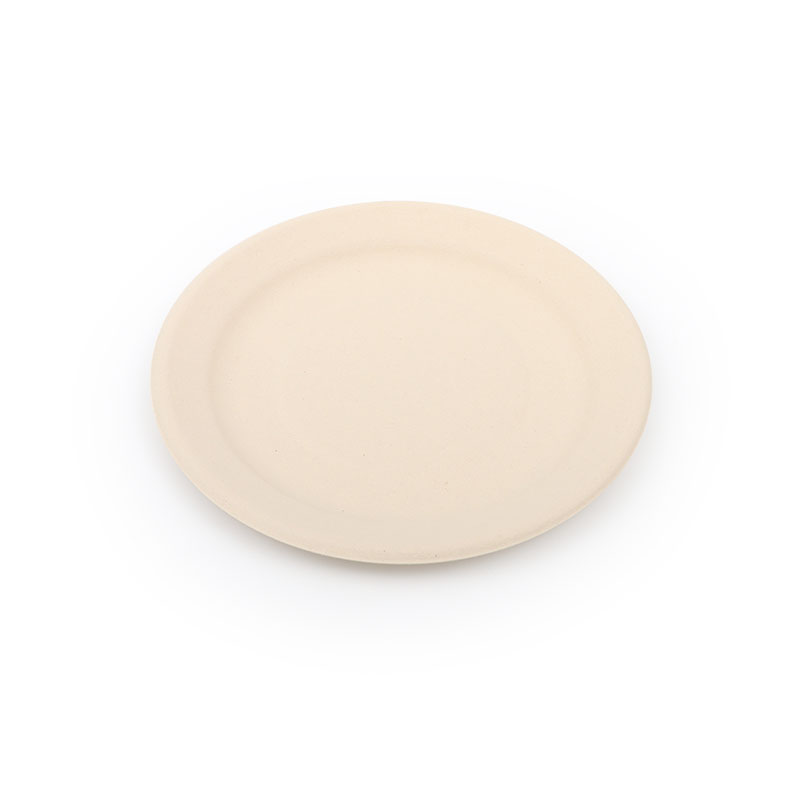 8 inch
 Middle Round Plate Series
 9 Inch 3 Compartments
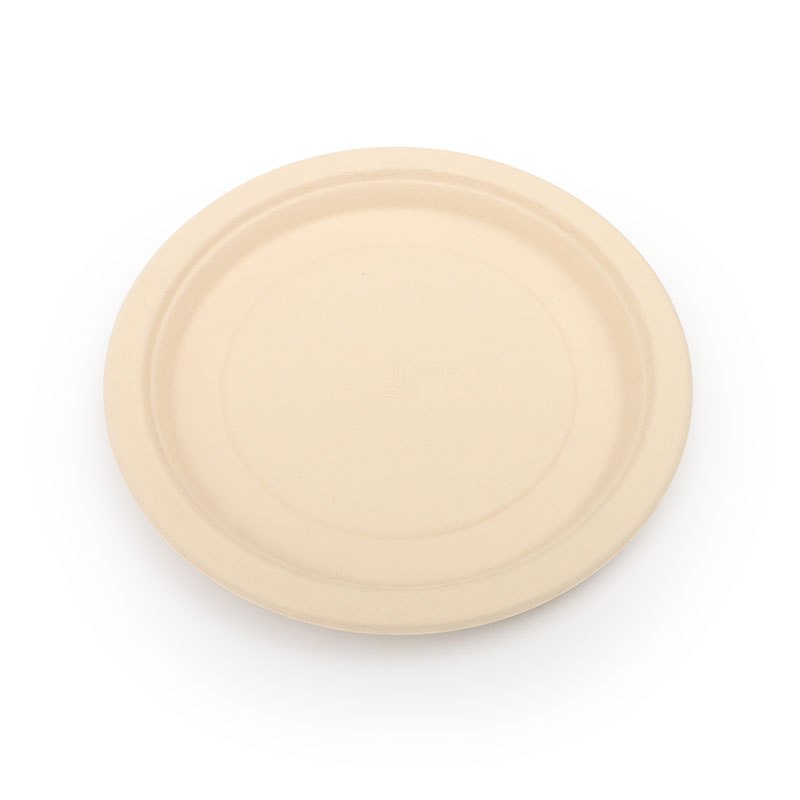 9 inch
 Big Round Plate Series
 12.7 Inch Pizza Plate
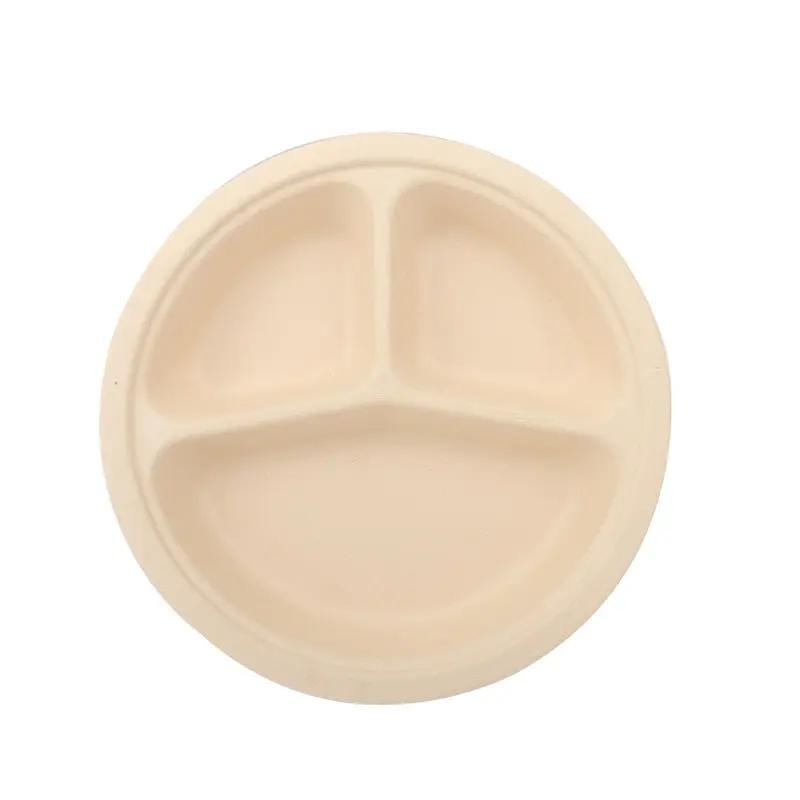 10.25 inch 3 Compartments
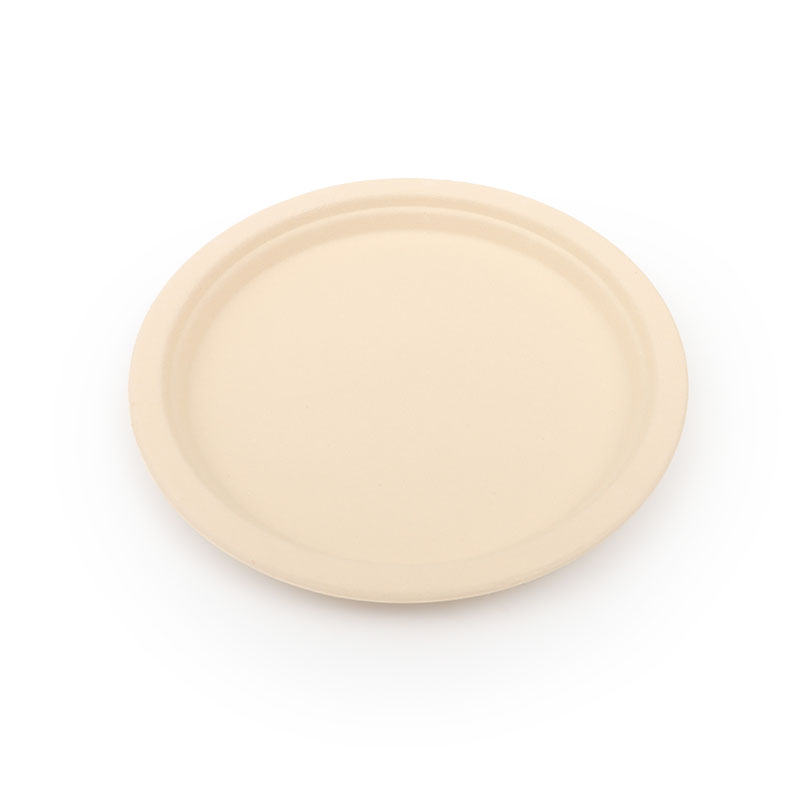 10 inch
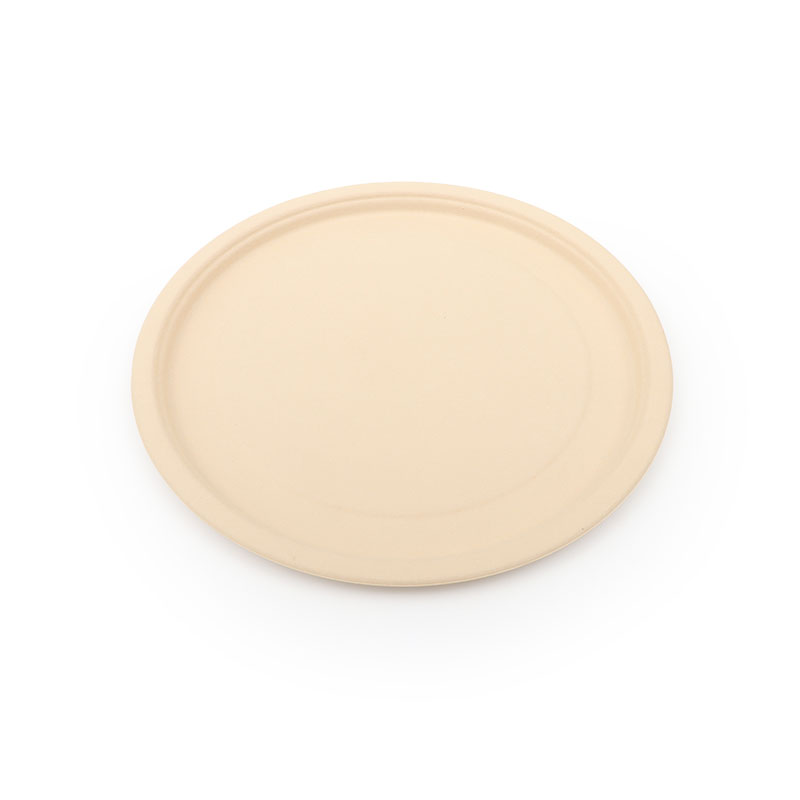 12 inch
 Bigger Bowl
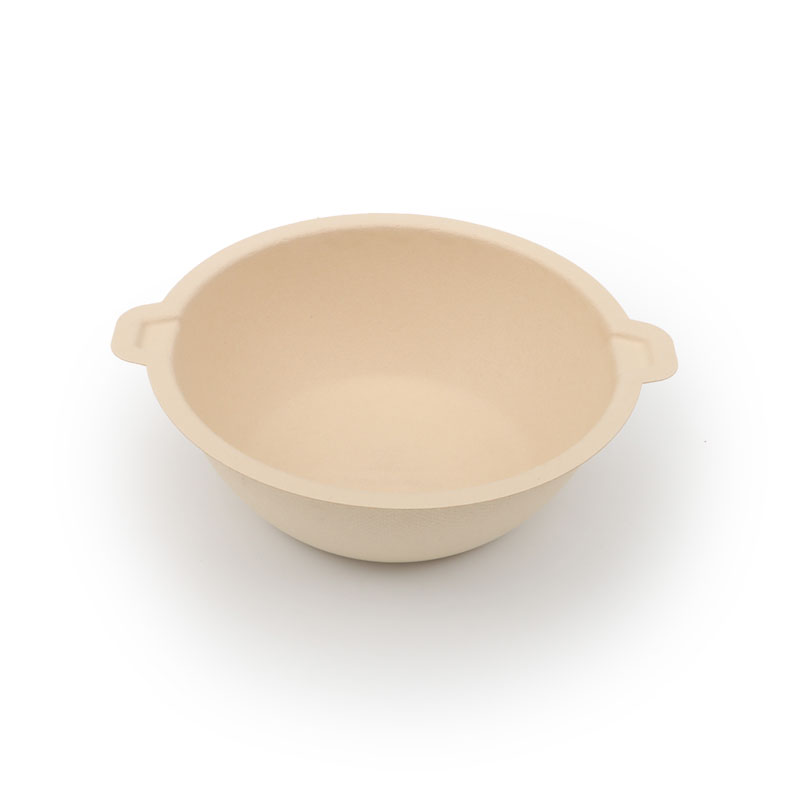 48oz(1420ml)
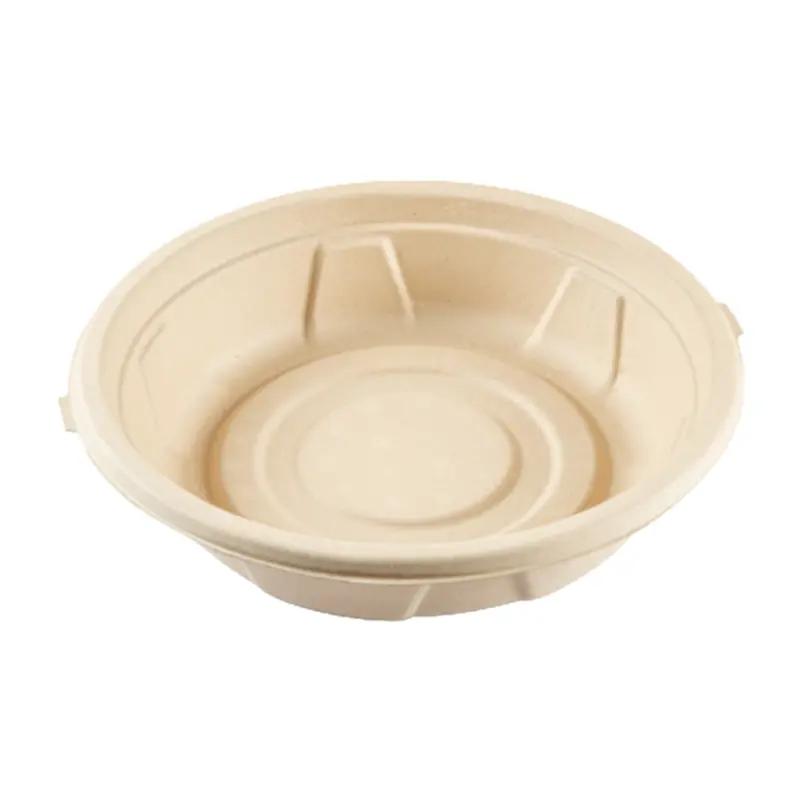 56oz(1650ml)
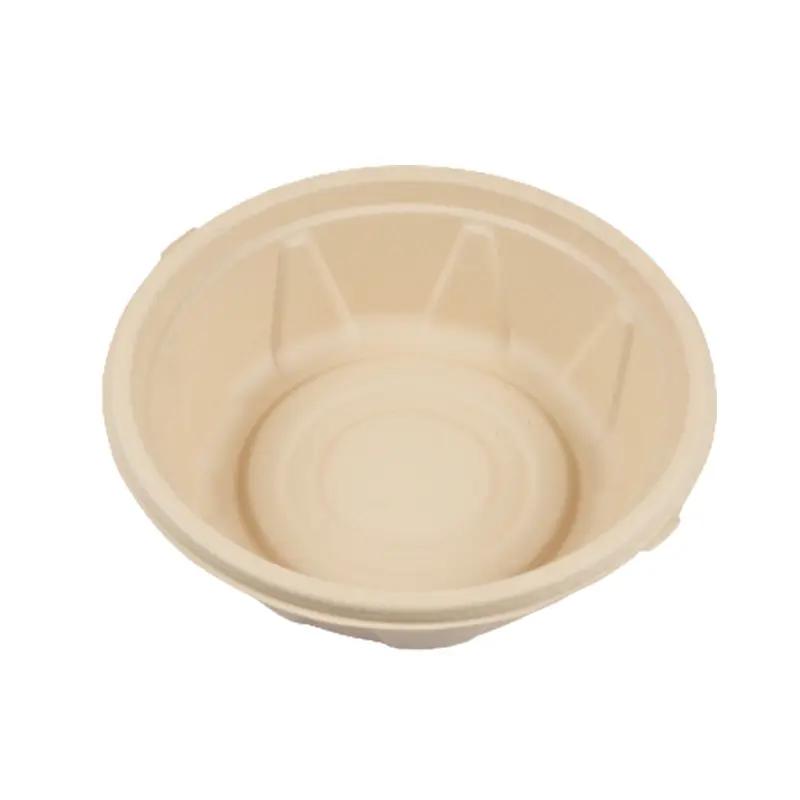 100oz(2950ml)
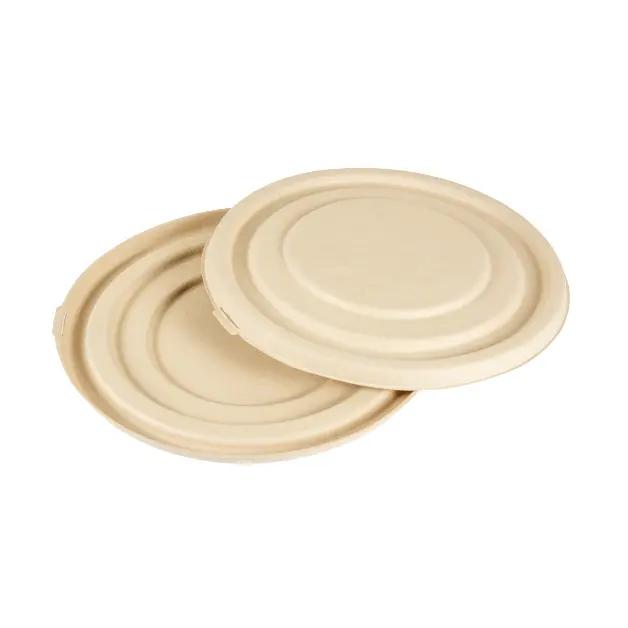 100oz(2950ml) With Lid
 Middle Bowl
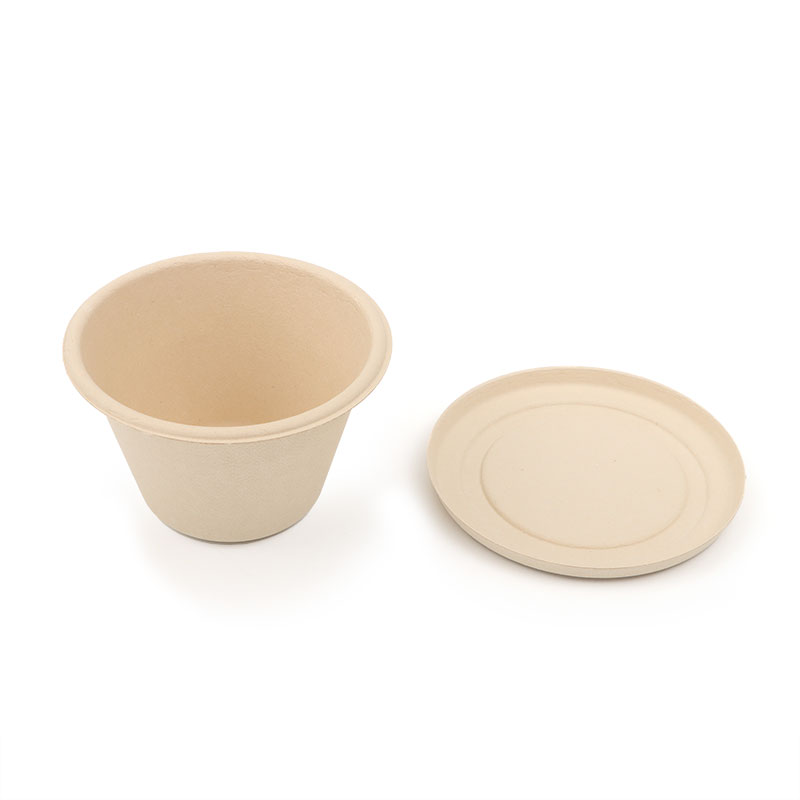 17oz(500ml)
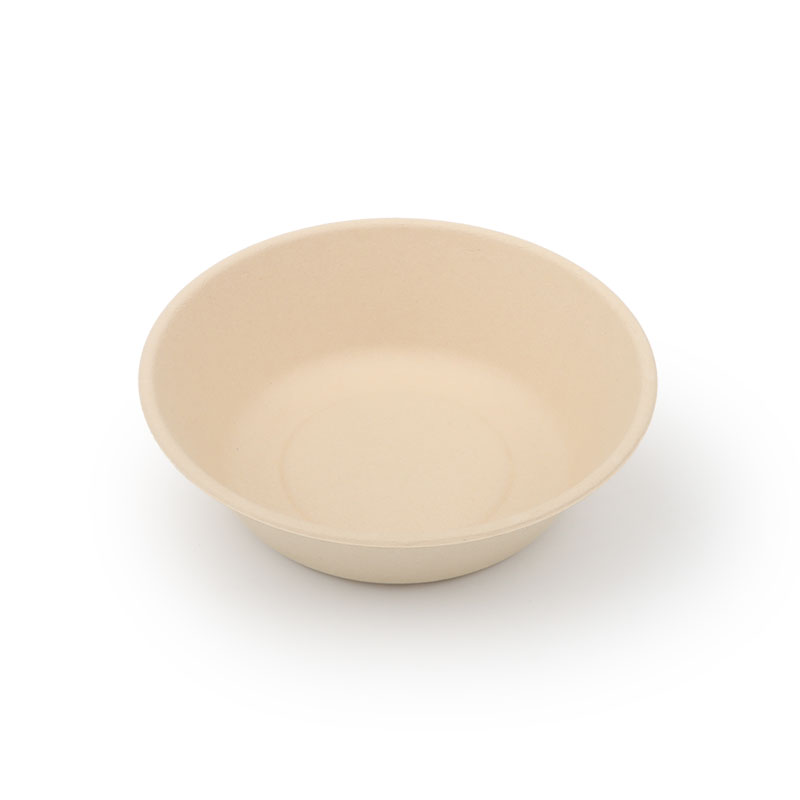 27oz(800ml)
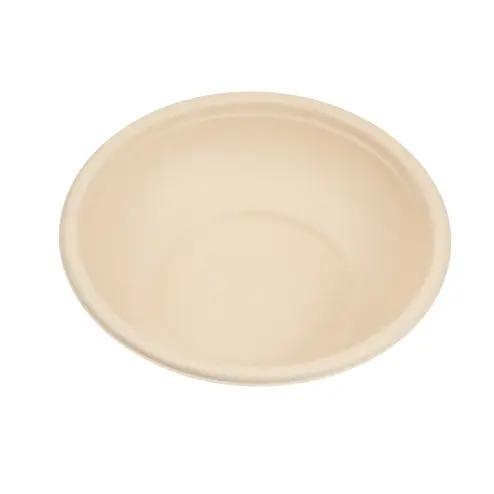 20oz(600ml)
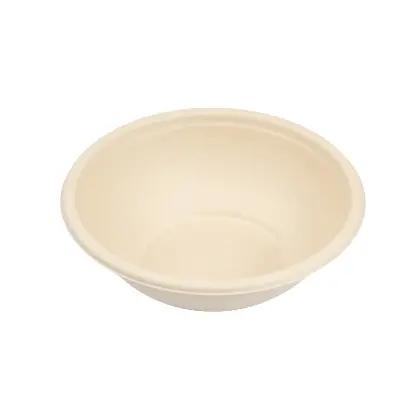 29oz(850ml)
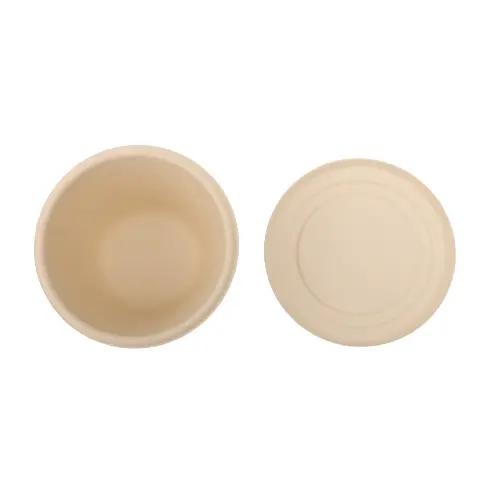 17oz(500ml) With Lid
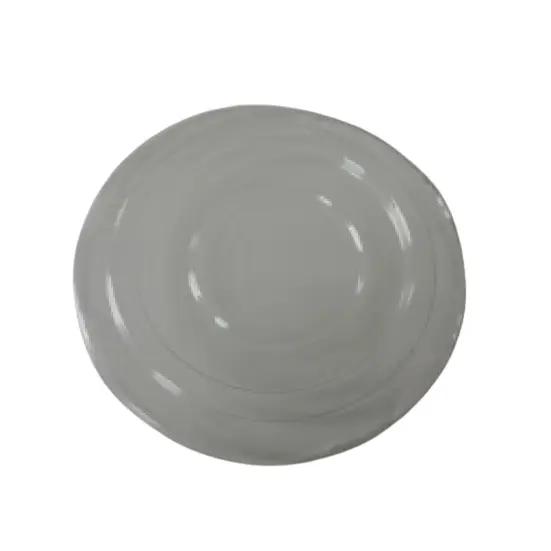 17oz(500ml) PET Lid
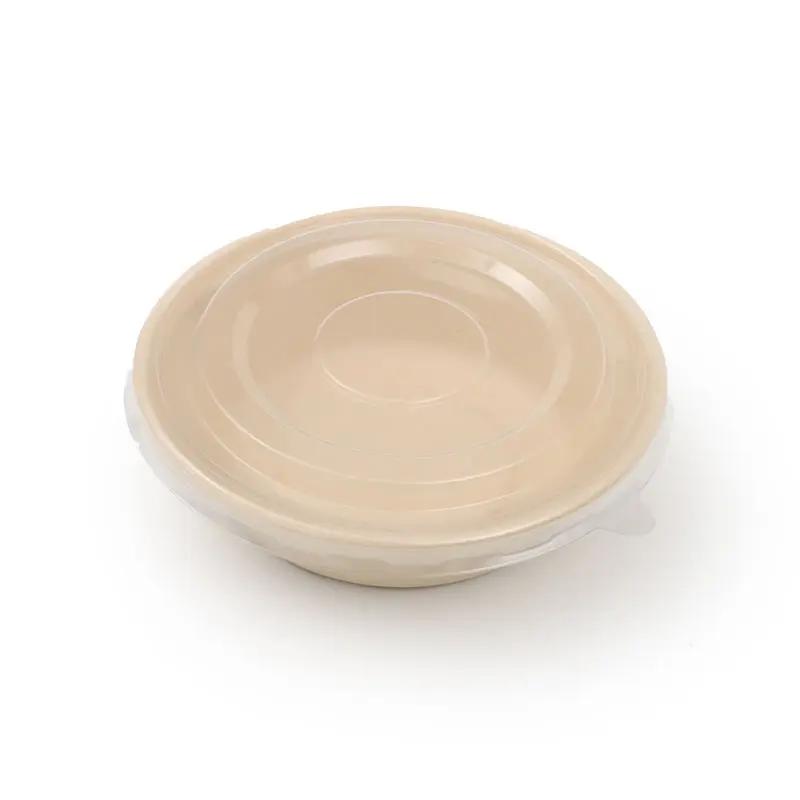 28oz(830ml) PET Lid
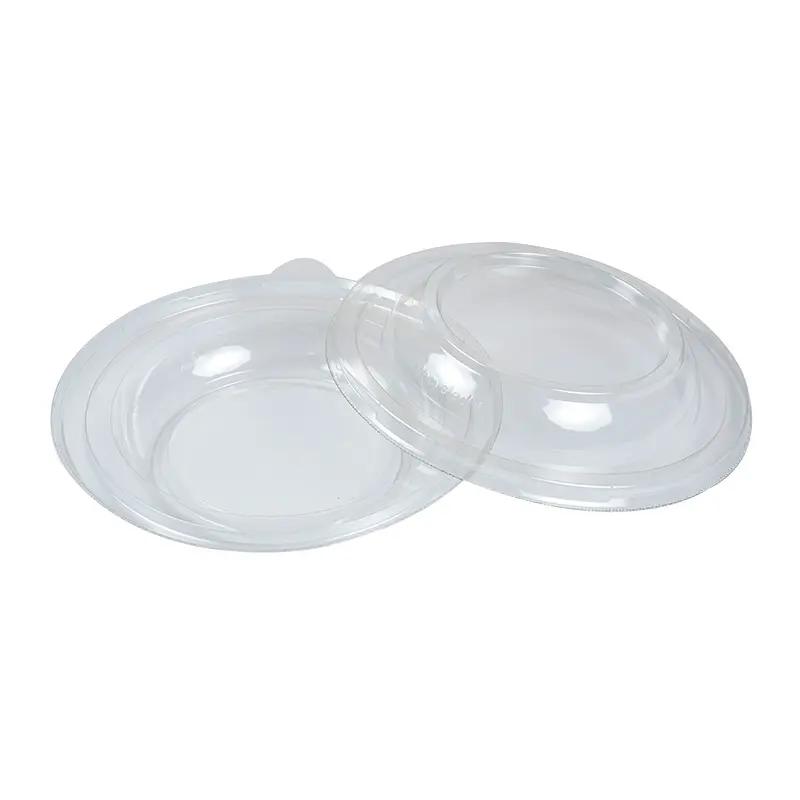 Round Bowl PET
 Small Bowl
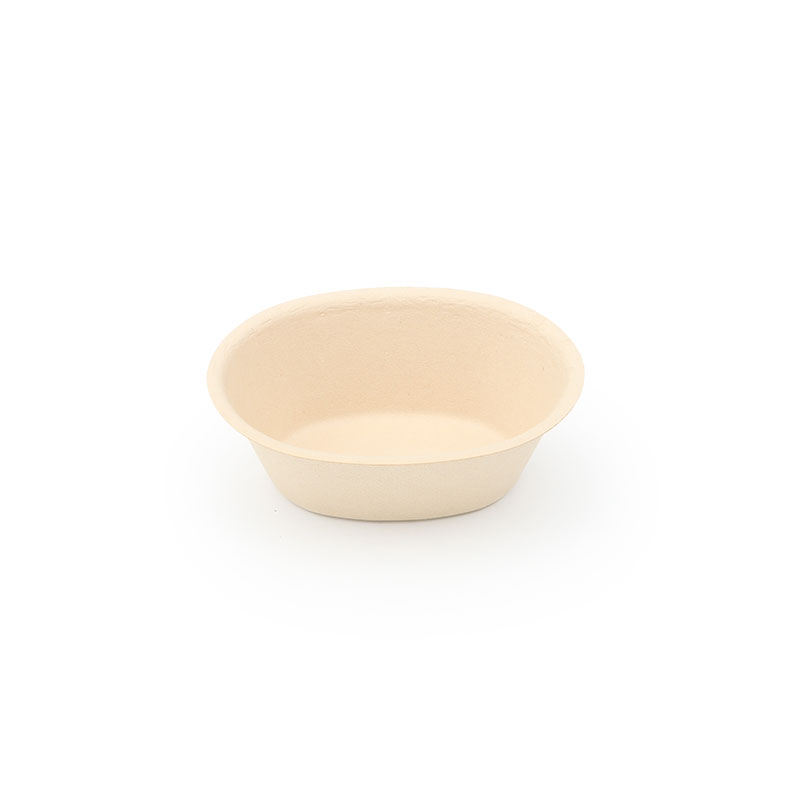 Snack Bowl
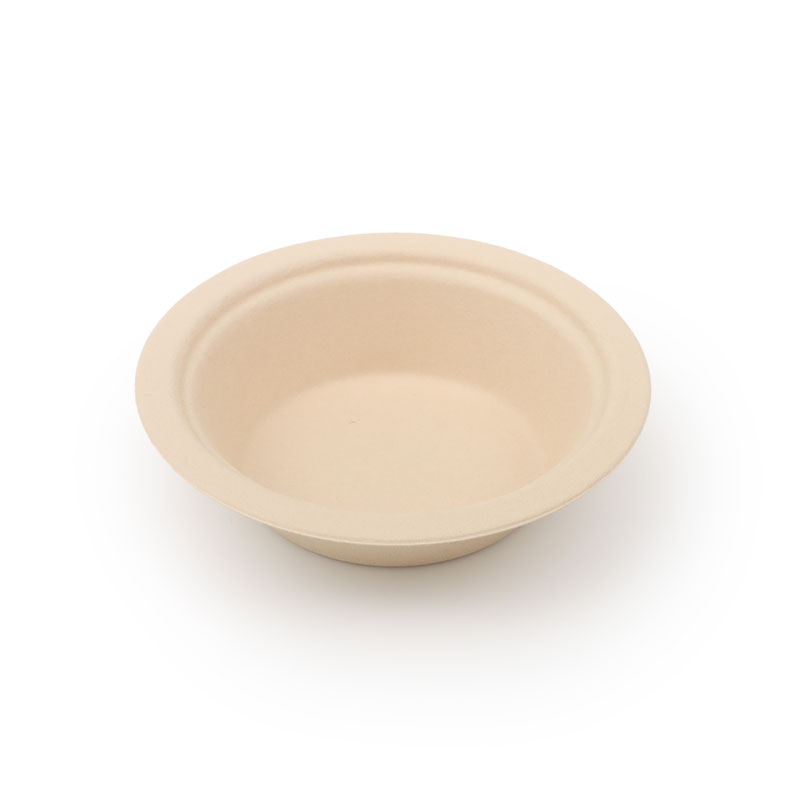 11.5oz(340ml) Bowl
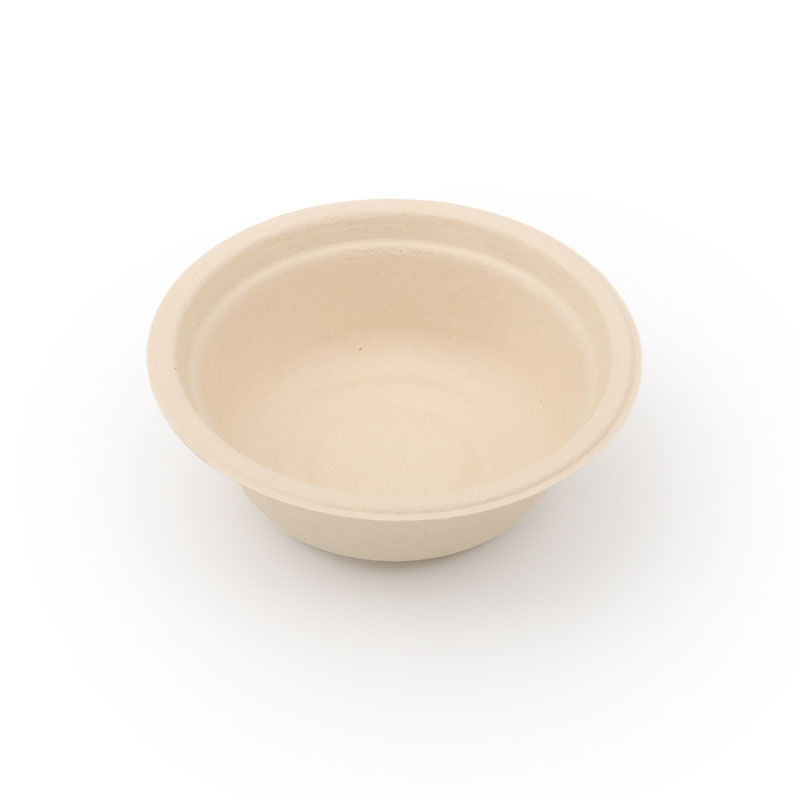 6.7oz(200ml) Bowl
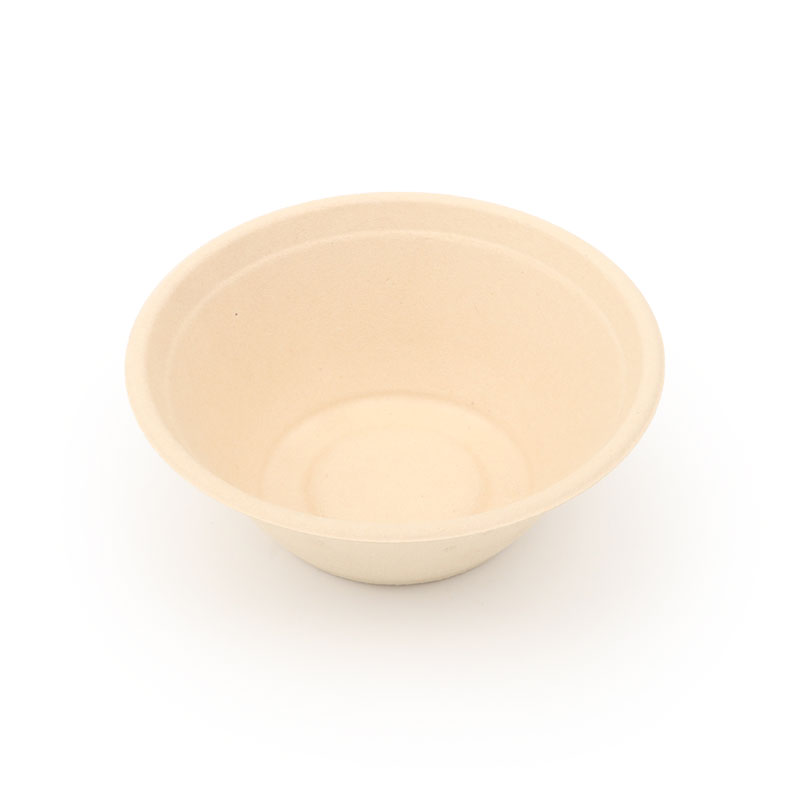 12oz(350ml) Bowl
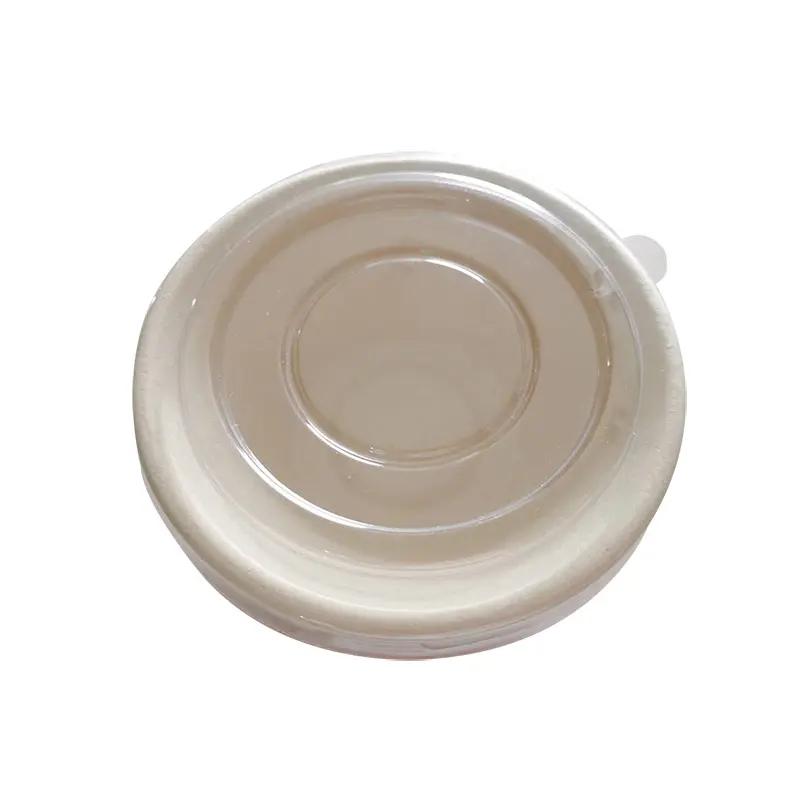 12oz(350ml) Bowl PET
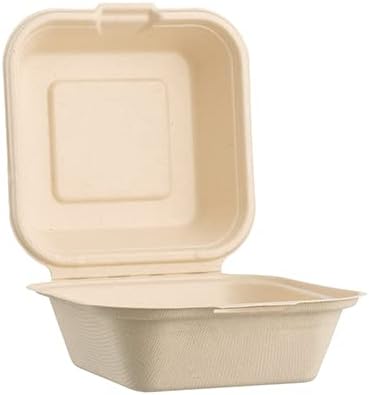
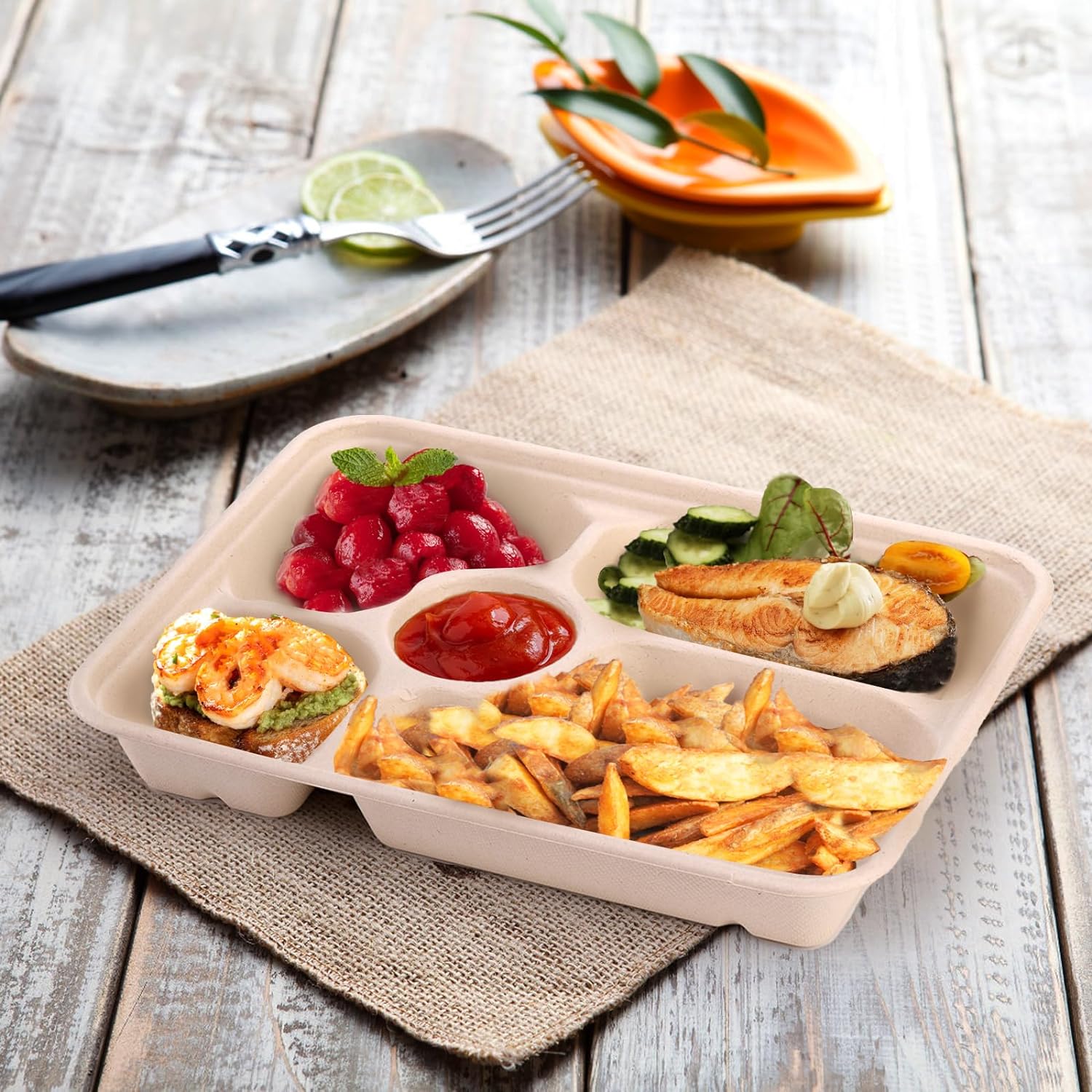 Bagasse Lunch Boxes
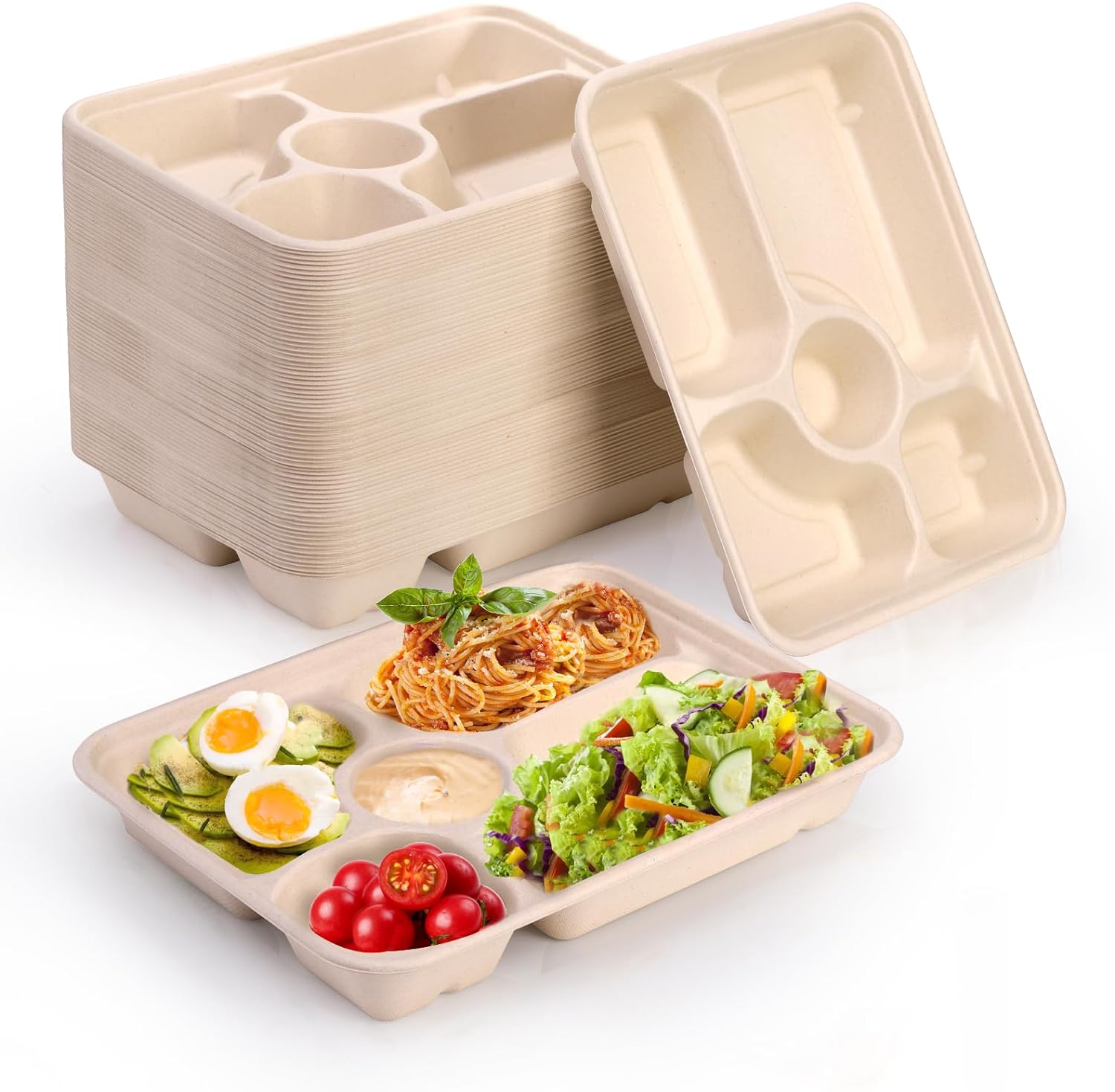 5CP
 6 inch
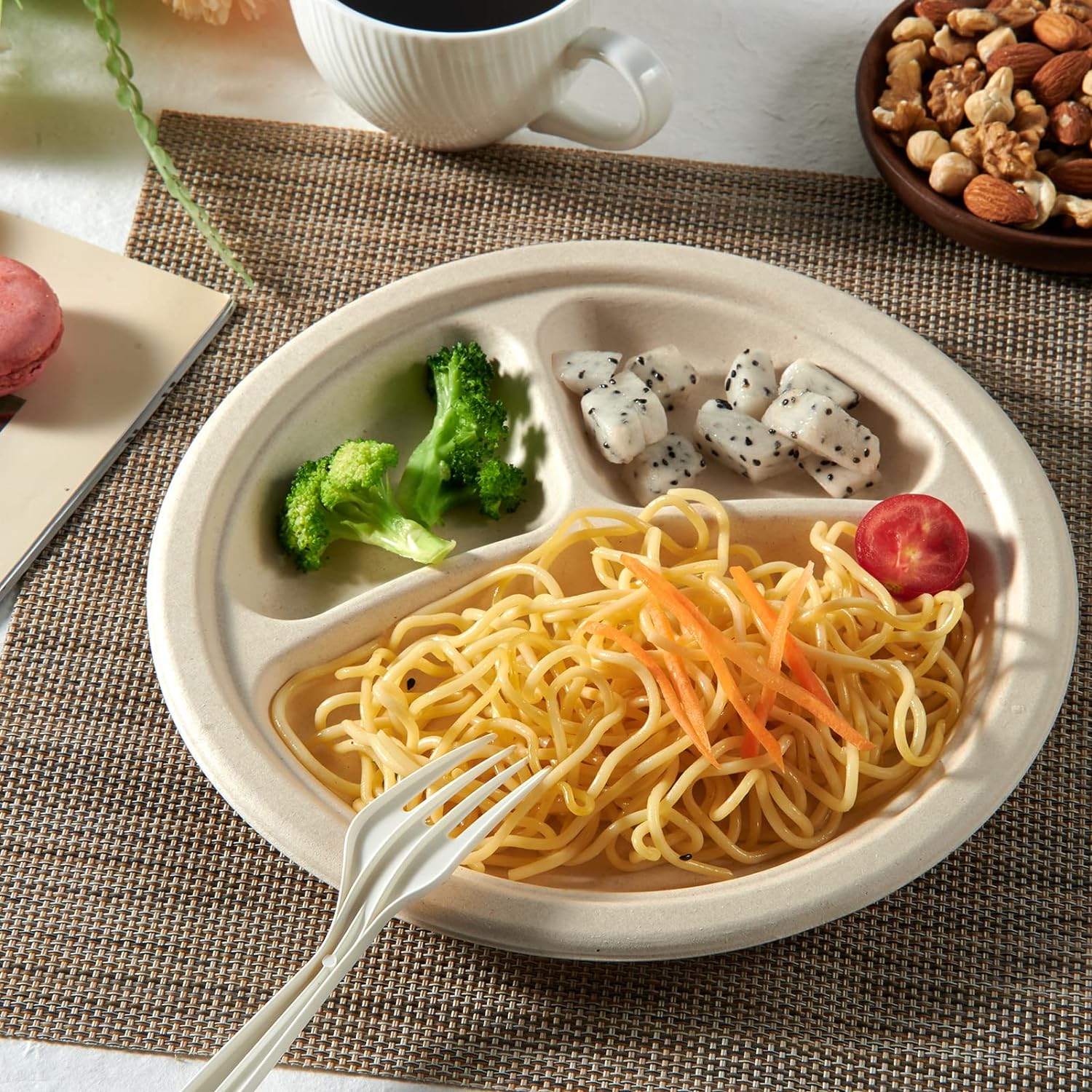 Bagasse Food Plates
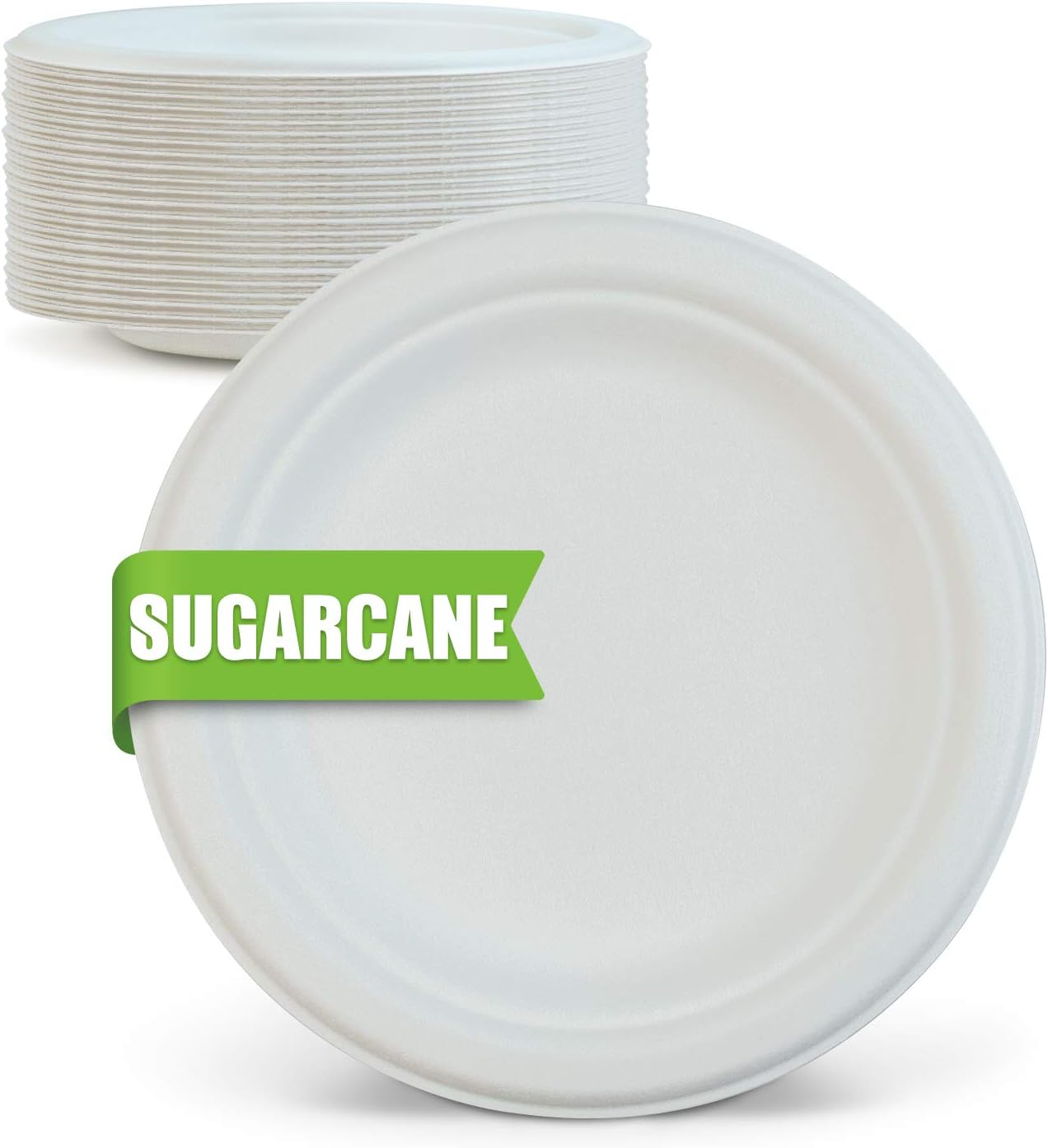 7 inch
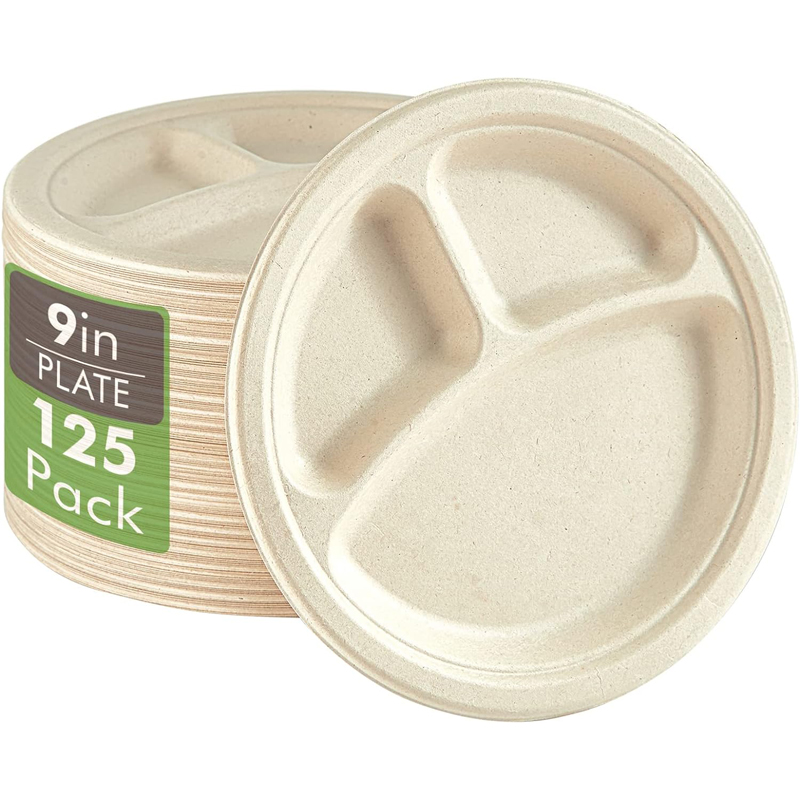 3CP
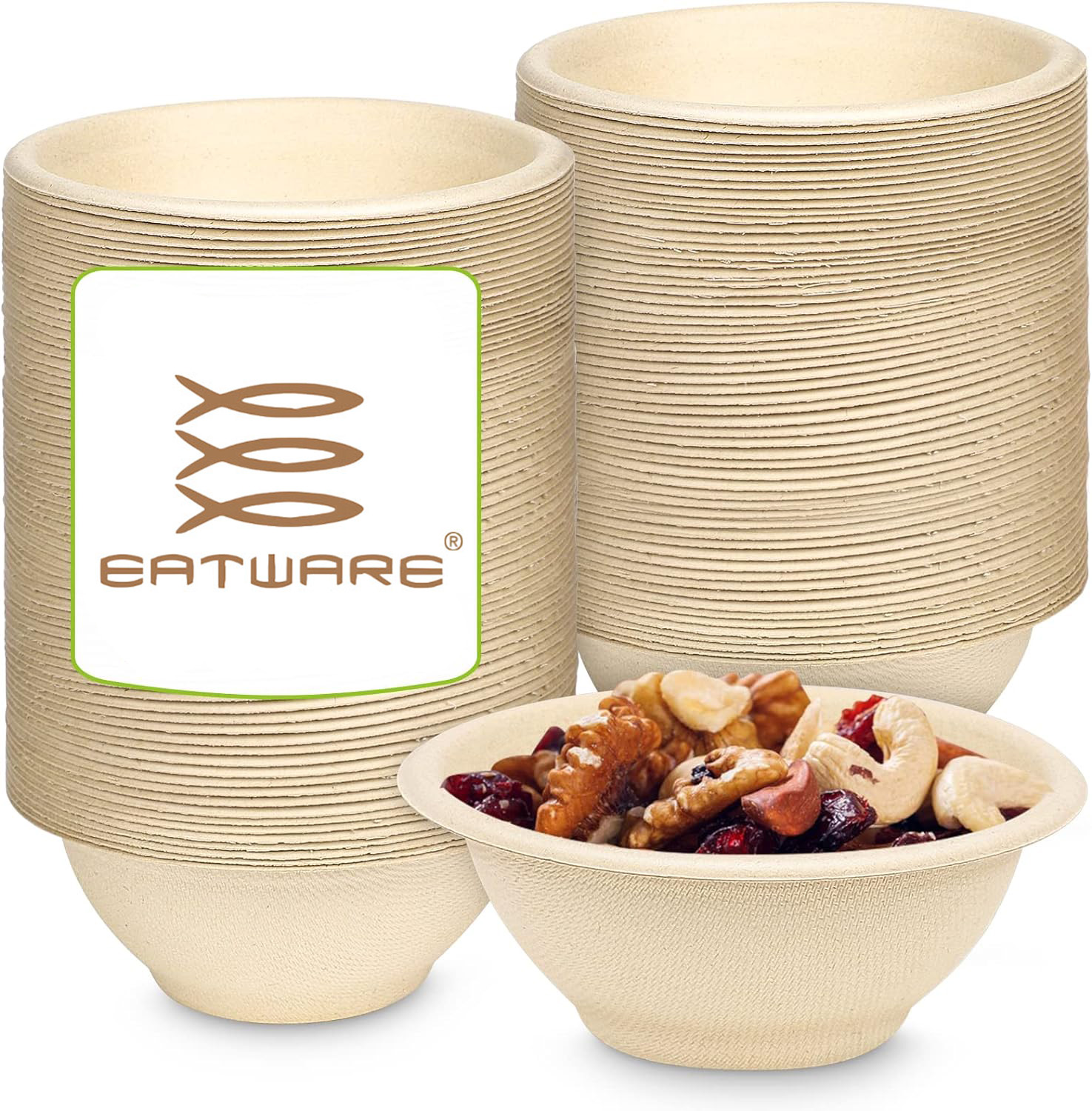 Bagasse Bowls
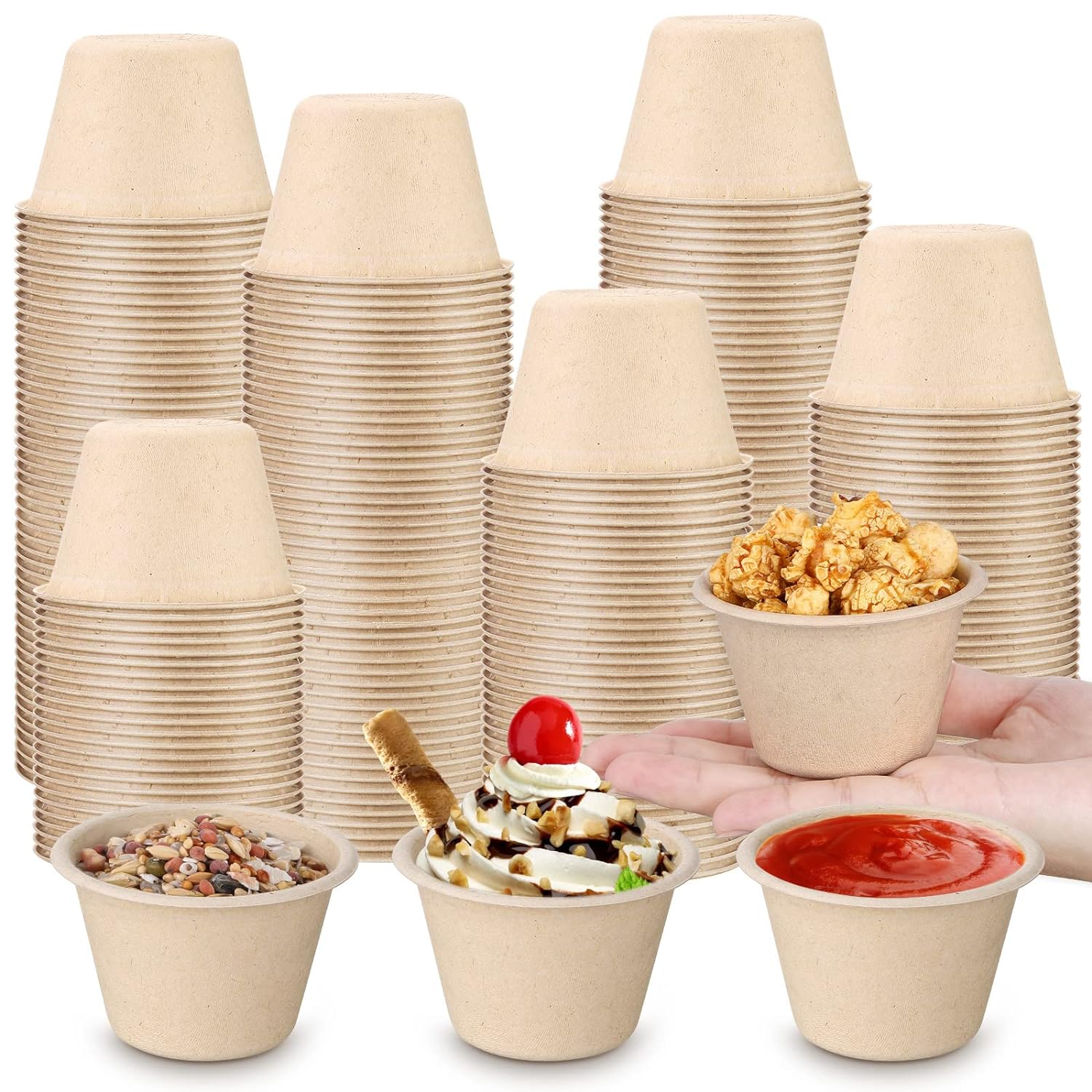 4oz
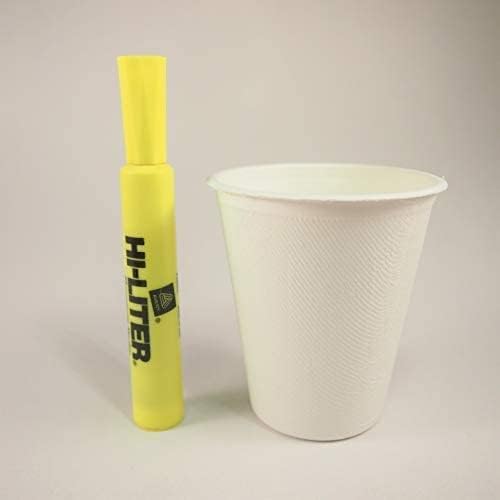 Bagasse Cups And Cutlery
 8oz
 12oz
 Cutlery


