Leave Your Message
0%

Picking a Laminated Tray manufacturer isn't just about comparing prices—there’s more to it. Buyers from around the world also need to really get a feel for the material choices, how much they can produce, the print quality, and how they package their products. You know, that tray might look perfect in a sample, but once you stack a bunch of them or ship them out, they might perform a little differently. It’s those small details that really count.

This guide is here to help you understand what to look for when evaluating manufacturers who serve international clients. We’ll cover things like how consistent the laminate is, how tidy the edges are finished, tolerances in size, options for customization, and how well they communicate during the sampling process. It’s a good idea to ask suppliers for detailed specs and some sample products, then double-check if those match what you actually need. Plus, a straightforward quote should clearly lay out the material info, order volume, turnaround time, and packing details. Don’t forget to confirm all this directly with the suppliers, because their capabilities and terms can change pretty quickly.

Keep in mind, no single manufacturer is perfect for every project. Someone who’s great at making retail display trays might not be the best choice for food packaging or protective cases—that’s an easy thing to overlook. Aside from just checking their catalogs, you’ll also want to think about how they handle changes, quality control, and shipping. These aspects are tricky to assess without having a real conversation.

Just a quick heads-up: this overview is just a starting point, not a final ranking. Always verify the company info before placing your order, especially if you have specific requirements. Even with careful comparisons, there’s still gaps—samples might not reveal every production hiccup, and online claims might need follow-up. Asking thoughtful questions, getting everything in writing, and talking directly with the suppliers will help you make a more confident, reliable choice.

China Top Laminated Tray Manufacturers for Global Buyers

What Laminated Trays Are and How They Are Used

Laminated trays are formed packaging units made from bonded layers, such as plastic, paperboard, aluminum, or barrier films. Each layer serves a specific purpose. One provides stiffness, another limits oxygen or moisture, and the sealant protects the food. This structure supports fresh meat, seafood, ready meals, and bakery products. A Laminated Beef Tray may use a rigid base with a heat-sealable top film for chilled distribution.

Their value becomes clearer during handling. A suitable tray helps prevent punctures, leaks, surface contamination, and product deformation. It can also support modified-atmosphere packaging, where gas balance slows quality loss. However, the tray does not preserve food alone. Seal temperature, film compatibility, filling accuracy, and cold-chain control matter just as much. Small process errors can create large losses.

The FAO’s State of Food and Agriculture 2019 estimated that 14% of global food is lost between harvest and retail. The UNEP Food Waste Index Report 2024 reported about 1.05 billion tonnes of food waste in 2022. These figures show why protective packaging deserves careful evaluation, not automatic praise. Buyers should compare oxygen transmission, water-vapor performance, seal strength, stacking resistance, and recyclability. Laboratory results can look excellent. Factory reality may differ. Tray selection should therefore include transport trials, leak testing, and repeated inspection under actual storage conditions.

China Top Laminated Tray Manufacturers for Global Buyers

What Laminated Trays Are and How They Are Used

Laminated trays are rigid or semi-rigid trays made from materials such as paperboard, aluminum, plastic, or molded fiber with one or more bonded layers. The laminate can improve moisture resistance, grease resistance, barrier performance, sealing capability, and product protection. The chart shows typical temperature conditions associated with common food-tray applications. Actual limits depend on the tray structure, coating, sealant, and manufacturer specifications.

Materials and Processes Behind Laminated Tray Production

Laminated tray production begins with choosing a substrate that suits the product and filling process. Paperboard offers a light, printable base, while plastic substrates can provide greater moisture resistance and shape retention. The laminate may include a thin polymer film or foil, depending on the required barrier. Each extra layer adds cost and can complicate recycling. More layers are not automatically better.

During production, the substrate is coated or bonded to the laminate, then cut and formed into a tray. Heat, pressure, and adhesive levels need careful control. Too much heat can distort the surface; too little may leave weak bonds or uneven edges. The edge matters. In practice, small variations in material thickness can affect how consistently trays stack and seal.

Buyers should request samples made with the intended filling and sealing conditions. Test for stiffness, oil or moisture resistance, seal strength, and performance after storage. For food-contact applications, confirm that materials and testing match the destination market’s requirements. A glossy finish may look clean, but appearance alone says little about barrier performance. One limitation is easy to overlook: a tray that works well in a dry room may behave differently in a cold, humid supply chain. Testing should reflect real handling, not only ideal factory conditions.

China’s Laminated Tray Manufacturing Landscape

China’s laminated tray manufacturing landscape is expanding with food exports, ready meals, and chilled seafood. The China Packaging Federation reported packaging industry revenue above RMB 1 trillion in recent years. This scale supports competitive sourcing, but capacity varies widely between factories.

Manufacturers commonly combine PET, PP, PE, aluminum foil, or paper layers. Each structure affects sealing strength, oxygen resistance, and recycling options. A Laminated Seafood Tray may need strong corner sealing and low-temperature performance. Factory audits should examine film thickness, adhesive curing, seal tests, and batch traceability. Small details matter.

Smithers’ The Future of Global Packaging to 2028 projects continued growth in global packaging demand, driven partly by food safety and convenience. China’s supply chain benefits from nearby resin converters, mold makers, printers, and logistics providers. This shortens development cycles. However, not every supplier controls these processes internally. That gap deserves attention. Buyers should request migration testing, food-contact declarations, and production samples before approving mass orders. Test results can look acceptable while actual tray performance changes under humidity, freezing, or stacking pressure. Experienced sourcing teams therefore compare laboratory data with real distribution trials. Cost remains important, but an inexpensive tray can create higher waste, leakage, or product claims later.

China Top Laminated Tray Manufacturers for Global Buyers - China’s Laminated Tray Manufacturing Landscape

Product Category Common Material Structure Typical Manufacturing Features Common Applications Buyer Evaluation Points
Rigid plastic barrier trays Formed plastic layers may combine a structural layer with barrier materials such as EVOH, depending on the intended package. Often made by thermoforming multilayer sheet; tray rims can be designed for lidding-film sealing. Fresh meat, cheese, prepared foods and other products requiring a shaped package. Confirm the full layer structure, food-contact suitability, seal compatibility and required oxygen or moisture barrier performance.
Modified-atmosphere packaging trays Tray material and lidding film are selected as a matched packaging system; barrier layers may be included to help retain the specified atmosphere. Designed for sealing with compatible top film. Gas composition and package performance depend on the product, film, seal and storage conditions. Chilled foods, including meat, poultry, seafood and some prepared foods. Validate gas transmission, seal integrity, product shelf-life requirements and the complete package under actual storage conditions.
Vacuum-skin packaging trays A formed tray is paired with a skin film that conforms closely to the product; tray and film materials vary by application. Requires equipment and materials suited to heating, drawing and sealing the skin film over the product and tray. Retail portions of meat, seafood, cheese and other products where close product presentation is desired. Check film-to-tray sealing compatibility, product presentation, puncture resistance and performance on the intended packaging line.
Paperboard trays with barrier coatings or laminations Paperboard provides the structure and may be combined with a polymer coating, laminate or other functional barrier layer. Can be converted into shaped trays; barrier and heat-seal properties depend on the coating or laminate specification. Dry foods, takeaway meals and selected chilled or frozen applications, subject to the package specification. Ask about grease, moisture and temperature resistance, sealing method, recyclability claims and local disposal requirements.
Aluminium trays with laminated lids Rigid aluminium tray paired with a compatible lid or lidding laminate; the lid construction depends on the sealing and barrier requirements. Aluminium trays can tolerate a wide range of temperatures, but the complete tray-and-lid system must be specified for the process. Ready meals, bakery products and other foods packed in trays intended for heating or cooking. Verify oven or retort suitability where relevant, lid seal performance, equipment compatibility and safe-use instructions.
Custom-shaped laminated trays Material layers and tray geometry are selected according to product protection, presentation and packaging-line needs. Tooling, draw depth, rim geometry and nesting design affect forming, sealing, handling and shipping efficiency. Products requiring a specific portion size, compartment layout or display format. Review drawings, dimensional tolerances, sample approvals, tooling ownership, minimum order quantities and change-control procedures.
Export and compliance considerations Applicable materials and documentation depend on the destination market, food type and intended conditions of use. Production controls and traceability documentation should match the buyer’s specification and applicable regulations. International sourcing for food, retail, food-service and industrial packaging supply chains. Request current food-contact declarations and supporting test records for the destination market; confirm specifications, lead times, packaging, shipping terms and inspection criteria.

Material structures and performance vary by supplier and specification. Confirm the complete package design and applicable regulatory requirements before placing a production order.

Key Capabilities to Compare Among Chinese Manufacturers

China Top Laminated Tray Manufacturers for Global Buyers

Key Capabilities to Compare Among Chinese Manufacturers

Selecting a laminated tray manufacturer requires more than comparing quoted prices. Review the factory’s experience with your product type, filling temperature, and sealing method. A capable team should explain material structures clearly. It should also recommend suitable barrier layers for moisture, oxygen, light, or grease. Ask for technical data, not broad promises.

Production control matters during daily operations. Check whether the manufacturer uses incoming material inspection, sealing tests, dimensional checks, and batch records. Request sample trays from different production runs. Compare rim flatness, film adhesion, corner strength, and surface cleanliness. Small defects can affect automated filling lines. The factory should identify tooling limits before mass production begins. That conversation is often more valuable than a polished presentation.

Capacity deserves careful verification. Ask about equipment quantity, mold availability, lead times, and backup plans during peak seasons. A reliable supplier can provide realistic sampling schedules and clear corrective-action reports. Certifications may support credibility, but they do not replace factory audits or independent testing. Check whether documentation matches the actual production site. Do not assume a large facility guarantees consistent quality. Even experienced manufacturers can miss issues when specifications are vague. Your own requirements may also need revision after trials. Record test results, approve a controlled sample, and define measurable acceptance standards before ordering.

Quality Standards and Export Requirements for Global Buyers

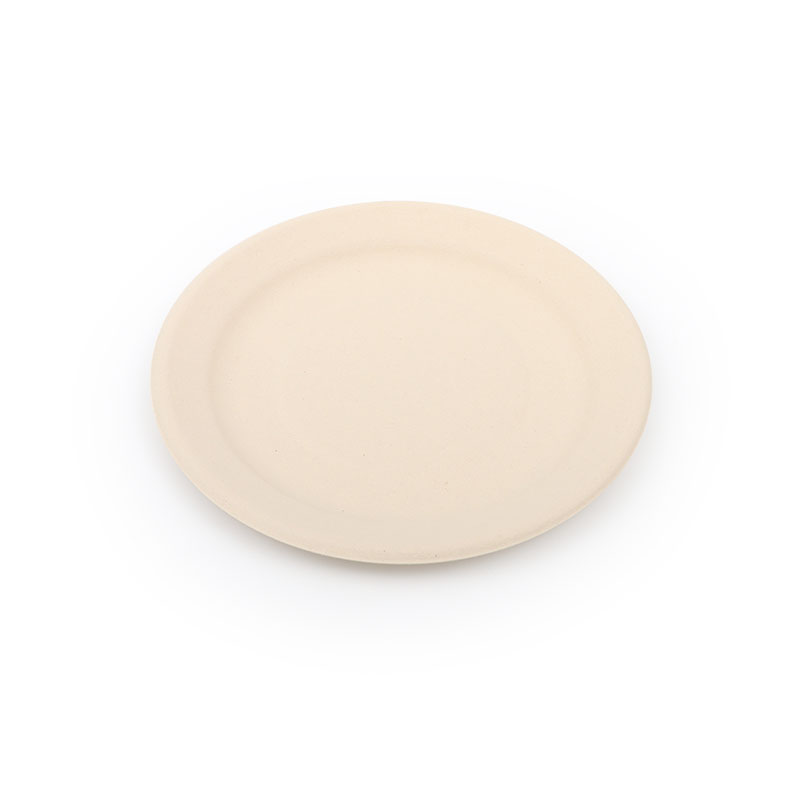
Global buyers should judge a Laminated Paper Plate by documented performance, not appearance alone. The laminate must resist oil, heat, and moisture during real serving conditions. Food-contact compliance should match the destination market, including migration testing and material declarations. Export files should include specifications, batch records, inspection reports, and a clear certificate of analysis.

UNEP’s 2023 Turning off the Tap report estimates that global plastic pollution could be reduced by 80% by 2040 through reuse, recycling, and material redesign. This pressure is changing buyer expectations. Paper plates now need practical barriers with responsible material choices. However, recyclability claims can be unclear when coatings, inks, and adhesives are combined. A supplier may pass a laboratory test yet fail after long sea transport. Humidity changes everything.

Tips: Ask for third-party food-contact test reports, compression data, and moisture-barrier results. Check whether testing follows recognized methods, such as ISO or ASTM procedures. Confirm carton strength, pallet dimensions, and container loading plans before production. Request a retained sample from each batch. Small details matter. Some specifications still need revision after field testing.

How to Evaluate and Source a Reliable Tray Supplier

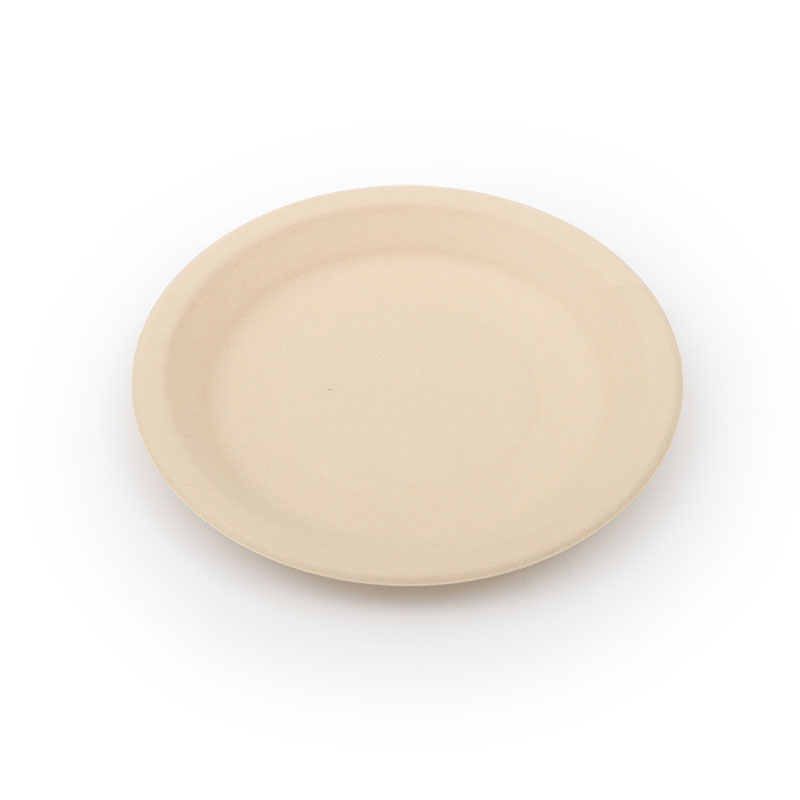
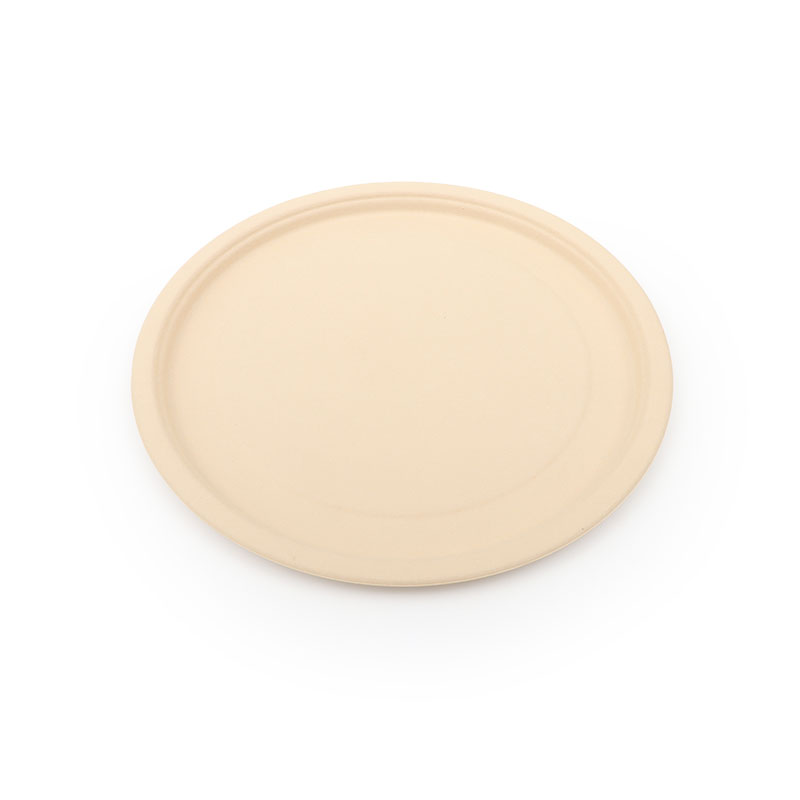
China’s laminated tray manufacturers serve buyers seeking stable quality, custom sizes, and competitive production costs. Yet a polished catalog proves very little. A reliable supplier should explain materials, bonding methods, edge finishing, and production limits clearly. Ask for a sample, not only photographs. Check whether the Laminated Plate surface remains flat after stacking and transport. Small details matter, such as clean corners, consistent color, and smooth edges.

Request factory videos, recent test reports, and measurable quality standards. Confirm the material composition and intended use before discussing price. For food-related applications, verify suitable contact documentation for your destination market. Review the supplier’s inspection process, packaging design, lead times, and replacement policy. A strong manufacturer usually welcomes questions and records changes in writing. I have learned that communication speed can hide weak technical knowledge. Do not confuse quick replies with real reliability. That mistake is easy.

Tips: Order samples from more than one supplier. Compare weight, rigidity, odor, and surface adhesion. Ask for a production trial before placing a large order. Keep approved samples for future inspections. Clarify acceptable defects with simple photos and measurements. Visit the factory when possible, but remember that one visit cannot reveal every risk. A second review may uncover problems missed during a busy audit.

FAQS

What is a laminated tray?

It is a formed package made from bonded layers, such as plastic, paperboard, aluminum, or barrier films. Each layer has a job. Some provide stiffness; others limit oxygen or moisture.

How can laminated trays help protect food?

A suitable tray can reduce punctures, leaks, contamination, and product deformation. It may also support modified-atmosphere packaging. The tray alone cannot preserve food.

What foods commonly use laminated trays?

They can package fresh meat, seafood, ready meals, and bakery products. Chilled meat may use a rigid base with a heat-sealable top film.

Which materials might a tray contain?

Common materials include PET, PP, PE, aluminum foil, and paper layers. The combination affects sealing strength, oxygen resistance, and recycling options. Not every structure suits every food.

What performance details should buyers compare?

Check oxygen and water-vapor performance, seal strength, stacking resistance, and recyclability. Lab results are only a starting point. Real handling can be different.

How can buyers assess a manufacturer?

Review film thickness, adhesive curing, seal tests, and batch traceability. Request production samples and relevant food-contact documents. Small details matter.

Why are transport trials important?

Humidity, freezing, and stacking pressure can change tray performance. Test leaks and inspect trays during actual storage and distribution. It is easy to trust one good lab test too much.

Is the lowest-cost tray always the best choice?

No. A low-priced tray may lead to leakage, food waste, or product claims. Compare total performance, not just the purchase price. Costs can hide in the corners.

Conclusion

A Laminated Tray is a practical packaging and serving solution made by bonding multiple layers of paper, board, film, or other suitable materials to achieve improved strength, moisture resistance, heat tolerance, and presentation. These trays are commonly used for food packaging, retail displays, catering, household products, and industrial applications. Their performance depends on material selection, lamination methods, forming technology, printing, coating, and finishing processes.

China has a broad laminated tray manufacturing sector serving both domestic and international markets. When comparing suppliers, global buyers should review production capacity, customization options, tooling capability, automation, material traceability, and consistency across large orders. Quality management, product testing, packaging protection, documentation, and export compliance are also essential considerations. A reliable sourcing process should include clear technical specifications, sample approval, factory capability assessment, transparent communication, quality inspections, and agreed delivery terms. By evaluating these factors carefully, buyers can select a dependable supplier capable of delivering suitable laminated trays with stable quality, competitive efficiency, and consistent international support.

Lila

Lila

Lila is a dedicated marketing professional at Kangxin (Haimen) Environmental Technology Development Co., Ltd., where she leverages her expertise to promote the company’s innovative eco-friendly solutions. With a deep understanding of sustainable practices and environmental technologies, Lila plays......
Previous 7 Best Laminated Beef Tray Suppliers for Global Buyers