Leave Your Message
0%

These days, the search for reliable Biodegradable Disposable Food Box suppliers is really picking up pace around the world. Restaurants, caterers, retailers, and delivery brands—basically anyone shipping food—want packaging that does its job and doesn’t leave behind a lasting pile of plastic waste. You notice it in everyday use—really. A hot rice meal, sauce leaking out, or a lunch box that gets crushed... those little moments can quickly show where the material choices just aren't strong enough.

So, here's an interesting pair of numbers. Back in 2023, the UN Environment Programme's Turning off the Tap report said global plastic pollution could drop by as much as 80% by 2040—if we lean harder on reuse, recycling, and redesigning materials. Around the same time, European Bioplastics and nova-Institute put global bioplastics production capacity at about 2.18 million tonnes in 2023. And they figured it might climb to 7.43 million tonnes by 2028. That's definitely growth. But—and this is the catch—it doesn't necessarily mean every single bioplastic product will break down in your garden soil or home compost pile.

Honestly, this category isn't exactly crystal clear. Suppliers might use bagasse, molded fiber, paper coatings, PLA, or some kind of blended material. And how well they hold up? That can vary a lot depending on heat, moisture, shipping pressure, and composting conditions. So certification and disposal infrastructure end up mattering just as much as how it looks. Dame Ellen MacArthur—who knows a thing or two about the circular economy—gave a pretty useful warning: “We cannot recycle our way out of the plastic pollution crisis.” It’s a point worth sitting with. A box might look all natural, but that doesn't mean it'll actually break down where your customers toss it. So in this guide, we're looking at some of the top suppliers around the world—things like how transparent they are about materials, how much manufacturing experience they've got, food-contact quality, customization options, production capacity, and whether their environmental paperwork is actually credible. Not every supplier is going to be a good fit for every market. The best ones? They're practical, measurable, and upfront about what they can't do.

Top Biodegradable Disposable Food Box Suppliers Worldwide

Definition and Scope of Biodegradable Disposable Food Boxes

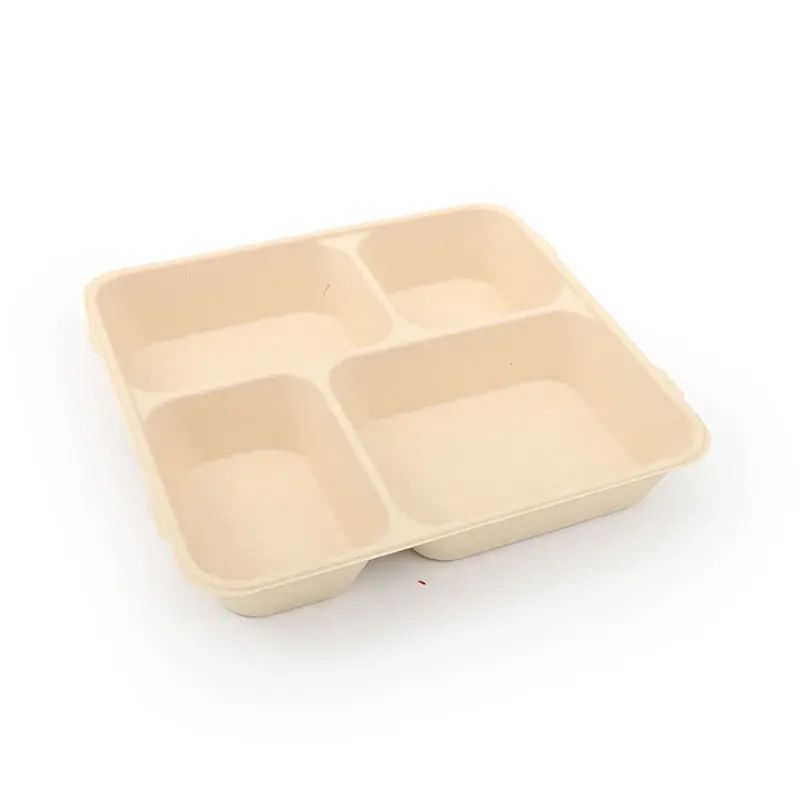
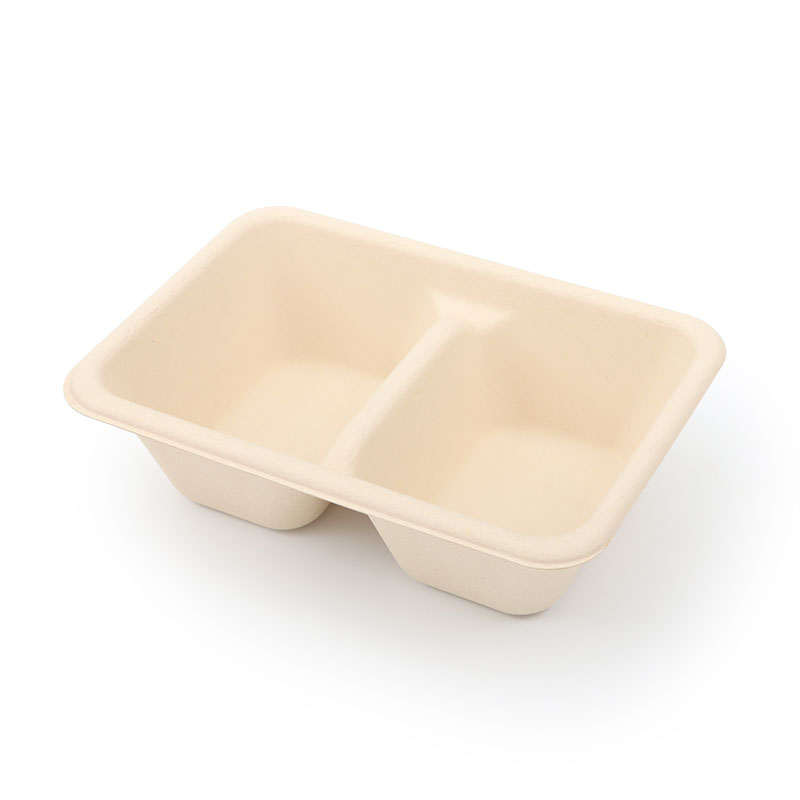
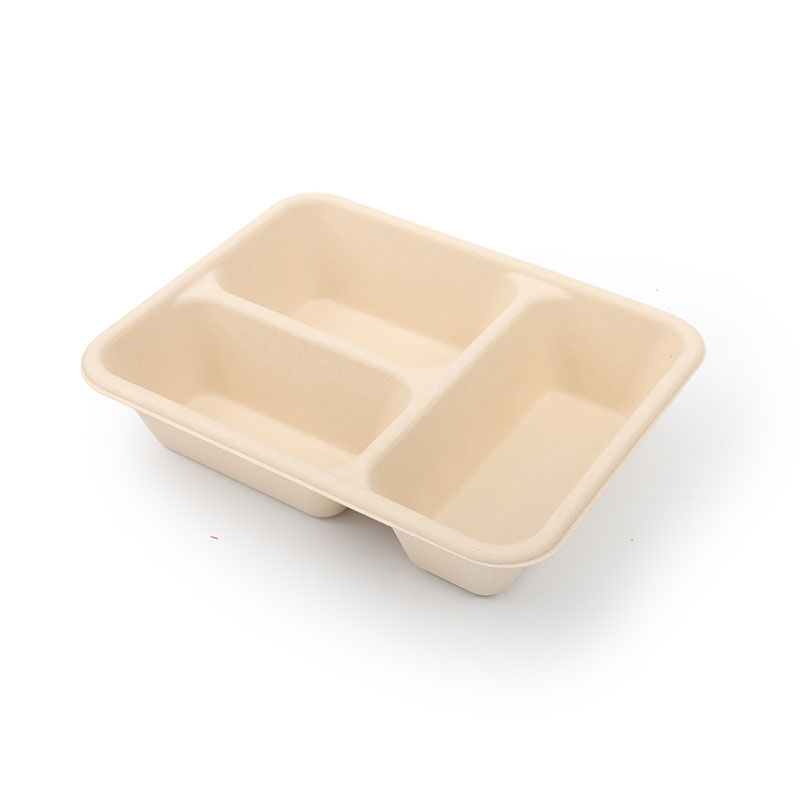
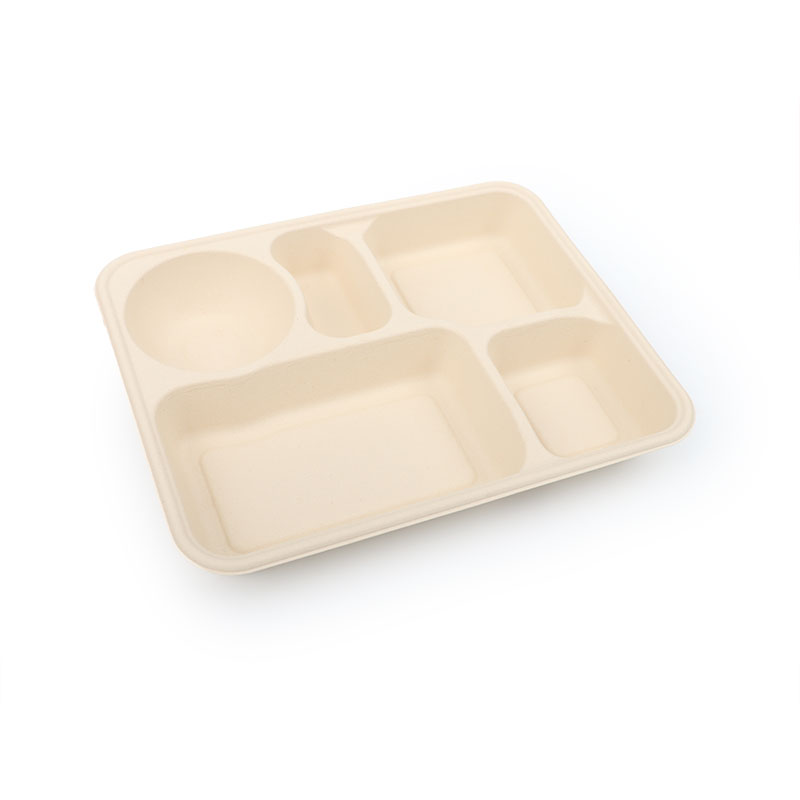
Biodegradable Disposable Food Boxes are single-use containers designed to break down through natural biological activity. They are commonly made from molded fiber, bagasse, paper, starch blends, or other plant-based materials. Their purpose is practical: holding hot meals, chilled foods, or takeaway portions without relying entirely on conventional plastic.

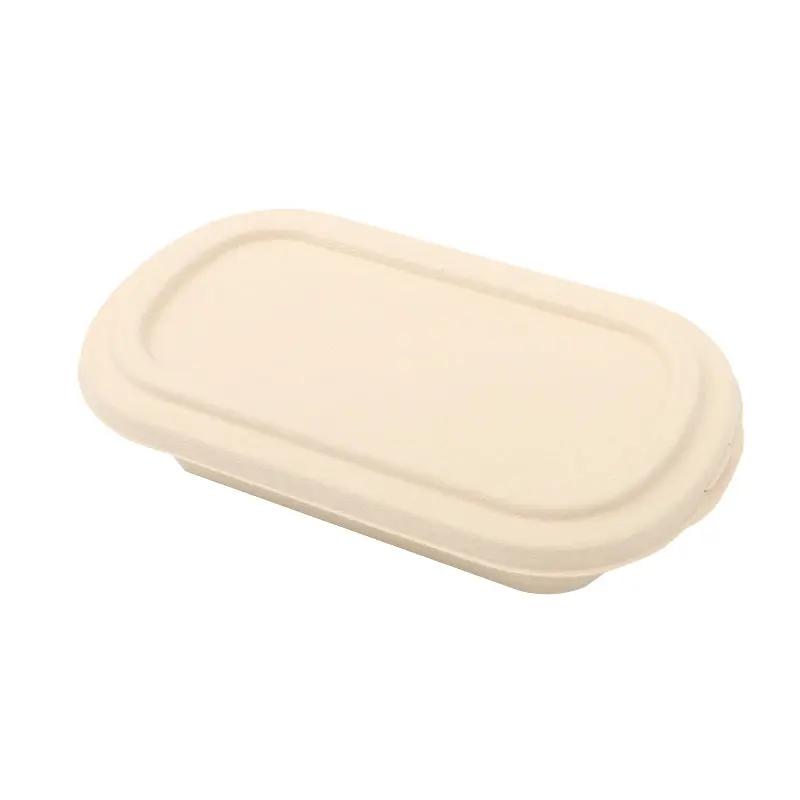
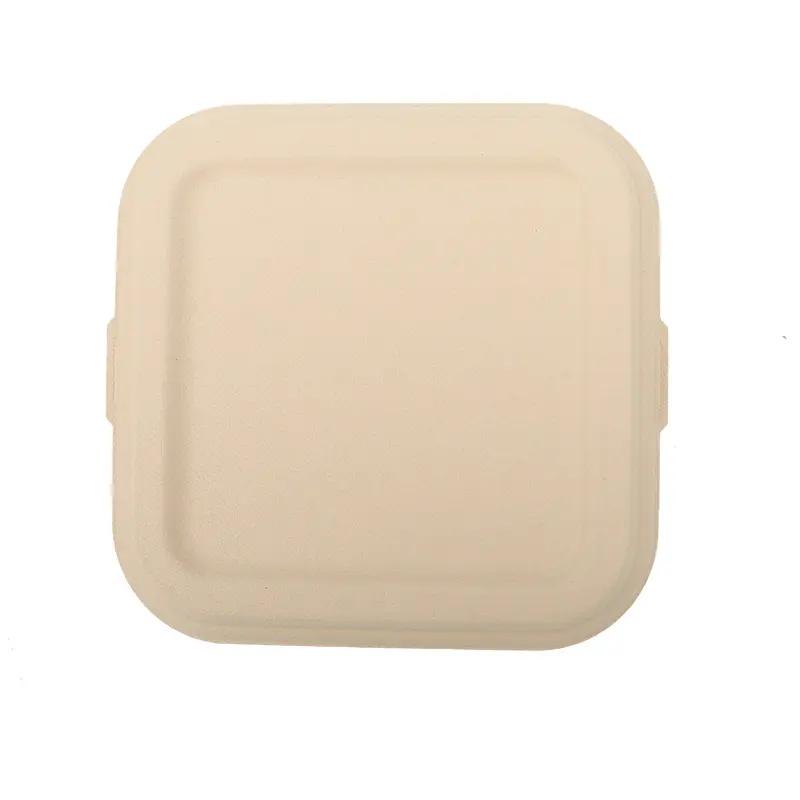
The scope is wider than the material itself. It includes the box, lid, coating, ink, adhesive, and intended disposal environment. A fiber box may degrade in an industrial composting facility but remain unchanged in a dry landfill. Some products need controlled heat, moisture, and microbial activity. Home composting claims require different evidence. “Biodegradable” also does not automatically mean harmless, recyclable, or compostable.

Procurement teams should examine test reports, material specifications, food-contact suitability, and clear disposal instructions. Check whether the lid uses a different material. Small details matter. A thin plastic lining can change the product’s end-of-life options. Suppliers should explain production controls, moisture resistance, temperature limits, and packaging performance with measurable data. Samples should be tested with oily food, soup, and extended holding times.

The category is useful, but not perfectly clean. Labels can sound greener than the actual disposal system. A box that performs well in a factory may fail in a local composting program. Reliable decisions depend on verified claims, realistic waste infrastructure, and honest communication.

Key Materials Used in Biodegradable Food Box Manufacturing

Top Biodegradable Disposable Food Box Suppliers Worldwide

Key Materials Used in Biodegradable Food Box Manufacturing

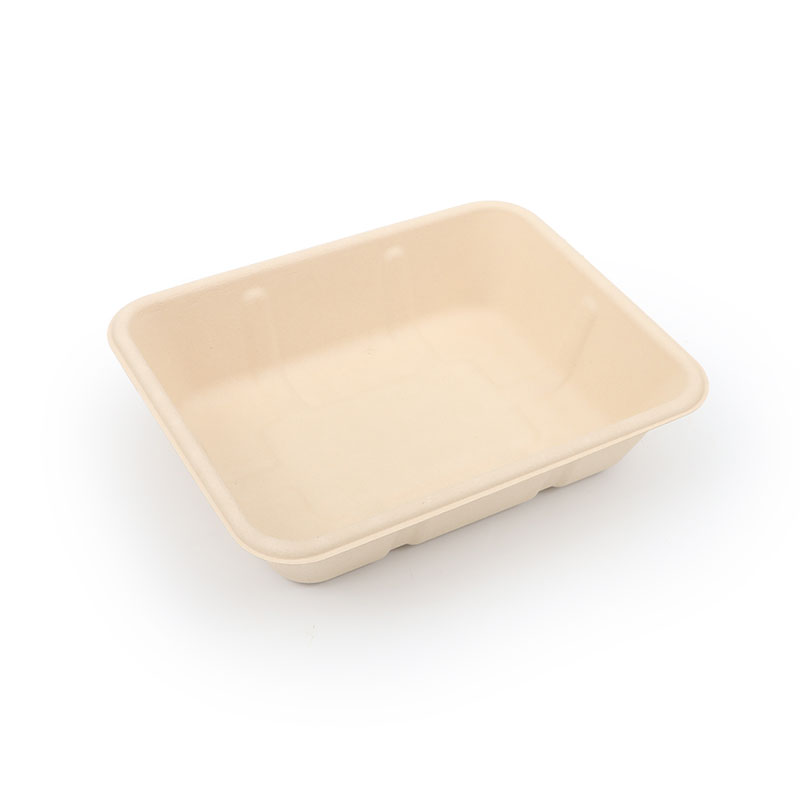
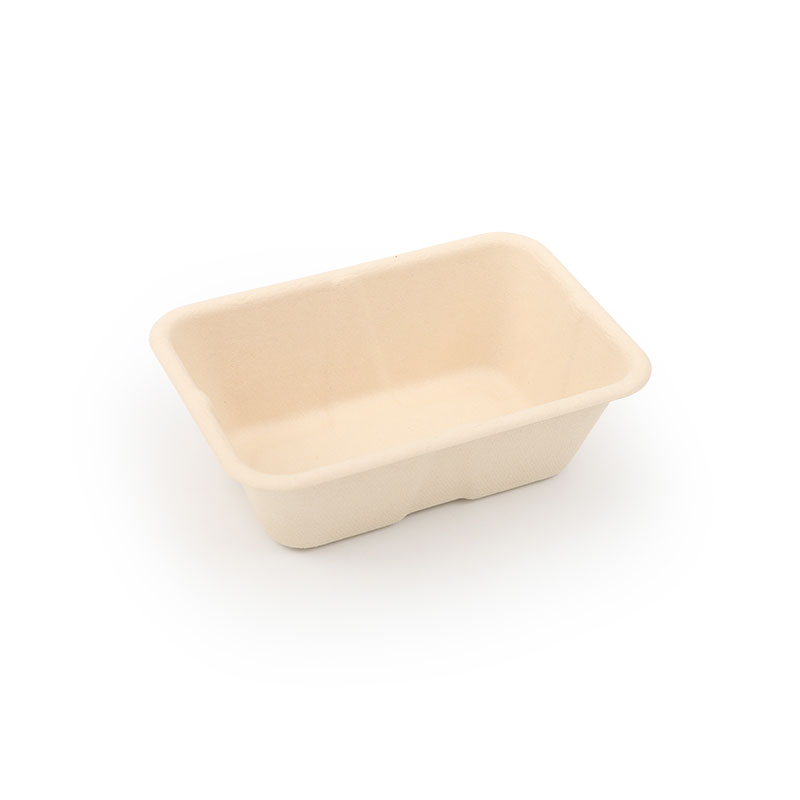
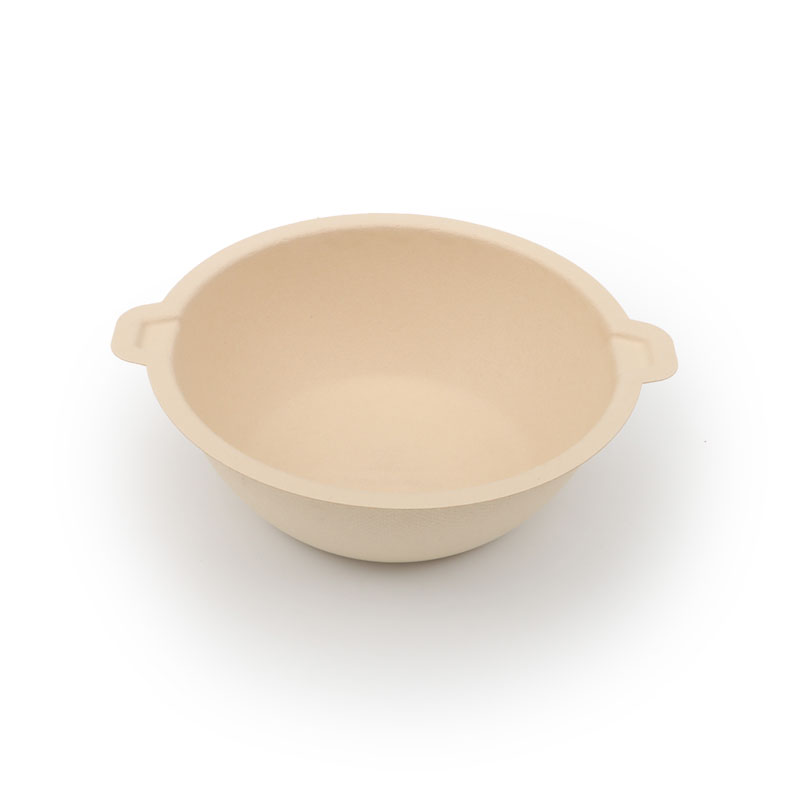
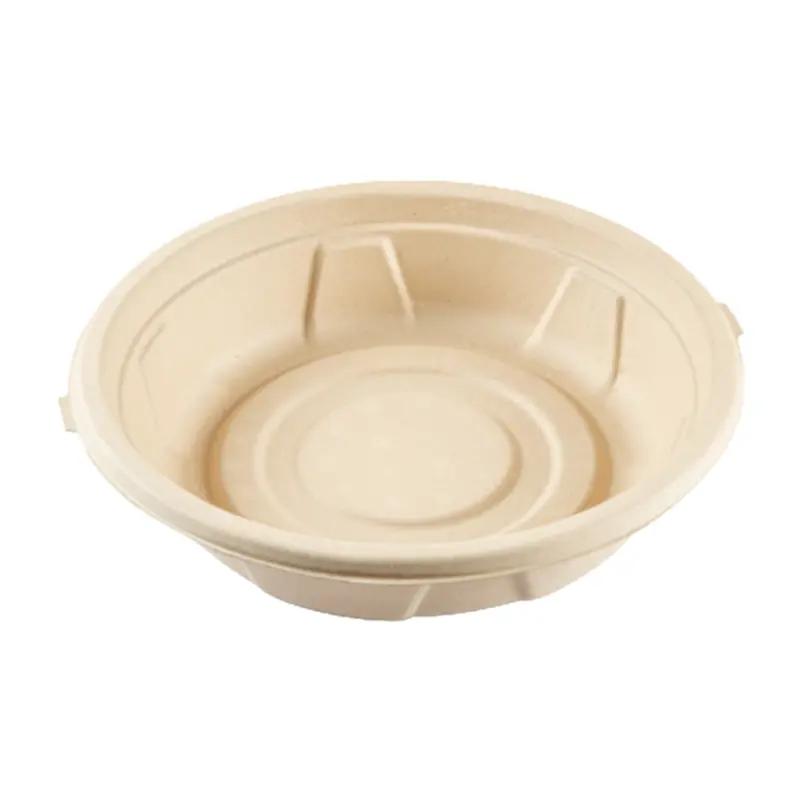
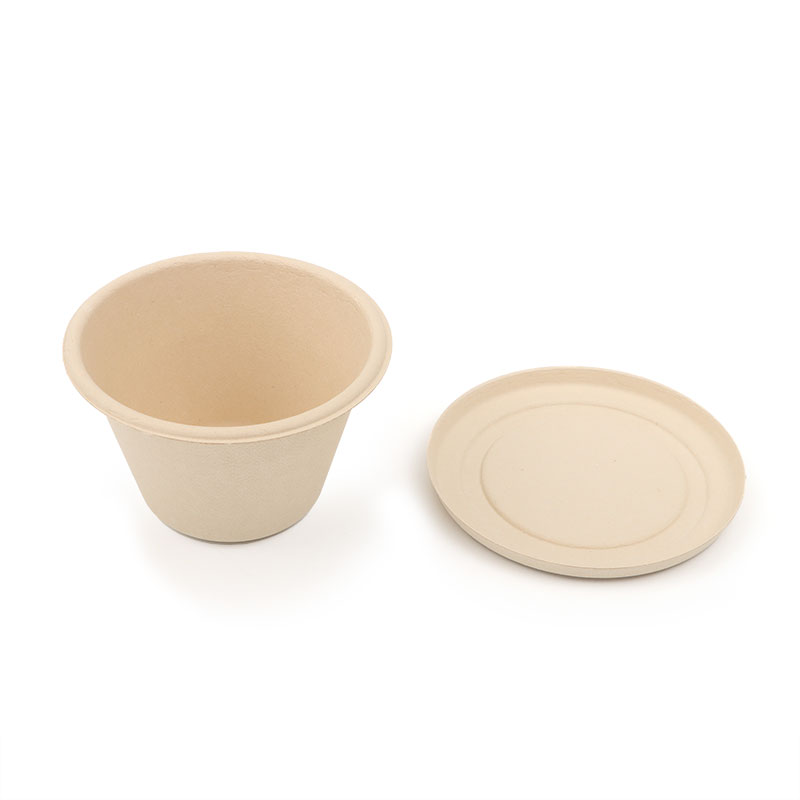
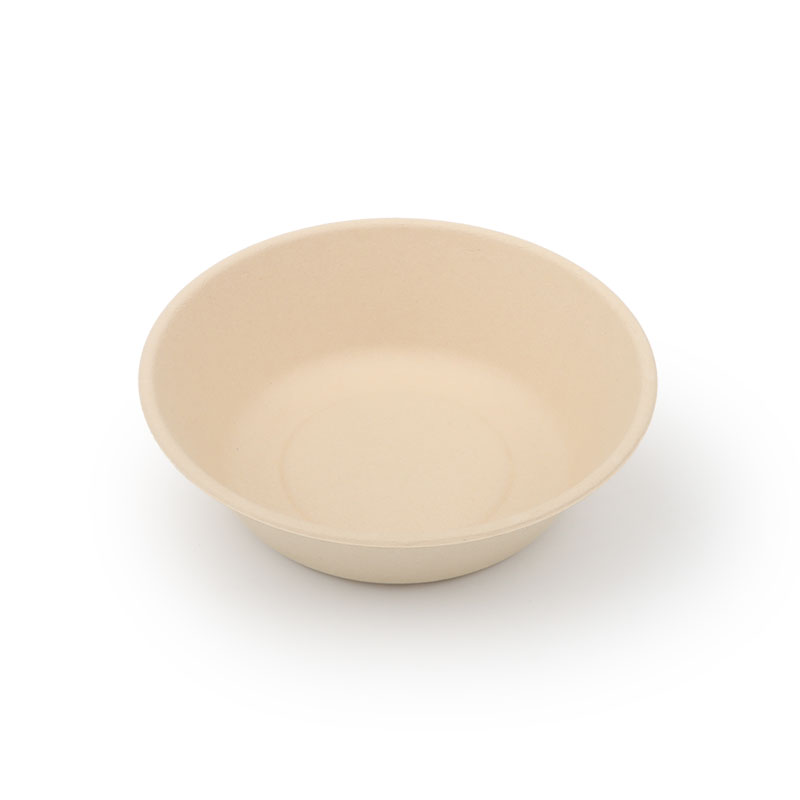
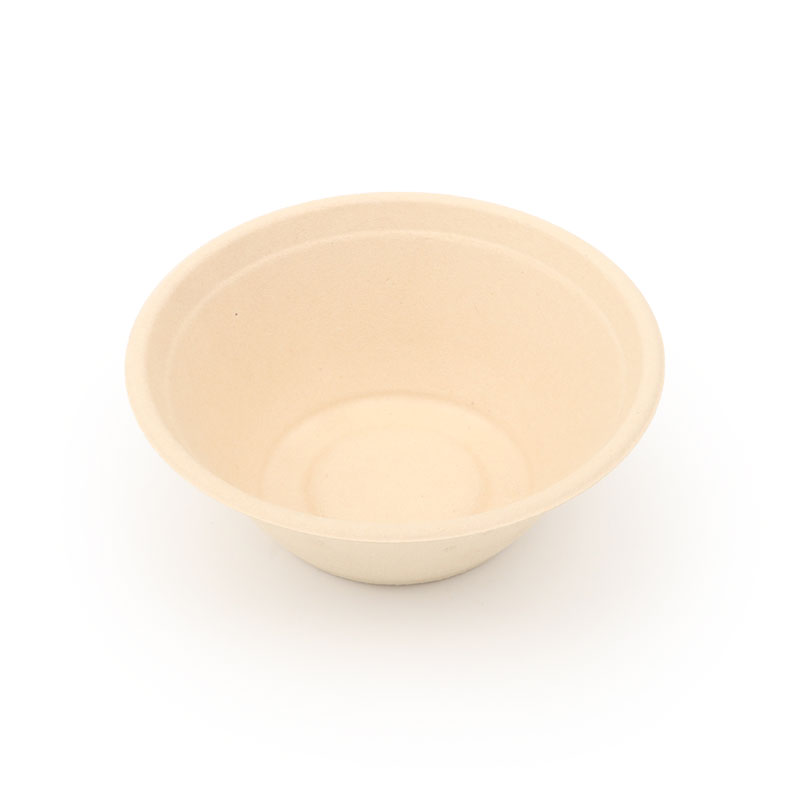
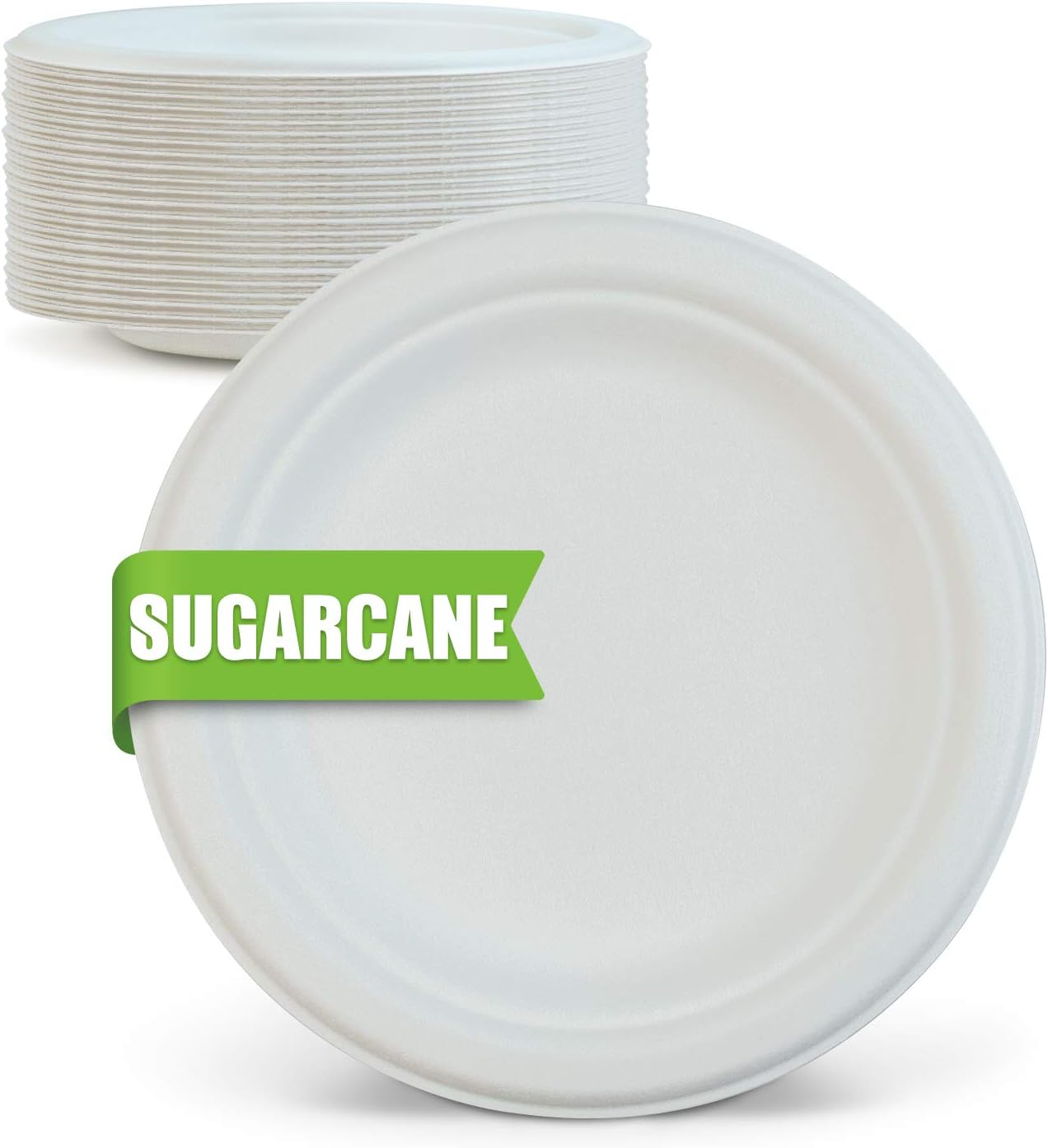
Bagasse is widely used for biodegradable food boxes. It comes from processed sugarcane fiber and gives boxes a firm, lightly textured surface. This material handles warm meals well, but heavy sauces may soften thin walls. Thickness matters more than appearance.

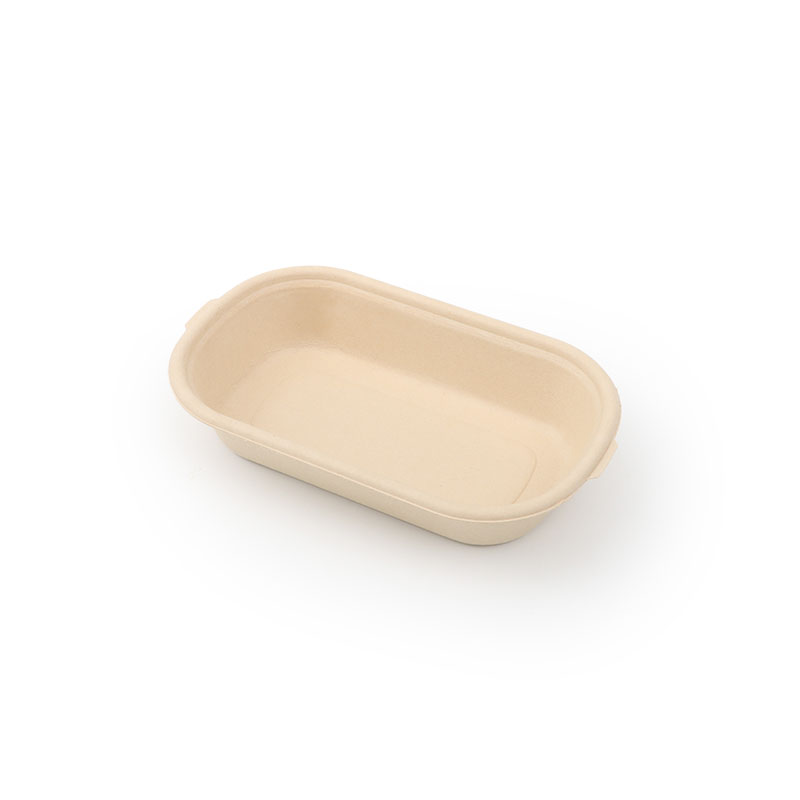
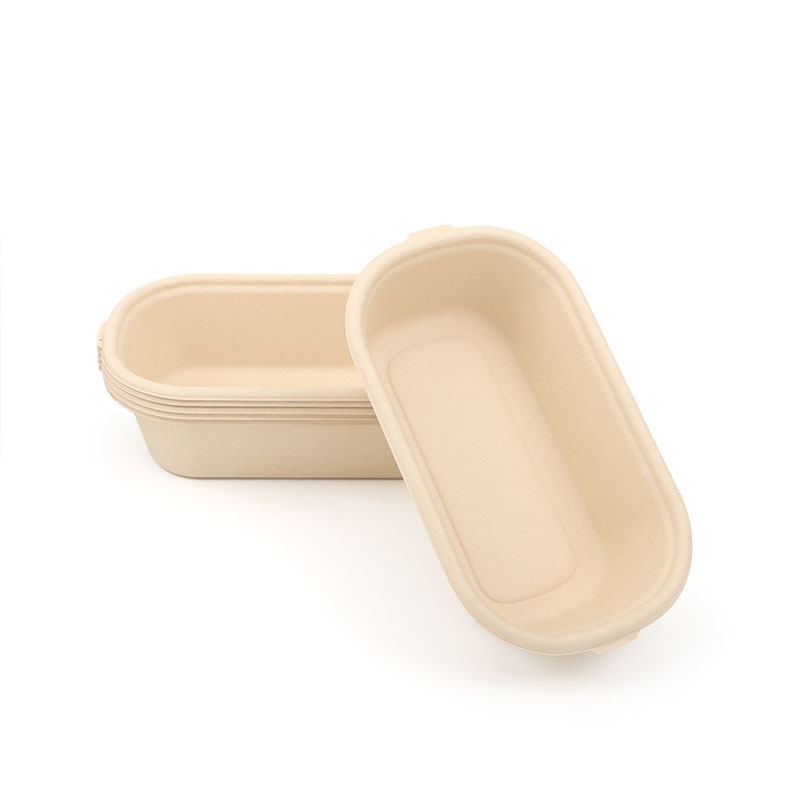
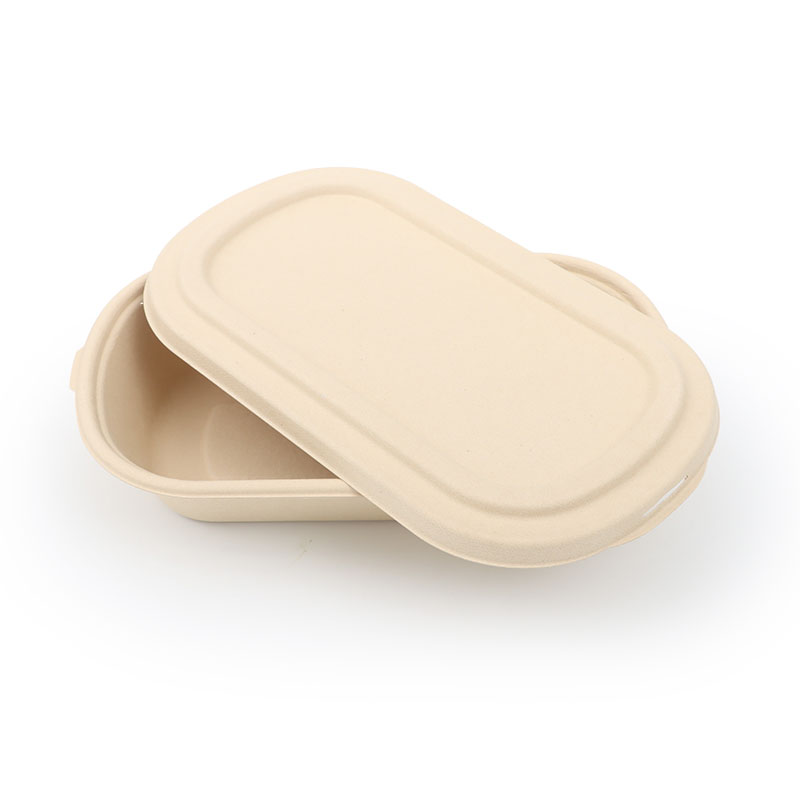
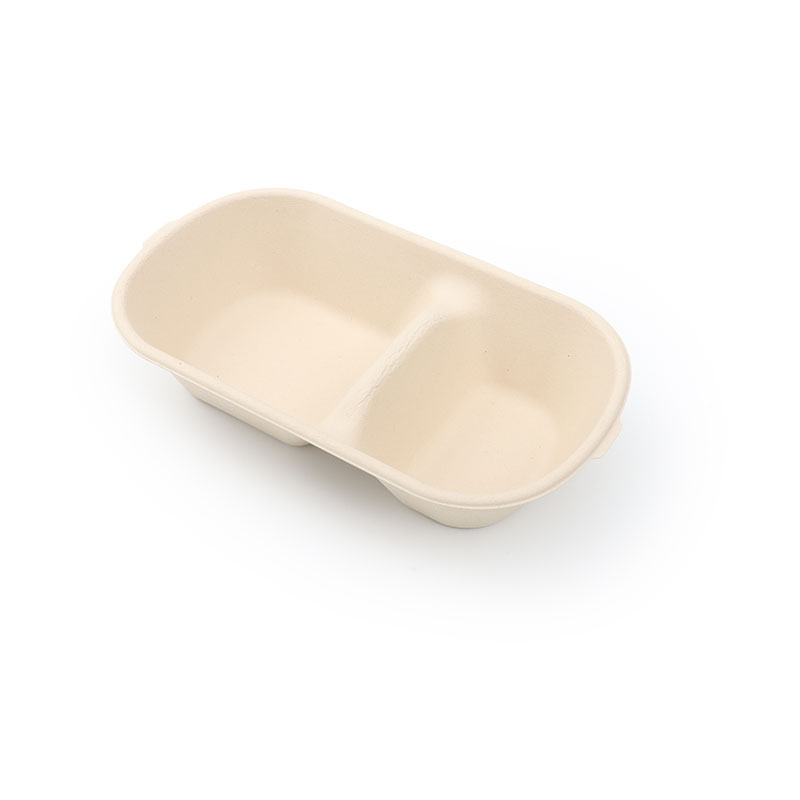
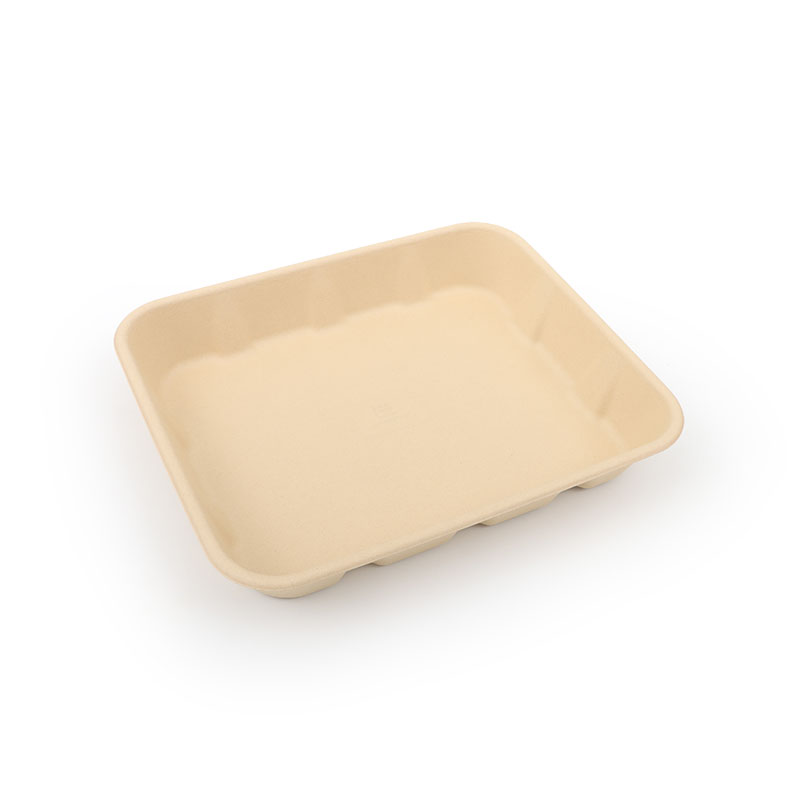
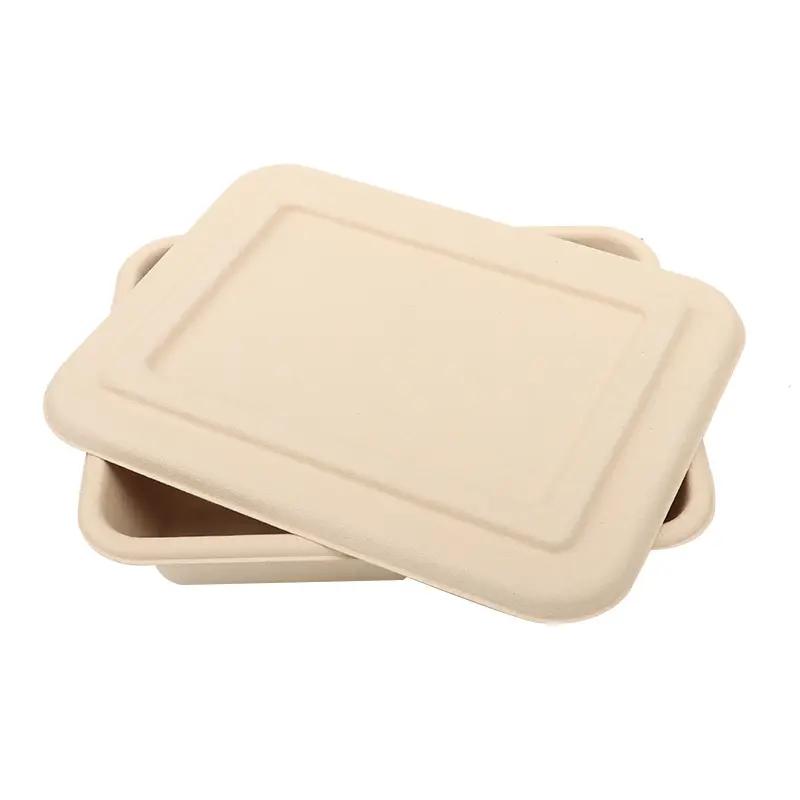
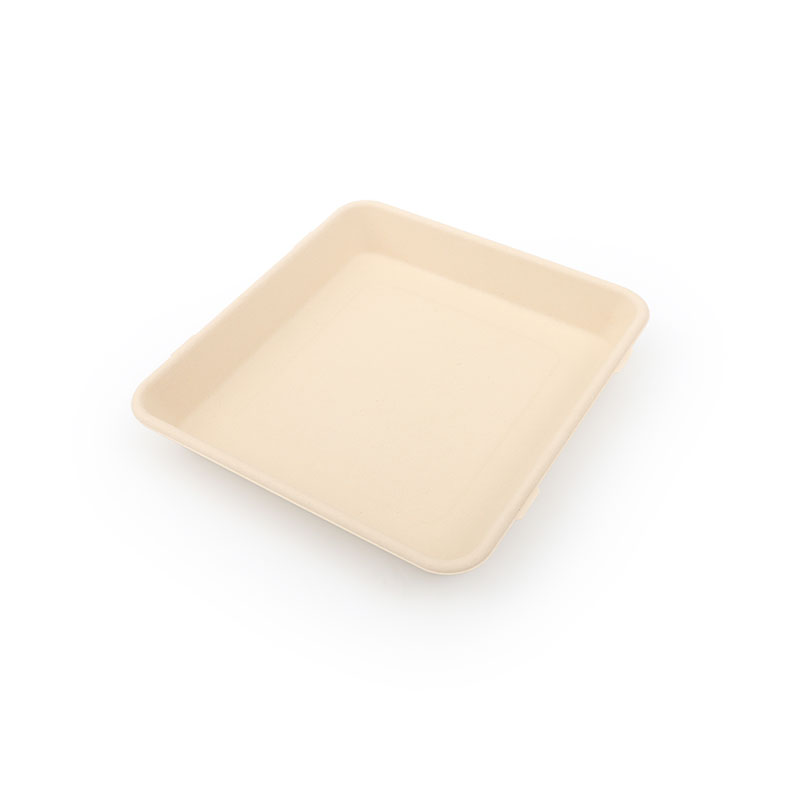
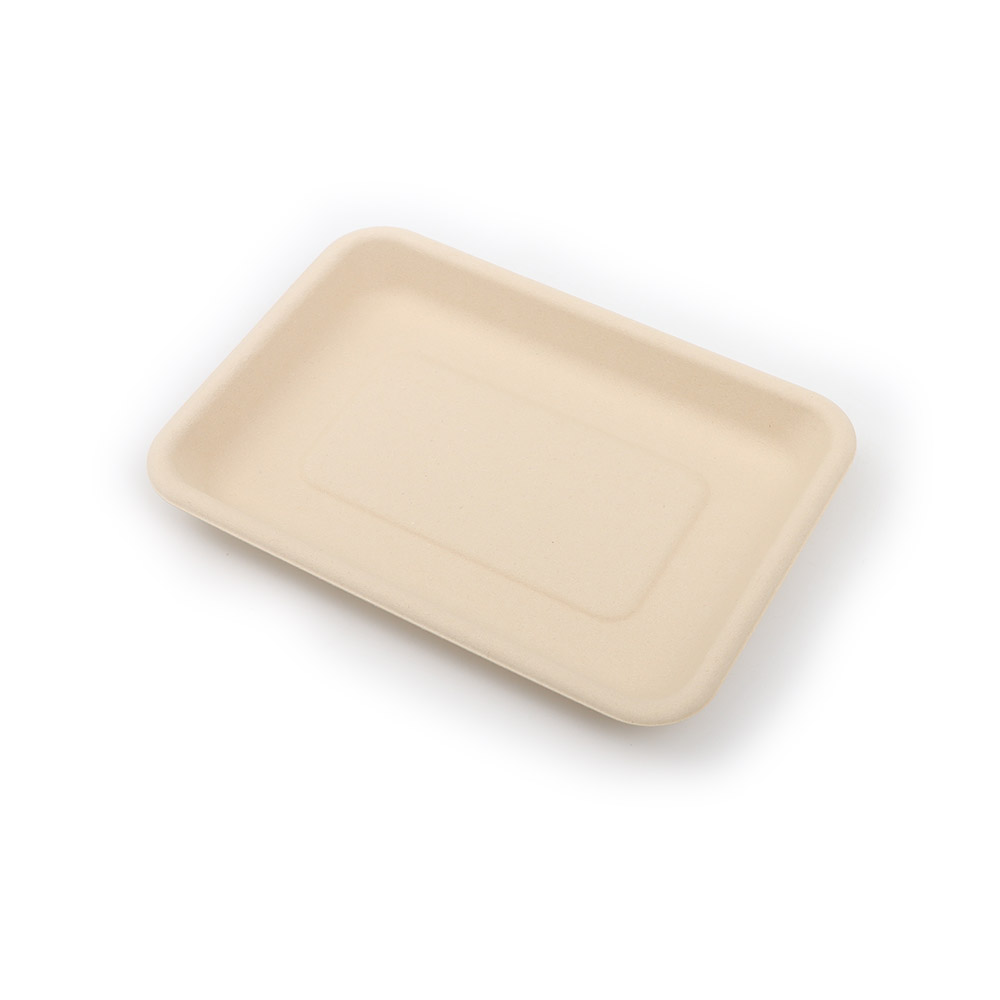
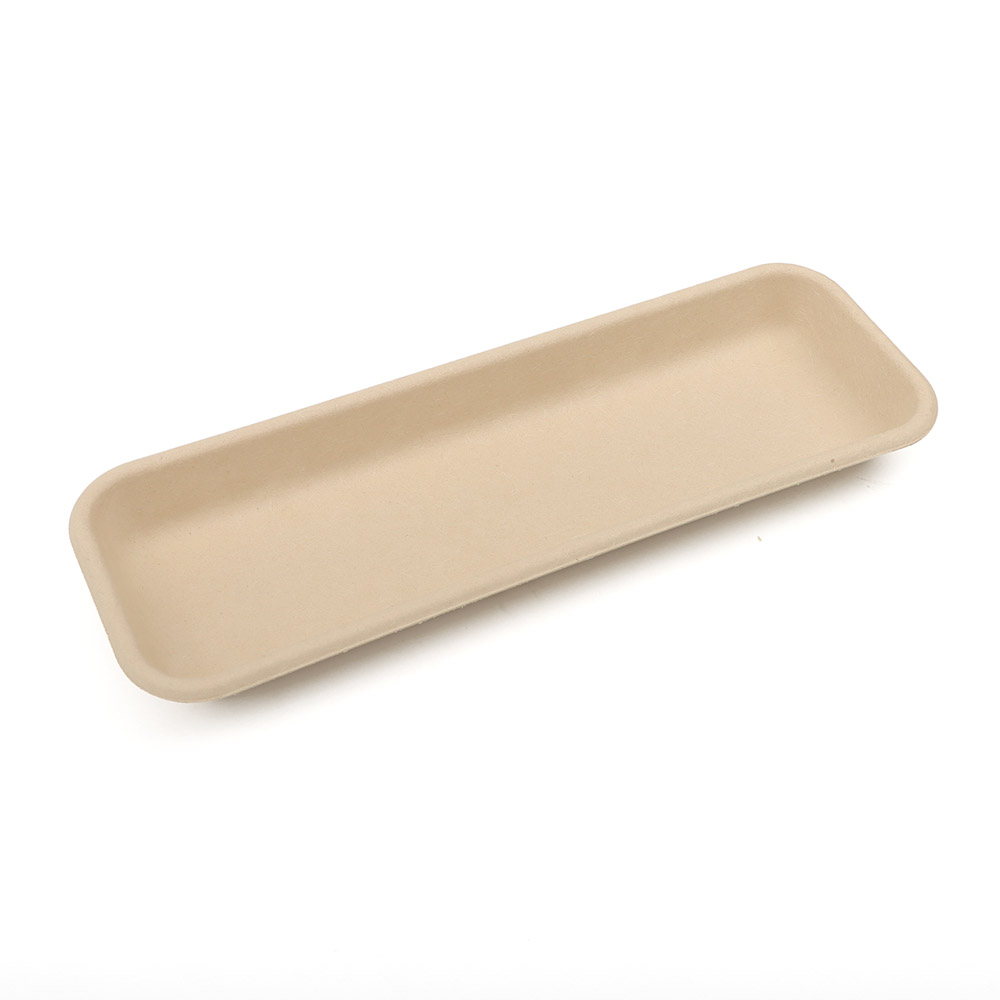
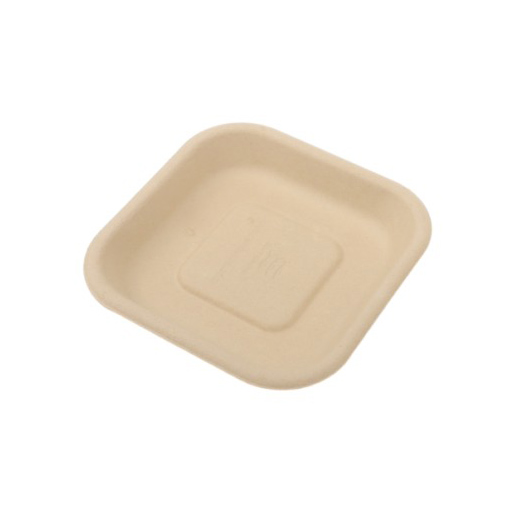
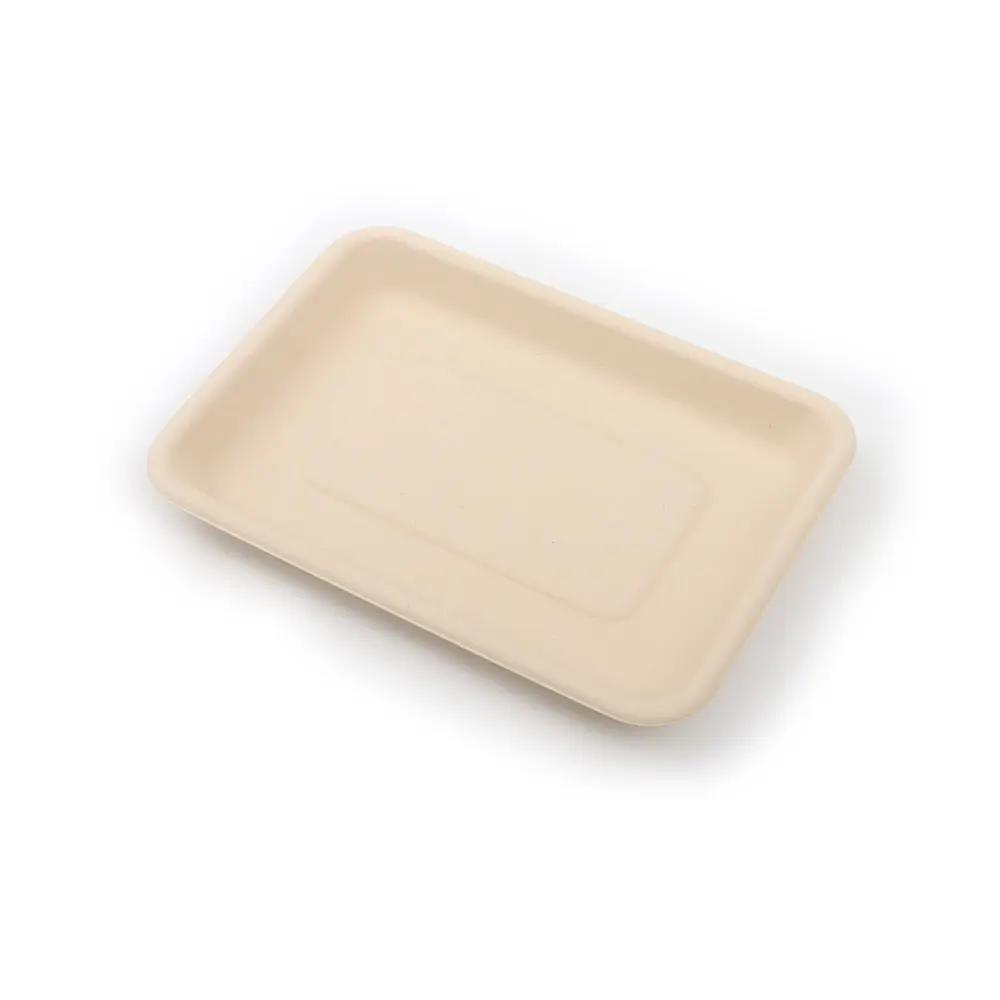
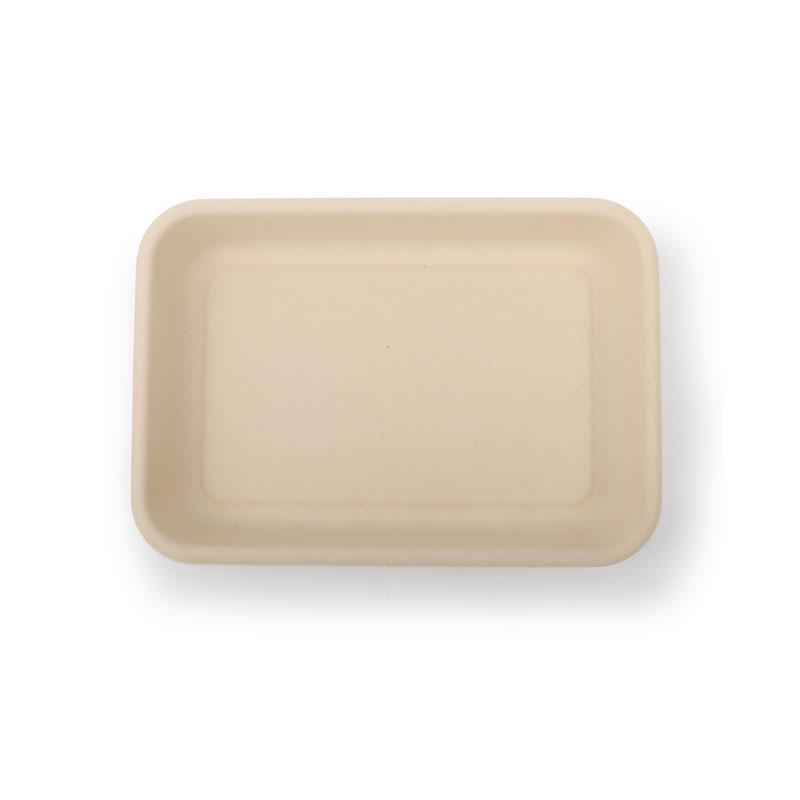
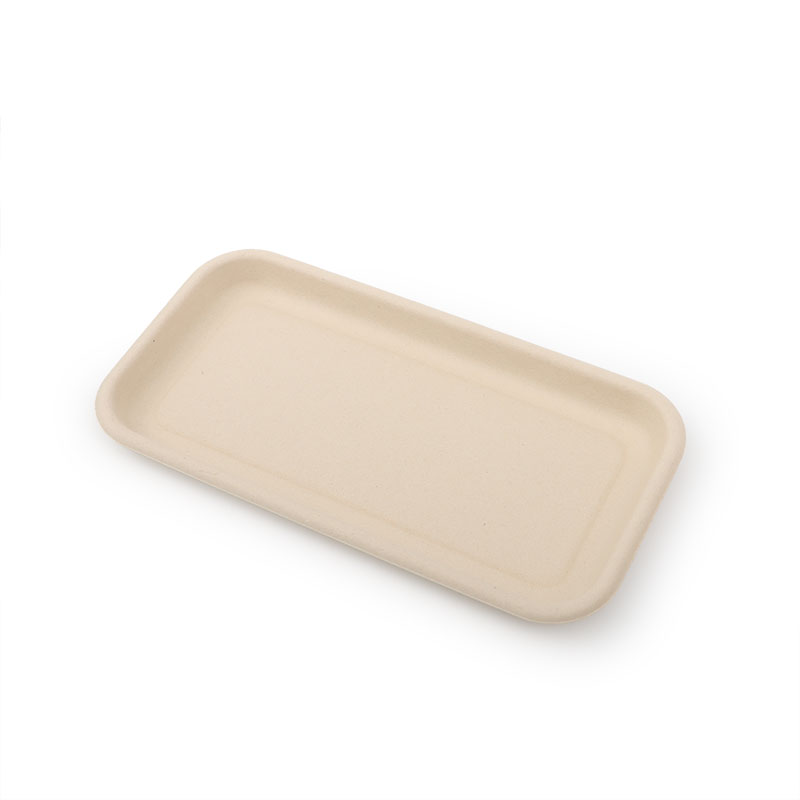
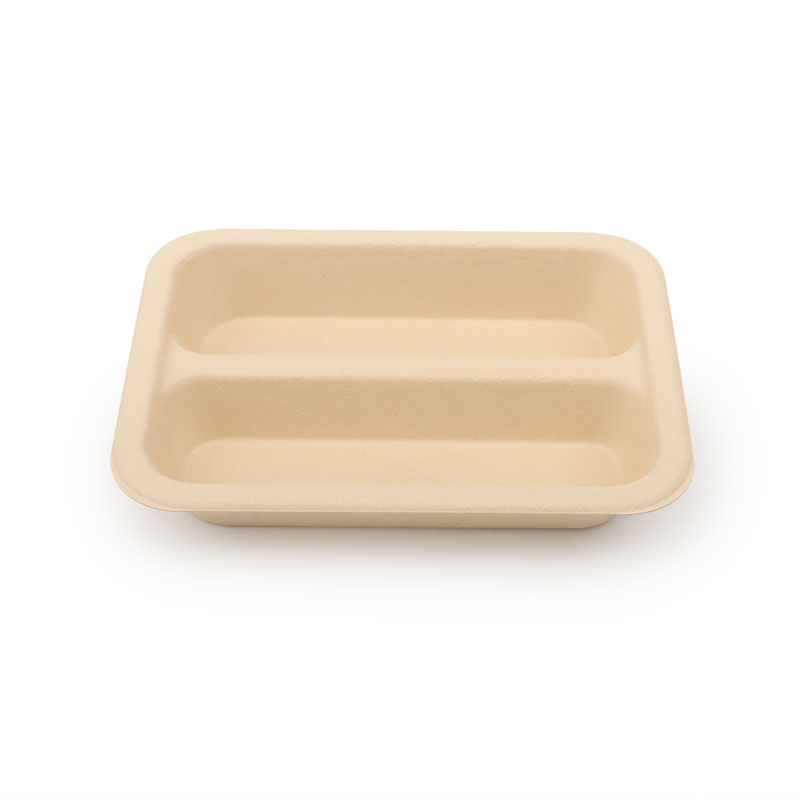
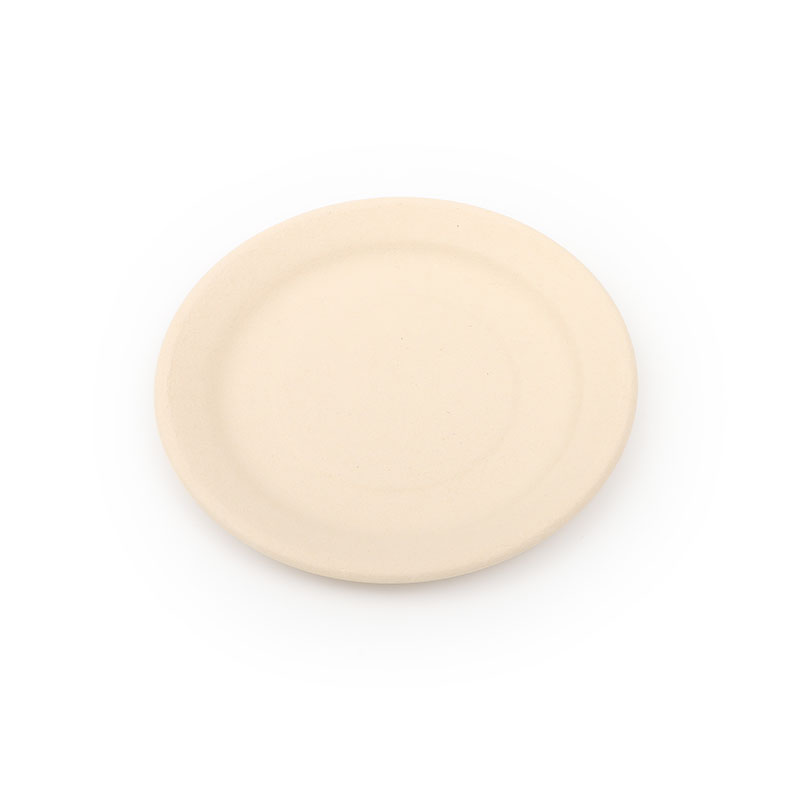
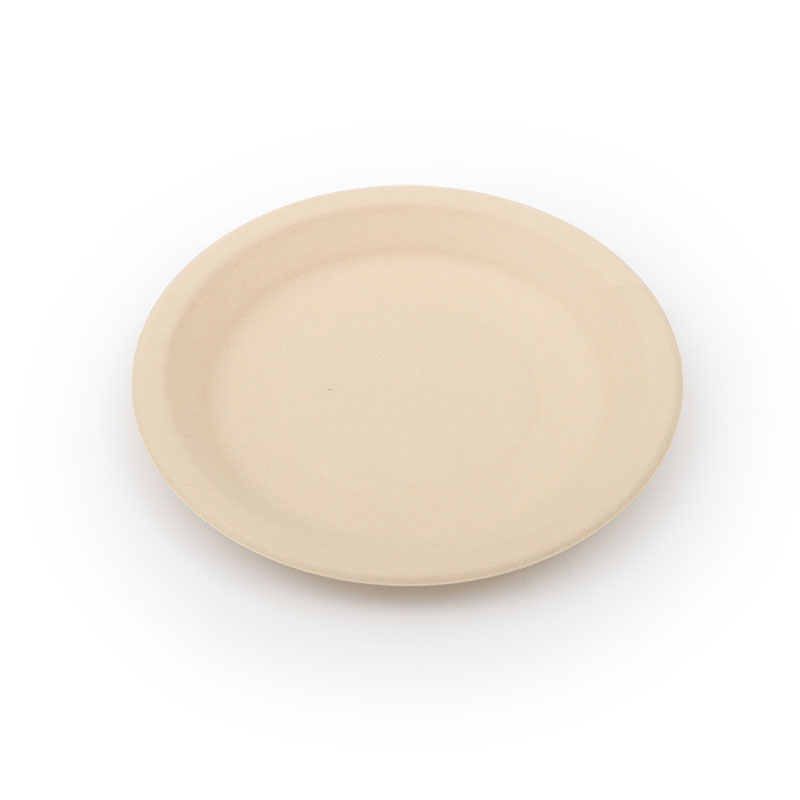
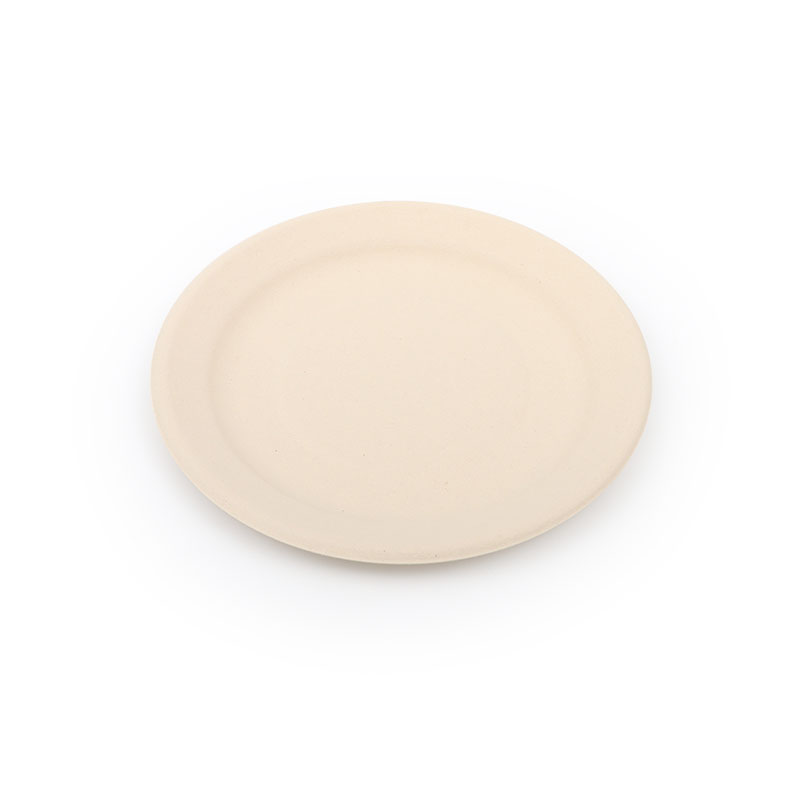
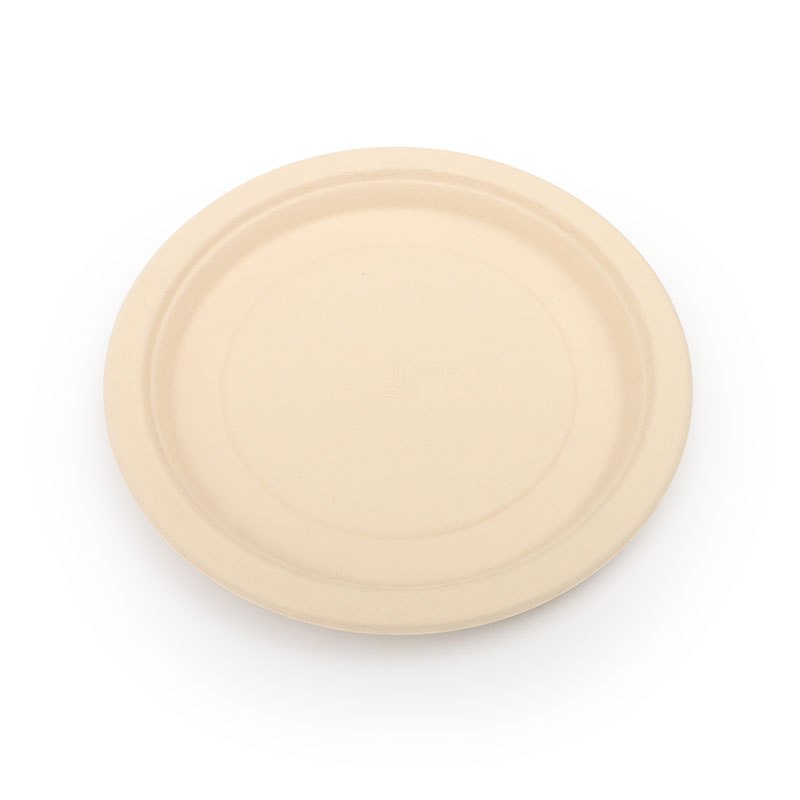
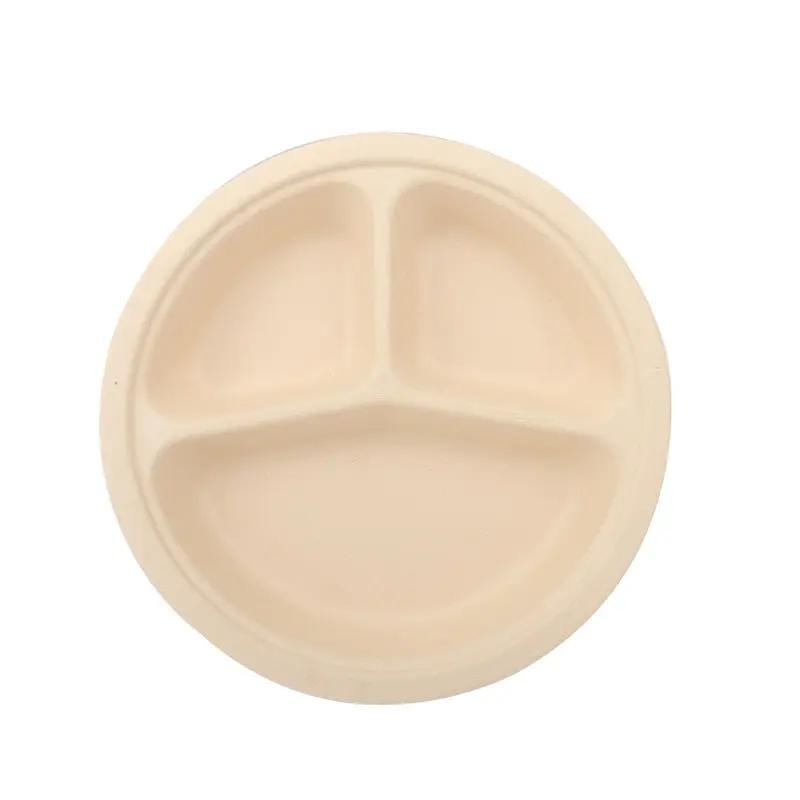
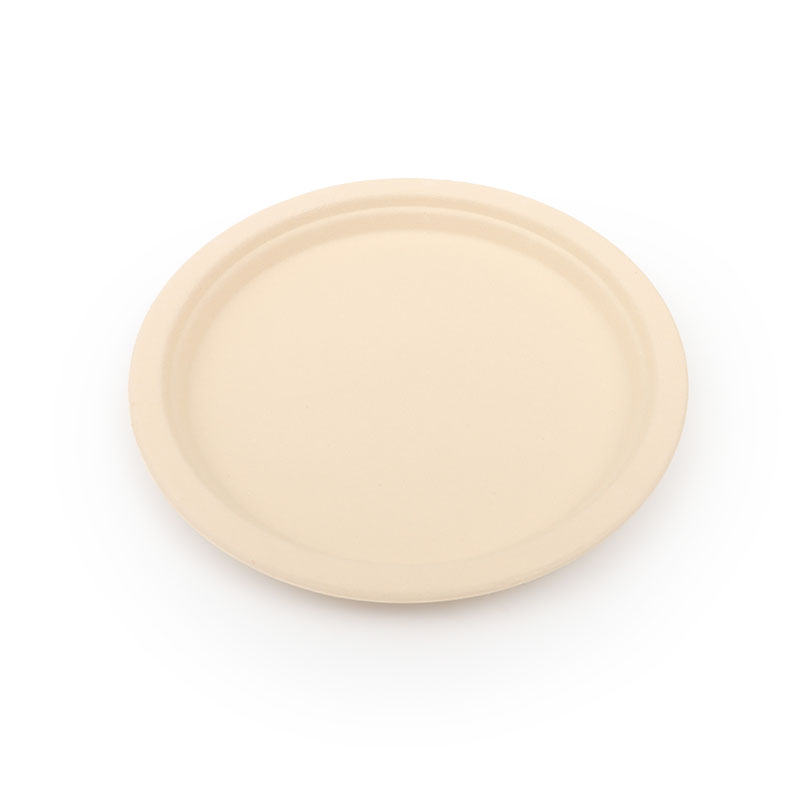
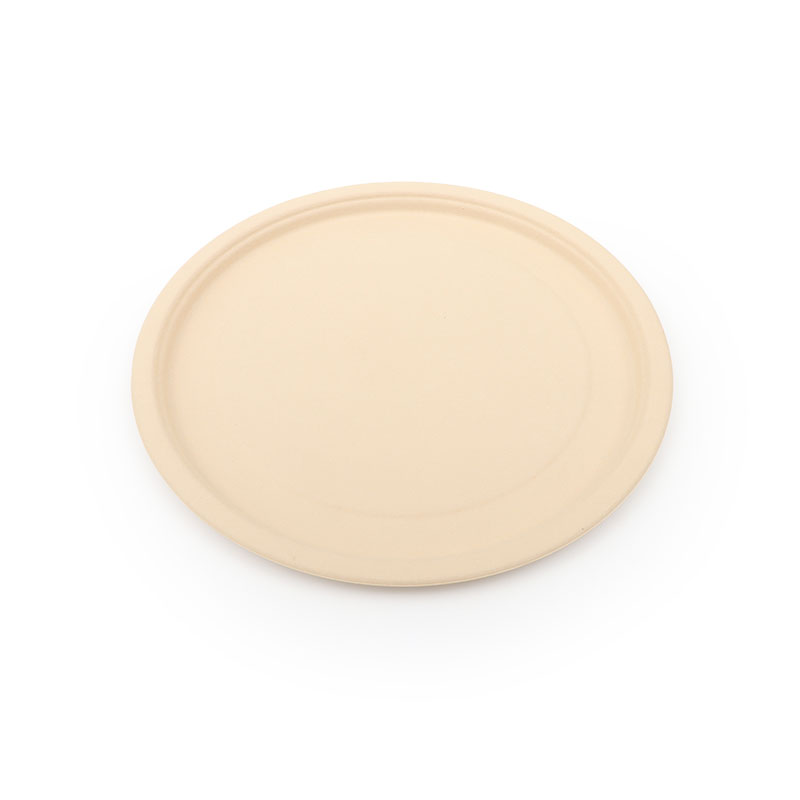
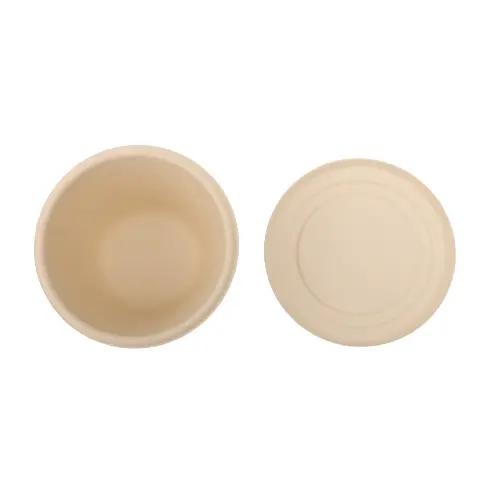
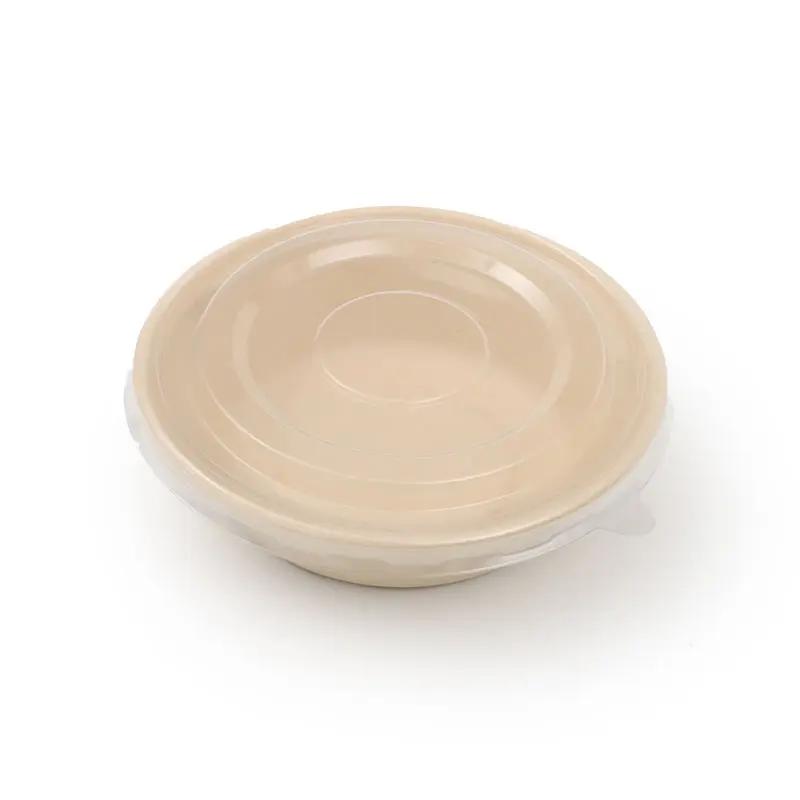
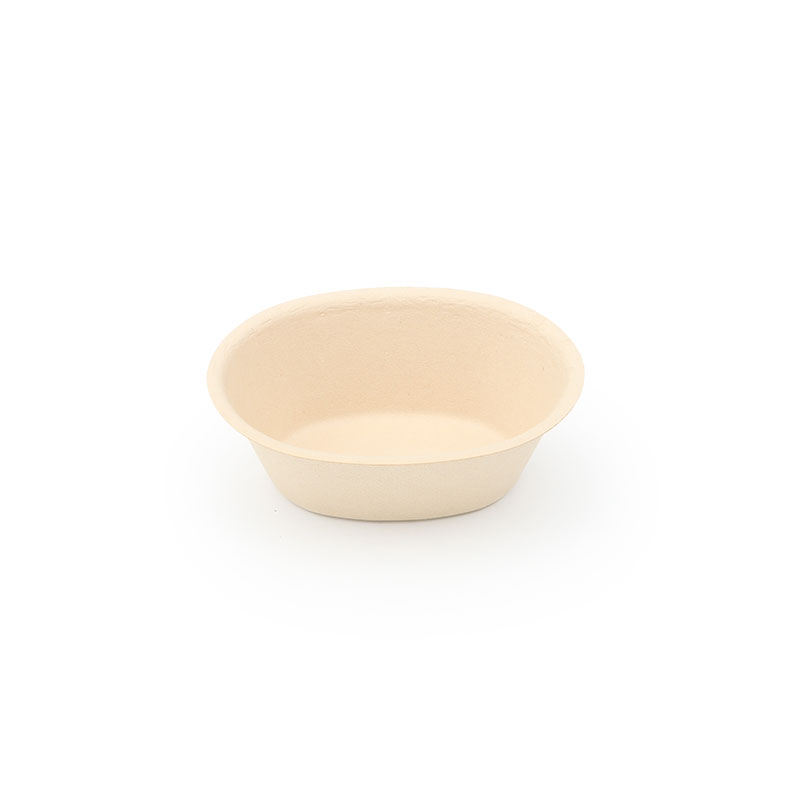
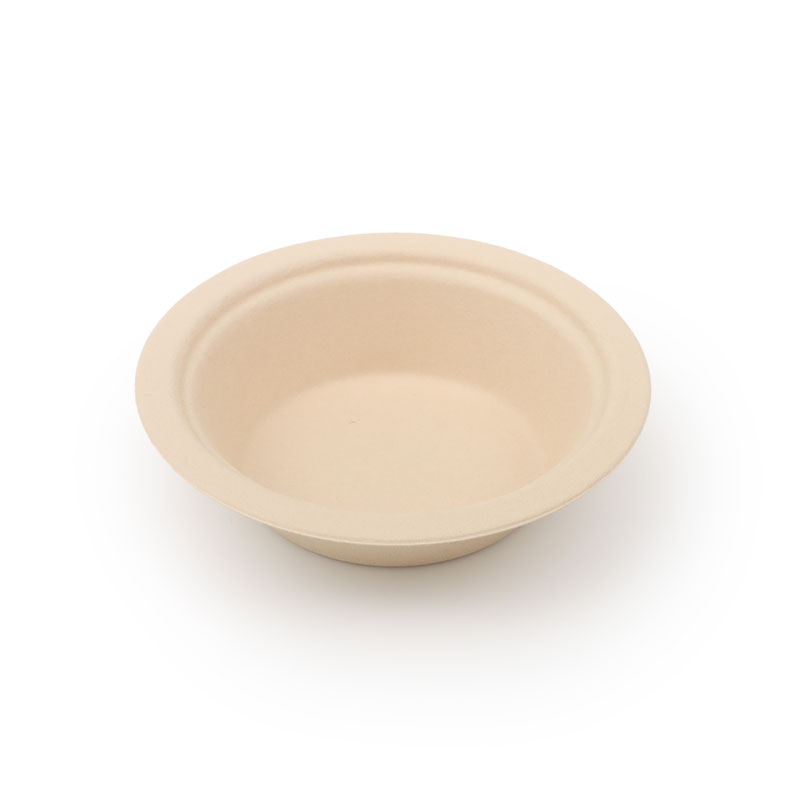
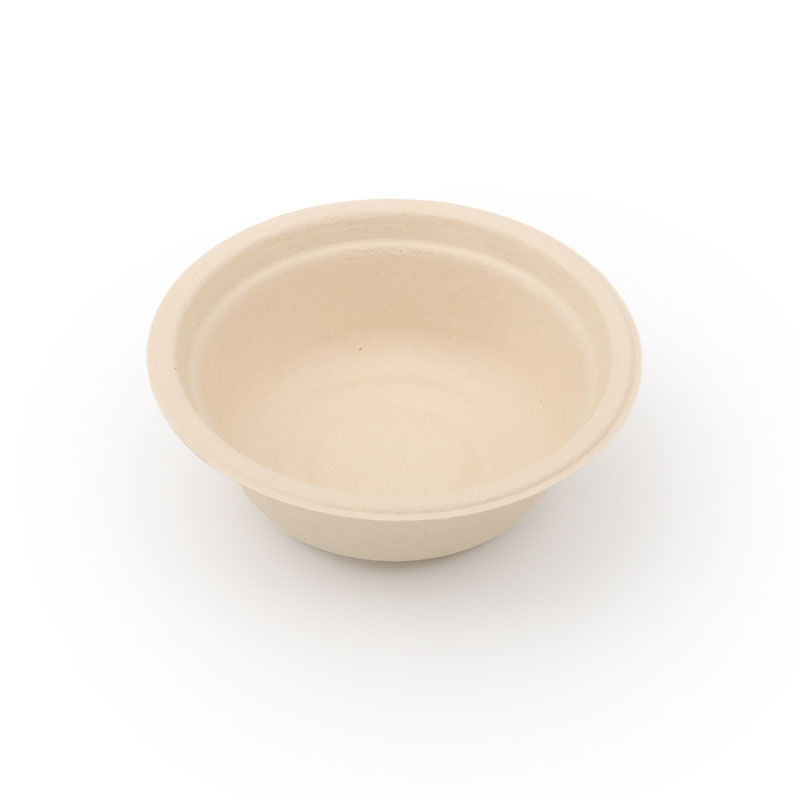
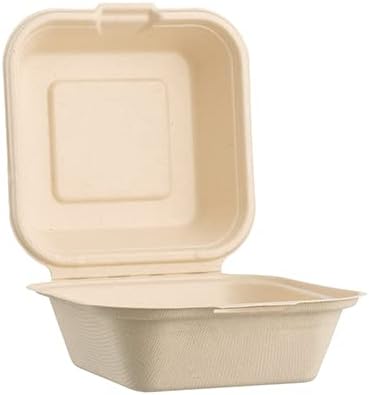
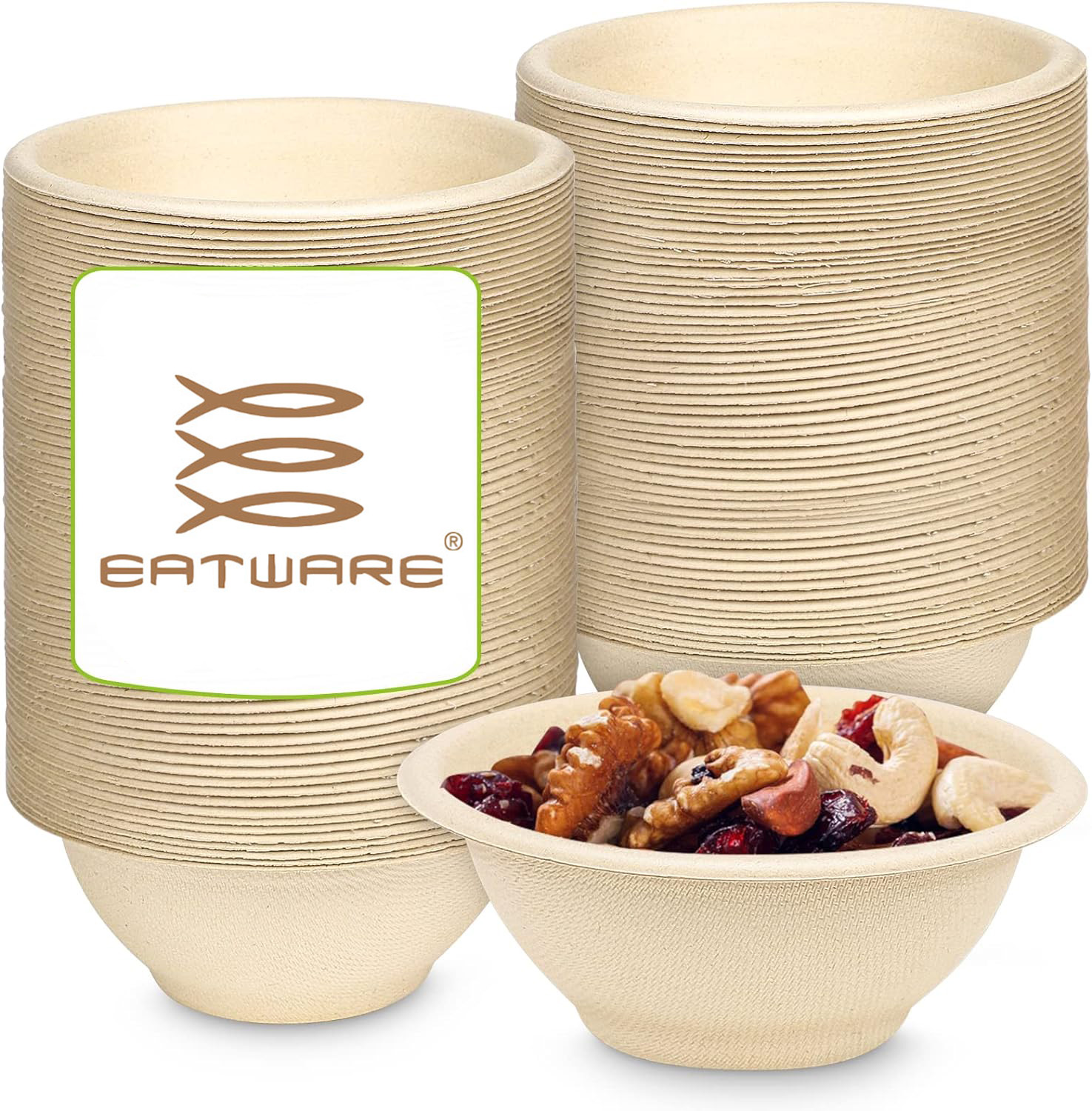
Molded bamboo fiber and recycled paper pulp provide other practical options. Bamboo creates a denser structure, while paper pulp offers easier printing and flexible shapes. Some boxes use PLA lining, a plant-based coating that improves grease resistance. However, PLA usually needs controlled industrial composting conditions. It should not be described as compostable everywhere. A Natural Color Biodegradable Disposable Food Box often keeps its unbleached beige tone, showing fewer surface pigments and a more natural finish. Still, color alone cannot prove environmental performance.

Tips: Check fiber content, coating type, heat tolerance, and leakage results before ordering. Request migration testing and compostability documents from suppliers. Inspect samples with oily rice, soup, and chilled desserts. Small tests reveal problems quickly. Suppliers should also explain where their materials are sourced and how production waste is handled. No material is perfect. A box may look sustainable yet fail during transport or disposal. Careful evaluation remains necessary.

Global Standards for Compostable and Biodegradable Food Packaging

Choosing top biodegradable disposable food box suppliers worldwide requires more than checking a green label. Global standards separate compostable packaging from vague biodegradable claims. EN 13432 evaluates industrial compostability, including disintegration, biodegradation, and harmful residues. ASTM D6400 and ASTM D6868 serve similar purposes in North America. ISO 17088 also provides useful technical guidance.

A reliable supplier should provide current test reports, material specifications, and food-contact documentation. Ask whether the box contains paper fiber, molded pulp, biopolymer coatings, or mixed materials. A Natural Brown Biodegradable Disposable Food Box may look simple, yet its lining can determine composting performance. Labels can mislead. Certification should cover the complete product, not only one component.

In supplier audits, inspect cartons, batch codes, and storage conditions. Moisture can soften boxes before use, while excessive heat may affect coatings. Confirm the intended disposal environment with local waste operators. Industrial composting facilities often require controlled heat, oxygen, and moisture. Home composting is a different claim and needs separate evidence. Regional rules also differ for inks, additives, and fluorinated chemicals. Some suppliers provide impressive laboratory data but weak traceability. That gap deserves attention. A practical buyer should request samples, test hot food and oily meals, and record leakage after thirty minutes. No supplier is perfect, and standards do not remove every sourcing risk.

How to Evaluate Biodegradable Food Box Suppliers

How to Evaluate Biodegradable Food Box Suppliers

Evaluating biodegradable food box suppliers requires more than checking a green label. Request material specifications, food-contact test reports, and recent production samples. The box should resist hot soup, oily meals, and condensation without softening too quickly. Test it in real conditions.

Ask where the material comes from and how suppliers control production consistency. A reliable supplier can explain fiber content, coatings, additives, and recommended storage conditions. Check whether compostability claims depend on industrial facilities rather than home composting. This detail changes the disposal decision. It also prevents misleading customer instructions.

Review factory capacity, quality inspections, lead times, and minimum order quantities before signing an agreement. For Party Supplies Biodegradable Disposable Food Box purchases, inspect folding accuracy, print safety, lid fit, and stacking strength. A sample may look excellent but fail after several hours in a warm delivery vehicle. Measure leakage and deformation, not just appearance.

Supplier audits can reveal worker training, sanitation practices, and traceability records. Ask how defective batches are handled. No checklist is perfect. Even experienced buyers sometimes trust certificates without checking their scope or expiration date. Compare at least two production samples from different batches, then record the results with photos and temperature notes. Reliable decisions come from evidence, not attractive packaging.

Leading Supplier Regions and Market Specializations Worldwide

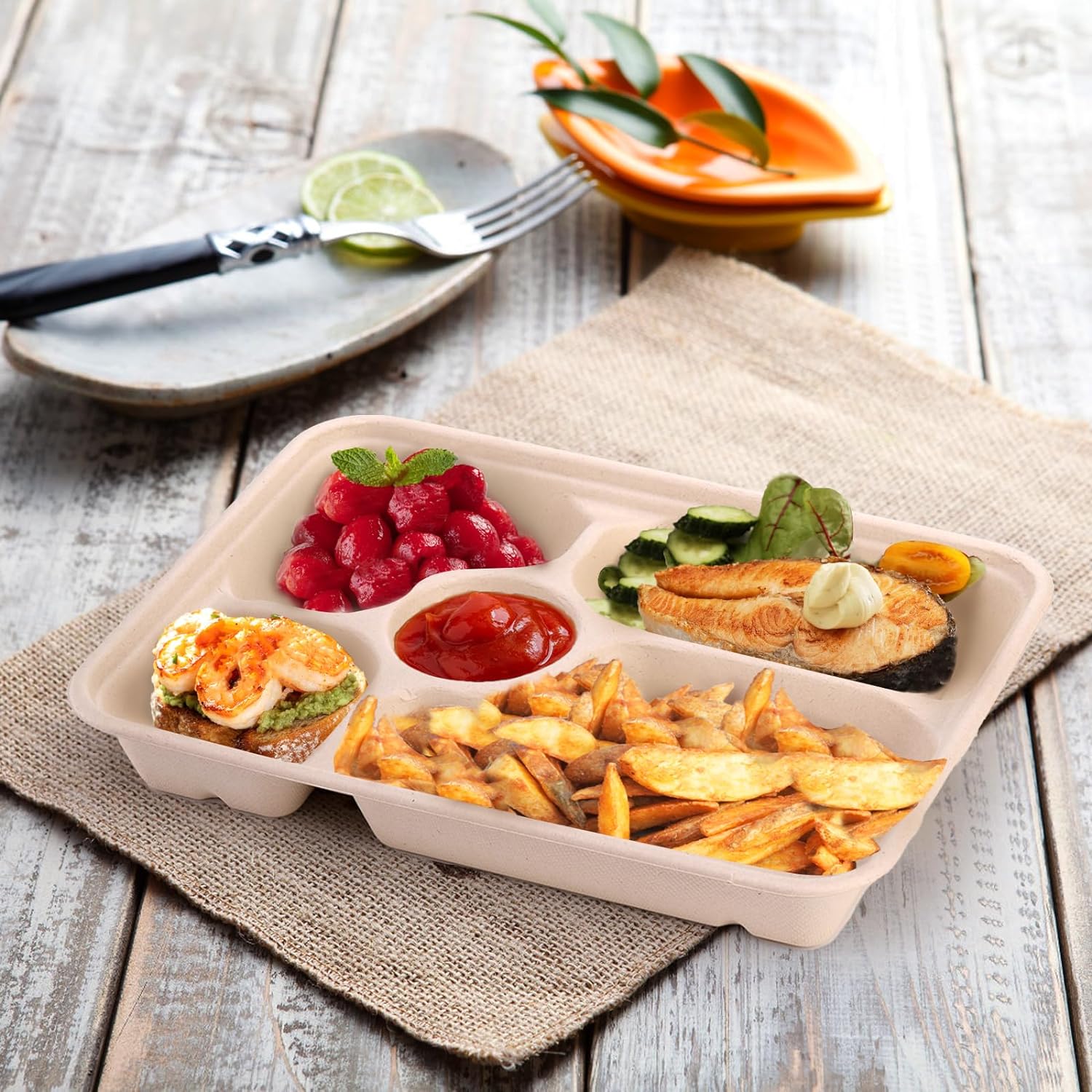
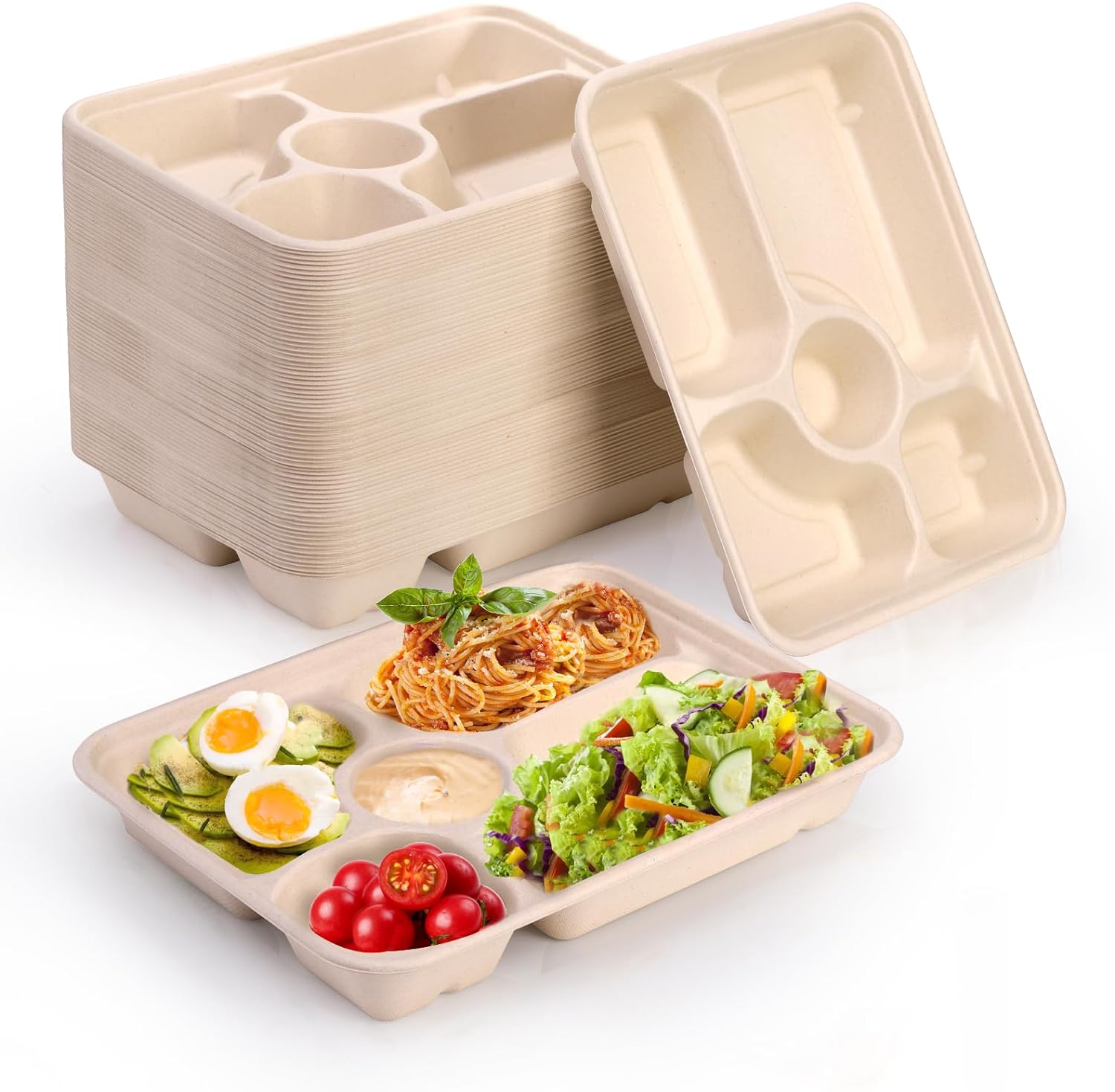
Supplier strengths vary sharply by region, material, and delivery expectations. East and Southeast Asia remain important production centers for molded fiber, bagasse, bamboo, and paper food packaging. Factories there often support high-volume orders with automated forming lines and competitive unit costs. Many suppliers specialize in a Biodegradable fast food box for burgers, noodles, rice meals, and takeaway sides. Some can add grease resistance, stackable designs, or printed outer sleeves. Samples matter more than catalog claims.

European suppliers commonly focus on refined molded-pulp products, premium presentation, and traceable raw materials. Their facilities often serve restaurants, catering groups, and institutional kitchens requiring consistent dimensions. Suppliers in North America tend to emphasize customization, regional warehousing, and shorter delivery routes. They may offer hinged containers, vented lids, and packaging designed for delivery platforms. Performance testing should cover heat retention, oil leakage, and lid security.

Latin American producers increasingly explore sugarcane fiber and other agricultural residues near farming regions. This can reduce transport distance, but supply stability may change by harvest season. Middle Eastern suppliers often serve hospitality, events, and large-scale meal distribution, where strong stacking performance is essential. No region does everything best. Buyers should verify food-contact documentation, composting conditions, minimum order quantities, and production lead times. A box labeled biodegradable may still require specific industrial facilities, and that detail is easy to overlook.

Purchasing Factors for Businesses and Food Service Operators

Food service buyers need more than a compostable label when selecting disposable food boxes.
Start with the meal. A box for oily noodles needs stronger barrier protection than one for dry pastries. Test hot soup, steam, sauces, and cold condensation before approving a supplier. Check whether lids stay secure during delivery and stacking. Small failures create refunds, mess, and unhappy customers. Supplier experience matters here.

Request food-contact declarations, material specifications, migration test results, and current certification records. Do not accept vague claims such as “eco-friendly” without measurable evidence. Ask where the fiber, paper, or coating originates, and whether batches are traceable. A factory audit can reveal storage problems that brochures never mention. Confirm production capacity, minimum order quantities, lead times, and backup plans. Late containers can disrupt a busy kitchen. Samples should represent normal production, not a specially prepared batch. That detail is easy to miss.

Compare total cost, including freight, rejected units, storage space, and disposal requirements. The cheapest box may become expensive after leakage or damaged lids. Review printing options carefully; excessive ink or complex finishes can complicate recovery. Ask whether local waste facilities actually accept the claimed material. This point deserves more attention. Record performance after several weeks of use, not one successful trial. Suppliers should provide clear contacts, corrective-action processes, and realistic replacement timelines. No supplier gets everything right. A transparent response to defects may matter more than polished sales language.

FAQS

What documents should a biodegradable food box supplier provide?

Request material specifications, food-contact declarations, migration test results, and current certification records. Check each certificate’s scope and expiration date. Do not trust labels alone.

How should the boxes be tested before approval?

Fill samples with hot soup, oily noodles, sauces, and cold food. Watch for softening, leaks, lid movement, and deformation. Test delivery conditions too.

Why do different meals require different box materials?

Oily meals need stronger barrier protection than dry pastries. Steam can weaken some fibers quickly. A box that suits cake may fail with soup.

What should buyers ask about compostability claims?

Ask whether the box needs industrial composting facilities. Home composting may not work. Disposal instructions should match local waste services.

How can buyers check production consistency?

Compare samples from at least two production batches. Record temperatures, usage times, and leakage with photos. One perfect sample proves very little.

Which factory details deserve close attention?

Review capacity, sanitation, worker training, storage conditions, and traceability records. Ask how defective batches are isolated and replaced. Brochures rarely show everything.

What costs should businesses include beyond the unit price?

Include freight, storage, rejected units, disposal fees, and replacement costs. A cheap box becomes costly after one leaking delivery. Costs hide in failures.

How should a supplier respond when defects appear?

Look for clear contacts, corrective actions, and realistic replacement timelines. Transparent answers matter more than polished sales language. Buyers may still overlook small warning signs.

Conclusion

This guide explains how a Biodegradable Disposable Food Box is designed to reduce environmental impact while meeting the practical needs of restaurants, caterers, retailers, and food service operators. It defines the scope of biodegradable and compostable packaging, reviews common materials such as molded fiber, bagasse, paper, bamboo, and plant-based biopolymers, and distinguishes material performance from marketing claims. It also outlines the importance of recognized global standards, including compostability testing, food-contact safety, labeling accuracy, and end-of-life requirements.

The article provides a practical framework for evaluating suppliers, covering manufacturing capability, material sourcing, product consistency, customization, certifications, quality control, logistics, and customer support. It compares major supplier regions and their typical market strengths, from large-scale production to specialized sustainable packaging solutions. Finally, it highlights purchasing factors such as durability, leak resistance, heat tolerance, size options, minimum order quantities, total cost, supply reliability, and compatibility with local waste-management systems, helping businesses select packaging that balances sustainability, performance, and operational value.

Amelia

Amelia

Amelia is a dedicated marketing professional at Kangxin (Haimen) Environmental Technology Development Co., Ltd., where she leverages her extensive knowledge of the company’s innovative products to drive awareness and engagement. With a deep understanding of environmental technologies, Amelia......
Previous How to Choose Biodegradable Disposable Food Boxes?