Leave Your Message
0%

Ever wonder how some fresh foods stay good longer? modified atmosphere food packaging—MAP, for short—helps by changing the gases around them. Take a sealed tray of sliced beef: the gas mix isn't random; it's carefully chosen to keep the meat from turning brown and spoiling too quickly. Of course, that only works when the food, film, seal, and storage temperature all work together. And let's be clear—MAP isn't a substitute for good handling. It helps, but it's not magic.

Look, the market is definitely growing—no argument there. But you should take supplier claims with a grain of salt. Grand View Research, for example, pegged the global modified atmosphere packaging market at $16.3 billion in 2023, and they see it climbing through 2030. That kind of figure does point to real commercial momentum. What it doesn't prove, though, is that every material or machine is right for every product. Food packaging scientist Gordon L. Robertson would be quick to add a caveat to that. As Robertson points out in his textbook, Food Packaging: Principles and Practice, packaging is great for keeping quality intact, but it won't undo spoilage that's already happened. And honestly, that's a pretty important distinction to keep in mind.

So, this Top 10 list of modified atmosphere food packaging suppliers—it’s really just a starting point, not some definitive ranking. We looked at things like packaging materials, tray-sealing equipment, gas-control options, technical support, and how much experience they have with different food categories. But honestly, a supplier can be great for fresh meat and still miss the mark when it comes to bakery products. That’s just how it goes. If you're a buyer, don't just take the supplier's word for it—you've got to dig into shelf-life trials, make sure it works on your line, and ask for evidence behind every single claim. And honestly, the little things matter. A weak seal or a slightly off gas flush can ruin a package that's otherwise perfectly fine. No matter how good a supplier looks on paper, you really have to test with your actual product. It's one of those caveats that's super easy to forget.

Top 10 Modified Atmosphere Food Packaging Suppliers

What Modified Atmosphere Packaging Is and How It Preserves Food

modified atmosphere packaging (MAP) replaces some of the air inside a food pack with a carefully selected gas mixture. The mix often includes carbon dioxide and nitrogen; oxygen levels vary by product. Fresh meat, for example, may use oxygen to maintain its red appearance, while oxygen can speed up fat oxidation in other foods. One recipe does not suit every food.

Carbon dioxide can slow the growth of many spoilage microbes, while nitrogen helps prevent packs from collapsing. The film matters, too. Its permeability controls how gases move through the package over time. A tray of sliced cheese needs a different balance from a bag of salad leaves, which continue to respire after packing. That matters.

MAP can help preserve texture, color, and shelf life, but it does not sterilize food. A sealed pack may still contain harmful microbes if processing or storage is poor. Not magic. Temperature control remains essential, especially for chilled foods.

In practice, packers test gas levels, seal integrity, and product quality throughout the intended shelf life. Even then, results can vary with food freshness, fill weight, and tiny leaks. A package that looks intact is useful evidence, not a guarantee of safety. These details are easy to overlook.

How Modified Atmosphere Packaging Systems Work

Modified atmosphere packaging (MAP) replaces or adjusts the air inside a sealed food pack. The gas mix is selected for the product: carbon dioxide can slow many spoilage organisms, while nitrogen often acts as a filler. Some fresh foods need oxygen to maintain color or respiration. There is no universal recipe. The film matters too; its gas permeability affects how the atmosphere changes during storage. MAP is not sterilization. Small shifts matter.

FAO’s 2023 reporting estimated that 13.2% of food was lost globally between harvest and retail in 2021. This figure does not prove MAP prevents losses, but it highlights the value of reliable storage controls. When teams map modified atmosphere packaging performance, they should record product temperature, residual oxygen, seal integrity, and storage time. A good gas mix can still fail if a package leaks or sits warm. Operators sometimes focus on the initial gas flush and overlook what happens later.

Tips: Test the gas mix with the actual food, pack size, and film. Check seals and headspace gas during routine production, not only at setup. Keep a simple temperature log; it can reveal problems that gas readings alone miss.

Key Technologies and Services Offered by Packaging Suppliers

Modified-atmosphere packaging (MAP) suppliers do more than sell gas-flushing equipment. They help food producers match gas composition, film, trays, and sealing conditions to each product. Carbon dioxide can slow some microbial growth, while nitrogen can displace oxygen. The right mixture depends on the food. Fresh meat, cheese, and cut produce need different trials. Details matter. Suppliers may also offer package design, line setup, gas analysis, leak checks, operator training, and maintenance. MAP cannot replace sanitation or temperature control. Shelf-life results should be checked with the actual product.

Useful technologies include inline gas analyzers, automated flushing controls, and seal-integrity testing. An analyzer can flag a drifting gas mix during production. Leak tests can reveal weak seals around tray corners or film edges. Ask suppliers for trial records, equipment tolerances, and clear maintenance instructions. A pilot run may still miss real production conditions: line speed, film batches, and product moisture can change results. Recheck performance after installation, not just during demonstrations.

Tips: Bring product samples and your current packaging to supplier trials. Ask how results were measured, and request practical operator training. Compare total service needs, not equipment price alone. A small test is useful, but it is not a guarantee.

Modified Atmosphere Packaging: Representative Gas Blends

These examples show how gas mixtures can differ by food type; actual formulations depend on the product, packaging film, storage temperature, and required shelf life. Packaging suppliers commonly offer gas mixing and flushing, barrier-film selection, sealing equipment, and package testing services.

Criteria for Evaluating Modified Atmosphere Packaging Suppliers

When comparing modified atmosphere packaging suppliers, start with the food and process, not the sales pitch. A supplier should explain how gas composition, film permeability, and package size work together for your product. Ask for data from trials using similar foods and production conditions. Results from a dry snack may not predict performance with fresh meat or prepared meals.

Check whether the supplier can support your line speed, sealing equipment, and target shelf life. Request clear specifications for films, seals, and gas mixtures, plus relevant quality and food-contact documentation. Ask how they investigate leaks or inconsistent residual oxygen. Practical technical support matters when a seal fails during a busy shift. A neat brochure is useful, but it is not proof. No supplier can remove every risk, and small trial differences can be easy to overlook.

Tips: Run a production-scale trial before committing. Measure residual oxygen at packing and during storage, and inspect seals after transport. Compare results across several batches. Keep the test conditions written down; otherwise, the comparison may be less reliable than it looks.

Top 10 Modified Atmosphere Food Packaging Suppliers

Choosing among the top 10 modified atmosphere food packaging suppliers means comparing process control, not just equipment prices. MarketsandMarkets estimated the global market at $15.4 billion in 2023 and forecast $21.6 billion by 2028. That growth reflects demand, but it does not prove every system suits every product. Ask suppliers to document gas-mixing accuracy, seal integrity, film compatibility, and routine maintenance requirements. Small details matter. A tray sealed cleanly in a demonstration may behave differently on a humid production line.

Request trials using your actual food, pack size, and distribution conditions. Suppliers should explain how oxygen and carbon dioxide levels affect the product, then support shelf-life testing with recorded results. FAO reported that 13.2% of food was lost after harvest and before retail in 2021; packaging can help limit some losses, but it is not a standalone fix. Check whether service technicians, spare parts, and operator training are available where your facility operates. A lower-cost machine may still create costly downtime. And honestly, supplier claims deserve a little skepticism until your own trials confirm them.

Top 10 Modified Atmosphere Food Packaging Suppliers

Brand-neutral overview of supplier categories and commonly available map packaging capabilities; not a company ranking.

No. Supplier Category Typical MAP Formats Common Food Applications Common Capabilities Key Selection Consideration
1 Flexible barrier-film converters Lidding films, rollstock, pouches Fresh meat, cheese, prepared foods Printed or plain films; seal-layer and barrier options Oxygen and moisture barrier needs, seal performance, and line compatibility
2 Rigid tray manufacturers Thermoformed trays and compatible lidding systems Meat, poultry, seafood, ready meals Multiple tray sizes, compartments, and barrier constructions Tray stiffness, sealing surface, product fit, and equipment dimensions
3 Vacuum-skin packaging material suppliers Skin films and supporting trays or boards Fresh meat, fish, and premium prepared foods Conformable films designed to seal closely around products Product geometry, presentation, puncture resistance, and machine settings
4 High-barrier pouch manufacturers Pre-made pouches and pouch laminates Processed meats, cheese, snacks, and some seafood Stand-up, flat, and reclosable pouch options Required barrier, seal integrity, filling method, and opening features
5 Lidding-film specialists Peelable, weld-seal, and printed lidding films Dairy products, fresh produce, meat, and ready meals Films matched to specified tray materials and sealing conditions Tray-film compatibility, peel behavior, and leak prevention
6 Produce packaging suppliers Perforated films, bags, and produce trays Fresh-cut vegetables, salads, and selected whole produce Perforation and film options to manage gas exchange and moisture Produce respiration, temperature, condensation, and distribution time
7 Paper-based packaging converters Barrier-coated trays, boards, and lidding structures Bakery products, chilled foods, and selected fresh foods Paperboard formats with barrier layers and heat-seal surfaces Moisture and grease resistance, sealing, and local recycling requirements
8 Recyclable-material packaging suppliers Mono-material films, trays, and compatible lidding Chilled foods, snacks, and selected meat or dairy products Material structures designed for specified recycling pathways Confirm barrier and sealing performance as well as local collection and sorting rules
9 MAP equipment and packaging-system suppliers Tray-sealing and form-fill-seal systems with compatible packaging materials Food processors packaging products in trays, cups, or flexible packs Gas flushing, sealing, and options for in-line quality checks Throughput, changeover needs, package leak testing, and material compatibility
10 Custom packaging development and converting suppliers Application-specific films, trays, pouches, or complete pack structures Products with specialized shelf-life, portion, or distribution requirements Prototyping, material trials, and packaging-format development Validate gas mix, shelf life, food-contact compliance, and performance under actual storage conditions

MAP material and gas selection should be validated for the specific food, packaging equipment, storage temperature, and distribution conditions.

Food Industries and Products Served by These Suppliers

Modified-atmosphere packaging suppliers serve meat, poultry, seafood, fresh produce, dairy, bakery, and prepared-meal industries. Their equipment and materials must suit each product’s moisture, respiration, and handling needs. The FAO’s 2019 State of Food and Agriculture report estimated that 14% of food is lost between harvest and retail worldwide. Packaging can help protect quality, but it cannot fix poor storage or rough handling.

A practical way to define modified atmosphere packaging is to describe it as replacing or adjusting the air inside a sealed pack. For fresh-cut lettuce, that may mean managing oxygen and carbon dioxide while the leaves remain chilled. Meat and seafood applications need different gas mixes and careful seal control. Bakery suppliers may focus more on limiting mold growth and preserving texture. One setup does not fit all. Suppliers therefore serve processors, growers, seafood packers, bakeries, and prepared-food manufacturers with product-specific packaging lines and films. Still, the match is not automatic; real product trials matter.

Tips: Ask suppliers to test your actual product, pack size, and storage temperature. Check seal strength and gas levels over the full shelf-life period. Record the results. Small leaks can undermine an otherwise good design.

How to Choose a Supplier for Specific Packaging Needs

Choosing a modified-atmosphere packaging supplier starts with the product, not the catalogue. Ask how the supplier will match gas ratios and film permeability to your food, pack size, storage temperature, and distribution time. FAO’s 2019 State of Food and Agriculture estimated that 14% of food is lost between harvest and retail. Packaging cannot solve every cause, but well-matched materials and reliable seals can help protect quality. Small details matter.

For modified atmosphere packaging for meat, request test data for the actual cut, tray, and shelf-life target. Check oxygen and carbon-dioxide transmission rates, seal integrity, line speed, and compatibility with your existing equipment. Ask for documented quality controls and clear batch traceability. A polished sample is not proof of performance. Pilot runs under realistic chilled storage conditions are more useful, though they add time and cost. No gas mix works for every product.

Tips:Send shortlisted suppliers a written specification and ask for samples made to it. Compare results after storage, not just on delivery day. Record temperature, seal failures, product appearance, and waste. Then discuss any weak spots openly; the first trial may need adjustment.

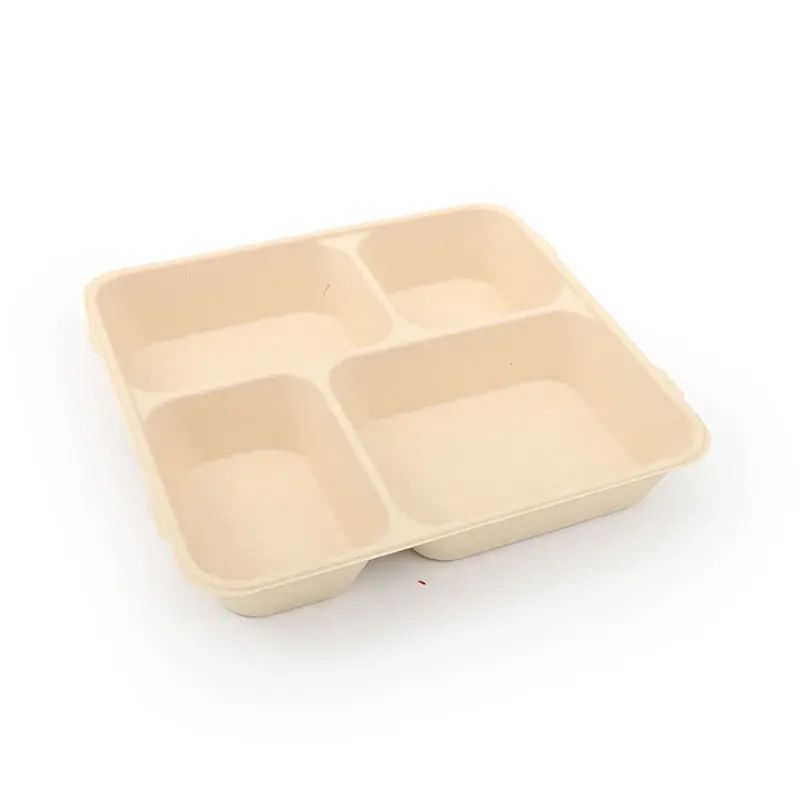
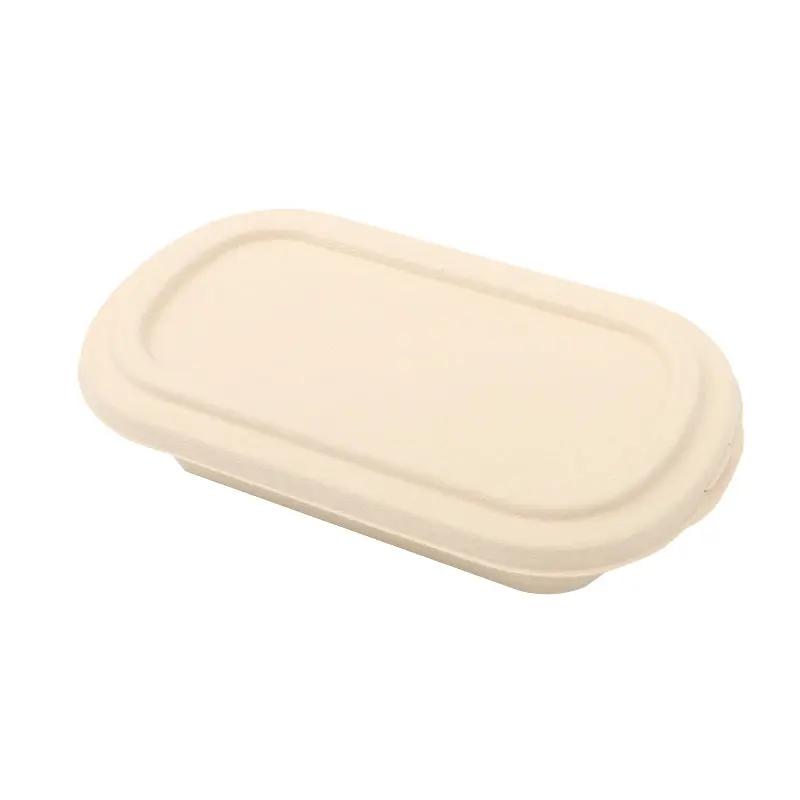
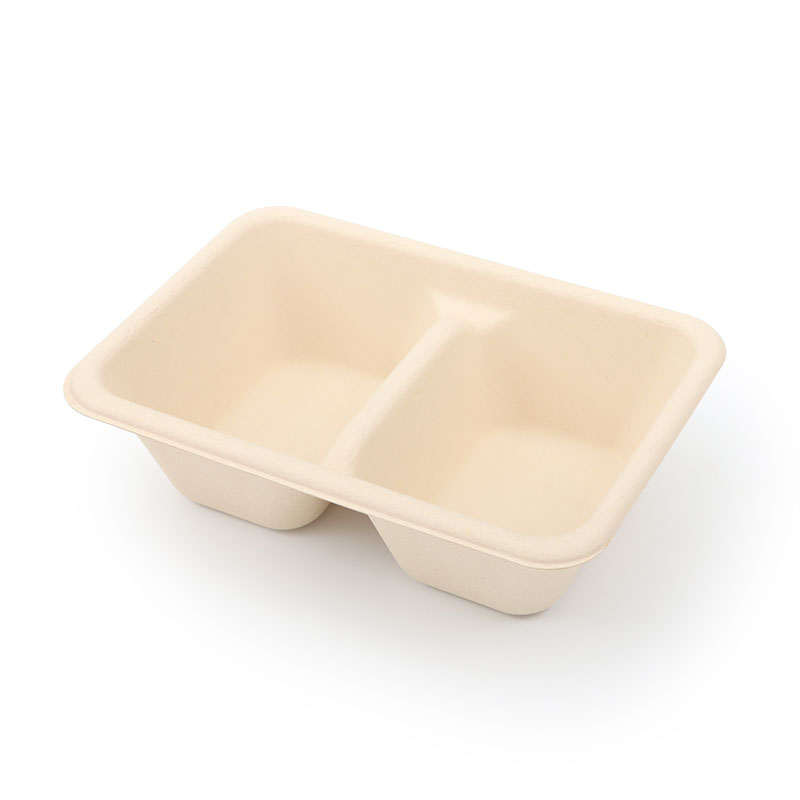
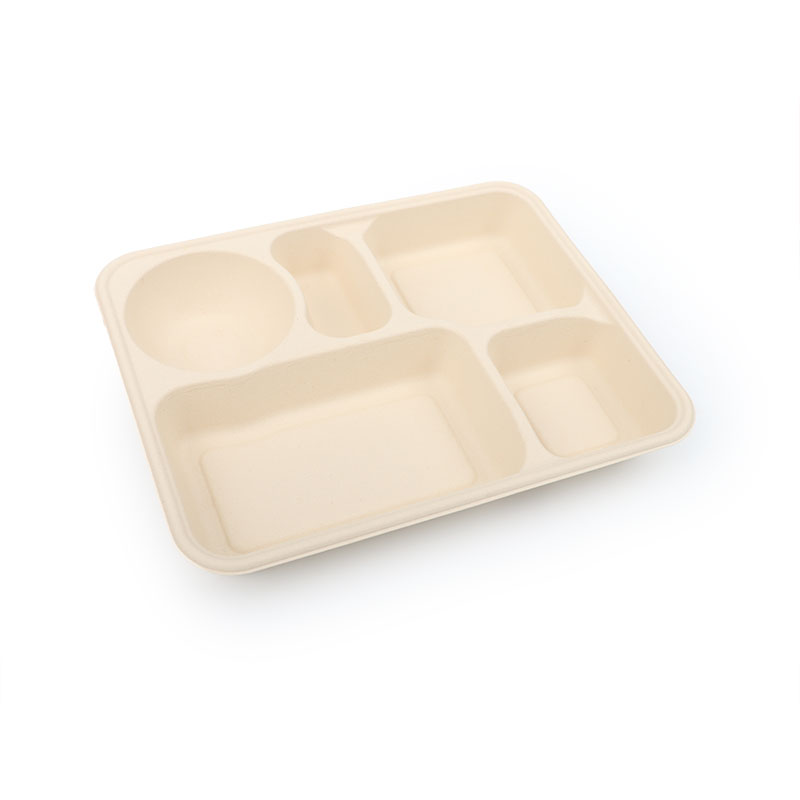
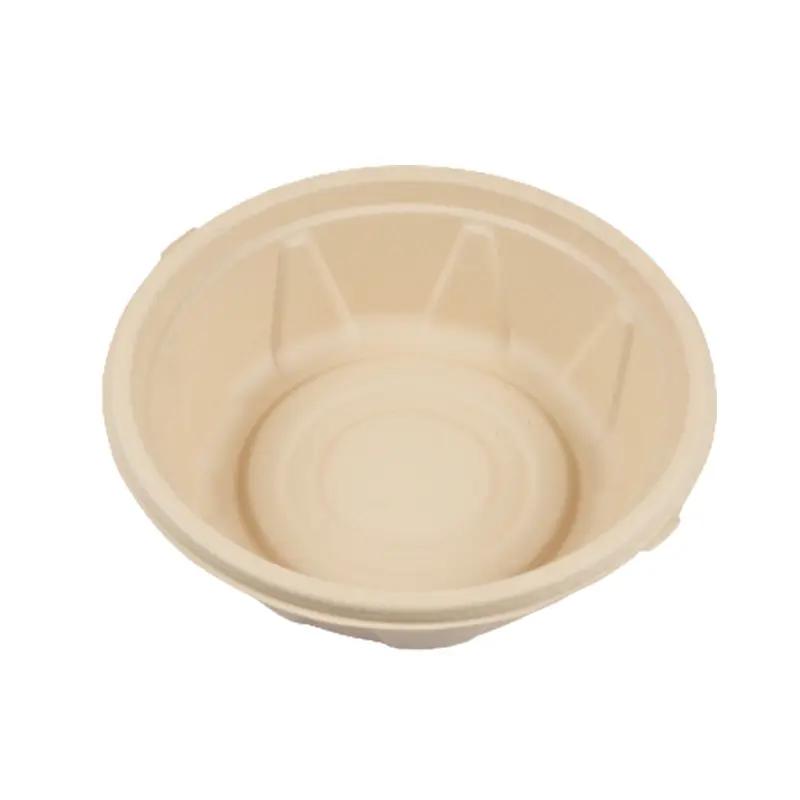
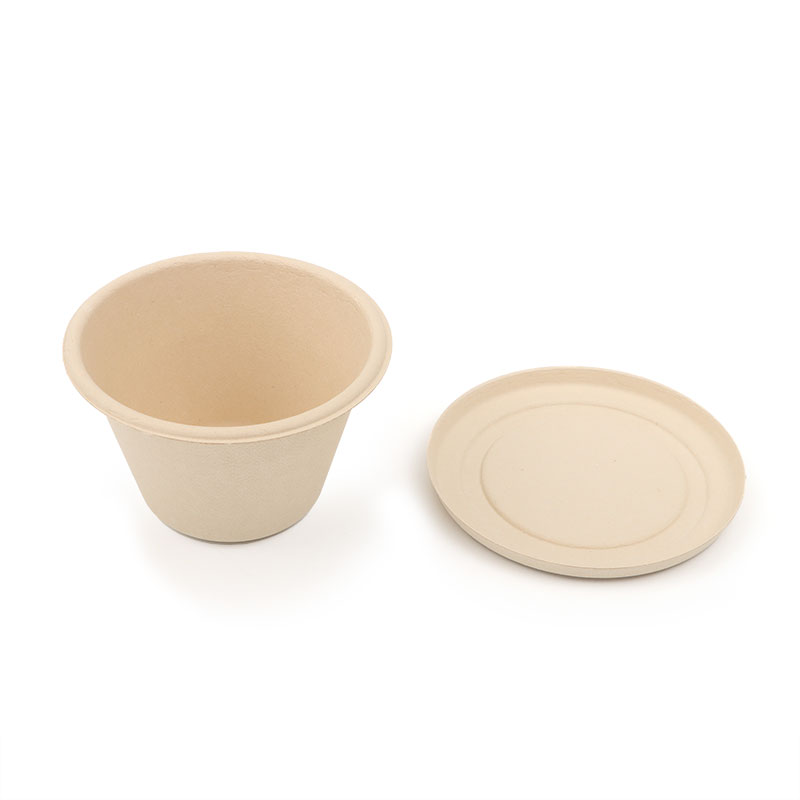
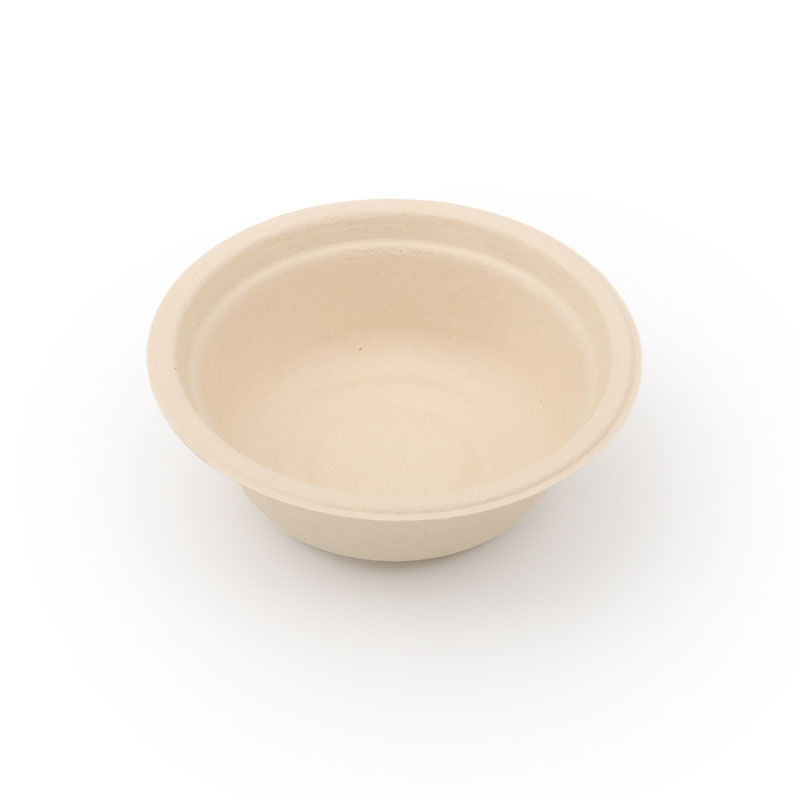
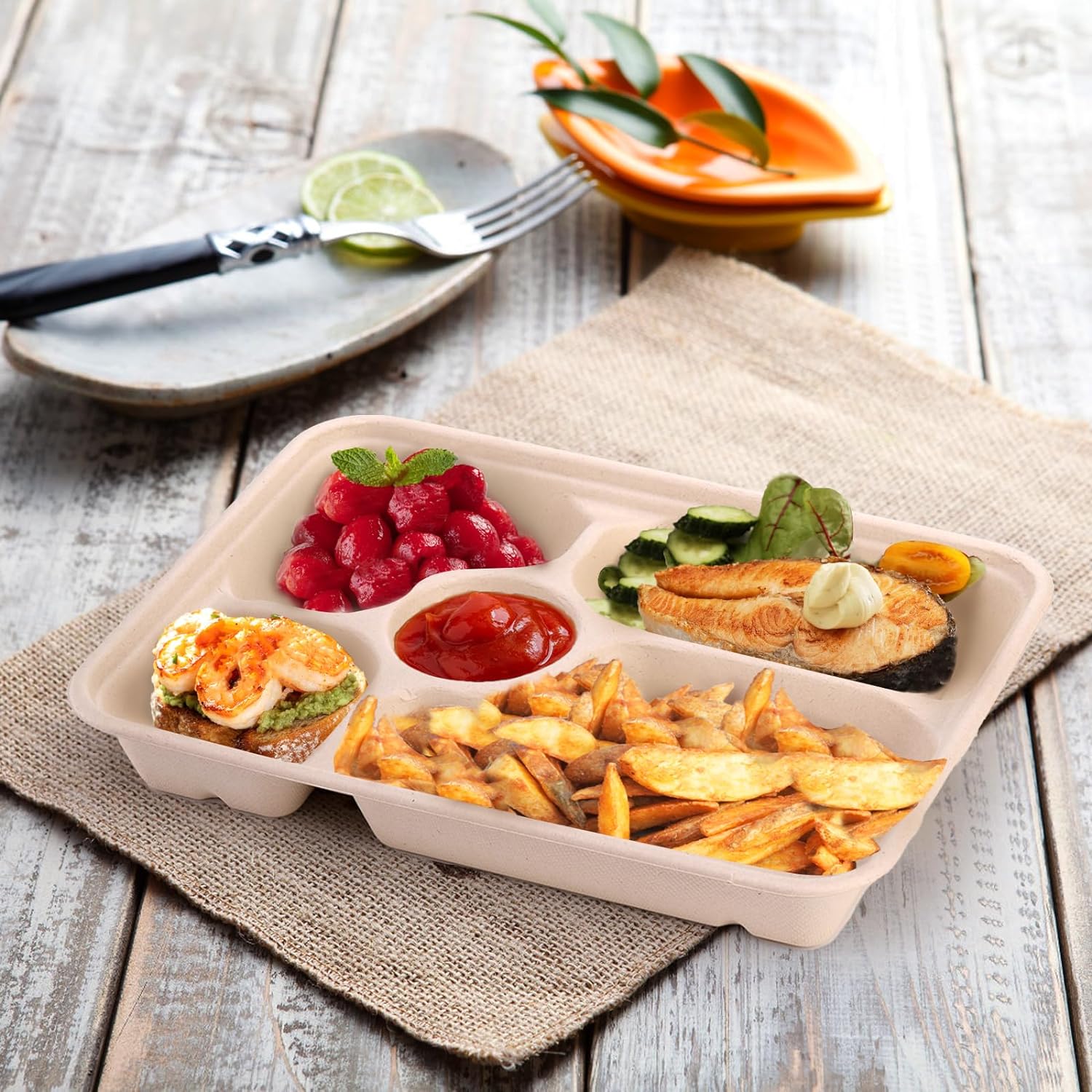
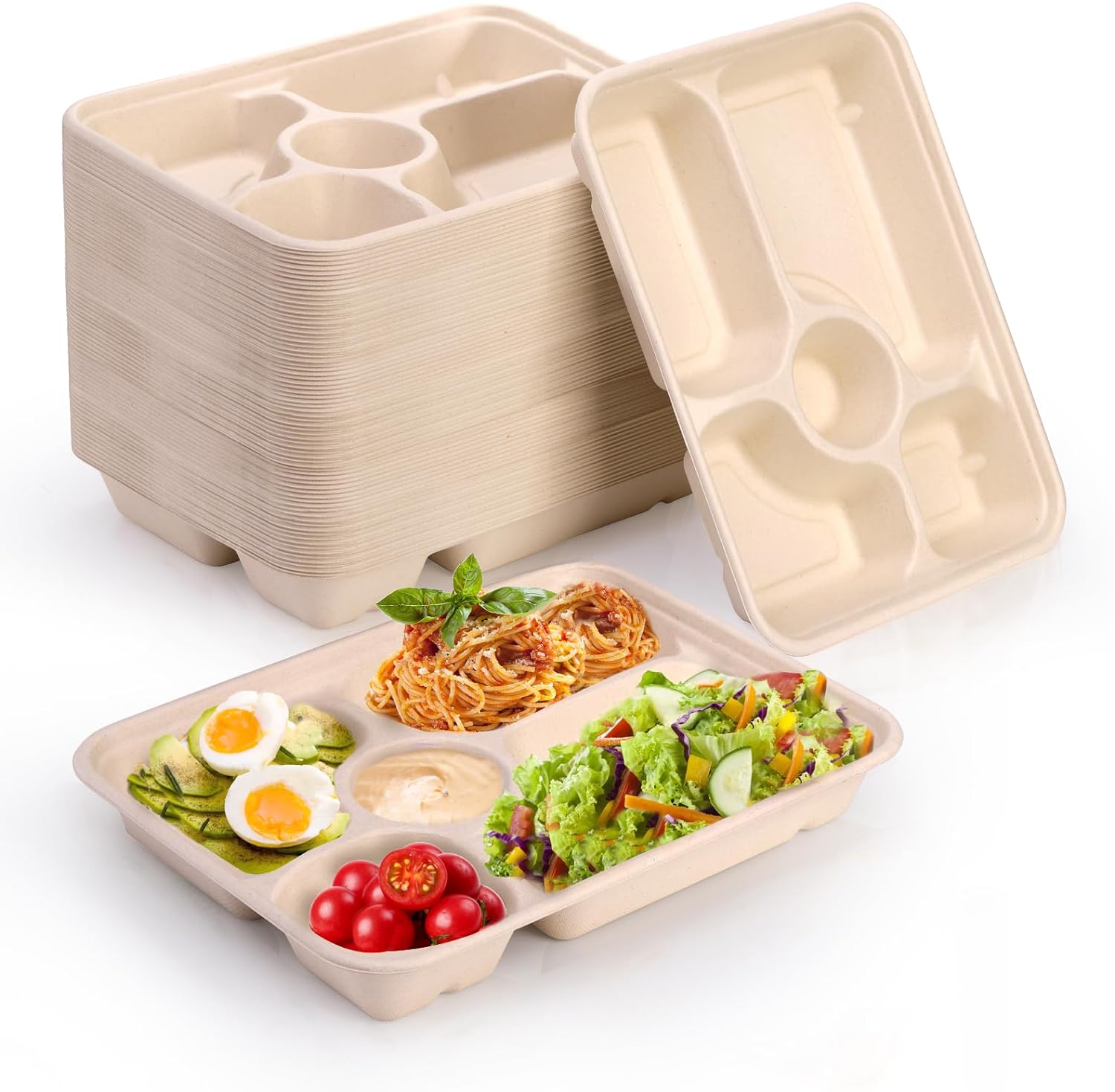
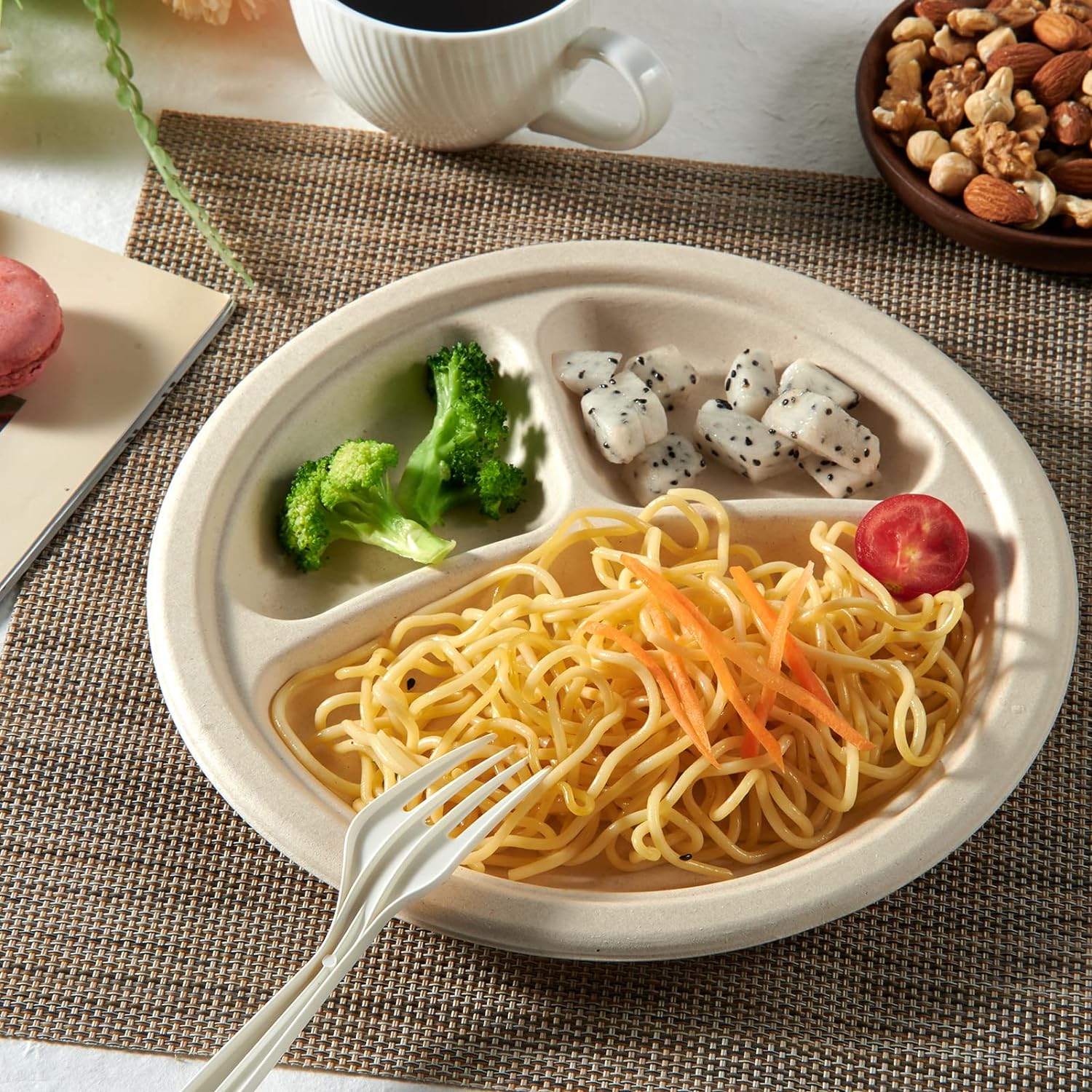
Biodegradable MAP Food Packaging: Freshness Solutions for Bowls, Trays, and Boxes

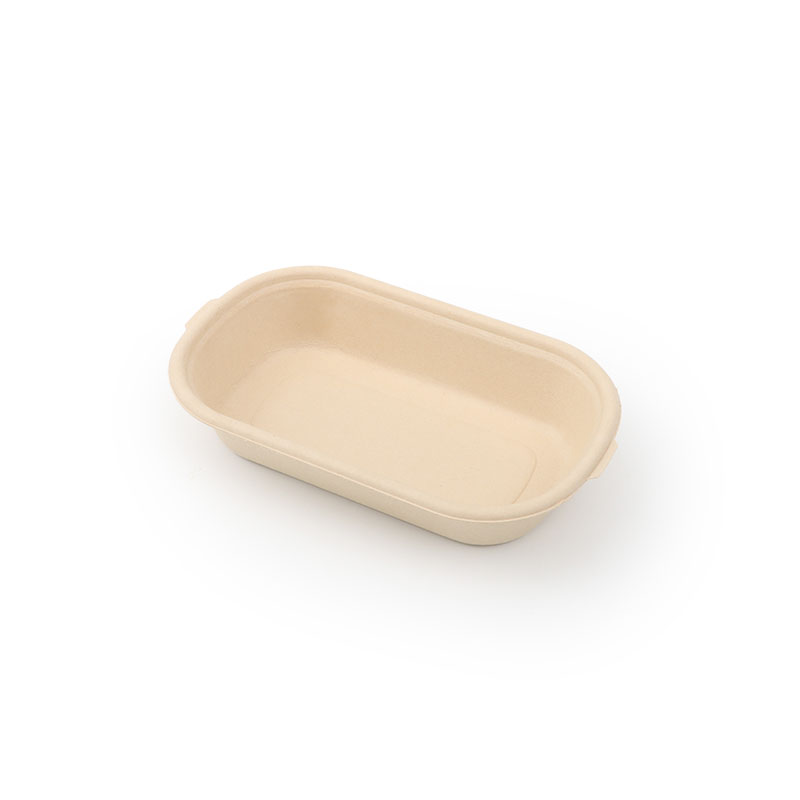
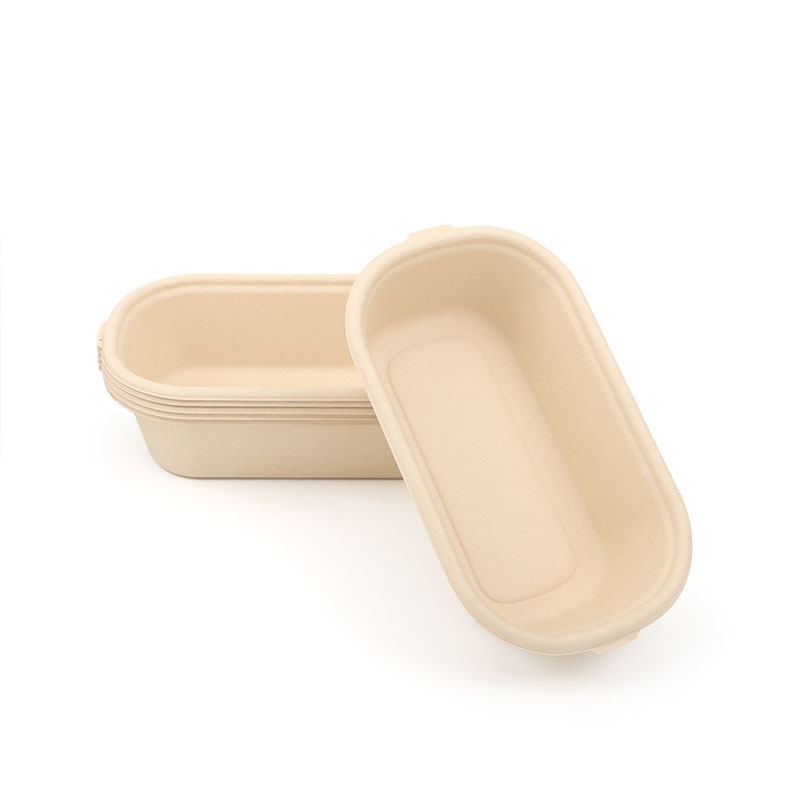
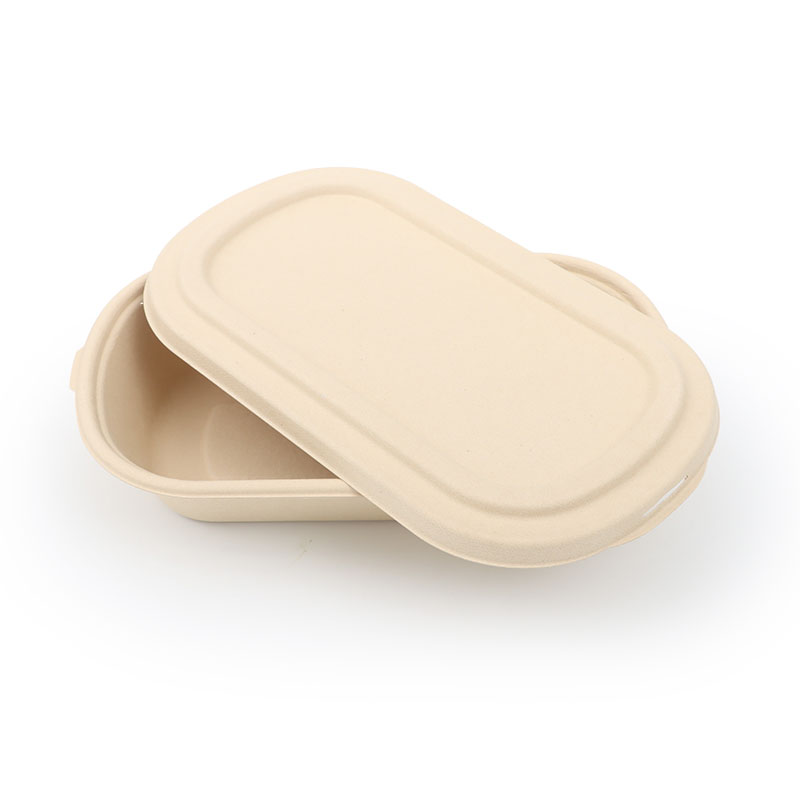
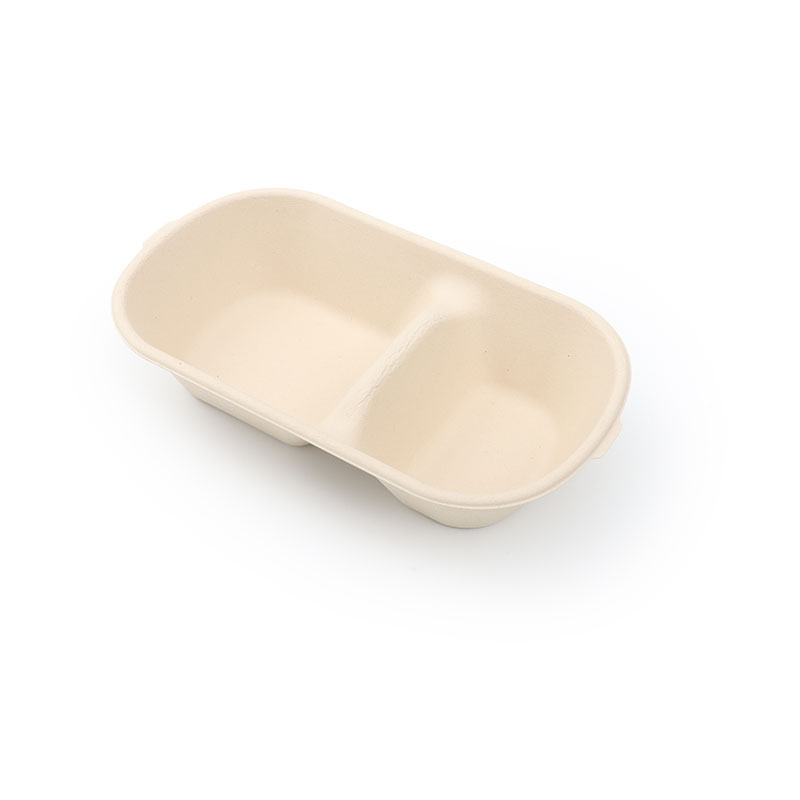
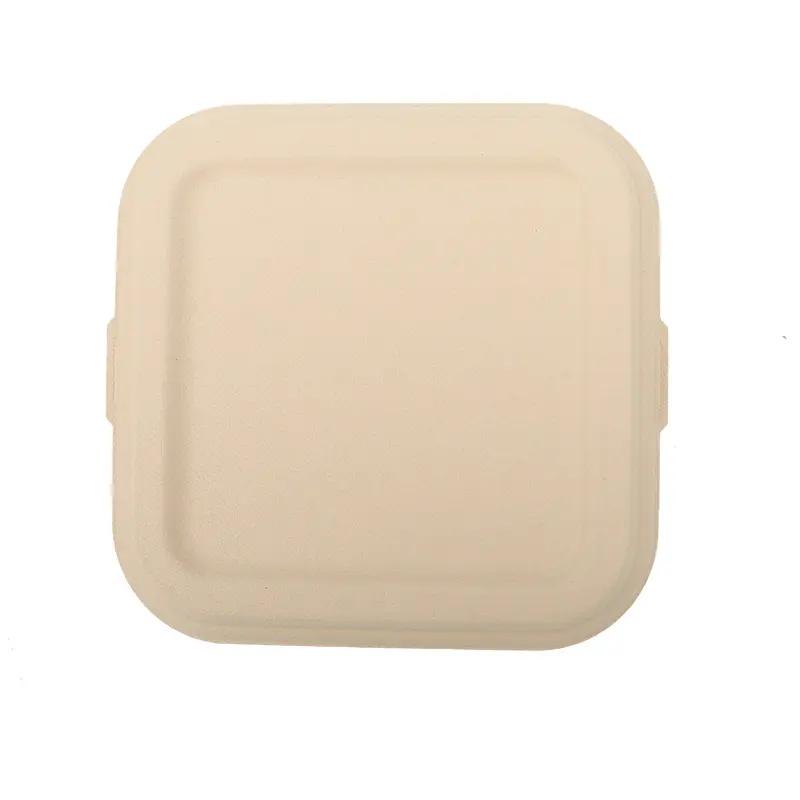
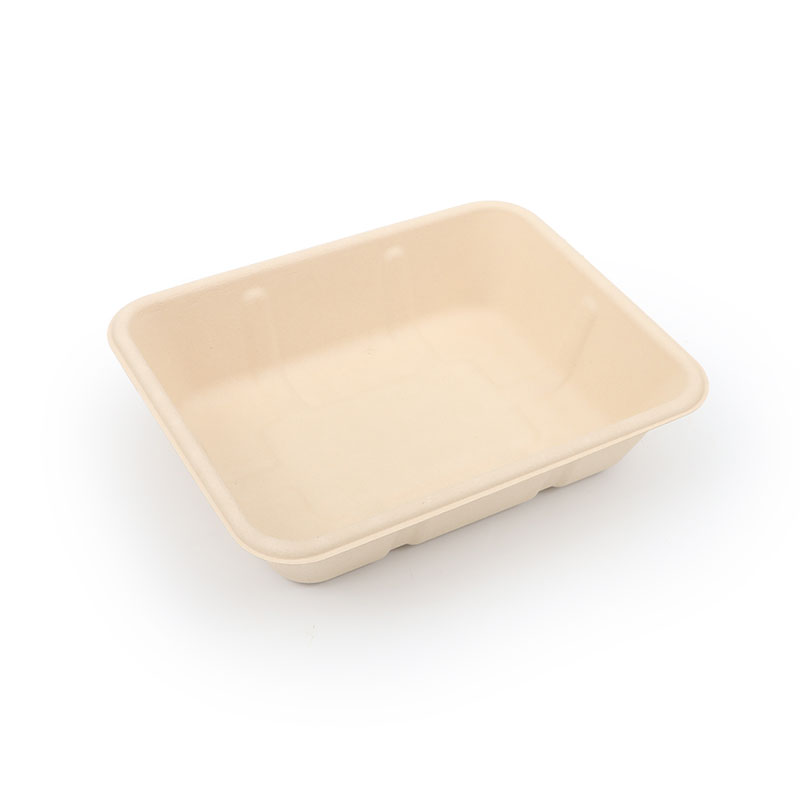
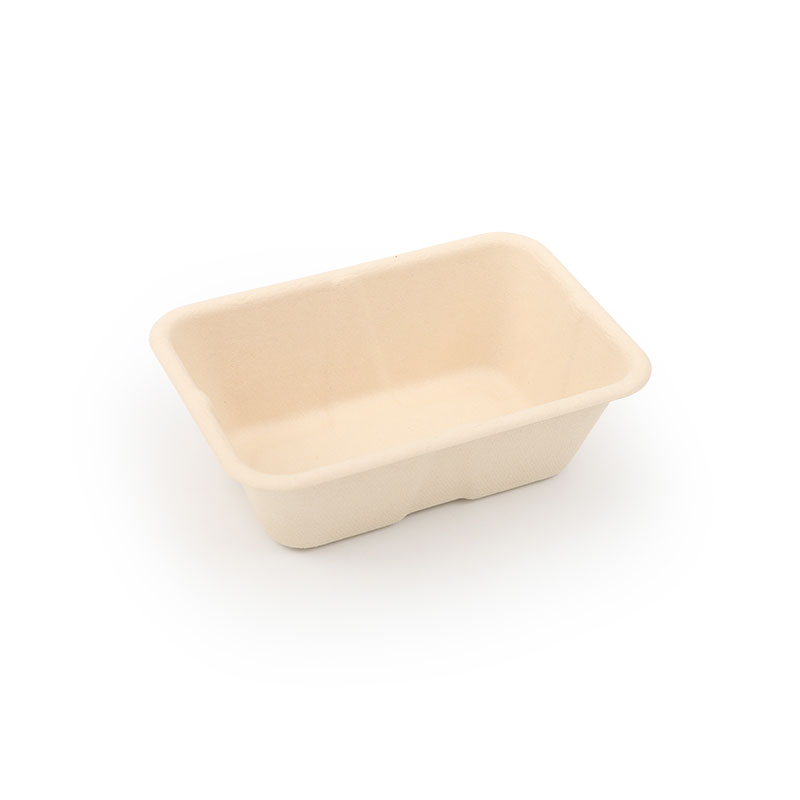
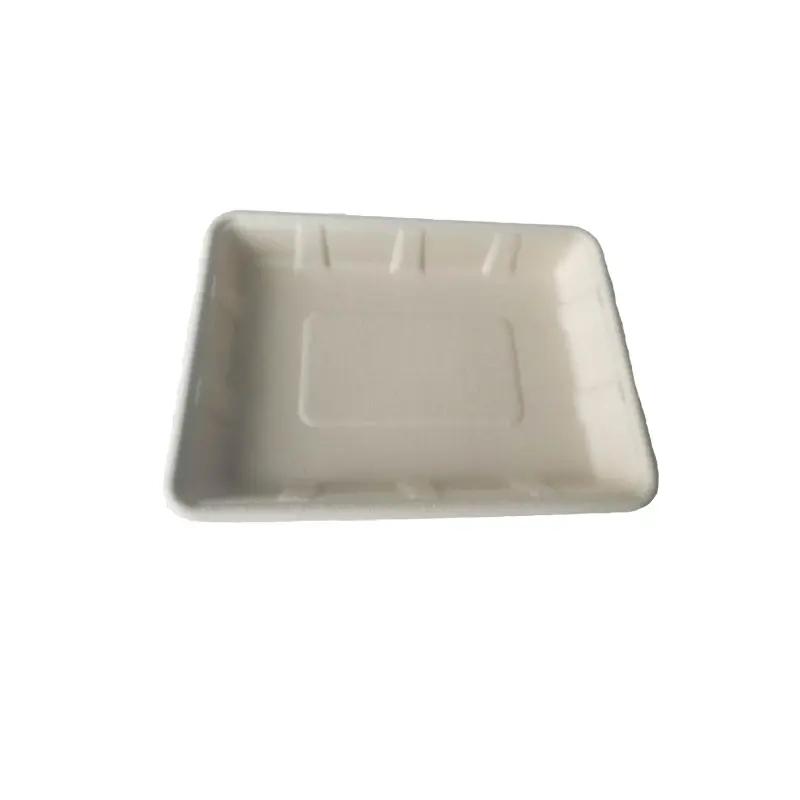
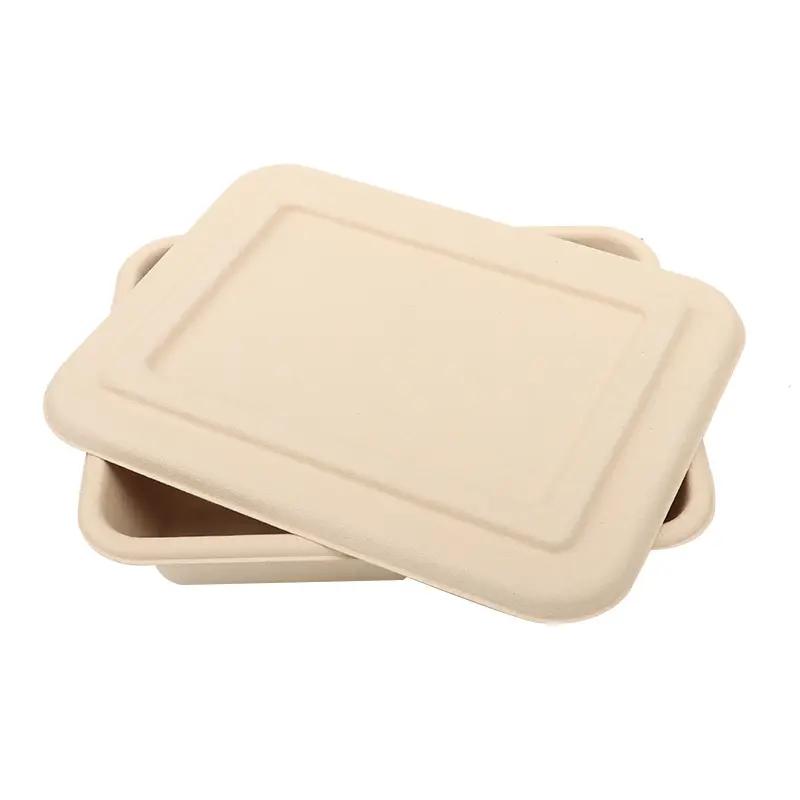
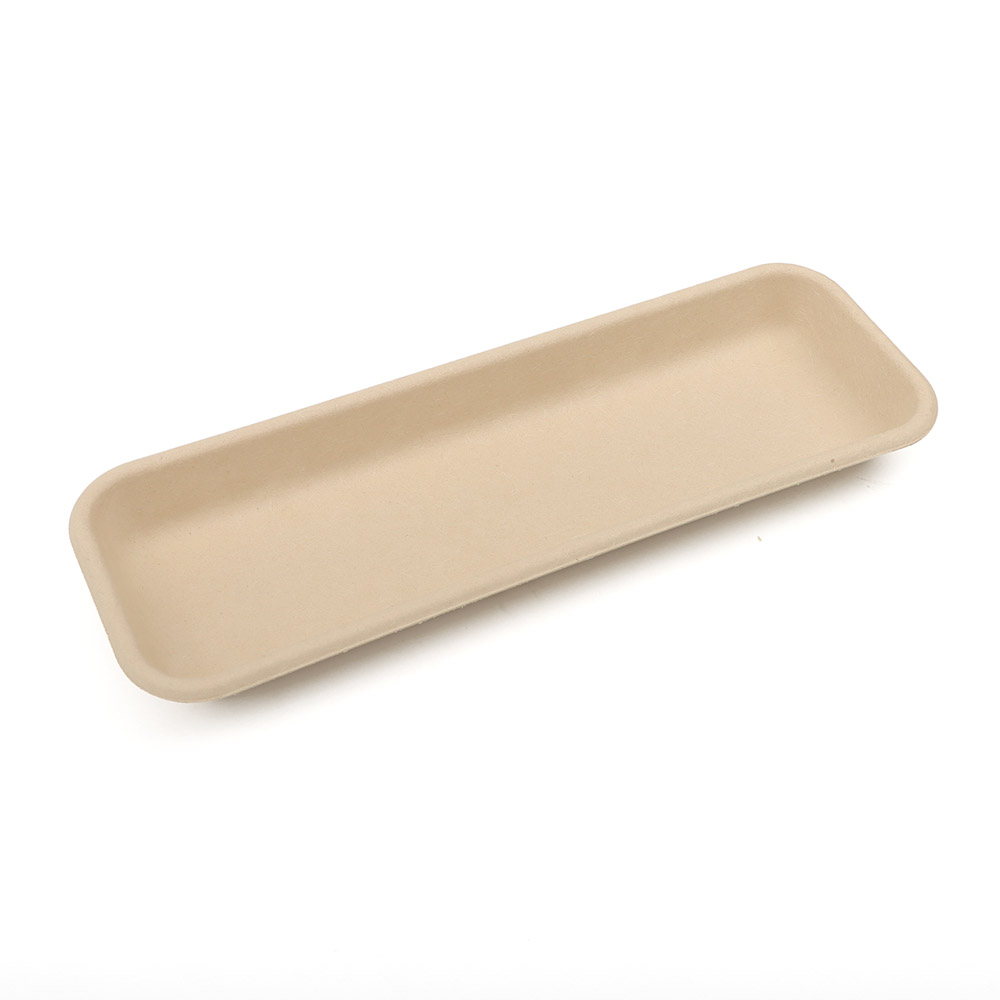
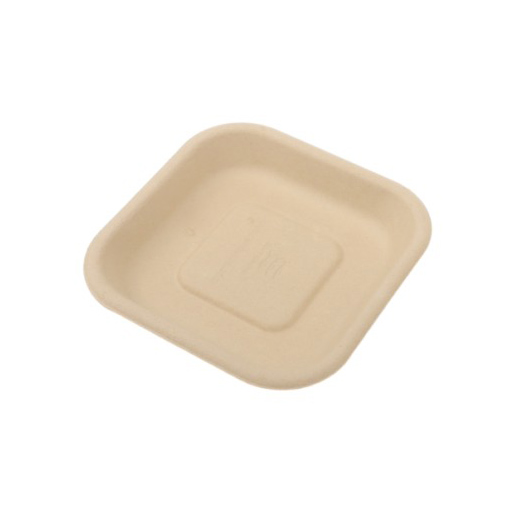
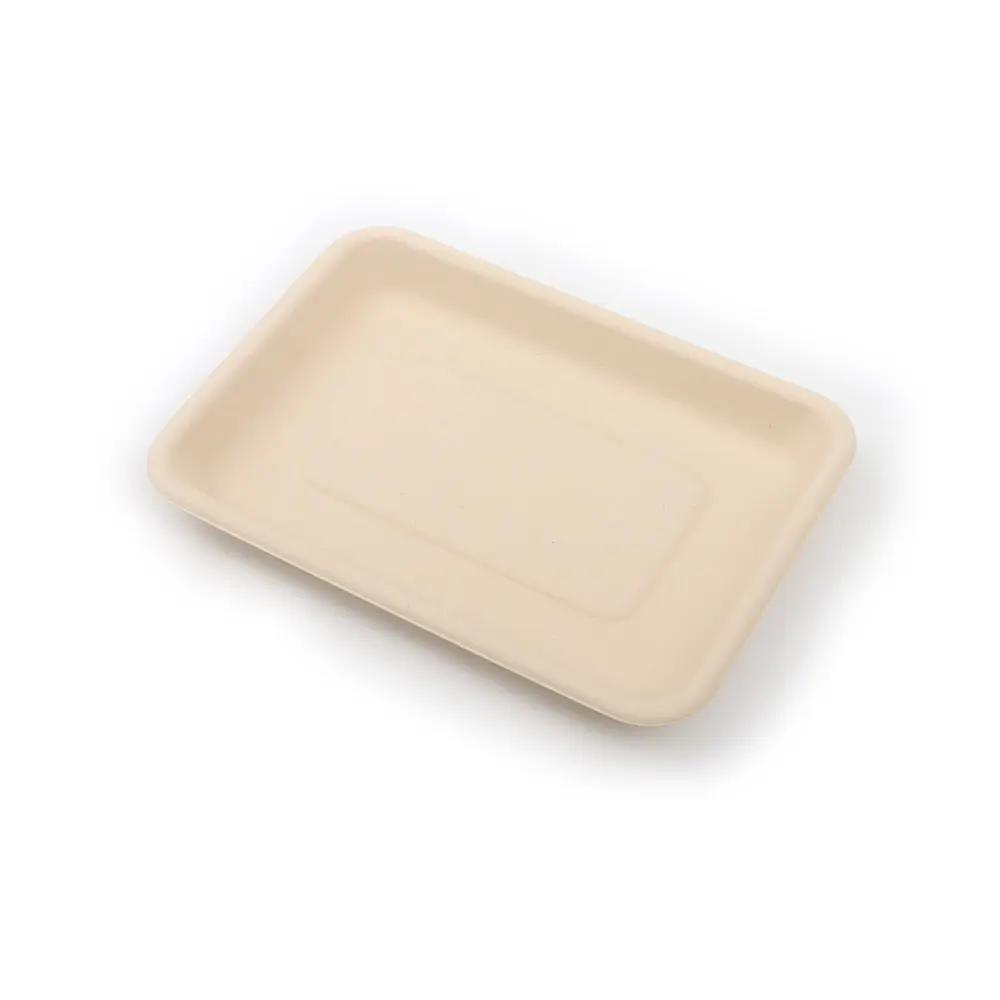
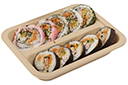
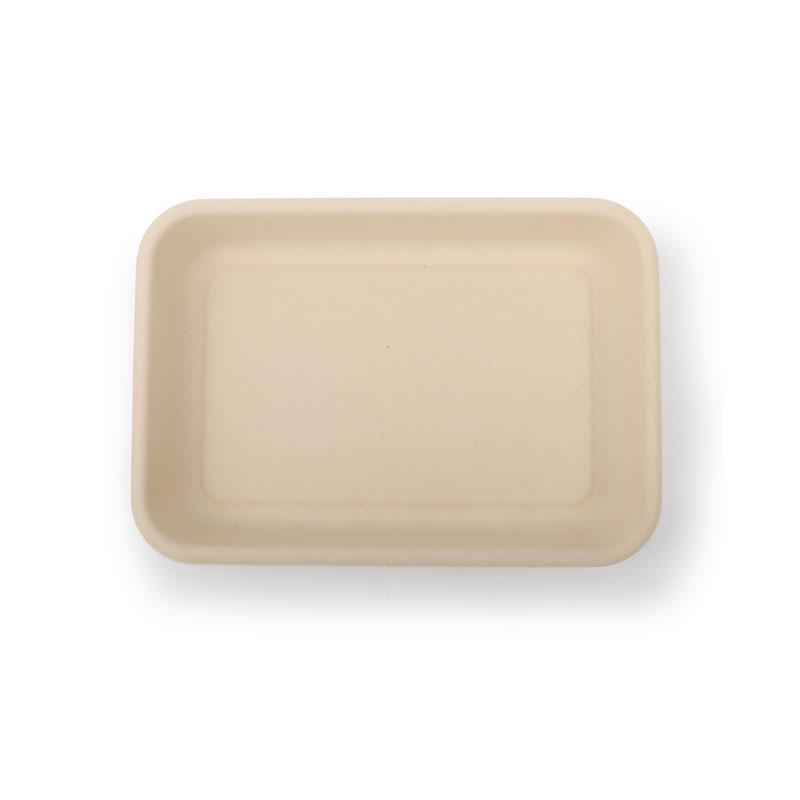
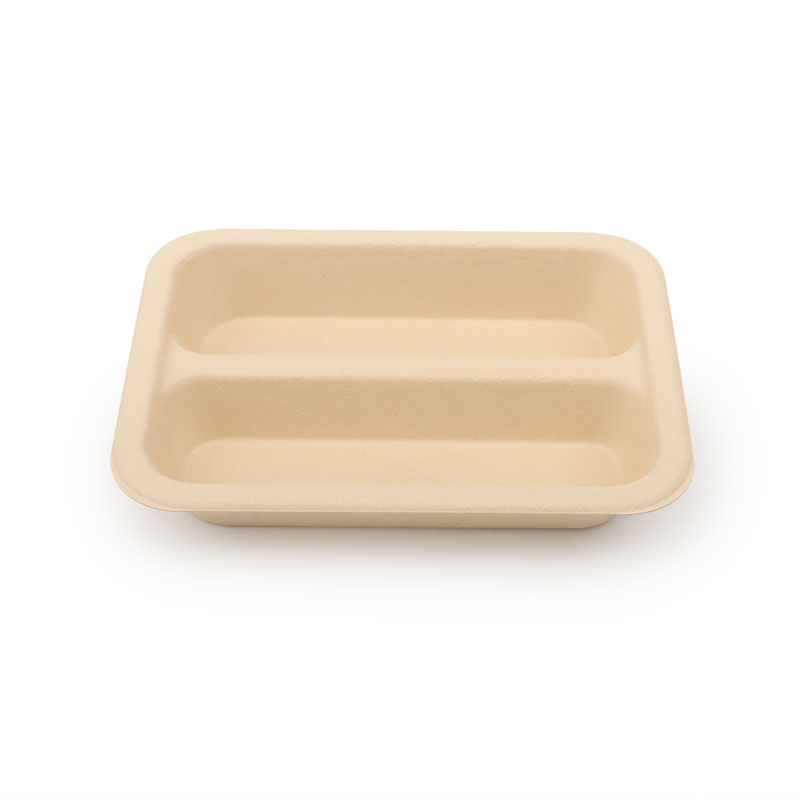
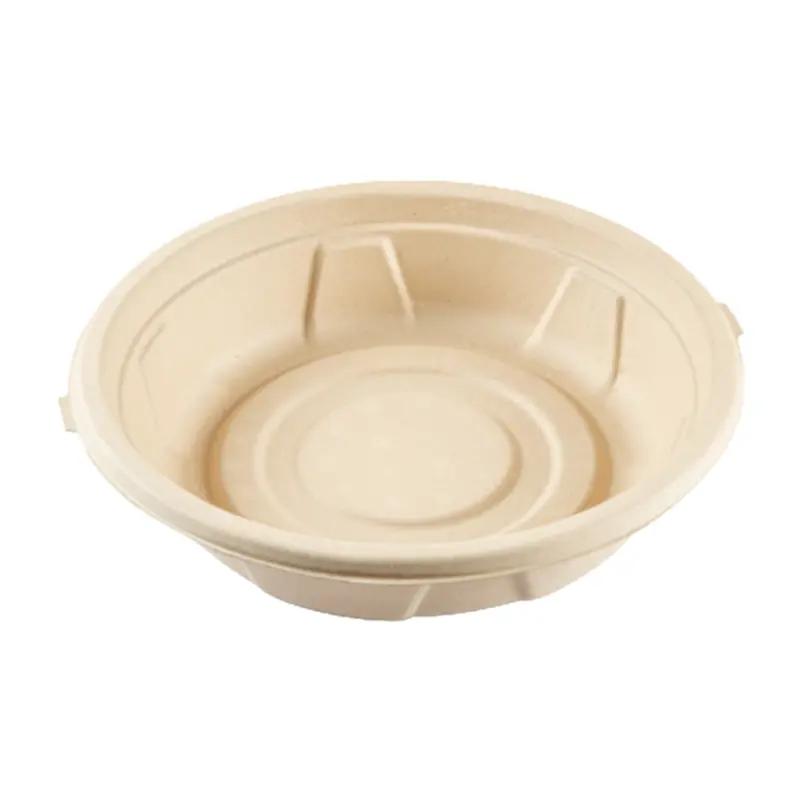
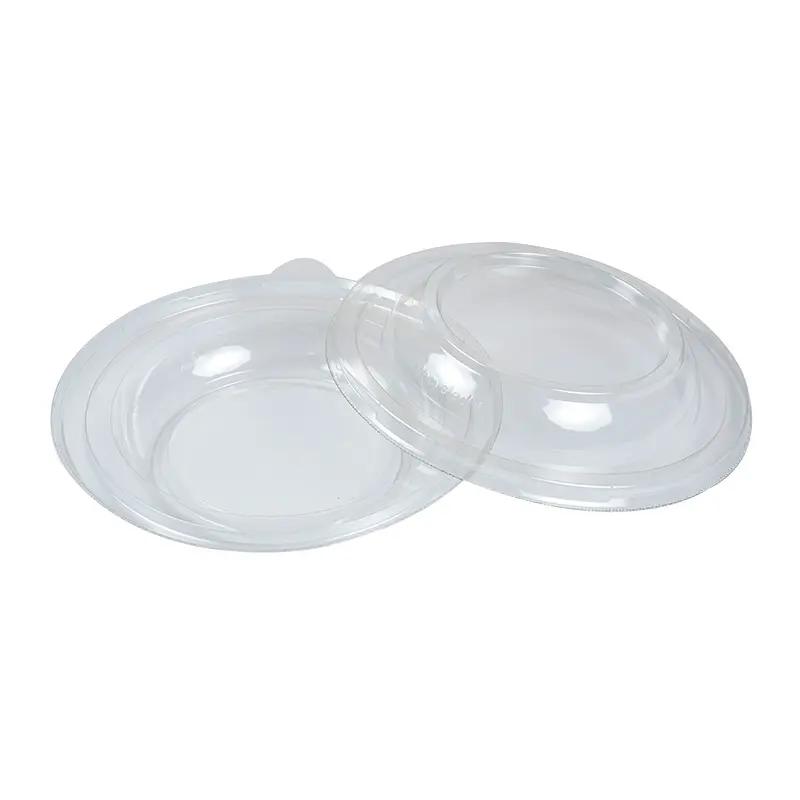
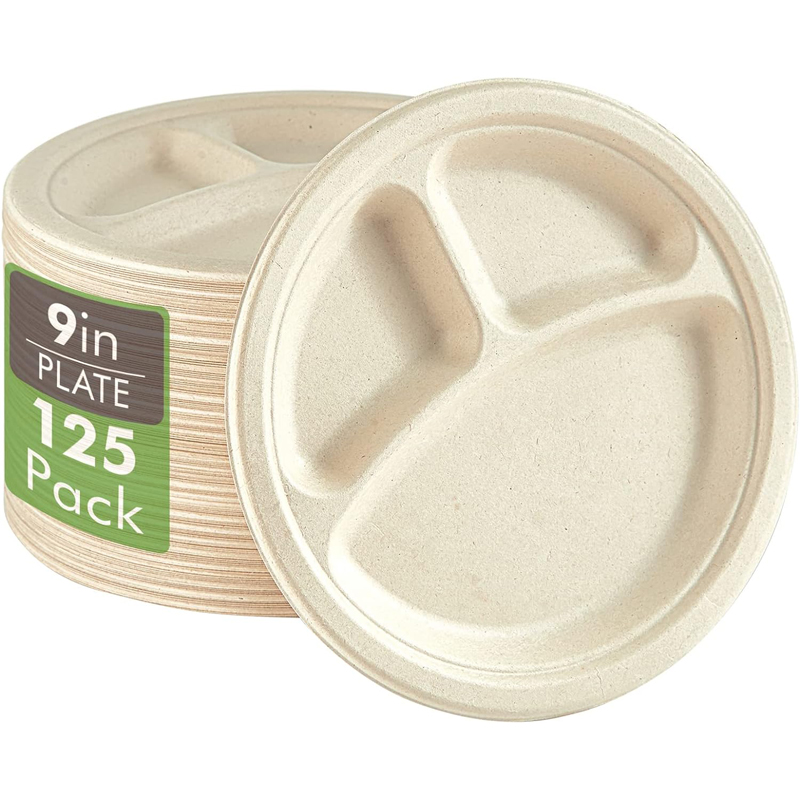
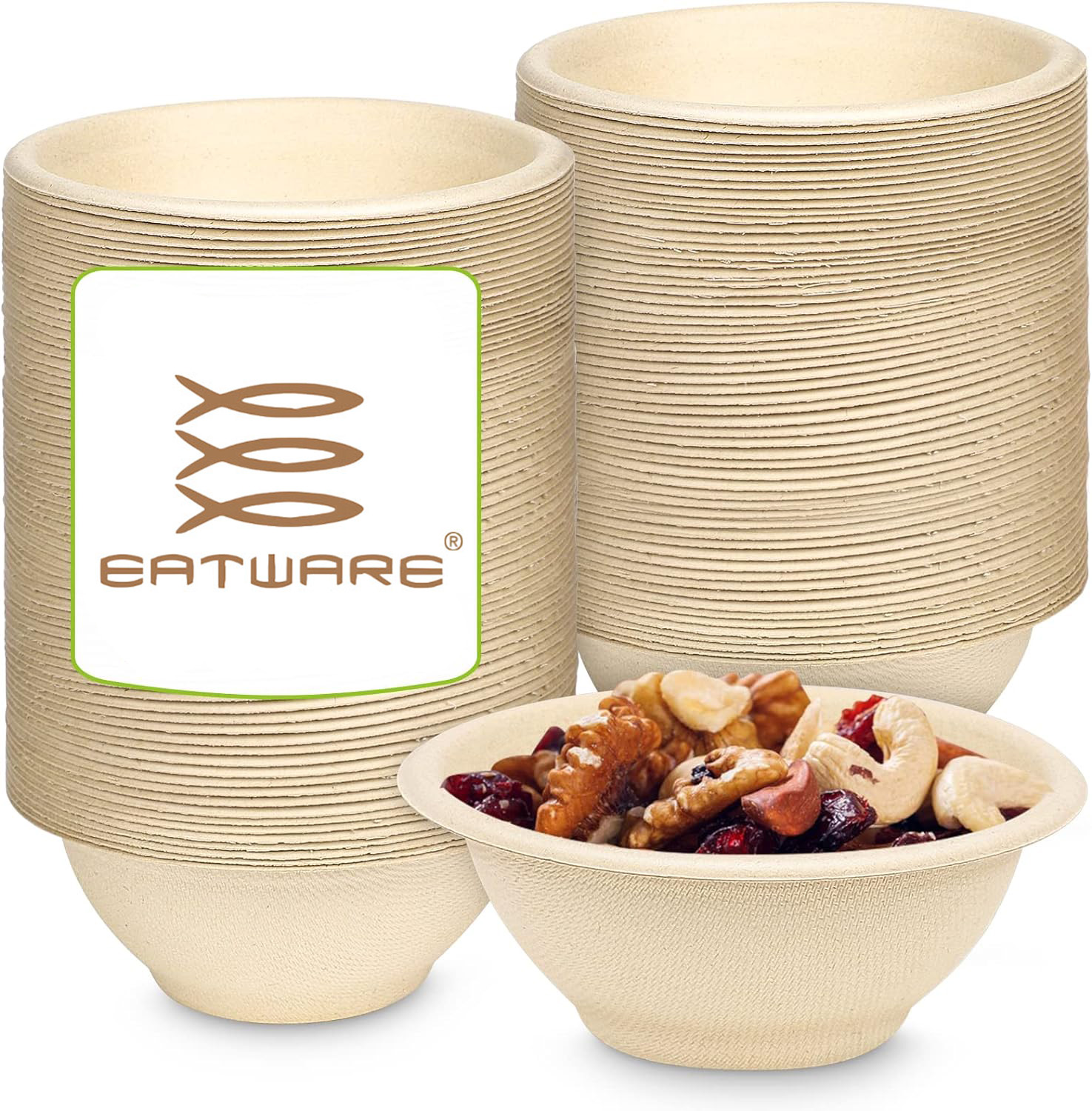
Bamboo pulp fiber packaging offers a plant-based option for fresh foods packed in a modified atmosphere. The range includes a 400 ml bowl (161 mm diameter × 34 mm high), a 950 ml box (223 × 170 × 37 mm), and a tray (273 × 211 × 43 mm), all in a natural beige finish. Designed to work with suitable lidding films and MAP sealing processes, these containers can help keep meals neatly enclosed and support freshness-focused presentation during storage and transport. Custom sizes and designs are available for different foods and packing requirements.

The containers resist water and oil at up to 95°C for 30 minutes, and can be used in a microwave, oven, or refrigerator under the stated conditions: heating at 220°C for 3–5 minutes or frozen storage at −18°C for up to three months. OEM and ODM customization is available, with certification options including BPI, BRC, OK compost, OWS, FDA, FSC, Green Seal, and fluorine-related certification. This combination of practical heat and cold tolerance, customizable formats, and compatibility with suitable MAP sealing makes the range a versatile choice for bowls, trays, and boxes.

FAQS

What services can modified-atmosphere packaging suppliers provide?

They may provide gas-flushing equipment, package design, line setup, gas analysis, leak checks, training, and maintenance. Support varies.

How is the gas mixture chosen?

It depends on the food, film, tray, and sealing conditions. Carbon dioxide can slow some microbial growth, while nitrogen can displace oxygen. Fresh meat, cheese, and cut produce need separate trials. Details matter.

Can modified-atmosphere packaging replace sanitation or temperature control?

No. It does not replace sanitation or temperature control. Check shelf-life results with the actual product and storage conditions.

What should producers bring to a supplier trial?

Bring product samples and current packaging. Test gas composition, residual oxygen, seal integrity, and line speed. A polished demonstration may not reflect a busy production line.

How can a supplier’s technical fit be assessed?

Request trial data from similar foods and production conditions. Ask for clear film, seal, and gas specifications, plus relevant quality and food-contact documents. A dry snack is not a good stand-in for fresh meat.

Which tests can reveal packaging problems?

Inline gas analyzers can flag a drifting mixture. Leak tests can find weak seals near tray corners or film edges. Recheck performance after installation.

How should producers compare suppliers?

Compare service needs, line-speed support, sealing equipment, and target shelf life—not equipment price alone. Price is only one piece.

What should be recorded during testing?

Record test conditions and compare several batches. Measure residual oxygen at packing and during storage, then inspect seals after transport. Small differences are easy to miss. I would not treat one trial as proof.

Conclusion

Modified Atmosphere Food Packaging helps extend the freshness and shelf life of food by replacing or adjusting the air inside a package with a carefully selected gas mixture. By controlling oxygen, carbon dioxide, and nitrogen levels, these systems can slow oxidation, reduce spoilage, and help preserve a product’s appearance and quality. Suppliers may provide packaging machines, barrier films, gas-mixing and monitoring equipment, package design, testing, and technical support.

This overview introduces ten supplier options without focusing on brand names and explains how to assess them by considering technology, packaging materials, production capacity, service, and experience with relevant foods. Applications range from fresh produce and meat to seafood, dairy, bakery items, and prepared meals. Choosing a suitable supplier means matching the system to the product’s sensitivity, storage conditions, packaging format, output requirements, and budget, while confirming that the proposed solution can consistently maintain the intended atmosphere and protect food quality.

Sophie

Sophie

Sophie is a dedicated marketing professional at Kangxin (Haimen) Environmental Technology Development Co., Ltd., where she leverages her extensive expertise in environmental technology to drive the company's marketing efforts. With a strong background in the industry, Sophie possesses an in-depth......
Previous How to Choose the Best Laminated Seafood Tray?