The world of food packaging keeps evolving, and it’s pretty exciting to see how innovation is shaping the industry. Looking ahead to 2026, one trend that really stands out is this idea of “packaged in a protective atmosphere.” If you wanna check it out, here’s the link: [packaged in a protective atmosphere](https://www.eatware.com/packaged-in-a-protective-atmosphere). Basically, this technique doesn’t just make food last longer; it also helps keep the quality high by slowing down spoilage. Companies like Amcor and Sealed Air are leading the charge here, creating super advanced materials that lock in freshness and cut down on waste simultaneously.
Now, using packaging that creates a protective atmosphere can truly be a game changer. These packages often use something called modified atmosphere technology—that’s just fancy talk for swapping out oxygen with inert gases to preserve nutrients better. Of course, food brands need to consider whether the costs are worth the benefits. Finding that sweet spot between being eco-friendly and effective is tricky, but necessary. Honestly, getting this balance right can make a huge difference over the long run.
On top of that, the rise of online shopping is really shaking things up when it comes to packaging for 2026. More folks buying stuff online means brands have to step up their game with packaging that’s tough, reliable, and keeps things fresh during shipping. Nobody wants to get a soggy or spoiled product, so it puts a lot of pressure on makers to invest in new tech and to pay close attention to what customers want. Creating packaging solutions that work smoothly isn’t straightforward — it’s kind of an intricate puzzle. But if companies take a step back and really think about what they’re doing now, they might just come up with some pretty innovative ideas down the road.

Key Definitions and Concepts in Protective Atmosphere Packaging
Protective atmosphere packaging is an innovative approach to food preservation. It aims to extend shelf life and maintain product quality. Understanding key concepts is essential for businesses and consumers alike.
At its core, modified atmosphere packaging (MAP) alters the gas composition surrounding a product. This adjustment slows down spoilage and prevents microbial growth. Typical gases used are nitrogen, carbon dioxide, and sometimes oxygen. Each gas plays a unique role. For instance, nitrogen displaces oxygen, reducing oxidation. This process keeps food fresher for longer periods.
However, the effectiveness of protective atmosphere packaging can vary. Factors like the type of food and its oxygen sensitivity influence outcomes. Packaging materials must also be suitable for the product. Sometimes, companies may overlook these aspects, leading to suboptimal results. Continuous research and development in MAP technologies are crucial for improving this packaging method. The landscape of food packaging is always evolving. Staying informed on trends helps businesses make better choices.
Top Trends in Packaged In A Protective Atmosphere for 2026
Current Market Landscape for Protective Atmosphere Packaging in 2026
As we look towards 2026, the market for protective atmosphere packaging is evolving. This type of packaging is designed to enhance the shelf life of products by reducing oxidation and microbial growth. Companies are investing in better materials and technologies to create an inert environment around their products. The rising awareness of food safety and quality is driving this shift.
Current innovations include modified atmosphere packaging (MAP) and vacuum packaging. These methods are gaining traction in sectors like food and pharmaceuticals. They help maintain freshness and extend usability. However, there are challenges in ensuring consistency across different products. Some packages fail to maintain optimal conditions due to leaks or poor seals. This inconsistency can lead to spoilage or reduced quality.
Consumer preferences are shifting as well. There is a growing demand for sustainable and eco-friendly packaging solutions. Companies face pressure to balance these demands with protective qualities. The transition to biodegradable materials poses a challenge; they might not always provide the same level of protection. As the market matures, brands will need to address these issues to meet evolving consumer expectations.
Emerging Technologies Influencing Protective Atmosphere Packaging Trends
The landscape of protective atmosphere packaging is evolving rapidly, driven by emerging technologies. As we approach 2026, several innovations are reshaping this space. Sensors are becoming increasingly integral. They monitor gas levels and overall package integrity in real-time. This immediate feedback is crucial for maintaining product freshness.
In addition, modified atmosphere packaging (MAP) is advancing significantly. New materials enhance barrier properties, offering better protection against external light and oxygen. These materials can extend shelf life considerably, benefiting industries like food and pharmaceuticals. However, the challenge remains in balancing cost-effectiveness with the required quality.
Automation is also making waves. Smart packaging systems use AI to optimize the packaging process. This increases efficiency but may require re-evaluation of existing workflows. The integration of these technologies raises questions about reliability and the skills needed to implement them successfully. The future of protective atmosphere packaging is promising yet complex.
Sustainability Practices in Packaged Protective Atmosphere for 2026
The concept of sustainability in packaged protective atmosphere is gaining traction as we approach 2026. Companies are rethinking their strategies to create eco-friendly packaging solutions. modified atmosphere food packaging emerges as a key player in this shift. It not only extends shelf life but also minimizes food waste, aligning with global sustainability goals.
Innovative practices are essential to enhance the sustainability of modified atmosphere food packaging. Utilizing biodegradable materials is one approach. Brands are exploring plant-based plastics, which could significantly reduce environmental impact. However, the challenge lies in ensuring these materials perform as well as their conventional counterparts.
Transparency in sourcing is crucial. Companies need to share their processes with consumers. This builds trust and encourages responsible consumption. Nonetheless, the industry still grapples with balancing cost and sustainability. It's a complex issue that requires ongoing reflection and innovation. The future of packaged protective atmosphere hinges on addressing these intricacies effectively.
Top Trends in Packaged In A Protective Atmosphere for 2026
| Trend | Description | Sustainability Impact | Projected Growth (%) |
| Bio-based Packaging | Use of renewable resources for packaging materials to reduce dependency on fossil fuels. | Significantly lowers carbon footprint. | 15% |
| Active Packaging Systems | Integration of substances that can release or absorb gases to enhance shelf life. | Reduces food waste and promotes longer product usability. | 20% |
| Smart Packaging Technologies | Embedding sensors in packaging to monitor freshness and quality. | Improves consumer confidence and reduces spoilage. | 12% |
| Minimalist Packaging | Emphasis on reducing excess packaging while maintaining protection. | Lowers material usage and waste generation. | 10% |
| Recyclable Materials | Utilizing materials that can be easily recycled after use. | Promotes circular economy and reduces landfill waste. | 18% |
Consumer Preferences Shaping the Future of Protective Atmosphere Packaging
In a fast-evolving market, consumer preferences significantly influence the future of protective atmosphere packaging. Many consumers prioritize freshness and quality over convenience. This trend drives brands to adopt innovative solutions. A growing awareness of environmental impacts further shapes these preferences. Sustainable packaging options are now a key factor in consumers' choices.
Tips for brands: Consider using biodegradable materials in your packaging. Consumers appreciate eco-friendly options more than ever. Transparency is essential; share your sustainability efforts openly. Engage with your audience to understand their needs better. Listening can lead to valuable insights, shaping your packaging design.
The method of map modified atmosphere packaging also presents unique challenges. While it enhances product longevity, understanding how consumers perceive such innovations is crucial. There's a risk that consumers may feel disconnected from products preserved through advanced technology. Balancing innovation with consumer engagement will be vital for the industry's growth.
Regulatory Considerations in the Protective Atmosphere Packaging Sector
Regulatory considerations play a crucial role in the protective atmosphere packaging sector. As industries shift towards modified atmosphere packaging, compliance with regulations becomes essential. These guidelines help ensure food safety and quality. Major factors include material selection and labeling requirements. Each country may have different standards, making it vital to stay informed.
When discussing modified atmosphere packaging, one must consider the composition of the atmosphere inside the package. This method involves altering the levels of gases like oxygen and carbon dioxide. It is designed to extend shelf life while maintaining quality. However, companies often grapple with balancing innovation and regulatory compliance. Testing new materials can be risky.
In this evolving landscape, businesses must ensure they meet regulatory standards. They might struggle with frequent changes in laws. Staying updated on these regulations requires dedicated resources. Moreover, the challenge is to define modified atmosphere packaging rigorously. Companies should prioritize transparency in their practices. This builds trust with consumers and industry partners alike.
Predicted Challenges and Opportunities for Protective Atmosphere Packaging
In 2026, protective atmosphere packaging will face both challenges and opportunities. Brands must adapt to evolving consumer preferences. Sustainability trends are rising, pushing for eco-friendly materials. However, balancing these desires with effective preservation methods remains complex.
Pollution and waste management pose significant obstacles. Developing biodegradable materials is critical, yet costly. Brands must invest in R&D to understand the long-term impact of these innovations. Staying informed about regulatory requirements is vital for compliance.
Tips: Focus on local sourcing to reduce carbon footprints. Engage consumers with transparent practices. Educate your audience on the benefits of protective atmosphere packaging.
Adapting to technological advancements can enhance shelf life. However, aligning these technologies with production capabilities is a potential hurdle. Moreover, ensuring quality control across supply chains cannot be overlooked. Companies should build resilient logistics networks to overcome uncertainties.
Tips: Collaborate with industry experts to stay ahead. Monitor trends to anticipate consumer needs. Regularly review and adapt safety protocols to ensure reliability.
FAQS
: Consumers prioritize freshness and quality, influencing packaging choices significantly.
Eco-friendly materials are highly appreciated now, reflecting growing environmental awareness.
Engaging directly helps brands understand consumer needs and shapes packaging design effectively.
There is a risk of consumers feeling disconnected from products using advanced preservation technologies.
Yes, compliance is essential for food safety and varies across different countries.
Transparency builds trust with consumers and partners, enhancing brand credibility.
Staying informed and allocating dedicated resources are crucial to meet evolving regulations.
It involves altering gas levels in packaging to extend shelf life while maintaining quality.
Balancing innovation and engagement can drive growth and acceptance of new packaging technologies.
Companies may struggle with balancing innovation, consumer connection, and regulatory compliance.
Conclusion
The article titled "Top Trends in Packaged In A Protective Atmosphere for 2026" explores various dimensions of protective atmosphere packaging, emphasizing its key definitions and current market landscape. As the demand for packaged food and products continues to grow, emerging technologies are expected to significantly influence trends, enhancing the efficiency and effectiveness of packaging solutions. Sustainability practices are increasingly being integrated, reflecting a consumer shift toward environmentally friendly options, which will shape future innovations in this sector.
Additionally, the article highlights consumer preferences and their impact on the design and functionality of Packaged In A Protective Atmosphere. Regulatory considerations play a crucial role, ensuring safety and compliance within the industry. Looking ahead, the article predicts certain challenges, such as competition and technological adaptation, but also presents numerous opportunities for advancement in protective atmosphere packaging, indicating a robust and evolving market by 2026.
 Box With T buckle
 700ml Square Lunch Box
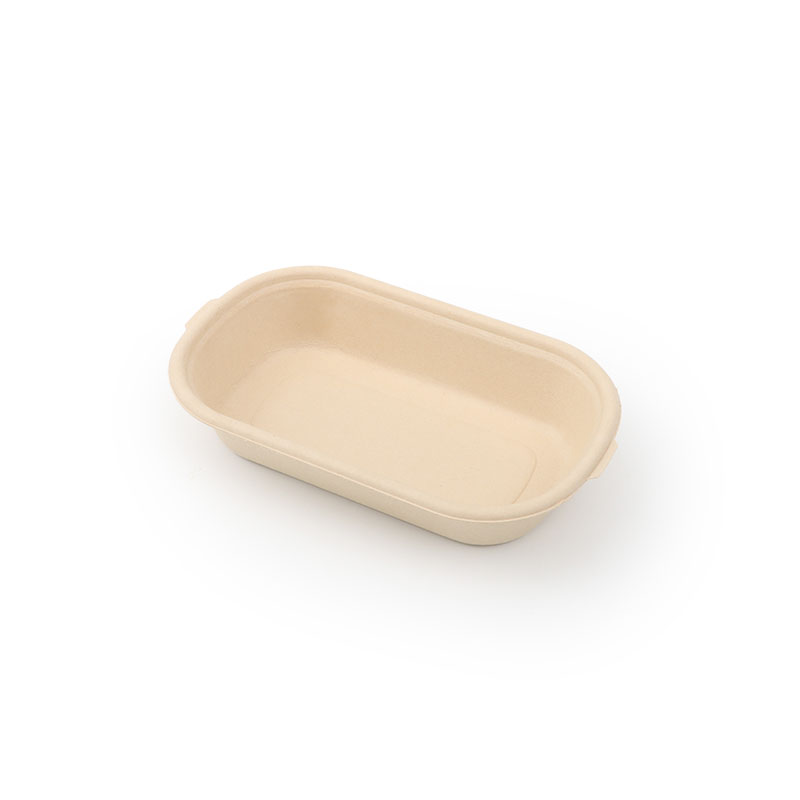 500ml
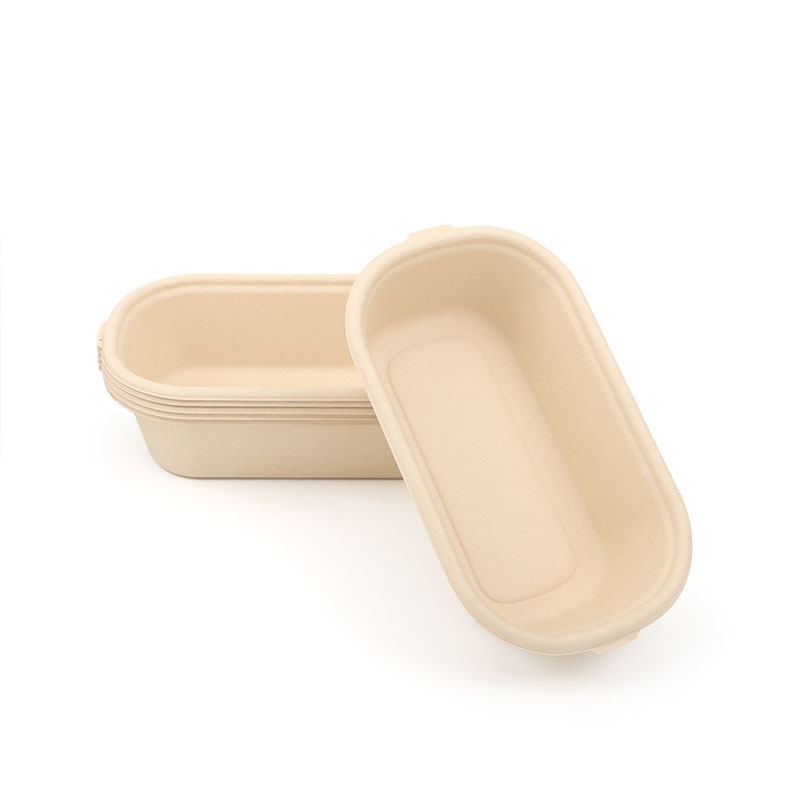 700ml
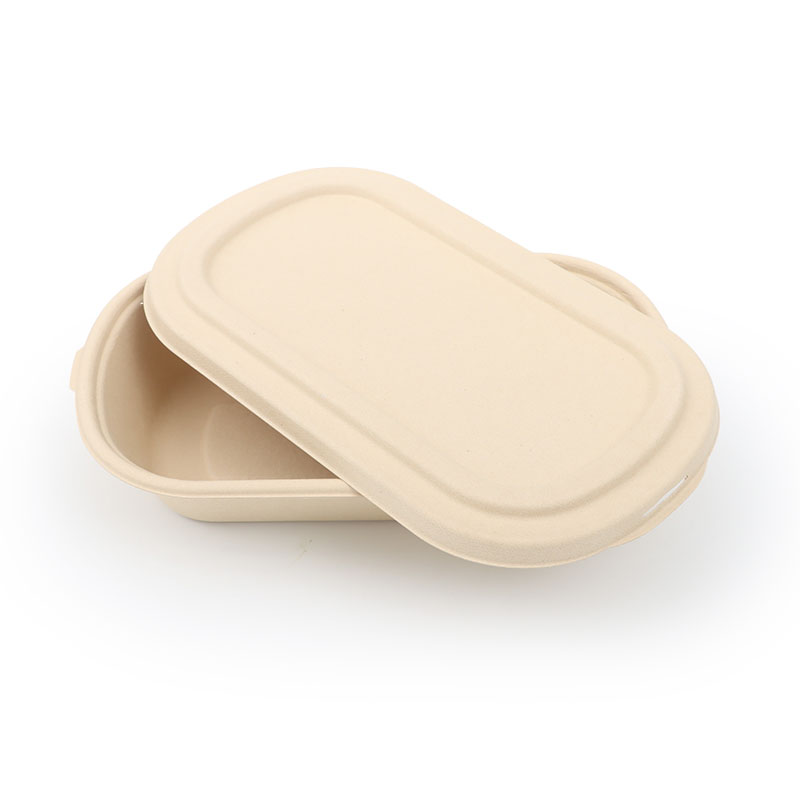 850ml
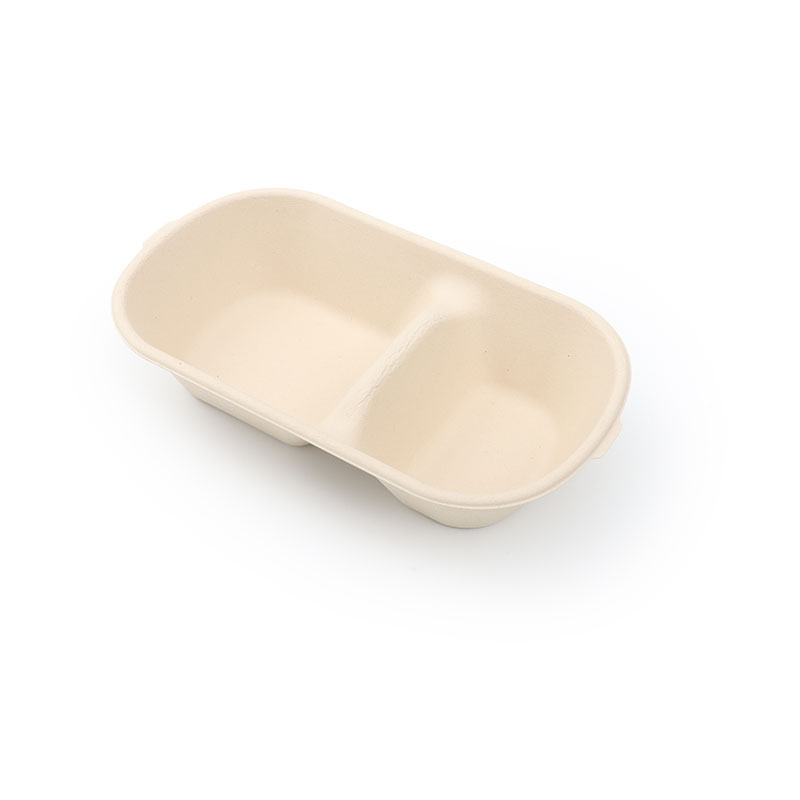 800ml 2 Compartments
 1000ml 2 Compartments
 1100ml
 1000ml Square Lunch Box
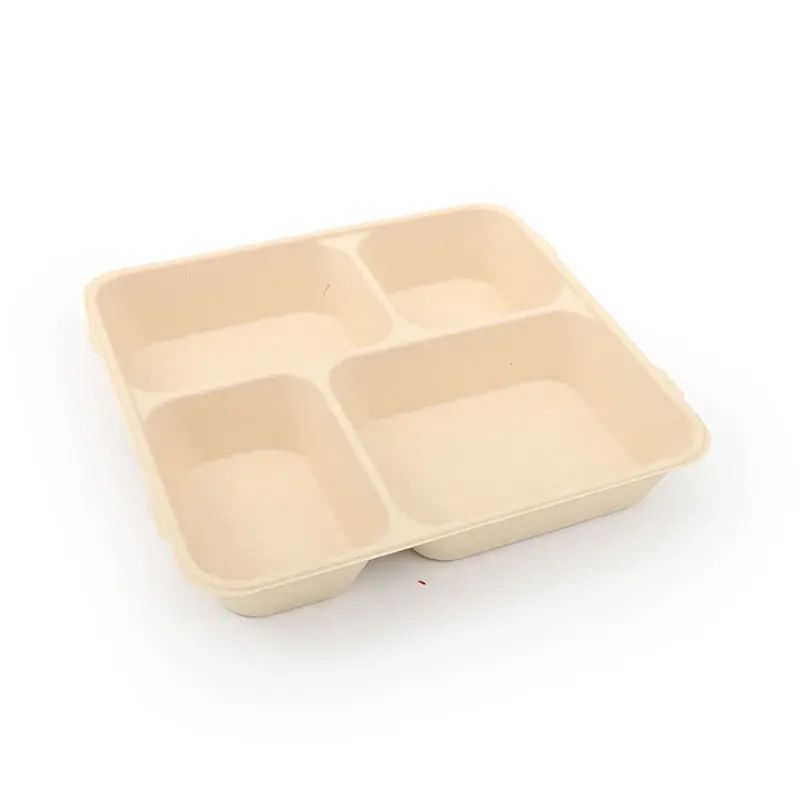 1340ml 4 Compartments
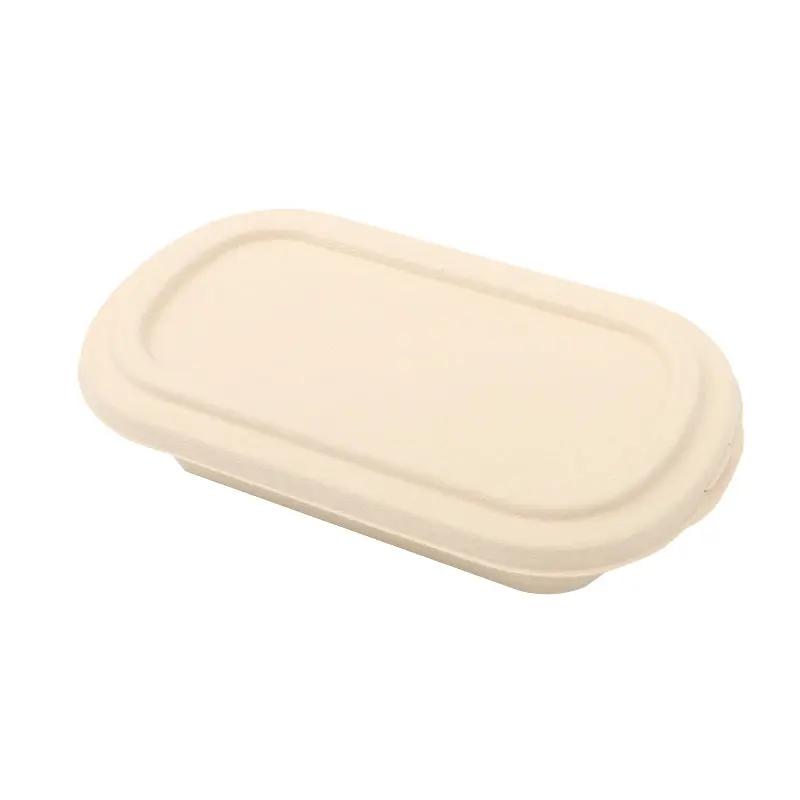 Lunch Box Lid
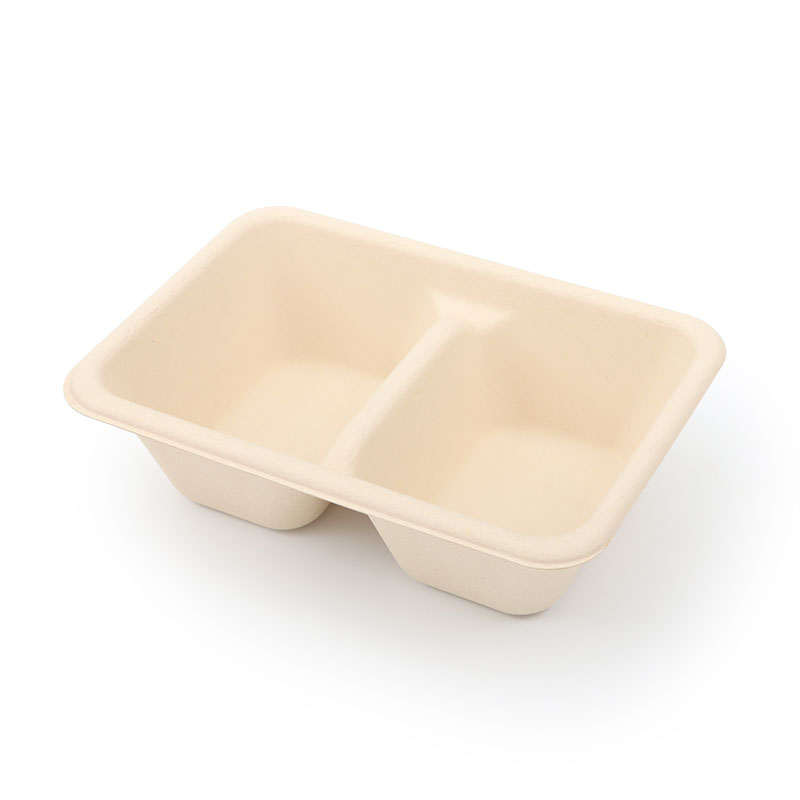 650ml
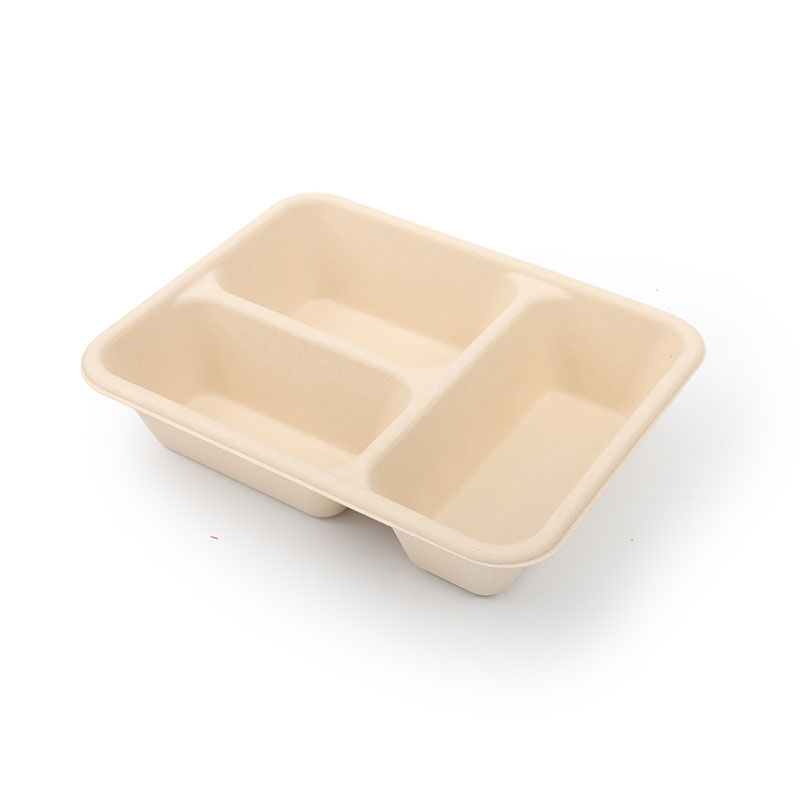 1000ml 3 Compartments
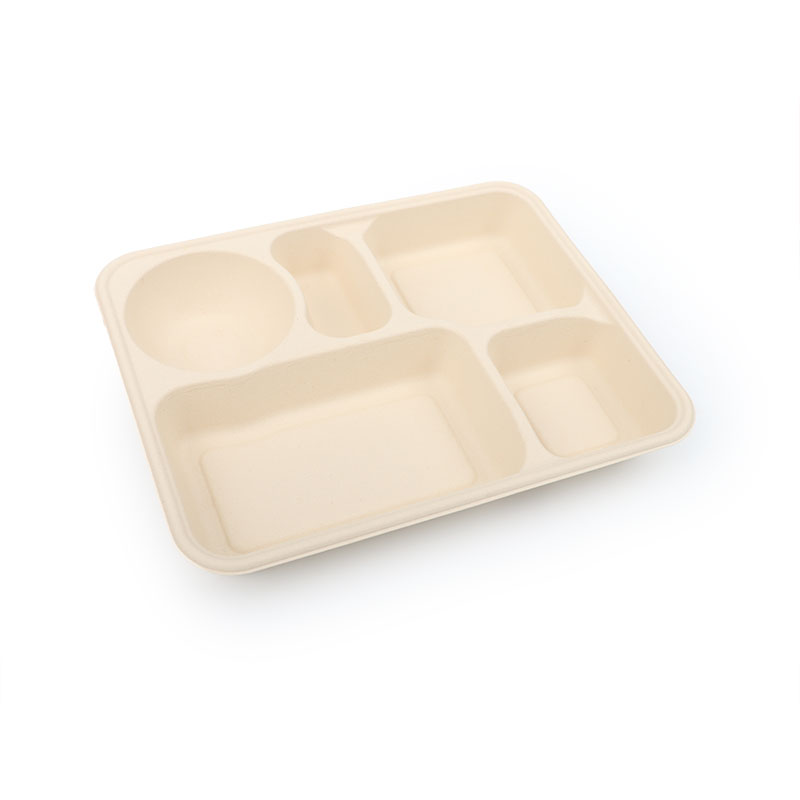 1250ml 5 Compartments
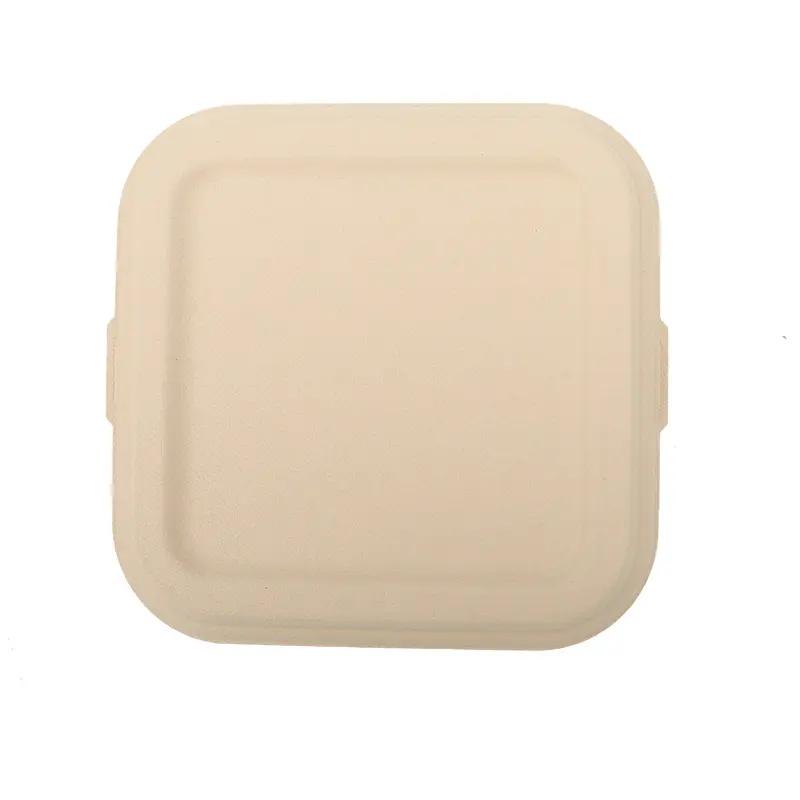 Square Lunch Box Lid
 Box Without T buckle
 850ml Salad Box
 700ml
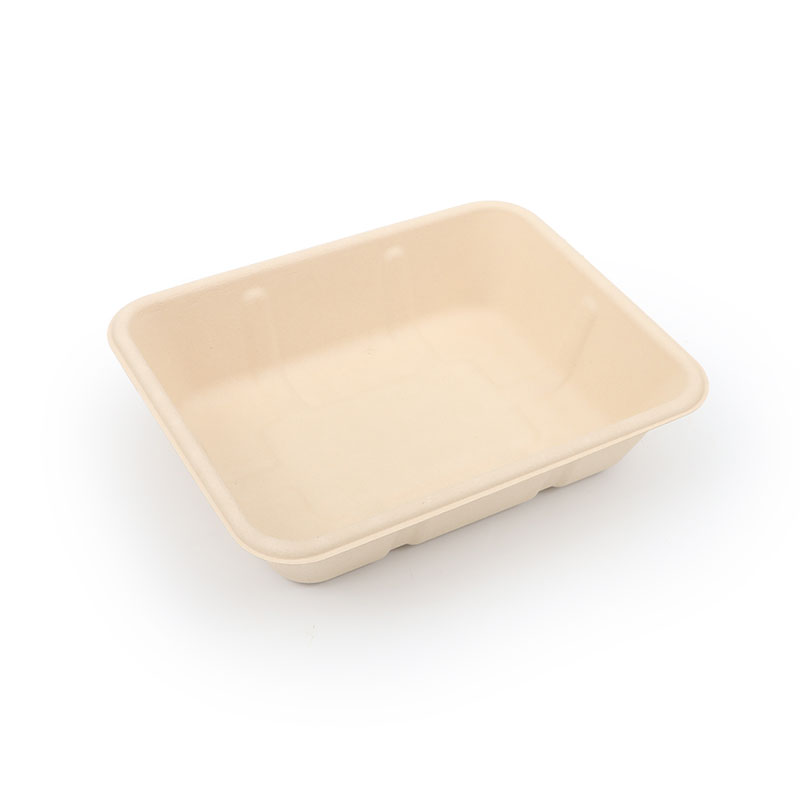 1350ml
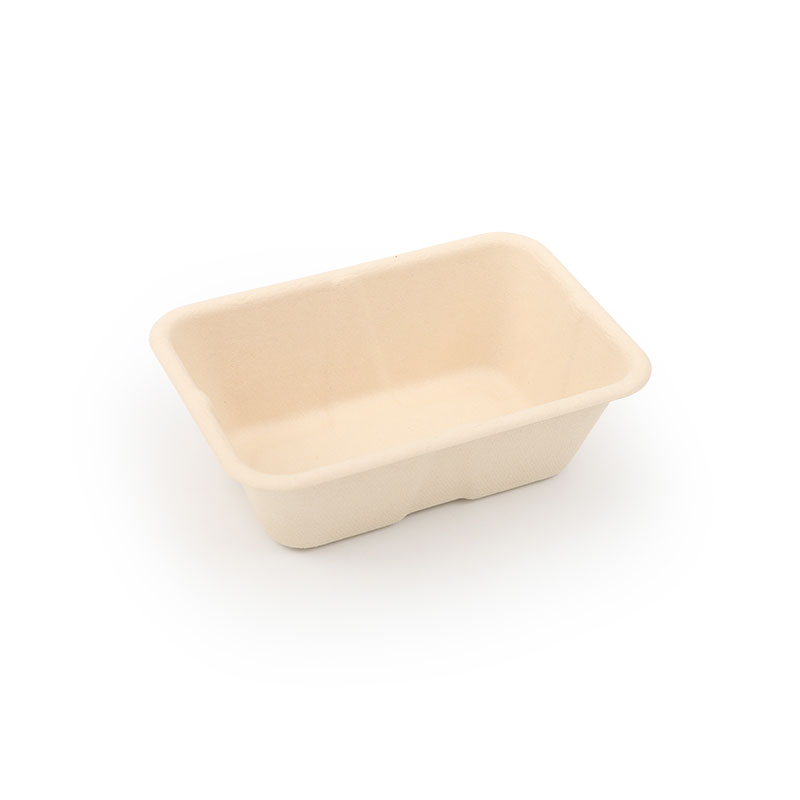 470ml
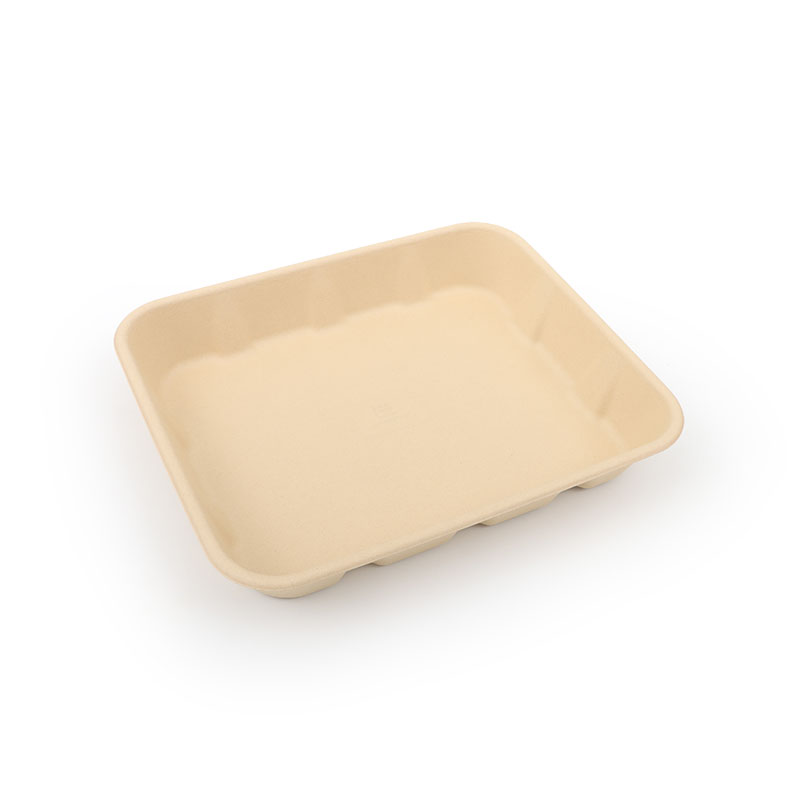 2183ml Tray Box
 11" * 9"
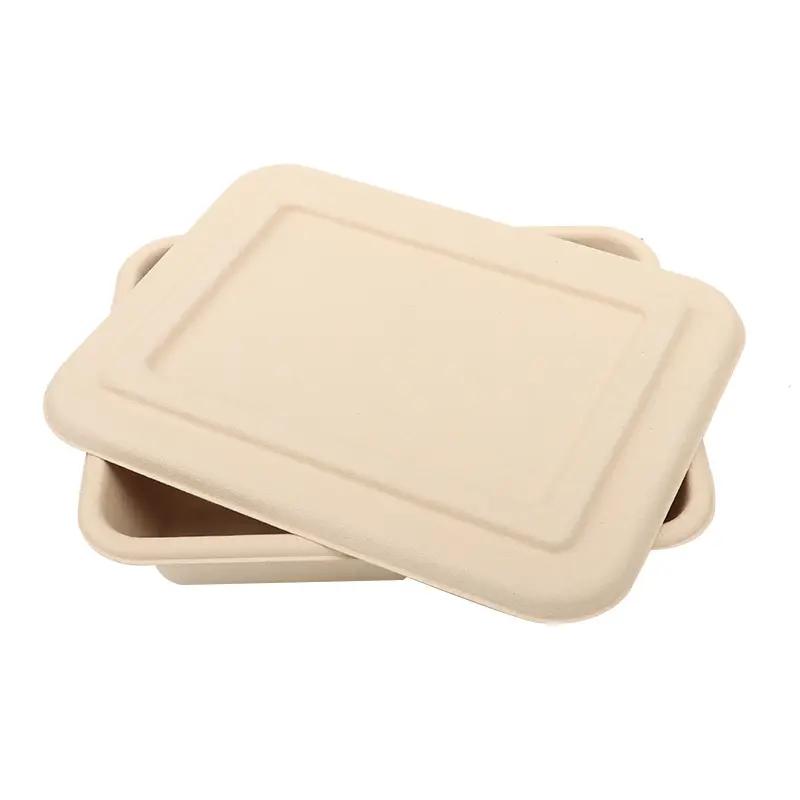 800ml
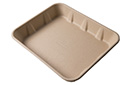 One Part Box
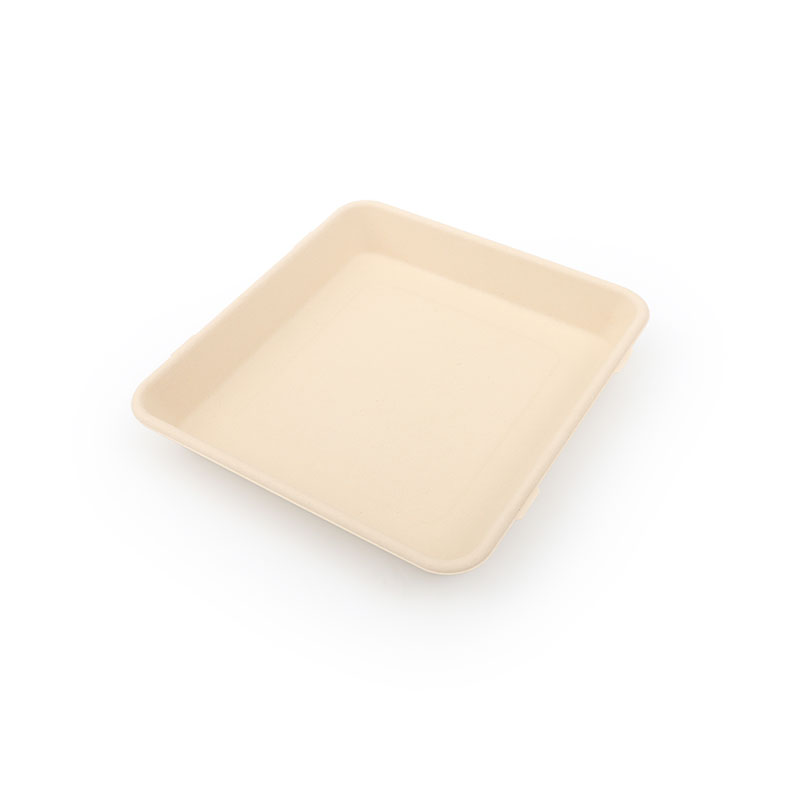 1443ml Tray Box
 Cake Bread Snack Tray Series
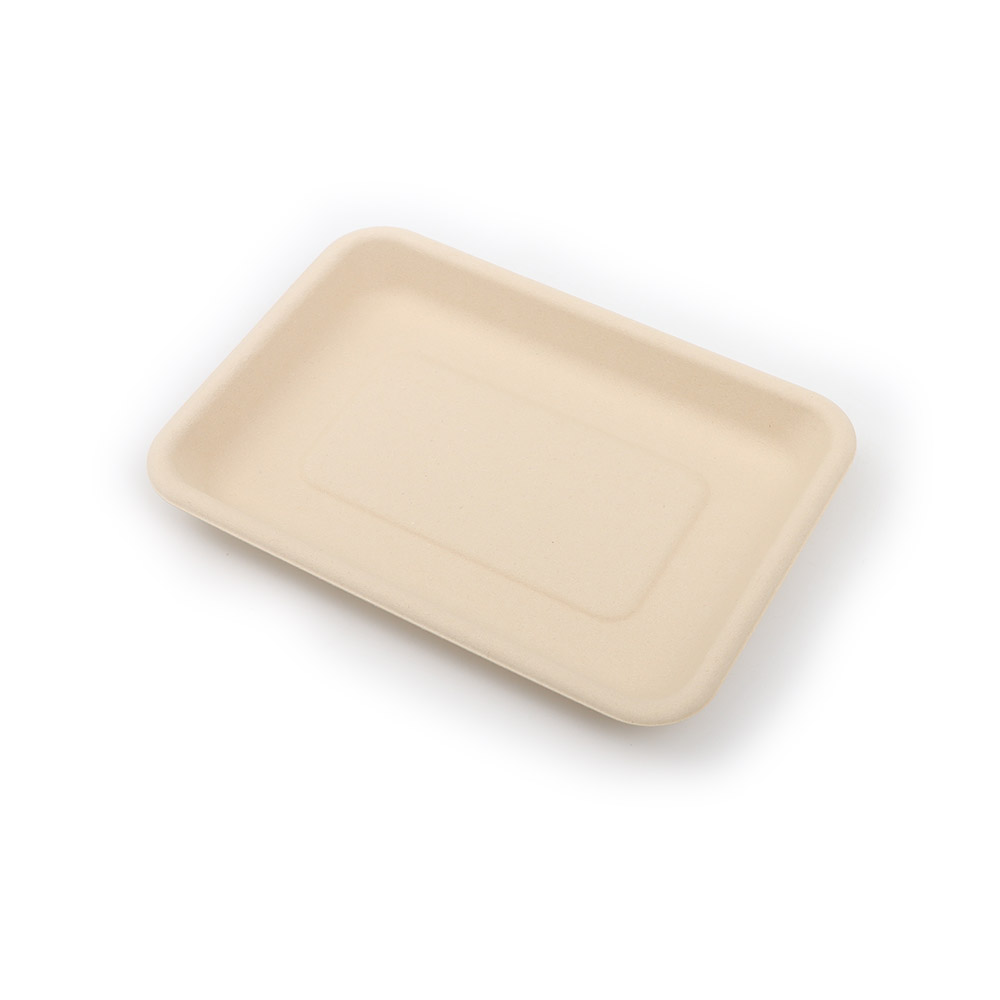 5" * 7" natural color
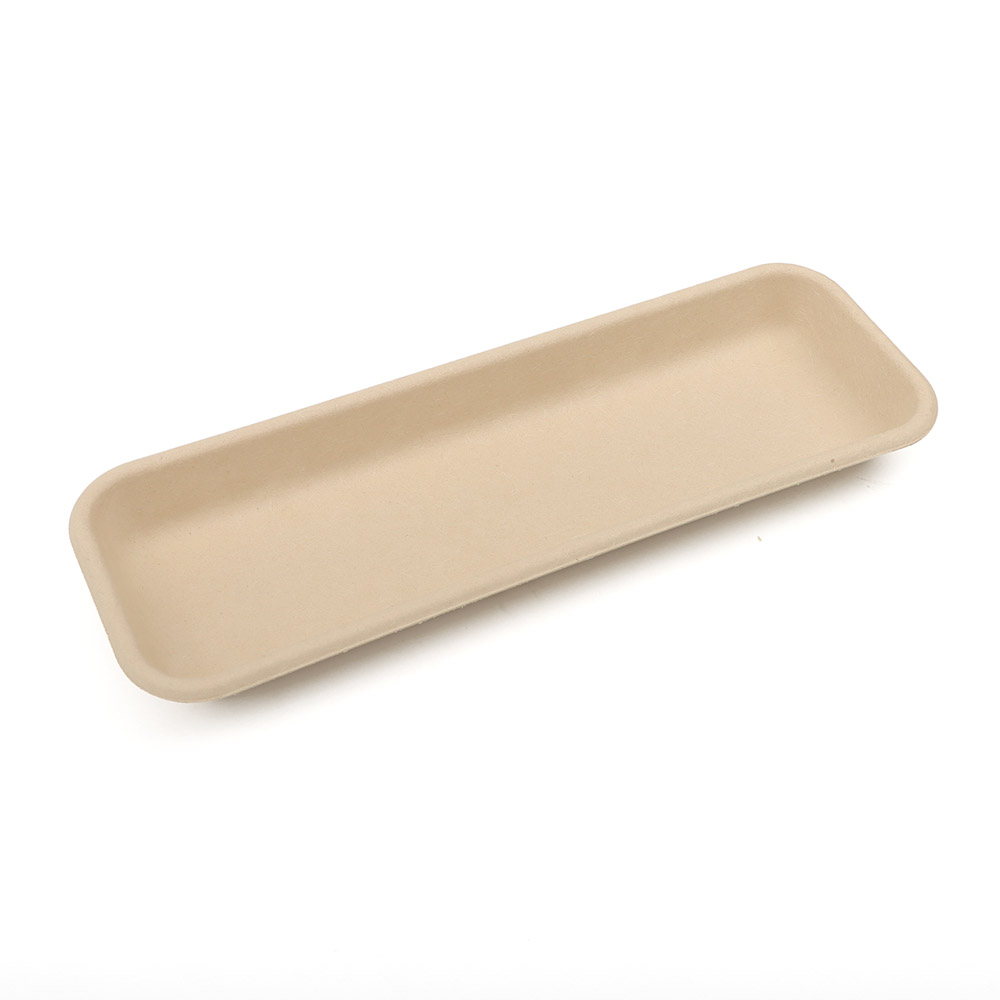 11.4" * 3.9"
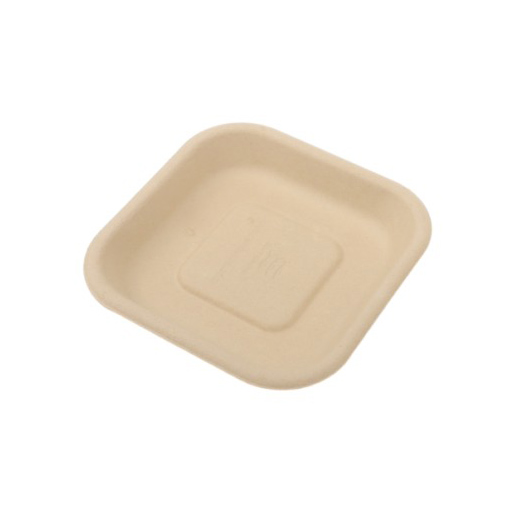 5.3" * 5.3"
 Fruit And Vegetable Tray Series
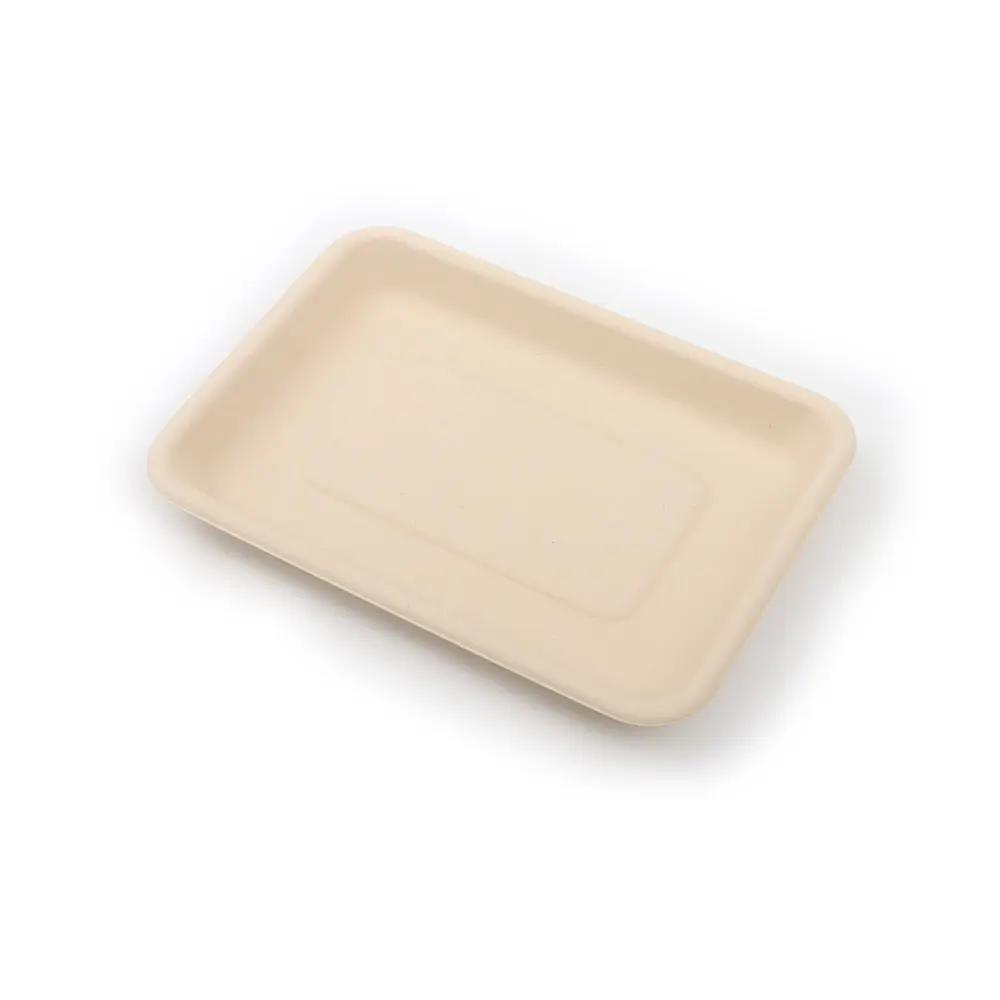 8.6" * 5.3"
 Sushi Tray Series
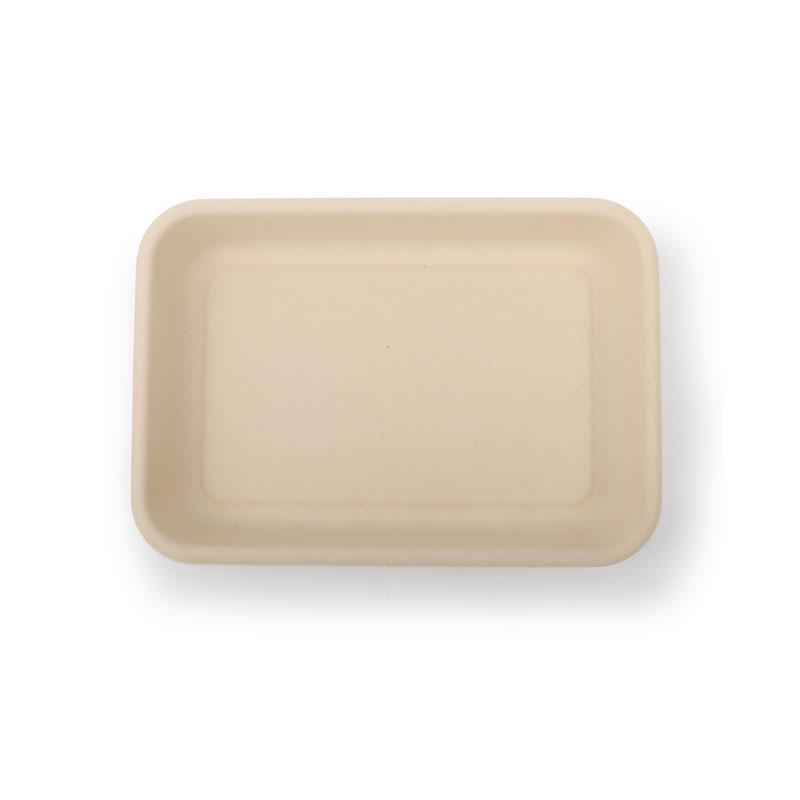 200" * 140"
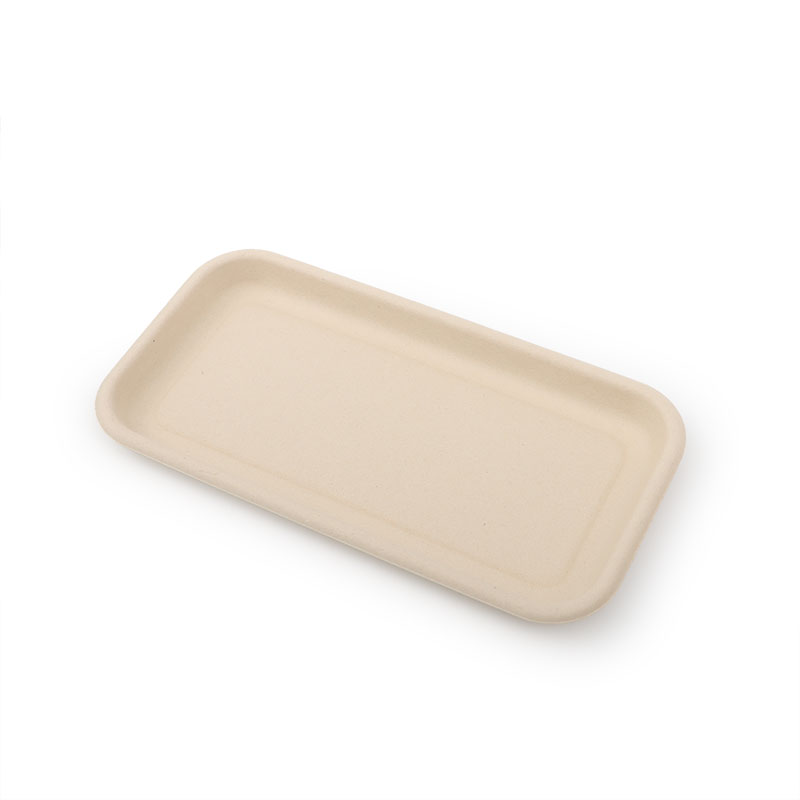 210" * 110"
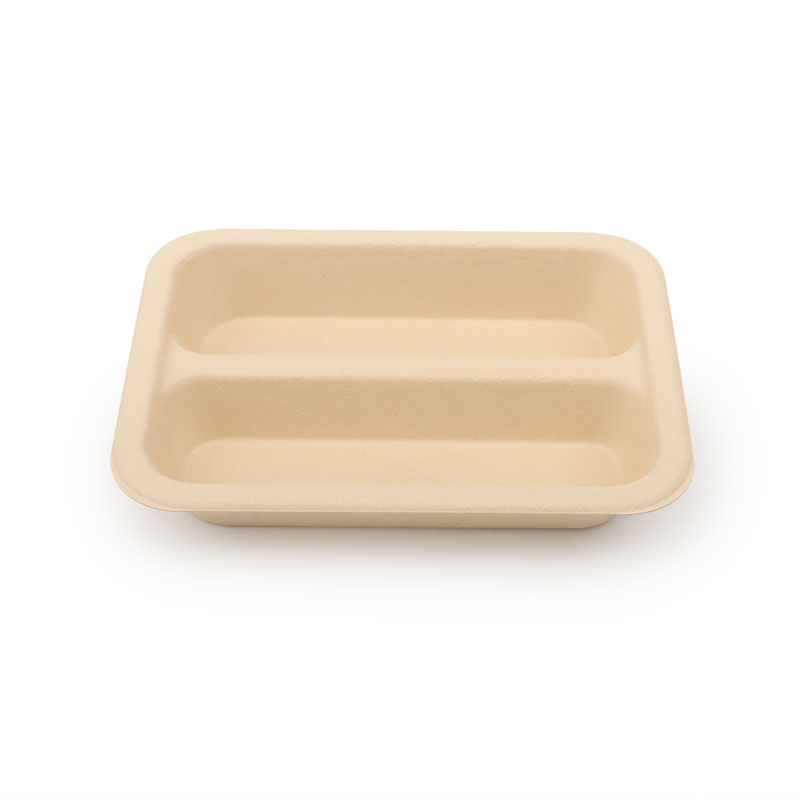 2 Compartments
 Small Round Plate Series
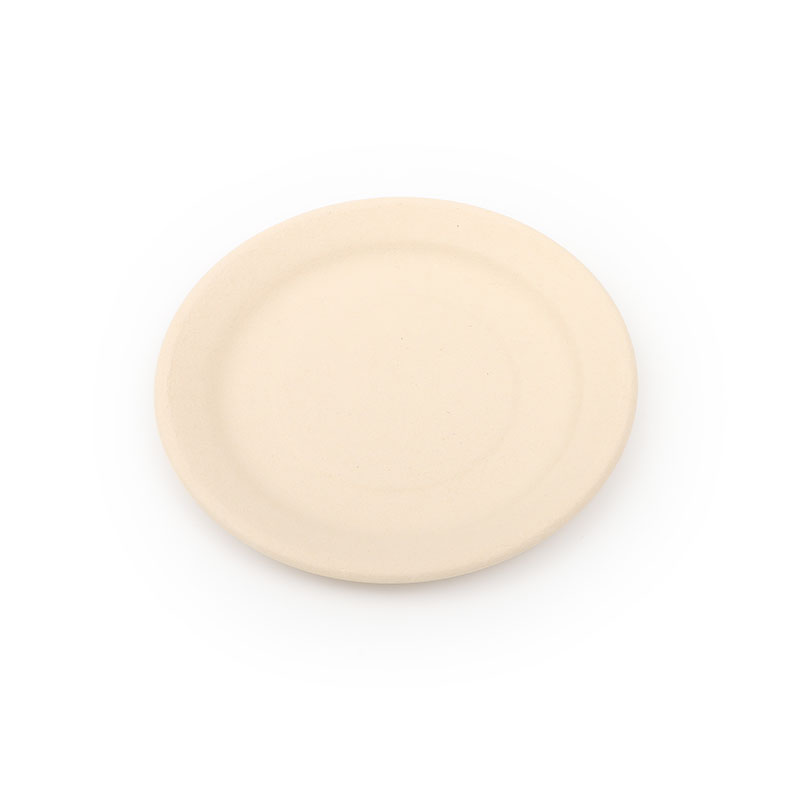 7 inch
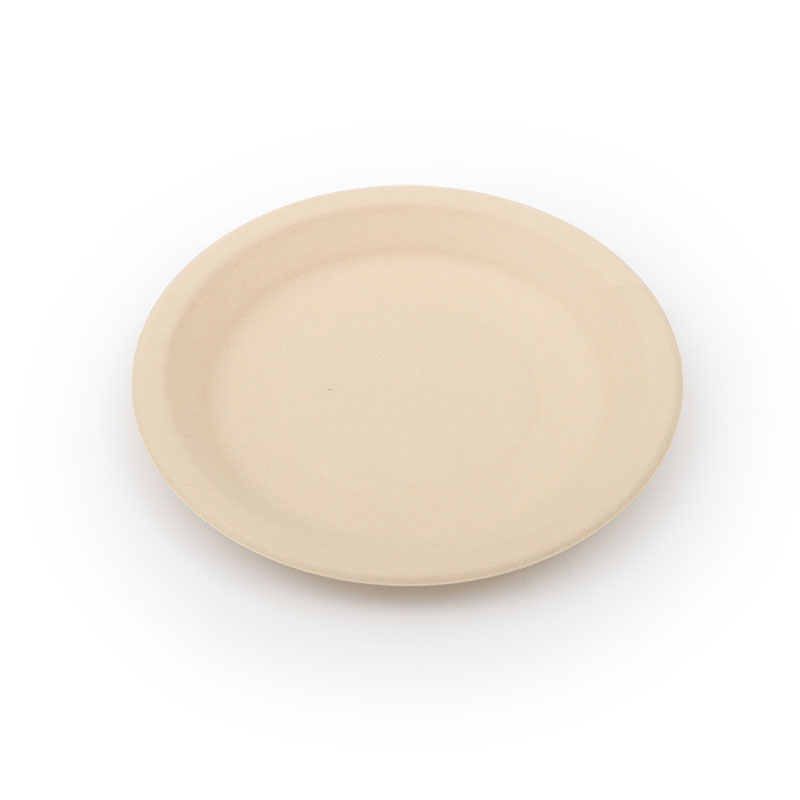 6 inch
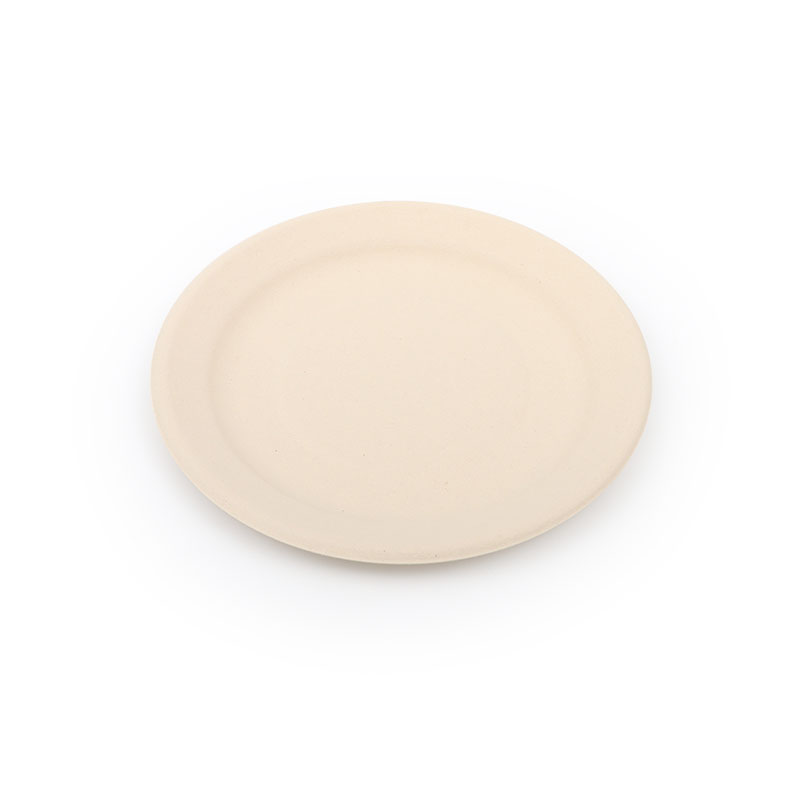 8 inch
 Middle Round Plate Series
 9 Inch 3 Compartments
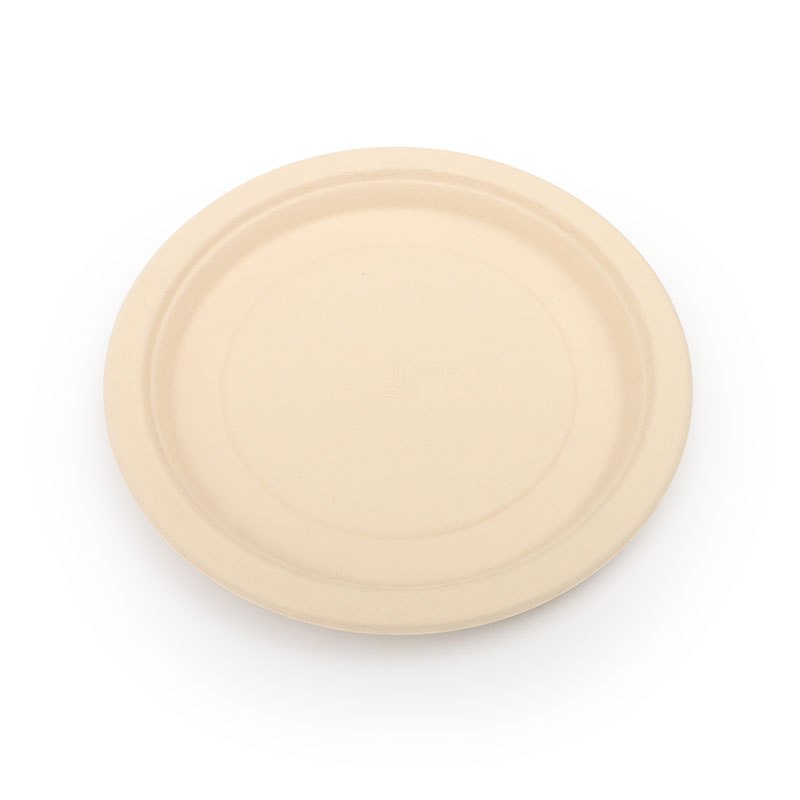 9 inch
 Big Round Plate Series
 12.7 Inch Pizza Plate
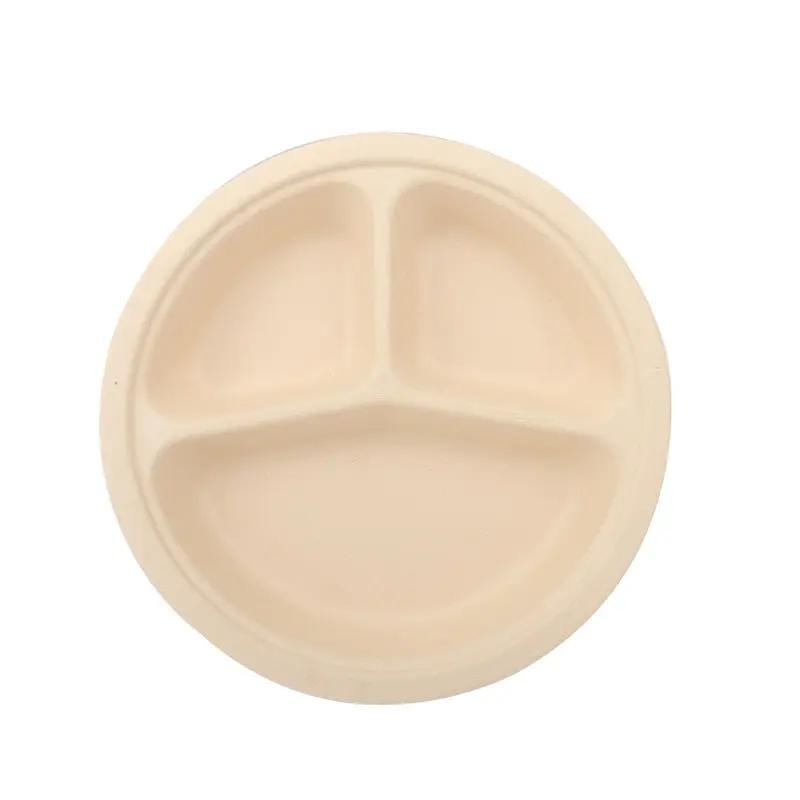 10.25 inch 3 Compartments
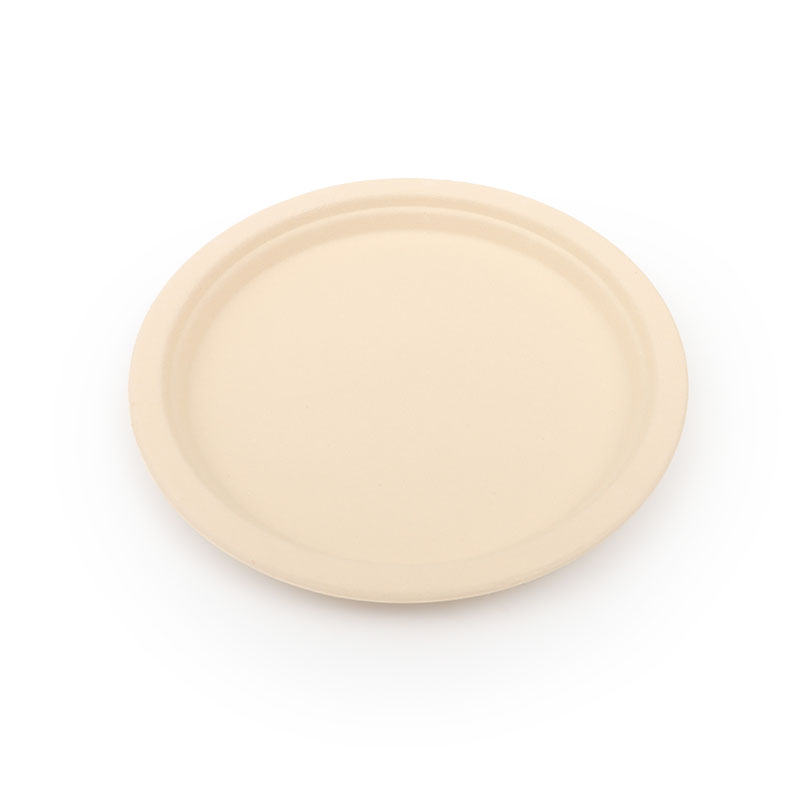 10 inch
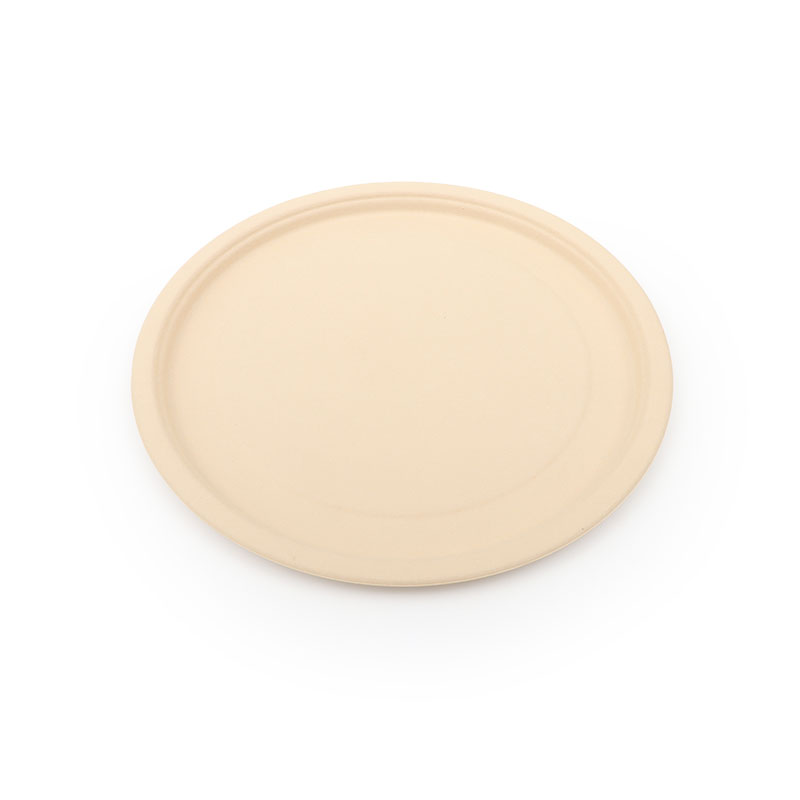 12 inch
 Bigger Bowl
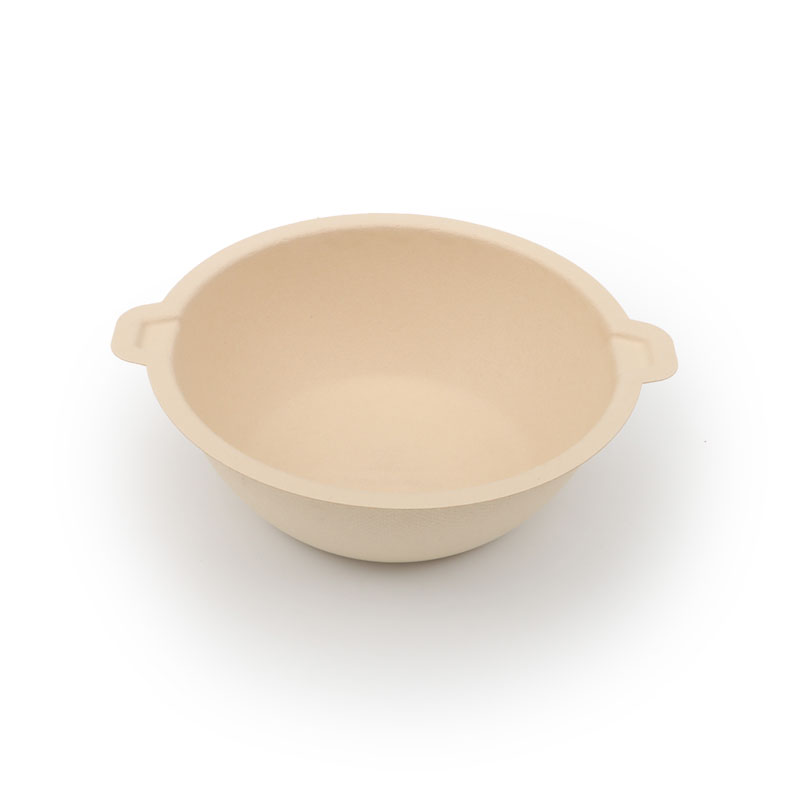 48oz(1420ml)
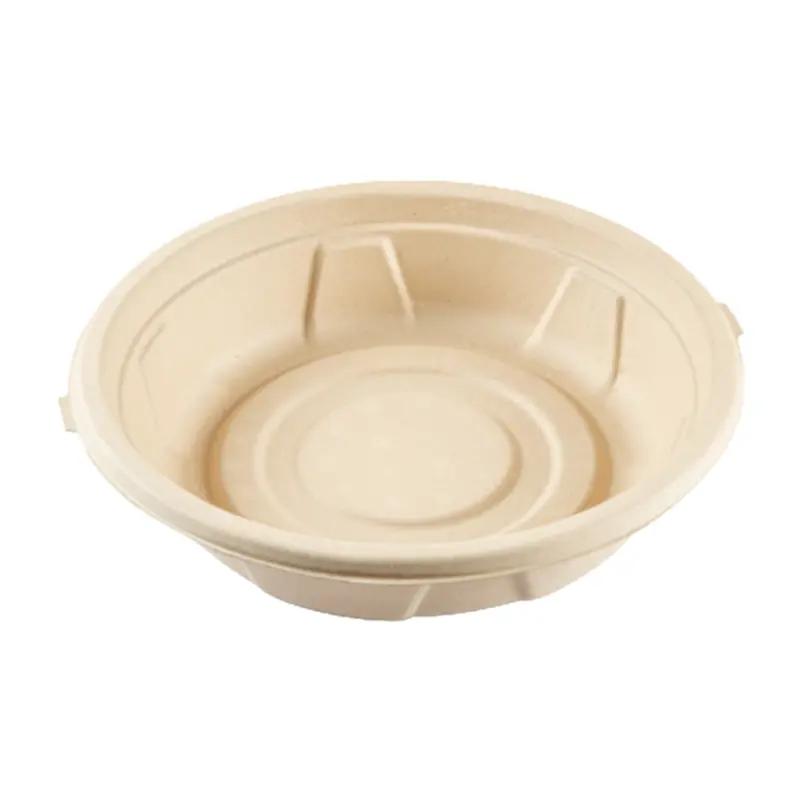 56oz(1650ml)
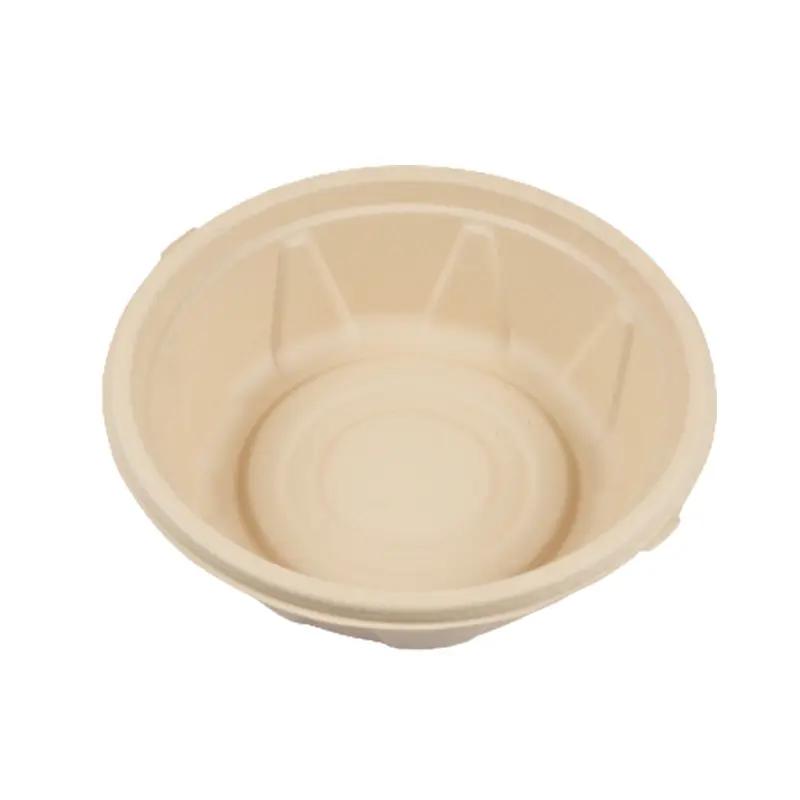 100oz(2950ml)
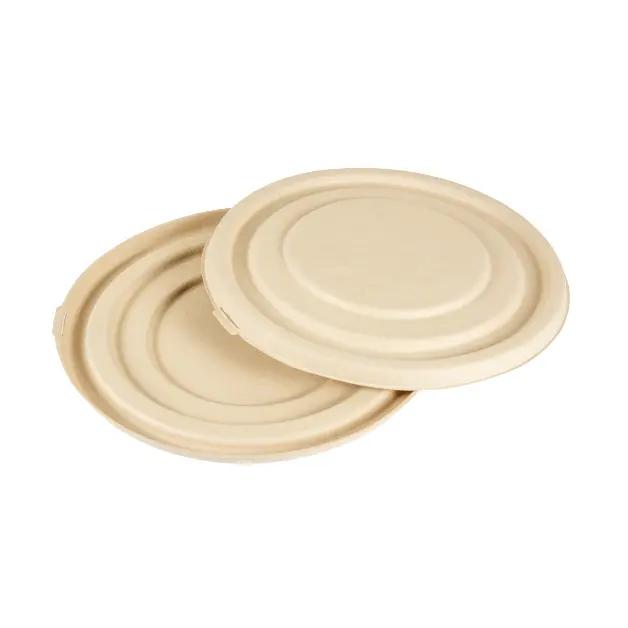 100oz(2950ml) With Lid
 Middle Bowl
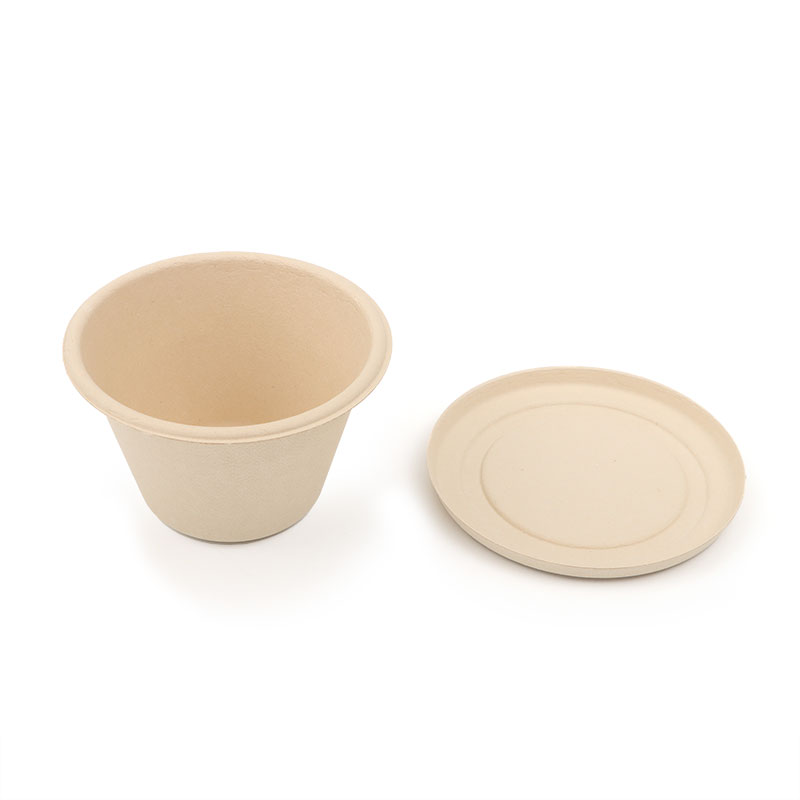 17oz(500ml)
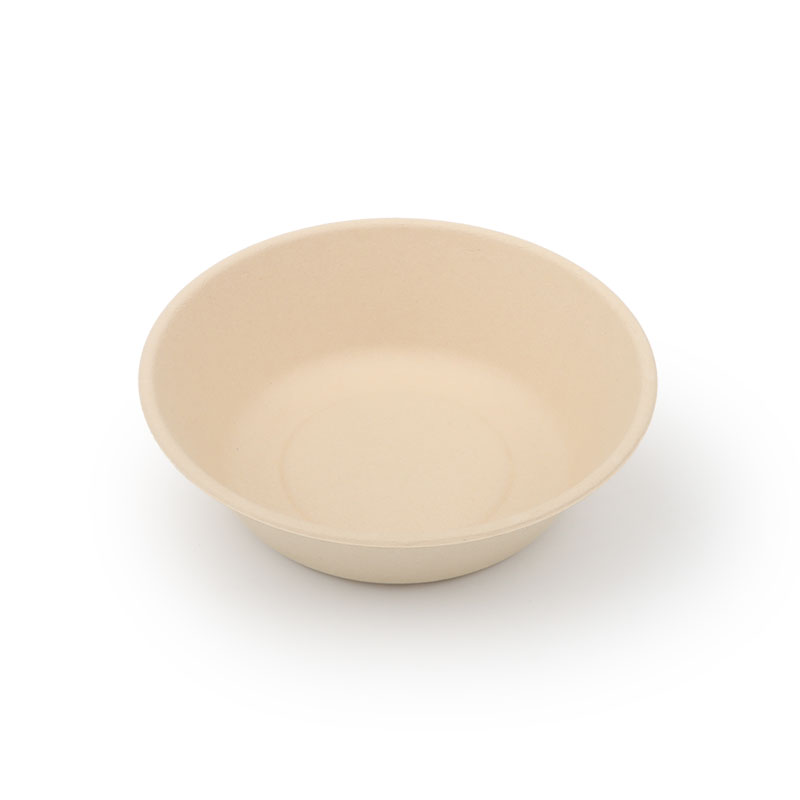 27oz(800ml)
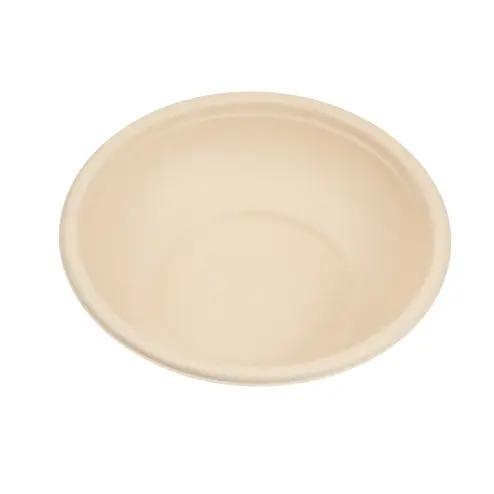 20oz(600ml)
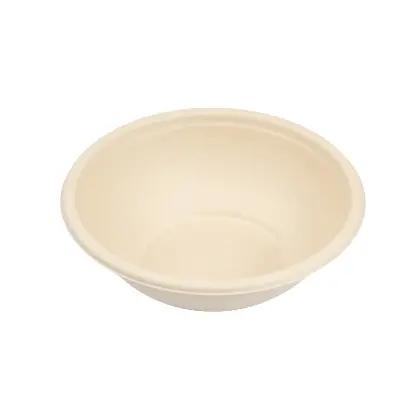 29oz(850ml)
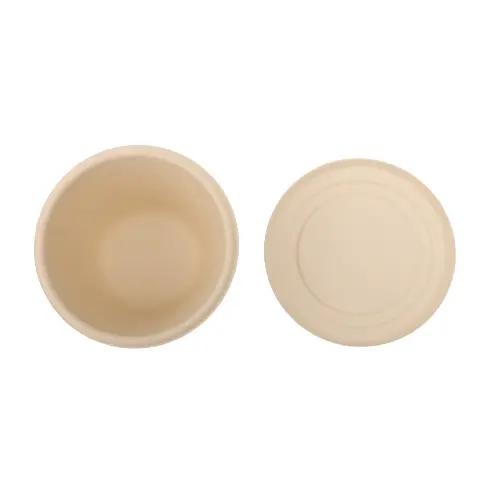 17oz(500ml) With Lid
 17oz(500ml) PET Lid
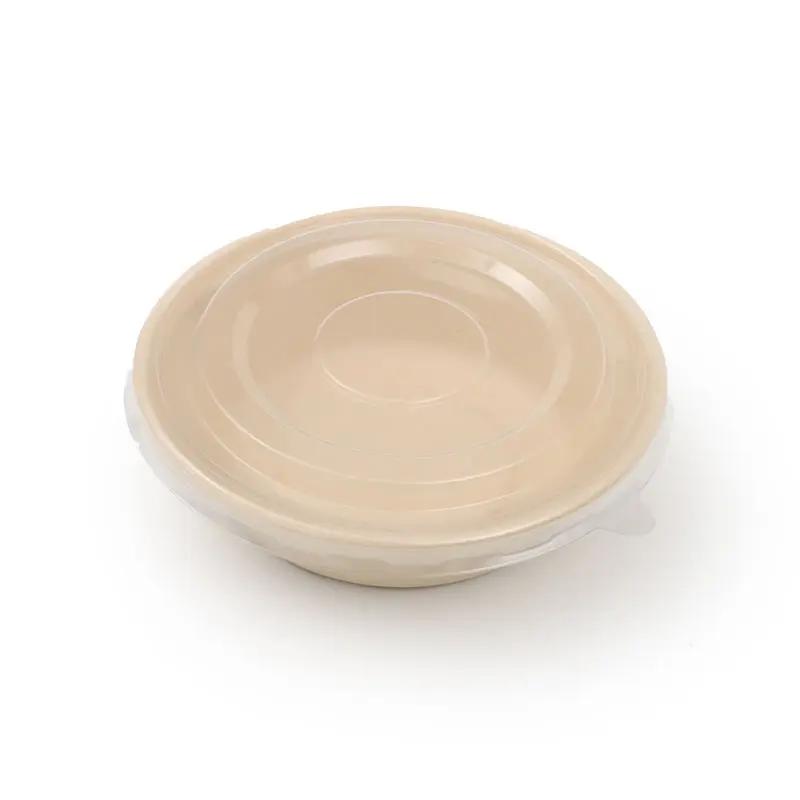 28oz(830ml) PET Lid
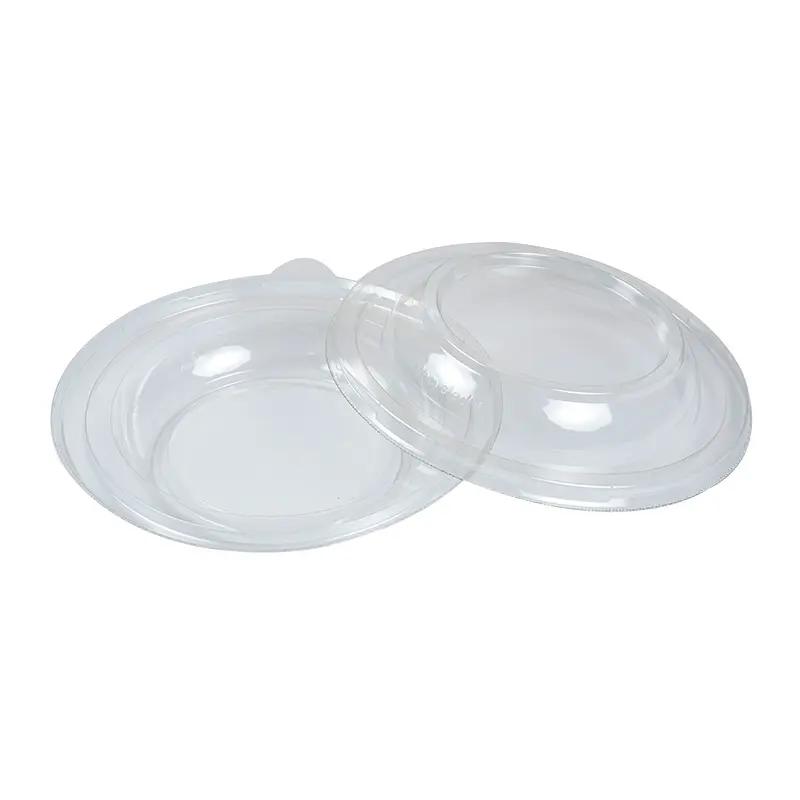 Round Bowl PET
 Small Bowl
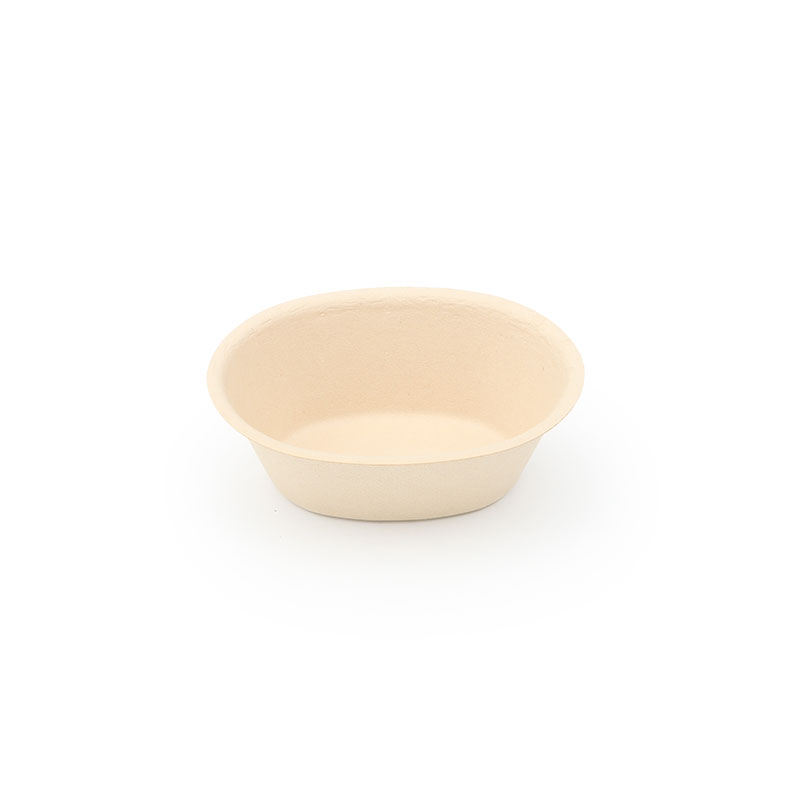 Snack Bowl
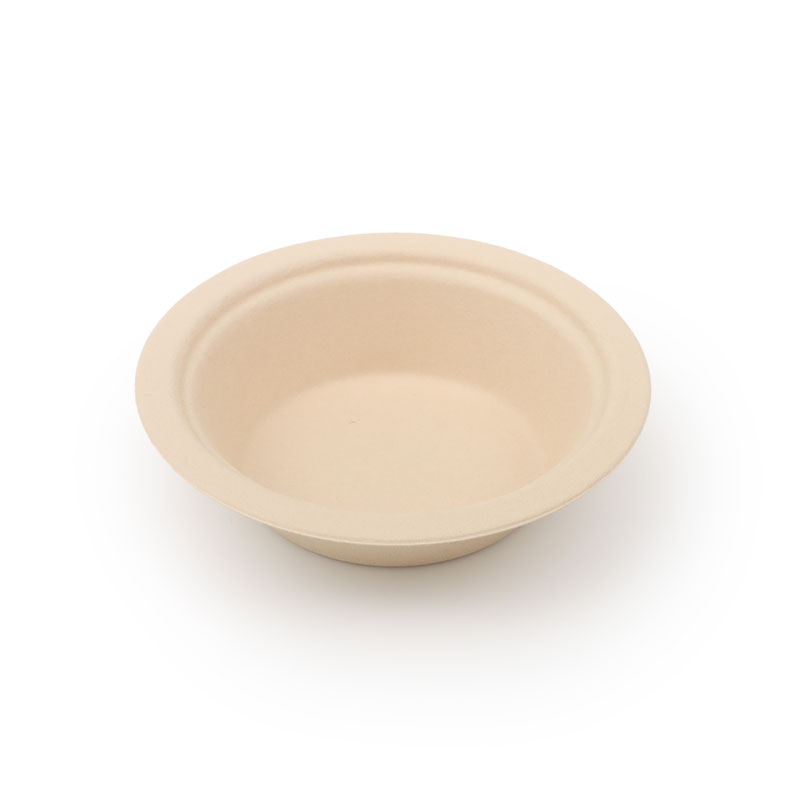 11.5oz(340ml) Bowl
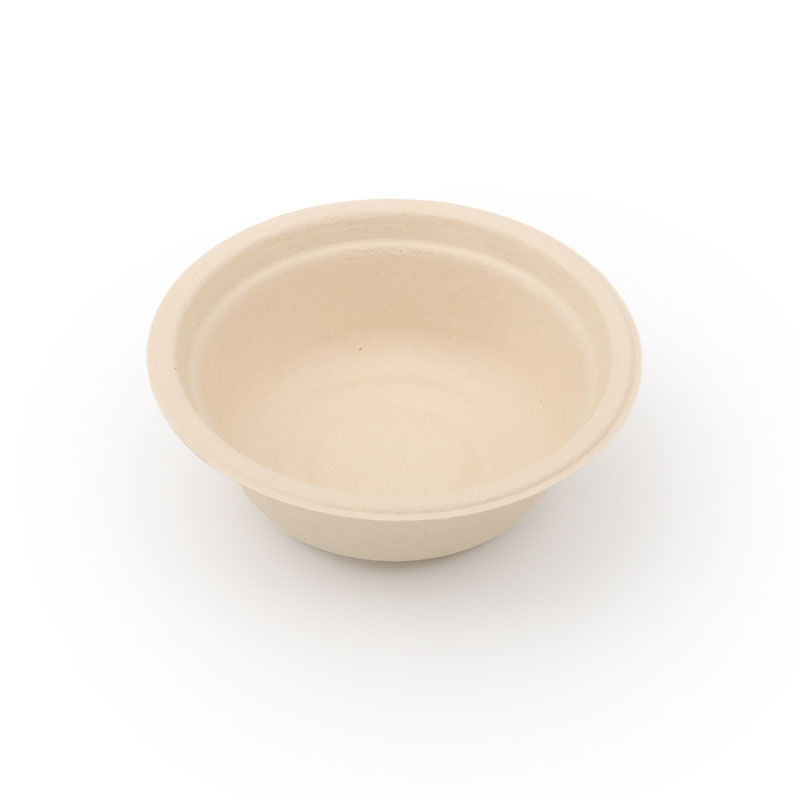 6.7oz(200ml) Bowl
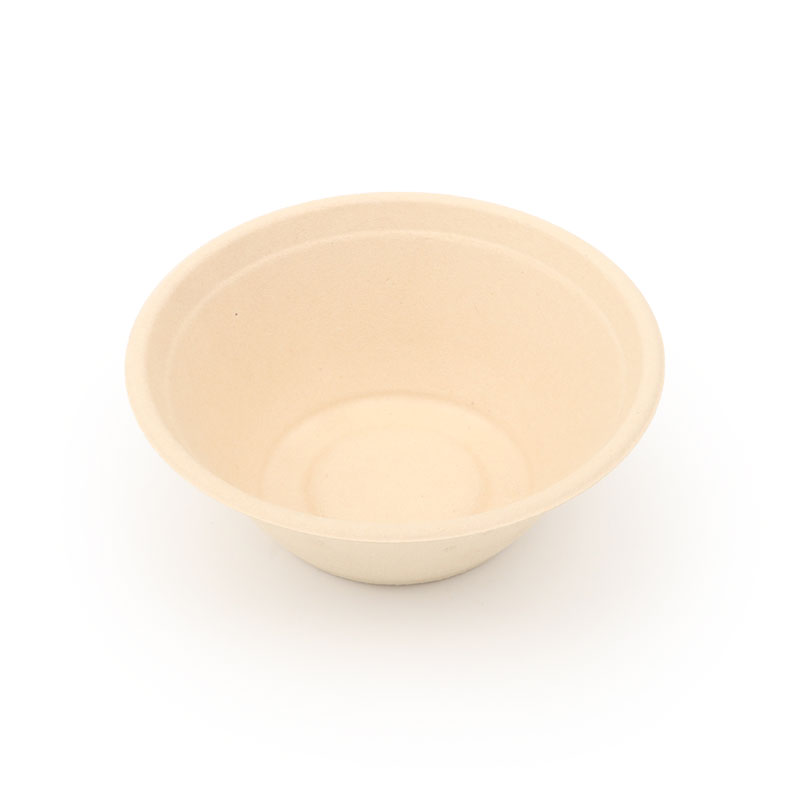 12oz(350ml) Bowl
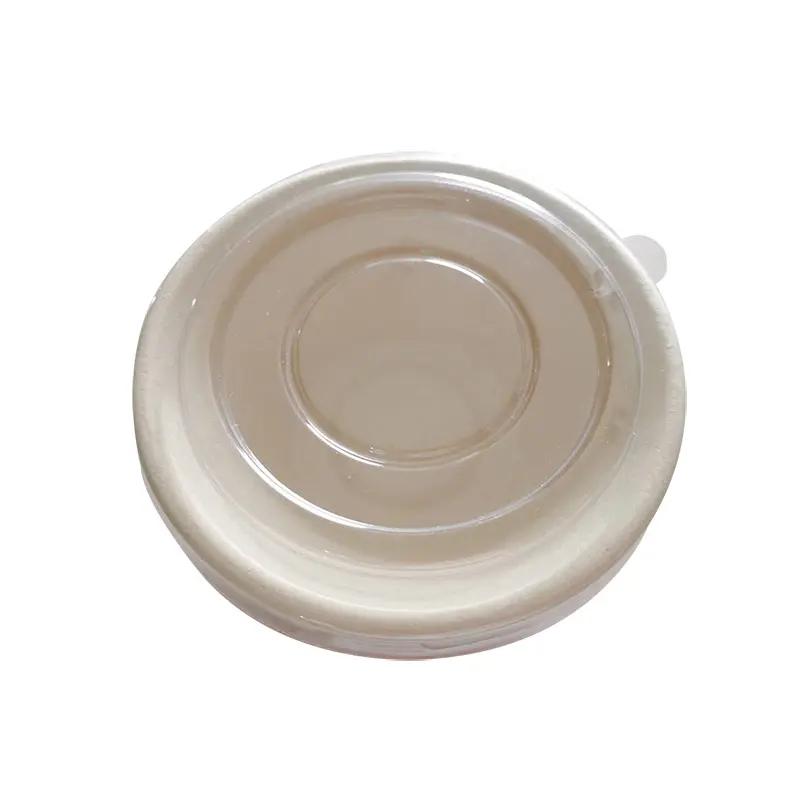 12oz(350ml) Bowl PET
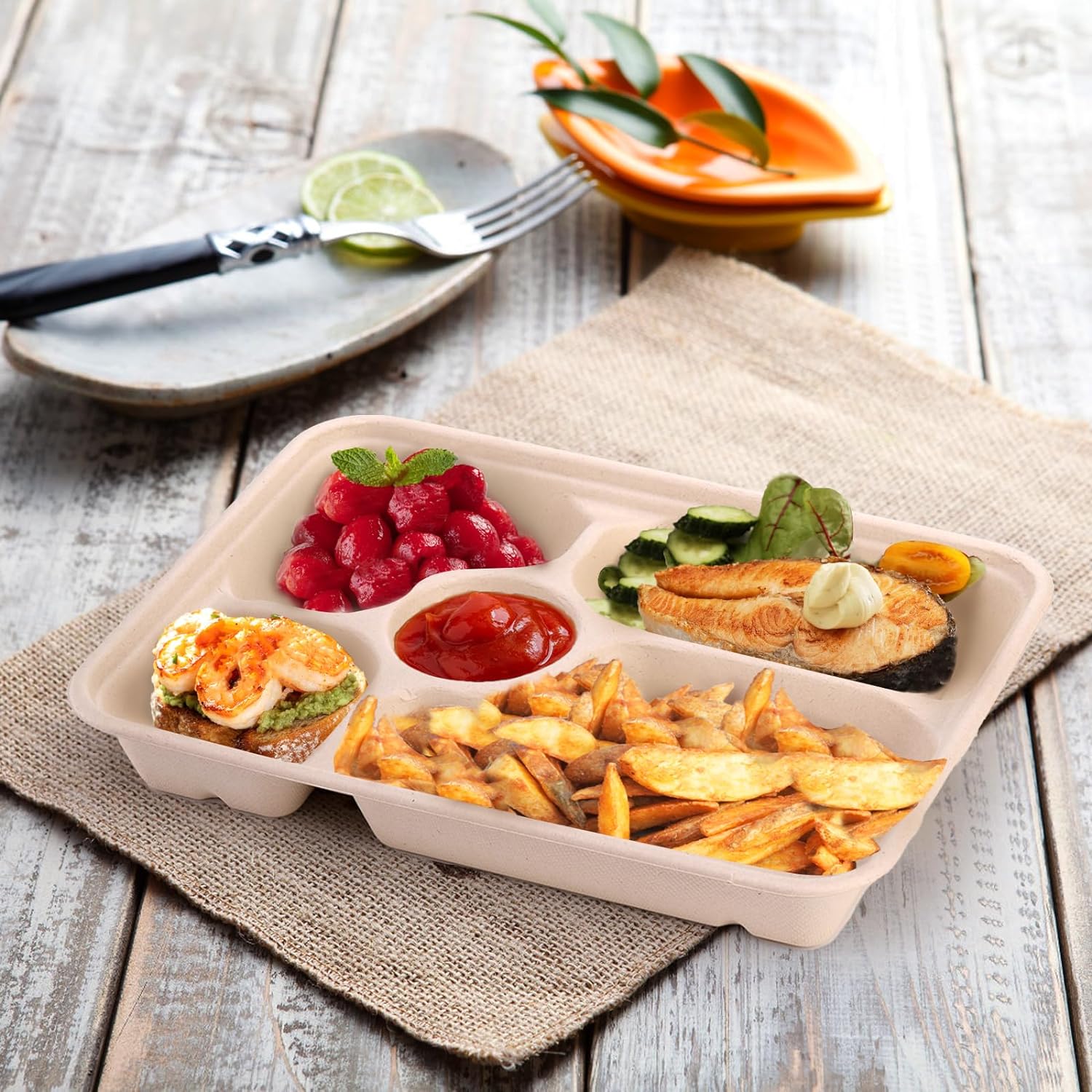 Bagasse Lunch Boxes
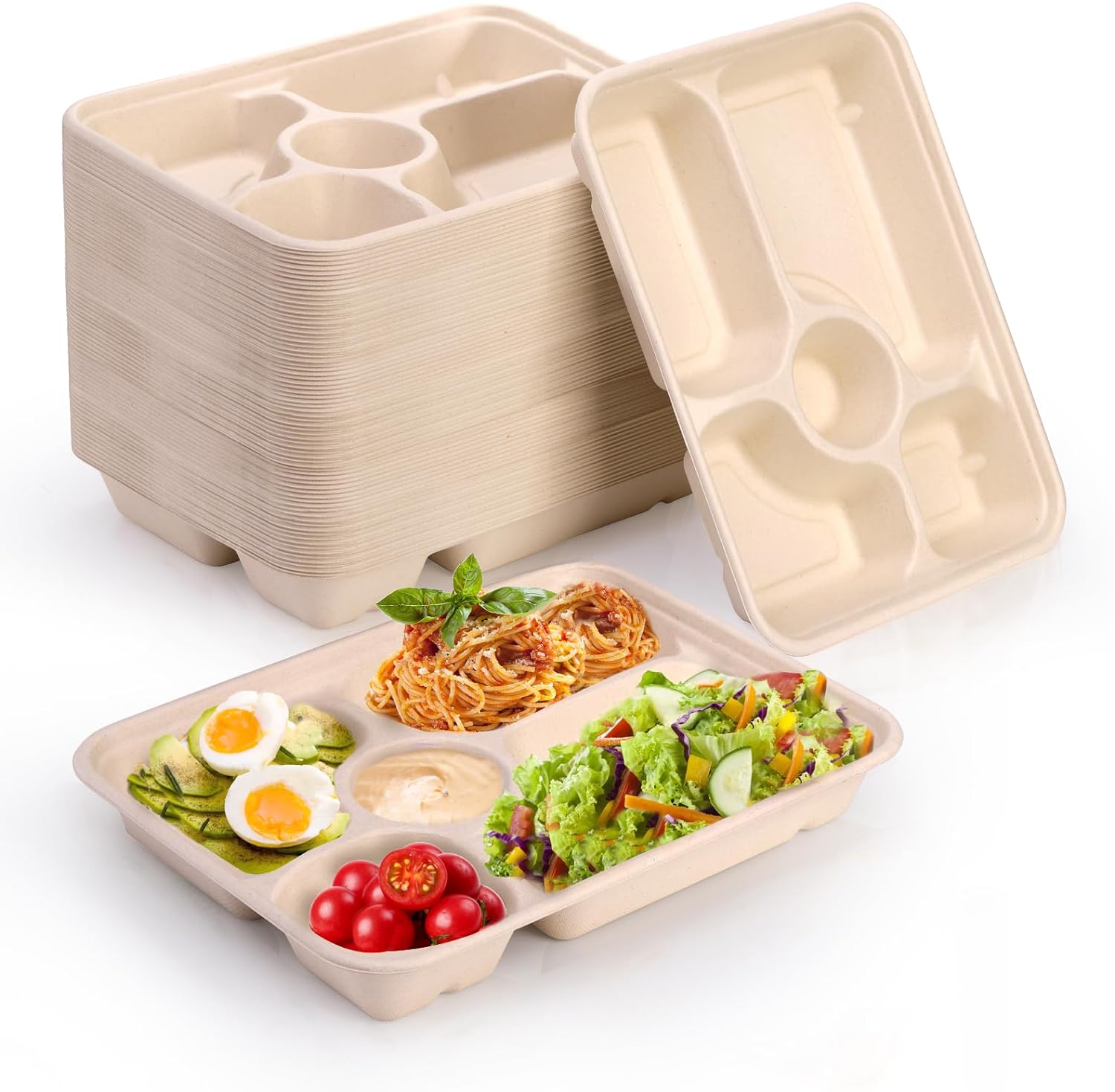 5CP
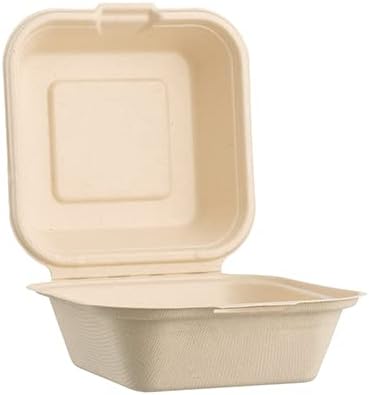 6 inch
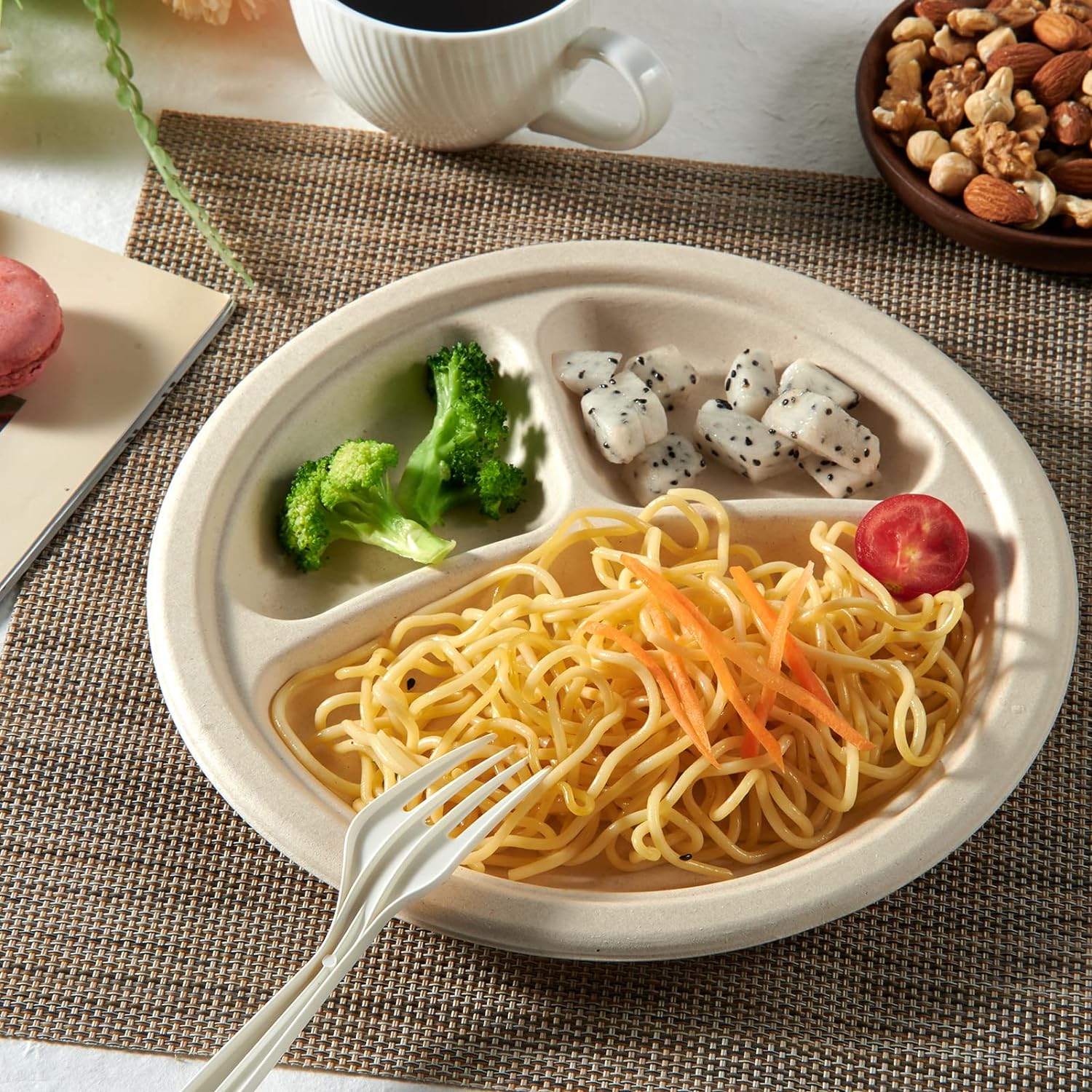 Bagasse Food Plates
 7 inch
 3CP
 Bagasse Bowls
 4oz
 Bagasse Cups And Cutlery
 8oz
 12oz
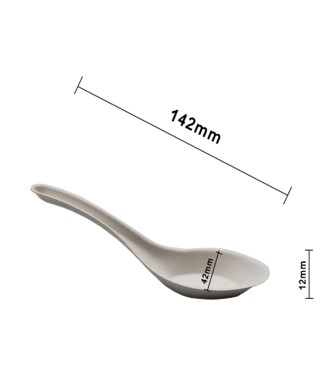 Cutlery


