 Box With T buckle
 700ml Square Lunch Box
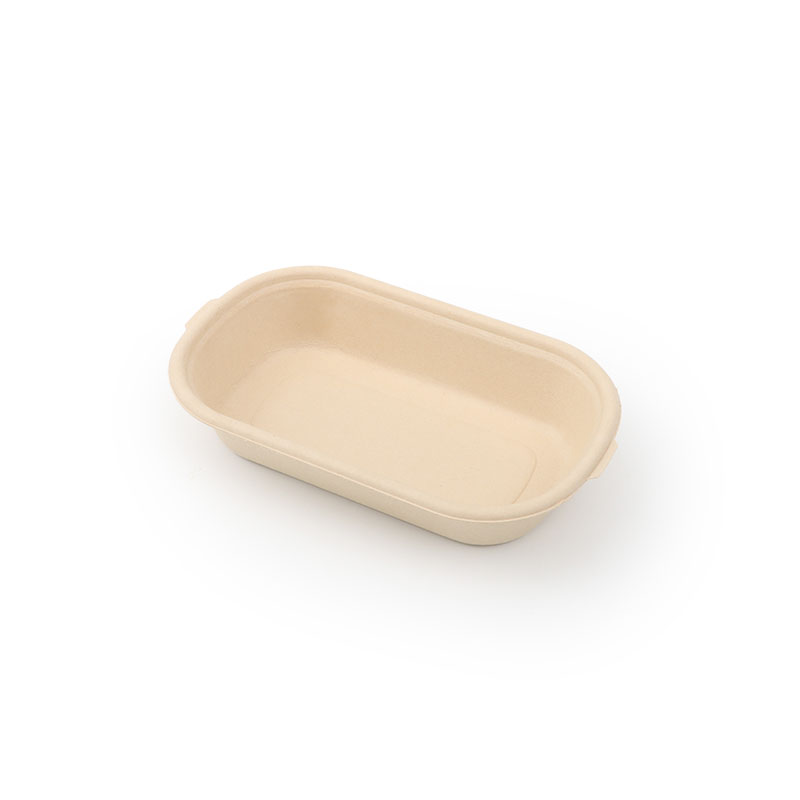 500ml
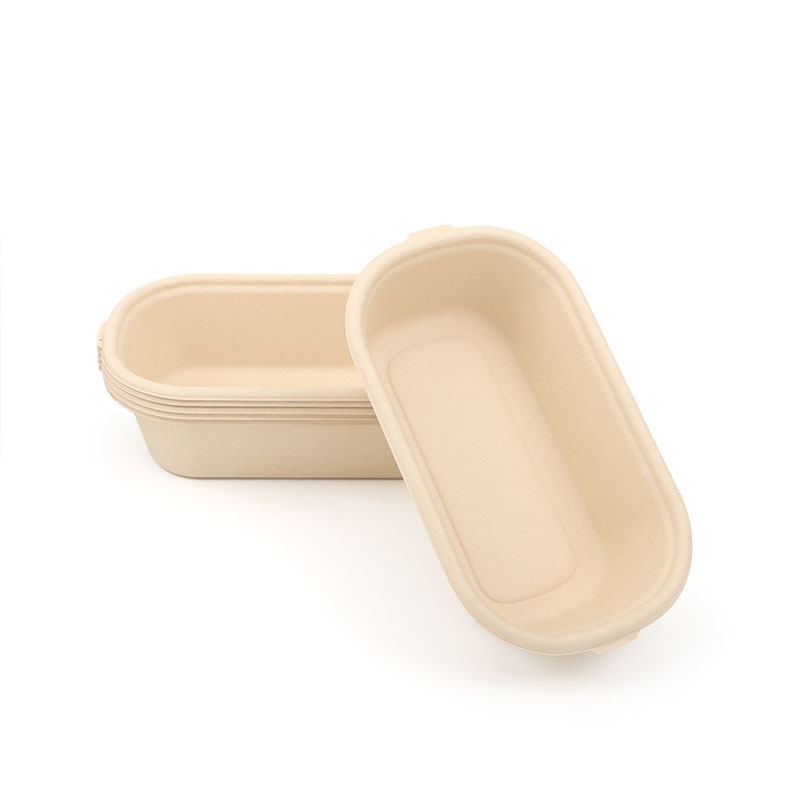 700ml
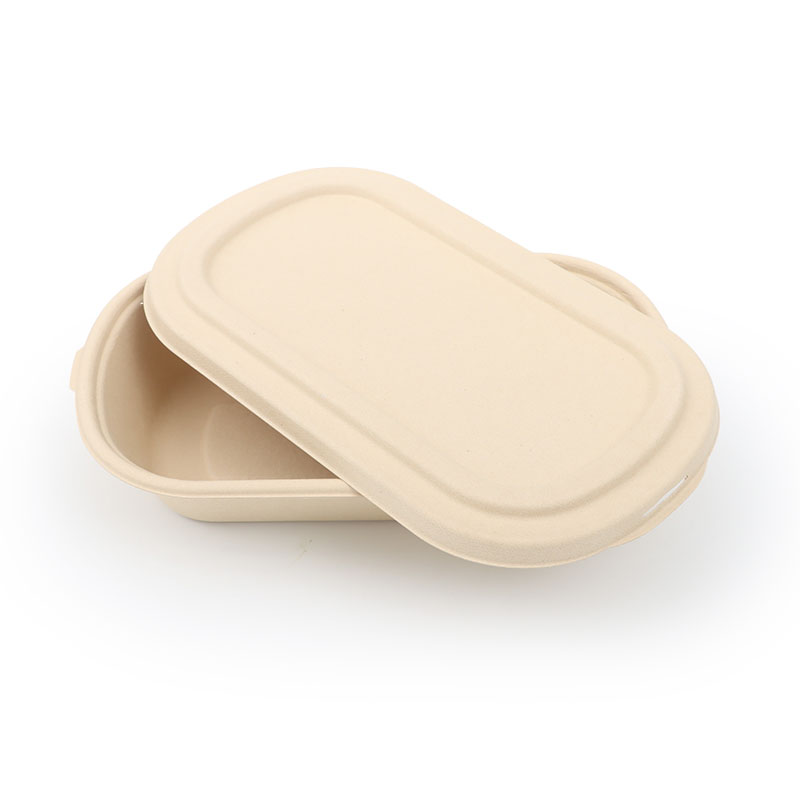 850ml
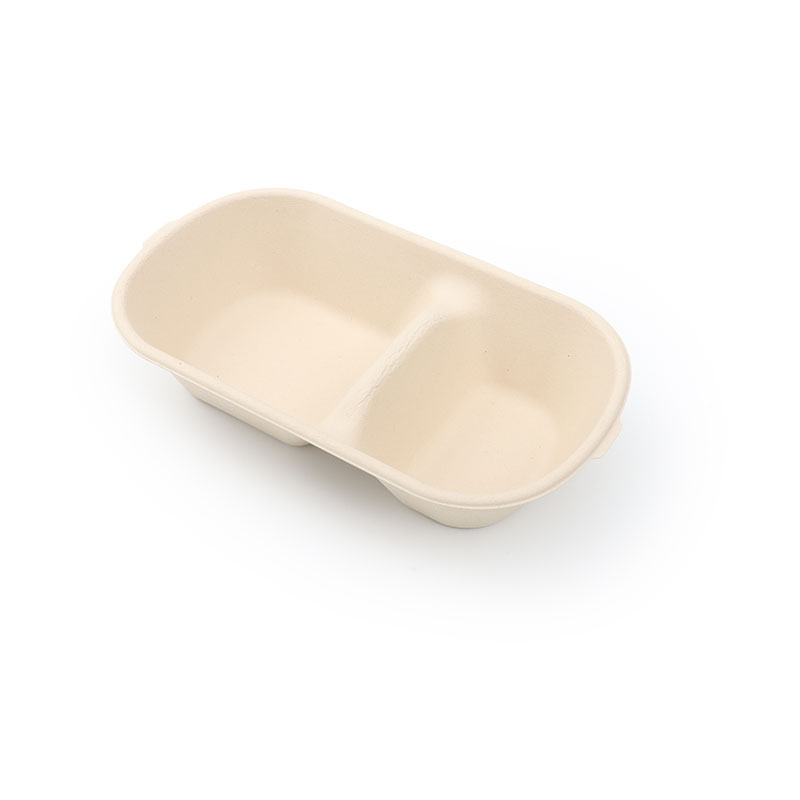 800ml 2 Compartments
 1000ml 2 Compartments
 1100ml
 1000ml Square Lunch Box
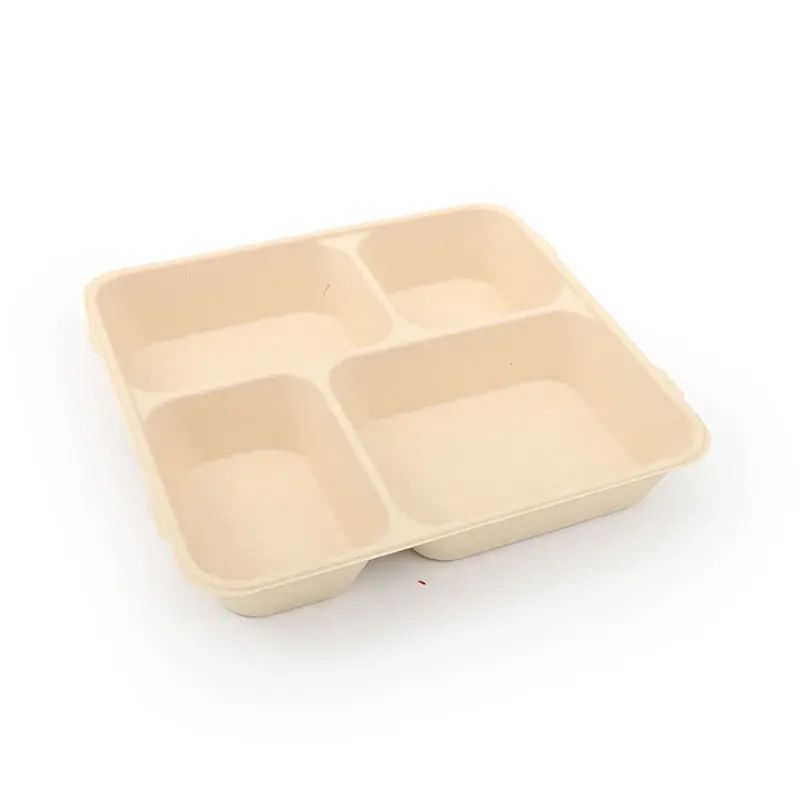 1340ml 4 Compartments
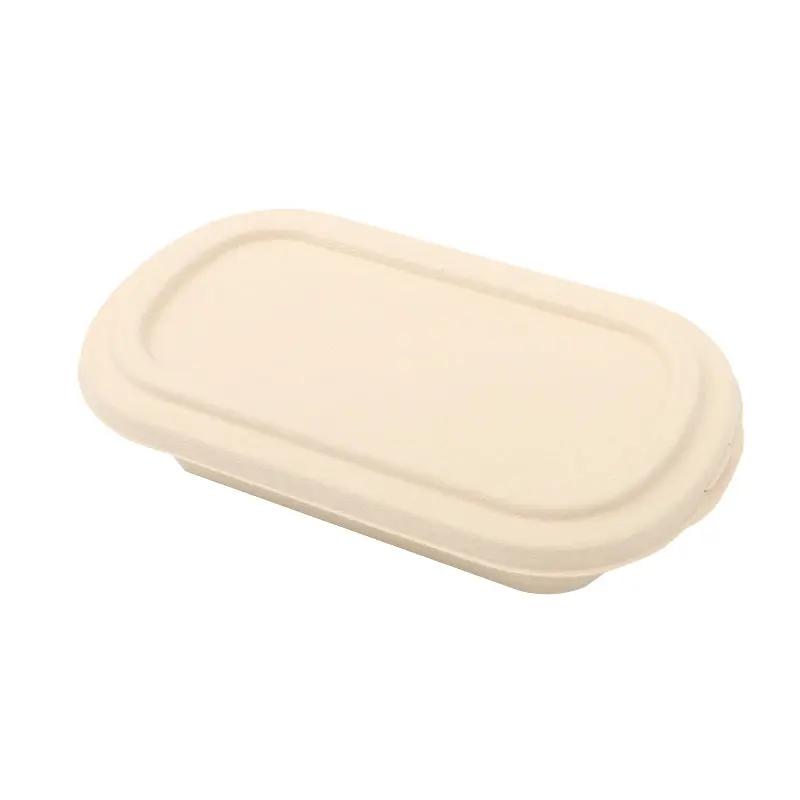 Lunch Box Lid
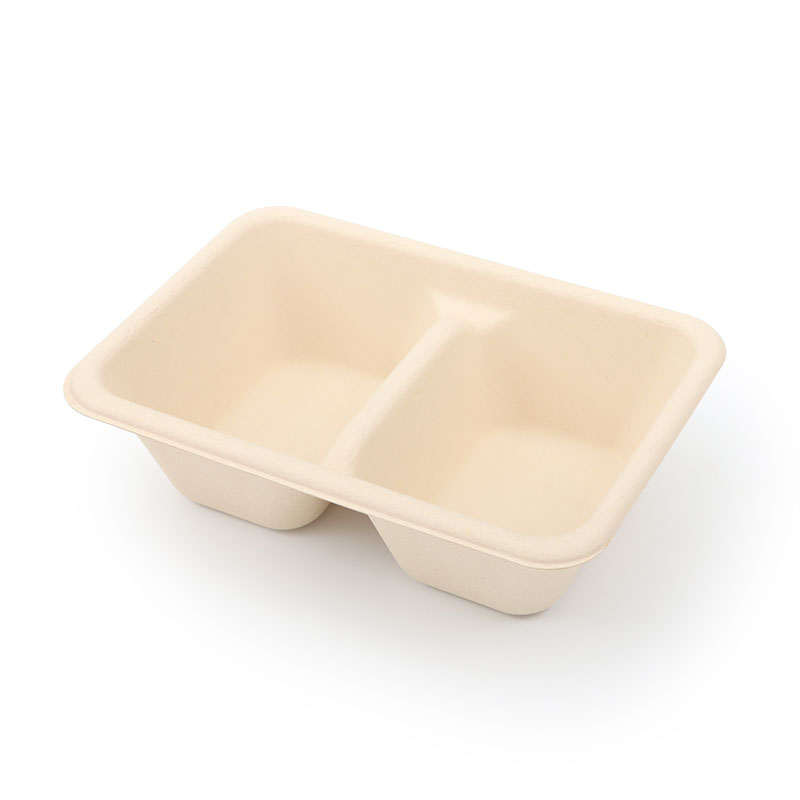 650ml
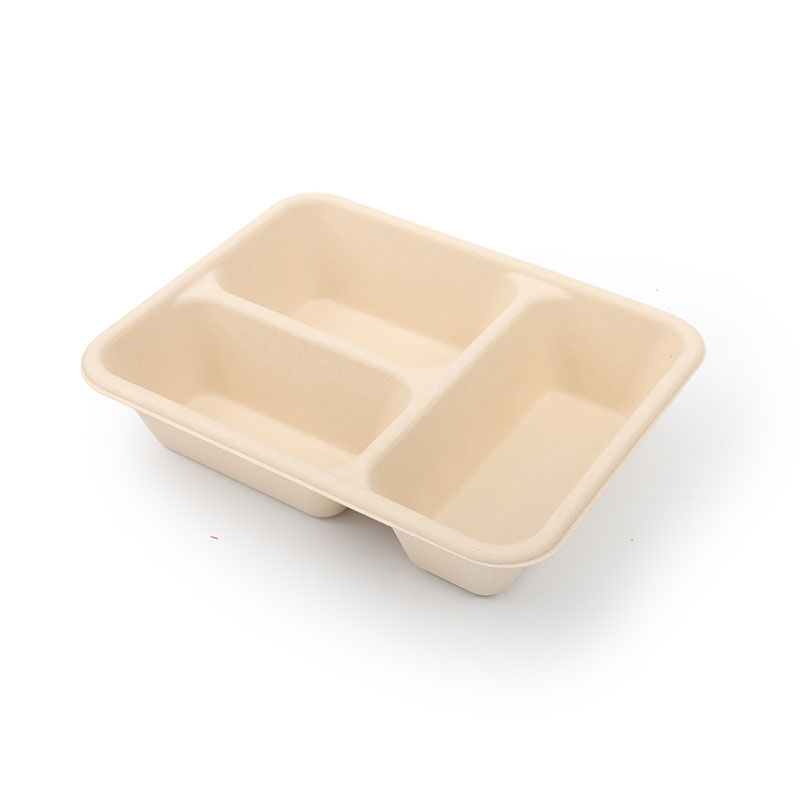 1000ml 3 Compartments
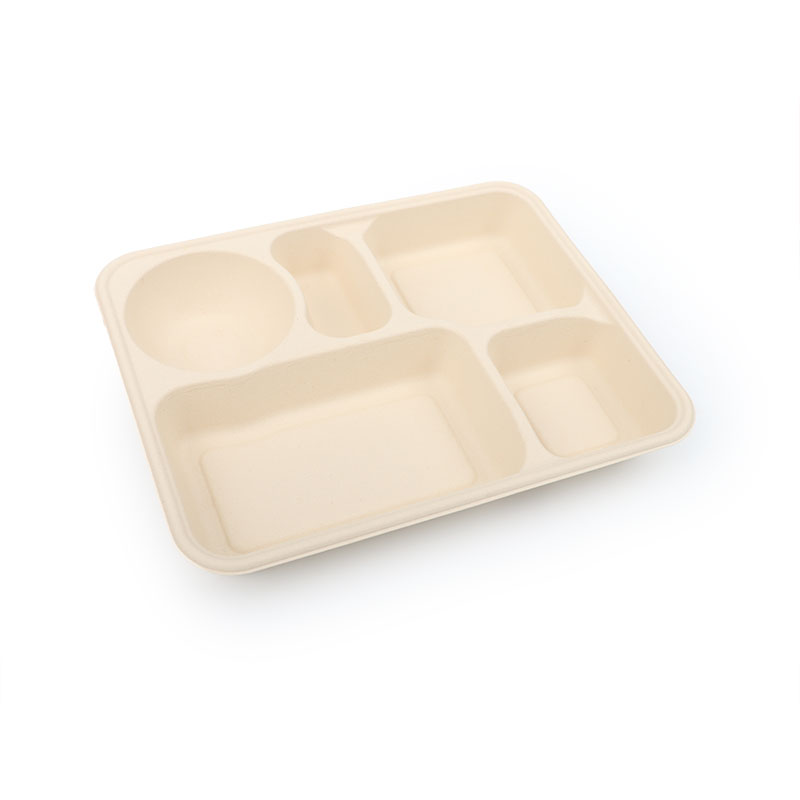 1250ml 5 Compartments
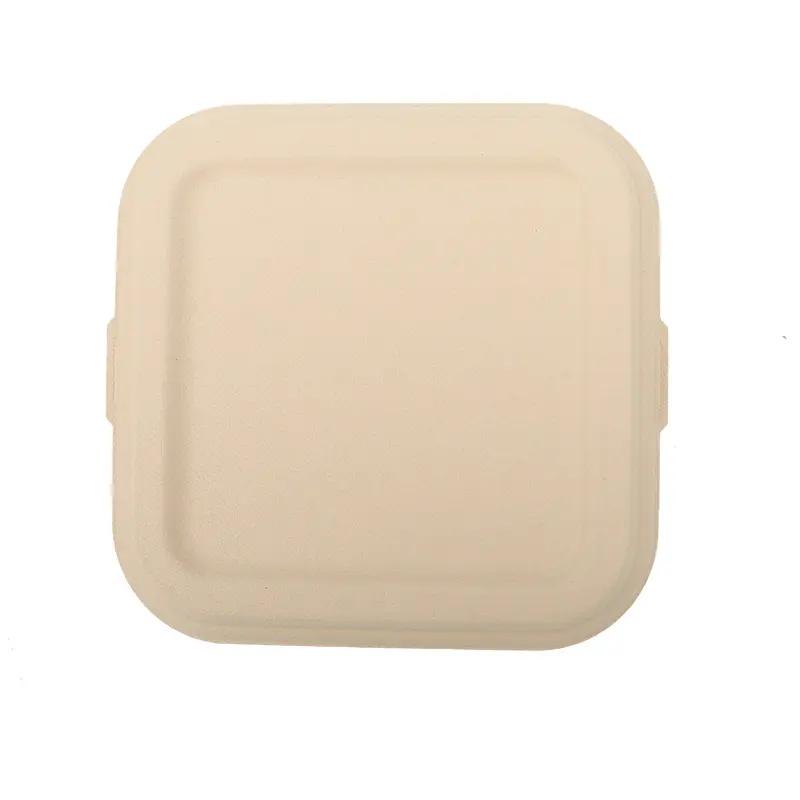 Square Lunch Box Lid
 Box Without T buckle
 850ml Salad Box
 700ml
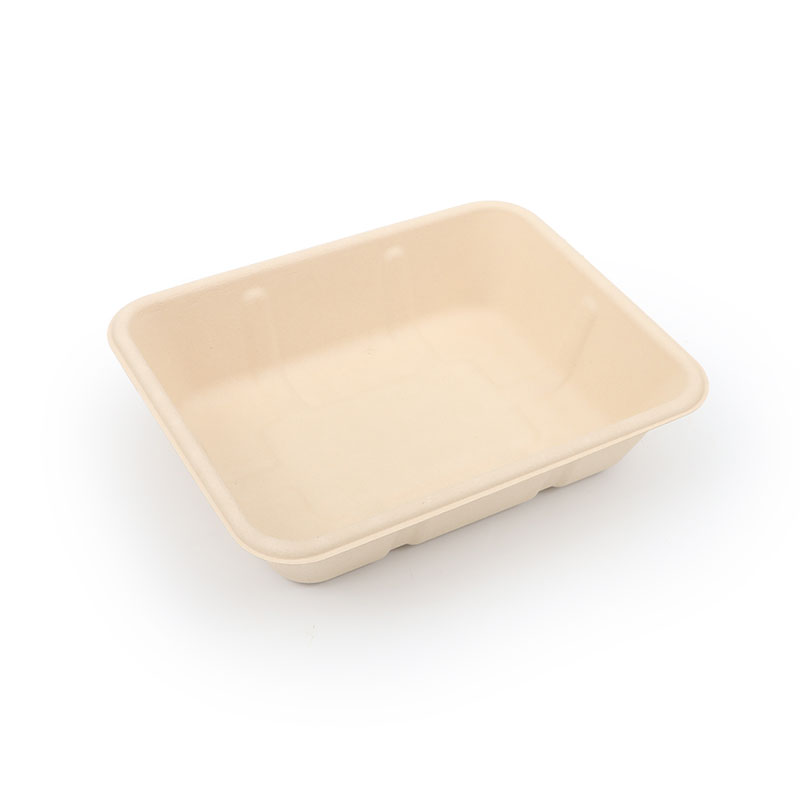 1350ml
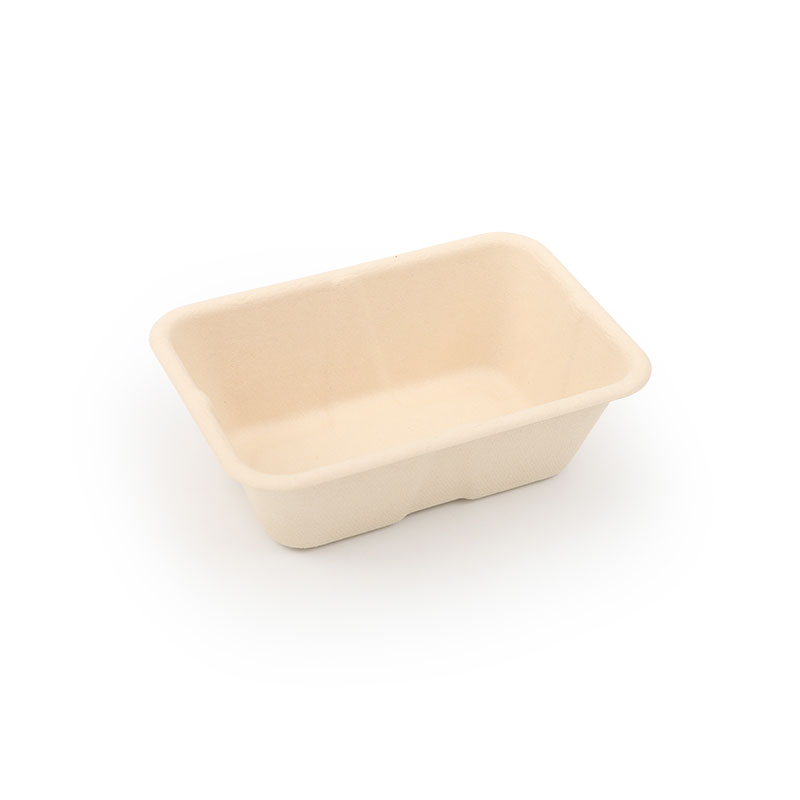 470ml
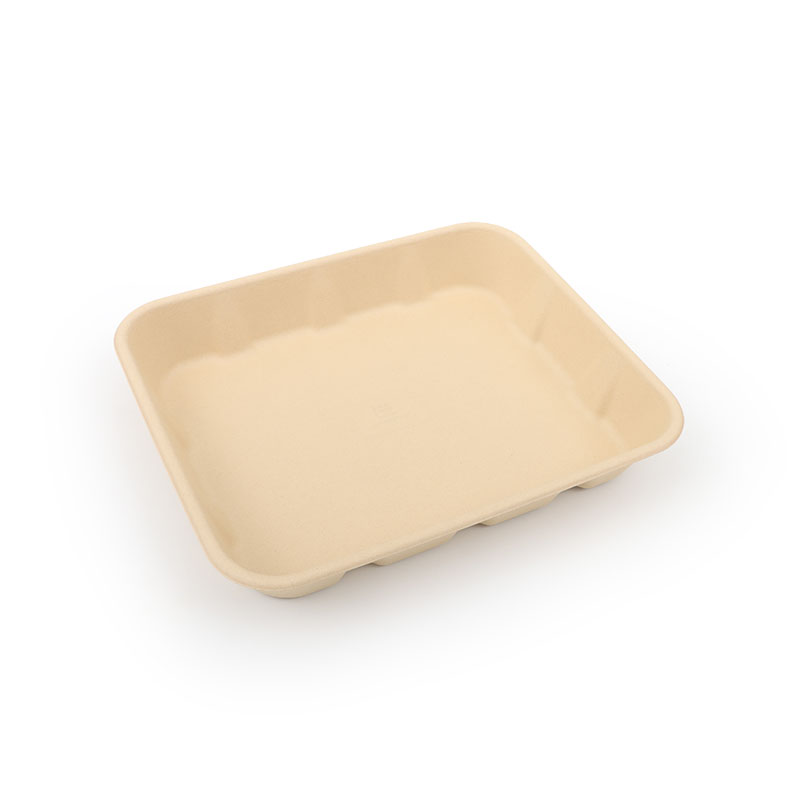 2183ml Tray Box
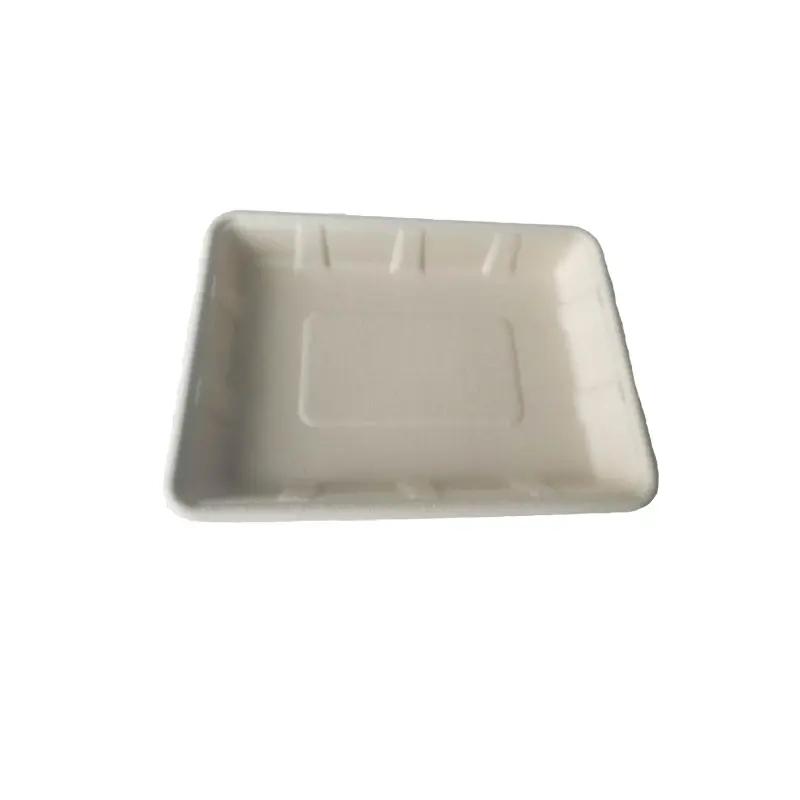 11" * 9"
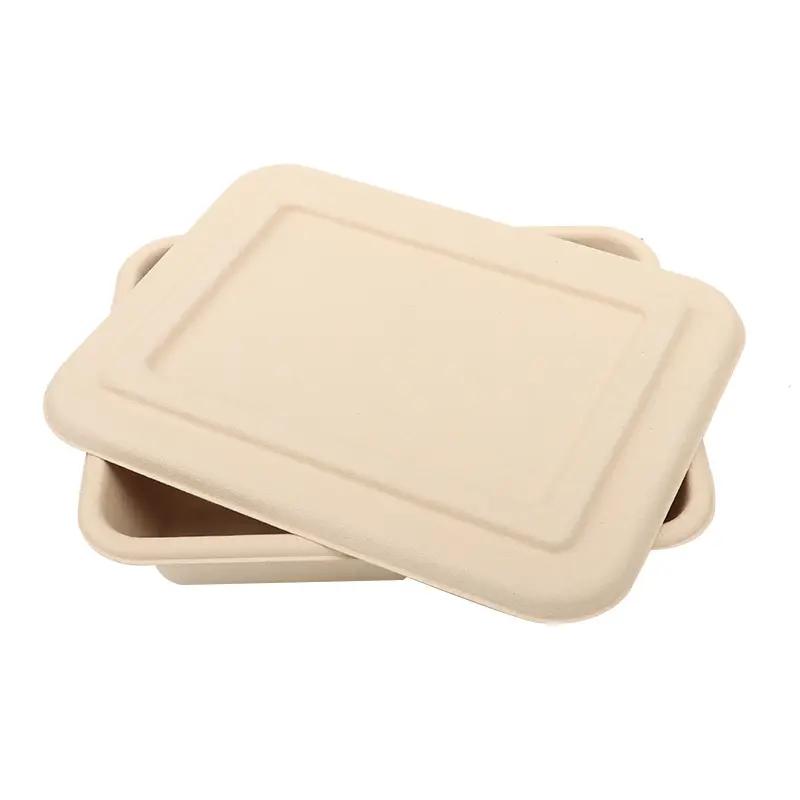 800ml
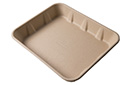 One Part Box
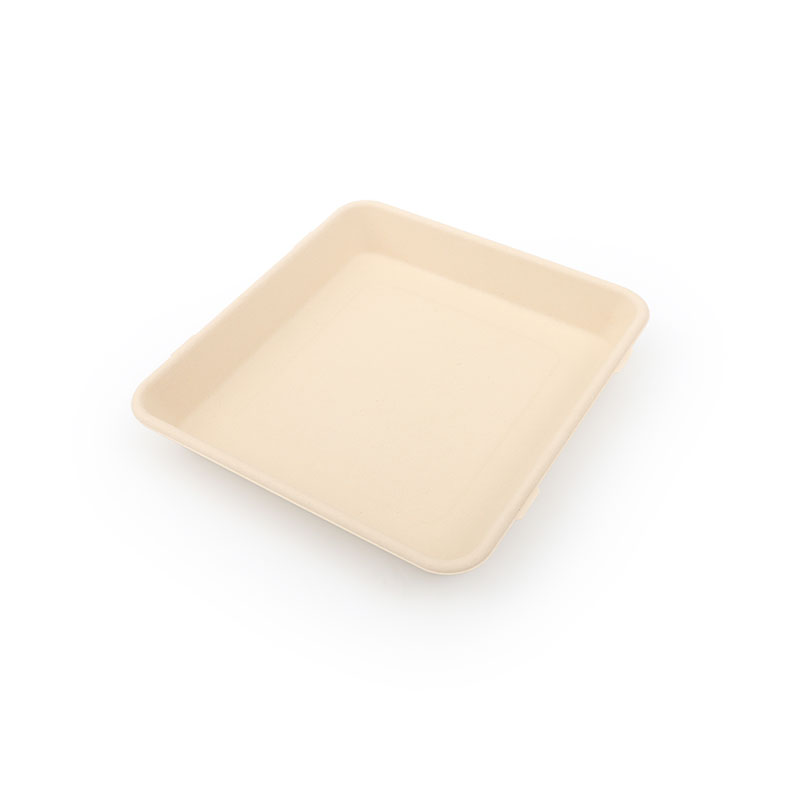 1443ml Tray Box
 Cake Bread Snack Tray Series
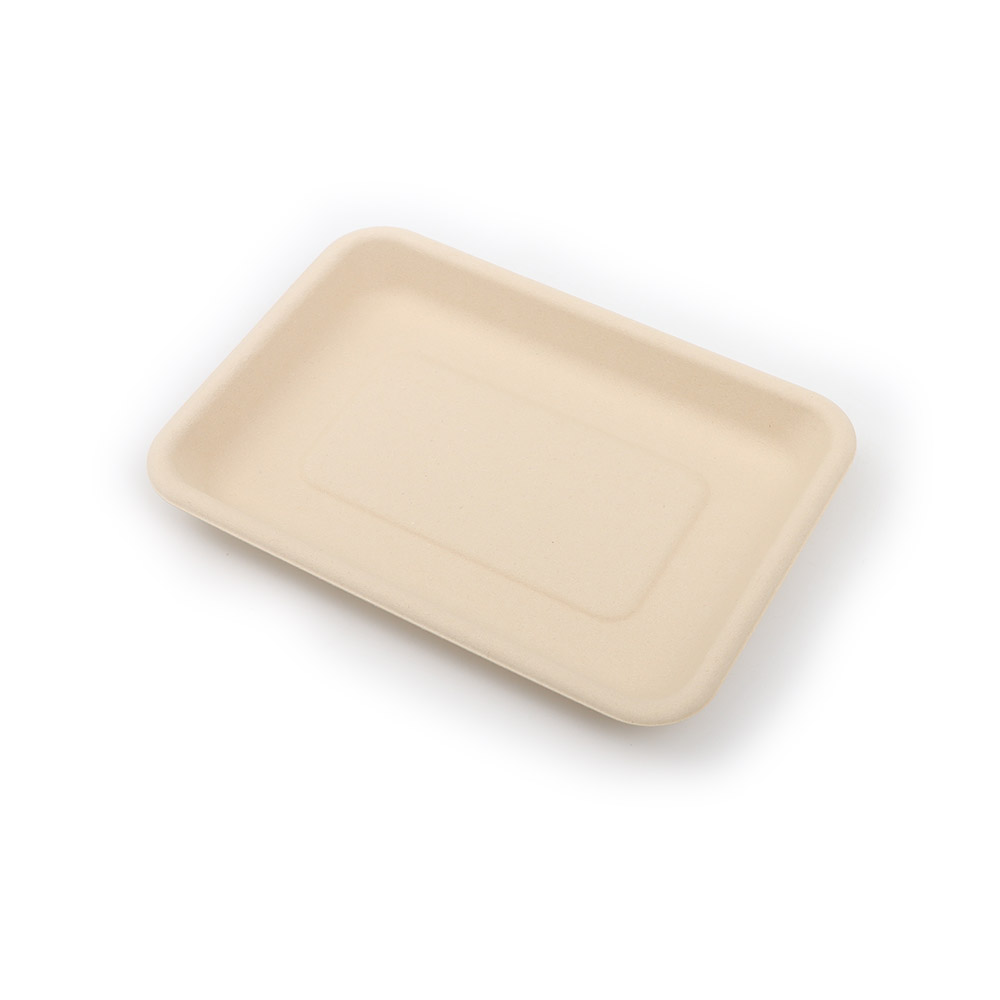 5" * 7" natural color
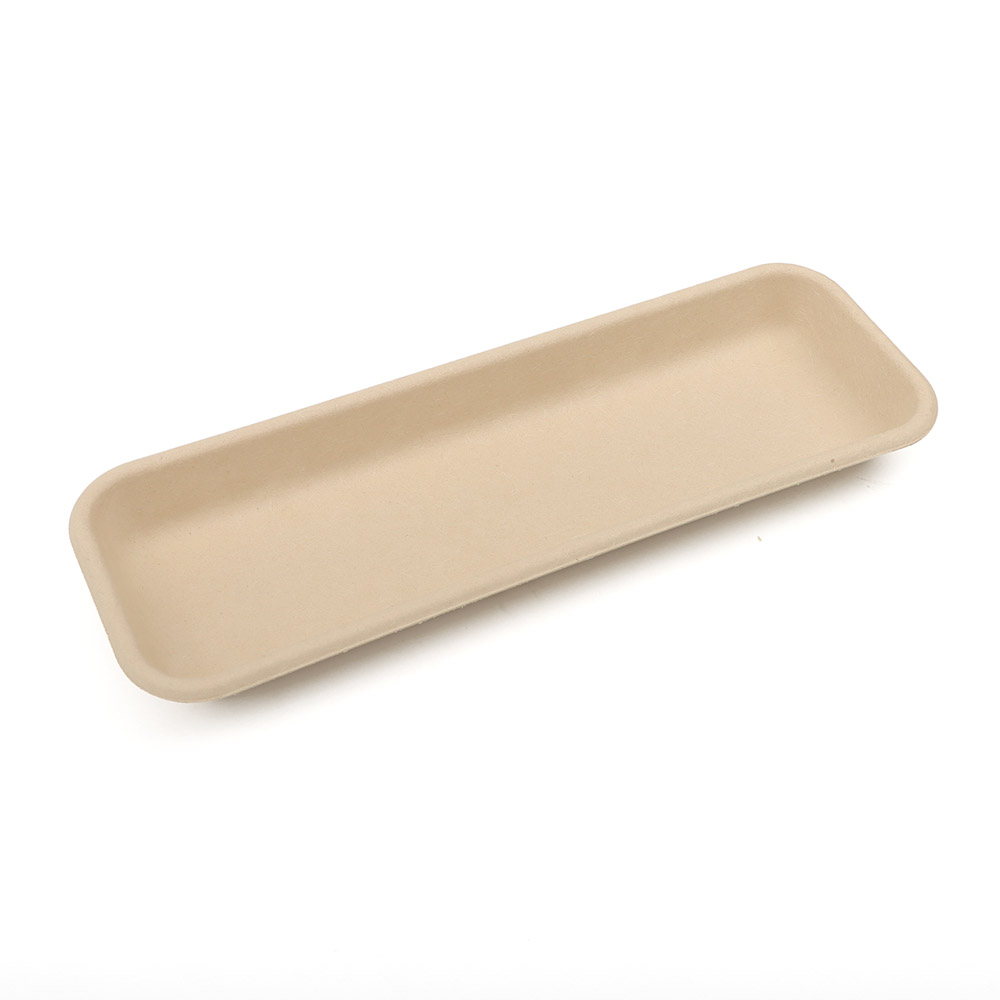 11.4" * 3.9"
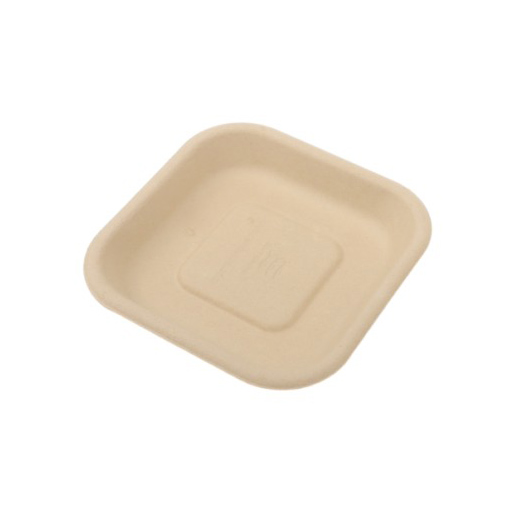 5.3" * 5.3"
 Fruit And Vegetable Tray Series
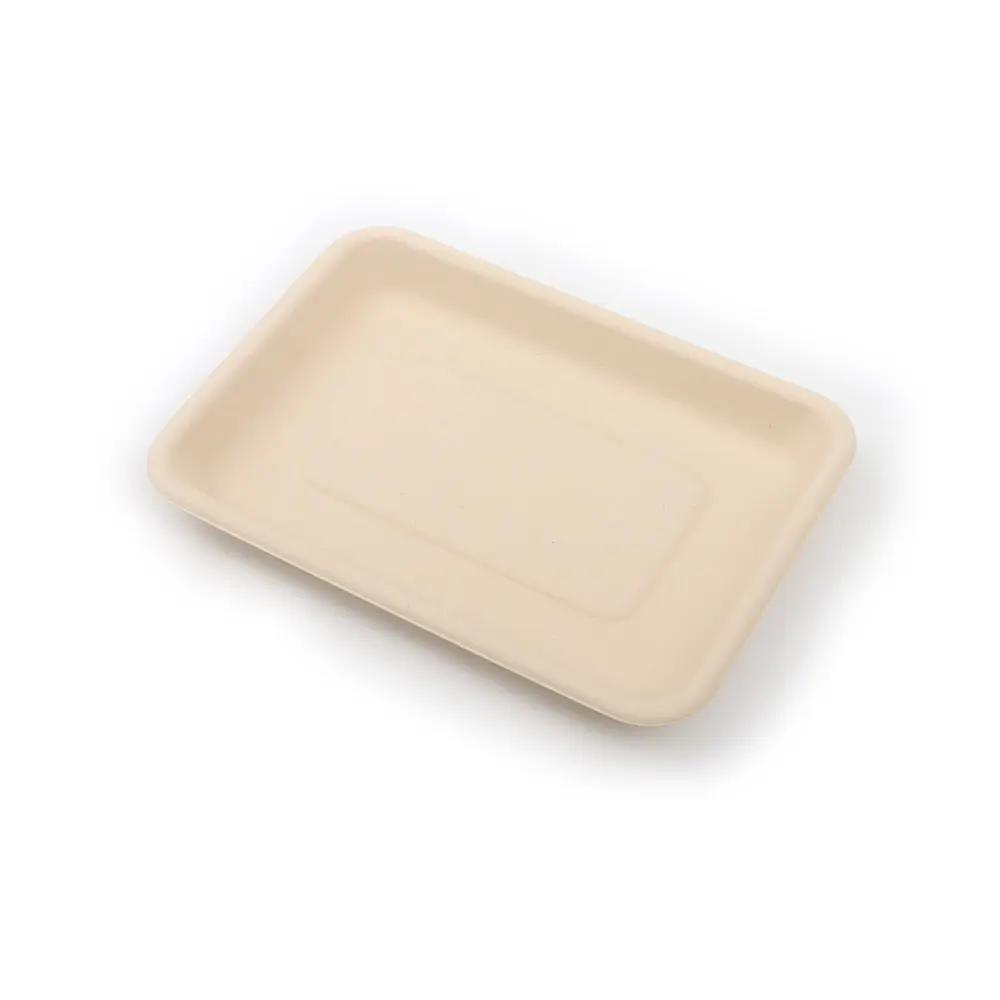 8.6" * 5.3"
 Sushi Tray Series
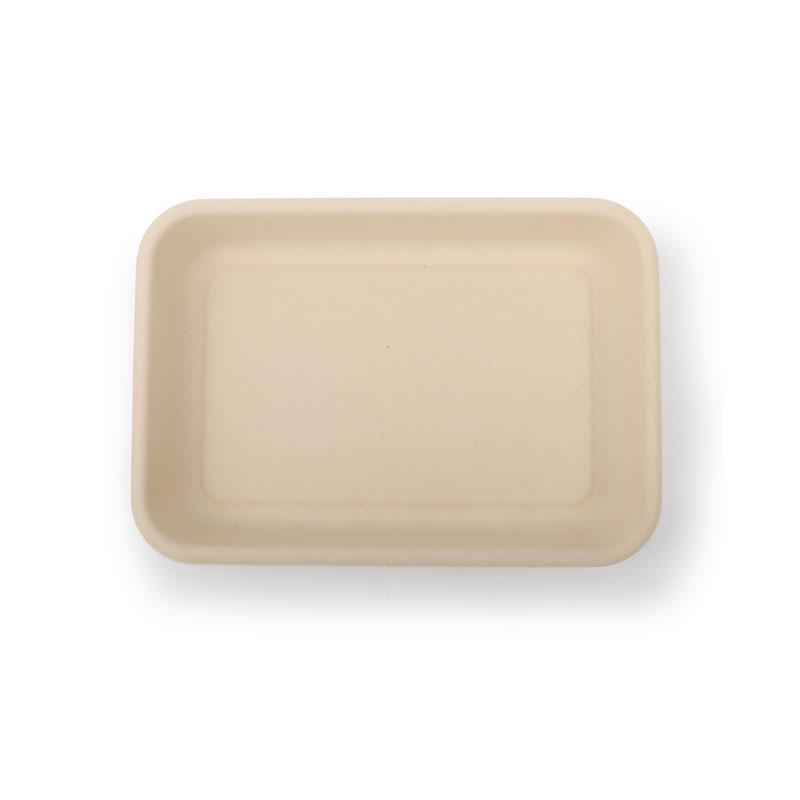 200" * 140"
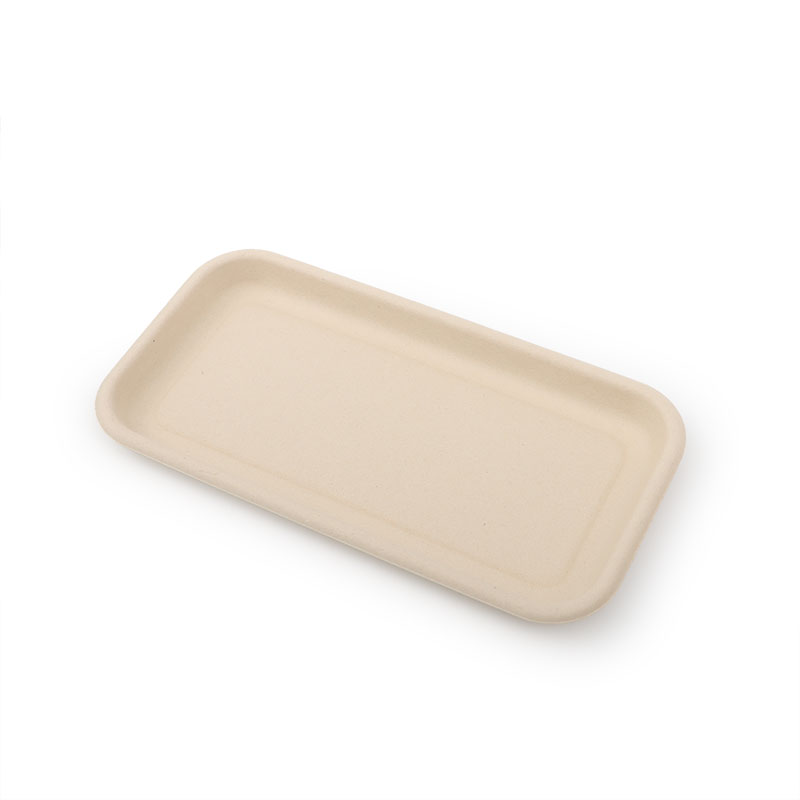 210" * 110"
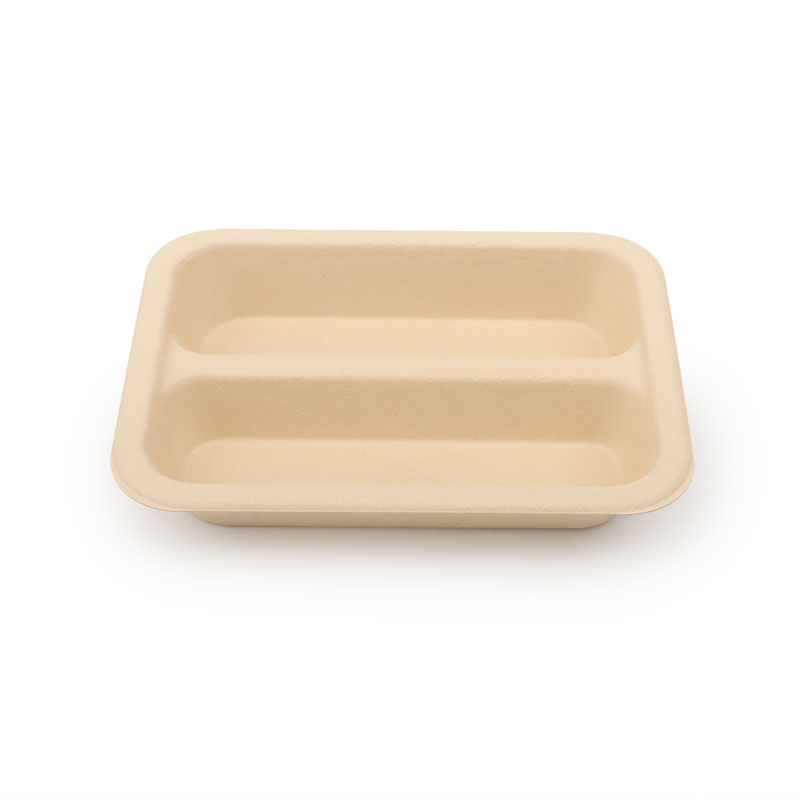 2 Compartments
 Small Round Plate Series
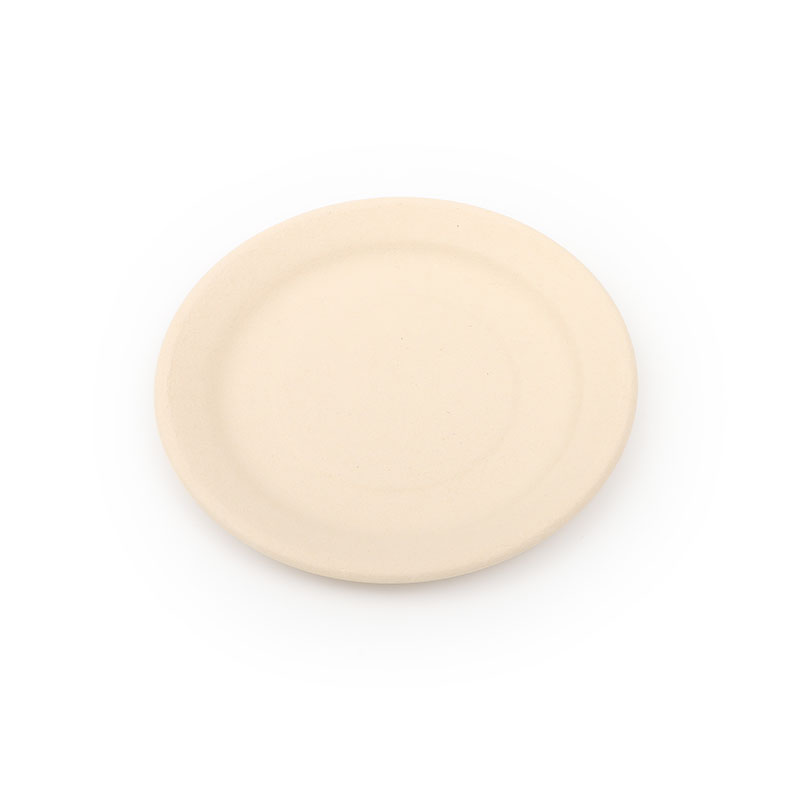 7 inch
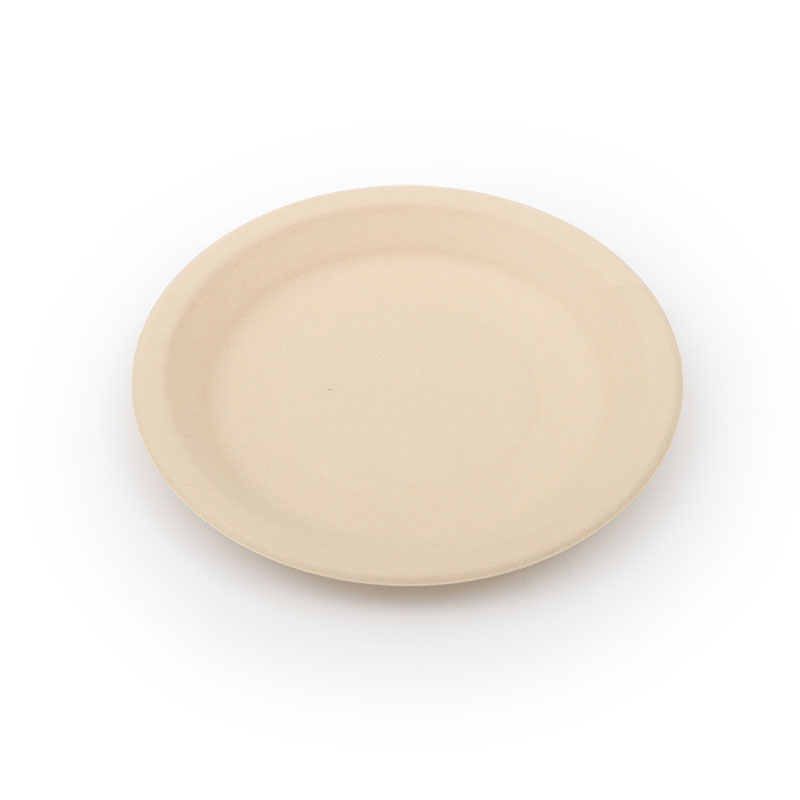 6 inch
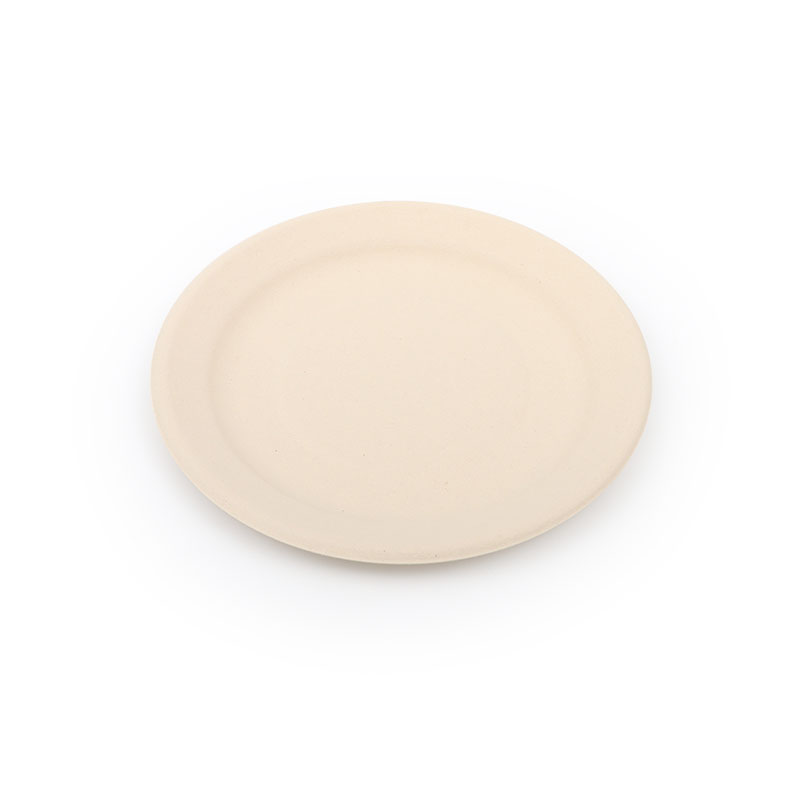 8 inch
 Middle Round Plate Series
 9 Inch 3 Compartments
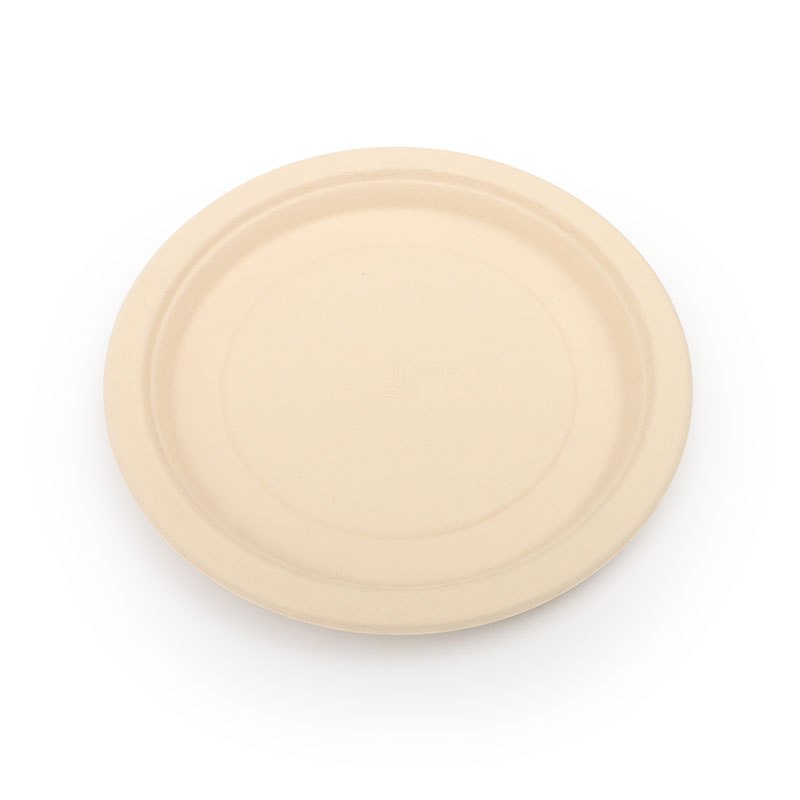 9 inch
 Big Round Plate Series
 12.7 Inch Pizza Plate
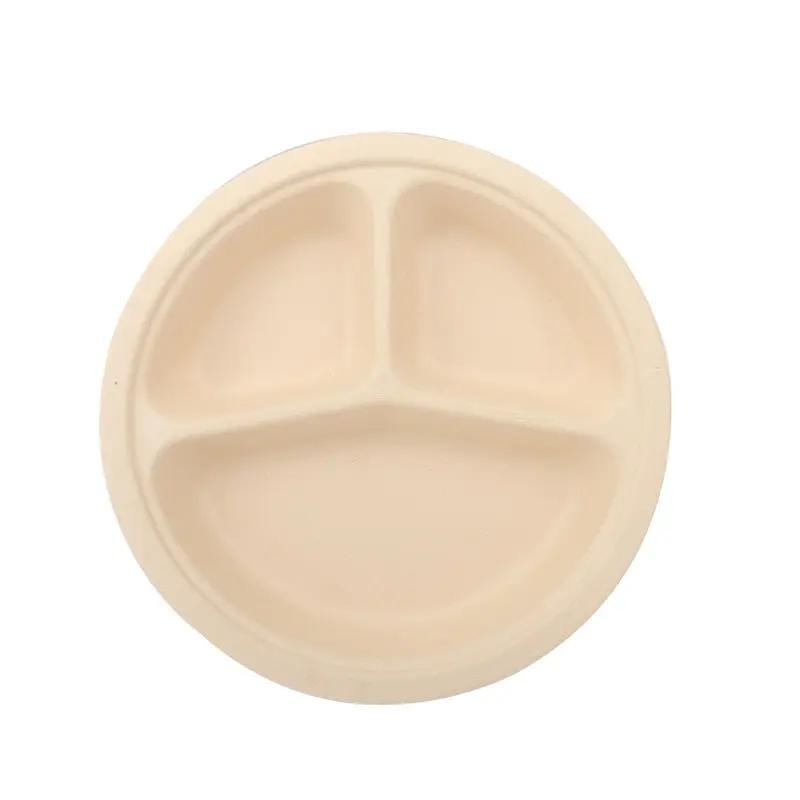 10.25 inch 3 Compartments
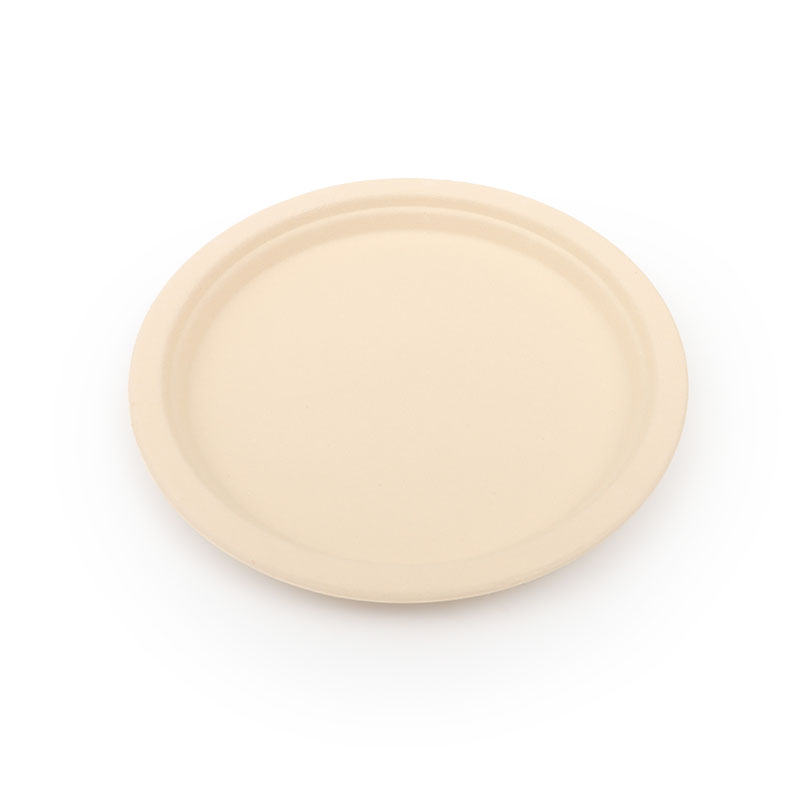 10 inch
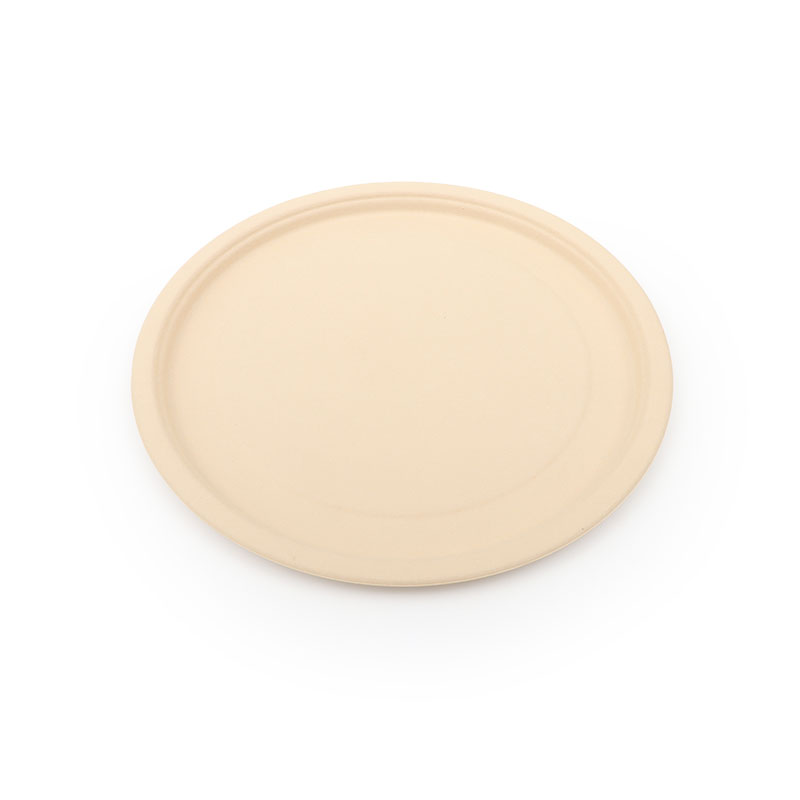 12 inch
 Bigger Bowl
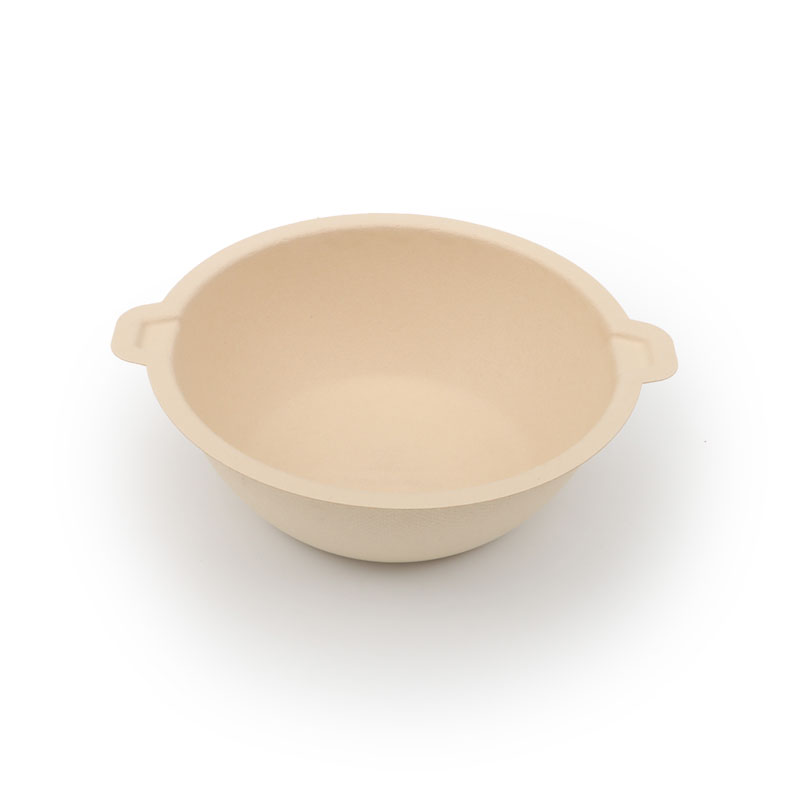 48oz(1420ml)
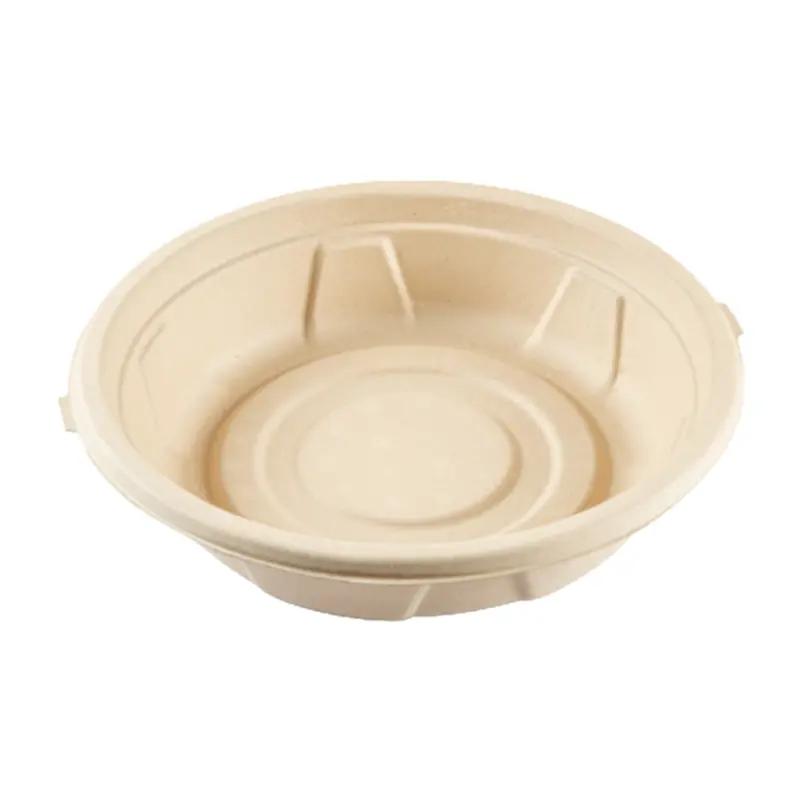 56oz(1650ml)
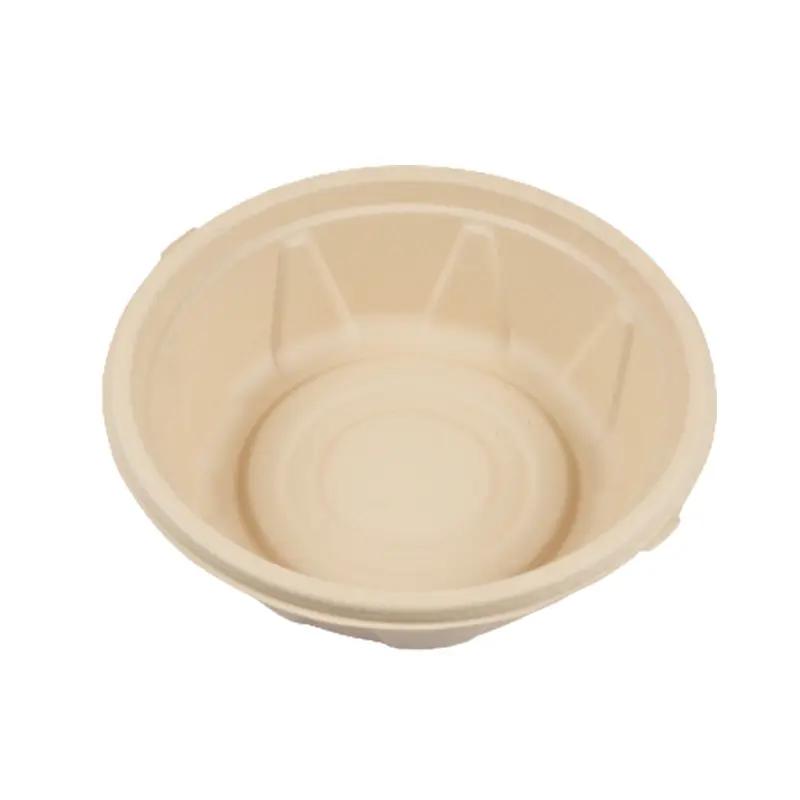 100oz(2950ml)
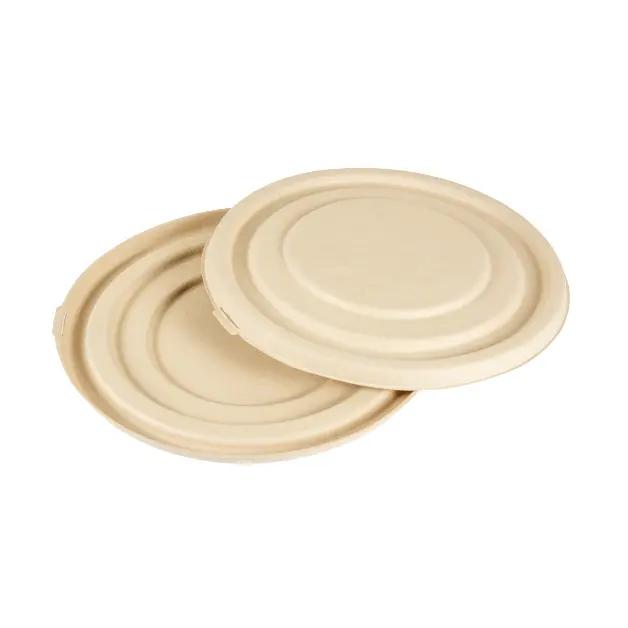 100oz(2950ml) With Lid
 Middle Bowl
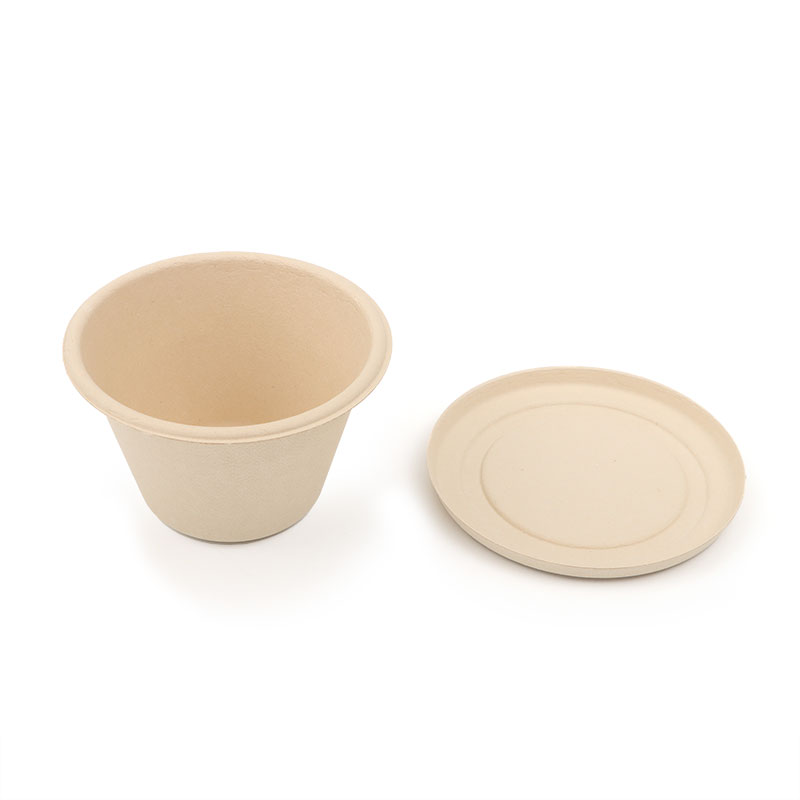 17oz(500ml)
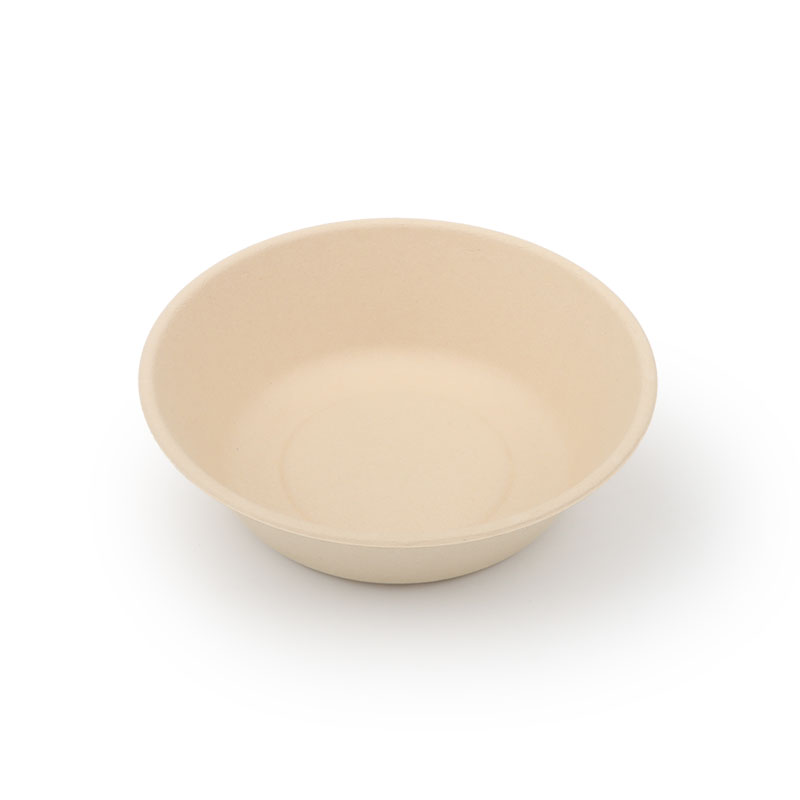 27oz(800ml)
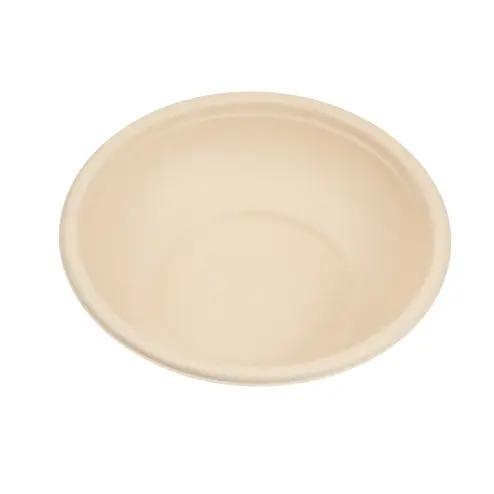 20oz(600ml)
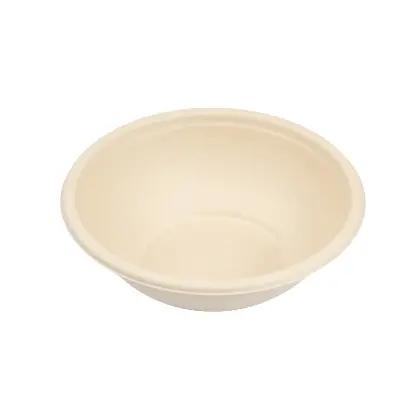 29oz(850ml)
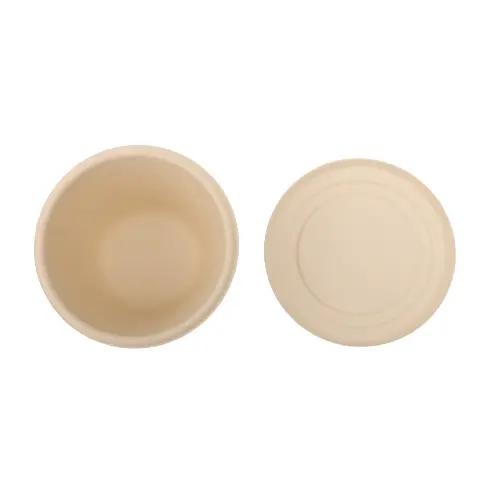 17oz(500ml) With Lid
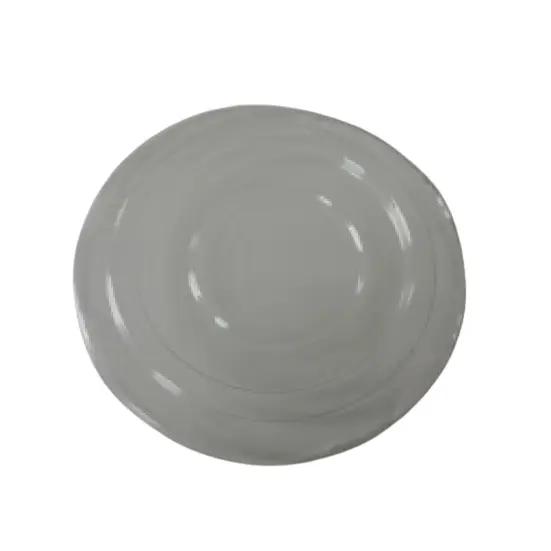 17oz(500ml) PET Lid
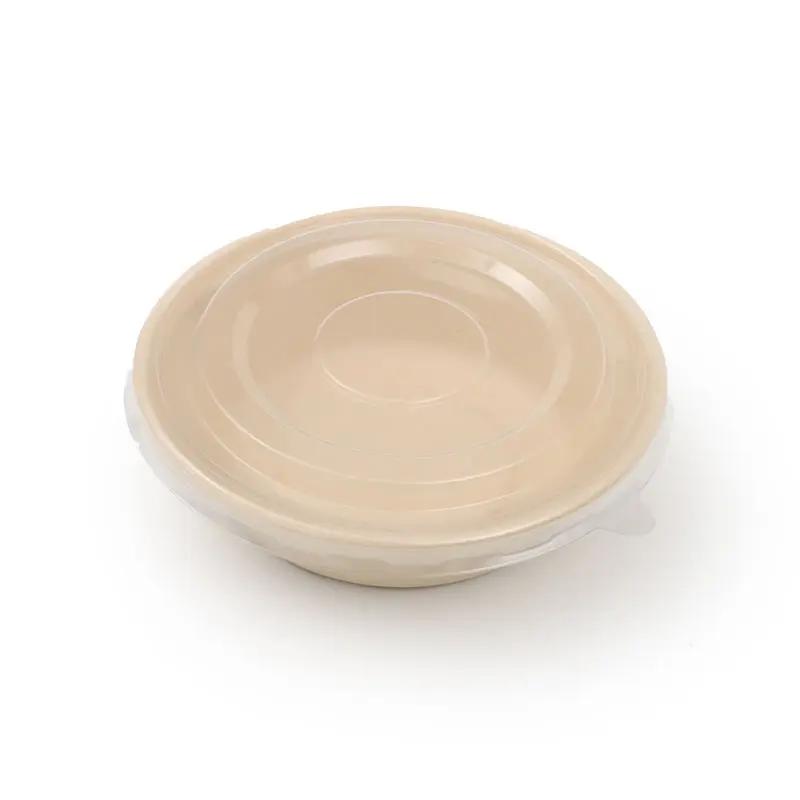 28oz(830ml) PET Lid
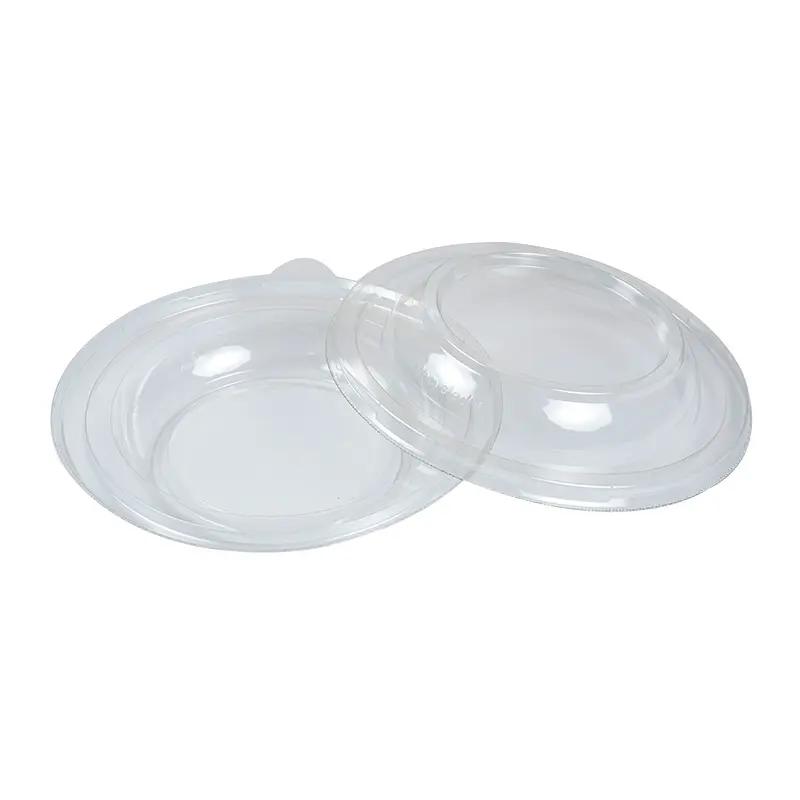 Round Bowl PET
 Small Bowl
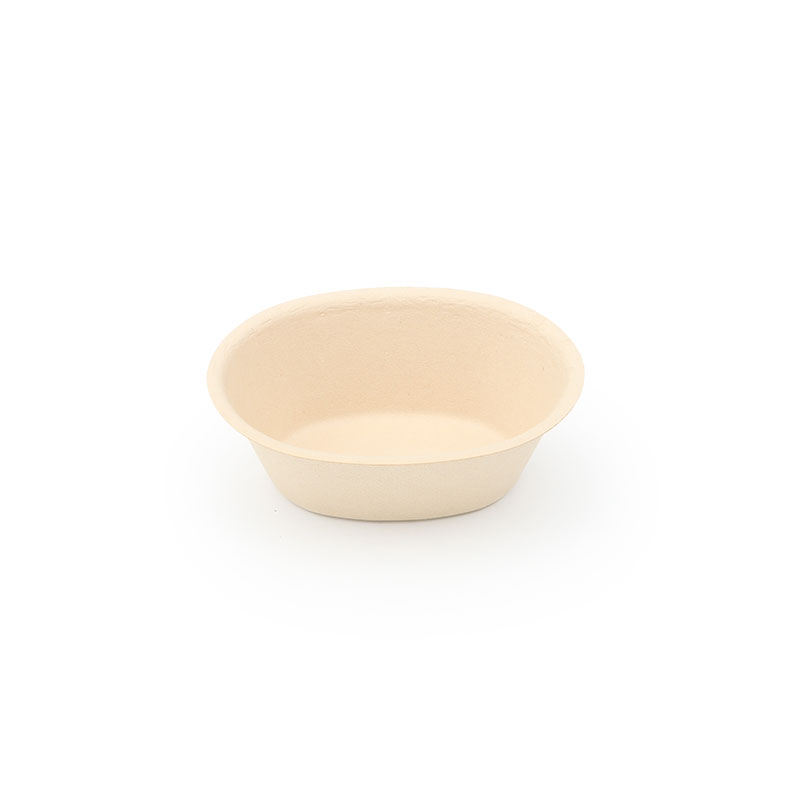 Snack Bowl
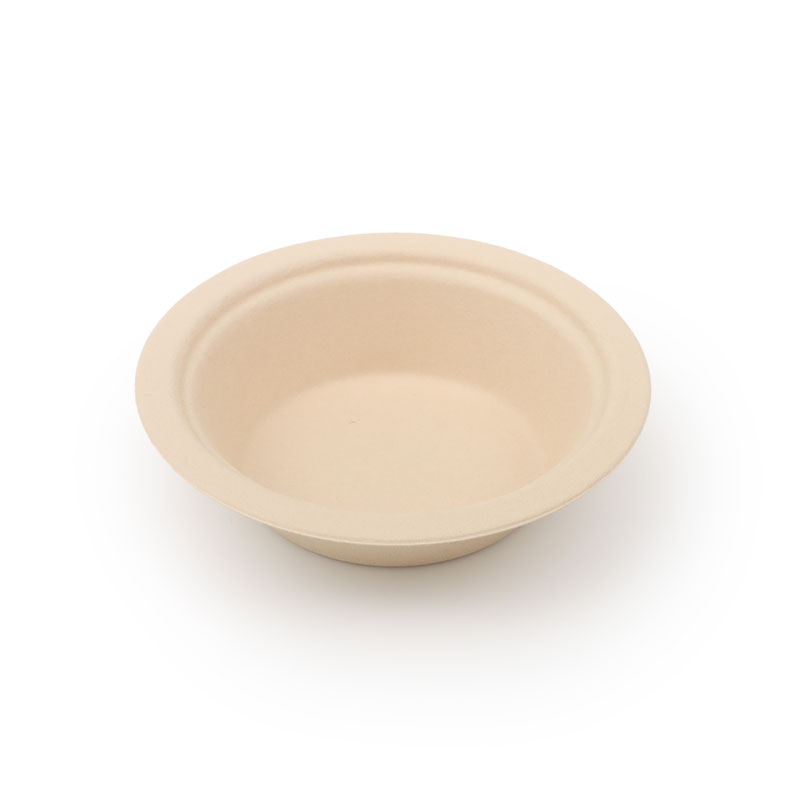 11.5oz(340ml) Bowl
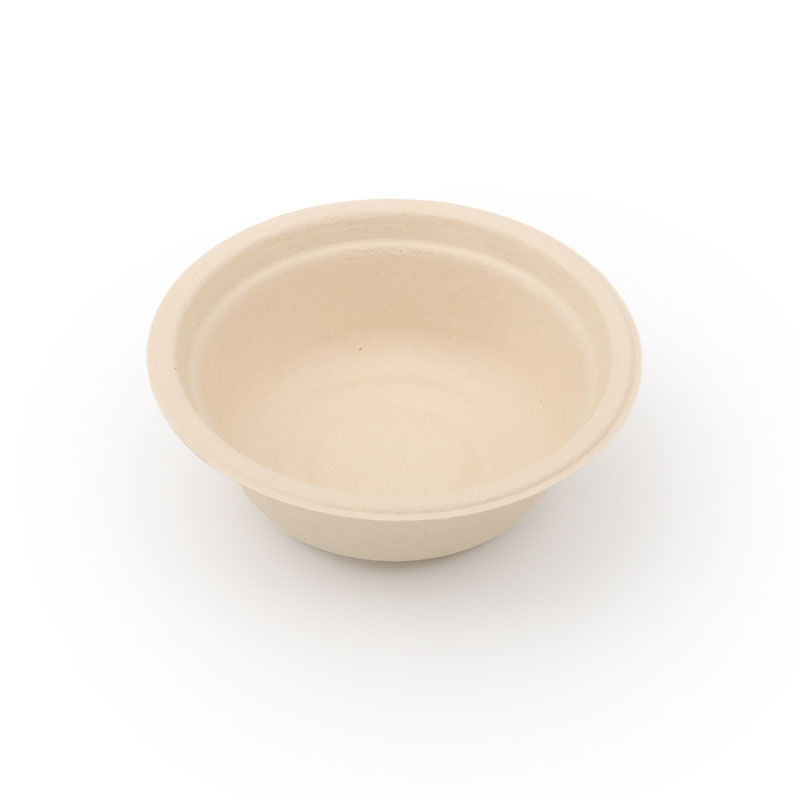 6.7oz(200ml) Bowl
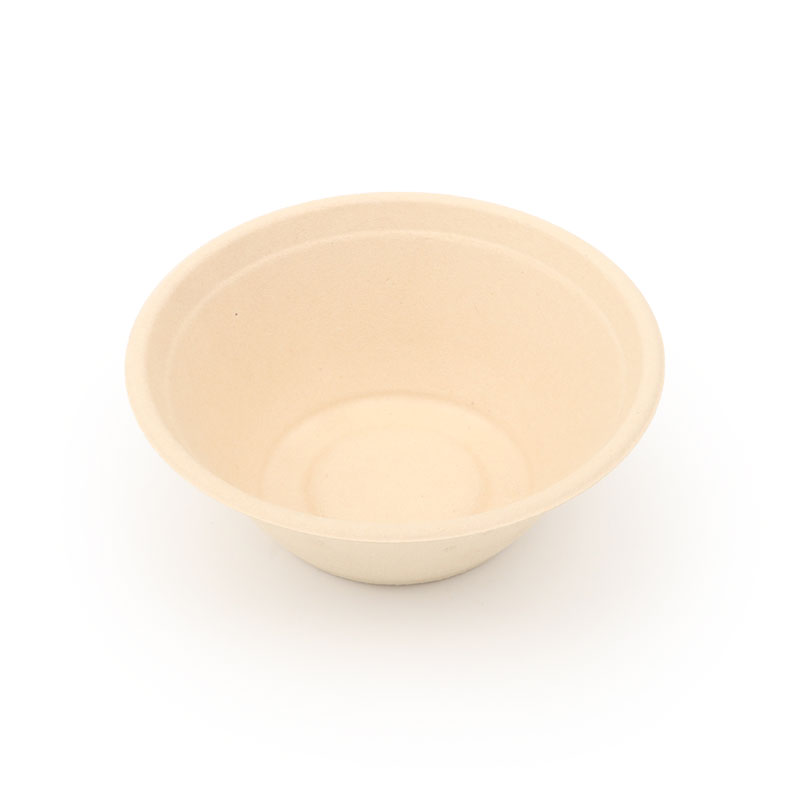 12oz(350ml) Bowl
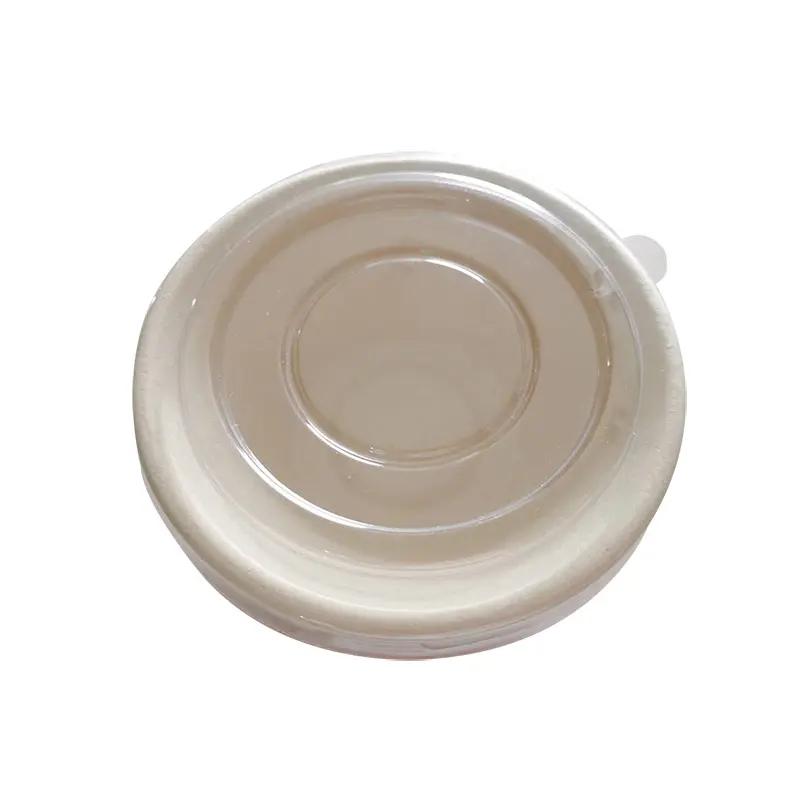 12oz(350ml) Bowl PET
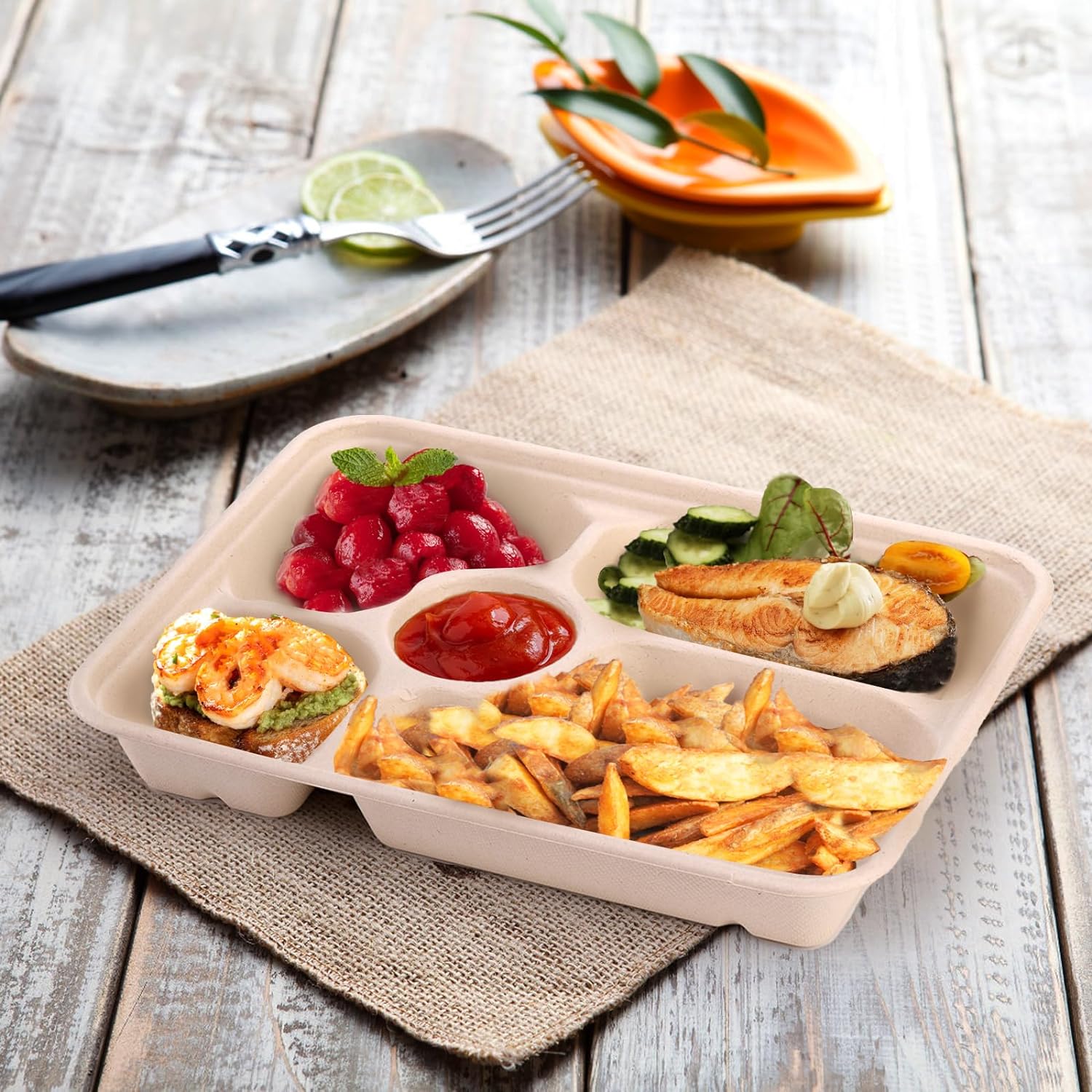 Bagasse Lunch Boxes
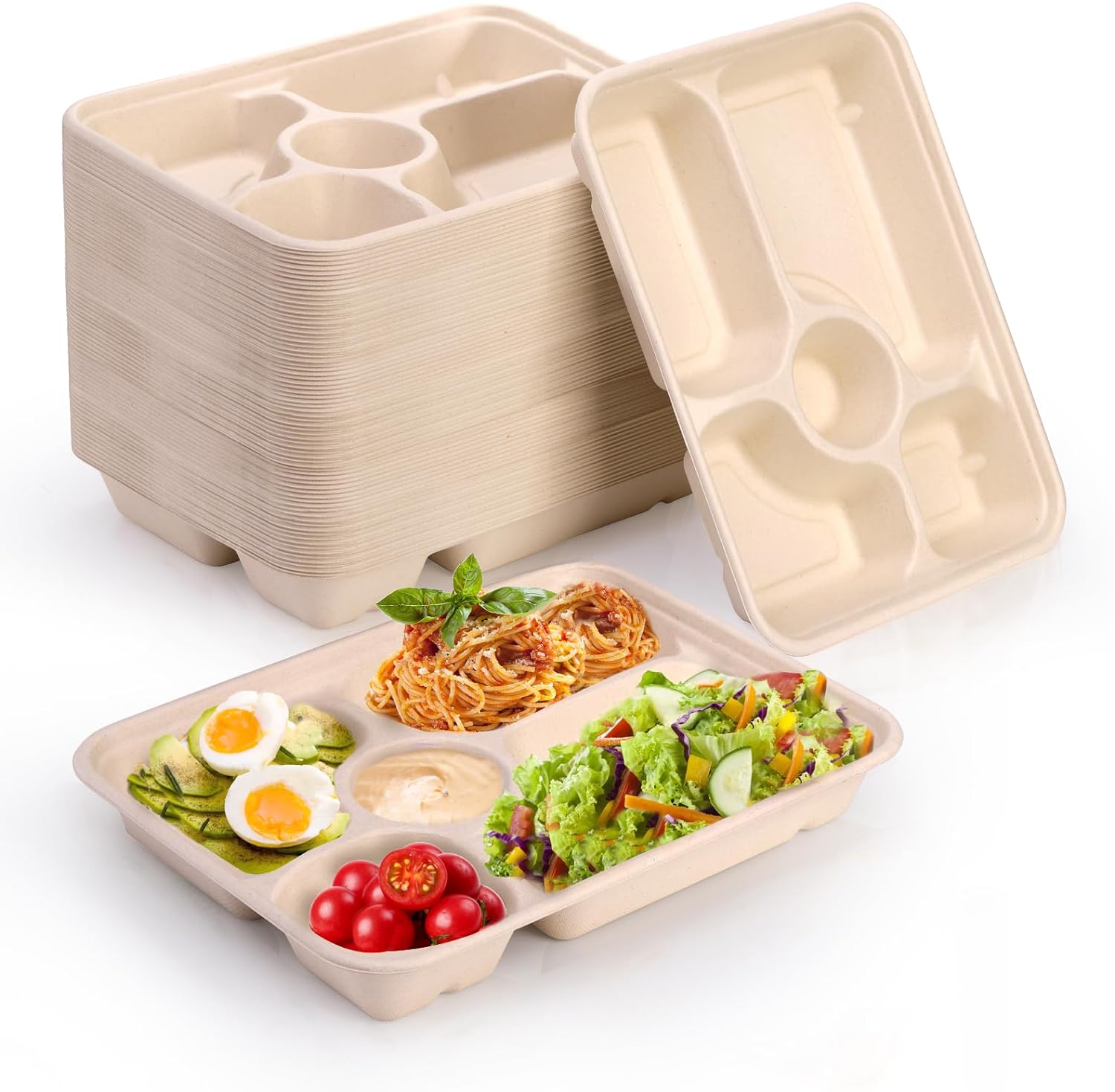 5CP
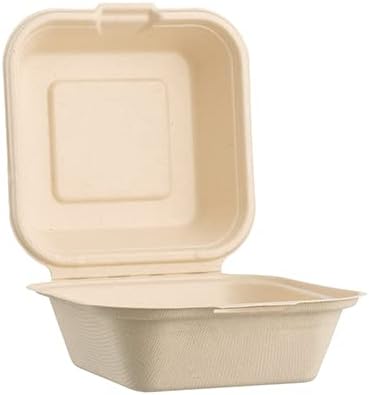 6 inch
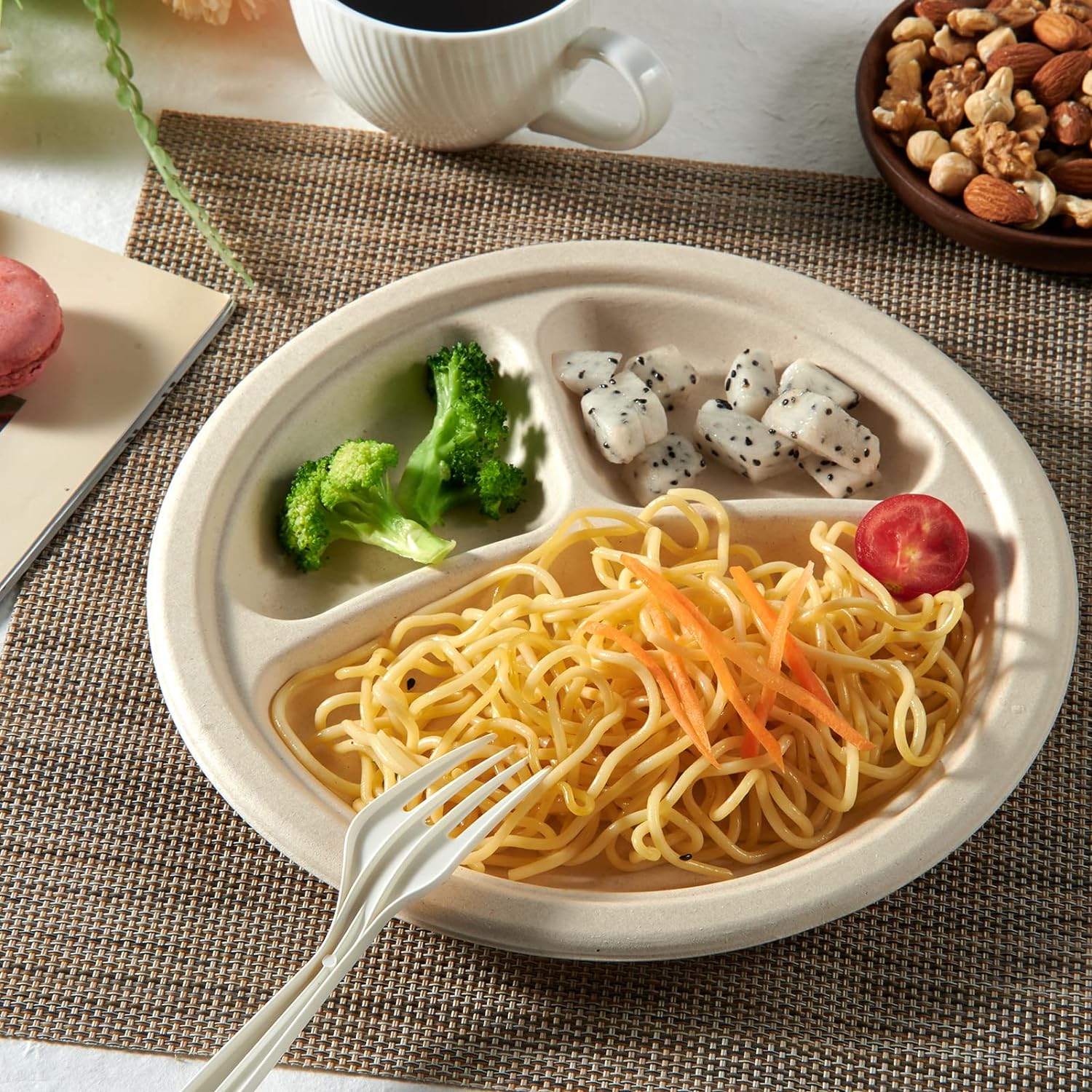 Bagasse Food Plates
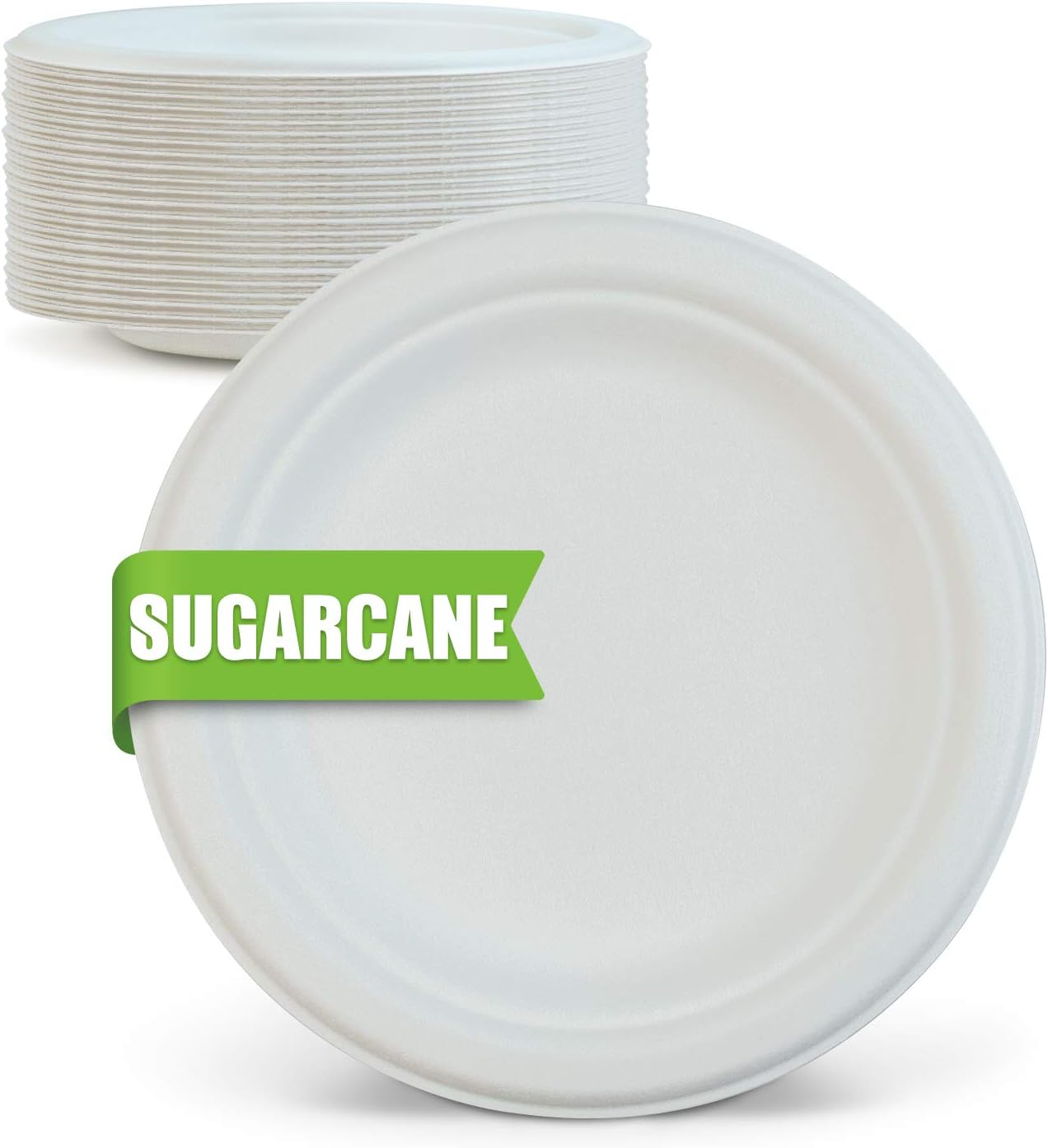 7 inch
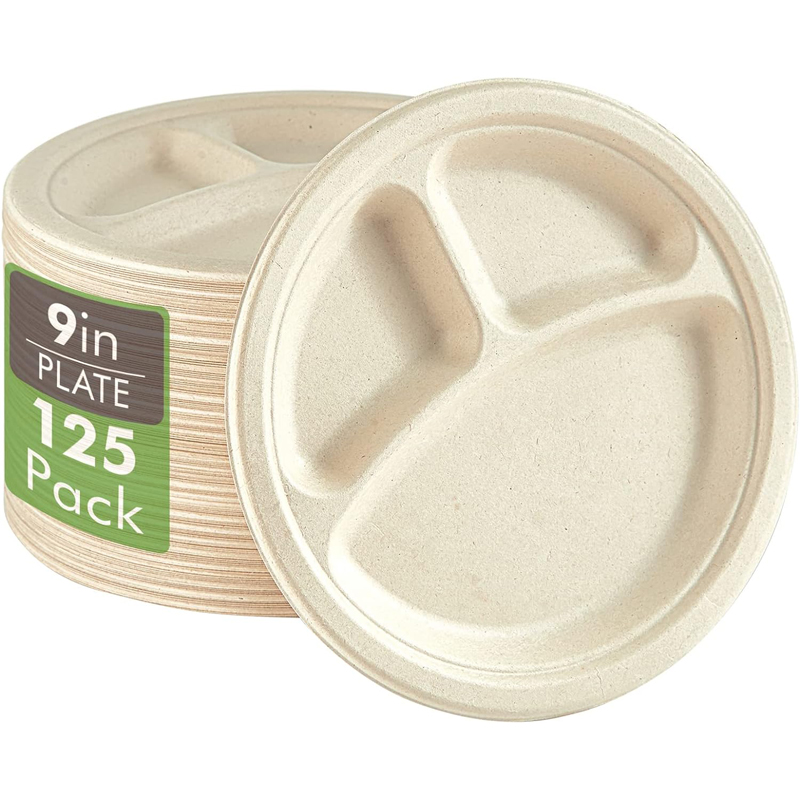 3CP
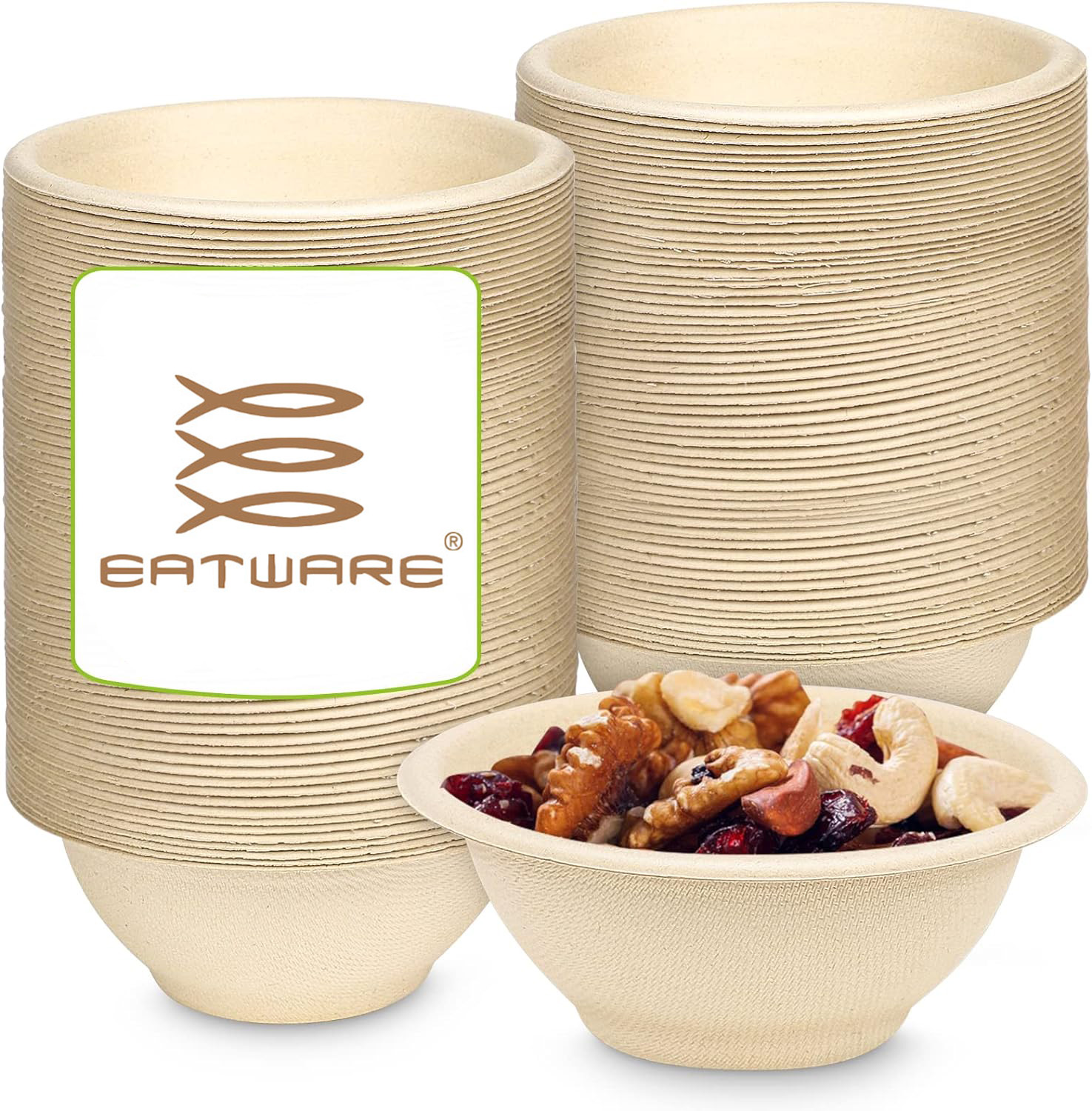 Bagasse Bowls
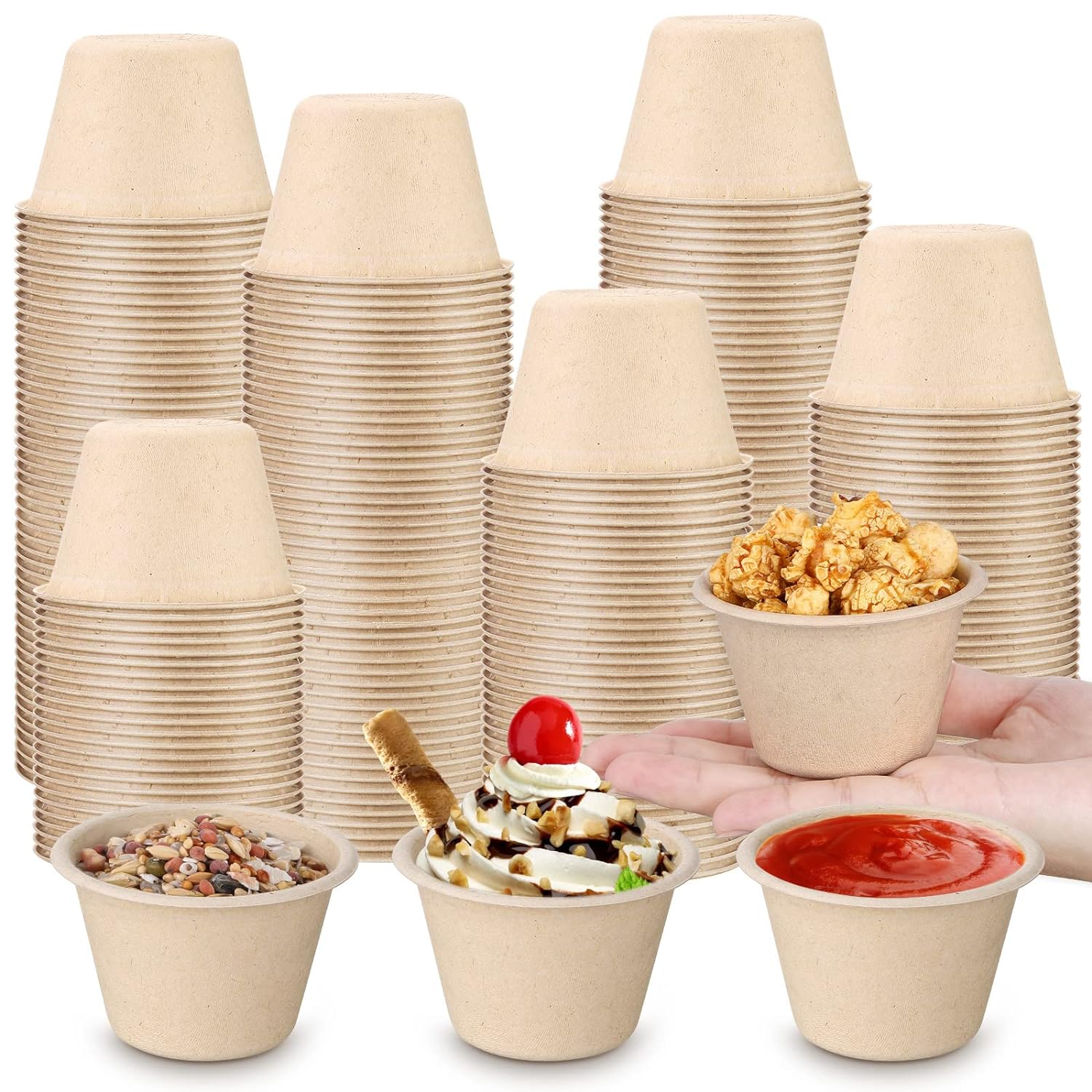 4oz
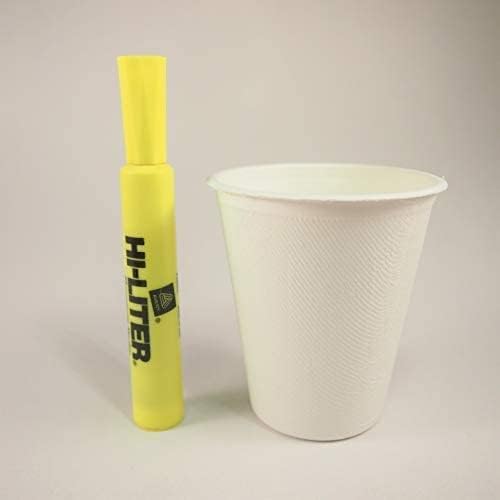 Bagasse Cups And Cutlery
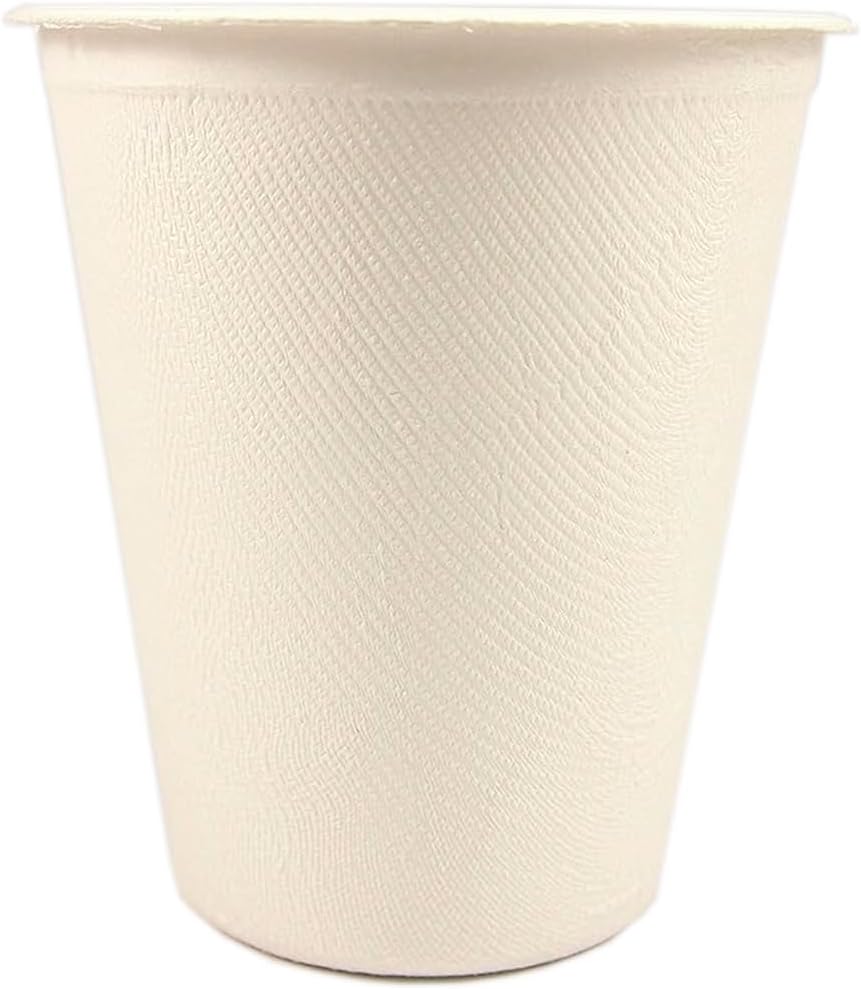 8oz
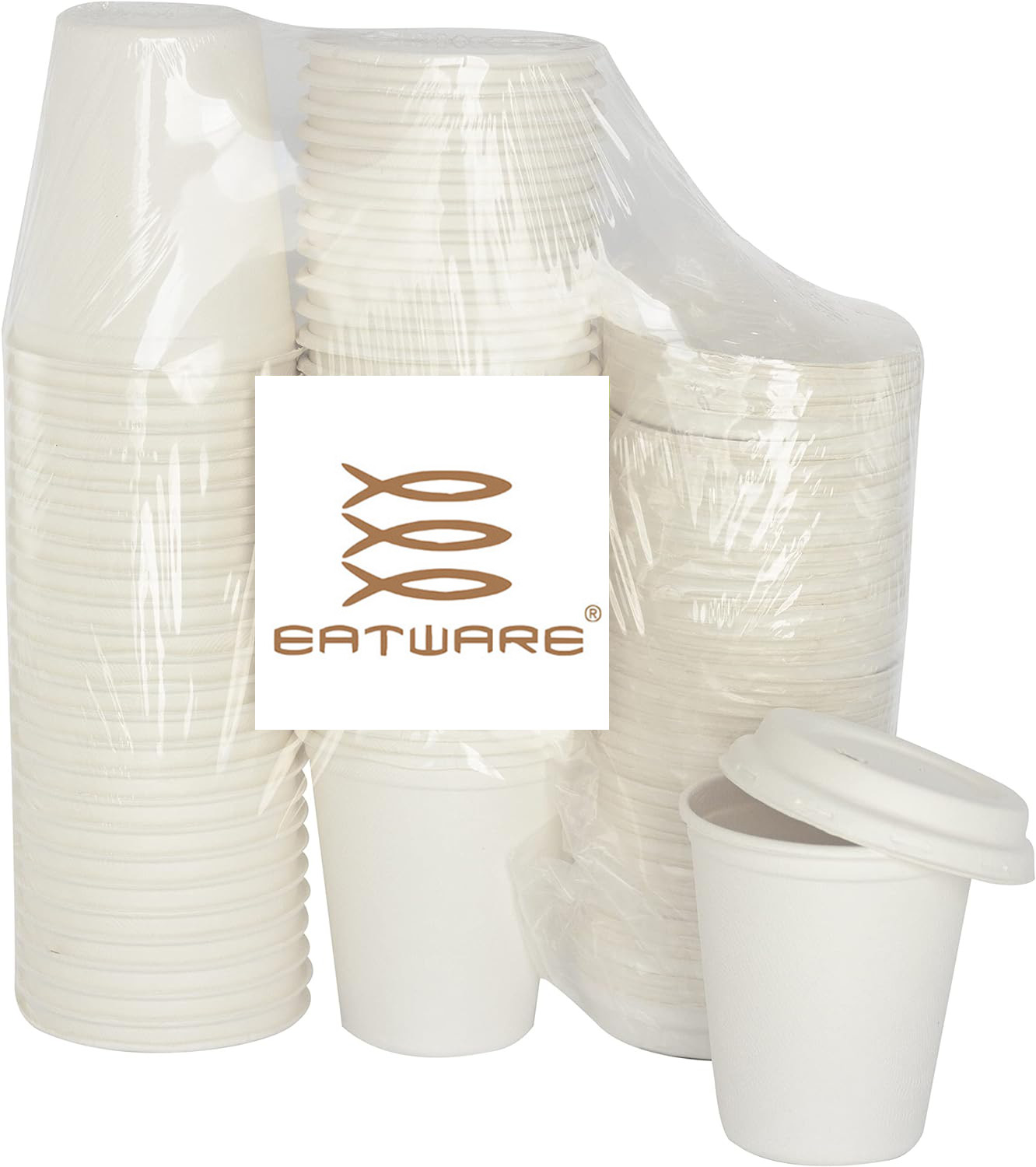 12oz
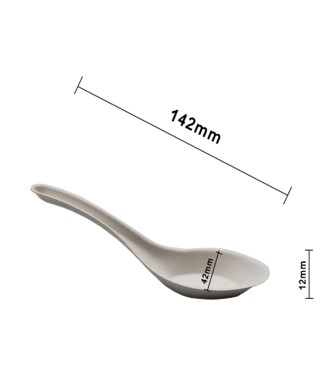 Cutlery
Leave Your Message
Engineered with advanced biological barrier coatings to withstand high-moisture and high-oil school lunch menus while remaining 100% compostable.
The modern school cafeteria is no longer just a place for students to eat lunch; it is a critical operational hub where public health, environmental responsibility, and fiscal efficiency intersect. Every day, K-12 schools and university campuses serve millions of hot and cold meals. Traditionally, this high-volume foodservice relied heavily on expanded polystyrene (EPS) foam, single-use petroleum plastics, or wax-coated paperboard. However, a combination of strict federal regulations, bans on per- and polyfluoroalkyl substances (PFAS), and aggressive institutional zero-waste goals has catalyzed a massive shift toward sustainable alternatives. This is where coating food packaging for school cafeterias becomes the defining technological solution.
Uncoated plant-fiber containers absorb moisture and grease rapidly, leading to structural collapse, soggy meals, and potential leakage onto school desks or cafeteria tables. Advanced bio-based coatings provide the critical barrier layer needed to keep meals fresh, safe, and easily manageable for young children.
Educational institutions operate under unique constraints. School foodservice directors must manage tight budgets, comply with strict USDA nutrition guidelines, and ensure that food is served at safe temperatures. Furthermore, the operational window in a school cafeteria is highly compressed: hundreds of students must be served within a 30-minute lunch period. Packaging must be incredibly durable, easy to stack, quick to fill, and safe for children to handle.
From an industrial perspective, the transition away from traditional plastics has created a massive demand for molded natural fiber packaging, such as sugarcane bagasse and bamboo pulp. However, natural fibers are inherently porous. Without a barrier coating, hot school staples like spaghetti, gravy-laden mashed potatoes, or greasy pizza slices would compromise the tray within minutes. To solve this, packaging manufacturers have developed high-performance coatings that seal the fiber surface. The industry is rapidly moving away from polyethylene (PE) linings—which prevent composting and recycling—toward biodegradable and compostable barrier coatings like polylactic acid (PLA), polybutylene succinate (PBS), and cutting-edge water-based dispersion coatings.
School lunches frequently feature high-moisture and high-oil foods such as lasagna, chicken nuggets, and chili. For these applications, food trays require a coating that can withstand temperatures of up to 100°C (212°F) without softening or allowing grease migration. Coated bagasse and bamboo trays provide a robust, leak-proof barrier that keeps the tray rigid, ensuring students can safely carry their meals from the serving line to the table.
With the rise of "Breakfast in the Classroom" programs, packaging must be highly portable and sealable. Laminated barrier-coated food boxes and multi-compartment trays with secure lids prevent accidental spills on school buses, classroom carpets, and study desks. Modified Atmosphere Packaging (MAP) technology is also finding its way into school districts to extend the shelf life of pre-packaged fruits, vegetables, and sandwiches, reducing food waste across the district.
Many large school districts utilize a "hub-and-spoke" model, where meals are prepared in a centralized production kitchen, packaged, chilled, and then transported to individual satellite schools. The packaging used in these systems must be compatible with rapid heat sealing, withstand refrigeration or freezing, and then be capable of being reheated via convection ovens or microwaves at the final destination. Advanced coated plant-fiber trays are engineered precisely to survive this rigorous thermal cycle.
In the field of environmentally friendly packaging, partnering with 500+ global brands.
Diverse eco-friendly designs supporting full OEM & ODM customization.
Exporting reliable school and commercial food packaging to US, Europe, and Canada.
Equipped with 55 automatic forming machines and 30+ patent certificates.
For decades, the packaging industry relied heavily on fluorinated compounds (PFAS) to achieve water and grease resistance in paperboard and molded-fiber packaging. However, extensive scientific research has linked PFAS exposure to various health concerns, prompting legislative bodies worldwide to ban these "forever chemicals" in food contact materials. This regulatory landscape is particularly strict for K-12 schools, where protecting children’s developing bodies is a top priority.
The latest generation of coating food packaging for school cafeterias focuses on natural, bio-derived, and completely fluorinated-chemical-free (PFAS-free) technology. Modern coatings utilize water-based polymer dispersions or vegetable-based biopolymers. When applied to sugarcane bagasse or bamboo fibers, these coatings form a continuous, microscopic barrier that prevents grease and liquid penetration. Because these coatings are organic and non-toxic, they break down naturally in commercial composting facilities, leaving behind zero harmful chemical residues and fully supporting circular economy initiatives.
Replacing traditional plastic packaging is not simply a matter of swapping materials. School cafeteria staff must ensure that new compostable containers perform flawlessly under real-world conditions. A tray should never be approved for school use based solely on a brief water test. It must undergo rigorous testing that simulates the school lunch environment:
Kangxin (HaiMen) Environmental Technology Co., Ltd. is a technology innovation-oriented enterprise that focuses on disposable environmentally friendly tableware and food packaging. We have advanced production processes and equipment, and continue to attract senior talents, focusing on environmental protection, emphasizing safety, and ensuring quality. Under our premium brand EATware, we are dedicated to pioneering high-performance, coated compostable tableware that meets the strict demands of public institutions, commercial caterers, and school districts worldwide.
EATware is committed to sustainable development, using all natural plant fibers to produce safe, healthy and environmentally friendly tableware. Adhering to the concept of "take nature, serve humanity, return to nature", we focus on the development of safe, high quality and environmental standards.
EATware emphasizes environmental protection and sustainable development, explores the balance between enterprise survival and environmental protection, and uses all-natural and pollution-free bamboo fiber as the main material of tableware to ensure that its products meet the high technical level and are superior to developed countries.
The most reliable way to test disposable food containers is to combine leakage testing with structural testing under conditions that reproduce the intended food application. A container should not be approved simply because it holds water for several minutes or survives an empty compression test...
For foodservice operators, replacing conventional plastic packaging is not simply a matter of changing materials. Disposable biodegradable tableware must still withstand hot food, sauces, oils, condensation, stacking, transport, and commercial handling without losing structural integrity. Poorly designed alternatives can collapse...
With growing global demand for takeaway meals and eco-friendly packaging, China's manufacturing sector has become a major hub for disposable food containers. Today's food businesses - from fast-food chains and meal-delivery services to supermarkets and catering companies - are looking for modern, compliant manufacturers...
Our manufacturing facility and products comply with the highest global safety and environmental standards, ensuring 100% safety for school cafeteria food contact.
We supply leading airlines, retail chains, and institutional foodservice providers worldwide with our premium compostable containers.
Explore our comprehensive range of high-barrier, eco-friendly plant fiber trays and boxes designed for K-12 school lunch programs and university food halls.


