
 Box With T buckle
 700ml Square Lunch Box
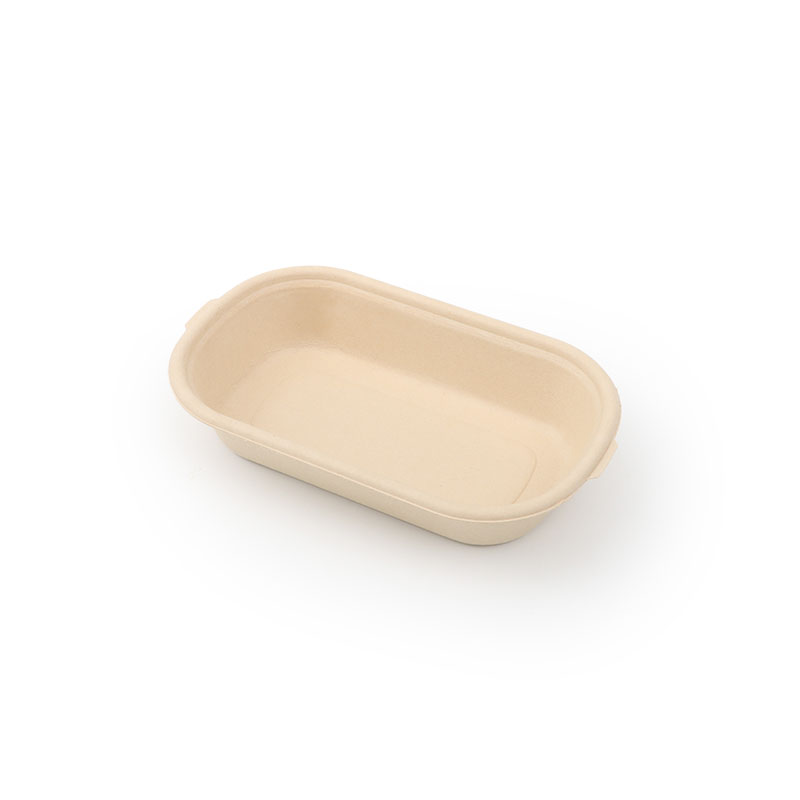 500ml
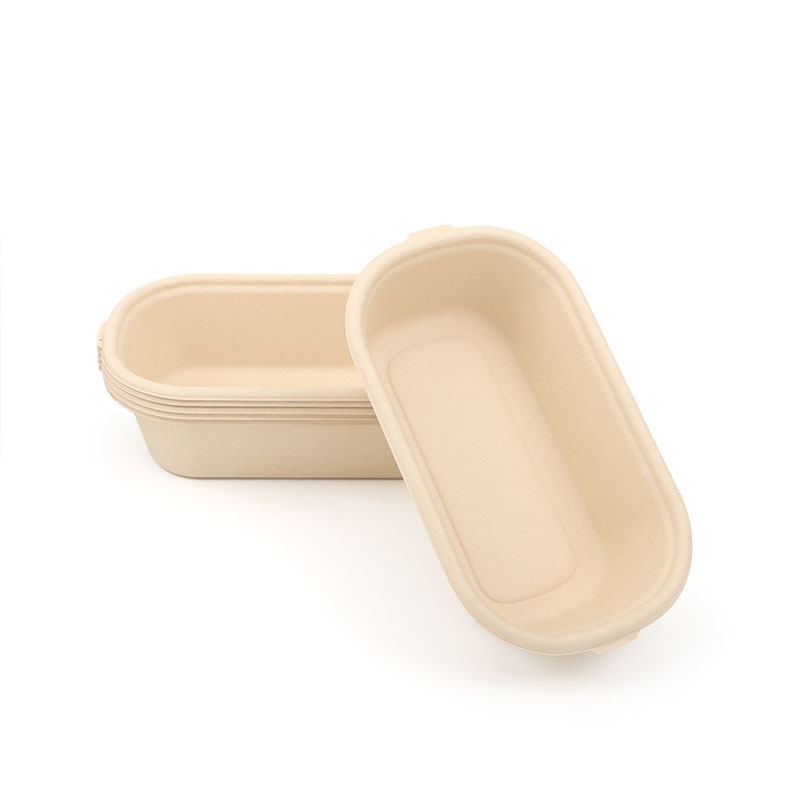 700ml
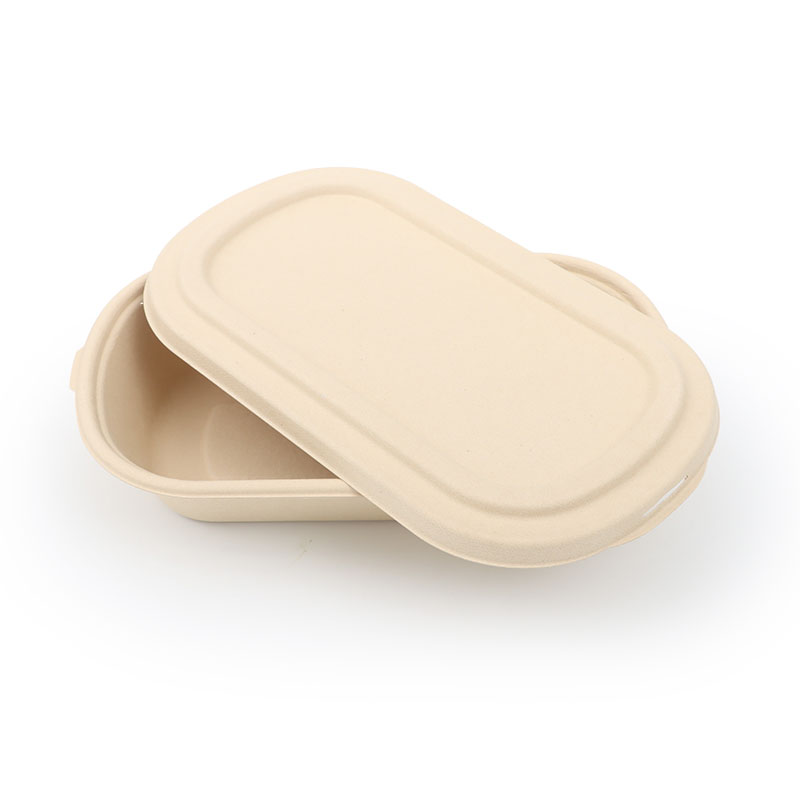 850ml
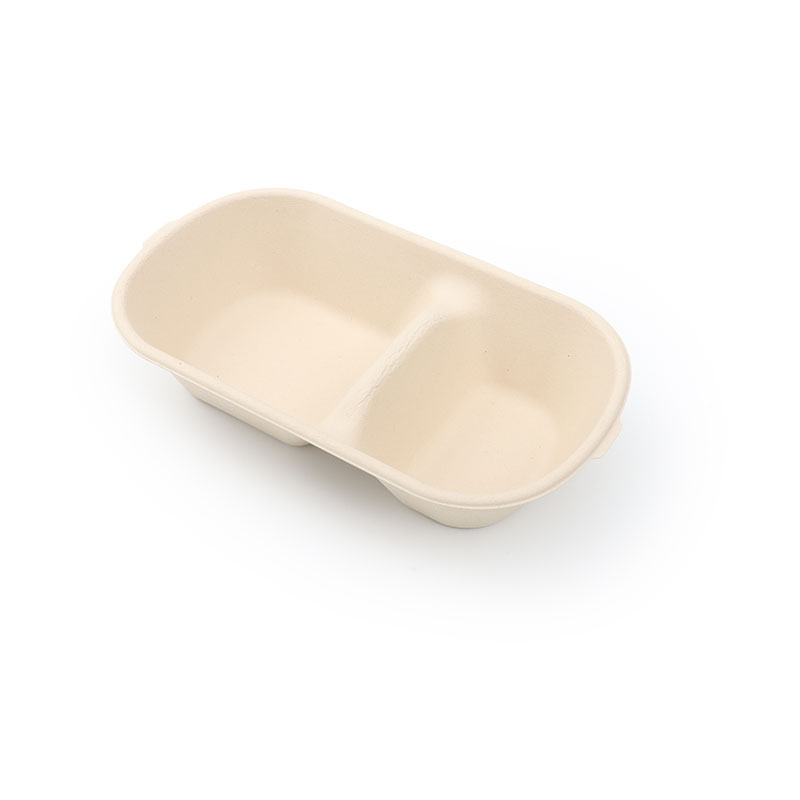 800ml 2 Compartments
 1000ml 2 Compartments
 1100ml
 1000ml Square Lunch Box
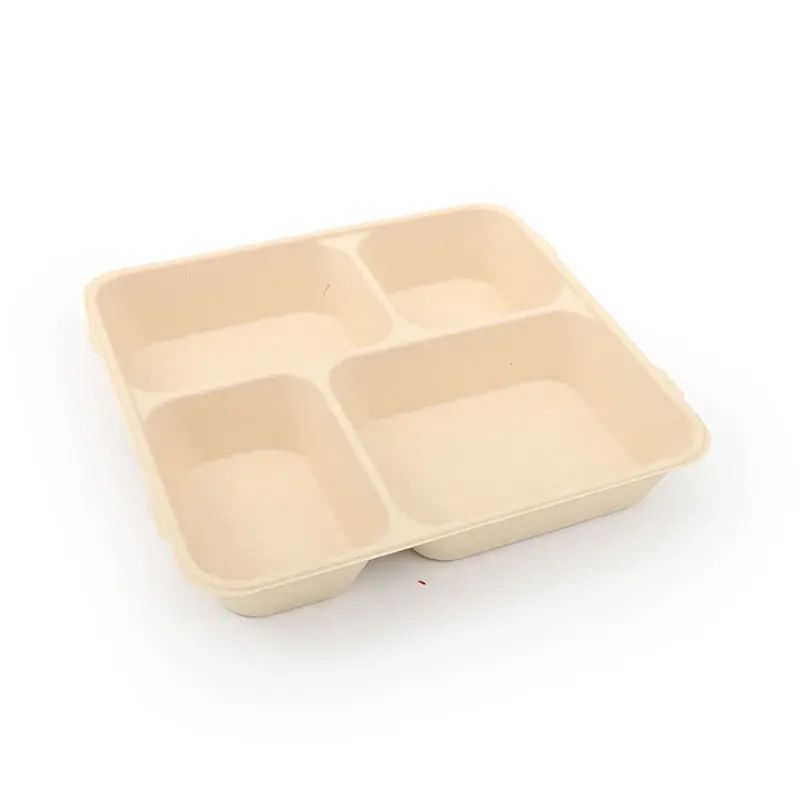 1340ml 4 Compartments
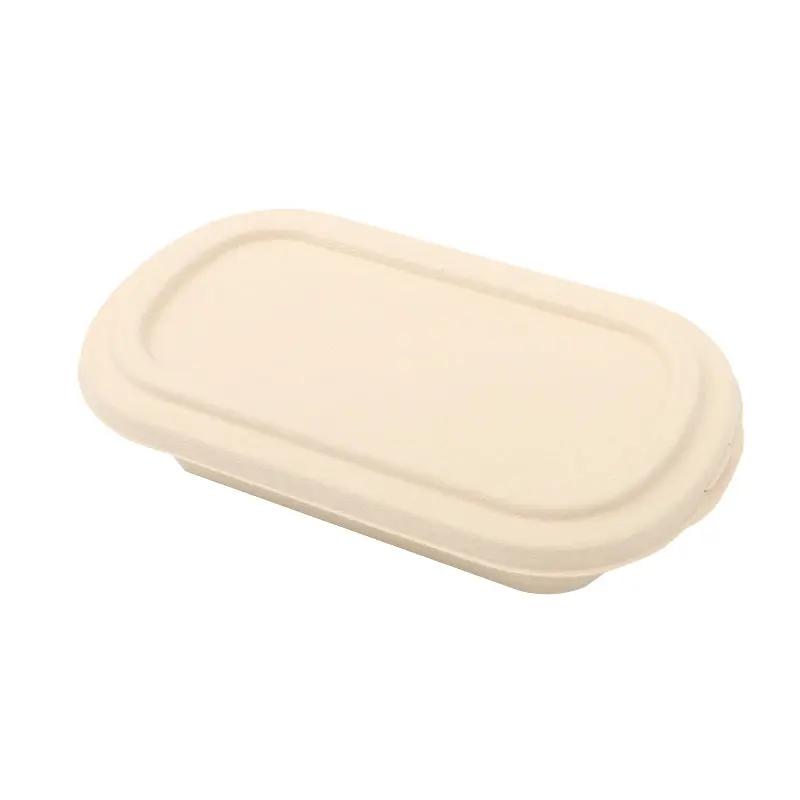 Lunch Box Lid
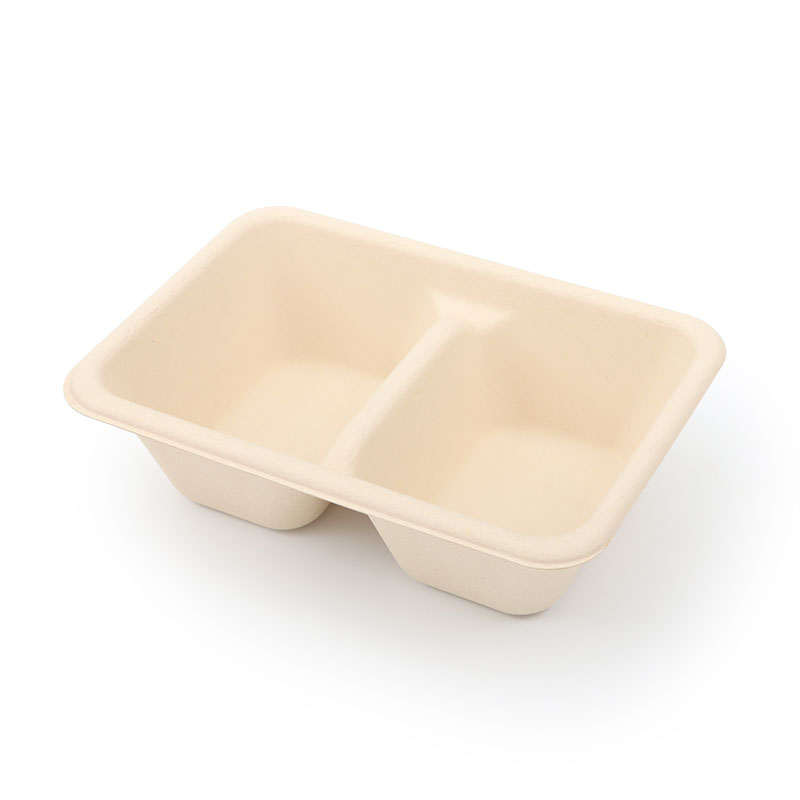 650ml
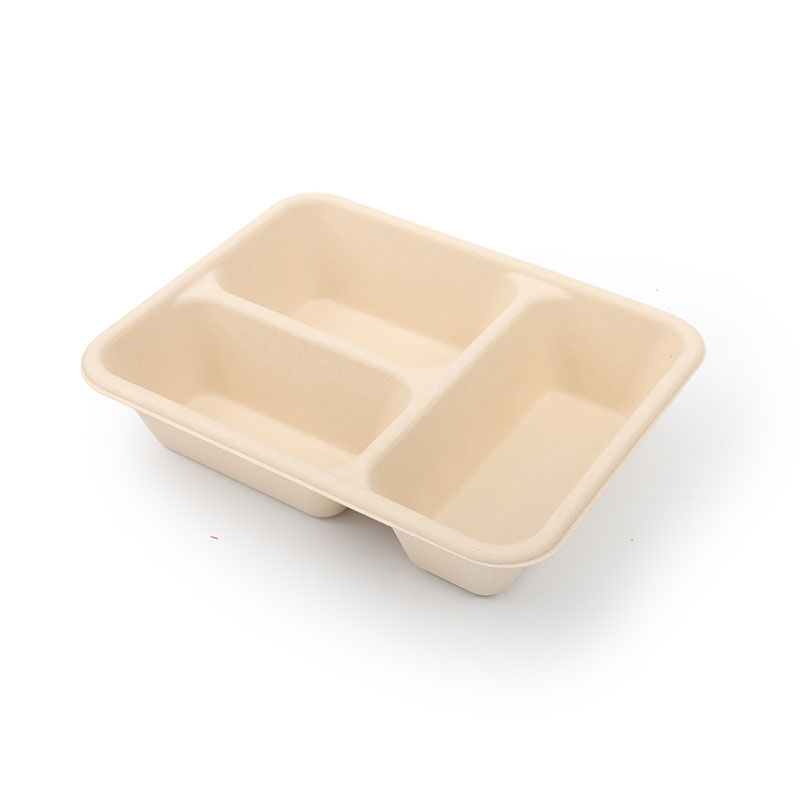 1000ml 3 Compartments
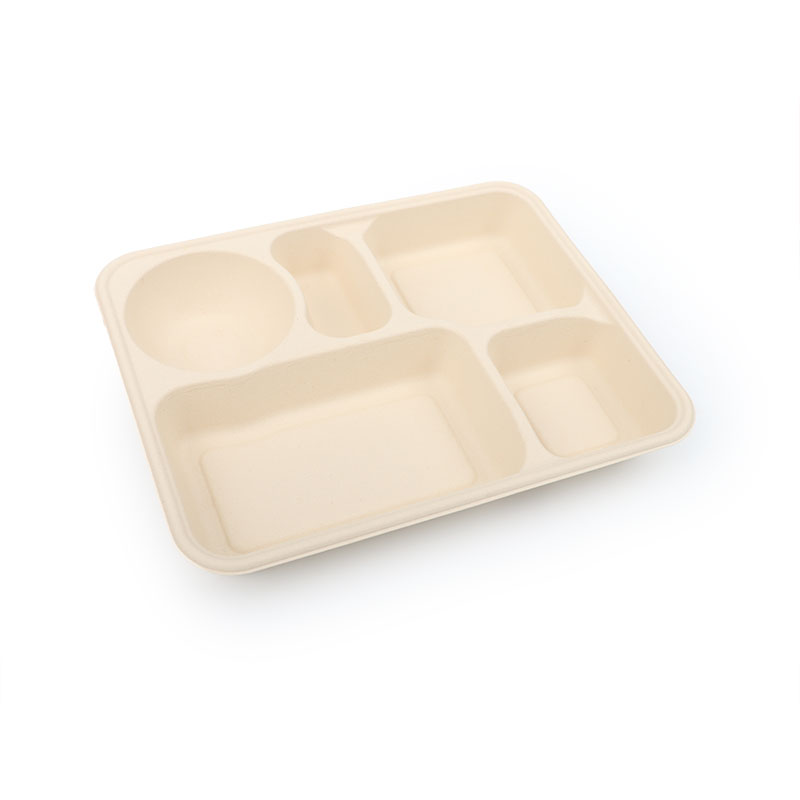 1250ml 5 Compartments
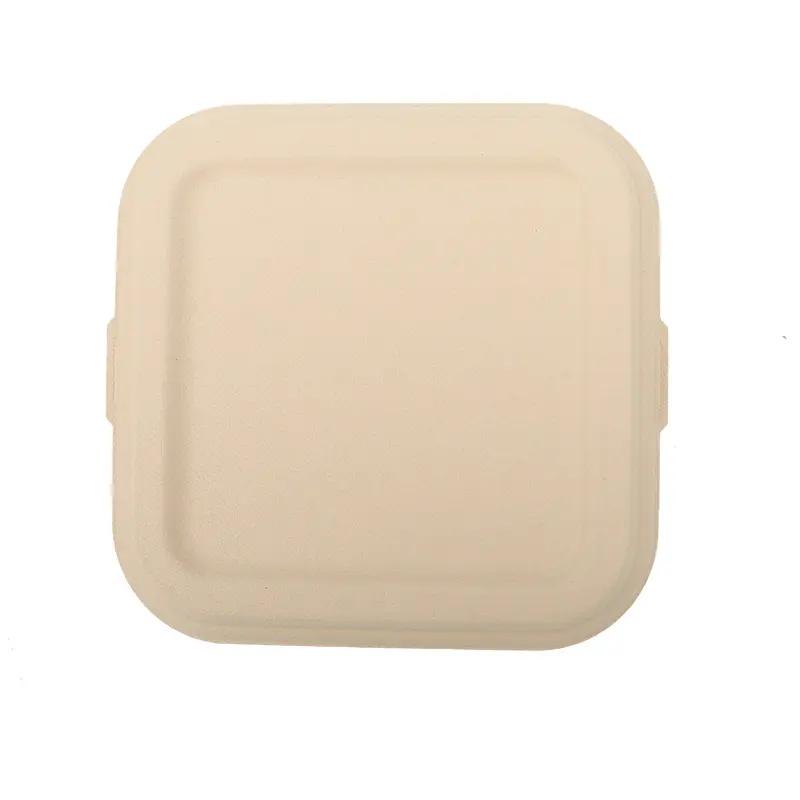 Square Lunch Box Lid
 Box Without T buckle
 850ml Salad Box
 700ml
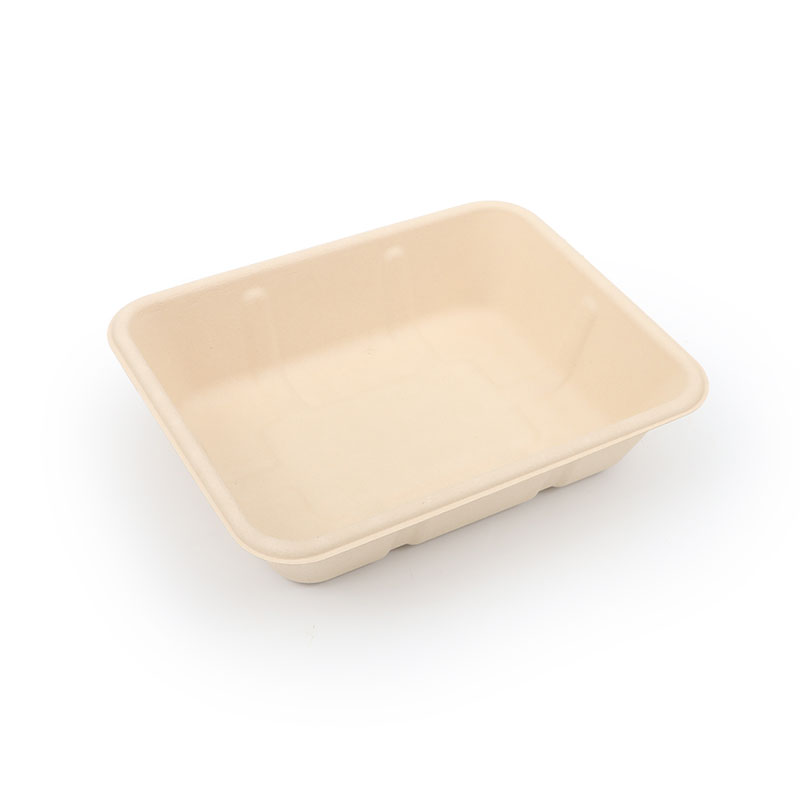 1350ml
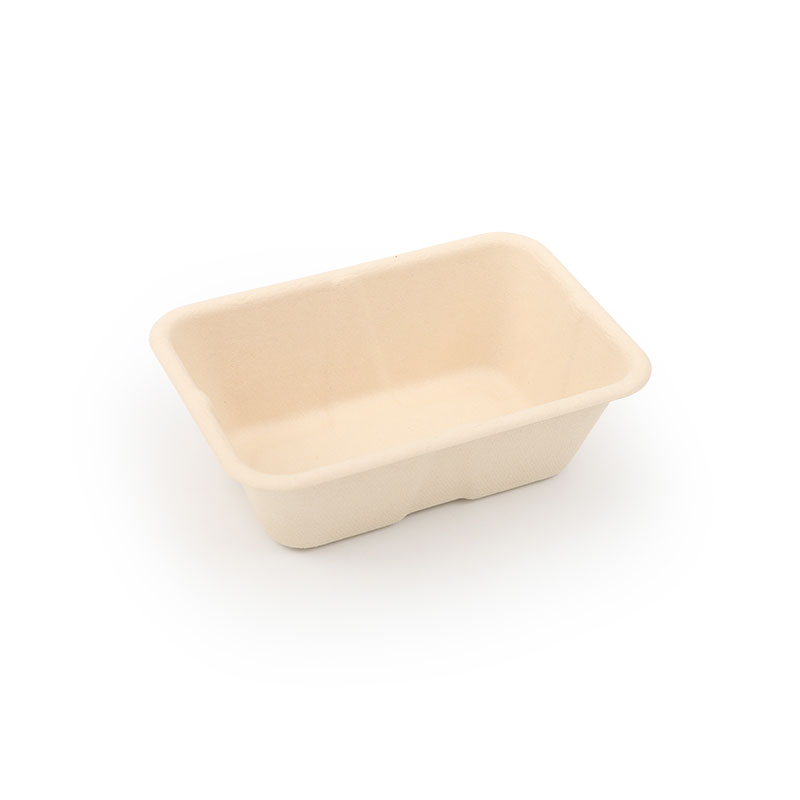 470ml
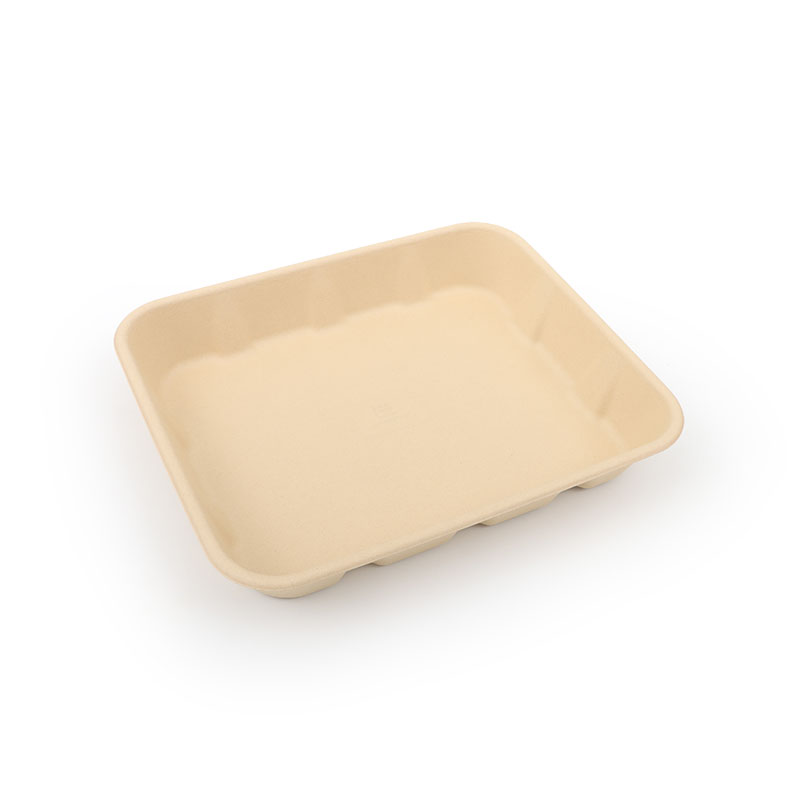 2183ml Tray Box
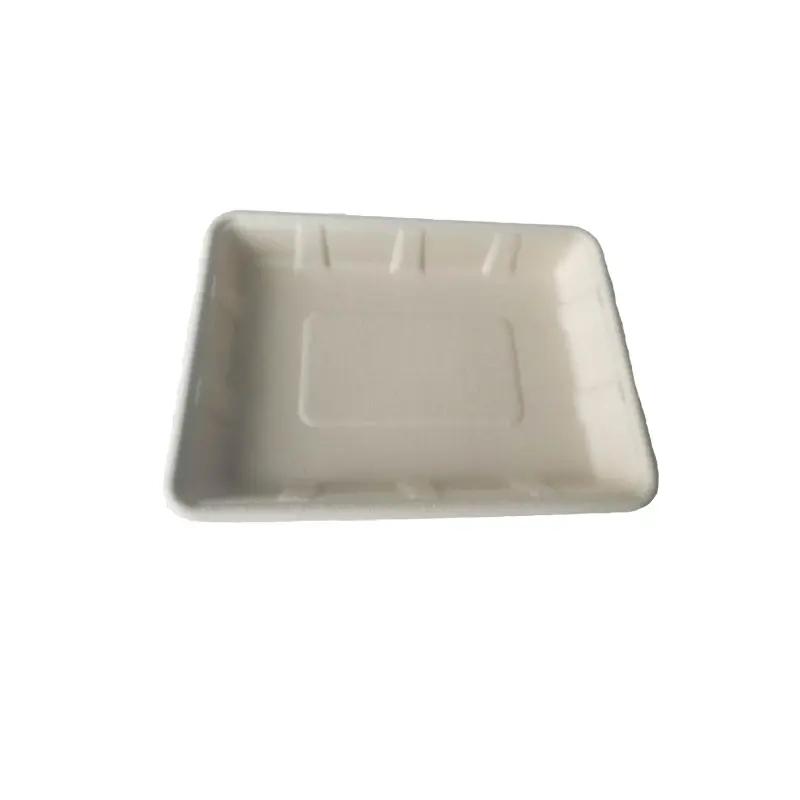 11" * 9"
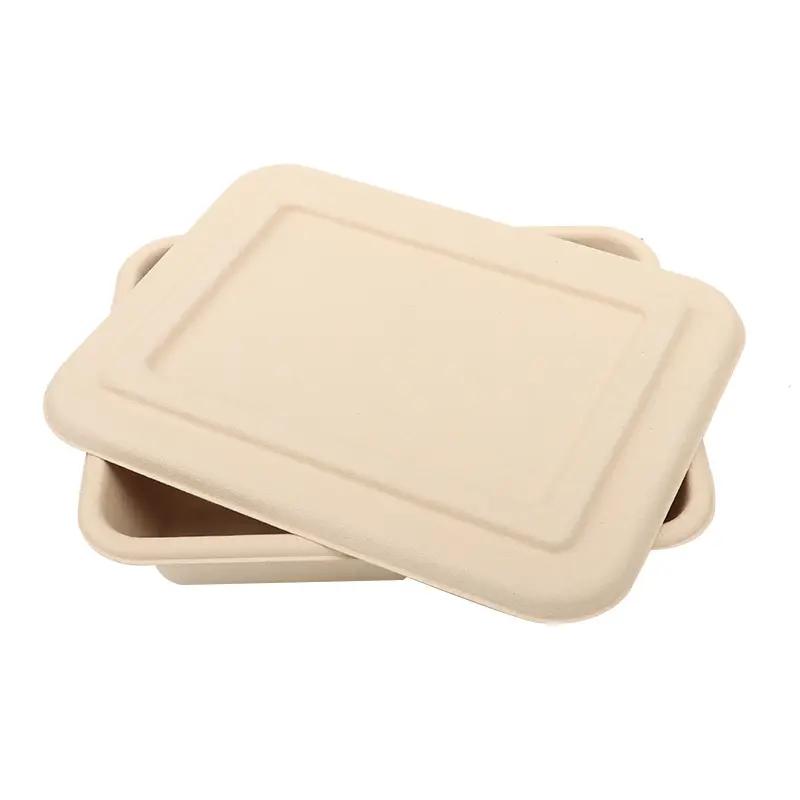 800ml
 One Part Box
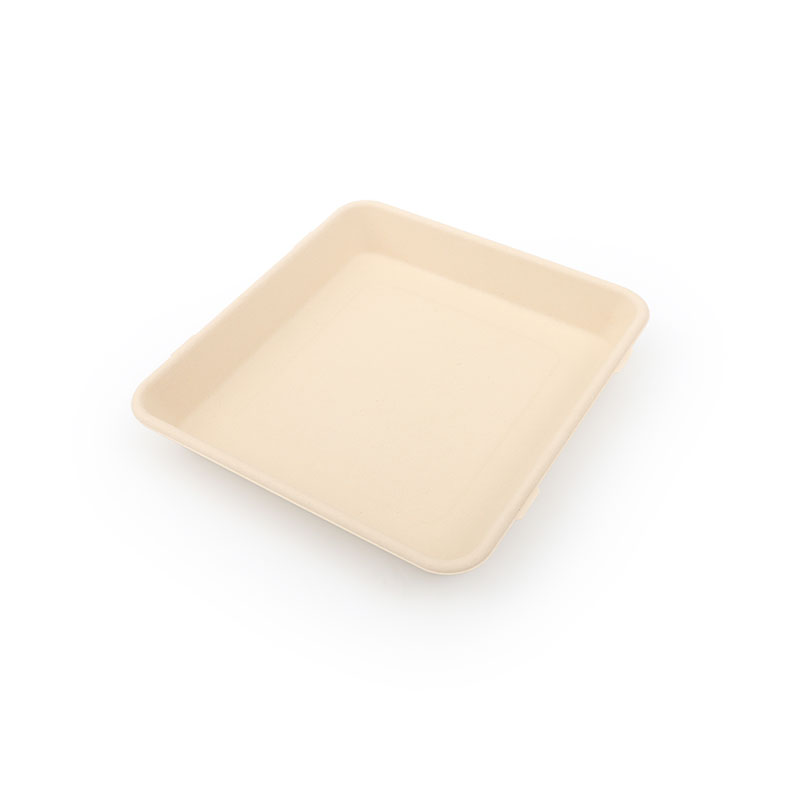 1443ml Tray Box
 Cake Bread Snack Tray Series
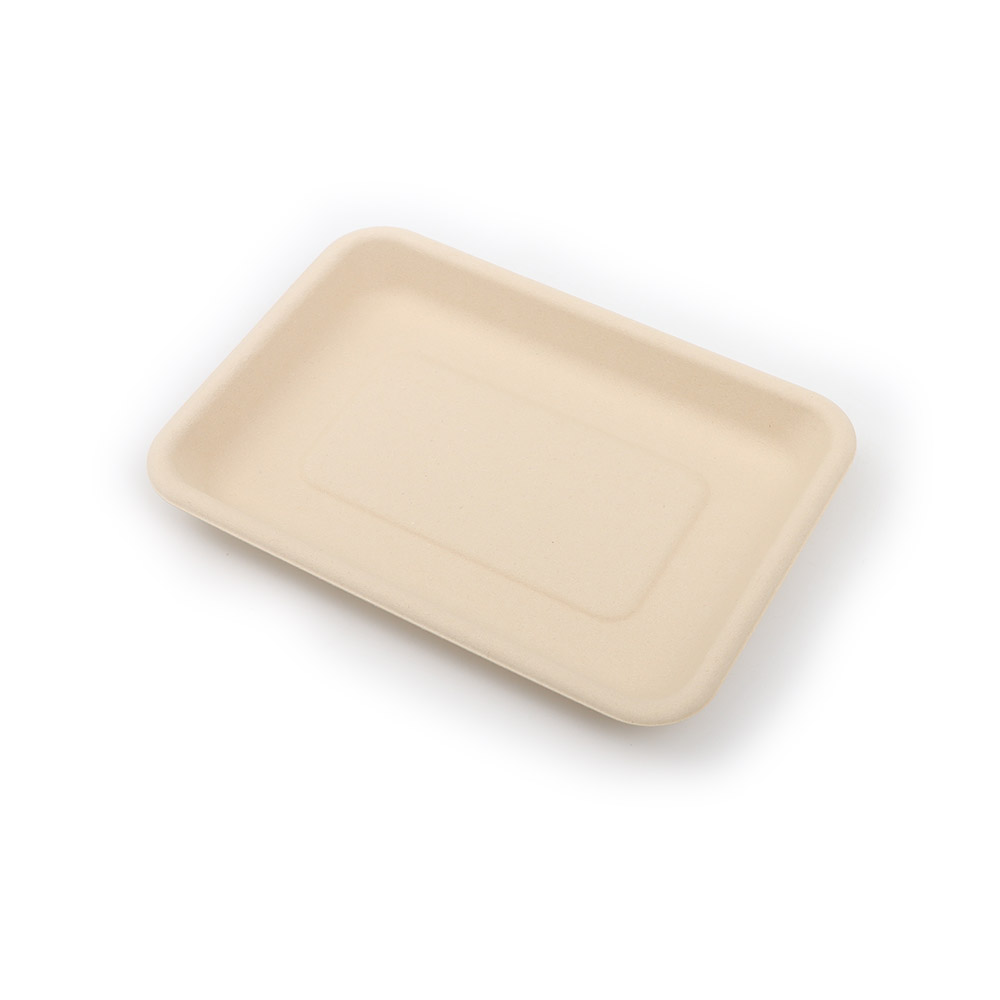 5" * 7" natural color
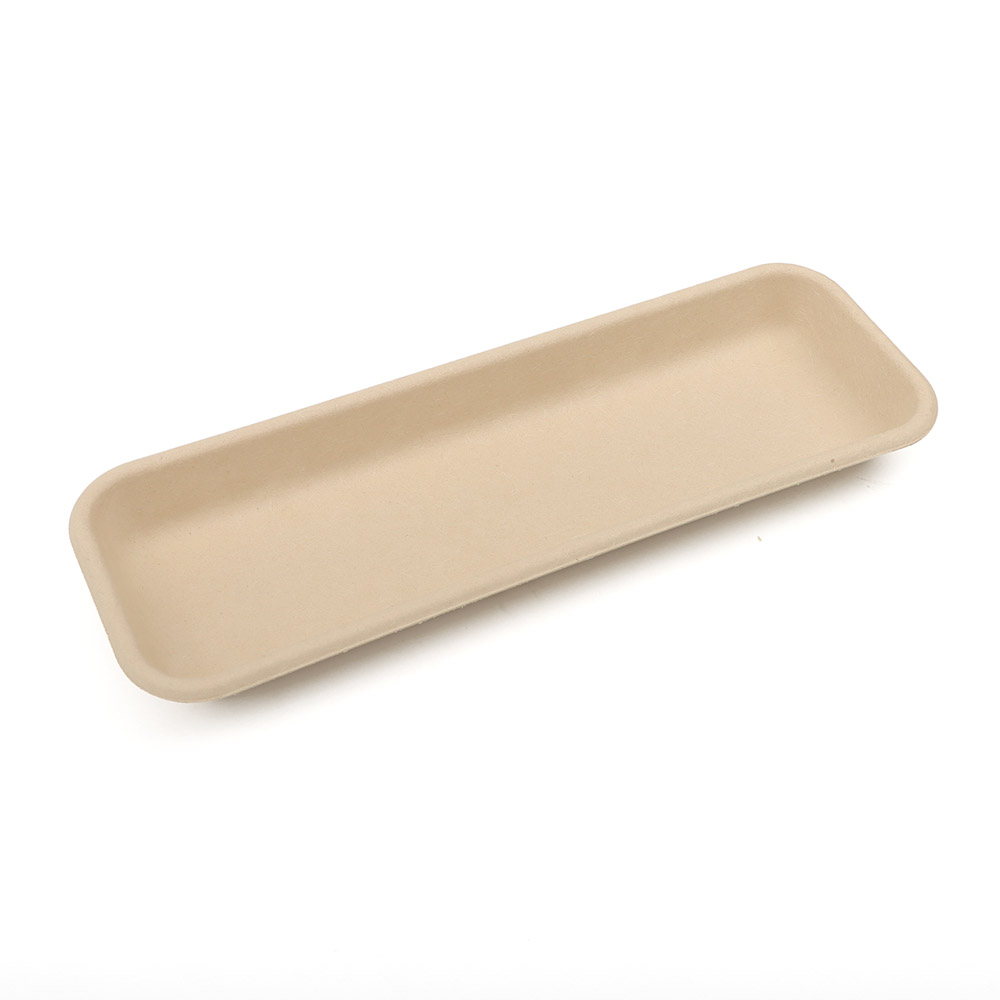 11.4" * 3.9"
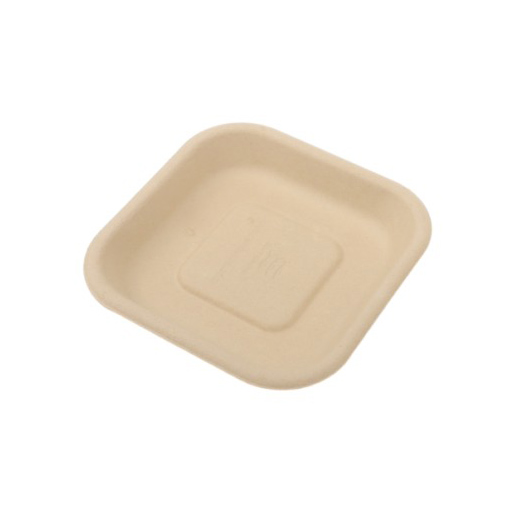 5.3" * 5.3"
 Fruit And Vegetable Tray Series
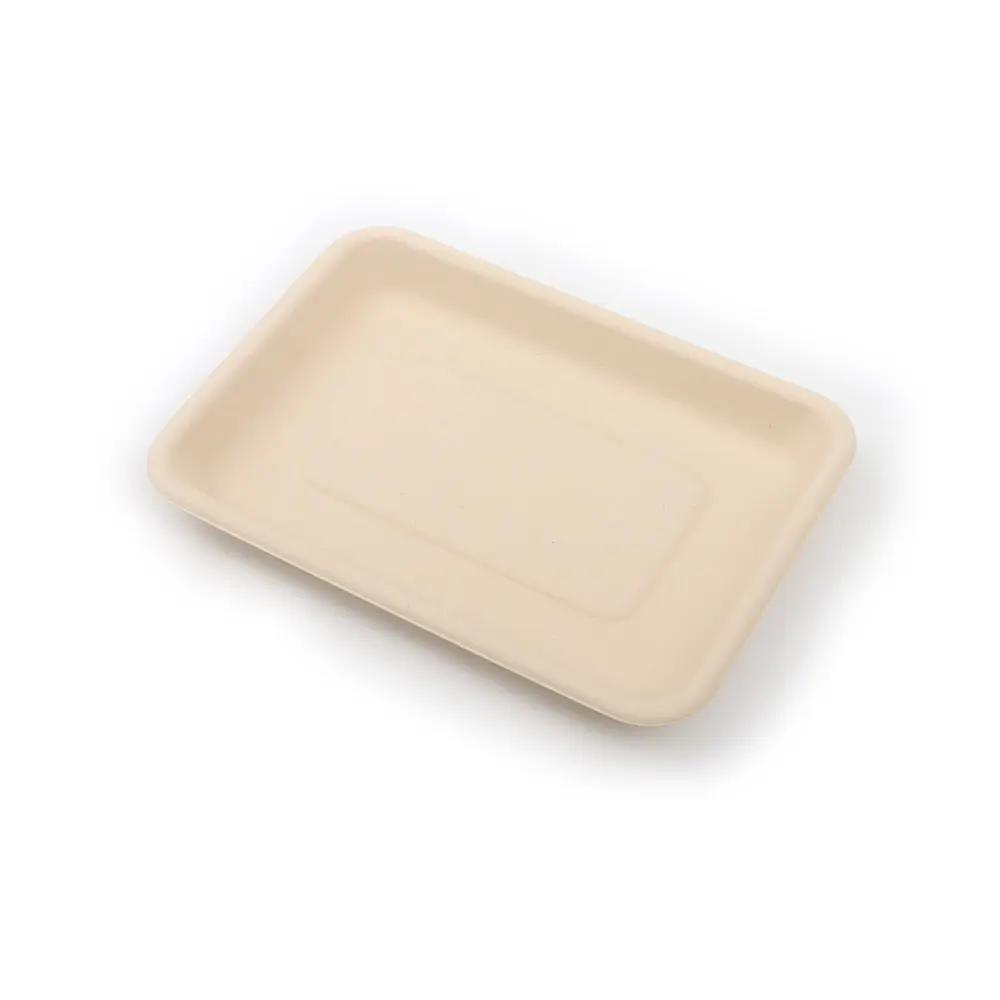 8.6" * 5.3"
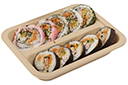 Sushi Tray Series
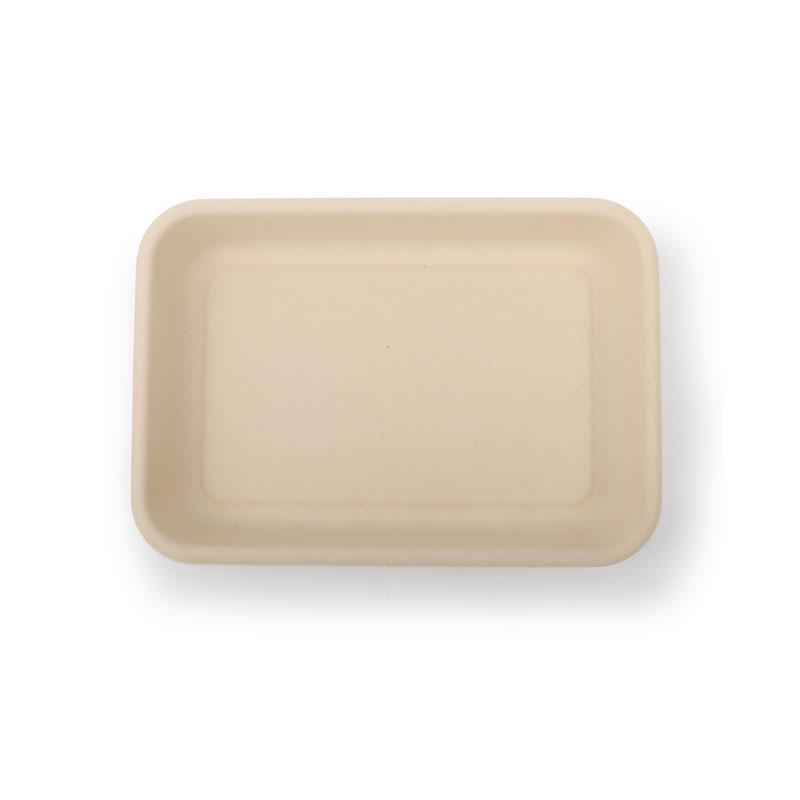 200" * 140"
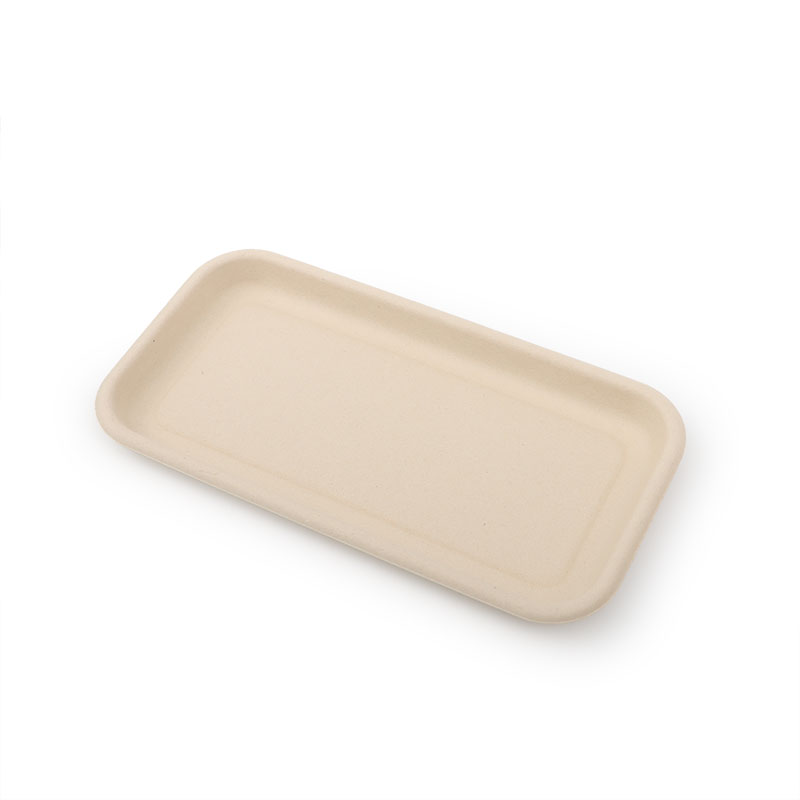 210" * 110"
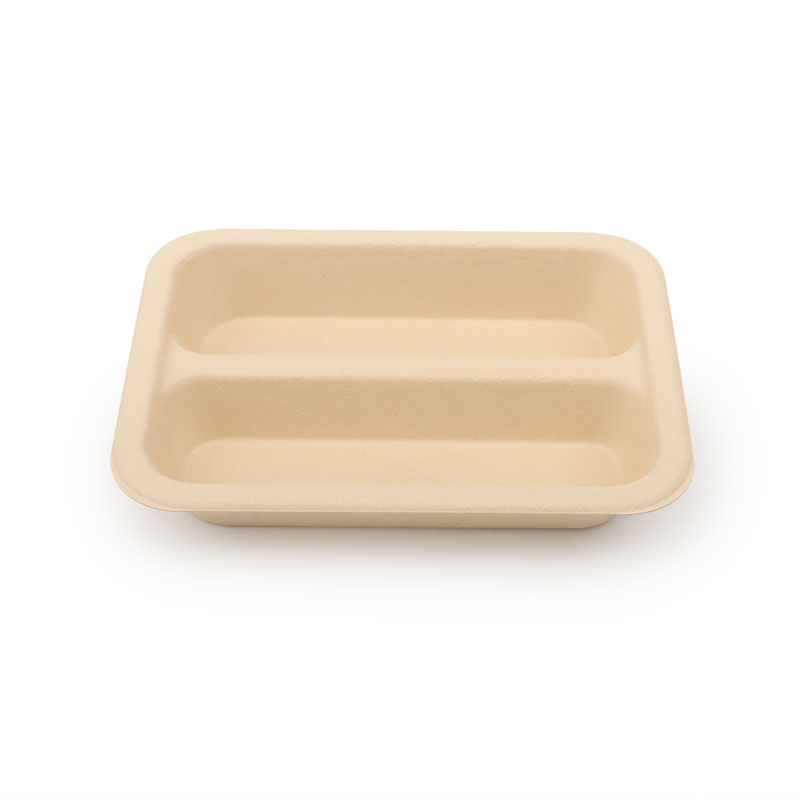 2 Compartments
 Small Round Plate Series
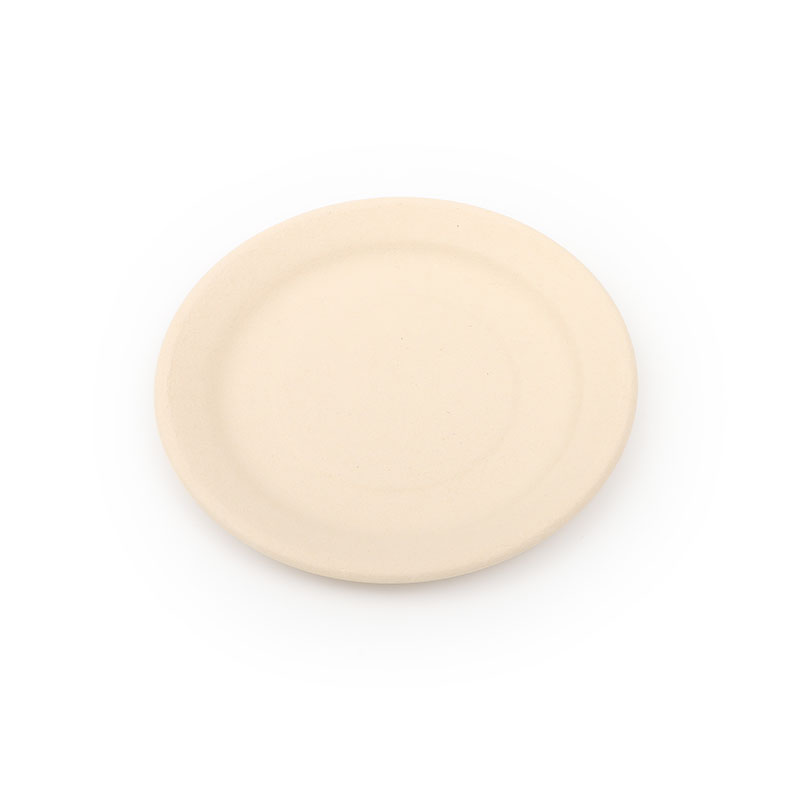 7 inch
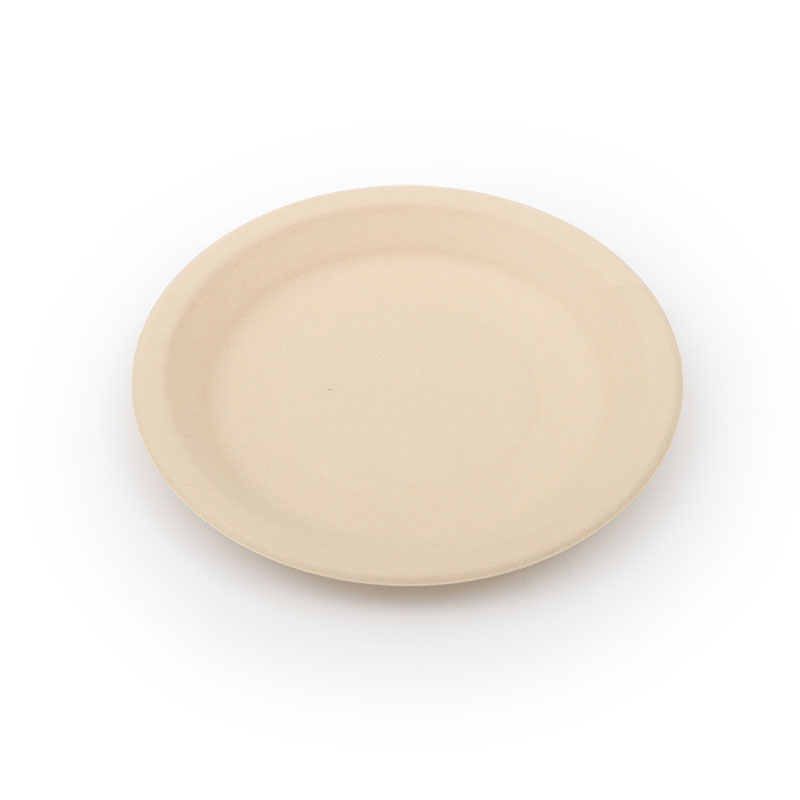 6 inch
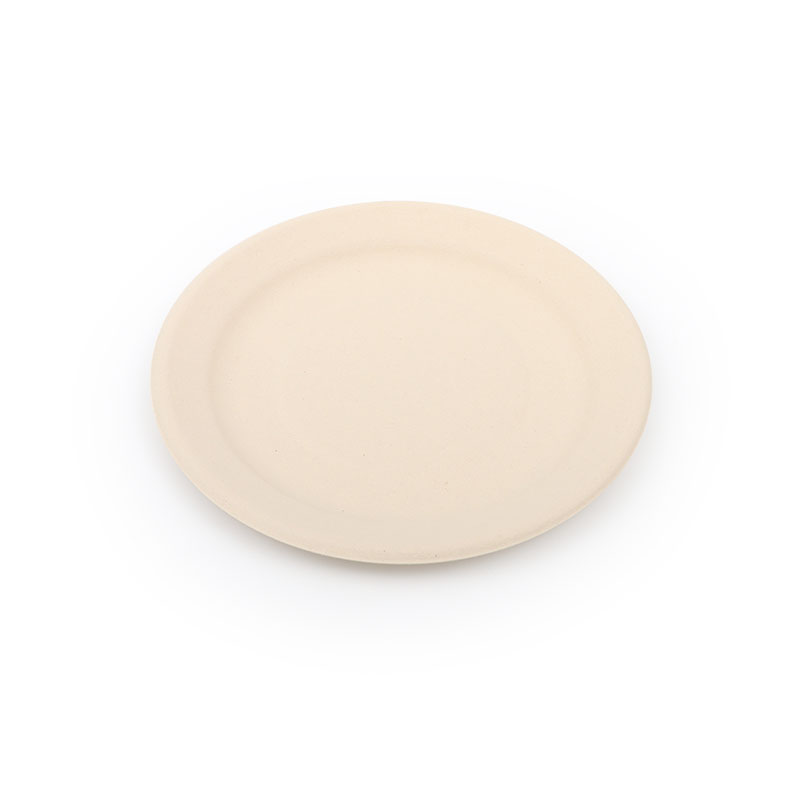 8 inch
 Middle Round Plate Series
 9 Inch 3 Compartments
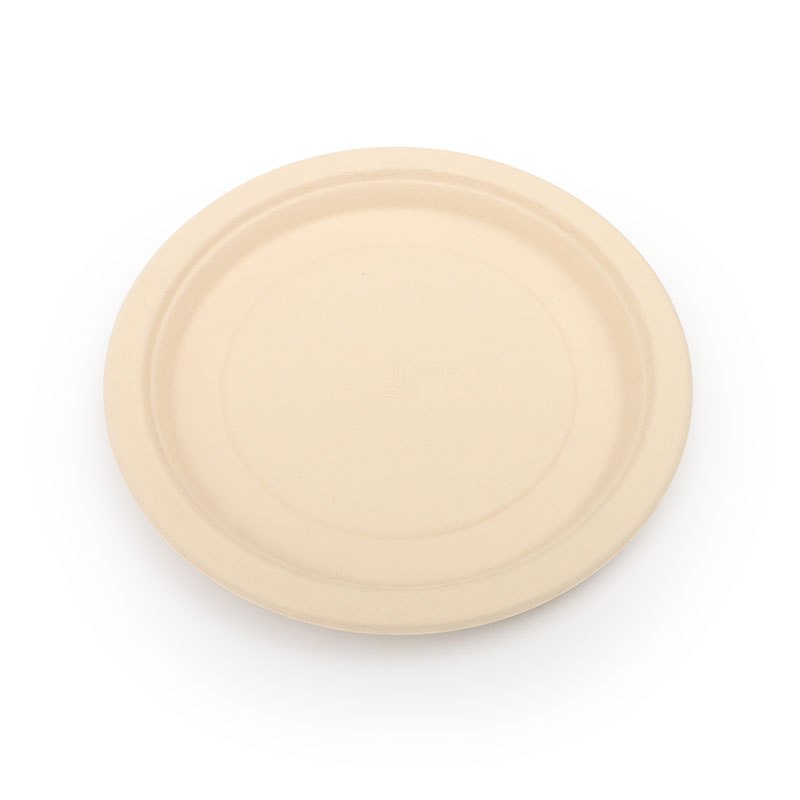 9 inch
 Big Round Plate Series
 12.7 Inch Pizza Plate
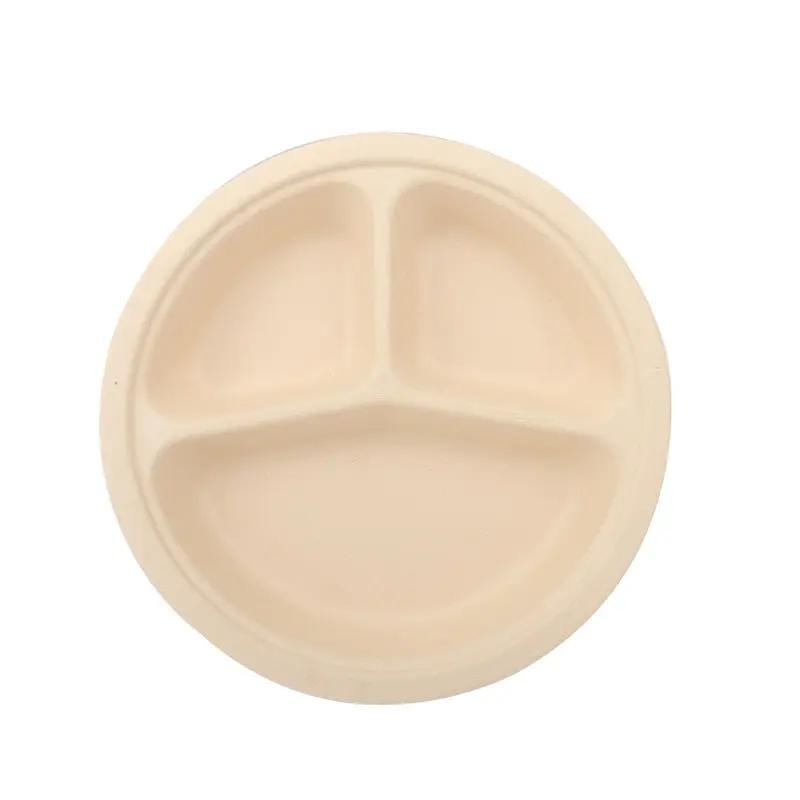 10.25 inch 3 Compartments
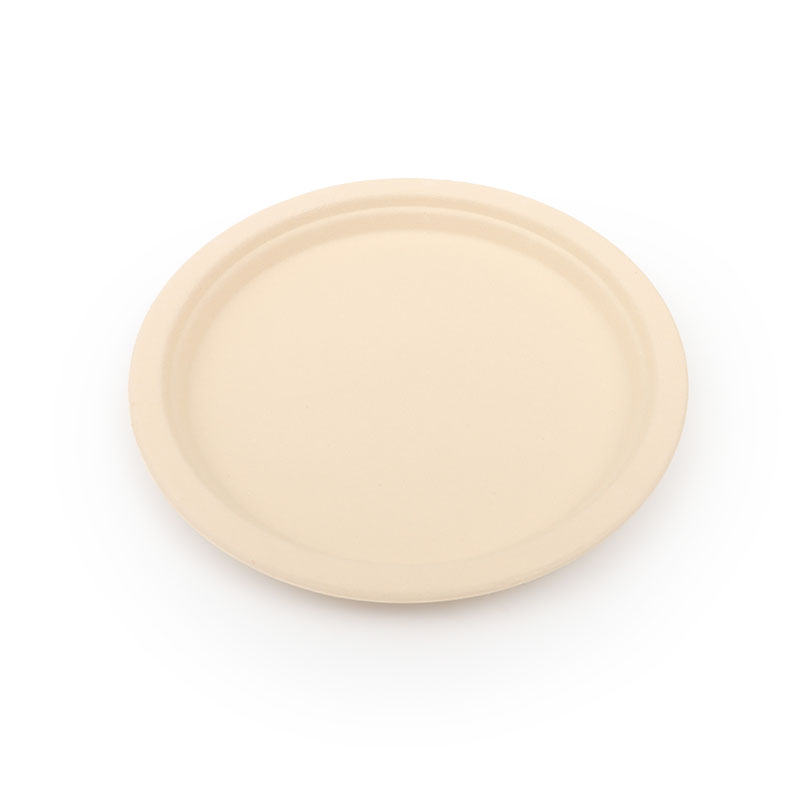 10 inch
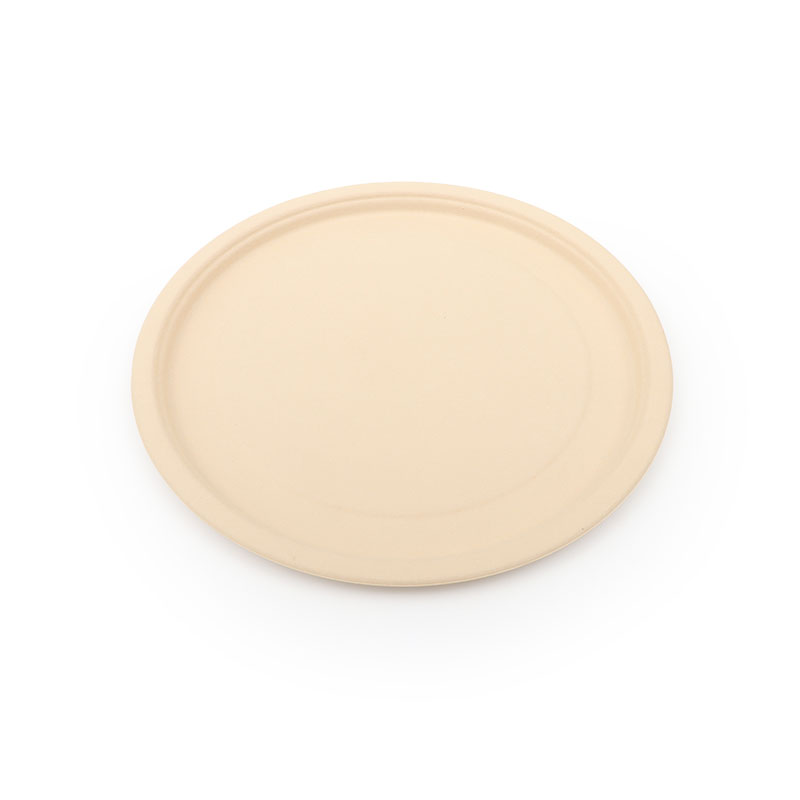 12 inch
 Bigger Bowl
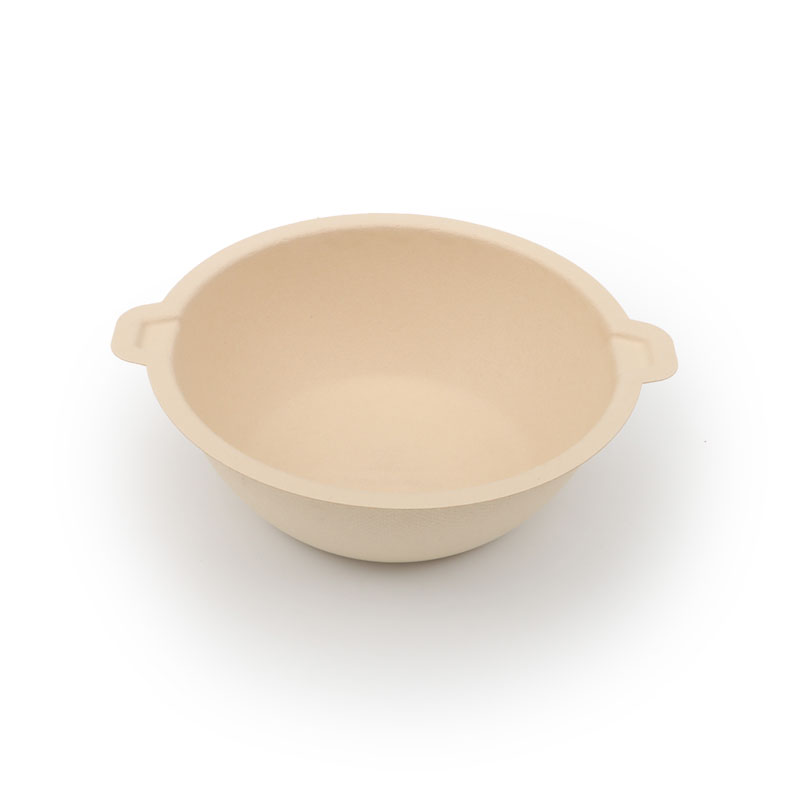 48oz(1420ml)
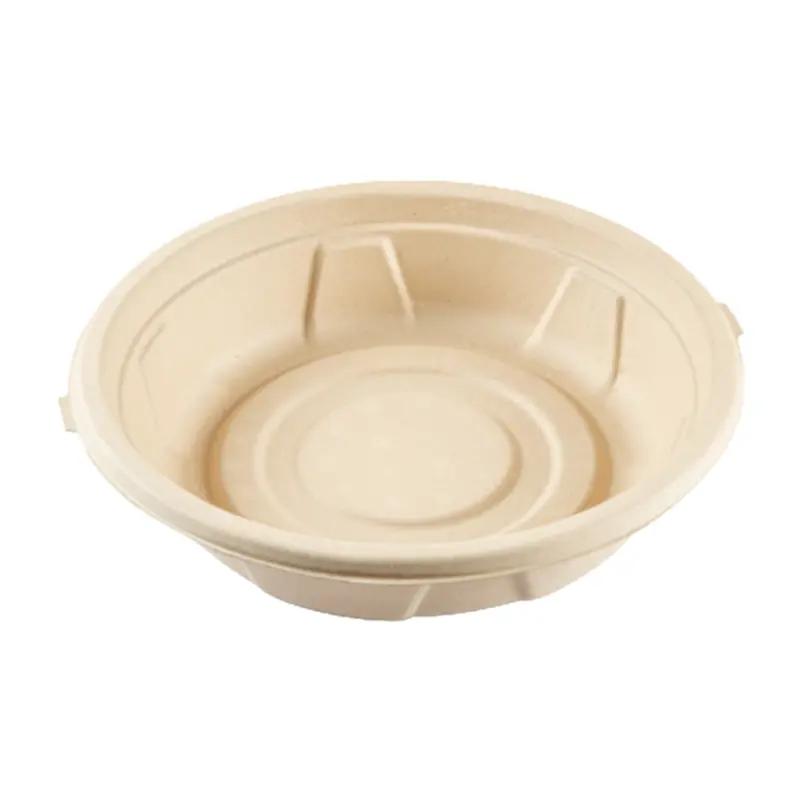 56oz(1650ml)
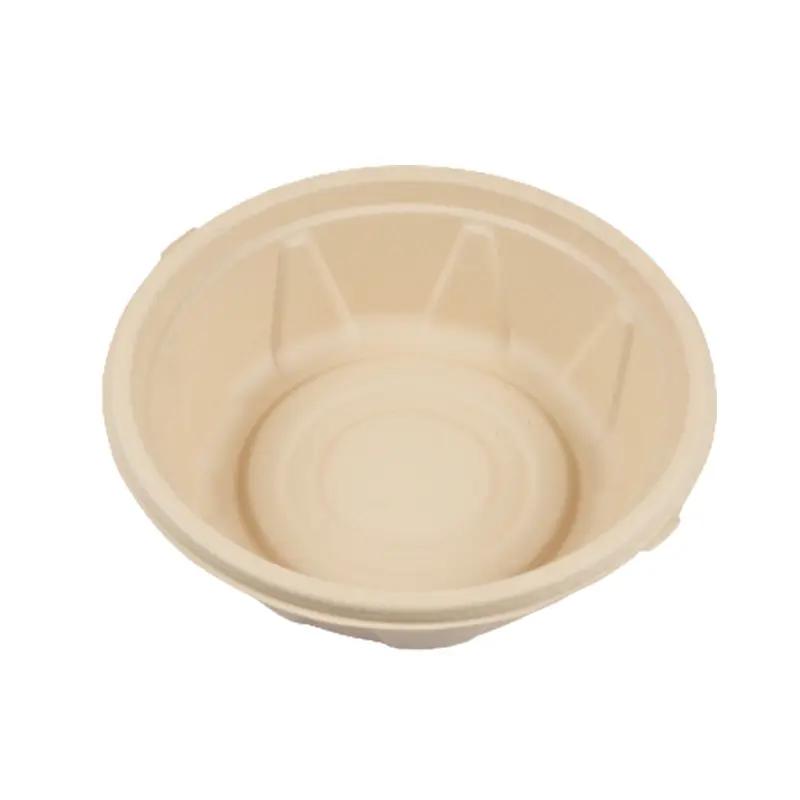 100oz(2950ml)
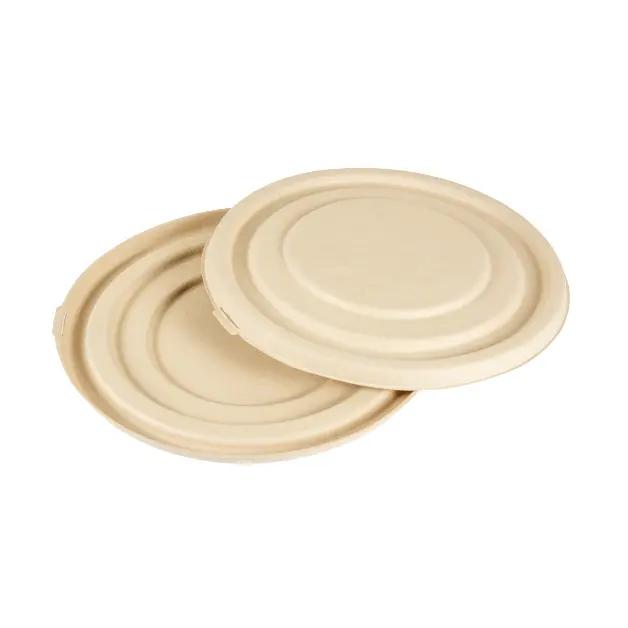 100oz(2950ml) With Lid
 Middle Bowl
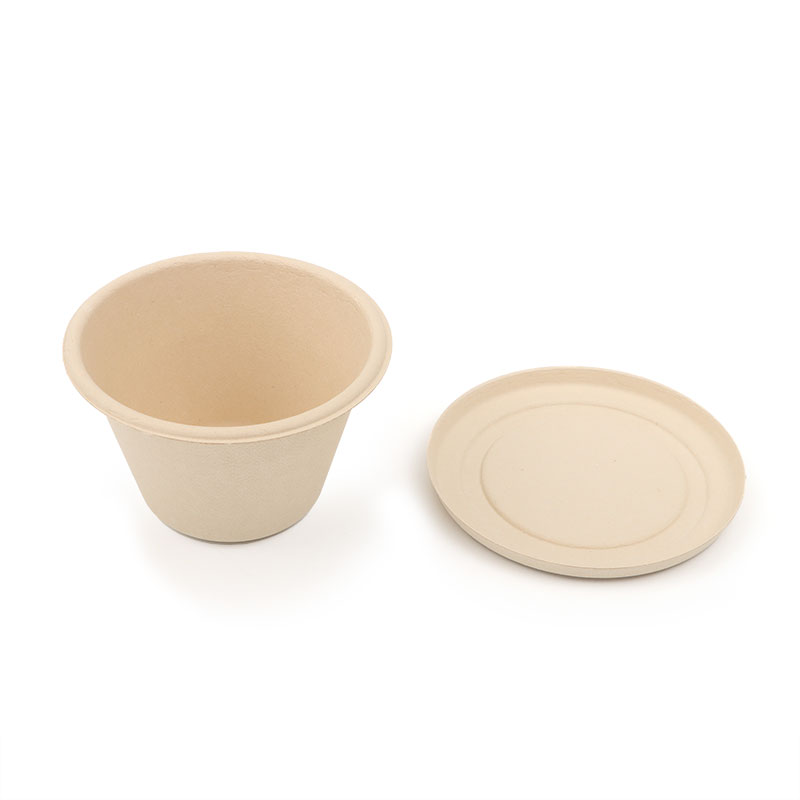 17oz(500ml)
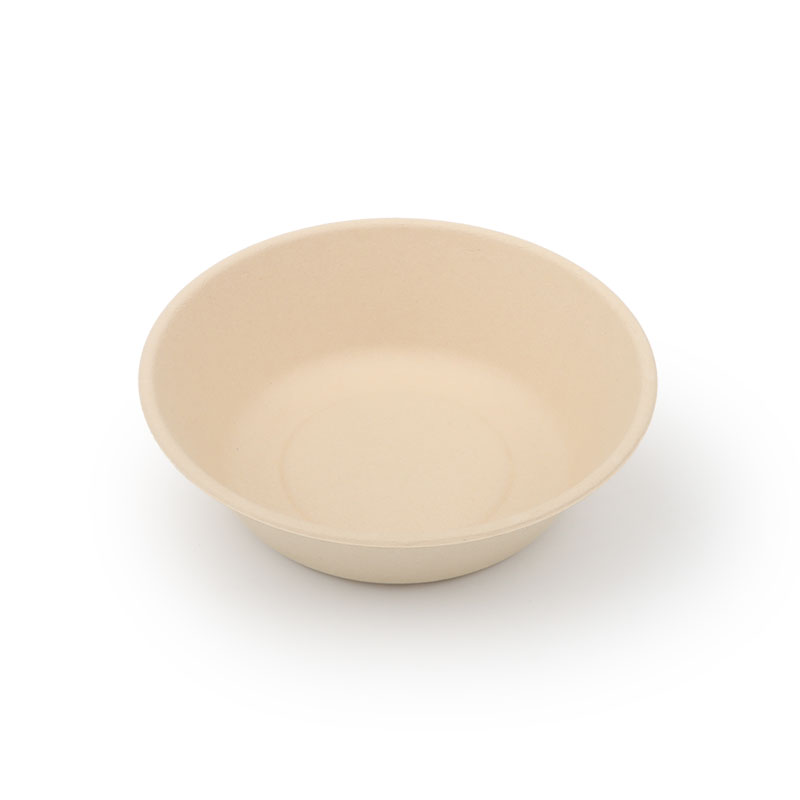 27oz(800ml)
 20oz(600ml)
 29oz(850ml)
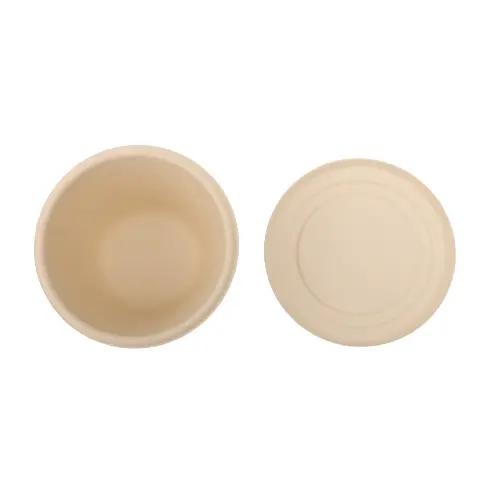 17oz(500ml) With Lid
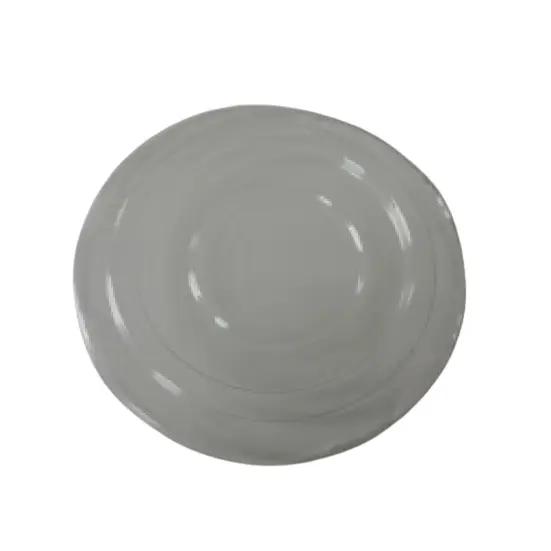 17oz(500ml) PET Lid
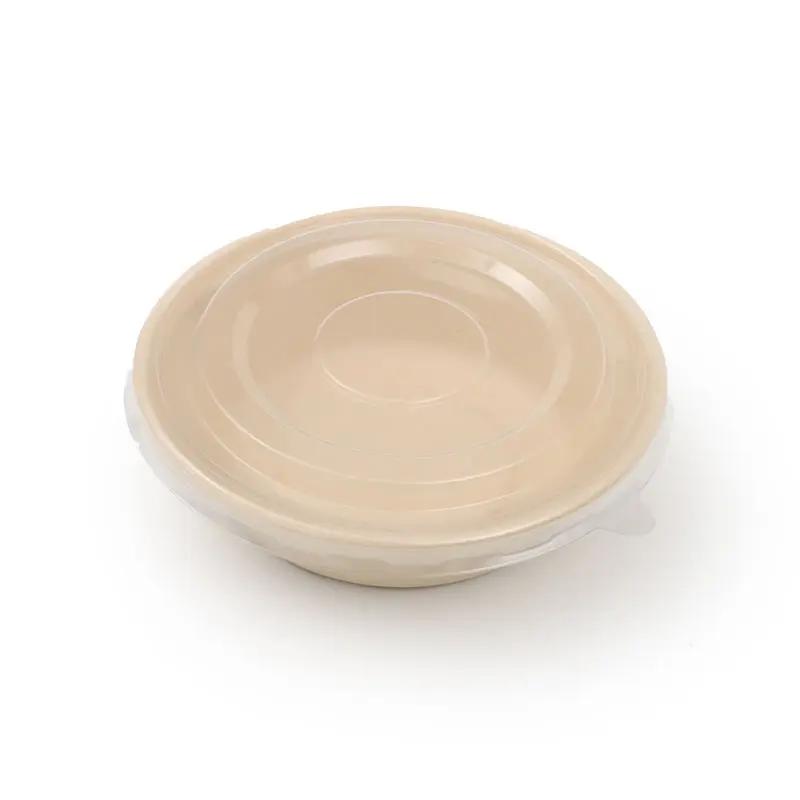 28oz(830ml) PET Lid
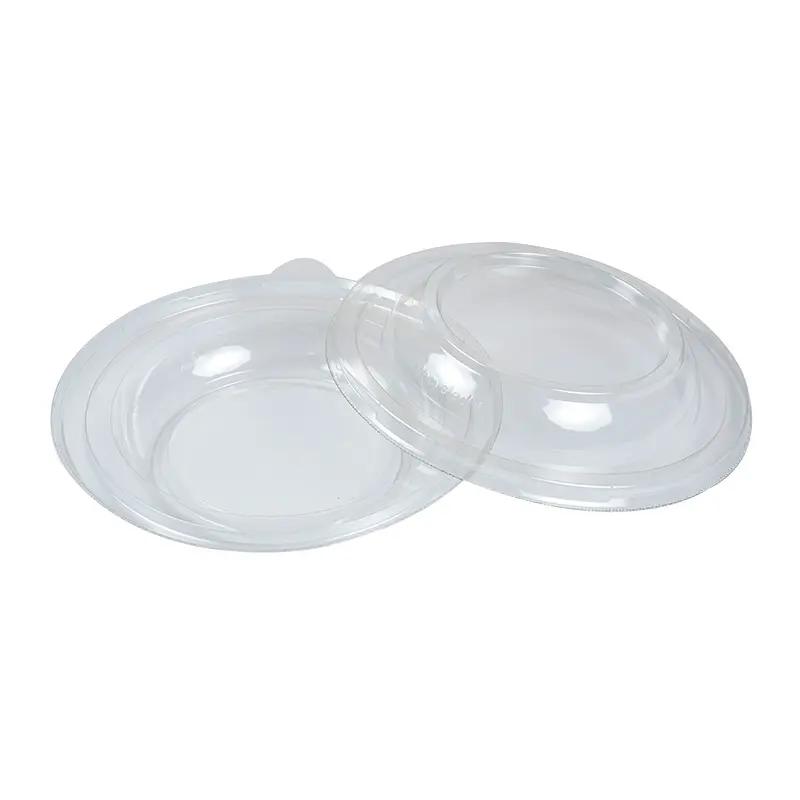 Round Bowl PET
 Small Bowl
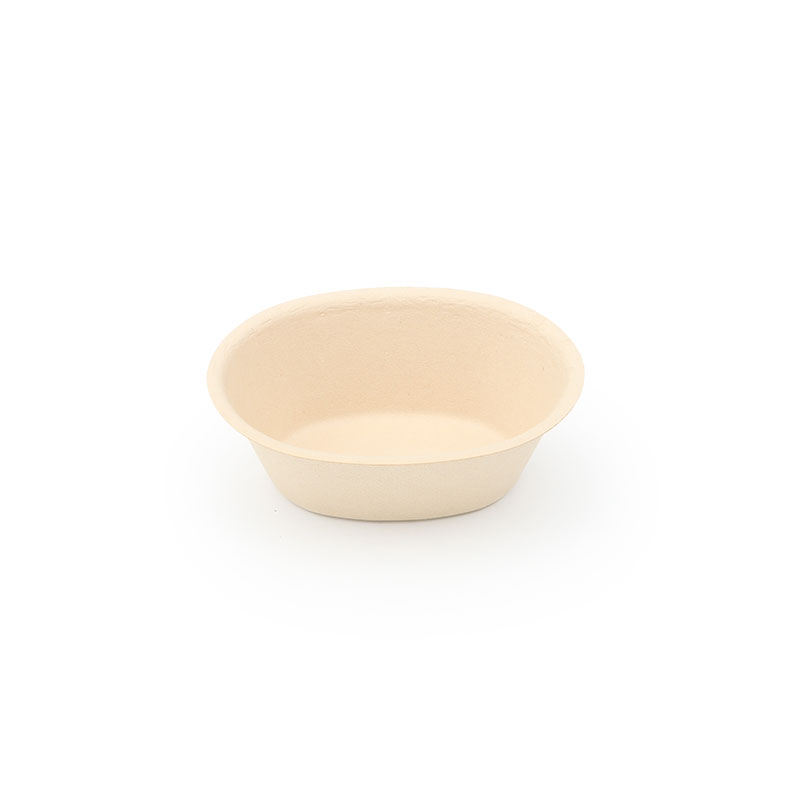 Snack Bowl
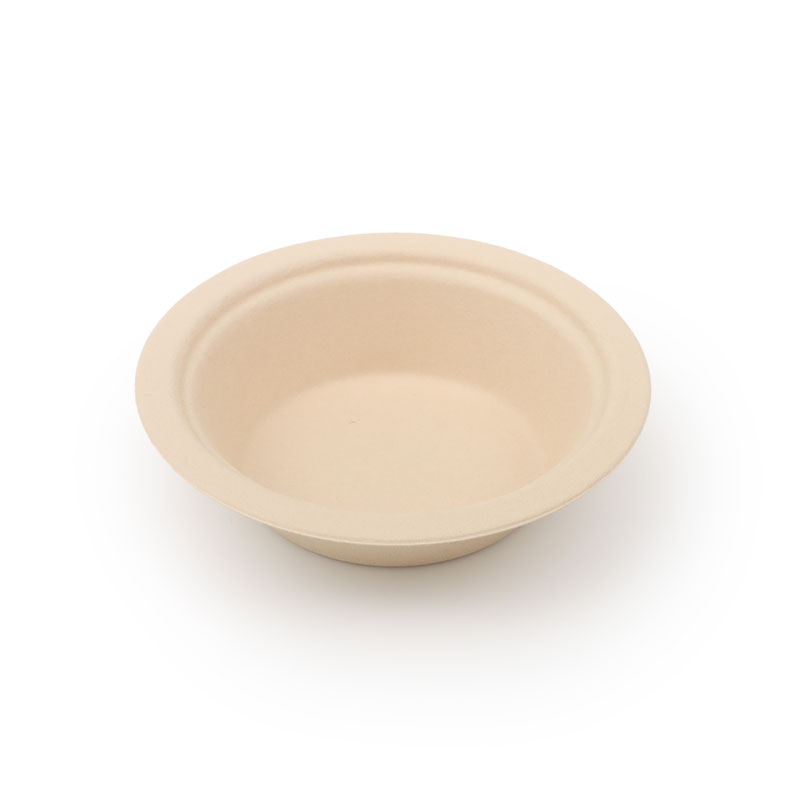 11.5oz(340ml) Bowl
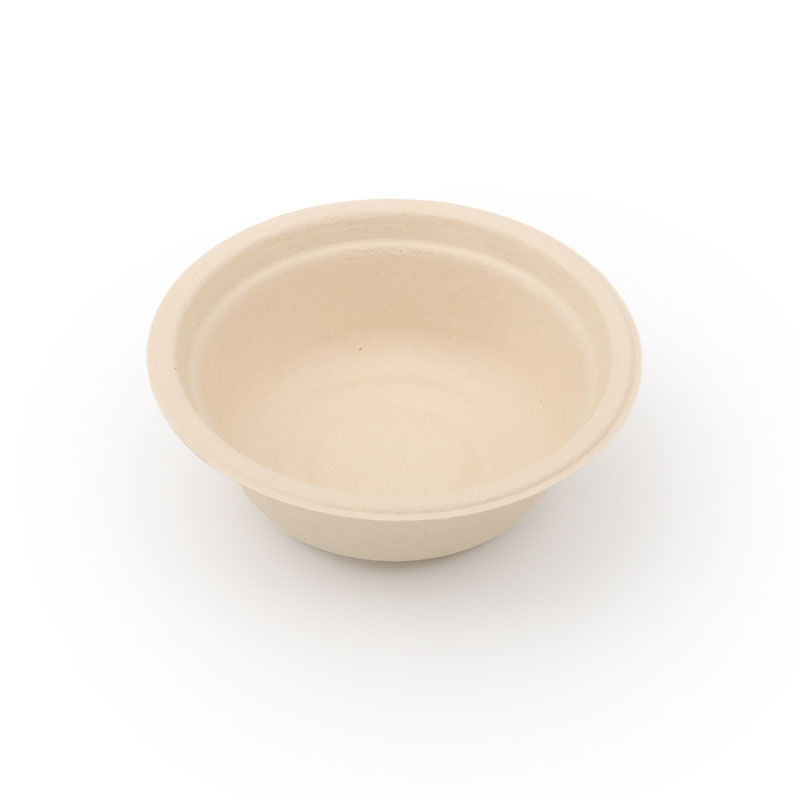 6.7oz(200ml) Bowl
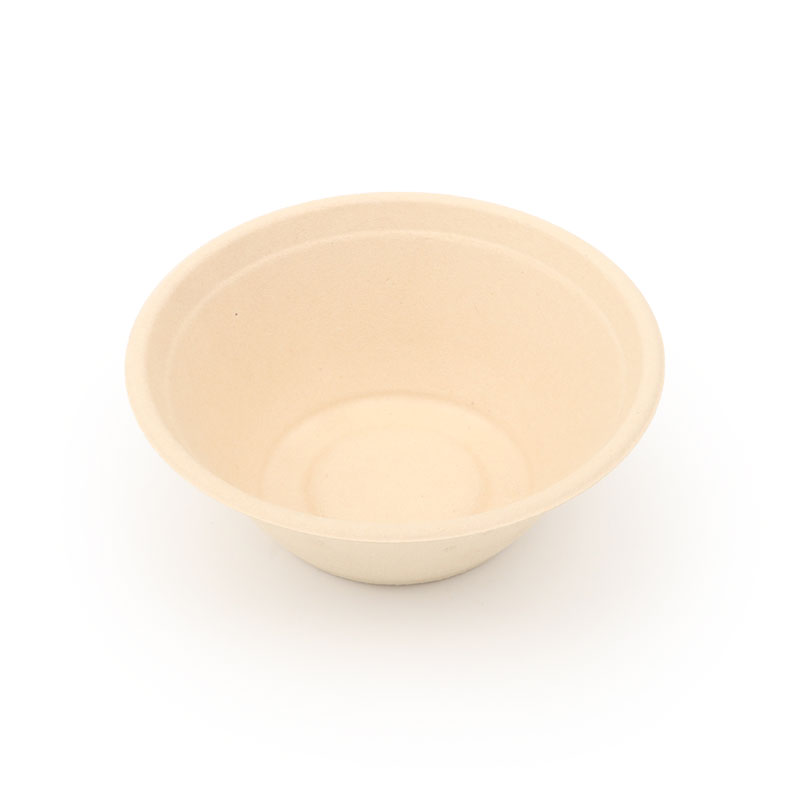 12oz(350ml) Bowl
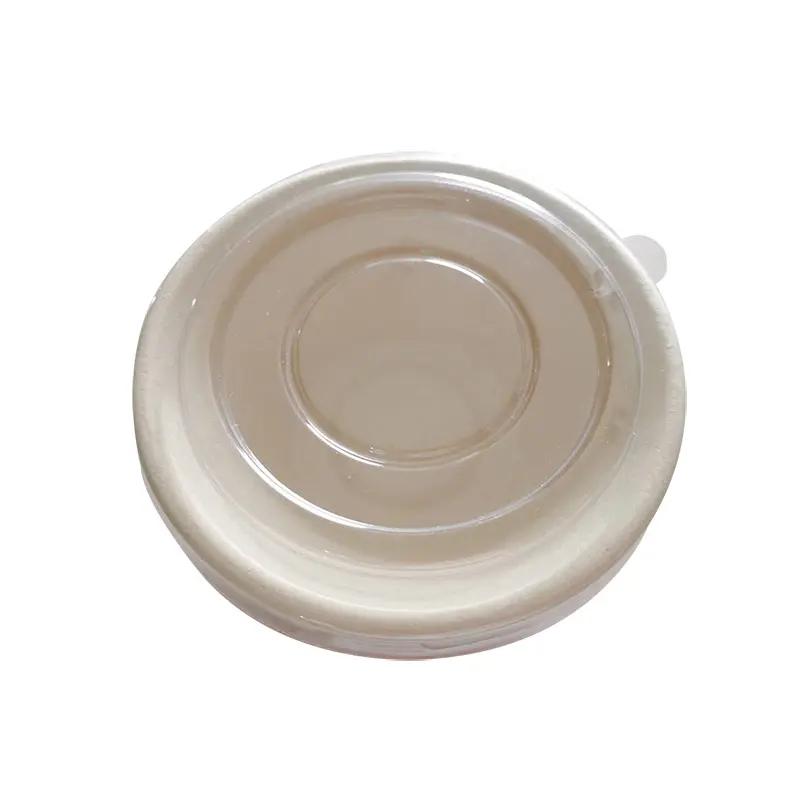 12oz(350ml) Bowl PET
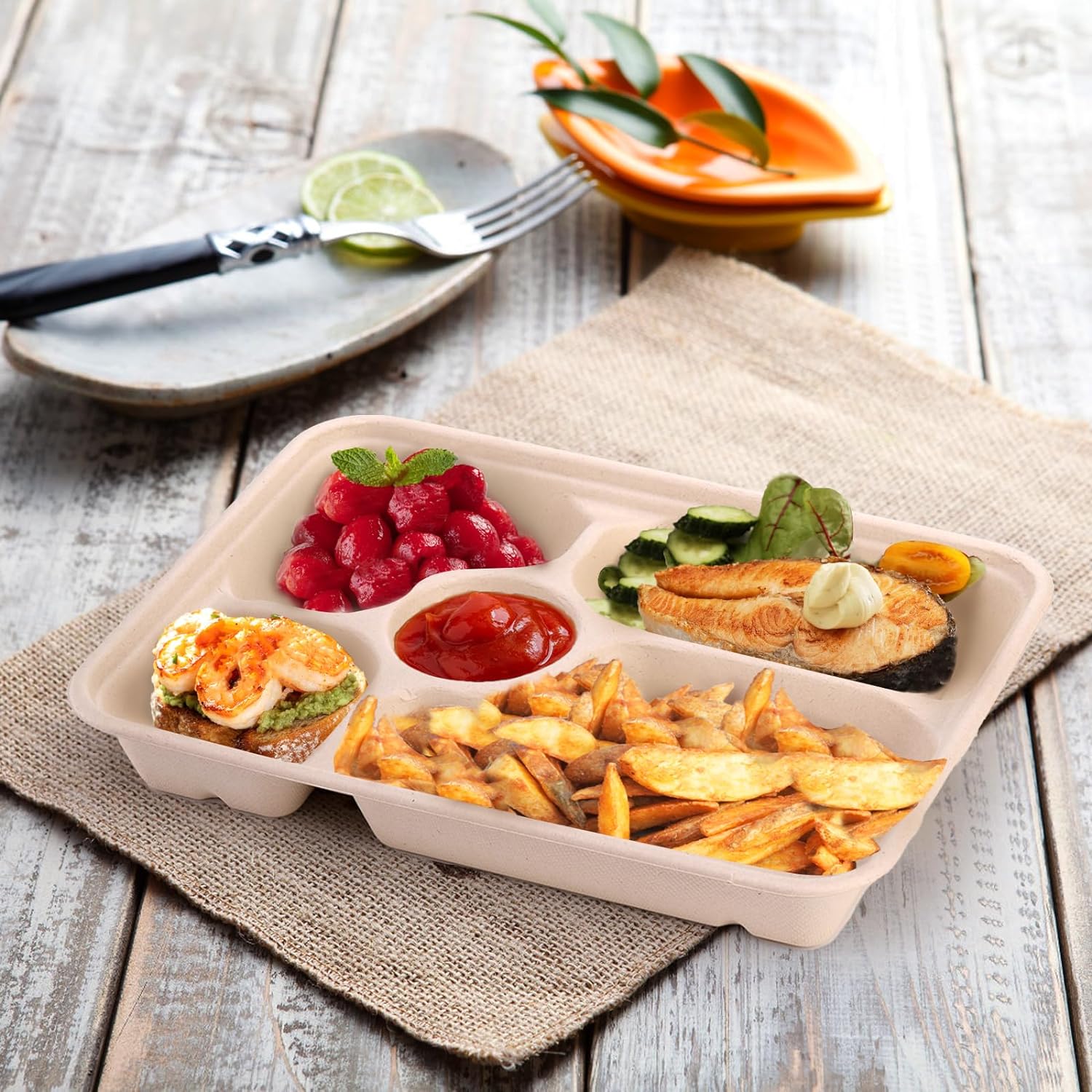 Bagasse Lunch Boxes
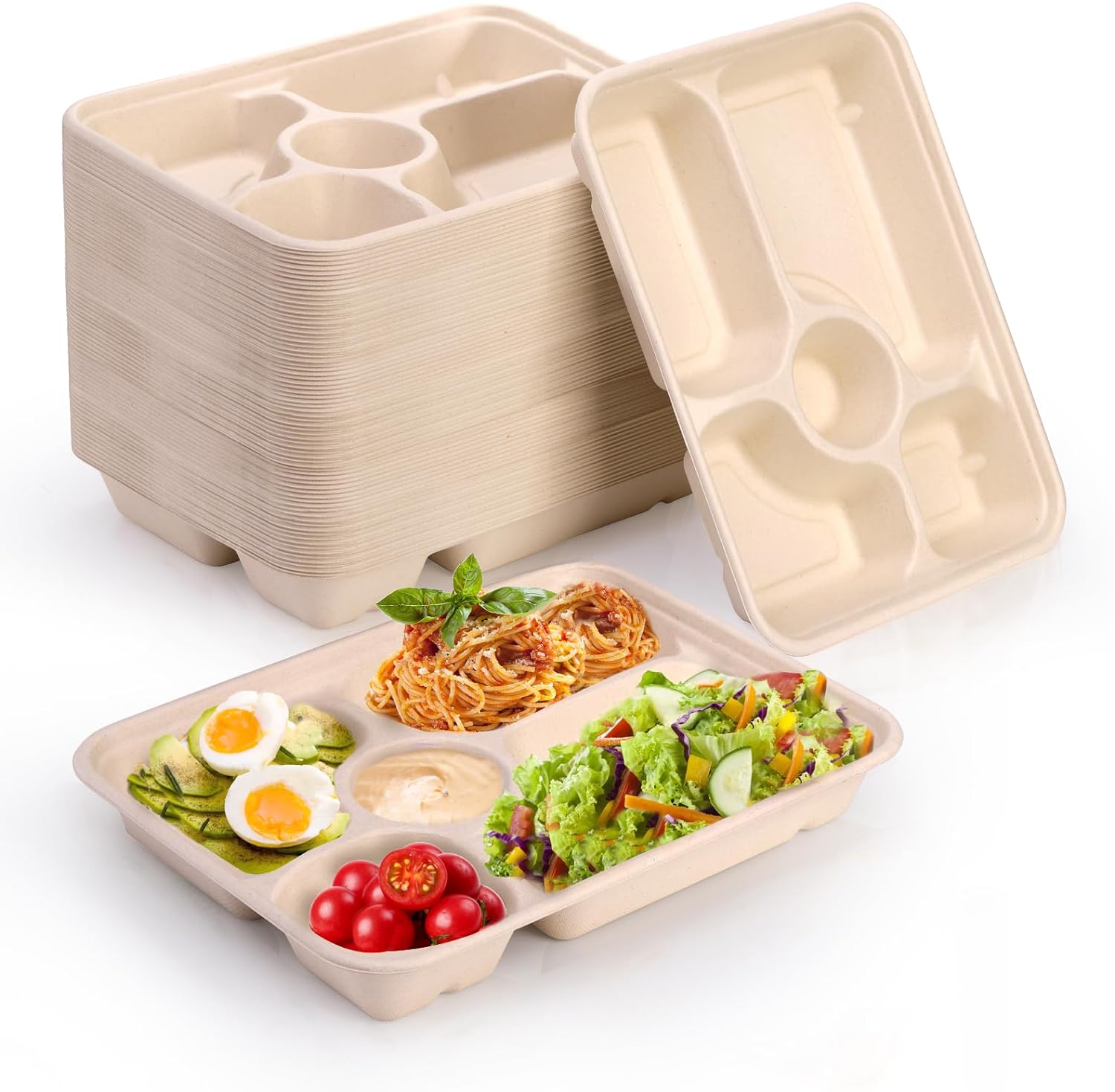 5CP
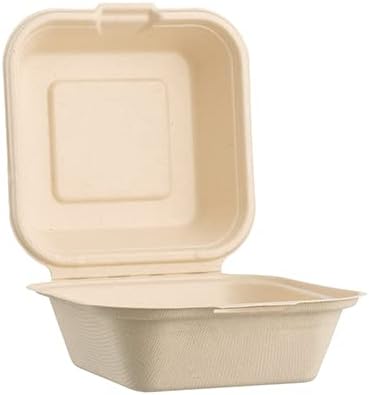 6 inch
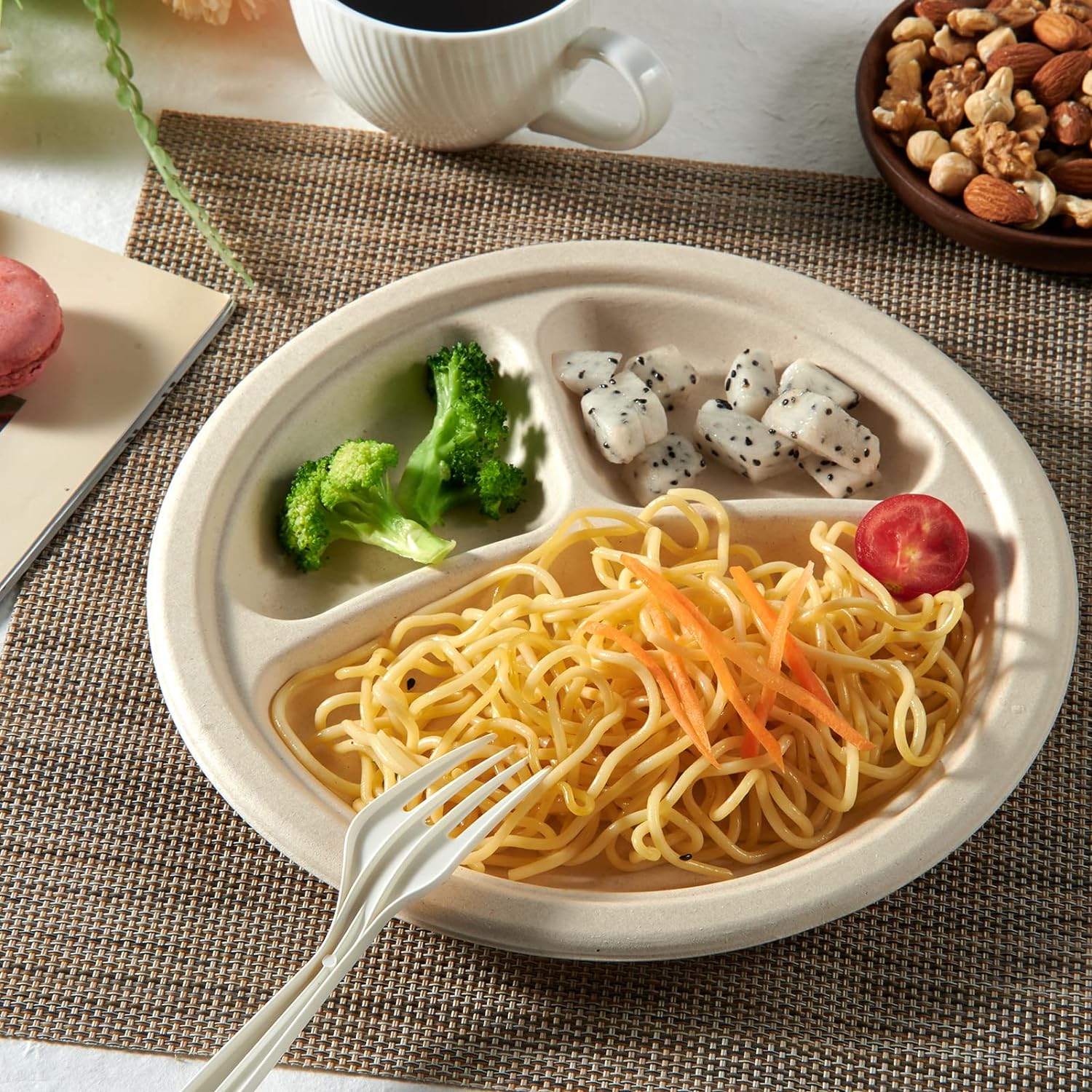 Bagasse Food Plates
 7 inch
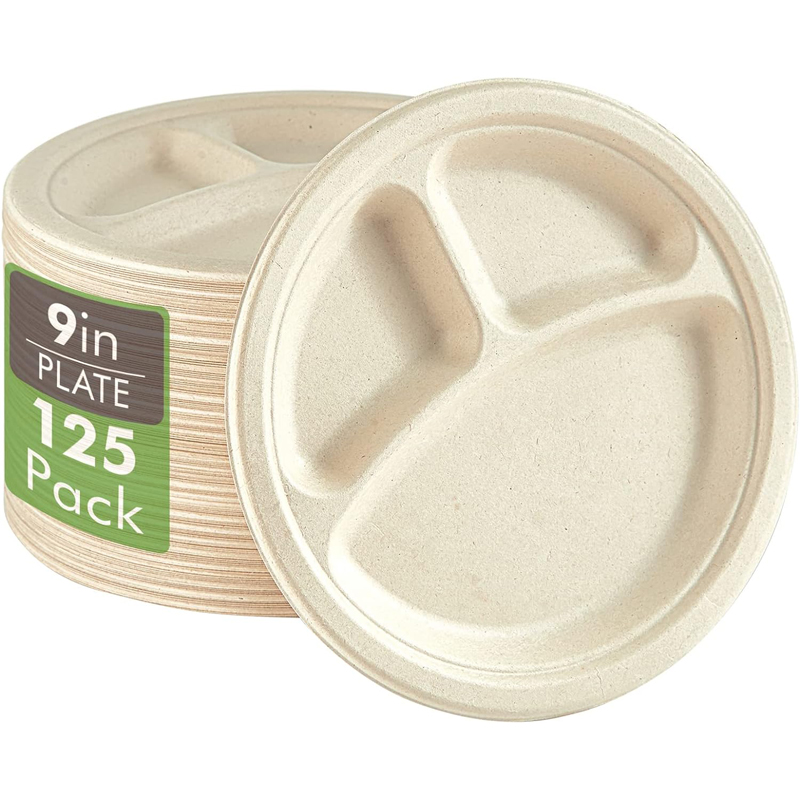 3CP
 Bagasse Bowls
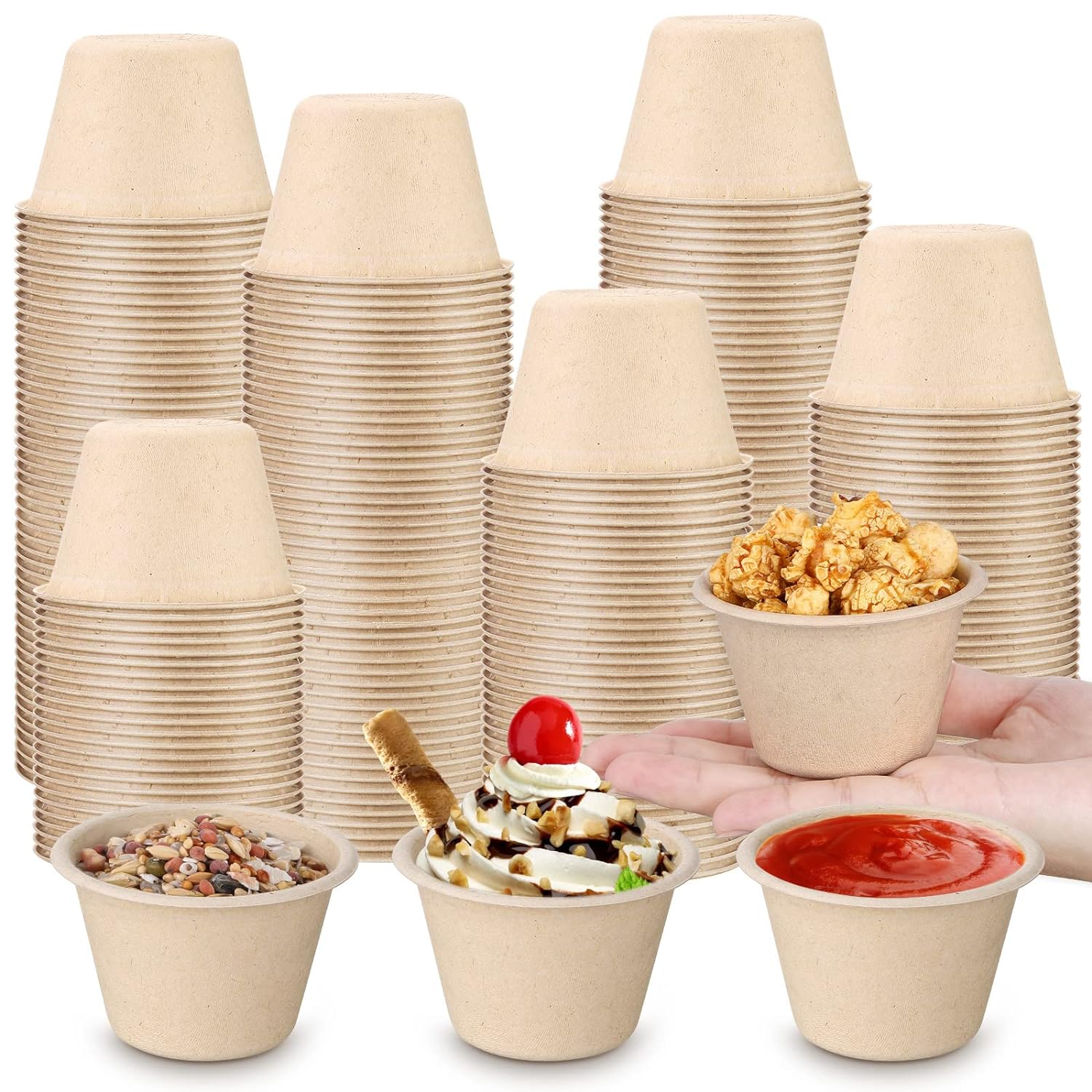 4oz
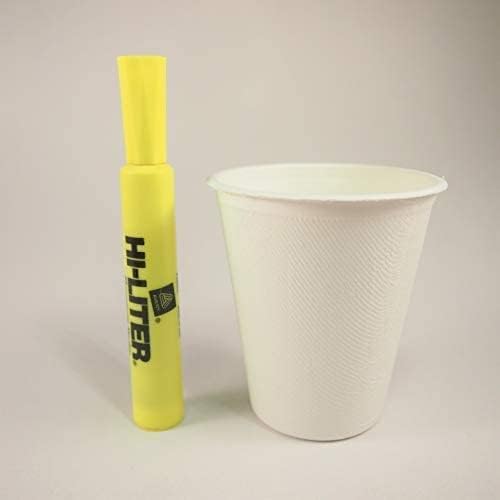 Bagasse Cups And Cutlery
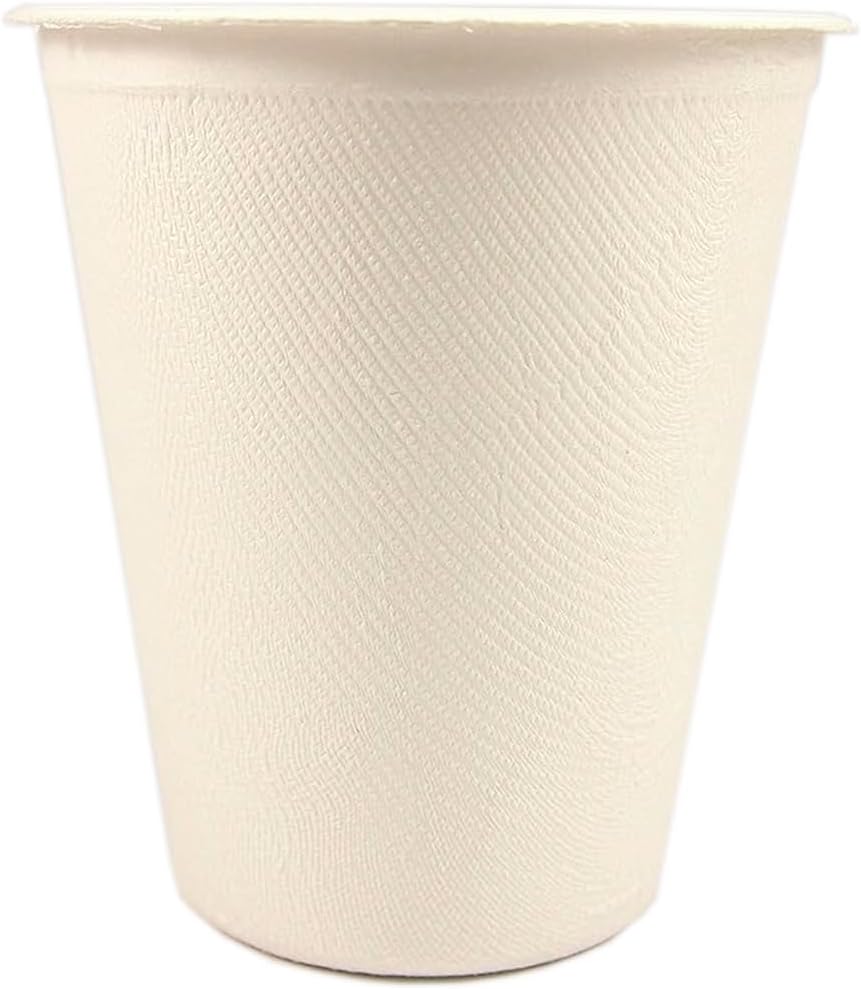 8oz
 12oz
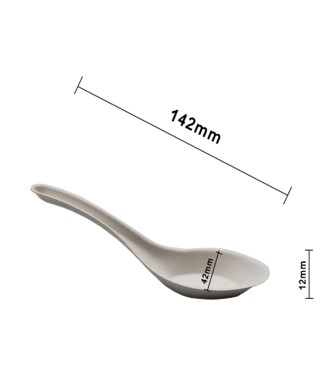 Cutlery
Leave Your Message
Ultra-low oxygen transmission rate (OTR) plant-fiber barrier containers designed for British supermarkets and fresh processors.

UK Supermarket-compliant laminated plant fiber MAP tray. Gas flushing hermetic seal prevents fresh meat, deli, and salad oxidation.
Explore Specification →
Custom-engineered with rigid rim stability for 70%-80% O2 / 20%-30% CO2 gas mixtures to maintain red beef and poultry freshness across UK distribution.
Explore Specification →
Optimized for food-to-go convenience chains across London, Manchester, and Edinburgh with ovenable, microwaveable, and leak-proof lamination.
Explore Specification →
Controlled respiration barrier trays engineered specifically for Kent soft fruits, baby leaf spinach, and organic UK horticultural packaging.
Explore Specification →Market growth dynamics, UK Plastic Packaging Tax (PPT) compliance, and sustainable transition drivers.
Modified Atmosphere Packaging (MAP) has become an essential preservation and retail technology across the United Kingdom's food supply chains. In a grocery ecosystem dominated by strict quality demands from retailers such as Marks & Spencer, Tesco, Sainsbury's, and Waitrose, shelf-life extension without artificial preservatives is critical. However, the British packaging sector is undergoing a massive transformation driven by the UK Plastic Packaging Tax (PPT) and the UK Plastics Pact, which heavily incentivize food processors to transition away from conventional unrecyclable multi-layer fossil plastics toward home-compostable and recyclable bio-laminated plant-fiber alternatives.
Defining Modified Atmosphere Packaging in the modern UK context means replacing the traditional carbon-heavy CPET and black plastic meat trays with precision-moulded natural bamboo and sugarcane bagasse fiber trays bonded with ultra-thin high-barrier biopolymer coatings. These custom-defined containers deliver oxygen transmission rates (OTR) of less than 1.0 cc/m²/24hr and moisture vapor transmission rates (WVTR) below 2.0 g/m²/24hr, ensuring that chilled proteins, prepared salads, and fresh-baked bakery products achieve 14 to 28 days of shelf life while fulfilling UK circular economy mandates.
British food manufacturers and supermarket suppliers face stringent packaging regulations. The UK Plastic Packaging Tax applies to plastic packaging manufactured in or imported into the UK that does not contain at least 30% recycled plastic. Furthermore, the UK Extended Producer Responsibility (EPR) scheme places the net cost of recycling and disposal directly on packaging brand owners.
Our custom plant-fiber MAP food trays offer UK businesses zero-tax liabilities under the PPT framework because the core matrix is 100% natural agricultural fiber. By partnering with Kangxin and adopting the EATware product line, British importers, brand managers, and co-packers gain full compliance with British Retail Consortium (BRC) Global Standards for Food Safety, EC 1935/2004 food contact regulations, and industrial compostability standards (EN 13432 / ASTM D6400).
Precision gas flush technology, thermo-sealing flange stability, and anti-fog barrier engineering.
Custom atmospheric adjustments tailored to food respiration. For red meats in the UK chilled corridor, high oxygen (70-80% O2) combined with 20-30% CO2 preserves bright red oxymyoglobin and suppresses aerobic microbial spoilage. For delicate prepared salads and ready meals, inert Nitrogen (N2) flushing eliminates oxidative rancidity.
One of the primary challenges in plant-fiber MAP packaging is achieving an airtight top-film heat seal. Our automated 55-machine molding line delivers a precision-calibrated sealing rim with a planar tolerance variance of ±0.15mm, completely preventing micro-channel leaks on high-speed UK tray sealers like Multivac, Proseal, and Ilpra.
Completely free from harmful PFAS and intentionally added fluorochemicals. We laminate with bio-based high-barrier films (such as PBS, PLA, or aqueous dispersion coatings) that offer superior grease-resistance, heat stability (-20°C to +120°C), and flawless optical clarity for peelable anti-fog lid films.
Direct B2B factory wholesale price framework for UK distributors, brand owners, and contract packers (FOB/CIF Felixstowe, Southampton, London Gateway).
| Model / SKU Format | Dimensions (mm) & Volume | Primary UK Applications | MOQ (Units) | Estimated Unit Price (GBP / USD) | Barrier / Lamination Tech |
|---|---|---|---|---|---|
| UK-MAP-T1813 (Shallow Tray) | 180 × 130 × 35 mm (450ml) | Chilled sliced deli, cheese, cold cuts, sushi | 50,000 | £0.048 - £0.065 ($0.06 - $0.08) | High-Barrier Bio-Film (OTR < 1.2) |
| UK-MAP-T2115 (Standard Tray) | 215 × 155 × 45 mm (850ml) | Fresh British minced beef, poultry breasts, pork chops | 50,000 | £0.068 - £0.088 ($0.085 - $0.11) | Ultra-Barrier Co-extruded Bio-Laminate |
| UK-MAP-T2318 (Deep Family Pack) | 230 × 180 × 65 mm (1400ml) | Whole poultry, family barbecue cuts, roast joints | 30,000 | £0.095 - £0.125 ($0.12 - $0.16) | Heavy-Duty Dual-Pulp Bio-Barrier |
| UK-MAP-B500 (Round Bowl) | Ø175 × 42 mm (500ml) | Ready meals, curries, pasta dishes, salads | 50,000 | £0.052 - £0.072 ($0.065 - $0.09) | Microwaveable Heat-Resistant Coating |
| UK-MAP-B1000 (Deep Bowl) | Ø195 × 68 mm (1000ml) | Ramen kits, family salads, gastro takeaway bowls | 30,000 | £0.078 - £0.098 ($0.098 - $0.125) | Dual Microwave/Freezer Lamination |
| UK-MAP-C2Compartment | 240 × 160 × 40 mm (900ml) | Chilled ready meals (protein + carb separation) | 50,000 | £0.085 - £0.110 ($0.108 - $0.14) | Compartmental Hermetic Divider Barrier |
*Note: Pricing is indicative for wholesale container-load volumes. Prices fluctuate according to raw plant fiber market indices, custom tooling specifications, embossing/debossing requirements, and specific UK port delivery requirements (CIF Thamesport, Felixstowe, Liverpool).
Global leader in sustainable food packaging technology, engineering eco-conscious dining for over 18 years.
Kangxin (HaiMen) Environmental Technology Co., Ltd. is a technology innovation oriented enterprise that focuses on disposable environmentally friendly tableware and food packaging. We have advanced production processes and equipment, and continue to attract senior talents, focusing on environmental protection, emphasizing safety, and ensuring quality.
EATware is committed to sustainable development, using all natural plant fibers to produce safe, healthy and environmentally friendly tableware. Adhering to the concept of "take nature, serve humanity, return to nature", we focus on the development of safe, high quality and environmental standards.
EATware emphasizes environmental protection and sustainable development, explores the balance between enterprise survival and environmental protection, and uses all-natural and pollution-free bamboo fiber as the main material of tableware to ensure that its products meet the high technical level and are superior to developed countries.
Fully certified to meet rigorous United Kingdom and European Union food contact standards.
Our research and development team holds over 30 patents dedicated to modern precision food packaging manufacturing, including:
Industry research, laboratory testing methods, and sustainable packaging evolution.
The most reliable way to test disposable food containers is to combine leakage testing with structural testing under conditions that reproduce the intended food application. A container should not be approved simply because it holds water for several minutes or survives an empty compression test. In UK modified atmosphere packaging, hermetic seal integrity must withstand transit pressure changes and high-humidity cold rooms.
read more →For foodservice operators, replacing conventional plastic packaging is not simply a matter of changing materials. Disposable biodegradable tableware must still withstand hot food, sauces, oils, condensation, stacking, transport, and commercial handling without losing structural integrity. Poorly engineered pulp containers fail rapidly when exposed to hot gravies or modified atmosphere pressures.
read more →With growing global demand for takeaway meals and eco-friendly packaging, China's manufacturing sector has become a major hub for disposable food containers. Today's food businesses - from fast-food chains and meal-delivery services to supermarkets and catering companies - are looking for suppliers with full automation, international certifications, and OEM/ODM capabilities.
read more →Trusted by leading food brands, airline catering groups, supermarket chains, and food distributors worldwide.
Explore our full range of certified biodegradable barrier trays, dual-compartment meal boxes, and high-clarity MAP bowls.
Standard retail format: 100% plant fiber base with hermetic anti-fog peelable top seal for fresh convenience foods.
View Specifications →
Deep-draw plant pulp meat trays engineered for gas-flushed British poultry, sausages, and premium venison cuts.
View Specifications →
Segregated meal sections preventing cross-contamination in ready-to-heat British classics and gastro-pub dishes.
View Specifications →
Controls water activity (aw) and carbon dioxide concentration to prevent mould growth on gluten-free bakery and sourdough items.
View Specifications →
High CO2 resistance matrix (40-60%) specifically formulated for Scottish salmon fillets, cod loins, and prawns.
View Specifications →
Sterilizable bio-trays designed for UK hospital catering, senior living dietary delivery, and institutional meal plans.
View Specifications →
Optimized low-gas permeability engineered for microgreens, rocket, baby spinach, and washed mixed leaves.
View Specifications →
Stackable, rigid, and aesthetic bamboo fiber design tailored for UK farm shops, premium delis, and high-end charcuterie.
View Specifications →Eliminating white pollution, preserving ocean biodiversity, and safeguarding global forests.
Eradicating single-use non-degradable fossil plastics through 100% annually renewable bamboo and agricultural sugarcane fiber packaging.
Preventing microplastic contamination in marine ecosystems with biodegradable and home-compostable barrier formulations.
Zero tree deforestation: Utilising fast-growing bamboo grass and upcycled crop residues to preserve old-growth timber reserves.
