
 Box With T buckle
 700ml Square Lunch Box
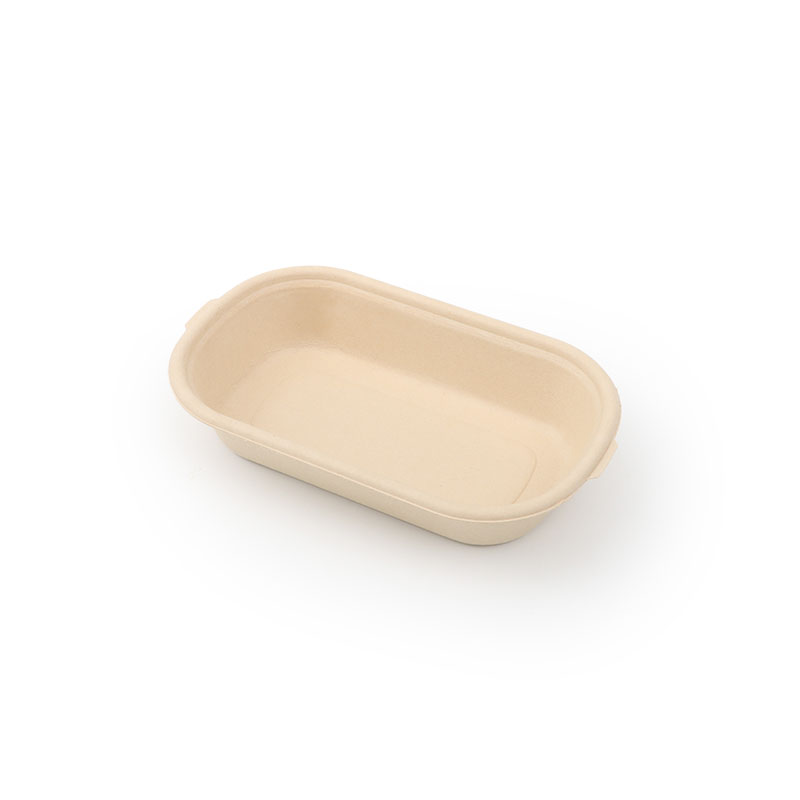 500ml
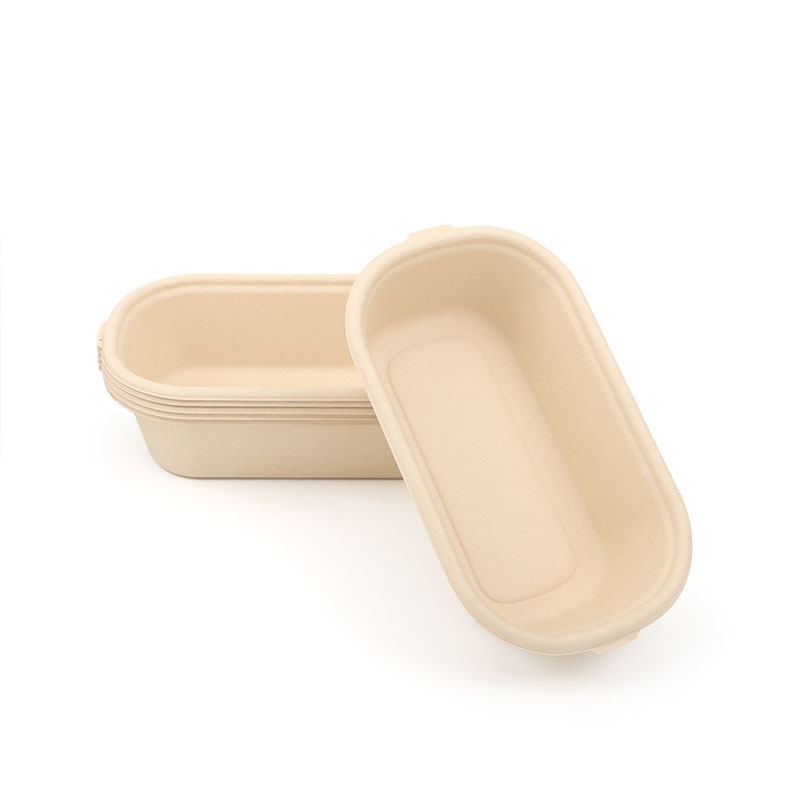 700ml
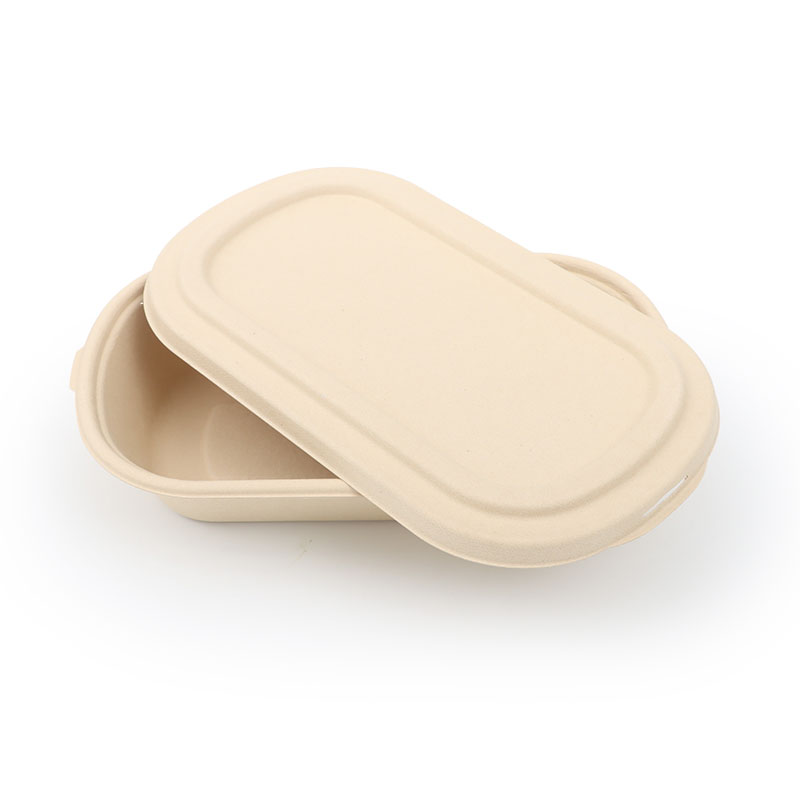 850ml
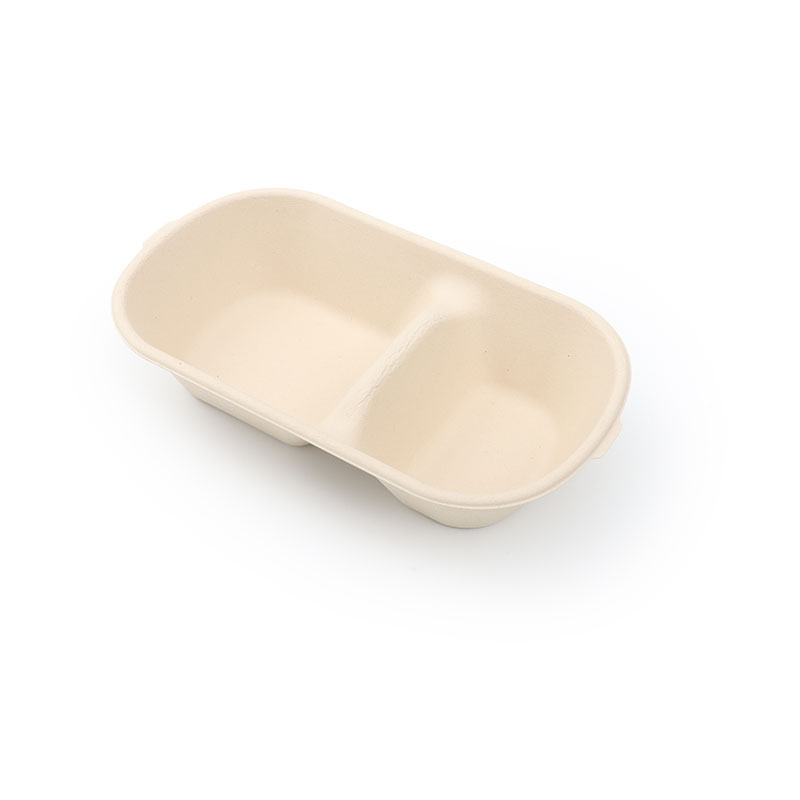 800ml 2 Compartments
 1000ml 2 Compartments
 1100ml
 1000ml Square Lunch Box
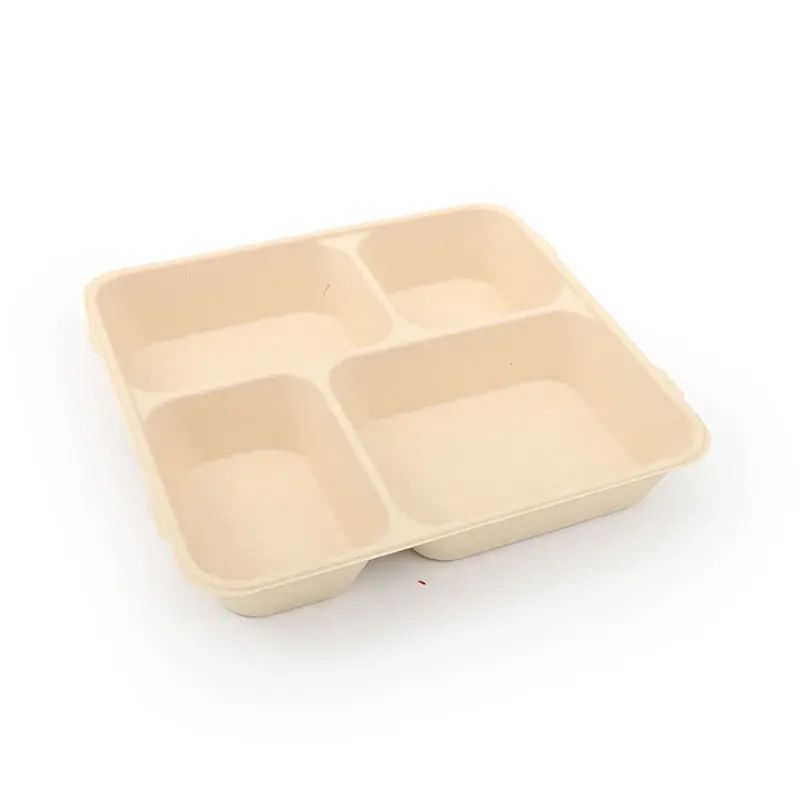 1340ml 4 Compartments
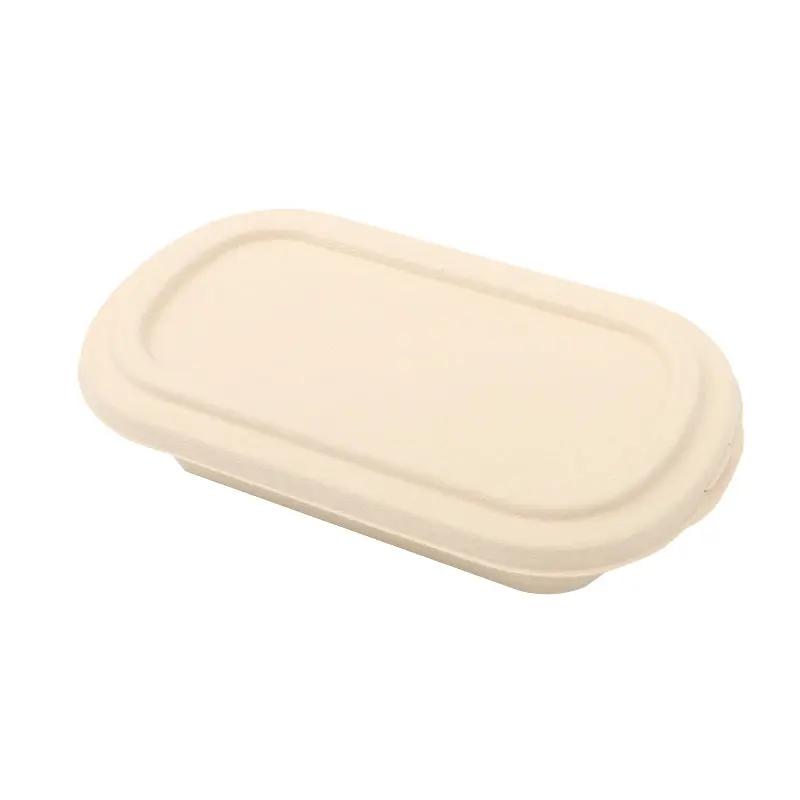 Lunch Box Lid
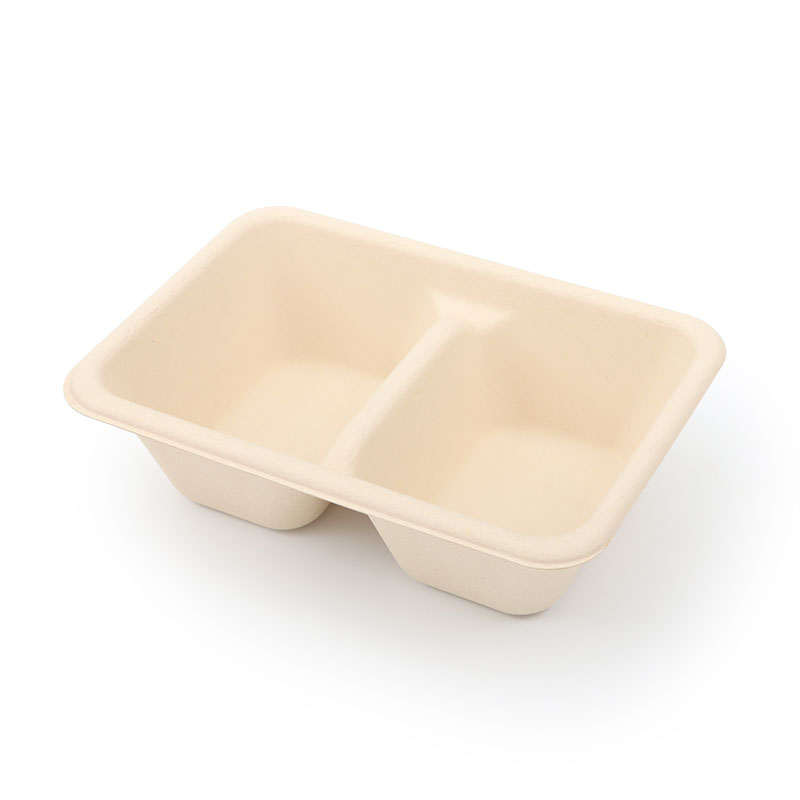 650ml
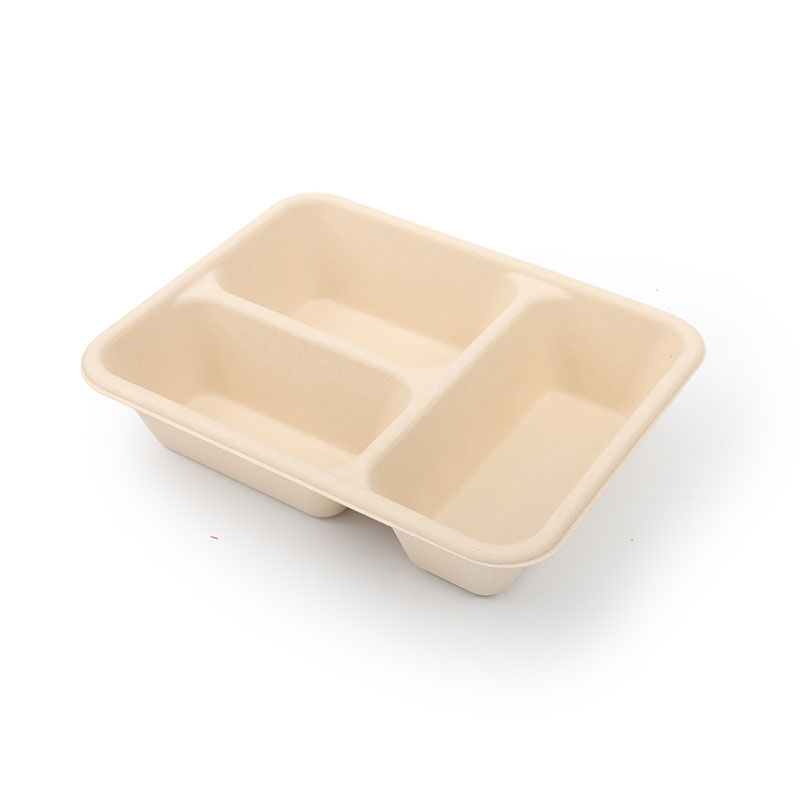 1000ml 3 Compartments
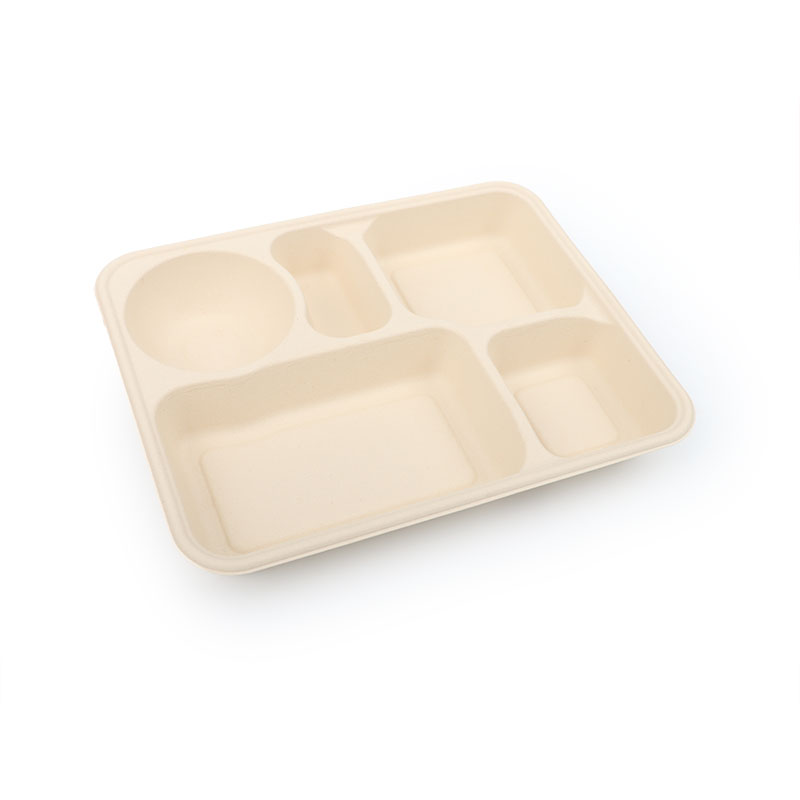 1250ml 5 Compartments
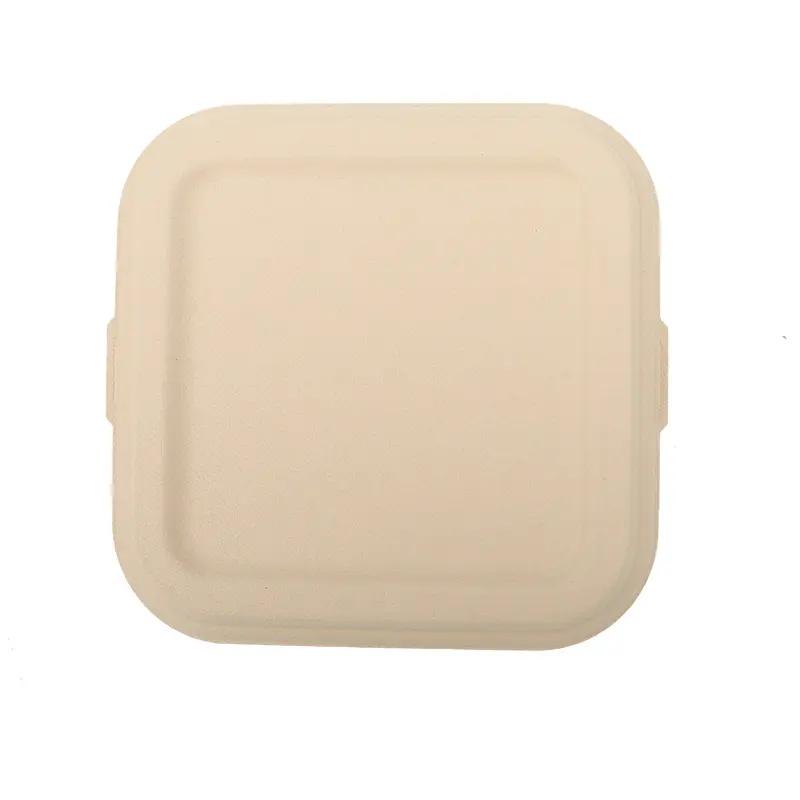 Square Lunch Box Lid
 Box Without T buckle
 850ml Salad Box
 700ml
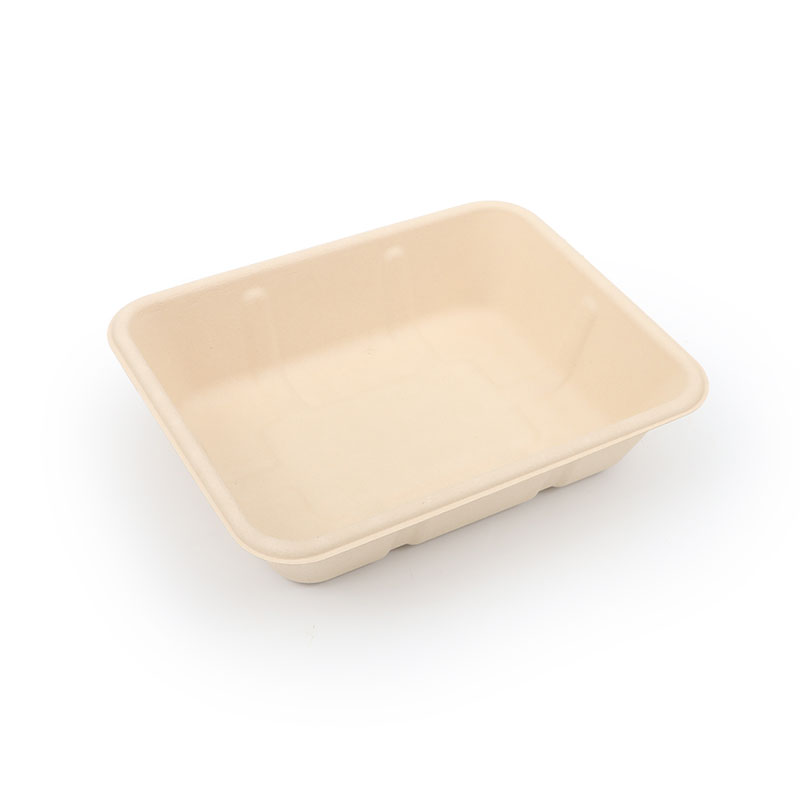 1350ml
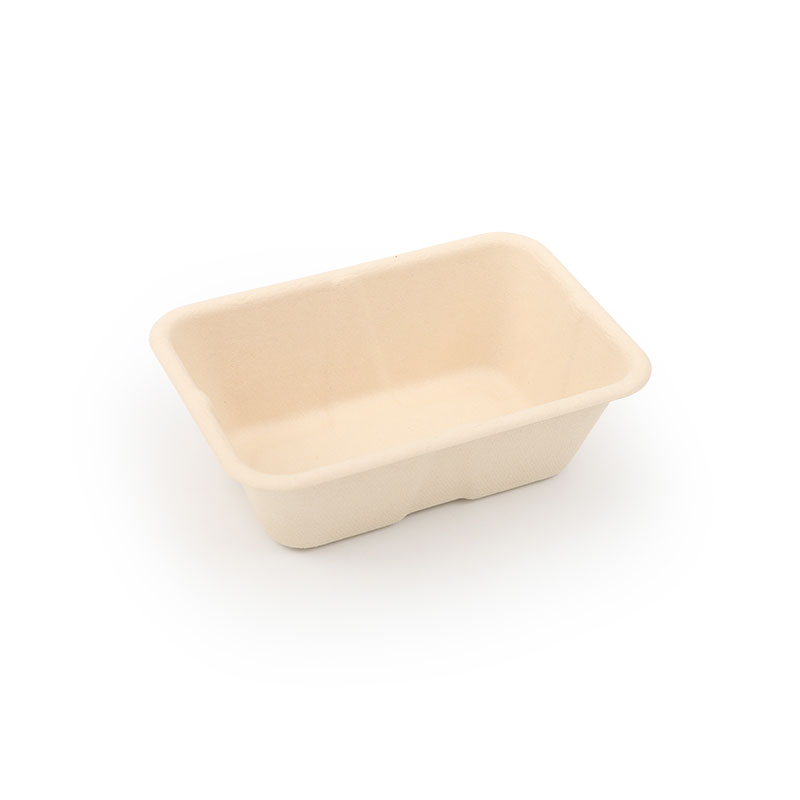 470ml
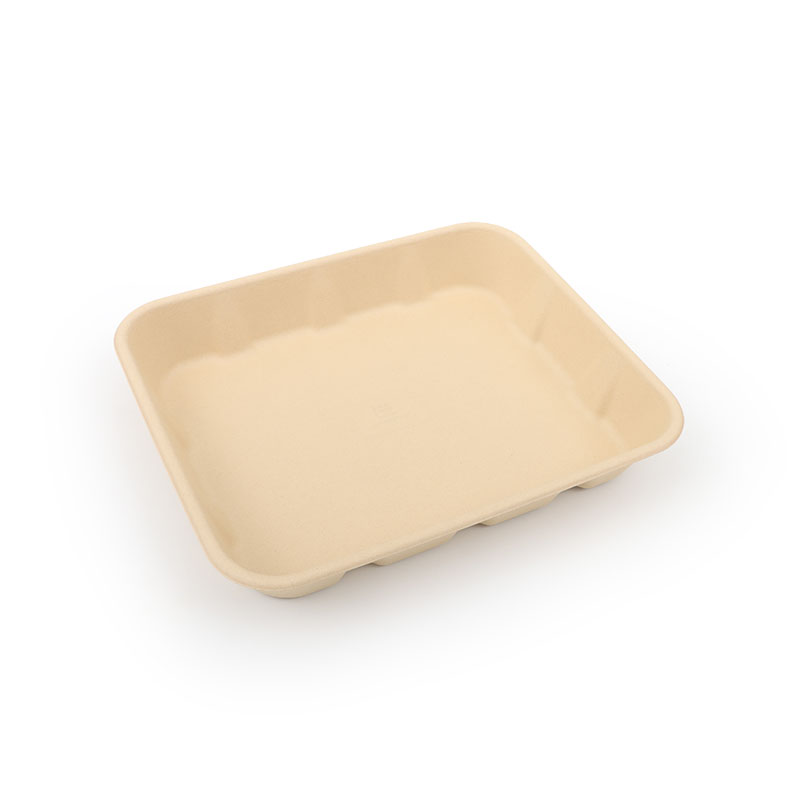 2183ml Tray Box
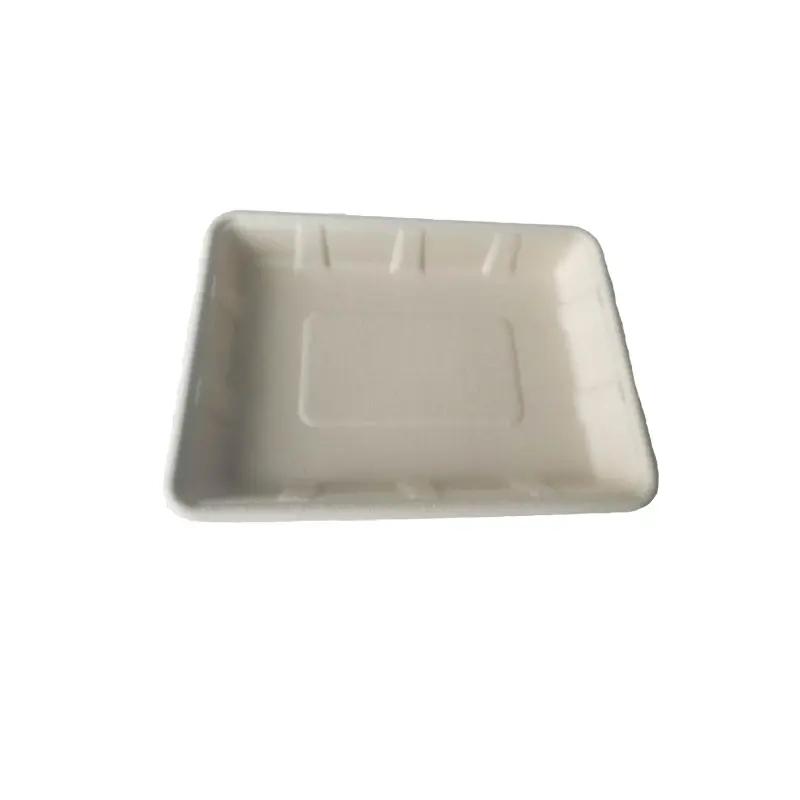 11" * 9"
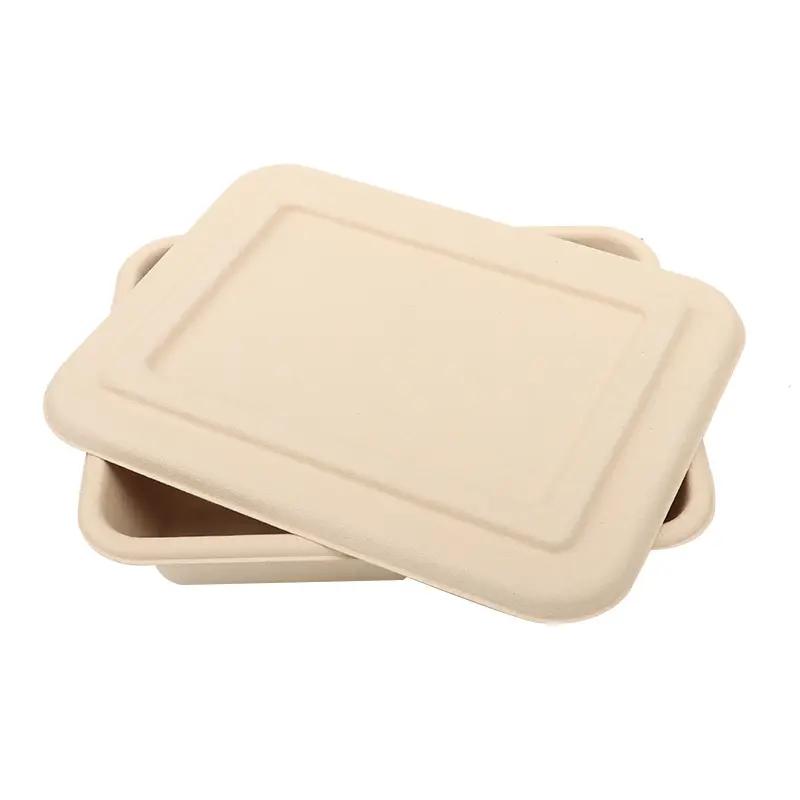 800ml
 One Part Box
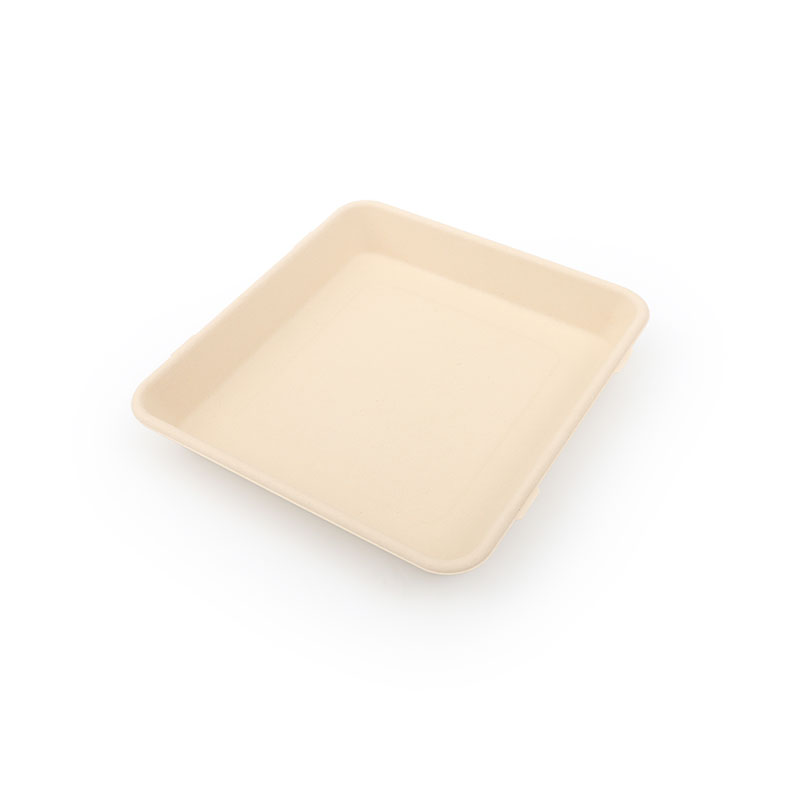 1443ml Tray Box
 Cake Bread Snack Tray Series
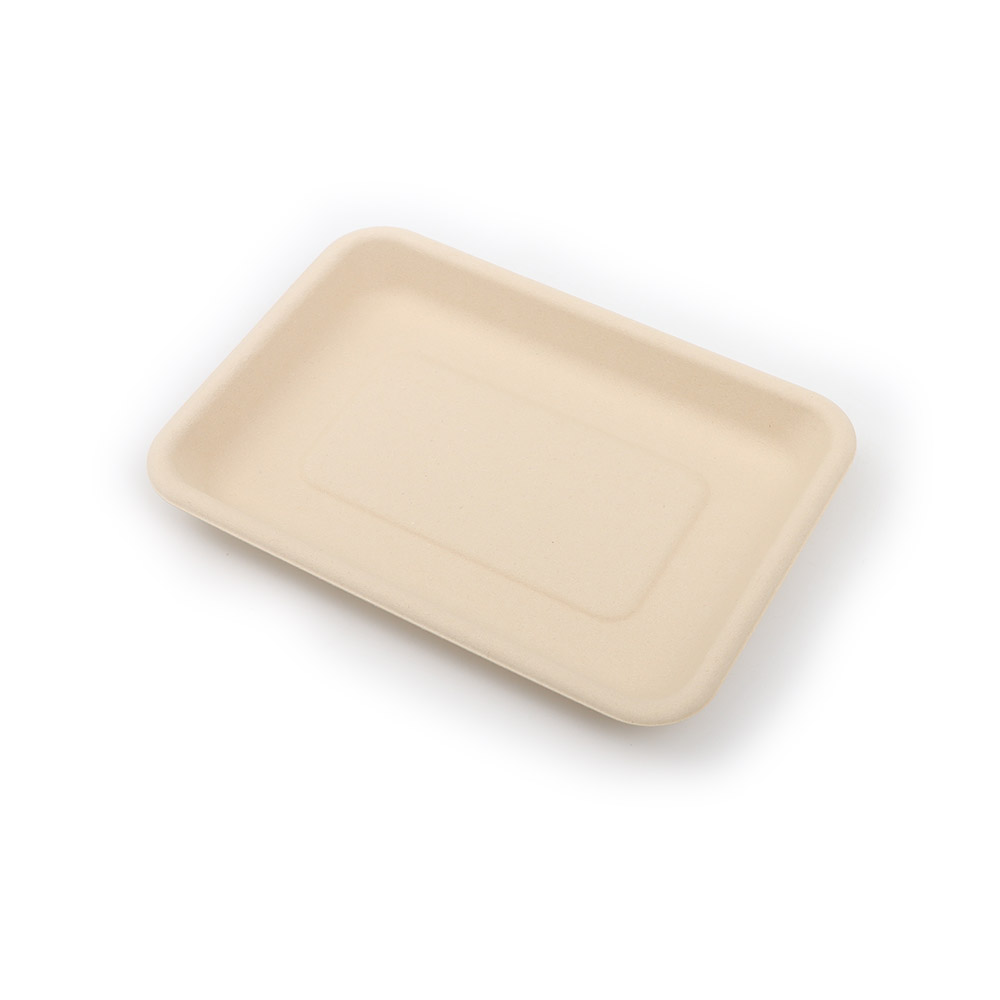 5" * 7" natural color
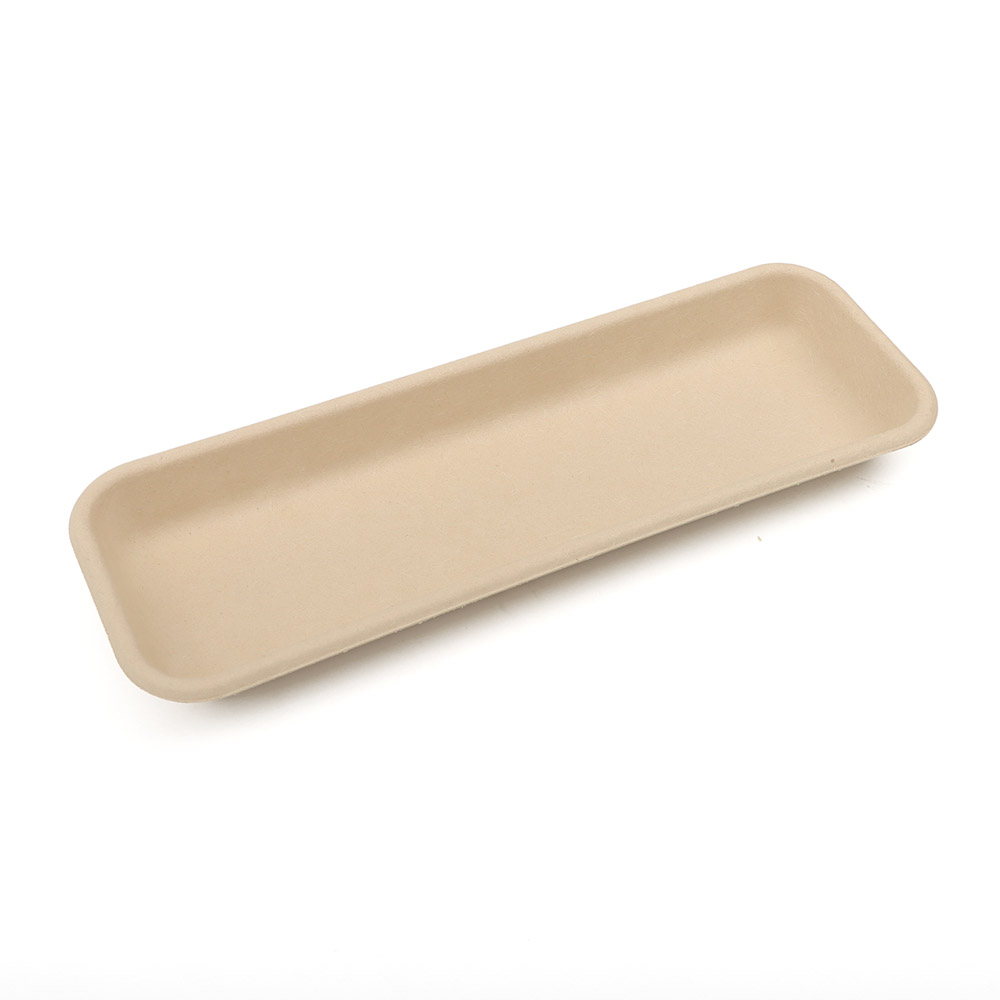 11.4" * 3.9"
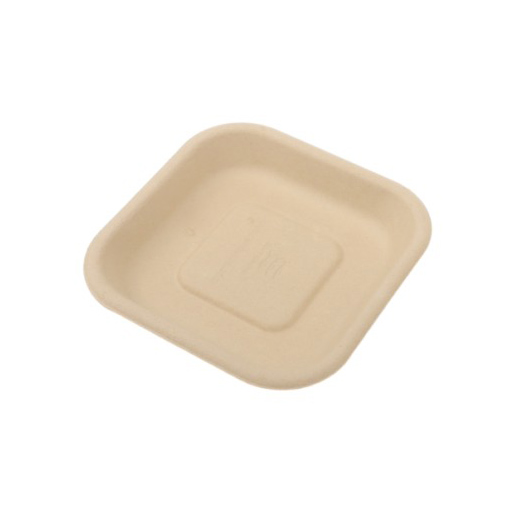 5.3" * 5.3"
 Fruit And Vegetable Tray Series
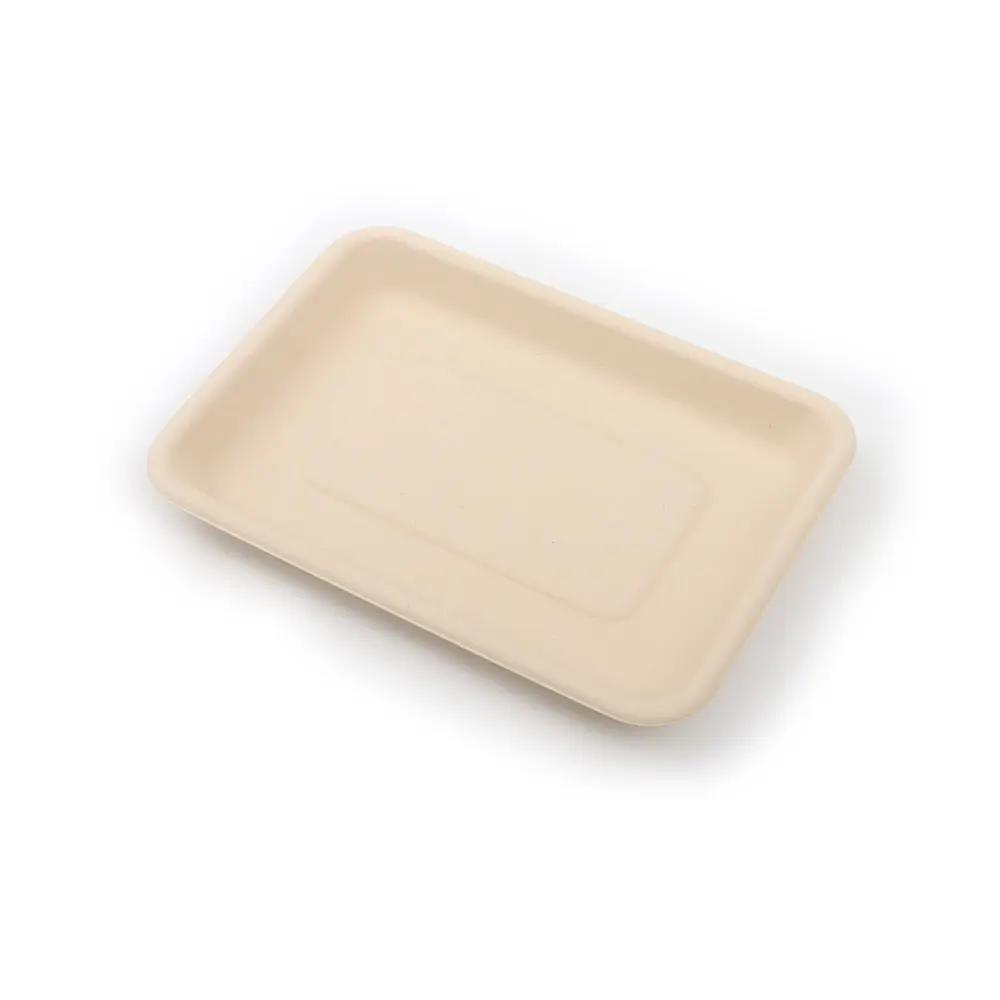 8.6" * 5.3"
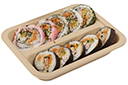 Sushi Tray Series
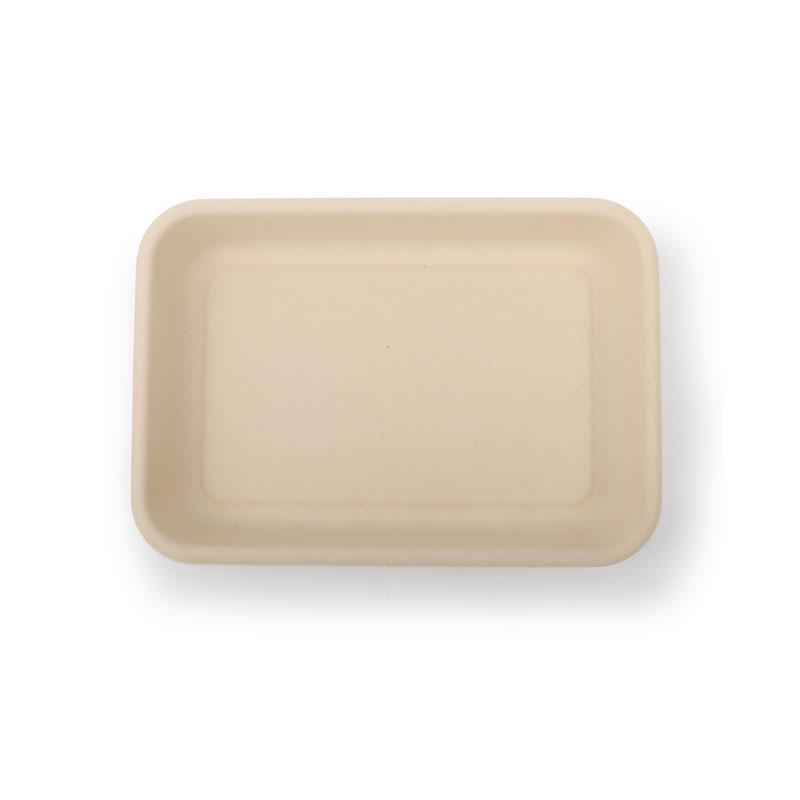 200" * 140"
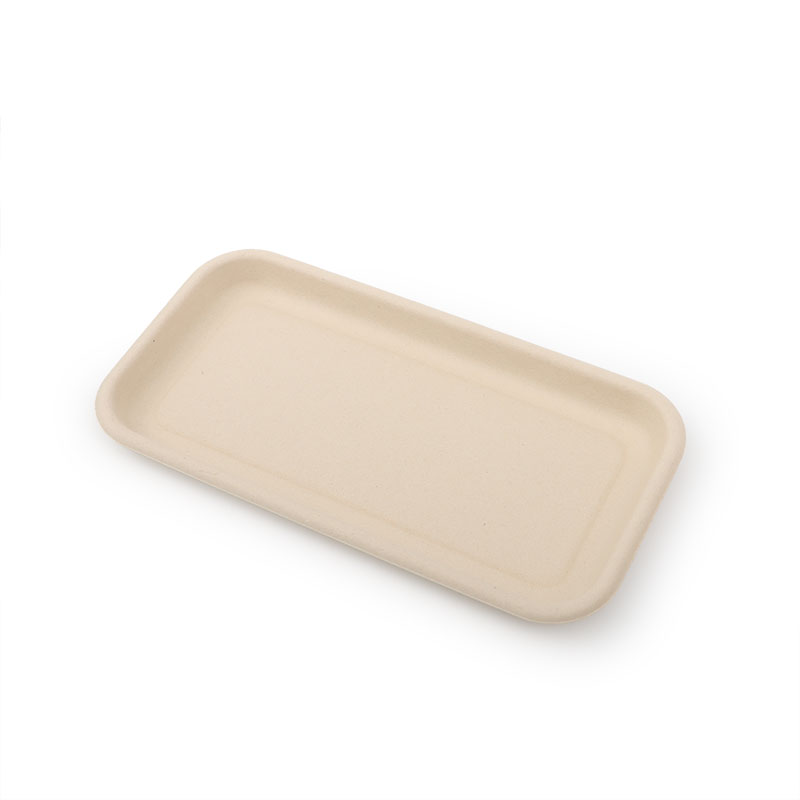 210" * 110"
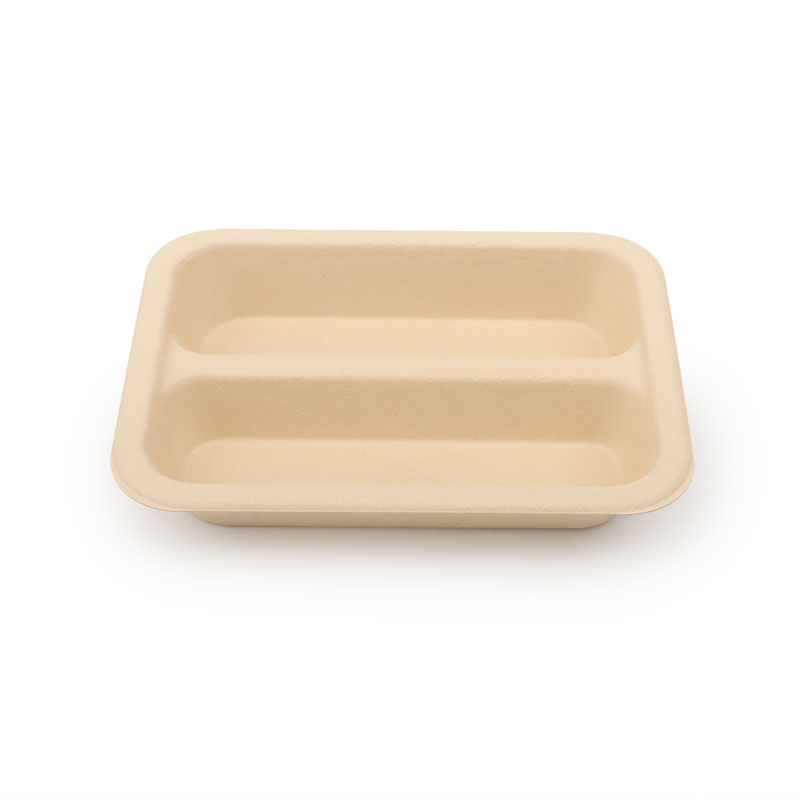 2 Compartments
 Small Round Plate Series
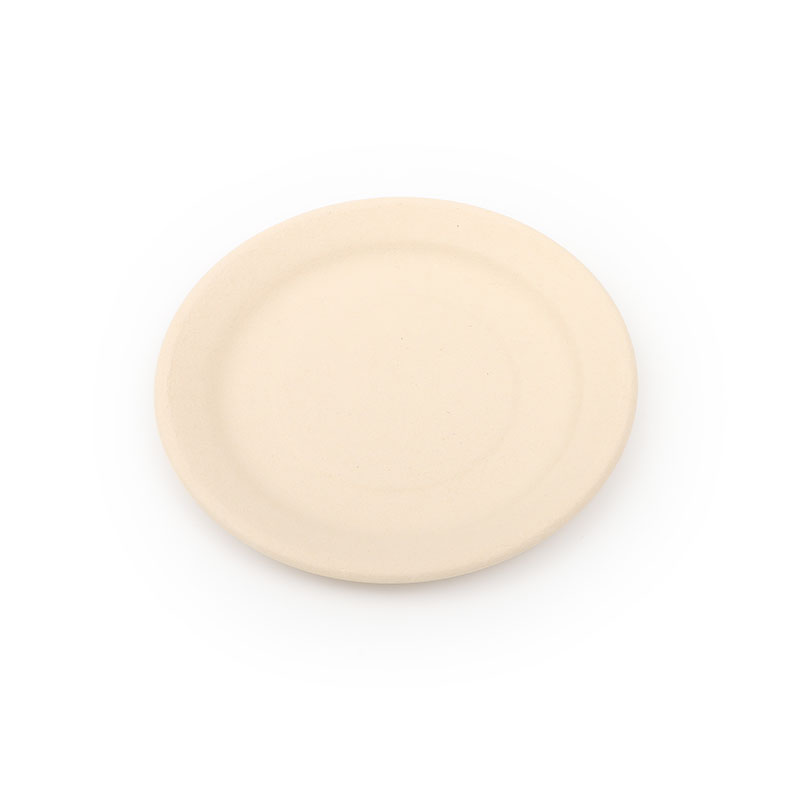 7 inch
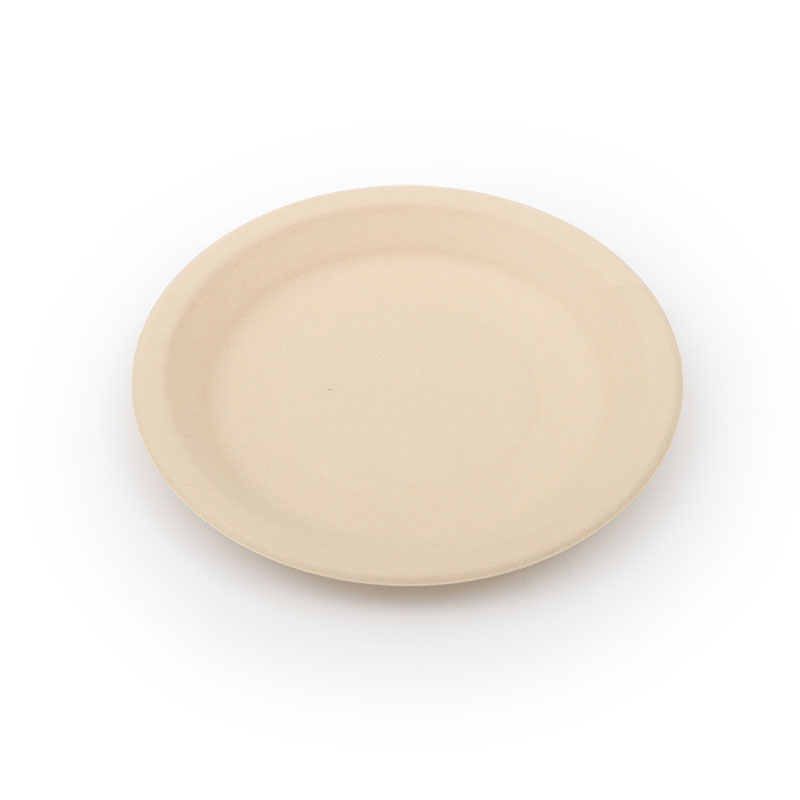 6 inch
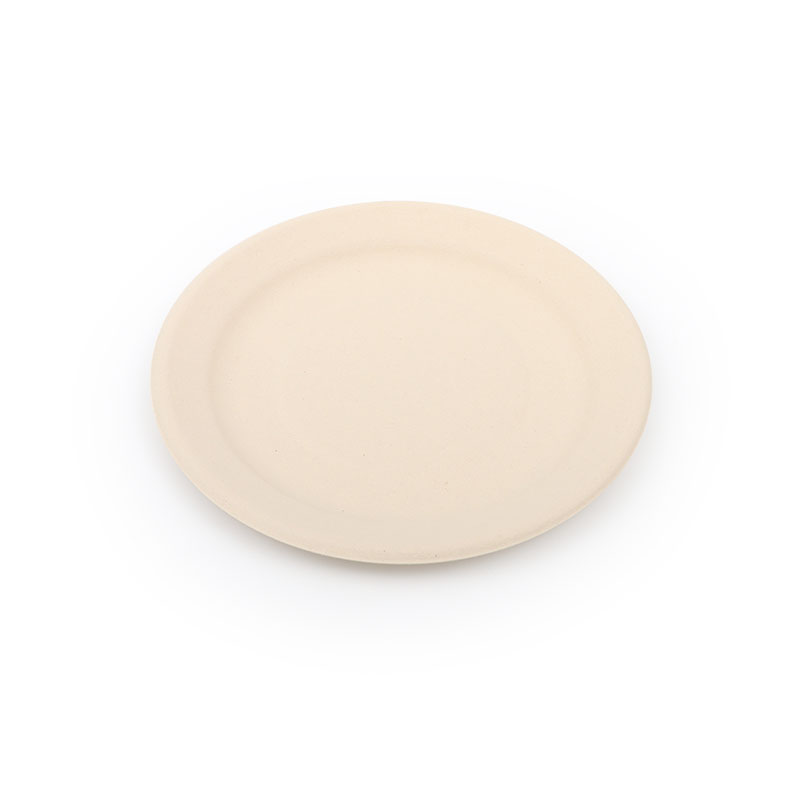 8 inch
 Middle Round Plate Series
 9 Inch 3 Compartments
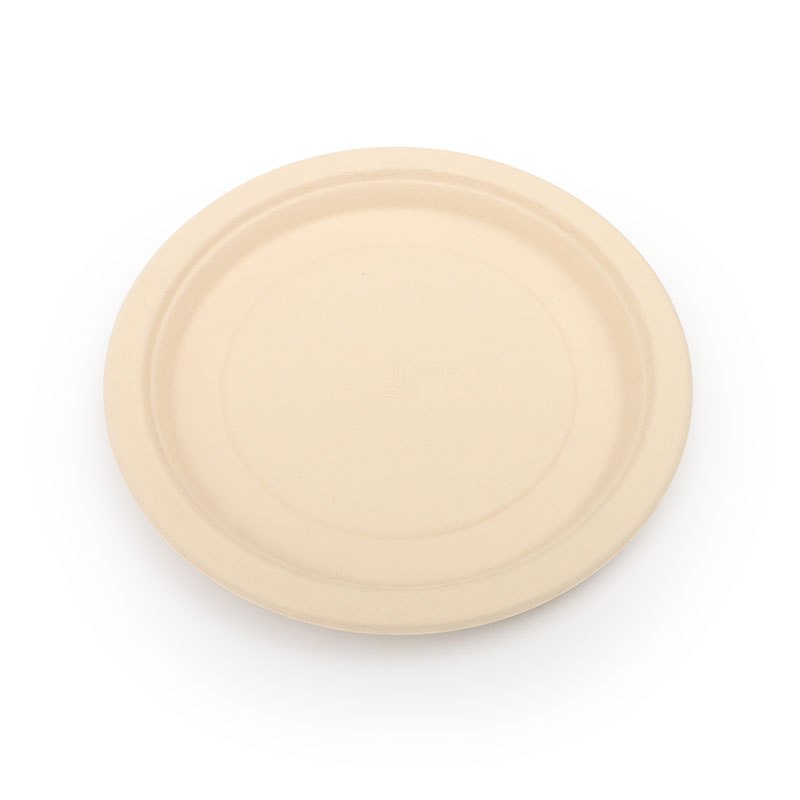 9 inch
 Big Round Plate Series
 12.7 Inch Pizza Plate
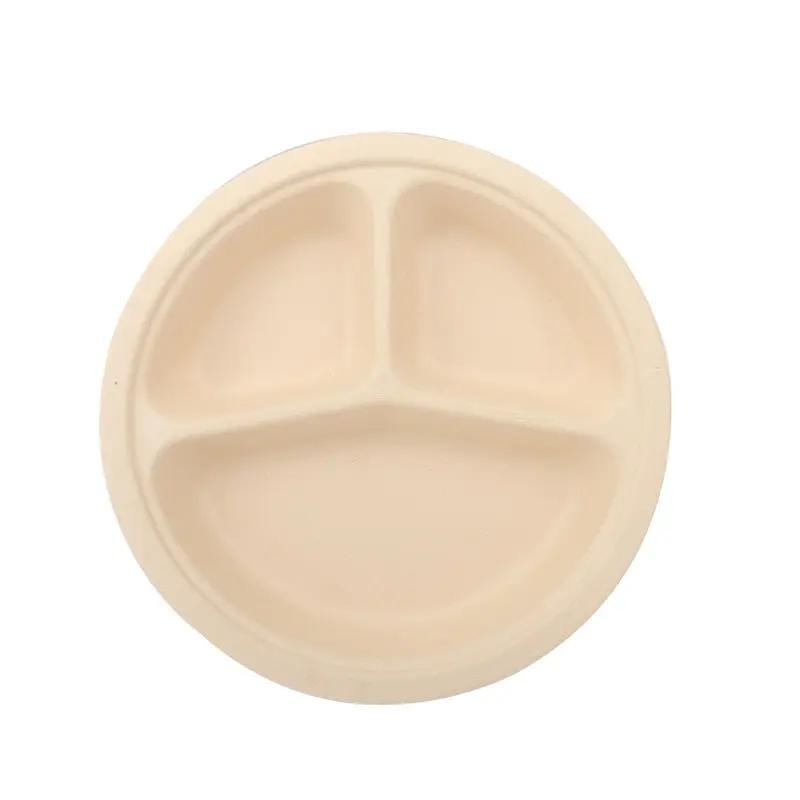 10.25 inch 3 Compartments
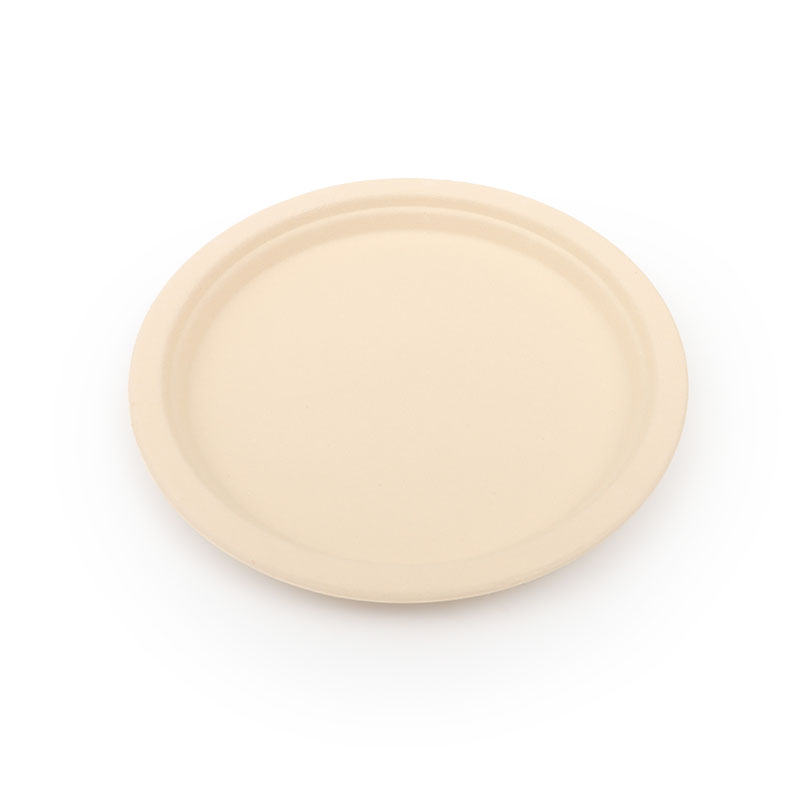 10 inch
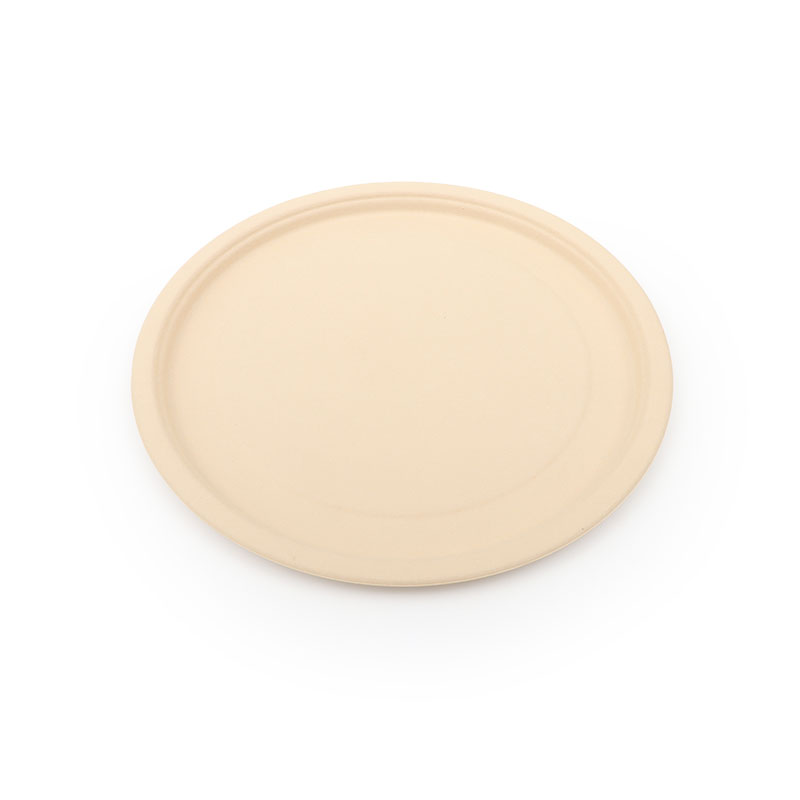 12 inch
 Bigger Bowl
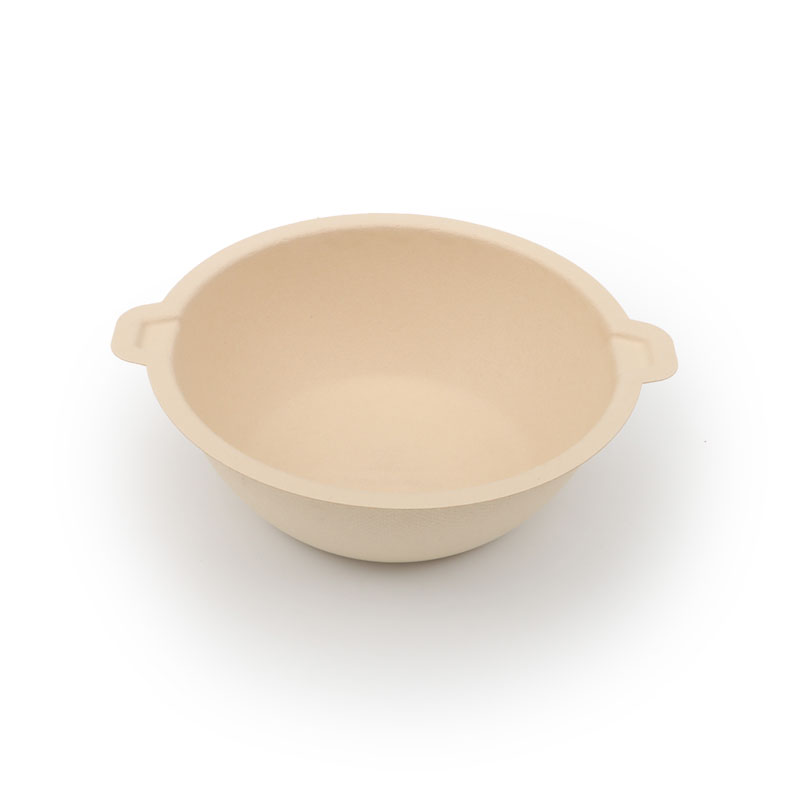 48oz(1420ml)
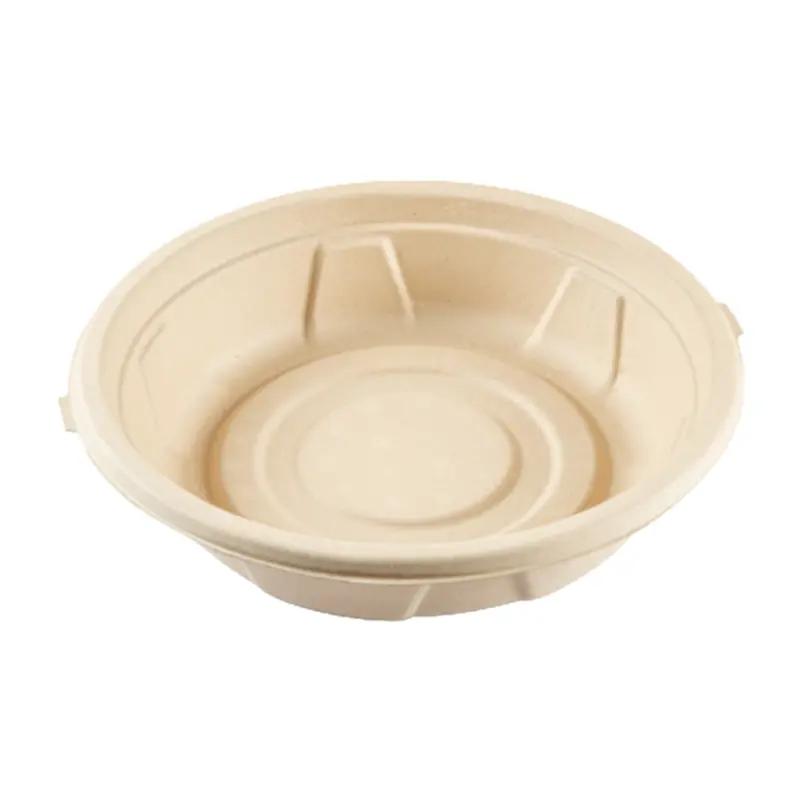 56oz(1650ml)
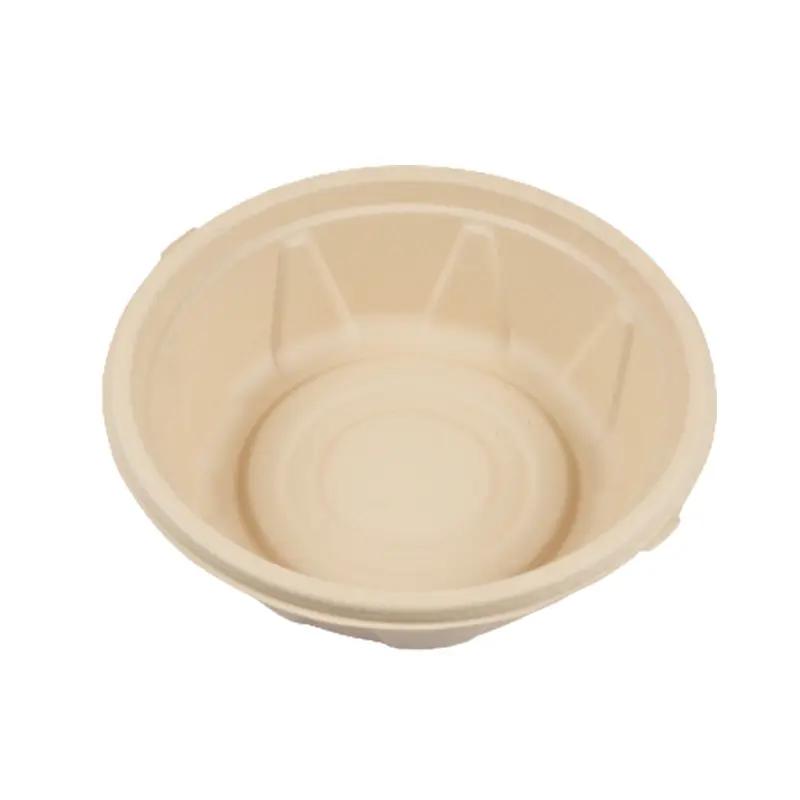 100oz(2950ml)
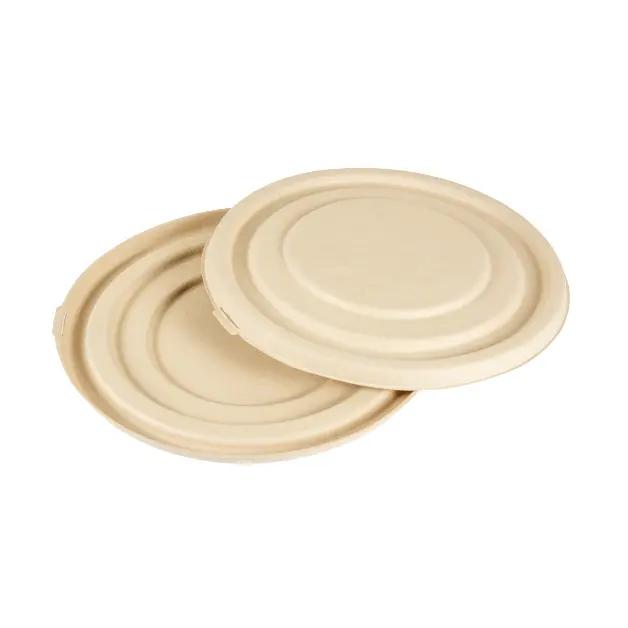 100oz(2950ml) With Lid
 Middle Bowl
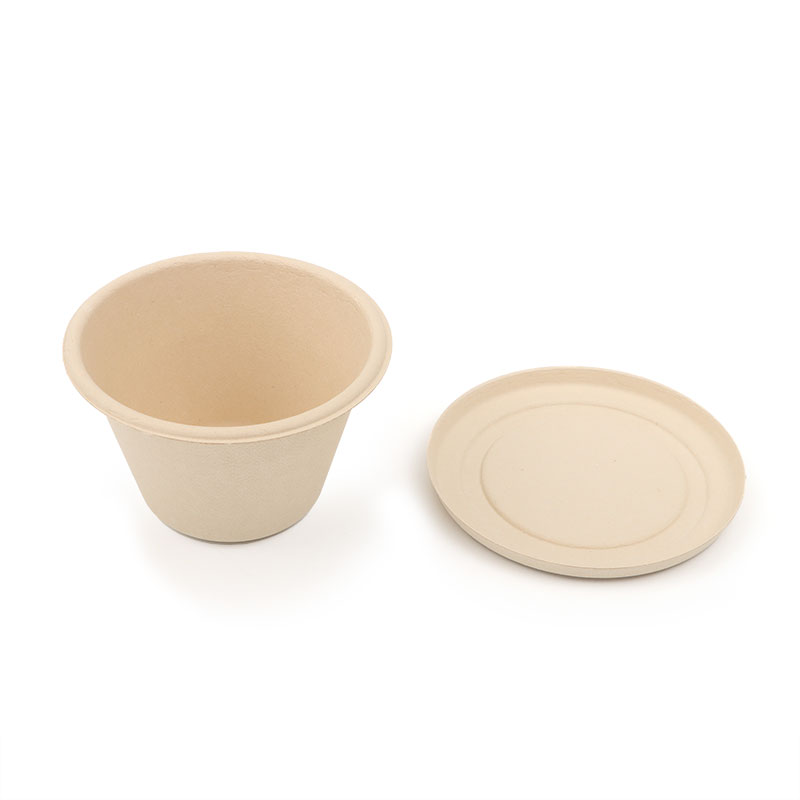 17oz(500ml)
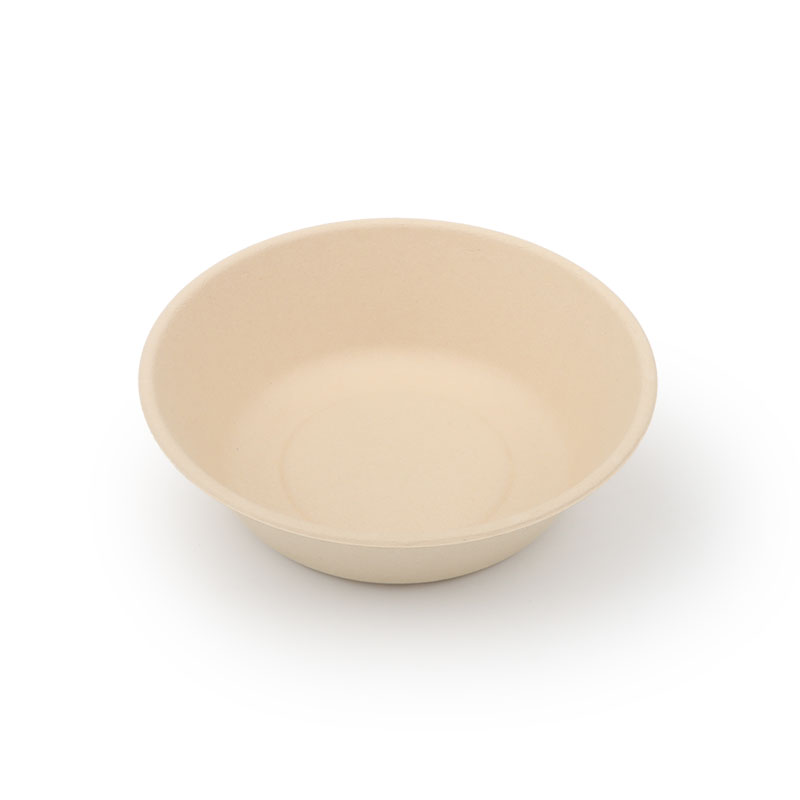 27oz(800ml)
 20oz(600ml)
 29oz(850ml)
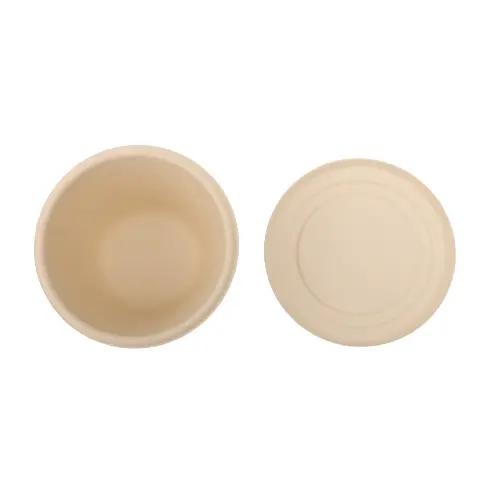 17oz(500ml) With Lid
 17oz(500ml) PET Lid
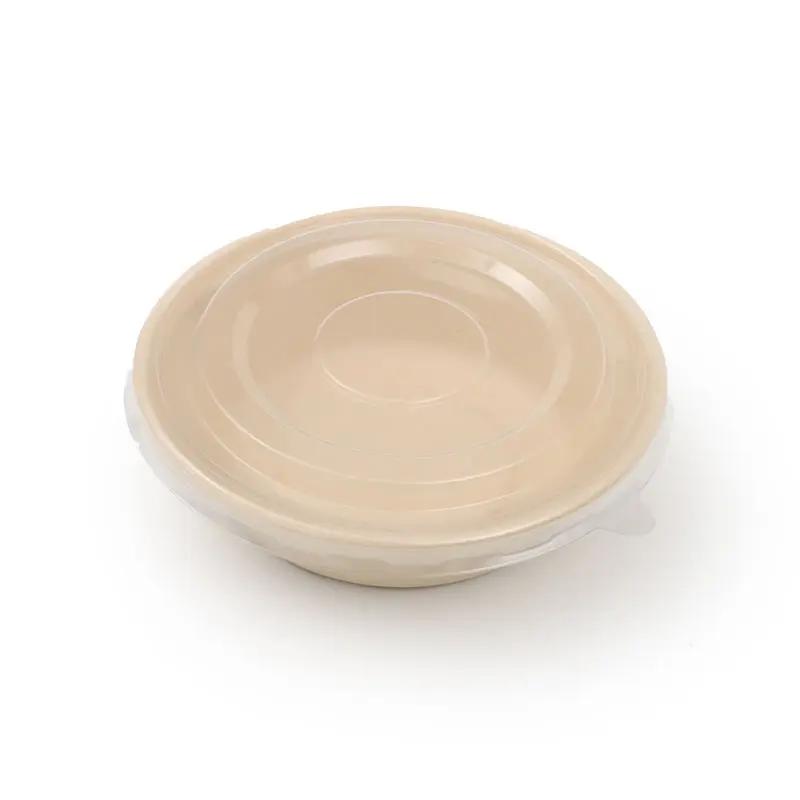 28oz(830ml) PET Lid
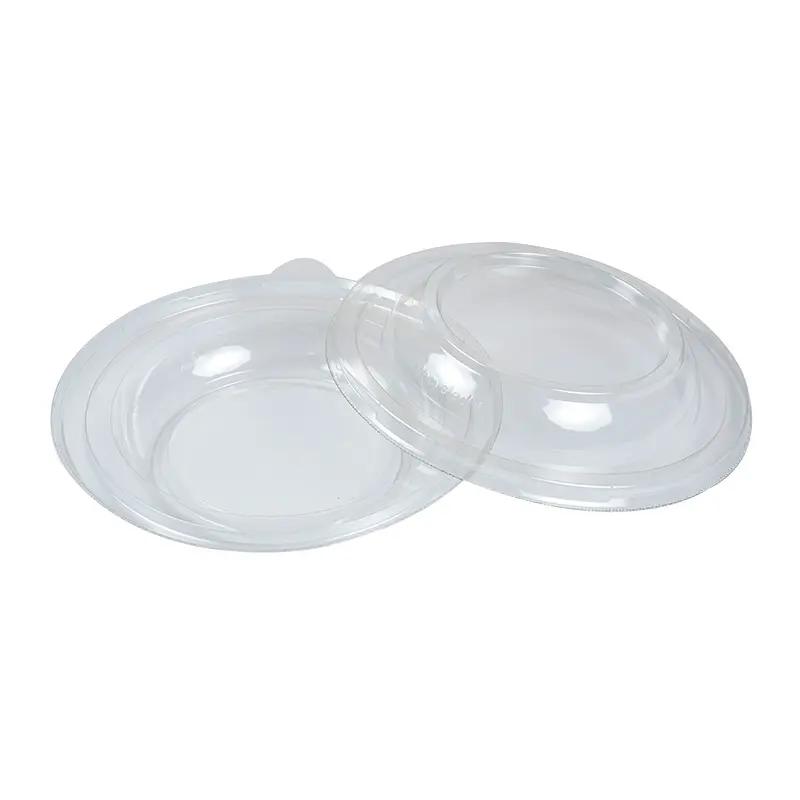 Round Bowl PET
 Small Bowl
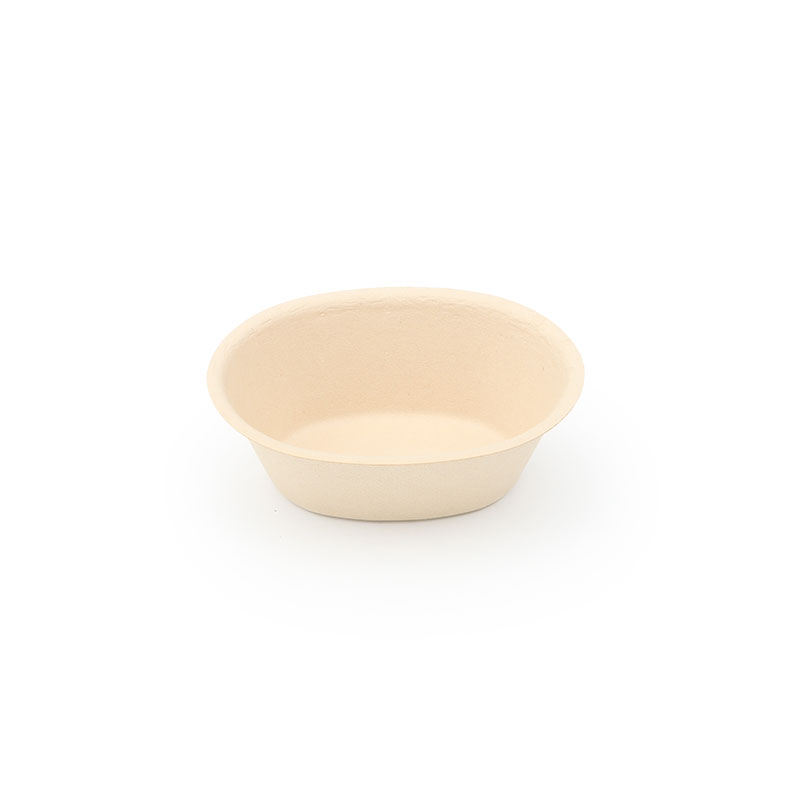 Snack Bowl
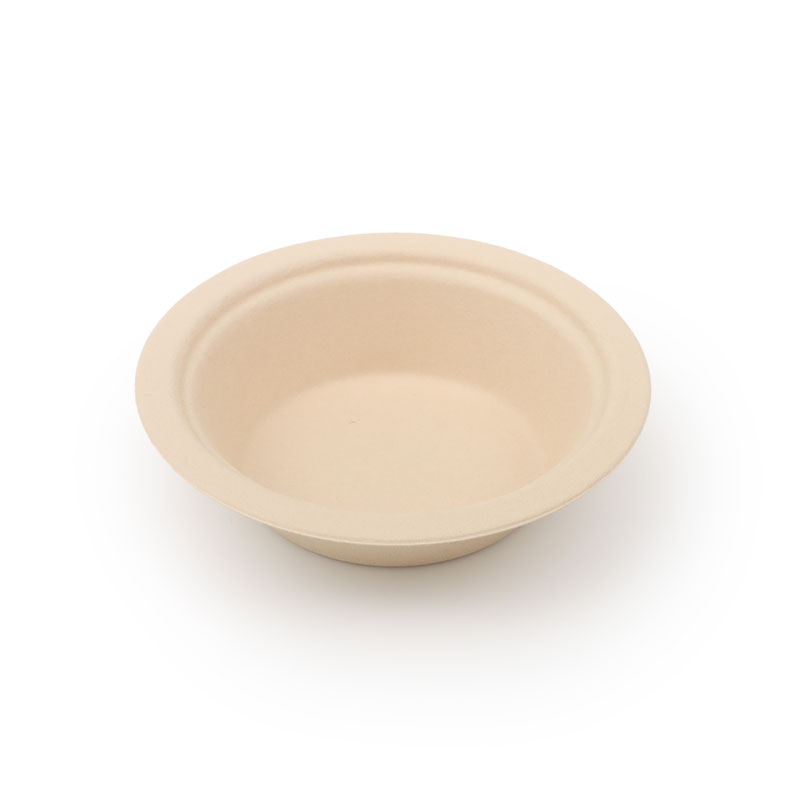 11.5oz(340ml) Bowl
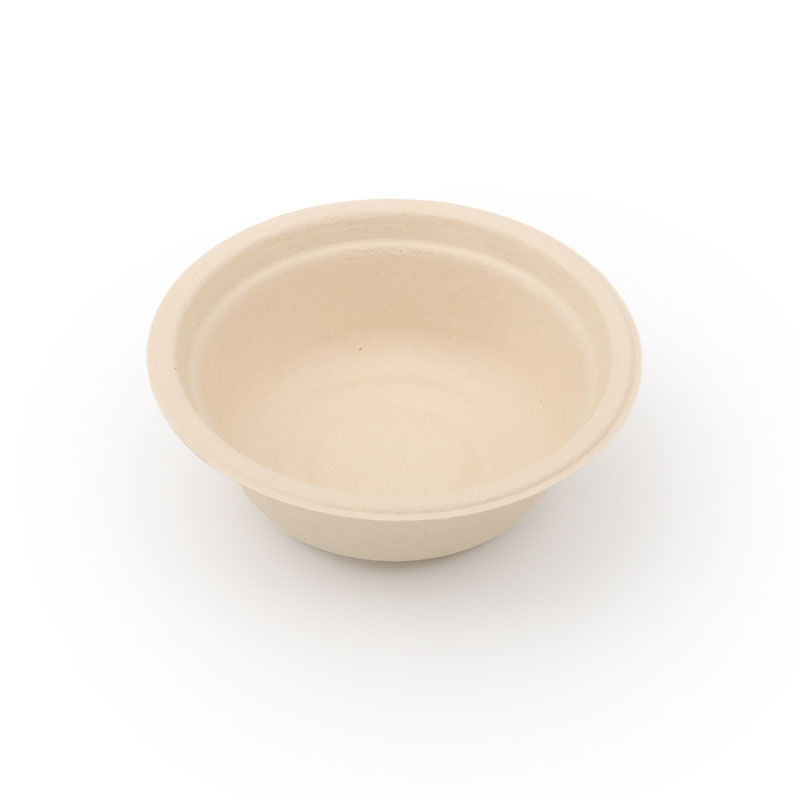 6.7oz(200ml) Bowl
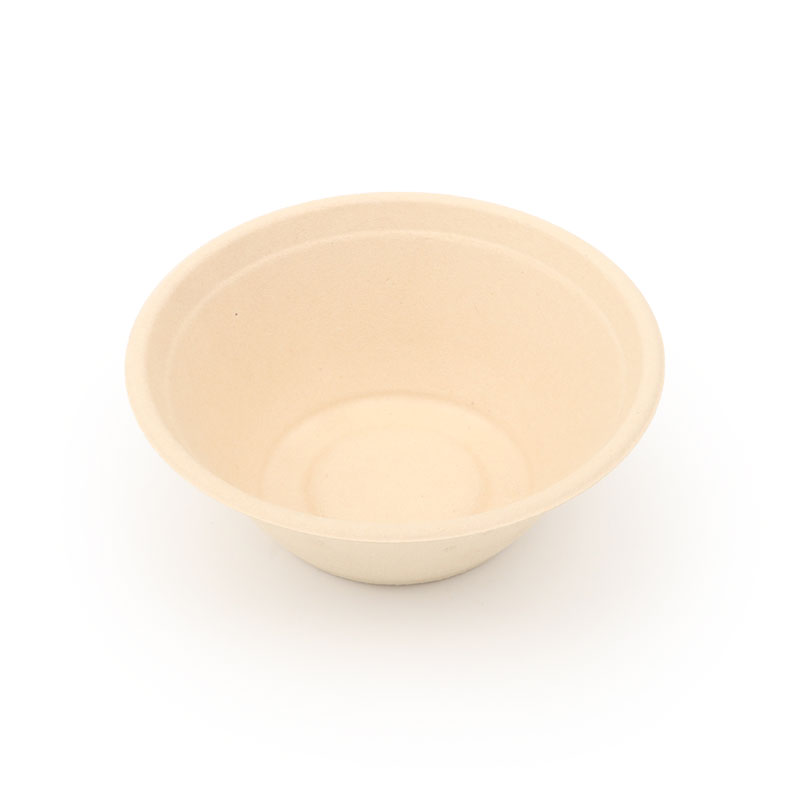 12oz(350ml) Bowl
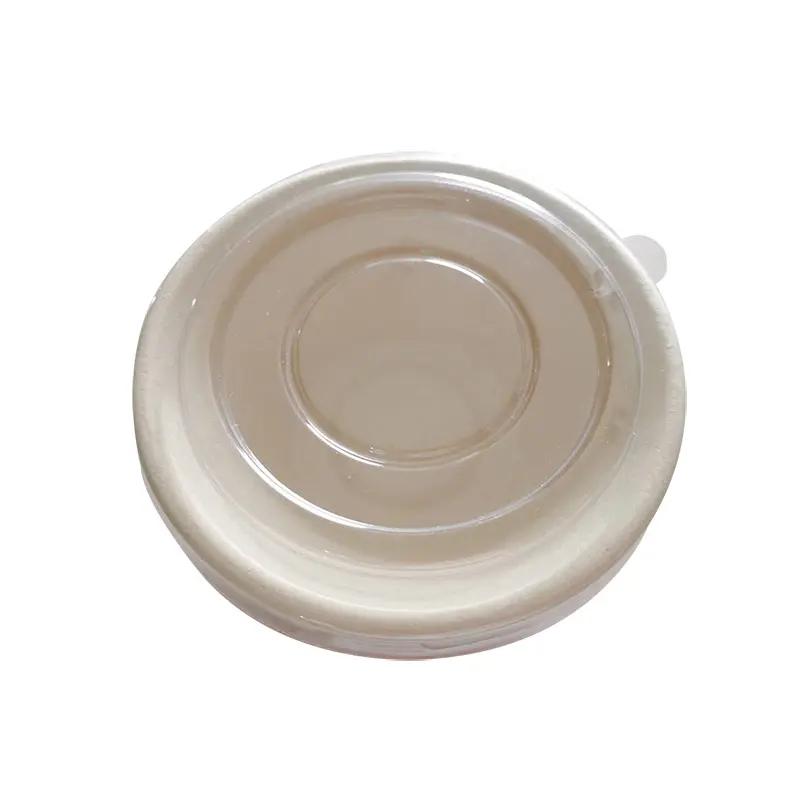 12oz(350ml) Bowl PET
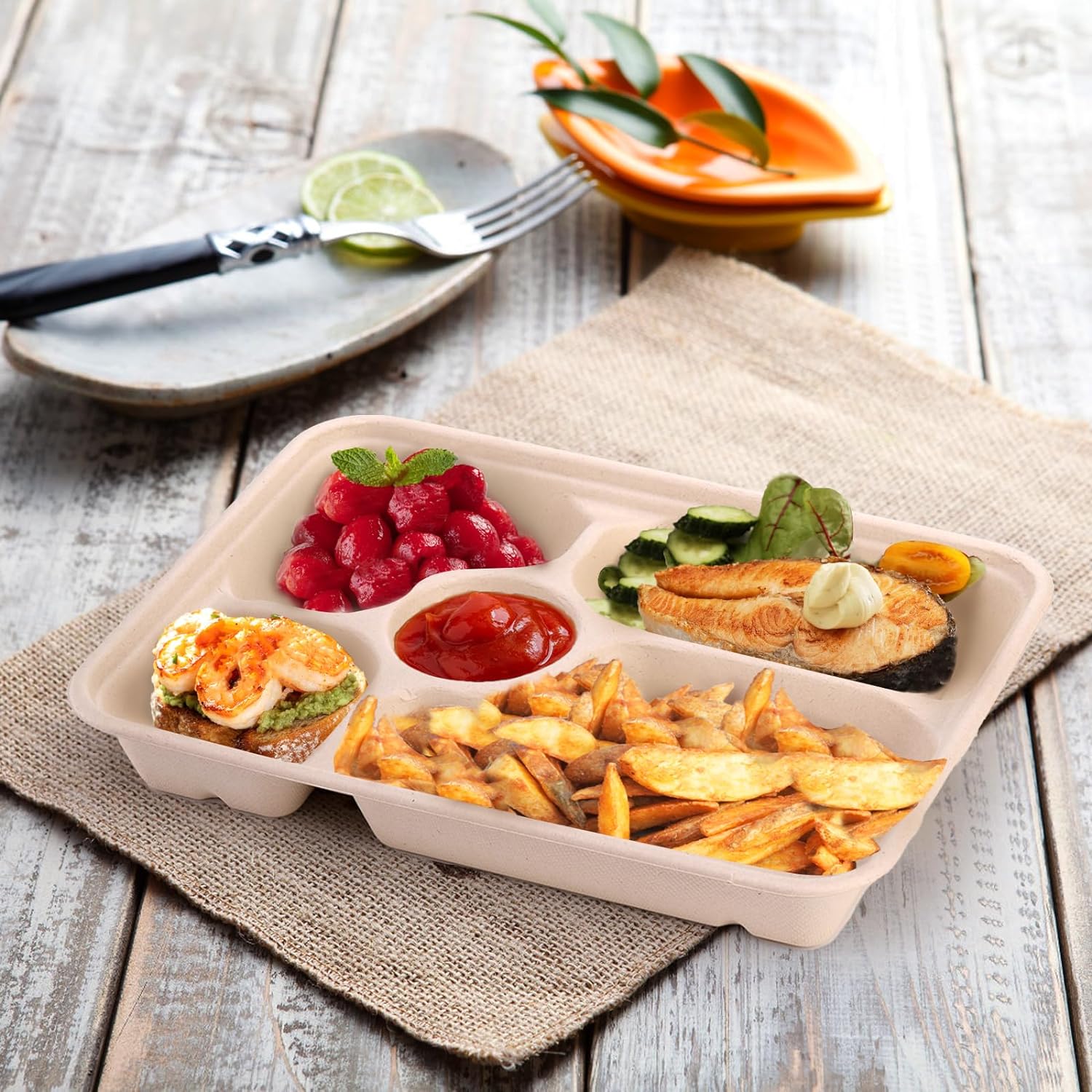 Bagasse Lunch Boxes
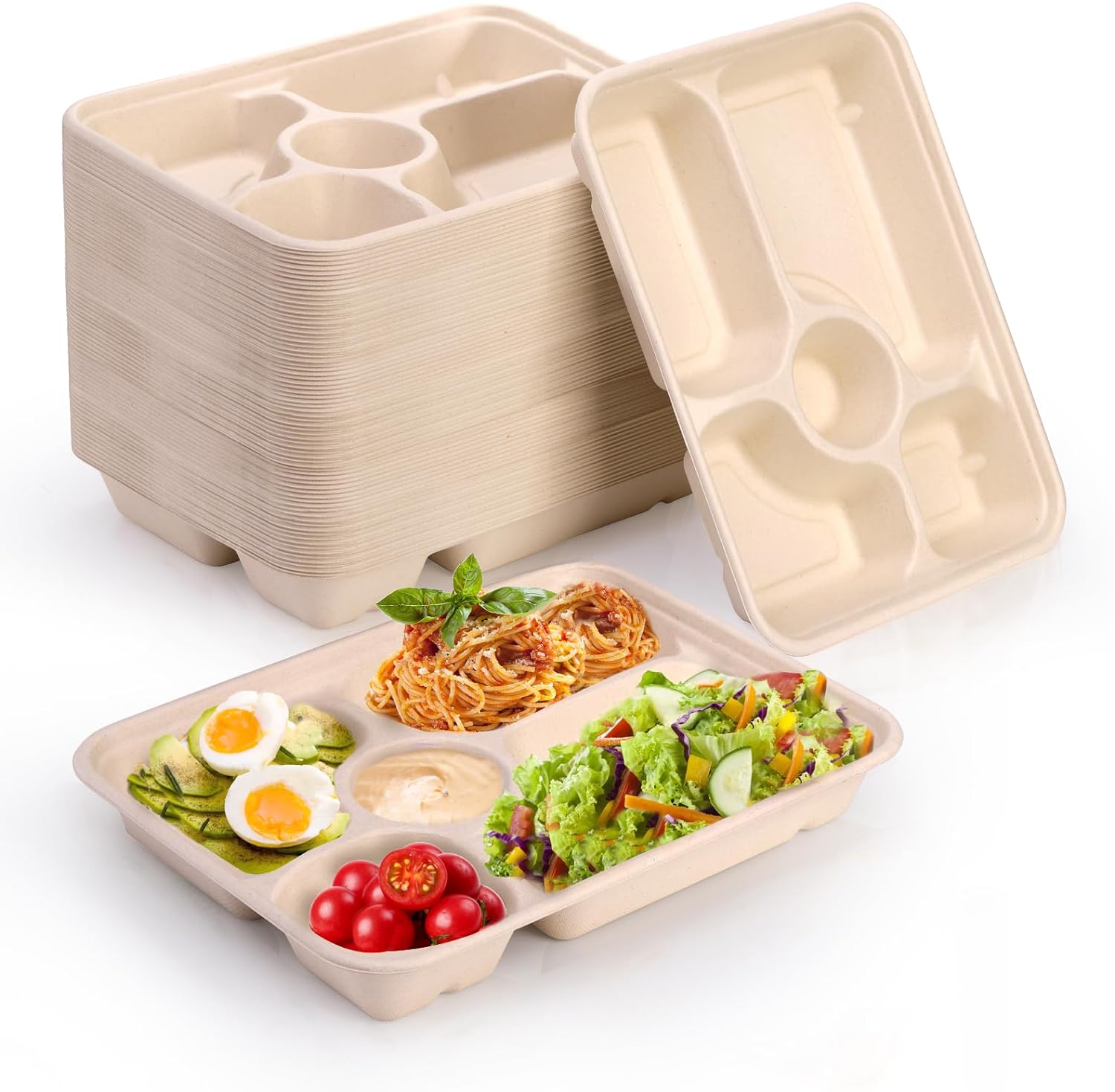 5CP
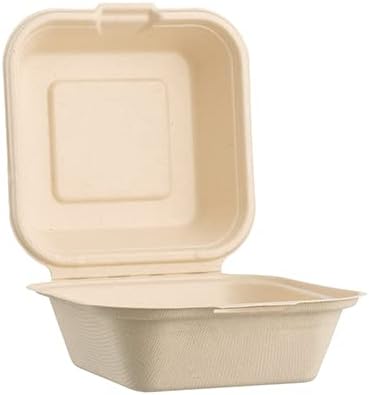 6 inch
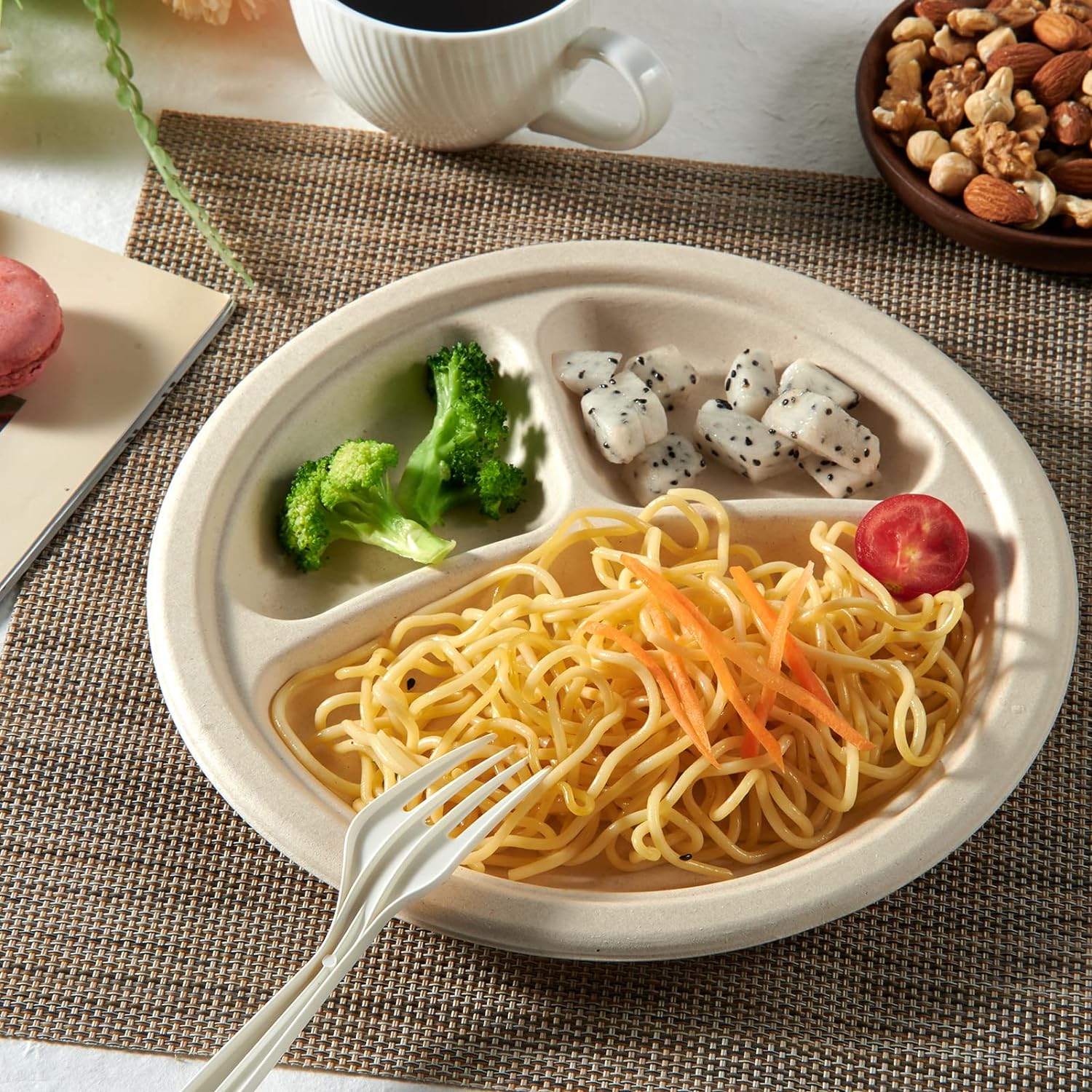 Bagasse Food Plates
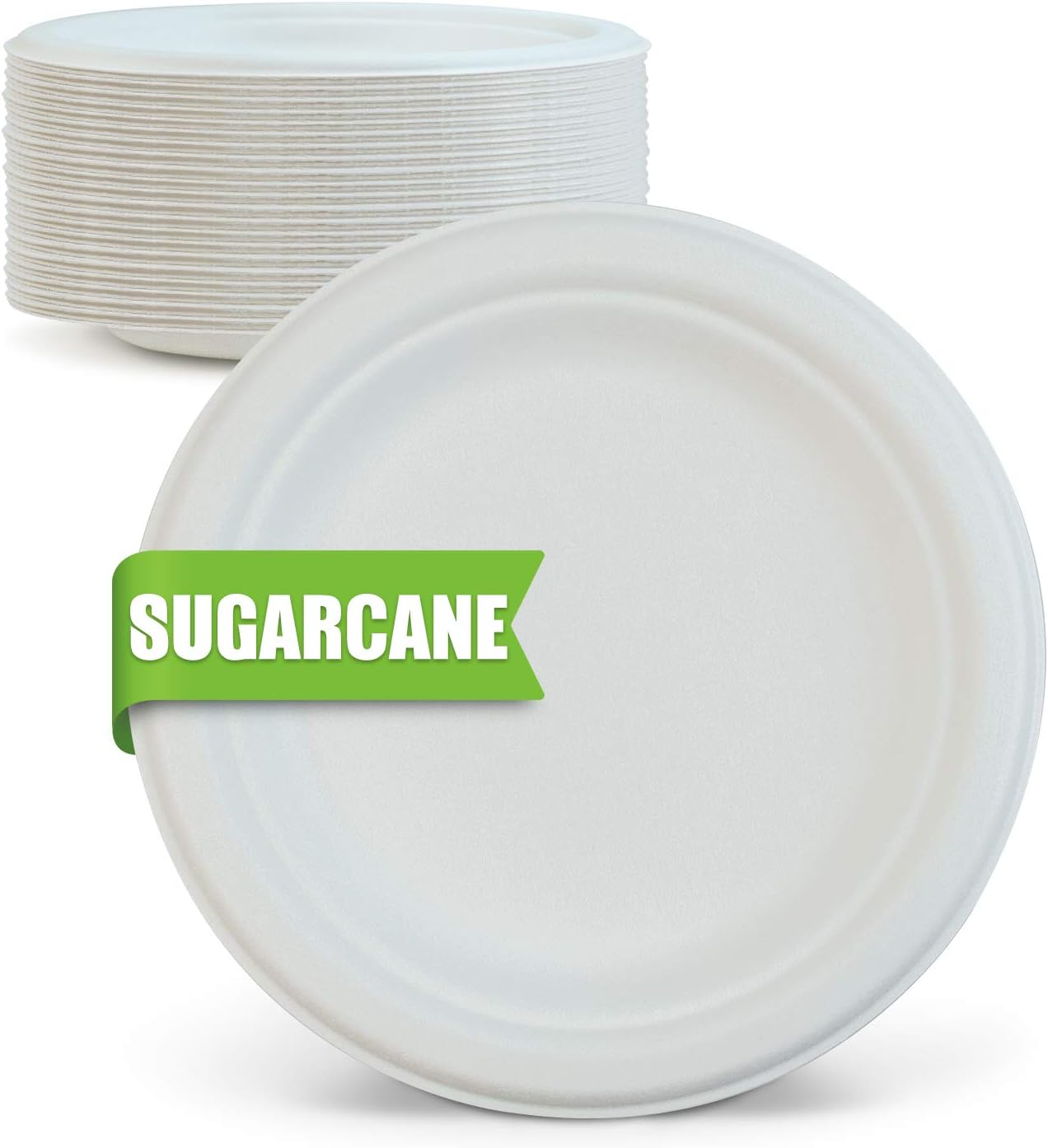 7 inch
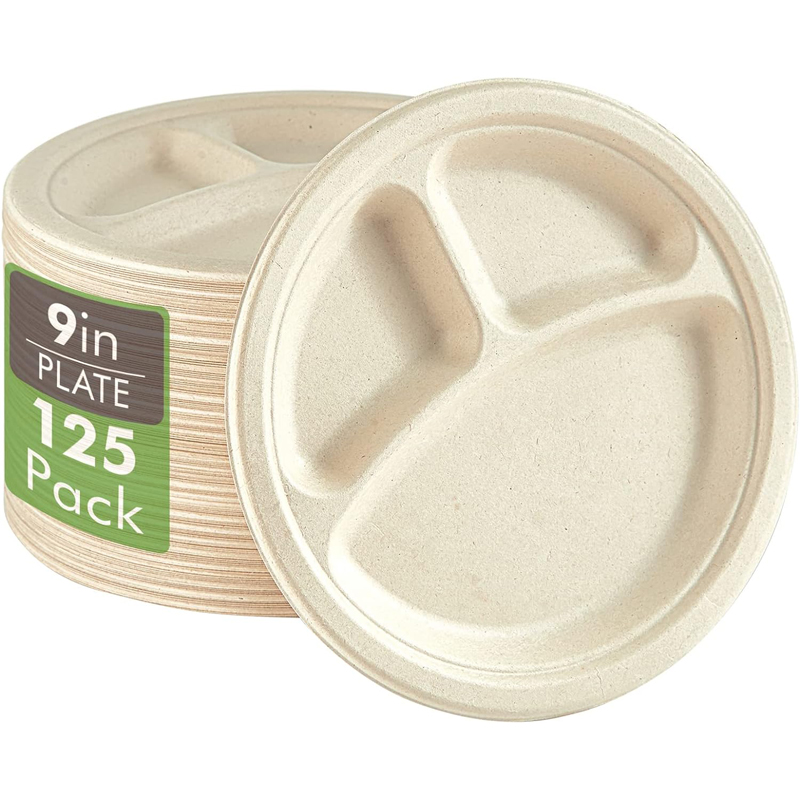 3CP
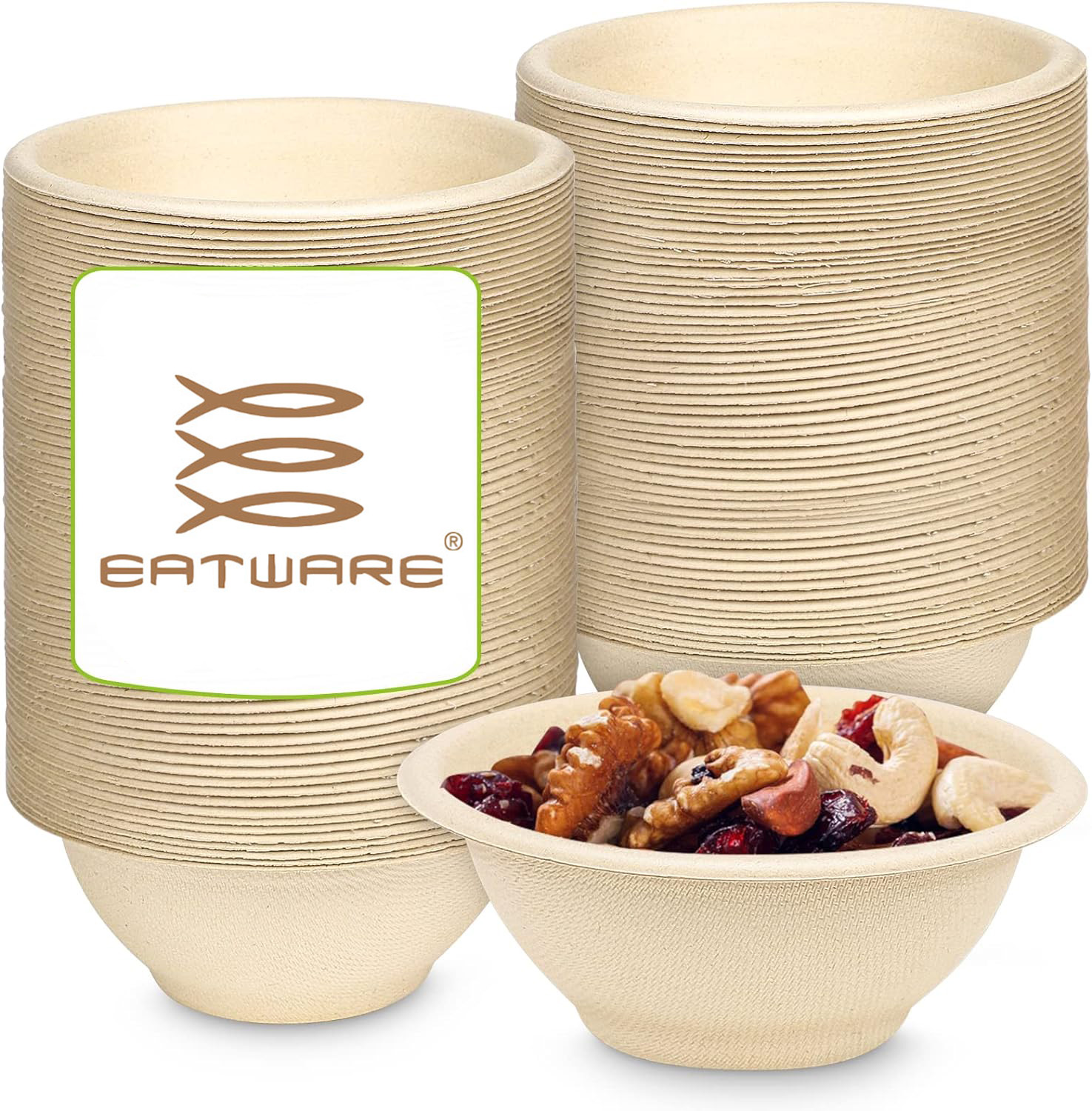 Bagasse Bowls
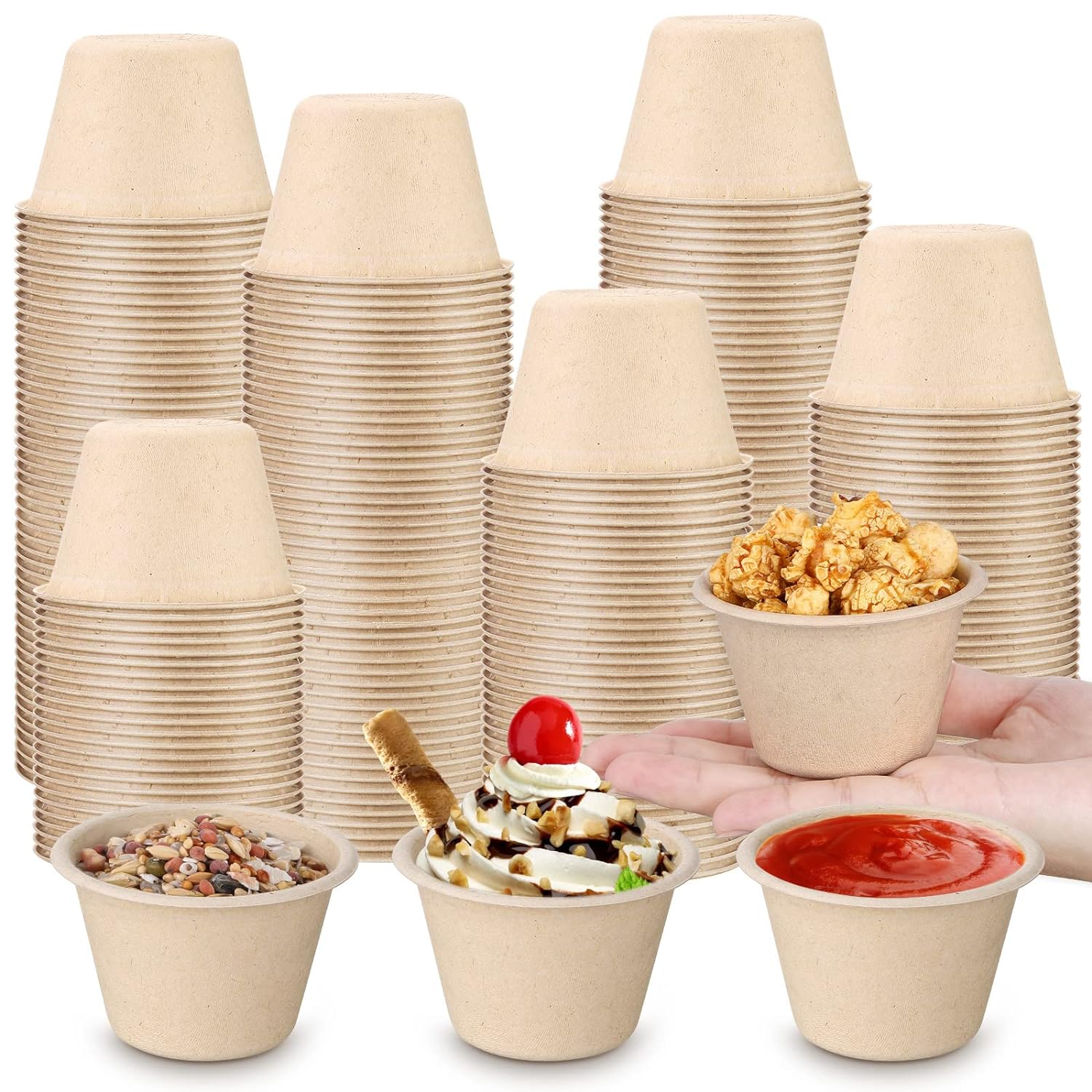 4oz
 Bagasse Cups And Cutlery
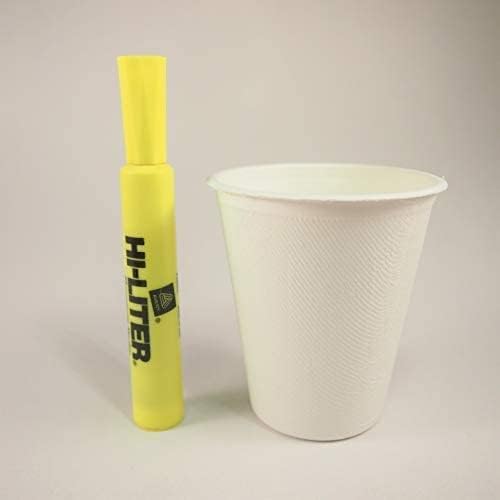
 8oz
 12oz
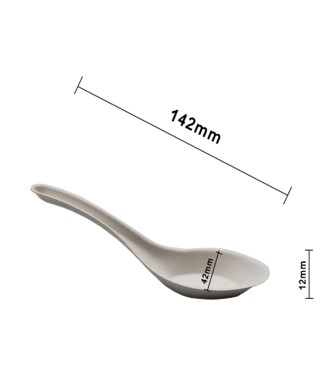 Cutlery
Leave Your Message
Engineered for high oxygen, carbon dioxide, and nitrogen mixtures. Designed for premium Scottish Salmon, Cornish White Fish, and UK retail shelf-life expansion.

Multi-cavity thermoformed biodegradable plant-fiber trays with high-barrier film lamination. Suitable for fresh salmon steaks and cod loins.
Engineered with 60% CO2 / 40% N2 equilibrium protection to inhibit aerobic psychrotrophic bacteria and preserve natural myoglobin colour.
Reinforced structural ribbing designed for automated sealing lines with high moisture resistance and anti-fog peelable top film compatibility.
Zero-leakage hermetic perimeter heat-sealing preventing lipid oxidation and extending shelf life for cured, kippered, and smoked finfish.
Micro-leakage rate < 0.05% under -0.8 bar pressure, maintaining consistent CO2/N2 gas concentration across the British cold chain.
100% natural bamboo & plant fiber substrate exempt from UK Plastic Packaging Tax, meeting WRAP circular economy targets.
Flawlessly compatible with Multivac, Proseal, Ulma, and Sealpac tray sealers operating at 60+ cycles per minute.
Inhibits Pseudomonas and Shewanella growth, extending raw fish retail shelf life from 3-4 days up to 10-14 days at 0-2°C.
The United Kingdom represents one of Europe's most sophisticated and demanding markets for chilled fresh seafood. From the concentrated aquaculture facilities in the Scottish Highlands and Western Isles to the historic fish landing ports of Peterhead, Grimsby, Hull, and Newlyn, the British seafood supply chain depends critically on advanced packaging preservation. As consumer preferences shift decisively toward pre-packaged, ready-to-cook chilled fillets in major British supermarket multiples—including Tesco, Sainsbury's, Marks & Spencer, Waitrose, and Asda—Modified Atmosphere Packaging (MAP) has become the gold standard in fresh fish merchandising.
In the contemporary UK retail ecosystem, seafood suppliers face a stringent double imperative: maximizing biological shelf-life in the refrigerated supply chain (typically held at 0°C to +2°C) while aggressively eliminating unrecyclable fossil-based single-use plastics. With the introduction of the UK Plastic Packaging Tax (PPT) and tightened Extended Producer Responsibility (EPR) requirements, conventional expanded polystyrene (EPS) boxes and single-use unlaminated plastic trays are facing rapid phase-outs. Custom molded plant-fiber MAP trays, reinforced with ultra-thin, high-barrier peelable lamination, provide the precise solution required by tier-1 UK seafood processors.
Fish muscle tissue is uniquely perishable due to its neutral pH, high moisture content, and the presence of active endogenous autolytic enzymes. The primary cause of spoilage is aerobic gram-negative psychrotrophic bacteria, predominantly Pseudomonas, Shewanella putrefaciens, and Photobacterium phosphoreum. Deploying the correct MAP gas blend customized to the fish category is critical to inhibit spoilage without causing product degradation.
| Seafood Category | Target Species (UK Context) | Recommended Gas Mix (% CO2 / % N2 / % O2) | Primary Degradation Mechanism Targeted | Typical Shelf-Life (0-2°C) |
|---|---|---|---|---|
| Lean Whitefish | Cod, Haddock, Pollock, Plaice, Dover Sole | 40-60% CO2 / 40-60% N2 / 0% O2 | Microbial slime, volatile amines (TMA), ammonia production | 10 - 14 Days |
| Fatty / Pelagic Fish | Scottish Salmon, Mackerel, Trout, Herring | 50-60% CO2 / 40-50% N2 / 0-10% O2 | Lipid auto-oxidation, rancid odor, drip loss | 9 - 12 Days |
| Crustaceans & Shellfish | King Prawns, Langoustines, Scallops, Crab | 30% CO2 / 70% N2 or High-Oxygen Blend | Melanosis (black spot enzymic browning), protein breakdown | 7 - 10 Days |
| Smoked & Cured Fish | Arbroath Smokies, Kippers, Smoked Salmon | 60-70% CO2 / 30-40% N2 / 0% O2 | Lactic acid bacteria overgrowth, mould, oxidative yellowing | 21 - 28 Days |
In our automated high-barrier tray molding process, Oxygen Transmission Rates (OTR) are maintained below 0.5 cm³/m²·24h·0.1MPa, with Water Vapor Transmission Rates (WVTR) below 0.8 g/m²·24h. This prevents the rapid absorption of carbon dioxide into the fish flesh from creating negative pressure that could collapse weak container walls (the "snout-in" or package collapse defect), ensuring optimal aesthetic shelf presentation in UK chiller aisles.
Our custom packaging engineering is purpose-designed to address specific operational bottlenecks across British seafood packaging operations:
Direct manufacturing prowess backing the United Kingdom's chilled food and seafood distribution networks.
In the field of environmentally friendly packaging for 18 years, Has established cooperation with 500+ brands.
Through our research and development, there are more than 60 products can product, we also support OEM ODM customized services.
Exported to the United States, Europe, Australia, Canada and other countries, right now we have exported more than 30 countries.
10000+ square meters factory area, more than 30 patent certificates, 10 foreign authoritative certification, 55 automatic forming machines...
Kangxin (HaiMen) Environmental Technology Co., Ltd. is a technology innovation oriented enterprise that focuses on disposable environmentally friendly tableware and food packaging.
We have advanced production processes and equipment, and continue to attract senior talents, focusing on environmental protection, emphasizing safety, and ensuring quality.
READ MORE ABOUT KANGXIN MANUFACTURING
EATware is committed to sustainable development, using all natural plant fibers to produce safe, healthy and environmentally friendly tableware. Adhering to the concept of "take nature, serve humanity, return to nature", we focus on the development of safe, high quality and environmental standards.
EATware emphasizes environmental protection and sustainable development, explores the balance between enterprise survival and environmental protection, and uses all-natural and pollution-free bamboo fiber as the main material of tableware to ensure that its products meet the high technical level and are superior to developed countries.
Rigorous regulatory verification enabling frictionless seafood packaging imports into the United Kingdom & EU.
Our modern plant runs on custom-designed automated forming and tooling lines validated by 30+ patents:
Stay ahead with authoritative technical articles on container integrity, testing protocols, and global manufacturing shifts.
The most reliable way to test disposable food containers is to combine leakage testing with structural testing under conditions that reproduce the intended food application. A container should not be approved simply because it holds water for several minutes or survives an empty compression test...
For foodservice operators, replacing conventional plastic packaging is not simply a matter of changing materials. Disposable biodegradable tableware must still withstand hot food, sauces, oils, condensation, stacking, transport, and commercial handling without losing structural integrity. Poorly engineered trays fail in transit...
With growing global demand for takeaway meals and eco-friendly packaging, China's manufacturing sector has become a major hub for disposable food containers. Today's food businesses - from fast-food chains and meal-delivery services to supermarkets and catering companies - are looking for reliable factory suppliers...
Trusted by multinational food retailers, seafood distributors, airlines, and eco-service leaders worldwide.
Explore our complete catalogue of certified biodegradable, high-barrier fish trays and container formats for UK processors, caterers, and food brands.
Universal deep-cavity bowl format for marine salads, fish chowders, and diced ready-to-cook salmon cuts.
Flat perimeter flange ensuring rapid vacuum-gas exchange and hermetic heat seal integrity for fish mongers.
High optical clarity top film compatibility showing premium fish grain and rich red flesh pigmentation.
Engineered for high-volume retail displays requiring puncture resistance against sharp dorsal fin spines.
High-barrier structural bases preventing shell puncture and maintaining nitrogen rich gas mix to stop browning.
High CO2 retention barrier keeping omega-3 fatty acids stable and preventing oxidative rancidity.
Reinforced plant-fiber architecture capable of withstand commercial stacking and cold-room high humidity.
Fully bespoke mold cavities engineered to your exact line geometry, branding embossments, and sealing dimensions.
