
 Box With T buckle
 700ml Square Lunch Box
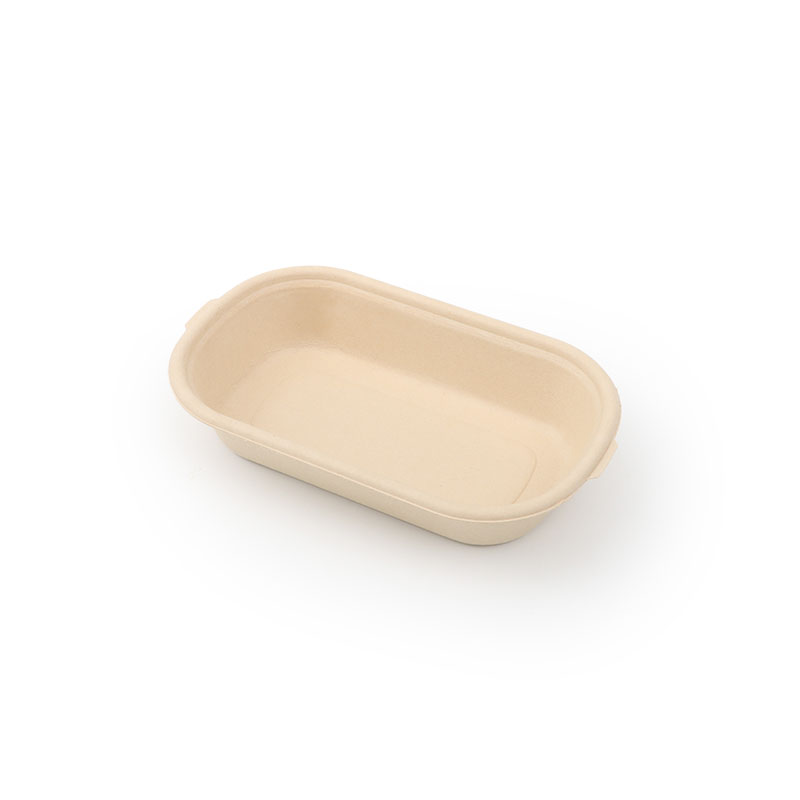 500ml
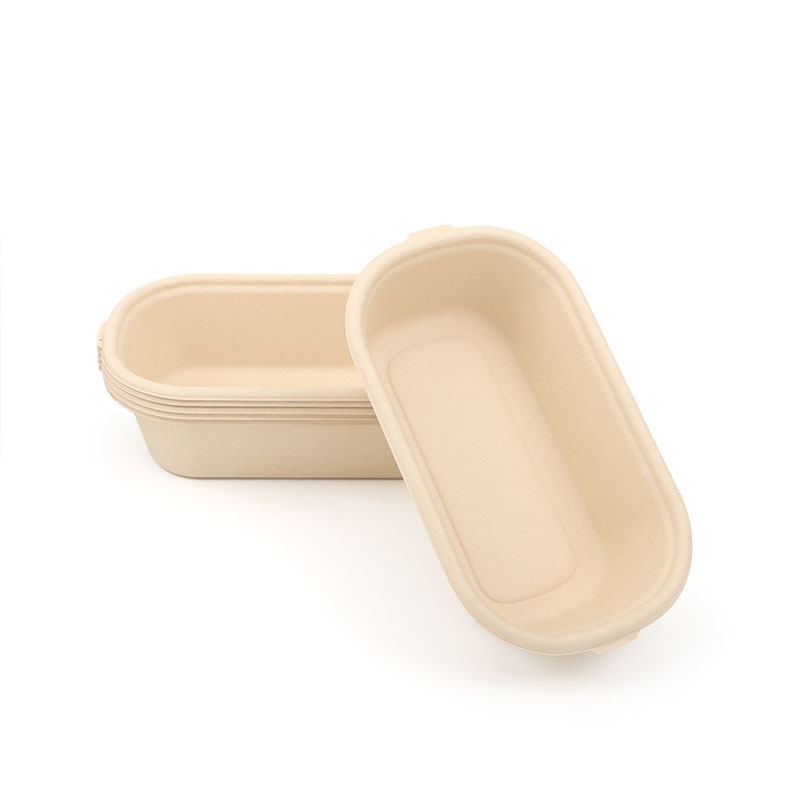 700ml
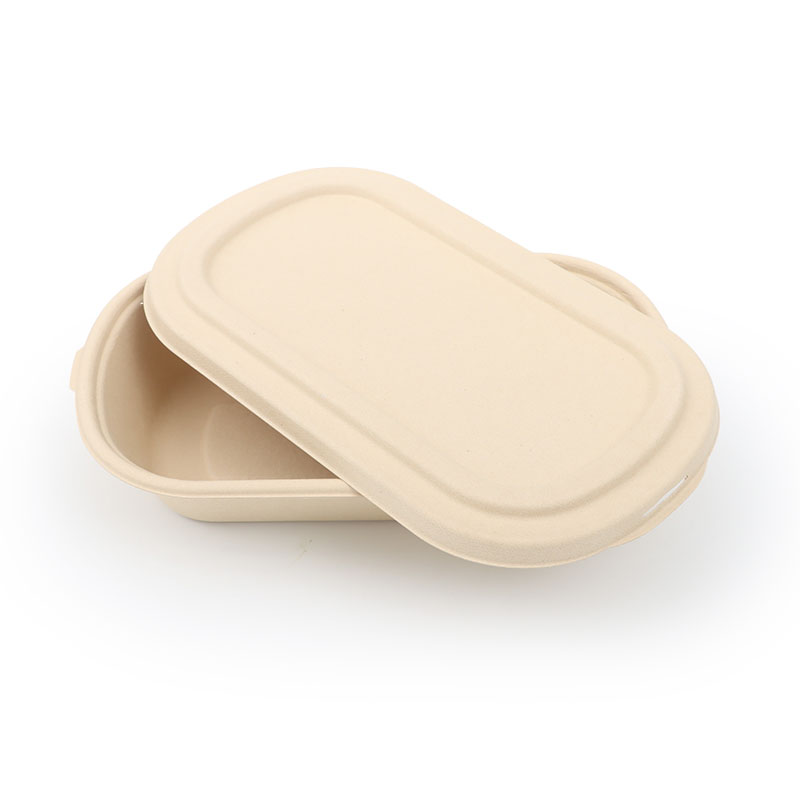 850ml
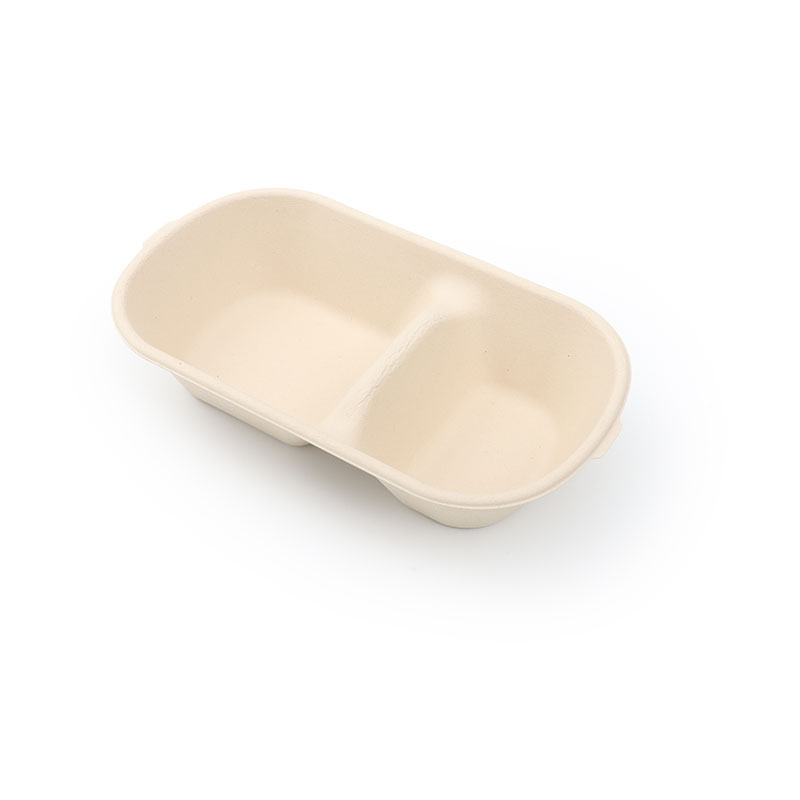 800ml 2 Compartments
 1000ml 2 Compartments
 1100ml
 1000ml Square Lunch Box
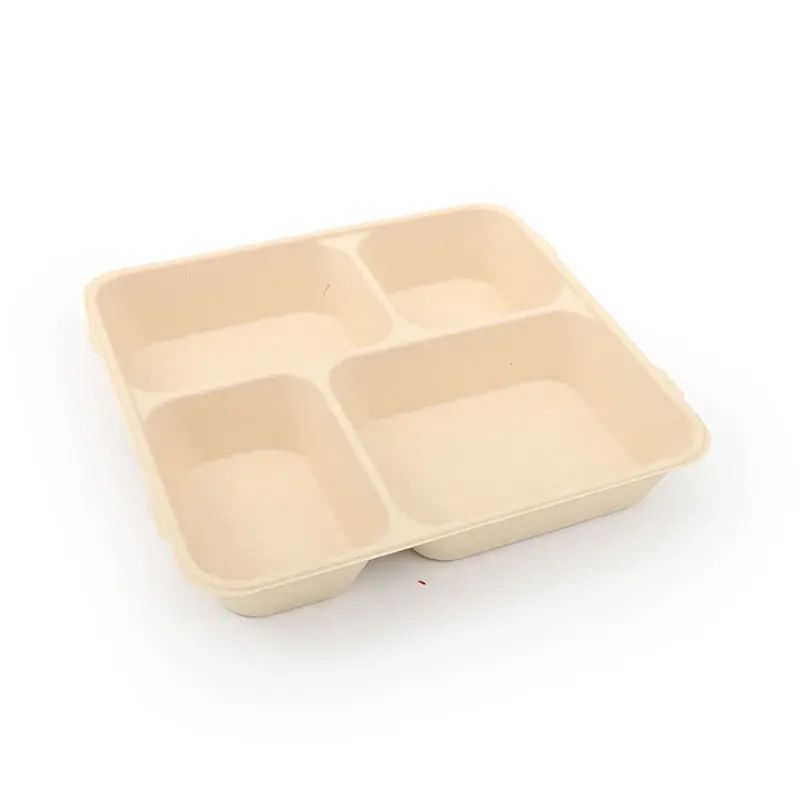 1340ml 4 Compartments
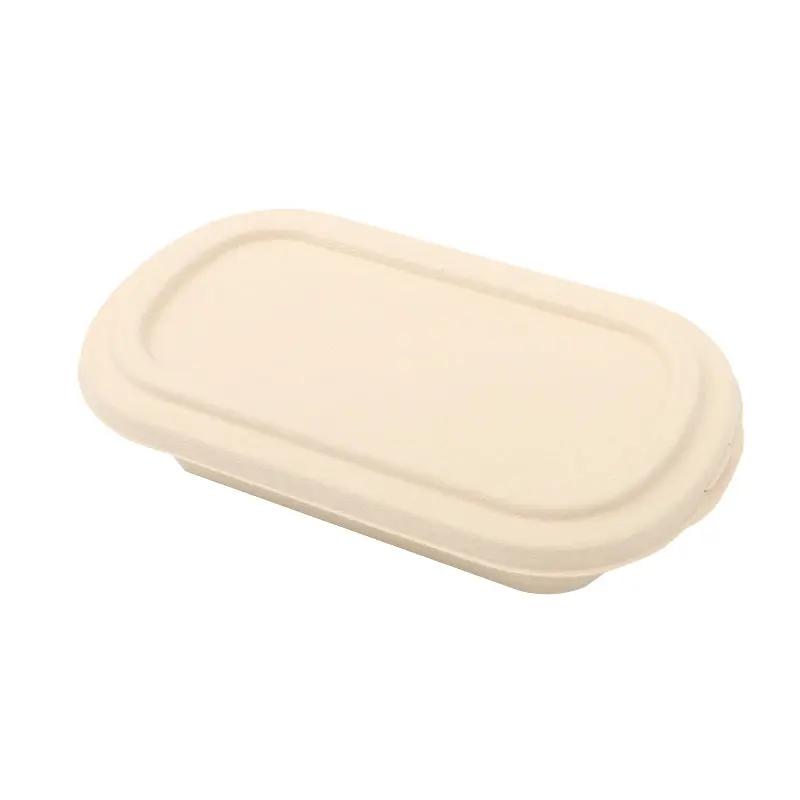 Lunch Box Lid
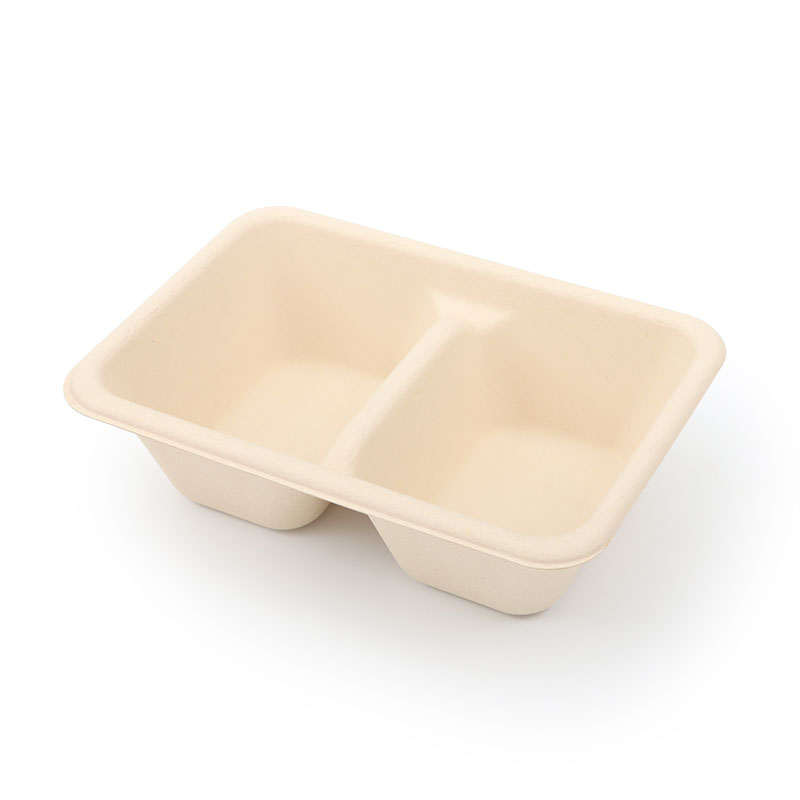 650ml
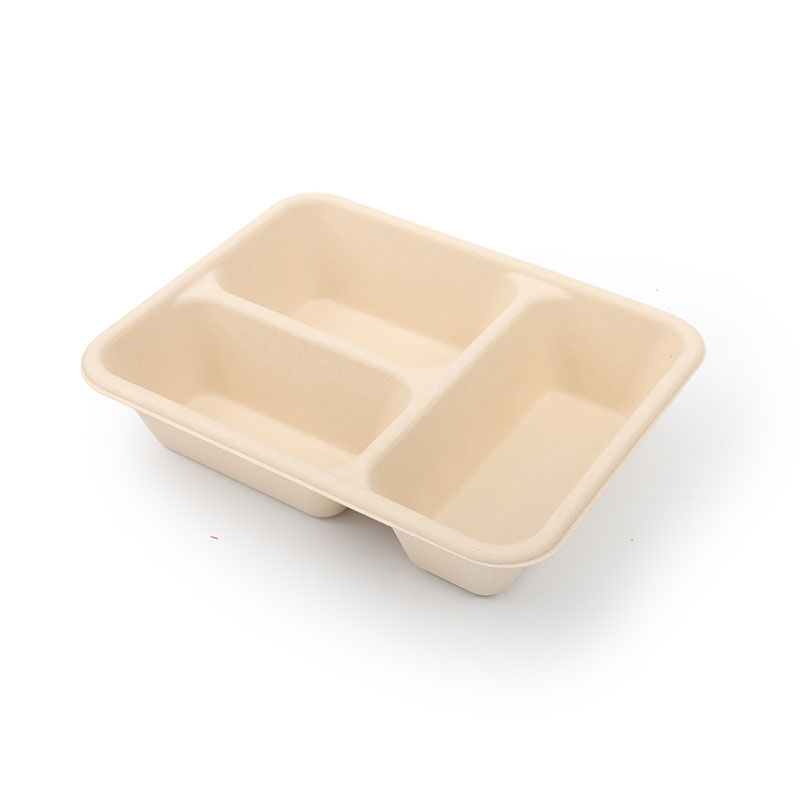 1000ml 3 Compartments
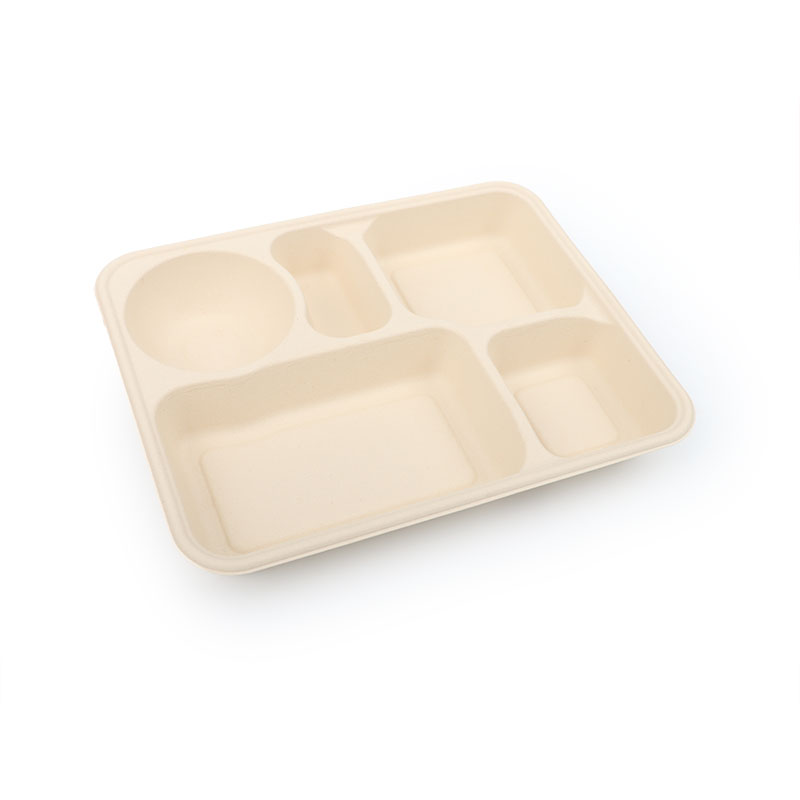 1250ml 5 Compartments
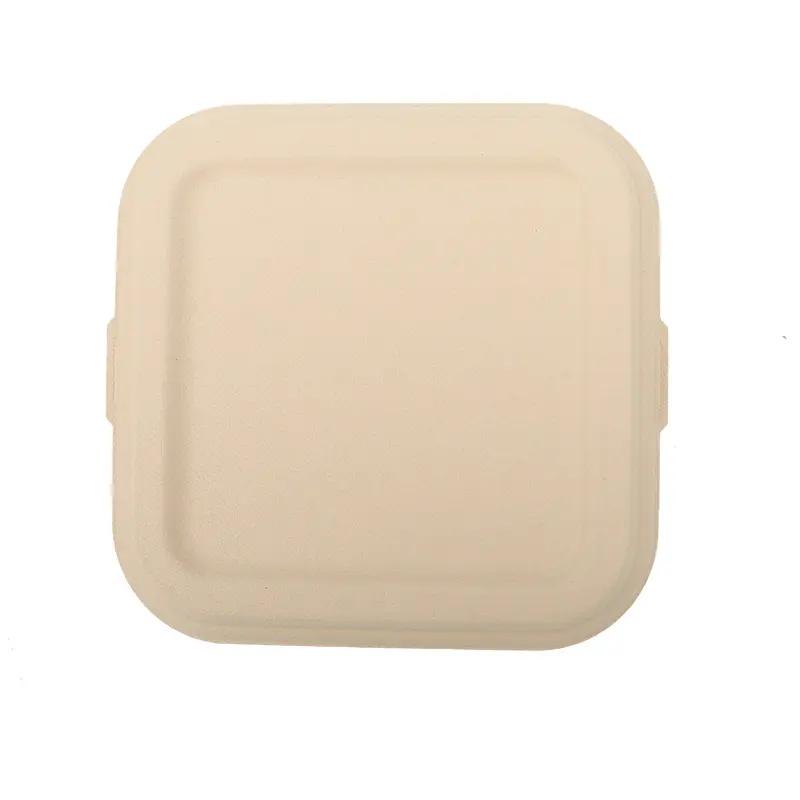 Square Lunch Box Lid
 Box Without T buckle
 850ml Salad Box
 700ml
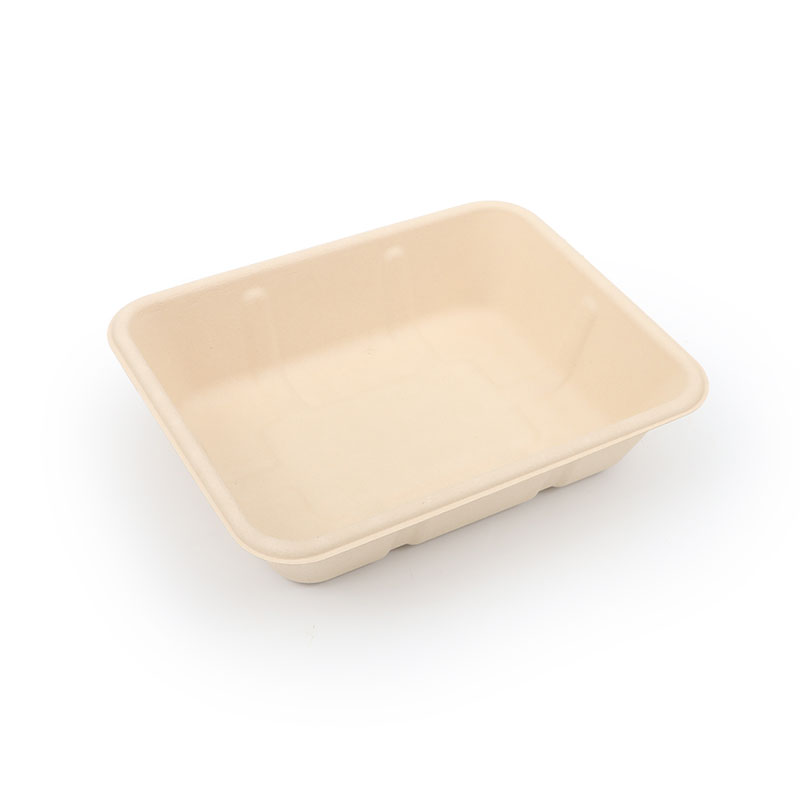 1350ml
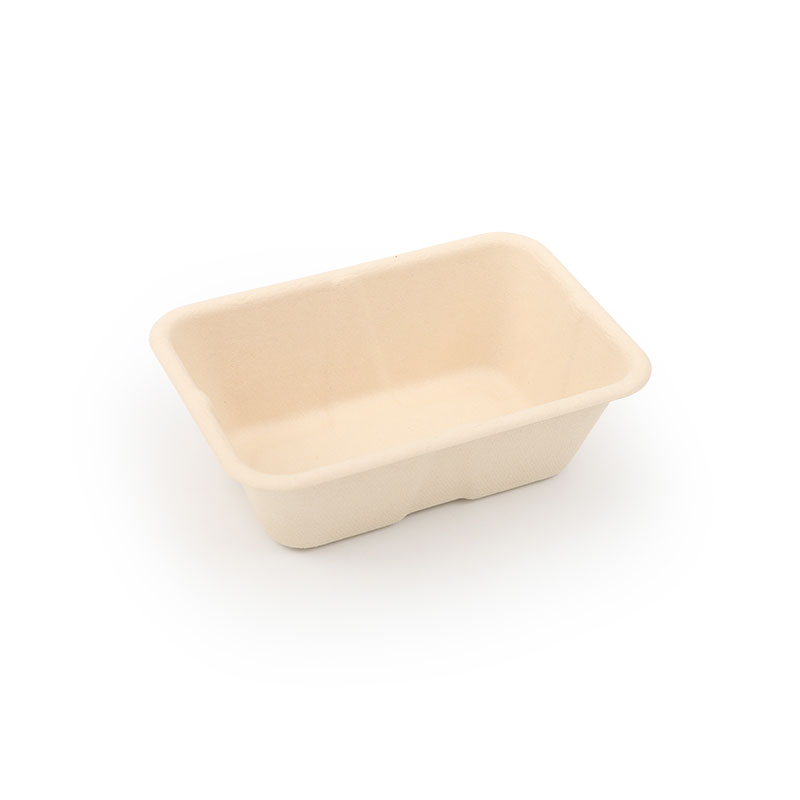 470ml
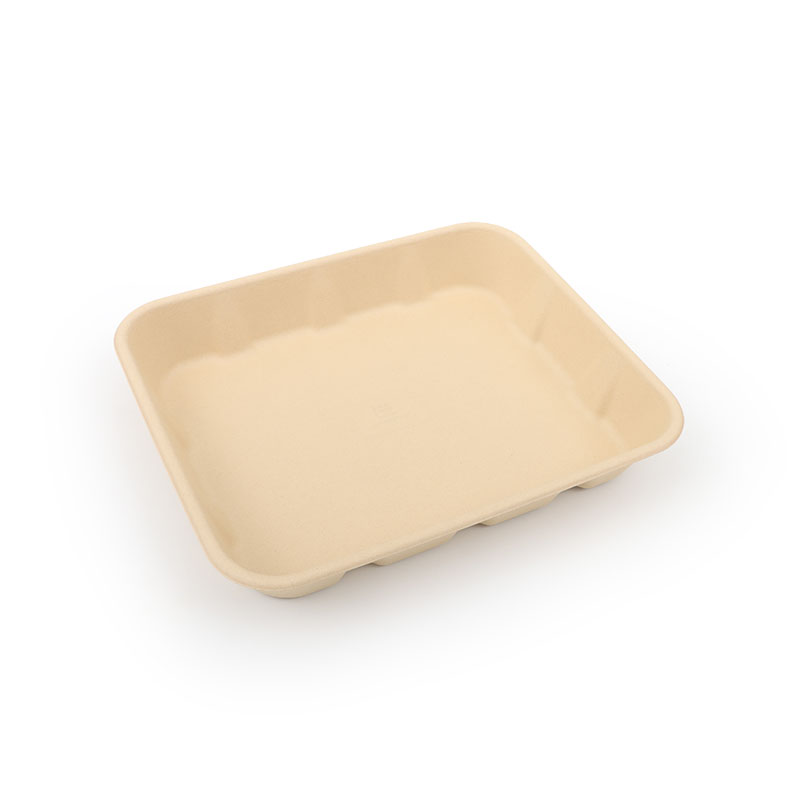 2183ml Tray Box
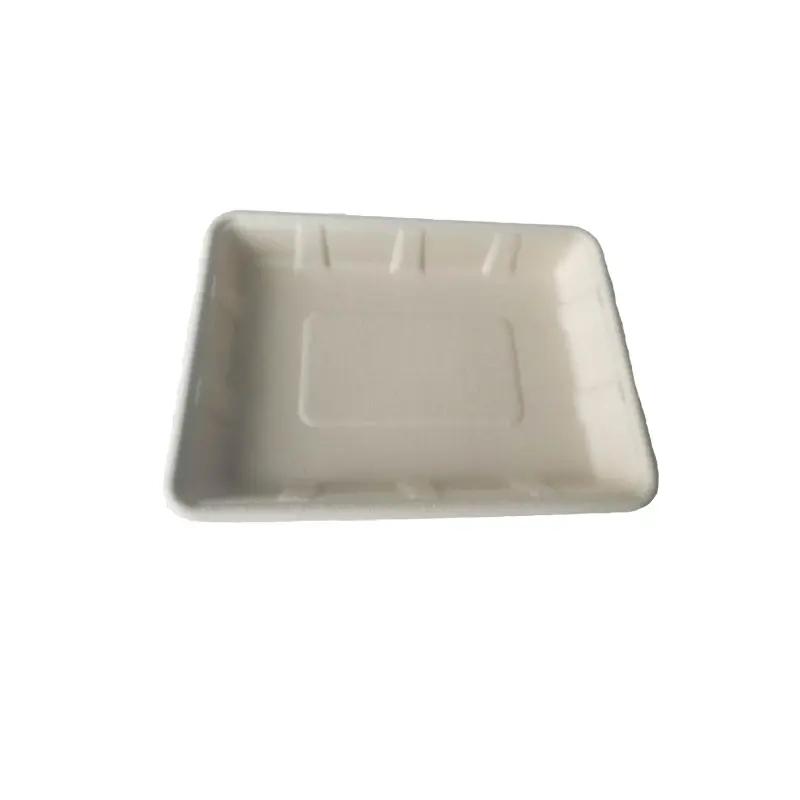 11" * 9"
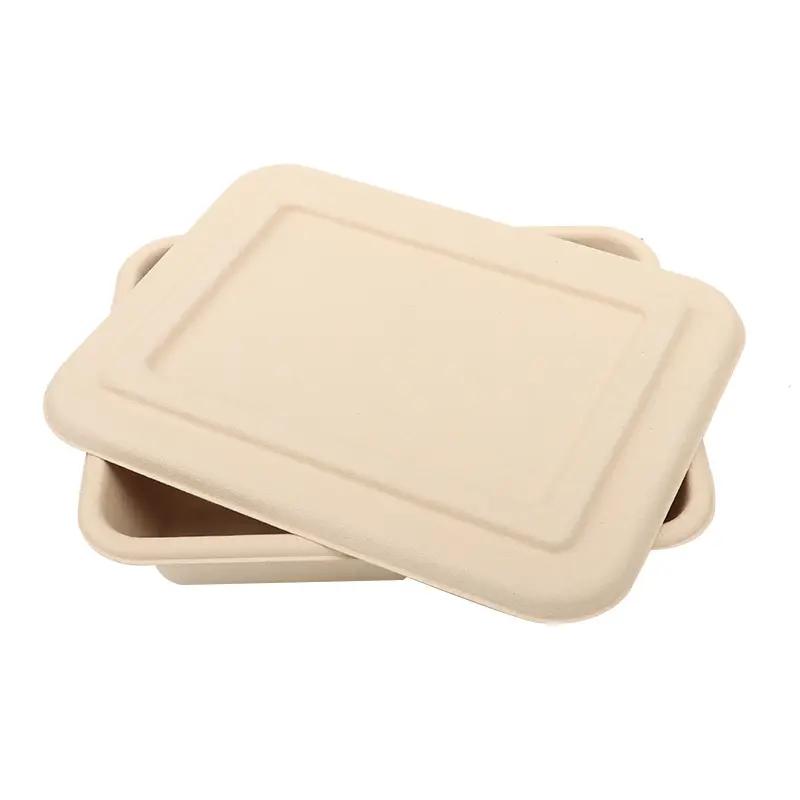 800ml
 One Part Box
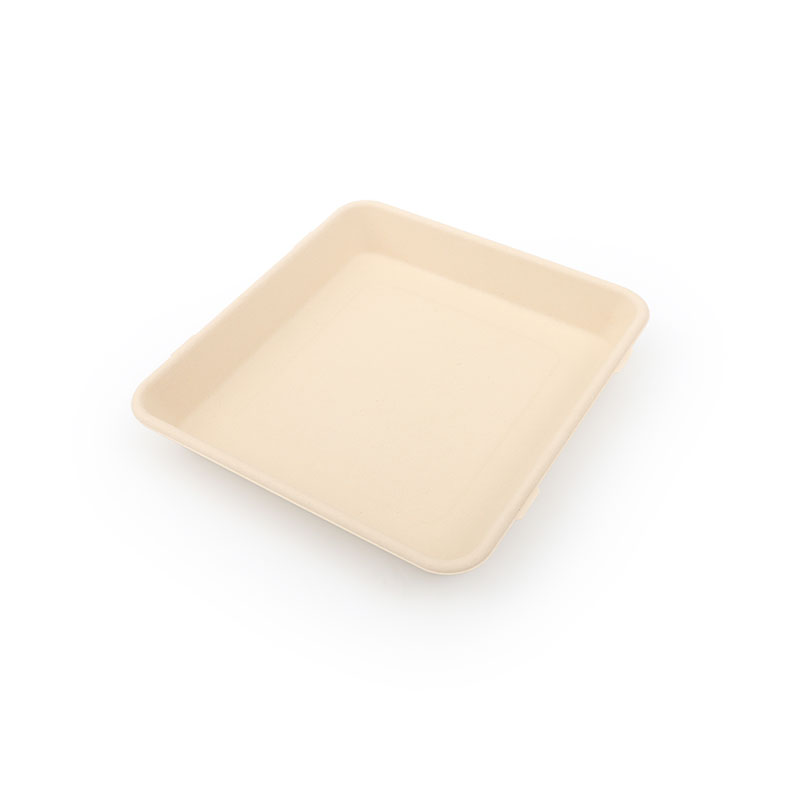 1443ml Tray Box
 Cake Bread Snack Tray Series
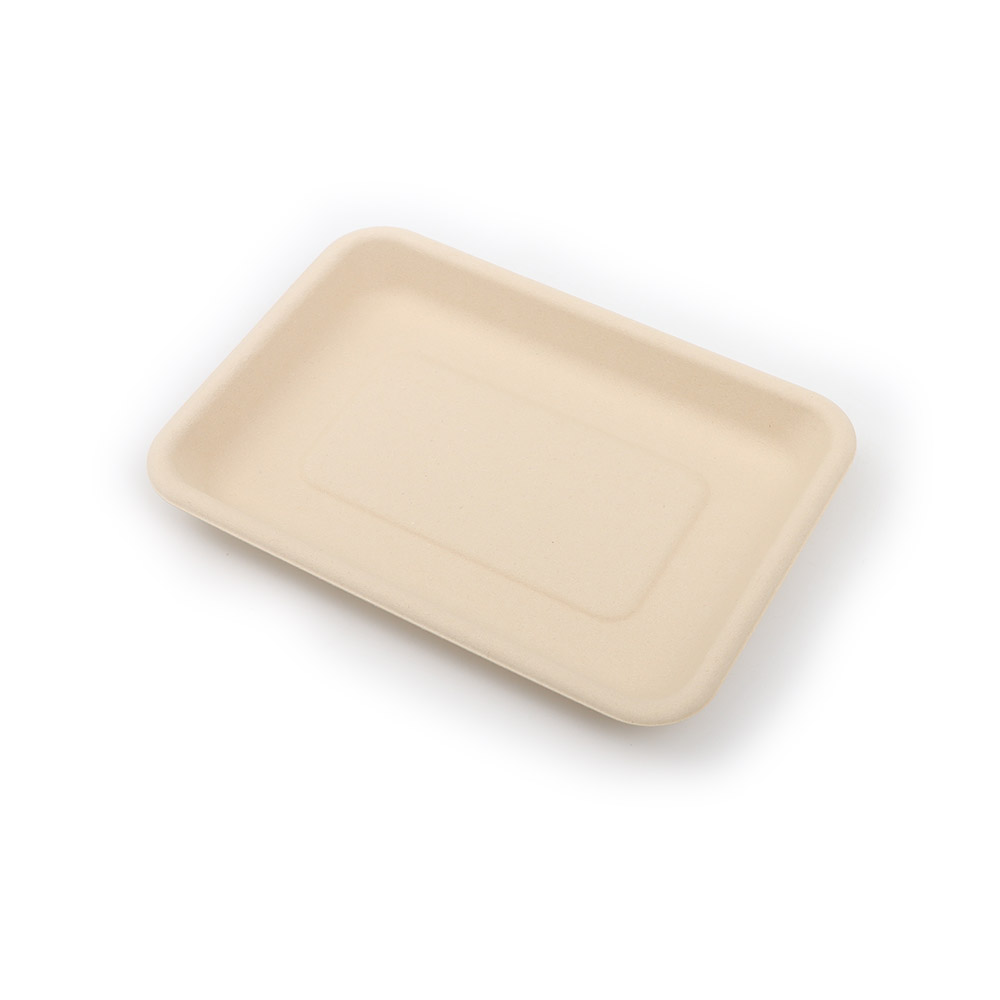 5" * 7" natural color
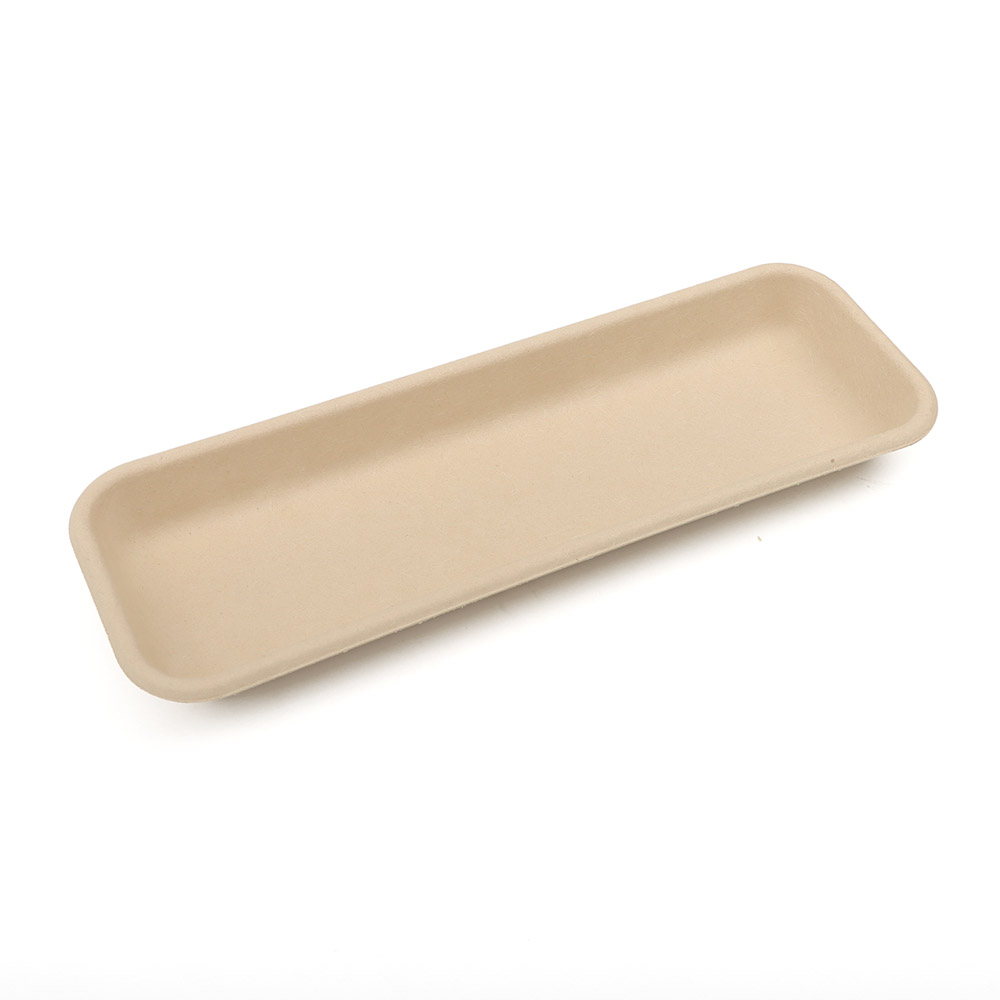 11.4" * 3.9"
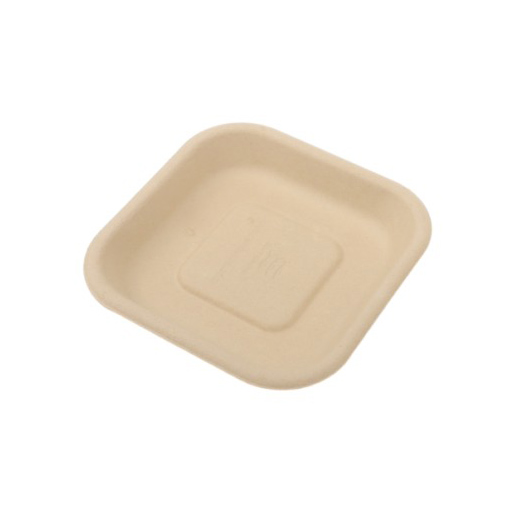 5.3" * 5.3"
 Fruit And Vegetable Tray Series
 8.6" * 5.3"
 Sushi Tray Series
 200" * 140"
 210" * 110"
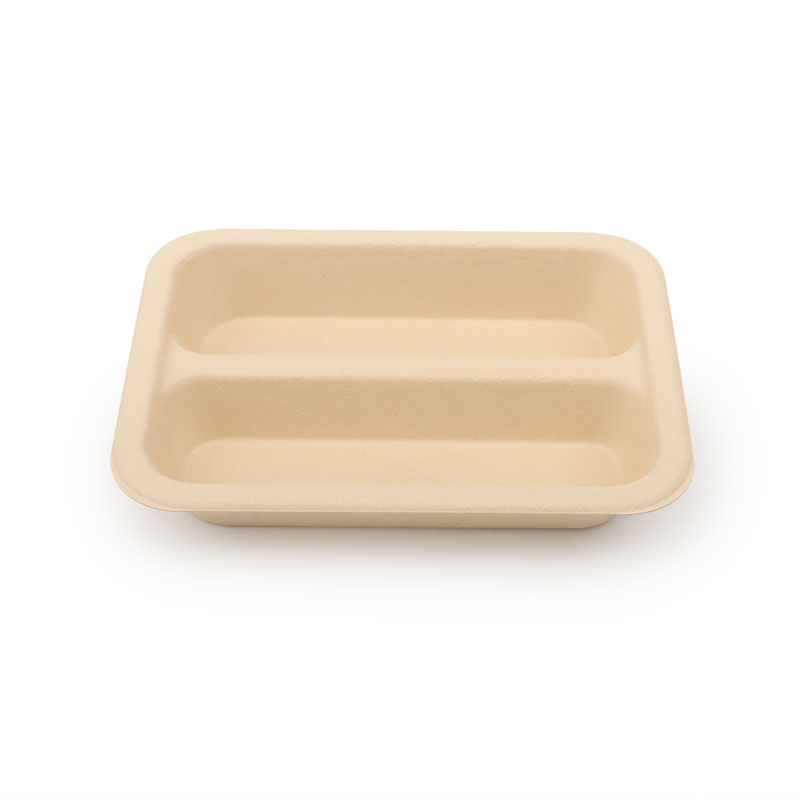 2 Compartments
 Small Round Plate Series
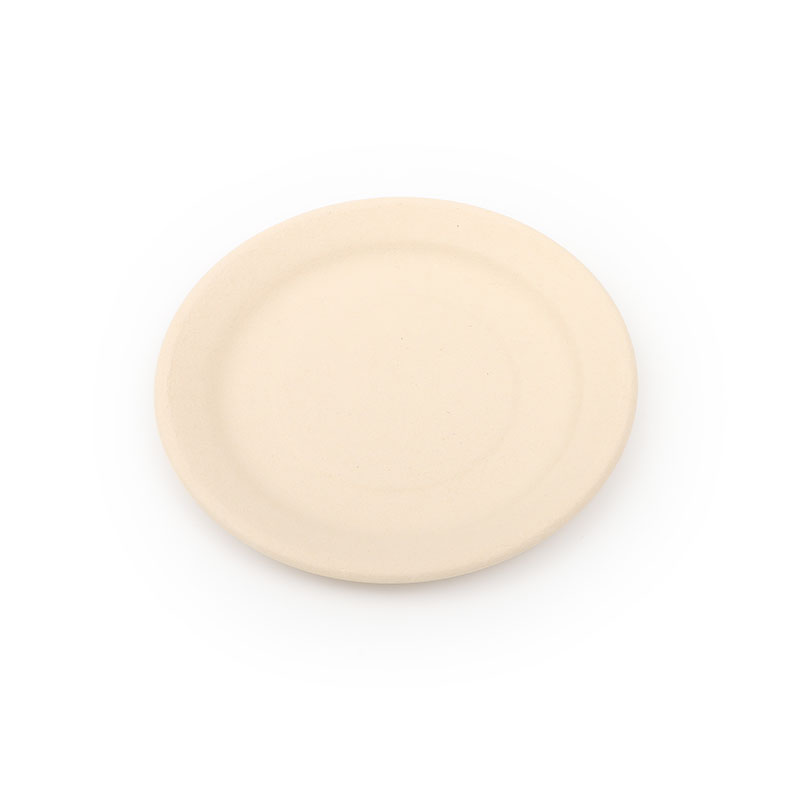 7 inch
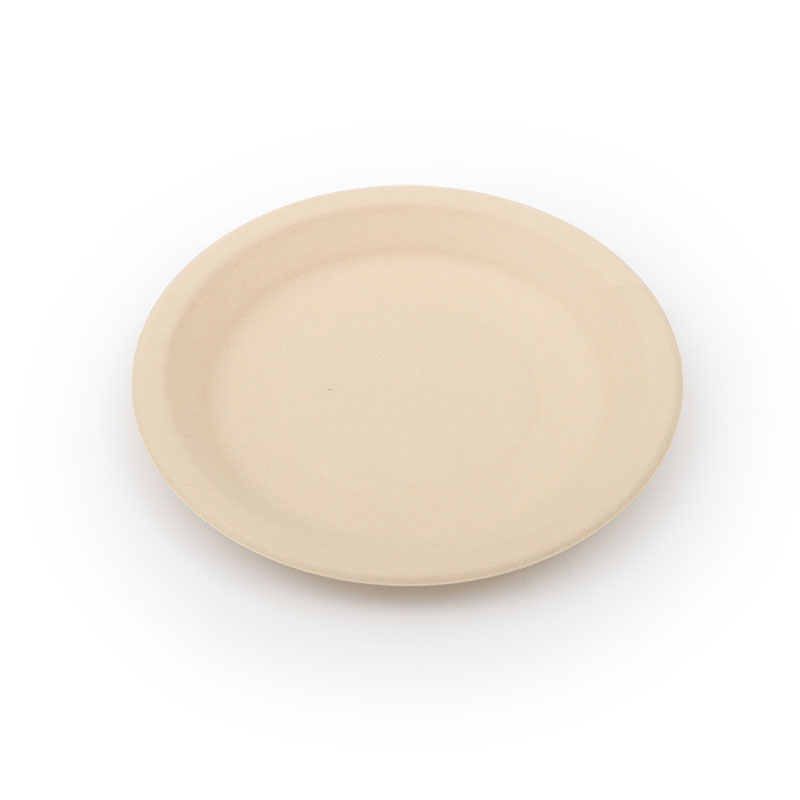 6 inch
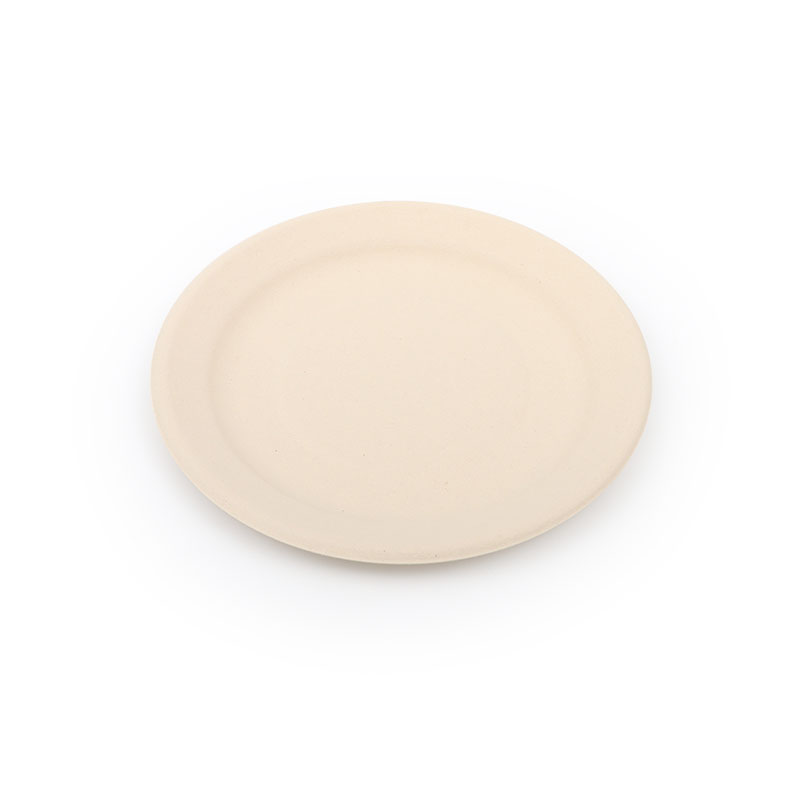 8 inch
 Middle Round Plate Series
 9 Inch 3 Compartments
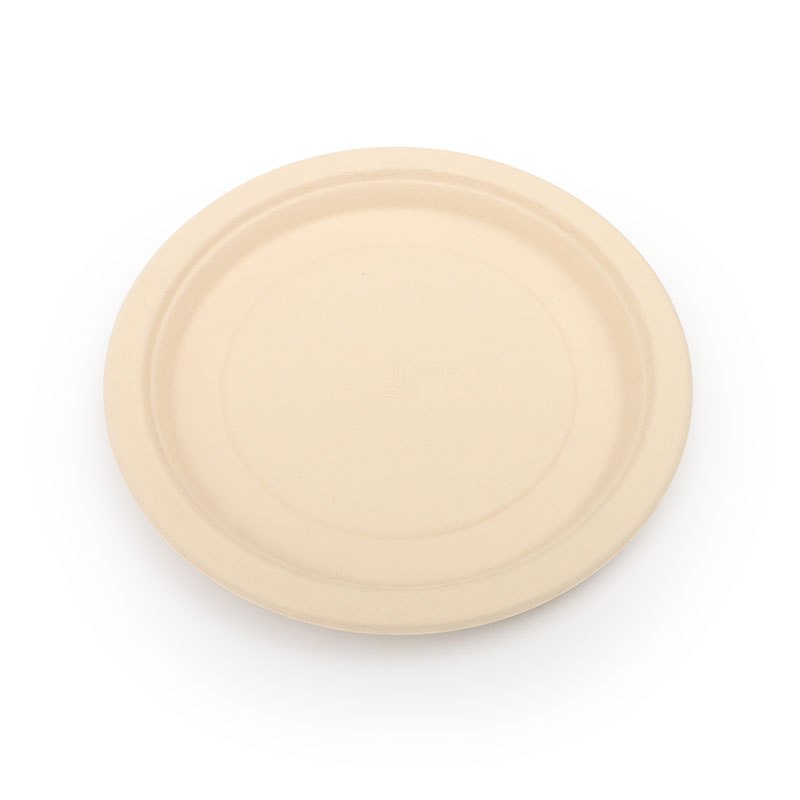 9 inch
 Big Round Plate Series
 12.7 Inch Pizza Plate
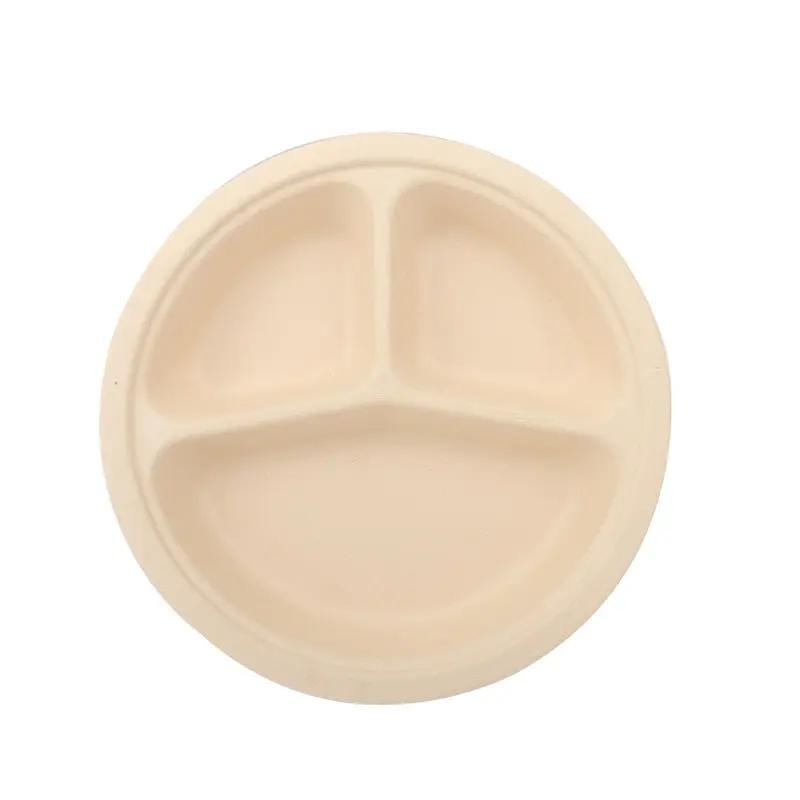 10.25 inch 3 Compartments
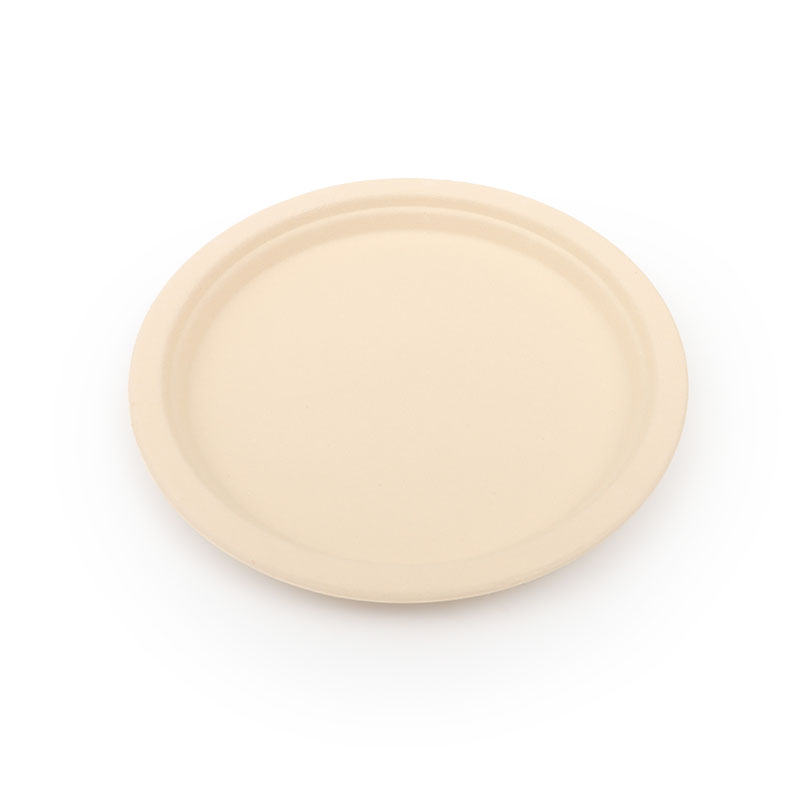 10 inch
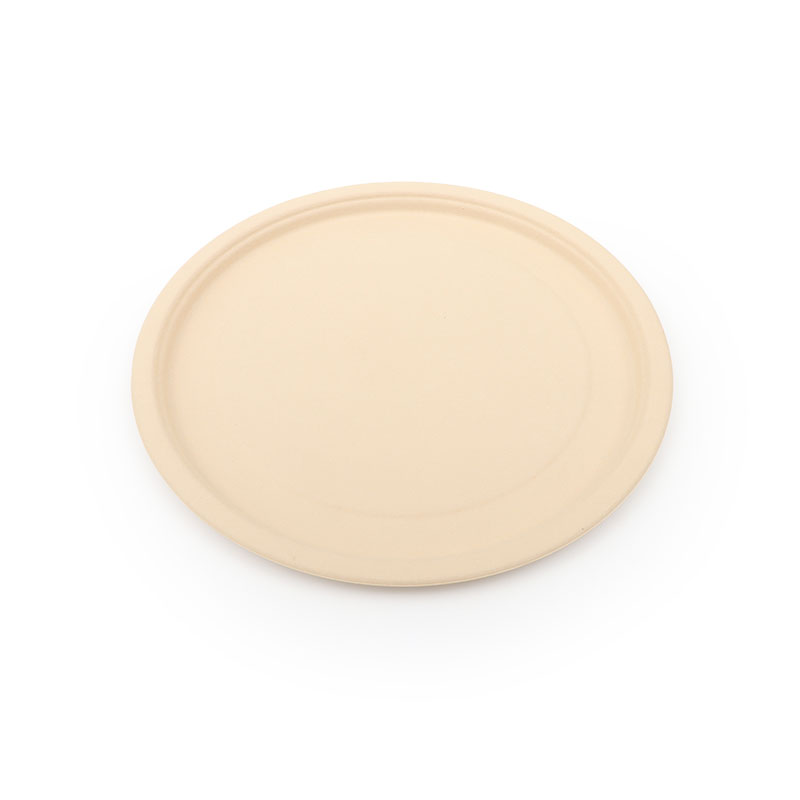 12 inch
 Bigger Bowl
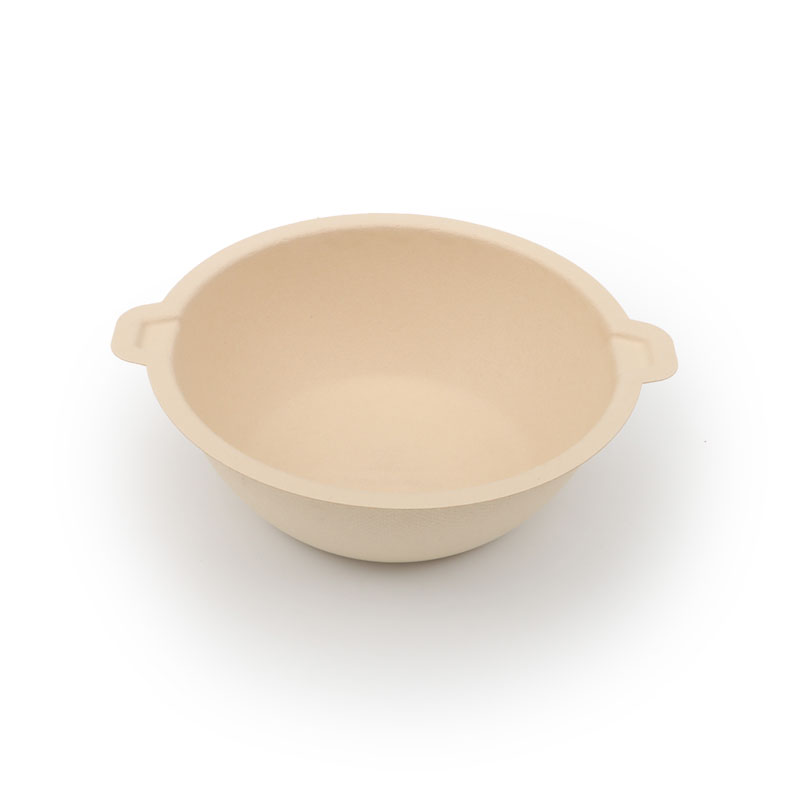 48oz(1420ml)
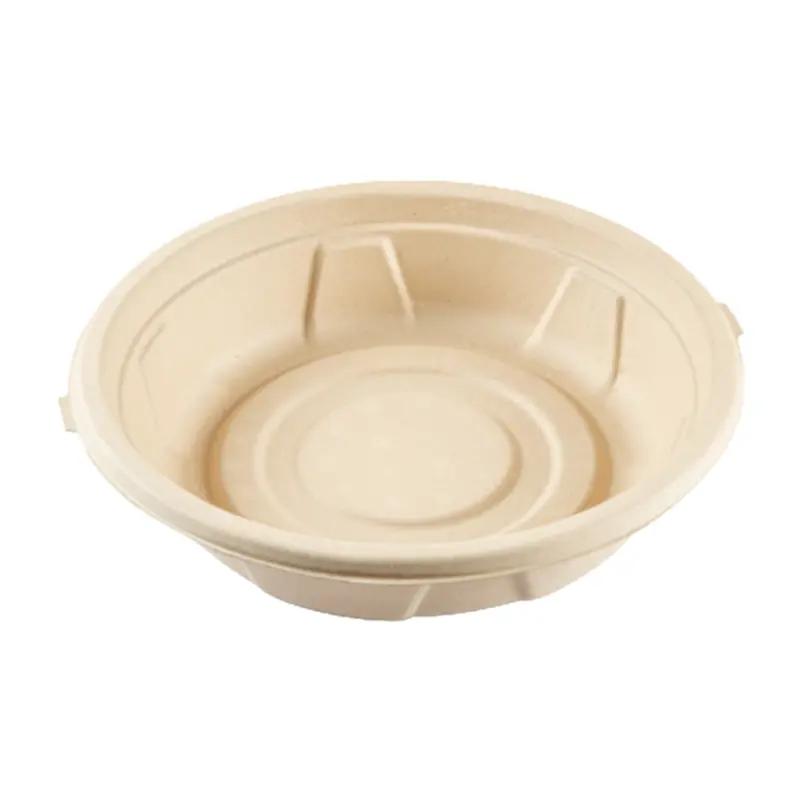 56oz(1650ml)
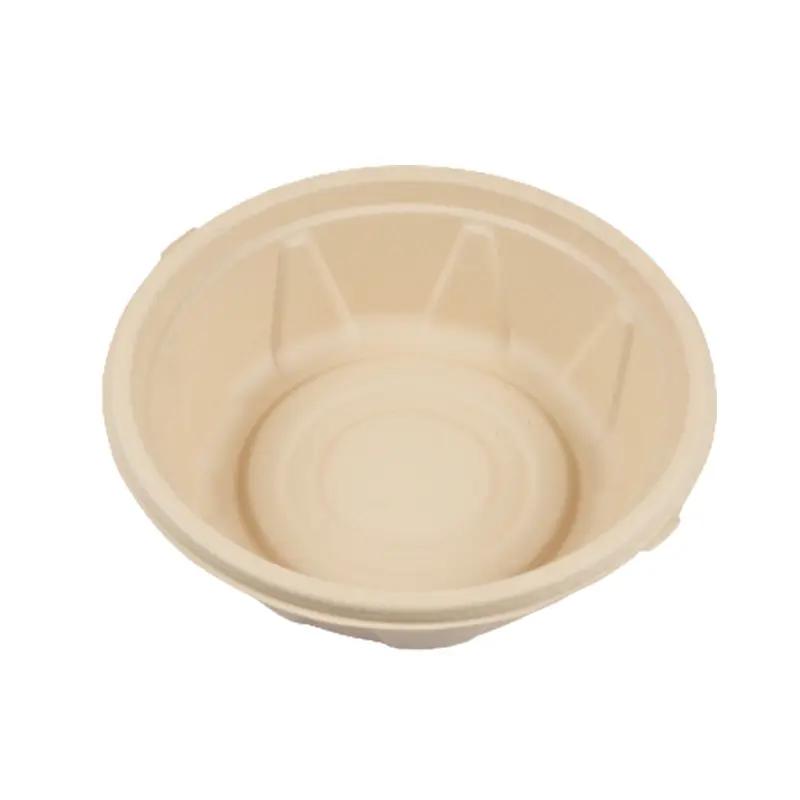 100oz(2950ml)
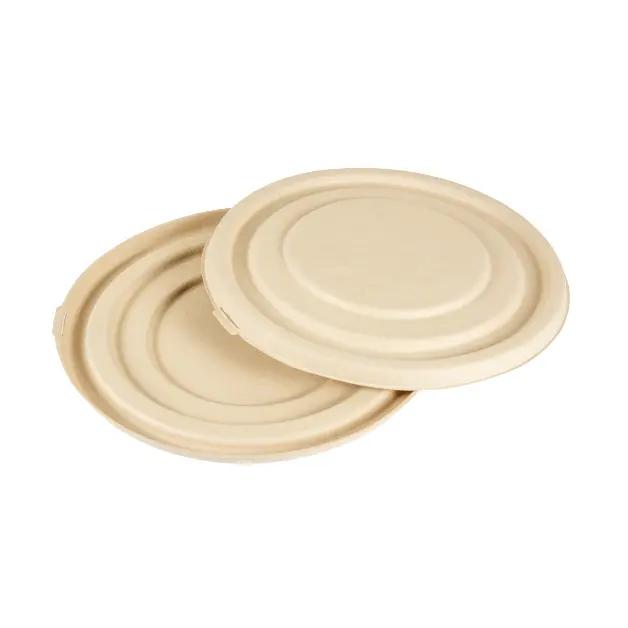 100oz(2950ml) With Lid
 Middle Bowl
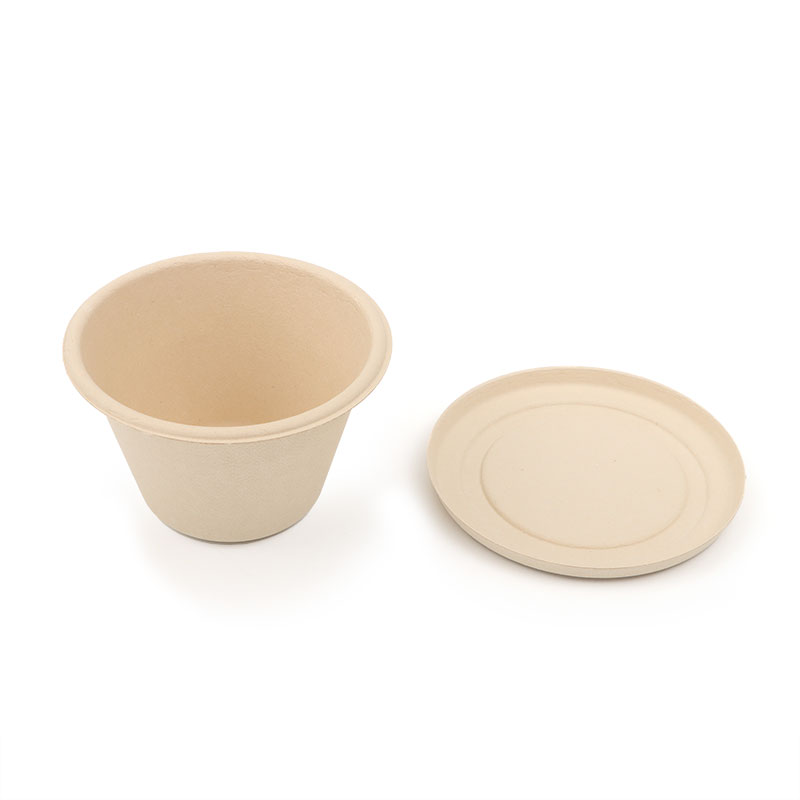 17oz(500ml)
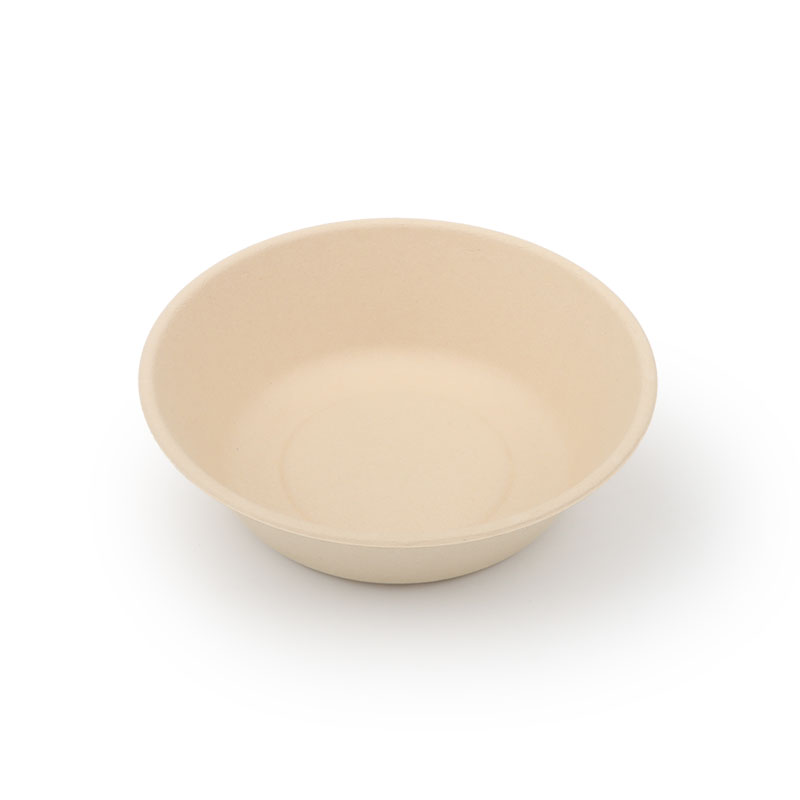 27oz(800ml)
 20oz(600ml)
 29oz(850ml)
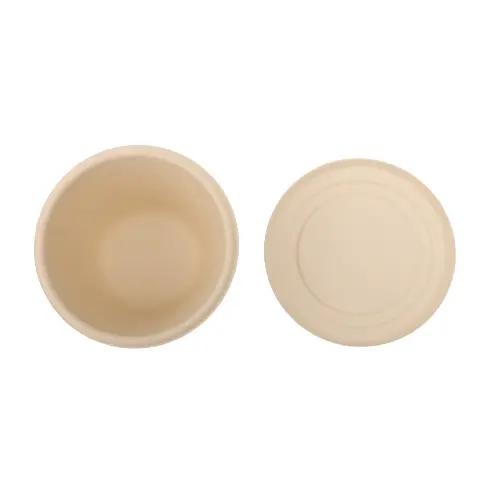 17oz(500ml) With Lid
 17oz(500ml) PET Lid
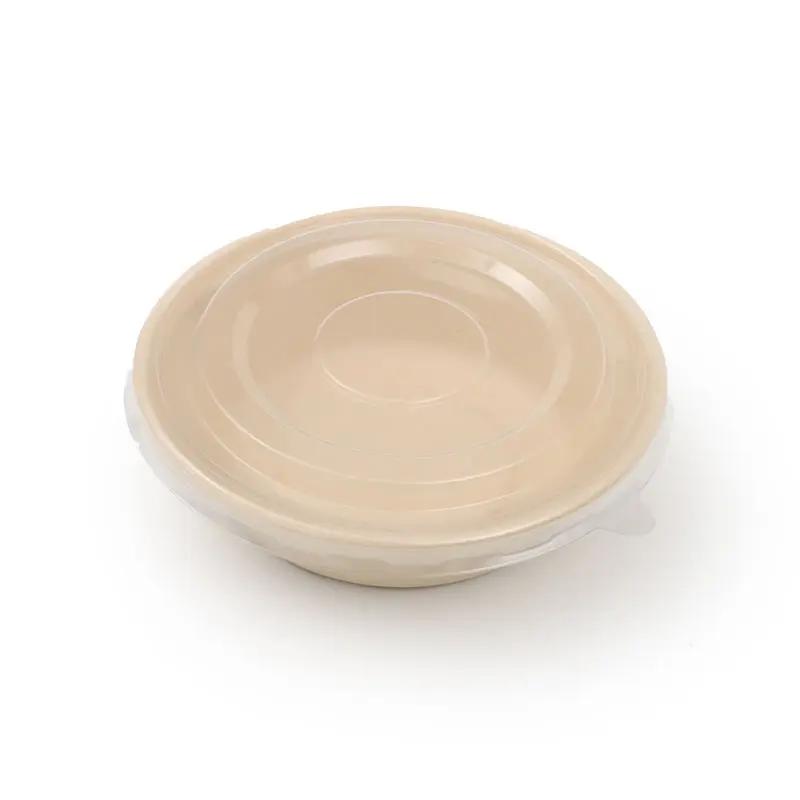 28oz(830ml) PET Lid
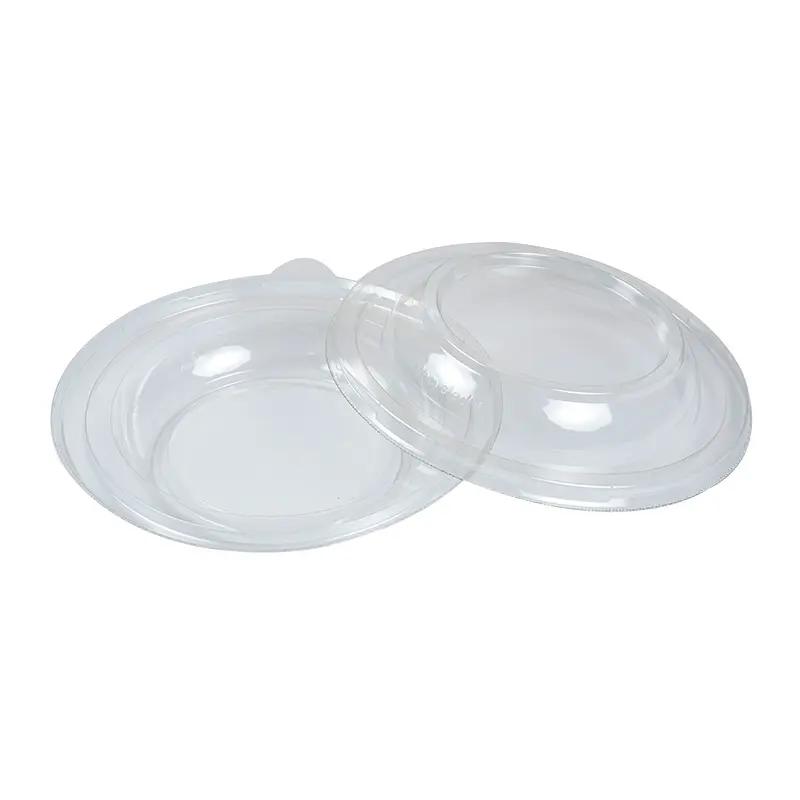 Round Bowl PET
 Small Bowl
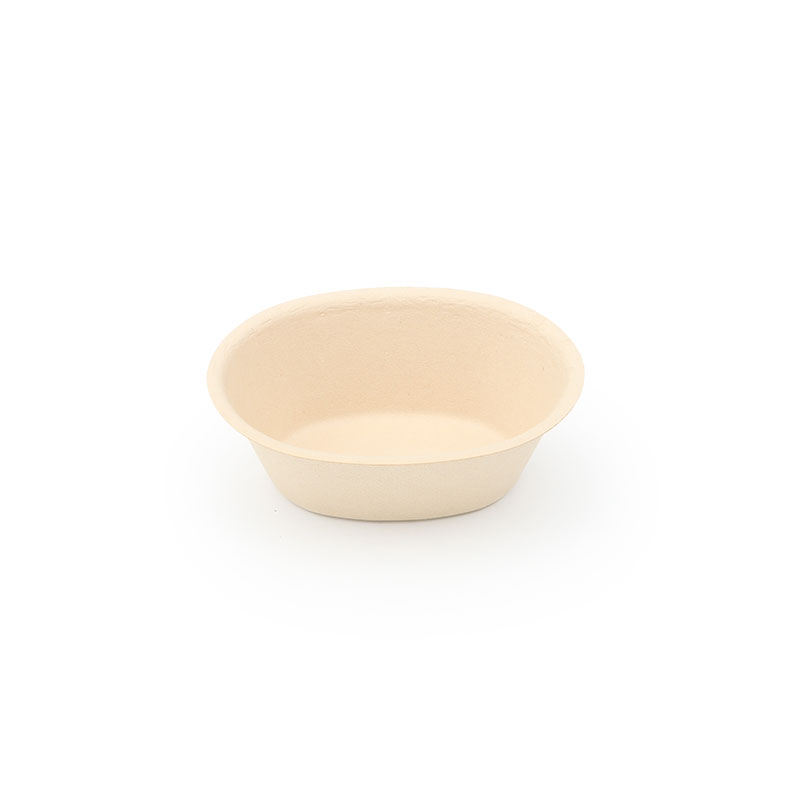 Snack Bowl
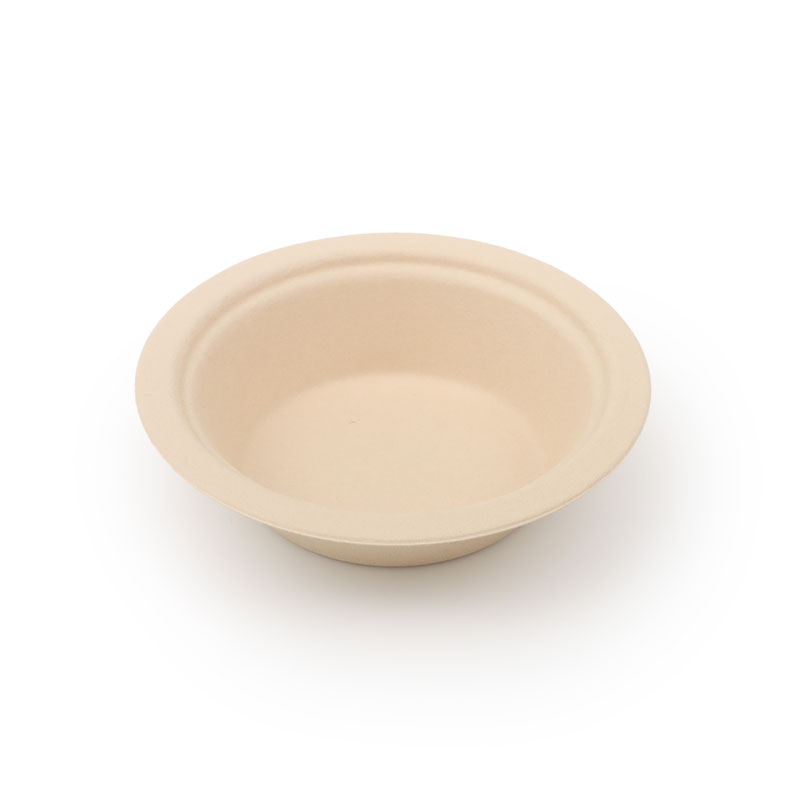 11.5oz(340ml) Bowl
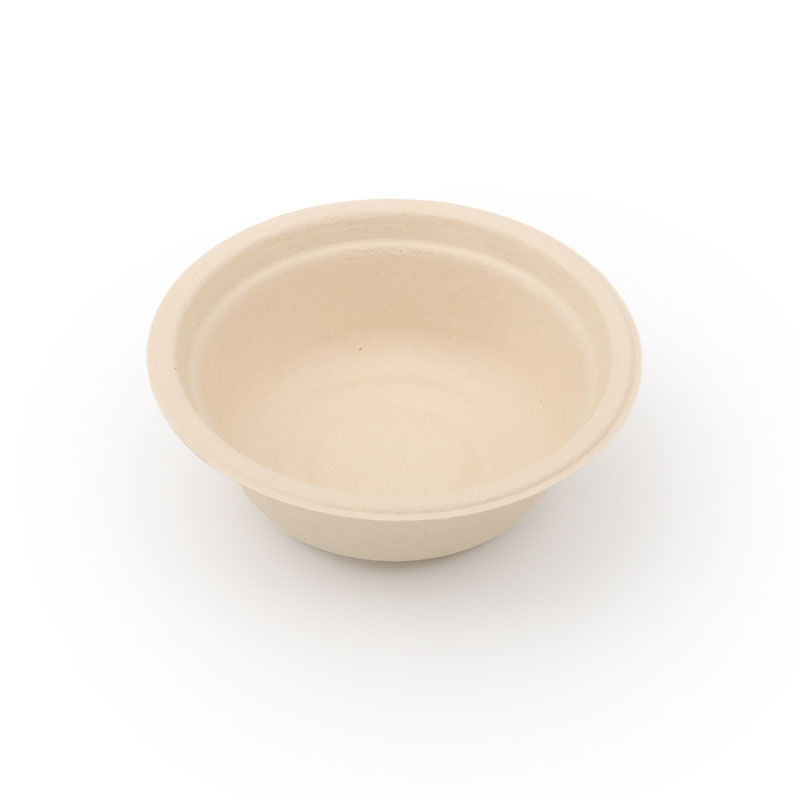 6.7oz(200ml) Bowl
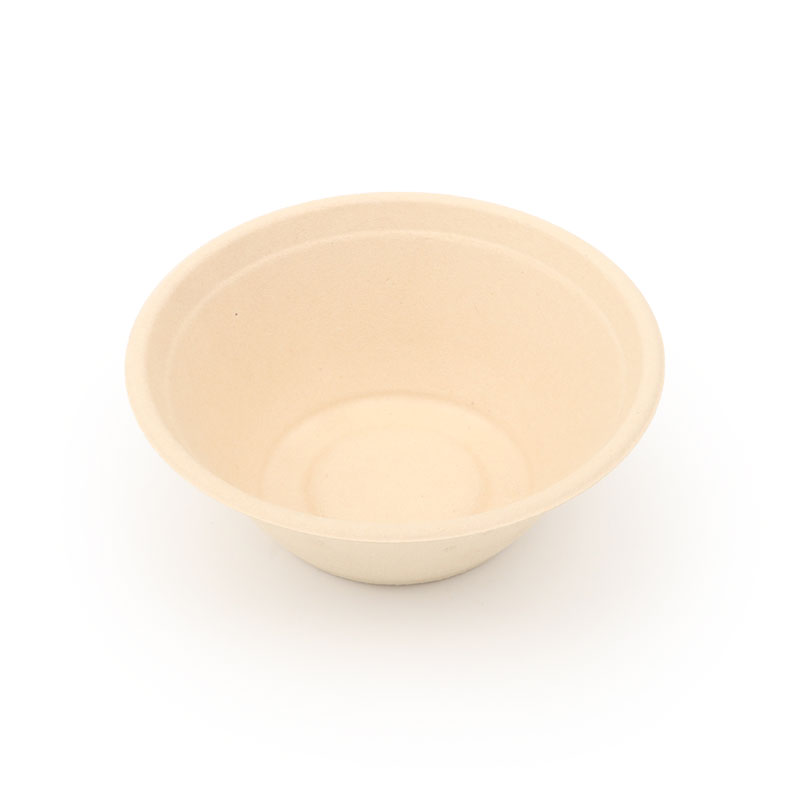 12oz(350ml) Bowl
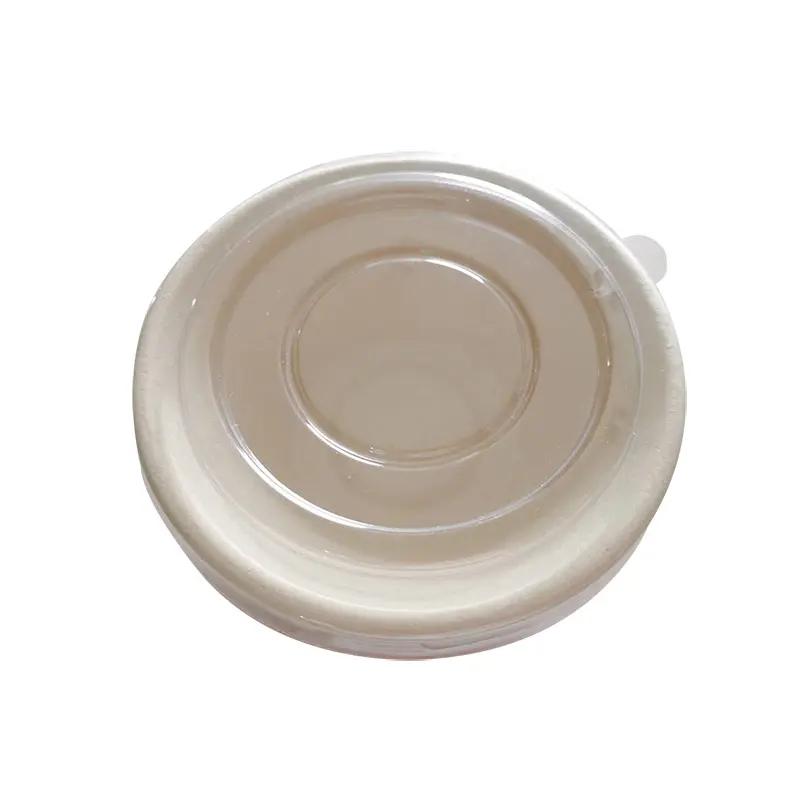 12oz(350ml) Bowl PET
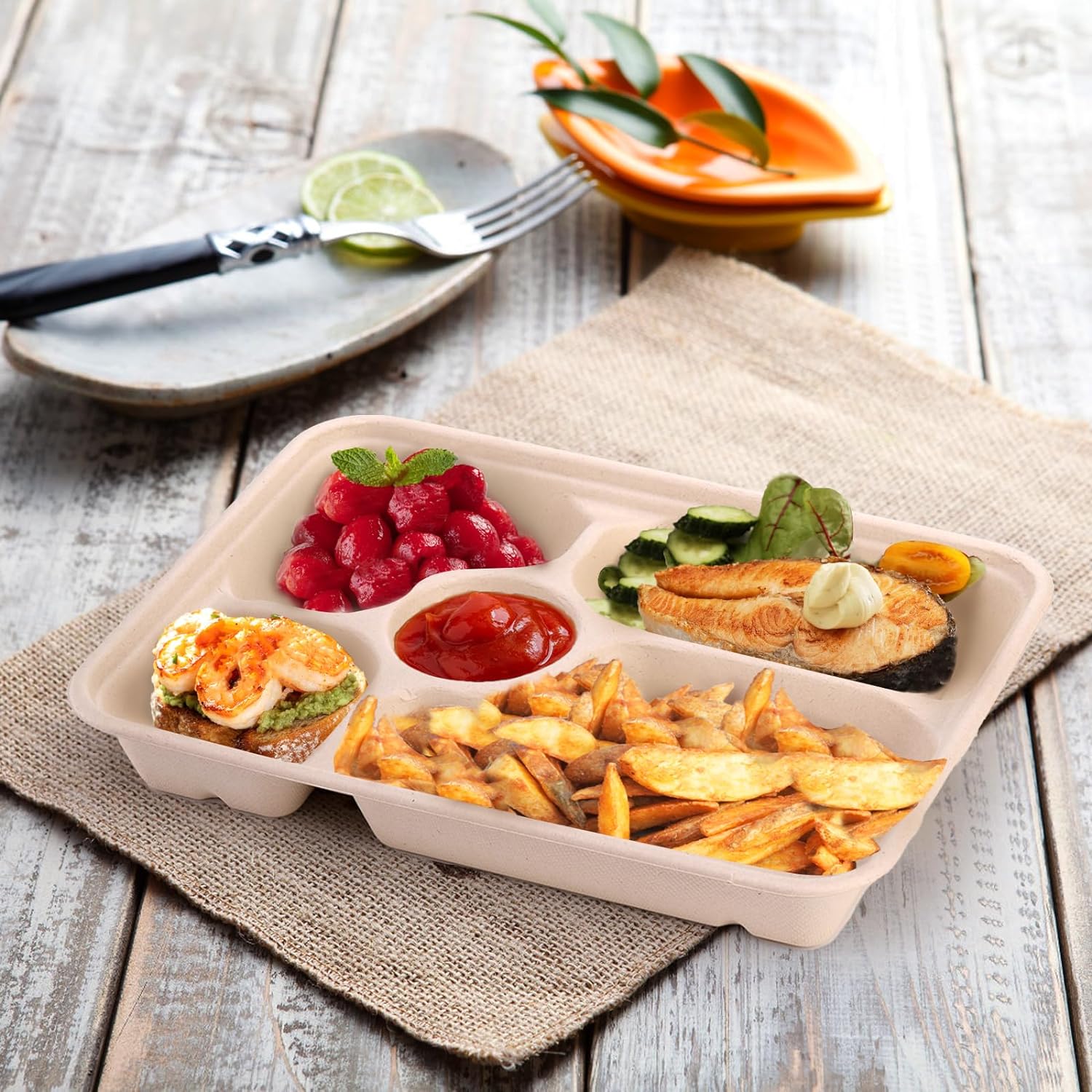 Bagasse Lunch Boxes
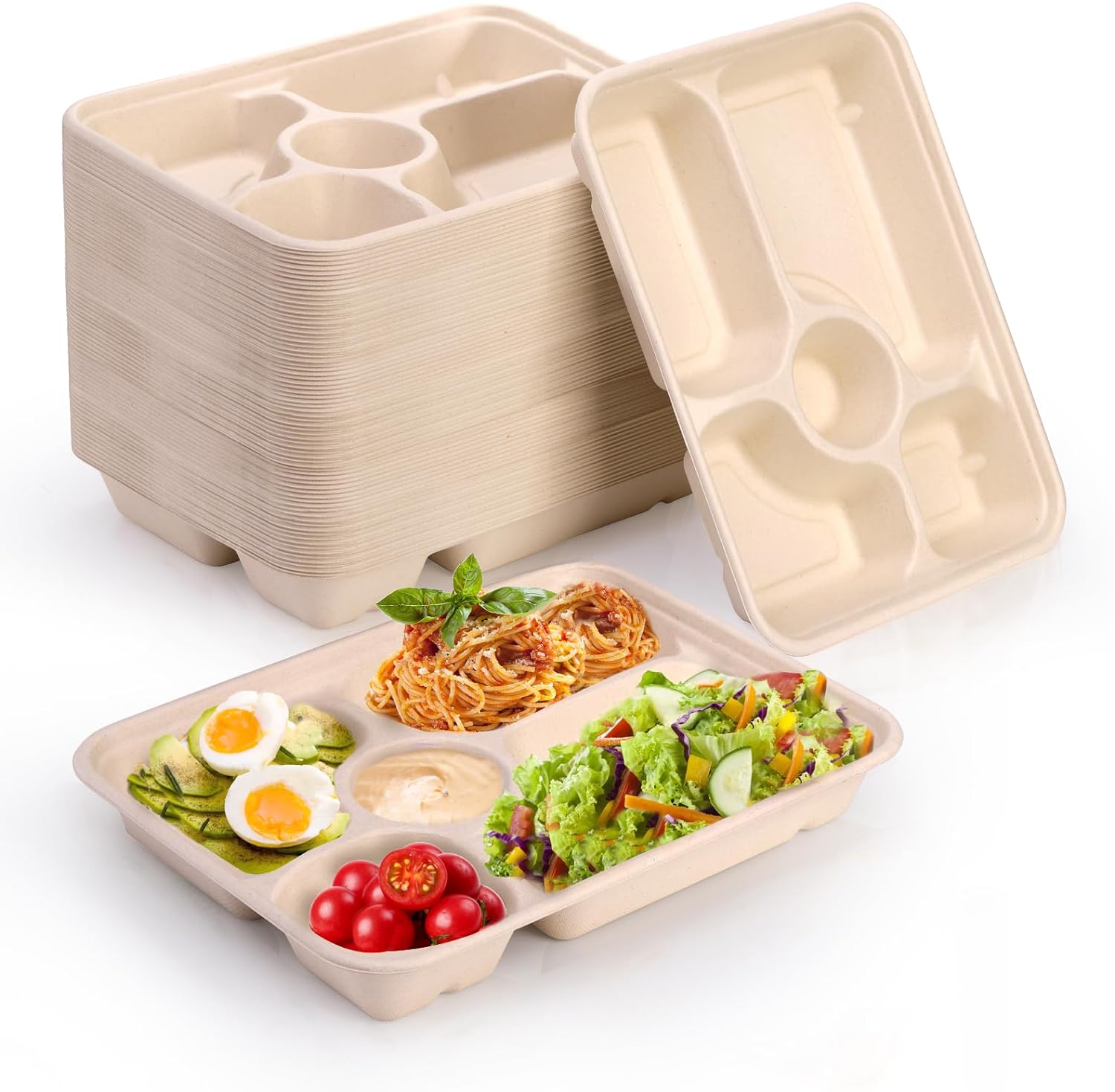 5CP
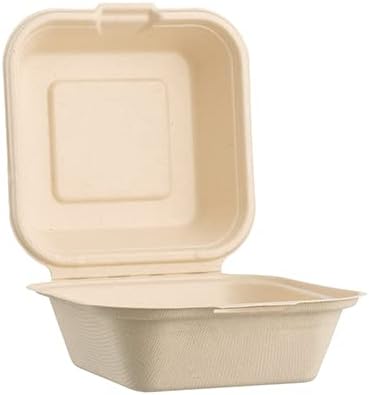 6 inch
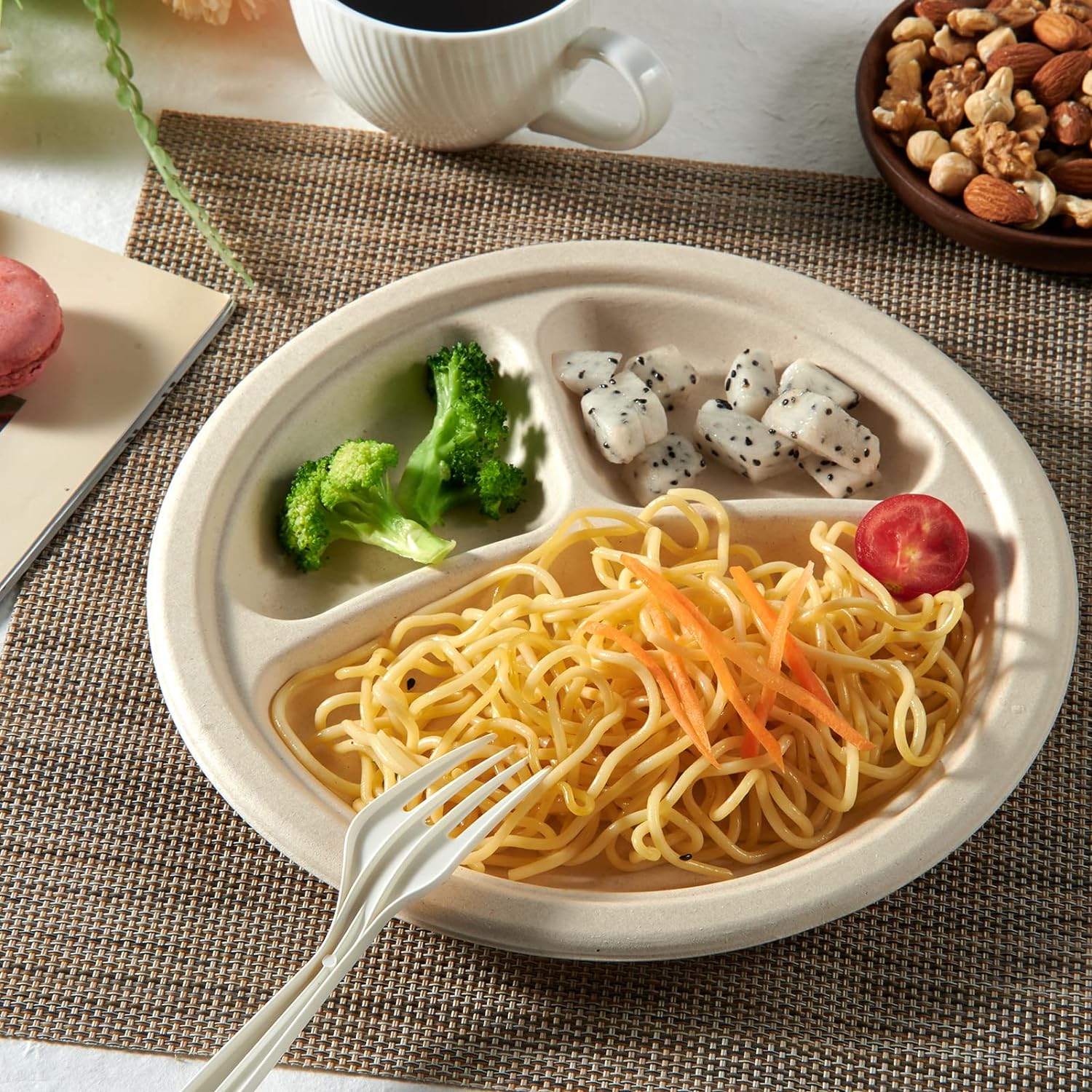 Bagasse Food Plates
 7 inch
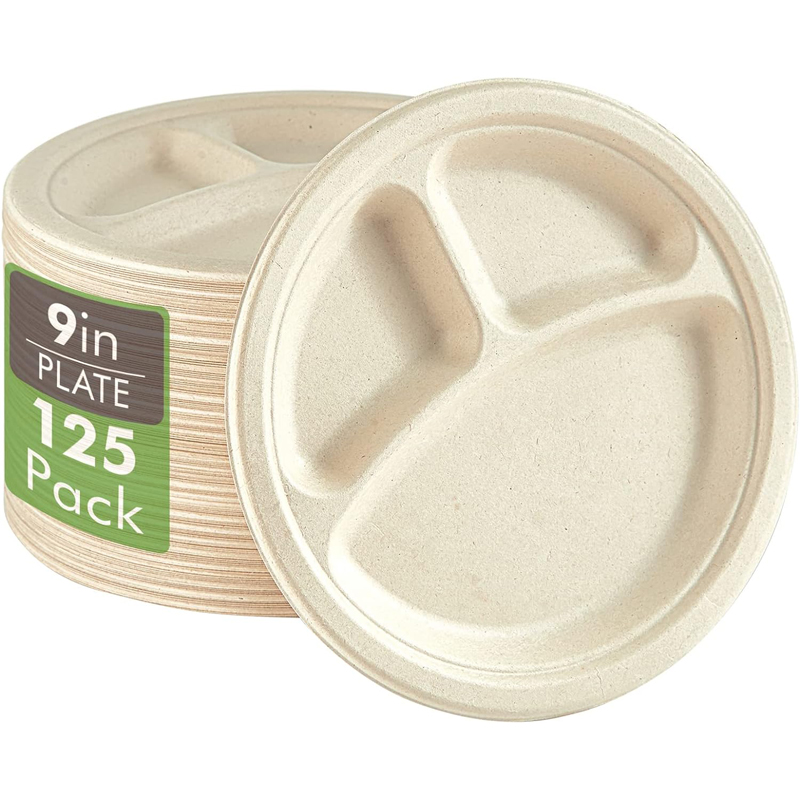 3CP
 Bagasse Bowls
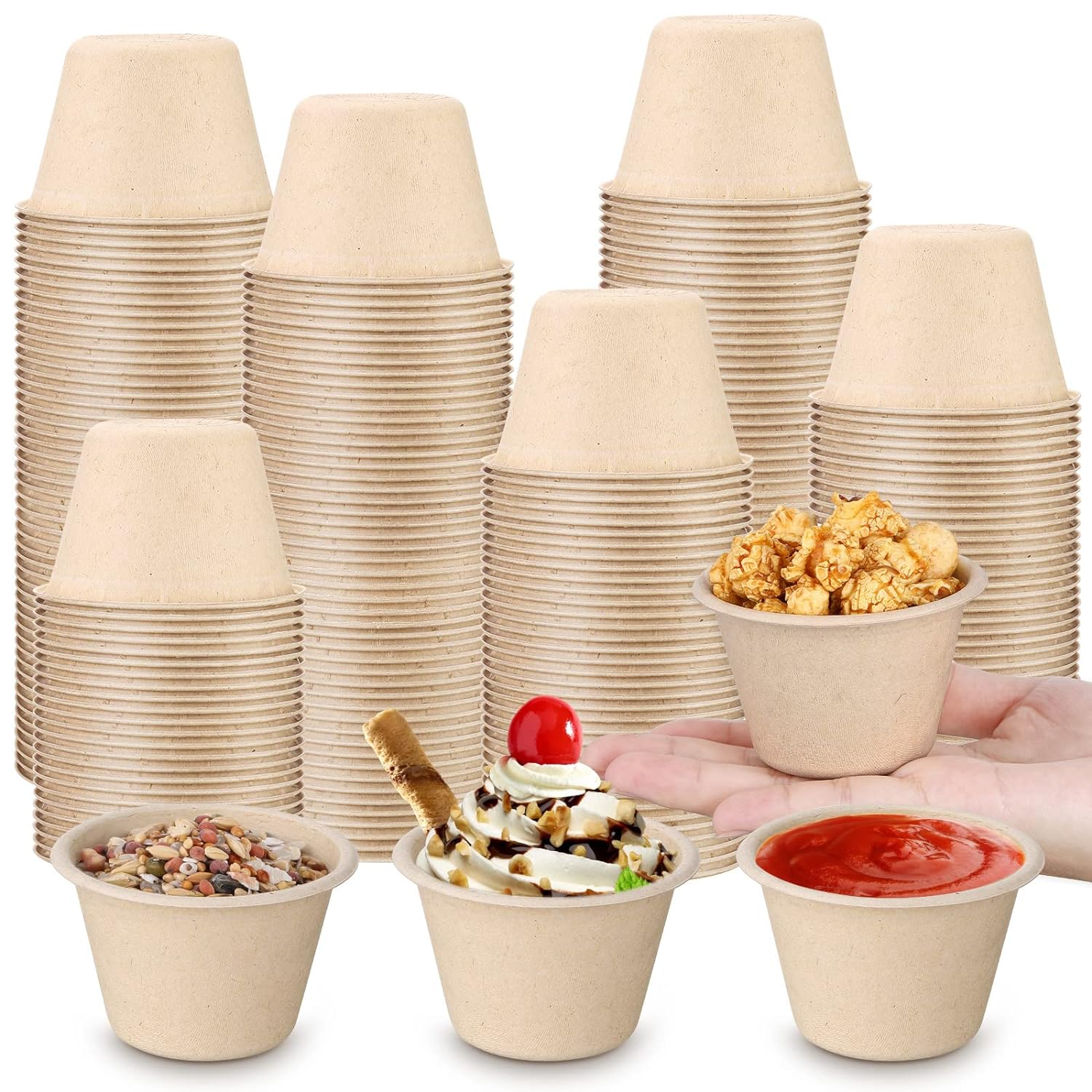 4oz
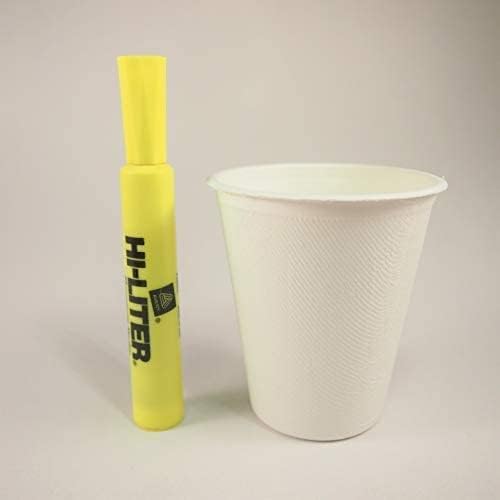 Bagasse Cups And Cutlery
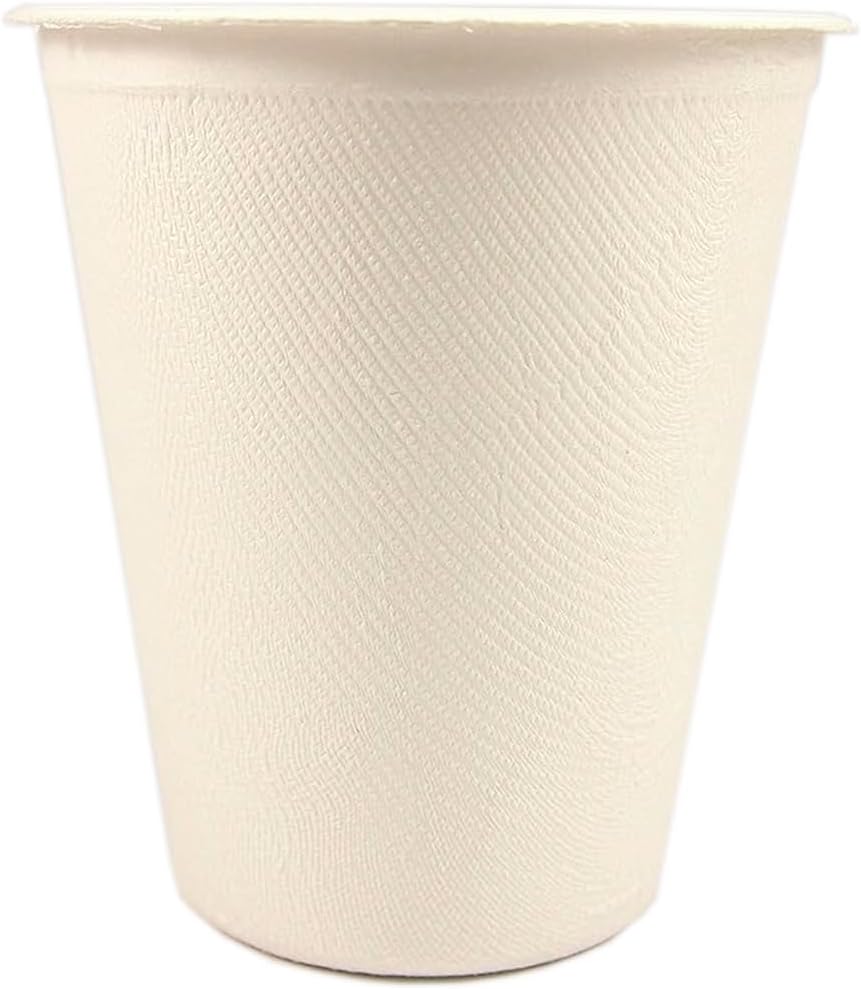 8oz
 12oz
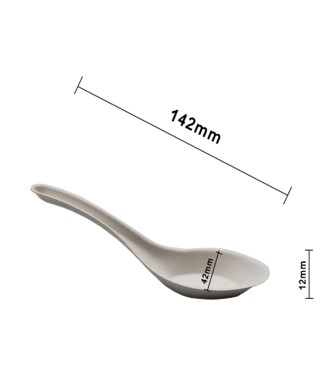 Cutlery
Leave Your Message
Experience leak-proof, plant-fiber hermetic sealing that stabilizes ambient respiration and extends the sensory shelf-life of prepared picnic foods.

In the field of environmentally friendly packaging for 18 years, Has established cooperation with 500+ brands.
Through our research and development, there are more than 60 products can product, we also support OEM ODM customized services.
Exported to the United States, Europe, Australia, Canada and other countries, right now we have exported more than 30 countries.
10000+ square meters factory area, more than 30 patent certificates, 10 foreign authoritative certification, 55 automatic forming machines...
Modified Atmosphere Packaging (MAP) represents an advanced food preservation engineering methodology that substitutes the ambient atmospheric air inside a container with a meticulously balanced, protective gaseous mixture. While traditional MAP has long anchored high-throughput supermarket meat cases and industrial pre-cut produce supply chains, its strategic convergence with the outdoor dining, picnic, and al-fresco social gathering market represents an unprecedented industrial evolution.
Picnics, beach excursions, tailgate gatherings, catered corporate retreats, and festival dining share an inherent structural vulnerability: the prolonged disruption of cold-chain continuity. When consumers transport ready-to-eat (RTE) deli platters, fresh artisanal salads, cured meats, sliced exotic fruits, and prepared entrees into outdoor environments, elevated ambient temperatures accelerate enzymatic browning, lipid auto-oxidation, and aerobic microbial proliferation. Defining MAP for picnics and gatherings requires engineering a lightweight, hermetically sealed, rigid or semi-rigid bio-composite structure that preserves food integrity without artificial chemical preservatives or cumbersome refrigeration equipment.
The global foodservice sector is witnessing an explosive surge in pre-packaged convenience dining. Modern consumers demand gourmet, farm-to-table culinary experiences in remote outdoor settings without sacrificing visual appeal, nutrient density, or ecological ethics. Commercial operators—ranging from boutique delis and high-end catering brands to national supermarket chains—are pivoting toward "Grab & Go Gathering Platters" utilizing MAP technology.
In the traditional picnic setup, food spoilage occurs primarily through three pathways:
By implementing tailored gas flushing regimens, MAP actively counteracts each degradation mechanism. For instance, carbon dioxide (CO₂) dissolves into the aqueous phase of food items to form carbonic acid, altering intracellular pH and extending the microbial lag phase. Concurrently, high-purity nitrogen (N₂) serves as a chemically inert filler gas, preventing atmospheric pack collapse and buffering delicate picnic items against mechanical compression during transit.
A single universal gas formulation cannot adequately preserve the diverse array of foodstuffs presented at a multi-course gathering. Industrial food packaging lines must calibrate gas concentrations according to product biological activity, water activity ($a_w$), and fat content:
| Gathering Food Category | Target Gas Ratio (% CO₂ / N₂ / O₂) | Target Spoilage Mechanism | Shelf-Life Extension |
|---|---|---|---|
| Charcuterie & Cold Cut Platters | 20–35% CO₂ / 65–80% N₂ / 0% O₂ | Lipid auto-oxidation & aerobic slime formation | Extended from 4 days to 21+ days |
| Fresh-Cut Gathering Salads & Fruits | 3–8% CO₂ / 85–92% N₂ / 3–5% O₂ | Anaerobic fermentation & cellular tissue breakdown | Extended from 2 days to 10–14 days |
| Pre-Cooked BBQ & Gourmet Entrees | 30–50% CO₂ / 50–70% N₂ / 0% O₂ | Oxidative rancidity & anaerobic botulinum suppression | Extended from 3 days to 16–28 days |
| Artisan Breads & Pastries | 0% CO₂ / 100% N₂ (or 100% CO₂ depending on crumb) | Mold sporulation & moisture migration | Extended from 5 days to 30+ days |
Historically, achieving reliable modified atmosphere packaging required complex multi-layer petro-chemical films (e.g., PVDC, EVOH, Nylon, and PET). While functionally effective, these fossil-fuel-derived laminates are virtually non-recyclable, directly exacerbating the severe global crisis of White Pollution in recreational parks, coastal reserves, and natural forests.
The contemporary paradigm pioneered by Kangxin (HaiMen) Environmental Technology Co., Ltd. leverages renewable, fast-growing all-natural bamboo and plant fibers as the core structural substrate. Through advanced thermoforming precision tooling, the plant fiber matrix achieves dense mechanical rigidity capable of withstanding extreme top-load compressive pressures and mechanical flexure. When coupled with biodegradable ultra-thin high-barrier bio-coatings (PLA/PBSA/PBAT matrices), these molded fiber MAP trays deliver gas barrier performance on par with petroleum plastics while maintaining complete industrial and domestic compostability.
Kangxin (HaiMen) Environmental Technology Co., Ltd. is a technology innovation oriented enterprise that focuses on disposable environmentally friendly tableware and food packaging.
We have advanced production processes and equipment, and continue to attract senior talents, focusing on environmental protection, emphasizing safety, and ensuring quality.
READ MORE ABOUT KANGXINEATware is committed to sustainable development, using all natural plant fibers to produce safe, healthy and environmentally friendly tableware. Adhering to the concept of "take nature, serve humanity, return to nature", we focus on the development of safe, high quality and environmental standards.
EATware emphasizes environmental protection and sustainable development, explores the balance between enterprise survival and environmental protection, and uses all-natural and pollution-free bamboo fiber as the main material of tableware to ensure that its products meet the high technical level and are superior to developed countries.
Experience Kangxin’s ultra-modern smart cleanrooms, automated slurry distribution systems, precision compression molds, and robotic stacking arrays through complete 360 VR digitized facility transparency.
The most reliable way to test disposable food containers is to combine leakage testing with structural testing under conditions that reproduce the intended food application. A container should not be approved simply because it holds water for several minutes or survives an empty compression tes...
For foodservice operators, replacing conventional plastic packaging is not simply a matter of changing materials. Disposable biodegradable tableware must still withstand hot food, sauces, oils, condensation, stacking, transport, and commercial handling without losing structural integrity. Poorl...
With growing global demand for takeaway meals and eco-friendly packaging, China’s manufacturing sector has become a major hub for disposable food containers. Today’s food businesses - from fast-food chains and meal-delivery services to supermarkets and catering companies - are looki...
Every piece of molded fiber packaging engineered by EATware satisfies rigorous international regulatory benchmarks for direct food contact, compostability, and manufacturing safety.
Our packaging systems are trusted across five continents by leading grocery conglomerates, airline caterers, commercial restaurant franchises, and sustainable packaging innovators.
Explore our full line of biodegradable MAP trays, bowls, and barrier containers tailored for family outings, festival catering, and social celebrations.
