
 Box With T buckle
 700ml Square Lunch Box
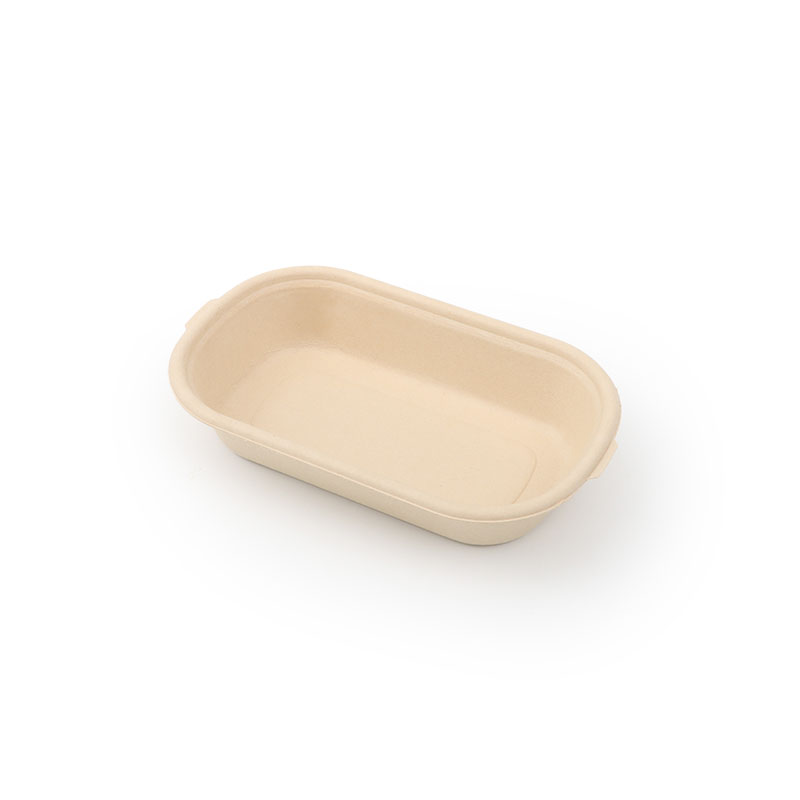 500ml
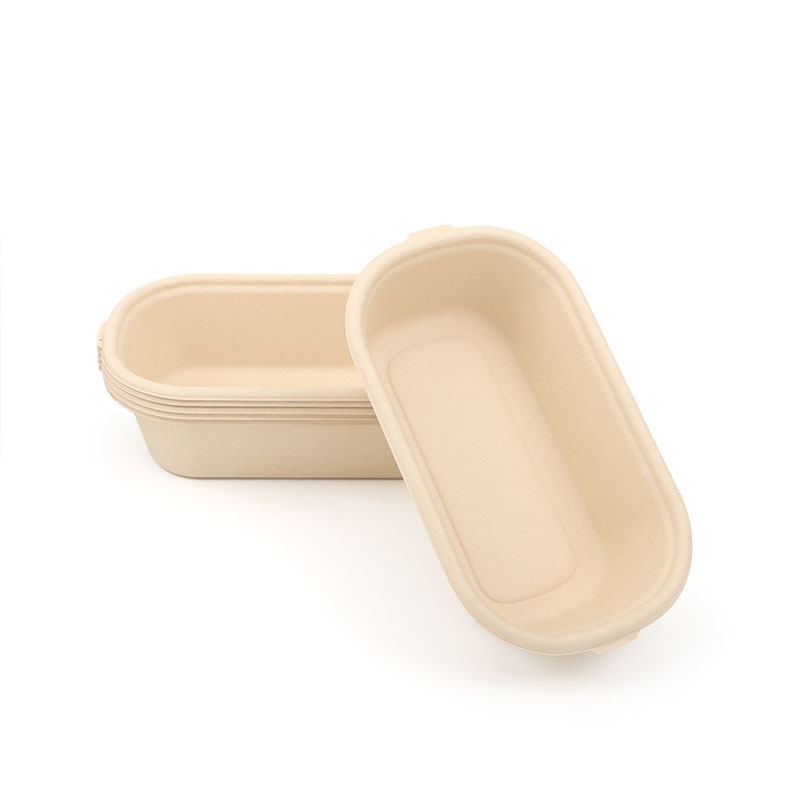 700ml
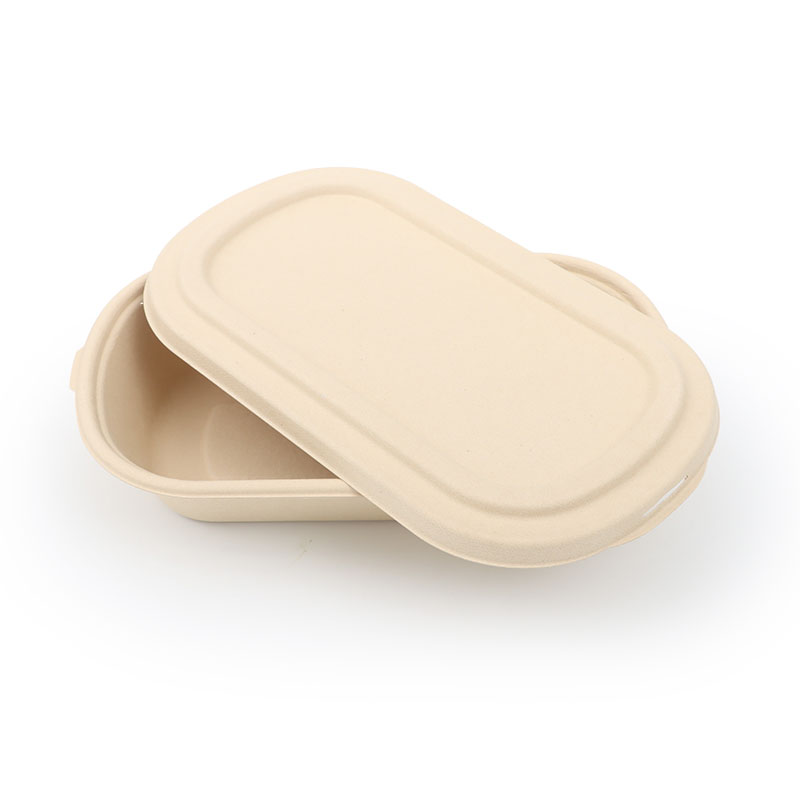 850ml
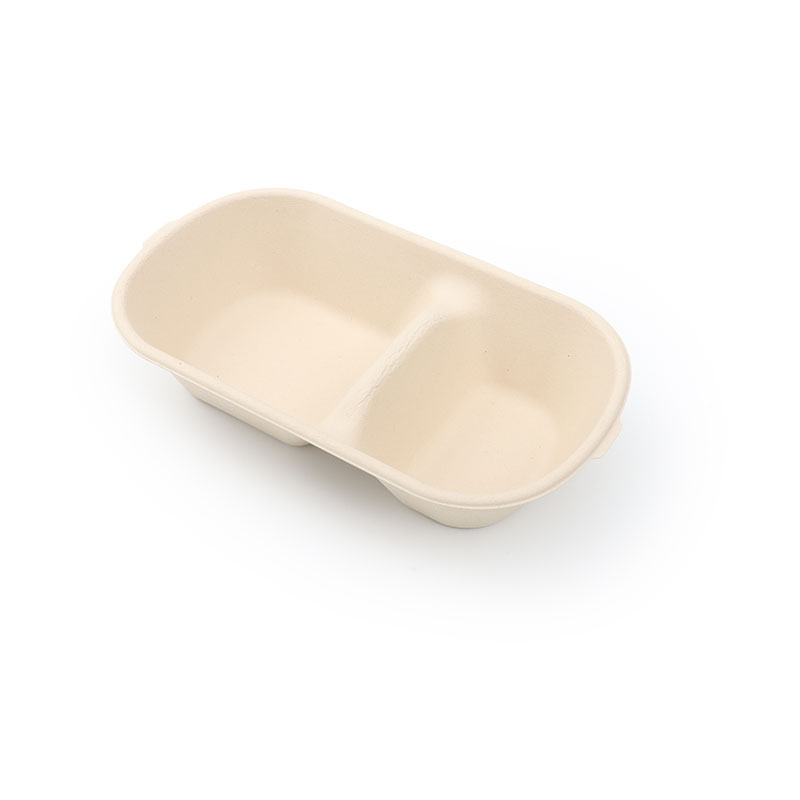 800ml 2 Compartments
 1000ml 2 Compartments
 1100ml
 1000ml Square Lunch Box
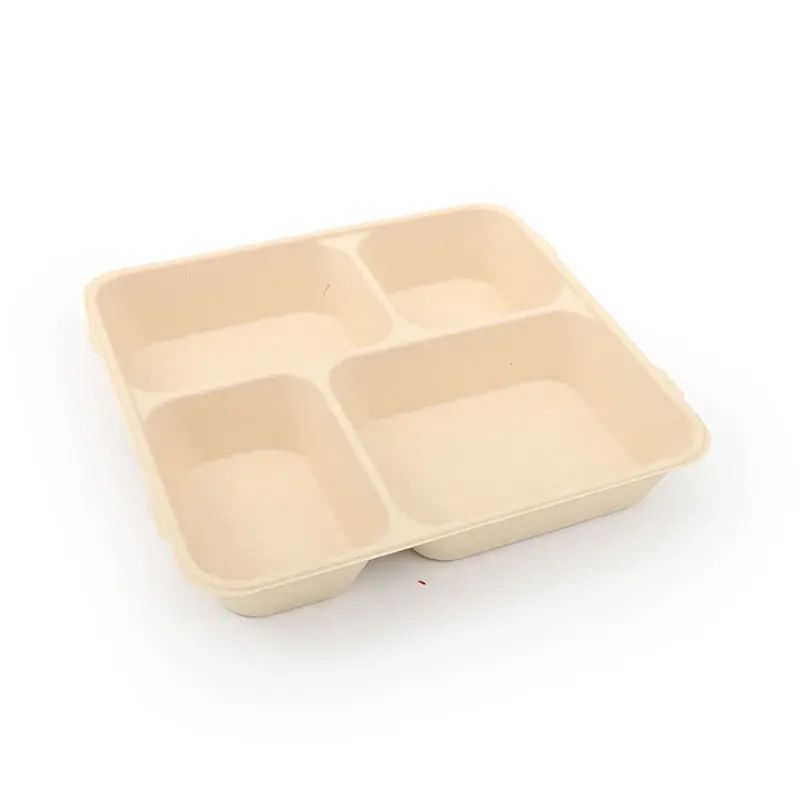 1340ml 4 Compartments
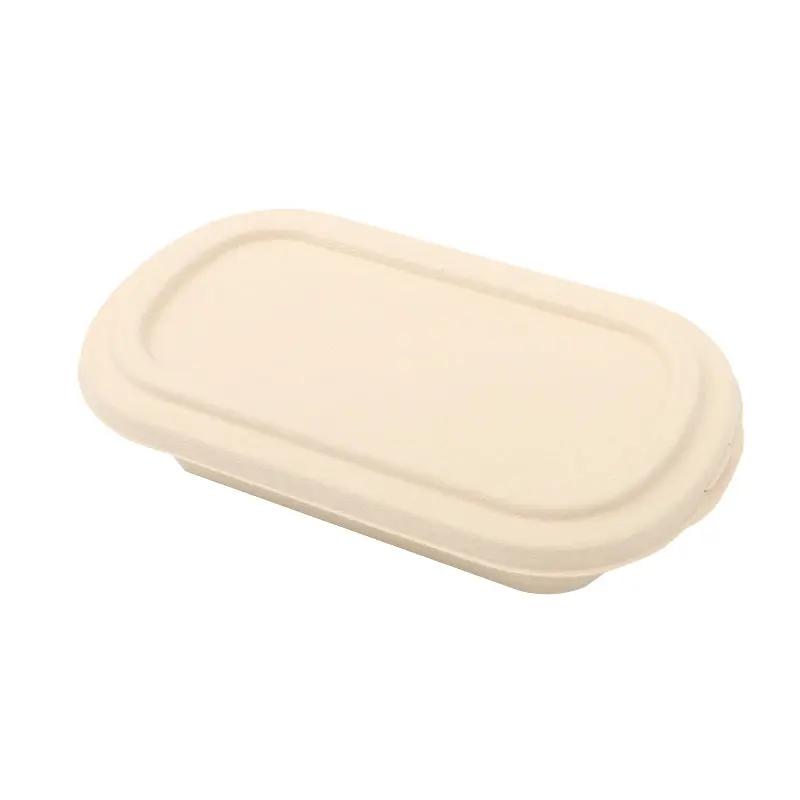 Lunch Box Lid
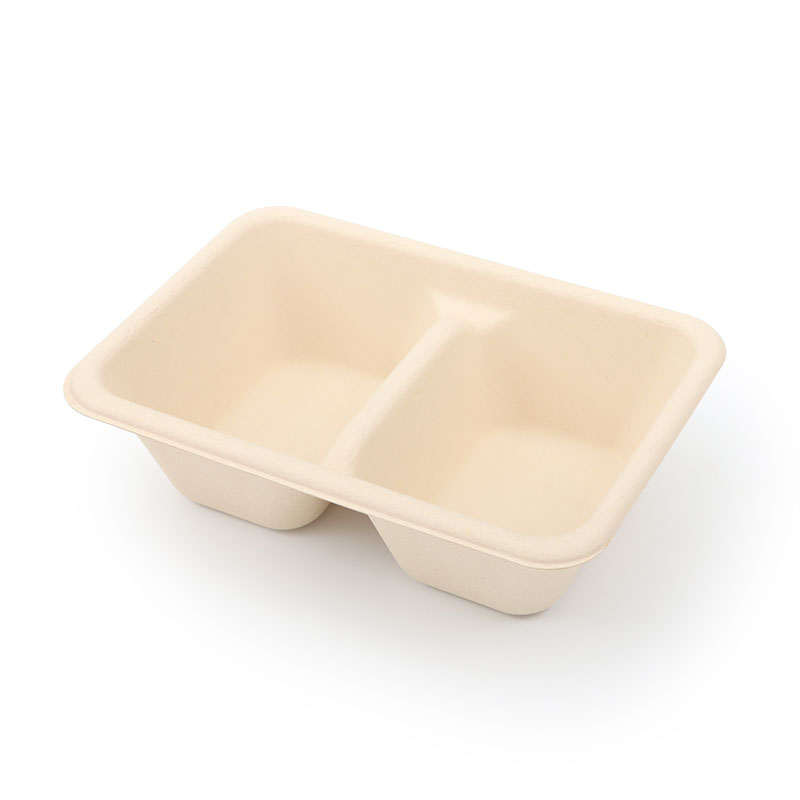 650ml
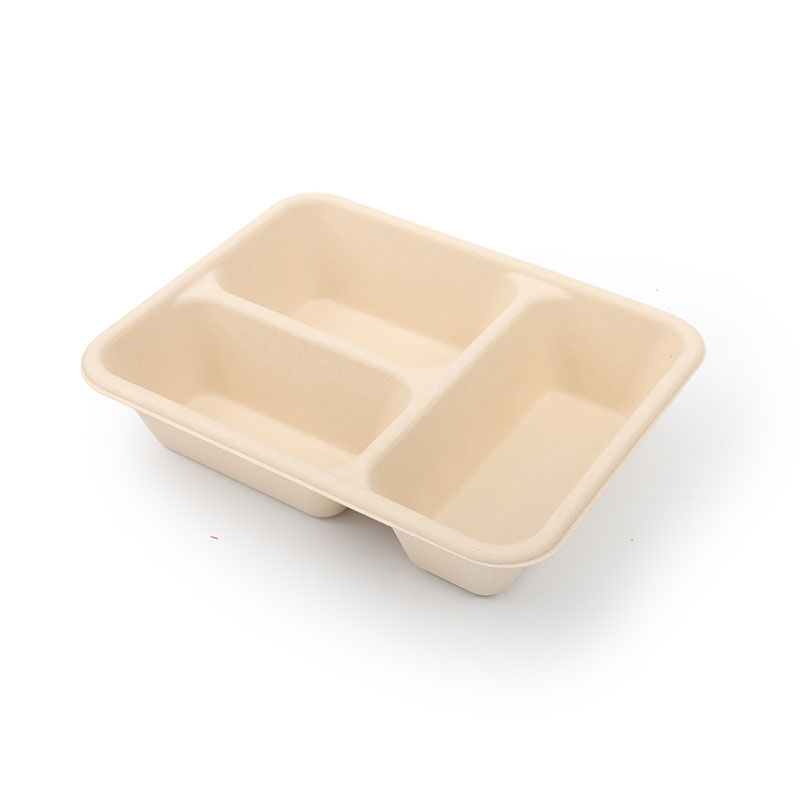 1000ml 3 Compartments
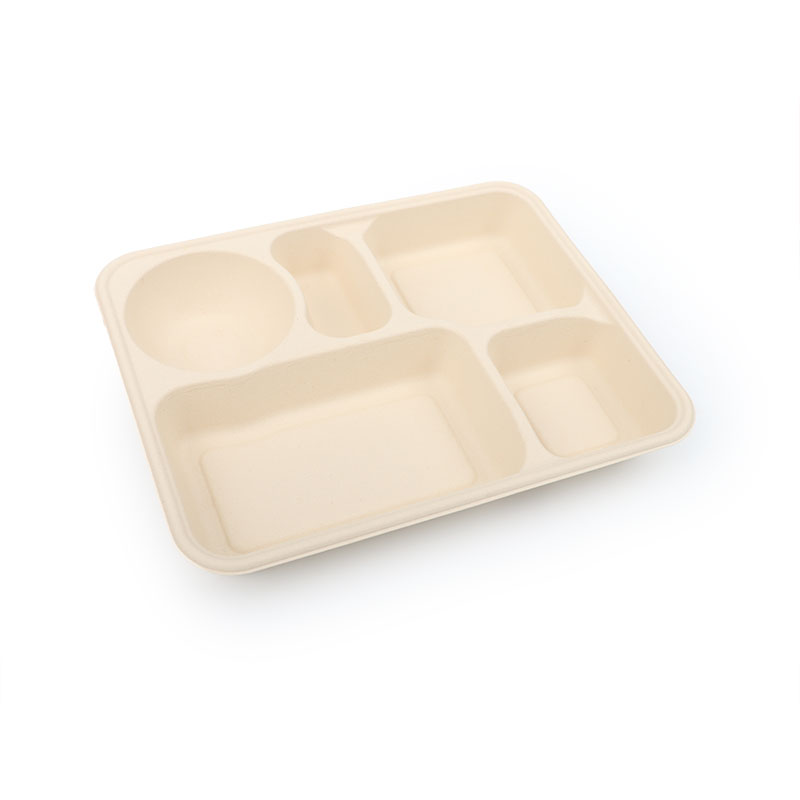 1250ml 5 Compartments
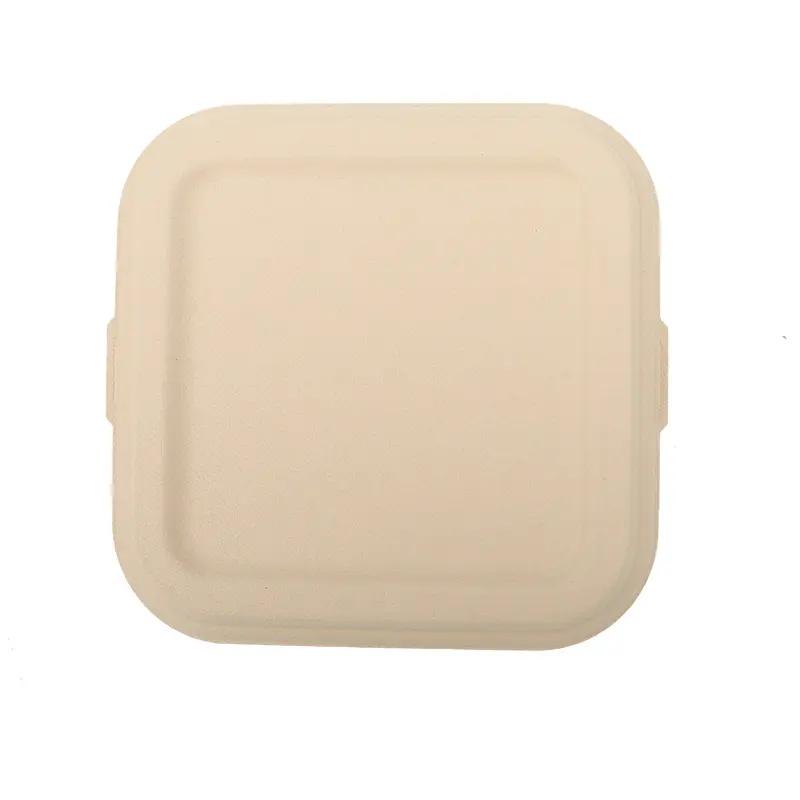 Square Lunch Box Lid
 Box Without T buckle
 850ml Salad Box
 700ml
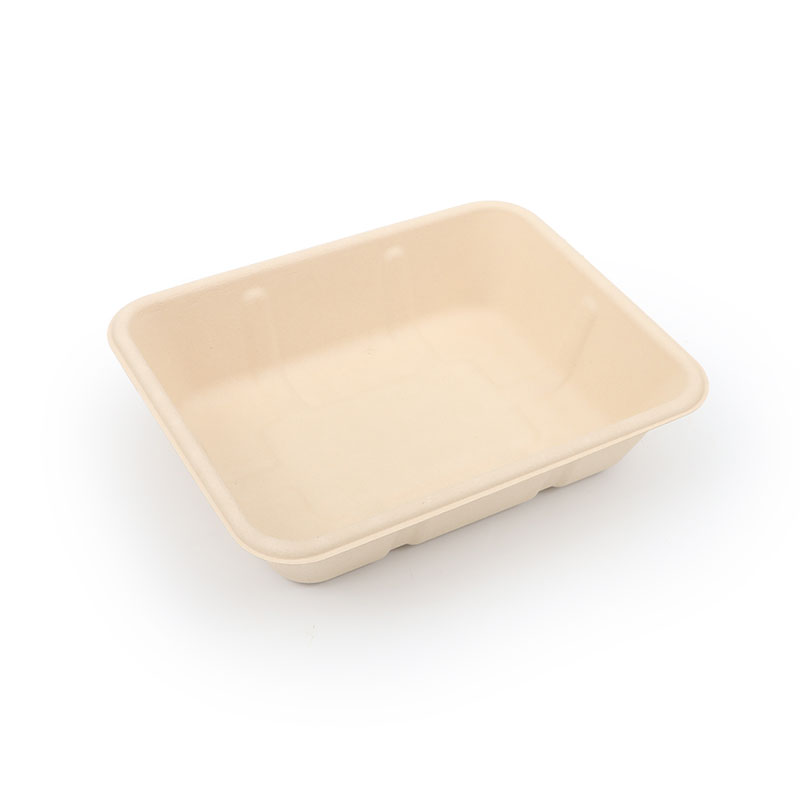 1350ml
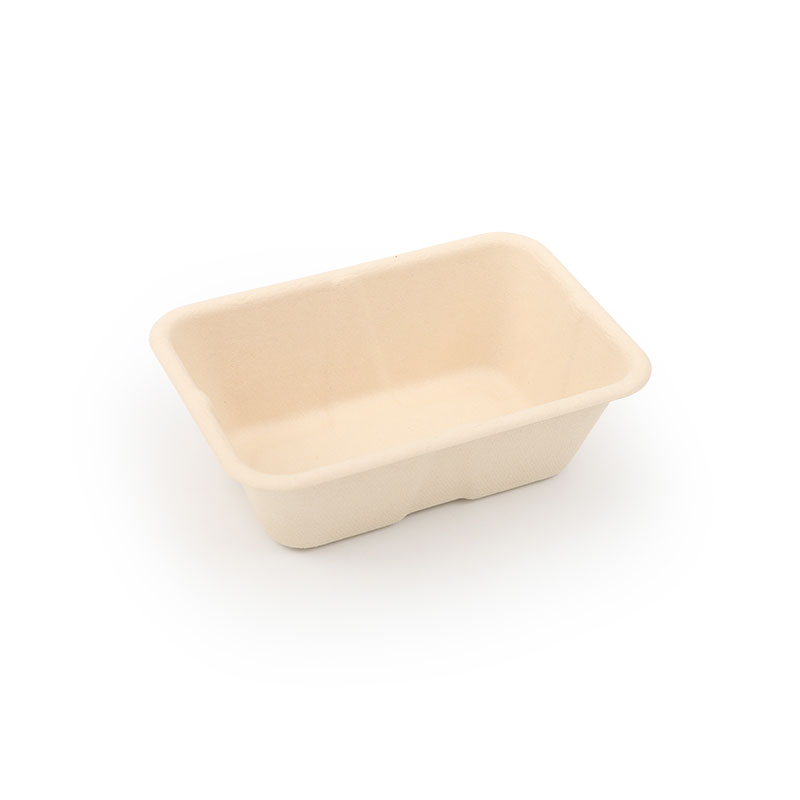 470ml
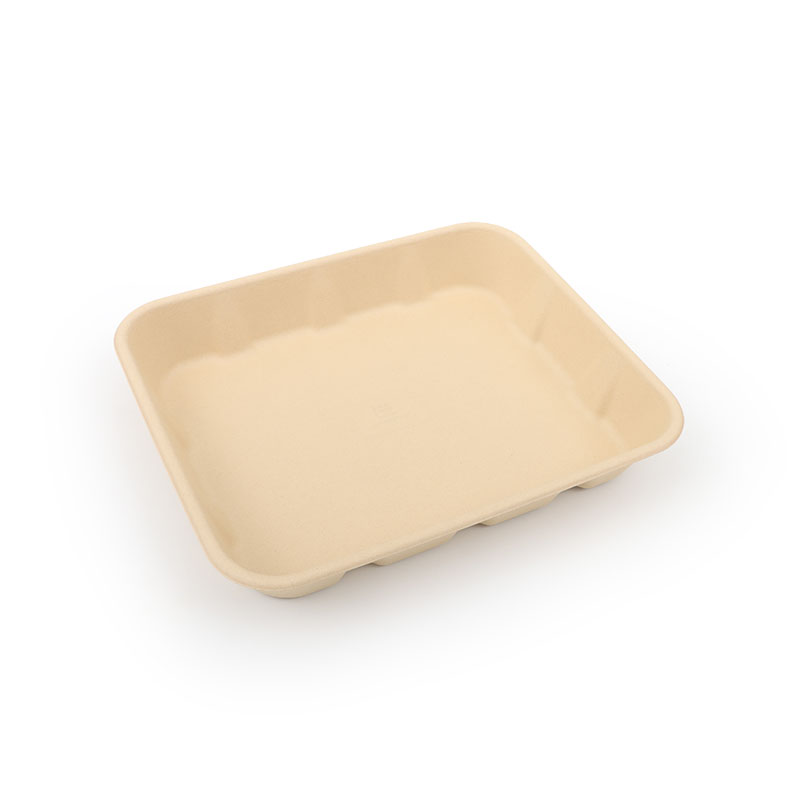 2183ml Tray Box
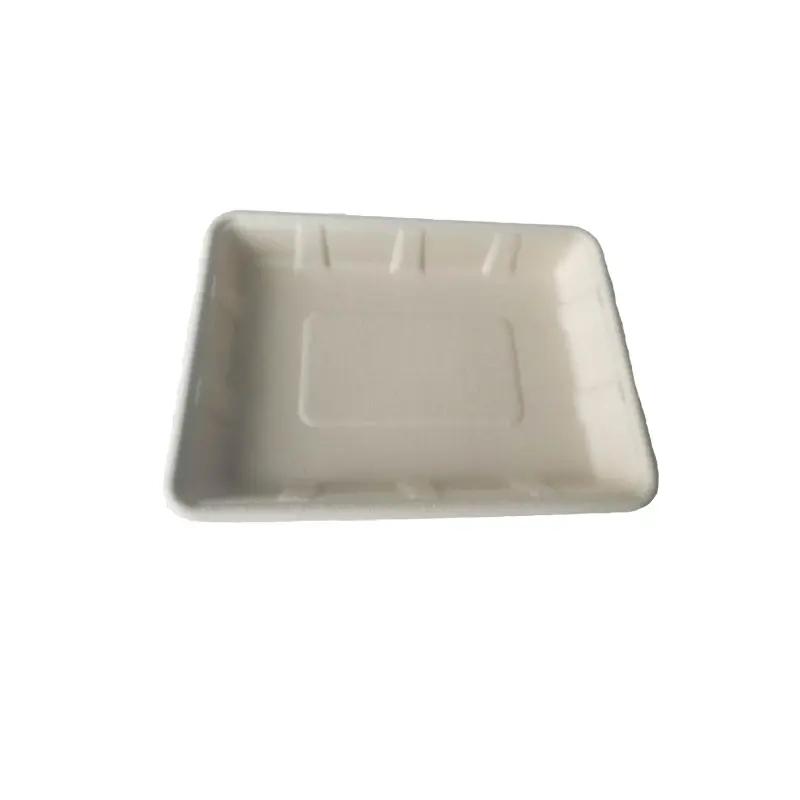 11" * 9"
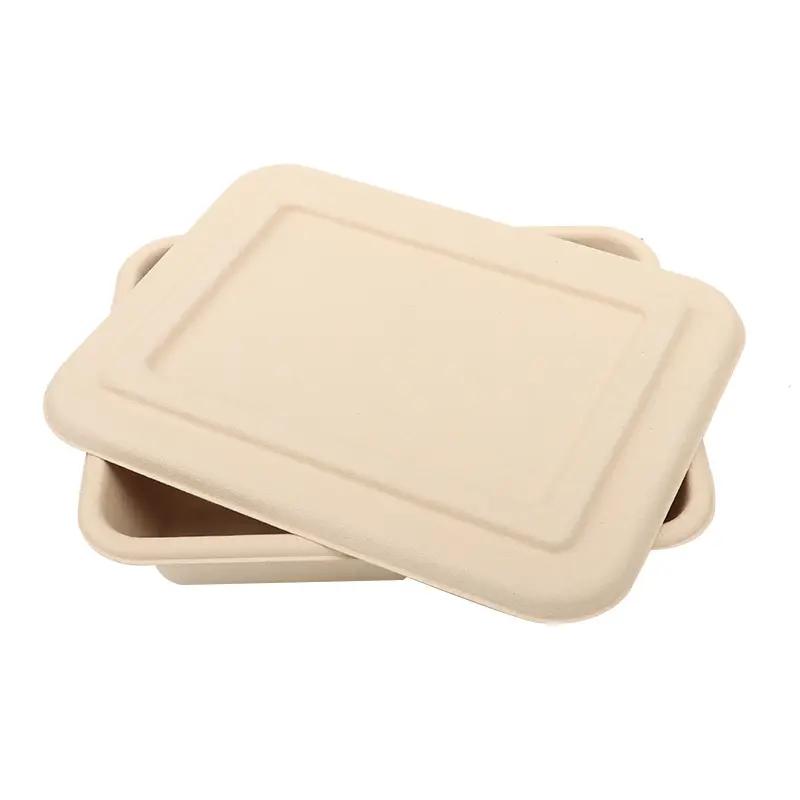 800ml
 One Part Box
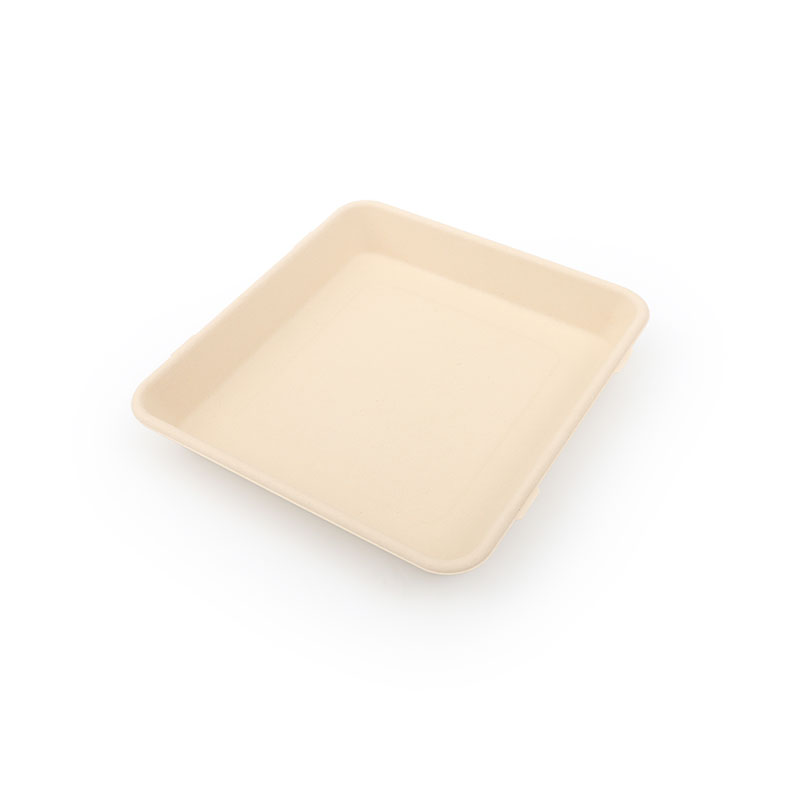 1443ml Tray Box
 Cake Bread Snack Tray Series
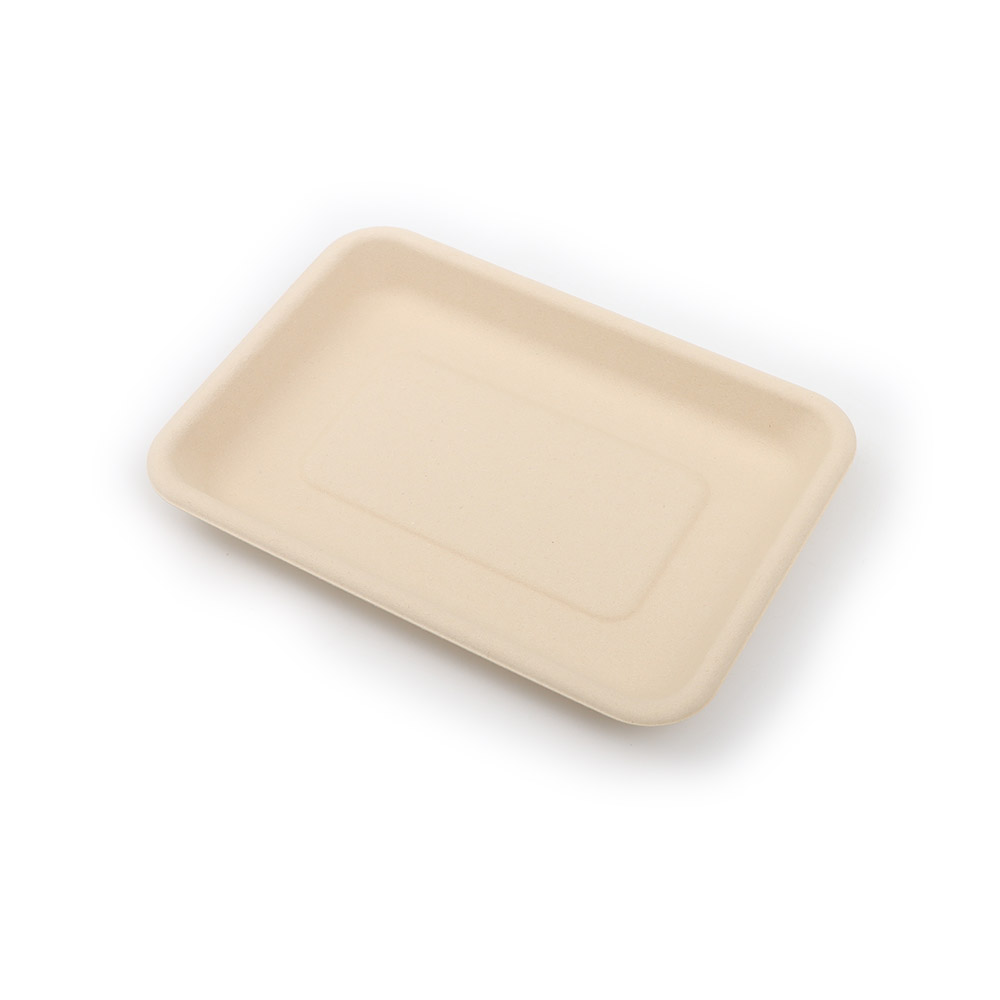 5" * 7" natural color
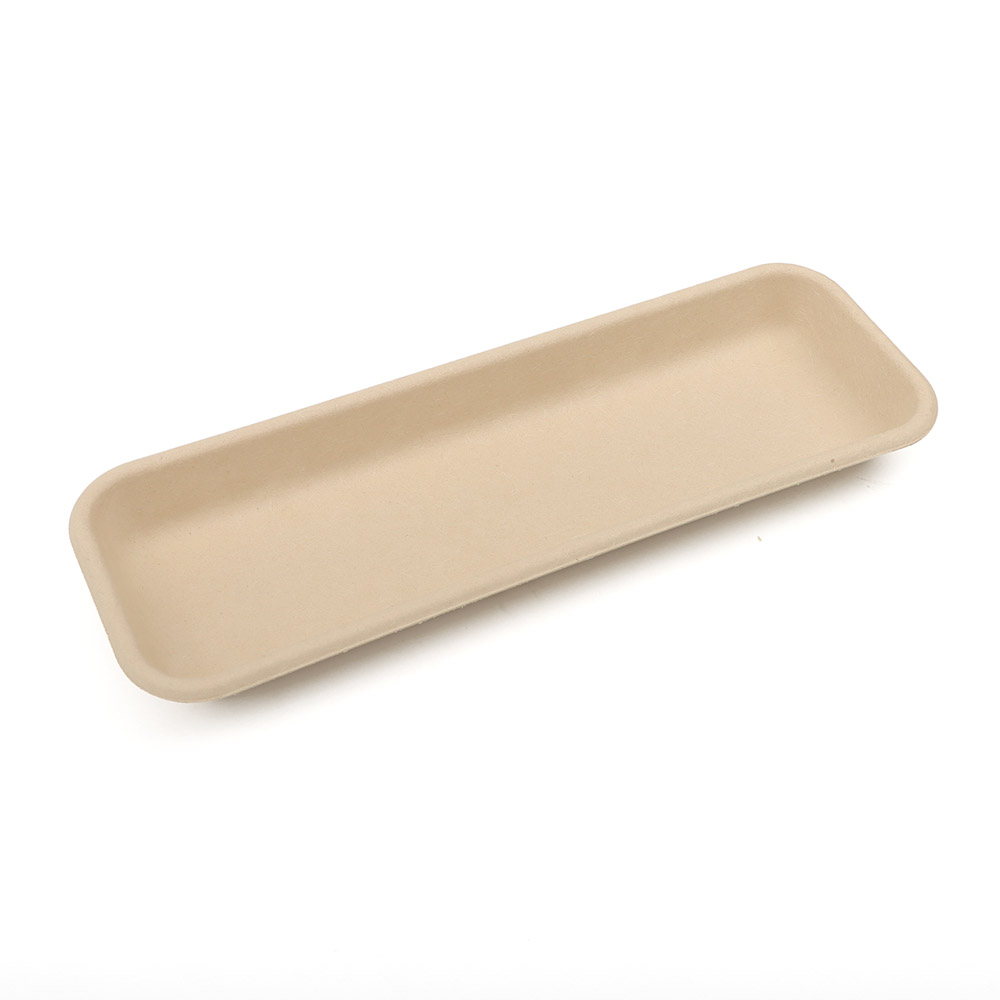 11.4" * 3.9"
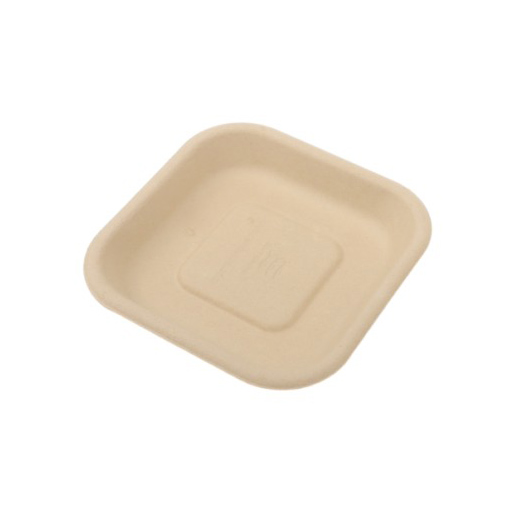 5.3" * 5.3"
 Fruit And Vegetable Tray Series
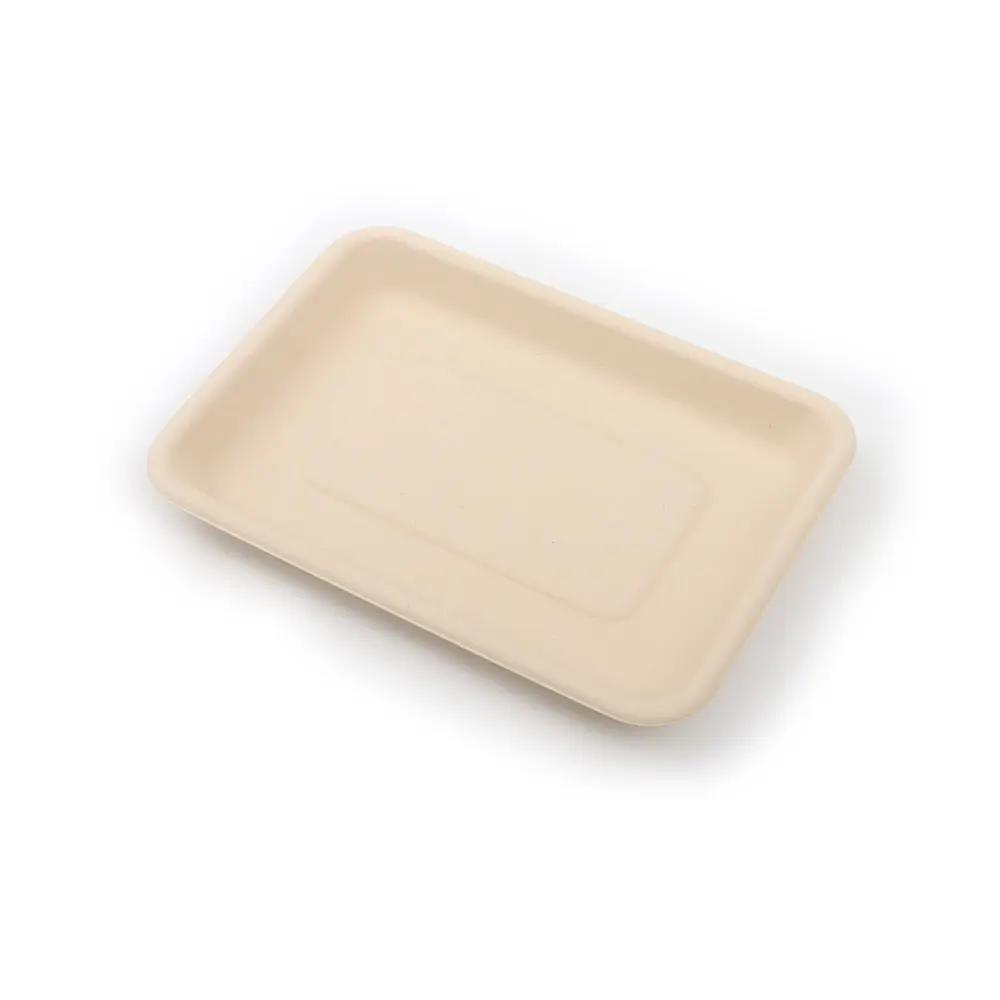 8.6" * 5.3"
 Sushi Tray Series
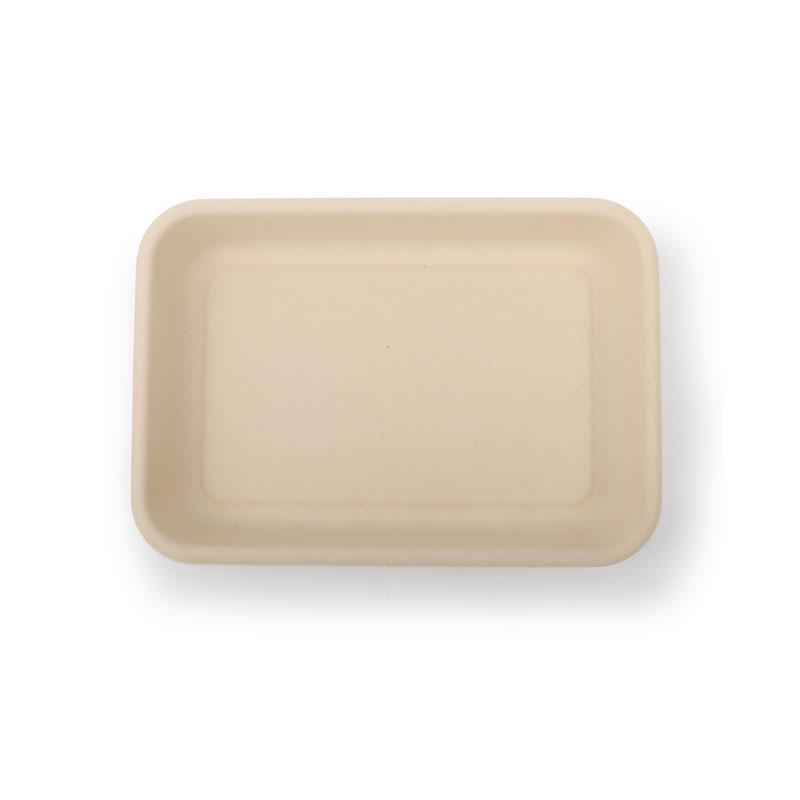 200" * 140"
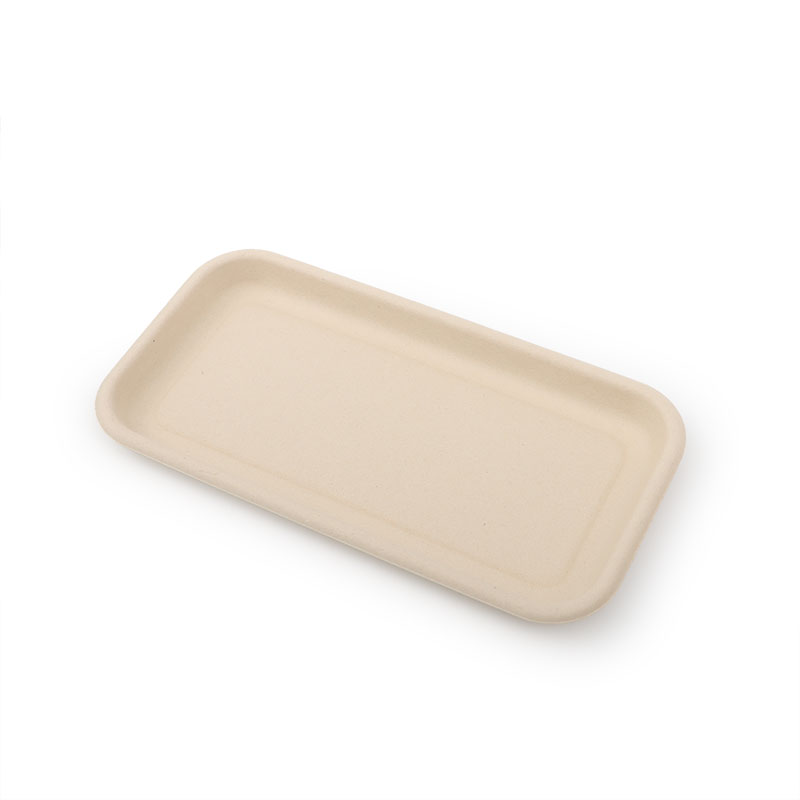 210" * 110"
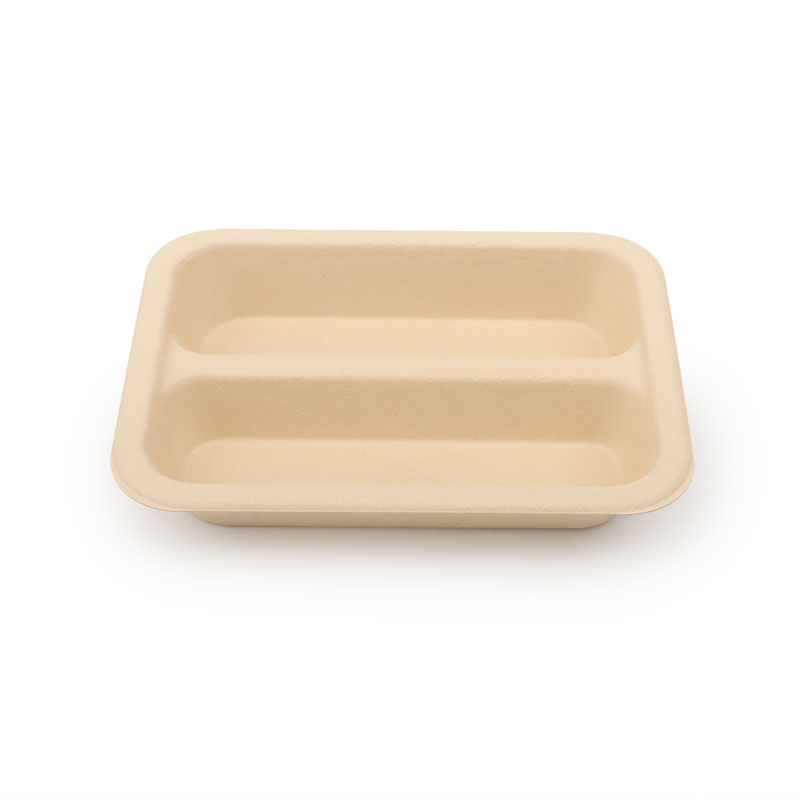 2 Compartments
 Small Round Plate Series
 7 inch
 6 inch
 8 inch
 Middle Round Plate Series
 9 Inch 3 Compartments
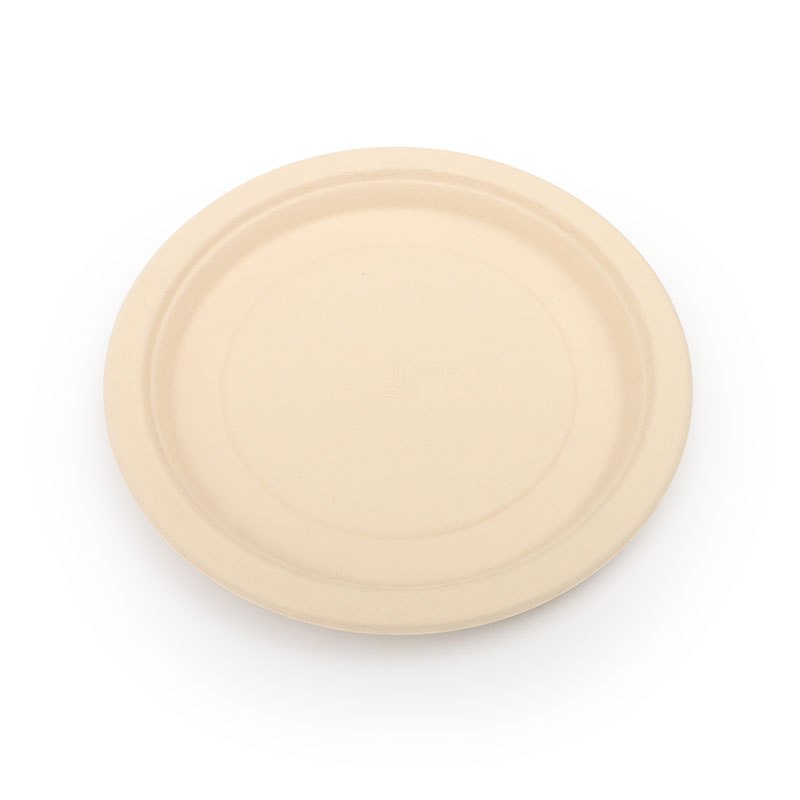 9 inch
 Big Round Plate Series
 12.7 Inch Pizza Plate
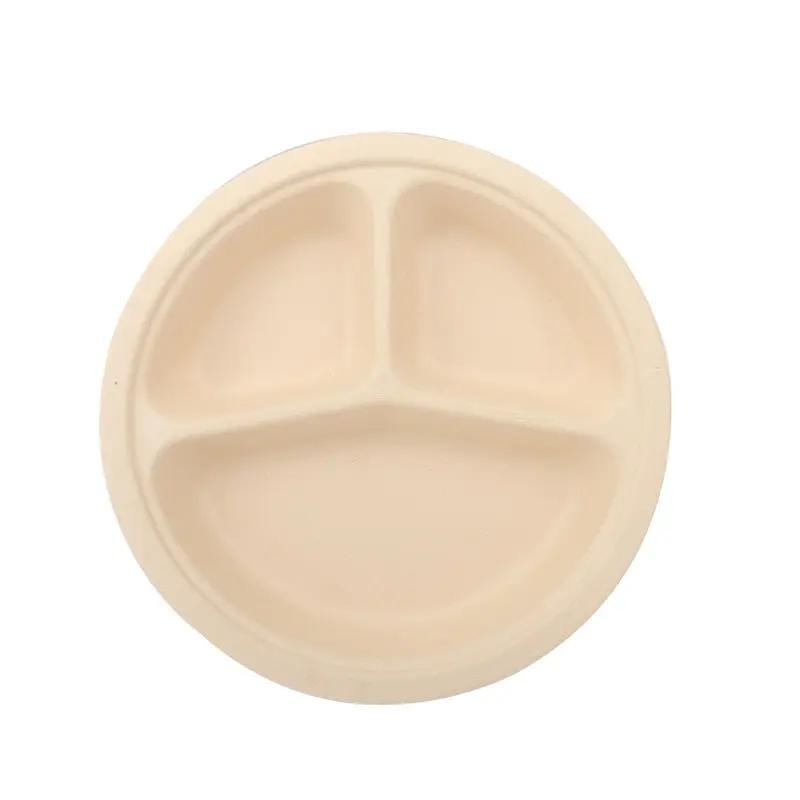 10.25 inch 3 Compartments
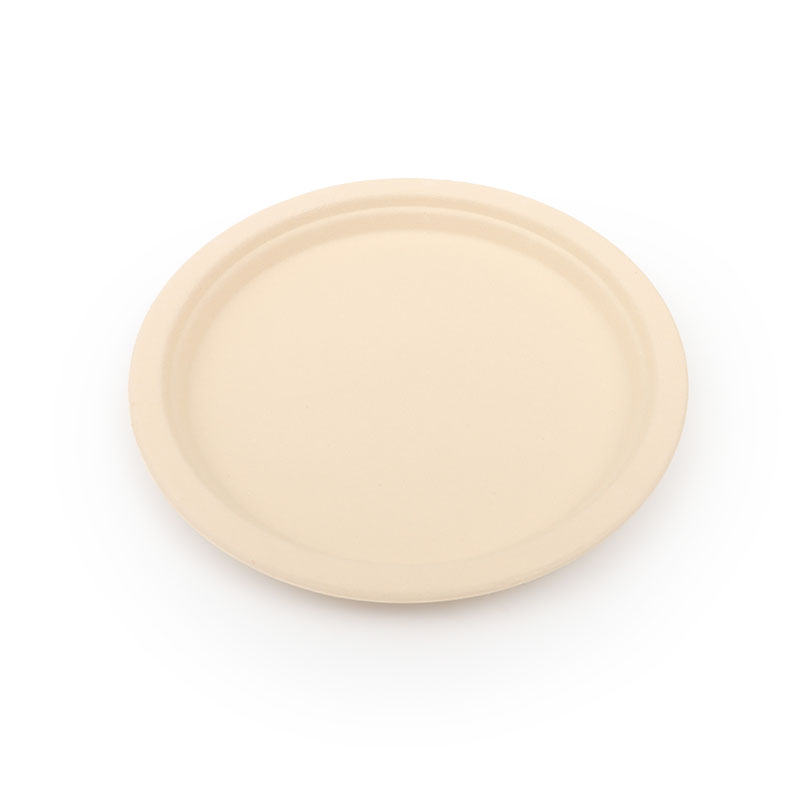 10 inch
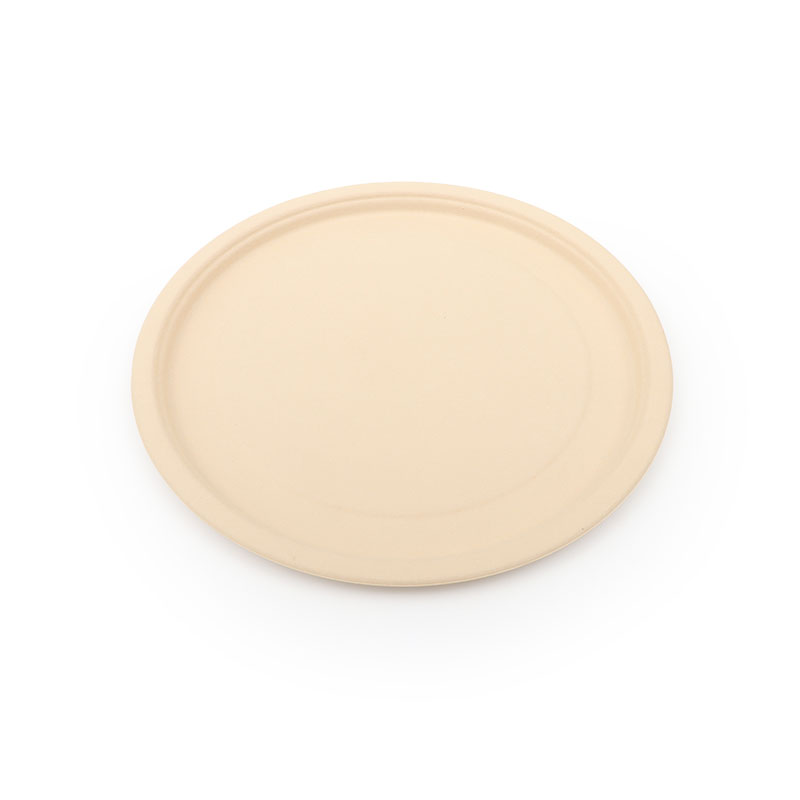 12 inch
 Bigger Bowl
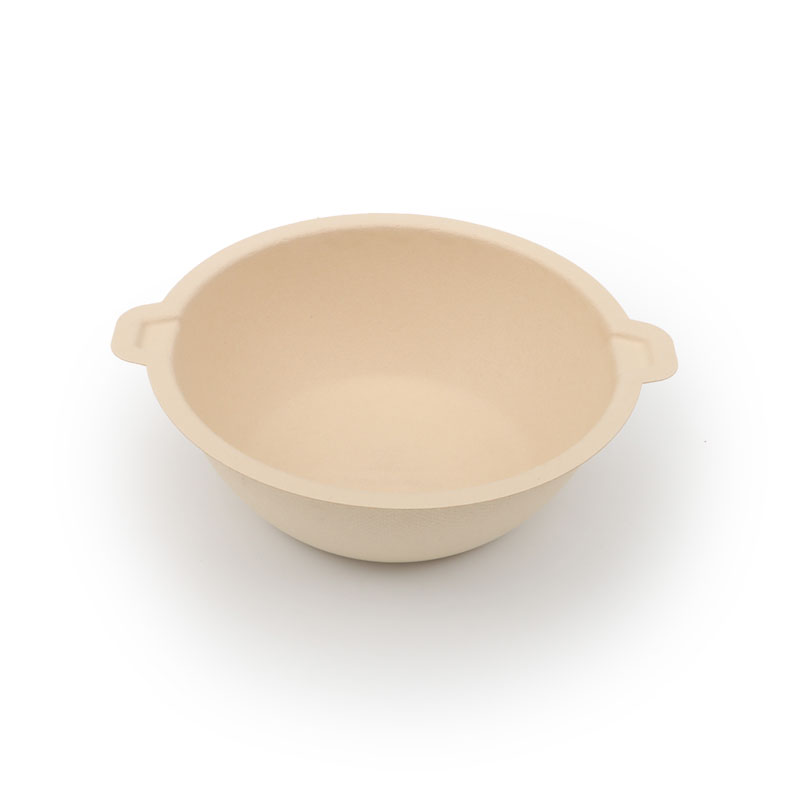 48oz(1420ml)
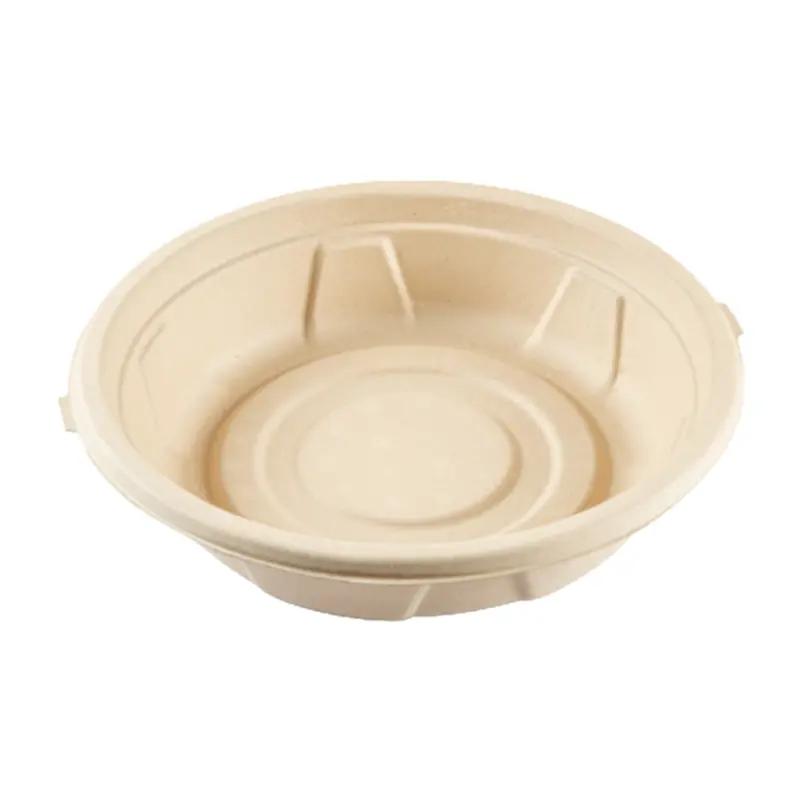 56oz(1650ml)
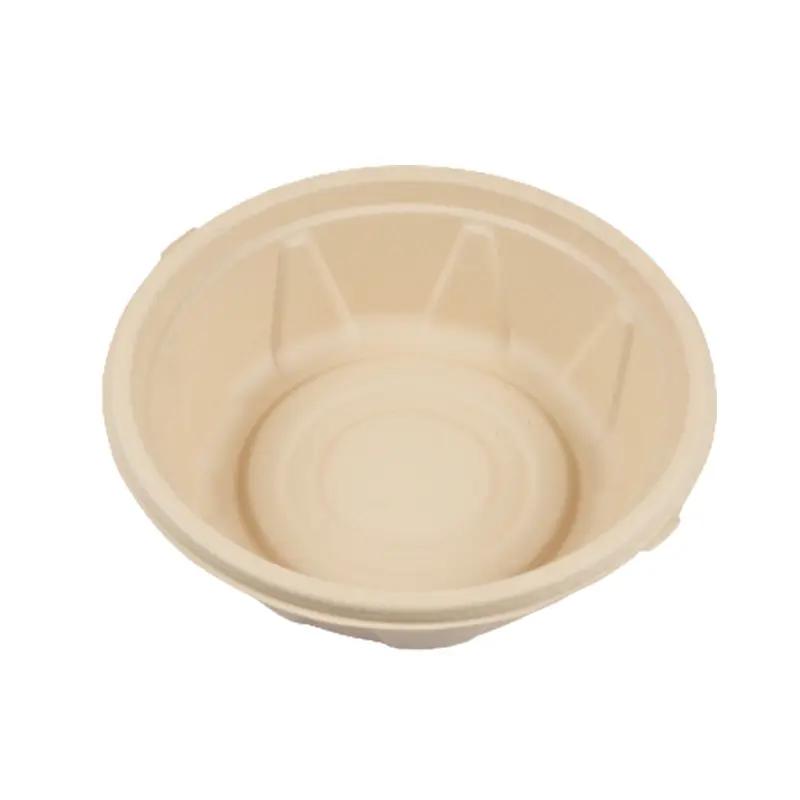 100oz(2950ml)
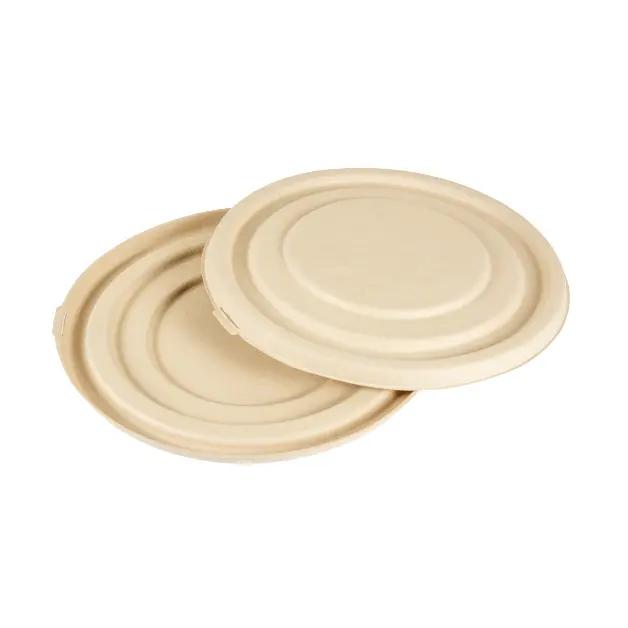 100oz(2950ml) With Lid
 Middle Bowl
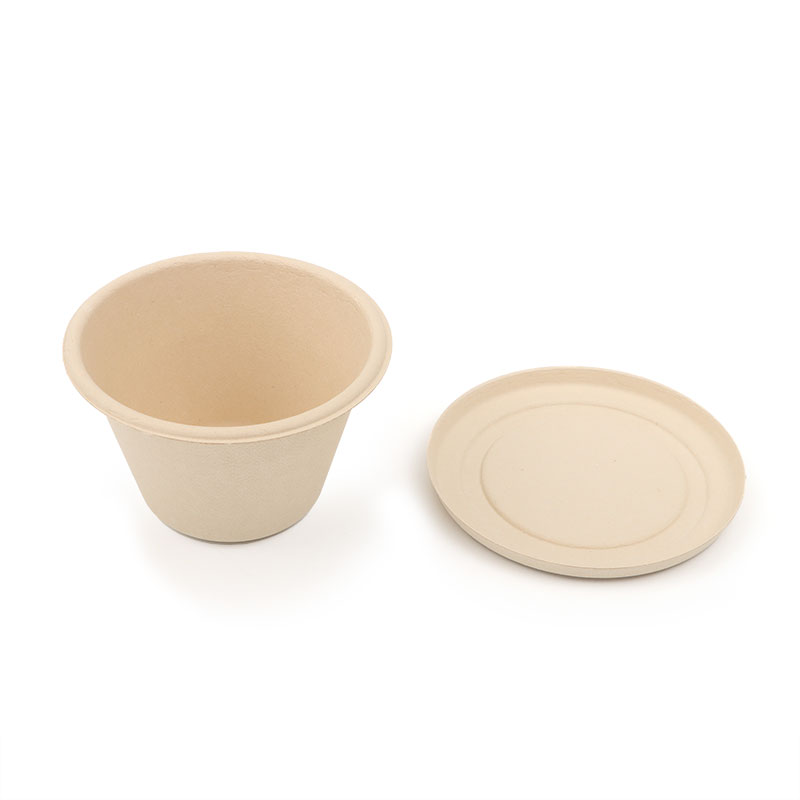 17oz(500ml)
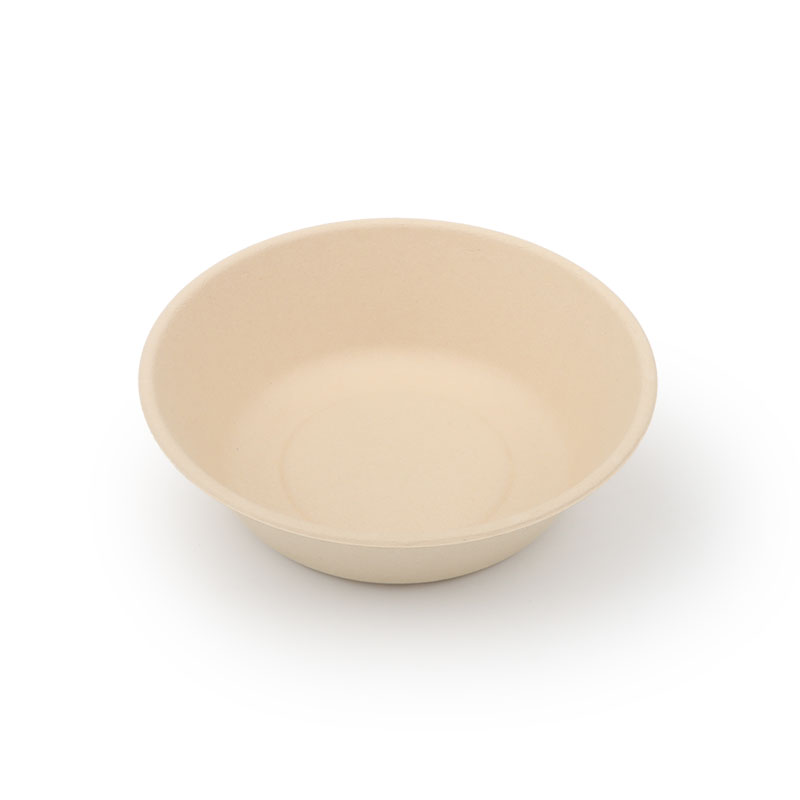 27oz(800ml)
 20oz(600ml)
 29oz(850ml)
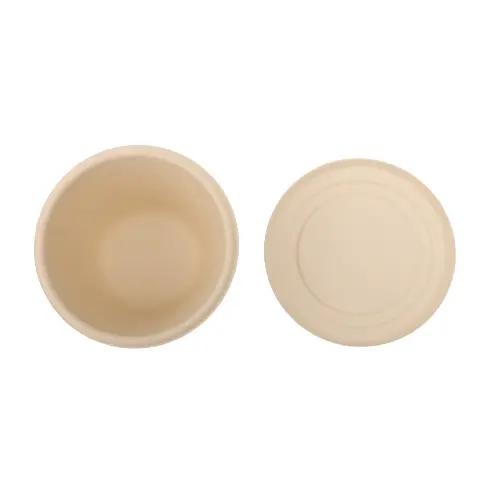 17oz(500ml) With Lid
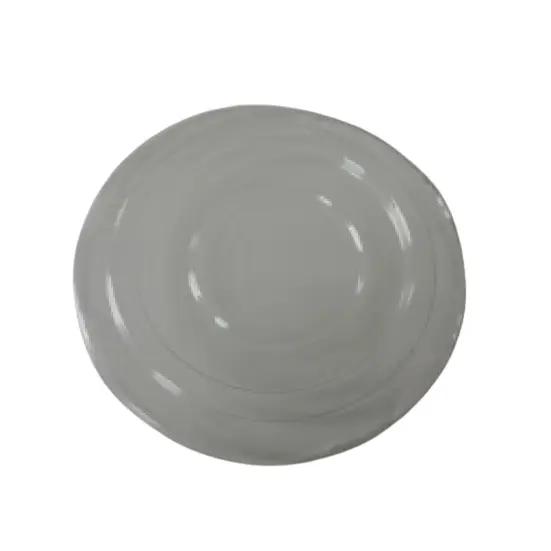 17oz(500ml) PET Lid
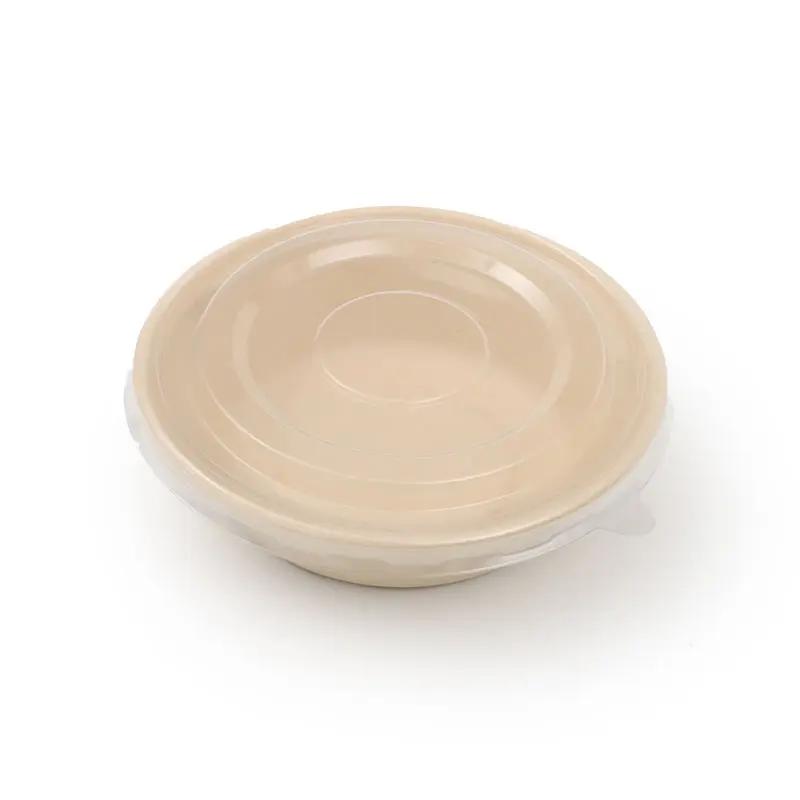 28oz(830ml) PET Lid
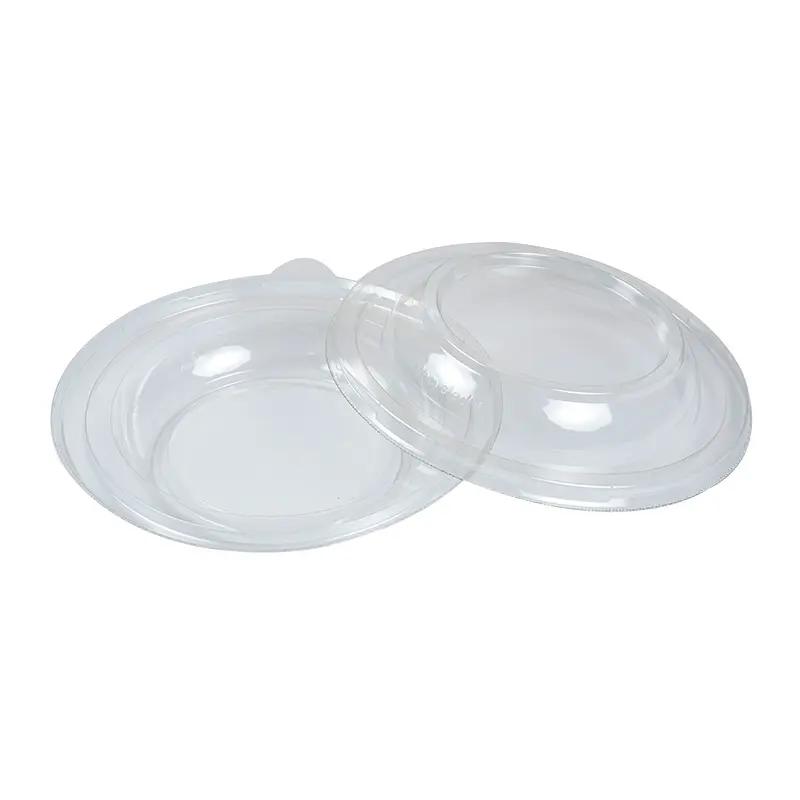 Round Bowl PET
 Small Bowl
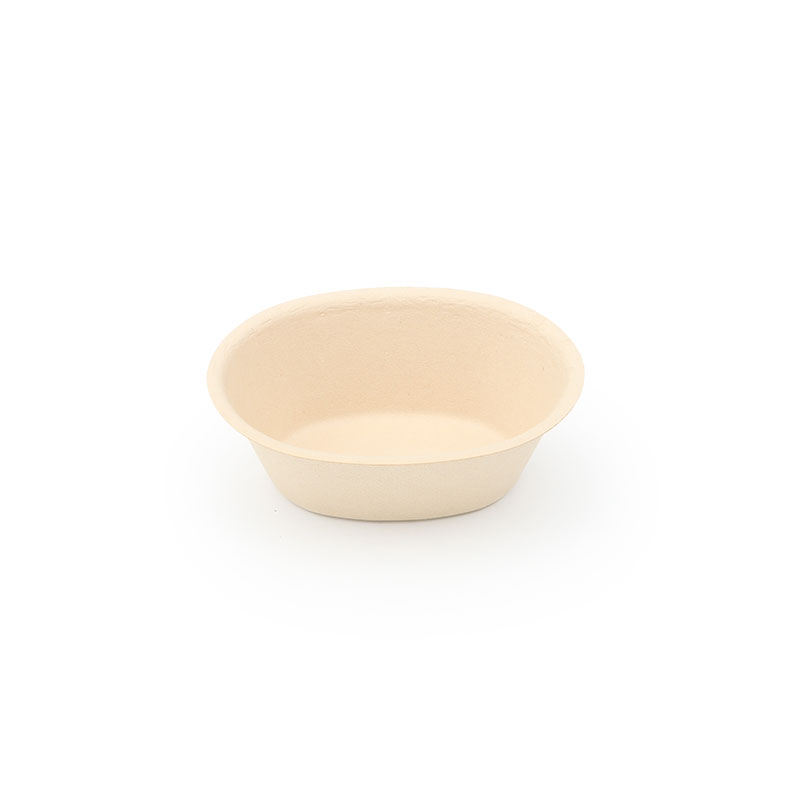 Snack Bowl
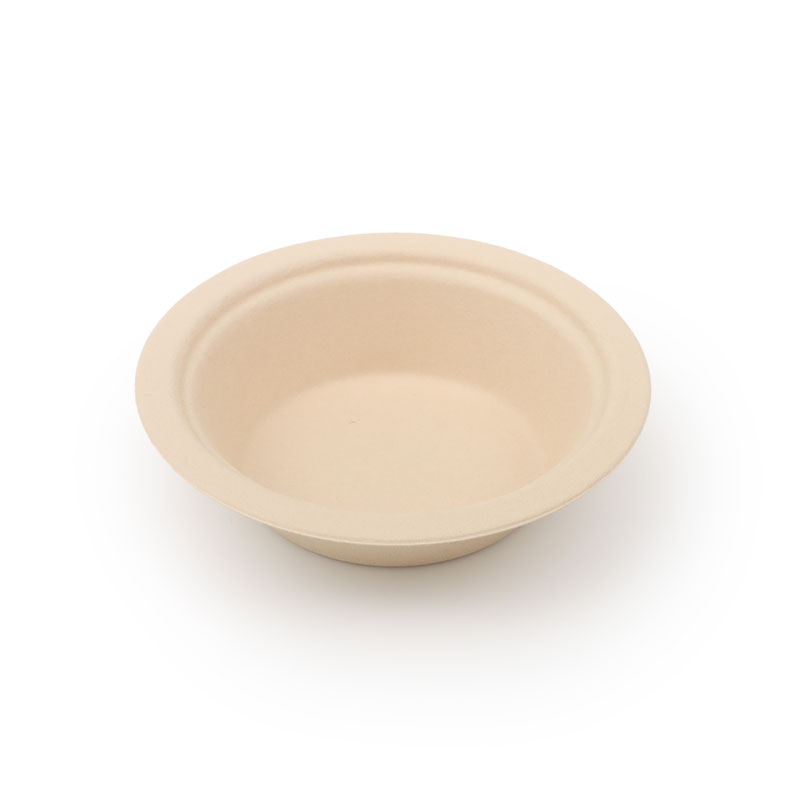 11.5oz(340ml) Bowl
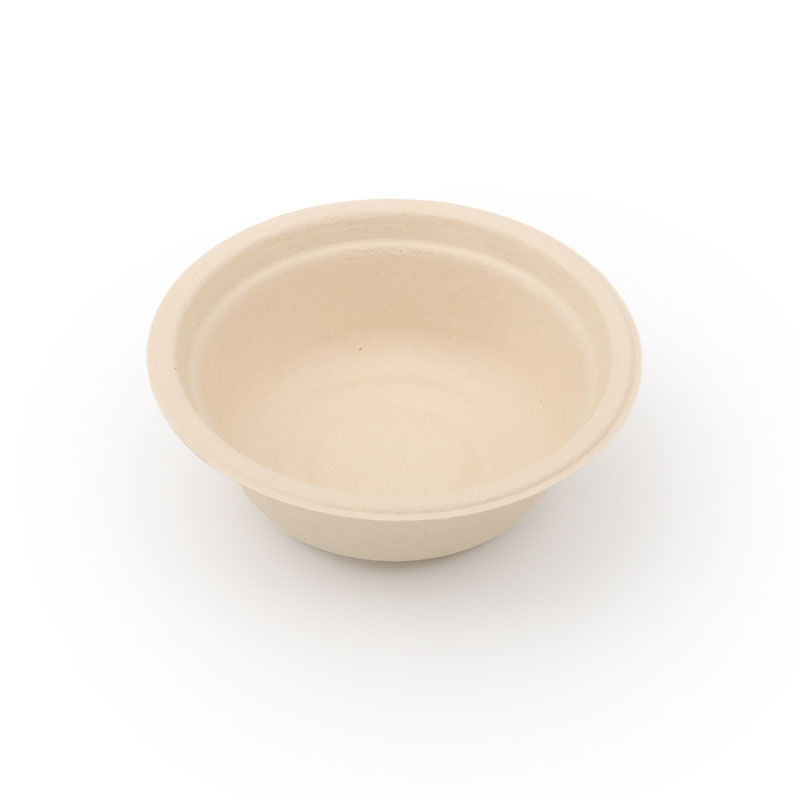 6.7oz(200ml) Bowl
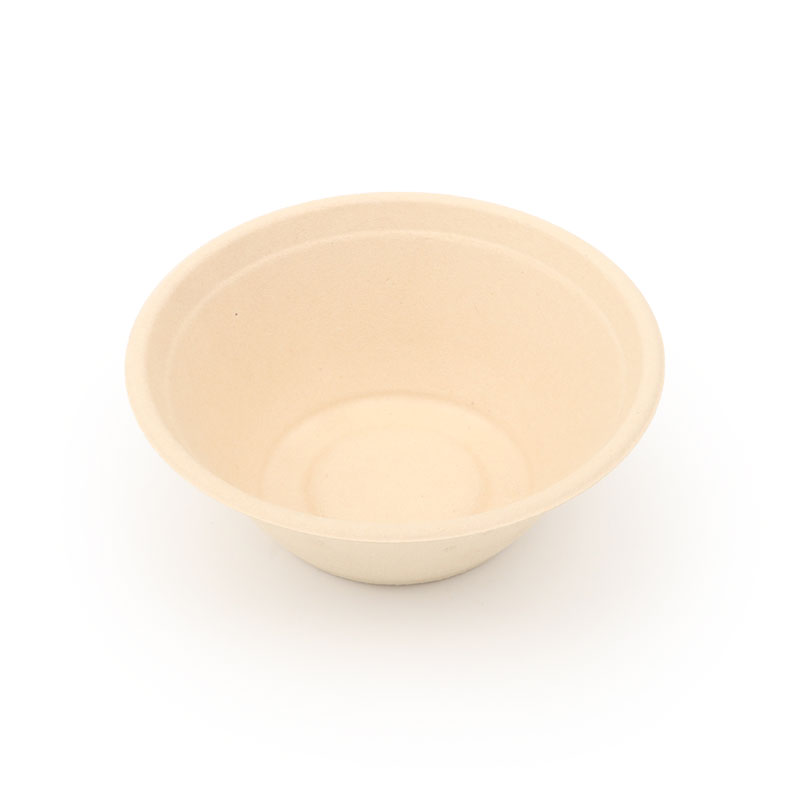 12oz(350ml) Bowl
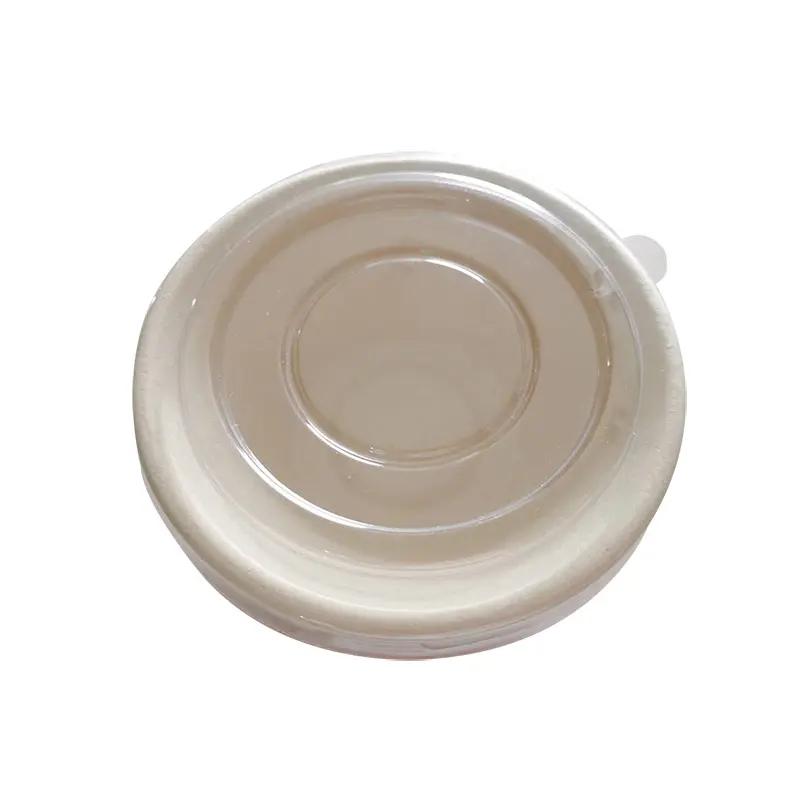 12oz(350ml) Bowl PET
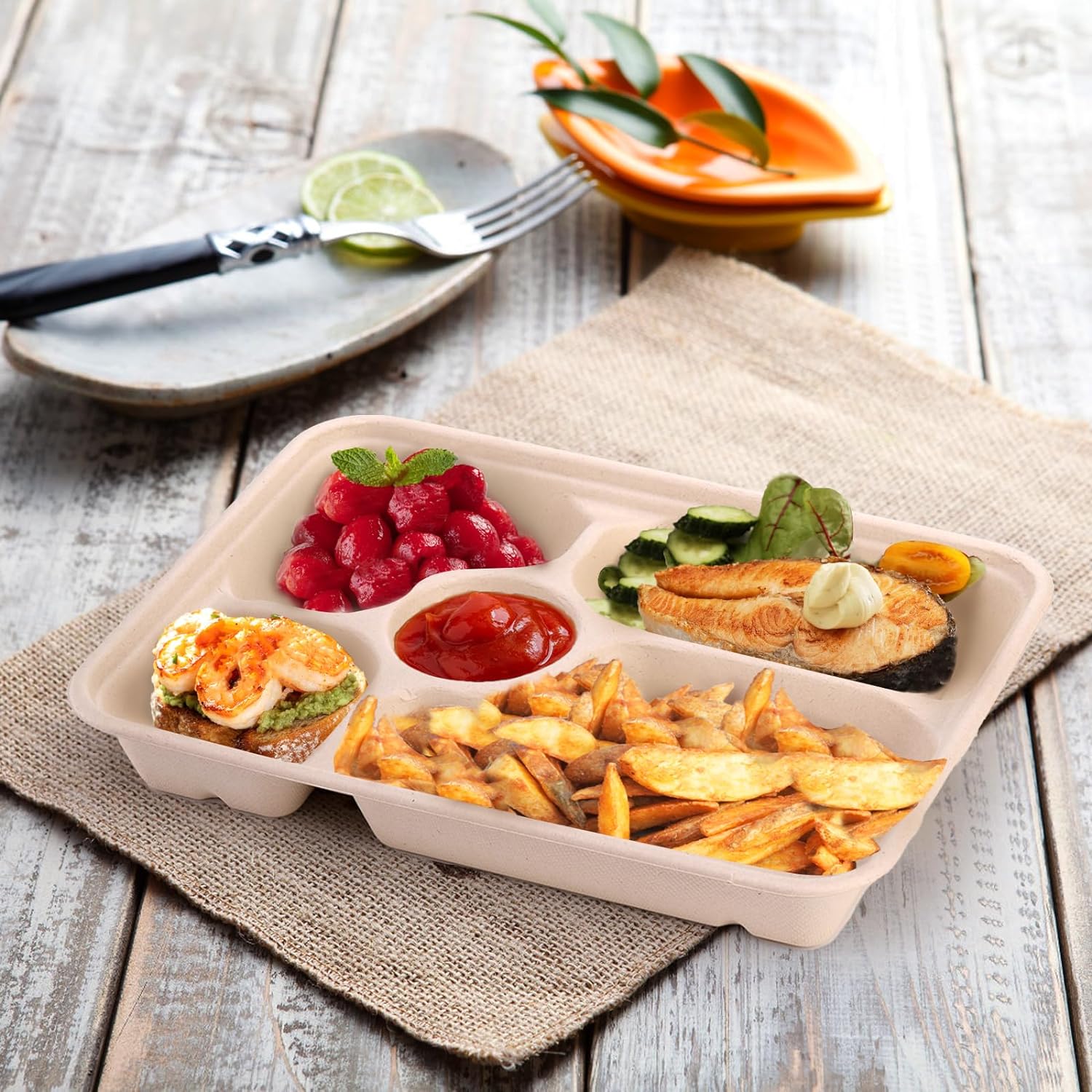 Bagasse Lunch Boxes
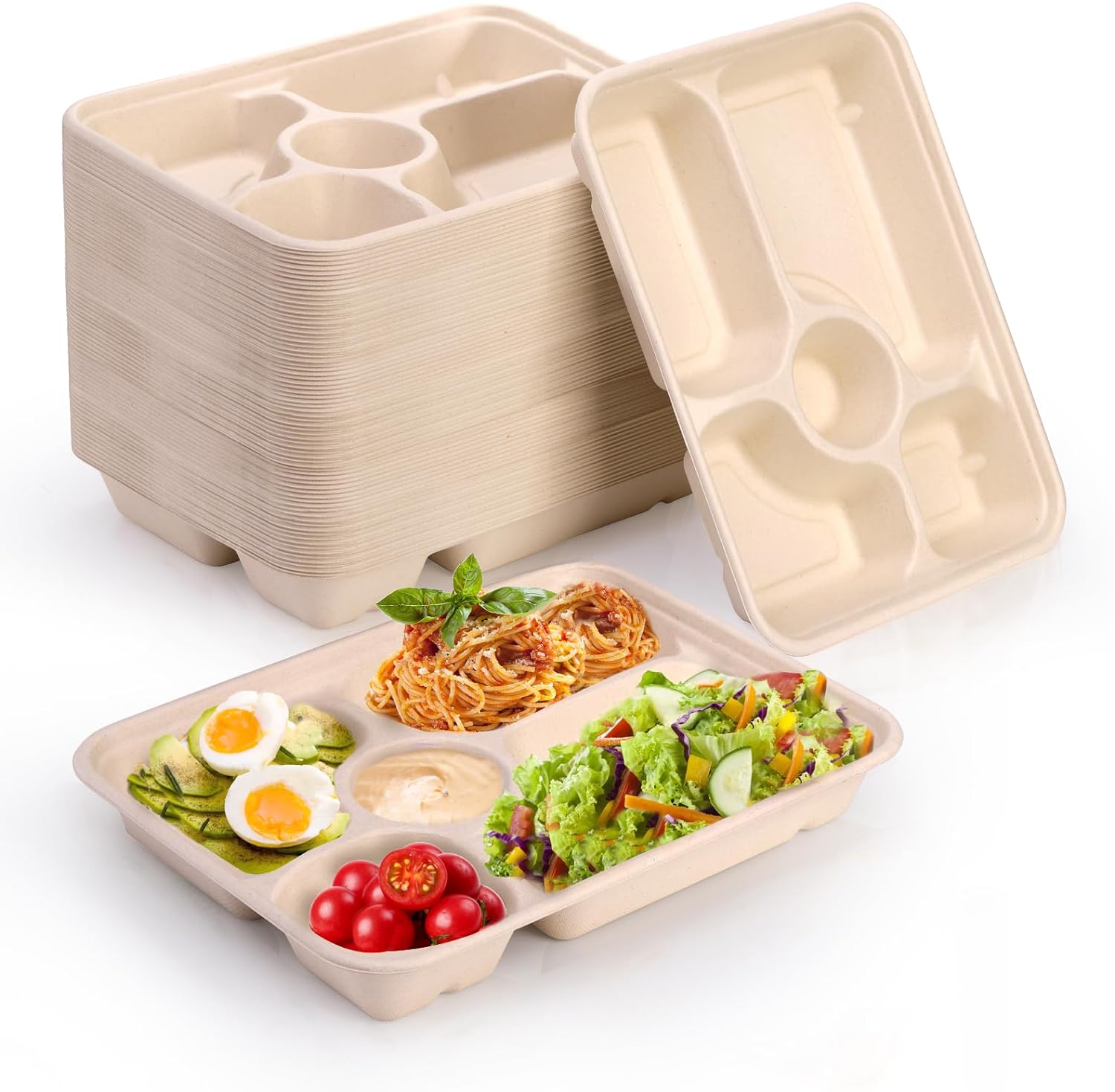 5CP
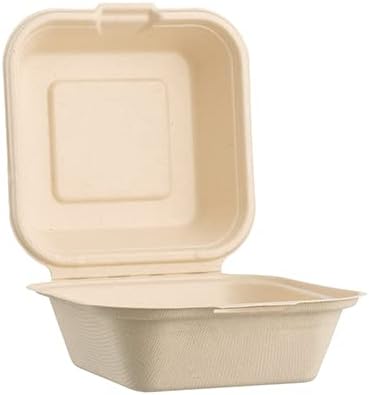 6 inch
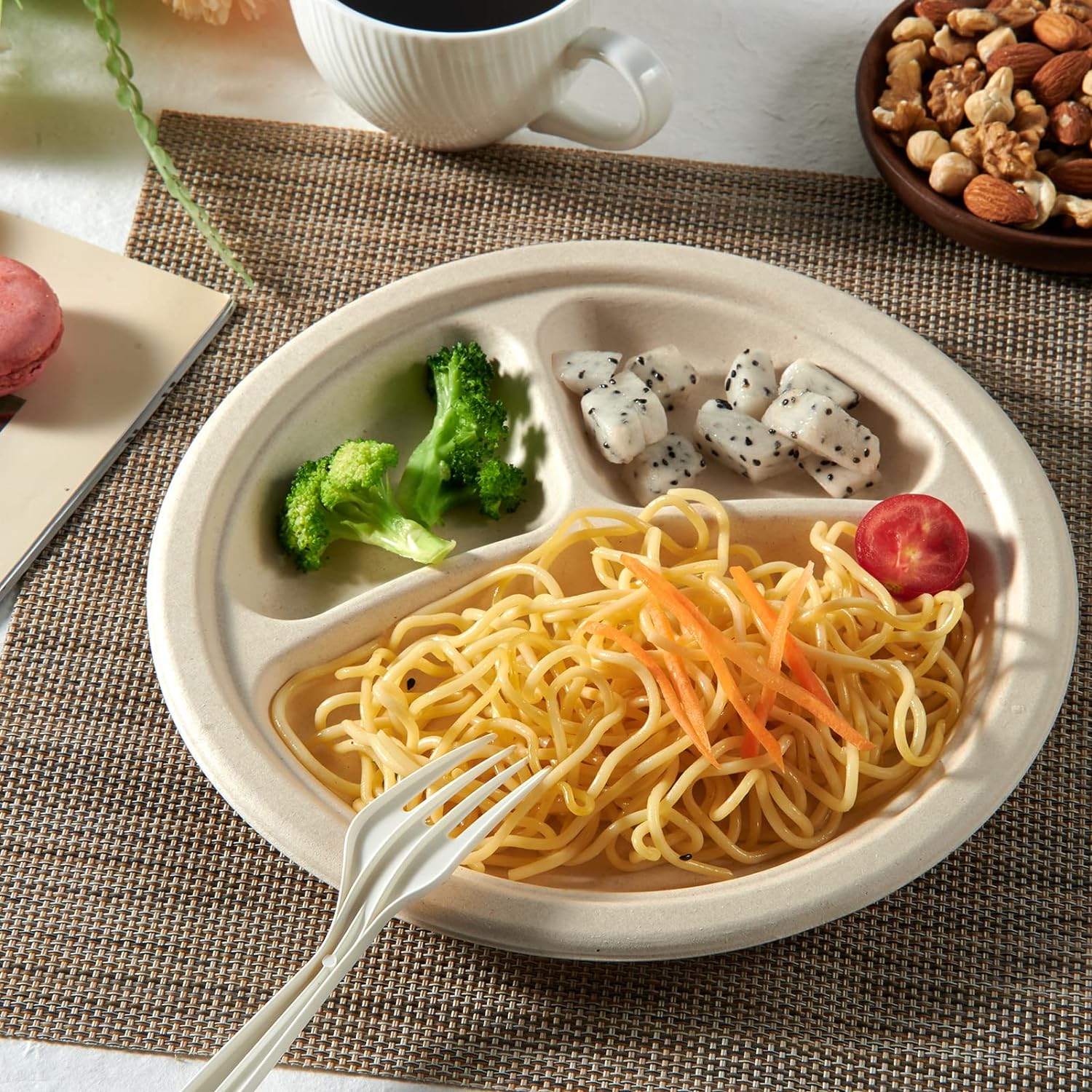 Bagasse Food Plates
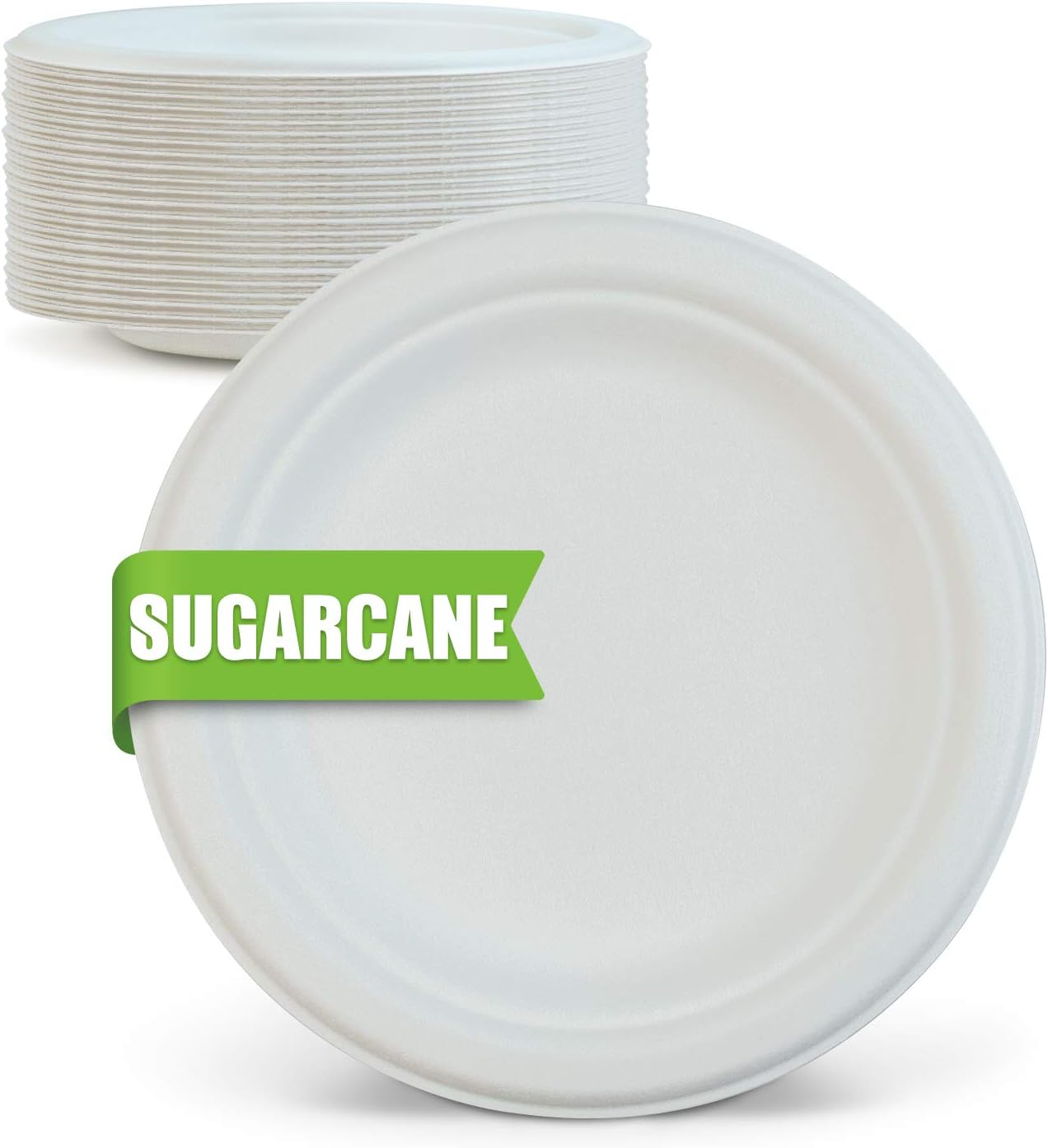 7 inch
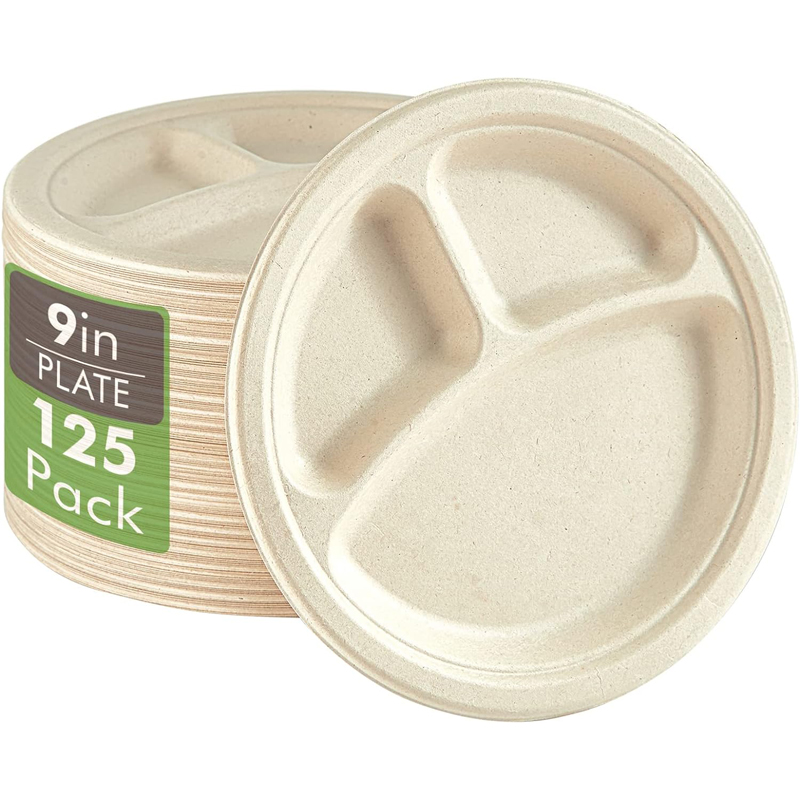 3CP
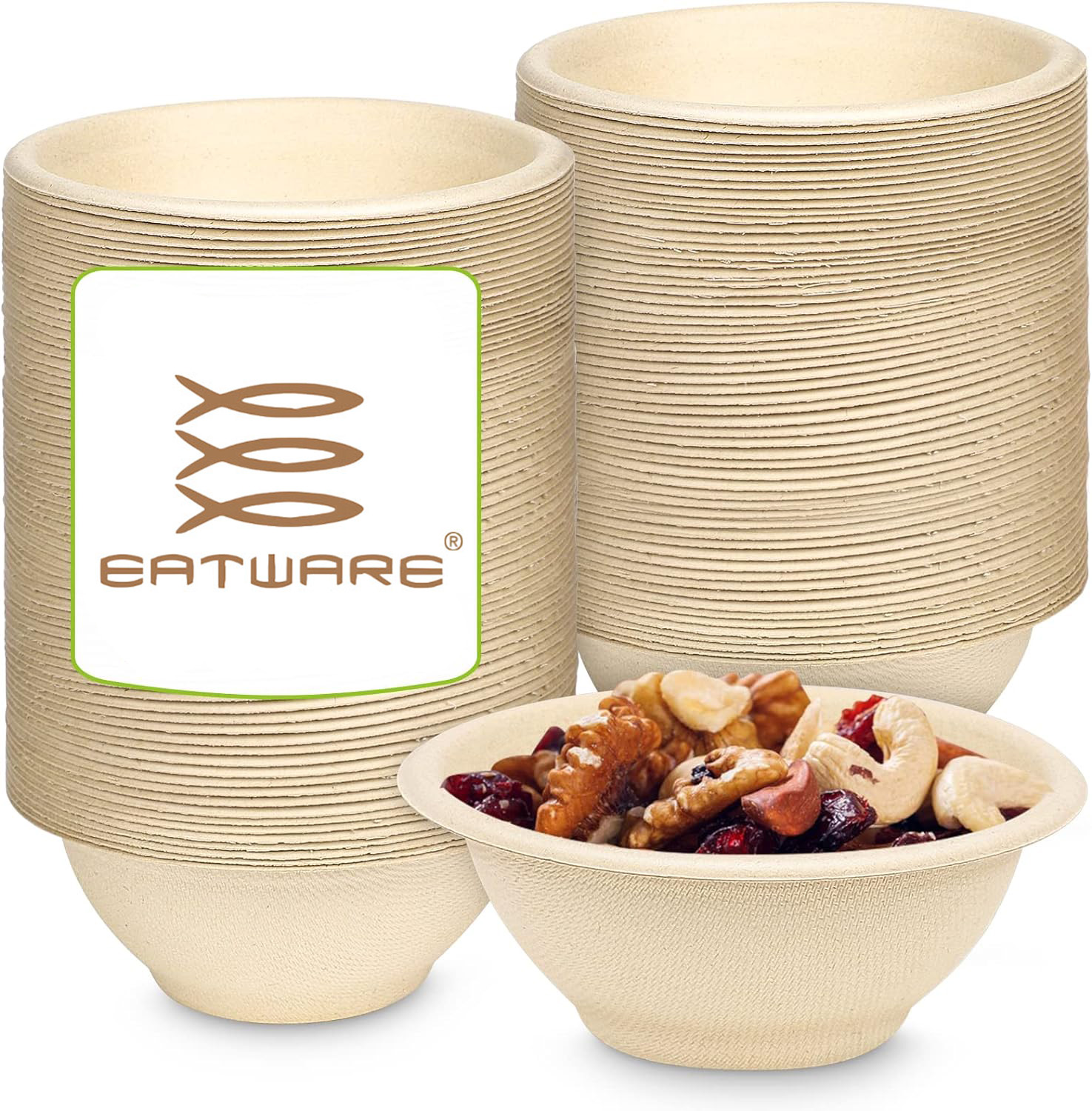 Bagasse Bowls
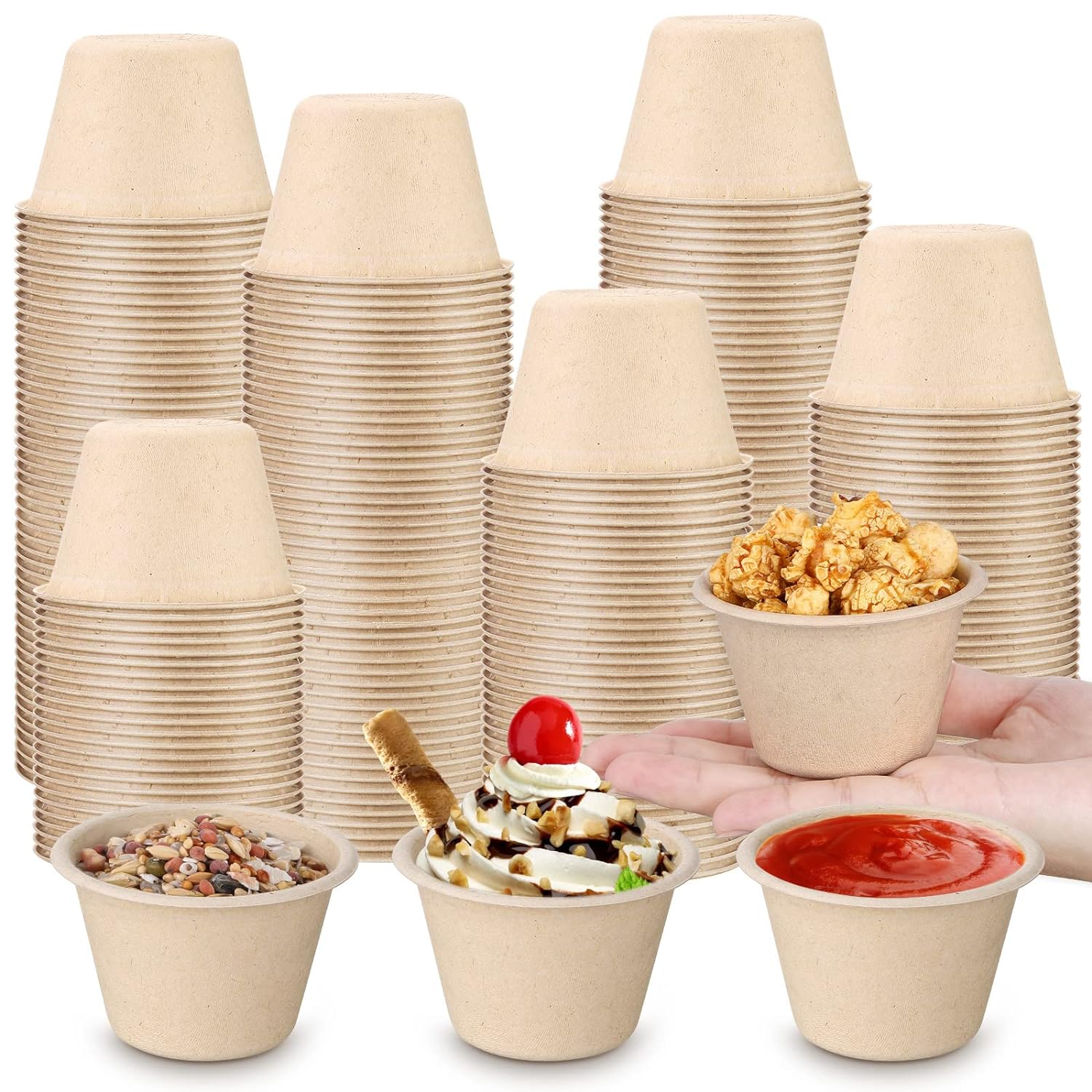 4oz
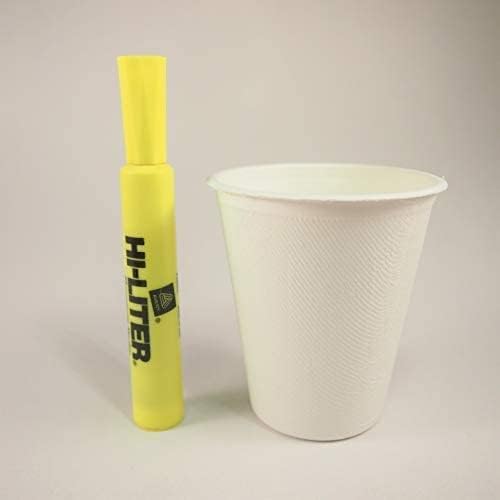 Bagasse Cups And Cutlery
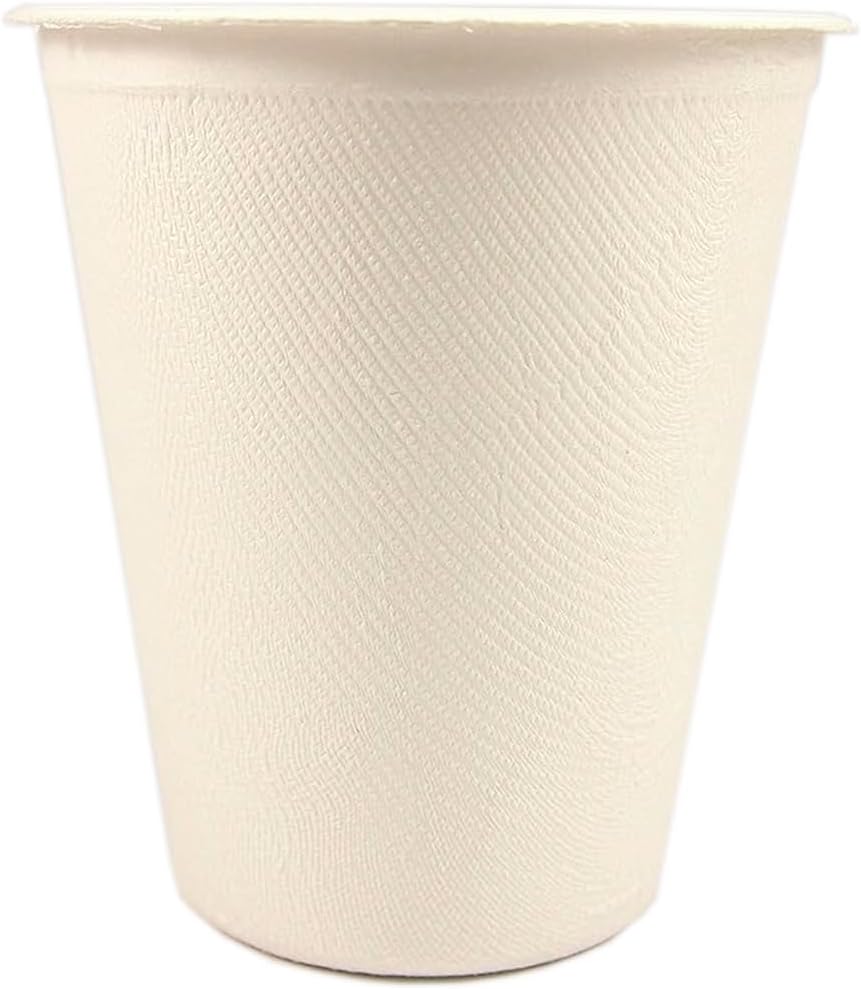 8oz
 12oz
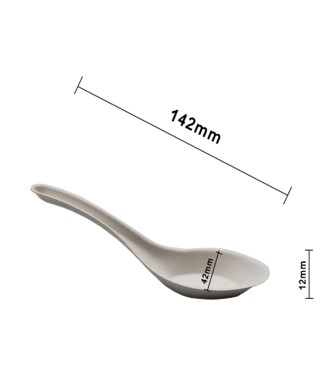 Cutlery
Leave Your Message
Premium sugarcane bagasse and bamboo pulp trays engineered with high-barrier lamination for fresh beef cuts, minced meat, and modified atmosphere packaging (MAP) in high-temperature Gulf climates.
Strategic insights into the Kingdom's evolving cold chain infrastructure, red meat consumption patterns, and stringent SFDA regulatory mandates.
The Kingdom of Saudi Arabia (KSA) is undergoing an unprecedented modernization of its fresh food retail landscape. Spearheaded by leading supermarket chains such as Panda Retail, Lulu Hypermarket, BinDawood, Danube, Carrefour KSA, and Al Othaim, the demand for case-ready fresh meat packaging has grown exponentially. As consumer preference transitions from traditional open-air wet markets to hygienic, pre-packaged, vacuum-skin, and Modified Atmosphere Packaging (MAP) retail portions, processors require high-performance laminated beef trays that guarantee zero blood leakage, structural rigidity under high humidity, and prolonged shelf life.
Saudi Arabia stands as one of the largest consumers of red meat in the Middle East, with substantial demand for premium beef cuts (Wagyu, Black Angus, tenderloin, ribeye) imported from Australia, Brazil, and Europe, alongside locally processed Halal beef and veal. Furthermore, during peak seasons such as Ramadan and the Hajj/Umrah pilgrimage seasons in Makkah and Madinah, institutional catering and central cloud kitchens process millions of meat rations requiring high-speed automated packing on durable, eco-friendly laminated trays.
Under the Saudi Green Initiative and the regulatory oversight of the Saudi Food and Drug Authority (SFDA) and the National Center for Environmental Compliance (NCEC), the Kingdom is aggressively transitioning away from unrecyclable expanded polystyrene (EPS foam) and single-use fossil plastics. Food processors, slaughterhouses, and central meat cutting hubs in industrial zones such as MODON (Riyadh, Jeddah 2nd Industrial City, Dammam) are proactively seeking biodegradable, plant-fiber-based laminated trays that align with national decarbonization targets without compromising barrier protection against moisture, grease, and bacterial proliferation.
Fresh red meat exhibits high liquid purge (myoglobin and moisture) and high fat content, which rapidly degrade standard unlined paper or molded pulp trays. Our laminated beef packaging utilizes ultra-thin, food-grade barrier films (including recyclable PE, high-barrier EVOH, or 100% bio-based compostable PLA films) thermo-bonded to dense sugarcane bagasse and bamboo pulp substrates. This hybrid architecture delivers:
1. Oxygen Transmission Rate (OTR) and Moisture Barrier Control: Prevents premature meat oxidation, preserving the natural cherry-red bloom of fresh beef for 14 to 21 days under cold chain storage (0°C to 4°C).
2. Superior Structural Integrity: Resists softening or deformation under heavy multi-kilogram cuts, automated top-sealing pressure, and condensation during transport across Saudi Arabia's desert cold chains.
3. Freezer and Thermal Stability: Engineered to withstand blast-freezing down to -40°C for frozen imports without cracking, as well as microwave thawing cycles.
Delivering uncompromised factory-direct capacity, robust technical precision, and certified compliance to packaging distributors across the GCC.
In the field of environmentally friendly packaging for 18 years, Has established cooperation with 500+ brands.
Through our research and development, there are more than 60 products can product, we also support OEM ODM customized services.
Exported to the United States, Europe, Australia, Canada and other countries, right now we have exported more than 30 countries.
10000+ square meters factory area, more than 30 patent certificates, 10 foreign authoritative certification, 55 automatic forming machines...
Kangxin (HaiMen) Environmental Technology Co., Ltd. is a technology innovation oriented enterprise that focuses on disposable environmentally friendly tableware and food packaging.
We have advanced production processes and equipment, and continue to attract senior talents, focusing on environmental protection, emphasizing safety, and ensuring quality.
READ MOREEATware is committed to sustainable development, using all natural plant fibers to produce safe, healthy and environmentally friendly tableware. Adhering to the concept of "take nature, serve humanity, return to nature", we focus on the development of safe, high quality and environmental standards.
EATware emphasizes environmental protection and sustainable development, explores the balance between enterprise survival and environmental protection, and uses all-natural and pollution-free bamboo fiber as the main material of tableware to ensure that its products meet the high technical level and are superior to developed countries.
From central abattoirs in Qassim to high-end gourmet butcheries in Riyadh Boulevard, our laminated trays power every critical node.
Equipped with standardized lip designs compatible with high-speed automated denesters, inline scale-printers, and thermo-sealing lines (Multivac, ULMA, Ishida) across Saudi slaughterhouse facilities.
Enhances visual presentation on chilled retail display cases. Zero sag, zero blood soak-through, and pristine branding surfaces elevate consumer purchase intent in premium Saudi supermarkets.
Supplying sterile, portion-controlled, heavy-duty laminated trays for ready-to-cook marinated meats, kababs, and beef shawarma slices distributed to HORECA networks across the Kingdom.
Backed by internationally recognized food safety and environmental accreditations meeting SFDA, European, and US standards.
Comprehensive compliance verification for global and Middle Eastern export safety.
PATENT INDEX: 0102030405060708091011121314151617
Stay informed with technical research on leak testing, biodegradable container structural performance, and factory sourcing standards.
The most reliable way to test disposable food containers is to combine leakage testing with structural testing under conditions that reproduce the intended food application. A container should not be approved simply because it holds water for several minutes or survives an empty compression tes...
read more →For foodservice operators, replacing conventional plastic packaging is not simply a matter of changing materials. Disposable biodegradable tableware must still withstand hot food, sauces, oils, condensation, stacking, transport, and commercial handling without losing structural integrity. Poorl...
read more →With growing global demand for takeaway meals and eco-friendly packaging, China’s manufacturing sector has become a major hub for disposable food containers. Today’s food businesses - from fast-food chains and meal-delivery services to supermarkets and catering companies - are looki...
read more →Trusted by multinational airline caterers, supermarket giants, and renowned foodservice brands worldwide.
Explore our full lineup of sugarcane and bamboo pulp molded trays engineered for international and Saudi Arabian meat distribution.
Eliminating fossil plastic waste through intelligent, natural-fiber packaging engineering.
Combating and eliminating non-degradable expanded polystyrene and single-use plastic waste across retail distribution.
Preventing chemical leachate and microplastic accumulation in marine ecosystems through 100% bio-based degradation.
Utilizing fast-growing annual renewable bamboo and agro-waste bagasse to safeguard primary global forest reserves.


