
 Box With T buckle
 700ml Square Lunch Box
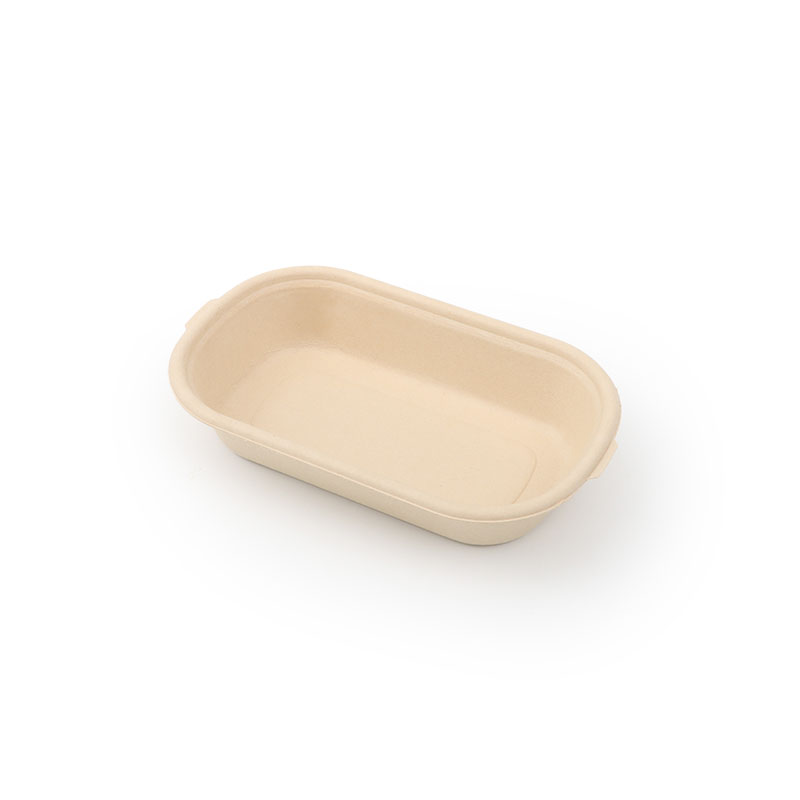 500ml
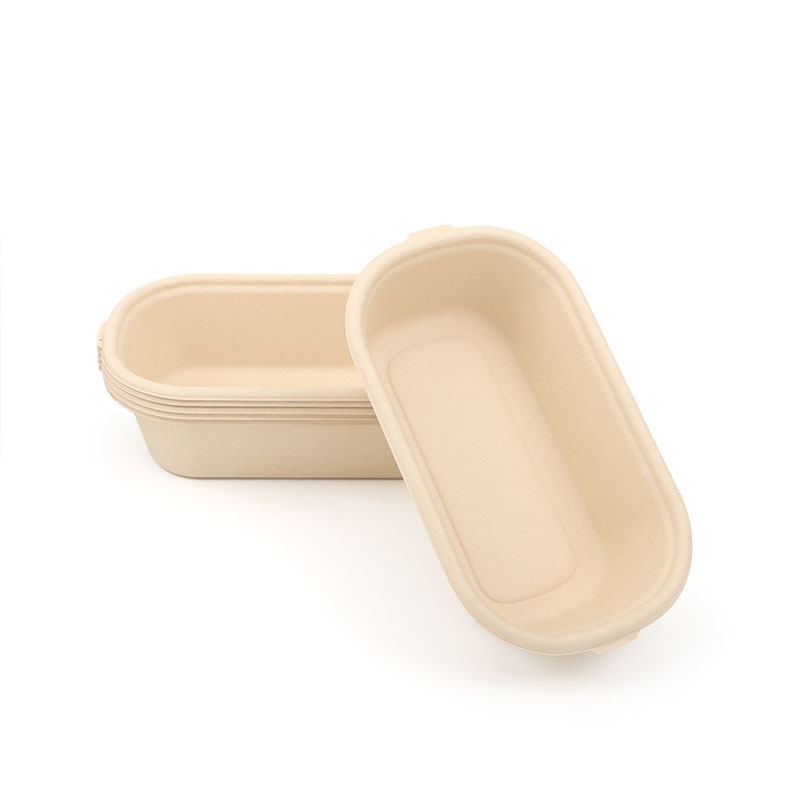 700ml
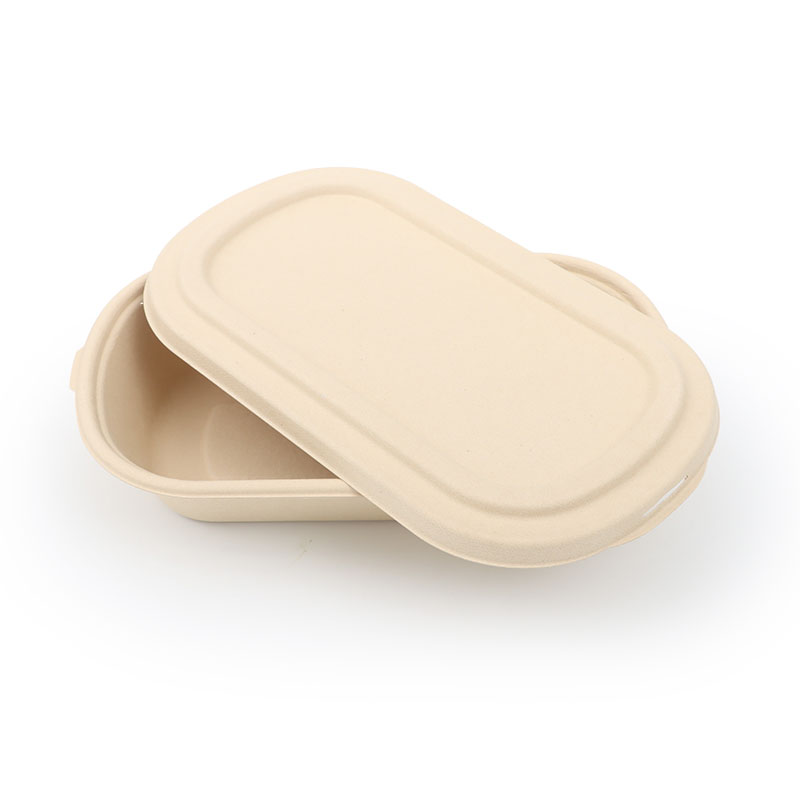 850ml
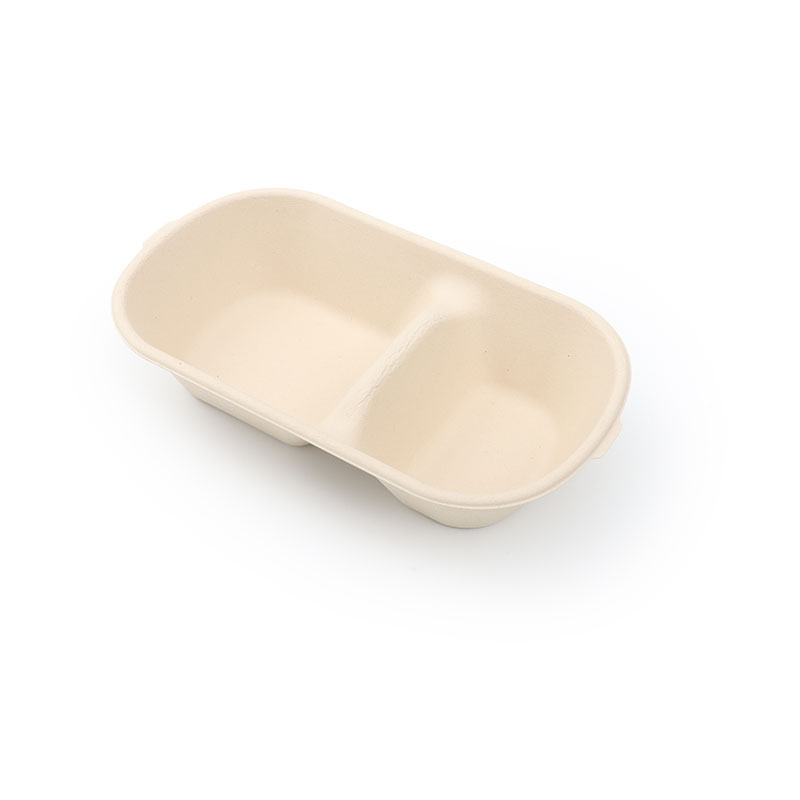 800ml 2 Compartments
 1000ml 2 Compartments
 1100ml
 1000ml Square Lunch Box
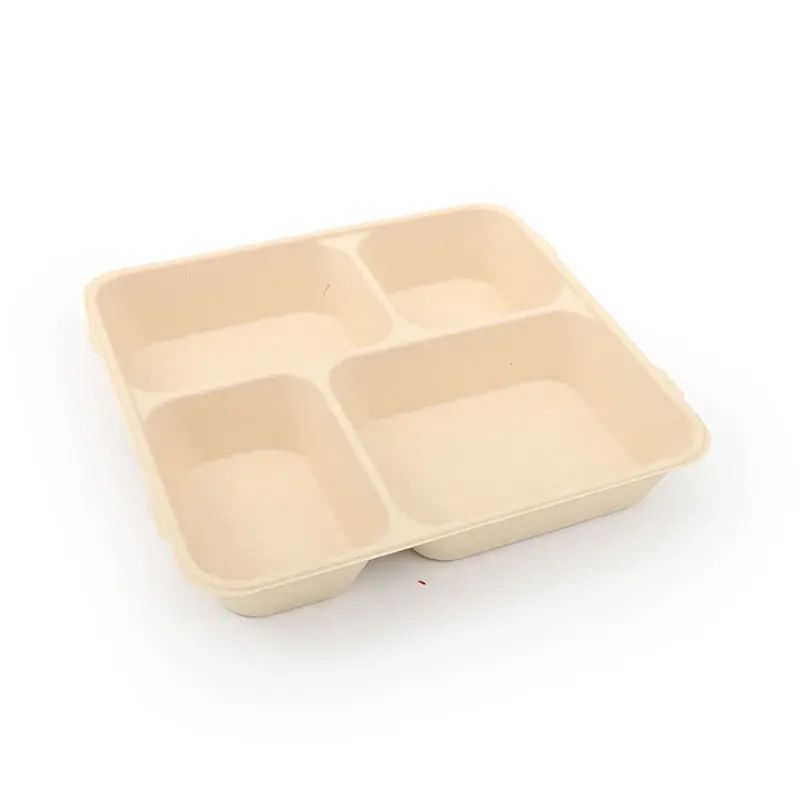 1340ml 4 Compartments
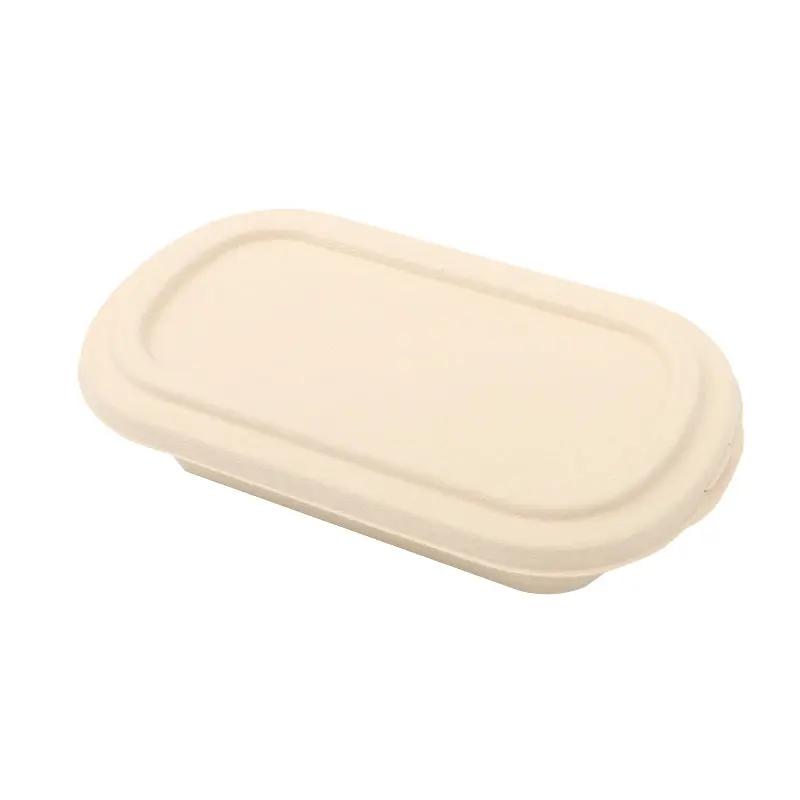 Lunch Box Lid
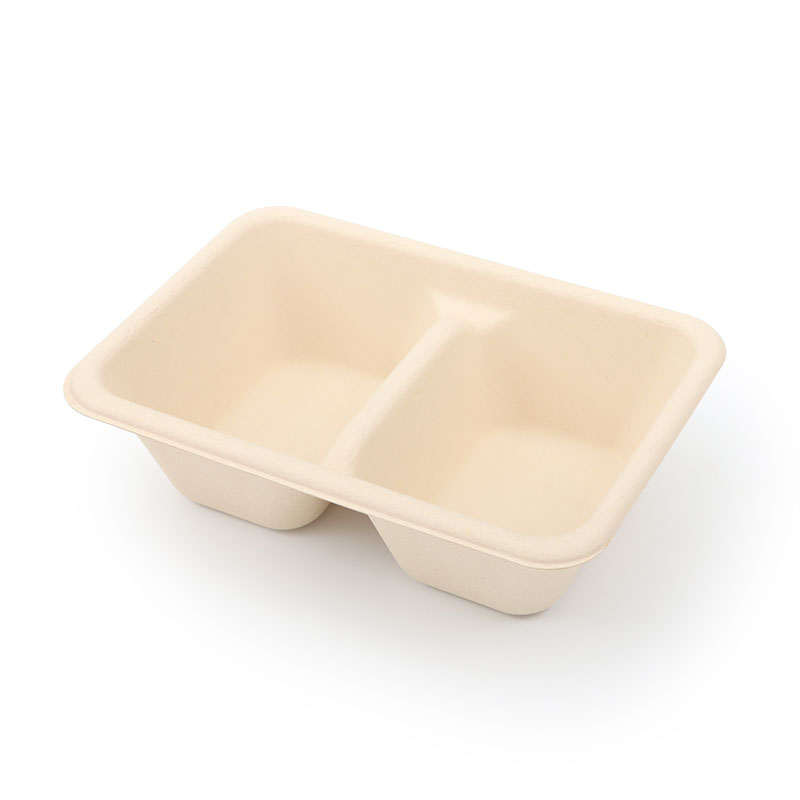 650ml
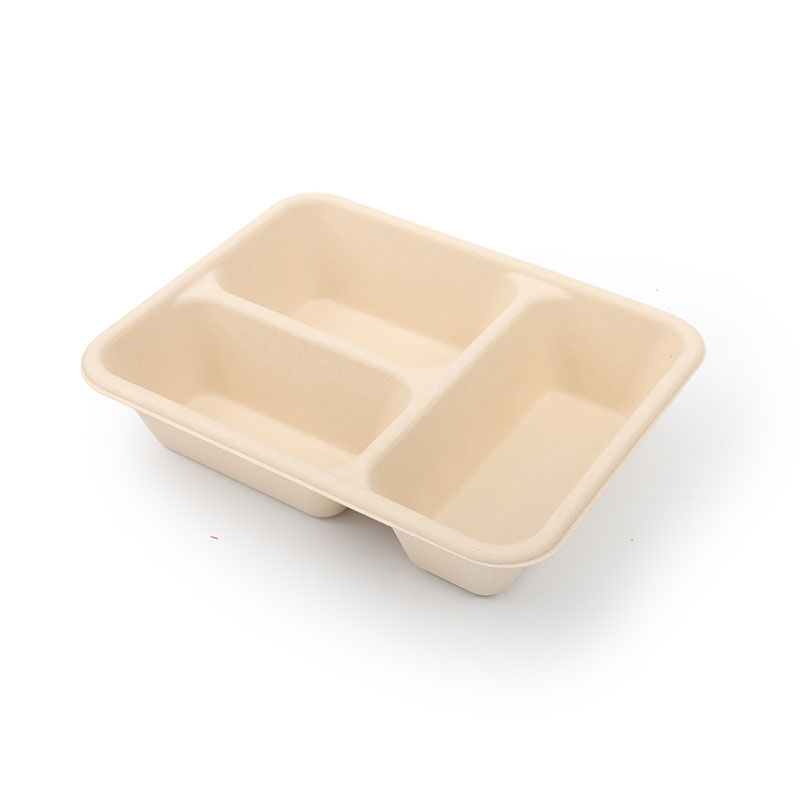 1000ml 3 Compartments
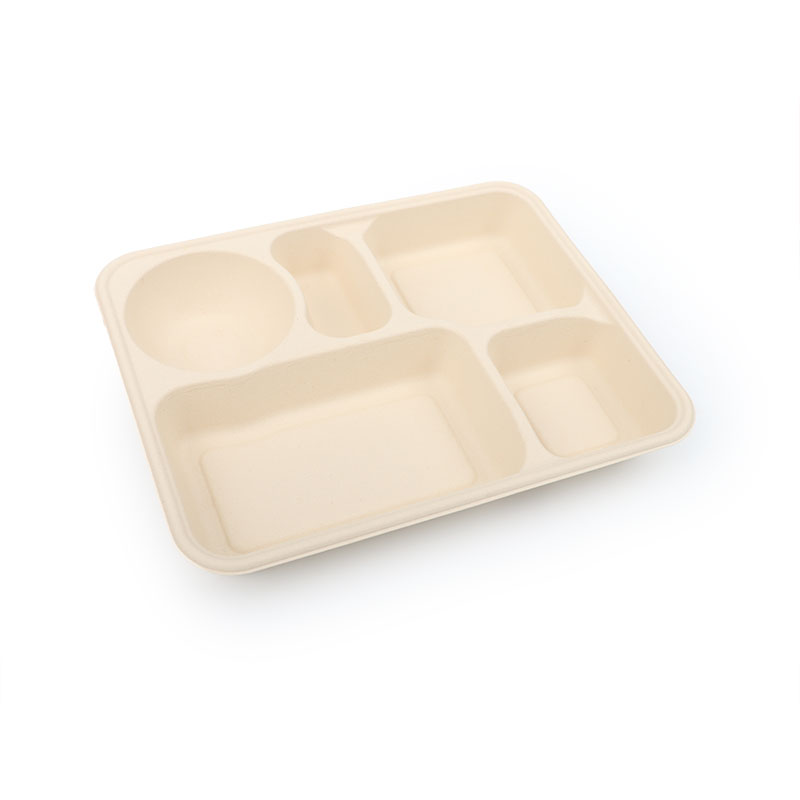 1250ml 5 Compartments
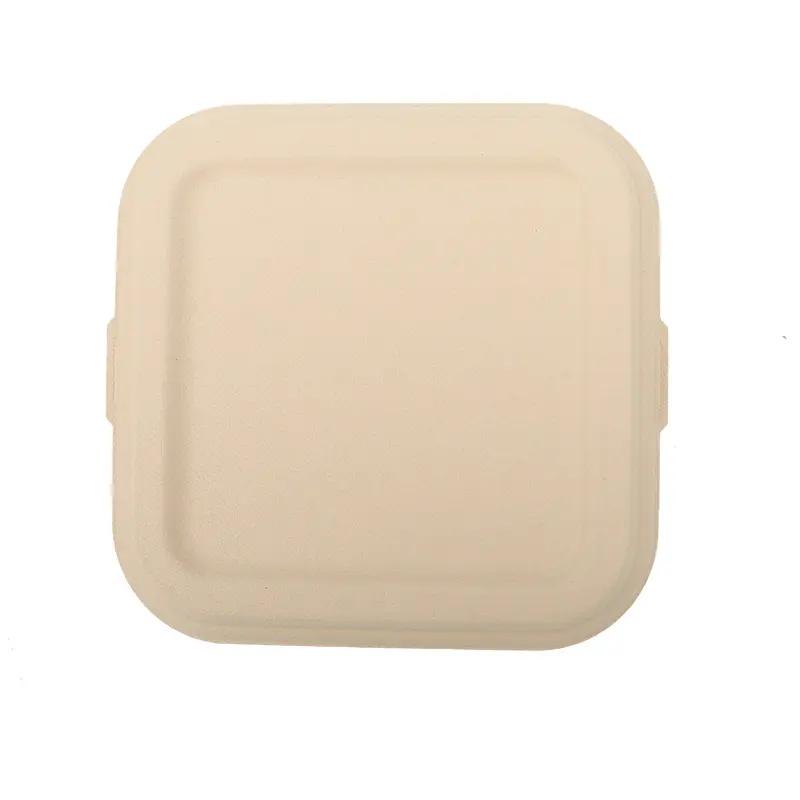 Square Lunch Box Lid
 Box Without T buckle
 850ml Salad Box
 700ml
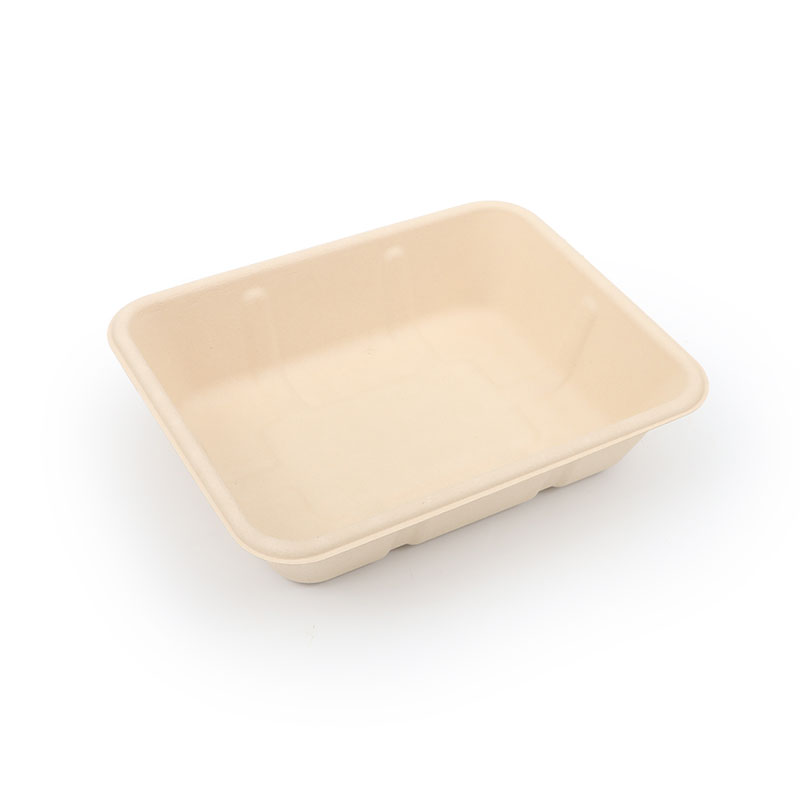 1350ml
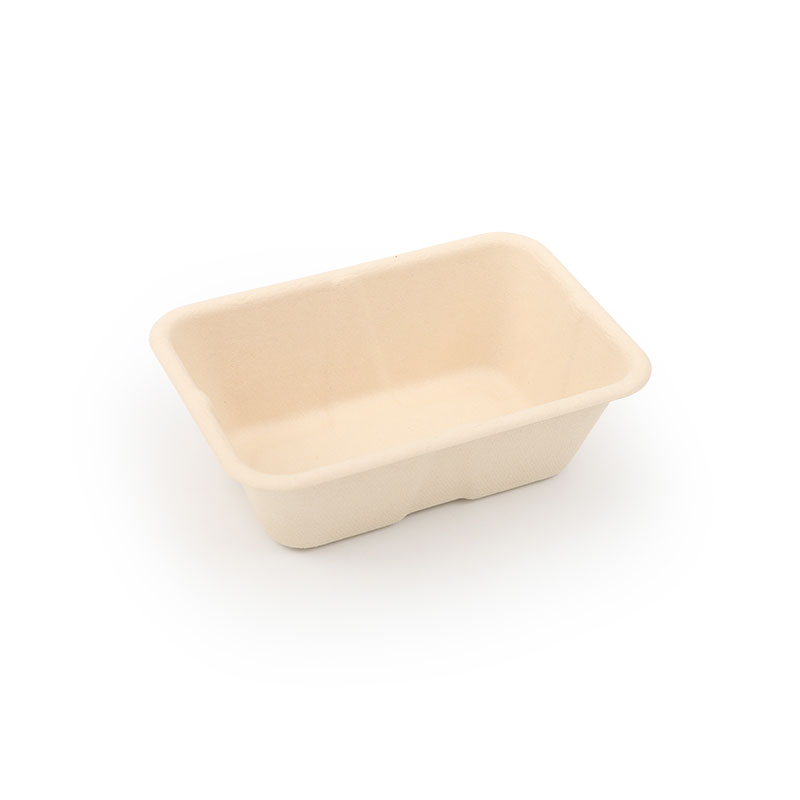 470ml
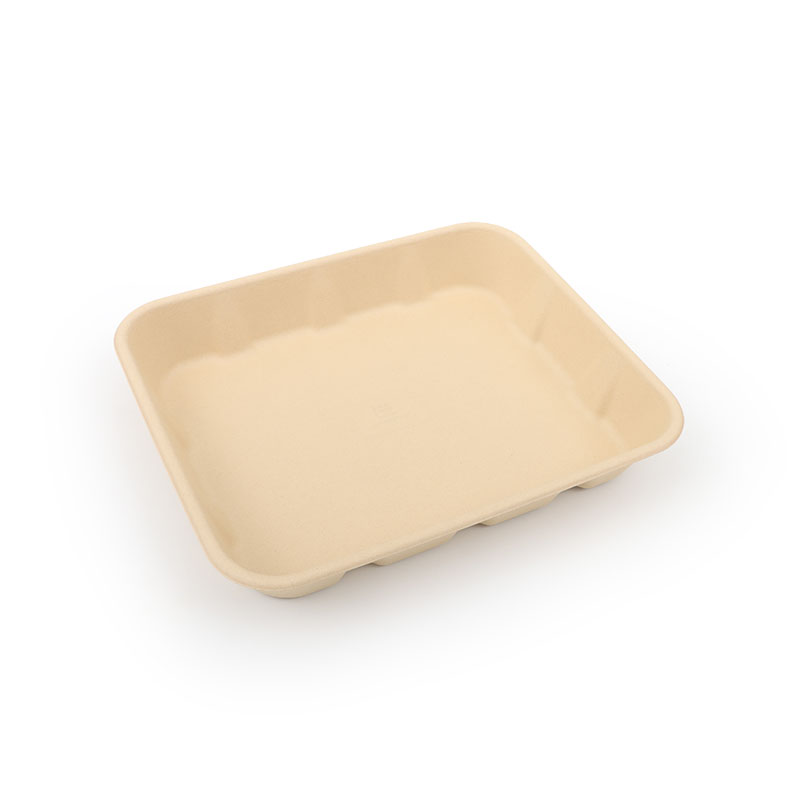 2183ml Tray Box
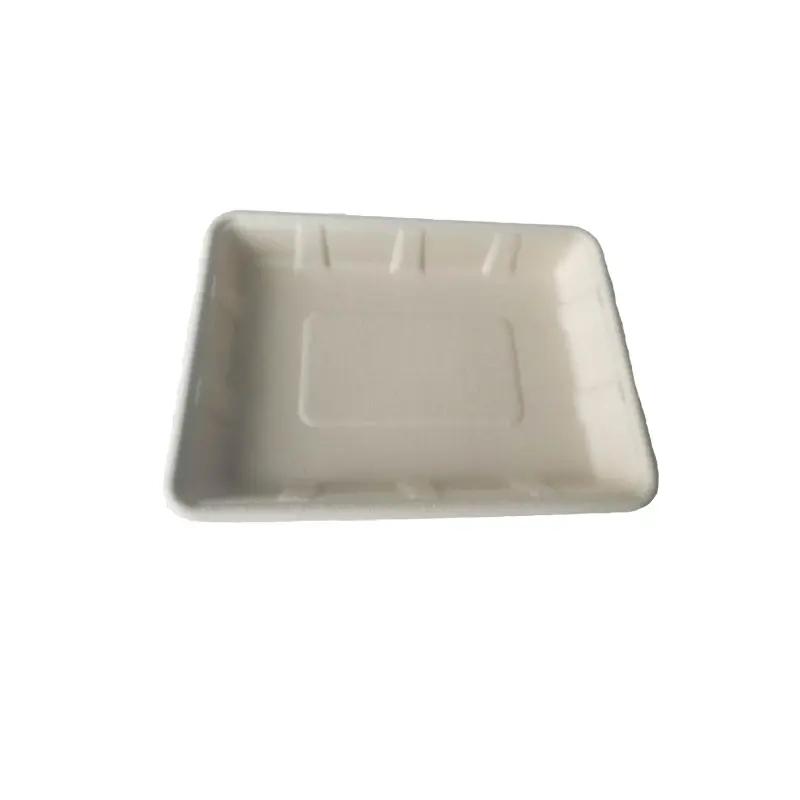 11" * 9"
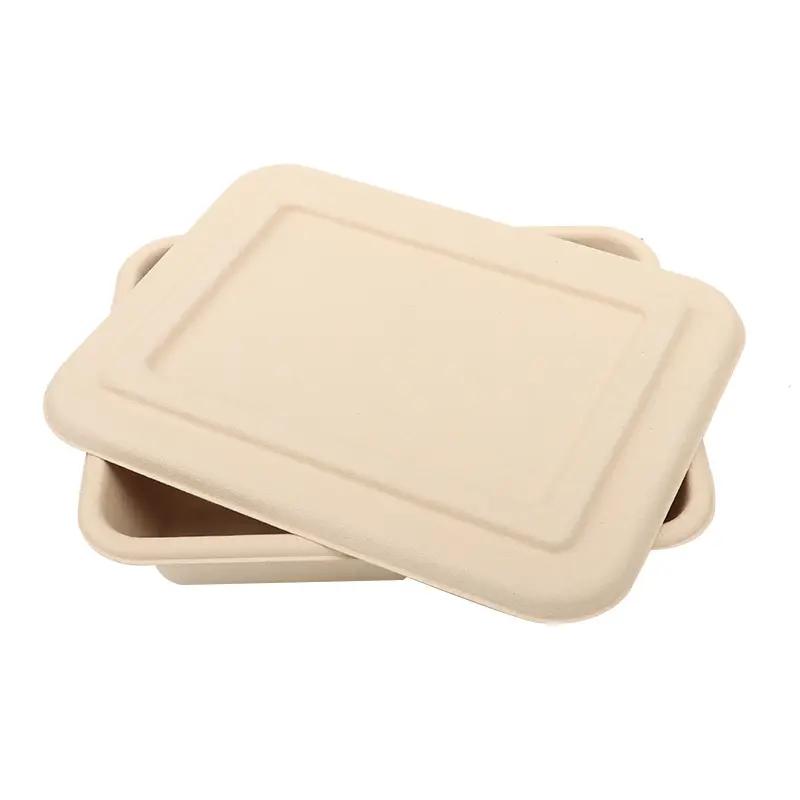 800ml
 One Part Box
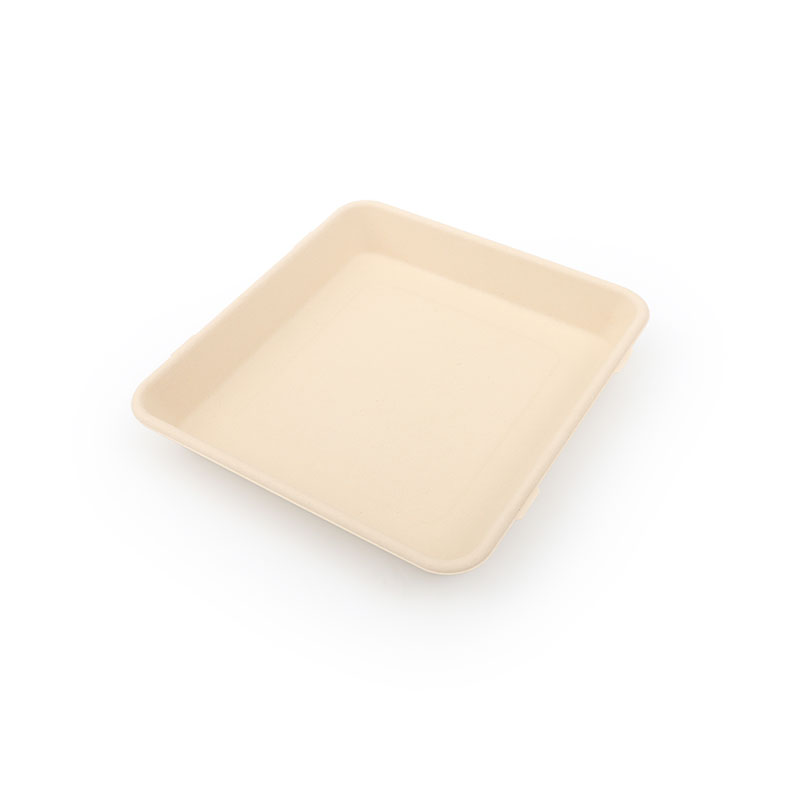 1443ml Tray Box
 Cake Bread Snack Tray Series
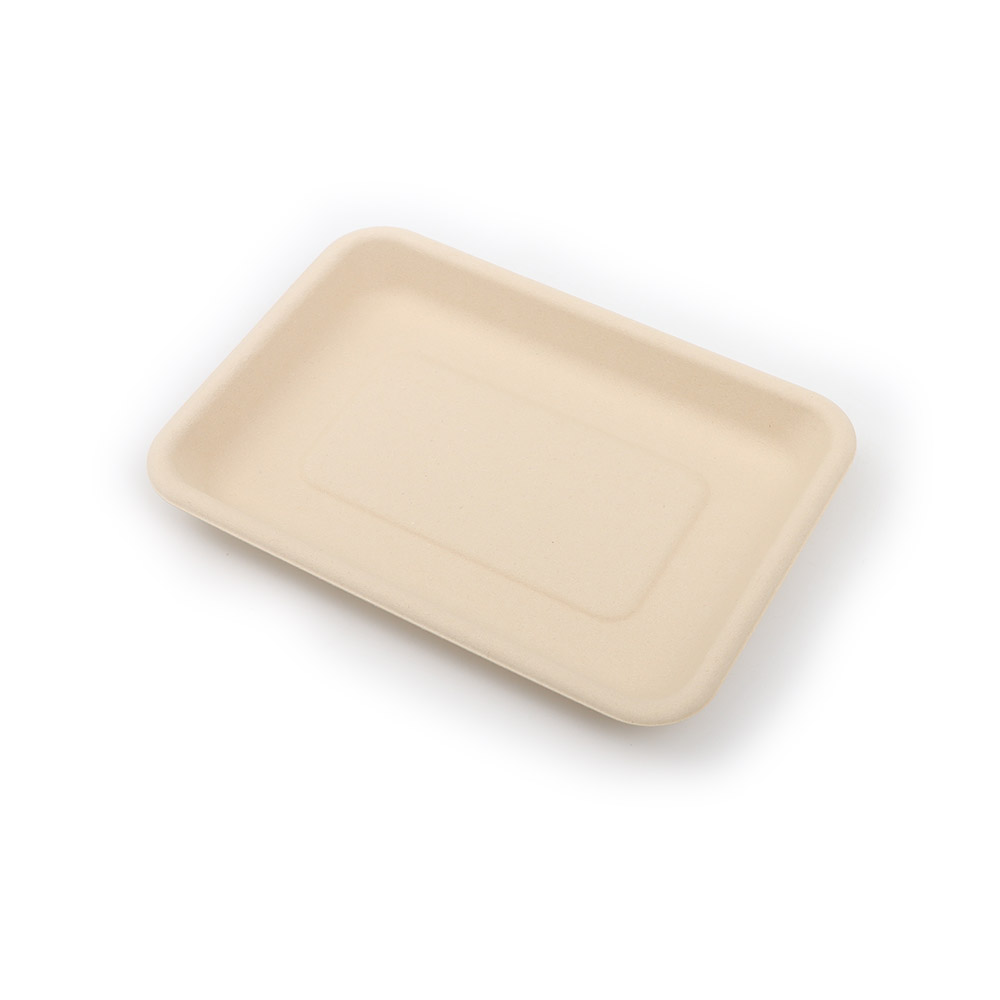 5" * 7" natural color
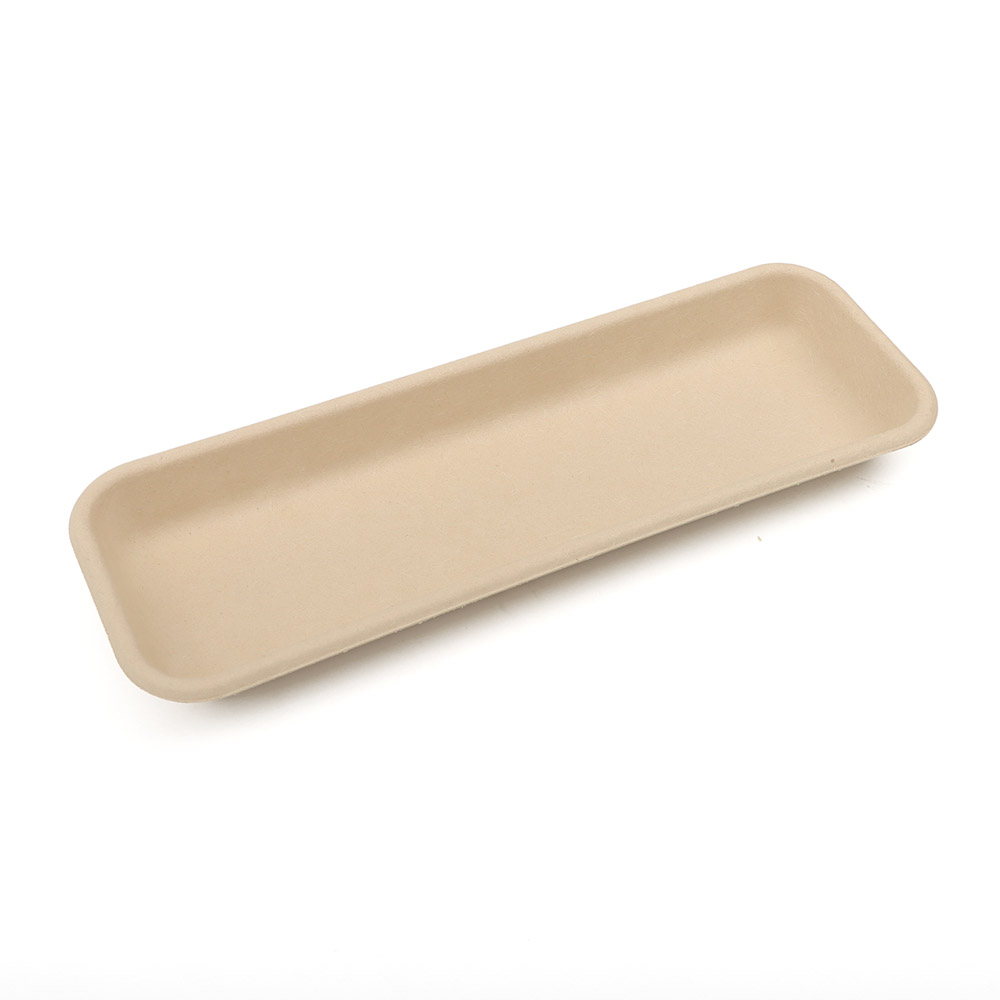 11.4" * 3.9"
 5.3" * 5.3"
 Fruit And Vegetable Tray Series
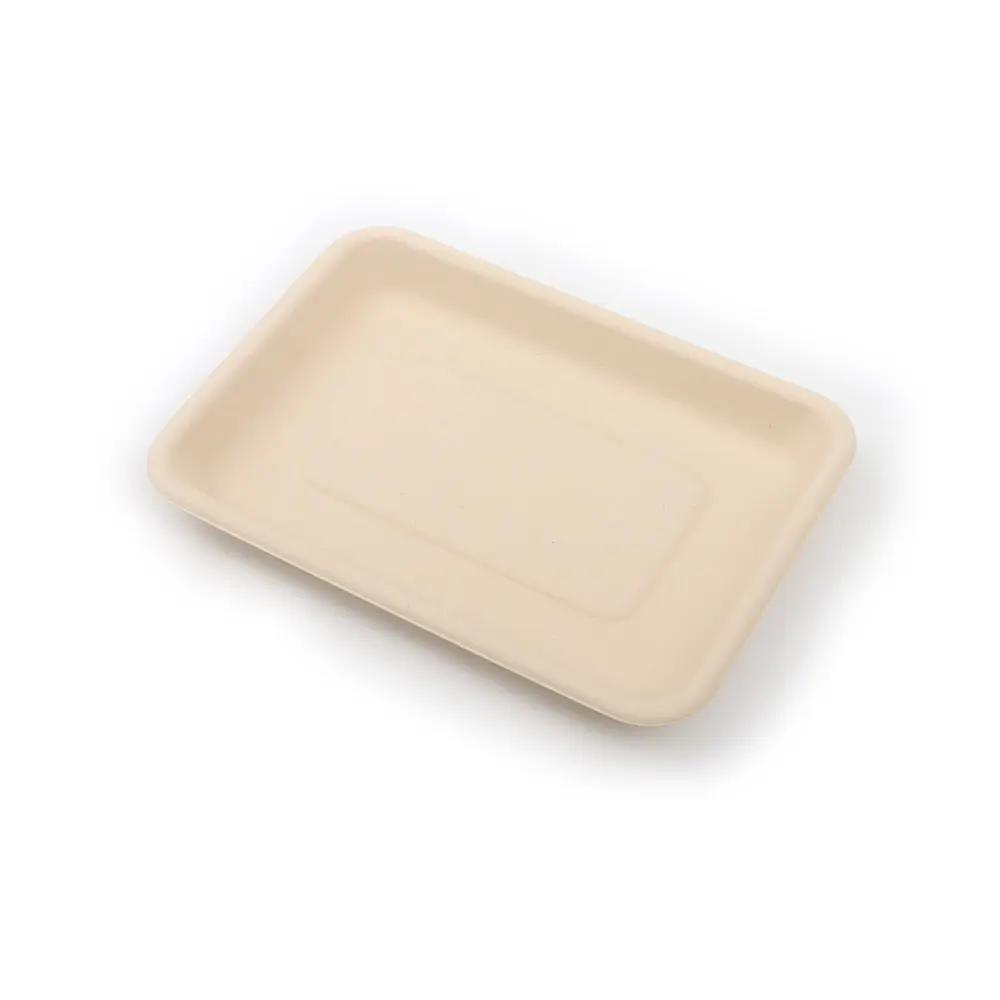 8.6" * 5.3"
 Sushi Tray Series
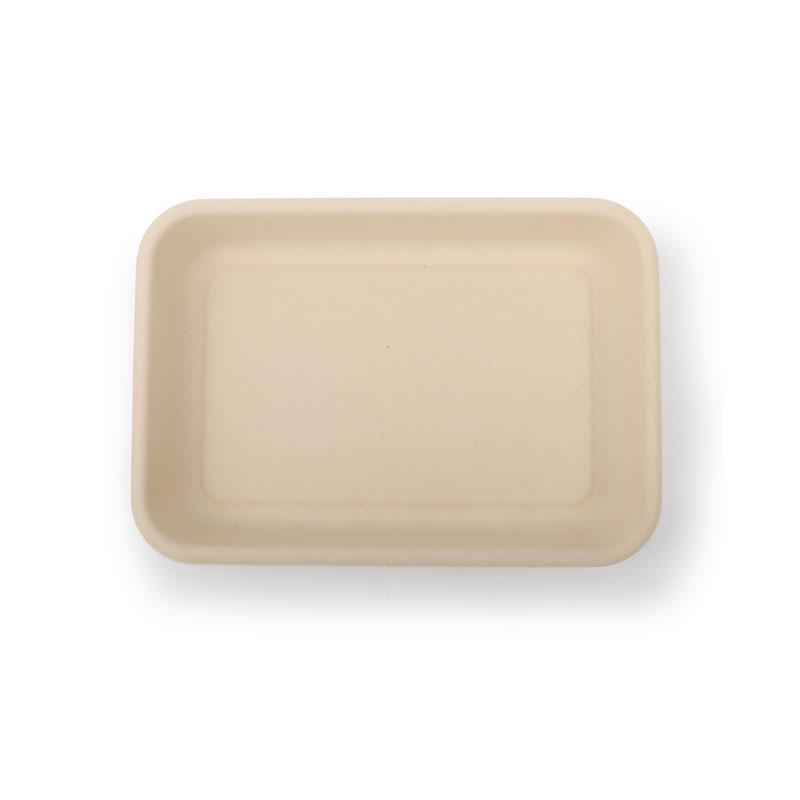 200" * 140"
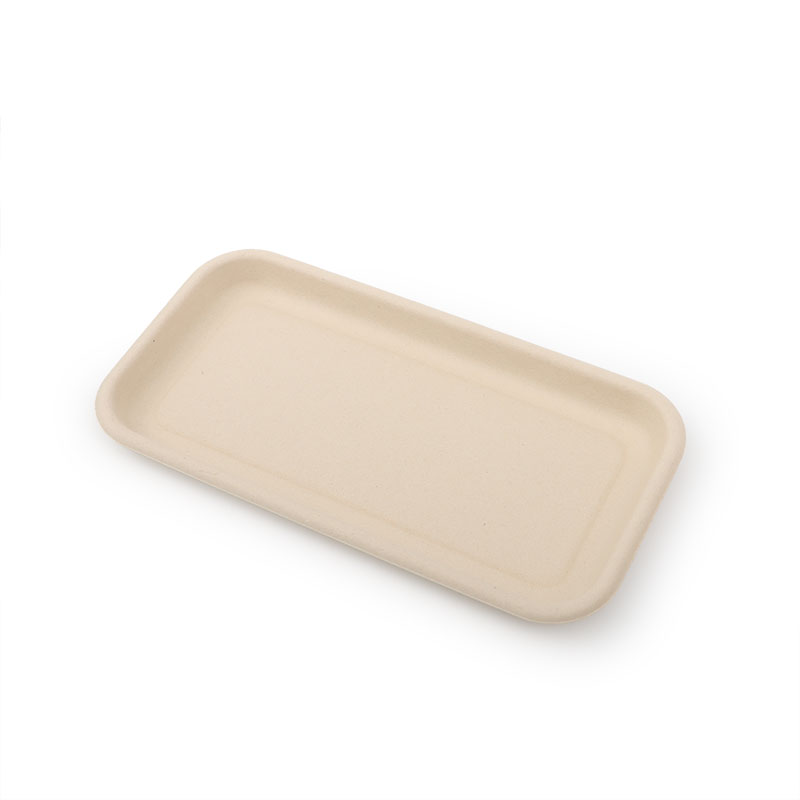 210" * 110"
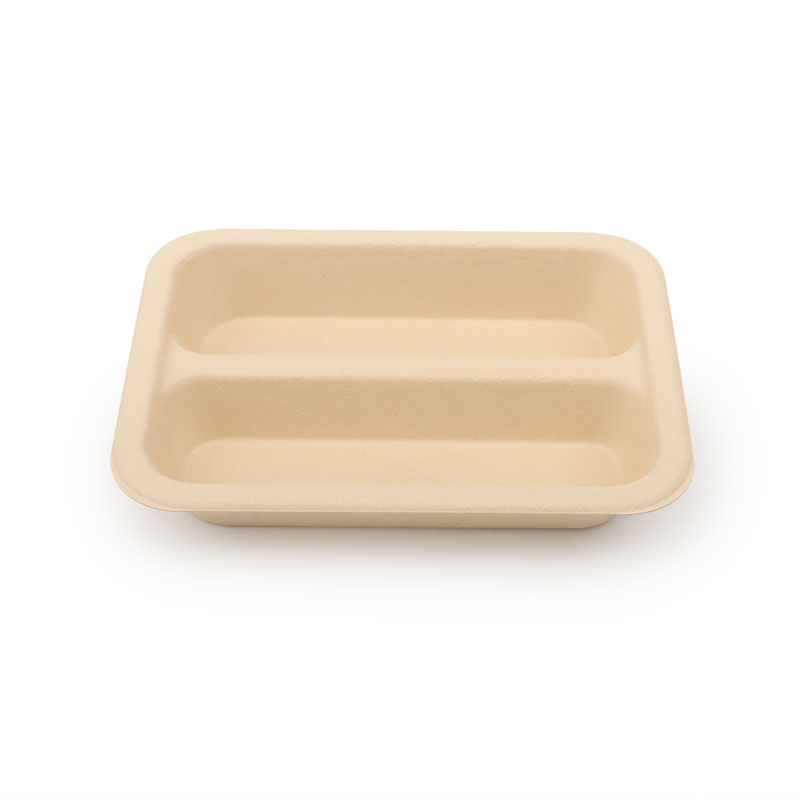 2 Compartments
 Small Round Plate Series
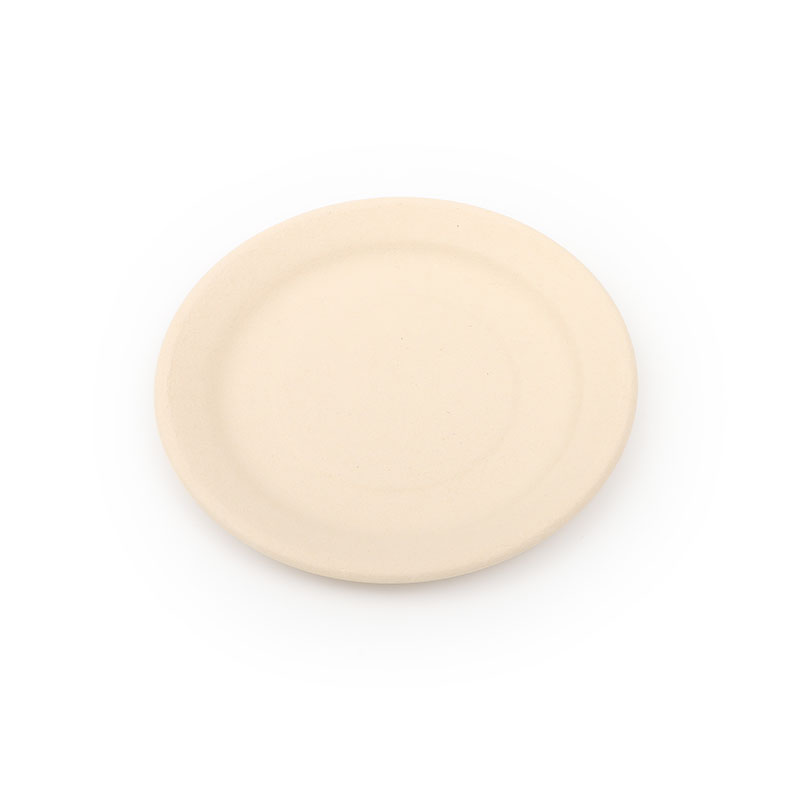 7 inch
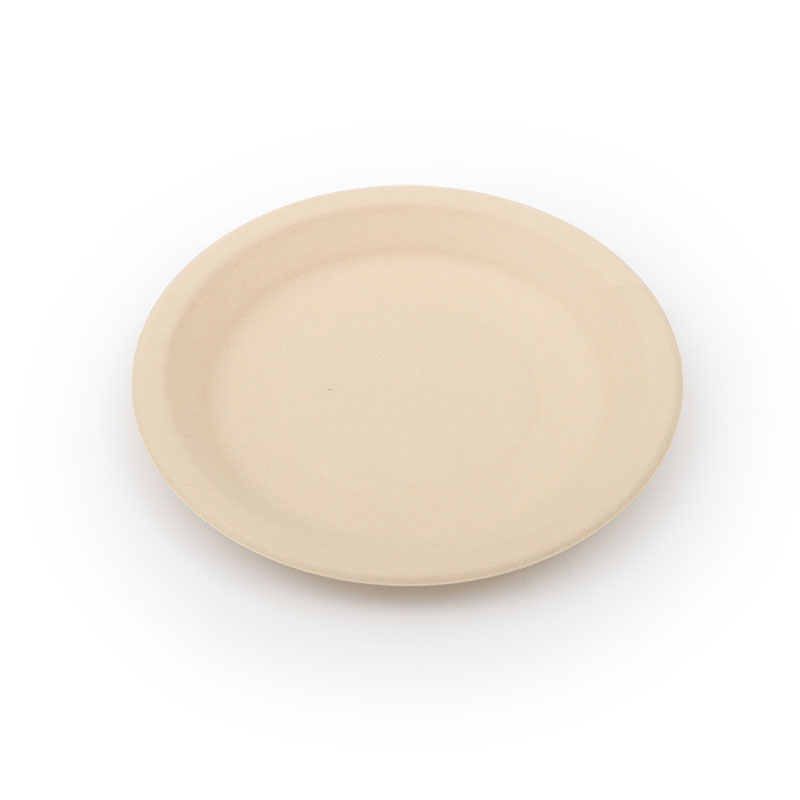 6 inch
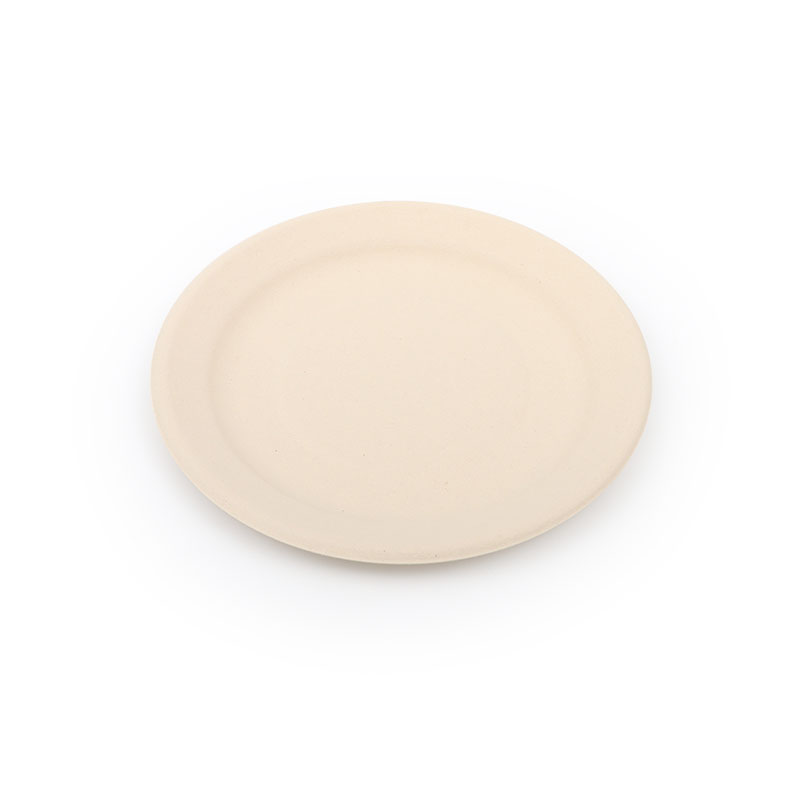 8 inch
 Middle Round Plate Series
 9 Inch 3 Compartments
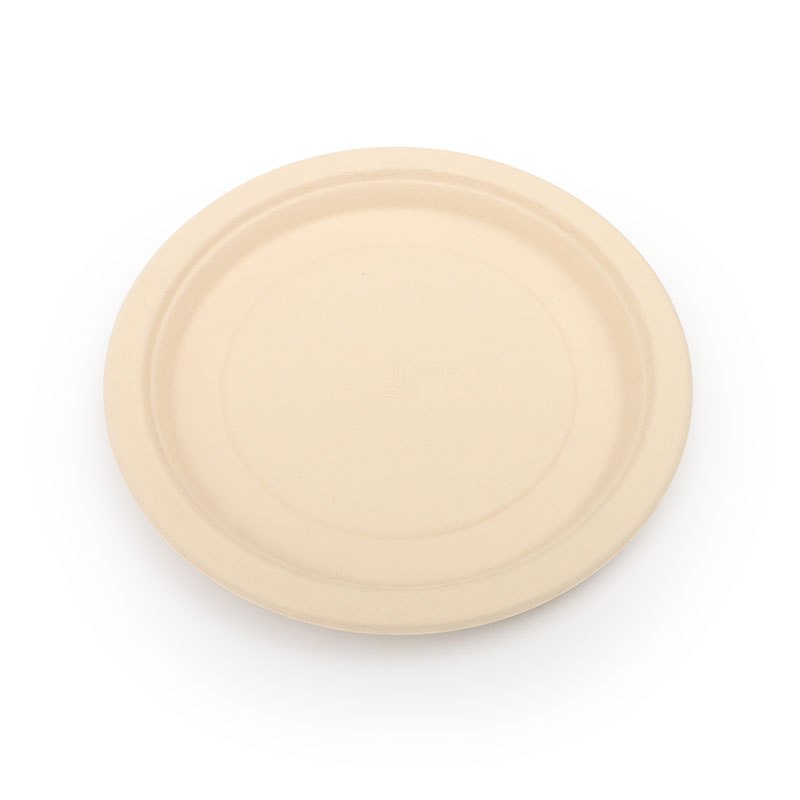 9 inch
 Big Round Plate Series
 12.7 Inch Pizza Plate
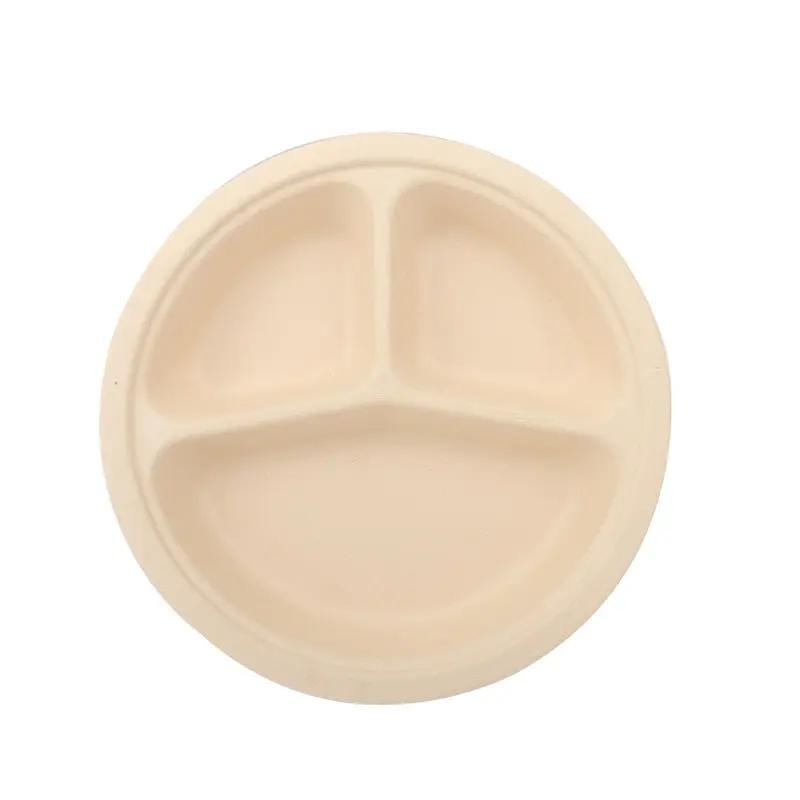 10.25 inch 3 Compartments
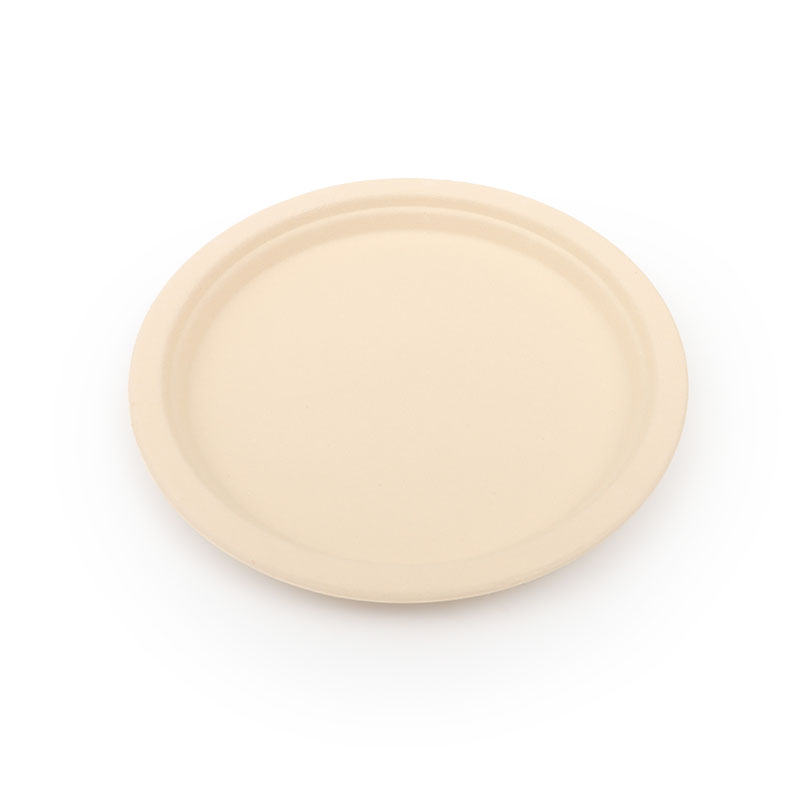 10 inch
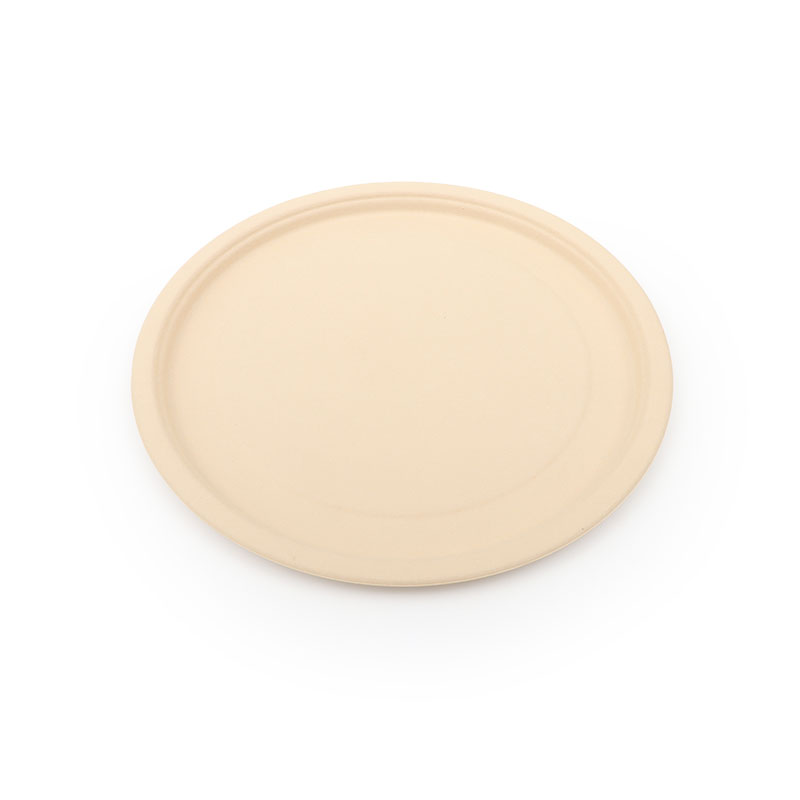 12 inch
 Bigger Bowl
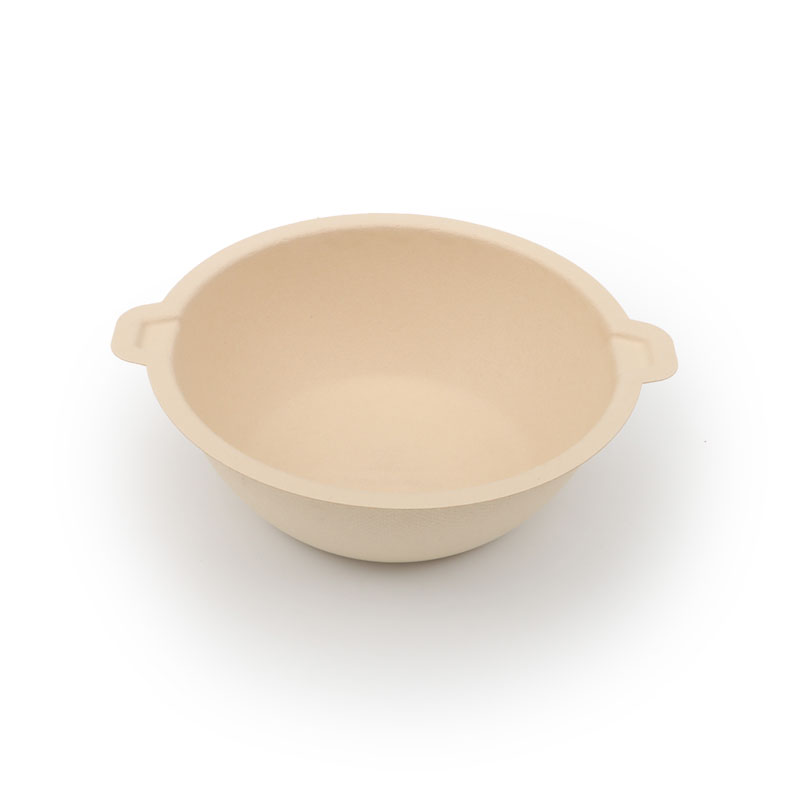 48oz(1420ml)
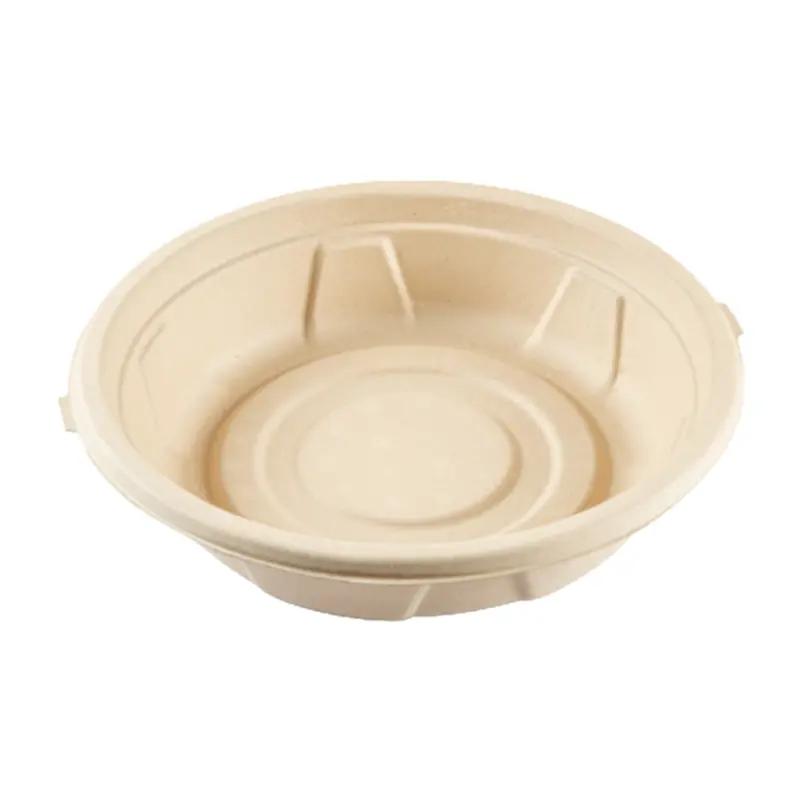 56oz(1650ml)
 100oz(2950ml)
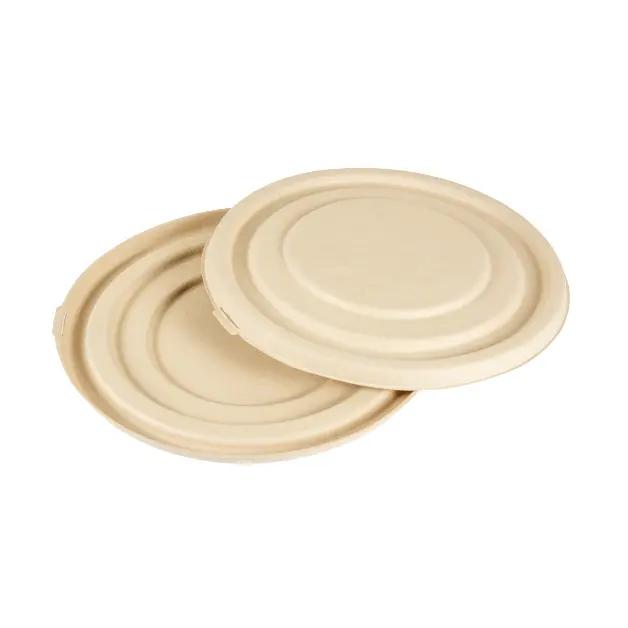 100oz(2950ml) With Lid
 Middle Bowl
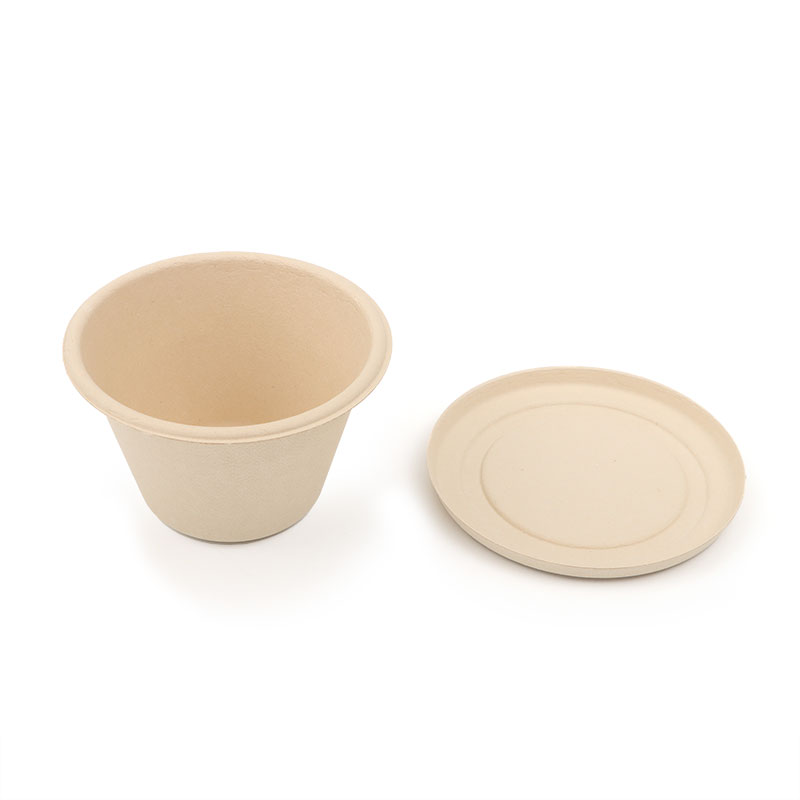 17oz(500ml)
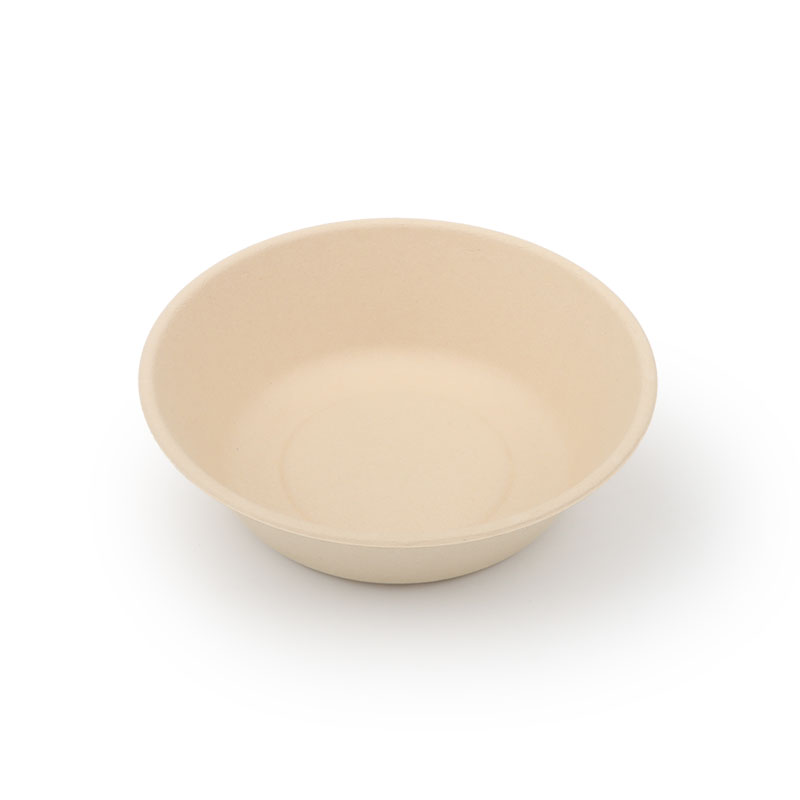 27oz(800ml)
 20oz(600ml)
 29oz(850ml)
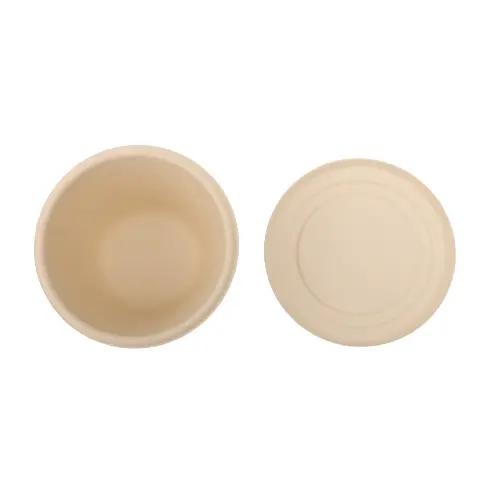 17oz(500ml) With Lid
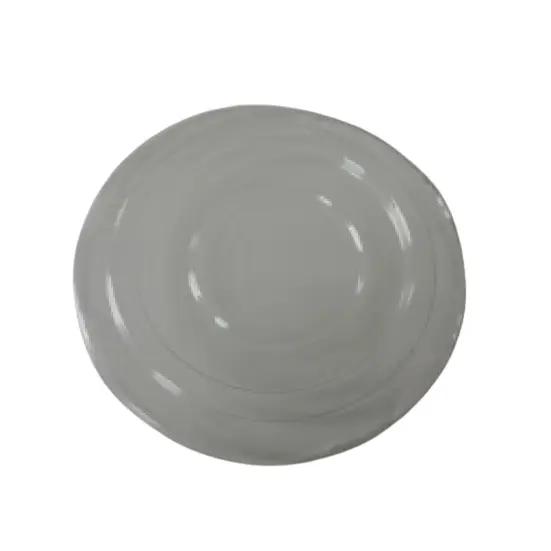 17oz(500ml) PET Lid
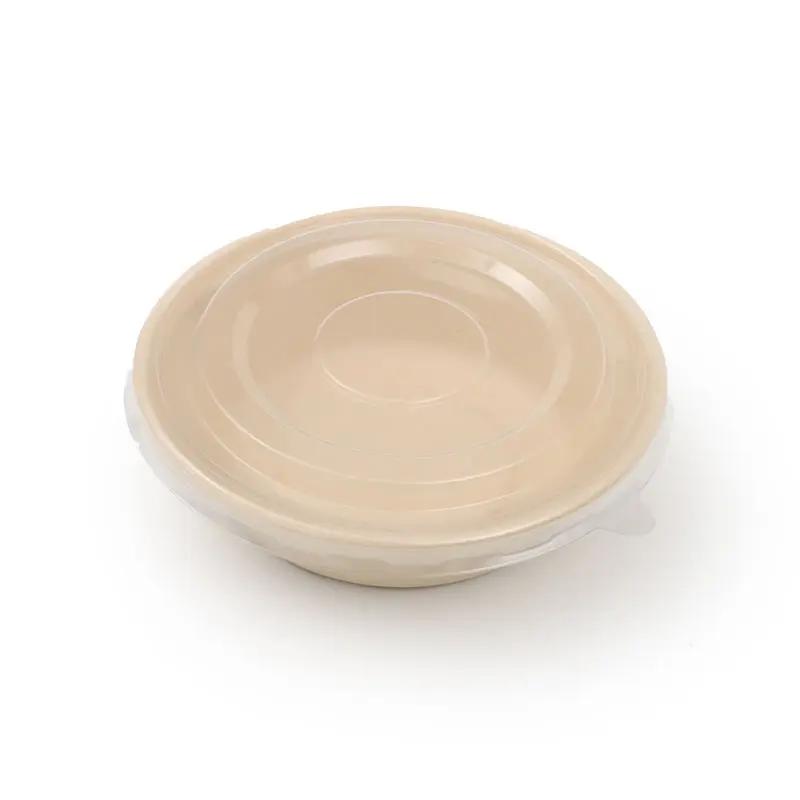 28oz(830ml) PET Lid
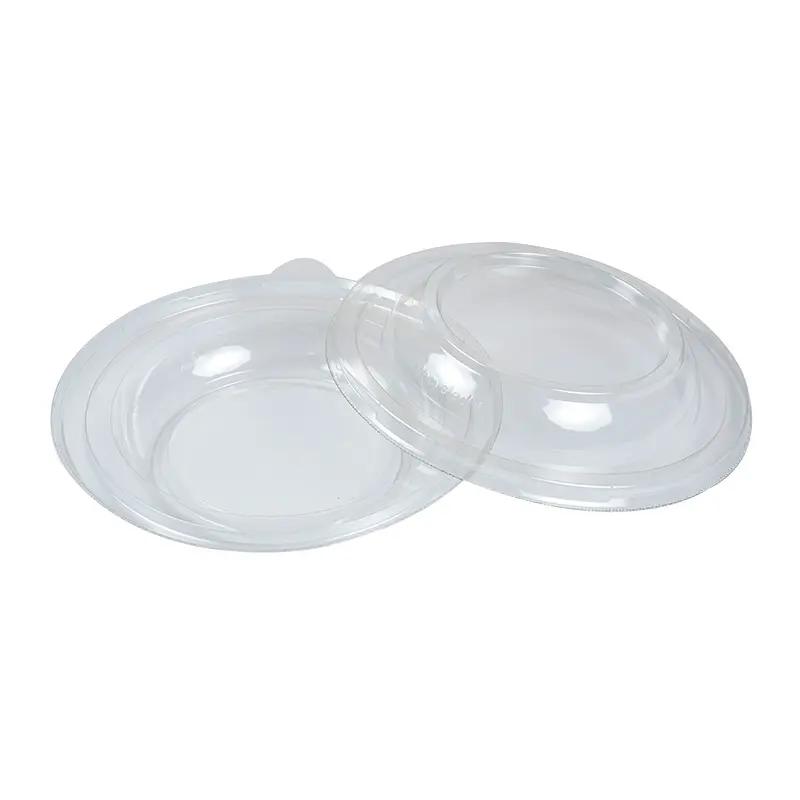 Round Bowl PET
 Small Bowl
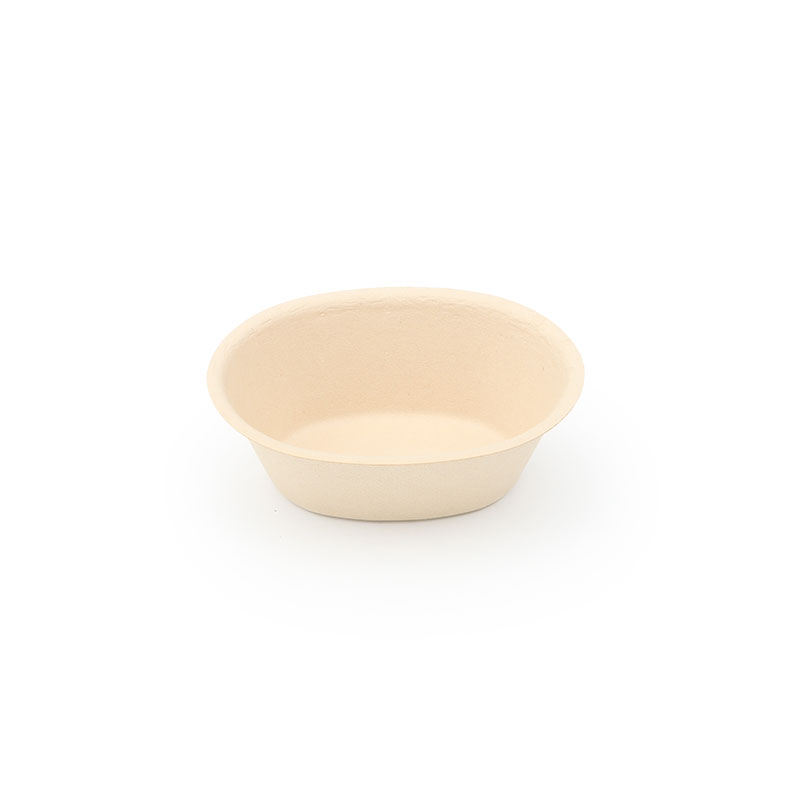 Snack Bowl
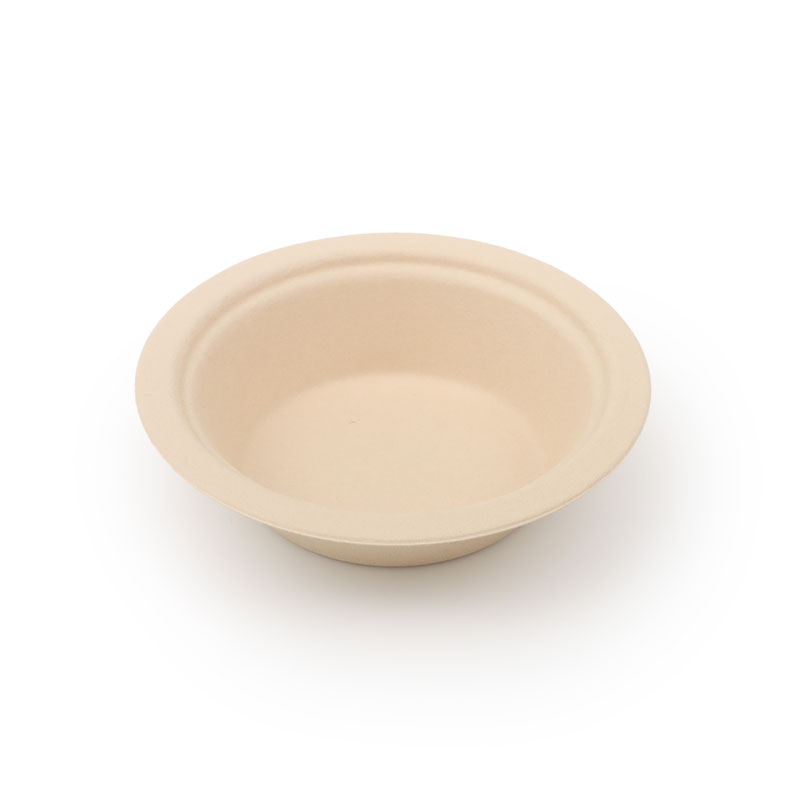 11.5oz(340ml) Bowl
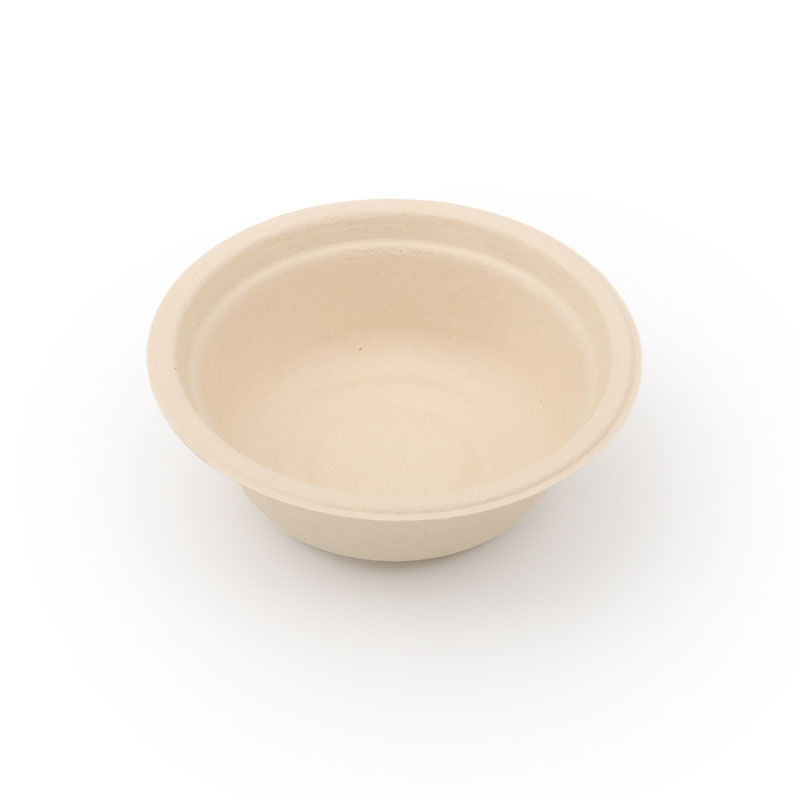 6.7oz(200ml) Bowl
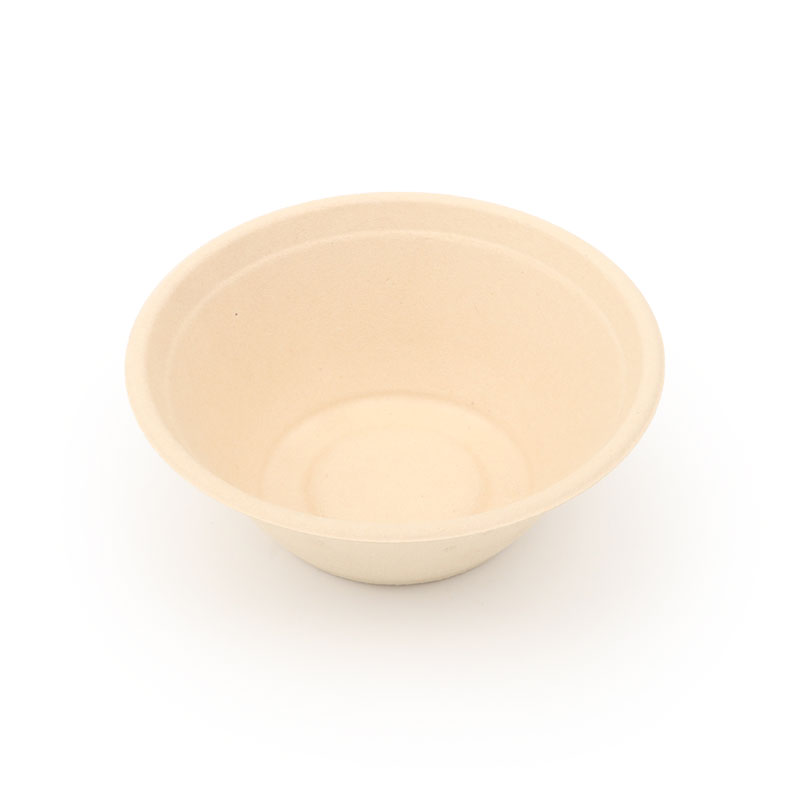 12oz(350ml) Bowl
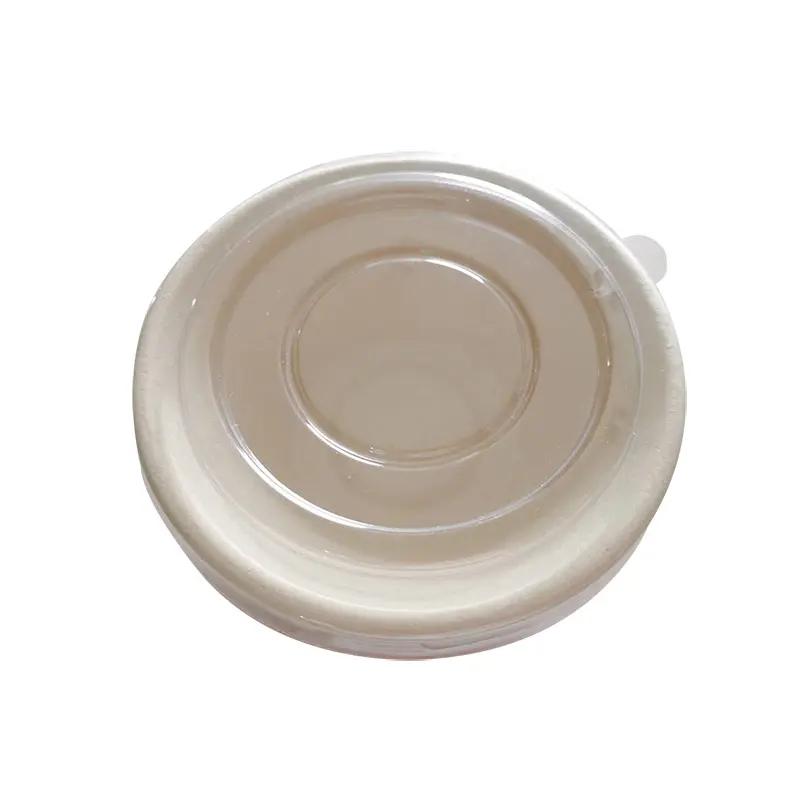 12oz(350ml) Bowl PET
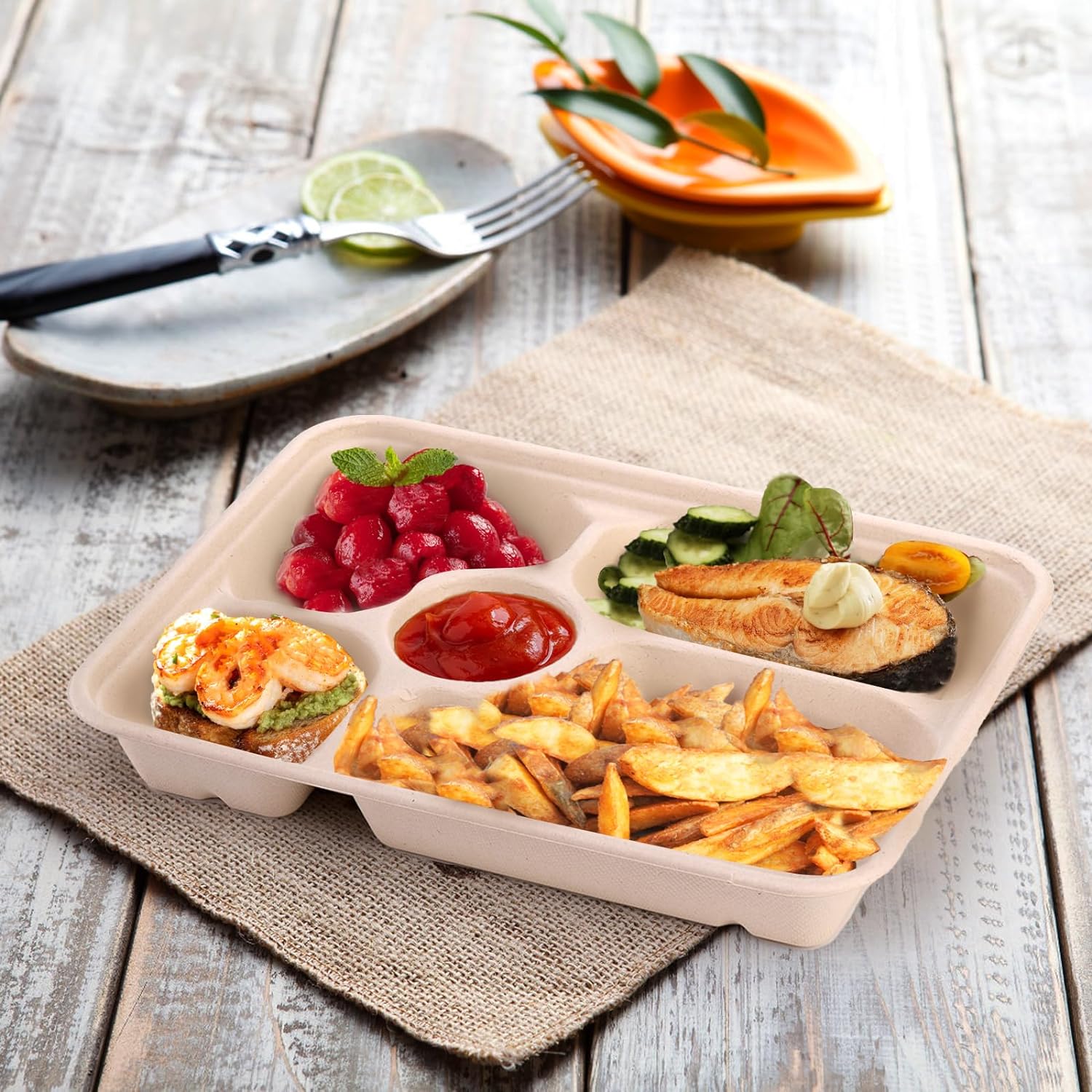 Bagasse Lunch Boxes
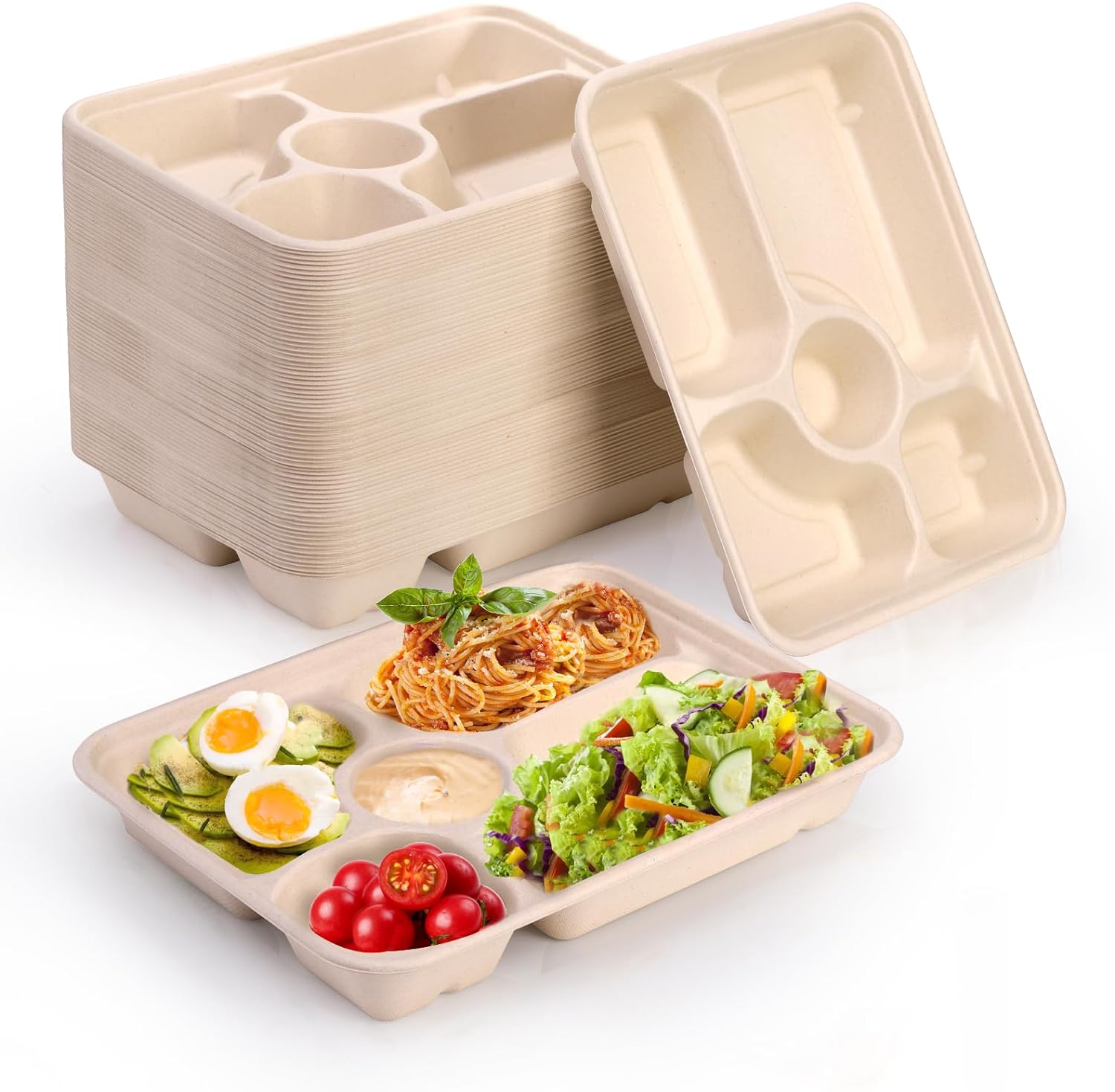 5CP
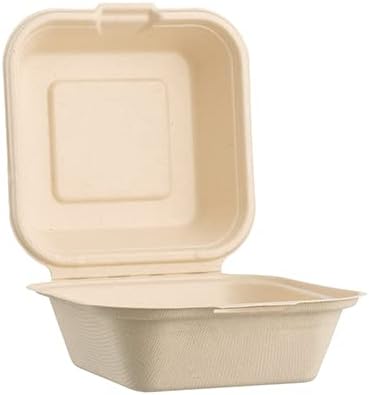 6 inch
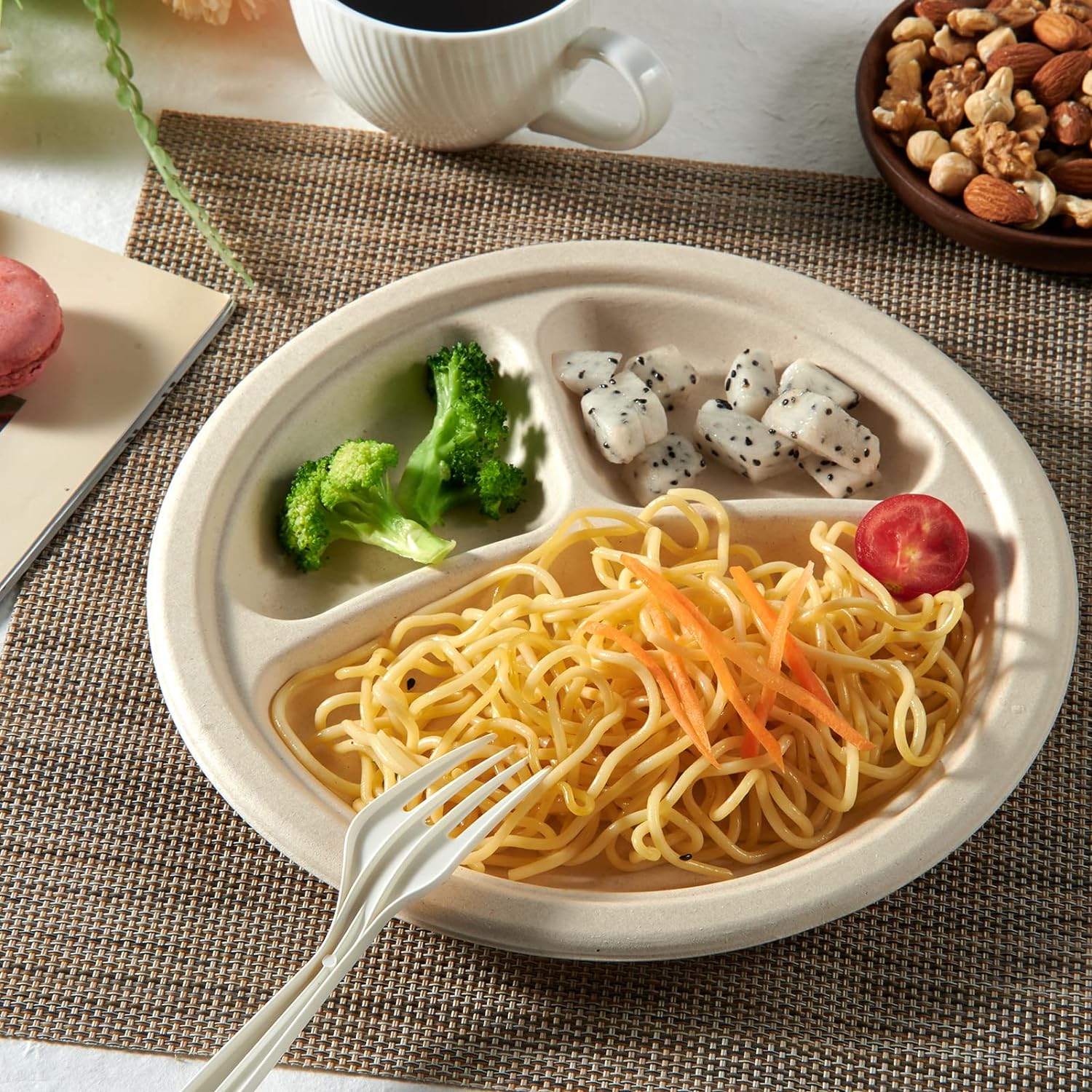 Bagasse Food Plates
 7 inch
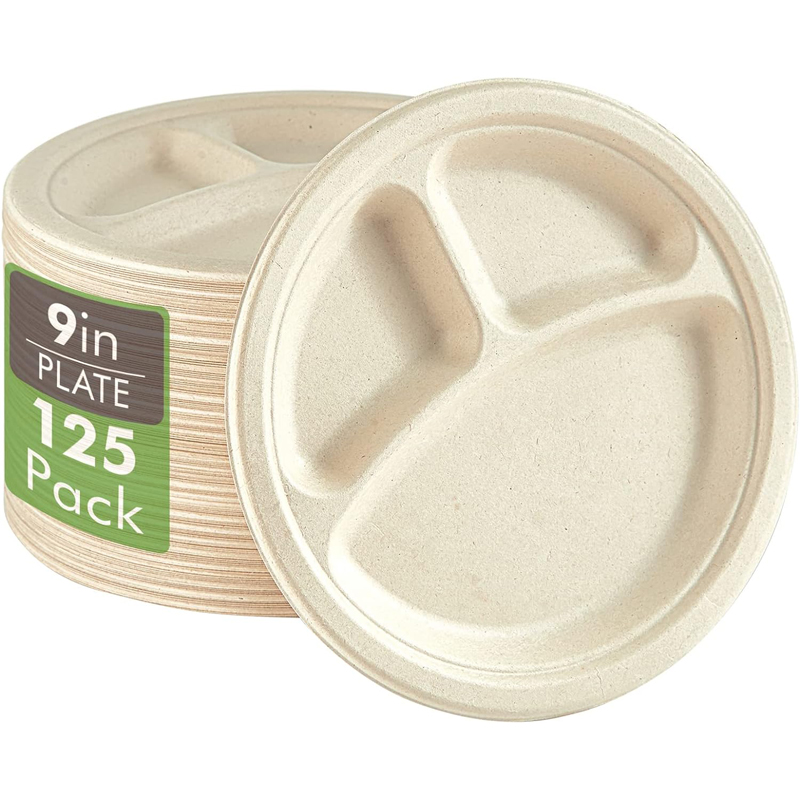 3CP
 Bagasse Bowls
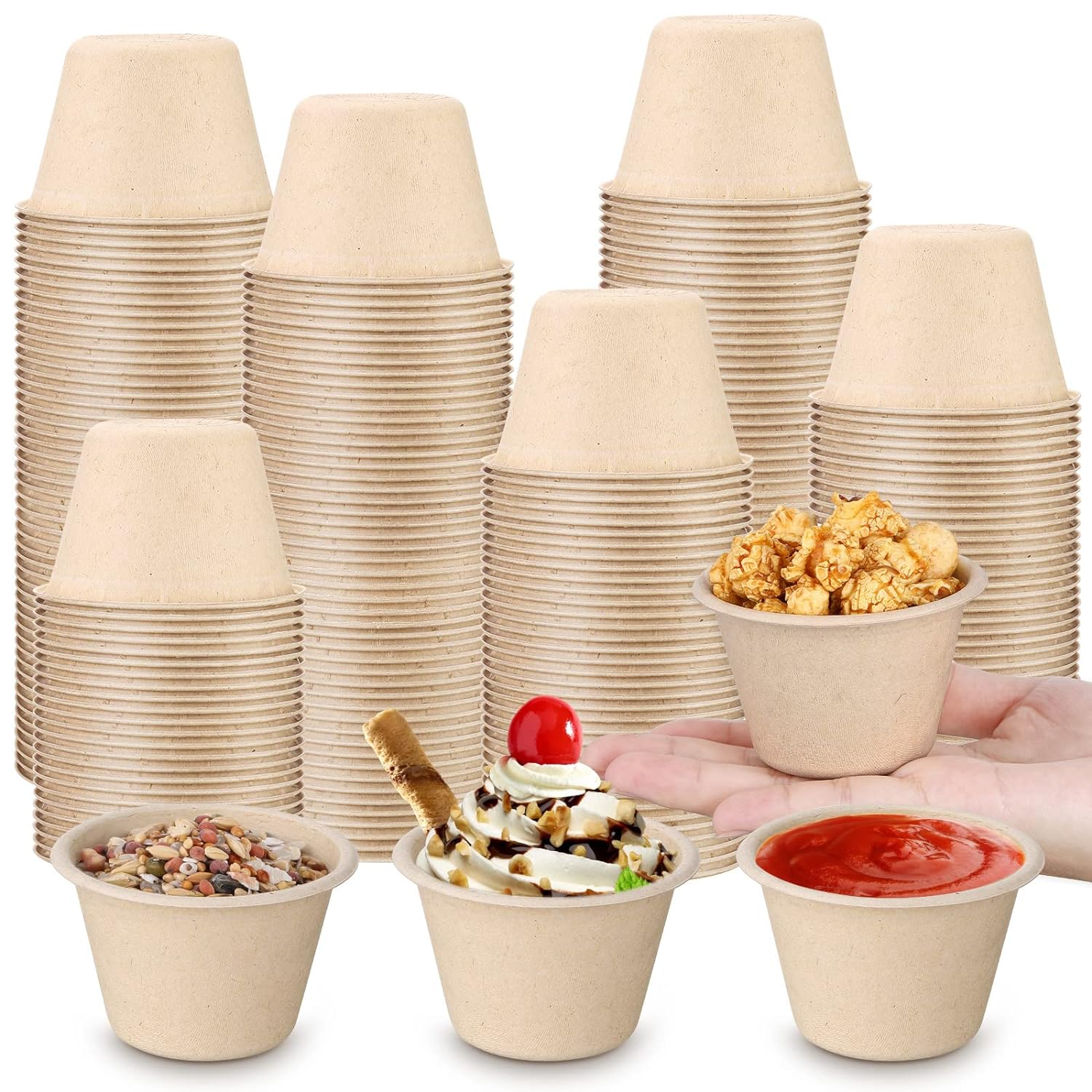 4oz
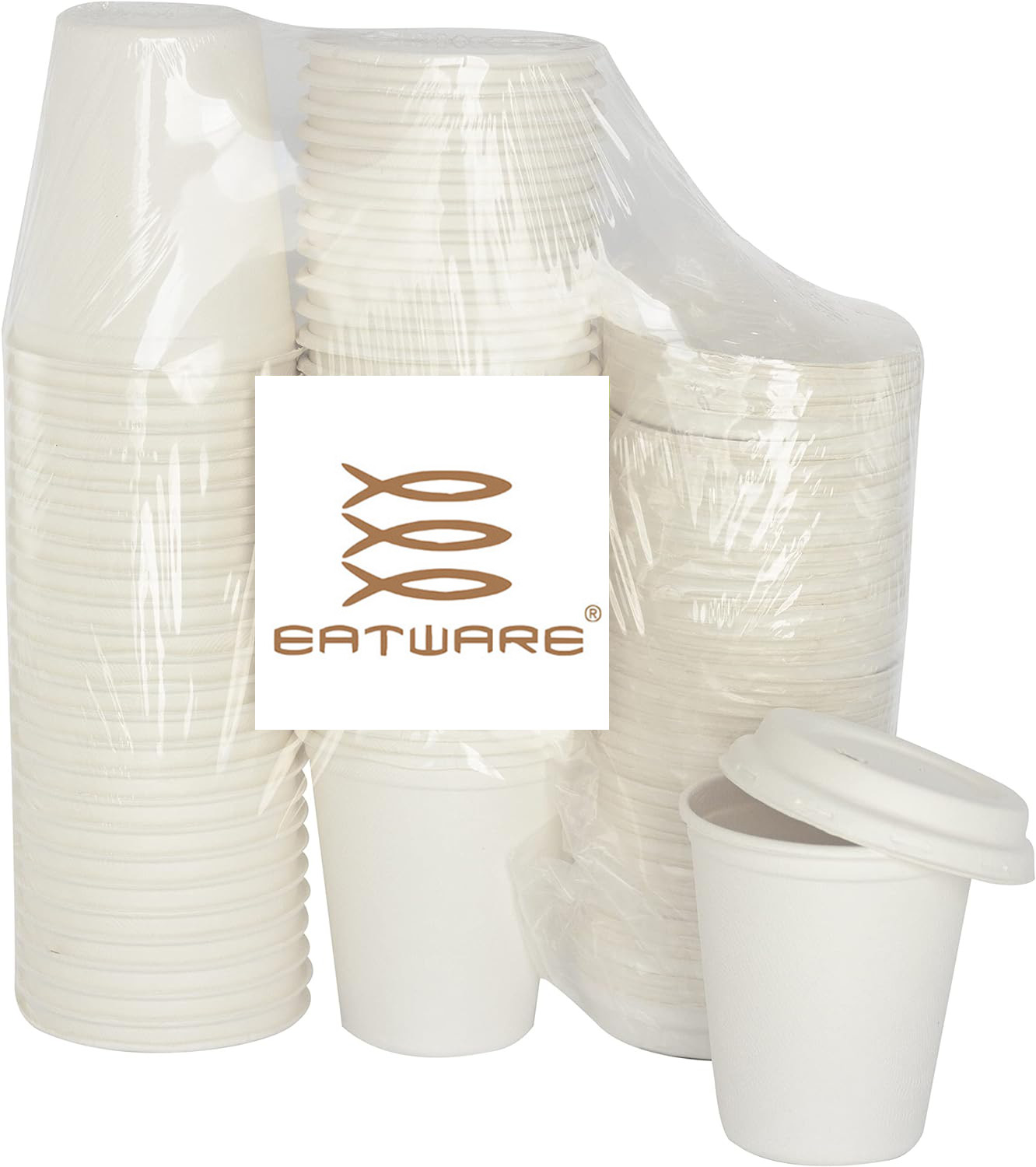
 Bagasse Cups And Cutlery
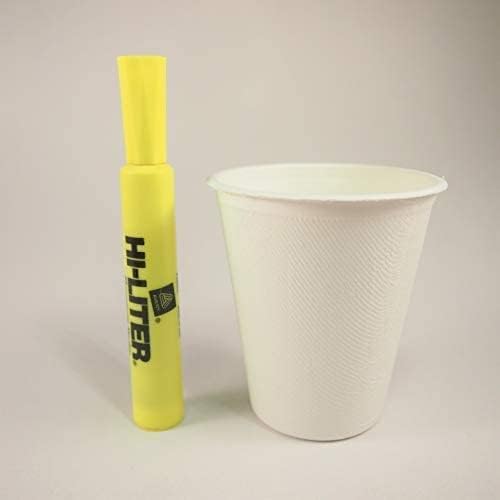
 8oz
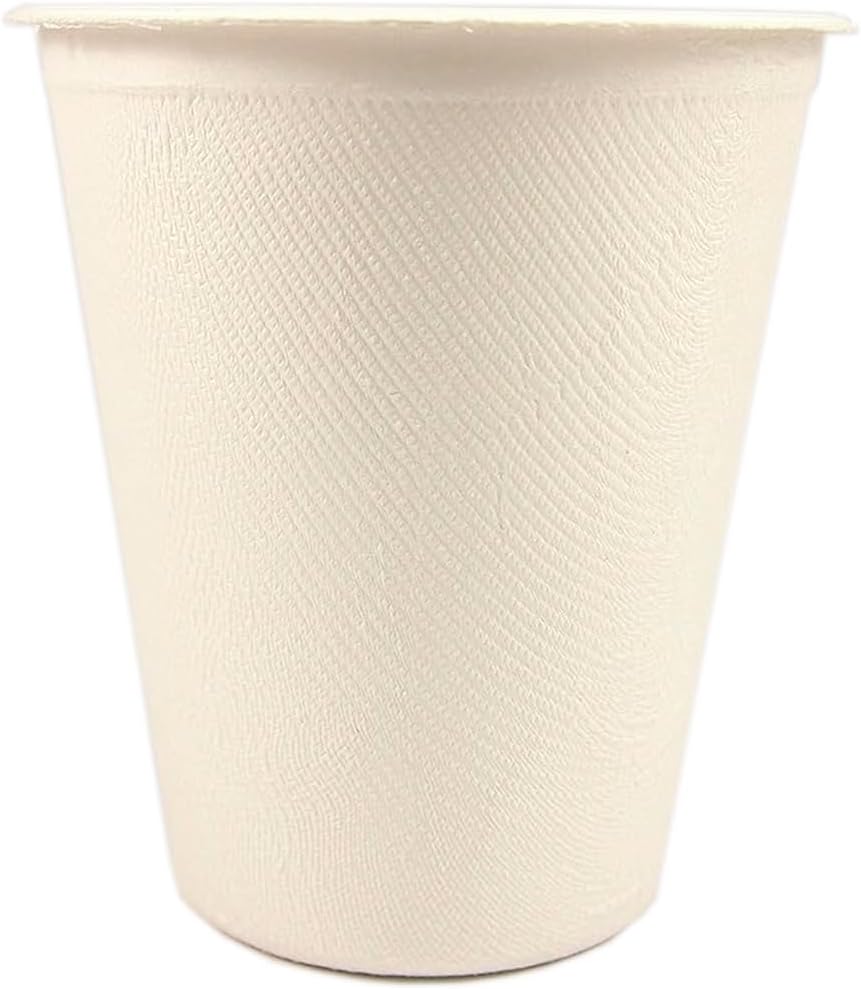
 12oz
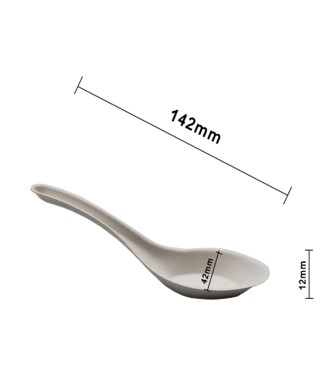 Cutlery
Leave Your Message
High-barrier, grease-resistant, and chilled-transport ready molded pulp trays designed specifically for fresh beef cuts, skewers, and outdoor gathering catering.


How high-barrier bio-laminated pulp trays are replacing traditional EPS foam and solid black plastics in the fast-growing outdoor social dining and retail ready-to-grill markets.
The global meat packaging landscape is experiencing a paradigm shift driven by stringent plastic reduction regulations, modern consumer demand for sustainable lifestyle dining, and the rapid expansion of outdoor gatherings, family barbecues, and gourmet picnics. Traditionally, chilled fresh beef cuts, marinated barbecue ribs, and wagyu slices intended for weekend events relied heavily on Expanded Polystyrene (EPS) foam trays wrapped with polyvinyl chloride (PVC) stretch films or non-recyclable multi-layer PET/PE plastic containers. While these legacy containers offered basic moisture retention, they posed immense environmental concerns, zero structural resilience against hot grilling environments, and poor aesthetics for modern social experiences.
The contemporary laminated beef tray bridges the critical gap between heavy-duty industrial food safety and biodegradable picnic elegance. By uniting high-density natural molded plant fiber (such as sugarcane bagasse and high-tensile bamboo fibers) with an ultra-thin, high-barrier bio-polymer or food-grade functional lamination, these trays deliver complete oxygen transmission control, moisture seal hermeticity, and exceptional grease resistance. This innovation empowers processors, butcher chains, and supermarket delis to distribute pre-marinated, ready-to-cook beef cuts directly from the chilled display case into consumer cooler boxes without structural collapse, blood purge leakage, or flavor contamination.
During outdoor picnics and multi-hour gatherings, pre-cut raw beef releases liquid exudate (purge) enriched with myoglobin and lipids. Traditional paper plates or unlined pulp trays absorb this moisture within minutes, leading to bottom sogginess and accidental ruptures. Advanced laminated pulp trays incorporate hermetic peelable barriers that prevent exudate contact with the cellulose base, guaranteeing 100% dry handling.
Combining laminated fiber trays with Modified Atmosphere Packaging (MAP) or Vacuum Skin Packaging (VSP) technology maintains the vibrant cherry-red color of fresh beef steaks without chemical preservatives. Picnic enthusiasts benefit from factory-fresh quality, extended cold-chain endurance, and convenient peel-and-cook functionality right beside the campfire.
Explore how engineered laminated beef trays optimize handling, prep time, hygiene, and presentation across diversified consumer and commercial barbecue events.
Elevated picnic aesthetics require packaging that matches premium artisanal beef cuts. Laminated bamboo pulp trays offer an organic, tactile aesthetic combined with high-barrier performance, serving as both transport container and hygienic tabletop serving platter.
For high-volume social cookouts, structural rigidity under stacked conditions is paramount. Our rigid pulp walls resist vertical compression in cooler bins, while internal grease-proof lamination prevents marinades and sauces from penetrating adjacent provisions.
Supermarkets and meat purveyors utilize our heat-sealable laminated trays to assemble pre-seasoned beef skewer packs, burger patty kits, and Korean BBQ samplers. Consumers grab the sealed pack and unpack directly at the park bench with zero mess.
The fundamental structural integrity of Kangxin's laminated trays originates from our proprietary bamboo-bagasse fiber formulation. Unlike wood pulp which contains short fibers prone to moisture softening, bamboo fibers possess tensile strengths exceeding 1.8 kN/m, while sugarcane bagasse provides interlocking density. When combined in high-pressure thermoforming molds at temperatures exceeding 200°C, the matrix achieves a dense, non-porous structural backbone.
The top lamination layer—engineered using bio-based PLA, PBAT, or high-performance ultra-thin recyclable co-polymers—is seamlessly fused onto the fiber substrate without synthetic toxic adhesives. This eliminates PFAS (per- and polyfluoroalkyl substances), ensuring complete compliance with global food safety standards while maintaining zero odor migration even when holding seasoned, fatty beef cuts exposed to fluctuating outdoor temperatures.
Delivering high-volume certified food packaging solutions to global food chains, supermarket conglomerates, and eco-conscious hospitality leaders.
In the field of environmentally friendly packaging for 18 years, Has established cooperation with 500+ brands.
Through our research and development, there are more than 60 products can product, we also support OEM ODM customized services.
Exported to the United States, Europe, Australia, Canada and other countries, right now we have exported more than 30 countries.
10000+ square meters factory area, more than 30 patent certificates, 10 foreign authoritative certification, 55 automatic forming machines...
EATware is committed to sustainable development, using all natural plant fibers to produce safe, healthy and environmentally friendly tableware. Adhering to the concept of "take nature, serve humanity, return to nature", we focus on the development of safe, high quality and environmental standards.
EATware emphasizes environmental protection and sustainable development, explores the balance between enterprise survival and environmental protection, and uses all-natural and pollution-free bamboo fiber as the main material of tableware to ensure that its products meet the high technical level and are superior to developed countries.
Kangxin (HaiMen) Environmental Technology Co., Ltd. is a technology innovation oriented enterprise that focuses on disposable environmentally friendly tableware and food packaging.
We have advanced production processes and equipment, and continue to attract senior talents, focusing on environmental protection, emphasizing safety, and ensuring quality.
READ MOREOur intelligent factory lines, automated molding systems, and cleanroom packaging facilities operate under rigorous global QA/QC protocols:
Stay informed with current manufacturing innovations, rigorous leak testing methodologies, and international market trends.
The most reliable way to test disposable food containers is to combine leakage testing with structural testing under conditions that reproduce the intended food application. A container should not be approved simply because it holds water for several minutes or survives an empty compression tes...
read more →For foodservice operators, replacing conventional plastic packaging is not simply a matter of changing materials. Disposable biodegradable tableware must still withstand hot food, sauces, oils, condensation, stacking, transport, and commercial handling without losing structural integrity. Poorl...
read more →With growing global demand for takeaway meals and eco-friendly packaging, China's manufacturing sector has become a major hub for disposable food containers. Today's food businesses - from fast-food chains and meal-delivery services to supermarkets and catering companies - are looki...
read more →Collaborating with tier-one global airlines, retail chains, and food distributors to eradicate single-use petrochemical plastics.
Replacing toxic microplastics and non-degradable petroleum polymers with rapidly renewable biological resources.
Preventing packaging waste from entering aquatic ecosystems through 100% compostable and marine-safe pulp fibers.
Using annual crop byproducts and fast-growing bamboo instead of virgin timber to conserve precious forest canopies.
Explore our complete catalog of certified disposable molded pulp and bamboo fiber trays engineered for fresh meat distribution, picnic platters, and catering events.


