
 Box With T buckle
 700ml Square Lunch Box
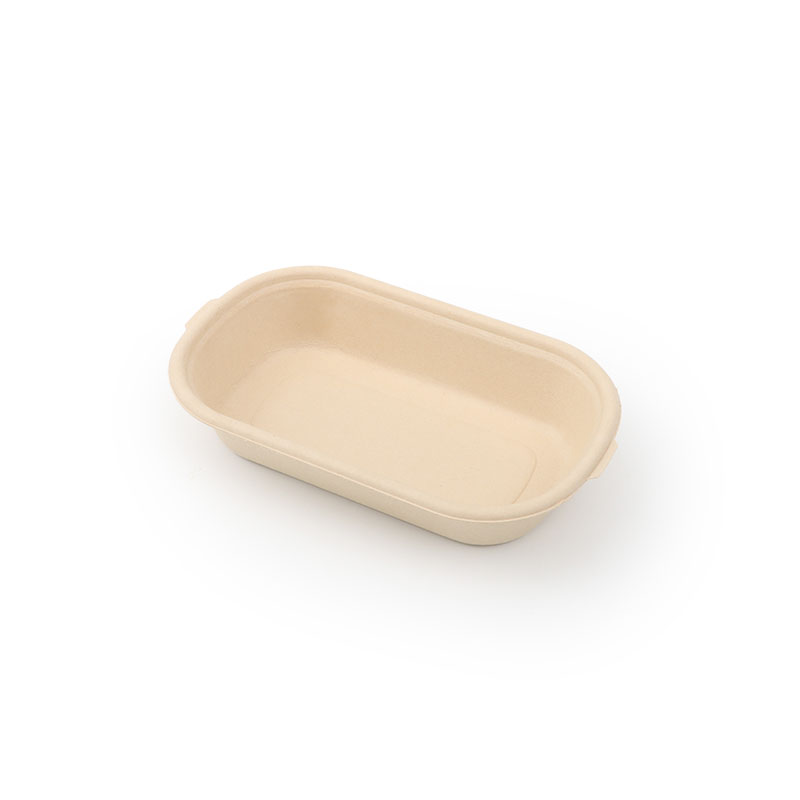 500ml
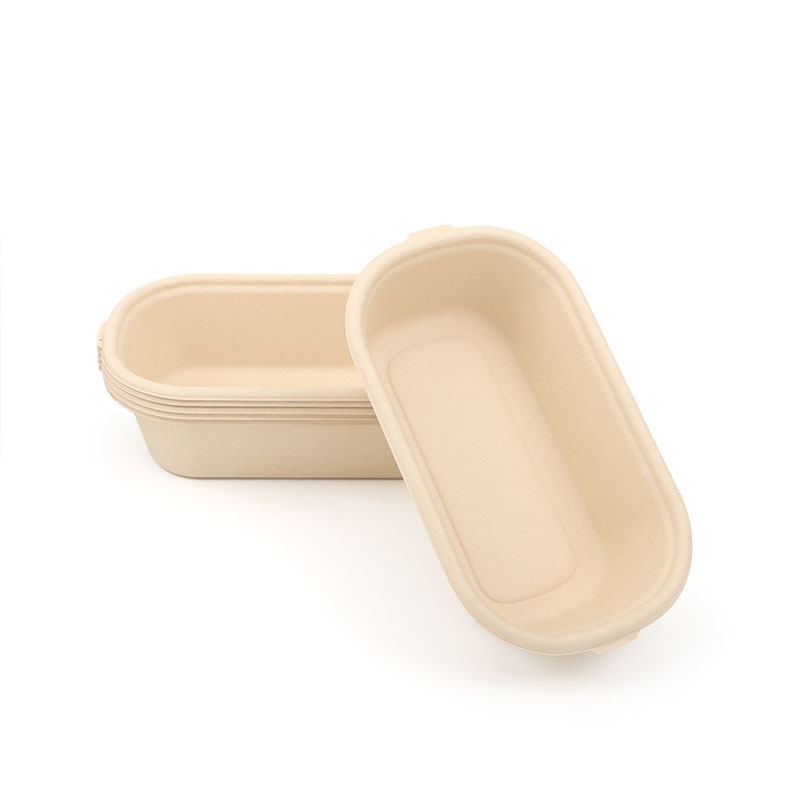 700ml
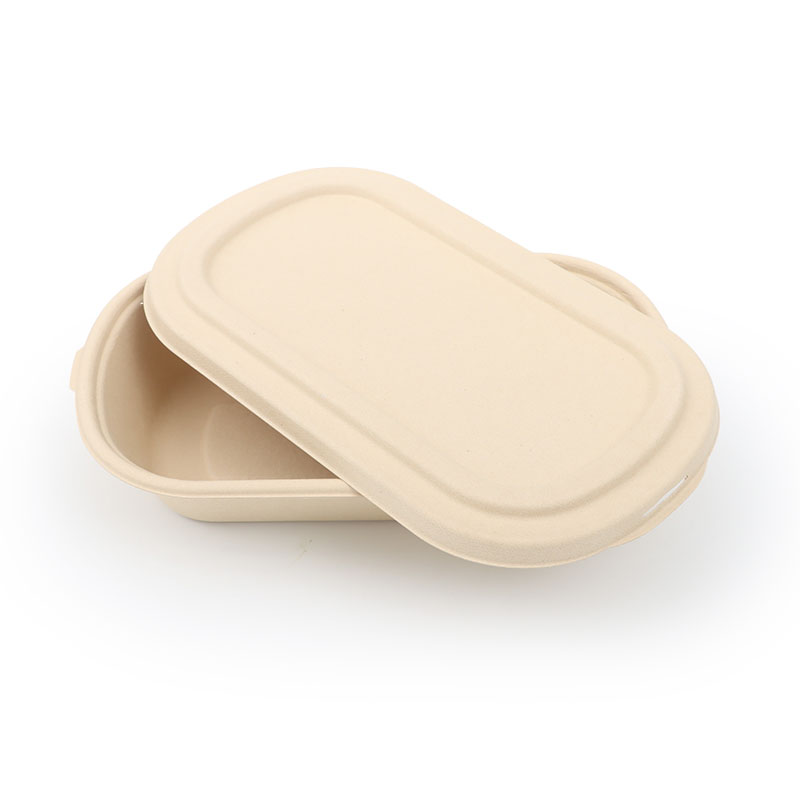 850ml
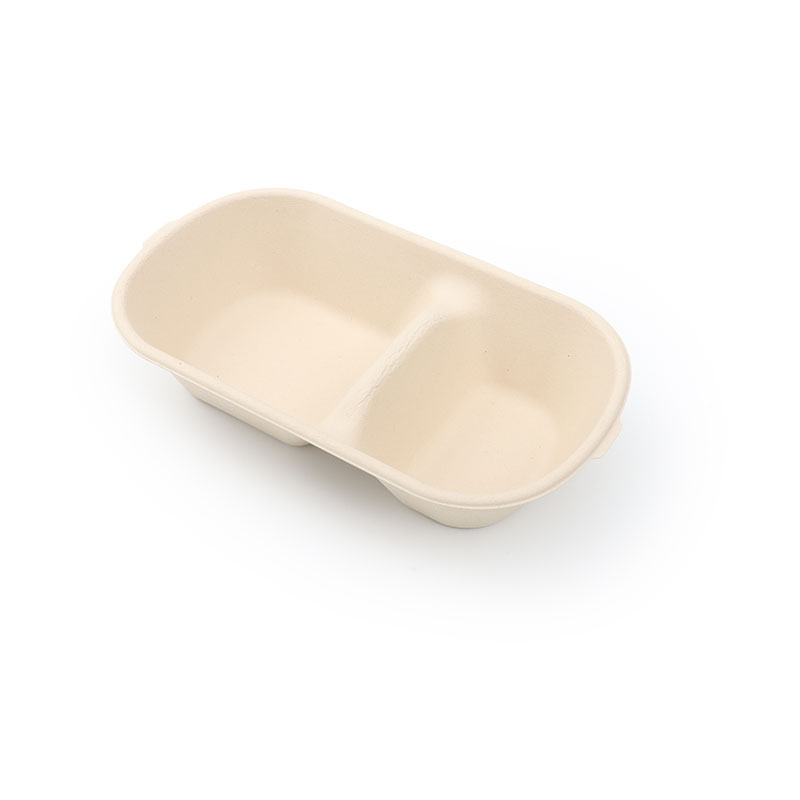 800ml 2 Compartments
 1000ml 2 Compartments
 1100ml
 1000ml Square Lunch Box
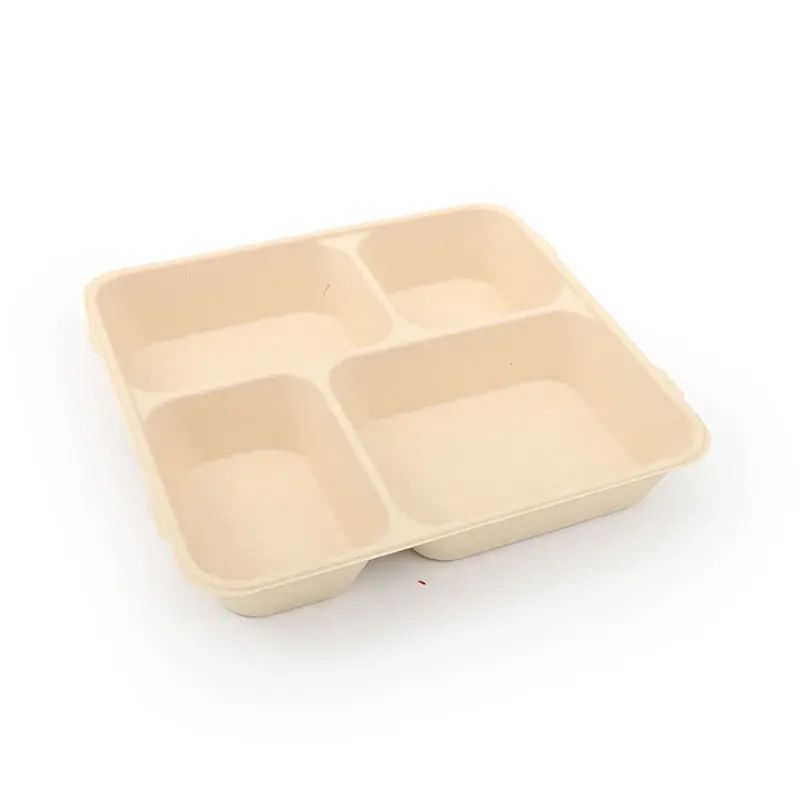 1340ml 4 Compartments
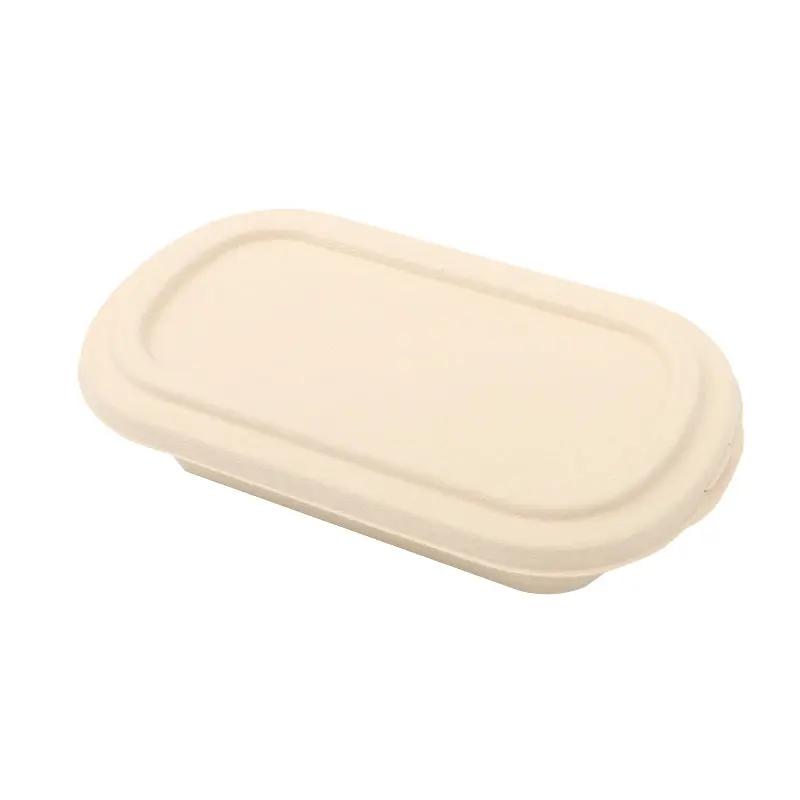 Lunch Box Lid
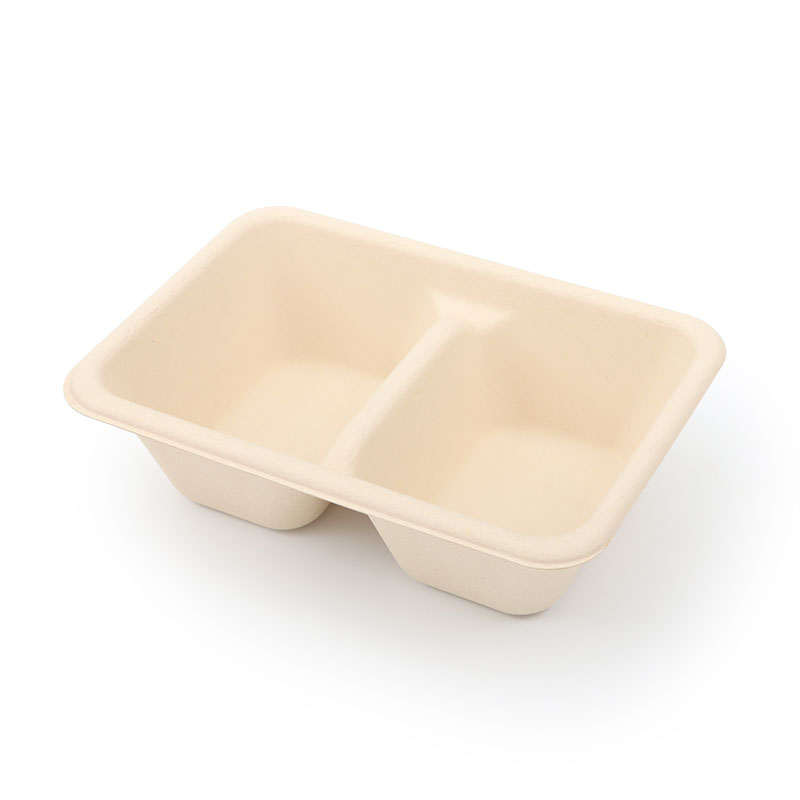 650ml
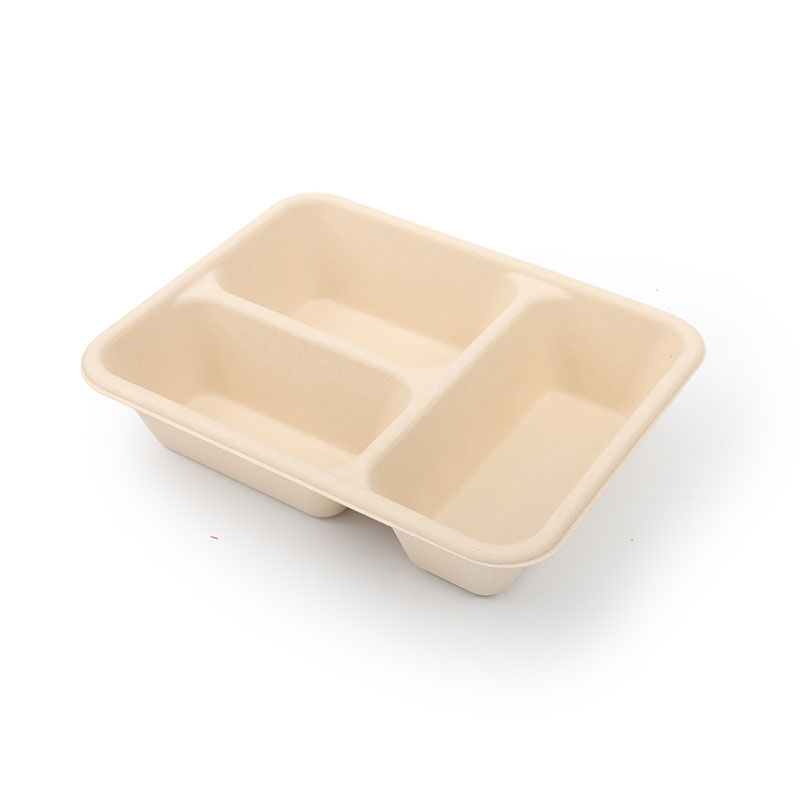 1000ml 3 Compartments
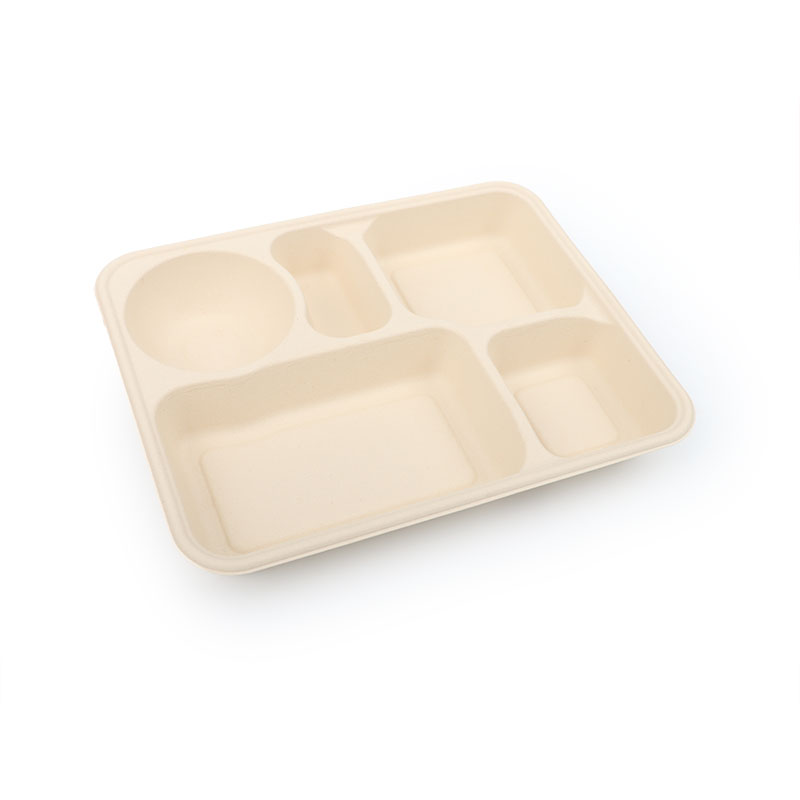 1250ml 5 Compartments
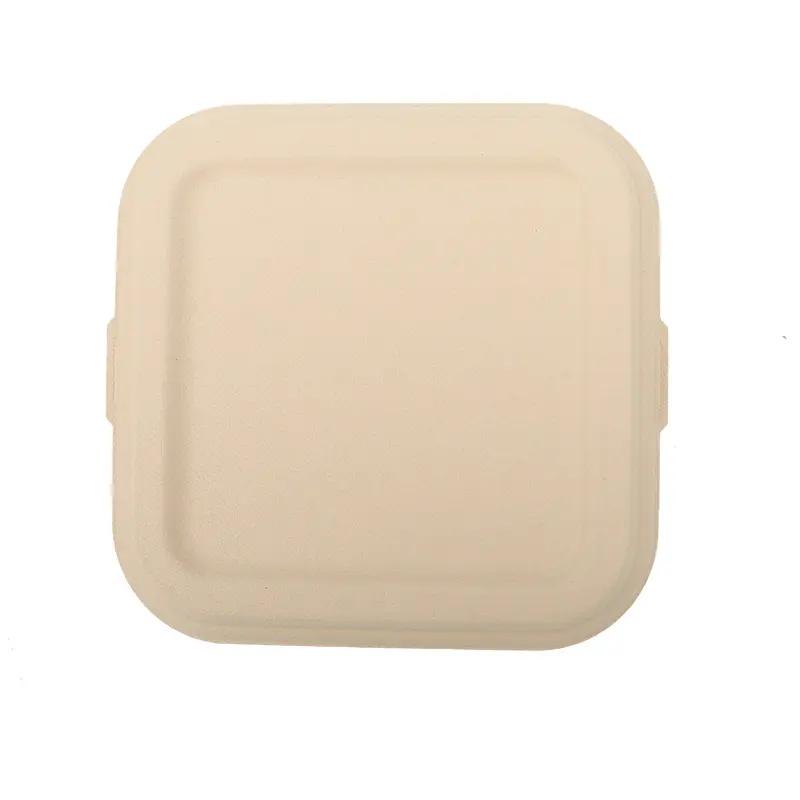 Square Lunch Box Lid
 Box Without T buckle
 850ml Salad Box
 700ml
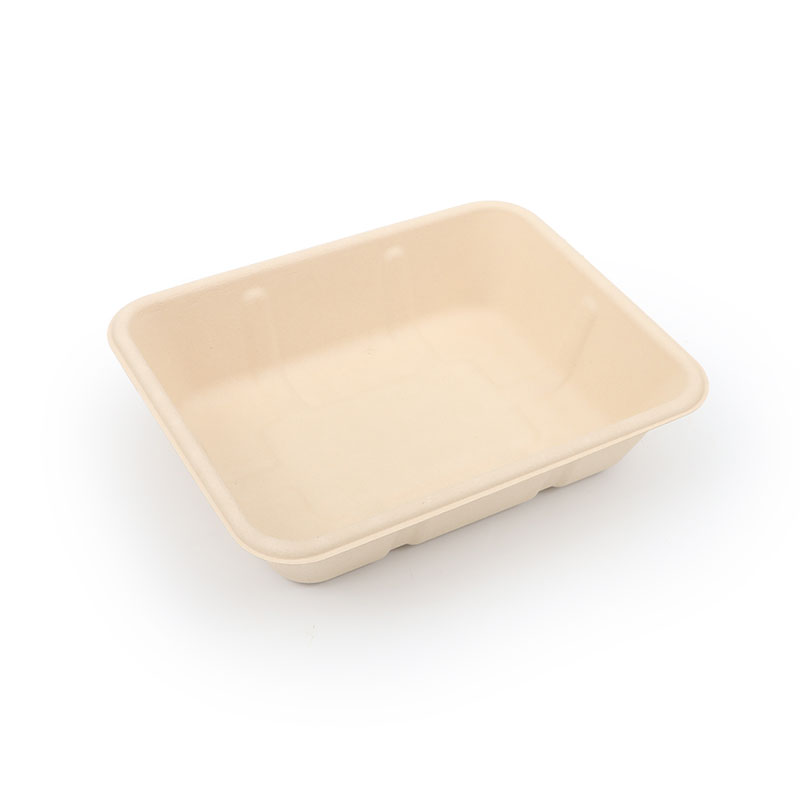 1350ml
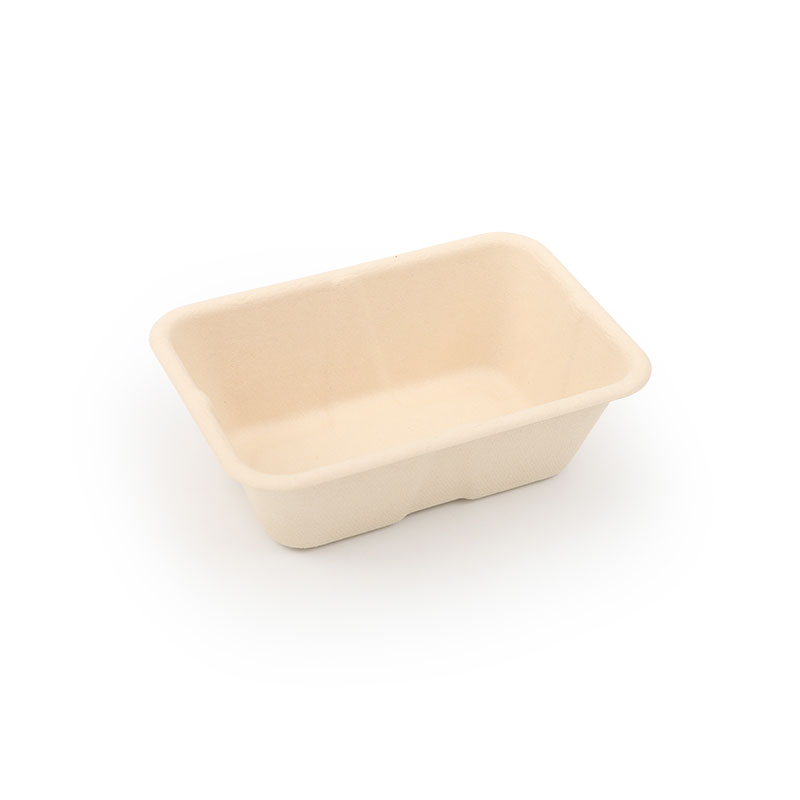 470ml
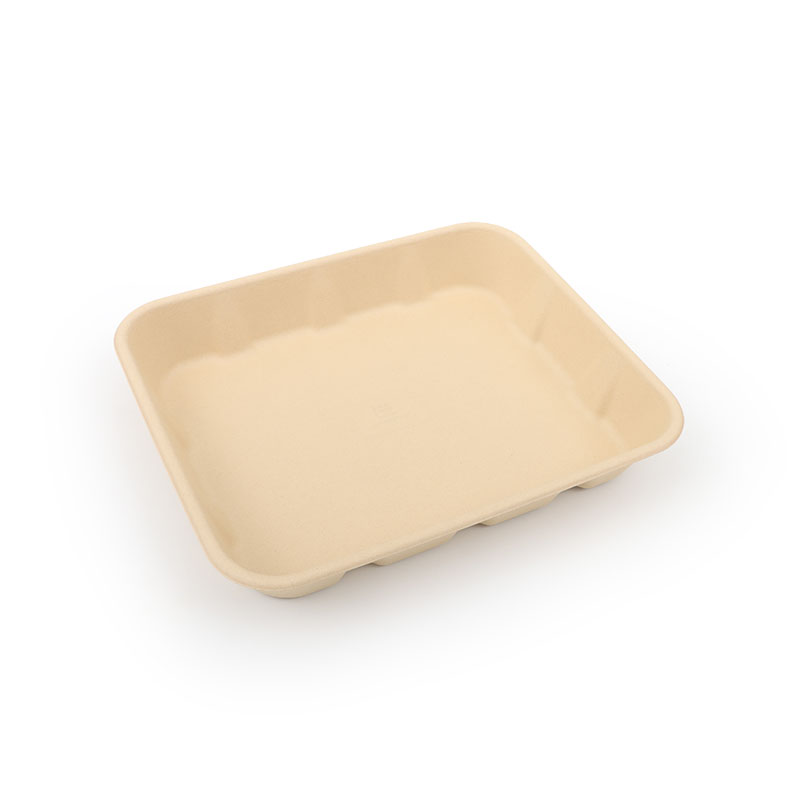 2183ml Tray Box
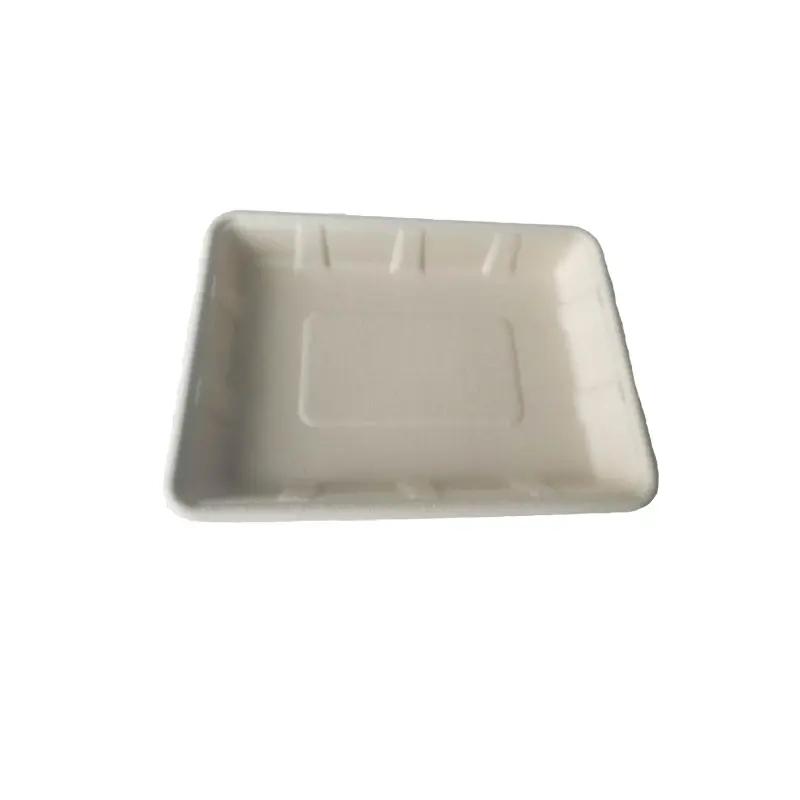 11" * 9"
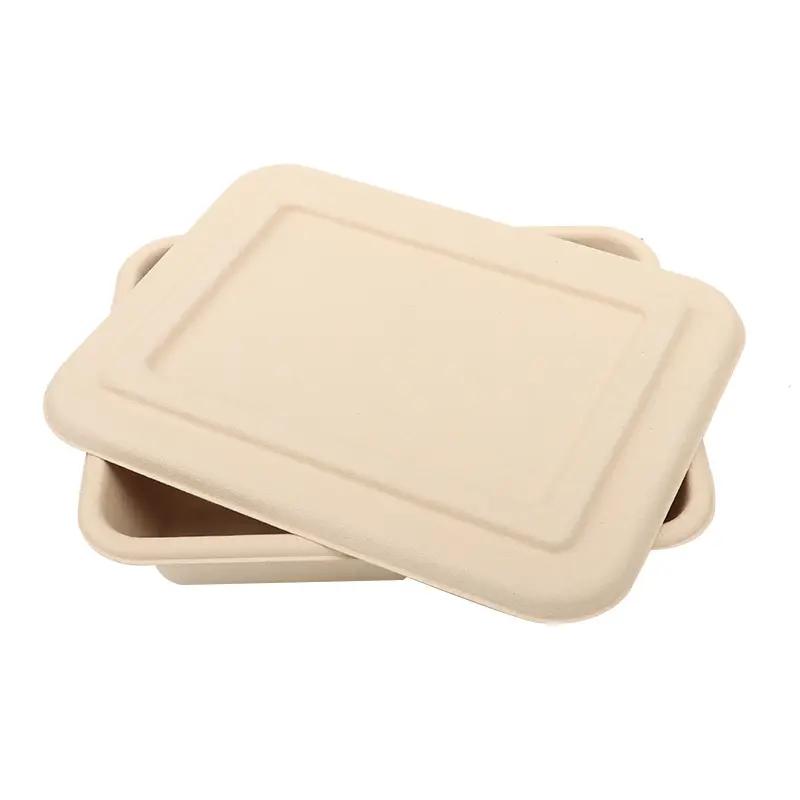 800ml
 One Part Box
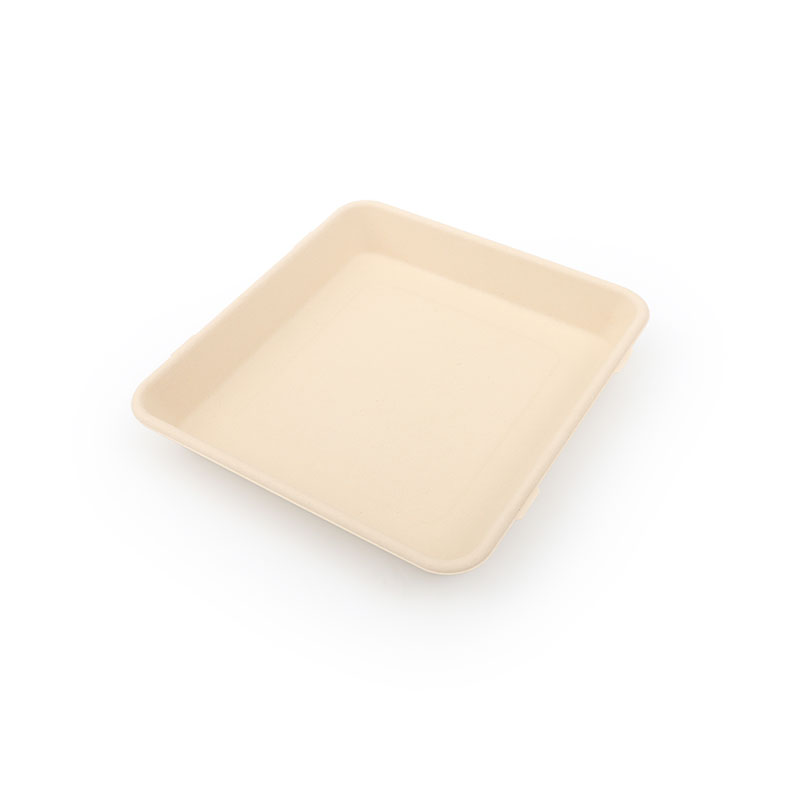 1443ml Tray Box
 Cake Bread Snack Tray Series
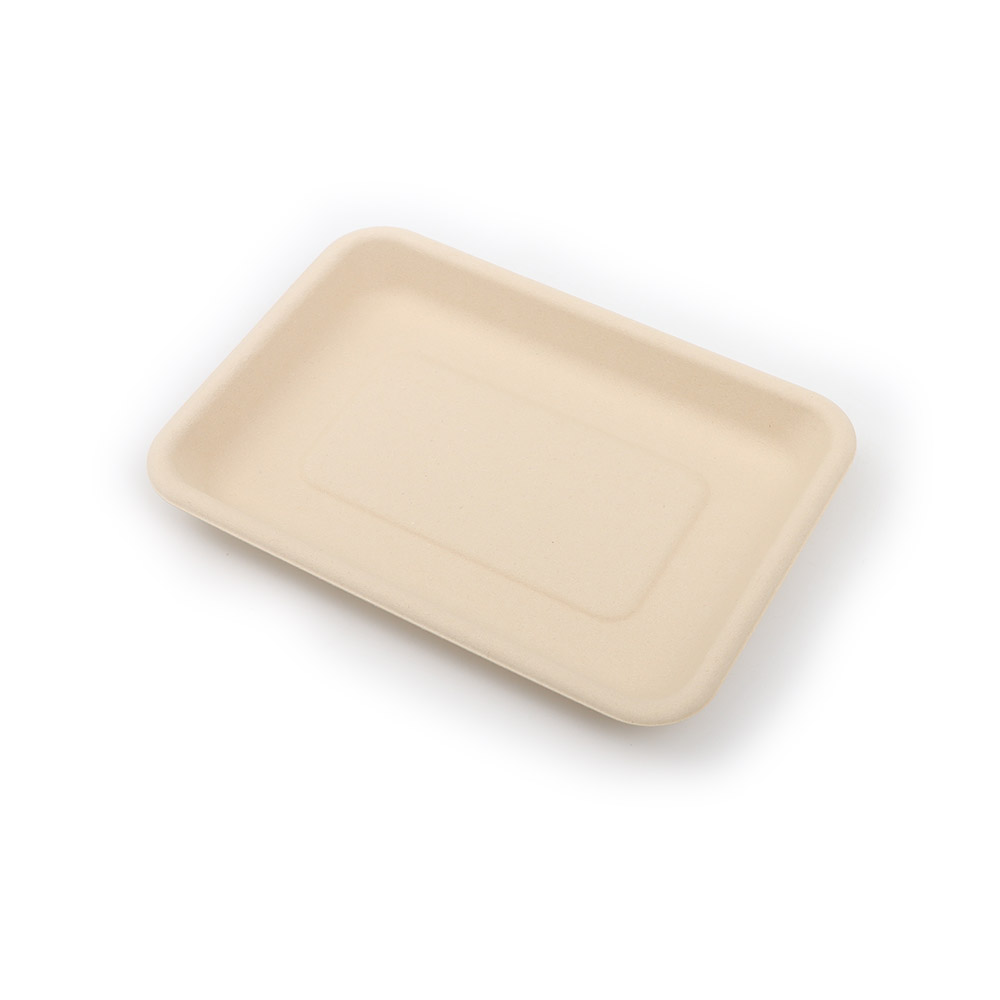 5" * 7" natural color
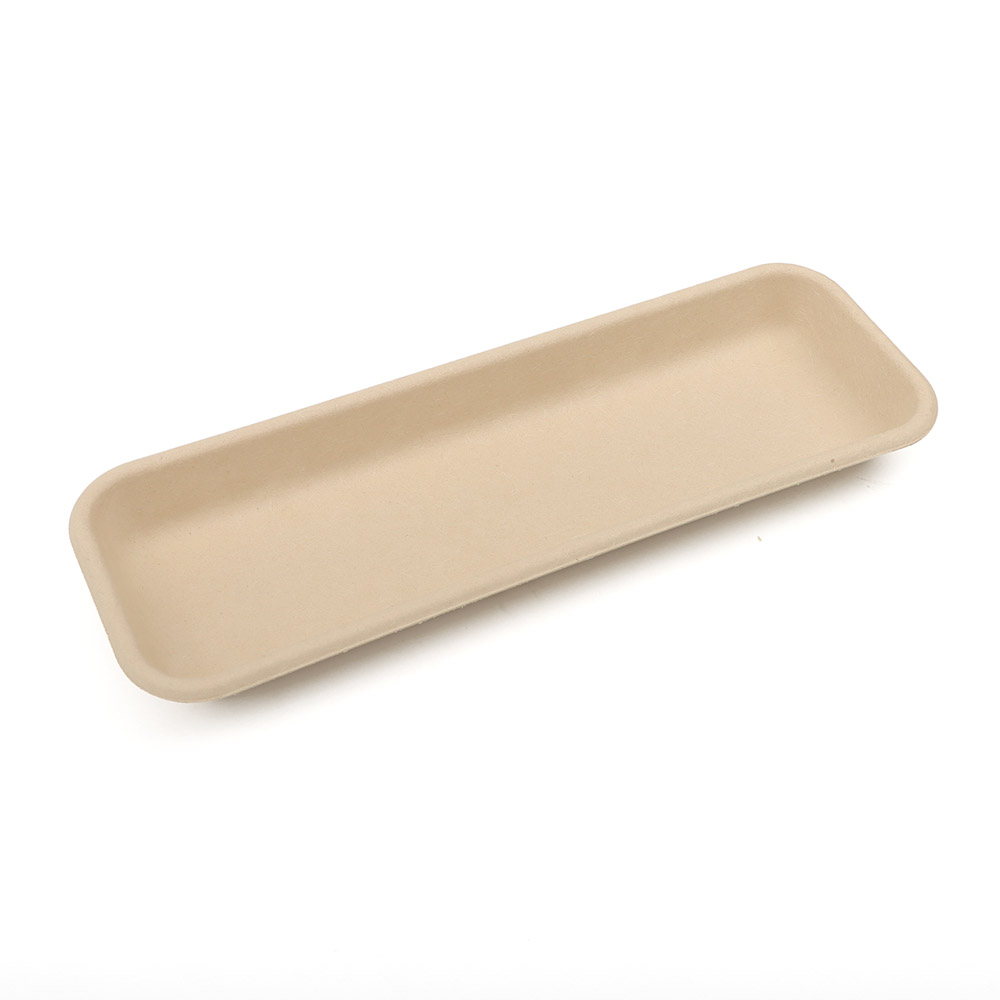 11.4" * 3.9"
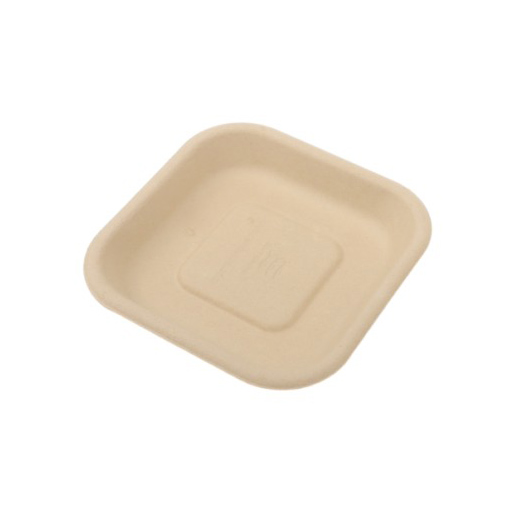 5.3" * 5.3"
 Fruit And Vegetable Tray Series
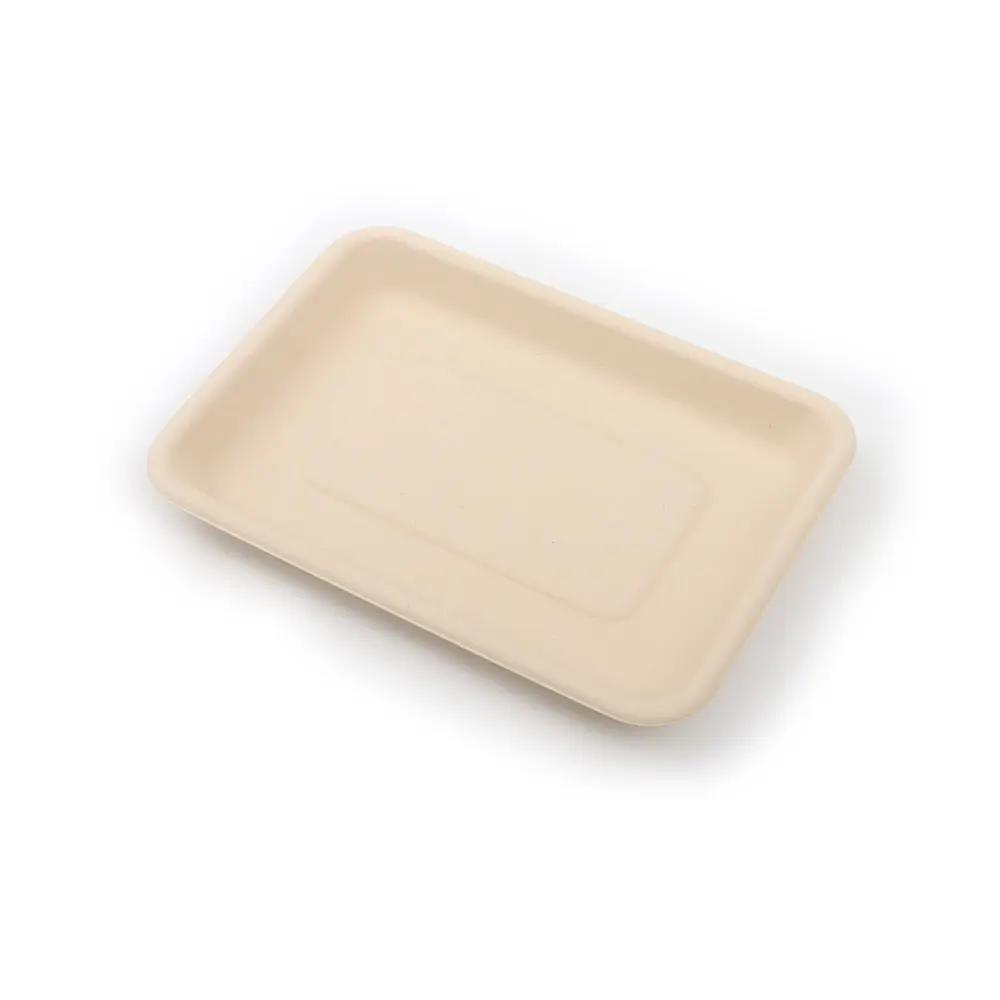 8.6" * 5.3"
 Sushi Tray Series
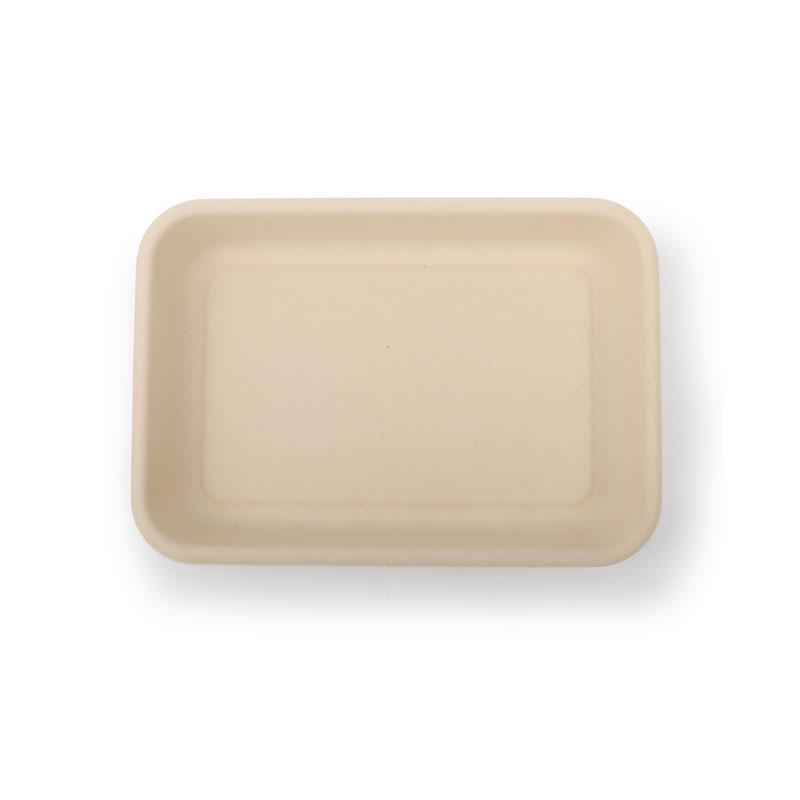 200" * 140"
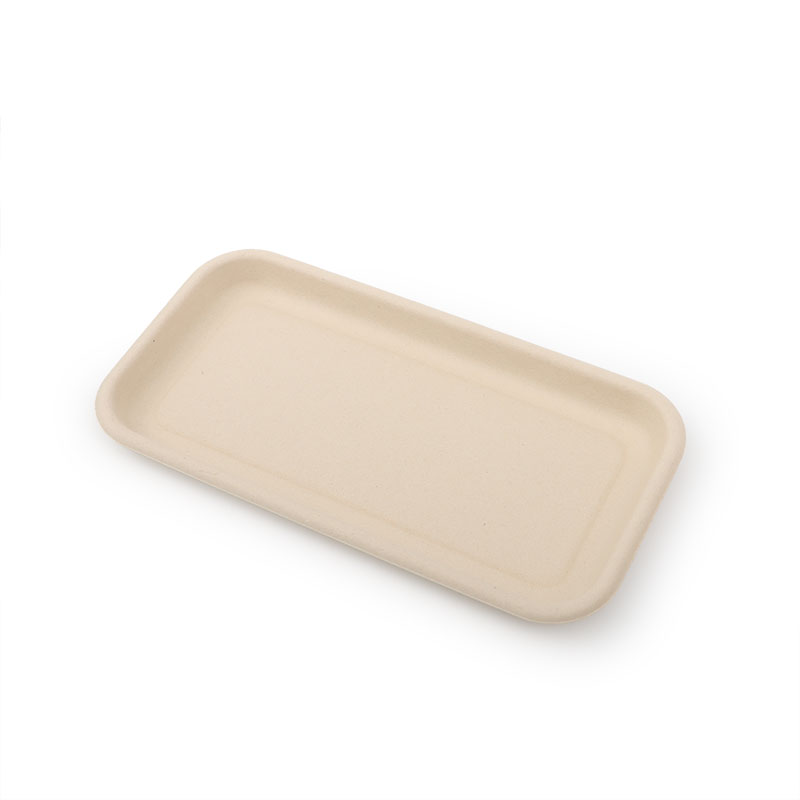 210" * 110"
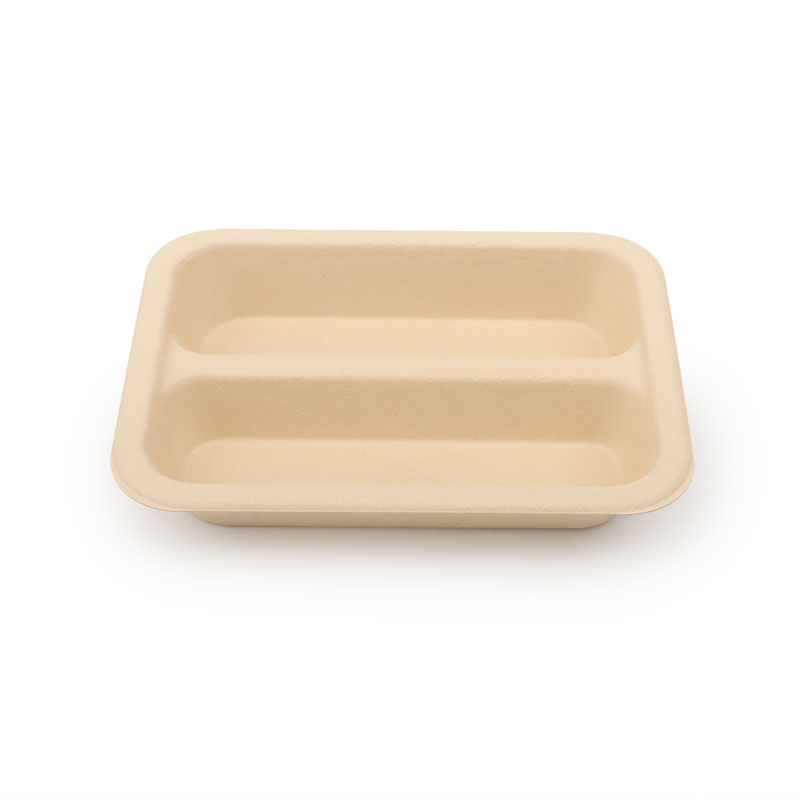 2 Compartments
 Small Round Plate Series
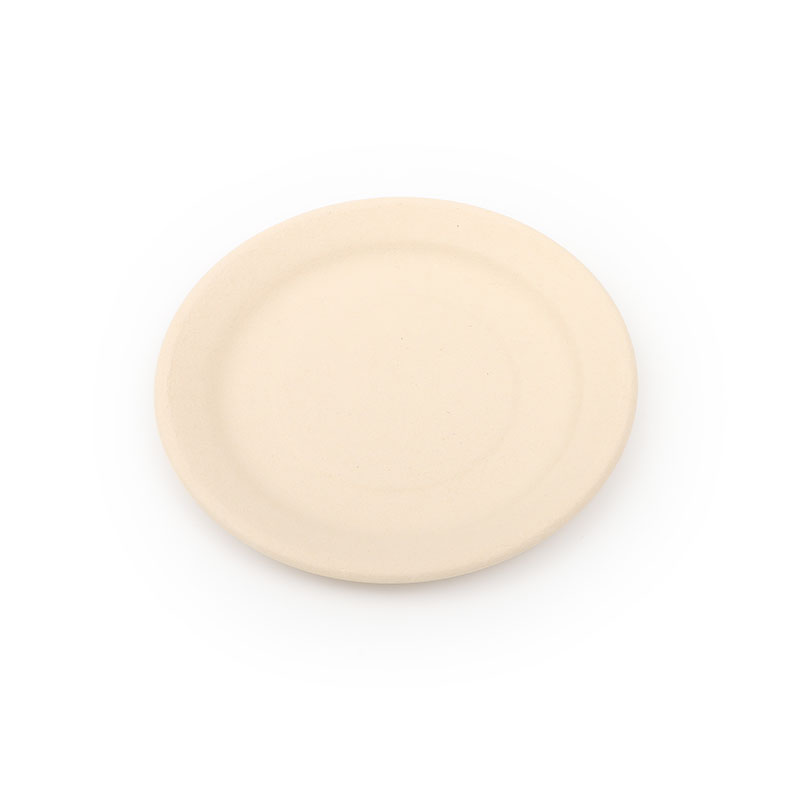 7 inch
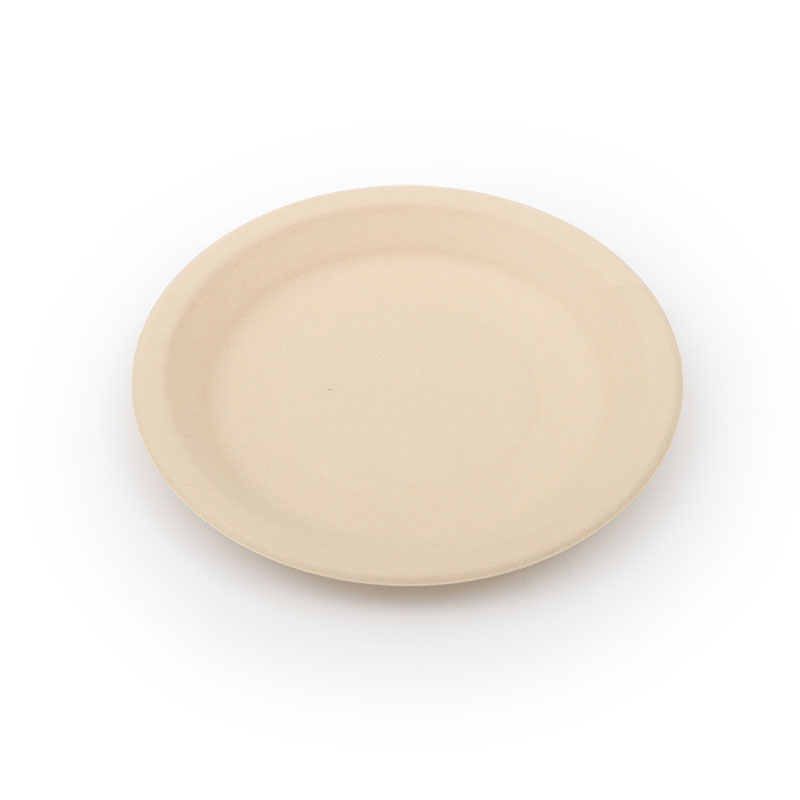 6 inch
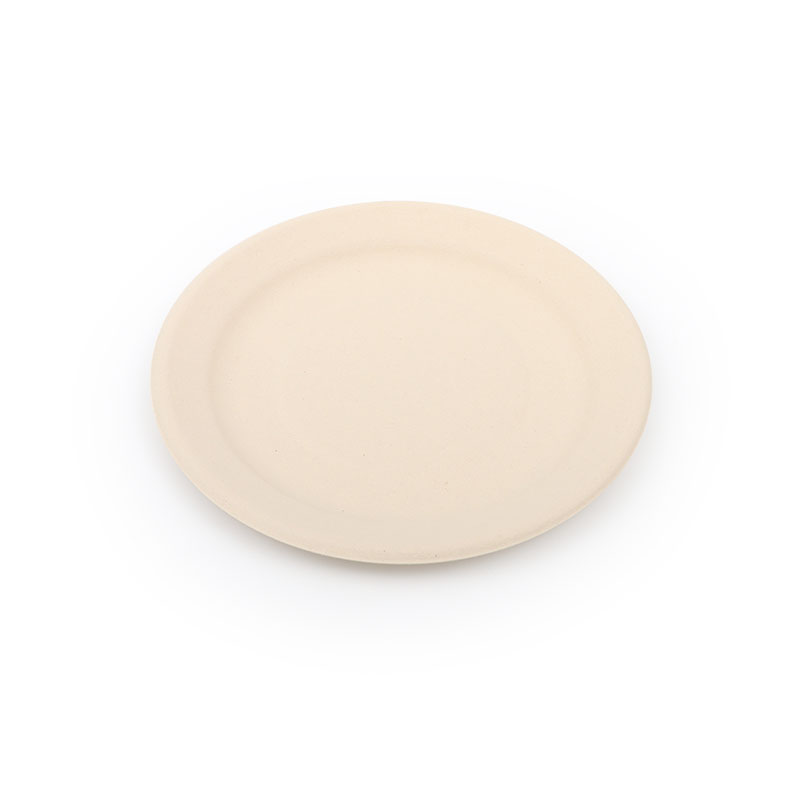 8 inch
 Middle Round Plate Series
 9 Inch 3 Compartments
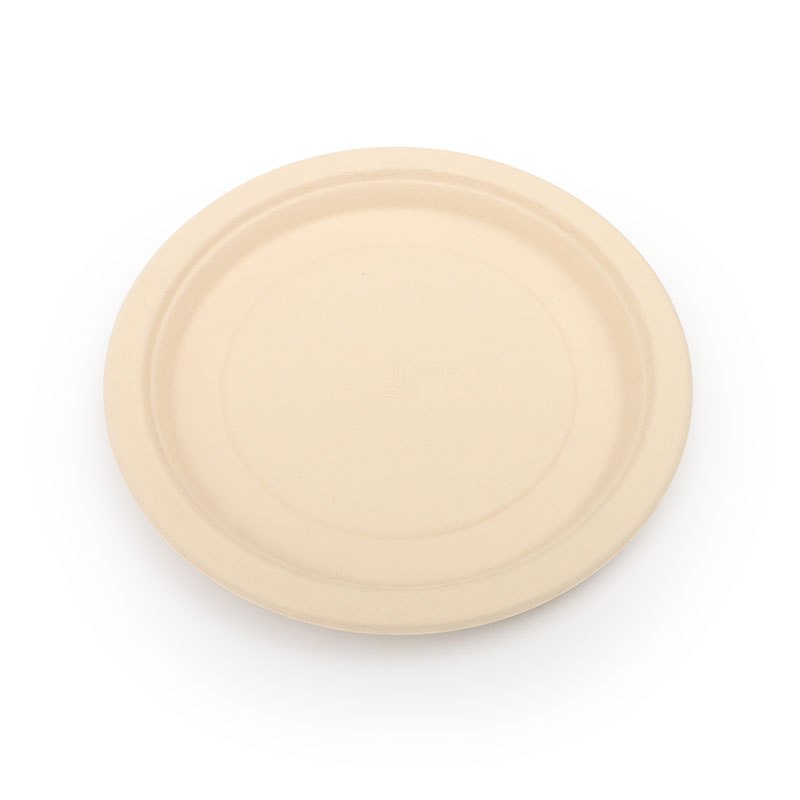 9 inch
 Big Round Plate Series
 12.7 Inch Pizza Plate
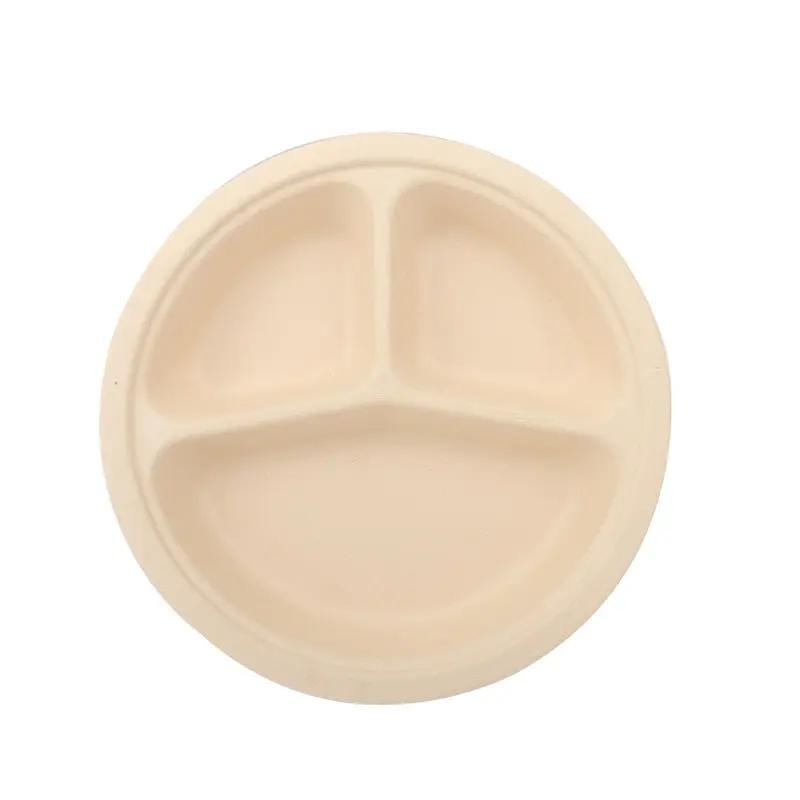 10.25 inch 3 Compartments
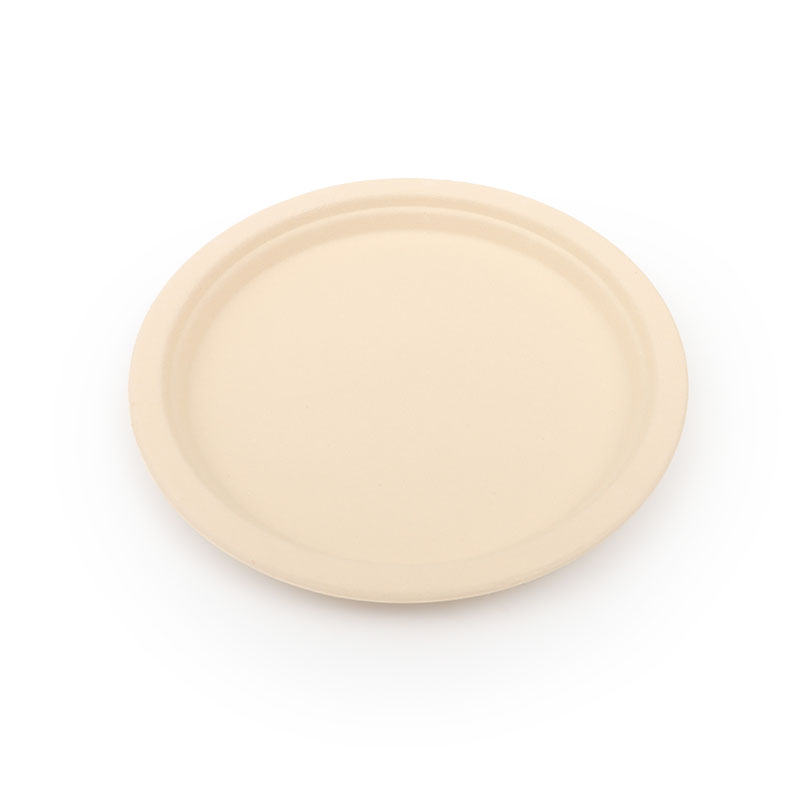 10 inch
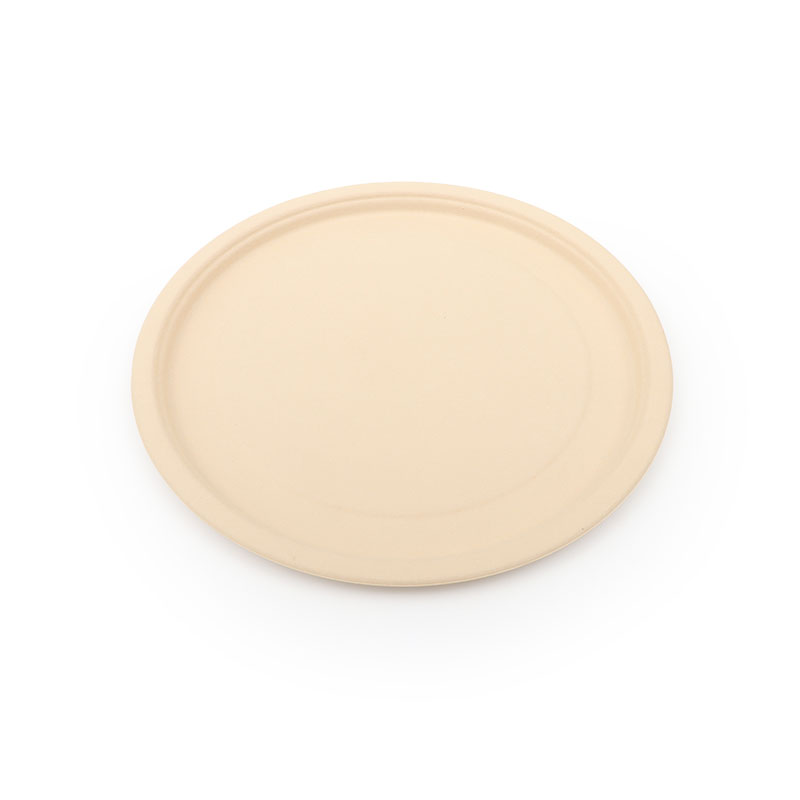 12 inch
 Bigger Bowl
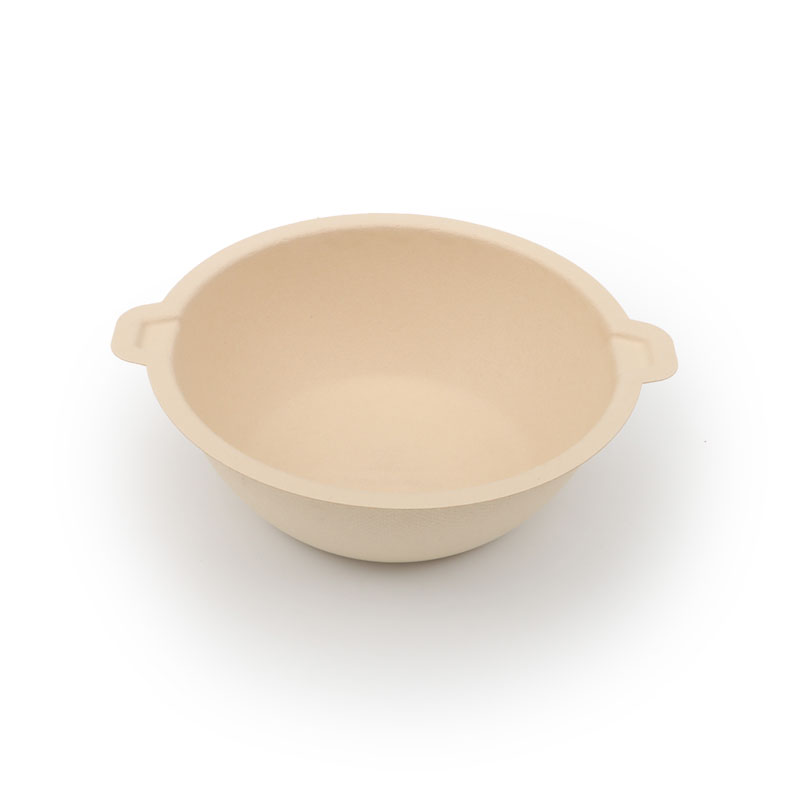 48oz(1420ml)
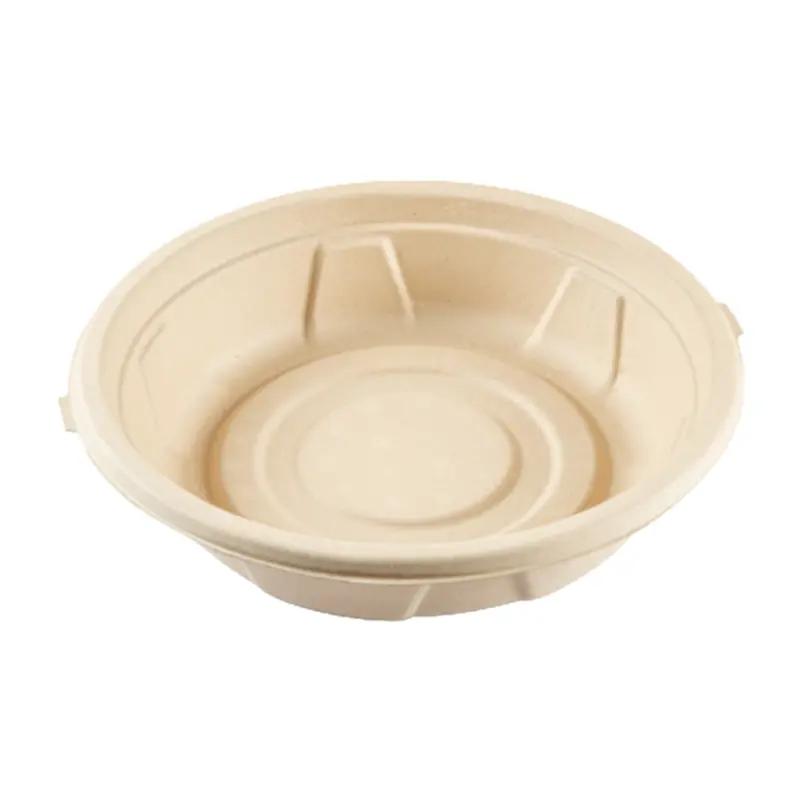 56oz(1650ml)
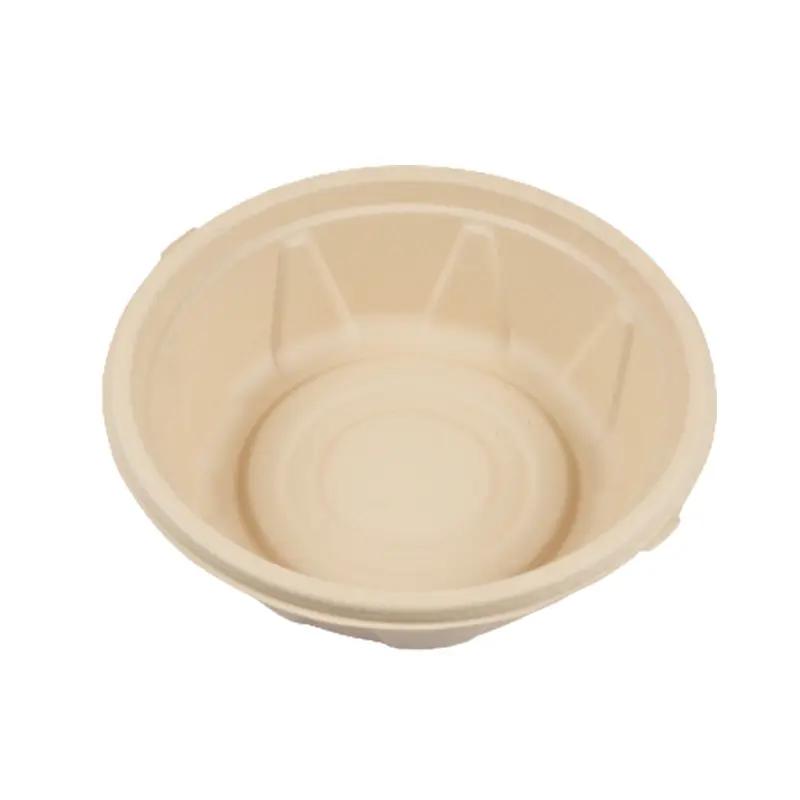 100oz(2950ml)
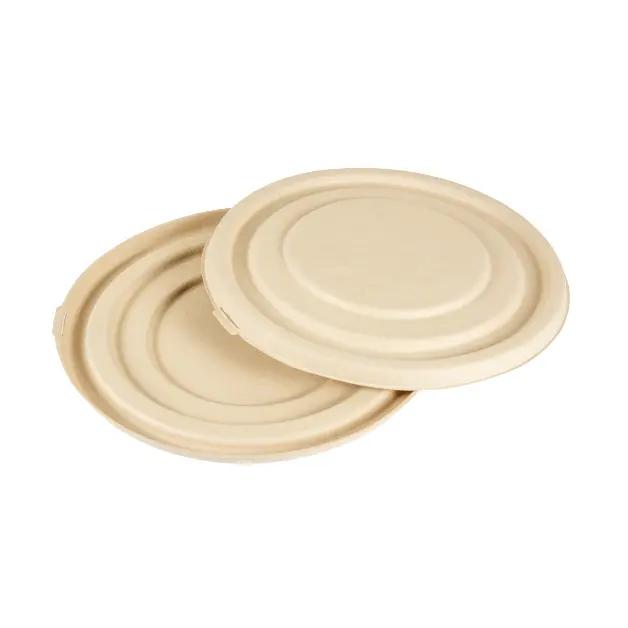 100oz(2950ml) With Lid
 Middle Bowl
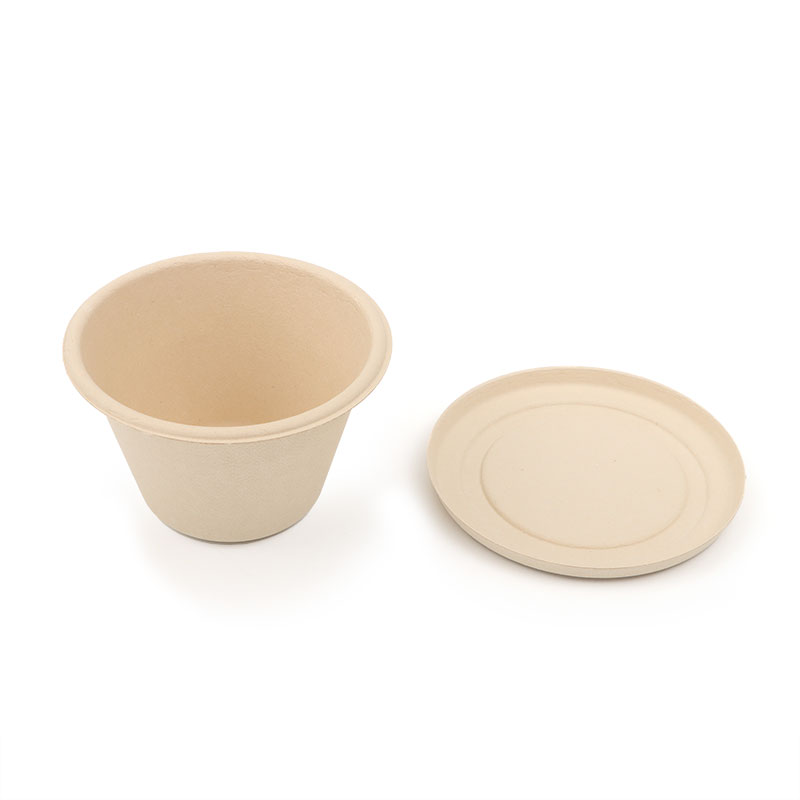 17oz(500ml)
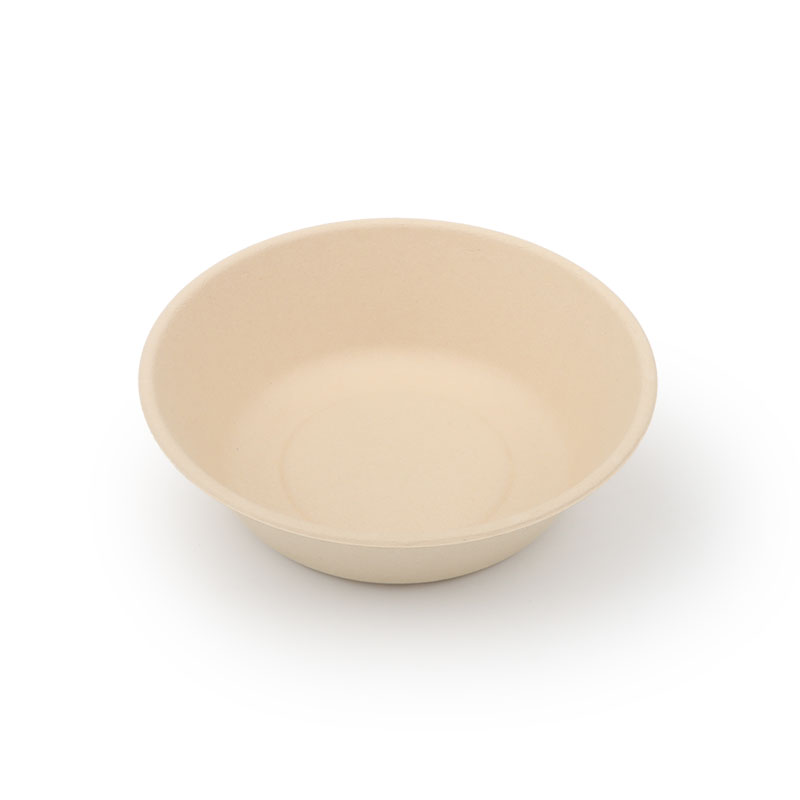 27oz(800ml)
 20oz(600ml)
 29oz(850ml)
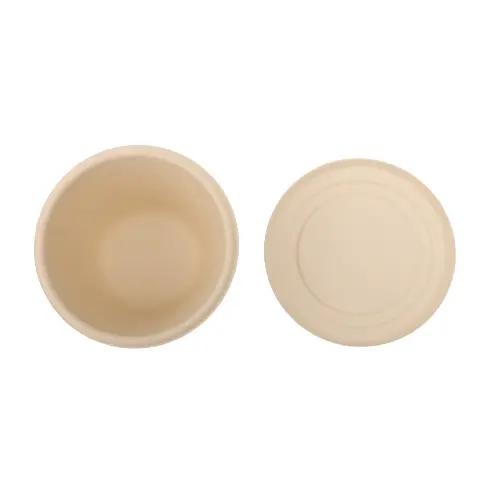 17oz(500ml) With Lid
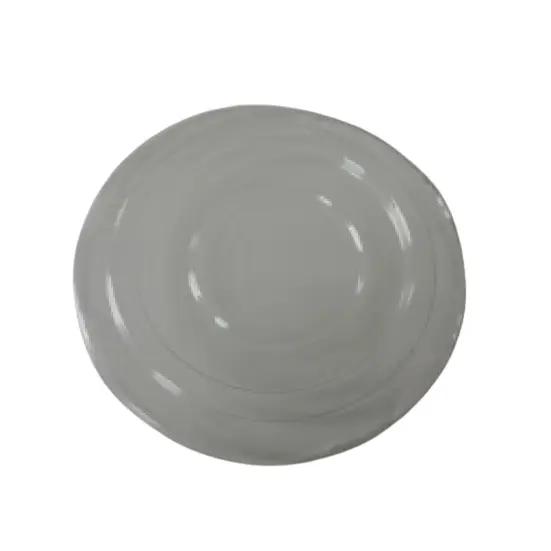 17oz(500ml) PET Lid
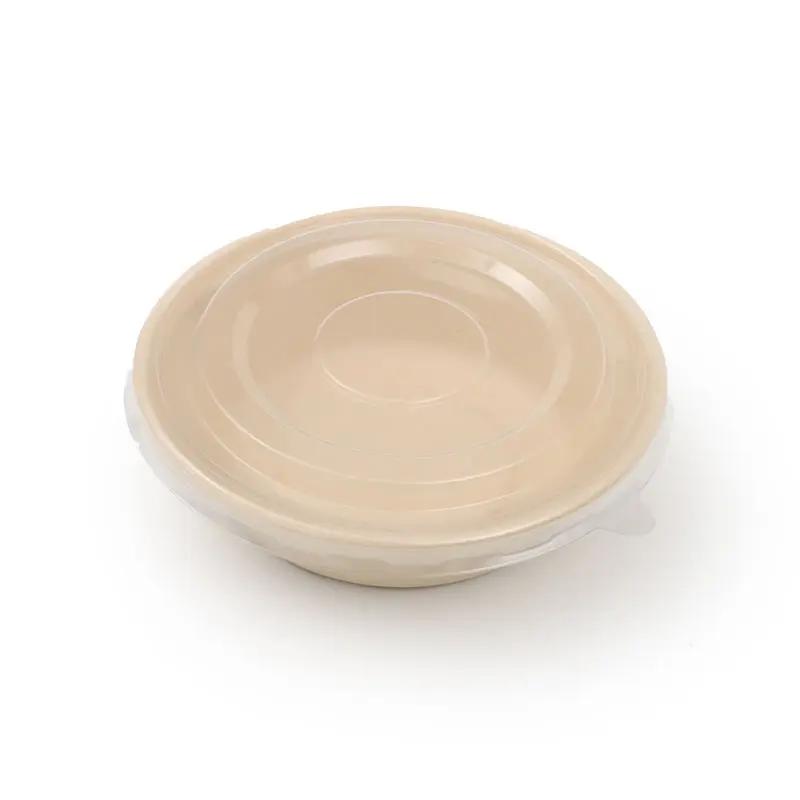 28oz(830ml) PET Lid
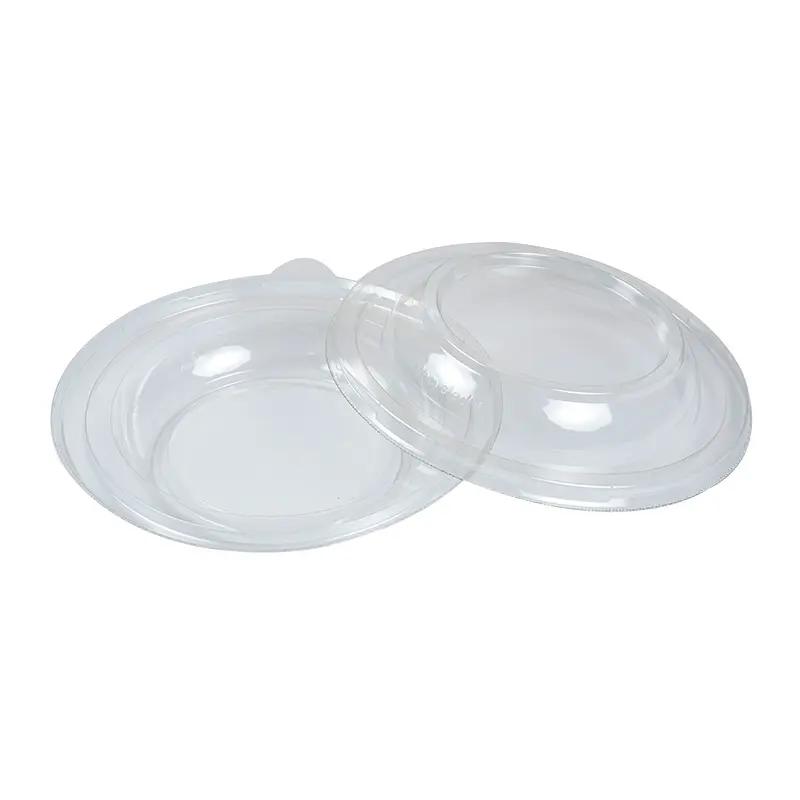 Round Bowl PET
 Small Bowl
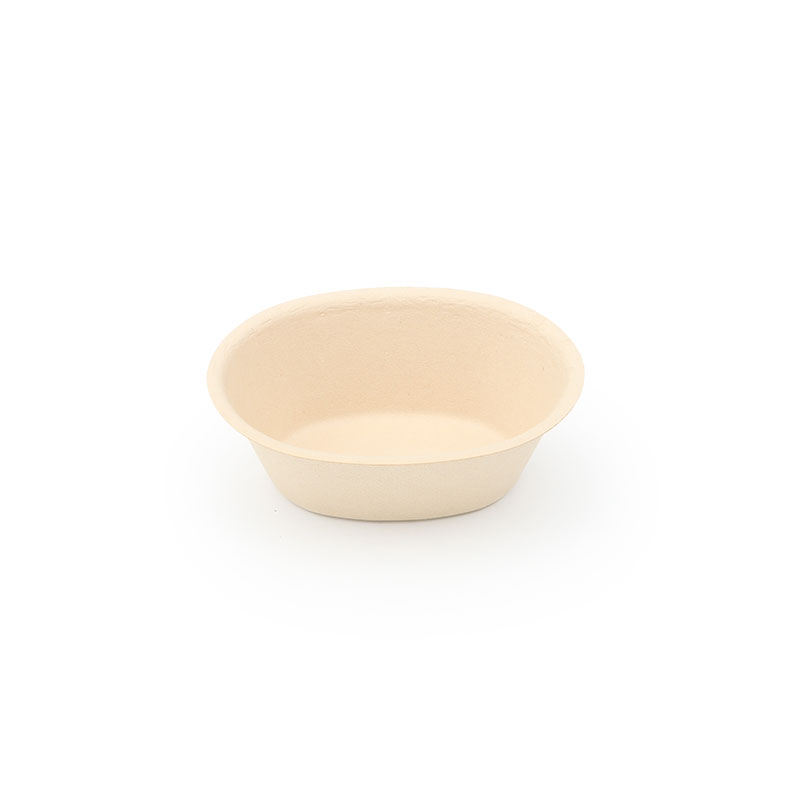 Snack Bowl
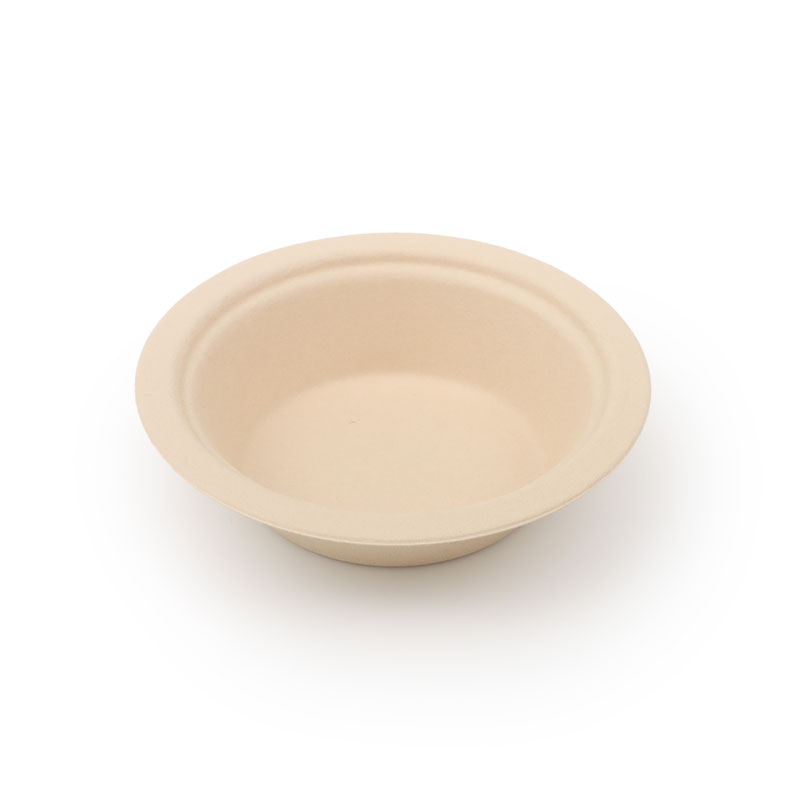 11.5oz(340ml) Bowl
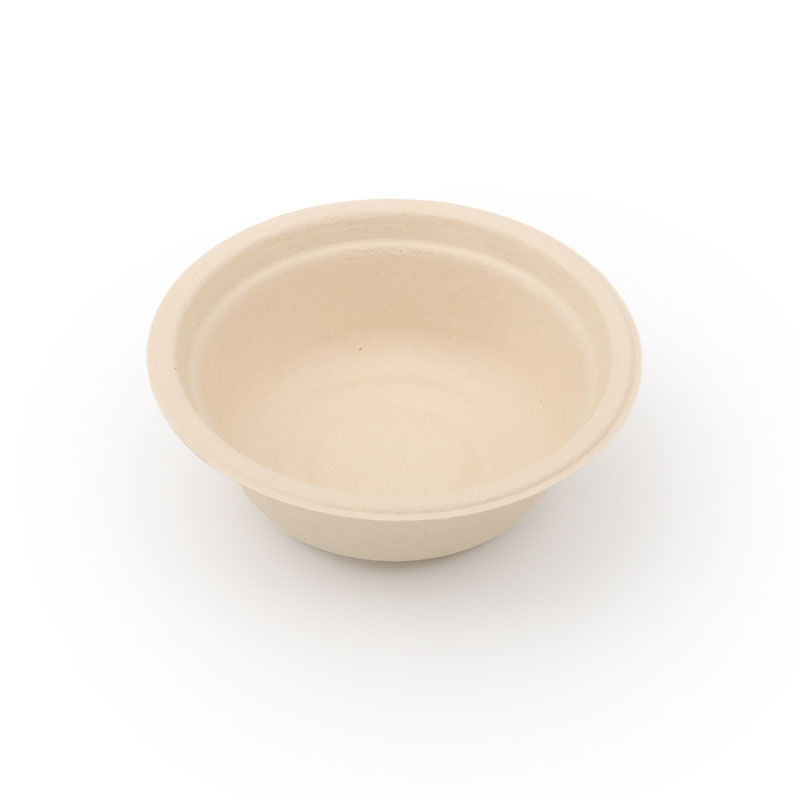 6.7oz(200ml) Bowl
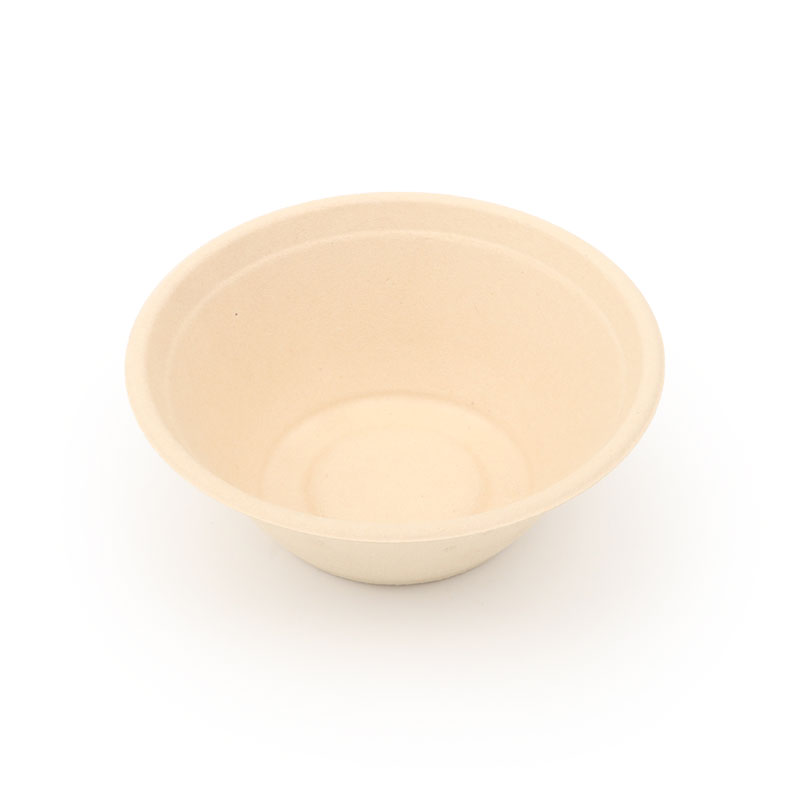 12oz(350ml) Bowl
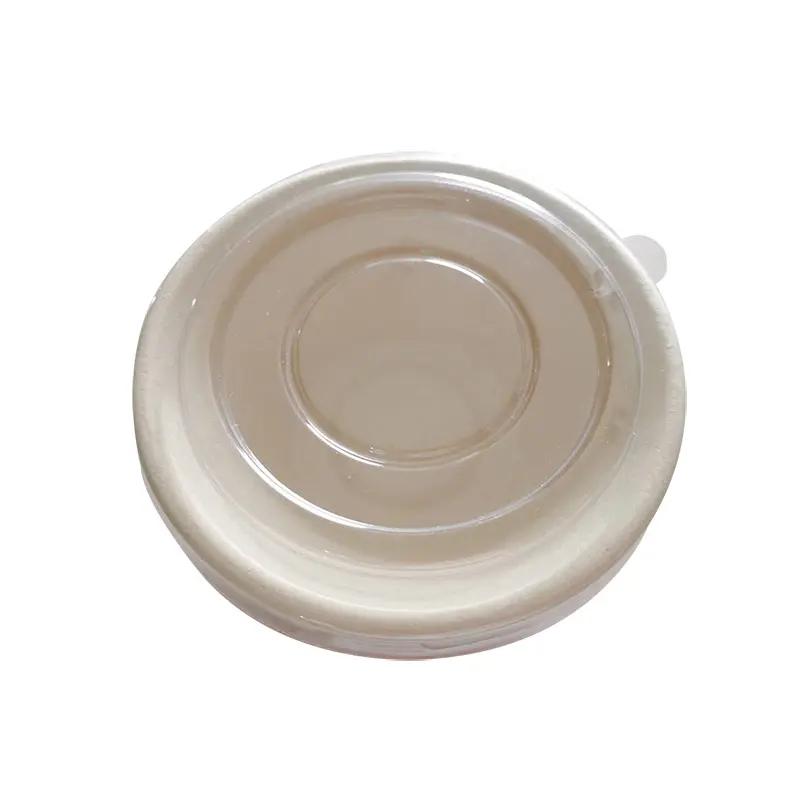 12oz(350ml) Bowl PET
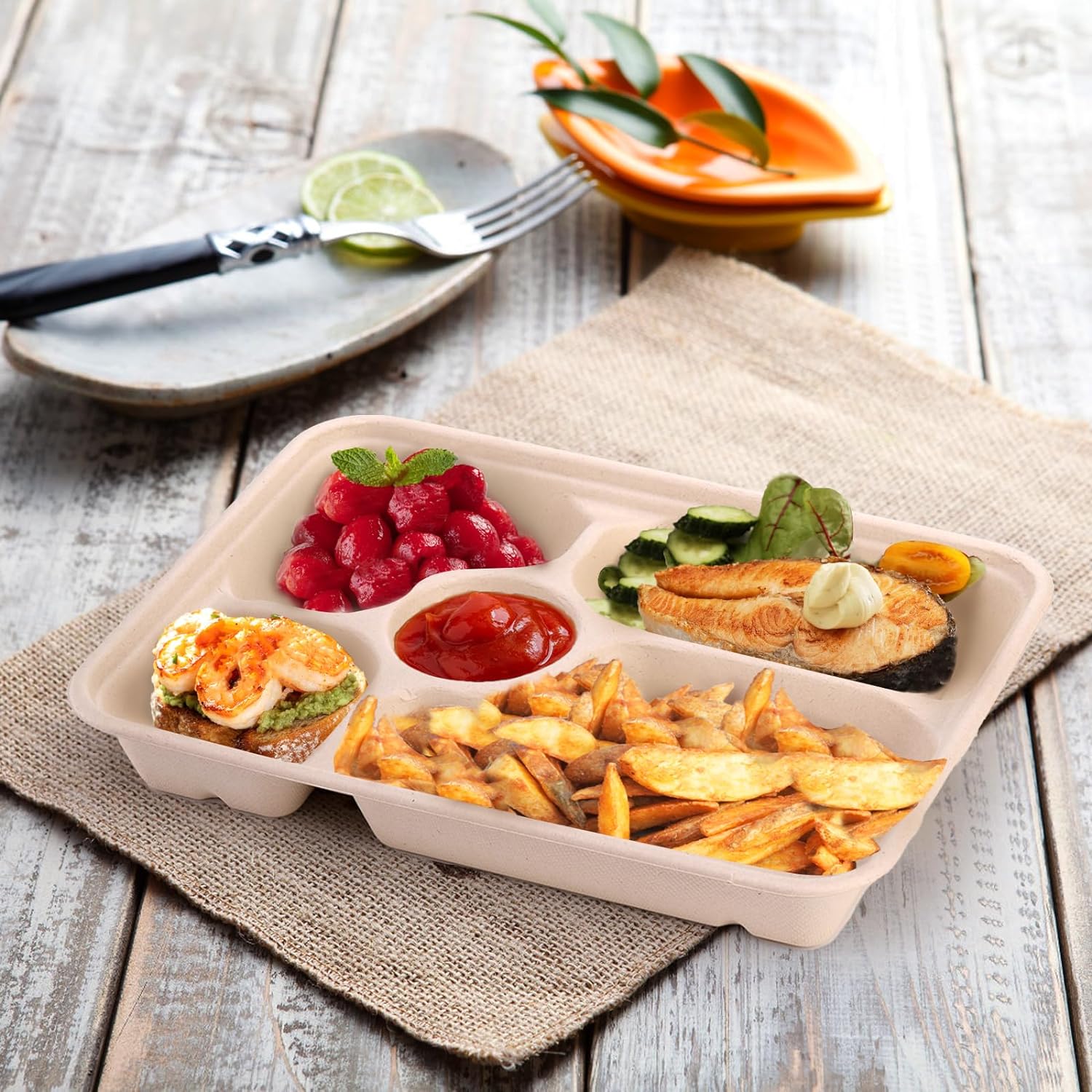 Bagasse Lunch Boxes
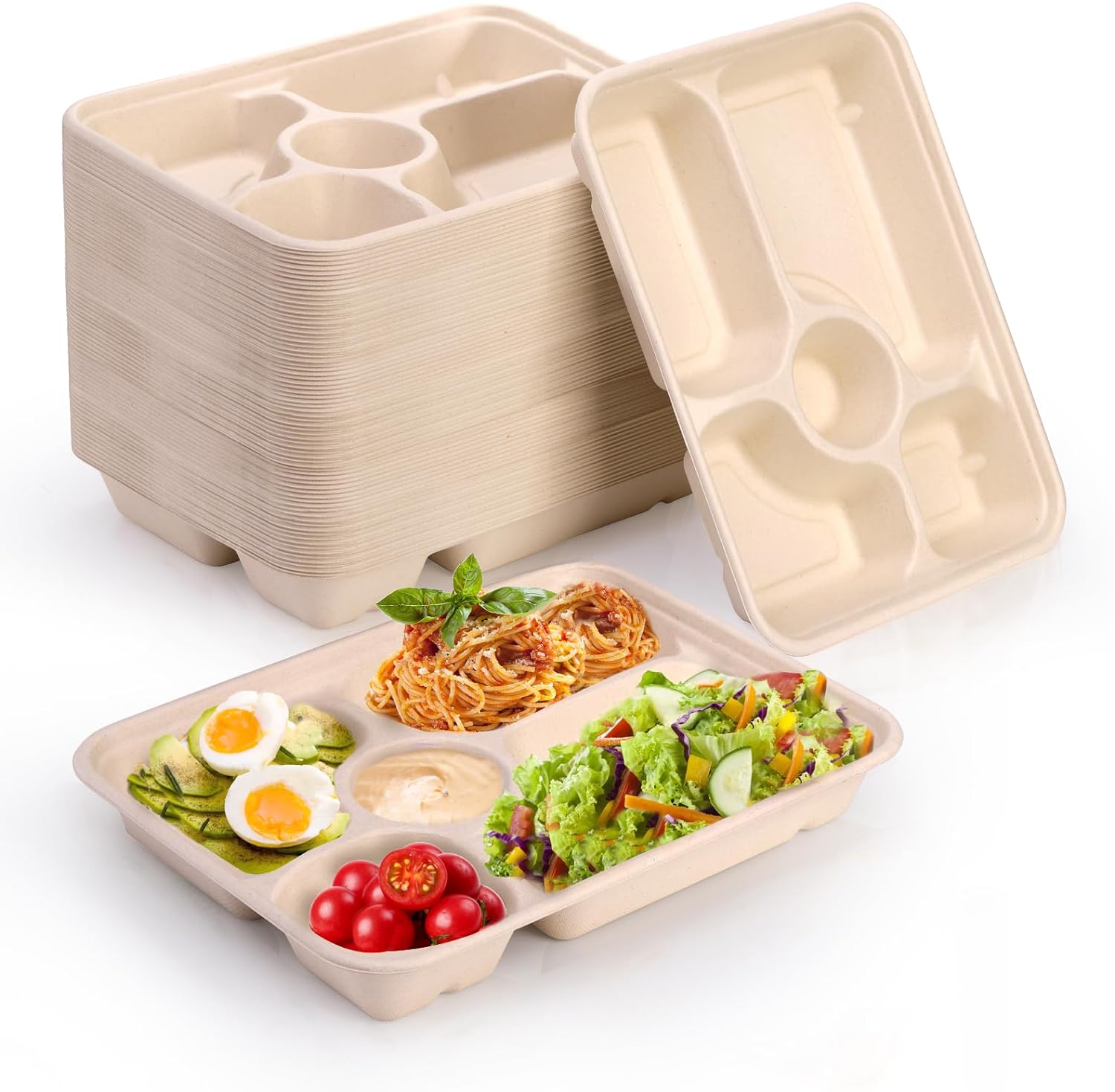 5CP
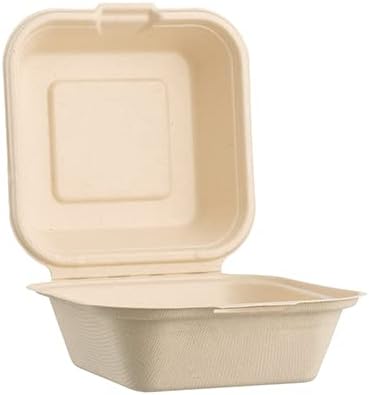 6 inch
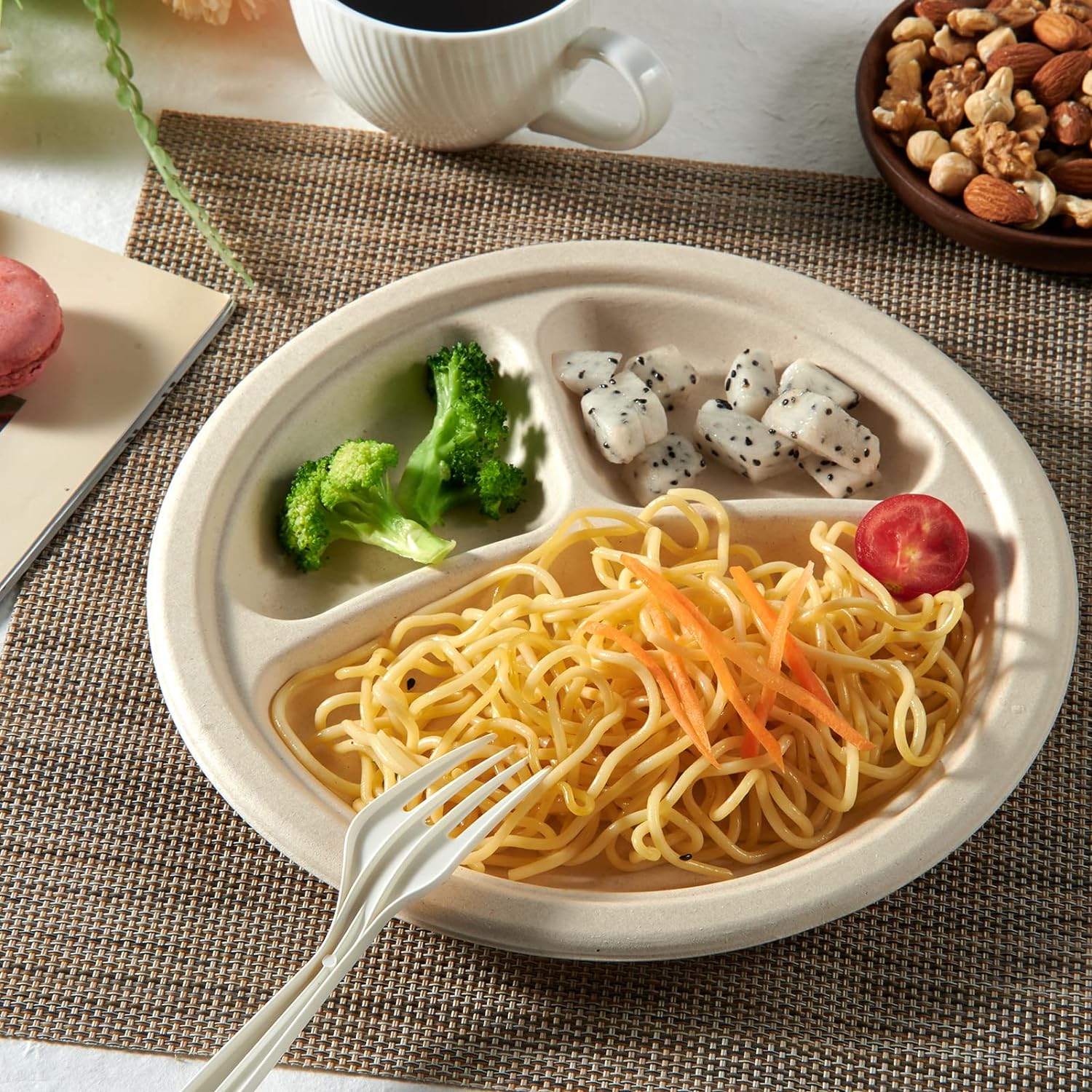 Bagasse Food Plates
 7 inch
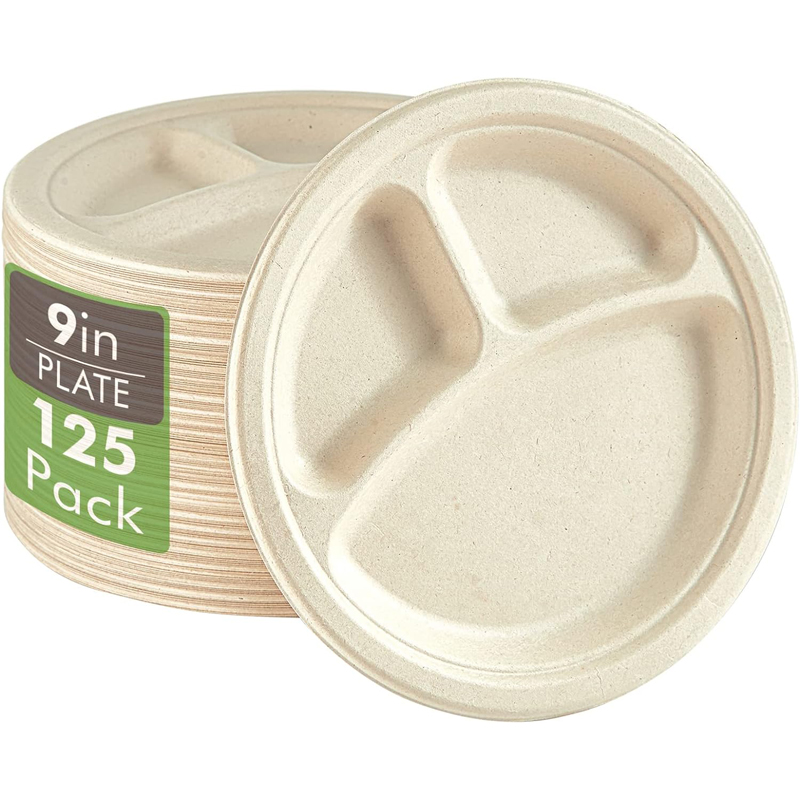 3CP
 Bagasse Bowls
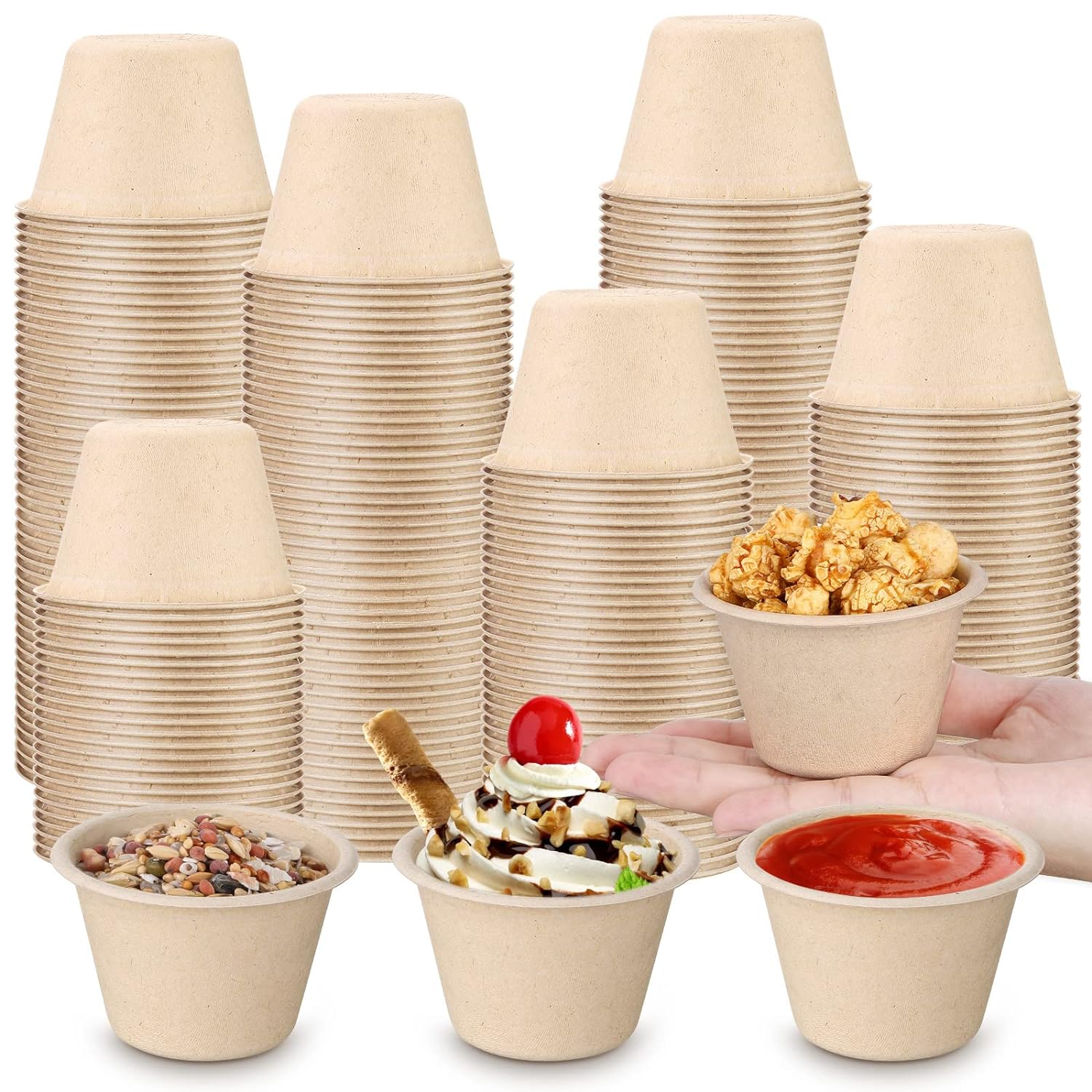 4oz
 Bagasse Cups And Cutlery
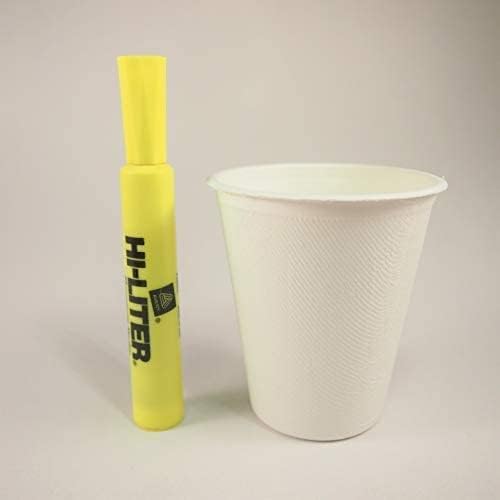
 8oz
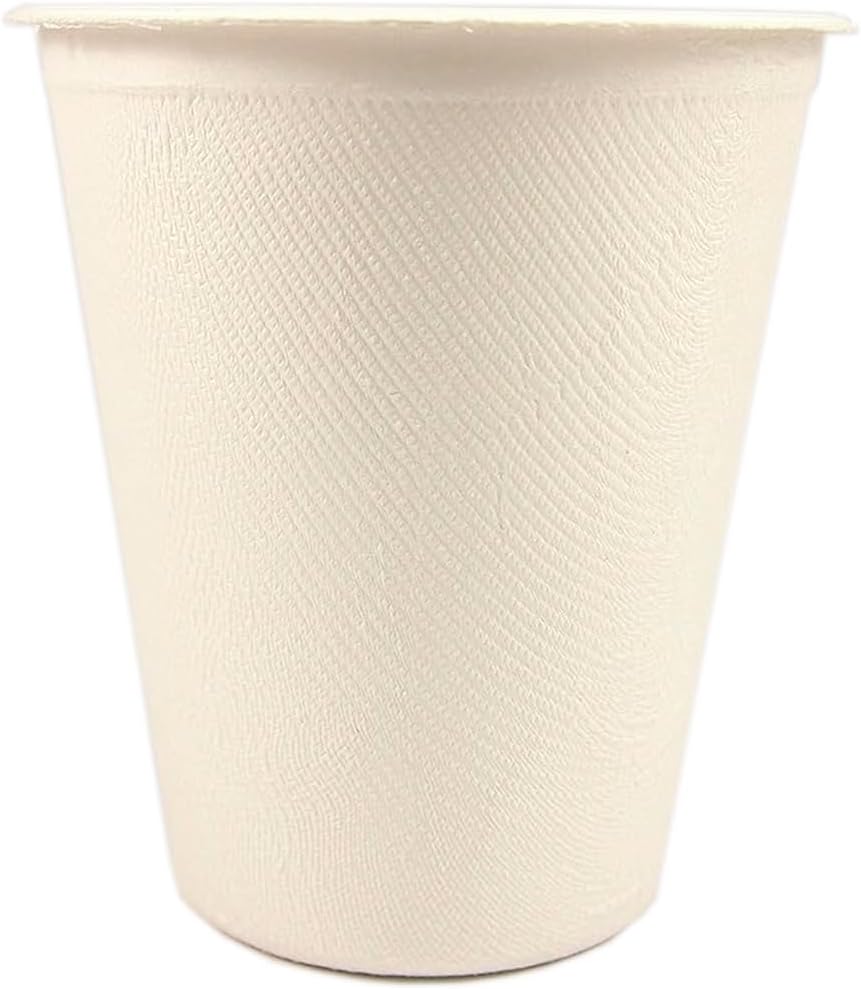
 12oz
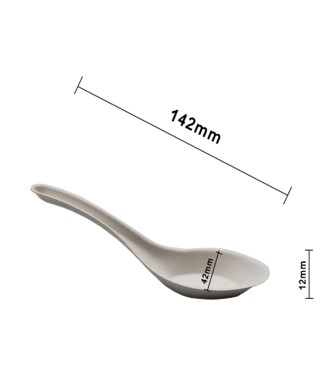 Cutlery
Leave Your Message
Explore our heavy-duty, leak-resistant, and high-temperature molded fiber trays designed for nutritious seafood servings in institutional environments.
Analyzing the pivotal shift from expanded polystyrene (EPS) to advanced bio-laminated plant fiber solutions.
In recent years, institutional meal service programs—ranging from K-12 primary school districts and secondary academies to higher education university dining halls—have undergone a significant dietary transformation. Recognizing the vital cognitive and developmental benefits of omega-3 fatty acids, iodine, and clean protein, school nutrition directors across North America, Europe, and Asia-Pacific have expanded seafood options. Menu items such as baked wild salmon fillet strips, breaded cod bites, seasoned tilapia portions, and chilled tuna pasta salads are now cafeteria staples. However, the operational delivery of hot, oily, and high-moisture seafood in fast-paced school food service environments presents distinct physical packaging challenges that standard disposable tableware fails to address.
Historically, educational institutions relied on expanded polystyrene (EPS) foam trays or non-recyclable petroleum plastic containers due to their moisture-blocking traits and low purchase cost. However, tightening municipal mandates, state-level bans on EPS foam, strict regulations against polyfluoroalkyl substances (PFAS "forever chemicals"), and institutional Net-Zero targets have rendered petroleum plastics obsolete. Standard untreated paper or single-ply molded pulp trays often suffer from grease migration, bottom sogginess, thermal softening, and leakage when exposed to hot fish oils, tart tartar sauce acids, and condensed vapor. This structural vulnerability can lead to meal tray collapse, student burns, cafeteria mess, and compromised food hygiene.
Utilizes food-grade, ultra-thin biopolymer (PLA/PBAT/water-based aqueous dispersion) lining that prevents fish oil penetration, hot liquid seepage, and acidic condiment degradation without PFAS additives.
Safely handles blast chilling in central school commissaries, rapid steam rethermalization, microwave heating, and direct high-temperature tray-line holding without structural warping or chemical off-gassing.
Formed from rapidly renewable, unbleached bamboo and agricultural sugarcane pulp fibers, offering high structural tensile strength, rigid perimeter rim profiles, and full industrial compostability.
The manufacturing innovation behind a truly effective laminated seafood tray lies in the thermo-mechanical integration of virgin bamboo pulp fibers and an ultra-thin barrier layer. Bamboo fibers possess superior tensile modulus and aspect ratios compared to traditional wood pulp, creating an interlocking fibrous lattice that exhibits exceptional structural stiffness even under high mechanical loads. When enhanced through automated heat-sealing lamination, the interior cavity acquires an impermeable barrier that completely prevents the absorption of aquatic proteins, lipids, sauces, and moisture.
Furthermore, school cafeterias require trays that fit standard speed-scratch prep lines, heated holding cabinets, conveyor dish drops, and centralized waste management stations. EATware's laminated seafood trays feature anti-nesting corner geometry and reinforced rim profiles, allowing high-speed mechanical denesting on automatic portioning lines while maintaining effortless manual handling for cafeteria staff and young students alike.
How tailored laminated molded fiber configurations satisfy multifaceted institutional operational models.
For large school districts operating central kitchen hubs, trays must endure cook-chill protocols, automated heat-sealing film closures, refrigerated distribution across hundreds of campuses, and rapid on-site rethermalization without seal failure.
Designed with deep-well compartmentalization to separate crispy fish sticks from steamed vegetables, citrus slices, and creamy sauces. Spill-resistant rims prevent messy accidents in crowded school dining halls.
Higher education dining requires sleek, eco-aesthetic presentation for cold sushi bowls, smoked salmon bagels, and grilled shrimp salads, satisfying environmentally conscious Gen-Z students seeking plastic-free dining.
While basic single-use plastic foam might initially seem inexpensive on a unit-price basis, institutional food buyers must evaluate the holistic Total Cost of Ownership. Traditional plastics carry hidden liabilities: disposal tipping fees for bulky non-compactible landfill waste, increased dishwashing sanitation costs for reusable plasticware that degrades and harbors bacterial biofilms, and reputational risk from students, parents, and school boards demanding climate accountability.
By implementing 100% compostable, laminated bamboo pulp seafood trays, school districts can streamline waste sorting directly into commercial organic waste streams. Food scraps and used fiber trays are collected together without requiring manual scraping or labor-intensive segregation, dramatically lowering cafeteria clean-up hours and landfill disposal surcharges while bolstering the institution’s ESG ratings.
Empowering worldwide institutional procurement with large-scale automated manufacturing excellence.
In the field of environmentally friendly packaging for 18 years, Has established cooperation with 500+ brands.
Through our research and development, there are more than 60 products can product, we also support OEM ODM customized services.
Exported to the United States, Europe, Australia, Canada and other countries, right now we have exported more than 30 countries.
10000+ square meters factory area, more than 30 patent certificates, 10 foreign authoritative certification, 55 automatic forming machines...
EATware is committed to sustainable development, using all natural plant fibers to produce safe, healthy and environmentally friendly tableware. Adhering to the concept of "take nature, serve humanity, return to nature", we focus on the development of safe, high quality and environmental standards.
EATware emphasizes environmental protection and sustainable development, explores the balance between enterprise survival and environmental protection, and uses all-natural and pollution-free bamboo fiber as the main material of tableware to ensure that its products meet the high technical level and are superior to developed countries.
Pioneering the Next Generation of Eco-Smart Cafeteria Ware
Kangxin (HaiMen) Environmental Technology Co., Ltd. is a technology innovation oriented enterprise that focuses on disposable environmentally friendly tableware and food packaging.
We have advanced production processes and equipment, and continue to attract senior talents, focusing on environmental protection, emphasizing safety, and ensuring quality. Our intelligent clean-room manufacturing ensures every school cafeteria tray complies with strict global food contact sanitation standards.
READ MORERigorous third-party validation confirming food contact safety, compostability, and industrial automation.
Stay informed with testing protocols, material engineering breakthroughs, and global procurement trends.
The most reliable way to test disposable food containers is to combine leakage testing with structural testing under conditions that reproduce the intended food application. A container should not be approved simply because it holds water for several minutes or survives an empty compression test...
For foodservice operators, replacing conventional plastic packaging is not simply a matter of changing materials. Disposable biodegradable tableware must still withstand hot food, sauces, oils, condensation, stacking, transport, and commercial handling without losing structural integrity. Poorly engineered alternatives fail quickly under grease loads...
With growing global demand for takeaway meals and eco-friendly packaging, China's manufacturing sector has become a major hub for disposable food containers. Today's food businesses - from fast-food chains and meal-delivery services to supermarkets and catering companies - are looking for direct factory partnerships...
Trusted by premier multinational foodservice operators, airlines, retail conglomerates, and institutional distributors.
Select from our comprehensive lineup of molded plant fiber trays, compartment plates, and protective lids tailored for institutional cafeteria meal services.


