
 Box With T buckle
 700ml Square Lunch Box
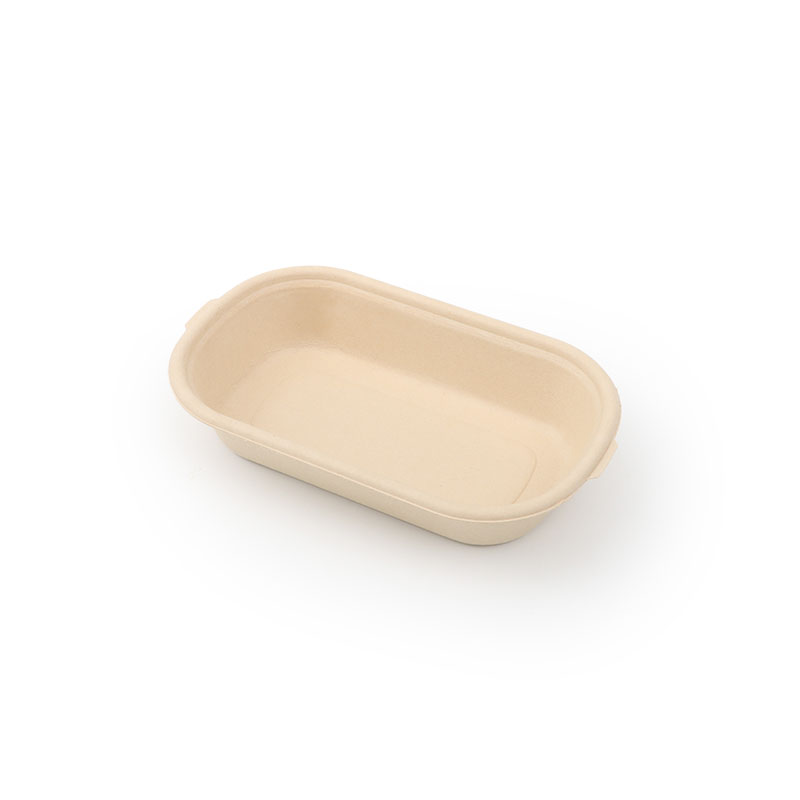 500ml
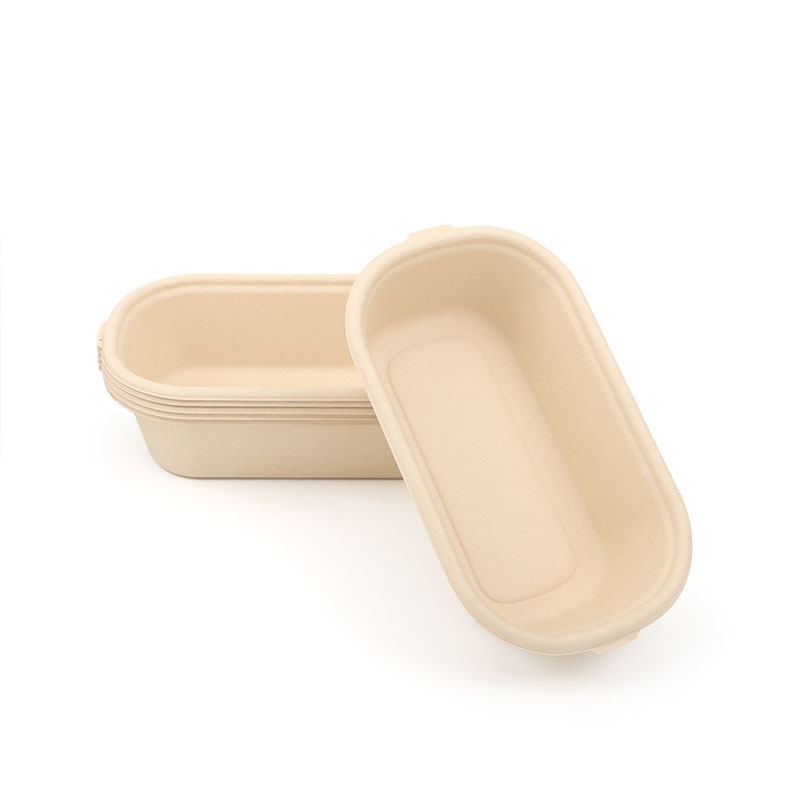 700ml
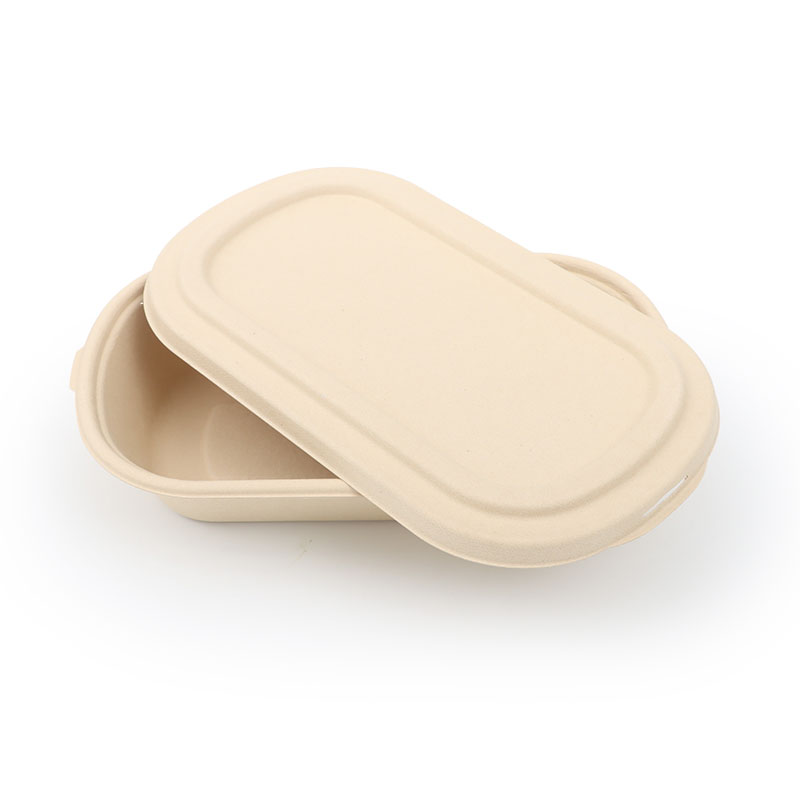 850ml
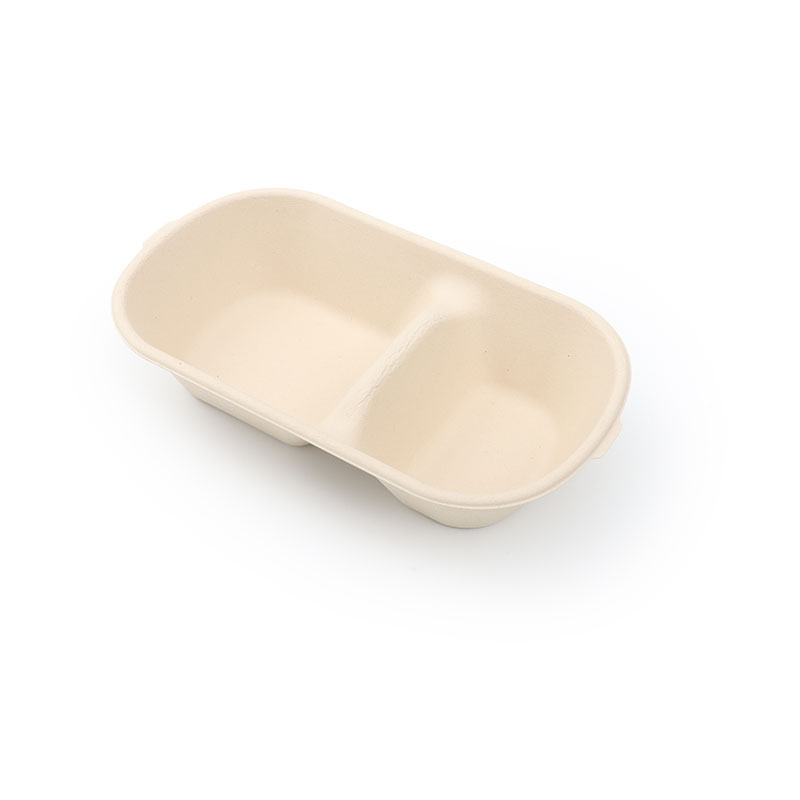 800ml 2 Compartments
 1000ml 2 Compartments
 1100ml
 1000ml Square Lunch Box
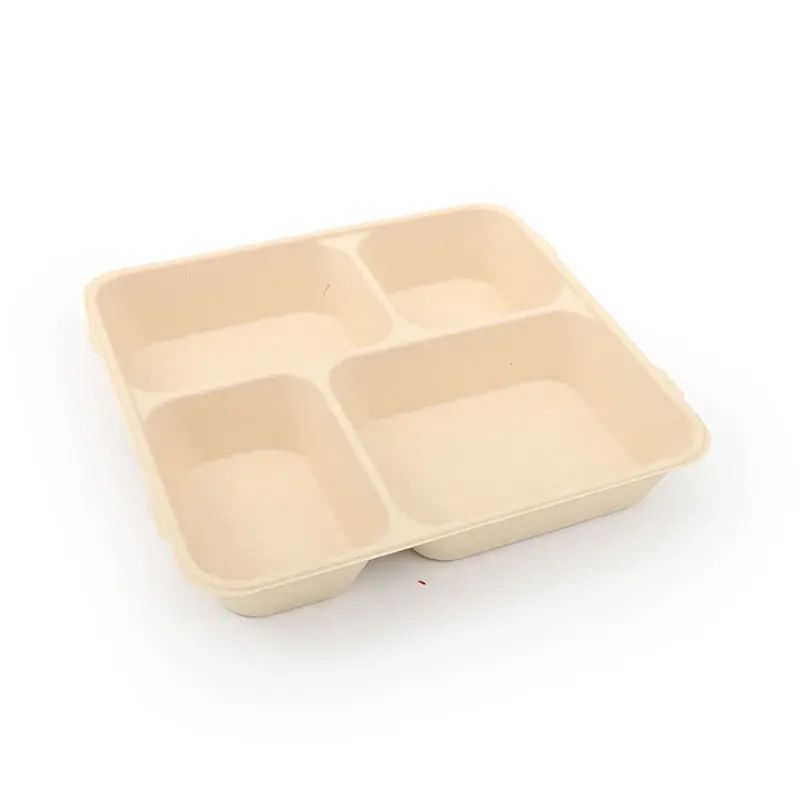 1340ml 4 Compartments
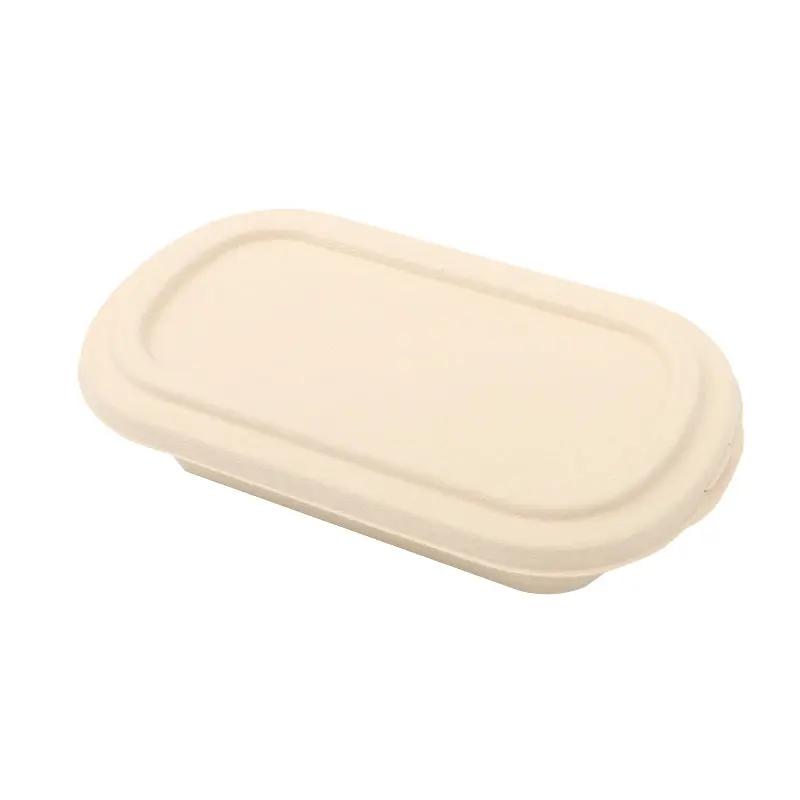 Lunch Box Lid
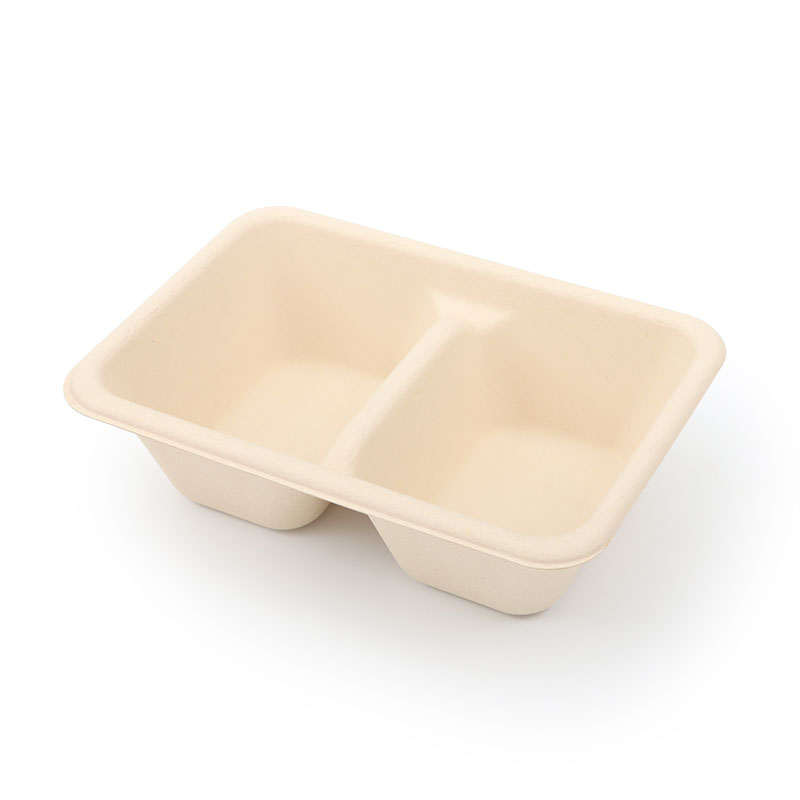 650ml
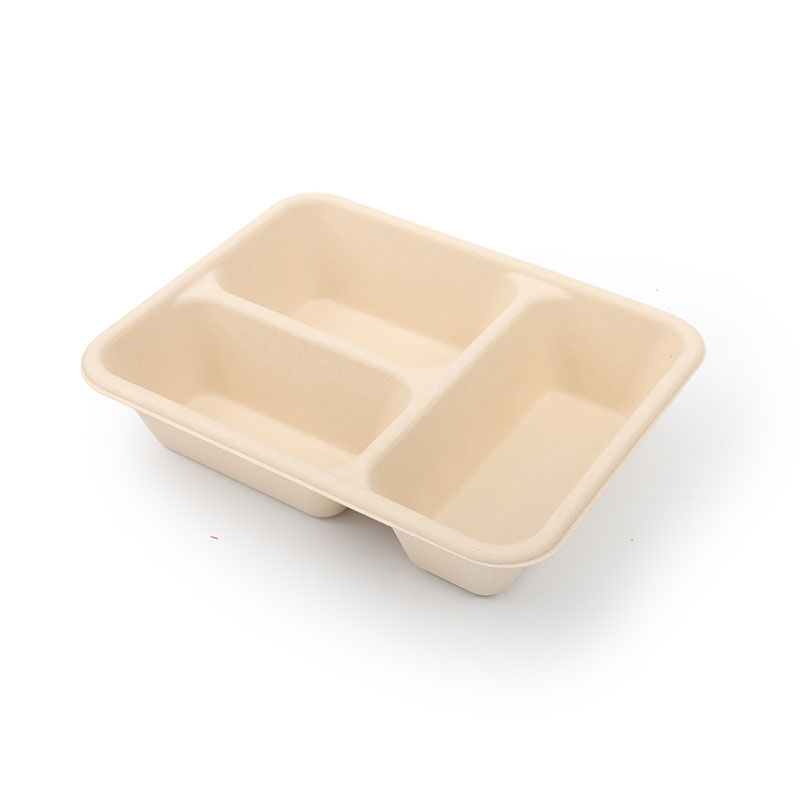 1000ml 3 Compartments
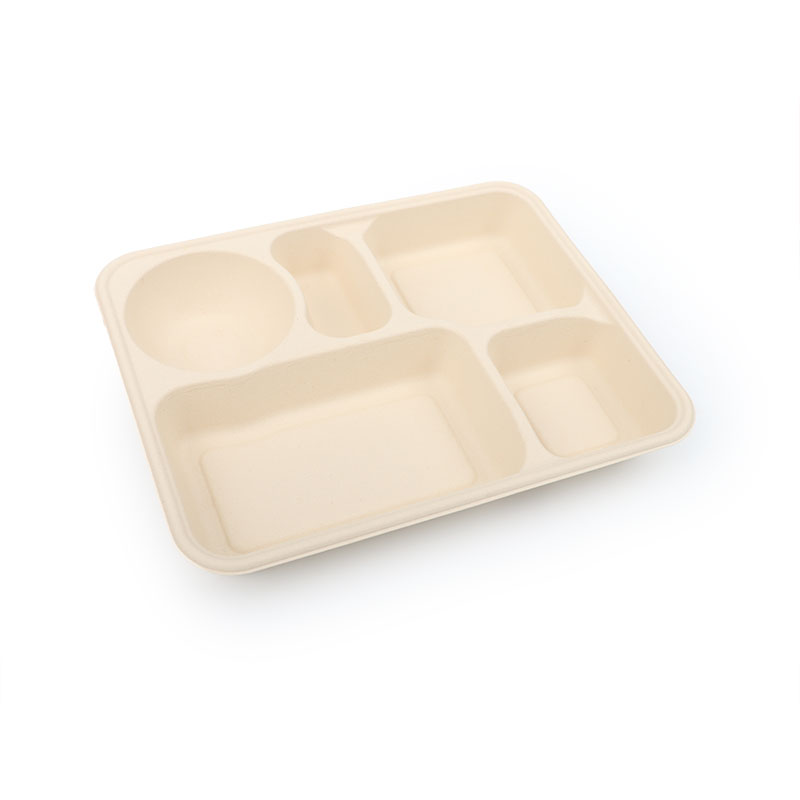 1250ml 5 Compartments
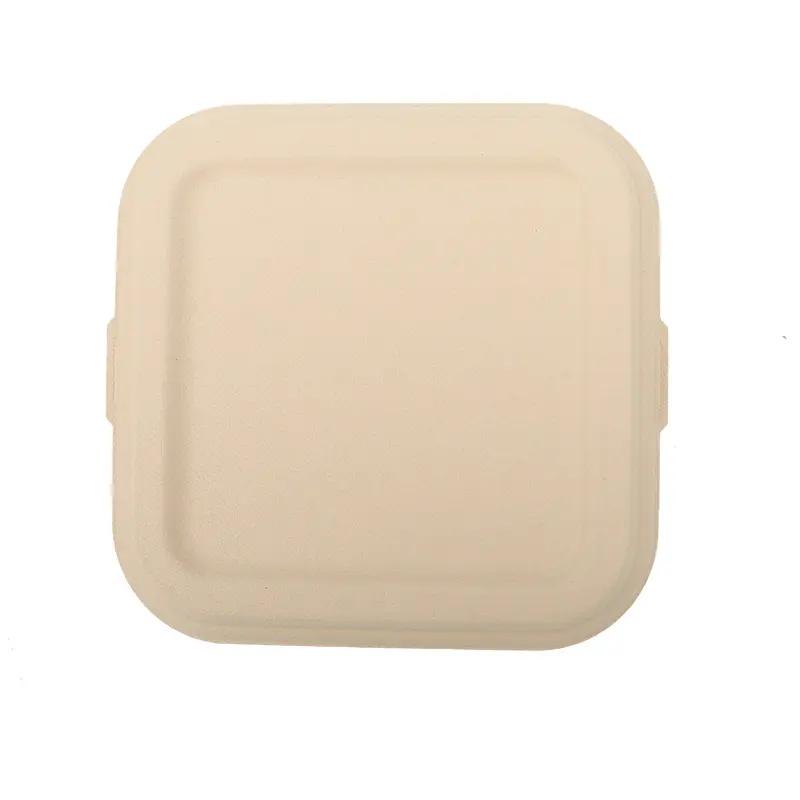 Square Lunch Box Lid
 Box Without T buckle
 850ml Salad Box
 700ml
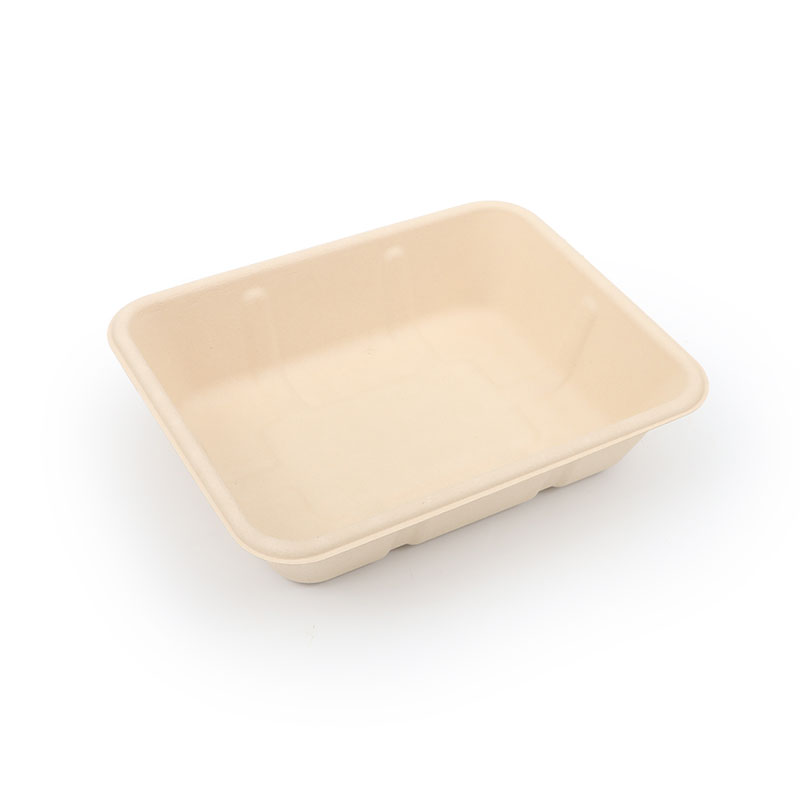 1350ml
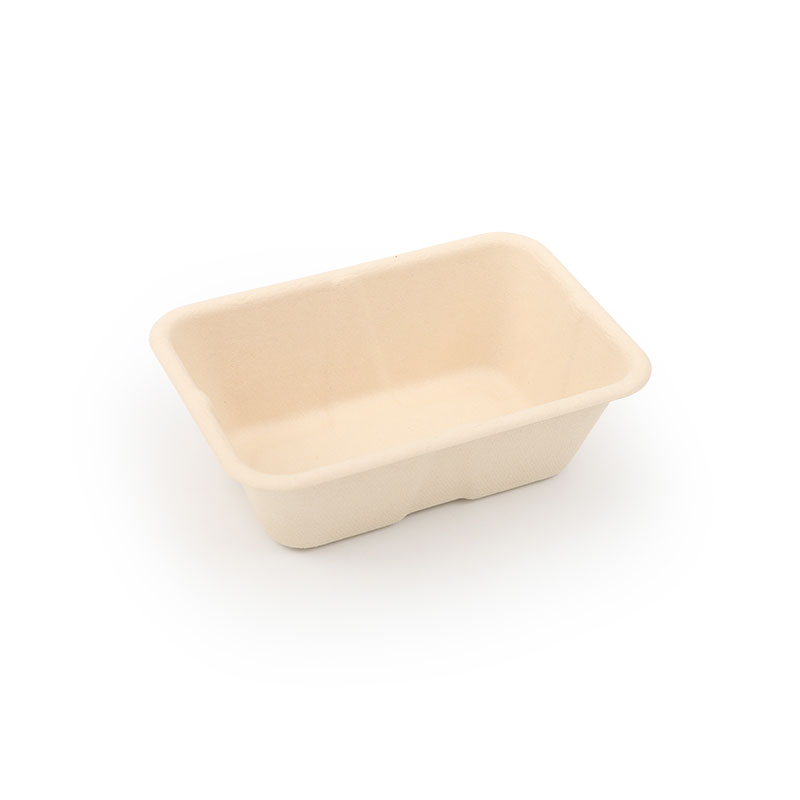 470ml
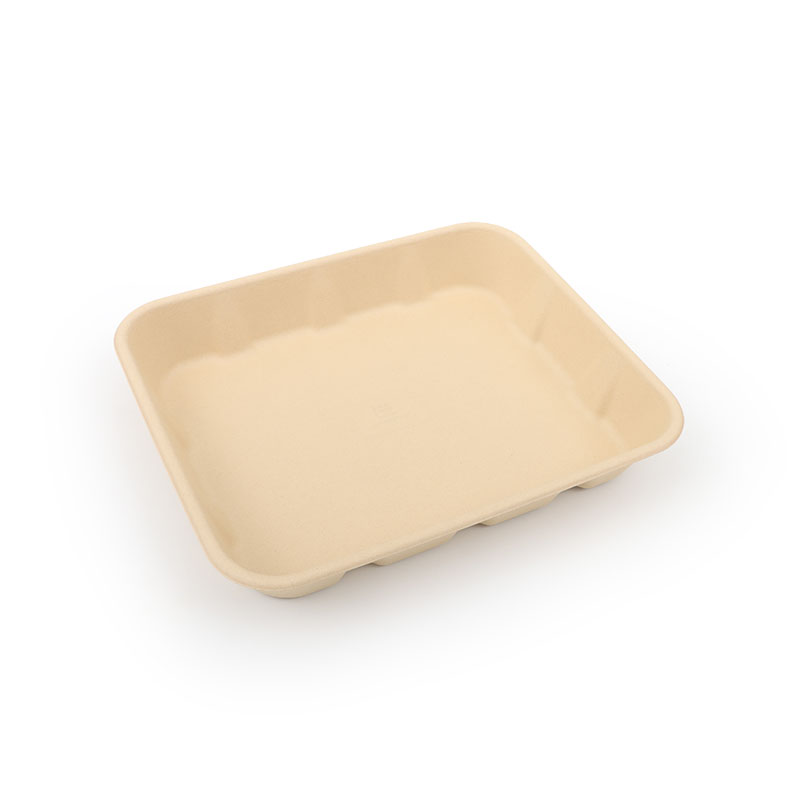 2183ml Tray Box
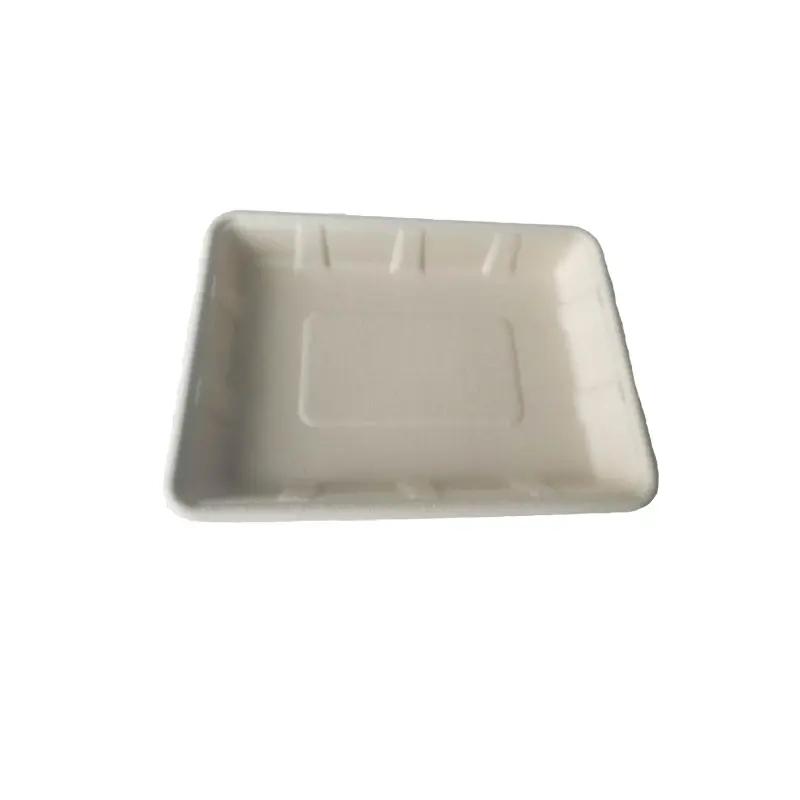 11" * 9"
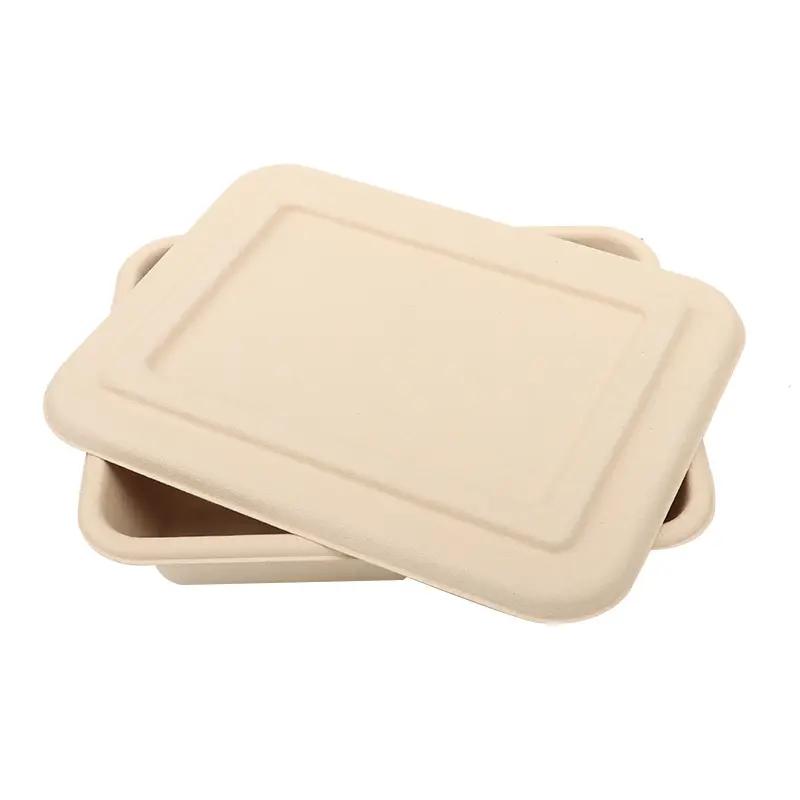 800ml
 One Part Box
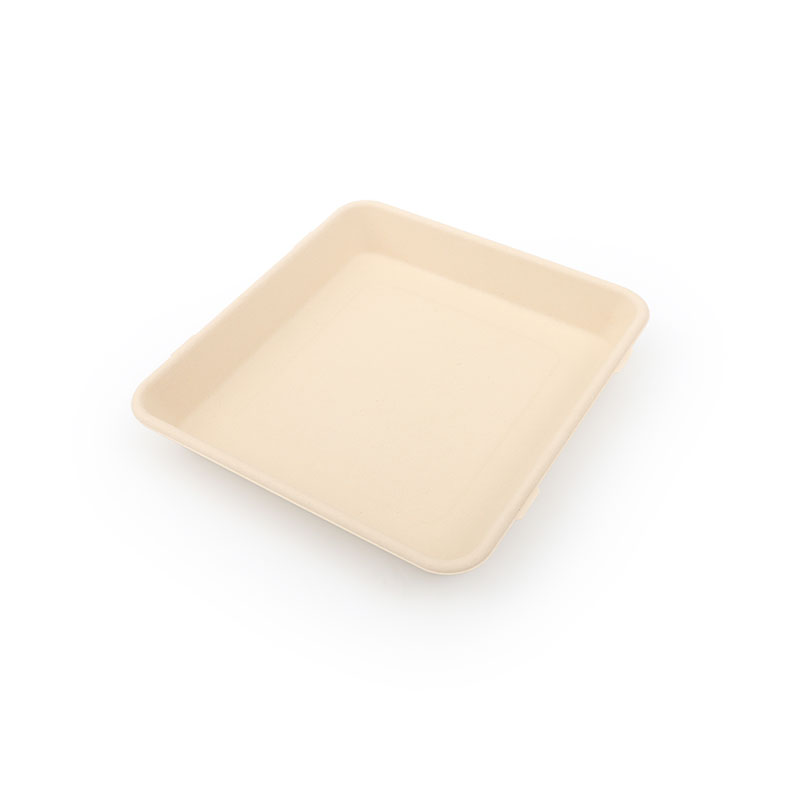 1443ml Tray Box
 Cake Bread Snack Tray Series
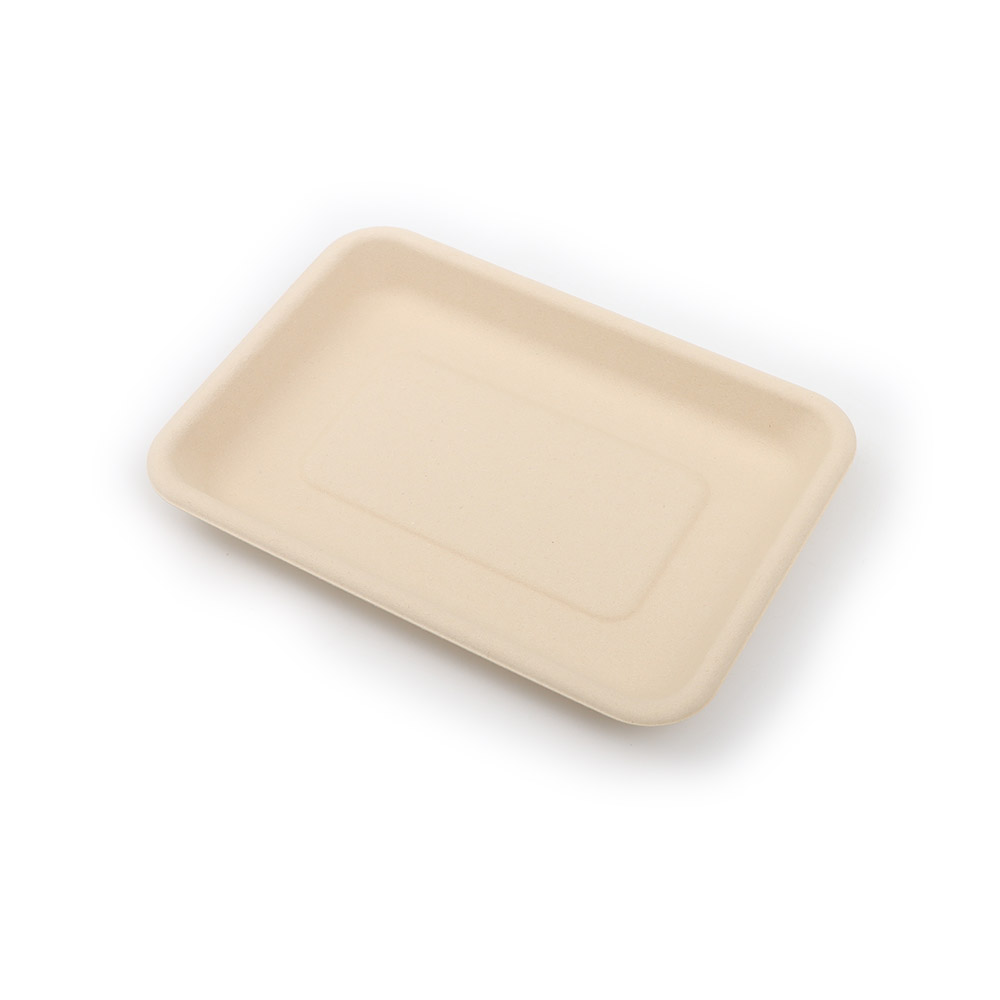 5" * 7" natural color
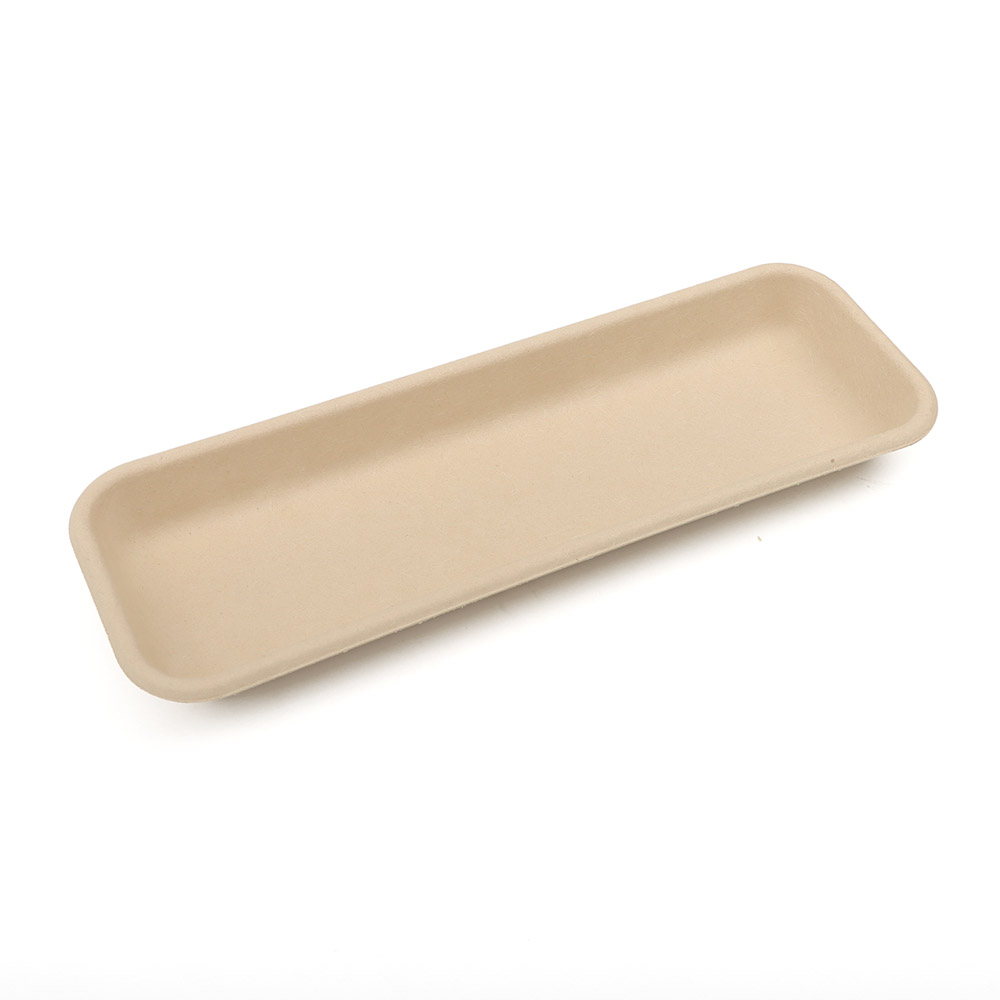 11.4" * 3.9"
 5.3" * 5.3"
 Fruit And Vegetable Tray Series
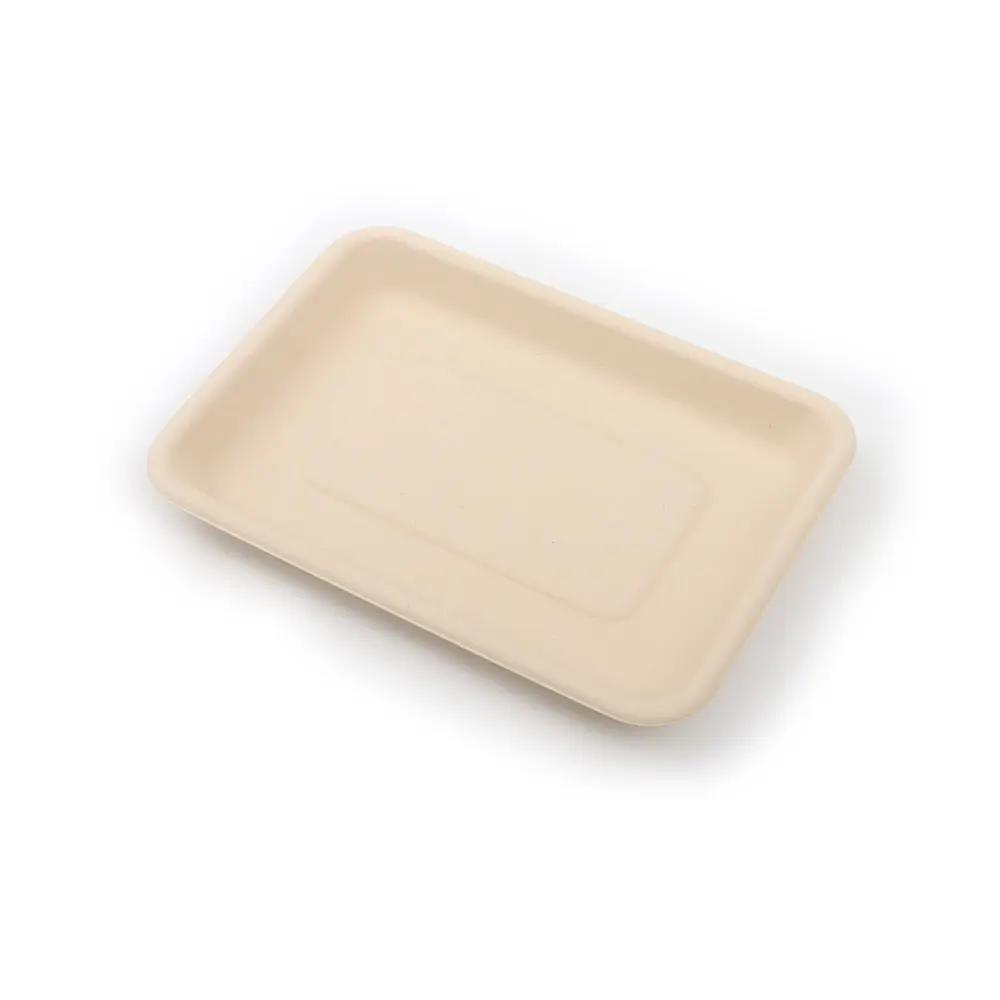 8.6" * 5.3"
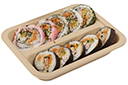 Sushi Tray Series
 200" * 140"
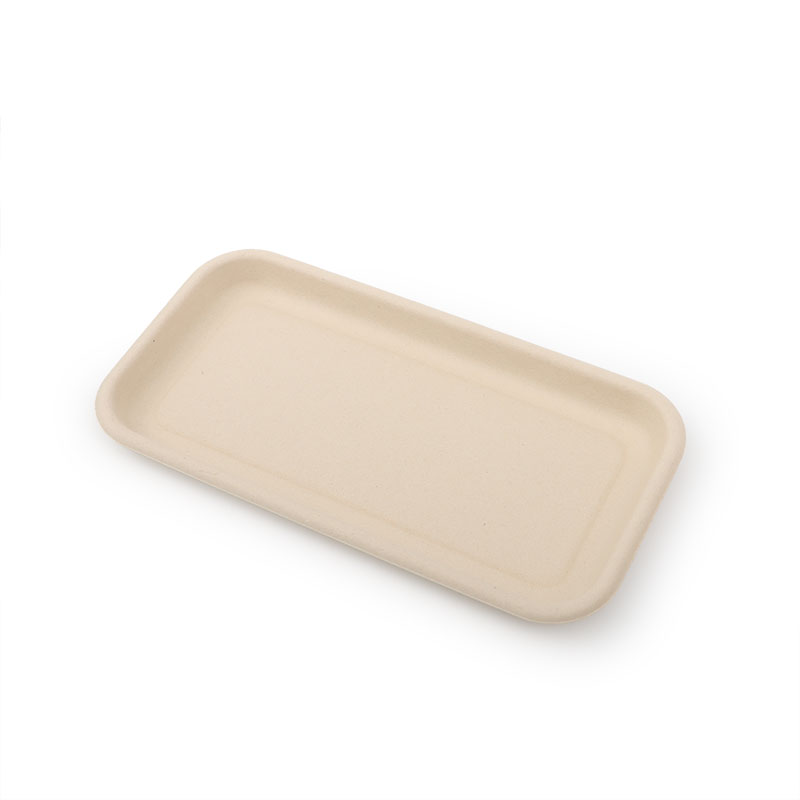 210" * 110"
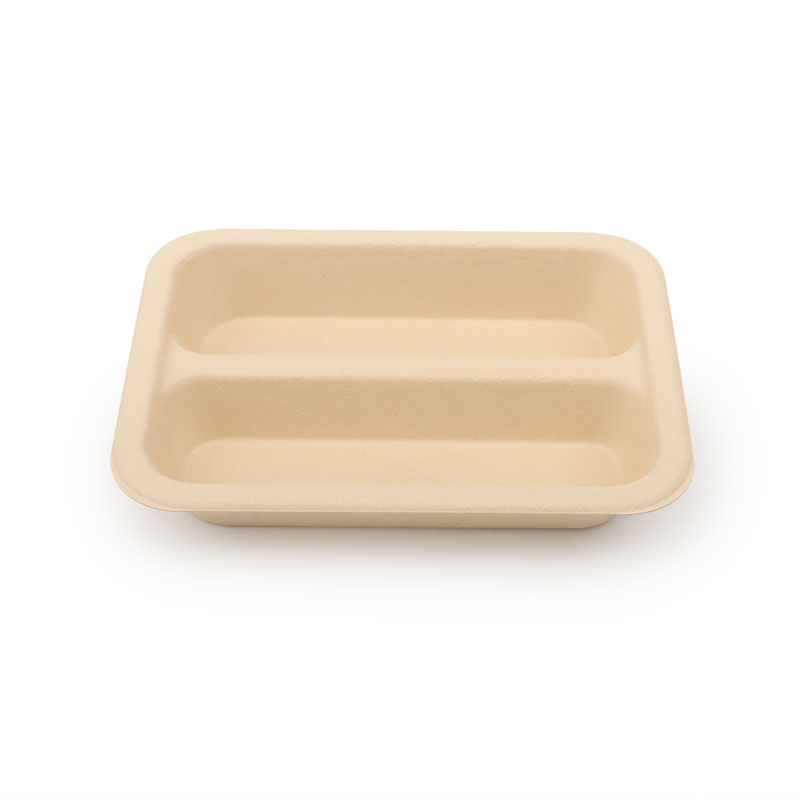 2 Compartments
 Small Round Plate Series
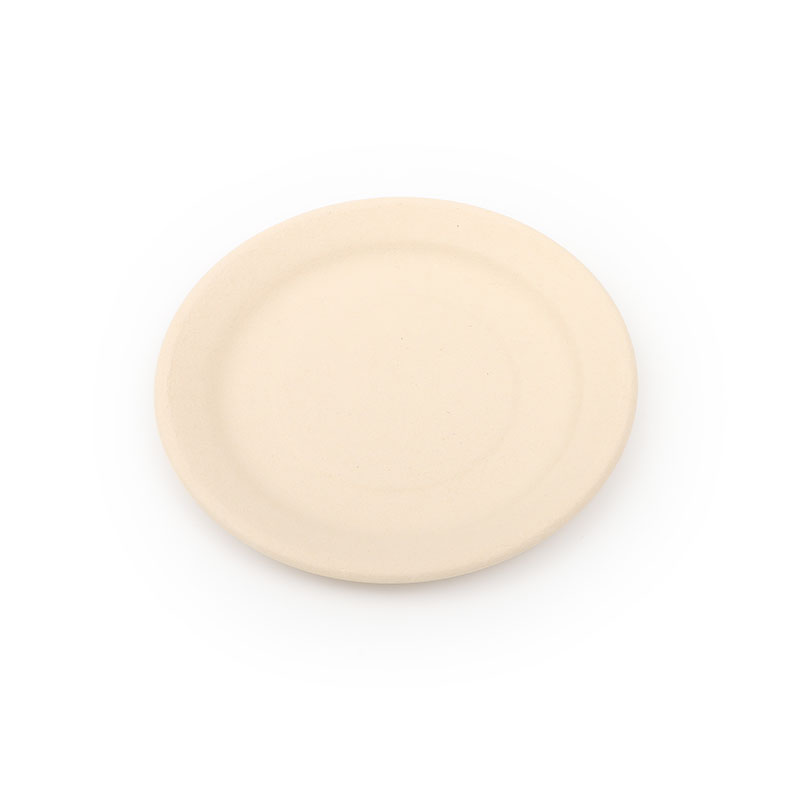 7 inch
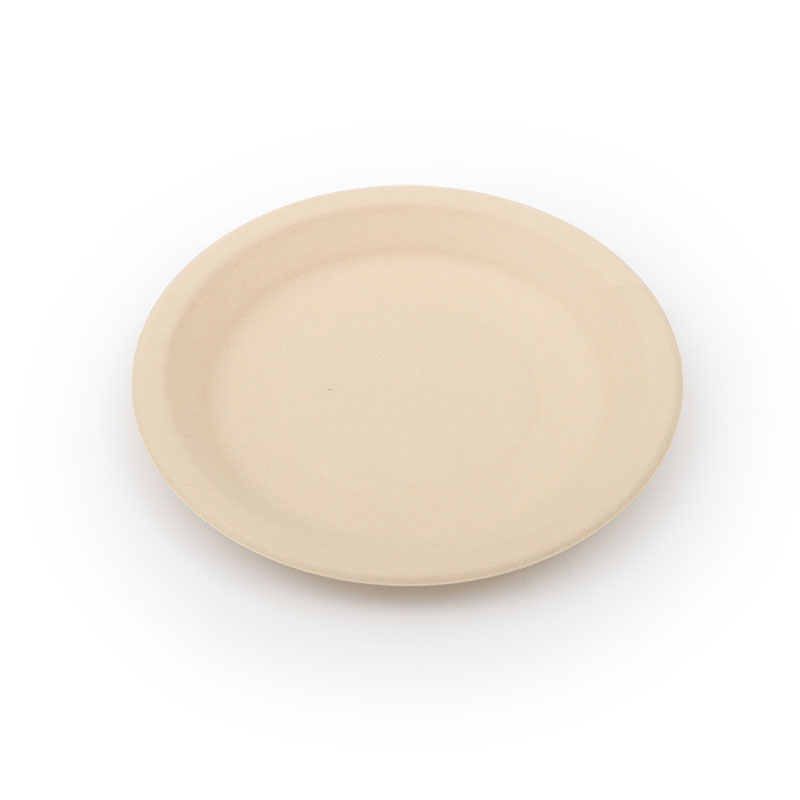 6 inch
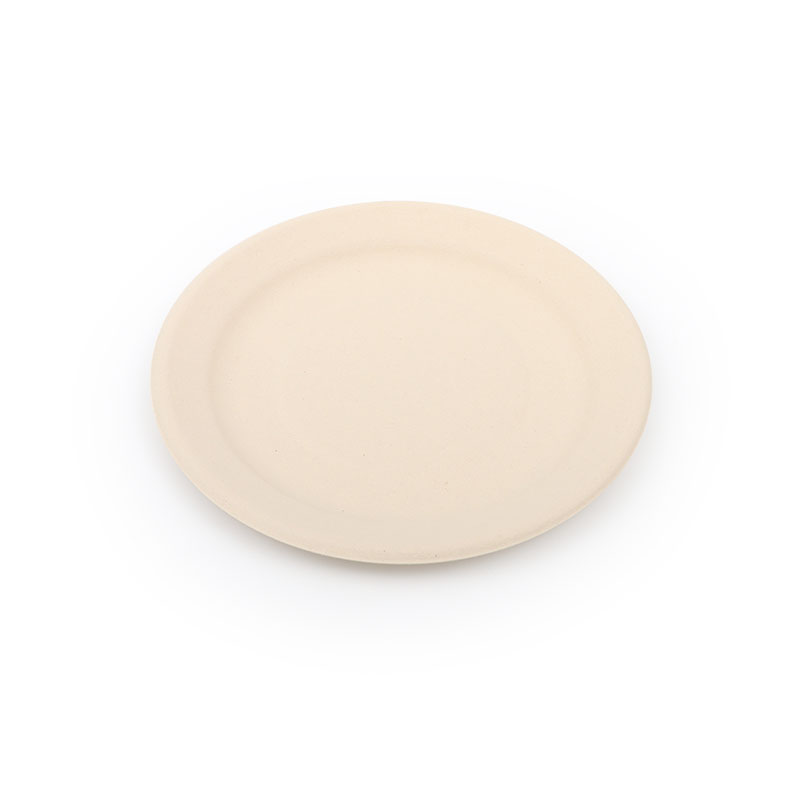 8 inch
 Middle Round Plate Series
 9 Inch 3 Compartments
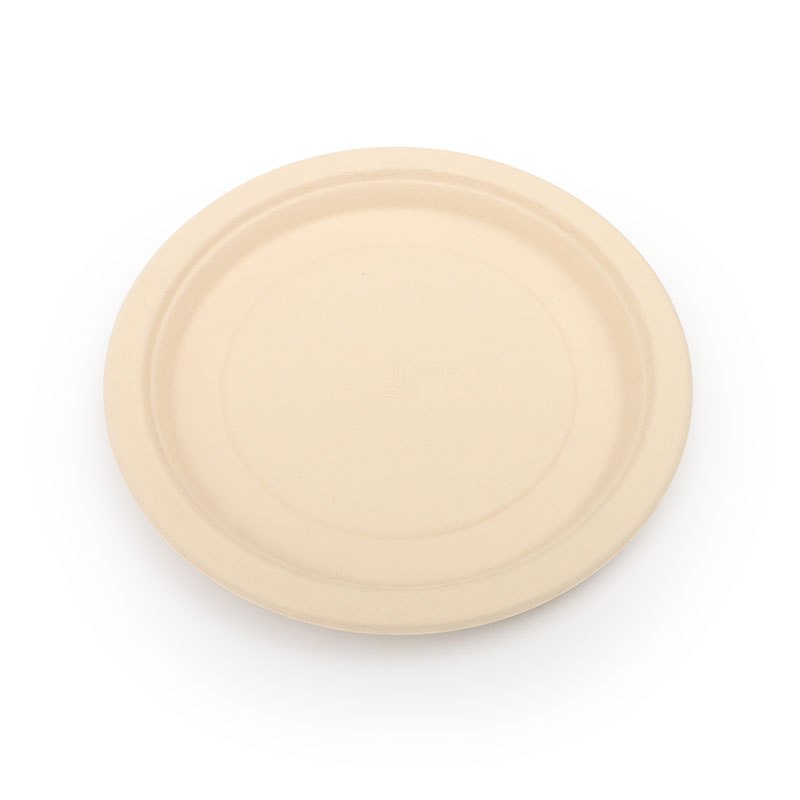 9 inch
 Big Round Plate Series
 12.7 Inch Pizza Plate
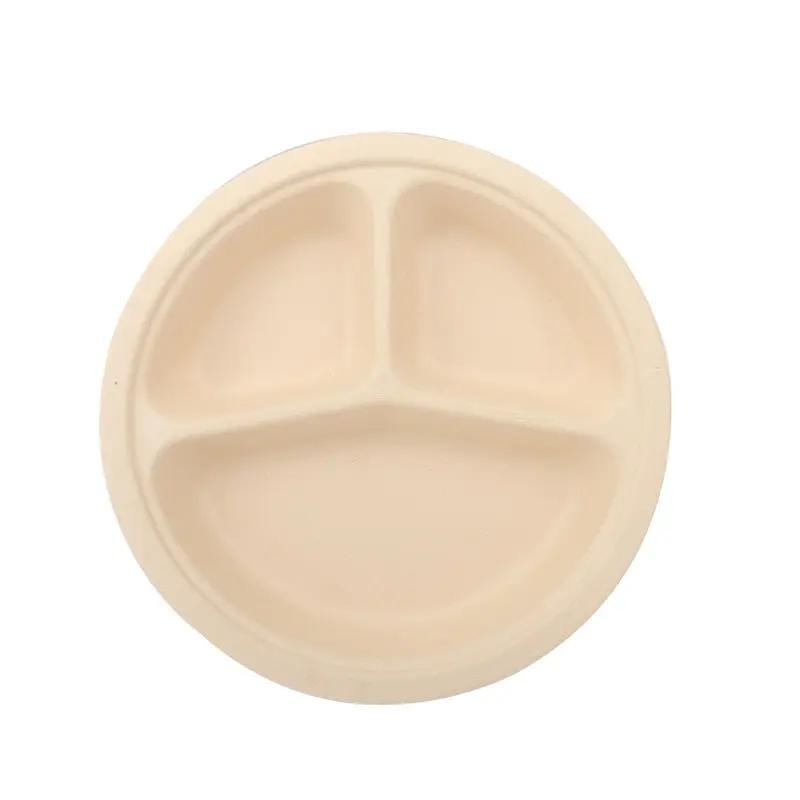 10.25 inch 3 Compartments
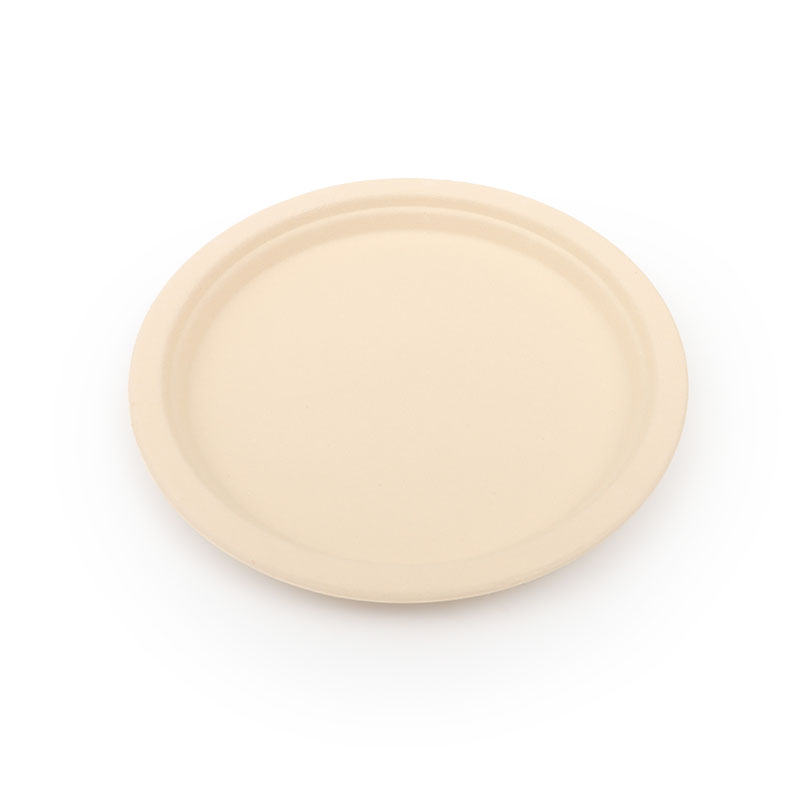 10 inch
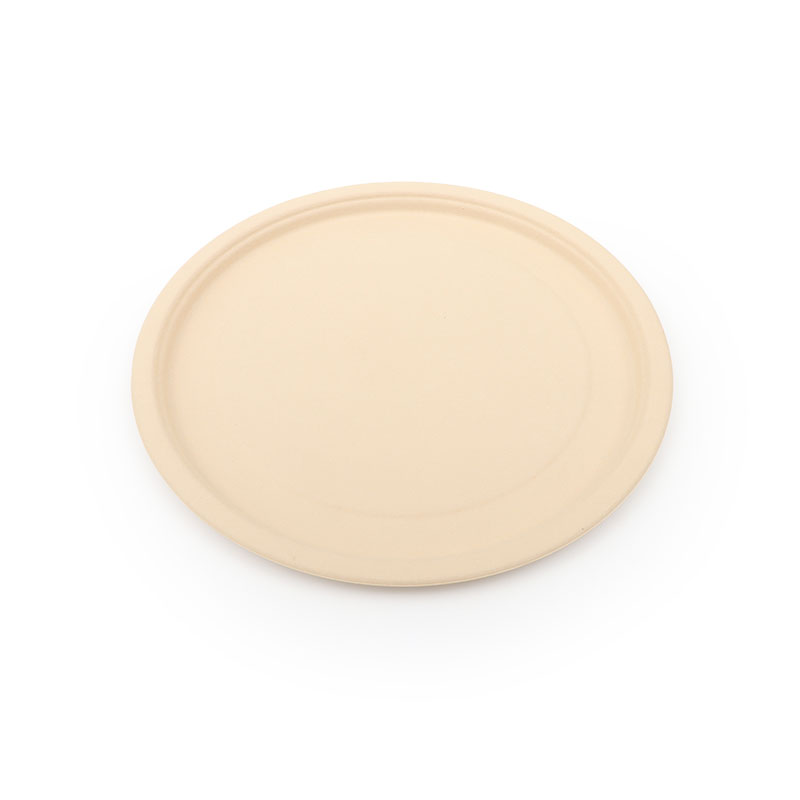 12 inch
 Bigger Bowl
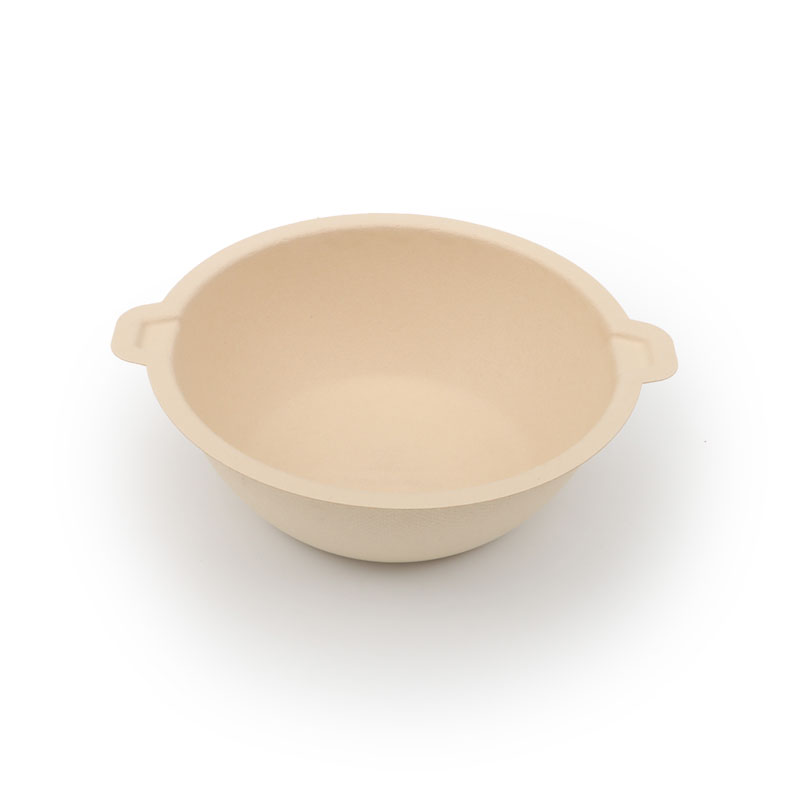 48oz(1420ml)
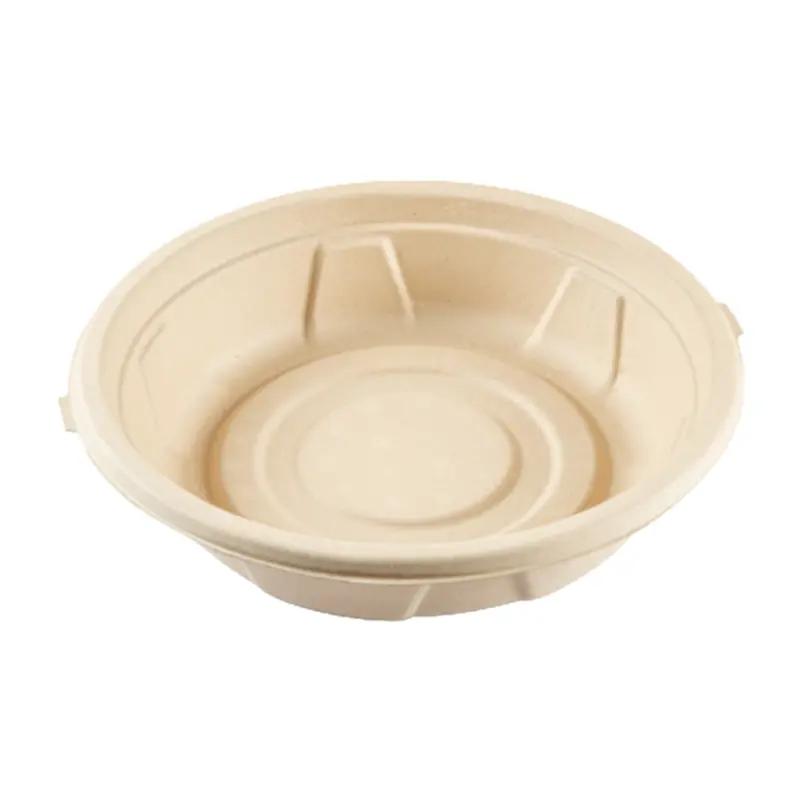 56oz(1650ml)
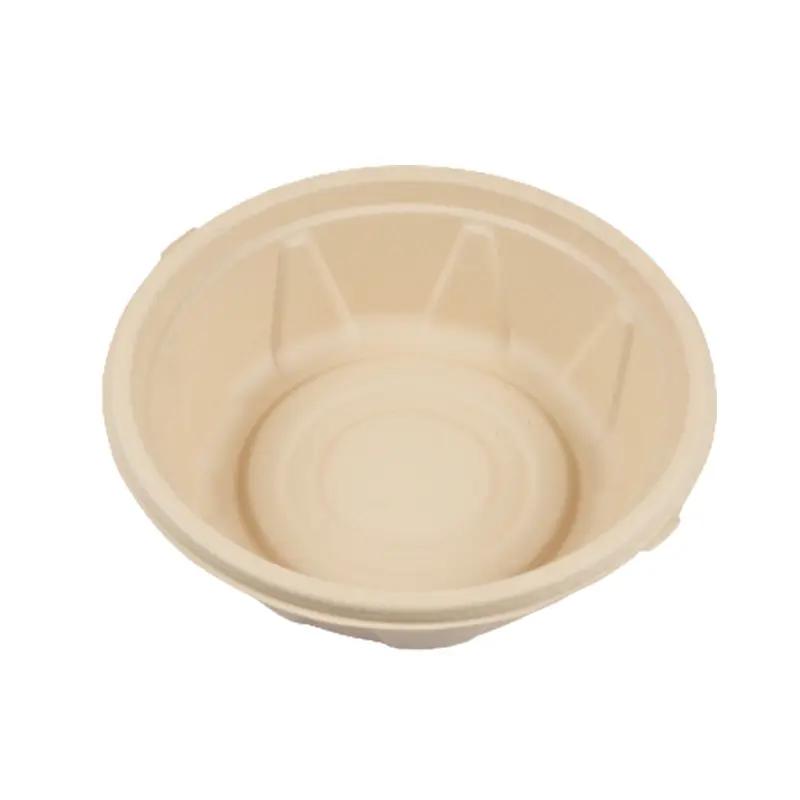 100oz(2950ml)
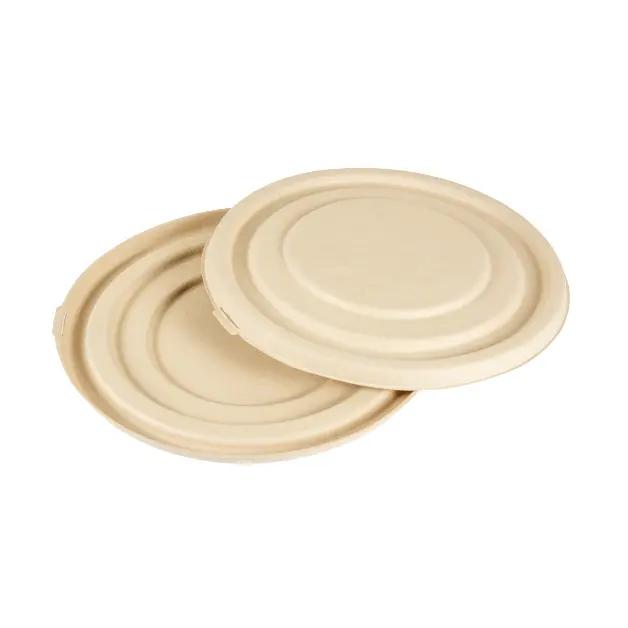 100oz(2950ml) With Lid
 Middle Bowl
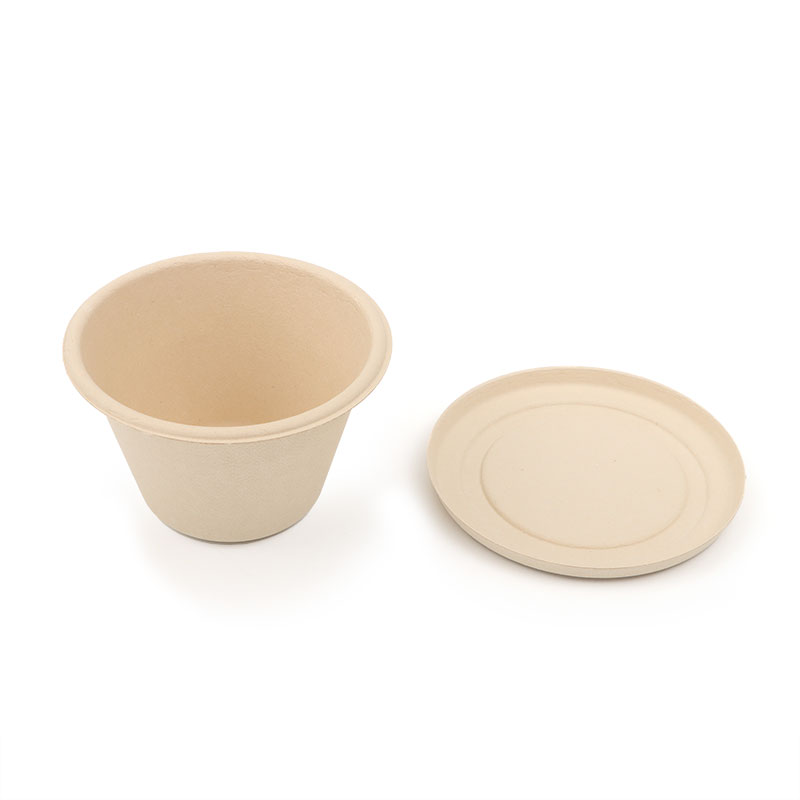 17oz(500ml)
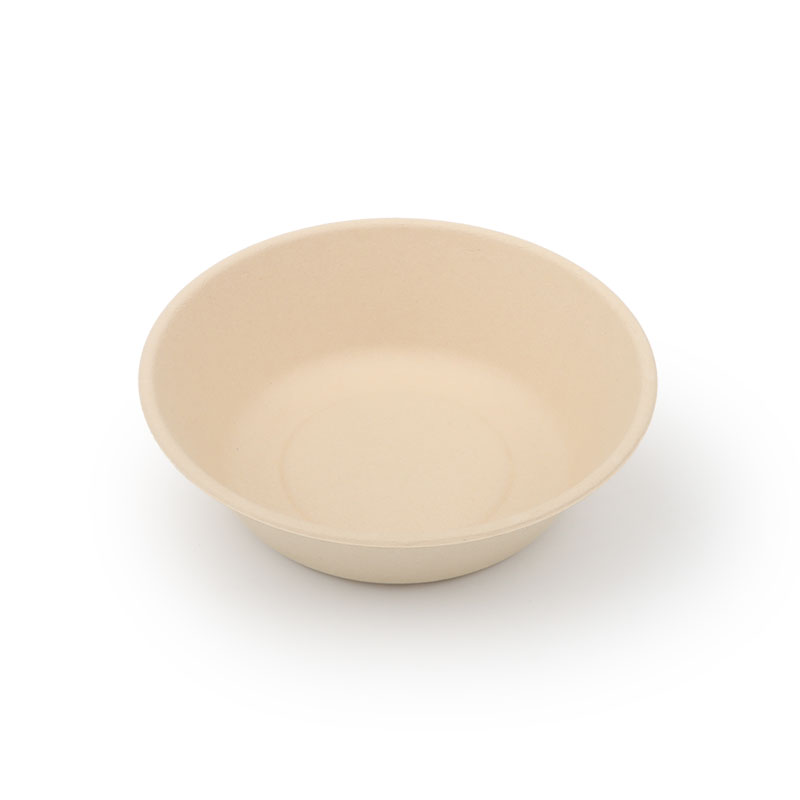 27oz(800ml)
 20oz(600ml)
 29oz(850ml)
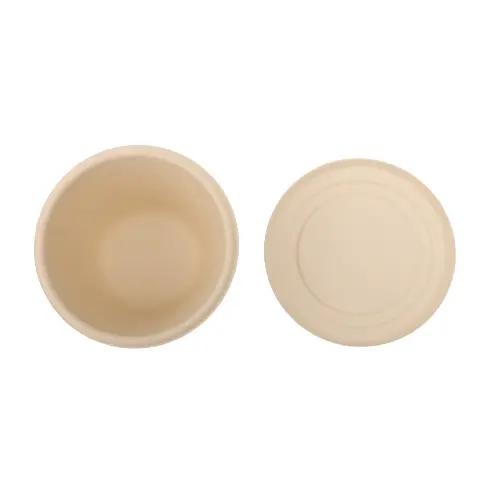 17oz(500ml) With Lid
 17oz(500ml) PET Lid
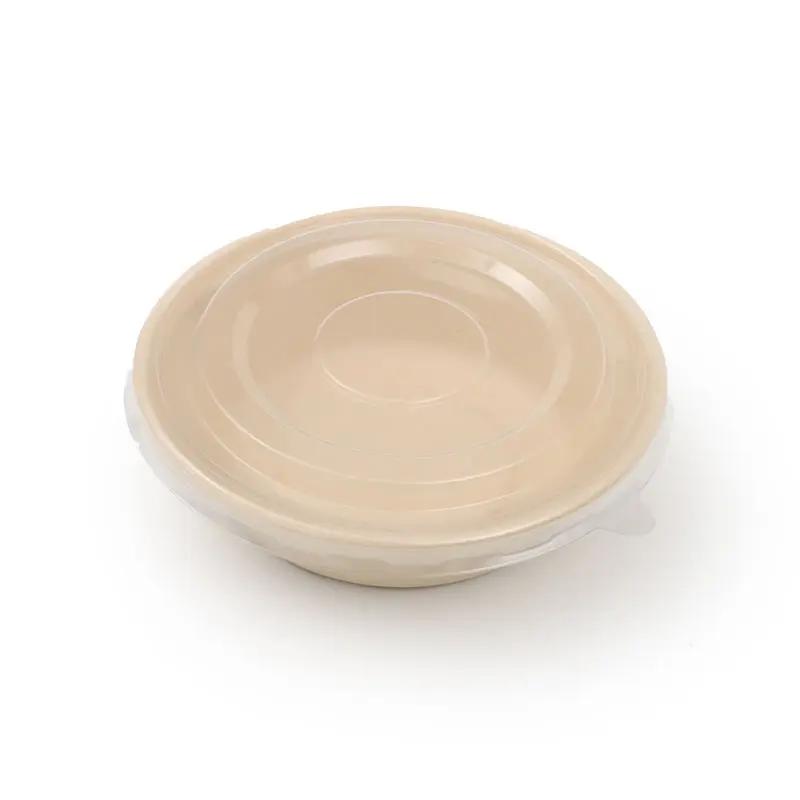 28oz(830ml) PET Lid
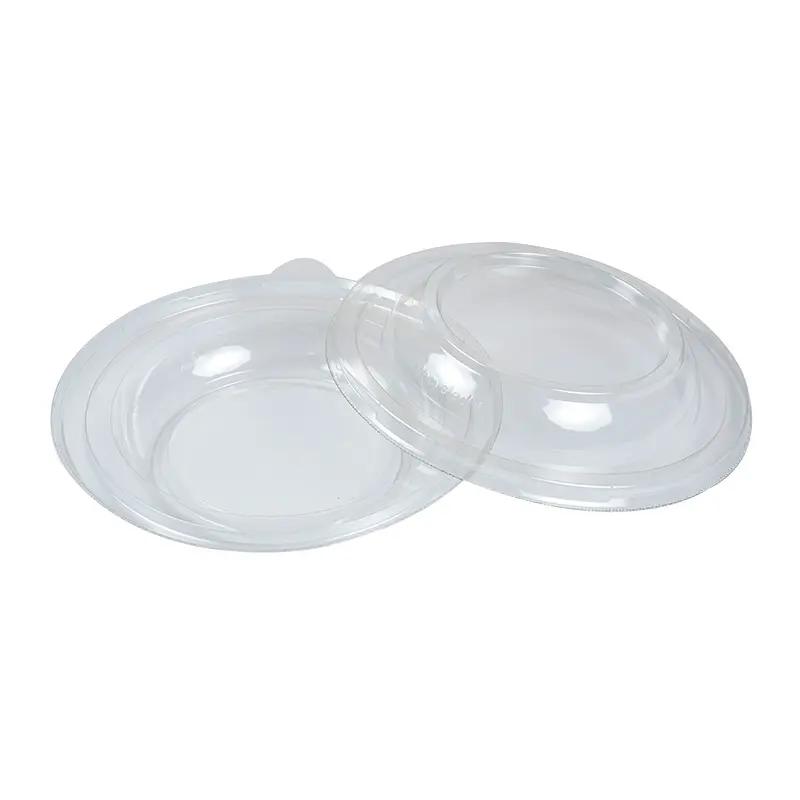 Round Bowl PET
 Small Bowl
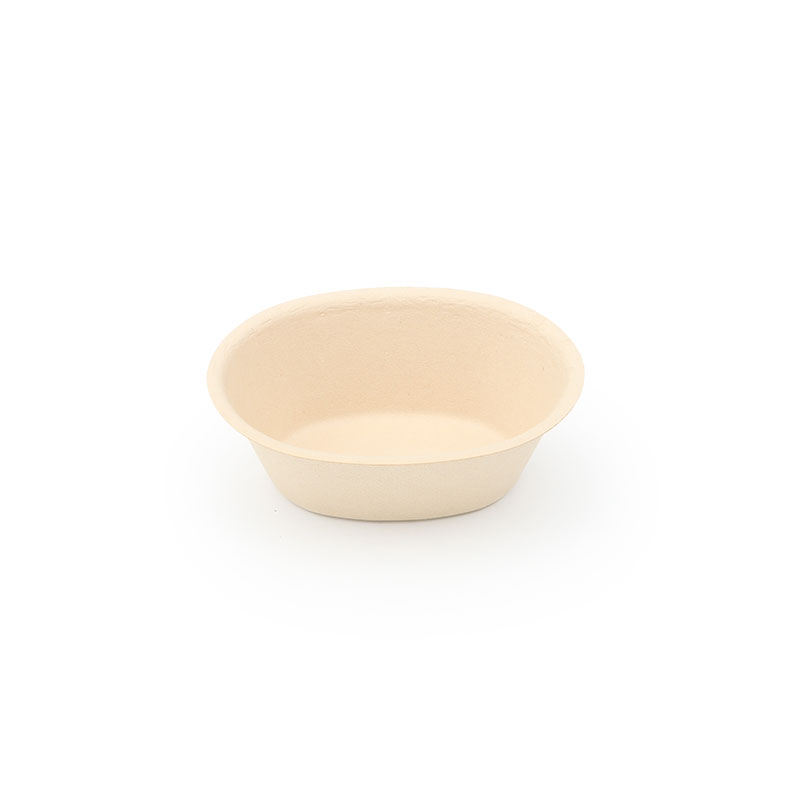 Snack Bowl
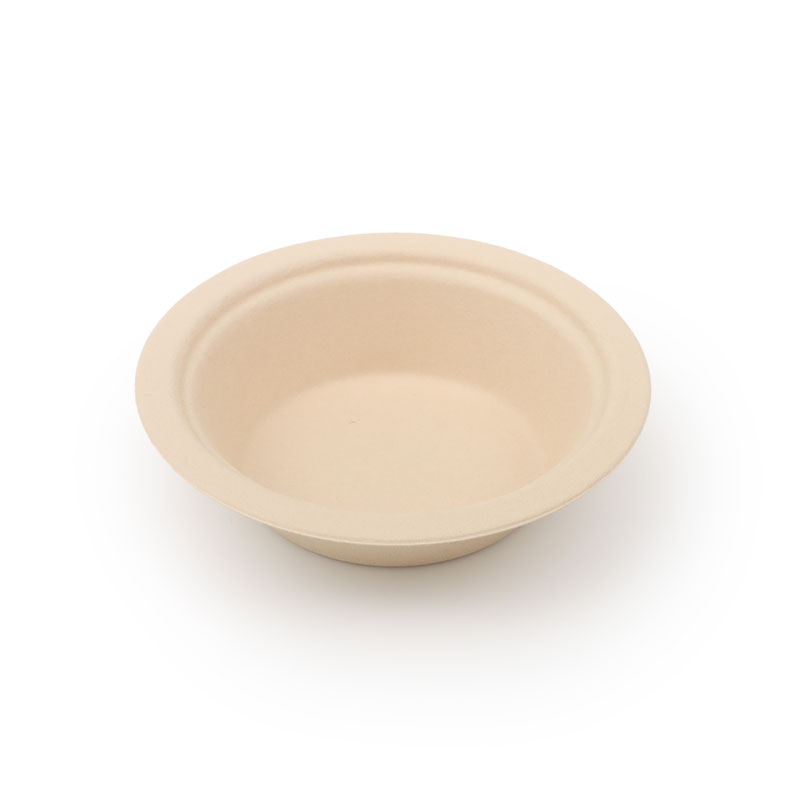 11.5oz(340ml) Bowl
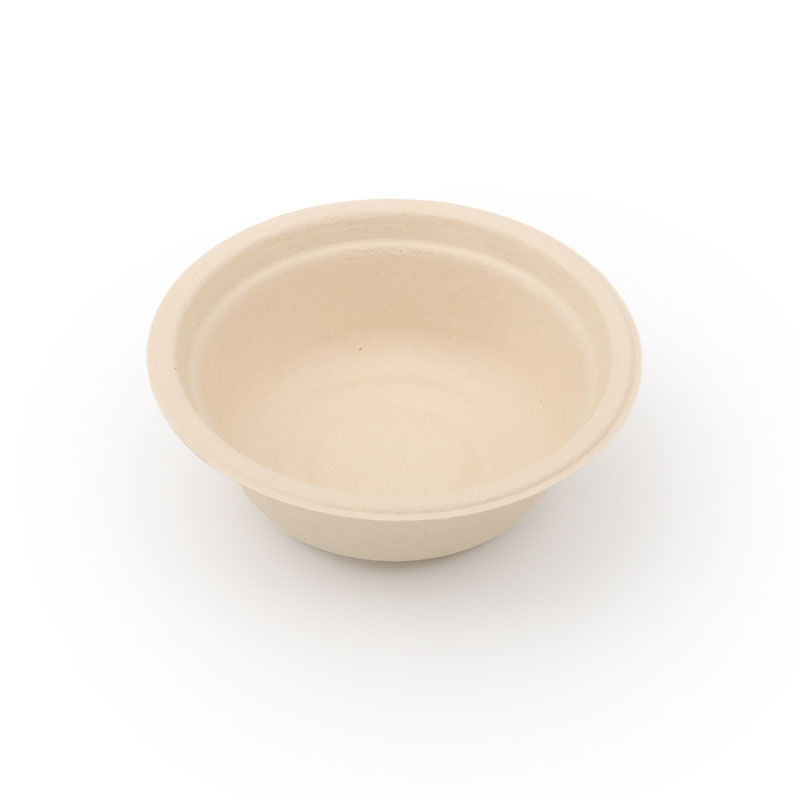 6.7oz(200ml) Bowl
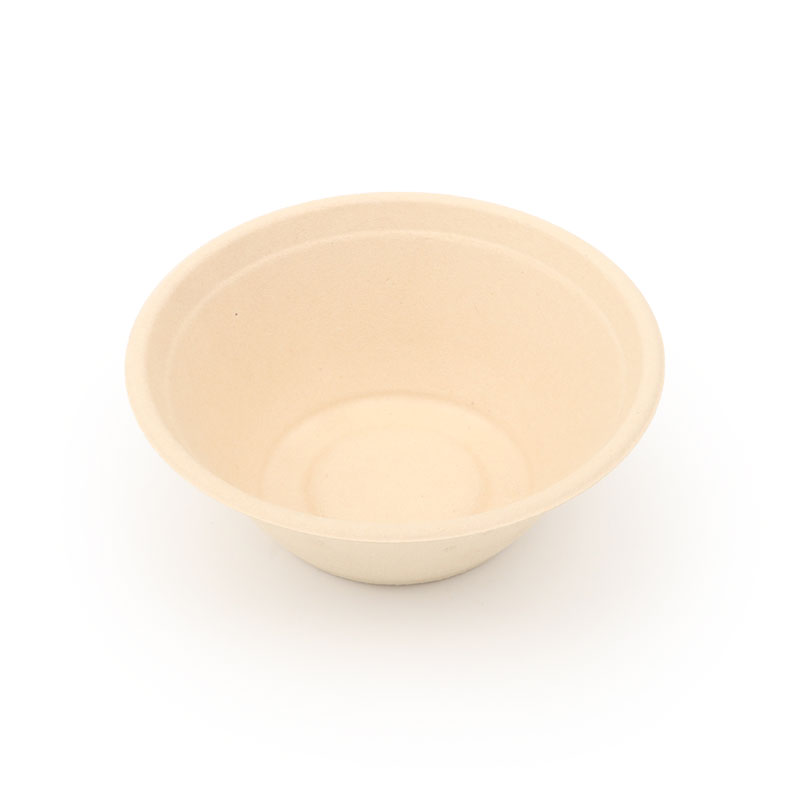 12oz(350ml) Bowl
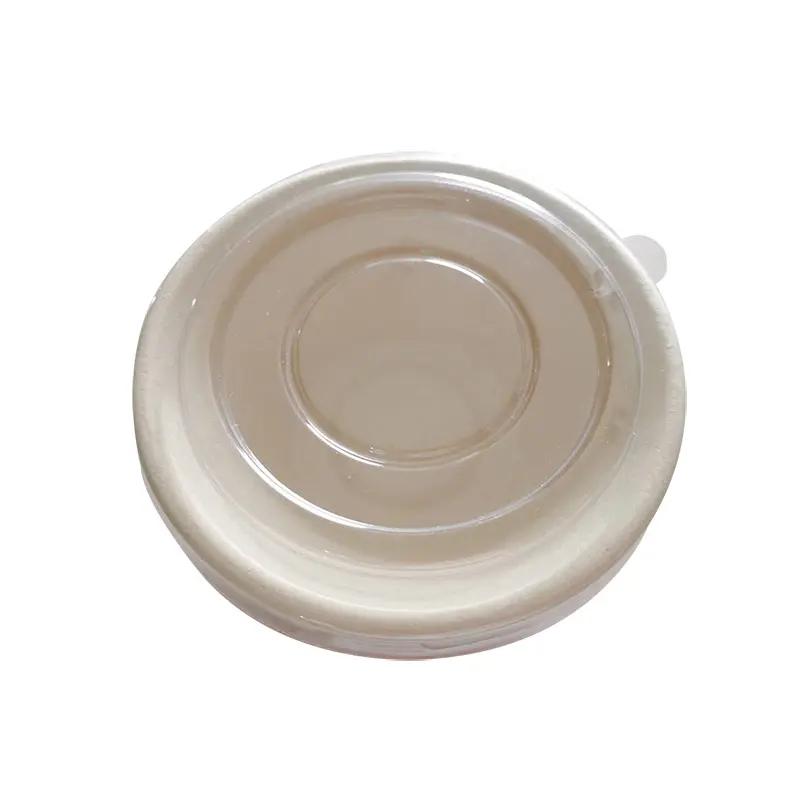 12oz(350ml) Bowl PET
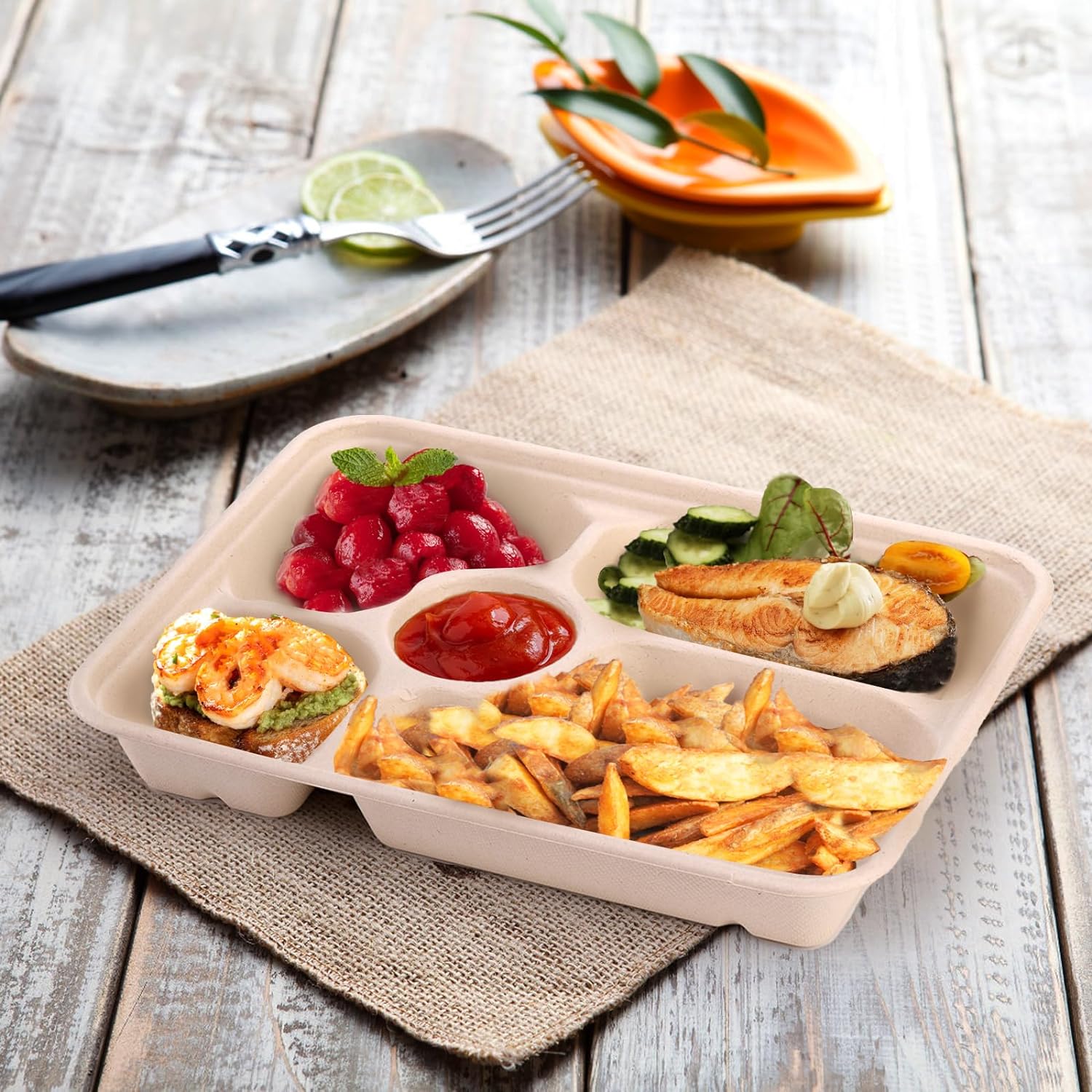 Bagasse Lunch Boxes
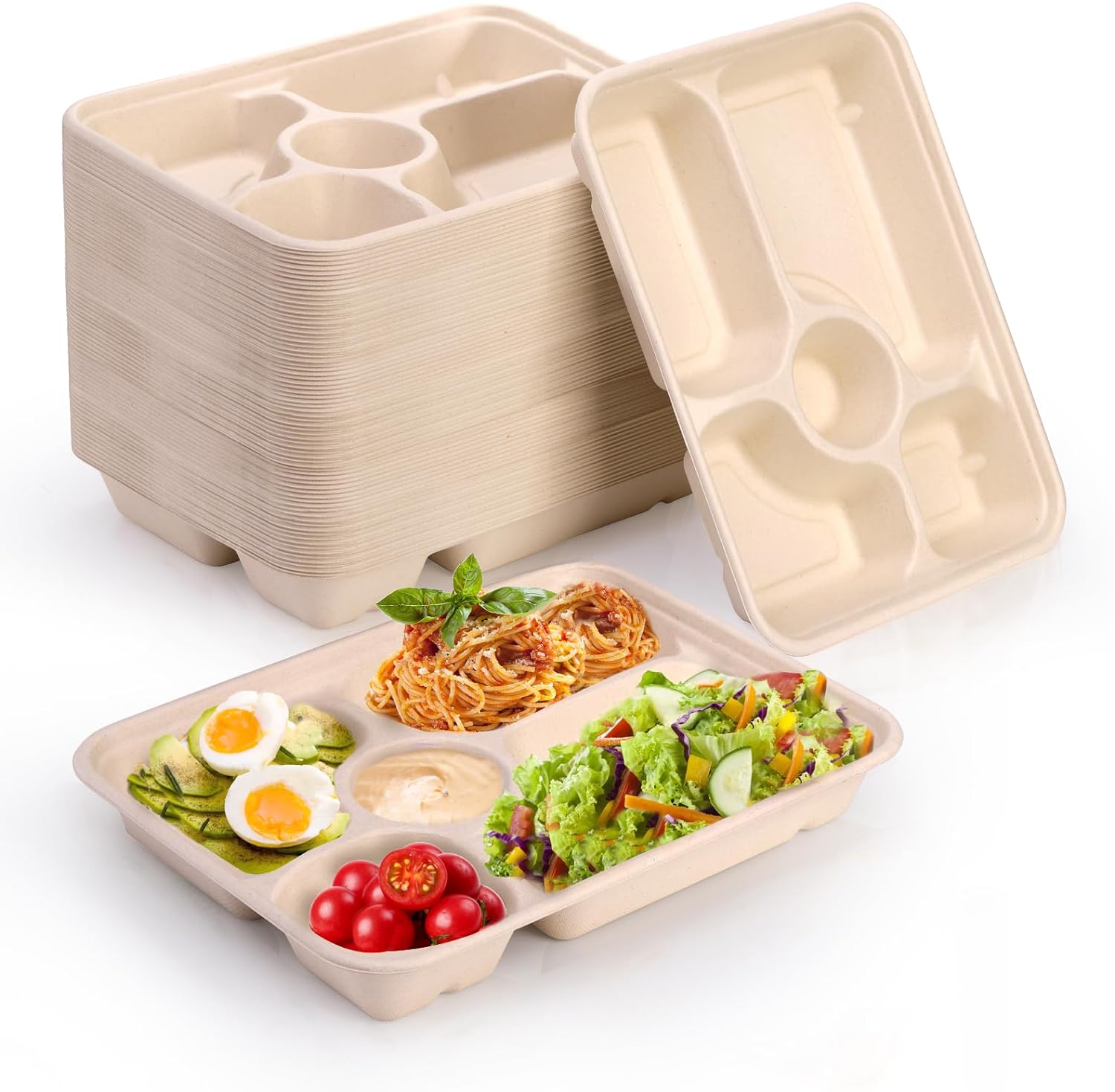 5CP
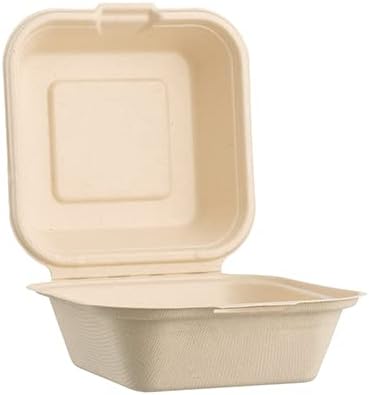 6 inch
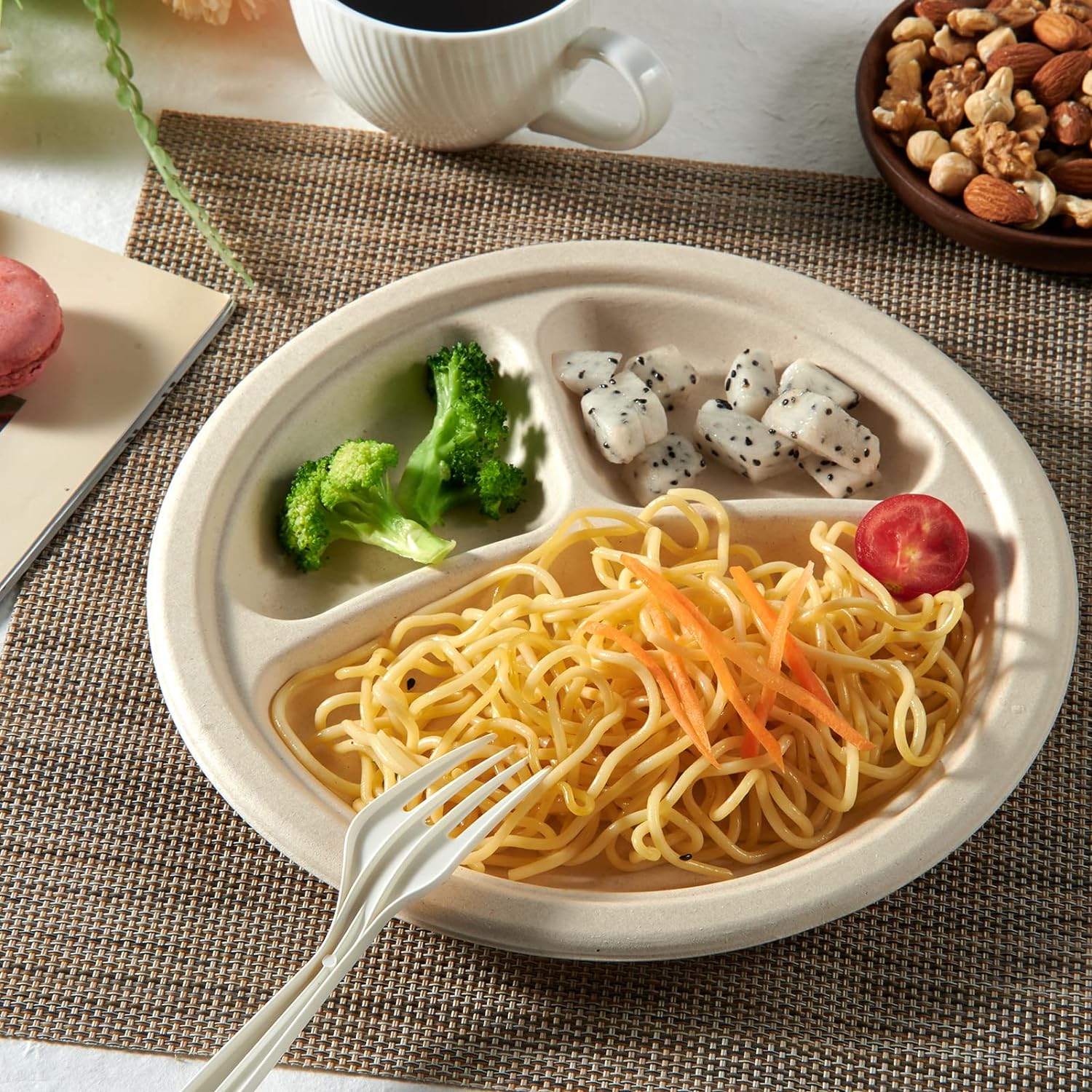 Bagasse Food Plates
 7 inch
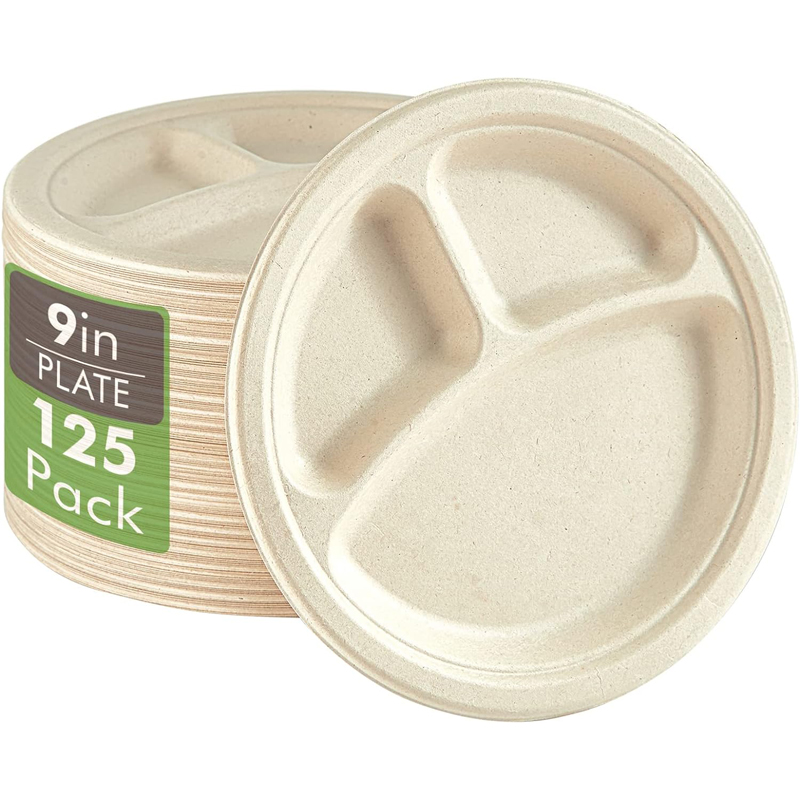 3CP
 Bagasse Bowls
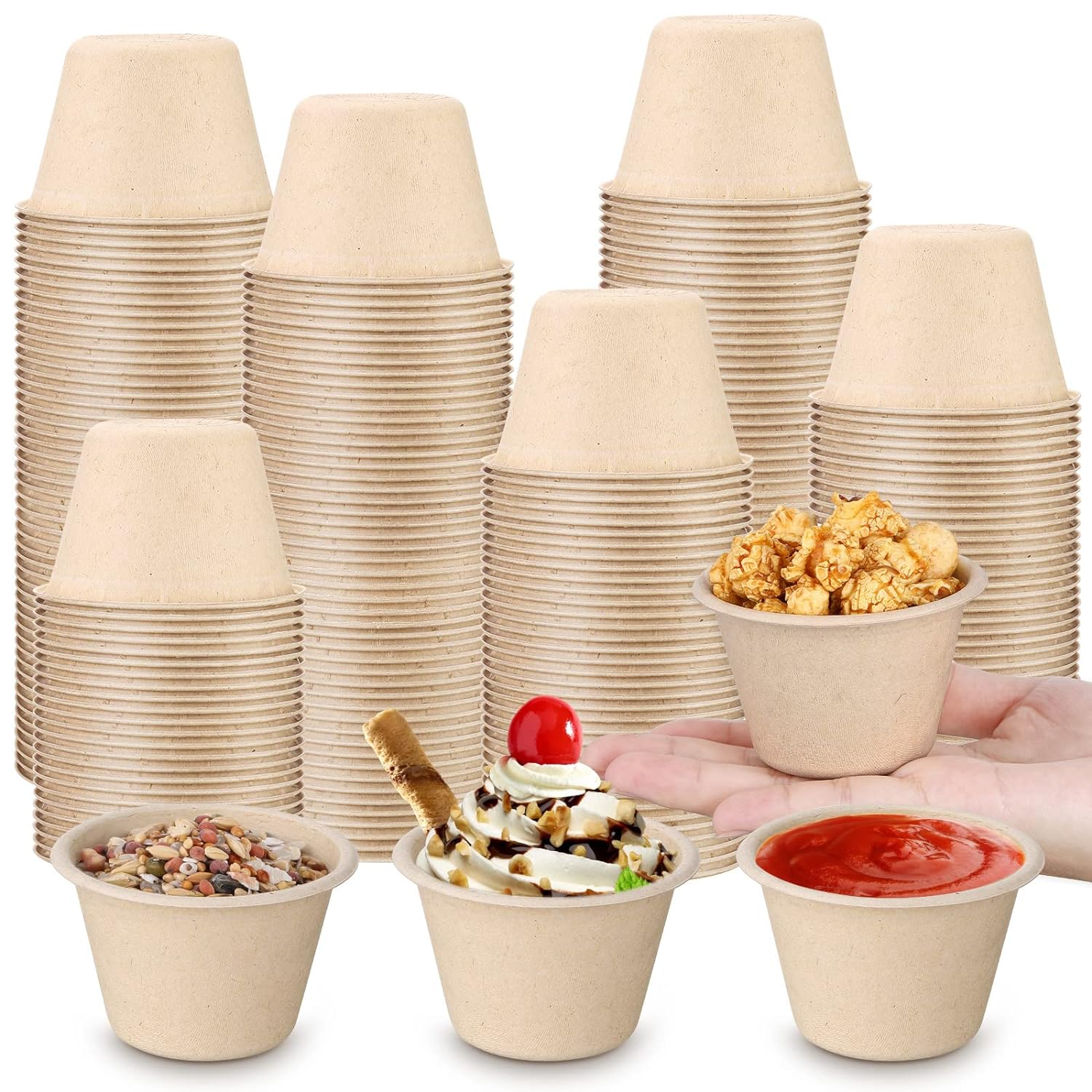 4oz
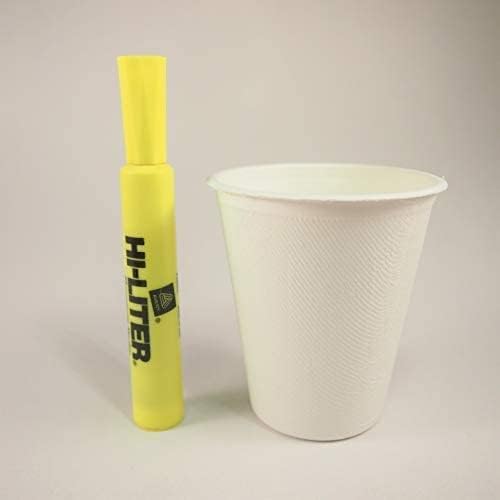 Bagasse Cups And Cutlery
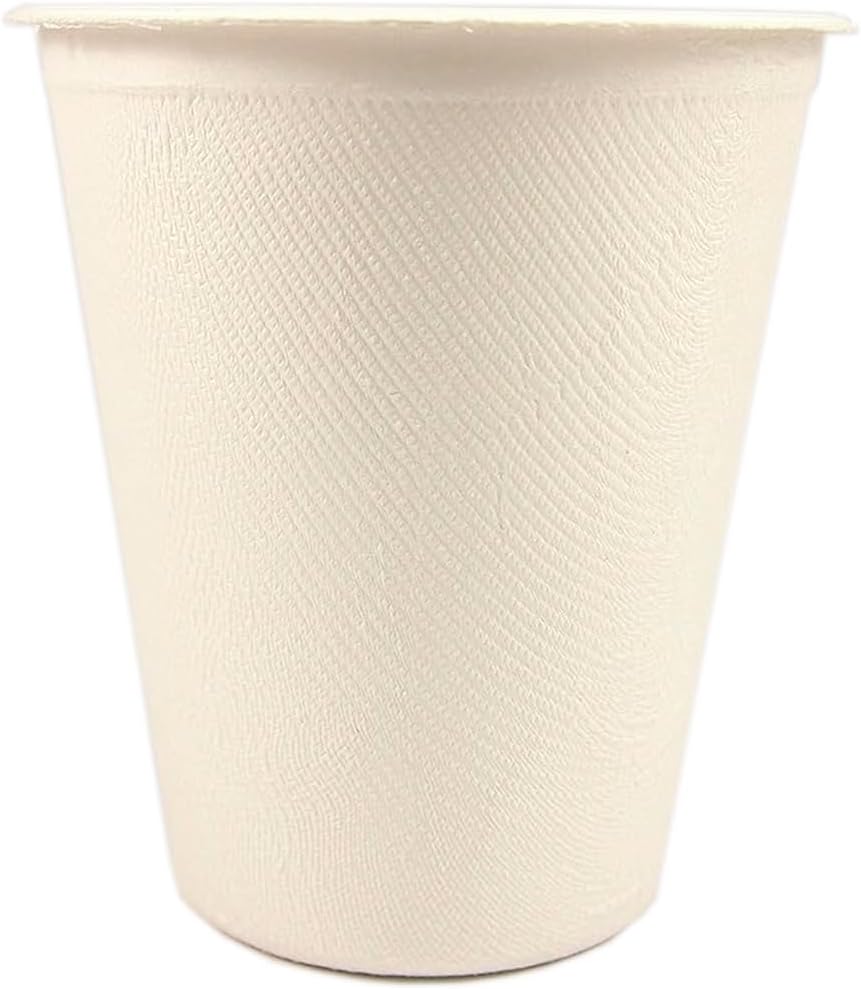 8oz
 12oz
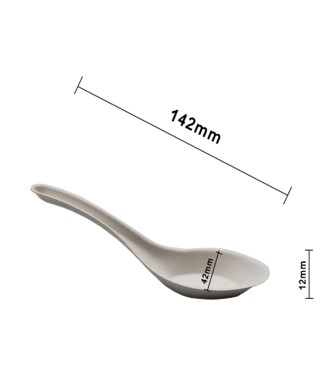 Cutlery
Leave Your Message
Explore our core engineered bio-laminated and natural molded pulp trays tailored specifically for high-temperature resilience, leak-proof food logistics, and seamless film heat sealing.
Analyzing the pivotal shift from traditional single-use petroleum plastics to high-barrier bio-laminated plant fiber solutions across global commercial catering networks.
With regulations such as the EU Single-Use Plastics Directive (SUPD), North American Extended Producer Responsibility (EPR) laws, and nationwide plastic bans across Asia, catering companies can no longer rely on expanded polystyrene (EPS) or unrecyclable multi-layer plastics. Food operators require compliant packaging with verified compostability.
Traditional oil-repellent paper containers relied heavily on fluorochemical coatings (PFAS), which are now strictly prohibited across the US and European food-contact regulatory bodies. Modern laminated molded pulp relies on proprietary water-based bio-dispersions and ultra-thin PLA/PBS laminations that guarantee zero fluorinated compounds.
The explosive rise of cloud kitchens, ready-to-eat (RTE) meal kits, and chilled food delivery necessitates packaging with Modified Atmosphere Packaging (MAP) compatibility, micro-vent hermetic sealing, and extreme rigid stability during rigorous transit over extended periods.
Molded fiber tableware has long been recognized for its environmental sustainability, yet raw molded pulp often faces technical limitations when handling hot, greasy gravies, steaming curries, acidic dressings, and prolonged liquid holding. Without specialized surface modification, hot steam can condense, soften the fiber walls, and cause structural sagging or bottom wetting during 30 to 60-minute delivery journeys.
Laminated tray technology bridges this gap completely. By fusing a micron-thin bio-based film (such as biodegradable PLA, PBAT, PBS, or aqueous barrier coatings) directly onto the bamboo and sugarcane matrix under precision thermoforming pressure, the tray achieves flawless oil-hold (Kit 12+), zero moisture leakage, and an airtight sealing flange. This enables automated heat-sealing film lines in industrial catering kitchens, extending food shelf life while keeping meal temperatures intact.
Discover how laminated pulp trays optimize thermal performance, structural integrity, and brand value across distinct high-volume catering verticals.
For high-turnover delivery hubs handling scalding broths, stir-fries, and oily proteins, our laminated trays resist thermal degradation up to 120°C. They eliminate bottom sweat, prevent cardboard odors from permeating food, and retain container rigidity even when stacked 5 layers high inside courier thermal bags.
Airlines demand ultra-lightweight, uniform, and stackable food trays that fit precisely into galley convection ovens and standard Atlas trolleys. Our laminated bamboo fiber trays withstand blast freezing down to -20°C and instant oven regeneration at 120°C without curling, odor emissions, or delamination.
University dining halls, corporate cafeterias, and hospital dietary systems rely on multi-compartment laminated pulp trays to prevent flavor transfer across portioned entrees, gravies, and desserts. The trays facilitate high-speed automated lidding and clear top films for rapid batch assembly.
In rigorous hydrostatic and lipophilic testing, unlaminated fiber containers typically exhibit water penetration after 35-45 minutes under boiling liquids (95°C+), whereas bio-laminated molded trays maintain 100% leak-proof integrity beyond 4 hours of continuous exposure. Furthermore, the oxygen transmission rate (OTR) and water vapor transmission rate (WVTR) are dramatically reduced, enabling central production kitchens to package cooked dishes, chilled ready meals, and fresh deli selections with significantly prolonged product freshness.
In the field of environmentally friendly packaging for 18 years, Has established cooperation with 500+ brands.
Through our research and development, there are more than 60 products can product, we also support OEM ODM customized services.
Exported to the United States, Europe, Australia, Canada and other countries, right now we have exported more than 30 countries.
10000+ square meters factory area, more than 30 patent certificates, 10 foreign authoritative certification, 55 automatic forming machines...
EATware is committed to sustainable development, using all natural plant fibers to produce safe, healthy and environmentally friendly tableware.
We focus on the continuous development of safe, high quality and environmental standards across all manufactured food-contact products.
EATware emphasizes environmental protection and sustainable development, explores the balance between enterprise survival and environmental protection, and uses all-natural and pollution-free bamboo fiber as the main material of tableware to ensure that its products meet the high technical level and are superior to developed countries.
Kangxin (HaiMen) Environmental Technology Co., Ltd. is a technology innovation oriented enterprise that focuses on disposable environmentally friendly tableware and food packaging.
We have advanced production processes and equipment, and continue to attract senior talents, focusing on environmental protection, emphasizing safety, and ensuring quality across our full product ecosystem.
Explore our virtual factory tour to witness our cleanroom production standards and automated thermoforming technology:
READ MOREOur products comply with the highest food safety and compostability certifications recognized worldwide:
Empowered by over 30 proprietary patent certificates covering advanced automated fiber molding, rapid prototyping, and high-efficiency sterilization:
Stay informed with technical research, industry manufacturing trends, and quality verification standards in biodegradable food packaging.
The most reliable way to test disposable food containers is to combine leakage testing with structural testing under conditions that reproduce the intended food application. A container should not be approved simply because it holds water for several minutes or survives an empty compression tes...
For foodservice operators, replacing conventional plastic packaging is not simply a matter of changing materials. Disposable biodegradable tableware must still withstand hot food, sauces, oils, condensation, stacking, transport, and commercial handling without losing structural integrity. Poorl...
With growing global demand for takeaway meals and eco-friendly packaging, China's manufacturing sector has become a major hub for disposable food containers. Today's food businesses - from fast-food chains and meal-delivery services to supermarkets and catering companies - are looki...
Proudly collaborating with international airline caterers, supermarket chains, hospitality conglomerates, and delivery pioneers worldwide.
Browse our complete catalog of certified compostable, PFAS-free, and high-barrier molded fiber food packaging solutions built for food delivery and catering excellence.


