
 Box With T buckle
 700ml Square Lunch Box
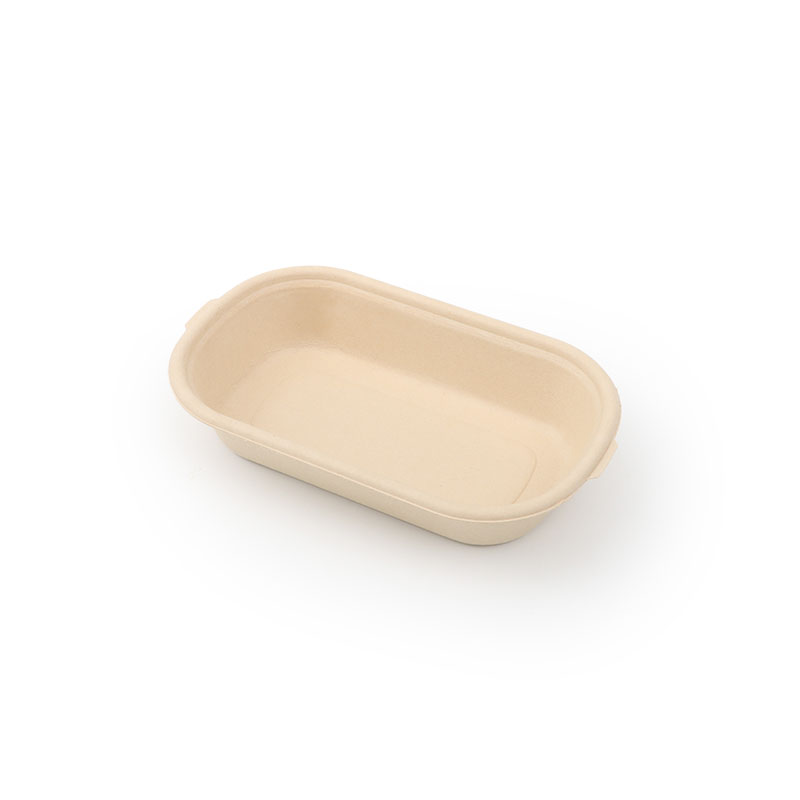 500ml
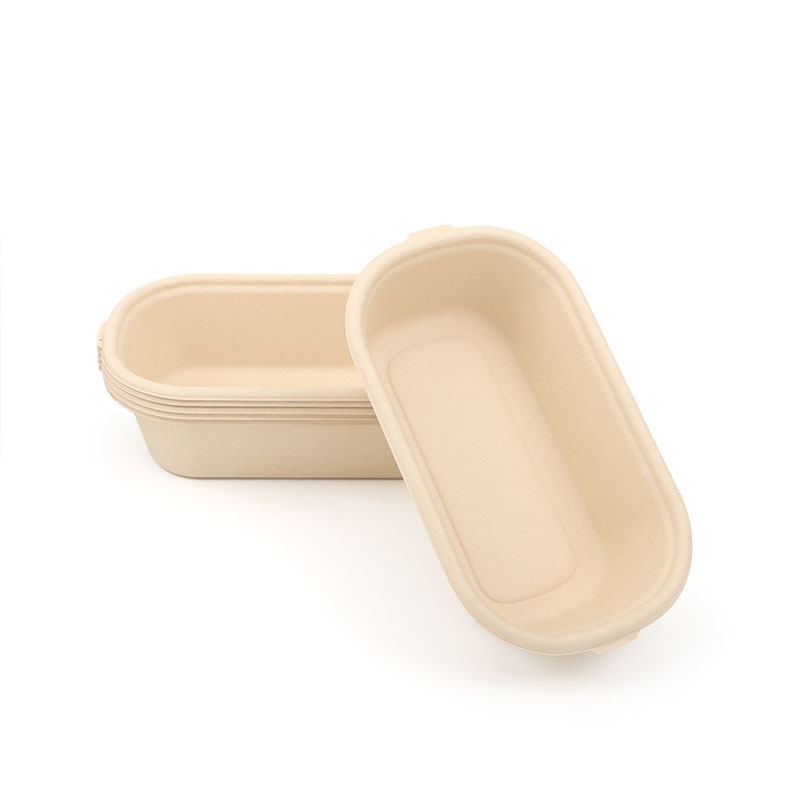 700ml
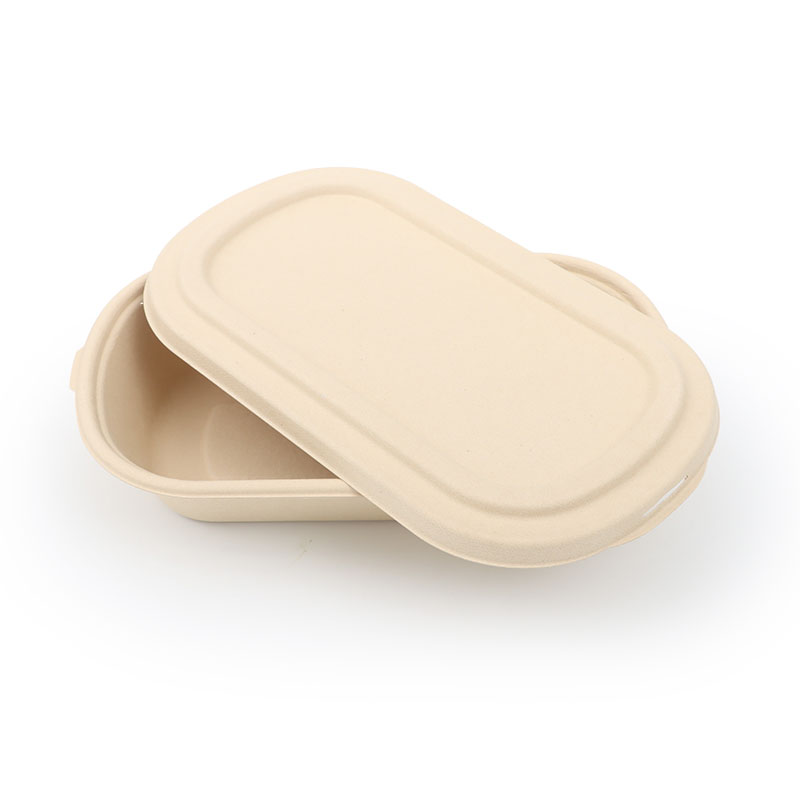 850ml
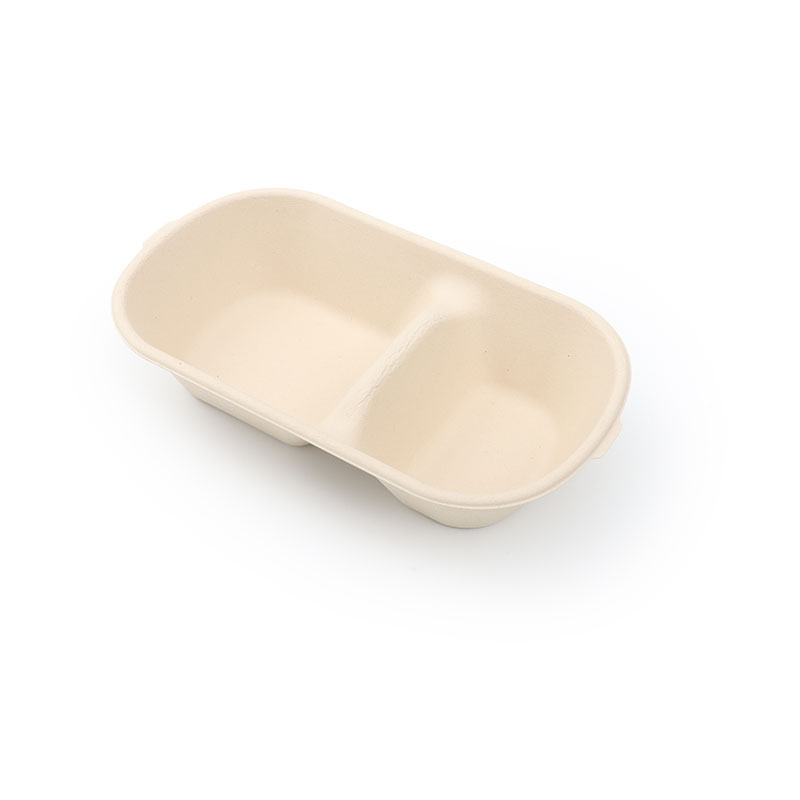 800ml 2 Compartments
 1000ml 2 Compartments
 1100ml
 1000ml Square Lunch Box
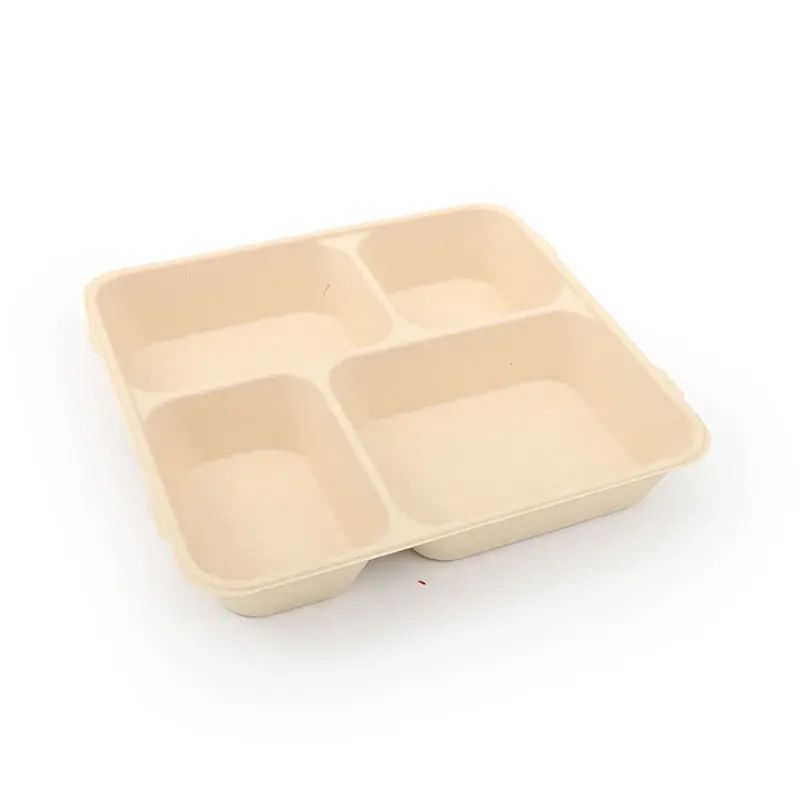 1340ml 4 Compartments
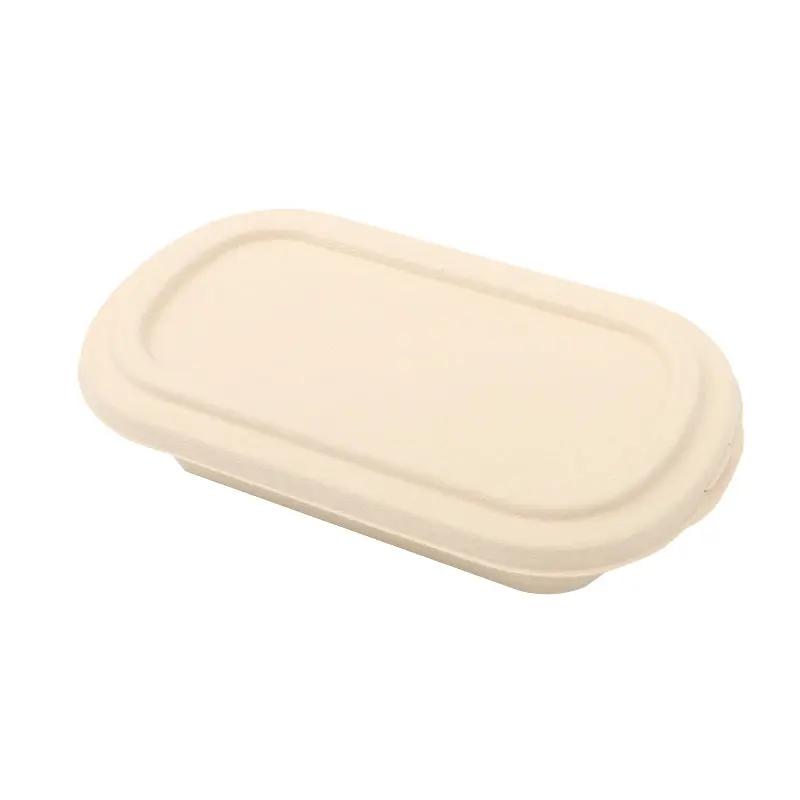 Lunch Box Lid
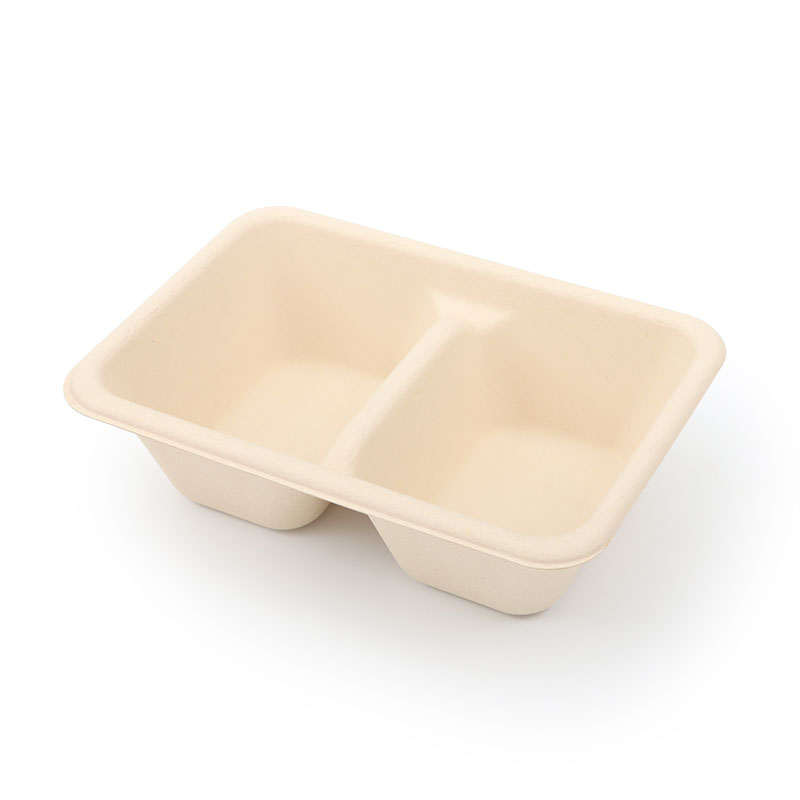 650ml
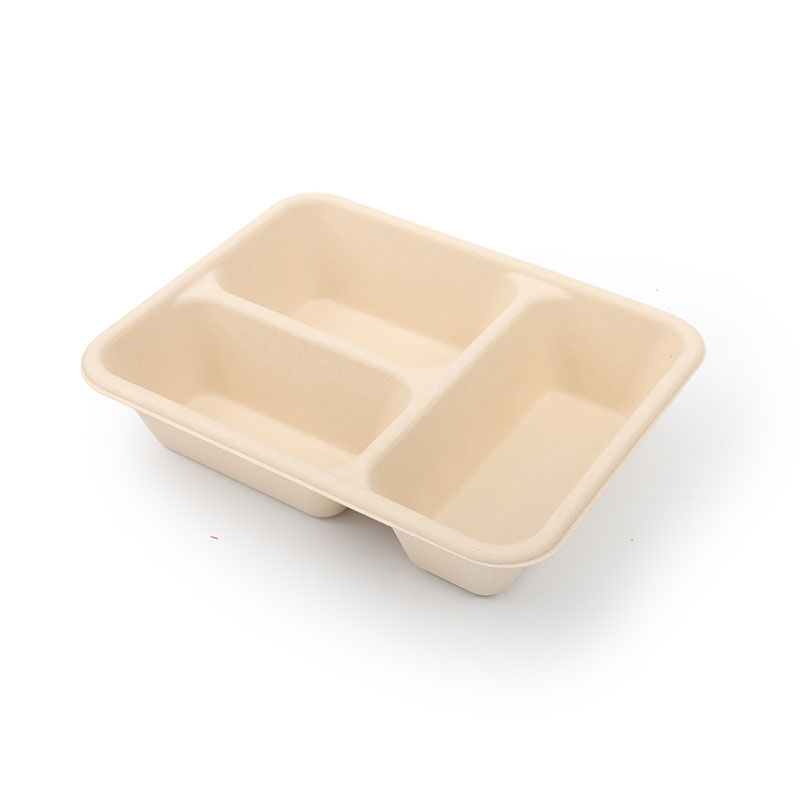 1000ml 3 Compartments
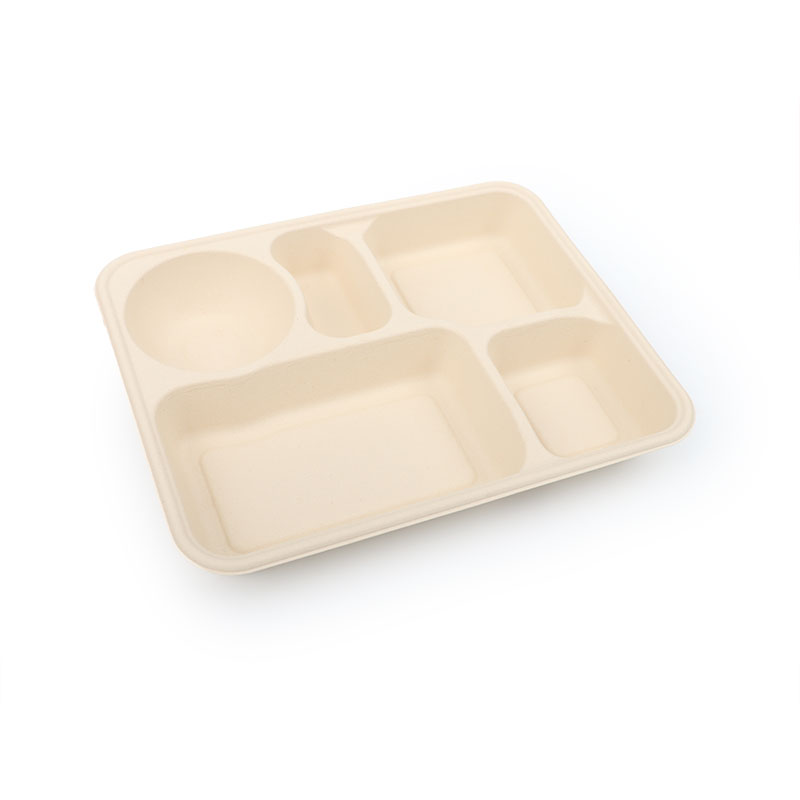 1250ml 5 Compartments
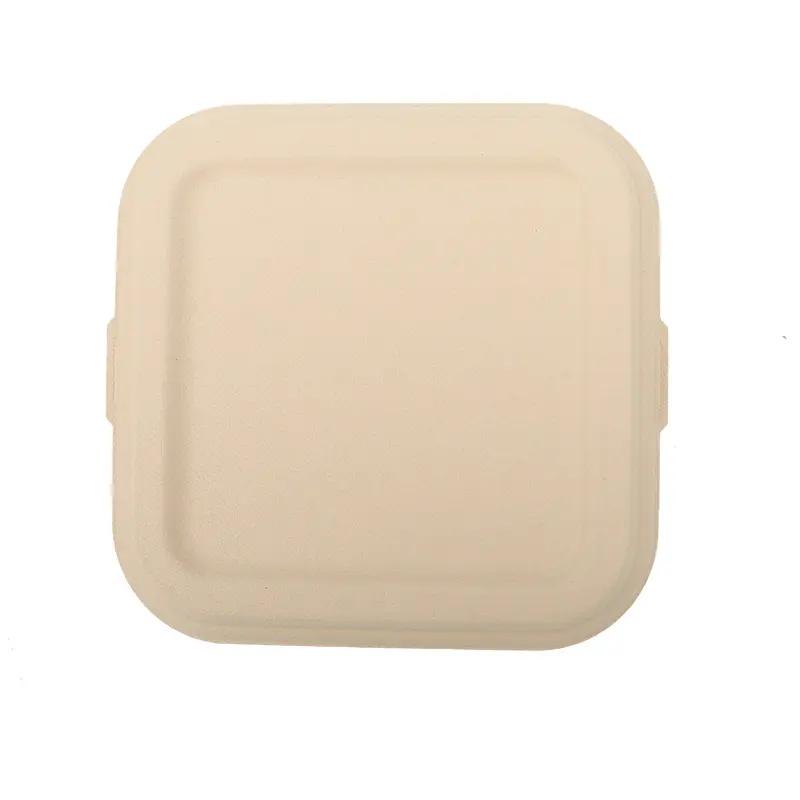 Square Lunch Box Lid
 Box Without T buckle
 850ml Salad Box
 700ml
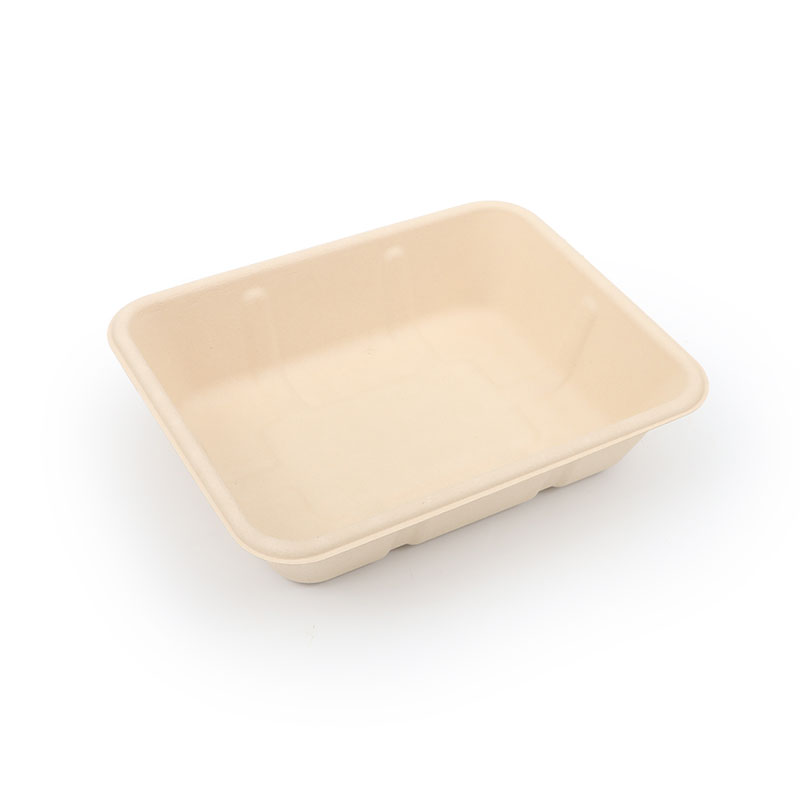 1350ml
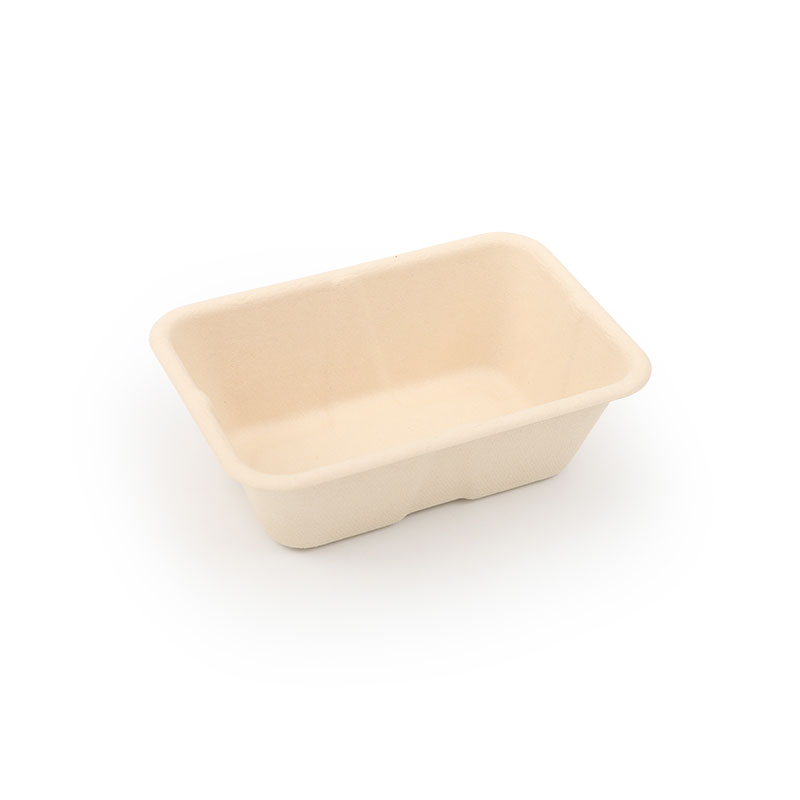 470ml
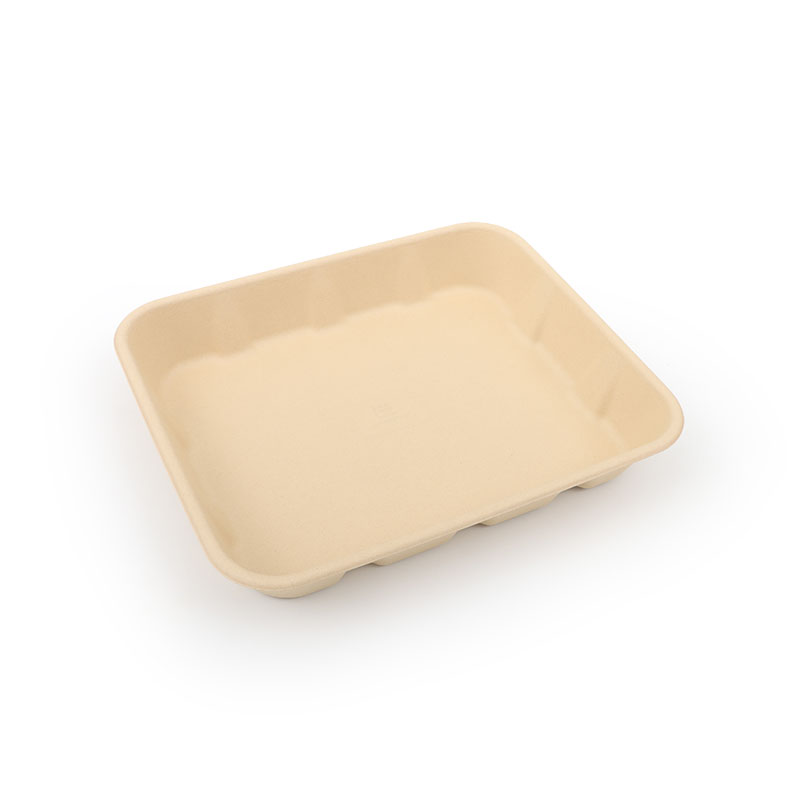 2183ml Tray Box
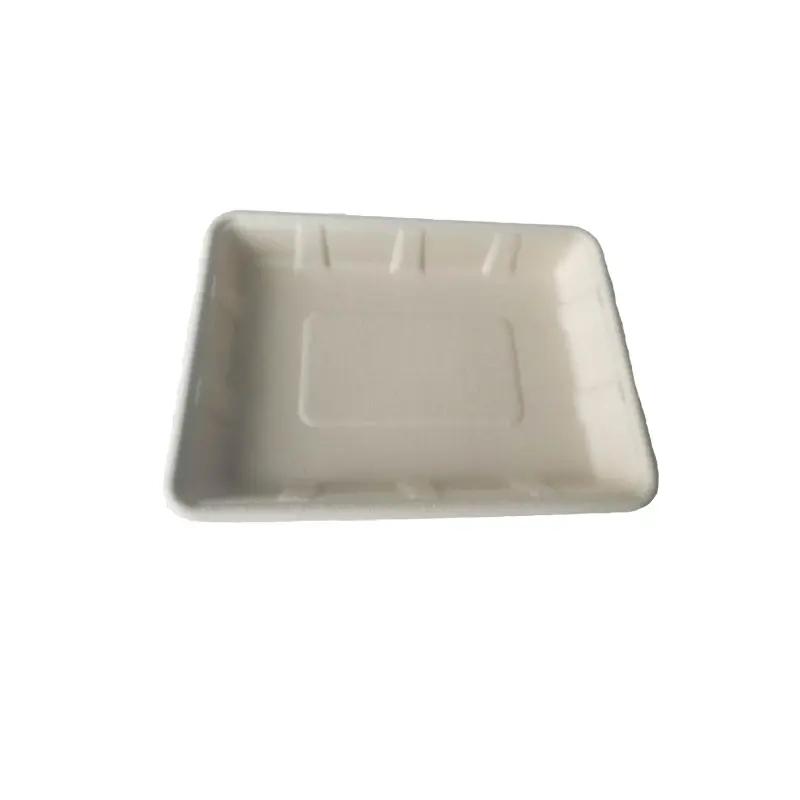 11" * 9"
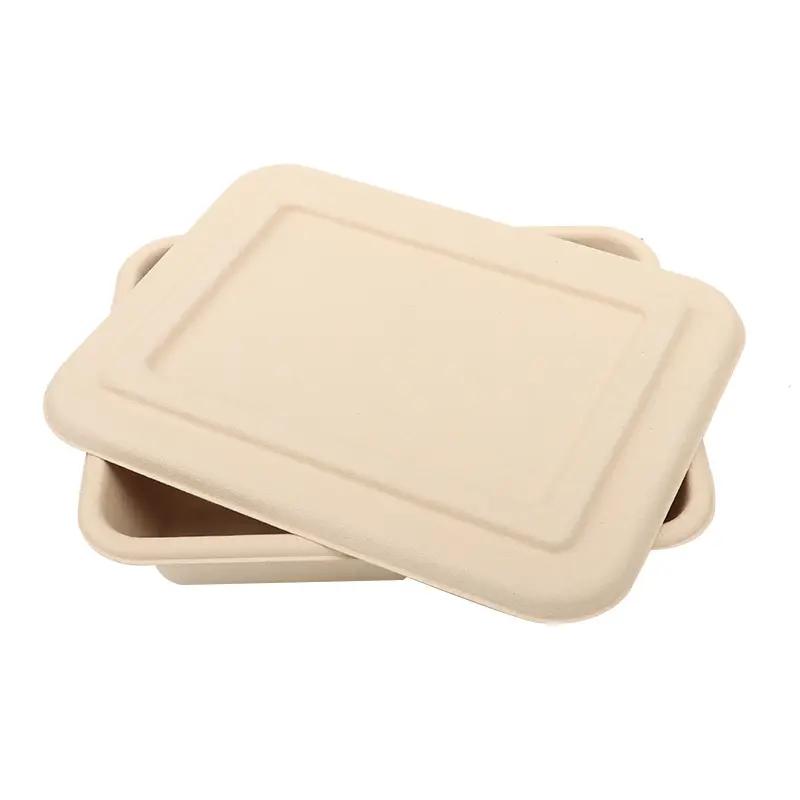 800ml
 One Part Box
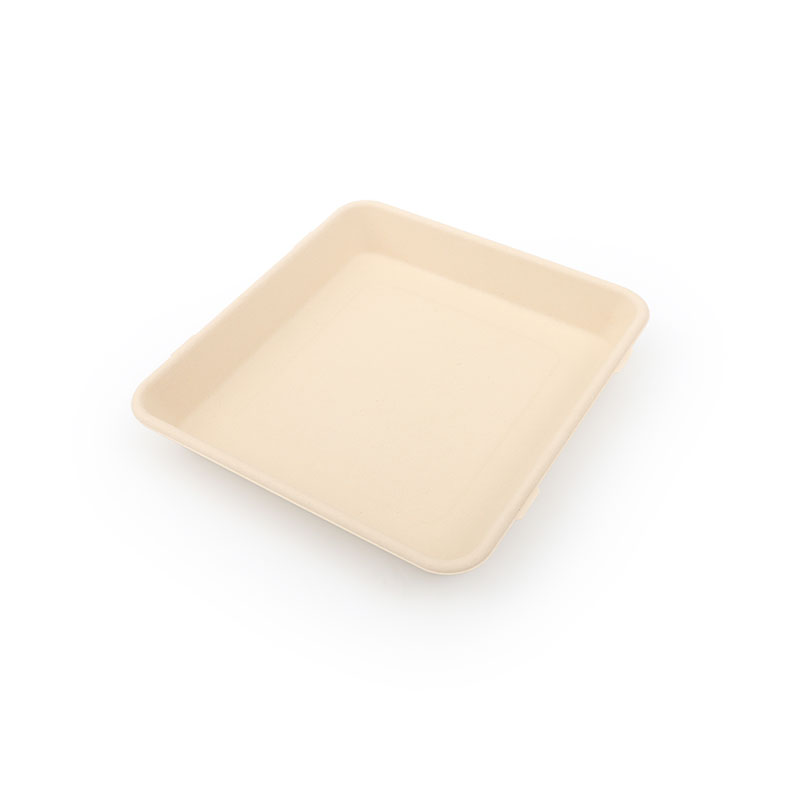 1443ml Tray Box
 Cake Bread Snack Tray Series
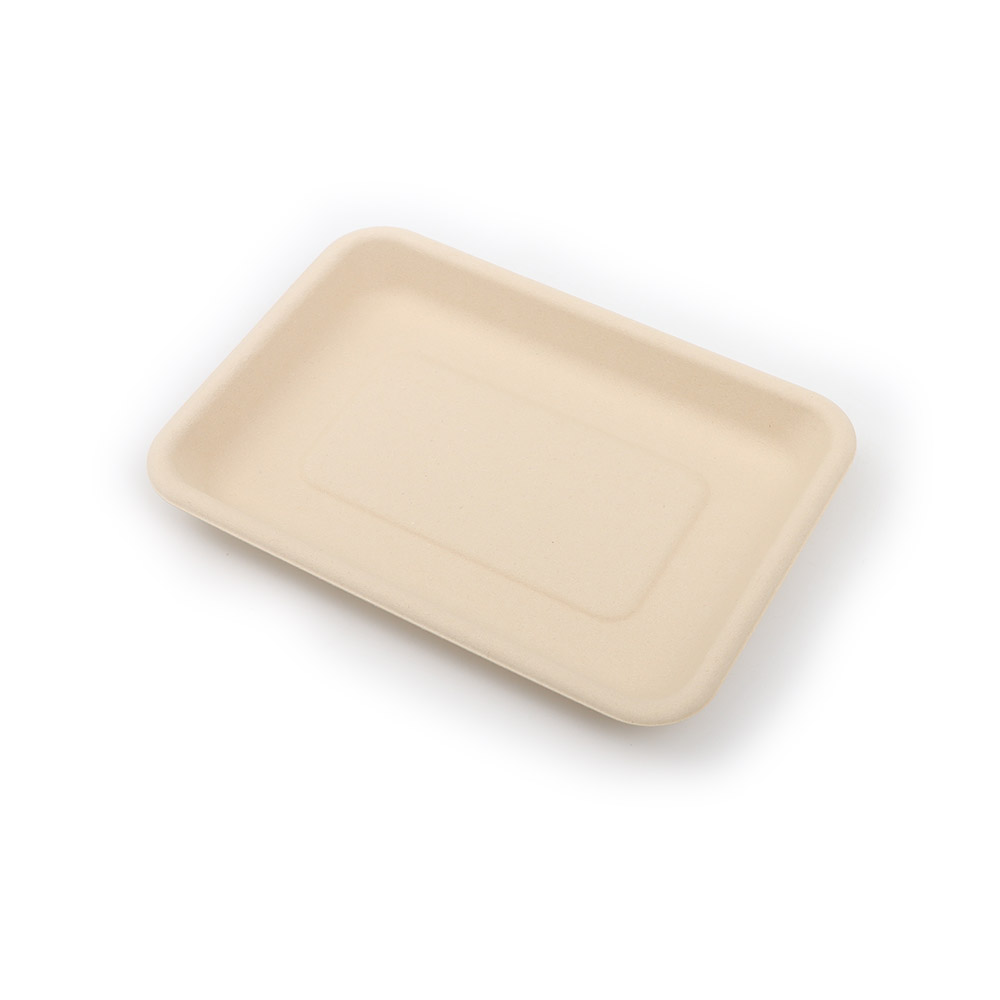 5" * 7" natural color
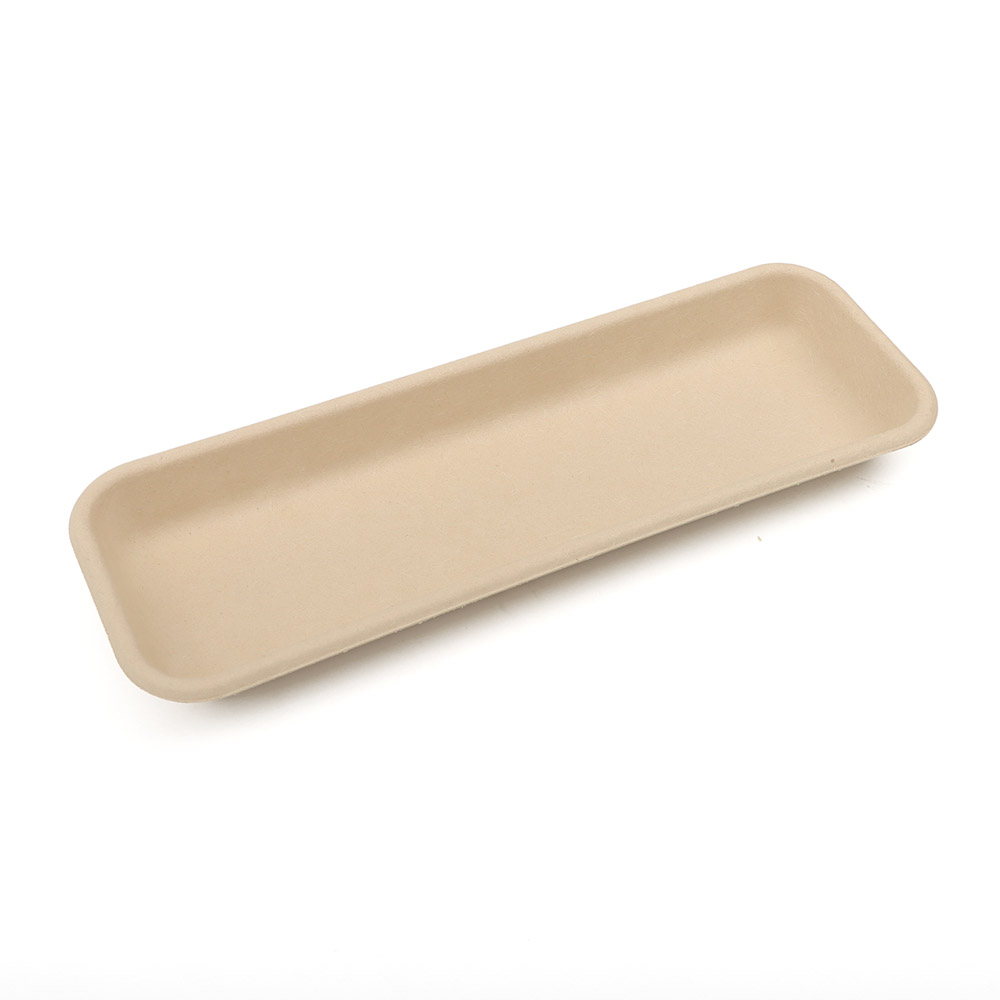 11.4" * 3.9"
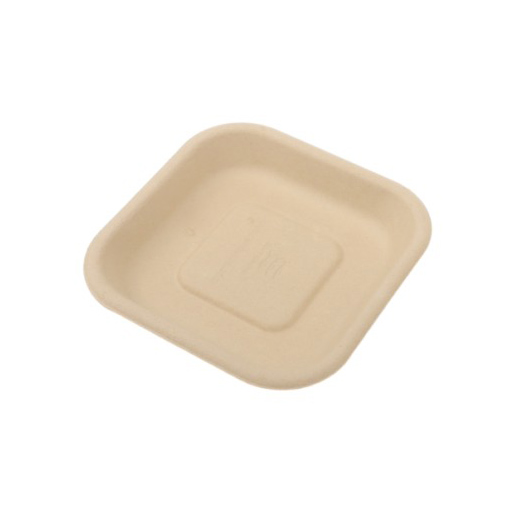 5.3" * 5.3"
 Fruit And Vegetable Tray Series
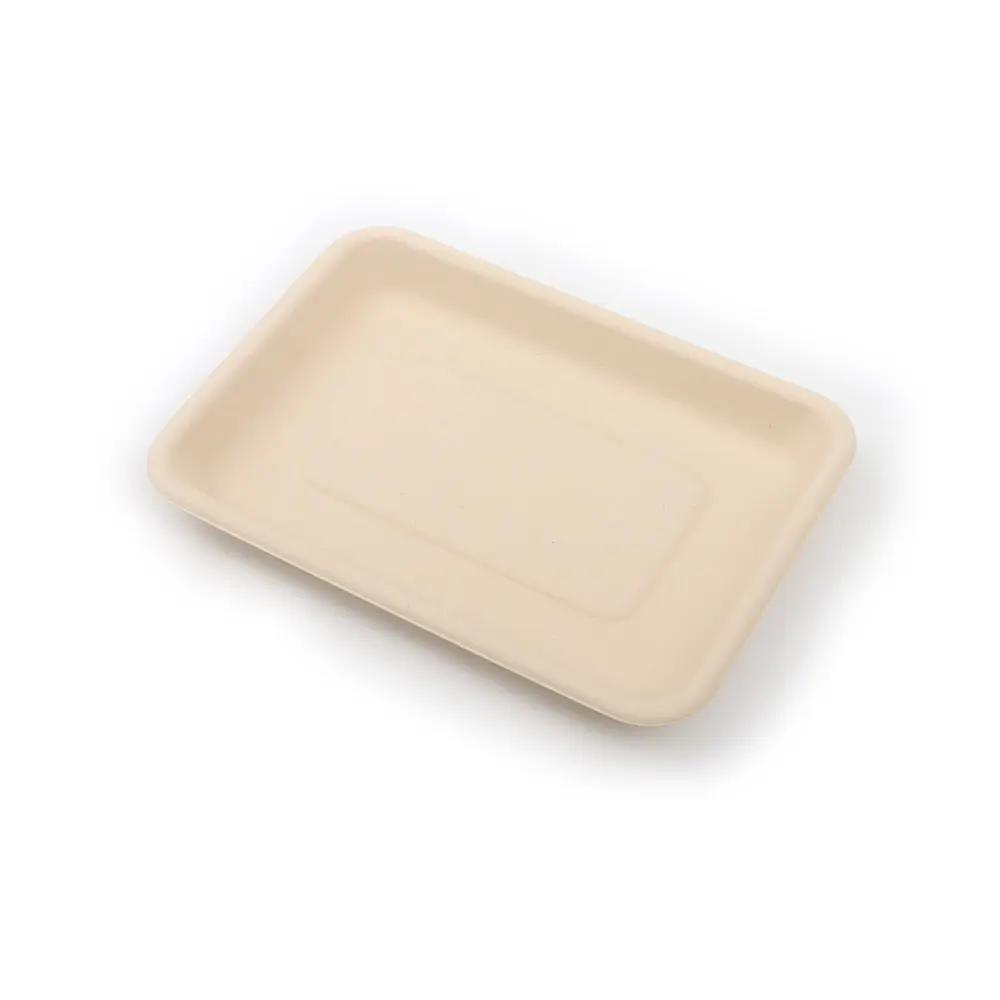 8.6" * 5.3"
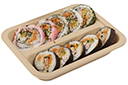 Sushi Tray Series
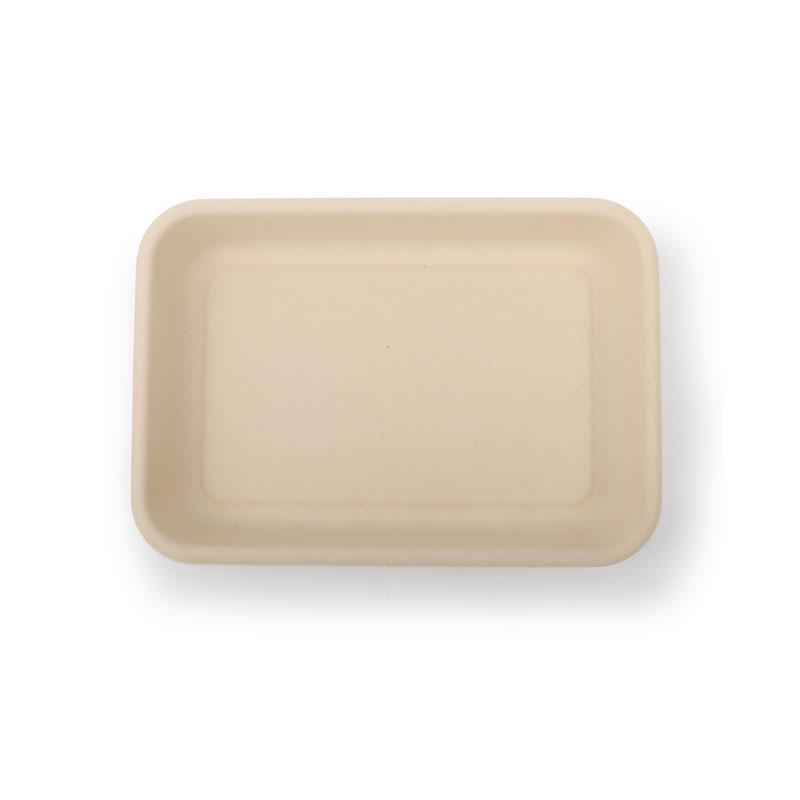 200" * 140"
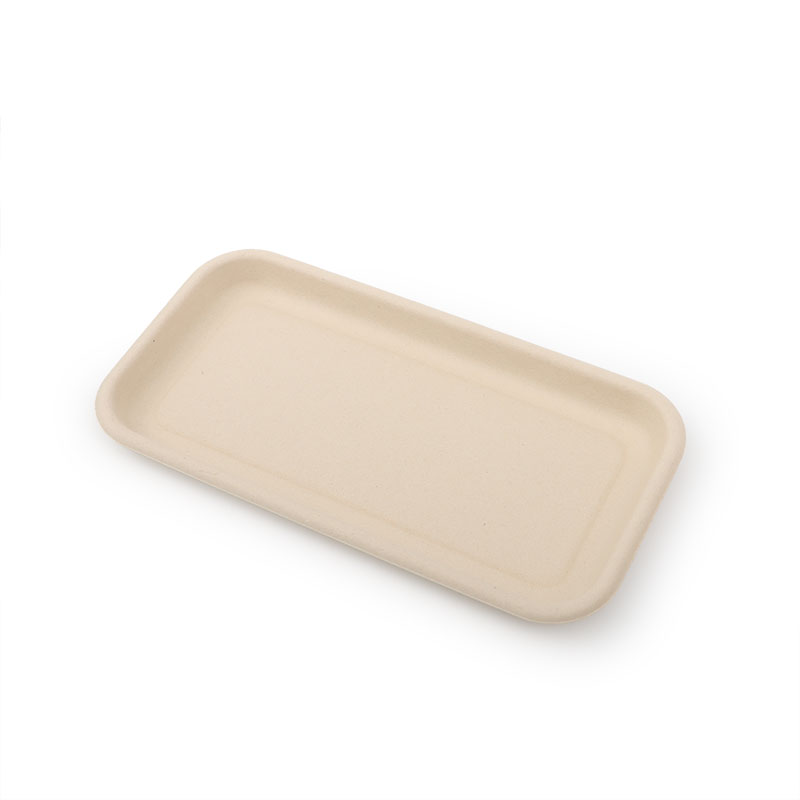 210" * 110"
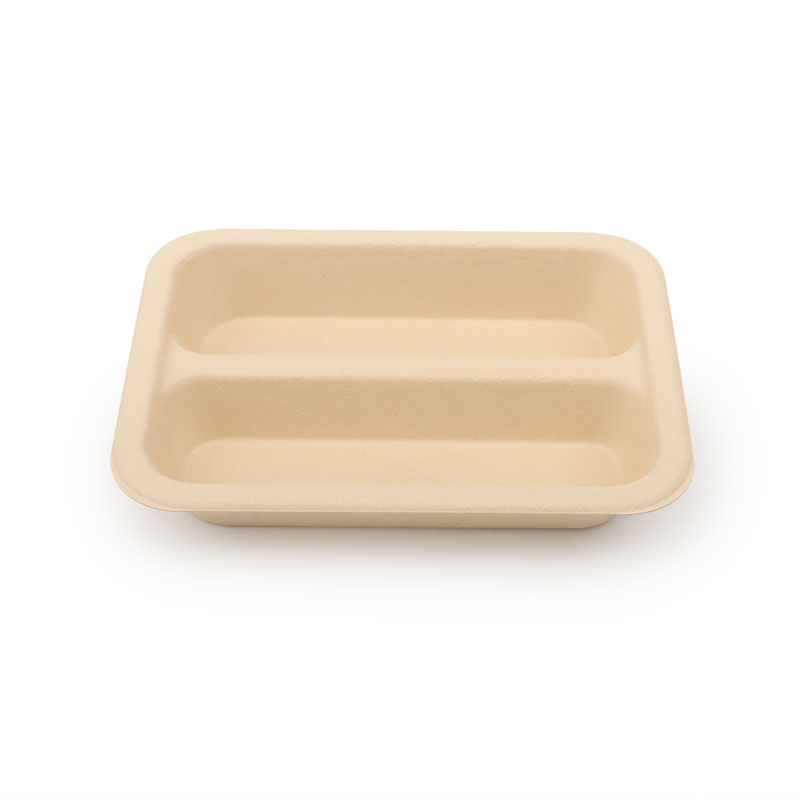 2 Compartments
 Small Round Plate Series
 7 inch
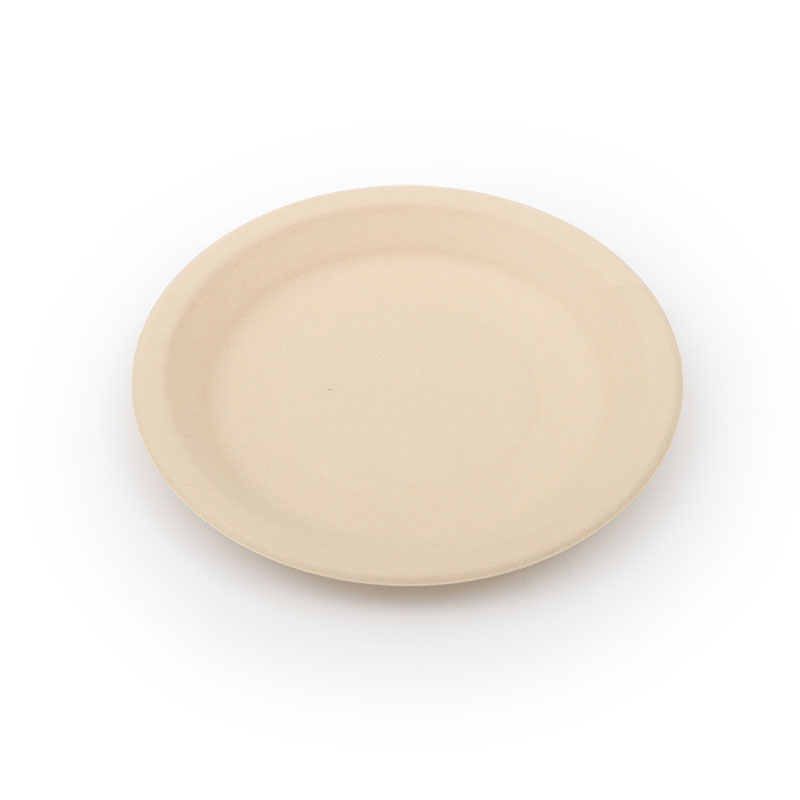 6 inch
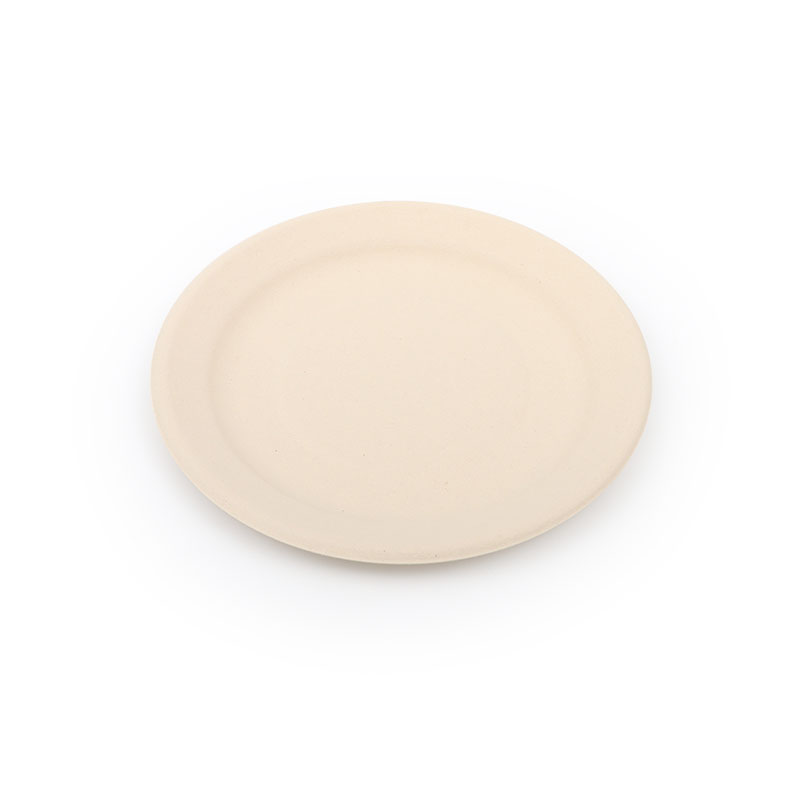 8 inch
 Middle Round Plate Series
 9 Inch 3 Compartments
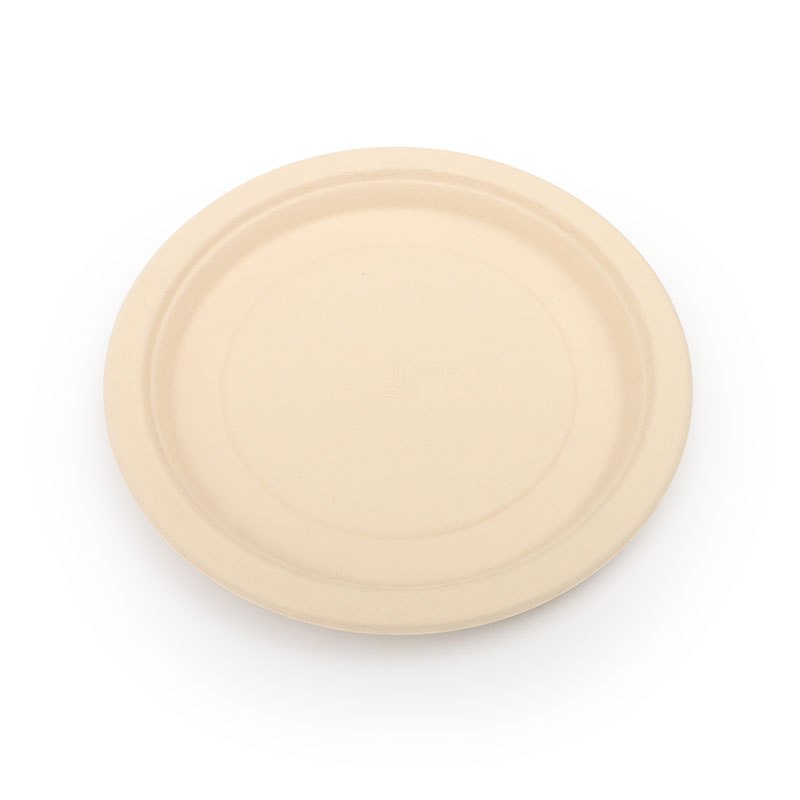 9 inch
 Big Round Plate Series
 12.7 Inch Pizza Plate
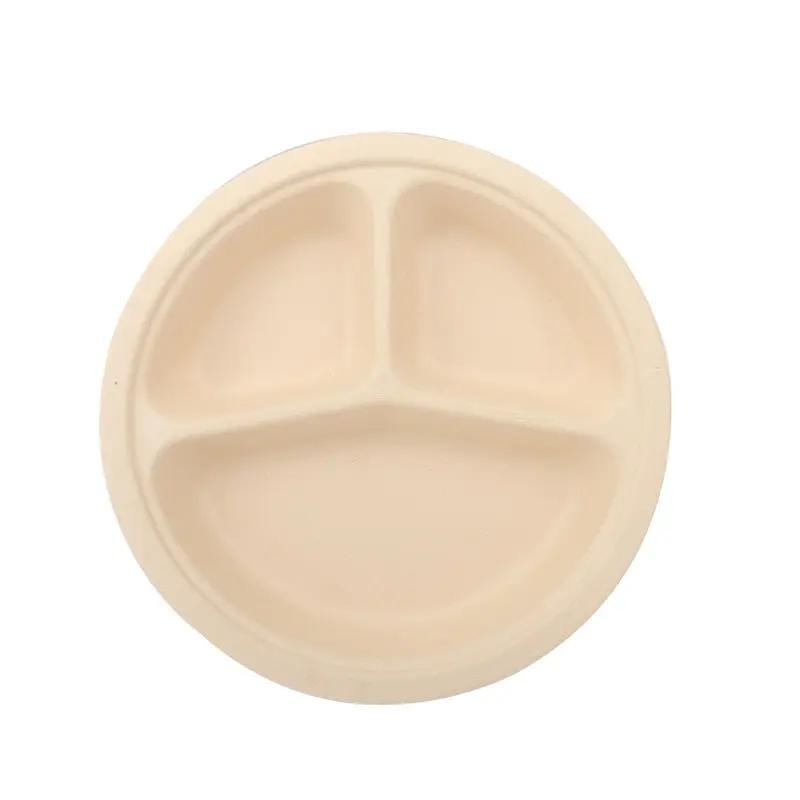 10.25 inch 3 Compartments
 10 inch
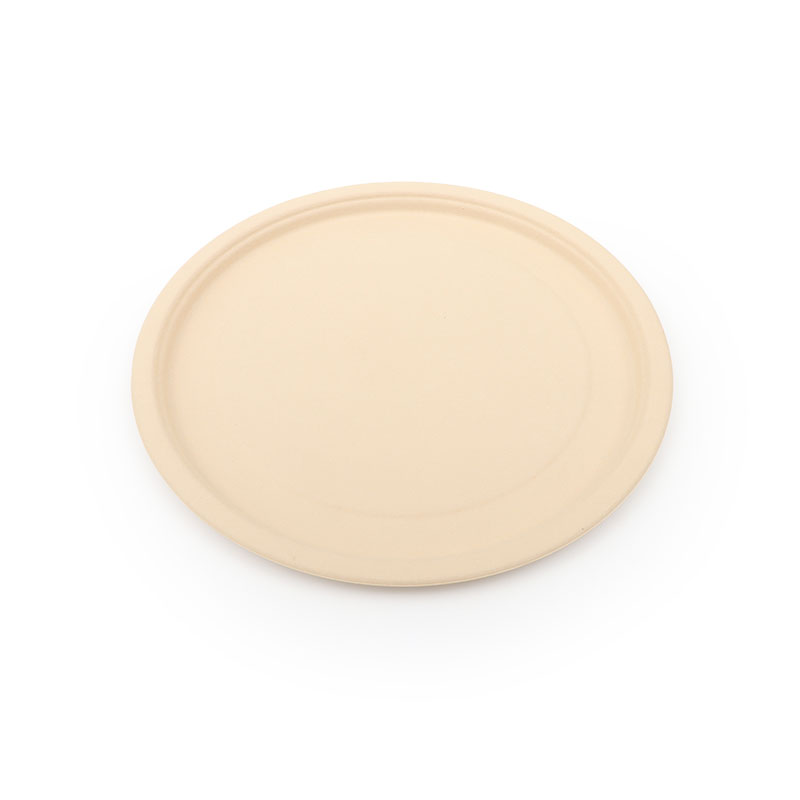 12 inch
 Bigger Bowl
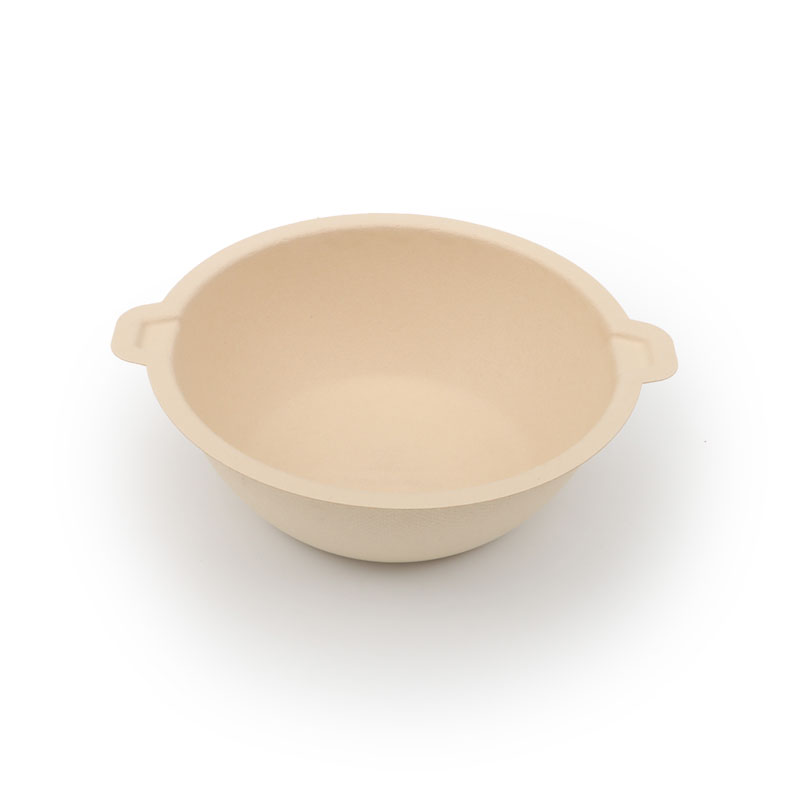 48oz(1420ml)
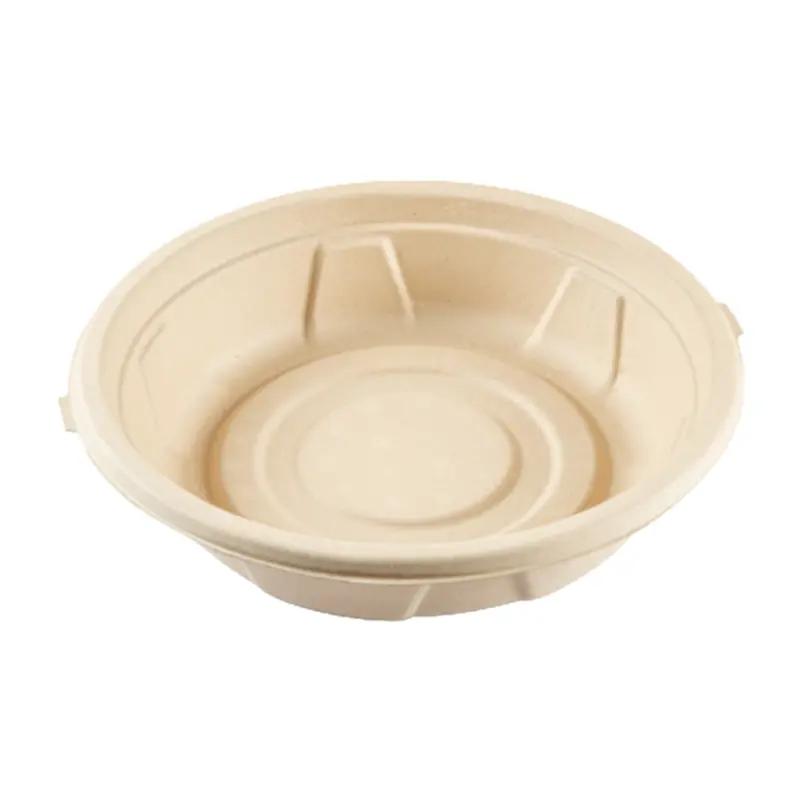 56oz(1650ml)
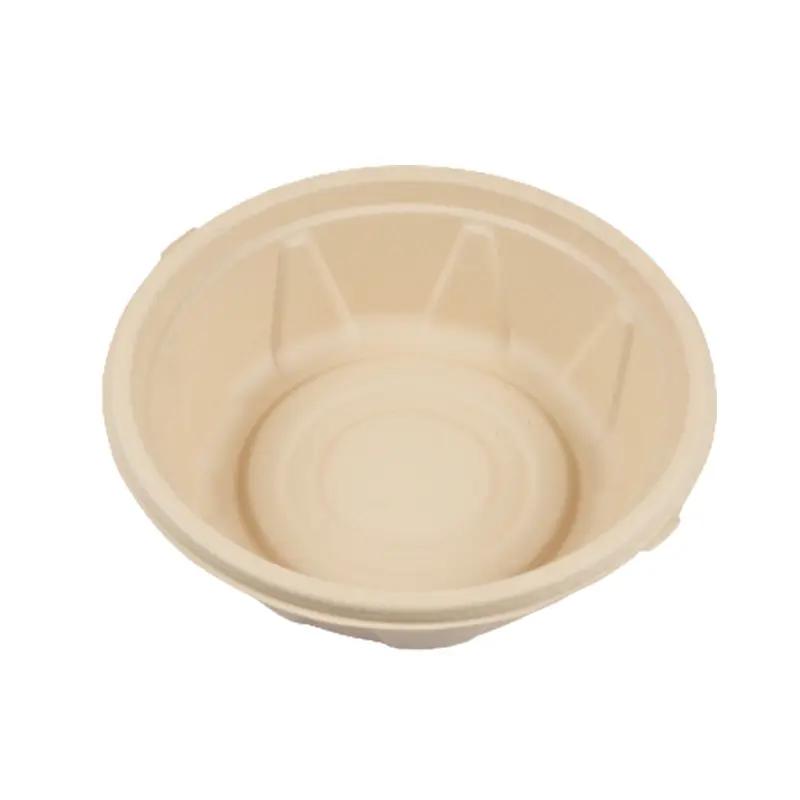 100oz(2950ml)
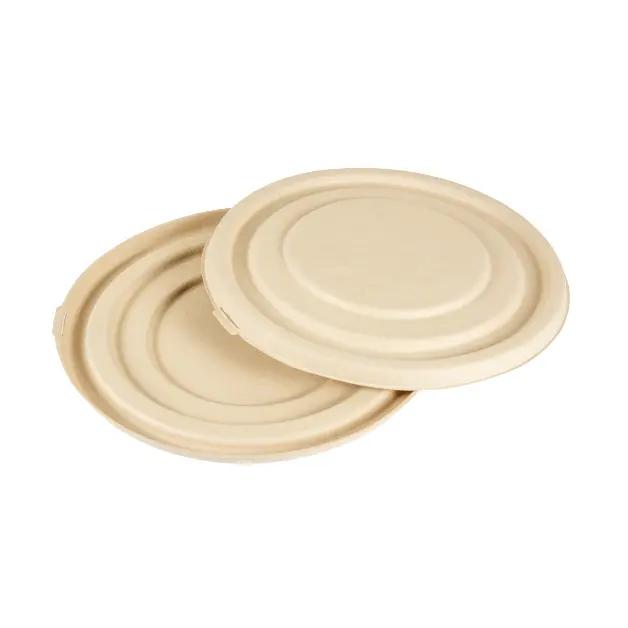 100oz(2950ml) With Lid
 Middle Bowl
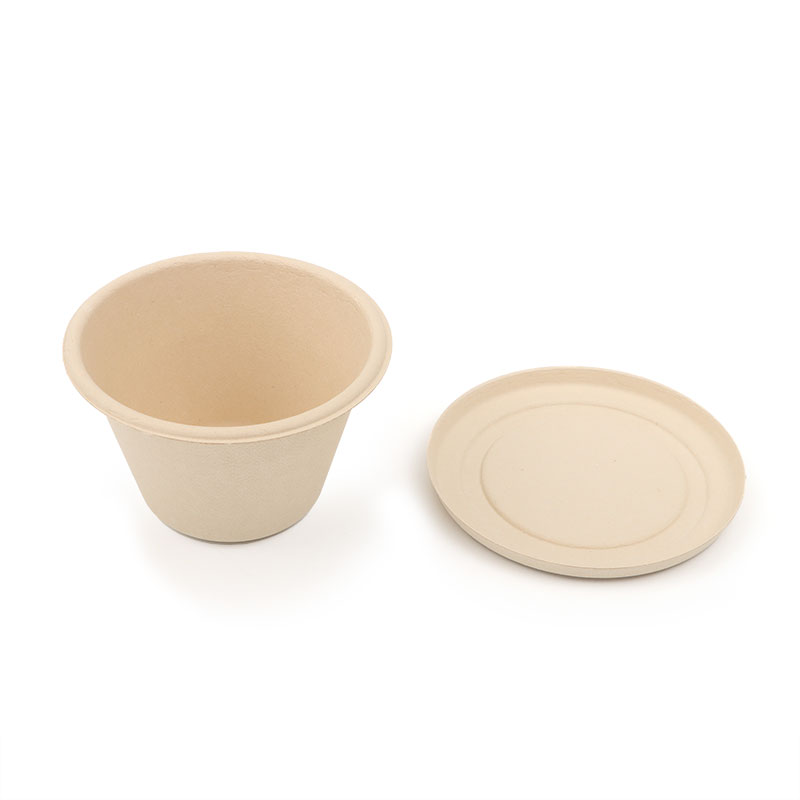 17oz(500ml)
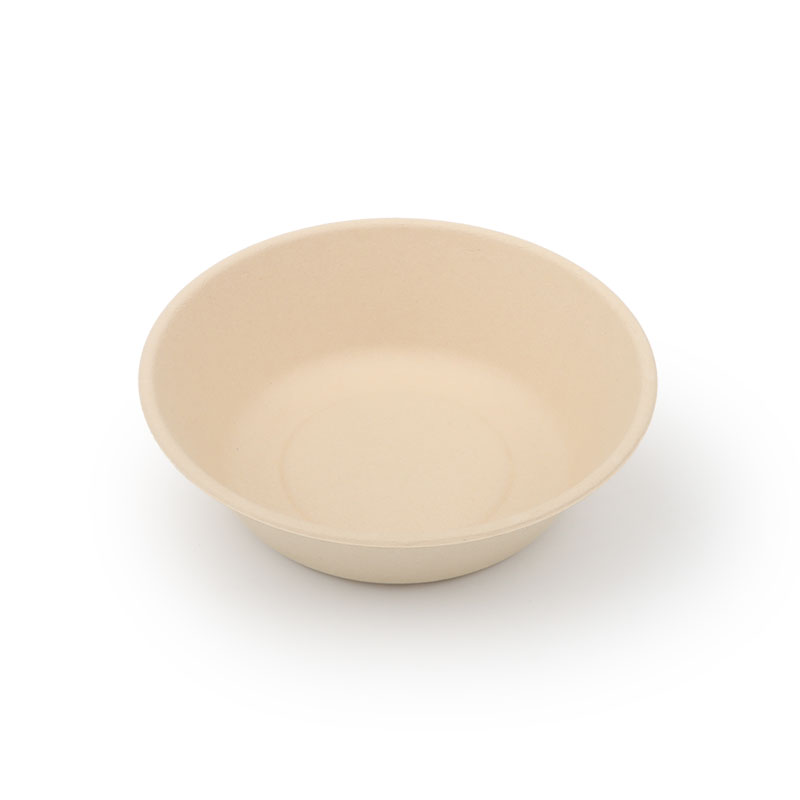 27oz(800ml)
 20oz(600ml)
 29oz(850ml)
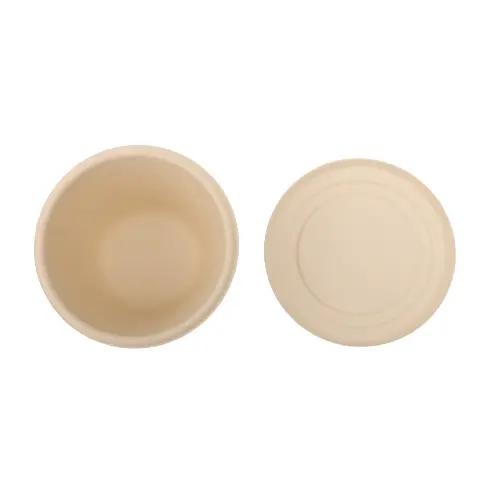 17oz(500ml) With Lid
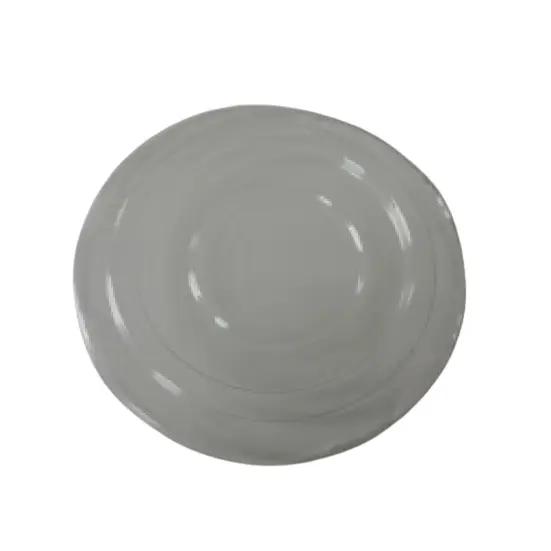 17oz(500ml) PET Lid
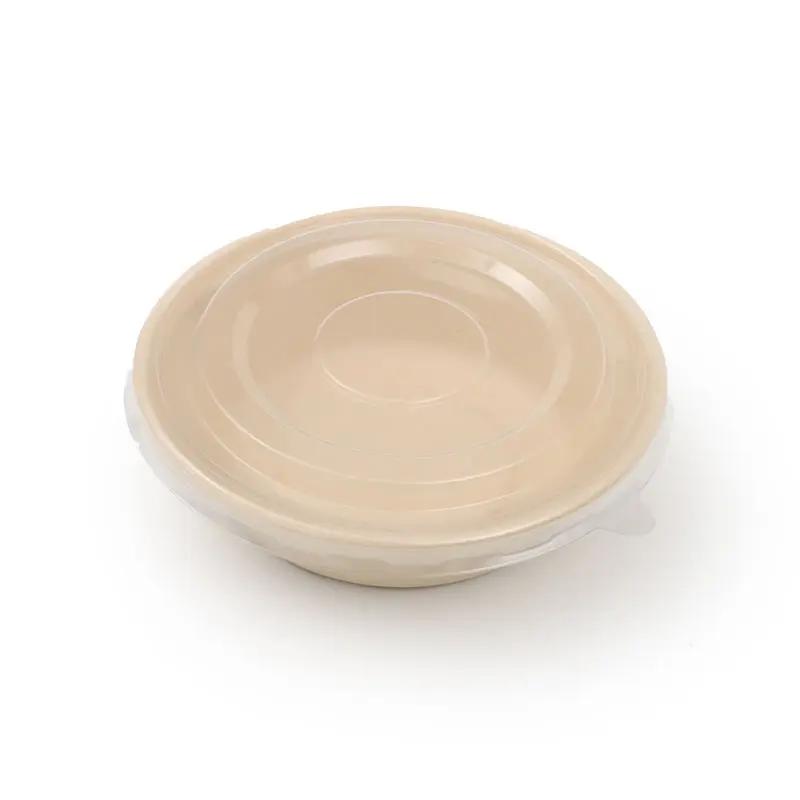 28oz(830ml) PET Lid
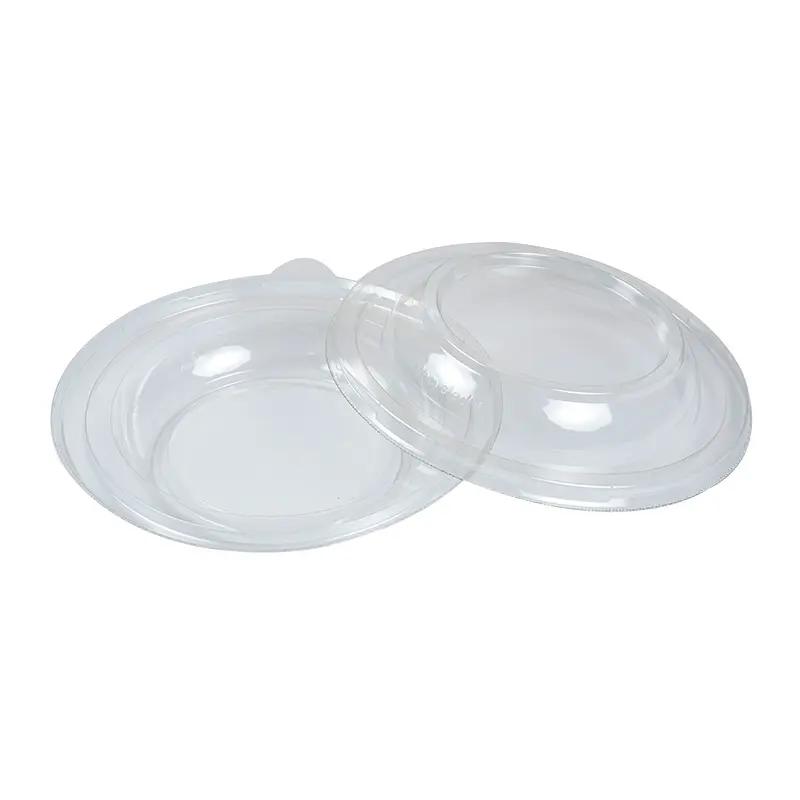 Round Bowl PET
 Small Bowl
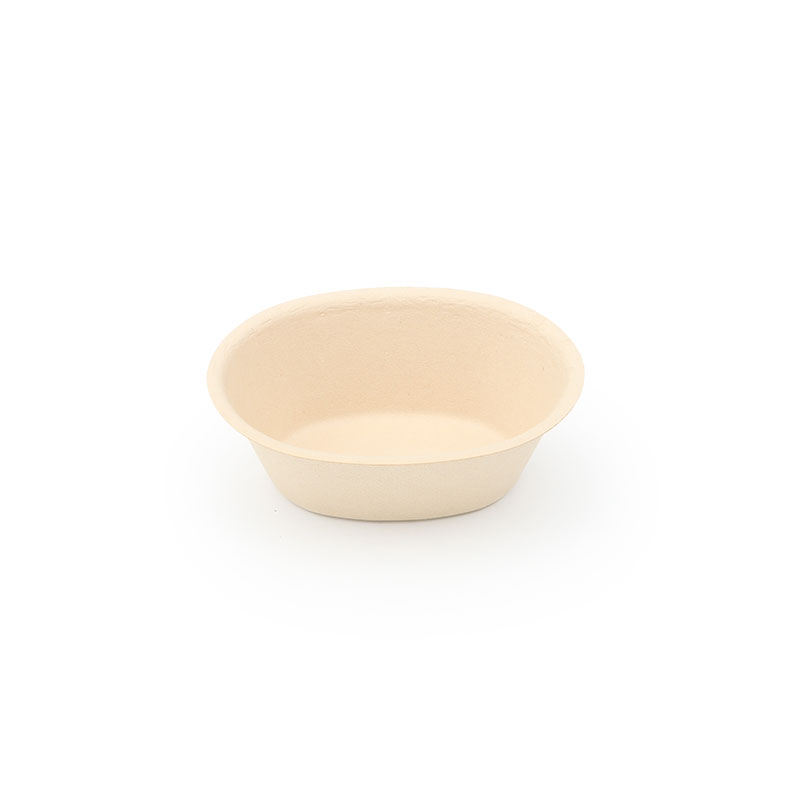 Snack Bowl
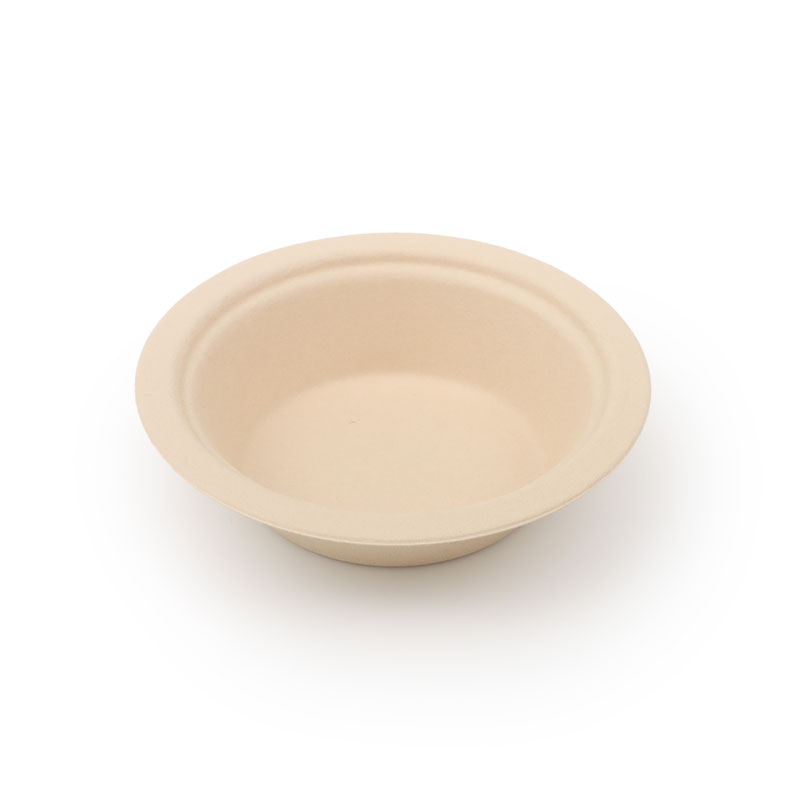 11.5oz(340ml) Bowl
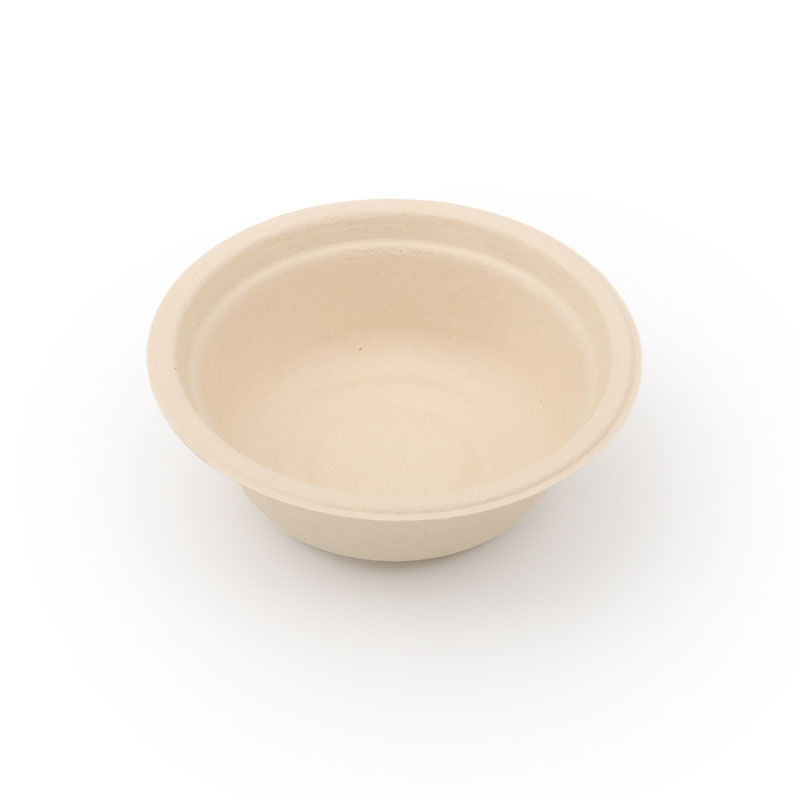 6.7oz(200ml) Bowl
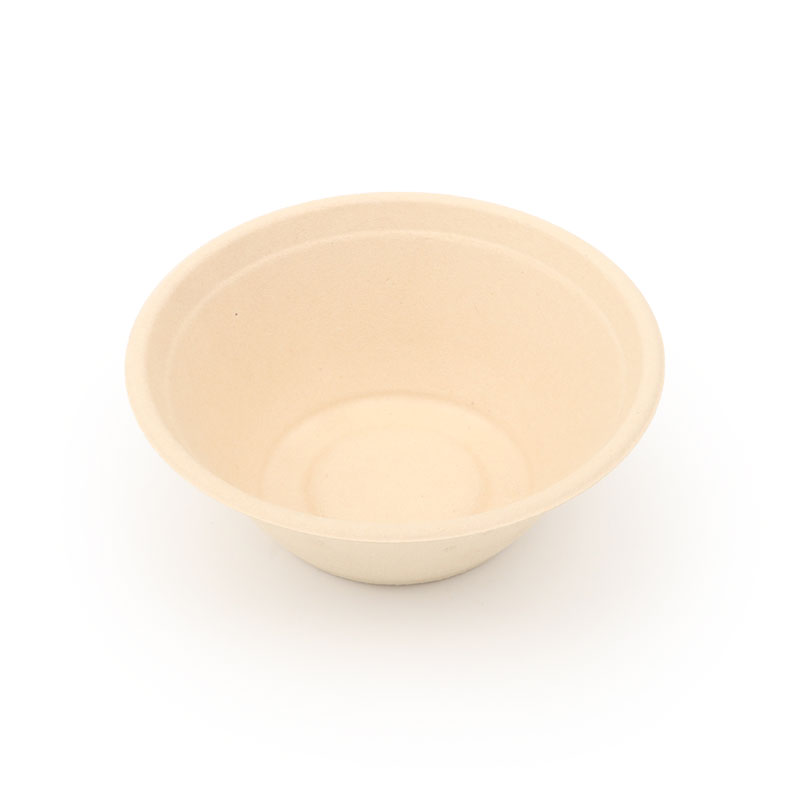 12oz(350ml) Bowl
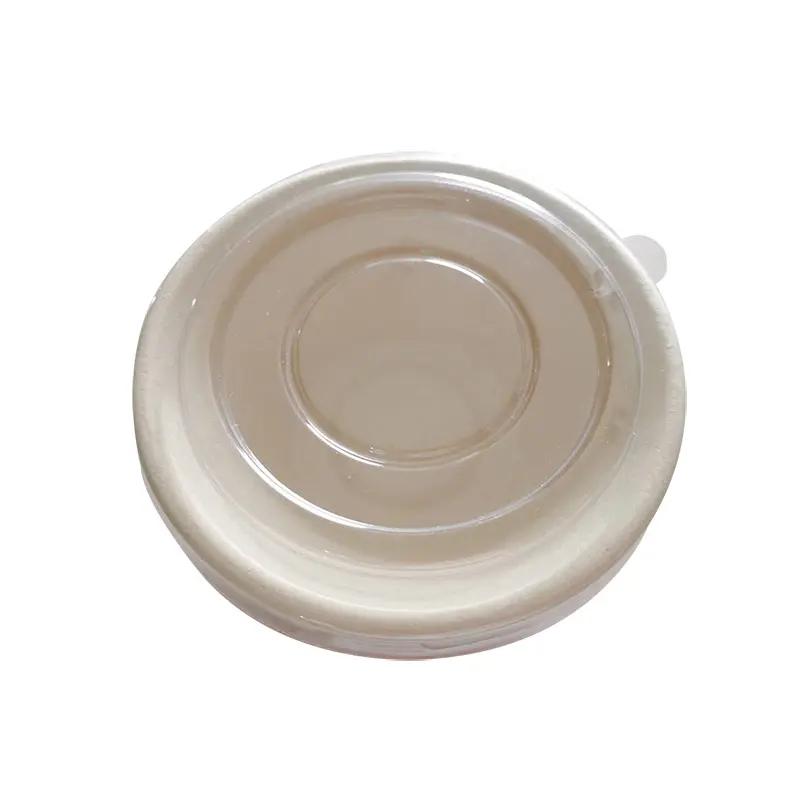 12oz(350ml) Bowl PET
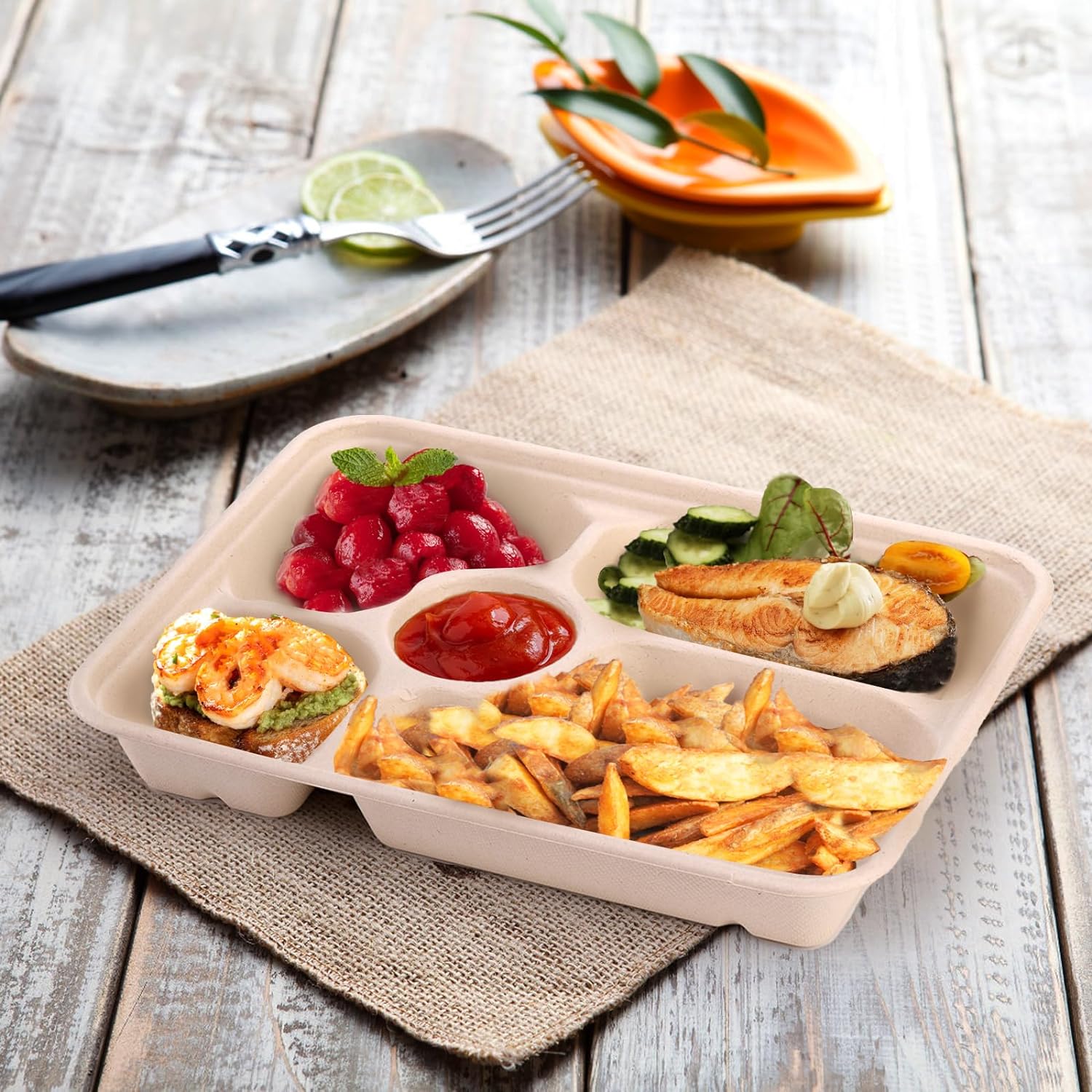 Bagasse Lunch Boxes
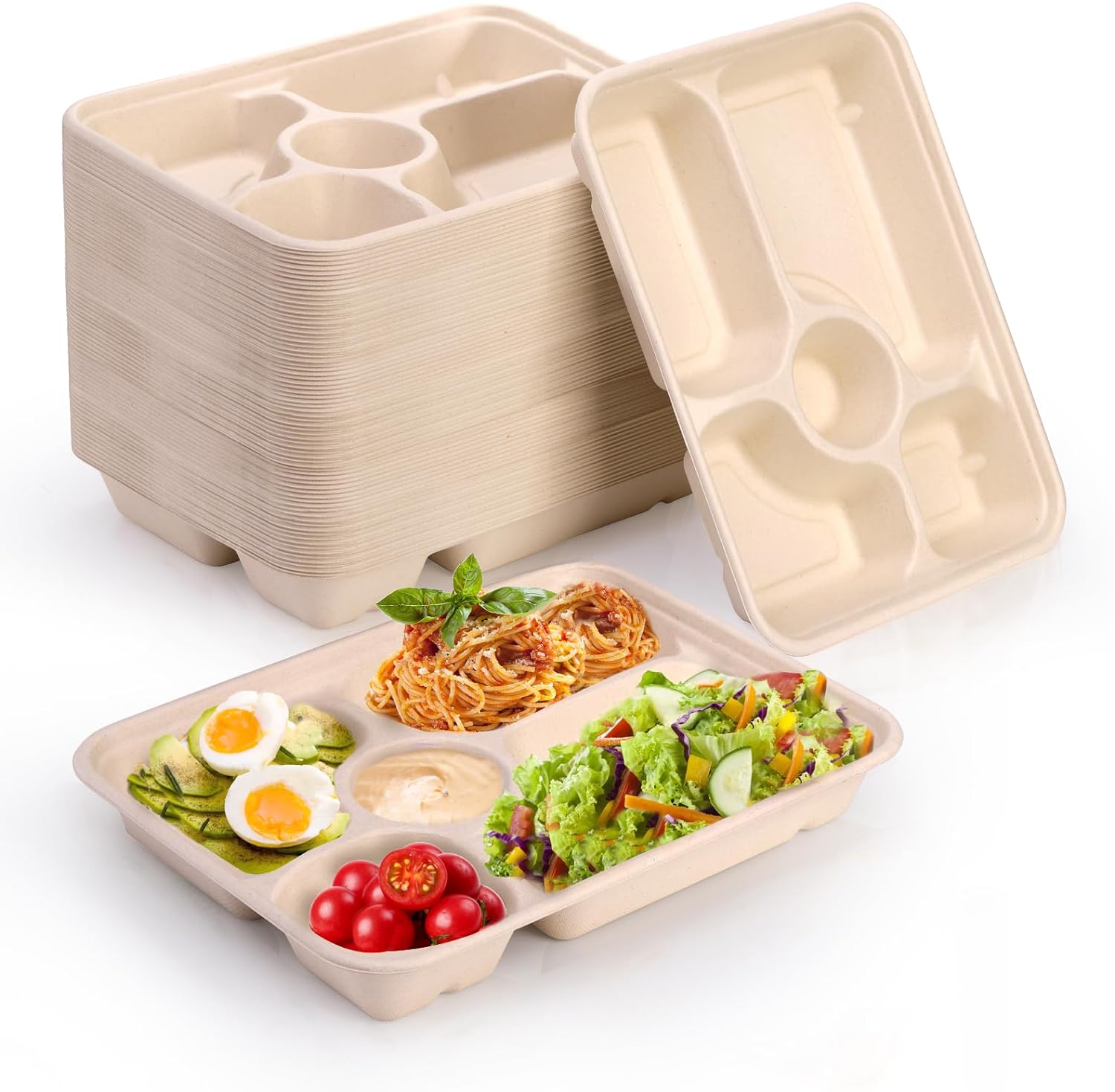 5CP
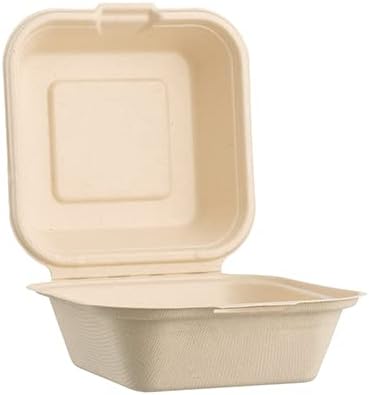 6 inch
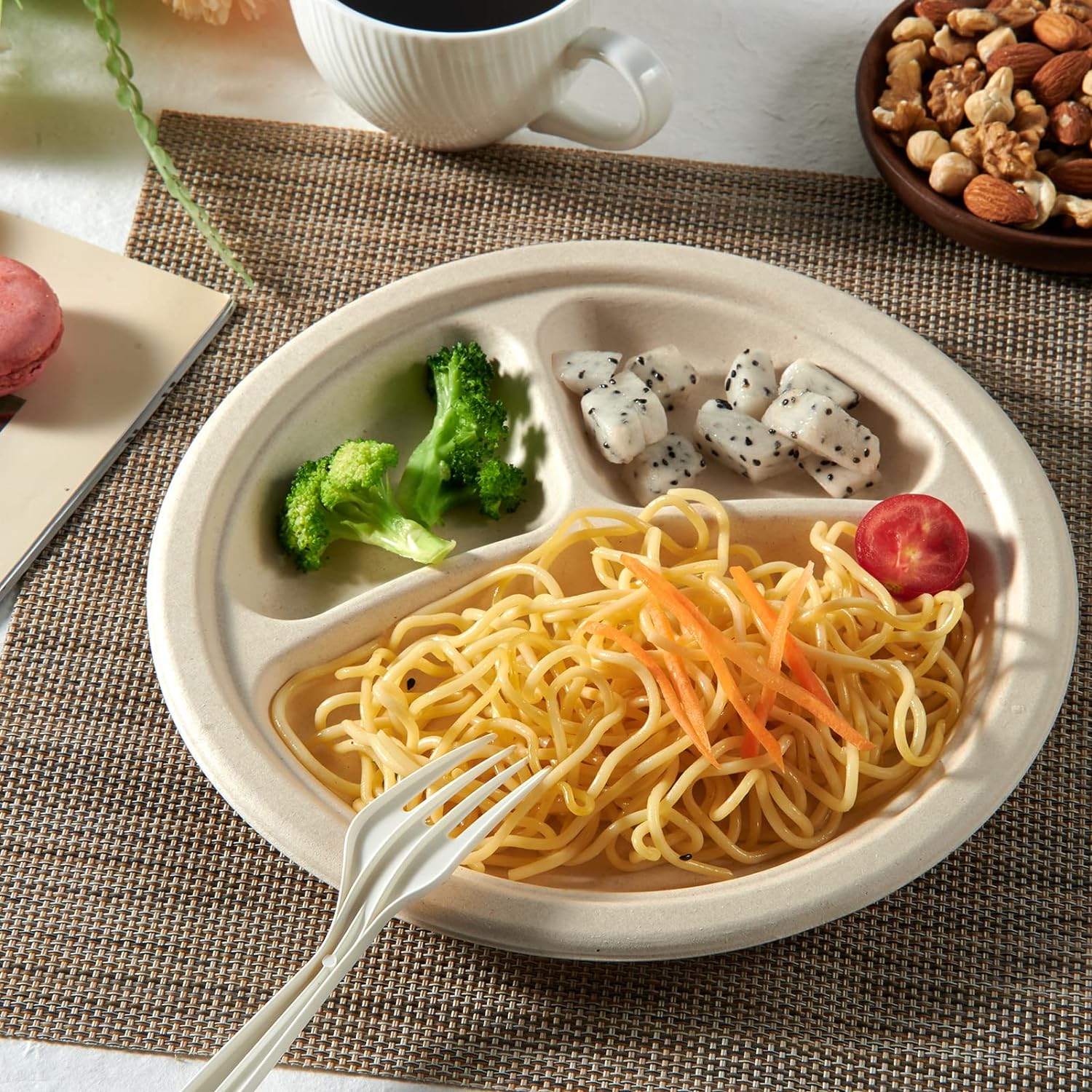 Bagasse Food Plates
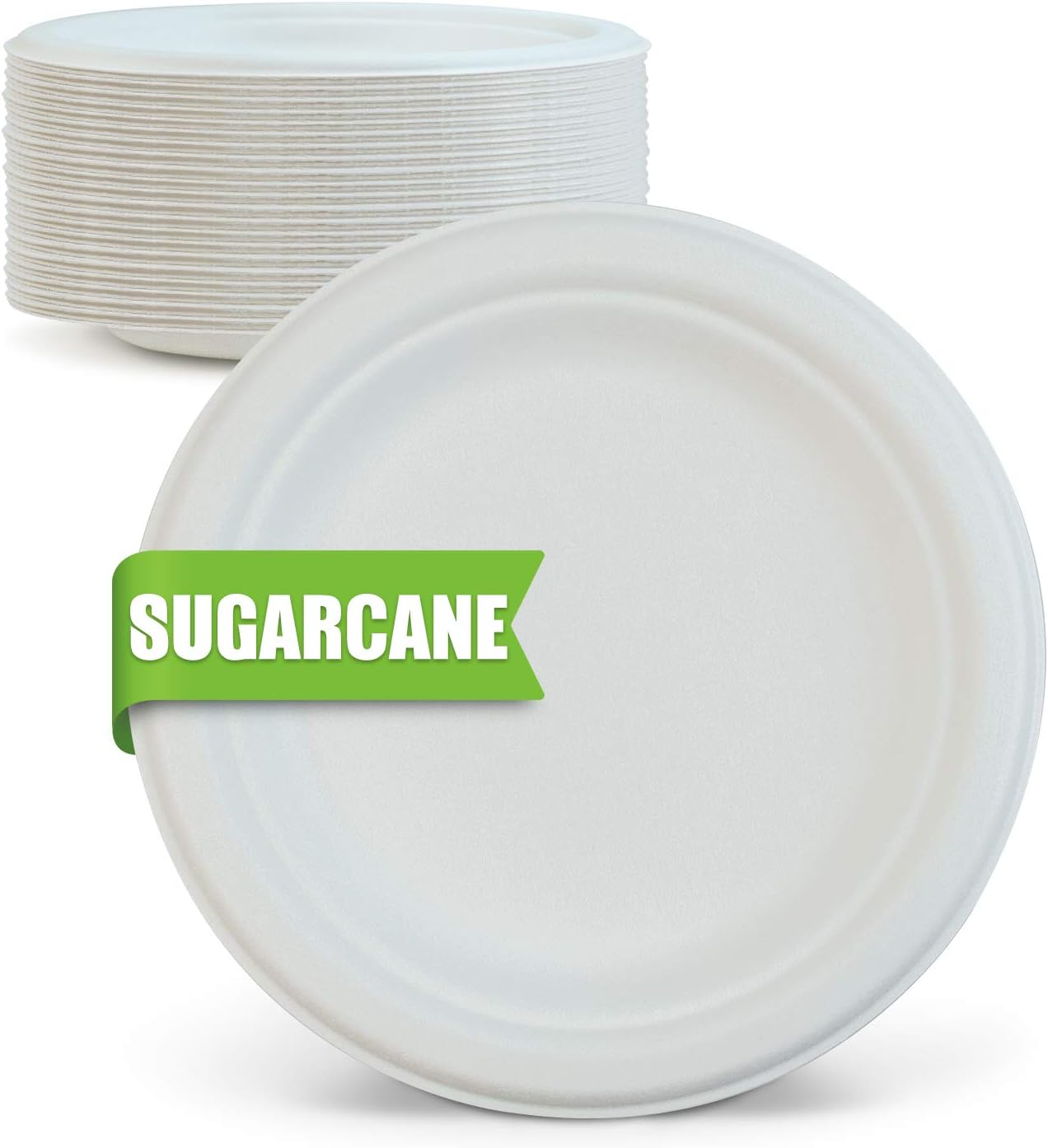 7 inch
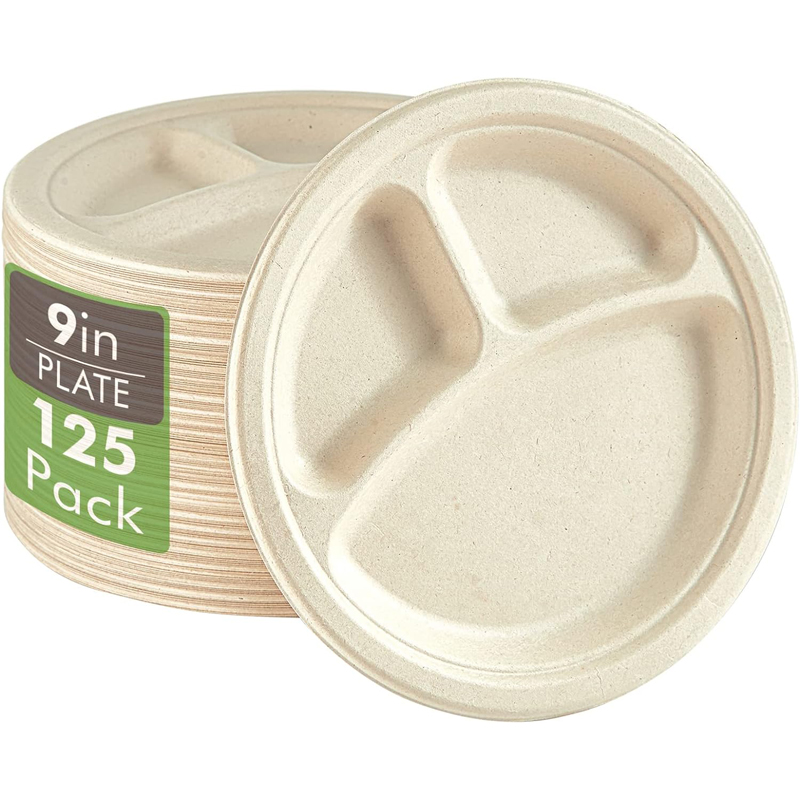 3CP
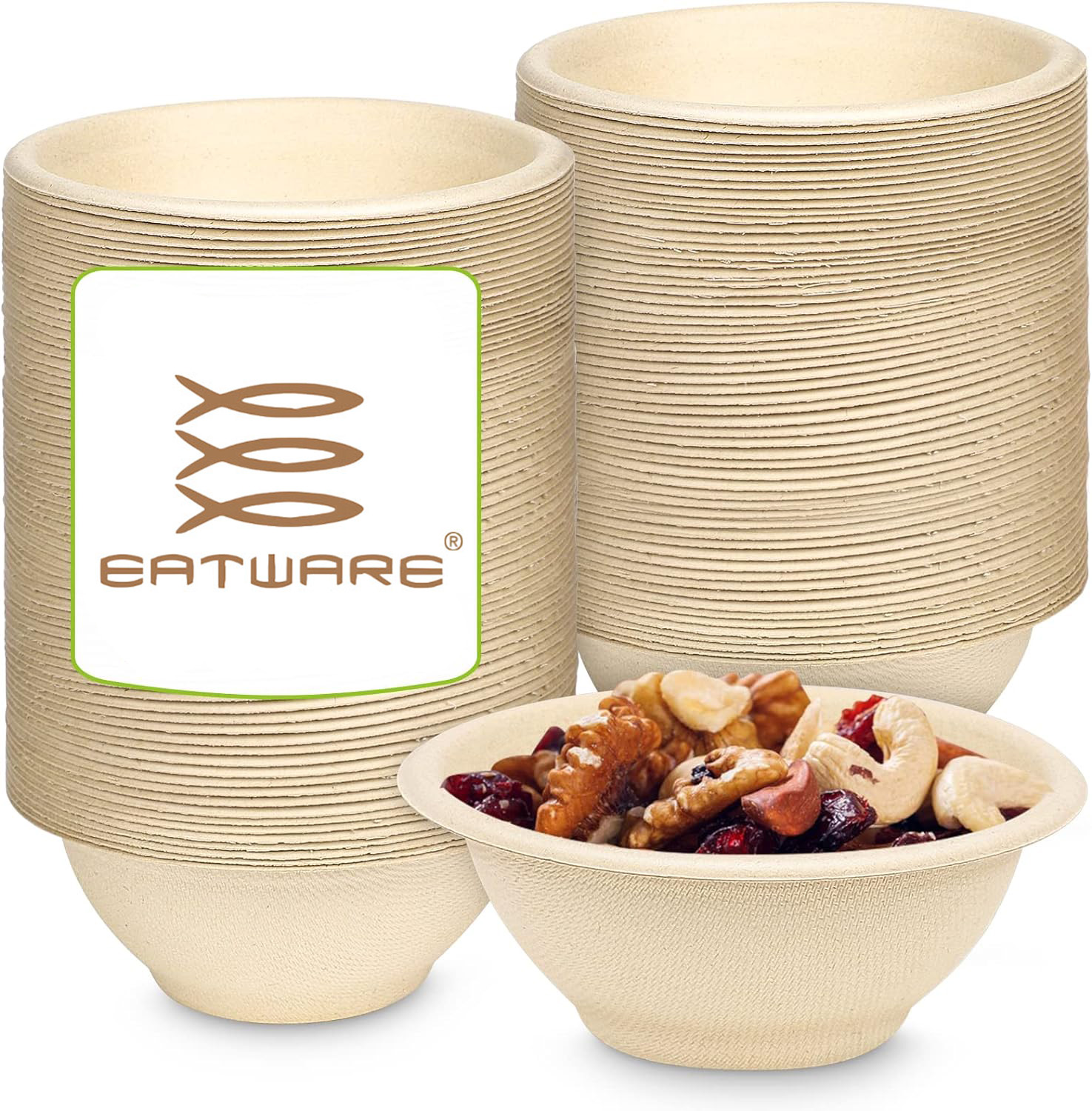 Bagasse Bowls
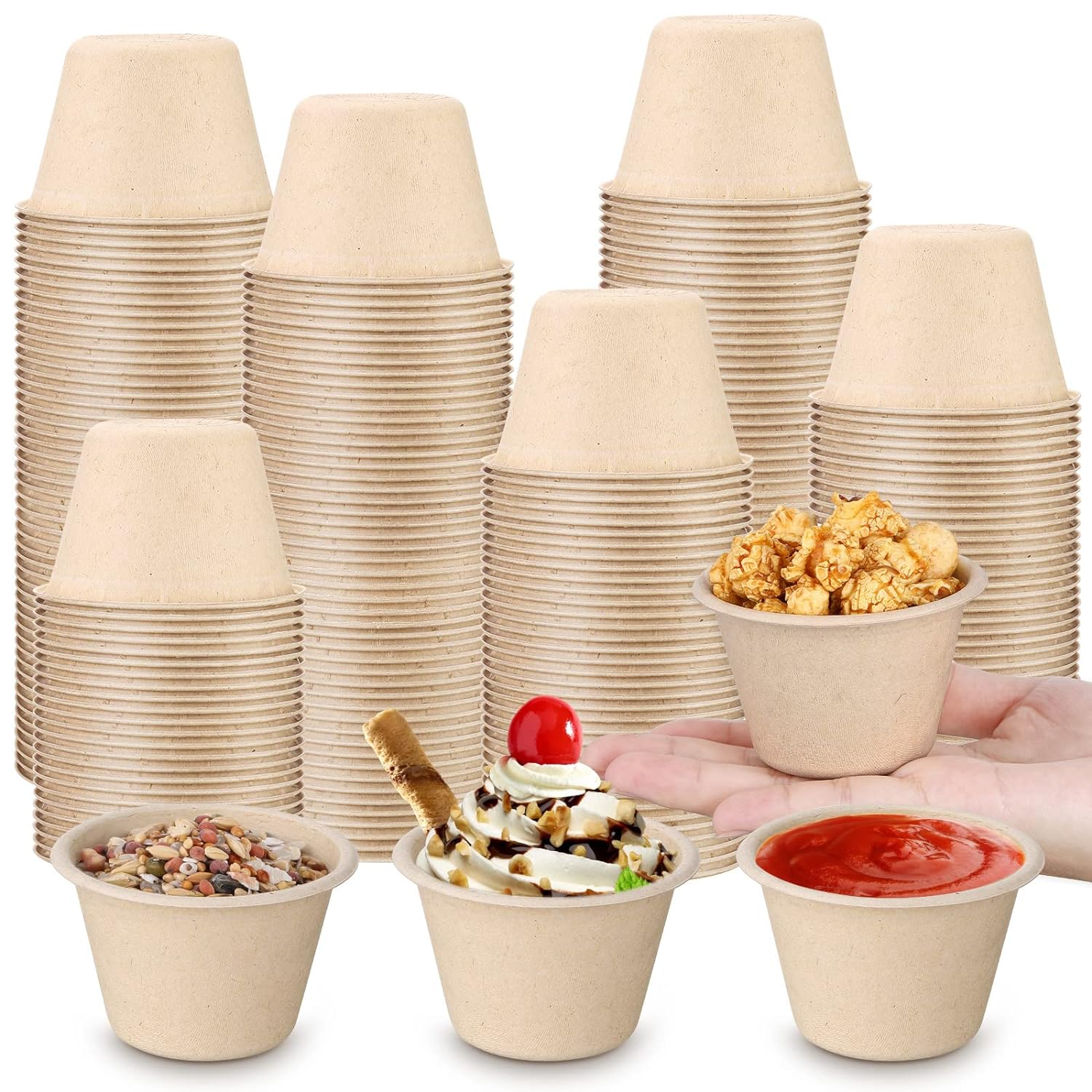 4oz
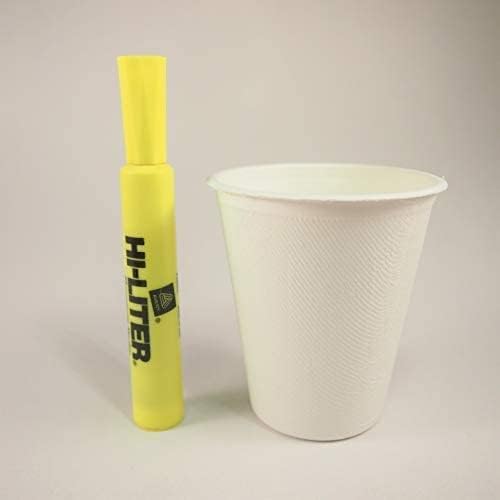 Bagasse Cups And Cutlery
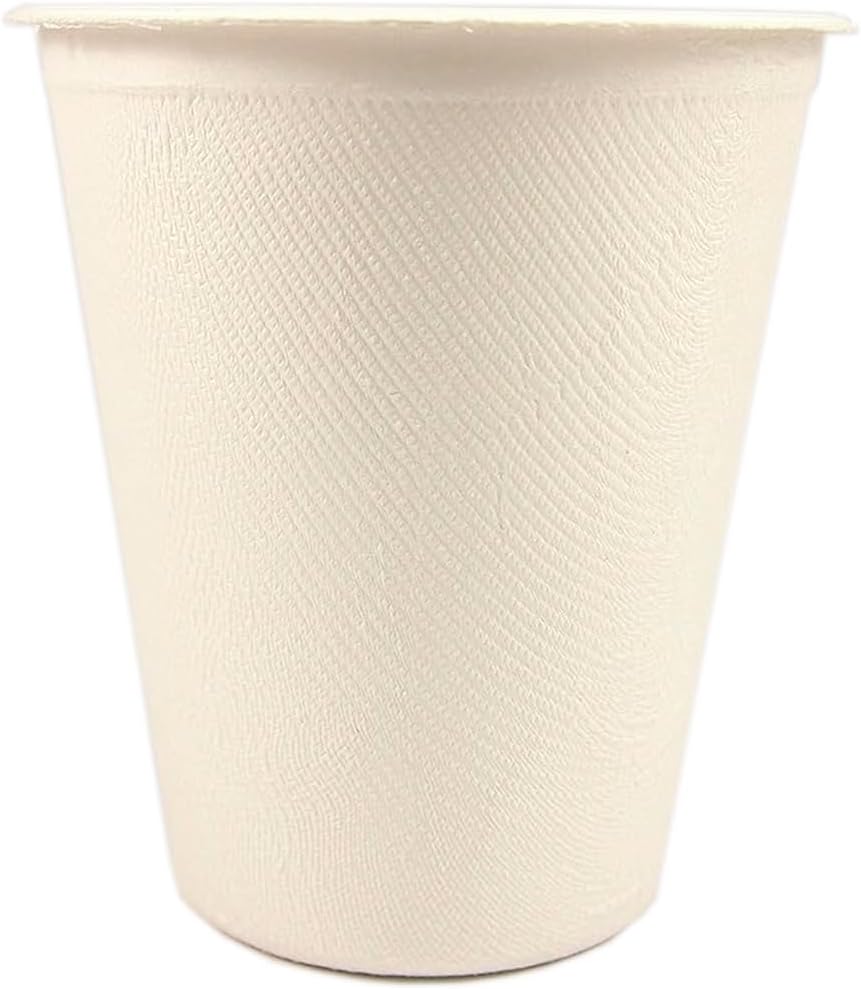 8oz
 12oz
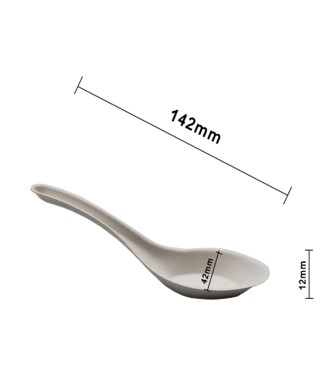 Cutlery
Leave Your Message
Engineered for extreme thermal resistance, oil impermeability, and ergonomic portability across demanding mobile culinary environments.
How evolving consumer behaviors, regulatory bans on single-use plastics, and high-heat culinary recipes are reshaping commercial street food containers.
Street food has transcended traditional open-air bazaars to become a multi-billion-dollar global cultural and culinary phenomenon. From artisanal gourmet food trucks across North American metropolitan centers to bustling Asian night markets, European food festivals, and Latin American taquerias, street dining demands containers that merge rapid serving speeds with uncompromising mechanical strength. Unlike formal seated restaurants where tableware is washed and reused, street food operations operate entirely on disposable serving formats. In this intensive setting, standard paperboard plates frequently collapse under boiling broth, saturated deep-fried oils, and acidic dressings. This structural vulnerability has triggered widespread industrial adoption of the high-performance laminated tray for street food.
A specialized laminated tray combines the renewable rigidity of molded plant fiber (such as thermoformed sugarcane bagasse or bamboo pulp) with an ultra-thin, biodegradable, or micro-barrier film layer. This barrier prevents moisture ingress, lipid permeation, and thermal degradation without compromising the container's sustainability credentials. As municipalities worldwide enact aggressive single-use plastic (SUP) bans and eliminate fluorinated substances (PFAS/PFOS), commercial vendors require certified food-grade packaging that safeguards consumer health while meeting stringent international compostability benchmarks.
Street foods like loaded nachos, churros, fried chicken, and tallow-grilled skewers exert extreme lipid pressure on packaging. Laminated pulp trays create an impenetrable barrier that stops greasy staining and bottom sogginess.
Hot gravies, chili oils, and freshly fried delicacies cause generic paper containers to warp. Our laminated trays withstand boiling sauces and direct microwave re-heating without structural loss or harmful chemical leaching.
Compliant with FDA, BPI, BRC, and EU 1935/2004 regulations. Formulated without synthetic fluorine compounds, providing clean-label environmental assurance for conscious street food operators worldwide.
Tailored tray architectures engineered for diverse culinary traditions, from scorching barbecue to wet gravy delicacies.
Street barbecue, Korean bulgogi, Turkish kebabs, and Japanese yakitori release intense heat combined with animal fats, char, and rich marinades. Conventional containers quickly soften at high contact temperatures, risking burns to patrons on the go. The laminated tray provides an insulating natural pulp bottom coupled with an inner moisture-sealing film, allowing guests to comfortably hold piping hot portions while strolling.
From Pad Thai, laksa, and chow mein to rich Indian butter chicken and poutine, sauce-heavy dishes exert high hydrostatic and enzymatic pressure. Multi-compartment laminated trays allow street chefs to separate crispy garnishes or steamed rice from aromatic curries, ensuring optimum mouthfeel and flawless presentation until the very last bite.
Loaded street snacks represent one of the fastest-growing segments in the global quick-service market. Heavy layers of molten cheese, sour cream, guacamole, chili con carne, and hot gravy create a punishing load on tray structures. Standard paper or uncoated bagasse can absorb liquid within minutes, resulting in tearing and messy consumer experiences. A premium laminated tray for street food isolates moisture effectively, maintaining outer dryness, rigidity, and aesthetic visual appeal throughout peak festival and night market rushes.
Pioneering sustainable tableware manufacturing with advanced automation, global certifications, and strict quality control.
In the field of environmentally friendly packaging for 18 years, has established cooperation with 500+ global leading brands, festival organizers, and national food distributors.
Through our dedicated research and development, there are more than 60 products we can produce. We also support OEM and ODM customized services tailored for specialized street food menus.
Exported to the United States, Europe, Australia, Canada, and other regions, right now we have exported to more than 30 countries with full regulatory compliance and customs clearance support.
EATware is committed to sustainable development, using all natural plant fibers to produce safe, healthy, and environmentally friendly tableware. Adhering to the concept of "take nature, serve humanity, return to nature", we focus on the development of safe, high quality and environmental standards.
EATware emphasizes environmental protection and sustainable development, explores the balance between enterprise survival and environmental protection, and uses all-natural and pollution-free bamboo fiber as the main material of tableware to ensure that its products meet the high technical level and are superior to developed countries.
10000+ square meters factory area, more than 30 patent certificates, 10 foreign authoritative certification, and 55 automatic forming machines ensuring rapid fulfillment and consistent container tolerance.
Kangxin (HaiMen) Environmental Technology Co., Ltd. is a technology innovation oriented enterprise that focuses on disposable environmentally friendly tableware and food packaging.
We have advanced production processes and equipment, and continue to attract senior talents, focusing on environmental protection, emphasizing safety, and ensuring quality across all commercial lines including our signature laminated tray for street food applications.
Rigorous international audit accreditations validating food safety, eco-degradability, and advanced equipment patents.
Stay updated on rigorous quality evaluation techniques, eco-tableware durability testing, and global supply trends.
The most reliable way to test disposable food containers is to combine leakage testing with structural testing under conditions that reproduce the intended food application. A container should not be approved simply because it holds water for several minutes or survives an empty compression test; it must undergo dynamic hot oil exposure, weighted drop tests, and thermal vapor retention checks to simulate street food service.
Read More →For foodservice operators, replacing conventional plastic packaging is not simply a matter of changing materials. Disposable biodegradable tableware must still withstand hot food, sauces, oils, condensation, stacking, transport, and commercial handling without losing structural integrity. Poorly engineered pulp softens rapidly under grease, making high-barrier laminated trays the vital choice for professional vendors.
Read More →With growing global demand for takeaway meals and eco-friendly packaging, China's manufacturing sector has become a major hub for disposable food containers. Today's food businesses - from fast-food chains and meal-delivery services to supermarkets and catering companies - are looking for smart automated factories capable of delivering certified PFAS-free laminated food trays at scale.
Read More →Supplying world-class restaurant chains, airlines, supermarkets, and catering leaders with sustainable laminated tableware.
Explore our full certified catalog of molded pulp and laminated trays, precision engineered for food trucks, takeout stalls, and outdoor events.


