
 Box With T buckle
 700ml Square Lunch Box
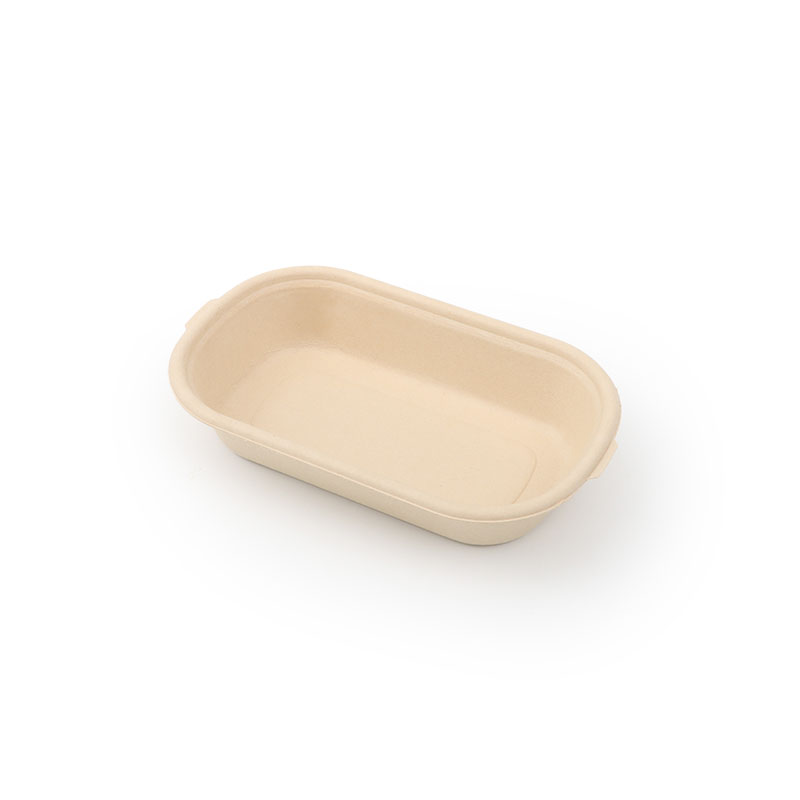 500ml
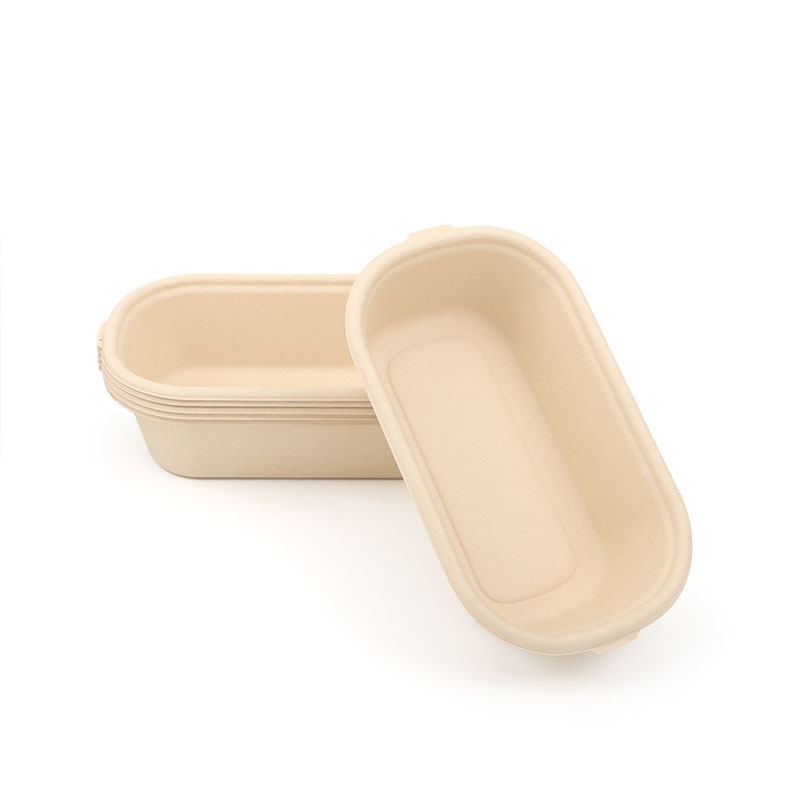 700ml
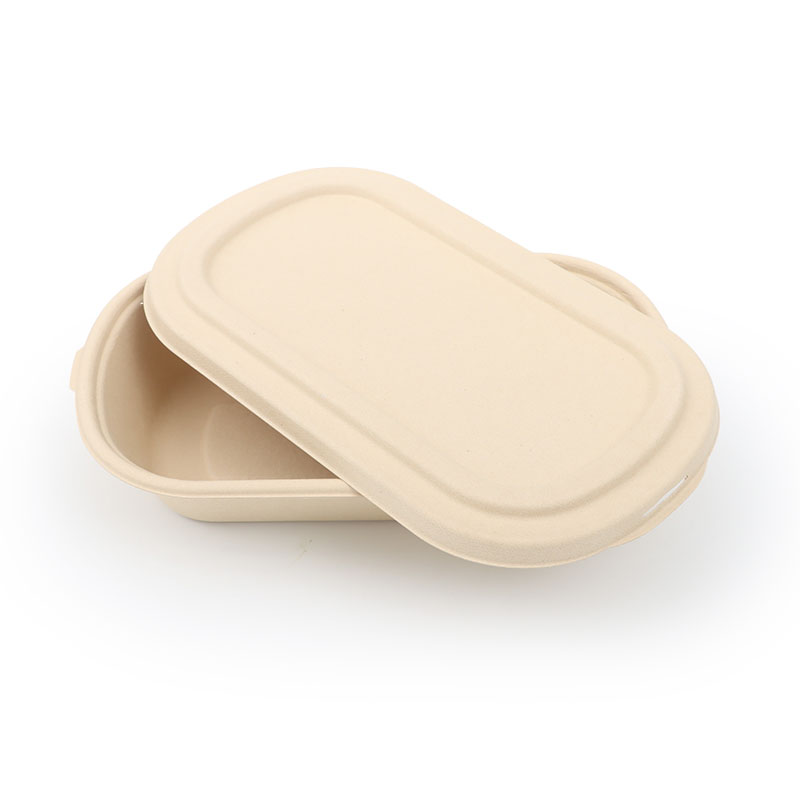 850ml
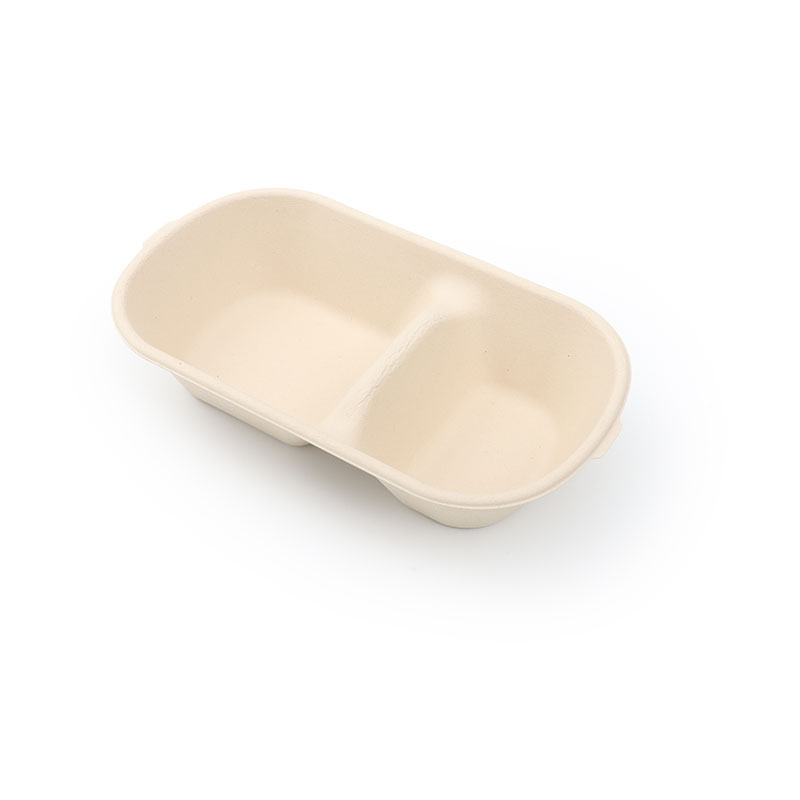 800ml 2 Compartments
 1000ml 2 Compartments
 1100ml
 1000ml Square Lunch Box
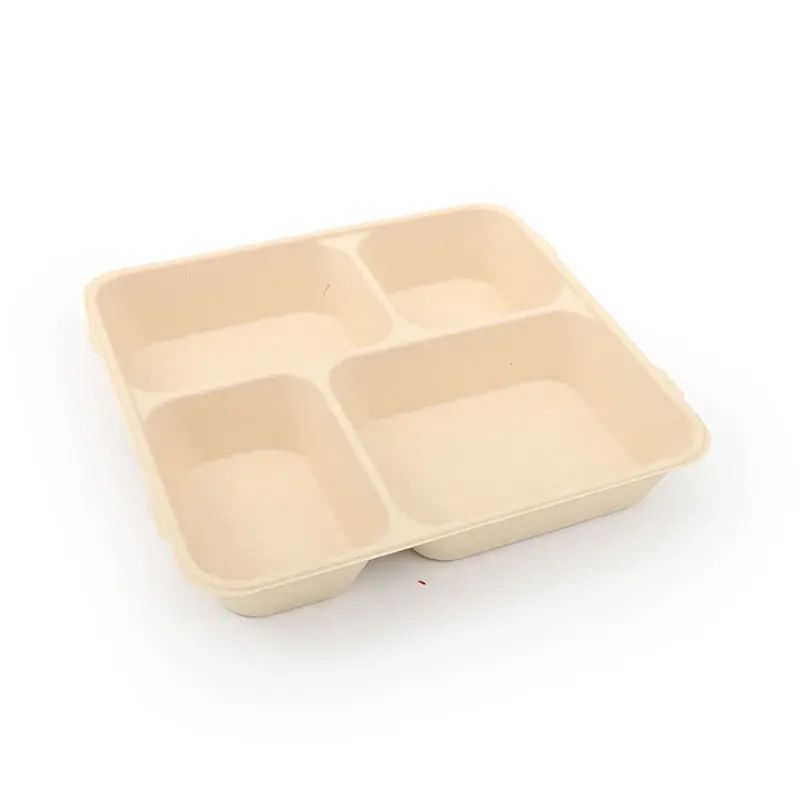 1340ml 4 Compartments
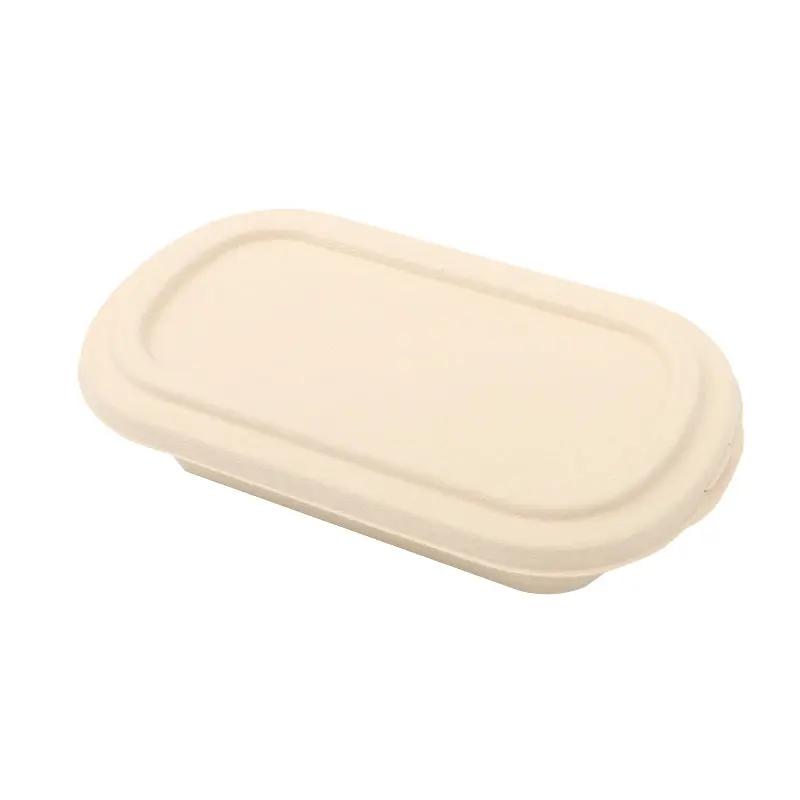 Lunch Box Lid
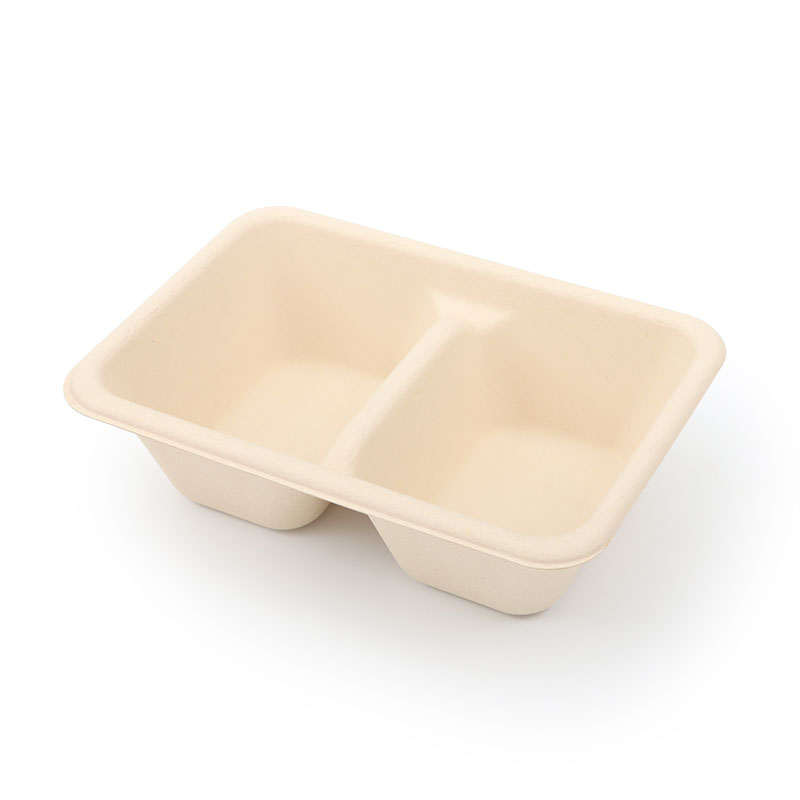 650ml
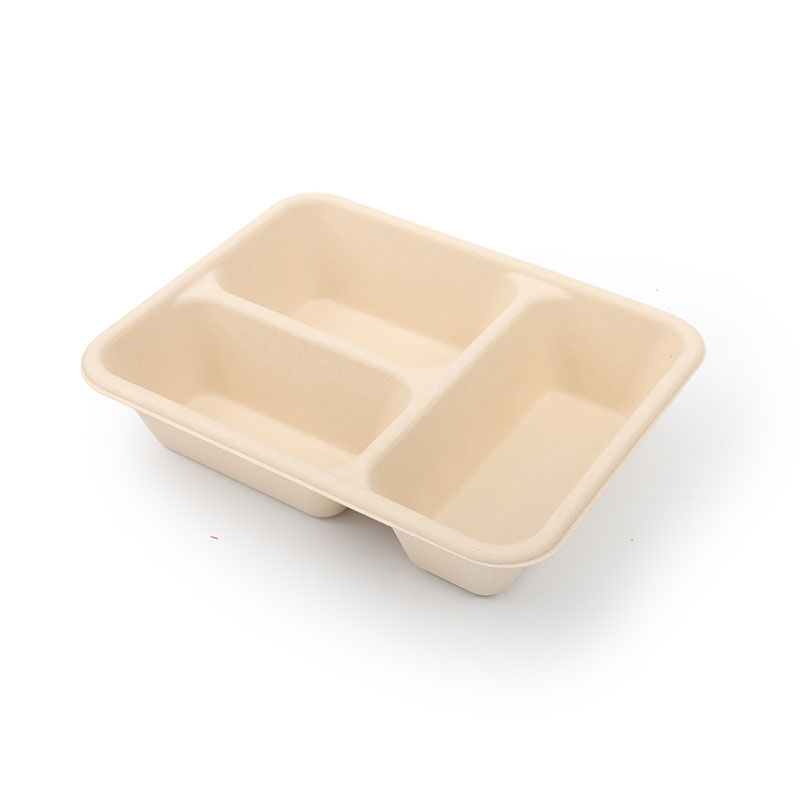 1000ml 3 Compartments
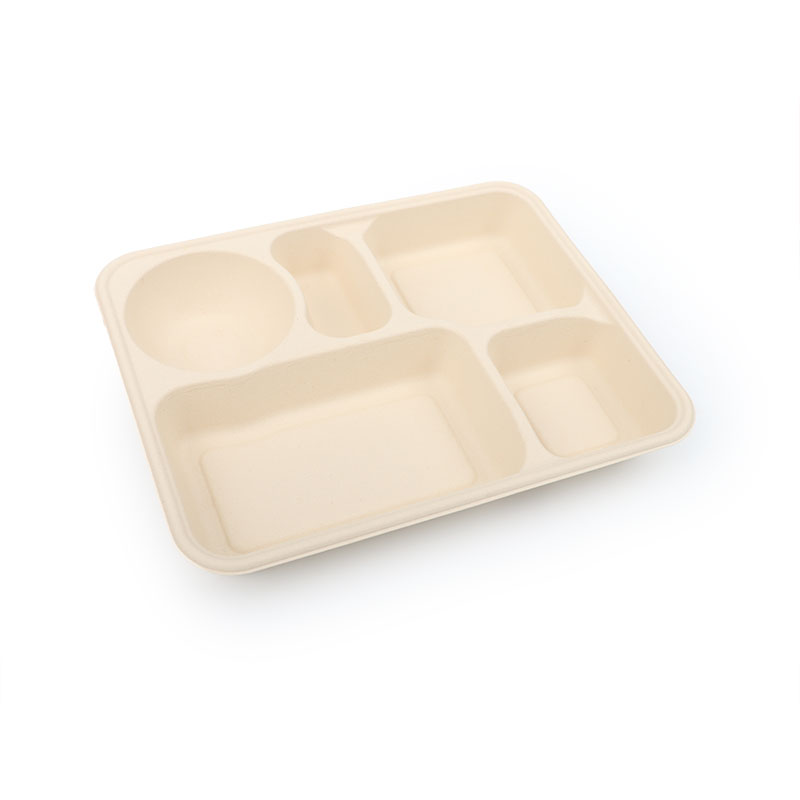 1250ml 5 Compartments
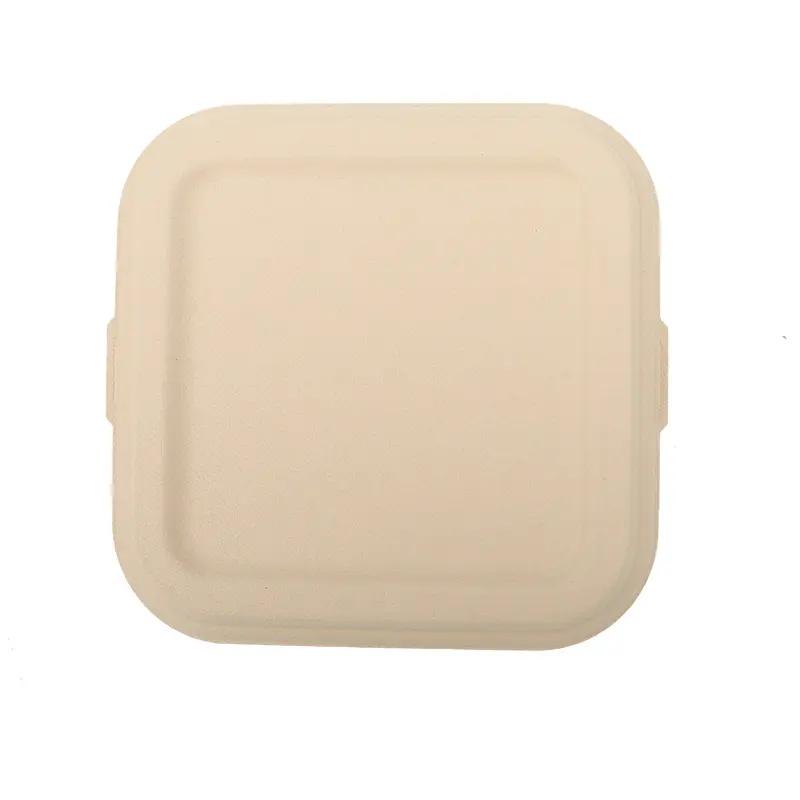 Square Lunch Box Lid
 Box Without T buckle
 850ml Salad Box
 700ml
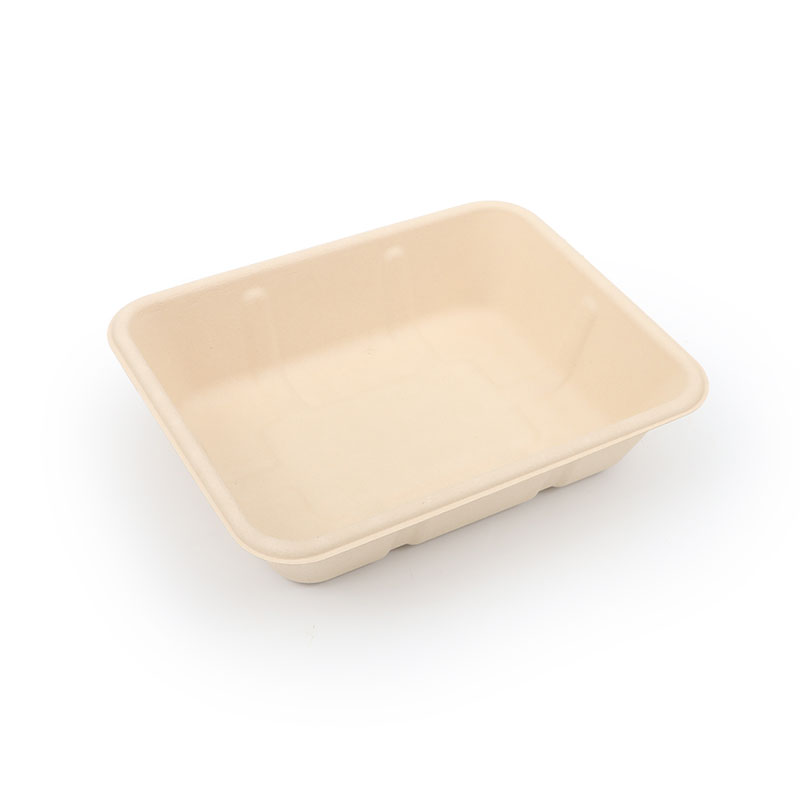 1350ml
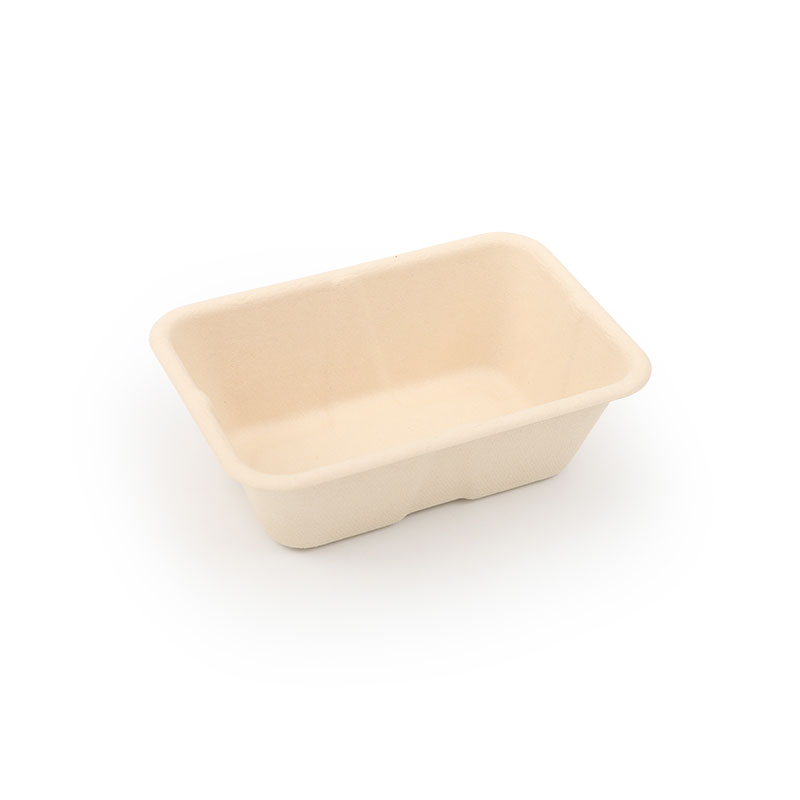 470ml
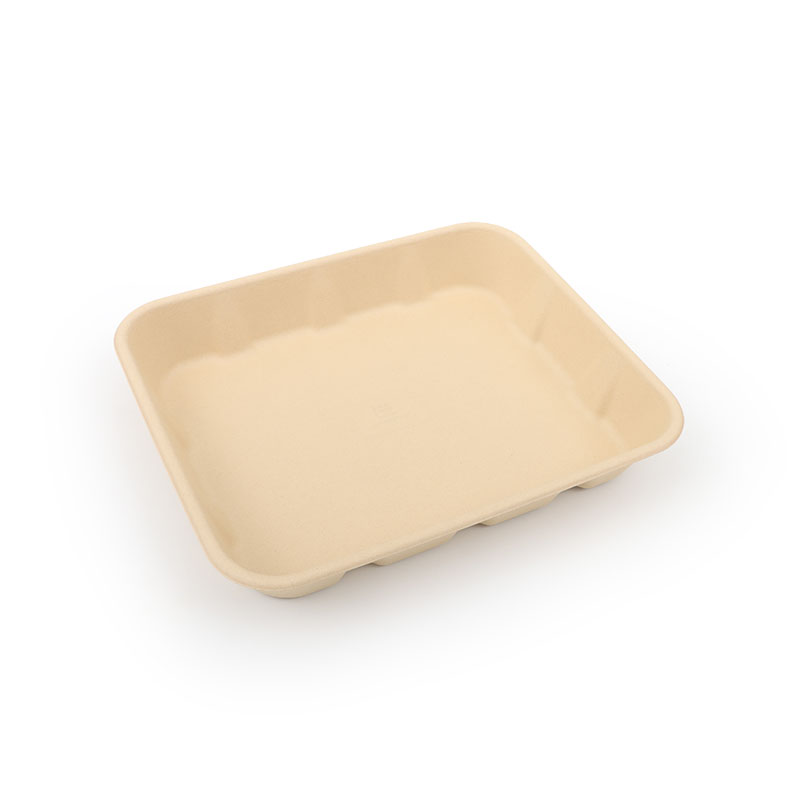 2183ml Tray Box
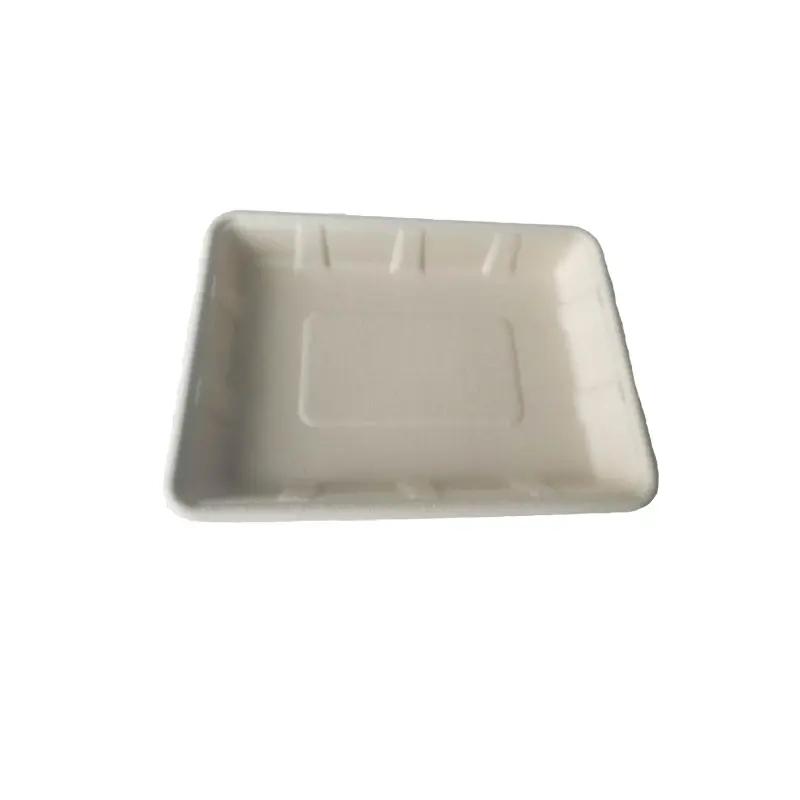 11" * 9"
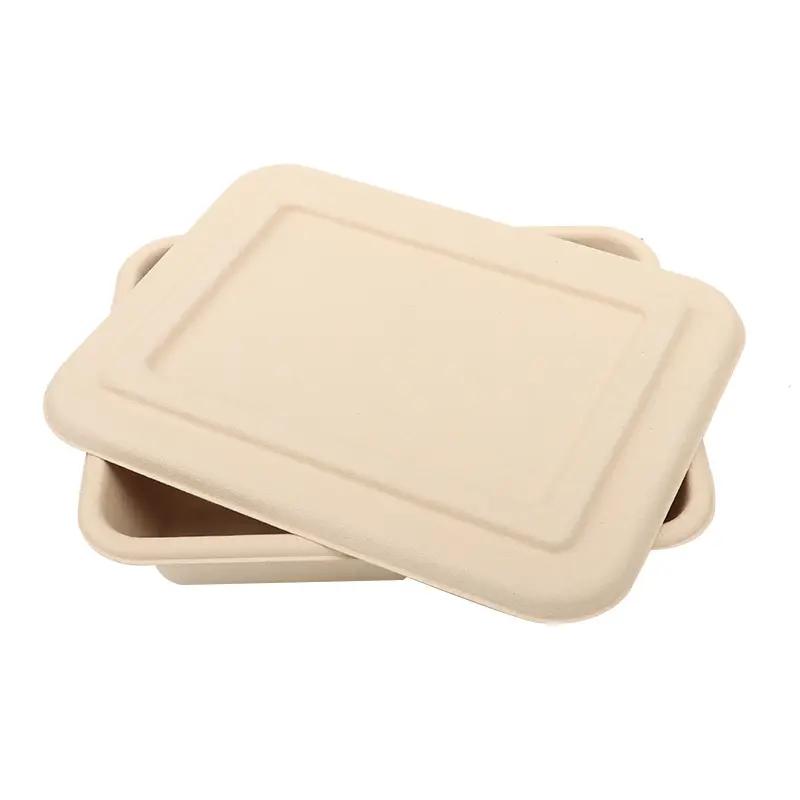 800ml
 One Part Box
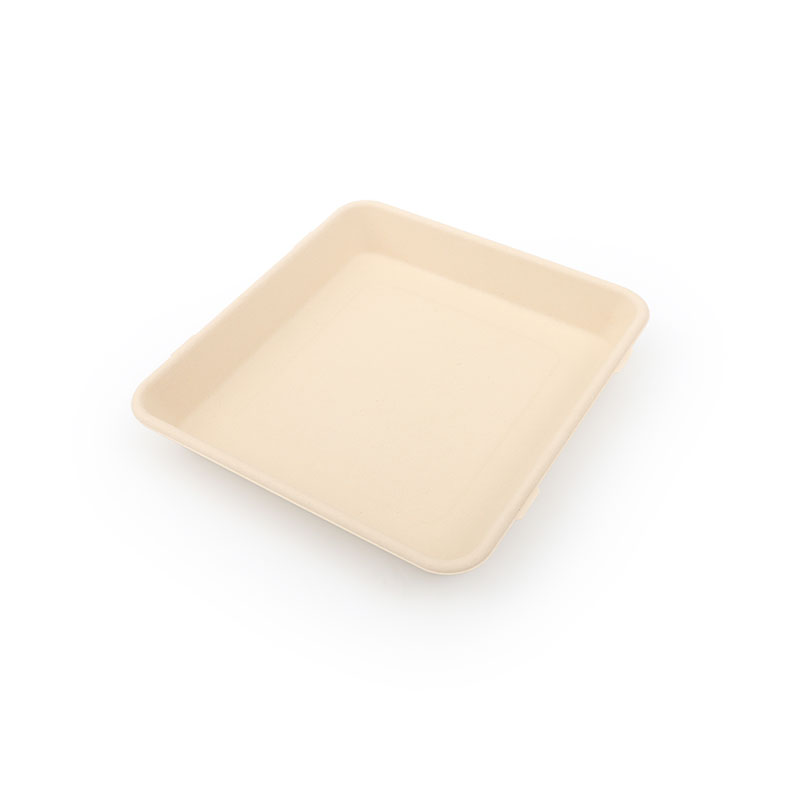 1443ml Tray Box
 Cake Bread Snack Tray Series
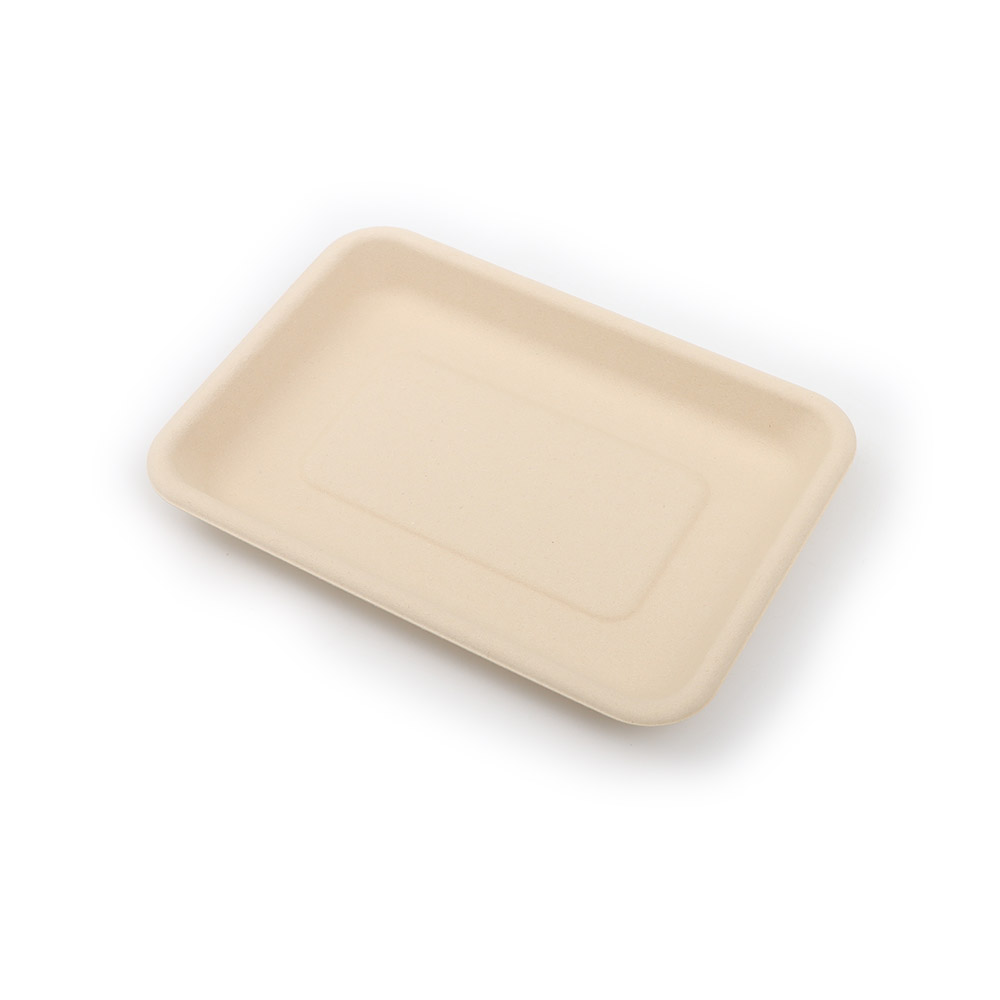 5" * 7" natural color
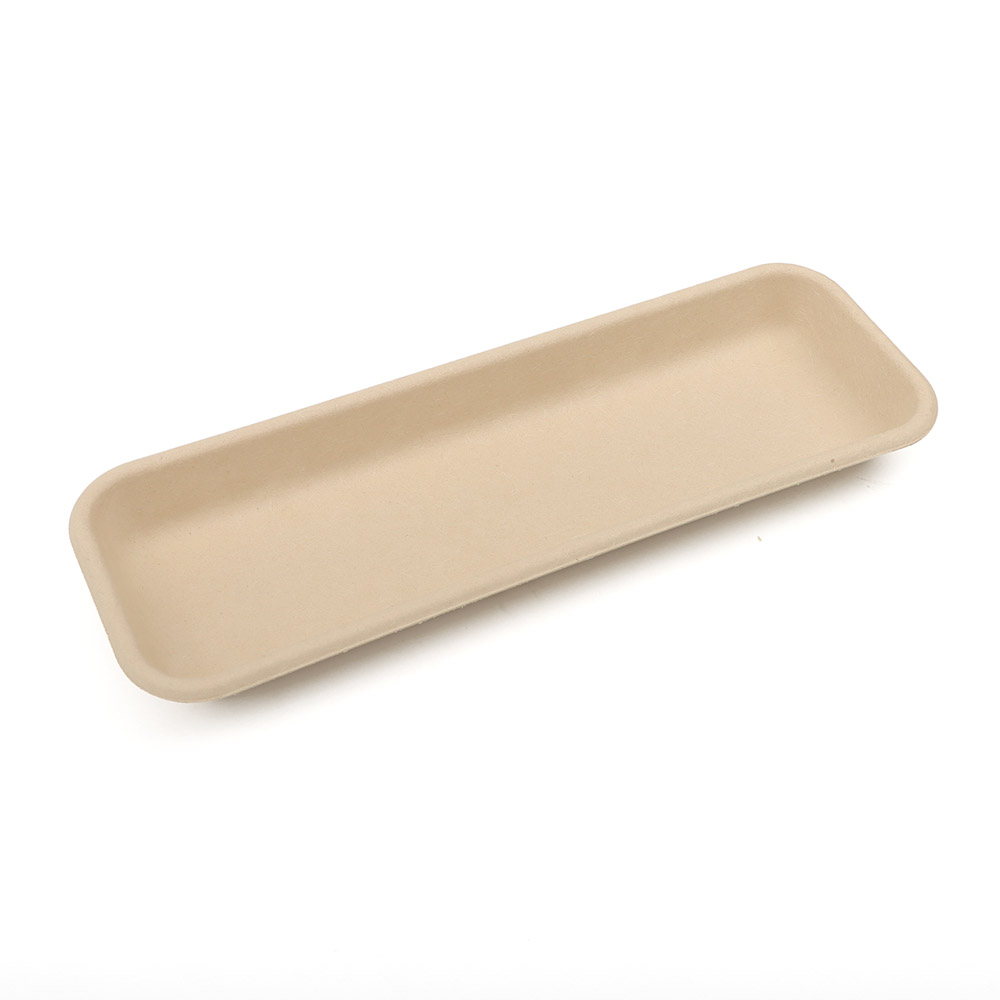 11.4" * 3.9"
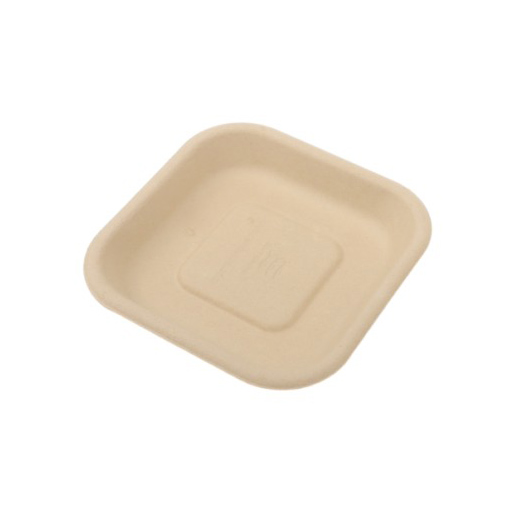 5.3" * 5.3"
 Fruit And Vegetable Tray Series
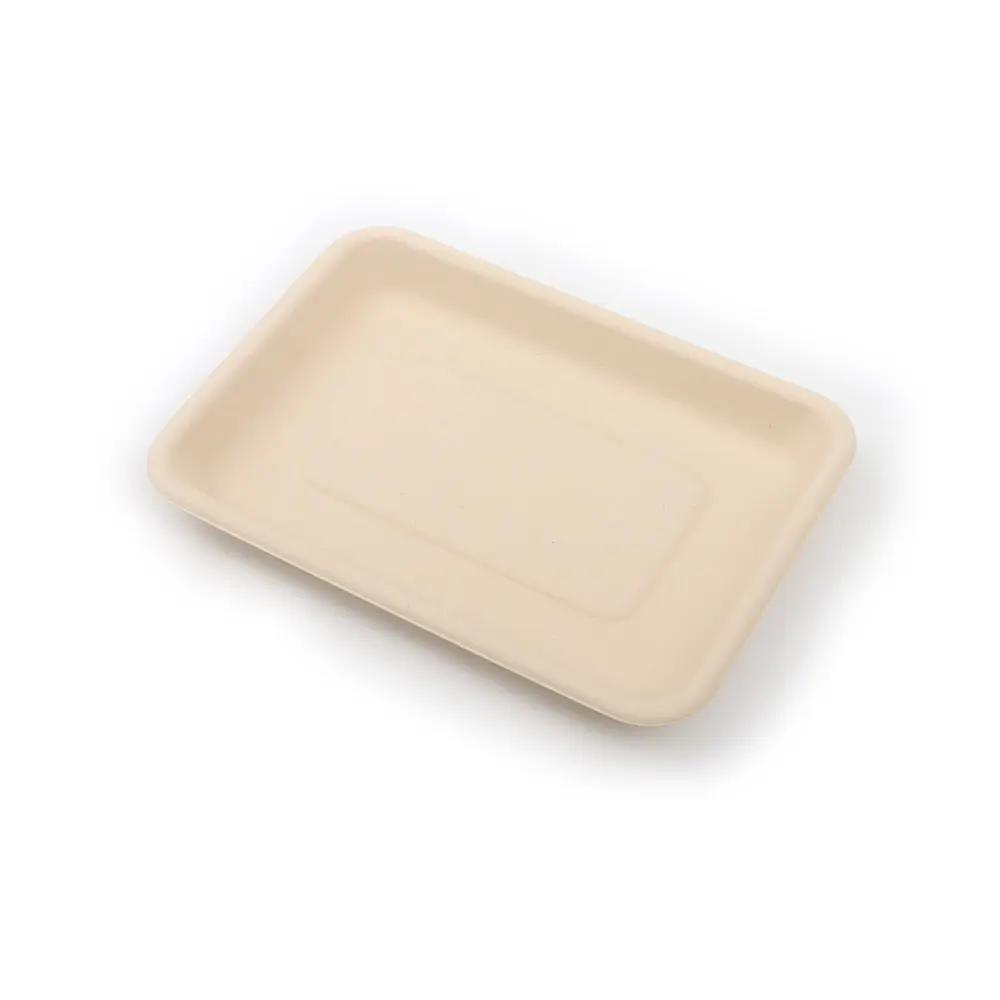 8.6" * 5.3"
 Sushi Tray Series
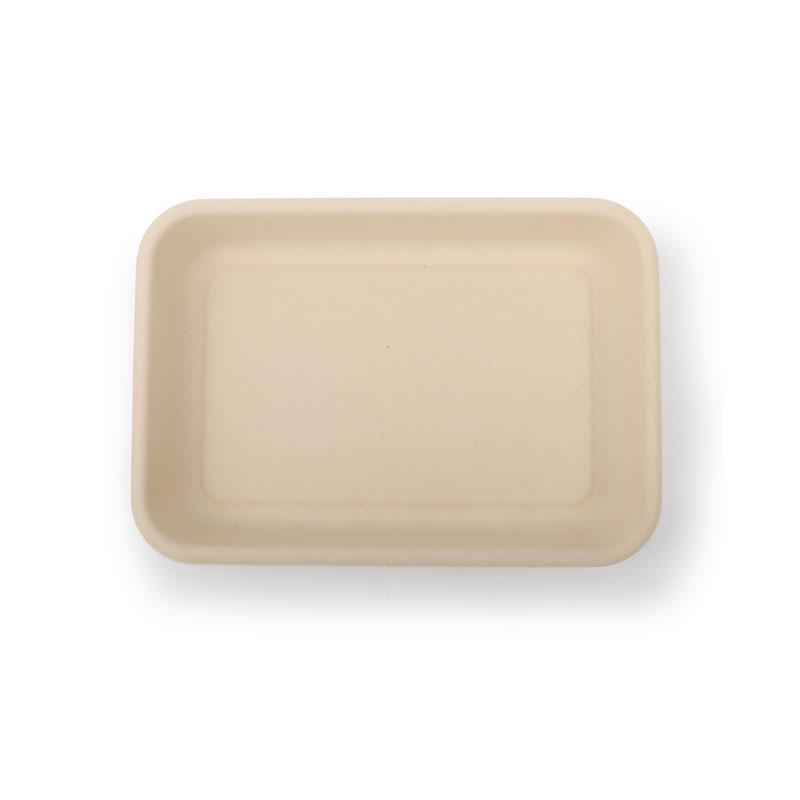 200" * 140"
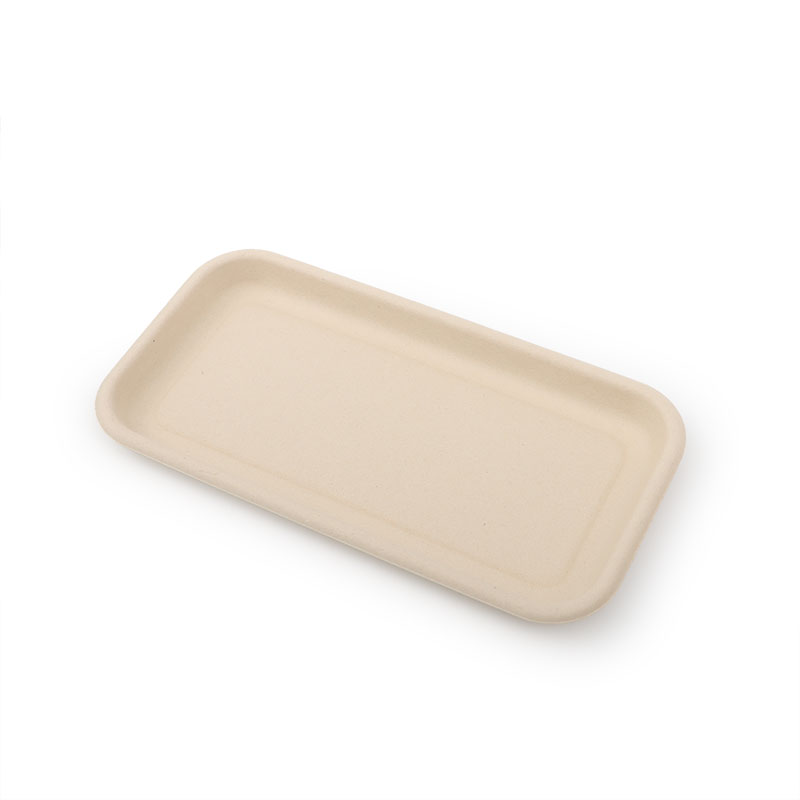 210" * 110"
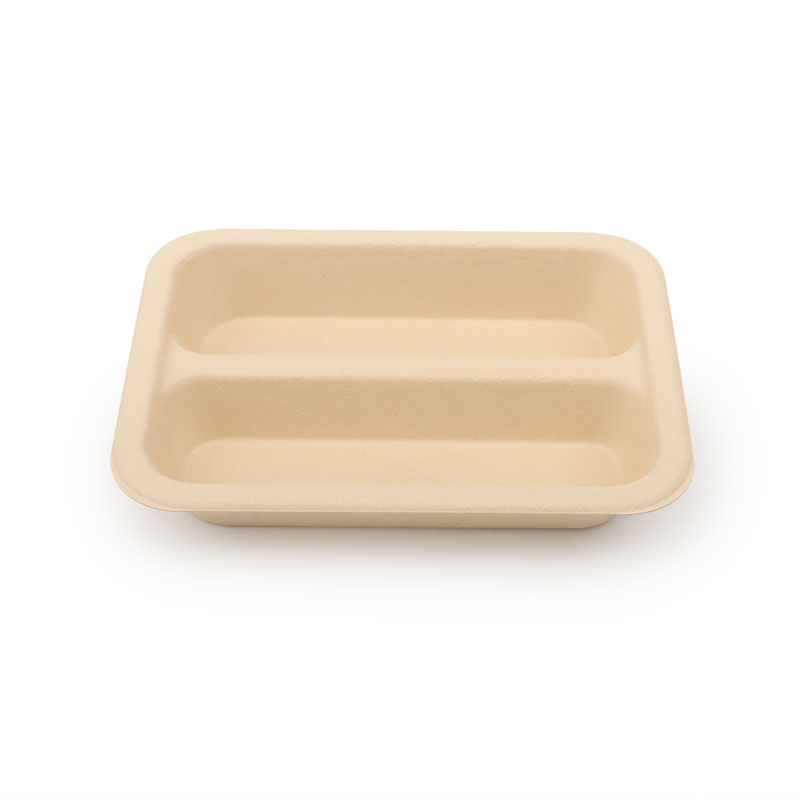 2 Compartments
 Small Round Plate Series
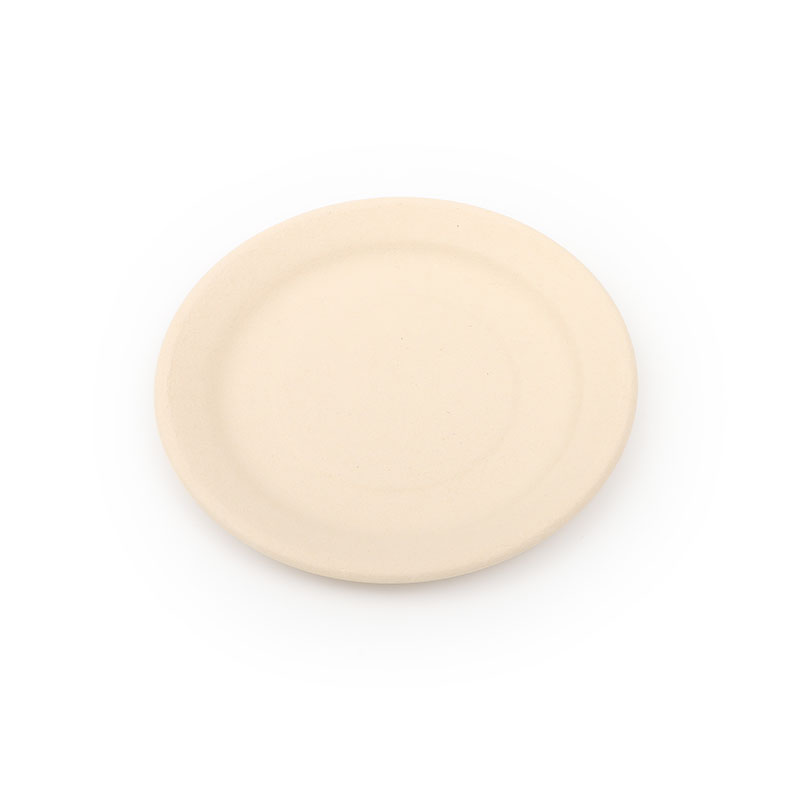 7 inch
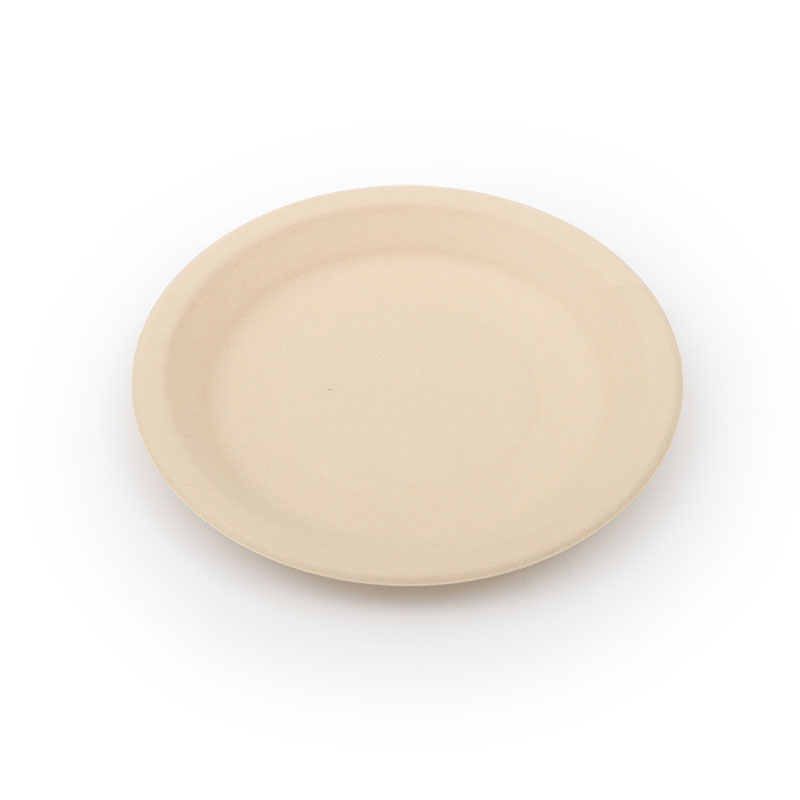 6 inch
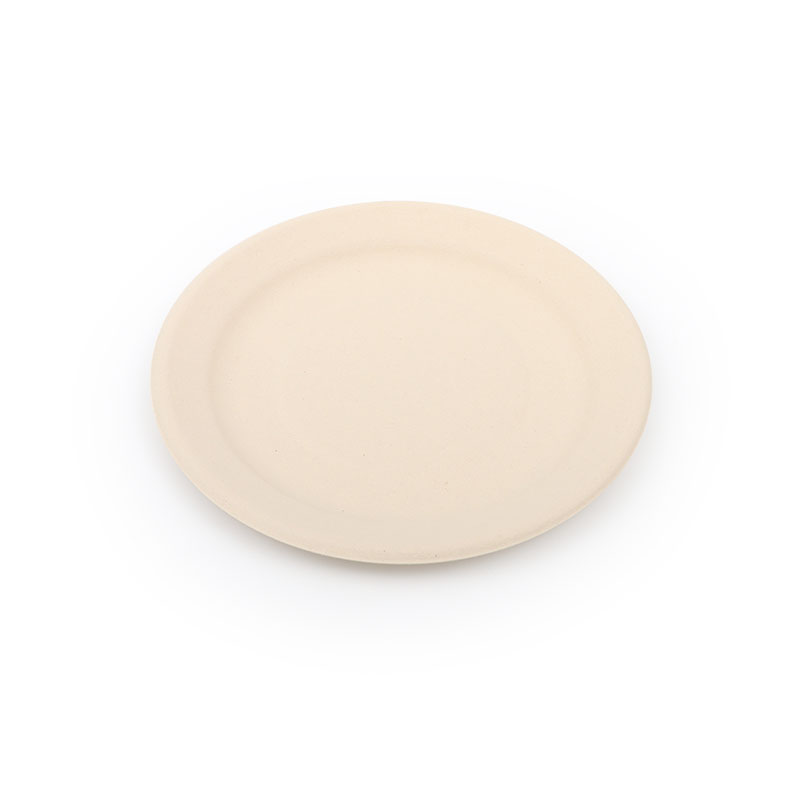 8 inch
 Middle Round Plate Series
 9 Inch 3 Compartments
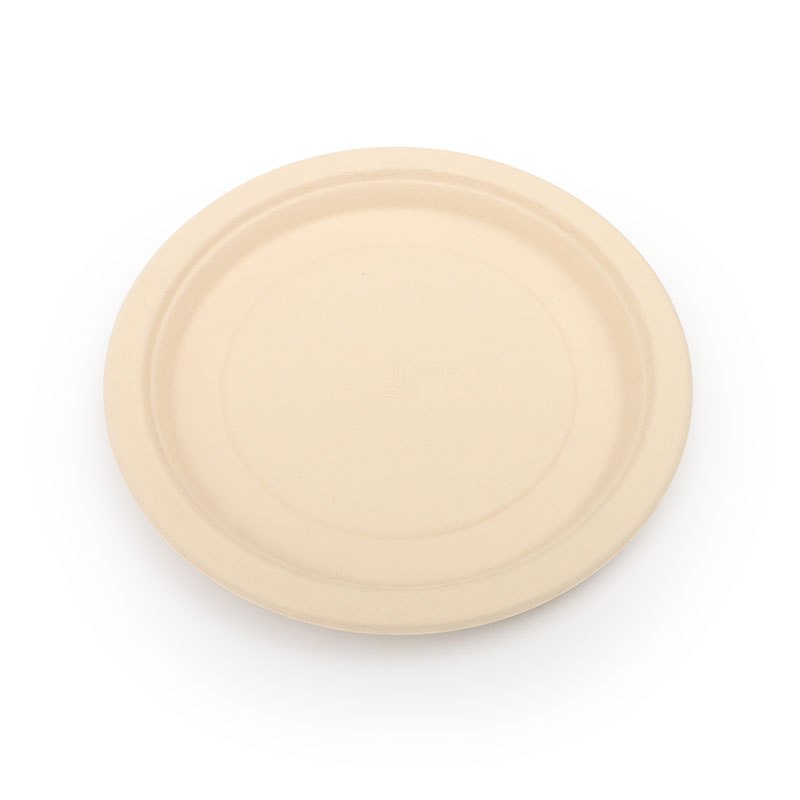 9 inch
 Big Round Plate Series
 12.7 Inch Pizza Plate
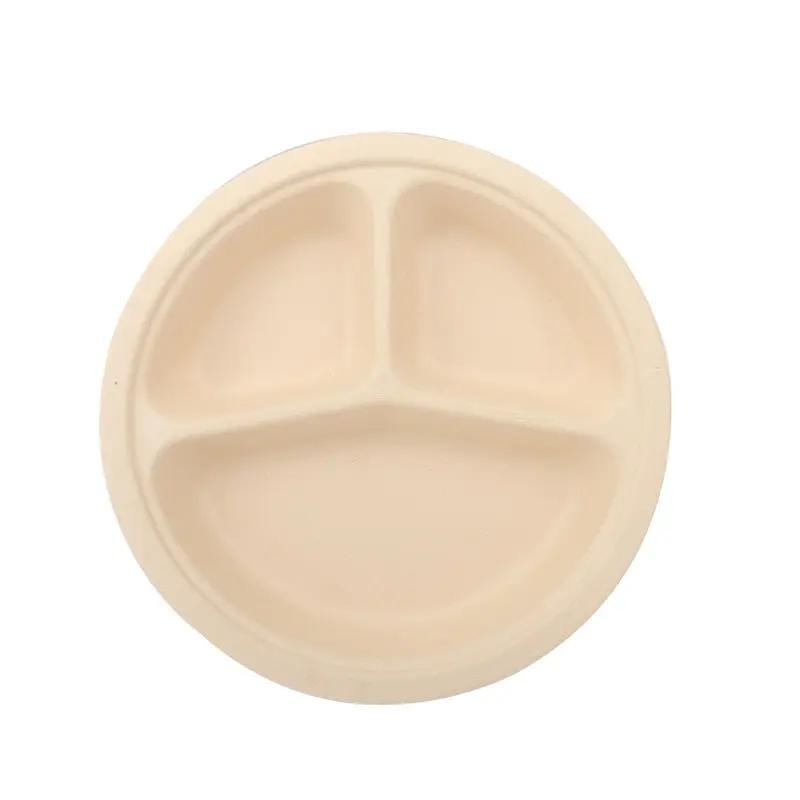 10.25 inch 3 Compartments
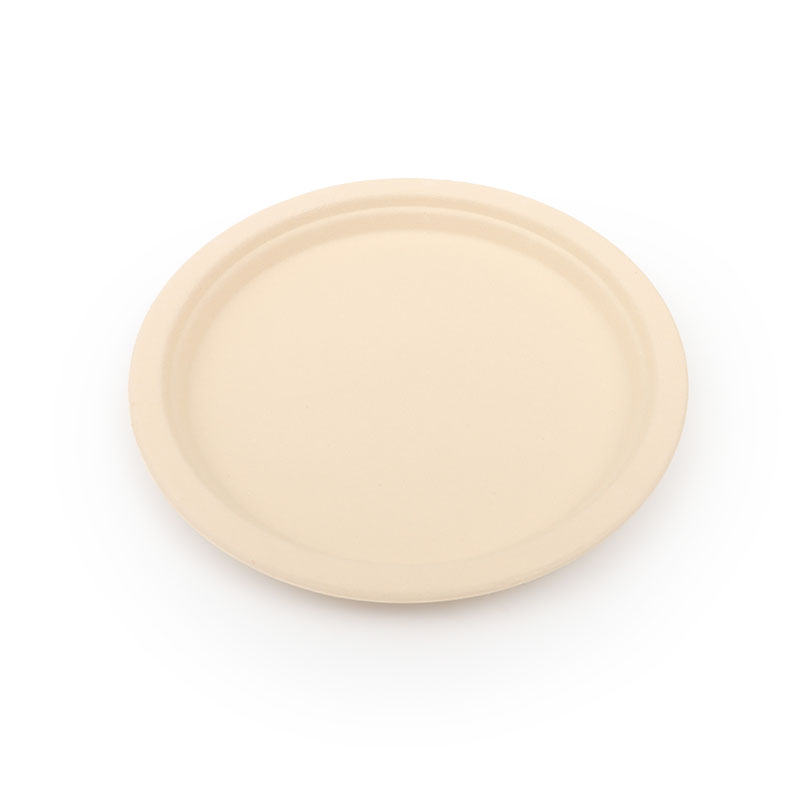 10 inch
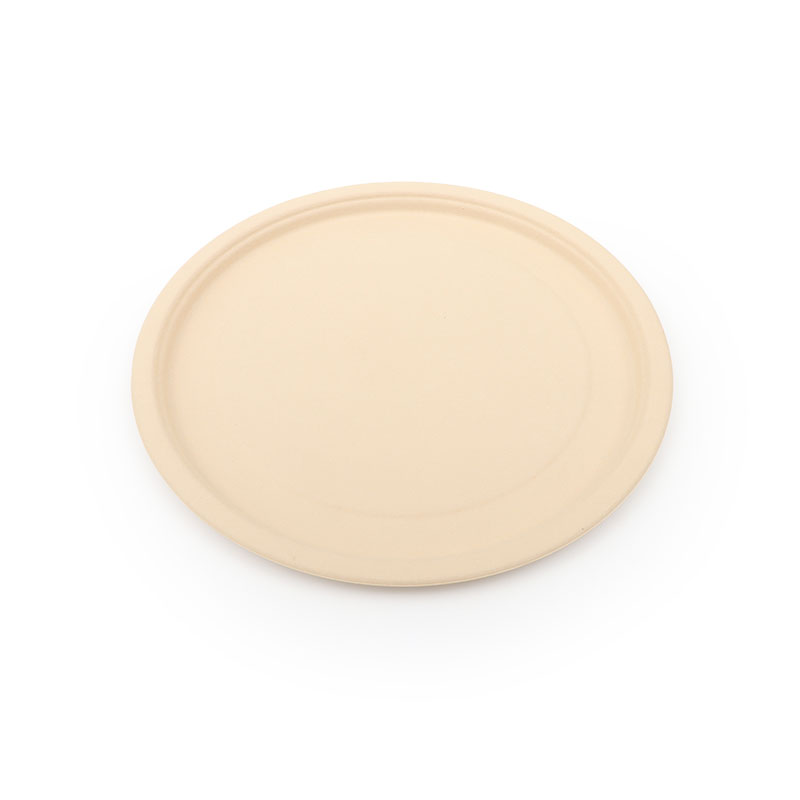 12 inch
 Bigger Bowl
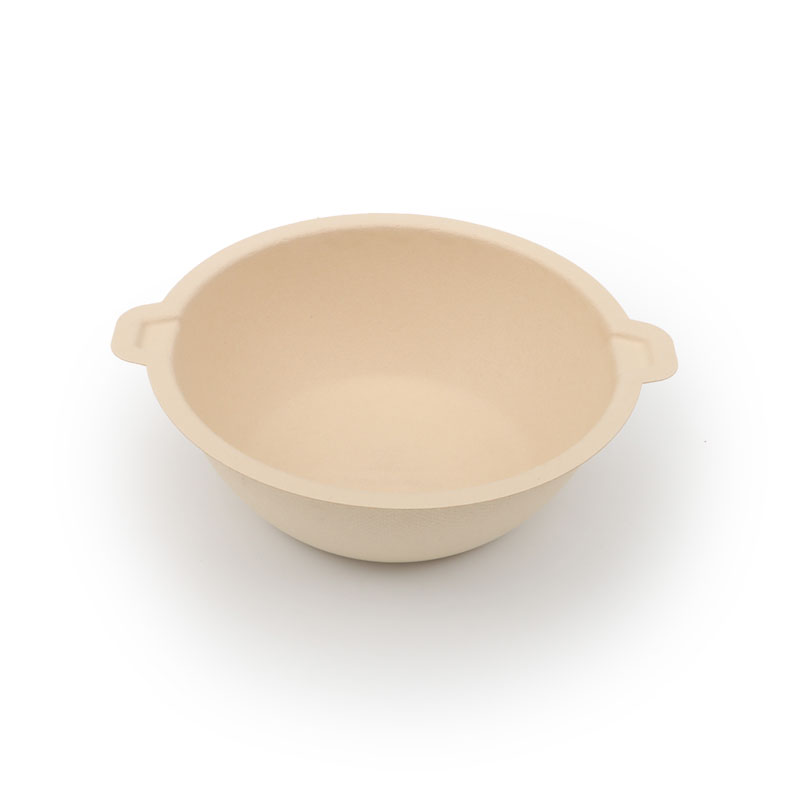 48oz(1420ml)
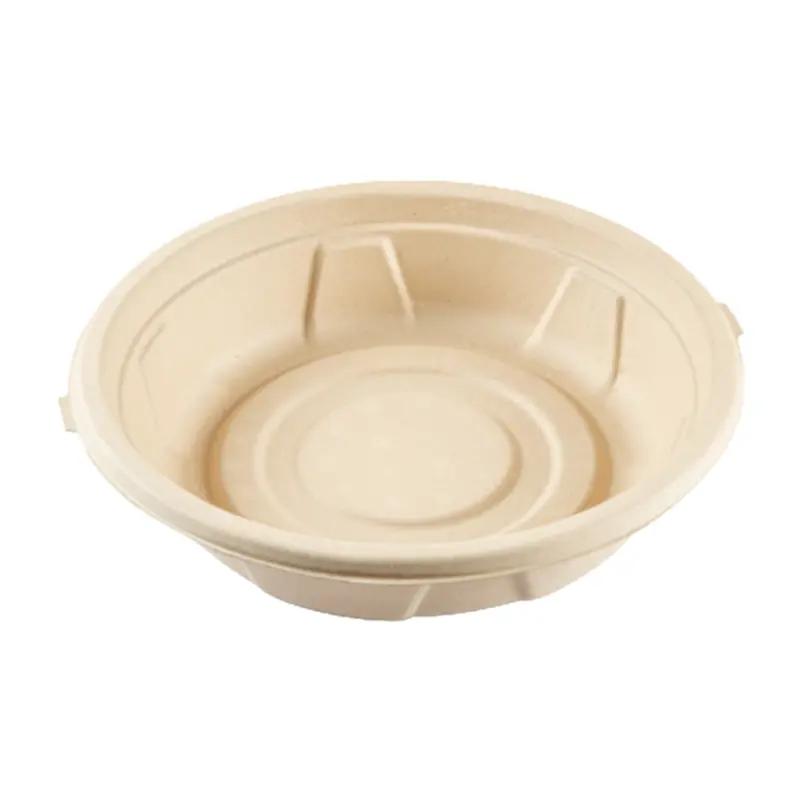 56oz(1650ml)
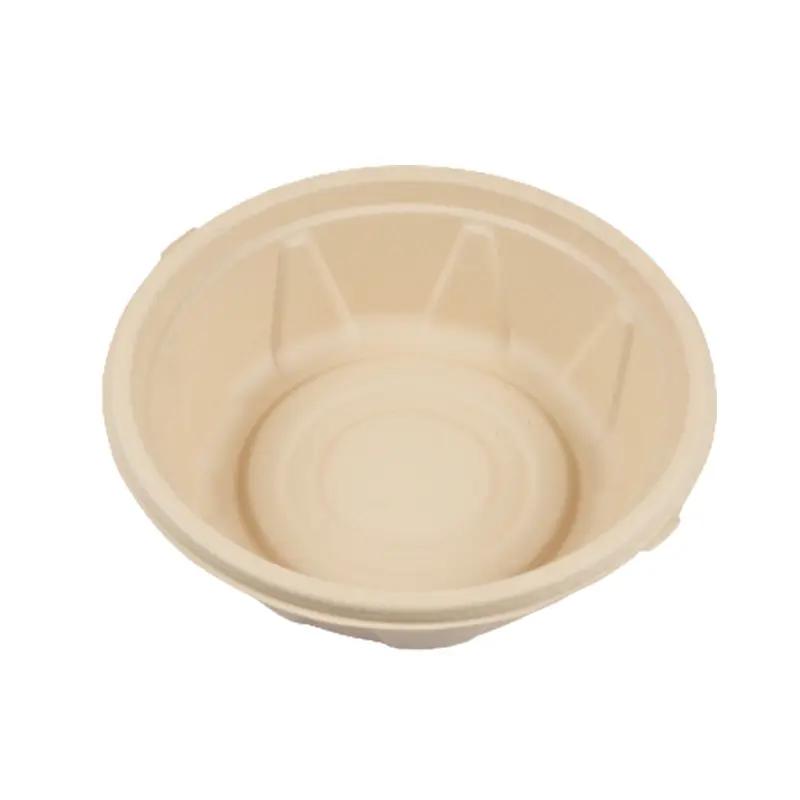 100oz(2950ml)
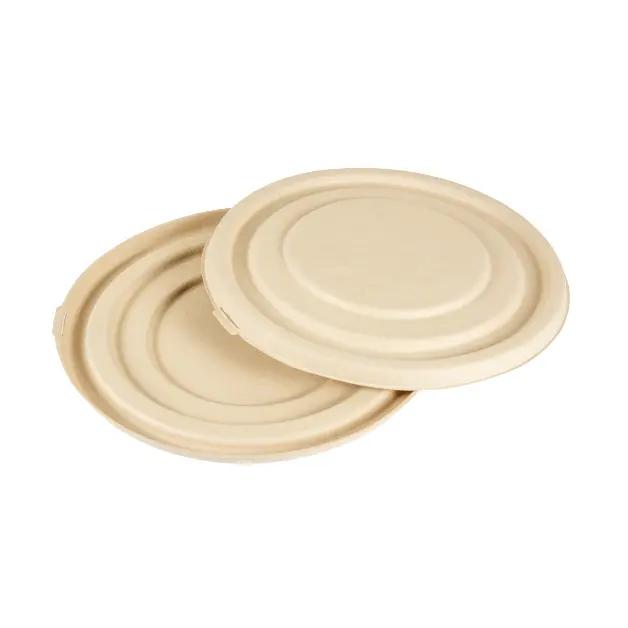 100oz(2950ml) With Lid
 Middle Bowl
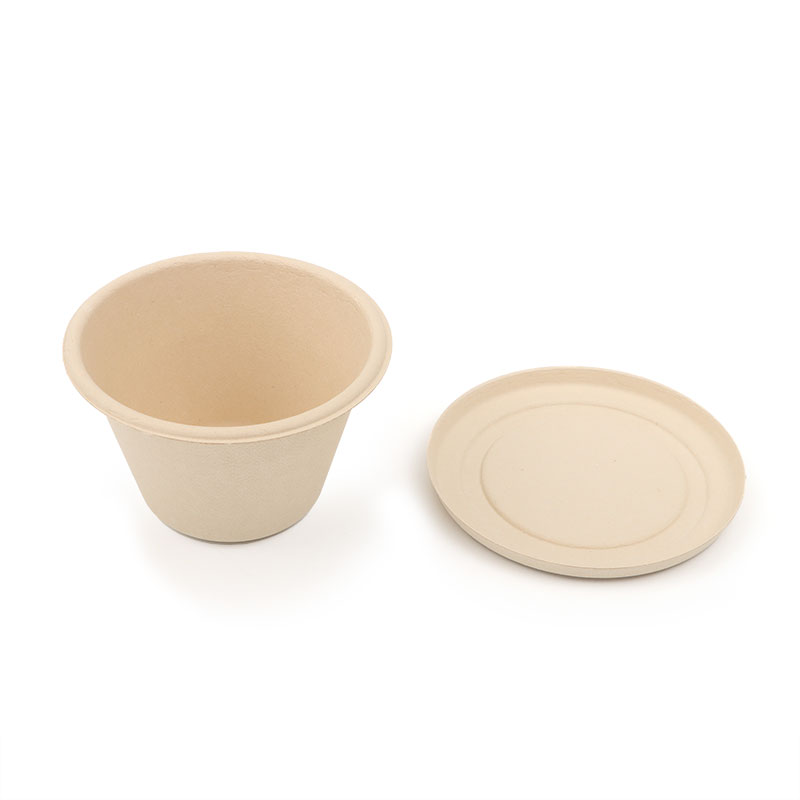 17oz(500ml)
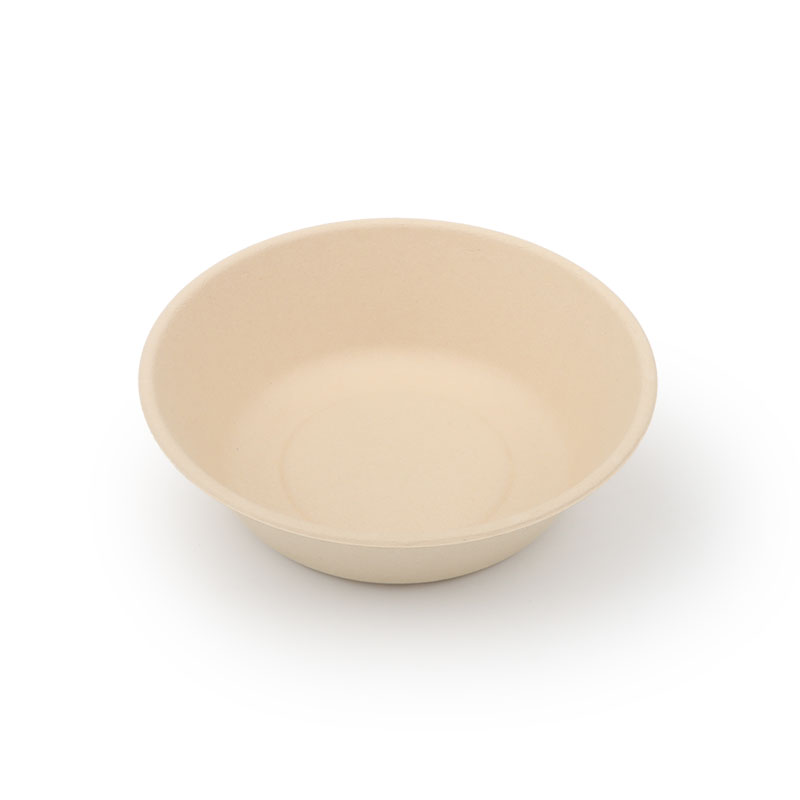 27oz(800ml)
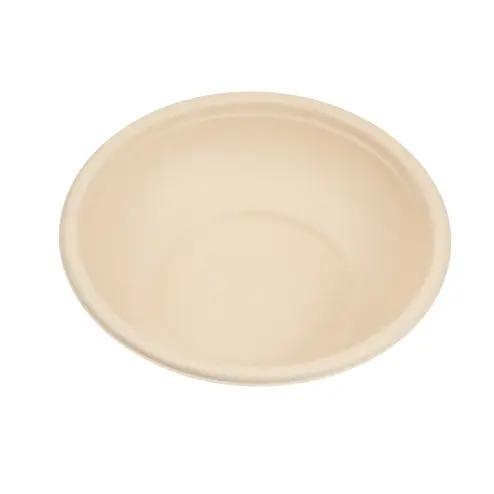 20oz(600ml)
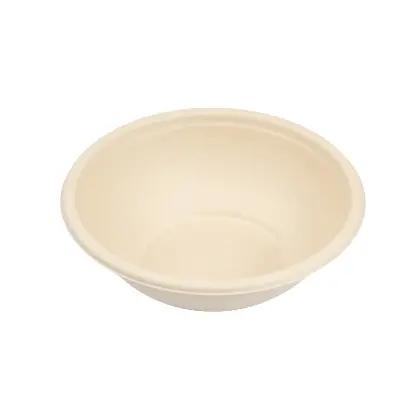 29oz(850ml)
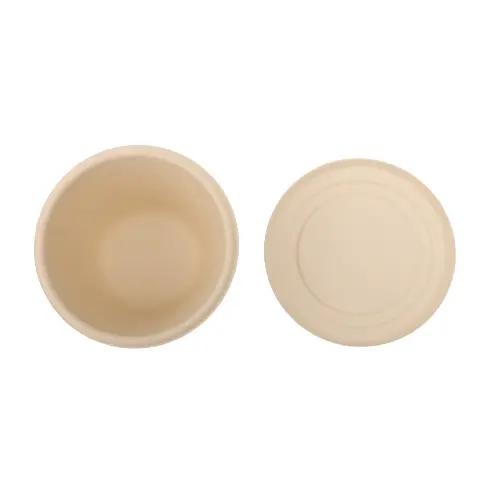 17oz(500ml) With Lid
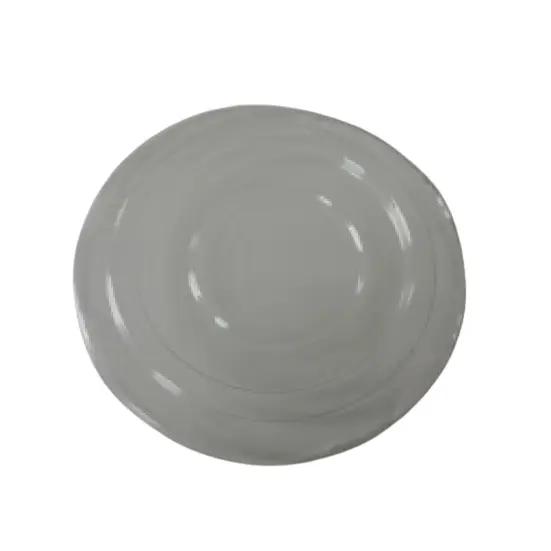 17oz(500ml) PET Lid
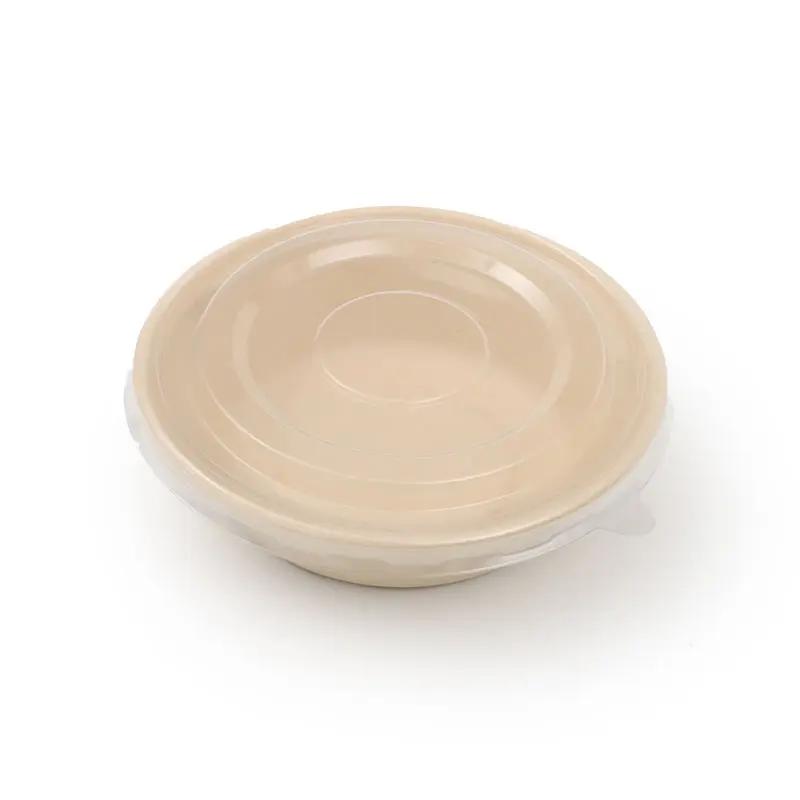 28oz(830ml) PET Lid
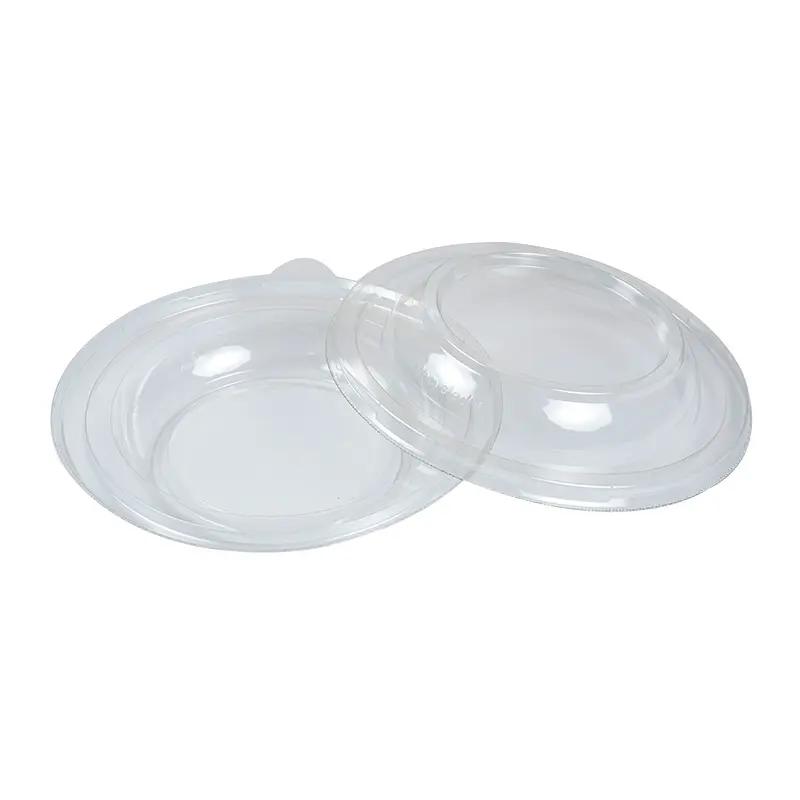 Round Bowl PET
 Small Bowl
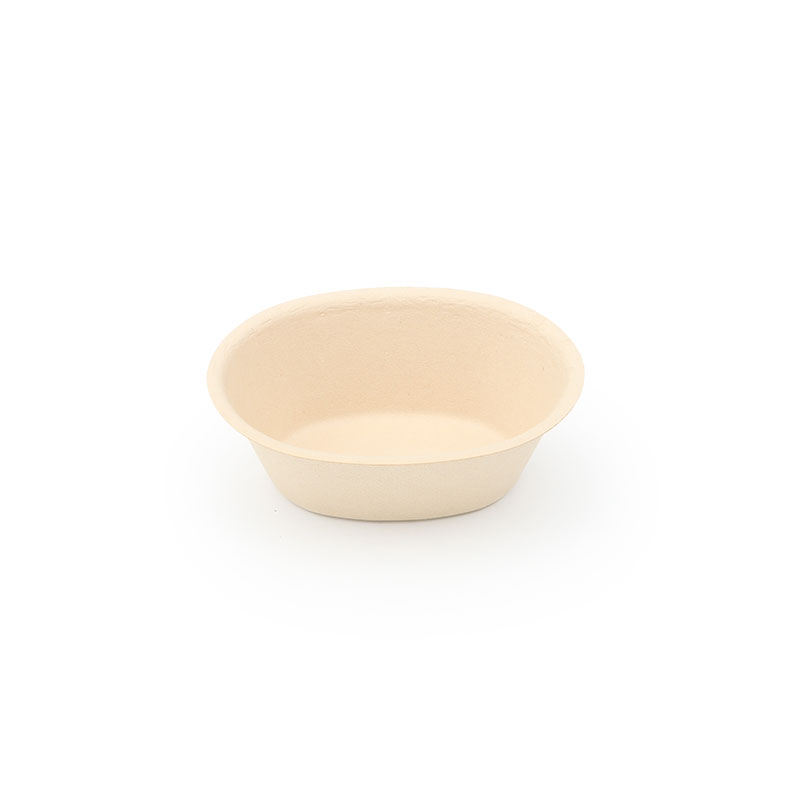 Snack Bowl
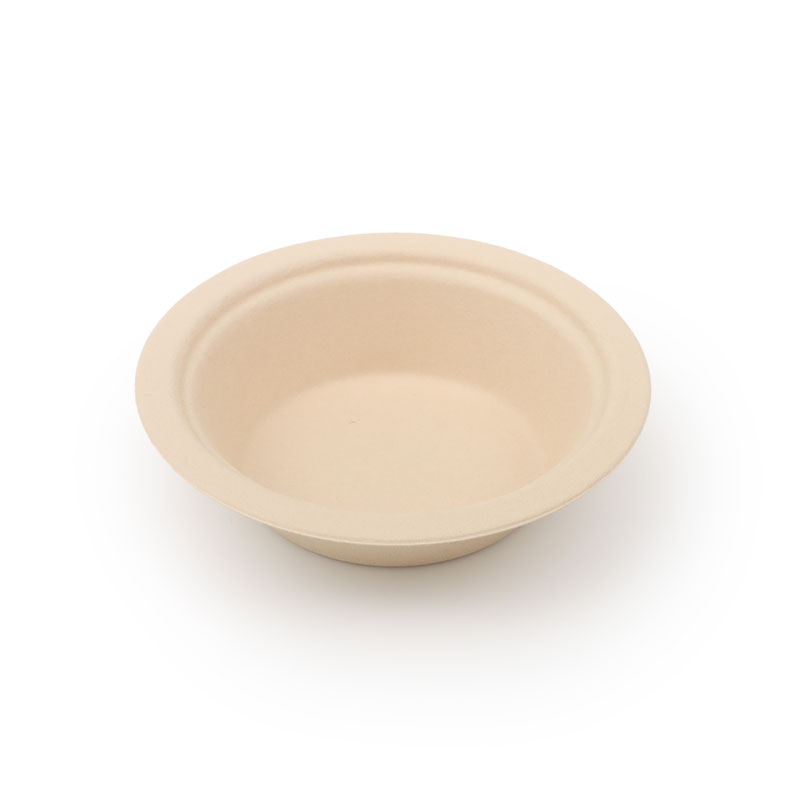 11.5oz(340ml) Bowl
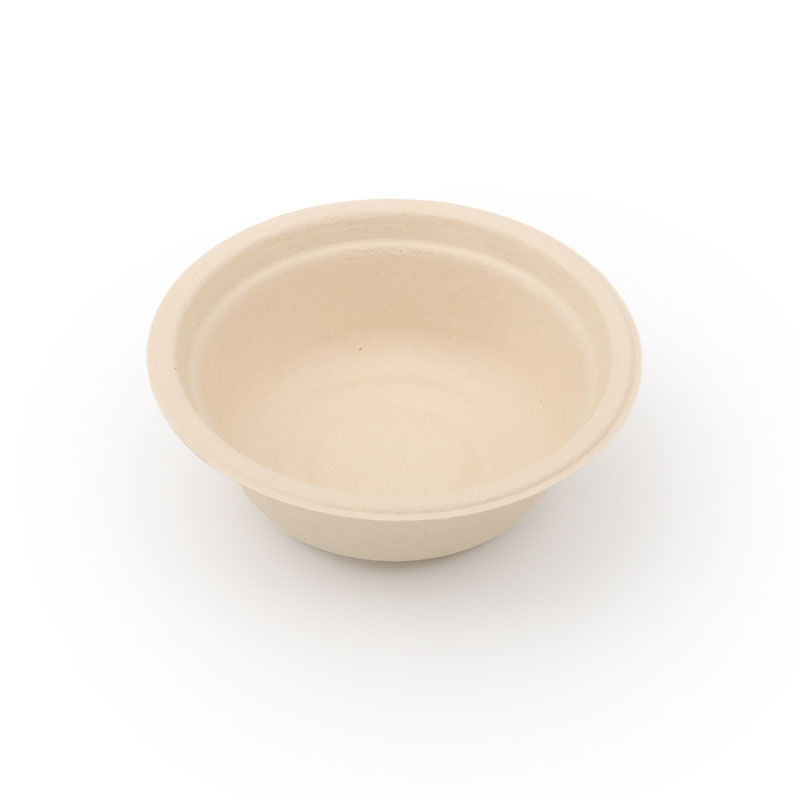 6.7oz(200ml) Bowl
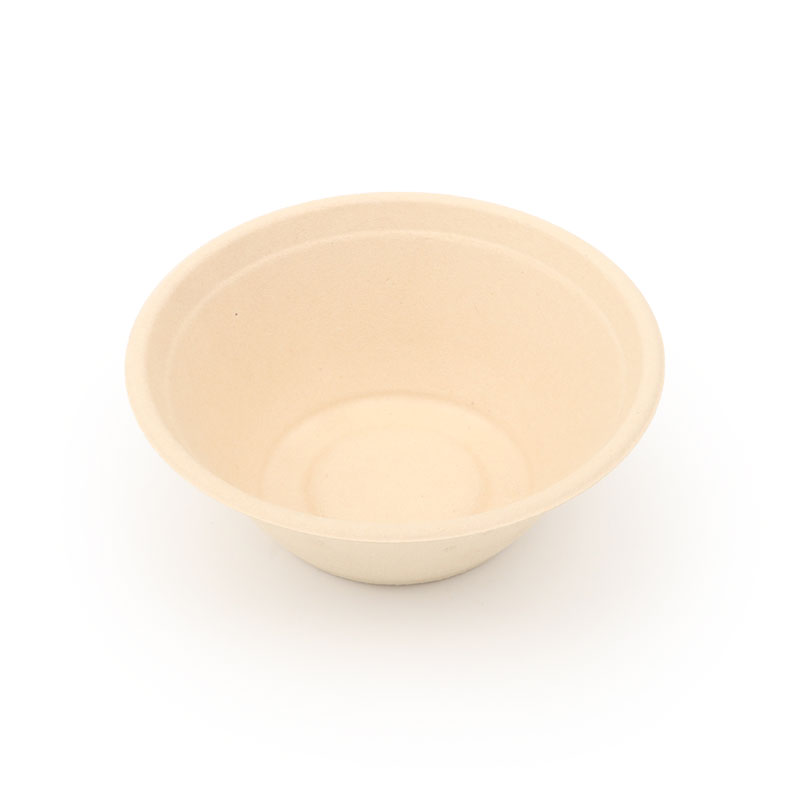 12oz(350ml) Bowl
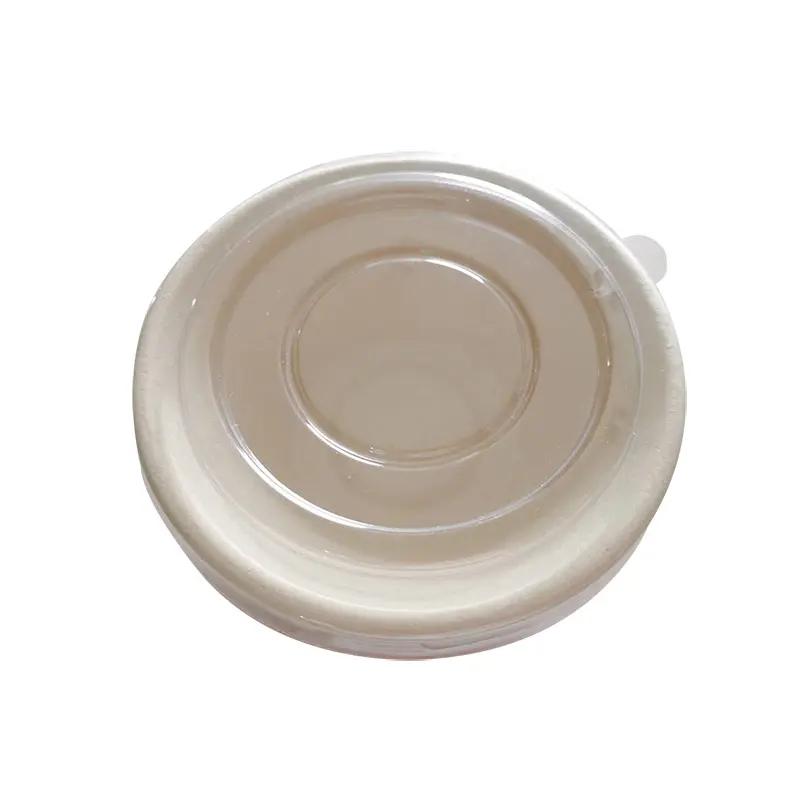 12oz(350ml) Bowl PET
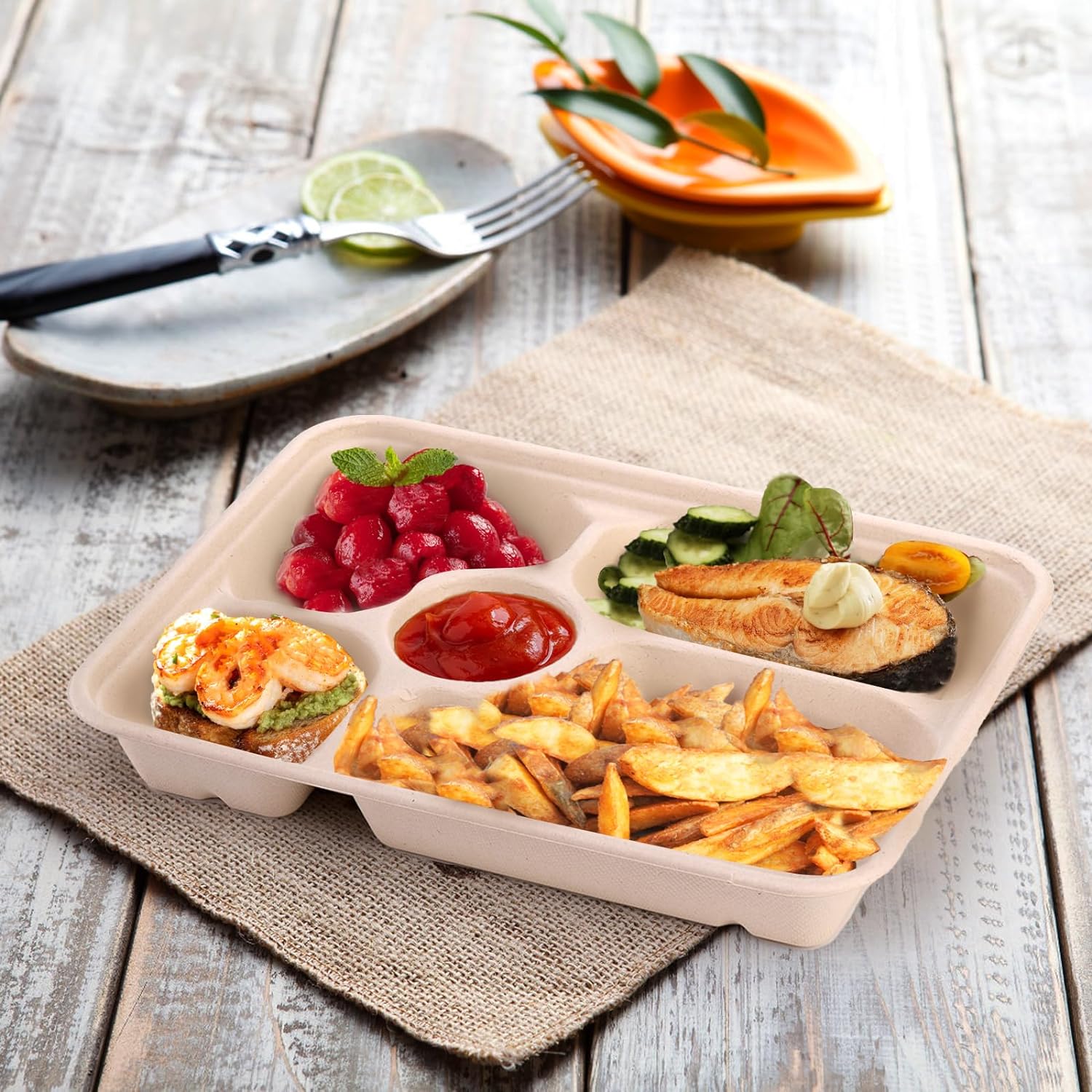 Bagasse Lunch Boxes
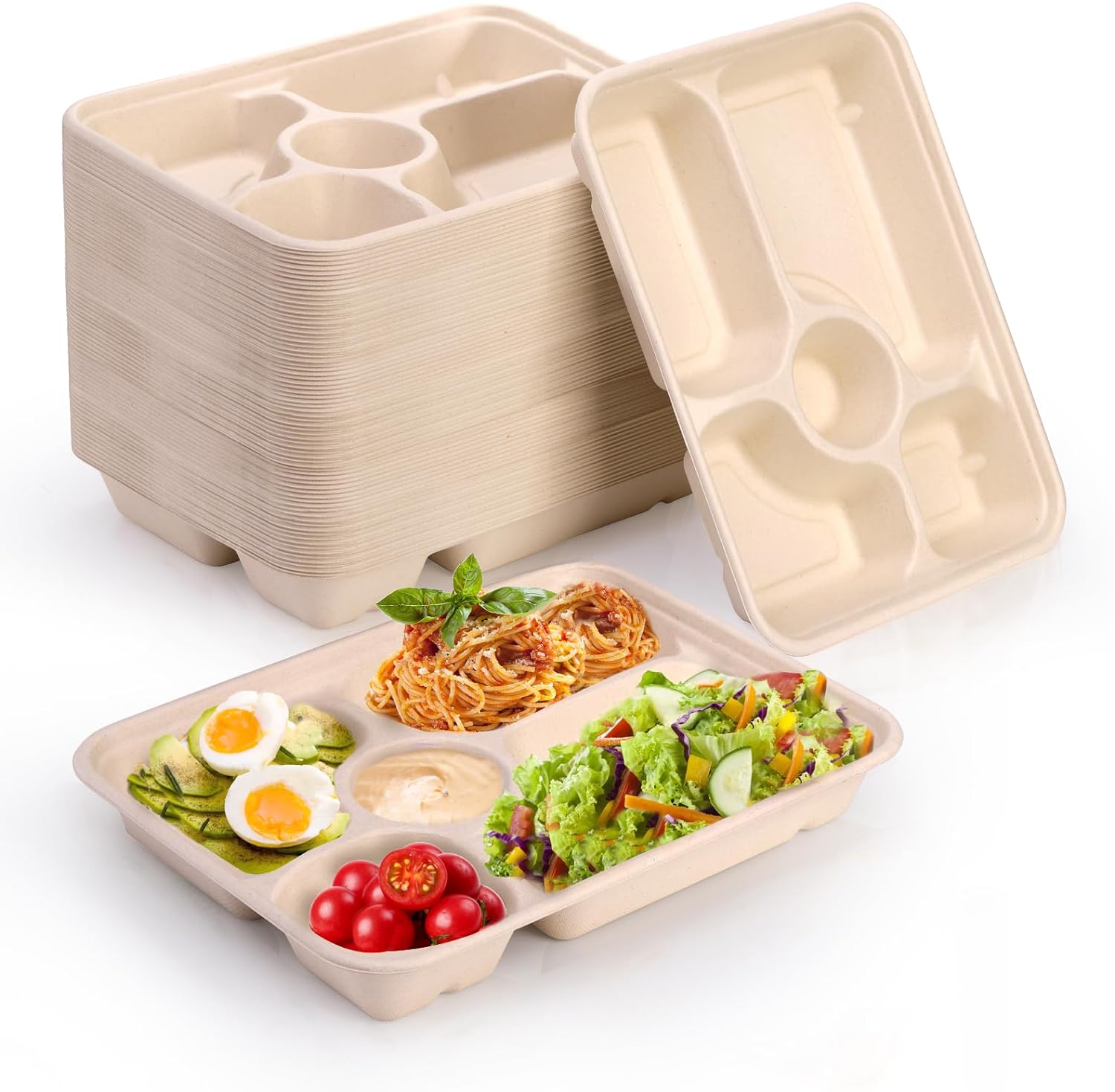 5CP
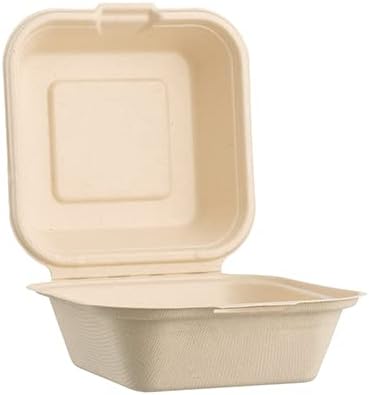 6 inch
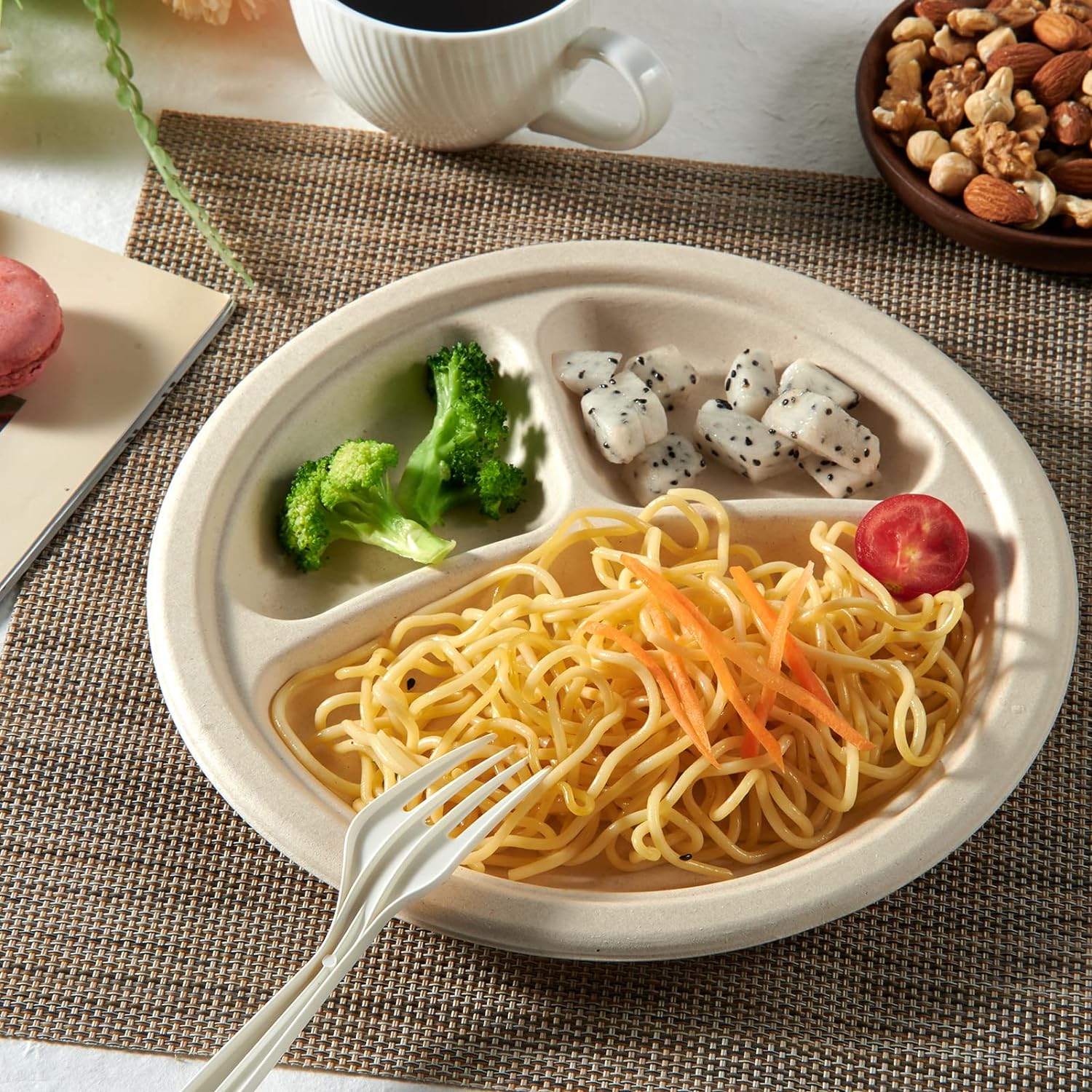 Bagasse Food Plates
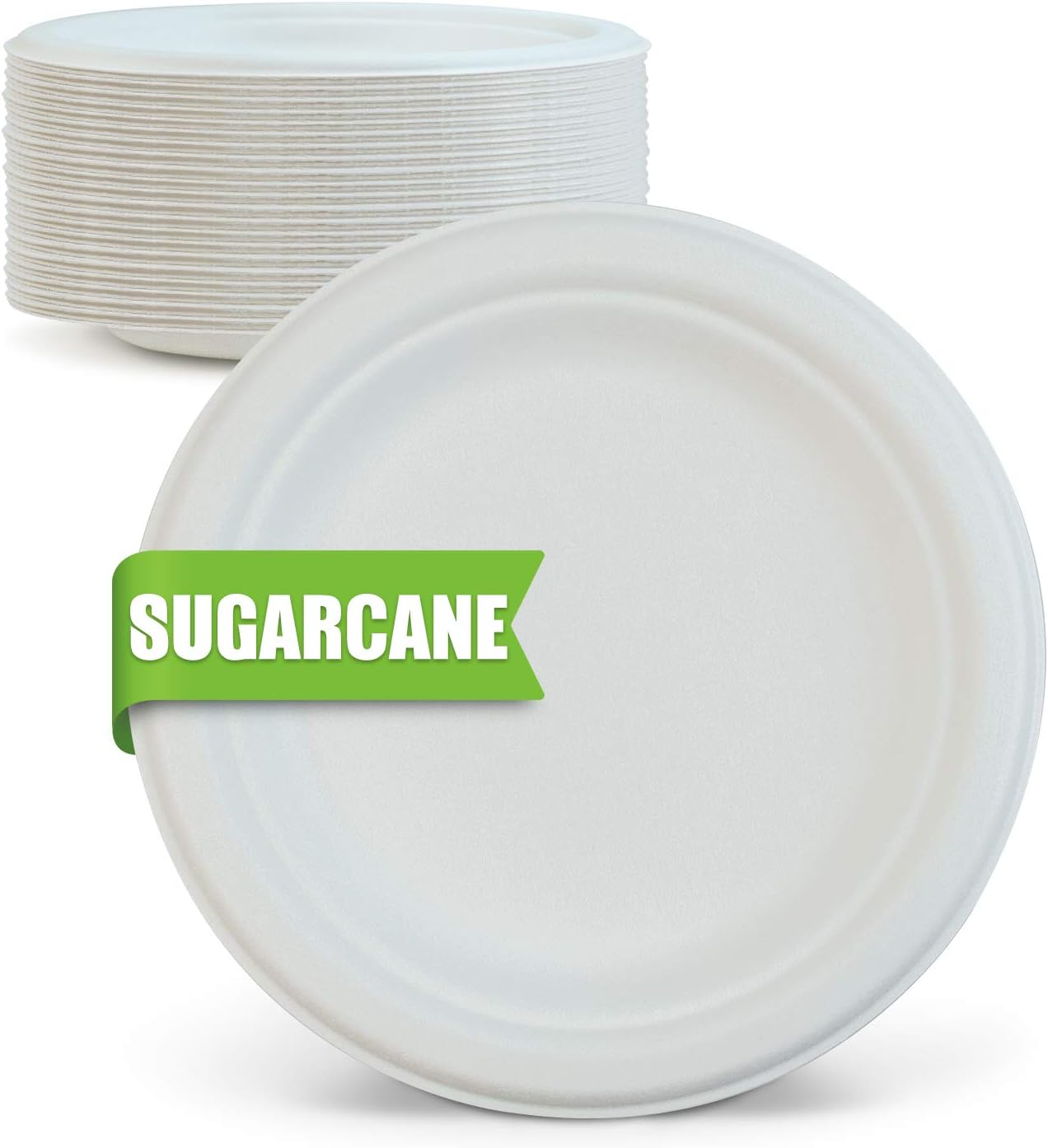 7 inch
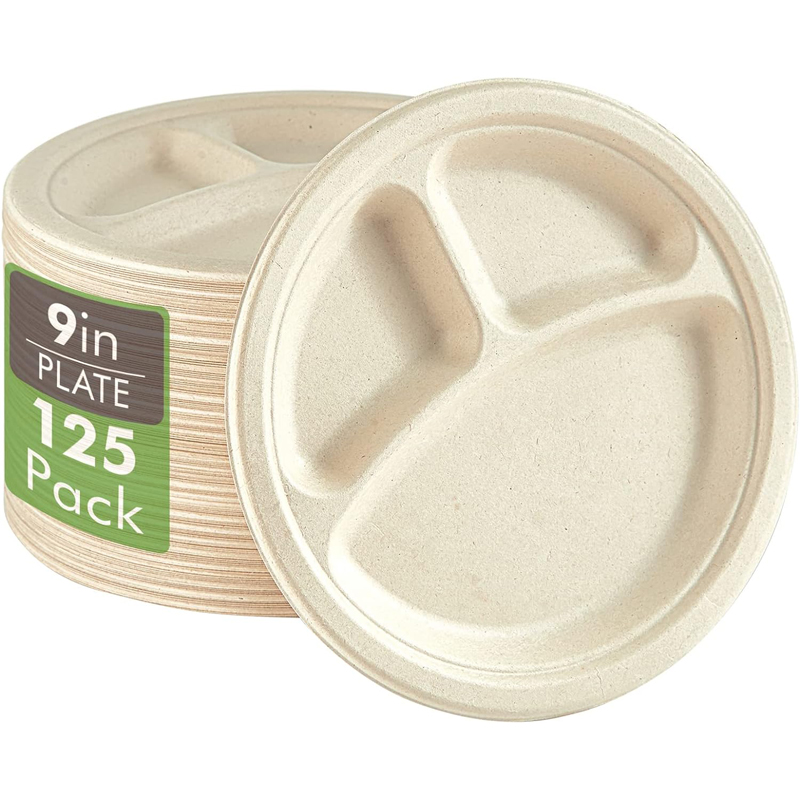 3CP
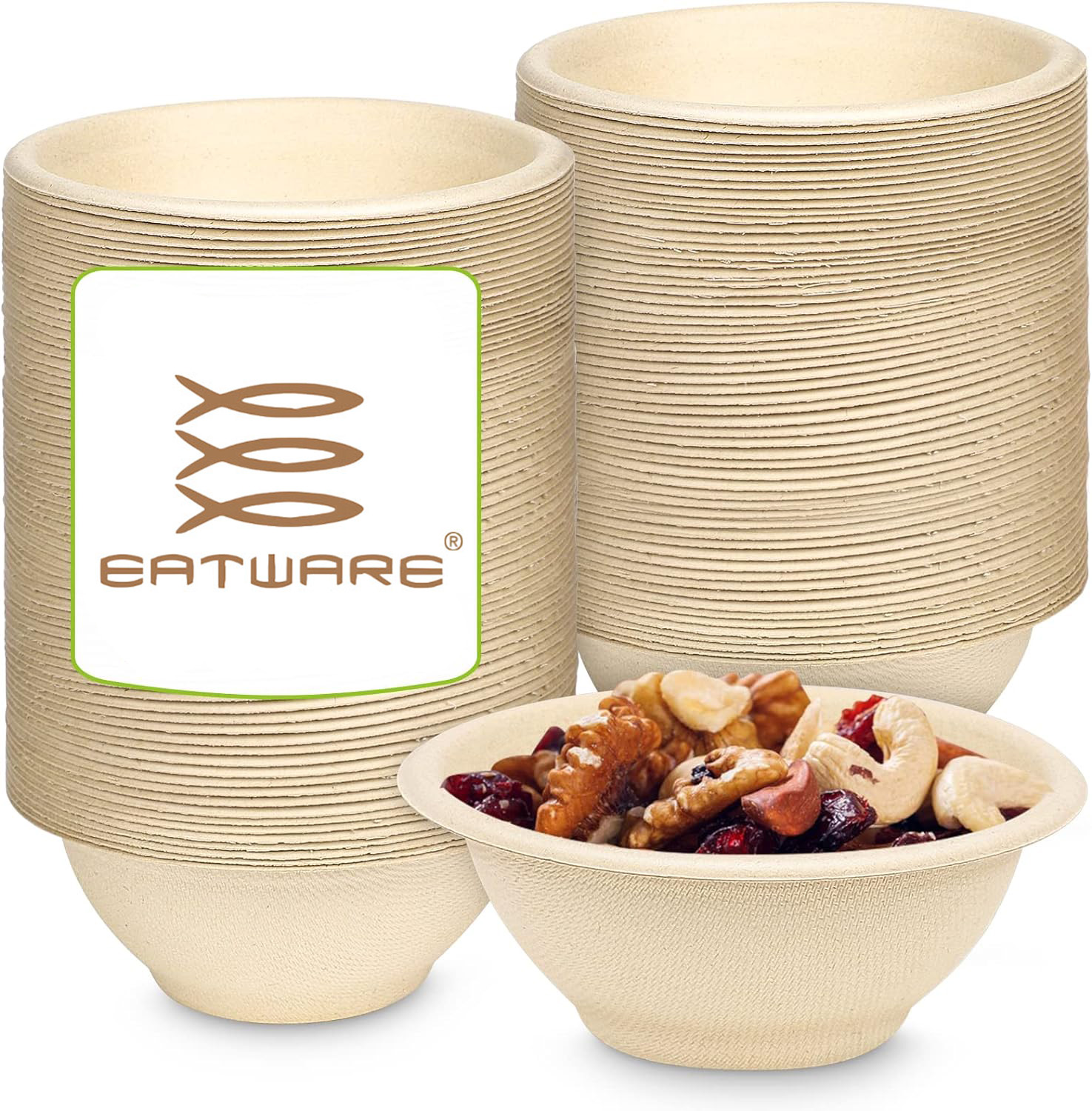 Bagasse Bowls
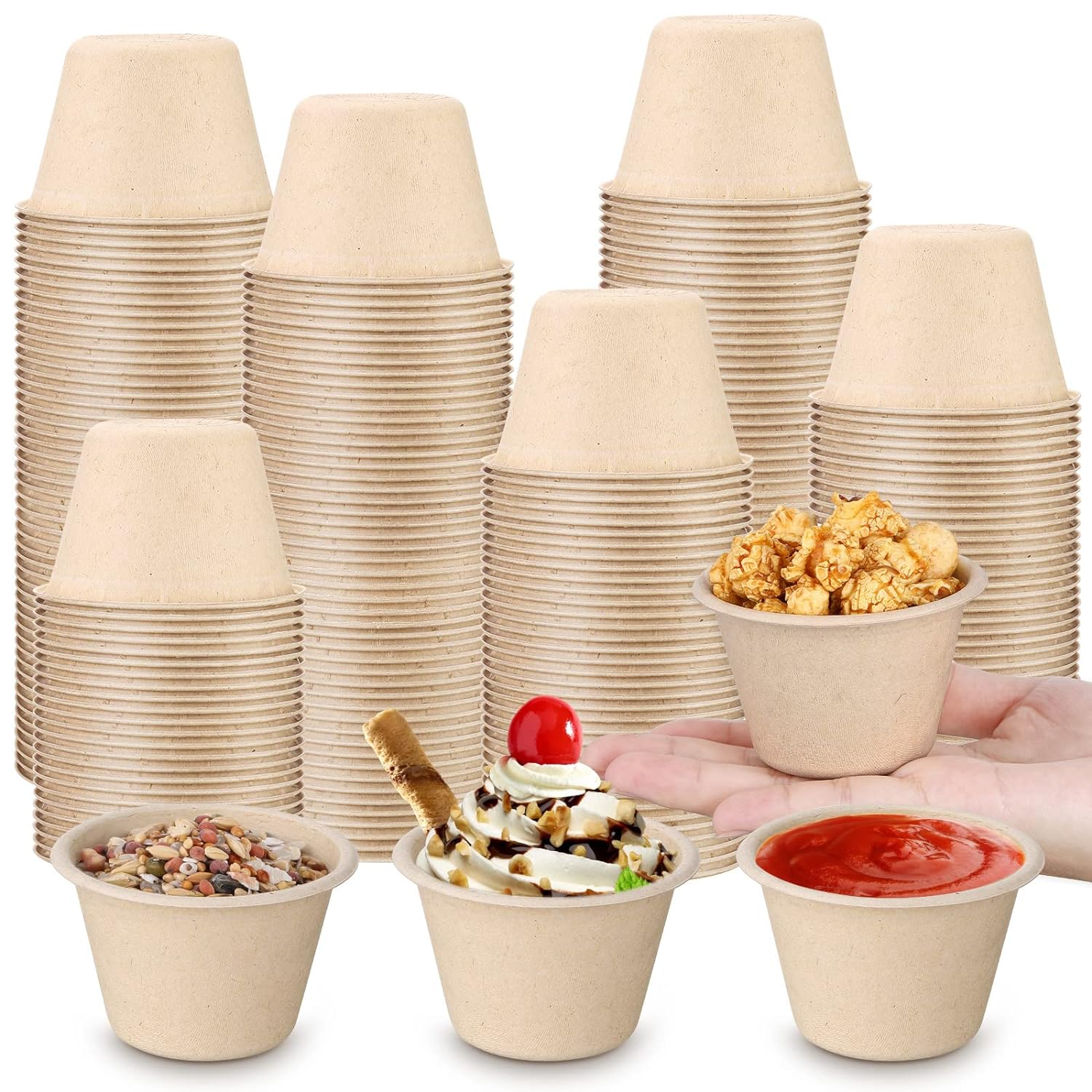 4oz
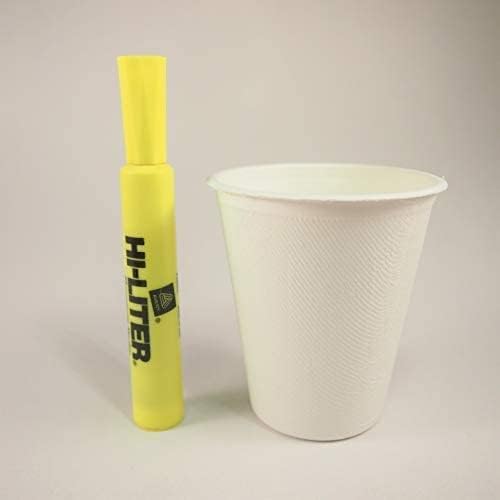 Bagasse Cups And Cutlery
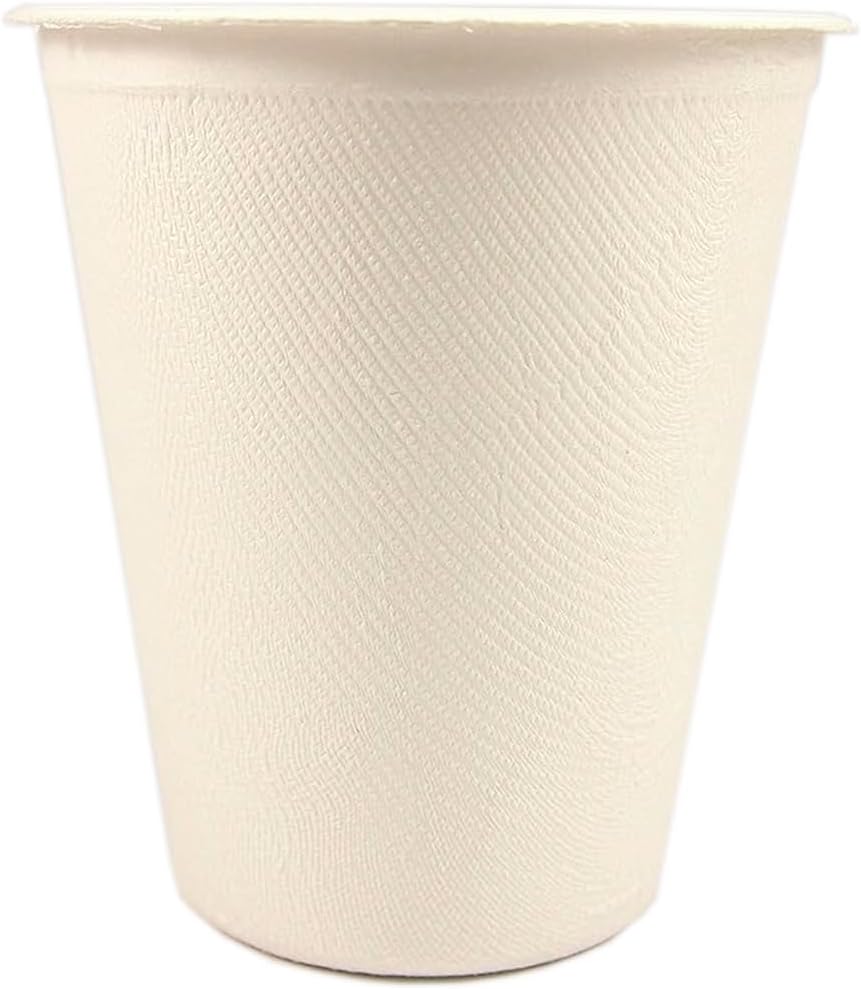 8oz
 12oz
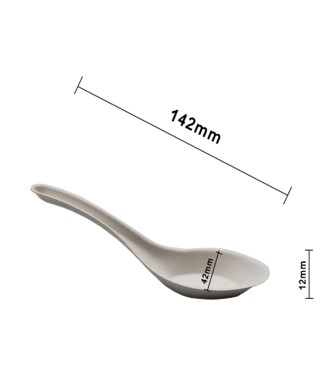 Cutlery
Leave Your Message
Engineered with thermo-stable food-grade barrier films and molded plant fiber to withstand Middle Eastern culinary temperatures and transport requirements.


In the field of environmentally friendly packaging for 18 years, Has established cooperation with 500+ brands.
Through our research and development, there are more than 60 products can product, we also support OEM ODM customized services.
Exported to the United States, Europe, Australia, Canada and other countries, right now we have exported more than 30 countries.
10000+ square meters factory area, more than 30 patent certificates, 10 foreign authoritative certification, 55 automatic forming machines...
How Vision 2030, rapid urbanization in Riyadh and Jeddah, and stringent environmental regulations are redefining sustainable food containment across the Kingdom.
The Kingdom of Saudi Arabia (KSA) is undergoing one of the fastest commercial foodservice evolutions in the Middle East. Driven by the Saudi Green Initiative (SGI) under the framework of Saudi Vision 2030, municipal authorities in Riyadh, Jeddah, Dammam, and Medina are progressively phasing out non-recyclable single-use plastics and expanded polystyrene (EPS) foam boxes in favor of eco-friendly, biodegradable, and recyclable food packaging substrates.
However, conventional uncoated paper or standard pulp trays often struggle when exposed to traditional Saudi cuisines characterized by rich gravies, aromatic spiced rice (Kabsa, Mandi, Bukhari), hot clarified butter (Ghee), and hot oily stews. This has created a massive industrial surge in demand for high-performance laminating food packaging. By applying an ultra-thin, heat-resistant, compostable or recyclable barrier film (such as PLA, PBAT, or aqueous dispersion coatings) onto natural molded plant fibers, laminating factories bridge the gap between rigorous eco-compliance and heavy-duty grease/liquid barrier performance.
The climatic conditions of Saudi Arabia present distinct engineering hurdles for food containers. Ambient temperatures regularly exceed 45°C (113°F) during summer months, placing intense thermal and structural stress on takeaway packaging during last-mile motorcycle courier delivery and outdoor food kiosks.
High-end laminating food packaging containers provide superior structural rigidity and gas/moisture hermetic sealing that prevents delamination, softening, or vapor seepage under extreme heat. In addition, our laminated MAP (Modified Atmosphere Packaging) trays protect delicate foodstuffs from oxidative degradation, humidity absorption, and premature spoilage—vital for cold-chain distribution across vast geographic corridors connecting Eastern Province logistics hubs to Western hospitality centers.
Each year, millions of pilgrims gather in the holy cities of Makkah and Madinah for Hajj and Umrah. Supplying safe, hygienic, and pre-portioned halal meals at this astronomical scale requires certified leak-proof multi-compartment containers that can be rapidly heat-sealed, stacked in commercial warming cabinets, and transported without structural collapse.
Simultaneously, Saudi Arabia's online food delivery sector—spearheaded by platforms like Jahez, HungerStation, Chefz, and Careem—has spurred hundreds of dark kitchens in Riyadh, Jeddah, and Khobar. Laminated sugarcane bagasse and bamboo fiber trays provide high thermal retention, an upscale consumer unboxing experience, and total compliance with SASO (Saudi Standards, Metrology and Quality Organization) food contact hygiene standards.
Saudi Arabia is one of the world's premier producers of gourmet dates (such as Ajwa, Medjool, Sukari, and Safawi from Al Madinah and Al Qassim). Packaging these premium fruits for domestic supermarket chains (such as Panda, Tamimi Markets, and Lulu Hypermarket) and international luxury export demands modified atmosphere barrier trays that lock in moisture and natural sugars while preventing insect intrusion and microbial growth.
Furthermore, the Kingdom's rapidly expanding domestic poultry and red meat processing plants require hermetically sealable MAP laminating trays that replace unrecyclable solid black plastics with biodegradable molded fiber bases coated with peelable oxygen-barrier top films, ensuring freshness over 14-21 days of refrigerated shelf life.
EATware is committed to sustainable development, using all natural plant fibers to produce safe, healthy and environmentally friendly tableware. Adhering to the concept of "take nature, serve humanity, return to nature", we focus on the development of safe, high quality and environmental standards.
We believe technological innovation must align with ecological stewardship. By combining high-density plant pulp thermoforming with cutting-edge biodegradable lamination techniques, we deliver tableware and food vessels that degrade naturally into organic compost, nourishing the soil rather than clogging desert landfills or marine ecosystems.
EATware emphasizes environmental protection and sustainable development, explores the balance between enterprise survival and environmental protection, and uses all-natural and pollution-free bamboo fiber as the main material of tableware to ensure that its products meet the high technical level and are superior to developed countries.
Through stringent quality governance, carbon footprint auditing, and continuous robotic tooling upgrades, our manufacturing facility empowers Saudi importers, hospitality giants, and packaging distributors to lead the regional shift toward zero-plastic catering solutions.
Kangxin (HaiMen) Environmental Technology Co., Ltd. is a technology innovation oriented enterprise that focuses on disposable environmentally friendly tableware and food packaging.
We have advanced production processes and equipment, and continue to attract senior talents, focusing on environmental protection, emphasizing safety, and ensuring quality.
Operating a high-capacity facility equipped with 55 fully automated precision forming machines and advanced lamination stations, Kangxin supplies global distributors and regional importers across Saudi Arabia, GCC countries, Europe, and the Americas with fully certified, custom-engineered disposable packaging.
READ MOREEvery laminated tray and molded fiber container produced in our manufacturing facility conforms to stringent international food contact regulations, safety protocols, and rigorous mechanical patents.
Experience our digitalized manufacturing plant, robotic forming lines, and cleanroom lamination workshops through immersive virtual inspection.
Explore our latest engineering findings, food container testing protocols, and global food packaging manufacturing trends.
The most reliable way to test disposable food containers is to combine leakage testing with structural testing under conditions that reproduce the intended food application. A container should not be approved simply because it holds water for several minutes or survives an empty compression test...
For high-heat Saudi delivery runs, testing must simulate boiling oils, acidic tomato pastes, dynamic vertical transit vibrations, and high-humidity thermal holding cycles without wall softening or bottom delamination.
read more
For foodservice operators, replacing conventional plastic packaging is not simply a matter of changing materials. Disposable biodegradable tableware must still withstand hot food, sauces, oils, condensation, stacking, transport, and commercial handling without losing structural integrity. Poorly engineered alternatives...
By integrating automated precision lamination, molded bamboo pulp containers provide an impenetrable barrier against boiling liquids while remaining fully compostable under industrial composting standards.
read more
With growing global demand for takeaway meals and eco-friendly packaging, China’s manufacturing sector has become a major hub for disposable food containers. Today’s food businesses - from fast-food chains and meal-delivery services to supermarkets and catering companies - are looking for...
High-volume export readiness, robotic production consistency, rapid mold development, and complete certifications (FDA, BRC, ISO22000, ASTM D6400) make our factory the partner of choice for Middle Eastern brand owners.
read more
Collaborating with international foodservice leaders, airline catering corporations, retail hypermarkets, and franchise restaurant chains.
Available in bulk export volumes with custom embossing, private-label branding, customized compartment layouts, and localized SASO compliance documentation for Saudi Arabia.

