
 Box With T buckle
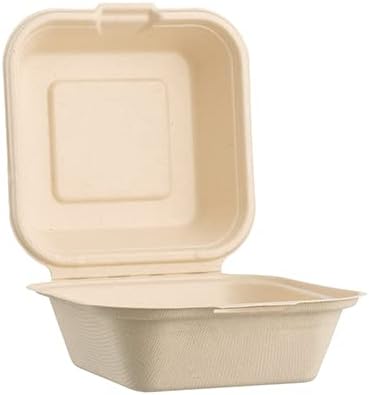
 700ml Square Lunch Box
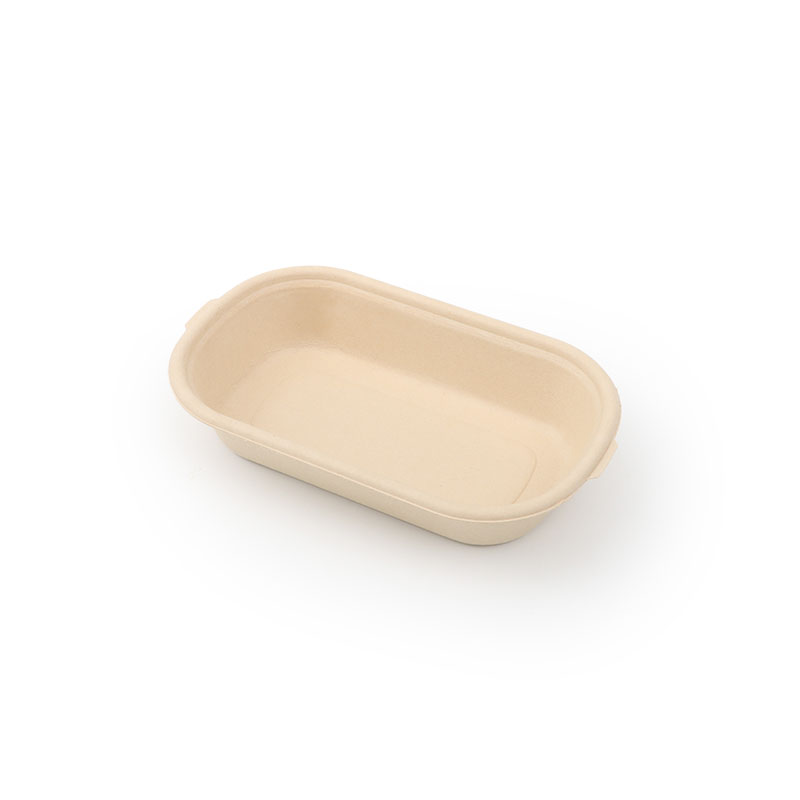 500ml
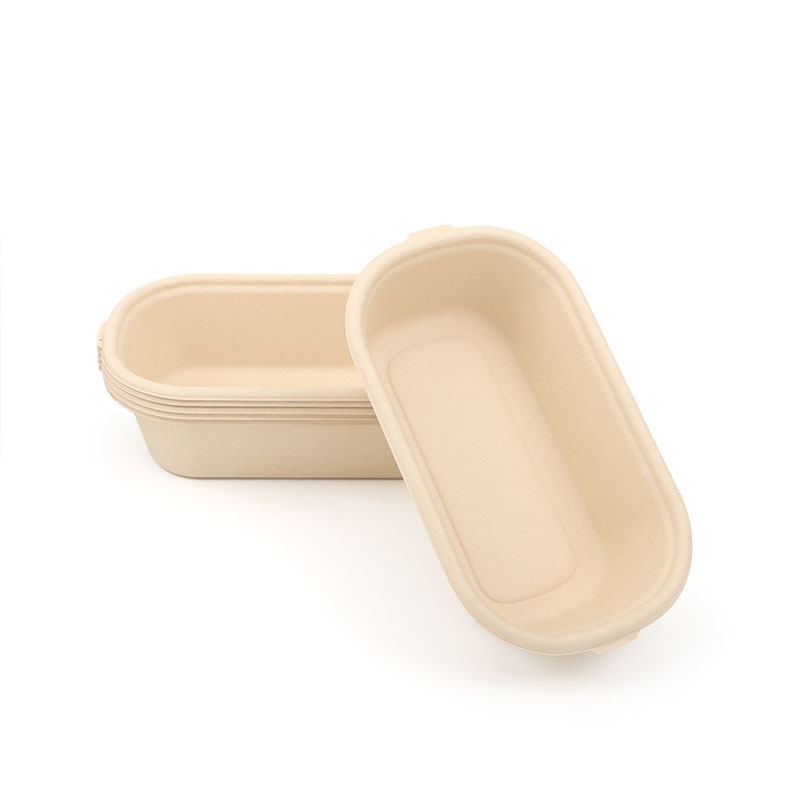 700ml
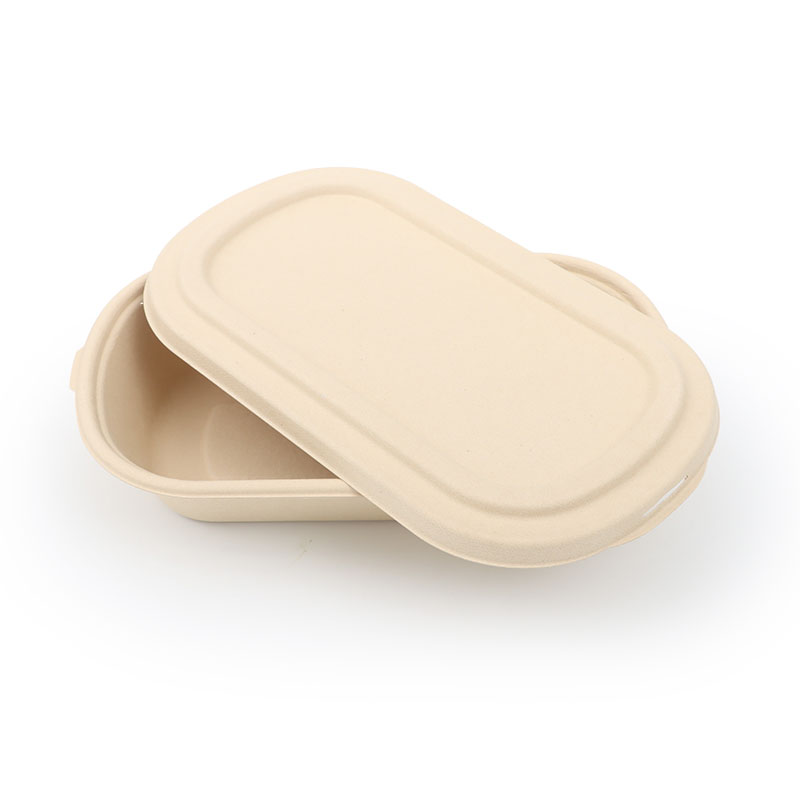 850ml
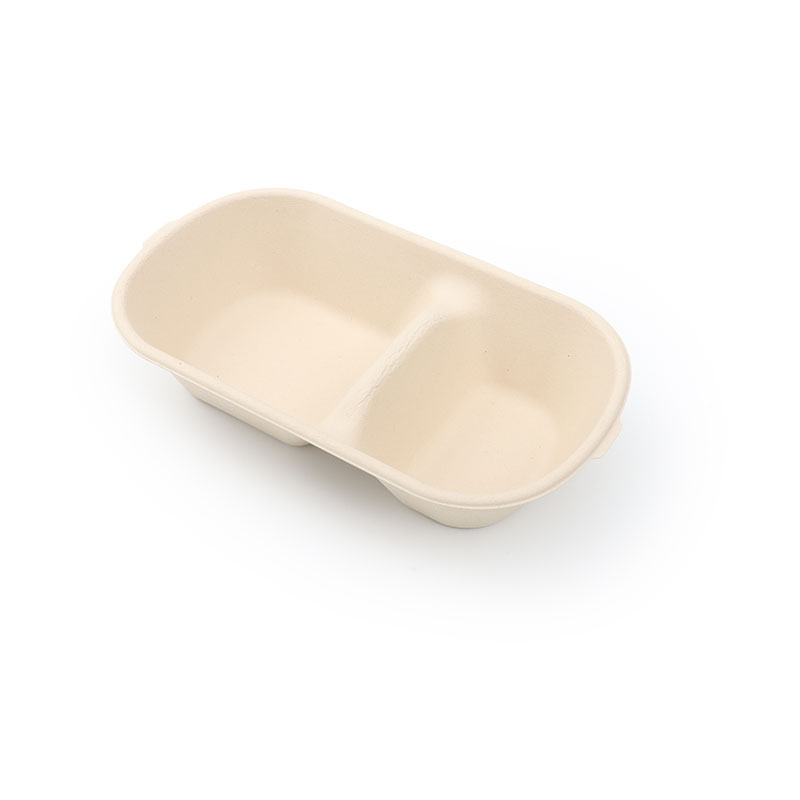 800ml 2 Compartments
 1000ml 2 Compartments
 1100ml
 1000ml Square Lunch Box
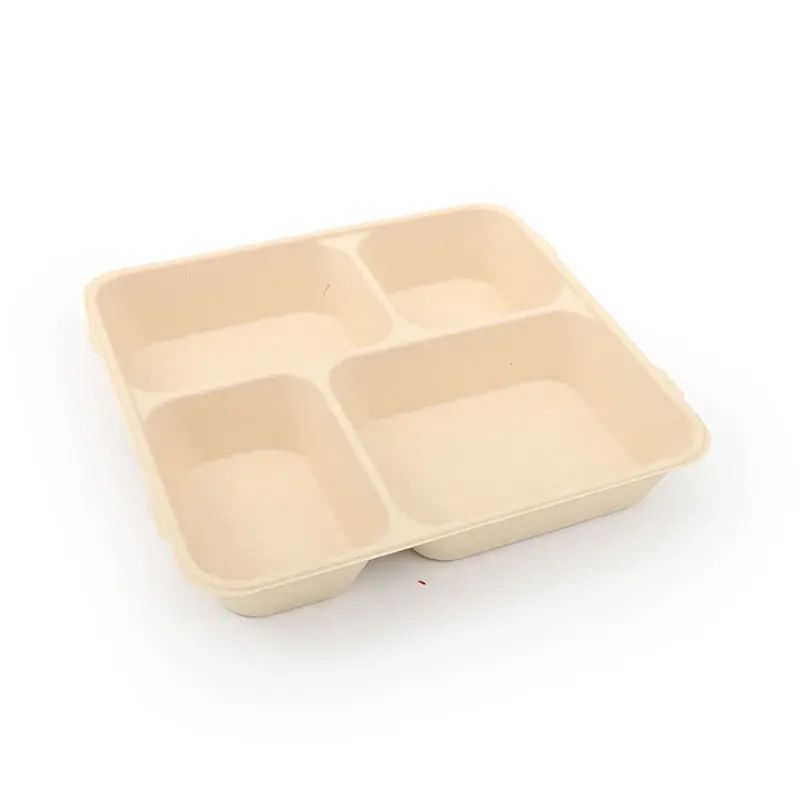 1340ml 4 Compartments
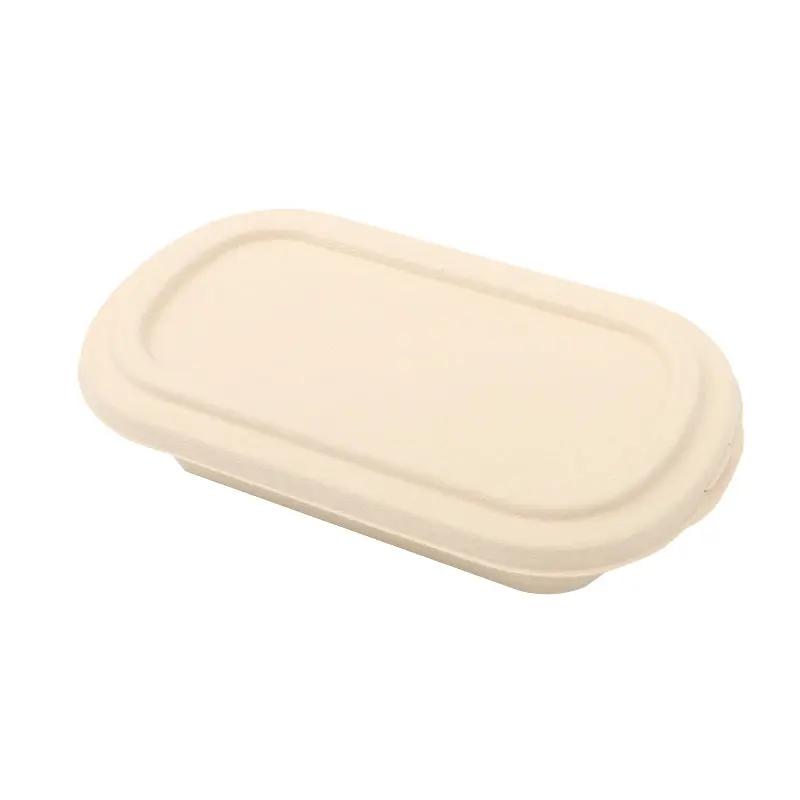 Lunch Box Lid
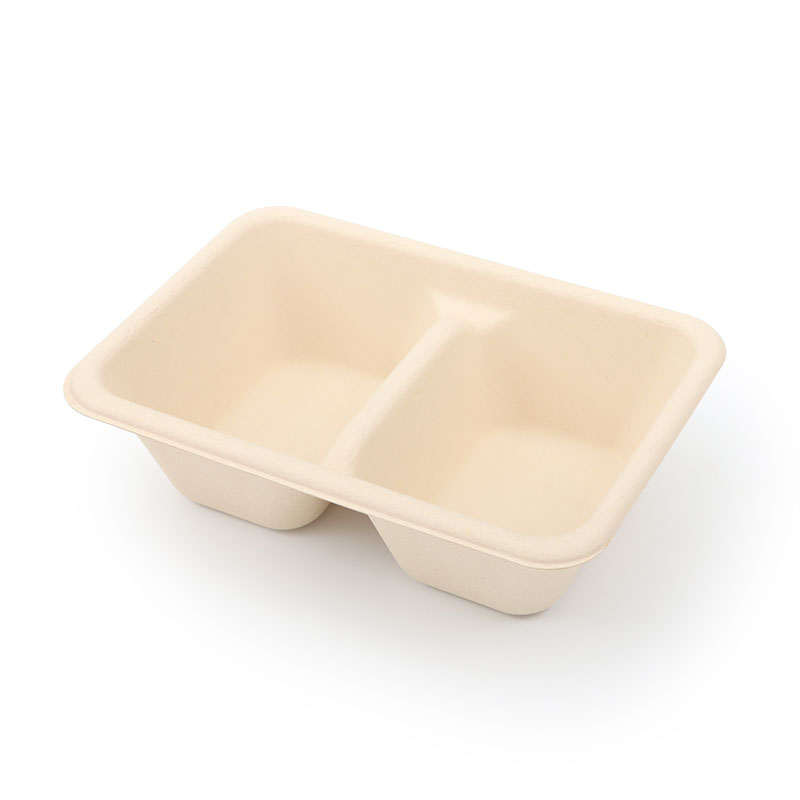 650ml
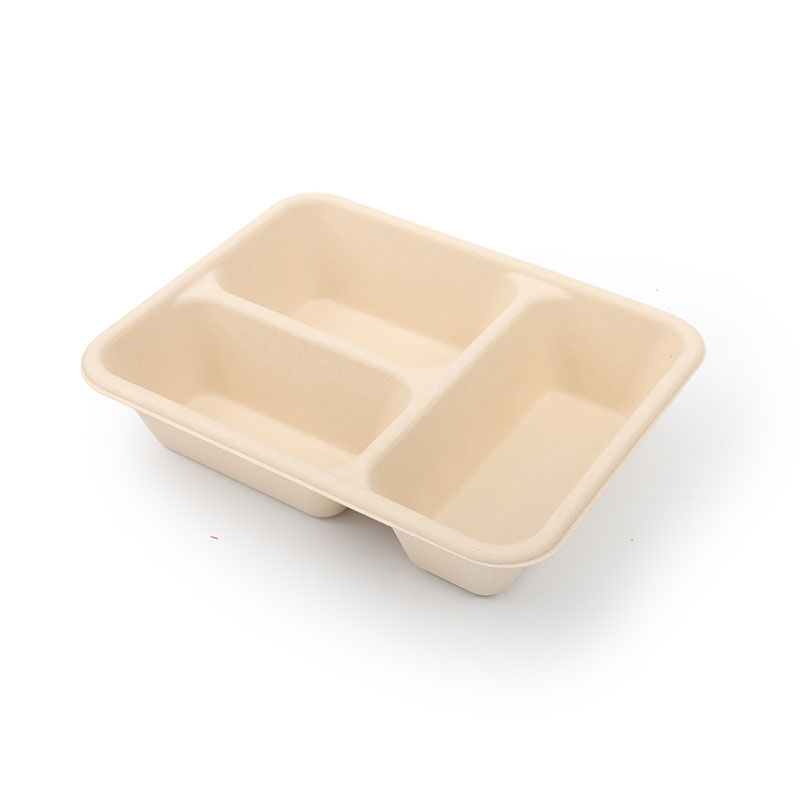 1000ml 3 Compartments
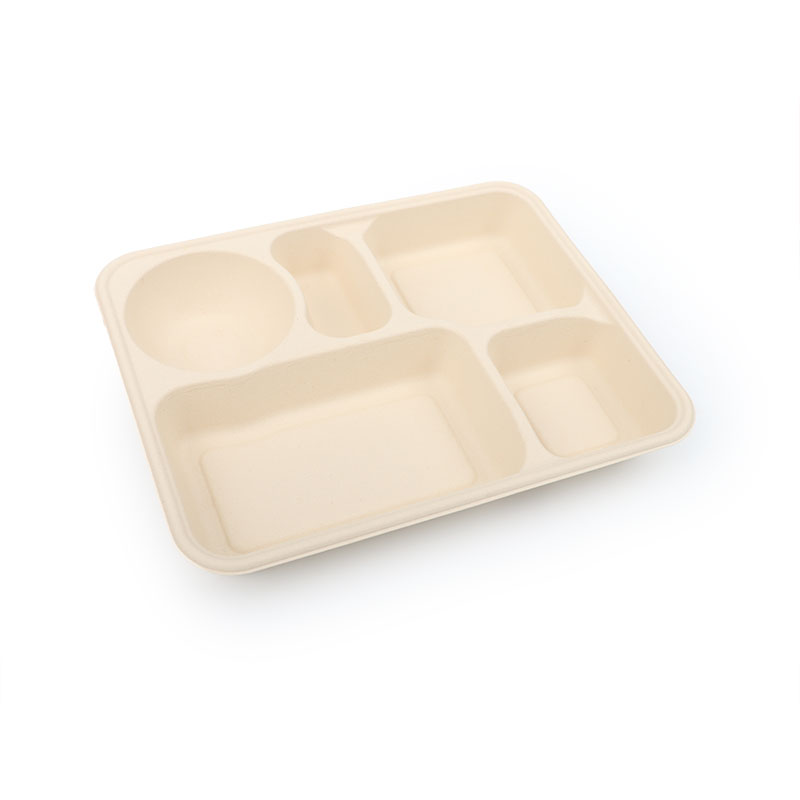 1250ml 5 Compartments
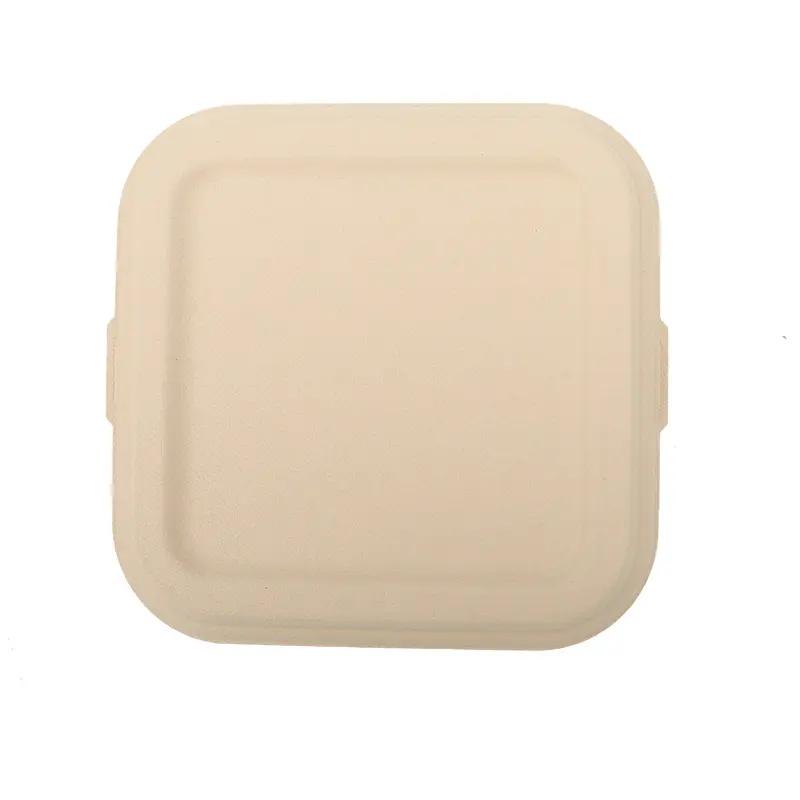 Square Lunch Box Lid
 Box Without T buckle
 850ml Salad Box
 700ml
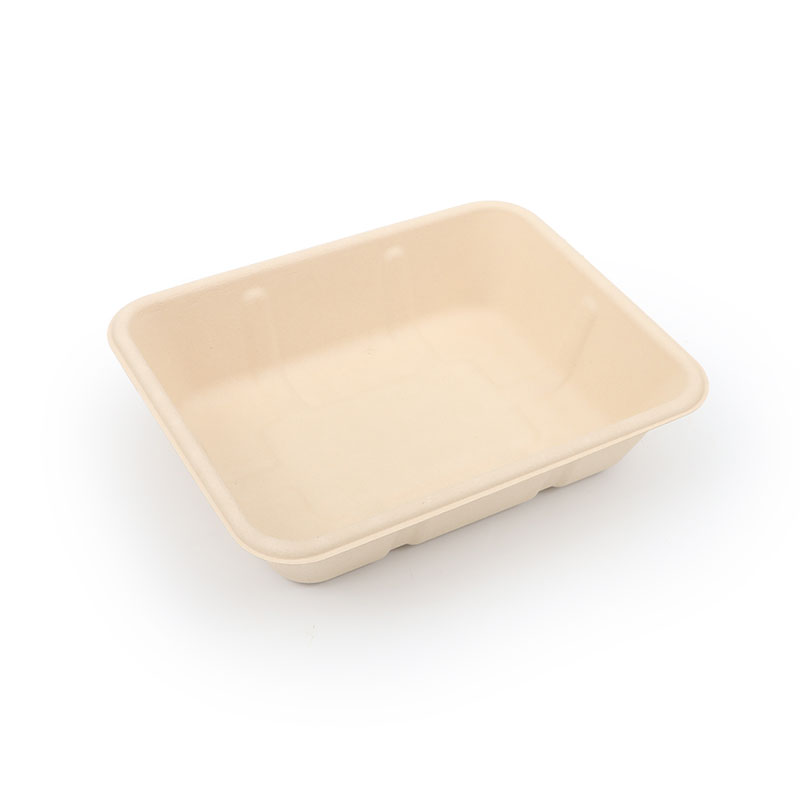 1350ml
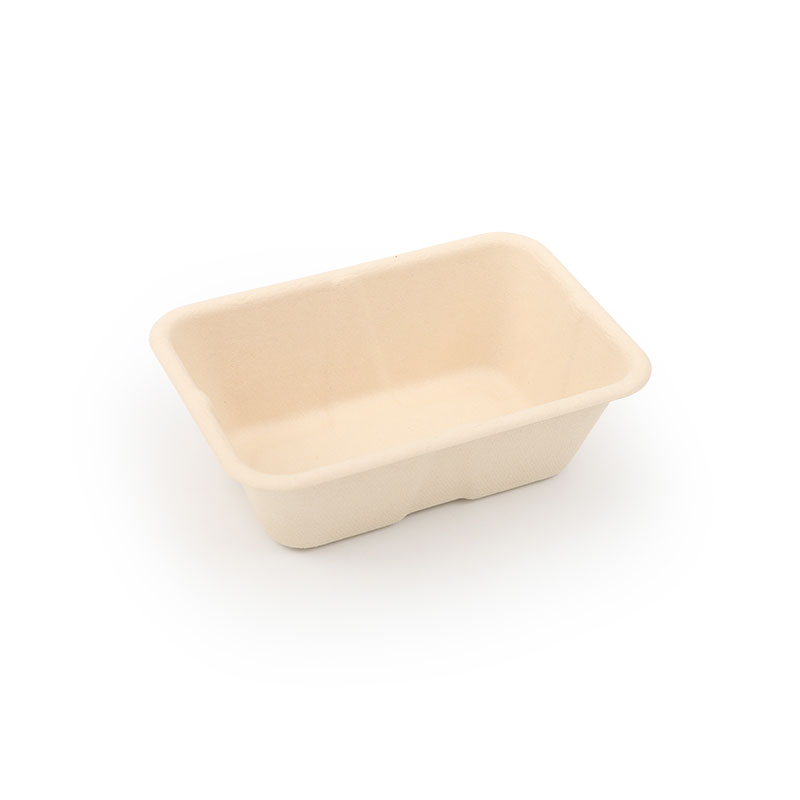 470ml
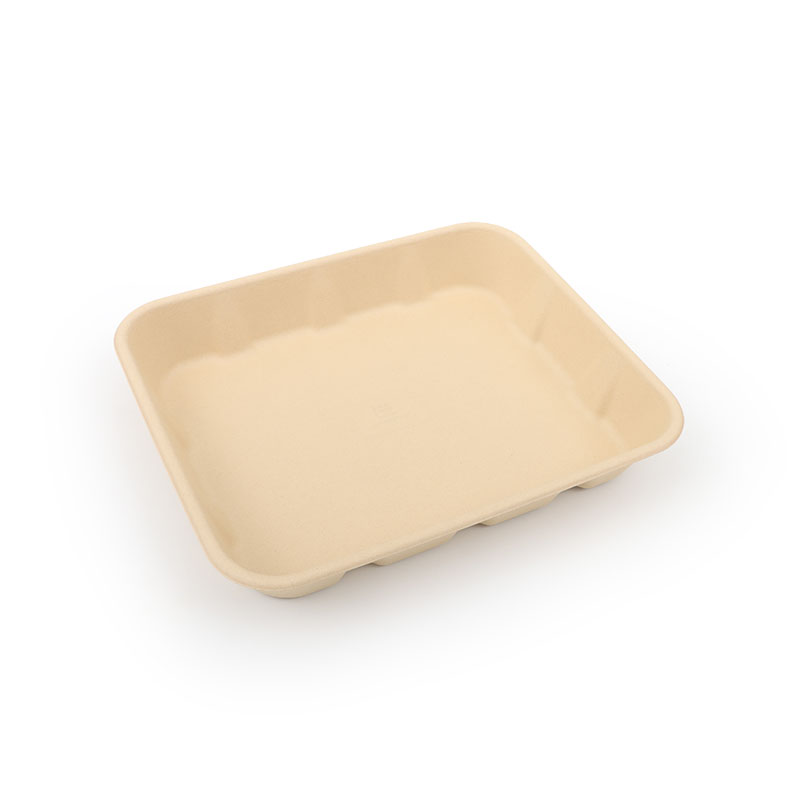 2183ml Tray Box
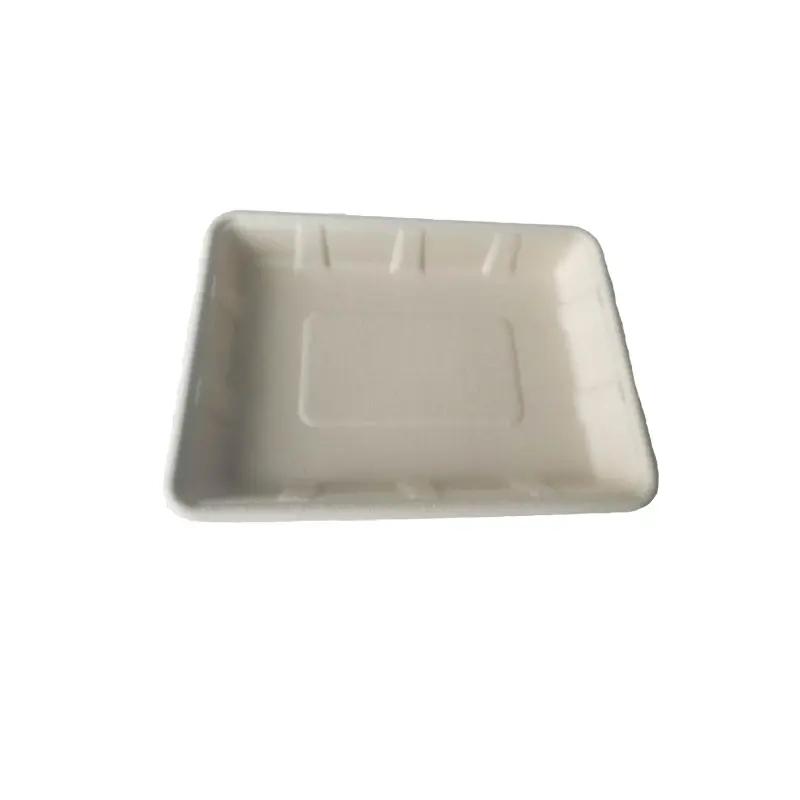 11" * 9"
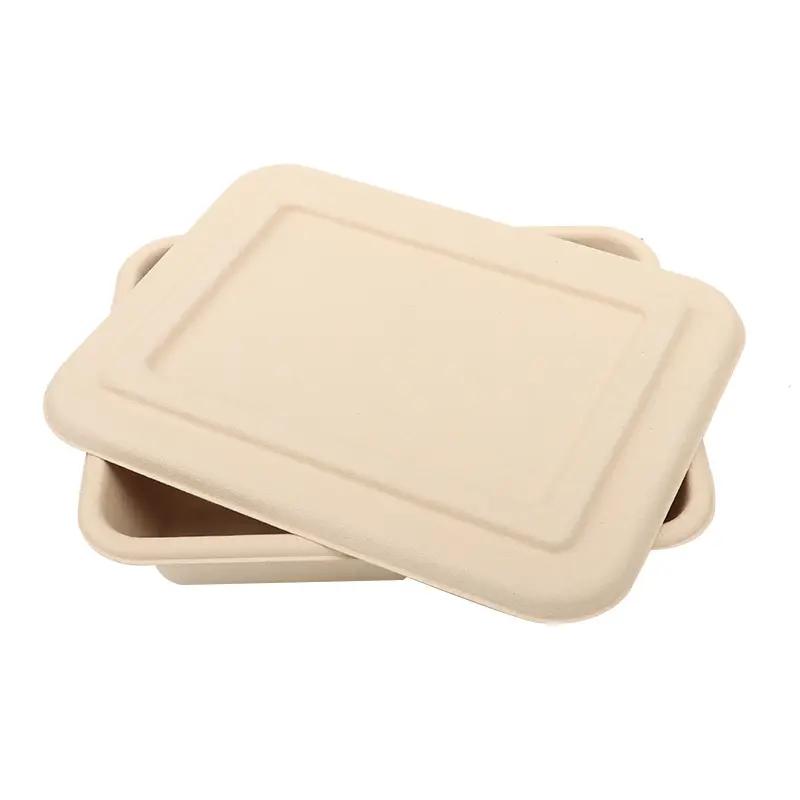 800ml
 One Part Box
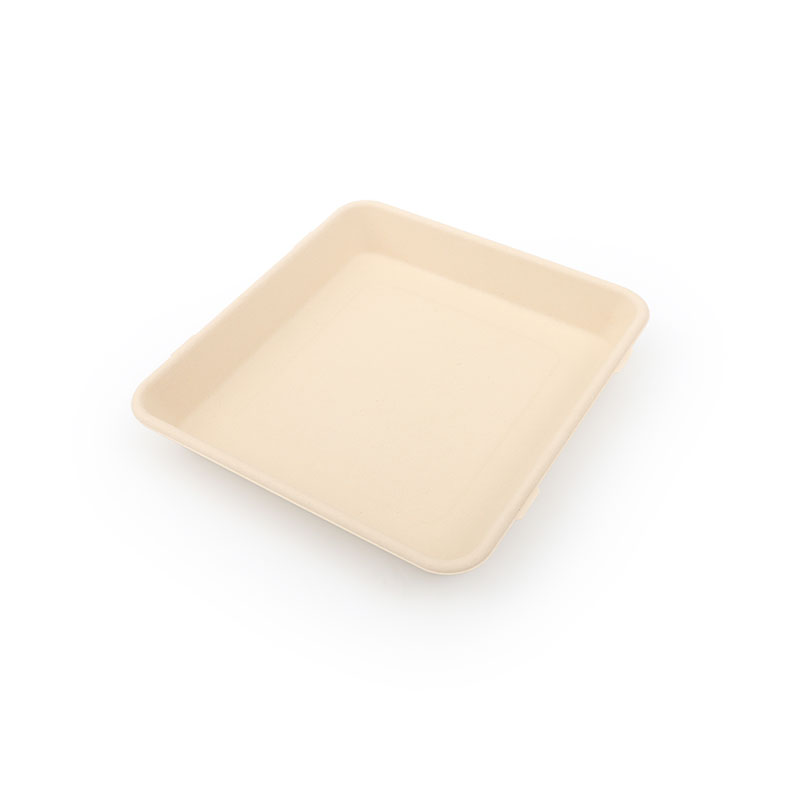 1443ml Tray Box
 Cake Bread Snack Tray Series
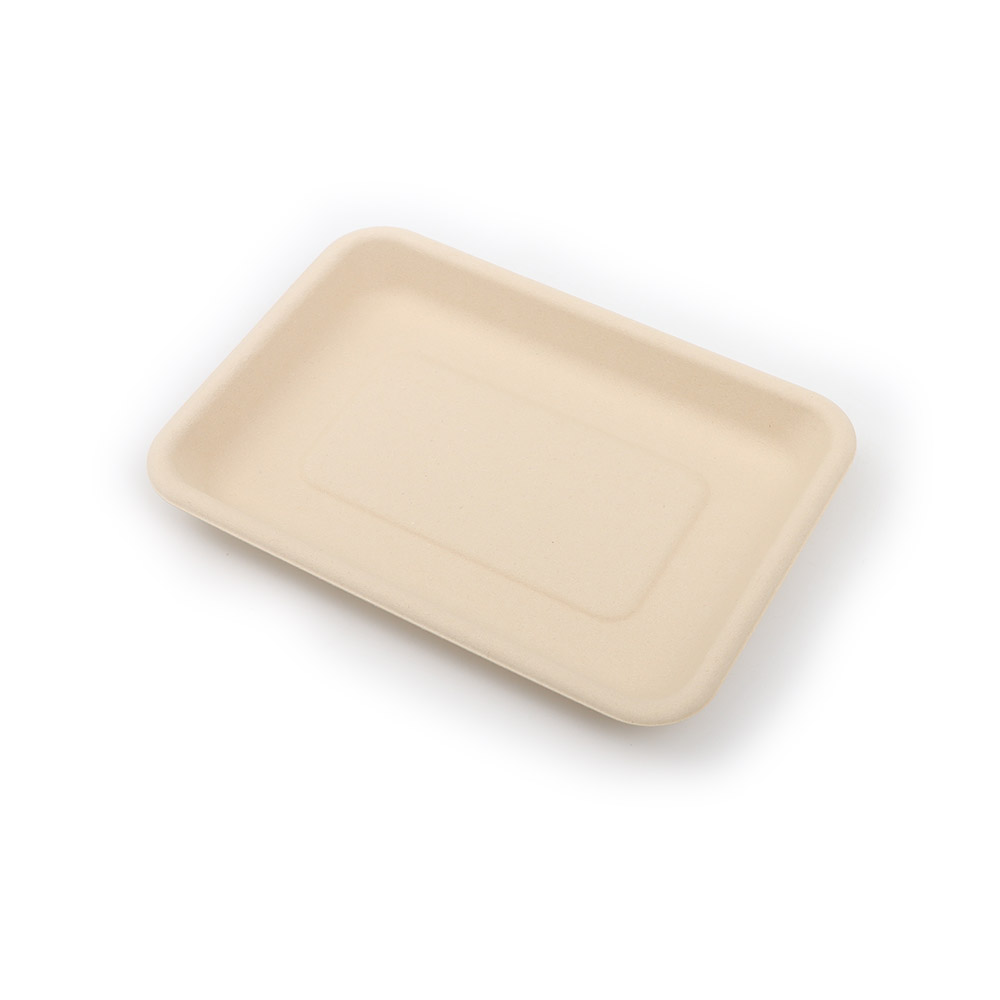 5" * 7" natural color
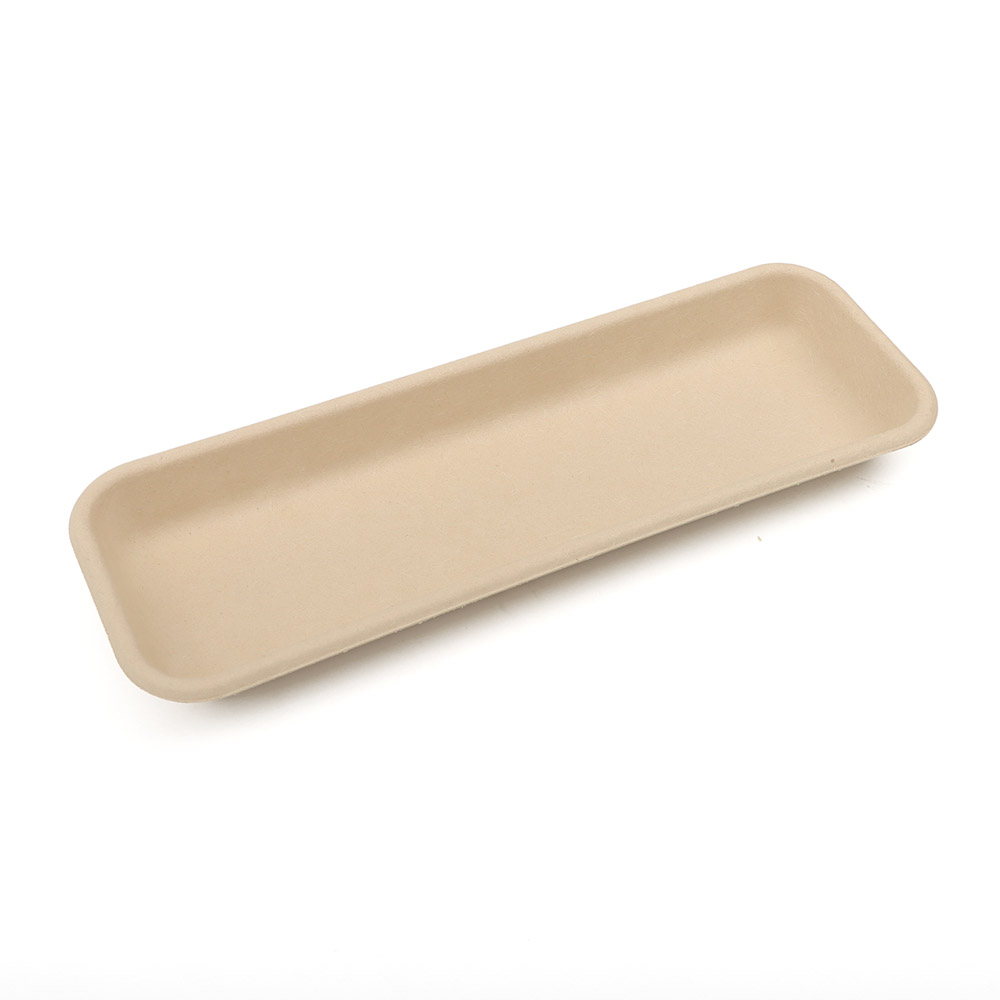 11.4" * 3.9"
 5.3" * 5.3"
 Fruit And Vegetable Tray Series
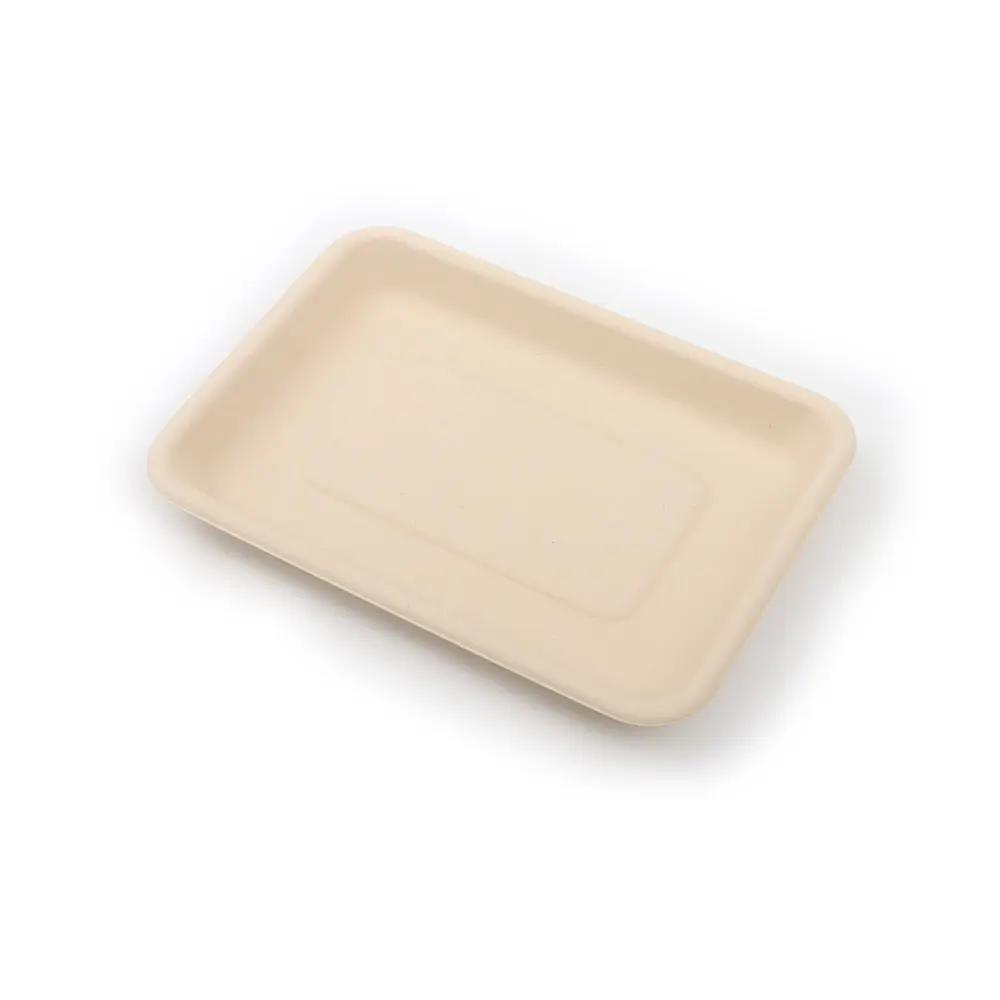 8.6" * 5.3"
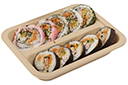 Sushi Tray Series
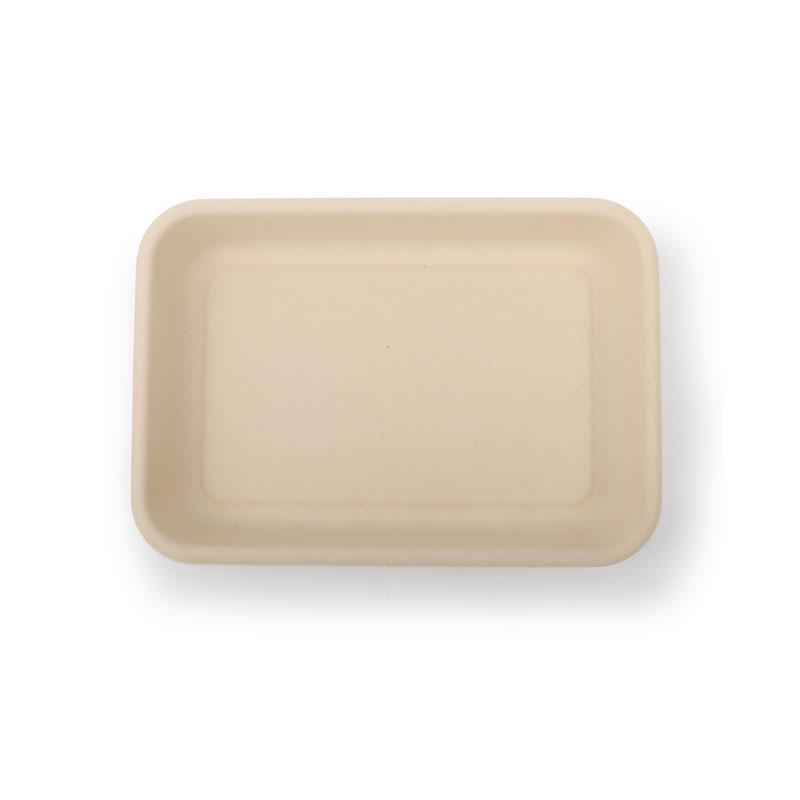 200" * 140"
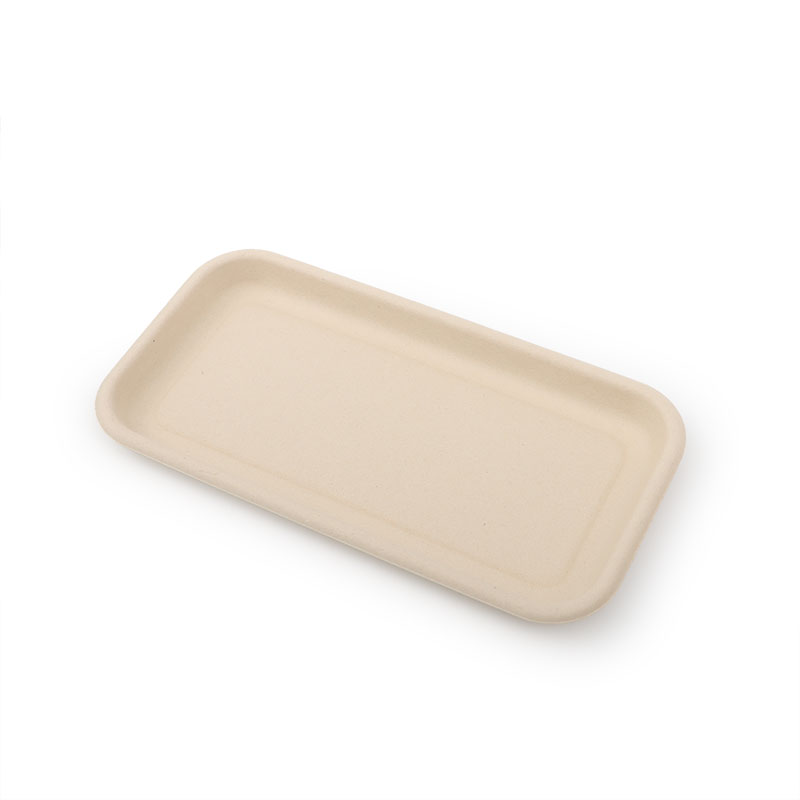 210" * 110"
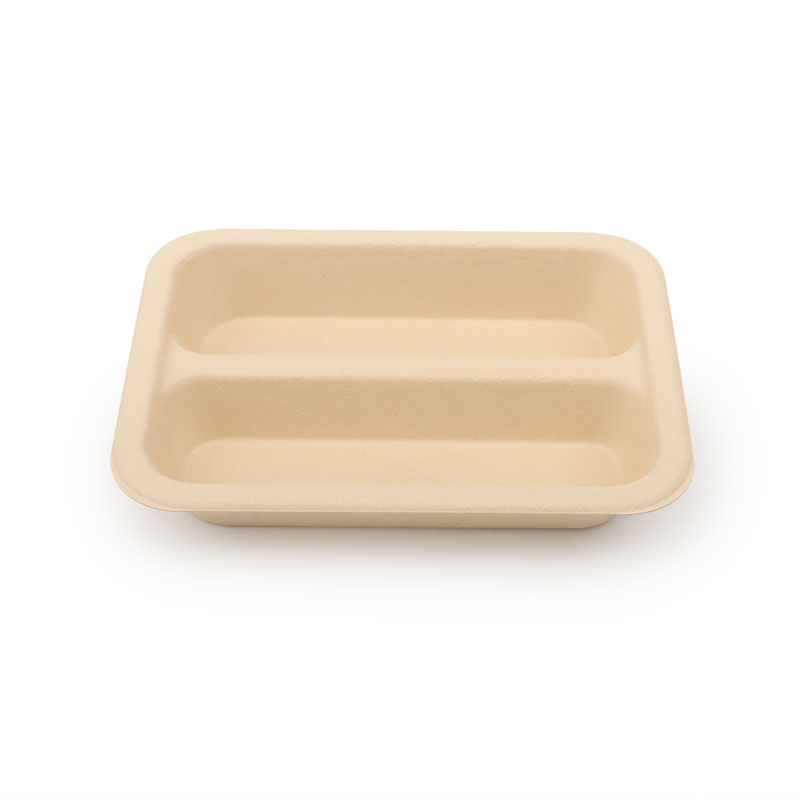 2 Compartments
 Small Round Plate Series
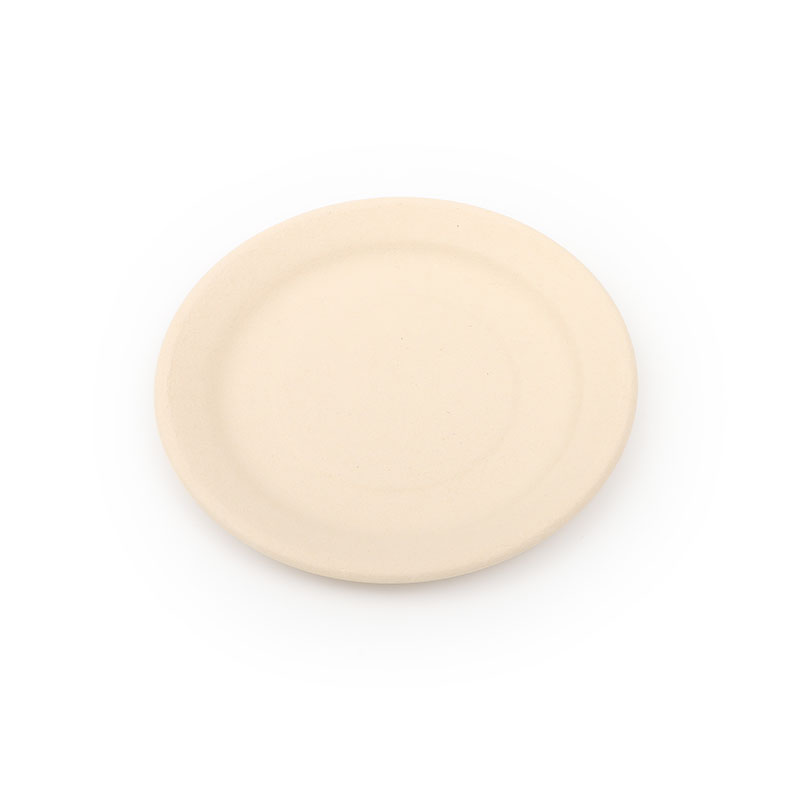 7 inch
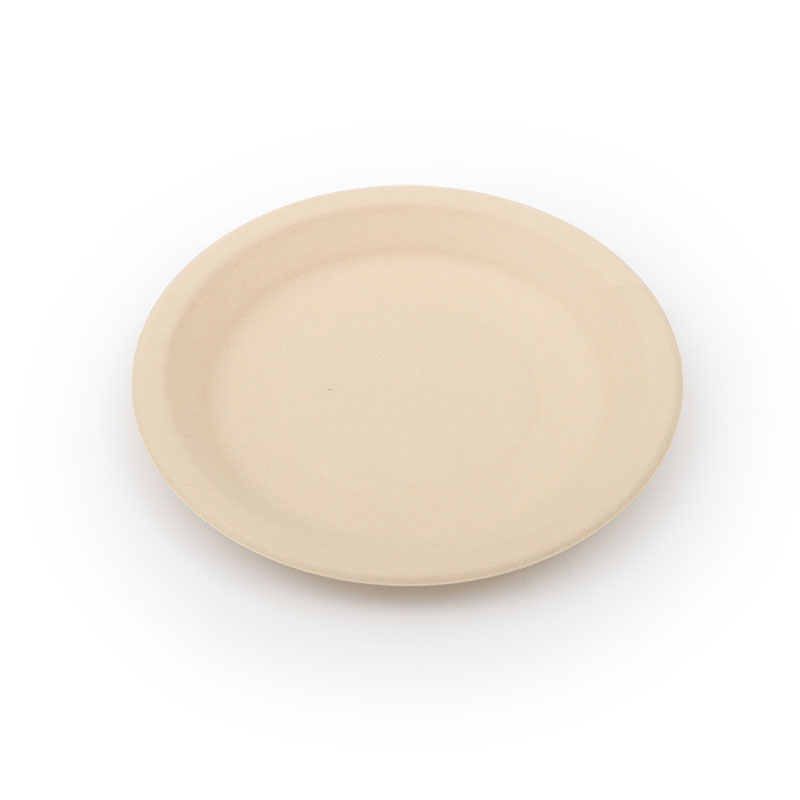 6 inch
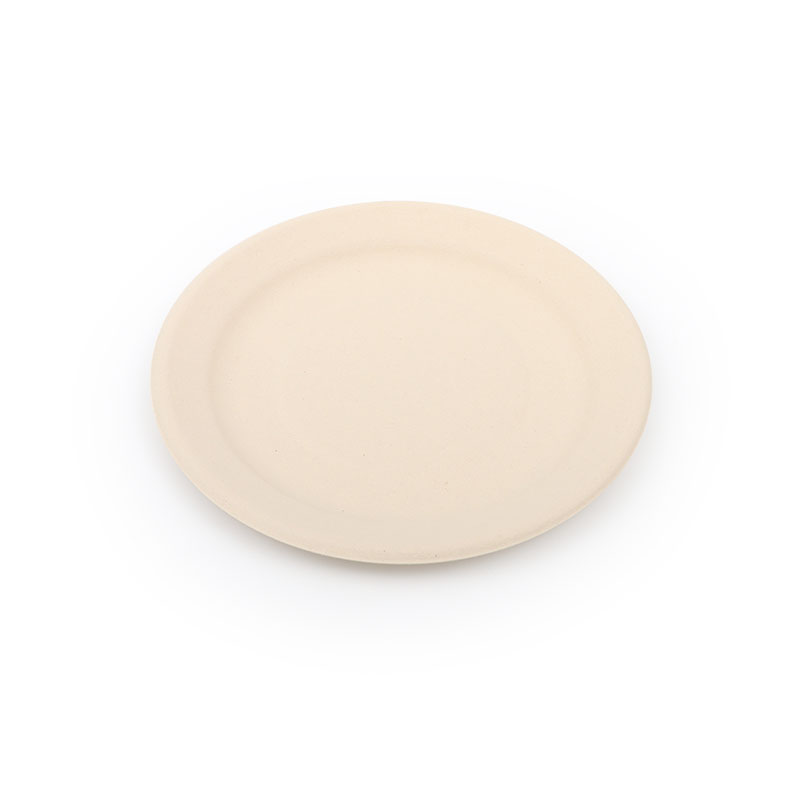 8 inch
 Middle Round Plate Series
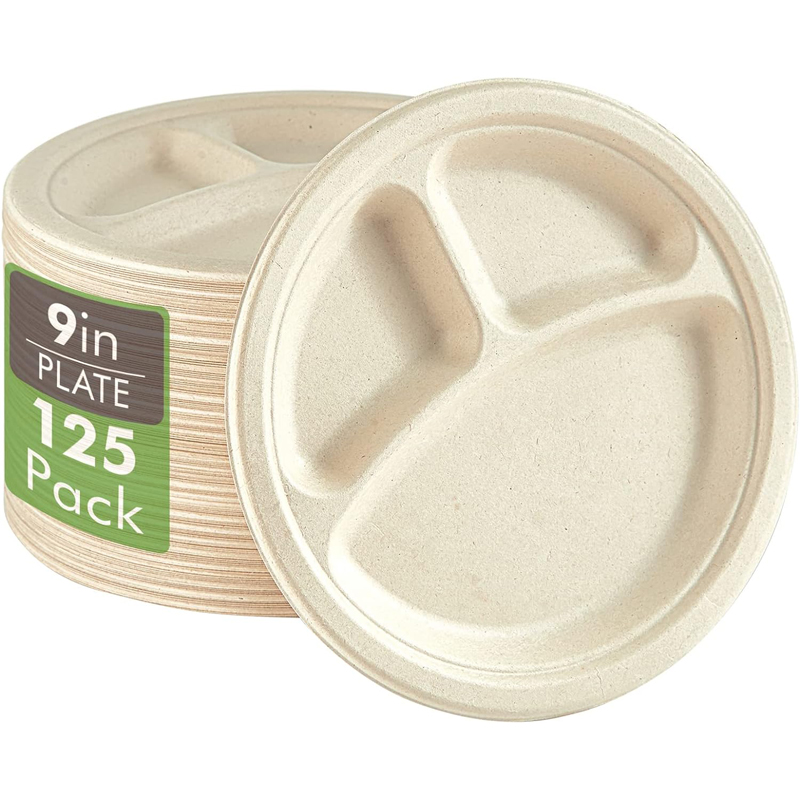
 9 Inch 3 Compartments
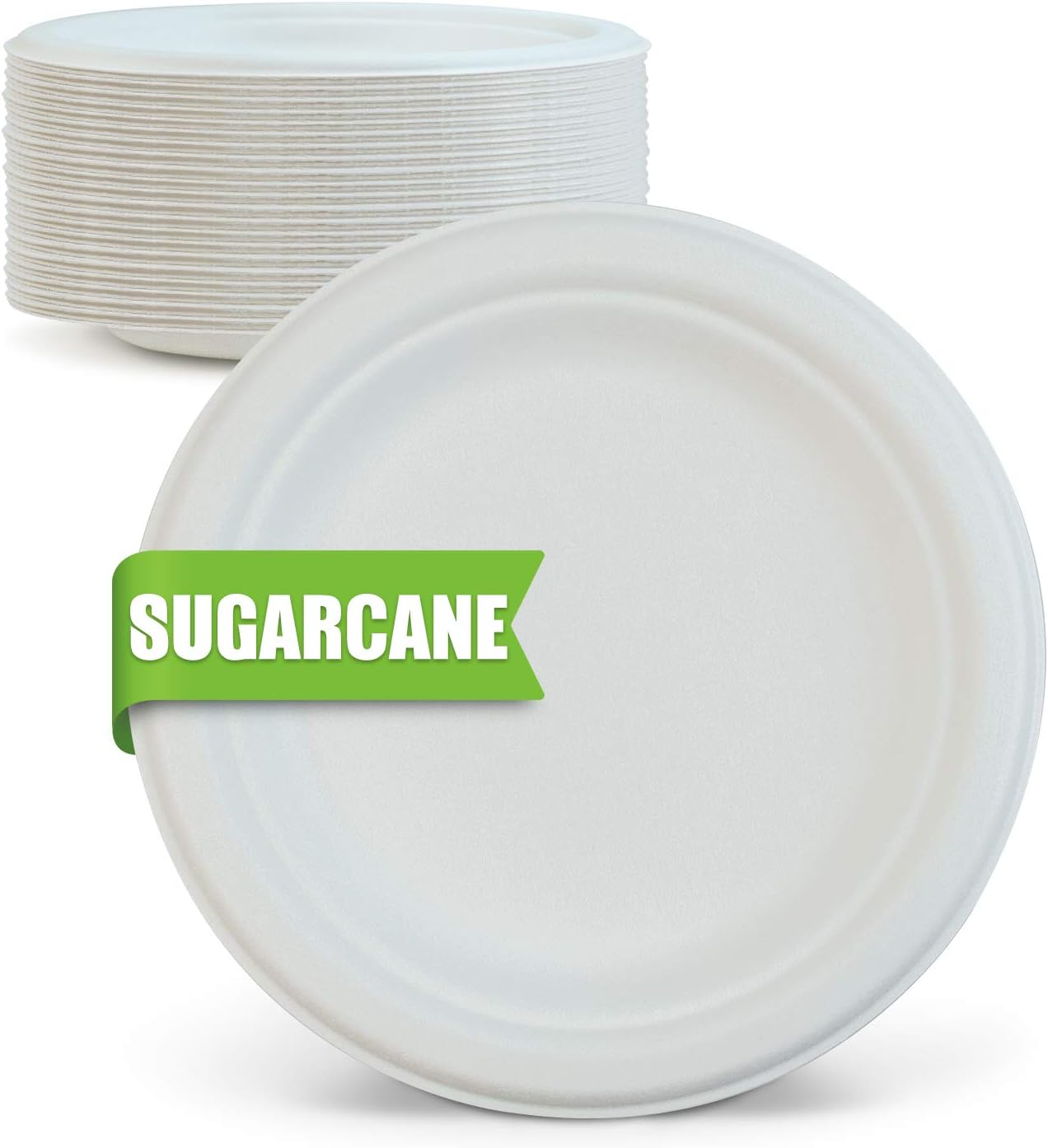
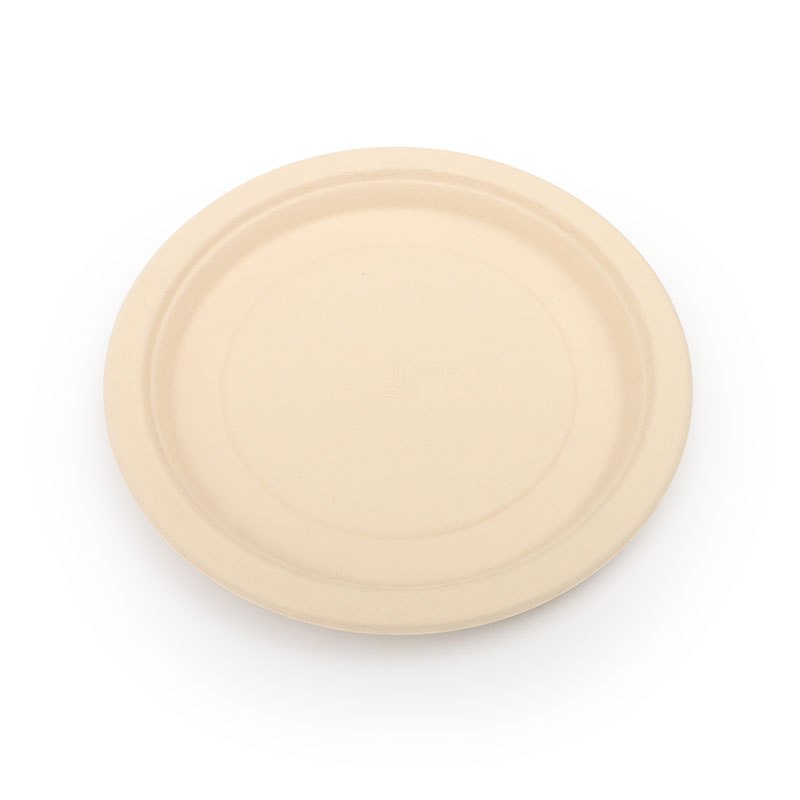 9 inch
 Big Round Plate Series
 12.7 Inch Pizza Plate
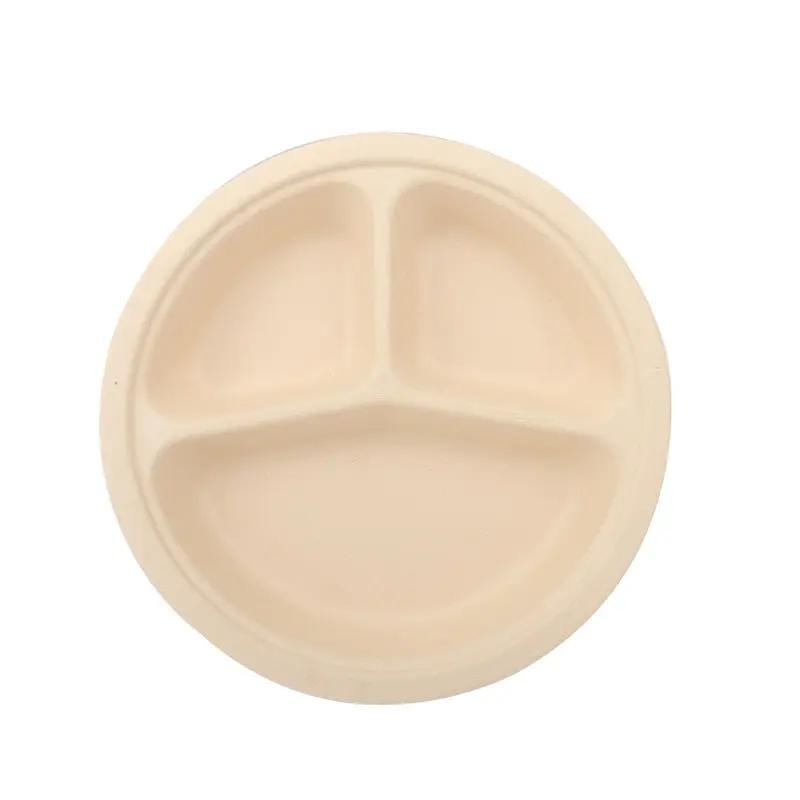 10.25 inch 3 Compartments
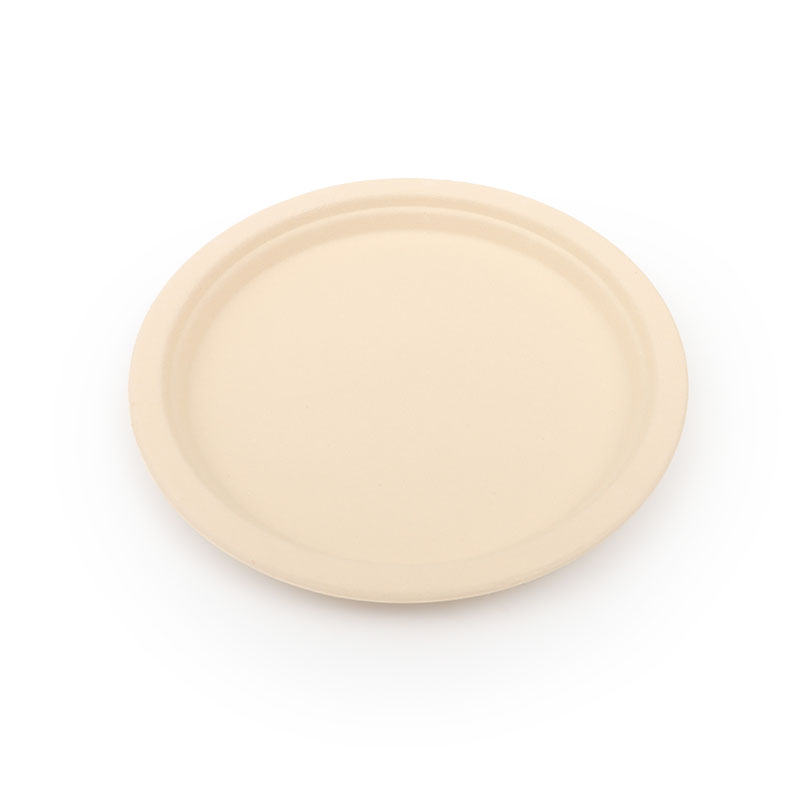 10 inch
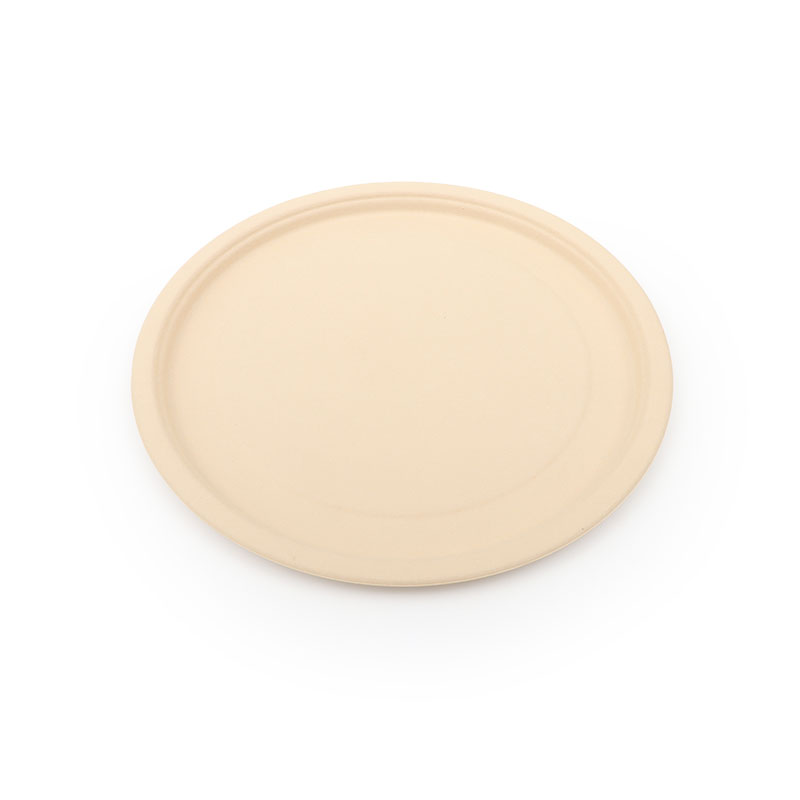 12 inch
 Bigger Bowl
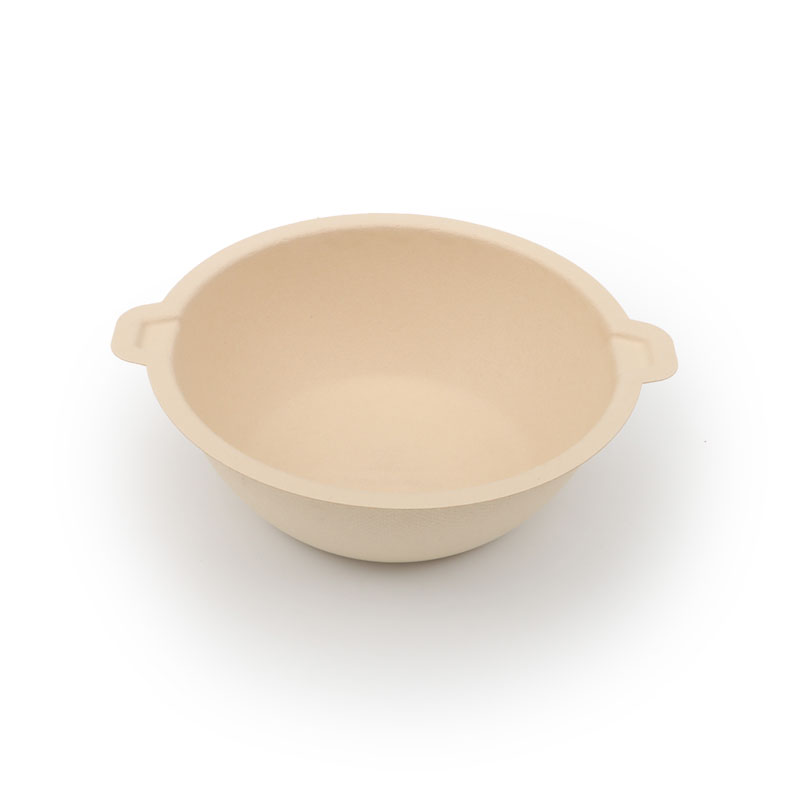 48oz(1420ml)
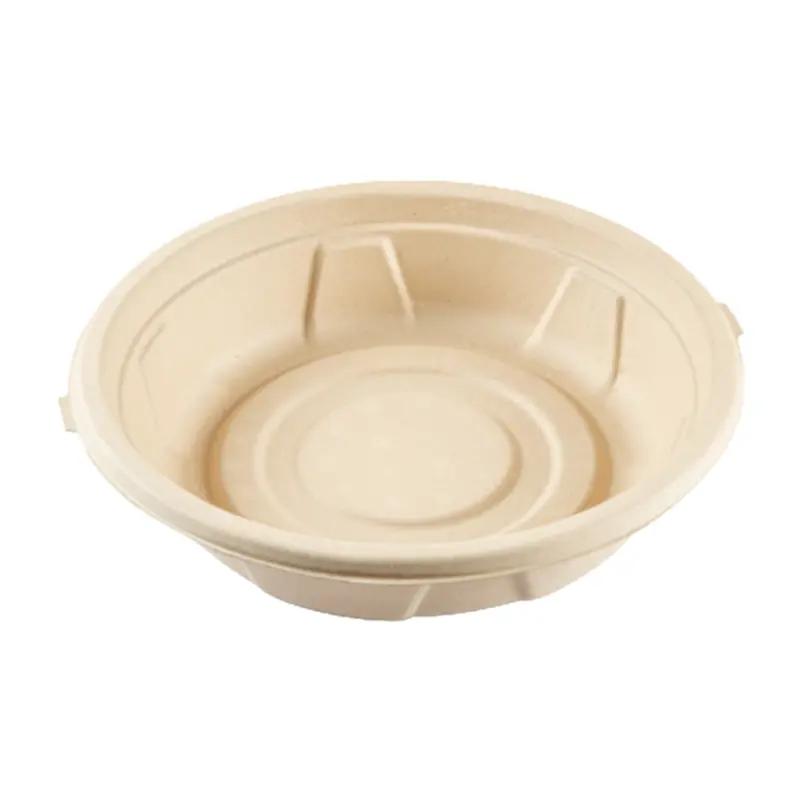 56oz(1650ml)
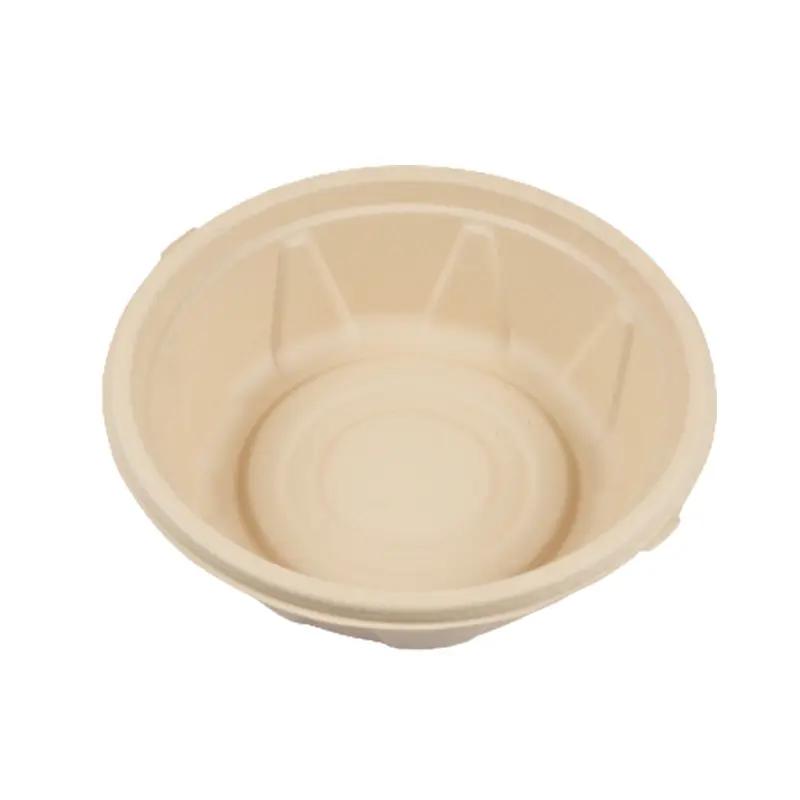 100oz(2950ml)
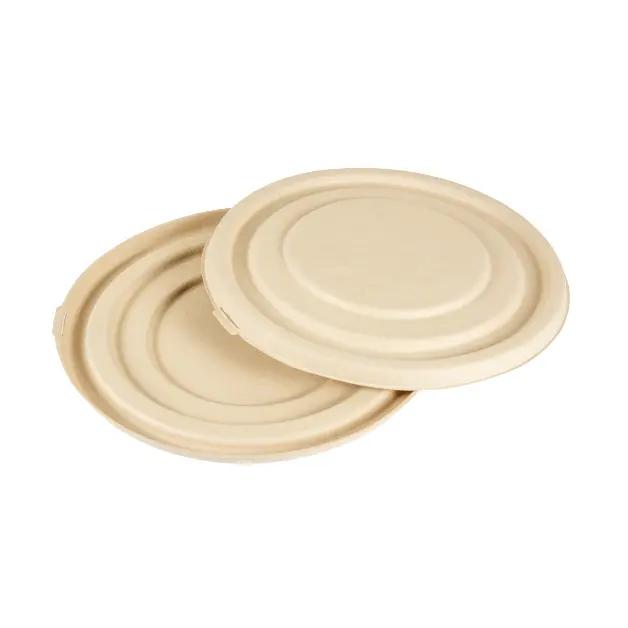 100oz(2950ml) With Lid
 Middle Bowl
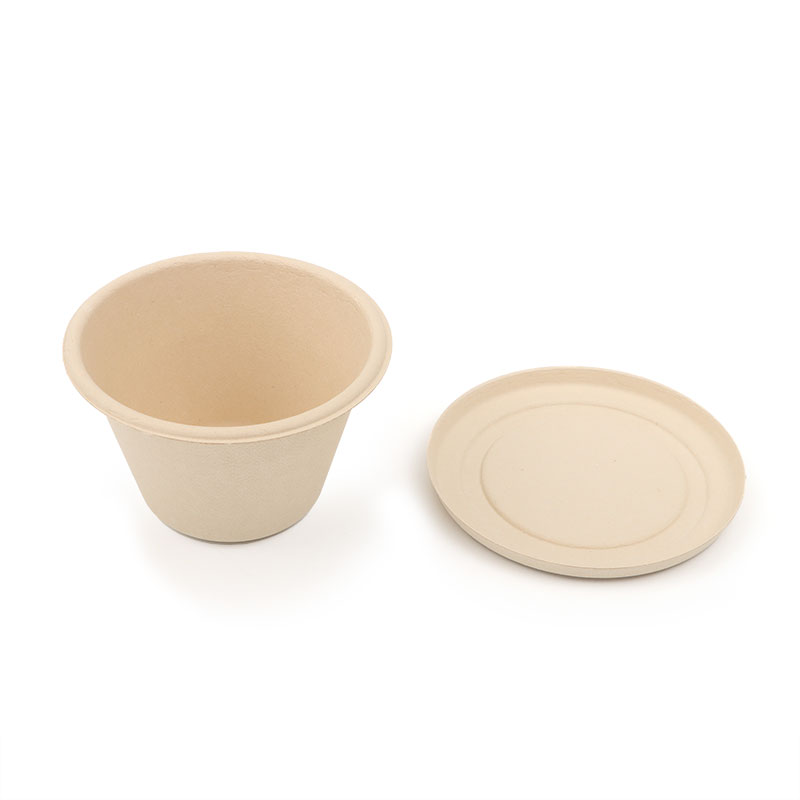 17oz(500ml)
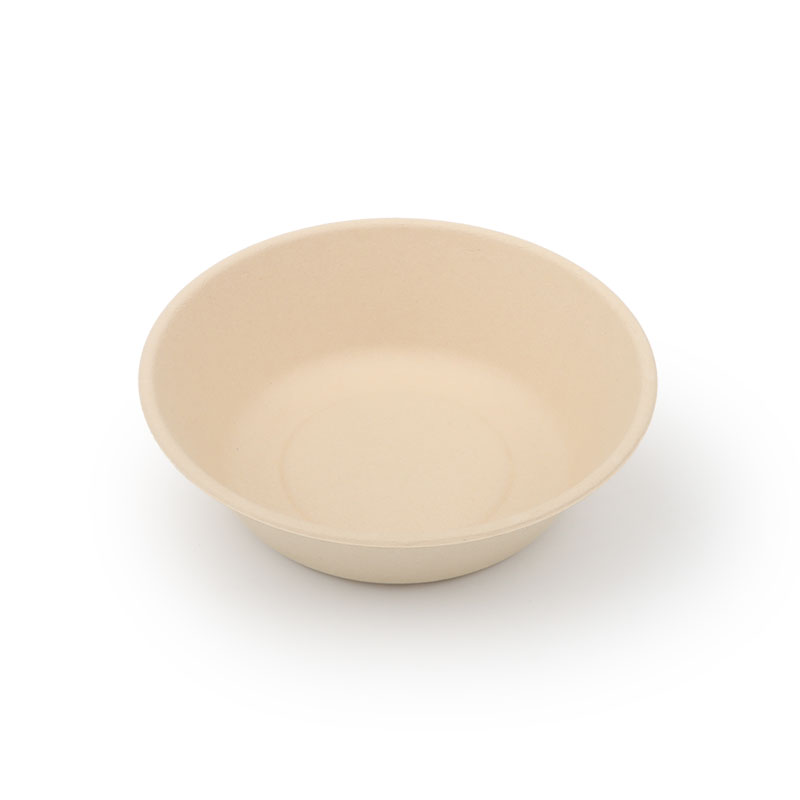 27oz(800ml)
 20oz(600ml)
 29oz(850ml)
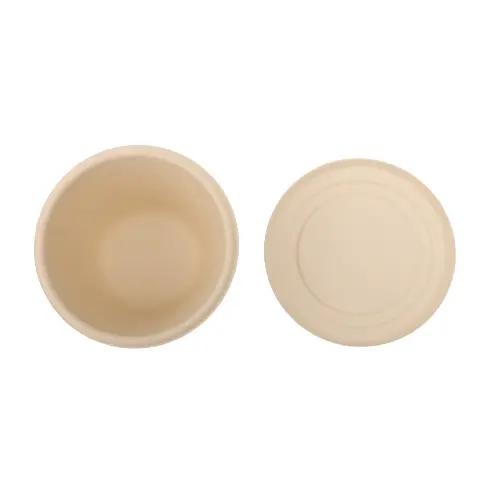 17oz(500ml) With Lid
 17oz(500ml) PET Lid
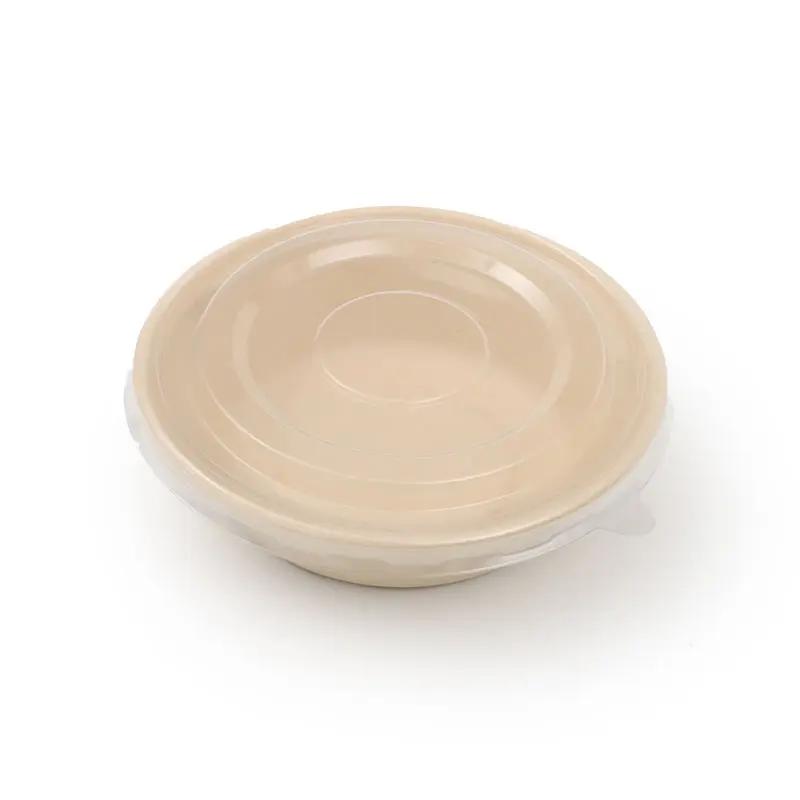 28oz(830ml) PET Lid
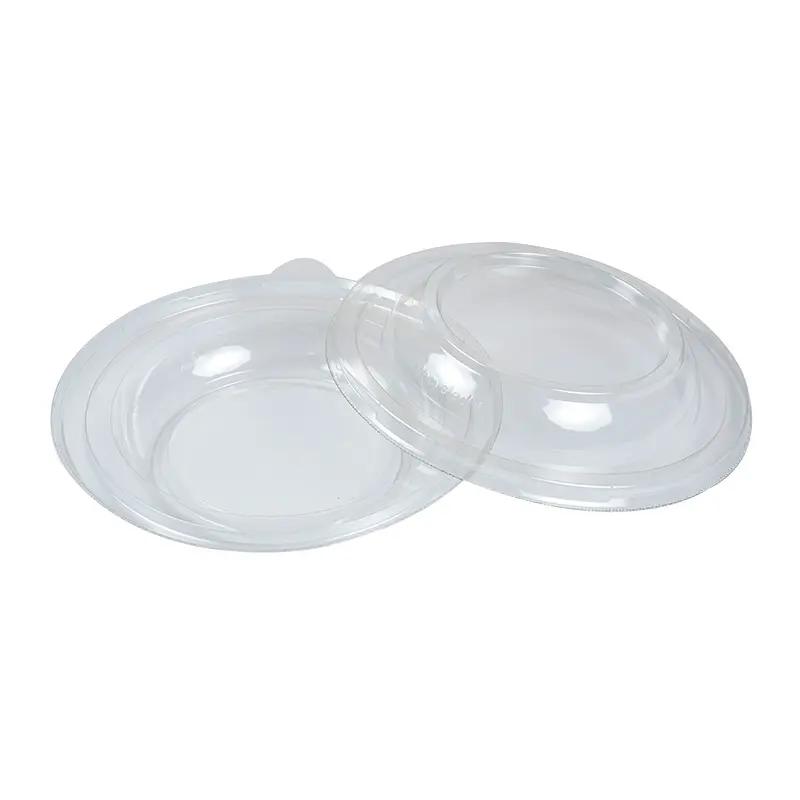 Round Bowl PET
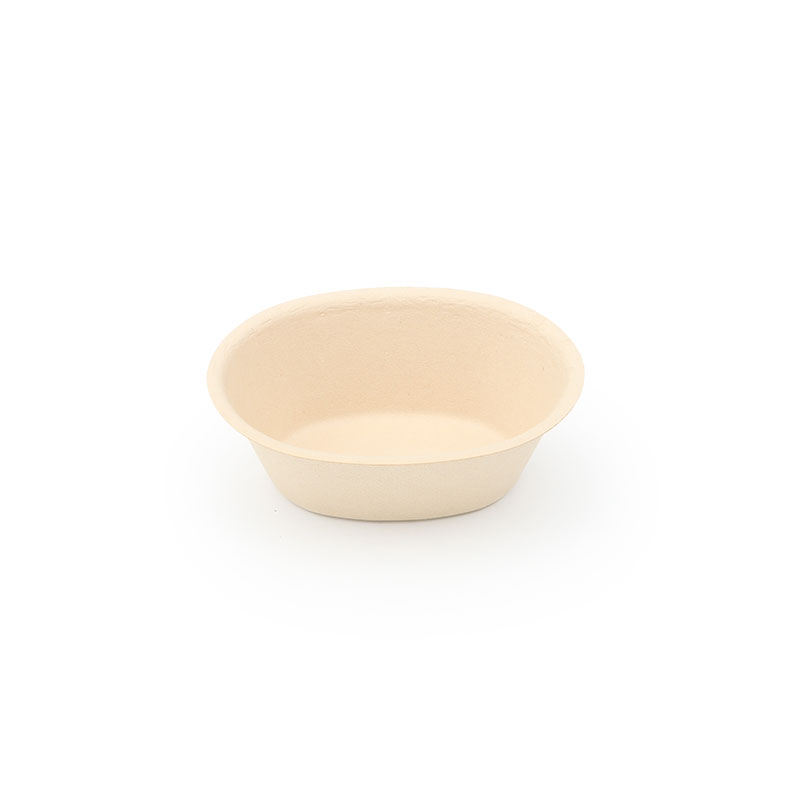
 Small Bowl
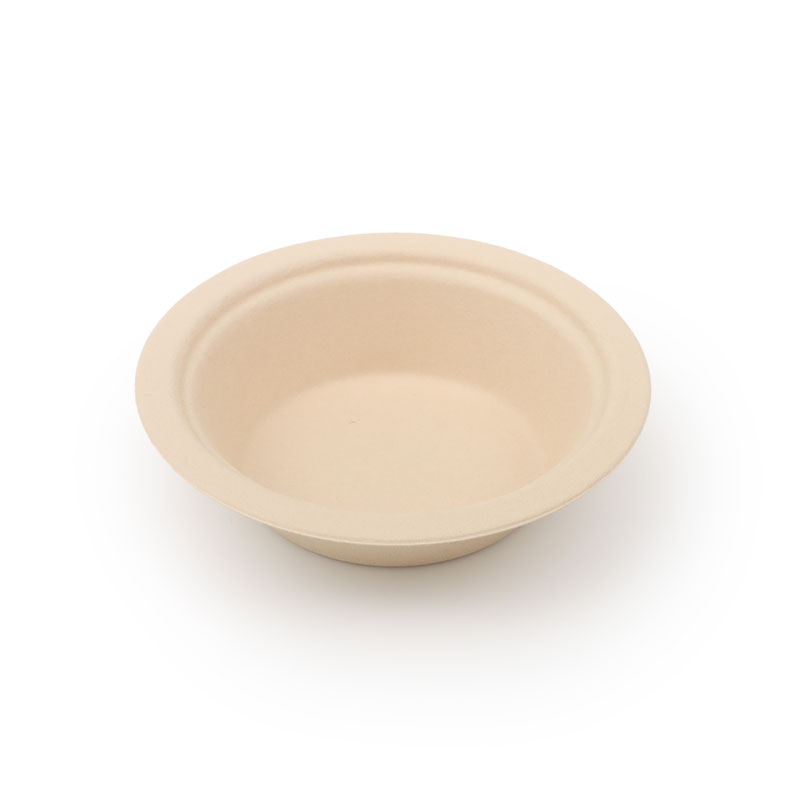
 Snack Bowl
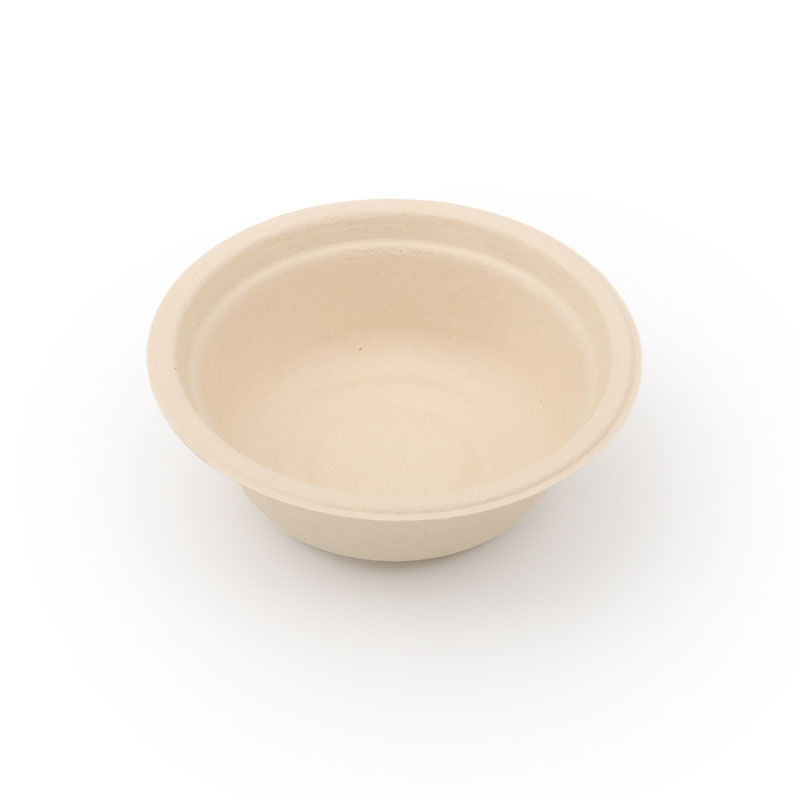
 11.5oz(340ml) Bowl
 6.7oz(200ml) Bowl
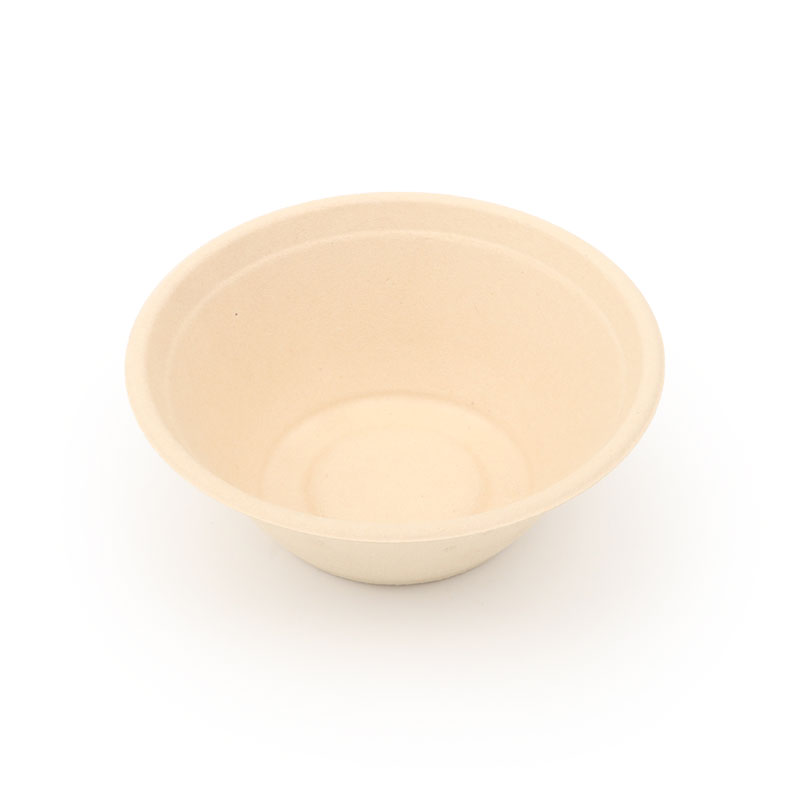 12oz(350ml) Bowl
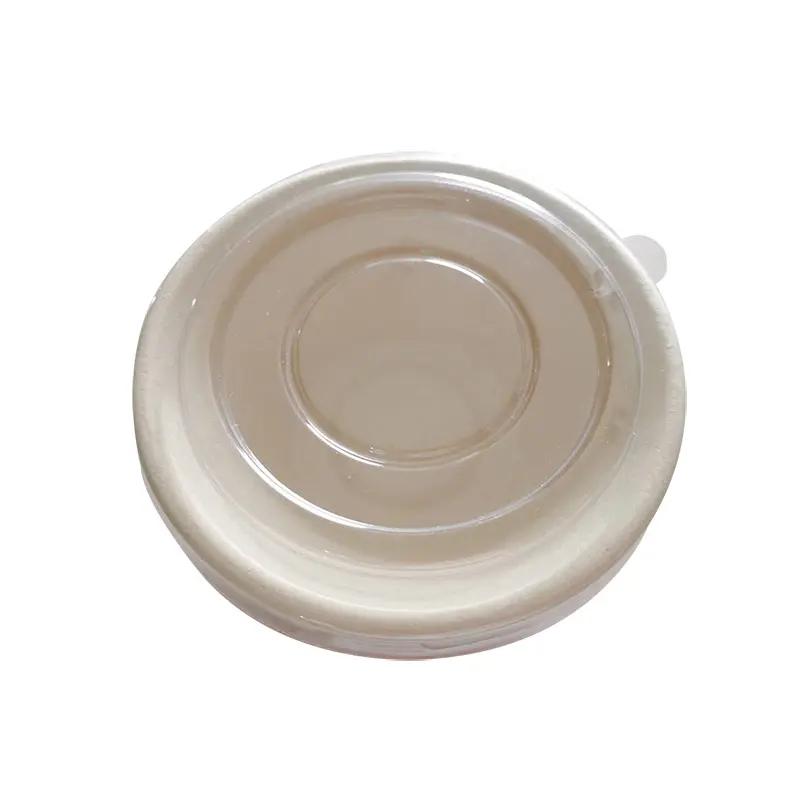 12oz(350ml) Bowl PET
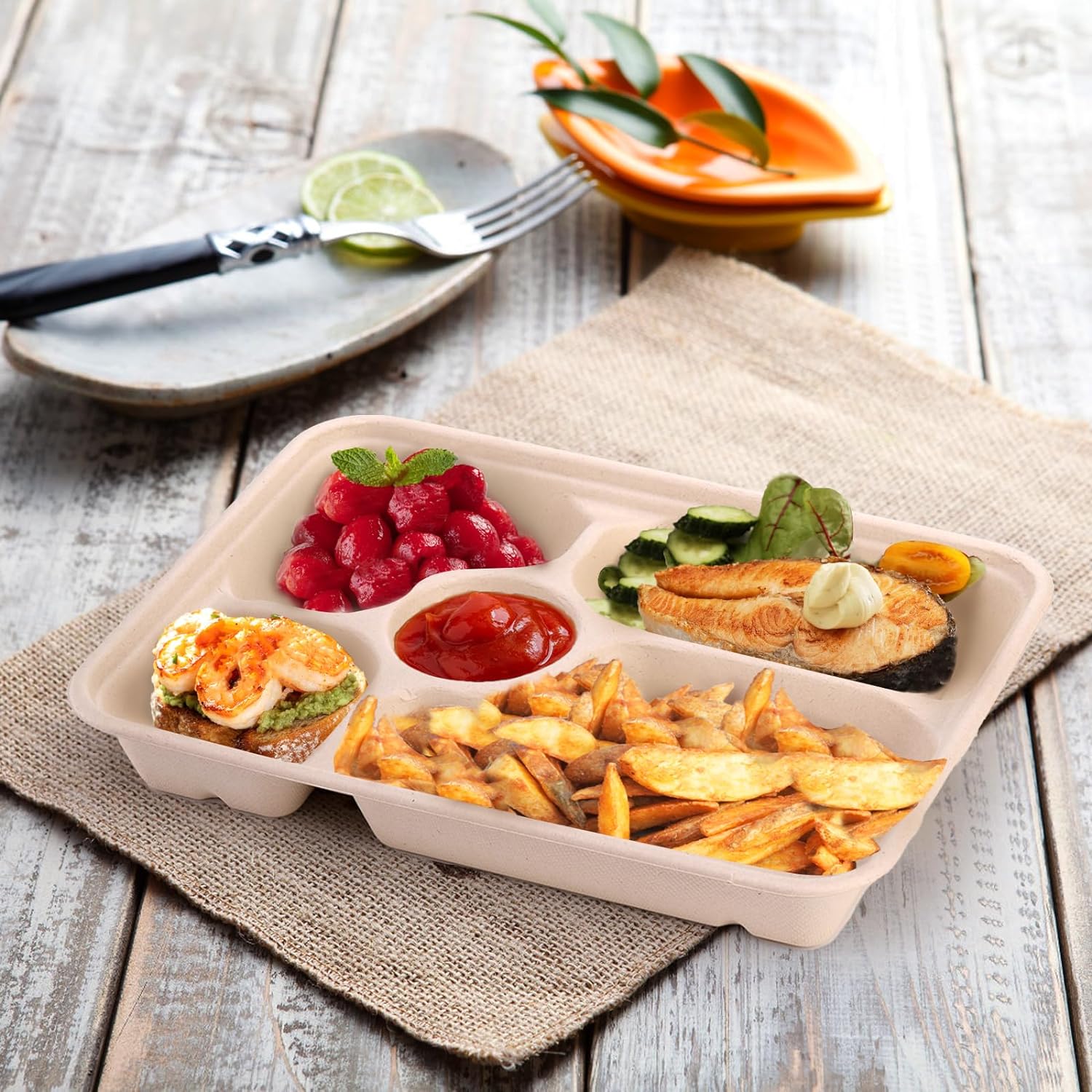 Bagasse Lunch Boxes
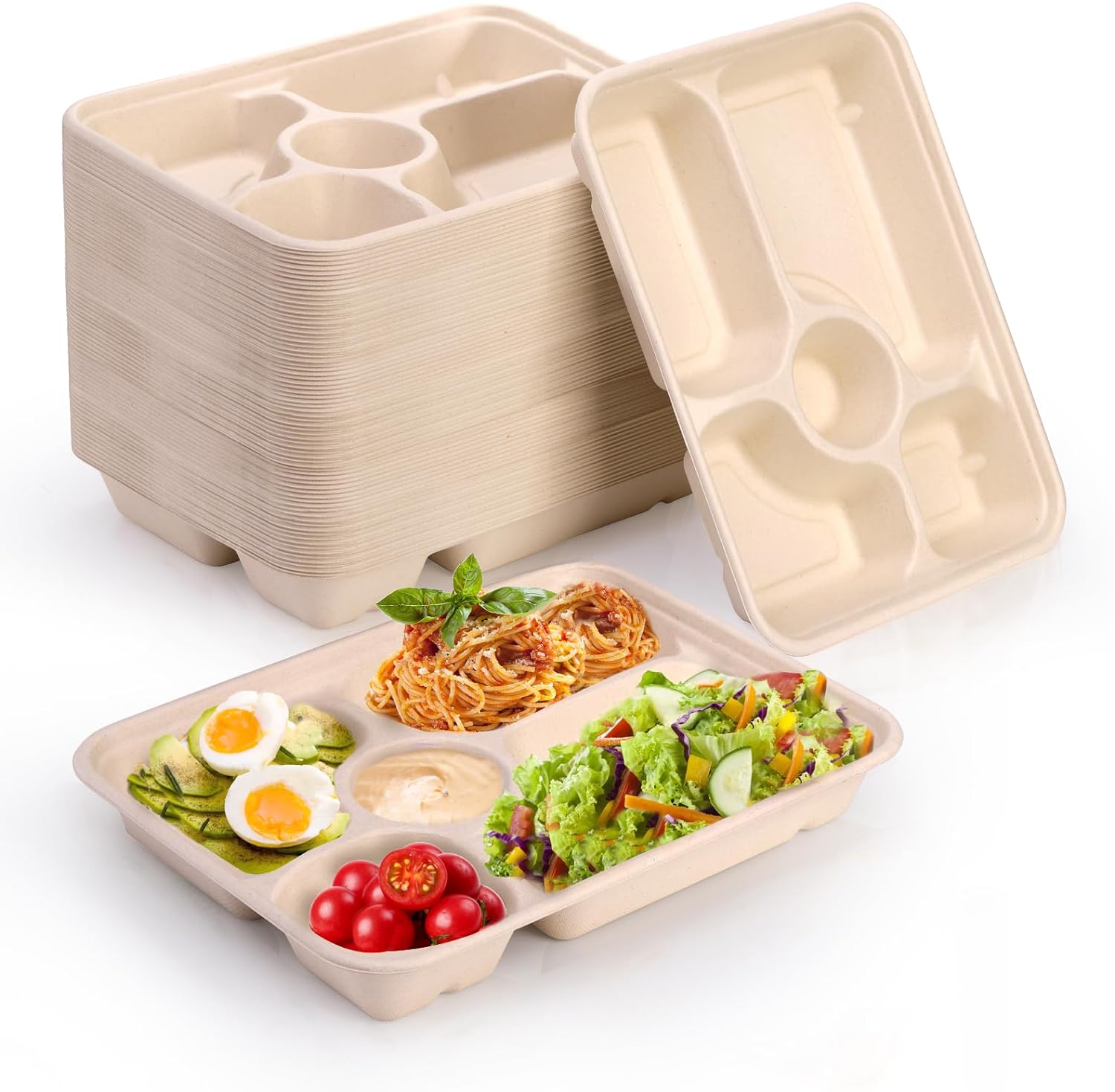 5CP
 6 inch
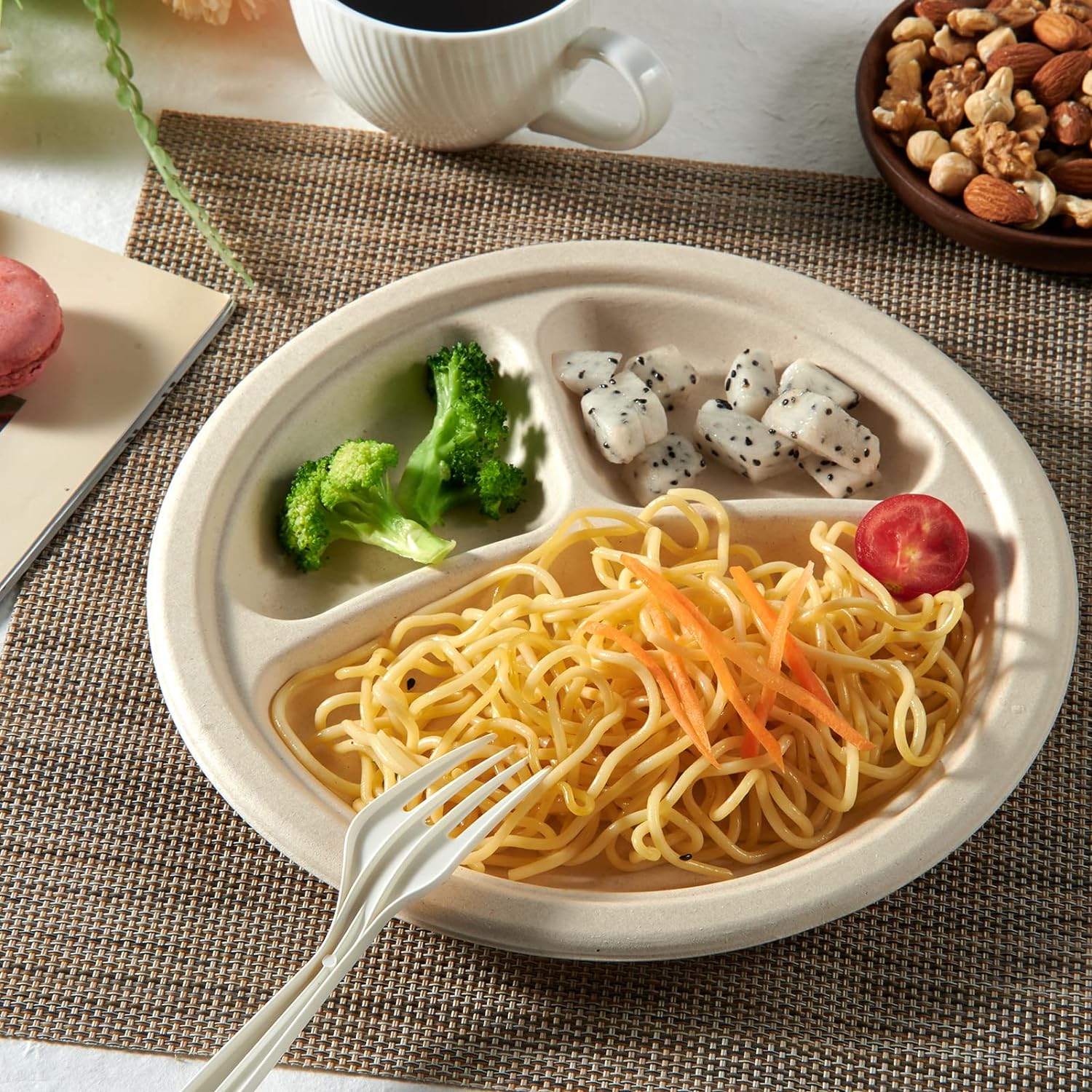 Bagasse Food Plates
 7 inch
 3CP
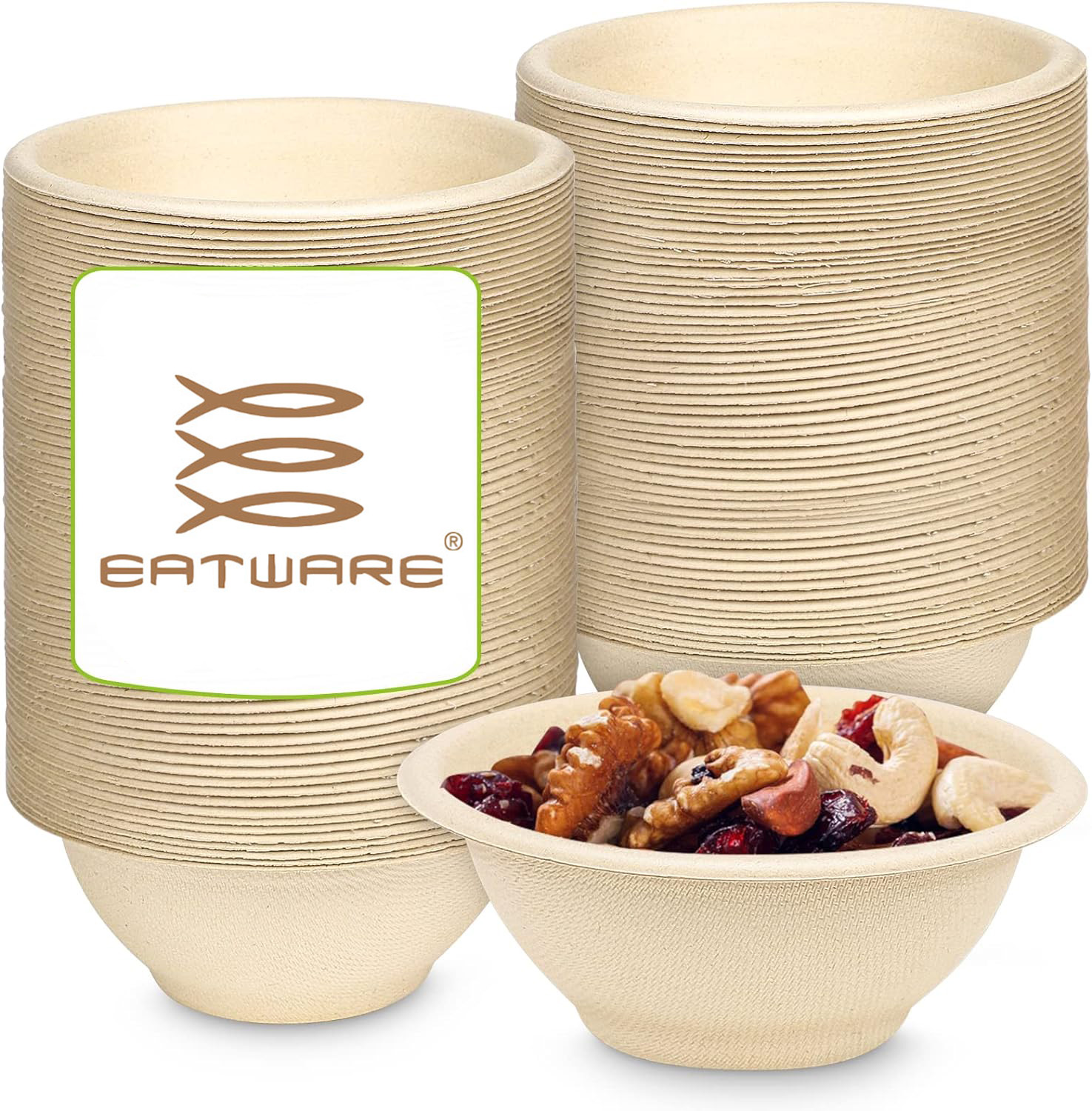 Bagasse Bowls
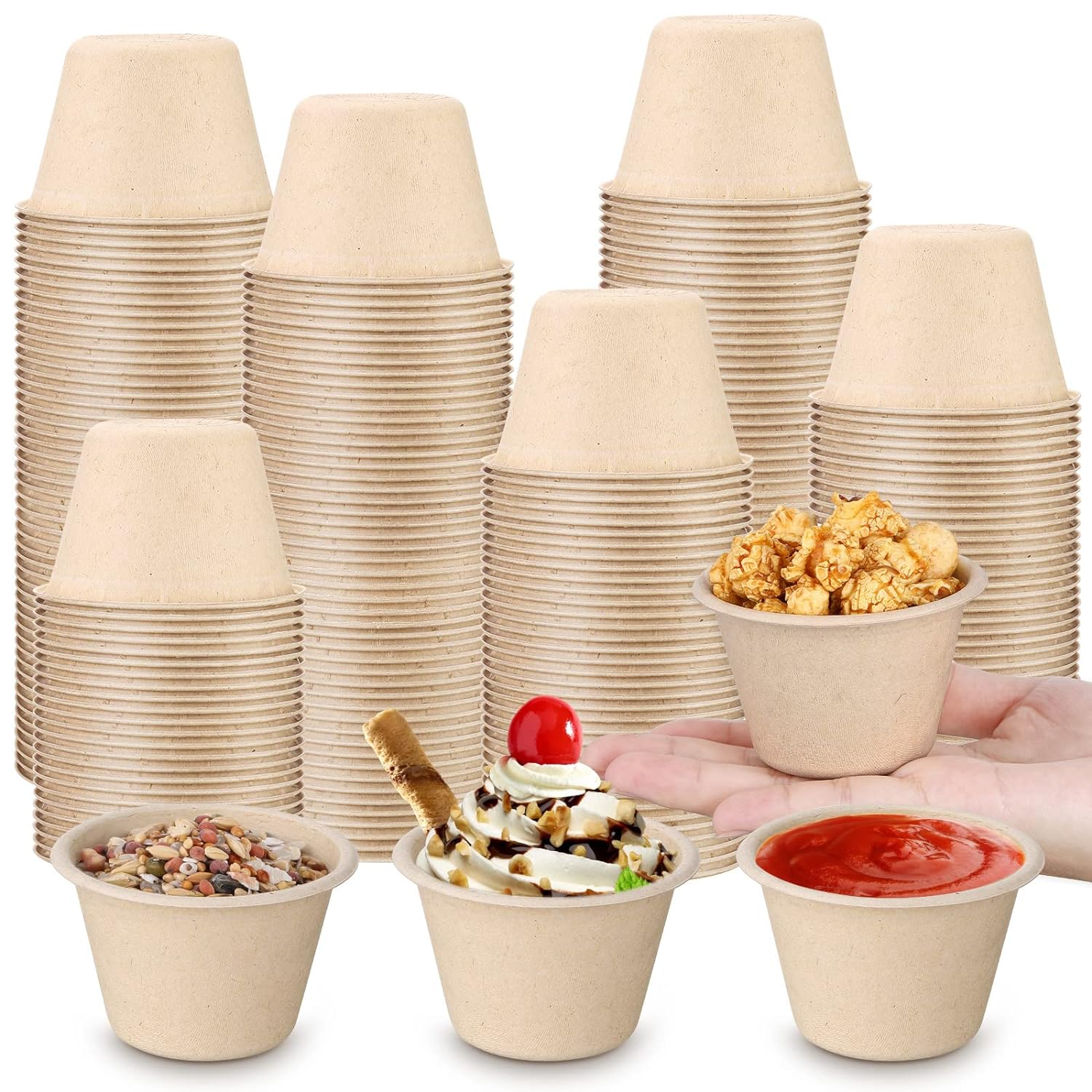 4oz
 Bagasse Cups And Cutlery
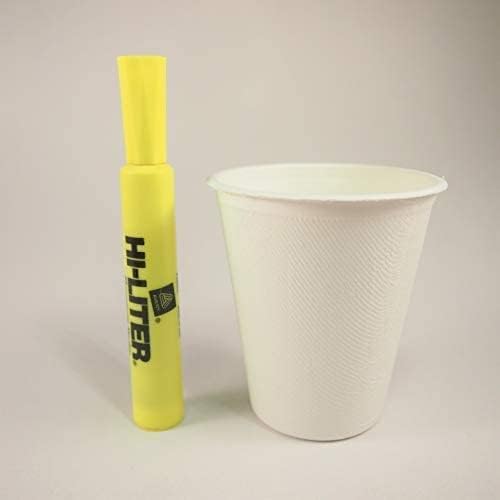
 8oz
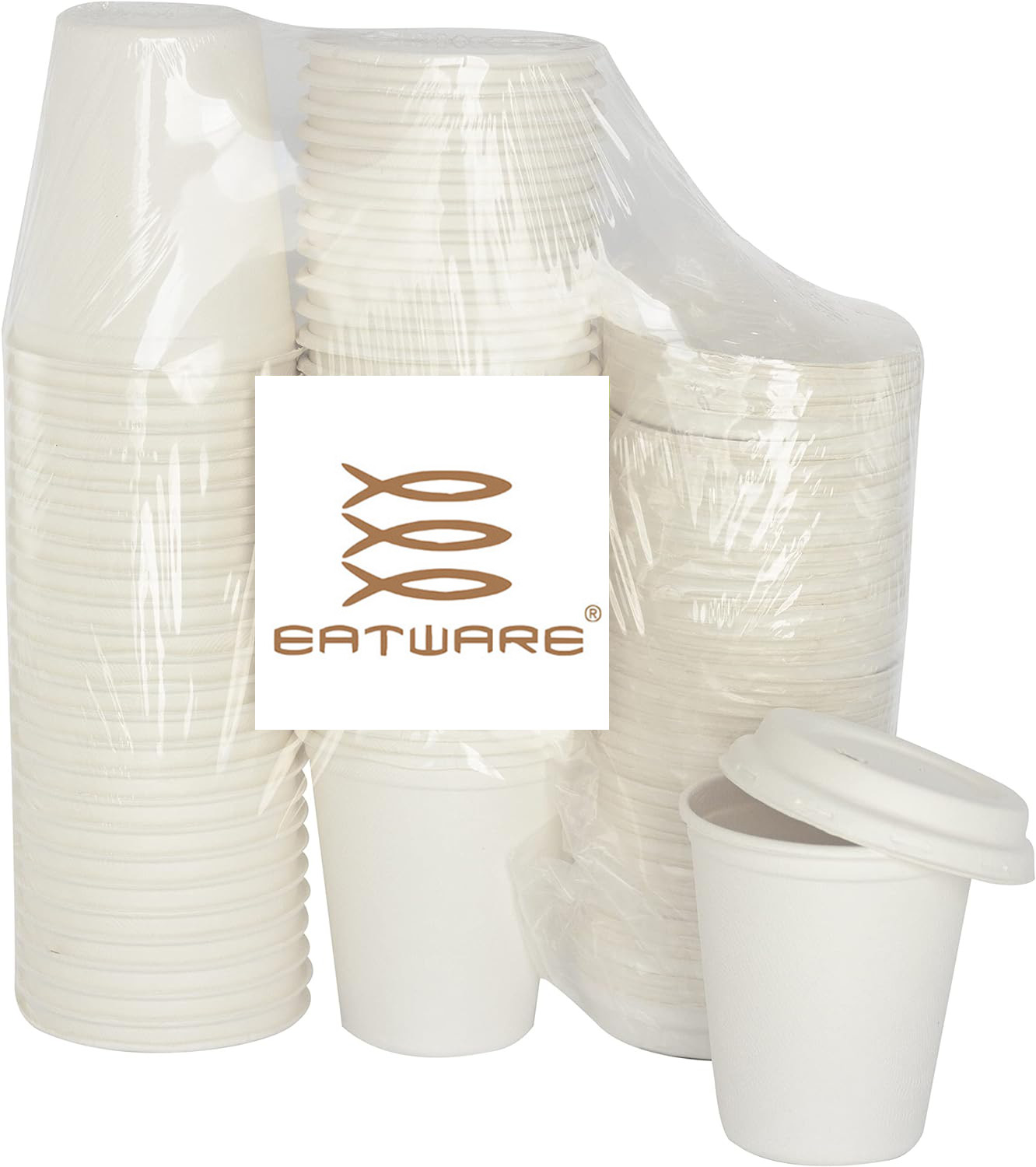 12oz
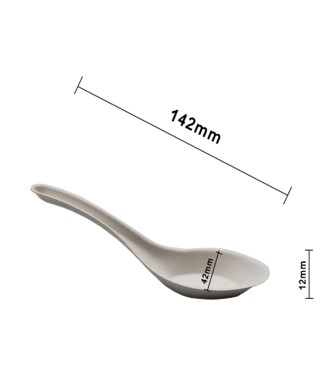 Cutlery
Leave Your Message
High-barrier, leakproof molded fiber containers and biodegradable lamination technology engineered for luxury hotel buffets, banquets, MICE catering, and institutional hospitality staging.
Engineered specifically for hot holding lamps, high-grease breakfast stations, condensation-heavy chilled buffets, and modified atmosphere room catering.


Global Manufacturing & R&D Authority in Sustainable Packaging
Patented Trays, Bowls, Compartments & Lamination Designs
Export Markets Across North America, Europe & Australasia
Clean Production Hub with 55 Automatic Thermoforming Units
The global hospitality sector is undergoing a profound paradigm shift in how food is prepared, staged, and served across hotel buffets. Traditionally reliant on unsealed open chafing dishes, high-touch shared utensils, and heavy plastic containment, modern luxury and business hotels are rapidly adopting laminating food packaging for hotel buffets. This transition is propelled by three inexorable commercial drivers: stringent post-pandemic hygiene expectations from corporate travelers, institutional mandates for food waste reduction, and rigorous ESG (Environmental, Social, and Governance) targets that strictly prohibit single-use petroleum plastics.
In high-volume hotel environments—including morning breakfast spreads, executive club lounges, banquet breakouts, and large-scale MICE (Meetings, Incentives, Conferences, and Exhibitions) events—the operational friction of managing conventional tableware has become unsustainable. Traditional ceramic and melamine dishware require immense water, chemical detergent, and labor footprints for continuous washing and restocking. Conversely, standard un-laminated paper or bagasse containers fail under the aggressive thermal and chemical stress of buffet foods: hot roasting juices, acidic dressings, and piping gravies cause raw plant fibers to soften, delaminate, or seep within 15 to 30 minutes.
High-performance lamination bridges this critical performance gap. By applying an ultra-thin, micro-meter-precise bio-polymeric film (such as PLA, PBS, or proprietary water-based barriers) onto thermoformed sugarcane bagasse and molded bamboo matrices, packaging engineers achieve absolute grease impermeability (Kit 12 rating), 100% liquid seal integrity, and structural rigidity up to 120°C. This allows hotel food and beverage directors to present pre-portioned, chef-crafted hot entrees, sushi selections, and sauced gourmet items directly under buffet heating lamps without compromising tray geometry or presentation elegance.
Laminated barriers maintain structural integrity under hot carvery oils, boiling gravies, and warming lamps up to 120°C without softening, leaking, or base saturation.
Integrated barrier films permit Modified Atmosphere Packaging (MAP) for hotel prep kitchens, locking in freshness, aroma, and color for up to 7–14 days in cold staging.
Complies with strict EU and US environmental standards, replacing harmful fluorinated chemicals with certified compostable and home-biodegradable plant films.
How modern 4-star and 5-star hotel operations deploy laminated molded fiber food packaging across multiple service touchpoints.
Business travelers often demand swift, frictionless morning nourishment without sitting for a full 45-minute dining hall experience. Laminated 2-compartment and 5CP buffet trays allow luxury hotels to pre-assemble premium hot breakfasts—such as poached eggs over avocado hash, sausages with artisanal baked beans, and buttered croissants—without moisture cross-contamination. The barrier layer prevents butter oils from penetrating the exterior base, ensuring guests can carry warm meals directly to their suites or conference rooms with zero mess.
At live banquet stations featuring carved prime rib, roast turkey, curries, and sizzling dim sum, tableware is exposed to high thermal spikes and dense fats. Traditional uncoated bio-bowls break down rapidly under these conditions. High-heat lamination provides a resilient vapor barrier that locks in moisture while shielding the bamboo/bagasse substrate, preserving the plate’s crisp look and cool-touch handling for the guest.
Conferences hosting 500+ attendees require the distribution of high-quality lunches in under 15 minutes. Pre-packaged laminated meal boxes with secure T-buckle or hermetic heat-seal film lids can be safely stacked up to 10 layers high without crushing. Tamper-evident seals provide conference participants with absolute peace of mind regarding culinary cleanliness and individual dietary segregation (e.g., Halal, Kosher, Gluten-Free, Vegan).
Cold buffet staging presents a dual challenge: intense internal liquid exposure from dressings and raw seafood juices, combined with external condensation from ice bedding. Standard cardboard boxes rapidly absorb condensation and collapse. Laminated molded fiber trays feature dual-sided moisture sealing that prevents structural sagging, keeping chilled salads crisp and sushi fresh throughout extended 4-hour buffet display windows.
The production of high-performance laminating food packaging for hotel buffets requires an intricate balance of natural material chemistry, high-tonnage precision thermoforming, and specialized cleanroom film bonding. At Kangxin (HaiMen) Environmental Technology Co., Ltd., our manufacturing pipeline is built on closed-loop, sustainable engineering protocols:
We harvest fast-growing, non-timber organic bamboo and renewable sugarcane bagasse fibers. The raw pulp is refined to optimize tensile fiber interlocking, yielding superior wall density and natural insulation compared to wood pulp.
Utilizing 55 fully automatic forming machines operating under 200°C heat and multi-ton hydraulic pressure, each container is molded with precise dimensional accuracy, perfectly uniform rim flanges, and reinforced corner gussets.
In automated cleanroom environments, an ultra-thin barrier layer is thermally fused or vacuum-laminated directly to the inner surface of the tray. This eliminates the need for chemical adhesive glues, achieving certified non-toxic food-contact compliance.
Historically, the disposable packaging sector relied on per- and polyfluoroalkyl substances (PFAS) to achieve grease resistance. However, international scientific consensus has linked PFAS to persistent environmental accumulation and severe health risks. EATware products utilize cutting-edge physical lamination and bio-based barrier chemistries that are 100% PFAS-free, meeting the stringent European EC 1935/2004 framework and US FDA 21 CFR standards. Following buffet use, our packaging can be composted in commercial composting infrastructure, where it breaks down into nutrient-rich soil within 90 to 180 days, releasing zero microplastic residues or persistent synthetic pollutants.
Kangxin (HaiMen) Environmental Technology Co., Ltd. is a technology innovation-oriented enterprise that focuses on disposable environmentally friendly tableware and high-barrier food packaging. We have advanced production processes and equipment, and continue to attract senior talents, focusing on environmental protection, emphasizing safety, and ensuring quality.
In the field of environmentally friendly packaging for 18 years, Kangxin has established solid strategic cooperation with 500+ global brands. Through our dedicated research and development, there are more than 60 specialized products in active mass production, fully supporting OEM and ODM customized services for international hotel chains, airline catering networks, and institutional food distributors.
Our 10,000+ square meters intelligent factory area houses more than 30 patent certificates, 10 foreign authoritative certifications, and 55 automatic forming machines, producing food containers exported to the United States, Europe, Australia, Canada, and over 30 countries globally.
EATware is committed to sustainable development, using all natural plant fibers to produce safe, healthy, and environmentally friendly tableware. Adhering to the concept of "take nature, serve humanity, return to nature", we focus on the development of safe, high-quality, and environmental standards.
EATware emphasizes environmental protection and sustainable development, explores the balance between enterprise survival and environmental protection, and uses all-natural and pollution-free bamboo fiber as the main material of tableware to ensure that its products meet the high technical level and are superior to developed countries.
Audited and certified by leading global testing institutes for food contact safety, hygiene, compostability, and operational safety.
Authoritative technical articles analyzing real-world testing, material mechanics, and commercial manufacturing benchmarks.
The most reliable way to test disposable food containers is to combine leakage testing with structural testing under conditions that reproduce the intended food application. A container should not be approved simply because it holds water for several minutes or survives an empty compression test...
Read Full Report →For foodservice operators, replacing conventional plastic packaging is not simply a matter of changing materials. Disposable biodegradable tableware must still withstand hot food, sauces, oils, condensation, stacking, transport, and commercial handling without losing structural integrity. Poorly engineered...
Read Full Report →With growing global demand for takeaway meals and eco-friendly packaging, China’s manufacturing sector has become a major hub for disposable food containers. Today’s food businesses - from fast-food chains and meal-delivery services to supermarkets and catering companies - are looking for high-capacity partners...
Read Full Report →Explore our complete OEM/ODM production line of laminated bagasse and bamboo food containers configured for high-turnover hospitality dining.
Delivering reliable, certified sustainable food packaging across airline hospitality, national retail grocers, and international restaurant chains.
Replacing toxic petroleum-derived expanded polystyrene and single-use plastics with rapidly renewable plant fibers.
Zero microplastic shedding ensures that decomposed food packaging leaves marine ecosystems unburdened and pure.
Using annual sugarcane bagasse and agricultural bamboo byproducts to prevent the logging of virgin timber forests.
