
 Box With T buckle
 700ml Square Lunch Box
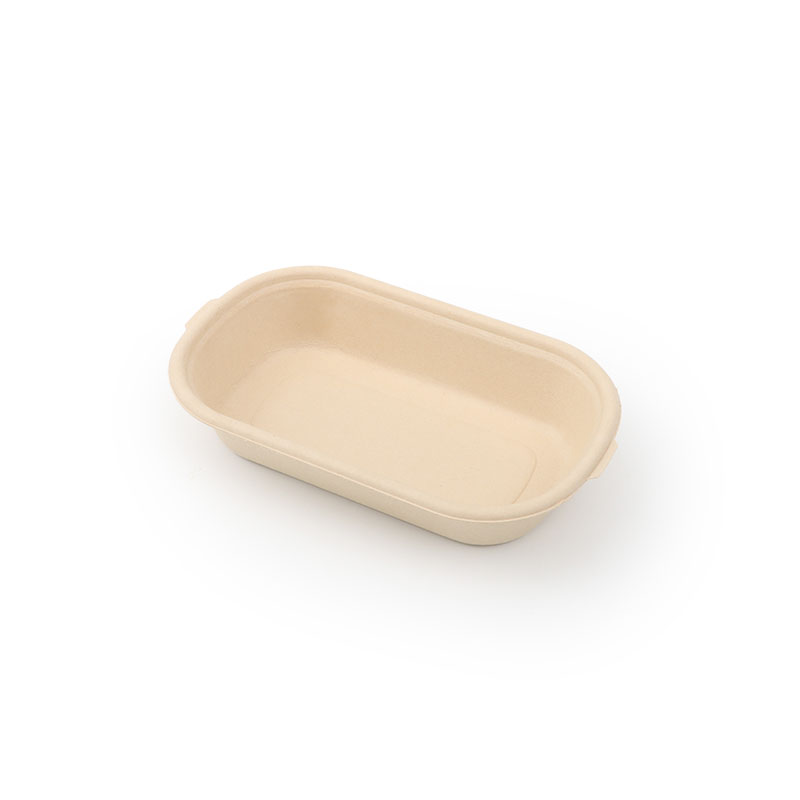 500ml
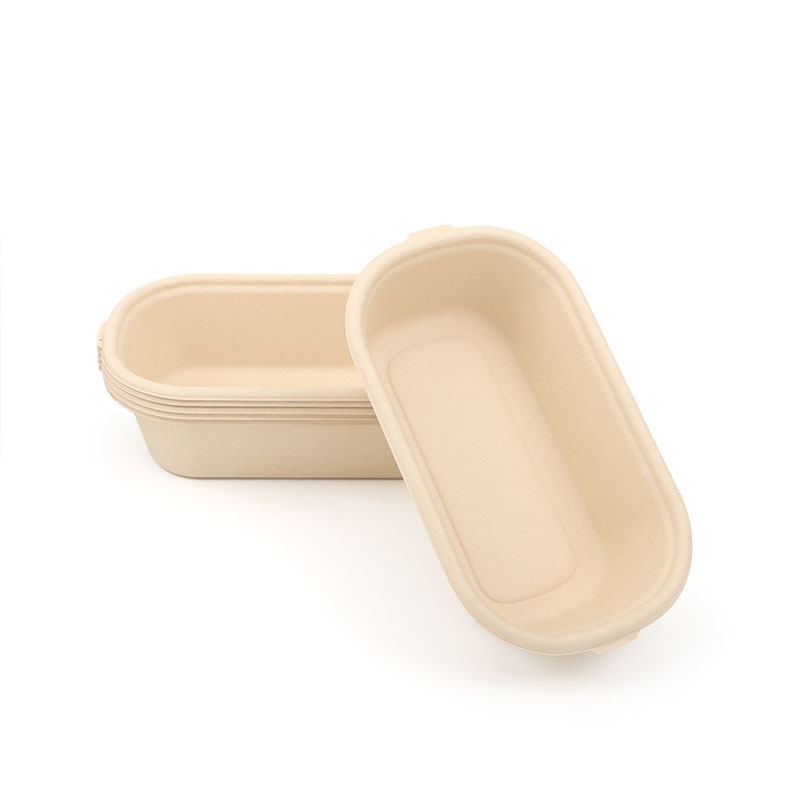 700ml
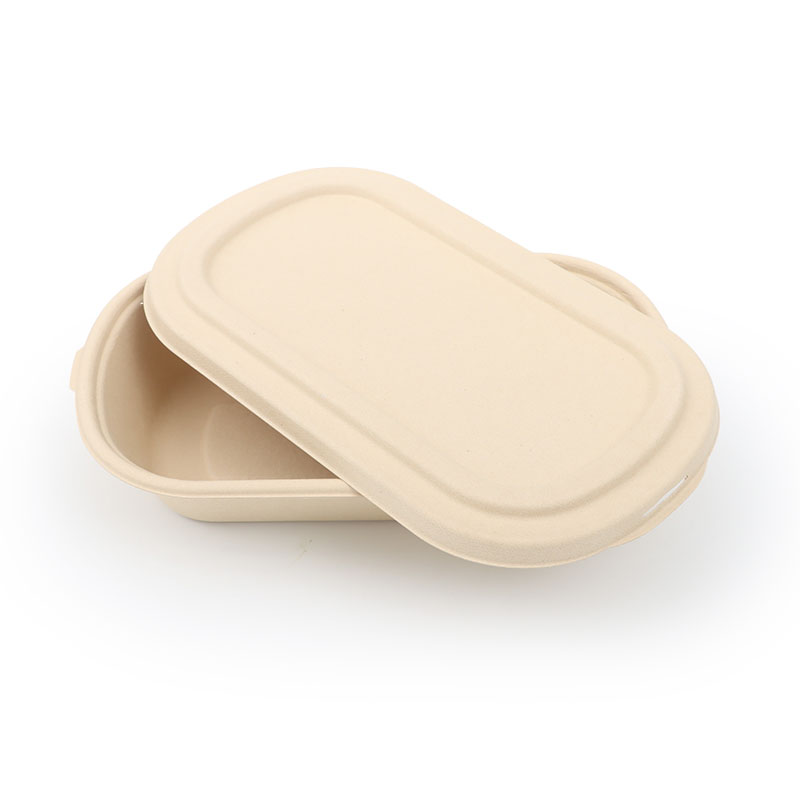 850ml
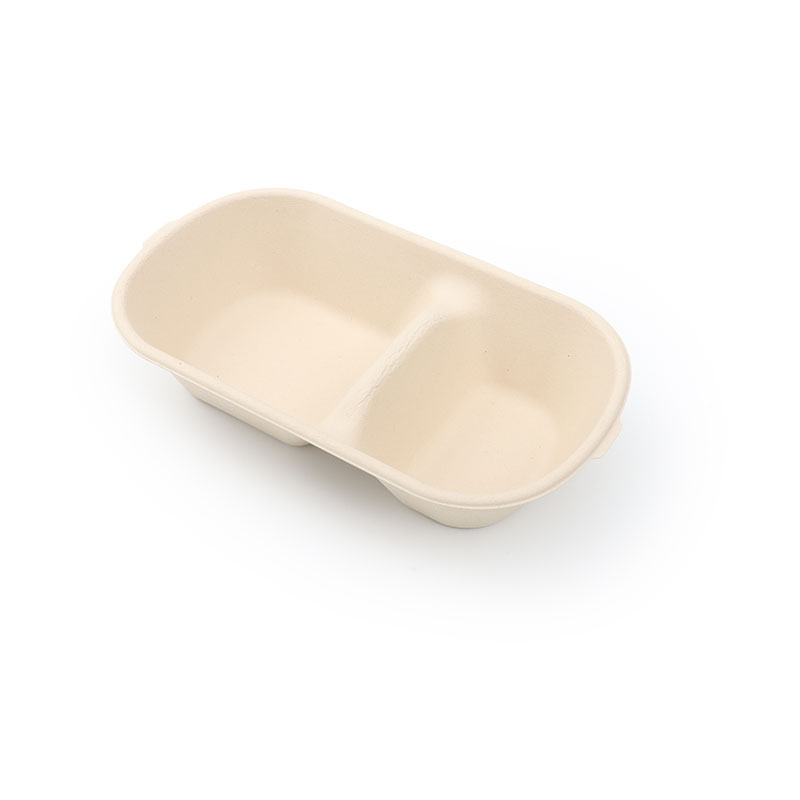 800ml 2 Compartments
 1000ml 2 Compartments
 1100ml
 1000ml Square Lunch Box
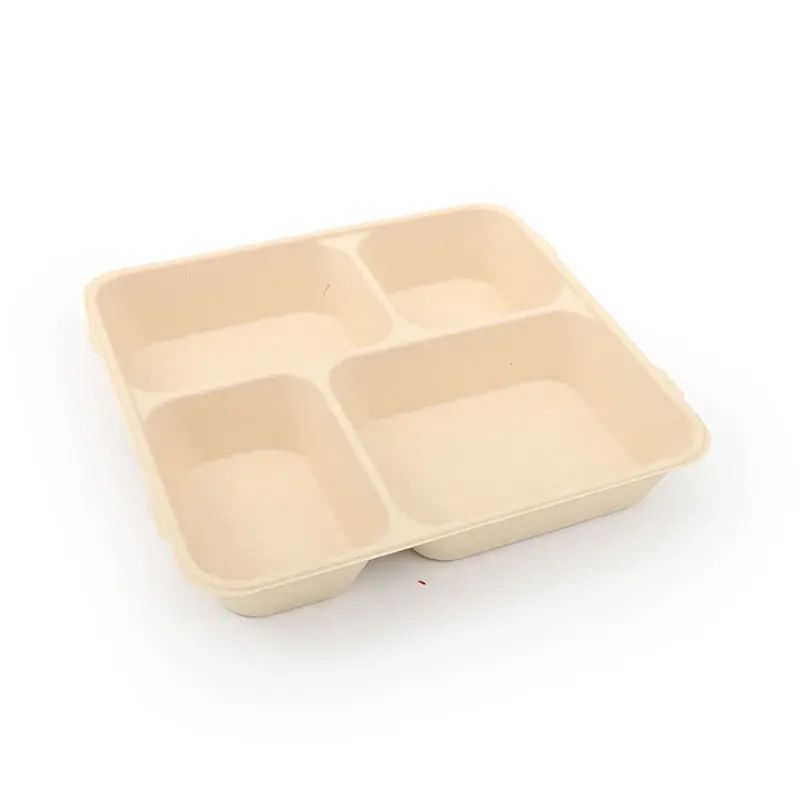 1340ml 4 Compartments
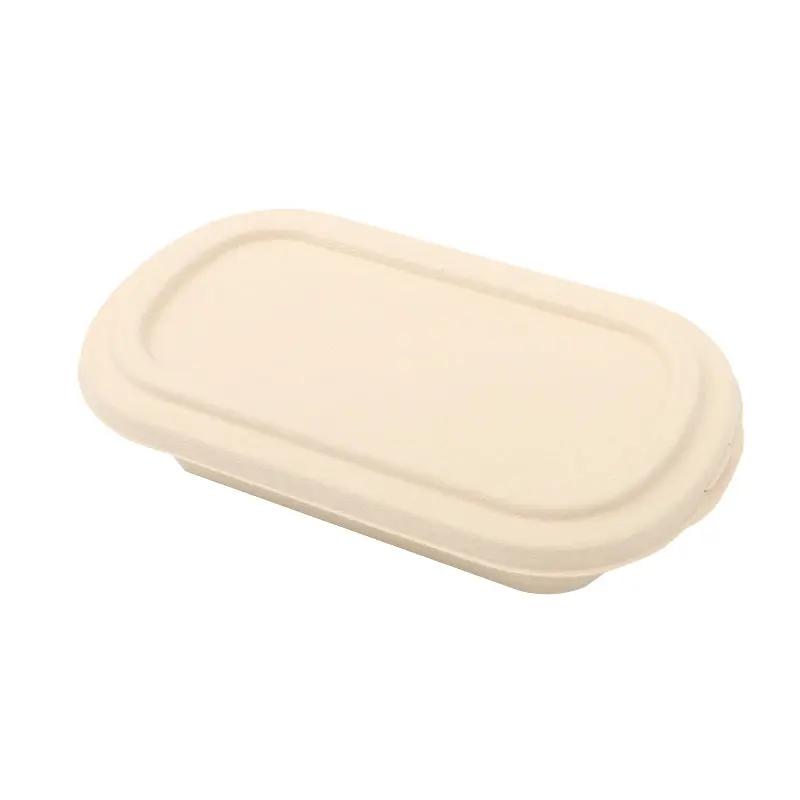 Lunch Box Lid
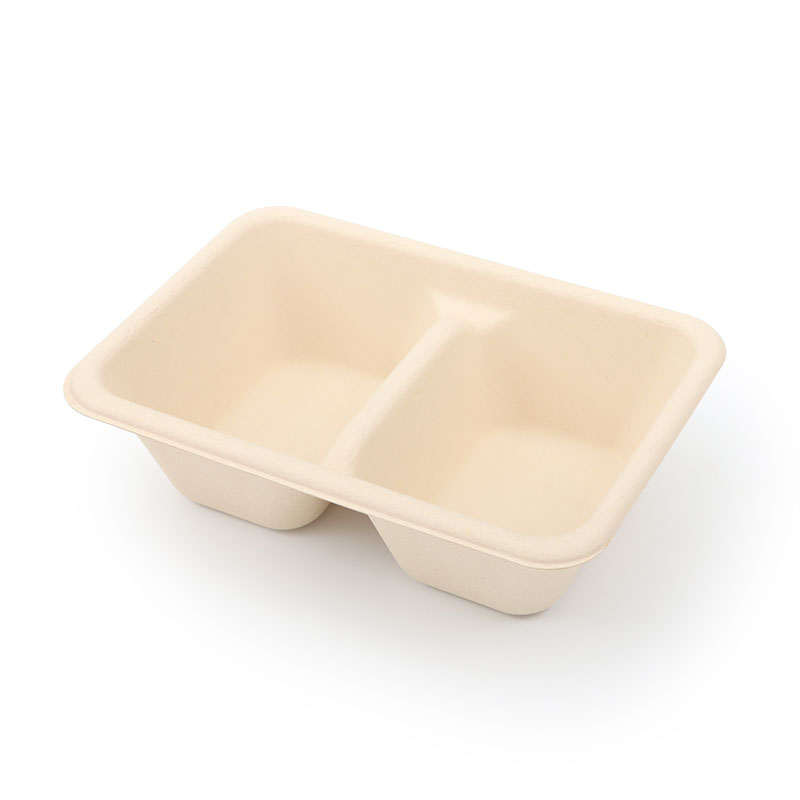 650ml
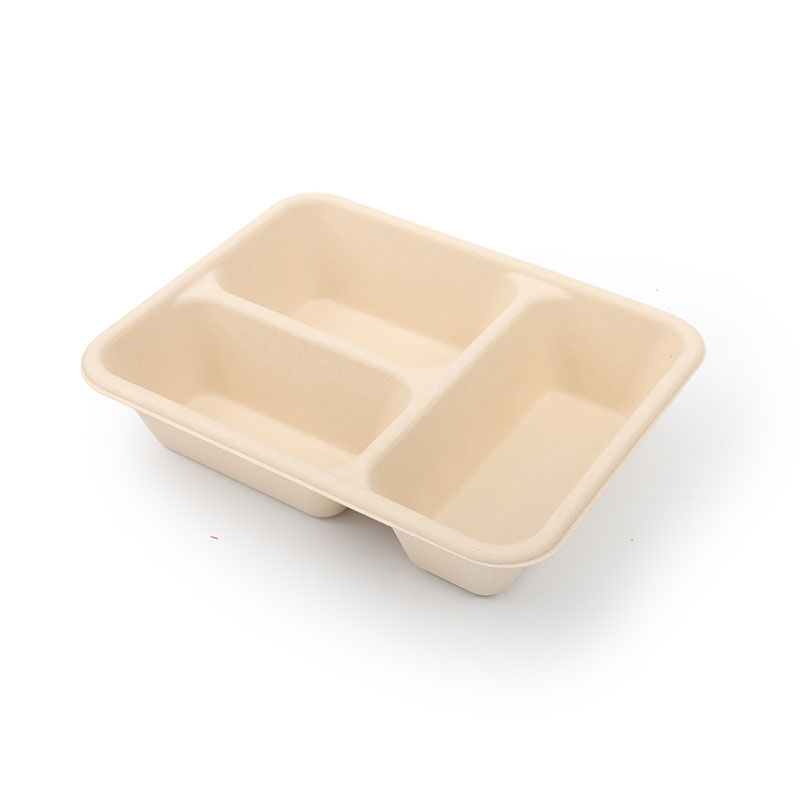 1000ml 3 Compartments
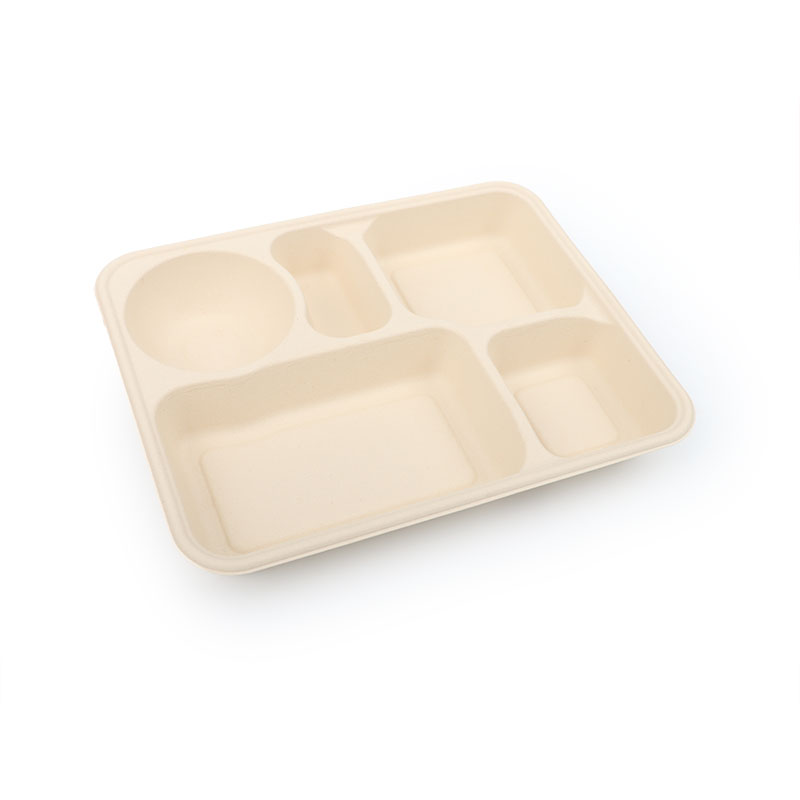 1250ml 5 Compartments
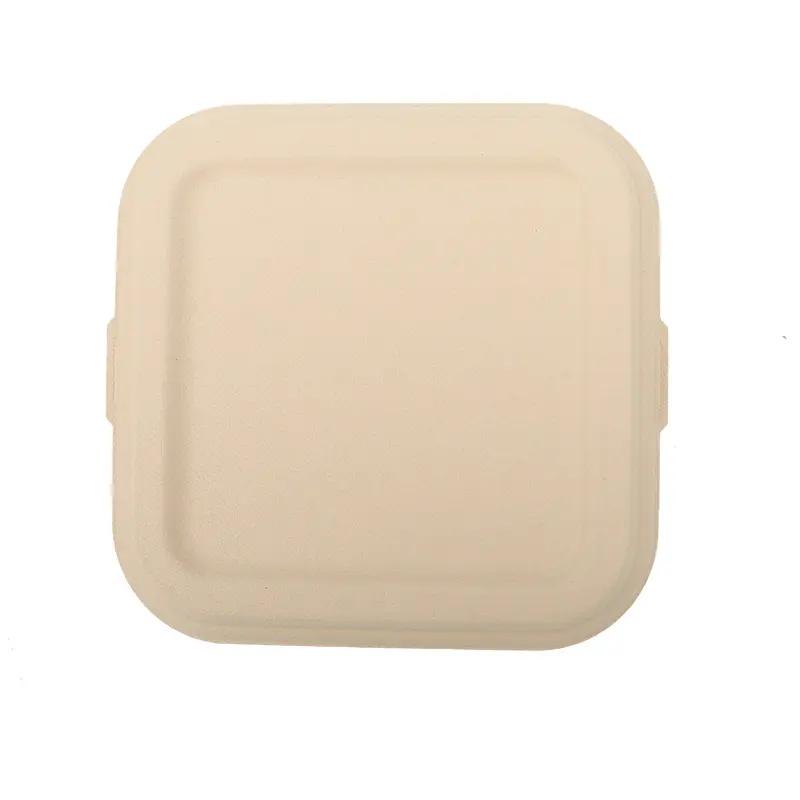 Square Lunch Box Lid
 Box Without T buckle
 850ml Salad Box
 700ml
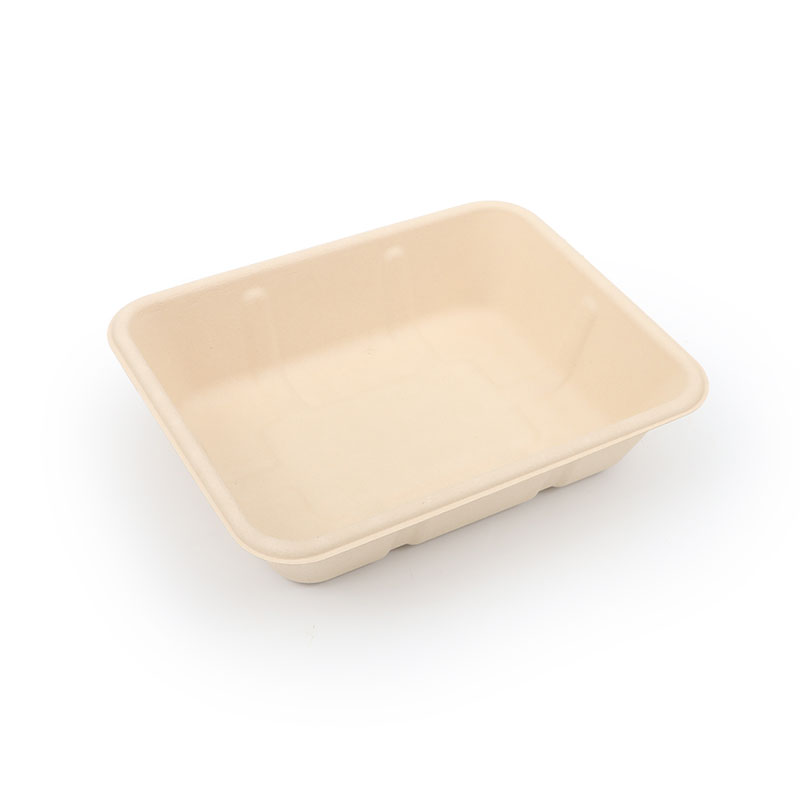 1350ml
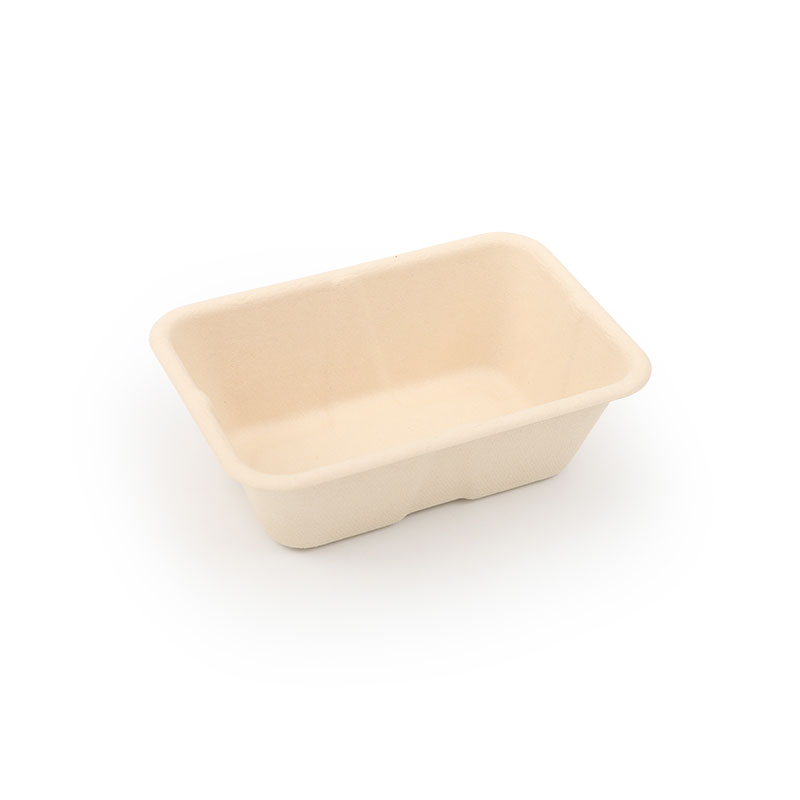 470ml
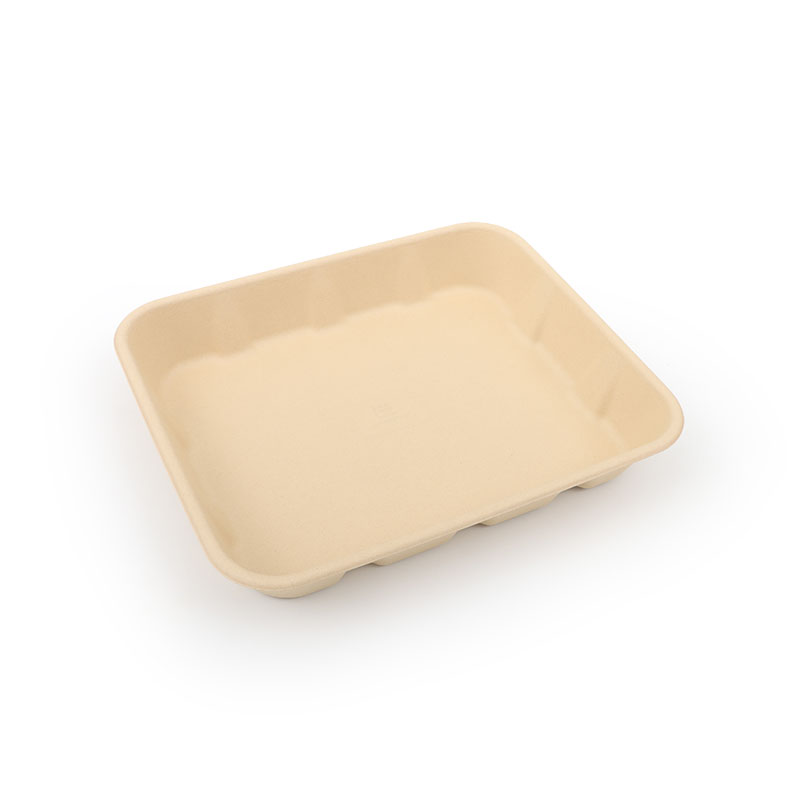 2183ml Tray Box
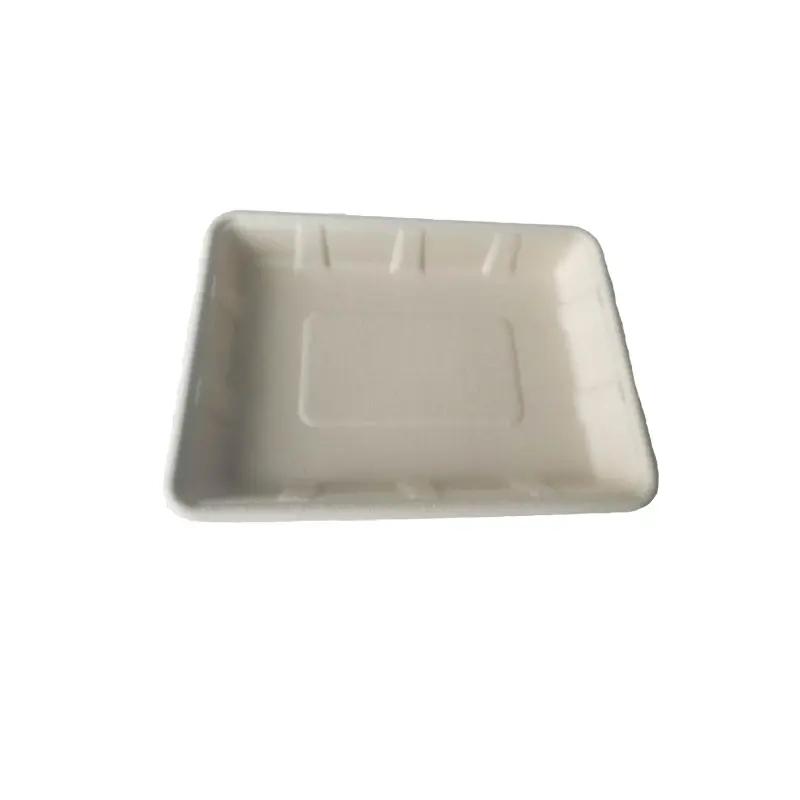 11" * 9"
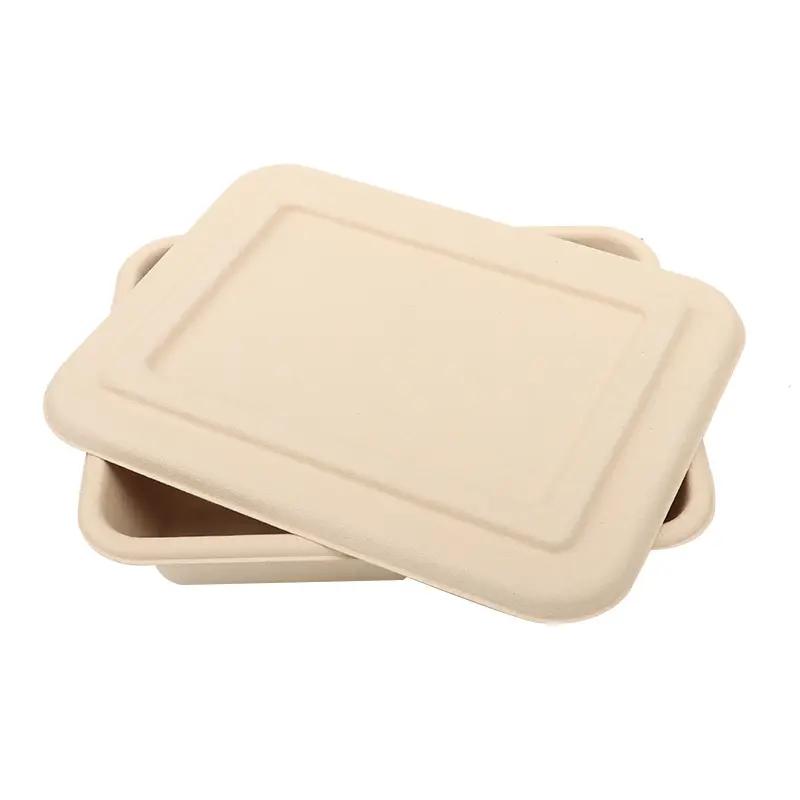 800ml
 One Part Box
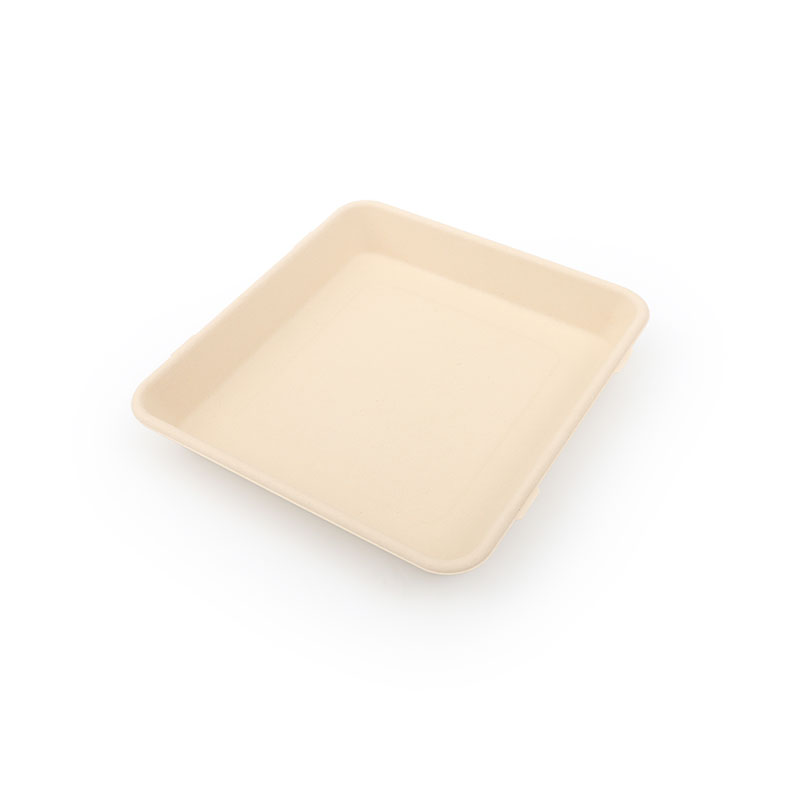 1443ml Tray Box
 Cake Bread Snack Tray Series
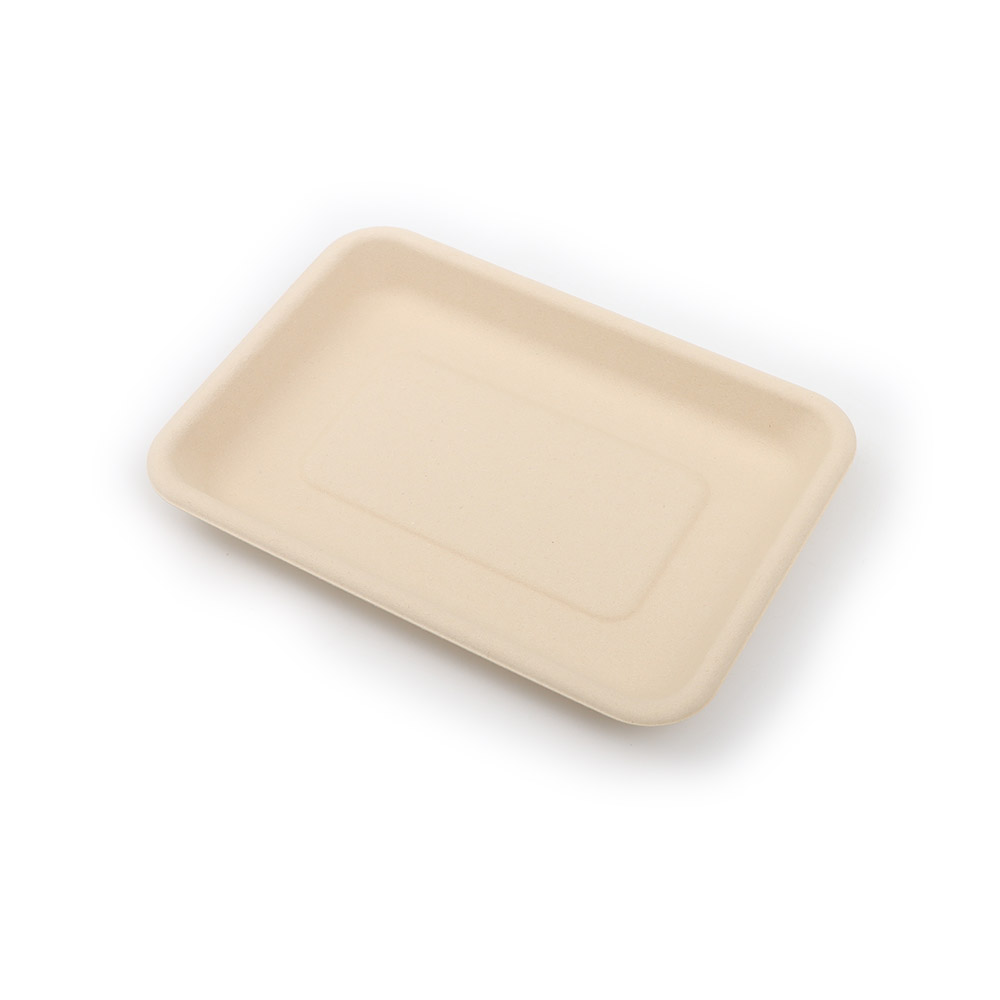 5" * 7" natural color
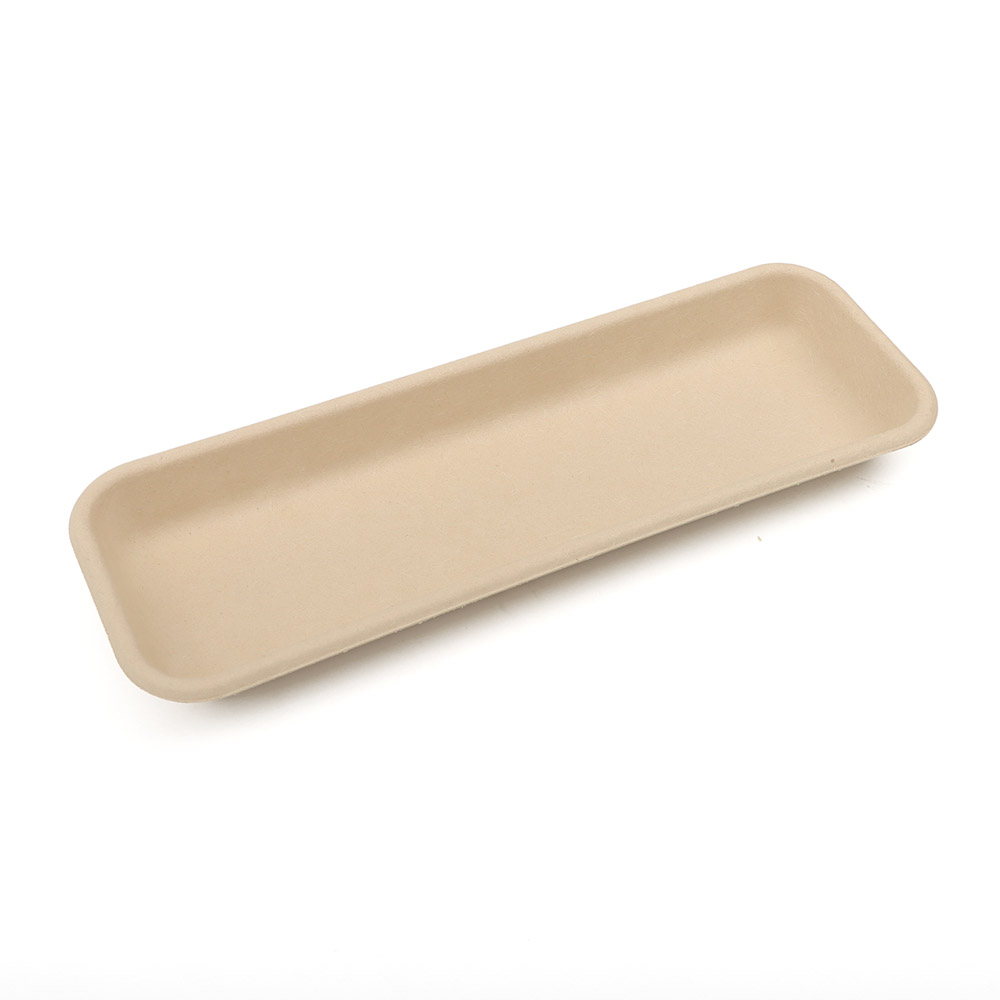 11.4" * 3.9"
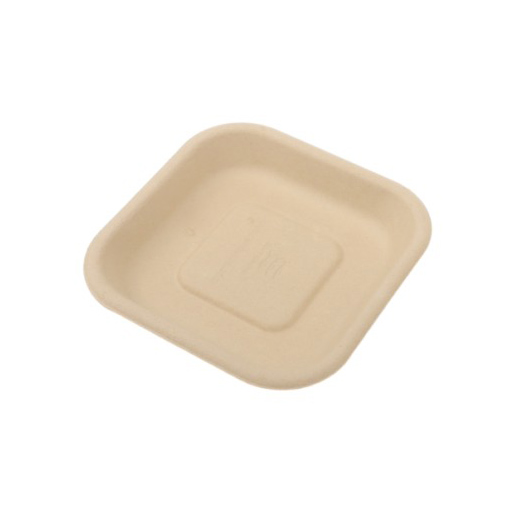 5.3" * 5.3"
 Fruit And Vegetable Tray Series
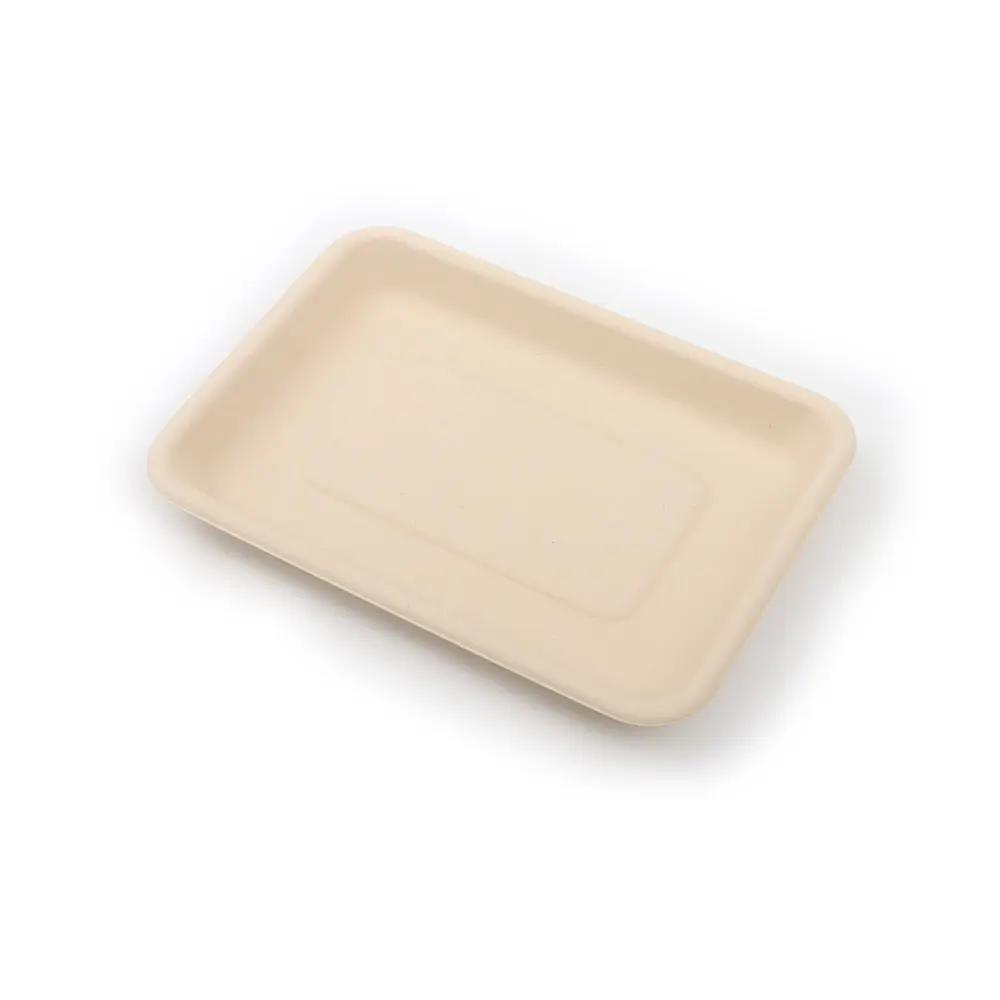 8.6" * 5.3"
 Sushi Tray Series
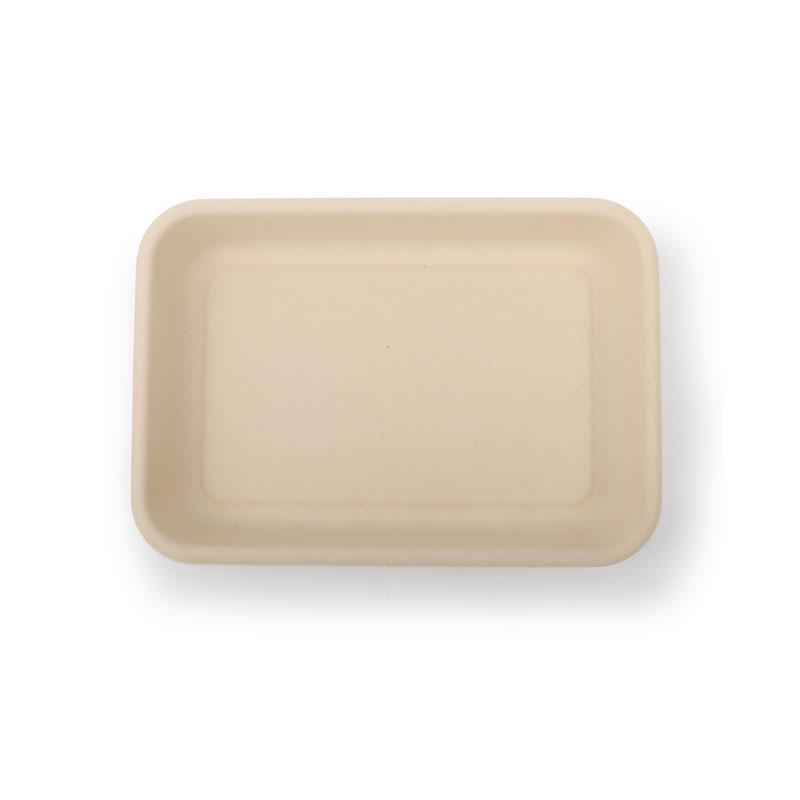 200" * 140"
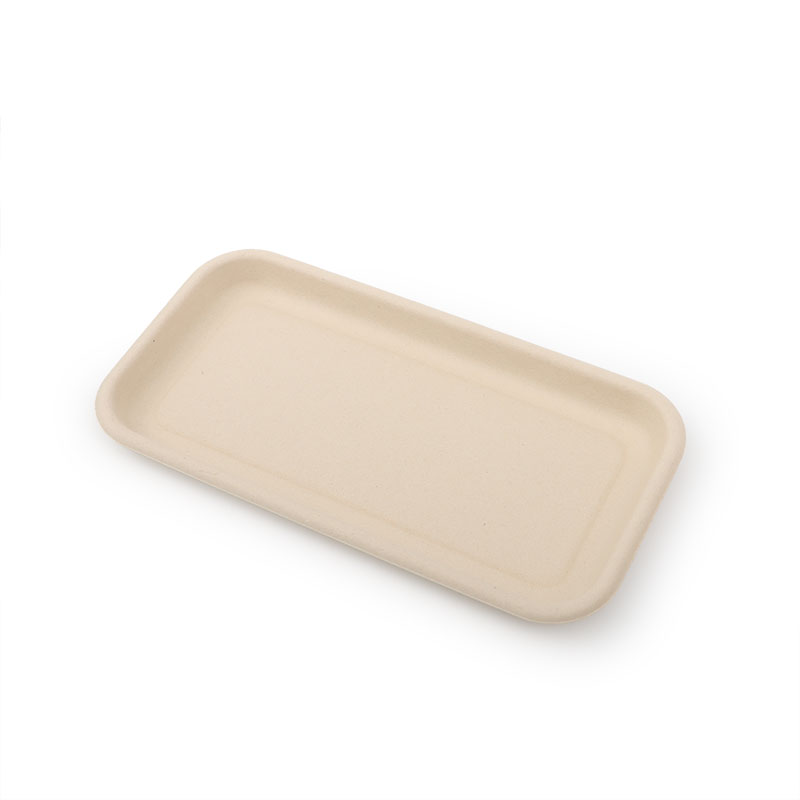 210" * 110"
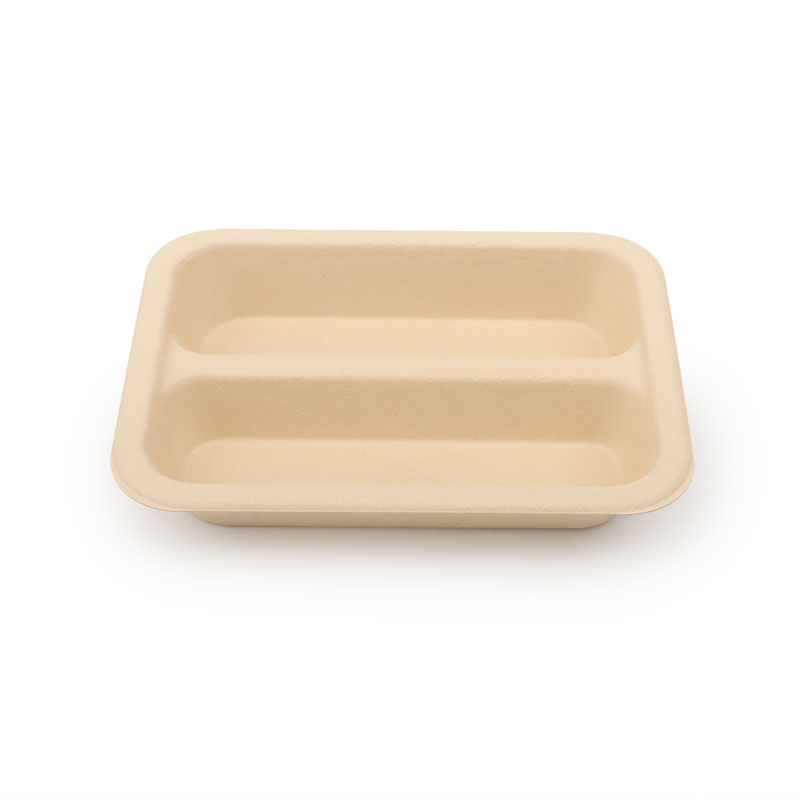 2 Compartments
 Small Round Plate Series
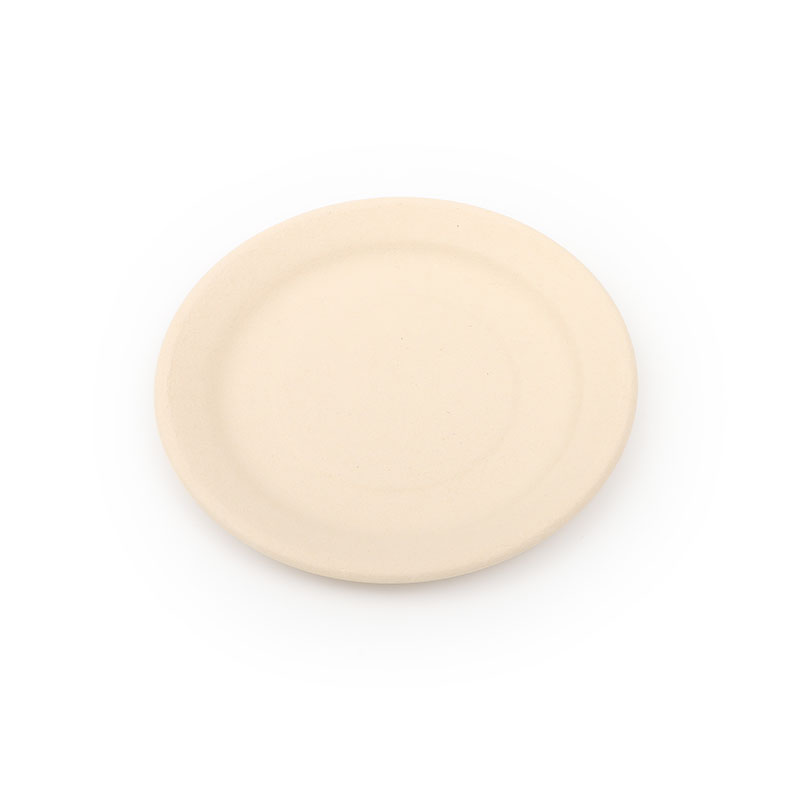 7 inch
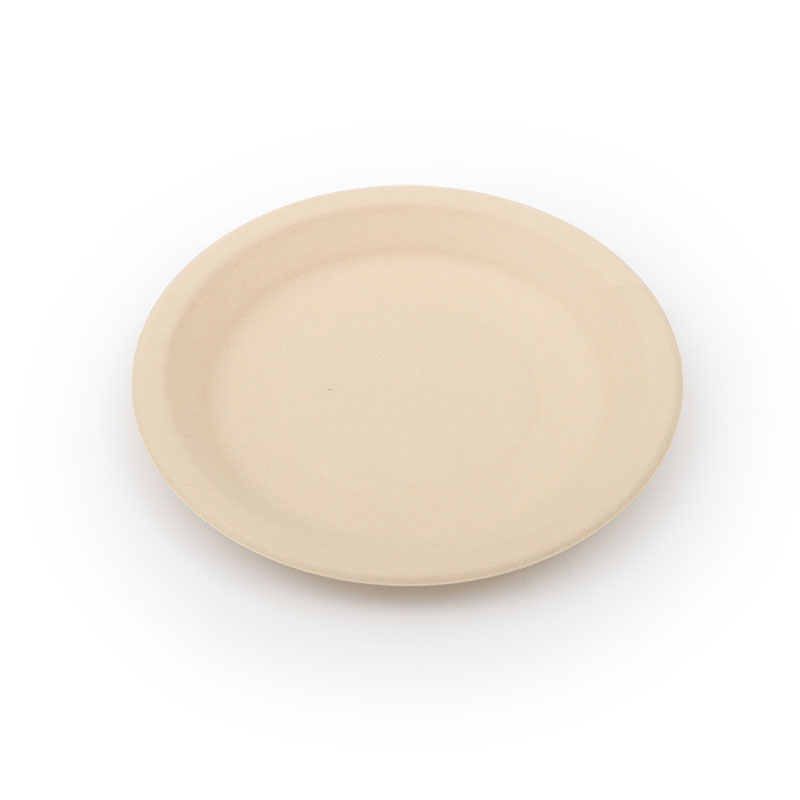 6 inch
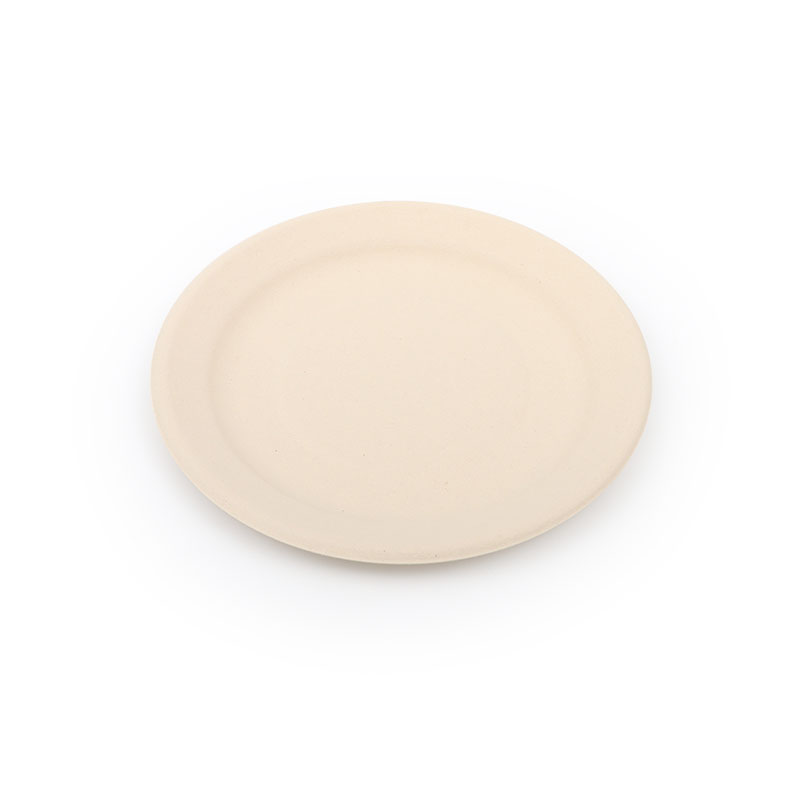 8 inch
 Middle Round Plate Series
 9 Inch 3 Compartments
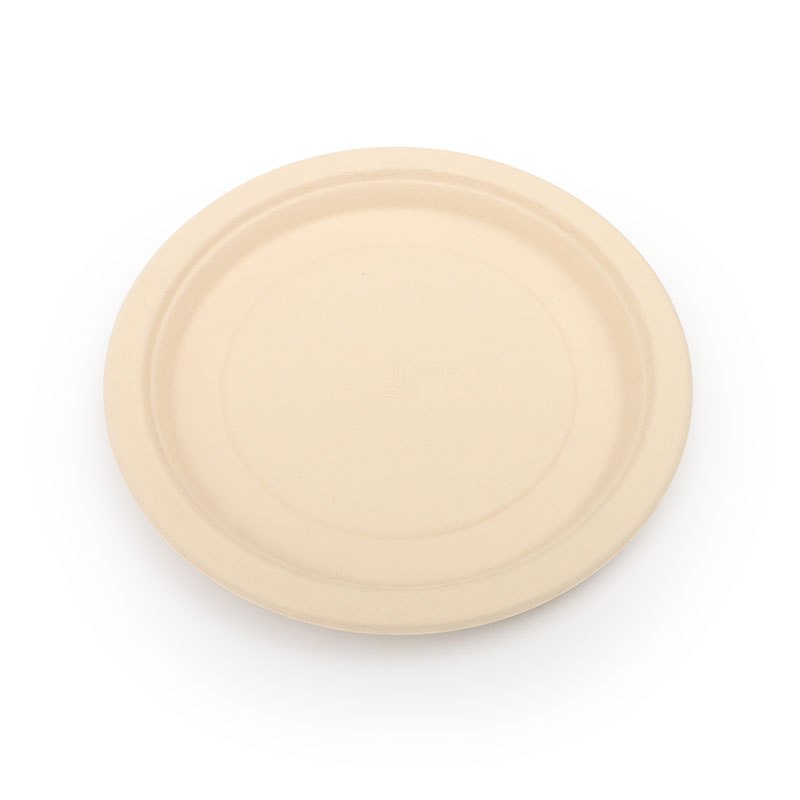 9 inch
 Big Round Plate Series
 12.7 Inch Pizza Plate
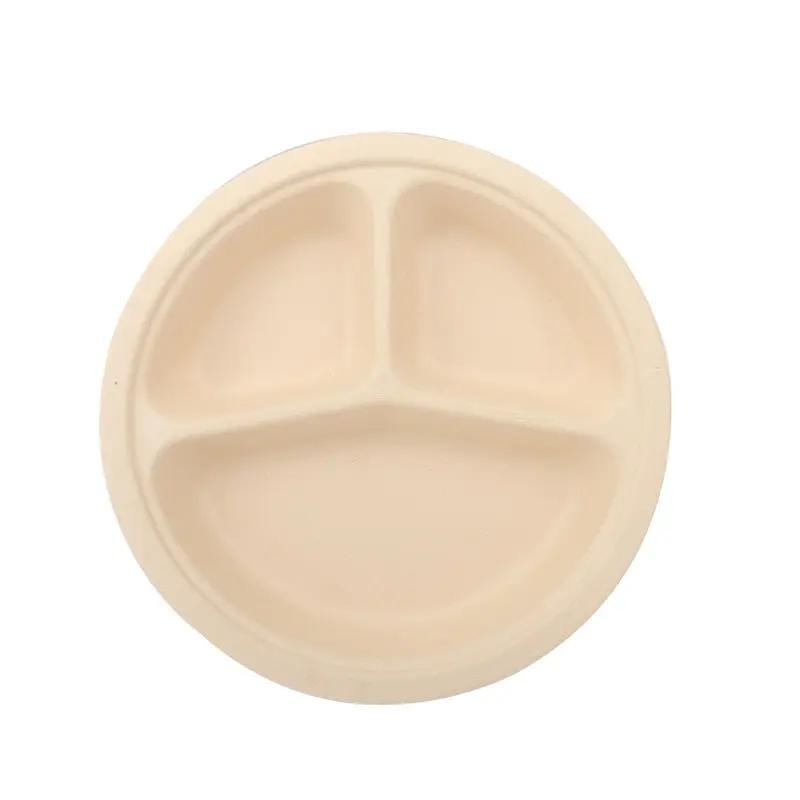 10.25 inch 3 Compartments
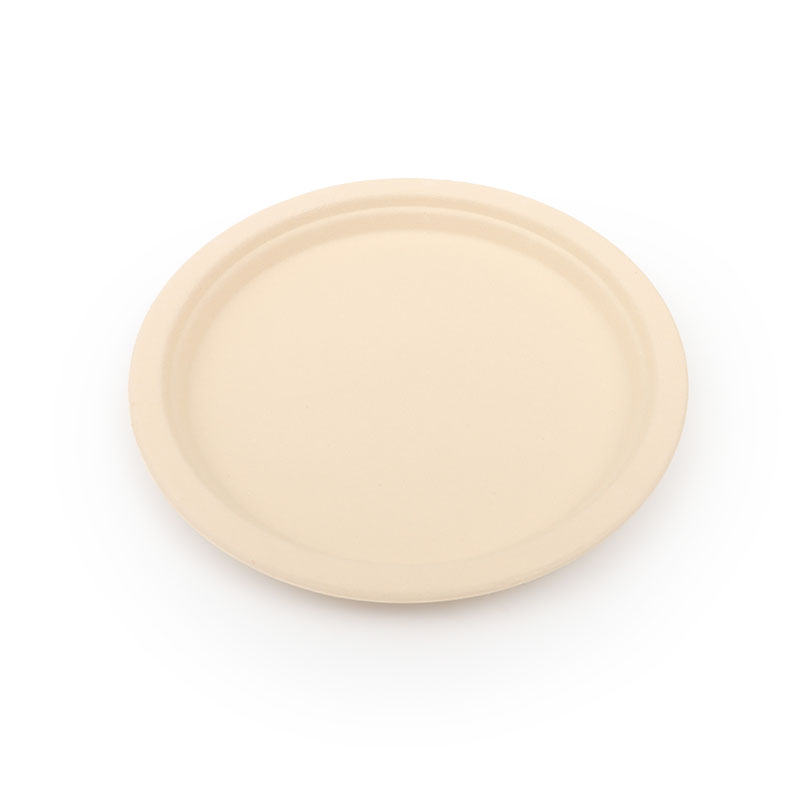 10 inch
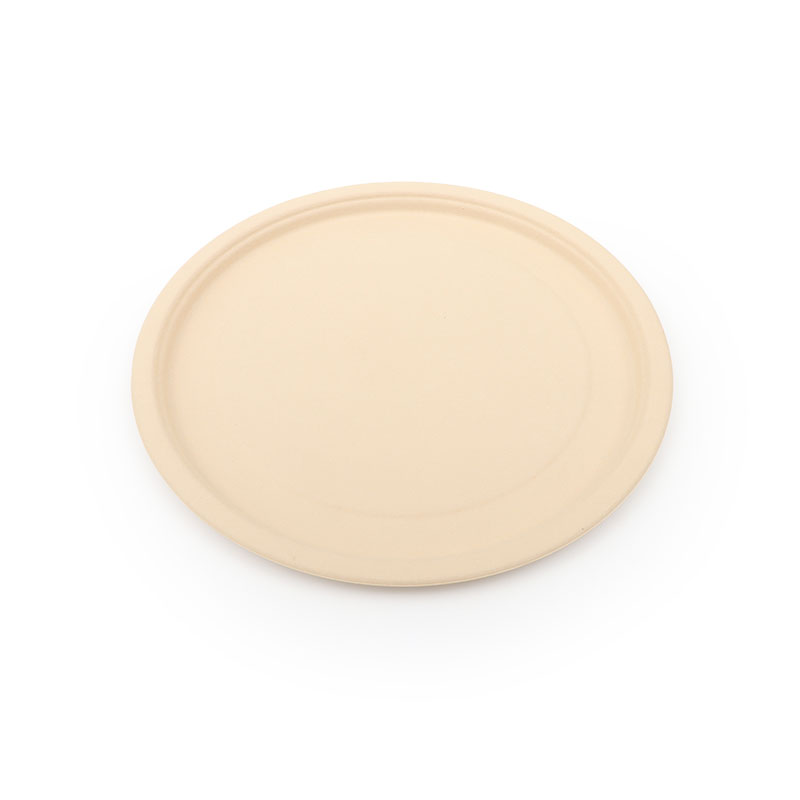 12 inch
 Bigger Bowl
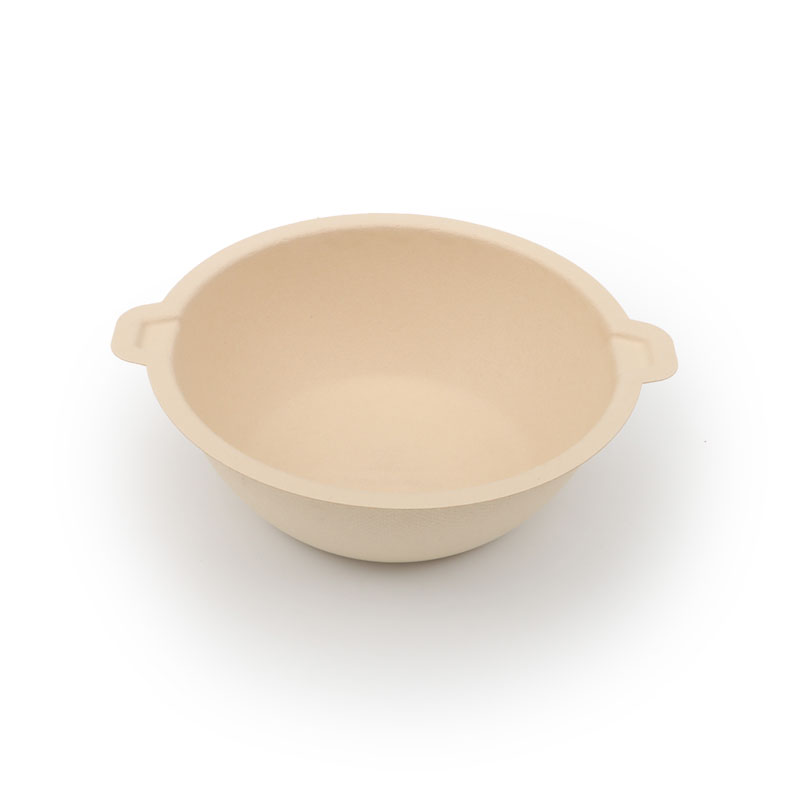 48oz(1420ml)
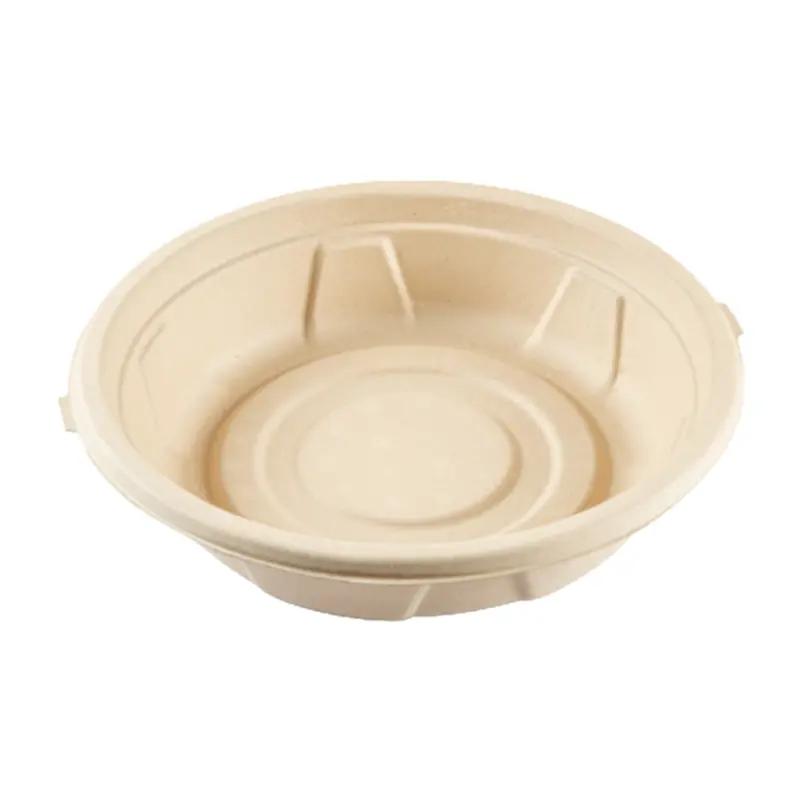 56oz(1650ml)
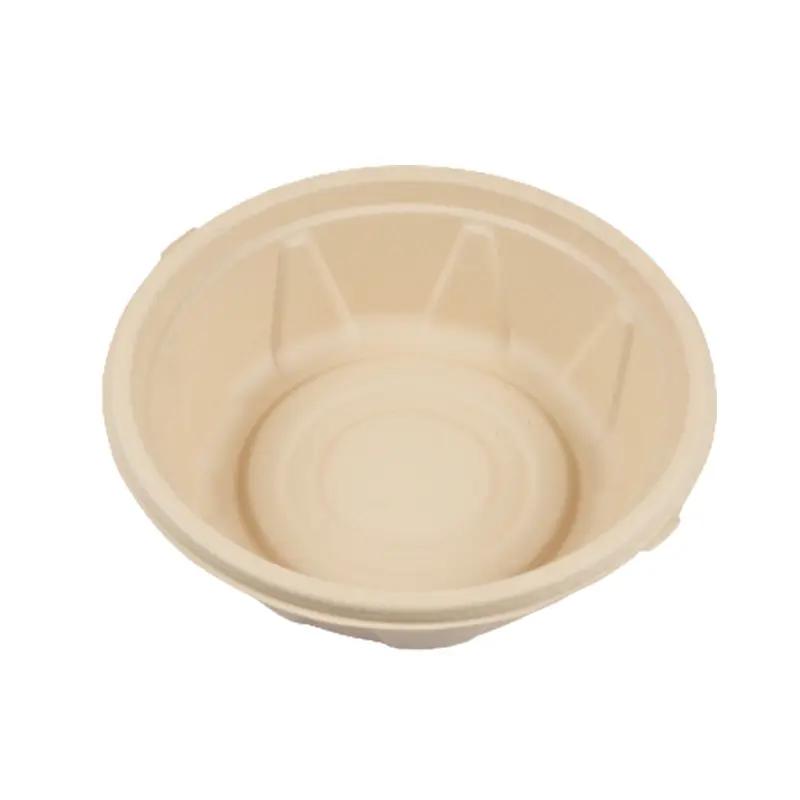 100oz(2950ml)
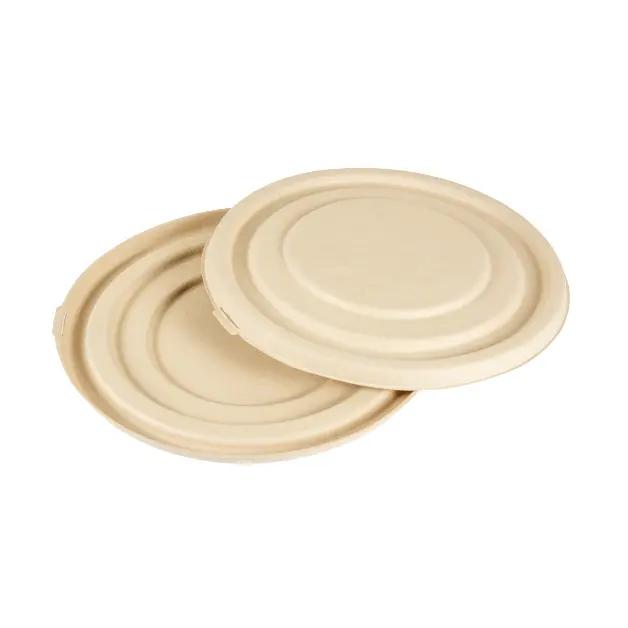 100oz(2950ml) With Lid
 Middle Bowl
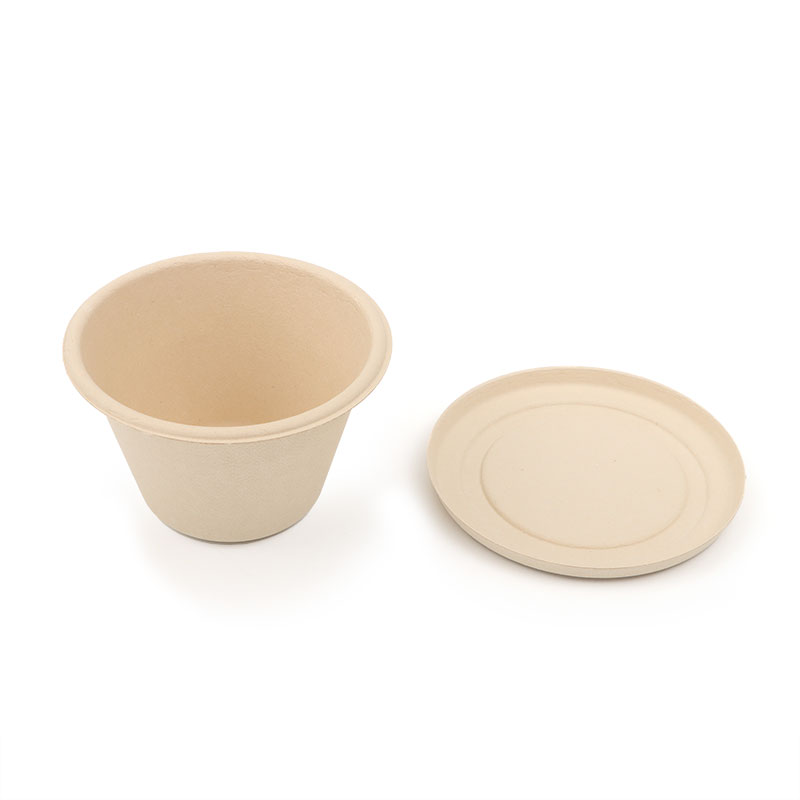 17oz(500ml)
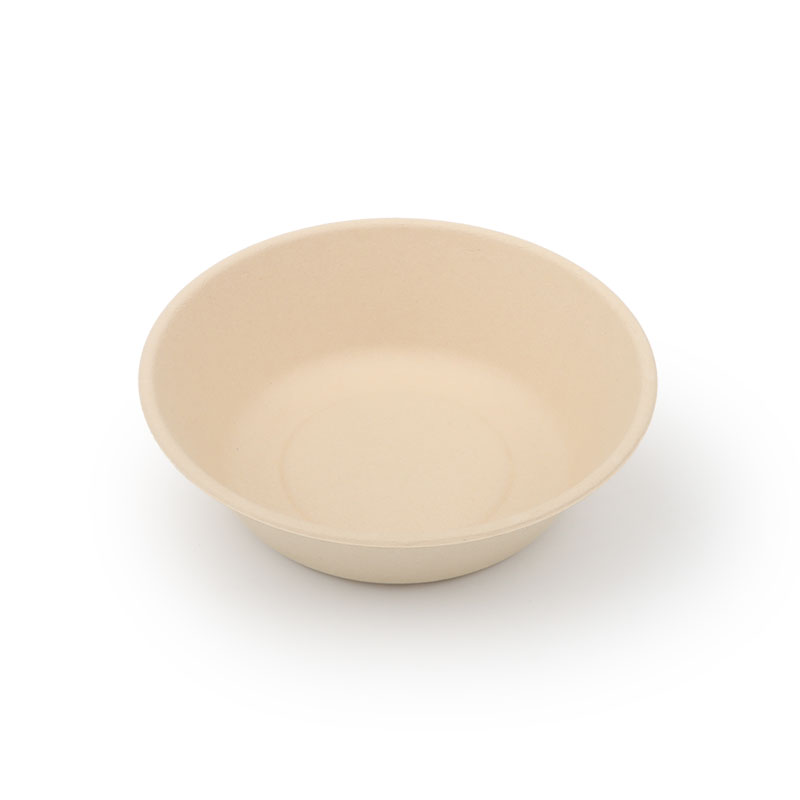 27oz(800ml)
 20oz(600ml)
 29oz(850ml)
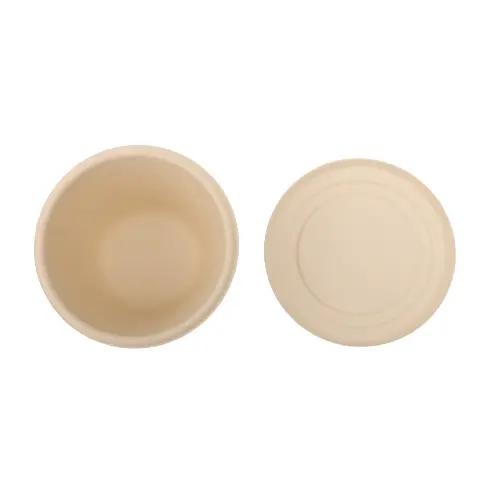 17oz(500ml) With Lid
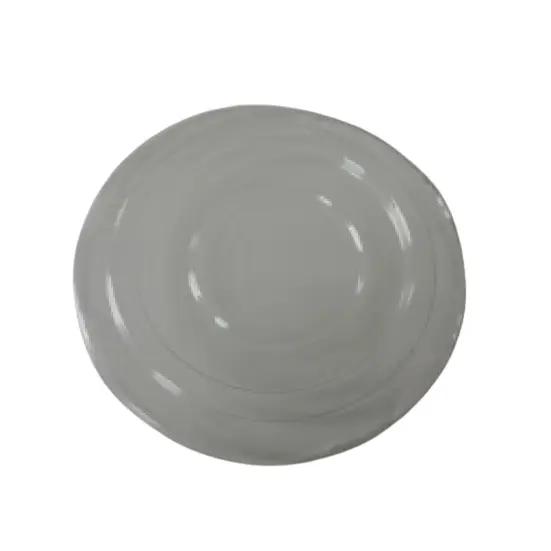 17oz(500ml) PET Lid
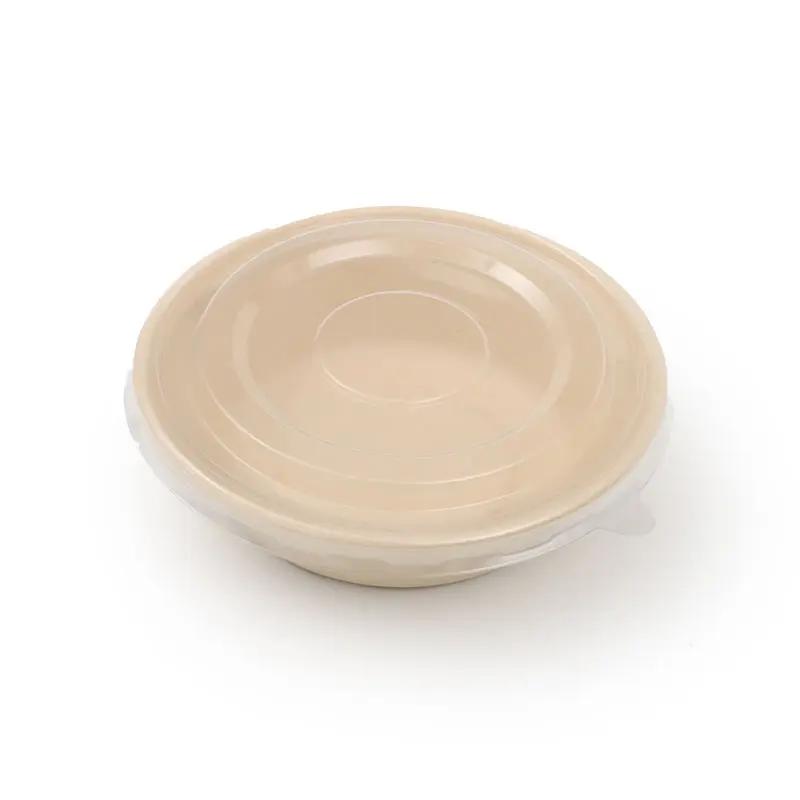 28oz(830ml) PET Lid
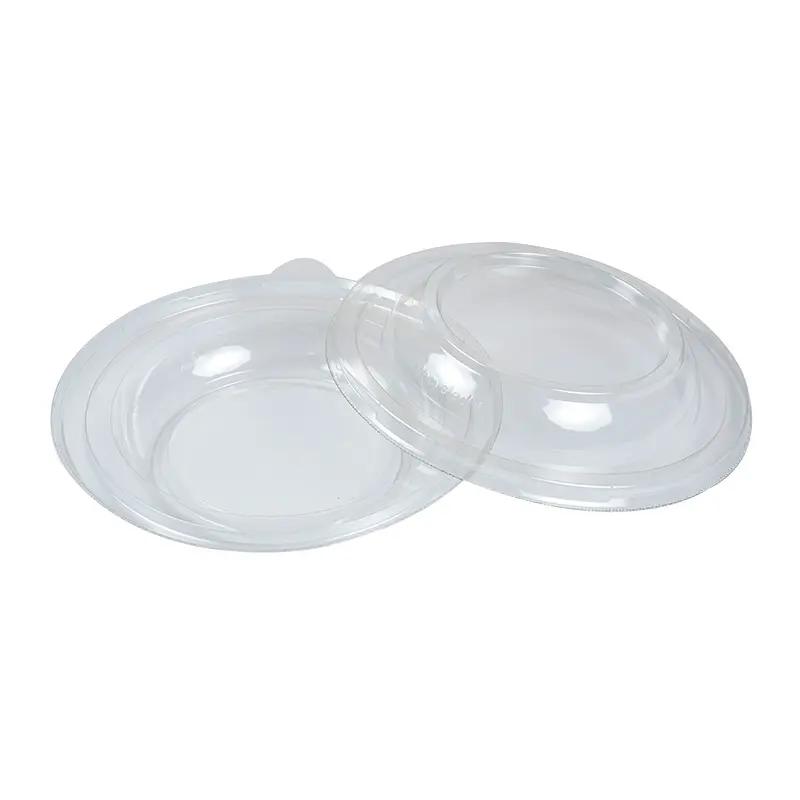 Round Bowl PET
 Small Bowl
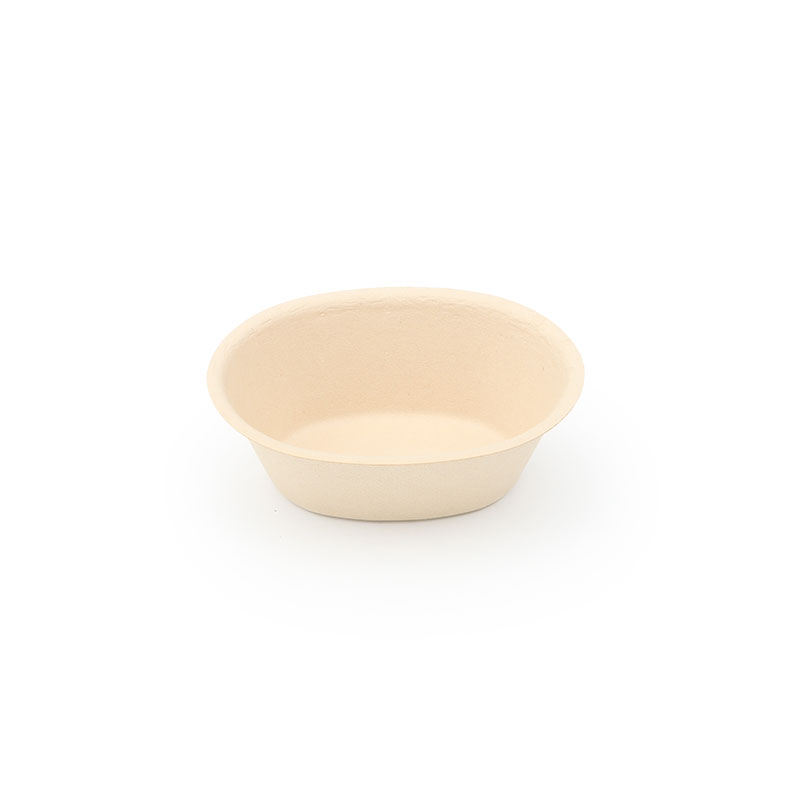 Snack Bowl
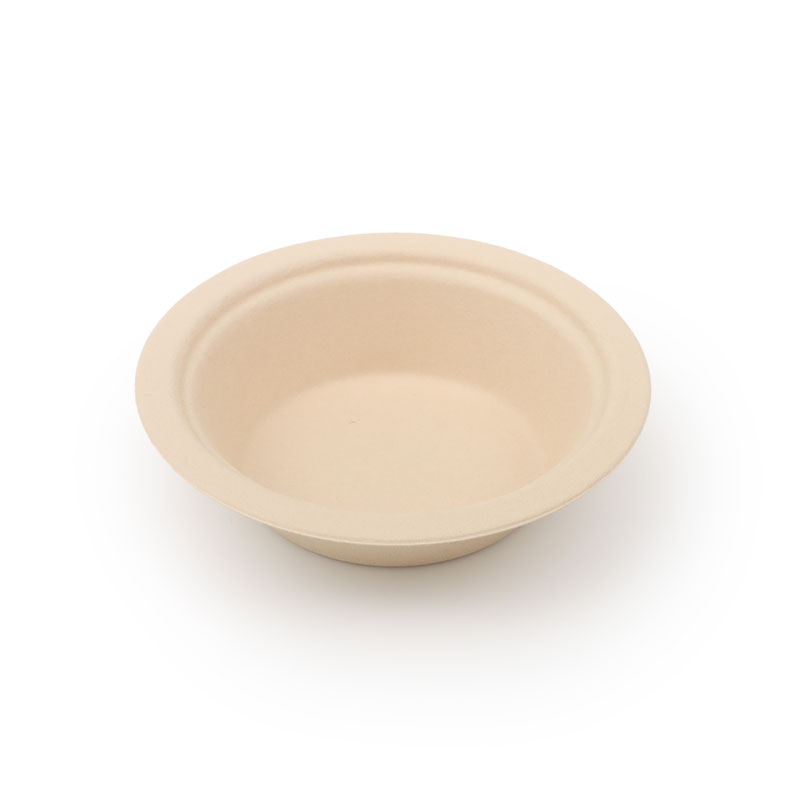 11.5oz(340ml) Bowl
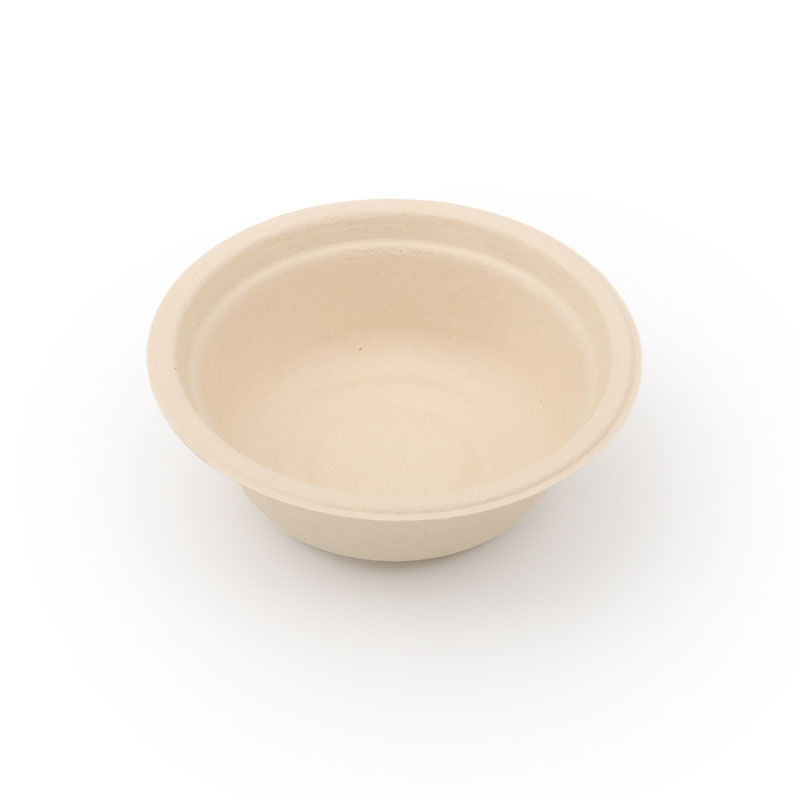 6.7oz(200ml) Bowl
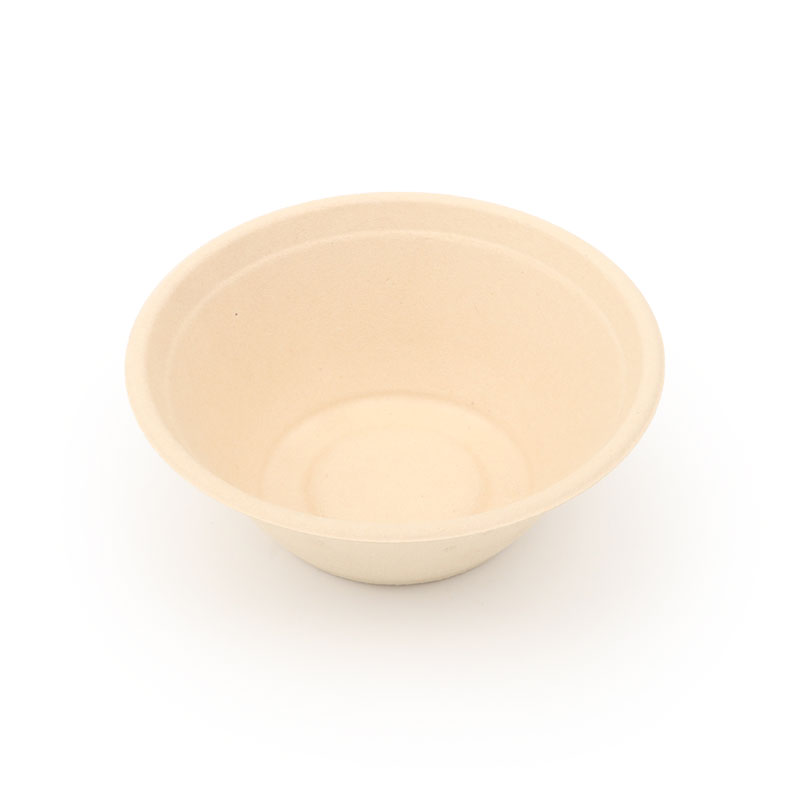 12oz(350ml) Bowl
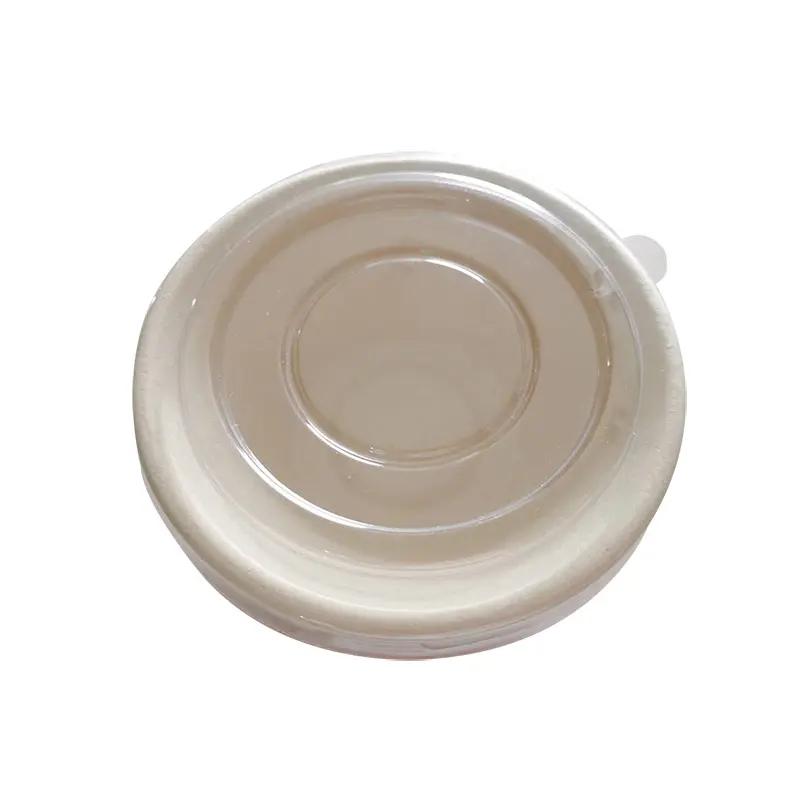 12oz(350ml) Bowl PET
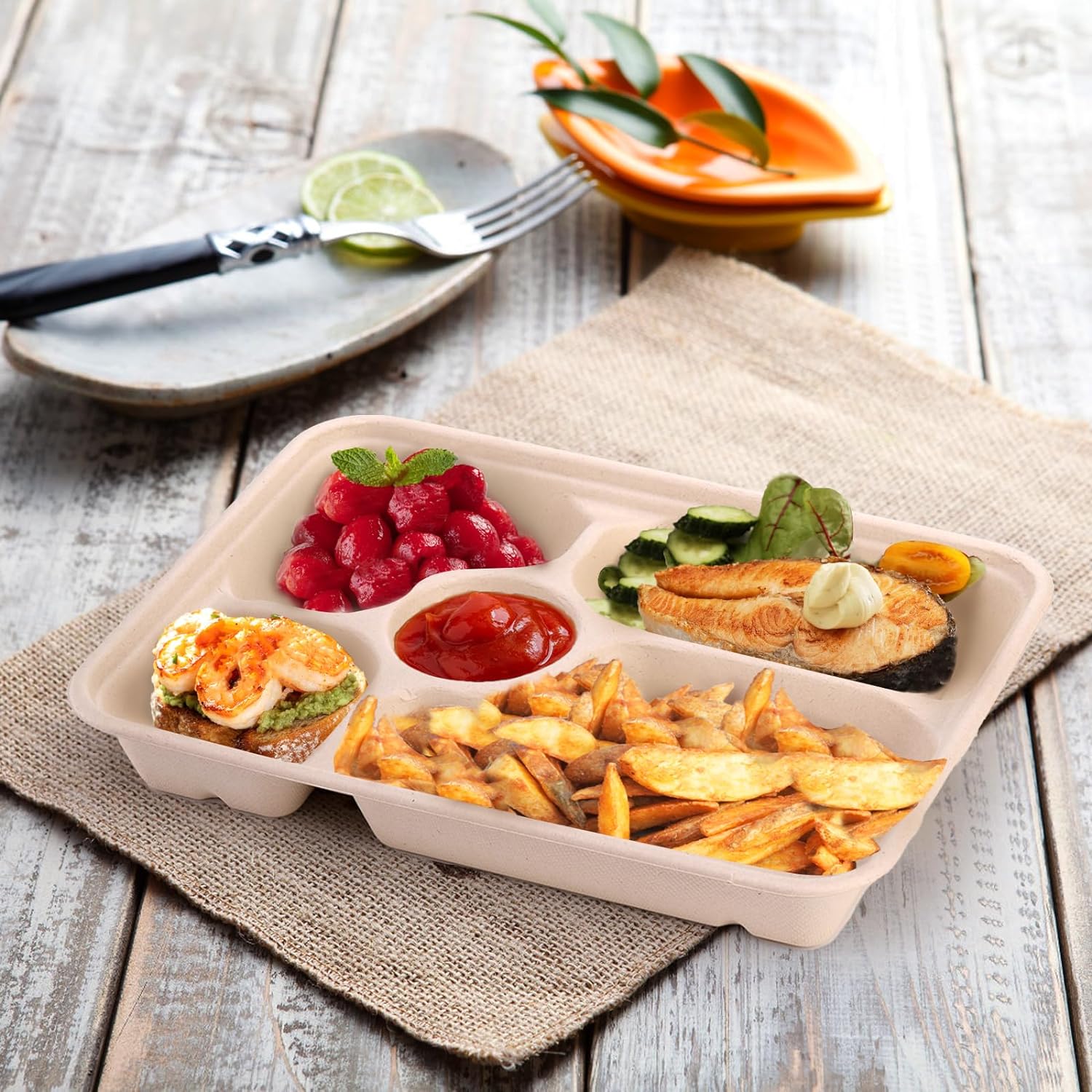 Bagasse Lunch Boxes
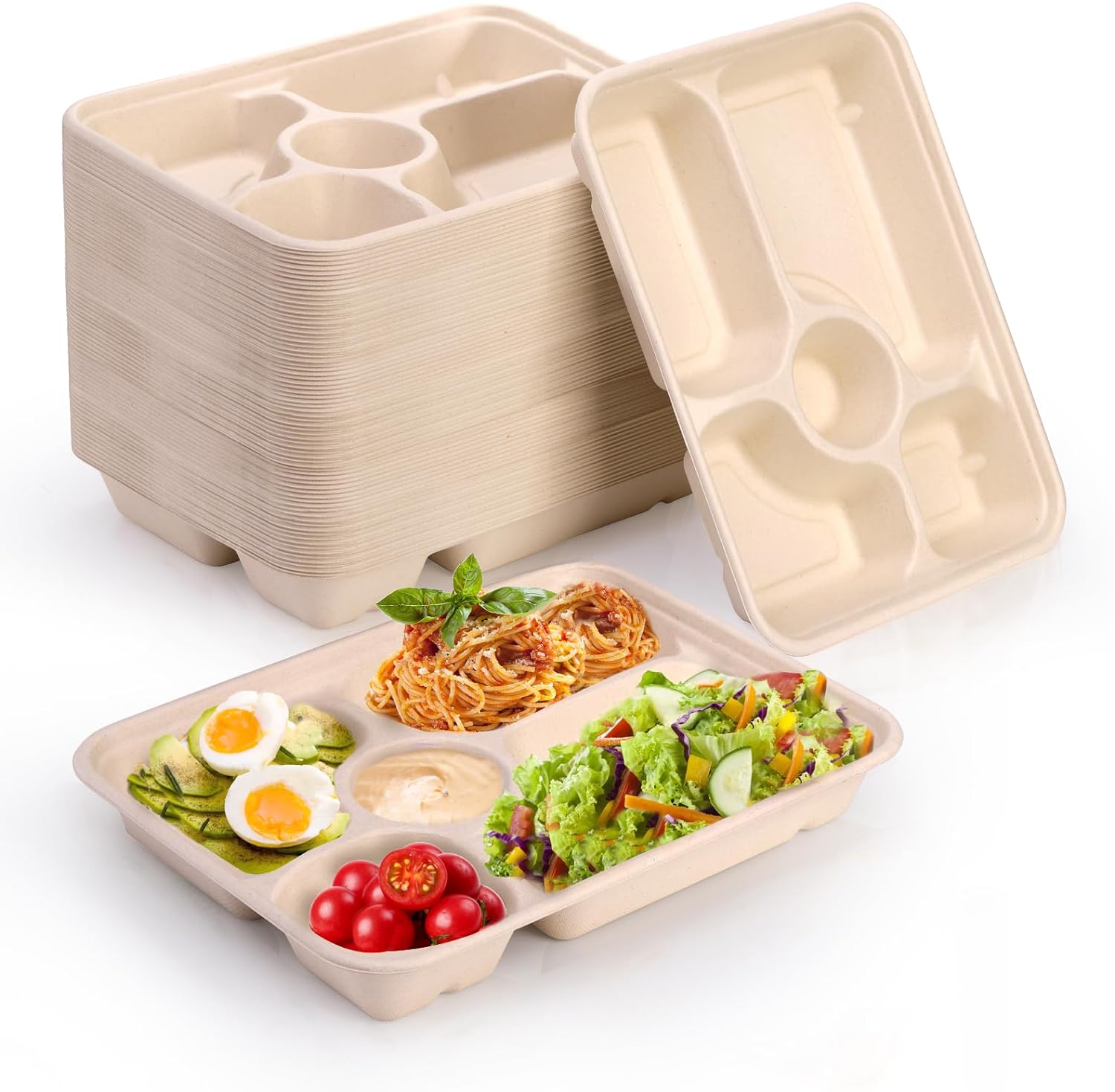 5CP
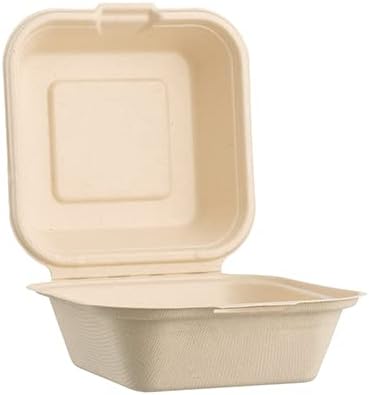 6 inch
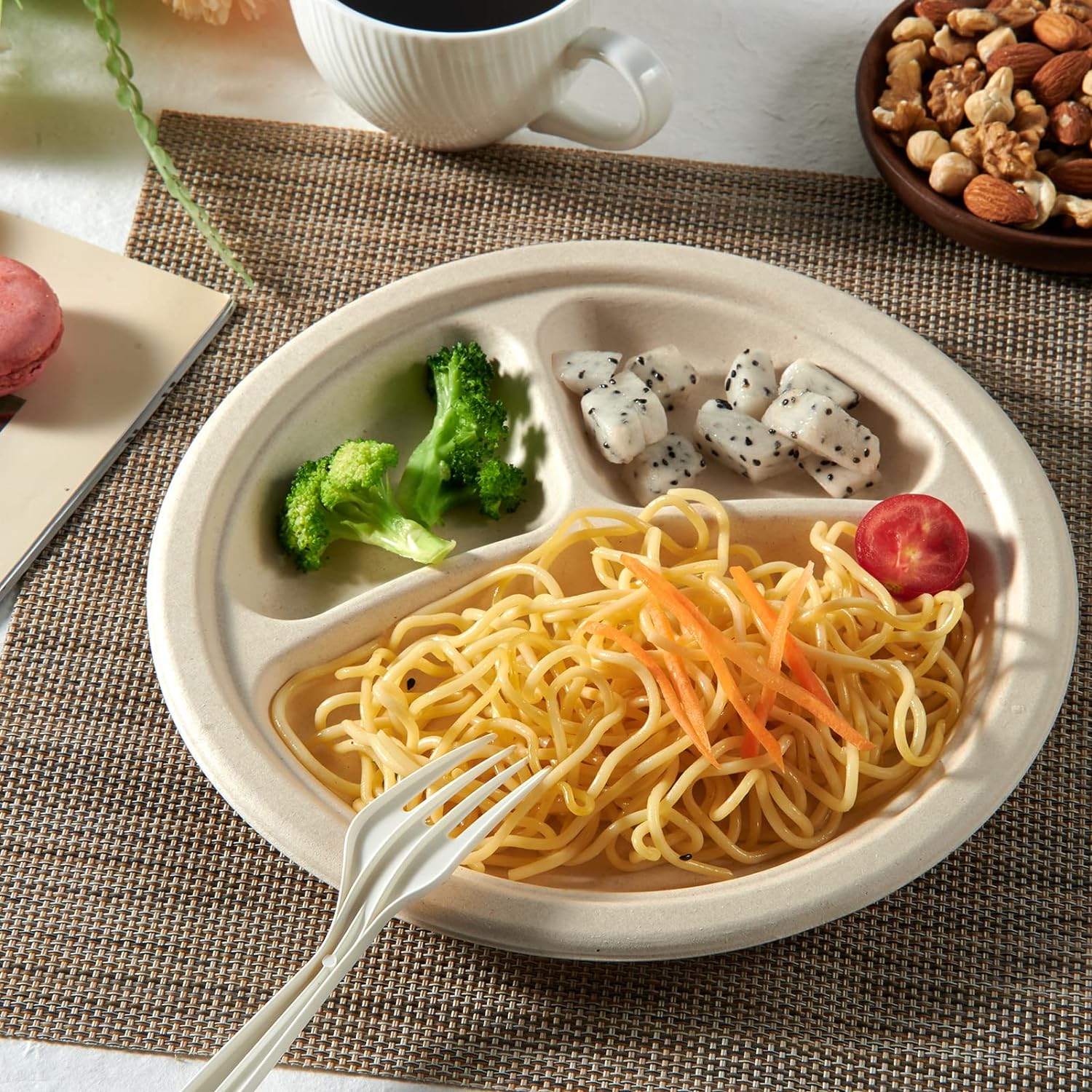 Bagasse Food Plates
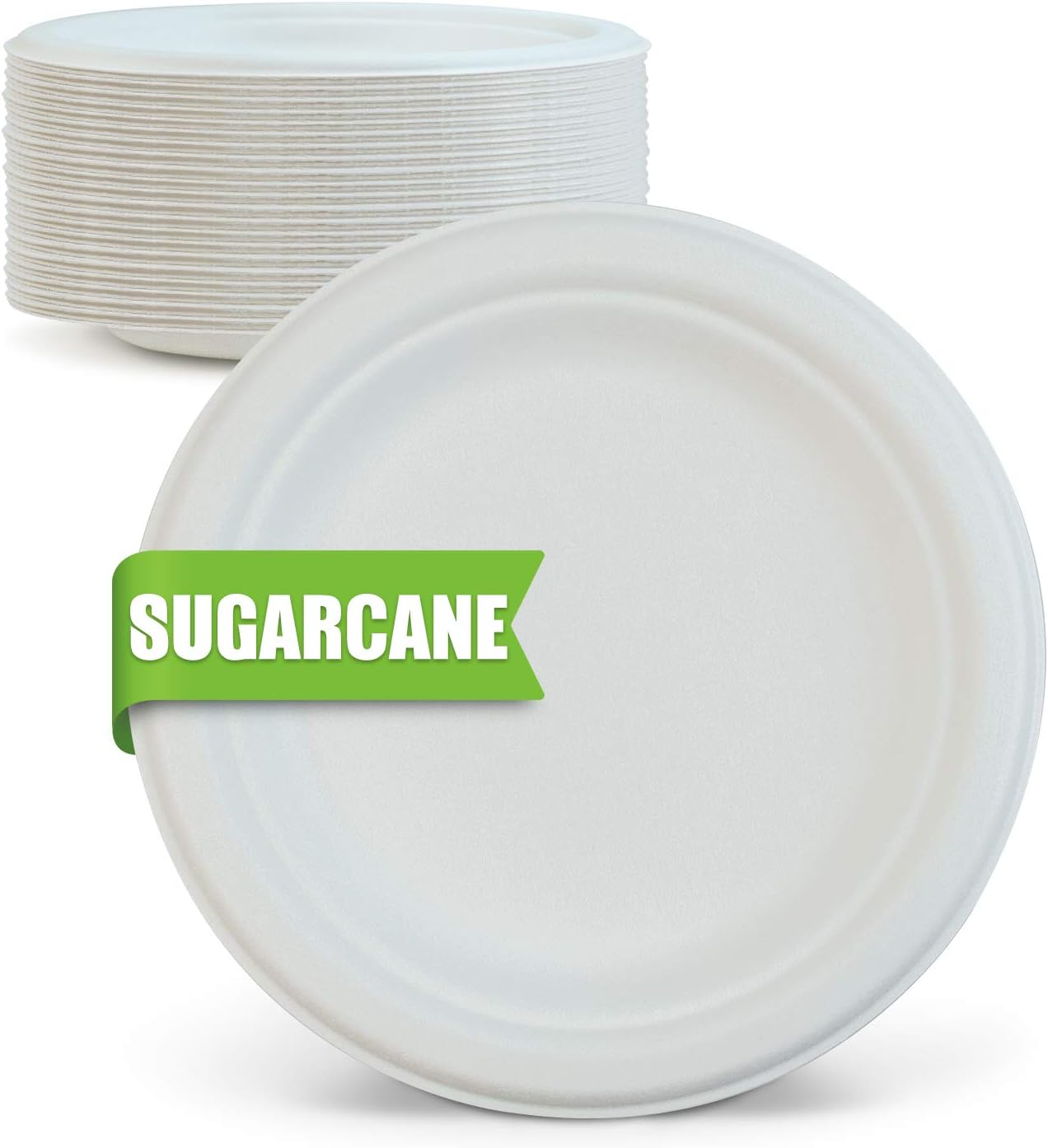 7 inch
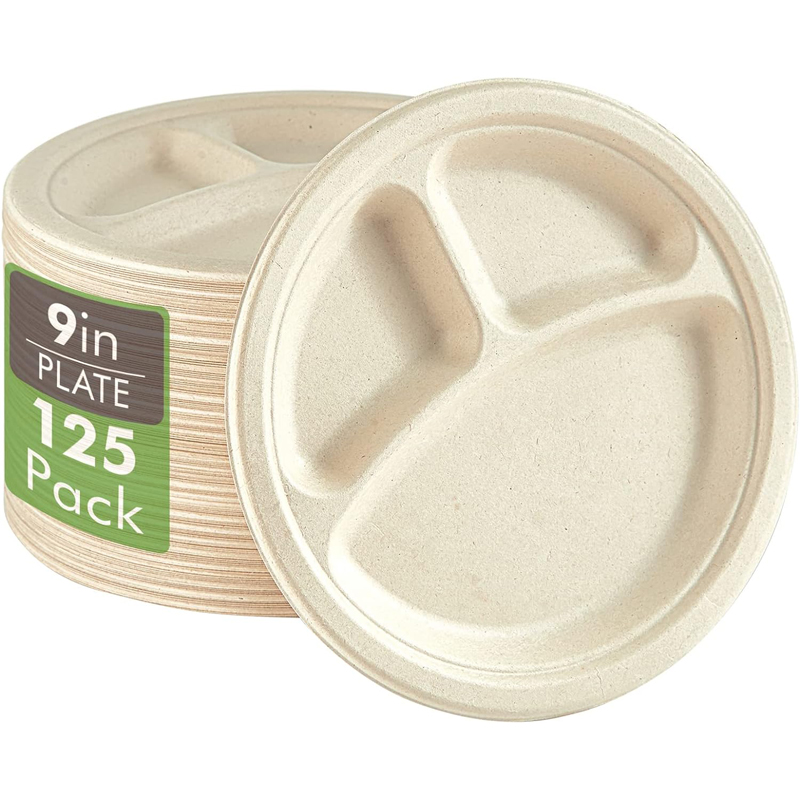 3CP
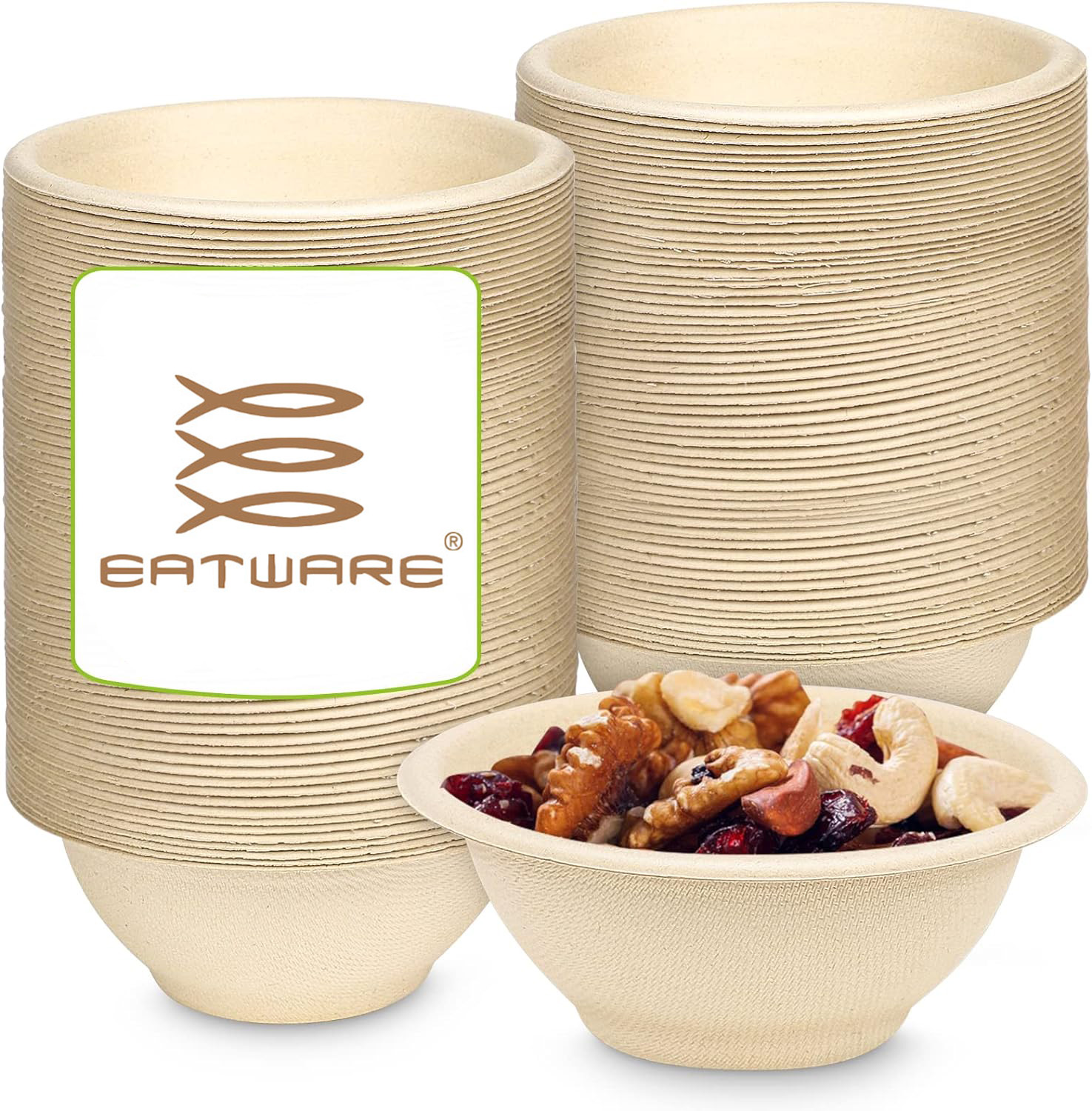 Bagasse Bowls
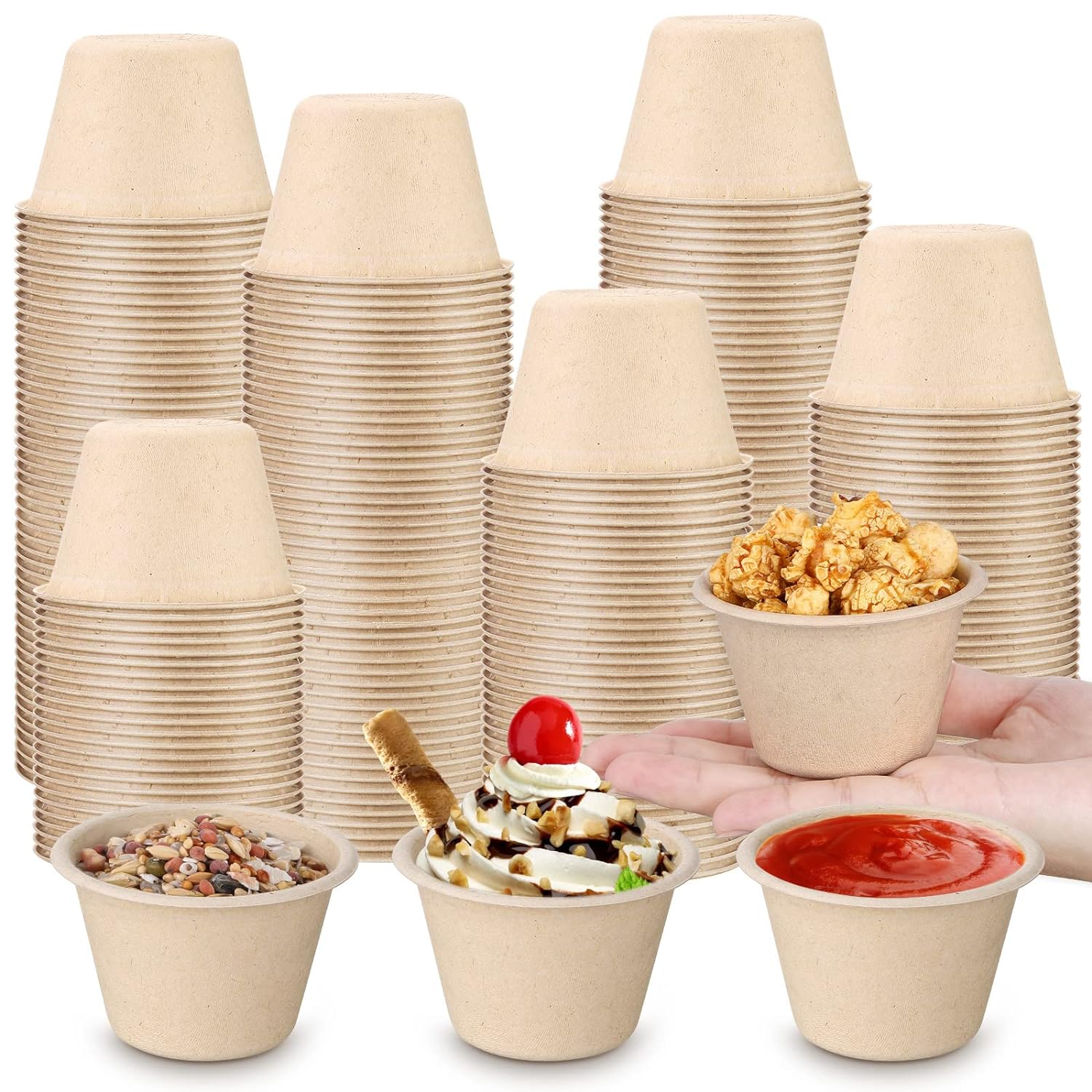 4oz
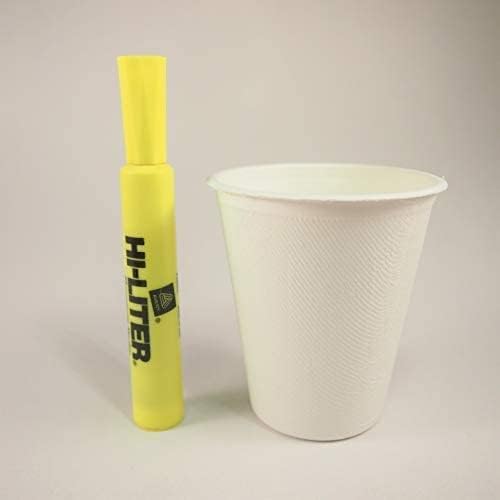 Bagasse Cups And Cutlery
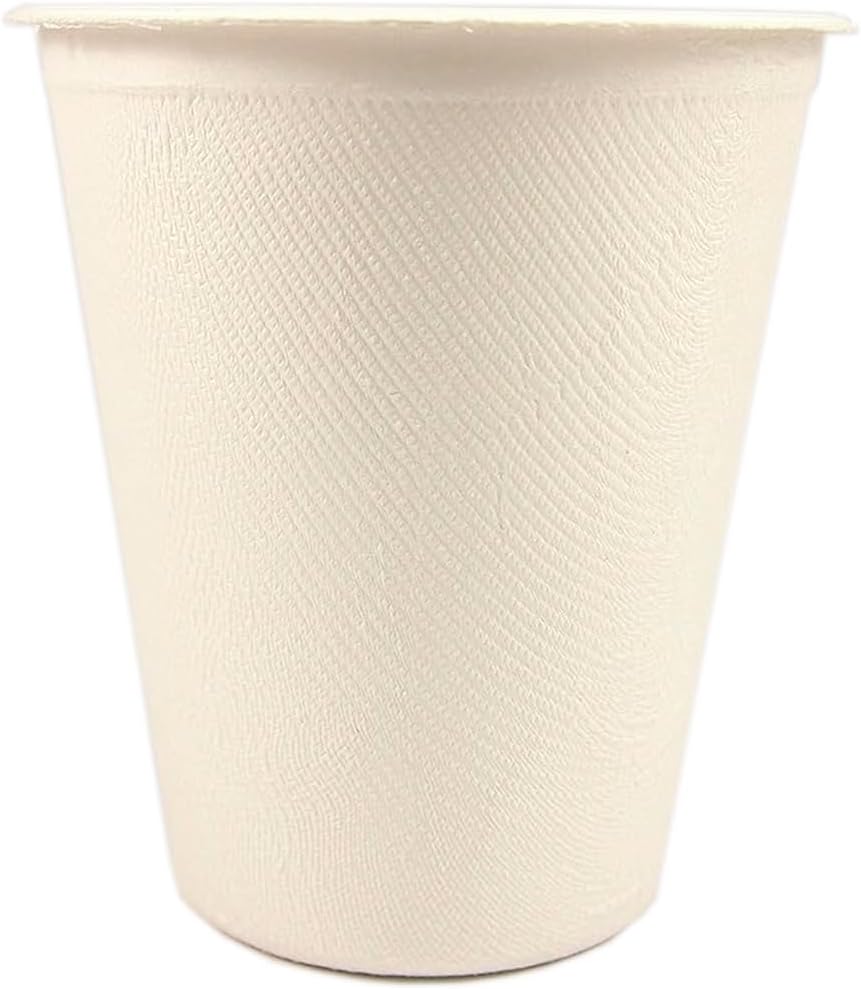 8oz
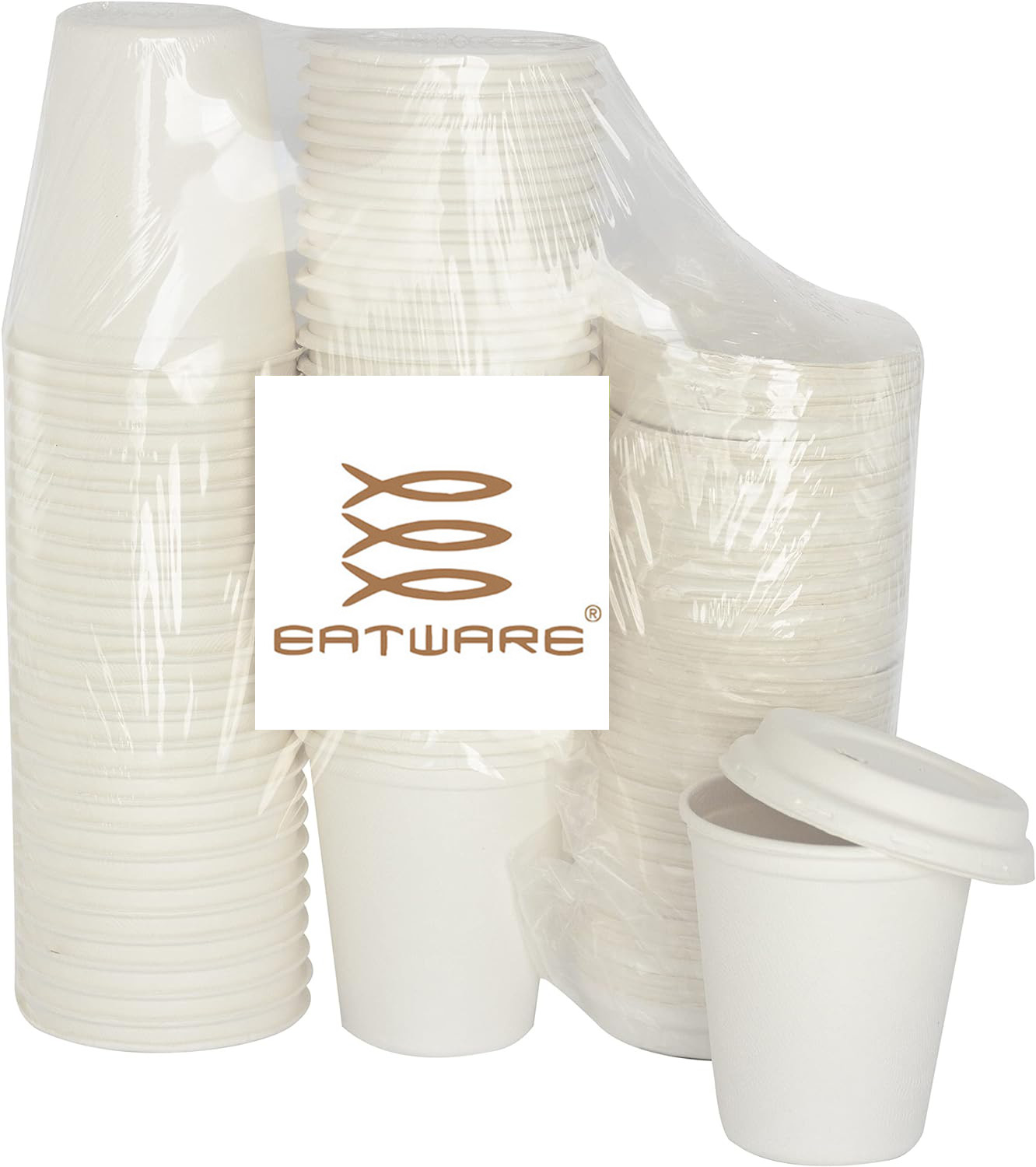 12oz
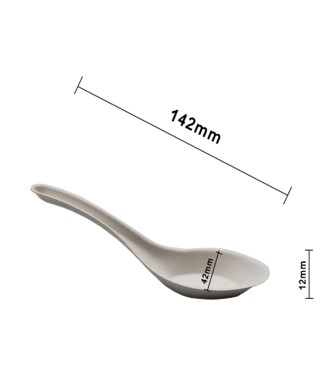 Cutlery
Leave Your Message
Automated tray sealing compatible, anti-fog laminated, and moisture-tight molded fiber food containers designed for central production units and hypermarket cold counters.
In the contemporary retail ecosystem, large supermarket chains and global hypermarkets face an unprecedented dual imperative: drastically curbing single-use petroleum-based plastics while simultaneously extending the shelf life and visual appeal of fresh proteins, ready-to-eat (RTE) meals, and deli goods. The deployment of laminating food packaging for large supermarkets represents a critical technological milestone in food preservation, high-speed automated packaging, and sustainable corporate governance.
Traditional non-laminated molded pulp and sugarcane bagasse containers, while environmentally sound, historically struggled within demanding cold-chain supply loops. Under conditions involving condensation, prolonged contact with high-temperature gravies, fatty animal proteins, and high-humidity display cases, unprotected plant fibers inevitably experience moisture softening and structural creep. Modern engineered lamination resolves this fundamental barrier limitation by seamlessly bonding ultra-thin, high-barrier bio-films or recyclable polymer films (such as bio-based PLA, PBAT, high-barrier EVOH co-extrusions, or peelable PET) directly onto the rigid thermoformed pulp matrix.
Engineered ultra-low OTR (Oxygen Transmission Rate) and WVTR (Water Vapor Transmission Rate) prevents oxidative discoloration and microbial decay across central packing and cold distribution channels.
Precision-molded rim geometry with uniform thermal lamination enables flawless integration with high-speed automated tray sealers (e.g., Multivac, Proseal, Mondini) reaching 120+ cycles per minute.
100% compliant with the European Union Packaging and Packaging Waste Regulation (PPWR), US state-level PFAS prohibitions, and FDA/BPI/OK Compost circular food contact standards.
Large grocery retailers operate multiple temperature zones and supply workflows. Laminating food packaging delivers application-tailored mechanical and chemical resilience across distinct retail sections:
In centralized butchery and centralized distribution centers (CDCs), fresh cuts of beef, pork, poultry, and fish require strict atmospheric control. Supermarket laminated fiber trays paired with Modified Atmosphere Packaging (MAP, typically flushing 70-80% O2 / 20-30% CO2 or inert N2) inhibit aerobic bacterial reproduction and preserve the natural red oxymyoglobin color of red meat. The high-performance laminate prevents blood and purge absorption into the tray base, ensuring structural firmness under cold storage temperatures (-2°C to 4°C) over extended 14 to 21-day shelf cycles.
Supermarket hot service counters subject packaging to extreme thermal and chemical stresses. Hot rotisserie chickens, fried chicken portions, curries, and lasagna emit continuous steam and reach internal oil temperatures upwards of 100°C to 120°C. Laminated bamboo and bagasse containers provide the structural rigidity necessary to prevent bottom sagging, wall deformation, or oil seep-through, guaranteeing safe transit from checkout lane to microwave reheating at home.
Chilled prepared foods demand crystal-clear top-seal presentation combined with condensation management. Bio-laminated bowls and compartmented trays feature anti-fog coated film compatibility. This prevents interior moisture droplets from obstructing product visibility, maximizing merchandising appeal under bright LED grocery display cases while maintaining dressing leak tightness.
Moisture-sensitive baked goods such as artisan pastries, cream-filled bakery items, and gourmet tarts require stabilized humidity. Laminated plant fiber bottom trays prevent grease migration onto the exterior while protecting delicate pastry crusts from ambient moisture loss.
The manufacturing process at Kangxin (HaiMen) Environmental Technology combines high-pressure automatic slurry forming with clean-room thermal bonding. The base substrate is derived from 100% virgin, rapidly renewable bamboo and sugarcane fibers, meticulously refined to optimize fiber entanglement and compressive strength.
During secondary processing, proprietary precision lamination applies microscopic barrier films ranging between 18 to 45 microns. This provides several technical advantages over traditional fluorocarbon-sprayed (PFAS) greaseproof coatings:
For supermarket procurement directors and supply chain managers, transitioning from expanded polystyrene (EPS) foam and pure polypropylene (PP) black plastic trays to laminated compostable fiber trays yields quantifiable commercial advantages:
Backed by deep technical expertise and high-capacity automated production facilities supporting Tier-1 global food retailers.
In the field of environmentally friendly packaging for 18 years, has established cooperation with 500+ brands.
Through our research and development, there are more than 60 products can product, we also support OEM ODM customized services.
Exported to the United States, Europe, Australia, Canada and other countries, right now we have exported more than 30 countries.
10000+ square meters factory area, more than 30 patent certificates, 10 foreign authoritative certification, 55 automatic forming machines...
Kangxin (HaiMen) Environmental Technology Co., Ltd. is a technology innovation oriented enterprise that focuses on disposable environmentally friendly tableware and food packaging.
We have advanced production processes and equipment, and continue to attract senior talents, focusing on environmental protection, emphasizing safety, and ensuring quality.
Core Value: EATware is committed to sustainable development, using all natural plant fibers to produce safe, healthy and environmentally friendly tableware. Adhering to the concept of "take nature, serve humanity, return to nature", we focus on the development of safe, high quality and environmental standards.
Brand Culture: EATware emphasizes environmental protection and sustainable development, explores the balance between enterprise survival and environmental protection, and uses all-natural and pollution-free bamboo fiber as the main material of tableware to ensure that its products meet the high technical level and are superior to developed countries.
Rigorous quality assurance, audited global food-safety compliance, and comprehensive proprietary intellectual property.
Patent Series Registered: 0102030405060708091011121314151617
Engineering updates and structural quality standards in commercial disposable food container manufacturing.
The most reliable way to test disposable food containers is to combine leakage testing with structural testing under conditions that reproduce the intended food application. A container should not be approved simply because it holds water for several minutes or survives an empty compression test...
read more →For foodservice operators, replacing conventional plastic packaging is not simply a matter of changing materials. Disposable biodegradable tableware must still withstand hot food, sauces, oils, condensation, stacking, transport, and commercial handling without losing structural integrity...
read more →With growing global demand for takeaway meals and eco-friendly packaging, China's manufacturing sector has become a major hub for disposable food containers. Today's food businesses - from fast-food chains and meal-delivery services to supermarkets and catering companies - are looking for proven partners...
read more →Trusted by premier international supermarket groups, airline caterers, and multinational retail food service enterprises.
Explore our full line-up of laminating food trays, compartmentalized lunch boxes, and hermetic MAP bowls engineered for hypermarket grocery operations.


