
 Box With T buckle
 700ml Square Lunch Box
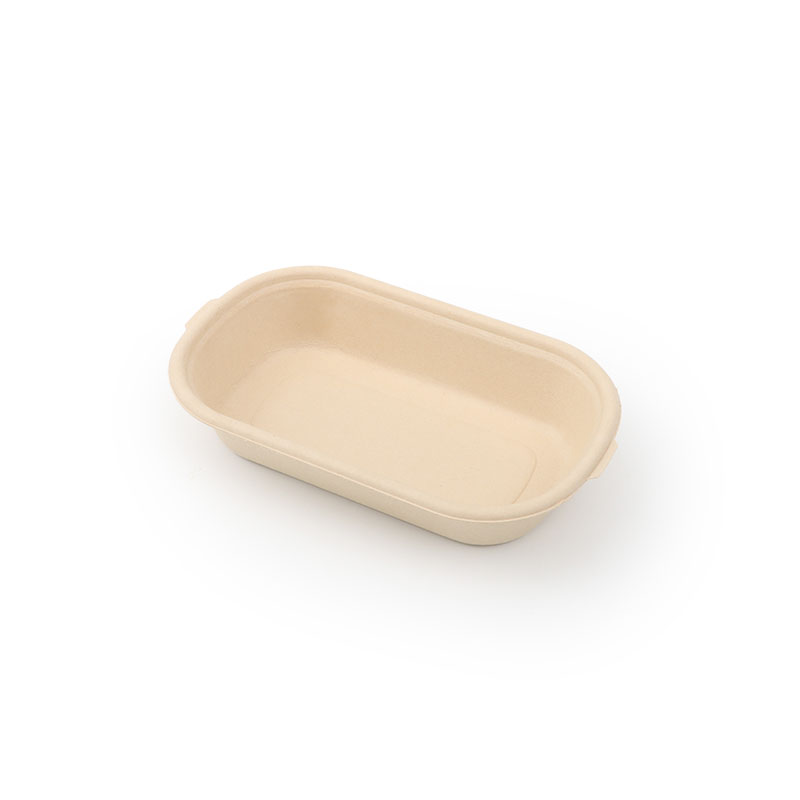 500ml
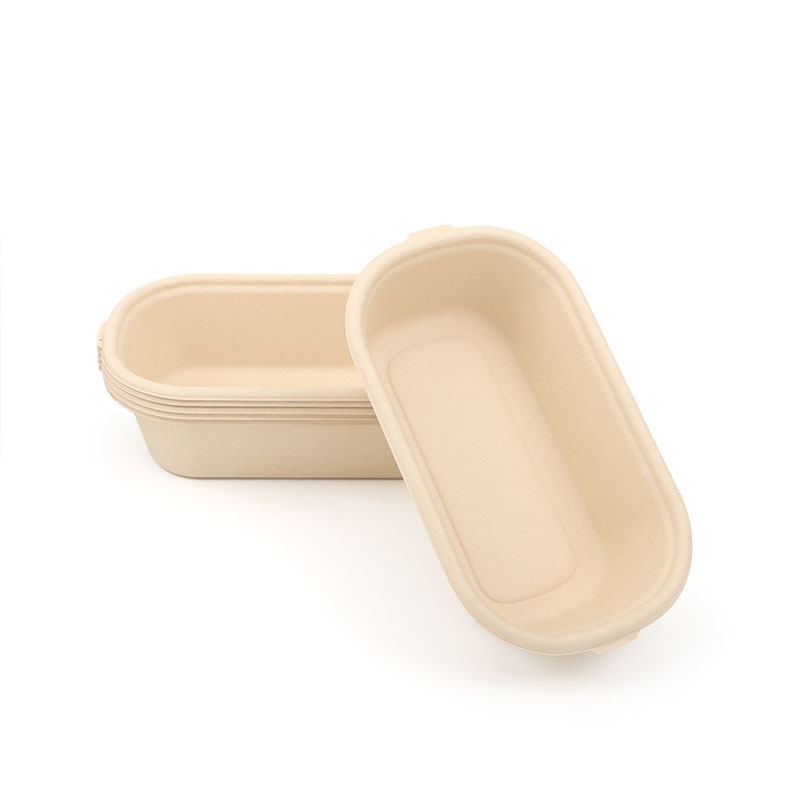 700ml
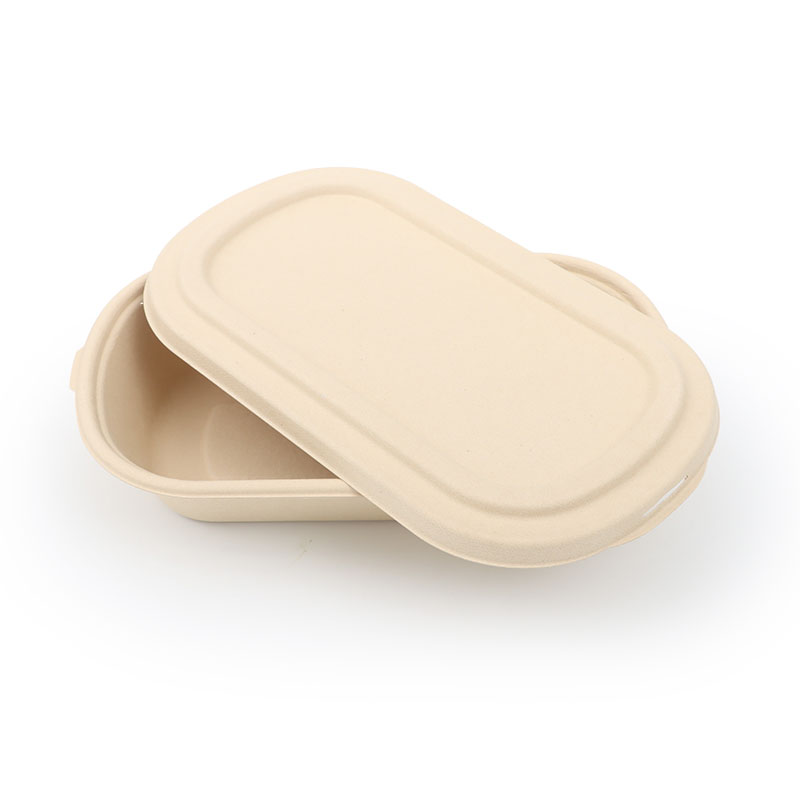 850ml
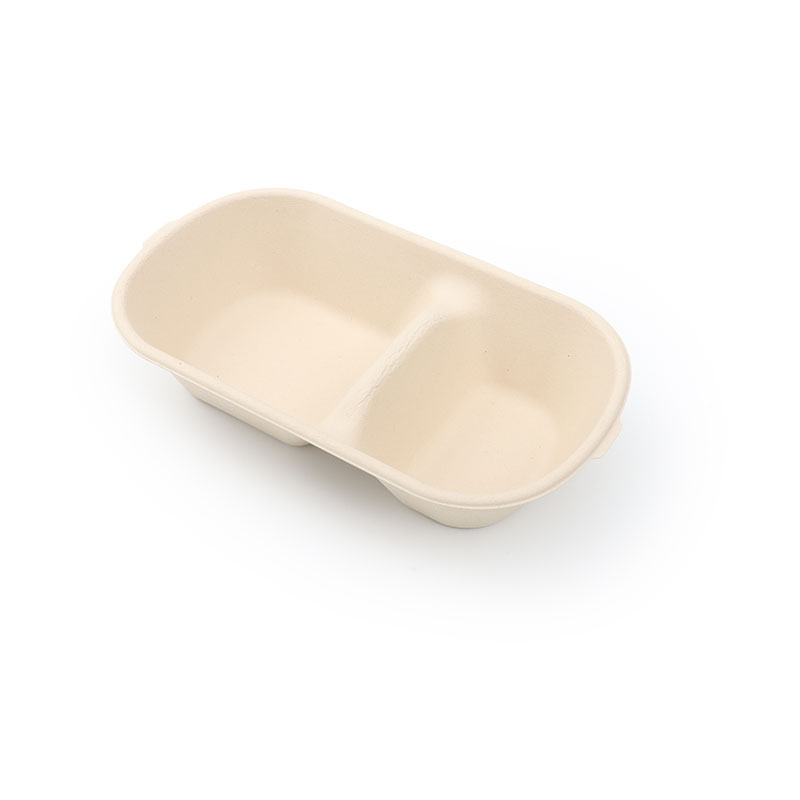 800ml 2 Compartments
 1000ml 2 Compartments
 1100ml
 1000ml Square Lunch Box
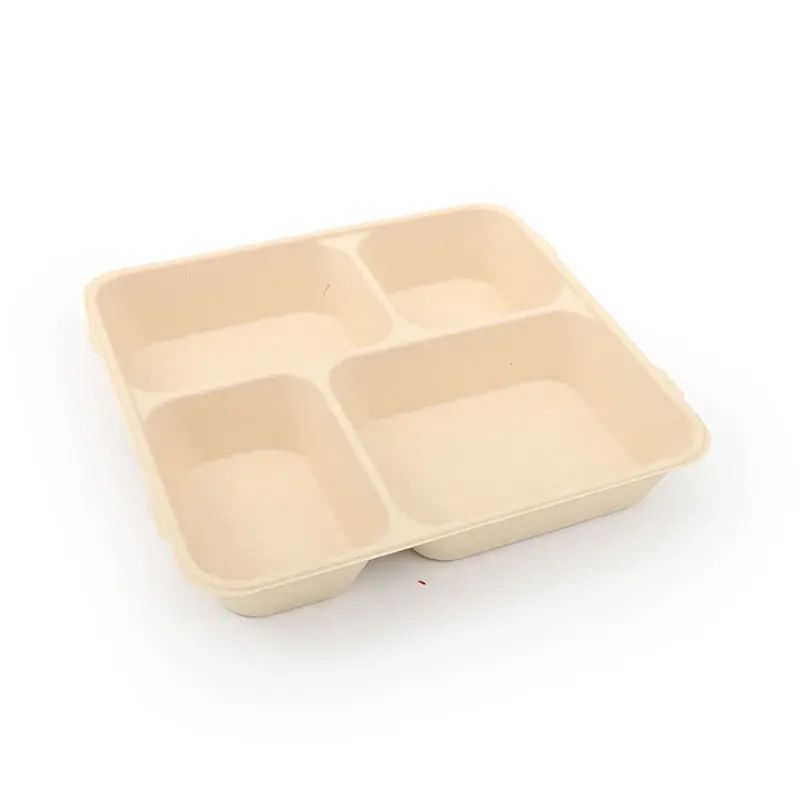 1340ml 4 Compartments
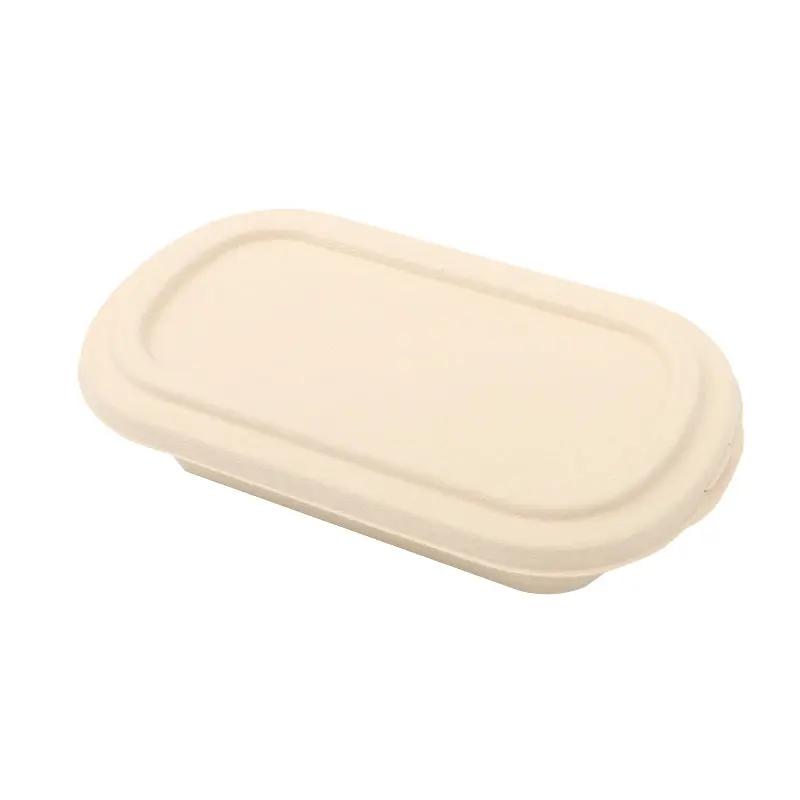 Lunch Box Lid
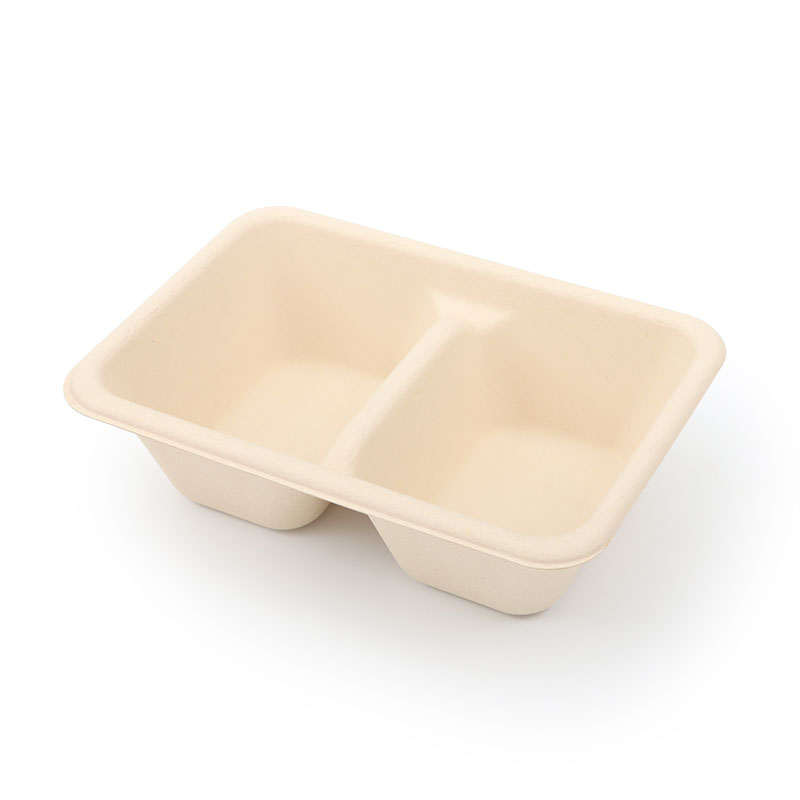 650ml
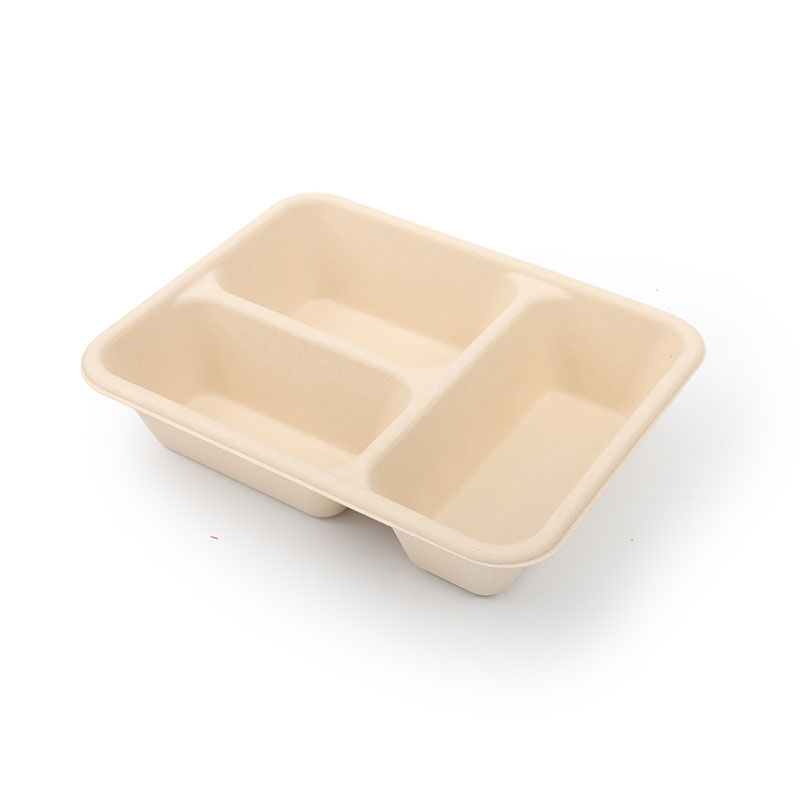 1000ml 3 Compartments
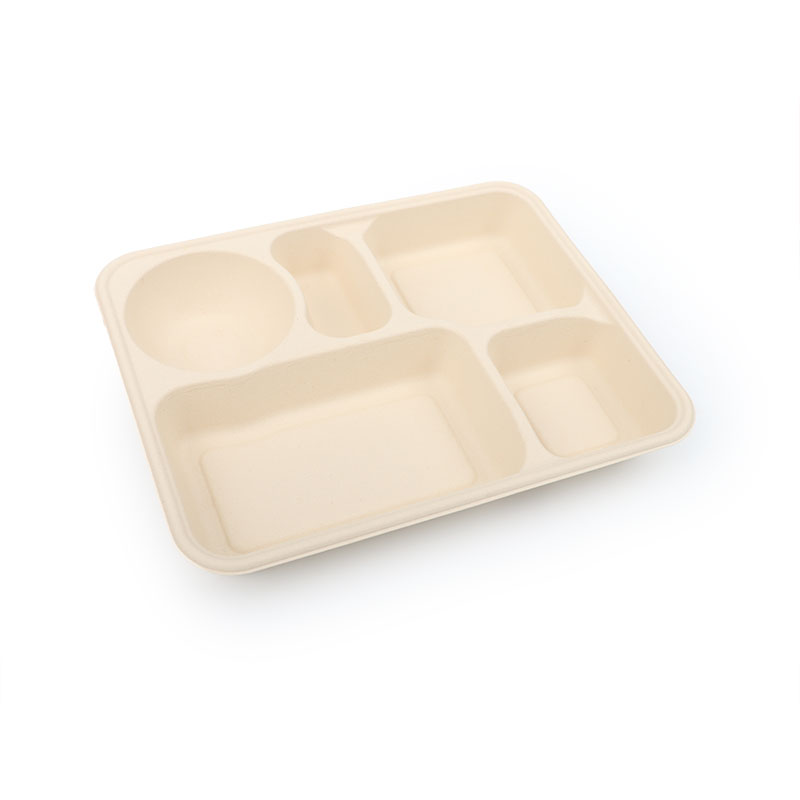 1250ml 5 Compartments
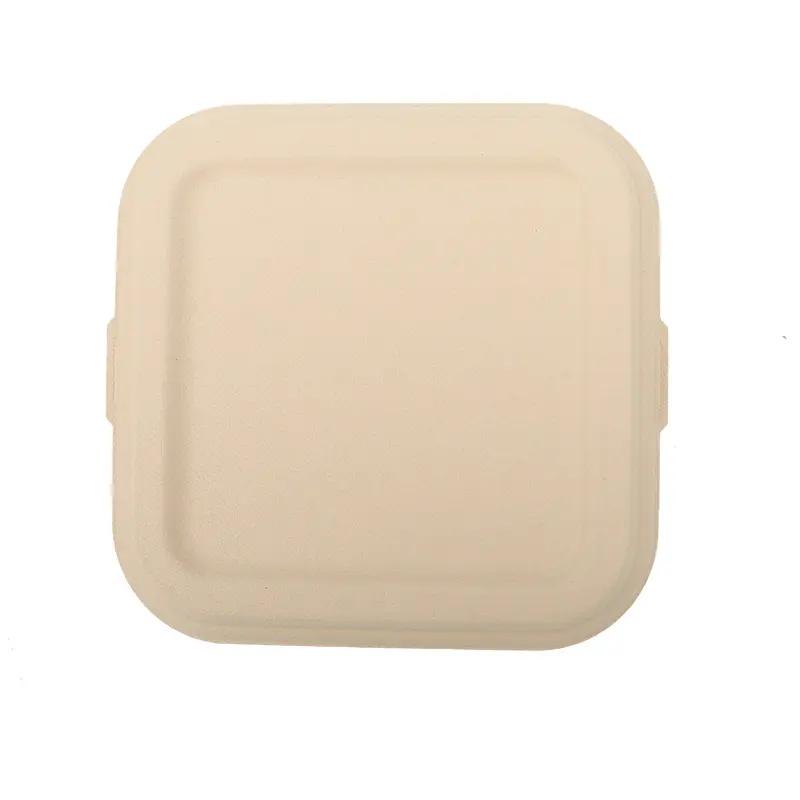 Square Lunch Box Lid
 Box Without T buckle
 850ml Salad Box
 700ml
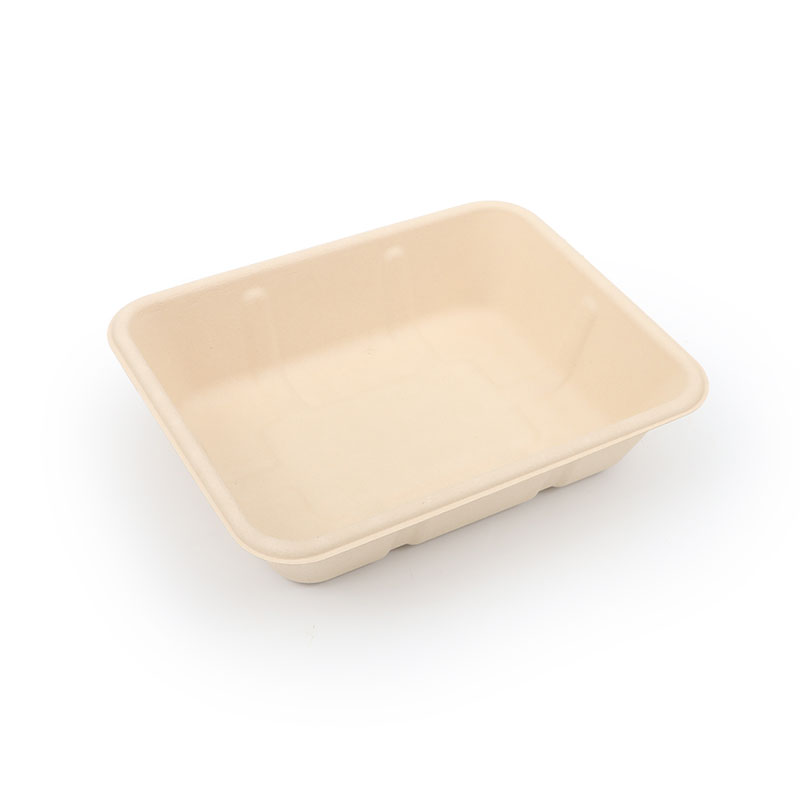 1350ml
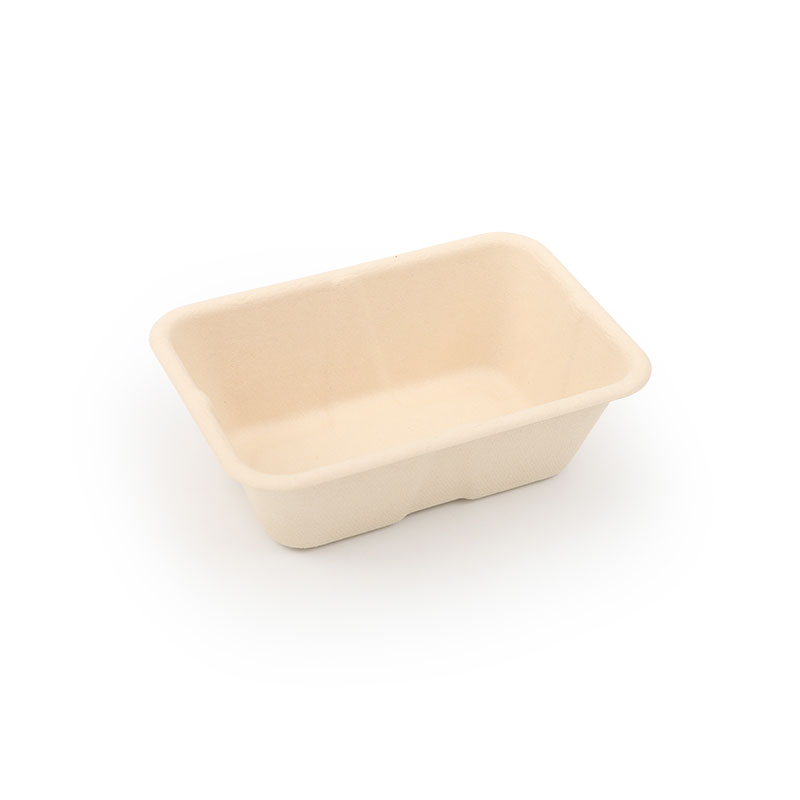 470ml
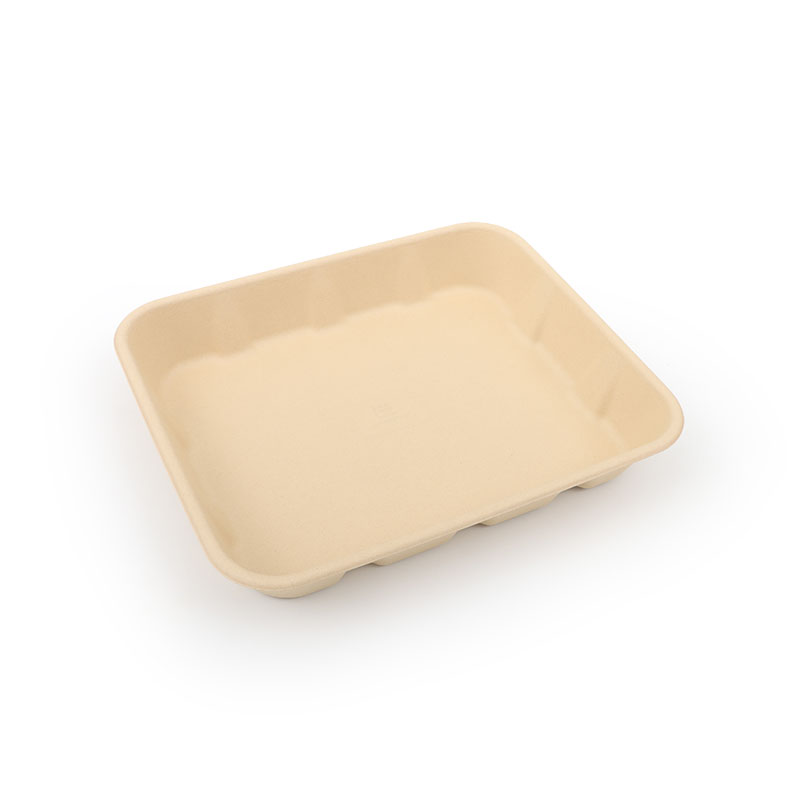 2183ml Tray Box
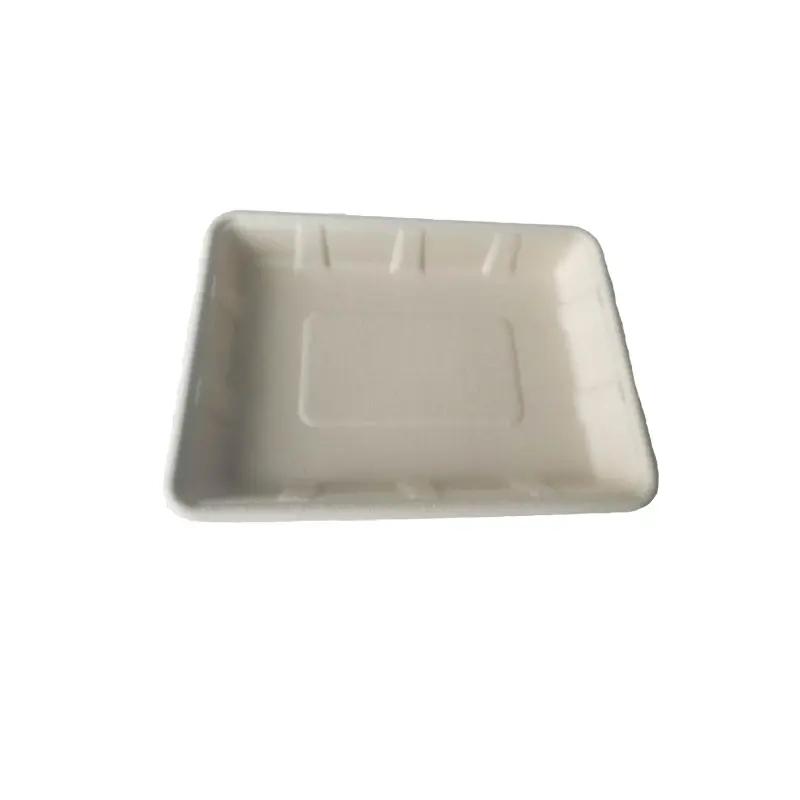 11" * 9"
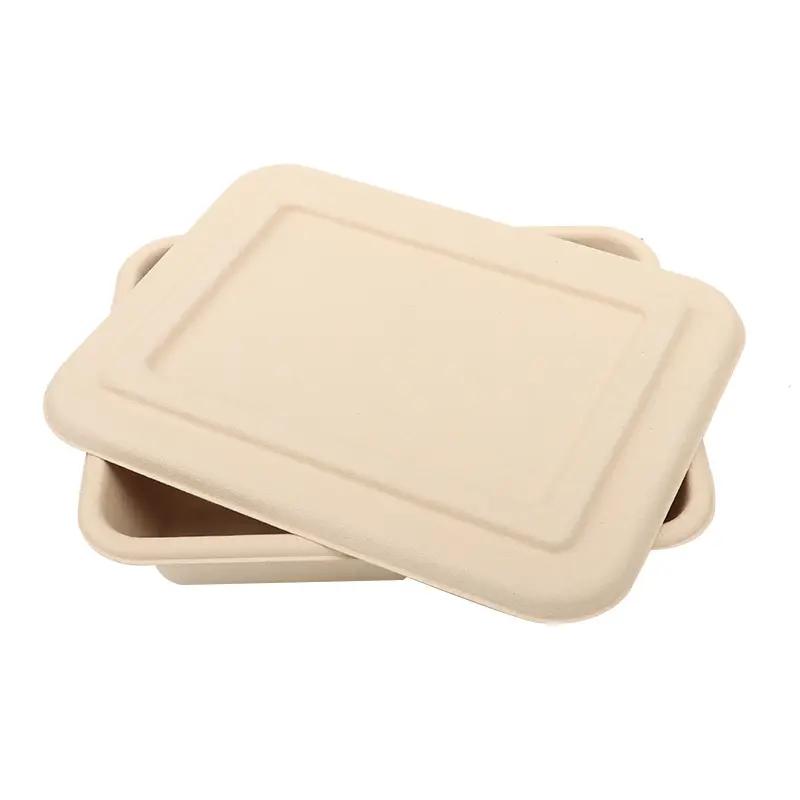 800ml
 One Part Box
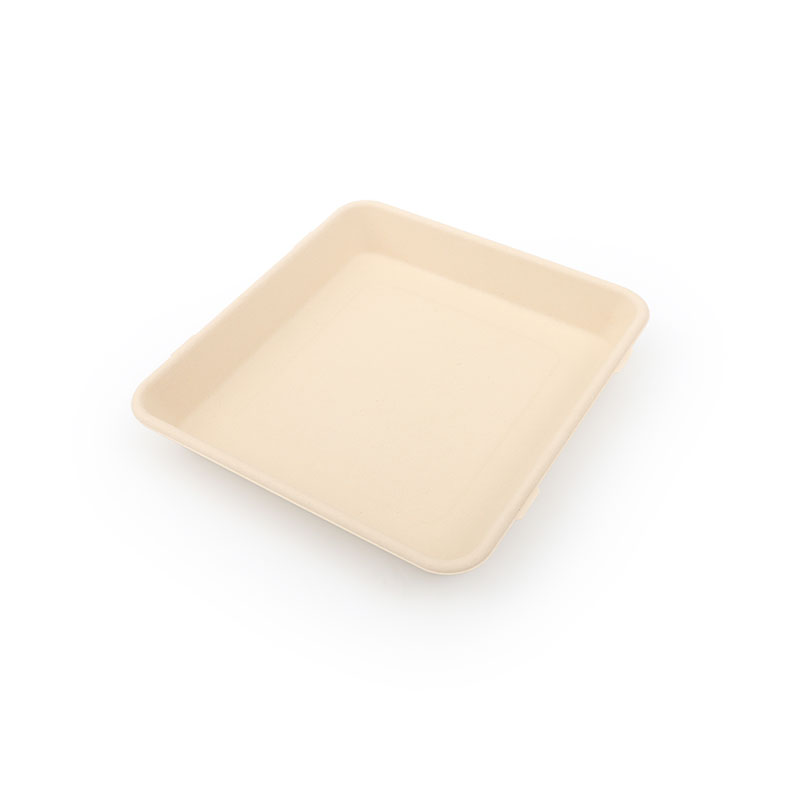 1443ml Tray Box
 Cake Bread Snack Tray Series
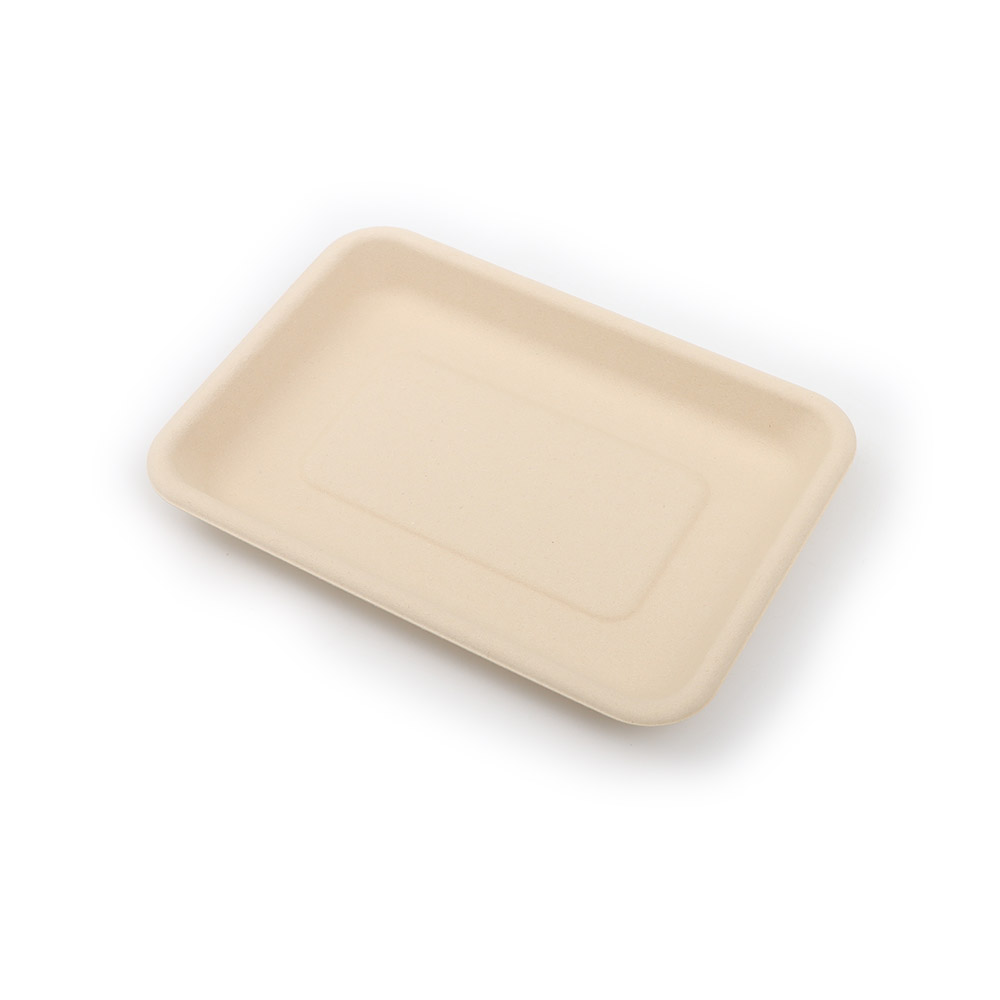 5" * 7" natural color
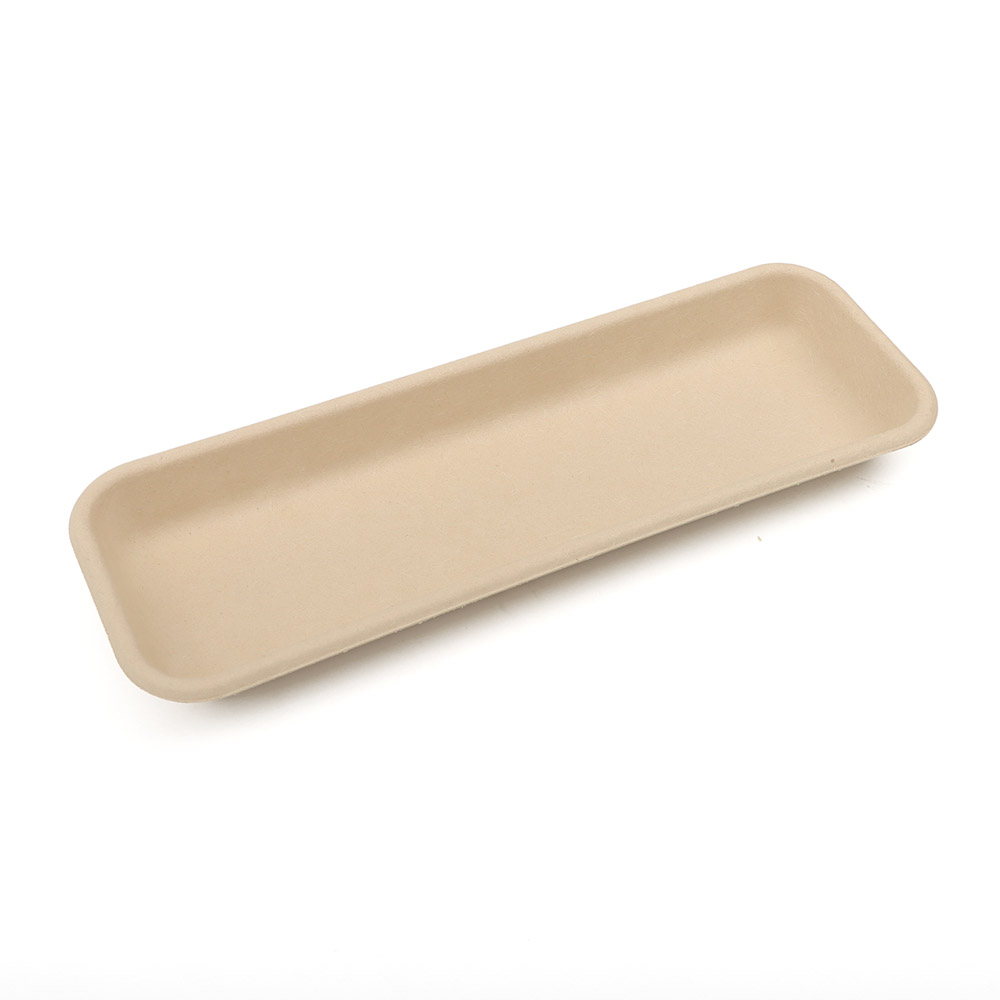 11.4" * 3.9"
 5.3" * 5.3"
 Fruit And Vegetable Tray Series
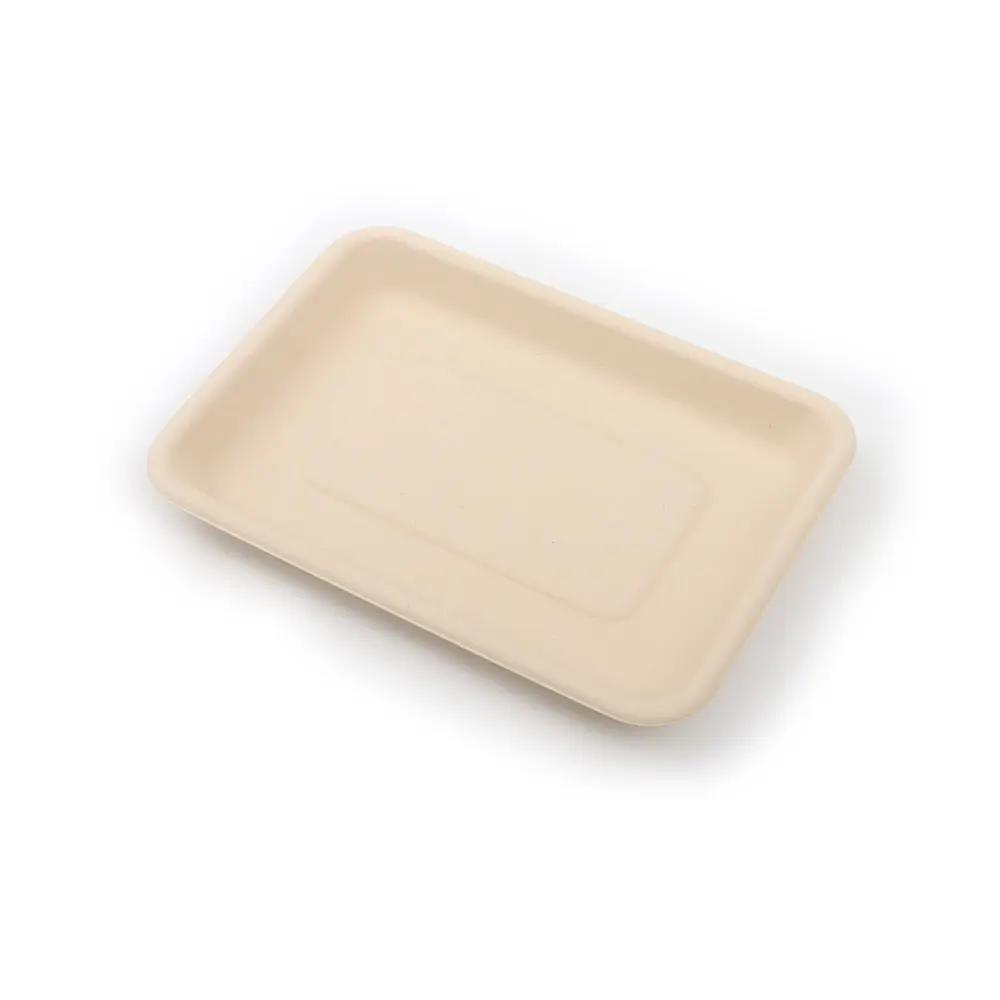 8.6" * 5.3"
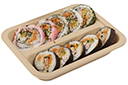 Sushi Tray Series
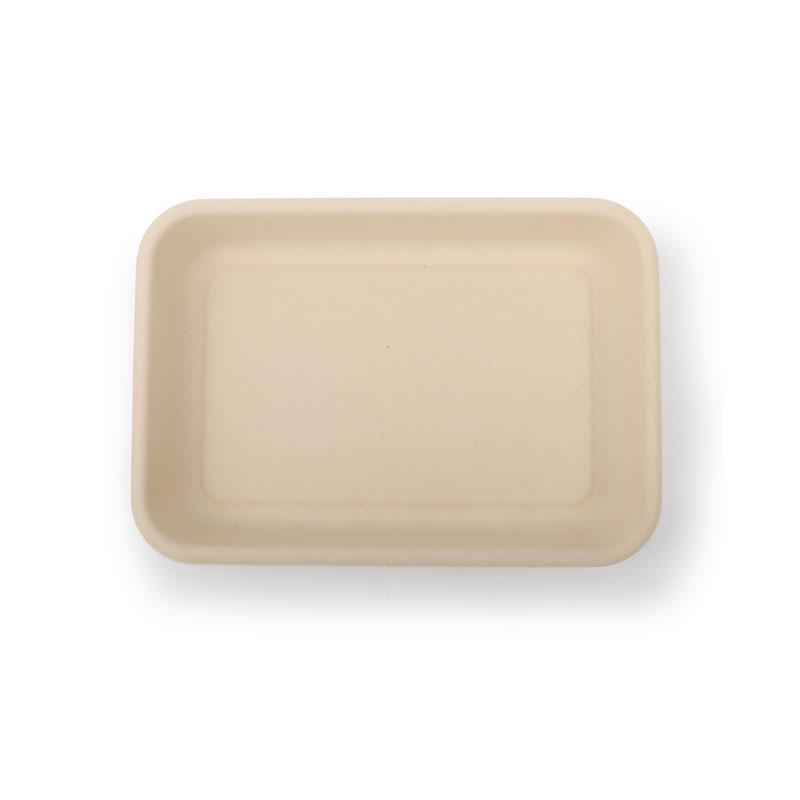 200" * 140"
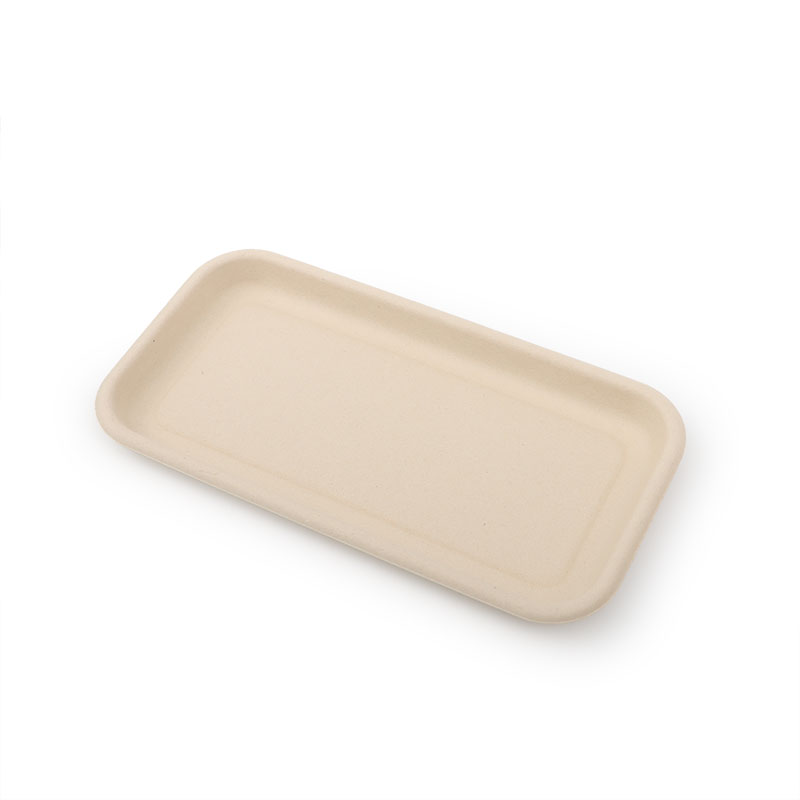 210" * 110"
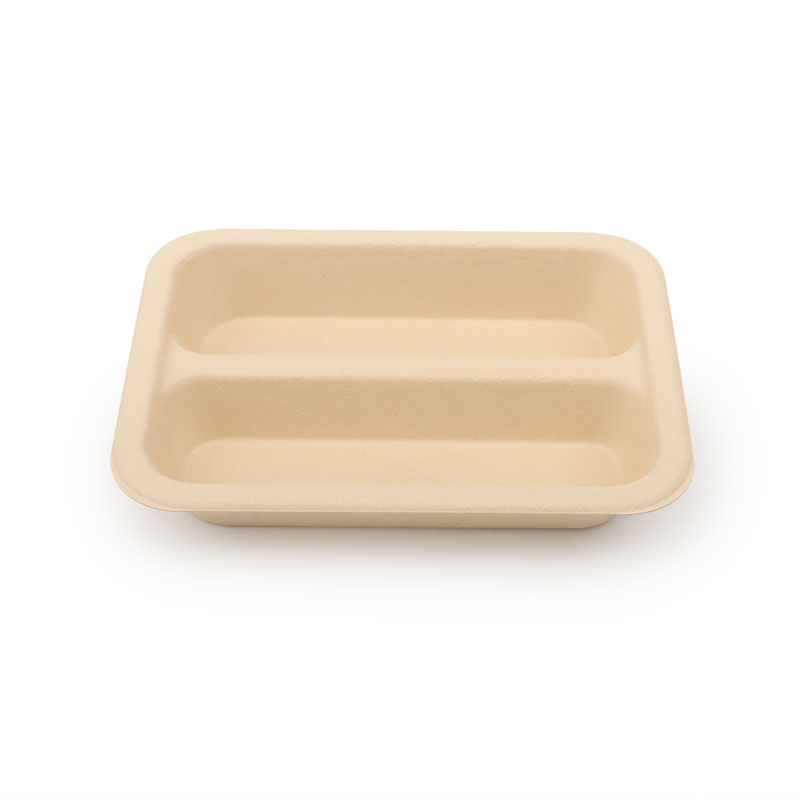 2 Compartments
 Small Round Plate Series
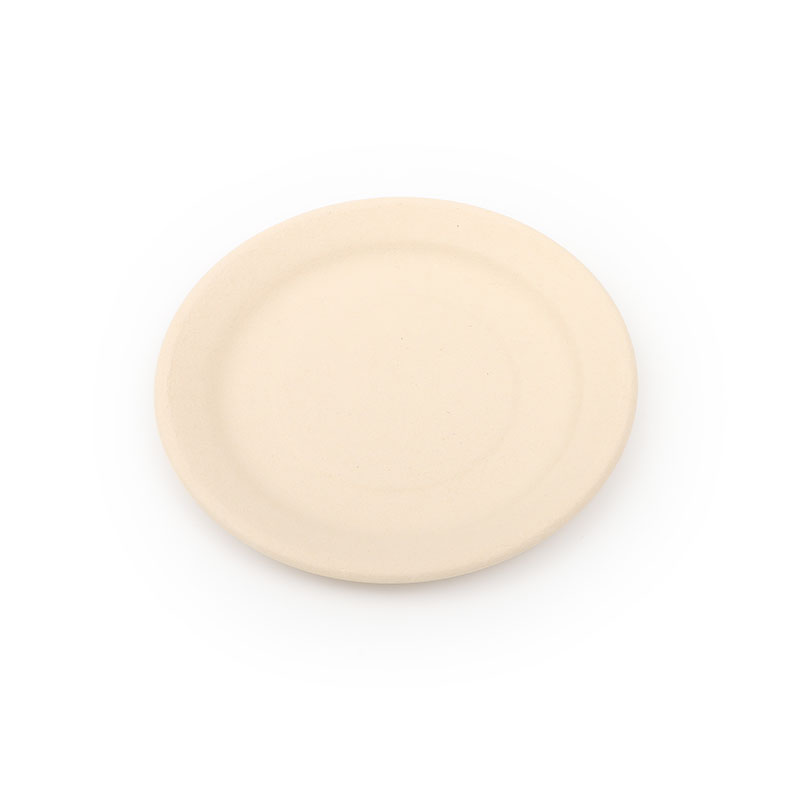 7 inch
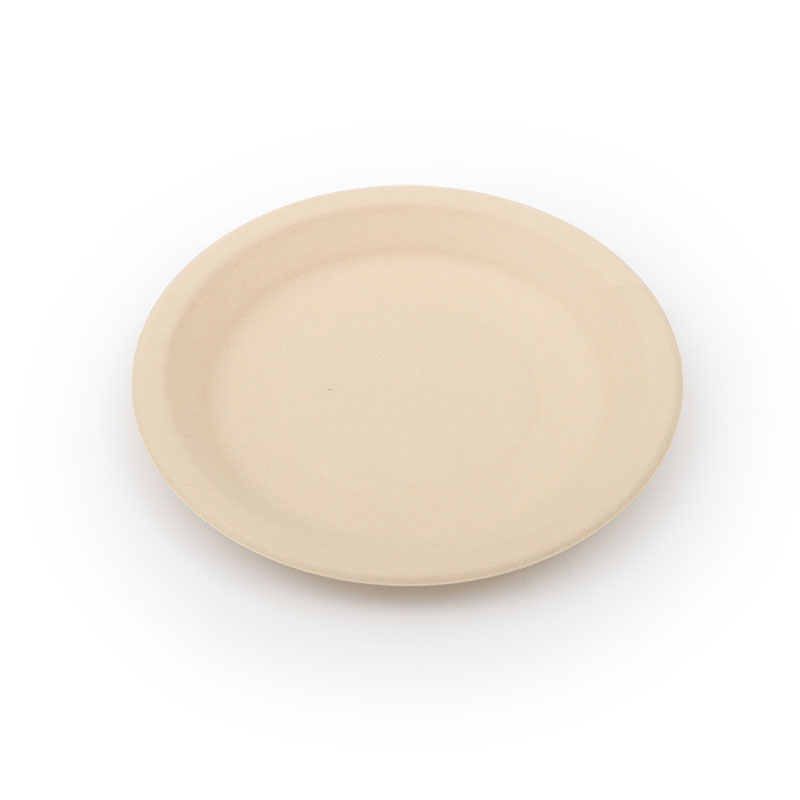 6 inch
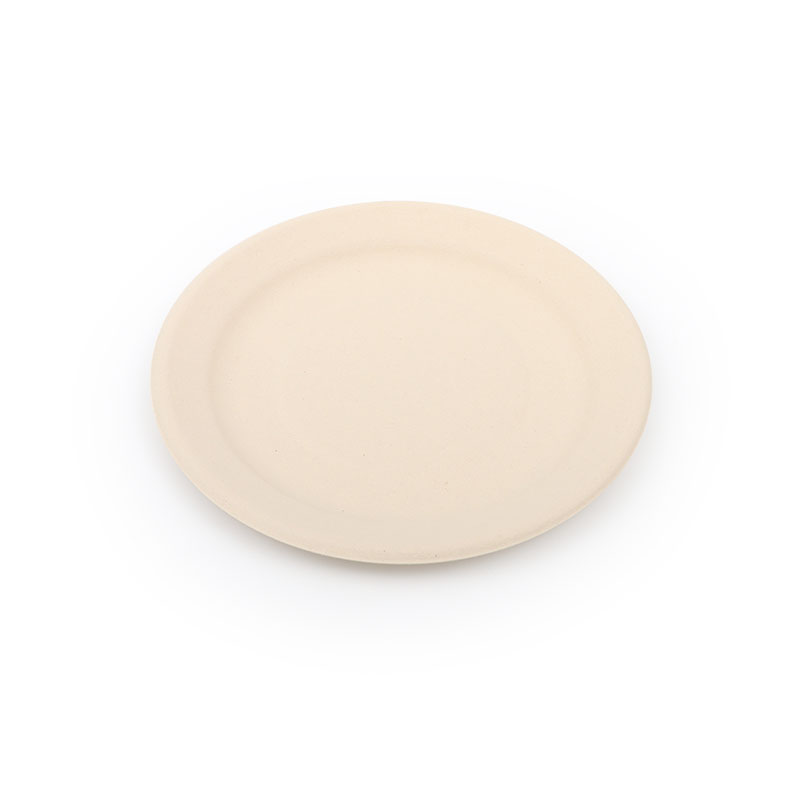 8 inch
 Middle Round Plate Series
 9 Inch 3 Compartments
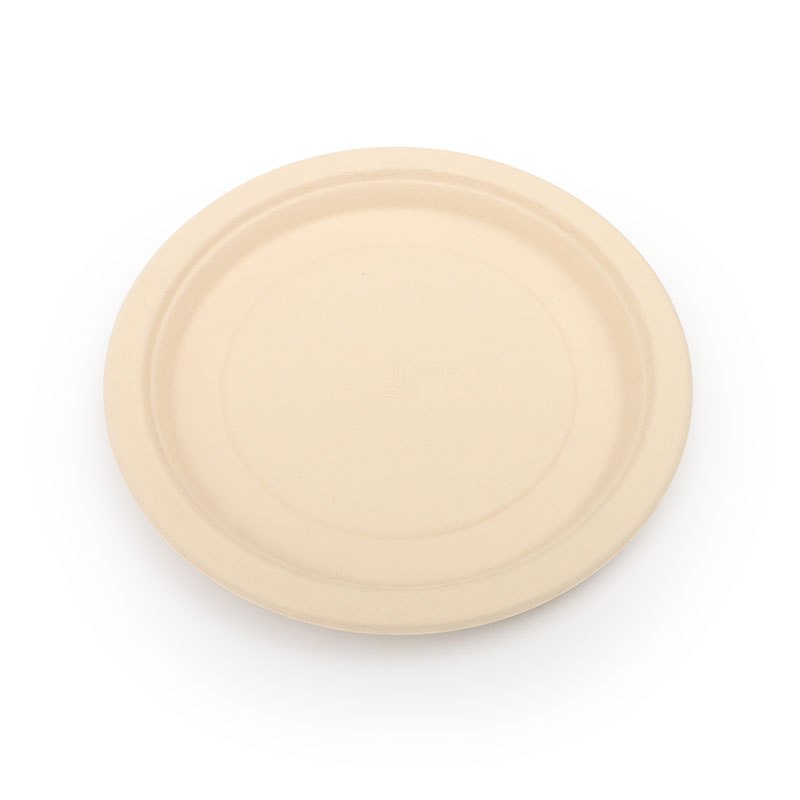 9 inch
 Big Round Plate Series
 12.7 Inch Pizza Plate
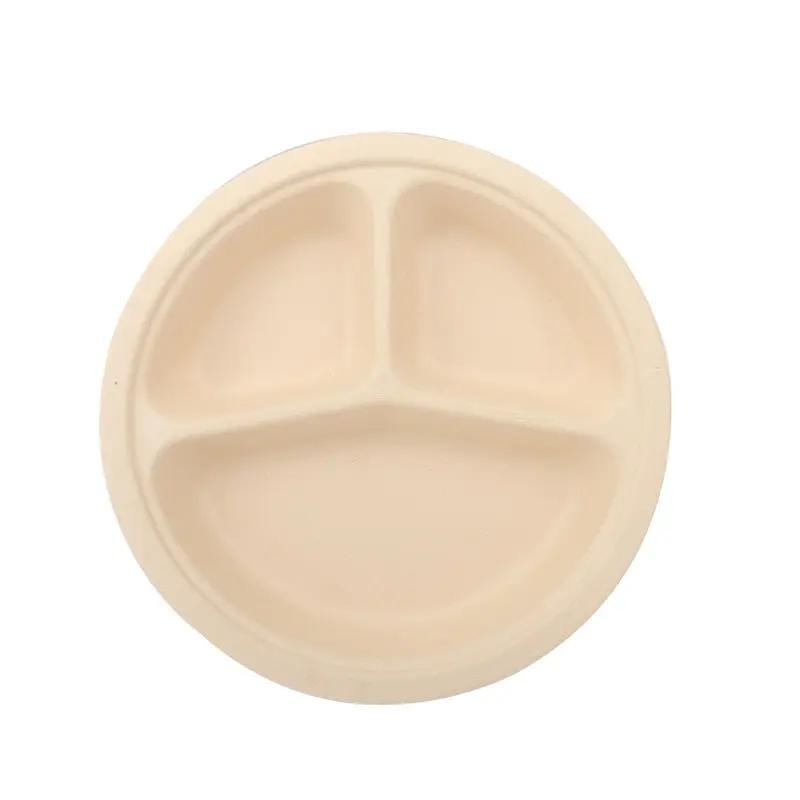 10.25 inch 3 Compartments
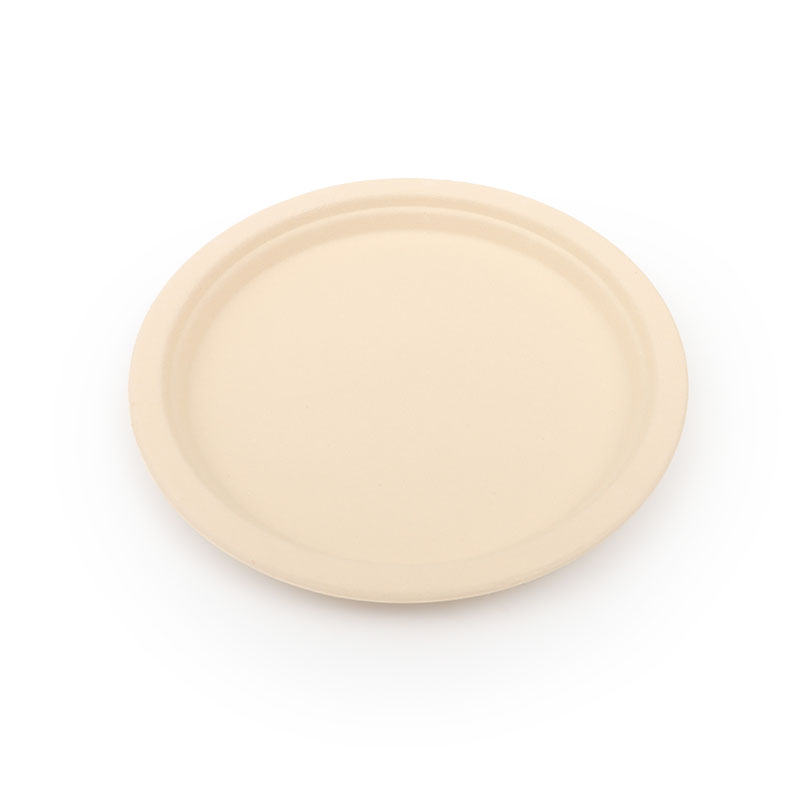 10 inch
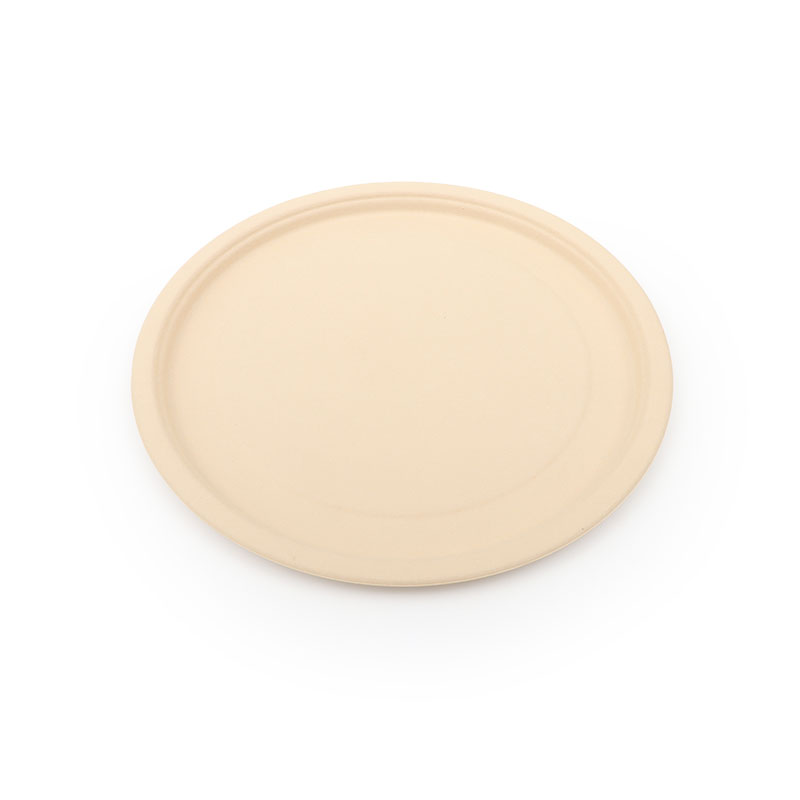 12 inch
 Bigger Bowl
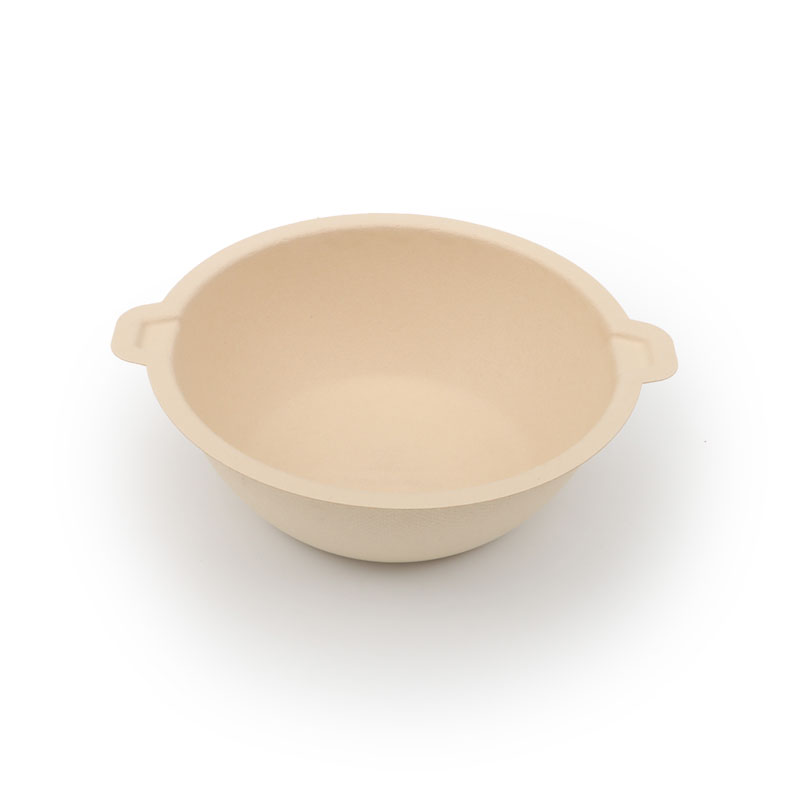 48oz(1420ml)
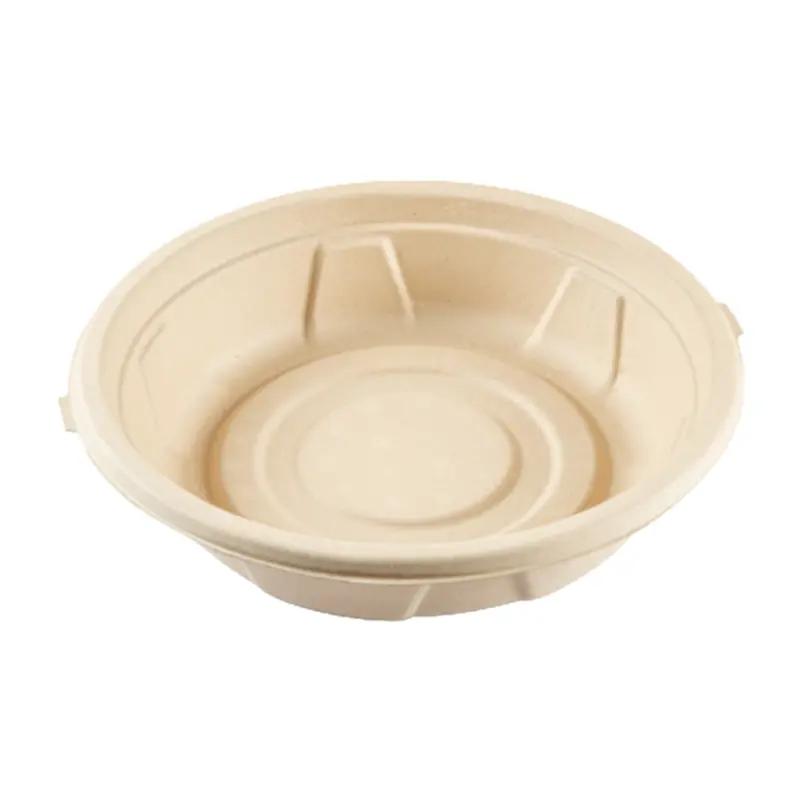 56oz(1650ml)
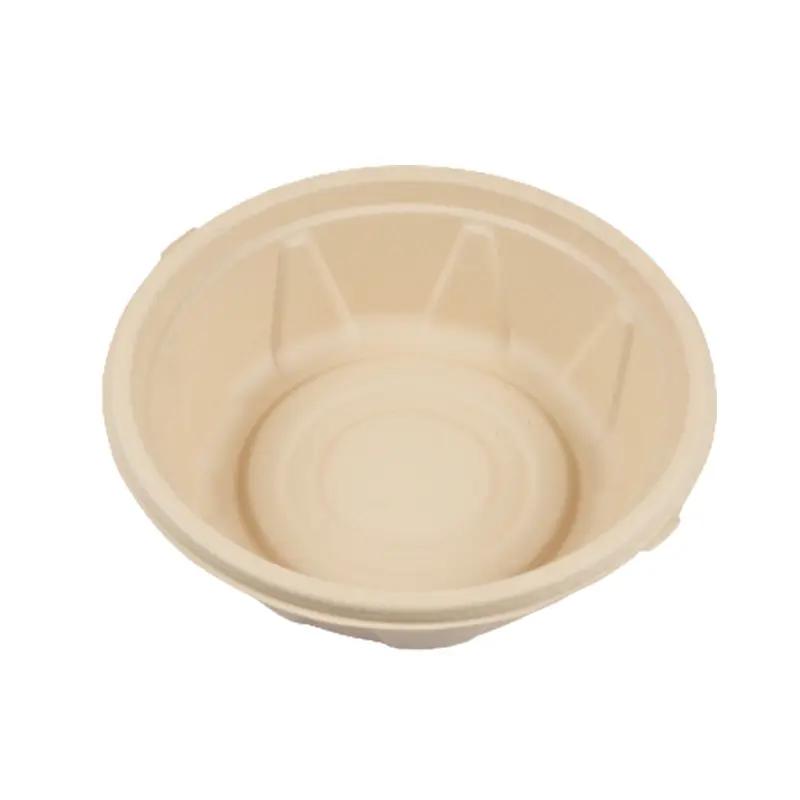 100oz(2950ml)
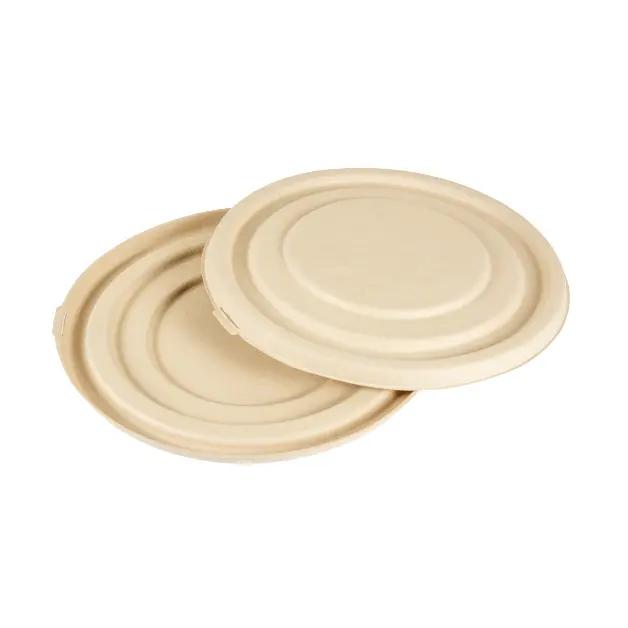 100oz(2950ml) With Lid
 Middle Bowl
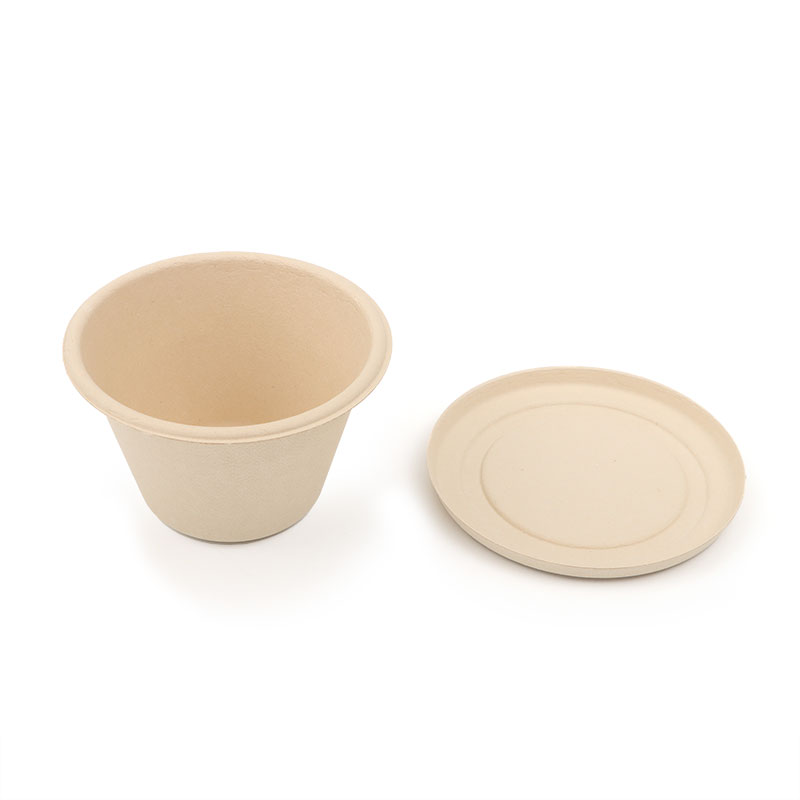 17oz(500ml)
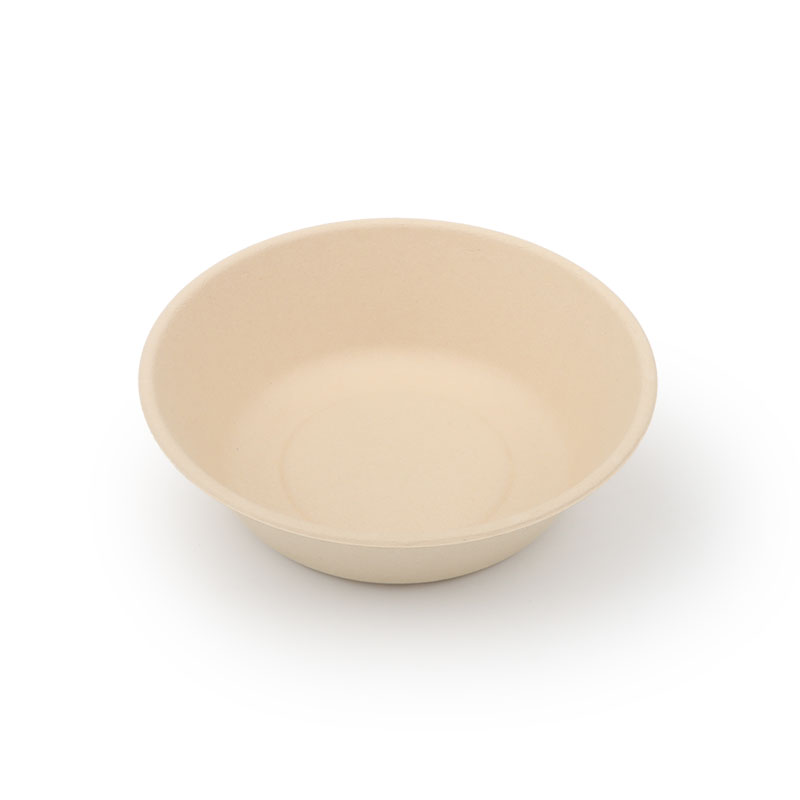 27oz(800ml)
 20oz(600ml)
 29oz(850ml)
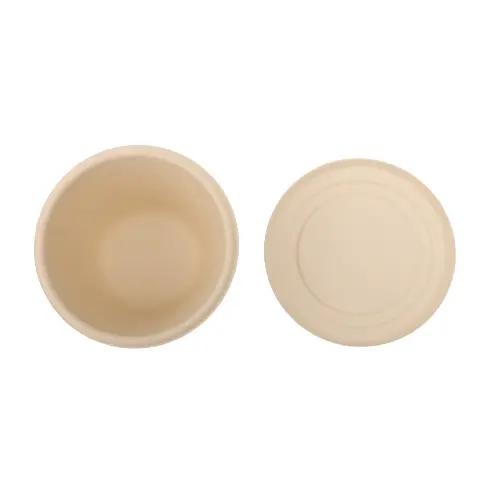 17oz(500ml) With Lid
 17oz(500ml) PET Lid
 28oz(830ml) PET Lid
 Round Bowl PET
 Small Bowl
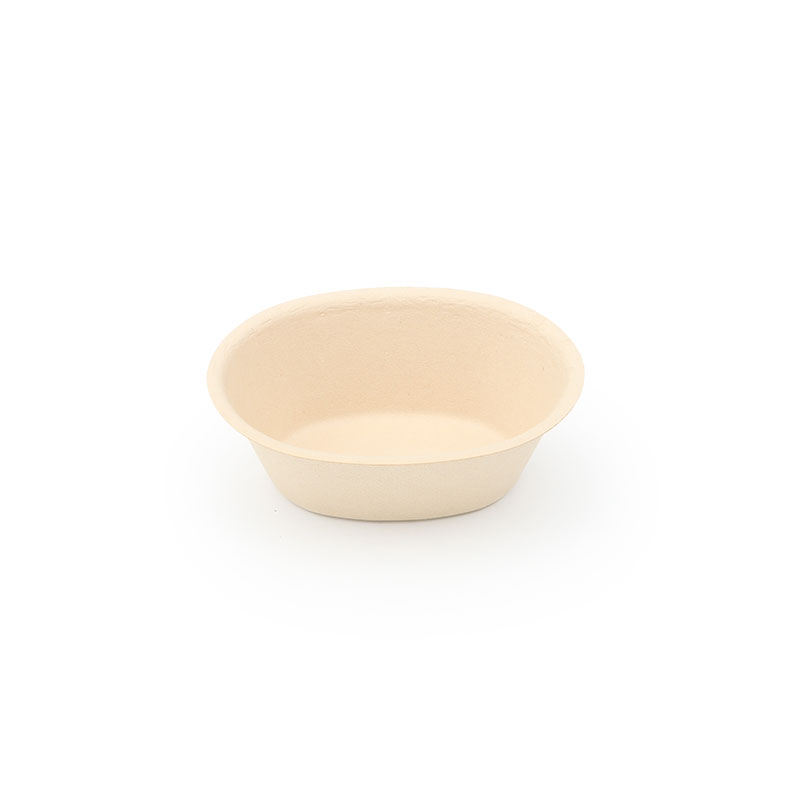 Snack Bowl
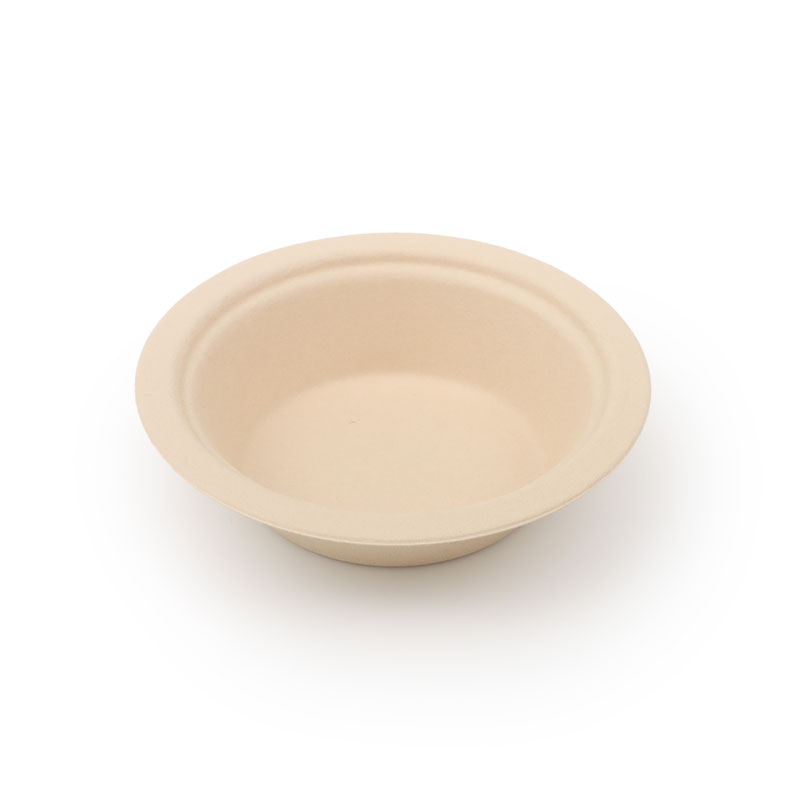 11.5oz(340ml) Bowl
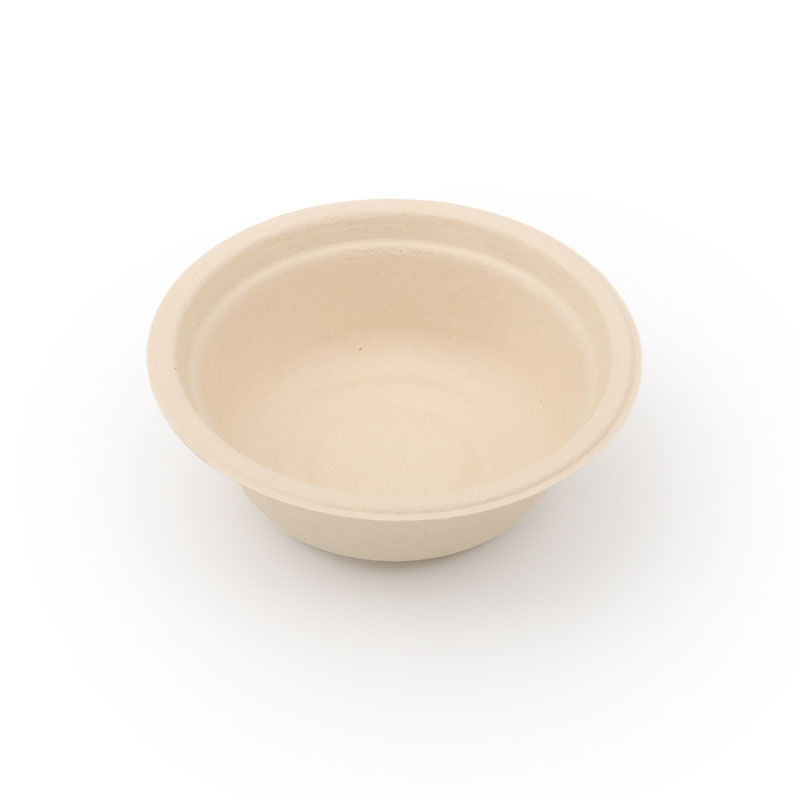 6.7oz(200ml) Bowl
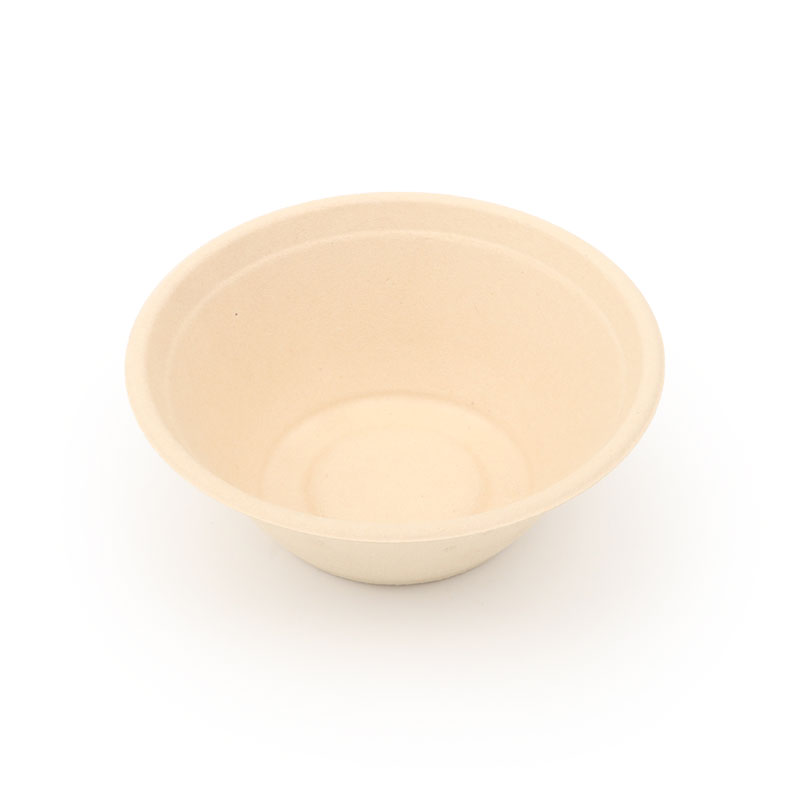 12oz(350ml) Bowl
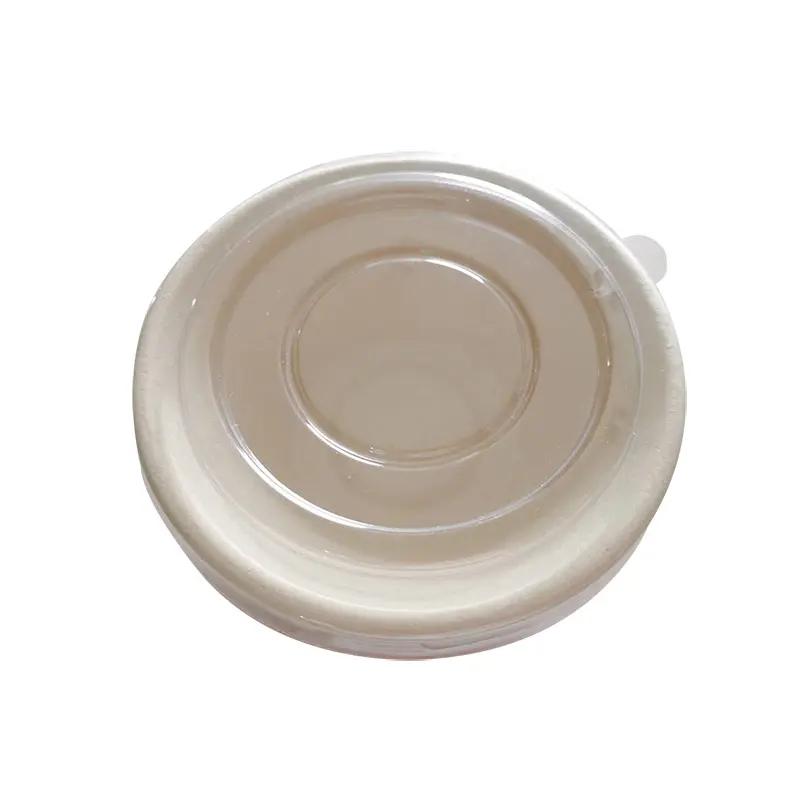 12oz(350ml) Bowl PET
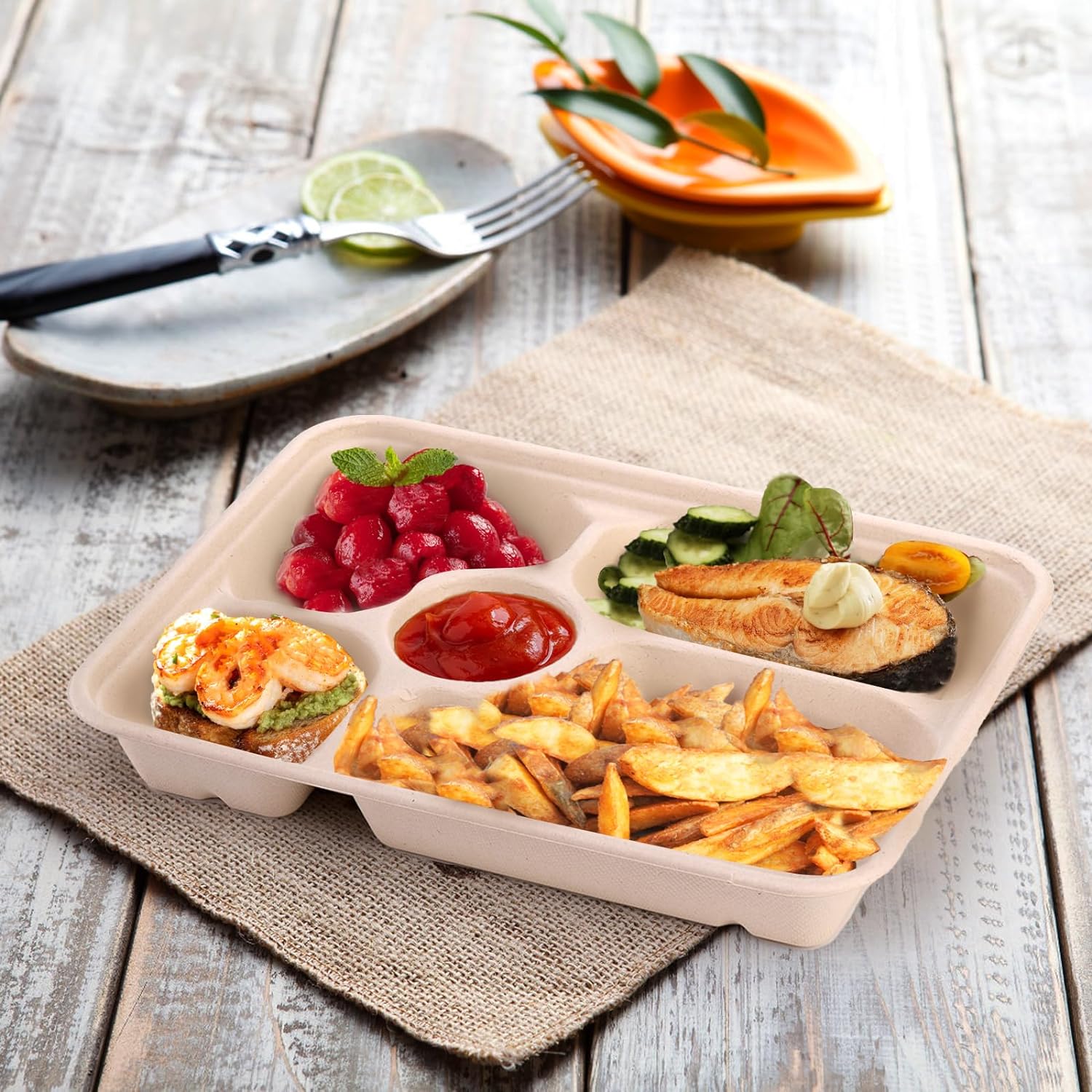 Bagasse Lunch Boxes
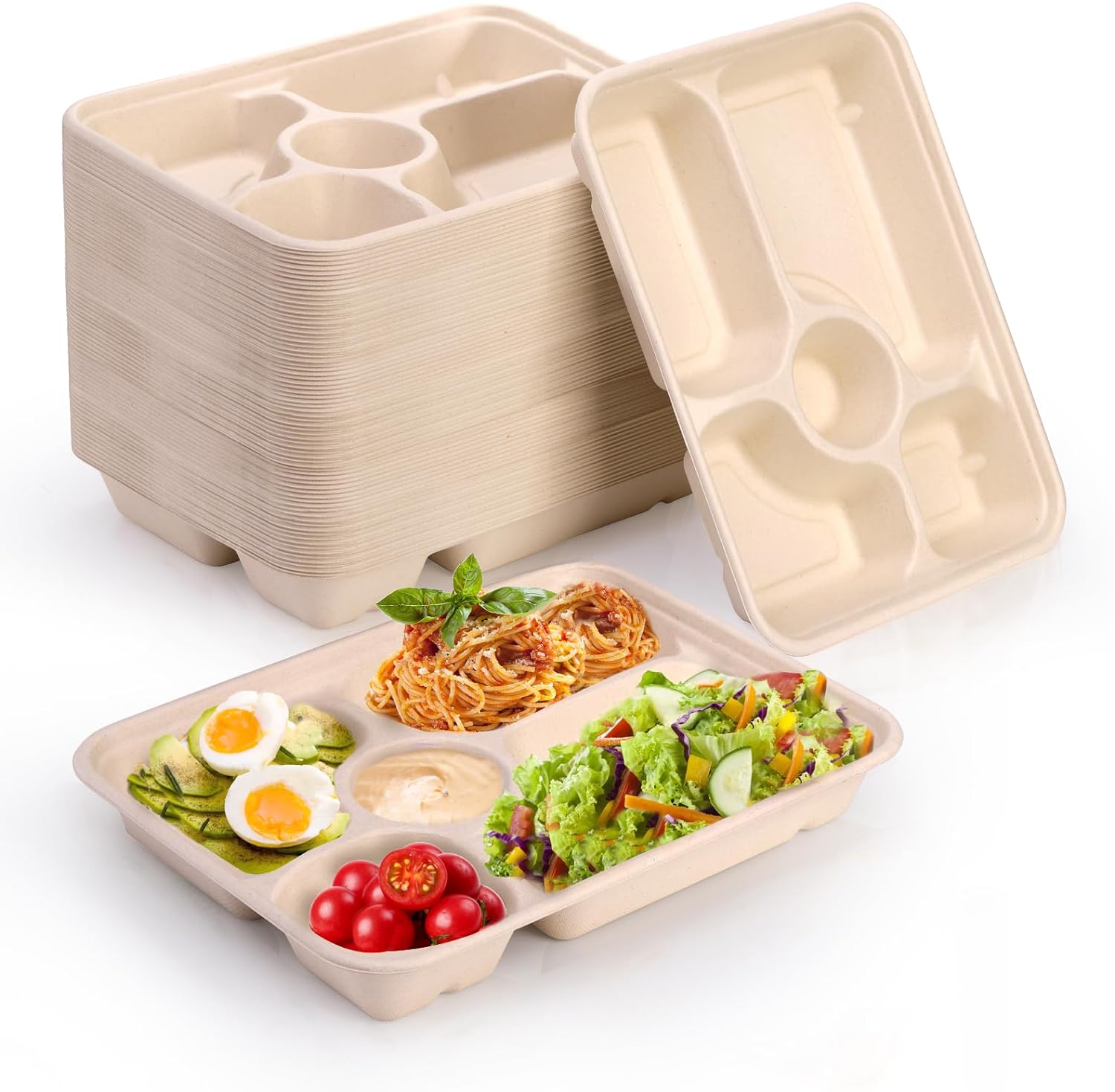 5CP
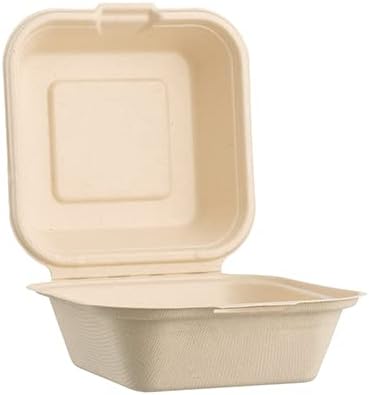 6 inch
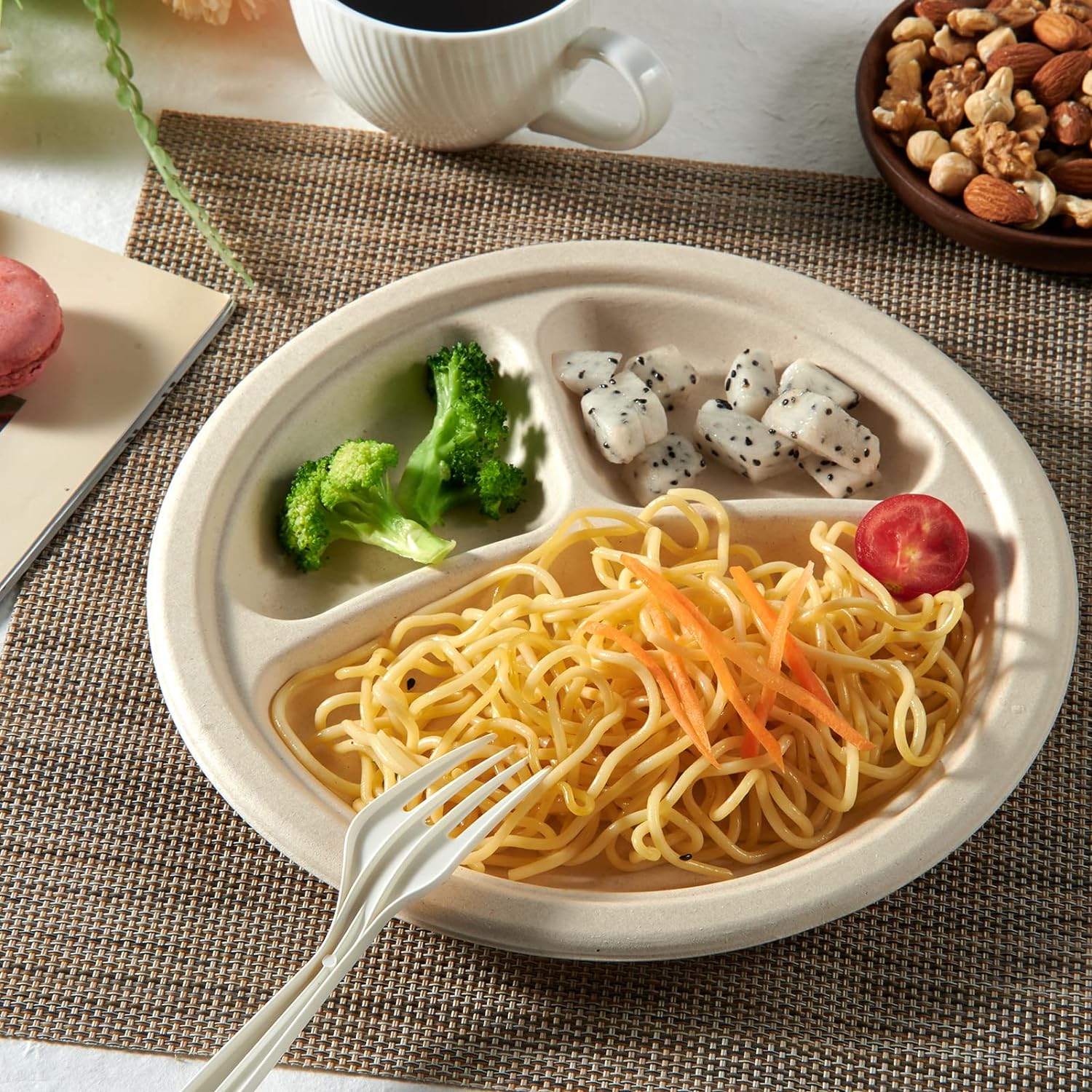 Bagasse Food Plates
 7 inch
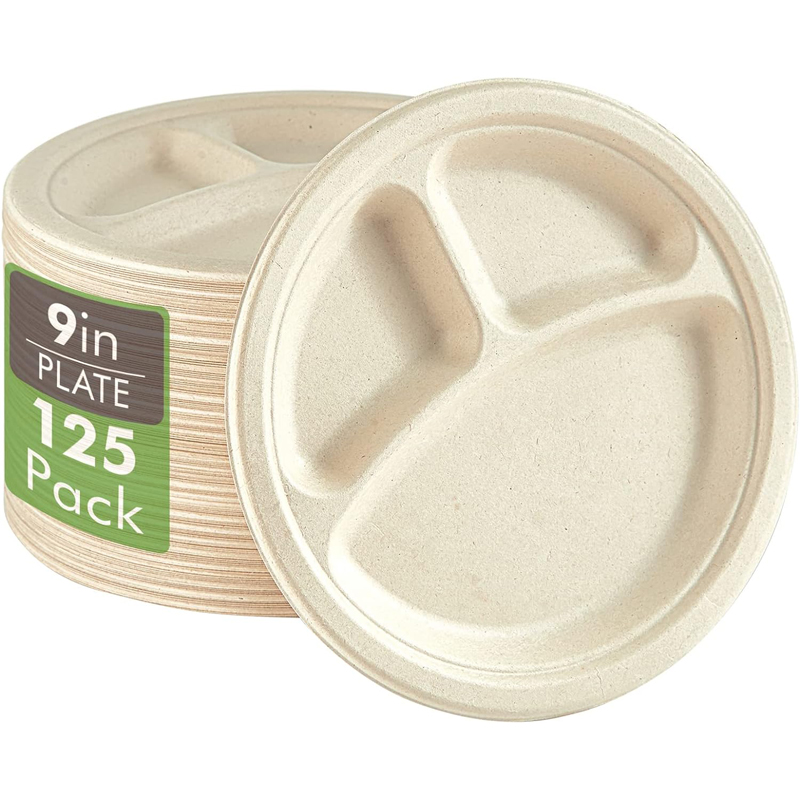 3CP
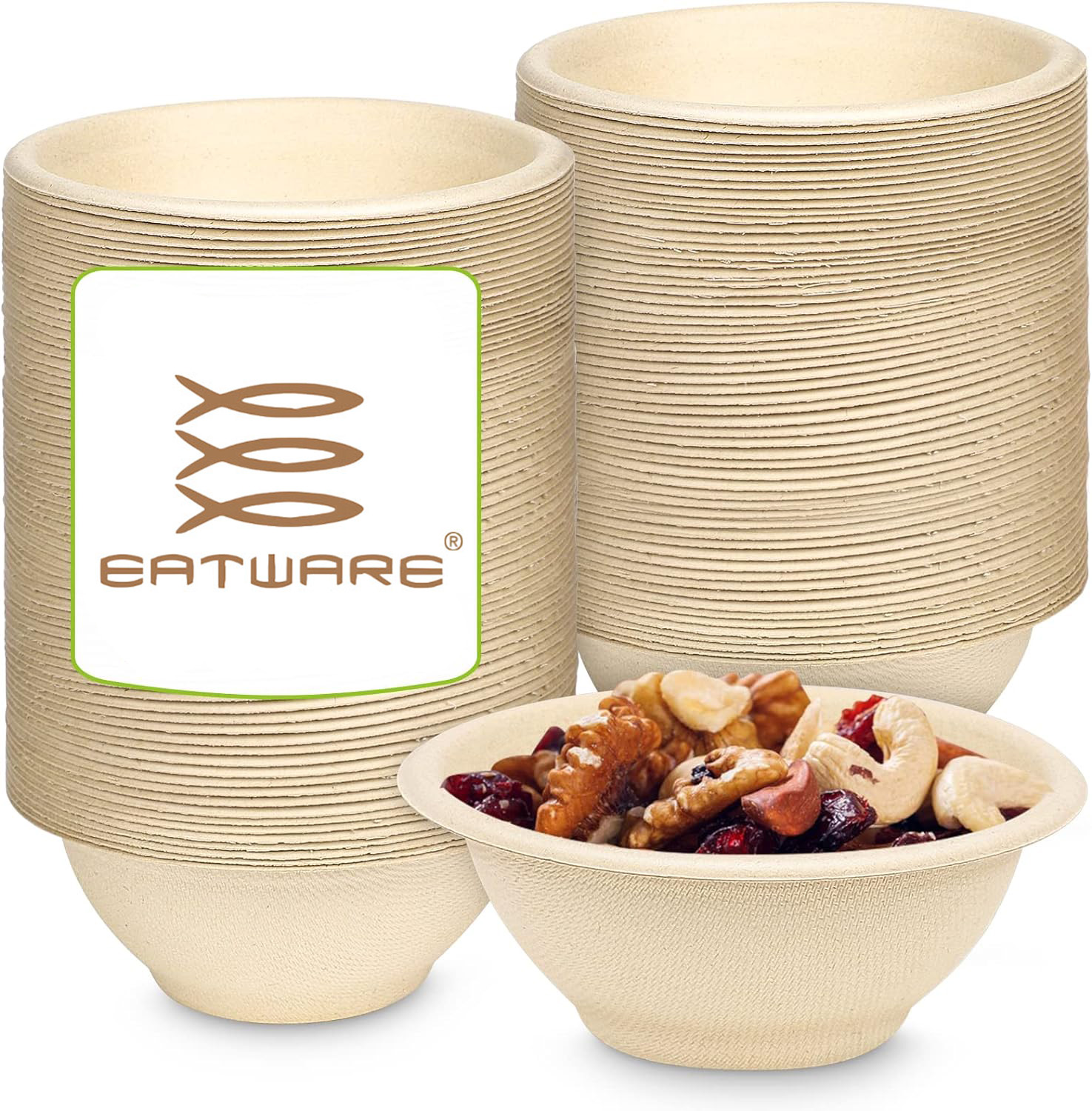 Bagasse Bowls
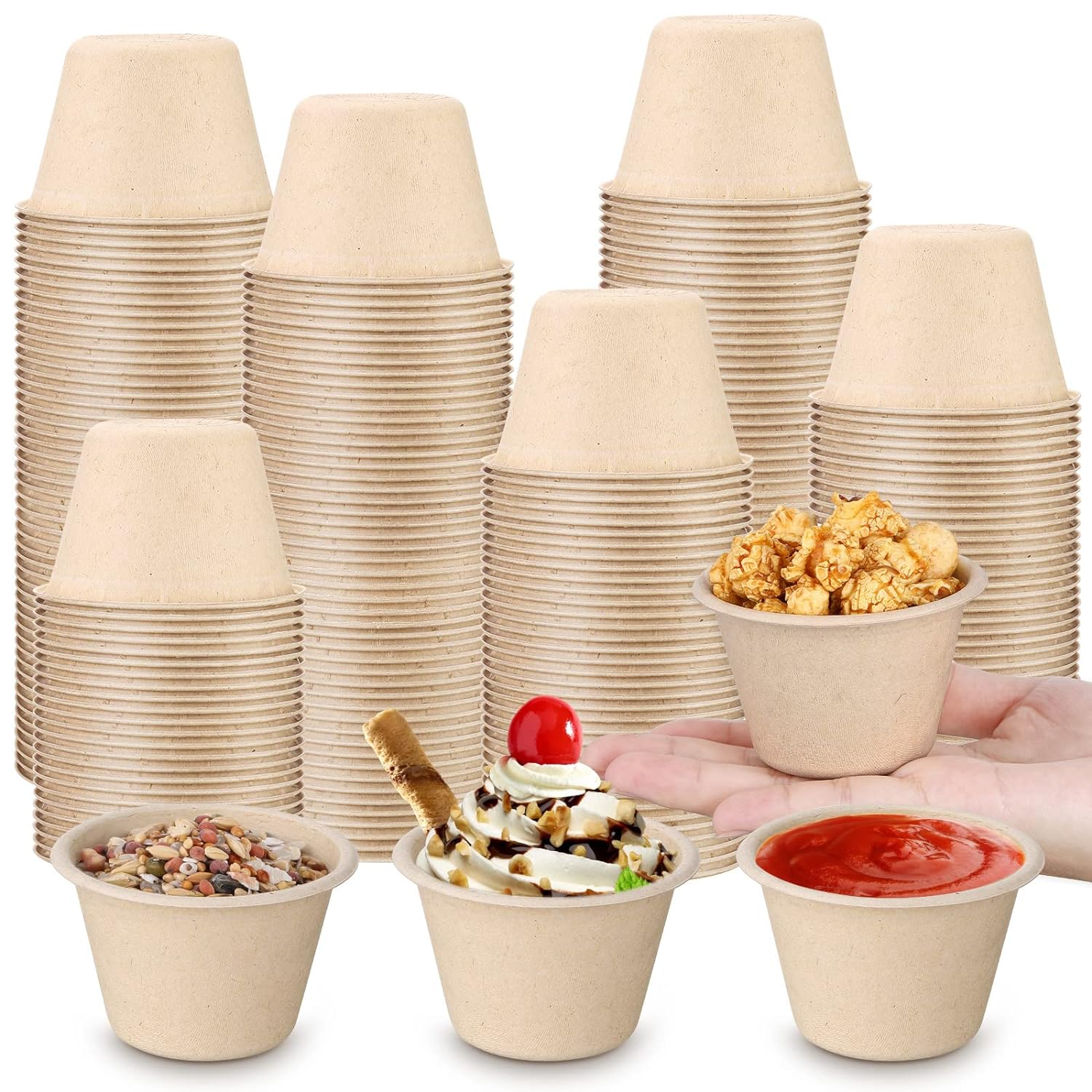 4oz
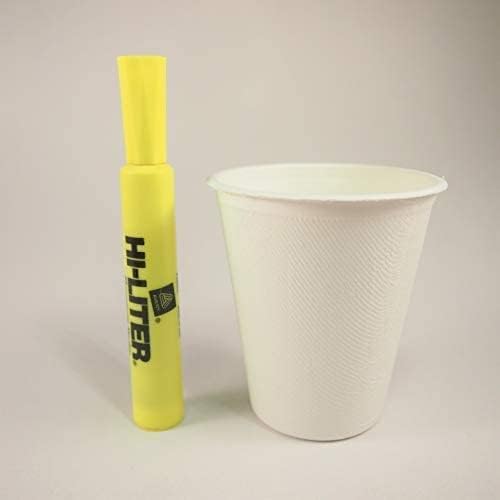 Bagasse Cups And Cutlery
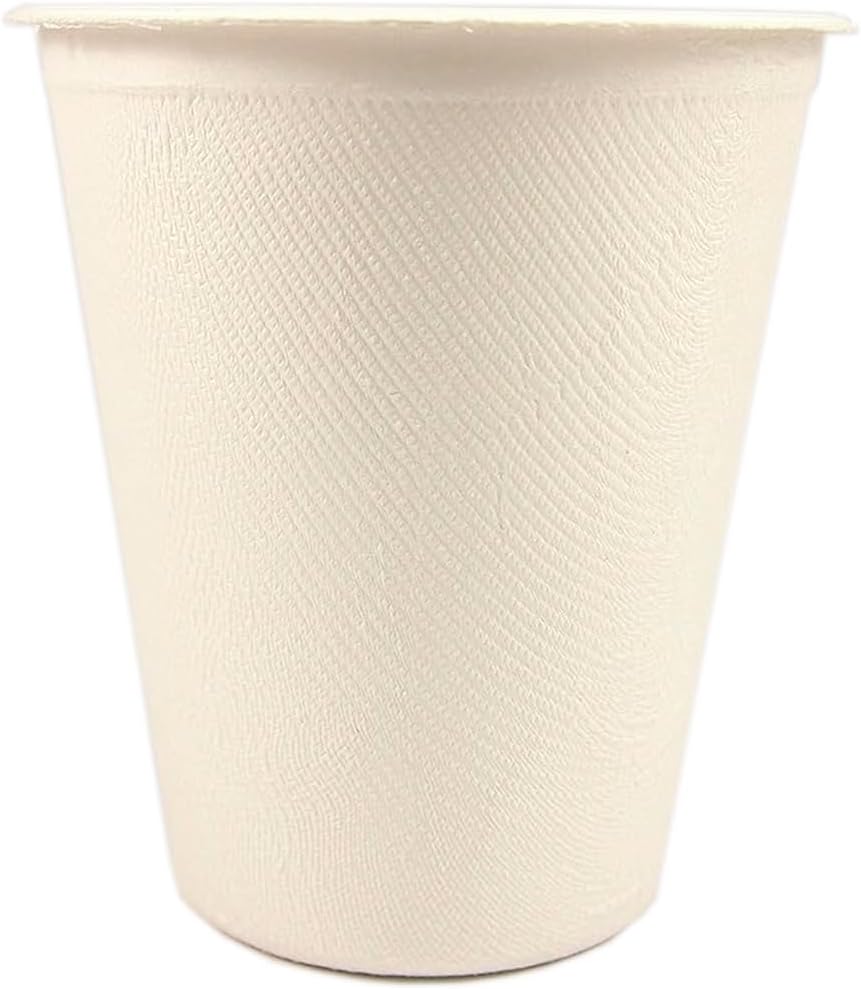 8oz
 12oz
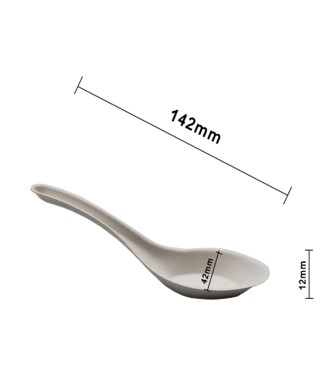 Cutlery
Leave Your Message
Engineered for high-humidity cold chains, Modified Atmosphere Packaging (MAP), and Brazilian sanitary export compliance.


Analyzing supply chains, export standards, and the transition from EPS foam to laminated pulp barrier trays.
Brazil stands as the unrivaled powerhouse in global animal protein production. Represented by major agro-industrial giants operating across agricultural strongholds like Paraná, Santa Catarina, Rio Grande do Sul, and Mato Grosso do Sul, Brazil supplies fresh, frozen, and value-added poultry cuts to over 150 nations—including stringent markets across the European Union, the Middle East (Halal certification), and East Asia. In recent years, domestic supermarket retail chains such as GPA, Carrefour Brasil, and Assaí Atacadista, alongside top-tier meat processing exporters (BRF, JBS/Seara, Aurora Coop), have faced mounting domestic regulatory and international ESG pressures to phase out conventional expanded polystyrene (EPS/isopor) and unrecyclable multi-layer plastics.
The transition toward laminated molded plant fiber and bamboo pulp trays represents a decisive shift toward high-performance sustainability. Fresh cut chicken breasts, drumsticks, whole birds, and marinated poultry skewers require rigid barrier properties to combat moisture migration, blood seepage, and oxygen permeation. Uncoated molded pulp cannot endure the demanding condensation and grease of cold-chain blast freezing (-18°C) and chilled logistics (0°C to 4°C) without compromising structural rigidity.
By applying high-tech barrier lamination (such as ultra-thin peelable PLA, PBAT, EVOH, or recyclable barrier coatings) directly onto high-density sugarcane bagasse and bamboo fiber pulp bases, laminating poultry tray factories deliver trays that match or exceed plastic barrier performance. These trays seamlessly integrate into automated tray-sealing lines (including Multivac, ULMA, and Ilpra machinery installed across Brazilian abattoirs), offering Modified Atmosphere Packaging (MAP) shelf-life extension from 7 days up to 21+ days.
Laminated poultry trays produced for the Brazilian agricultural ecosystem are engineered to fulfill critical industrial requirements:
Pricing for laminating poultry trays for Brazilian agro-enterprises depends on substrate composition (bamboo pulp, bagasse, or recycled virgin paper), lamination barrier specification (moisture-only lamination vs. high-barrier EVOH/MAP gas-flush film), dimensional size, and order volume. The table below outlines typical factory-direct B2B price benchmarks (FOB / CIF Santos/Itajaí estimates in USD and Brazilian Reais at current benchmark conversions).
| Tray Dimension / Spec | Target Poultry Application | Barrier Lamination Type | MOQ (Units) | Est. Price / Unit (USD) | Est. Price / Unit (BRL) |
|---|---|---|---|---|---|
| 210 x 110 x 25 mm (Standard Shallow) | Chicken Fillets / Diced Breast (400g - 600g) | Peelable Moisture Barrier Film | 50,000 | $0.062 - $0.078 | R$ 0,34 - R$ 0,43 |
| 200 x 140 x 35 mm (Medium Deep) | Drumsticks / Wings / Thighs (750g - 1kg) | High-Barrier EVOH / MAP Lamination | 50,000 | $0.079 - $0.096 | R$ 0,43 - R$ 0,53 |
| 11.4" x 3.9" (290 x 100 mm) | Marinated Skewers / Sliced Tenderloins | Anti-Fog MAP Lamination | 100,000 | $0.088 - $0.108 | R$ 0,48 - R$ 0,59 |
| 8.6" x 5.3" (218 x 135 mm) No PFAS | Organic / Free-Range Cuts (Premium Export) | Compostable Bio-Film Lamination | 50,000 | $0.082 - $0.102 | R$ 0,45 - R$ 0,56 |
| 5" x 7" (127 x 178 mm) Natural | Chicken Giblets / Hearts / Liver | Standard Leak-Proof Coating | 50,000 | $0.055 - $0.069 | R$ 0,30 - R$ 0,38 |
| Custom Heavy Duty Extra Deep | Whole Spatchcock / Turkey Portions (1.5kg+) | Heavy-Duty Vacuum Skin Lamination | 200,000 | $0.115 - $0.145 | R$ 0,63 - R$ 0,80 |
*Note: Factory volume discounts apply for full container loads (20GP/40HQ). Tooling customization for bespoke cavity geometries tailored to Brazilian automated packing lines is available upon request.
Under Brazil's National Solid Waste Policy (PNRS - Política Nacional de Resíduos Sólidos) and evolving state-level restrictions against single-use Styrofoam in Rio de Janeiro, São Paulo, and southern retail hubs, processors adopting recyclable and compostable molded fiber packaging enjoy tax benefits, reduced EPR compliance fees, and enhanced brand equity.
Brazilian poultry exporters seeking to retain premium shelf placement in Carrefour France, Tesco UK, and Gulf Cooperation Council (GCC) hypermarkets require packaging that satisfies both Halal integrity and strict zero-plastic packaging waste directives. EATware laminated fiber trays meet all relevant international certifications.
Supplying world-class bio-based packaging solutions across South America, North America, Europe, and Asia-Pacific.
Kangxin (HaiMen) Environmental Technology Co., Ltd. is a technology innovation oriented enterprise that focuses on disposable environmentally friendly tableware and food packaging. We have advanced production processes and equipment, and continue to attract senior talents, focusing on environmental protection, emphasizing safety, and ensuring quality.
EATware is committed to sustainable development, using all natural plant fibers to produce safe, healthy and environmentally friendly tableware. Adhering to the concept of "take nature, serve humanity, return to nature", we focus on the development of safe, high quality and environmental standards.
EATware emphasizes environmental protection and sustainable development, explores the balance between enterprise survival and environmental protection, and uses all-natural and pollution-free bamboo fiber as the main material of tableware to ensure that its products meet the high technical level and are superior to developed countries.
Fully compliant with international and South American food contact safety standards.
Stay informed on food packaging engineering, barrier testing, and market trends.
Empowering worldwide food chains, airlines, supermarkets, and catering distributors with high-performance eco-packaging.
Factory-direct wholesale pricing available for Brazilian distributors, poultry processors, and agro-exporters.


