
 Box With T buckle
 700ml Square Lunch Box
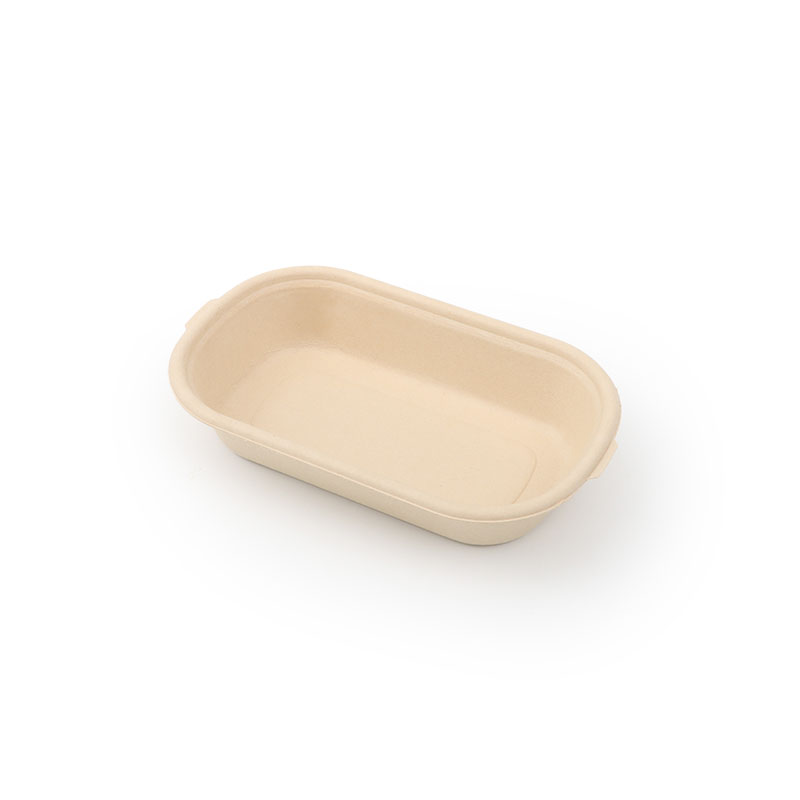 500ml
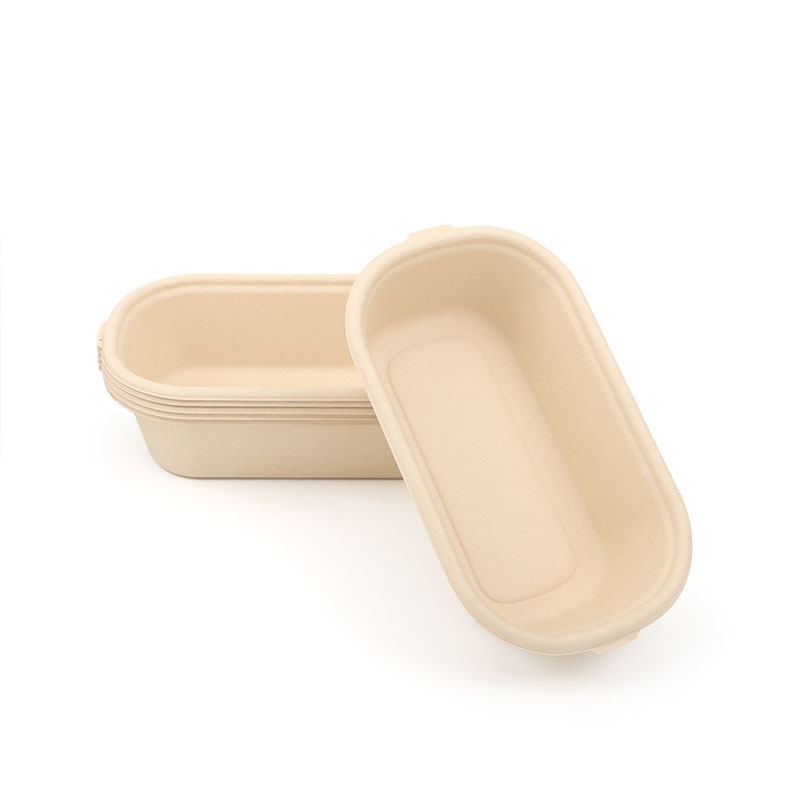 700ml
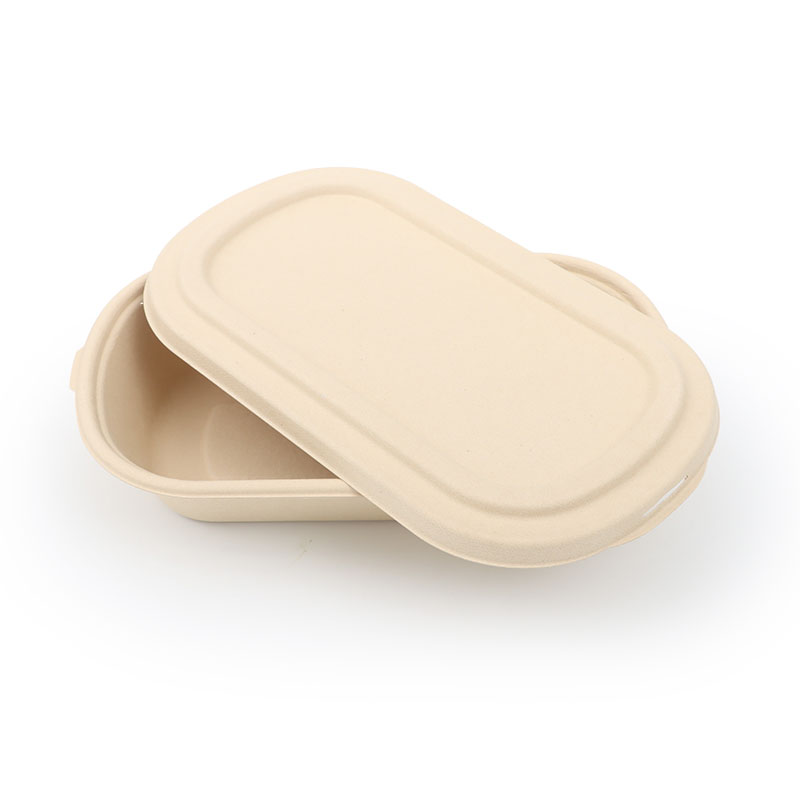 850ml
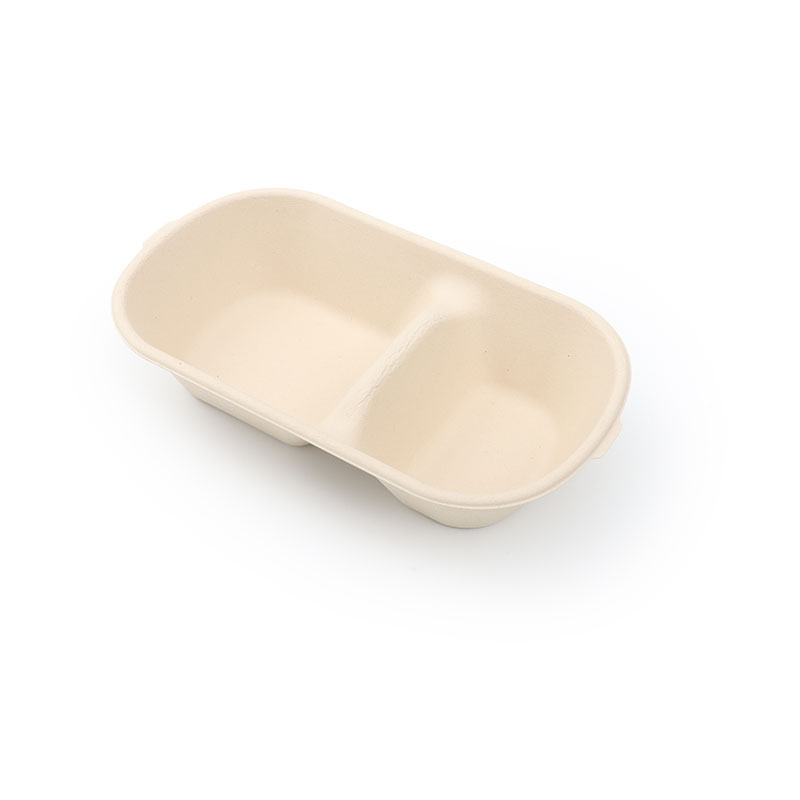 800ml 2 Compartments
 1000ml 2 Compartments
 1100ml
 1000ml Square Lunch Box
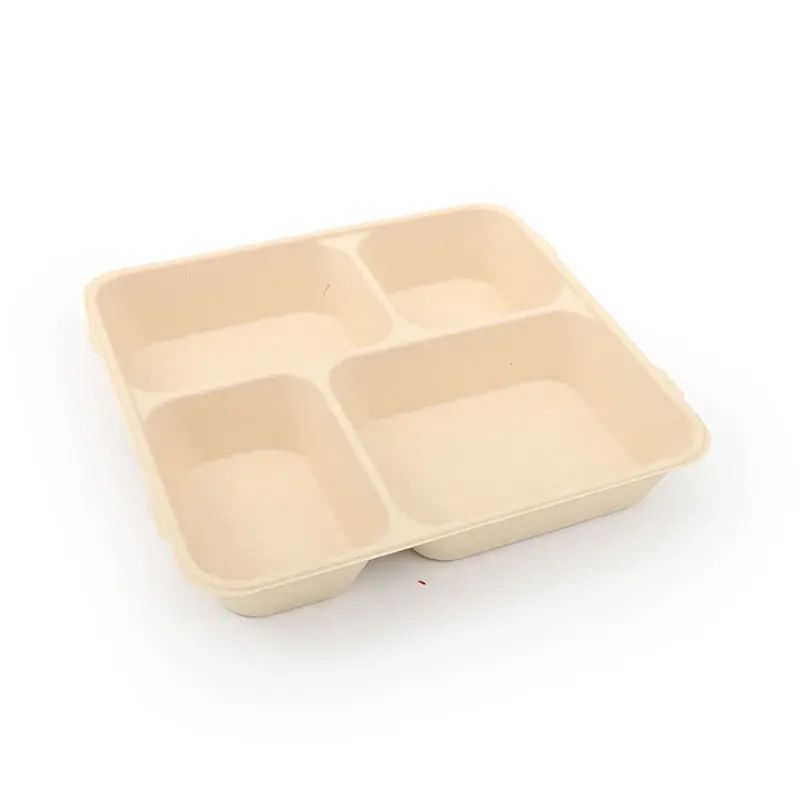 1340ml 4 Compartments
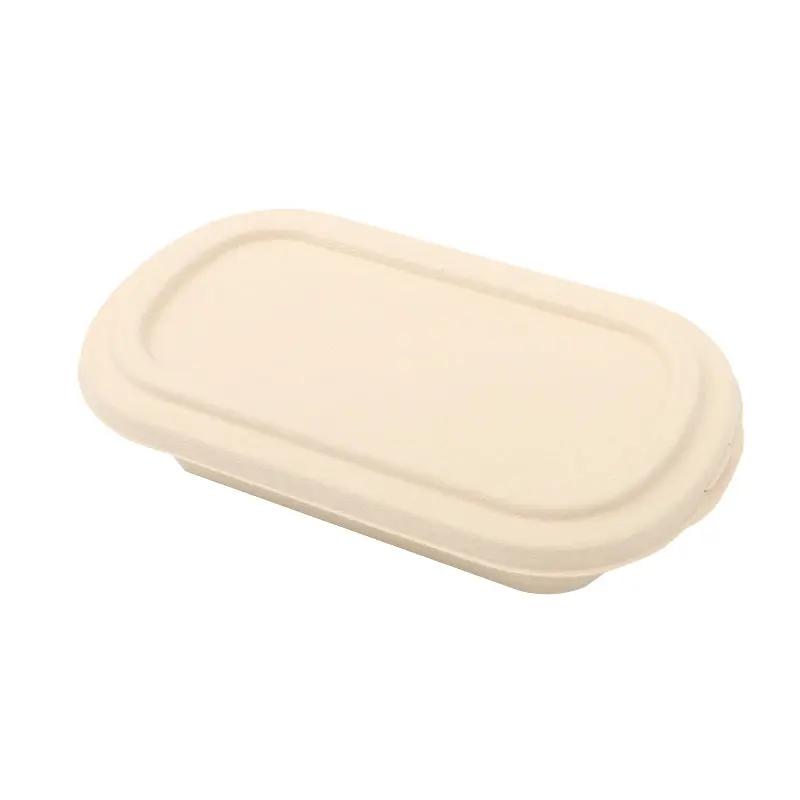 Lunch Box Lid
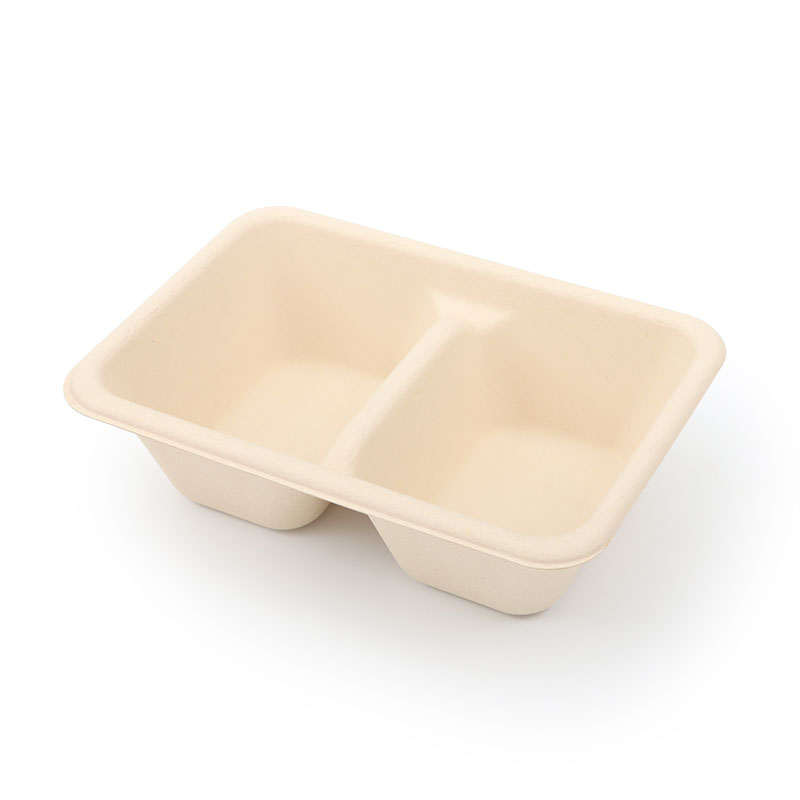 650ml
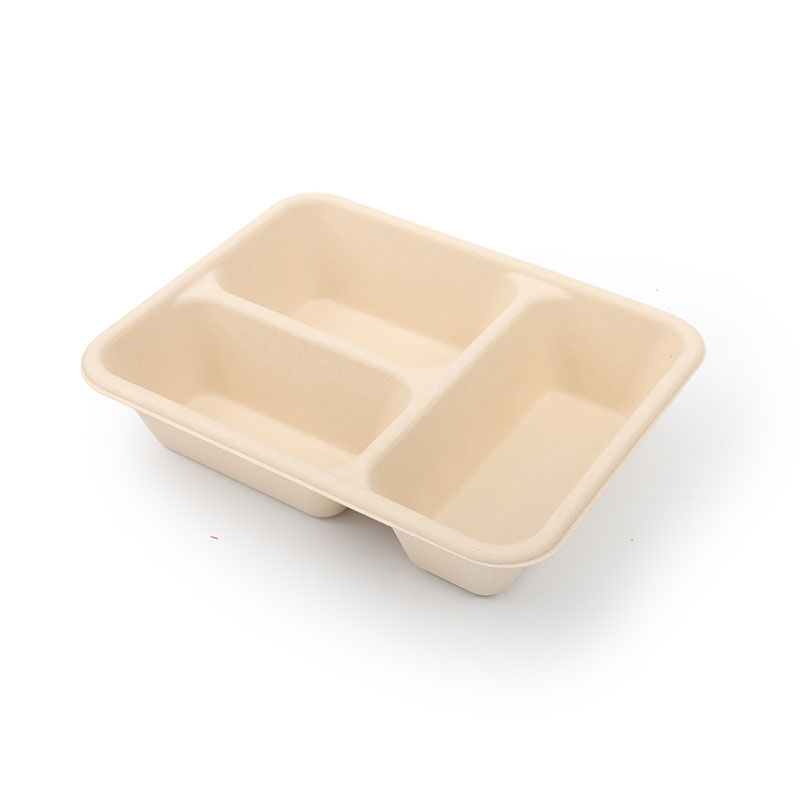 1000ml 3 Compartments
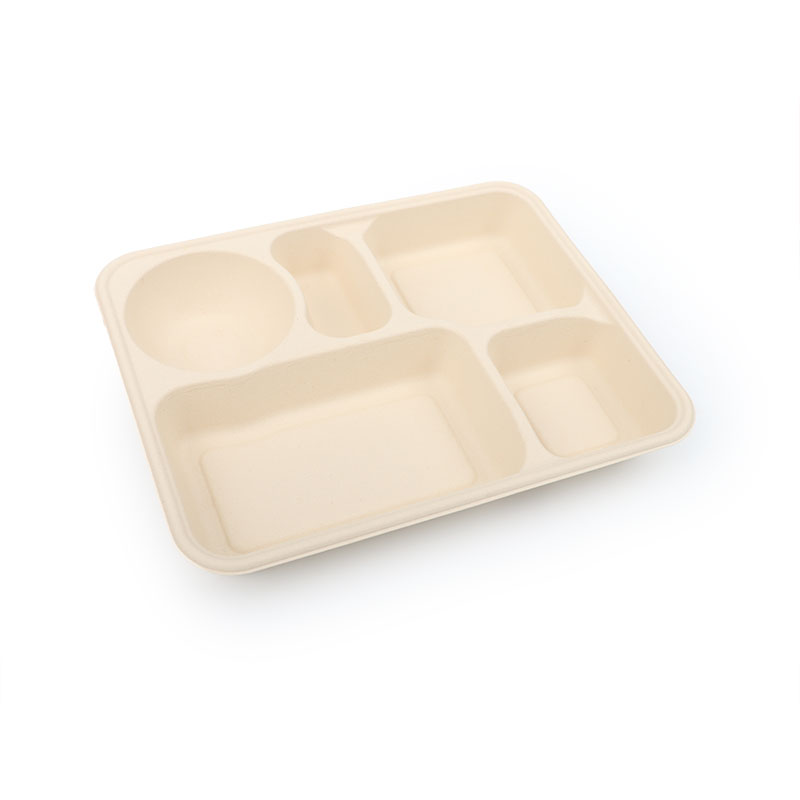 1250ml 5 Compartments
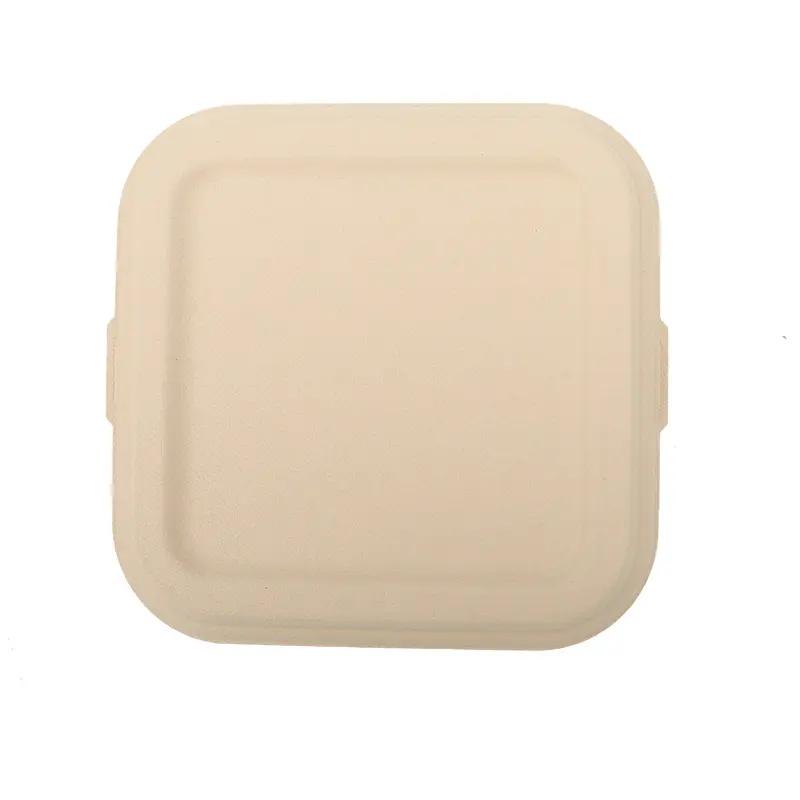 Square Lunch Box Lid
 Box Without T buckle
 850ml Salad Box
 700ml
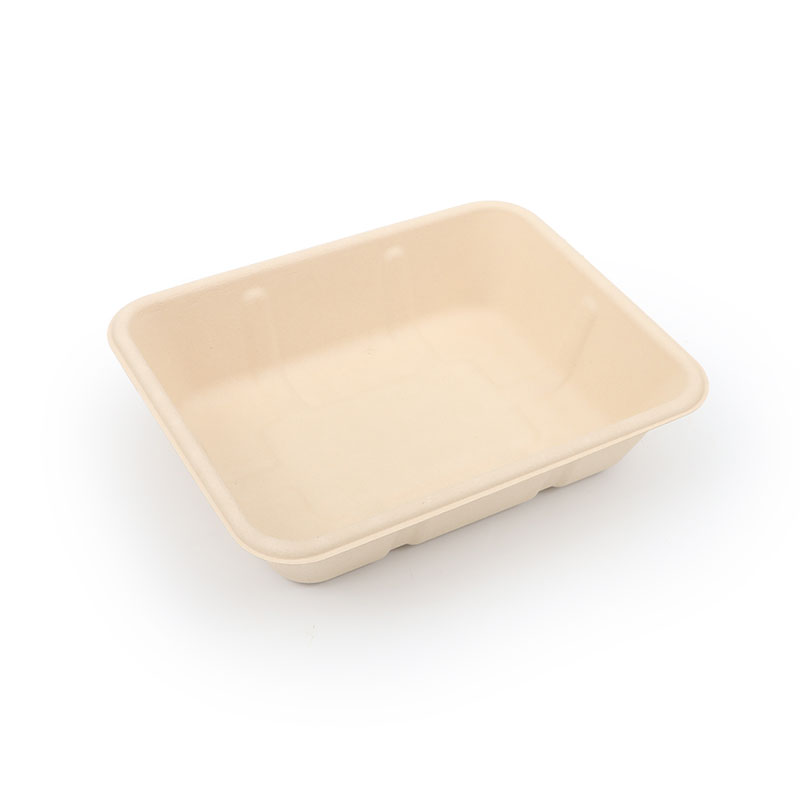 1350ml
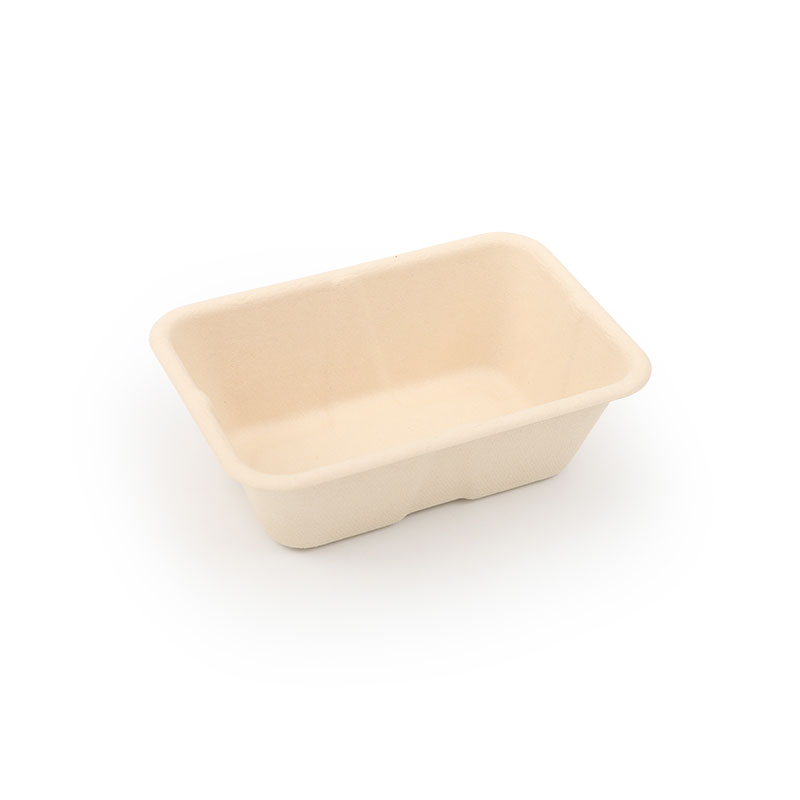 470ml
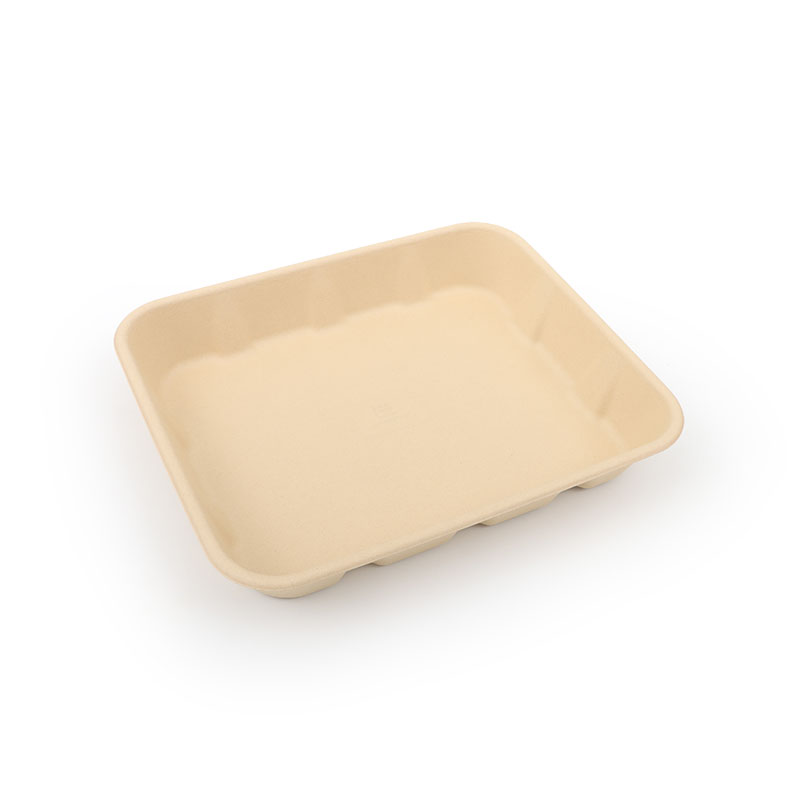 2183ml Tray Box
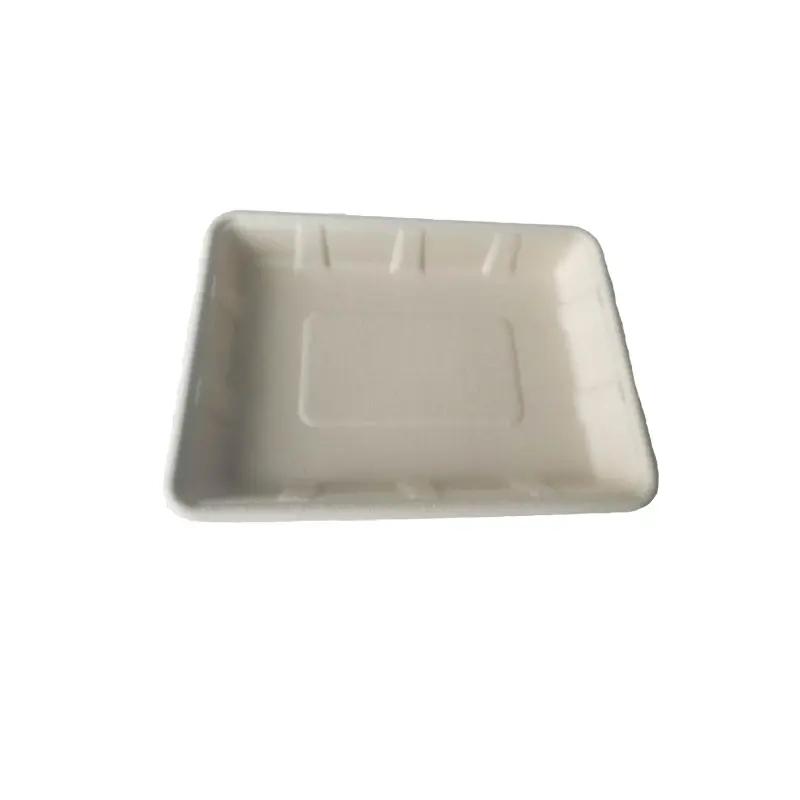 11" * 9"
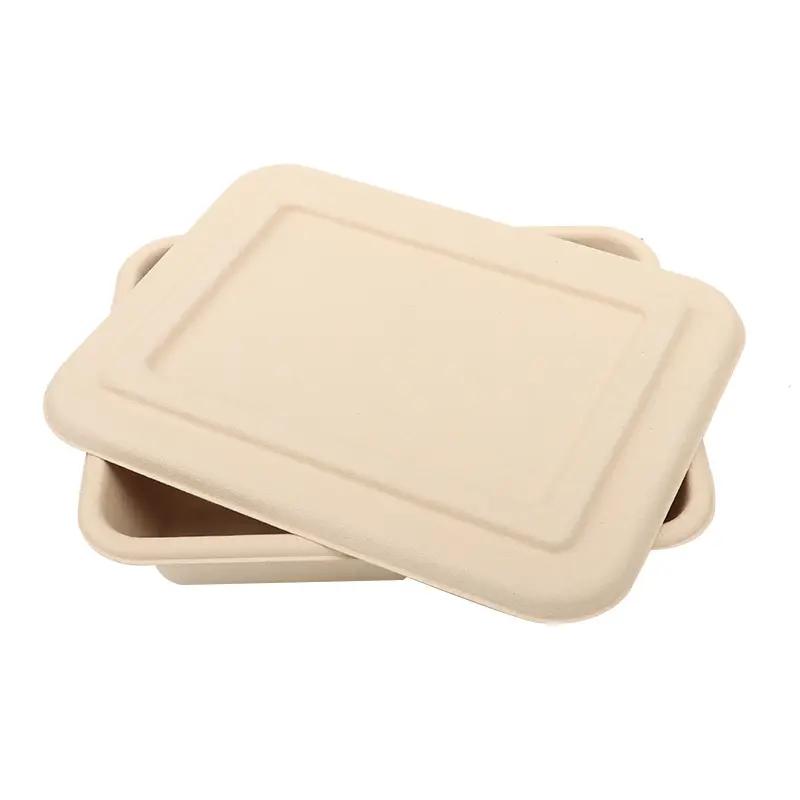 800ml
 One Part Box
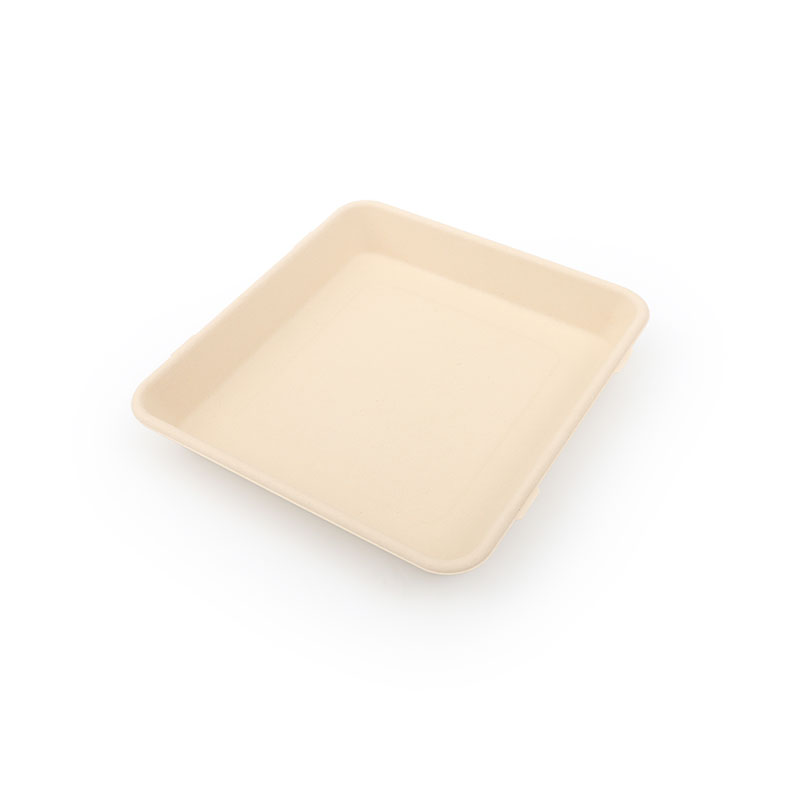 1443ml Tray Box
 Cake Bread Snack Tray Series
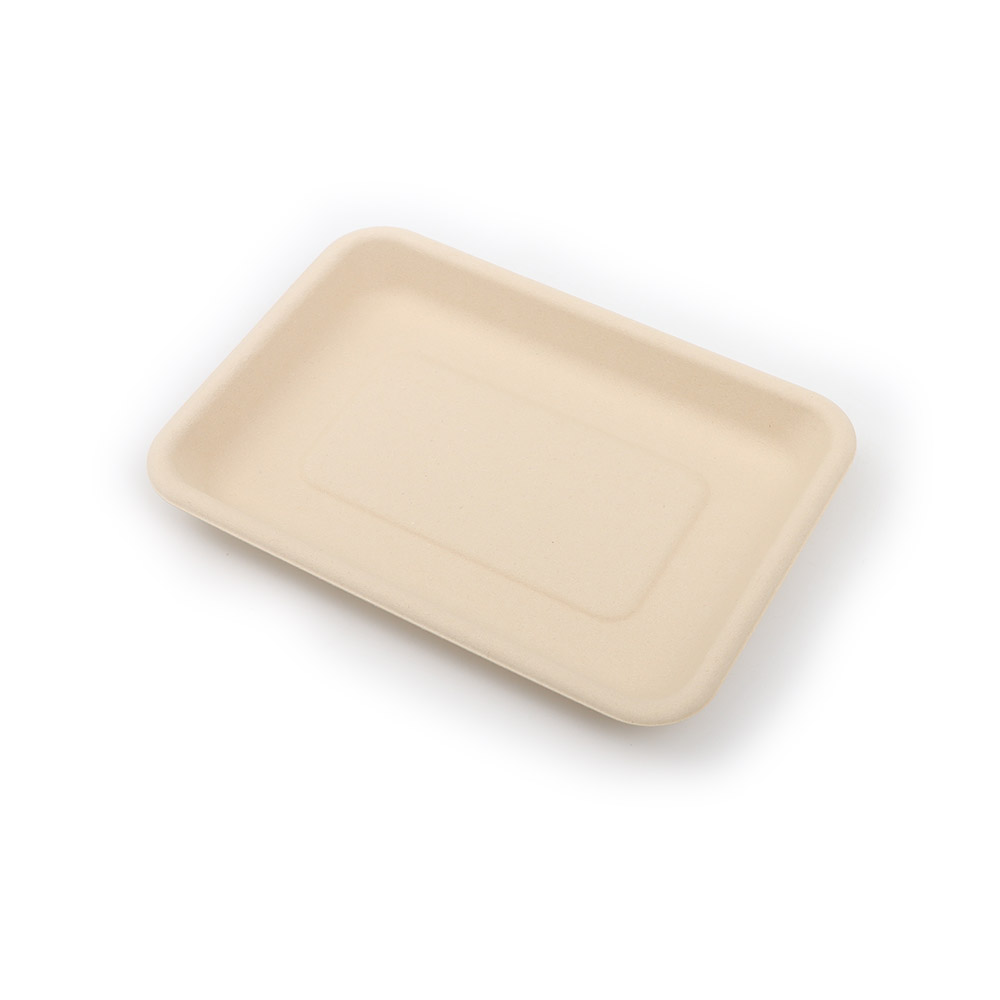 5" * 7" natural color
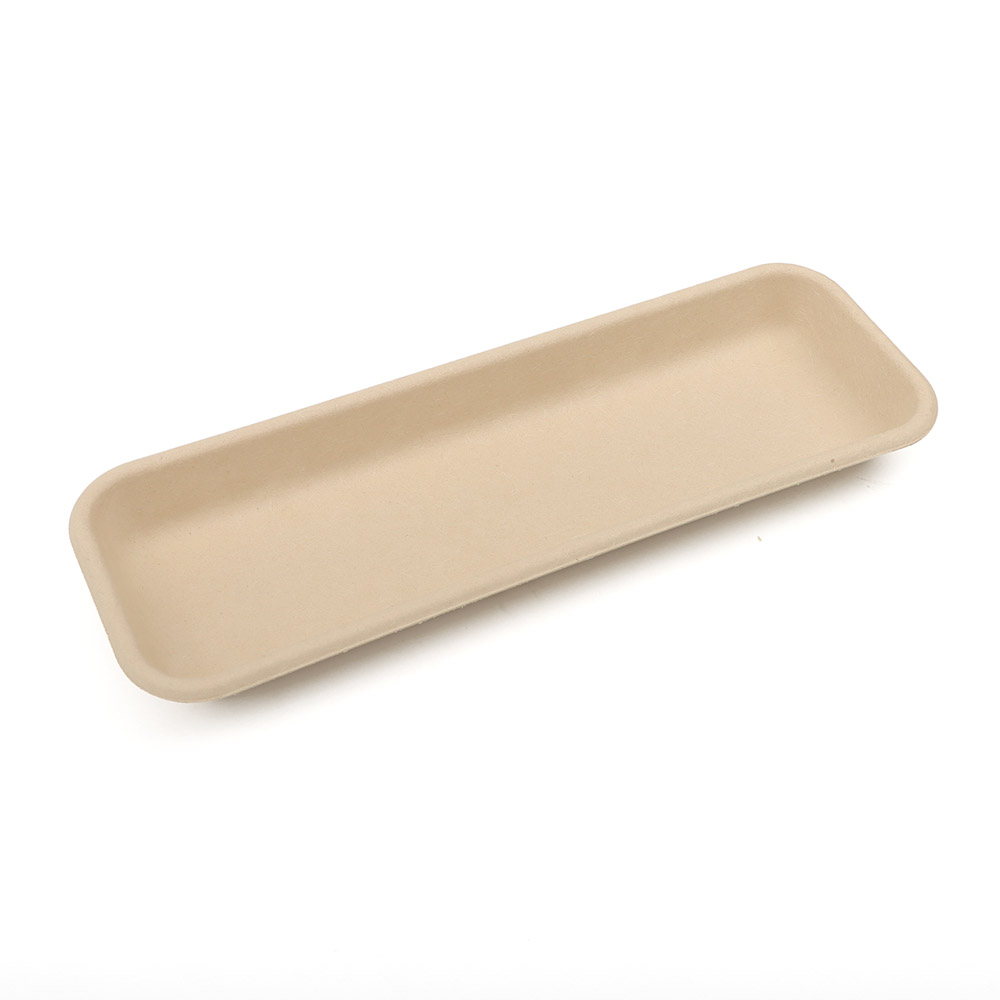 11.4" * 3.9"
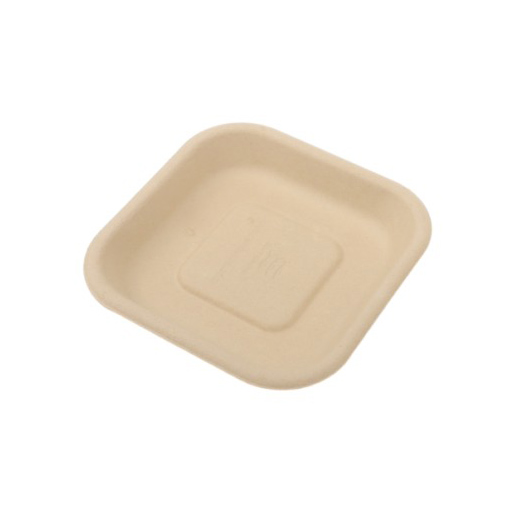 5.3" * 5.3"
 Fruit And Vegetable Tray Series
 8.6" * 5.3"
 Sushi Tray Series
 200" * 140"
 210" * 110"
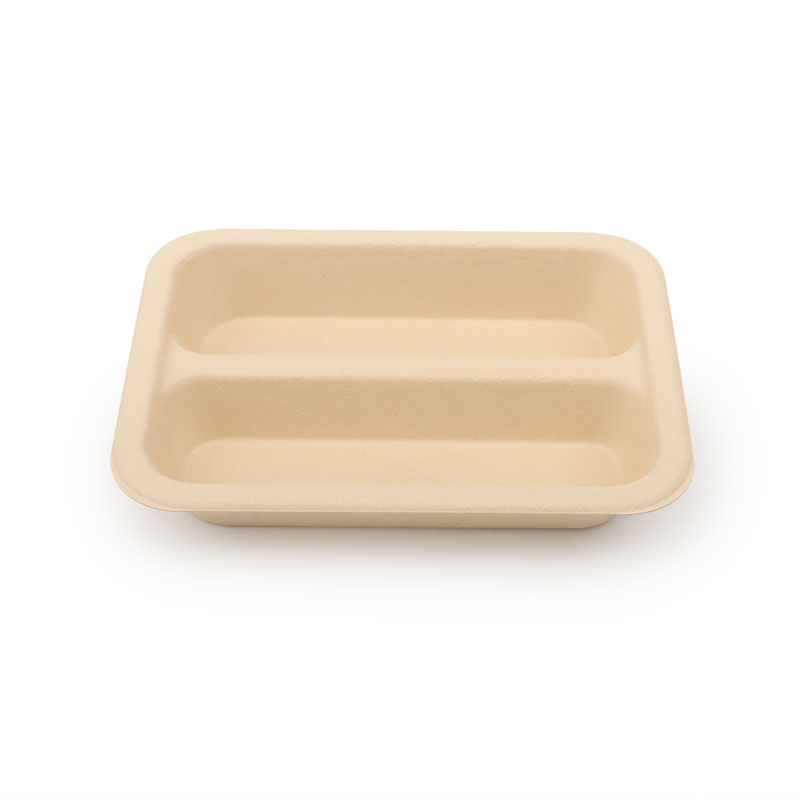 2 Compartments
 Small Round Plate Series
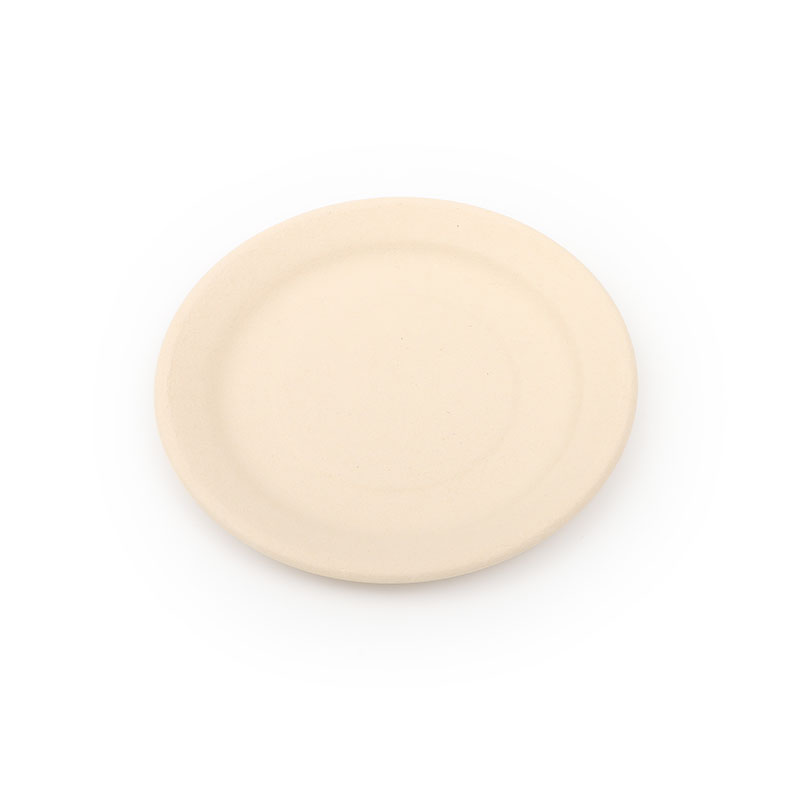 7 inch
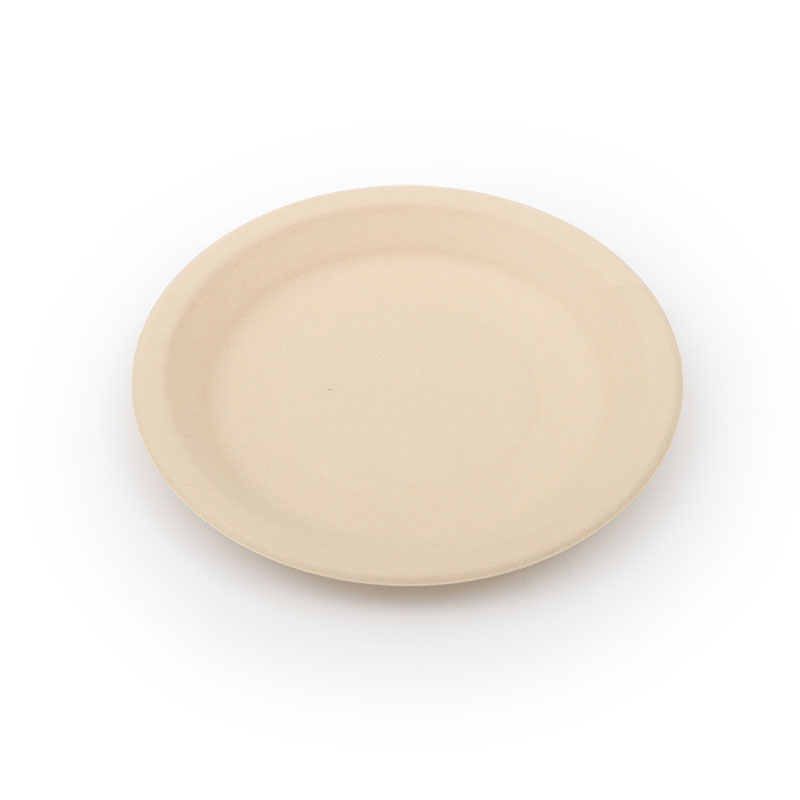 6 inch
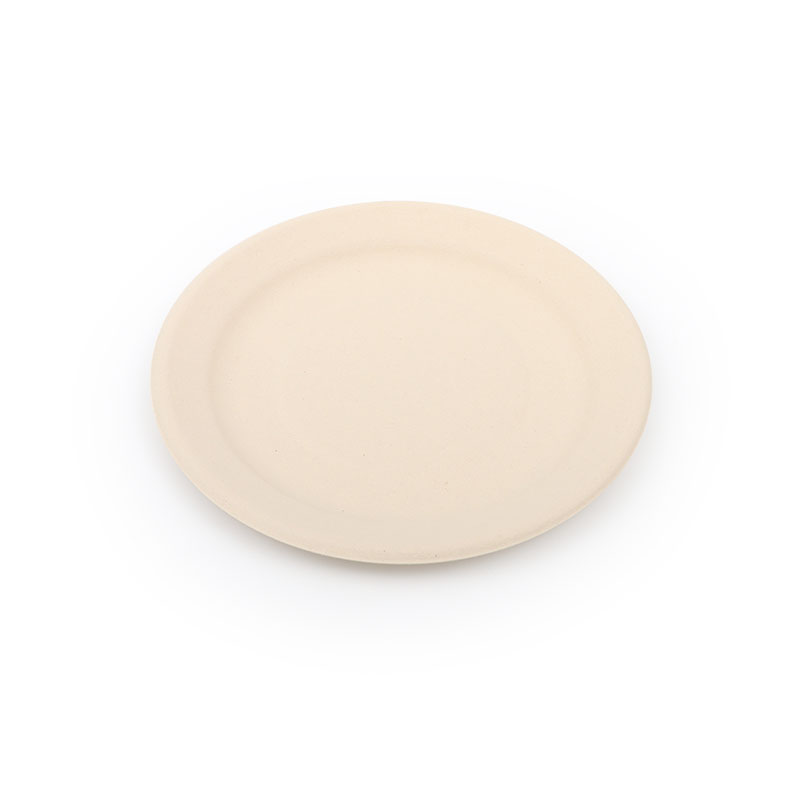 8 inch
 Middle Round Plate Series
 9 Inch 3 Compartments
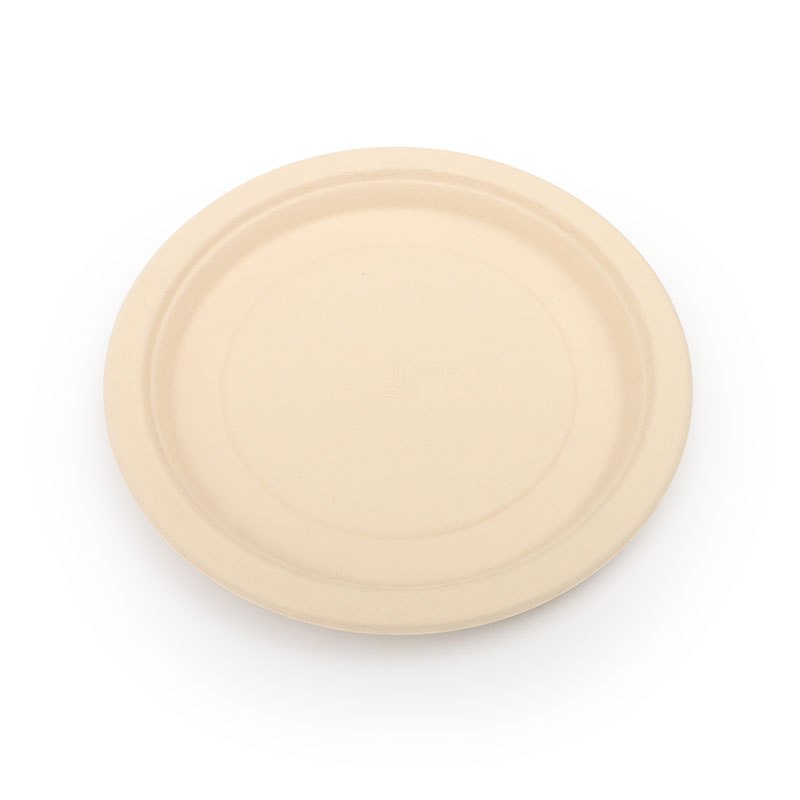 9 inch
 Big Round Plate Series
 12.7 Inch Pizza Plate
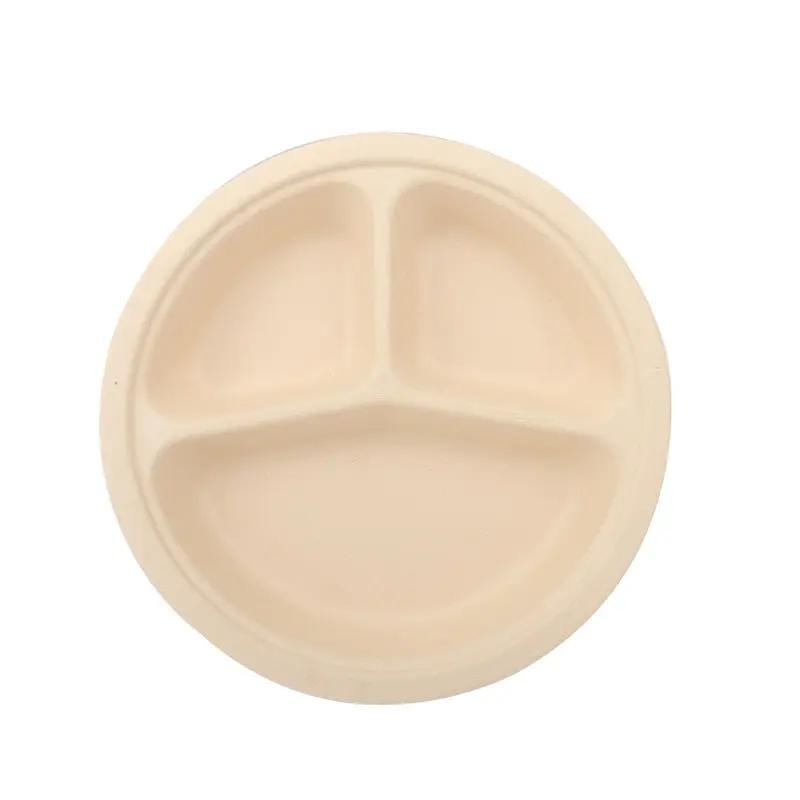 10.25 inch 3 Compartments
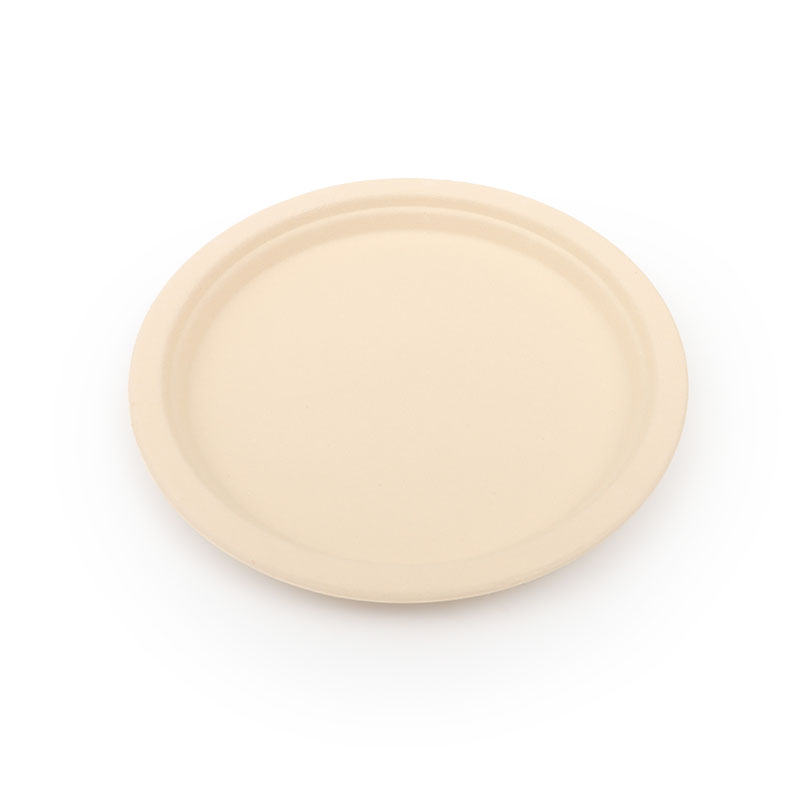 10 inch
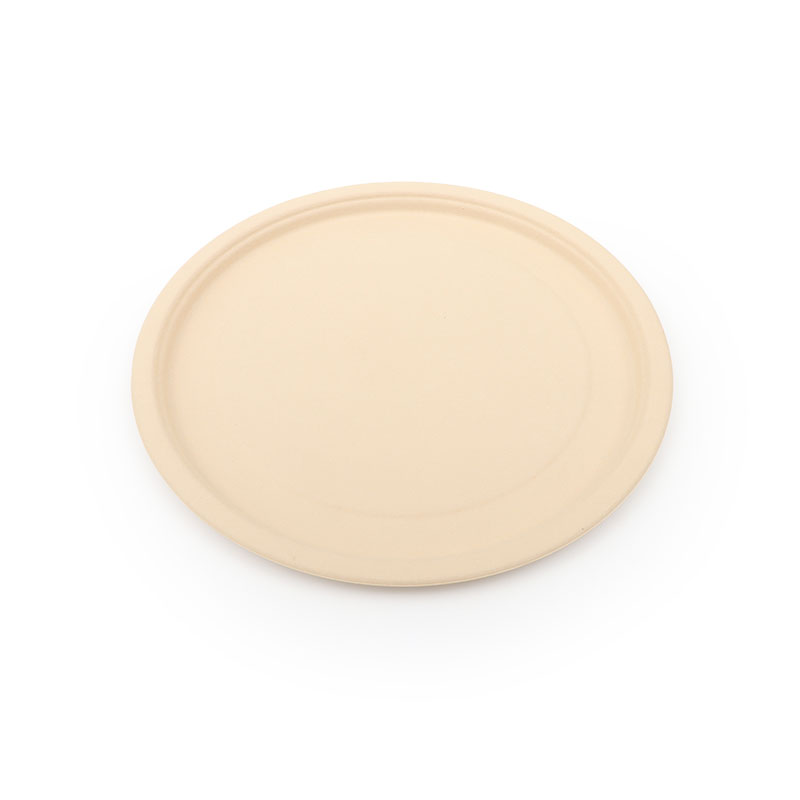 12 inch
 Bigger Bowl
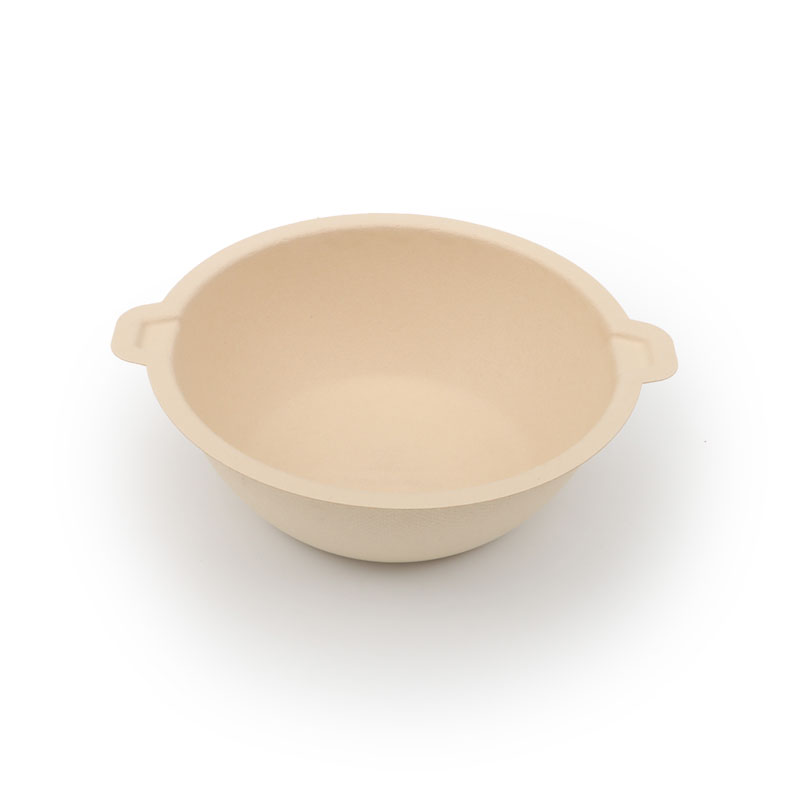 48oz(1420ml)
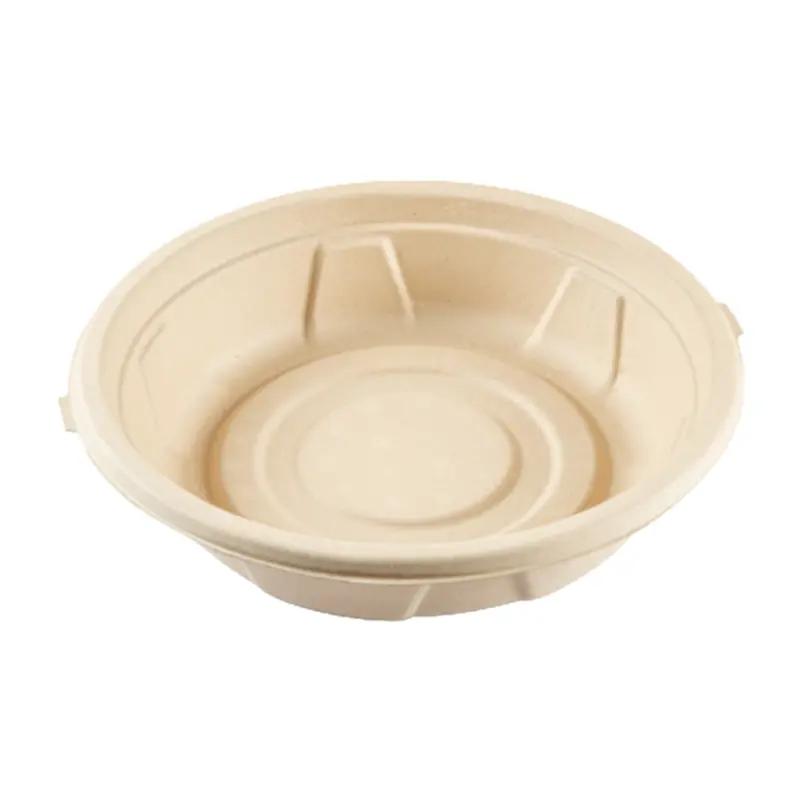 56oz(1650ml)
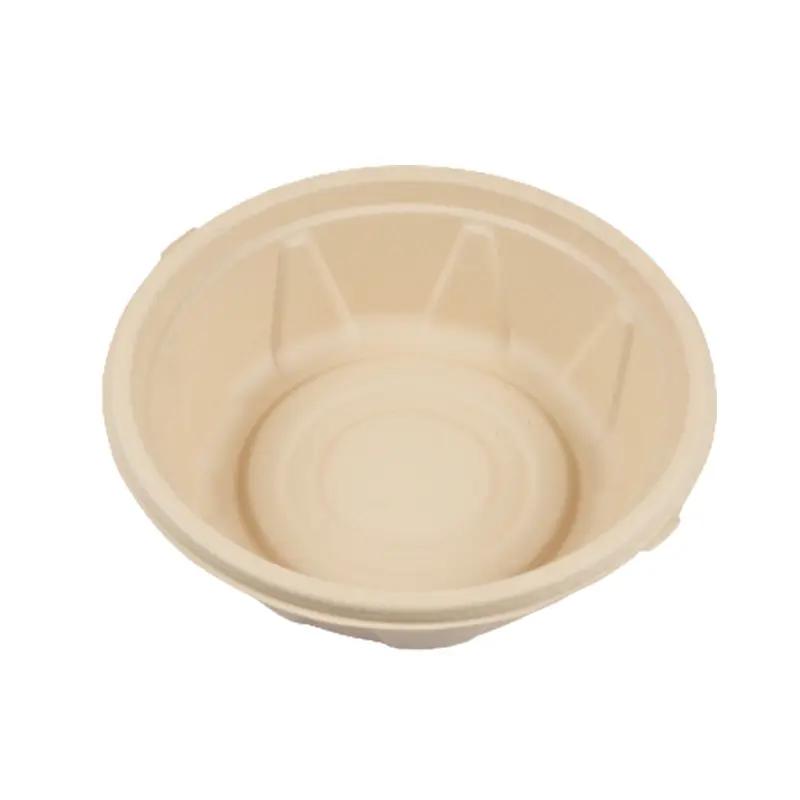 100oz(2950ml)
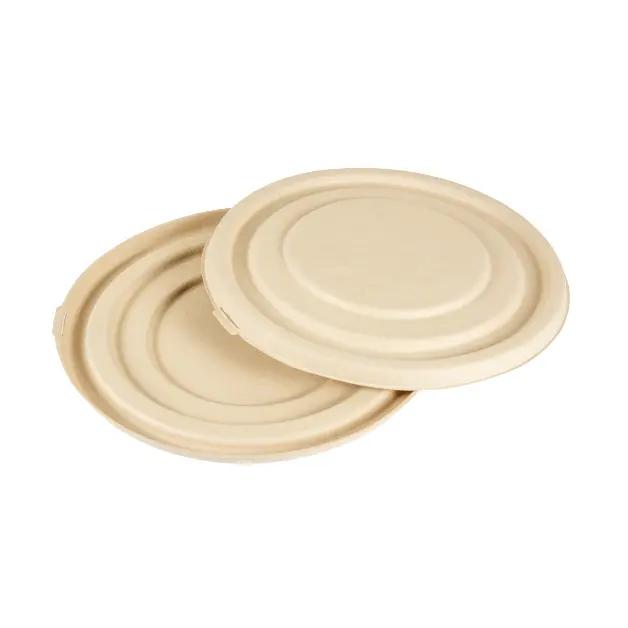 100oz(2950ml) With Lid
 Middle Bowl
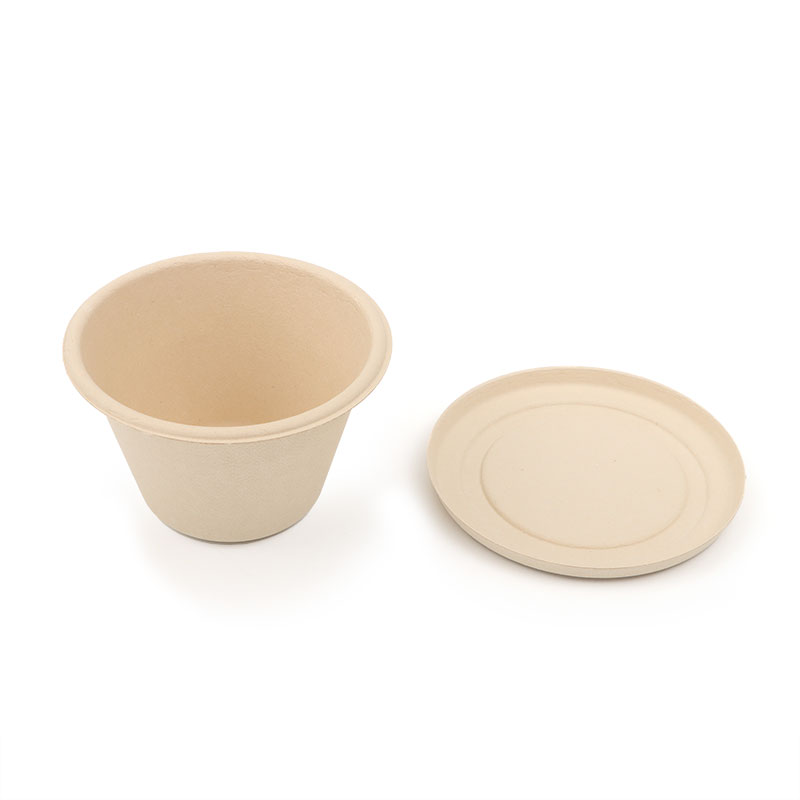 17oz(500ml)
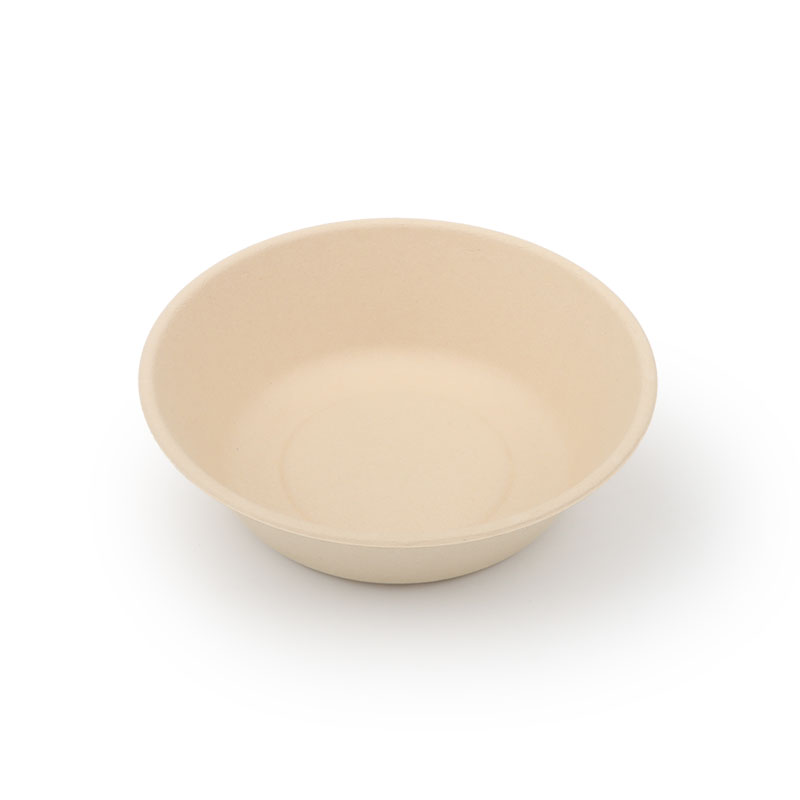 27oz(800ml)
 20oz(600ml)
 29oz(850ml)
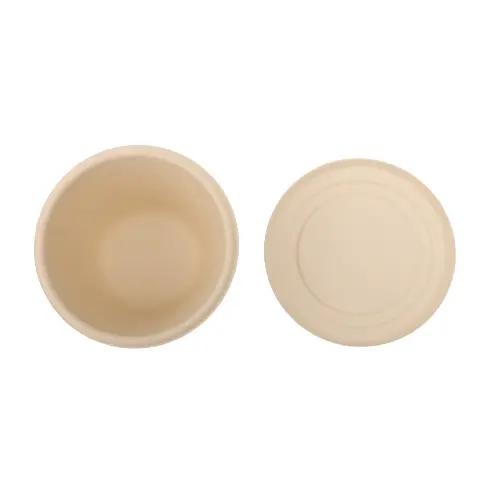 17oz(500ml) With Lid
 17oz(500ml) PET Lid
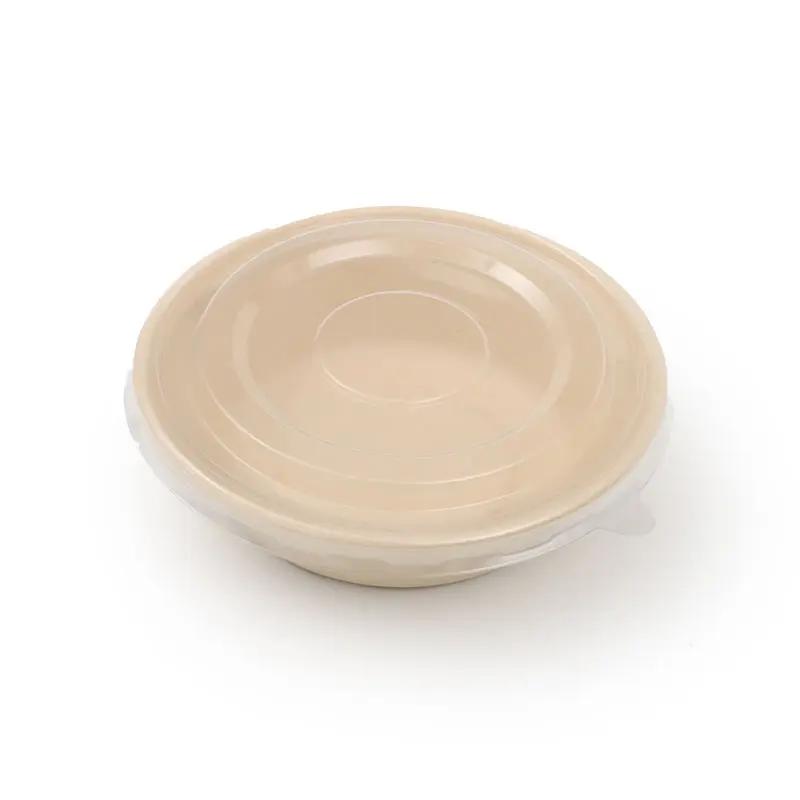 28oz(830ml) PET Lid
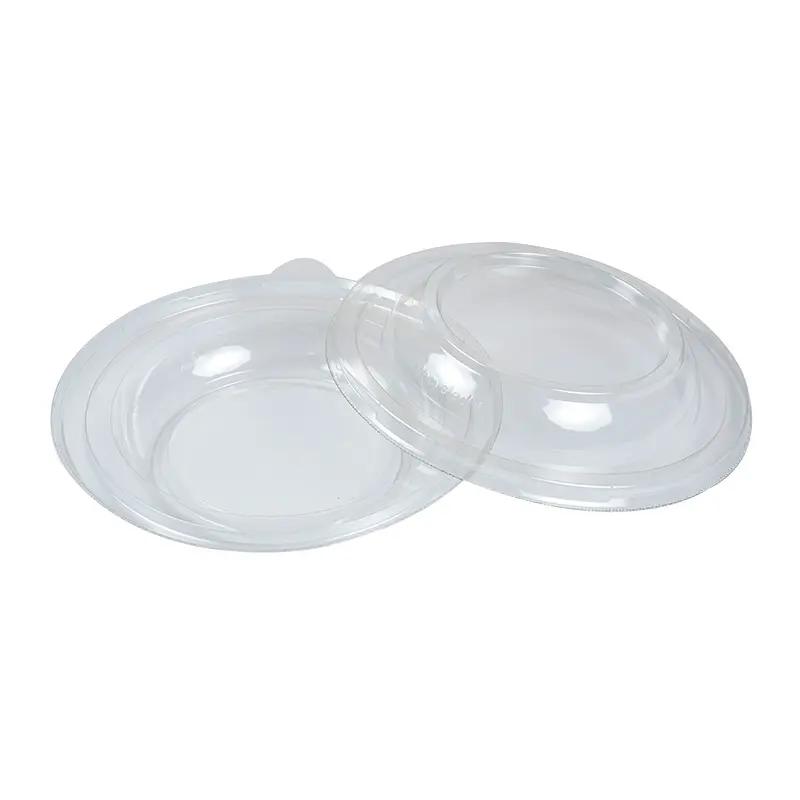 Round Bowl PET
 Small Bowl
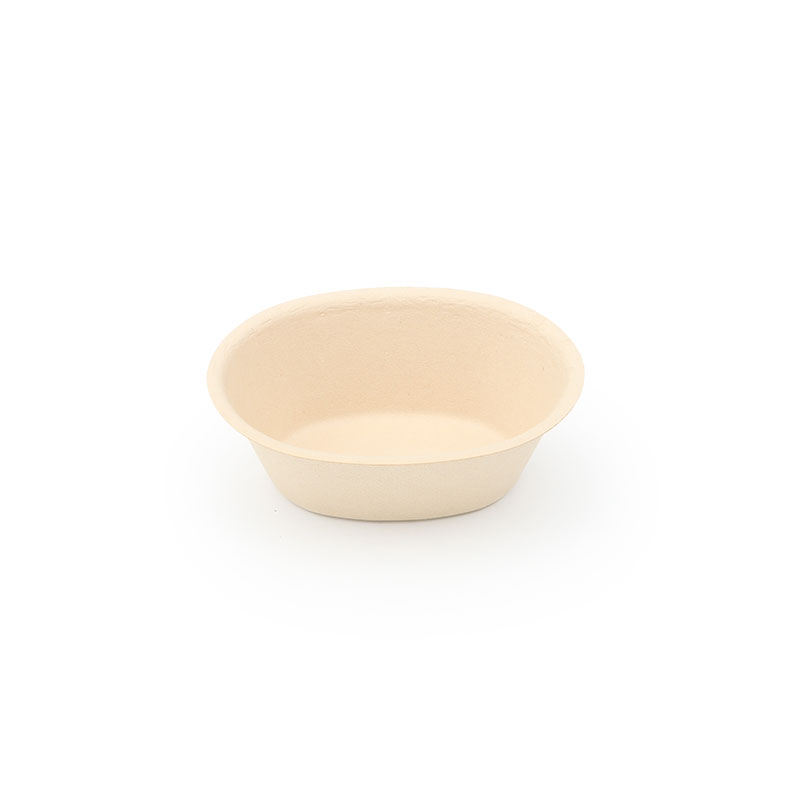 Snack Bowl
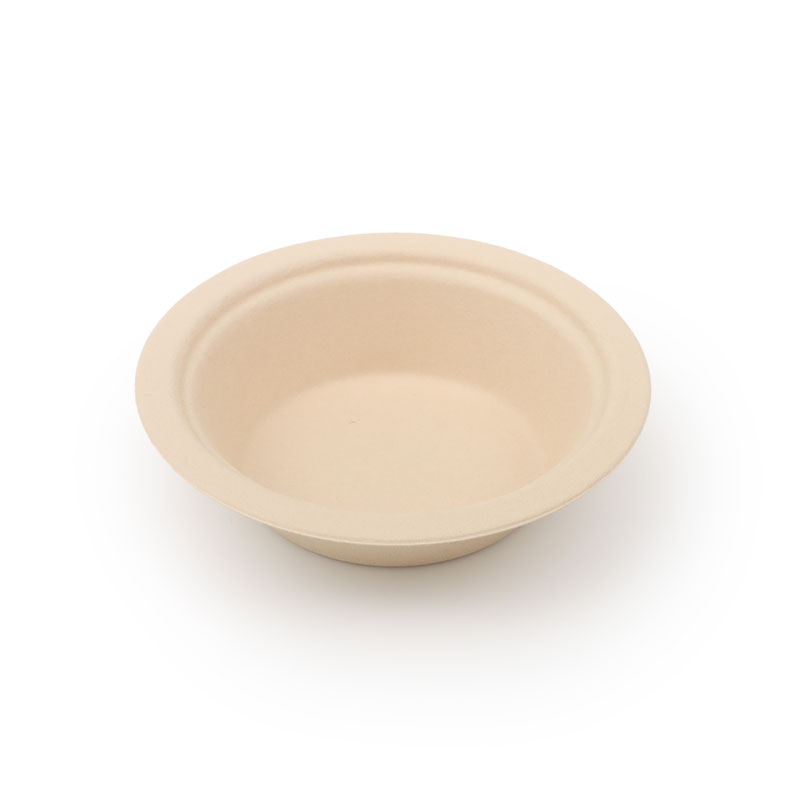 11.5oz(340ml) Bowl
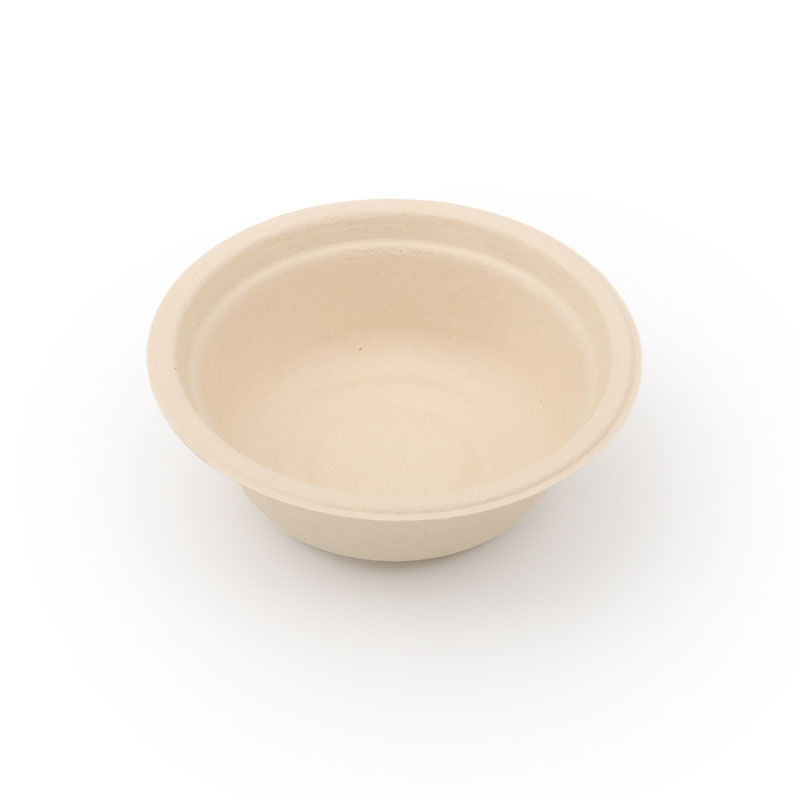 6.7oz(200ml) Bowl
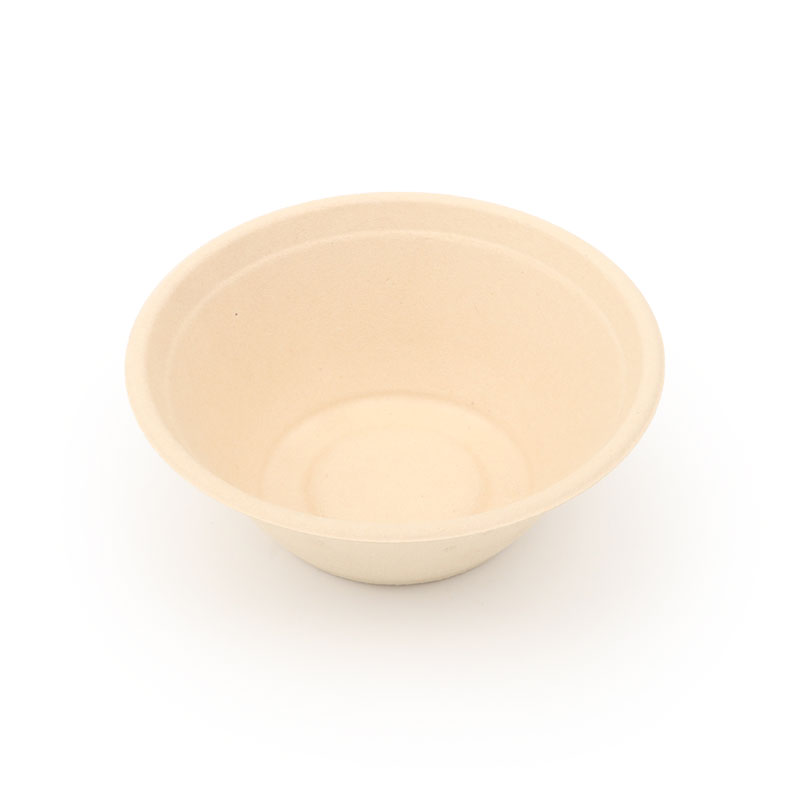 12oz(350ml) Bowl
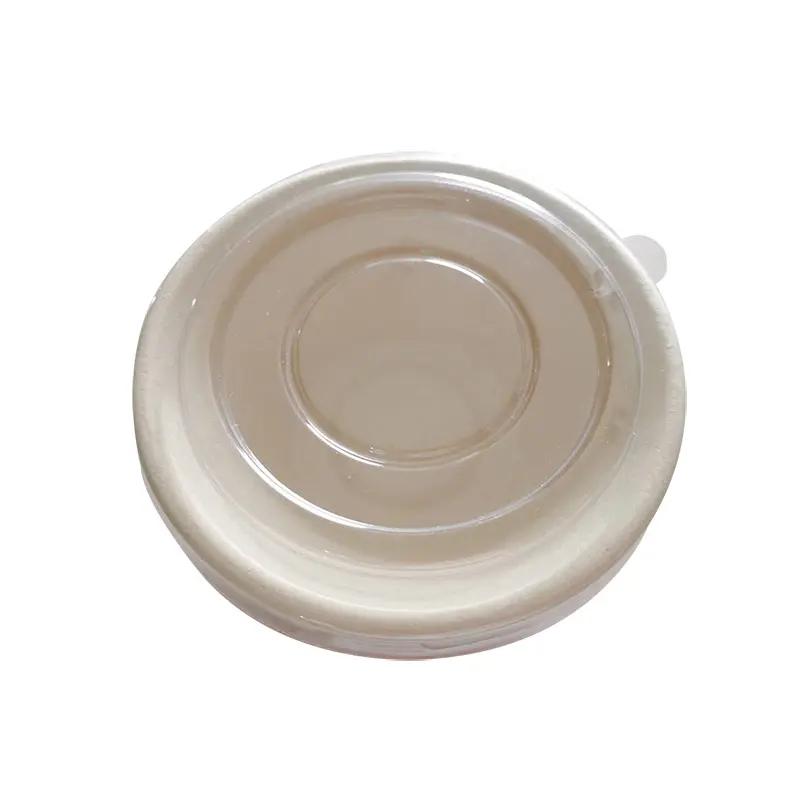 12oz(350ml) Bowl PET
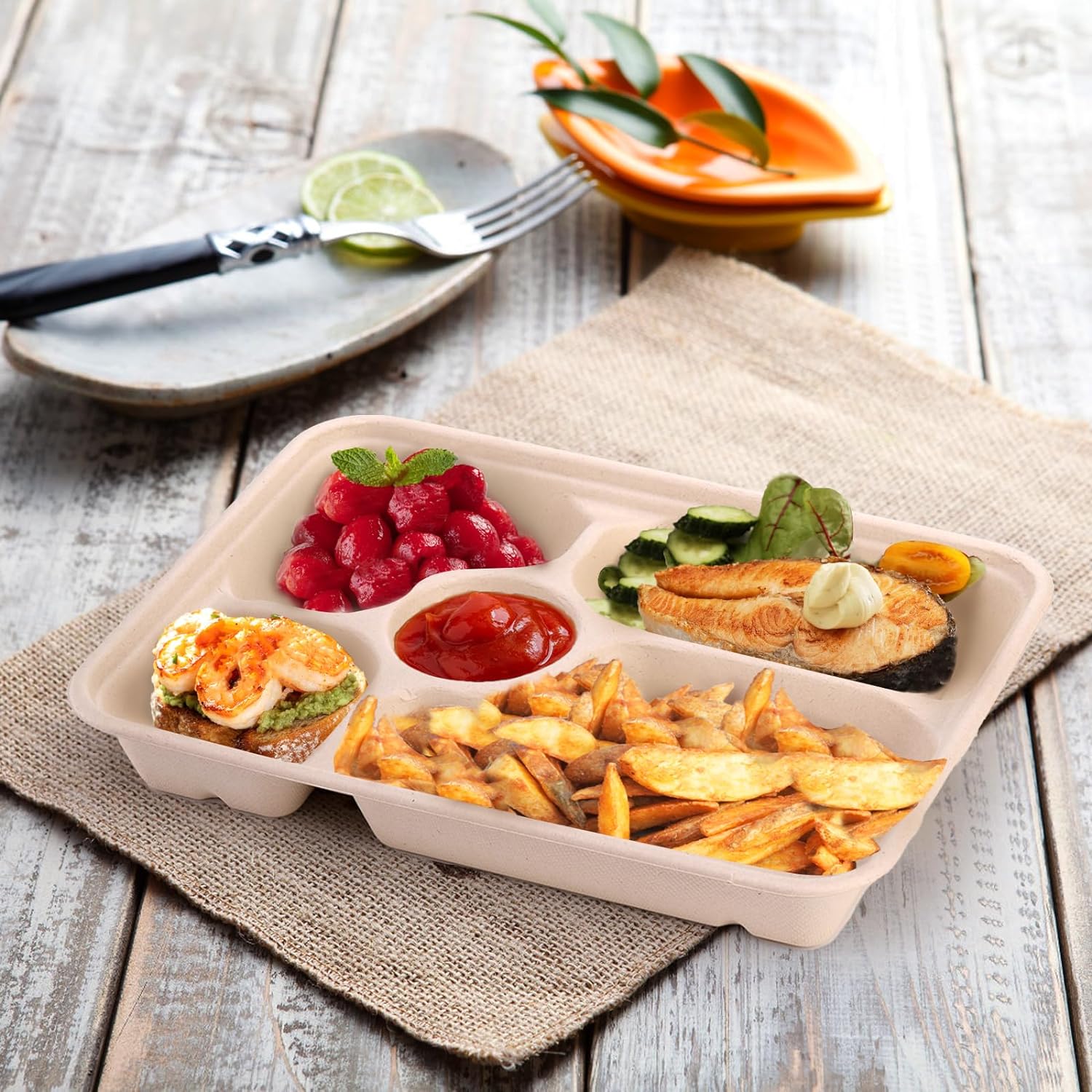 Bagasse Lunch Boxes
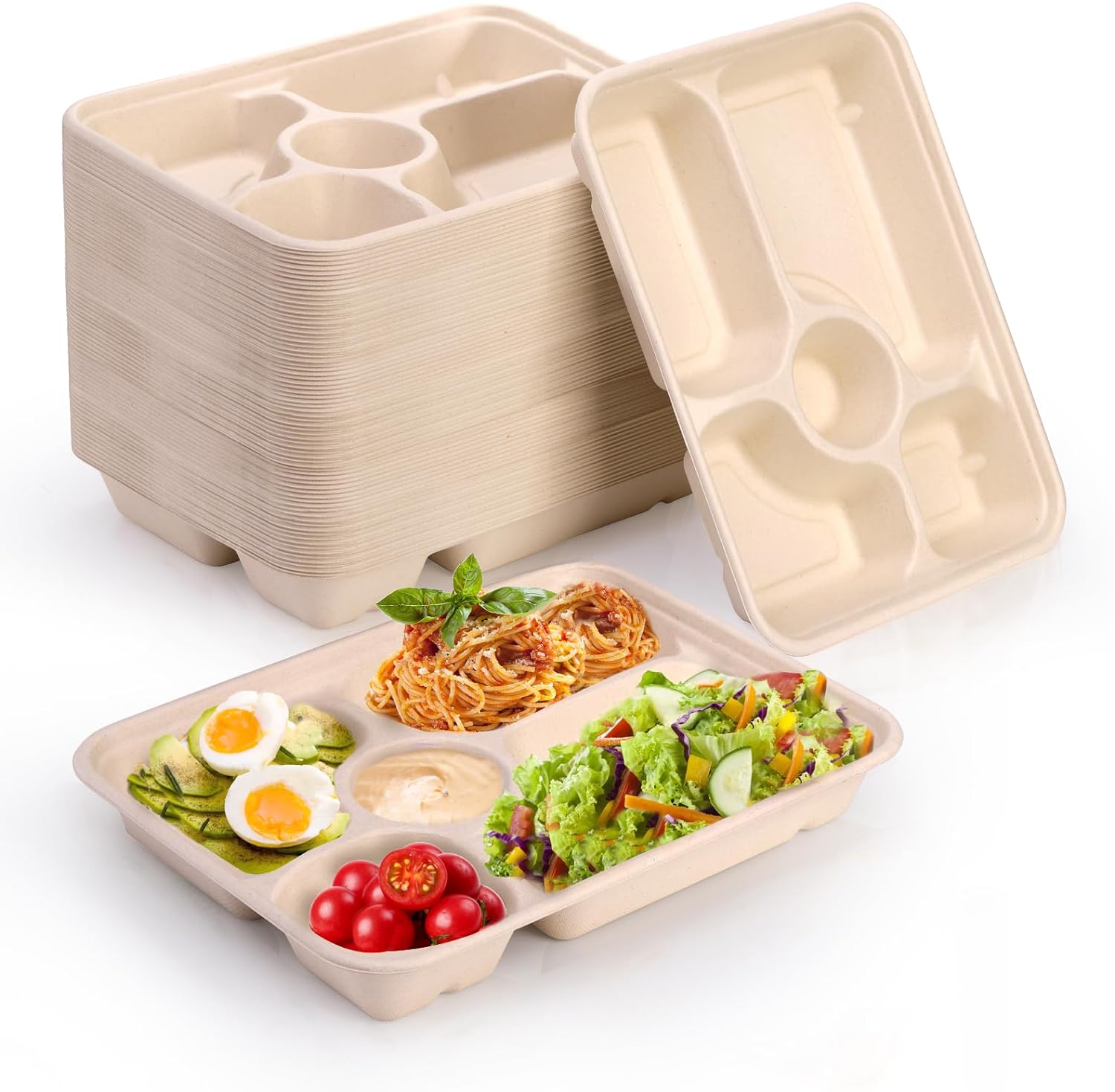 5CP
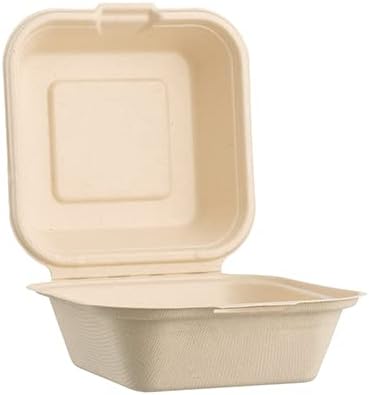 6 inch
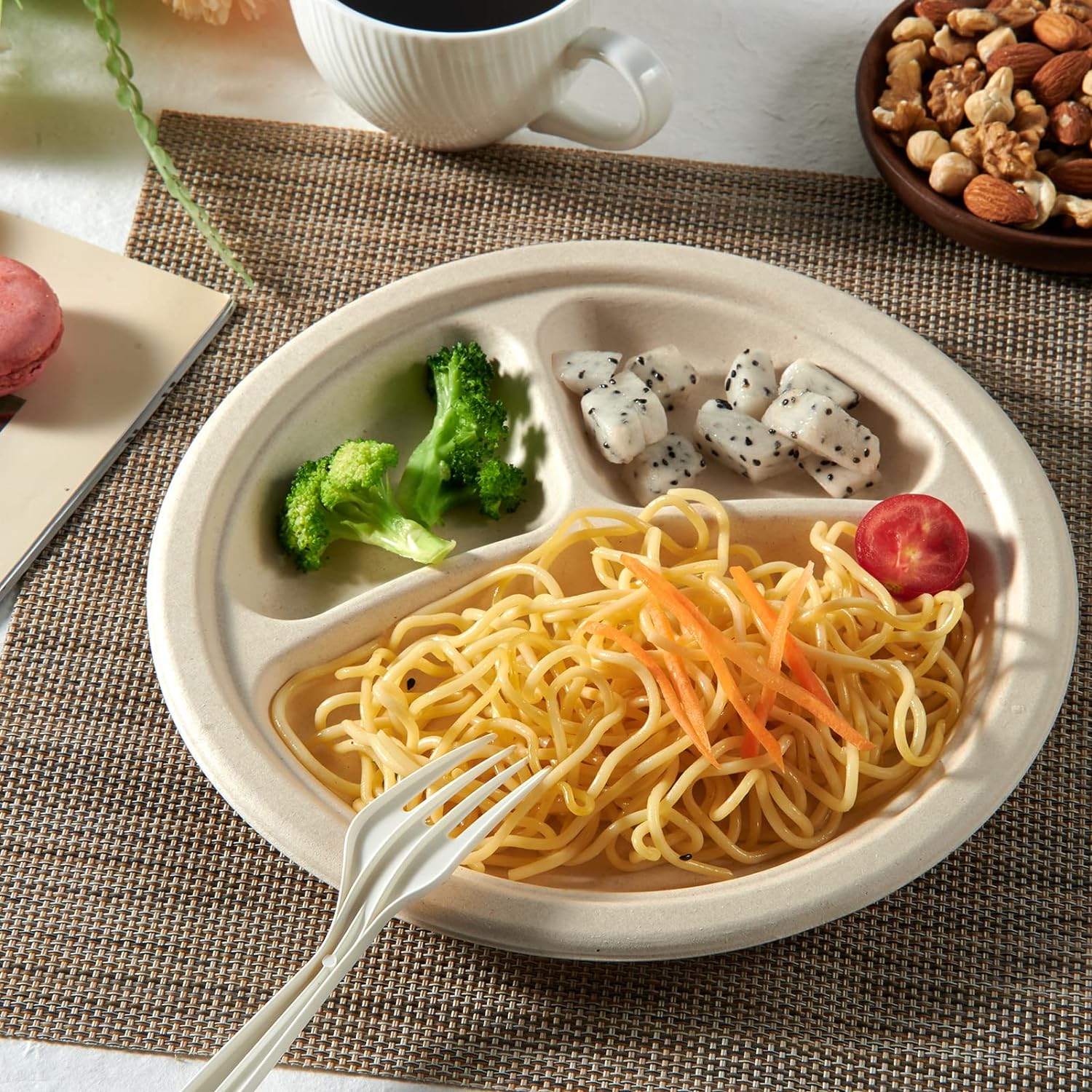 Bagasse Food Plates
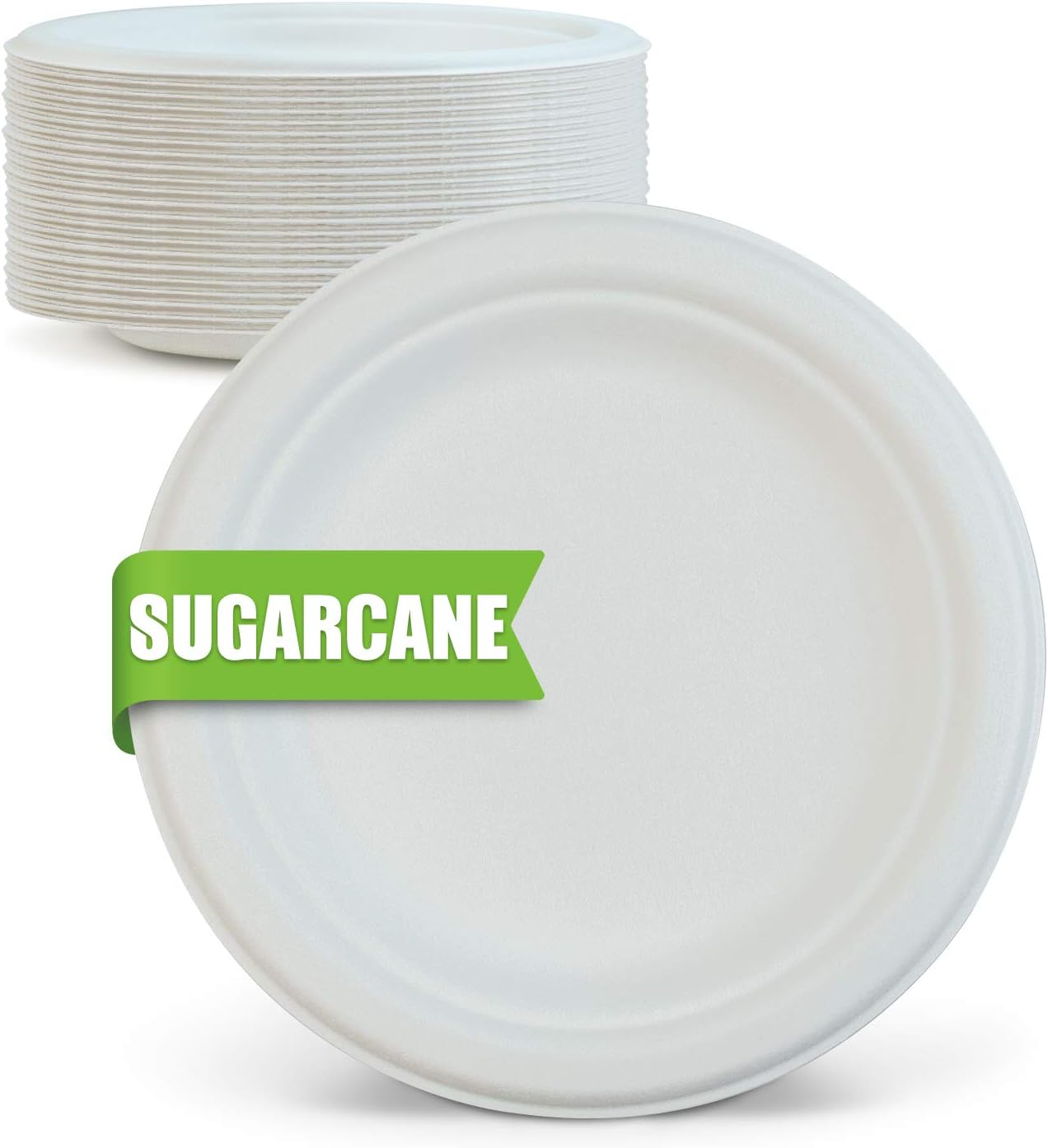 7 inch
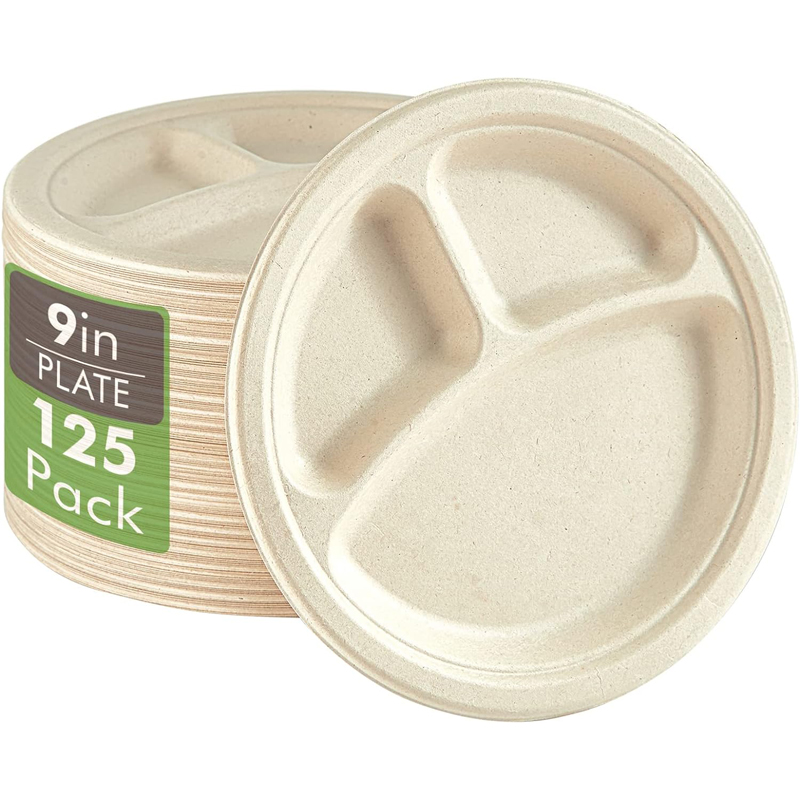 3CP
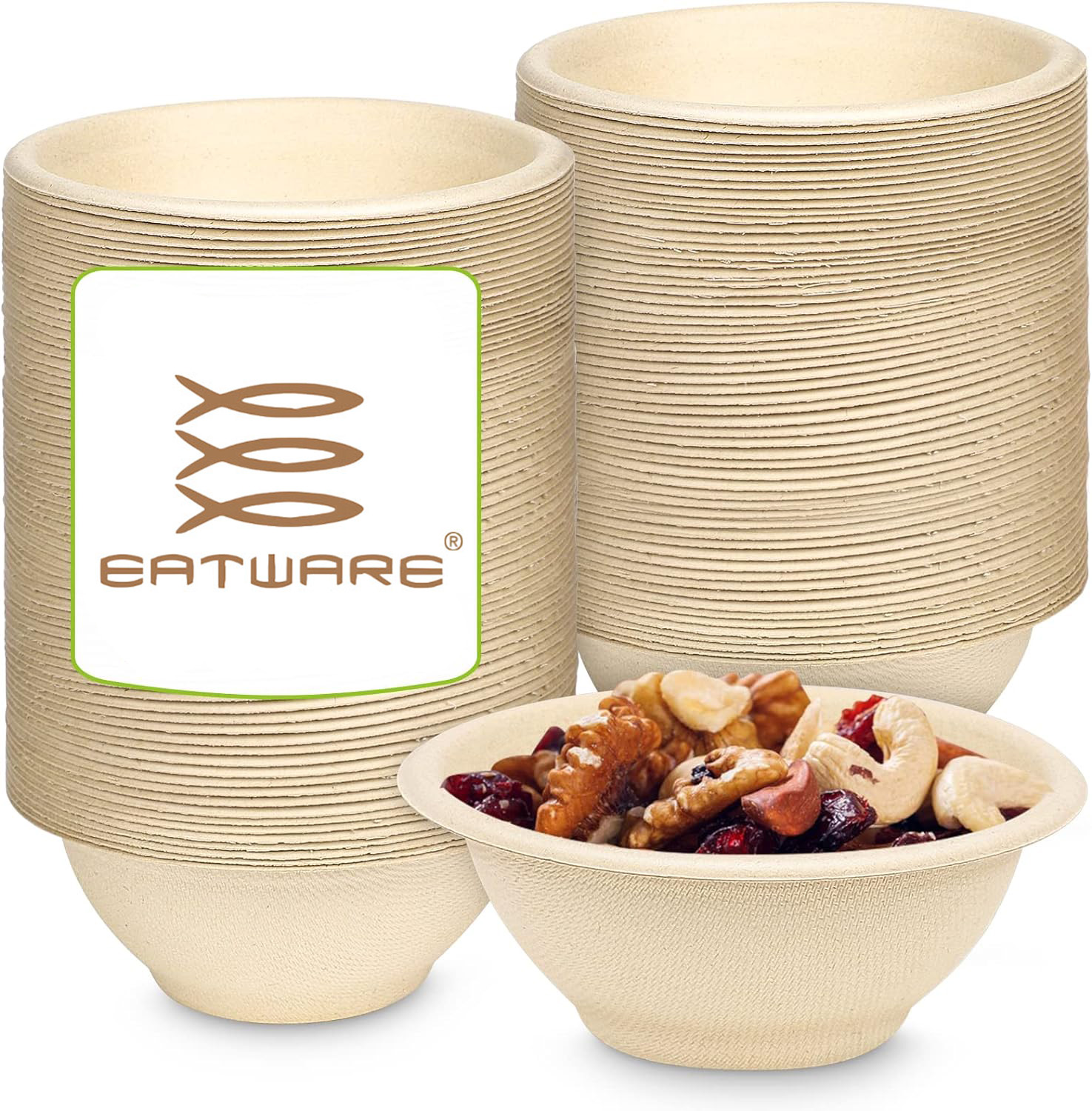 Bagasse Bowls
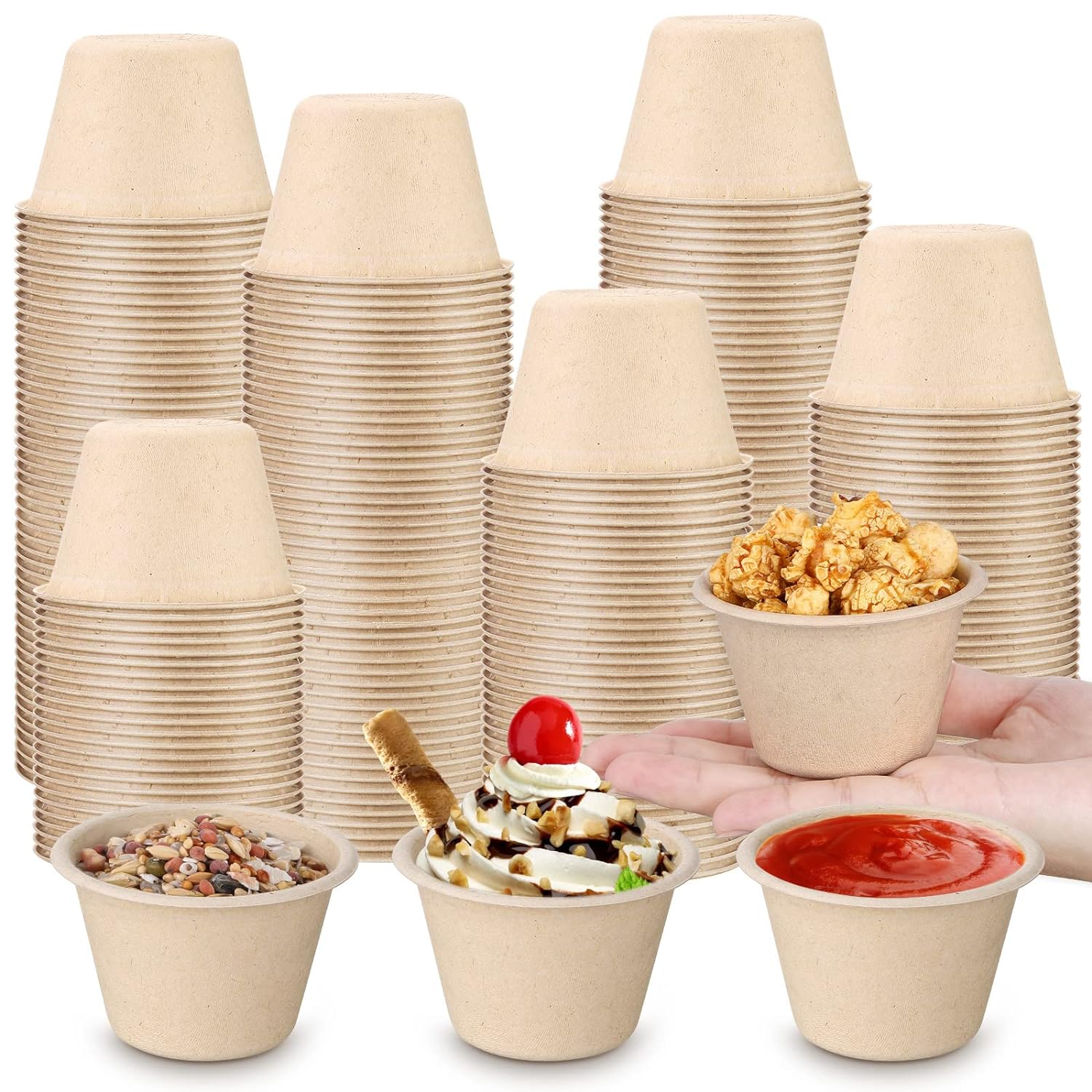 4oz
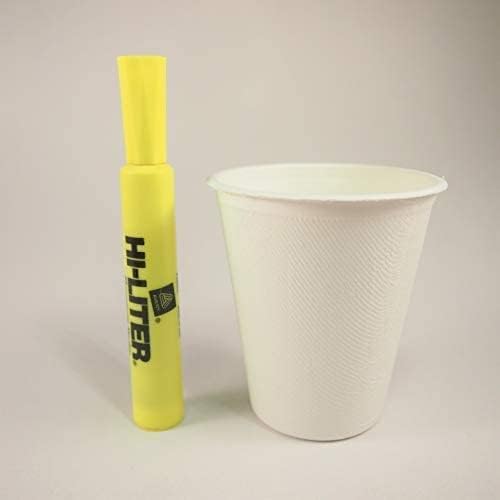 Bagasse Cups And Cutlery
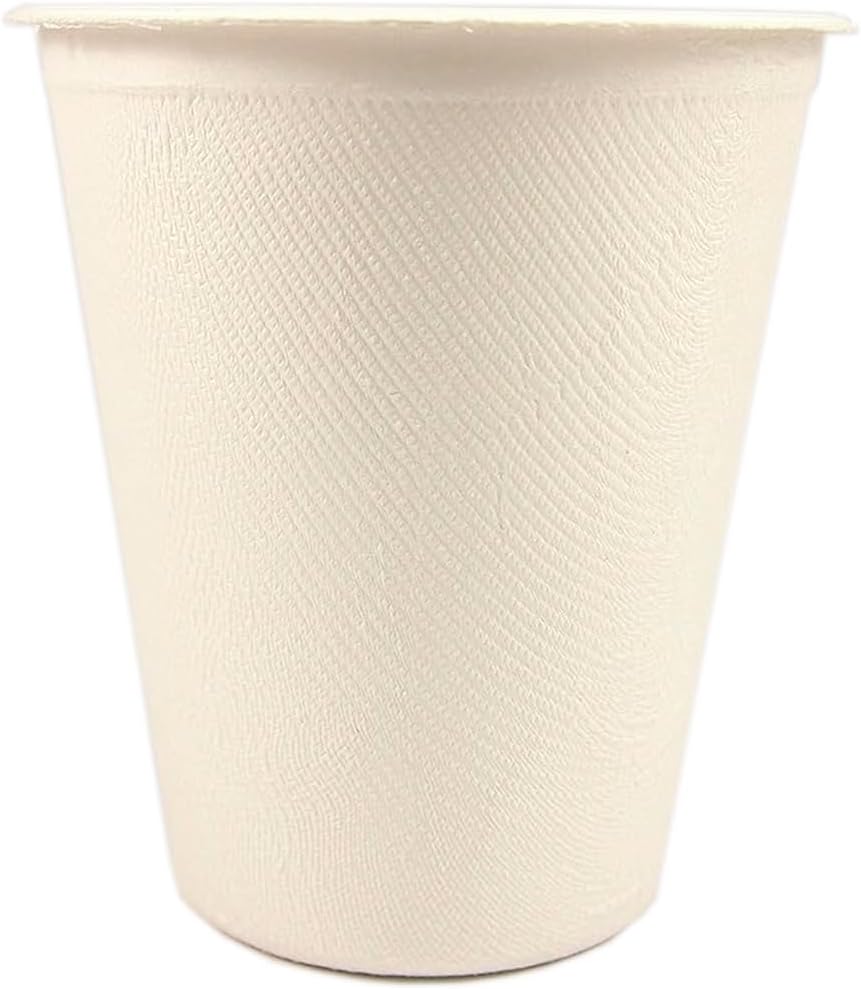 8oz
 12oz
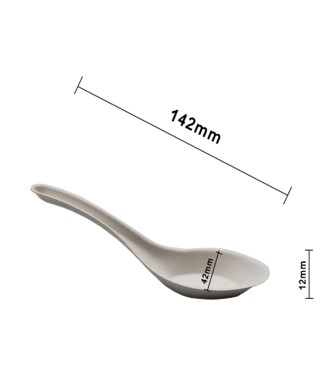 Cutlery
Leave Your Message
Precision-engineered plant fiber laminations providing maximum hermetic seal integrity, shelf-life extension, and visual clarity across high-traffic supermarket fresh counters.
How hypermarkets, tier-1 supermarket chains, and seafood logistics operators are replacing conventional Expanded Polystyrene (EPS) and fossil-fuel plastics with high-barrier laminated pulp trays.
Fresh seafood retail packaging is among the most demanding segments in the FMCG cold chain. Marine proteins release significant moisture (purge), exude natural oils, and are highly susceptible to rapid microbial degradation caused by residual oxygen. Conventional polystyrene foam trays, while cheap, absorb juices, release microplastics, fail modern supermarket ESG audits, and crack under high-speed vacuum skin packaging (VSP) or Modified Atmosphere Packaging (MAP) automated sealing cycles.
The technological breakthrough of Laminating Seafood Trays for Large Supermarkets combines an ultra-dense, thermoformed bamboo or sugarcane bagasse fiber substrate with a micro-thin, food-contact certified biopolymer or high-barrier recyclable peelable film (EVOH/PE or PLA/PBAT bio-coatings). This composite architecture delivers an absolute moisture barrier, preventing soggy delamination, zero liquid leakage onto supermarket display racks, and ensures gas hermeticity for OTR (Oxygen Transmission Rate) control.
A rigorous comparative analysis of physical performance metrics required for commercial high-turnover grocery retail operations.
Fabricated using all-natural virgin bamboo fibers subjected to 250-ton hydraulic compression. This creates a hyper-dense wall structure resisting puncture from crab claws, shrimp rostra, and sharp fish bones during automated transit.
Precision co-extruded barrier lamination delivers Water Vapor Transmission Rates (WVTR) < 2.0 g/m²/24h and Oxygen Transmission Rates (OTR) < 0.5 cc/m²/24h, maintaining optimal atmosphere balance to delay lipid oxidation in oily fish.
Engineered to sustain extreme deep-freezing down to -40°C without micro-cracking, as well as rapid microwave regeneration up to 120°C for value-added pre-marinated "Ready-to-Cook" supermarket seafood offerings.
| Performance Attribute | EATware Laminated Pulp Tray | Expanded Polystyrene (EPS Foam) | Virgin Rigid PET/PP Plastic |
|---|---|---|---|
| Hermetic Seal Reliability (MAP) | Ultra-High (Flat continuous flange) | Poor (Flange melts / uneven seal) | High |
| Structural Integrity under Moisture | 100% Zero-Leak Lamination | High (Non-absorbent, brittle) | High (Rigid) |
| Carbon Footprint (LCA Analysis) | Up to 72% Lower CO₂ vs Plastics | Extremely High Petroleum Base | High Fossil Fuel Depletion |
| PFAS Fluorochemical Content | 100% PFAS-Free Certified | Varies / Often chemical coatings | Varies by additive mix |
| End-of-Life Supermarket Recyclability | Biodegradable / Film-Peelable Recyclable | Unrecyclable in most municipal streams | Recyclable (subject to local sorting) |
Supplying international retail giants with mission-critical packaging consistency and uncompromised volume guarantees.
In the field of environmentally friendly packaging for 18 years, has established cooperation with 500+ brands.
Through our research and development, there are more than 60 products can produce; we also support OEM/ODM customized services.
Exported to the United States, Europe, Australia, Canada and other countries; right now we have exported more than 30 countries.
10,000+ square meters factory area, more than 30 patent certificates, 10 foreign authoritative certifications, 55 automatic forming machines...
EATware is committed to sustainable development, using all natural plant fibers to produce safe, healthy and environmentally friendly tableware. Adhering to the concept of "take nature, serve humanity, return to nature", we focus on the development of safe, high quality and environmental standards.
EATware emphasizes environmental protection and sustainable development, explores the balance between enterprise survival and environmental protection, and uses all-natural and pollution-free bamboo fiber as the main material of tableware to ensure that its products meet the high technical level and are superior to developed countries.
Eliminating Pollution
Protecting The Ocean
Protecting The Forest
From back-of-store hand packing to industrial centralized packaging lines (Central Processing Units / CPUs).
Engineered for high-bleed species like Salmon, Tuna, Sea Bass, and Halibut. The high-barrier lamination locks in biological juices without bottom seepage, preserving fresh red flesh tones and clean consumer handling.
Resistant to complex marinade chemical compositions (lemon acids, garlic oils, soy sauces, wine reductions). Trays maintain absolute structural rigidity under thermal cooking and chilled merchandising.
Engineered with reinforced rim geometry and heavy-duty bottom walls to accommodate oysters, mussels, clams, and lobster tails with zero puncture risks or seam tearing under modified vacuum seals.
A Technology-Innovation Oriented Global Pioneer in Sustainable Food Packaging.
Kangxin (HaiMen) Environmental Technology Co., Ltd. is a technology innovation oriented enterprise that focuses on disposable environmentally friendly tableware and food packaging. We have advanced production processes and equipment, and continue to attract senior talents, focusing on environmental protection, emphasizing safety, and ensuring quality.
Through persistent R&D investments in automated molded pulp robotics, specialized tool & die precision machining, and eco-friendly polymer barrier coatings, Kangxin delivers high-performance packaging lines tailored to the high-throughput logistics requirements of international supermarket chains.
Registered Technology Portfolio: 0102030405060708091011121314151617
Authoritative insights on food contact testing, commercial foodservice validation, and international manufacturing developments.
The most reliable way to test disposable food containers is to combine leakage testing with structural testing under conditions that reproduce the intended food application. A container should not be approved simply because it holds water for several minutes or survives an empty compression test...
For foodservice operators, replacing conventional plastic packaging is not simply a matter of changing materials. Disposable biodegradable tableware must still withstand hot food, sauces, oils, condensation, stacking, transport, and commercial handling without losing structural integrity...
With growing global demand for takeaway meals and eco-friendly packaging, China's manufacturing sector has become a major hub for disposable food containers. Today's food businesses - from fast-food chains and meal-delivery services to supermarkets and catering companies - are looking for agile OEM partners...
Proudly collaborating with international airline caterers, hypermarket chains, and sustainable food brands worldwide.
Standardized SKUs, custom thermoforming profiles, and OEM barrier solutions for global retail distribution.


