 Box With T buckle
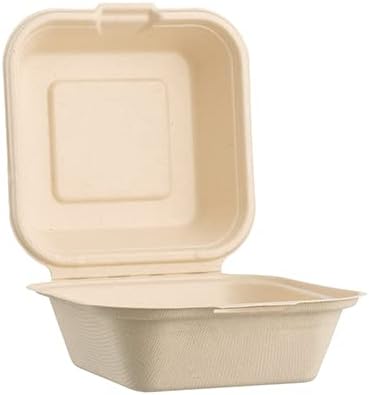
 700ml Square Lunch Box
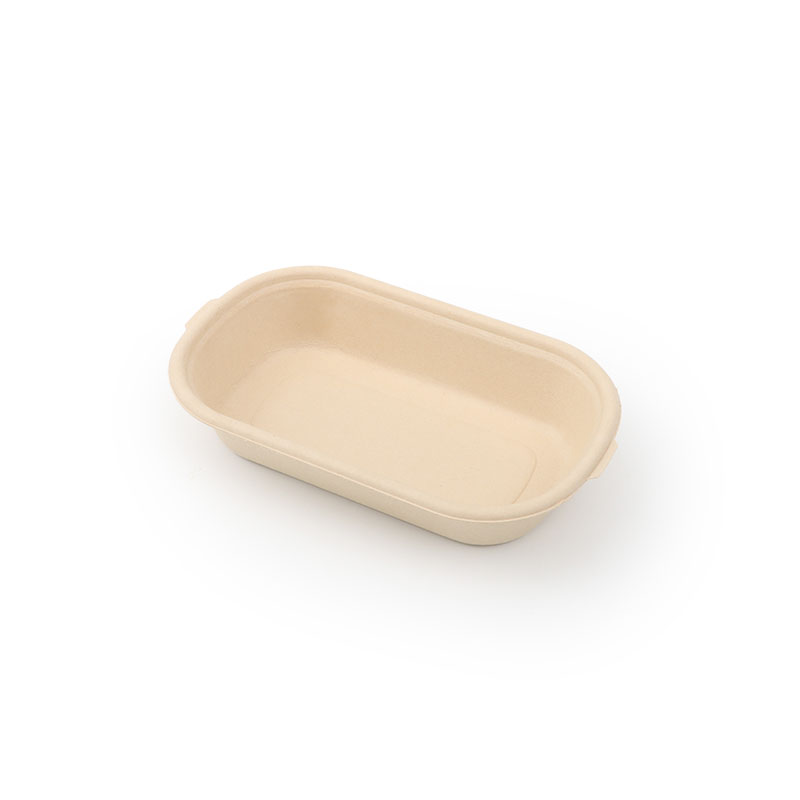 500ml
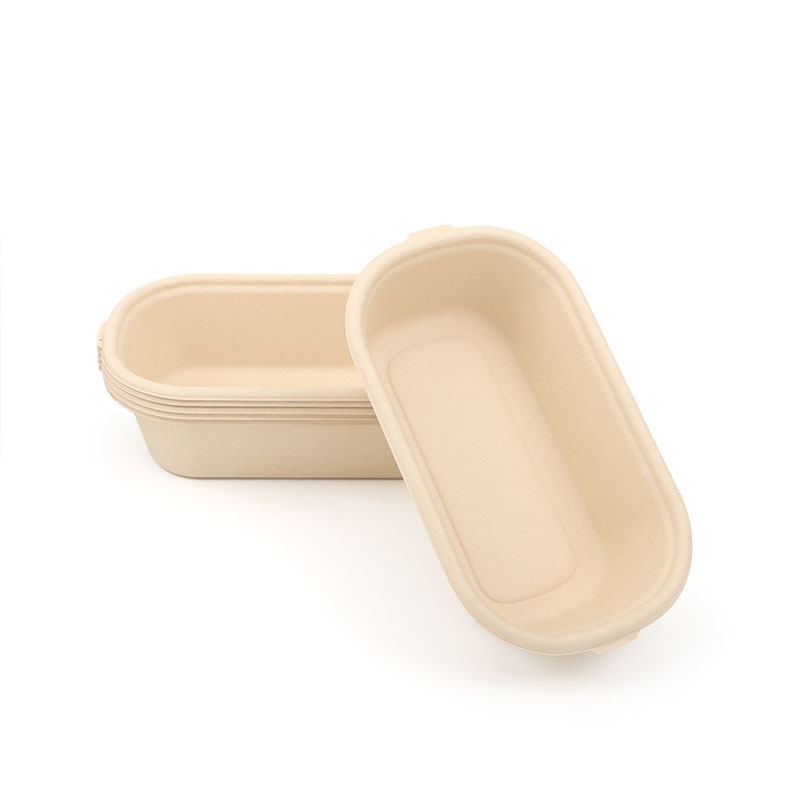 700ml
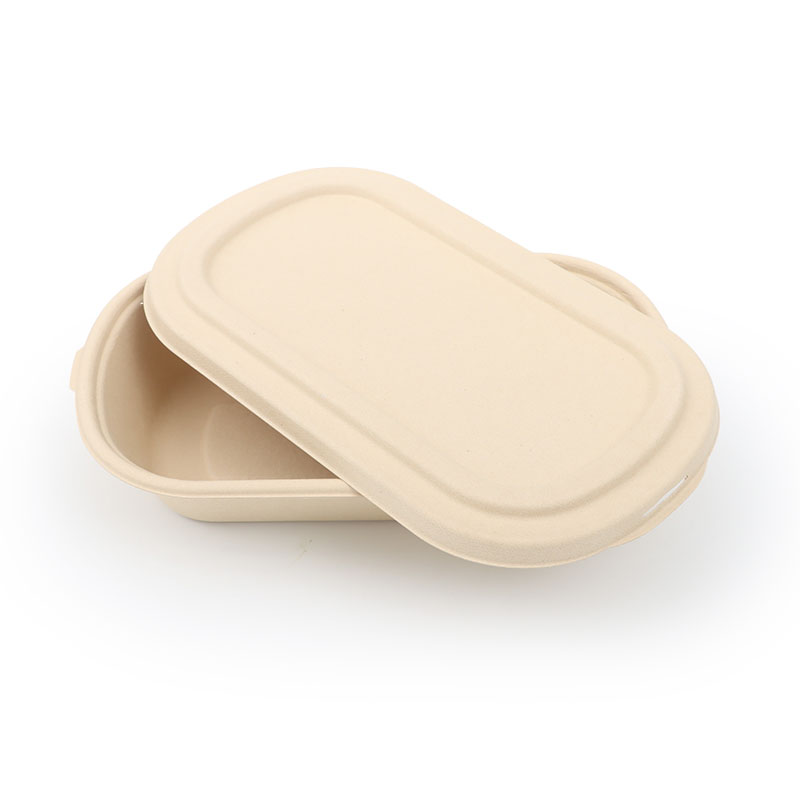 850ml
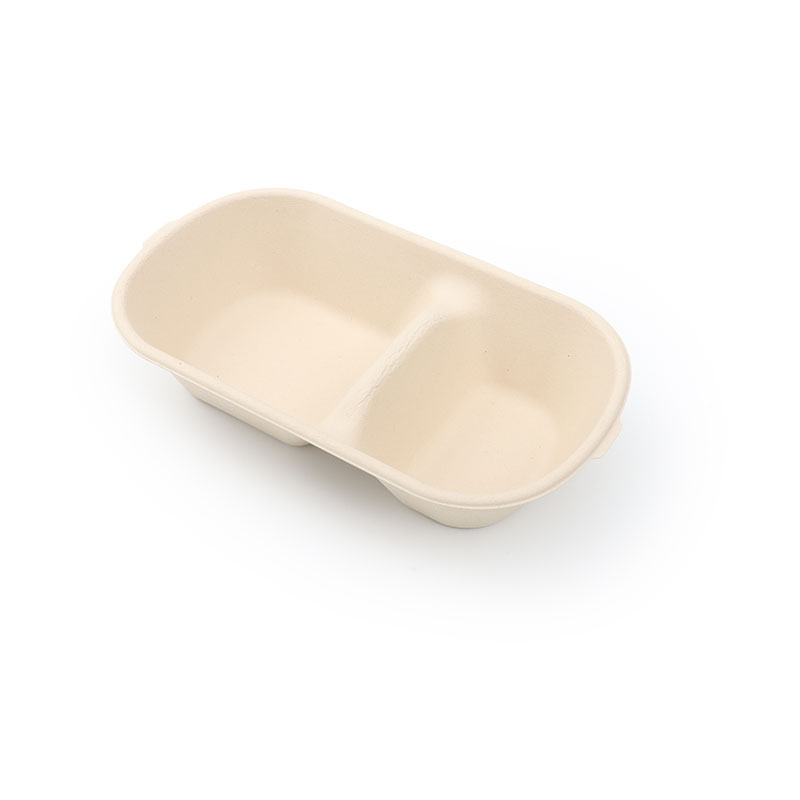 800ml 2 Compartments
 1000ml 2 Compartments
 1100ml
 1000ml Square Lunch Box
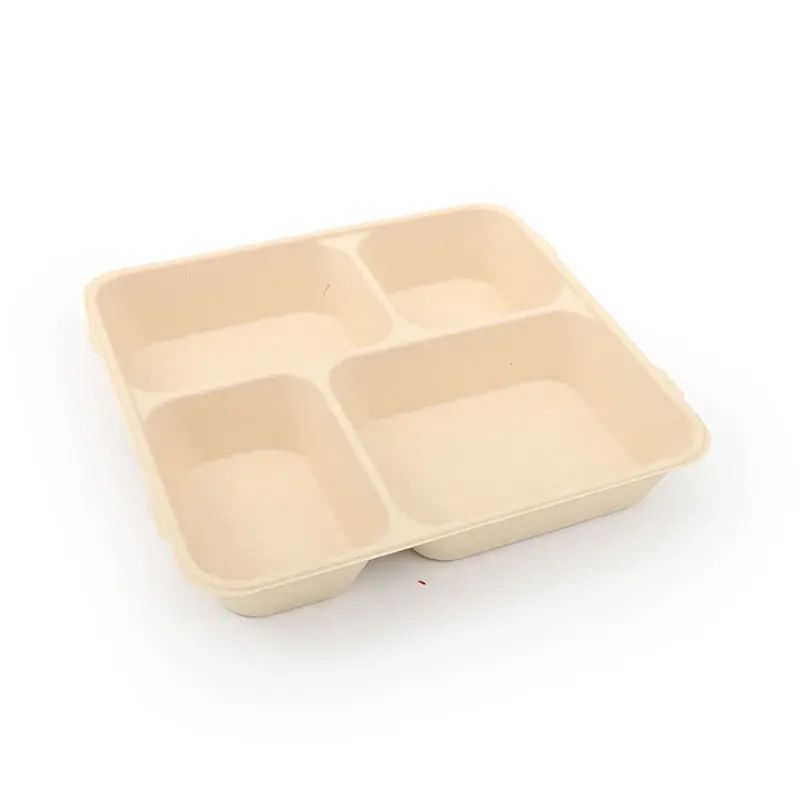 1340ml 4 Compartments
 Lunch Box Lid
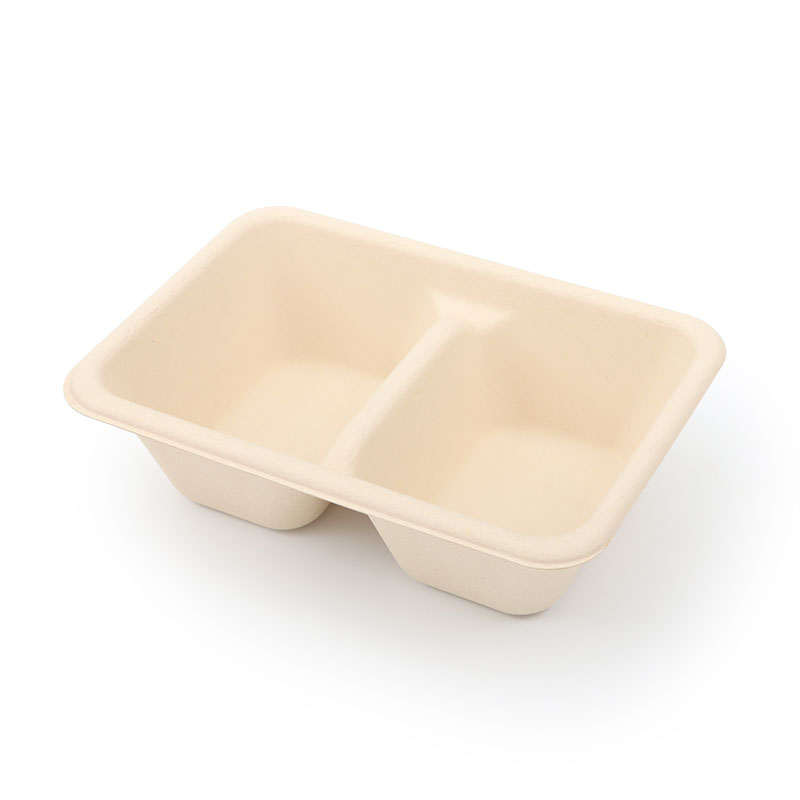 650ml
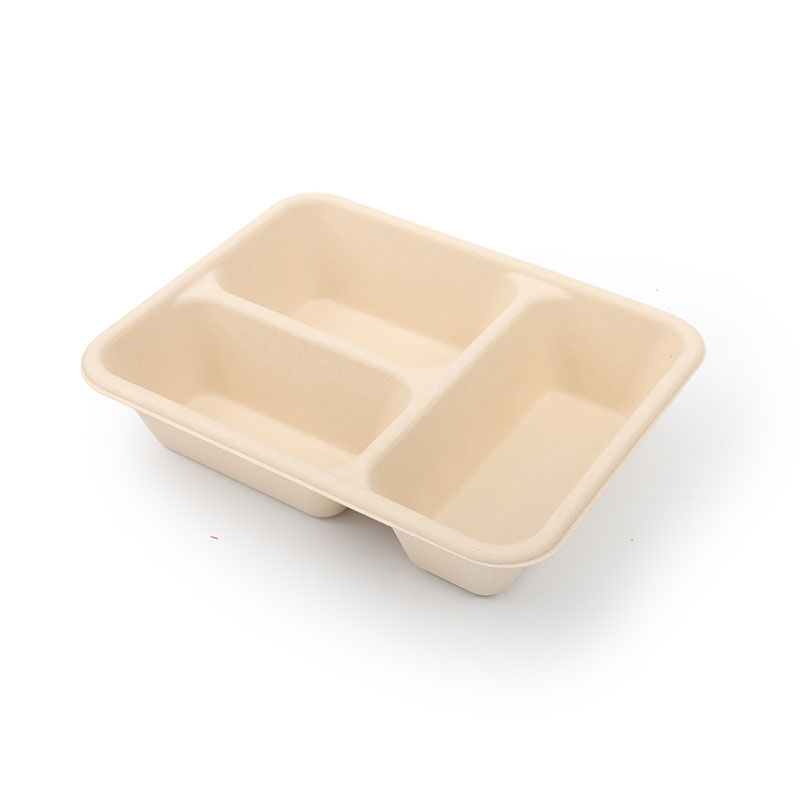 1000ml 3 Compartments
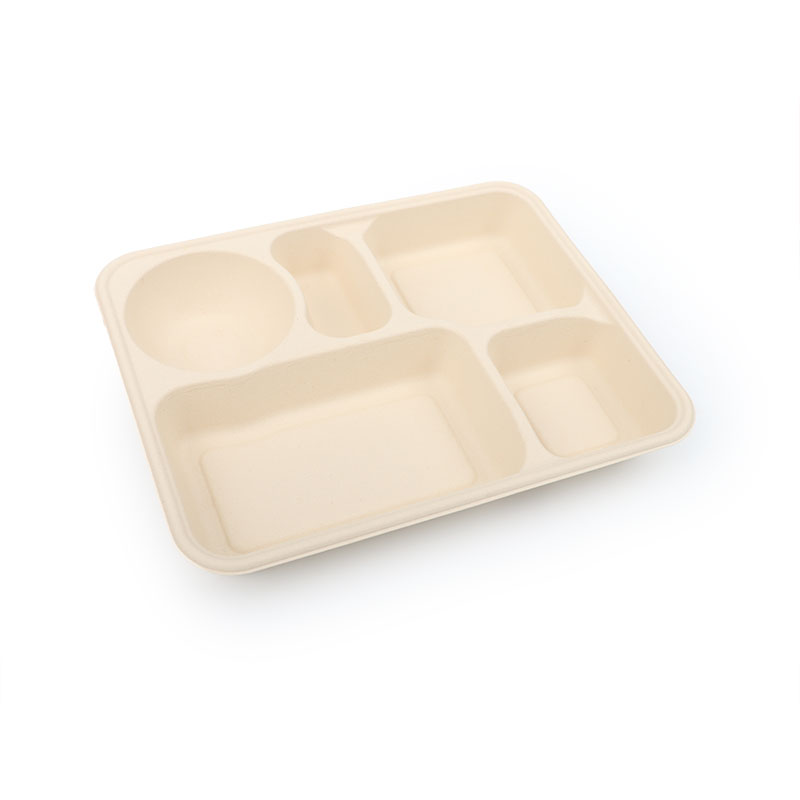 1250ml 5 Compartments
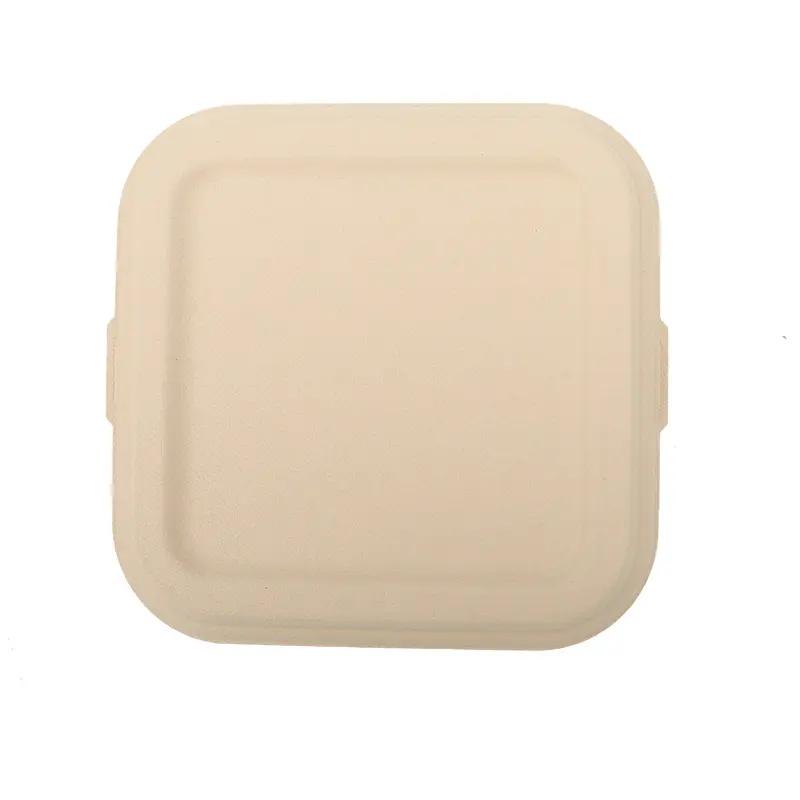 Square Lunch Box Lid
 Box Without T buckle
 850ml Salad Box
 700ml
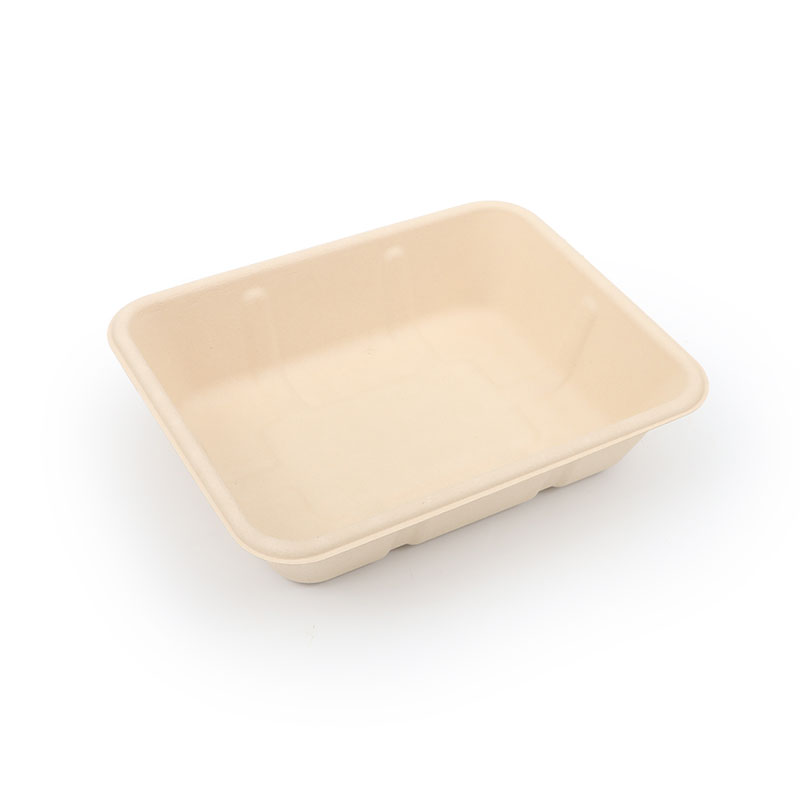 1350ml
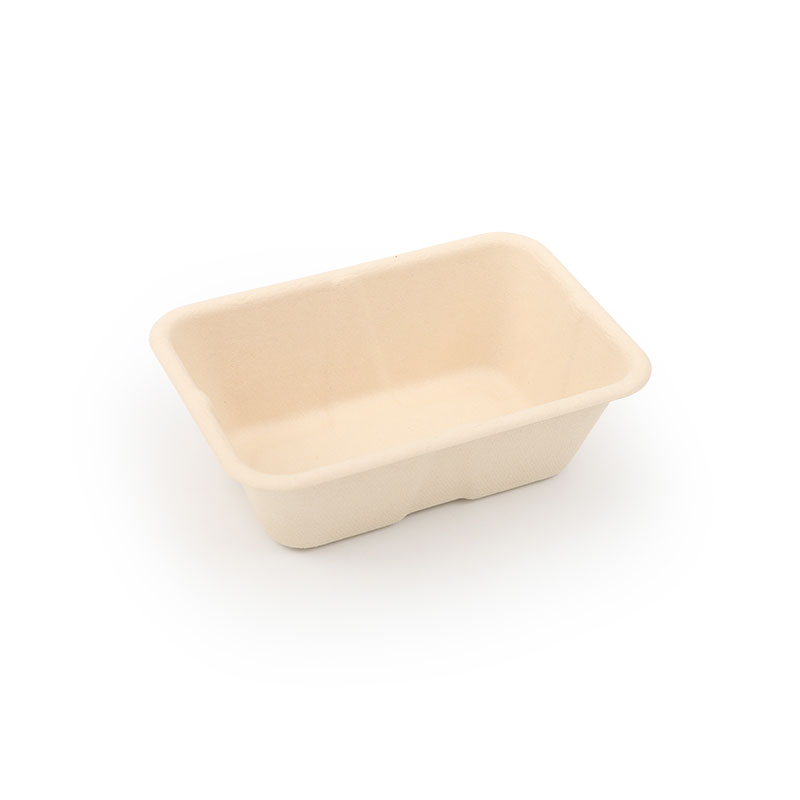 470ml
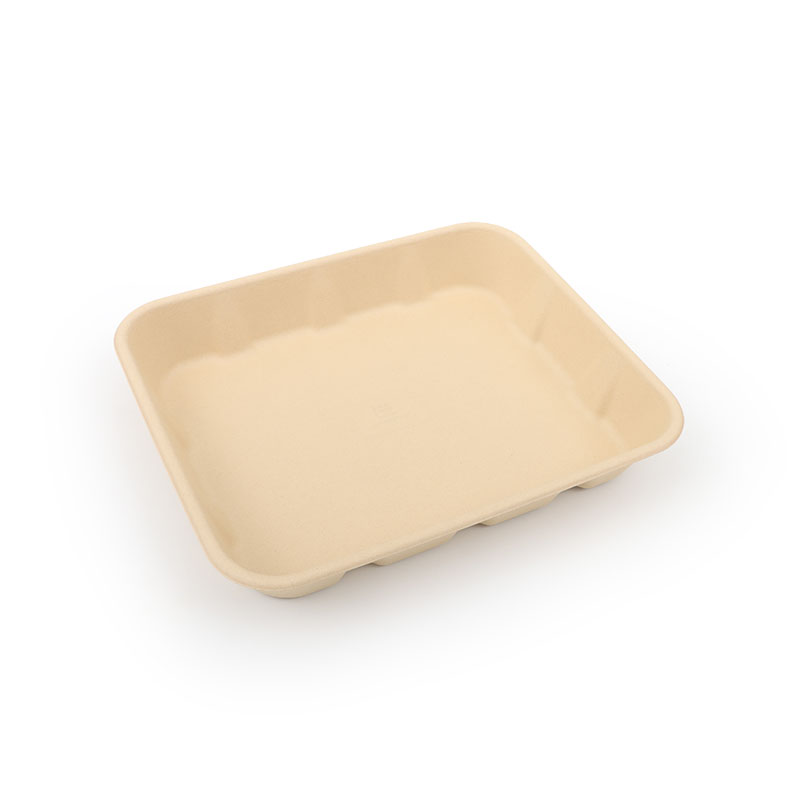 2183ml Tray Box
 11" * 9"
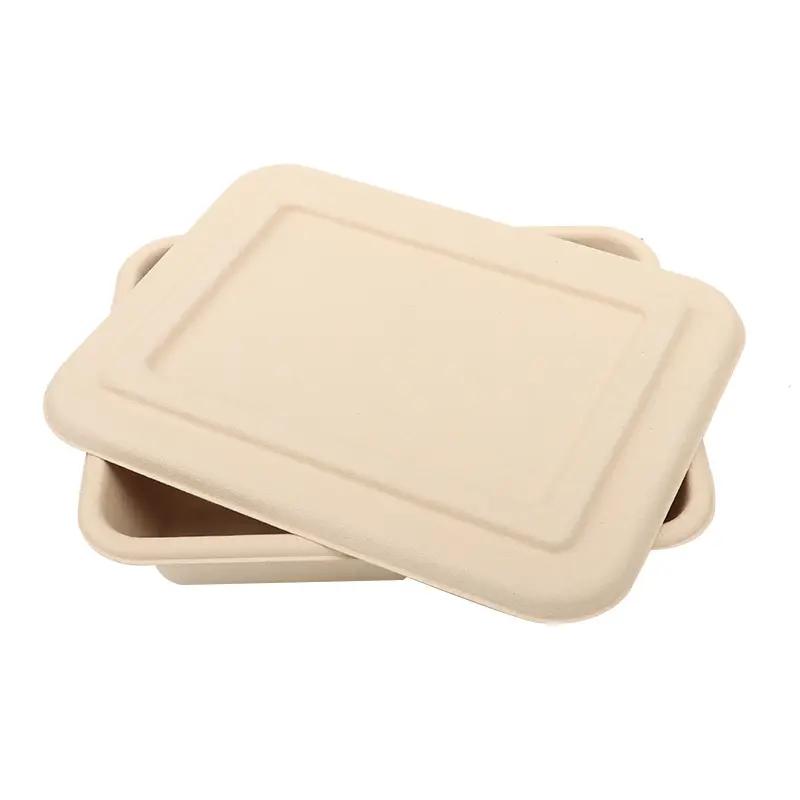 800ml
 One Part Box
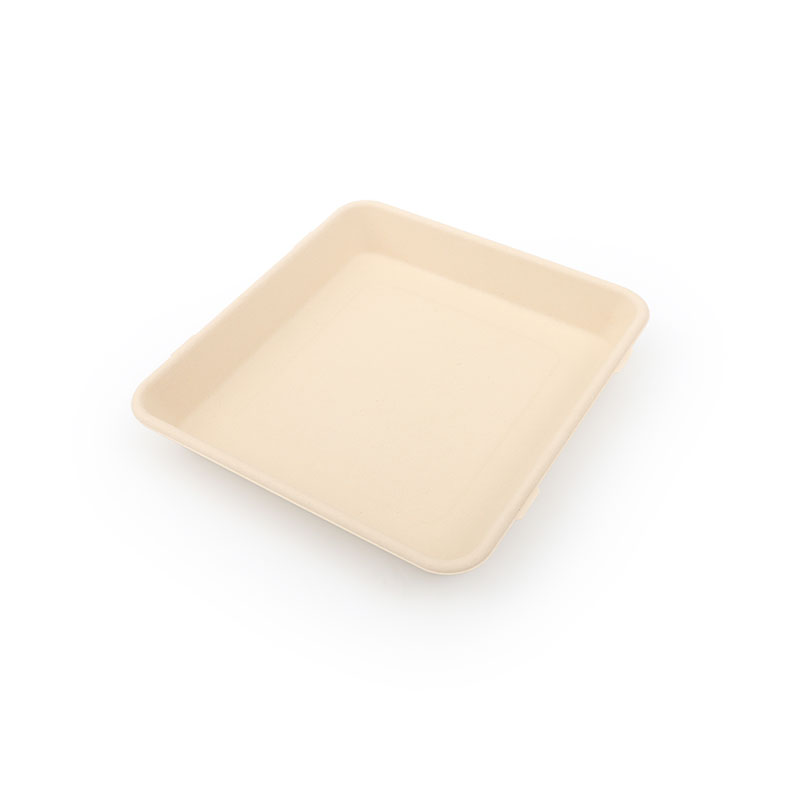 1443ml Tray Box
 Cake Bread Snack Tray Series
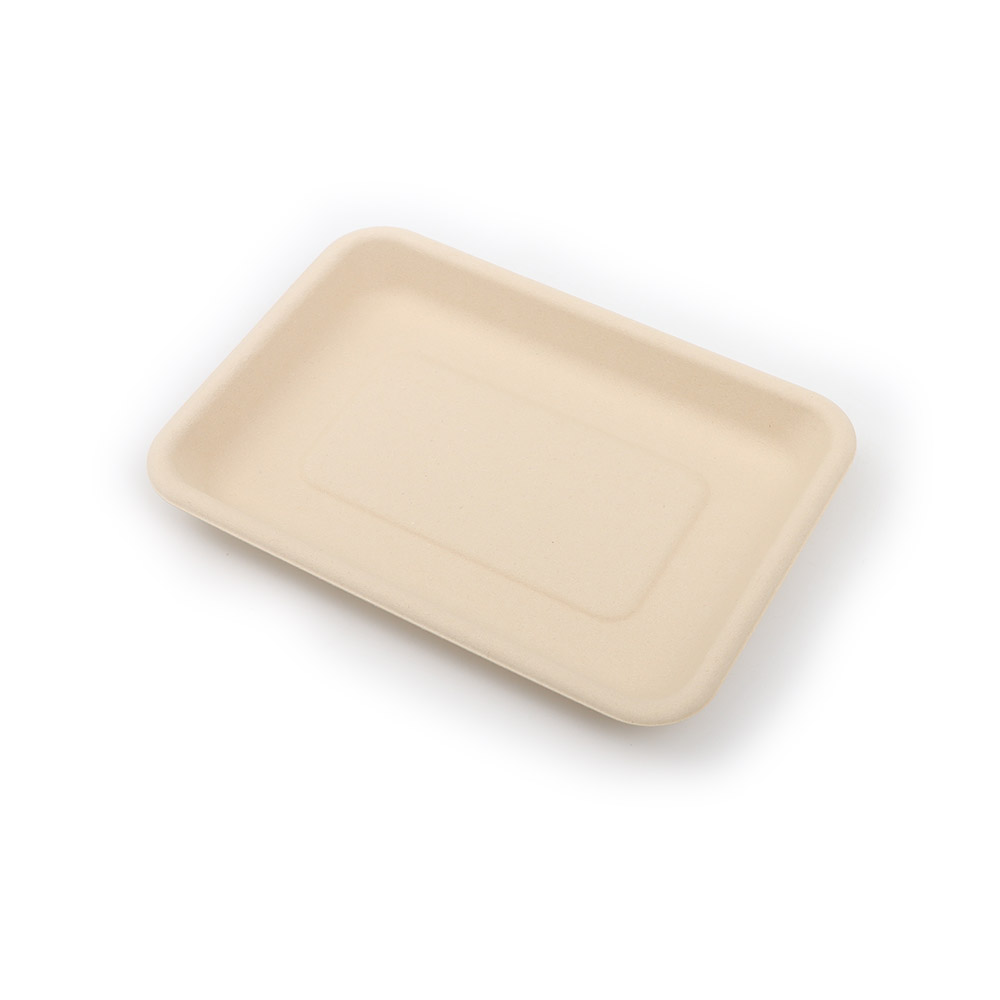 5" * 7" natural color
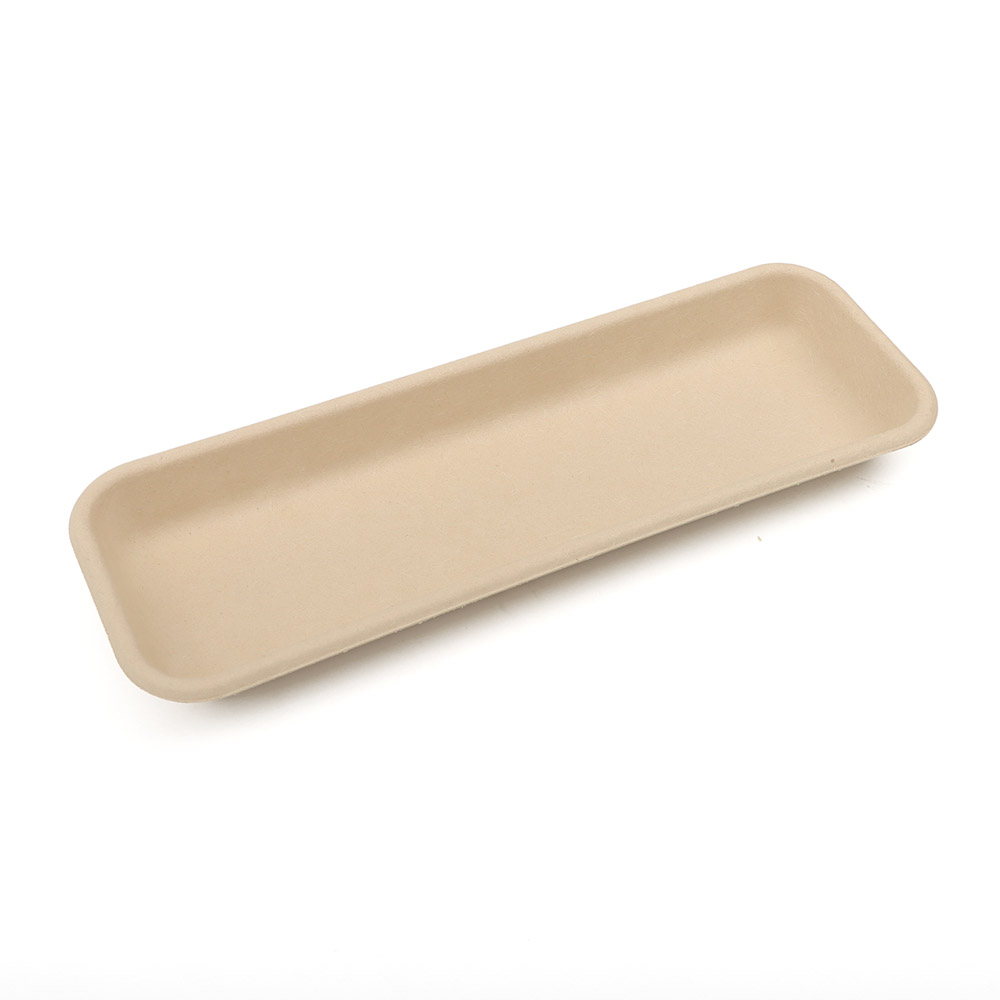 11.4" * 3.9"
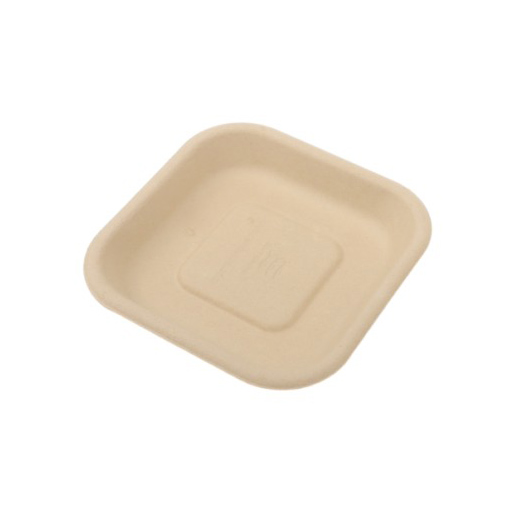 5.3" * 5.3"
 Fruit And Vegetable Tray Series
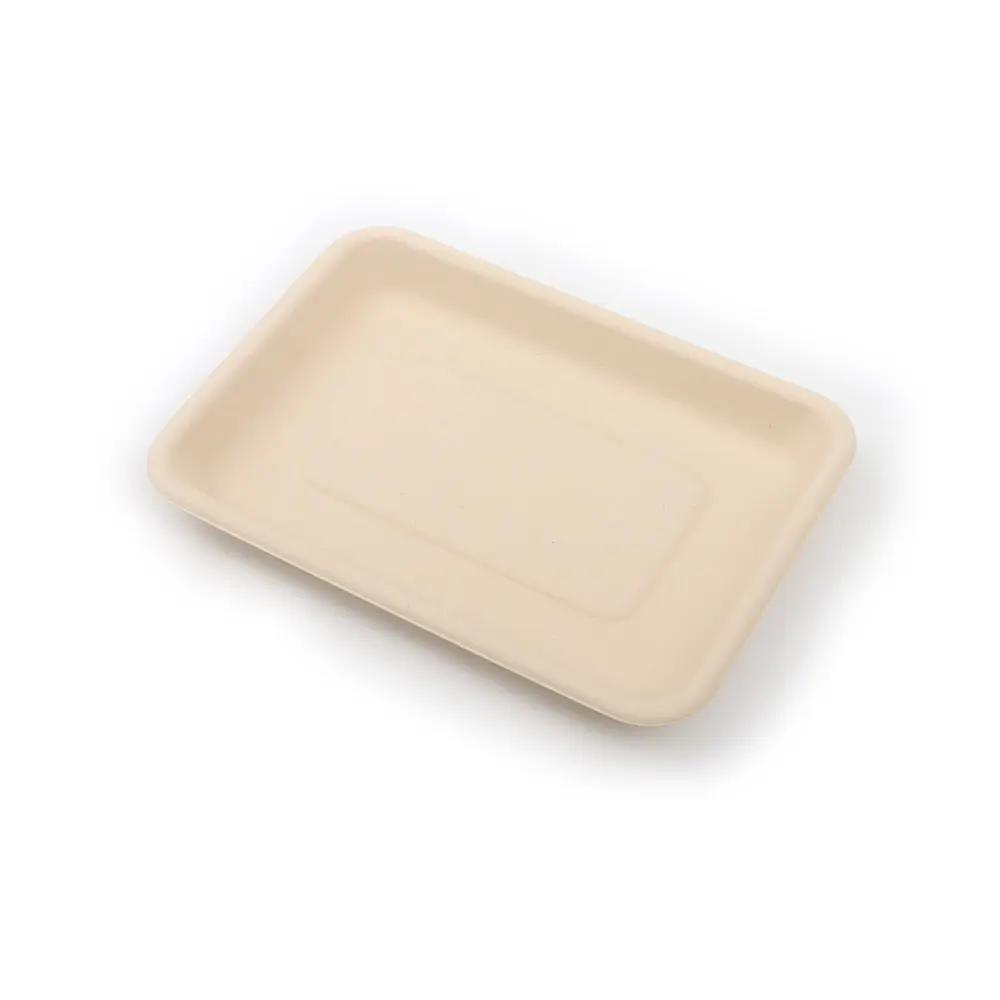 8.6" * 5.3"
 Sushi Tray Series
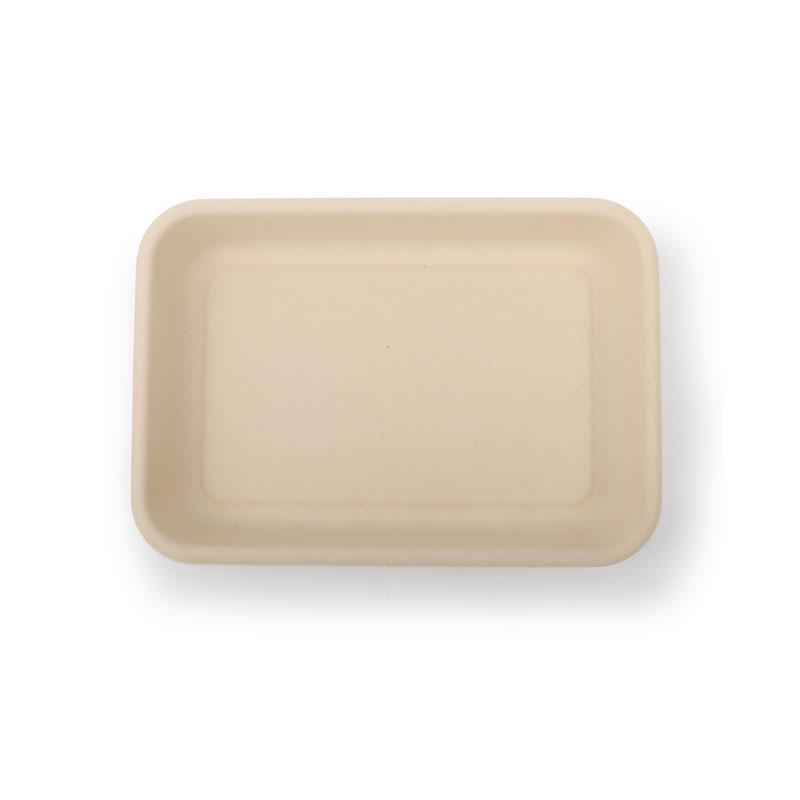 200" * 140"
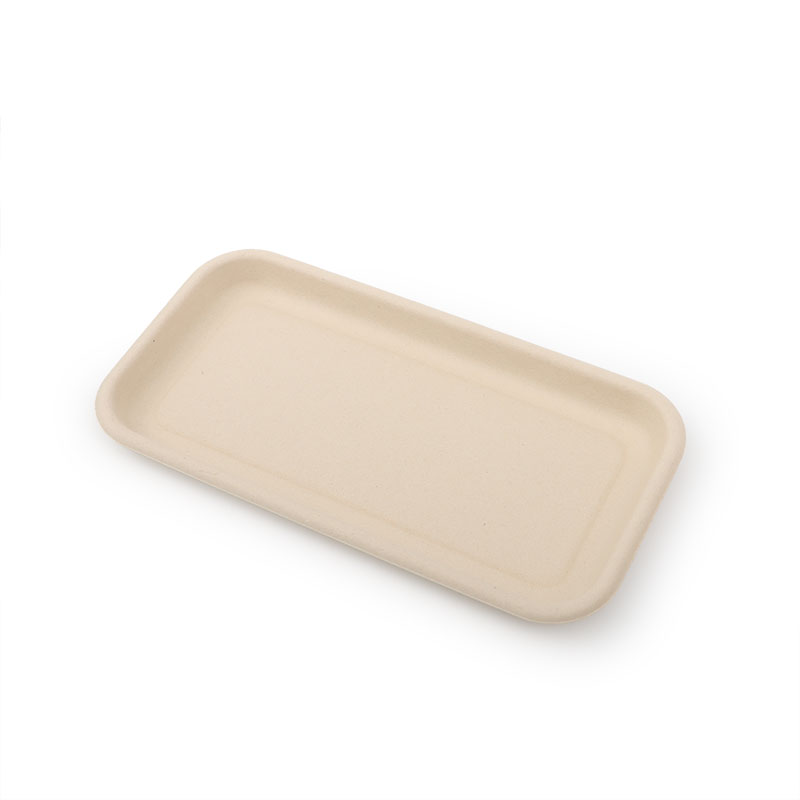 210" * 110"
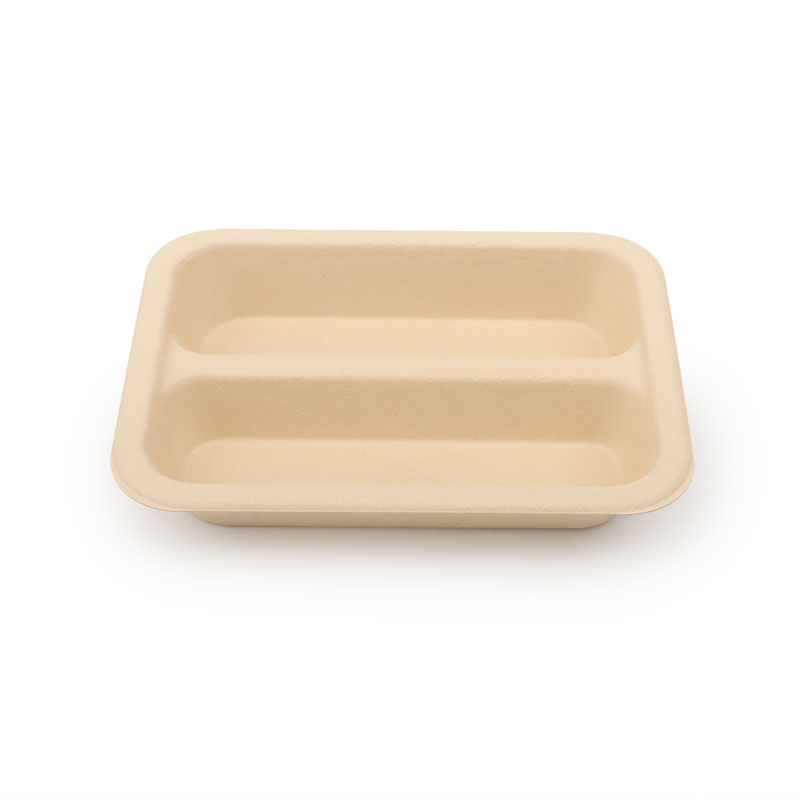 2 Compartments
 Small Round Plate Series
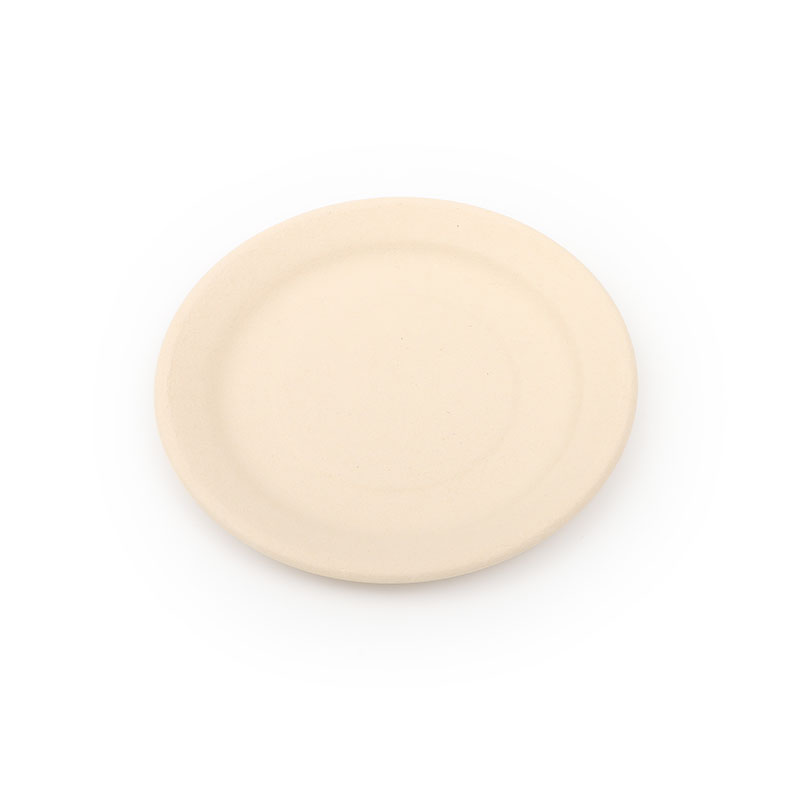 7 inch
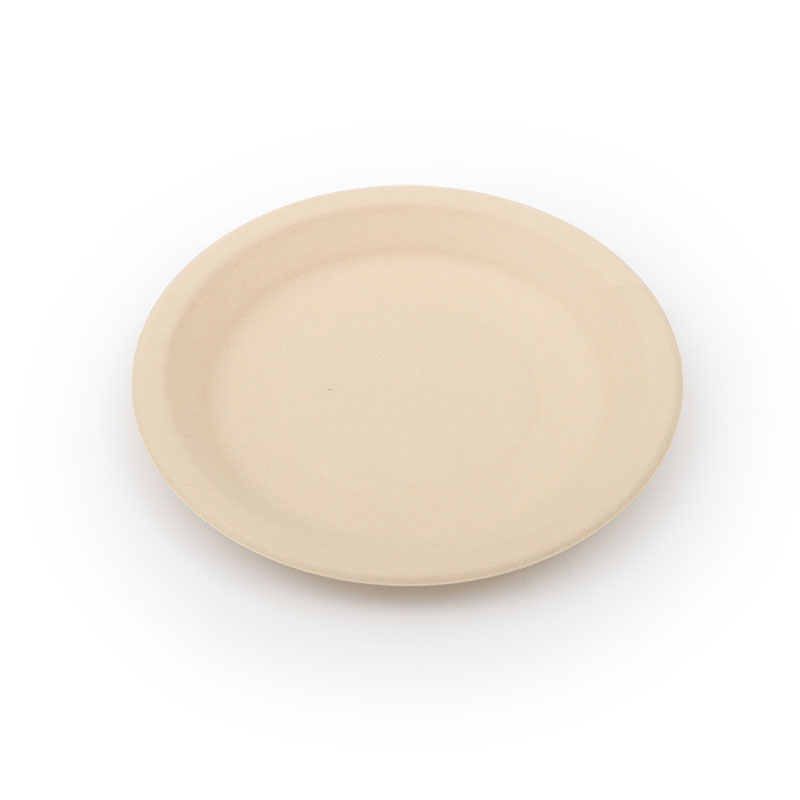 6 inch
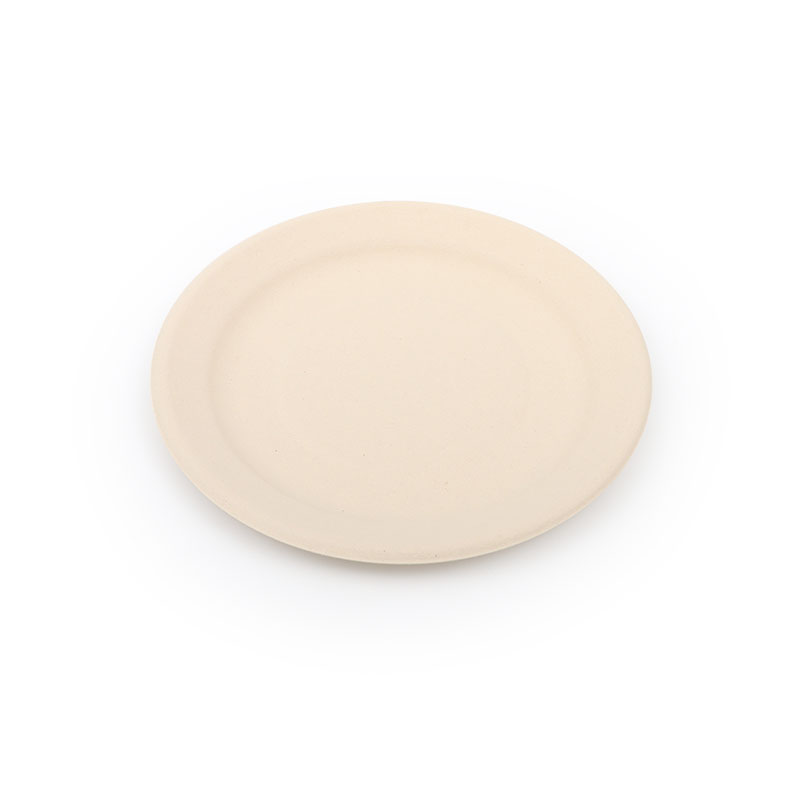 8 inch
 Middle Round Plate Series
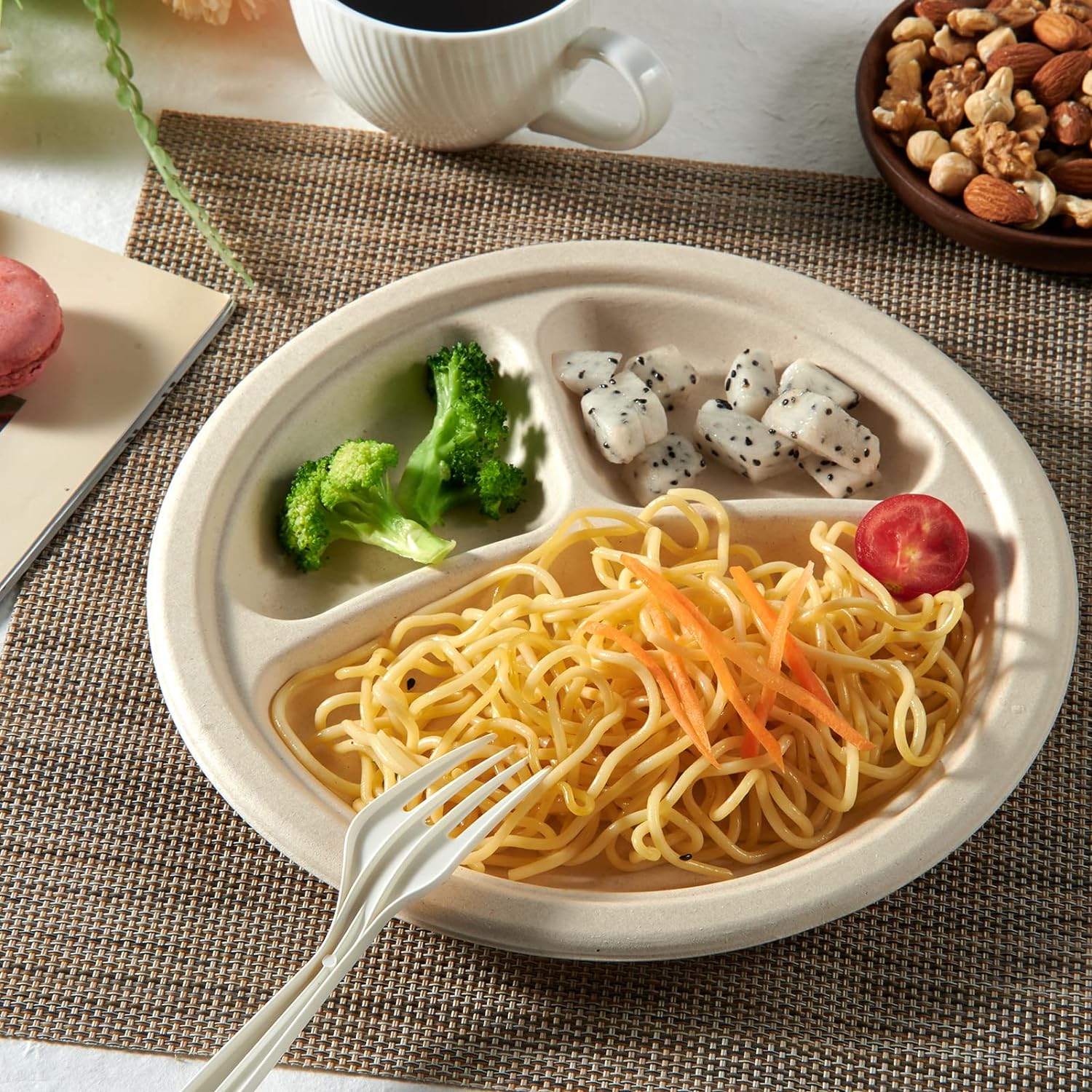
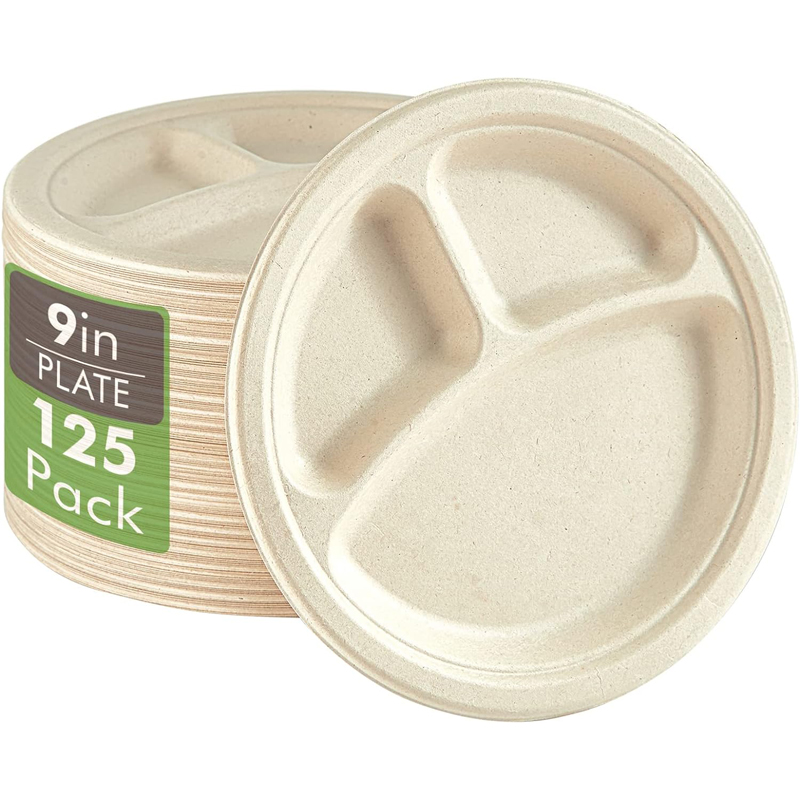
 9 Inch 3 Compartments
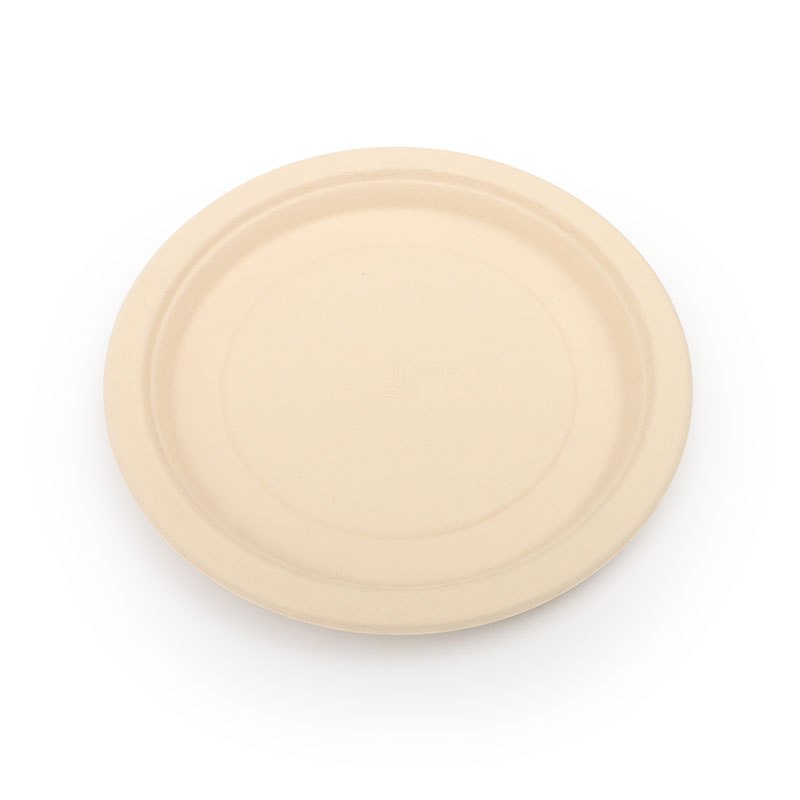 9 inch
 Big Round Plate Series
 12.7 Inch Pizza Plate
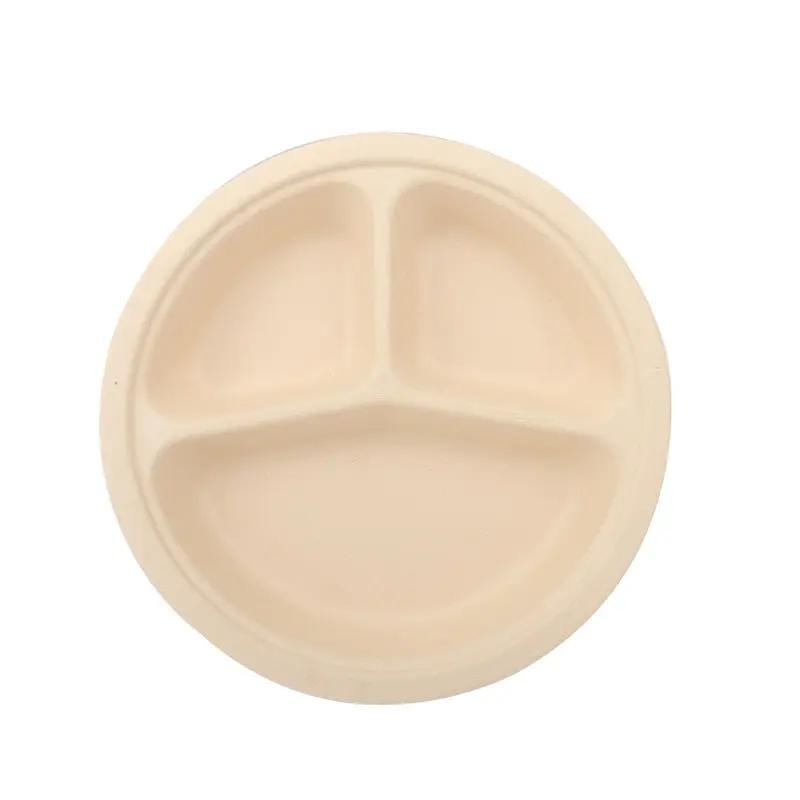 10.25 inch 3 Compartments
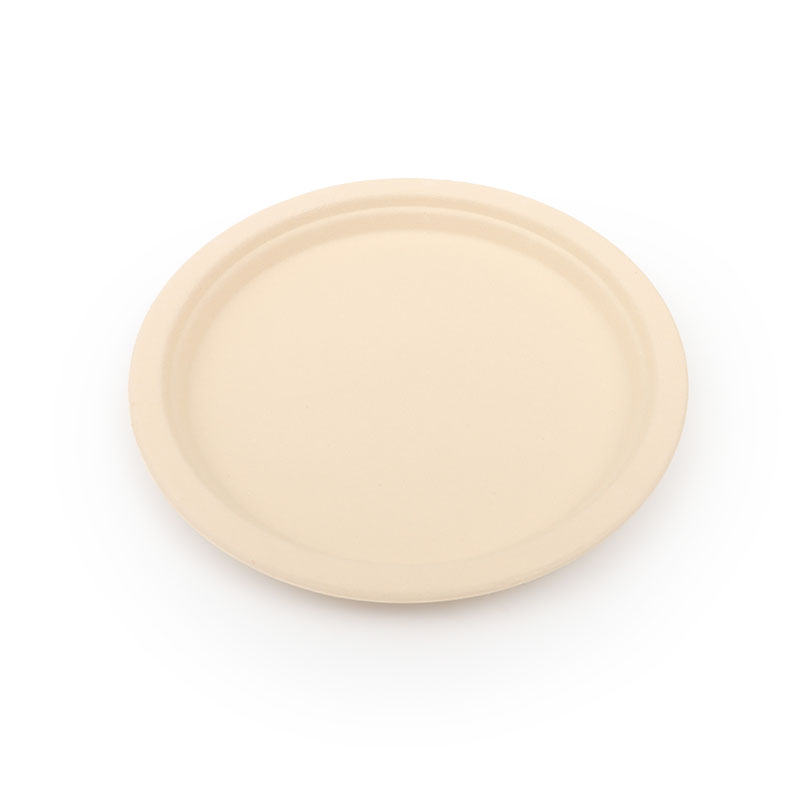 10 inch
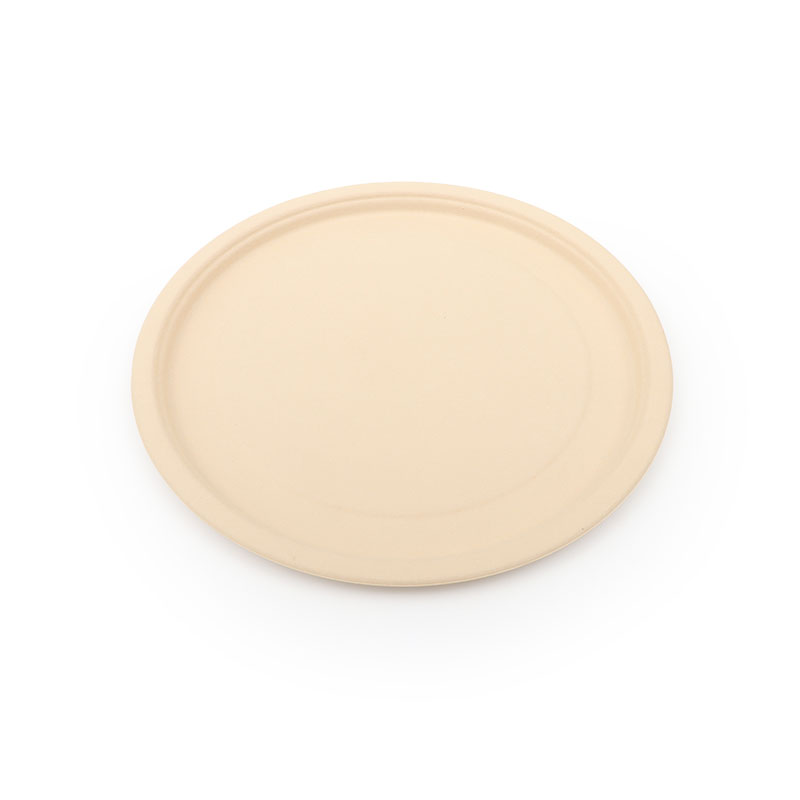 12 inch
 Bigger Bowl
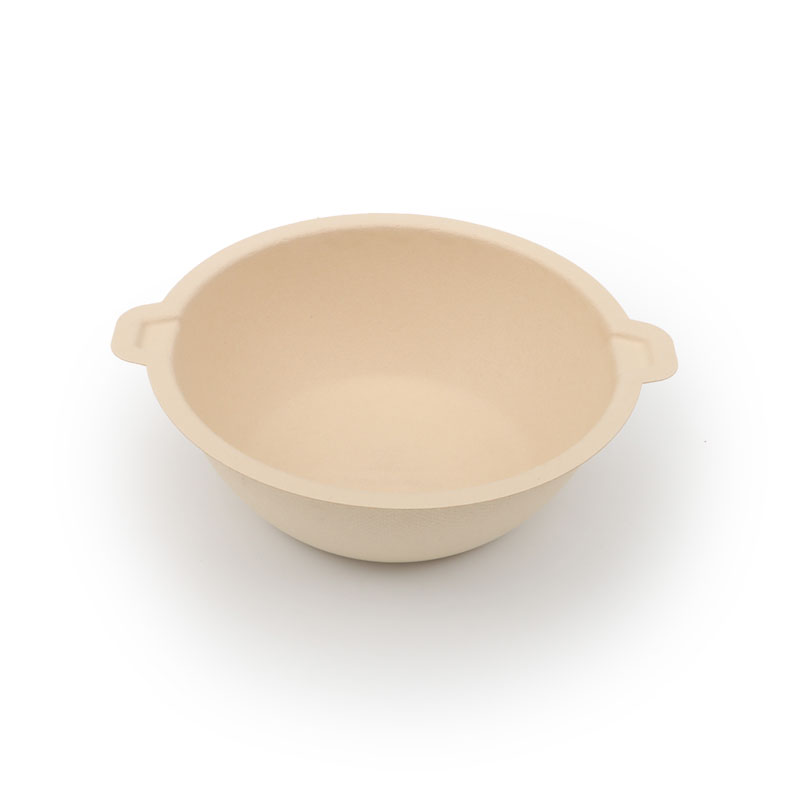 48oz(1420ml)
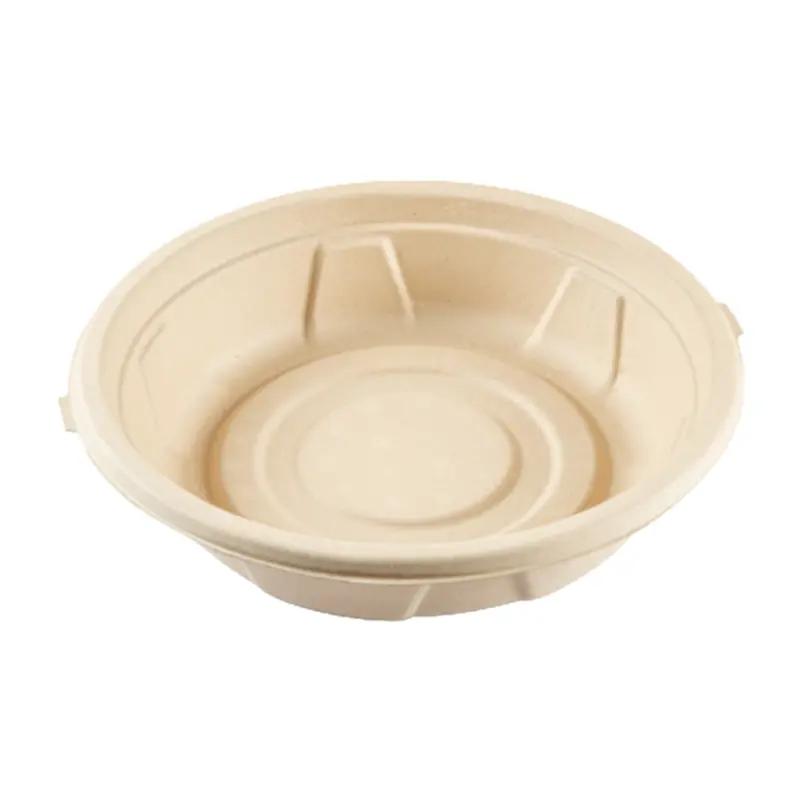 56oz(1650ml)
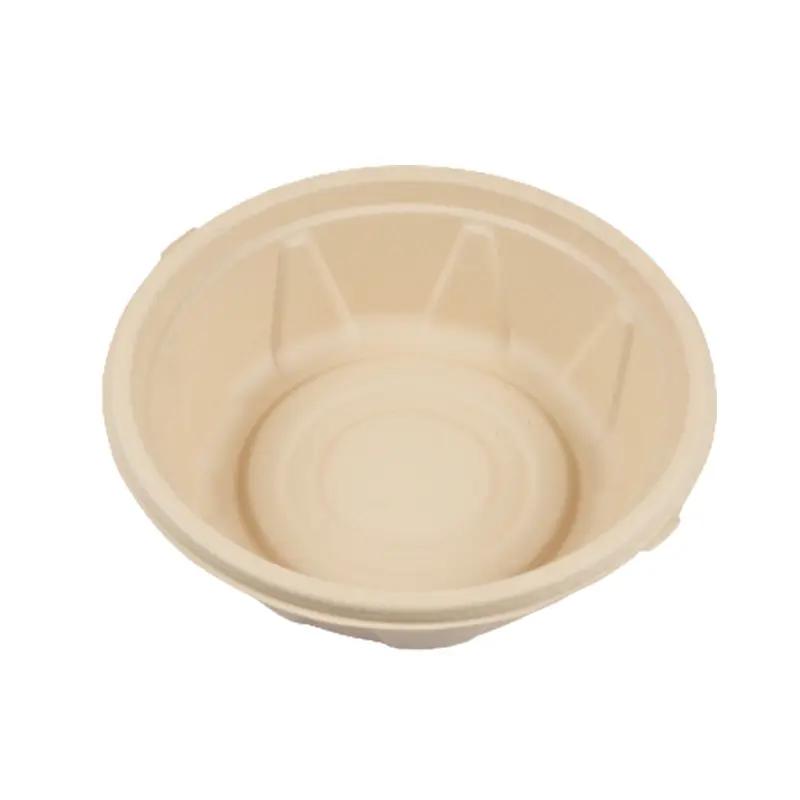 100oz(2950ml)
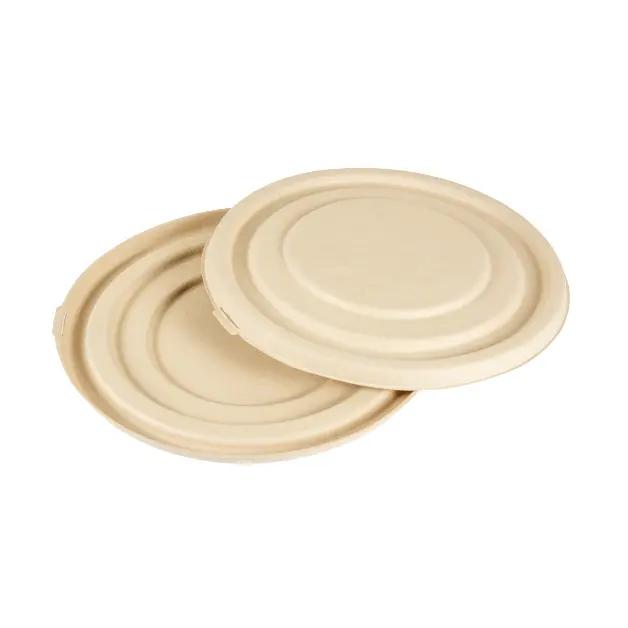 100oz(2950ml) With Lid
 Middle Bowl
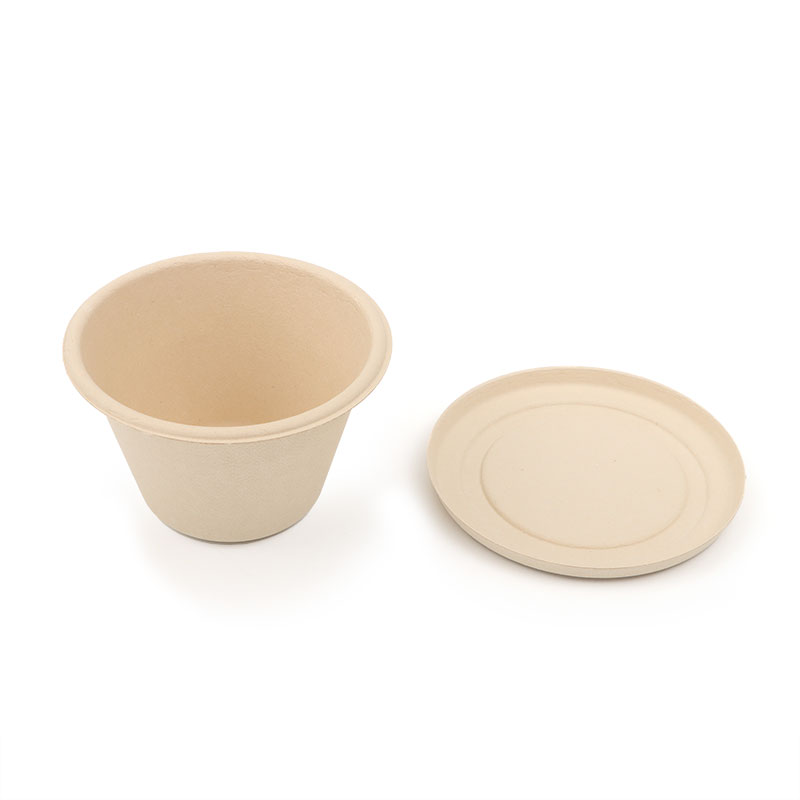 17oz(500ml)
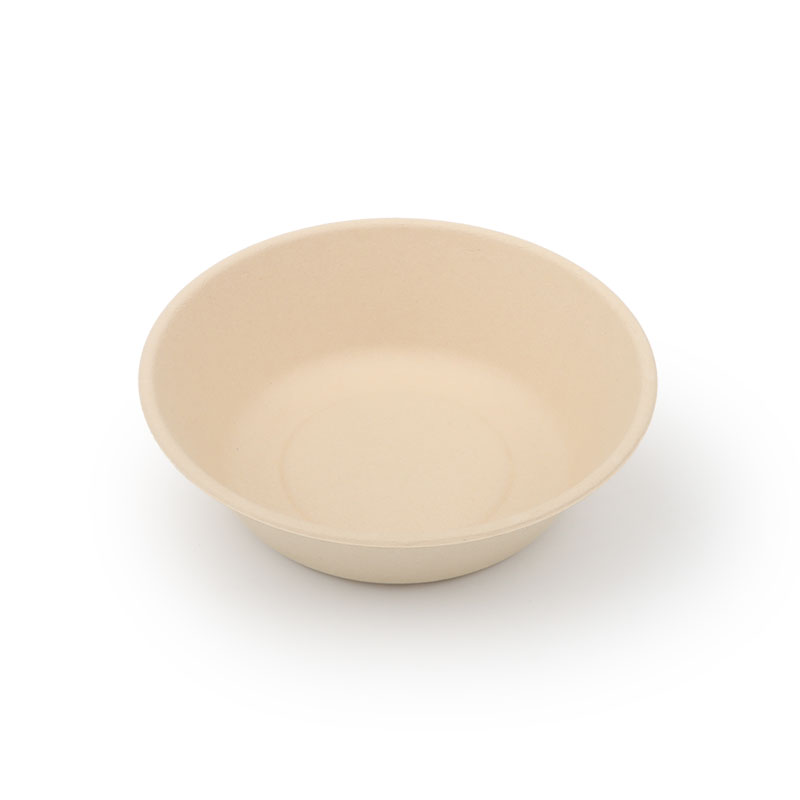 27oz(800ml)
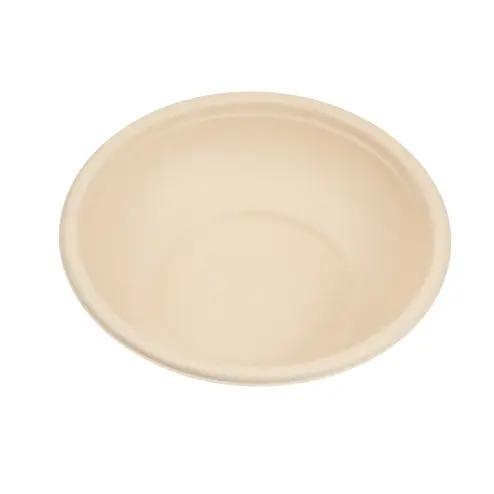 20oz(600ml)
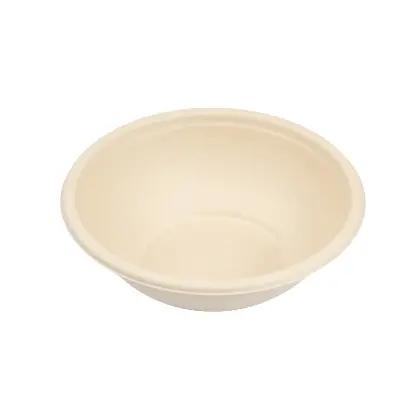 29oz(850ml)
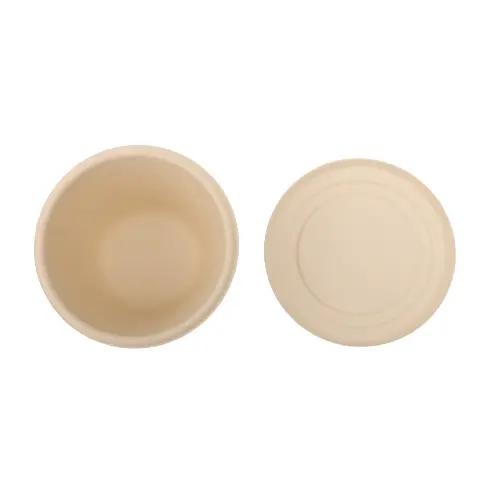 17oz(500ml) With Lid
 17oz(500ml) PET Lid
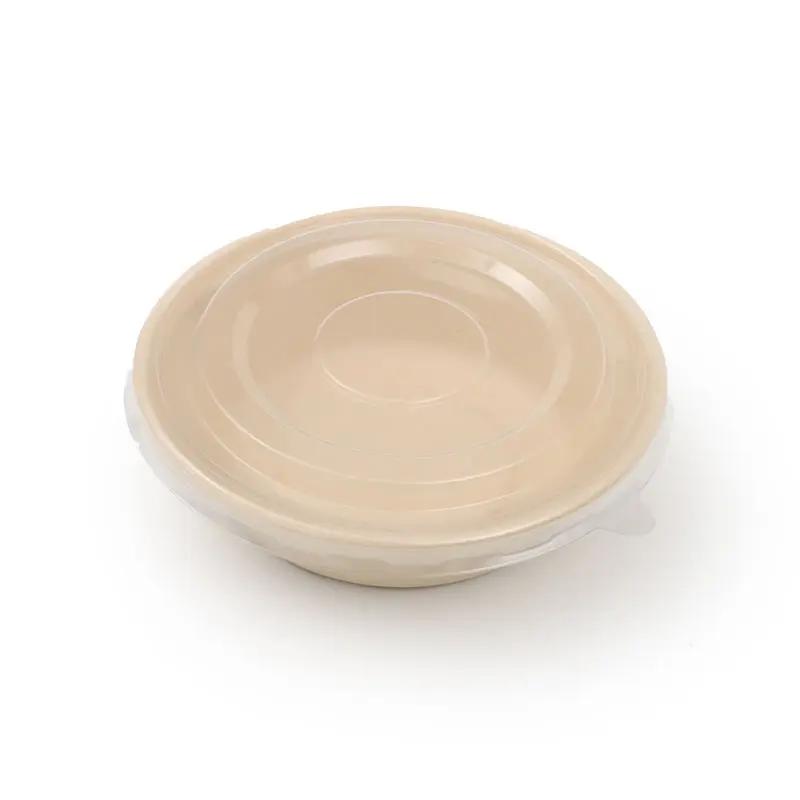 28oz(830ml) PET Lid
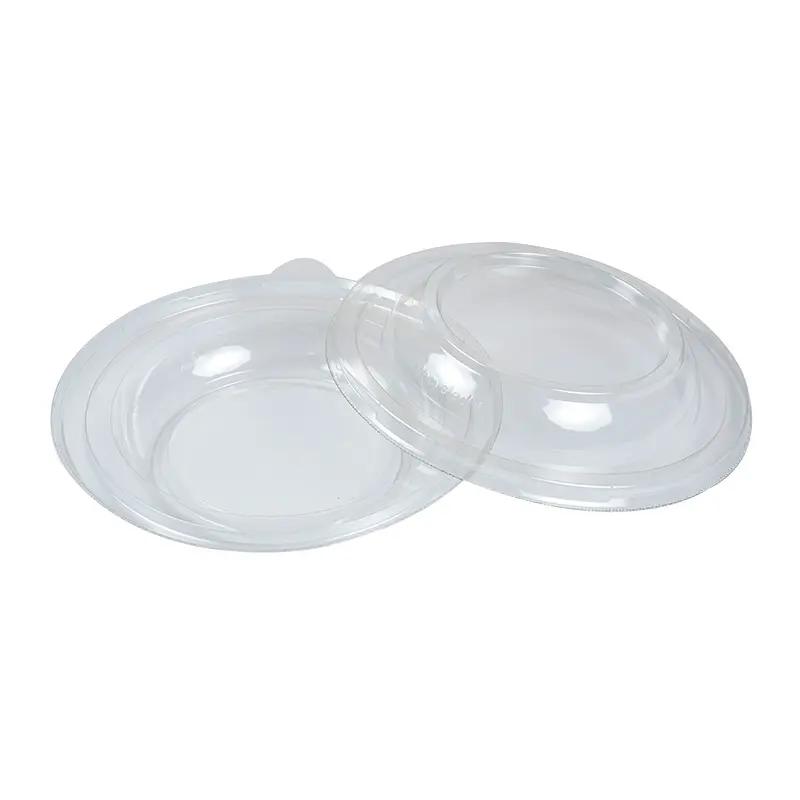 Round Bowl PET
 Small Bowl
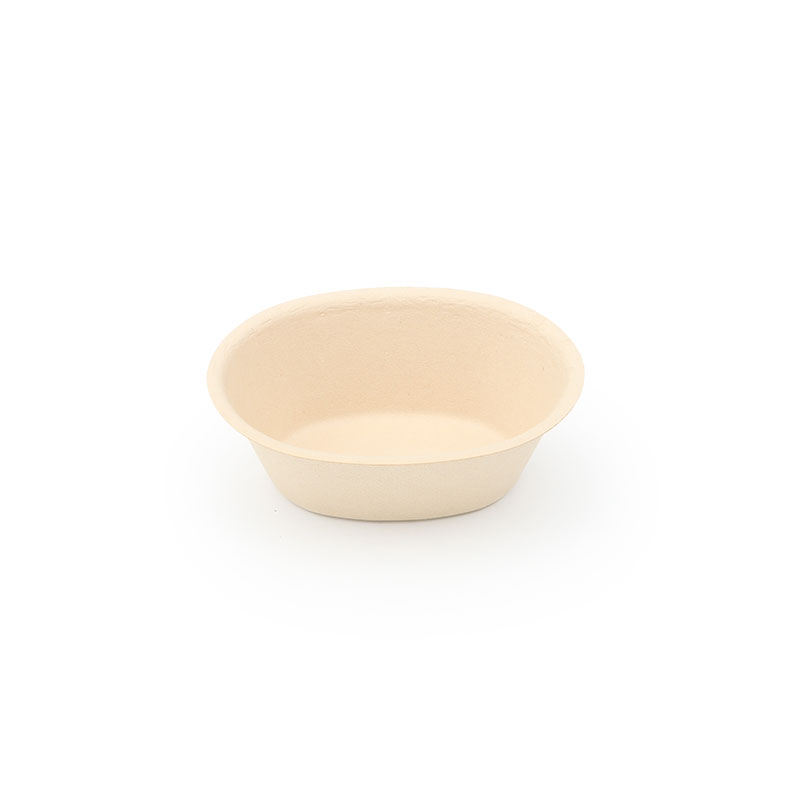 Snack Bowl
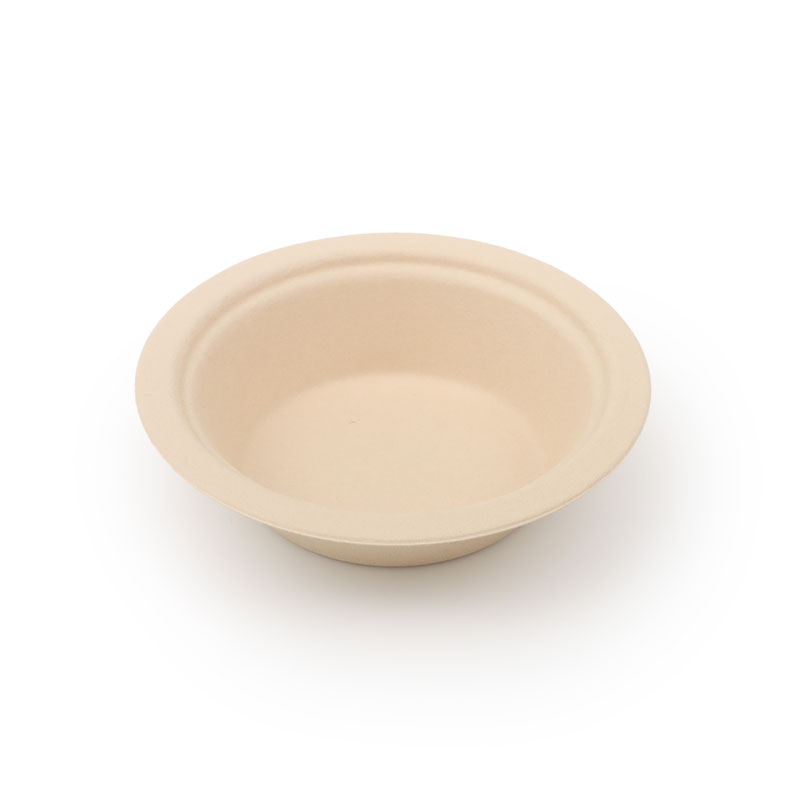 11.5oz(340ml) Bowl
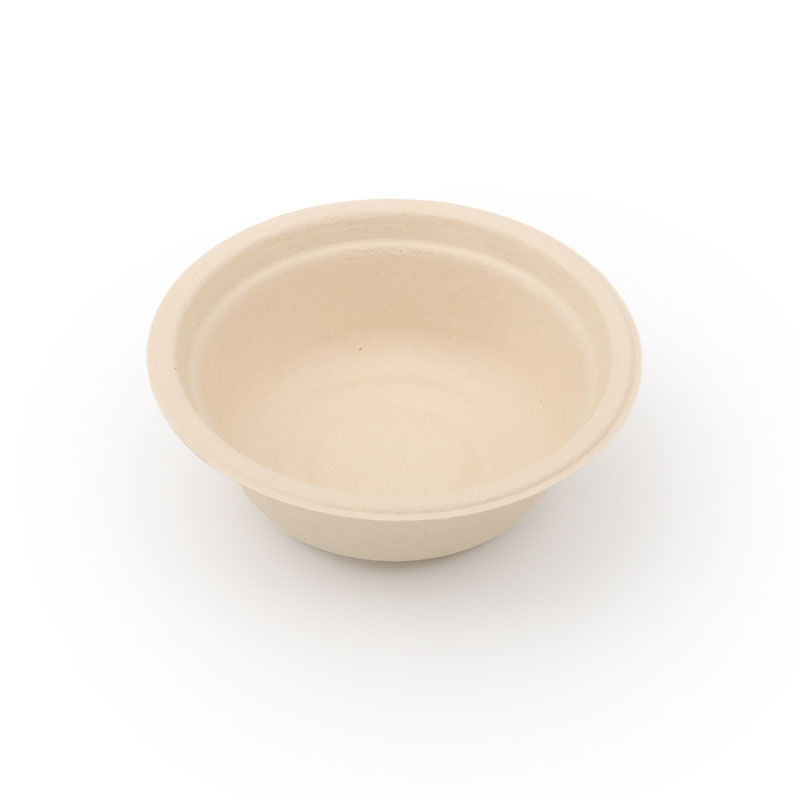 6.7oz(200ml) Bowl
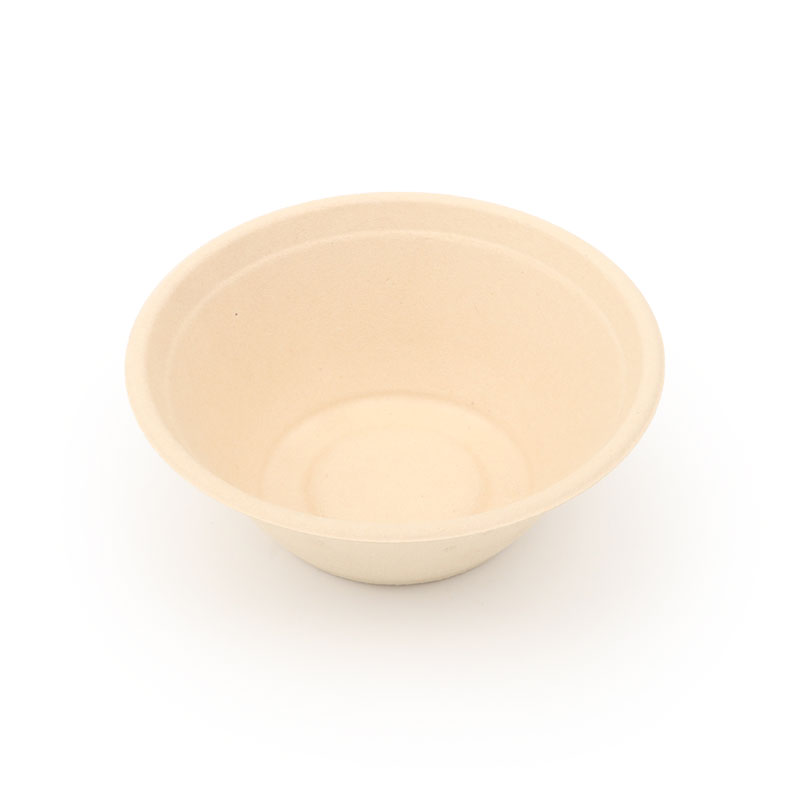 12oz(350ml) Bowl
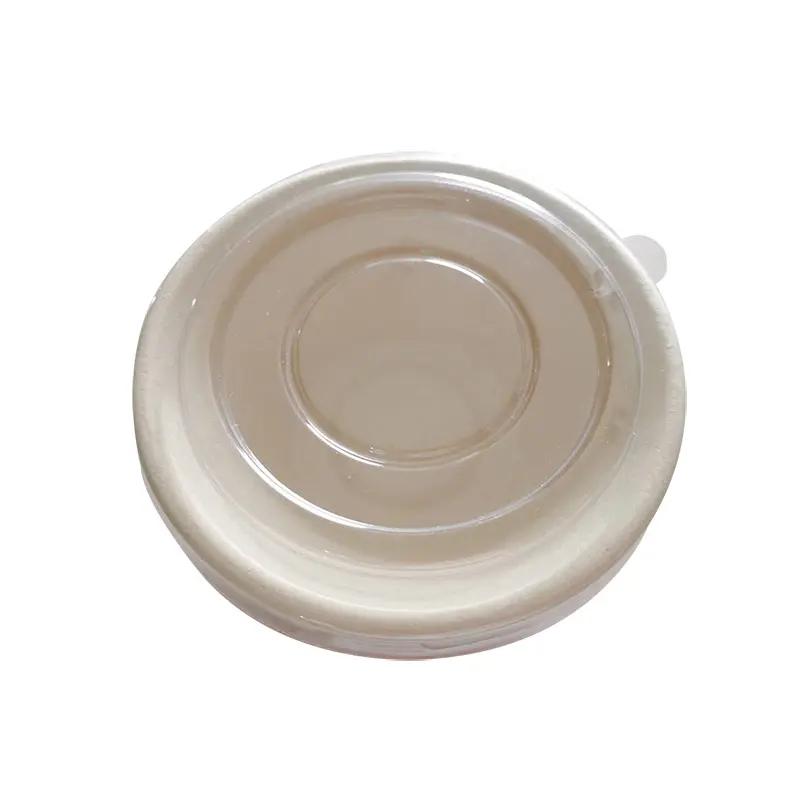 12oz(350ml) Bowl PET
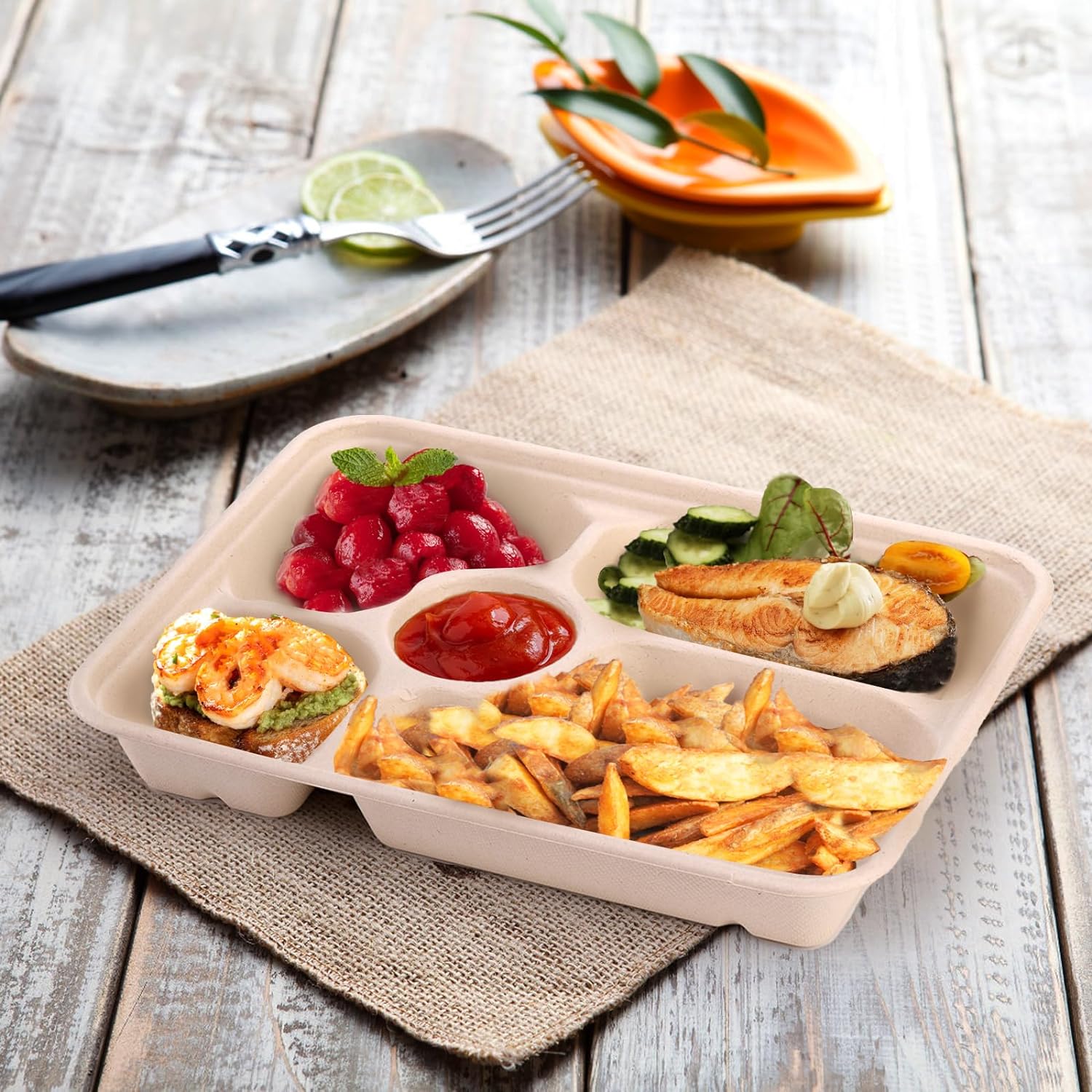 Bagasse Lunch Boxes
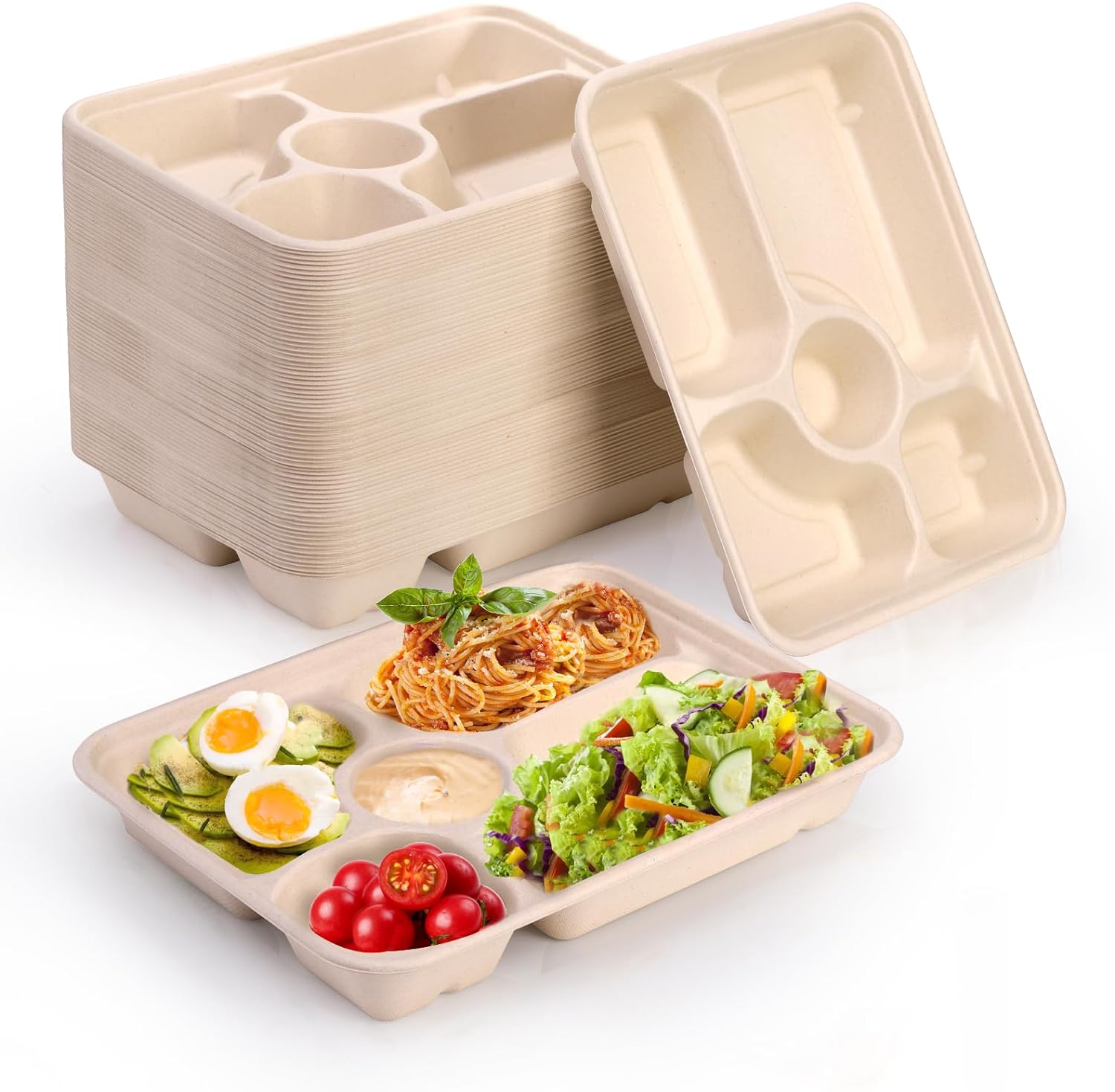 5CP
 6 inch
 Bagasse Food Plates
 7 inch
 3CP
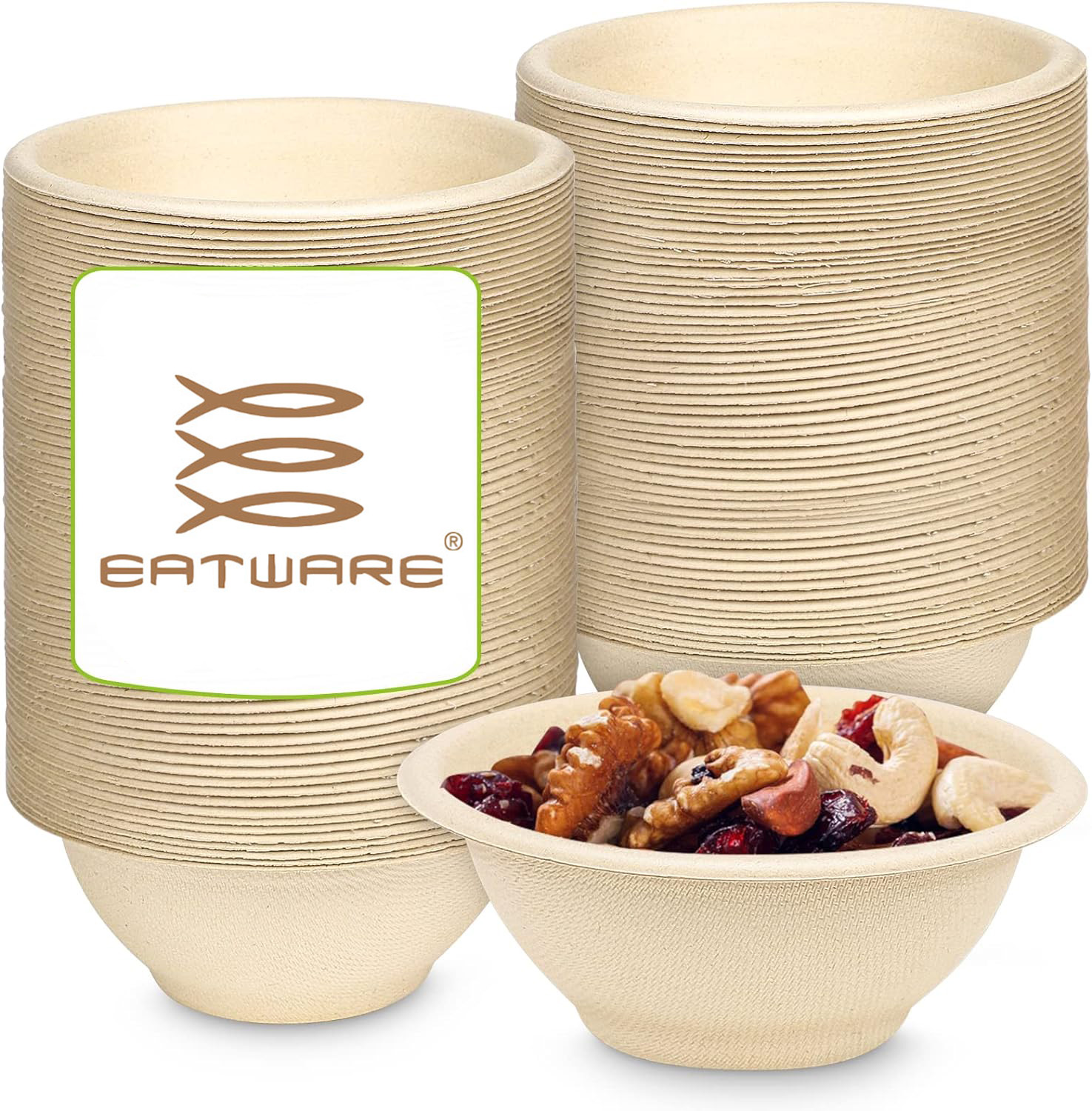 Bagasse Bowls
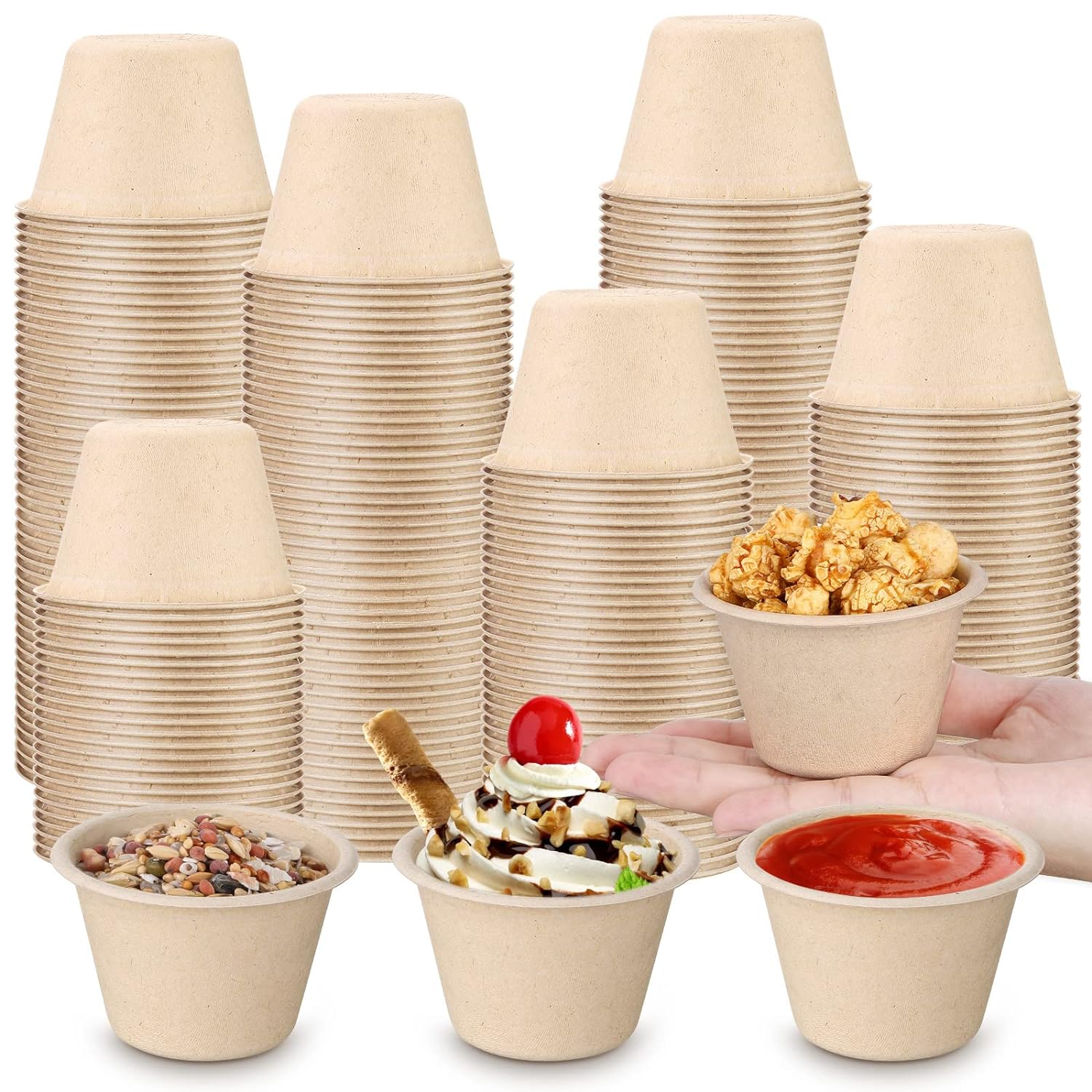 4oz
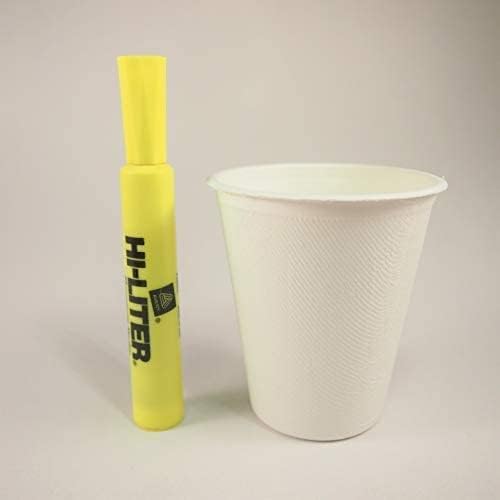 Bagasse Cups And Cutlery
 8oz
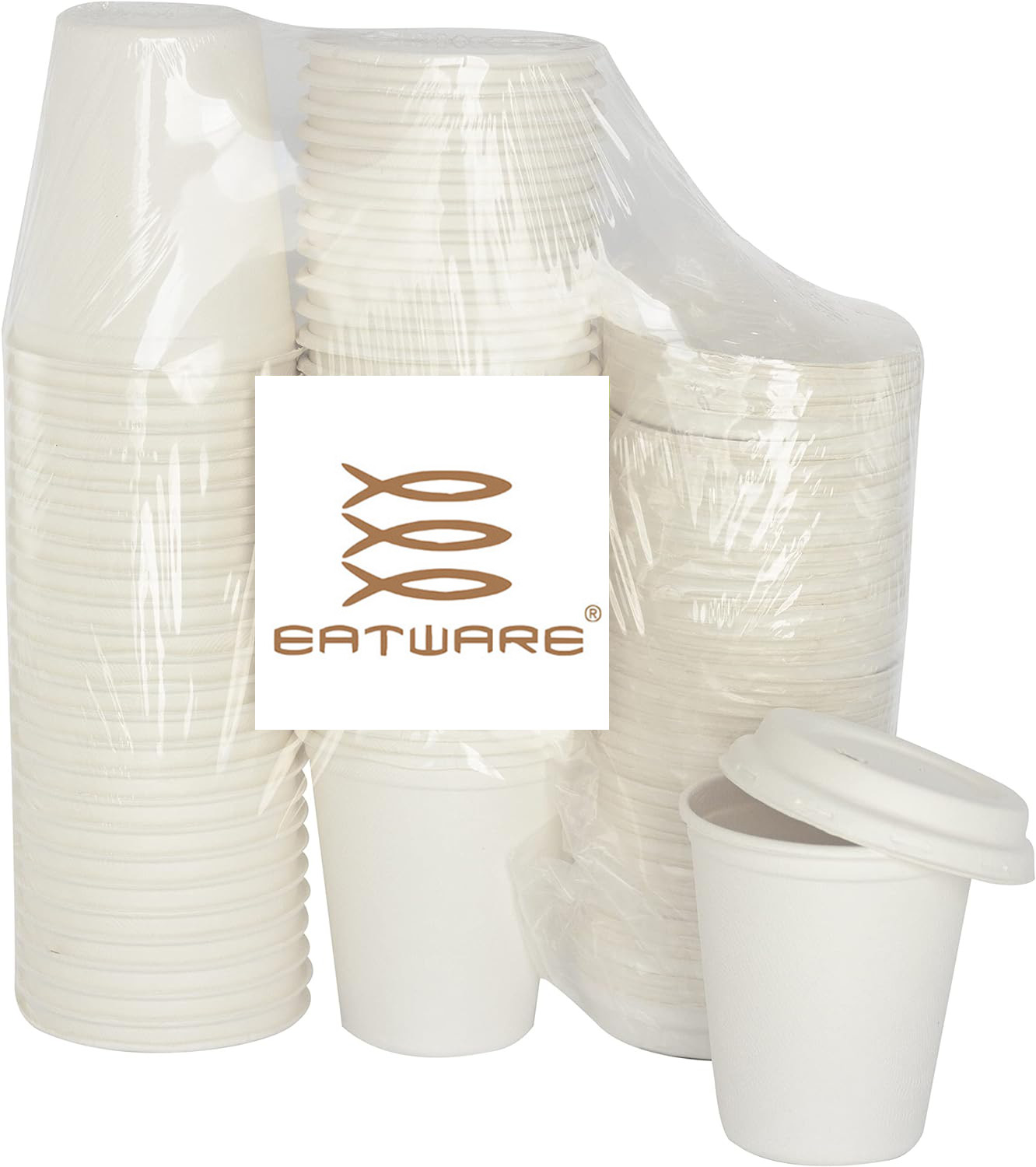 12oz
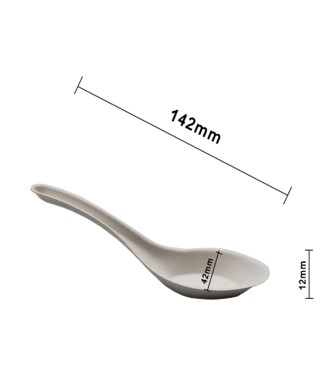 Cutlery
Leave Your Message
Modified Atmosphere Packaging (MAP) has stood as the gold standard within centralized industrial food manufacturing and premium supermarket retail for over three decades. Traditionally deployed in commercial butchery, clean-room produce distribution, and artisan pasta packaging, MAP fundamentally alters the internal atmospheric headspace within a hermetically sealed tray. By substituting the ambient atmospheric mixture (approximately 78% Nitrogen, 21% Oxygen, and 0.04% Carbon Dioxide) with a customized, biochemically tailored gas blend, the physiological degradation, oxidative rancidity, and microbial proliferation of foodstuffs are drastically decelerated.
However, the contemporary consumer landscape is experiencing an unprecedented structural evolution. The global acceleration of urban lifestyles, the booming expansion of batch cooking and "Sunday Meal Prep," the rise of smart countertop atmospheric kitchen appliances, and heightened consciousness surrounding household food waste have rapidly democratized MAP technology. Today, MAP Food Packaging For Daily Home Use is no longer an inaccessible industrial luxury; it is emerging as a vital household storage standard that bridges professional culinary science with domestic everyday living.
When daily meals, raw cut meats, or fresh garden salads are stored in ordinary cling film or rudimentary snap-lock plastic containers, oxygen triggers rapid enzymatic browning, lipid auto-oxidation, and aerobic microbial bloom (such as Pseudomonas and mold species). In high-performance home-adapted MAP trays:
Integrating modified atmosphere biodegradable trays into daily home routines addresses five critical domestic operational bottlenecks, resulting in measurable savings, nutritional retention, and superior food safety.
Cook on Sunday, eat fresh through the next weekend. By sealing home-cooked proteins, complex carbs, and steamed vegetables in lamianted MAP bowls, nutrient oxidation is locked out without freezing, eliminating freezer burn and texture degradation.
Buying proteins in bulk from wholesale clubs yields huge family savings. Repacking steaks, poultry breasts, and ground meat into individual home-use MAP bamboo trays preserves optimum red bloom and freshness for up to 14–21 refrigerated days.
High respiration produce such as sliced avocados, strawberries, and crisp salad greens frequently spoil in standard crispers within 48 hours. MAP barriers slow cellular ethylene gas production, tripling crispness and vitamin C retention.
Starch retrogradation (staling) and mold growth plague preservative-free home bakery. Flushing with high-$CO_2$/$N_2$ mixtures preserves crust elasticity, crumb moisture, and prevents fungal growth for weeks on the kitchen counter.
Single-use compostable bagasse food trays with MAP sealing ensure kids' and parents' packed lunches remain free from cross-contamination, sauce leakage, and temperature-induced microbial danger zones during transit.
Instead of discarding gourmet dinners or dinner party remnants, hermetically sealing delicate sauces, curries, and roasts under modified atmosphere preserves organoleptic flavors for spontaneous dining later in the month.
The traditional barrier in adopting modified atmosphere packaging in households has been twofold: bulky industrial machinery and excessive petroleum plastic waste (multilayer non-recyclable PP/EVOH/PE thermoformed trays). The eco-technological revolution led by EATware and Kangxin Environmental Technology has pioneered molded bamboo fiber and bagasse substrates layered with ultra-thin, compostable micro-barrier films.
These next-generation bamboo-based MAP bowls and compartmentalized trays achieve oxygen transmission rates (OTR) and water vapor transmission rates (WVTR) on par with commercial thermoformed plastics while fulfilling circular economy benchmarks. Once the sealing film is peeled, the structural bamboo fiber base naturally biodegrades into nutrient-rich organic compost within 90 days, totally mitigating the severe ecological threat of white pollution and microplastic shedding in domestic settings.
In the field of environmentally friendly packaging for 18 years, Has established cooperation with 500+ brands.
Through our research and development, there are more than 60 products can product, we also support OEM ODM customized services.
Exported to the United States, Europe, Australia, Canada and other countries, right now we have exported more than 30 countries.
10000+ square meters factory area, more than 30 patent certificates, 10 foreign authoritative certification, 55 automatic forming machines...
Kangxin (HaiMen) Environmental Technology Co., Ltd. is a technology innovation oriented enterprise that focuses on disposable environmentally friendly tableware and food packaging.
We have advanced production processes and equipment, and continue to attract senior talents, focusing on environmental protection, emphasizing safety, and ensuring quality.
EATware is committed to sustainable development, using all natural plant fibers to produce safe, healthy and environmentally friendly tableware. Adhering to the concept of "take nature, serve humanity, return to nature", we focus on the development of safe, high quality and environmental standards.
EATware emphasizes environmental protection and sustainable development, explores the balance between enterprise survival and environmental protection, and uses all-natural and pollution-free bamboo fiber as the main material of tableware to ensure that its products meet the high technical level and are superior to developed countries.
The most reliable way to test disposable food containers is to combine leakage testing with structural testing under conditions that reproduce the intended food application. A container should not be approved simply because it holds water for several minutes or survives an empty compression tes...
For foodservice operators, replacing conventional plastic packaging is not simply a matter of changing materials. Disposable biodegradable tableware must still withstand hot food, sauces, oils, condensation, stacking, transport, and commercial handling without losing structural integrity. Poorl...
With growing global demand for takeaway meals and eco-friendly packaging, China’s manufacturing sector has become a major hub for disposable food containers. Today’s food businesses - from fast-food chains and meal-delivery services to supermarkets and catering companies - are looki...


